Airbus anticipa ensamblaje A321NEO FAL Tianjin en 4Q2022
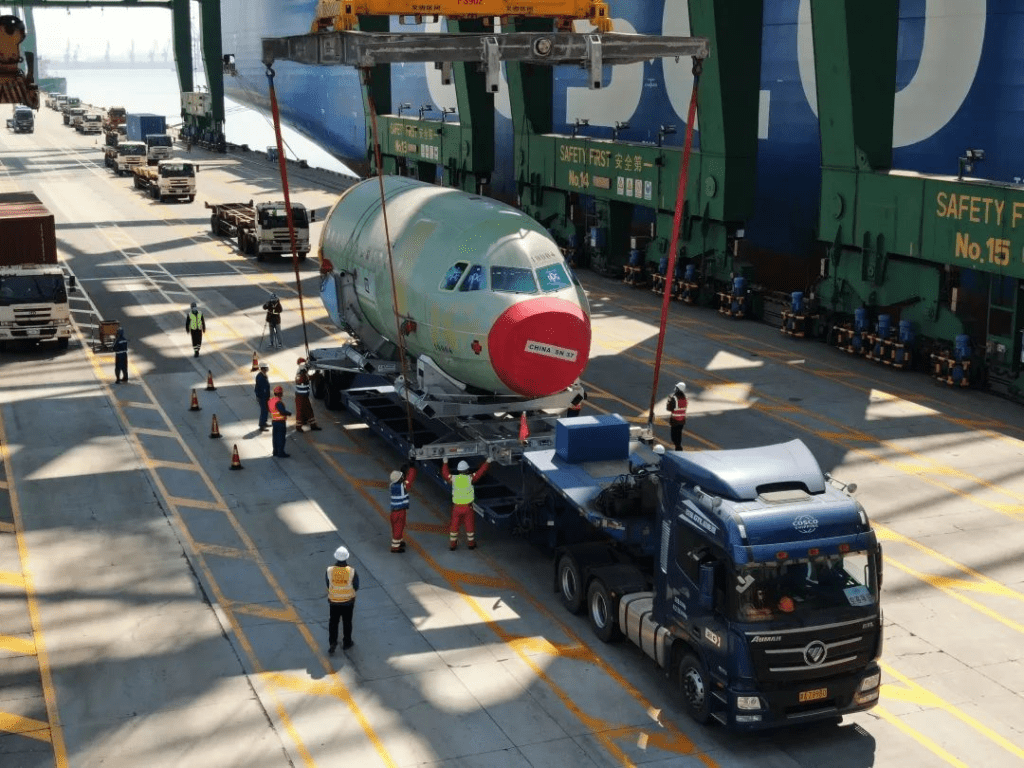
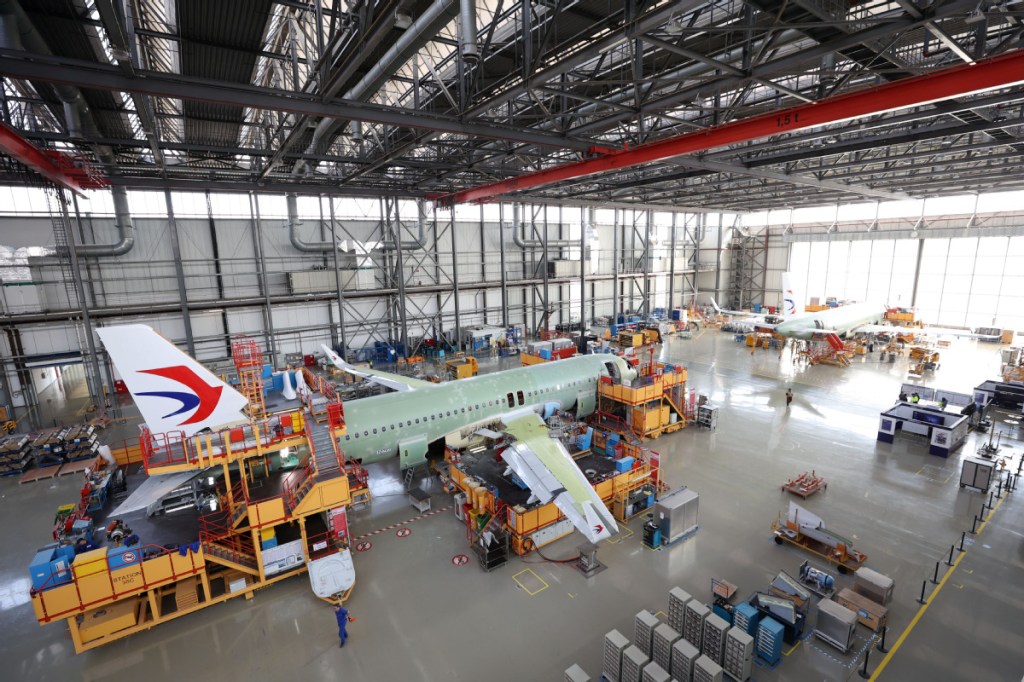
El fabricante europeo de aviones Airbus Group ha anunciado la planificación del comienzo de la línea de ensamblaje de aviones de pasillo único A321NEO/XLR en su línea de ensamblaje final en Tianjin, China a finales de este 2022, buscando más oportunidades de cooperación con los actores de la industria de la aviación china. El primer lote de dos piezas grandes, una sección de nariz y un fuselaje, llegó al Puerto de Tianjin desde Hamburgo, Alemania, el Sábado 10/09, y se espera que las grandes secciones sean transportadas al centro de ensamblaje final de Airbus en Tianjin el Martes 13/09.
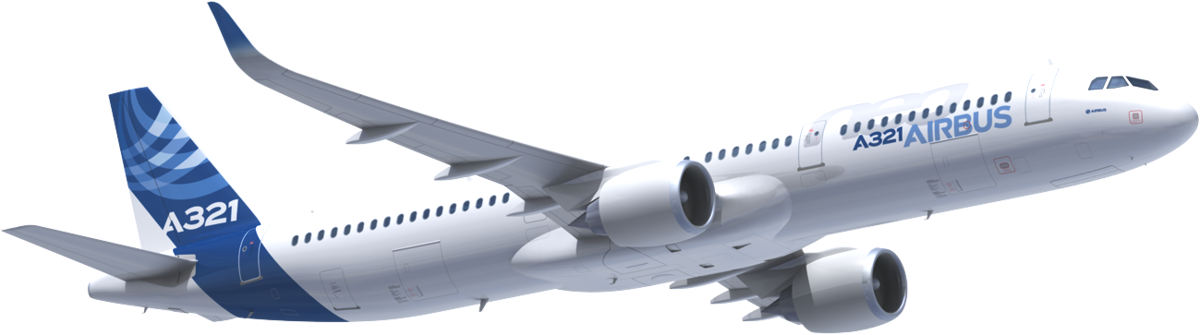
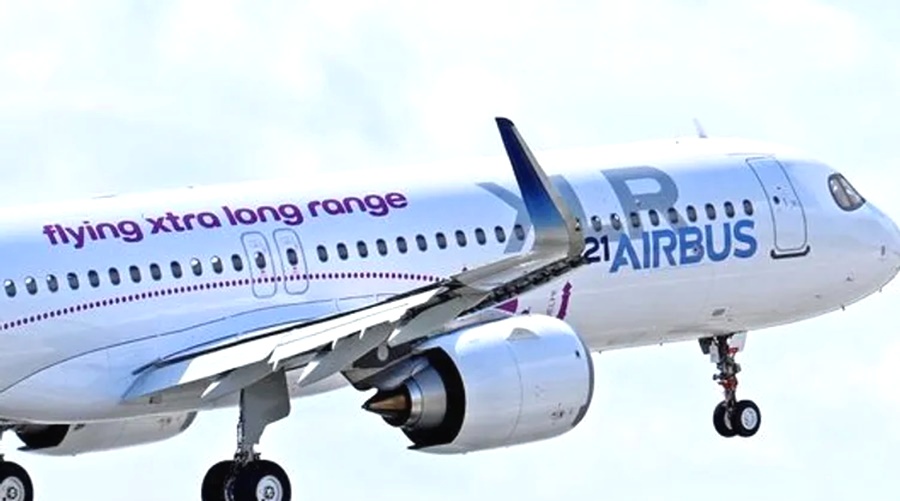
El A321, el miembro más grande de la familia A320, ahora sirve como el avión de pasillo único de Airbus con la mayor demanda a nivel mundial del que desarrolla las variantes actuales del NEO y XLR. Cada A321 puede albergar aproximadamente un 30 por ciento más de pasajeros que el A320 para la configuración típica de la cabina, y su versión de alcance extra largo es capaz de volar hasta 8.700 kilómetros, dijo Airbus.
En todo el mundo, Airbus tiene cuatro instalaciones de ensamblaje de la familia A320 en Toulouse (Francia) Hamburgo (Alemania), Alabama (Estados Unidos) y Tianjin (China). El fabricante de aviones ha ampliado su capacidad en todas estas instalaciones para satisfacer la creciente demanda del A321. «Toda la compañía de Airbus ha pasado de lidiar con la pandemia de COVID-19 a considerar el crecimiento futuro. Nos centraremos en la transformación del desarrollo digital y ecológico, y continuaremos explorando nuevas posibilidades de cooperación con socios de la industria de la aviación china», dijo George Xu, Vicepresidente Ejecutivo de Airbus y CEO de Airbus China.
Las dos grandes secciones del A321, que fueron transportadas por un buque de carga propiedad de Hong Kong, llegaron a la Terminal Internacional de Contenedores del Pacífico del Puerto de Tianjin el Sábado 10/09 por la tarde. «Fue el primer lote de grandes partes del A321 que llegó a Tianjin desde el establecimiento de la instalación de ensamblaje de la familia A320 en Tianjin hace más de una década», dijo Zhao Zhiming, Subgerente General de la compañía de cadena de suministro de logística de ingeniería en Tianjin de China COSCO Shipping Co Ltd.
A finales de 2021, en su línea de montaje final en Tianjin para los aviones de la familia A320, Airbus había entregado 555 aviones A320 a clientes chinos y asiáticos. El año pasado, Airbus presentó a unos 100 técnicos de Europa a China, y continuará aumentando la inversión en China después de que la compañía cancelara algunos proyectos en otros lugares debido a la pandemia. Gracias a la estrecha cooperación con socios chinos, Airbus ha elevado su cuota de mercado en China al 53 por ciento, superando a su rival Boeing. Para fines de este año 2022, Airbus planea entregar su avión número 600 de la serie A320 y el primer avión A321 ensamblado en Tianjin. «La mayor inversión y extensión de la capacidad de ensamblaje de Airbus en Tianjin muestra su reconocimiento del entorno de inversión de China y su confianza en el potencial de crecimiento del mercado de la aviación civil en China», dijo Zou Jianjun, Profesor del Instituto de Gestión de la Aviación Civil de China.
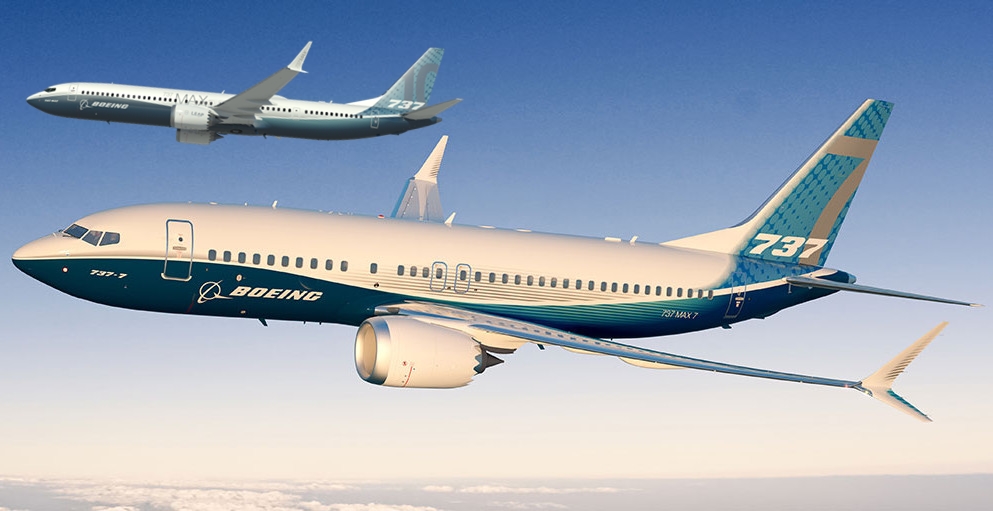
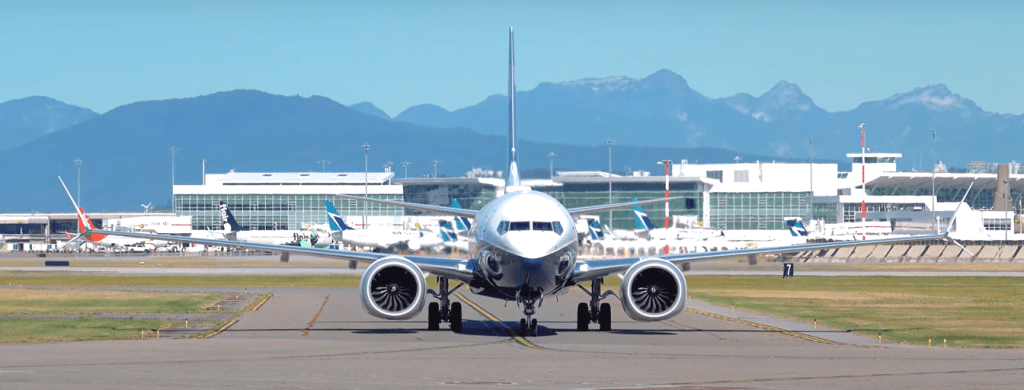
En los próximos veinte años, Airbus espera que China necesite unos 6.900 aviones de pasillo único. Para 2040, Boeing predice que China tendrá demanda de casi 6.500 aviones de pasillo único. Mientras tanto, el Boeing 737 MAX, que ha estado en tierra durante más de dos años después de dos accidentes fatales, está a la espera de reanudar el vuelo nuevamente en China después de que recuperó una Directiva de Aeronavegabilidad (AD) de la Administración de Aviación Civil de China en Diciembre 2021.
Airbus projects China assembly A321NEO
Airbus anticipates assembly A321NEO FAL Tianjin in 4Q2022
European aircraft manufacturer Airbus Group has announced the planning to start the A321NEO/XLR single-aisle aircraft assembly line at its final assembly line in Tianjin, China by the end of 2022, seeking more opportunities for cooperation with stakeholders. of the Chinese aviation industry. The first batch of two large parts, a nose section and a fuselage, arrived at the Port of Tianjin from Hamburg, Germany on Saturday 09/10, with the large sections expected to be transported to the Airbus Final Assembly Center in Tianjin. on Tuesday 09/13.
The A321, the largest member of the A320 family, now serves as Airbus’ most in-demand single-aisle aircraft globally from the developer of the current NEO and XLR variants. Each A321 can hold about 30 percent more passengers than the A320 for typical cabin configuration, and its extra-long-range version is capable of flying up to 8,700 kilometers, Airbus said.
Around the world, Airbus has four A320 Family assembly facilities in Toulouse (France), Hamburg (Germany), Alabama (USA) and Tianjin (China). The aircraft manufacturer has expanded capacity at all of these facilities to meet growing demand for the A321. «The entire Airbus company has turned from dealing with the COVID-19 pandemic to considering future growth. We will focus on digital and green development transformation, and continue to explore new possibilities of cooperation with Chinese aviation industry partners», said George Xu, Executive Vice President of Airbus and CEO of Airbus China.
The two large sections of the A321, which were transported by a Hong Kong-owned cargo ship, arrived at the Tianjin Port Pacific International Container Terminal on Saturday afternoon 9/10. «It was the first batch of large A321 parts to arrive in Tianjin since the establishment of the A320 Family Assembly Facility in Tianjin more than a decade ago», said Zhao Zhiming, Deputy General Manager of the logistics supply chain company. engineering in Tianjin of China COSCO Shipping Co Ltd.
By the end of 2021, at its final assembly line in Tianjin for A320 Family aircraft, Airbus had delivered 555 A320 aircraft to Chinese and Asian customers. Last year, Airbus introduced some 100 technicians from Europe to China, and it will continue to increase investment in China after the company canceled some projects elsewhere due to the pandemic. Thanks to close cooperation with Chinese partners, Airbus has raised its market share in China to 53 percent, surpassing its rival Boeing. By the end of this year 2022, Airbus plans to deliver its 600th A320 series aircraft and the first A321 aircraft assembled in Tianjin. «Airbus’ further investment and extension of assembly capacity in Tianjin shows its appreciation of China’s investment environment and its confidence in the growth potential of China’s civil aviation market», said Zou Jianjun, Professor at the Institute of China Civil Aviation Management.
Over the next twenty years, Airbus expects China to need some 6,900 single-aisle aircraft. By 2040, Boeing predicts that China will have demand for nearly 6,500 single-aisle aircraft. Meanwhile, the Boeing 737 MAX, which has been grounded for more than two years after two fatal accidents, is waiting to resume flying again in China after it retrieved an Airworthiness Directive (AD) from the Administration of China Civil Aviation in December 2021.
AW | 2022 09 10 23:50 | INDUSTRY / AVIATION SAFETY / AVIATION ORGANISMS
FAA refuerza supervisión diseño 737 MAX
La Administración Federal de Aviación (FAA) finaliza el cambio de reglas de seguridad buscado después de que los accidentes aéreos que involucraron a aeronaves Boeing 737 MAX. Empleados en The Boeing Company y otros fabricantes recibirán nuevas protecciones contra la interferencia de la compañía a medida que los reguladores federales continúen reforzando la supervisión del desarrollo de aeronaves. Las últimas reglas se aplican a los ingenieros que son delegados por la Administración Federal de Aviación para revisar la seguridad de los diseños de aeronaves. Cualquier preocupación que planteen sobre una posible interferencia debe ser investigada e informada a la agencia bajo una orden establecida el Miércoles 07/09. Esos empleados también podrán comunicarse directamente con la FAA en cualquier momento.
La nueva medida es el último paso de la agencia de la FAA para controlar a los fabricantes después de que los accidentes aéreos en 2018 y 2019 de los vuelos JT-610 de Lion Air y ET-302 de Ethiopian Airlines que pusieron de relieve la práctica de larga data de permitir que los fabricantes de aviones utilicen a sus propios empleados para actuar en nombre del Gobierno para supervisar el desarrollo de aviones.
La FAA no tiene suficiente personal para supervisar el complejo diseño de las aeronaves modernas, por lo que se basa en un programa llamado Autorización de Designación de Organización (AOD) para complementar sus recursos. Las empresas que participan en el programa luego designan a sus propios empleados para llevar a cabo el trabajo en nombre del Gobierno. El acuerdo aumenta la experiencia técnica del gobierno, pero crea el riesgo de que los empleados sean presionados para servir a los intereses de la compañía en lugar de los del público. Algunos trabajadores de Boeing habían recibido una presión indebida, aunque la compañía dice que está mejorando. Como parte de las mejoras se requerirán prácticas de encuestas anónimas para detectar conflictos de intereses y que los empleados de la compañía y los funcionarios del gobierno sean libres de comunicarse directamente. La FAA también está estableciendo un panel para revisar las prácticas de seguridad en las empresas con programas de AOD, dijo la agencia. El panel, requerido por el Congreso estadounidense, estará compuesto por expertos de NASA, FAA, sindicatos, expertos independientes en ingeniería y otros.
«Boeing apoya plenamente los esfuerzos para mejorar la transparencia y la independencia en el programa de AOD. Hemos trabajado y continuaremos trabajando con la FAA para garantizar que los miembros de nuestra unidad de AOD puedan desempeñar sus funciones vitales sin interferencias a través de una comunicación abierta y un entorno de apoyo», dijo la compañía en un comunicado.
Pedido de cambios
Robert A. Clifford, el abogado principal en un caso de la corte federal contra Boeing que representa a las familias de las víctimas del segundo accidente del MAX, dijo que los miembros de la familia habían pedido durante mucho tiempo tales cambios. «Promueve la seguridad de la aviación, por lo que debemos abrazar y aplaudir este paso tan esperado por la FAA», dijo Robert Clifford. El sistema había cambiado durante muchos años y una revisión del Comité de Transporte de la Cámara de Representantes de los accidentes concluyó que una «disminución en la calidad del producto y la cultura de seguridad en Boeing descrita anteriormente coincidió con la evolución en la estructura de supervisión de la FAA de la industria de la aviación».
A fines de 2020, cuando el Boeing 737 MAX estaba siendo reintroducido en las flotas de aerolíneas globales después de cambios de diseño y otra revisión de seguridad por parte de la FAA, el Congreso aprobó una revisión de las leyes de seguridad de los aviones que requieren una supervisión más fuerte por parte del gobierno. El organismo de control interno del Departamento de Transporte (DOT) también recomendó cambios. En los años transcurridos desde entonces, la agencia ha realizado cambios que incluyen la aprobación de empleados individuales asignados a las unidades de seguridad de las empresas. La FAA también ha asumido la responsabilidad más directa de revisar los aviones fabricados por Boeing, incluido el 787 Dreamliner, que ha estado plagado de problemas de control de calidad.
Las denuncias de injerencia han seguido apareciendo. En Agosto de 2021, la FAA dijo que estaba abriendo una revisión en Boeing después de que los empleados describieran haber enfrentado conflictos de intereses.
Perspectivas
El nuevo conjunto de reglas está diseñado para garantizar la independencia de los empleados corporativos asignados a trabajar en nombre del Gobierno. Las reglas consagran un cambio en la relación entre Boeing y los reguladores, que el Congreso y expertos independientes pidieron después de los accidentes del 737 MAX en 2018 y 2019. Las reglas en una nueva orden tienen como objetivo garantizar que las empresas no ejerzan tal presión y que se investiguen los casos sospechosos de interferencia. «Garantizar un entorno libre de interferencias es fundamental para la confianza que la FAA deposita en cada titular de AOD», dice la orden. Mucho antes de los desastres del 737 MAX, Boeing tenía un historial de no solucionar los problemas de seguridad aeronáutica.
El sistema OAD fue objeto de escrutinio después de los accidentes del 737 MAX, donde fallecieron a 346 personas y sacudieron la confianza tanto en la FAA como del constructor aeronáutico americano Boeing. Las investigaciones encontraron que en ambos casos, una falla en un sistema automatizado fue una razón clave para que los aviones se hundieran en inmersiones fatales, y que la falla no había sido detectada por las revisiones de seguridad cuando se diseñaron los aviones. Las reglas emitidas el Miércoles 07/09 detallan que la interferencia puede incluir represalias obvias por informar sobre problemas de seguridad, pero también dar a los empleados responsabilidades adicionales que se interponen en el camino del trabajo en nombre del público.
Ryanair dudas 737 MAX
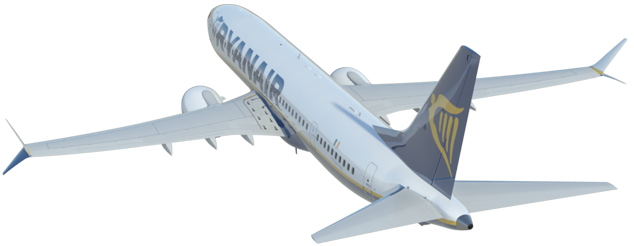
El CEO Michael O’Leary de la aerolínea Ryanair planteó más dudas el Miércoles 07/09 sobre las capacidades del constructor Boeing para cumplir con un pedido de sus aviones 737 MAX a tiempo y se reunirá con el fabricante de aviones en Seattle (WA) este mes para discutir problemas de línea de producción. Ryanair, un importante cliente de Boeing, ha pedido 210 del modelo más eficiente en combustible y había recibido 73 en Junio 2022. Michel O’Leary dijo que otros 51 de los aviones Boeing 737-8 MAX configurados para 197 asientos debían presentarse a fines de Abril 2022, incluidos 21 a fines de este año.
«Nos preocupa que Boeing no cumpla con esas entregas. Están llegando tarde en este momento, hay problemas con la producción en Seattle y queremos entender esos problemas. Dicen que pueden. Dudamos de su capacidad de cumplimiento. Se suponía que íbamos a conseguir 21 aviones este lado de la Navidad. Ahora están murmurando que podría ser 17, podría ser 15. Es difícil obtener detalles de Boeing», expresó el directivo de una de las más importante aerolíneas low cost de Europa.
Un portavoz de Boeing dijo que el fabricante de aviones valoró su asociación con Ryanair y está comprometido a apoyar a la aerolínea a pesar de la falta de compromiso del fabricante de aviones comerciales. Michael O’Leary dijo que Ryanair había acordado durante las conversaciones con Boeing la semana pasada ir a Seattle para establecer cuándo recibiría los 51 aviones, que dijo que eran necesarios para garantizar un crecimiento continuo el próximo año. La aerolínea irlandesa voló un número récord de pasajeros por cuarto mes consecutivo en Agosto 2022, mientras consolidó su posición como la aerolínea más grande de Europa por número de pasajeros transportados.
Certificación MAX 7
The Boeing Company continúa trabajando de manera transparente con la FAA para proporcionar la información que necesitan sobre el programa MAX 10, enfatiza la compañía americana, mientras espera que el programa Boeing 737-7 MAX sea certificado antes que el 737-10 MAX. La certificación del programa del avión de fuselaje estrecho más grande podría arrastrarse hasta la primera mitad de 2023, esto está generando preguntas sobre la fecha límite de 2022 ordenada por el Congreso de los Estados Unidos.
A principios de Septiembre 2022, el especialista en Marketing de Productos de Boeing Commercial Airplanes, John Dyson, dijo a los periodistas que el MAX 7 sería el primer programa en ser certificado. Estos comentarios se alinean con lo que la compañía ve que el MAX 7 tubo su primer vuelo en 2018 y completó su programa de pruebas de vuelo en 2021, mientras que el primer vuelo para el programa MAX 10 tuvo lugar en Junio 2021, por eso naturalmente el MAX 7 debe certificarse primero.
Boeing continúa trabajando con la Administración Federal de Aviación para cumplir con todos los requisitos reglamentarios para la certificación de tipo antes de su entrada en servicio programada en 2023.
El 737-7 MAX, el miembro más pequeño de la familia 737 MAX ha recibido 286 pedidos en todo el mundo. Southwest Airlines es el cliente más grande con más de 230 pedidos. Otras aerolínea como la canadiense WestJet y más recientemente Allegiant Air han colocado órdenes por el MAX 7.
Programa MAX 10
La certificación del Boeing 737-10 MAX se ha convertido en un verdadero escollo para el fabricante de aviones estadounidense que se enfrenta a una fecha límite en Diciembre 2022 para obtener la aprobación. La falta de cumplimiento en los plazos establecidos obligaría a Boeing a rediseñar al MAX 10 con nuevos requisitos de alerta de cabina. Esto se debe a una ley de 2020 introducida como parte de un conjunto regulatorio más amplio de reformas en la FAA después de los accidentes del MAX en 2018 y 2019. En Julio 2022, el CEO de Boeing, Dave Calhoun, dijo que estos problemas regulatorios podrían obligar a la compañía a cancelar el MAX 10 si el Gobierno de Estados Unidos no extiende el plazo. Boeing continúa trabajando de manera transparente con la FAA para proporcionar la información que necesitan, comprometidos a cumplir con sus expectativas y las de nuestros clientes para certificar y entregar el 737-10 MAX.
El programa MAX 10 cuenta con una cartera de pedidos de 850 órdenes en todo el mundo, pero se dudaría que el constructor americano pudiera cancelar el programa, mientras que el Congreso podría aprobar una extensión de ese proceso de certificación porque no tiene sentido pedir a una compañía como Boeing que rediseñe la cabina o rediseñe los sistemas de seguridad en una familia homogénea de aviones de cuarta generación 737 MAX.
Perspectives development 737 MAX
FAA tightens 737 MAX design oversight
The Federal Aviation Administration (FAA) finalizes the change in safety rules sought after the plane crashes involving Boeing 737 MAX aircraft. Employees at The Boeing Company and other manufacturers will receive new protections against company interference as federal regulators continue to tighten oversight of aircraft development. The latest rules apply to engineers who are delegated by the Federal Aviation Administration to review the safety of aircraft designs. Any concerns raised about possible interference must be investigated and reported to the agency under an order established on Wednesday 07/09. Those employees will also be able to contact the FAA directly at any time.
The new move is the latest step by the FAA agency to rein in manufacturers after plane crashes in 2018 and 2019 involving Lion Air’s JT-610 and Ethiopian Airlines ET-302 flights that highlighted the practice. of allowing aircraft manufacturers to use their own employees to act on behalf of the Government to oversee aircraft development.
The FAA doesn’t have enough staff to oversee the complex design of modern aircraft, so it relies on a program called Authorizing Organization Designation (AOD) to supplement its resources. Companies participating in the program then appoint their own employees to carry out the work on behalf of the Government. The deal increases the government’s technical expertise but creates the risk that employees will be pressured to serve the company’s interests rather than those of the public. Some Boeing workers had been under undue pressure, though the company says it is improving. As part of the improvements, anonymous survey practices will be required to detect conflicts of interest and that company employees and government officials be free to communicate directly. The FAA is also establishing a panel to review security practices at companies with AOD programs, the agency said. The panel, mandated by the US Congress, will be comprised of experts from NASA, the FAA, labor unions, independent engineering experts and others.
«Boeing fully supports efforts to improve transparency and independence in the AOD program. We have and will continue to work with the FAA to ensure that members of our AOD unit are able to perform their vital roles without interference through open communication and a supportive environment», the company said in a statement.
Change request
Robert A. Clifford, the lead attorney in a federal court case against Boeing representing families of victims of the second MAX crash, said family members had long called for such changes. «It promotes aviation safety, which is why we should embrace and applaud this long-awaited step by the FAA», said Robert Clifford. The system had been in flux for many years, and a House Transportation Committee review of the accidents concluded that a «decline in product quality and safety culture at Boeing described above coincided with the evolution in the supervisory structure», of the FAA from the aviation industry.
In late 2020, as the Boeing 737 MAX was being reintroduced to global airline fleets after design changes and another safety review by the FAA, Congress passed a review of aircraft safety laws requiring stronger supervision by the government. The Department of Transportation’s (DOT) internal watchdog also recommended changes. In the years since then, the agency has made changes that include approving individual employees assigned to companies’ security units. The FAA has also taken more direct responsibility for reviewing planes made by Boeing, including the 787 Dreamliner, which has been plagued by quality control problems.
The complaints of interference have continued to appear. In August 2021, the FAA said it was opening a review at Boeing after employees described facing conflicts of interest.
Perspectives
The new set of rules is designed to ensure the independence of corporate employees assigned to work on behalf of the Government. The rules enshrine a change in the relationship between Boeing and regulators, which Congress and independent experts called for after the 737 MAX accidents in 2018 and 2019. The rules in a new order aim to ensure that companies do not exert such pressure. and that suspected cases of interference be investigated. «Ensuring an environment free from interference is critical to the trust the FAA places in each AOD holder», the order says. Long before the 737 MAX disasters, Boeing had a history of failing to fix aviation safety issues.
The OAD system came under scrutiny after the 737 MAX crashes, which killed 346 people and shook confidence in both the FAA and American aircraft builder Boeing. The investigations found that in both cases, a failure in an automated system was a key reason the planes plunged into fatal dives, and that the failure had gone undetected by safety reviews when the planes were designed. The rules issued on Wednesday 09/07 detail that interference can include obvious retaliation for reporting safety issues, but also giving employees additional responsibilities that get in the way of working on behalf of the public.
Ryanair doubts 737 MAX
The CEO Michael O’Leary of the airline Ryanair raised more doubts on Wednesday 07/09 about the capabilities of the manufacturer Boeing to fulfill an order for its 737 MAX aircraft on time and will meet with the aircraft manufacturer in Seattle (WA) this month to discuss production line problems. Ryanair, a major Boeing customer, has ordered 210 of the more fuel-efficient model and had received 73 by June 2022. Michel O’Leary said a further 51 of the 197-seat configured Boeing 737-8 MAX jets were due by the end of April 2022, including 21 at the end of this year.
«We are concerned that Boeing will not meet those deliveries. They are running late right now, there are issues with production in Seattle and we want to understand those issues. They say they can. We doubt their ability to meet. We were supposed to get 21 planes this side of Christmas. Now they are whispering that it could be 17, it could be 15. It’s hard to get details from Boeing», said the manager of one of Europe’s largest low-cost airlines.
A Boeing spokesman said the planemaker valued its partnership with Ryanair and is committed to supporting the airline despite the commercial planemaker’s lack of commitment. Michael O’Leary said Ryanair had agreed during talks with Boeing last week to go to Seattle to establish when it would take delivery of the 51 planes, which he said were needed to ensure continued growth next year. The Irish airline flew a record number of passengers for the fourth consecutive month in August 2022, while consolidating its position as the largest airline in Europe by number of passengers carried.
MAX 7 certification
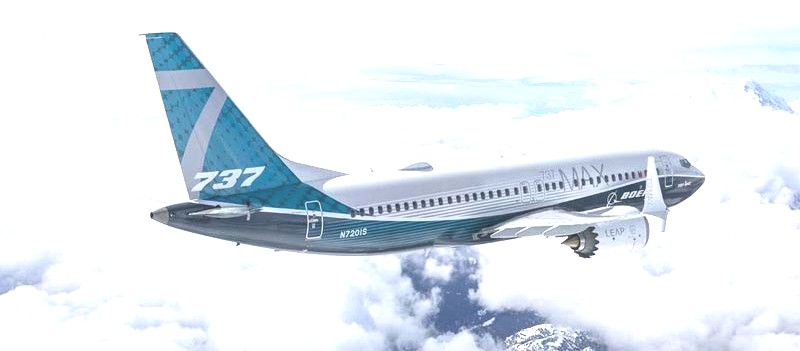
The Boeing Company continues to work transparently with the FAA to provide the information they need about the MAX 10 program, the American company emphasizes, while waiting for the Boeing 737-7 MAX program to be certified before the 737-10 MAX. Certification of the largest narrow-body aircraft program could drag into the first half of 2023, raising questions about the 2022 deadline mandated by the US Congress.
In early September 2022, Boeing Commercial Airplanes Product Marketing Specialist John Dyson told reporters that the MAX 7 would be the first program to be certified. These comments align with what the company sees as the MAX 7 having its maiden flight in 2018 and completing its flight test program in 2021, while the maiden flight for the MAX 10 program took place in June 2021, so naturally the MAX 7 must be certified first.
Boeing continues to work with the Federal Aviation Administration to meet all regulatory requirements for type certification in advance of its scheduled entry into service in 2023.
The 737-7 MAX, the smallest member of the 737 MAX family, has received 286 orders worldwide. Southwest Airlines is the largest customer with more than 230 orders. Other airlines such as Canada’s WestJet and more recently Allegiant Air have placed orders for the MAX 7.
MAX 10 program
The certification of the Boeing 737-10 MAX has become a real stumbling block for the US aircraft manufacturer, which faces a deadline of December 2022 to obtain approval. Failure to meet the established deadlines would force Boeing to redesign the MAX 10 with new cockpit alert requirements. This is due to a 2020 law introduced as part of a broader regulatory set of reforms at the FAA after the MAX accidents in 2018 and 2019. In July 2022, Boeing CEO Dave Calhoun said that these regulatory issues could force the company to cancel the MAX 10 if the United States Government does not extend the deadline. Boeing continues to work transparently with the FAA to provide the information they need, committed to meeting their expectations and those of our customers to certify and deliver the 737-10 MAX.
The MAX 10 program has an order book of 850 orders worldwide, but it would be doubtful that the American manufacturer could cancel the program, while Congress could approve an extension of that certification process because it makes no sense to ask a company like Boeing to redesign the cabin or redesign the safety systems on a homogeneous family of fourth-generation 737 MAX planes.
PUBLISHER: Airgways.com DBk: Boeing.com / Faa.gov / Ryanair.com / Airgways.com AW-POST: 202209102350AR OWNERSHIP: Airgways Inc. A\W A I R G W A Y S ®
Sinergia de la política de la industria aeroespacial indonesia Firma MoU Indonesian Aerospace—Airbus Group
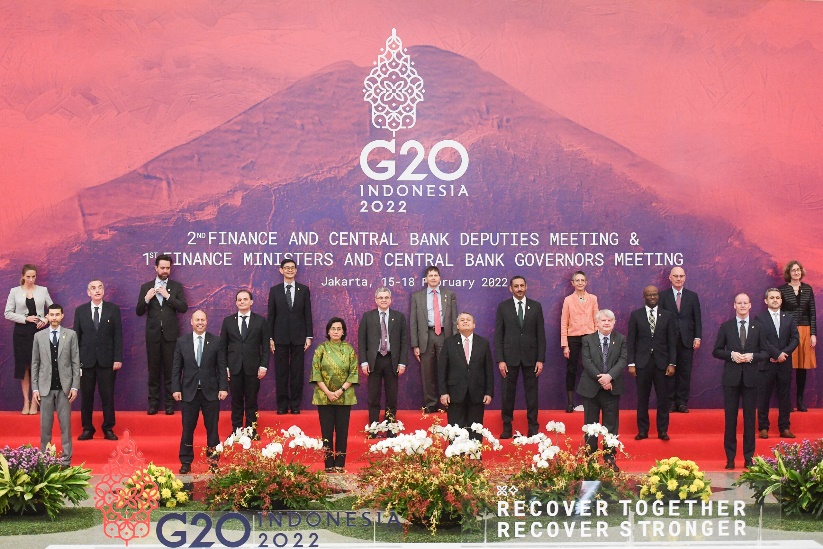
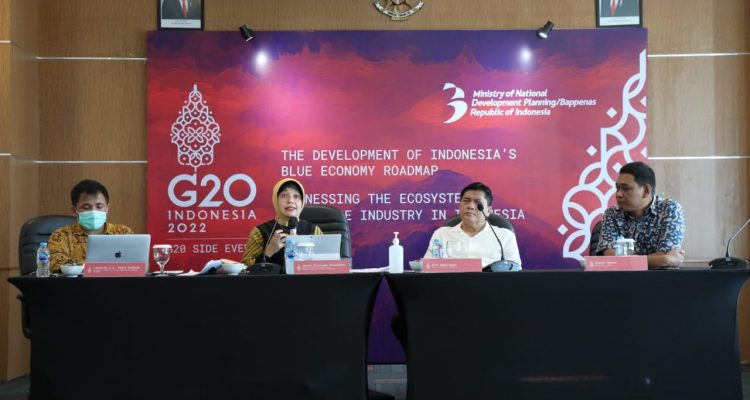
El Ministerio de Planificación Nacional del Desarrollo/Bappenas junto con Indonesian Aerospace (PT Dirgantara Indonesia) celebraron un evento paralelo de la Reunión Ministerial de Desarrollo del G20 con el tema «Aprovechar el ecosistema de la industria aeroespacial en Indonesia» los días 7 y 8 de Septiembre de 2022 en Belitung, Indonesia. Esta agenda tiene como objetivo proporcionar espacio para que los responsables de la formulación de políticas, los actores del desarrollo y los socios internacionales muestren buenas prácticas, desafíos y aprendizajes y experiencias en la industria aeroespacial que sean relevantes para el contexto indonesio, así como para aumentar la colaboración entre los países del G20, dijo la Diputada de Asuntos Económicos del Ministerio de Planificación Nacional del Desarrollo/Bappenas, Amalia Adininggar Widyasanti, el Martes 06/09.
Indonesian-Airbus
Al margen del evento paralelo que consiste en un panel de alto nivel el 7 de Septiembre de 2022 y un Seminario Internacional el 8 de Septiembre de 2022, se firmará un Memorando de Entendimiento (MoU) entre PT Dirgantara Indonesia y Airbus Group para apoyar el crecimiento y el fortalecimiento del ecosistema aeroespacial nacional. El Gobierno indonesio cree que el potencial tecnológico en la industria aeroespacial es un activo extraordinario que necesita ser administrado, mejorado y aumentado su capacidad y capacidad para fortalecer y apoyar la economía, la seguridad y la defensa del país, agregó nuevamente la diputada Amalia Adininggar Widyasanti.
Uno de los focos de la discusión en el Evento Paralelo es un esquema de cooperación que puede garantizar el logro del objetivo de independencia a largo plazo, así como invitar a nuevos avances que puedan ser transmitidos por posibles socios estratégicos. El Gobierno de Indonesia considera que la sinergia de políticas es muy importante para acelerar el aumento de la independencia industrial y la competitividad, especialmente la industria de defensa y la industria aeroespacial nacional.
Los resultados de este evento paralelo, son recomendaciones de políticas para el desarrollo de la industria aeroespacial en Indonesia, se convierten en insumos para el Ministerio de Planificación Nacional del Desarrollo/Bappenas en la identificación de oportunidades para aumentar la cooperación con la industria o las empresas globales que pueden fortalecer la industria aeroespacial nacional y acelerar la realización de la Hoja de Ruta de Desarrollo del Ecosistema de la Industria Aeroespacial 2020—2045.
Al evento paralelo de la Reunión Ministerial de Desarrollo del G20 «Aprovechando el ecosistema de la industria aeroespacial en Indonesia» también asistieron responsables políticos en Indonesia, representantes de la industria aeroespacial en Indonesia, empresas estatales y privadas, varios representantes de la industria manufacturera, así como Mantenimiento, Reparación y Revisión (MRO) y la industria de la aviación.
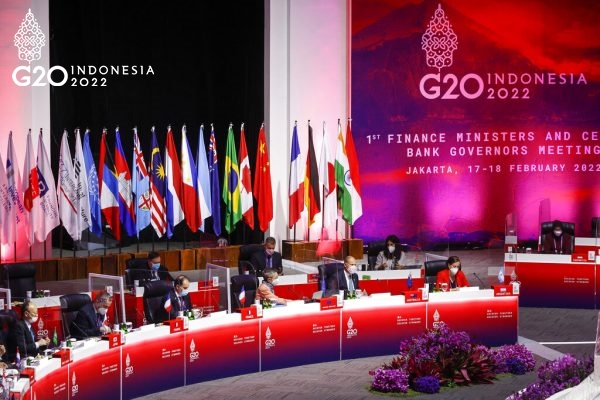
El Gobierno de la República de Indonesia prioriza la industria aeroespacial como uno de los enfoques en la Presidencia del G20 de Indonesia 2022, una de las cuales se realiza a través de un evento paralelo que presenta representantes de industrias clave de los países del G20, donde es muy importante comprender cómo se está desarrollando la industria aeroespacial en otros países, dijo la diputada Amalia Adininggar Widyasanti.
Development G20 & Indonesia Aerospace
Indonesian Aerospace industry policy synergy Signature MoU Indonesian Aerospace—Airbus Group
The Ministry of National Development Planning/Bappenas together with Indonesian Aerospace (PT Dirgantara Indonesia) held a side event of the G20 Development Ministerial Meeting with the theme «Harnessing the Indonesian Aerospace Industry Ecosystem» on September 7-8, 2022 at Belitung, Indonesia. This agenda aims to provide space for policymakers, development actors, and international partners to showcase good practices, challenges, and learnings and experiences in the aerospace industry that are relevant to the Indonesian context, as well as to increase collaboration between the G20 countries, said the Deputy for Economic Affairs of the Ministry of National Development Planning/Bappenas, Amalia Adininggar Widyasanti, on Tuesday 09/06.
Indonesian-Airbus
On the sidelines of the side event consisting of a high-level panel on September 7, 2022 and an International Seminar on September 8, 2022, a Memorandum of Understanding (MoU) will be signed between PT Dirgantara Indonesia and Airbus to support the growth and the strengthening of the national aerospace ecosystem. The Indonesian Government believes that the technological potential in the aerospace industry is an extraordinary asset that needs to be managed, improved and increased in capacity and capacity to strengthen and support the country’s economy, security and defense, added again MP Amalia Adininggar Widyasanti.
One of the focuses of the discussion in the Parallel Event is a cooperation scheme that can guarantee the achievement of the goal of independence in the long term, as well as invite new advances that can be transmitted by possible strategic partners. The Government of Indonesia believes that policy synergy is very important to accelerate the growth of industrial independence and competitiveness, especially the national aerospace and defense industry.
The results of this side event, are policy recommendations for the development of the aerospace industry in Indonesia, become inputs for the Ministry of National Development Planning/Bappenas in identifying opportunities to increase cooperation with industry or companies that can strengthen the national aerospace industry and accelerate the completion of the Aerospace Industry Ecosystem Development Roadmap 2020—2045.
The side event of the G20 Development Ministerial Meeting «Harnessing the Indonesian Aerospace Industry Ecosystem» was also attended by Indonesian policymakers, representatives of the Indonesian aerospace industry, state-owned and private companies, various representatives of the manufacturing industry, as well as such as Maintenance, Repair and Overhaul (MRO) and the aviation industry.
The Government of the Republic of Indonesia prioritizes the aerospace industry as one of the focuses in the 2022 Indonesian G20 Presidency, one of which is through a side event featuring key industry representatives from G20 countries, where it is very important to understand how the aerospace industry is developing in other countries, said MP Amalia Adininggar Widyasanti.
Pengembangan G20 & Dirgantara Indonesia
Sinergi Kebijakan Industri Dirgantara Indonesia Penandatanganan MoU Dirgantara Indonesia—Airbus Group
Kementerian PPN/Bappenas bersama Indonesian Aerospace (PT Dirgantara Indonesia) menggelar side event Pertemuan Tingkat Menteri Pembangunan G20 dengan tema “Memanfaatkan Ekosistem Industri Dirgantara Indonesia” pada 7-8 September 2022 di Belitung, Indonesia. Agenda ini bertujuan untuk memberikan ruang bagi pembuat kebijakan, pelaku pembangunan, dan mitra internasional untuk menampilkan praktik yang baik, tantangan, serta pembelajaran dan pengalaman di industri kedirgantaraan yang relevan dengan konteks Indonesia, serta untuk meningkatkan kolaborasi antara negara-negara G20, kata Deputi Bidang Perekonomian Kementerian PPN/Bappenas, Amalia Adininggar Widyasanti, Selasa 09/06.
Indonesian-Airbus
Di sela-sela acara sampingan yang terdiri dari panel tingkat tinggi pada 7 September 2022 dan Seminar Internasional pada 8 September 2022, akan ditandatangani Memorandum of Understanding (MoU) antara PT Dirgantara Indonesia dan Airbus untuk mendukung pertumbuhan dan penguatan ekosistem kedirgantaraan nasional. Pemerintah Indonesia meyakini bahwa potensi teknologi di industri kedirgantaraan merupakan aset luar biasa yang perlu dikelola, ditingkatkan dan ditingkatkan kapasitas dan kapasitasnya untuk memperkuat dan mendukung perekonomian, keamanan dan pertahanan negara, tambah lagi MP Amalia Adininggar Widyasanti.
Salah satu fokus pembahasan dalam Parallel Event adalah skema kerjasama yang dapat menjamin tercapainya tujuan kemandirian dalam jangka panjang, serta mengundang kemajuan-kemajuan baru yang dapat ditransmisikan oleh calon mitra strategis. Pemerintah Indonesia meyakini sinergi kebijakan sangat penting untuk mempercepat pertumbuhan kemandirian dan daya saing industri, khususnya industri kedirgantaraan dan pertahanan nasional.
Hasil dari side event ini adalah rekomendasi kebijakan untuk pengembangan industri kedirgantaraan di Indonesia, menjadi masukan bagi Kementerian PPN/Bappenas dalam mengidentifikasi peluang untuk meningkatkan kerjasama dengan industri atau perusahaan yang dapat memperkuat industri dirgantara nasional dan mempercepat selesainya Roadmap Pengembangan Ekosistem Industri Dirgantara 2020—2045.
Acara sampingan Pertemuan Tingkat Menteri Pembangunan G20 “Memanfaatkan Ekosistem Industri Dirgantara Indonesia” juga dihadiri oleh para pembuat kebijakan Indonesia, perwakilan industri kedirgantaraan Indonesia, perusahaan BUMN dan swasta, berbagai perwakilan industri manufaktur, serta seperti Maintenance, Repair and Overhaul (MRO) dan industri penerbangan.
Pemerintah Republik Indonesia memprioritaskan industri kedirgantaraan sebagai salah satu fokus dalam Kepresidenan G20 Indonesia 2022, salah satunya melalui acara sampingan yang menampilkan perwakilan industri utama dari negara-negara G20, di mana sangat penting untuk memahami bagaimana industri kedirgantaraan sedang berkembang di negara lain, kata MP Amalia Adininggar Widyasanti.
PUBLISHER: Airgways.com DBk: Bappenas.go.id / G20.org / Indonesian-aerospace.com / Airbus.com / Airgways.com AW-POST: 202209091133AR OWNERSHIP: Airgways Inc. A\W A I R G W A Y S ®
El constructor europeo Airbus Group ha anunciado las órdenes y entregas de aeronaves comerciales en Agosto 2022 que han representado modestas, mientras continúa buscando signos de reactivación del transporte aéreo mundial. Las entregas de Agosto 2022 fueron de 39 unidades a 22 clientes a través del mundo, mientras que no se han registrado pedidos de aviones comerciales. Las entregas 2022 a la fecha son de 382 entregas a 62 clientes.
El número de entrega neto del año acumulan hasta la fecha de 380 refleja una reducción de 2 entregas registradas en Diciembre de 2021 que corresponden a dos (2) A350-900 de Aeroflot Russian Airlines para las cuales no fue posible una transferencia debido a sanciones internacionales.
Cancelación A350-Qatar
Airbus confirma además, la cancelación de los pedidos restantes de A350 de la aerolínea Qatar Airways el Jueves 08/09. La cancelación del pedido se reveló en los datos mensuales de pedidos publicados ayer. Un portavoz de la compañía dijo que «Airbus confirma que ha eliminado diecinueve A350 (19) de Qatar Airways de la cartera de pedidos». La aerolínea, por su parte, no hizo comentarios inmediatos.
La firma aeroespacial dijo que había reservado pedidos de 843 aviones entre Enero y Agosto 2022, o un total neto de 637 después de las cancelaciones. Durante el mismo período, entregó 382 aviones, o un total neto de 380 después de deducir dos aviones A350 construidos para Aeroflot pero imposibles de entregar debido a las sanciones.
Airbus O&D August 2022
Modest commercial aircraft deliveries figures
The European constructor Airbus Group has announced orders and deliveries of commercial aircraft in August 2022 that have represented modest, while continuing to look for signs of revival of global air transport. August 2022 deliveries were 39 units to 22 customers worldwide, while no commercial aircraft orders have been recorded. Deliveries 2022 to date are 382 deliveries to 62 customers.
The cumulative year to date net delivery number of 380 reflects a reduction of 2 deliveries recorded in December 2021 corresponding to two (2) Aeroflot Russian Airlines A350-900s for which a transfer was not possible due to international sanctions.
Cancellation A350-Qatar
Airbus also confirms the cancellation of the remaining orders of A350 of the airline Qatar Airways on Thursday 08/09. The order cancellation was revealed in monthly order data released yesterday. A company spokesman said «Airbus confirms that it has removed nineteen (19) Qatar Airways A350s from the order book». The airline, for its part, had no immediate comment.
The aerospace firm said it had booked orders for 843 planes between January and August 2022, or a net total of 637 after cancellations. During the same period, it delivered 382 aircraft, or a net total of 380 after deducting two A350 aircraft built for Aeroflot but undeliverable due to sanctions.
PUBLISHER: Airgways.com DBk: Airbus.com / Airgways.com AW-POST: 202209090925AR OWNERSHIP: Airgways Inc. A\W A I R G W A Y S ®
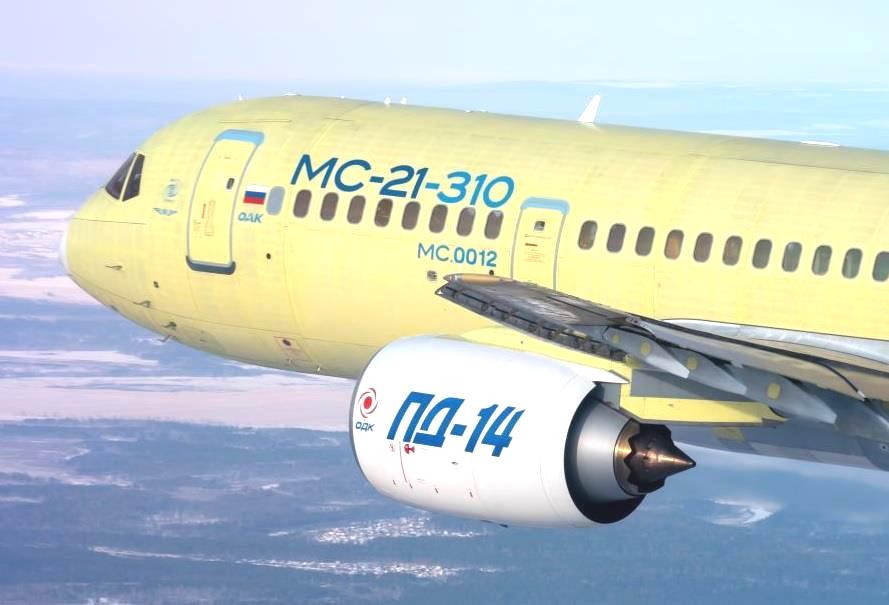
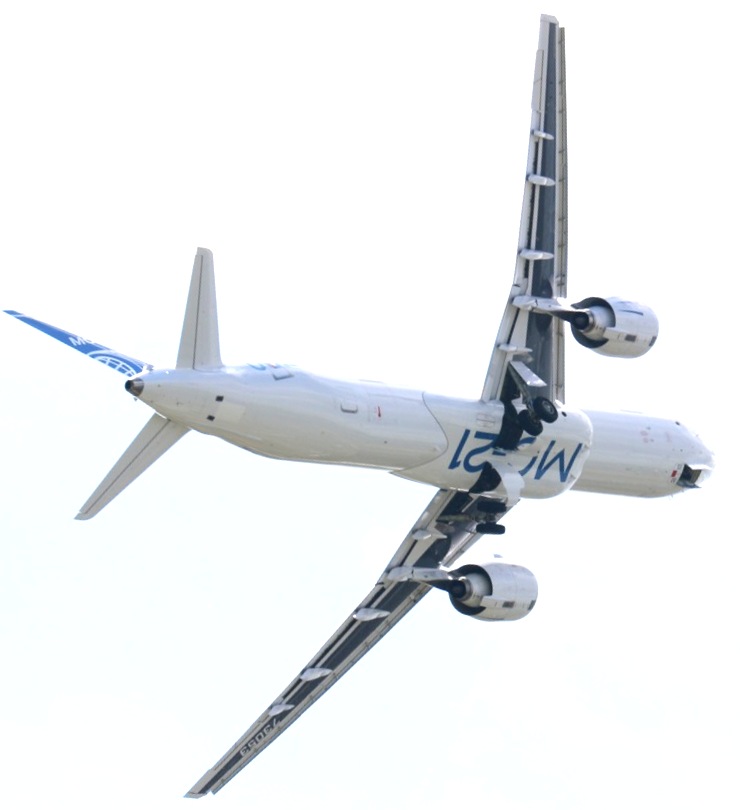
Russia United Aircraft Corporation (UAC) retrasó las entregas del Irkut MC-21, el avión de pasajeros más nuevo del país, hasta 2025. El retraso fue anunciado por el viceprimer ministro Denis Manturov durante una discusión en el Foro Económico del Este. El avión será completamente rusificado reemplazando por completo los componentes fabricados en Occidente. Este es el último de una serie de retrasos para el avión en problemas, concebido por UAC como un competidor para los Boeing 737 MAX y Airbus A320NEO.
El avión ruso fue diseñado originalmente en la década de 2000 como el Yakovlev Yak-242. En 2007, el avión pasó a llamarse MC-21 y la fecha de entrada al servicio prevista se fijó para 2016. Realizó su vuelo inaugural en 2017 y la primera entrega se reprogramó para 2020. Sin embargo, los retrasos con la certificación significaron que la fecha límite no se pudo cumplir, y se deslizó a 2021. En Diciembre de 2021, se anunció que la primera entrega estaba prevista para Septiembre de 2022. Al mismo tiempo, se anunció que la filial de Aeroflot, Rossiya, sería el cliente de lanzamiento. En Febrero de 2022, Rusia comenzó su invasión a gran escala de Ucrania en respuesta a la cual muchos países y empresas occidentales impusieron fuertes sanciones. Incapaz de tener en sus manos el equipo occidental, particularmente los motores de los aviones, la UAC anunció que el avión solo se entregará con el motor PD-14 de fabricación nacional.
A pesar de que el Gobierno de la Federación Rusia aceleró el programa e invirtió fondos adicionales en él, para el verano boreal de 2022 UAC comenzó a decir que las entregas comenzarán en 2024. El último retraso probablemente signifique más dificultades con el problemático desarrollo de la aeronave debido a la sustitución de componentes occidentales, debido a los bloqueos comerciales impuestos a la Federación Rusia.
Al igual que el Sukhoi Superjet SSJ-100, el MC-21 fue diseñado originalmente para contener muchos componentes de alta tecnología que tuvieron que ser adquiridos de los principales fabricantes aeroespaciales occidentales. Varias razones, como las sanciones tras la ocupación de Crimea por Vladimir Putin en 2014 y los intentos de vender el avión a países sancionados como Irán, llevaron a Rusia a iniciar un programa de sustitución de importaciones a gran escala, reemplazando las piezas occidentales por otras fabricadas en el país. Hubo muchos problemas con el nuevo programa de aviones regionales rusos desde el principio. Uno de ellos, al menos según algunos, fue el hecho de que el avión en sí no era realmente tan ruso. United Aircraft Corporation (UAC) está tratando lentamente de cambiar eso, pero la tarea no es tan fácil como parecía al principio. Además de ser costosa, la sustitución de importaciones ralentizó muchos programas de desarrollo de aviones rusos y puso en peligro otros.
El MC-21 tenía sus alas compuestas cambiadas por otras de construcción nacional. La variante de avión con motores Pratt & Whitney PW1000G, con los que se probó originalmente, se desechó en favor de la versión con motor PD-14, que aún está en desarrollo.
Russia delays Project MC-21 again
Aircraft deliveries will begin in 2025
Russia’s United Aircraft Corporation (UAC) has delayed deliveries of the Irkut MC-21, the country’s newest airliner, to 2025. The delay was announced by Deputy Prime Minister Denis Manturov during a discussion at the Eastern Economic Forum. The aircraft will be completely Russified by completely replacing Western-made components. This is the latest in a series of delays for the troubled plane, envisioned by the UAC as a competitor to the Boeing 737 MAX and Airbus A320NEO.
The Russian plane was originally designed in the 2000s as the Yakovlev Yak-242. In 2007, the aircraft was renamed the MC-21 and the intended service entry date was set for 2016. It made its maiden flight in 2017 and first delivery was rescheduled for 2020. However, delays with certification meant that the deadline could not be met and slipped to 2021. In December 2021, it was announced that the first delivery was scheduled for September 2022. At the same time, it was announced that Aeroflot subsidiary Rossiya would be the launch customer. In February 2022, Russia began its full-scale invasion of Ukraine in response to which many Western countries and companies imposed heavy sanctions. Unable to get their hands on Western equipment, particularly the aircraft’s engines, the UAC announced that the aircraft will only be delivered with the domestically-built PD-14 engine.
Despite the fact that the Government of the Russian Federation accelerated the program and invested additional funds in it, by the summer of 2022 UAC began to say that deliveries will begin in 2024. The latest delay probably means more difficulties with the troubled development of the aircraft due to the substitution of Western components, due to trade blockades imposed on the Russian Federation.
Like the Sukhoi Superjet SSJ-100, the MC-21 was originally designed to contain many high-tech components that had to be procured from major Western aerospace manufacturers. Various reasons, such as sanctions following Vladimir Putin’s occupation of Crimea in 2014 and attempts to sell the plane to sanctioned countries like Iran, prompted Russia to start a large-scale import substitution program, replacing Western parts with other parts. manufactured in the country. There were many problems with the new Russian regional aircraft program from the beginning. One of them, at least according to some, was the fact that the plane itself was not really all that Russian. United Aircraft Corporation (UAC) is slowly trying to change that, but the task is not as easy as it first seemed. In addition to being costly, import substitution slowed down many Russian aircraft development programs and jeopardized others.
The MC-21 had its composite wings swapped out for domestically built ones. The Pratt & Whitney PW1000G powered aircraft variant, with which it was originally tested, was scrapped in favor of the PD-14 powered version, which is still under development.
Россия снова откладывает проект МС-21
Поставки самолетов начнутся в 2025 году
Российская Объединенная авиастроительная корпорация (ОАК) отложила поставки новейшего авиалайнера Иркут МС-21 на 2025 год. О переносе сообщил вице-премьер Денис Мантуров в ходе обсуждения на Восточном экономическом форуме. Самолет будет полностью русифицирован за счет полной замены комплектующих западного производства. Это последняя из серии задержек проблемного самолета, который ОАК рассматривает как конкурента Boeing 737 MAX и Airbus A320NEO.
Российский самолет изначально проектировался в 2000-х годах как Яковлев Як-242. В 2007 году самолет был переименован в МС-21, а предполагаемая дата ввода в эксплуатацию была назначена на 2016 год. Он совершил свой первый полет в 2017 году, а первая поставка была перенесена на 2020 год. Однако задержки с сертификацией привели к тому, что сроки не были соблюдены. и сдвинулся на 2021 год. В декабре 2021 года было объявлено, что первая поставка запланирована на сентябрь 2022 года. В то же время было объявлено, что стартовым заказчиком станет дочерняя компания Аэрофлота «Россия». В феврале 2022 года Россия начала полномасштабное вторжение в Украину, в ответ на что многие западные страны и компании ввели жесткие санкции. Не имея возможности заполучить западное оборудование, в частности двигатели самолета, ОАК объявила, что самолет будет поставляться только с отечественным двигателем ПД-14.
Несмотря на то, что Правительство РФ ускорило программу и вложило в нее дополнительные средства, к лету 2022 года ОАК стала говорить о том, что поставки начнутся в 2024 году. самолетов из-за замены западных комплектующих, из-за торговых блокад, наложенных на РФ.
Как и Sukhoi Superjet SSJ-100, МС-21 изначально проектировался таким образом, чтобы содержать множество высокотехнологичных компонентов, которые приходилось закупать у крупных западных производителей аэрокосмической техники. Различные причины, такие как санкции после оккупации Крыма Владимиром Путиным в 2014 году и попытки продать самолет странам, находящимся под санкциями, таким как Иран, побудили Россию начать масштабную программу импортозамещения, заменяя западные детали другими деталями, произведенными в стране. С программой новой российской региональной авиации с самого начала было много проблем. Одним из них, по крайней мере, по мнению некоторых, был тот факт, что сам самолет был не совсем уж русским. Объединенная авиастроительная корпорация (ОАК) потихоньку пытается это изменить, но задача не так проста, как казалось сначала. Помимо того, что импортозамещение было дорогостоящим, оно замедлило многие российские программы разработки самолетов и поставило под угрозу другие.
У МС-21 композитное крыло было заменено на отечественное. Вариант самолета с двигателем Pratt & Whitney PW1000G, с которым он был первоначально испытан, был заменен версией с двигателем PD-14, которая все еще находится в стадии разработки.
PUBLISHER: Airgways.com DBk: Uacrussia.ru / Airgways.com AW-POST: 202209081402AR OWNERSHIP: Airgways Inc. A\W A I R G W A Y S ®
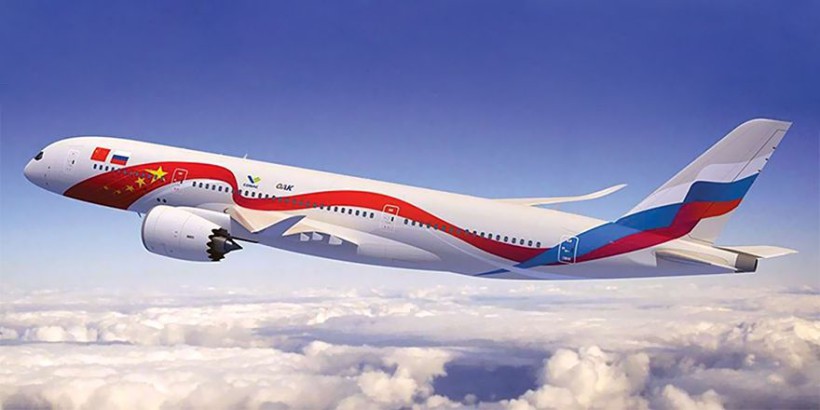
El proyecto del avión ruso-chino CRAIC CR929 requiere actualización en el contexto de la pandemia, restricciones de sanciones y cambios en la estructura del transporte, dijo el Jefe de United Aircraft Corporation (PJSC UAC), Yuri Slyusar. El trabajo en el proyecto ruso-chino de un avión de fuselaje ancho de larga distancia continúa, pero necesita ser actualizado, ya que mucho ha cambiado desde su idea. El trabajo en la creación de un avión ruso-chino continúa, mientras los ingenieros en Moscú y Shanghai están trabajando en el proyecto. Sin embargo, la pandemia, las restricciones de sanciones contra Rusia y China, los cambios en la estructura del transporte han afectado a la industria. «La industria de la aviación durante estos tres años, por supuesto, ha sido muy tormentosa. Todo esto ahora debemos reexaminarlo con nuestros colegas chinos, aclarar los requisitos, ver cuánto cumple con estos requisitos el avión que formulamos originalmente e ir más allá. Los confinamientos dificultaban el trabajo en un formato cara a cara. Ahora todas las reuniones tanto a nivel gerencial como a nivel de interacción del equipo de ingeniería se llevan a cabo en el formato de videoconferencia. Por supuesto, nuestros colegas chinos, al estar obligados por sus restricciones, la pandemia todavía afecta a la economía, el confinamiento afecta a la economía, y todo esto afecta a la parte china. Pero lo aceptamos, lo percibimos. Hemos establecido un sistema relacionado tanto con la transferencia de datos como con los pagos», dijo Yuri Slyusar.
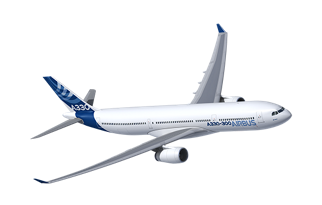
Un proyecto conjunto con China de un avión de fuselaje ancho de larga distancia, que debería competir con los transatlánticos A330 y Boeing 777, comenzó en Abril de 2014. El proyecto es implementado por UAC PJSC de la Federación Rusia y COMAC de la República de China. En 2017, el proyecto se llamó CR 929, donde C y R denotan las primeras letras de los respectivos países de China y Rusia. Se planeó organizar una empresa conjunta para la producción del avión en Shanghai. Inicialmente, se planeó que el transatlántico estuviera equipado con motores occidentales de GE y Rolls-Royce, una alternativa a la que en el futuro sería el proyectado PD-35 ruso. Sin embargo, desde finales de febrero, Occidente ha impuesto sanciones contra Rusia, incluido el suministro de productos de alta tecnología al país.
El Jefe del Ministerio de Industria y Comercio, Denis Manturov, dijo el 17 de Junio de 2022 que el proyecto para la producción del avión CR 929 de fuselaje ancho ruso-chino está en vigor, pero en relación con las sanciones durante el año se reformateará solo a componentes rusos y chinos.
CR929 check for update
Project CR929 needs process updates
The Russian-Chinese CRAIC CR929 aircraft project requires updating in the context of the pandemic, sanctions restrictions and changes in the transport structure, said the Head of the United Aircraft Corporation (PJSC UAC), Yuri Slyusar. Work on the Russian-Chinese project of a long-distance wide-body aircraft continues, but it needs to be updated, since a lot has changed since the idea of it. Work on the creation of a Russian-Chinese aircraft continues, while engineers in Moscow and Shanghai are working on the project. However, the pandemic, sanctions restrictions against Russia and China, changes in the transport structure have affected the industry. «The aviation industry during these three years, of course, has been very stormy. All of this now we need to re-examine with our Chinese colleagues, clarify the requirements, see how well the plane we originally formulated meets these requirements and go further. lockdowns made it difficult to work in a face-to-face format. Now all meetings at both the management level and the engineering team interaction level are held in the video conference format. Of course, our Chinese colleagues, being forced by their restrictions, the pandemic still affects the economy, the lockdown affects the economy, and all these affect the Chinese side. But we accept it, we feel it. We have established a system related to both data transfer and payment», said Yuri Slyusar.
A joint project with China of a long-haul wide-body aircraft, which should compete with the A330 and Boeing 777 ocean liners, started in April 2014. The project is implemented by UAC PJSC of the Russian Federation and COMAC of the Republic of China. In 2017, the project was named CR 929, where C and R denote the first letters of the respective countries of China and Russia. It was planned to organize a joint venture for the production of the aircraft in Shanghai. Initially, the liner was planned to be equipped with Western engines from GE and Rolls-Royce, an alternative to the future planned Russian PD-35. However, since the end of February, the West has imposed sanctions against Russia, including the supply of high-tech products to the country.
The Head of the Ministry of Industry and Trade Denis Manturov said on June 17, 2022 that the project for the production of the Russian-Chinese wide-body CR 929 aircraft is in force, but in connection with sanctions during the year it will be reformatted. only to Russian and Chinese components.
PUBLISHER: Airgways.com DBk: Uacrussia.ru / Comac.cc / Airgways.com AW-POST: 202209081401AR OWNERSHIP: Airgways Inc. A\W A I R G W A Y S ®
Informe prevé un potencial mercado región Sudeste asiático
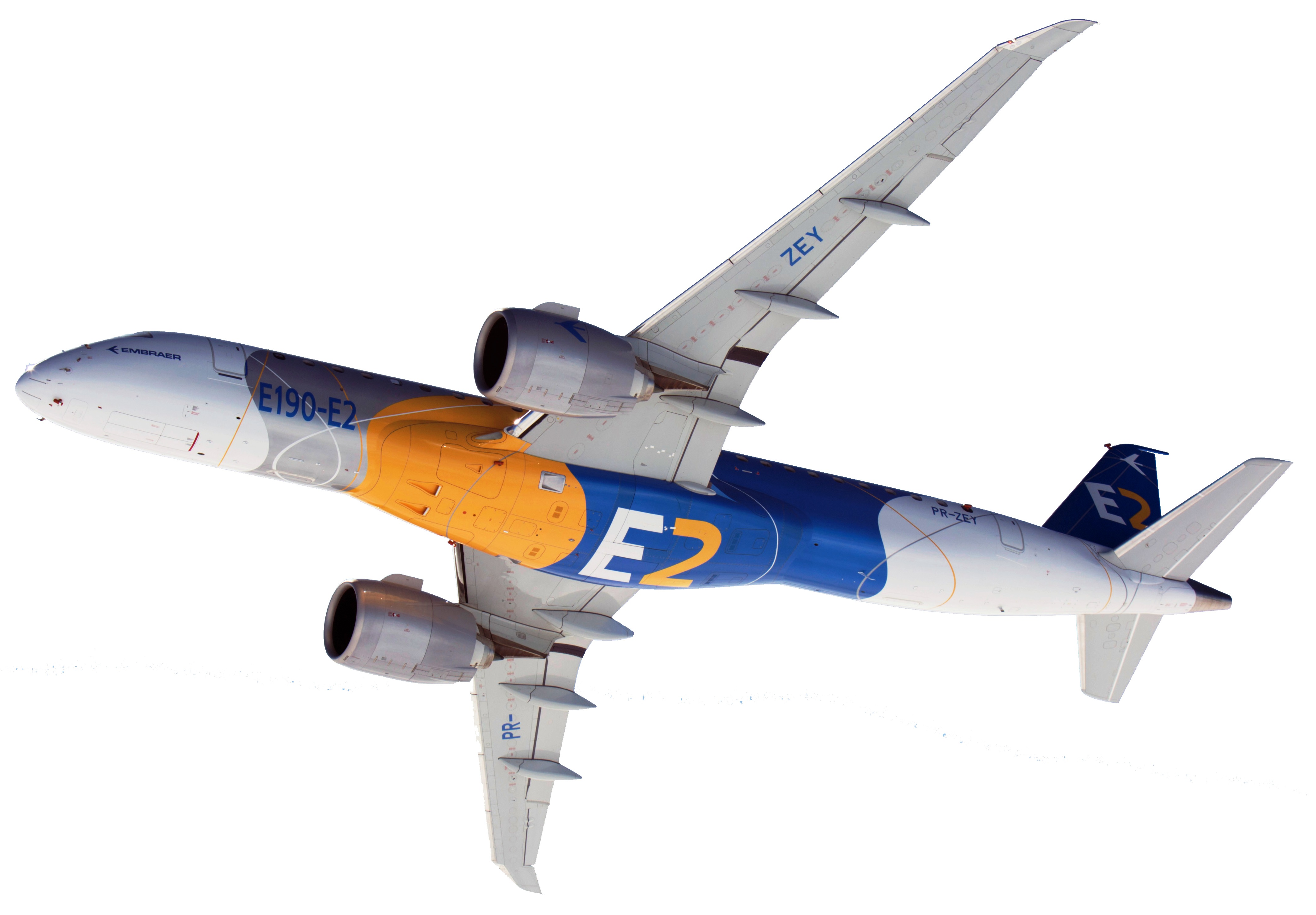
El fabricante aeroespacial brasileño Embraer SA prevé el potencial de más de cien nuevas rutas dentro de Malasia y la región, mientras que establece una demanda de hasta ciento cincuenta nuevos aviones en Malasia en el segmento de menos de 150 asientos en los próximos veinte años. El Vicepresidente de Aviación Comercial de Embraer para Asia Pacífico, Raúl Villaron, dijo que a medida que se recupera la demanda de viajes, el grupo ve oportunidades únicas para que Malasia mejore su conectividad a nivel nacional y regional. «Las aerolíneas se enfrentan a desafíos difíciles, como los precios más altos del combustible y un entorno operativo cada vez más competitivo, lo que hace imperativo que los pasajeros tengan el tamaño adecuado de la capacidad de los aviones», dijo en un comunicado el Jueves 08/09 Raúl Villaron.
Embraer publicó su informe de Malasia, que muestra cómo los aviones regionales pueden permitir la apertura de más de cien nuevas rutas dentro de Malasia y la región. El informe se publicó junto con su participación en el Selangor Aviation Show SAS 2022, la feria aeronáutica que se ha iniciado el Jueves 08/09 y se extenderá hasta el 10/09 en Selangor, Malaysia. Embraer señaló que las aeronaves regionales de menos de 150 asientos complementarían las aeronaves más grandes que prevalecen en el país y mejorarían la viabilidad de establecer nuevas rutas o aumentar la frecuencia de las rutas existentes. Esto incluye impulsar la conectividad directa dentro de la Península de Malasia y la conectividad entre las ciudades de la Península de Malasia a Sabah y Sarawak.
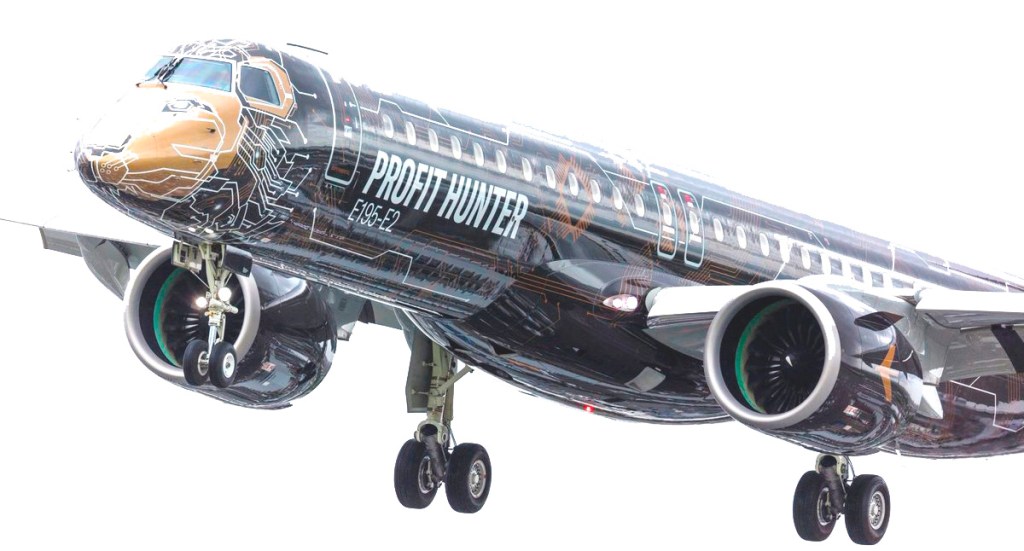
En la edición anterior SAS, Embraer mostró su avión comercial E195-E2, demostrando cómo los bajos costos operativos de la aeronave, el rendimiento superior y las bajas emisiones de combustible y ruido pueden agregar valor al panorama de la aviación de Malasia. El E195-E2 es el avión de pasillo único más eficiente y sostenible del mundo y tiene capacidad para 146 pasajeros. Los E-Jets de Embraer han sido una característica prominente en los principales centros aéreos de todo el mundo. Aerolíneas como KLM Airlines, Lufthansa German Airlines, British Airways, Japan Airlines y todas las principales aerolíneas estadounidenses han desplegado los E-Jets para hacer crecer sus rutas y alimentar el tráfico a sus centros aéreos. Las aerolíneas regionales de todo el mundo, incluida Bamboo Airways en Vietnam, también operan E-Jets para establecer rutas hacia y desde ciudades secundarias y terciarias.
Embraer potential market in Malaysia
Report foresees a potential market in the Southeast Asian region
Brazilian aerospace manufacturer Embraer SA foresees the potential of more than a hundred new routes within Malaysia and the region, while establishing a demand for up to a hundred and fifty new aircraft in Malaysia in the segment of less than 150 seats in the next twenty years. Embraer’s Vice President of Commercial Aviation for Asia Pacific, Raul Villaron, said that as travel demand recovers, the group sees unique opportunities for Malaysia to improve its connectivity at the national and regional levels. «Airlines are facing difficult challenges, such as higher fuel prices and an increasingly competitive operating environment, making it imperative that passengers are properly sized for aircraft capacity», he said in a statement Thursday. 08/09 Raul Villaron.
Embraer released its Malaysia report, showing how regional jets can enable the opening of more than a hundred new routes within Malaysia and the region. The report was published together with its participation in the Selangor Aviation Show SAS 2022, the aeronautical fair that began on Thursday 09/08 and will run until 09/10 in Selangor, Malaysia. Embraer noted that regional aircraft of less than 150 seats would complement the larger aircraft that are prevalent in the country and improve the feasibility of establishing new routes or increasing the frequency of existing routes. This includes boosting direct connectivity within Peninsular Malaysia and connectivity between cities in Peninsular Malaysia to Sabah and Sarawak.
At the previous SAS edition, Embraer showcased its E195-E2 business jet, demonstrating how the aircraft’s low operating costs, superior performance and low fuel and noise emissions can add value to Malaysia’s aviation landscape. The E195-E2 is the most efficient and sustainable single-aisle aircraft in the world and has a capacity for 146 passengers. Embraer E-Jets have been a prominent feature at major air hubs around the world. Airlines such as KLM Airlines, Lufthansa German Airlines, British Airways, Japan Airlines and all major US carriers have deployed E-Jets to grow their routes and feed traffic to their hubs. Regional airlines around the world, including Bamboo Airways in Vietnam, also operate E-Jets to establish routes to and from secondary and tertiary cities.
Mercado potencial da Embraer na Malásia
Relatório prevê um mercado potencial na região do Sudeste Asiático
A fabricante aeroespacial brasileira Embraer SA prevê o potencial de mais de uma centena de novas rotas na Malásia e na região, ao mesmo tempo em que estabelece uma demanda de até cento e cinquenta novas aeronaves na Malásia no segmento de menos de 150 assentos nos próximos vinte anos. O Vice-presidente de Aviação Comercial da Embraer para a Ásia-Pacífico, Raul Villaron, disse que à medida que a demanda por viagens se recupera, o grupo vê oportunidades únicas para a Malásia melhorar sua conectividade nos níveis nacional e regional. «As companhias aéreas estão enfrentando desafios difíceis, como preços de combustível mais altos e um ambiente operacional cada vez mais competitivo, tornando imperativo que os passageiros sejam dimensionados adequadamente para a capacidade das aeronaves», disse em comunicado na Quinta-feira Raul Villaron 08/09.
A Embraer divulgou seu relatório da Malásia, mostrando como os jatos regionais podem viabilizar a abertura de mais de uma centena de novas rotas dentro da Malásia e região. O relatório foi publicado juntamente com sua participação na Selangor Aviation Show SAS 2022, feira aeronáutica que começou na Quinta-feira 09/08 e vai até 09/10 em Selangor, na Malásia. A Embraer observou que as aeronaves regionais com menos de 150 assentos complementariam as aeronaves maiores que prevalecem no país e melhorariam a viabilidade de estabelecer novas rotas ou aumentar a frequência das rotas existentes. Isso inclui aumentar a conectividade direta na Malásia peninsular e a conectividade entre cidades na Malásia peninsular para Sabah e Sarawak.
Na edição anterior do SAS, a Embraer apresentou seu jato executivo E195-E2, demonstrando como os baixos custos operacionais da aeronave, desempenho superior e baixas emissões de combustível e ruído podem agregar valor ao cenário da aviação da Malásia. O E195-E2 é a aeronave de corredor único mais eficiente e sustentável do mundo e tem capacidade para 146 passageiros. Os E-Jets da Embraer têm sido destaque nos principais hubs aéreos do mundo. Companhias aéreas como KLM Airlines, Lufthansa German Airlines, British Airways, Japan Airlines e todas as principais companhias aéreas dos EUA implantaram E-Jets para aumentar suas rotas e alimentar o tráfego para seus hubs. Companhias aéreas regionais em todo o mundo, incluindo a Bamboo Airways no Vietnã, também operam E-Jets para estabelecer rotas de e para cidades secundárias e terciárias.
PUBLISHER: Airgways.com DBk: Embraeer.com / Airgways.com AW-POST: 202209081327AR OWNERSHIP: Airgways Inc. A\W A I R G W A Y S ®
Airbus Group ha anunciado demoras en el proceso de salida de línea del A321XLR, la última variante narrowbodies. La demora están relacionadas por la agencia EASA que exige una modificación en la parte baja del fuselaje. La demora de Airbus en el proceso de fabricación del A321XLR, modelo que podría suponer un antes y un después para la aviación mundial, supone un contratiempo para las aerolíneas que ansían la llegada de una aeronave transoceánica que permitiría ahorrar costos en lugar de emplear aviones de mayor tamaño cuya entrada en servicio estaba prevista para 2023.
Detrás del retraso están las trabas puestas por la Agencia de Seguridad Aérea de la Unión Europea (EASA) que exige una modificación en la parte baja del fuselaje para así reducir el riesgo de incendio. Los cambios que Airbus deberá introducir podrían provocar una reducción del alcance del avión, que en primera instancia debía ser de 8.700 kilómetros su autonomía. El principal problema radica, según fuentes no oficiales, en que la estructura del depósito se ha fabricado con composite. Esto parece no convencer a la EASA, que considera que el depósito debe ser de un metal más resistente, lo que en este caso será más pesado, reduciendo sensiblemente la autonomía del modelo.
Clientes A321XLR
Actualmente, más de 450 aviones A321XLR se encuentran comprometidos en la lista de clientes en espera. Para el consorcio International Airlines Group (IAG), incluyendo Iberia Líneas Aéreas, tenía previsto recibir en 2023 la primera de las ocho unidades acordadas con el fabricante. El holding aéreo realizó en su momento un pedido por catorce (14) unidades de este flamante modelo. De esta cifra, ocho irán a parar a Iberia, mientras que los seis restantes son para Aer Lingus. En el caso de la aerolínea española, su pretensión era empezar a incorporar las nuevas aeronaves a lo largo de 2023. Sin embargo, Airbus ha reconocido que la entrada en funcionamiento de los A321XLR no se producirá hasta 2024. “Esperamos que la entrada en servicio se realice a principios de 2024 para cumplir con los requisitos de certificación para realizar un primer vuelo antes de que finalice el segundo trimestre de 2022”, expresaba el constructor europeo.
La demora no solo trastoca los planes de Iberia. Hay decenas de aerolíneas con pedidos en firme, habiéndose superado hace aproximadamente dos meses la cifra de 450 aviones comprometidos. El modelo con el que Airbus pretendía superar la supremacía de la saga 737 aún se encuentra demorada.
Airbus A321XLR delays
A321XLR line process delays
Airbus Group has announced delays in the de-line process of the A321XLR, the latest narrowbodies variant. The delay is related by the EASA agency that requires a modification in the lower part of the fuselage. Airbus’ delay in the manufacturing process of the A321XLR, a model that could mean a before and after for world aviation, is a setback for airlines that are looking forward to the arrival of a transoceanic aircraft that would save costs instead of using larger aircraft. size whose entry into service was scheduled for 2023.
Behind the delay are the obstacles put in place by the European Union Aviation Safety Agency (EASA) that requires a modification to the lower part of the fuselage in order to reduce the risk of fire. The changes that Airbus will have to introduce could cause a reduction in the range of the plane, which in the first instance should have a range of 8,700 kilometers. The main problem lies, according to unofficial sources, in that the structure of the tank has been made of composite. This does not seem to convince the EASA, which considers that the tank should be made of a more resistant metal, which in this case will be heavier, significantly reducing the autonomy of the model.
A321XLR Clients
Currently, more than 450 A321XLR aircraft are committed to the customer standby list. For the International Airlines Group (IAG) consortium, including Iberia Líneas Aéreas, it was planned to receive the first of the eight units agreed with the manufacturer in 2023. At the time, the air holding company placed an order for fourteen (14) units of this brand new model. Of this figure, eight will go to Iberia, while the remaining six are for Aer Lingus. In the case of the Spanish airline, its intention was to start incorporating the new aircraft throughout 2023. However, Airbus has recognized that the entry into operation of the A321XLR will not take place until 2024. «We hope that the entry into service be carried out in early 2024 to meet the certification requirements to make a first flight before the end of the second quarter of 2022”, expressed the European constructor.
The delay not only disrupts Iberia’s plans. There are dozens of airlines with firm orders, having exceeded the figure of 450 committed aircraft approximately two months ago. The model with which Airbus intended to overcome the supremacy of the 737 saga is still delayed.
PUBLISHER: Airgways.com DBk: Airbus.com / Easa.europa.eu / Airgways.com AW-POST: 202209070827AR OWNERSHIP: Airgways Inc. A\W A I R G W A Y S ®
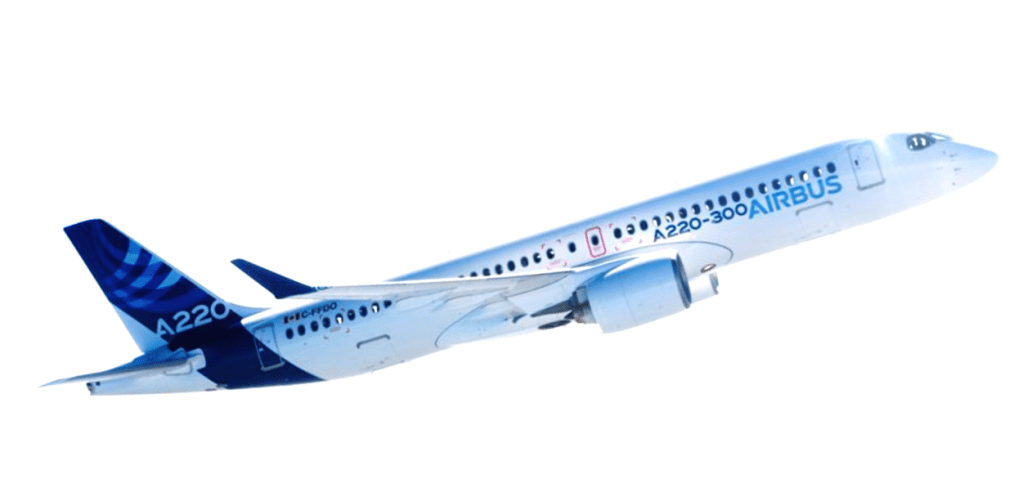
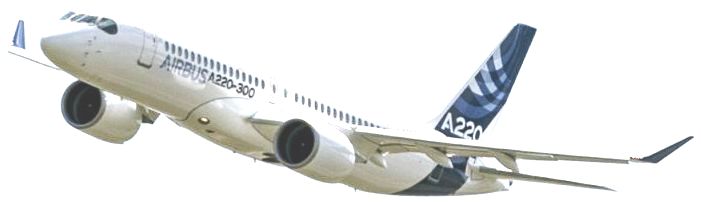
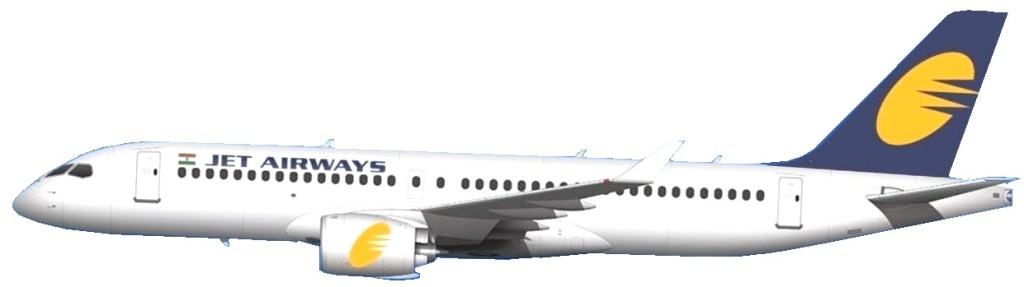
Pedido cincuenta aviones A220 para Jet Airways India
Jet Airways de la India está en conversaciones avanzadas para ordenar alrededor de cincuenta (50) aviones Airbus A220 para su entrega a partir de 2025. La aerolínea india que continua restructurándose después de su salida de bancarrota y proceso de Administración, el anuncio del Miércoles 31/08, en un movimiento que marcaría un nuevo comienzo para la aerolínea para lograr un nuevo impulso en el inmenso mercado de la República de la India.
Un acuerdo por cincuenta aviones probablemente se valoraría en alrededor de US$ 1.8 billones de Dólares después de los descuentos habituales de cartera. Jet Airways también está en conversaciones separadas con Boeing y Airbus para potencialmente realizar un pedido considerable de las familias de aviones Boeing 737 MAX o Airbus A320NEO.
Por separado, Airbus dijo el Miércoles 31/08 que el CFO Dominik Asam dejará la compañía en marzo de 2023 para convertirse en CFO en SAP; Asam se unió a Airbus como CFO en Abril de 2019. Airbus informó recientemente una fuerte disminución en el beneficio neto del segundo trimestre y recortó su objetivo de entrega de aviones para el año.
Airbus could win order from Jet Airways
Order fifty A220 aircraft for Jet Airways India
India’s Jet Airways is in advanced talks to order around fifty (50) Airbus A220 aircraft for delivery from 2025. The Indian airline which continues to restructure after its exit from bankruptcy and administration process, the announcement on Wednesday 31 /08, in a move that would mark a new beginning for the airline to gain new momentum in the huge Republic of India market.
A deal for fifty aircraft would likely be valued at around US$ 1.8 billion after the usual portfolio discounts. Jet Airways is also in separate talks with Boeing and Airbus to potentially place a sizeable order for the Boeing 737 MAX or Airbus A320NEO families of aircraft.
Separately, Airbus said on Wednesday 08/31 that CFO Dominik Asam will leave the company in March 2023 to become CFO at SAP; Asam joined Airbus as CFO in April 2019. Airbus recently reported a sharp decline in second-quarter net profit and cut its aircraft delivery target for the year.
एयरबस जेट एयरवेज से ऑर्डर जीत सकती है
जेट एयरवेज इंडिया के लिए पचास A220 विमान ऑर्डर करें
भारत की जेट एयरवेज 2025 से डिलीवरी के लिए लगभग पचास (50) एयरबस A220 विमानों का ऑर्डर देने के लिए उन्नत बातचीत कर रही है। दिवालिएपन और प्रशासन प्रक्रिया से बाहर निकलने के बाद भी भारतीय एयरलाइन का पुनर्गठन जारी है, बुधवार 31/08 को एक कदम में घोषणा की गई। भारतीय गणराज्य के विशाल बाजार में नई गति हासिल करने के लिए एयरलाइन के लिए एक नई शुरुआत होगी।
सामान्य पोर्टफोलियो छूट के बाद पचास विमानों के सौदे का मूल्य लगभग 1.8 बिलियन डॉलर होगा। जेट एयरवेज बोइंग और एयरबस के साथ अलग-अलग बातचीत कर रही है ताकि संभावित रूप से बोइंग 737 मैक्स या एयरबस ए320एनईओ विमानों के परिवारों के लिए एक बड़ा ऑर्डर दिया जा सके।
अलग से, एयरबस ने बुधवार 08/31 को कहा कि सीएफओ डोमिनिक असम मार्च 2023 में एसएपी में सीएफओ बनने के लिए कंपनी छोड़ देगा; असम अप्रैल 2019 में सीएफओ के रूप में एयरबस में शामिल हुआ। एयरबस ने हाल ही में दूसरी तिमाही के शुद्ध लाभ में तेज गिरावट दर्ज की और वर्ष के लिए अपने विमान वितरण लक्ष्य में कटौती की।
PUBLISHER: Airgways.com DBk: Airbus.com / Jetairways.com / Airgways.com AW-POST: 202209012151AR OWNERSHIP: Airgways Inc. A\W A I R G W A Y S ®
AW | 2022 08 31 13:05 | AIRLINES MARKET / INDUSTRY
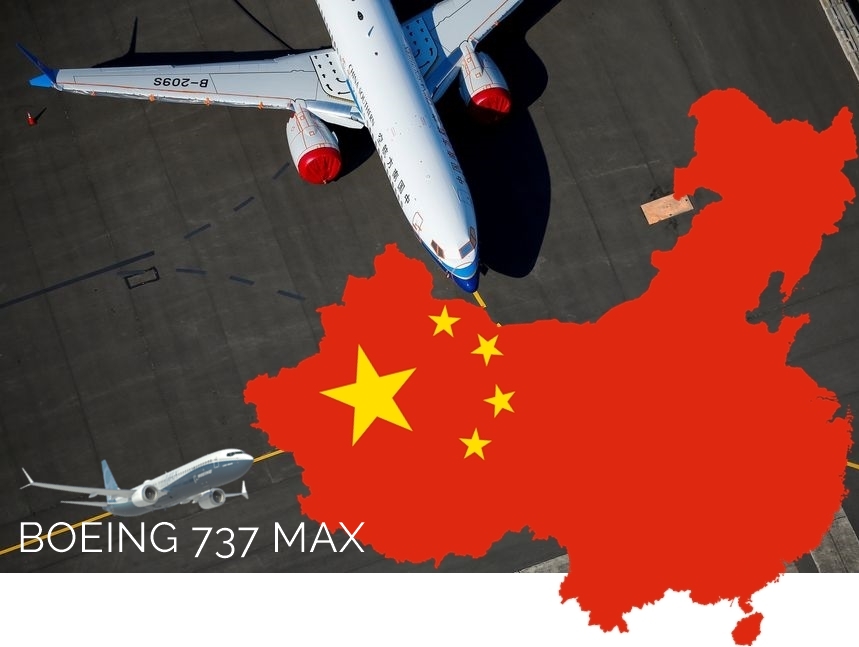
Aerolíneas chinas reticentes regreso del 737 MAX
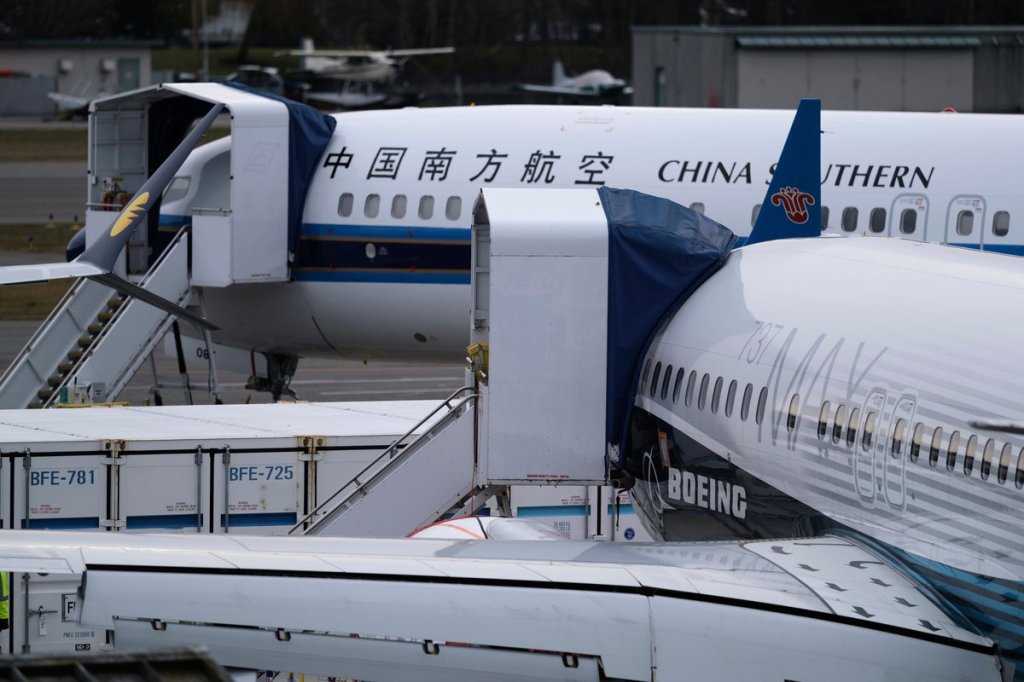
Las tres aerolíneas más grandes de China continúan omitiendo el Boeing 737 MAX de fuselaje estrecho de sus planes de flota a corto plazo, lo que ensombrece los planes del constructor americano de restablecer la línea de ventas en el mercado más sobresaliente del mundo. Las aerolíneas Air China, China Eastern Airlines y China Southern Airlines, han informado sus resultados financieros semestrales y no mencionan planes para incorporar los nuevos aviones 737 MAX en los próximos meses. Las entregas podrían iniciarse hacia finales del próximo año 2023.
Después que la Administración de Aviación Civil de China (CAAC) levantase efectivamente la puesta a tierra del Boeing 737 MAX en Diciembre de 2021, las aerolíneas chinas aún no han devuelto el tipo de aeronave al servicio comercial. El destino de más de doscientos aviones bajo pedido también pende de un hilo, aún más confuso por las tensiones geopolíticas en curso entre China y los Estados Unidos.
China Eastern Airlines en su perspectiva declara explícitamente que el 737-8 MAX «está conectado a tierra y el plan de entrega […] no se ha incluido para la planificación futura». Por el contrario, tanto Air China como China Eastern Airlines, que detallaron las perspectivas de su flota, están buscando tomar un número significativo de aviones de fuselaje estrecho de Airbus Group desde el resto del año hasta 2024. Esto sigue a los pedidos principales realizados por los tres operadores en Julio 2022 con trescientas unidades solicitadas. China Eastern, por ejemplo, recibirá diecinueve (19) aviones de la familia A320NEO para el resto de este año 2022, seguidos de dieciséis (16) el próximo año 2023 y veintiocho (28) unidades para 2024. Air China espera recibir cinco (5) aviones de fuselaje estrecho de Airbus en 2023, aumentando hasta 31 unidades para 2024. China Southern Airlines no reveló los tiempos de entrega de sus nuevos aviones. Adicionalmente, Air China y China Eastern Airlines también continuarán recibiendo aviones del fabricante de aviones chinos COMAC, el ARJ 21-700, incluyendo el C919. China Eastern pronostica la entrega de su primer C919 en la segunda mitad del 2022, con los cuatro aviones restantes que se entregarán en 2023. La aerolínea con sede en Shanghai es el operador de lanzamiento del nuevo avión narrowbody, que se vio acosado por retrasos en medio de la pandemia y las tensiones geopolíticas. Las entregas de los aviones regionales ARJ 21, de los que los tres grandes transportistas son operadores, continuarán hasta 2024.
Sin embargo, parece que las entregas del tipo se ralentizaron o se detuvieron en la primera mitad del año, mientras China luchaba contra su peor aumento en las infecciones por Coronavirus. En los planes de flota de China Eastern Airlines para el año completo 2022, la aerolínea esperaba tomar diez ARJ21 (10) este año. Sin embargo, en sus últimos planes, la cifra no ha cambiado, lo que indica una posible pausa de producción.
China delays Boeing 737 MAX fleet
Chinese airlines reluctant to return 737 MAX
China’s three largest airlines continue to omit the narrow-body Boeing 737 MAX from their near-term fleet plans, casting a shadow over the American builder’s plans to re-establish the sales pipeline in the world’s biggest market. The airlines Air China, China Eastern Airlines and China Southern Airlines have reported their half-year financial results and do not mention plans to incorporate the new 737 MAX planes in the coming months. Deliveries could start towards the end of next year 2023.
After the Civil Aviation Administration of China (CAAC) effectively lifted the grounding of the Boeing 737 MAX in December 2021, Chinese airlines have yet to return the aircraft type to commercial service. The fate of more than two hundred aircraft on order also hangs in the balance, further confused by ongoing geopolitical tensions between China and the United States.
China Eastern Airlines in its outlook explicitly states that the 737-8 MAX «is grounded and the delivery plan […] has not been included for future planning». By contrast, both Air China and China Eastern Airlines, which detailed their fleet outlook, are looking to take a significant number of Airbus Group’s narrow-body jets from the rest of the year to 2024. This follows major orders placed by the three operators in July 2022 with three hundred units requested. China Eastern, for example, will take delivery of nineteen (19) A320NEO family aircraft for the rest of this year 2022, followed by sixteen (16) next year 2023 and twenty-eight (28) units by 2024. Air China expects to take delivery of five (5 ) Airbus narrow-body aircraft in 2023, increasing to 31 units by 2024. China Southern Airlines did not disclose delivery times for its new aircraft. Additionally, Air China and China Eastern Airlines will also continue to receive aircraft from Chinese aircraft manufacturer COMAC, the ARJ 21-700, including the C919. China Eastern forecasts delivery of its first C919 in the second half of 2022, with the remaining four aircraft to be delivered in 2023. The Shanghai-based airline is the launch operator of the new narrowbody aircraft, which has been dogged by delays in amid the pandemic and geopolitical tensions. Deliveries of the ARJ21 regional jets, of which the big three carriers are operators, will continue until 2024.
However, deliveries of the type appear to have slowed or stopped in the first half of the year, as China battled its worst-ever spike in Coronavirus infections. In China Eastern Airlines’ fleet plans for the full year 2022, the airline expected to take ten ARJ21(10) this year. However, in its latest plans, the figure has not changed, indicating a possible pause in production.
中國推遲波音737 MAX機隊
中國航空公司不願退回737 MAX
中國三大航空公司繼續在其近期機隊計劃中省略窄體波音 737 MAX,這給這家美國製造商在全球最大市場重建銷售渠道的計劃蒙上了陰影。國航、中國東方航空公司和中國南方航空公司已公佈了其半年財務業績,並沒有提及在未來幾個月內納入新的 737 MAX 飛機的計劃。交付可能會在明年 2023 年底開始。
在中國民航局(CAAC)於 2021 年 12 月有效解除波音 737 MAX 的停飛後,中國航空公司尚未將該機型恢復商業服務。 200 多架訂購飛機的命運也懸而未決,中美之間持續的地緣政治緊張局勢進一步使情況變得混亂。
PUBLISHER: Airgways.com DBk: Airchina.com / Ceair.com / Csair.com / Airgways.com AW-POST: 202208311305AR OWNERSHIP: Airgways Inc. A\W A I R G W A Y S ®


































 airgways.com