Centro investigación para ampliar asociaciones sostenibilidad
The Boeing Company ha anunciado el Lunes 1 de Agosto de 2022 que fortalecerá su asociación con Japón al abrir un nuevo centro de Investigación y Tecnología de Boeing (BR&T). La instalación se centrará en la sostenibilidad y respaldará un acuerdo de cooperación recientemente ampliado con el Ministerio de Economía, Comercio e Industria de Japón (METI).
Boeing y METI acordaron ampliar su acuerdo de cooperación de 2019 para incluir ahora un enfoque en Combustibles de Aviación Sostenibles (SAF), tecnologías de tren motriz eléctrico y de hidrógeno, y futuros conceptos de vuelo que promoverán la aviación de impacto climático cero. Además de explorar la propulsión eléctrica e híbrida eléctrica, las baterías y la fabricación de compuestos que permitirán nuevas formas de movilidad urbana.
«Estamos entusiasmados de abrir nuestro último centro mundial de investigación y tecnología aquí en Japón. Al trabajar con excelentes socios como METI, el nuevo centro ampliará las iniciativas de Boeing en combustibles sostenibles y electrificación, y explorará la intersección de la digitalización, la automatización y los compuestos aeroespaciales de alto rendimiento para una mayor sostenibilidad en nuestros futuros productos y sistemas de producción», dijo Greg Hyslop, Ingeniero Jefe y Vicepresidente Ejecutivo de Ingeniería, Pruebas y Tecnología de Boeing.
El BR&T–Japan Research Center estará ubicado en Nagoya, que alberga a muchos de los principales socios y proveedores industriales de Boeing. La instalación ampliará aún más la huella de investigación y desarrollo de Boeing en la región, que incluye centros en Australia, China y Corea.
Boeing está totalmente comprometido con el apoyo a la industria de SAF de Japón y ha sido aceptado como el miembro más reciente de ACT FOR SKY, una organización voluntaria de dieciséis empresas que trabaja para comercializar, promover y expandir el uso de SAF producido en Japón. Fue fundado por los clientes de la aerolínea Boeing All Nippon Airways (ANA) y Japan Airlines (JAL), junto con la compañía de ingeniería global JGC Holdings Corporation y el productor de biocombustibles Revo International.
Masahiro Aika, Representante de ACT FOR SKY, dijo: «ACT FOR SKY da la bienvenida a la participación de Boeing. Esperamos que Boeing colabore con los demás miembros para ACT para la comercialización, promoción y expansión de SAF en Japón».
Además de convertirse en socios de ACT FOR SKY, Boeing tiene una larga historia de innovación con ANA y JAL en materia de aviación sostenible, que incluye ser pionero en vuelos propulsados por SAF y lanzar el innovador 787 Dreamliner. Hoy, firmaron acuerdos para trabajar juntos en el estudio de tecnologías sostenibles avanzadas, incluidos sistemas de propulsión eléctricos, híbridos, de hidrógeno y otros novedosos, en un esfuerzo por reducir la huella de carbono de las aeronaves.
El Director de Sustentabilidad de Boeing, Chris Raymond, agregó: «Para garantizar que los enormes beneficios sociales de la aviación sigan estando disponibles para las generaciones venideras, debemos continuar asociándonos con innovadores y líderes capaces para respaldar el compromiso de la industria con cero emisiones netas de carbono para 2050. Nos sentimos honrados para unirnos a ACT FOR SKY y colaborar con otros miembros para compartir las mejores prácticas globales y ayudar con la ampliación y la demanda de SAF en Japón. Y nos sentimos honrados de abrir el Centro de Investigación de Japón y expandir nuestro trabajo con los clientes de aerolíneas ANA y JAL en tecnología avanzada. tecnologías para realizar una aviación de impacto climático cero».
Boeing new BR&T Center Japan
Boeing to open research center expanding sustainability partnerships
The Boeing Company has announced on Monday, August 1, 2022 that it will strengthen its partnership with Japan by opening a new Boeing Research and Technology (BR&T) center. The facility will focus on sustainability and support a recently expanded cooperation agreement with the Japanese Ministry of Economy, Trade and Industry (METI).
Boeing and METI have agreed to expand their 2019 cooperative agreement to now include a focus on Sustainable Aviation Fuels (SAF), hydrogen and electric powertrain technologies, and future flight concepts that will promote zero climate impact aviation. In addition to exploring electric and hybrid electric propulsion, batteries and the manufacture of compounds that will allow new forms of urban mobility.
«We are excited to open our latest global research and technology center here in Japan. Working with great partners like METI, the new center will expand Boeing’s initiatives in sustainable fuels and electrification, and explore the intersection of digitalization, automation and high-performance aerospace composites for greater sustainability in our future products and production systems», said Greg Hyslop, Chief Engineer and Executive Vice-president of Engineering, Test and Technology, Boeing.
The BR&T–Japan Research Center will be located in Nagoya, which is home to many of Boeing’s major industrial partners and suppliers. The facility will further expand Boeing’s research and development footprint in the region, which includes centers in Australia, China and Korea.
Boeing is fully committed to supporting Japan’s SAF industry and has been accepted as the newest member of ACT FOR SKY, a sixteen-company voluntary organization that works to market, promote and expand the use of Japanese-produced SAF. It was founded by Boeing airline customers All Nippon Airways (ANA) and Japan Airlines (JAL), along with global engineering company JGC Holdings Corporation and biofuel producer Revo International.
Masahiro Aika, ACT FOR SKY Representative, said, «ACT FOR SKY welcomes Boeing’s participation. We look forward to Boeing collaborating with the other members for ACT in the marketing, promotion and expansion of SAF in Japan».
In addition to becoming ACT FOR SKY partners, Boeing has a long history of innovation with ANA and JAL in sustainable aviation, including pioneering SAF-powered flight and launching the groundbreaking 787 Dreamliner. Today, they signed agreements to work together to study advanced sustainable technologies, including electric, hybrid, hydrogen and other novel propulsion systems, in an effort to reduce the carbon footprint of aircraft.
Boeing Chief Sustainability Officer Chris Raymond added: «To ensure the tremendous societal benefits of aviation continue to be available for generations to come, we must continue to partner with capable innovators and leaders to support the industry’s commitment to net-zero emissions.» by 2050. We are honored to join ACT FOR SKY and collaborate with other members to share global best practices and assist with the expansion and demand for SAF in Japan. And we are honored to open the Japan Research Center and expand our work with ANA and JAL airline customers on advanced technologies to realize zero climate impact aviation».
PUBLISHER: Airgways.com DBk: Boeing.com / Airgways.com AW-POST: 202208011318AR OWNERSHIP: Airgways Inc. A\W A I R G W A Y S ®
AW | 2022 07 30 21:27 | AVIATION ORGANISMS / INDUSTRY
Plan inspección y modificación línea Dreamliner FAA aprobaría reanudación entregas en 08/2022
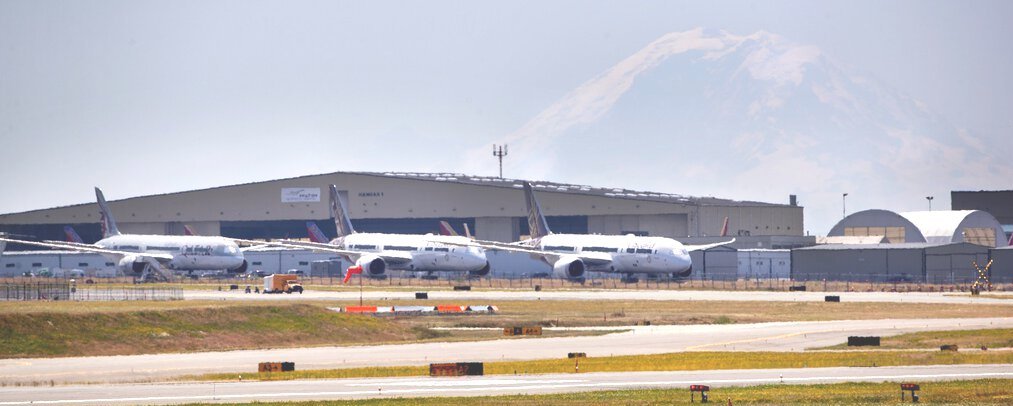
La Administración Federal de Aviación (FAA) de Estados Unidos aprobó el Viernes 29/07 el Plan de Inspección y Modificación de The Boeing Company para reanudar las entregas de la línea Boeing 787 Dreamliner. La FAA aprobó la propuesta de Boeing que requiere inspecciones específicas para verificar que la condición del avión cumpla con los requisitos y que todo el trabajo se haya completado, una medida que debería permitir a la compañía americana reanudar las entregas hacia Agosto 2022, después de la incursión en tierra en Mayo 2021.
El principal problema de la línea Boeing 787 Dreamliner estribaba en la forma en que se unían las secciones de fuselaje de fibra de carbono de las aeronaves que no cumplía las especificaciones de diseño del constructor aeronáutico, aunque no se consideraba un riesgo para la seguridad de la aviación. Además, Boeing ha focalizado algunas correcciones de diseño del Mamparo de Presión Delantero, que representa la atmósfera de la aeronave presurizada, entre otros detalles que se han informado en Mayo 2021.
Boeing se ha enfrentado a problemas de producción con el 787 durante más de dos años. A raíz de dos accidentes fatales del 737 MAX en 2018 y 2019, la FAA se comprometió a examinar más de cerca a Boeing y delegar menos responsabilidades a Boeing para la certificación de aeronaves. Boeing ha tenido que suspender las entregas del 787 después de que la FAA expresara su preocupación por el método de inspección propuesto.
En Septiembre de 2020, la FAA dijo que estaba investigando fallas de fabricación en unos 787 aviones de pasajeros. El fabricante de aviones solo reanudó las entregas en Marzo de 2021 después de una pausa de cinco meses antes de detenerlas nuevamente. La FAA dijo en Febrero 2022 que mantendría la autoridad para emitir certificados de aeronavegabilidad hasta que esté segura de que «el control de calidad y los procesos de fabricación de Boeing producen consistentemente 787 que cumplen con los estándares de diseño de la FAA». El entonces Administrador de la agencia, Steve Dickson, dijo el 02/2022 que la FAA necesitaba de Boeing «una solución sistémica a sus procesos de producción». El 17/06, Boeing dijo a los periodistas que se encontraba muy cerca de reiniciar las entregas del 787. La FAA remitió las preguntas sobre la aprobación a Boeing. La FAA había emitido previamente dos Directivas de Aeronavegabilidad (AD) para abordar problemas de producción para aviones en servicio e identificó un nuevo problema en Julio de 2021.
El regulador había dicho que quería que Boeing se asegurara de que «tiene un plan sólido para el retrabajo que debe realizar en un gran volumen de nuevos 787 almacenados y que los procesos de entrega de Boeing son estables». La aprobación del Viernes 29/07 se produjo después de largas discusiones con la FAA: «No comentamos sobre certificaciones en curso», dijo la agencia.
Boeing no confirmó la aprobación el Viernes 29/07, pero dijo que «seguirá trabajando de manera transparente con la FAA y nuestros clientes para reanudar las entregas del 787». El Director Financiero de Boeing, Brian West, dijo esta semana en una llamada de inversionistas que tenía 120 unidades en stock de Boeing 787 en inventario y que estaba «progresando para completar el retrabajo necesario para prepararlos para la entrega. Boeing está produciendo a tasas muy bajas y continuaremos haciéndolo hasta que se reanuden las entregas, volviendo gradualmente a cinco aviones por mes con el tiempo».
En Enero 2022, Boeing reveló un cargo de US$ 3.500 millones de Dólares debido a retrasos en la entrega del 787 Dreamliner y concesiones de los clientes, y otros US$ 1.000 millones de Dólares en costos de producción anormales derivados de defectos de producción y reparaciones e inspecciones relacionadas.
American Airlines podría prepararse para recibir el primer avión 787 entregado por Boeing en 08/2022, desde la suspensión en 05/2021. La aerolínea con sede en Dallas/Forth Worth (TX) dijo la semana pasada en una llamada de ganancias que espera recibir nueve (9) Boeing 787 este año, incluidos dos a principios de Agosto 2022, mientras que adquiriría cuatro (4) Boeing 787 en el 1Q2023. American ha expresado que los aviones Dreamliner que recibirá en 08/2022 esperan que puedan volar a partir de Noviembre 2022.
The Boeing Company espera felizmente tener aprobada la línea Dreamliner por parte de la FAA para poder reducir el stock de aeronaves no entregados, dijo Stan Deal, Jefe de Boeing Commercial Airplanes, mientras que ha estado reforzando y coordinando los trabajos con los proveedores para intensificar la contratación y prepararse para un mayor factor de desarrollo de la línea 787.
FAA inspection plan Boeing 787
Dreamliner line inspection and modification plan FAA would approve resumption of deliveries in 08/2022
The Federal Aviation Administration (FAA) of the United States approved on Friday 07/29 the Inspection and Modification Plan of The Boeing Company to resume deliveries of the Boeing 787 Dreamliner line. The FAA approved Boeing’s proposal that requires specific inspections to verify that the plane’s condition meets the requirements and that all work has been completed, a measure that should allow the American company to resume deliveries by August 2022, after the ground incursion in May 2021.
The main problem with the Boeing 787 Dreamliner line was the way in which the carbon fiber fuselage sections of the aircraft were joined, which did not meet the aircraft manufacturer’s design specifications, although it was not considered a safety risk. aviation. In addition, Boeing has targeted some design corrections to the Forward Pressure Bulkhead, which represents the aircraft’s pressurized atmosphere, among other details that have been reported in May 2021.
Boeing has faced production problems with the 787 for more than two years. In the wake of two fatal 737 MAX crashes in 2018 and 2019, the FAA has vowed to take a closer look at Boeing and delegate less responsibility to Boeing for aircraft certification. Boeing has had to suspend 787 deliveries after the FAA raised concerns about the proposed inspection method.
In September 2020, the FAA said it was investigating manufacturing flaws in some 787 passenger planes. The planemaker only resumed deliveries in March 2021 after a five-month hiatus before stopping them again. The FAA said in February 2022 that it would retain the authority to issue airworthiness certificates until it is certain that «Boeing’s quality control and manufacturing processes consistently produce 787s that meet FAA design standards». The then Administrator of the agency, Steve Dickson, said on 02/2022 that the FAA needed Boeing «a systemic solution to its production processes». On 06/17, Boeing told reporters it was very close to restarting 787 deliveries. The FAA referred questions about the approval to Boeing. The FAA had previously issued two Airworthiness Directives (ADs) to address production issues for aircraft in service and identified a new issue in July 2021.
The regulator had said it wanted Boeing to make sure it «has a solid plan for the rework it needs to do on a large volume of new 787s in storage and that Boeing’s delivery processes are stable.» The approval of Friday 07/29 came after lengthy discussions with the FAA: «We do not comment on ongoing certifications», the agency said.
Boeing did not confirm the approval on Friday 07/29, but said it «will continue to work transparently with the FAA and our customers to resume deliveries of the 787». Boeing Chief Financial Officer Brian West said this week on an investor call that he had 120 Boeing 787s in stock and was «progressing to complete the necessary rework to prepare them for delivery. Boeing is producing at very low rates and we will continue to do so until deliveries resume, gradually returning to five aircraft per month over time».
In January 2022, Boeing disclosed a US$ 3.5 billion charge due to 787 Dreamliner delivery delays and customer concessions, and another US$ 1 billion in abnormal production costs stemming from manufacturing defects and repairs. and related inspections.
American Airlines could prepare to receive the first 787 aircraft delivered by Boeing on 08/2022, since the suspension on 05/2021. The Dallas/Forth Worth (TX)-based airline said last week in an earnings call that it expects to take delivery of nine (9) Boeing 787s this year, including two in early August 2022, while it would acquire four (4) Boeing 787s. in 1Q2023. American has expressed that the Dreamliner aircraft that it will receive in 08/2022 expects them to be able to fly from November 2022.
The Boeing Company is looking forward to having the Dreamliner line approved by the FAA so it can reduce the stock of undelivered aircraft, said Stan Deal, Head of Boeing Commercial Airplanes, as it has been reinforcing and coordinating work with suppliers to intensify the hiring and prepare for further development factor of the 787 line.
PUBLISHER: Airgways.com DBk: Faa.gov / Boeing.com / Paineairport.com / Seattletimes.com / Airgways.com AW-POST: 202207302127AR OWNERSHIP: Airgways Inc. A\W A I R G W A Y S ®
Volaris recibe primer Airbus A321NEO Aeronave ordenada inicialmente por S7 Airlines
La aerolínea mexicana Volaris Airlines ha recibido el primer Airbus A321NEO. El Lunes 25/07, ha tomado entrega de un Airbus A321NEO encargado inicialmente por la aerolínea rusa S7 Airlines fue entregado oficialmente a la aerolínea de bajo costo Volaris como parte del recogimiento de aviones pedidos inicialmente por las aerolíneas rusas que se encuentra en lista para su recolocación, después del bloqueo Occidental a la Federación Rusia. La aeronave Airbus A321NEO ha salido de las instalaciones de Airbus Alemania, en Hamburgo en Noviembre de 2021.
La aeronave con matrícula industrial MSN 10809 y registro de prueba D-AZWZ, se le reasignó el registro F-WXAZ. Está propulsado por un par de motores Pratt & Whitney PW1000. Este avión realizó su primer vuelo el 6 de Abril de 2022 completando un total de tres vuelos de prueba. La aeronave es propiedad de SMBC Aviation Capital. El vuelo de entrega se llevó desde Hamburgo-Finkenwerder/XFW l Aeropuerto de Ostrava/OSR el 25/06, permanecido en tierra en Ostrava, República Chequia, para reacondicionamientos para luego volar hacia México.
Los aviones pedidos inicialmente por la aerolínea S7 Airlines y otras aerolíneas de la Federación Rusia no pueden recibir aeronaves occidentales debido a las sanciones impuestas por la guerra ruso-ucraniana.
Volaris acquires 1st A321NEO
Volaris receives first Airbus A321NEO Aircraft initially ordered by S7 Airlines
The Mexican airline Volaris Airlines has received the first Airbus A321NEO. On Monday 07/25, an Airbus A321NEO initially commissioned by the Russian airline S7 Airlines was officially delivered to the low-cost airline Volaris as part of the collection of aircraft initially ordered by Russian airlines that is listed for relocation , after the Western blockade of the Russian Federation. The Airbus A321NEO aircraft has left the Airbus Germany facilities in Hamburg in November 2021.
The aircraft with industrial registration MSN 10809 and test registration D-AZWZ, was reassigned the registration F-WXAZ. It is powered by a pair of Pratt & Whitney PW1000 engines. This aircraft made its first flight on April 6, 2022, completing a total of three test flights. The aircraft is owned by SMBC Aviation Capital. The delivery flight took off from Hamburg-Finkenwerder/XFW to Ostrava Airport/OSR on 06/25, remained on the ground in Ostrava, Czech Republic, for refitting before flying to Mexico.
Planes initially ordered by S7 Airlines and other airlines in the Russian Federation cannot receive Western aircraft due to sanctions imposed by the Russo-Ukrainian war.
PUBLISHER: Airgways.com DBk: Airbus.com / Volaris.com / Smbc.aero / Airgways.com AW-POST: 202207302003AR OWNERSHIP: Airgways Inc. A\W A I R G W A Y S ®
The Boeing Company ha nombrado el Jueves 28/07 a Brian Besanceney como Vicepresidente Senior y Director de Comunicaciones de la compañía a partir del 6 de Septiembre de 2022. Un líder de asuntos corporativos con más de veinticinco años de experiencia en comunicaciones estratégicas y relaciones gubernamentales, incluidos puestos Senior en Walmart y Disney, Brian Besanceney supervisará todos los aspectos de las comunicaciones de Boeing, como las comunicaciones en sus aviones comerciales, los negocios de defensa y servicios, las relaciones con los medios, los asuntos externos, la participación de los empleados y la marca empresa.
«Brian es un destacado ejecutivo de comunicaciones con un historial comprobado de liderar equipos globales y ayudar a varias de las empresas y organizaciones más conocidas del mundo a contar sus historias, además de gestionar problemas complejos en el sector privado y en los más altos niveles de gobierno. Estoy seguro de que Brian nos ayudará a desarrollar nuestro compromiso continuo de involucrar a nuestros empleados y partes interesadas de manera transparente a medida que continuamos navegando en un entorno global desafiante y trabajando para posicionar a Boeing a largo plazo», dijo David Calhoun, CEO de The Boeing Company.
Más recientemente, Brian Besanceney se desempeñó como Vicepresidente Senior y Director de Comunicaciones en Walmart, donde ha sido muy apreciado por su asesoramiento en comunicaciones estratégicas y su liderazgo eficaz de las comunicaciones globales integrales de la empresa, incluidos los medios, las redes sociales y digitales, la participación de las partes interesadas y eventos para la empresa más grande del mundo.
Antes de Walmart, Brian Besanceney se desempeñó como Vicepresidente Senior de Asuntos Públicos en Walt Disney World, donde dirigió las comunicaciones internas y externas y la ciudadanía corporativa, así como las relaciones gubernamentales e industriales a nivel mundial para la división de Disney’s Parks & Resorts. Antes de Disney, Brina Besanceney sirvió al Gobierno de los Estados Unidos en funciones clave, incluso como Subjefe de Gabinete de la Secretaria de Estado de Condoleezza Rice en el Departamento de Estado de los EE.UU. y Subsecretaria de Asuntos Públicos en el Departamento de Seguridad Nacional de los EE.UU. A principios de la década de 2000, David Besanceney sirvió en la Casa Blanca bajo la Presidencia de George W. Bush, incluidos dos años como Asistente Especial del Presidente y Director Adjunt de Comunicaciones de Planificación de la Casa Blanca. Anteriormente, se desempeñó como Director de Comunicaciones de la entonces U.S. Rep. Rob Portman y como Consultor de Relaciones Públicas y Relaciones Gubernamentales.
Fuera del trabajo, Brian Besanceney es miembro de la Junta de Orlando Health, un sistema de atención médica sin fines de lucro en el sureste de los EE.UU. con US$ 8 mil millones en activos bajo Administración, así como del Instituto de Relaciones Públicas. Anteriormente fue miembro de las Juntas Directivas del Trust for the National Mall y del Capítulo de Florida de The Nature Conservancy.
Brian Besanceney sucede a Ed Dandridge, quien dejó Boeing en Junio 2022. Trabajará en la sede principal de la compañía en Arlington, Estado de Virginia (VA).
Boeing appoints new Communications Chief
Boeing names Brian Besanceney as new Chief Communications Officer
The Boeing Company has appointed Brian Besanceney on Thursday 07/28 as Senior Vice President and Chief Communications Officer of the company effective September 6, 2022. A corporate affairs leader with more than twenty-five years of experience in strategic communications and government relations, including senior positions at Walmart and Disney, Brian Besanceney will oversee all aspects of Boeing communications, including communications on its commercial aircraft, defense and services businesses, media relations, external affairs, customer engagement, employees and the company brand.
«Brian is a leading communications executive with a proven track record of leading global teams and helping several of the world’s best-known companies and organizations tell their stories, as well as managing complex issues in the private sector and at the highest levels of I am confident that Brian will help us build on our ongoing commitment to engaging our employees and stakeholders in a transparent manner as we continue to navigate a challenging global environment and work to position Boeing for the long term», said David Calhoun, CEO of The Boeing Company.
Most recently, Brian Besanceney served as Senior Vice President and Chief Communications Officer at Walmart, where he has been highly regarded for his strategic communications advice and effective leadership of the company’s comprehensive global communications, including media, social and digital, stakeholder engagement and events for the world’s largest company.
Prior to Walmart, Brian Besanceney served as Senior Vice-President of Public Affairs at Walt Disney World, where he led internal and external communications and corporate citizenship, as well as worldwide government and industry relations for the Disney’s Parks & Resorts division. Prior to Disney, Brina Besanceney served the United States Government in key roles, including Deputy Chief of Staff to Secretary of State Condoleezza Rice at the US Department of State and Assistant Secretary for Public Affairs at the Department of US Homeland Security In the early 2000s, David Besanceney served in the White House under President George W. Bush, including two years as Special Assistant to the President and Deputy Director of Communications for House Planning White. Previously, he served as Director of Communications for the then U.S. Rep. Rob Portman and as a Public Relations and Government Relations Consultant.
Outside of work, Brian Besanceney is a member of the Board of Orlando Health, a not-for-profit health care system in the southeastern US with US$ 8 billion in assets under management, as well as the Institute of Relationships Public. He previously served on the Boards of the Trust for the National Mall and the Florida Chapter of The Nature Conservancy.
Brian Besanceney succeeds Ed Dandridge, who left Boeing in June 2022. He will work at the company’s headquarters in Arlington, Virginia (VA).
PUBLISHER: Airgways.com DBk: Boeing.com / Airgways.com AW-POST: 202207281550AR OWNERSHIP: Airgways Inc. A\W A I R G W A Y S ®
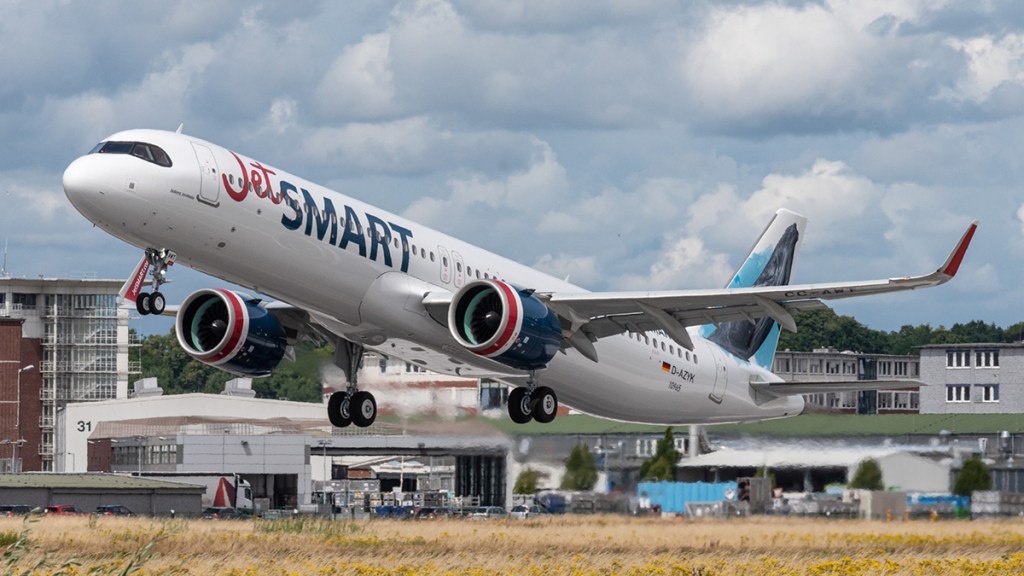
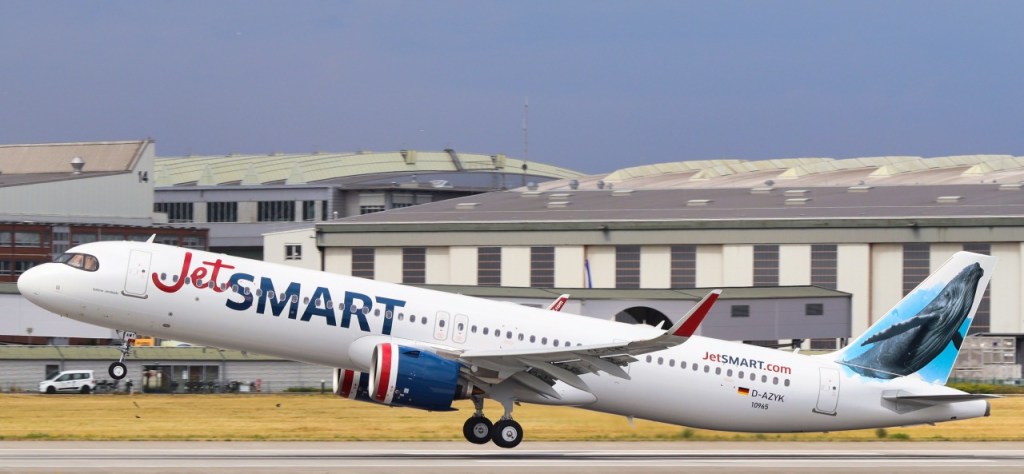
JetSmart Airlines incorporado de su primer Airbus A321NEO en las instalaciones del fabricante en Hamburgo, Alemania. La compañía Aviation Capital Group LCC ha tomado entrega del primer avión A321NEO en leasing a largo término.
La configuración de la nueva aeronave registrada con matrícula provisoria D-AZYK se encuentra configurada para 240 asientos en clase única con la nueva cabina Airspace. Equipado con planta motriz Pratt & Whitney PW1100G, ofrece mayor alcance y capacidad extensiva adicional a su flota actual de A320CEO/NEO. La nueva incorporación es una versión más adaptada al mercado de alta densidad, presentando este tipo de aeronaves la supresión de las segundas dos puertas delanteras permitiendo incorporar asientos adicionales.
“La entrega de nuestro primer A321NEO marca el comienzo de una nueva era para JetSmart como elemento clave para lograr nuestra visión de servir a 100 millones de pasajeros para el 2028, también es un paso importante para convertirnos en el ULCC líder en Sudamérica. Trabajamos con Airbus para configurar nuestro A321NEO como el avión más competitivo del mercado, al mismo tiempo que mantuvimos nuestro enfoque en la sostenibilidad y las tarifas ultra bajas”, expresó el CEO de JetSmart Airlines Group, Estuardo Ortiz.
“El rendimiento y la eficiencia del A321NEO les permitirá a JetSmart seguir ofreciendo tarifas bajas, al tiempo que reducen su huella de carbono”, dijo Arturo Barreira, Presidente de Airbus para América Latina y el Caribe.
Actualmente, JetSmart Airlines posee órdenes pendientes por cuarenta y seis Airbus A321NEO (56), arrendamiento de seis Airbus A320NEO (6) de BOC Aviation. El holding perteneciente de la aerolínea, Indigo Partners posee cintos de pedidos de aeronaves que conforman un portfolio para distribuirlas entre las líneas aéreas Frontier Airlines, Wizz Air, Volaris Airlines y la propia JetSmart Airlines y sus subsidiarias de Argentina, Chile y Perú.
JetSmart receives 1st A321NEO
ACG delivers first Airbus A321NEO to JetSmart
JetSmart Airlines incorporated its first Airbus A321NEO at the manufacturer’s facilities in Hamburg, Germany. Aviation Capital Group LCC has taken delivery of the first A321NEO aircraft under long-term leasing.
The configuration of the new aircraft registered with provisional registration D-AZYK is configured for 240 seats in a single class with the new Airspace cabin. Equipped with a Pratt & Whitney PW1100G powerplant, it offers greater range and extensive additional capacity to its current A320CEO/NEO fleet. The new incorporation is a version more adapted to the high-density market, presenting this type of aircraft the suppression of the second two front doors allowing the incorporation of additional seats.
“The delivery of our first A321NEO marks the beginning of a new era for JetSmart as a key element in achieving our vision of serving 100 million passengers by 2028, it is also an important step in becoming the leading ULCC in South America. We worked with Airbus to configure our A321NEO as the most competitive aircraft in the market, while maintaining our focus on sustainability and ultra-low fares”, said JetSmart Airlines Group CEO Estuardo Ortiz.
“The performance and efficiency of the A321NEO will allow JetSmart to continue offering low fares, while reducing its carbon footprint”, said Arturo Barreira, President of Airbus for Latin America and the Caribbean.
JetSmart Airlines currently has outstanding orders for forty-six Airbus A321NEOs (56), leasing six Airbus A320NEOs (6) from BOC Aviation. The airline’s holding company, Indigo Partners, has hundreds of aircraft orders that make up a portfolio to distribute them among the airlines Frontier Airlines, Wizz Air, Volaris Airlines and JetSmart Airlines itself and its subsidiaries in Argentina, Chile and Peru.
PUBLISHER: Airgways.com DBk: Airbus.com / Jetsmart.com / Aviationcapitalgroup.com / Tom Kunkerdorf / Airgways.com AW-POST: 202207281645AR OWNERSHIP: Airgways Inc. A\W A I R G W A Y S ®
Airbus informa los resultados del primer semestre de 2022
Airbus Group SE ha publicado los resultados financieros consolidados del primer semestre (1S2022) finalizado el 30 de Junio de 2022. “Airbus entregó un desempeño financiero sólido en el primer semestre de 2022 en un entorno operativo complejo, con la situación geopolítica y económica creando más incertidumbres para la industria. Los desafíos de la cadena de suministro nos están llevando a ajustar los pasos de aceleración de la Familia A320 en 2022 y 2023, y ahora apuntamos a una tasa mensual de 65 a principios de 2024. Nuestro objetivo de entrega de aeronaves para 2022 se ha actualizado en consecuencia. Las previsiones de beneficios y flujo de caja libre se mantienen, respaldadas por los datos financieros del primer semestre. Los equipos de Airbus están comprometidos con proveedores y socios para alcanzar una tasa de producción mensual de la familia A320 de 75 en 2025, respaldada por una fuerte demanda de los clientes”, dijo Guillaume Faury, Consejero Delegado de Airbus.
Los pedidos brutos de aviones comerciales aumentaron a 442, en el primer semestre de 2021: 165 aviones con pedidos netos de 259 aviones después de las cancelaciones (primer semestre de 2021: 38 aviones). La cartera de pedidos ascendía a 7.046 aviones comerciales el 30 de Junio de 2022. Airbus Helicopters registró 163 pedidos netos (1S2021: 123 unidades), incluidas 14 Super Puma Family y en el primer trimestre se adjudicó el contrato para el programa de actualización de helicópteros de ataque Tiger MkIII. La entrada de pedidos de Airbus Defence and Space por valor aumentó hasta los € 6.500 millones de Euros (1S2021: € 3.500 millones de Euros), lo que corresponde a una relación book-to-bill de alrededor de 1,3. Los pedidos del segundo trimestre incluyeron el contrato para la entrega de 20 aviones Eurofighter de última generación al Ejército del Aire español.
Los ingresos consolidados totalizaron € 24.800 millones de Euros (primer semestre de 2021: € 24.600 millones de Euros). Se entregaron un total de 297 (1) aviones comerciales (1S2021: 297 aviones), incluidos A220, 230 A320 Family (25), A330 (13) y A350 (29). Los ingresos generados por las actividades de aviones comerciales de Airbus se mantuvieron prácticamente estables. Airbus Helicopters entregó 115 unidades (1S2021: 115 unidades), con un aumento de los ingresos del 6 % que refleja principalmente el crecimiento de los servicios y una combinación favorable de programas. Los ingresos de Airbus Defence and Space aumentaron un 11%, impulsados principalmente por el negocio de aviones militares y tras la firma del contrato Eurodrone en Febrero 2022. Se entregaron cuatro aviones de transporte A400M en el primer semestre de 2022.
EBIT Ajustado Consolidado, una alternativa la medida de rendimiento y el indicador clave que captura el margen comercial subyacente mediante la exclusión de cargos importantes o ganancias causadas por movimientos en las provisiones relacionadas con programas, reestructuraciones o impactos cambiarios, así como ganancias/pérdidas de capital por la enajenación y adquisición de negocios, se mantuvo prácticamente estable en € 2.645 millones (1S2021: € 2.703 millones de Euros).
El EBIT Ajustado relacionado con las actividades de aviones comerciales de Airbus se mantuvo prácticamente estable en € 2276 millones de Euros (1S2021: € 2291 millones de Euros). Incluyó el impacto positivo no recurrente de las obligaciones de retiro registradas en el 1Q2022, parcialmente compensado por el impacto de las sanciones internacionales contra Rusia que se redujo en comparación con el 1Q2022 luego de un buen progreso en la recomercialización de algunos aviones. El impacto positivo neto de estos dos elementos no recurrentes se vio compensado en gran medida por una tasa de cobertura cambiaria menos favorable en comparación con el primer semestre de 2021.
En el Programa A320, la producción avanza hacia un ritmo de 75 aviones por mes en 2025 como se comunicó anteriormente. Dados los desafíos actuales de la cadena de suministro, la empresa está adaptando la trayectoria de aceleración y ahora tiene como objetivo una tasa mensual de 65 a principios de 2024, alrededor de seis meses después de lo previsto anteriormente. El primer vuelo del A321XLR tuvo lugar en Junio 2022, lo que representa un hito importante hacia la entrada en servicio de la aeronave que se espera que tenga lugar a principios de 2024. En aviones de fuselaje ancho, la compañía aeroespacial está explorando, junto con su cadena de suministro, la viabilidad de nuevos aumentos de tarifas para satisfacer la creciente demanda del mercado a medida que se recuperan los viajes aéreos internacionales.
El EBIT Ajustado de Airbus Helicopters aumentó hasta los € 215 millones de Euros (1S2021: € 183 millones de Euros), impulsado en parte por el crecimiento de los servicios y una combinación favorable de programas. También refleja los elementos no recurrentes registrados en el primer trimestre, incluido el impacto positivo relacionado con las obligaciones de jubilación.
El EBIT Ajustado de Airbus Defence and Space disminuyó a € 155 millones de Euros (1S2021: € 229 millones de Euros). Esto refleja principalmente el deterioro relacionado con el retraso en el lanzamiento del Ariane 6, el impacto del aumento de la inflación en algunos contratos a largo plazo en la cartera de la División y las consecuencias de las sanciones internacionales, compensado en parte por el impacto positivo relacionado con las obligaciones de jubilación registradas en el primer trimestre.
En el Programa A400M, las actividades de desarrollo continúan para lograr la hoja de ruta de capacidad revisada. Las actividades de reacondicionamiento están progresando en estrecha alineación con el cliente. En el segundo trimestre de 2022, se registró un cargo de € 200 millones de Euros, que refleja principalmente los supuestos actualizados de inflación en el contrato de lanzamiento. Persisten los riesgos en la calificación de las capacidades técnicas y los costos asociados, en la confiabilidad operativa de las aeronaves, en las reducciones de costos y en la obtención de pedidos de exportación a tiempo según la línea de base revisada.
Los gastos de I+D autofinanciados consolidados ascendieron a € 1.256 millones de Euros (1S2021: € 1.262 millones de Euros).
EBIT Consolidado (Reportado) ascendió a € 2579 millones de Euros (1S2021: € 2727 millones de Euros), incluidos ajustes netos de € -66 millones de Euros.
Estos Ajustes comprendieron: € +226 millones de Euros relacionados con el desfase de pago previo a la entrega en dólares y la revaluación del balance, de los cuales € +36 millones de Euros fueron en el segundo trimestre; € -218 millones de Euros relacionados con el programa A400M, de los cuales € -217 millones de Euros fueron en el segundo trimestre; € -33 millones de Euros relacionados con la transformación de Aeroestructuras en Francia y Alemania, de los cuales -26 millones de euros fueron en el segundo trimestre; € -7 millones de Euros relacionados con el Programa A380, de los cuales € +4 millones de Euros fueron en el segundo trimestre; € -34 millones de Euros de otros costes, incluido el cumplimiento, de los cuales € -29 millones de Euros fueron en el segundo trimestre.
El resultado financiero fue de € 107 millones de Euros (1S2021: € -30 millones de Euros). Refleja principalmente el impacto neto positivo de la revalorización de determinadas participaciones, parcialmente compensado por la revalorización de instrumentos financieros así como el resultado neto de intereses de €-136 millones de Euros. El beneficio neto consolidado fue de € 1.901 millones de Euros (1S2021: € 2.231 millones de Euros) con un beneficio por acción informado consolidado de € 2,42 Euros (1S2021: € 2,84 Euros).
El flujo de caja libre consolidado antes de fusiones y adquisiciones y financiación de clientes fue € 1.955 millones de Euros (1S2021: € 2.051 millones de Euros), reflejando el beneficio convertido en efectivo. También incluyó un calendario favorable de cobros y pagos de efectivo parcialmente compensado por un aumento en el inventario. El flujo de caja libre consolidado fue de € 1.646 millones de Euros (1S2021: € 2.012 millones de Euros). El dividendo de 2021 de € 1,50 de Euros por acción, o € 1200 millones de Euros, se pagó en el segundo trimestre de 2022, mientras que las contribuciones a pensiones ascendieron a € 400 millones de Euros en el primer semestre de 2022. El 30 de Junio de 2022, la posición bruta de efectivo ascendía a € 21 600 millones de Euros (final de año 2021: € 22.700 millones de Euros) con una posición de tesorería neta consolidada de € 7.200 millones de Euros (final de 2021: € 7.700 millones de Euros).
La posición de liquidez sigue siendo sólida, situándose en € 27.600 millones de Euros a finales de Junio de 2022. En Junio, Airbus Group recompró una parte de sus bonos con vencimiento entre 2024 y 2028 por un importe total de € 1.000 millones de Euros para reducir la posición de deuda bruta, optimizar el balance y recuperar la flexibilidad financiera. En Julio 2022, la liquidez mejoró aún más a través de la ampliación de la línea de crédito sindicada renovable no utilizada de € 6 000 millones de Euros a € 8 000 millones de Euros, mientras que el plazo se incrementó a cinco años con dos opciones de extensión de un año. La fijación de precios de esta línea se benefició de mejores condiciones en el mercado de préstamos y continúa vinculada a criterios de sostenibilidad.
Perspectivas Airbus Group
Como base para su orientación para 2022, la empresa asume que no habrá más interrupciones en la economía mundial, el tráfico aéreo, las operaciones internas de la empresa y su capacidad para ofrecer productos y servicios. La orientación de la compañía para 2022 es antes de fusiones y adquisiciones. Sobre esa base, la compañía ahora tiene como objetivo entregar alrededor de setecientos (700) aviones comerciales en 2022, mientras mantiene su objetivo de alrededor de € 5.500 millones de Euros de EBIT Ajustado y alrededor de € 3.500 millones de Euros de Flujo de Caja Libre antes de M&A y Financiación a Clientes en 2022.
Airbus Report 2H2022
Airbus reports results for the first half of 2022
Airbus Group SE has published consolidated financial results for the first half (1H2022) ended June 30, 2022. “Airbus delivered a strong financial performance in the first half of 2022 in a complex operating environment, with the geopolitical and economic situation creating more uncertainties for the industry. Supply chain challenges are leading us to adjust A320 Family acceleration steps in 2022 and 2023, and we are now targeting a monthly rate of 65 in early 2024. Our 2022 aircraft delivery target has been updated consequently. Earnings and free cash flow forecasts hold, supported by first half financial data. The Airbus teams are committed with suppliers and partners to reach an A320 Family monthly production rate of 75 by 2025, supported by strong customer demand”, said Guillaume Faury, Airbus CEO.
Gross commercial aircraft orders rose to 442, in the first half of 2021: 165 aircraft with net orders of 259 aircraft after cancellations (first half of 2021: 38 aircraft). The order book amounted to 7,046 commercial aircraft as of June 30, 2022. Airbus Helicopters recorded 163 net orders (1H2021: 123 units), including 14 Super Puma Family and in the first quarter the contract for the helicopter upgrade program was awarded Tiger MkIII attack gun. Airbus Defense and Space order intake by value increased to € 6.5 billion Euros (1H2021: € 3.5 billion Euros), corresponding to a book-to-bill ratio of around 1,3. Second quarter orders included the contract for the delivery of 20 state-of-the-art Eurofighter aircraft to the Spanish Air Force.
Consolidated revenues totaled € 24.8 billion Euros (first half 2021: € 24.6 billion Euros). A total of 297 commercial aircraft were delivered (1H2021: 297 aircraft), including A220, 230 A320 Family (25), A330 (13) and A350 (29). Revenue from Airbus’ commercial aircraft activities remained broadly flat. Airbus Helicopters delivered 115 units (1H2021: 115 units), with revenue increasing 6% primarily reflecting service growth and a favorable program mix. Airbus Defense and Space revenue rose 11%, mainly driven by the military aircraft business and following the signing of the Eurodrone contract in February 2022. Four A400M transport aircraft were delivered in the first half of 2022.
Consolidated Adjusted EBIT, an alternative performance measure and key indicator that captures the underlying trading margin by excluding material charges or gains caused by movements in provisions related to programs, restructurings or currency impacts, as well as capital gains/losses from the disposal and acquisition of businesses, remained practically stable at € 2,645 million (1H2021: € 2,703 million).
Adjusted EBIT related to Airbus commercial aircraft activities was broadly flat at € 2,276 million (H1 2021: € 2,291 million). It included the non-recurring positive impact of retirement obligations recorded in Q1, partially offset by the impact of international sanctions against Russia that were reduced compared to 1Q2022 after good progress in the remarketing of some aircraft. The net positive impact of these two non-recurring items was largely offset by a less favorable currency hedging rate compared to the first half of 2021.
In the A320 Program, production is moving towards a pace of 75 aircraft per month in 2025 as previously reported. Given current supply chain challenges, the company is adjusting the acceleration trajectory and is now targeting a monthly rate of 65 in early 2024, about six months later than previously forecast. The first flight of the A321XLR took place in June 2022, representing an important milestone towards the aircraft’s entry into service which is expected to take place in early 2024. In wide-body aircraft, the aerospace company is exploring, together with its supply chain, the feasibility of further fare increases to meet growing market demand as international air travel recovers.
Airbus Helicopters’ Adjusted EBIT increased to € 215 million Euros (1H2021: € 183 million Euros), driven in part by service growth and a favorable program mix. It also reflects the non-recurring items recorded in the first quarter, including the positive impact related to retirement obligations.
Airbus Defense and Space Adjusted EBIT decreased to € 155 million Euros (1H2021: € 229 million Euros). This mainly reflects the deterioration related to the delay in the launch of the Ariane 6, the impact of increased inflation on some long-term contracts in the Division’s portfolio and the consequences of international sanctions, partly offset by the positive impact related to the retirement obligations recorded in the first quarter.
On the A400M Programme, development activities continue to achieve the revised capability roadmap. Reconditioning activities are progressing in close alignment with the customer. In the second quarter of 2022, a charge of € 200 million Euros was recorded, primarily reflecting the updated inflation assumptions in the launch contract. Risks remain in qualifying technical capabilities and associated costs, in aircraft operational reliability, in cost reductions, and in obtaining export orders on time based on the revised baseline.
Consolidated self-financed R&D expenses amounted to € 1,256 million Euros (1H2021: € 1,262 million Euros).
Consolidated EBIT (Reported) amounted to € 2,579 million Euros (1H2021: € 2,727 million Euros), including net adjustments of € -66 million Euros.
These Adjustments included: € +226 million Euros related to the dollar pre-delivery payment mismatch and balance sheet revaluation, of which € +36 million Euros were in the second quarter; € -218 million Euros related to the A400M programme, of which € -217 million Euros were in the second quarter; € -33 million Euros related to the transformation of Aerostructures in France and Germany, of which -26 million euros were in the second quarter; € -7 million Euros related to the A380 Program, of which € +4 million Euros were in the second quarter; € -34 million Euros of other costs, including compliance, of which € -29 million Euros were in the second quarter.
The financial result was € 107 million Euros (1H2021: € -30 million Euros). It mainly reflects the positive net impact of the revaluation of certain holdings, partially offset by the revaluation of financial instruments as well as the net interest result of €-136 million Euros. Consolidated net profit was € 1,901 million Euros (1H2021: € 2,231 million Euros) with consolidated reported earnings per share of € 2.42 Euros (1H2021: € 2.84 Euros).
Consolidated free cash flow before M&A and customer financing was € 1,955 million Euros (1H2021: € 2,051 million Euros), reflecting profit converted to cash. It also included a favorable cash receipts and payments schedule partially offset by an increase in inventory. Consolidated free cash flow was € 1,646 million Euros (1H2021: € 2,012 million Euros). The 2021 dividend of € 1.50 Euros per share, or € 1.2 billion Euros, was paid in the second quarter of 2022, while pension contributions amounted to € 400 million Euros in the first half of 2022. On June 30, 2022, the gross cash position amounted to € 21.6 billion Euros (year-end 2021: € 22.7 billion Euros) with a consolidated net cash position of € 7.2 billion Euros (year-end 2021: € 7.7 billion Euros).
The liquidity position remains strong, standing at € 27.6 billion at the end of June 2022. In June, Airbus Group repurchased a portion of its bonds due between 2024 and 2028 for a total amount of € 1 billion to reduce the gross debt position, optimize the balance sheet and regain financial flexibility. In July, liquidity was further improved through the extension of the undrawn syndicated revolving credit facility from € 6 billion to € 8 billion, while the term was increased to five years with two options for one year extension. The pricing of this line benefited from better conditions in the loan market and continues to be linked to sustainability criteria.
Airbus Group outlook
As a basis for its 2022 guidance, the company assumes no further disruption to the global economy, air traffic, the company’s internal operations and its ability to deliver products and services. The company’s guidance for 2022 is before mergers and acquisitions. On that basis, the company now aims to deliver around seven hundred (700) commercial aircraft in 2022, while maintaining its target of around € 5.5 billion of Adjusted EBIT and around € 3.5 billion of Free Cash Flow. before M&A and Client Financing in 2022.
PUBLISHER: Airgways.com DBk: Airbus.com / Airgways.com AW-POST: 202207281240AR OWNERSHIP: Airgways Inc. A\W A I R G W A Y S ®
Disminución entregas 737 MAX por escasez de motores
The Boeing Company ha anunciado la reducción de las entregas de la línea Boeing 737 MAX por falta de entregas de unidades de motores CFM International LEAP-1B. la compañía descartó los objetivos para las entregas de la última variante 737 de cuarta generación, como así también los planes a corto plazo para aumentar la producción de los aviones de carga, aludiendo a la escasez de motores y piezas de fundición estructural.
El gigante de la aviación espera que las entregas de 737 MAX para todo el año sumen un total por debajo de 450 unidades entregadas, inferior a una proyección anterior cercana a 500 aviones narrowbodies, dijo el Director Financiero de Boeing, Brian West, durante la llamada de resultados de la compañía el Miércoles 27/07.
El Director Ejecutivo de la compañía, David Calhoun, ha hecho hincapié en la estabilidad de la producción y en trabajar cuidadosamente en torno a la escasez para evitar costos más altos y problemas de calidad que surgen de la instalación de piezas en aviones después de que hayan salido de la línea de producción. Del otro lado del Atlántico, Airbus Group también ha reducido su proyección de entregas anunciadas este Miércoles 27/07, y pospuso los planes para que la producción de la familia A320NEO volviera al ritmo anterior al de la pandemia hasta principios de 2024.
Si no fuera por la escasez de motores, el fabricante de aviones de Estados Unidos estaría planeando aumentar la producción máxima a un ritmo mensual de 38 jets, por sobre la tasa actual de 31 jets, expreso el máximo directivo de la compañía aeroespacial. Culpó de la interrupción a las limitaciones de los proveedores que fabrican los componentes de motor. “Si creyera que tenemos suministros de motores, lo haríamos hoy”, dijo David Calhoun, en sintonía con el deseo de recuperar los incrementos de producción del modelo 737 MAX a pesar de estar saliendo de la crisis sanitaria y en beneficio de los resultados obtenidos en las órdenes alcanzadas en la Feria Aeroespacial Internacional Farnborough 2022 celebrada en el Reino Unido en Julio 2022.
Boeing cuts 737 MAX deliveries
Decrease in deliveries of 737 MAX due to shortage of engines
The Boeing Company has announced the reduction of deliveries of the Boeing 737 MAX line due to lack of deliveries of CFM International LEAP-1B engine units. The company scrapped targets for deliveries of the latest fourth-generation 737 variant as well as near-term plans to ramp up cargo plane production, citing shortages of engines and structural castings.
The aviation giant expects full-year 737 MAX deliveries to total just under 450 delivered, down from an earlier projection of nearly 500 narrowbodies, Boeing Chief Financial Officer Brian West said during the call. of results of the company on Wednesday 27/07.
The company’s CEO, David Calhoun, has emphasized production stability and carefully working around shortages to avoid higher costs and quality issues that arise from installing parts on aircraft after they have been shipped. come off the production line. On the other side of the Atlantic, Airbus Group has also reduced its projection of deliveries announced this Wednesday 07/27, and postponed plans for the production of the A320NEO family to return to the pre-pandemic pace until early 2024.
Were it not for the engine shortage, the US planemaker would be planning to increase maximum production to a monthly rate of 38 jets, up from the current rate of 31 jets, the aerospace company’s chief executive said. He blamed the disruption on the limitations of the suppliers that make the engine components. “If I believed that we had engine supplies, we would do it today”, said David Calhoun, in tune with the desire to recover the production increases of the 737 MAX model despite coming out of the health crisis and to the benefit of the results obtained in the orders achieved at the Farnborough International Aerospace Fair 2022 held in the United Kingdom in July 2022.
PUBLISHER: Airgways.com DBk: Boeing.com / Airgways.com AW-POST: 202207271737AR OWNERSHIP: Airgways Inc. A\W A I R G W A Y S ®
Segundo reporte 2Q2022 de la compañía aeroespacial
The Boeing Company reportó ingresos en el segundo trimestre (2Q2022) de US$ 16.7 mil millones, ganancias GAAP por acción de US$ 0.32 y pérdidas por acción (no GAAP)* de US$ 0.37, impulsadas por un menor volumen de defensa y un desempeño desfavorable, compensado parcialmente por mayor volumen comercial. Boeing registró un flujo de caja operativo positivo de US$ 100 millones de Dólares.
«Hicimos un progreso importante en los programas clave en el segundo trimestre y estamos cobrando impulso en nuestro cambio. A medida que comenzamos a alcanzar hitos clave, pudimos generar un flujo de caja operativo positivo este trimestre y nos mantenemos encaminados para lograr un flujo de caja libre positivo para 2022. Si bien estamos logrando un progreso significativo, tenemos más trabajo por delante. Nos mantendremos enfocados en seguridad, calidad y transparencia, mientras impulsamos la estabilidad, mejoramos el rendimiento y continuamos invirtiendo en nuestro futuro», dijo Dave Calhoun, Presidente y Director ejecutivo de Boeing.
Aviones comerciales
Los ingresos del segundo trimestre de Commercial Airplanes aumentaron a US$ 6.2 mil millones, impulsados por mayores entregas de la línea 737 MAX, parcialmente compensadas por menores entregas de 787 Dreamliner. El margen operativo del 3,9% también refleja costos anormales y gastos del período, incluido un mayor gasto en investigación y desarrollo.
Boeing casi ha completado el retorno seguro global al servicio del 737 MAX y la flota ha volado más de 1,5 millones de horas de vuelo en total desde finales de 2020. La tasa de producción del 737 aumentó a 31 aviones por mes durante el trimestre.
En el Programa 787 Dreamliner, la compañía continúa trabajando con la FAA para finalizar las acciones para reanudar las entregas y está preparando aviones para la entrega. El programa está produciendo a un ritmo muy bajo y continuará haciéndolo hasta que se reanuden las entregas, con un regreso gradual esperado a cinco por mes con el tiempo. La compañía aún anticipa 787 costos anormales de aproximadamente US$ 2 mil millones, y la mayoría se incurrirá a fines de 2023, incluidos US$ 283 millones registrados en el segundo trimestre.
Commercial Airplanes obtuvo pedidos de 169 aviones 737 MAX y 13 cargueros, incluidos siete cargueros 777-8 de Lufthansa Group. Commercial Airplanes entregó 121 aviones durante el trimestre y la cartera de pedidos incluyó más de 4200 aviones valorados en US$ 297 mil millones.
Boeing Report 2Q2022
Second report 2Q2022 of the aerospace company
The Boeing Company reported second quarter (2Q2022) revenue of US$ 16.7 billion, GAAP earnings per share of US$ 0.32 and loss per share (non-GAAP)* of US$ 0.37, driven by lower defense volume and an unfavorable performance, partially offset by higher commercial volume. Boeing recorded positive operating cash flow of US$ 100 million.
«We made significant progress on key programs in the second quarter and are gaining momentum on our turnaround. As we begin to achieve key milestones, we were able to generate positive operating cash flow this quarter and remain on track to achieve positive cash flow, positive free by 2022. While we are making significant progress, we have more work ahead of us. We will remain focused on safety, quality and transparency, while driving stability, improving performance and continuing to invest in our future», said Dave Calhoun, President and CEO of Boeing.
Commercial aircraft
Commercial Airplanes second-quarter revenue increased to $6.2 billion, driven by higher deliveries of the 737 MAX line, partially offset by lower deliveries of the 787 Dreamliner. The 3.9% operating margin also reflects abnormal costs and expenses for the period, including higher research and development spending.
Boeing has nearly completed the global safe return to service of the 737 MAX and the fleet has flown more than 1.5 million total flight hours since the end of 2020. The 737 production rate increased to 31 aircraft per month during the quarter.
In the 787 Dreamliner Program, the company continues to work with the FAA to finalize actions to resume deliveries and is preparing aircraft for delivery. The program is producing at a very low rate and will continue to do so until deliveries resume, with an expected gradual return to five per month over time. The company still anticipates 787 abnormal costs of approximately US$ 2 billion, with most to be incurred by the end of 2023, including US$ 283 million recorded in the second quarter.
Commercial Airplanes won orders for 169 737 MAX aircraft and 13 freighters, including seven 777-8 freighters from the Lufthansa Group. Commercial Airplanes delivered 121 aircraft during the quarter and the order book included more than 4,200 aircraft valued at US$ 297 billion.
GAAP: Generally Accepted Accounting Principles. Son los principios de contabilidad generalmente aceptados, usados por las compañías de los Estados Unidos o que cotizan en Wall Street. Abarcan un volumen masivo de estándares, interpretaciones, opiniones y boletines y son elaborados por el FASB (Directorio de Estándares de Contabilidad Financiera o Junta de Normas de Contabilidad Financiera), por el gremio contable (el Instituto Estadounidense de Contadores Públicos Certificados (AICPA) y la Comisión de Bolsa y Valores SEC, (Securities and Exchange Commission).
Se trata de una combinación de normas autorizadas por organizaciones reguladoras y maneras aceptadas de llevar la contabilidad. Existen muchas similitudes entre los GAAP de Estados Unidos (US GAAP) y las Normas Internacionales de Información Financiera (NIIF) en cuanto a la presentación del estado financiero. Por ejemplo, según ambos marcos, los componentes de una serie completa de estados financieros incluyen: balance general, estado de resultados, otra base general de ingresos (OCI) para US GAAP o el Estado de Ingresos y Gastos Reconocidos (SORIE) para los NIIF. Además, los dos marcos requieren, salvo circunstancias excepcionales, que los estados financieros se elaboren según la base contable de causación (con excepción del estado de flujos de efectivo). Los dos GAAP tienen conceptos similares respecto a los requisitos sobre materialidad y coherencia que las entidades deben considerar al elaborar sus estados financieros.
Los US-GAAP son el equivalente estadounidense de las Normas Internacionales de Información Financiera. Son muy detallados, y reflejan el ambiente de litigio que impera en los Estados Unidos, que obliga a una regulación cada vez más detallada. Los US-GAAP no pueden desviarse de la introversión reguladora de la SEC.
GAAP: Generally Accepted Accounting Principles. They are the generally accepted accounting principles used by companies in the United States or listed on Wall Street. They encompass a massive volume of standards, interpretations, opinions and bulletins and are produced by the FASB (Financial Accounting Standards Board or Financial Accounting Standards Board), by the accounting profession (the American Institute of Certified Public Accountants (AICPA) and the Securities and Exchange Commission (SEC).
It is a combination of standards authorized by regulatory organizations and accepted ways of keeping accounts. There are many similarities between United States GAAP (US GAAP) and International Financial Reporting Standards (NIIF) in financial statement presentation. For example, under both frameworks, the components of a complete series of financial statements include: balance sheet, income statement, other general basis of income (OCI) for US GAAP, or the Statement of Recognized Income and Expenses (SORIE) for NIIF. In addition, both frameworks require, barring exceptional circumstances, that the financial statements be prepared on the accrual basis of accounting (with the exception of the statement of cash flows). The two GAAP have similar concepts regarding materiality and consistency requirements that entities must consider when preparing their financial statements.
US-GAAP is the US equivalent of International Financial Reporting Standards. They are very detailed, reflecting the litigation environment in the United States, which requires increasingly detailed regulation. US-GAAP cannot deviate from the SEC’s regulatory introversion.
PUBLISHER: Airgways.com DBk: Boeing.com / Airgways.com AW-POST: 202207271338AR OWNERSHIP: Airgways Inc. A\W A I R G W A Y S ®
El grupo de aerolíneas Saltchuk Aviation ha encargado a Boeing hasta cuatro Boeing 767-300BCF (Boeing Converted Freighters) adicionales. El acuerdo incluye tres pedidos en firme y una opción para el eficiente carguero de fuselaje ancho mediano con los costes operativos más bajos por viaje y una excelente capacidad de carga útil y alcance.
«Seguimos viendo tendencias de carga aérea a largo plazo que respaldan el crecimiento de la flota en los mercados atendidos por nuestras tres marcas de carga aérea y estamos entusiasmados de expandir nuestra asociación con Boeing. Estos 767-300ER brindarán una capacidad altamente fiable a nuestra red y, respaldados por la experiencia en OEM de Boeing, esperamos que estos cargueros operen en nuestra flota durante los próximos 15 a 20 años», dijo Betsy Seaton, Presidenta y Directora Ejecutiva de Saltchuk Aviation.
Saltchuk Aviation es más conocida por sus tres marcas operativas de carga: Aloha Air Cargo, Northern Air Cargo y StratAir. La familia de empresas brinda servicios a Hawái y Alaska, así como a destinos en América del Norte, América Central, el Caribe y América del Sur. Saltchuk Aviation realizó su primer pedido a Boeing de cuatro 767-300BCF en firme a principios de 2021. El primer 767-300BCF como parte del acuerdo inicial se entregó a la aerolínea a principios de este mes. Los transportistas de Saltchuk Aviation han operado 767 cargueros convertidos en sus respectivas flotas junto con 737 cargueros desde 2016. El 767-300BCF es el carguero convertido de fuselaje ancho medio más eficiente del mundo y puede transportar hasta 51,6 toneladas hasta 6.190 kilómetros.
“Nos sentimos honrados de que Saltchuk Aviation haya seleccionado nuevamente el altamente versátil 767-300BCF como su carguero preferido para desbloquear oportunidades de carga aérea global. Con nuestra ventaja de OEM, estamos comprometidos a proporcionar a Saltchuk Aviation la capacidad que necesita para crecer ahora y respaldar su flota de Boeing Converted Freighter en el futuro”, dijo Kate Schaefer, Vicepresidenta del Negocio de Modificaciones Comerciales, Ingeniería y Productos Especiales de Boeing.
Saltchuk Aviation orders Boeing 767-300BCF
Order for Boeing 767-300BCF Freighters
The Saltchuk Aviation airline group has ordered up to four additional Boeing 767-300BCFs (Boeing Converted Freighters) from Boeing. The deal includes three firm orders and an option for the efficient medium wide-body freighter with the lowest operating costs per trip and excellent range and payload capacity.
«We continue to see long-term air cargo trends that support fleet growth in the markets served by our three air cargo brands and are excited to expand our partnership with Boeing. These 767-300ERs will bring highly reliable capacity to our network and, backed by Boeing’s OEM experience, we expect these freighters to operate in our fleet for the next 15 to 20 years», said Betsy Seaton, President and CEO of Saltchuk Aviation.
Saltchuk Aviation is best known for its three cargo operating brands: Aloha Air Cargo, Northern Air Cargo and StratAir. The family of companies serves Hawaii and Alaska, as well as destinations in North America, Central America, the Caribbean and South America. Saltchuk Aviation placed its first order with Boeing for four firm 767-300BCFs in early 2021. The first 767-300BCF as part of the initial deal was delivered to the airline earlier this month. Saltchuk Aviation carriers have operated 767 converted freighters in their respective fleets along with 737 freighters since 2016. The 767-300BCF is the world’s most efficient medium wide-body converted freighter and can carry up to 51.6 tons up to 6,190 kilometers.
“We are honored that Saltchuk Aviation has once again selected the highly versatile 767-300BCF as its freighter of choice to unlock global air cargo opportunities. With our OEM advantage, we are committed to providing Saltchuk Aviation with the capability it needs to grow now and support its Boeing Converted Freighter fleet well into the future”, said Kate Schaefer, vice president, Boeing Commercial Modifications, Engineering and Special Products Business.
PUBLISHER: Airgways.com DBk: Boeing.com / Saltchuk.com / Airgways.com AW-POST: 202207261941AR OWNERSHIP: Airgways Inc. A\W A I R G W A Y S ®
Boeing pronostica alta demanda nuevo personal de aviación
The Boeing Company ha anunciado en el 2022 Pilot and Technician Outlook (PTO) una proyección de pronóstico la demanda de 2,1 millones de personal de aviación nuevo durante los próximos veinte años para respaldar de manera segura la recuperación de los viajes aéreos comerciales y cumplir con el creciente crecimiento a largo plazo.
El pronóstico a largo plazo muestra que se necesitarán 602.000 pilotos, 610.000 técnicos de mantenimiento y 899.000 miembros de la tripulación de cabina para respaldar la flota comercial mundial durante las próximas dos décadas. Se espera que la flota mundial casi se duplique y crezca a 47.080 aviones para 2041, según el Commercial Market Outlook publicado recientemente por Boeing.
El PTO de este año representa un aumento del 3,4 por ciento con respecto a 2021, excluyendo la región de Rusia, que no se prevé en el PTO de este año debido a las sanciones que prohíben las exportaciones de aviones fabricados en países occidentales y la incertidumbre del mercado. China, Europa y América del Norte representan más de la mitad de la demanda total de personal nuevo. Las regiones de más rápido crecimiento son África, el sudeste asiático y el sur de Asia, y se espera que las tres regiones crezcan más del 4 por ciento durante el período de pronóstico.
«A medida que la industria de la aviación comercial se recupera de la pandemia y planea un crecimiento a largo plazo, anticipamos una demanda constante y creciente de personal de aviación, así como la necesidad continua de capacitación altamente efectiva. Nuestro enfoque centrado en el cliente y nuestra experiencia digital incluyen el compromiso de ofrecer soluciones de evaluación y capacitación basadas en competencias y basadas en datos, así como tecnologías que satisfagan las necesidades cambiantes de nuestros clientes», dijo Chris Broom, Vicepresidente de Capacitación Comercial. Soluciones, Servicios Globales de Boeing.
Las nuevas soluciones digitales para mejorar la eficacia y la eficiencia de la capacitación incluirían experiencias de aprendizaje inmersivo y plataformas de aprendizaje virtual.
Boeing forecasts 1.2 million staff
Boeing forecasts high demand for new aviation staff
The Boeing Company has announced in the 2022 Pilot and Technician Outlook (PTO) a forecast projection the demand for 2.1 million new aviation personnel over the next twenty years to safely support the recovery of commercial air travel and meet with increasing long-term growth.
The long-term forecast shows that 602,000 pilots, 610,000 maintenance technicians and 899,000 cabin crew members will be needed to support the world’s commercial fleet over the next two decades. The global fleet is expected to nearly double and grow to 47,080 aircraft by 2041, according to Boeing’s recently released Commercial Market Outlook.
This year’s PTO represents a 3.4 percent increase over 2021, excluding the Russia region, which is not anticipated in this year’s PTO due to sanctions banning exports of aircraft made in Western countries and market uncertainty. China, Europe and North America account for more than half of the total demand for new staff. The fastest growing regions are Africa, Southeast Asia and South Asia, with all three regions expected to grow more than 4 percent during the forecast period.
«As the commercial aviation industry recovers from the pandemic and plans for long-term growth, we anticipate a steady and growing demand for aviation personnel, as well as the ongoing need for highly effective training. Our customer-centric approach and our digital expertise include a commitment to delivering data-driven, competency-based training and assessment solutions and technologies that meet the evolving needs of our customers», said Chris Broom, Vice President of Business Training. Solutions, Boeing Global Services.
New digital solutions to improve the effectiveness and efficiency of training would include immersive learning experiences and virtual learning platforms.
PUBLISHER: Airgways.com DBk: Boeing.com / Airgways.com AW-POST: 202207260950AR OWNERSHIP: Airgways Inc. A\W A I R G W A Y S ®



















 airgways.com