Vietjet acuerdo por 200 Boeing 737 MAX

AW | 2022 05 28 09:33 | AIRLINES / INDUSTRY

Vietjet y Boeing cumplirán pedido de 200 aviones

Boeing 737 MAX_Isologotype

VietJet Air_Isologotype

El Presidente de la Asamblea Nacional de Vietnam, Vương Đình Huệ, ha felicitado a The Boeing Company y Vietjet Air por el acuerdo para la estructuración e implementación continua del contrato de pedido de doscientos aviones Boeing 737 MAX en la reciente reunión con el Vicepresidente Senior de Boeing, Michael Arthur. El acuerdo se alcanzó durante la visita oficial del Primer Ministro de Vietnam, Phạm Minh Chính, para visitar los Estados Unidos y las Naciones Unidas y la asistencia a la Cumbre Especial ASEAN-Estados Unidos.

El pedido de Vietjet Air de doscientos aviones de Boeing 737 MAX (200) es un acuerdo significativo que contribuye a la balanza comercial bilateral de los dos países. La orden se ha formado a través de tres presidencias de los Estados Unidos con importantes desarrollos tras las crecientes relaciones diplomáticas y económicas entre los dos países en los últimos años.

En 2016, Vietjet Air ordenó 100 de los aviones Boeing más modernos, presenciados por el presidente de los Estados Unidos, Barack Obama, durante su visita a Vietnam. El acuerdo ganó la atención mundial sobre la impresionante innovación de la economía de Vietnam, ya que fue la primera vez que una aerolínea privada entró en un pedido tan grande con Boeing, uno de los orgullos de Estados Unidos, a lo largo de su centenaria historia. Antes del acuerdo, Vietjet también había firmado el contrato con Airbus para ordenar aviones A320-321. La aerolínea ya ha recibido y operado cerca de 100 aviones Airbus junto con el apoyo integral de Airbus en servicios técnicos y el establecimiento de una academia de aviación. En 2019, Vietjet y Boeing acordaron aumentar el pedido total a 200 aviones, como lo presenció el ex presidente de los Estados Unidos Donald Trump en Hà Nội. El presidente Trump dijo una vez que la ceremonia de firma fue uno de los eventos más «hermosos» durante su visita a Vietnam.

Además del pedido de aviones, Vietjet también firmó el soporte de motores a largo plazo con CFM International y una empresa conjunta con General Electric, incluido el suministro de motores y servicios técnicos. El enorme pedido de aviones atrajo la atención no solo por la escala de valor de decenas de miles de millones de dólares, sino también por su significado progresivo para las dos compañías y las dos economías.

El Secretario General del Partido Comunista de Vietnam, Nguyễn Phú Trọng, y el ex-Presidente de los Estados Unidos, Donald Trump, presenciaron la firma para aumentar el pedido a 200 aviones en 2019.

Bajo la presidencia de Joe Biden, actual Presidente de Estados Unidos, con motivo de la visita oficial del primer ministro Phạm Minh Chính a Estaqdos Unidos este año, la orden fue acordada para continuar por Vietjet y Boeing, tras un paréntesis debido a eventos inesperados con el Boeing 737 MAX y la pandemia de COVID-19. En consecuencia, Vietjet recibirá la nueva generación de aviones Boeing 737 con un calendario de entrega en línea con el desarrollo y la estrategia comercial de la aerolínea vietnamita. El acuerdo de entrega de 200 aviones se interrumpió debido a los problemas del 737 MAX y los impactos de la pandemia de COVID-19 en la cadena de suministro global de Boeing. Muchos pedidos y planes de entrega de aviones en todo el mundo han sido cancelados o retrasados indefinidamente. Vietjet se vio afectado significativamente cuando el 737 MAX no fue aprobado por las autoridades y Boeing no pudo entregar a tiempo.

En medio del brote de la epidemia de COVID-19, Vietjet transportó millones de máscaras médicas, que escaseaban en todo el mundo, al pueblo estadounidense. La aerolínea privada vietnamita se ha esforzado valientemente durante la pandemia, manteniendo su capacidad operativa y financiera para el desarrollo post-pandémico. El hecho de que Vietjet y Boeing acordaran continuar implementando los acuerdos firmados es un hito muy positivo en la relación de confianza de largo plazo entre los dos países, que fue el resultado de la diplomacia económica de los líderes del gobierno vietnamita. Bajo esta negociación, Vietjet y Boeing acordaron mutuamente que los objetivos perseguidos deben ser estrategias visionarias con objetivos a largo plazo.

Actuando en nombre de Boeing y para combatir el cambio climático, reducir las emisiones de CO2, investigar y fabricar componentes, fabricar software, apoyar el desarrollo de la infraestructura aeroportuaria y de aviación, invertir en actividades de seguros, mantenimiento técnico, incluida la alta tecnología, el objetivo es construir Việt Nam en un centro de aviación de la región y del mundo.

En cuanto a Vietjet, dado que el mercado de la aviación acaba de comenzar a recuperarse y la infraestructura aún es limitada en Vietnam, esta aerolínea privada tiene un plan ambicioso para traer banderas y colores vietnamitas para explotar nuevos espacios aéreos con un compromiso de apoyo sólido e integral de Boeing, el fabricante de aviones líder en el mundo.

John Kerry, quien es el 68º Secretario de Estado de Estados Unidos y ahora enviado climático, desempeña un papel activo en el programa de cooperación de Boeing con Vietjet en la lucha contra el cambio climático, la reducción de las emisiones de carbono, el uso de combustible sostenible para aeronaves y los programas de acción para Vietnam. Con la dirección de convertirse en una aerolínea global desde su establecimiento, Vietjet no solo brinda oportunidades de vuelo a millones de personas que nunca han abordado un vuelo, sino que también contribuye al desarrollo de la economía local, promoviendo cambios en la economía mundial, nuevas políticas de gestión. y proveedores de servicios para mejorar los estándares operativos en Việt Nam.

Se espera que el pedido de Vietjet genere 200.000 puestos de trabajo en el mercado laboral de Estados Unidos, por un valor de US$ 35.000 millones de Dólares, incluidos US$ 24.200 millones de Dólares en pedidos de aeronaves y US$ 10,8 millones de Dólares en servicios de ingeniería de motores. Los resultados obtenidos no solo impulsan el crecimiento de la industria y la economía de la aviación de Vietnam, sino que también atraen a más inversores nacionales y extranjeros, incluidas grandes corporaciones como Boeing y también la economía estadounidense, la economía más grande del mundo.

Vietjet agreement for 200 Boeing 737 MAX

Vietjet and Boeing will fulfill order of 200 planes

President of the National Assembly of Vietnam, Vương Đình Huệ, has congratulated The Boeing Company and Vietjet Air for the agreement for the structuring and continuous implementation of the order contract for two hundred Boeing 737 MAX aircraft in the recent meeting with the Senior Vice President of Boeing , MichaelArthur. The agreement was reached during the official visit of the Prime Minister of Vietnam, Phạm Minh Chính, to visit the United States and the United Nations and attendance at the ASEAN-US Special Summit.

Vietjet Air’s order for two hundred Boeing 737 MAX aircraft (200) is a significant agreement that contributes to the bilateral trade balance of the two countries. The order has been formed through three US presidencies with significant developments following the growing diplomatic and economic relations between the two countries in recent years.

In 2016, Vietjet Air ordered 100 of the latest Boeing aircraft, witnessed by US President Barack Obama during his visit to Vietnam. The deal drew global attention to the impressive innovation of Vietnam’s economy, as it was the first time a private airline had entered into such a large order with Boeing, one of the prides of the United States, throughout its century-old history. Prior to the deal, Vietjet had also signed the contract with Airbus to order A320-321 aircraft. The airline has already taken delivery and operated close to 100 Airbus aircraft together with comprehensive support from Airbus in technical services and the establishment of an aviation academy. In 2019, Vietjet and Boeing agreed to increase the total order to 200 aircraft, as former US President Donald Trump witnessed in Hà Nội. President Trump once said that the signing ceremony was one of the most beautiful events during his visit to Vietnam.

In addition to the aircraft order, Vietjet also signed long-term engine support with CFM International and a joint venture with General Electric, including engine supply and technical services. The massive aircraft order attracted attention not only for its tens of billion-dollar value scale, but also for its progressive significance to the two companies and the two economies.

The Secretary General of the Communist Party of Vietnam, Nguyễn Phú Trọng, and the former President of the United States, Donald Trump, witnessed the signing to increase the order to 200 aircraft in 2019.

Under the presidency of Joe Biden, current President of the United States, on the occasion of Prime Minister Phạm Minh Chính’s official visit to the United States this year, the order was agreed to continue by Vietjet and Boeing, after a hiatus due to unexpected events with the Boeing 737 MAX and the COVID-19 pandemic. Consequently, Vietjet will receive the new generation of Boeing 737 aircraft with a delivery schedule in line with the development and commercial strategy of the Vietnamese airline. The 200-aircraft delivery deal was halted due to the 737 MAX issues and the impacts of the COVID-19 pandemic on Boeing’s global supply chain. Many aircraft orders and delivery plans around the world have been canceled or delayed indefinitely. Vietjet was significantly affected when the 737 MAX was not approved by the authorities and Boeing was unable to deliver on time.

Amid the outbreak of the COVID-19 epidemic, Vietjet transported millions of medical masks, which were in short supply around the world, to the American people. The Vietnamese private airline has made valiant efforts during the pandemic, maintaining its operational and financial capacity for post-pandemic development. The fact that Vietjet and Boeing agreed to continue to implement the signed agreements is a very positive milestone in the long-term relationship of trust between the two countries, which was the result of economic diplomacy by the leaders of the Vietnamese government. Under this negotiation, Vietjet and Boeing mutually agreed that the goals pursued should be visionary strategies with long-term goals.

Acting on behalf of Boeing and to combat climate change, reduce CO2 emissions, research and manufacture components, manufacture software, support the development of airport and aviation infrastructure, invest in insurance activities, technical maintenance, including high technology, the goal is to build Việt Nam into an aviation hub for the region and the world.

As for Vietjet, since the aviation market has just started to recover and infrastructure is still limited in Vietnam, this private airline has an ambitious plan to bring Vietnamese flags and colors to exploit new airspace with a commitment of strong and comprehensive support from Boeing, the world’s leading aircraft manufacturer.

John Kerry, who is the 68th US Secretary of State and now a climate envoy, plays an active role in Boeing’s cooperation program with Vietjet in combating climate change, reducing carbon emissions, using sustainable jet fuel and action programs for Vietnam. With the direction of becoming a global airline since its establishment, Vietjet not only provides flight opportunities to millions of people who have never boarded a flight, but also contributes to the development of the local economy, promoting changes in the world economy, new management policies and service providers to improve operational standards in Việt Nam.

The Vietjet order is expected to create 200,000 jobs in the US labor market, worth US$ 35 billion, including US$ 24.2 billion in aircraft orders and US$ 10.8 million in aircraft orders. Dollars in engine engineering services. The results achieved not only fuel the growth of Vietnam’s aviation industry and economy, but also attract more domestic and foreign investors, including large corporations such as Boeing and also the US economy, the world’s largest economy.

PUBLISHER: Airgways.com
DBk: Boeing.com / Vietjetair.com / Woodys Aeroimages / Airgways.com
AW-POST: 202205280933AR
OWNERSHIP: Airgways Inc.
A\W A I R G W A Y S ®
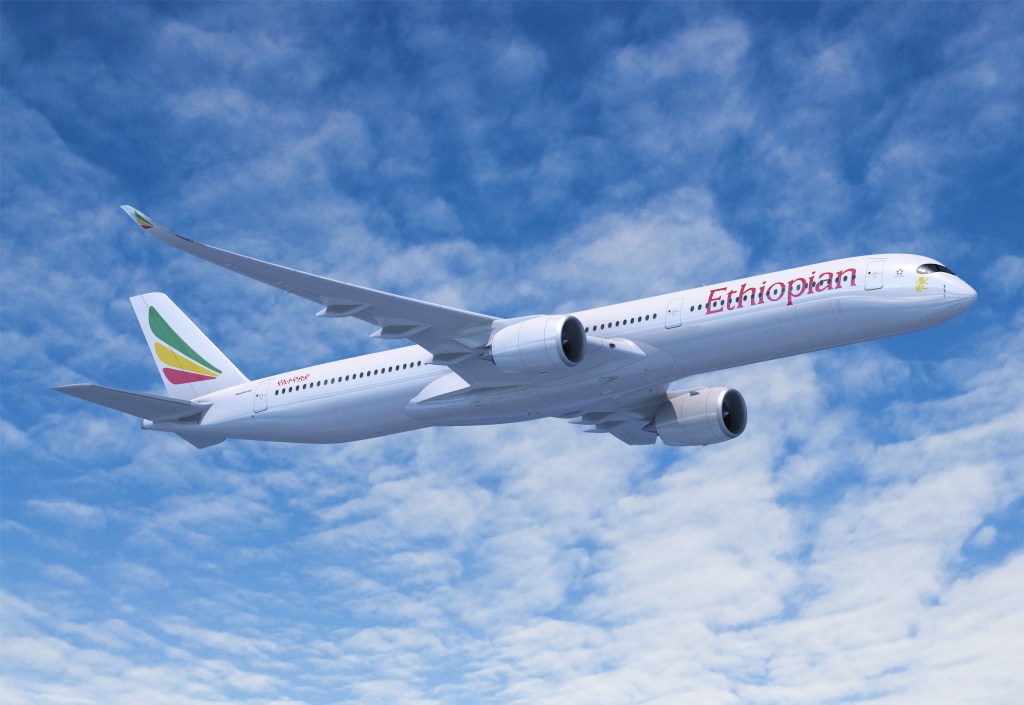
P&W asociación con suiza H55

AW | 2022 05 27 16:50 | INDUSTRY

H55 seleccionada tecnología propulsión híbrido-eléctrico

AW-De Havilland__Isologortpe

AW-H55__Isologotype

Pratt & Whitney Canada (P&WC) ha anunciado que la compañía suiza H55 ha sido seleccionada para suministrar sistemas de baterías para su programa regional de demostración de vuelo híbrido-eléctrico. Las pruebas en tierra de la tecnología de propulsión comenzarán en 2022, hacia una demostración de vuelo en 2024. El desarrollo de los diseños de los componentes de la batería y los sistemas de control eléctrico asociados también contará con el apoyo del Consejo Nacional de Investigación de Canadá (NRC) y el Instituto de Vehículos Innovadores (IVI).

Nuevos estándares para la sostenibilidad

«Estamos encantados de aprovechar la tecnología del H55 en el campo de los sistemas de baterías de aeronaves y colaborar con NRC e IVI en la optimización del diseño de nuestro programa de demostración de vuelo híbrido-eléctrico. La tecnología híbrida-eléctrica tiene un potencial significativo para aumentar la eficiencia de los sistemas de propulsión de aeronaves de próxima generación, lo que nos permite establecer nuevos estándares de sostenibilidad para los aviones regionales y de cercanías», dijo Jean Thomassin, director ejecutivo de nuevos productos y servicios de P&WC.

La participación de H55 sigue al anuncio de P&WC en Julio de 2021 de sus planes para demostrar la tecnología de propulsión híbrida-eléctrica, a través de una inversión de C$ 163 millones, respaldada por los gobiernos de Canadá y Quebec. Trabajando con la compañía hermana de Raytheon Technologies, Collins Aerospace, y De Havilland Aircraft of Canada Limited, P&WC apunta a una mejora del 30 por ciento en la eficiencia del combustible y la reducción de las emisiones de CO2, en comparación con los motores turbohélice más avanzados de la actualidad para aviones regionales. Collins Aerospace proporcionará el motor eléctrico de un megavatio para el sistema de propulsión híbrido-eléctrico.

Beneficios ambientales y económicos

«Nuestro objetivo siempre ha sido abordar el transporte regional de cercanías y con P&WC, hay un ajuste perfecto por el cual nuestras tecnologías centrales se complementan entre sí. Ambas compañías comparten la misma visión de cómo la propulsión híbrida-eléctrica puede ofrecer una gama de beneficios ambientales y económicos. Haber sido seleccionado por P&WC es una validación importante de que nuestra experiencia es valorada por un jugador de la industria de buena reputación. Estamos entusiasmados de trabajar en Quebec con P&WC y varios otros colaboradores de la industria y la investigación para llevar nuestro paquete de baterías al programa de demostración híbrido-eléctrico», dijo André Borschberg, Cofundador y Presidente Ejecutivo de H55.

Como spin-off tecnológico de Solar Impulse, el primer avión eléctrico en volar alrededor del mundo, la misión de H55 es hacer que la aviación sea limpia, segura y asequible. Las principales competencias de la compañía con sede en Suiza radican en el desarrollo de soluciones de propulsión y almacenamiento de energía que sean modulares, livianas y seguras. Después de haber trabajado y volado cuatro aviones eléctricos, el H55 está bien posicionado para actuar como un habilitador clave para el transporte regional electrificado de cercanías.

«Estamos encantados de apoyar este proyecto como parte de nuestra misión de ayudar a las empresas a desarrollar e integrar tecnologías de vehículos innovadores. Al permitir que los futuros aviones logren una mayor eficiencia y menores emisiones, proyectos como este contribuirán a una industria de transporte más limpia y sostenible», dijo François Adam, Gerente General de IVI.

Cero neto para 2050

La tecnología de propulsión híbrida-eléctrica es un elemento central de la estrategia de Pratt & Whitney para avanzar continuamente en la eficiencia de los sistemas de propulsión de aeronaves, en apoyo del objetivo de toda la industria de lograr cero emisiones netas de CO2 para la aviación para 2050. La compañía también está desarrollando tecnologías para apoyar un mayor uso de combustibles alternativos más limpios, incluidos los Combustibles de Aviación Sostenibles (SAF) y el hidrógeno, cada uno de los cuales se beneficiará de las mayores eficiencias habilitadas por los sistemas de propulsión híbrido-eléctricos.

P&W association with switzerland H55

H55 selected hybrid-electric propulsion technology

news-dehavilland-logo

De Havilland Canada Q400_001

Pratt & Whitney Canada (P&WC) has announced that the Swiss company H55 has been selected to supply battery systems for its regional hybrid-electric flight demonstration program. Ground testing of the propulsion technology will begin in 2022, leading to a flight demonstration in 2024. Development of battery component designs and associated electrical control systems will also be supported by the National Research Council of Canada (NRC) and the Innovative Vehicles Institute (IVI).

New standards for sustainability

«We are delighted to leverage the technology of the H55 in the field of aircraft battery systems and collaborate with NRC and IVI in optimizing the design of our hybrid-electric flight demonstration program. Hybrid-electric technology has significant potential.» to increase the efficiency of next-generation aircraft propulsion systems, enabling us to set new sustainability standards for commuter and regional aircraft», said Jean Thomassin, executive director of new products and services at P&WC.

H55’s involvement follows P&WC’s announcement in July 2021 of its plans to demonstrate hybrid-electric propulsion technology, through a C$ 163 million investment, backed by the Canadian and Quebec governments. Working with Raytheon Technologies’ sister company, Collins Aerospace, and de Havilland Aircraft of Canada Limited, P&WC is targeting a 30 percent improvement in fuel efficiency and reduced CO2 emissions, compared to older turboprop engines. today’s advanced aircraft for regional aircraft. Collins Aerospace will provide the 1-megawatt electric motor for the hybrid-electric propulsion system.

Environmental and economic benefits

“Our goal has always been to address regional commuter transportation and with P&WC, there is a perfect fit whereby our core technologies complement each other. Both companies share the same vision of how hybrid-electric propulsion can deliver a range of benefits. environmental and economic. Being selected by P&WC is important validation that our expertise is valued by a reputable industry player. We are excited to work in Quebec with P&WC and several other industry and research partners to bring our battery pack to the hybrid-electric demonstration program», said André Borschberg, Co-Founder and CEO of H55.

As a technological spin-off of Solar Impulse, the first electric aircraft to fly around the world, H55’s mission is to make aviation clean, safe and affordable. The core competencies of the Swiss-based company lie in the development of propulsion and energy storage solutions that are modular, lightweight and safe. Having worked on and flown four electric aircraft, the H55 is well positioned to act as a key enabler for regional electrified commuter transportation.

«We are delighted to support this project as part of our mission to help companies develop and integrate innovative vehicle technologies. By enabling future aircraft to achieve higher efficiency and lower emissions, projects like this will contribute to a cleaner transportation industry. clean and sustainable», said François Adam, General Manager of IVI.

Net zero by 2050

Hybrid-electric propulsion technology is a core element of Pratt & Whitney’s strategy to continually advance the efficiency of aircraft propulsion systems, in support of the industry-wide goal of achieving net-zero CO2 emissions for aviation. by 2050. The company is also developing technologies to support increased use of cleaner alternative fuels, including sustainable aviation fuels (SAF) and hydrogen, each of which will benefit from the increased efficiencies enabled by propulsion systems. hybrid-electric.

PUBLISHER: Airgways.com
DBk: Dehavilland.com / H55.ch / Airgways.com
AW-POST: 202205271650AR
OWNERSHIP: Airgways Inc.
A\W A I R G W A Y S ®

Ethiopian anuncia orden Boeing 777F

AW | 2022 05 27 16:31 | AIRLINES / INDUSTRY

Boeing y Ethiopian Airlines anuncian pedido de cinco cargueros 777

AW-Boeing 777F__001

AW-Ethiopian Airlines_Isologotype

El operador de carga más grande de África, Ethiopian Airlines, expande su flota de cargueros Boeing 777F para apoyar la demanda de carga a corto plazo. The Boeing Company y Ethiopian Airlines anunciaron hoy que la aerolínea está ampliando aún más su flota de cargueros Boeing con un pedido de cinco cargueros 777. El pedido no está identificado actualmente en el sitio web de pedidos y entregas de Boeing. «La incorporación de estos cinco cargueros 777 a nuestra flota de carga nos permitirá satisfacer la creciente demanda en nuestra operación de carga. Al tiempo que consolidamos nuestra asociación con Boeing con nuevos pedidos, el crecimiento de nuestra flota de cargueros lleva la capacidad y la eficiencia de nuestro servicio de envío al siguiente nivel. Siempre nos esforzamos por servir a nuestros clientes con la última tecnología que la industria de la aviación podría ofrecer. Nuestra terminal de carga es la más grande de África, junto con cargueros de bajo consumo de combustible y profesionales de manejo de carga bien capacitados permitirán a nuestros clientes obtener el mejor servicio de envío de calidad. Los clientes pueden confiar en Ethiopian para servicios de carga de gran alcance en los cinco continentes», dijo el CEO Mesfin Tasew de Ethiopian Airlines Group.

El 777 Freighter de Boeing, líder en el mercado, es el carguero bimotor más grande, de mayor alcance y más capaz del mundo que vuela con un 17% menos de uso de combustible y emisiones que los aviones anteriores. Ethiopian Airlines opera una flota de nueve cargueros Boeing 777F, utilizando el alcance del modelo de 4.970 millas náuticas (9.200 km) y una carga útil estructural máxima de 107 toneladas/235.900 libras para conectar África con 66 centros de carga dedicados en Asia, Europa, Oriente Medio y américa.

«La flota de cargueros Boeing de Ethiopian Airlines les proporciona una capacidad y flexibilidad inigualables como el operador de carga más grande de África. Estos cargueros 777 adicionales permitirán a Ethiopian capitalizar la demanda de carga a corto plazo, al tiempo que posicionan a la aerolínea para una mayor expansión en el futuro», dijo Ihssane Mounir, Vicepresidente Senior de Ventas Comerciales y Marketing de Boeing.

A principios de Marzo de 2022, Boeing y Ethiopian Airlines también anunciaron la firma de un Memorando de Entendimiento (MoU) para la intención de la aerolínea de comprar cinco cargueros Boeing 777-8, el carguero bimotor más nuevo, más capaz y más eficiente en combustible de la industria. Ethiopian Airlines también opera tres cargueros convertidos 737-800, así como una flota combinada de pasajeros de más de 80 aviones Boeing, incluidos 737, 767, 777 y 787.

Ethiopian announces Boeing 777F order

Boeing and Ethiopian Airlines announce order for five 777 freighters

Africa’s largest cargo carrier, Ethiopian Airlines, is expanding its Boeing 777F freighter fleet to support near-term cargo demand. The Boeing Company and Ethiopian Airlines announced today that the airline is further expanding its Boeing freighter fleet with an order for five 777 freighters. The order is not currently identified on Boeing’s orders and deliveries website. «The addition of these five 777 freighters to our cargo fleet will allow us to meet the growing demand on our cargo operation. As we solidify our partnership with Boeing with new orders, the growth of our freighter fleet drives the capacity and efficiency of our shipping service to the next level.We always strive to serve our customers with the latest technology the aviation industry could offer.Our cargo terminal is the largest in Africa, along with fuel efficient freighters and Well-trained cargo handling professionals will enable our customers to get the best quality shipping service. Customers can rely on Ethiopian for far-reaching cargo services across five continents», said CEO Mesfin Tasew of Ethiopian Airlines Group.

Boeing’s market-leading 777 Freighter is the world’s largest, longest-range and most capable twin-engine freighter that flies with 17% less fuel use and emissions than previous aircraft. Ethiopian Airlines operates a fleet of nine Boeing 777F freighters, utilizing the model’s range of 4,970 nautical miles (9,200 km) and a maximum structural payload of 107 tons/235,900 pounds to connect Africa with 66 dedicated cargo hubs in Asia, Europe, Middle East and America.

«Ethiopian Airlines’ Boeing freighter fleet provides them with unmatched capacity and flexibility as Africa’s largest cargo carrier. These additional 777 freighters will allow Ethiopian to capitalize on near-term cargo demand, while also positioning the airline to further expansion in the future», said Ihssane Mounir, senior vice president of commercial sales and marketing for Boeing.

In early March 2022, Boeing and Ethiopian Airlines also announced the signing of a Memorandum of Understanding (MoU) for the airline’s intention to purchase five Boeing 777-8 freighters, the newest, most capable and most efficient twin-engine freighter in the world. industry fuel. Ethiopian Airlines also operates three converted 737-800 freighters, as well as a combined passenger fleet of more than 80 Boeing aircraft, including 737, 767, 777 and 787.

PUBLISHER: Airgways.com
DBk: Ethiopianairlines.com / Boeing.com / Airgways.com
AW-POST: 202205271631AR
OWNERSHIP: Airgways Inc.
A\W A I R G W A Y S ®
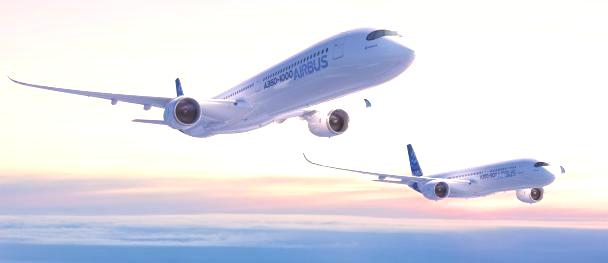
Airbus aumenta huella innovación

AW | 2022 05 27 16:18 | INDUSTRY

Desarrollo nuevas tecnologías de hidrógeno

Airbus_Group_Logo_2014.svg - copia

Airbus Group está reforzando su presencia en el Reino Unido con el lanzamiento de un Centro de Desarrollo de Emisiones Cero (ZEDC) para tecnologías de hidrógeno. Una prioridad para la ZEDC del Reino Unido será el desarrollo de un sistema de combustible criogénico de costo competitivo necesario para la entrada en servicio exitosa del avión de pasajeros ZEROe de Airbus para 2035 y para acelerar las habilidades y el conocimiento del Reino Unido en tecnologías de propulsión de hidrógeno.

La ZEDC del Reino Unido se beneficiará del reciente compromiso del gobierno del Reino Unido de garantizar 685 millones de libras esterlinas de financiación al Instituto de Tecnología Aeroespacial (ATI) durante los próximos tres años para apoyar el desarrollo de tecnologías aeronáuticas de cero emisiones de carbono y ultrabajas.

“Establecer la ZEDC en el Reino Unido amplía las capacidades industriales internas de Airbus para diseñar, desarrollar, probar y fabricar tanques de almacenamiento de hidrógeno criogénico y sistemas relacionados para el proyecto ZEROe en los cuatro países de origen de Airbus. Esto, junto con nuestra asociación con ATI, nos permitirá aprovechar nuestra experiencia respectiva para aprovechar el potencial de la tecnología del hidrógeno para apoyar la descarbonización de la industria de la aviación”, dijo Sabine Klauke, Directora Técnica de Airbus.

El desarrollo tecnológico en el nuevo ZEDC del Reino Unido, que tendrá su sede en Filton, Bristol, ya ha comenzado y cubrirá todas las capacidades industriales y de productos, desde componentes hasta sistemas completos y pruebas criogénicas. El desarrollo de sistemas de combustible de principio a fin, una especialidad de Airbus en el Reino Unido, es una de las tecnologías más complejas y cruciales para el rendimiento de un futuro avión de hidrógeno. La ZEDC complementa la huella existente de Investigación y Tecnología de Airbus en el Reino Unido, así como el trabajo en tanques de hidrógeno líquido criogénico que se está realizando en las ZEDC existentes de Airbus en Madrid, España y Stade, Alemania (tecnologías de estructura compuesta) y en Nantes, Francia y Bremen, Alemania (tecnologías estructurales metálicas). Se espera que todos los ZEDC de Airbus estén en pleno funcionamiento y listos para las pruebas en tierra con el primer tanque de hidrógeno criogénico completamente funcional durante 2023, y con pruebas de vuelo a partir de 2026.

Con esta nueva instalación, Airbus reafirma su compromiso a largo plazo de seguir siendo un actor importante en el ecosistema aeroespacial líder mundial de Gran Bretaña, trabajando con el Jet Zero Council para impulsar la investigación en el sector, apoyando los empleos verdes y ayudando al Reino Unido a cumplir su ambiciosa red. cero objetivos.

El lanzamiento de la ZEDC del Reino Unido sigue a la apertura de la instalación de investigación y pruebas AIRTeC de £ 40 millones en Filton en Junio de 2021, financiada conjuntamente por ATI y Airbus, para ofrecer la próxima generación de diseños de sistemas de combustible, sistemas de tren de aterrizaje y alas de aviones.

Airbus increases innovation footprint

Development of new hydrogen technologies

Airbus Group is strengthening its presence in the UK with the launch of a Zero Emissions Development Center (ZEDC) for hydrogen technologies. A priority for the UK ZEDC will be the development of a cost-competitive cryogenic fuel system required for the successful entry into service of the Airbus ZEROe airliner by 2035 and to accelerate the UK’s skills and knowledge in cryogenic technologies. hydrogen propulsion.

The UK ZEDC will benefit from the UK Government’s recent commitment to secure £685m of funding to the Aerospace Institute of Technology (ATI) over the next three years to support the development of zero-carbon aircraft technologies and ultra low.

“Establishing the ZEDC in the UK expands Airbus’ in-house industrial capabilities to design, develop, test and manufacture cryogenic hydrogen storage tanks and related systems for the ZEROe project in all four Airbus home countries. This, together with our partnership with ATI, will allow us to leverage our respective expertise to harness the potential of hydrogen technology to support the decarbonisation of the aviation industry”, said Sabine Klauke, Chief Technical Officer, Airbus.

Technology development at the new UK ZEDC, which will be based in Filton, Bristol, has already started and will cover all product and industrial capabilities, from components to complete systems and cryogenic testing. The development of end-to-end fuel systems, a specialty of Airbus in the UK, is one of the most complex and crucial technologies for the performance of a future hydrogen aircraft. The ZEDC complements the existing Airbus Research and Technology footprint in the UK, as well as the work on cryogenic liquid hydrogen tanks being carried out at Airbus’ existing ZEDCs in Madrid, Spain and Stade, Germany (composite structure technologies) and in Nantes, France and Bremen, Germany (metal structural technologies). All Airbus ZEDCs are expected to be fully operational and ready for ground testing with the first fully functional cryogenic hydrogen tank during 2023, with flight testing beginning in 2026.

With this new facility, Airbus reaffirms its long-term commitment to remain a major player in Britain’s world-leading aerospace ecosystem, working with the Jet Zero Council to drive research in the sector, supporting green jobs and helping the UK. United to fulfill its ambitious network. zero goals.

The launch of the UK ZEDC follows the opening of the £40 million AIRTeC Research and Test Facility at Filton in June 2021, jointly funded by ATI and Airbus, to deliver the next generation of fuel system designs, landing gear systems and aircraft wings.

PUBLISHER: Airgways.com
DBk: Airbus.com / Airgways.com
AW-POST: 202205271618AR
OWNERSHIP: Airgways Inc.
A\W A I R G W A Y S ®
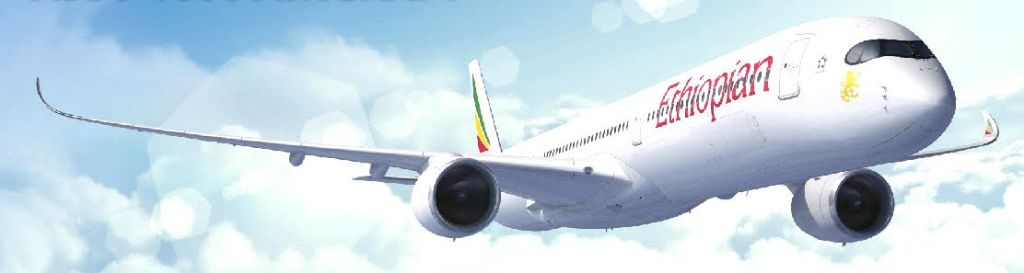
Leonardo inaugura centro Le-Bourget

AW | 2022 05 24 10:12 | INDUSTRY

Soporte para helicópteros Agusta en Paris/Le-Bouget

AW-Leonardo Company_Isologotype_001

Leonardo S.p.A. inaugura un nuevo centro de servicio de helicópteros en París, Francia, a medida que la flota de helicópteros comerciales se fortalece en Europa Central. Ubicado en el aeropuerto de París-Le Bourget, el centro comenzó a operar en Abril 2022, proporcionando soporte para los Agusta AW109, AW169 y AW139. Los planes futuros incluyen el AW189 y los servicios VIP de la marca Agusta. Leonardo posee más de 90 centros de servicios de helicópteros en más de 40 países en todo el mundo.

AW-Agusta-Westland__Isologotype__svg

Leonardo anunció el 23/05 una mayor expansión de su servicio de capacitación y soporte al cliente de helicópteros en Europa, con el establecimiento de un centro, con sede en el Aeropuerto París-Le Bourget. El nuevo centro de servicios ya inició operaciones a mediados de abril y actuará en estricta coordinación con el Leonardo Belgium Logistics Hub, dando soporte a la creciente flota de helicópteros Leonardo, comerciales y de servicio público, en Francia y Europa Central.

El nuevo centro de servicio cubre un área interior de más de 2000 m2, que incluye oficinas y hangar de mantenimiento y reparación, con la capacidad de servir la serie AW109, los modelos AW169 y AW139 en Europa Central, y sumará la AW189 en el futuro. El centro de servicio brindará apoyo a la flota de helicópteros VIP/corporativos, que ha demostrado tener cada vez más éxito en esta parte de Europa en los últimos años y sigue creciendo, agregando más atención al cliente bajo la nueva marca Agusta VIP con un área dedicada.

Más de 900 helicópteros Leonardo VIP/corporativos vuelan actualmente en todo el mundo, más del 35% de los cuales tienen su base en Europa, el mercado de helicópteros comerciales más grande del mundo. Con una participación del 45% en los últimos diez años, Leonardo es el líder mundial en el mercado de helicópteros VIP/corporativos bimotor, incluidos los privados, chárter y servicios de transporte VVIP/Gobierno, gracias a la más moderna y amplia gama de productos con sistemas de navegación y aviónica de última generación y estándares de rendimiento, seguridad y comodidad líderes en su clase.

Basado en la filosofía y los valores de diseño, tecnología y servicio, distintivos de la compañía en la esfera del transporte ejecutivo, en octubre de 2021 Leonardo lanzó la marca Agusta para encarnar su experiencia única y excelencia para futuras iniciativas del mercado VIP.

La apertura del nuevo centro de servicios en París, un área crucial para las operaciones de helicópteros civiles y VIP, demuestra el compromiso a largo plazo de Leonardo en la región y se alinea con el enfoque de Leonardo en servicios de soporte más fuertes y cercanos. Los servicios mejorados ayudarán a maximizar la eficacia y la seguridad de la misión de la flota de helicópteros en beneficio de los operadores, las tripulaciones y las comunidades atendidas.

Con más de 90 centros de servicio en más de 40 países en todo el mundo, Leonardo se compromete a brindar servicios de capacitación y soporte integrales y líderes para brindar beneficios sin precedentes a los operadores en términos de seguridad, calidad, eficacia, costo y sostenibilidad, como piedra angular de Leonardo’s Be Tomorrow Plan Estratégico 2030.

Leonardo inaugurates Le-Bourget center

Agusta Helicopter stand in Paris/Le-Bouget

AW-Agusta Westland__Isologotype_Helicopter

Leonardo S.p.A. opens a new helicopter service center in Paris, France, as the commercial helicopter fleet grows stronger in Central Europe. Located at the Paris-Le Bourget airport, the center began operating in April 2022, providing support for the Agusta AW109, AW169 and AW139. Future plans include the AW189 and Agusta-branded VIP services. Leonardo has more than 90 helicopter service centers in more than 40 countries around the world.

AW-Leonardo Augusta AW109

Leonardo announced on 05/23 a further expansion of its helicopter customer support and training service in Europe, with the establishment of a center, based at Paris-Le Bourget Airport. The new service center has already started operations in mid-April and will act in close coordination with the Leonardo Belgium Logistics Hub, supporting the growing fleet of commercial and public service Leonardo helicopters in France and Central Europe.

The new service center covers an indoor area of ​​more than 2,000 m2, including offices and a maintenance and repair hangar, with the ability to serve the AW109 series, AW169 and AW139 models in Central Europe, and will add the AW189 in the future. The service center will support the VIP/corporate helicopter fleet, which has proven increasingly successful in this part of Europe in recent years and continues to grow, adding more customer service under the new Agusta VIP brand with an area dedicated.

More than 900 Leonardo VIP/corporate helicopters currently fly around the world, more than 35% of which are based in Europe, the world’s largest commercial helicopter market. With a 45% share in the last ten years, Leonardo is the world leader in the twin-engine VIP/corporate helicopter market, including private, charter and VVIP/Government transport services, thanks to the most modern and wide range of products with state-of-the-art avionics and navigation systems and leading standards of performance, safety and comfort in your class.

Based on the company’s distinctive philosophy and values ​​of design, technology and service in the executive transportation sphere, in October 2021 Leonardo launched the Agusta brand to embody its unique expertise and excellence for future VIP market initiatives.

The opening of the new service center in Paris, a crucial area for VIP and civil helicopter operations, demonstrates Leonardo’s long-term commitment to the region and aligns with Leonardo’s focus on stronger and closer support services. The enhanced services will help maximize the effectiveness and safety of the helicopter fleet’s mission in benefit of the operators, the crews and the communities served.

With more than 90 service centers in more than 40 countries worldwide, Leonardo is committed to providing comprehensive and leading training and support services to deliver unprecedented benefits to operators in terms of safety, quality, efficiency, cost and sustainability, as a cornerstone of Leonardo’s Be Tomorrow Strategic Plan 2030.

PUBLISHER: Airgways.com
DBk: Leonardo.com / Airgways.com
AW-POST: 202205241012AR
OWNERSHIP: Airgways Inc.
A\W A I R G W A Y S ®

Revelaciones corrupción 737 MAX

AW | 2022 05 23 21:43 | INDUSTRY / GOVERNMENT

Demanda revela clima corrupción en compañía
Fraude a través de la línea del Boeing 737 MAX

Tras darse a conocer las noticias de fraudes por medio del periódico Seattle Times ha revelado una historia realmente preocupante, que apenas ha trascendido en el ámbito de la aviación comercial. En Abril de 2016, cuando el Boeing 737 MAX se encontraba en el período de test de pruebas, la aerolínea con sede en Dallas/Fort Worth, Texas, Southwest Airlines le propuso a The Boeing Company hacer un engaño a las autoridades reguladoras de la aviación. Según lo que dicen los abogados que demandan a la aerolínea, el Gerente de la low-cost le preguntó a Boeing si podían colocar una alerta de seguridad en uno de los aviones más antiguos de Southwest, y después desactivarla cuando se hubiera certificado el 737 MAX.

La demanda aduce que el interés de esta propuesta era decirle a la FAA que esa alarma no era nueva, que se encontraba homologada en una versión anterior del mismo modelo, para determinar que los pilotos la conocían y que por lo tanto no había que formarlos en su uso, para que de esta manera la homologación de la línea 737 MAX atravesara los procesos de certificaciones más fáciles y rápidos para la industria y las aerolíneas. “Es difícil pensar en otra razón que no sea engañar a la FAA. Es realmente espantoso”, dijo Mary Schiavo, ex Inspectora General del Departamento de Transporte (DOT) de Estados Unidos y defensora de la seguridad de las aerolíneas.

La historia desarrollada por Dominic Gates, un Reportero Senior del periódico Seattle Times menciona una entrevista a Rick Ludtke, el ex Ingeniero de Boeing que diseñó la nueva alerta, quien dice acordarse de la propuesta de Southwest y cómo los gerentes de Boeing le hablaron sobre su implementación. “Nos reímos de ellos. Pensamos que estaban locos”. Lo realmente llamativo es el clima de corrupción que revelan estos hechos, de confirmarse. El avión 737 MAX, una vez certificado, tuvo dos accidentes mortales, siendo especialmente graves las acusaciones de Boeing contra Lion Air, la aerolínea a la que se le cayó el primero de los aviones.

El periódico Seattle Times habla con Southwest, que se negó a responder preguntas sobre los detalles específicos de la demanda, señalando únicamente que no está de acuerdo con lo que se dice en la demanda. Los denunciantes actúan en nombre de las personas que compraron billetes en vuelos de Southwest entre el primer accidente del MAX, en Octubre de 2018, y el segundo, en Marzo de 2019, indicando que Boeing y Southwest ocultaron defectos de seguridad para mantener el avión volando.

Golpe chino a Boeing

La gran pregunta es si la actual dirección de la compañía americana aún son capaces de reaccionar al caos o si el proceso por el que atraviesa es irreversible. Después de la pérdida de competitividad al abandonar la línea de producción de Boeing 757 y no poseer un sustituto que completara el segmento de medio alcance, la empresa entró en un ciclo irreversible de especulaciones y falta de gerenciamiento incapaz de redirigir al gigante aeroespacial, en otras palabras había perdido la capacidad competitiva de mercado. La historia a partir de este punto ha marcado un cambio de gestión incrementando los conflictos y dificultades para que la compañía Boeing continuase siendo confiable. Las cadenas de suministros se tornaron corruptas aflorando infinidades de noticias que encendían las luces de alarmas ante la falta de capacidades para afrontar los problemas creados por la desidia de gerenciamiento propio. Algunos problemas enfrentados por Boeing continúan afectando a la compañía como las declaraciones de Tim Clarke, el Director General de Emirates Airline, que decía que la mayor parte de los Boeing 777 entregados por el fabricante americano tenía problemas. Otra dificultad asoma en las declaraciones de Michael O’Leary, el Director General de la aerolínea low cost líder de Europa, Ryanair, diciendo que hay muchos problemas con los aviones que recibe, expresando que “Boeing es hoy un pollo sin cabeza”. El retraso de dos años vista para la entrega del primer 777X; el proceso de re-aprobación del Boeing 787 está actualmente a la espera de una recertificación y que la propia empresa presentó los documentos incompletos a la FAA; o que Qantas Airways ha abandonado completamente a Boeing por Airbus, mientras continúa aumentando las deficiencias que se han acumulado de larga data.

El último golpe más reciente ha sido muy significativo con la cancelación de un pedido de algo más de cien aviones por parte de China Southern Airlines, una de las grandes aerolíneas chinas, donde ha marcado una durísima respuesta del mercado con mayor potencial de crecimiento del mundo, lo cual es un mensaje muy preocupante para el fabricante americano.

The Boeing Company se mostraba históricamente al mundo por ofrecer los mejores desarrollados. Su conocimiento y su técnica parecían insuperables. Tras la absorción de McDonnell Douglas Corporation empezó a arrojar sombras de duda sobre su funcionamiento. Sin embargo, el gran problema fue posterior: fue la decisión de primar el beneficio a corto plazo por encima de la responsabilidad técnica; fue anteponer economistas a ingenieros con capacidades elocuentes.

La gran pregunta que se hace el mundo del transporte aéreo es si la actual dirección y la Junta de accionistas aún son capaces de reaccionar al caos imperante o si el proceso por el que atraviesa es irreversible, mientras que Boeing atraviesa su peor crisis en toda su historia buscando enfáticamente sobrevolar los tiempos turbulentos generados por su propia irresponsabilidad.

Corruption revelations Boeing 737 MAX

Lawsuit reveals corrupt climate in company
Fraud across the line of the Boeing 737 MAX

After making the news of fraud known through the Seattle Times newspaper, a really worrying story has been revealed, which has barely transpired in the field of commercial aviation. In April 2016, when the Boeing 737 MAX was in the testing period, the airline based in Dallas/Fort Worth, Texas, Southwest Airlines proposed to The Boeing Company to deceive the aviation regulatory authorities. According to what the lawyers suing the airline say, the manager of the low-cost airline asked Boeing if they could place a safety alert on one of Southwest’s oldest planes, and then deactivate it when the 737 MAX had been certified.

The lawsuit alleges that the interest of this proposal was to tell the FAA that this alarm was not new, that it was homologated in a previous version of the same model, to determine that the pilots knew it and that therefore they did not have to be trained in its use, so that in this way the homologation of the 737 MAX line would go through the easiest and fastest certification processes for the industry and the airlines. “It’s hard to think of any other reason than to fool the FAA. It’s really scary”, said Mary Schiavo, a former US Department of Transportation (DOT) Inspector General and airline safety advocate.

The story developed by Dominic Gates, a Senior Reporter for the Seattle Times newspaper mentions an interview with Rick Ludtke, the former Boeing Engineer who designed the new alert, who says he remembers the Southwest proposal and how Boeing managers told him about their implementation. “We laugh at them. We thought they were crazy». What is really striking is the climate of corruption that these facts reveal, if confirmed. The 737 MAX aircraft, once certified, had two fatal accidents, with Boeing’s accusations against Lion Air, the airline that dropped the first of the planes, being especially serious.

The Seattle Times speaks to Southwest, which declined to answer questions about the specific details of the lawsuit, saying only that it disagrees with what is said in the lawsuit. The whistleblowers are acting on behalf of people who bought tickets on Southwest flights between the first MAX crash in October 2018 and the second in March 2019, saying Boeing and Southwest hid safety flaws to keep the plane flying.

Chinese coup against Boeing

The big question is whether the current management of the American company is still capable of reacting to the chaos or whether the process it is going through is irreversible. After the loss of competitiveness by abandoning the Boeing 757 production line and not having a substitute to complete the mid-range segment, the company entered an irreversible cycle of speculation and lack of management unable to redirect the aerospace giant, in other words had lost the competitive capacity of the market. History from this point has marked a management change increasing conflicts and difficulties for the Boeing company to continue being reliable. The supply chains became corrupt, surfacing countless news that set off the alarm lights due to the lack of capacities to face the problems created by the laziness of own management. Some problems faced by Boeing continue to affect the company, such as the statements of Tim Clarke, the General Director of Emirates Airline, who said that most of the Boeing 777 delivered by the American manufacturer had problems. Another difficulty appears in the statements of Michael O’Leary, the General Director of the leading low cost airline in Europe, Ryanair, saying that there are many problems with the planes it receives, expressing that «Boeing today is a headless chicken». The two-year delay in sight for the delivery of the first 777X; the re-approval process for the Boeing 787 is currently awaiting recertification and that the company itself submitted incomplete documents to the FAA; or that Qantas Airways has completely abandoned Boeing for Airbus, while continuing to add to long-standing deficiencies.

The most recent blow has been very significant with the cancellation of an order for just over a hundred aircraft by China Southern Airlines, one of the large Chinese airlines, where it has marked a very harsh response from the market with the greatest growth potential in the world, which is a very worrying message for the American manufacturer.

The Boeing Company historically showed itself to the world for offering the best developed. His knowledge and technique seemed second to none. After the absorption of McDonnell Douglas Corporation, it began to cast shadows of doubt on its operation. However, the big problem came later: it was the decision to prioritize short-term benefit over technical responsibility; was to put economists before engineers with eloquent abilities.

The big question that the world of air transport is asking is whether the current management and the Shareholders’ Meeting are still capable of reacting to the prevailing chaos or if the process it is going through is irreversible, while Boeing is going through its worst crisis in its entire history emphatically seeking to fly over the turbulent times generated by its own irresponsibility.

PUBLISHER: Airgways.com
DBk: Seattletimes.com / Boeing.com / Rick Ludtke / Faa.gov / Airgways.com
AW-POST: 202205232143AR
OWNERSHIP: Airgways Inc.
A\W A I R G W A Y S ®
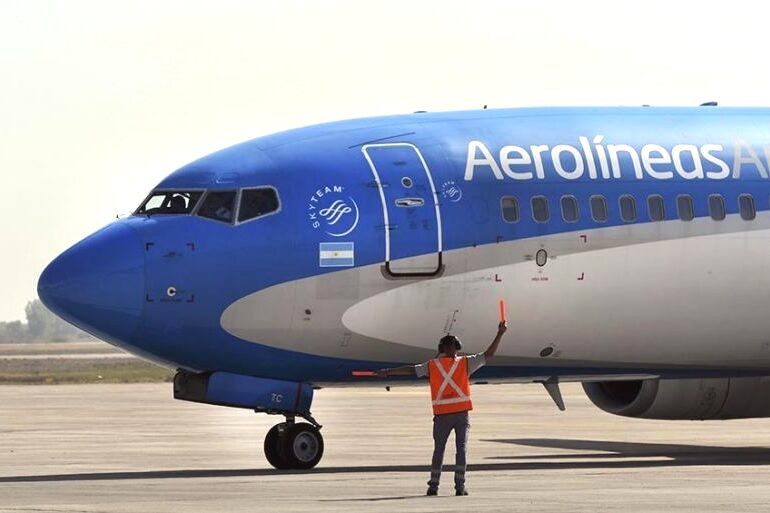
Fokker configura A330 VIP

AW | 2022 05 20 05:0707 | INDUSTRY

Fokker finalización primer conversión avión fuselaje ancho

Fokker Techniek, con sede en los Países Bajos, llegó a EBACE en medio de su primer proyecto de finalización VIP de fuselaje ancho, un Airbus ACJ330-300 para la compañía alemana de gestión de chárter K5 Aviation, ahora en marcha en su sede del Aeropuerto Woensdrecht/Aviolanda Aerospace. Esto sigue a la finalización y reentrega de Fokker en 2020 para K5 del primer ACJ319NEO en entrar en servicio.

El CO-CEO de Fokker, Roland van Dijk, dijo que la compañía holandesa está «extremadamente emocionada de mostrar al mercado que Fokker Techniek puede manejar conversiones de fuselaje ancho». Con su segmento de terminaciones y conversiones en expansión, la compañía «pronto implementará más cambios para mantenerse al día con el crecimiento continuo. Nuestra cartera de pedidos exige mano de obra adicional y un aumento de las actividades internas».

K5 Aviation eligió a Fokker para la finalización de fuselaje ancho después de «acostumbrarse a sus habilidades en proyectos anteriores. Fokker está enfocado en ofrecer un gran resultado final», dijo Erik Scheidt, Director General y piloto de la compañía con sede en Munich.

Este será el primer A330-300 configurado por VIP. Construido en 2018 con un interior configurado por la aerolínea, el twinjet se almacenó durante tres años hasta que fue comprado en junio pasado por un comprador privado y entregado a K5 en diciembre. Airbus anunció la venta en febrero. La entrega a K5 está programada para 2024, dijo Robert Koolen de Fokker Techniek.

Con varias conversiones VIP del mercado de accesorios del modelo A330-200 Prestige volando, el fuselaje ya ha establecido su idoneidad para el mercado privado. El fuselaje más largo del -300 (208 pies frente a los 193 pies del Prestige), ofrece más de 2,600 pies cuadrados de espacio interior y se convertirá en el lienzo de lo que K5 llama un diseño moderno y elegante. Disponible para chárter, el rango de 8.650 nm del twinjet puede unir Europa y Australia sin escalas.

Con el proyecto ACJ330 en su hangar, la compañía está haciendo tres proyectos en paralelo, contando una renovación de Boeing Business Jet (BBJ) y una finalización de misiones especiales también en marcha. Esto atestigua el sólido crecimiento de Fokker Techniek en capacidades desde su primera finalización en 2005, dijo Koolen. También lo hace la finalización realizada bajo contrato con Boeing para el BBJ del gobierno holandés, PH-GOV, reentregado en Junio de 2019, justo después de la última feria de la EBACE.

Con el BBJ juzgado como el mejor reemplazo para la línea de aviones Fokker F27, F28, F70 que durante mucho tiempo transportó a la Familia Real Holandesa y funcionarios del Gobierno, Boeing y Fokker se unieron en la propuesta conjunta y ganadora para la finalización. Para este proyecto, Robin Dunlop, socio fundador de Altea, proporcionó el diseño estético y Fokker se encargó de la ingeniería de diseño, la adquisición, la integración y la certificación del interior de 26 pasajeros de la aeronave. La cabina moderna y funcional presenta un aspecto profesional de negocios con acentos de inspiración holandesa, que incluyen las costuras aplicadas en los asientos y los paneles de revestimiento interior, una paleta interior de azul del gobierno holandés con acentos naranjas y azules de Delft, y cajones y armarios cubiertos de ultragamuza naranja. Detrás de escena, los modernos sistemas de comunicación, entretenimiento, gestión de cabina y medio ambiente, junto con un exclusivo sistema de audio de altavoces integrado desarrollado con la Universidad de Twente, garantizan la comodidad y la productividad en ruta. Además, la insonorización ligera y los materiales interiores proporcionan una reducción significativa del ruido de la cabina a un peso interior muy por debajo de los objetivos de diseño. Los tanques de combustible de largo alcance permiten vuelos sin escalas a territorios extranjeros de los Países Bajos, y una ducha de gran capacidad en el baño permite a los pasajeros llegar refrescados. Para una mayor seguridad interior, un sistema de cámara desarrollado por Fokker permite a los miembros de la tripulación monitorear la cabina mientras están sentados durante el taxi, el despegue y el aterrizaje.

Fokker configures A330 VIP

Fokker completion of first wide-body aircraft conversion

Netherlands-based Fokker Techniek has arrived at EBACE in the midst of its first wide-body VIP completion project, an Airbus ACJ330-300 for German charter management company K5 Aviation, now underway at its Airport headquarters. Woensdrecht/Aviolanda Aerospace. This follows Fokker’s 2020 completion and redelivery for K5 of the first ACJ319NEO to enter service.

Fokker CO-CEO Roland van Dijk said the Dutch company is «extremely excited to show the market that Fokker Techniek can handle widebody conversions». With its completions and conversions segment expanding, the company «will soon implement more changes to keep up with continued growth. Our order book requires additional manpower and increased internal activities».

K5 Aviation chose Fokker for wide-body completion after «getting used to their skills on previous projects. Fokker is focused on delivering a great end result», said Erik Scheidt, the Munich-based company’s CEO and pilot.

This will be the first VIP-configured A330-300. Built in 2018 with an airline-configured interior, the twinjet sat in storage for three years until it was purchased last June by a private buyer and delivered to K5 in December. Airbus announced the sale in February. Delivery to K5 is scheduled for 2024, said Robert Koolen of Fokker Techniek.

With several aftermarket VIP conversions of the A330-200 Prestige flying, the airframe has already established its suitability for the private market. The 300’s longer fuselage (208 feet vs. the Prestige’s 193 feet), offers more than 2,600 square feet of interior space and will become the canvas for what K5 calls sleek, modern design. Available for charter, the twinjet’s 8,650nm range can link Europe and Australia non-stop.

With the ACJ330 project in its hangar, the company is doing three projects in parallel, with a Boeing Business Jet (BBJ) revamp and special mission completion also underway. This testifies to Fokker Techniek’s strong growth in capabilities since its first completion in 2005, Koolen said. So does the completion under contract to Boeing for the Dutch government’s BBJ, PH-GOV, redelivered in June 2019, just after the last EBACE show.

With the BBJ judged to be the best replacement for the Fokker F27, F28, F70 line of aircraft that long transported the Dutch Royal Family and government officials, Boeing and Fokker came together on the winning joint proposal for completion. For this project, Altea founding partner Robin Dunlop provided the aesthetic design and Fokker handled the design engineering, procurement, integration and certification of the aircraft’s 26-passenger interior. The modern and functional cabin features a professional business look with Dutch-inspired accents, including applied stitching on the seats and interior trim panels, an interior palette of Dutch Government Blue with orange and Delft blue accents, and drawers and cabinets covered in orange ultrasuede. Behind the scenes, state-of-the-art communication, entertainment, cabin management and environmental systems, along with a unique integrated loudspeaker audio system developed with the University of Twente, ensure comfort and productivity on the road. Additionally, lightweight soundproofing and interior materials provide significant cabin noise reduction at an interior weight well below design targets. Long-range fuel tanks allow for nonstop flights to foreign territories of the Netherlands, and a large-capacity shower in the bathroom allows passengers to arrive refreshed. For added interior security, a Fokker-developed camera system allows crew members to monitor the cabin while seated during taxi, takeoff and landing.

Fokker configureert A330 VIP

Fokker voltooit eerste conversie van widebody-vliegtuigen

Het in Nederland gevestigde Fokker Techniek is naar EBACE gekomen in het midden van zijn eerste wide-body VIP-voltooiingsproject, een Airbus ACJ330-300 voor het Duitse chartermanagementbedrijf K5 Aviation, dat nu aan de gang is op het hoofdkantoor van de luchthaven Woensdrecht/Aviolanda Aerospace. Dit volgt op de voltooiing en herlevering van Fokker in 2020 voor K5 van de eerste ACJ319NEO die in gebruik wordt genomen.

Fokker CO-CEO Roland van Dijk zei dat het Nederlandse bedrijf «extreem enthousiast is om de markt te laten zien dat Fokker Techniek widebody-conversies aankan». Nu het segment van voltooiingen en conversies zich uitbreidt, zal het bedrijf «binnenkort meer veranderingen doorvoeren om de aanhoudende groei bij te houden. Ons orderboek vereist extra mankracht en meer interne activiteiten».

K5 Aviation koos voor Fokker voor wide-body-afwerking nadat ze «was gewend aan hun vaardigheden bij eerdere projecten. Fokker is gericht op het leveren van een geweldig eindresultaat», zegt Erik Scheidt, de CEO en piloot van het in München gevestigde bedrijf.

Dit wordt de eerste VIP-geconfigureerde A330-300. Gebouwd in 2018 met een door de luchtvaartmaatschappij geconfigureerd interieur, heeft de twinjet drie jaar in opslag gestaan ​​totdat hij afgelopen juni door een particuliere koper werd gekocht en in december aan K5 werd afgeleverd. Airbus kondigde de verkoop in februari aan. De levering aan K5 staat gepland voor 2024, aldus Robert Koolen van Fokker Techniek.

Met verschillende aftermarket VIP-conversies van de A330-200 Prestige die vliegt, heeft het casco zijn geschiktheid voor de particuliere markt al bewezen. De langere romp van de 300 (208 voet versus de 193 voet van de Prestige), biedt meer dan 2.600 vierkante voet binnenruimte en zal het canvas worden voor wat K5 een strak, modern ontwerp noemt. Het bereik van 8650 nm van de twinjet, dat beschikbaar is voor charter, kan Europa en Australië non-stop met elkaar verbinden.

Met het ACJ330-project in zijn hangar, voert het bedrijf drie parallelle projecten uit, met een vernieuwing van Boeing Business Jet (BBJ) en de voltooiing van een speciale missie. Dit getuigt van de sterke groei van Fokker Techniek in capaciteiten sinds de eerste oplevering in 2005, aldus Koolen. Zo ook de oplevering in opdracht van Boeing voor de BBJ, PH-GOV van de Nederlandse overheid, die in juni 2019, net na de laatste EBACE-show, opnieuw is opgeleverd.

Toen de BBJ werd beoordeeld als de beste vervanging voor de Fokker F27-, F28- en F70-lijn van vliegtuigen die de Nederlandse koninklijke familie en overheidsfunctionarissen al lang hadden vervoerd, kwamen Boeing en Fokker samen op het winnende gezamenlijke voorstel voor voltooiing. Voor dit project verzorgde Altea’s founding partner Robin Dunlop het esthetische ontwerp en Fokker verzorgde de design engineering, inkoop, integratie en certificering van het 26-passagiersinterieur van het vliegtuig. De moderne en functionele cabine heeft een professionele zakelijke uitstraling met Nederlands geïnspireerde accenten, waaronder aangebrachte stiksels op de stoelen en interieurpanelen, een interieurpalet van Dutch Government Blue met oranje en Delfts blauwe accenten, en laden en kasten bedekt met oranje ultrasuede. Achter de schermen zorgen ultramoderne communicatie-, entertainment-, cabinebeheer- en omgevingssystemen, samen met een uniek geïntegreerd luidspreker-audiosysteem ontwikkeld met de Universiteit Twente, voor comfort en productiviteit op de weg. Bovendien zorgen lichtgewicht geluidsisolatie en interieurmaterialen voor een aanzienlijke vermindering van het interieurgeluid bij een interieurgewicht dat ver onder de ontwerpdoelen ligt. Langeafstandsbrandstoftanks maken non-stopvluchten naar buitenlandse gebieden van Nederland mogelijk, en een grote douche in de badkamer zorgt ervoor dat passagiers verfrist aankomen. Voor extra veiligheid in het interieur kunnen bemanningsleden met een door Fokker ontwikkeld camerasysteem de cabine tijdens het taxiën, opstijgen en landen in de gaten houden.

PUBLISHER: Airgways.com
DBk: Fokker-techniek.com / Airgways.com
AW-POST: 202205200707AR
OWNERSHIP: Airgways Inc.
A\W A I R G W A Y S ®

Boeing-Fokker desarrollo Skyview BBJ

AW | 2022 05 19 16:55 | INDUSTRY

Avanzan desarrollo ventana panorámica para el Business Jet

Boeing-Fokker Techniek_Isologotype

The Boeing Company y Fokker Techniek se asociaron previamente para desarrollar la ventana panorámica Skyview para el BBJ, que a 4.5 pies por 1.5 pies sería el tamaño equivalente de tres ventanas 737 existentes juntas, ofreciendo «una perspectiva incomparable del mundo», en palabras de los socios. Los planes requerían la certificación de la ventana panorámica en todos los modelos BBJ MAX y como adaptaciones para los aviones BBJ y BBJ2. Aunque el desarrollo terminó antes de la fecha de debut planificada de la ventana panorámica en 2018, el concepto sigue vivo. «Es algo que a los mercados realmente les gustaría tener», dijo Robert Koolen.

La ventana panorámica estaría situada a popa del ala con múltiples ubicaciones potenciales disponibles según el modelo. «Técnicamente, todavía tiene algunos desafíos y algunas inversiones en estudios y pruebas necesarias. Eso está en nuestra lista de innovaciones que necesitamos desarrollar», expresó Robert Koolen.

Fokker también llegó a Ginebra bajo una nueva propiedad, con la compañía de inversión holandesa Panta Holdings adquiriendo Fokker Techniek, y la compañía hermana Fokker Services, de Fokker Technologies/GKN Aerospace en Abril 2021. La cartera aeroespacial de Panta incluye una participación mayoritaria en las piezas de componentes de fuselaje que cotizan en Canadá y el servicio de reparación Avcorp Industries y Netherlands Aircraft, un desarrollador emergente de un avión regional Fokker 100.

Boeing-Fokker development Skyview BBJ

Panoramic window development for the Business Jet advances

AW-Boeing BBJ__001

The Boeing Company and Fokker Techniek previously partnered to develop the Skyview panoramic window for the BBJ, which at 4.5 feet by 1.5 feet would be the equivalent size of three existing 737 windows put together, offering «an unparalleled perspective on the world», in the partners’ words. Plans called for bay window certification on all BBJ MAX models and as retrofits for BBJ and BBJ2 aircraft. Although development ended before the panoramic window’s planned debut date in 2018, the concept lives on. «It’s something the markets would really like to have», said Robert Koolen.

The bay window would be located aft of the wing with multiple potential locations available depending on model. «Technically, it still has some challenges and some investments in studies and tests needed. That’s on our list of innovations that we need to develop», said Robert Koolen.

Fokker also came to Geneva under new ownership, with Dutch investment company Panta Holdings acquiring Fokker Techniek, and sister company Fokker Services, from Fokker Technologies/GKN Aerospace in April 2021. Panta’s aerospace portfolio includes a majority stake in the Canadian-listed airframe component parts and repair service Avcorp Industries and Netherlands Aircraft, an emerging developer of a Fokker 100 regional jet.

Boeing-Fokker ontwikkeling Skyview BBJ

Panoramische raamontwikkeling voor de ontwikkelingen van Business Jet

AW-Boeing Business Jet 737__Isologotype

The Boeing Company en Fokker Techniek werkte eerder samen om het Skyview-panoramavenster voor de BBJ te ontwikkelen, dat met een hoogte van 4,5 voet bij 1,5 voet de equivalente grootte zou zijn van drie bestaande 737-vensters bij elkaar, en «een ongeëvenaard perspectief op de wereld» bieden, in de woorden van de partners. Plannen riepen op tot erkercertificering op alle BBJ MAX-modellen en als retrofits voor BBJ- en BBJ2-vliegtuigen. Hoewel de ontwikkeling eindigde vóór de geplande debuutdatum van het panoramische raam in 2018, leeft het concept voort. «Het is iets wat de markten heel graag zouden willen hebben», zegt Robert Koolen.

De erker zou achter de vleugel worden geplaatst met meerdere mogelijke locaties, afhankelijk van het model. «Technisch gezien heeft het nog wat uitdagingen en zijn er wat investeringen in studies en tests nodig. Dat staat op onze lijst met innovaties die we moeten ontwikkelen», aldus Robert Koolen.

Fokker kwam ook naar Genève onder een nieuwe eigenaar, waarbij de Nederlandse investeringsmaatschappij Panta Holdings Fokker Techniek overnam, en zusterbedrijf Fokker Services, van Fokker Technologies/GKN Aerospace in april 2021. Panta’s lucht- en ruimtevaartportfolio omvat een meerderheidsbelang in de in Canada genoteerde onderdelen van cascocomponenten en reparatieservice Avcorp Industries en Netherlands Aircraft, een opkomende ontwikkelaar van een Fokker 100 regionaal jet.

PUBLISHER: Airgways.com
DBk: Boeing.com / Fokkertechniek.com / Airgways.com
AW-POST: 202205191655AR
OWNERSHIP: Airgways Inc.
A\W A I R G W A Y S ®
Preparación Superjet SSJ-100NEW

AW | 2022 05 19 16:03 | INDUSTRY

Superjet prepara test vuelo inaugural remotorizado

logo_sukhoi

United Engine Corporation (ODK) de la Federación Rusia ha completado las pruebas en tierra del turboventilador PD-8 y ha comenzado a prepararlo para las pruebas de vuelo en el banco de pruebas en Ilyushin-76LL a finales de este año 2022. La fabricación de dos motores experimentales ha comenzado para su instalación en un Sukhoi Superjet 100/SSJ100NEW a finales de año. Si las pruebas de vuelo van según lo planeado, la aeronave regional rusa remotorizada y recableada obtendrá un certificado de tipo suplementario a fines de 2023 y entrará en servicio comercial en 2024.

El trabajo en el nuevo motor para el SSJ100 de 100 plazas y el anfibio Beriev Be-200 comenzó en 2020 en la oficina de diseño Saturn de ODK en Rybinsk. La compañía había desarrollado previamente la sección fría para el PowerJet SAM.146 que alimenta el SSJ100 original. Para reducir el tiempo y los costos de desarrollo, ODK decidió combinar la sección fría existente con un nuevo generador de gas que sería una copia a escala de uno en el Aviadvigatel PD-14 que alimenta el avión de fuselaje estrecho Irkut MC-21-310. El nuevo núcleo reemplaza al DEM.21 de Snecma, actualmente Safran Aircraft Engines, que la compañía francesa contribuyó en 2008 para su programa conjunto con los rusos.

Saturn exhibió el primer generador de gas para el PD-8 en el salón aeronáutico MAKS 2021 de Julio pasado en las afueras de Moscú, ensambló el segundo en Septiembre de 2021 y los probó hasta fin de año. Luego produjo un motor completo para una serie de pruebas de banquillo que comenzaron a principios de 2022 e involucraron stands cerrados/abiertos y una cámara de altitud.

Instrumentado con 500 sensores, el motor experimental permitió la recopilación de datos sobre campos de temperatura, rigidez y niveles de vibración, así como el ajuste de Fadec para estabilizar el consumo de combustible en todos los modos, desde el ralentí hasta la potencia máxima de despegue. Los ingenieros realizaron comprobaciones para el correcto funcionamiento de los sistemas de combustible y lubricación. Según una declaración de ODK emitida el 11 de Mayo de 2022, el PD-8 está «en pleno funcionamiento y sus parámetros principales cumplen con la especificación». Según los datos de ODK, el PD-8 tiene un peso en seco de 1.690 kg (3.726 libras) o 18 kg menos que el del SAM.146-1S18, mientras que genera el mismo empuje máximo de 7.900 kN (17.416 libras). Las especificaciones muestran una mejora del 3 por ciento en el consumo de combustible durante el vuelo de crucero.

La compañía planea producir el PD-8 en varias versiones con un empuje de hasta 10,000 kN, por encima de las cifras respectivas para el SAM.146. El nuevo generador de gas presenta una relación de presión un 20 por ciento más alta y un aumento en la temperatura del gas de 100º C. Un aumento en la potencia permite un mayor peso máximo al despegue, actualmente en 49.450 kg para el SSJ-100LR introducido en 2012, lo que aumenta la posibilidad de una versión estirada que aumentaría el número de asientos a más del límite superior actual de 108.

La planta de aviación en Komsomolsk-upon-Amur puede producir hasta 40 Superjets al año, pero ha estado funcionando a menos de la mitad de esa capacidad debido en parte a la escasez de artículos de proveedores, incluidos los motores SAM.146. El CEO de United Aircraft Corporation (UAC), Yuri Slyusar, explicó que la escasez fue el resultado de las restricciones occidentales a los envíos de alta tecnología a Rusia mucho antes de que el ejército ruso invadiera Ucrania en Febrero de 2022.

Para eliminar la dependencia de los proveedores extranjeros, el Kremlin asignó US$ 1.83 mil millones para el desarrollo de un Superjet completamente indígena, denominado SSJ100NEW. Aproximadamente la mitad de esa suma se destina al PD-8, incluidos los preparativos de producción. Para reducir los costos unitarios, ODK planea expandir el uso de la tecnología de impresión 3D. Si los proveedores locales logran producir suficientes componentes, UAC planea aumentar la tasa de producción de Superjet de 20 en 2022 a 30 en 2024-2025 y luego a más de 40. Debido a que Occidente ahora se niega a vender aviones a las aerolíneas rusas, solo pueden comprar a la industria local. UAC estima la demanda interna de SSJ100 en 150 aviones.

Preparation Superjet SSJ-100NEW

Superjet prepares maiden repowered test flight

Sukhoi-logo-350

United Engine Corporation (ODK) of the Russian Federation has completed ground tests of the PD-8 turbofan and has started preparing it for flight tests on the Ilyushin-76LL test bed by the end of this year 2022. The manufacture of two experimental engines has started for installation in a Sukhoi Superjet 100/SSJ100NEW by the end of the year. If flight tests go as planned, the repowered and rewired Russian regional aircraft will obtain a supplemental type certificate in late 2023 and enter commercial service in 2024.

Work on the new engine for the 100-seat SSJ100 and Beriev Be-200 amphibian began in 2020 at ODK’s Saturn design bureau in Rybinsk. The company had previously developed the cold section for the PowerJet SAM.146 that powers the original SSJ100. To reduce development time and costs, ODK decided to combine the existing cold section with a new gas generator that would be a scale copy of one on the Aviadvigatel PD-14 that powers the Irkut MC-21-310 narrow-body aircraft. The new core replaces the DEM.21 from Snecma, currently Safran Aircraft Engines, which the French company contributed in 2008 for its joint program with the Russians.

Saturn displayed the first gas generator for the PD-8 at last July’s MAKS 2021 airshow outside Moscow, assembled the second in September 2021 and tested them through the end of the year. It then produced a complete engine for a series of bench tests beginning in early 2022 involving closed/open stands and an altitude camera.

Instrumented with 500 sensors, the experimental engine enabled the collection of data on temperature fields, stiffness and vibration levels, as well as Fadec tuning/tuning to stabilize fuel consumption in all modes, from idle to full power. take off The engineers carried out checks for the correct operation of the fuel and lubrication systems. According to an ODK statement issued on May 11, 2022, the PD-8 is «fully operational and its main parameters are within specification». According to ODK data, the PD-8 has a dry weight of 1,690 kg (3,726 lb) or 18 kg less than that of the SAM.146-1S18, while generating the same maximum thrust of 7,900 kN (17,416 lb). Specifications show a 3 percent improvement in fuel consumption during cruise flight.

The company plans to produce the PD-8 in various versions with a thrust of up to 10,000 kN, above the respective figures for the SAM.146. The new gas generator features a 20 percent higher pressure ratio and an increase in gas temperature of 100 degrees C. An increase in power allows for a higher maximum takeoff weight, currently at 49,450 kg for the SSJ- 100LR introduced in 2012, raising the possibility of a stretched version that would increase the number of seats to more than the current upper limit of 108.

The aviation plant in Komsomolsk-upon-Amur can produce up to 40 Superjets a year, but has been running at less than half that capacity due in part to shortages of supplier items, including SAM.146 engines. United Aircraft Corporation (UAC) CEO Yuri Slyusar explained that the shortage was the result of Western restrictions on high-tech shipments to Russia long before the Russian military invaded Ukraine in February 2022.

To eliminate dependency on foreign suppliers, the Kremlin allocated US$ 1.83 billion for the development of an entirely indigenous Superjet, dubbed the SSJ100NEW. About half of that sum goes to the PD-8, including production preparations. To reduce unit costs, ODK plans to expand the use of 3D printing technology. If local suppliers manage to produce enough components, UAC plans to increase the Superjet production rate from 20 in 2022 to 30 in 2024-2025 and then to more than 40. Because the West now refuses to sell planes to Russian airlines, they can only buy from the local industry. UAC estimates domestic demand for the SSJ100 at 150 aircraft.

Подготовка Superjet SSJ-100NEW

Superjet готовит удаленный испытательный полет

AW-Sukhoi__RU__Isologotype

Объединенная двигателестроительная корпорация (ОДК) Российской Федерации завершила наземные испытания ТРДД-8 и приступила к его подготовке к летным испытаниям на стенде Ил-76ЛЛ к концу 2022 года. к концу года приступили к установке на Sukhoi Superjet 100/SSJ100NEW. Если летные испытания пройдут по плану, модернизированный российский региональный самолет получит дополнительный сертификат типа в конце 2023 года и поступит в коммерческую эксплуатацию в 2024 году.

AW-SSJ-100_TX

Работа над новым двигателем для 100-местного SSJ100 и самолета-амфибии Бериева Бе-200 началась в 2020 году в рыбинском конструкторском бюро ОДК Сатурн. Ранее компания разработала холодную секцию для PowerJet SAM.146, которым оснащен оригинальный SSJ100. Для сокращения сроков и затрат на разработку в ОДК было принято решение скомбинировать существующую холодную секцию с новым газогенератором, который будет масштабной копией такового на ПД-14 Авиадвигателя, которым оснащен узкофюзеляжный самолет Иркут МС-21-310. Новое ядро ​​заменяет ядро ​​DEM.21 от Snecma, в настоящее время Safran Aircraft Engines, которое французская компания предоставила в 2008 году для своей совместной с Россией программы.

Первый газогенератор для ПД-8 компания Сатурн представила на прошедшем в июле прошлого года подмосковном авиасалоне МАКС-2021, в сентябре 2021 года собрала второй и до конца года испытывала его. Затем он произвел полный двигатель для серии стендовых испытаний, начавшихся в начале 2022 года, с участием закрытых / открытых стендов и камеры высоты.

Оснащенный 500 датчиками экспериментальный двигатель позволил собирать данные о температурных полях, уровнях жесткости и вибрации, а также осуществлять настройку/регулировку Fadec для стабилизации расхода топлива во всех режимах, от холостого хода до полной мощности. Инженеры провели проверку исправности топливной и смазочной систем. Согласно заявлению ОДК от 11 мая 2022 года, ПД-8 «полностью исправен, основные параметры соответствуют техническим требованиям». По данным ОДК, ПД-8 имеет сухую массу 1690 кг (3726 фунтов), что на 18 кг меньше, чем у ЗУР.146-1С18, при такой же максимальной тяге 7900 кН (17 416 фунтов). Спецификации показывают 3-процентное улучшение расхода топлива во время крейсерского полета.

Компания планирует выпускать ПД-8 в различных модификациях с тягой до 10 000 кН, что выше соответствующих показателей SAM.146. Новый газогенератор отличается увеличенной на 20 процентов степенью сжатия и повышением температуры газа на 100 градусов C. Увеличение мощности позволяет увеличить максимальную взлетную массу, которая в настоящее время составляет 49 450 кг для SSJ-100LR, представленного в 2012 году, что повышает вероятность расширенной версии, которая увеличила бы количество мест больше, чем текущий верхний предел в 108.

Авиазавод в Комсомольске-на-Амуре может выпускать до 40 самолетов «Суперджеты» в год, но работает менее чем наполовину из-за нехватки деталей поставщиков, в том числе двигателей SAM.146. Генеральный директор Объединенной авиастроительной корпорации (ОАК) Юрий Слюсарь объяснил, что дефицит стал результатом западных ограничений на поставки высокотехнологичных товаров в Россию задолго до того, как российские военные вторглись в Украину в феврале 2022 года.

Чтобы устранить зависимость от иностранных поставщиков, Кремль выделил 1,83 миллиарда долларов США на разработку полностью местного Superjet, получившего название SSJ100NEW. Около половины этой суммы идет на ПД-8, включая подготовку производства. Чтобы снизить удельные затраты, ODK планирует расширить использование технологии 3D-печати. Если местным поставщикам удастся произвести достаточно комплектующих, ОАК планирует увеличить выпуск «Суперджетов» с 20 в 2022 году до 30 в 2024-2025 годах, а затем и более чем до 40. Поскольку Запад сейчас отказывается продавать самолеты российским авиакомпаниям, они могут только покупать из местной промышленности. ОАК оценивает внутренний спрос на SSJ100 в 150 самолетов.

PUBLISHER: Airgways.com
DBk: Uecrus.com / Sukhoi.ru / Airgways.com
AW-POST: 202205191603AR
OWNERSHIP: Airgways Inc.
A\W A I R G W A Y S ®
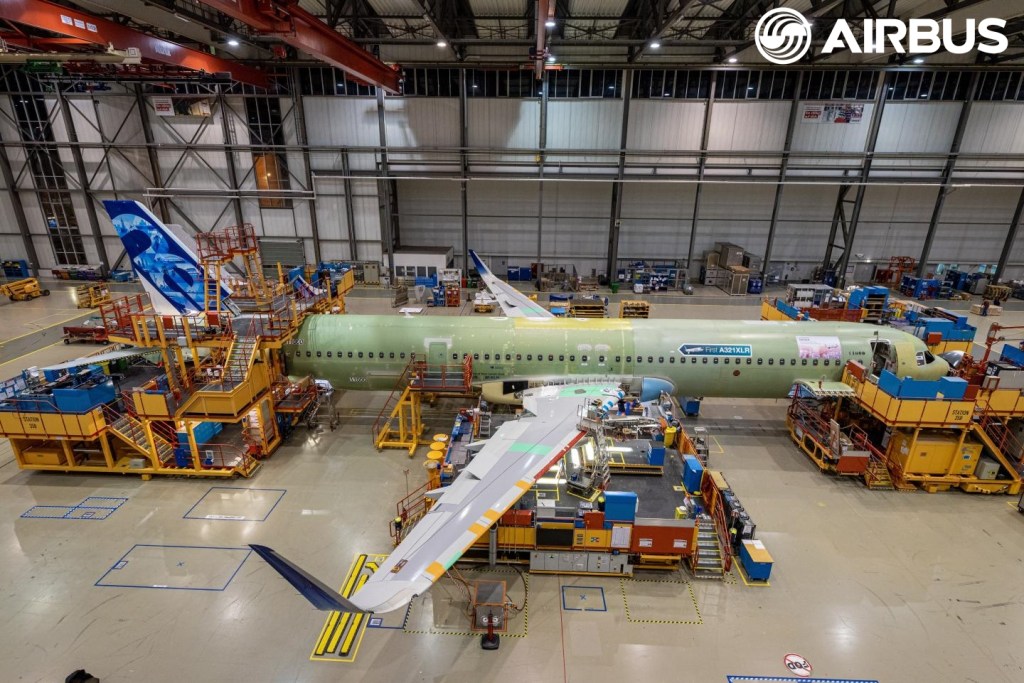
IAG acuerda 150 Boeing 737 MAX

AW | 2022 05 19 15:35 | AIRLINES / INDUSTRY

International Airlines Group finaliza acuerdo por 150 737 MAX

Boeing 737 MAX_Isologotype

Boeing_Isologotype

· La compra incluye pedidos en firme y opciones para aviones 737-8-200 y 737-10
· IAG selecciona el 737 MAX más grande y alta capacidad y desempeño ambiental
· Familia aviones de bajo consumo de combustible promoverá objetivos sostenibilidad de IAG

The Boeing Company e International Airlines Group (IAG) anunciaron el Jueves 19/05 un pedido para un total combinado de Boeing 737 MAX de cincuenta Boeing 737-8-200 MAX (50) y opciones por cien Boeing 737-10 MAX, (100). «La incorporación de nuevos Boeing 737 es una parte importante de la renovación de la flota de corta distancia de IAG. Estos aviones de última generación son más eficientes en el consumo de combustible que los que reemplazarán y están en línea con nuestro compromiso de lograr cero emisiones netas de carbono para 2050», dijo Luis Gallego, Consejero Delegado de IAG Group.

El 737-8-200 permitirá a IAG configurar el avión con hasta 200 asientos, aumentando el potencial de ingresos y reduciendo el consumo de combustible. El modelo más grande de la familia, el 737-10 tiene capacidad para 230 pasajeros en una configuración de una sola clase y puede volar hasta 3.300 millas. El avión de bajo consumo de combustible puede cubrir el 99% de las rutas de pasillo único, incluidas las rutas servidas por los 757. «Con la selección del 737-8-200 y el 737-10 más grande, IAG ha invertido en un futuro sostenible y rentable, ya que ambas variantes reducirán significativamente los costos operativos y las emisiones de CO2. El acuerdo de hoy para hasta 150 aviones, incluidas 100 opciones, es una adición bienvenida del 737 a las flotas de corta distancia de IAG y refleja nuestro compromiso de apoyar la recuperación continua de la red del Grupo y el crecimiento futuro con la inigualable familia de aviones de Boeing», dijo Stan Deal, Presidente y CEO de Boeing Commercial Airplanes.

El 737 incorpora los motores CFM International LEAP-1B de última tecnología, winglets de tecnología avanzada y otras mejoras para ofrecer la mayor eficiencia, confiabilidad y comodidad para los pasajeros en el mercado de pasillo único. La familia de aviones 737 es, en promedio, un 14% más eficiente en el consumo de combustible que los 737 de próxima generación más eficientes de la actualidad y un 20% más eficiente que los 737 de próxima generación originales cuando entraron en servicio. El anuncio de este día finaliza un compromiso asumido por IAG para el 737 en el Salón Aeronáutico de París 2019 y está sujeto a la aprobación de los accionistas de IAG.

IAG agrees 150 Boeing 737 MAX

International Airlines Group finalizes agreement for 150 737 MAX

AW-Boeing 737-10 MAX (6)

International_Airlines_Group_logo.svg

Purchase includes firm orders and options for 737-8-200 and 737-10 aircraft
IAG selects largest, highest-capacity 737 MAX and environmental performance
Family of fuel-efficient aircraft will further IAG’s sustainability goals

The Boeing Company and International Airlines Group (IAG) announced on Thursday 05/19 an order for a combined total of fifty Boeing 737-8-200 MAX (50) and options for one hundred Boeing 737-10 MAX, (100). «The addition of new Boeing 737s is an important part of IAG’s short-haul fleet renewal. These next-generation aircraft are more fuel efficient than the ones they will replace and are in line with our commitment to achieving zero net carbon emissions by 2050», said Luis Gallego, CEO of IAG Group.

The 737-8-200 will allow IAG to configure the aircraft with up to 200 seats, increasing revenue potential and reducing fuel consumption. The largest model in the family, the 737-10 seats 230 passengers in a single-class configuration and can fly up to 3,300 miles. The fuel-efficient aircraft can cover 99% of single-aisle routes, including routes served by 757s. «With the selection of the 737-8-200 and the larger 737-10, IAG has invested in a sustainable and profitable future, as both variants will significantly reduce operating costs and CO2 emissions. Today’s deal for up to 150 aircraft, including 100 options, is a welcome addition of the 737 to IAG’s short-haul fleets and reflects our commitment to support the continued recovery of the Group’s network and future growth with Boeing’s unrivaled family of airplanes», said Stan Deal, president and CEO of Boeing Commercial Airplanes.

The 737 incorporates the latest CFM International LEAP-1B engines, advanced technology winglets and other enhancements to deliver the highest efficiency, reliability and passenger comfort in the single-aisle market. The 737 family of aircraft is, on average, 14% more fuel efficient than today’s most efficient Next-Generation 737s and 20% more efficient than the original Next-Generation 737s when they entered service. Today’s announcement finalizes a commitment made by IAG for the 737 at the 2019 Paris Air Show and is subject to IAG shareholder approval.

PUBLISHER: Airgways.com
DBk: Boeing.com / Iairgroup.com / Airgways.com
AW-POST: 202205191535AR
OWNERSHIP: Airgways Inc.
A\W A I R G W A Y S ®