Gol programa retorno del 80% de los vuelos para fin de 2020
Gol Linhas Aéreas ha establecido una programación de reanudación y retorno rde su red de vuelos del orden del 80% de las frecuencias y destinos nacionales operados antes de la pandemia de Coronavirus. La expectativa es que la compañía vuelva a tener vuelos en todos los mercados, incluidos los que se consideran secundarios, con un enfoque en el ocio. La proyección de la malla de servicios se ha comunicado durante la conferencia de resultados del segundo trimestre (2Q2020), celebrada el Viernes 31 Julio 2020.
Aunque el programa de recuperación de vuelos se ha iniciado durante la plena crisis de pandemia en Mayo 2020, a partir de Agosto la compañía poseerá 250 vuelos diarios, sirviendo a 134 destinos. La oferta es un 70% menor que en el mismo período del año pasado, sin embargo, refleja un aumento del 10% en relación con Julio, cuando la compañía tenía 108 destinos y 200 vuelos diarios. Para Septiembre, la perspectiva de la compañía alcanzará los 300 vuelos diarios con un mercado de 135 destinos, un aumento del 15% en comparación con Agosto, pero aún del 65% en comparación con Septiembre interanual.
El CEO de Gol Linhas Aéreas, Paulo Kakinoff, señala que este aumento en la oferta en relación con el segundo trimestre del año refleja un aumento en la confianza de los pasajeros. «Hoy la demanda ha crecido debido a la divulgación de las personas que necesitaban viajar en este período y ha reflejado una experiencia muy segura y positiva en relación con las medidas preventivas que se adoptaron, lo que demuestra que es muy seguro volar en este momento», dijo el ejecutivo durante la conferencia telefónica.
Buscando la consolidación
La compañía de presupuesto brasileña, que comenzó el tercer trimestre con una consolidación en los centros de Brasilia y Rio/Galeão, consolidará su presencia en la Región Noreste en Agosto 2020, teniendo como base principal el Aeropuerto Salvador. Kakinoff señala que esta opción refleja directamente la demanda del estado en este momento, debido a la evolución de la pandemia, y descartó un cambio en el centro establecido en Fortaleza. “Estamos identificando en cada mercado donde hay una reanudación de la demanda debido al momento de la curva de desarrollo de la pandemia. Monitoreamos esto en cada uno de los mercados e identificamos esta demanda en Salvador. Debido a esto, la reanudación de los vuelos en este mercado se ha acelerado más. Fortaleza sigue siendo un punto vital en nuestra oferta y evidentemente vamos a reanudar la cantidad de vuelos a medida que esta demanda crezca”, explicó el ejecutivo del Gol Linhas Aéreas.
GOL 80% return flights towards 12/2020
Gol program returns 80% of flights by the end of 2020
Gol Linhas Aéreas has established a schedule for the resumption and return of its flight network in the order of 80% of the national frequencies and destinations operated before the Coronavirus pandemic. The expectation is that the company will again have flights in all markets, including those considered secondary, with a focus on leisure. The projection of the services grid has been announced during the second quarter results conference (2Q2020), held on Friday, July 31, 2020.
Although the flight recovery program was started during the full pandemic crisis in May 2020, from August the company will have 250 daily flights, serving 134 destinations. The offer is 70% less than in the same period last year, however, it reflects an increase of 10% compared to July, when the company had 108 destinations and 200 daily flights. For September, the company’s outlook will reach 300 daily flights with a market of 135 destinations, an increase of 15% compared to August, but still 65% compared to September year-on-year.
Gol Linnhas Aéreas CEO Paulo Kakinoff notes that this increase in supply compared to the second quarter of the year reflects an increase in passenger confidence. «Today the demand has grown due to the disclosure of people who needed to travel in this period and has reflected a very safe and positive experience in relation to the preventive measures that were adopted, which shows that it is very safe to fly at this time», said the executive during the conference call.
Looking for consolidation
The Brazilian budget company, which started the third quarter with a consolidation in the Brasilia and Rio / Galeão centers, will consolidate its presence in the Northeast Region in August 2020, with the Salvador Airport as its main base. Kakinoff points out that this option directly reflects the state demand at this time, due to the evolution of the pandemic, and ruled out a change in the established center in Fortaleza. “We are identifying in each market where there is a resumption of demand due to the moment of the pandemic development curve. We monitor this in each of the markets and identify this demand in Salvador. Due to this, the resumption of flights in this market has accelerated further. Fortaleza continues to be a vital point in our offer and we are obviously going to resume the number of flights as this demand grows”, explained the Gol Linhas Aéreas executive.
GOL 80% vôos de retorno para 20/1220
Programa Gol devolve 80% dos voos até o final de 2020
A Gol Linhas Aéreas estabeleceu um cronograma para a retomada e o retorno de sua rede de vôos na ordem de 80% das frequências e destinos nacionais operados antes da pandemia de Coronavírus. A expectativa é que a companhia volte a ter vôos em todos os mercados, inclusive os considerados secundários, com foco no lazer. A projeção da grade de serviços foi anunciada durante a conferência de resultados do segundo trimestre (2T2020), realizada na sexta-feira, 31 Julho 2020.
Embora o programa de recuperação de vôos tenha sido iniciado durante a crise de pandemia em Maio 2020, a partir de agosto, a empresa terá 250 vôos diários, servindo 134 destinos. A oferta é 70% menor do que no mesmo período do ano passado, no entanto, reflete um aumento de 10% em relação a Julho, quando a empresa tinha 108 destinos e 200 vôos diários. Para Setembro, as perspectivas da companhia atingirão 300 vôos diários com um mercado de 135 destinos, um aumento de 15% em relação a Agosto, mas ainda 65% em relação a Setembro 2019.
Paulo Kakinoff, CEO da Gol Linhas Aéreas, observa que esse aumento na oferta em comparação com o segundo trimestre do ano reflete um aumento na confiança dos passageiros. «Hoje, a demanda aumentou devido à divulgação de pessoas que precisavam viajar neste período e refletiu uma experiência muito segura e positiva em relação às medidas preventivas adotadas, o que mostra que é muito seguro voar neste momento», disse o executivo durante a teleconferência.
Procurando consolidação
A empresa brasileira de orçamento, que iniciou o terceiro trimestre com uma consolidação nos centros de Brasília e Rio/Galeão, consolidará sua presença na região Nordeste em Agosto 2020, tendo como base principal o Aeroporto de Salvador. Kakinoff ressalta que essa opção reflete diretamente a demanda do estado no momento, devido à evolução da pandemia, e descartou uma mudança no centro estabelecido em Fortaleza. “Estamos identificando em cada mercado onde há uma retomada da demanda devido ao momento da curva de desenvolvimento da pandemia. Monitoramos isso em cada um dos mercados e identificamos essa demanda em Salvador. Por esse motivo, a retomada de vôos nesse mercado se acelerou ainda mais. Fortaleza continua sendo um ponto vital em nossa oferta e, obviamente, vamos retomar o número de voos à medida que essa demanda cresce”, explicou o executivo da Gol Linhas Aéreas.
Ξ A I R G W A Y S Ξ PUBLISHER: Airgways.com DBk: Voegol.com.br / Airgways.com / Exame.com AW-POST: 202008011130AR
La aerolínea LASA Líneas Aéreas con sede en Neuquén, Argentina ha solicitado el reinicio de las operaciones aerocomerciales después de abandonar el proceso de expansión en la era de la Revolución de los Aviones en el anterior Gobierno Nacional.
LASA ha reiniciado los trámites de recertificaciones ante la Agencia Nacional de Aviación Civil (ANAC) de Argentina y comenzar las operaciones a partir del 4Q2020. La aerolínea regional iniciará operaciones con un modelo de aeronaves de mayor tamaño que los anteriormente empleados Embraer E145 con capacidad para 50 pasajeros. La nueva propuesta es la utilización de Embraer E190-100AR para comenzar los vuelos domésticos en Argentina.
El CEO de LASA Líneas Aéreas, Juan Silenzi había iniciado las operaciones aerocomerciales el 30 Agosto 2018. Con base en Aeropuerto Neuquén/Presidente Perón, y Aeropuerto Comodoro Rivadavia/General Enrique Mosconi con operaciones de cinco rutas que incluyen doce destinos nacionales y dos destinos en Chile, localizados en la región patagónica.
La aerolínea continúa desarrollando acelerar el reinicio para reintegrar el organigrama de vuelos en un momento donde la industria de la aviación necesita del aporte y compromiso de unir al país de manera más federal.
LASA returns to aviation
LASA restarts operations in Argentina
The airline LASA Líneas Aéreas based in Neuquén, Argentina has requested the restart of aero-commercial operations after abandoning the expansion process in the era of the Aircraft Revolution in the previous National Government.
LASA has restarted the recertification procedures before the National Civil Aviation Agency (ANAC) of Argentina and start operations from 4Q2020. The regional airline will start operations with a larger aircraft model than the previously used Embraer E145 with capacity for 50 passengers. The new proposal is the use of Embraer E190-100AR to start domestic flights in Argentina.
The CEO of LASA Líneas Aéreas, Juan Silenzi had started the commercial operations on August 30, 2018. Based at Neuquén Airport/Presidente Perón, and Comodoro Rivadavia Airport/General Enrique Mosconi with operations of five routes that include twelve national destinations and two destinations in Chile, located in the Patagonian region.
The airline continues to develop accelerated restart to reintegrate the flow chart at a time when the aviation industry needs the contribution and commitment to unite the country more federally.
Ξ A I R G W A Y S Ξ PUBLISHER: Airgways.com DBk: Airgways.com AW-POST: 202007312121AR
Riesgos de bancarrota aumentan tras asedio de deudas contraídas
American Airlines continúa lidiando con una enorme carga de deuda y una estrategia extraña podrían obligar al operador heredado a la bancarrota. Tras un año difícil para las acciones de American Airlines, el segundo trimestre fue el más turbulento de la historia para el operador heredado. Los ingresos cayeron a US$ 1,62 mil millones, una caída del 86.5%, los índices de ingresos de pasajeros hasta el negocio de carga no han sido positivos, según el informe de ganancias de la compañía.
Estrategias erráticas
La aerolínea está en muchos más problemas que cualquiera de sus pares. Desafortunadamente, eso tiene más que ver con la respuesta de la compañía a la crisis que con la situación imperante. En una estrategia desconcertante, cuando la mayoría de las líneas aéreas han decidido racionalizar las operaciones y reducir los gastos, American Airlines decidió tomar una ruta diferente. Parece que ya está tratando de sentar las bases para una eventual presentación del Capítulo 11 de la Ley de Bancarrota a través de la pacificación de todas las partes interesadas, excepto los accionistas. La enorme carga de la deuda y la improbabilidad del flujo de caja libre positivo para los próximos años la aerolínea se encuentra ahogando en su perspectivas por alcanzar un flujo de caja estable.
La mayor controversia en torno a las aerolíneas por un tiempo ha sido su inclinación por recomprar acciones para aumentar el valor de las acciones. American Airlines recompró más de US$ 12.5 mil millones de acciones a pesar de tener un flujo de efectivo libre acumulativo negativo.
Por lo tanto, puede comprender que los problemas con American y algunos de sus pares no son nuevos, ni pueden atribuirse totalmente a la crisis pandémica. En un momento en que la empresa debería haber estado utilizando sus recursos para aumentar las ganancias, American ha decidido centrarse en la recompra de acciones. Como resultado, cuando la crisis del Coronavirus impactó en las economías, la aerolínea no reaccionó debidamente frente a un desconocimiento de la conducta de la nueva gripe de alcance mundial. En el segundo trimestre, los ingresos cayeron un 84,6% en comparación con el período del año anterior. La pérdida operativa llegó a US$ 2,49 mil millones, un fuerte contraste con el ingreso operativo de US$ 1,15 mil millones en 2019. A fines de Junio 2020, la liquidez total era de US$ 10,2 mil millones. Se espera que la compañía reciba US$ 4.75 mil millones en virtud de la Ley CARES, mientras que American ha lanzado una oferta de US$ 2.5 mil millones en pagarés Senior garantizados. Sin embargo, la tasa promedio diaria de quema de efectivo en el segundo trimestre fue de US$ 55 millones, la más alta entre su grupo de pares. Delta Air Lines ha reducido su consumo de efectivo a US$ 27 millones en Junio 2020; United Airlines está consumiendo US$ 25 millones por día según sus últimos informes trimestrales.
Perspectivas
El tráfico aéreo en los Estados Unidos no vuelve a la normalidad en el corto plazo. Mientras tanto, American Airlines tiene que lidiar con un costo adicional de US$ 2 mil millones en intereses y un alto consumo de efectivo. Los ingresos inexistentes y del flujo de caja libre (FCF) negativo ya son dolores de cabeza considerables. El aumento de los costos por intereses solo exacerba los riesgos de bancarrota.
American bankruptcy risk rise
Bankruptcy risks increase after siege of contracted debts
American Airlines continues to grapple with a huge debt load and a bizarre strategy could force the legacy operator into bankruptcy. After a difficult year for American Airlines shares, the second quarter was the most turbulent in history for the legacy operator. Revenue fell to $ 1.62 billion, a 86.5% drop, passenger revenue ratios to the cargo business have not been positive, according to the company’s earnings report.
Erratic strategies
The airline is in much more trouble than any of its peers. Unfortunately, that has more to do with the company’s response to the crisis than with the prevailing situation. In a puzzling strategy, when most airlines have decided to streamline operations and cut expenses, American Airlines decided to take a different route. It appears he is already trying to lay the groundwork for an eventual filing of Chapter 11 Bankruptcy through the pacification of all interested parties except shareholders. The huge debt burden and the improbability of positive free cash flow for the next few years the airline is drowning in its prospects for achieving stable cash flow.
The biggest controversy surrounding airlines for a while has been their penchant for repurchasing shares to increase share value. American Airlines repurchased more than US$ 12.5 billion of shares despite having a negative cumulative free cash flow.
Therefore, you can understand that the problems with American and some of its peers are not new, nor can they be fully attributed to the pandemic crisis. At a time when the company should have been using its resources to increase profits, American has decided to focus on share buybacks. As a result, when the Coronavirus crisis hit economies, the airline did not react properly to a lack of awareness of the behavior of the new global flu. In the second quarter, revenue fell 84.6% compared to the prior year period. Operating loss reached US$ 2.49 billion, a sharp contrast to operating income of US$ 1.15 billion in 2019. At the end of June 2020, total liquidity was US$ 10.2 billion. The company is expected to receive US$ 4.75 billion under the CARES Law, while American has launched a US$ 2.5 billion offer in guaranteed Senior Notes. However, the average daily cash burn rate in the second quarter was US$ 55 million, the highest among its peer group. Delta Air Lines has reduced its cash consumption to US$ 27 million in June 2020; United Airlines is consuming US$ 25 million per day according to its latest quarterly reports.
Perspective
Air traffic in the United States does not return to normal any time soon. Meanwhile, American Airlines has to contend with an additional US$ 2 billion in interest and high cash consumption. Non-existent income and negative free cash flow (FCF) are already considerable headaches. The increased interest costs only exacerbate bankruptcy risks.
Ξ A I R G W A Y S Ξ PUBLISHER: Airgways.com DBk: Aa.com / Airgways.com / Dallasnews.com AW-POST: 202007311550AR
El transporte aéreo mundial está atravesando una de las peores crisis económicas después de la Segunda Guerra Mundial. Con estadísticas y resultados muy sombríos, aún así las líneas aéreas tendrán que reinventarse para sobrevivir al mayor colapso de la industria de aviación. La demanda global de viajes, ha caido en promedio casi un 95% en Abril 2020 en comparación con el año anterior, comienza una lenta recuperación. La nueva pandemia de Coronavirus puso en tierra al 80% de las flotas de la mayoría de las aerolíneas del mundo. Los gobiernos de varios países han tenido que rescatar a las empresas, que sin asistencia económica no podrían volver a volar.
Aviación post-pandemia en Brasil
En la República de Brasil, la ayuda prometida por el Banco Nacional de Desarrollo Económico y Social (BNDES) aún no ha despegado, mientras que los cambios regulatorios garantizan un espacio de respiración mínimo para el sector. La crisis detuvo la expansión del mercado de aviación comercial en el país.
Con los cambios regulatorios que hicieron que las reglas fueran más adherentes a las reglas internacionales, Brasil comenzó a atraer compañías de bajo costo antes de la pandemia. A pesar de la retracción causada por el nuevo Coronavirus, el potencial del mercado no se ha reducido, dice la Directora Dany Oliveira, de la Asociación Internacional de Transporte Aéreo (IATA) en Brasil. «Brasil puede llegar a más de 472 millones de pasajeros al año, empleando a 3,2 millones de personas para 2037, si resuelve los cuellos de botella, como los altos costos operativos, especialmente el combustible de aviación, la judicialización y las ineficiencias del sistema», expresa la Directora en la filial brasileña.
«El mercado aéreo ha cambiado para siempre, hay una bisagra que marca el rumbo post-pandemia en la manera de viajar en el mundo. La aeronáutica ha cambiado desde el concepto de diseño y fabricación hasta los procesos de las compañías y la manera de volar. Aunque existe actualmente una depresión económica en el mundo de los viajes aéreos, también existirá una renovación de una nueva definición de la aviación», expresó Airgways.com.
Tras la quiebra de Avianca Brasil, tres compañías dominaban el mercado interno, con Azul Linhas Aéreas, Gol Linhas Aéreas y Latam Airlines Brasil. El proceso de movimiento de mercado en Brasil en la actual pandemia mundial ha modificado la segmentación aérea, afectando directamente a las grandes aerolíneas o grupos aéreos.
Latam Airlines Brasil
Latam Airlines Brasil ha solicitado tras el impacto económico de la crisis sanitaria,, acogerse a la protección por bancarrota en los Estados Unidos a través del Capítulo 11 de la Ley de Quiebras, un mecanismo bajo la ley de los Estados Unidos que garantiza la protección temporal contra los acreedores. En Julio 2020 la aerolínea Latam Brasil ha celebrado con Azul Linhas Aéreas un acuerdo de código compartido para paliar la crisis de mercado. Pero esta asociación se ha visto más como una futura sinergia o un proceso de fusión.
Azul Brazilian Airlines
El Director de Relaciones Institucionales de Azul Linhas Aéreas, Marcelo Bento, explica en lo relacionado al acuerdo de código compartido que es una medida que ha sido adoptada por varias compañías. “Hay grandes inversiones gubernamentales en algunos países. Todos en busca de supervivencia. Azul, en concreto, tiene un apoyo mutuo con Latam, porque la negociación con BNDES es lenta. No es un paquete padre a hijo. Está avanzando poco a poco. No saldremos ilesos de la crisis, pero estaremos vivos», garantiza el funcionario.
Entre bastidores, un anuncio a mediano plazo podría motivar a ambas aerolíneas a unir esfuerzos para consolidar el mercado doméstico; algo que ya ha empleado Azul Linhas Aéreas cuando adquirió TRIP Linhas Aéreas adelantando varios años en el crecimiento de su cuota de mercado en Brasil. Mientras tanto debería pasar el escollo de las autorizaciones antimonopólicas del país.
GOL Linhas Aéreas
La unión de los principales competidores no asusta al transportador brasileño Gol Linhas Aéreas, que cree en el código compartido como una alternativa que induce la racionalización del mercado. “El equilibrio entre la oferta y la demanda es esencial para una aviación sostenible. Gol tiene una asociación con Voepass en senderos regionales y varias alianzas internacionales”, expresan desde la compañía.
La perspectiva de la low cost brasileña continua con su fuerte reestructuración, después de mostrar síntomas de dificultades financieras producto de las desavenencias con la consultora holandesa KPMG.
Nella Linhas Aéreas
La nueva compañía aérea Nella Linhas Aéreas establecida en Febrero 2020 comenzó su planificación hace tres años atrás. La compañía de inversión brasileña de JKL Holdings ha anunciado el inicio de sus operaciones hacia el 2021. La nueva aerolínea planea emplear aeronaves turbohélice ATR 42 para volar a aeropuertos remotos y con pistas cortas y poca infraestructura donde las operaciones con aeronaves de mayor envergadura se encuentran limitadas.
Nella Linhas Aéreas atenderá el mercado regional, con cuatro ATR 42, con capacidad para 48 pasajeros. Con sede en Brasilia, quiere enfocarse en las regiones Norte, Nordeste y Medio Oeste. El CEO de la compañía, Maurício Souza, un brasileño que vive en Orlando, dice que Nella no ofrecerá competencia a las grandes empresas. “Nuestra compañía fue planeada hace tres años e iba a buscar una asociación con las grandes compañías del mercado, que ahora están en problemas. Nuestra compañía vino a llenar un vacío”, dice. Con el perfil de rutas complementarias, Nella tiene un acuerdo en curso con una de las principales. “Queremos servir donde el costo del jet es muy alto. Con el ATR podemos satisfacer ciertas demandas, porque la máquina es barata, el consumo es mucho menor. Todavía estamos esperando el regreso de ANAC (Agencia Nacional de Aviación Civil), pero la idea es volar en Marzo o Abril del próximo año”, explica Maurício Souza.
Itapemirim Linhas Aéreas
Consolidado en el transporte terrestre, el Grupo Itapemirim también planea volar en la primera mitad de 2021. El proceso en ANAC ya está en marcha y la compañía Itapemirim Linhas Aéreas se está enfocando inicialmente en los centros en Brasilia, Guarulhos (SP) y Recife, conectando varias ciudades. La nueva startup está en proceso de definiciones de rutas y aeronaves.
El CEO del grupo, Rodrigo Vilaça, cree que los cambios en la industria de las aerolíneas serán transitorios y en un corto período. “Si hay una vacuna, todo volverá a ser lo que era antes, tal vez con algunas excepciones. No creo en una mayor concentración en el sector de las aerolíneas”, dice el Presidente de Itapemirim. Para él, el sector del transporte ya está movilizado para encontrar soluciones y alternativas para la reanudación. «Entre las principales tendencias, destaco las iniciativas que valoran la integración de los medios y la oferta de servicios de alta calidad, que garantizan la comodidad y seguridad de los pasajeros. Itapemirim es una de las empresas de transporte más tradicionales del país. Celebramos el nuevo momento con la entrada en la industria de las aerolíneas. Para los próximos meses, tenemos el gran desafío de crear una empresa principal”, expresó el CEO Rodrigo Vilaça.
Perspectivas Brasil
La aviación en Brasil obstenta reactivarse notablemente a pesar de las dificultades de la pandemia mundial. Los signos de progreso parecen no intimidar el duro escenario del mercado aéreo local, pero las perspectivas hacia corto plazo marcan un cambio hacia una concentración del segmento de la cuota de mercado de las aerolíneas como se está desarrollando en el mundo por causas de quiebras, fusiones, compras. De todos modos, la aviación en Brasil necesitará reinventarse para sobrevivir.
Aerospace prospects in Brazil
Reinvented commercial aviation in Brazil
Global air transport is going through one of the worst economic crises after World War II. With very grim statistics and results, airlines will still have to reinvent themselves to survive the biggest crash in the aviation industry. Global travel demand, on average, has fallen almost 95% in April 2020 compared to the previous year, a slow recovery begins. The new Coronavirus pandemic grounded 80% of the fleets of most of the world’s airlines. The governments of several countries have had to rescue companies, which without financial assistance could not fly again.
Post-pandemic aviation in Brazil
In the Republic of Brazil, the aid promised by the National Bank for Economic and Social Development (BNDES) has not yet taken off, while regulatory changes guarantee a minimum breathing space for the sector. The crisis stopped the expansion of the commercial aviation market in the country.
With regulatory changes that made the rules more compliant with international rules, Brazil began attracting low-cost companies before the pandemic. Despite the retraction caused by the new Coronavirus, the market potential has not been reduced, says Director Dany Oliveira of the International Air Transport Association (IATA) in Brazil. «Brazil can reach more than 472 million passengers a year, employing 3.2 million people by 2037, if it solves bottlenecks, such as high operating costs, especially aviation fuel, prosecution and inefficiencies in the system», says the Director in the Brazilian subsidiary.
«The air market has changed forever, there is a hinge that sets the post-pandemic course in the way of traveling in the world. Aeronautics has changed from the concept of design and manufacturing to the processes of companies and the way of flying Although there is currently an economic slump in the world of air travel, there will also be a renewal of a new definition of aviation», said Airgways.com.
Following the bankruptcy of Avianca Brasil, three companies dominated the domestic market, with Azul Linhas Aéreas, Gol Linhas Aéreas and Latam Airlines Brasil. The process of market movement in Brazil in the current global pandemic has modified air segmentation, directly affecting large airlines or air groups.
Latam Airlines Brasil
After the economic impact of the health crisis, Latam Airlines Brasil has filed for bankruptcy protection in the United States through Chapter 11 Bankruptcy, a mechanism under United States law that guarantees temporary protection. against creditors. In July 2020, the airline Latam Brasil entered into a code share agreement with Azul Linhas Aéreas to alleviate the market crisis. But this partnership has been seen more as a future synergy or a merger process.
Azul Brazilian Airlines
The Director of Institutional Relations of Azul Linhas Aéreas, Marcelo Bento, explains in relation to the code share agreement that it is a measure that has been adopted by several companies. «There are large government investments in some countries. All in search of survival. Azul, in particular, has mutual support with Latam, because the negotiation with BNDES is slow. It is not a parent to child package. It is progressing little by little. We will not escape the crisis unscathed, but we will be alive», guarantees the official.
Behind the scenes, a medium-term announcement could motivate the two airlines to join forces to consolidate the domestic market; something that Azul Linhas Aéreas has already used when it acquired TRIP Linhas Aéreas, advancing several years in the growth of its market share in Brazil. Meanwhile, the pitfall of the country’s antitrust authorizations should pass.
GOL Linhas Aéreas
The union of the main competitors does not scare the Brazilian carrier Gol Linhas Aéreas, which believes in codeshare as an alternative that induces the rationalization of the market. “The balance between supply and demand is essential for sustainable aviation. Gol has an association with Voepass on regional trails and several international alliances”, they express from the company.
The perspective of the Brazilian low cost continues with its strong restructuring, after showing symptoms of financial difficulties as a result of disagreements with the Dutch consulting firm KPMG.
Nella Linhas Aéreas
The new airline Nella Linhas Aéreas established in February 2020 began its planning three years ago. JKL Holdings’ Brazilian investment company has announced the start of operations by 2021. The new airline plans to use ATR 42 turboprop aircraft to fly to remote airports and with short runways and little infrastructure where operations with larger aircraft are located. limited.
Nella Linhas Aéreas will serve the regional market, with four ATR 42, with capacity for 48 passengers. Based in Brasilia, he wants to focus on the North, Northeast and Midwest regions. The company’s CEO, Maurício Souza, a Brazilian who lives in Orlando, says that Nella will not offer competition to large companies. “Our company was planned three years ago and was going to seek a partnership with the big companies in the market, which are now in trouble. Our company came to fill a gap», he says. With the complementary routes profile, Nella has an ongoing agreement with one of the main ones. «We want to serve where the cost of the jet is very high. With the ATR we can satisfy certain demands, because the machine is cheap, the consumption is much less. We are still waiting for the return of ANAC (National Civil Aviation Agency), but the idea is to fly in March or April of next year”, explains Maurício Souza.
Itapemirim Linhas Aéreas
Consolidated in ground transportation, the Itapemirim Group also plans to fly in the first half of 2021. The process in ANAC is already underway and the company Itapemirim Linhas Aéreas is initially focusing on centers in Brasilia, Guarulhos (SP) and Recife, connecting several cities. The new startup is in the process of defining routes and aircraft.
The group’s CEO, Rodrigo Vilaça, believes that the changes in the airline industry will be transitory and in a short period. “If there is a vaccine, everything will return to what it was before, perhaps with some exceptions. I do not believe in greater concentration in the airline sector», says the President of Itapemirim. For him, the transport sector is already mobilized to find solutions and alternatives for the resumption. «Among the main trends, I highlight initiatives that value the integration of media and the offer of high-quality services, which guarantee passenger comfort and safety. Itapemirim is one of the most traditional transport companies in the country. We celebrate the new moment with the entry into the airline industry. For the coming months, we have the great challenge of creating a main company», said CEO Rodrigo Vilaça.
Perspective for Brazil
Aviation in Brazil observes to reactivate notably despite the difficulties of the global pandemic. The signs of progress do not seem to intimidate the tough scenario of the local air market, but the outlook for the short term marks a shift towards a concentration of the segment of the airline market share as it is developing in the world due to bankruptcies, mergers, purchases. In any case, aviation in Brazil will need to reinvent itself to survive.
Perspectivas aeroespaciais no Brasil
Aviação comercial reinventada no Brasil
O transporte aéreo global está passando por uma das piores crises econômicas após a Segunda Guerra Mundial. Com estatísticas e resultados muito sombrios, as companhias aéreas ainda terão que se reinventar para sobreviver ao maior acidente do setor de aviação. A demanda global por viagens caiu em média quase 95% em abril de 2020 em comparação com o ano anterior, uma lenta recuperação começa. A nova pandemia de Coronavírus aterrou 80% das frotas da maioria das companhias aéreas do mundo. Os governos de vários países tiveram que resgatar empresas, que sem assistência financeira não poderiam voar novamente.
Aviação pós-pandêmica no Brasil
Na República do Brasil, a ajuda prometida pelo Banco Nacional de Desenvolvimento Econômico e Social (BNDES) ainda não decolou, enquanto as mudanças regulatórias garantem um espaço mínimo para o setor respirar. A crise interrompeu a expansão do mercado de aviação comercial no país.
Com as mudanças regulatórias que tornaram as regras mais compatíveis com as regras internacionais, o Brasil começou a atrair empresas de baixo custo antes da pandemia. Apesar da retração causada pelo novo Coronavírus, o potencial do mercado não foi reduzido, afirma o diretor Dany Oliveira, da Associação Internacional de Transporte Aéreo (IATA) no Brasil. «O Brasil pode atingir mais de 472 milhões de passageiros por ano, empregando 3,2 milhões de pessoas até 2037, se resolver gargalos, como altos custos operacionais, especialmente combustível de aviação, acusação e ineficiências no país», afirma o diretor da subsidiária brasileira.
«O mercado aéreo mudou para sempre, há uma dobradiça que define o curso pós-pandêmico na maneira de viajar no mundo. A aeronáutica mudou do conceito de design e fabricação para os processos das empresas e a maneira de voar, embora atualmente haja uma queda econômica no mundo das viagens aéreas, também haverá uma renovação de uma nova definição de aviação», afirmou Airgways.com.
Após a falência da Avianca Brasil, três empresas dominaram o mercado doméstico, com a Azul Linhas Aéreas, Gol Linhas Aéreas e Latam Airlines Brasil. O processo de movimentação de mercado no Brasil na atual pandemia global modificou a segmentação aérea, afetando diretamente as grandes companhias aéreas ou grupos aéreos.
Latam Airlines Brasil
Após o impacto econômico da crise na saúde, a Latam Airlines Brasil entrou com um pedido de proteção contra falência nos Estados Unidos através do Capítulo 11, um mecanismo sob a lei dos Estados Unidos que garante proteção temporária. contra credores. Em julho de 2020, a companhia aérea Latam Brasil firmou um acordo de compartilhamento de código com a Azul Linhas Aéreas para aliviar a crise do mercado. Mas essa parceria foi vista mais como uma sinergia futura ou um processo de fusão.
Azul Brazilian Airlines
O diretor de relações institucionais da Azul Linhas Aéreas, Marcelo Bento, explica em relação ao contrato de compartilhamento de código que é uma medida adotada por várias empresas. «Existem grandes investimentos do governo em alguns países. Tudo em busca de sobrevivência. A Azul, em particular, tem apoio mútuo com a América Latina, porque a negociação com o BNDES é lenta. Não é um pacote pai para filho. Está progredindo pouco a pouco. Não vamos escapar ilesos da crise, mas estaremos vivos», garante o funcionário.
Nos bastidores, um anúncio de médio prazo poderia motivar as duas companhias aéreas a unir forças para consolidar o mercado doméstico; algo que a Azul Linhas Aéreas já usou quando adquiriu a TRIP Linhas Aéreas, avançando vários anos no crescimento de sua participação de mercado no Brasil. Enquanto isso, a armadilha das autorizações antitruste do país deve passar.
GOL Linhas Aéreas
A união dos principais concorrentes não assusta a transportadora brasileira Gol Linhas Aéreas, que acredita no código compartilhado como uma alternativa que induz a racionalização do mercado. “O equilíbrio entre oferta e demanda é essencial para a aviação sustentável. A Gol tem uma associação com a Voepass em trilhas regionais e várias alianças internacionais”, expressam da empresa.
A perspectiva do baixo custo brasileiro continua com sua forte reestruturação, após mostrar sintomas de dificuldades financeiras como resultado de desacordos com a consultoria holandesa KPMG.
Nella Linhas Aéreas
A nova companhia aérea Nella Linhas Aéreas estabelecida em Fevereiro 2020 iniciou seu planejamento há três anos. A empresa de investimentos brasileira da JKL Holdings anunciou o início das operações em 2021. A nova companhia aérea planeja usar aeronaves turboélice ATR 42 para voar para aeroportos remotos e com pistas curtas e pouca infraestrutura onde estão localizadas operações com aeronaves maiores limitado.
A Nella Linhas Aéreas atenderá o mercado regional, com quatro ATR 42, com capacidade para 48 passageiros. Com sede em Brasília, ele quer se concentrar nas regiões Norte, Nordeste e Centro-Oeste. O CEO da empresa, Maurício Souza, brasileiro que mora em Orlando, diz que Nella não oferecerá concorrência para grandes empresas. “Nossa empresa foi planejada há três anos e buscaria uma parceria com as grandes empresas do mercado, que agora estão com problemas. Nossa empresa veio preencher uma lacuna», diz ele. Com o perfil de rotas complementares, a Nella mantém um contrato contínuo com um dos principais. «Queremos servir onde o custo do jato é muito alto. Com o ATR, podemos satisfazer certas demandas, porque a máquina é barata, o consumo é muito menor. Ainda estamos aguardando o retorno da ANAC (Agência Nacional de Aviação Civil), mas a idéia é voar em março ou abril do próximo ano”, explica Maurício Souza.
Itapemirim Linhas Aéreas
Consolidado no transporte terrestre, o Grupo Itapemirim também planeja voar no primeiro semestre de 2021. O processo na ANAC já está em andamento e a empresa Itapemirim Linhas Aéreas está focada inicialmente em centros em Brasília, Guarulhos (SP) e Recife, conectando várias cidades. A nova startup está em processo de definição de rotas e aeronaves.
O CEO do grupo, Rodrigo Vilaça, acredita que as mudanças no setor aéreo serão transitórias e em um curto período. “Se houver uma vacina, tudo voltará ao que era antes, talvez com algumas exceções. Não acredito em maior concentração no setor aéreo», afirma o presidente da Itapemirim. Para ele, o setor de transportes já está mobilizado para encontrar soluções e alternativas para a retomada. «Entre as principais tendências, destaquei iniciativas que valorizam a integração da mídia e a oferta de serviços de alta qualidade, que garantem conforto e segurança aos passageiros. Itapemirim é uma das empresas de transporte mais tradicionais do país. Comemoramos o novo momento com a entrada no setor aéreo. Nos próximos meses, temos o grande desafio de criar uma empresa principal», afirmou o CEO Rodrigo Vilaça.
Perspectivas para o Brasil
Observa-se que a aviação no Brasil se reativa notavelmente, apesar das dificuldades da pandemia global. Os sinais de progresso não parecem intimidar o cenário difícil do mercado aéreo local, mas as perspectivas para o curto prazo marcam uma mudança no sentido de uma concentração do segmento de participação no mercado de aviação, que está se desenvolvendo no mundo devido a falências, fusões, compras. De qualquer forma, a aviação no Brasil precisará se reinventar para sobreviver.
Ξ A I R G W A Y S Ξ PUBLISHER: Airgways.com DBk: Airgways.com / Iata.org / Gettyimages.com/ Correiobraziliense.com.br AW-POST: 202007291707AR
Las aerolíneas apuntan reactivar los vuelos domésticos
Las aerolíneas de Argentina arrancan con tres días de promociones aéreas del 27 al 29 Julio 20202. En medio de la pandemia de Corinavirus afectando al país y un aumento en la cantidad de contagios en consonancia con la reapertura de actividades y la flexibilización de la cuarentena, las líneas aéreas se encuentran a la espera de definiciones para la reanudación de los vuelos de cabotaje, mientras tanto, salen al mercado con múltiples ofertas para alentar la reactivación de los vuelos domésticos.
Hot sale!
Aerolíneas Argentinas/Austral Líneas Aéreas ha lanzado ofertas para destinos dentro del país con promociones con un 20% de descuentos ofreciendo, a través de su página web, doce cuotas sin intereses con todos los bancos y tarjetas. La compañía ha informado que el 73% de los tickets que se venderán durante el Hot Sale van al turismo nacional y que al menos el 50% se utilizan para vacacionar hacia el futuro.
Aerolíneas ha introducido una nueva tarifa SuperFlex que permite realizar un cambio de fecha del boleto sin costos ni cargos extras dentro del año de vigencia, en la misma franja de temporada (alta o baja) del ticket y hasta el 15 Diciembre 2021. El objetivo de esta tarifa es que la gente pueda planificar sus vacaciones o su próximo viaje de manera más flexible en caso de tener que adelantar o posponer su viaje. «Esta nueva tarifa se complementa muy bien con la propuesta de cuotas y descuentos ya que podés adelantar la compra y si fuera necesario, reprogramar. Los viajes siempre nos llevan a un futuro mejor: como línea aérea estamos poniendo en marcha todo un motor productivo que se beneficia del turismo generando ingresos y fuentes de trabajo en todo el país”, explicó Fabián Lombardo, Director Comercial de Aerolíneas Argentinas.
Flybondi Líneas Aéreas comenzó a ofrecer promociones para sus viajes de cabotaje. La compañía de presupuesto está introduciendo interesantes ofertas con programaciones de vuelos flexibles hacia destinos nacionales. Con tarifas #UltraFlex, se podrán encontrar tickets desde AR$ 999 Pesos por tramo para volar por la Argentina, desde Noviembre 2020 hasta Junio 2021. Los destinos nacionales que aplican son Buenos Aires, Bariloche, Corrientes, Córdoba, Jujuy, Mendoza, Neuquén, Posadas, Puerto Iguazú, Rosario, Salta, Santiago del Estero, Trelew y Tucumán.
Algunas tarifas comienzan con ofertas desde AR$ 999 hacia destinos habilitados. Desde Buenos Aires/Ezeiza se podrá volar a Córdoba, Corrientes, Posadas. Hacia Neuquén, Mendoza, Córdoba-Puerto Iguazú desde AR$ 1.199, y Bariloche-Buenos Aires; Buenos Aires-Jujuy; Buenos Aires-Salta desde AR$ 1.399 Pesos. Todas las tarifas son por tramo e incluye tasas e impuestos. La promoción es aplicable sólo en pasajes ida y vuelta. La compra se realiza exclusivamente a través del sitio web de la aerolínea http://www.flybondi.com.
Asimismo, Flybondi ha comunicado en Junio 2020 su protocolo sanitario y de distanciamiento social para la adquisición de pasajes, abordaje a las aeronaves, durante los viajes y posterior descenso y manipulación de equipajes.
JetSmart Airlines Argentina ha salido al ruedo con promociones en estos tres días de Hot Sale. La low cost ha introducido tarifas promocionales con un 20% de bonificación y financiadas con Ahora 6/12/18, sin penalidad de cambio hasta fin de 2020, inclusive cambiando el destino planificado. En caso de devoluciones de pasajes aéreos por cancelación de destino, la compañía ofrece la Gift Card JetSmart.
Aclaraciones
En el marco de la actual situación de crisis pandémica, las autorizaciones para los vuelos aéreos dependerán del Gobierno de Argentina y de la situación sanitaria nacional. Dentro del contexto de incertidumbre por la pandemia de Covid-19 se esperan definiciones nacionales respectivas a la reanudación de los vuelos de cabotaje, al menos en las jurisdicciones donde hasta el momento no hay circulación comunitaria de Coronavirus.
Hot Sale starts in Argentina
Airlines aim to revive domestic flights
The airlines of Argentina start with three days of air promotions from July 27 to 29, 20202. Amid the Corinavirus pandemic affecting the country and an increase in the number of infections in line with the reopening of activities and the relaxation of quarantine, the airlines are waiting for definitions for the resumption of domestic flights, meanwhile, they come to the market with multiple offers to encourage the reactivation of domestic flights.
Hot sale!
Aerolíneas Argentinas/Austral Líneas Aéreas has launched offers for destinations within the country with promotions with 20% discounts offering, through its website, twelve interest-free installments with all banks and cards. The company has reported that 73% of the tickets that will be sold during the Hot Sale go to national tourism and that at least 50% are used for vacationing in the future.
Aerolíneas has introduced a new SuperFlex rate that allows a change of ticket date without extra costs or charges within the year of validity, in the same season (high or low) band of the ticket and until December 15, 2021. The objective of This rate is so that people can plan their vacations or their next trip in a more flexible way in case they have to advance or postpone their trip. «This new fare is complemented very well with the proposal of quotas and discounts since you can advance the purchase and if necessary, reschedule. Travel always leads us to a better future: as an airline we are launching a whole productive engine that it benefits from tourism generating income and sources of work throughout the country ”, explained Fabián Lombardo, Commercial Director of Aerolineas Argentinas.
Flybondi Líneas Aéreas has started to offer promotions for its cabotage trips. The budget company is introducing exciting deals with flexible flight schedules to domestic destinations. With #UltraFlex rates, you can find tickets from AR $ 999 Pesos per leg to fly through Argentina, from November 2020 to June 2021. The national destinations that apply are Buenos Aires, Bariloche, Corrientes, Córdoba, Jujuy, Mendoza, Neuquén, Posadas, Puerto Iguazú, Rosario, Salta, Santiago del Estero, Trelew and Tucumán.
Some rates start with offers from AR$ 999 to authorized destinations. From Buenos Aires/Ezeiza you can fly to Córdoba, Corrientes, Posadas. To Neuquén, Mendoza, Córdoba-Puerto Iguazú from AR$ 1,199, and Bariloche-Buenos Aires; Buenos Aires-Jujuy; Buenos Aires-Salta from AR$ 1,399 Pesos. All rates are by section and include taxes and fees. The promotion is applicable only in round trip tickets. The purchase is made exclusively through the website of the airline http://www.flybondi.com.
Likewise, Flybondi has communicated in June 2020 its sanitary and social distancing protocol for the acquisition of tickets, boarding of aircraft, during trips and subsequent descent and handling of luggage.
JetSmart Airlines Argentina has come out with promotions in these three days of Hot Sale. The low cost has introduced promotional rates with a 20% bonus and financed with Now 12/6/18, with no change penalty until the end of 2020, including changing the planned destination. In case of returns of air tickets due to cancellation of destination, the company offers the JetSmart Gift Card.
Clarifications
In the current pandemic crisis situation, authorizations for air flights will depend on the Government of Argentina and the national health situation. Within the context of uncertainty due to the Covid-19 pandemic, national definitions are expected regarding the resumption of domestic flights, at least in the jurisdictions where until now there has been no community circulation of Coronavirus.
Ξ A I R G W A Y S Ξ PUBLISHER: Airgways.com DBk: Aerolineas.com / Flybondi.com / Jetsmart.com / Airgways.com AW-POST: 202007271057AR
Ambigüedades de China Airlines obliga cambio de denominación
China Airlines (CAL), es una aerolínea de la República de Taiwán establecida el 7 Septiembre 1959 como una aerolínea nacional de propiedad estatal de la República de China o República de Taiwán. Es propiedad de China Airlines Group bajo la órbita del Estado, con sede en Taipei-Taoyuan.
China Airlines a menudo se confunde con Air China en momentos inoportunos. Cuando Estados Unidos propuso en Junio 2020 prohibir las aerolíneas de la República Popular de China, un medio de noticias mostró por error un avión de China Airlines de la República de China, también conocido como Taiwán.
Disputa de identidad
La disputa y la ambigüedad sobre el significado de «China» y que China surgió de la división de la República de China en dos Chinas al final de la Guerra Civil China en 1955. Desde entonces ha existido conflictos de identidad entre ambos países, prohíbiendo a la República de China (Taiwán) a utilizar su nombre oficial internacionalmente bajo la presión de la República Popular China (China Continental) y utiliza Taipei Chino en otras organizaciones. La República de China ve su uso como una negación del estado de la República de Taiwán como un estado soberano separado. Varias instancias del uso del término por parte de organizaciones internacionales o medios de comunicación se han encontrado con protestas de los funcionarios y ciudadanos del Gobierno taiwanés.
Tras la expansión de la pandemia de Coronavirus a nivel mundial ha surgido conflictos de identidad entre ambos estados. La marca nacional creó un juego de culpa que culminó con la legislatura de Taiwán esta semana al ordenar propuestas de cambio de nombre para la aerolínea de bandera taiwanesa. «El Ministerio debería hacer que China Airlines sea más identificable internacionalmente con imágenes taiwanesas para proteger los intereses nacionales de Taiwán. En el extranjero se confunde con una aerolínea china», dijo el Presidente de la Legislatura de Taiwán, Yu Shyi-kun, del partido DPP.
Caso British-Virgin
El estado de la aerolínea nacional British Airways es tan codiciado que la aerolínea de bandera del Reino Unido había entrado en un conflicto de identidades con la compañía Virgin Atlantic Airways por los símbolos patrios de la Union Jack en los años de la década de 1990 aplicó emblemas globales a sus aeronaves. Su rival Virgin Atlantic agregó una calcomanía de Union Jack en los aviones y se proclamó a sí misma como aerolínea de bandera de Gran Bretaña. De esta manera British Airways ha secundado las simbologías gubernamentales y ha retocado el diseño de su librea para evitar un conflicto de intereses por parte de Virgin Atlantic Airways.
China Taiwan Airlines
Los nombres de las aerolíneas deben tener marcadores geográficos; los pasajeros y los editores de fotos de la sala de prensa pueden esperar. Es probable que un avión con «China» en el fuselaje sea de China continental. Hay Air China, China Eastern Airlines, China Southern Airlines, China United Airlines, China Express Airlines y Grand China Air. Eso excluye a las aerolíneas de carga.
Además de tener nombres similares, Air China y China Airlines tienen huellas globales. Pocos necesitan aclaración sobre qué Corea es el hogar de Korean Air. (Para el registro, Corea del Sur.) Hay poca superposición de marca con el Air Koryo de Corea del Norte, que es pequeño y generalmente es cuestión de temas de trivia o buscadores de emociones.
La legislatura de Taiwán sugiere que el primer paso es que los aviones muestren el nombre de «China Airlines» en una fuente más pequeña, posiblemente comenzando a finales de este año cuando China Airlines reciba tres nuevos aviones, incluido su primer 777 carguero. Los editores de imágenes tendrán que entrecerrar los ojos. La siguiente es una fase más larga para posiblemente cambiar la traducción al inglés de la aerolínea, renombrarla en chino, ajustar la librea o revisar el diseño, más opciones que en un menú de té de burbujas. Requerirá lo que las aerolíneas no tienen por el momento, efectivo extra. La flor nacional de Taiwán, la flor del ciruelo, ya está incorporada en el logotipo de China Airlines y adorna las colas de los aviones. Los nuevos A350 debían representar diferentes aves taiwanesas, pero el proyecto se truncó.
Los candidatos a denominar Taiwán está descartado, dijo la legislatura con sensatez. Cualquier mención de «Taiwán» o la representación de la forma o la bandera de su isla son un no rotundo, ya que seguramente plantearán objeciones de Beijing, como ocurrió en 2003. El objetivo en ese entonces era similar: diferenciar a Taiwán de China continental, donde se originó la enfermedad transmisible de expansión global.
China Airlines presentó en Agosto 2003 una librea especial que proclamaba «Taiwán» en letras del arco iris, era difícil de perderse en un Boeing 747. Al otro lado de la cubierta superior, la cubierta inferior y el nivel de bodega de carga, «Taiwán» iba a llegar a todo el mundo. Pero el avión nunca despegó. Beijing se opuso y amenazó a los países a negar el aterrizaje del avión. «Taiwán» y su forma de isla se pintaron en el único 747. No hay posibilidad de que Beijing permita hoy que toda una flota lleve marcas traicioneras. La sumisión será más inútil, las aerolíneas taiwanesas no podían tener vuelos regulares a China continental. Ahora ellos pueden, en 2019, China continental obtuvo el 15% de los ingresos de pasajeros de China Airlines, y probablemente una mayor participación en las ganancias.
Los cambios de nombre, el registro de aeronaves y las designaciones de territorio deben presentarse ante organismos internacionales. Eso incluye el brazo de aviación de la ONU, la OACI, que en Enero 2020 bloqueó a los usuarios de Twitter que mencionaron a Taiwán. Los escépticos dudan que surja algún cambio importante de marca, apuntando a otras iniciativas fallidas a lo largo de los años. Pero en lo teórico, se descarta un nombre político. Eso deja la categoría abstracta.
Mientras que China Airlines tiene el clásico síndrome del gobierno de hincharse y moverse lentamente, el fundador de Starlux, Chang Kuo-wei, está haciendo su nueva empresa, la eficiente y moderna aerolínea que Taiwán no tiene. Un cambio de marca privaría a China Airlines de pasajeros emocionalmente apegados al estado de la aerolínea nacional. Sin embargo, la nueva China Airlines no podría competir como una aerolínea moderna. El cambio de marca probablemente no llegue a actualizar los interiores de aviones más antiguos, revisar las tecnologías IT y hacer los cambios necesarios para atraer pasajeros y personal.
Si la percepción extranjera de China Airlines es una preocupación de Taiwán, considere EVA Air, la marca de una aerolínea neutral predominante en Taiwán, en su logo-marca no se observa la palabra EVA en minúscula, como un toque humanista y femenino, como lo intentó realizar United Airlines con la marca de presupuesto Ted. Es la abreviatura en mayúscula para Evergreen Airways del accionista homónimo Evergreen. Pero las dificultades para mostrar identidad de ubicación no han sido representativas para esta aerolínea también.
Cambiar la geografía de China Airlines por un nombre neutral puede terminar con la confusión internacional. Pero pocas de esas personas son clientes. Los pasajeros reales se desanimarán por la pérdida del estado de la aerolínea nacional o por un cambio de marca parcial que no compita con Starlux moderno o sus pares extranjeros. Una victoria política es una desventaja económica. China Airlines puede verse como el problema. Pero la oportunidad de promover Taiwán podría ser con EVA Air, que el año pasado tuvo un 14% más de tráfico de pasajeros que China Airlines. La brecha fue aún mayor para los vuelos a los Estados Unidos, el principal aliado de Taiwán. EVA Air podría ejercer influencia sin necesidad de efectivo del Gobierno de Taiwán.
Los Estados, la aerolínea China Airlines, su gente y el mercado internacional forman parte de las variables de una región con un componente elevado de falta de identidad para una isla que ha tratado de «independizarse», y que su proceso, aun parece continuar.
Etimología de la isla Taiwán
Se siguen utilizando varios nombres para la isla de Taiwán, cada uno derivado de exploradores o gobernantes durante un período histórico particular. El nombre de Formosa (福爾摩沙) data de 1542, cuando los marineros portugueses avistaron una isla inexplorada y la anotaron en sus mapas como Ilha Formosa («isla hermosa»). El nombre Formosa eventualmente «reemplazó a todos los demás en la literatura europea» y siguió siendo de uso común entre los angloparlantes en el siglo XX.
A principios del siglo XVII, la Compañía Holandesa de las Indias Orientales estableció un puesto comercial en Fort Zeelandia (hoy en día Anping, Tainan) en un banco de arena costero llamado «Tayouan», después de su etnónimo de una tribu aborigen taiwanesa cercana, posiblemente taivoana. personas, escritas por los holandeses y portugueses como Taiouwang, Tayowan, Teijoan, etc. Este nombre también se adoptó en la lengua vernácula china (en particular, Hokkien, como Pe̍h-ōe-jī: Tāi-oân/Tâi-oân) como el nombre del banco de arena y el área cercana (Tainan). La palabra moderna «Taiwán» se deriva de este uso, que se ve en varias formas (大員, 大圓, 大 灣, 臺 員, 臺 圓 y 臺 窩 灣 ) en los registros históricos chinos. El área ocupada por los modernos Tainan representaba el primer asentamiento permanente tanto de colonos europeos como de inmigrantes chinos. El asentamiento se convirtió en el centro comercial más importante de la isla y sirvió como su capital hasta 1887.
El uso del nombre chino actual (臺灣/台灣) se hizo oficial ya en 1684 con el establecimiento de la prefectura de Taiwán. A través de su rápido desarrollo, todo el continente de Formosa finalmente se conoció como «Taiwán».
En su Daoyi Zhilüe (1349), Wang Dayuan usó «Liuqiu» como nombre de la isla de Taiwán, o la parte más cercana a Penghu. En otras partes, el nombre se usó para las Islas Ryukyu en general o Okinawa, la más grande de ellas; de hecho, el nombre Ryūkyū es la forma japonesa de Liúqiú. El nombre también aparece en el Libro de Sui (636) y otras obras tempranas, pero los académicos no pueden ponerse de acuerdo sobre si estas referencias son a Ryukyus, Taiwán o incluso a Luzón.
El nombre oficial del país es «República de China»; También se ha conocido con varios nombres a lo largo de su existencia. Poco después del establecimiento de la República de China en 1912, mientras todavía se encontraba en el continente chino, el gobierno utilizó la forma abreviada «China» (Zhōngguó/中國) para referirse a sí misma, que deriva de zhōng («central» o «medio») y guó («estado, estado-nación»), un término que también se desarrolló bajo la dinastía Zhou en referencia a su reino real, y luego a la llanura central de China antes de ser utilizado como sinónimo ocasional del estado durante la era Qing.
Durante las décadas de 1950 y 1960, después de que el gobierno se retiró a Taiwán al perder la Guerra Civil China, comúnmente se la denominó «China nacionalista» o «China libre» para diferenciarla de la «China comunista» o «China roja».
Fue miembro de las Naciones Unidas en representación de «China» hasta 1971, cuando perdió su asiento ante la República Popular de China. En las décadas siguientes, la República de China se ha convertido comúnmente en conocida como «Taiwán», después de la isla que comprende el 99% del territorio bajo su control. En algunos contextos, especialmente en publicaciones gubernamentales de la República de China, el nombre se escribió como «República de China/Taiwán» o, a veces, «Taiwán (ROC)».
La República de China participa en la mayoría de los foros y organizaciones internacionales bajo el nombre de «Taipei Chino» debido a la presión diplomática de la República Popular de China. Por ejemplo, es el nombre con el que ha competido en los Juegos Olímpicos desde 1984, y su nombre como observador en la Organización Mundial de la Salud.
China Airlines changing name
China Airlines Ambiguities Force Name Change
China Airlines (CAL), is an airline of the Republic of Taiwan established on September 7, 1959 as a state-owned national airline of the Republic of China or Republic of Taiwan. It is owned by China Airlines Group under the orbit of the State, based in Taipei-Taoyuan.
China Airlines is often mistaken for Air China at inappropriate times. When the United States proposed in June 2020 to ban airlines from the People’s Republic of China, a news outlet mistakenly showed a China Airlines plane from the Republic of China, also known as Taiwan.
Identity dispute
The dispute and ambiguity about the meaning of «China» and that China arose from the division of the Republic of China in two Chinas at the end of the Chinese Civil War in 1955. Since then there have been identity conflicts between both countries, prohibiting the Republic of China (Taiwan) to use its official name internationally under pressure from the People’s Republic of China (Mainland China) and use Chinese Taipei in other organizations. The Republic of China views its use as a denial of the state of the Republic of Taiwan as a separate sovereign state. Several instances of the use of the term by international organizations or the media have met with protests from Taiwanese government officials and citizens.
Following the spread of the Coronavirus pandemic worldwide, identity conflicts have arisen between the two states. The national brand created a blame game that culminated in the Taiwan legislature this week by ordering name change proposals for the Taiwanese flag carrier. «The Ministry should make China Airlines more identifiable internationally with Taiwanese images to protect Taiwan’s national interests. Abroad it is confused with a Chinese airline», said the President of the Taiwan Legislature, Yu Shyi-kun, of the party. DPP.
British-Virgin case
The status of the national airline British Airways is so coveted that the United Kingdom’s flag carrier had entered into an identity conflict with the company Virgin Atlantic Airways over the Union Jack’s native symbols in the 1990s applied emblems global to their aircraft. Rival Virgin Atlantic added a Union Jack decal to the planes and proclaimed itself as Britain’s flag carrier. In this way, British Airways has seconded government symbologies and has revised the design of its livery to avoid a conflict of interest on the part of Virgin Atlantic Airways.
China Taiwan Airlines
Airline names must have geographic markers; passengers, and press room photo editors who can wait. A plane with «China» in the fuselage is likely to be from mainland China. There are Air China, China Eastern Airlines, China Southern Airlines, China United Airlines, China Express Airlines, and Grand China Air. That excludes cargo airlines.
In addition to having similar names, Air China and China Airlines have global footprints. Few need clarification on which Korea is the home of Korean Air, (for the record, South Korea.) There’s little brand overlap with North Korea’s Air Koryo, which is small and generally a matter of trivia or thrill-seekers.
Taiwan’s legislature suggests the first step is for the planes to display the «China Airlines» name in a smaller font, possibly starting later this year when China Airlines receives three new planes, including its first 777 freighters. Image editors will have to squint. The next is a longer phase to possibly change the airline’s English translation, rename it in Chinese, adjust the livery, or revise the layout more options than a bubble tea menu. It will require what the airlines don’t have at the moment, extra cash. Taiwan’s national flower, the plum blossom, is already embedded in the China Airlines logo and adorns the tails of aircraft. The new A350s were supposed to represent different Taiwanese birds, but the project was cut short.
Candidates to nominate Taiwan are out, the legislature said sensibly. Any mention of «Taiwan» or the representation of the shape or flag of their island is a resounding no, as they will surely raise objections from Beijing, as it did in 2003. The goal back then was similar: to differentiate Taiwan from mainland China, where the communicable disease of global expansion originated.
China Airlines introduced a special livery proclaiming «Taiwan» in rainbow letters in August 2003, it was hard to miss in a Boeing 747. Across the upper deck, the lower deck, and the cargo hold level, «Taiwan». It was going to reach everyone. But the plane never took off. Beijing opposed and threatened countries to deny the plane landing. «Taiwan» and its island shape were painted on the only 747. There is no possibility that Beijing today allows an entire fleet to carry treacherous markings. Submission will be more useless, Taiwanese airlines could not have regular flights to mainland China. Now they can, in 2019, mainland China got 15% of China Airlines passenger revenue, and probably a bigger share of the profit.
Name changes, aircraft registration and territory designations must be submitted to international organizations. That includes the UN aviation arm, ICAO, which in January 2020 blocked Twitter users who mentioned Taiwan. Skeptics doubt that any major brand change will emerge, pointing to other failed initiatives over the years. But theoretically, a political name is discarded. That leaves the abstract category.
While China Airlines has the classic government syndrome of bloating and moving slowly, Starlux founder Chang Kuo-wei is running his new company, the efficient and modern airline that Taiwan does not have. A rebranding would deprive China Airlines of passengers emotionally attached to the status of the national airline. However, the new China Airlines could not compete as a modern airline. The rebranding is unlikely to update the interiors of older aircraft, review IT technologies, and make the necessary changes to attract passengers and staff.
If China Airlines’ foreign perception is a concern of Taiwan, consider EVA Air, the brand of a predominant neutral airline in Taiwan, in its logo-brand the word EVA is not seen in lowercase, as a humanistic and feminine touch, as He tried to fly United Airlines under the Ted budget brand. It is the capital abbreviation for Evergreen Airways from the shareholder of the same name Evergreen. But difficulties in showing location identity have not been representative for this airline as well.
Changing the geography of China Airlines for a neutral name can end international confusion. But few of those people are clients. Real passengers will be discouraged by the loss of the status of the national airline or by a partial rebranding that does not compete with modern Starlux or its foreign peers. A political victory is an economic disadvantage. China Airlines can be seen as the problem. But the opportunity to promote Taiwan could be with EVA Air, which last year had 14% more passenger traffic than China Airlines. The gap was even greater for flights to the United States, Taiwan’s main ally. EVA Air could exert influence without the need for cash from the Government of Taiwan.
States, China Airlines, its people, and the international market are part of the variables of a region with a high component of lack of identity for an island that has tried to «become independent», and that its process still seems to continue.
Etymology of the island Taiwan
Various names continue to be used for the island of Taiwan, each derived from explorers or rulers during a particular historical period. The name of Formosa (福爾摩沙) dates back to 1542, when Portuguese sailors spotted an unexplored island and noted it on their maps as Ilha Formosa («beautiful island»). The name Formosa eventually «superseded all others in European literature» and continued to be in common use among English speakers in the 20th century.
In the early 17th century, the Dutch East Indies Company established a trading post in Fort Zeelandia (nowadays Anping, Tainan) on a coastal sandbank called «Tayouan», after its ethnonym for a nearby Taiwanese Aboriginal tribe, possibly Taivoran. people, written by the Dutch and Portuguese such as Taiouwang, Tayowan, Teijoan, etc. This name was also adopted in the Chinese vernacular (in particular, Hokkien, as Pe̍h-ōe-jī: Tāi-oân / Tâi-oân) as the name of the sandbar and the nearby area (Tainan). The modern word «Taiwan» is derived from this usage, which is seen in various forms (大員, 大圓, 大 灣, 臺 員, 臺 圓, and 臺 窩 灣) in Chinese historical records. The area occupied by modern Tainan represented the first permanent settlement of both European settlers and Chinese immigrants. The settlement became the most important commercial center of the island and served as its capital until 1887.
The use of the current Chinese name (臺灣/台灣) became official as early as 1684 with the establishment of the Taiwan prefecture. Through its rapid development, the entire continent of Formosa finally became known as «Taiwan».
In his Daoyi Zhilüe (1349), Wang Dayuan used «Liuqiu» as the name for the island of Taiwan, or the part closest to Penghu. Elsewhere, the name was used for the Ryukyu Islands in general or Okinawa, the largest of them; in fact, the name Ryūkyū is the Japanese form of Liúqiú. The name also appears in the Book of Sui (636) and other early works, but scholars cannot agree on whether these references are to Ryukyus, Taiwan, or even Luzon.
The country’s official name is «Republic of China»; It has also been known by various names throughout its existence. Shortly after the establishment of the Republic of China in 1912, while still on the Chinese mainland, the government used the short form «China» (Zhōngguó/中國) to refer to itself, which derives from zhōng («central» or «medium») and guó («state, nation-state»), a term that was also developed under the Zhou dynasty in reference to its royal kingdom, and then to the central plain of China before being used as an occasional synonym for the state during the Qing era.
During the 1950s and 1960s, after the government withdrew to Taiwan after losing the Chinese Civil War, it was commonly referred to as «Nationalist China» or «Free China» to differentiate it from «Communist China» or «Red China» .
He was a member of the United Nations representing «China» until 1971, when he lost his seat to the People’s Republic of China. In the following decades, the Republic of China has become commonly known as «Taiwan», after the island that comprises 99% of the territory under its control. In some contexts, especially in government publications in the Republic of China, the name was written as «Republic of China/Taiwan» or sometimes «Taiwan (ROC)».
The Republic of China participates in most international forums and organizations under the name «Chinese Taipei» due to diplomatic pressure from the People’s Republic of China. For example, it is the name with which she has competed in the Olympic Games since 1984, and her name as an observer in the World Health Organization.
Qatar Airways busca compensación países árabes por bloqueo espacio aéreo
Qatar Airways está buscando una compensación internacional por un monto de US$ 5 mil millones del bloque formado por Arabia Saudita, Emiratos Árabes Unidos, Egipto y Bahrein por bloquear el espacio aéreo impuesto a la compañía. El impedimento ha estado ocurriendo desde 2017, cuando los países cortaron las relaciones diplomáticas con Qatar debido a la supuesta participación del país en la financiación de grupos terroristas. La compañía reclama una indemnización por daños financieros en cuatro agencias de inversión especializadas arbitrarias. Qatar señala que las medidas se relacionan no solo con las pérdidas de la aerolínea, sino también con sus operaciones globales e inversiones realizadas en los cuatro países.
Debido a las limitaciones, la compañía comenzó a utilizar el espacio aéreo de Irán para llevar a cabo sus rutas. El desvío hizo que las rutas fueran menos rentables debido al aumento de los costos de combustible. “Después de más de tres años de esfuerzos para resolver la crisis de manera amistosa a través del diálogo, no obtuvimos resultados, por lo que tomamos la decisión de emitir avisos de arbitraje y buscar todos los remedios legales para proteger nuestros derechos y garantizar una compensación total por violación», dijo el CEO de Qatar Airways, Akbar Al Baker, en un comunicado publicado el Miércoles 22/07.
Victoria para Qatar
La semana pasada, la Corte Internacional de Justicia, bajo el Tribunal Internacional de Justicia (TIJ) de las Naciones Unidas (ONU) para disputas entre países, estuvo a favor de Qatar contra Arabia Saudita, los Emiratos Árabes Unidos, Egipto y Bahrein. Los cuatro países cuestionan que la Organización de Aviación Civil Internacional (OACI), la agencia de la ONU para la aviación, no tendría la autoridad para decidir sobre la disputa. Los jueces de TIJ, sin embargo, entendieron que la entidad es competente para arbitrar la disputa.
Qatar rechaza las acusaciones de participación en terrorismo y argumenta que el bloqueo aéreo es contrario al Convenio de Aviación Civil de 1944, el acuerdo internacional que condujo a la creación de la OACI.
Qatar air block compensation
Qatar Airways seeks Arab countries compensation for airspace blockade
Qatar Airways is seeking international compensation in the amount of US $ 5 billion from the block formed by Saudi Arabia, the United Arab Emirates, Egypt and Bahrain for blocking the airspace imposed on the company. The impediment has been occurring since 2017, when countries cut diplomatic relations with Qatar due to the country’s alleged involvement in financing terrorist groups. The company claims compensation for financial damages at four arbitrary specialized investment agencies. Qatar notes that the measures relate not only to the airline’s losses, but also to its global operations and investments made in the four countries.
Due to limitations, the company began using Iran’s airspace to carry out its routes. The diversion made the routes less profitable due to increased fuel costs. «After more than three years of efforts to resolve the crisis in a friendly way through dialogue, we did not obtain results, so we made the decision to issue arbitration notices and seek all legal remedies to protect our rights and guarantee compensation Total for violation», Qatar Airways CEO Akbar Al Baker said in a statement released on Wednesday 22/07.
Victory for Qatar
Last week, the International Court of Justice, under the United Nations (UN) International Court of Justice (ICJ) for disputes between countries, was in favor of Qatar against Saudi Arabia, the United Arab Emirates, Egypt and Bahrain. All four countries question that the International Civil Aviation Organization (ICAO), the UN aviation agency, would not have the authority to decide on the dispute. The TIJ judges, however, understood that the entity is competent to arbitrate the dispute.
Qatar rejects the allegations of involvement in terrorism and argues that the air blockade is contrary to the 1944 Civil Aviation Convention, the international agreement that led to the creation of ICAO.
تعويض كتلة قطر الجوية
الخطوط الجوية القطرية تطالب الدول العربية بتعويض حصارها الجوي
تسعى الخطوط الجوية القطرية للحصول على تعويض دولي بقيمة 5 مليارات دولار أمريكي من الكتلة التي شكلتها المملكة العربية السعودية والإمارات العربية المتحدة ومصر والبحرين لحجب المجال الجوي المفروض على الشركة. وقد تم وضع العائق منذ عام 2017 ، عندما قطعت الدول علاقاتها الدبلوماسية مع قطر بسبب تورطها المزعوم في تمويل الجماعات الإرهابية. تطالب الشركة بالتعويض عن الأضرار المالية في أربع وكالات استثمار متخصصة تعسفية. وتشير قطر إلى أن الإجراءات لا تتعلق بخسائر شركة الطيران فحسب ، بل أيضًا بعملياتها واستثماراتها العالمية في الدول الأربع.
بسبب القيود ، بدأت الشركة في استخدام المجال الجوي الإيراني لتنفيذ مساراتها. جعل التحويل المسارات أقل ربحية بسبب زيادة تكاليف الوقود. «بعد أكثر من ثلاث سنوات من الجهود المبذولة لحل الأزمة بطريقة ودية من خلال الحوار ، لم نحصل على نتائج ، لذلك اتخذنا قرارًا بإصدار إشعارات التحكيم وطلب جميع سبل الانتصاف القانونية لحماية حقوقنا وضمان التعويض وقال أكبر الباكر الرئيس التنفيذي للخطوط الجوية القطرية في بيان نشر يوم الأربعاء 22/07/2007 إن توتال «انتهكت».
النصر لقطر
في الأسبوع الماضي ، كانت محكمة العدل الدولية ، التابعة لمحكمة العدل الدولية التابعة للأمم المتحدة (ICJ) للنزاعات بين الدول ، لصالح قطر ضد المملكة العربية السعودية والإمارات العربية المتحدة ومصر والبحرين. تتشكك البلدان الأربعة في أن منظمة الطيران المدني الدولي (إيكاو) ، وكالة الطيران التابعة للأمم المتحدة ، لن تكون لديها سلطة البت في النزاع. لكن قضاة ICJ أدركوا أن الكيان مؤهل للتحكيم في النزاع.
ترفض قطر مزاعم التورط في الإرهاب وتجادل بأن الحصار الجوي يتعارض مع اتفاقية الطيران المدني لعام 1944 ، الاتفاقية الدولية التي أدت إلى إنشاء منظمة الطيران المدني الدولي.
Ξ A I R G W A Y S Ξ PUBLISHER: Airgways.com DBk: Icj.org / Qatarairways.com / Airgways.com AW-POST: 202007231200AR
Sujeta a aprobaciones gubernamentales expandería servicios
Caribbean Airlines lanzará más rutas aéreas al Caribe Oriental desde Barbados a partir del 22 Julio 2020. Los vuelos operarán inicialmente entre Barbados a San Vicente y las Granadinas y Granada con otros destinos que se agregarán una vez que se reciban las aprobaciones regulatorias. La expansión de la ruta hacia el Caribe Oriental es parte del plan estratégico actual de la aerolínea. A principios de este año, Caribbean Airlines adquirió aviones y recursos adicionales, incluidos los pilotos y la tripulación de cabina para apoyar esta iniciativa.
El CEO de Caribbean Airlines, Garvin Medera, declaró: “El transporte es un pilar principal de los Estados del Caribe, donde proporciona un espacio para la facilitación del comercio, la inversión y el movimiento de personas. A nivel regional e internacional, hay mucho para reiniciar, y sujeto a las aprobaciones regulatorias Caribbean Airlines está reanudando nuestros planes 2020 para expandir rutas en el Caribe Oriental. Esto comenzará desde Barbados, ya que sus fronteras ahora están abiertas a servicios comerciales. Para nosotros, mejorar la conectividad es una estrategia que se ha estado gestando y hemos planeado cuidadosamente para esta expansión, utilizando datos y otras investigaciones para guiar nuestras decisiones».
Caribbean would launch services to Eastern Caribbean
Subject to government approvals would expand services
Caribbean Airlines will launch more air routes to the Eastern Caribbean from Barbados beginning July 22, 2020. Flights will initially operate between Barbados to Saint Vincent and the Grenadines and Granada with other destinations to be added once regulatory approvals are received. The expansion of the route to the Eastern Caribbean is part of the airline’s current strategic plan. Earlier this year, Caribbean Airlines acquired additional aircraft and resources, including pilots and cabin crew, to support this initiative.
Caribbean Airlines CEO Garvin Medera stated: “Transportation is a main pillar of the Caribbean States, where it provides a space for the facilitation of trade, investment and the movement of people. At the regional and international level, there is much to restart, and subject to regulatory approvals, Caribbean Airlines is resuming our 2020 plans to expand routes in the Eastern Caribbean. This will start from Barbados, as its borders are now open to commercial services. For us, improving connectivity is a strategy that has been brewing and we have carefully planned for this expansion, using data and other research to guide our decisions».
Ξ A I R G W A Y S Ξ PUBLISHER: Airgways.com DBk: Caribbeanairlines.com / Airgways.com AW-POST: 202007221250AR
Lufthansa / Gobierno belga llegan a acuerdo por Brussels Airlines
El Gobierno de Bélgica y la aerolínea Lufthansa German Airlines han llegado a un acuerdo sobre el rescate de Brussels Airlines. Bélgica debería otorgar un préstamo estatal de € 290 millones de Euros, mientras que el grupo alemán proporcionará € 170 millones de Euros. El 21 Julio 2020, ambas partes finalmente llegaron a un acuerdo sobre el rescate de Brussels Airlines, según informes de los medios locales. El acuerdo alcanzado simbólicamente en el Día Nacional de Bélgica puso fin a cuatro meses de intensas negociaciones. El acuerdo, que aún no se ha firmado, hará que Lufthansa reciba € 290 millones de Euros del estado de Bélgica, que se devolverán antes de mediados de 2026. A cambio, la matriz alemana invertirá € 170 millones de Euros en la reestructuración y recapitalización del operador belga. El préstamo debe estar sujeto a garantías, como recordó recientemente el Ministro de Hacienda, Alexander De Croo. «No somos ingenuos, esta es una empresa extranjera con una actividad belga», dijo De Croo en una sesión parlamentaria.
El plan de reestructuración presentado por Brussels Airlines incluye una revisión de la red para reducir las rutas marginalmente rentables y no rentables, alrededor de 22. Esto permitirá una reducción de la flota a 38 aviones, de los 54 actuales. La caída de la capacidad se acompañará en consecuencia por un recorte de una cuarta parte de la fuerza laboral entre 1.000 de 4.000 empleos.
Belgium-Lufthansa agreement by Brussels
Lufthansa/Belgian Government reach agreement for Brussels
The Government of Belgium and the airline Lufthansa German Airlines have reached an agreement on the rescue of Brussels Airlines. Belgium should provide a state loan of € 290 million Euros, while the German group will provide € 170 million Euros. On July 21, 2020, both parties finally reached an agreement on the rescue of Brussels Airlines, according to local media reports. The agreement symbolically reached on Belgium’s National Day ended four months of intense negotiations. The agreement, which has not yet been signed, will cause Lufthansa to receive € 290 million euros from the state of Belgium, which will be returned before mid-2026. In exchange, the German parent company will invest € 170 million euros in the restructuring and recapitalization from the Belgian operator. The loan must be subject to guarantees, as the Minister of Finance, Alexander De Croo, recently recalled. «We are not naive, this is a foreign company with Belgian activity», De Croo said in a parliamentary session.
The restructuring plan presented by Brussels Airlines includes a network overhaul to reduce marginally profitable and unprofitable routes by around 22. This will allow a reduction of the fleet to 38 aircraft from the current 54. The fall in capacity will therefore be accompanied by a cut of a quarter of the workforce from 1,000 to 4,000 jobs.
Ξ A I R G W A Y S Ξ PUBLISHER: Airgways.com DBk: Brusselsairlines.com / Belgium.be / Lufthansa.com / Airgways.com AW-POST: 202007221131AR
British Airways está retirando su flota de Boeing 747 cuatro años antes
British Airways (BA) está retirando su flota de 31 Boeing 747 cuatro años antes de las previsiones establecidas debido a una caída sostenida en los viajes aéreos mundiales por los efectos de la pandemia. «Con gran tristeza podemos confirmar que estamos proponiendo retirar toda nuestra flota 747 con efecto inmediato», dijo British Airways, el operador más grande del mundo del 747-400, en un comunicado el Viernes 17/07.
El icónico Jumbo Jet ha sido uno de los aviones más populares del mundo, pero Boeing no ha construido una versión para pasajeros desde que entregó el último a Korean Airlines en 2017. Airbus había lanzado su competidor directo el A380, pero el destino de este megaavión no ha cumplido las expectativas a medida de que las aerolíneas se alejaron de los aviones de gran tamaño en favor de aviones más pequeños y más eficientes en combustible.
Aerolíneas persiguen rentabilidad
La actual pandemia mundial ha obligado a las aerolíneas ha reestructurarse para ahorrar dinero como nunca antes, ya que representa un impacto directo a la industria de la aviación, por lo que muchas líneas aéreas están recortando el tamaño de sus flotas y desechando aviones más antiguos. Delta Air Lines fue la última aerolínea de Estados Unidos en volar una versión de pasajeros del avión, en 2017.
En su apogeo, British Airways tenía una flota de 57 Boeing 747-400, después de haber recibido su primera entrega del avión en 1989. Originalmente había planeado retirar el último avión en 2024. «Es poco probable que nuestra magnífica ‘reina de los cielos’ vuelva a operar servicios comerciales para British Airways debido a la desaceleración en los viajes causada por la pandemia mundial de Covid-19. Si bien el avión siempre tendrá un lugar especial en nuestro corazón, a medida que nos dirigimos hacia el futuro, operaremos más vuelos en aviones modernos y eficientes en combustible, como nuestros nuevos A350 y 787, para ayudarnos a lograr emisiones netas de carbono cero para 2050», dijo British Airways.
Flota 747 mundial
En la actualidad existen 171 Boeing 747 de las versiones de pasajeros que todavía vuelan en las flotas de las compañías en todo el mundo, y solo 27 de ellas ahora están en uso, según Cirium Fleets, una firma de investigación que rastrea los aviones comerciales. Dado que no se espera que los viajes aéreos globales se recuperen durante varios años, muchos de esos aviones en tierra nunca volverán al servicio.
El anuncio del Viernes 17/07 por parte de British Airways no significa el final de una era en los viajes transatlánticos dell Jumbo. Lufthansa tiene 10 Boeing 747-400 y 19 Boeing 747-8, la versión más moderna de su flota. Un portavoz dijo que el transportista continúa operando el avión, especialmente los 747-8, en rutas en América del Norte y Asia y otros destinos de larga distancia. La aerolínea de carga estadounidense Atlas Air es ahora el mayor operador individual de 747, con una flota de 39 unidades.
Boeing entregó los primeros 747 aviones de pasajeros en Diciembre 1969. El fabricante de aviones ha seguido construyendo una versión de carga del 747, pero a un ritmo muy lento con una disminución de órdenes que podría poner fin a la línea 747 carguera. Boeing tiene solo 12 pedidos firmes restantes de UPS Airlines y tres pedidos para un transportista de carga ruso que ya no son lo suficientemente seguros como para figurar en su cartera de pedidos.
La pandemia ha llevado a Boeing a recortar costos y recortar 16.000 empleos ante la peor recesión que la industria aeroespacial haya visto y junto con los efectos de la crisis sanitaria mundial podría acercarse el final de la Reina de los cielos, un gigante que continúa resistiéndose a morir.
British anticipates 747 Jumbo recall
British Airways is retiring its Boeing 747 fleet four years earlier
British Airways (BA) is withdrawing its fleet of 31 Boeing 747s four years ahead of forecast due to a sustained drop in global air travel due to the effects of the pandemic. «It is with great sadness that we can confirm that we are proposing to withdraw our entire 747 fleet with immediate effect», British Airways, the world’s largest operator of the 747-400, said in a statement on Friday 17/07.
The iconic Jumbo Jet has been one of the world’s most popular jets, but Boeing has not built a passenger version since it delivered the last one to Korean Airlines in 2017. Airbus had launched its direct competitor the A380, but the fate of this megaplane It has not lived up to expectations as airlines moved away from large aircraft in favor of smaller, more fuel efficient aircraft.
Airlines pursue profitability
The current global pandemic has forced airlines to restructure to save money like never before, as it has a direct impact on the aviation industry, which is why many airlines are cutting the size of their fleets and scrapping older aircraft. Delta Air Lines was the last U.S. airline to fly a passenger version of the plane, in 2017.
At its peak, British Airways had a fleet of 57 Boeing 747-400s, having received its first delivery of the aircraft in 1989. It had originally planned to withdraw the last aircraft in 2024. «It is unlikely that our magnificent ‘Queen of Heaven ‘Re-operate commercial services for British Airways due to the slowdown in travel caused by the global Covid-19 pandemic. While the plane will always have a special place in our hearts, as we head into the future, we will operate more flights on modern, fuel-efficient aircraft, such as our new A350s and 787s, to help us achieve net zero carbon emissions by 2050», British Airways said.
World 747 fleet
There are currently 171 Boeing 747s of the passenger versions that still fly in the companies’ fleets worldwide, and only 27 of them are now in use, according to Cirium Fleets, a research firm that tracks commercial aircraft. Since global air travel is not expected to recover for several years, many of those ground planes will never return to service.
British Airways’ announcement of Friday 17/07 does not signify the end of an era in Jumbo transatlantic travel. Lufthansa has 10 Boeing 747-400 and 19 Boeing 747-8, the most modern version of its fleet. A spokesperson said the carrier continues to operate the plane, especially 747-8s, on routes in North America and Asia and other long-distance destinations. American cargo airline Atlas Air is now the largest single operator of 747, with a fleet of 39 units.
Boeing delivered the first 747 passenger aircraft in December 1969. The aircraft maker has continued to build a cargo version of the 747, but at a very slow pace with a decrease in orders that could end the 747 cargo line. Boeing has just 12 remaining firm orders from UPS Airlines and three orders for a Russian cargo carrier that are no longer secure enough to feature in its order book.
The pandemic has led Boeing to cut costs and cut 16,000 jobs in the worst recession the aerospace industry has seen, and along with the effects of the global health crisis, the end of the Queen of the skies, a giant that continues to resist to die.
Ξ A I R G W A Y S Ξ PUBLISHER: Airgways.com DBk: Britishairways.com / Boeing.com / Airgways.com AW-POST: 202007181223AR
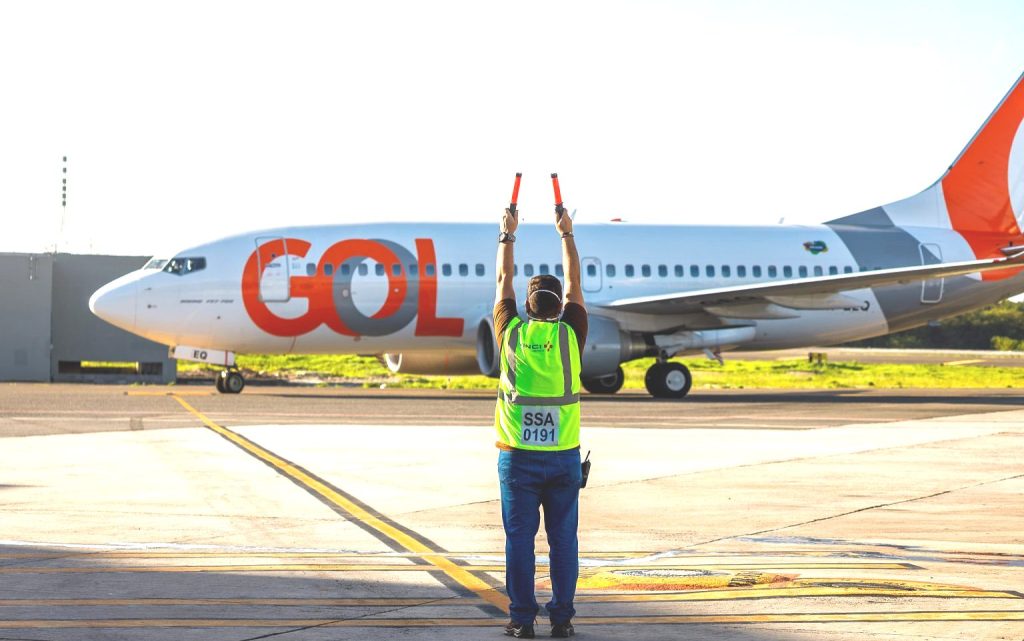




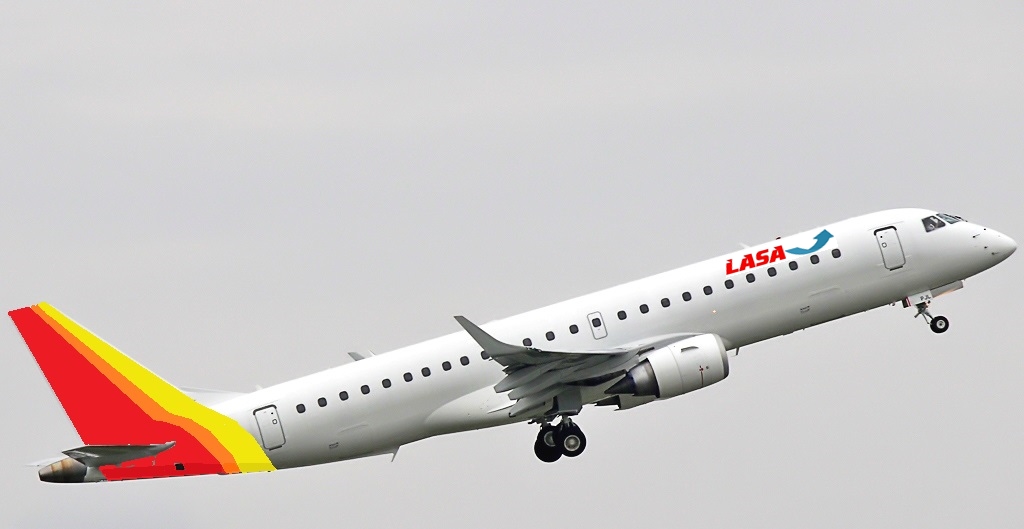

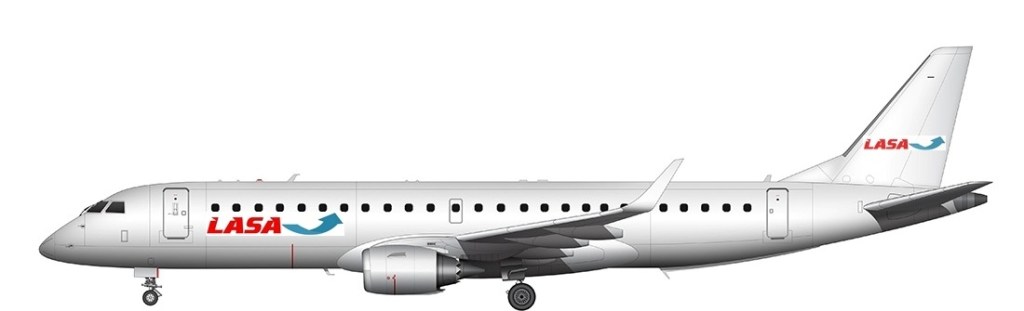
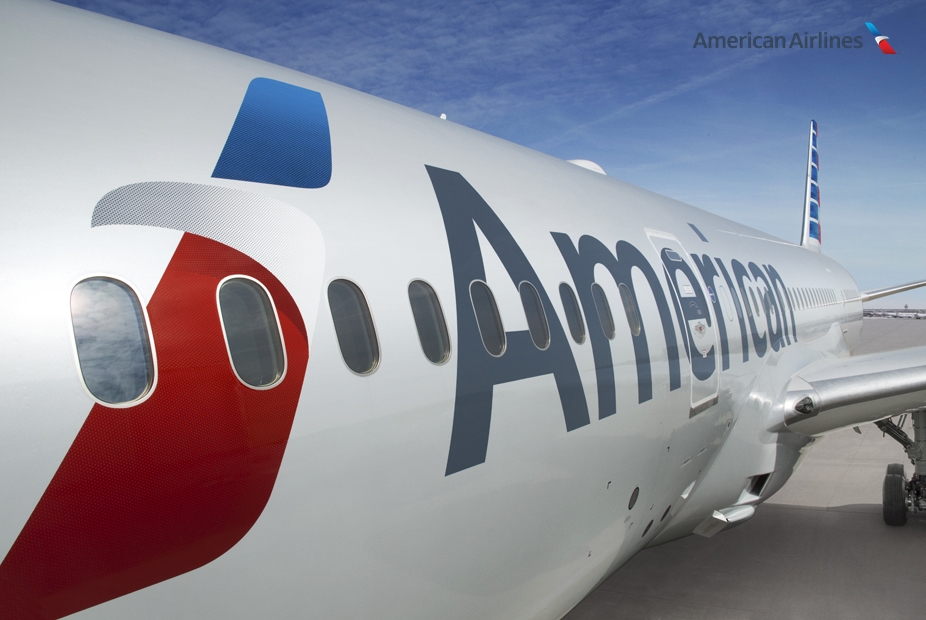
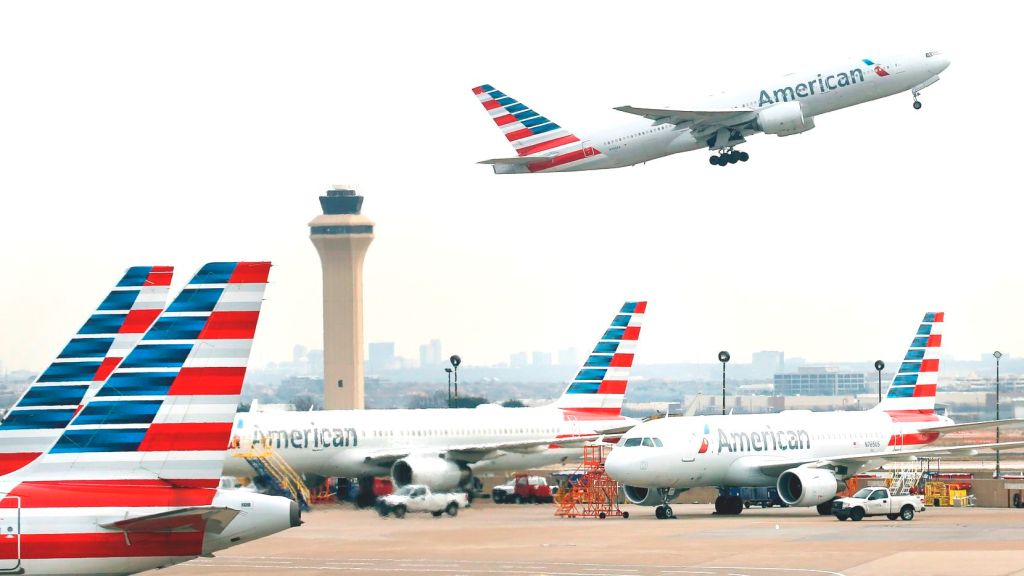

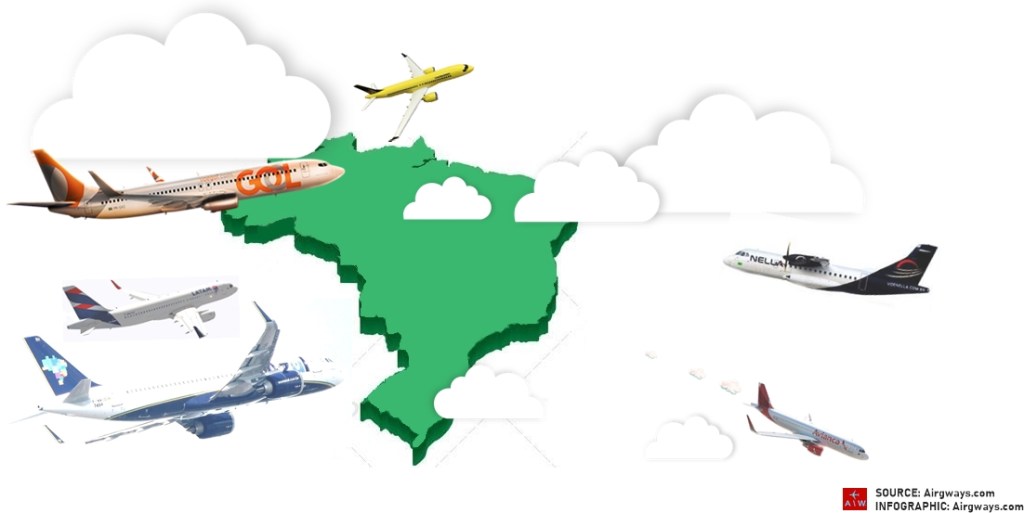

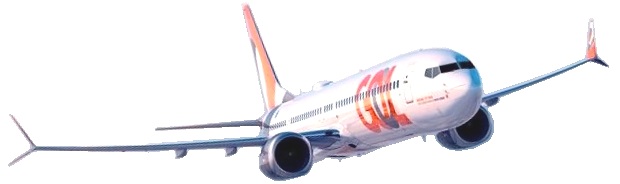
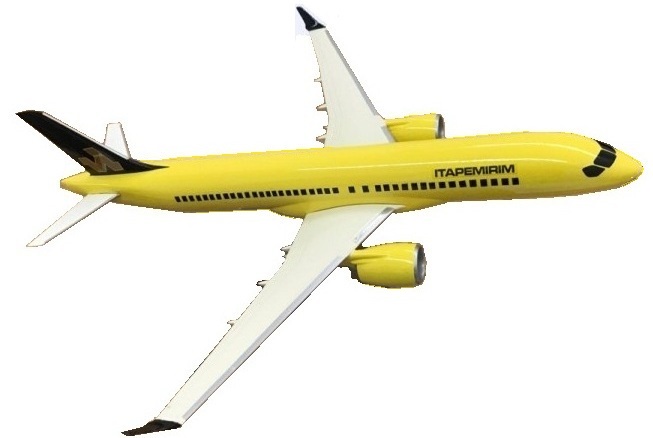


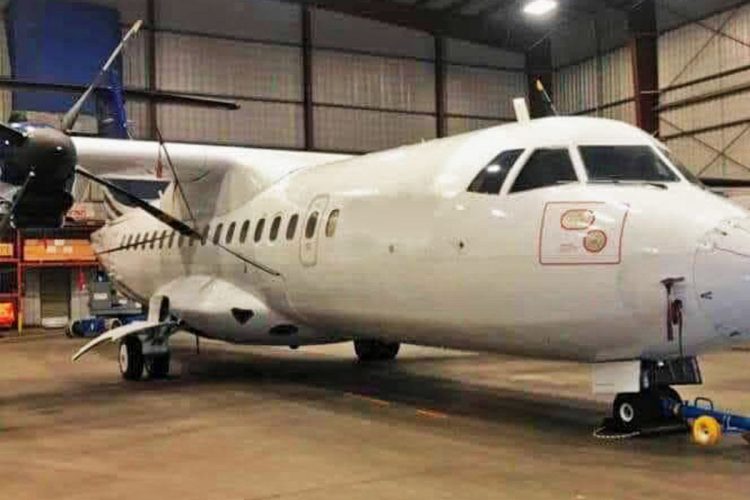
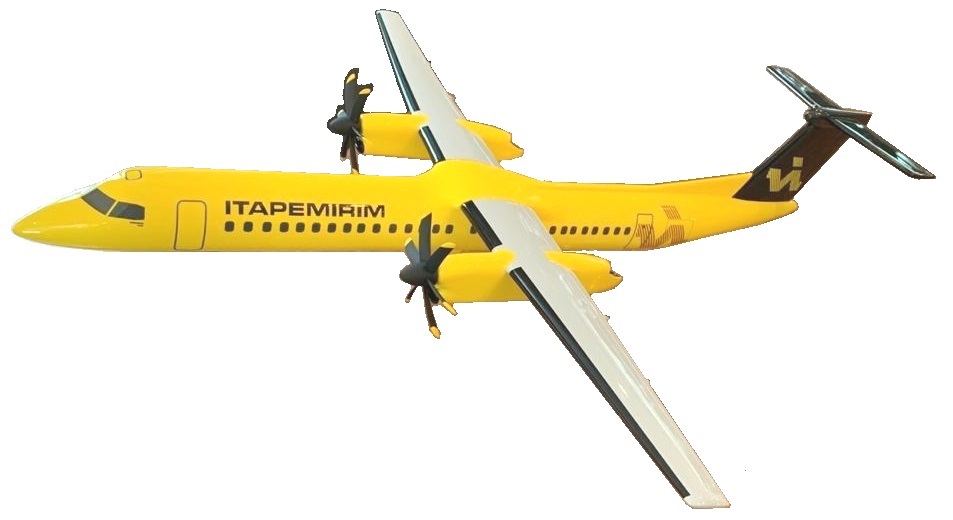









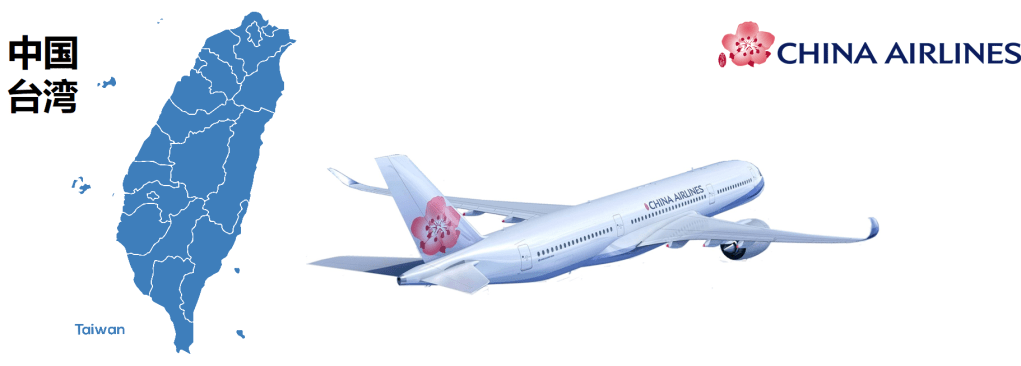


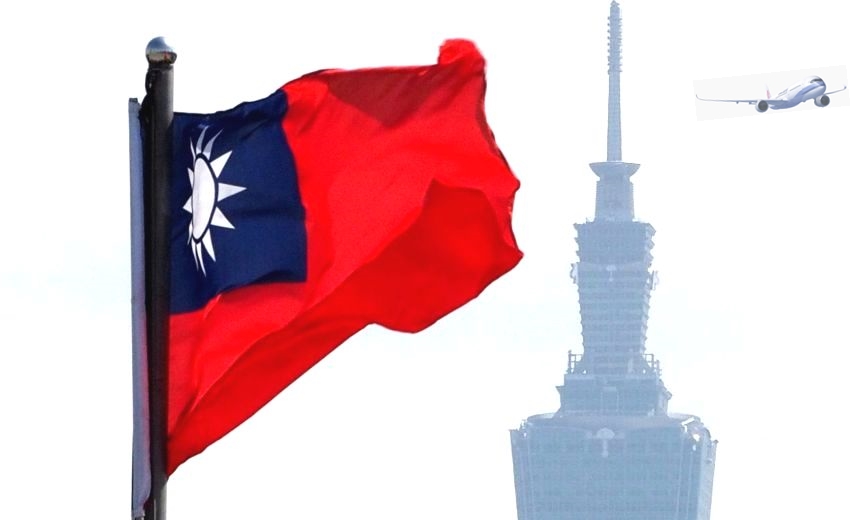

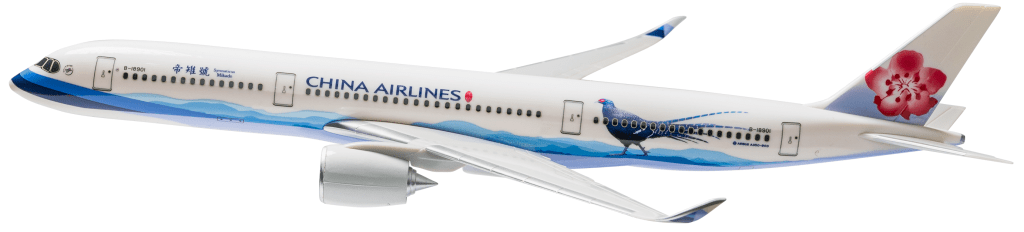

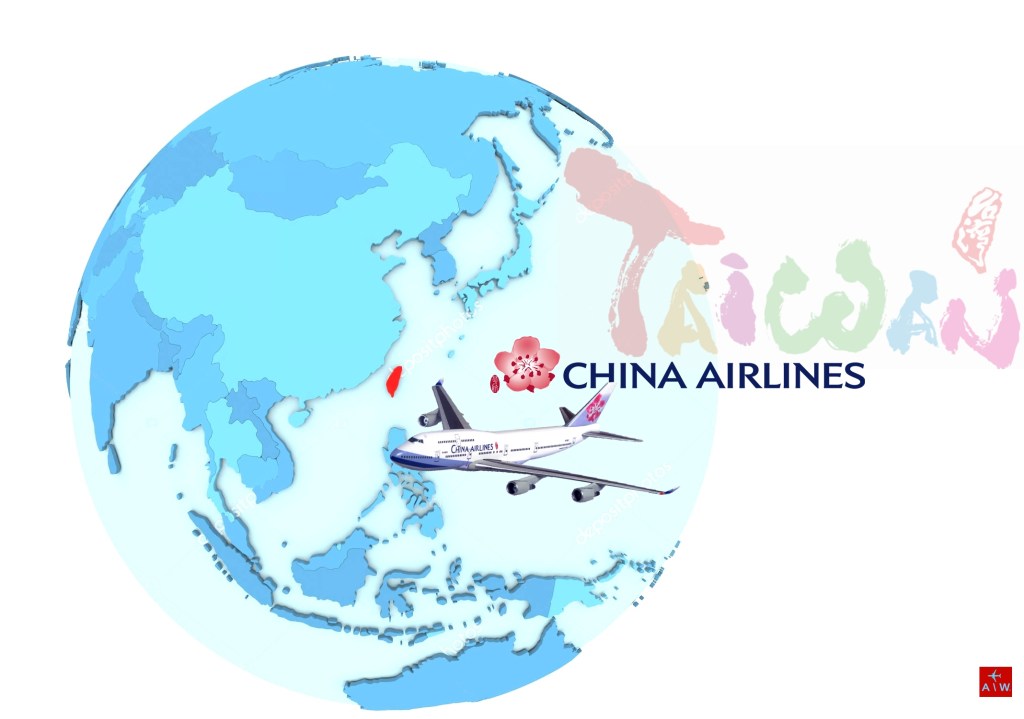

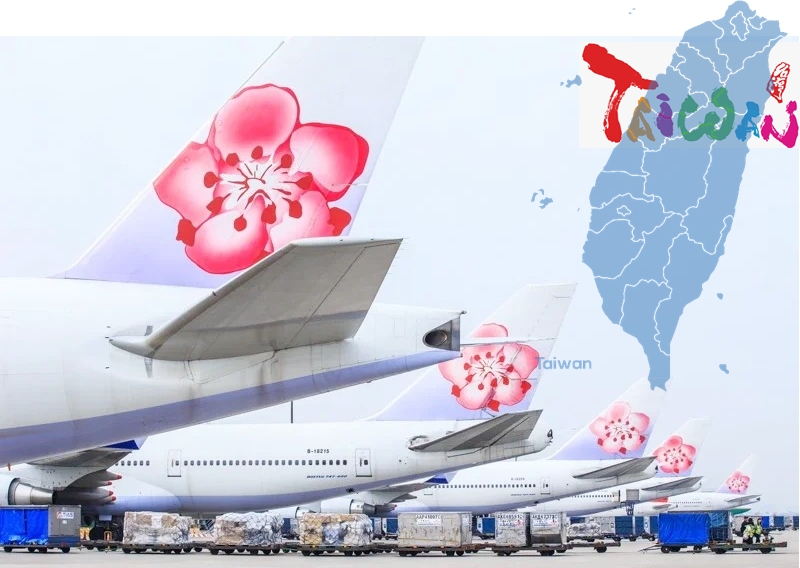

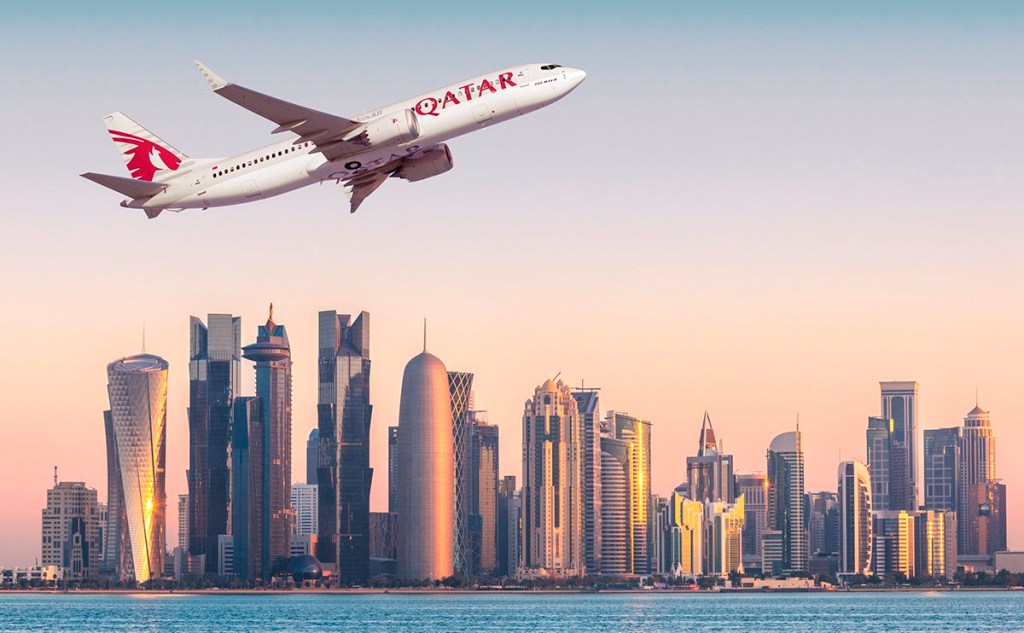




/https://specials-images.forbesimg.com/imageserve/566434089/0x0.jpg)


