Airbus revisará las necesidades de espacio en Broughton
El fabricante de aviones europeos Airbus Group SE evaluará el futuro de una de sus plantas de producción en el norte del Gales debido a los cambios en la demanda de aviación, pero no hay planes inmediatos para reducir su huella en el sitio de 750 acres tras las noticias de despidos la semana pasada.
Airbus opera tres plantas en su instalación de Broughton, su sitio más grande en el Reino Unido, que emplea a 6.000 empleados y se enfoca en el ensamblaje de alas para la línea de aviones comerciales de la compañía. En East Factory, las alas se fabrican para aviones Airbus A320 y A330, mientras que North Factory fabrica alas para A350. The West Factory se centra exclusivamente en la producción de alas para el avión A380 de dos pisos, del cual Airbus tiene intención de suspender la producción para el próximo verano.
La fábrica de Broughton completó su último par de alas A380 a principios de este año y lo envió a una de las plantas de ensamblaje final de Airbus en Francia. West Factory está obligado a permanecer operativo hasta que el último avión A380 se haya construido por completo en caso de que se necesite algún trabajo de reparación de alas antes de entregar el avión a la aerolínea cliente. Sin embargo, el futuro de la fábrica más allá del verano 2021 es incierto. Un portavoz de Airbus le dijo a Place North West: “Estamos revisando constantemente nuestras [necesidades de espacio]. Por el momento, no hay planes para alterar nuestra huella física en Broughton o en cualquiera de nuestros sitios».
La semana pasada, la empresa con sede en Toulouse anunció despidos generalizados en Broughton, lo que significa perder 1.435 de sus 6.000 empleados, y Filton en Bristol, su instalación de investigación y desarrollo que emplea a 3.200 empleados y eliminará 295. Se entiende que cualquier revisión de propiedad en Broughton no estaría relacionada con los despidos planeados porque se requiere el mismo tipo y escala de instalaciones para fabricar alas de aeronaves, incluso si la producción se reduce.
La industria de la aviación mundial ha sufrido una paliza durante la pandemia de coronavirus a medida que los países se movieron para imponer prohibiciones de viaje, afectando la demanda de pasajeros. La decisión de Airbus de detener la producción del A380 después de 12 años, sin embargo, se tomó mucho antes del brote del virus y está relacionada con las tendencias cambiantes en la aviación, lo que lleva a ventas débiles.
El superjumbo jet se ha enfrentado a la competencia de aviones más pequeños y más eficientes en medio del aumento de los precios del combustible, así como a una creciente preferencia por viajes «punto a punto» en lugar de viajes de larga distancia, lo que ha reducido los márgenes de beneficio de Airbus. La cantidad de espacio de piso industrial en el sitio de Broughton totaliza casi 5 metros cuadrados y el terreno se arrienda a la multinacional aeroespacial y de defensa BAE Systems. Algunos de los proveedores comerciales de Airbus también se encuentran en el sitio de la A5104 cerca del parque empresarial Hawarden.
Airbus reviews production in the United Kingdom
Airbus to review space needs at Broughton
European aircraft maker Airbus Group SE will evaluate the future of one of its production plants in North Wales due to changes in aviation demand, but there are no immediate plans to reduce its footprint at the 750-acre site after the news of layoffs last week.
Airbus operates three plants at its Broughton facility, its largest site in the United Kingdom, which employs 6,000 employees and focuses on wing assembly for the company’s commercial aircraft line. At East Factory, wings are made for Airbus A320 and A330 aircraft, while North Factory makes wings for A350s. The West Factory focuses exclusively on wing production for the double-decker A380 aircraft, for which Airbus intends to suspend production for next summer.
The Broughton factory completed its last pair of A380 wings earlier this year and shipped it to one of Airbus’ final assembly plants in France. West Factory is required to remain operational until the last A380 aircraft has been fully constructed in the event that some wing repair work is needed before delivering the aircraft to the client airline. However, the future of the factory beyond summer 2021 is uncertain. An Airbus spokesperson told Place North West: “We are constantly reviewing our [space needs]. At the moment, there are no plans to alter our physical footprint in Broughton or anywhere else».
Last week, the Toulouse-based company announced widespread layoffs in Broughton, which means losing 1,435 of its 6,000 employees, and Filton in Bristol, its research and development facility that employs 3,200 employees and will cut 295. It is understood that any Property review at Broughton would not be related to planned layoffs because the same type and scale of facilities are required to manufacture aircraft wings, even if production is reduced.
The global aviation industry has suffered a beating during the coronavirus pandemic as countries moved to impose travel bans, affecting passenger demand. Airbus’ decision to halt production of the A380 after 12 years, however, was made well before the virus outbreak and is related to changing trends in aviation, leading to weak sales.
The superjumbo jet has faced competition from smaller, more efficient aircraft amid rising fuel prices, as well as a growing preference for «point-to-point» rather than long-distance travel, which has reduced Airbus profit margins. The amount of industrial floor space at the Broughton site totals nearly 5 square meters and the land is leased to defense and aerospace multinational BAE Systems. Some of Airbus’ commercial providers are also located on the A5104 site near the Hawarden Business Park.
Ξ A I R G W A Y S Ξ PUBLISHER: Airgways.com DBk: Airbus.com / Airgways.com AW-POST: 202007071614AR
Nueva herramienta permite monitorear equipaje punto a punto
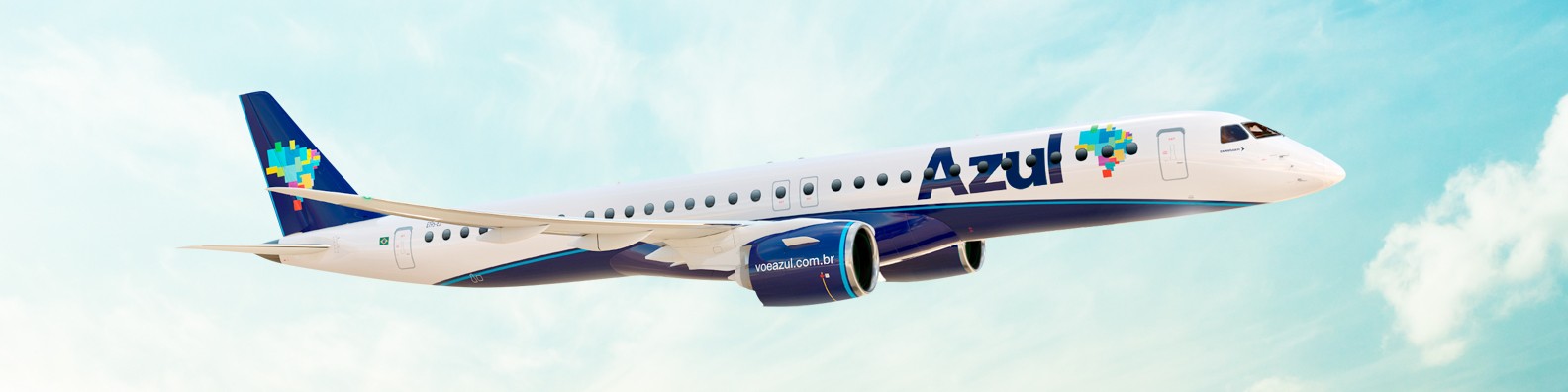
Azul Linhas Aéreas ha implementado una herramienta que rastrea el equipaje de los clientes en todos los vuelos de la compañía. La tecnología, sin precedentes en Brasil está enpleno funcionamiento en todos los aeropuertos en los vuelos de Azul Linhas Aéreas.
El control de equipaje monitorea el camino de las maletas desde el check-in hasta la entrega al destino final. La tecnología funciona con dispositivos similares a los teléfonos inteligentes que utiliza Azul Crew para leer el código de barras que acompaña a la etiqueta del equipaje facturado. Con el código de seguimiento, la bolsa se rastrea con cada manejo y el estado de la bolsa se envía a un sistema de control. A través de la aplicación Azul, el cliente recibe notificaciones sobre tres etapas diferentes del proceso de movimiento de su equipaje: el check-in, la carga en el avión y el reembolso, en el reclamo de equipaje, en el aeropuerto de destino final.
“Esta tecnología es parte de uno de nuestros frentes, cuyo objetivo es integrar servicios y optimizar nuestra operación, brindando más eficiencia a las actividades diarias de la compañía. Comenzamos a probar esta tecnología en vuelos entre Campinas y Cuiabá por un período y hoy ya es una realidad en todas las bases de Azul, brindando información a los Clientes y controlando el flujo de equipaje facturado y devuelto y reduciendo las pérdidas de equipaje. Capacitamos a más de mil miembros de la Tripulación para que manejen esta herramienta y ya hemos enviado más de 300 dispositivos de detección para la implementación de esta tecnología en los aeropuertos nacionales e internacionales que opera la compañía”, dice Kléber Linhares, Director de Tecnología en Azul. El ejecutivo destaca la logística para llevar el nuevo sistema a todas las bases operativas de Azul.
La herramienta también alimenta un sistema que fortalece el control de la compañía sobre todo el equipaje en tránsito. Azul Linhas Aéreas espera rastrear el 100% del equipaje y reducir aún más el porcentaje de pérdida, que pasó de 2,14 en Abril 2020 a 1,89 bolsas por cada mil clientes transportados en Junio 2020.
Azul allows luggage monitoring pax
New tool enables point-to-point luggage monitoring
Azul Linhas Aéreas has implemented a tool that tracks customer luggage on all company flights. The technology, unprecedented in Brazil, is fully operational at all airports on Azul Linhas Aéreas flights.
The baggage control monitors the way of the suitcases from the check-in until the delivery to the final destination. The technology works with smartphone-like devices that Azul Crew uses to read the barcode that accompanies checked baggage labels. With the tracking code, the bag is tracked with each handling and the state of the bag is sent to a monitoring system. Through the Blue application, the client receives notifications about three different stages of the process of moving their luggage: check-in, loading on the plane and refund, in the claim of luggage, at the airport of final destination.
“This technology is part of one of our fronts, whose objective is to integrate services and optimize our operation, providing more efficiency to the company’s daily activities. We began to test this technology on flights between Campinas and Cuiabá for a period and today it is already a reality in all Azul bases, providing information to Customers and controlling the flow of checked and returned baggage and reducing baggage losses. We trained more than a thousand crew members to use this tool and we have already sent more than 300 detection devices for the implementation of this technology at the national and international airports that the company operates», says Kléber Linhares, Director of Technology at Blue. The executive highlights the logistics to bring the new system to all Azul operating bases.
The tool also powers a system that strengthens the company’s control over all luggage in transit. Azul Linhas Aéreas expects to track 100% of baggage and further reduce the loss percentage, which went from 2.14 in April 2020 to 1.89 bags for every thousand customers transported in June 2020.
Azul permite monitoramento de bagagem pax
Nova ferramenta permite monitoramento de bagagem ponto a ponto
A Azul Linhas Aéreas implementou uma ferramenta que rastreia a bagagem do cliente em todos os voos da empresa. A tecnologia, inédita no Brasil, está totalmente operacional em todos os aeroportos nos voos da Azul Linhas Aéreas.
O controle de bagagem monitora o caminho das malas desde o check-in até a entrega no destino final. A tecnologia funciona com dispositivos semelhantes aos smartphones que o Azul Crew usa para ler o código de barras que acompanha a etiqueta de bagagem despachada. Com o código de rastreamento, a bolsa é rastreada a cada manuseio e o estado da bolsa é enviado para um sistema de monitoramento. Por meio do aplicativo Blue, o cliente recebe notificações sobre três etapas diferentes do processo de movimentação de suas malas: check-in, carregamento no avião e reembolso, na reclamação de bagagem, no aeroporto de destino final. «Essa tecnologia faz parte de uma de nossas frentes, cujo objetivo é integrar serviços e otimizar nossa operação, proporcionando mais eficiência às atividades diárias da empresa. Começamos a testar essa tecnologia em voos entre Campinas e Cuiabá por um período e hoje já é uma realidade em todas as bases da Azul, fornecendo informações aos Clientes e controlando o fluxo de bagagem despachada e devolvida e reduzindo as perdas de bagagem. Treinamos mais de mil tripulantes para usar essa ferramenta e já enviamos mais de 300 dispositivos de detecção para implementar essa tecnologia nos aeroportos nacionais e internacionais em que a empresa opera», afirma Kléber Linhares, diretor de tecnologia da Azul. O executivo destaca a logística para levar o novo sistema a todas as bases operacionais da Azul.
A ferramenta também fornece um sistema que fortalece o controle da empresa sobre toda a bagagem em trânsito. A Azul Linhas Aéreas espera rastrear 100% da bagagem e reduzir ainda mais o percentual de perda, que passou de 2,14 em abril de 2020 para 1,89 sacas para cada mil clientes transportados em junho de 2020.
Ξ A I R G W A Y S Ξ PUBLISHER: Airgways.com DBk: Airgways.com / Voeazul.com.br / Mercadoeeventos.com.br AW-POST: 202007041352AR
Asamblea de acreedores de Latam Airlines se aplaza
El Tribunal de Quiebras de Nueva York ha pospuesto la Asamblea de Acreedores de Latam Airlines Group. El Juez ha validado un esquema para que la firma pueda manejar contratos de coberturas y derivados. El proceso de reestructuración de la asamblea estaba pautada para el 16 Julio 2020. Sin embargo, Este Miércoles 1 Julio 2020 el Tribunal de Quiebra del Distrito Sur de Nueva York concedió una nueva fecha para la instancia, el 22 Julio 2020.
El Tribunal neoyorquino ha distado dos autorizaciones claves. La primera es que el juez autorizó a los deudores (Latam Airlines) y sus filiales, en proceso de reestructuración, a poder celebrar, garantizar y cumplir, modificar y liquidar contratos de coberturas y derivados, que son muy utilizados en la industria por las fluctuaciones de los precios de combustible y de los tipos de cambio. La moción aceptada tendrá vigencia hasta el 19 Agosto 2020. La segunda autorización que tuvo la compañía por parte del juez fue la del uso continuo del sistema de gestión del dinero efectivo, la continuidad de las transacciones intercompañías o entre afiliadas y el uso de las cuentas bancarias para su funcionamiento. También permitió la continuidad de programas de tarjetas ligados a bancos.
Latam Group Assembly postponed
Assembly of creditors of Latam Airlines is postponed
The New York Bankruptcy Court has postponed the Latam Airlines Group Creditors Assembly. The Judge has validated a scheme for the firm to manage hedging and derivative contracts. The restructuring process of the assembly was scheduled for July 16, 2020. However, this Wednesday, July 1, 2020, the Bankruptcy Court of the Southern District of New York granted a new date for the instance, July 22, 2020.
The New York Court has issued two key authorizations. The first is that the judge authorized the debtors (Latam Airlines) and its subsidiaries, in the process of restructuring, to be able to celebrate, guarantee and fulfill, modify and settle hedge and derivative contracts, which are widely used in the industry due to fluctuations. of fuel prices and exchange rates. The motion accepted will be valid until August 19, 2020. The second authorization that the company had from the judge was the continuous use of the cash management system, the continuity of intercompany or affiliate transactions and the use of accounts banking for its operation. It also allowed the continuation of card programs linked to banks.
Ξ A I R G W A Y S Ξ PUBLISHER: Airgways.com DBk: Nysd.uscourts.gov / Reuters.com / Airgways.com / Latam.com AW-POST: 202007041157AR
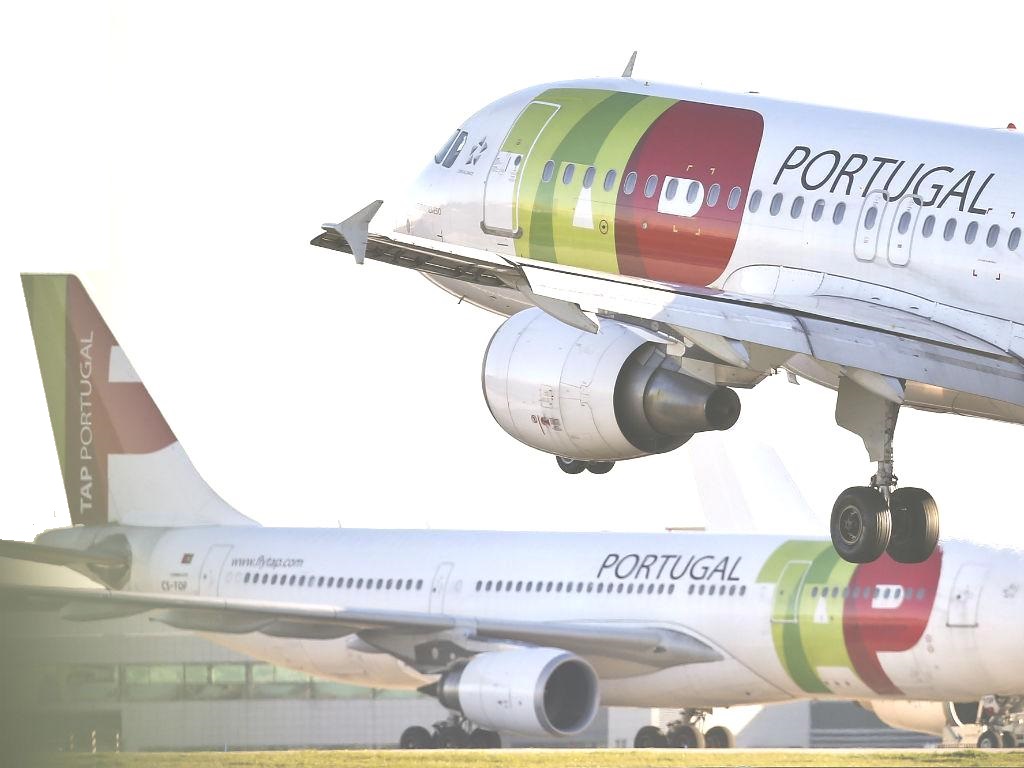
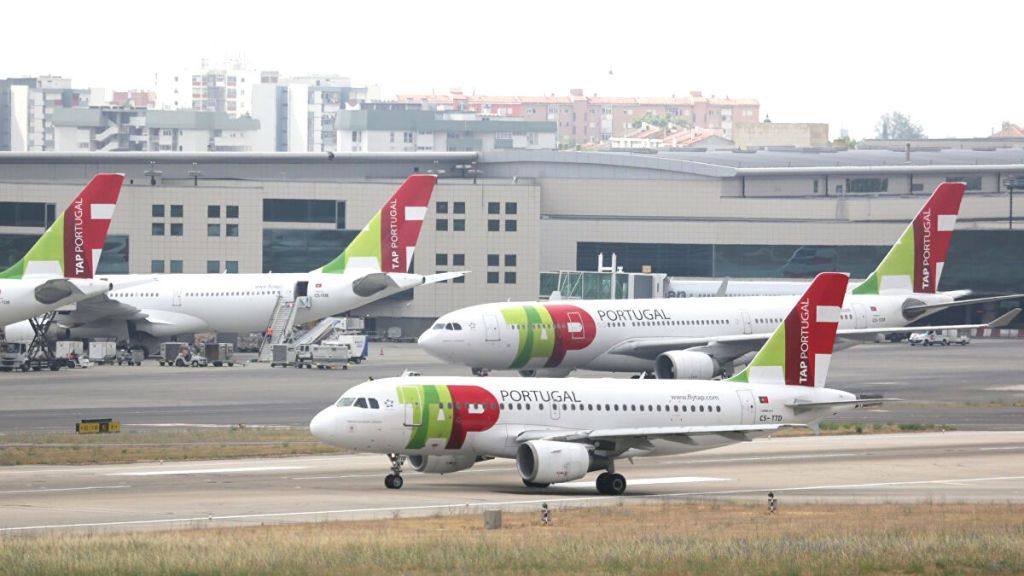
El Gobierno portugués anunciado el Jueves 2 Julio 2020 que tomará el control de la aerolínea TAP Portugal para evitar la quiebra ante la crisis causada por la pandemia de Coronavirus y las restricciones a los viajes aéreos. El Gobierno invertirá € 55 millones de Euros para aumentar su participación en el capital de TAP del 50% al 72,5%, anunció el Ministro de Finanzas, João Leão, en una conferencia de prensa. «La actividad de TAP es de enorme importancia estratégica para el país», dijo el Ministro de Finanzas. El Gobierno luso intervino para evitar el colapso de la compañía aérea ante un pronóstico sombrío.
Negociaciones por TAP
TAP Portugal fue privatizada en 2015 hasta el 61% de las acciones, pero al año siguiente el Estado portugués aumentó su participación al 50% del capital. El consorcio Atlantic Gateway, de David Neeleman y Humberto Pedrosa, poseía el 45% accionario. La aerolínea desempeña un papel esencial en el sector turístico, uno de los motores de la economía portuguesa.
El Gobierno de Portugal ha llegado a un acuerdo con los accionistas de la mayor aerolínea del país, permitiendo que el accionista principal, el estadounidense David Neeleman, se retire del negocio de TAP Portugal. Su socio portugués Humberto Pedrosa será dueño del 22,5% de las acciones y los empleados del grupo tendrán el 5%. El Presidente Ejecutivo del grupo, Antonoaldo Neves, designado por David Neeleman, será reemplazado inmediatamente, ha comunicado el Ministerio de Infraestructura a cargo de Pedro Nuno Santos.
El gobierno portugués propuso un préstamo de hasta € 1.200 millones de Euros (US$ 1.350 millones de Dólares) a los accionistas para rescatar al grupo, pero la junta directiva rechazó las condiciones, según el Ministerio de Infraestructura. «Casi el 90% de nuestros turistas llegan en avión, la mitad en TAP, sería un desastre económico perderlo», expresó el Ministro de Infraestructura el Martes 30/06.
Aviación mundial
Las restricciones impuestas para combatir la epidemia afectaron directamente a la aviación comercial. Los gobiernos europeos intervienen masivamente para evitar la bancarrota de grandes grupos, como Lufthansa Group y Air France Group. Las aerolíneas podrían sufrir más de US$ 84 mil millones en pérdidas netas en 2020 y otros US$ 15 mil millones en 2021 debido a la pandemia de coronavirus, según la Asociación Internacional de Transporte Aéreo (IATA).
Portugal nacionaliza TAP
El Gobierno de Portugal ha aprobado una resolución que reconoce el interés público subyacente en la operación de ayuda a TAP Portugal por el monto valorado de hasta € 1.200 millones de Euros, ha anunciado Mariana Vieira da Silva al final de una reunión del Consejo de Ministros. Tras una solicitud de medidas cautelares presentada en el Tribunal Administrativo Supremo por la Asociación Comercial de Oporto, Cámara de Comercio e Industria de Oporto, solicitando que se impida al Estado portugués otorgar ayuda financiera a TAP, el Consejo de Ministros ha aprobado una resolución razonada que reconoce «el excepcional interés público que subyace a la operación de ayuda de la compañía. La resolución reconoce que existe un daño grave al interés público en inhibir el acto administrativo que otorga o autoriza el otorgamiento de ayuda financiera al Grupo TAP o TAP, con las consecuentes repercusiones, de carácter económico y social, para el país», anunció el Ministro de Estado y Presidencia, en una conferencia de prensa, en el Palacio Nacional de Ajuda, en Lisboa.
Portugal nationalizes TAP airline
Government of Portugal nationalizes TAP airline
The Portuguese Government announced on Thursday 2 July 2020 that it will take control of the TAP Portugal airline to avoid bankruptcy in the face of the crisis caused by the Coronavirus pandemic and restrictions on air travel. The government will invest € 55 million euros to increase its stake in TAP’s capital from 50% to 72.5%, Finance Minister João Leão announced at a press conference. «TAP’s activity is of enormous strategic importance for the country», said the Minister of Finance. The Portuguese government intervened to prevent the collapse of the airline in the face of a gloomy forecast.
TAP negotiations
TAP Portugal was privatized in 2015 up to 61% of the shares, but the following year the Portuguese State increased its participation to 50% of the capital. The Atlantic Gateway consortium, of David Neeleman and Humberto Pedrosa, owned 45% of the shares. The airline plays an essential role in the tourism sector, one of the engines of the Portuguese economy.
The Government of Portugal has reached an agreement with the shareholders of the country’s largest airline, allowing the main shareholder, the American David Neeleman, to withdraw from the TAP Portugal business. Its Portuguese partner Humberto Pedrosa will own 22.5% of the shares and the group’s employees will have 5%. The Group’s Executive President, Antonoaldo Neves, appointed by David Neeleman, will be immediately replaced, the Ministry of Infrastructure in charge of Pedro Nuno Santos has announced.
The Portuguese government has proposed a loan of up to € 1.2 billion euros (US $ 1.35 billion) to shareholders to rescue the group, but the board of directors rejected the conditions, according to the infrastructure ministry. «Almost 90% of our tourists arrive by plane, half in TAP, it would be an economic disaster to lose it», said the Minister of Infrastructure on Tuesday 06/30.
World aviation
The restrictions imposed to combat the epidemic directly affected commercial aviation. European governments intervene massively to prevent the bankruptcy of large groups, such as the Lufthansa Group and Air France Group. Airlines could suffer more than US$ 84 billion in net losses in 2020 and another US$ 15 billion in 2021 due to the coronavirus pandemic, according to the International Air Transport Association (IATA).
Portugal nationalizes TAP
The Government of Portugal has approved a resolution that recognizes the underlying public interest in the operation of aid to TAP Portugal for the valued amount of up to € 1.2 billion euros, Mariana Vieira da Silva announced at the end of a meeting of the Council of Ministers. Following a request for precautionary measures presented in the Supreme Administrative Court by the Porto Commercial Association, the Porto Chamber of Commerce and Industry, requesting that the Portuguese State be prevented from granting financial aid to TAP, the Council of Ministers has approved a reasoned resolution which recognizes «the exceptional public interest that underlies the company’s aid operation. The resolution recognizes that there is serious damage to the public interest in inhibiting the administrative act that grants or authorizes the granting of financial aid to the TAP or TAP Group, with the consequent repercussions, of an economic and social nature, for the country», announced the Minister of State and Presidency, at a press conference, at the Ajuda National Palace, in Lisbon.
Portugal nacionaliza aérea TAP
Governo de Portugal nacionaliza companhia aérea da TAP
O Governo Português anunciou na quinta-feira, 2 Julho 2020, que assumirá o controle da companhia aérea TAP Portugal para evitar a falência em face da crise causada pela pandemia de Coronavírus e restrições às viagens aéreas. O governo investirá € 55 milhões de euros para aumentar sua participação no capital da TAP de 50% para 72,5%, anunciou o ministro das Finanças João Leão em entrevista coletiva. «A atividade da TAP é de enorme importância estratégica para o país», afirmou o Ministro das Finanças. O governo português interveio para evitar o colapso da companhia aérea diante de uma previsão sombria.
Negociações da TAP
A TAP Portugal foi privatizada em 2015 até 61% das ações, mas no ano seguinte o Estado Português aumentou sua participação para 50% do capital. O consórcio Atlantic Gateway, de David Neeleman e Humberto Pedrosa, possuía 45% das ações. A companhia aérea desempenha um papel essencial no setor do turismo, um dos motores da economia portuguesa.
O Governo de Portugal chegou a um acordo com os acionistas da maior companhia aérea do país, permitindo que o principal acionista, o americano David Neeleman, se retirasse dos negócios da TAP Portugal. Seu parceiro português Humberto Pedrosa será dono de 22,5% das ações e os funcionários do grupo terão 5%. O presidente executivo do grupo, Antonoaldo Neves, nomeado por David Neeleman, será substituído imediatamente, anunciou o Ministério de Infraestrutura responsável por Pedro Nuno Santos.
O governo português propôs um empréstimo de até 1,2 bilhão de euros (US $ 1,35 bilhão) aos acionistas para resgatar o grupo, mas o conselho de administração rejeitou as condições, segundo o ministério de infraestrutura. «Quase 90% dos nossos turistas chegam de avião, metade na TAP, seria um desastre econômico perdê-lo», disse o Ministro da Infraestrutura na terça-feira, 30/06.
Aviação mundial
As restrições impostas ao combate à epidemia afetaram diretamente a aviação comercial. Os governos europeus intervêm massivamente para evitar a falência de grandes grupos, como o Grupo Lufthansa e o Grupo Air France. As companhias aéreas podem sofrer mais de US$ 84 bilhões em perdas líquidas em 2020 e outros US$ 15 bilhões em 2021 devido à pandemia de coronavírus, segundo a Associação Internacional de Transporte Aéreo (IATA).
Portugal nacionaliza TAP
O Governo de Portugal aprovou uma resolução que reconhece o interesse público subjacente na operação de ajuda à TAP Portugal no valor estimado de 1,2 mil milhões de euros, anunciou Mariana Vieira da Silva no final de uma reunião do Conselho de Ministros. «Na sequência de um pedido de medidas cautelares apresentado no Supremo Tribunal Administrativo pela Associação Comercial do Porto, a Câmara de Comércio e Indústria do Porto, solicitando que o Estado Português seja impedido de conceder ajuda financeira à TAP, o Conselho de Ministros aprovou uma resolução fundamentada que reconhece «o excepcional interesse público subjacente à operação de ajuda da empresa. A resolução reconhece que há sérios danos ao interesse público em inibir o ato administrativo que concede ou autoriza a concessão de ajuda financeira à TAP ou ao Grupo TAP, com as conseqüentes repercussões de natureza econômica e social para o país», anunciou o ministro. de Estado e Presidência, em conferência de imprensa, no Palácio Nacional da Ajuda, em Lisboa.
Ξ A I R G W A Y S Ξ PUBLISHER: Airgways.com DBk: Portrugal.gov.pt / Flytap.com / Airgways.com AW-POST: 202007031417AR
Prolongación cuarentena aviación comercial en Latinoamérica
La República Popular de China había blindado su espacio aéreo por el tiempo de dos meses y medio; Europa casi el mismo tiempo. Buena parte de los países de América latina se encaminan a marcar el record mundial del cierre de los viajes aéreos como así también de sus fronteras terrestres y marítimas.
En el caso particular de la República Argentina, el transporte aéreo comercial se encuentra paralizado en Argentina desde el 20 Marzo 2020 y si se respetan los anuncios oficiales, recién el 1 Septiembre se retomarían los vuelos internacionales regulares. En cuanto a la programación de viajes domésticos hacia una apertura controlada para aquellas rutas asignadas a un índice muy bajo de transmisión del virus, todo estaba establecido para que a mediados de mes de Julio 2020 comenzaran a operar algunas rutas por el interior del país; pero el aumento de casos de Coronavirus en la Ciudad Autónoma de Buenos Aires y el conurbano bonaerense volvió a endurecer las condiciones de la cuarentena y con ello ha quedado en suspenso también la vuelta de los vuelos nacionales. Desde el Ministerio de Transporte había confirmado que la reanudación de las actividades aéreas estaban prevista para el 15 Julio 2020, pero transmitieron su postergación hacia más adelante.
Actualmente existe conectividad de vuelos especiales a algunas provincias argentinas y eso se irá incrementando a medida que las actividades de las provincias vayan aumentando en sintomnía con la disminución de los casos de Coronavirus.
IATA, AL pérdidas millonarias
El Ministro de Transporte, Mario Meoni, y la titular de Administración de Aviación Civil (ANAC) de Argentina, Paola Tamburelli, durante la última reunión virtual con Peter Cerdá, Vicepresidente para las Américas de IATA establecieron un paragüas para determinar las acciones a seguir.
El titular de la Cartera de Transporte, Mario Meoni, ha abordado el tema esta semana pasada durante la charla virtual que mantuvo con Peter Cerdá, Vicepresidente para las Américas de la Asociación Internacional de Transporte Aéreo (IATA). “Por el cierre de las operaciones, la situación en América latina sigue siendo extremadamente delicada. En la mayoría de nuestros países ni siquiera hay vuelos domésticos, mucho menos internacionales”, comentó Peter Cerdá durante la conferencia de prensa quincenal que ofrece de modo virtual. Las cifras que proyectan los economistas de IATA son impactantes para América Latina (AL). Sólo en la región, siempre y cuando las reaperturas de frontera no se sigan postergando, las estimaciones de los expertos indican que el sector aéreo sufrirá este año pérdidas que superarán los US$ 4.000 millones. Si el estudio se hace a nivel global, ese número trepa a US$84.300 millones para este año, y a US$ 15.800 millones para 2021.
Latinoamérica reduce aerolíneas
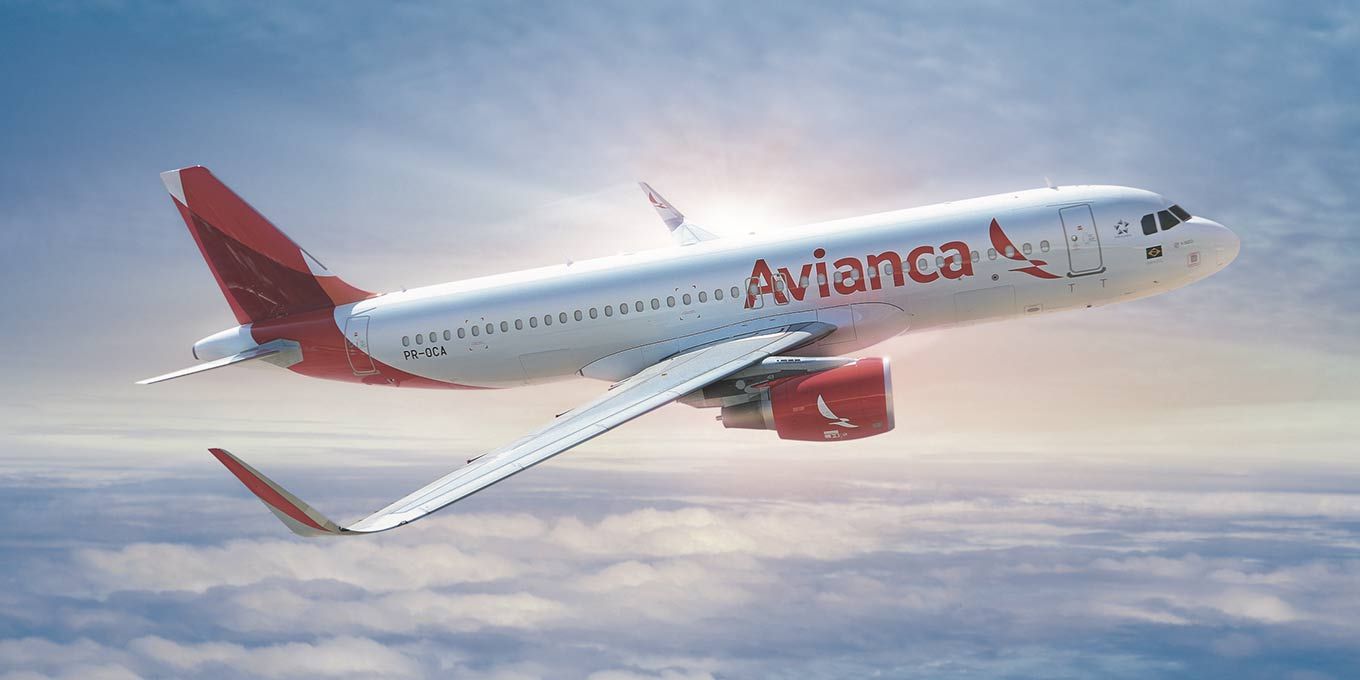
Peter Cerdá ha explicado que la situación está generando efectos indeseables: “Estamos viendo más líneas aéreas que se ven en la necesidad de recurrir al Capítulo 11 de la ley de bancarrota de Estados Unidos, a la que apelaron Avianca y Latam Group y varias aerolíneas que informan que están cerrando sus operaciones de manera permanente con un fuerte impacto en mercados importantes como Argentina, Chile, Colombia, Ecuador, Perú, entre otros, no tienen las herramientas necesarias para una reestructuración financiera. En medio de ese contexto es que IATA insiste que para amortiguar el impacto, resulta clave el involucramiento de los gobiernos tanto para brindar auxilio económico e implementar los protocolos y reactivar los vuelos regulares para aliviar la crisis de las aerolíneas en la región».
Epicentro, Latinoamérica
La IATA sostiene que varios gobiernos han tomado medidas duras para enfrentar la pandemia de Coronavirus, mientras que otros la han flexibilizado. Existen aerolíneas que no podrán operar en la región por el espacio de entre tres a cinco meses, eso significa tener los aviones en tierra con las complicaciones necesarias. «Entendemos que el epicentro del Coronavirus está en estos momentos en América latina, pero al mismo tiempo tenemos la ventaja de disponer de los protocolos en los que han trabajado la Organización de Aviación Civil Internacional (OACI) y la industria, que están disponibles para garantizar que se pueda volar de una manera segura, eficiente, y sin que el transporte aéreo sea un vector de la transmisión”, ha expresado la IATA.
Tras señalar que por el tamaño de la región, y por la dificultad en las comunicaciones por tierra por redes de carreteras insuficientes, Peter Cerdá destacó el rol clave del transporte aéreo en el desarrollo económico y social de América Latina no sólo para permitir el suministro de mercancías sino como vía de conectividad de la población.
Vuelos especiales
El Vicepresidente para las Américas de IATA dijo que la relación con el gobierno argentino es excelente, transparente y colaborativa y elogió la reciente autorización, efectivisada por la ANAC para realizar más vuelos entre Argentina y Europa durante este mes de Julio 2020. Se trata de una flexibilización en las condiciones fijadas para los vuelos de repatriación ya que durante Julio y Agosto las aerolíneas podrán comercializar vuelos en ambos sentidos, aunque la medida alcanza a algunos destinos europeos puntualmente.
2020 peor año aviación
“En términos financieros, 2020 será el peor año de la historia de la aviación.De media, cada día de este año, la industria acumulará US$ 230 millones en pérdidas o sea, US$84.300 millones en total. Esto significa que, sobre una estimación de 2200 millones de pasajeros, las aerolíneas perderán US$ 37,54 por viajero. Por ello, es —y seguirá siendo— crucial el alivio financiero de los gobiernos, y compensar así la crisis de liquidez del sector”, dijo Alexandre de Juniac, Director General y CEO de IATA.
Según los datos de IATA, la ayuda financiera ofrecida por los países de la región a las compañías aéreas es solo un 1% de sus ingresos operativos en 2019, en contraposición de un 25% en Norteamérica, 15% en Europa y el 10% en Asia-Pacífico.
Auxilio estatal
La postura de los gobiernos respecto del monto y la manera en la que ayudará a las aerolíneas es diferente según el país del que se trate. La posibilidad de estatización de algunas aerolíneas a partir del auxilio financiero por parte del Estado, Peter Cerdá respondió: “En momentos tan delicados para la industria y con el impacto que todo esto ha tenido, la industria está abierta a todas las opciones que se ponen sobre la mesa para salvaguardar a las líneas aéreas. Si parte de ello es que el gobierno tome una participación en la línea aérea hasta tanto se pague la deuda, desde el punto de vista de la industria, no hay opinión en contrario. Finalmente esa es una decisión entre cada aerolínea y los gobiernos”.
Perspectivas
Aunque los gobiernos europeos han tomado mayores medidas preventivas en lo referente al plano económico gracias a la robustez en relación a otros países, han permitido pilotear las ayudas a las aerolíneas mejor que otras naciones de diferentes regiones en el mundo, pero que sin dudas, las economías se han resentido enormemente, y su recuperación será paulatina. Las industrias de la aeronáutica, las compañías aéreas y el turismo han recibido el mayor impacto económico producto de la pandemia mundial. El 2020 será un hito y una marca indeleble en la historia de la aviación comercial.
Record air quarantine in Argentina
Extension commercial aviation quarantine in Latin America
The People’s Republic of China had armored its airspace for two and a half months; Europe almost the same time. A good part of the countries of Latin America are on their way to setting the world record for the closure of air travel as well as their land and sea borders.
In the particular case of the Argentine Republic, commercial air transport has been paralyzed in Argentina since March 20, 2020 and if the official announcements are respected, only on September 1 would regular international flights resume. Regarding the programming of domestic trips towards a controlled opening for those routes assigned to a very low rate of virus transmission, everything was established so that in mid-July 2020 some routes began to operate in the interior of the country; but the increase in cases of Coronavirus in the Autonomous City of Buenos Aires and the Buenos Aires suburbs once again tightened the conditions of the quarantine and with this the return of national flights has also been suspended. The Ministry of Transport had confirmed that the resumption of air activities was scheduled for July 15, 2020, but they transmitted their postponement until later.
Currently there is connectivity of special flights to some Argentine provinces and that will increase as the activities of the provinces are increasing in sync with the decrease in Coronavirus cases.
IATA, AL with millionaire losses
The Minister of Transport, Mario Meoni, and the head of Civil Aviation Administration (ANAC) of Argentina, Paola Tamburelli, during the last virtual meeting with Peter Cerdá, Vice President for the Americas of IATA, established an umbrella to determine the actions to follow.
The holder of the Transport Portfolio, Mario Meoni, addressed the issue this past week during the virtual talk he had with Peter Cerdá, Vice President for the Americas of the International Association of Air Transport (IATA). “Due to the closure of operations, the situation in Latin America continues to be extremely delicate. In most of our countries there are not even domestic flights, much less international flights”, said Peter Cerdá during the biweekly press conference that he offers virtually. The figures projected by IATA economists are shocking for Latin America (LA). Only in the region, as long as the reopening of the border is no longer delayed, the experts’ estimates indicate that this year the airline sector will suffer losses that will exceed US$ 4 billion. If the study is done globally, that number climbs to US$ 84.3 billion for this year, and to US$ 15.8 billion for 2021.
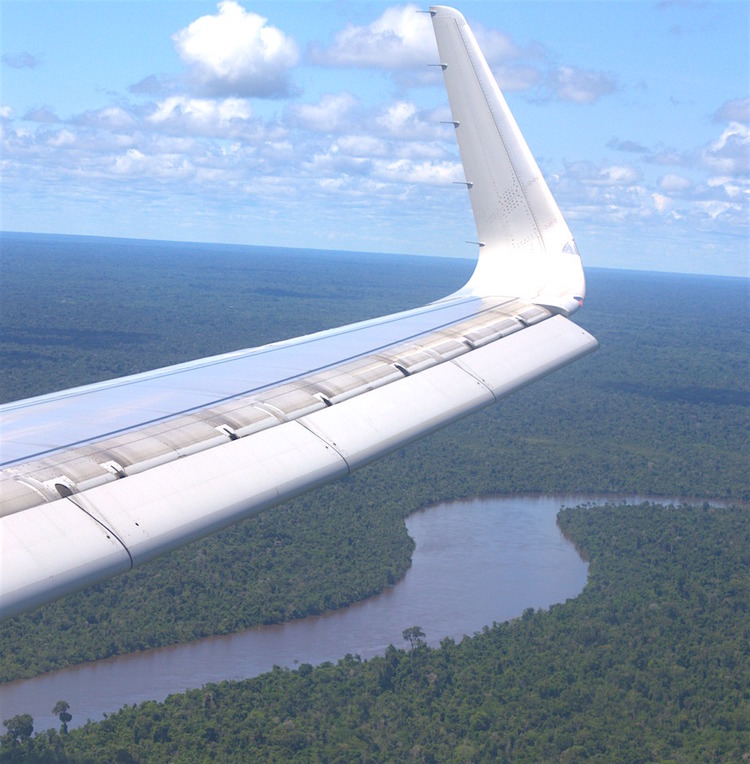
FLIGHT OVER AMAZON RIVER
Latin America reduces airlines
Peter Cerdá explained that the situation is generating undesirable effects: «We are seeing more airlines that see the need to resort to Chapter 11 of the bankruptcy law of the United States, to which Avianca and Latam Group and several airlines that report that they are closing their operations permanently with a strong impact in important markets such as Argentina, Chile, Colombia, Ecuador, Peru, among others, they do not have the necessary tools for a financial restructuring. In the midst of this context, IATA insists that in order to cushion the impact, the involvement of governments is key, both to provide financial aid and implement protocols and reactivate regular flights to alleviate the crisis in airlines in the region».
Epicenter, Latin America
IATA maintains that several governments have taken tough measures to confront the Coronavirus pandemic, while others have made it more flexible. There are airlines that will not be able to operate in the region for between three to five months, that means having the planes on the ground with the necessary complications. «We understand that the epicenter of the Coronavirus is currently in Latin America, but at the same time we have the advantage of having the protocols in which the International Civil Aviation Organization (ICAO) and the industry have worked, which are available to guarantee that it can be flown in a safe, efficient way, and without air transport being a vector of transmission”, said IATA.
Noting that due to the size of the region, and due to the difficulty in communications by land over insufficient road networks, Peter Cerdá highlighted the key role of air transport in the economic and social development of Latin America not only to allow the supply of merchandise but as a means of connectivity for the population.
Special flights
The Vice President for the Americas of IATA said that the relationship with the Argentine government is excellent, transparent and collaborative and praised the recent authorization, made by ANAC to carry out more flights between Argentina and Europe during this month of July 2020. It is a flexibility in the conditions set for repatriation flights since during July and August airlines will be able to market flights in both directions, although the measure reaches some European destinations on time.
2020 worst year aviation
“In financial terms, 2020 will be the worst year in the history of aviation. On average, each day this year, the industry will accumulate US$ 230 million in losses, or US$ 84.3 billion in total. This means that, on an estimate of 2.2 billion passengers, airlines will lose US$ 37.54 per traveler. Therefore, financial relief from governments is crucial, and will continue to be so, and thus offset the liquidity crisis in the sector”, said Alexandre de Juniac, Director General and CEO of IATA.
According to IATA data, the financial aid offered by the countries of the region to airlines is only 1% of their operating income in 2019, as opposed to 25% in North America, 15% in Europe and 10% in Pacific Asia.
State aid
The government’s position regarding the amount and the way in which it will help airlines is different depending on the country in question. The possibility of nationalization of some airlines based on financial aid from the State, Peter Cerdá replied: “At such delicate times for the industry and with the impact that all this has had, the industry is open to all the options that are put on the table to safeguard the airlines. If part of it is that the government take a stake in the airline until the debt is paid, from the point of view of the industry, there is no opinion to the contrary. Ultimately that is a decision between each airline and the governments».
Perspective
Although the European governments have taken greater preventive measures in relation to the economic plane thanks to the stubbornness in relation to other countries, they have allowed piloting aid to airlines better than other nations from different regions in the world, but without a doubt, the economies have suffered enormously, and their recovery will be gradual. The aeronautics, airlines and tourism industries have received the greatest economic impact as a result of the global pandemic. 2020 will be a milestone and an indelible mark in the history of commercial aviation.
Ξ A I R G W A Y S Ξ PUBLISHER: Airgways.com DBk: Tradenews.com.ar / Airgways.com / Rainforestcruises.com / Ootimista.com.br AW-POST: 202007021532AR
Aeroméxico acoge al Capítulo 11 de Ley de Quiebras Estados Unidos
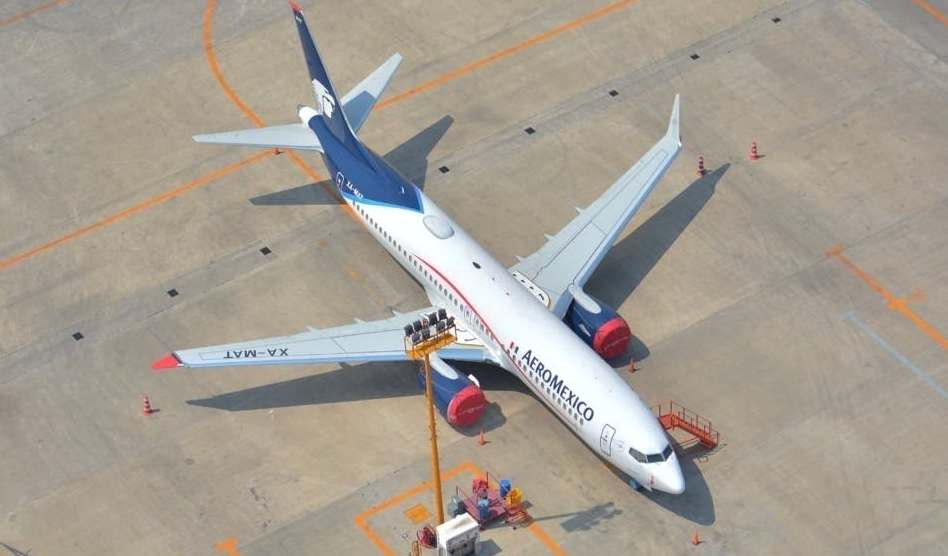
Aeroméxico se declara en quiebra en los Estados Unidos, convirtiéndose en el último operador en sucumbir a las presiones de la pandemia de Coronavirus. La aerolínea insignia de México anunció el Martes 30 Junio 2020 que había solicitado comenzar la reestructuración en virtud del Capítulo 11, lo que le permitirá continuar volando. «Nuestra industria enfrenta desafíos sin precedentes debido a la disminución significativa de la demanda de transporte aéreo. Estamos comprometidos a tomar las medidas necesarias para que podamos operar de manera efectiva en este nuevo panorama y estar bien preparados para un futuro exitoso cuando la pandemia de Covid-19 haya quedado atrás», dijo el Gerente General, Andrés Conesa, en un comunicado.
Al igual que muchas aerolíneas, Aeroméxico se ha visto obligado a limitar sus operaciones ya que la demanda de viajes aéreos se ha reducido. En los últimos meses, la aerolínea ha aterrizado parte de su flota, y anunció en marzo que comenzaría a operar vuelos de carga por primera vez. La compañía es el último operador latinoamericano en solicitar el Capítulo 11 en los Estados Unidos. En Mayo 2020, Latam Airlines Group y Avianca también iniciaron procedimientos de quiebra, citando la pérdida de negocios por la pandemia.
Aeroméxico pretende utilizar el proceso para fortalecer su posición financiera, obtener nuevo financiamiento y aumentar liquidez. Las operaciones diarias continuarán a medida que la empresa comience una revisión financiera. Los pasajeros aún deberían poder volar con sus boletos existentes, y los empleados continuarán cobrando como de costumbre, según la gerencia. La compañía también está insinuando una recuperación gradual. A medida que el transporte aéreo comience a recuperarse en algunos países, Aeroméxico expandirá el servicio de vuelo de manera inminente, con planes de duplicar sus vuelos nacionales y cuadruplicar la capacidad internacional en Julio 2020 en comparación con los niveles del mes pasado.
Pero la aerolínea aún enfrenta un camino difícil por delante. La Asociación de Transporte Aéreo Internacional (IATA) ha estimado que podría llevar más de tres años para que los viajes internacionales vuelvan a los niveles anteriores a la crisis. El operador ahora necesita «crear una plataforma sostenible para tener éxito en una economía global incierta», expresa el Gerente de Aeroméxico.
Aeroméxico declares bankruptcy
Aeroméxico files for Chapter 11 Bankruptcy Law United States
Aeroméxico files for bankruptcy in the United States, becoming the last operator to succumb to the pressures of the Coronavirus pandemic. Mexico’s flagship airline announced on Tuesday June 30, 2020 that it had requested to begin restructuring under Chapter 11, allowing it to continue to fly. «Our industry faces unprecedented challenges due to the significant decrease in the demand for air transport. We are committed to taking the necessary steps so that we can operate effectively in this new landscape and be well prepared for a successful future when the Covid-19 pandemic is behind us», General Manager Andrés Conesa said in a statement.
Like many airlines, Aeroméxico has been forced to limit its operations as the demand for air travel has decreased. In recent months, the airline has landed part of its fleet, and announced in March that it would start operating cargo flights for the first time. The company is the last Latin American operator to file for Chapter 11 in the United States. In May 2020, LatamAirlines Group and Avianca also initiated bankruptcy proceedings, citing the loss of business due to the pandemic.
Aeroméxico intends to use the process to strengthen its financial position, obtain new financing and increase liquidity. Daily operations will continue as the company begins a financial review. Passengers should still be able to fly with their existing tickets, and employees will continue to charge as usual, according to management. The company is also hinting at a gradual recovery. As air transport begins to recover in some countries, Aeroméxico will expand flight service imminently, with plans to double its domestic flights and quadruple international capacity in July 2020 compared to last month’s levels.
But the airline still faces a difficult road ahead. The International Air Transport Association (IATA) has estimated that it could take more than three years for international travel to return to pre-crisis levels. The operator now needs to «create a sustainable platform to succeed in an uncertain global economy,» says the Aeroméxico Manager.
Ξ A I R G W A Y S Ξ PUBLISHER: Airgways.com DBk: Cnn.com / Aeromexico.com / Airgways.com AW-POST: 202007011228AR
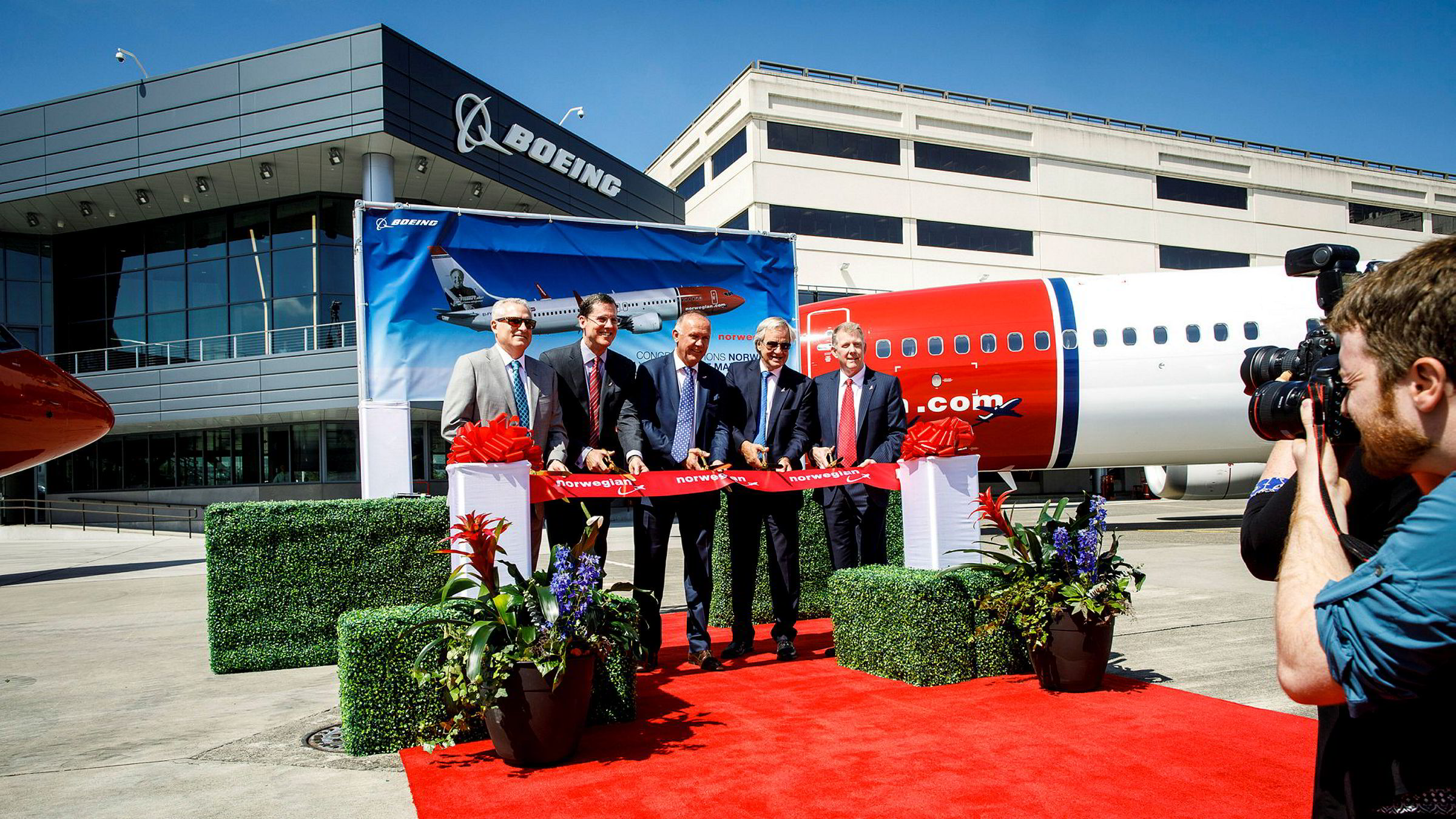
Norwegian Air apelará a Justicia por compensaciones
Norwegian Air Shuttle ASA, cuyas dificultades financieras han aumentado, ha comunicado el Lunes 29/06 que había cancelado una orden de 92 aviones Boeing 737 MAX y cinco Boeing 787 Dreamliners. También dijo que había iniciado acciones legales para obtener una compensación por las pérdidas sufridas después de que 737 MAX fuese puesto en tierra por custiones de seguridad en todo el mundo desde Marzo 2019 después de dos choques mortales, y para obtener pagos iniciales de los pedidos reembolsados.
Comunicado & compensación
«La conexión a tierra de sus Boeing 737 MAX había interrumpido las operaciones de Norwwegian Air y causado pérdidas significativas», dijo el comunicado de la compañía. También hubo problemas de confiabilidad con los motores Rolls Royce del avión Boeing 787, que causaron más pérdidas, dijo. La compañía había estado en conversaciones con Boeing para llegar a un acuerdo, pero hasta ahora no había llegado a un acuerdo de compensación, agrega el comunicado.
En un anuncio de la bolsa de valores el Lunes 29/06 por la noche, Norwegian Air escribió que canceló los acuerdos de compra y un acuerdo integral de servicio de aeronaves. Al mismo tiempo, Norwegian advierte que ha tomado medidas legales para recuperar los pagos por adelantado en los aviones, así como la compensación por las pérdidas de mil millones de la compañía después de que los aviones 737 MAX se pusieron en tierra en 2019, así como los problemas del motor con el Boeing 787.
«Norwegian ha comenzado un diálogo con Boeing con miras a resolver losproblemas 787 y 737, y para compensar las pérdidas. Hasta ahora, lasconversaciones no han dado como resultado un acuerdo que ofrezca una compensación razonable para Norwegian Air”, afirma el comunicado de la Bolsa de Valores.
El anuncio se produjo cuando los reguladores estadounidenses lanzaron un vuelo de prueba del Boeing 737 MAX el Lunes 29/06, un paso clave para recertificar el avión para que pueda reanudar los vuelos. El MAX ha estado conectado a tierra en todo el mundo desde el 13 Marzo 2019, luego del degundo accidente aéreo de un Boeing 737-8 MAX de Ethiopian Airlines que mató a 157 personas. Esa catástrofe se produjo solo unos meses después de un accidente con la compañía Lion Air que mató a 189 personas.
Norwegian Air Shuttle cancels 97 Boeings
Norwegian Air will appeal to Junticia for compensation
Norwegian Air Shuttle ASA, whose financial difficulties have increased, reported on Monday 06/29 that it had canceled an order for 92 Boeing 737 MAX aircraft and five Boeing 787 Dreamliners. He also said he had initiated legal action to obtain compensation for losses suffered after 737 MAX was grounded by security concerns around the world since March 2019 after two fatal crashes, and to obtain down payments on reimbursed orders.
Release & compensation
«The grounding of their Boeing 737 MAXs had disrupted Norwwegian Air’s operations and caused significant losses», the company statement said. There were also reliability problems with the Rolls Royce engines of the Boeing 787 aircraft, which caused more losses, he said. The company had been in talks with Boeing to reach an agreement, but so far had not reached a compensation agreement, the statement added.
In a stock exchange announcement on Monday night 06/29, Norwegian Air wrote that it canceled the purchase agreements and a comprehensive aircraft service agreement. At the same time, Norwegian warns that it has taken legal steps to recover prepayments on the planes, as well as compensation for the company’s billion-dollar losses after 737 MAX planes were grounded in 2019, as well as engine problems with the Boeing 787.
«Norwegian has entered into a dialogue with Boeing with a view to resolving issues 787 and 737, and to offset losses. So far, the talks have not resulted in an agreement offering reasonable compensation for Norwegian Air», the statement said. the stock market.
The announcement came when US regulators launched a test flight of the Boeing 737 MAX on Monday 06/29, a key step in recertifying the plane so it can resume flights. The MAX has been grounded worldwide since March 13, 2019, following the second plane crash of an Ethiopian Airlines Boeing 737-8 MAX that killed 157 people. That catastrophe came just a few months after an accident with the Lion Air company that killed 189 people.
Ξ A I R G W A Y S Ξ PUBLISHER: Airgways.com DBk: Norwegian.com / Airgways.com / Gunnar Blöndal / Dn.no AW-POST: 202006300017AR
Las Directivas de Distanciamiento físico perturba a las aerolíneas
Las Directivas de Distanciamiento subsistente sobre distanciamiento físico y mantener vacantes los asientos intermedios en vuelos comerciales ha continuado perturbando a las aerolíneas estadounidenses antes de la reanudación de la programación de vuelos, mientras que en Canadá han comenzado a liberar la venta para los Middle Seats (asientos intermedios).
Las aerolíneas de Nigeria, por ejemplo, insistieron el 28/06 en que el Gobierno debería cancelar la directiva y el plan obligándolos a operar con una capacidad de vuelo del 50 al 70 por ciento en los vuelos domésticos. Además, la Asociación Internacional de Transporte Aéreo (IATA) se ha manifestado contra el distanciamiento físico a bordo, diciendo que no hay evidencia científica que demuestre que la medida previene la propagación del Coronavirus. Por el contrario, según las estimaciones, las medidas de distanciamiento en las aeronaves cambiarían la economía de la aviación al reducir el factor de carga máxima al 62%. Eso está muy por debajo del factor de carga de equilibrio de la industria promedio del 77 por ciento. Con menos asientos para vender, los costos unitarios aumentarían considerablemente. En comparación con 2019, las tarifas aéreas deberían aumentar drásticamente, entre el 43% y el 54%, según la región, solo para alcanzar el punto de equilibrio.
IATA
Como alternativa al asiento central vacante, IATA, el organismo principal para 280 aerolíneas globales, opta por el uso de cubiertas faciales por parte de los pasajeros y máscaras por parte de la tripulación mientras se encuentra a bordo del avión como parte crítica de un enfoque en capas para las medidas de bioseguridad.
El Director General y Director Ejecutivo (CEO) de IATA, Alexandre de Juniac, dijo que la evidencia sugiere que el riesgo de transmisión a bordo de un avión era bajo. «Por lo tanto, el uso de máscaras por parte de los pasajeros y la tripulación reducirá el riesgo ya bajo y evitará los dramáticos aumentos de costos en viajes aéreos que traerían las medidas de distanciamiento social a bordo».
Estados Unidos
Las directrices del Gobierno de Estados Unidos y los organismos reguladores han permitido realizar vuelos completos. El Gobierno ha dejado a criterio esta normativa de los Middle Seat. Las reservas en Estados Unidos están alcanzando a los niveles normales antes de la pandemia. American Airlines reanudará la reserva de sus vuelos a capacidad a partir del 1 Julio 2020. La política es similar a la de United Airlines, que nunca ha bloqueado los asientos ni ha limitado la capacidad de sus vuelos. Sin embargo, el enfoque contrasta fuertemente con otras aerolíneas, que continúan imponiendo límites de capacidad para permitir el distanciamiento social en el avión a medida que aumenta el número de casos de Coronavirus en los Estados Unidos.
La industria de las aerolíneas ha sido duramente golpeada por la pandemia de coronavirus, con el número de pasajeros cayendo en picado. En su punto más bajo en Abril 2020, el número de pasajeros de American Airlines se redujo en alrededor del 85% de la capacidad de un avión. Aunque las reservas de pasajeros han aumentado desde entonces, la cantidad de personas que pasan por los aeropuertos estadounidense continúa siendo un cuarto de la capacidad interanual.
El CEO de United Airlines, Scott Kirby, ha puesto en duda si el distanciamiento social es incluso posible en los aviones, ya que las personas están a menos de seis pies de distancia entre sí, incluso cuando los asientos intermedios se dejan vacíos. El CEO de American Airlines, Doug Parker, ha expresado preocupaciones similares. Sin embargo, un representante sindical de la Asociación de Pilotos Aliados respondió que esto «no significa que te rindas y arrojes el avión con cada asiento lleno».
American Airlines dice que tiene otras medidas para ayudar a prevenir la propagación del virus. Notificará a los clientes si están reservados en vuelos llenos de gente y les dará la opción de trasladar su reserva sin costo adicional, y al momento del check-in les pedirá a los clientes que certifiquen que no han tenido síntomas de COVID-19 catorce días anteriores al vuelo. A los clientes también se les permitirá mover asientos una vez abordados, sujeto a limitaciones. American está implementando otras medidas de seguridad, como una limpieza más profunda, filtros HEPA para limpiar el aire con más frecuencia y un requisito obligatorio de máscara facial.
Varias aerolíneas requieren que los pasajeros usen mascarillas. A principios de este mes, un grupo de las principales aerolíneas de Estados Unidos, incluidas American Airlines, United Airlines, Delta Air Lines, JetBlue Airways y Southwest Airlines, hicieron que los revestimientos faciales fueran obligatorios para todos los pasajeros, con la excepción de comer o beber, niños pequeños o personas con razón médica o discapacidad que les impidió usar una máscara.
Mientras que American Airlines y United Airlines proceden sin límites de capacidad, otras aerolíneas mantendrán las suyas durante todo el verano. Delta limita los asientos al 60 por ciento en la cabina principal y al 50 por ciento en primera clase hasta el 30 de septiembre, junto con el bloqueo de los asientos del medio. Southwest Airlines está bloqueando los asientos intermedios durante el mismo período de tiempo, mientras que JetBlue Airways está bloqueando los asientos intermedios hasta finales de Julio 2020.
El anuncio se produce cuando Estados Unidos está viendo un aumento en los nuevos casos de COVID-19. El 28 Junio 2020, el Proyecto de Seguimiento COVID dijo que había 42.000 casos nuevos del virus en el país, luego de tres días récord de casos nuevos. Aunque más pruebas explican parte del aumento, el porcentaje de pruebas positivas también tiende a subir, según datos de la Universidad John Hopkins. «No puedo imaginar un momento peor para decirles a los pasajeros que los aviones en los que se encuentren estarán completamente llenos», dijo un portavoz de la Asociación de Pilotos Aliados, un sindicato que representa a los pilotos de American Airlines, señalando que el moverse podría dañar la confianza del público al volar.
Canadá
El Canadá, los Middle Seats vuelve a estar a la venta para Air Canada y WestJet. Tanto Air Canada como WestJet dicen que comenzarán a vender asientos intermedios nuevamente mientras intentan recuperarse de la pandemia de Coronavirus. Pero continuarán otras políticas de salud y seguridad, incluida la limpieza profunda y la desinfección de los aviones. Canadian Press informa que las dos aerolíneas más grandes de Canadá «están terminando sus políticas de distanciamiento de los asientos a bordo a partir del 1 Julio».
Anteriormente, Air Canada ha bloqueado la venta de asientos inmediatamente adyacentes en clase económica, y WestJet ha hecho lo mismo en todo el avión, para ayudar a prevenir la propagación de COVID-19. Los transportistas dijeron el Viernes 26/06 que volverán a las recomendaciones de salud de las Naciones Unidas agencia de aviación y el grupo comercial de la Asociación Internacional de Transporte Aéreo Internacional (IATA), de continuar con la aceptación de ventas del asiento del medio. En línea con las directivas federales, Air Canada y WestJet realizan controles de temperatura previos al embarque y requieren máscaras a bordo. También han implementado una limpieza mejorada de los aviones y redujeron su servicio a bordo a fines de marzo, eliminando las bebidas calientes, las comidas calientes y comida fresca. «Las nuevas medidas continuarán basándose en las recomendaciones de la OACI (Organización de Aviación Civil Internacional de la ONU) y otras de que una estrategia de múltiples capas para la seguridad de COVID-19 es más efectiva», dijo el portavoz de Air Canada, Peter Fitzpatrick, en un correo electrónico a Canadá.
WestJet dijo que su reserva volverá a la normalidad el Miércoles 1 Julio 2020. «En adelante, nuestra tripulación de cabina puede ayudar en caso de que haya espacio para acomodar y alentamos a los invitados a discutir los arreglos de asientos con ellos una vez a bordo», dijo la portavoz de la aerolínea de presupuesto, Morgan Bell.
Airlines vs. Distance Directives
Physical Distance Directives upset airlines
The Substantial Distancing Directives on physical distancing and keeping vacant intermediate seats on commercial flights have continued to disturb US airlines prior to the resumption of flight schedules, while in Canada they have begun to release sales for Middle Seats (seats intermediate).
Nigerian airlines, for example, insisted on 06/28 that the government should cancel the directive and plan, forcing them to operate with a flight capacity of 50 to 70 percent on domestic flights. Furthermore, the International Air Transport Association (IATA) has spoken out against physical distancing on board, saying there is no scientific evidence to show that the measure prevents the spread of the Coronavirus. Conversely, according to estimates, the distancing measures in aircraft would change the economy of aviation by reducing the maximum load factor to 62%. That’s well below the industry average equilibrium load factor of 77 percent. With fewer seats to sell, unit costs would increase dramatically. Compared to 2019, air fares should increase dramatically, between 43% and 54%, depending on the region, just to reach break-even point.
IATA
As an alternative to the vacant center seat, IATA, the lead agency for 280 global airlines, opts for the use of face covers by passengers and masks by the crew while on board the plane as a critical part of a focus on layers for biosecurity measures.
IATA Director General and Chief Executive Officer Alexandre de Juniac said the evidence suggests that the risk of transmission on board an aircraft was low. «Therefore, the use of masks by passengers and crew will reduce the already low risk and avoid the dramatic increases in air travel costs that would be brought about by social distancing measures on board».
U.S
The guidelines of the United States Government and regulatory agencies have allowed complete flights. The Government has left this Middle Seat regulation to the discretion. Reserves in the United States are reaching normal levels before the pandemic. American Airlines will resume the reservation of its capacity flights from July 1, 2020. The policy is similar to that of United Airlines, which has never blocked seats or limited the capacity of its flights. However, the approach contrasts sharply with other airlines, which continue to impose capacity limits to allow for social distancing on the plane as the number of Coronavirus cases in the United States increases.
The airline industry has been hit hard by the coronavirus pandemic, with the number of passengers plummeting. At its lowest point in April 2020, the number of American Airlines passengers decreased by about 85% of the capacity of an aircraft. Although passenger bookings have increased since then, the number of people passing through US airports continues to be a quarter of the year-on-year capacity.
United Airlines CEO Scott Kirby has questioned whether social distancing is even possible on planes, as people are less than six feet apart from each other, even when the middle seats are left empty. American Airlines CEO Doug Parker has expressed similar concerns. However, a union representative from the Allied Pilots Association replied that this «does not mean that you give up and throw the plane with every seat full».
American Airlines says it has other measures to help prevent the spread of the virus. It will notify customers if they are booked on crowded flights and give them the option to transfer their reservation at no additional cost, and at check-in will ask customers to certify that they have had no symptoms of COVID-19 fourteen days before the flight. Customers will also be allowed to move seats once boarded, subject to limitations. American is implementing other safety measures, such as deeper cleaning, HEPA filters to clean the air more frequently, and a mandatory face mask requirement.
Several airlines require passengers to wear face masks. Earlier this month, a group of America’s top airlines, including American Airlines, United Airlines, Delta Air Lines, JetBlue Airways, and Southwest Airlines, made face linings mandatory for all passengers, with the exception of eating or drinking, young children, or people with a medical reason or disability that prevented them from wearing a mask.
While American Airlines and United Airlines proceed without capacity limits, other airlines will maintain theirs throughout the summer. Delta limits seats to 60 percent in the main cabin and 50 percent in first class until September 30, along with locking the middle seats. Southwest Airlines is blocking intermediate seats for the same period of time, while JetBlue Airways is blocking intermediate seats until the end of July 2020.
The announcement comes as the United States is seeing an increase in new COVID-19 cases. On June 28, 2020, the COVID Monitoring Project said there were 42,000 new cases of the virus in the country, after three record days of new cases. Although more tests explain part of the increase, the percentage of positive tests also tends to rise, according to data from John Hopkins University. «I can’t imagine a worse time to tell passengers that the planes they are in will be completely full», said a spokesman for the Allied Pilots Association, a union that represents American Airlines pilots, noting that moving It could damage public confidence when flying.
Canada
Canada, the Middle Seats is back on sale for Air Canada and WestJet. Both Air Canada and WestJet say they will start selling intermediate seats again as they try to recover from the Coronavirus pandemic. But other health and safety policies will continue, including deep cleaning and disinfection of planes. Canadian Press reports that Canada’s two largest airlines «are ending their onboard seat spacing policies beginning July 1».
Previously, Air Canada has blocked the sale of immediately adjacent seats in economy class, and WestJet has done the same throughout the aircraft, to help prevent the spread of COVID-19. The carriers said on Friday 06/26 that they will return to the health recommendations of the United Nations aviation agency and trade group of the International Association of International Air Transport (IATA), to continue with the acceptance of sales of the middle seat. In line with federal directives, Air Canada and WestJet perform pre-shipment temperature checks and require masks on board. They have also implemented improved aircraft cleaning and reduced their on-board service in late March, eliminating hot drinks, hot meals, and fresh food. «The new measures will continue to build on recommendations from ICAO (UN International Civil Aviation Organization) and others that a multi-layered strategy for COVID-19 security is more effective», said an Air Canada spokesperson, Peter Fitzpatrick, in an email to Canada.
WestJet said that their reservation will return to normal on Wednesday July 1, 2020. «From now on, our cabin crew can assist in case there is room to accommodate and we encourage guests to discuss seating arrangements with them once on board. «Budget airline spokeswoman Morgan Bell said.
Ξ A I R G W A Y S Ξ PUBLISHER: Airgways.com DBk: Transportation.gov / Tc.gc.ca / Iata.org / Airgways.com AW-POST: 202006291237AR
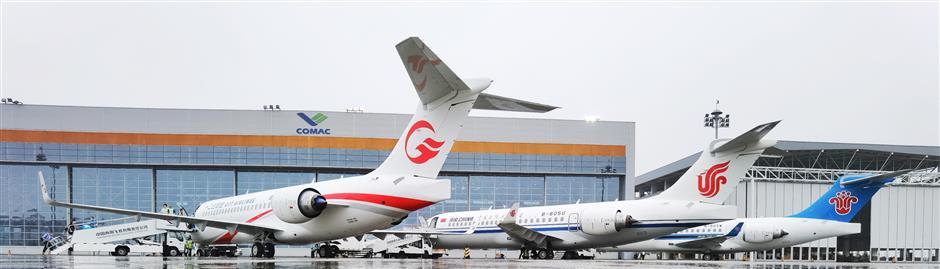
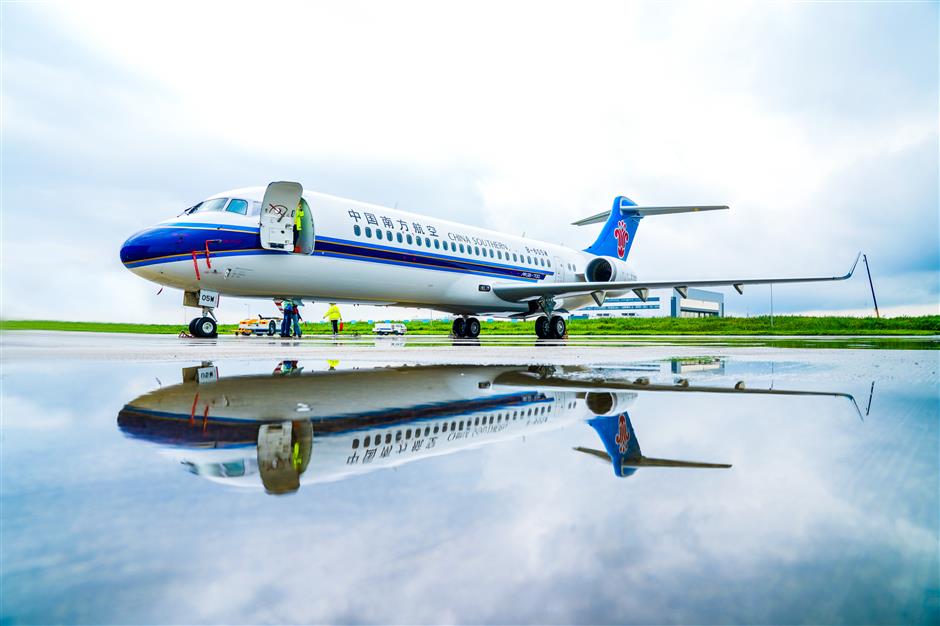
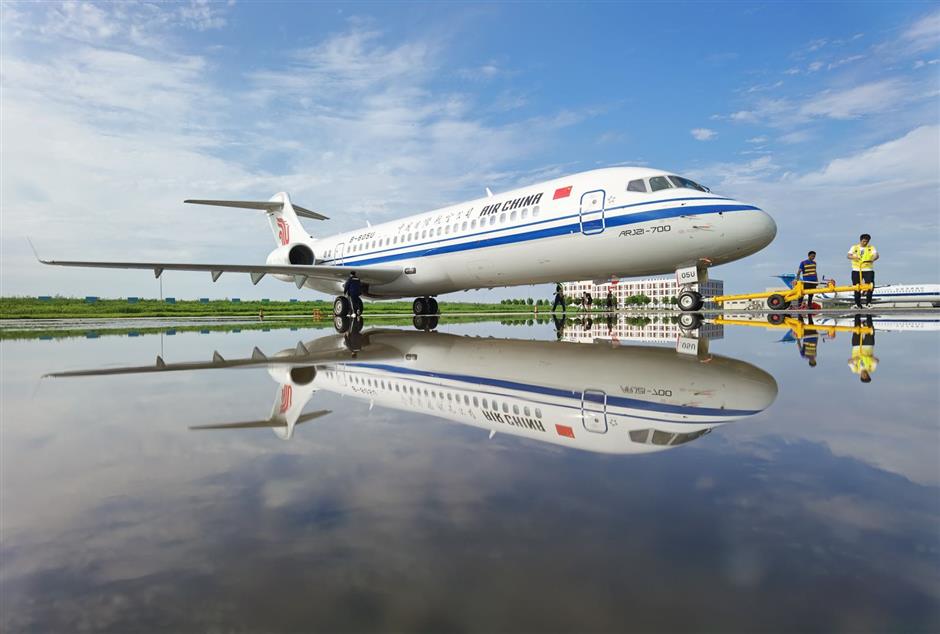
Tres grandes aerolíneas chinas recibieron sus primeros ARJ21
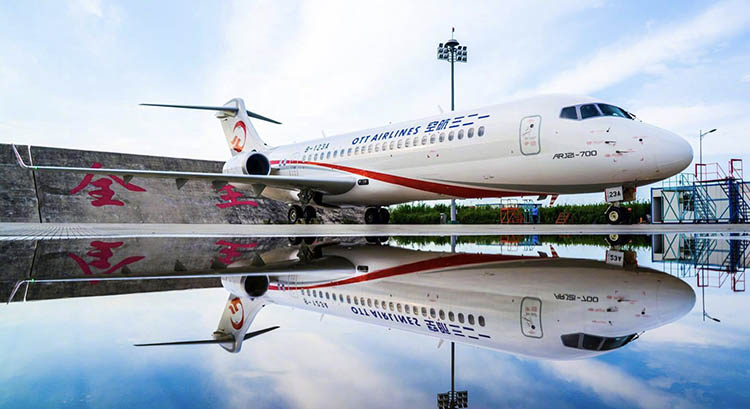
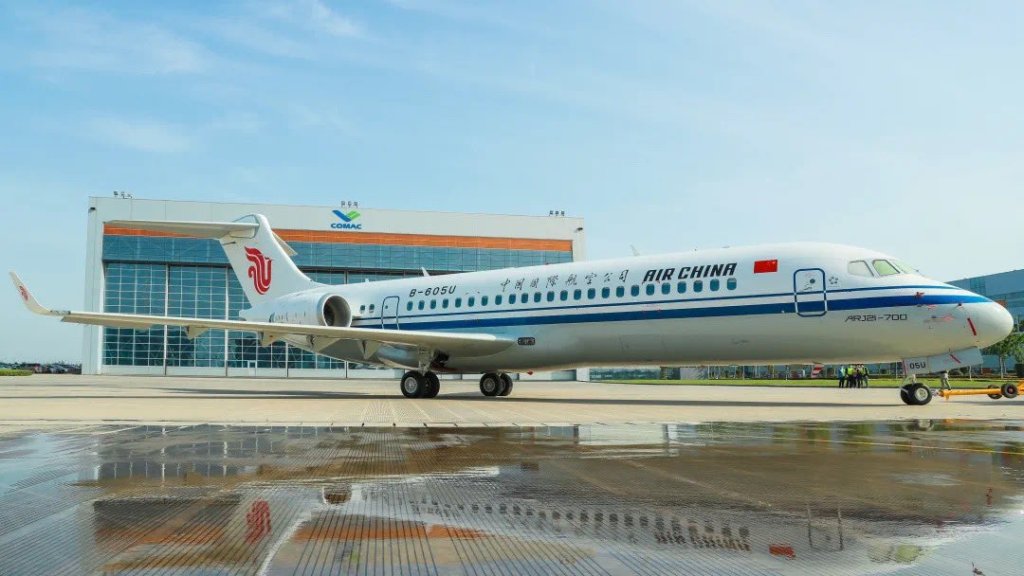
La COMAC Corporation ha entregado a tres aerolíneas este Domingo 28 Junio 2020 tres aeronaves ARJ 21-700 a Air China, China Eastern Airlines y China Southern Airlines en su línea de ensamblaje con sede en Shanghai, cerca del Aeropuerto Internacional de Pudong. Los tres ARJ21 volaron al Aeropuerto Internacional Capital en Beijing, el Aeropuerto Internacional Hongqiao en Shanghai y el Aeropuerto Internacional Baiyun en Guanghzou, después de una ceremonia de entrega en medio de una caída el Domingo 28/06 por la mañana.
Clientes internacionales
Es la primera vez que el avión regional ARJ 21, que tiene un alcance de hasta 3.700 kilómetros, ingresa a las flotas de los principales operadores internacionales, dijo COMAC Corp. Air China, China Eastern Airlines y China Southern Airlines compraron 35 ARJ 21 cada uno del COMAC en Agosto 2019. Los 105 aviones se entregarán a los transportistas entre 2020 y 2024.
COMAC planea entregar otros dos ARJ21 a cada uno de los tres operadores principales para fines de 2020. Los nueve aviones comenzarán sus operaciones comerciales con los operadores en diciembre, dijo Zhang Xiaoguang, Director del Departamento de Marketing y Ventas de COMAC. Según COMAC, el total de pedidos para el ARJ 21 ha sido de alrededor de 600 de más de 20 clientes nacionales y extranjeros.
China Eastern Airlines, con sede en Shanghai, ha establecido una subsidiaria de propiedad absoluta, OTT Airlines, para operar los aviones de pasajeros desarrollados en China. Su flota estará compuesta principalmente por aviones regionales ARJ21 y aviones de pasillo único C919, junto con otros aviones de pasajeros desarrollados en China. Después de recibir el primer ARJ21, OTT Airlines planea llevar a cabo inicialmente la capacitación y certificación de vuelo. Planea adquirir todos los certificados de la Administración de Aviación Civil de China en septiembre y luego comenzar los vuelos comerciales. Se ha organizado una tripulación de 141 miembros, incluidos pilotos, auxiliares de vuelo y otro personal de apoyo, para la operación de los ARJ21. «Siempre soñé con servir a los clientes en aviones desarrollados a nivel nacional, y mi sueño se hará realidad pronto», dijo Pu Xiaoying, una azafata con OTT, que ha estado volando con China Eastern y Shanghai Airlines durante 17 años. OTT Airlines planea recibir una programación de ARJ21 en 2020 (3), en 2021 (6) y en 2022 (8). Operará un total de 35 ARJ21 proyectados hacia 2025.
China Southern Airlines planea lanzar su certificación de evacuación de emergencia el domingo por la noche. Comenzará su primera ruta comercial entre Guangzhou y Chaoshan en el sur de la provincia de Guangdong el 15 de julio. El operador con sede en Guangzhou recibirá los 35 ARJ21 hacia el 2024.
Air China operará el primer ARJ21 entre Beijing y la ciudad de Xilinhot en la región autónoma de Mongolia Interior del norte de China a principios de julio. Los otros ARJ21 del buque insignia de la nación también se desplegarán en rutas entre la capital y las ciudades de Mongolia Interior.
Datos del ARJ 21
La entrega del domingo se realizó el mismo día en que el primer ARJ 21 comenzó a operar comercialmente con su primer operador, Chengdu Airlines, el 28 Junio 2016. Desde entonces, COMAC ha entregado 32 ARJ21 a Chengdu Airlines, Jiangxi Air, Urumqi Air y Genghis Khan Airlines. Los aviones conectan 55 ciudades y han transportado a más de 890.000 pasajeros de manera segura. Comenzó sus primeros deberes internacionales regulares entre el noreste de China y el este de Rusia con Chengdu Airlines en Octubre 2019.
«COMAC ha realizado una preparación completa para volar, tripulación ymantenimiento para las entregas a los tres principales transportistas. Más de 700 empleados, incluidos pilotos y miembros de la tripulación, han sido capacitados», dijo Zhang Xiaoguang.
Todo el primer lote de tres ARJ21 tiene la configuración económica de 90 asientos. Los asientos son más anchos y tienen espacios más grandes entre sí, según COMAC. Los tres transportistas llevarán a cabo una serie de vuelos de prueba antes de lanzar operaciones comerciales.
Perspectivas COMAC
Desde que se ha adquirido la certificación en Diciembre 2014, las entregas han sido más frecuente desde que se lanzó su segunda línea de ensamblaje en la base de fabricación Pudong de COMAC en Marzo 2020. La corporación COMAC planea entregar más de 100 ARJ 21 en los próximos cinco años para desafiar el dominio de Bombardier y Embraer en los servicios regionales, ha expresado el constructor chino COMAC.
COMAC delivers ARJ21 to airlines
Three major Chinese airlines received their first ARJ21s
The COMAC Corporation has delivered three ARJ 21-700 aircraft to three airlines this Sunday, June 28, 2020 to Air China, China Eastern Airlines and China Southern Airlines on its assembly line based in Shanghai, near Pudong International Airport. The three ARJ21s flew to Capital International Airport in Beijing, Hongqiao International Airport in Shanghai and Baiyun International Airport in Guanghzou, after a handover ceremony in the midst of a crash on Sunday 06/28 morning.
International clients
It is the first time that the ARJ 21 regional aircraft, which has a range of up to 3,700 kilometers, has entered the fleets of major international operators, said COMAC Corp. Air China, China Eastern Airlines and China Southern Airlines each bought 35 ARJ 21 COMAC in August 2019. The 105 aircraft will be delivered to carriers between 2020 and 2024.
COMAC plans to deliver two more ARJ21s to each of the three main operators by the end of 2020. The nine aircraft will begin commercial operations with the operators in December, said Zhang Xiaoguang, Director of COMAC’s Marketing and Sales Department. According to COMAC, the total orders for the ARJ21 have been around 600 from more than 20 national and foreign clients.
Shanghai-based China Eastern Airlines has established a wholly owned subsidiary, OTT Airlines, to operate the passenger aircraft developed in China. Its fleet will be comprised primarily of ARJ21 regional aircraft and C919 single-aisle aircraft, along with other passenger aircraft developed in China. After receiving the first ARJ21, OTT Airlines plans to initially carry out flight training and certification. She plans to acquire all the certificates from the China Civil Aviation Administration in September and then start commercial flights. A crew of 141 members, including pilots, flight attendants and other support personnel, has been organized for the operation of ARJ21s. «I always dreamed of serving customers on nationally developed aircraft, and my dream will come true soon», said Pu Xiaoying, an air hostess with OTT, who has been flying with China Eastern and Shanghai Airlines for 17 years. OTT Airlines plans to receive a schedule for ARJ21 in 2020 (3), 2021 (6) and 2022 (8). It will operate a total of 35 ARJ21s projected towards 2025.
China Southern Airlines plans to launch its emergency evacuation certification on Sunday night. It will start its first trade route between Guangzhou and Chaoshan in southern Guangdong province on July 15. The Guangzhou-based operator will receive the 35 ARJ21s by 2024.
Air China will operate the first ARJ21 between Beijing and the city of Xilinhot in northern China’s Inner Mongolia autonomous region in early July. The other ARJ21s of the nation’s flagship will also be deployed on routes between the capital and the cities of Inner Mongolia.
ARJ 21 data
Sunday delivery was made the same day that the first ARJ 21 began to operate commercially with its first operator, Chengdu Airlines, on June 28, 2016. Since then, COMAC has delivered 32 ARJ21 to Chengdu Airlines, Jiangxi Air, Urumqi Air and Genghis Khan Airlines. The planes connect 55 cities and have transported more than 890,000 passengers safely. He began his first regular international duties between Northeast China and Eastern Russia with Chengdu Airlines in October 2019.
«COMAC has undergone complete flight preparation, crew and maintenance for deliveries to the three main carriers. More than 700 employees, including pilots and crew members, have been trained», said Zhang Xiaoguang.
The entire first batch of three ARJ21s has the economical 90-seat configuration. The seats are wider and have larger spaces between them, according to COMAC. The three carriers will carry out a series of test flights before launching commercial operations.
COMAC perspectives
Since certification was acquired in December 2014, deliveries have been more frequent since its second assembly line was launched at COMAC’s Pudong manufacturing base in March 2020. COMAC Corporation plans to deliver more than 100 ARJ 21s in Next five years to challenge Bombardier and Embraer’s dominance in regional services, Chinese builder COMAC has said.
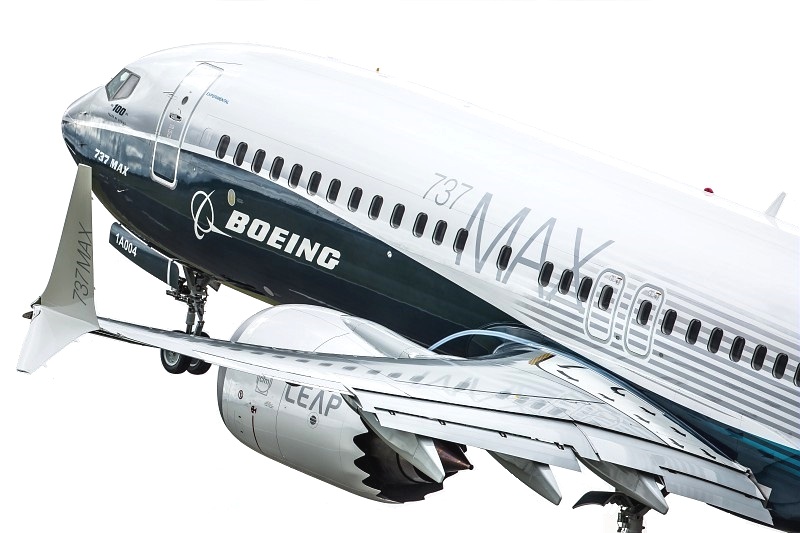
Prueba vuelo recertificación Boeing 737 MAX esperada pronto
El vuelo de prueba hacia la recertificación del Boeing 737 MAX podría efectuarse tan pronto como la semana próxima. El regreso al servicio del avión 737 de cuarta generación que ha permanecido en tierra por más de 400 días, estaría más cerca de su retorno a los cielos. Personas familiarizadas en el asunto han comunicado este Viernes 26/06 que la programación de las evaluaciones de vuelos ha llegado a su fecha. La prueba de vuelo de recertificación se espera que dure al menos dos días, a partir del Martes 30/06, pero faltan finiquitar detalles.
FAA
La FAA dijo el Viernes 26/06 que «el equipo está avanzando hacia los vuelos de certificación de la FAA en el futuro cercano. La FAA está revisando la documentación de Boeing para determinar si la compañía ha cumplido con los criterios para pasar a la siguiente etapa de evaluación. Realizaremos los vuelos de certificación solo después de que estemos satisfechos con esos datos». La Administración Federal de Aviación (FAA) necesitaría aprobar nuevos procedimientos de entrenamiento de pilotos y completar otros pasos. Una decisión sobre el momento del vuelo de prueba de certificación de la FAA podría llegar al final del día el Viernes, dijeron las fuentes.
The Boeing Company
Boeing tenía como objetivo el día 10/06 realizar un vuelo clave de prueba de certificación a fines de Junio 2020. Boeing también notificó a las aerolíneas de una solución para abordar las preocupaciones de seguridad sobre la colocación de los paquetes de cableado en el avión a principios de este mes.
Tan pronto como la semana próxima el Boeing 737 MAX tendrá la oportunidad de volver al escenario mundial si los organismos fiscalizadores aprueban todas las soluciones aplicadas a la aeronave más taquillera en ventas del mundo.
Flight test approach Boeing 737 MAX
Boeing 737 MAX certification flight test expected soon
The test flight toward recertification of the Boeing 737 MAX could be reworked as early as next week. The return to service of the fourth-generation 737 aircraft that has been on the ground for more than 400 days, would be closer to its return to heaven. People familiar with the matter have communicated this Friday 06/26 that the schedule of flight evaluations has reached its date. The recertification flight test is expected to last at least two days, starting Tuesday 06/30, but details remain to be finalized.
FAA
The FAA said on Friday 06/26 that «the team is moving towards FAA certification flights in the near future. The FAA is reviewing Boeing documentation to determine if the company has met the criteria for moving to the next evaluation stage. We will carry out the certification flights only after we are satisfied with these data». The Federal Aviation Administration (FAA) would need to approve new pilot training procedures and complete other steps. A decision on the timing of the FAA certification test flight could come later in the day on Friday, the sources said.
The Boeing Company
Boeing was targeting on 06/10 to conduct a key certification test flight in late June 2020. Boeing also notified the airlines of a solution to address safety concerns about placing wiring packages on the aircraft to earlier this month.
As soon as next week, the Boeing 737 MAX will have the opportunity to return to the world stage if the regulatory agencies approve all the solutions applied to the highest grossing aircraft in the world.
Ξ A I R G W A Y S Ξ PUBLISHER: Airgways.com DBk: Faa.gov / Boeing.com / Airgways.com AW-POST: 202006270022AR