Irkut MC21-300 Cert. Icing Conditions

AW | 2021 04 08 09:40 | INDUSTRY

MC21-300 recibe certificación Icing Conditions

IRKUT_Logo.svg

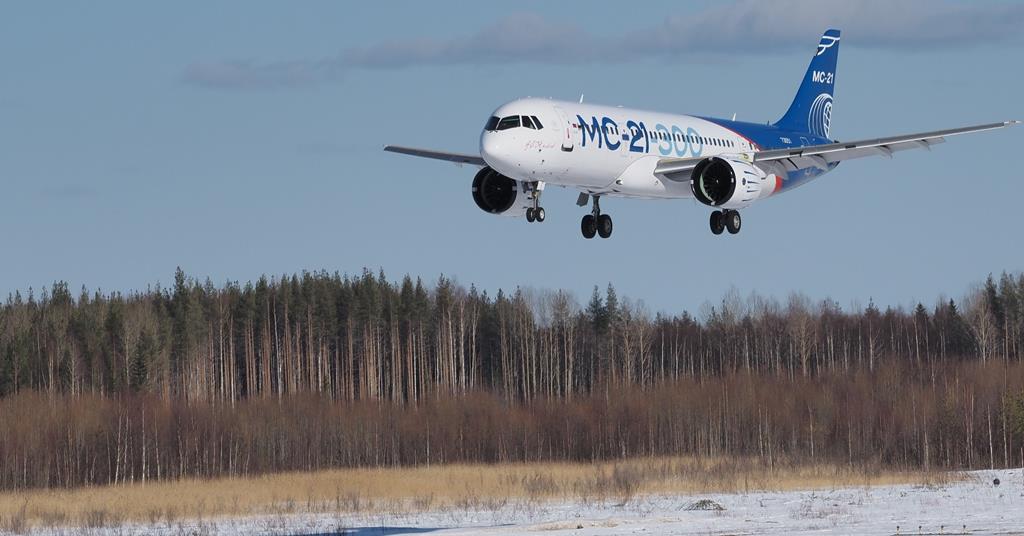
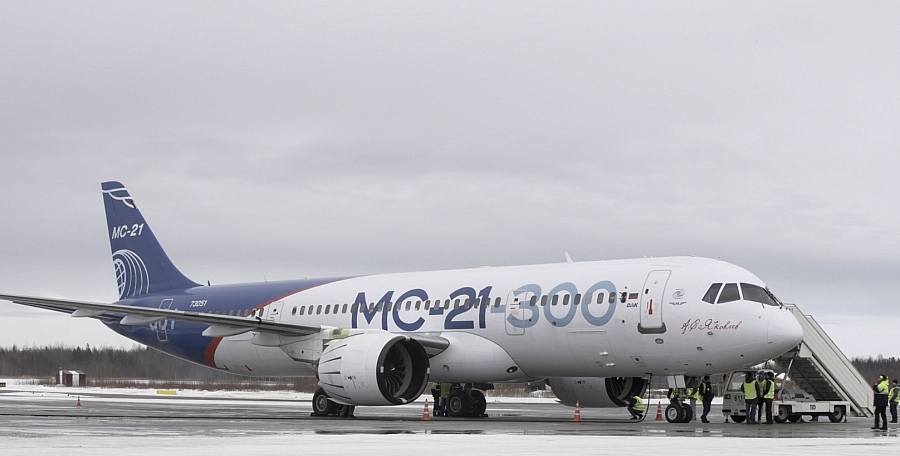
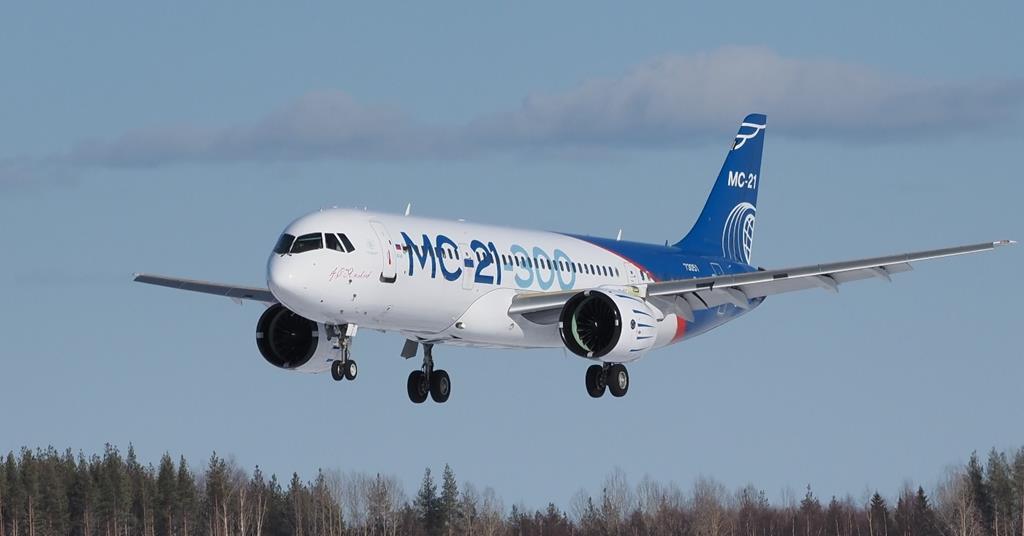
PJSC Irkut Corporation, parte de United Aircraft Corporation of Rostec, ha completado con éxito las pruebas de certificación del avión MC-21-300 en condiciones naturales de formación de hielo. La aeronave alcanzó un rendimiento normal incluso cuando estaba cubierta con una capa de hielo de 8 cm de espesor. Esto cumple totalmente con los estándares de aviación rusos y europeos: de acuerdo con las reglas de certificación, las características de rendimiento deben mantenerse con una capa de hielo de 7,6 cm de espesor. El avión realizó 14 vuelos de prueba que duraron entre 3 y 5 horas sobre la costa del Mar Blanco, la Bahía de Pechora del Mar de Barents, al sur de Novaya Zemlya, así como en la región de los Urales Subpolares. El avión regresó hoy del aeropuerto de Arkhangelsk al aeródromo de Ramenskoye en Zhukovsky. Las condiciones primaverales en los mares Blanco y Barents crean nubes de múltiples capas, constantes precipitaciones y cambios bruscos de presión que provocan riesgos constantes de formación de hielo en las aeronaves. El principal peligro que provoca el hielo es la deformación de la delicada forma del ala y otras superficies de la aeronave, como resultado de lo cual su rendimiento de vuelo puede deteriorarse.

Los vuelos de prueba MS-21-300 desde el aeropuerto de Arkhangelsk se organizaron en varias etapas. Durante la primera etapa, la tripulación de la aeronave utilizó datos del servicio meteorológico para buscar nubes que causaría engelamiento comparable a las condiciones para la certificación de la aeronave. Al volar en estas nubes, la tripulación utilizó instrumentos especiales para monitorear la formación de hielo en el superficies de la aeronave. Al alcanzar el espesor de hielo requerido, el avión voló a un determinado altitud, a la que se pudo observar su comportamiento en condiciones de formación de hielo natural. El espesor de la capa de hielo aumentó de vuelo en vuelo. Además de la estabilidad y controlabilidad de la aeronave, el funcionamiento del antihielo. También se probaron los sistemas de la aeronave MS-21-300. Según la normativa vigente, las pruebas también tienen que confirmar la capacidad de la aeronave para continuar volando incluso cuando el sistema de formación anti-hielo no funciona. Se probaron varios sistemas de aeronaves separados bajo estos condiciones, en particular, equipos de iluminación externa, equipos de radiocomunicación y tren de aterrizaje.

Los vuelos fueron realizados por la tripulación de Irkut Corporation compuesta por el piloto de pruebas Vasily Sevastyanov, el navegador de pruebas Sergei Kudryashov, los ingenieros de pruebas Nikolai Fonurin y Alexander Popov. La tripulación también incluía a Nikolai Grigoriev, un piloto que trabajaba con el proceso de certificación del Instituto Estatal de Investigaciones de Aviación Civil.

Posteriormente, representantes de los centros de certificación autorizados y del Registro de Aviación de Rusia participó en el procesamiento de los materiales recibidos durante los vuelos. La sociedad anónima pública United Aircraft Corporation (PJSC UAC, parte de Rostec State Corporation) fue establecida en 2006 para consolidar los activos de las principales empresas de aviación rusas. Empresas dentro de la estructura de la corporación produce marcas de fama mundial como Su, MiG, IL, Tu, Yak, Beriev, así como los nuevos Superjet 100 y MS-21. Las empresas de UAC realizan un ciclo completo de trabajo desde el diseño hasta el servicio posventa y la eliminación de aeronaves. El Director General de la UAC Yury Slyusar, es el Vicepresidente de la Sociedad Anónima Pública SoyuzMash de Rusia.

Rosteс State Corporation es una de las empresas industriales más grandes de Rusia. Reúne a más de 800 científicos y organizaciones industriales en 60 regiones del país. Sus áreas clave de actividad son la ingeniería aeronáutica, radioelectrónica, tecnologías médicas, materiales innovadores, etc. La cartera de la corporación incluye marcas tan conocidas como AvtoVAZ, KAMAZ, UAC, Russian Helicopters, UEC, Uralvagonzavod, Shvabe, Kalashnikov, etc. Rostec está activo en el implementación de los 12 proyectos nacionales. La empresa es un proveedor clave de tecnología Smart City, se dedica a la digitalización de la administración pública, industria y sectores sociales, y está desarrollando planes para el desarrollo de 5G tecnologías inalámbricas, un Internet industrial de las cosas, big data y sistemas blockchain. Rostec se asocia con líderes fabricantes mundiales como Boeing, Airbus, Daimler, Pirelli y Renault. Los productos de la corporación se entregan a más de 100 países en todo el mundo. Casi un tercio de los ingresos de la empresa proviene de la exportación de productos de alta tecnología.

Irkut MC21-300 Cert. Icing Conditions
MC21-300 receives Icing Conditions certification

PJSC Irkut Corporation, part of United Aircraft Corporation of Rostec, has successfully completed certification testing of the MC-21-300 aircraft under natural icing conditions. The aircraft achieved normal performance even when covered with an 8 cm thick layer of ice. This fully complies with Russian and European aviation standards: according to the certification rules, the performance characteristics must be maintained with a 7.6 cm thick layer of ice. The aircraft carried out 14 test flights lasting between 3 and 5 hours over the White Sea coast, the Pechora Bay of the Barents Sea, south of Novaya Zemlya, as well as in the Subpolar Urals region. The plane returned today from Arkhangelsk airport to Ramenskoye airfield in Zhukovsky. Spring conditions in the White and Barents Seas create multi-layered clouds, constant rainfall and sudden pressure changes that cause constant risks of icing on aircraft. The main danger caused by ice is the deformation of the delicate shape of the wing and other surfaces of the aircraft, as a result of which its flight performance can deteriorate.

The MS-21-300 test flights from Arkhangelsk airport were organized in several stages. During the first stage, the aircraft crew used data from the meteorological service to search for clouds that would cause icing comparable to the conditions for the certification of the aircraft. When flying in these clouds, the crew used special instruments to monitor ice formation on the aircraft surfaces. Upon reaching the required ice thickness, the aircraft flew at a certain altitude, at which its behavior could be observed under conditions of natural ice formation. The thickness of the ice sheet increased from flight to flight. In addition to the stability and controllability of the aircraft, the operation of the antifreeze. The systems of the MS-21-300 aircraft were also tested. According to current regulations, tests also have to confirm the aircraft’s ability to continue flying even when the anti-icing system is not working. Several separate aircraft systems were tested under these conditions, in particular external lighting equipment, radio communication equipment and landing gear.

The flights were performed by the Irkut Corporation crew consisting of test pilot Vasily Sevastyanov, test navigator Sergei Kudryashov, test engineers Nikolai Fonurin and Alexander Popov. The crew also included Nikolai Grigoriev, a pilot who worked with the certification process of the State Civil Aviation Research Institute.

Subsequently, representatives of the authorized certification centers and the Russian Aviation Registry participated in the processing of the materials received during the flights. The public limited company United Aircraft Corporation (PJSC UAC, part of Rostec State Corporation) was established in 2006 to consolidate the assets of major Russian aviation companies. Companies within the corporation structure produce world famous brands such as Su, MiG, IL, Tu, Yak, Beriev, as well as the new Superjet 100 and MS-21. UAC companies perform a complete work cycle from design to after-sales service and disposal of aircraft. The General Director of UAC Yury Slyusar, is the Vice President of the SoyuzMash Public Stock Company of Russia.

Rosteс State Corporation is one of the largest industrial companies in Russia. It brings together more than 800 scientists and industrial organizations in 60 regions of the country. Its key areas of activity are aeronautical engineering, radioelectronics, medical technologies, innovative materials, etc. The corporation’s portfolio includes such well-known brands as AvtoVAZ, KAMAZ, UAC, Russian Helicopters, UEC, Uralvagonzavod, Shvabe, Kalashnikov, etc. Rostec is active in the implementation of the 12 national projects. The company is a key provider of Smart City technology, is dedicated to the digitization of public administration, industry and social sectors, and is developing plans for the development of 5G wireless technologies, an industrial Internet of things, big data and blockchain systems. . Rostec partners with world leading manufacturers such as Boeing, Airbus, Daimler, Pirelli and Renault. The corporation’s products are delivered to more than 100 countries around the world. Almost a third of the company’s income comes from the export of high-tech products.

Иркут МС21-300 Серт. Условия обледенения
MC21-300 получает сертификат условий обледенения

Poctex_Isologotype

ПАО Корпорация Иркут, входит в Объединенную авиастроительную корпорацию Ростеха, успешно завершило сертификационные испытания самолета МС-21-300 в условиях естественного обледенения. Самолет достиг нормальных летно-технических характеристик даже при покрытии слоем льда толщиной 8 см. Это полностью соответствует российским и европейским авиационным стандартам: согласно правилам сертификации, летно-технические характеристики должны поддерживаться при толщине льда толщиной 7,6 см. Самолет совершил 14 испытательных полетов продолжительностью от 3 до 5 часов над побережьем Белого моря, Печорским заливом Баренцева моря, южнее Новой Земли, а также в районе Приполярного Урала. Самолет вернулся сегодня из аэропорта Архангельска на аэродром Раменское в Жуковском. Весенние условия в Белом и Баренцевом морях создают многослойные облака, постоянные осадки и резкие перепады давления, которые создают постоянный риск обледенения самолетов. Основная опасность, вызванная льдом, – это деформация хрупкой формы крыла и других поверхностей самолета, в результате чего его летные характеристики могут ухудшиться.

Испытательные полеты МС-21-300 из аэропорта Архангельск были организованы в несколько этапов. На первом этапе экипаж самолета использовал данные метеорологической службы для поиска облаков, которые могут вызвать обледенение, сопоставимое с условиями сертификации самолета. При полете в этих облаках экипаж с помощью специальных приборов контролировал образование льда на поверхности самолетов. Достигнув необходимой толщины льда, самолет летел на определенной высоте, на которой его поведение можно было наблюдать в условиях естественного ледообразования. В толщина ледяного покрова увеличивалась от полета к полету. Помимо устойчивости и управляемости самолета, работает антифриз. Также были испытаны системы самолета МС-21-300. Согласно действующим правилам, испытания также должны подтвердить способность самолета продолжать полет даже при неработающей противообледенительной системе. В рамках этих условий, в частности внешнего светового оборудования, оборудования радиосвязи и шасси.

Полеты выполнял экипаж Корпорации «Иркут» в составе летчика-испытателя Василия Севастьянова, штурмана-испытателя Сергея Кудряшова, инженеров-испытателей Николая Фонурина и Александра Попова. В состав экипажа также входил Николай Григорьев, пилот, работавший в процессе сертификации Государственного научно-исследовательского института гражданской авиации.

В дальнейшем в обработке материалов, полученных в ходе полетов, участвовали представители уполномоченных сертификационных центров и Российского авиационного регистра. Открытое акционерное общество «Объединенная авиастроительная корпорация» (ПАО «ОАК», входит в Госкорпорацию Ростех) создано в 2006 году для консолидации активов крупнейших российских авиационных компаний. Компании, входящие в структуру корпорации, производят такие всемирно известные бренды, как Су, МиГ, Ил, Ту, Як, Бериев, а также новые Superjet 100 и МС-21. Компании ОАК выполняют полный цикл работ от проектирования до послепродажного обслуживания и утилизации самолетов. Генеральный директор ОАК Юрий Слюсарь вице-президент Российского публичного акционерного общества «СоюзМаш».

Госкорпорация «Ростех» одна из крупнейших промышленных компаний России. Он объединяет более 800 ученых и производственные организации в 60 регионах страны. Основные направления деятельности авиационная техника, радиоэлектроника, медицинские технологии, инновационные материалы и др. В портфеле корпорации такие известные бренды, как АвтоВАЗ, КАМАЗ, ОАК, Вертолеты России, ОДК, Уралвагонзавод, Швабе, Калашников и др. Ростех активно реализует 12 национальных проектов. Компания является ключевым поставщиком технологий Smart City, занимается оцифровкой государственного управления, промышленности и социальных секторов и разрабатывает планы по развитию беспроводных технологий 5G, промышленного Интернета вещей, больших данных и систем блокчейн. Ростех сотрудничает с ведущими мировыми производителями, такими как Boeing, Airbus, Daimler, Pirelli и Renault. Продукция корпорации поставляется более чем в 100 стран мира. Почти треть доходов компании приходится на экспорт высокотехнологичной продукции.


PUBLISHER: Airgways.com
DBk: Rostec.ru / Airgways.com
AW-POST: 202104080940AR

A\W   A I R G W A Y S ®

Boeing publicará informe 1Q2021

AW | 2021 04 08 08:50 | INDUSTRY

Boeing publicará los resultados del primer trimestre el 28 de Abril de 2021

The Boeing Company dará a conocer sus resultados financieros para el primer trimestre de 2021 el Miércoles 28 de Abril de 2021. El Presidente y Director Ejecutivo, David Calhoun, y el Vicepresidente Ejecutivo de Operaciones Empresariales y Director Financiero, Greg Smith, analizarán los resultados y las perspectivas de la empresa durante una conferencia telefónica ese día a las 10:30 am ET.

El evento se transmitirá por Internet en http://services.choruscall.com/links/ba210428.html. También se puede acceder al evento marcando 1-877-692-8955 dentro de los Estados Unidos y marcando 234-720-6979 fuera de los EE.UU. El código de acceso para ambos es 8868170. Las personas deben consultar el sitio webcast antes de la sesión para asegurarse de que sus computadoras puedan acceder a la transmisión de audio y la presentación de diapositivas. Las instrucciones para obtener el software descargable gratuito requerido se publicarán en el sitio.

Boeing to publish 1Q2021 report

Boeing to release first quarter results on April 28, 2021

The Boeing Company will release its financial results for the first quarter of 2021 on Wednesday, April 28, 2021. President and CEO David Calhoun and Executive Vice President of Business Operations and Chief Financial Officer Greg Smith will discuss the results and the company’s prospects during a conference call that day at 10:30 am ET.

The event will be webcast at http://services.choruscall.com/links/ba210428.html. The event can also be accessed by dialing 1-877-692-8955 within the United States and by dialing 234-720-6979 outside the US The access code for both is 8868170. Individuals should check the webcast site first. session to make sure their computers can access the audio stream and slide show. Instructions for obtaining the required free downloadable software will be posted on the site.


PUBLISHER: Airgways.com
DBk: Boeing.com / Airgways.com
AW-POST: 202104080850AR

A\W   A I R G W A Y S ®

A320NEO cambios sistema Timón

AW | 2021 04 07 15:22 | INDUSTRY / AVIATION TECHNOLOGY

Airbus cambia control mecánico a Timón electrónico

Airbus_Isologotype_svg

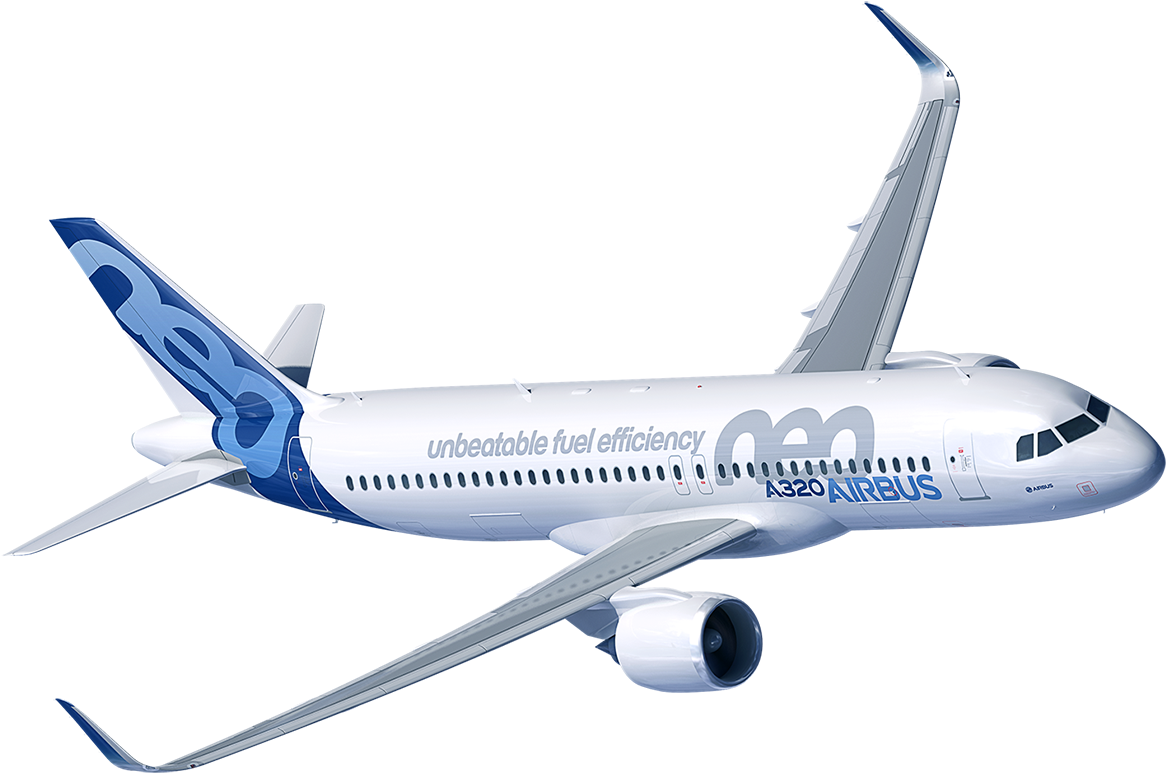
Airbus Group ha anunciado un cambio en los sistemas técnicos-mecánicos del Sistema de Timón de la familia A320NEO (New Engine Option). El cambio de arquitectura del Sistema de Timón pasará de Sistema Mecánico a Sistema Eléctrico que tiene como objetivo reemplazar los controles mecánicos del Timón en los aviones de la familia A320NEO, cambiando a un sistema de timón eléctrico completo a principios de 2024. La modificación coincidirá con la entrada en servicio del A321XLR de largo alcance que se está desarrollando teniendo en cuenta la arquitectura E-rudder.

aA20neo_Isologotype

AW-A320neo_png

Aunque la entrega inicial había sido prevista a finales de este año 2021 con un A320neo propulsado por motores CFM International LEAP-1A, Airbus dice que está revisando el escenario de introducción dada la interrupción de las perspectivas de desarrollo. El E-rudder se convertirá en estándar en toda la línea A319NEO/A320NEO/A321NEO, pero no se instalará en aviones convencionales de la familia A320CEO (Current Engine Option), ni estará disponible como adaptación.

Bajo la arquitectura actual A320CEO/A320NEO fly-by-wire, siete computadoras están incorporadas: dos computadoras de aumento de vuelo, dos computadoras de ascensor-aileron y tres computadoras de elevador de spoiler, manejan las superficies de control de vuelo. Pero aunque las computadoras de aumento de vuelo proporcionan entrada para amortiguación de guiñada, límite de viaje de timón y recorte, el sistema de timón conserva los enlaces mecánicos entre los pedales de la cabina y los actuadores hidráulicos del timón.

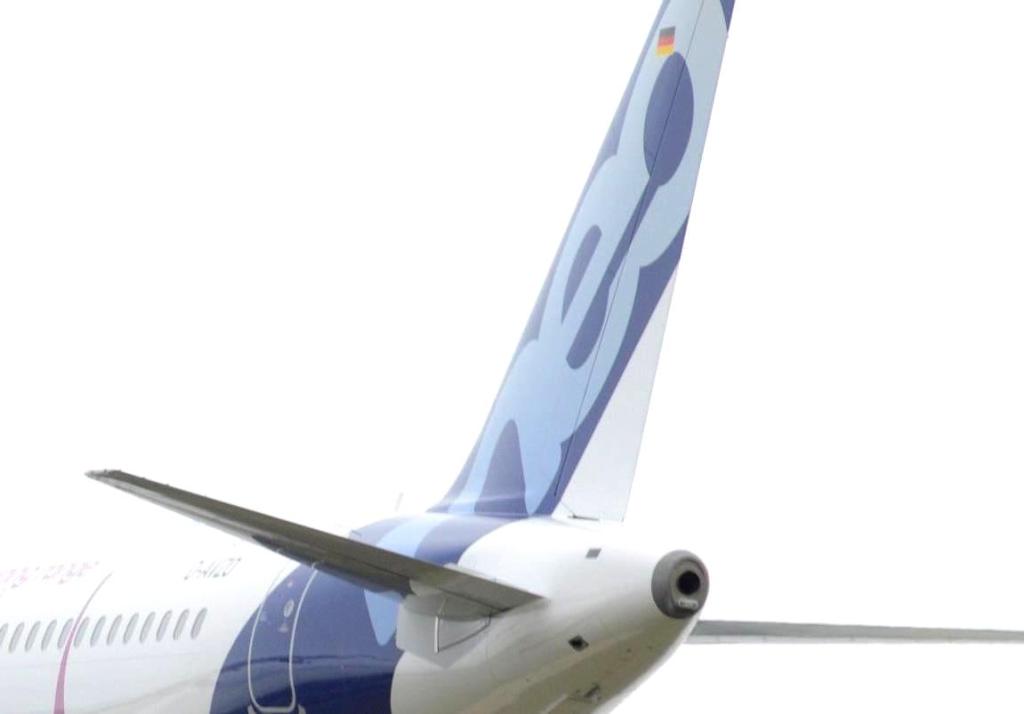
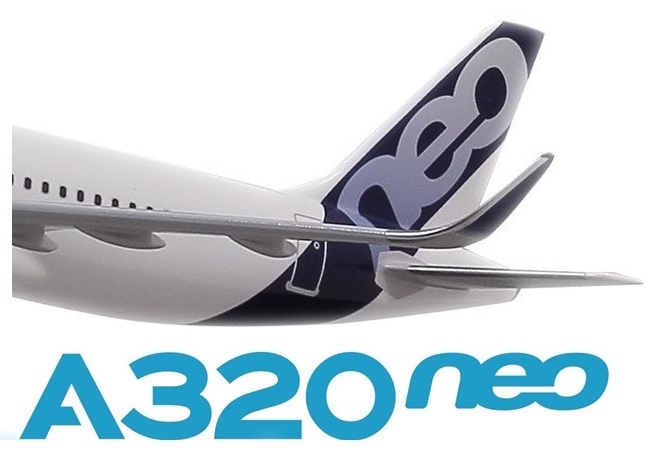
Airbus convertirá la producción de aviones de la familia A320NEO en la serie E-rudder. El programa E-rudder reemplazará la interfaz mecánica por una eléctrica, ahorrando unos 40 kg de peso al permitir la eliminación de varios accesorios y tres unidades informáticas. Tanto las computadoras de aumento de vuelo como una de las computadoras de elevador de alerón serán retiradas, junto con los actuadores de amortiguador de guiñada y ajuste de timón, y la unidad limitadora de viaje. La conversión al sistema E-rudder implica la instalación de una nueva unidad de timón-pedal en la cabina, nuevos sensores de posición de timón y un módulo de control de respaldo. El timón será controlado a través de las dos computadoras elevadora-aileron, para el derecho normal, y los dos ordenadores de spoiler-ascensor restantes, más el módulo de respaldo, en derecho directo. Airbus también reconfigurará el control de los spoilers integrados, que anteriormente estaban atados al tercer ordenador de elevador de alerón. Las computadoras primarias de control de vuelo tendrán hardware y software actualizados, y se realizarán cambios de software en varios otros, mientras que los sistemas de accionamiento del timón serán modificados.

Proveedores como Thales, Safran, Collins y Liebherr están participando en las actualizaciones de equipos para el programa. Airbus añade que no será necesaria la reubicación de los ordenadores en la bahía de la aviónica. Los cambios en arquitectura de la línea A320NEO permitirá una aeronave más liviana con los consecuentes ahorros de costos operativos, combustibles y de mantenimmiento. «El aumento se hará a lo largo de 2023 para estandarizar el timón electrónico a principios de 2024», dice Airbus Group.

A320NEO rudder system changes

Airbus changes mechanical control to electronic rudder

AW-A320NEO_Isologotype_001

Airbus Group has announced a change in the technical-mechanical systems of the A320NEO Family Rudder System (New Engine Option). The architecture change of the Rudder System will move from Mechanical to Electrical System which aims to replace mechanical Rudder controls on A320NEO family aircraft, switching to a full electric rudder system in early 2024. The modification will coincide with the commissioning of the long-range A321XLR being developed with the E-rudder architecture in mind.

Although initial delivery had been planned for later this year 2021 with an A320NEO powered by CFM International LEAP-1A engines, Airbus says it is reviewing the introduction scenario given the interruption of development prospects. The E-rudder will become standard across the entire A319NEO/A320NEO/A321NEO line, but will not be installed on conventional A320CEO family aircraft (Current Engine Option), nor will it be available as an retrofit.

Under the current A320CEO/A320NEO fly-by-wire architecture, seven computers are built-in: two flight augmentation computers, two elevator-aileron computers, and three spoiler elevator computers, handle the flight control surfaces. But while the flight augmentation computers provide input for yaw damping, rudder travel limit, and trim, the rudder system retains the mechanical links between the cockpit pedals and the hydraulic rudder actuators.

Airbus will convert production of the A320NEO family to the E-rudder series. The E-rudder program will replace the mechanical interface with an electrical one, saving about 40 kg in weight by allowing the removal of various accessories and three computing units. Both the flight enhancement computers and one of the aileron lift computers will be retired, along with the yaw damper and rudder trim actuators, and the trip limiting unit. The conversion to the E-rudder system involves the installation of a new rudder-pedal unit in the cabin, new rudder position sensors and a backrest control module. The rudder will be controlled through the two lift-aileron computers, for normal right, and the two remaining spoiler-lift computers, plus the back-up module, on direct right. Airbus will also reconfigure control of the integrated spoilers, which were previously tied to the third aileron lift computer. The primary flight control computers will have updated hardware and software, and software changes will be made to various others, while the rudder drive systems will be modified.

Vendors such as Thales, Safran, Collins and Liebherr are participating in equipment upgrades for the program. Airbus adds that relocation of the computers in the avionics bay will not be necessary. The changes in architecture of the A320NEO line will allow a lighter aircraft with the consequent savings in operating, fuel and maintenance costs. «The increase will be made throughout 2023 to standardize the electronic helm in early 2024,» says Airbus Group.


PUBLISHER: Airgways.com
DBk: Airbus.com / Airgways.com
AW-POST: 202104071522AR

A\W   A I R G W A Y S ®

Vietnam aprueba Boeing 737 MAX

AW | 2021 04 07 14:57 | GOVERNMENT / AVIATION ORGANISMS

Vietnam aprobaciones parciales línea Boeing 737 MAX

Boeing 737 MAX_Isologotype

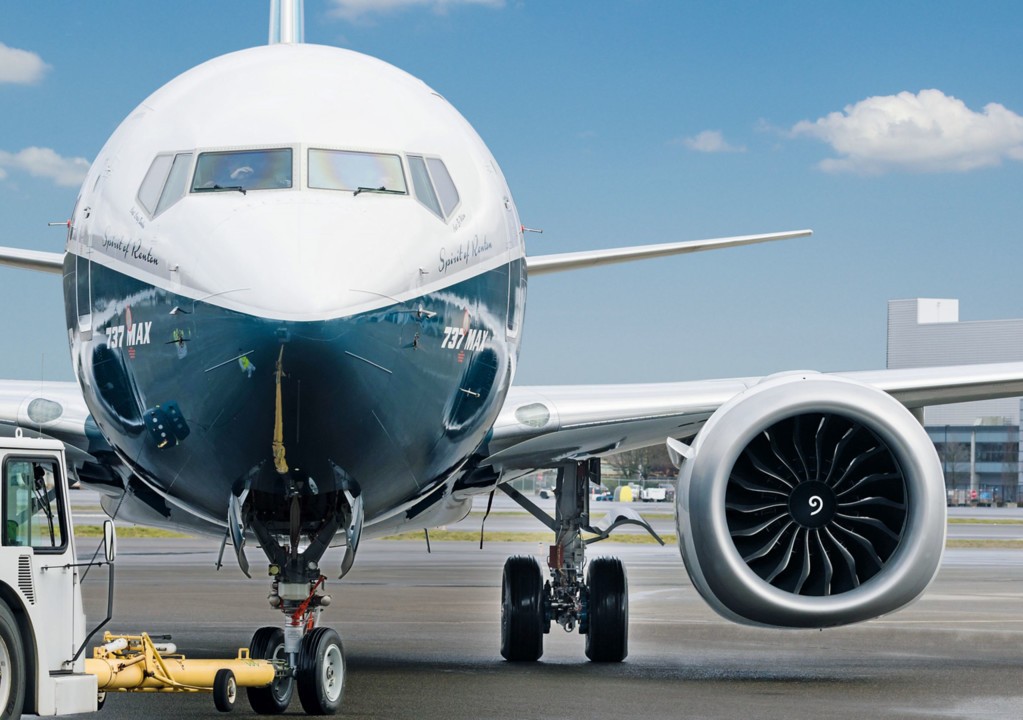
El Ministerio de Transporte de la República de Vietnam ha aprobado los vuelos en el país de la línea Boeing 737 MAX. Según los informes del Ministerio, ha anunciado su decisión de levantar parcialmente la prohibición de vuelo existente en los aviones Boeing 737 MAX. La aprobación para permitir que el avión viaje a través del espacio aéreo vietnamita sigue a una propuesta hecha por la Autoridad de Aviación Civil de Vietnam (CAAV) el mes de Marzo 2021. La CAAV hizo su propuesta después de supervisar de cerca los esfuerzos de Boeing para mejorar la aeronave y la evaluación por parte de las principales autoridades de aviación, incluida la Administración Federal de Aviación de los Estados Unidos (FAA) y la Agencia de Seguridad Aérea de la Unión Europea (EASA).

La prohibición de las operaciones de vuelo del Boeing 737 MAX en el espacio aéreo del país se impuso hace dos años. La autoridad suspendió la expedición de nuevas licencias para el avión e invalidó las existentes en Marzo 2019, tras dos accidentes mortales que mataron a 346 personas en Etiopía e Indonesia. Se ha aconsejado a CAAV que continúe monitoreando la situación y actualizándose. El Ministerio de Transporte levantará por completo la prohibición de los aviones sólo después de que los países mencionados retiren sus órdenes de suspensión y satisfagan las regulaciones vietnamitas.

Mientras tanto, China, Australia, Rusia y otros países del sudeste asiático aún no han abierto su espacio aéreo para este modelo de avión. Otros reguladores de Japón, Europa, Reino Unido, Canadá, Brasil, Emiratos Árabes Unidos y Australia permitieron el funcionamiento de las siguientes modificaciones técnicas del avión y la capacitación adicional de los pilotos.

Vietnam approves Boeing 737 MAX

Vietnam partial approvals Boeing 737 MAX line

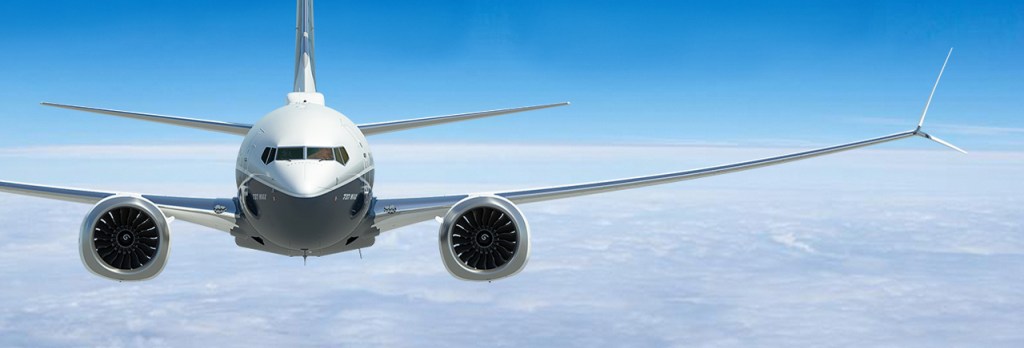
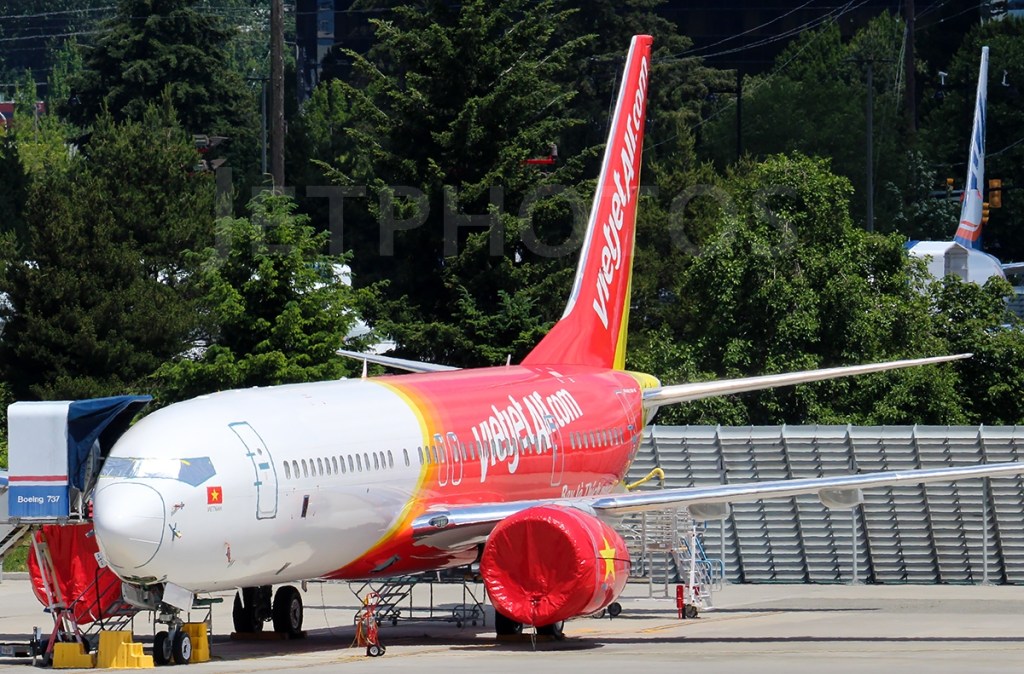
The Ministry of Transport of the Republic of Vietnam has approved the flights in the country of the Boeing 737 MAX line. According to reports from the Ministry, it has announced its decision to partially lift the existing flight ban on Boeing 737 MAX aircraft. The approval to allow the aircraft to travel through Vietnamese airspace follows a proposal made by the Civil Aviation Authority of Vietnam (CAAV) in March 2021. The CAAV made its proposal after closely monitoring Boeing’s efforts. to improve the aircraft and assessment by leading aviation authorities, including the United States Federal Aviation Administration (FAA) and the European Union Aviation Safety Agency (EASA).

The ban on the flight operations of the Boeing 737 MAX in the country’s airspace was imposed two years ago. The authority suspended the issuance of new licenses for the plane and invalidated existing ones in March 2019, following two fatal accidents that killed 346 people in Ethiopia and Indonesia. CAAV has been advised to continue to monitor the situation and update itself. The Transport Ministry will fully lift the ban on airplanes only after the aforementioned countries withdraw their suspension orders and meet Vietnamese regulations.

Meanwhile, China, Australia, Russia, and other Southeast Asian countries have yet to open their airspace for this model aircraft. Other regulators in Japan, Europe, the United Kingdom, Canada, Brazil, the United Arab Emirates, and Australia allowed the following technical modifications to the aircraft and additional pilot training to operate.

Việt Nam phê duyệt Boeing 737 MAX

Việt Nam phê duyệt một phần dòng Boeing 737 MAX

Bộ Giao thông Vận tải Việt Nam Cộng hòa đã phê duyệt các chuyến bay trong nước của dòng Boeing 737 MAX. Theo báo cáo từ Bộ, họ đã công bố quyết định dỡ bỏ một phần lệnh cấm bay hiện hành đối với máy bay Boeing 737 MAX. Việc chấp thuận cho phép máy bay đi qua vùng trời Việt Nam theo đề xuất của Cục Hàng không Việt Nam (Cục HKVN) vào tháng 3 năm 2021. Cục HKVN đưa ra đề xuất sau khi giám sát chặt chẽ nỗ lực của Boeing trong việc cải tiến máy bay và đánh giá của các nhà chức trách hàng không hàng đầu, bao gồm Cục Hàng không Liên bang Hoa Kỳ (FAA) và Cơ quan An toàn Hàng không Liên minh Châu Âu (EASA).

Lệnh cấm đối với hoạt động bay của Boeing 737 MAX trong không phận nước này đã được áp dụng cách đây hai năm. Cơ quan chức năng đã đình chỉ việc cấp giấy phép mới cho máy bay và hủy bỏ hiệu lực các giấy phép hiện có vào tháng 3 năm 2019, sau hai vụ tai nạn chết người khiến 346 người thiệt mạng ở Ethiopia và Indonesia. Cục HKVN được khuyến cáo tiếp tục theo dõi tình hình và tự cập nhật. Bộ Giao thông Vận tải sẽ dỡ bỏ hoàn toàn lệnh cấm tàu ​​bay chỉ sau khi các quốc gia nói trên rút lệnh tạm dừng hoạt động và tuân thủ các quy định của Việt Nam.

Trong khi đó, Trung Quốc, Australia, Nga và các quốc gia Đông Nam Á khác vẫn chưa mở cửa vùng trời cho mẫu máy bay này. Các cơ quan quản lý khác ở Nhật Bản, Châu Âu, Vương quốc Anh, Canada, Brazil, Các Tiểu vương quốc Ả Rập Thống nhất và Úc đã cho phép các sửa đổi kỹ thuật sau đây đối với máy bay và đào tạo thêm phi công để vận hành.


PUBLISHER: Airgways.com
DBk: Mt.gov.vn / Airgways.com
AW-POST: 202104071457AR

A\W   A I R G W A Y S ®

Aeropuerto Riga 1er proceso A-CDM

AW | 2021 04 07 14:38 | AIRPORTS

Primer aeropuerto báltico en emplear procedimientos A-CDM

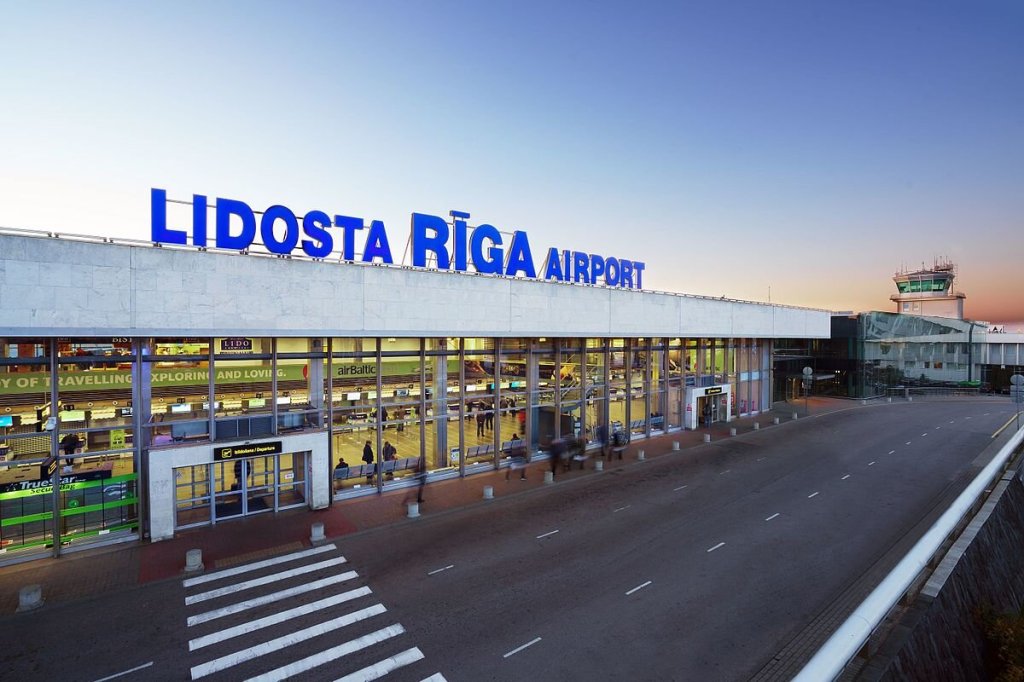
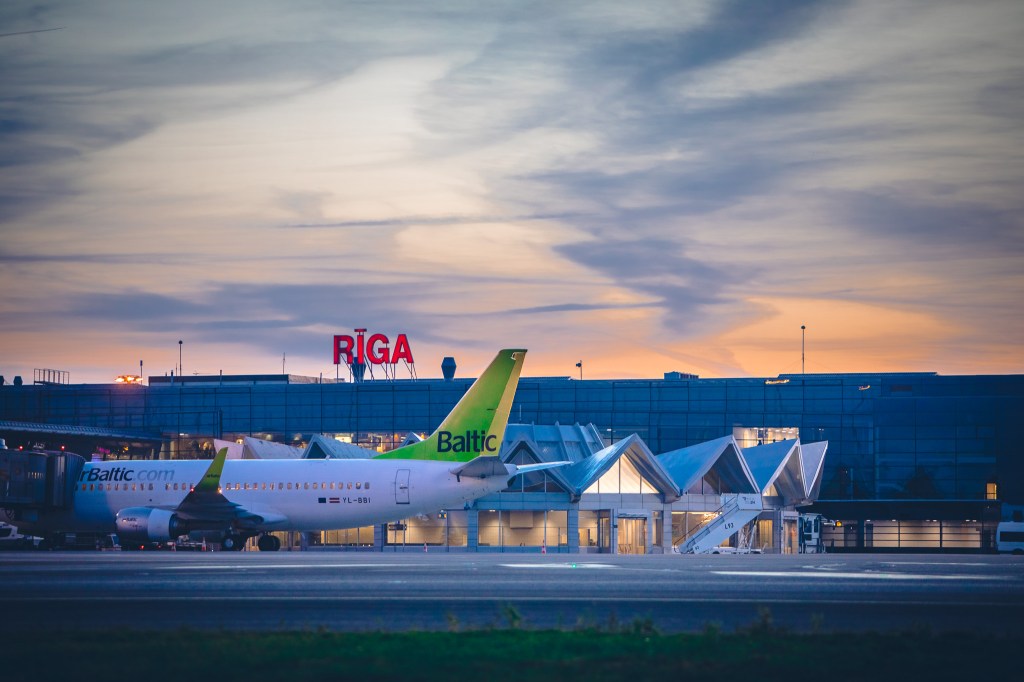
El Aeropuerto Riga de la República de Estonia se ha convertido en el primer y hasta ahora único aeropuerto de los Estados bálticos en unirse a más de 30 aeropuertos europeos que emplean procedimientos A-CDM (Airport Collaborative Decision Making) que permiten mejorar significativamente la calidad del servicio y la seguridad de los usuarios y pasajeros del espacio aéreo.

La introducción de A-CDM, que fue un esfuerzo conjunto del proveedor de servicios de navegación aérea empresa estatal de acciones conjuntas. Latvijas Gaisa Satiksme (LGS) y el Aeropuerto de Riga, garantizan el intercambio oportuno de información precisa entre el operador del aeropuerto, los operadores de aeronaves, los servicios de manejo en tierra, los controladores de tráfico aéreo y otras partes involucradas desde la planificación del vuelo hasta que el avión aterriza en la pista. Esto permite programar despegues con mayor precisión y reducir los tiempos de espera para los pasajeros, especialmente durante las horas pico. Además, A-CDM permite a las aerolíneas reducir sus costos de recursos y combustible relacionados con los tiempos de espera antes del despegue y la preparación de aviones para el vuelo. La reducción del funcionamiento inexplicable de los motores de las aeronaves también reduce la contaminación ambiental y el ruido.

Mediante la implementación de este importante proyecto, la introducción del complejo de procedimientos operativos y procesos automatizados, se ha establecido una plataforma A-CDM en el aeropuerto de Riga : se ha instalado hardware y software informático adecuado, se han comprado recursos de comunicación para servicios aeroportuarios y también se han introducido otras mejoras. También se ha actualizado el software de LGS.

«Estoy muy contento de que en colaboración con el aeropuerto de Riga en este momento difícil para la aviación, hemos logrado completar un gran e importante proyecto que crea las condiciones previas para el desarrollo futuro del aeropuerto y los vuelos fuera de Riga después del final de la pandemia, así como para una mejor calidad del servicio para los pasajeros y una mayor seguridad de los vuelos. Me gustaría dar las gracias a todos nuestros socios por su cooperación», dice Dāvids Tauriņš, Presidente del Consejo de LGS.

A su vez, la Presidenta del Consejo del Aeropuerto de Riga, Laila Odiņa, destaca: «A-CDM es algo más que procedimientos y procesos, es un cambio de pensamiento y trabajo, mediante la integración de los servicios operativos del aeropuerto en el espacio de información en tiempo real y permitiendo a todos trabajar en equipo unificado. El intercambio preciso, oportuno y transparente de información y una comprensión común de la situación en su conjunto permite un uso sostenible y eficiente de la infraestructura y los recursos, ahorro de combustible para las aerolíneas, reducción de las emisiones de CO2 y mejores experiencias para los viajeros».

La introducción de A-CDM permitirá un aumento de la capacidad del Aeropuerto de Riga cuando se restablezca el régimen de vuelo normal. En otoño de 2016 LGS firmó un acuerdo con la Agencia Ejecutiva de Innovación y Redes (INEA) sobre la asignación de cofinanciación por un importe del 50% de los costes subvencionables del proyecto A-CDM. En total, está previsto que el proyecto cueste un total de € 1.930.000 Euros. La financiación fue proporcionada por el Mecanismo Conectar Europa (CEF).

Riga Airport 1st process A-CDM

First Baltic airport to employ A-CDM procedures

Riga Airport of the Republic of Estonia has become the first and so far only airport in the Baltic States to join more than 30 European airports using A-CDM (Airport Collaborative Decision Making) procedures that significantly improve the quality of service and safety of airspace users and passengers.

The introduction of A-CDM, which was a joint effort of the state-owned joint-stock company air navigation service provider. Latvijas Gaisa Satiksme (LGS) and Riga Airport, ensure the timely exchange of accurate information between the airport operator, aircraft operators, ground handling services, air traffic controllers and other parties involved from the planning of the flight until the plane lands on the runway. This allows for more precise takeoff scheduling and reduced wait times for passengers, especially during peak hours. Additionally, A-CDM enables airlines to reduce their resource and fuel costs related to waiting times before take-off and preparing aircraft for flight. Reducing the unexplained operation of aircraft engines also reduces environmental pollution and noise.

Through the implementation of this important project, the introduction of the complex of automated operating procedures and processes, an A-CDM platform has been established at Riga airport: suitable computer hardware and software has been installed, communication resources for services have been purchased airport facilities and other improvements have also been made. LGS software has also been updated.

«I am very happy that in collaboration with Riga airport at this difficult time for aviation, we have managed to complete a large and important project that creates the preconditions for the future development of the airport and flights out of Riga after the end of the pandemic, as well as for better quality of service for passengers and increased safety of flights. I would like to thank all our partners for their cooperation», says Dāvids Tauriņš, Chairman of the Board of LGS.

In turn, the President of the Riga Airport Council, Laila Odiņa, highlights: «A-CDM is more than just procedures and processes, it is a change of thought and work, by integrating the operational services of the airport in the space of information in real time and allowing everyone to work as a unified team. Accurate, timely and transparent exchange of information and a common understanding of the situation as a whole allows a sustainable and efficient use of infrastructure and resources, saving fuel for airlines, reduced CO2 emissions and better experiences for travelers».

The introduction of A-CDM will allow an increase in the capacity of Riga Airport when the normal flight regime is restored. In autumn 2016 LGS signed an agreement with the Innovation and Networks Executive Agency (INEA) on the allocation of co-financing for an amount of 50% of the eligible costs of the A-CDM project. In total, the project is expected to cost a total of € 1,930,000 Euros. Funding was provided by the Connecting Europe Facility (CEF).

Riia lennujaama 1. protsess A-CDM

Esimene Balti lennujaam, kus kasutatakse A-CDM-i protseduure

Eesti Vabariigi Riia lennujaam on esimene ja seni ainus lennujaam Balti riikides, mis on liitunud enam kui 30 Euroopa lennujaamaga, kasutades A-CDM (Airport Collaborative Decision Making) protseduure, mis parandavad oluliselt lennujaama kvaliteeti. Teenindus ja ohutus õhuruumi kasutajate ja reisijate arv.

A-CDMi kasutuselevõtt, mis oli riigile kuuluva aktsiaseltsi aeronavigatsiooniteenuse pakkuja ühine jõupingutus. Latvijas Gaisa Satiksme (LGS) ja Riia lennujaam tagavad täpse teabe õigeaegse vahetamise lennujaama käitaja, õhusõiduki käitajate, maapealse teeninduse, lennujuhtide ja teiste osapoolte vahel alates lennu kavandamisest kuni lennuki maandumisrajale maandumiseni. See võimaldab täpsemat stardiplaani ja lühendada reisijate ooteaegu, eriti tipptundidel. Lisaks võimaldab A-CDM lennuettevõtjatel vähendada ressursi- ja kütusekulusid, mis on seotud ooteaegadega enne õhkutõusmist ja õhusõidukite lennuks ettevalmistamist. Lennukimootorite seletamatu töö vähendamine vähendab ka keskkonnareostust ja müra.

Selle olulise projekti elluviimise, automatiseeritud tööprotseduuride ja protsesside kompleksi juurutamise kaudu on Riia lennujaamas loodud A-CDM platvorm: paigaldatud on sobiv arvuti riist- ja tarkvara, ostetud on teenuste sidevahendid lennujaama rajatised ja muud parandused on samuti tehtud. Samuti on uuendatud LGS tarkvara.

«Mul on väga hea meel, et koostöös Riia lennujaamaga on sellel lennunduse jaoks raskel ajal õnnestunud lõpule viia suur ja oluline projekt, mis loob eeldused lennujaama ja Riiast väljuvate lendude edasiseks arenguks pärast pandeemia lõppu , samuti reisijatele parema teeninduskvaliteedi ja lendude ohutuse suurendamise eest. Tahaksin tänada kõiki meie partnereid koostöö eest», ütleb LGSi juhatuse esimees Dāvids Tauriņš.

Riia lennujaama nõukogu president Laila Odiņa tõstab omakorda esile: «A-CDM on rohkem kui protseduurid ja protsessid, see on mõtte ja töö muutus, integreerides lennujaama operatiivteenistused inforuumi. reaalajas ja võimaldades kõigil töötada ühtse meeskonnana. Täpne, õigeaegne ja läbipaistev teabevahetus ning ühine arusaam olukorrast tervikuna võimaldab infrastruktuuri ja ressursside säästvat ja tõhusat kasutamist, säästes lennuettevõtjatele kütust, vähendades süsinikdioksiidi heitkoguseid ja paremad kogemused reisijatele».

A-CDMi kasutuselevõtt võimaldab tavapärase lennurežiimi taastamisel suurendada Riia lennujaama läbilaskevõimet. 2016. aasta sügisel allkirjastas LGS Innovatsiooni ja Võrkude Rakendusametiga (INEA) lepingu kaasrahastamise eraldamiseks 50% ulatuses A-CDM projekti abikõlblikest kuludest. Kokku peaks projekti maksma kokku 1 930 000 eurot. Rahastamist pakkus Euroopa ühendamise rahastu (CEF).


PUBLISHER: Airgways.com
DBk: Riga-airport.com / Airgways.com
AW-POST: 202104071438AR

A\W   A I R G W A Y S ®

Kazajistán restablece internacionales

AW | 2021 04 07 14:15 | AIRLINES ROUTES

Más aerolíneas reanudan vuelos internacionales a Kazajistán

A medida que la industria aérea mundial se recupera constantemente de meses en espera, varias aerolíneas internacionales anunciaron que reanudarán sus vuelos a la República de Kazajistán. Los viajes aéreos nacionales regulares se han reanudado en Kazajistán, mientras que los viajes aéreos internacionales están repuntando constantemente.

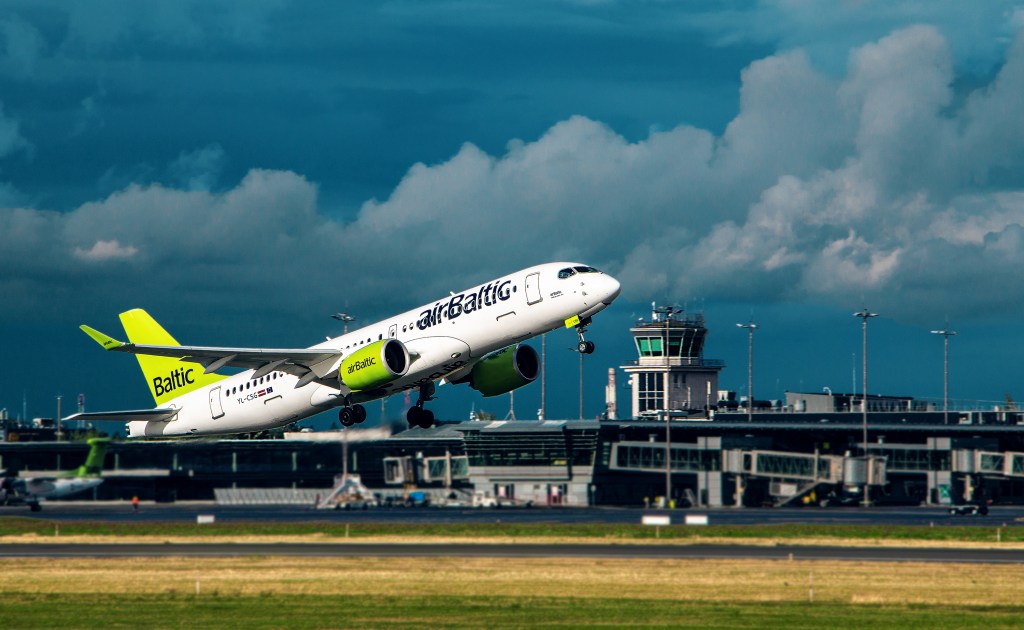
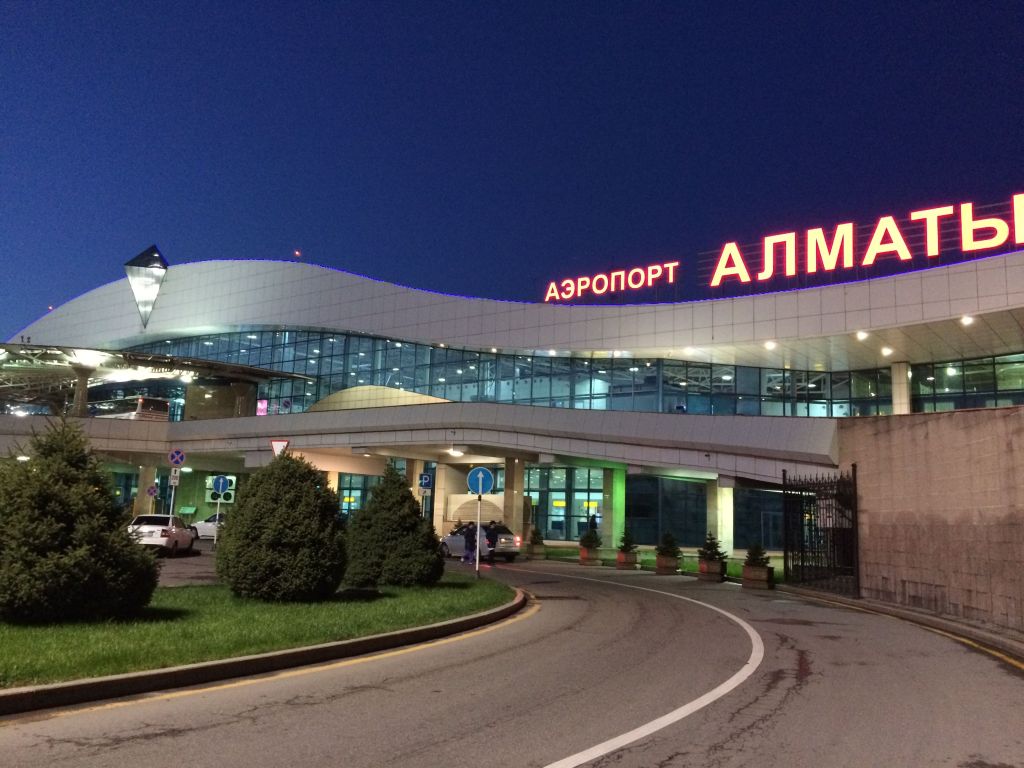
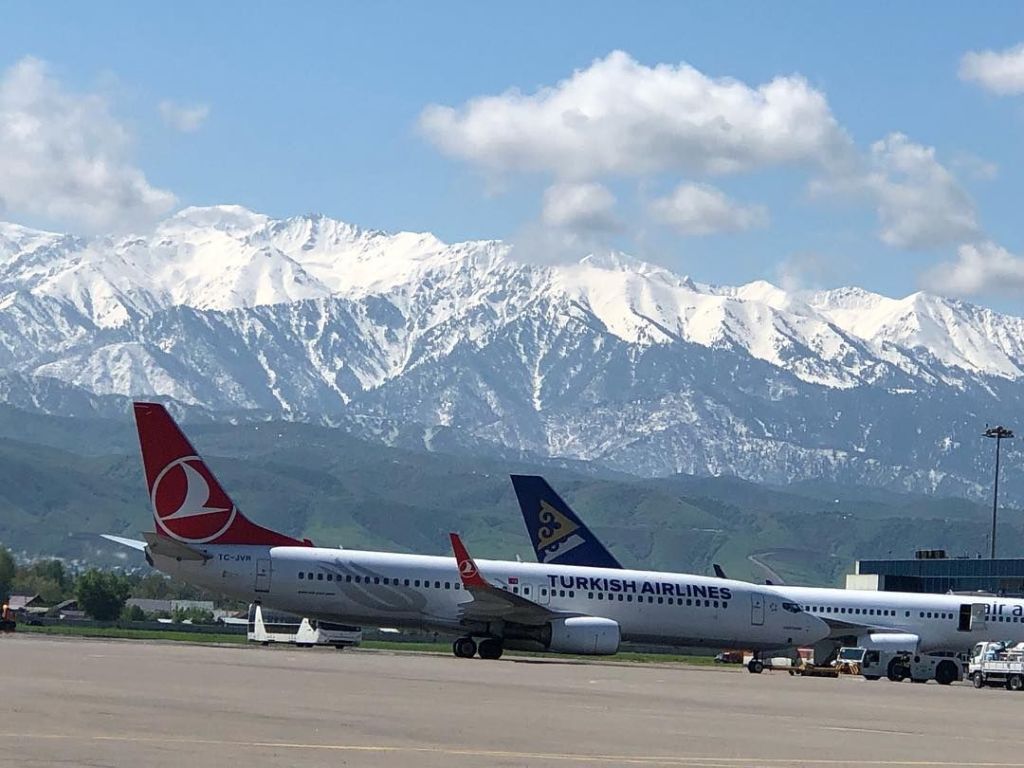
Entre las aerolíneas que reiniciarán los vuelos suspendidos tras la crisis sanitaria figuran LOT Polish Airlines que reanudará sus vuelos a Kazajistán a partir del 27/04, según el calendario disponible en el sitio web de la compañía. Los vuelos serán operados en la ruta Nur-Sultan–Varsovia los Martes y Viernes en un Boeing 737-800. Air Arabia desde los Emiratos Árabes Unidos reiniciará los vuelos de Sharjah–Almaty a partir del 02/05 y los operará el Martes, Viernes y Domingo. Wizz Air Abu Dhabi, una subsidiaria de la aerolínea de presupuesto húngara Wizz Air Holdings Company, también planea lanzar vuelos a Almaty y otras regiones que son de interés para las empresas y los turistas. La aerolínea de bajo coste de la compañía, Wizz Air Abu Dhabi, establecida por Wizz Air Holding y Abu Dhabi Developmental Holding Company, también lanzará vuelos en las rutas Abu Dhabi–Almaty y Abu Dhabi–Nur-Sultan el 14/05. Los vuelos a Almaty serán operados dos veces por semana los Lunes y Viernes, mientras que los vuelos a Nur-Sultan serán operados los Jueves y Domingos. Air Baltic iniciará a partir del 12/05, la conexión Riga–Almaty que desarrollará un vuelo directo operado los Lunes, Miércoles y Viernes en aeronaves Airbus A220-300. La aerolínea kazaja SCAT Airlines también ha reanudado los vuelos en la ruta Shymkent–Estambul el 05/04 con una frecuencia de dos veces por semana (2Frq/S).

Kazakhstan restores international routes

More airlines resume international flights to Kazakhstan

As the global airline industry steadily recovers from months on hold, several international airlines announced that they will resume their flights to the Republic of Kazakhstan. Regular domestic air travel has resumed in Kazakhstan, while international air travel is steadily picking up.

Among the airlines that will restart the flights suspended after the health crisis are LOT Polish Airlines, which will resume its flights to Kazakhstan from 04/27, according to the calendar available on the company’s website. The flights will be operated on the Nur-Sultan–Warsaw route on Tuesdays and Fridays in a Boeing 737-800. Air Arabia from the United Arab Emirates will restart Sharjah-Almaty flights from 05/02 and will operate them on Tuesday, Friday and Sunday. Wizz Air Abu Dhabi, a subsidiary of the Hungarian budget airline Wizz Air Holdings Company, also plans to launch flights to Almaty and other regions that are of interest to businesses and tourists. The company’s low-cost carrier, Wizz Air Abu Dhabi, established by Wizz Air Holding and Abu Dhabi Developmental Holding Company, will also launch flights on the Abu Dhabi–Almaty and Abu Dhabi–Nur-Sultan routes on 05/14. Flights to Almaty will be operated twice a week on Mondays and Fridays, while flights to Nur-Sultan will be operated on Thursdays and Sundays. Air Baltic will start from 05/12, the Riga-Almaty connection that will develop a direct flight operated on Mondays, Wednesdays and Fridays in Airbus A220-300 aircraft. The Kazakh airline SCAT Airlines has also resumed flights on the Shymkent–​​Istanbul route on 05/04 with a frequency of twice a week (2Frq / S).

Қазақстандық рейстер шетелге

Авиакомпаниялар халықаралық рейстерді қалпына келтіреді

Жаһандық авиакомпания салалары бірнеше айдан кейін қалпына келе бастаған кезде, бірнеше халықаралық авиакомпаниялар Қазақстан Республикасына рейстерін қайта бастайтындықтарын мәлімдеді. Қазақстанда тұрақты ішкі әуе қатынасы қайта жанданды, ал халықаралық әуе қатынасы тұрақты өсуде.

Денсаулық дағдарысынан кейін тоқтатылған рейстерді қайта бастайтын авиакомпаниялардың қатарында LOT Polish Airlines авиакомпаниясы бар, олар компанияның сайтында жарияланған күнтізбеге сәйкес Қазақстанға рейстерін 04/27 бастап қайта бастайды. Рейстер сейсенбі және жұма күндері Boeing 737-800 ұшағымен Нұр-Сұлтан-Варшава бағыты бойынша орындалады. Біріккен Араб Әмірліктерінен шыққан Air Arabia компаниясы Шарджа–Алматы бағытындағы рейстерді 02/05 бастап қайта бастап, сейсенбі, жұма және жексенбіде орындайды. Венгрияның Wizz Air Holdings Company бюджеттік авиакомпаниясының еншілес компаниясы Wizz Air Abu Dhabi сонымен қатар Алматы мен басқа да аймақтарға бизнесмендер мен туристерді қызықтыратын рейстер ашуды жоспарлап отыр. Wizz Air Holding және Абу-Даби Даму холдингтік компаниясы құрған Wizz Air Abu Dhabi компаниясының арзан тасымалдаушысы сонымен қатар 05/14 күні Абу–Даби-Алматы және Абу–Даби-Нұр-Сұлтан бағыттары бойынша рейстер ашады. Алматыға рейстер аптасына екі рет дүйсенбі мен жұма аралығында, ал Нұр-Сұлтанға рейстер бейсенбі және жексенбі күндері жүзеге асырылады. Air Baltic әуе компаниясы дүйсенбі, сәрсенбі және жұма күндері Airbus A220-300 ұшағымен ұшатын тікелей рейсті дамытатын Рига-Алматы байланысынан 05/12 бастап басталады. SCAT Airlines қазақстандық авиакомпаниясы аптасына екі рет (2Frq/S) жиілікпен 04/05-те Шымкент–Стамбул бағыты бойынша рейстерді қайта бастады.


PUBLISHER: Airgways.com
DBk: Gov.kz / Pinterest.com / Airgways.com
AW-POST: 202104071415AR

A\W   A I R G W A Y S ®

GOL conexiones a Rio Grande do Sul

AW | 2021 04 07 13:05 | AIRLINES ROUTES

GOL nuevas conexiones a destinos Estado Rio Sul

GOL_Isologotype.svg

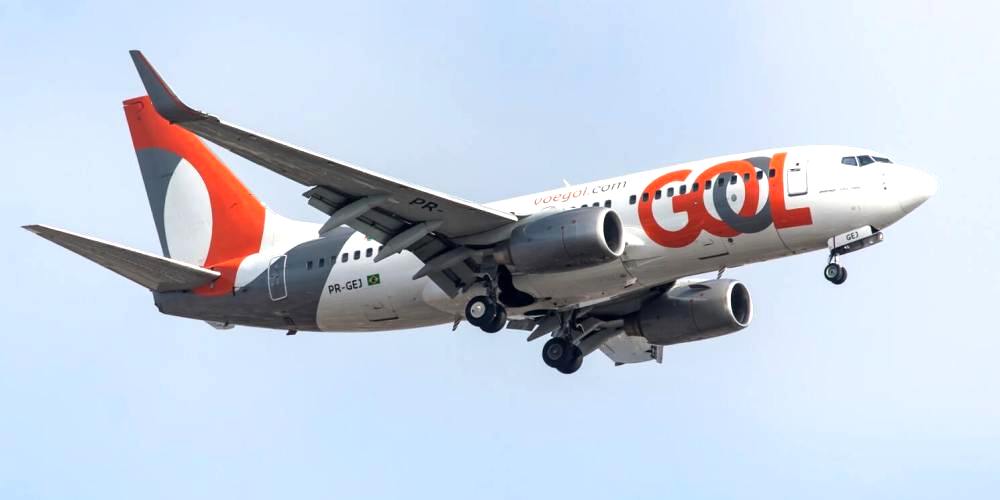
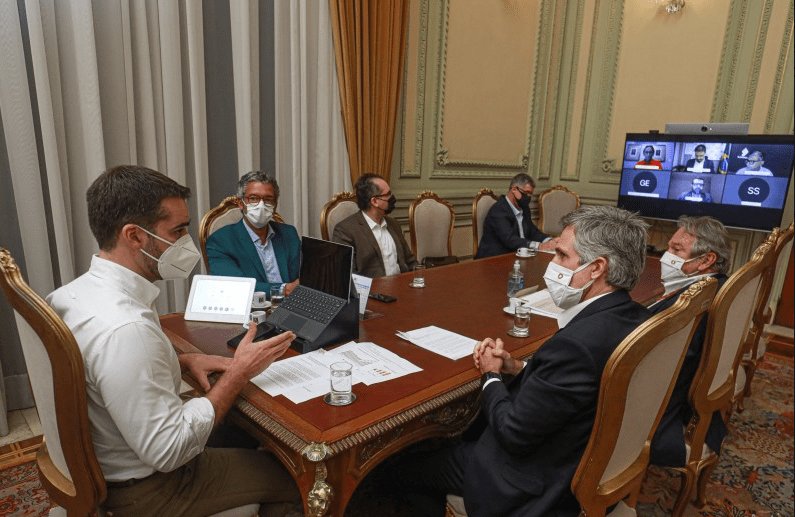
GOL Linhas Aéreas ha anunciado la perspectiva de incorporara nuevos destinos a su red de rutas en el Sur de Brasil. La compañía low cost brasileña se ha reunido este Lunes 05/04 con el Gobierno de Rio Grande do Sul para abordar posibles vuelos al interior del Estado de Rio Grande do Sul (RS). El Gobierno estatal ha recibido una propuesta oficial de GOL Linhas Aéreas para ampliar la presencia de la aerolínea en el Estado más austral del país. La noticia fue dada por el CEO de GOL, Paulo Kakinoff, al Gobernador Eduardo Leite, acompañado de secretarios, en una reunión en el Palacio Piratini el Lunes 05/04 por la tarde. «Recibimos formalmente la ponencia sobre el deseo de cumplir con las condiciones del Decreto Nº 55.646, emitido a finales del año pasado, cuando ajustamos nuestra política de beneficio al queroseno de aviación. Estoy muy contento de ver que Gol, sobre todo en este contexto adverso, acepta este reto, participa en la lógica de nuestro Programa regional de desarrollo de aviación, y haremos lo que sea necesario para dar una respuesta rápida a la empresa», dijo el Gobernador Eduardo Leite. Los secretarios Marco Aurelio Cardoso de Tesorería y Juvir Costella de Logística y Transporte analizarán la propuesta presentada por la empresa para evaluar la solicitud de adhesión al marco regulatorio existente.

Rutas a Rio Sul

GOL Linhas Aéreas planea volar a Uruguaiana, Pelotas, Santa María y Santo Ângelo que estarían conectadas con São Paulo en vuelos directos y desde allí a otros destinos. La aerolínea de presupuesto vuela actualmente a las ciudades de Porto Alegre, Caxias do Sul y Passo Fundo.

El estado actualmente posee rutas regionales que conectan la capital del estado con el interior de Rio Grande do Sul, que se ampliará en el primer semestre de 2021. Actualmente, Azul Linhas Aéreas enlaza desde Pelotas, Santa María, Santo Ângelo y Uruguaiana con Porto Alegre (RS), con aviones turbohélice ATR 72-600 para 70 pasajeros. Con el anuncio de GOL sobre la intención de unirse al Programa Regional de Desarrollo de aviación (PDAR), el Estado de Rio Grande do Sul puede ver un incremento en el número de vuelos regionales que conectan el interior del estado con São Paulo.

Gestión política

El Presidente del Frente Parlamentario de Aviación Regional y líder del Gobierno en la Asamblea Legislativa, el representante estatal Frederico Antunes celebró el resultado de la reunión: «En menos de tres horas, el pasajero despegaba de Uruguaiana y aterrizaba en São Paulo, en un vuelo directo. Y a partir de ahí, podría ir a cualquier parte de Brasil o del mundo. Lo mismo se aplicaría a Pelotas, Santa María y Santo Ângelo», dijo el parlamentario.

Las negociaciones con Gol comenzaron antes de la pandemia Covid-19 y se reanudaron a principios de este año 2021 a través de contactos entre el Presidente, el Congresista Frederico Antunes, el Secretario Costella, el Director de Relaciones Institucionales de GOL Linhas Aéreas, Ciro Camargo, y el Auxiliar, Alberto Fajermann.

Programa PDAR

El Programa Estatal Desarrollo Aviación Regional (PDAR) tiene como objetivo promover el crecimiento económico, social y turístico de Rio Grande do Sul con la expansión de las rutas de vuelo regulares y la calificación de los aeropuertos regionales. Creado en octubre de 2015, el PDAR-RS ya ha dado lugar a la creación de seis nuevas rutas entre Porto Alegre y el interior, en las ciudades de Uruguaiana, Santo Ângelo, Passo Fundo, Caxias do Sul, Santa María y Pelotas. Sólo en los aeropuertos de Santo Ângelo, Passo Fundo, Caxias do Sul y Vacaria, el Departamento de Logística y Transporte, a través del Departamento de Aeropuertos (DAP), invirtió más de R$ 7 millones durante los primeros cuatro años del PDAR-RS. Los recursos se utilizaron en la construcción de terminales de pasajeros, en la recuperación de pistas y despegues y en varias mejoras, como la renovación de tramos de incendios, la compra de equipos y vehículos.

En 2019, el gobierno publicó el Decreto Nº 54.685, que prevé la reducción de la base de cálculo en la compra de queroseno de aviación en Rio Grande do Sul. El texto permitió que la tasa de combustible cayera hasta un 2%, dependiendo del número de rutas ofrecidas, la disponibilidad de asientos y la frecuencia de vuelo. El beneficio entró en vigor en Enero de 2020. Desde entonces, representantes de aerolíneas como GOL Linhas Aéreas y Azul Linhas Aéreas, que ya opera seis conexiones regionales en el estado, han anunciado su intención de ampliar la oferta de vuelos y municipios de Río Grande do Sul atendidos.

GOL connections to Rio Grande do Sul

GOL new connections to destinations in the State of Rio Sul

GOL Linhas Aéreas has announced the prospect of incorporating new destinations to its route network in the South of Brazil. The Brazilian low cost company has met this Monday 05/04 with the Government of Rio Grande do Sul to board possible flights within the State of Rio Grande do Sul (RS). The state government has received an official proposal from GOL Linhas Aéreas to expand the airline’s presence in the southernmost state of the country. The news was given by the CEO of GOL, Paulo Kakinoff, to Governor Eduardo Leite, accompanied by secretaries, in a meeting at the Piratini Palace on Monday 05/04 in the afternoon. «We formally received the presentation on the desire to comply with the conditions of Decree No. 55,646, issued at the end of last year, when we adjusted our profit policy to aviation kerosene. I am very happy to see that Gol, especially in this adverse context , accept this challenge, participate in the logic of our regional aviation development program, and we will do whatever is necessary to give a rapid response to the company», said Governor Eduardo Leite. The secretaries Marco Aurelio Cardoso of Treasury and Juvir Costella of Logistics and Transportation will analyze the proposal presented by the company to evaluate the request to adhere to the existing regulatory framework.

Routes to Rio Sul

GOL Linhas Aéreas plans to fly to Uruguaiana, Pelotas, Santa María and Santo Ângelo that would be connected with São Paulo in direct flights and from there to other destinations. The budget airline currently flies to the cities of Porto Alegre, Caxias do Sul and Passo Fundo.

The state currently has regional routes that connect the state capital with the interior of Rio Grande do Sul, which will be expanded in the first half of 2021. Currently, Azul Linhas Aéreas connects from Pelotas, Santa María, Santo Ângelo and Uruguaiana with Porto Alegre (RS), with ATR 72-600 turboprop aircraft for 70 passengers. With GOL’s announcement of its intention to join the Regional Aviation Development Program (PDAR), the State of Rio Grande do Sul can see an increase in the number of regional flights connecting the interior of the state with São Paulo.

Political management

The President of the Parliamentary Front of Regional Aviation and leader of the Government in the Legislative Assembly, the state representative Frederico Antunes celebrated the result of the meeting: «In less than three hours, the passenger took off from Uruguaiana and landed in São Paulo, on a flight direct. And from there, it could go anywhere in Brazil or the world. The same would apply to Pelotas, Santa María and Santo Ângelo», said the parliamentarian.

Negotiations with Gol began before the Covid-19 pandemic and were resumed at the beginning of this year 2021 through contacts between the President, Congressman Frederico Antunes, Secretary Costella, the Director of Institutional Relations of GOL Linhas Aéreas, Ciro Camargo, and the Assistant, Alberto Fajermann.

PDAR program

The State Program for Regional Aviation Development (PDAR) aims to promote the economic, social and tourist growth of Rio Grande do Sul with the expansion of regular flight routes and the qualification of regional airports. Created in October 2015, the PDAR-RS has already led to the creation of six new routes between Porto Alegre and the interior, in the cities of Uruguaiana, Santo Ângelo, Passo Fundo, Caxias do Sul, Santa María and Pelotas. Only in the airports of Santo Ângelo, Passo Fundo, Caxias do Sul and Vacaria, the Department of Logistics and Transportation, through the Department of Airports (DAP), invested more than R$ 7 million during the first four years of the PDAR-RS. The resources were used in the construction of passenger terminals, in the recovery of runways and takeoffs and in various improvements, such as the renovation of fire sections, the purchase of equipment and vehicles.

In 2019, the government published Decree No. 54,685, which provides for the reduction of the calculation base for the purchase of aviation kerosene by rs. The text allowed the fuel rate to drop by up to 2%, depending on the number of routes offered, seat availability and flight frequency. The benefit came into effect in January 2020. Since then, representatives of airlines such as GOL Linhas Aéreas and Azul Linhas Aéreas, which already operates six regional connections in the state, have announced their intention to expand the offer of flights and municipalities in Río Grande do Sul served.

Ligações da GOL ao Rio Grande do Sul

Novas ligações da GOL para destinos no Estado do Rio Sul

GOL Linhas Aéreas_Isologotype.svg

A GOL Linhas Aéreas anunciou a perspectiva de incorporar novos destinos à sua malha aérea no Sul do Brasil. A companhia low cost brasileira se reuniu nesta segunda-feira 04/05 com o Governo do Rio Grande do Sul para embarcar em possíveis voos dentro do Estado do Rio Grande do Sul (RS). O governo estadual recebeu proposta oficial da GOL Linhas Aéreas para ampliar a presença da companhia aérea no estado mais ao sul do país. A notícia foi dada pelo presidente da GOL, Paulo Kakinoff, ao governador Eduardo Leite, acompanhado de secretários, em reunião no Palácio Piratini na segunda-feira 04/05 à tarde. “Recebemos formalmente a apresentação sobre o desejo de cumprir as condições do Decreto Nº 55.646, expedido no final do ano passado, quando ajustamos nossa política de lucro ao querosene de aviação. Fico muito feliz em ver que a Gol, principalmente neste contexto adverso, aceite este desafio, participe da lógica do nosso programa de desenvolvimento da aviação regional, e faremos o que for necessário para dar uma resposta rápida à empresa», afirmou o Governador Eduardo Leite. Os secretários Marco Aurelio Cardoso da Fazenda e Juvir Costella de Logística e Transportes analisarão a proposta apresentada pela empresa para avaliar o pedido de adesão ao marco regulatório existente.

Rotas para o Rio Sul

aviao-gol

A GOL Linhas Aéreas planeja voar para Uruguaiana, Pelotas, Santa María e Santo Ângelo que se conectariam a São Paulo em voos diretos e de lá para outros destinos. Atualmente, a companhia aérea econômica voa para as cidades de Porto Alegre, Caxias do Sul e Passo Fundo.

Atualmente, o estado possui rotas regionais que ligam a capital gaúcha ao interior do Rio Grande do Sul, que serão ampliadas no primeiro semestre de 2021. Atualmente, a Azul Linhas Aéreas faz a conexão de Pelotas, Santa María, Santo Ângelo e Uruguaiana com Porto Alegre (RS), com aeronave turboélice ATR 72-600 para 70 passageiros. Com o anúncio da intenção da GOL de aderir ao Programa de Desenvolvimento da Aviação Regional (PDAR), o Estado do Rio Grande do Sul pode observar um aumento no número de voos regionais ligando o interior do estado a São Paulo.

Gestão política

Presidente da Frente Parlamentar de Aviação Regional e líder do Governo na Assembleia Legislativa, o deputado estadual Frederico Antunes comemorou o resultado do encontro: “Em menos de três horas, o passageiro decolou de Uruguaiana e pousou em São Paulo, Em vôo direto. E de lá, poderia ir para qualquer lugar do Brasil ou do mundo. O mesmo valeria para Pelotas, Santa Maria e Santo Ângelo”, disse o parlamentar.

As negociações com a Gol começaram antes da pandemia de Covid-19 e foram retomadas no início deste ano de 2021 por meio de contatos entre o Presidente, Deputado Federal Frederico Antunes, o Secretário Costella, o Diretor de Relações Institucionais da GOL Linhas Aéreas, Ciro Camargo, e o Assistente, Alberto Fajermann.

Programa PDAR

O Programa Estadual de Desenvolvimento da Aviação Regional (PDAR) visa promover o crescimento econômico, social e turístico do Rio Grande do Sul com a expansão das rotas regulares de vôo e a qualificação dos aeroportos regionais. Criado em Outubro de 2015, o PDAR-RS já levou à criação de seis novas rotas entre Porto Alegre e o interior, nas cidades de Uruguaiana, Santo Ângelo, Passo Fundo, Caxias do Sul, Santa Maria e Pelotas. Somente nos aeroportos de Santo Ângelo, Passo Fundo, Caxias do Sul e Vacaria, o Departamento de Logística e Transporte, por meio do Departamento de Aeroportos (DAP), investiu mais de R$ 7 milhões nos primeiros quatro anos do PDAR-RS. Os recursos foram utilizados na construção de terminais de passageiros, na recuperação de pistas e decolagens e em diversas benfeitorias, como a reforma de cadeados, compra de equipamentos e veículos.

Em 2019, o Governo publicou o Decreto Nº 54.685, que prevê a redução da base de cálculo para a compra de querosene de aviação em Rio Grande do Sul. O texto permitiu que a taxa de combustível caísse em até 2%, dependendo da quantidade de rotas oferecidas, disponibilidade de assentos e frequência de vôos. O benefício entrou em vigor em Janeiro de 2020. Desde então, representantes de companhias aéreas como GOL Linhas Aéreas e Azul Linhas Aéreas, que já operam seis ligações regionais no estado, anunciaram a intenção de ampliar a oferta de vôos e municípios do Rio Grande do Sul atendido.


PUBLISHER: Airgways.com
DBk: Voegol.com.br / Estado.rs.gov.br / Airgways.com
AW-POST: 202104071305AR

A\W   A I R G W A Y S ®

Southwest reincorpora pilotos

AW | 2021 04 07 12:21 | AIRLINES

Southwest restablece 209 pilotos a su plantilla

Southwest-Airlines_Isologotype_PNG-Transparent

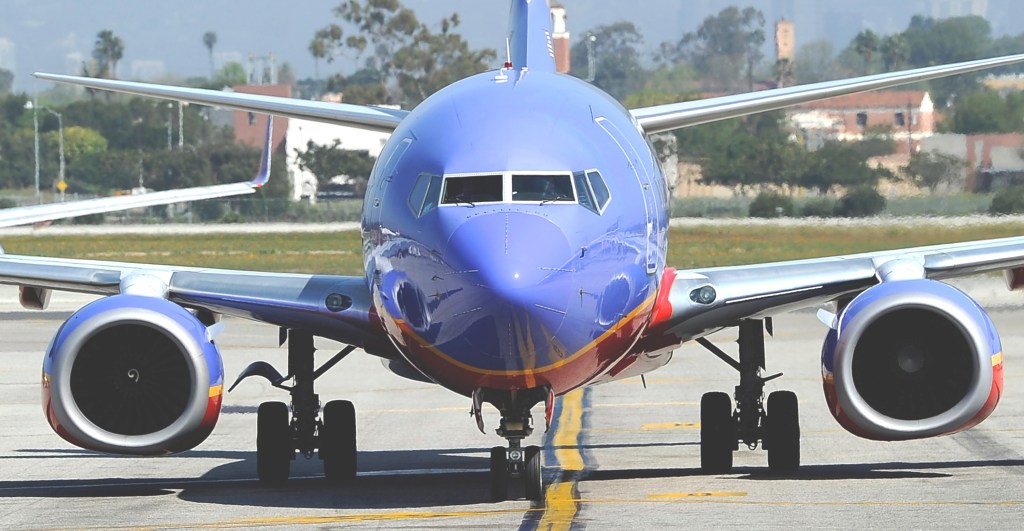
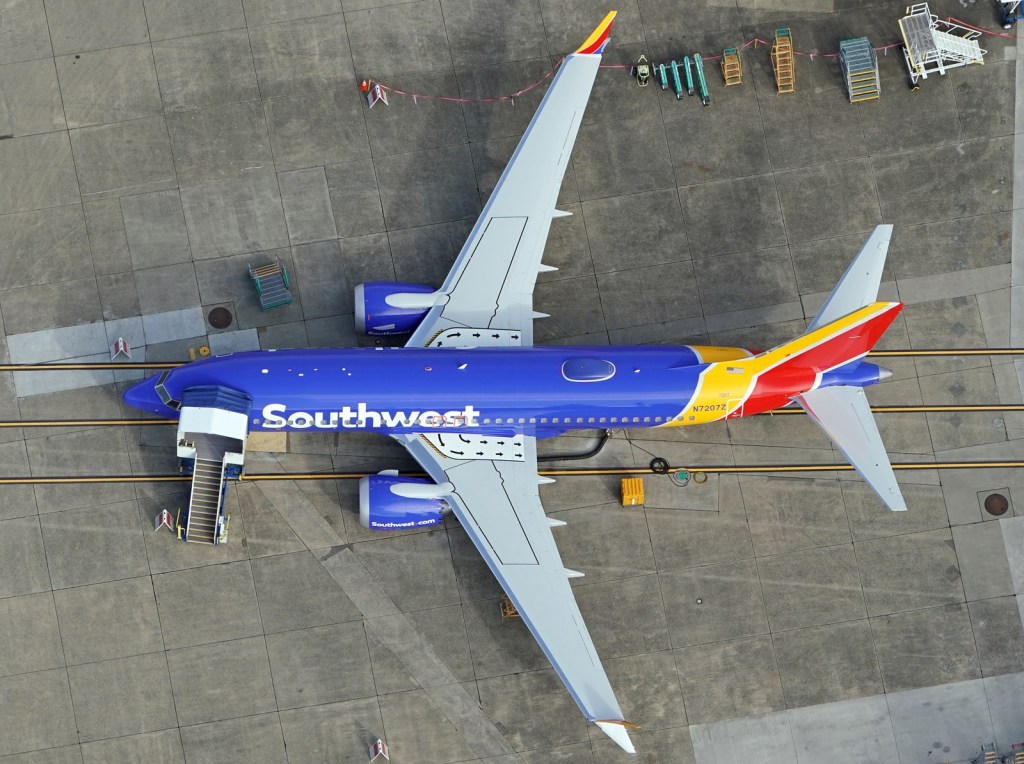
La aerolínea de bajo costo estadounidense Southwest Airlines ha anunciado la reincorporación en breve de 209 pilotos que habían sido separados de su cargo de manera voluntaria derivado de la crisis de los viajes debido a la pandemia de Coronavirus. Los 209 pilotos habían entrado a un programa de retiros voluntarios de la compañía en una medida para reducir la plantilla de empleados con el fin de ajustarse a un nuevo escenarios de vuelos reducidos. La reincorporación marca un buen signo para la aerolínea low cost que no ha despedido personal forzado, que persigue reactivarse medio de una recuperación de los viajes aéreos y la efectividad de la vacunación masiva de personas en Estados Unidos. Los pilotos reincorporados comenzarán a volar a partir del 1 de Junio de 2021 al término de completar todos sus adiestramientos y requisitos regulatorios adicionales.

Personal & demanda viajes

Las aerolíneas en los Estados Unidos se encuentran recontratando personal ante el alza en la demanda de viajes aéreos, lo que permite observar que independientemente de los rebrotes de pandemia, la efectividad de las medidas sanitarias continúan mostrando resultados alentadores. Otras aerolíneas como American Airlines, Delta Air Lines y United Airlines, también continuarán con los procesos de reincorporar a pilotos en este período. La separación de personal en las aerolíneas como los permisos sin goce de sueldo, retiros voluntarios y despidos han provocado grandes pérdidas a aerolíneas por falta de personal.

Las medidas restrictivas en vuelos han sido reestablecidas con la venta de pasajes del asiento central de los aviones para hacer frente a la demanda de los traslados. Ante el aumento de la demanda que comienza a recuperarse continuará afianzándose las economías de las aerolíneas nacionales después de más de un año de incertidumbres y pérdidas económicas.

Southwest reinstates suspended pilots

Southwest restores 209 drivers to its roster

The US low-cost airline Southwest Airlines has announced the brief reinstatement of 209 pilots who had been voluntarily separated from their position as a result of the travel crisis due to the Coronavirus pandemic. The 209 pilots had entered a company voluntary retirement program in a move to reduce the headcount in order to adjust to a new reduced flight scenario. The reincorporation marks a good sign for the low-cost airline that has not laid off forced personnel, which seeks to reactivate itself through a recovery in air travel and the effectiveness of mass vaccination of people in the United States. Rejoined pilots will begin flying on June 1, 2021 upon completion of all their training and additional regulatory requirements.

Personal & travel demand

Airlines in the United States are rehiring staff due to the rise in demand for air travel, which shows that regardless of the outbreaks of the pandemic, the effectiveness of health measures continue to show encouraging results. Other airlines such as American Airlines, Delta Air Lines and United Airlines, will also continue with the processes of reinstating pilots in this period. Airline staffing such as unpaid leave, voluntary retirements, and layoffs have resulted in heavy losses to airlines due to understaffing.

The restrictive measures on flights have been reestablished with the sale of tickets for the central seat of the planes to meet the demand for transfers. Given the increase in demand that is beginning to recover, the economies of national airlines will continue to strengthen after more than a year of uncertainties and economic losses.


PUBLISHER: Airgways.com
DBk: Southwest.com / Airgways.com
AW-POST: 202104071221AR

A\W   A I R G W A Y S ®

Aeropuerto Rosario nacionaliza carga

AW | 2021 04 07 10:40 | AIRPORTS / AIRLINES

Latam Cargo incursiona modalidad desde interior país

AIR_Isologotype

El Aeropuerto Internacional Rosario/Islas Malvinas/AIR ha anunciado la puesta en función de la nueva modalidad de carga aérea efectivizando la primera aeroestación de Argentina en nacionalizar cargas aéreas mediante la modalidad de Continuidad de Bodega. “Se trata de uno de los nuevos procedimientos de tránsito de cargas arribadas vía aérea, establecidos por la Resolución General Nº4731/2020 de la Agencia Tributaria de la AFIP que busca la simplificación de las operaciones en los casos que sea necesario utilizar la vía terrestre para que la mercadería continúe su traslado hasta la aduana de destino”, ha expresado el Presidente del Aeropuerto Rosario, Eduardo Romagnoli. La Resolución General Nº4731/2020 de AFIP establece: “Las cargas que arriban al territorio aduanero por vía aérea y que por motivos propios de ese tipo de transporte o por las características intrínsecas de las mercaderías deban utilizar la vía terrestre para continuar su traslado hasta la aduana de destino, deberán documentarse mediante declaración Sumaria de Tránsito (TRAS) y estarán sujetas con carácter obligatorio al control mediante la utilización del Precinto Electrónico de Monitoreo Aduanero (PEMA)”.

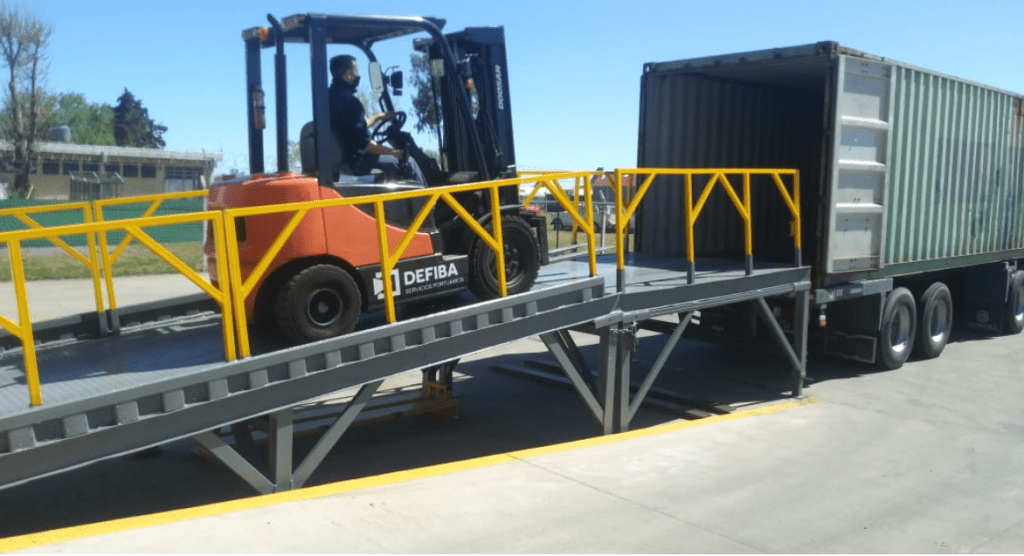
El trabajo conjunto de la empresa Latam Airlines Cargo, el Depósito Fiscal del Grupo Murchison–DEFIBA, la Aduana local y el Departamento Comercial del AIR han expresado que se encuentran trabajando mancomunadamente para habilitar la ruta y adecuar los sistemas de control. Han resaltado que en Marzo 2021 introdujeron el primer ingreso de carga aérea en la modalidad continuidad de bodega en el país en el Aeropuerto Rosario. La nueva modalidad permite una mejora los tiempos ya que la mercadería no permanece en Buenos Aires sino que continúa en forma directa a la terminal aérea.

La compañía Latam Airlines Cargo ha anunciado que tendrá un servicio regular semanal a partir del mes de Abril 2021, y que según la demanda evaluará incrementar la frecuencia e incluso la posibilidad de consolidar cargas con otras compañías aéreas que tengan como destino la Ciudad de Rosario. “Estamos comprometidos con el desarrollo comercial e industrial de la provincia y la región, y este es un paso importante en ese sentido” afirmó la aerolínea.

Rosario Airport nationalizes cargo

Latam Cargo enters the modality from the interior of the country

Rosario International Airport/Islas Malvinas/AIR has announced the implementation of the new air cargo modality, making the first airstation in Argentina to nationalize air cargoes through the Warehouse Continuity modality. «This is one of the new procedures for the transit of cargo arrived by air, established by General Resolution No. 4731/2020 of the Tax Agency of the AFIP that seeks to simplify operations in cases where it is necessary to use the land route to that the merchandise continues its transfer to the destination customs office”, expressed the President of Rosario Airport, Eduardo Romagnoli. General Resolution No. 4731/2020 of AFIP establishes: “The cargoes that arrive to the customs territory by air and that for reasons of this type of transport or due to the intrinsic characteristics of the goods must use the land route to continue their transfer until the Customs office of destination, must be documented by a Transit Summary declaration (TRAS) and will be subject to mandatory control through the use of the Electronic Customs Monitoring Seal (PEMA)”.

The joint work of the company Latam Airlines Cargo, the Murchison-DEFIBA Group Fiscal Warehouse, the local Customs and the AIR Commercial Department have expressed that they are working together to enable the route and adapt the control systems. They have highlighted that in March 2021 they introduced the first entry of air cargo in the warehouse continuity modality in the country at Rosario Airport. The new modality allows an improvement in times since the merchandise does not remain in Buenos Aires but continues directly to the air terminal.

The Latam Airlines Cargo company has announced that it will have a regular weekly service starting in April 2021, and that according to the demand it will evaluate increasing the frequency and even the possibility of consolidating loads with other airlines that have the City of Rosario as their destination. «We are committed to the commercial and industrial development of the province and the region, and this is an important step in that regard», said the airline.


PUBLISHER: Airgways.com
DBk: Aeropuertorosario.com.ar / Latam.com / Airgways.com
AW-POST: 202104071040AR

A\W   A I R G W A Y S ®
Contagios dos vuelos en Argentina

AW | 2021 04 07 10:18 | AIR TRAFFIC / GOVERNMENT

Vuelos procedente de Bariloche reportaron 78 contagios

El Ministerio de Salud de la Ciudad de Buenos Aires detectó 78 casos positivos de Coronavirus en dos vuelos de Aerolíneas Argentinos que llegaron a Aeroparque el Viernes 2 de Abril de 2021 con jóvenes que volvían de sus viajes de egresados en Bariloche. Debido a esta situación, las autoridades sanitarias analizan la suspensión temporal de la actividad hasta que la situación epidemiológica mejore. Se han reportado dos vuelos que arribaron procedente desde Bariloche volvieron con 78 estudiantes infectados. En el primero de los arribos, que fueron el Viernes 02/04 con 44 positivos y en el segundo 34 positivos. En el primer vuelo viajaban 157 personas y en el segundo 163. Al llegar a Buenos Aires se les realizó el hisopado correspondiente y los resultados fueron 44 positivos del primer vuelo, de los cuales 41 son residentes de la Ciudad de Buenos Aires, y 34 del segundo vuelo, de los cuales 18 son residentes en la Capital Federal. El primero de los vuelos estaba identificado con el número AR1685 y el segundo fue el AR1683. La detección de tantos contagios reavivó las preocupaciones de las autoridades sanitarias de la Ciudad y también de Nación.

La primera señal de alarma la había provocado el caso de un avión procedente de Cancún, México, en el que 44 estudiantes dieron positivo cuando se los examinó en el Aeropuerto Internacional de Ezeiza, el Sábado 15 de Marzo de 2021. En ese momento, el Gobierno nacional, a través de diferentes acciones empezó a desalentar la realización de este tipo de excursiones al exterior. Los viajes de egresados estuvieron suspendidos durante la etapa más dura de la pandemia de COVID-19 en Argentina. Ahora varias agencias de ese sector empezaron a posponer viajes por el aumento de contagios en casi todo el territorio nacional y porque el Gobierno impondría nuevas restricciones.

El Ministerio de Turismo, que es la autoridad administrativa que regula estos viajes, mantiene vigente la resolución que dictó en Noviembre 2020, respecto a la reprogramación de los mismos para cuando se levanten las restricciones o se podía solicitar la devolución de hasta el 75% del precio abonado. Hasta el momento, la Federación Argentina de Asociaciones de Empresas de Viajes y Turismo (FAEVyT) estima que, en modo burbuja y protocolos, se hicieron el 10% de los viajes en forma gradual para no saturar los destinos. Tras los anuncios que se esperan para este Jueves 08/05 se podría sumar una reunión clave entre el Ministerio de Turismo y Deportes de la Nación y autoridades de FAEVyT para analizar la situación de los agentes de viajes y los pasos a seguir en este contexto tan complicado.

Contagions two flights in Argentina

Flights from Bariloche reported 78 infections

The Ministry of Health of the City of Buenos Aires detected 78 positive cases of Coronavirus in two flights of Aerolíneas Argentinos that arrived at Aeroparque on Friday, April 2, 2021 with young people returning from their graduate trips in Bariloche. Due to this situation, the health authorities are analyzing the temporary suspension of the activity until the epidemiological situation improves. Two flights that arrived from Bariloche have been reported and returned with 78 infected students. In the first of the arrivals, which were on Friday 02/04 with 44 positives and in the second 34 positives. 157 people were traveling on the first flight and 163 on the second. Upon arrival in Buenos Aires, the corresponding swab was performed and the results were 44 positive from the first flight, of which 41 are residents of the City of Buenos Aires, and 34 from the second flight, of which 18 are residents of the Federal Capital. The first of the flights was identified with the number AR1685 and the second was the AR1683. The detection of so many infections rekindled the concerns of the health authorities of the City and also of the Nation.

The first alarm signal had been caused by the case of a plane from Cancun, Mexico, in which 44 students tested positive when they were examined at the Ezeiza International Airport, on Saturday, March 15, 2021. At that time, the The national government, through different actions, began to discourage this type of excursion abroad. Graduate trips were suspended during the toughest stage of the COVID-19 pandemic in Argentina. Now several agencies in that sector have begun to postpone trips due to the increase in infections in almost the entire national territory and because the Government would impose new restrictions.

The Ministry of Tourism, which is the administrative authority that regulates these trips, maintains in force the resolution issued in November 2020, regarding the reprogramming of the same for when the restrictions are lifted or the return of up to 75% of the trip could be requested. paid price.

So far, the Argentine Federation of Travel and Tourism Business Associations (FAEVyT) estimates that, in bubble mode and protocols, 10% of the trips were made gradually so as not to saturate the destinations. After the announcements that are expected for this Thursday 08/05, a key meeting could be added between the Ministry of Tourism and Sports of the Nation and authorities of FAEVyT to analyze the situation of travel agents and the steps to follow in this context as complicated.


PUBLISHER: Airgways.com
DBk: Argentina.gob.ar / Faevyt.org.ar / Infobae.com / Tn.com.ar / Airgways.com
AW-POST: 202104071018AR

A\W   A I R G W A Y S ®