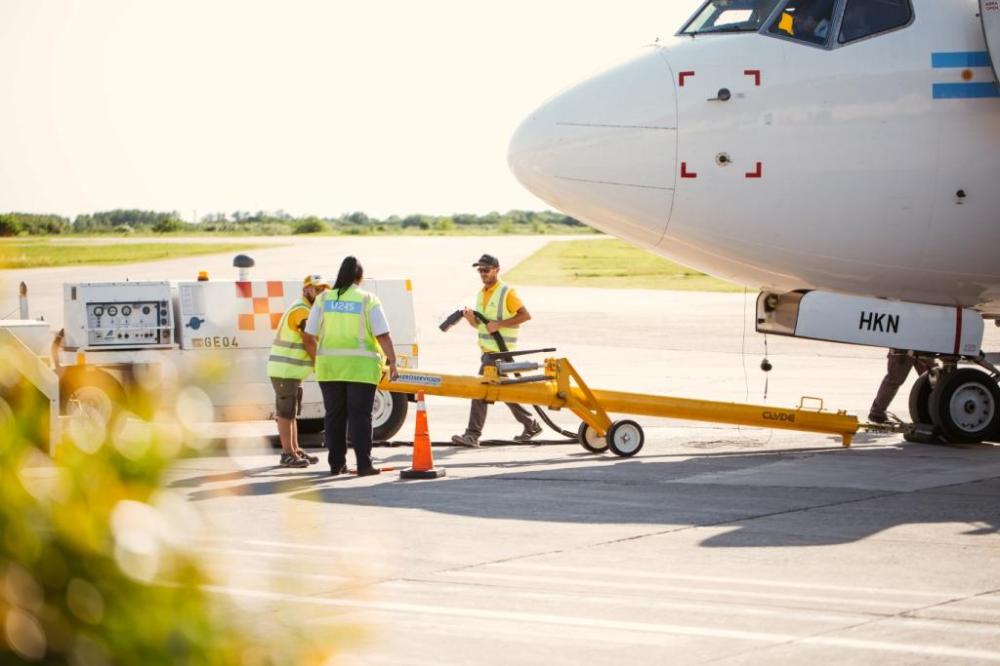
Paro aéreas Argentina

AW | 2024 10 30 14:30 | AIRLINES / AIR TRAFFIC

Líneas aéreas argentinas condenan paro general

Las líneas aéreas de Argentina han condenado el paro de transporte general y pidieron que se cumpla la esencialidad del servicio. Por una cautelar, está en suspenso la aplicación del decreto que sostiene que debe garantizarse un mínimo de operación. Las compañías dicen que no fueron informadas sobre cómo se llevarán adelante la medida de fuerza.

Las aerolíneas repudiaron el paro nacional de transporte de este Miércoles 30/10 por veinticuatro horas que afectará los servicios de aviación, obligándolas a reprogramar cientos de vuelos ante la adhesión a la medida de fuerza del gremio de pilotos, la Asociación de Pilotos de Líneas Aéreas de Argentina (APLA); el sindicato de la Asociación Argentina de Aeronavegantes (AAA), e Intercargo, empresa que presta servicios de rampa en los aeropuertos.

La Cámara de Líneas Aéreas en la Argentina (JURCA) expresó su rechazo y disgusto, y calificó como inaceptable el nivel de indefinición, pues argumentó que los operadores aéreos no fueron informados respecto de las modalidades que presentarán las medidas ni el cronograma de servicios que deben ser garantizados, aludiendo así a la medida cautelar que dejó en suspenso la aplicación del decreto que declaró “esencial” al transporte aéreo.

“Una vez más, la falta de definiciones y el incumplimiento de la ley de las entidades sindicales hace que la industria sufra una paralización masiva de sus operaciones, principalmente por la adhesión del gremio que representa a trabajadores de Intercargo”, manifestó JURCA, en un comunicado que difundió en el marco de la conferencia de aviación comercial ALTA AGM & Airline Leaders Forum, que se lleva adelante en Nassau, Bahamas, organizada por la Asociación Latinoamericana y del Caribe de Transporte Aéreo (ALTA), que nuclea a 51 aerolíneas que representan el 52% del tráfico aéreo de la región.

“No puede dejar de señalarse que una considerable parte de los daños que la medida generará podrían haberse evitado o morigerado con simplemente cumplir la normativa vigente. Aun cuando la rampa es considerada servicio esencial, la despreocupación de los representantes sindicales en cumplir con las reglas aplicables causa la cancelación de centenares de vuelos afectando a decenas de miles de pasajeros y toneladas de carga. En este caso la medida será aún más grave, ya que para algunos operadores implica la cancelación de dos días completos de actividad. La aviación no es meramente un medio de traslado de turistas. Es uno de los motores fundamentales para generar negocios, acceder a mercados, crear fuentes de trabajo y acceder a infinidad de recursos críticos para el crecimiento y desarrollo del país. Los asociados tomaron medidas a su alcance para minimizar el impacto negativo, aun cuando las acciones son ajenas a su voluntad e incurren en grandes pérdidas”, destacó en una carta que lleva la firma del Director Ejecutivo de JURCA, Felipe Baravalle, quien participa del foro.

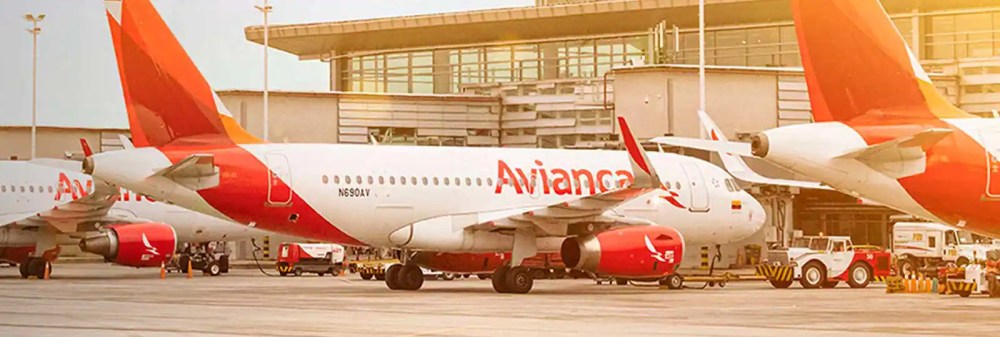
Entre los miembros de ALTA se encuentran nucleados Aerolíneas Argentinas, Aeroméxico, Air Canada, Air France, Air Europa, American Airlines, Avianca, Boliviana de Aviación, Copa Airlines, Delta Air Lines, United Airlines, GOL Linhas Aéreas, KLM Royal Dutch Airlines, LATAM Airlines, Lufthansa, Qatar Airways, Sky Airline y Turkish Airlines, pues les informaron a sus clientes afectados los pasos a seguir.

También Peter Cerda, Vicepresidente para América de la Asociación de Transporte Aéreo Internacional (IATA), le dijo en el evento de ALTA que apoya la postura de considerar esencial a la industria. “Será la quinta huelga en lo que va de 2024 que impacta al transporte aéreo en un país que está intentando recuperarse económicamente y aumentar la conectividad. El Gobierno tomó esta medida con mucho coraje. Los pasajeros que viajan a la Argentina necesitan cierta garantía de que la experiencia va a ser positiva. Si el país se paraliza, eso los afecta: pueden tener interés en ir, pero no se va a arriesgar. Por eso, el paro es una situación muy desafortunada. En muchos países el transporte aéreo es esencial por ley, como en los Estados Unidos y España. Ahora que están aprobados los decretos, se tienen que implementar. Necesitamos avanzar para que concretar el cambio y que el país sea mucho más competitivo”, expresó.

Argentine airlines strike

Argentine airlines condemn general strike

Argentine airlines have condemned the general transport strike and asked that the essentiality of the service be fulfilled. Due to a precautionary measure, the application of the decree that maintains that a minimum operation must be guaranteed is suspended. The companies say that they were not informed about how the strike will be carried out.

The airlines repudiated the national transport strike this Wednesday 30/10 for twenty-four hours that will affect aviation services, forcing them to reschedule hundreds of flights due to the adherence to the strike by the pilots’ union, the Argentine Airline Pilots Association (APLA); the Argentine Association of Flight Attendants (AAA), and Intercargo, a company that provides ramp services at airports.

The Chamber of Airlines in Argentina (JURCA) expressed its rejection and displeasure, and described the level of uncertainty as unacceptable, arguing that air operators were not informed about the modalities that the measures will present or the schedule of services that must be guaranteed, thus alluding to the precautionary measure that suspended the application of the decree that declared air transport “essential.”

“Once again, the lack of definitions and the failure of unions to comply with the law is causing the industry to suffer a massive stoppage of its operations, mainly due to the adhesion of the union that represents Intercargo workers”, said JURCA, in a statement released within the framework of the ALTA AGM & Airline Leaders Forum commercial aviation conference, which is taking place in Nassau, Bahamas, organized by the Latin American and Caribbean Air Transport Association (ALTA), which brings together 51 airlines that represent 52% of the region’s air traffic.

“It cannot be overlooked that a considerable part of the damage that the measure will generate could have been avoided or mitigated by simply complying with the current regulations. Even though the ramp is considered an essential service, the lack of concern by union representatives to comply with the applicable rules causes the cancellation of hundreds of flights affecting tens of thousands of passengers and tons of cargo. In this case, the measure will be even more serious, since for some operators it implies the cancellation of two full days of activity. Aviation is not merely a means of transporting tourists. It is one of the fundamental engines for generating business, accessing markets, creating sources of work, and accessing countless resources critical for the growth and development of the country. The associates took measures within their reach to minimize the negative impact, even when the actions are beyond their control and incur great losses”, he highlighted in a letter signed by the Executive Director of JURCA, Felipe Baravalle, who participates in the forum.

ALTA members include Aerolíneas Argentinas, Aeroméxico, Air Canada, Air France, Air Europa, American Airlines, Avianca, Boliviana de Aviación, Copa Airlines, Delta Air Lines, United Airlines, GOL Linhas Aéreas, KLM Royal Dutch Airlines, LATAM Airlines, Lufthansa, Qatar Airways, Sky Airline and Turkish Airlines, as they informed their affected clients of the steps to follow.

Peter Cerda, Vice President for America of the International Air Transport Association (IATA), also told the ALTA event that he supports the position of considering the industry essential. “It will be the fifth strike so far in 2024 that impacts air transport in a country that is trying to recover economically and increase connectivity. The Government took this measure with great courage. Passengers traveling to Argentina need some guarantee that the experience will be positive. If the country comes to a standstill, that affects them: they may be interested in going, but they are not going to risk it. That is why the strike is a very unfortunate situation. In many countries, air transport is essential by law, such as in the United States and Spain. Now that the decrees have been approved, they have to be implemented. We need to move forward to make the change happen and make the country much more competitive”, he said.

PUBLISHER: Airgways.com
DBk: Apla.org.ar / Aeronavegantes.org.ar / Jurca.org.ar / Alta.aero / Airgways.com
AW-POST: 202410301430AR
OWNERSHIP: Airgways Inc.
A\W A I R G W A Y S ®

Puja Azul/GOL por Aerolíneas

AW | 2024 10 30 10:11 | AIRLINES ALLIANCE

Azul logra fondos para compra de Aerolíneas Argentinas
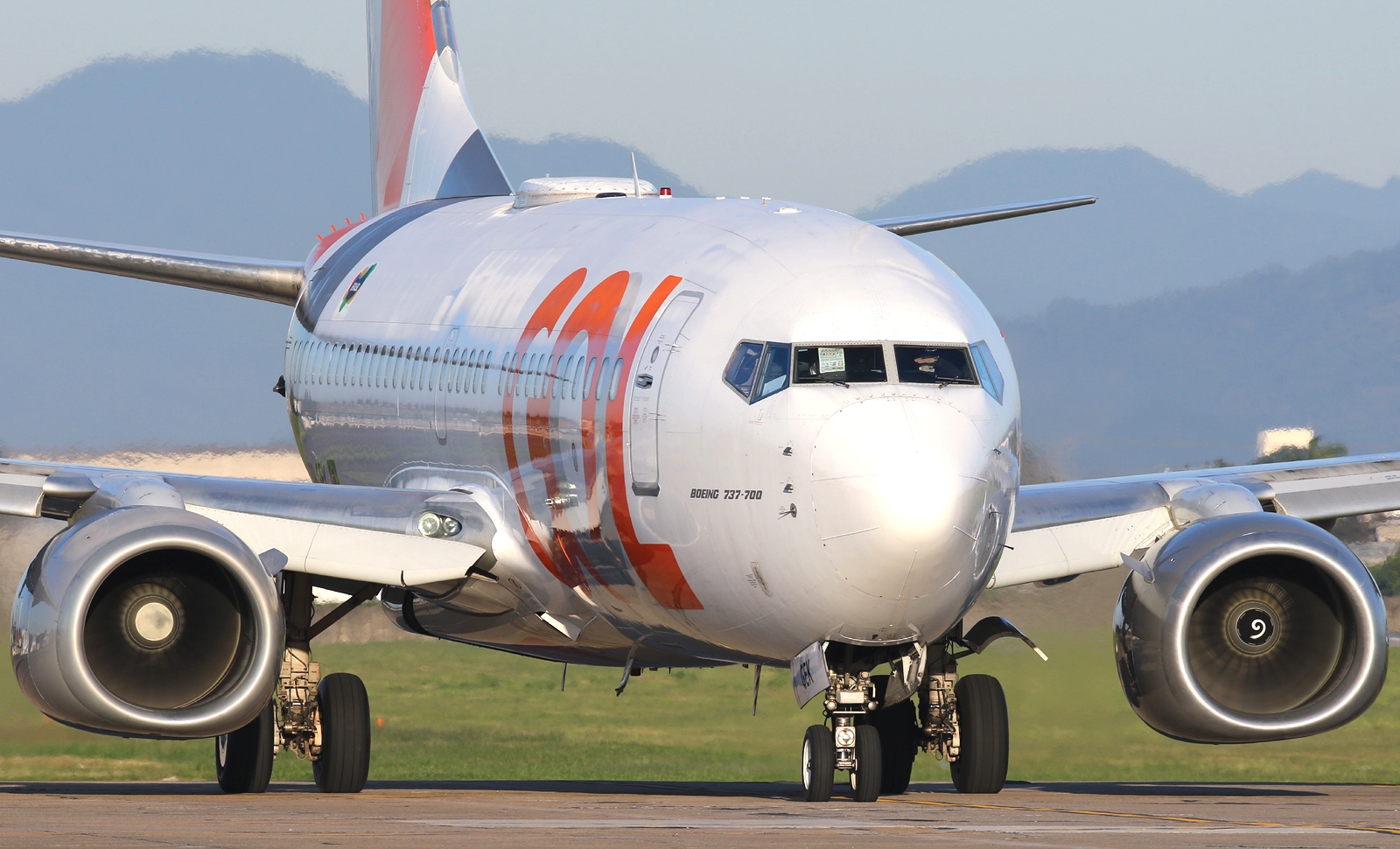
GOL Linhas Aéreas busca iniciativa compra

La aerolínea brasileña Azul Linhas Aéreas se ha fortalecido tras el alivio financiero que logró con sus accionistas en un acuerdo de US$ 500 millones de Dólares, el cual fortalece su liquidez y la robustece como candidata para la compra de Aerolíneas Argentinas, aunque directivos de la compañía tratan de enfriar esta posibilidad.

De acuerdo con una comunicación de Azul, esta inyección de capital aliviará su carga de deuda local de US$ 68,6 millones de Dólares en pagos de este año, así como los US$ 550 millones de Dólares en pagarés que vencen en plazos trimestrales durante los próximos cuatro años.

“La conclusión de este acuerdo, realizada a través de negociaciones amistosas, fortalece aún más a la empresa, demuestra la confianza de nuestros socios, refuerza la creencia en nuestro modelo de negocio y en la capacidad de la empresa para generar caja. Los acuerdos les permitirán continuar en nuestra senda de crecimiento”, dijo John Rodgerson, Director Ejecutivo de Azul en su cuenta oficial de LinkedIn.

Estos US$ 500 millones de Dólares en nueva Deuda Senior garantizada, US$ 150 millones de Dólares se aportarán en el transcurso de esta semana y US$ 250 millones de Dólares a finales de 2024, según el documento regulatorio. Así mismo, otros US$ 100 millones de Dólares podrían desbloquearse más adelante, señaló la línea aérea. Este acuerdo cubrirá además algunas obligaciones de Azul con arrendadores y proveedores de piezas para los próximos 18 meses, lo que le permitirá mejorar su flujo de caja en más de 150 millones de dólares, según la compañía aérea.

El Gobierno Nacional de Argentina continúa con el plan de austeridad en la esfera pública, permitiendo el saneamiento en diferentes sectores de organismos como así también la puesta en venta de empresas como Aerolíneas Argentinas.

En medio de la aprobación en Diputados del proyecto que declara a Aerolíneas Argentinas sujeta a privatización, el CEO de Azul Linhas Aereas, John Rodgerson, desmintió rotundamente los rumores sobre un supuesto interés de la compañía de Brasil en comprar la aerolínea de bandera argentina. «Ni siquiera volamos a la Argentina», afirmó John Rodgerson, disipando los rumores de interés; sin embargo, reconoció que la aerolínea brasileña GOL Linhas Aéreas está interesada.

Azul había iniciado sus operaciones en Argentina en 2017, con vuelos en la ruta Córdoba—Recife, pero en 2020 se retiró del país debido a la pandemia. A pesar de la autorización otorgada por la Administración Nacional de Aviación Civil (ANAC) para operar rutas regulares, la compañía decidió no regresar de forma permanente, citando obstáculos económicos como el cepo cambiario y la baja rentabilidad. En Junio de 2024, Azul reanudó temporalmente sus operaciones en la Argentina, ofreciendo vuelos estacionales entre Campinas y Bariloche durante la temporada de invierno. Sin embargo, esta reactivación fue limitada y no implicó un retorno estable al mercado argentino, reflejando las dificultades que las aerolíneas enfrentan para sostener servicios en el país.

El mercado brasileño es clave para la conectividad de Argentina, con un intercambio de casi 300.000 pasajeros en Septiembre 2024, según ANAC. La ruta Buenos Aires—Sao Paulo es cubierta actualmente por nueve aerolíneas, incluidas Aerolíneas Argentinas y GOL.

Azul/GOL bids for Aerolíneas

Azul logra fondos para compra de Aerolíneas Argentinas
GOL Linhas Aéreas busca iniciativa compra

The Brazilian airline Azul Linhas Aéreas has been strengthened after the financial relief it achieved with its shareholders in a US$ 500 million agreement, which strengthens its liquidity and strengthens it as a candidate for the purchase of Aerolíneas Argentinas, although company executives are trying to cool down this possibility.

According to a statement from Azul, this capital injection will alleviate its local debt burden of US$ 68.6 million in payments this year, as well as the US$ 550 million in promissory notes that mature in quarterly installments over the next four years.

“The conclusion of this agreement, carried out through friendly negotiations, further strengthens the company, demonstrates the confidence of our partners, reinforces the belief in our business model and in the company’s ability to generate cash. The agreements will allow them to continue on our growth path”, said John Rodgerson, CEO of Azul on his official LinkedIn account.

These US$ 500 million in new Senior Secured Debt, US$ 150 million will be provided during the course of this week, and US$ 250 million by the end of 2024, according to the regulatory document. Likewise, another US$ 100 million could be released later, the airline said. This agreement will also cover some of Azul’s obligations with lessors and parts suppliers for the next 18 months, which will allow it to improve its cash flow by more than US$ 150 million, according to the airline.

The National Government of Argentina continues with the austerity plan in the public sphere, allowing the cleanup in different sectors of organizations as well as the sale of companies such as Aerolíneas Argentinas.

In the midst of the approval in the House of Representatives of the project that declares Aerolíneas Argentinas subject to privatization, the CEO of Azul Linhas Aereas, John Rodgerson, flatly denied rumors about an alleged interest by the Brazilian company in buying the Argentine flag carrier. «We don’t even fly to Argentina», said John Rodgerson, dispelling rumors of interest; however, he acknowledged that the Brazilian airline GOL Linhas Aéreas is interested.

Azul had started its operations in Argentina in 2017, with flights on the Córdoba-Recife route, but in 2020 it withdrew from the country due to the pandemic. Despite the authorization granted by the National Civil Aviation Administration (ANAC) to operate regular routes, the company decided not to return permanently, citing economic obstacles such as the exchange rate cap and low profitability. In June 2024, Azul temporarily resumed its operations in Argentina, offering seasonal flights between Campinas and Bariloche during the winter season. However, this reactivation was limited and did not imply a stable return to the Argentine market, reflecting the difficulties that airlines face in maintaining services in the country.

The Brazilian market is key for Argentina’s connectivity, with an exchange of almost 300,000 passengers in September 2024, according to ANAC. The Buenos Aires-Sao Paulo route is currently served by nine airlines, including Aerolíneas Argentinas and GOL.

PUBLISHER: Airgways.com
DBk: Voeazul.com.br / Voegol.com.br / Aerolineas.com / Airgways.com
AW-POST: 202410301011AR
OWNERSHIP: Airgways Inc.
A\W A I R G W A Y S ®

Aerolíneas a debate en Diputados

AW | 2024 10 30 09:57 | AIRLINES / GOVERNMENT

Logra aprobación Comisión para debatir privatización

El Presidente de Argentina Javier Milei continúa enfocado en la privatización de Aerolíneas Argentinas ahora avanzando con una discusión en la Cámara de Diputados. El partido oficialista La Libertad Avanza (LLA), obtuvo el Martes 29/10 el visto bueno en una comisión del Congreso con el apoyo del partido PRO y algunos miembros de la UCR.

El Ejecutivo Nacional se comprometió a privatizar la aerolínea de bandera tan pronto como asumió el cargo, colocándola en la lista de empresas sujetas a privatización en la versión original de las Bases de Ley. Sin embargo, la cláusula fue eliminada posteriormente y no se incluyó en la versión aprobada por el Congreso en Junio 2024.

A principios de Octubre 2024, Presidencia emitió una orden ejecutiva en la que proclamaba que la empresa estaba sujeta a privatización. Esa orden ejecutiva está sujeta a la aprobación del Congreso: si es aprobada por ambas cámaras, el Poder Ejecutivo podría vender la empresa.

Hernán Lombardi, Diputado del PRO, dijo en el debate, que agrupó a las comisiones de Transporte, Presupuesto y Hacienda, que su partido quiere «más vuelos, más frecuencias, para que la Argentina esté mejor conectada dentro del país y con el mundo». Diputados de otros partidos firmaron dos opiniones disidentes. Las coaliciones de centroizquierda e izquierda Unión por la Patria (UXP) y el Frente de Izquierda apoyaron una opinión que rechazaba la privatización. Por su parte, Encuentro Federal y el recientemente formado bloque Democracia para Siempre respaldaron la incorporación de capital privado a la empresa, siendo el estado el accionista mayoritario. Germán Martínez, Jefe del bloque UXP, acusó al gobierno de querer desmantelar la empresa. «Milei no está solo, como dicen algunos. No es solo él, [su hermana y Secretaria de la Presidencia] Karina y [su asesor] el pequeño Santiago Caputo. Los poderes económicos están detrás de él». Acusó a los diputados de otros partidos que apoyan la opinión del gobierno de arrodillarse ante los económicamente poderosos.

«Es una privatización ciega, sin ningún tipo de plan, no genera una política de cielos abiertos, sino que solo privatiza los cielos en Argentina», dijo Diego Giuliano, también de UXP.

Nicolás Massot, de Encuentro Federal, dijo que su bloque propuso «autorizar el ingreso de socios privados a la empresa, con la condición de que el Estado mantenga el control corporativo».

Carolina Gaillard, de UXP, dijo que la compañía voló a diez ciudades en 2008. «Ahora vuela a 52, la empresa no tiene déficit y [el gobierno quiere] venderla porque hay un negocio de [el expresidente Mauricio] Macri y sus amigos. Y los que firman la opinión mayoritaria son cómplices».

El ex-Presidente de Aerolíneas Argentinas, Luis Pablo Ceriani, dijo que, cuando era administrada por el Estado, Aerolíneas Argentinas funcionaba «mucho mejor de lo que era administrada por el sector privado, lo cual era desastroso». Aerolíneas fue nacionalizada en 2008, después de haber sido vendida por una administración anterior a la empresa española Iberia en 1990.

La polémica surgió cuando Fernando Dozo, presentado como abogado y especialista en derecho aeronáutico, dijo que el Gobierno debería «convocar a una licitación internacional para ver quién se puede hacer cargo de esto». Fernando Dozo, quien era Director Ejecutivo de Aerolíneas Argentinas cuando fue privatizada, dijo que el Gobierno español capitalizó la empresa, invirtiendo US$ 3.500 millones de Dólares. «Nos comimos los millones de Dólares. ¡Aquí todos los que destruyeron la empresa están en libertad, todos en libertad! Empezando por la vicepresidenta de la República condenada [Cristina Fernández de Kirchner] y los principales responsables», dijo, alzando la voz, golpeando la mesa y nombrando a ex funcionarios peronistas mientras los diputados de la UXP le gritaban.

Aerolíneas debated in the Chamber of Deputies

Commission to debate privatization obtains approval

Argentine President Javier Milei continues to focus on the privatization of Aerolíneas Argentinas, now moving forward with a discussion in the Chamber of Deputies. The ruling party La Libertad Avanza (LLA), obtained approval on Tuesday 10/29 in a commission of Congress with the support of the PRO party and some members of the UCR.

The National Executive committed to privatize the flag carrier as soon as it took office, placing it on the list of companies subject to privatization in the original version of the Bases of Law. However, the clause was later eliminated and was not included in the version approved by Congress in June 2024.

At the beginning of October 2024, the Presidency issued an executive order proclaiming that the company was subject to privatization. That executive order is subject to approval by Congress: if it is approved by both chambers, the Executive Branch could sell the company.

Hernán Lombardi, a PRO deputy, said in the debate, which brought together the Transport, Budget, and Finance committees, that his party wants «more flights, more frequencies, so that Argentina is better connected within the country and with the world». Deputies from other parties signed two dissenting opinions. The center-left and left coalitions Unión por la Patria (UXP) and the Frente de Izquierda supported an opinion that rejected privatization. For their part, Encuentro Federal and the recently formed bloc Democracia para Siempre supported the incorporation of private capital into the company, with the state being the majority shareholder. Germán Martínez, head of the UXP bloc, accused the government of wanting to dismantle the company. «Milei is not alone, as some say. It is not just him, [his sister and Secretary of the Presidency] Karina, and [his advisor] little Santiago Caputo. The economic powers are behind him». He accused deputies from other parties who support the government’s opinion of bowing down to the economically powerful.

«It is a blind privatization, without any kind of plan, it does not generate an open skies policy, but only privatizes the skies in Argentina», said Diego Giuliano, also from UXP.

Nicolás Massot, from Encuentro Federal, said that his bloc proposed «authorizing the entry of private partners to the company, with the condition that the State maintains corporate control».

Carolina Gaillard, from UXP, said that the company flew to ten cities in 2008. «Now it flies to 52, the company has no deficit and [the government wants] to sell it because there is a business of [former president Mauricio] Macri and his friends. And those who sign the majority opinion are accomplices».

Former Aerolíneas Argentinas President Luis Pablo Ceriani said that when it was state-run, Aerolíneas Argentinas functioned «much better than when it was run by the private sector, which was disastrous». Aerolíneas was nationalized in 2008, after being sold by a previous administration to the Spanish company Iberia in 1990.

The controversy arose when Fernando Dozo, who presented himself as a lawyer and specialist in aeronautical law, said that the government should «call for an international tender to see who can take charge of this», Fernando Dozo, who was CEO of Aerolíneas Argentinas when it was privatized, said that the Spanish government capitalized the company, investing US$ 3.5 billion. «We ate up the millions of dollars. Here, all those who destroyed the company are free, all free! Starting with the convicted vice president of the Republic [Cristina Fernández de Kirchner] and those primarily responsible», he said, raising his voice, banging the table and naming former Peronist officials while the UXP deputies shouted at him.

PUBLISHER: Airgways.com
DBk: Argentina.gob.ar / Aerolineas.com / Airgways.com
AW-POST: 202410300957AR
OWNERSHIP: Airgways Inc.
A\W A I R G W A Y S ®

Codeshare Malaysia-IndiGo

AW | 2024 10 30 09:46 | AIRLINES ALLIANCE

Malaysia Airlines e IndiGo fortalecen código compartido

Malaysia Airlines e IndiGo han anunciado el 29/10 que consolidan una asociación de código compartido para mejorar la conectividad entre dos mercados turísticos claves. Tras el Memorando de Entendimiento (MoU) firmado en Abril de 2024, Malaysia Airlines e IndiGo se complacen en establecer una asociación estratégica de código compartido que tiene como objetivo impulsar la conectividad y elevar la experiencia del viajero en sus centros clave dentro de Malasia e India.

A través de esta asociación, los clientes de Malaysia Airlines obtendrán un acceso más amplio a destinos dentro de la India, ya que el código de vuelo de la aerolínea «MH» se agregará a siete destinos nacionales en la India, incluidos Calcuta, Varanasi, Patna, Tiruchirappalli, Goa, Bhubaneswar y Visakhapatnam. Esto complementa las rutas directas actuales de la aerolínea a diez centros clave en la India, incluidos Nueva Delhi, Mumbai, Bengaluru, Chennai, Hyderabad, Kochi, Ahmedabad, Amritsar, Trivandrum y Kolkata.

Mientras tanto, el código de vuelo «6E» de IndiGo se agregará a los vuelos nacionales de Malaysia Airlines desde su centro principal en la Terminal 1 del Aeropuerto Internacional KL a destinos como Penang, Langkawi, Johor Bahru, Kota Kinabalu y Kuching; permitiendo a los turistas opciones de viaje adicionales para explorar la belleza de Malasia.

El capitán de Datuk Izham Ismail, Director General del grupo Malaysia Aviation Group, dijo: «Estamos encantados de embarcarnos en esta asociación de código compartido con IndiGo, reconociendo el tremendo potencial del mercado indio tanto para viajes de placer como de negocios. Esta colaboración nos permite ofrecer a los clientes de Malaysia Airlines un mayor acceso al rico paisaje cultural y económico de la India, al tiempo que damos una calurosa bienvenida a los pasajeros de IndiGo para que experimenten el encanto único de la hospitalidad de Malasia. Esta asociación estratégica refleja nuestro compromiso mutuo de impulsar el crecimiento del turismo entre nuestras naciones, especialmente con la entrada sin visa para turistas entre los dos países. Nuestro objetivo es ofrecer más opciones de viaje, una conectividad mejorada y una experiencia de viaje fluida para nuestros valiosos clientes».

Pieter Elbers, Director Ejecutivo de IndiGo, dijo: «Es un momento encantador para nosotros en IndiGo formalizar esta asociación de código compartido con Malaysia Airlines. Esta alianza estratégica es un testimonio de nuestro compromiso de tender puentes entre India y Malasia, desbloqueando una conectividad y conveniencia incomparables para nuestros clientes en ambos países. La asociación ofrecerá una mayor accesibilidad, para explorar la experiencia única y enriquecedora que el país tiene para ofrecer. Esta colaboración no solo amplía las opciones de viaje para nuestros clientes, sino que también fortalece los lazos culturales y económicos entre las dos naciones. En IndiGo, nos mantenemos firmes en nuestra misión de brindar experiencias de viaje sin complicaciones, y esta colaboración subraya nuestra dedicación a esa promesa».

Malaysia-IndiGo Codeshare

Malaysia Airlines and IndiGo strengthen codeshare partnership

Malaysia Airlines and IndiGo have announced on 29/10 that they are consolidating a codeshare partnership to enhance connectivity between two key tourism markets. Following the Memorandum of Understanding (MoU) signed in April 2024, Malaysia Airlines and IndiGo are pleased to establish a strategic codeshare partnership that aims to boost connectivity and elevate the traveler experience at their key hubs within Malaysia and India.

Through this partnership, Malaysia Airlines customers will gain broader access to destinations within India as the airline’s flight code «MH» will be added to seven domestic destinations in India including Kolkata, Varanasi, Patna, Tiruchirappalli, Goa, Bhubaneswar, and Visakhapatnam. This complements the airline’s current direct routes to ten key hubs in India including New Delhi, Mumbai, Bengaluru, Chennai, Hyderabad, Kochi, Ahmedabad, Amritsar, Trivandrum, and Kolkata.

Meanwhile, IndiGo’s flight code “6E” will be added to Malaysia Airlines’ domestic flights from its main hub at KL International Airport Terminal 1 to destinations such as Penang, Langkawi, Johor Bahru, Kota Kinabalu and Kuching; allowing tourists additional travel options to explore the beauty of Malaysia.

Captain Datuk Izham Ismail, Group Managing Director of Malaysia Aviation Group, said: “We are delighted to embark on this codeshare partnership with IndiGo, recognising the tremendous potential of the Indian market for both leisure and business travel. This collaboration enables us to offer Malaysia Airlines customers greater access to India’s rich cultural and economic landscape, whilst warmly welcoming IndiGo passengers to experience the unique charm of Malaysian hospitality. This strategic partnership reflects our mutual commitment to driving tourism growth between our nations, especially with visa-free entry for tourists between the two countries. We aim to offer more travel options, enhanced connectivity, and a seamless travel experience for our valued customers”.

Pieter Elbers, Chief Executive Officer, IndiGo, said, “It is a delightful moment for us at IndiGo to formalise this codeshare partnership with Malaysia Airlines. This strategic alliance is a testament to our commitment to bridge the gap between India and Malaysia, unlocking unparalleled connectivity and convenience for our customers in both countries. The partnership will offer greater accessibility, to explore the unique and enriching experience that the country has to offer. This collaboration not only expands travel options for our customers but also strengthens the cultural and economic ties between the two nations. At IndiGo, we remain steadfast in our mission to provide hassle-free travel experiences, and this collaboration underlines our dedication to that promise”.

PUBLISHER: Airgways.com
DBk: Malaysiaairlines.com / Indigo.in / Airgways.com
AW-POST: 202410300946AR
OWNERSHIP: Airgways Inc.
A\W A I R G W A Y S ®

Boeing entrega 737 MAX a Southwest

AW | 2024 10 29 11:19 | AIRLINES / INDUSTRY

Entregas a Southwest Airlines a pesar de huelga de maquinistas

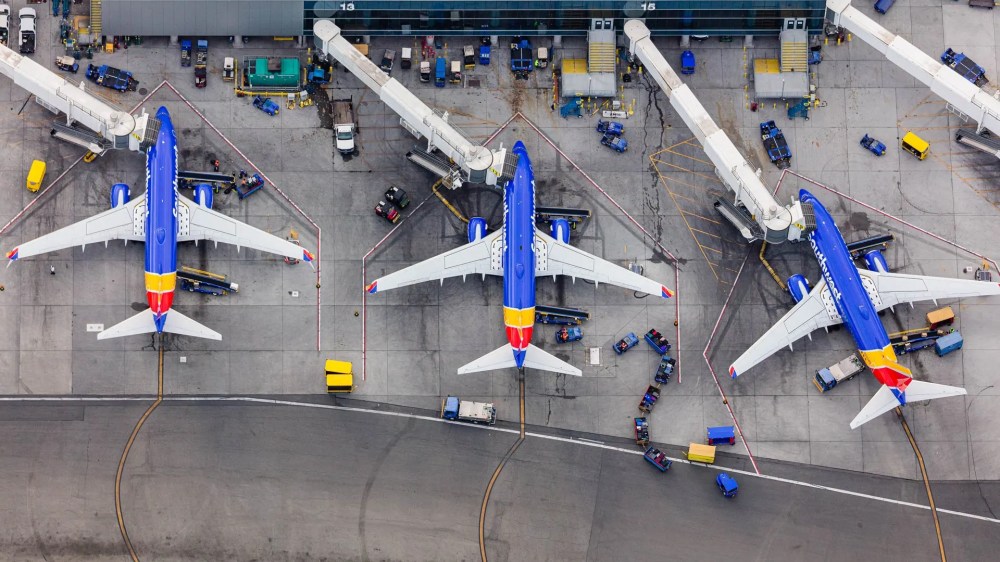
Southwest Airlines ha recibido un nuevo Boeing 737-8 MAX directo de fábrica en medio de la acción sindical de los maquinistas del fabricante, representados por la Asociación Internacional de Maquinistas y Trabajadores Aeroespaciales (IAM) District Lodge 751 y District W24, que se encuentran en huelga desde mediados de Septiembre 2024.

El 737-8 MAX, registrado como N8930S, fue entregado a Southwest el 28 de Octubre de 2024, cuando la aerolínea envió la aeronave desde el Aeropuerto Internacional del Condado de King (BFI), también conocido como Boeing Field, a Aeropuerto Internacional Phoenix Sky Harbor (PHX). La aeronave fue transportada con el código de vuelo WN8545, que la aerolínea ha utilizado en varias ocasiones para mover sus activos a lo largo de los últimos meses.

Desde la huelga gremial que ha continuado desde el 13 de Septiembre de 2024 hasta la fecha, Southwest Airlines ha tomado entrega de dos aeronaves 737 MAX. Después de su entrega el 27/09 del avión con registro N8933Q, entró en servicio comercial el 02/10 operando el vuelo WN2170 desde el Aeropuerto Internacional Phoenix Sky Harbor (PHX) a Aeropuerto Internacional de Oakland (OAK).

Además, Boeing entregó a otras aerolíneas a través del mundo más aeronaves entre ellas cinco 737-8 MAX a aerolíneas con sede en China, entre ellas Shanghái Airlines (1), Shenzhen Airlines (2), y Xiamen Airlines (2) entre el 13 de Septiembre y el 28 de Octubre de 2024.

Durante la llamada de ganancias del tercer trimestre de Boeing, Brian West, Director Financiero (CFO) y Vicepresidente Ejecutivo de Finanzas de Boeing, dijo que al 30 de Septiembre de 2024, el fabricante tenía alrededor de 60 aviones 737-8 MAX construidos antes de 2023, la mayoría para aerolíneas en China e India. Boeing redujo el número de 737-8 MAX en inventario en treinta unidades en comparación con el último trimestre. El inventario de 737-7 MAX y 737-10 MAX se ha mantenido estable, en alrededor de 35 aviones al final del 3Q2024.

Boeing delivers 737 MAX to Southwest

Deliveries to Southwest Airlines Despite Machinist Strike

Southwest Airlines has taken delivery of a new Boeing 737-8 MAX direct from the factory amid union action by the manufacturer’s machinists, represented by the International Association of Machinists and Aerospace Workers (IAM) District Lodge 751 and District W24, who have been on strike since mid-September 2024.

The 737-8 MAX, registered as N8930S, was delivered to Southwest on October 28, 2024, when the airline shipped the aircraft from King County International Airport (BFI), also known as Boeing Field, to Phoenix Sky Harbor International Airport (PHX). The aircraft was transported under flight code WN8545, which the airline has used on several occasions to move its assets over the past few months.

Since the labor strike that has continued from September 13, 2024, to date, Southwest Airlines has taken delivery of two 737 MAX aircraft. Following its 9/27 delivery of the aircraft with registration N8933Q, it entered commercial service on 10/02 operating flight WN2170 from Phoenix Sky Harbor International Airport (PHX) to Oakland International Airport (OAK).

Additionally, Boeing delivered additional aircraft to other airlines around the world, including five 737-8 MAX aircraft to airlines based in China, including Shanghai Airlines (1), Shenzhen Airlines (2), and Xiamen Airlines (2) between September 13 and October 28, 2024.

During Boeing’s third-quarter earnings call, Brian West, Boeing’s Chief Financial Officer (CFO) and Executive Vice President of Finance, said that as of September 30, 2024, the manufacturer had about 60 737-8 MAX airplanes built by 2023, the majority for airlines in China and India. Boeing reduced the number of 737-8 MAX airplanes in inventory by thirty units compared to the last quarter. Inventory of 737-7 MAX and 737-10 MAX airplanes has remained stable, at about 35 airplanes at the end of 3Q2024.

PUBLISHER: Airgways.com
DBk: Southwest.com / Boeing.com / Airgways.com
AW-POST: 202410291119AR
OWNERSHIP: Airgways Inc.
A\W A I R G W A Y S ®

Paro transporte aéreo Argentina

AW | 2024 10 29 11:17 | AIRLINES / AVIATION ORGANISMS

Paro general transporte aéreo en Argentina

Un nuevo paro general del transporte aéreo se generará Miércoles 30 de Octubre de 2024. La acción tiene alcance nacional de transporte que impactará en varios servicios como trenes, aviones, camiones y barcos. Varias aerolíneas con operaciones locales e internacionales comenzaron a comunicarse con sus pasajeros para advertir sobre cambios, reprogramaciones y/o cancelaciones.

Las líneas aéreas han comenzado a emitir comunicados para dar aviso a los usuarios del transporte aéreo para reprogramar sus vuelos o acceder a las cancelaciones.

La low cost JetSMART Airlines Argentina emitió un comunicado en el que anuncia su decisión de trasladar vuelos que originalmente estaban programados desde el Aeropuerto Jorge Newbery para que salgan desde el Aeropuerto Internacional Ezeiza. “Esta medida tiene como objetivo garantizar la continuidad de las operaciones y asegurar el derecho de los pasajeros a movilizarse libremente dentro del país y hacia destinos internacionales”, expresa el comunicado de la línea aérea. La aerolínea decidió contratar los servicios de rampa en el aeropuerto de Ezeiza para minimizar los inconvenientes a sus pasajeros y asegurar la mayor cantidad posible de vuelos previstos para ese día. Aunque este cambio les permitirá mantener la mayoría de los vuelos, algunos podrían verse afectados por la falta de proveedores en determinadas ciudades del interior como Tucumán, Neuquén y San Martín de los Andes, donde las operaciones continuarán desde Aeroparque bajo el esquema habitual.

Aerolíneas Argentinas anunció que habrá modificaciones en los horarios de los vuelos que estaban previstos para este 30 de Octubre de 2024 y se verán afectados por la medida de fuerza. De esta manera, la empresa le solicitó a los pasajeros «estar atentos a la casilla de mail informada en su reserva por posibles notificaciones sobre cambios en el itinerario de vuelos durante o cerca del horario de inicio y fin de la medida gremial». A su vez, aclaró que «en caso de haber comprado su ticket a través de una agencia de viajes, cualquier modificación será informada por la misma».

Por su parte, el gremio que nuclea a los trabajadores de las líneas aéreas extranjeras dio libertad de acción, pero las compañías comenzaron a reprogramar sus vuelos ante la posibilidad de no contar con atención en tierra, pues la compañía prestadora de servicios logísticos Intercargo no prestará servicios.

En cuanto al conflicto gremial, desde Aerolíneas Argentinas aseguraron que llevaron adelante «todas las acciones que están a su alcance para mitigar el efecto de esta medida a través de reprogramaciones adelantando y postergando salidas fuera de la franja horaria de la medida y creando vuelos especiales para redistribuir a los pasajeros afectados. Lamentamos los inconvenientes que esta medida pudieran causar en los planes de viaje de nuestros pasajeros», expresó la aerolínea en su comunicado.

Al paro general de transporte se incorporan al reclamo los estatales de la Asociación de Trabajadores del Estado (ATE), los cuales tienen injerencia en el gremio de Administración Nacional de Aviación Civil (ANAC), el Organismo Regulador del Sistema Nacional de Aeropuertos (ORSNA), Vías Navegables, el ex-Ministerio de Transporte, la Junta de Seguridad en el Transporte (JST) y la Comisión Nacional de Regulación del Transporte (CNRT), entre otros organismos.

Air transport strike in Argentina

General air transport strike in Argentina

A new general air transport strike will take place on Wednesday, October 30, 2024. The action has a national transport scope that will impact various services such as trains, planes, trucks, and ships. Several airlines with local and international operations began to communicate with their passengers to warn about changes, rescheduling, and/or cancellations.

Airlines have begun to issue statements to notify air transport users to reschedule their flights or access cancellations.

The low-cost JetSMART Airlines Argentina issued a statement announcing its decision to move flights that were originally scheduled from Jorge Newbery Airport to depart from Ezeiza International Airport. «This measure aims to guarantee the continuity of operations and ensure the right of passengers to move freely within the country and to international destinations», the airline’s statement said. The airline decided to hire ramp services at Ezeiza Airport to minimize inconvenience to its passengers and ensure the largest possible number of flights scheduled for that day. Although this change will allow them to maintain most of the flights, some could be affected by the lack of suppliers in certain cities in the interior such as Tucumán, Neuquén, and San Martín de los Andes, where operations will continue from Aeroparque under the usual schedule.

Aerolíneas Argentinas announced that there will be changes in the schedules of the flights that were scheduled for October 30, 2024, and will be affected by the strike. In this way, the company asked passengers to «be attentive to the email inbox informed in their reservation for possible notifications about changes in the flight itinerary during or near the start and end time of the strike». In turn, it clarified that «in case you have purchased your ticket through a travel agency, any modification will be informed by the agency».

For its part, the union that represents workers from foreign airlines gave freedom of action, but the companies began to reschedule their flights in view of the possibility of not having ground support, since the logistics services company Intercargo will not provide services.

Regarding the union conflict, Aerolíneas Argentinas assured that they carried out «all actions within their reach to mitigate the effect of this measure through rescheduling advancing, and postponing departures outside the time slot of the measure and creating special flights to redistribute the affected passengers. We regret the inconvenience that this measure could cause in the travel plans of our passengers», the airline said in its statement.

The general transport strike is joined by state workers from the Association of State Workers (ATE), who have influence in the National Civil Aviation Administration (ANAC), the National Airport System Regulatory Body (ORSNA), Navigable Waterways, the former Ministry of Transport, the Transportation Safety Board (JST) and the National Commission for the Regulation of Transport (CNRT), among other bodies.

PUBLISHER: Airgways.com
DBk: Jetsmart.com / Aerolineas.com / Ate.org.ar / Argentina.gob.ar/anac / Argentina.gob.ar/orsna / Argentina.gob.ar/jst / Argentina.gob.ar/cnrt / Airgways.com
AW-POST: 202410291117AR
OWNERSHIP: Airgways Inc.
A\W A I R G W A Y S ®

LATAM ordena 10 Boeing 787

.

AW | 2024 10 29 11:00 | AIRLINES / INDUSTRY

Aerolínea anuncia adquisición 10 Dreamliner

LATAM Airlines Group ha anunciado el 29/10 la compra de diez (10) nuevos aviones Boeing 787 Dreamliner, consolidándose como el mayor operador de este modelo en América Latina. La compañía comenzará a adquirir el nuevo lote de aviones de fuselaje ancho a partir del 2025 como parte de un plan de modernización de flota de largo recorrido alineándose con la estrategia de crecimiento sostenible de la aerolínea. Los nuevos Boeing 787 estarán equipados con motores GENx, complementando la flota actual de Dreamliners con motores Rolls Royce Trent 1000. Al recibir los primeros dos nuevos Boeing 787 en 2025, la aerolínea sigue reforzando su posición como el mayor operador de este modelo en América Latina, donde actualmente opera 37 Dreamliners.

Ramiro Alfonsín, CFO del Grupo LATAM expresó: “El Boeing 787 es un avión que destaca por su eficiencia y versatilidad y que permite al grupo seguir creciendo de forma sostenible, reduciendo su huella de carbono al mismo tiempo que impulsa el crecimiento de sus operaciones. Esta orden le permitirá al grupo continuar su crecimiento internacional, con entregas comprometidas desde 2025 hasta el final de la década”.

“Valoramos la continua confianza de LATAM en la familia 787 Dreamliner para seguir expandiendo su red internacional desde los centros en Santiago, São Paulo y Lima. A medida que aumenta la demanda de viajes aéreos, continuaremos apoyando la estrategia de crecimiento de LATAM y su objetivo de conectar América Latina con el mundo de manera segura y sostenible», dijo Mike Wilson, Vicepresidente de Ventas para América Latina y el Caribe de Boeing.

El Boeing 787 es conocido por su alta eficiencia en consumo de combustible y menores emisiones, reduciendo su consumo en un 25% en comparación con los modelos anteriores. Los 787-9, en particular, pueden transportar hasta 300 pasajeros y cubrir rutas de hasta 14.010 km, lo que resulta ideal para las operaciones de largo alcance de LATAM en América Latina y el mundo. Boeing 787-9 de LATAM.

La aerolínea actualmente cuenta con una flota total de 341 aeronaves, compuesta por 57 aviones de pasajeros de Boeing 767, 777 y 787 y 263 aviones de Airbus A319, A320, A320neo, A321 y A321neo. En el segmento de carga, LATAM Cargo y sus filiales operan con 22 aviones.

El grupo aéreo chileno proyecta operar un total de 52 aviones de la familia Dreamliner para 2030, lo que significa un aumento significativo en comparación con el número de aviones operados antes de la pandemia. El pedido se suma a la lista de más de 120 aeronaves comprometidas por LATAM hasta finales de la década, lo que posiciona a la aerolínea como líder en la región en términos de modernización y eficiencia de flota. LATAM también ha asegurado opciones de compra de aeronaves adicionales hasta 2030, lo que proporciona flexibilidad para expandir su capacidad de transporte conforme a las demandas del mercado.

LATAM orders 10 Boeing 787s

Airline announces acquisition of 10 Dreamliners

LATAM Airlines Group announced on 10/29 the purchase of ten (10) new Boeing 787 Dreamliner aircraft, consolidating itself as the largest operator of this model in Latin America. The company will begin to acquire the new batch of wide-body aircraft starting in 2025 as part of a long-haul fleet modernization plan aligned with the airline’s sustainable growth strategy. The new Boeing 787s will be equipped with GENx engines, complementing the current fleet of Dreamliners with Rolls Royce Trent 1000 engines. By receiving the first two new Boeing 787s in 2025, the airline continues to strengthen its position as the largest operator of this model in Latin America, where it currently operates 37 Dreamliners.

Ramiro Alfonsín, CFO of LATAM Group, said: “The Boeing 787 is an aircraft that stands out for its efficiency and versatility and that allows the group to continue growing sustainably, reducing its carbon footprint while driving the growth of its operations. This order will allow the group to continue its international growth, with deliveries committed from 2025 to the end of the decade”.

“We value LATAM’s continued trust in the 787 Dreamliner family to continue expanding its international network from hubs in Santiago, São Paulo and Lima. As demand for air travel increases, we will continue to support LATAM’s growth strategy and its goal of connecting Latin America to the world in a safe and sustainable way”, said Mike Wilson, Boeing Vice President of Sales for Latin America and the Caribbean.

The Boeing 787 is known for its high fuel efficiency and lower emissions, reducing its consumption by 25% compared to previous models. The 787-9s, in particular, can carry up to 300 passengers and cover routes of up to 14,010 km, making them ideal for LATAM’s long-range operations in Latin America and around the world. LATAM’s Boeing 787-9.

The airline currently has a total fleet of 341 aircraft, consisting of 57 Boeing 767, 777 and 787 passenger aircraft and 263 Airbus A319, A320, A320neo, A321 and A321neo aircraft. In the cargo segment, LATAM Cargo and its subsidiaries operate 22 aircraft.

The Chilean airline group plans to operate a total of 52 Dreamliner family aircraft by 2030, which represents a significant increase compared to the number of aircraft operated before the pandemic. The order adds to the list of more than 120 aircraft committed by LATAM through the end of the decade, positioning the airline as a leader in the region in terms of fleet modernization and efficiency. LATAM has also secured purchase options for additional aircraft through 2030, providing flexibility to expand its transport capacity in line with market demands.

PUBLISHER: Airgways.com
DBk: Latam.com / Boeing.com / Airgways.com
AW-POST: 202410291100AR
OWNERSHIP: Airgways Inc.
A\W A I R G W A Y S ®

Nueva normativa reembolso EEUU

AW | 2024 10 29 10:52 | AVIATION ORGANISMS / AIRLINES MARKET

Deberán reembolsar automáticamente importe vuelo cancelado

El Departamento de Transporte (DOT) de Estados Unidos ha comunicado la norma federal final que exige que las aerolíneas otorguen reembolsos entró en vigencia este Lunes 28/10. El importante cambio comienza a implementarse solo un mes antes del inicio de lo que probablemente será una gran temporada de viajes de vacaciones. Con esta nueva norma, las aerolíneas en Estados Unidos ahora están obligadas a devolverles a los pasajeros el dinero en efectivo si su vuelo se cancela o retrasa significativamente, incluso si esa persona no solicita explícitamente el reembolso, mientras que no se aceptarán más los tickets de vales.

El Secretario de Transporte, Pete Buttigieg, hizo el anuncio en X después de haber presentado por primera vez la norma propuesta en abril. “Hoy, nuestra norma de reembolso automático entra en pleno vigor. Los pasajeros merecen recuperar su dinero cuando una aerolínea les debe, sin dolores de cabeza ni regateos”.

La nueva norma exige que las aerolíneas procesen automáticamente los reembolsos si el vuelo de un pasajero se cancela o se modifica significativamente, y no aceptan el vuelo modificado significativamente, la nueva reserva en un vuelo alternativo o una compensación alternativa.

El Departamento de Transporte dice que las aerolíneas deben reembolsar al pasajero dentro de siete días hábiles si compró un boleto con tarjeta de crédito y dentro de veinte días calendario si utilizó otra forma de pago.

La medida fue rechazada por la industria aérea. En Julio 2024, Pete Buttigieg dijo a las aerolíneas que deben dejar en claro a los pasajeros cuándo tienen derecho a un reembolso. En una declaración, el lobby industrial Airlines for America (A4A) dijo: “Apoyamos la regla de reembolso automático y estamos felices de complacer a los clientes con un reembolso cuando eligen no volver a reservar”.

New US refund rule

Airlines to automatically refund cancelled flight

The US Department of Transportation (DOT) has announced the final federal rule requiring airlines to provide refunds that went into effect on Monday 10/28. The important change begins to be implemented just one month before the start of what will likely be a big holiday travel season. With this new rule, airlines in the United States are now required to give passengers cash back if their flight is canceled or significantly delayed, even if that person does not explicitly request the refund, while voucher tickets will no longer be accepted.

Transportation Secretary Pete Buttigieg made the announcement at X after first presenting the proposed rule in April. “Today, our automatic refund rule goes into full effect. Passengers deserve to get their money back when an airline owes them, without headaches or haggling”.

The new rule requires airlines to automatically process refunds if a passenger’s flight is canceled or significantly changed, and they do not accept the significantly changed flight, rebooking on an alternative flight, or alternative compensation.

The Department of Transportation says airlines must refund the passenger within seven business days if they purchased a ticket with a credit card and within twenty calendar days if they used another form of payment.

The measure was opposed by the airline industry. In July 2024, Pete Buttigieg told airlines that they must make it clear to passengers when they are entitled to a refund. In a statement, industry lobby Airlines for America (A4A) said: “We support the automatic refund rule and are happy to accommodate customers with a refund when they choose not to rebook”.

PUBLISHER: Airgways.com
DBk: Transportation.gov / Reuters.com/Mike Segar / Airgways.com
AW-POST: 202410291052AR
OWNERSHIP: Airgways Inc.
A\W A I R G W A Y S ®

Gobierno busca privatización Aerolíneas

AW | 2024 10 28 11:57 | GOVERNMENT / AIRLINES

Oficialismo quiere emitir dictamen para privatización

El Gobierno de Argentina, luego de la reunión entre funcionarios y una mesa expandida de aliados oficialistas, consiguió el respaldo para insistir por la puesta en venta de la compañía aérea Aerolíneas Argentinas. En la agenda del Congreso Nacional para este semana, el Gobierno quiere concretar el primer paso de la privatización de Aerolíneas Argentinas. La ruptura del radicalismo abrió una nueva ventana de posibilidades para el oficialismo, que busca garantizarse el apoyo de gobernadores provinciales.

La Casa Rosada retomó la estrategia legislativa que habilita debates en las comisiones del Congreso, mientras establece acuerdos en reuniones paralelas. El oficialismo se muestra confiado en la discusión más importante de la semana, que es emitir dictamen para la privatización de Aerolíneas Argentinas. El debate por la venta de la compañía no estaba programado, pero luego de la reunión entre funcionarios del Ejecutivo y una mesa expandida de aliados oficialistas (PRO, MID y un sector mayoritario de la UCR), el Gobierno consiguió el respaldo legislativo para insistir por la venta de la aerolínea de bandera.

La prioridad que tiene el oficialismo para una nueva privatización, quedó clara por la suspensión de la Comisión de Legislación Laboral junto a la falta de programación de un encuentro por el Presupuesto 2025. La Libertad Avanza superó un complejo debate sobre financiamiento educativo y es cada vez más concreta la posibilidad de conseguir una mayoría para aprobar el Presupuesto 2025. Con la participación cada vez más activa de Santiago Caputo e incluso de Federico Sturzenegger, quien insiste con la divulgación de la ley Hojarasca, que aún no ingresó en su etapa de debate, el Gobierno alcanza los acuerdos por fuera del recinto y los lleva a Comisión cuando tiene el número asegurado.

Government seeks to privatize Aerolíneas

The ruling party wants to issue a ruling for privatization

The Argentine government, after a meeting between officials and an expanded table of ruling party allies, obtained the support to insist on the sale of the airline Aerolíneas Argentinas. On the agenda of the National Congress for this week, the government wants to carry out the first step of the privatization of Aerolíneas Argentinas. The breakup of the radicalism opened a new window of possibilities for the ruling party, which seeks to guarantee the support of provincial governors.

The Casa Rosada resumed the legislative strategy that enables debates in the Congress commissions, while establishing agreements in parallel meetings. The ruling party is confident in the most important discussion of the week, which is to issue a ruling for the privatization of Aerolíneas Argentinas. The debate on the sale of the company was not scheduled, but after the meeting between executive officials and an expanded table of pro-government allies (PRO, MID, and a majority sector of the UCR), the Government obtained legislative support to insist on the sale of the flagship airline.

The priority that the government has for a new privatization was made clear by the suspension of the Labor Legislation Commission along with the lack of scheduling of a meeting on the 2025 Budget. La Libertad Avanza overcame a complex debate on educational financing and the possibility of obtaining a majority to approve the 2025 Budget is increasingly concrete. With the increasingly active participation of Santiago Caputo and even Federico Sturzenegger, who insists on the disclosure of the Hojarasca law, which has not yet entered its debate stage, the Government reaches agreements outside the chamber and takes them to the Commission when it has the number assured.

PUBLISHER: Airgways.com
DBk: Argentina.gob.ar / Aerolineas.com / Airgways.com
AW-POST: 202410281157AR
OWNERSHIP: Airgways Inc.
A\W A I R G W A Y S ®

Auditoría FAA IASA en Argentina

AW | 2024 10 28 11:34 | AVIATION / AVIATION ORGANISMS / GOVERNMENT

Etapa final evaluaciones aviación programa IASA

Funcionarios de la Administración Federal de Aviación (FAA) llegaron a la Argentina para completar la etapa final de una auditoría del Programa de Evaluación de la Seguridad de la Aviación Internacional (IASA). El estatus de Categoría 1 del país está amenazado, y cualquier posible rebaja tendría implicaciones significativas para su industria de aviación.

Argentina ha mantenido su estatus de Categoría 1 (CAT 1) de primer nivel desde 2005, pero ahora corre el riesgo de perderlo después de años de deterioro de los estándares de seguridad aérea. Una auditoría de la Organización de Aviación Civil Internacional (OACI) realizada en 2022 encontró que el cumplimiento del país con los estándares internacionales era solo del 60,47%, por debajo de otros países de América del Sur. Las evaluaciones correspondientes para los controles comprenden ocho elementos críticos (CE) del Programa IASA, las áreas con peor desempeño del país se encuentran en «(CE-2) Reglamentos Operativos Específicos» con un 37,29%, y «(CE-3) Sistema Estatal de Aviación Civil y Funciones de Supervisión de la Seguridad» con 41,67%. Luego, la FAA realizó su propia evaluación a principios de 2024 y encontró 82 áreas de preocupación.

Otro país latinoamericano que se enfrentó a una degradación a su estatus de Categoría 1 fue México, que sufrió exactamente este destino en 2021. Sin embargo, el país logró recuperar su codiciado estatus de seguridad dos años más tarde mediante la implementación de las mejoras necesarias.

AEROPARQUE (AEP)

Argentina inauguró un nuevo gobierno el año pasado y afirma haber estado inmerso en una carrera contrarreloj para mejorar su infraestructura de aviación civil. El Gobierno de Argentina emitió recientemente el Decreto Nº941/2024 para realizar cambios radicales en su sector de aviación civil. En particular, esto incluye el aumento de los poderes de su regulador de aviación, la Administración Nacional de Aviación Civil (ANAC), para tomar medidas como multas, paradas en tierra, inspecciones y revocaciones de licencias. También tendrá la facultad de designar ciertas responsabilidades, como la navegación aérea y los servicios de operación aeroportuaria, a empresas privadas.

Un comunicado de la Secretaría de Transporte de Argentina dijo: «A pesar de la carrera contrarreloj de la actual administración para revertir esta situación causada por años de mala gestión en la Administración Nacional de Aviación Civil, sigue existiendo la posibilidad de una degradación de categoría para el sistema nacional de aviación».

La agencia de la ANAC afirma que ha logrado aproximadamente un progreso del 85% para abordar los problemas identificados en la evaluación de la FAA a principios de este año, y lo presentará a los funcionarios de la FAA durante su visita.

Los países con Categoría 2 (CAT 2) no pueden lanzar nuevas rutas, aumentar las frecuencias o desplegar nuevas aeronaves en los servicios a los Estados Unidos, lo que dificulta su capacidad para expandir sus redes. Además, no se les permitiría celebrar nuevos acuerdos de código compartido con operadores estadounidenses, y sus operaciones estarían sujetas a un mayor escrutinio por parte de la FAA.

Actualmente, la única aerolínea argentina que vuela a los Estados Unidos es Aerolíneas Argentinas, que opera 13 vuelos semanales entre Buenos Aires (EZE) y Miami (MIA). La aerolínea también tiene un acuerdo de código compartido con la aerolínea estadounidense Delta Air Lines lanzado hace más de una década. Estados Unidos y Argentina tienen una relación de largo historial. Según datos de Cirium, tres aerolíneas estadounidenses están operando vuelos directos entre los dos países a Octubre 2024: American Airlines, Delta Air Lines y United Airlines. American desarrolla tres rutas: Nueva York JFK (JFK), Miami y Dallas/Fort Worth (DFW) a Buenos Aires (EZE). Delta posee dos rutas sirviendo a Atlanta (ATL) y Nueva York JFK a Buenos Aires (EZE). United enlaza un solo destino Houston Intercontinental (IAH) con Buenos Aires (EZE).

FAA IASA audit in Argentina

Final stage of IASA program aviation assessments

Federal Aviation Administration (FAA) officials arrived in Argentina to complete the final stage of an audit of the International Aviation Safety Assessment Program (IASA). The country’s Category 1 status is under threat, and any potential downgrade would have significant implications for its aviation industry.

Argentina has maintained its top-tier Category 1 (CAT 1) status since 2005, but is now at risk of losing it after years of deteriorating air safety standards. An International Civil Aviation Organization (ICAO) audit conducted in 2022 found that the country’s compliance with international standards was only 60.47%, below other South American countries. The corresponding assessments for controls comprise eight critical elements (CE) of the IASA Program, with the country’s worst-performing areas being in «(CE-2) Specific Operating Regulations» at 37.29%, and «(CE-3) State Civil Aviation System and Safety Oversight Functions» at 41.67%. The FAA then conducted its own assessment in early 2024 and found 82 areas of concern.

Another Latin American country that faced a downgrade to its Category 1 status was Mexico, which suffered exactly this fate in 2021. However, the country managed to regain its coveted safety status two years later by implementing the necessary improvements.

Argentina inaugurated a new government last year and claims to have been engaged in a race against time to improve its civil aviation infrastructure. The Government of Argentina recently issued Decree No. 941/2024 to make sweeping changes to its civil aviation sector. In particular, this includes increasing the powers of its aviation regulator, the National Civil Aviation Administration (ANAC), to take action such as fines, groundings, inspections and license revocations. It will also have the power to designate certain responsibilities, such as air navigation and airport operation services, to private companies.

A statement from Argentina’s Ministry of Transport said: «Despite the current administration’s race against time to reverse this situation caused by years of mismanagement at the National Civil Aviation Administration, the possibility of a category downgrade for the national aviation system remains».

The ANAC agency claims it has made about 85% progress in addressing the issues identified in the FAA’s assessment earlier this year, and will present this to FAA officials during their visit.

Category 2 (CAT 2) countries cannot launch new routes, increase frequencies, or deploy new aircraft on services to the United States, hampering their ability to expand their networks. In addition, they would not be allowed to enter into new codeshare agreements with U.S. carriers, and their operations would be subject to increased scrutiny by the FAA.

Currently, the only Argentine airline flying to the United States is Aerolíneas Argentinas, which operates 13 weekly flights between Buenos Aires (EZE) and Miami (MIA). The airline also has a codeshare agreement with U.S. carrier Delta Air Lines launched more than a decade ago. The United States and Argentina have a long-standing relationship. According to Cirium data, three U.S. airlines are operating direct flights between the two countries as of October 2024: American Airlines, Delta Air Lines, and United Airlines. American operates three routes: New York JFK (JFK), Miami, and Dallas/Fort Worth (DFW) to Buenos Aires (EZE). Delta has two routes serving Atlanta (ATL) and New York JFK to Buenos Aires (EZE). United links a single destination Houston Intercontinental (IAH) to Buenos Aires (EZE).

PUBLISHER: Airgways.com
DBk: Faa.gov / Airgways.com
AW-POST: 202410281134AR
OWNERSHIP: Airgways Inc.
A\W A I R G W A Y S ®