AW | 2024 06 10 10:51 | AIRLINES ALLIANCE / GOVERNMENT
Negocia con CE ceder más rutas para alcanzar compra de Air Europa
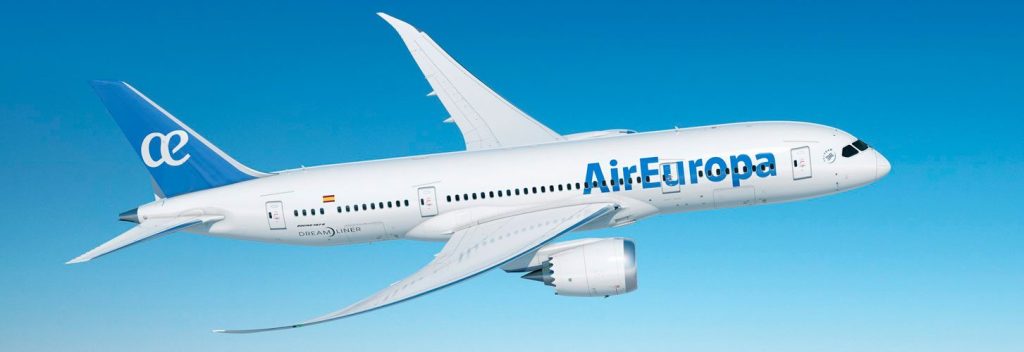
Iberia Líneas Aéreas ha presentado a la Comisión Europea (CE) un nuevo paquete de ofertas negociables «Remedies» en el que incluye la cesión de más rutas a otras aerolíneas de la competencia con el objetivo de lograr el visto bueno de las autoridades de competencia a la adquisición de Air Europa. Fuentes de la compañía del IAG Group explican que estos ajustes planteados surgen del diálogo constructivo con Bruselas para que la operación se realice con garantías para los consumidores.
La presentación de esta oferta mejorada supone una ampliación automática de 15 días laborables del plazo límite para la decisión final sobre la operación. Además, el grupo IAG ha acordado con la Comisión Europea una extensión de plazo de otros 10 días laborables para dar más tiempo al estudio de los remedies.
Ambiente de pasajeros en la T-1 del Aeropuerto Josep Tarradellas/El Prat en la que los trabajadores de handling, que dan el servicio de carga y descarga de maletas de las compañías aéreas de Iberia y Vueling están realizando su último día de huelga.
La aerolínea tenía el Lunes 10 de Junio de 2024 para plantear su última oferta de cesión de rutas. Ahora la Comisión Europea, cuya fecha límite para pronunciarse era el 15 de Julio de 2024, dispone de un periodo de tiempo adicional. La posibilidad de la extensión está contemplada en el proceso y se usa de manera habitual cuando se examinan operaciones complejas, como es la fusión de dos aerolíneas. La suma de ambas ampliaciones hará que la decisión de la Comisión Europea se retrase unas semanas, hasta bien entrado en verano, para decidir si autoriza la adquisición de Air Europa.
La Comisión Europea tenía límite el 15 de Julio de 2024 para pronunciarse; mientras que el plazo se amplía ahora. IAG Group ha reconocido su disposición a ceder rutas que actualmente operan Iberia y Air Europa a compañías como Avianca, Binter, Iberojet, Ryanair, Volotea y World to Fly. La Comisión Europea, por su parte, había considerado que la fusión de ambas compañías españolas podía suponer efectos adversos para la competencia en varias rutas, tanto internas en España, como hacia Europa y Latinoamérica, y que el viajero podría sufrir un aumento de los precios en sus billetes.
Iberia-Air Europa, improved offer
Negotiates with CE to give up more routes to purchase Air Europa
Iberia Líneas Aéreas has presented to the European Commission (EC) a new package of negotiable offers «Remedies» which includes the transfer of more routes to other competing airlines with the aim of achieving approval from the competition authorities. the acquisition of Air Europa. Sources from the IAG Group company explain that these proposed adjustments arise from constructive dialogue with Brussels so that the operation is carried out with guarantees for consumers.
The presentation of this improved offer implies an automatic extension of 15 working days of the deadline for the final decision on the operation. In addition, the IAG group has agreed with the European Commission to a deadline extension of another 10 working days to give more time to study the remedies.
Passenger environment in T-1 of the Josep Tarradellas/El Prat Airport in which the handling workers, who provide the luggage loading and unloading service for the Iberia and Vueling airlines, are carrying out their last day of strike.
The airline had Monday, June 10, 2024, to present its last offer to transfer routes. Now the European Commission, whose deadline to rule was July 15, 2024, has an additional period of time. The possibility of extension is contemplated in the process and is commonly used when complex operations are examined, such as the merger of two airlines. The sum of both extensions will cause the European Commission’s decision to be delayed a few weeks, until well into the summer, to decide whether to authorize the acquisition of Air Europa.
The European Commission had a deadline of July 15, 2024, to rule; while the deadline is now extended. IAG Group has recognized its willingness to transfer routes currently operated by Iberia and Air Europa to companies such as Avianca, Binter, Iberojet, Ryanair, Volotea, and World to Fly. The European Commission, for its part, had considered that the merger of both Spanish companies could have adverse effects on competition on several routes, both internal to Spain and to Europe and Latin America and that the traveler could suffer an increase in prices. on your tickets.
PUBLISHER: Airgways.com DBk: Iberia.com / Europa.commission.eu / Airgways.com AW-POST: 202406101051AR OWNERSHIP: Airgways Inc. A\W A I R G W A Y S ®
LATAM Airlines Perú ha anunciado el inicio de una nueva ruta en Sudamérica entre el Aeropuerto Internacional Lima/Jorge Chávez (LIM) y el Aeropuerto Curitiba/Afonso Pena (CWB), en Brasil. Como parte de la expansión regional la filial peruana extiende su segundo destino internacional de la compañía.
La nueva ruta Lima/LIM—Curitiba/CWB se inaugurará el 2 de Diciembre de 2024 con tres frecuencias semanales (3Frq/S) que serán operados en aeronaves Airbus A320neo, con capacidad para 174 pasajeros. La oferta semanal alcanzará los 1.044 asientos. La Ciudad de Curitiba y su entorno accederán al Hub Lima para obtener más conexiones con el resto de América que incluyen destinos en Colombia, Costa Rica, Ecuador, México, República Dominicana y Estados Unidos.
El Aeropuerto Internacional Afonso Pena ha iniciado una búsqueda de nuevas líneas aéreas y rutas en Sudamérica para potenciar su posición. Actualmente cuatro aerolíneas conectan la aeroestación paranaense en rutas regionales: Azul Linhas Aéreas, Aerolíneas Argentinas, JetSMART Airlines Chile, JetSMART Airlines Argentina, LATAM Airlines Chile y próximamente LATAM Airlines Perú.
LATAM will inaugurate Lima-Curitiba
LATAM Peru will launch a route between Lima and Curitiba
LATAM Airlines Peru has announced the start of a new route in South America between Lima/Jorge Chávez International Airport (LIM) and Curitiba/Afonso Pena Airport (CWB), in Brazil. As part of the regional expansion, the Peruvian subsidiary extends its second international destination of the company.
The new Lima/LIM—Curitiba/CWB route will be inaugurated on December 2, 2024, with three weekly frequencies (3Frq/S) that will be operated on Airbus A320neo aircraft, with capacity for 174 passengers. The weekly offer will reach 1,044 seats. The City of Curitiba and its surroundings will access the Lima Hub to obtain more connections with the rest of America including destinations in Colombia, Costa Rica, Ecuador, Mexico, the Dominican Republic, and the United States.
Afonso Pena International Airport has begun a search for new airlines and routes in South America to enhance its position. Currently, four airlines connect the Paraná airport on regional routes: Azul Linhas Aéreas, Aerolíneas Argentinas, JetSMART Airlines Chile, JetSMART Airlines Argentina, LATAM Airlines Chile, and soon LATAM Airlines Perú.
PUBLISHER: Airgways.com DBk: Latam.com / Airgways.com AW-POST: 202406101021AR OWNERSHIP: Airgways Inc. A\W A I R G W A Y S ®
Los pedidos y entregas de aviones comerciales de Airbus Group para el mes de Mayo de 2024 han sido anunciados por el constructor europeo.
Las Entregas Mayo 2024: 53 entregas a 34 clientes. Los Pedidos Brutos de Mayo de 2024: 27 unidades. Las Entregas Acumuladas de 2024 hasta la fecha corresponden a 256 entregas a 58 clientes.
Airbus O&D May 2024
Airbus announces orders and deliveries May 2024
Orders and deliveries of Airbus Group commercial aircraft for the month of May 2024 have been announced by the European manufacturer.
Deliveries May 2024: 53 deliveries to 34 clients. Gross Orders for May 2024: 27 units. Accumulated Deliveries from 2024 to date correspond to 256 deliveries to 58 clients.
PUBLISHER: Airgways.com DBk: Airbus.com / Airgways.com AW-POST: 202406100948AR OWNERSHIP: Airgways Inc. A\W A I R G W A Y S ®
Agrega Atlanta, Charlotte, Knoxville y Destin Restablece servicios desde Wisconsin a Orlando
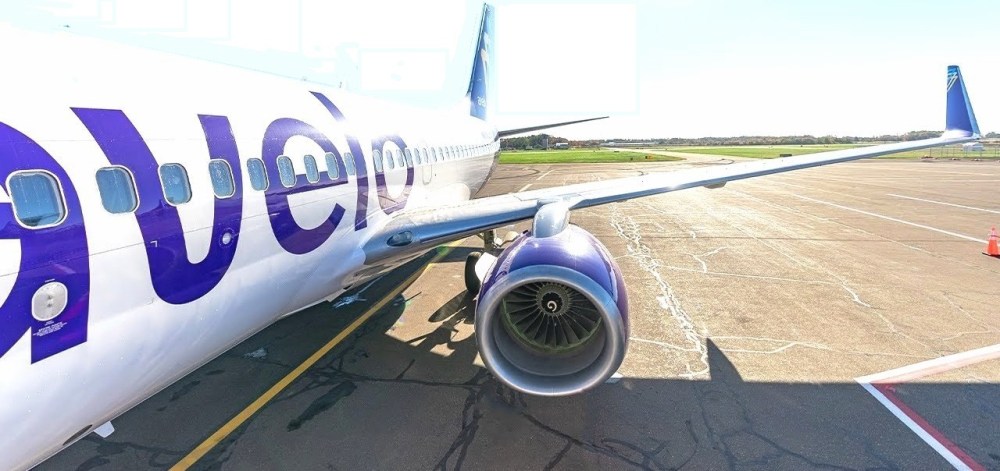
Avelo Airlines ha anunciado su último plan de expansión introduciendo servicios adicionales desde el Aeropuerto Tweed-New Haven (HVN) en el sur de Connecticut (CT). La aerolínea agregará vuelos sin escalas a cuatro nuevos destinos: Atlanta, Charlotte, Knoxville y Destin. Esta medida elevará el total de destinos sin escalas de Avelo desde Tweed-New Haven a veintiuno, superando a cualquier otra aerolínea que opere en Connecticut. En particular, Avelo será la aerolínea exclusiva que ofrecerá vuelos sin escalas desde el sur de Connecticut a estos destinos tan solicitados. Además, será el único proveedor de vuelos sin escalas desde Connecticut a Knoxville y Destin, y la única aerolínea de bajo coste con servicios a Atlanta y Charlotte.
Estas rutas se operarán con aviones Boeing 737 Next-Generation. Para iniciar los nuevos servicios, las tarifas introductorias de ida comenzarán desde US$ 62. Los viajeros interesados pueden asegurar sus asientos visitando AveloAir.com.
Aquí están los detalles de cada ruta: · Atlanta, Georgia, a través del Aeropuerto Internacional Hartsfield-Jackson (ATL): los vuelos comenzaron el 2 de Mayo de 2024 y operan cuatro veces por semana (4Frq/S) los Lunes, Jueves, Viernes y Domingos. Las tarifas comienzan desde US$ 72. · Charlotte, Carolina del Norte, a través del Aeropuerto Regional Concord-Padgett (EE.UU.): El servicio comenzaron el 02/05 y opera dos veces por semana (2Frq/S), los Jueves y Domingos. Las tarifas comienzan desde US$ 62. · Destin, Florida, a través del aeropuerto de Fort Walton Beach (VPS): los vuelos comenzaron el 17/05 y operan dos veces por semana (2Frq/S), los Jueves y Domingos. Habrá una celebración especial del vuelo inaugural el Viernes 17/05. Las tarifas comienzan desde US$ 79. · Knoxville, Tennessee, a través del Aeropuerto McGhee Tyson (TYS): el servicio comenzaron el 09/05 y opera dos veces por semana (2Frq/S), los Jueves y Domingos. Las tarifas comienzan desde US$ 62.
Andrew Levy, Presidente y Director Ejecutivo de Avelo Airlines dijo: “Estamos entusiasmados de ofrecer a los residentes del sur de Connecticut aún más opciones de viaje con la incorporación de Atlanta, Charlotte, Knoxville y Destin. Ya sea que visite a amigos y familiares o disfrute de unas tranquilas vacaciones, Avelo ofrece comodidad para ahorrar tiempo y dinero a los viajeros de Connecticut. Con 21 destinos sin escalas, incluidas ocho ciudades de Florida, volar desde Tweed es más fácil y asequible que nunca. Además, cuando se considera nuestra confiabilidad líder en la industria y nuestro atento alma de servicio, queda claro por qué casi 2 millones de personas han volado con Avelo en Tweed desde 2021”.
Avports LLC. CEO Jorge Roberts dijo: “Estamos entusiasmados de que Avelo Airlines continúe ampliando los vuelos que conectan a las personas y comunidades del sur de Connecticut con nuevos destinos en todo el país. Estas nuevas rutas desde Avelo marcan un hito importante en los esfuerzos continuos del aeropuerto Tweed-New Haven para brindar opciones de viaje más convenientes, asequibles y eficientes. Esperamos continuar nuestra asociación con Avelo en apoyo de su trabajo para brindar a los pasajeros una mayor conectividad y un servicio al cliente de primer nivel”.
Presidente de la Autoridad Aeroportuaria Regional de Tweed-New Haven, Matt Hoey dijo: “La Junta de TNHAA está encantada de que Avelo Airlines pronto lance cuatro nuevas rutas fundamentales desde el aeropuerto de Tweed. Esto no sólo mejora la oferta del Aeropuerto Tweed para los viajeros del sur de Connecticut, sino que también impulsa el desarrollo económico de toda nuestra región. Al ofrecer vuelos directos y rentables a destinos deseables, estamos haciendo de New Haven una puerta de entrada tanto para viajeros de placer como de negocios”.
Tom Rafter, Director Ejecutivo del Aeropuerto Tweed New Haven dijo: “El lanzamiento de estas rutas a Knoxville, Destin, Atlanta y Charlotte no es solo un hito operativo: es una celebración del progreso y la accesibilidad en los viajes aéreos desde el aeropuerto Tweed-New Haven. Estamos dedicados a ofrecer servicios que no solo sean convenientes y económicos, sino que también resalten nuestro compromiso de brindar una experiencia superior al cliente, y esta gran noticia de Avelo es parte de ese trabajo continuo aquí en Tweed”.
Avelo ha ampliado sus servicios en el Aeropuerto Tweed-New Haven, ofreciendo ahora vuelos sin escalas a 21 destinos en siete estados y Puerto Rico:
Atlanta, Georgia (ATL) Charleston, Carolina del Sur (CHS) Charlotte/Concord, Carolina del Norte (EE.UU.) Chicago, Illinois (a través de MDW) Playa de Daytona, Florida (DAB) Destin/Fort Walton Beach, Florida (VPS) Fort Lauderdale, Florida (FLL) Fort Myers, Florida (RSW) Greenville/Spartanburg, Carolina del Sur (GSP) Knoxville, Tennessee (TYS) Myrtle Beach, Carolina del Sur (MYR) Nashville, Tennessee (BNA) Orlando, Florida (MCO) Raleigh/Durham, Carolina del Norte (RDU) San Juan, Puerto Rico (SJU) Sarasota/Bradenton, Florida (SRQ) Savannah, Georgia / Hilton Head, Carolina del Sur (SAV) Tampa, Florida (TPA) Washington, DC / Baltimore, Maryland (ICM) West Palm Beach, Florida (PBI) Wilmington, Carolina del Norte (ILM)
Reinicia ruta Wisconsin a Orlando Avelo Airlines reanudará esta semana sus populares vuelos de verano sin escalas que conectan el Aeropuerto Central de Wisconsin (CWA) con el Aeropuerto Internacional de Orlando (MCO). El servicio se detuvo brevemente en mayo, pero ahora está regresando para acomodar a los viajeros de verano.
La aerolínea ha programado estos vuelos para los Miércoles y Sábados, utilizando aviones Boeing Next-Generation 737. Esta configuración está diseñada para continuar hasta el Día del Trabajo, lo que garantiza una disponibilidad constante para esta ruta durante la temporada alta de viajes.
Al restablecer este servicio, Avelo ofrece a los viajeros del centro de Wisconsin una forma confiable y económica de llegar a Orlando, un centro de entretenimiento y atracciones, justo a tiempo para las vacaciones de verano.
El Jefe Comercial de Avelo Airlines, Trevor Yealy, dijo: «Estamos entusiasmados de ofrecer vuelos de verano entre el centro de Wisconsin y Orlando. Ya sea que esté disfrutando de unas vacaciones o visitando a amigos y familiares, llegar a Florida Central es más fácil que nunca. Con las tarifas muy bajas de Avelo, la comodidad inigualable y la confiabilidad líder en la industria, es el momento perfecto para viajar. La popularidad de este servicio no podría haber ocurrido sin nuestra excelente relación con el aeropuerto y la comunidad del centro de Wisconsin».
El Director del Aeropuerto Central de Wisconsin, Brian Grefe, dijo: «Acabo de reservar mis vacaciones familiares de verano en los Cayos de Florida a través de Orlando. ¡Con el dinero ahorrado volando Avelo, podemos alquilar un barco de pesca desde Islamorada cuando los Mahi Mahi están picando!»
Acerca Avelo La aerolínea más conveniente de Estados Unidos. Desde su vuelo inaugural el 28 de Abril de 2021, Avelo ha transportado a más de 4.7 millones de clientes en más de 37.000 vuelos. Actualmente, Avelo sirve a 53 destinos en 24 estados y Puerto Rico. En 2024, Avelo ha sumado 16 nuevas rutas y 11 nuevos destinos a su red. Avelo ha introducido un nuevo nivel de conveniencia, opciones y competencia al prestar servicio en rutas que antes no tenían servicio, particularmente a comunidades más pequeñas. Todos los vuelos de Avelo son directos y muchas rutas cuentan con aeropuertos pequeños y de fácil acceso, lo que mejora la experiencia de viaje de los pasajeros.
Avelo Airlines ha marcado el comienzo de una nueva era de conveniencia, elección y competencia al operar rutas desatendidas a comunidades principalmente desatendidas en todo el país. Cada ruta incluye al menos un aeropuerto pequeño y fácil de usar, lo que garantiza que cada viaje de Avelo sea tranquilo y agradable, libre de las multitudes, la congestión y las largas caminatas típicas de los aeropuertos más grandes.
Avelo se distingue por su excepcional fiabilidad. En 2023, la aerolínea logró la tasa de cancelación de vuelos más baja en la industria aérea de Estados Unidos y ocupó el segundo lugar en confiabilidad de puntualidad, según lo confirmado por la plataforma de datos de terceros de Anuvu, la misma plataforma utilizada por The Wall Street Journal para su clasificación anual de aerolíneas.
Avelo se destaca por su confiabilidad líder en la industria. En Mayo 2024, la aerolínea ocupó el puesto #1 en puntualidad y registró la tasa de cancelación de vuelos más baja de la industria por segundo mes consecutivo. Durante los primeros cinco meses de 2024, Avelo alcanzó el puesto #1 en puntualidad y mantuvo la segunda tasa de cancelación de vuelos más baja entre todas las aerolíneas estadounidenses, según Anuvu, una empresa líder en servicios de datos de aviación también utilizada por The Wall Street Journal para su clasificación anual de aerolíneas.
Los clientes de Avelo siempre pueden cambiar o cancelar sus itinerarios sin cargos adicionales. Las familias pueden viajar con la tranquilidad de saber que todos los niños menores de 13 años se sentarán automáticamente con un adulto acompañante sin costo adicional.
Avelo Airlines ofrece asignaciones de asientos avanzadas para su compra, con un tercio de sus asientos designados como asientos con espacio adicional para las piernas, brindando una experiencia más cómoda para los pasajeros que valoran el espacio adicional. Además, Avelo ofrece varias opciones de viaje desagregadas, lo que permite a los clientes pagar solo por los servicios que requieren, como embarque prioritario, equipaje facturado, equipaje de mano y viaje de mascotas en cabina. Avelo ofrece asignaciones avanzadas de asientos a la venta, con un tercio de sus asientos con espacio adicional para las piernas que van desde 32 pulgadas hasta más de 36 pulgadas, lo que brinda una experiencia más cómoda para aquellos que valoran más espacio. Además de las asignaciones anticipadas de asientos, Avelo ofrece varias opciones desagregadas para mejorar los viajes, lo que permite a los clientes pagar solo por lo que valoran, incluido el embarque prioritario, el equipaje documentado, el equipaje de mano y el alojamiento en cabina para mascotas.
Avelo expands from New Haven
Add Atlanta, Charlotte, Knoxville and Destin Restore services from Wisconsin to Orlando
Avelo Airlines has announced its latest expansion plan introducing additional service from Tweed-New Haven Airport (HVN) in southern Connecticut (CT). The airline will add nonstop flights to four new destinations: Atlanta, Charlotte, Knoxville, and Destin. This move will bring Avelo’s total nonstop destinations from Tweed-New Haven to twenty-one, surpassing any other airline serving Connecticut. Specifically, Avelo will be the exclusive airline offering nonstop flights from southern Connecticut to these sought-after destinations. Additionally, it will be the only provider of nonstop flights from Connecticut to Knoxville and Destin, and the only low-cost airline with service to Atlanta and Charlotte.
These routes will be operated with Boeing 737 Next-Generation aircraft. To begin the new services, introductory one-way fares will start at US$62. Interested travelers can secure their seats by visiting AveloAir.com.
Here are the details of each route: · Atlanta, Georgia, via Hartsfield-Jackson International Airport (ATL): Flights began May 2, 2024, and operate four times a week (4Frq/S) on Mondays, Thursdays, Fridays, and Sundays. Rates start at US$ 72. · Charlotte, North Carolina, via Concord-Padgett Regional Airport (USA): Service began on 05/02 and operates twice a week (2Frq/S), Thursdays and Sundays. Rates start at US$ 62. · Destin, Florida, via Fort Walton Beach Airport (VPS): Flights began 05/17 and operate twice a week (2Frq/S), Thursdays and Sundays. There will be a special celebration of the inaugural flight on Friday 05/17. Rates start at US$ 79. · Knoxville, Tennessee, via McGhee Tyson Airport (TYS): Service began 05/09 and operates twice weekly (2Frq/S), Thursdays and Sundays. Rates start at US$ 62.
Andrew Levy, President and CEO of Avelo Airlines said, “We are excited to offer Southern Connecticut residents even more travel options with the addition of Atlanta, Charlotte, Knoxville and Destin. Whether visiting friends and family or enjoying a leisurely vacation, Avelo offers time- and money-saving convenience for Connecticut travelers. With 21 nonstop destinations, including eight Florida cities, flying from Tweed is easier and more affordable than ever. Plus, when you consider our industry-leading reliability and attentive soul of service, it’s clear why nearly 2 million people have flown with Avelo in Tweed since 2021”.
Avports LLC. CEO Jorge Roberts said, “We are excited that Avelo Airlines continues to expand flights that connect the people and communities of southern Connecticut to new destinations across the country. These new routes from Avelo mark an important milestone in Tweed-New Haven Airport’s ongoing efforts to provide more convenient, affordable and efficient travel options. “We look forward to continuing our partnership with Avelo in support of their work to provide passengers with greater connectivity and world-class customer service”.
Tweed-New Haven Regional Airport Authority Chairman Matt Hoey said, “The TNHAA Board is delighted that Avelo Airlines will soon launch four new critical routes from Tweed Airport. This not only enhances Tweed Airport’s offering to southern Connecticut travelers, but also drives economic development for our entire region. By offering direct, cost-effective flights to desirable destinations, we are making New Haven a gateway for both leisure and business travelers.”
Tom Rafter, CEO of Tweed New Haven Airport said: “The launch of these routes to Knoxville, Destin, Atlanta, and Charlotte is not only an operational milestone it is a celebration of progress and accessibility in air travel from Tweed Airport. New Haven. We are dedicated to offering services that are not only convenient and affordable, but also highlight our commitment to providing a superior customer experience, and this great news from Avelo is part of that continued work here at Tweed”.
Avelo has expanded its services at Tweed-New Haven Airport, now offering nonstop flights to 21 destinations in seven states and Puerto Rico:
Atlanta, Georgia (ATL) Charleston, South Carolina (CHS) Charlotte/Concord, North Carolina (USA) Chicago, Illinois (via MDW) Daytona Beach, Florida (DAB) Destin/Fort Walton Beach, Florida (VPS) Fort Lauderdale, Florida (FLL) Fort Myers, Florida (RSW) Greenville/Spartanburg, South Carolina (GSP) Knoxville, Tennessee (TYS) Myrtle Beach, South Carolina (MYR) Nashville, Tennessee (BNA) Orlando, Florida (MCO) Raleigh/Durham, North Carolina (RDU) San Juan, Puerto Rico (SJU) Sarasota/Bradenton, Florida (SRQ) Savannah, Georgia / Hilton Head, South Carolina (SAV) Tampa, Florida (TPA) Washington, DC / Baltimore, Maryland (ICM) West Palm Beach, Florida (PBI) Wilmington, North Carolina (ILM)
Wisconsin to Orlando route restarts Avelo Airlines will resume its popular nonstop summer flights connecting Central Wisconsin Airport (CWA) to Orlando International Airport (MCO) this week. Service stopped briefly in May, but is now returning to accommodate summer travelers.
The airline has scheduled these flights for Wednesdays and Saturdays, using Boeing Next-Generation 737 aircraft. This configuration is designed to continue through Labor Day, ensuring consistent availability for this route during the peak travel season.
By restoring this service, Avelo offers central Wisconsin travelers a reliable and affordable way to reach Orlando, a hub of entertainment and attractions, just in time for the summer holidays.
Avelo Airlines Chief Commercial Officer Trevor Yealy said: «We are excited to offer summer flights between central Wisconsin and Orlando. Whether you’re enjoying a vacation or visiting friends and family, getting to Central Florida is easier. than ever. With Avelo’s ultra-low fares, unmatched convenience, and industry-leading reliability, it’s the perfect time to travel. The popularity of this service couldn’t have happened without our excellent relationship with the airport and downtown community. of Wisconsin».
Central Wisconsin Airport Director Brian Grefe said, «I just booked my family summer vacation to the Florida Keys through Orlando. With the money saved flying Avelo, we can rent a fishing boat from Islamorada when the Mahi Mahi are biting!»
AboutAvelo The most convenient airline in the United States. Since its inaugural flight on April 28, 2021, Avelo has transported more than 4.7 million customers in more than 37,000 flights. Currently, Avelo serves 53 destinations in 24 states and Puerto Rico. In 2024, Avelo has added 16 new routes and 11 new destinations to his network. Avelo has introduced a new level of convenience, options, and competition by providing service on routes that previously had no service to smaller communities. All Avelus flights are direct and many routes have small and easily accessible airports, which improves the passenger’s travel experience.
Avelo Airlines has marked the beginning of a new era of convenience, choice, and competition when operating unattended routes to communities mainly unattended throughout the country. Each route includes at least one small and easy to use airport, which guarantees that each bird trip is quiet and pleasant, free of the crowds, congestion, and long walks typical of larger airports.
Avelo is distinguished by its exceptional reliability. In 2023, the airline achieved the lowest flight cancellation rate in the United States air industry and occupied second place in punctual reliability, as confirmed by the EVU third party data platform, the same platform used by The Wall Street Journal for Annual Airlines Classification.
Avelo stands out for its leading reliability in the industry. In May 2024, the airline ranked #1 in punctuality and registered the lower flight cancellation rate in the industry for the second consecutive month. During the first five months of 2024, Avelo reached #1 position in punctual Street Journal for Annual Aeroline classification.
Avelo customers can always change or cancel their itineraries without additional charges. Families can travel with the peace of mind that all children under 13 will automatically sit with an accompanying adult at no additional cost.
Avelo Airlines offers advanced seat assignments for purchase, with a third of its seats designated as seats with additional leg space, providing a more comfortable experience for passengers who value the additional space. In addition, Avelo offers several disaggregated travel options, which allows customers to pay only for the services they require, such as priority shipment, invoiced luggage, hand luggage, and pet trip. Avelo offers advanced allocations of seats for sale, with a third of its seats with additional leg space ranging from 32 inches to more than 36 inches, which provides a more comfortable experience for those who value more space. In addition to early seat allocations, Avelo offers several disaggregated options to improve trips, allowing customers pets.
PUBLISHER: Airgways.com DBk: Aveloair.com / Airgways.com AW-POST: 202406071250AR OWNERSHIP: Airgways Inc. A\W A I R G W A Y S ®
La aerolínea low cost argentina Flybondi Líneas Aéreas se encuentra en conversaciones con las autoridades gubernamentales para desembarcar en la Ciudad de San Juan, Provincia de San Juan, Argentina. Las negociaciones entre el Gobierno provincial y la compañía de presupuesto aérea parecen haber arribado a un acuerdo para sumar un nuevo destino de cabotaje. En los próximos días se haría el anuncio oficial del inicio de operaciones en San Juan. La confirmación se dará la próxima semana y coincide con el comentariio del Ministro de Turismo, Cultura y Deporte, Guido Romero, hace una semana anterior, quien había adelantado la intención de iniciar un nuevo servicio aéreo para las vacaciones de invierno 2024.
La llegada de la línea aérea significará la posibilidad de conseguir pasajes más económicos para el sector de la población sanjuanina. Aunque aún no se conoce el cuadro tarifario, actualmente el trayecto ida y vuelta Buenos Aires—Mendoza—Buenos Aires a través de la empresa Flybondi, cuesta unos AR$ 187.000 Pesos. Desde San Juan, donde sólo opera Aerolíneas Argentinas, el mismo pasaje, para las mismas fechas y los mismos tramos cuesta AR$ 386.000. A partir de Julio 2024, San Juan tendrá siete vuelos más por semana a Buenos Aires.
Flybondi would disembark San Juan
Flybondi would land a new Cuyo destination
The Argentine low-cost airline Flybondi Líneas Aéreas is in talks with government authorities to disembark in the City of San Juan, Province of San Juan, Argentina. Negotiations between the provincial government and the airline budget company seem to have reached an agreement to add a new cabotage destination. In the coming days the official announcement of the start of operations in San Juan would be made. The confirmation will be given next week and coincides with the comment of the Minister of Tourism, Culture, and Sports, Guido Romero, a week before, who had announced the intention to start a new air service for the 2024 winter holidays.
The arrival of the airline will mean the possibility of getting cheaper tickets for the San Juan population. Although the fare schedule is not yet known, currently the round trip Buenos Aires—Mendoza—Buenos Aires through the Flybondi company costs about AR$ 187,000 Pesos. From San Juan, where only Aerolíneas Argentinas operates, the same ticket, for the same dates and the same sections costs AR$ 386,000. Starting in July 2024, San Juan will have seven more flights per week to Buenos Aires.
PUBLISHER: Airgways.com DBk: Flybondi.com / Airgways.com AW-POST: 202406061120AR OWNERSHIP: Airgways Inc. A\W A I R G W A Y S ®
BOC/WestJet fortalecen asociación con nuevo acuerdo aviones
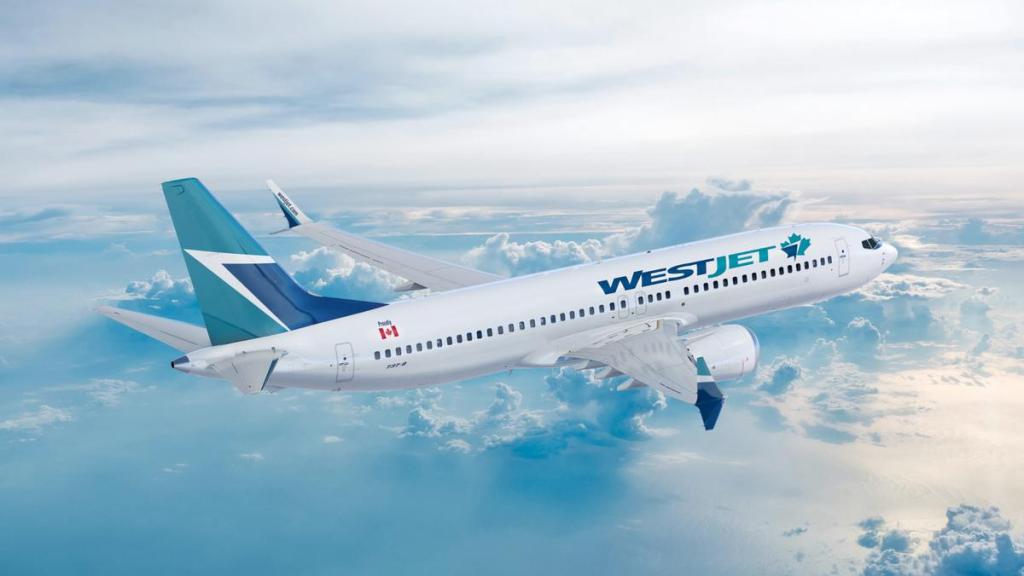
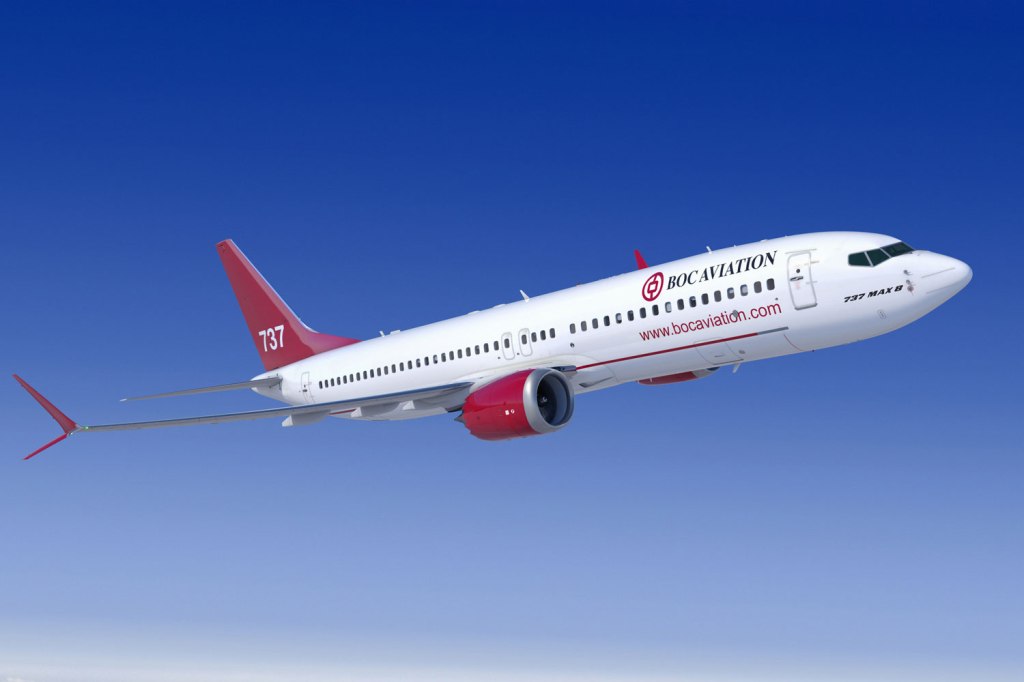
BOC Aviation Limited, un actor destacado en la industria mundial del arrendamiento de aeronaves, anunció recientemente un importante acuerdo con WestJet Group, un cliente canadiense histórico. Este acuerdo implica la colocación de tres aviones Boeing 737-8 MAX de segunda mano, mejorando las capacidades operativas de WestJet. Estos aviones, cuya entrega está prevista para 2024, están equipados con los avanzados motores CFM LEAP-1B, conocidos por su eficiencia y fiabilidad.
La colaboración entre BOC Aviation y WestJet es un testimonio de la sólida asociación que se ha desarrollado a lo largo de los años. La elección de WestJet de ampliar su flota con estos aviones específicos subraya su compromiso de mantener una flota moderna y respetuosa con el medio ambiente. Los modelos Boeing 737-8 son famosos por su eficiencia de combustible y menores emisiones, alineándose con los objetivos de sostenibilidad y las necesidades operativas de WestJet.
Este acuerdo no solo fortalece la relación entre BOC Aviation y WestJet, sino que también significa un movimiento positivo en la recuperación de la industria de la aviación después de la pandemia. Mientras las aerolíneas de todo el mundo se esfuerzan por mejorar su servicio y eficiencia, acuerdos como este son fundamentales. Se espera con impaciencia la entrega de estos aviones en 2024, lo que promete un mejor servicio para los pasajeros y capacidades operativas más amplias para WestJet.
“Estamos encantados de darle la bienvenida a WestJet, una de las principales aerolíneas de Canadá, a nuestra base de clientes. Este acuerdo es un testimonio de nuestra relación a largo plazo y nuestra capacidad para evolucionar y satisfacer las necesidades de expansión de flotas de nuestras aerolíneas clientes. Con esta transacción, hemos proporcionado a WestJet uno de los aviones de pasillo único más populares del mundo, procedente de nuestra flota compuesta en un 77% por aviones de última tecnología”, afirmó Steven Townend, Director Ejecutivo y Director General.
«WestJet tiene una estrategia de crecimiento ambiciosa y trabajar con un socio confiable como BOC Aviation nos ayuda a cumplir con nuestras expectativas de crecimiento para 2024. Estamos viendo cómo los beneficios de nuestra estrategia cobran vida en toda nuestra red y el crecimiento constante de la capacidad de nuestra flota es esencial para mantener nuestro impulso», dijo Mike Scott, WestJet Group, Vicepresidente Ejecutivo y Director Financiero.
WestJet-BOC new aircraft agreement
BOC/WestJet strengthen partnership with new aircraft agreement
BOC Aviation Limited, a leading player in the global aircraft leasing industry, recently announced a major agreement with WestJet Group, a long-standing Canadian customer. This agreement involves the fielding of three second-hand Boeing 737-8 MAX aircraft, enhancing WestJet’s operational capabilities. These aircraft, scheduled for delivery in 2024, are equipped with the advanced CFM LEAP-1B engines, known for their efficiency and reliability.
The collaboration between BOC Aviation and WestJet is a testament to the strong partnership that has developed over the years. WestJet’s choice to expand its fleet with these specific aircraft underscores its commitment to maintaining a modern and environmentally friendly fleet. Boeing 737-8 models are renowned for their fuel efficiency and lower emissions, aligning with WestJet’s sustainability goals and operational needs.
This agreement not only strengthens the relationship between BOC Aviation and WestJet but also marks a positive move in the recovery of the aviation industry after the pandemic. As airlines around the world strive to improve their service and efficiency, agreements like this are essential. Delivery of these aircraft is eagerly anticipated in 2024, promising improved passenger service and expanded operational capabilities for WestJet.
“We are delighted to welcome WestJet, one of Canada’s leading airlines, to our customer base. This agreement is a testament to our long-term relationship and our ability to evolve and meet the fleet expansion needs of our airline customers. With this transaction, we have provided WestJet with one of the most popular single-aisle aircraft in the world, from our fleet that is 77% state-of-the-art aircraft”, said Steven Townend, CEO and CEO.
«WestJet has an ambitious growth strategy and working with a trusted partner like BOC Aviation helps us meet our growth expectations for 2024. We are seeing the benefits of our strategy come to life across our network and continued capacity growth. of our fleet is essential to maintaining our momentum», said Mike Scott, WestJet Group’s executive Vice President and Chief Financial Officer.
PUBLISHER: Airgways.com DBk: Bocaviation.com / Westjet.com / Airgways.com AW-POST: 202406061002AR OWNERSHIP: Airgways Inc. A\W A I R G W A Y S ®
Airbus conversaciones aerolíneas chinas para vender +100 A330neo
Airbus Group se encuentra manteniendo conversaciones con varias aerolíneas chinas sobre la posible venta de más de cien aviones de fuselaje ancho A330neo. La posibilidad de un acuerdo ha sido impulsada por la reciente visita del Presidente Xi Jinping a Francia y sus conversaciones con el Presidente francés, Emmanuel Macron. Quienes están familiarizados con el desarrollo han dicho que los términos de un posible acuerdo aún se están discutiendo, y que hasta el momento no se ha formulado detalles acerca de cuándo se podría hacer un anuncio oficial.
El A330neo ha sido una decepción para Airbus en comparación con sus predecesores, el A330-200 y el A330-300. Juntos, acumularon 1.445 pedidos antes de ser reemplazados por la serie mejorada A330 New Engine Option. Con China deteniendo una vez más las importaciones de Boeing, Airbus puede estar aprovechando su oportunidad para presentar condiciones más atractivas a las aerolíneas chinas para comprar los A330neo.
Las principales aerolíneas chinas que han sido contactadas con respecto a la venta incluyen Air China, China Southern Airlines y China Eastern Airlines. Esta semana, China Eastern Airlines recibió el primer avión de su pedido adicional de 100 aviones del tipo COMAC C919, un avión chino diseñado para rivalizar con Airbus y Boeing en el segmento de los narrowbodies. El fabricante chino de aviones entregó el primer C919 en diciembre de 2022 a China Eastern Airlines, antes de entrar en servicio comercial hasta Mayo de 2023. Tras una exitosa actuación en el Salón Aeronáutico de Dubái en Noviembre de 2023, COMAC Corp. se promocionó como un fabricante de aviones que podría rivalizar realmente con el duopolio americano-europeo.
Airbus analyzes +100 aircraft to China
Airbus talks with Chinese airlines to sell +100 A330neo
Airbus Group is holding talks with several Chinese airlines about the possible sale of more than one hundred A330neo wide-body aircraft. The possibility of a deal has been boosted by President Xi Jinping’s recent visit to France and his talks with French President Emmanuel Macron. Those familiar with the development have said that the terms of a possible deal are still being discussed, and that no details have been formulated so far about when an official announcement might be made.
The A330neo has been a disappointment for Airbus compared to its predecessors, the A330-200 and A330-300. Together, they racked up 1,445 orders before being replaced by the upgraded A330 New Engine Option series. With China once again halting Boeing imports, Airbus may be taking its opportunity to present more attractive terms to Chinese airlines to purchase the A330neo.
Major Chinese airlines that have been contacted regarding the sale include Air China, China Southern Airlines, and China Eastern Airlines. This week, China Eastern Airlines took delivery of the first aircraft of its additional order for 100 COMAC C919 aircraft, a Chinese aircraft designed to rival Airbus and Boeing in the narrowbody segment. The Chinese aircraft manufacturer delivered the first C919 in December 2022 to China Eastern Airlines, before entering commercial service until May 2023. Following a successful performance at the Dubai Airshow in November 2023, COMAC Corp. promoted itself as an aircraft manufacturer that could truly rival the American-European duopoly.
PUBLISHER: Airgways.com DBk: Airbus.com / Airgways.com AW-POST: 202406060941AR OWNERSHIP: Airgways Inc. A\W A I R G W A Y S ®
Boeing lanza astronautas al espacio por primera vez
The Boeing Company lanzó el Miércoles 5 de Junio de 2024 por primera vez astronautas al espacio, sumándose a SpaceX como el segundo servicio de transporte para la NASA. Dos pilotos de prueba de la NASA despegaron en la cápsula Starliner CST100 de Boeing rumbo a la Estación Espacial Internacional, los primeros en usar esa nueva aeronave. Se espera que el viaje emprendido por Butch Willmore y Suni Williams tome 25 horas y concluya el jueves. Los astronautas pasarán poco más de una semana en el laboratorio en órbita antes de volver al Starliner para aterrizar el 14 de Junio de 2024 en un remoto lugar del desierto, en el oeste de Estados Unidos.
Con un retraso de varios años debido a fallas en el vehículo espacial, el debut de la tripulación del Starliner se produce mientras la empresa enfrenta problemas de seguridad no relacionados en su división de aviones. Wilmore y Williams, capitanes jubilados de la Armada y antiguos residentes de la estación espacial, hicieron énfasis repetidamente, antes del lanzamiento, en que confiaban plenamente en la capacidad de Boeing de hacer las cosas bien en este vuelo de prueba. Paralizado por fallas en el software, el vuelo de prueba inicial no tripulado del Starliner en 2019 tuvo que repetirse antes de que la NASA permitiera el abordaje de sus astronautas. El nuevo intento en 2022 salió mucho mejor, pero después surgieron problemas con los paracaídas y se tuvo que retirar cinta inflamable de la cápsula.
El lanzamiento del Miércoles 05/06 fue el tercer intento con astronautas desde principios de mayo, y se produce después de un par de problemas relacionados con los cohetes, el más reciente ocurrido el fin de semana pasado. Una pequeña fuga de helio en el sistema de propulsión del vehículo también provocó retrasos, pero los directores decidieron que la fuga era manejable y no constituía un problema de seguridad. “Sé que hemos recorrido un largo camino para estar aquí”, señaló Steve Stich, Gerente del Programa de Tripulación Comercial de la NASA antes del retraso del fin de semana.
Boeing fue contratado, junto con SpaceX de Elon Musk, hace una década para transportar astronautas de la NASA hacia la estación espacial y de regreso. La agencia espacial quería tener dos empresas competidoras para realizar el trabajo después del retiro del transbordador espacial, pagando 4.200 millones de dólares a Boeing y poco más de la mitad de esa cantidad a SpaceX, que reformó la cápsula que utilizaba para enviar suministros a la estación.
SpaceX puso astronautas en órbita en 2020, convirtiéndose en la primera empresa privada en lograr lo que únicamente tres países —Rusia, Estados Unidos y China— han conseguido. Ha llevado a nueve tripulaciones a la estación espacial para la NASA y a tres grupos privados para una empresa de Houston que alquila vuelos. El despegue desde la Estación de la Fuerza Espacial de Cabo Cañaveral fue el 100º vuelo de un Atlas V del fabricante de cohetes United Launch Alliance. Fue el primer viaje con astronautas en un cohete Atlas desde la era de Mercury de John Glenn, hace 60 años; generalmente, el cohete pone en órbita satélites y lanza otros vehículos espaciales. A pesar del récord perfecto del Atlas V, la presencia humana aumentó la tensión para las decenas de empleados de la NASA y de Boeing que se reunieron en Cabo Cañaveral y en el área de control de misiones en Houston.
El Starliner de Boeing y el Dragon de SpaceX están diseñados para ser totalmente autónomos y reutilizables. Ocasionalmente, Wilmore y Williams tomarán el control manual del Starliner en su camino a la estación espacial para verificar sus sistemas. Si la misión va según lo esperado, la NASA alternará entre SpaceX y Boeing para fletar vuelos a partir del año próximo. El piloto suplente de este vuelo de prueba, Mike Fincke, abordará el Starliner en su próximo viaje. “Cuando tenemos un nuevo vehículo espacial, es necesario aprender todo acerca de él, y esto ha sido un gran ejercicio”, dijo Mike Fincke a los reporteros a finales de la semana pasada.
Launch of the Starliner CST100
Boeing launches astronauts into space for the first time
The Boeing Company launched astronauts into space for the first time on Wednesday, June 5, 2024, joining SpaceX as the second transportation service for NASA. Two NASA test pilots took off in Boeing’s Starliner CST100 capsule heading to the International Space Station, the first to use this new aircraft. The journey undertaken by Butch Willmore and Suni Williams is expected to take 25 hours and conclude Thursday. The astronauts will spend just over a week in the orbiting laboratory before returning to the Starliner to land on June 14, 2024, in a remote desert location in the western United States.
Delayed several years due to spacecraft failures, the Starliner crew debut comes as the company faces unrelated safety issues in its aircraft division. Wilmore and Williams, retired Navy captains and former residents of the space station, repeatedly emphasized before the launch that they had every confidence in Boeing’s ability to get things right on this test flight. Halted by software glitches, the Starliner’s initial unmanned test flight in 2019 had to be repeated before NASA would allow its astronauts to board. The new attempt in 2022 went much better, but then problems arose with the parachutes and flammable tape had to be removed from the capsule.
The Wednesday 06/05 launch was the third attempt with astronauts since early May and comes after a couple of rocket-related problems, the most recent occurring last weekend. A small helium leak in the vehicle’s propulsion system also caused delays, but managers decided the leak was manageable and did not constitute a safety issue. “I know we’ve come a long way to be here”, said Steve Stich, NASA’s Commercial Crew Program Manager before the weekend delay.
Boeing was hired, along with Elon Musk’s SpaceX, a decade ago to transport NASA astronauts to the space station and back. The space agency wanted to have two competing companies do the work after the space shuttle retired, paying US$ 4.2 billion to Boeing and just over half that amount to SpaceX, which refurbished the capsule it used to send supplies to the station.
SpaceX launched astronauts into orbit in 2020, becoming the first private company to achieve what only three countries —Russia, the United States, and China— have achieved. It has flown nine crews to the space station for NASA and three private groups for a Houston company that charters flights. The liftoff from Cape Canaveral Space Force Station was the 100th flight of an Atlas V from rocket maker United Launch Alliance. It was the first trip with astronauts on an Atlas rocket since John Glenn’s Mercury era, 60 years ago; Generally, the rocket puts satellites into orbit and launches other space vehicles. Despite the Atlas V’s perfect record, the human presence increased tension for the dozens of NASA and Boeing employees who gathered at Cape Canaveral and at the mission control area in Houston.
Boeing’s Starliner and SpaceX’s Dragon are designed to be fully autonomous and reusable. Occasionally, Wilmore and Williams will take manual control of the Starliner on its way to the space station to check its systems. If the mission goes as expected, NASA will alternate between SpaceX and Boeing to charter flights starting next year. The substitute pilot for this test flight, Mike Fincke, will board the Starliner on its next trip. “When we have a new space vehicle, you need to learn everything about it, and this has been a great exercise”, Mike Fincke told reporters late last week.
PUBLISHER: Airgways.com DBk: Boeing.com / Nasa.gov / Airgways.com AW-POST: 202406051327AR OWNERSHIP: Airgways Inc. A\W A I R G W A Y S ®
AW | 2024 06 05 11:19 | AVIATION ORGANISMS / AVIATION SAFETY / INDUSTRY
Entregas de Boeing a China retrasan por revisión regulador estatal
Las entregas de aviones de The Boeing Company a China se han retrasado en las últimas semanas debido a una revisión reglamentaria del gigante asiático de las baterías que alimentan la Grabadora de Voz de la Cabina (CVR), según dijo una fuente familiarizada con el asunto. El fabricante estadounidense dijo en un comunicado que está trabajando con sus clientes chinos sobre el calendario de sus entregas mientras la Administración de Aviación Civil de China (CAAC) completa su revisión de las baterías contenidas en la Grabadora de Voz de Cabina de 25 horas.
En una presentación de finales de 2023, Boeing dijo que tenía unos 140 aviones 737-8 MAX en inventario, incluidos 85 aviones para clientes en China. El fabricante ha entregado 22 aeronaves al país asiático en 2024 hasta finales de Abril 2024, pero en las últimas semanas la compañía no ha entregado nuevos aviones a clientes chinos a la espera de la revisión, de la que no se había informado anteriormente.
No está claro cuánto puede durar la revisión ni en qué medida puede afectar a los objetivos de entrega de Boeing. La compañía aeroespacial estadounidense informó que la Administración Federal de Aviación (FAA) ha certificado el sistema CVR de 25 horas, que almacena más datos que las versiones anteriores y ha sido aceptado por los reguladores europeos. «Nos remitimos a la FAA y a la CAAC en este debate normativo», dijo Boeing.
Chinese review of Boeing
Boeing deliveries to China delayed due to state regulatory review
Deliveries of The Boeing Company‘s planes to China have been delayed in recent weeks due to a regulatory review by the Asian giant of the batteries that power the Cockpit Voice Recorder (CVR), a source familiar with the matter said. The American manufacturer said in a statement that it is working with its Chinese customers on the timing of its deliveries while the Civil Aviation Administration of China (CAAC) completes its review of the batteries contained in the 25-hour Cockpit Voice Recorder.
In a late 2023 filing, Boeing said it had about 140 737-8 MAX planes in inventory, including 85 planes for customers in China. The manufacturer has delivered 22 aircraft to the Asian country from 2024 until the end of April 2024, but in recent weeks the company has not delivered new aircraft to Chinese customers pending the review, which had not been previously reported.
It is unclear how long the review may last or to what extent it may affect Boeing’s delivery goals. The American aerospace company reported that the Federal Aviation Administration (FAA) has certified the 25-hour CVR system, which stores more data than previous versions and has been accepted by European regulators. «We defer to the FAA and CAAC in this regulatory debate», Boeing said.
PUBLISHER: Airgways.com DBk: Caac.gov.cn / Boeing.com / Airgways.com AW-POST: 202406051119AR OWNERSHIP: Airgways Inc. A\W A I R G W A Y S ®
AW | 2024 06 05 11:11 | AVIATION ORGANISMS / AVIATION SAFETY / INDUSTRY
EASA permitirá a FAA observar sus auditorías en aviación
El regulador europeo de la aviación, la Agencia Europea de Seguridad Aérea (EASA), se encuentra en tratativaspara que su homólogo estadounidense la Administración Federal de Aviación (FAA) actúe como observador en las auditorías de seguridad, incluidas las de los aviones Airbus, según un comunicado de la compañía fabricante europeo.
La Agencia Europea de Seguridad Aérea (EASA), ha anunciado por parte del nuevo Director Florian Guillermet, que ha declarado el avance de las normativas en el marco de la Cumbre de Aviación de Berlín, que la semana próxima viajará a Washington para entrevistarse con la agencia FAA para determinar los lineamientos de auditorías. El objetivo de la propuesta es llegar a acuerdos recíprocos con las auditorías de la FAA y la EASA para los aviones Boeing y Airbus y aumentar el intercambio de información de forma más amplia, pero sin llegar a realizar auditorías totales conjuntas de aviones.
Los planes muestran cómo la reciente crisis de seguridad del fabricante de aviones estadounidense está cambiando la forma de regular la producción de aviones. En Marzo 2024, el organismo de control de la UE amenazó con suspender su aprobación indirecta de la producción de aviones Boeing.
Florian Guillermet dijo el Martes 04/06 que estaba al corriente de las medidas que está tomando la FAA para garantizar que The Boeing Company mejore la seguridad y la calidad después de que un panel de la puerta se desprendiera durante un vuelo el 5 de Enero de 2024 en un nuevo Boeing 737-9 MAX operado por Alaska Airlines. «Tenemos visibilidad sobre cómo se está desarrollando este plan de acción. Desde el punto de vista de nuestros expertos, va en la buena dirección», expresó el Director de la EASA.
FAA inspection at EASA
EASA will allow FAA to observe its aviation audits
The European aviation regulator, European Aviation Safety Agency (EASA), is in negotiations for its US counterpart the Federal Aviation Administration (FAA) to act as an observer in safety audits, including those of Airbus aircraft, according to a statement from the European manufacturing company.
The European Aviation Safety Agency (EASA), has announced by the new Director Florian Guillermet, who has declared the progress of the regulations within the framework of the Berlin Aviation Summit, that next week he will travel to Washington to meet with the FAA agency to determine audit guidelines. The objective of the proposal is to reach reciprocal agreements with FAA and EASA audits for Boeing and Airbus aircraft and to increase information sharing more broadly, but without going so far as to conduct joint full aircraft audits.
The plans show how the American plane maker’s recent safety crisis is changing the way it regulates aircraft production. In March 2024, the EU watchdog threatened to suspend its indirect approval of Boeing aircraft production.
Florian Guillermet said Tuesday that he was aware of the steps the FAA is taking to ensure The Boeing Company improves safety and quality after a door panel came off during a flight on Jan. 5. 2024 on a new Boeing 737-9 MAX operated by Alaska Airlines. «We have visibility on how this action plan is developing. From the point of view of our experts, it is going in the right direction», said the EASA Director.
PUBLISHER: Airgways.com DBk: Easa.europa.eu / Faa.gov / Airgways.com AW-POST: 202406051111AR OWNERSHIP: Airgways Inc. A\W A I R G W A Y S ®