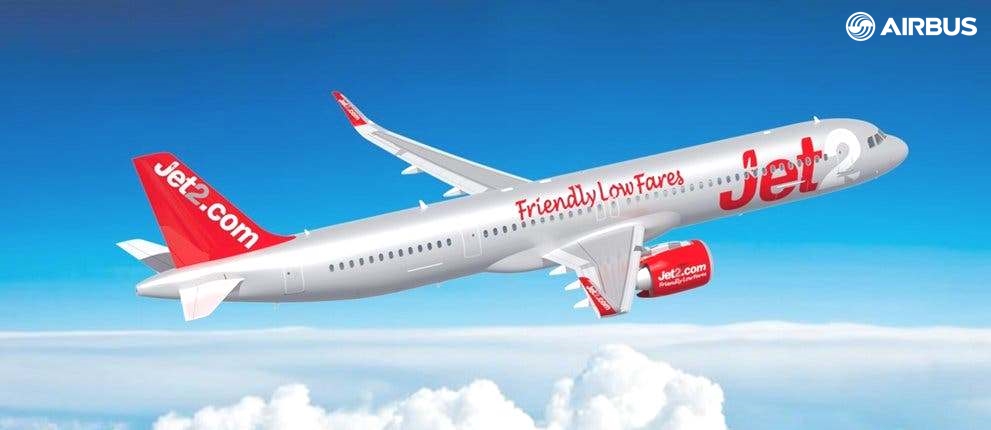
La aerolínea británica y vacacional Jet2 Airways Plc ha anunciado este Martes 05/10 la compra de quince Airbus A321NEO (15) valorados en US$ 2 mil millones de Dólares a los precios de lista actuales, mientras las aerolíneas se preparan para un repunte de los viajes en Europa.
La aerolínea de vacaciones Jet2.com ha acordado comprar quince aviones de la familia A321NEO que permitirá posicionar a la aerolínea hacia una perspectiva de ampliación de destinos estimulada por la reactivación de los viajes aéreos. Este último pedido del fabricante de aviones Airbus sigue a las 36 órdenes en Agosto 2021, con 60 aviones como opciones negociables.
Estos 15 aviones adicionales se entregarán entre 2026 y 2029 y los términos del acuerdo son sustancialmente los mismos que los aprobados por la junta de Jet2 para los 36 pedidos iniciales de aviones en firme. La aerolínea dijo en un comunicado: «A los precios de lista actuales, estos 15 aviones adicionales representan un valor total de aproximadamente US$ 2 mil millones, con un valor total de transacción, para hasta 75 aviones, de aproximadamente US$ 10.1 mil millones, aunque la compañía ha negociado descuentos significativos del precio de lista». La compañía mantendrá la flexibilidad para determinar el método más favorable de financiación de la aeronave, que será a través de una combinación de recursos internos y deuda. Cuando anunció el primer pedido de Airbus en Agosto 2021, la aerolínea dijo que el acuerdo significa que puede cumplir con el crecimiento futuro anticipado de su negocio de viajes de placer y actualizar su flota de aviones existente.
Jet2 orders an additional 15 A321NEOs
British leisure airline expands narrobodies orders
The British holiday airline Jet2 Airways Plc announced this Tuesday 05/10 the purchase of fifteen Airbus A321NEOs (15) valued at US$ 2 billion at current list prices, as airlines prepare for a rebound in travel in Europe.
The holiday airline Jet2.com has agreed to purchase fifteen aircraft from the A321NEO family that will position the airline towards a prospect of expanding destinations stimulated by the reactivation of air travel. This latest order from aircraft manufacturer Airbus follows 36 orders in August 2021, with 60 aircraft as tradable options.
These 15 additional aircraft will be delivered between 2026 and 2029 and the terms of the agreement are substantially the same as those approved by the Jet2 board for the initial 36 firm aircraft orders. The airline said in a statement: «At current list prices, these 15 additional aircraft represent a total value of approximately US$ 2 billion, with a total transaction value, for up to 75 aircraft, of approximately US$ 10.1 billion, although the company has negotiated significant discounts from the list price». The company will retain the flexibility to determine the most favorable method of financing the aircraft, which will be through a combination of internal resources and debt. When it announced the first Airbus order In August 2021, the airline said the agreement means it can meet the anticipated future growth of its leisure travel business and upgrade its existing fleet of aircraft.
Comair continúa esfuerzos cancelación acuerdo por Boeing 737 MAX
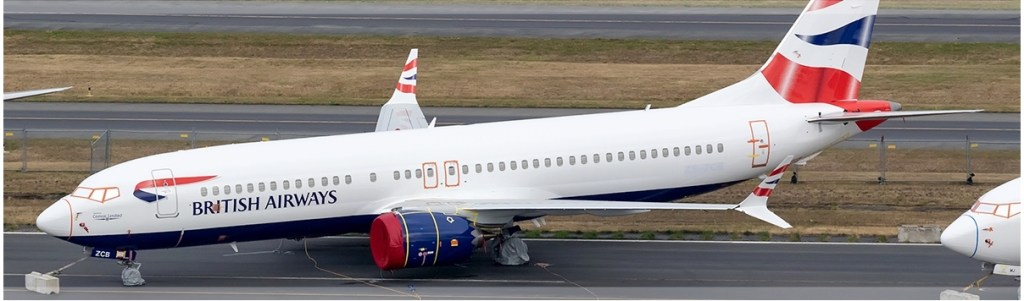
Comair continuará con los esfuerzos para cancelar un acuerdo de compra de ocho aviones Boeing 737-8 MAX del fabricante estadounidense Boeing. Esto según el último informe a las partes afectadas de los profesionales de rescate empresarial de Comair.
Comair es propietaria de la aerolínea de bajo costo Kulula Airlines y opera bajo British Airways a nivel nacional en términos de un acuerdo de licencia. Su acuerdo original con Boeing se concluyó en 2013. Comair recibió solo uno de los aviones 737 MAX, poco antes de la puesta a tierra global. Además, Boeing no entregó el segundo y tercer avión MAX a Comair de acuerdo con el cronograma de entrega.
Según el último informe de rescate empresarial, la venta de Comair de su negocio Slow Lounge como parte de una transacción con FirstRand Bank ahora ha sido aprobada por los acreedores. FirstRand proporcionó un préstamo provisional de R 250 millones de Rand hasta la finalización. Comair entró en rescate empresarial en Mayo de 2020. El Consorcio de Rescate de Comair, compuesto por varios ex miembros de la junta directiva y ejecutivos de Comair, fue elegido como postor preferido. Actualmente se están llevando a cabo otras iniciativas de financiación. Si todos se implementan, los profesionales del rescate creen que Comair puede ser rescatado.
Comair negotiates to cancel 737 MAX
Comair continues efforts to cancel Boeing 737 MAX deal
Comair will continue efforts to cancel a purchase agreement for eight Boeing 737-8 MAX aircraft from US manufacturer Boeing. This according to the latest report to affected parties from Comair’s business rescue professionals.
Comair owns the low-cost carrier Kulula Airlines and operates under British Airways domestically under a license agreement. Its original agreement with Boeing was concluded in 2013. Comair received only one of the 737 MAX aircraft, shortly before global grounding. Additionally, Boeing failed to deliver the second and third MAX aircraft to Comair in accordance with the delivery schedule.
According to the latest business rescue report, Comair’s sale of its Slow Lounge business as part of a transaction with FirstRand Bank has now been approved by creditors. FirstRand provided an interim loan of R 250 million Rand until completion. Comair entered corporate bailout in May 2020. The Comair Rescue Consortium, comprised of several former Comair board members and executives, was chosen as the preferred bidder. Other funding initiatives are currently underway. If all are implemented, rescue professionals believe that Comair can be rescued.
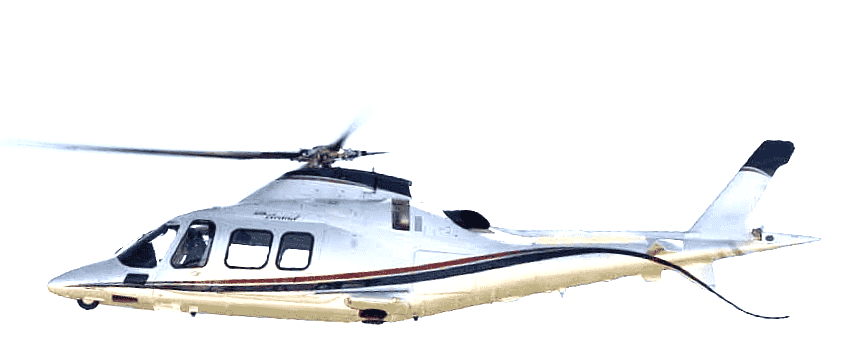
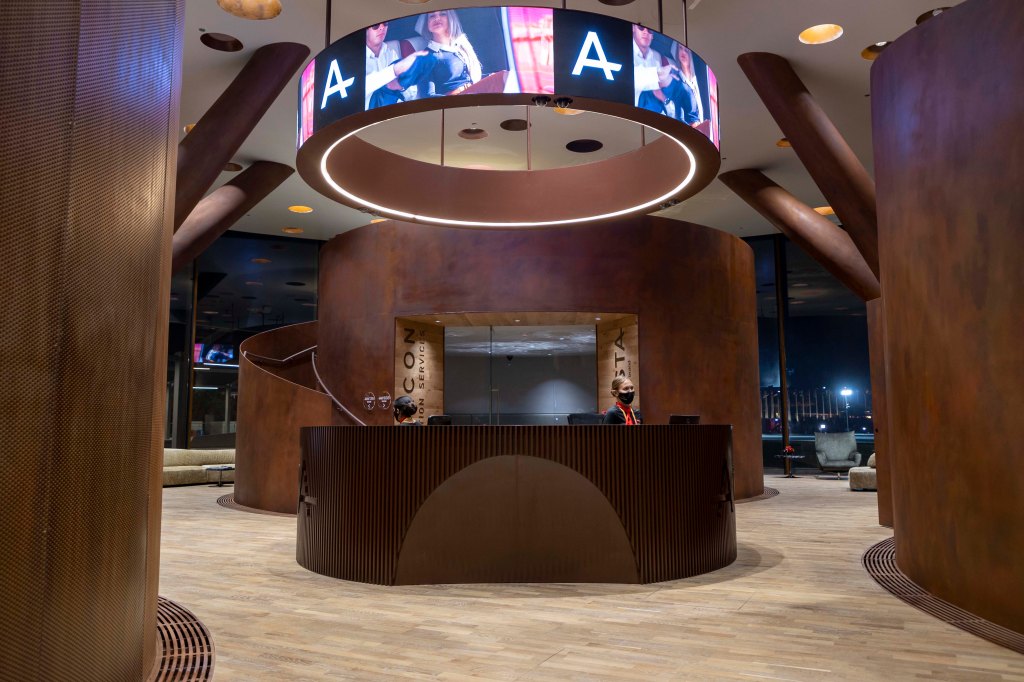
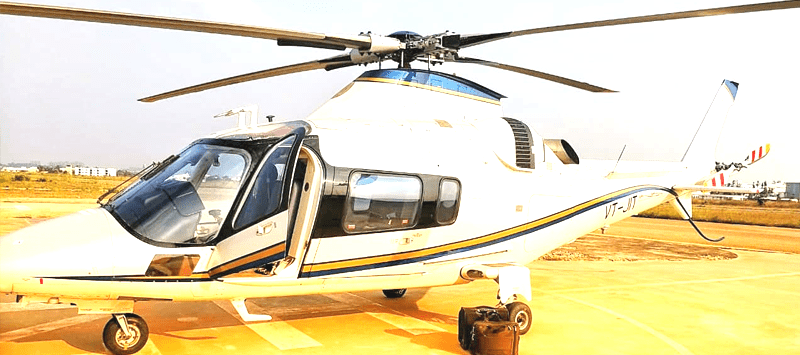
Leonardo Company anunció el lanzamiento de una nueva iniciativa para fortalecer su posición de liderazgo mundial en el campo de los helicópteros de transporte VIP/corporativo, allanando el camino para nuevas soluciones sostenibles y avanzadas para la movilidad aérea en el campo de vuelo vertical. A partir de este Lunes 04/10, Agusta se convierte en la marca representativa de la filosofía y de los valores distintivos de Leonardo en términos de diseño, tecnología y servicios en el sector de helicópteros de transporte ejecutivo.
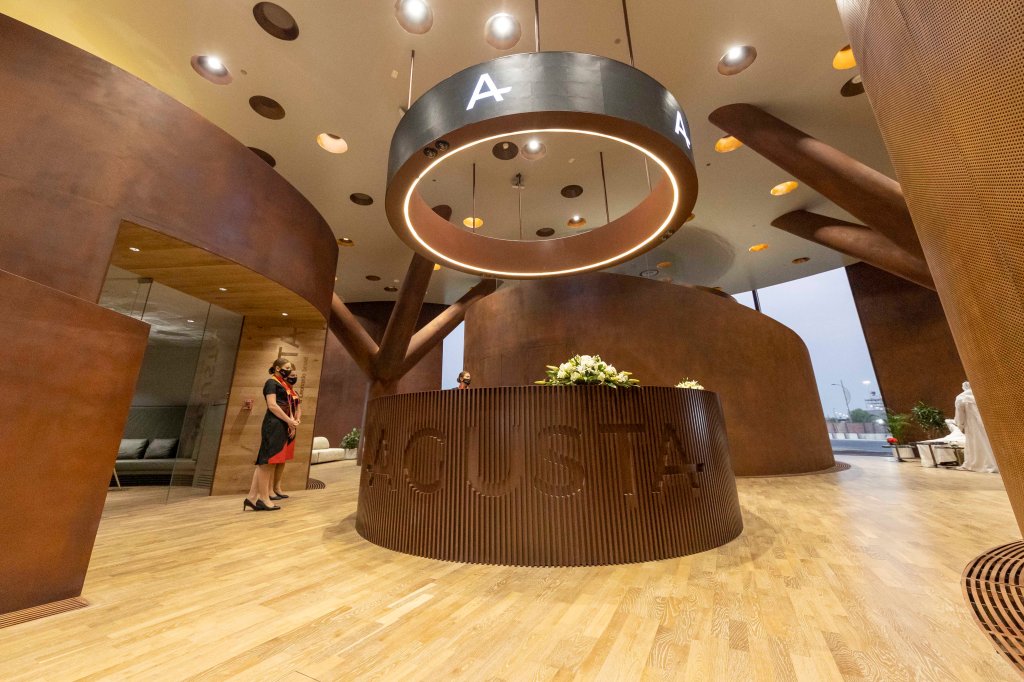
Aprovechando el peso del icónico nombre Agusta en la industria mundial de helicópteros, gracias a sus distintivas capacidades e inigualable rendimiento, tecnología, estilo y personalización, Leonardo incorporará nuevos servicios y soluciones para brindar a los operadores una experiencia de vuelo mejorada y aún más especial. La nueva marca VIP fue anunciada en la gran inauguración de la innovadora terminal de helicópteros en Dubai junto con el operador Falcon Aviation Services que facilitará la movilidad desde y hacia el área de la Expo 2020 deliberadamente denominada Casa Agusta. La presencia del revolucionario AW609 tiltrotor en Dubai para su primera presentación oficial en la región, representa una visión de movilidad aérea moderna que trae los valores de Agusta a una nueva era. Aprovechando la herencia de un nombre icónico incrustado en la comunidad de la industria de helicópteros y un símbolo de compromiso para mantenerse a la vanguardia de la innovación, Agusta es una combinación única de lo mejor en rendimiento, comodidad y distinguido estilo italiano. Leonardo se compromete a proporcionar a los operadores, ahora y en el futuro, soluciones personalizadas inigualables. Estas soluciones incluirán nuevos servicios operativos dedicados, nuevas configuraciones para interiores y accesorios y nuevas posibilidades de personalización en el sector del transporte VIP.
Gian Piero Cutillo, de Leonardo Helicopters MD, dijo: “Con Agusta les damos a nuestros operadores VIP una marca fuerte que pueden reconocer y con la cual identificarse fácilmente, un signo que encarna su deseo de excelencia y calidad con un toque personal y de distinción, que incluye su experiencia de vuelo. Queremos que sean ellos mismos antes del despegue, durante el vuelo y al llegar a su destino, diferenciándolos de los demás. La fuerza y el reconocimiento del legado de la marca Agusta aún siguen vivos en este segmento de mercado en particular”.
Desde la llegada del popular e icónico A109 hace cincuenta años, velocidad y elegancia han sido claros ejemplos de palabras recurrentes de los operadores para definir un helicóptero y una experiencia. El crecimiento y la evolución significativos de la gama de soluciones de gran éxito en todas las aplicaciones de servicio público y civil durante las últimas décadas llevaron a Agusta a convertirse en sinónimo de esas características de rendimiento, aerodinámica, tecnología avanzada y altos niveles de personalización excepcionales. Esto es particularmente cierto y persistente para las funciones de transporte de pasajeros.
El anuncio tuvo lugar en la gran inauguración de la nueva terminal de helicópteros de Leonardo y Falcon Aviation Services en Dubai, deliberadamente designada Casa Agusta. La terminal facilitará la movilidad desde y hacia el lugar de la Expo 2020 en Dubai. Un AW609 TiltRotor y una maqueta de cabina VIP/corporativa del AW609 a gran escala estarán en exhibición estática cerca de Casa Agusta por un período limitado. La primera aparición del AW609 TiltRotor en Medio Oriente con su presentación oficial en Dubai marca el lanzamiento comercial global del revolucionario avión multirol a medida que se acerca a su certificación civil.
El diseño de Casa Agusta se basa en un concepto completamente nuevo, que combina una pista de aterrizaje, una sala de exposiciones y áreas de descanso en un solo helipuerto ubicado en la ciudad. Este concepto apoyará el desarrollo de una red de conexiones punto a punto para traslados urbanos y conexiones entre ciudades, al tiempo que satisface las crecientes demandas de movilidad vertical sostenible y moderna, así como un mayor acceso a las áreas urbanas. Los usuarios y pasajeros del sector de transporte VIP y charter recibirán niveles de servicios típicamente disponibles en grandes instalaciones aeroportuarias privadas alejadas del centro y áreas urbanas. Casa Agusta presenta un sólido diseño modular eco-sustentable con el uso de materiales reciclables. Si es necesario, la terminal se puede desmontar, transportar y volver a montar en otro lugar. El principal operador Falcon Aviation Services utilizará la terminal para brindar los mejores servicios de transporte en helicóptero de su clase.
La experiencia debe generar las sensaciones de la marca Agusta antes de cada despegue y aterrizaje. Con este fin, Leonardo ha desarrollado una infraestructura ideal, presente al principio y al final de cada viaje. Una terminal moderna, modular, sostenible y refinada que responde a la evolución de la movilidad aérea con espacios adaptables y áreas dedicadas tanto a los negocios como a la descanso. Mediante la combinación de esta extraordinaria infraestructura y el revolucionario AW609, capaz de garantizar la versatilidad típica del vuelo vertical y el alto rendimiento de un avión turbohélice, lo que Leonardo presenta hoy en Dubai personifica perfectamente la visión de la compañía de un futuro no muy lejano en la movilidad aérea moderna.
Alessandro Profumo, CEO de Leonardo, dijo: “La industria de la aviación del tercer milenio está evolucionando rápidamente hacia nuevas formas de movilidad, con los objetivos de modernidad, seguridad y sostenibilidad. De hecho, nuestro objetivo no es solo construir nuevos puentes para el intercambio de bienes y servicios, sino, lo que es más importante, fomentar el movimiento de personas y nuevas ideas, que son clave para el crecimiento económico y cultural. Leonardo quiere ser un impulsor de esta transformación, aprovechando las capacidades que nos distinguen: tecnologías de alta gama, profesionalismo y centrado en las personas. Lo que anunciamos y mostramos hoy aquí contribuirá en gran medida a respaldar esta evolución en la movilidad”.
Con una participación de más del 40% en el mercado de helicópteros multiengine VIP por entregas, Leonardo es un líder indiscutible en este sector. La compañía tiene la gama de capacidades y modelos más amplia y moderna de cualquier otro fabricante, que cumple e incluso supera las más estrictas normas de seguridad y certificación con una línea de tecnologías avanzadas para navegación, misión, seguridad y experiencia en cabina.
Acerca de Falcon Aviation Services
Falcon Aviation Services se estableció en 2006, bajo la iniciativa de Su Alteza el Dr. Sheikh Sultan Bin Khalifa Bin Zayed Al Nahyan, Asesor del Presidente de los Emiratos Árabes Unidos. Ubicado en el aeropuerto ejecutivo Al Bateen de Abu Dhabi y el aeropuerto internacional Al Maktoum de Dubai, Falcon Aviation ofrece una amplia gama de Servicios de Soporte Operacional y de Aviación que incluyen Soporte de Aviación de Petróleo y Gas, Mantenimiento, Reparación y Revisión (MRO), Servicios de Charter de Jets Comerciales y Tours Turísticos en Helicópteros personalizados, Operador de Base Fija (FBO), Servicios de Gestión de Aeronaves y Gestión Continua de Aeronavegabilidad (CAMO), Gestión e Inspección de Helipuertos, entre otros. Falcon Aviation se ha establecido firmemente como un operador líder en la industria de la aviación en los Emiratos Árabes Unidos y la región MENA en general por su compromiso con la calidad, la seguridad y la excelencia.
Leonardo VIP brand launch
Launch of new brand Agusta VIP helicopters
Leonardo Company announced the launch of a new initiative to strengthen its world leadership position in the field of VIP/corporate transport helicopters, paving the way for new sustainable and advanced solutions for air mobility in the field of vertical flight. As of this Monday 04/10, Agusta becomes the representative brand of Leonardo’s philosophy and distinctive values in terms of design, technology and services in the executive transport helicopter sector.
Leveraging the weight of the iconic Agusta name in the global helicopter industry, thanks to its distinctive capabilities and unmatched performance, technology, style and customization, Leonardo will incorporate new services and solutions to provide operators with an enhanced and even more special flight experience. The new VIP brand was announced at the grand opening of the innovative helicopter terminal in Dubai together with the operator Falcon Aviation Services that will facilitate mobility to and from the Expo 2020 area deliberately named Casa Agusta. The presence of the revolutionary AW609 tiltrotor in Dubai for its first official presentation in the region, represents a vision of modern air mobility that brings Agusta values into a new era. Drawing on the heritage of an iconic name embedded in the helicopter industry community and a symbol of commitment to stay at the forefront of innovation, Agusta is a unique combination of the best in performance, comfort and distinguished Italian style. Leonardo is committed to providing operators, now and in the future, with unmatched customized solutions. These solutions will include new dedicated operational services, new configurations for interiors and accessories and new customization possibilities in the VIP transport sector.
Gian Piero Cutillo, from Leonardo Helicopters MD, said: “With Agusta we give our VIP operators a strong brand that they can recognize and easily identify with, a sign that embodies their desire for excellence and quality with a personal touch and distinction. , which includes your flight experience. We want them to be themselves before takeoff, during the flight and upon arrival at their destination, differentiating them from others. The strength and recognition of the Agusta brand legacy is still alive in this particular market segment».
Since the arrival of the popular and iconic A109 fifty years ago, speed and elegance have been clear examples of recurring words from operators to define a helicopter and an experience. The significant growth and evolution of the range of highly successful solutions in all civil and public service applications over the past decades led Agusta to become synonymous with such performance characteristics, aerodynamics, advanced technology and high levels of exceptional customization. This is particularly true and persistent for passenger transportation functions.
The announcement took place at the grand opening of Leonardo and Falcon Aviation Services’ new helicopter terminal in Dubai, deliberately designated Casa Agusta. The terminal will facilitate mobility to and from the Expo 2020 venue in Dubai. An AW609 TiltRotor and a full-scale AW609 corporate/VIP cabin mockup will be on static display near Casa Agusta for a limited period. The AW609 TiltRotor’s first appearance in the Middle East with its official unveiling in Dubai marks the global commercial launch of the revolutionary multirole aircraft as it approaches civilian certification.
The design of Casa Agusta is based on a completely new concept, combining an airstrip, an exhibition hall and rest areas in a single helipad located in the city. This concept will support the development of a network of point-to-point connections for urban commutes and intercity connections, while meeting the growing demands for sustainable and modern vertical mobility, as well as greater access to urban areas. Users and passengers in the VIP and charter transport sector will receive levels of services typically available at large private airport facilities far from downtown and urban areas. Casa Agusta presents a solid eco-sustainable modular design with the use of recyclable materials. If necessary, the terminal can be disassembled, transported, and reassembled elsewhere. The main operator Falcon Aviation Services will use the terminal to provide best-in-class helicopter transportation services.
The experience must generate the sensations of the Agusta brand before each takeoff and landing. To this end, Leonardo has developed an ideal infrastructure, present at the beginning and end of each trip. A modern, modular, sustainable and refined terminal that responds to the evolution of air mobility with adaptable spaces and areas dedicated to both business and relaxation. By combining this extraordinary infrastructure and the revolutionary AW609, capable of guaranteeing the versatility typical of vertical flight and the high performance of a turboprop aircraft, what Leonardo presents today in Dubai perfectly embodies the company’s vision of the not-too-distant future. in modern air mobility.
Alessandro Profumo, CEO of Leonardo, said: “The aviation industry of the third millennium is rapidly evolving towards new forms of mobility, with the objectives of modernity, safety and sustainability. In fact, our goal is not only to build new bridges for the exchange of goods and services, but, more importantly, to encourage the movement of people and new ideas, which are key to economic and cultural growth. Leonardo wants to be a driver of this transformation, taking advantage of the capabilities that distinguish us: high-end technologies, professionalism and people-centeredness. What we announce and show here today will go a long way toward supporting this evolution in mobility».
With a market share of over 40% for multi-engine VIP helicopters delivered by deliveries, Leonardo is an undisputed leader in this sector. The company has the broadest and most modern range of capabilities and models of any other manufacturer, meeting and even exceeding the strictest safety and certification standards with a line of advanced technologies for navigation, mission, safety and cabin experience.
About Falcon Aviation Services
Falcon Aviation Services was established in 2006, at the initiative of His Highness Dr. Sheikh Sultan Bin Khalifa Bin Zayed Al Nahyan, Advisor to the President of the United Arab Emirates. Located at Abu Dhabi’s Al Bateen Executive Airport and Dubai’s Al Maktoum International Airport, Falcon Aviation offers a wide range of Aviation and Operational Support Services including Aviation Oil and Gas Support, Maintenance, Repair and Overhaul (MRO), Charter Services of Commercial Jets and Tourist Tours in customized Helicopters, Fixed Base Operator (FBO), Aircraft Management Services and Continuous Airworthiness Management (CAMO), Heliport Management and Inspection, among others. Falcon Aviation has firmly established itself as a leading operator in the aviation industry in the United Arab Emirates and the wider MENA region for its commitment to quality, safety and excellence.
Aerolínea colombiana niega sinergia con aerolínea chilena
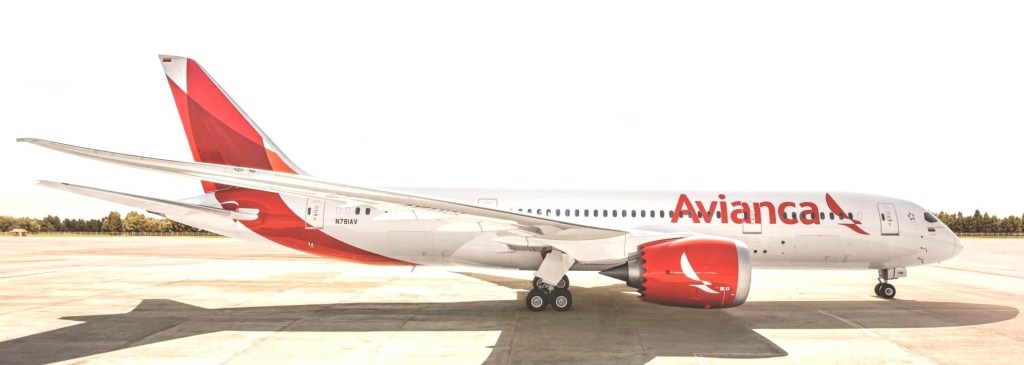
Avianca Airlines ha pronunciado en este Lunes 04/10 que desmiente un proceso de fusión con aerolínea chilena low cost Sky Airline por los dichos de su CEO Holger Paulmann. La aerolínea colombiana Avianca ha negado interés para una unión de marcas del cual no ha participado en negociaciones con Sky, comentó la compañía en un comunicado enviado a la Superintendencia Financiera de Colombia. “Avianca desconoce la existencia de alguna inversión de parte de sus financistas en Sky, así como los términos y condiciones de cualquier negociación que alguno de los financistas del Tramo B haya podido adelantar con Sky o sus accionistas”, expresó en un anuncio la aerolínea colombiana.
En el anuncio precisa que una vez la aerolínea salga de su proceso en el Capítulo 11, los nuevos accionistas pueden tomar las decisiones en su calidad de controladores. “La compañía aclara que las decisiones futuras que puedan adoptar los financistas del Tramo B, en caso de confirmarse el plan, no afectan a los actuales accionistas de Avianca”, señala el documento emitido por Avianca.
De acuerdo con la información que se conoció el fin de semana, las aerolíneas Avianca y Sky se fusionarían a finales de este año 2021 o comienzos del próximo 2022 creando la aerolínea low cost más grande de América Latina. El acuerdo especulativo fue anunciado por Holger Paulmann, dueño y CEO de Sky Airline. Detrás de la operación estarían los fondos de inversión Elliot Managment y Caoba Capital, las cuales se quedarían con el 70% de la aerolínea colombiana al salir del Capítulo 11.
IATA 77º Summmit 2021
En las últimas horas fue divulgada la noticia de que Avianca y Sky Airlines, la segunda aerolínea más grande de Chile, se fusionarían para competir con las compañías low cost. A pesar de que la primera desmintiera públicamente la noticia, la información ha generado suspicacias. Durante la 77° Reunión General Anual (AGM) de la IATA y la Cumbre Mundial de Transporte Aéreo, Peter Cerdá, Vicepresidente Regional de la Asociación de Transporte Aéreo Internacional (IATA), sostuvo que no interfieren en decisiones comerciales. De todas maneras, El Vicepresidente Regional ha aproximado que en el período actual se están dando oportunidades de negocio entre las aerolíneas, pues la aviación está evolucionando y cambiando de acuerdo a los tiempos. “Al final va a ser bueno para los pasajeros, va a haber más competitividad, más opciones comerciales y eso va a obligar a la competencia a mejorar los servicios, los precios, que para la industria sería positivo”, respondió Peter Cerdá. Considera que la posible fusión Avianca-Sky es el reflejo de una tendencia que continúa aplicándose en el mundo post-pandemia.
Perspectivas Avianca
El próximo 26 de Octubre de 2021 será la audiencia en la que Avianca buscará que le aprueben el plan de reorganización por parte de la Corte de Quiebras de Nueva York Distrito Sur, que le permitirá restructurar sus pasivos y planificar sus objetivos post-pandemia.
Avianca denies Sky Airline merger
Colombian airline denies synergy with Chilean airline
Avianca Airlines has pronounced on Monday 04/10 that it denies a merger process with Chilean low cost airline Sky Airline due to the words of its CEO Holger Paulmann. The Colombian airline Avianca has denied interest in a brand union for which it has not participated in negotiations with Sky, the company said in a statement sent to the Financial Superintendence of Colombia. «Avianca is unaware of the existence of any investment on the part of its financiers in Sky, as well as the terms and conditions of any negotiation that any of the Tranche B financiers may have carried out with Sky or its shareholders», the Colombian airline said in an announcement.
The announcement states that once the airline exits its Chapter 11 process, the new shareholders can make the decisions in their capacity as controllers. «The company clarifies that future decisions that may be made by Tranche B financiers, if the plan is confirmed, will not affect current Avianca shareholders». says the document issued by Avianca.
According to the information released over the weekend, the Avianca and Sky airlines would merge at the end of this year 2021 or the beginning of next 2022 creating the largest low cost airline in Latin America. The speculative deal was announced by Holger Paulmann, owner and CEO of Sky Airline. Behind the operation would be the investment funds Elliot Managment and Caoba Capital, which would keep 70% of the Colombian airline upon exiting Chapter 11.
IATA 77th Summmit 2021
In the last hours, the news was released that Avianca and Sky Airlines, the second largest airline in Chile, would merge to compete with low cost companies. Despite the fact that the former publicly denied the news, the information has generated suspicions. During the 77th Annual General Meeting (AGM) of IATA and the World Air Transport Summit, Peter Cerdá, Regional Vice President of the International Air Transport Association (IATA), argued that they do not interfere in business decisions. In any case, the Regional Vice President has approximated that in the current period there are business opportunities between airlines, since aviation is evolving and changing according to the times. «In the end it will be good for passengers, there will be more competitiveness, more commercial options and that will force the competition to improve services, prices, which for the industry would be positive», replied Peter Cerdá. He believes that the possible Avianca-Sky merger is the reflection of a trend that continues to apply in the post-pandemic world.
Avianca perspectivas
Next October 26, 2021 will be the hearing in which Avianca will seek approval of the reorganization plan by the Bankruptcy Court of the New York Southern District, which will allow it to restructure its liabilities and plan its post-pandemic objectives.
Voepass Linhas Aéreas ha anunciado la incorporación y expansión de flota de la compañía la incorporación de la flota narrowbodies de aeronaves Boeing 737-700 y 737-800, con una configuración para entre 144 y 180 asientos. La aerolínea regional ingresa nuevamente a la era jet con la incorporación de aviones a reacción de mayor porte como parte del objetivo de adaptar la oferta al tráfico en el Aeropuerto Sao Paulo/Congonhas. La compañía ha enfocado su desarrollo para aumentar su participación en el concurrido aeropuerto, mientras estepa las aprobaciones respectivas de las franjas horarias (slots). «Entendemos que el ajuste de la flota, con la inclusión de un equipo de mayor capacidad, complementará nuestra estrategia de servir a los mercados regionales de tamaño mediano, mejorando las operaciones en el aeropuerto de Congonhas», dice Eduardo Busch, CEO de Voepass.
«Estamos invirtiendo para certificar el Boeing 737 en nuestras operaciones, creyendo en la recuperación de la economía y el sector turístico en nuestro país. Ya nos estamos preparando para seguir las oportunidades de expansión en los movimientos del aeropuerto de Congonhas, que es un paso fundamental en nuestro plan de negocios, que sigue centrado en el desarrollo y la expansión de la red aérea regional brasileña», señala José Luiz Felício Filho, presidente de Voepass.
Voepass Linhas aéreas opera actualmente una flota de aviones turbohélice regionales ATR 42 (1) y ATR 72 (5) , con una capacidad de entre 48 a 70 pasajeros. La aerolínea regional aproxima un número de compra de aeronaves de acuerdo con las distribuciones de slots asignados. El inicio de los vuelos comerciales con la nueva flota Boeing 737NG estará programada para comenzar en la primera mitad de 2022.
El 3 de Julio de 2017 la empresa fue vendida a Viação Itapemirim pero el 11 de Septiembre de 2017, Passaredo renunció a la venta a Itapemirim por incumplimiento de contrato. El 21 de Agosto de 2019, Passaredo anunció la compra de MAP Linhas Aéreas, incluidaslas 12 franjas horarias en el aeropuerto de São Paulo-Congonhas otorgadas a MAP el 14/08. Passaredo recibió catorce slots. Juntas, estas franjas horarias ayudarán a Passaredo a construir su propia red desde el aeropuerto de Congonhas, centrándose en los mercados desatendidos o no atendidos. Inicialmente, ambas compañías operarán de forma independiente, pero hay planes para una futura fusión. El mismo día, Passaredo también anunció el cambio de su nombre a VoePass Linhas Aéreas. El 8 de Junio de 2021 Gol Linhas Aéreas anunció la compra de MAP Linhas Aéreas a Voepass. La transacción incluyó veintiséis (26) slots en el Aeropuerto de São Paulo/Congonhas pertenecientes a MAP y Voepass. Las operaciones amazónicas y los aviones de MAP fueron transferidos a Voepass Linhas Aéreas.
Voepass adds Boeing 737NG fleet
Voepass to start operations with Boeing 737NG
Voepass Linhas Aéreas has announced the incorporation and expansion of the company’s fleet, the incorporation of the narrowbodies fleet of Boeing 737-700 and 737-800 aircraft, with a configuration for between 144 and 180 seats. The regional airline enters the jet era again with the incorporation of larger jet aircraft as part of the objective of adapting the offer to the traffic at the Sao Paulo / Congonhas Airport. The company has focused its development to increase its participation in the busy airport, while the respective approvals of the slots are pending. «We understand that the fleet adjustment, with the inclusion of a larger capacity team, will complement our strategy of serving regional mid-size markets by improving operations at Congonhas Airport», says Eduardo Busch, CEO of Voepass.
«We are investing to certify the Boeing 737 in our operations, believing in the recovery of the economy and the tourism sector in our country. We are already preparing to follow the opportunities for expansion in the movements of the Congonhas airport, which is a fundamental step in our business plan, which continues to focus on the development and expansion of the Brazilian regional air network», says José Luiz Felício Filho, president of Voepass.
Voepass Linhas Aérea currently operates a fleet of regional turboprop aircraft ATR 42 (1) and ATR 72 (5), with a capacity of between 48 to 70 passengers. The regional airline approximates a number of aircraft purchases according to the assigned slot distributions. The start of commercial flights with the new Boeing 737NG fleet is scheduled to begin in the first half of 2022.
On July 3, 2017, the company was sold to Viação Itapemirim but on September 11, 2017, Passaredo renounced the sale to Itapemirim due to breach of contract. On August 21, 2019, Passaredo announced the purchase of MAP Linhas Aéreas, including the 12 slots at the São Paulo-Congonhas airport granted to MAP on 08/14. Passaredo received fourteen slots. Together, these slots will help Passaredo build its own network from Congonhas Airport, focusing on underserved or unserved markets. Initially, both companies will operate independently, but there are plans for a future merger. On the same day, Passaredo also announced the change of its name to VoePass Linhas Aéreas. On June 8, 2021 Gol Linhas Aéreas announced the purchase of MAP Linhas Aéreas from Voepass. The transaction included twenty-six (26) slots at the São Paulo/Congonhas Airport belonging to MAP and Voepass. The Amazon operations and MAP aircraft were transferred to Voepass Linhas Aéreas.
Voepass adiciona frota de Boeing 737NG
Voepass iniciará operações com Boeing 737NG
A Voepass Linhas Aéreas anunciou a incorporação e expansão da frota da empresa, a incorporação da frota narrowbodies das aeronaves Boeing 737-700 e 737-800, com configuração entre 144 e 180 assentos. A companhia aérea regional entra novamente na era do jato com a incorporação de aviões a jato de maior porte com o objetivo de adequar a oferta ao tráfego do Aeroporto de São Paulo/ Congonhas. A empresa tem focado seu desenvolvimento para aumentar sua participação no movimentado aeroporto, enquanto as respectivas aprovações dos slots estão pendentes. “Entendemos que a adequação da frota, com a inclusão de uma equipe de maior capacidade, complementará nossa estratégia de atender os mercados regionais de médio porte com a melhoria da operação do aeroporto de Congonhas”, afirma Eduardo Busch, CEO da Voepass.
“Estamos investindo para certificar o Boeing 737 em nossas operações, acreditando na recuperação da economia e do setor turístico em nosso país. Já estamos nos preparando para acompanhar as oportunidades de expansão nos movimentos do aeroporto de Congonhas, o que é fundamental passo em nosso plano de negócios, que segue com foco no desenvolvimento e expansão da malha aérea regional brasileira”, afirma José Luiz Felício Filho, presidente da Voepass.
A Voepass Linhas Aérea opera atualmente uma frota de aeronaves turboélice regionais ATR 42 (1) e ATR 72 (5), com capacidade para 48 a 70 passageiros. A companhia aérea regional aproxima um número de compras de aeronaves de acordo com as distribuições de slots atribuídas. O início dos vôos comerciais com a nova frota de Boeing 737NG está previsto para começar no primeiro semestre de 2022.
Em 03 de Julho de 2017, a empresa foi vendida para a Viação Itapemirim mas em 11 de Setembro de 2017, a Passaredo renunciou à venda para a Itapemirim por quebra de contrato. Em 21 de Agosto de 2019, a Passaredo anunciou a compra da MAP Linhas Aéreas, incluindo os 12 slots do aeroporto de São Paulo-Congonhas concedidos à MAP em 14/08. Passaredo recebeu quatorze vagas. Juntos, esses slots ajudarão a Passaredo a construir sua própria rede a partir do Aeroporto Congonhas, com foco em mercados mal atendidos ou não atendidos. Inicialmente, as duas empresas vão operar de forma independente, mas há planos para uma futura fusão. No mesmo dia, a Passaredo anunciou também a mudança da razão social para VoePass Linhas Aéreas. Em 8 de Junho de 2021, a Gol Linhas Aéreas anunciou a compra da MAP Linhas Aéreas da Voepass. A transação incluiu 26 (vinte e seis) slots no Aeroporto de São Paulo/Congonhas pertencentes à MAP e Voepass. As operações da Amazon e as aeronaves MAP foram transferidas para a Voepass Linhas Aéreas.
Aerolíneas normalizaría red cabotaje hacia mitad 2022
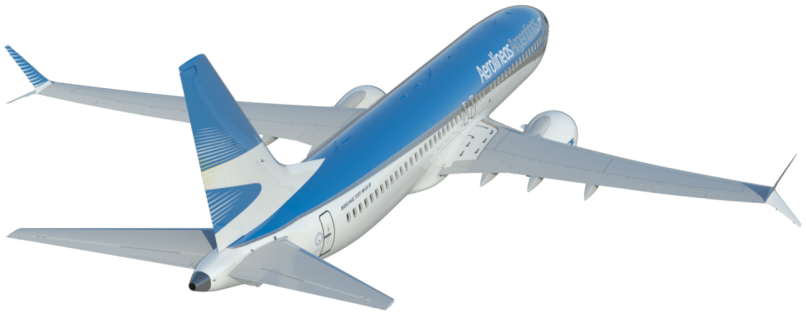
El Presidente de Aerolíneas Argentinas, Pablo Ceriani, afirmó este Lunes 04/10 que estima que «para mediados del año próximo» los vuelos domésticos de Argentina volverán a estar en un nivel similar a los de la pre-pandemia y aseveró que en la línea aérea están trabajando fuertemente, de manera conjunta, directivos y empleados, para lograr la mejor prestación posible en las circunstancias actuales para arribar hacia una normalidad plena hacia mitad de 2022. Mientras participa en la ciudad estadounidense de Boston de la edición 77º de la Asamblea General Anual y Cumbre Mundial de la Asociación Internacional de Transporte Aéreo.
«Estamos concentrando toda la oferta en los vuelos domésticos, lo que antes se repartía con Internacionales, hoy lo concentramos en cabotaje porque los mercados internacionales, si bien se están recuperando, tiene un ritmo más lento debido, no sólo a la situación de Argentina sino también a la de muchos otros países que aún mantienen restricciones para el ingreso. Están creciendo en forma muy pareja tanto la oferta como la demanda, porque al no poder irse a otros países prefieren viajar dentro del país, como por ejemplo los destinos del sur, Mendoza, Iguazú. Son lugares característicos del turismo en Argentina, a los que la gente está eligiendo viajar ante las dificultades para ir al extranjero. Estamos poniendo mucha oferta y aunque para diciembre siempre se nos hace un cuello de botella, creemos que vamos a poder sobrellevar perfectamente la demanda y satisfacerla», expresó el CEO de Aerolíneas.
Por otra parte, Pablo Ceriani destacó la predisposición de los gremios para comprender la situación y acompañarnos en esta instancia. Si bien reconoció que hay un atraso en el poder adquisitivo de los empleados, están en plena paritaria y negociando para que los salarios no queden tan atrasados.
La recuperación de la actividad presenta dos escenarios, los vuelos domésticos e internacionales. En el primero consideran que para la próxima temporada de invierno septentrional el sector esté plenamente recuperado. En el sector internacional, debido a los impactos de la pandemia, será más lenta la recuperación, de manera gradual dependiendo de los factores de vacunación y inmunidad de las poblaciones.
La compañía tiene como objetivo mantener la flota actual de 78 aeronaves: Airbus 330-200 (10), los 26 Embraer E190-100AR (26) y Boeing 737-NG/MAX (42), mientras dan de baja dos A330-200 (2) para volver a adquirir lamisma cantidad de aeronaves de reemplazo. A pesar del parate mundial del tráfico aéreo, Pablo Ceriani expresó: «En estos momentos de crisis, donde por momentos no hubo operaciones y mantener los aviones en tierra tuvo un costo altísimo, pudimos afrontarlo y hoy estamos poniendo en movimiento nuevamente a toda la flota».
Situación económica
En 2020 las pérdidas de Aerolíneas Argentinas fueron de alrededor de US$ 700 millones, pero este año va a ser de US$ 100 millones menos, con una pérdida muy parecida a las cifras de 2019. A pesar del impacto de la pandemia Pablo Ceriani ha encomiado el esfuerzo de todos los trabajadores que pusieron lo mejor de sí para concretar los objetivos, en un momento particularmente dramático, donde los riesgos a contagiarse estaban plenamente vigentes lo que ha demostrado el orgullo por todo lo que ha alcanzado. El ingreso en 2019 fue de US$ 1.700 millones, en 2020 bajó a US$ 500 millones y este año 2021 alcanzaría los US$ 600 millones. Se pierde lo mismo, pero con menos de la mitad de las operaciones. Bajan mucho los ingresos, pero bajan también los gastos porque no se está operando.
Perspectivas Aerolíneas
Aerolíneas Argentinas espera crecer y recuperar mercados que se perdieron, pero la situación de la pandemia ha obligado a reformular el futuro. Ahora lo que necesitamos es recuperar a los pasajeros que teníamos y a partir de ahí comenzar a crecer. Además, se encuentran evaluando la posibilidad de incursionar en el mercado de cargas, aprovechando la experiencia que dejaron los viajes a China, Moscú, Estados Unidos y España, aunque advirtió que los precios en la carga que hay hoy en el mercado, no son reales, porque están muy altos. «Cuando la operatividad se normalice estimamos que los costos actuales van a bajar y allí veremos si es competitivo, pero es algo que estamos analizando y una posibilidad a futuro que no descartamos», comentó Pablo Ceriani.
A partir de la fusión de las compañías Aerolíneas-Austral, se encuentran armando tres líneas de mantenimiento que darán la posibilidad de atender los requisitos de toda la flota alcanzando el logro tras la sinergia de las dos líneas aéreas.
La programación de los vuelos a Oriente, tal vez se encuentren alentados por continuar extendiendo la ruta Argentina-China para el transporte de vacunas: «Hubo una situación en la que, por una aparente tercera ola, los chinos dejaron de ofrecer la asistencia a los vuelos chárter. No así con los vuelos regulares, por lo que las últimas vacunas estuvieron viniendo por compañías que tienen vuelos regulares a Beijing. Pero los próximos seguramente los vamos a volver a hacer nosotros. Para nosotros es importante mostrar la importancia estratégica que tiene una aerolínea de bandera, para tener un servicio público, como es el transporte aerocomercial. De hecho, el sistema aerocomercial estuvo sostenido en el mundo, en un montón de países, por la cantidad de dinero que se puso, que diez o veinte veces más de lo que puso la Argentina, porque es estratégico», concluyó Pablo Ceriani.
Stabilization in Aerolíneas mid 2022
Aerolíneas would normalize cabotage network by mid-2022
The President of Aerolíneas Argentinas, Pablo Ceriani, affirmed this Monday 04/10 that he estimates that «by the middle of next year» domestic flights from Argentina will once again be at a level similar to those of the pre-pandemic and said that on the line managers and employees are working hard, jointly, managers and employees, to achieve the best possible performance in the current circumstances to arrive towards full normality by mid-2022. While participating in the US city of Boston in the 77th edition of the General Assembly Annual and World Summit of the International Air Transport Association.
«We are concentrating all the offer on domestic flights, which used to be shared with Internationals, today we are concentrating on cabotage because international markets, although they are recovering, have a slower pace, not only due to the situation in Argentina but also Also to that of many other countries that still maintain entry restrictions. Both supply and demand are growing very evenly, because since they cannot go to other countries, they prefer to travel within the country, such as destinations in the south. Mendoza, Iguazú. They are characteristic places of tourism in Argentina, to which people are choosing to travel due to the difficulties of going abroad. We are putting a lot of offers and although for December we always have a bottleneck, we believe that we will be able to perfectly cope with the demand and satisfy it», expressed the CEO of Aerolíneas.
On the other hand, Pablo Ceriani highlighted the willingness of the unions to understand the situation and accompany us in this instance. Although he acknowledged that there is a delay in the purchasing power of the employees, they are in full parity and negotiating so that wages are not so behind.
The recovery of the activity presents two scenarios, domestic and international flights. In the first, they consider that for the next northern winter season the sector is fully recovered. In the international sector, due to the impacts of the pandemic, the recovery will be slower, gradually depending on the factors of vaccination and immunity of the populations.
The company aims to maintain the current fleet of 78 aircraft: Airbus 330-200 (10), 26 Embraer E190-100AR (26) and Boeing 737-NG/MAX (42), while decommissioning two A330-200 (2) to re-purchase the same number of replacement aircraft. Despite the global parate of air traffic, Pablo Ceriani expressed: «In these moments of crisis, where at times there were no operations and keeping the planes on the ground had a very high cost, we were able to face it and today we are putting the entire fleet in motion again».
Economic situation
In 2020 the losses of Aerolíneas Argentinas were around US$ 700 million, but this year it will be US$ 100 million less, with a loss very similar to the 2019 figures. Despite the impact of the pandemic Pablo Ceriani has I commended the efforts of all the workers who did their best to achieve the objectives, at a particularly dramatic moment, where the risks to be infected were fully in force, which has shown pride in everything they have achieved. Income in 2019 was US$ 1.7 billion, in 2020 it dropped to US$ 500 million and this year 2021 it would reach US$ 600 million. The same is lost, but with less than half of the operations. Income falls a lot, but expenses also fall because it is not operating.
Perspectives Aerolíneas
Aerolíneas Argentinas hopes to grow and recover markets that were lost, but the situation of the pandemic has forced to reformulate the future. Now what we need is to recover the passengers we had and from there begin to grow. In addition, they are evaluating the possibility of entering the cargo market, taking advantage of the experience left by trips to China, Moscow, the United States and Spain, although they warned that the prices of cargo that are on the market today are not real. , because they are very high. «When operations return to normal, we estimate that current costs will drop and there we will see if it is competitive, but it is something that we are analyzing and a future possibility that we do not rule out», commented Pablo Ceriani.
From the merger of the Aerolíneas-Austral companies, they are setting up three maintenance lines that will give the possibility of meeting the requirements of the entire fleet, achieving the achievement after the synergy of the two airlines.
The scheduling of flights to the East, may be encouraged to continue extending the Argentina-China route for the transport of vaccines: «There was a situation in which, due to an apparent third wave, the Chinese stopped offering assistance to the flights. charter. Not so with regular flights, so the last vaccines were coming from companies that have regular flights to Beijing. But the next ones we will surely do again. For us it is important to show the strategic importance of an airline of flag, to have a public service, such as commercial air transport. In fact, the commercial air system was sustained in the world, in a lot of countries, by the amount of money that was put in, which ten or twenty times more than that Argentina put, because it is strategic», concluded Pablo Ceriani.
NOTA AL LECTOR: En algunos casos el lector encontrará la cita “Aerolíneas” en nuestras publicaciones de Airgways.com haciendo referencia particular a Aerolíneas Argentinas, debido a que es una palabra o expresión de localismo en Argentina; pero en cuyos casos no son preferenciales.
NOTE TO READERS: In some cases the reader will find the appointment “Aerolíneas” in our publications Airgways.com with particular reference to Aerolíneas Argentinas, because it is a word or expression of localism in Argentina; but in whose cases are not preferred.
Evento reúne máximas autoridades del mercado aviación comercial
La Asociación de Transporte Aéreo Internacional realiza la IATA Annual General Meeting & World Air Transport Summit. El evento de tres jornadas es organizado por JetBlue Airways en Boston, Estados Unidos. Estaba originalmente programado para el 27 y 29 de Junio de 2021, pero debió ser aplazado por motivo de la pandemia de Covid-19. “Creemos que es vital hacer todo lo posible para reunirnos. Hacerlo afirma que las aerolíneas pueden conectar el mundo de manera segura, demuestra la resistencia de nuestra industria y confirma el valor inestimable de las reuniones en persona facilitadas por la aviación”, dijo Alexandre de Juniac, Director General y CEO de IATA.
IATA anunció 04/10 su última perspectiva para el desempeño financiero de la industria de las aerolíneas que muestra mejores resultados en medio de la continua crisis de COVID-19: Se espera que las pérdidas netas de la industria se reduzcan a US$ 11.6 mil millones en 2022 después de una pérdida de US$ 51.8 mil millones en 2021 (empeorada desde la pérdida de US$ 47.7 mil millones estimada en abril). Las estimaciones de pérdidas netas para 2020 se han revisado a US$ 137,7 mil millones (de US$ 126,4 mil millones). Sumando estos, se espera que las pérdidas totales de la industria en 2020-2022 alcancen los US$ 201 mil millones. Se espera que la demanda (medida en RPK) se ubique en el 40% de los niveles de 2019 para 2021, y aumente al 61% en 2022, mientras que el número total de pasajeros alcance los US$ 2.300 millones en 2021. Esto aumentará a US$ 3.400 millones en 2022, lo que es similar a los niveles de 2014 y significativamente por debajo de los US$ 4.500 millones de viajeros de 2019. Se espera que la fuerte demanda de carga aérea continúe con la demanda de 2021 en un 7,9% por encima de los niveles de 2019, creciendo a un 13,2% por encima de los niveles de 2019 para 2022.
“La magnitud de la crisis del COVID-19 para las aerolíneas es enorme. Durante el período 2020-2022, las pérdidas totales podrían superar los US$ 200 mil millones. Para sobrevivir, las aerolíneas han reducido drásticamente los costos y adaptado su negocio a las oportunidades disponibles. Eso hará que la pérdida de US$ 137,7 mil millones de 2020 se reduzca a US$ 52 mil millones este año. Y eso se reducirá aún más a US$ 12 mil millones en 2022. Hemos superado con creces el punto más profundo de la crisis. Si bien siguen existiendo problemas graves, se vislumbra el camino hacia la recuperación. La aviación está demostrando su capacidad de recuperación una vez más”, dijo Willie Walsh, Director General de IATA.
El negocio de la carga aérea se está desempeñando bien y los viajes nacionales se acercarán a los niveles anteriores a la crisis en 2022. El desafío son los mercados internacionales, que siguen gravemente deprimidos a medida que continúan las restricciones impuestas por el gobierno.
“La gente no ha perdido el deseo de viajar, como vemos en la sólida capacidad de recuperación del mercado interno. Pero las restricciones, la incertidumbre y la complejidad les impiden realizar viajes internacionales. Más gobiernos ven las vacunas como una salida a esta crisis. Estamos totalmente de acuerdo en que las personas vacunadas no deberían tener limitada su libertad de movimiento de ninguna manera. De hecho, la libertad de viajar es un buen incentivo para que más personas se vacunen. Los gobiernos deben trabajar juntos y hacer todo lo que esté a su alcance para garantizar que las vacunas estén disponibles para cualquiera que las desee”, dijo Willie Walsh.
El restablecimiento de la conectividad global, los 11,3 millones de puestos de trabajo (antes de COVID-19) en la industria de la aviación y los US$ 3,5 billones de dólares del PIB asociados con los viajes y el turismo deberían ser prioridades para los gobiernos. “La aviación es resistente e ingeniosa, pero la escala de esta crisis necesita soluciones que solo los gobiernos pueden proporcionar. El apoyo financiero fue un salvavidas para muchas aerolíneas durante la crisis. Gran parte de eso, aproximadamente US$ 110 mil millones, es en forma de apoyo que debe reembolsarse. Combinado con el endeudamiento comercial, la industria está ahora altamente apalancada. No queremos dádivas, pero algunas aerolíneas pueden necesitar medidas de apoyo salarial para retener habilidades críticas hasta que los gobiernos permitan los viajes internacionales a gran escala. Y se necesitarán atenuaciones regulatorias, como vacilaciones continuas de tragamonedas mientras se recupera el tráfico internacional, hasta bien entrado el 2022”, dijo Willie Walsh.
IATA Summit 2021
Event brings together highest authorities commercial aviation market
The International Air Transport Association holds the IATA Annual General Meeting & World Air Transport Summit. The three-day event is organized by JetBlue Airways in Boston, United States. It was originally scheduled for June 27 and 29, 2021, but had to be postponed due to the Covid-19 pandemic. “We believe that it is vital to do everything possible to get together. Doing so affirms that airlines can safely connect the world, demonstrates the resilience of our industry and confirms the invaluable value of in-person meetings facilitated by aviation”, said Alexandre de Juniac, IATA Director General and CEO.
IATA announced 10/04 its latest outlook for airline industry financial performance showing better results amid the ongoing COVID-19 crisis: The industry’s net losses are expected to shrink to US$ 11.6 billion in 2022 after a loss of US$ 51.8 billion in 2021 (worse from the loss of US$ 47.7 billion estimated in April). Net loss estimates for 2020 have been revised to US$ 137.7 billion (from US$ 126.4 billion). Adding these together, total industry losses in 2020-2022 are expected to reach US$ 201 billion. Demand (measured in RPK) is expected to be at 40% of 2019 levels by 2021, and increase to 61% in 2022. Total passenger numbers are expected to reach US$ 2.3 billion in 2021. This will increase to US$ 3.4 billion in 2022, which is similar to 2014 levels and significantly below the US$ 4.5 billion travelers in 2019. Strong air cargo demand is expected to continue 2021 demand at 7.9% above 2019 levels, growing at 13.2% above 2019 levels by 2022.
“The magnitude of the COVID-19 crisis for airlines is enormous. During the 2020-2022 period, total losses could exceed US$ 200 billion. To survive, airlines have drastically cut costs and adapted their business to the opportunities available. That will bring the loss of US$ 137.7 billion from 2020 down to US$ 52 billion this year. And that will drop even further to US$ 12 billion in 2022. We have far passed the deepest point of the crisis. While serious problems remain, the road to recovery looms. Aviation is proving its resilience once again”, said Willie Walsh, IATA Director General.
The air cargo business is performing well and domestic travel will approach pre-crisis levels in 2022. The challenge is international markets, which remain severely depressed as government-imposed restrictions continue.
“People have not lost the desire to travel, as we see in the strong resilience of the domestic market. But restrictions, uncertainty and complexity prevent them from traveling internationally. More governments see vaccines as a way out of this crisis. We fully agree that vaccinated people should not be restricted in their freedom of movement in any way. In fact, the freedom to travel is a good incentive for more people to get vaccinated. Governments must work together and do everything in their power to ensure that vaccines are available to anyone who wants them”, said Willie Walsh.
The restoration of global connectivity, the 11.3 million jobs (before COVID-19) in the aviation industry and the US$ 3.5 trillion of GDP associated with travel and tourism should be priorities for governments. “Aviation is resilient and resourceful, but the scale of this crisis requires solutions that only governments can provide. Financial support was a lifeline for many airlines during the crisis. Much of that, roughly $ 110 billion, is in the form of support that must be repaid. Combined with commercial borrowing, the industry is now highly leveraged. We don’t want handouts, but some airlines may need salary support measures to retain critical skills until governments allow large-scale international travel. And regulatory easing, such as continued slot machine vacillations as international traffic recovers, will be needed well into 2022″, said Willie Walsh.
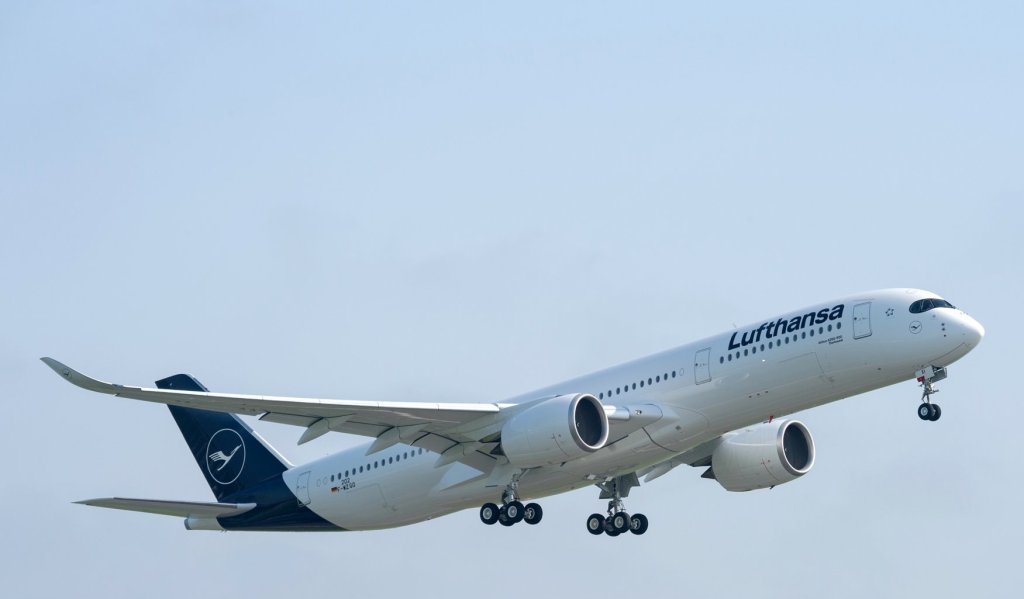
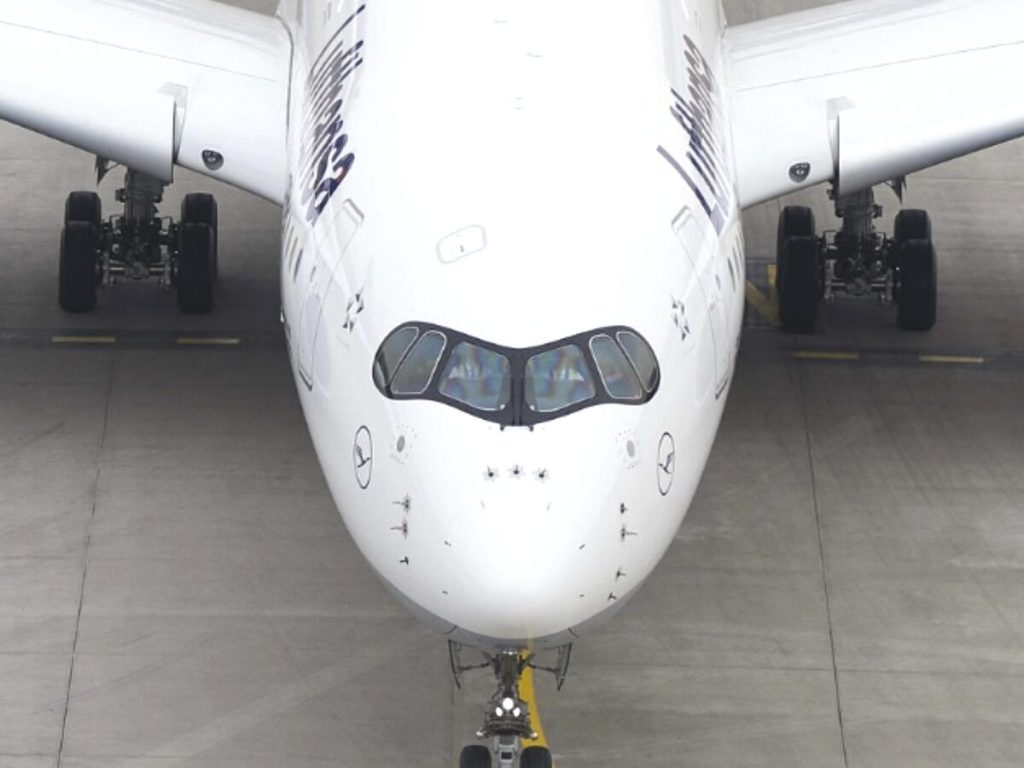
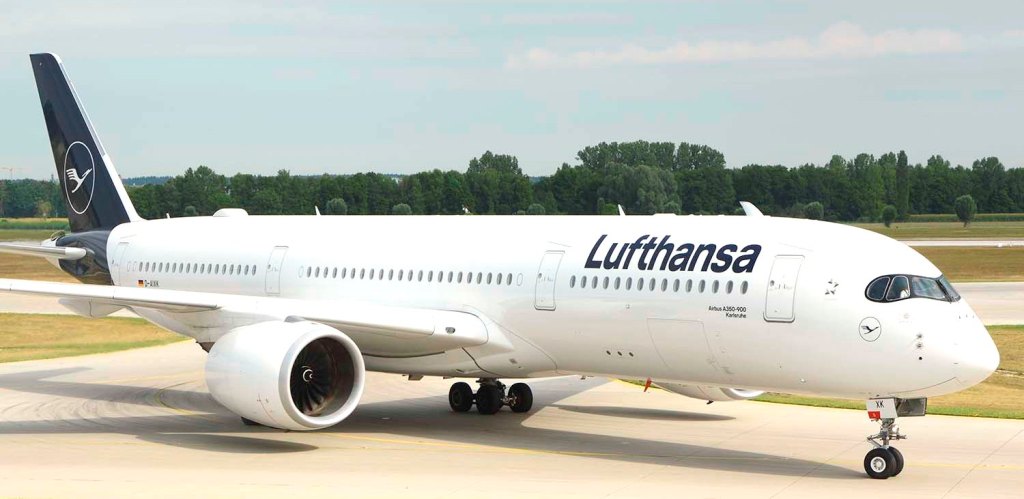
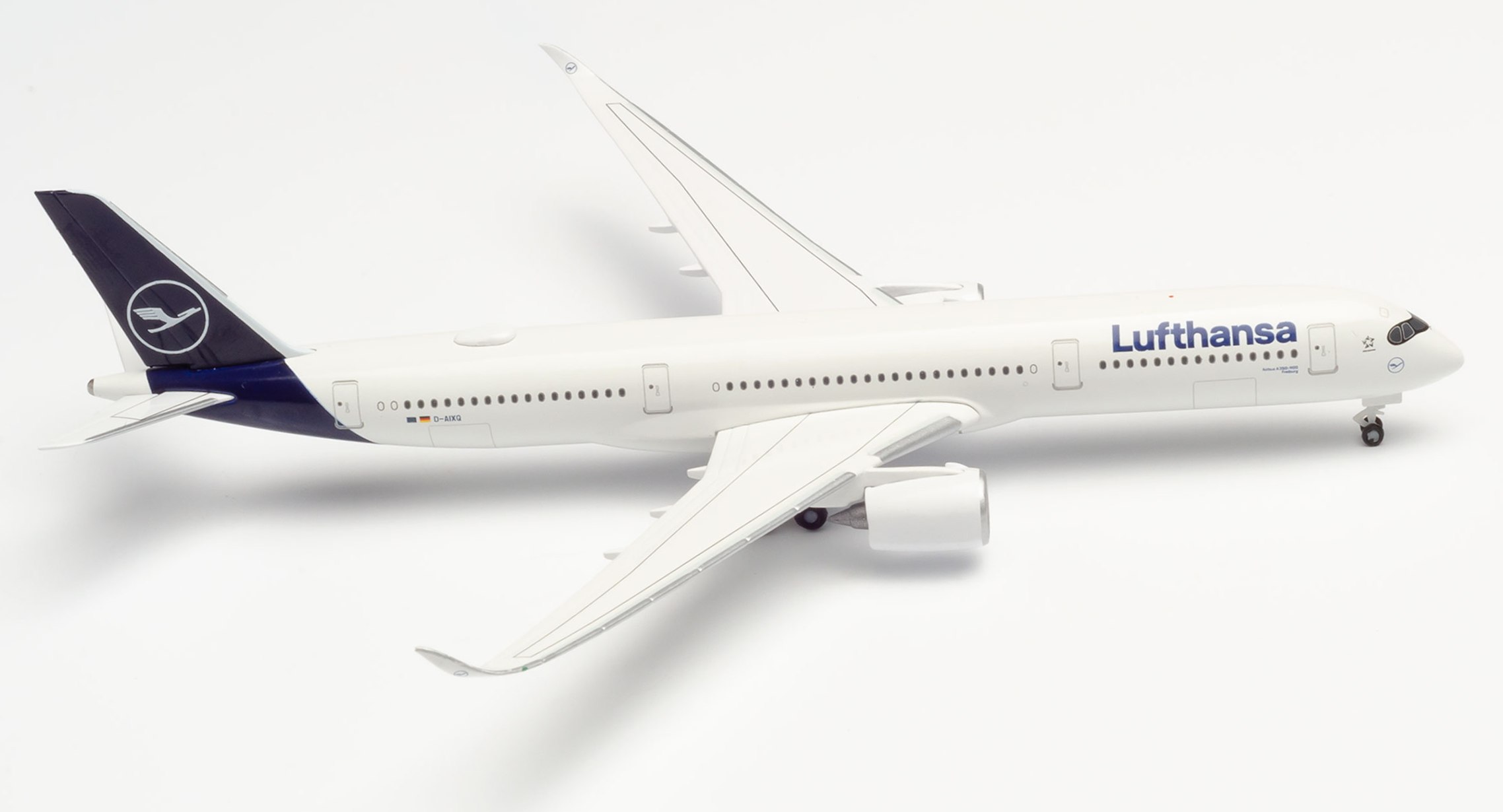
Lufthansa añade a su flota cuatro nuevos Airbus A350-900
Lufthansa German Airlines ha anunciado este Domingo 03/10 que acordó arrendar cuatro nuevos aviones de pasajeros Airbus A350-900 de larga distancia, asumiendo aviones más nuevos que se quedan sin hogares mientras las aerolíneas reestructuran sus balances en medio de la crisis del Coronavirus. Los aviones están actualmente disponibles a bajas tasas de arrendamiento a medida que las aerolíneas revisan sus carteras, dicen fuentes de la industria. El Presidente Ejecutivo, Carsten Spohr, anunció la medida de la aerolínea de bandera alemana al margen de una conferencia de aerolíneas dominada por el debate sobre las emisiones y las fuertes pérdidas de la industria debido a la pandemia. «La modernización de la flota, en mi opinión, es un pilar para hacer frente a los desafíos de sostenibilidad», dijo Carsten Spohr a los periodistas al margen de una reunión del grupo de aerolíneas IATA.
Los aviones habían sido originalmente destinados a Philippine Airlines, que ha estado reestructurando su flota, y los A350-900 estarán disponibles a principios del próximo año 2022, dijo una persona familiarizada con el acuerdo. Su llegada acelerará el reemplazo de los aviones Airbus A340-600 y Boeing 747-400 menos eficientes en combustible, dijo Lufthansa, con un 30% menos de emisiones por avión.
Lufthansa dijo que los cuatro nuevos aviones llevarán su flota de A350 a un total de veintiún aviones. Carsten Spohr también dijo que le preocupaba que una lenta reapertura de las fronteras en China en medio de estrictas restricciones de viaje por el coronavirus estuviera perjudicando la recuperación de la aerolínea alemana. «No solo estamos ralentizando nuestra recuperación en Lufthansa, que también es mi preocupación, sino que estamos ralentizando la recuperación de las relaciones económicas entre China y Alemania», dijo del CEO de Lufthansa.
Lufthansa to add additional A350s
Lufthansa adds four new Airbus A350-900 to its fleet
Lufthansa German Airlines announced this Sunday 10/03 that it agreed to lease four new long-haul Airbus A350-900 passenger jets, taking on newer jets left homeless as airlines restructure their balance sheets amid the Coronavirus crisis. The jets are currently available at low lease rates as airlines review their portfolios, industry sources say. Executive Chairman Carsten Spohr announced the move by the German-flagged carrier on the sidelines of an airline conference dominated by debate over emissions and heavy industry losses due to the pandemic. «Fleet modernization, in my opinion, is a pillar in meeting sustainability challenges», Carsten Spohr told reporters on the sidelines of an IATA airline group meeting.
The planes had originally been destined for Philippine Airlines, which has been restructuring its fleet, and the A350-900s will be available early next year 2022, a person familiar with the deal said. Its arrival will speed up the replacement of the less fuel-efficient Airbus A340-600 and Boeing 747-400 jets, Lufthansa said, with 30% fewer emissions per plane.
Lufthansa said the four new aircraft will bring its A350 fleet to a total of twenty-one aircraft. Carsten Spohr also said he was concerned that a slow reopening of borders in China amid tight travel restrictions due to the coronavirus was hurting the German airline’s recovery. «We are not only slowing down our recovery at Lufthansa, which is also my concern, but we are slowing down the recovery of economic relations between China and Germany», he said of the Lufthansa CEO.
Lufthansa fügt weitere A350 hinzu
Lufthansa erweitert Flotte um vier neue Airbus A350-900
Lufthansa German Airlines gab am Sonntag, den 10. März, bekannt, dass sie sich bereit erklärt hat, vier neue Langstrecken-Passagierjets des Typs Airbus A350-900 zu leasen und neuere Jets aufzunehmen, die obdachlos geworden sind, während die Fluggesellschaften ihre Bilanzen inmitten der Coronavirus-Krise umstrukturieren. Die Jets sind derzeit zu niedrigen Leasingraten verfügbar, da die Fluggesellschaften ihre Portfolios überprüfen, sagen Branchenquellen. Der Vorstandsvorsitzende Carsten Spohr kündigte den Schritt der unter deutscher Flagge fahrenden Fluggesellschaft am Rande einer Airline-Konferenz an, die von Debatten über Emissionen und Verluste der Schwerindustrie aufgrund der Pandemie geprägt war. „Meiner Meinung nach ist die Flottenmodernisierung eine Säule bei der Bewältigung der Nachhaltigkeitsherausforderungen“, sagte Carsten Spohr gegenüber Reportern am Rande eines Treffens der IATA-Airline-Gruppe.
Die Flugzeuge waren ursprünglich für Philippine Airlines bestimmt, die ihre Flotte umstrukturiert hat, und die A350-900 werden Anfang nächsten Jahres 2022 verfügbar sein, sagte eine mit dem Deal vertraute Person. Seine Ankunft wird den Ersatz der weniger treibstoffeffizienten Airbus A340-600 und Boeing 747-400 beschleunigen, sagte Lufthansa, mit 30 % weniger Emissionen pro Flugzeug.
Lufthansa sagte, dass die vier neuen Flugzeuge ihre A350-Flotte auf insgesamt einundzwanzig Flugzeuge erweitern werden. Carsten Spohr sagte auch, er sei besorgt, dass eine langsame Wiederöffnung der Grenzen in China inmitten enger Reisebeschränkungen aufgrund des Coronavirus die Erholung der deutschen Fluggesellschaft beeinträchtigt. „Wir bremsen nicht nur unsere Erholung bei Lufthansa, was mir auch ein Anliegen ist, sondern wir bremsen die Erholung der Wirtschaftsbeziehungen zwischen China und Deutschland“, sagte der Lufthansa-Chef.
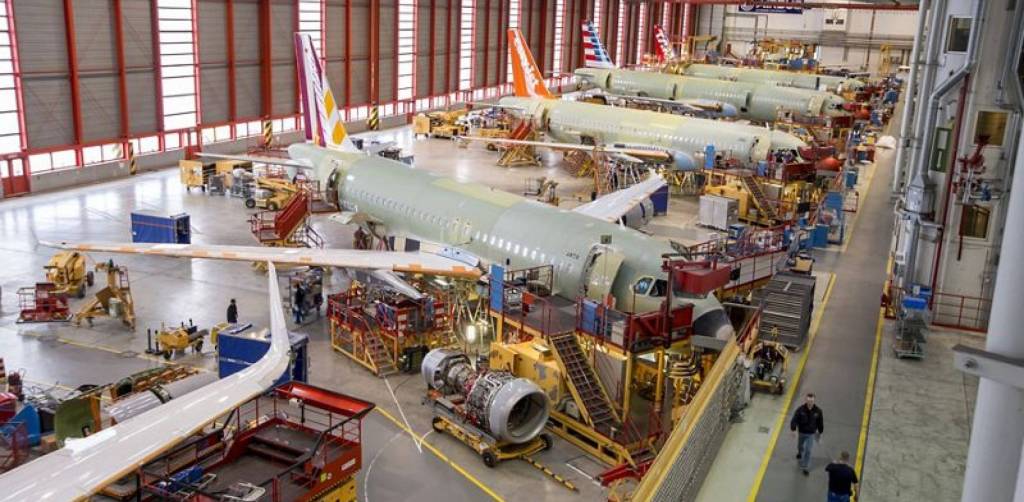
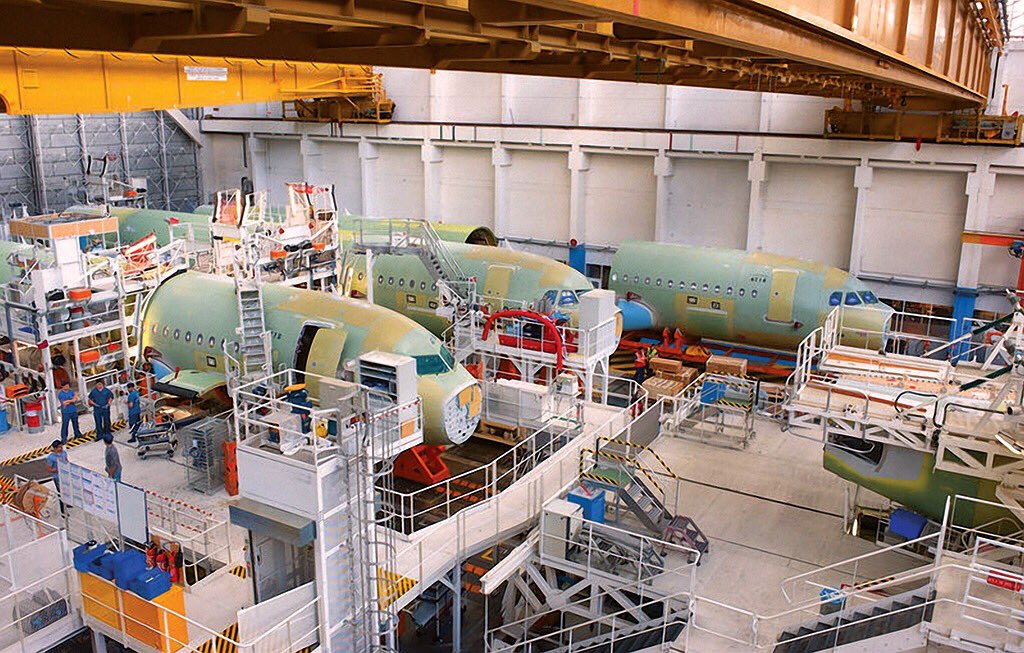
Airbus planes aceleración cadena producción línea A320
Airbus Group ha anunciado el incremento de la frecuencia de producción de la línea Airbus A320NEO a pesar de la caída de las ventas mundiales a raíz de la crisis de los viajes por la pandemia global. El constructor europeo confía en que su base de proveedores globales pueda superar las presiones inducidas por la pandemia y aumentar la producción de la familia de aviones A320NEO de la compañía a pesar de los síntomas de tensiones sin precedentes de mano de obra y materiales que actualmente complican ese esfuerzo, dijo el Director Ejecutivo Guillaume Faury.
Airbus ha afirmado que el plan de la compañía para aumentar la producción del A320NEO de 40 unidades mensuales actuales a 64 por mes hacia el 2023. La factoría continúa interesada en alcanzar potencialmente los 75 aviones mensuales a mediados de la década. «Es esencial que la vasta cadena de suministro del fabricante de aviones tenga en mente esos ambiciosos objetivos a largo plazo a medida que se manejan a través de la agitación actual. Esa anticipación es necesaria para que la cadena de suministro haga las cosas correctas porque estamos en una situación sin precedentes en términos de tensión en la cadena de suministro. Y necesitamos comenzar el aumento», expresó Guillaume Faury al anunciar los detalles en Boston, Estados Unidos, para una cumbre mundial de aviación organizada por el Asociación Internacional de Transporte Aéreo (IATA). Los proveedores de Airbus se han visto afectados por la escasez de materias primas, el aumento de los costos logísticos y las deficiencias laborales. Los desafíos son amplios, en comparación con la escasez crítica de semiconductores que ha inactivado las líneas de ensamblaje de automóviles desde Detroit hasta Tokio.
A pesar de los problemas, Airbus Group reafirmó recientemente sus planes de aceleración de la cadena de suministro. La compañía ha enviado equipos a las ubicaciones de los proveedores para ayudar a resolver los problemas, entre otros pasos para abordar los problemas. «Creemos que lograrán ponerse al día, pero tomará tiempo porque solo estamos reiniciando desde un nivel muy bajo de actividad. Pero tiene que ir rápido para la familia A320, que es el mayor impulsor para nosotros». Airbus está evaluando actualmente el caso de negocio de ir más allá de 64 aviones A320NEO por mes y potencialmente llegar a 75 al mes a mediados de la década y ese estudio interno está programado para concluir el próximo 2022. «Estamos justo al comienzo de un viaje de 40 a 64. En 2022, tendremos que tener una buena comprensión de lo que queremos hacer en 2025 o 2026», dijo Guillaume Faury.
Nuevas versiones A220/A350
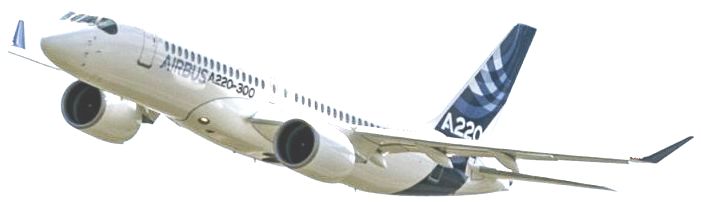
La compañía tiene definido la elaboración de una nueva variante A220 extendida conocida anteriormente como CS500, diseñada por Bombardier Aerospace. La nueva versión denominada Airbus A220-500 será una aeronave de mayores prestaciones entrando en el rango de aviones narrowbodies con características regionales. La aprobación del programa todavía no ha sido establecida. «Queremos estar cerca del punto de equilibrio, queremos ver que el mercado realmente se recupere, post Covid-19, post pandemia, y necesitamos ver que la ecuación financiera tenga sentido para nosotros con más operadores de los A220 en el mundo», dijo el CEO de Airbus Group.
Airbus está teniendo conversaciones con numerosos clientes potenciales para la variante carguera del Airbus A350F, aunque el fabricante de aviones no tiene prisa por asegurar a los clientes de lanzamiento. «Los clientes tendrán que tomar pedidos si quieren ser los primeros, ese es más el impulso en este momento, para decidir quién será el primero, pero no tenemos prisa», dijo Guillaume Faury.
Airbus A320NEO acceleration plan
Airbus plans to accelerate production chain line A320
Airbus Group has announced the increase in the production frequency of the Airbus A320NEO line despite the drop in global sales due to the global pandemic travel crisis. The European builder is confident that its global supplier base can overcome pandemic-induced pressures and increase production of the company’s A320NEO family of aircraft despite symptoms of unprecedented labor and material stresses currently complicating that effort, said Executive Director Guillaume Faury.
Airbus has stated the company’s plan to increase production of the A320NEO from 40 current units per month to 64 per month by 2023. The factory remains interested in potentially reaching 75 aircraft per month by the middle of the decade. «It is essential that the aircraft manufacturer’s vast supply chain keep those ambitious long-term goals in mind as they navigate through the current turmoil. That anticipation is necessary for the supply chain to do the right things because we are in an unprecedented situation in terms of tension in the supply chain. And we need to start the increase», said Guillaume Faury when announcing the details in Boston, United States, for a world aviation summit organized by the International Air Transport Association (IATA). Airbus suppliers have been affected by raw material shortages, rising logistics costs and labor deficiencies. The challenges are wide-ranging, compared to the critical semiconductor shortage that has dormant car assembly lines from Detroit to Tokyo.
Despite the problems, Airbus Group recently reaffirmed its supply chain acceleration plans. The company has dispatched teams to vendor locations to help resolve issues, among other steps to address issues. «We think they will catch up, but it will take time because we are only restarting from a very low level of activity. But it has to go fast for the A320 family, which is the biggest driver for us. «Airbus is currently evaluating the business case of going beyond 64 A320NEO aircraft per month and potentially reaching 75 per month by the middle of the decade and that internal study is scheduled to conclude in 2022. «We are just at the beginning of a journey. from 40 to 64. In 2022, we will have to have a good understanding of what we want to do in 2025 or 2026», said Guillaume Faury.
New versions A220/A350
The company has defined the development of a new extended A220 variant previously known as the CS500, designed by Bombardier Aerospace. The new version called Airbus A220-500 will be a higher performance aircraft entering the range of narrowbodies aircraft with regional characteristics. Approval of the program has not yet been established. «We want to be close to breakeven, we want to see the market really recover, post Covid-19, post pandemic, and we need to see that the financial equation makes sense for us with more A220 operators in the world», said the CEO of Airbus Group.
Airbus is in talks with numerous potential customers for the freighter variant of the Airbus A350F, although the aircraft maker is in no rush to secure launch customers. «Customers will have to take orders if they want to be first, that’s more the momentum right now, to decide who will be first, but we are in no rush», said Guillaume Faury.
ACG selecciona motores Pratt & Whitney GTF para familia A320NEO
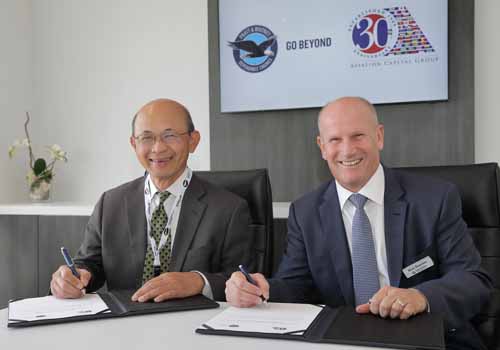
Aviation Capital Group LLC (ACG) un arrendador líder en operaciones de aeronaves, anunció este 04/10 que ha seleccionado motores Pratt & Whitney GTF para alimentar otros diez aviones de la familia Airbus A320NEO de la firma, lo que eleva su total a cuarenta aeronaves de la familia A320NEO con motor GTF. ACG también tiene la opción de alimentar siete aviones adicionales de la familia A320NEO con motores GTF. «Estamos comprometidos a brindar a nuestros clientes la tecnología más eficiente y avanzada posible, y estamos felices de hacerlo con este último tramo de aviones con motor GTF», dijo Steven C. Udvar-Hazy, Vicepresidente Senior de Relaciones con Fabricantes de Equipos Originales y Desarrollo de Mercado en ACG.
ACG actualmente posee o administra 95 aviones propulsados por motores Pratt & Whitney, que también incluyen aviones Airbus A220 con motor PW1500G, aviones de la familia Airbus A320CEO con motor V2500 y aviones Boeing 757 con motor PW2000. «Estamos agradecidos por la continua confianza de ACG en nuestros motores GTF que cambian el juego. Los aviones propulsados por GTF están ayudando a liderar la recuperación en todo el mundo, al tiempo que ofrecen una eficiencia inigualable, una confiabilidad madura y costos operativos de clase mundial. Esperamos apoyar a ACG y a sus clientes con estos motores», dijo Rick Deurloo, Director Comercial de Pratt & Whitney.
Desde que entró en servicio a principios de 2016, el motor GTF para la familia Airbus A320NEO ha cumplido con su capacidad prometida para reducir el consumo de combustible y las emisiones de carbono hasta en un dieciséis por ciento, la huella de ruido en un 75 por ciento y las emisiones reguladas en un 50 por ciento según el estándar regulatorio CAEP/6. El ventilador con engranajes único del motor es la arquitectura adecuada para el futuro con una larga pista para un mayor desarrollo. Pratt & Whitney se compromete a continuar invirtiendo en sistemas de propulsión en evolución para impulsar la próxima generación de aviones comerciales.
Aviation Capital Group fue fundada en 1989 y es uno de los principales administradores de activos de aeronaves de servicio completo del mundo con más de 400 aeronaves propias, administradas y comprometidas al 30 de Junio de 2021, que se arriendan a aproximadamente 85 aerolíneas en aproximadamente cuarenta países. ACG es una subsidiaria de propiedad total de Tokyo Century Corporation.
ACG selects GTF for A320NEO
ACG selects Pratt & Whitney GTF engines to power A320NEO Family
Aviation Capital Group LLC (ACG), a leading lessor in aircraft operations, announced this 04/10 that it has selected Pratt & Whitney GTF engines to power another ten aircraft in the firm’s Airbus A320NEO family, bringing its total to forty aircraft of the A320NEO family with GTF engine. ACG also has the option to power seven additional A320NEO family aircraft with GTF engines. «We are committed to providing our customers with the most efficient and advanced technology possible, and we are happy to do so with this latest stretch of GTF-powered aircraft», said Steven C. Udvar-Hazy, Senior Vice President, Original Equipment Manufacturer Relations and Market Development at ACG.
ACG currently owns or manages 95 aircraft powered by Pratt & Whitney engines, which also include Airbus A220 aircraft with PW1500G engine, Airbus A320CEO family aircraft with V2500 engine and Boeing 757 aircraft with PW2000 engine. «We are grateful for ACG’s continued confidence in our game-changing GTF engines. GTF-powered aircraft are helping to lead recovery around the world, while offering unmatched efficiency, mature reliability, and class-class operating costs. We look forward to supporting ACG and its customers with these engines», said Rick Deurloo, Chief Commercial Officer of Pratt & Whitney.
Since entering service in early 2016, the GTF engine for the Airbus A320NEO family has delivered on its promised ability to reduce fuel consumption and carbon emissions by up to sixteen percent, the noise footprint by 75 percent. percent and emissions regulated by 50 percent according to the CAEP/6 regulatory standard. The motor’s unique geared fan is the right architecture for the future with a long track for further development. Pratt & Whitney is committed to continuing to invest in evolving powertrains to power the next generation of commercial aircraft.
Aviation Capital Group was founded in 1989 and is one of the world’s leading full service aircraft asset managers with more than 400 owned, managed and committed aircraft as of June 30, 2021, leased to approximately 85 airlines in approximately forty countries. ACG is a wholly owned subsidiary of Tokyo Century Corporation.