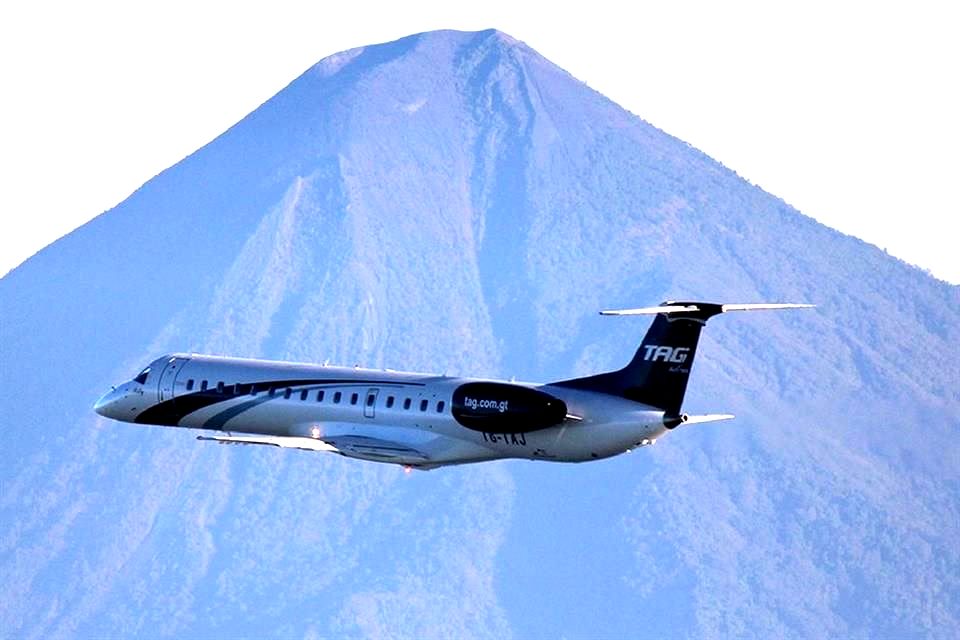
La aerolínea guatemalteca TAG Airlines ha anunciado la perspectiva de incrementar las operaciones aéreas en Centroamérica con tres nuevas rutas hacia México. TAG Airlines, una compañía con aeronaves regionales ha renovado su staff administrativo con un nuevo CEO Julio Gamero, un ex ejecutivo de la aerolínea mexicana Interjet de México.
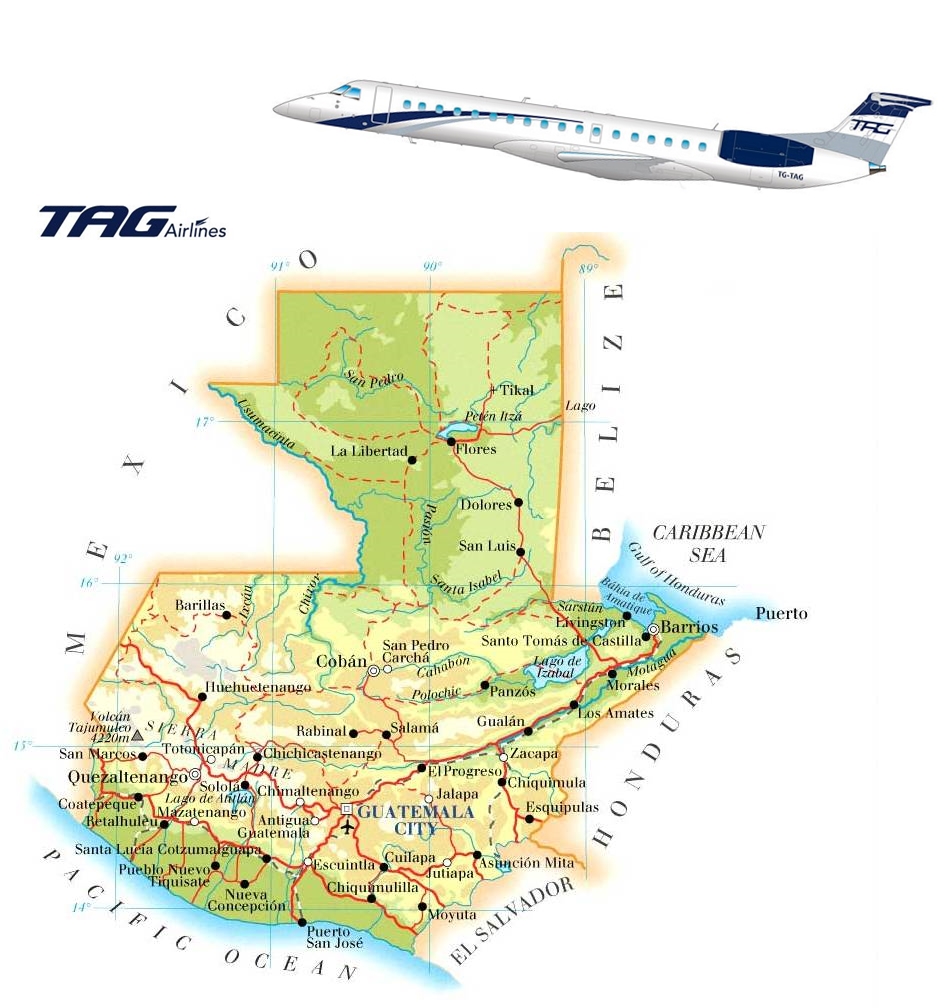
TAG Airlines ha lanzado dos servicios hacia México potenciando la presencia en la región de la Península de Yucatán y en el extremo sur del litoral pacífico. El 13/08 una nueva ruta Guatemala—Tapachula (México) que desarrolla cinco frecuencias semanales (5Frq/S: L/M/X/J/V). El 19/08 inauguró la nueva ruta Guatemala—Cancún. La ruta tiene cuatro frecuencias semanales (4Frq/S: M/J/S/D). Transportes Aéreos Guatemaltecos ha anunciado adicionalmente que conectará un nuevo destino desde Guatemala, Flores—Cancún. Este destino promocionará el «Mundo Maya» permitiendo por su proximidad más cercana al sitio arqueológico maya de Tikal.
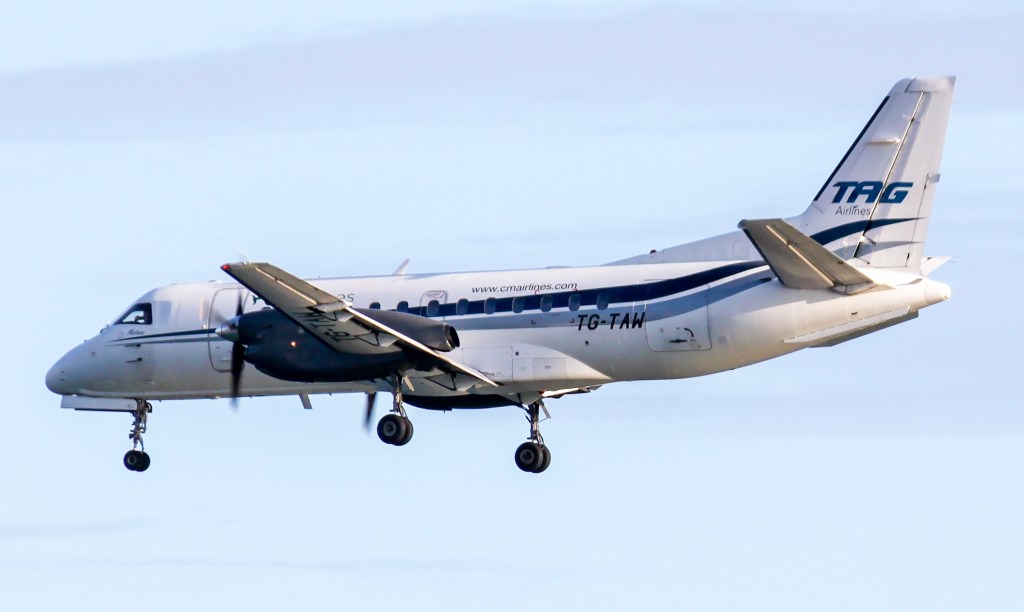
Transportes Aéreos Guatemaltecos (TAG) es una aerolínea privada de pasajeros y carga con sede en la Zona 13 de la Ciudad de Guatemala, y con su hub principal en el Aeropuerto Internacional La Aurora. Fue fundada en 1969 en la Ciudad de Guatemala. Opera una instalación de mantenimiento propia en el Aeropuerto Internacional La Aurora. Además de los vuelos regulares entre la capital y el Aeropuerto Internacional Mundo Maya de Flores, la aerolínea ofrece vuelos chárter, vuelos en ambulancia y vuelos agrícolas, tanto nacionales como internacionales. TAG es la primera aerolínea en Guatemala en ser certificada por la OACI. TAG Airlines opera actualmente una flota de aeronaves regionales: Saab 340A (6), Saab 340B (2) y Embraer 145LR (1).
TAG Airlines route expansion
Guatemalan airline expansion in Central America
The Guatemalan airline TAG Airlines has announced the prospect of increasing air operations in Central America with three new routes to Mexico. TAG Airlines, a company with regional aircraft, has renewed its administrative staff with a new CEO Julio Gamero, a former executive of the Mexican airline Interjet de México.
TAG Airlines has launched two services to Mexico, enhancing its presence in the region of the Yucatan Peninsula and in the extreme south of the Pacific coast. On 08/13 a new Guatemala-Tapachula (Mexico) route that develops five weekly frequencies (5Frq/S: L/M/X/J/V). On 08/19, the new Guatemala-Cancun route was inaugurated. The route has four weekly frequencies (4Frq/S: M/J/S/D). Guatemalan Air Transport has additionally announced that it will connect a new destination from Guatemala, Flores—Cancun. This destination will promote the «Mayan World» allowing for its closest proximity to the Mayan archaeological site of Tikal.
Transportes Aéreos Guatemaltecos (TAG) is a private passenger and cargo airline based in Zone 13 of Guatemala City, and with its main hub at La Aurora International Airport. It was founded in 1969 in Guatemala City. It operates its own maintenance facility at La Aurora International Airport. In addition to regular flights between the capital and the Mundo Maya de Flores International Airport, the airline offers charter flights, ambulance flights and agricultural flights, both national and international. TAG is the first airline in Guatemala to be certified by ICAO. TAG Airlines currently operates a fleet of regional aircraft: Saab 340A (6), Saab 340B (2) and Embraer 145LR (1).
Dreamliners en línea de entrega demoradas hacia 10/2021
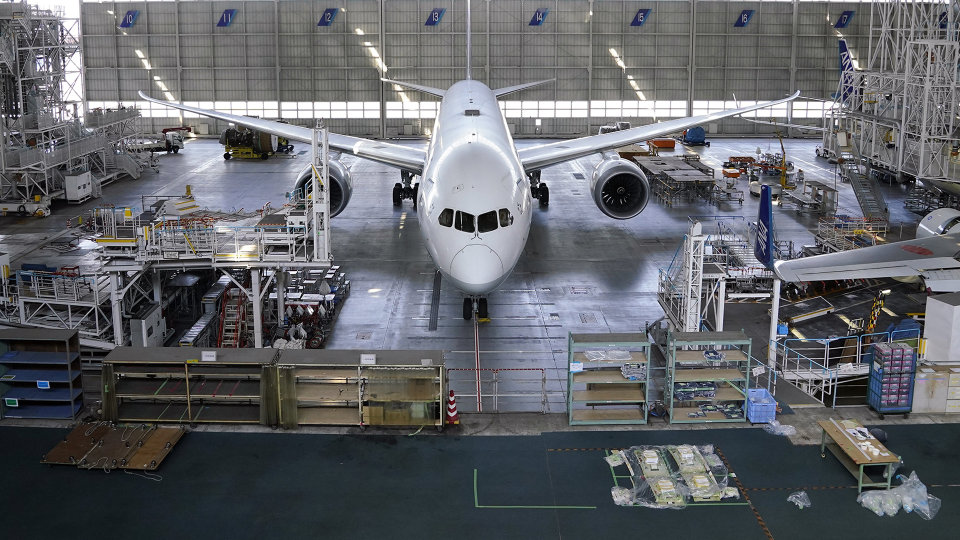
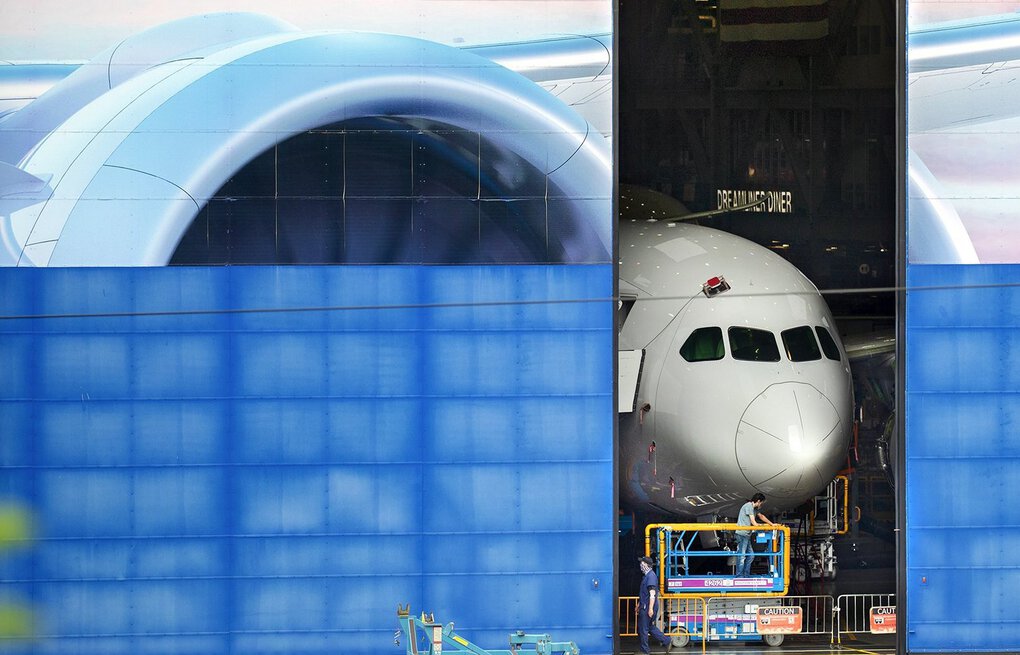
The Boeing Company ha informado que probablemente permanecerá detenida la cadena de entrega del Boeing 787 hasta al menos finales de Octubre 2021, debido a que la Administración Federal de Aviación (FAA) de Estados Unidos ha rechazado la reciente propuesta de la compañía de inspeccionarlos. La FAA confirmó el 12 de Julio de 2021 que algunos Boeing 787 no entregados tienen un nuevo problema de calidad de fabricación que la compañía necesita solucionar antes del envío.
Boeing se reunió con la FAA el 2 de Agosto de 2021 para persuadir a la agencia de que aprobara un método de inspección que aceleraría las entregas con controles específicos Nose-to-tail Takedowns. Los reguladores señalaron los desacuerdos internos de la compañía sobre el tamaño de la aeronave y repitieron que el grupo de empleados de Boeing que actúa como un regulador interno debe estar de acuerdo con las propuestas de la compañía, agregó el informe emitido por parte de la FAA. Un portavoz del organismo de fiscalización de la aviación estadounidense dijo que la agencia continúa comprometiendo con Boeing y no firmará las inspecciones «hasta que nuestros expertos en seguridad estén satisfechos».
Los 737 MAX y 787 Dreamliner de Boeing se han visto afectados por defectos eléctricos y otros problemas desde finales del año pasado, y solo reanudó las entregas del 787 en Marzo 2021 después de una pausa de cinco meses. Un portavoz de Boeing dijo que la compañía estaba comprometida a proporcionar total transparencia con los reguladores y trabajar con la FAA a través del riguroso proceso para reanudar las entregas del 787. Las aerolíneas pagan la mayor parte del precio de compra en el momento de la entrega de las aeronaves comerciales.
Boeing 787 delivery delays
Dreamliners online delivery delayed to 10/2021
The Boeing Company has reported that the Boeing 787 delivery chain will likely remain on hold until at least the end of October 2021, as the US Federal Aviation Administration (FAA) has rejected the company’s recent proposal to inspect them. The FAA confirmed on July 12, 2021 that some undelivered Boeing 787s have a new build quality issue that the company needs to fix prior to shipment.
Boeing met with the FAA on August 2, 2021 to persuade the agency to approve an inspection method that would speed deliveries with specific Nose-to-tail Takedowns. Regulators pointed to the company’s internal disagreements over the size of the aircraft and repeated that the group of Boeing employees acting as an internal regulator must agree to the company’s proposals, added the report issued by the FAA. A spokesman for the US aviation watchdog said the agency continues to engage with Boeing and will not sign the inspections «until our safety experts aresatisfied».
Boeing’s 737 MAX and 787 Dreamliner have been plagued by electrical defects and other issues since late last year, and it only resumed deliveries of the 787 in March 2021 after a five-month hiatus. A Boeing spokesperson said the company was committed to providing full transparency with regulators and working with the FAA through the rigorous process to resume deliveries of the 787. Airlines pay most of the purchase price upon delivery. of commercial aircraft.
Lufthansa lanza nueva cabina en aeronaves Airbus A321NEO
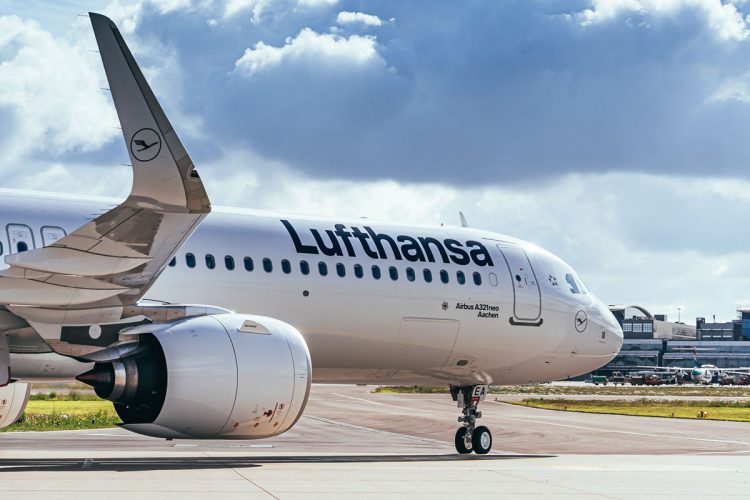
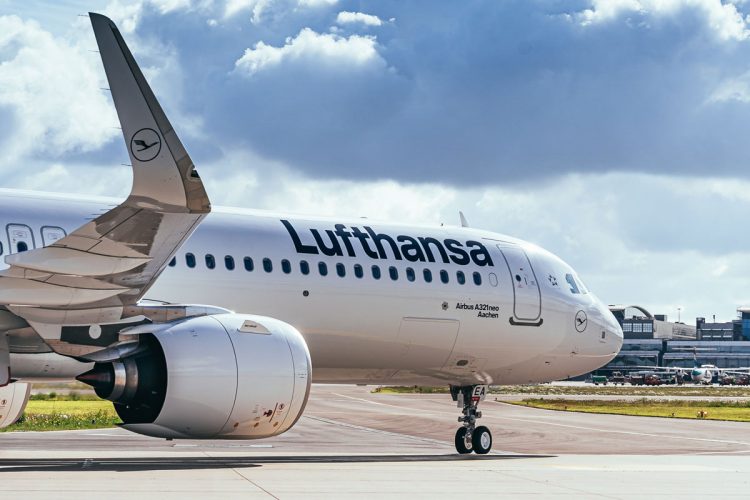
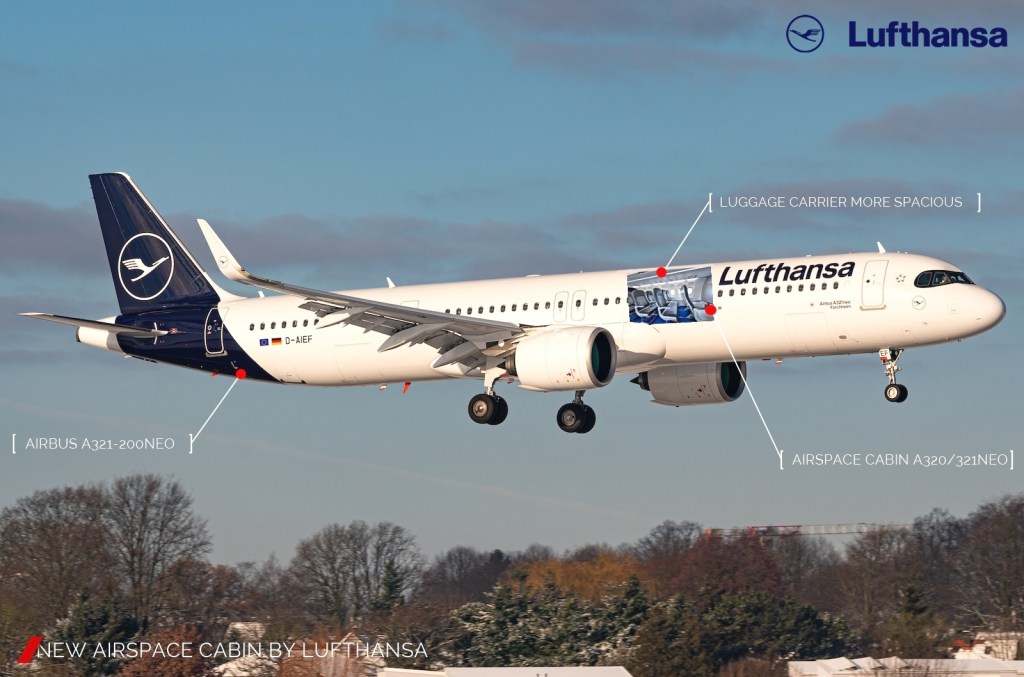
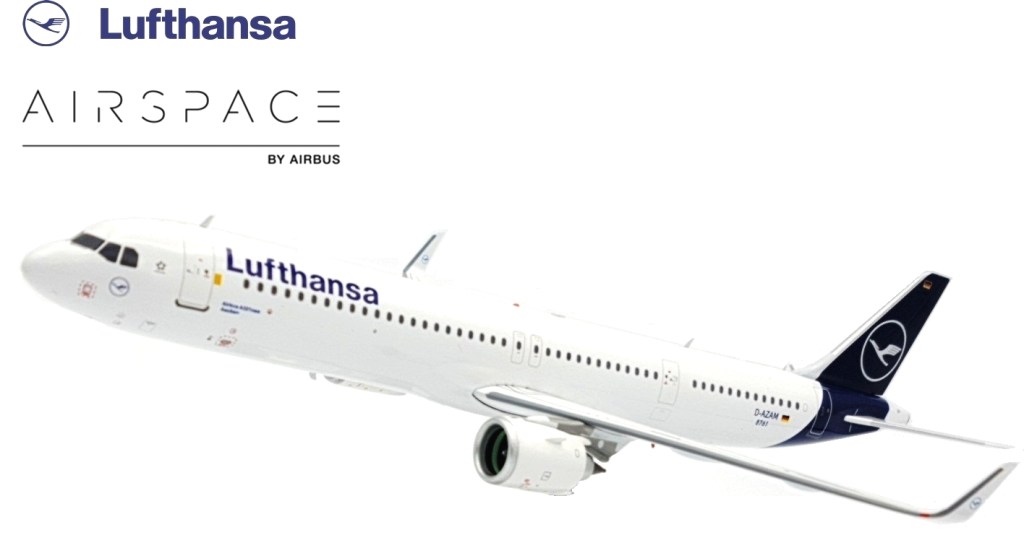
La aerolínea alemana Lufthansa German Airlines ha lanzado este Sábado 04/09 una nueva cabina de pasajeros denominada Airspace para vuelos de corta y media distancia. La nueva cabina debutará en un vuelo en aeronaves Airbus A321NEO en la ruta Frankfurt—Fuerteventura. El vuelo LH1534 despegó desde Frankfurt a las 09:30 hs. con una duración de 4h35m. Debido al tiempo de viaje, los pasajeros apreciarán la comodidad adicional que brinda la nueva cabina incorporada por Lufthansa en la línea de la familia de aeronaves A320NEO. Según la aerolínea, la nueva cabina ofrecerá más comodidad para los pasajeros. Este nuevo desarrollo de cabinas también se implementarán en las aerolíneas del grupo Swiss International Airlines, Brussels Airlines y Eurowings.
Cabina Airspace Lufthansa
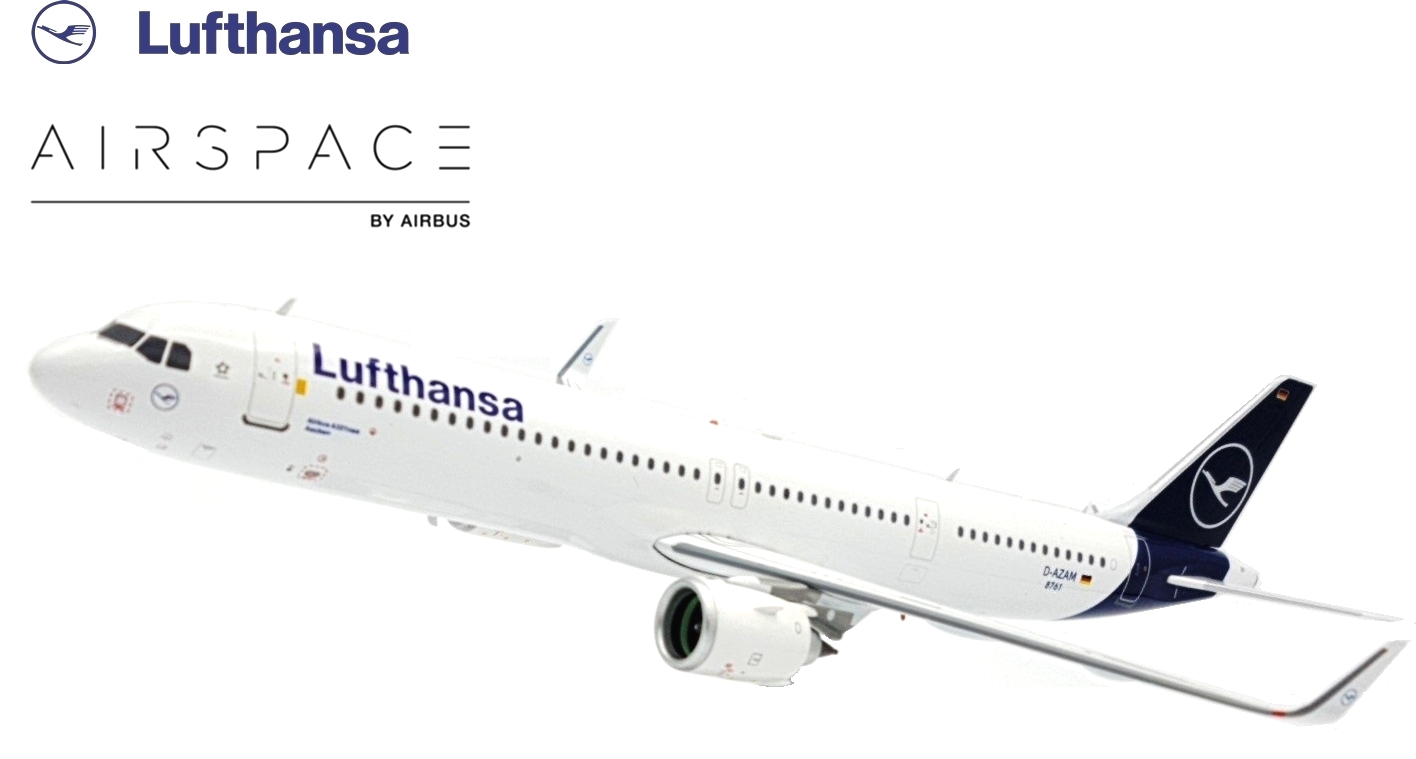
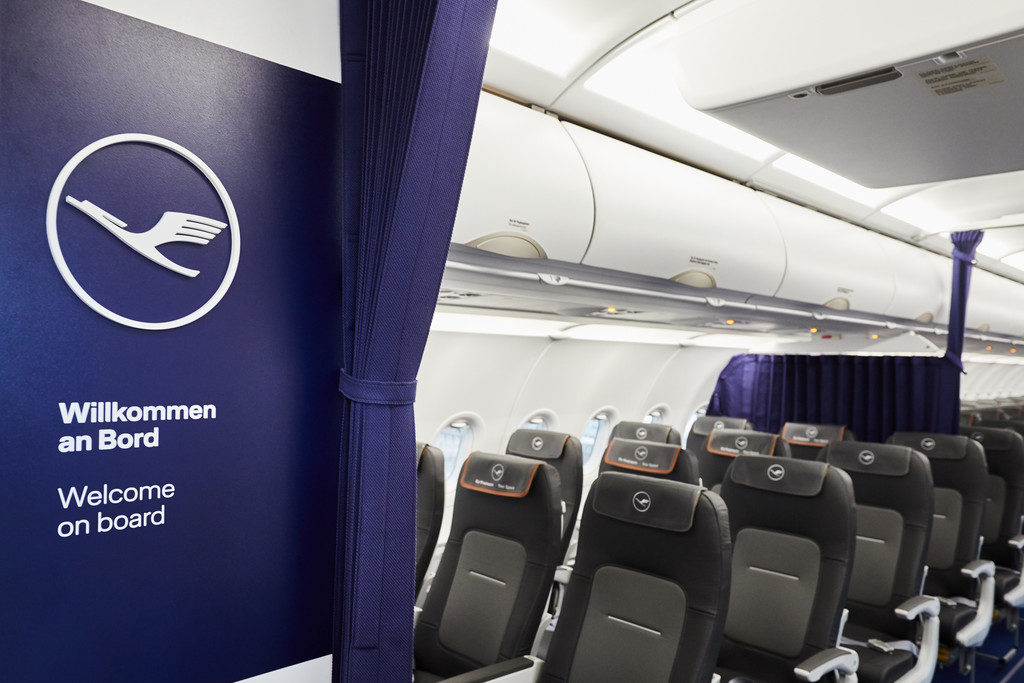
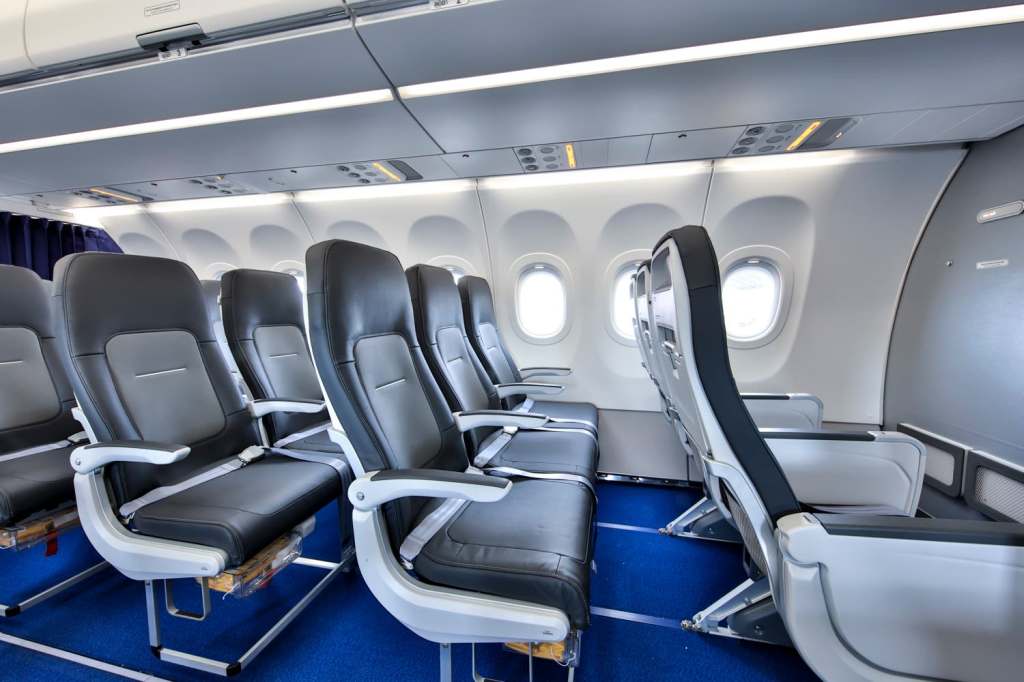
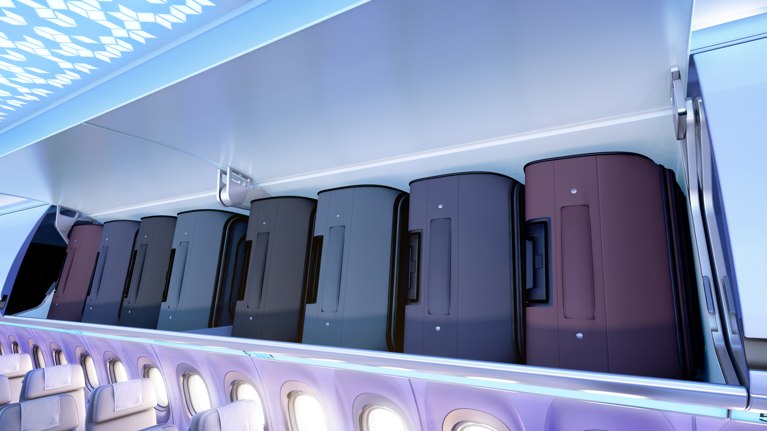
La nueva cabina Airspace de Lufthansa Airlines ofrecerá más comodidad a los pasajeros en varios aspectos: ofrece mucho más espacio de almacenamiento para el equipaje, permitiendo a los pasajeros almacenar un 40% más de equipaje que la cabina actual del A321NEO de la aerolínea. Algunos cambios están enfocados en el área de entrada de la aeronave para que sea más lumínica y amigable. La iluminación inteligente se adapta a la hora del día para ayudar a los biorritmos de los pasajeros. En términos de iluminación, la aeronave está equipada con luces de diferentes colores que van desde un rojo cálido hasta un azul frío, permitiendo cambiar a lo largo del vuelo para adaptarse al biorritmo de un pasajero dependiendo del horario biológico de los pasajeros. La cabina Airspace también ha incorporado mejoras en la comodidad de los pasajeros referentes a los asientos permitiendo más espacio para sus hombros si están sentados en un asiento de ventana en una configuración 3X3.
Heike Birlenbach, Jefe de Experiencia del Cliente de la aerolínea Lufthansa Germaan Airlines ha expresado: «Para nosotros, premium significa proporcionar ofertas de alta calidad, individualizadas y relevantes para todos nuestros pasajeros en todo momento. Con la nueva cabina Airspace, estamos mejorando significativamente la experiencia de viaje en rutas de corta distancia».
Lufthansa launches Airspace cabin
Lufthansa launches new cabin on Airbus A321NEO aircraft
The German airline Lufthansa German Airlines has launched this Saturday 04/09 a new passenger cabin called Airspace for short and medium-haul flights. The new cabin will debut on a flight on Airbus A321NEO aircraft on the Frankfurt-Fuerteventura route. Flight LH1534 took off from Frankfurt at 09:30 am. with a duration of 4h35m. Due to the travel time, passengers will appreciate the additional comfort provided by the new cabin incorporated by Lufthansa in the line of the A320NEO family of aircraft. According to the airline, the new cabin will offer more comfort for passengers. This new cabin development will also be implemented in the airlines of the Swiss International Airlines group, Brussels Airlines and Eurowings.
Lufthansa Airspace Cabin
The new Lufthansa Airlines Airspace cabin will offer more comfort to passengers in several respects: it offers much more storage space for luggage, allowing passengers to store 40% more luggage than the current cabin of the airline’s A321NEO. Some changes are focused on the entrance area of the aircraft to make it more light and friendly. Smart lighting adapts to the time of day to aid passenger biorhythms. In terms of lighting, the aircraft is equipped with lights of different colors ranging from a warm red to a cold blue, allowing it to change throughout the flight to adapt to the biorhythm of a passenger depending on the passengers’ business schedule. The Airspace cabin has also incorporated improvements in the comfort of the passengers regarding the seats allowing more room for their shoulders if they are seated in a window seat in a 3X3 configuration.
Heike Birlenbach, Head of Customer Experience at Lufthansa Germaan Airlines said: «For us, premium means providing high-quality, individualized and relevant offers to all our passengers at all times. With the new Airspace cabin, we are significantly improving the travel experience on short-distance routes».
Lufthansa startet Airspace-Kabine
Lufthansa startet neue Kabine in Airbus A321NEO-Flugzeugen
Die deutsche Fluggesellschaft Lufthansa German Airlines hat am Samstag 04/09 eine neue Passagierkabine namens Airspace für Kurz und Mittelstreckenflüge eingeführt. Die neue Kabine wird auf einem Flug mit Airbus A321NEO-Flugzeugen auf der Strecke Frankfurt-Fuerteventura debütieren. Flug LH1534 startete um 09:30 Uhr in Frankfurt. mit einer Dauer von 4h35m. Aufgrund der Reisezeit werden die Passagiere den zusätzlichen Komfort durch die neue Kabine schätzen, die Lufthansa in die Linie der A320NEO-Flugzeugfamilie integriert hat. Nach Angaben der Fluggesellschaft soll die neue Kabine den Passagieren mehr Komfort bieten. Diese neue Kabinenentwicklung wird auch bei den Fluggesellschaften der Swiss International Airlines Gruppe, Brussels Airlines und Eurowings umgesetzt.
Lufthansa Luftraumkabine
Die neue Airspace-Kabine von Lufthansa Airlines wird den Passagieren in mehrfacher Hinsicht mehr Komfort bieten: Sie bietet viel mehr Stauraum für das Gepäck, sodass die Passagiere 40 % mehr Gepäck unterbringen können als in der aktuellen Kabine des A321NEO der Airline. Einige Änderungen konzentrieren sich auf den Eingangsbereich des Flugzeugs, um ihn heller und freundlicher zu gestalten. Intelligente Beleuchtung passt sich der Tageszeit an, um den Biorhythmus der Passagiere zu unterstützen. In Bezug auf die Beleuchtung ist das Flugzeug mit Lichtern in verschiedenen Farben von warmem Rot bis hin zu kaltem Blau ausgestattet, die sich während des Fluges ändern können, um sich dem Biorhythmus eines Passagiers je nach Geschäftsplan der Passagiere anzupassen. Die Airspace-Kabine hat auch Verbesserungen des Passagierkomforts in Bezug auf die Sitze integriert, die mehr Platz für ihre Schultern bieten, wenn sie in einer 3X3-Konfiguration auf einem Fensterplatz sitzen.
Heike Birlenbach, Head of Customer Experience bei Lufthansa Germaan Airlines, sagt: „Premium bedeutet für uns, allen unseren Passagieren jederzeit hochwertige, individuelle und relevante Angebote zu bieten. Mit der neuen Airspace-Kabine verbessern wir das Reiseerlebnis deutlich auf Kurzstrecken».
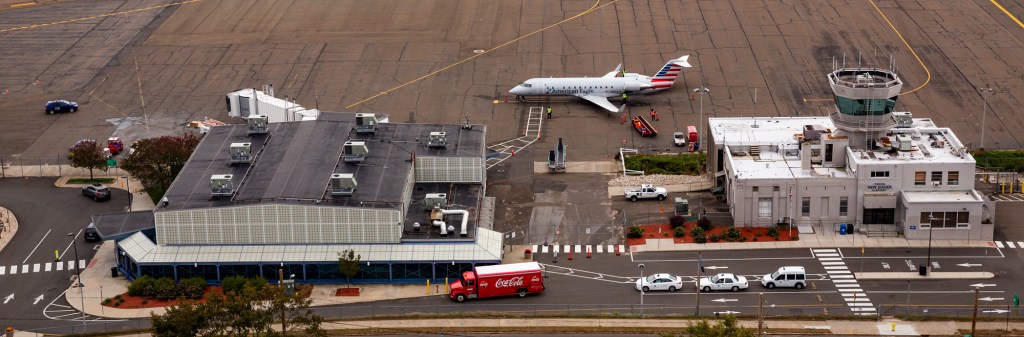
Los funcionarios de la Federal Aviation Administration (FAA) aprobaron el plan para una gran expansión en el Aeropuerto Regional Tweed/New Haven, eliminando otro obstáculo en el largo proceso de aprobación del proyecto de un valor de US$ 70 millones. Un administrador de la FAA ha afirmado este Miércoles 01/09 que los componentes clave del nuevo plan maestro de Tweed, que exige que el aeropuerto crezca alargando una pista existente a 6.635 pies y construyendo una nueva terminal en el lado de East Haven de la propiedad. La decisión acerca a la autoridad aeroportuaria un paso más al lanzamiento del proyecto, lo que ha provocado una feroz oposición de algunos vecinos y un fuerte apoyo de los funcionarios de la ciudad en New Haven y los patrocinadores de la comunidad empresarial. La revisión de la FAA se centró en gran medida en la seguridad, y su decisión indica que la agencia aprueba la ubicación general de las instalaciones planificadas para el aeropuerto, incluida la nueva terminal, según los registros federales. La FAA aún debe revisar otros aspectos de la propuesta, incluida una próxima evaluación ambiental, que ahora está en marcha.
A pesar de esas advertencias, la decisión de la FAA marca un logro significativo para el aeropuerto y señala que las autoridades federales están a bordo con la expansión, dijo el Analista de la industria de viajes Henry Harteveldt: «Lo que significa la aprobación de la FAA es que la agencia ha revisado el plan maestro y ha concluido que los cambios solicitados son lógicos, que cumplen o exceden los estándares de la FAA en términos de seguridad y que conducirían a un mejor aeropuerto operativo como resultado».
El Lunes 30/08, los miembros del Comité de Finanzas de la Junta de Alders de New Haven también respaldaron el proyecto, enviando un acuerdo de arrendamiento a largo plazo propuesto entre la ciudad y la autoridad del aeropuerto a la junta completa para su aprobación. El proyecto, anunciado en mayo, promete revitalizar el aeropuerto en dificultades, que depende de subsidios por valor de varios millones de dólares al año de los contribuyentes de Connecticut y la ciudad de New Haven.
American Airlines, que actualmente opera los únicos vuelos comerciales desde Tweed, está programado para finalizar el servicio en su ruta de New Haven a Filadelfia después del 30 de Septiembre de 2021. La aerolínea suspendió previamente los vuelos desde Tweed el año pasado en medio de una caída en los viajes aéreos, pero lanzó su ruta a Filadelfia después de recibir dinero de ayuda de emergencia para la pandemia del Gobierno Federal. Sean Scanlon, Director Ejecutivo del aeropuerto, dijo el mes pasado que el número de pasajeros ha aumentado constantemente este verano, pasando de alrededor del 42% de todos los asientos de avión disponibles ocupados en abril al 74% en Julio de 2021. «Obviamente […] a medida que aumenta el número de personas vacunadas, a medida que las personas se sienten más cómodas con los viajes aéreos, nuestros números suban y suban cada mes, lo que nos hace sentir muy bien. Y francamente, sucedió mucho más rápido de lo que pensábamos, dado dónde estaban las predicciones en la industria incluso hace unos meses», dijo Sean Scanlon a los miembros de la junta en ese momento. Un portavoz de American Airlines no dio detalles sobre las razones detrás de la posible retirada de la aerolínea de New Haven este mes. «No tenemos ningún plan inmediato para reanudar el servicio en New Haven, pero siempre estamos evaluando nuestra red», escribió el portavoz, Brian Metham, en un correo electrónico el Martes 31/08.
Aún así, los funcionarios del aeropuerto tienen razones para ser optimistas sobre el futuro de Tweed. Avelo Airlines, una nueva aerolínea de bajo costo que atiende a viajeros de placer, lanzará cuatro nuevas rutas entre New Haven y destinos en Florida a principios de Noviembre 2021. Avelo proporcionará US$ 1.2 millones para ayudar a renovar la terminal del aeropuerto existente para apoyar sus operaciones.
Avports, la compañía privada que administra el aeropuerto, proporcionará US$ 4 millones adicionales para el proyecto en forma de un préstamo perdonable. La comisión del plan de la ciudad de New Haven ad firmó las renovaciones de la terminal el mes pasado. Por separado, Avports propone invertir hasta US$ 70 millones en un importante rediseño del aeropuerto, incluida la construcción de la nueva terminal y una extensión de la pista existente. A cambio, la compañía está buscando un acuerdo de arrendamiento de 43 años con la autoridad aeroportuaria, lo que le daría más libertad para administrar la instalación de propiedad pública. Los patrocinadores dicen que el proyecto traería más vuelos comerciales a Tweed, crearía miles de empleos de construcción y servicios y eliminaría la necesidad de que los contribuyentes respalden el aeropuerto con dinero público. Pero un contingente vocal de residentes ha planteado objeciones, argumentando que el proyecto también traería más ruido y contaminación. La expansión del aeropuerto también es miope porque Tweed se encuentra en una zona de inundación y es probable que vea tormentas más dañinas en el futuro a través de los efectos del cambio climático, sostienen. Los residentes también han presionado a los funcionarios públicos para que divulguen más información sobre la asociación público-privada, incluidos detalles sobre un paquete de beneficios comunitarios de US$ 5 millones prometido por los funcionarios del aeropuerto.
El contrato de arrendamiento propuesto por New Haven con la autoridad aeroportuaria incluye pautas generales para el dinero, pero no delinea cómo se gastaría o cuánto recibirían las dos comunidades vecinas al aeropuerto. Sean Scanlon, Director Ejecutivo del aeropuerto, se comprometió durante una reunión el lunes a proporcionar esos detalles antes de que los alisos den su bendición final al acuerdo de arrendamiento.
Los opositores también han planteado preguntas sobre quién se beneficiará del nuevo acuerdo, que acercaría el aeropuerto a un modelo privatizado. Avports, que ha administrado Tweed desde 1998, es una subsidiaria de un fondo de cobertura controlado por el gigante bancario Goldman Sachs. Los residentes dicen que les preocupa que la compañía tenga motivos ocultos para proponer el acuerdo, como la expansión de las operaciones de carga, lo que podría traer más tráfico aéreo temprano y tarde en la noche a la ciudad.
Tanto el alcalde de New Haven como el director ejecutivo de la autoridad aeroportuaria han dicho en reuniones públicas que no tienen indicios de que Avports se mueva en esa dirección. Pero los términos de la propuesta de la compañía siguen sin estar claros. Partes de la hoja de términos también contienen secretos comerciales o información comercial o financiera dada de forma confidencial y tendrían que ser redactadas, según la autoridad. El documento detalla a grandes rasgos los componentes de un futuro arrendamiento de instalaciones entre Avports y la autoridad aeroportuaria. Bajo una carta de intención del 6 de Mayo de 2021 firmada por las dos partes, la autoridad aeroportuaria debe notificar a Avports de cualquier solicitud de FOIA que reciba buscando registros considerados confidenciales por la compañía y darle a Avports la oportunidad de bloquear la divulgación de dicho material en la corte, a menos que Avports consienta en su liberación o los abogados de la autoridad determinen que debe ser divulgado.
La autoridad aeroportuaria también acordó presumir que toda la información que recibe directamente de Avports relacionada con la transacción está exenta de las leyes de divulgación pública del estado, con la excepción de la información que ya está disponible públicamente y la información que la compañía ya estaba obligada a divulgar en virtud de su acuerdo operativo existente. La autoridad también acordó preparar conjuntamente todas las comunicaciones públicas relacionadas con el proyecto con Avports por un período que se extiende un año después de que expire la carta de intención.
Otros registros publicados por la autoridad incluyen redacciones significativas. Por ejemplo, páginas enteras de una presentación de diapositivas mostrada a los directores del aeropuerto a principios de este año que describen la futura estructura de arrendamiento y gobierno del aeropuerto fueron oscurecidas. Tampoco está claro qué papel desempeñarían la autoridad aeroportuaria y su Director Ejecutivo en el futuro. El lenguaje en el contrato de arrendamiento propuesto entre New Haven y la autoridad aeroportuaria alude a cambios en las responsabilidades de administración de la autoridad, aunque los funcionarios del aeropuerto dicen que esos cambios aún no se han negociado con Avports. También es probable que cambie la composición de la Junta Directiva del aeropuerto. Durante una entrevista en agosto, el Alcalde de New Haven, Justin Elicker, dijo que su entendimiento es que East Haven tendrá una mayor representación en la Junta de 15 miembros en el futuro, en reconocimiento del impacto que la nueva terminal tendría en esa comunidad. Sin embargo, New Haven mantendría una participación mayoritaria en el organismo, que pasaría de tener ocho miembros nombrados por el alcalde de New Haven, cinco por el alcalde de East Haven y dos por el Consejo de Gobiernos del Sureste de Connecticut a ocho designados por New Haven y siete designados por East Haven, dijo Justin Elicker. Los términos de tales cambios se negociarán en el futuro. Se espera que la Junta de Alders de New Haven discuta el acuerdo de arrendamiento el próximo 23 de Septiembre de 2021.
Tweed/New Haven Airport expansion plan
FAA approves plan for Tweed Airport expansion
Federal Aviation Administration (FAA) officials approved the plan for a major expansion at Tweed/New Haven Regional Airport, removing another hurdle in the lengthy approval process of the US$ 70 million project. An FAA administrator stated this Wednesday 09/01 that key components of Tweed’s new master plan, which calls for the airport to grow by lengthening an existing runway to 6,635 feet and building a new terminal on the East Haven side of the property . The decision brings the airport authority one step closer to launching the project, prompting fierce opposition from some neighbors and strong support from city officials in New Haven and sponsors from the business community. The FAA’s review focused largely on security, and its decision indicates that the agency approves the general location of the planned facilities for the airport, including the new terminal, according to federal records. The FAA has yet to review other aspects of the proposal, including an upcoming environmental assessment, which is now underway.
Despite those warnings, the FAA decision marks a significant achievement for the airport and signals that federal authorities are on board with the expansion, Travel Industry Analyst Henry Harteveldt said: «What the approval of the FAA is that the agency has reviewed the master plan and concluded that the requested changes are logical, meet or exceed FAA standards in terms of safety, and would lead to a better operating airport as a result».
On Monday 08/30, members of the New Haven Alders Board Finance Committee also endorsed the project, submitting a proposed long-term lease agreement between the city and the airport authority to the full board for approval. The project, announced in May, promises to revitalize the struggling airport, which relies on multi-million dollar grants a year from Connecticut taxpayers and the city of New Haven.
American Airlines, which currently operates the only commercial flights out of Tweed, is scheduled to end service on its New Haven to Philadelphia route after September 30, 2021. The airline previously suspended flights from Tweed last year amidst a drop in air travel, but launched its route to Philadelphia after receiving emergency aid money for the pandemic from the Federal Government. Sean Scanlon, the airport’s CEO, said last month that passenger numbers have risen steadily this summer, from about 42% of all available airplane seats occupied in April to 74% in July 2021. «Obviously [ …] as the number of people vaccinated increases, as people become more comfortable with air travel, ournumbers go up and up every month, which makes us feel great. And frankly, a lot more happened quicker than we thought given where the predictions were in the industry even a few months ago», Sean Scanlon told board members at the time. An American Airlines spokesperson did not elaborate on the reasons behind the airline’s possible withdrawal from New Haven this month. «We do not have any immediate plans to resume service in New Haven, but we are always evaluating our network», spokesman Brian Metham wrote in an email on Tuesday 08/31.
Still, airport officials have reason to be optimistic about Tweed’s future. Avelo Airlines, a new low-cost airline serving leisure travelers, will launch four new routes between New Haven and destinations in Florida in early November 2021. Avelo will provide US $ 1.2 million to help renovate the existing airport terminal to support your operations.
Avports, the private company that manages the airport, will provide an additional $ 4 million for the project in the form of a forgivable loan. The New Haven city plan commission ad signed the terminal renovations last month. Separately, Avports proposes to invest up to US$ 70 million in a major redesign of the airport, including the construction of the new terminal and an extension of the existing runway. In return, the company is seeking a 43-year lease agreement with the airport authority, which would give it more freedom to manage the publicly owned facility. Sponsors say the project would bring more commercial flights to Tweed, create thousands of construction and service jobs, and eliminate the need for taxpayers to back the airport with public money. But a vocal contingent of residents has raised objections, arguing that the project would also bring more noise and pollution. The airport expansion is also shortsighted because Tweed is in a flood zone and is likely to see more damaging storms in the future through the effects of climate change, they argue. Residents have also lobbied public officials to release more information about the public-private partnership, including details about a US$ 5 million community benefits package promised by airport officials.
New Haven’s proposed lease with the airport authority includes general guidelines for the money, but does not outline how it would be spent or how much the two communities neighboring the airport would receive. Sean Scanlon, the airport’s CEO, pledged during a meeting Monday to provide those details before the alders give their final blessing to the lease deal.
Opponents have also raised questions about who will benefit from the new deal, which would bring the airport closer to a privatized model. Avports, which has run Tweed since 1998, is a subsidiary of a hedge fund controlled by banking giant Goldman Sachs. Residents say they are concerned that the company has ulterior motives for proposing the deal, such as expanding cargo operations, which could bring more early and late-night air traffic to the city.
Both the mayor of New Haven and the executive director of the airport authority have said in public meetings that they have no indication that Avports is moving in that direction. But the terms of the company’s proposal remain unclear. Parts of the term sheet also contain trade secrets or business or financial information given confidentially and would have to be redacted, depending on the authority. The document outlines the components of a future facility lease between Avports and the airport authority. Under a letter of intent of May 6, 2021 signed by the two parties, the airport authority must notify Avports of any FOIA requests it receives seeking records considered confidential by the company and give Avports the opportunity to block the disclosure of said. material in court, unless Avports consents to its release or the authority’s attorneys determine that it should be disclosed.
The airport authority also agreed to presume that all information it receives directly from Avports related to the transaction is exempt from the state’s public disclosure laws, with the exception of information that is already publicly available and information that the company was already required to do to be disclosed under your existing operating agreement. The authority also agreed to jointly prepare all public communications related to the project with Avports for a period that extends one year after the letter of intent expires.
Other records published by the authority include significant redactions. For example, entire pages of a slide show shown to airport managers earlier this year describing the future leasing and governance structure of the airport were obscured. It is also unclear what role the airport authority and its chief executive would play in the future. The language in the proposed lease between New Haven and the airport authority alludes to changes to the authority’s management responsibilities, although airport officials say those changes have yet to be negotiated with Avports. The composition of the airport’s board of directors is also likely to change. During an interview in August, New Haven Mayor Justin Elicker said his understanding is that East Haven will have greater representation on the 15-member board in the future, in recognition of the impact the new terminal would have on that community. However, New Haven would maintain a majority stake in the body, which would go from having eight members appointed by the mayor of New Haven, five by the mayor of East Haven and two by the Southeastern Connecticut Council of Governments to eight appointed by New Haven and seven East Haven appointees, Justin Elicker said. The terms of such changes will be negotiated in the future. The New Haven Alders Board is expected to discuss the lease agreement on September 23, 2021.
LADE continúa compromiso de unir la Patagonia Argentina
LADE Líneas Aéreas se encuentra celebrando sus 81° aniversarios reafirmando el compromiso del Gobierno de seguir fortaleciendo la línea de fomento. El Ministro de Defensa, Jorge Taiana, participó del acto en conmemoración de los 81 años de vida de Líneas Aéreas del Estado (LADE), un organismo de la Fuerza Aérea que es clave para brindar conectividad entre las localidades remotas del país, que no son operadas por aerolíneas comerciales debido a su baja rentabilidad: “El Estado Nacional tiene la decisión política de fortalecer a LADE porque estamos convencidos de que realiza una tarea de comunicación fundamental para integrar nuestro territorio y potenciar el desarrollo de nuestra Nación. Somos el octavo país del mundo en extensión territorial y eso implica un desafío de interconexión y de transporte extraordinario y por eso es imprescindible el crecimiento de LADE y de nuestra línea de bandera”, señaló el funcionario.
En su sede central, ubicada en el barrio porteño de San Telmo, Jorge Taiana aseguró que “en este siglo XXI, con la proyección de la Argentina hacia el sur y la visión de un país bicontinental, la comunicación aérea es indispensable y por eso vamos a trabajar, como lo venía haciendo mi antecesor, el ministro Agustín Rossi en seguir fortaleciendo la línea de fomento. Tengan la certeza de que el futuro de LADE es promisorio porque la tarea de fomento se debe acrecentar”. En esa línea, el Director General de LADE, Comodoro Mayor Fabián Vidal, destacó “el presente pleno de actividad gracias a la franca recuperación de material aéreo, de rutas aéreas y la incorporación de nuevos trayectos, luego de haber vivido momentos de incertidumbre, en los cuales se llegó a evaluar si LADE era una carga para la Fuerza. El organismo está cumpliendo de manera concreta con su mandato innegable de unir a los argentinos, y con el viejo anhelo de volver a volar todos los días de la semana conectando las provincias patagónicas y promoviendo así el desarrollo económico de la región”.
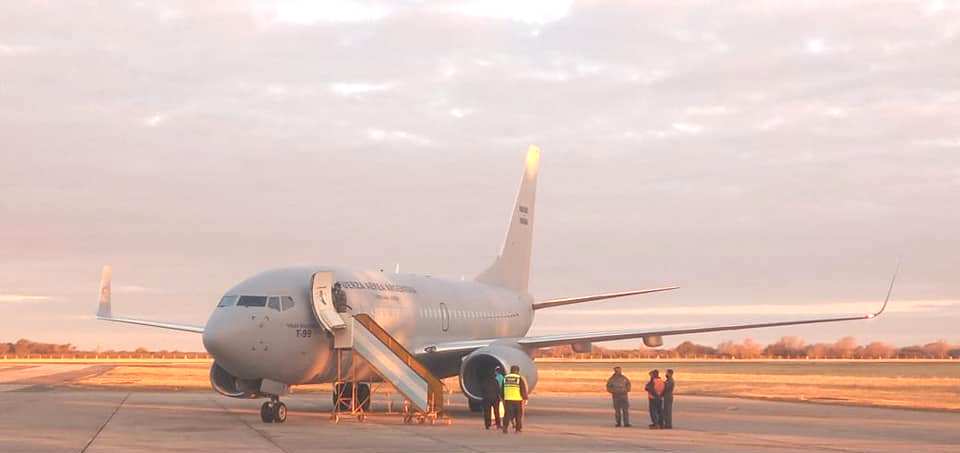
Luego de haber sufrido años de desinversión, falta de apoyo y la amenaza de su desactivación, LADE comenzó el año pasado una paulatina recuperación, incrementando la frecuencia de sus vuelos y los medios disponibles. La compañía aérea de fomento ha estado ampliando su flota. Actualmente, posee SAAB 340B, Twin Otter, Fokker F28, como así la adquisición del Boeing 737-700 que ha permitido ampliar la capacidad de transporte aéreo estratégico, que se había perdido en el año 2006, cuando se desprogramó el último Boeing 707.
LADE Líneas Aéreas hizo su vuelo inaugural el 4 de Septiembre de 1940, uniendo los destinos de El Palomar y Esquel, con escalas intermedias en Santa Rosa, Neuquén y San Carlos de Bariloche, bajo la denominación de LASO (Líneas Aéreas del Sudoeste). Posteriormente fue creada LANE (Líneas Aéreas del Noreste), que cubría la ruta entre Buenos Aires y Cataratas del Iguazú. En el mes de Octubre de 1945, se unificaron LASO y LANE, resultando LADE (Líneas Aéreas del Estado), la única línea aérea de fomento de la República Argentina y la más antigua del mundo bajo esta modalidad.
LADE celebrates 81st Anniversaries
LADE continues its commitment to unite Patagonia Argentina
LADE Líneas Aéreas is celebrating its 81st anniversary, reaffirming the Government’s commitment to continue strengthening the development line. The Minister of Defense, Jorge Taiana, participated in the ceremony in commemoration of the 81 years of life of the State Air Lines (LADE), an organization of the Air Force that is key to provide connectivity between the remote locations of the country, which are not operated by commercial airlines due to their low profitability: “The National State has the political decision to strengthen LADE because we are convinced that it performs a fundamental communication task to integrate our territory and promote the development of our Nation. We are the eighth country in the world in terms of territorial extension and that implies an extraordinary interconnection and transportation challenge and that is why the growth of LADE and our flag line is essential”, said the official.
At its headquarters, located in the San Telmo neighborhood of Buenos Aires, Jorge Taiana assured that “in this 21st century, with the projection of Argentina towards the south and the vision of a bicontinental country, air communication is essential and that is why we to work, as my predecessor, Minister Agustín Rossi, had been doing in continuing to strengthen the line of development. Rest assured that the future of LADE is promising because the task of promotion must be increased”. Along these lines, the General Director of LADE, Comodoro Mayor Fabián Vidal, highlighted “the present full of activity thanks to the frank recovery of air material, air routes and the incorporation of new routes, after having lived moments of uncertainty, in which was evaluated if LADE was a burden for the Force. The organization is fulfilling in a concrete way with its undeniable mandate to unite the Argentines, and with the old desire to fly again every day of the week connecting the Patagonian provinces and thus promoting the economic development of the region”.
After having suffered years of divestment, lack of support and the threat of its deactivation, LADE began a gradual recovery last year, increasing the frequency of its flights and the means available. The development airline has been expanding its fleet. Currently, it owns SAAB 340B, Twin Otter, Fokker F28, as well as the acquisition of the Boeing 737-700 that has allowed expanding strategic air transport capacity, which had been lost in 2006, when the last Boeing 707 was deprogrammed.
LADE Líneas Aéreas made its maiden flight on September 4, 1940, joining the destinations of El Palomar and Esquel, with intermediate stops in Santa Rosa, Neuquén and San Carlos de Bariloche, under the name LASO (Southwest Airlines). Later, LANE (Northeast Air Lines) was created, which covered the route between Buenos Aires and Iguazú Falls. In October 1945, LASO and LANE were unified, resulting in LADE (State Air Lines), the only development airline in the Argentine Republic and the oldest in the world under this modality.
Aeropuerto Kabul reabre para ayuda y vuelos domésticos
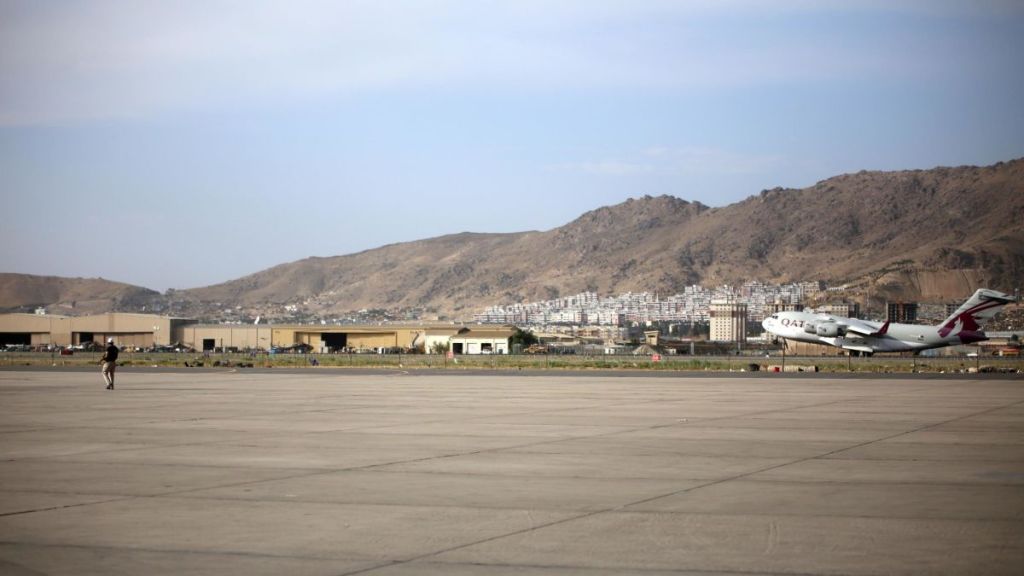
El Embajador de la República de Qatar en Afganistán dijo que un equipo técnico pudo reabrir el Aeropuerto de Kabul para recibir ayuda y la reapertura de los vuelos nacionales. La pista del aeropuerto ha sido reparada en cooperación con las autoridades de Afganistán. Las primeras operaciones fueron dos vuelos domésticos desde Kabul a las ciudades de Mazar-i-Sharif y Kandahar.
El Ministro de Relaciones Exteriores de Qatar, Sheikh Mohammed bin Abdulrahman Al-Thani, hablando en una conferencia de prensa conjunta con el Secretario de Relaciones Exteriores de Gran Bretaña, Dominic Raab, en Doha el Jueves 02/09, dijo que el estado del Golfo estaba hablando con los talibanes y trabajando con Turquía para obtener un posible apoyo técnico para reiniciar las operaciones en el Aeropuerto de Kabul.
El Aeropuerto de Kabul había estado cerrado desde el final del masivo puente aéreo liderado por Estados Unidos. El final de esa operación marcó la retirada de las últimas fuerzas estadounidenses de Afganistán después de veinte años de presencia en el país. La evacuación de decenas de miles de personas se produjo en medio de la rápida toma de Afganistán por el grupo militante islamista talibán, el adversario de Occidente en la guerra de dos décadas que siguió a los ataques del 11 de Septiembre de 2001 contra Estados Unidos. Miles de personas que querían abandonar Afganistán, temerosas de la vida bajo el dominio talibán, se quedaron atrás cuando la operación de evacuación terminó a fines de agosto. Los talibanes han prometido un paso seguro para aquellos que quieran irse.
Kabul Airport reopening
Kabul Airport reopens for aid and domestic flights
The Ambassador of the Republic of Qatar in Afghanistan said that a technical team was able to reopen Kabul Airport to receive assistance and the reopening of domestic flights. The airport runway has been repaired in cooperation with the Afghan authorities. The first operations were two domestic flights from Kabul to the cities of Mazar-i-Sharif and Kandahar.
Qatari Foreign Minister Sheikh Mohammed bin Abdulrahman Al-Thani speaking at a joint press conference with Britain’s Foreign Secretary Dominic Raab in Doha on Thursday 02/09, said the Gulf state He was talking to the Taliban and working with Turkey to obtain possible technical support to restart operations at the Kabul airport.
Kabul Airport had been closed since the end of the massive US-led airlift. The end of that operation marked the withdrawal of the last American forces from Afghanistan after twenty years of presence in the country. The evacuation of tens of thousands of people came amid the swift takeover of Afghanistan by the militant Islamist group Taliban, the West’s adversary in the two-decade war that followed the September 11, 2001 attacks on the United States. Thousands of people who wanted to leave Afghanistan, fearful of life under Taliban rule, were left behind when the evacuation operation ended in late August. The Taliban have promised safe passage for those who want to leave.
AW | 2021 09 04 00:22 | GOVERNMENT / TOURISM / AIRLINES MARKET
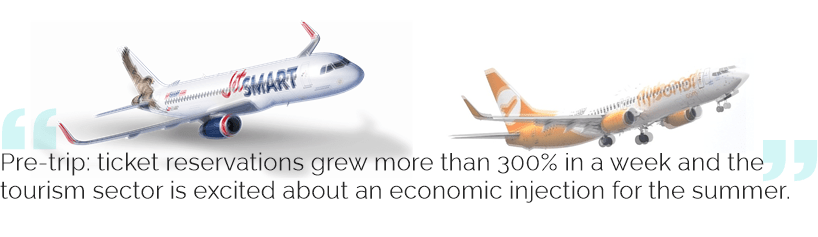
Aumento reservas tickets +300% en una semana
El relanzamiento del Programa Pre-viaje en Argentina ha alcanzado un incremento de más del 300% en un paríodo de una semana. El sistema de Pre-viaje funciona como compra anticipada de viajes que permite al usuario del transporte aéreo obtener el reembolso del 50% de los gastos a utilizar en la cadena turística argentina. Este programa de incentivo al turismo y el transporte aéreo volvió a impulsar con fuerza la demanda del sector. En la última semana, combinado con la venta de viajes, la reserva de boletos se cuadruplicó y en el Gobierno confían en superar el millón de turistas que recorren el país. «Estamos muy contentos con el inicio del Pre-Trip y con enormes expectativas. La primera etapa fue muy exitosa, y en esta segunda esperamos duplicar esos números, lo que significaría más de un millón de turistas viajando por el país y una enorme inyección de liquidez para este sector estratégico de la economía nacional», dijo el Ministro de Turismo, Matías Lammens.
Las cifras oficiales en la última semana informan que el Pre-viaje aprovechó el crecimiento en la entrada de reservas para volar a partir de Noviembre 2021 con una demanda que cuadruplicó el promedio de las últimas seis semanas sin el programa activo. Los primeros resultados muestran que se reservaron 75.000 pasajes aéreos mientras que antes del relanzamiento, el promedio semanal era de 18.000, mostrando un incremento del 317%. Además, en apenas dos semanas ya se inscribieron 10.000 proveedores, frente a los 13.000 que participaron en los tres meses del plan durante 2020. En el caso de los turistas, el objetivo es superar el millón frente a los 600.000 que se movilizaron hace un año. Los buenos resultados llevaron al Gobierno de Argentina a decidir la prórroga de la vigencia del programa hasta el 15 de Septiembre de 2021, fecha límite en la que se podrán adquirir los viajes a realizar durante Noviembre de 2021. Además, los vales se podrán subir en el portal Pre-viaje hasta el 20/09.
El Ministerio de Turismo de Argentina realizó una encuesta sobre las operaciones realizadas por las agencias de turismo desde el relanzamiento de PreViaje y los resultados son los que entusiasman al Gobierno. Agencias de turismo consultadas confirmaron que son muchos los viajes que están condicionados a la posibilidad de acceder al programa y que casi todo lo que se vende para destinos en Argentina son operaciones realizadas en ese marco.
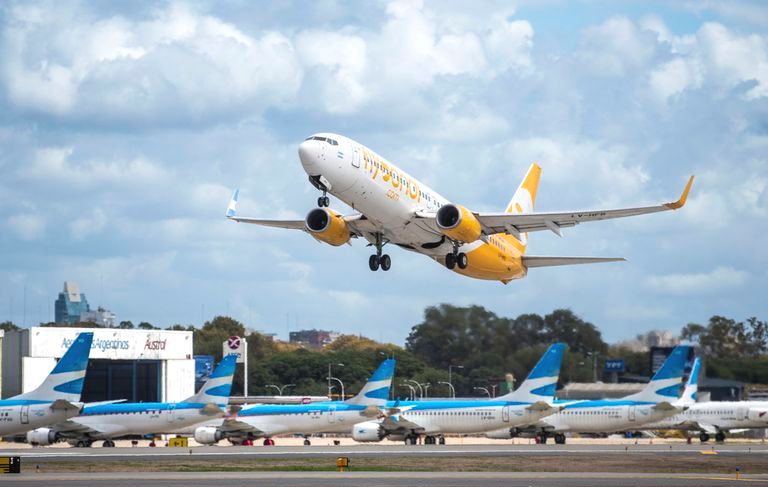
Avantrip informó que casi todo lo que se está vendiendo en Argentina es con PreTravel. Un 84% de sus ventas de boletos están asociadas a este programa (con un 60% de aire con destino nacional) y eso en paquetes alcanza el 100%. En el caso de la facturación el incremento es del 40% con respecto a la semana anterior a la Venta de Viajes. Almundo informó que en la última semana se quintuplicó la facturación con respecto a la primera semana de Pre-Trip 2020 y que se multiplicó por 2,4 la venta de vuelos domésticos. El 60% del incremento se registró en viajes a partir de noviembre, cuando se aplica la devolución del 50% del programa. Despegar.com ha desarrollado un incremento de las ventas del 142% en paquetes; del 45% en alojamientos y del 32% en vuelos, respecto a los niveles previos al relanzamiento del programa. TurismoCity incrementó en un 50% su facturación y Flybondi registró un incremento acumulado del 32% en las ventas. La aerolínea informó que crecieron un 20% en la primera semana y un 12% más en la segunda. Además, dijo que la demanda de vuelos aumentó para los viajes de Noviembre, Diciembre 2021 y Enero 2022 y que los destinos preferidos son Bariloche, Iguazú, Salta, Mendoza y Jujuy.
Argentina Pre-trip with good signs
Increase ticket reservations +300% in a week
The relaunch of the Pre-trip Program in Argentina has reached an increase of more than 300% in a period of one week. The Pre-trip system works as an advance purchase of trips that allows the user of air transport to obtain a refund of 50% of the expenses to be used in the Argentine tourist chain. This incentive program for tourism and air transport once again boosted demand in the sector. In the last week, combined with the sale of trips, the reservation of tickets quadrupled and the Government is confident of exceeding the one million tourists who travel the country. «We are very happy with the start of the Pre-Trip and with enormous expectations. The first stage was very successful, and in this second we hope to double those numbers, which would mean more than a million tourists traveling through the country and a huge injection of liquidity for this strategic sector of the national economy», said the Minister of Tourism, Matías Lammens.
The official figures in the last week report that the Pre-trip took advantage of the growth in the inflow of reservations to fly from November 2021 with a demand that quadrupled the average of the last six weeks without the active program. The first results show that 75,000 air tickets were booked while before the relaunch, the weekly average was 18,000, showing an increase of 317%. In addition, in just two weeks, 10,000 suppliers have already registered, compared to the 13,000 who participated in the three months of the plan during 2020. In the case of tourists, the goal is to exceed one million compared to the 600,000 who mobilized a year ago. The good results led the Government of Argentina to decide to extend the validity of the program until September 15, 2021, the deadline for purchasing the trips to be made during November 2021. In addition, the vouchers can be uploaded in the Pre-trip portal until 09/20.
The Ministry of Tourism of Argentina conducted a survey on the operations carried out by tourism agencies since the relaunch of PreViaje and the results are those that excite the Government. Tourism agencies consulted confirmed that there are many trips that are conditioned to the possibility of accessing the program and that almost everything that is sold for destinations in Argentina are operations carried out within that framework.
Avantrip reported that almost everything that is being sold in Argentina is with PreTravel. 84% of its ticket sales are associated with this program (with 60% air to national destination) and that in packages reaches 100%. In the case of billing, the increase is 40% compared to the week prior to the Sale of Trips. Almundo reported that in the last week, billing increased fivefold compared to the first week of Pre-Trip 2020 and that the sale of domestic flights multiplied by 2.4. 60% of the increase was registered in trips from November, when the 50% refund of the program is applied. Despegar.com has developed a 142% sales increase in packages; 45% in accommodation and 32% in flights, compared to the levels prior to the relaunch of the program. TurismoCity increased its turnover by 50% and Flybondi registered a cumulative increase of 32% in sales. The airline reported that they grew 20% in the first week and 12% more in the second. In addition, he said that the demand for flights increased for the trips of November, December 2021 and January 2022 and that the preferred destinations are Bariloche, Iguazú, Salta, Mendoza and Jujuy.
PUBLISHER: Airgways.com DBk: Argentina.gob.ar / Previaje.gob.ar / M. R. González Photography / Airgways.com AW-POST: 202109040022AR
Latam habilita proceso devolución de tasas de embarque
Latam Airlines Chile ha habilitado el proceso de devolución de las tasa de embarque a alrededor de 400.000 pasajeros. El Servicio Nacional del Consumidor (SERNAC) ha llevado un proceso de análisis de los derechos del consumidor para cumplimentar la devolución, donde la aerolínea deberá contactarse vía correo electrónico con los pasajeros involucrados, que en los plazos de quince días podrán obtener su devolución. Latam Airlines dio a conocer el proceso de devolución de las tasas de embarque por C$ 4.000 millones de Pesos chilenos a alrededor de 400.000 pasajeros por vuelos que no fueron realizados desde el año 2015 hasta la fecha actual.
El caso se remonta a Julio de 2019 cuando el Servicio Nacional del Consumidor ofició a las aerolíneas Latam Airlines Chile, Sky Airline, JetSmart Airlines Chile, Aerolíneas Argentinas, American Airlines, Copa Airlines, Avianca Airlines e Iberia Líneas Aéreas para lograr la devolución pagado por el concepto de tasas de embarque y, el año pasado, Latam Airlines y el SERNAC realizaron un acuerdo mintras la justicia se expedía para la validación de la devolución a los damnificados. El acuerdo compensará a los consumidores que no pidieron la devolución de los dineros de las tasas de embarque recaudados por Latam Airlines en pasajes vendidos directamente por el proveedor, es decir, en sus oficinas físicas, vía contact center o mediante la página web de la línea aérea.
El proceso de identificación e información sobre devolución de tasas comenzará a ejecutarse transcurridos 240 días contados desde la fecha de la resolución judicial firme y ejecutoriada dictada por el tribunal que apruebe el acuerdo. Latam Airlines Chile deberá enviar un correo electrónico al grupo de pasajeros del cual dispone antecedentes de 379.193 usuarios informándoles que tienen a su disposición la restitución de las tasas de embarques. Una vez completado dicho proceso, y tras quince (15) días hábiles administrativos, los usuarios recibirán el monto que le corresponde por concepto de restitución de tasas directo en sus cuentas bancarias. En caso que, transcurridos 22 meses desde la implementación del acuerdo, existan saldos pendientes de devolución de tasas, la aerolínea emitirá vales vista a nombre de los pasajeros que se tenga información necesaria para tal efecto. Además, la empresa implementará en su sitio web un mensaje para aquellos grupos que no se tiene registro, donde se debe mencionar este proceso y que los usuarios puedan consultar si son beneficiarios de esta devolución.
Latam enables rate refund
Latam enables the return of shipping fees process
Latam Airlines Chile has enabled the process of refunding boarding fees to around 400,000 passengers. The National Consumer Service (SERNAC) has carried out a process of analysis of consumer rights to complete the return, where the airline must contact the passengers involved via email, who will be able to obtain their refund within fifteen days. Latam Airlines announced the process of refunding boarding fees for C$ 4,000 million Chilean pesos to around 400,000 passengers for flights that were not made from 2015 to the current date.
The case dates back to July 2019 when the National Consumer Service officiated at the airlines Latam Airlines Chile, Sky Airline, JetSmart Airlines Chile, Aerolíneas Argentinas, American Airlines, Copa Airlines, Avianca Airlines and Iberia Lineas Aereas to obtain the refund paid by the concept of boarding fees and, last year, Latam Airlines and SERNAC made an agreement while justice was issued to validate the return to the victims. The agreement will compensate consumers who did not request the return of the money from the boarding fees collected by Latam Airlines on tickets sold directly by the provider, that is, at their physical offices, via contact center or through website.
The process of identification and information on refund of fees will begin to run after 240 days from the date of the final and final judicial resolution issued by the court that approves the agreement. Latam Airlines Chile must send an email to the group of passengers, which has a history of 379,193 users, informing them that they have the refund of boarding fees at their disposal. Once this process is completed, and after fifteen (15) administrative business days, users will receive the amount that corresponds to them for the refund of direct fees in their bank accounts. In the event that, 22 months after the implementation of the agreement, there are balances pending refund of fees, the airline will issue sight vouchers in the name of passengers who have the necessary information for this purpose. In addition, the company will implement a message on its website for those groups that do not have registration, where this process should be mentioned and that users can check if they are beneficiaries of this refund.
Evacuaron un sector de Aeroparque por dos bolsas sospechosas
Un sector del Aeropuerto Jorge Newbery debió haber sido desalojado y quedó inactivo este Viernes 02/09, mientras que el Grupo Especial para el Control de Explosivos y Armas Especiales (GEDEX) de la Policía de Seguridad Aeroportuaria (PSA) trabajó en el sitio para determinar si dos maletas abandonadas contenían explosivos. El equipaje fue dejado frente al mostrador 38, informó el periodista Norberto Dupesso en TN. Los oficiales de GEDEX revisaron las bolsas y después del procedimiento descartaron que contuvieran elementos peligrosos. «No hubo amenaza de bomba. Dos maletas fueron olvidadas. Cuando eso sucede, el PSA activa automáticamente el protocolo a través del grupo Gedex para aislar las bolsas. Se evacua la zona, se despeja y se comprueba que no hay peligro», informaron Tn.com.ar desde Aeroparque. Un destacamento de bomberos también trabajó preventivamente en el sitio. En el equipaje, los oficiales de PSA solo encontraron ropa y artículos personales de personas que olvidaron sus maletas. Después del procedimiento GEDEX, las operaciones en el aeropuerto volvieron a la normalidad.
El Grupo Especial para el Control de Explosivos y Armas Especiales (GEDEX) es el grupo responsable de actos de agresión, ataques o detonaciones imprevistas con explosivos, mercancías peligrosas, armas químicas, biológicas o nucleares. Del mismo modo, realiza tareas de inspección y registro a las llegadas y salidas, encaminadas a detectar cualquier tipo de amenaza. Para ello, el GEDEX cuenta con herramientas como detectores de explosivos, contenedores para su mitigación, robots y trajes antiexposición.
Aeroparque threatens bags suspicions
They evacuated a sector of Aeroparque for two suspicious bags
A sector of the Jorge Newbery Airport should have been evicted and remained inactive this Friday 02/09, while the Special Group for the Control of Explosives and Special Weapons (GEDEX) of the Airport Security Police (PSA) worked on the site to determine if two abandoned suitcases contained explosives. The luggage was left in front of counter 38, reported journalist Norberto Dupesso in TN. GEDEX officers checked the bags and after the procedure ruled out that they contained dangerous elements. «There was no bomb threat. Two suitcases were forgotten. When that happens, the PSA automatically activates the protocol through the Gedex group to isolate the bags. The area is evacuated, it is cleared and it is verified that there is no danger», reported Tn .com.ar from Aeroparque. A fire department also worked preventively at the site. In the luggage, PSA officers only found clothing and personal items of people who forgot their bags. After the GEDEX procedure, operations at the airport returned to normal.
The Special Group for the Control of Explosives and Special Weapons (GEDEx) is the group responsible for acts of aggression, attacks or unforeseen detonations with explosives, dangerous goods, chemical, biological or nuclear weapons. In the same way, it performs inspection and registration tasks at arrivals and departures, aimed at detecting any type of threat. For this, the GEDEX has tools such as explosives detectors, containers for their mitigation, robots and anti-exposure suits.
El Boeing 717 ha sido un avión de pasajeros bimotor de pasillo único desarrollado para el mercado de 100 asientos. El primer vuelo del Boeing 717 se efectuó el 2 de Septiembre de 1998, entrando en servicio comercial con AirTran Airways el 12 de Octubre de 1999 en Estados Unidos. El avión fue diseñado y comercializado originalmente por McDonnell Douglas Corporation como el MD-95, un derivado de la familia DC-9. Capaz de acomodar hasta 134 pasajeros, el 717 tiene un alcance de diseño de 2.060 millas náuticas/3.820 km. Está propulsado por dos motores turbofan Rolls-Royce BR715 como única planta motriz ofrecida, montados en la parte trasera del fuselaje.
El primer pedido del avión fue realizado en Octubre 1995 por la aerolínea ValuJet Airlines, más tarde bautizada AirTran Airways. Hacia el 1997 McDonnell Douglas y Boeing alcanzaban un acuerdo de fusión de compañías. El avión fue rebaurizado como Boeing 717 entrando en servicio comercial en 1999. La producción del Boeing 717 cesó en Mayo de 2006 después de que se construyeron 156 unidades. A partir de Julio de 2018, 148 aviones Boeing 717 todavía estaban en servicio.
Historia del DC-9
Douglas Aircraft lanzó el DC-9 en 1963 como un desarrollo complementario a la flota de diseños del DC-8. La nueva aeronave era un diseño totalmente nuevo, utilizando dos motores turbofan Pratt & Whitney JT8D montados en el fuselaje trasero; un ala pequeña y eficiente; y una cola en forma de T. El vuelo inaugural del DC-9 fue en 1965 y entró en servicio de la aerolínea más tarde ese año. Cuando la producción terminó en 1982, se habían producido un total de 976 DC-9.
La serie McDonnell Douglas MD-80, la segunda generación del DC-9. Era un DC-9-50 bajo el proyecto como DC-9-55 alargado con un mayor peso máximo de despegue (MTOW) y una mayor capacidad de combustible, así como motores de la serie Pratt and Whitney JT8D-200 de próxima generación y un diseño de ala mejorado. Designada DC-9-80 (Super 80), más tarde re-denominada MD-80, comenzó el servicio en 1980. Entre 1980 y 1999 se entregaron 1.191 MD-80 que corresponden a las variantes MD-81/82/83/87/88.
El MD-90 fue desarrollado a partir de la serie MD-80. Fue lanzado en 1989 y voló por primera vez en 1990. El MD-90 era más largo y presentaba una cabina de cristal (instrumentación electrónica) y motores IAE V2525-D5 más potentes, silenciosos y de bajo consumo de combustible, con la opción de actualizar a un motor IAE V2528. Se entregaron un total de 116 aviones MD-90.
MD-95
El MD-95 remonta su historia a 1983 cuando McDonnell Douglas describió un estudio llamado DC-9-90. A principios de la década de 1980, a medida que la producción de la familia DC-9 se alejó de la Series 30 más pequeña hacia las variantes MD-80, McDonnell Douglas propuso una versión más pequeña del DC-9 para llenar el vacío dejado por el DC-9-30. Apodado el DC-9-90, fue revelado en Febrero de 1983 y debía ser unos 25 pies 4 in (7,72 m) más corto que el DC-9-81, lo que le da una longitud total de 122 pies 6 in (37,34 m). El avión fue propuesto con una versión de empuje de 17.000 lbf (76 kN) del motor de la serie JT8D-200, aunque también se consideró el CFM International CFM56-3. Con capacidad para 117 pasajeros, el DC-9-90 debía estar equipado con el ala del DC-9 con extensiones de punta de 2 pies (0,61 m), en lugar del área aumentada más modificada del MD-80. El avión tenía un alcance de diseño de 1.430 nmi (2.648 km), con una opción de aumentar a 2.060 nmi (3.815 km), y un peso bruto de 112.000 lb (51.000 kg).
El DC-9-90 fue diseñado para satisfacer las necesidades de la industria aérea estadounidense recientemente desregulada. Sin embargo, su desarrollo fue pospuesto por la recesión de principios de la década de 1980. Cuando McDonnell Douglas desarrolló una versión más pequeña del MD-80, simplemente redujo el avión para crear el MD-87, en lugar de ofrecer un avión más ligero y de menor empuje que era más comparable al DC-9-30. Con su MTOW relativamente alto y potentes motores, el MD-87 se convirtió esencialmente en un avión de misión especial y no pudo competir con los nuevos 100 asientos que se estaban desarrollando. Aunque es un excelente avión para funciones especializadas, el MD-87 a menudo no se vendía por sí solo. Confiando en su factor de similitud, las ventas generalmente se limitaron a los operadores existentes de MD-80.
En 1991, McDonnell Douglas reveló que estaba considerando nuevamente desarrollar una versión especializada de 100 asientos del MD-80, inicialmente llamado MD-87-105 (105 asientos). Iba a ser unos 8 pies (2,4 m) más corto que el MD-87, propulsado con motores en la clase de empuje de 16,000-17,000 lbf (71-76kN). McDonnell Douglas, Pratt & Whitney y la Agencia Nacional de Exportación de Tecnología Aeronáutica de China firmaron un Memorando de Entendimiento (MoU) para desarrollar una versión de 105 asientos del MD-80. En el Salón Aeronáutico de París de 1991, McDonnell Douglas anunció el desarrollo de un avión de 105 asientos, designado MD-95. El nuevo nombre fue seleccionado para reflejar el año previsto en que comenzarían las entregas. McDonnell Douglas ofreció por primera vez el MD-95 a la venta en 1994.
A principios de 1994, el MD-95 resurgió como similar al DC-9-30, su peso, dimensiones y capacidad de combustible especificados eran casi idénticos. Los principales cambios incluyeron una contracción del fuselaje a 119 pies 4 in (36.37 m) de longitud igual que el DC-9-30, y la reversión a la envergadura original DC-9 de 93 pies 5 in (28.47 m). En este momento, McDonnell Douglas dijo que esperaba que el MD-95 se convirtiera en una familia de aviones con la capacidad de aumentar el alcance y la capacidad de asientos. El MD-95 fue desarrollado para satisfacer la necesidad del mercado de reemplazar a los primeros DC-9, que entonces se acercaban a los treinta años. El MD-95 fue una revisión completa, volviendo al diseño original del DC-9-30 y aplicando nuevos motores, cabina y otros sistemas más modernos.
En Marzo de 1995, Scandinavian Airlines System (SAS), cliente de McDonnell Douglas desde hace mucho tiempo, eligió el Boeing 737-600 para su 100 plazas sobre el MD-95. En Octubre de 1995, el nuevo operador estadounidense y la aerolínea de bajo costo ValuJet firmaron un pedido de 50 MD-95, más 50 opciones. El Presidente de McDonnell Douglas, Harry Stonecipher, sintió que el lanzamiento de la producción de MD-95 sobre la base de este pedido único tenía poco riesgo, afirmando que más pedidos tomarían un tiempo más. El pedido de ValuJet fue el único pedido recibido durante unos dos años.
Como se propuso por primera vez, el MD-95 iba a ser propulsado por un derivado de empuje de 16.500 lbf (73 kN) de la serie JT8D-200 con el Rolls-Royce Tay 670 también considerado como una alternativa. Esto se confirmó en Enero de 1992, cuando Rolls-Royce y McDonnell Douglas firmaron un Memorando de Entendimiento sobre el MD-95 con motor RR Tay. McDonnell Douglas dijo que el proyecto MD-95 costaría solo una cantidad mínima para desarrollar, ya que era una rama directa del MD-90 impulsado por IAE.
Durante 1993, McDonnell Douglas parecía estar favoreciendo un programa de extensión de vida del DC-9-30, bajo el nombre de programa DC-9X, para continuar su presencia en el mercado de 100-120 asientos. En su evaluación de las actualizaciones de motor disponibles para el DC-9X, McDonnell Douglas encontró que el motor BMW Rolls-Royce BR700 era el candidato ideal, y el 23 de Febrero de 1994, el BR700 fue seleccionado como el único motor para el avión MD-95.
Sitio de producción
McDonnell Douglas estaba planeando que el ensamblaje final del MD-95 se llevara a cabo en China, como una rama del Programa Trunkliner, para el cual McDonnell Douglas había estado negociando la construcción de hasta 150 MD-90 en China. El acuerdo del MD-90 Trunkliner se finalizó en junio de 1992, pero el contrato era por un total de 40 aviones, incluidos 20 MD-80T y 20 MD-90T. El MD-80 se ha construido bajo licencia en Shanghai desde la década de 1980. Sin embargo, a principios de 1993, McDonnell Douglas Corporation dijo que estaba considerando emplazamientos fuera de China y más tarde buscaba ubicaciones alternativas para la línea de montaje. En 1994, McDonnell Douglas buscó socios globales para compartir los costos de desarrollo. También inició la búsqueda de un lugar de montaje final de bajo coste. Halla Group en Corea del Sur fue seleccionado para hacer las alas; Alenia de Italia todo el fuselaje; Taiwan Aerospace Industrial Development Corporation, la deriva; ShinMaywa de Japón, el estabilizador horizontal; y una división de fabricación de Korean Air Lines, el morro y la cabina del piloto.
El 8 de Noviembre de 1994, McDonnell Douglas anunció que se retiraría el ensamblaje final de la antigua planta de Douglas en el Aeropuerto de Long Beach, California. En cambio, seleccionó una operación de modificaciones y mantenimiento, Dalfort Aviation en Dallas, Texas, para ensamblar el MD-95. A principios de 1995, la dirección y los sindicatos de Long Beach llegaron a un acuerdo para mantener bajos los costos salariales durante la vigencia del Programa MD-95 y McDonnell Douglas canceló el acuerdo preliminar con Dalfort.
Rebranding MD-95/717
Después de que McDonnell Douglas fuera «adquirida» por The Boeing Company en Agosto de 1997, la mayoría de los observadores de la industria esperaban que Boeing cancelara el desarrollo del MD-95. Sin embargo, Boeing decidió seguir adelante con el diseño bajo un nuevo nombre, Boeing 717. Si bien parecía que Boeing se había saltado la designación del modelo 717 cuando el Boeing 720 y el 727 siguieron al 707, el nombre 717 era el número de modelo de la compañía para el transporte militar C-135 Stratolifter y el avión cisterna KC-135 Stratotanker. El Boeing 717 también se había utilizado para promover un diseño temprano del Boeing 720 a las aerolíneas antes de que se modificara para satisfacer las demandas del mercado. Un historiador de Boeing señala que el petrolero de la Fuerza Aérea fue designado Boeing 717-100 y el avión comercial designado Boeing 717-200. La falta de un uso generalizado del nombre 717 lo dejó disponible para cambiar la marca del MD-95.
Al principio Boeing no tuvo más éxito vendiendo el 717 que McDonnell Douglas. Incluso el pedido original de 50 no era una certeza en el caótico mercado de aerolíneas de los Estados Unidos después de la desregulación. La compañía comenzó ensamblaje del primer 717 en Mayo de 1997. El avión tuvo su ceremonia de lanzamiento el 10 de Junio de 1998. El primer vuelo del 717 tuvo lugar el 2 de Septiembre de 1998. Después de las pruebas de vuelo, el avión recibió una certificación de tipo el 1 de Septiembre de 1999. Su primera entrega fue en Septiembre de 1999 a AirTran Airways, que anteriormente se había llamado Valujet. El servicio comercial comenzó al mes siguiente. Trans World Airlines (TWA) ordenó 50 717 en 1998 con una opción para 50 aviones adicionales.
La decisión de Boeing de seguir adelante con el 717 lentamente comenzó a dar sus frutos. Los primeros operadores del 717 estaban encantados con la confiabilidad y el atractivo para los pasajeros del tipo y decidieron pedir más. La pequeña aerolínea regional australiana Impulse Airlines tomó un contrato de arrendamiento a largo plazo en cinco Boeing 717 (5) a principios de 2000 para comenzar una expansión en las rutas principales. El ambicioso movimiento no pudo sostenerse en competencia con las mayores, e Impulse se vendió a Qantas Airways en Mayo de 2001.
En pocos meses, las habilidades del 717 se hicieron evidentes para Qantas, siendo más rápido que el BAe 146, y logrando una mayor fiabilidad de despacho, más del 99%, que los aviones de la competencia. Los costos de mantenimiento son bajos: según AirTran Airways, una inspección de verificación C, por ejemplo, toma tres días y se requiere una vez cada 4.500 horas de vuelo. Para comparación, su predecesor, el DC-9 necesitó 21 días para una verificación C. El nuevo diseño del motor Rolls-Royce BR715 es relativamente fácil de mantener. Muchos operadores del 717, como Qantas, se convirtieron en conversos al avión; Qantas compró más 717 para reemplazar su flota de BAe 146, y otros pedidos vinieron de Hawaiian Airlines y Midwest Airlines.
Boeing comercializó activamente el Boeing 717 a varias grandes aerolíneas, incluida Northwest Airlines (NWA), que ya operaba una gran flota de aviones DC-9, y a Lufthansa German Airlines. Boeing también estudió una versión estirada y de mayor capacidad del 717, que se llamó Boeing 717-300, pero decidió no continuar con el nuevo modelo, temiendo que invada el mercado del modelo Boeing 737-700 de la compañía. La producción del 717 original continuó. Boeing continuó creyendo que el mercado de 100 pasajeros sería lo suficientemente lucrativo como para soportar tanto el 717 como el 737-600, el más pequeño de la serie 737 de próxima generación. Si bien los aviones eran similares en tamaño general, el 737-600 se adaptaba mejor a rutas de larga distancia, mientras que el 717 más ligero era más eficiente en rutas regionales más cortas.
Línea de montaje y fin de producción
En 2001, Boeing comenzó a implementar una línea de ensamblaje móvil para la producción de los 717 y 737. La línea móvil redujo en gran medida el tiempo de producción, lo que llevó a menores costos de producción. Tras la caída en el tráfico aéreo causada por una recesión económica posterior a los ataques terroristas del 11 de Septiembre de 2001 (11-S), Boeing anunció una revisión del futuro del tipo. Después de mucha deliberación, se decidió continuar con la producción. A pesar de la falta de pedidos, Boeing confiaba en la idoneidad fundamental del 717 para el mercado de 100 asientos, y en el tamaño a largo plazo de ese mercado. Después de 19 ventas mundiales de 717 en 2000, y solo 6 en 2001, Boeing recibió 32 pedidos del 717 en 2002, a pesar de la severa recesión de la industria. El 717 número 100 fue entregado a AirTran Airways el 18 de Junio de 2002.
El aumento de la competencia de los aviones regionales fabricados por Bombardier y Embraer tuvo un alto costo en las ventas durante la caída de la aerolínea después de 2001. American Airlines adquirió TWA e inicialmente planeó continuar con el pedido de 717. American Airlines también canceló el pedido de TWA para Airbus A318, pero finalmente también canceló los Boeing 717 que aún no habían sido entregados. El principio del fin se produjo en Diciembre de 2003 cuando Boeing no logró alcanzar un contrato de US$ 2.700 millones de Dólares de Air Canada, un cliente a largo plazo del DC-9, que eligió los Embraer E-Jets y Bombardier CRJ200 sobre el 717. En Enero de 2005, citando ventas lentas, Boeing anunció que planeaba terminar la producción del 717 después de haber cumplido con todos sus pedidos pendientes.
La aeronave número 156 y último Boeing 717 salió de la línea de montaje en Abril de 2006 para AirTran Airways, que fue el cliente de lanzamiento del 717, así como su cliente final. Los dos últimos Boeing 717 fueron entregados a los clientes AirTran Airways y Midwest Airlines el 23 de Mayo de 2006. El Boeing 717 fue el último avión comercial producido en las instalaciones de Boeing en Long Beach en el sur de California.
Operadores mundiales
A partir de Enero de 2021, había 104 Boeing 717-200 en servicio con Delta Air Lines (65), QantasLink (20) y Hawaiian Airlines (19), frente a los 148 aviones en 2018. Delta Air Lines es actualmente el mayor operador del Boeing 717, volando casi el 60 por ciento de todos los aviones en servicio, pero no compró ninguno de los aviones nuevos de Boeing. En 2013, Delta comenzó a arrendar toda la flota de 88 aviones anteriormente operados por AirTran Airways a Southwest Airlines, que había comprado AirTran, pero quería preservar su flota de Boeing 737 en lugar de asumir otra clase de aviones. Para Delta, los Boeing 717 y MD-90 usados les permitieron retirar sus DC-9 y al mismo tiempo ser más baratos de adquirir que comprar aviones nuevos de Airbus o Boeing. A diferencia de otras aerolíneas heredadas de la línea principal de los Estados Unidos, Delta Air Lines ha decidido que su mejor camino hacia la rentabilidad es una estrategia que utiliza aviones más antiguos, y Delta ha creado una organización MRO (Mantenimiento, Reparación y Revisión) muy extensa, llamada TechOps, para apoyarlos. En 2015, Blue1 Airways anunció que vendería su flota de Boeing 717, con cinco aviones para Delta Air Lines y cuatro para el entonces tercer operador más grande del tipo, Volotea Airlines, de España. En Enero de 2021, la aerolínea española de bajo coste Volotea retiró su último de los 19 Boeing 717-200 anteriores como el único operador europeo restante del tipo.
Boeing 717, una leyenda vigente
El Boeing 717 se ha ganado la fama mundial como una de las aeronaves más seguras del mundo. A partir de Junio de 2018, el Boeing 717 había estado involucrado en cinco accidentes e incidentes de aviación, pero sin pérdidas en el casco ni muertes. Los principales incidentes incluyeron una colisión en tierra mientras rodaba, un aterrizaje de emergencia donde el tren de aterrizaje de la nariz no se extendió y un intento de secuestro.
El noble producto de la legendaria McDonnell Douglas Corporation daba sus excelentes frutos producto de una exitosa línea de aeronaves diseñadas por el constructor de Long Beach (CA), mientras que The Boeing Company continuaría prolongando ese éxito hasta la actualidad, impulsado ahora por el constructor chino COMAC Corporation, resurgida como un ave Fénix para continuar surcando los cielos del mundo bajo una denominación diferente ARJ-21, donde el espíritu de la McDonnell Douglas continúa vigente.
Boeing 717 twenty-three years first flight
23rd anniversary of the first Boeing 717 flight
The Boeing 717 has been a single-aisle twin-engine airliner developed for the 100-seat market. The first flight of the Boeing 717 took place on September 2, 1998, entering commercial service with AirTran Airways on October 12, 1999 in the United States. The aircraft was originally designed and marketed by McDonnell Douglas Corporation as the MD-95, a derivative of the DC-9 family. Capable of accommodating up to 134 passengers, the 717 has a design range of 2,060 nautical miles / 3,820 km. It is powered by two Rolls-Royce BR715 turbofan engines as the only powerplant offered, mounted at the rear of the fuselage.
The first order for the plane was placed in October 1995 by the airline ValuJet Airlines, later renamed AirTran Airways. By 1997 McDonnell Douglas and Boeing reached a company merger agreement. The aircraft was renamed the Beonig 717 entering commercial service in 1999. Production of the Boeing 717 ceased in May 2006 after 156 units were built. As of July 2018, 148 Boeing 717 aircraft were still in service.
History of the DC-9
Douglas Aircraft launched the DC-9 in 1963 as a complementary development to the DC-8 fleet of designs. The new aircraft was an entirely new design, using two Pratt & Whitney JT8D turbofan engines mounted in the rear fuselage; a small and efficient wing; and a T-shaped tail. The DC-9’s maiden flight was in 1965 and it entered airline service later that year. When production ended in 1982, a total of 976 DC-9s had been produced.
The McDonnell Douglas MD-80 series, the second generation of the DC-9. It was a DC-9-50 under the draft as the elongated DC-9-55 with a higher maximum takeoff weight (MTOW) and increased fuel capacity, as well as next-generation Pratt and Whitney JT8D-200 series engines and an improved wing design. Designated DC-9-80 (Super 80), later renamed MD-80, it began service in 1980. Between 1980 and 1999 1,191 MD-80s were delivered corresponding to the MD-81/82/83/87/88 variants.
The MD-90 was developed from the MD-80 series. It was launched in 1989 and first flew in 1990. The MD-90 was longer and featured a glass cockpit (electronic instrumentation) and more powerful, quieter, and fuel-efficient IAE V2525-D5 engines, with the option of upgrade to an IAE V2528 engine. A total of 116 MD-90 aircraft were delivered.
MD-95
The MD-95 traces its history back to 1983 when McDonnell Douglas described a study called DC-9-90. In the early 1980s, as production of the DC-9 family moved away from the smaller Series 30 towards MD-80 variants, McDonnell Douglas proposed a smaller version of the DC-9 to fill the void left. by the DC-9-30. Nicknamed the DC-9-90, it was revealed in February 1983 and was to be about 25 ft 4 in (7.72 m) shorter than the DC-9-81, giving it a total length of 122 ft 6 in. (37.34 m). The aircraft was proposed with a 17,000 lbf (76 kN) thrust version of the JT8D-200 series engine, although the CFM International CFM56-3 was also considered. Seating 117 passengers, the DC-9-90 was to be equipped with the DC-9 wing with 2-foot (0.61 m) tip extensions, rather than the MD-80’s more modified augmented area. The aircraft had a design range of 1,430 nm (2,648 km), with an option to increase to 2,060 nm (3,815 km), and a gross weight of 112,000 lb (51,000 kg).
The DC-9-90 was designed to meet the needs of the recently deregulated US airline industry. However, its development was postponed by the recession of the early 1980s. When McDonnell Douglas developed a smaller version of the MD-80, it simply downsized the aircraft to create the MD-87, rather than offering a lighter aircraft. and lower thrust that was more comparable to the DC-9-30. With its relatively high MTOW and powerful engines, the MD-87 essentially became a special mission aircraft and could not compete with the new 100 seats that were being developed. Although it is an excellent aircraft for specialized functions, the MD-87 was often not sold on its own. Relying on their likeness factor, sales were generally limited to existing MD-80 operators.
In 1991, McDonnell Douglas revealed that it was again considering developing a specialized 100-seat version of the MD-80, initially called the MD-87-105 (105 seats). It was to be about 8 feet (2.4 m) shorter than the MD-87, powered by engines in the 16,000-17,000 lbf (71-76kN) thrust class. McDonnell Douglas, Pratt & Whitney and the China National Aeronautical Technology Export Agency signed a Memorandum of Understanding (MoU) to develop a 105-seat version of the MD-80. At the 1991 Paris Air Show, McDonnell Douglas announced the development of a 105-seat aircraft, designated MD-95. The new name was selected to reflect the expected year deliveries would begin. McDonnell Douglas first offered the MD-95 for sale in 1994.
In early 1994, the MD-95 resurfaced as similar to the DC-9-30, its specified weight, dimensions, and fuel capacity nearly identical. The main changes included a collapse of the fuselage to 119 ft 4 in (36.37 m) in length the same as the DC-9-30, and the reversion to the original DC-9 wingspan of 93 ft 5 in (28.47 m). At this time, McDonnell Douglas said he expected the MD-95 to become a family of aircraft with the ability to increase range and seating capacity. The MD-95 was developed to meet the market need to replace the first DC-9s, which were approaching thirty years of age at the time. The MD-95 was a complete overhaul, reverting to the original design of the DC-9-30 and applying newer, more modern engines, cockpit and other systems.
In March 1995, Scandinavian Airlines System (SAS), a longtime McDonnell Douglas customer, chose the Boeing 737-600 for its 100-seat over the MD-95. In October 1995, the new US carrier and low-cost carrier ValuJet signed an order for 50 MD-95s, plus 50 options. McDonnell Douglas President Harry Stonecipher felt that launching MD-95 production based on this unique order had little risk, stating that more orders would take longer. The ValuJet order was the only order received for about two years.
As first proposed, the MD-95 was to be powered by a 16,500 lbf (73 kN) thrust derivative of the JT8D-200 series with the Rolls-Royce Tay 670 also considered as an alternative. This was confirmed in January 1992, when Rolls-Royce and McDonnell Douglas signed a Memorandum of Understanding on the MD-95 with the RR Tay engine. McDonnell Douglas said the MD-95 project would cost only a minimal amount to develop, as it was a direct offshoot of the IAE-powered MD-90.
During 1993, McDonnell Douglas appeared to be favoring a DC-9-30 life extension program, under the DC-9X program name, to continue its presence in the 100-120 seat market. In its evaluation of the available engine upgrades for the DC-9X, McDonnell Douglas found the BMW Rolls-Royce BR700 engine to be the ideal candidate, and on February 23, 1994, the BR700 was selected as the sole engine for the aircraft. MD-95.
Production site
McDonnell Douglas was planning for the final assembly of the MD-95 to take place in China, as an offshoot of the Trunkliner Program, for which McDonnell Douglas had been negotiating the construction of up to 150 MD-90s in China. The MD-90 Trunkliner deal was finalized in June 1992, but the contract was for a total of 40 aircraft, including 20 MD-80Ts and 20 MD-90Ts. The MD-80 has been built under license in Shanghai since the 1980s. However, in early 1993, McDonnell Douglas Corporation said it was considering sites outside of China and was later looking for alternative locations for the assembly line. In 1994, McDonnell Douglas sought global partners to share development costs. It also began the search for a low-cost final assembly site. Halla Group in South Korea was selected to make the wings; Alenia from Italy the whole fuselage; Taiwan Aerospace Industrial Development Corporation, the drift; Japan’s ShinMaywa, the horizontal stabilizer; and a Korean Air Lines manufacturing division, nose and cockpit.
On November 8, 1994, McDonnell Douglas announced that final assembly would be retired from the former Douglas plant at Long Beach Airport, California. Instead, it selected a modifications and maintenance operation, Dalfort Aviation in Dallas, Texas, to assemble the MD-95. In early 1995, Long Beach management and unions reached an agreement to keep wage costs low during the life of the MD-95 Program, and McDonnell Douglas canceled the preliminary agreement with Dalfort.
Rebranding MD-95/717
After McDonnell Douglas was «acquired» by The Boeing Company in August 1997, most industry observers expected Boeing to cancel development of the MD-95. However, Boeing decided to go ahead with the design under a new name, Boeing 717. While it appeared that Boeing had skipped the 717 model designation when the Boeing 720 and 727 followed the 707, the name 717 was the model number. of the company for the military transport C-135 Stratolifter and the tanker aircraft KC-135 Stratotanker. The Boeing 717 had also been used to promote an early design of the Boeing 720 to airlines before it was modified to meet market demands. A Boeing historian notes that the Air Force tanker was designated Boeing 717-100 and the commercial aircraft designated Boeing 717-200. The lack of widespread use of the 717 name made it available to rebrand the MD-95.
At first Boeing was no more successful selling the 717 than McDonnell Douglas. Even the original order of 50 was not a certainty in the chaotic post-deregulation United States airline market. The company began assembly of the first 717 in May 1997. The aircraft had its launch ceremony on June 10, 1998. The first flight of the 717 took place on September 2, 1998. After flight tests, the aircraft received a type certification on September 1, 1999. Its first delivery was in September 1999 to AirTran Airways, which had previously been called Valujet. Commercial service began the following month. Trans World Airlines (TWA) ordered 50 717s in 1998 with an option for an additional 50 aircraft.
Boeing’s decision to go ahead with the 717 slowly began to pay off. Early operators of the 717 were delighted with the type’s reliability and passenger appeal and decided to order more. Small Australian regional carrier Impulse Airlines took a long-term lease on five Boeing 717s (5) in early 2000 to begin expansion on main routes. The ambitious move could not sustain itself in competition with the majors, and Impulse was sold to Qantas Airways in May 2001.
Within a few months, the 717’s abilities became apparent to Qantas, being faster than the BAe 146, and achieving greater dispatch reliability, over 99%, than competitive aircraft. Maintenance costs are low: According to AirTran Airways, a C-check inspection, for example, takes three days and is required once every 4,500 flight hours. For comparison, its predecessor, the DC-9 took 21 days for a C verification. The redesigned Rolls-Royce BR715 engine is relatively easy to maintain. Many 717 operators, such as Qantas, became converts to the plane; Qantas bought 717 more to replace its fleet of BAe 146, and other orders came from Hawaiian Airlines and Midwest Airlines.
Boeing actively marketed the Boeing 717 to several large airlines, including Northwest Airlines (NWA), which already operated a large fleet of DC-9 aircraft, and to Lufthansa German Airlines. Boeing also studied a stretched, higher-capacity version of the 717, which was called the Boeing 717-300, but decided not to pursue the new model, fearing it would invade the market for the company’s Boeing 737-700 model. Production of the original 717 continued. Boeing continued to believe that the 100-passenger market would be lucrative enough to support both the 717 and the 737-600, the smallest of the next-generation 737 series. While the aircraft were similar in overall size, the 737-600 was better suited to long-haul routes, while the lighter 717 was more efficient on shorter regional routes.
Assembly line and end of production
In 2001, Boeing began implementing a moving assembly line for the production of the 717 and 737. The moving line greatly reduced production time, leading to lower production costs. Following the drop in air traffic caused by an economic recession following the terrorist attacks of September 11, 2001 (9/11), Boeing announced a future overhaul of the type. After much deliberation, it was decided to continue production. Despite the lack of orders, Boeing was confident in the fundamental suitability of the 717 for the 100-seat market, and in the long-term size of that market. After 19 worldwide sales of 717s in 2000, and just 6 in 2001, Boeing received 32 orders for the 717s in 2002, despite the severe industry recession. The 100th 717 was delivered to AirTran Airways on June 18, 2002.
Increased competition from regional jets made by Bombardier and Embraer had a high cost of sales during the airline’s crash after 2001. American Airlines acquired TWA and initially planned to continue with the order for 717. American Airlines also canceled the order. TWA order for Airbus A318, but eventually also canceled the Boeing 717s that had not yet been delivered. The beginning of the end came in December 2003 when Boeing failed to secure a US$ 2.7 billion contract from Air Canada, a long-term customer of the DC-9, which chose the Embraer E-Jets and Bombardier CRJ200 over the 717. In January 2005, citing slow sales, Boeing announced that it planned to terminate production of the 717 after having fulfilled all of its backorders.
The 156th and last Boeing 717 aircraft rolled off the assembly line in April 2006 for AirTran Airways, which was the launch customer for the 717 as well as its end customer. The last two Boeing 717s were delivered to AirTran Airways and Midwest Airlines customers on May 23, 2006. The Boeing 717 was the last commercial aircraft produced at Boeing’s Long Beach facility in Southern California.
Worldwide operators
As of January 2021, there were 104 Boeing 717-200s in service with Delta Air Lines (65), QantasLink (20) and Hawaiian Airlines (19), up from 148 aircraft in 2018. Delta Air Lines is currently the largest operator of the Boeing 717, flying nearly 60 percent of all aircraft in service, but did not purchase any of Boeing’s new aircraft. In 2013, Delta began leasing the entire fleet of 88 aircraft previously operated by AirTran Airways to Southwest Airlines, which had bought AirTran, but wanted to preserve its fleet of Boeing 737s rather than take on another class of aircraft. For Delta, used Boeing 717s and MD-90s allowed them to retire their DC-9s and at the same time be cheaper to buy than to buy new planes from Airbus or Boeing. Unlike other legacy airlines from the United States mainline, Delta Air Lines has decided that its best path to profitability is a strategy that uses older aircraft, and Delta has created an MRO (Maintenance, Repair and Overhaul) organization. very extensive, called TechOps, to support them. In 2015, Blue1 Airways announced that it would sell its fleet of Boeing 717s, with five planes for Delta Air Lines and four for the then third-largest operator of the type, Volotea Airlines, of Spain. In January 2021, the Spanish low-cost airline Volotea retired its last of the previous 19 Boeing 717-200s as the only remaining European operator of the type.
Boeing 717, a current legend
The Boeing 717 has earned worldwide fame as one of the safest aircraft in the world. As of June 2018, the Boeing 717 had been involved in five aviation accidents and incidents, but with no hull losses or fatalities. The main incidents included a collision on the ground while taxiing, an emergency landing where the nose landing gear did not extend, and a hijacking attempt.
The noble product of the legendary McDonnell Douglas Corporation bore its excellent fruits as a result of a successful line of aircraft designed by the Long Beach (CA) constructor, while The Boeing Company would continue to extend that success to the present day, now powered by the Chinese constructor. COMAC Corporation, resurfaced as a Phoenix bird to continue to soar through the skies of the world under a different name ARJ-21, where the spirit of McDonnell Douglas continues in force.