China aluniza nave espacial Chang’e-5 en misión científica
La República de China ha arribado al Satélite de la Luna en una misión con el objetivo de recolección de material del suelo para regresar con ellos a la Tierra a mediados de Diciembre 2020. La agencia oficial de noticias china Xinhua, ha comunicado el gran paso de la nación en este acontecimiento importante para las investigaciones científicas. La sonda pasará dos días recogiendo rocas y tierra de la superficie lunar, con el objetivo de devolver el primer caché de muestras lunares a la Tierra desde 1976.
La nave espacial, Chang’e-5, fue el tercer aterrizaje lunar por parte de China desde 2013, cuando Chang’e-3 y su rover Yutu se convirtieron en el primer visitante de China en hacer un aterrizaje suave en la Luna. En 2019, Chang’e-4 aterrizó en el otro lado del satélite natural, la primera nave espacial de la Tierra en hacer eso. Se planean al menos tres incursiones lunares con el robot Chang’e-5 adicionales para la próxima década, antes de la aspiración de China de construir una base lunar para los astronautas en la década de 2030. Un cohete fue lanzado el 5 de Marzo de 2020 que transportaba la sonda lanzada este Martes 01/12 desde un sitio en la isla china de Hainan. En un movimiento inusual para el programa espacial típicamente secreto de China, el despegue y el viaje a órbita fue cubierto en vivo por las emisoras estatales, con imágenes hechas por cámaras montadas en el cohete. El programa en vivo sugiere que el Partido Comunista tiene una creciente confianza en el programa espacial del país.
Después que la nave espacial entró en órbita alrededor de la Luna, Chang’e-5 se dividió en dos: el lander ahora en la superficie y un orbitador que espera su regreso. La nave espacial frenó y entró con éxito en una órbita elíptica el Sábado 29/11, y frenó de nuevo el Domingo 30/11 para entrar en una órbita casi circular. Las maniobras adicionales el Lunes 01/12 y el Martes 02/12 prepararon la nave espacial de aterrizaje para su descenso a la superficie. El lander tocó tierra en Mons Ramker, una llanura volcánica que se estima que tiene alrededor de 1.200 millones de años. Eso es considerablemente más joven que los lugares explorados por Apolo y el alunizaje de la antigua Unión Soviética, que tenían más de tres mil millones de años.
El lander tendrá que llevar a cabo sus tareas de perforación y scooping dentro de un solo día lunar, que dura 14 días terrestres. No está diseñado para sobrevivir a la fría y oscura noche lunar. El lander Chang’e-5 incluye un pequeño cohete, y antes de que se ponga el sol, se despedazará con las muestras de roca y tierra. Este cohete se reunirá y atracará con la nave espacial en órbita para el viaje de regreso a la Tierra. Las muestras serán transferidas al orbitador para el viaje de regreso a nuestro planeta.
Está previsto que la muestra aterrice en la región de Mongolia Interior de China a mediados de Diciembre 2020. La corta edad de las muestras podría resultar valiosa para los científicos de la Tierra, que pueden usarlas para calibrar mejor las técnicas para estimar las edades de las superficies geológicas en planetas, lunas y asteroides en todo el sistema solar. Los especímenes también pueden ayudar a los científicos a probar hipótesis sobre lo que causó el vulcanismo evidente en la región de la luna donde desembarcó Chang’e-5.
Si las operaciones en la luna y el regreso a la Tierra son exitosas, China será sólo la tercera nación en traer muestras lunares aquí. Los astronautas de la NASA lograron esa hazaña durante los alunizajes del Apolo, al igual que los landers robóticos de la Unión Soviética en 1976. Esas muestras hicieron contribuciones importantes a la comprensión de la evolución del sistema solar, y los científicos planetarios han esperado ansiosamente muestras adicionales.
China lands Chang’e-5 ship
China lands Chang’e-5 spacecraft on science mission
The Republic of China has arrived at the Moon Satellite on a mission with the aim of collecting soil material to return with them to Earth in mid-December 2020. The official Chinese news agency Xinhua has reported the great step of the nation in this important event for scientific research. The probe will spend two days collecting rocks and soil from the lunar surface, with the goal of returning the first cache of lunar samples to Earth since 1976.
The spacecraft, Chang’e-5, was China’s third lunar landing since 2013, when Chang’e-3 and its rover Yutu became the first visitor from China to make a soft landing on the Moon. In 2019, Chang’e-4 landed on the other side of the natural satellite, the first spacecraft on Earth to do that. At least three additional lunar forays with the Chang’e-5 robot are planned for the next decade, ahead of China’s aspiration to build a lunar base for astronauts in the 2030s. A rocket was launched on March 5, 2020 that carried the probe launched this Tuesday 01/12 from a site on the Chinese island of Hainan. In an unusual move for China’s typically secretive space program, the liftoff and journey into orbit was covered live by state broadcasters, with images made by cameras mounted on the rocket. The live show suggests that the Communist Party has growing confidence in the country’s space program.
After the spacecraft entered orbit around the Moon, Chang’e-5 split into two: the lander now on the surface and an orbiter awaiting its return. The spacecraft braked and successfully entered an elliptical orbit on Saturday 11/29, and braked again on Sunday 11/30 to enter a near-circular orbit. Additional maneuvers on Monday 12/01 and Tuesday 12/02 prepared the landing spacecraft for its descent to the surface. The lander made landfall on Mons Ramker, a volcanic plain estimated to be around 1.2 billion years old. That’s considerably younger than the sites explored by Apollo and the former Soviet Union moon landing, which were over three billion years old.
The lander will have to carry out its drilling and scooping tasks within a single lunar day, which lasts 14 Earth days. It is not designed to survive the cold dark lunar night. The Chang’e-5 lander includes a small rocket, and before the sun sets, it will shatter with rock and soil samples. This rocket will meet and dock with the orbiting spacecraft for the journey back to Earth. The samples will be transferred to the orbiter for the return trip to our planet.
The sample is scheduled to land in China’s Inner Mongolia region in mid-December 2020. The young age of the samples could prove valuable to scientists on Earth, who can use them to better calibrate techniques for estimating the ages of the samples. Geologic surfaces on planets, moons, and asteroids throughout the solar system. The specimens can also help scientists test hypotheses about what caused the volcanism evident in the region of the moon where Chang’e-5 landed.
If the operations on the moon and the return to Earth are successful, China will be only the third nation to bring lunar samples here. NASA astronauts accomplished that feat during the Apollo moon landings, as did robotic landers of the Soviet Union in 1976. Those samples made important contributions to understanding the evolution of the solar system, and planetary scientists have eagerly awaited samples. additional.
LIAT en proceso reorganización reinicia operaciones
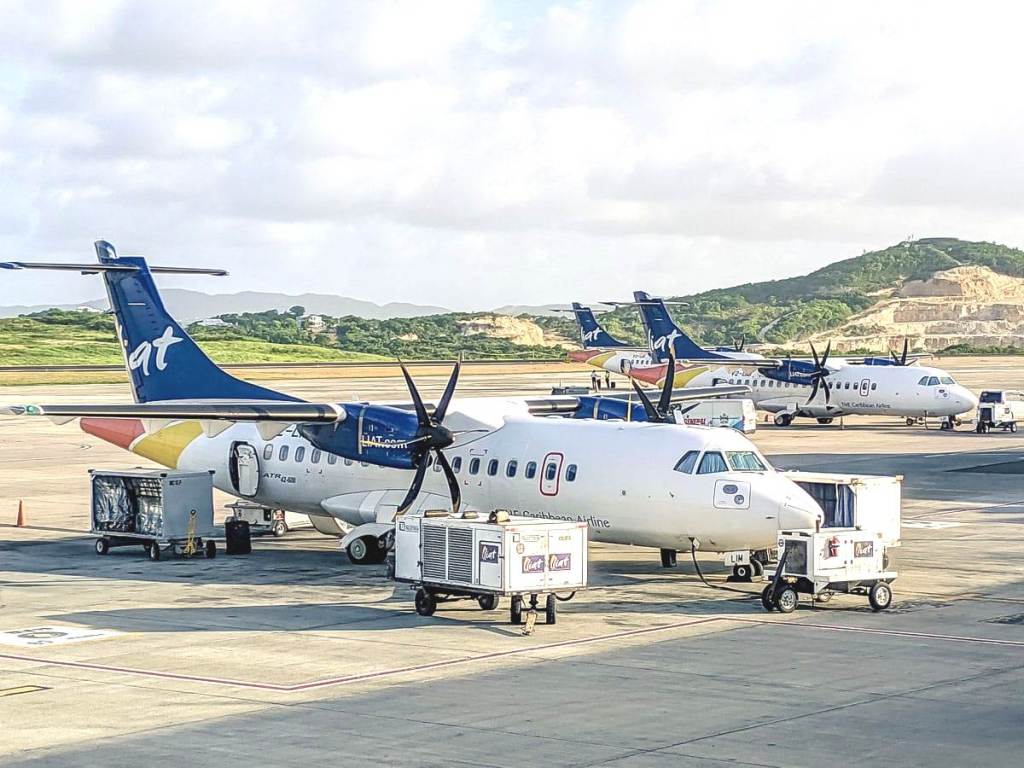
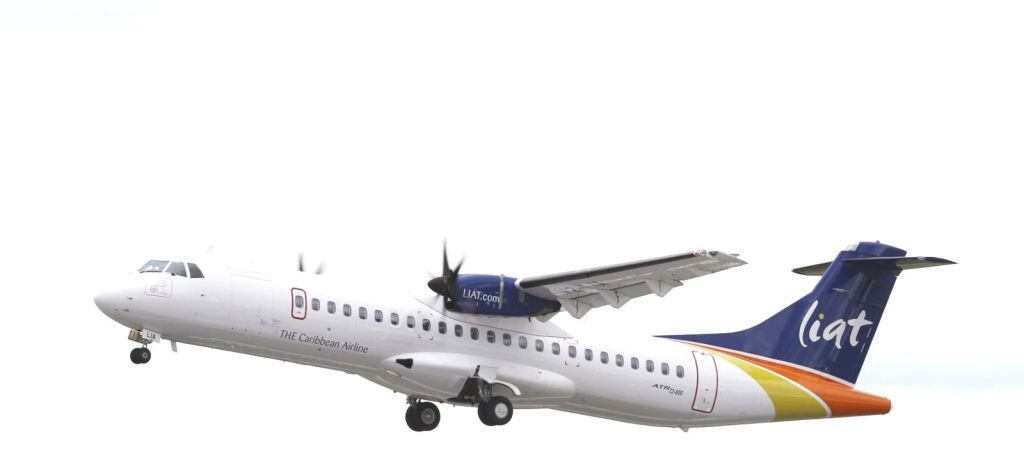
LIAT Airlines la aerolínea de Antigua & Barbuda en el Caribe ha reiniciado sus operaciones este Lunes 30/11 ha comunicado fuentes de la aerolínea regional después de haber sido puesta en tierra desde Marzo 2020 por la pandemia. LIAT, que se encuentra actualmente en proceso de reorganización por decisión del Gobierno de Antigua y Barbuda, luego de una restructuración.
El Tribunal Superior de Antigua nombró en Julio 2020 a Cleveland Seaforth el Administrador de la aerolínea con el objetivo de reorganizar la compañía reduciendo los pasivos y realineando los gastos. Actualmente, LIAT Airlines posee una pasivo que tiene que afrontar a los acreedores en más de EC$ 100 millones de Dólares Eastern Caribbean, unos US$ 37 millones de Dólares estadounidenses. La compañía ha retrasado el pago de los sueldos hace un mes a los trabajadores al no poder cumplir con sus obligaciones con ellos.
Reinicio Ops
LIAT Airlines iniciará vuelos a Antigua y Barbuda, Barbados, Dominica, Granada, Santa Lucía, San Cristóbal y Nieves y San Vicente y las Granadinas con una frecuencia de cinco veces a la semana. También incluye otros seis destinos en la Región Caribe: Antigua, Dominica, Granada, Santa Lucía, San Cristóbal y San Vicente.
«El limitado calendario de vuelos devolverá la conectividad a estos destinos que se vieron afectados por la suspensión de servicios comerciales de la aerolínea», dijo la aerolínea con sede en Antigua & Barbuda en un comunicado. La compañía ha completado todos los requisitos de capacitación y regulación para los territorios para el reinicio del 30 de Noviembre de 2020 de los vuelos programados. Antes de su colapso, LIAT Airlines poseía una red de veintiún destinos, operando un promedio de 112 vuelos diarios en toda las Antillas.
En un comunicado la aerolínea regional expresó respecto a la situación de los reembolsos: «Los pasajeros que busquen reembolsos tendrán que esperar el resultado del proceso administrativo», dijo, refiriéndose al hecho de que LIAT está bajo administración.
LIAT ha destacado que se han aplicado varios procedimientos nuevos para garantizar la seguridad del personal y los pasajeros y reducir el riesgo de transmisión COVID-19. «Estos incluyen el uso obligatorio de máscaras en el check-in, y la mejora a bordo en sus protocolos de limpieza y desinfección y nuevos procedimientos de embarque», dijo.
LIAT Airlines se enfrentará a una mayor competencia a medida que reanude el servicio. Desde que la aerolínea detuvo su programación, varias otras aerolíneas, incluyendo SVG Air, One Caribbean Ltd, Caribbean Airlines, InterCaribbean Airways y Air Antilles han tratado de llenar el vacío.
LIAT returns to the skies
LIAT in reorganization process restarts operations
LIAT Airlines, the Antugua & Barbuda airline in the Caribbean, has restarted its operations this Monday, November 30, sources from the regional airline have reported after being grounded since March 2020 by the pandemic. LIAT, which is currently in the process of reorganization by decision of the Government of Antigua and Barbuda, following a restructuring.
The Antigua Superior Court appointed Cleveland Seaforth the Administrator of the airline in July 2020 with the aim of reorganizing the company by reducing liabilities and realigning expenses. Currently, LIAT Airlines has a liability that it has to face to creditors of more than EC$ 100 million Eastern Caribbean dollars, about US$ 37 million US dollars. The company has delayed the payment of salaries to workers for a month because it cannot fulfill its obligations to them.
Restart Ops
LIAT Airlines will begin flights to Antigua and Barbuda, Barbados, Dominica, Grenada, Saint Lucia, Saint Kitts and Nevis and Saint Vincent and the Grenadines with a frequency of five times a week. It also includes six other destinations in the Caribbean Region: Antigua, Dominica, Grenada, Saint Lucia, Saint Kitts and Saint Vincent.
«The limited flight schedule will restore connectivity to these destinations that were affected by the suspension of commercial services from the airline», the Antigua & Barbuda-based airline said in a statement. The company has completed all training and regulatory requirements for the territories for the November 30, 2020 restart of scheduled flights. Before its collapse, LIAT Airlines had a network of twenty-one destinations, operating an average of 112 daily flights throughout the Antilles.
In a statement, the regional airline said regarding the reimbursement situation: «Passengers seeking reimbursements will have to wait for the result of the administrative process», he said, referring to the fact that LIAT is under administration.
LIAT has highlighted that several new procedures have been implemented to ensure the safety of personnel and passengers and reduce the risk of COVID-19 transmission. «These include the mandatory use of masks at check-in, and the onboard improvement in their cleaning and disinfection protocols and new boarding procedures», he said.
LIAT Airlines will face increased competition as it resumes service. Since the airline stopped its programming, several other airlines, including SVG Air, One Caribbean Ltd, Caribbean Airlines, InterCaribbean Airways and Air Antilles have tried to fill the gap.
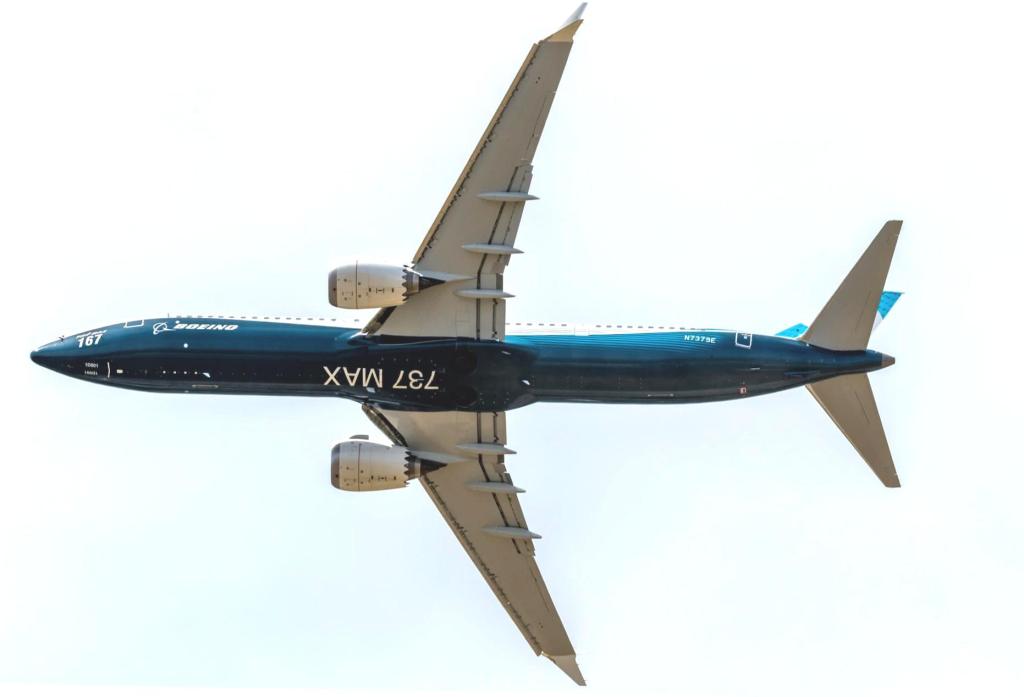
FAA emite nuevo Certificado Aeronavegabilidad para Boeing 737 MAX
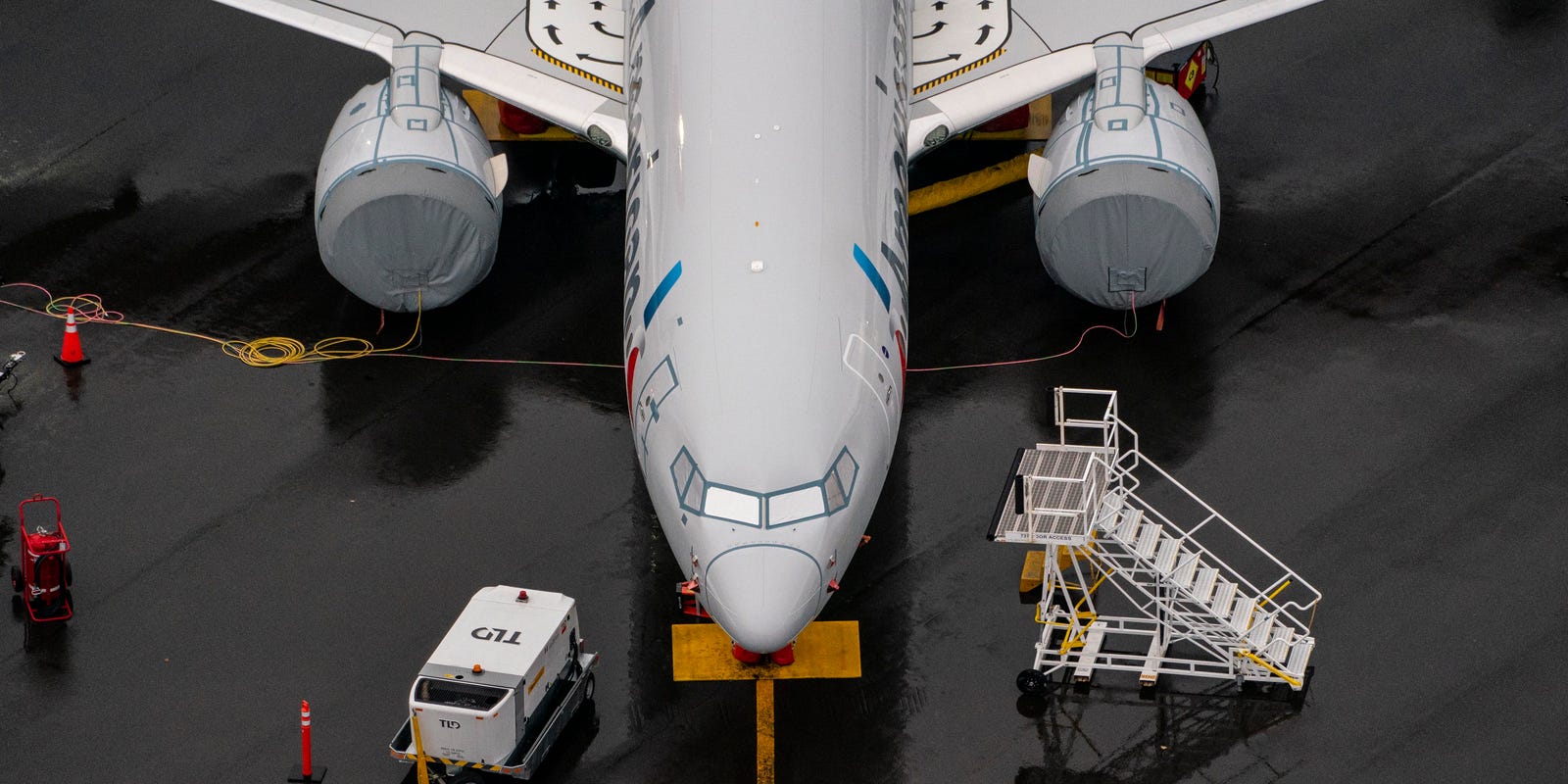
La Administración Federal de Aviación (FAA) ha emitido un nuevo Certificado de Aeronavegabilidad para la línea Boeing 737 MAX ha comunicado la agencia de seguridad aeronáutica el Martes 01/12. El 18 de Noviembre de 2020 ha FAA levantó una orden de puesta a tierra de veinte meses para la flota de aeronaves 737 MAX después de dos accidentes aéreos en cinco meses donde fallecieron 346 personas involucrando la seguridad en este modelo de avión. La FAA ha requerido una serie de cambios de software y nuevos requisitos de capacitación de pilotos antes de que los aviones puedan volver a entrar en servicio.
Boeing tiene alrededor de 450 aviones 737 MAX que han sido construidos desde 2019 y están a la espera de la aprobación de la FAA antes de que puedan ser entregados a las aerolíneas. «Esperamos tener a mano un número suficiente de inspectores para cumplir con el calendario de entrega previsto por Boeing en el futuro previsible. Aplazaremos a Boeing para discutir los planes de fabricación y entrega de la compañía», dijo la Portavoz de la FAA, Lynn Lunsford.
La FAA aprobó la semana pasada por separado un plan de entrenamiento a American Airlines para que los pilotos reanudaran los vuelos de la línea 737 MAX, confirmaron la agencia y la aerolínea. Esa aprobación despeja el camino para que American reanude los vuelos a partir del 29 de Diciembre de 2020 una vez que complete las pruebas requeridas y las actualizaciones de software a los aviones estacionados. American planea comenzar con un solo vuelo diario desde el Aeropuerto Internacional Miami al Aeropuerto New York/LaGuardia, marcando la devolución del Boeing 737 MAX al servicio comercial en Estados Unidos.
FAA issues new 737 MAX certificate
FAA issues new Airworthiness Certificate for Boeing 737 MAX
The Federal Aviation Administration (FAA) has issued a new Certificate of Airworthiness for the Boeing 737 MAX line, the aviation safety agency announced on Tuesday 01/12. On November 18, 2020, the FAA lifted a twenty-month grounding order for the 737 MAX aircraft fleet after two air accidents in five months in which 346 people died involving safety in this aircraft model. The FAA has required a number of software changes and new pilot training requirements before the planes can be returned to service.
Boeing has about 450 737 MAX aircraft that have been built since 2019 and are awaiting FAA approval before they can be delivered to airlines. «We hope to have a sufficient number of inspectors on hand to meet Boeing’s anticipated delivery schedule for the foreseeable future. We will defer to Boeing to discuss the company’s manufacturing and delivery plans», FAA Spokeswoman Lynn Lunsford said.
The FAA approved a separate training plan for American Airlines last week for pilots to resume flights on the 737 MAX line, the agency and airline confirmed. That approval clears the way for American to resume flights effective December 29, 2020 once it completes required testing and software updates to parked aircraft. American plans to begin with a single daily flight from Miami International Airport to New York/LaGuardia Airport, marking the return of the Boeing 737 MAX to commercial service in the United States.
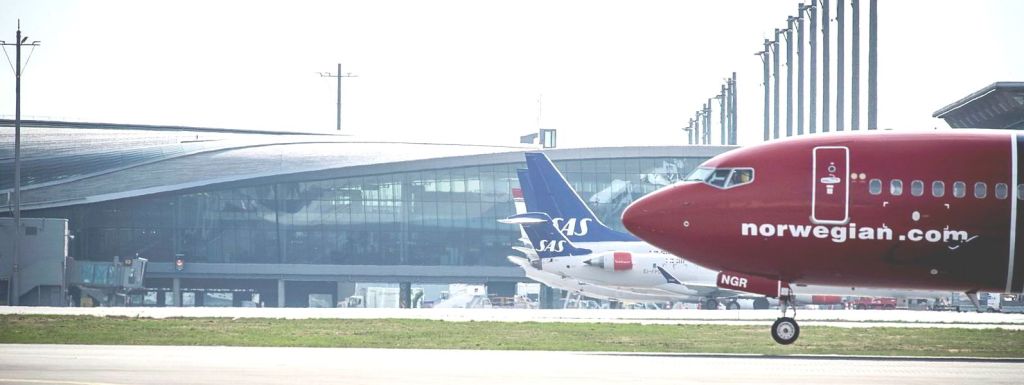
Norwegian Air enfretará fiabilidad protección de acreedores
El destino de la aerolínea de bajo coste Norwegian Air enfrenta su tiempo más histórico fuertemente influenciado por dos fechas clave de Diciembre 2020. El 07/12 la aerolínea presenciará si la protección total de los acreedores en virtud de la legislación de examen irlandés para sus filiales Norwegian Air International y Arctic Aircraft Assets podría acogerse, como así también la compañía matriz Norwegian Air Shuttle ASA también obtendría protección. La aprobación inicial se concedió en Noviembre 2020, pero si la audiencia es exitosa, el plazo podría ser de cinco meses para alcanzar su restructuración.
La aerolínea había recibido una inyección de dinero en efectivo del Gobierno noruego, pero recientemente se le informó de que no recibiría más financiación, lo que la llevó a la gran mayoría de su personal y a reducir las operaciones a sólo seis aviones de una flota de 140. Fue esto lo que lo llevó a buscar protección bajo el exemen irlandés.
El 15 de Diciembre de 2020, la aerolínea se enfrenta a un caso judicial con Boeing, de quien reclama 1.000 millones de Dólares por daños y perjuicios, incluidas las pérdidas de ingresos de 18 Boeing 737 MAX que no fueron entregados según lo planeado debido a la puesta a tierra de ese tipo. El éxito para Norwegian añadiría la liquidez muy necesaria, pero del otro lado del Atlántico, The Boeing Company está buscando que se desestime el caso judicial.
Turbulencias largo alcance
Incluso antes de que la industria de las aerolíneas se sintió afectada por la crisis del Covid-19, Norwegian había estado luchando para fortalecer sus finanzas. En los últimos dos años, la aerolínea ha estado convirtiendo cada piedra para reducir los costos y aumentar la liquidez. Las rutas han sido cortadas, las aeronaves vendidas, las entregas y los arrendamientos cancelados. Ha habido negociaciones con proveedores, la deuda se ha convertido en capital, el pago de los tenedores de bonos pospuesto y el capital adicional recaudado. Se habían hecho muchos progresos y antes de la crisis sanitaria mundial, la aerolínea tenía la esperanza de volver a una base financiera más sólida y la rentabilidad a partir de 2021.
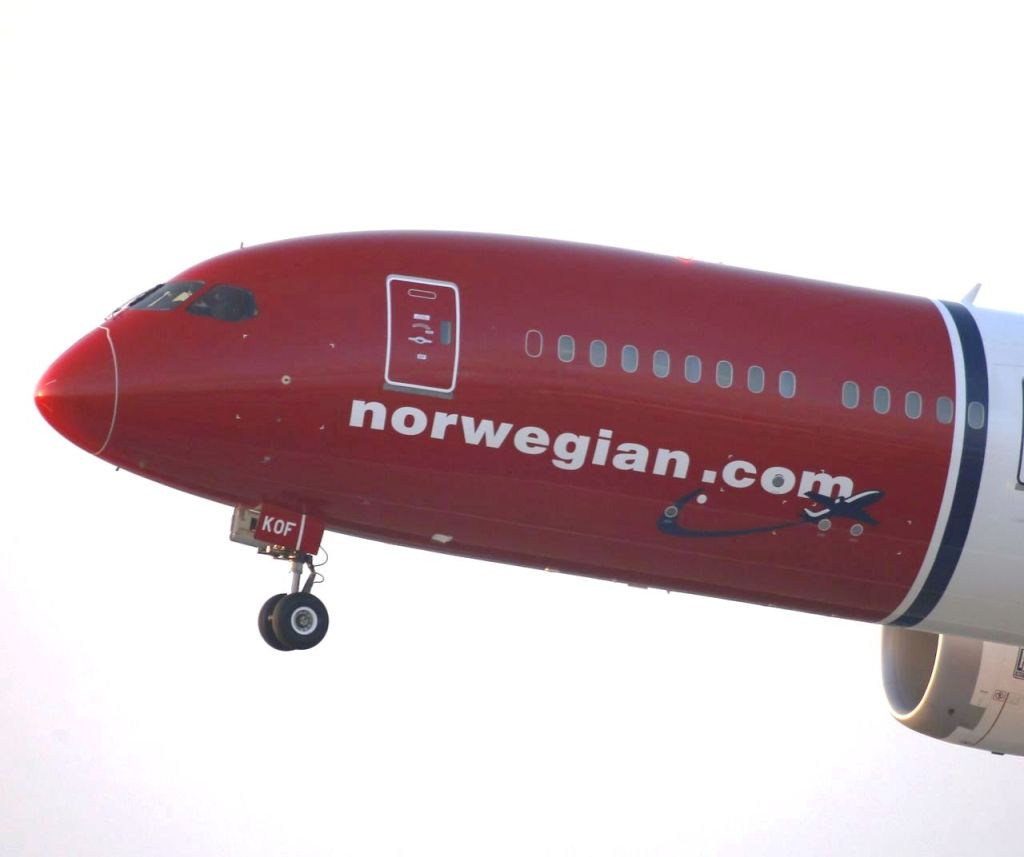
No existe la duda de que Norwegian se ha enfrentado a la desgracia de factores externos en los últimos años. En primer lugar, la aerolínea sufrió aterrizajes extendidos de aviones Boeing 787 Dreamliner debido a problemas con los motores Rolls Royce del tipo. El papel de la red de bajo costo de largo recorrido de Norwegian se basó en la eficiencia y la economía de costos del Boeing 787. Con la necesidad de poner en tierra una parte de la flota durante un período que se extendió a alrededor de dos años, los vuelos tuvieron que ser cancelados causando pérdida de ingresos o el alquiler de aeronaves menos eficientes a un costo considerable. Además de este desafío llegó la puesta a tierra mundial del Boeing 737 MAX. Norwegian había planeado utilizar este avión para ampliar los servicios, incluyendo la extensión de las operaciones de larga distancia a los mercados para los que el 787 era demasiado grande. Los aviones entregados fueron en tierra y las entregas planificadas se detuvieron. A medida que ambos problemas de aviones se desarrollaban, la crisis del Covid-19 golpeó y la aerolínea estuvo casi en su totalidad en tierra durante la mayor parte del período de verano, que normalmente es el momento de la generación de ingresos máximos.
Desafíos por delante
Durante la última década, la aerolínea se expandió masivamente y, en particular, con la llegada de Boeing 787 en 2014, se trasladó al mercado de bajo costo de larga distancia. Este modelo ha demostrado ser popular entre los clientes, pero ha demostrado ser esquivo en la entrega de rentabilidad sostenible a largo plazo para los profesionales de todo el mundo. Air Asia X, uno de los primeros en adoptar, ha incurrido en grandes pérdidas por gran parte de su existencia, Noruega también ha visto una mezcla de pérdidas y rentabilidad marginal y varias otras aerolíneas han fracasado por completo. Hay numerosos desafíos con el modelo, incluyendo la dependencia del tráfico de tarifas bajas sensibles a los precios, la estacionalidad en la demanda y la falta de conexión del tráfico para recargar en las horas punta. Como reconoció Michael O’Leary de Ryanair en una entrevista reciente conmigo, muchos elementos que son críticos para el éxito del bajo costo de corto recorrido, no pueden migrarse al contexto de larga distancia.
En el caso de Norwegian también ha intentado una aplicación geográficamente diversa del modelo, operando desde varias bases europeas a América del Norte y del Sur, así como a Asia. Esto se ha sumado a los costos, ha debilitado la presencia en el mercado y ha creado desafíos operativos y de fiabilidad. Además, Norwegian examinó los reducidos costos operativos y la eficiencia que ofrecía el Boeing 787 para apoyar la viabilidad, pero tuvo que comprometerse con el alto costo de capital de invertir en estos nuevos aviones. A medida que ha luchado para arrojar costos y mejorar la liquidez, las operaciones de larga distancia se han reducido a cero y muchos 787 ya están en la flota están siendo desinvertidos.
Perspectivas Norwegian
Los desafíos de Norwegian Air se remontan a que cualquiera de los factores externos que intervinieran. Aún así, si la aerolínea logra generar suficiente liquidez para mantener el negocio, la compañía tendría una estructura mucho mas pequeña, donde las operaciones de larga distancia podrían hacer concluido para concentrarse en el mercado europeo. Incluso en su mercado interno se enfrenta ahora a una intensa nueva presión competitiva. El líder de bajo costo Wizzair está en el proceso de establecer bases en Noruega tanto en Oslo como en Trondheim. Su enfoque inicial se centra en las rutas nacionales que han sido históricamente rentables para el noruego. Como si esto no fuera suficiente, una nueva aerolínea está planeada por Eric Braathen de la famosa familia de la aviación noruega e incluyendo ex ejecutivos de Norwegian en el equipo de inicio.
Las opciones parecen estar disminuyendo para que Norwegian encuentre un nivel de negocio sostenible. Con la temporada de invierno boreal normalmente siendo difícil y aún más este año debido a la crisis de la pandemia, la capacidad de Norwegian para lograr la protección completa del examen de los acreedores y para aumentar la liquidez adicional significativa va a ser fundamental para continuar sobreviviendo en tiempos muy turbulentos.
Norwegian approaches key date
Norwegian Air will face reliability creditor protection
The fate of the low-cost airline Norwegian Air faces its most historic time heavily influenced by two key dates of December 2020. On 07/12 the airline will witness whether the full protection of creditors under Irish scrutiny legislation for its subsidiaries Norwegian Air International and Arctic Aircraft Assets could qualify, as would parent company Norwegian Air Shuttle ASA would also get protection. Initial approval was granted in November 2020, but if the hearing is successful, the deadline could be five months to achieve its restructuring.
The airline had received an injection of cash from the Norwegian Government, but was recently informed that it would not receive any further funding, leading to the vast majority of its staff and reducing operations to just six aircraft out of a fleet of 140 It was this that led him to seek protection under the Irish test.
On December 15, 2020, the airline faces a legal case with Boeing, from which it claims 1,000 million Dollars in damages, including lost revenue from 18 Boeing 737 MAXs that were not delivered as planned due to the commissioning of land of that kind. Success for Norwegian would add much-needed liquidity, but on the other side of the Atlantic, The Boeing Company is seeking to have the court case dismissed.
Long-range turbulence
Even before the airline industry was hit by the Covid-19 crisis, Norwegian had been struggling to strengthen its finances. For the past two years, the airline has been turning every stone to lower costs and increase liquidity. Routes have been cut, aircraft sold, deliveries and leases canceled. There have been negotiations with suppliers, the debt has been converted into equity, the payment of the bondholders postponed and the additional capital raised. Much progress had been made and prior to the global health crisis, the airline was hoping to return to a stronger financial footing and profitability from 2021.
There is no doubt that Norwegian has faced the misfortune of external factors in recent years. First, the airline suffered extended landings from Boeing 787 Dreamliner jets due to problems with the type’s Rolls Royce engines. The role of Norwegian’s long-haul low-cost network was based on the efficiency and cost economy of the Boeing 787. With the need to ground part of the fleet over a period that extended to around two years , flights had to be canceled causing loss of revenue or the rental of less efficient aircraft at considerable cost. Adding to this challenge came the global grounding of the Boeing 737 MAX. Norwegian had planned to use this aircraft to expand services, including extending long-haul operations to markets for which the 787 was too large. The delivered aircraft were on the ground and the planned deliveries were stopped. As both aircraft problems unfolded, the Covid-19 crisis struck and the airline was almost entirely grounded for most of the summer period, which is normally the time of peak revenue generation.
Challenges ahead
Over the past decade, the airline expanded massively and, in particular, with the arrival of the Boeing 787 in 2014, moved into the low-cost long-haul market. This model has proven popular with customers, but has proven elusive in delivering long-term sustainable profitability for professionals around the world. Air Asia X, an early adopter, has incurred heavy losses for much of its existence, Norway has also seen a mix of losses and marginal profitability and several other airlines have completely failed. There are numerous challenges with the model, including reliance on price-sensitive low-rate traffic, seasonality in demand, and lack of connection to traffic to recharge at peak times. As Ryanair’s Michael O’Leary recognized in a recent interview with me, many elements that are critical to the success of low-cost short haul cannot be migrated to the long-haul context.
In Norwegian’s case, it has also attempted a geographically diverse application of the model, operating from various European bases to North and South America, as well as Asia. This has added to costs, weakened market presence, and created operational and reliability challenges. Additionally, Norwegian examined the reduced operating costs and efficiencies offered by the Boeing 787 to support feasibility, but had to commit to the high capital cost of investing in these new aircraft. As it has struggled to shed costs and improve liquidity, long-haul operations have been reduced to zero and many 787s already in the fleet are being divested.
Norwegian perspective
Norwegian Air’s challenges go back to any of the external factors involved. Still, if the airline manages to generate enough liquidity to maintain business, the company would have a much smaller structure, where long-haul operations could be concluded to focus on the European market. Even in its domestic market it is now facing intense new competitive pressure. Low-cost leader Wizzair is in the process of establishing bases in Norway in both Oslo and Trondheim. His initial focus is on domestic routes that have historically been profitable for the Norwegian. As if this wasn’t enough, a new airline is planned by Eric Braathen from the famous Norwegian aviation family and including former Norwegian executives in the start-up team.
The options appear to be diminishing for Norwegian to find a sustainable level of business. With the boreal winter season typically challenging and made even more difficult this year due to the pandemic crisis, Norwegian’s ability to achieve full protection from creditors’ examination and to increase significant additional liquidity will be critical to its continued survival. in very turbulent times.
Norwegian nærmer seg nøkkeldato
Norwegian Air vil møte pålitelighetsbeskyttelse av kreditorer
Skjebnen til lavprisflyselskapet Norwegian Air står overfor sin mest historiske tid sterkt påvirket av to viktige datoer i desember 2020. 07/12 vil flyselskapet være vitne til om full beskyttelse av kreditorer under irsk granskningslovgivning for dets datterselskaper Norwegian Air International og Arctic Aircraft Assets kan kvalifisere seg, slik også morselskapet Norwegian Air Shuttle ASA vil få beskyttelse. Første godkjenning ble gitt i november 2020, men hvis høringen lykkes, kan fristen være fem måneder for å oppnå omstrukturering.
Flyselskapet hadde mottatt en innsprøytning av kontanter fra den norske regjeringen, men ble nylig informert om at det ikke ville motta ytterligere finansiering, noe som førte til det store flertallet av personalet og reduserte driften til bare seks fly av en flåte på 140 Det var dette som førte til at han søkte beskyttelse under den irske testen. 15 Desember 2020 står flyselskapet overfor en rettssak med Boeing, hvorfra det hevder 1000 millioner dollar i erstatning, inkludert tapte inntekter fra 18 Boeing 737 MAX-er som ikke ble levert som planlagt på grunn av igangsetting av land av den typen. Suksess for Norwegian vil tilføre sårt tiltrengt likviditet, men på den andre siden av Atlanterhavet søker The Boeing Company å få avvist rettssaken.
Langturbulens
Allerede før flyindustrien ble rammet av Covid-19-krisen, hadde Norwegian slitt med å styrke økonomien. De siste to årene har flyselskapet vendt hver stein for å redusere kostnadene og øke likviditeten. Ruter er kuttet, solgt fly, leveranser og leieavtaler kansellert. Det har vært forhandlinger med leverandører, gjelden er omgjort til egenkapital, betalingen av obligasjonseierne utsatt og den ekstra kapitalen er samlet inn. Det var gjort store fremskritt, og før den globale helsekrisen håpet flyselskapet å komme tilbake til en sterkere økonomisk holdning og lønnsomhet fra 2021.
Det er ingen tvil om at Norwegian har møtt ulykken med eksterne faktorer de siste årene. For det første fikk flyselskapet forlengede landinger fra Boeing 787 Dreamliner-jetfly på grunn av problemer med typens Rolls Royce-motorer. Rollen til Norwegians langvarige lavkostnettverk var basert på Boeing 787s effektivitet og kostnadsøkonomi. Med behovet for å bakke en del av flåten over en periode som strakte seg til rundt to år måtte fly avlyses og forårsake inntektstap eller leie av mindre effektive fly til betydelige kostnader. I tillegg til denne utfordringen kom den globale forankringen av Boeing 737 MAX. Norwegian hadde planlagt å bruke dette flyet til å utvide tjenestene, inkludert utvidelse av langdistansedrift til markeder som 787 var for stor for. De leverte flyene var på bakken og de planlagte leveransene ble stoppet. Da begge flyproblemene utspilte seg, traff Covid-19-krisen, og flyselskapet var nesten helt jordet det meste av sommerperioden, som normalt er tiden for toppinntektsgenerering.
Utfordringer fremover
I løpet av det siste tiåret utvidet flyselskapet seg massivt, og spesielt med ankomsten av Boeing 787 i 2014, flyttet det inn til lavprismarkedet. Denne modellen har vist seg å være populær blant kunder, men har vist seg å være unnvikende når det gjelder å levere langsiktig bærekraftig lønnsomhet for fagfolk over hele verden. Air Asia X, en tidlig adopterer, har hatt store tap i store deler av sin eksistens, Norge har også sett en blanding av tap og marginal lønnsomhet, og flere andre flyselskaper har fullstendig mislyktes. Det er mange utfordringer med modellen, inkludert avhengighet av prissensitiv lavpristrafikk, sesongmessig etterspørsel og manglende tilknytning til trafikk for å lade i topptider. Som Ryanairs Michael O’Leary anerkjente i et nylig intervju med meg, kan mange elementer som er kritiske for suksessen med kortdistanselavekostnader ikke overføres til langdistansesammenheng
I Norwegians tilfelle har den også forsøkt en geografisk mangfoldig anvendelse av modellen, som opererer fra forskjellige europeiske baser til Nord- og Sør-Amerika, samt Asia. Dette har økt kostnadene, svekket tilstedeværelsen på markedet og skapt drifts- og pålitelighetsutfordringer. I tillegg undersøkte Norwegian de reduserte driftskostnadene og effektiviteten som Boeing 787 tilbyr for å støtte gjennomførbarheten, men måtte forplikte seg til de høye kapitalkostnadene ved å investere i disse nye flyene. Ettersom det har slitt med å få ned kostnadene og forbedre likviditeten, har langdistansedrift blitt redusert til null, og mange 787-er som allerede er i flåten blir solgt.
Norwegian perspektiver
Norwegian Air utfordringer går tilbake til noen av de eksterne faktorene som er involvert. Likevel, hvis flyselskapet klarer å generere nok likviditet til å opprettholde virksomheten, vil selskapet ha en mye mindre struktur, der langdistansedrift kan avsluttes for å fokusere på det europeiske markedet. Selv i hjemmemarkedet står det nå overfor et intensivt nytt konkurransepress. Lavprisleder Wizzair er i ferd med å etablere baser i Norge i både Oslo og Trondheim. Hans første fokus er på innenlandske ruter som historisk har vært lønnsomme for nordmannen. Som om dette ikke var nok, planlegges et nytt flyselskap av Eric Braathen fra den berømte norske luftfartsfamilien og inkluderer tidligere norske ledere i oppstartslaget.
Alternativene ser ut til å avta for Norwegian å finne et bærekraftig forretningsnivå. Med den boreale vintersesongen som regel utfordrende og vanskeliggjort i år på grunn av pandemikrisen, vil Norwegians evne til å oppnå full beskyttelse mot kreditorundersøkelser og øke betydelig ekstra likviditet være avgjørende for fortsatt overlevelse. i veldig turbulente tider.
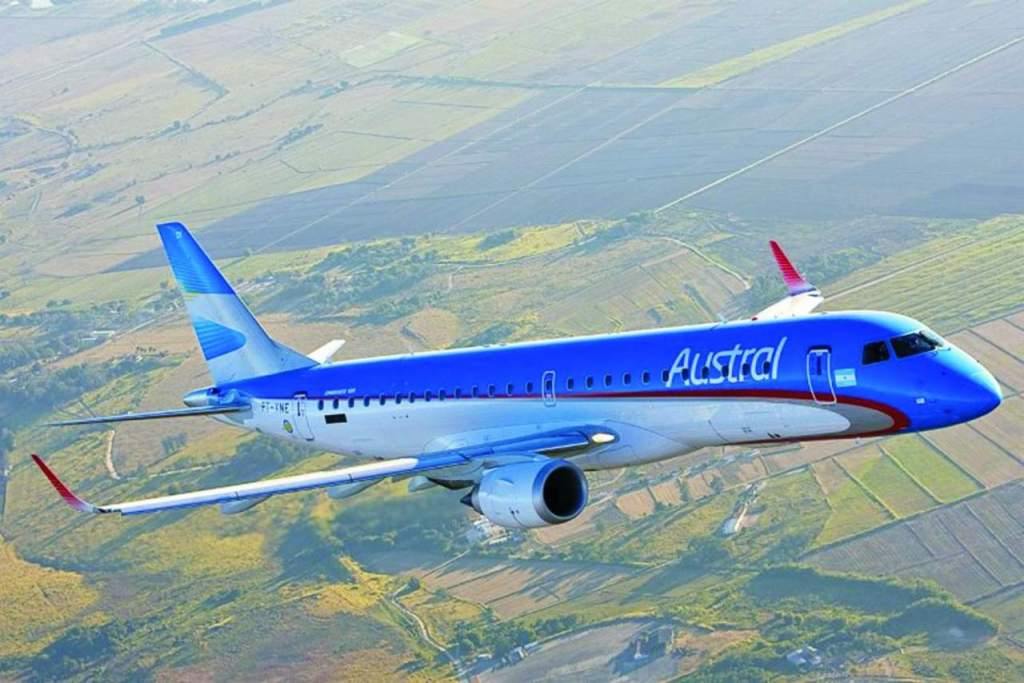
Austral finaliza operaciones como línea aérea en Argentina
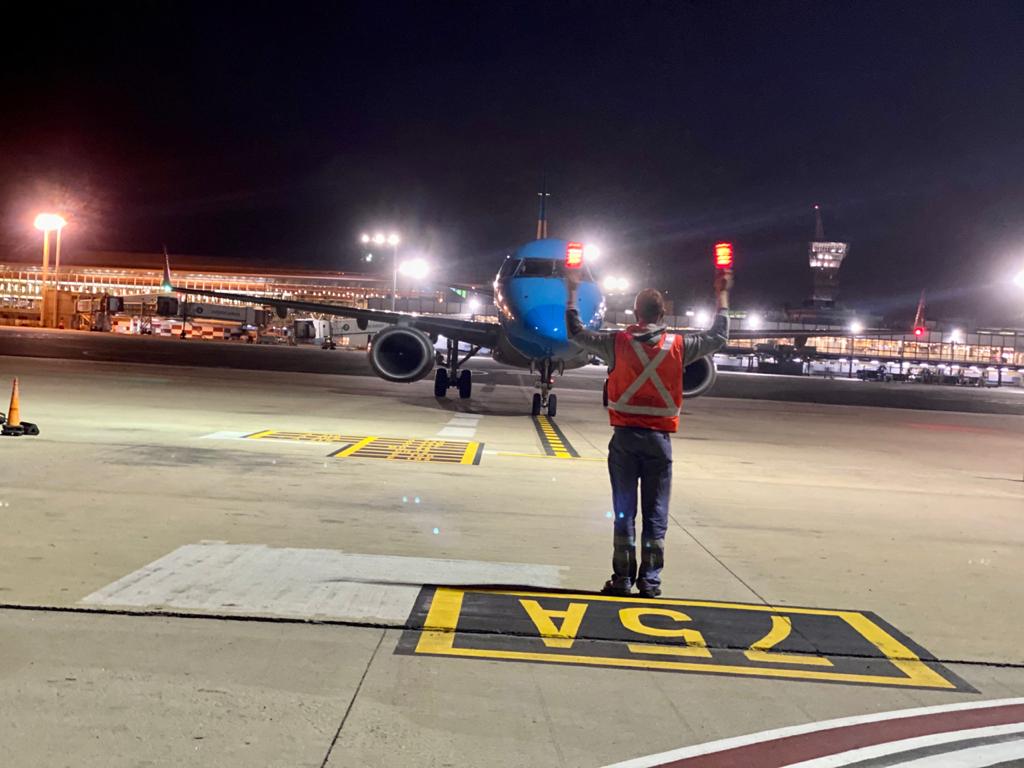
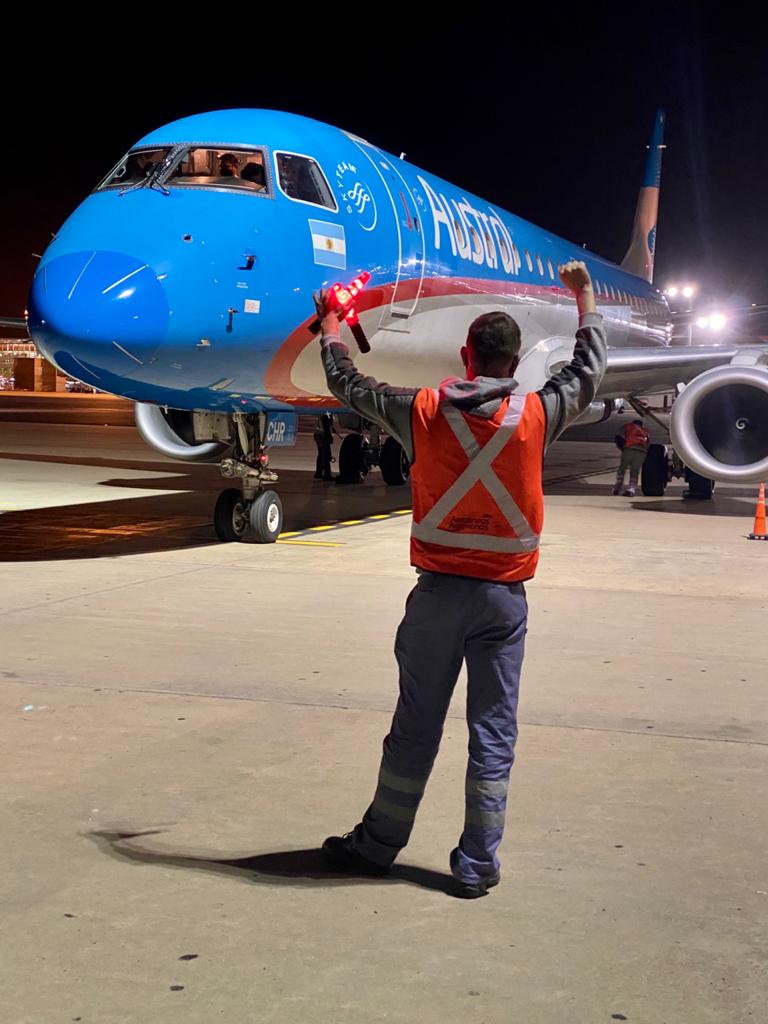
El Lunes 30 de Noviembre de 2020 el vuelo AU2763 procedente de Posadas arriba al Aeropuerto Internacional Ezeiza a las 00:08 hs, concretando oficialmente el final de las operaciones de Austral Líneas Aéreas como transportador aéreo.
El proceso de fusión y consolidación de ambas compañías da paso a la supresión de la librea de Austral que dejará de existir en los cielos de Argentina. El proceso de fusión, que conlleva tintes políticos-sindicales, en intentos de materialización tras varios esfuerzos fallidos. Tras el advenimiento de la crisis sanitaria mundial, en Mayo 2020 la Gerencia de Aerolíneas Argentinas dirigía al personal una carta de acercamiento para la fusión anhelada por la directiva.
Historia Austral
Los orígenes del transportista se remontan a 1957, cuando se fundó Compañía Austral de Transportes Aéreos SACI (CATASACI), comenzando los servicios regulares en Enero de 1958 en el Aeropuerto de Trelew, Provincia de Chubut. CATASACI centró sus servicios en el suroeste de Argentina, pero también operó vuelos internacionales a Montevideo, Puerto Montt y Punta Arenas. Aerotransportes Litoral Argentino (ALA) fue una compañía con sede en Rosario, Provincia de Santa Fe, que fue fundada en 1957 para operar vuelos entre esta ciudad y Buenos Aires utilizando equipos De Aero Commander y operados vuelos dentro del norte de Argentina. En 1965, Pan Am Airways adquirió una participación del 22% en ALA a cambio de suministrar a la compañía DC-3s. Un año más tarde, CATASACI adquirió una participación del 30% en ALA y se integraron los servicios de ambas compañías.
En Mayo de 1971, la flota de ALA estaba compuesta por dos C-46, cinco DC-3, dos DC-6B y cinco YS-11A-300 que servían a una red nacional incluyendo Buenos Aires, Corrientes, Formosa, Goya, Paraná, Paso de los Libres, Posadas, Resistencia, Rosario, Salta, Santa Fe y Tucumán, además de servicios regionales a Antofagasta y Asunción, mientras que CATASACI tenía una flota que incluía siete BAC One-Elevens, BAC-1-11-400 (4) y BAC 1-11-500 (3), Curtiss C-46 (1), un DC-6 (1) y NAMC YS-11 (3). Austral Líneas Aéreas se estableció formalmente en Junio 1971 a partir de la fusión de CATASACI y ALA. En la práctica, las operaciones de esta última aerolínea fueron absorbidas por CATASACI, que fue renombrada como Austral Líneas Aéreas S.A. después de la fusión. Austral heredó la flota de ambas compañías, compuesta por turbohélices NAMC YS-11 y BAC One-Eleven.
Austral Líneas Aéreas se convirtió en una empresa propiedad del Gobierno en 1980. Después de los malos resultados económicos, hubo dos intentos fallidos de reprivatizar Austral en 1981 y 1983. Durante todo ese tiempo Austral y Aerolíneas Argentinas fueron competidores en una serie de rutas nacionales. Al darse cuenta de que tal situación no podía persistir mucho más, el gobierno decidió de nuevo privatizar Austral. Esto fue muy resistido por el personal de Aerolíneas Argentinas, y más específicamente sus pilotos, que afirmaron que sus salarios eran más bajos que los de los homólogos de Austral. El sindicato de pilotos de Aerolíneas Argentinas entendió que el esfuerzo del gobierno no era resolver el conflicto salarial de sus afiliados, sino centrarse en privatizar un transportista con pérdidas como lo era Austral. La consecuencia de esta discrepancia fue el anuncio de que los vuelos de Aerolíneas Argentinas debían ser suspendidos indefinidamente mediante huelga, a partir del 1 de Julio de 1986. La huelga afectó tanto a las operaciones nacionales como internacionales de Aerolíneas Argentinas. Tanto los transportistas argentinos como los extranjeros se beneficiaron de esta huelga. Irónicamente, Austral fue incluido entre esos transportistas, ganando la cuota de mercado nacional que Aerolíneas Argentinas había perdido.
Austral se convirtió una vez más en una empresa privada cuando fue adquirida por el holding Cielos del Sur S.A. a finales de 1987. La adquisición generó cierta controversia sobre el sector de la aviación argentina en ese momento, ya que se planteó que el nuevo propietario tenía poca o ninguna experiencia en la gestión de una aerolínea. En abril de 1988, la aerolínea se convirtió en miembro de la IATA. Poco después, la compañía se enfrentó a un accidente aéreo durante su nueva era privada el 12 de Junio de 1988, cuando un McDonnell Douglas MD-81 impactó contra una arboleda de eucaliptos en la aproximación final en un enfoque de baja visibilidad en el Aeropuerto de Posadas provocando la muerte de todos los ocupantes. Aparte de las 22 víctimas mortales implicadas en el accidente, también difundió la preocupación sobre el sector de la aviación por la baja tasa de ocupación de la aerolínea en algunas rutas, de sólo el 10,32% para este vuelo en particular.
Cielos del Sur S.A. e Iberia formaron un consorcio para adquirir una participación del 85% en Aerolíneas Argentinas en 1990, en el marco de la privatización de ese transportista de bandera. Poco después, Cielos del Sur S.A. vendió Austral a Iberia. El destino de Aerolíneas Argentinas y Austral se alineó a partir de entonces. En Julio de 1998, la compañía era propiedad del 10% de su antiguo competidor Aerolíneas Argentinas.
El 21 de Julio de 2008, el Gobierno argentino llevó a la aerolínea de nuevo al control estatal después de adquirir el 99,4% del capital social por un precio no revelado. El 0,6% restante sigue siendo propiedad de los empleados de la empresa. En Septiembre de 2008, el Senado de Argentina aprobó la nacionalización de Aerolíneas Argentinas y su subsidiaria Austral Líneas Aéreas en un 46-21 votos a favor de la adquisición.
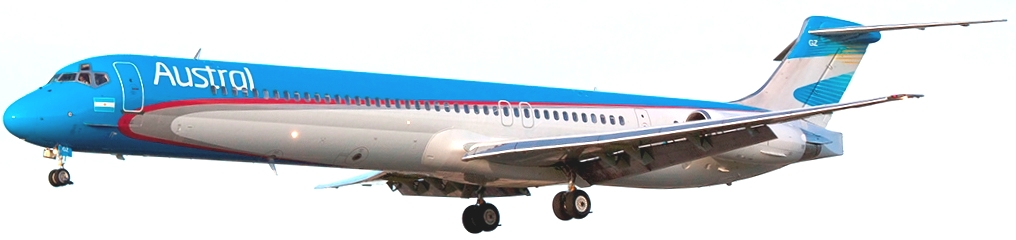
En Junio de 2010 Aerolíneas Argentinas lanzó un nuevo esquema de pintura para renovar la imagen de la aerolínea. La nueva librea se asemeja al color azul de la bandera argentina y al color amarillo del sol. Como su aerolínea subsidiaria, Austral también adoptó la nueva imagen corporativa. La compañía regional anunciaba la incorporación de 20 nuevos Embraer E190-100AR a su flota, recibiendo los dos primeros en Septiembre de 2010 de un total de 26 aviones.
En Octubre 2020 se inició un acuerdo entre la Asociación de Pilotos de Líneas Aéreas (APLA) y la Unión de Aviadores de Líneas Aéreas (UALA), los gremios que representan a los pilotos de Aerolíneas y Austral, respectivamente, para que todos los pilotos pasen a formar parte del staff de Aerolíneas Argentinas bajo un mismo escalafón. Además, se rubricó el acuerdo con los representantes de la Asociación Argentina de Aeronavegantes (AAA) para la unificación de los escalafones de los tripulantes de cabina.
Sinergia AR/AU
El proceso de fusión de Aerolíneas/Austral iniciaba un capítulo culminante frente a los cambios en la aviación comercial mundial producto de la pandemia. Tras las aprobaciones de la Junta Directiva realizadas en Octubre 2020 y la unificación de estructuras, Austral Líneas Aéreas deja de existir como operador aéreo nacional.
A partir del Martes 2 Diciembre de 2020, Aerolíneas Argentinas inicia una nueva etapa integrada, bajo el mismo código AR. El comunicado señala que la compañía Aerolíneas Argentinas ha recibido la certificación de Administración Nacional de Aviación Civil (ANAC) que habilita a las empresas a trabajar de manera unificada sus vuelos, recordando que Austral continuará activa en los papeles como parte accionaria de Aerolíneas Group.
La titular de la ANAC, Paola Tamburelli, ha entregado el Certificado de Explotación que formaliza la fusión entre ambas compañías. De esta manera, Aerolíneas Argentinas y Austral completan un proceso que fue iniciado en Mayo 2020.
La fusión de ambas empresas significa la unificación operativa de las áreas como Mantenimiento, Pilotos y Tripulaciones, eliminando las estructuras duplicadas existentes, argumentando que permitirá una mayor eficiencia y una considerable reducción de costos derivados.
«Hoy es un día histórico para la aviación de nuestro país y para Aerolíneas. Finalizamos el proceso de fusión con Austral y desde mañana nuestras operaciones estarán unificadas. Es una decisión promovida por el presidente, Alberto Fernández, que culmina en el plazo que habíamos previsto. Nuestra compañía nació de la unión de cuatro empresas en la década del 50 y hoy, a poco de cumplir 70 años, una nueva fusión marcará su historia. Nos propusimos superar esta crisis y salir fortalecidos para afrontar un futuro complejo, la fusión es un gran paso en ese sentido», dijo el Presidente de Aerolíneas Argentinas en Twitter.
Perspectivas Aerolíneas Argentinas
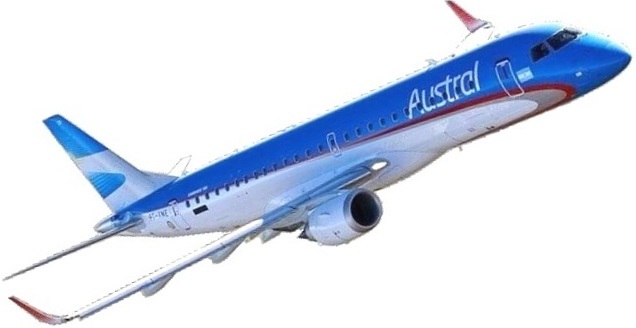
La flota de la línea Embraer E190-100AR comenzará con el proceso gradual bajo el esquema Aerolíneas Argentinas. La aeronave con matrícula LV-FPS, conservará el esquema de la alianza Skyteam, pero bajo el isologotipo de Aerolíneas Argentinas.
El proceso de integración de las áreas de Tripulación de Vuelo (pilotos) como el personal Técnico, así como la estructura MRO, se integrarán en Aerolíneas Argentinas. Actualmente, los simuladores y las instalaciones de formación CEFEPRA se encontraban integrados en el Grupo Aerolíneas. La Callsign, señal de llamada «Austral» será removida.
La compañía ha anunciado que continúan trabajando en la creación de dos nuevas unidades de negocios: división de Cargas y una unidad de Mantenimiento a terceros, que podría generar otras fuentes de ingreso.
El plan integral de fusión ha demandado la participación de unas 500 personas involucradas para avanzar en la sinergia, con dieciséis planes por áreas clave, involucrando doscientas reuniones de trabajo, y la participación de veinte instituciones y organismos externos. Entre otras acciones fundamentales para llevar a cabo tanto el proceso legal-societario, como el regulatorio-operativo se requirió de la modificación de 68 documentos operativos y 540 ítems IOSA (Auditoría de Seguridad Operacional de IATA).
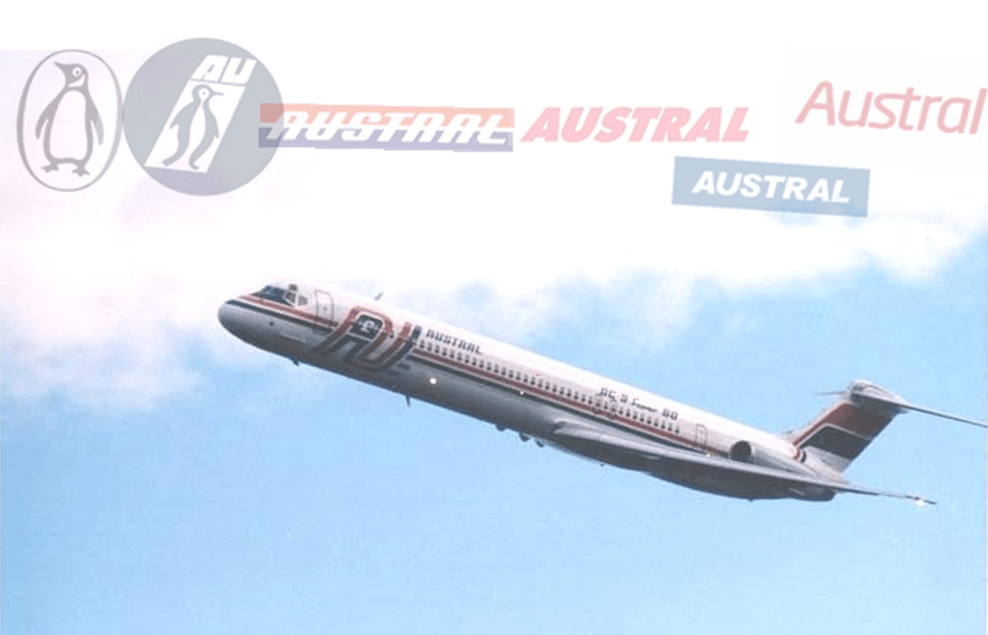
Tras la fusión concertada en Aerolíneas, desaparece de los cielos de Argentina Austral Líneas Aéreas una de las aerolíneas más emblemáticas, representativas y amadas por los argentinos que una vez ha venido a representar el progreso de un país muy extenso, nacida originalmente en el Patagonia, aquella línea aérea inmortalizada por el pingüino austral, aquella aerolínea representada por la grandeza de los pequeños detalles, continuará constituyendo un símbolo indeleble en la memoria de todos los argentinos y una leyenda para la posteridad.
Synergy Aerolíneas/Austral
Austral ends operations as airline in Argentina
On Monday, November 30, 2020, flight AU2763 from Posadas arrives at Ezeiza International Airport at 00:08, officially marking the end of Austral Líneas Aéreas operations as an air carrier. The merger and consolidation process of both companies gives way to the suppression of the Austral livery that will cease to exist in the skies of Argentina. The merger process, which carried political-union overtones, in attempts to materialize after several failed efforts. After the advent of the global health crisis, in May 2020 the Aerolíneas Argentinas Management sent the staff a letter of approach for the merger desired by the board.
Austral history
The origins of the carrier go back to 1957, when Compañía Austral de Transportes Aéreos SACI (CATASACI) was founded, starting regular services in January 1958 at the Trelew Airport, Province of Chubut. CATASACI focused its services in the southwest of Argentina, but also operated international flights to Montevideo, Puerto Montt and Punta Arenas. Aerotransportes Litoral Argentino (ALA) was a company based in Rosario, Santa Fe Province, which was founded in 1957 to operate flights between this city and Buenos Aires using De Aero Commander equipment and operated flights within the north of Argentina. In 1965, Pan Am Airways acquired a 22% stake in ALA in exchange for supplying the DC-3s company. A year later, CATASACI acquired a 30% stake in ALA and the services of both companies were integrated.
In May 1971, the ALA fleet consisted of two C-46, five DC-3, two DC-6B and five YS-11A-300 that served a national network including Buenos Aires, Corrientes, Formosa, Goya, Paraná , Paso de los Libres, Posadas, Resistencia, Rosario, Salta, Santa Fe and Tucumán, in addition to regional services to Antofagasta and Asunción, while CATASACI had a fleet that included seven BAC One-Elevens, BAC-1-11-400 (4) and BAC 1-11-500 (3), Curtiss C-46 (1), a DC-6 (1) and NAMC YS-11 (3). Austral Líneas Aéreas was formally established in June 1971 from the merger of CATASACI and ALA. In practice, the operations of the latter airline were absorbed by CATASACI, which was renamed Austral Líneas Aéreas S.A. after the merger. Austral inherited the fleet of both companies, consisting of NAMC YS-11 and BAC One-Eleven turboprops.
Austral Líneas Aéreas became a government-owned company in 1980. After poor economic results, there were two unsuccessful attempts to reprivatize Austral in 1981 and 1983. During that time Austral and Aerolíneas Argentinas were competitors on a number of national routes. Realizing that such a situation could not persist much longer, the government again decided to privatize Austral. This was strongly resisted by Aerolíneas Argentinas personnel, and more specifically its pilots, who claimed that their salaries were lower than those of Austral’s counterparts. The Aerolíneas Argentinas pilots union understood that the government’s effort was not to resolve the wage dispute of its affiliates, but to focus on privatizing a carrier with losses such as Austral. The consequence of this discrepancy was the announcement that Aerolíneas Argentinas flights should be suspended indefinitely by strike, starting on July 1, 1986. The strike affected both the national and international operations of Aerolíneas Argentinas. Both Argentine and foreign carriers benefited from this strike. Ironically, Austral was included among those carriers, gaining the national market share that Aerolíneas Argentinas had lost.
Austral once again became a private company when it was acquired by the holding company Cielos del Sur S.A. in late 1987. The acquisition generated some controversy over the Argentine aviation sector at the time, as it was argued that the new owner had little or no experience in managing an airline. In April 1988, the airline became a member of IATA. Shortly thereafter, the company faced a plane crash during its new private era on June 12, 1988, when a McDonnell Douglas MD-81 struck a grove of eucalyptus trees on final approach on a low-visibility approach at the Airport. Posadas causing the death of all the occupants. Apart from the 22 fatalities involved in the accident, it also spread concern about the aviation sector about the low occupancy rate of the airline on some routes, of only 10.32% for this particular flight.
Cielos del Sur S.A. and Iberia formed a consortium to acquire an 85% stake in Aerolíneas Argentinas in 1990, within the framework of the privatization of that flag carrier. Shortly after, Cielos del Sur S.A. Austral sold to Iberia. The fate of Aerolíneas Argentinas and Austral was aligned from then on. In July 1998, the company was owned 10% by its former competitor Aerolineas Argentinas.
On July 21, 2008, the Argentine government brought the airline back to state control after acquiring 99.4% of the capital stock for an undisclosed price. The remaining 0.6% is still owned by the company’s employees. In September 2008, the Argentine Senate approved the nationalization of Aerolíneas Argentinas and its subsidiary Austral Líneas Aéreas by 46-21 votes in favor of the acquisition.
In June 2010 Aerolíneas Argentinas launched a new paint scheme to renew the image of the airline. The new livery resembles the blue color of the Argentine flag and the yellow color of the sun. Like its subsidiary airline, Austral also adopted the new corporate image. The regional company announced the incorporation of 20 new Embraer E190-100ARs to its fleet, receiving the first two in September 2010 out of a total of 26 aircraft.
In October 2020, an agreement was initiated between the Airline Pilots Association (APLA) and the Airline Aviators Union (UALA), the unions that represent Aerolineas and Austral pilots, respectively, so that all pilots pass to be part of the Aerolíneas Argentinas staff under the same ranks. In addition, an agreement was signed with the representatives of the Argentine Air Navigation Association (AAA) for the unification of the cabin crew ranks.
AR/AU Synergy
The Aerolíneas/Austral merger process began a culminating chapter in the face of changes in world commercial aviation as a result of the pandemic. After the approvals of the Board of Directors carried out in October 2020 and the unification of structures, Austral Líneas Aéreas ceases to exist as a national air operator.
As of Tuesday, December 2, 2020, Aerolíneas Argentinas begins a new integrated stage, under the same AR code. The statement indicates that the company Aerolíneas Argentinas has received the certification of the National Civil Aviation Administration (ANAC) that enables companies to work in a unified way on their flights, recalling that Austral will continue to act as a shareholder of Aerolineas Group.
The head of the ANAC, Paola Tamburelli, has delivered the Certificate of Exploitation that formalizes the merger between both companies. In this way, Aerolíneas Argentinas and Austral complete a process that was started in May 2020.
The merger of both companies means the operational unification of the areas such as Maintenance, Pilots and Crews, eliminating the existing duplicate structures, arguing that it will allow greater efficiency and a considerable reduction in derived costs.
«Today is a historic day for the aviation of our country and for Airlines. We finalized the merger process with Austral and from tomorrow our operations will be unified. It is a decision promoted by the president, Alberto Fernández, which culminates in the term we had foreseen . Our company was born from the union of four companies in the 50’s and today, shortly after turning 70, a new merger will mark its history. We set out to overcome this crisis and emerge stronger to face a complex future, the merger is a great step in that sense», said the President of Aerolíneas Argentinas on Twitter.
ARRIVAL OF LAST COMMERCIAL FLIGHT AR 2763 FROM AUSTRAL AIRLINES TO EZEIZA NTERNATIONAL AIRPORT ON 11/30/2020
Perspectives Aerolíneas Argentinas
The fleet of the Embraer E190-100AR line will begin with the gradual process under the Aerolíneas Argentinas scheme. The aircraft with LV-FPS registration will retain the Skyteam alliance scheme, but under the Aerolíneas Argentinas logo.
The integration process of the Flight Crew areas (pilots) as the Technical personnel, as well as the MRO structure, will be integrated into Aerolíneas Argentinas. Currently, CEFEPRA simulators and training facilities were integrated into Grupo Aerolíneas. The Callsign, «Austral» call sign will be removed.
The company has announced that they are continuing to work on the creation of two new business units: the Cargo division and a Third Party Maintenance unit, which could generate other sources of income.
The comprehensive merger plan has required the participation of some 500 people involved to advance the synergy, with sixteen plans for key areas, involving two hundred work meetings, and the participation of twenty institutions and external organizations. Among other fundamental actions to carry out both the legal-corporate process, as well as the regulatory-operational process, it was required the modification of 68 operational documents and 540 IOSA items (IATA Operational Safety Audit).
After the concerted merger in Aerolíneas, one of the most emblematic, representative and beloved airlines by Argentines that once came to represent the progress of a very large country, originally born in Patagonia, disappears from the skies of Argentina Austral Líneas Aéreas. that airline immortalized by the southern penguin, that airline represented by the greatness of the small details, will continue to constitute an indelible symbol in the memory of all Argentines and a legend for posterity.
DOT incorpora nuevas reglas prácticas comerciales en aerolíneas
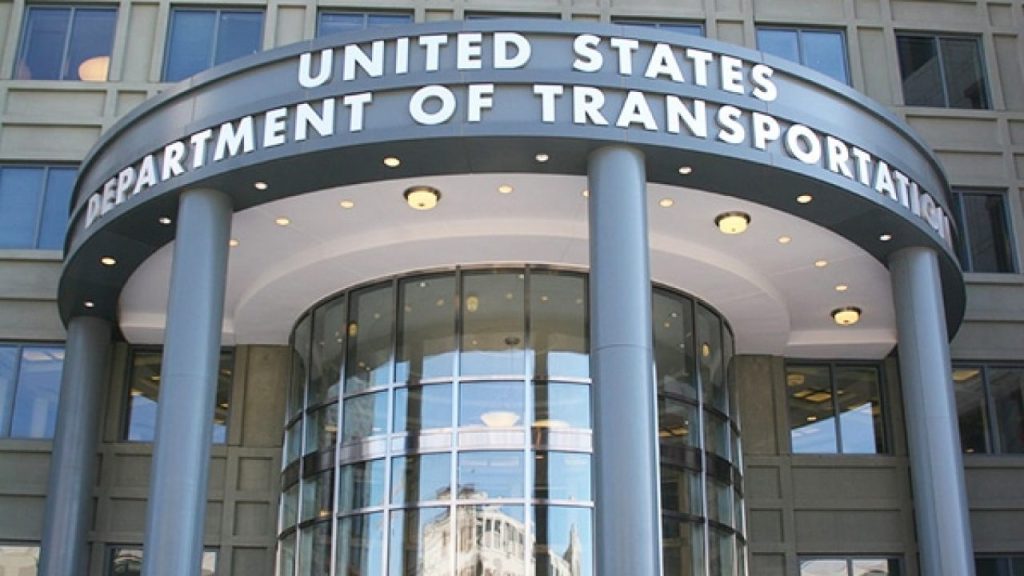
El Departamento de Transporte de los Estados Unidos (DOT) ha anunciado una nueva política la semana pasada que los críticos dicen que hará más difícil para la agencia penalizar a las aerolíneas por prácticas engañosas, según los informes. El DOT debe aplicar una nueva norma al considerar sanciones civiles o nuevas reglamentaciones sobre las compañías aéreas o las agencias de viajes en respuesta a las quejas de los consumidores.
El Viernes 27/11, el Departamento de Transporte ha comunicado que las nuevas normas proporcionan «mayor transparencia y previsibilidad sobre cómo el departamento lleva a cabo sus actividades de elaboración y observancia de la protección del consumidor de aviación». Anteriormente determinó caso por caso si una acción era injusta o engañosa. El Departamento anunció el cambio de política la semana pasada y reconociendo que podría traducirse que el DOT podría realizar menos acciones de cumplimiento y elaboración de reglas contra las aerolíneas y podría alargar el tiempo necesario para completar las acciones.
Reclamos
La Liga Nacional de Consumidores, un grupo de defensa sin fines de lucro, criticó el momento de los cambios pronunciados, calificándola de profundamente decepcionante. «La decisión del DOT, en el apogeo de una pandemia, de arrodillar su capacidad de proteger a millones de viajeros de los abusos de las aerolíneas es profundamente decepcionante. Que el departamento decidiera hacerlo el viernes después de Acción de Gracias pone de relieve que esperan que esta terrible decisión sea olvidada para el Lunes», dijo en un comunicado el Sábado 28/11 por la mañana la Liga Nacional de Consumidores. La representante Katie Porter, una Demócrata, dijo que la regla «debilitaría la aplicación de las protecciones de pasajeros de las aerolíneas». Mientras tanto, Airlines for America (A4A), un grupo comercial que representa a las principales aerolíneas de América del Norte, dijo que las reglas propuestas «beneficiarían al público al mejorar aún más la transparencia, la previsibilidad y la coherencia de los procedimientos de elaboración y aplicación de normas del DOT».
El Domingo 30/11 ha marcado el día de viaje más concurrido en los aeropuertos de Estados Unidos desde Marzo 2020, abriendo así una perspectiva de un paradigma de nuevas leyes y el futuro de nuevos reclamos, que tal vez, esperemos no caigan en saco roto.
DOT announces new aviation policies
DOT incorporates new commercial rules of practice in airlines
The US Department of Transportation (DOT) announced a new policy last week that critics say will make it harder for the agency to penalize airlines for deceptive practices, according to reports. DOT must apply a new rule when considering civil penalties or new regulations on airlines or travel agencies in response to consumer complaints.
On Friday 11/27, the Department of Transportation announced that the new rules provide «greater transparency and predictability of how the department conducts its aviation consumer protection enforcement and development activities». It previously determined on a case-by-case basis whether an action was unfair or misleading. The Department announced the policy change last week, recognizing that it could mean that DOT could take fewer enforcement and rule-making actions against airlines and could lengthen the time needed to complete the actions.
Claims
The National Consumers League, a nonprofit advocacy group, criticized the timing of the pronounced changes, calling it deeply disappointing. «The DOT’s decision, at the height of a pandemic, to kneel down its ability to protect millions of travelers from airline abuse is deeply disappointing. That the department decided to do so on the Friday after Thanksgiving underscores that they hope may this terrible decision be forgotten for Monday, «the National Consumers League said in a statement Saturday morning 11/28. Rep. Katie Porter, a Democrat, said the rule would «weaken the enforcement of airline passenger protections». Meanwhile, Airlines for America (A4A), a trade group representing North America’s major airlines, said the proposed rules «would benefit the public by further enhancing the transparency, predictability and consistency of drafting procedures. and enforcement of DOT standards».
Sunday 11/30 has marked the busiest travel day in United States airports since March 2020, thus opening a perspective of a paradigm of new laws and the future of new claims, which perhaps, we hope they do not fall on deaf ears.
Gobierno extiende concesión aeropuertos a Corporación América
El Estado de Argentina ha extendido la concesión de los treinta y cinco de los principales aeropuertos del país bajo la órbita concesionaria de Aeropuertos Argentina 2000 (AA2000) que concluiría hacia 2030, por un período extensivo hasta 2038.
El Gobierno de Argentina, luego de una recomendación del Organismo Regulador del Sistema Nacional de Aeropuertos (ORSNA), ha extendido la concesión de Aeropuertos Argentina 2000 por un período extendivo adicional de ocho años de 2030 hasta 2038. El acuerdo ha sido firmado en una reunión que se llevó a cabo este Lunes 30/11 en el Salón Científicos de la Casa Rosada con la presencia del Presidente Alberto Fernández, Eduardo Eurnekian, Presidente de Corporación América; Martín Eurnekian, Presidente de AA2000, Daniel Ketchibachian, CEO de la empresa, el Ministro de Transporte Mario Meoni, y las autoridades de ORSNA, el Presidente Carlos Lugones Aignasse, Vicepresidente Fernando Muriel y la Primera Vocal Pilar Becerra.
La compañía aeroportuaria AA2000 generará inversiones por un valor de US$ 2.500 millones de los cuales US$ 1.400 se desembolsarán en los primeros siete años. La empresa de Corporación América es la encargada de operar 35 terminales en todo el país. Además controla aeropuertos en Brasil, Armenia, Italia, Ecuador, Perú y Uruguay.
“En el marco del peor año para nuestra concesión, reafirmamos el compromiso con el país, con el desarrollo de la industria, el turismo y las comunidades donde operamos. Implementaremos un plan de obras federal que generará 15.000 puestos de trabajo”, señaló Eduardo Eurnekian, titular de Aeropuertos Argentina 2000.
REUNIÓN GOBIERNO-CORPORACIÓN AMÉRICA EN DESPACHO SEDE GOBIERNO PARA LA FIRMA EXTENSIÓN CONCESIONARIA
“El contrato prevé 30 años y 10 más, que son los que extendemos. Lo hacemos ahora, ocho años antes del vencimiento, por varios factores, pero sobre todo por el contexto de la pandemia que afectó mucho la sustentabilidad del negocio. Desde entonces estamos pensando cómo salir adelante y por eso esta medida anticíclica. En 2019 ya habíamos cumplido con el compromiso de obras hasta 2028, pero la pandemia hace que tengamos que tomar medidas firmes para poner de pie una industria muy golpeada. Este contrato nuevo nos da sustentabilidad para lo que viene, con un plan agresivo de inversiones en un momento en el que le mundo no invierte”, afirmó el Presidente de Corporación América, Eduardo Eurnekian. “El Presidente pide señales al empresariado de que el trabajo conjunto entre el sector público y el privado tiene que llevar a un círculo virtuoso que genere las inversiones que tanto necesita el país. Esta es una señal en ese sentido”, expresó Martín Eurnekian. Daniel Ketchibachian, CEO de la empresa, agregó: “Antes de la pandemia ya teníamos un plan que se iba actualizando, pero cambiaron las prioridades. Reiniciaremos la obras paradas, sobre todo en el interior del país, y el resto se irá organizando con el regulador”.
Resurgir como Ave Fénix
El mercado aerocomercial mundial ha caído a históricos nunca vistos alcanzando niveles de depresión de tráfico aéreo global. El concesionario AA2000 expresa que la mayor crisis de la historia para el sector aerocomercial ha golpeado fuertemente a las aerolíneas y los aeropuertos, citando a la Asociación Internacional de Transporte Aéreo (IATA) y el Concejo Internacional de Aeropuertos (ACI), de un colapso total con muchas líneas aéreas y aeropuertos del mundo en grandes dificultades. La IATA estima que las líneas aéreas del mundo perderán durante 2020 ingresos por US$ 418.000 millones y ACI que se perderán 5.600 millones de pasajeros y una caída en la facturación global del sistema aeroportuario de US$ 104.500 millones. En la Región Latinoamérica habrá un 61% menos de pasajeros que el año pasado y una reducción de ingresos por valores de US$ 6.500 millones.
Sondeos AA2000
Según AA2000, desde Marzo 2020 en Argentina “el tráfico cayó 98% versus el año anterior. De enero a septiembre la caída interanual es 70,4% en tráfico internacional y 72,9% en doméstico. Las proyecciones indican que el año 2020 cerrará con una caída de 77% versus el total de tráfico 2019. La compañía pasó por emociones impensadas en estos meses. Nadie contempló un año sin tráfico. Esto testeó nuestra capacidad de adaptación, como grupo humano, con la relación con los sindicatos, con todo. Respondimos”, dijo Eduardo Eurnekian.
Los ingresos locales, en tanto, cayeron más de un 57 por ciento. “Cerca de tres cuartos de los ingresos de la empresa están directamente vinculados al tráfico de pasajeros. El resto corresponde a la actividad de carga, que no sufrió interrupciones durante esta crisis, aunque sí una fuerte reducción de volumen”, detallaron desde AA2000. Se estima que a nivel mundial recién en 2024 el tráfico alcanzará niveles similares a 2019. En medio de la crisis, la empresa anunció reformas en el Aeroparque Jorge Newbery, que estará cerrado hasta Febrero 2020. La inversión para alargar la pista y remodelar otros sectores de la terminal es de más de US$ 5.000 millones de Dólares.
Tributo al Diez
Ese cronograma oficial de obras no incluye la estatua de Diego Maradona en el Aeropuerto de Ezeiza. Se trata de una promesa personal que Eduardo Eurnekian le hizo años atrás al mejor jugador del fútbol de la historia, quien murió la semana pasada. La estatua estará terminada hacia finales de año 2020 donde se podrá exhibir al Diez en sus días de gloria par a perpetuidad de la memoria colectiva del mundo entero.
La concesión
AA2000 firmó su contrato de concesión original en 1998, pero se renegoció en 2002 como ocurrió con todas las compañías concesionarias de servicios públicos luego de la crisis económica. La inversión total en obras de infraestructura desde 1998 a 2020 ascendió a más de US$ 2.500 millones de Dólares. En este período se aportaron al Estado Nacional US$ 1.800 millones en concepto de canon y se hicieron obras en 20 provincias, modernizando 30 aeropuertos.
Argentina extends concession to AA2000
Government extends airport concession to Corporación América
The State of Argentina has extended the concession of the thirty-five of the main airports in the country under the concessionary orbit of Airports Argentina 2000 (AA2000) that would conclude around 2030, for an extensive period until 2038.
The Government of Argentina, following a recommendation from the Regulatory Body of the National Airport System (ORSNA), has extended the concession of Airports Argentina 2000 for an additional eight-year period from 2030 to 2038. The agreement was signed at a meeting which was held this Monday 11/30 in the Casa Rosada Scientific Room with the presence of President Alberto Fernández, Eduardo Eurnekian, President of Corporación América; Martín Eurnekian, President of AA2000, Daniel Ketchibachian, CEO of the company, the Minister of Transport Mario Meoni, and the ORSNA authorities, the President Carlos Lugones Aignasse, Vice President Fernando Muriel and the First Vocal Pilar Becerra.
The airport company AA2000 will generate investments for a value of US$ 2,500 million, of which US$ 1,400 will be disbursed in the first seven years. The Corporación América company is in charge of operating 35 terminals throughout the country. It also controls airports in Brazil, Armenia, Italy, Ecuador, Peru and Uruguay.
“In the context of the worst year for our concession, we reaffirm our commitment to the country, to the development of industry, tourism and the communities where we operate. We will implement a federal works plan that will generate 15,000 jobs», said Eduardo Eurnekian, head of Airports Argentina 2000.
“The contract foresees 30 years and 10 more, which are the ones that we extend. We do it now, eight years before expiration, due to various factors, but above all due to the context of the pandemic that greatly affected the sustainability of the business. Since then we have been thinking about how to get ahead and that is why this countercyclical measure. In 2019 we had already fulfilled the commitment of works until 2028, but the pandemic means that we have to take firm measures to put a very battered industry on its feet. This new contract gives us sustainability for what is to come, with an aggressive investment plan at a time when the world is not investing”, stated the President of Corporación América, Eduardo Eurnekian. “The President asks for signals from the business community that joint work between the public and private sectors must lead to a virtuous circle that generates the investments that the country so badly needs. This is a sign in that sense”, expressed Martín Eurnekian. Daniel Ketchibachian, CEO of the company, added: “Before the pandemic we already had a plan that was being updated, but the priorities changed. We will restart the stopped works, especially in the interior of the country, and the rest will be organized with the regulator”.
Resurface as a Phoenix
The world commercial aviation market has fallen to unprecedented records reaching levels of global air traffic depression. The AA2000 concessionaire expresses that the biggest crisis in history for the commercial aviation sector has hit airlines and airports hard, citing the International Air Transport Association (IATA) and the International Airports Council (ACI), from a total collapse with many airlines and airports around the world in great difficulty. IATA estimates that the world’s airlines will lose revenues of US$ 418 billion during 2020 and ACI that 5.6 billion passengers will be lost and a drop in global airport system billing of US$ 104.5 billion. In the Latin America Region there will be 61% fewer passengers than last year and a reduction in revenue of US$ 6.5 billion.
AA2000 probes
According to AA2000, since March 2020 in Argentina “traffic fell 98% versus the previous year. From January to September, the interannual fall is 70.4% in international traffic and 72.9% in domestic traffic. Projections indicate that 2020 will close with a 77% drop versus 2019 total traffic. The company went through unthinkable emotions in these months. No one contemplated a year without traffic. This tested our ability to adapt, as a human group, with the relationship with the unions, with everything. We responded«, said Eduardo Eurnekian.
Local revenues, meanwhile, fell more than 57 percent. “About three-quarters of the company’s income is directly related to passenger traffic. The rest corresponds to cargo activity, which did not suffer interruptions during this crisis, although it did suffer a strong reduction in volume”, they detailed from AA2000. It is estimated that worldwide traffic will only reach levels similar to 2019 in 2024. In the midst of the crisis, the company announced reforms at Jorge Newbery Airport, which will be closed until February 2020. The investment to extend the runway and remodel other sectors of the terminal is more than US$ 5,000 million.
Tribute to Ten
This official schedule of works does not include the statue of Diego Maradona at the Ezeiza Airport. It is a personal promise that Eduardo Eurnekian made years ago to the greatest soccer player in history, who died last week. The statue will be finished towards the end of the year 2020 where the Ten can be exhibited in its glory days for the perpetuity of the collective memory of the whole world.
The concession
AA2000 signed its original concession contract in 1998, but it was renegotiated in 2002, as was the case with all public utility concession companies after the economic crisis. The total investment in infrastructure works from 1998 to 2020 amounted to more than US$ 2.5 billion. During this period, US$ 1,800 million was contributed to the National State as a canon and works were carried out in 20 provinces, modernizing 30 airports.
El paso de la pandemia y los efectos atravesados por los cambios en el transporte aéreo están impulsando a Air France a establecer prioridades en el nuevo escenario de los viajes aéreos. Una de las muchas áreas que el CEO de Air France-KLM, Benjamin Smith, ha abordado desde su arribo al grupo aéreo, es el mercado interno significativamente perdido de Air France. «Air France perdió alrededor de € 200 millones de Euros al año a nivel nacional», dijo Benjamin Smith. Las actuales condiciones han sido alcanzadas por la penetración de ferrocarril de alta velocidad y las compañías low cost (LCC), que siguen desarrollándose en Francia.
Air France-KLM Group
El CEO del grupo ha reconocido que perder € 200 millones de Euros no tenía sentido, sobre todo teniendo en cuenta con las limitaciones de slots (frecuencias horarias de los aeropuertos) que tiene el Aeropuerto Paris/Orly. «Esto no debería suceder», dijo Smith, reconociendo que la aerolínea regional Hop!, una filial regional de Air France, era necesariamente muy costosa. Transavia Francia se está apoderando de casi todas las rutas nacionales de Air France y Hop! desde París/Orly, por tener costos similares a EasyJet. En Diciembre 2020, el transportista de presupuesto operará quince rutas nacionales, según datos de la OAG.
Benjamin Smith abordó dos limitaciones que inhibían el desarrollo de Transavia France. «Uno de los grandes esfuerzos en los que trabajamos antes del Coronavirus fue el número de aeronaves que Transavia podía utilizar. Antes era cuarenta unidades, ahora es ilimitado. También nos centramos en la Cláusula de Alcance nacional, que significaba que no podía volar dentro de Francia. Eso también ha sido eliminado». Con costos similares a EasyJet, Transavia France tendrá un papel mucho más importante que desempeñar en el grupo Air France–KLM hacia el futuro.
Air France–KLM se centra más que nunca en el núcleo del transporte aéreo. «Podemos estar muy bien posicionados en CDG», subrayó Benjamin Smith. Fortalecerá sus vuelos en el Aeropuerto Charles de Gaulle/CDG mientras crecen las frecuencias. También espera más tráfico P2P y los rendimientos más altos que normalmente viene con eso. El enfoque de Air France en su núcleo CDG significa que Transavia France no operará desde el aeropuerto. En su lugar, se centrará sólo en el Aeropuerto Paris/Orly y la Francia regional, con sus cuatro bases actuales en todo el país. La low cost Transavia crecerá desde la Francia regional, pero no utilizará los próximos A220-300 de Air France, de los cuales tiene 60 por orden.
En tanto el centro de la alimentación de KLM Airlines en Amsterdam es fuerte, pero verá más refinamiento para mejorar los márgenes como perspectivas hacia el nuevo capítulo de la aviación comercial.
Air France A220 mayor
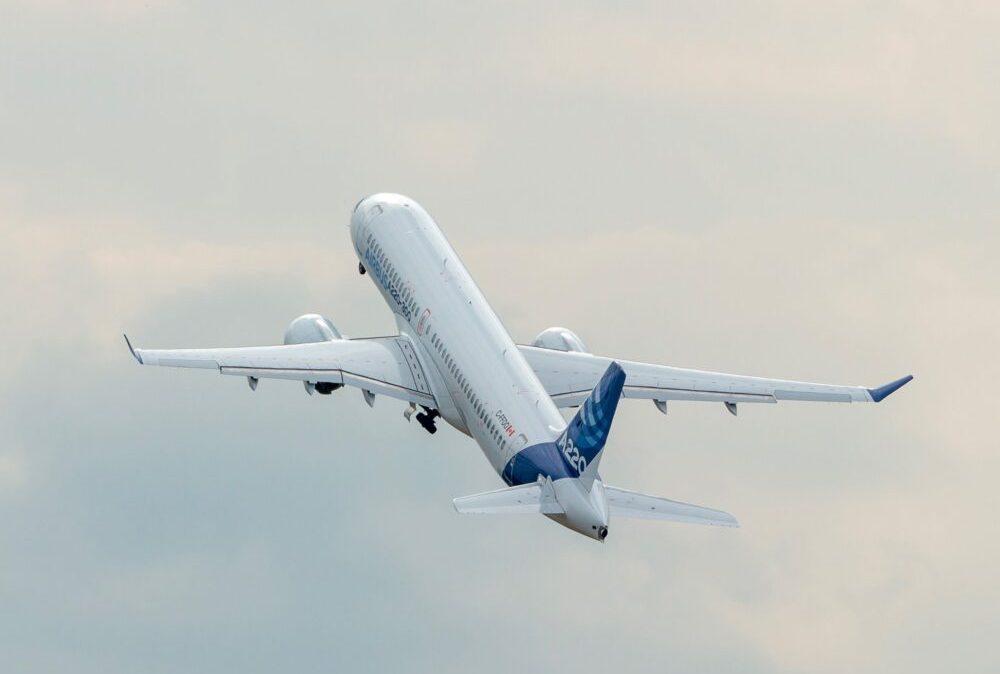
La compañía francesa Air France está sentada sobre una gran orden de Airbus A220-300 para reemplazar sus Airbus A318 y A319. Sin embargo, la Junta Directiva todavía está analizando respecto al futuro reemplazo de su flota narrowbodies A320CEO/A321CEO. En una conferencia de prensa el CEO Benjamin Smith ha comunicado este 30/11 que un tramo de los Airbus A220 podría formar parte de la compañía, pero incluso podría estudiar incorporar al Boeing 737 MAX si Airbus Group no activase el Programa A220-500, una aeronave con mayores capacidades que la ubica cercana a la línea A320NEO/Boeing 737 MAX.
Aunque Air France se está resistiendo a un anuncio en la A220-500, el A220 reemplazará a los cuerpos estrechos de aviones Airbus más pequeños. Han pasado casi 18 meses desde que Air France reveló un gran pedido para el Airbus A220, pero el CEO de Air France-KLM ha expresado sobre la estrategia para los A220 entrantes. «El plan de hoy es que Air France tenga 114 aviones de fuselaje estrecho en la familia A320. […] Tenemos toda la gama de la flota de Airbus narrowbody. Hemos hecho pedidos para 60 [A220], así que eso es aproximadamente la mitad de la flota de cuerpo estrecho. Y tomaremos una decisión sobre qué tipo reemplazará a la otra mitad de nuestra flota de cuerpos estrechos», expresó Bejamin Smith.
Air France es un cliente de Airbus Group desde hace mucho tiempo y de hecho vuela cada modelo de la familia A320 del fabricante europeo. Actualmente opera A318 (18), A319 (33), A320 (44) y A321 (20) narrowbodies. Curiosamente, todavía no ha tomado ninguna de las variantes NEO (New Engine Option), con sólo la versión original CEO (Current Engine Option) de a familia de aeronaves A320 en su flota.
El pedido para el A220-300, anunciado en julio del año pasado, fue firme para 60 aviones con opciones para 60 adicionales. Estos A220 están destinados a reemplazar todos los aviones Air France A318 y A319 a medida que arriban a la compañía, pero eso todavía deja un hueco en la estrategia de reemplazo. Mientras que los reemplazos para los cuerpos estrechos más pequeños están en su lugar, la aerolínea todavía necesita tomar una decisión acerca del reemplazo natural de su familia A320CEO compuesta por un total de 64 unidades A320/A321 que vuelan para Air France, con una edad media en promedio de 11 años y 18 años respectivamente.
Benjamin Smith dijo que un lote de las órdenes para el A220 tendría sentido para el reemplazo, pero admitió que consideraría mirar fuera de Airbus si uno no alcanzaba las expectativas de desarrollo para una aeronave de mayor prestaciones como el A220-500. «Si Airbus decide hacer una versión más grande del A220, eso podría tener sentido. Por supuesto, ahora que el MAX está volando de nuevo, podríamos mirar eso. Y, por supuesto, siempre está el A321, el LR y el XLR».
Perspectivas Air France
El análisis que la compañía Air France está estudiando es la opción del Boeing 737 MAX como un nuevo integrante a la flota de la aerolínea galo. La compañía francesa antiguamente estaba compuesta por el ente Boeing-Airbus, pero con ha inclinado su balanza suavemente hacia el constructor europeo. Es interesante observar que Air France podría considerar retornar a la flota 737 ahora que la variante MAX se encuentra retornando a los cielos del mundo, sería un punto interesante de apalancamiento entre los dos fabricantes para un negociar un mejoramiento en las posiciones de los precios. Aunque la línea A320NEO/A321NEO parecen ser reemplazos naturales a la línea A320CEO/A321CEO envejecida en Air France, la atracción del estiramiento del A220 podría motivar a atraer pedidos para el avión regional. La racionalización de las herramientas y las habilidades piloto necesarias en esa flota de corta distancia sería beneficiosa para Air France, y encajaría con su estrategia de racionalización de las operaciones. Pero la pulseada recién comienza en la lucha Airbus-Boeing, donde antiguamente el constructor americano representó el mayor número de aeronaves en su flota, pero que en Airbus no estarán dispuestos a que le sustituyan el trono en su propio territorio.
Air France perspectives third level
French air regional market perspectives
The passing of the pandemic and the effects of the changes in air transport are prompting Air France to establish priorities in the new scenario of air travel. One of the many areas that Air France-KLM CEO Benjamin Smith has addressed since his arrival at the airline group is Air France’s significantly lost home market. «Air France lost around € 200 million euros a year nationally», said Benjamin Smith. The current conditions have been reached by the penetration of high-speed rail and low-cost companies (LCC), which continue to develop in France.
Air France-KLM Group
The CEO of the group has recognized that losing € 200 million Euros did not make sense, especially considering the limitations of slots (airport hourly frequencies) that the Paris/Orly Airport has. «This shouldn’t happen», Smith said, acknowledging that regional airline Hop!, a regional subsidiary of Air France, was necessarily very expensive. Transavia France is taking over almost all the domestic routes of Air France and Hop! from Paris/Orly, for having costs similar to EasyJet. In December 2020, the budget carrier will operate fifteen national routes, according to data from the OAG.
Benjamin Smith addressed two limitations that inhibited the development of Transavia France. «One of the big efforts we worked on before the Coronavirus was the number of aircraft that Transavia could use. Before it was forty units, now it is unlimited. We also focused on the National Reach Clause, which meant that it could not fly within France. That too has been removed». With costs similar to EasyJet, Transavia France will have a much bigger role to play in the Air France – KLM group going forward.
Air France – KLM focuses more than ever on the core of air travel. «We can be very well positioned at CDG», Benjamin Smith stressed. It will strengthen its flights at Charles de Gaulle Airport/CDG as frequencies grow. You also expect more P2P traffic and the higher returns that normally comes with that. Air France’s focus on its CDG core means that Transavia France will not operate from the airport. Instead, it will focus only on Paris/Orly Airport and regional France, with its four current bases across the country. The low cost Transavia will grow from regional France, but will not use the next Air France A220-300s, of which it has 60 per order.
Meanwhile the KLM Airlines feed hub in Amsterdam is strong, but it will see further refinement to improve margins as prospects for the new chapter in commercial aviation.
Air France A220 higher
The French company Air France is sitting on a large order for Airbus A220-300 to replace its Airbus A318 and A319. However, the Board of Directors is still discussing the future replacement of its A320CEO/A321CEO narrowbodies fleet. In a press conference, CEO Benjamin Smith announced this 11/30 that a section of the Airbus A220 could be part of the company, but could even consider incorporating the Boeing 737 MAX if Airbus Group did not activate the A220-500 Program, a aircraft with greater capacities that locates it close to the A320NEO/Boeing 737 MAX line.
Although Air France is resisting an announcement on the A220-500, the A220 will replace the narrow bodies of smaller Airbus aircraft. It has been almost 18 months since Air France revealed a large order for the Airbus A220, but the CEO of Air France-KLM has spoken about the strategy for the incoming A220s. «Today’s plan is for Air France to have 114 narrow-body aircraft in the A320 family. […] We have the full range of the Airbus narrowbody fleet. We have placed orders for 60 [A220], so that’s roughly half of the narrow body fleet. And we will make a decision on which type will replace the other half of our narrow body fleet», said Benjamin Smith.
Air France is a long-time Airbus Group customer and in fact flies every model in the European manufacturer’s A320 family. It currently operates A318 (18), A319 (33), A320 (44) and A321 (20) narrowbodies. Interestingly, it has yet to take on any of the NEO (New Engine Option) variants, with only the original CEO (Current Engine Option) version of the A320 family of aircraft in its fleet.
The order for the A220-300, announced in July last year, was firm for 60 aircraft with options for an additional 60. These A220s are intended to replace all Air France A318 and A319 aircraft as they arrive at the company, but that still leaves a gap in the replacement strategy. While replacements for the smaller narrow bodies are in place, the airline still needs to make a decision about the natural replacement for its A320CEO family made up of a total of 64 A320/A321 units flying for Air France, with an average age at average of 11 years and 18 years respectively.
Benjamin Smith said that a batch of orders for the A220 would make sense for replacement, but admitted that he would consider looking outside of Airbus if one did not meet development expectations for a higher-performance aircraft such as the A220-500. «If Airbus decides to make a bigger version of the A220, that might make sense. Of course, now that the MAX is flying again, we could look at that. And of course there is always the A321, the LR and the XLR».
Perspectives Air France
The analysis that the Air France company is studying is the option of the Boeing 737 MAX as a new member of the fleet of the French airline. The French company was formerly made up of the Boeing-Airbus entity, but it has tipped its balance gently towards the European manufacturer. It is interesting to note that Air France could consider returning to the 737 fleet now that the MAX variant is returning to the skies of the world, it would be an interesting point of leverage between the two manufacturers for a negotiation of a reduction in price positions. Although the A320NEO/ A321NEO line appears to be natural replacements for the aging A320CEO/ A321CEO line at Air France, the pull of the A220’s pull could motivate the drive to attract orders for the regional jet. Streamlining the tools and pilot skills required in that short-haul fleet would be beneficial to Air France, and would fit in with its strategy of streamlining operations. But the tug-of-war is just beginning in the Airbus-Boeing fight, where formerly the American manufacturer represented the largest number of aircraft in its fleet, but Airbus will not be willing to replace the throne in their own territory.
Air France perspectives troisième niveau
Perspectives du marché aérien régional français
Le passage de la pandémie et les effets des mutations du transport aérien poussent Air France à se fixer des priorités dans le nouveau scénario du transport aérien. L’un des nombreux domaines abordés par le PDG d’Air France-KLM, Benjamin Smith, depuis son arrivée dans le groupe aérien, est le marché domestique d’Air France, qui a été considérablement perdu. «Air France a perdu environ 200 millions d’euros par an au niveau national», a déclaré Benjamin Smith. Les conditions actuelles ont été atteintes par la pénétration des compagnies ferroviaires à grande vitesse et low-cost (LCC), qui continuent de se développer en France.
Groupe Air France-KLM
Le PDG du groupe a reconnu que perdre 200 millions d’euros n’avait pas de sens, surtout compte tenu des limitations de créneaux horaires (fréquences horaires des aéroports) dont dispose l’aéroport de Paris/Orly. «Cela ne devrait pas arriver», a déclaré Smith, reconnaissant que la compagnie aérienne régionale Hop!, Filiale régionale d’Air France, était forcément très chère. Transavia France reprend la quasi-totalité des liaisons intérieures d’Air France et de Hop! de Paris/Orly, pour avoir des coûts similaires à EasyJet. En décembre 2020, le transporteur à petit budget exploitera quinze routes nationales, selon les données du OAG.
Benjamin Smith a abordé deux limites qui ont freiné le développement de Transavia France. «L’un des grands efforts sur lesquels nous avons travaillé avant le Coronavirus était le nombre d’avions que Transavia pouvait utiliser. Avant, il était de quarante unités, maintenant il est illimité. Nous nous sommes également concentrés sur la clause de portée nationale, ce qui signifiait qu’il ne pouvait pas voler à l’intérieur. France. Cela aussi a été supprimé». Avec des coûts similaires à ceux d’EasyJet, Transavia France aura un rôle beaucoup plus important à jouer dans le groupe Air France-KLM à l’avenir.
Air France-KLM se concentre plus que jamais sur le cœur du transport aérien. «Nous pouvons être très bien positionnés à CDG», a souligné Benjamin Smith. Il renforcera ses vols à l’aéroport Charles de Gaulle/CDG au fur et à mesure de l’augmentation des fréquences. Vous vous attendez également à plus de trafic P2P et aux rendements plus élevés qui vont normalement avec. La concentration d’Air France sur son noyau CDG signifie que Transavia France n’opérera pas à partir de l’aéroport. Au lieu de cela, il se concentrera uniquement sur l’aéroport Paris/Orly et la France régionale, avec ses quatre bases actuelles à travers le pays. La Transavia low cost se développera à partir de la France régionale, mais n’utilisera pas les prochains A220-300 d’Air France, dont 60 par commande.
Pendant ce temps, le hub d’alimentation de KLM Airlines à Amsterdam est solide, mais il verra un raffinement supplémentaire pour améliorer les marges en tant que perspectives pour le nouveau chapitre de l’aviation commerciale.
Air France A220 supérieur
La compagnie française Air France est assise sur une importante commande d’Airbus A220-300 pour remplacer ses Airbus A318 et A319. Cependant, le Conseil d’administration discute toujours du remplacement futur de sa flotte de fusibles A320CEO/A321CEO. Lors d’une conférence de presse, le PDG Benjamin Smith a annoncé ce 30/11 qu’une section de l’Airbus A220 pourrait faire partie de l’entreprise, mais pourrait même envisager d’incorporer le Boeing 737 MAX si Airbus Group n’activait pas le programme A220-500, un des avions de plus grandes capacités qui le situent à proximité de la ligne A320NEO/Boeing 737 MAX.
Bien qu’Air France résiste à une annonce sur l’A220-500, l’A220 remplacera les corps étroits des petits avions Airbus. Cela fait presque 18 mois qu’Air France a révélé une commande importante pour l’Airbus A220, mais le PDG d’Air France-KLM a évoqué la stratégie pour les A220 entrants. «Le plan d’aujourd’hui est qu’Air France dispose de 114 avions à fuselage étroit dans la famille A320. […] Nous avons la gamme complète de la flotte de fuselage étroit d’Airbus. Nous avons passé des commandes pour 60 [A220], donc c’est à peu près et nous déciderons quel type remplacera l’autre moitié de notre flotte de véhicules étroits», a déclaré Benjamin Smith.
Air France est un client de longue date d’Airbus Group et vole en fait tous les modèles de la famille A320 du constructeur européen. Elle exploite actuellement des caisses étroites A318 (18), A319 (33), A320 (44) et A321 (20). Fait intéressant, il n’a encore pris aucune des variantes NEO (New Engine Option), avec seulement la version originale PDG (Current Engine Option) de la famille A320 d’avions dans sa flotte.
La commande de l’A220-300, annoncée en juillet de l’année dernière, était ferme pour 60 appareils avec des options pour 60 autres. Ces A220 sont destinés à remplacer tous les A318 et A319 d’Air France à leur arrivée dans l’entreprise, mais cela laisse encore un vide dans la stratégie de remplacement. Alors que des remplacements pour les plus petits corps étroits sont en place, la compagnie aérienne doit encore prendre une décision concernant le remplacement naturel de sa famille A320CEO composée d’un total de 64 unités A320/A321 volant pour Air France, avec un âge moyen à moyenne de 11 ans et 18 ans respectivement.
Benjamin Smith a déclaré qu’un lot de commandes pour l’A220 aurait du sens pour le remplacement, mais a admis qu’il envisagerait de regarder en dehors d’Airbus si l’on ne répondait pas aux attentes de développement pour un avion plus performant tel que l’A220-500. «Si Airbus décide de faire une version plus grande de l’A220, cela pourrait avoir du sens. Bien sûr, maintenant que le MAX vole à nouveau, nous pourrions regarder cela. Et bien sûr, il y a toujours l’A321, le LR et le XLR».
Perspectives Air France
L’analyse que la compagnie Air France étudie est l’option du Boeing 737 MAX en tant que nouveau membre de la flotte de la compagnie aérienne française. La société française était autrefois composée de l’entité Boeing-Airbus, mais elle a légèrement fait pencher la balance vers le constructeur européen. Il est intéressant de noter qu’Air France pourrait envisager de revenir sur la flotte 737 maintenant que la variante MAX revient dans le ciel du monde, ce serait un point de levier intéressant entre les deux constructeurs pour une négociation d’une baisse des positions tarifaires. Bien que la ligne A320NEO/A321NEO semble remplacer naturellement la ligne vieillissante A320CEO/A321CEO d’Air France, l’attraction de l’A220 pourrait motiver la volonté d’attirer des commandes pour l’avion régional. La rationalisation des outils et des compétences pilotes nécessaires à cette flotte court-courrier serait bénéfique pour Air France et s’inscrirait dans sa stratégie de rationalisation des opérations. Mais le tir à la corde ne fait que commencer dans le combat Airbus-Boeing, où autrefois le constructeur américain représentait le plus grand nombre d’avions de sa flotte, mais Airbus ne sera pas disposé à remplacer le trône sur son propre territoire.
Flybondi lanza cuponera de destinos para estimular viajes
Flybondi Líneas Aéreas ha anunciado el lanzamiento de Ultra Pases una cuponera aérea que permite ofrecer ventajas a los usuarios del transporte de pasajeros, armando las mejores combinaciones de destinos ahorrando hasta un 60% en sus viajes. ¿Cómo está constituida esta cuponera? Contiene cinco pasajes ida y vuelta desde o hacia Buenos Aires con las ventajas de poder canjear el Ultra Pase hasta con cinco días antes de la salida del vuelo en el cual se podrá el Ultra Pase dentro del período de un año, motivando a los pasajeros a disfrutar de la libertad de volar con la aerolínea de presupuesto argentina.
Esta innovadora iniciativa busca brindarle al usuario del transporte la posibilidad de ahorrar hasta un 60% de los valores de los pasajes aéreos durante el año 2021, para utilizarlos en vuelos domésticos en Argentina. La flexibilidad de Ultra Pases permite combinar los destinos nacionales preferidos a precios muy competitivos, con ventajas para aquellos que deciden a último momento proyectar sus viajes que permiten canjear el pase hasta cinco días antes del vuelo.
Ultra Pases
La nueva novedad implementada por la low cost Flybondi permite observar la combinación de flexibilidad con mejores alternativas a las necesidades del pasajero. Ultrapases incluye tres opciones para las necesidades del usuario del transporte aéreo de presupuesto. Ultra Pases Turisteando con un valor de AR$ 29.900,00 Pesos, incluyen cinco pasajes ida y vuelta con salida desde Buenos Aires hacia cualquiera de los siguientes destinos: Bariloche, Trelew, Iguazú, Mendoza y Jujuy, donde se pueden combinar a gusto y están enfocados para aquellos que deseen conocer los destinos del país. Se podrá contar con destinos que te permitan descubrir cada rincón del país. Ultra Pases Mix: Este pase incluye cinco pasajes ida y vuelta por un valor de AR$ 25.900,00, que incluye tasas e impuestos, y bolso de mano o mochila de hasta 6 kg, con salida desde Buenos Aires hacia cualquiera de los siguientes destinos: Mendoza, Neuquén, Córdoba, Tucumán, Salta, Corrientes y Posadas. Ultra Pases A tu medida: Incluye cinco pasajes ida y vuelta por valor de AR$ 28.900,00, que incluye tasas e impuestos y bolso de mano o mochila de hasta 6 kg saliendo desde Buenos Aires hacia cualquier destino nacional de la aerolínea.
¿Cómo funciona? Ultra Pases permite escoger la opción que más convenga o se adapte a las necesidades del usuario combinando flexibilidad y ventajas económicas establecidas para estimular el ingreso a la nueva normalidad en la reapertura de los vuelos en el país. El pasajero puede ingresar a https://flybondi.com/ar/ultra-pases para poder acceder a estas opciones rellenando en una de las opciones para poder activar la cuponera aérea y disfrutar dentro de un plazo de un año de los viajes a destinos Flybondi.
Perspectivas Flybondi
Tras el regreso de la actividad aérea en Argentina, la aerolínea Flybondi busca con esta iniciativa comenzar a reactivar el turismo interno para recorrer la Argentina y ofrecerles a los pasajeros flexibilidad de viajes y ventajas económicas.
La compañía tenía previsto reactivar sus vuelos para principios de Diciembre 2020. Actualmente, se encuentra en los Talleres de MRO Mexicana uno de los aviones Boeing 737-800 que se incorporará dentro de una semana para reiniciar las operaciones, después de un proceso de aislamiento del transporte aéreo del país de más de siete meses.
Flybondi launches Ultra Passes
Flybondi launches destinations coupon to stimulate travel
Flybondi Líneas Aéreas has announced the launch of Ultra Passes an air coupon that offers advantages to users of passenger transport, creating the best combinations of destinations, saving up to 60% on their trips. How is this coupon book constituted? It contains five roundtrip tickets to or from Buenos Aires with the advantages of being able to redeem the Ultra Pass up to five days before the departure of the flight in which the Ultra Pass can be made within a period of one year, motivating passengers to enjoy the freedom of flying with the Argentine budget airline.
This innovative initiative seeks to offer the transport user the possibility of saving up to 60% of the values of air tickets during the year 2021, to use them on domestic flights in Argentina. The flexibility of Ultra Passes allows you to combine your preferred national destinations at very competitive prices, with advantages for those who decide at the last minute to plan their trips that allow you to exchange the pass up to five days before the flight.
Ultra Passes
The new innovation implemented by the low cost Flybondi allows us to observe the combination of flexibility with better alternatives to the passenger’s needs. Ultrapases includes three options for the needs of the budget air transport user. Ultra Passes Turisteando with a value of AR$ 29,900.00 Pesos, include five roundtrip tickets departing from Buenos Aires to any of the following destinations: Bariloche, Trelew, Iguazú, Mendoza and Jujuy, where you can combine at ease and are Focused for those who wish to know the destinations of the country. You can count on destinations that allow you to discover every corner of the country. Ultra Passes Mix: This pass includes five round-trip tickets for a value of AR$ 25,900.00, which includes taxes and fees, and a handbag or backpack of up to 6 kg, departing from Buenos Aires to any of the following destinations: Mendoza, Neuquén, Córdoba, Tucumán, Salta, Corrientes and Posadas. Ultra Passes To your measure: Includes five roundtrip tickets worth AR $ 28,900.00, which includes taxes and fees and a handbag or backpack up to 6 kg departing from Buenos Aires to any national destination of the airline.
How does it work? Ultra Pases allows you to choose the option that best suits or adapts to the needs of the user, providing flexibility and established economic advantages to stimulate the entrance to the new normal in the reopening of flights in the country. The passenger can enter https://flybondi.com/ar/ultra-pases to access these options by filling in one of the options to activate the air coupon and enjoy within a period of one year the trips to Flybondi destinations.
Flybondi perspectives
After the return of air activity in Argentina, the Flybondi airline seeks with this initiative to begin to reactivate domestic tourism to travel through Argentina and offer passengers travel flexibility and economic advantages.
The company had privileged to reactivate its flights by the beginning of December 2020. Currently, one of the Boeing 737-800 aircraft is in the MRO Mexicana Workshops, which will be incorporated in a week to restart operations, after a process of isolation of the air transportation of the country of more than seven months.
A contrarreloj de la tan ansiada apertura de operaciones en Argentina, el reciente inicio de la obra en el Aeropuerto Mar del Plata/Astor Piazzolla ha provocado malestar en las diferentes agrupaciones turísticas por las fuertes expectativas que hay para la próxima temporada, remarcando la acción como una locura, apuntaron.
En las puertas de un fin de semana largo que abre fuertes expectativas para los operadores turísticos, Mar del Plata no podrá recibir visitantes por la vía aérea a raíz de una serie de obras de remodelación que se iniciaron en los últimos días en la pista del Aeropuerto Internacional Astor Piazzolla de la ciudad balnearia más representativa de Argentina. El reciente comienzo de los trabajos despertó fuerte malestar e indignación en las autoridades locales por el caudal de visitas que se espera recibir con motivo de los feriados nacionales. «Es una locura que no hayan esperado unos días más. No avisaron ni consultaron a nadie», expresaron fuentes oficiales.
En el Ente Municipal de Turismo (Emtur) no tenían ninguna información ni notificación previa sobre el inicio de las tareas que lleva adelante la constructora Pasalto Materiales SRL. La expectativa de Aeropuertos Argentina 2000 (AA2000) es culminar con los trabajos el Viernes 04/12 si las condiciones climáticas lo permiten y reanudar la actividad durante la tarde del Domingo 06/12.
Temporada 2021
Las reservas para el primer fin de semana largo de Diciembre 2020 llegan al 60%. Este fin de semana largo abre expectativas para los empresarios del sector de la ciudad porque se trata de la primera experiencia turística ya con la temporada de verano septentrional declarada desde el 1 de Diciembre de 2020, después de lo que fue durante el mes de Noviembre la prueba con la llegada de miles propietarios no residentes.
En la Asociación Empresaria Hotelera Gastronómica de Mar del Plata (AEHG) confirmaron que las reservas para este fin de semana largo ascienden al 60 por ciento, un número que lleva cierto alivio y esperanza después de más de ocho meses sin ningún tipo de trabajo. Sin embargo, la fuerte limitación en los viajes que suponen las tareas en el aeropuerto abren una nueva incógnita en la actividad.
El movimiento de la estación aérea también se retomó formalmente y de manera paulatina con el correr de Noviembre 2020 a partir de la autorización que concedió el Ministerio de Transporte de la Nación, primero para los trabajadores considerados como esenciales en el contexto de la pandemia del Coronavirus. Durante la etapa de cuarentena más estricta, las puertas solamente se abrieron para distintos vuelos de práctica e instrucción por parte de la Fuerza Aérea Argentina (FAA).
Mar del Plata Airport closed
Mar del Plata Airport closed for works
Against the clock of the long-standing opening of operations in Argentina, the recent start of the work at the Mar del Plata/Astor Piazzolla Airport has caused discomfort in the different tourist groups due to the strong expectations that there are for the next season, highlighting the action as crazy, they pointed out.
On the eve of a long weekend that opens strong expectations for tour operators, Mar del Plata will not be able to receive visitors by air as a result of a series of remodeling works that began in recent days on the airport runway International Astor Piazzolla of the most representative seaside resort of Argnentina. The recent start of the works aroused strong discontent and indignation in the local authorities due to the flow of visits that are expected to be received on the occasion of national holidays. «It is crazy that they did not wait a few more days. They did not notify or consult anyone», said official sources.
In the Municipal Tourism Authority (Emtur) they did not have any information or prior notification about the start of the tasks carried out by the construction company Pasalto Materiales SRL. The expectation of Airports Argentina 2000 (AA2000) is to complete the work on Friday 04/12 if the weather conditions allow it and resume the activity during the afternoon of Sunday 06/12.
Season 2021
Reservations for the first long weekend of December 2020 reach 60%. This long weekend opens up expectations for entrepreneurs in the city sector because it is the first tourist experience with the northern summer season declared since December 1, 2020, after what was during the month of November the test with the arrival of thousands of non-resident owners.
The Mar del Plata Hotel Business Association (AEHG) confirmed that reservations for this long weekend amount to 60 percent, a number that brings some relief and hope after more than eight months without any type of work. However, the strong limitation in the trips that the tasks in the airport suppose opens a new incognito in the activity.
The movement of the air station was also formally and gradually resumed with the running of November 2020 from the authorization granted by the Ministry of Transportation of the Nation, first for workers considered essential in the context of the Coronavirus pandemic . During the strictest quarantine stage, the doors were only opened for different practice and instruction flights by the Argentine Air Force (FAA).