Republic 40% personal permiso WARN

AW | 2020 07 15 11:55 | AIRLINES

Republic Airways prepara avisos WARN 40% personal

Republic Airways se está preparando para enviar avisos WARN al 40% de su fuerza laboral antes de la fecha de expiración del 30 Septiembre 2020 para recibir ayuda federal. La aerolínea vuela aviones regionales en nombre de las principales aerolíneas estadounidenses. Con la reducción del tamaño de los operadores principales, la compañía podría reducir su fuerza laboral.

La aerolínea regional estadounidense se está preparando para enviar avisos WARN al 40% de su fuerza laboral compuesta por pilotos, personal de mantenimiento, empleados administrativos y operativos y asistentes de vuelo, esperando que lleguen estos permisos a partir del 1 Octubre 2020.

La Ley Federal de Estados Unidos exige que los grandes empleadores, como las aerolíneas, notifiquen con 60 días de antelación, cumpliendo estos avisos WARN con ese requisito. Recibir un aviso de WARN no significa que se esté cortando un trabajo. Sin embargo, sí significa que se puede reducir una posición. Esencialmente, es una advertencia estar preparado para el potencial de un permiso, pero no necesariamente una garantía de que el trabajo de una persona no existirá.

Enviar avisos al inicio a un gran número de empleados significa que el transportista tiene cierta flexibilidad adicional cuando se trata de despedir empleados. Si bien no está claro exactamente cuántas personas serán suspendidas al final, lo más probable es que no sea del 40%. Los números ahora también le dan a la aerolínea la oportunidad de trabajar con los sindicatos para encontrar opciones. Algunos empleados pueden considerar jubilaciones anticipadas o salidas voluntarias, lo que reduciría el número de permisos y probablemente traería a algunos empleados un paquete de salida reforzado. La aerolínea regional está tratando de orientar estos avisos es poder presionar al Gobierno Federal para obtener más fondos, aunque desde el Gobierno no está interesado en proporcionar miles de millones de Dólares a las aerolíneas, al menos no sin garantías adicionales como asientos bloqueados.

Republic Airways es una aerolínea regional que opera en nombre de las principales aerolíneas estadounidenses. La aerolínea solo opera aviones Embraer E170 y E175 para United Express, Delta Connection y American Eagle. Sin embargo, el problema es que Republic tiene un potencial de vuelo limitado. La aerolínea no puede volar tanto y donde quiera. En cambio, tiene que trabajar con aerolíneas y solo puede volar un cierto porcentaje de las operaciones de la aerolínea. Con los transportistas principales cada vez más pequeños, Republic tendrá que volar menos. Esto es lo que impulsará la necesidad del transportista de suspender a los empleados.

Perspectivas Republic Airways

Permitir el WARN 40% de la fuerza laboral de la aerolínea sería un duro golpe para la aerolínea. Tal vez la compañía puede estar emergiendo con una estructura más pequeña de la crisis actual, es poco probable que Republic Airways se reduzca en un 40% más pequeño.

Republic 40% personal on WARN permit

Republic Airways prepares 40% personal WARN notices

Republic Airways is preparing to send WARN notices to 40% of its workforce before the expiration date of September 30, 2020 for federal aid. The airline flies regional aircraft on behalf of major US airlines. By reducing the size of the main operators, the company could reduce its workforce.

The US regional airline is preparing to send WARN notices to 40% of its workforce made up of pilots, maintenance personnel, administrative and operational employees, and flight attendants, waiting for these permits to arrive as of October 1, 2020.

United States Federal Law requires large employers, such as airlines, to notify 60 days in advance, with these WARN notices meeting that requirement. Receiving a warning from WARN does not mean that a job is being cut. However, it does mean that one position can be reduced. Essentially, it is a warning to be prepared for the potential of a permit, but not necessarily a guarantee that a person’s job will not exist.

Sending early notices to large numbers of employees means that the carrier has some additional flexibility when it comes to laying off employees. While it is unclear exactly how many people will be suspended in the end, it is most likely not 40%. The numbers now also give the airline a chance to work with unions to find options. Some employees may consider early retirement or voluntary departure, which would reduce the number of leaves and would probably bring some employees a reinforced exit package. The regional airline is trying to target these notices is to be able to pressure the Federal Government to obtain more funds, although the Government is not interested in providing billions of Dollars to the airlines, at least not without additional guarantees such as blocked seats.

Republic Airways is a regional airline that operates on behalf of major American airlines. The airline only operates Embraer E170 and E175 aircraft for United Express, Delta Connection and American Eagle. However, the problem is that Republic has limited flight potential. The airline cannot fly as much and anywhere. Instead, you have to work with airlines and can only fly a certain percentage of the airline’s operations. With smaller and smaller major carriers, Republic will have to fly less. This is what will drive the carrier’s need to suspend employees.

Republic Airways perspective

Allowing WARN 40% of the airline’s workforce would be a severe blow to the airline. Perhaps the company may be emerging with a smaller structure from the current crisis, Republic Airways is unlikely to shrink by 40% smaller.

Ξ A I R G W A Y S Ξ
PUBLISHER: Airgways.com
DBk: Rjet.com / Airgways.com
AW-POST: 202007151155AR

A\W   A I R G W A Y S ®

CIJ respalda a Qatar Airways

Qatar Airways superando obstáculos |

AW | 2020 07 15 11:27 | AIRLINES / GOVERMENT

Corte Internacional Justicia respalda a Qatar disputa bloqueo aéreo

International Court of Justice (ICJ) | LinkedIn

La Corte Internacional de Justicia (CIJ), la principal corte de la ONU, ha respaldado a Qatar Airways en una disputa con cuatro países vecinos que impusieron un bloqueo aéreo hace más de tres años. El organismo con sede en La Haya, Reino Unido de los Países Bajos, ha rechazado el 14 Julio 2020 una apelación de Bahrein, Egipto, Arabia Saudita y los Emiratos Árabes Unidos (EAU) contra una decisión anterior de la Organización de Aviación Civil Internacional (OACI) sobre el espacio aéreo soberano.

La OACI dictaminó en 2018 que tenía jurisdicción para manejar el reclamo de Qatar de que sus vecinos habían violado una convención que regula el paso libre de aviones de Qatar Airways a través del espacio aéreo extranjero. Los cuatro vecinos de Qatar no estuvieron de acuerdo, alegando que la OACI no era el organismo adecuado para juzgar en la disputa. Los cuatro países árabes cortaron lazos con el Gobierno de Qatar en Junio 2017, acusando al país de respaldar a los extremistas, junto con otras acusaciones negadas por el Gobierno qatarí. Una serie de medidas punitivas incluyeron la prohibición de los aviones de Qatar Airways de su espacio aéreo, el cierre de la única frontera terrestre de Qatar (con Arabia Saudita) y la expulsión de los ciudadanos de Qatar.

El principal servicio regional de noticias, Al Jazeera, informó que el gobierno de Qatar acogió con beneplácito el fallo del Martes 14/07, diciendo que llevará a los países bloqueadores a enfrentar la justicia por violar las reglas de la aviación internacional. «Confiamos en que la OACI finalmente considerará estas acciones ilegales. Esta es la última de una serie de resoluciones que exponen el continuo desprecio de los países bloqueadores por el derecho internacional y el debido proceso. Paso a paso, sus argumentos se desmantelan y se reivindica la posición de Qatar», dijo el Ministro de Transporte y Comunicaciones, Jassim Saif Ahmed Al Sulaiti, en un comunicado oficial.

La OACI ahora es libre de continuar lidiando con el caso. El fallo traerá una gran satisfacción personal al CEO de Qatar Airways Group, Akbar Al Baker, quien también es Secretario General del Consejo Nacional de Turismo de Qatar y CEO del Aeropuerto Internacional de Hamad y Qatar Duty Free, entre otros roles clave dedicados al servicio nacional. El CEO de Qatar Airways expresó en Octubre 2019 en el Trinity Forum de Doha, que la República de Qatar «es autosuficiente como economía, nos ha hecho más independientes y orgullosos. Y le ha demostrado al mundo que no importa cuán pequeño seas, cuando se trata de soberanía, dignidad, autoestima, incluso una pequeña nación puede enfrentarse a las grandes naciones. Hemos demostrado lo que el liderazgo y la estabilidad pueden hacer por las personas. Y tenemos altas expectativas de nuestra capacidad de entrega. Perdimos 18 destinos de la noche a la mañana y perdimos un mercado de US$ 1,75 mil millones cuando llegó el bloqueo, pero no rehuimos la expansión. Reemplazamos los 18 destinos con 34 nuevos. Seguimos recibiendo nuevos aviones y estamos presionando a Airbus y Boeing para que sigan abasteciendo nuestra demanda. Continuamos construyendo nuestra infraestructura y pensando en el futuro. No tenemos malas intenciones con nadie. Queremos ser los mejores y trabajar con otros. Si dan un paso hacia nosotros, daremos 1,000 pasos hacia ellos. Pero han puesto todas sus cartas sobre la mesa, lo que nunca debe hacer en diplomacia. Tienes que mantener la puerta abierta».

Perspectivas Qatar Airways

Durante la crisis, Qatar Airways mantuvo una red global que nunca cayó por debajo de los 30 destinos. También ayudó a repatriar a cerca de dos millones de personas.

Qatar Airways planea reanudar casi dos tercios de su red anterior a la pandemia antes de fin de mes si las restricciones de viaje continúan disminuyendo en todo el mundo. Esto significa que el número de vuelos casi se duplicaría en Julio 2020 con cerca de 3.500 programados, en comparación con poco menos de 2.100 en Junio 2020.

ICJ supports Qatar Airways

International Court of Justice backs Qatar air dispute

The International Court of Justice (ICJ), the main UN court, has backed Qatar Airways in a dispute with four neighboring countries that imposed an air blockade more than three years ago. The body based in The Hague, United Kingdom of the Netherlands, rejected on 14 July 2020 an appeal by Bahrain, Egypt, Saudi Arabia and the United Arab Emirates (UAE) against a previous decision of the International Civil Aviation Organization ( ICAO) over sovereign airspace.

ICAO ruled in 2018 that it had jurisdiction to handle Qatar’s claim that its neighbors had violated a convention regulating the free passage of Qatar Airways aircraft through foreign airspace. The four residents of Qatar disagreed, claiming that ICAO was not the proper body to judge in the dispute. The four Arab countries severed ties with the Qatar government in June 2017, accusing the country of backing the extremists, along with other allegations denied by the Qatari government. A series of punitive measures included a ban on Qatar Airways planes from its airspace, the closure of Qatar’s only land border (with Saudi Arabia), and the expulsion of Qatari citizens.

The main regional news service, Al Jazeera, reported that the Qatari government welcomed the ruling on Tuesday 07/14, saying it will lead blocking countries to face justice for violating international aviation rules. «We are confident that ICAO will finally consider these actions illegal. This is the latest in a series of resolutions that expose the blocking countries’ continued disregard for international law and due process. Step by step, their arguments are dismantled and vindicated the position of Qatar», said the Minister of Transport and Communications, Jassim Saif Ahmed Al Sulaiti, in an official statement.

ICAO is now free to continue dealing with the case. The ruling will bring great personal satisfaction to the CEO of Qatar Airways Group, Akbar Al Baker, who is also Secretary General of the Qatar National Tourism Council and CEO of Hamad International Airport and Qatar Duty Free, among other key roles dedicated to national service. The CEO of Qatar Airways expressed in October 2019 at the Trinity Forum in Doha, that the Republic of Qatar «is self-sufficient as an economy, it has made us more independent and proud. And it has shown the world that no matter how small you are, when you it’s about sovereignty, dignity, self-esteem, even a small nation can take on the great nations. We have shown what leadership and stability can do for people. And we have high expectations of our ability to deliver. We lost 18 destinations overnight in the morning and we lost a market of US$ 1.75 billion when the blockade came, but we did not shy away from expansion. We replaced the 18 destinations with 34 new ones. We continue to receive new aircraft and we are putting pressure on Airbus and Boeing to continue to supply our We continue building our infrastructure and thinking about the future. We have no bad intentions with anyone. We want to be the best and work with others. If they take a step towards us, we will take 1,000 steps towards them. But they have put all their cards on the table, which they should never do in diplomacy. You have to keep the door open».

Qatar Airways perspective

During the crisis, Qatar Airways maintained a global network that never fell below 30 destinations. It also helped repatriate nearly two million people.

Qatar Airways plans to resume almost two-thirds of its pre-pandemic network before the end of the month if travel restrictions continue to decrease worldwide. This means that the number of flights would almost double in July 2020 with about 3,500 scheduled, compared to just under 2,100 in June 2020.

تدعم محكمة العدل الدولية الخطوط الجوية القطرية

محكمة العدل الدولية تدعم نزاع قطر الجوي

دعمت محكمة العدل الدولية ، المحكمة الرئيسية للأمم المتحدة ، الخطوط الجوية القطرية في نزاع مع أربع دول مجاورة فرضت حصارا جويا قبل أكثر من ثلاث سنوات. رفضت الهيئة المتمركزة في لاهاي ، المملكة المتحدة لهولندا ، في 14 يوليو 2020 ، استئنافًا مقدمًا من البحرين ومصر والمملكة العربية السعودية والإمارات العربية المتحدة ضد قرار سابق صادر عن منظمة الطيران المدني الدولي ( منظمة الطيران المدني الدولي) فوق المجال الجوي السيادي.

قضت منظمة الطيران المدني الدولي في عام 2018 أن لديها اختصاصًا للتعامل مع ادعاء قطر بأن جيرانها انتهكوا اتفاقية تنظم المرور الحر لطائرات الخطوط الجوية القطرية عبر المجال الجوي الأجنبي. ولم يوافق سكان قطر الأربعة على ذلك ، زاعمين أن منظمة الطيران المدني الدولي ليست الهيئة المناسبة للحكم في النزاع. قطعت الدول العربية الأربع علاقاتها مع حكومة قطر في يونيو 2017 ، متهمة البلاد بدعم المتطرفين ، إلى جانب مزاعم أخرى نفتها الحكومة القطرية. تضمنت سلسلة الإجراءات العقابية حظراً على طائرات الخطوط الجوية القطرية من أجواءها ، وإغلاق الحدود البرية الوحيدة لقطر (مع السعودية) ، وطرد المواطنين القطريين.

وذكرت خدمة الأنباء الإقليمية الرئيسية ، الجزيرة ، أن الحكومة القطرية رحبت بالحكم يوم الثلاثاء 07/14 ، قائلة إنها ستؤدي إلى منع الدول من مواجهة العدالة بسبب انتهاك قواعد الطيران الدولية. «نحن واثقون من أن الايكاو ستعتبر في النهاية هذه الأعمال غير قانونية. وهذا هو الأحدث في سلسلة من القرارات التي تكشف التجاهل المستمر للدول المحظورة للقانون الدولي والإجراءات القانونية الواجبة. خطوة خطوة ، يتم تفكيك حججهم وإثبات صحتها وقال وزير النقل والاتصالات جاسم سيف احمد السليطي في بيان رسمي «موقف قطر».

منظمة الطيران المدني الدولي حرة الآن لمواصلة التعامل مع القضية. وسيجلب الحكم ارتياحًا شخصيًا كبيرًا للرئيس التنفيذي لمجموعة الخطوط الجوية القطرية أكبر الباكر ، الذي يشغل أيضًا منصب الأمين العام لمجلس قطر الوطني للسياحة والرئيس التنفيذي لمطار حمد الدولي وقطر للأسواق الحرة ، من بين أدوار رئيسية أخرى مخصصة للخدمة الوطنية. . أعرب الرئيس التنفيذي للخطوط الجوية القطرية في أكتوبر 2019 في منتدى ترينيتي في الدوحة ، أن جمهورية قطر «مكتفية ذاتيا كاقتصاد ، فقد جعلتنا أكثر استقلالية وفخرًا. وأظهرت للعالم أنه مهما كنت صغيرًا ، عندما إنها تتعلق بالسيادة والكرامة واحترام الذات ، حتى الأمة الصغيرة يمكنها أن تتحمل الدول العظيمة. لقد أظهرنا ما يمكن أن تقدمه القيادة والاستقرار للناس. ولدينا توقعات عالية بقدرتنا على الإنجاز. لقد فقدنا 18 وجهة بين عشية وضحاها في الصباح وخسرنا سوقًا بقيمة 1.75 مليار دولار عندما جاء الحصار ، لكننا لم نخجل من التوسع. استبدلنا الوجهات الـ 18 بـ 34 وجهة جديدة. وما زلنا نستقبل طائرات جديدة ونضغط على إيرباص وبوينج لمواصلة تزويدنا نواصل بناء بنيتنا التحتية والتفكير في المستقبل. ليس لدينا نوايا سيئة مع أي شخص. نريد أن نكون الأفضل ونعمل مع الآخرين. إذا اتخذوا خطوة تجاهنا ، سنتخذ 1000 خطوة تجاههم. لكنهم وضعوا جميع أوراقهم على الطاولة ، وهو ما لا يجب أن يفعلوه في الدبلوماسية. عليك ان تبقي الباب مفتوحا «.

توقعات الخطوط الجوية القطرية

خلال الأزمة ، حافظت الخطوط الجوية القطرية على شبكة عالمية لم تهبط إلى ما دون 30 وجهة. كما ساعدت في إعادة قرابة مليوني شخص إلى وطنهم.

تخطط الخطوط الجوية القطرية لاستئناف ما يقرب من ثلثي شبكتها قبل الوباء قبل نهاية الشهر إذا استمرت قيود السفر في الانخفاض في جميع أنحاء العالم. وهذا يعني أن عدد الرحلات سيتضاعف تقريبًا في يوليو 2020 مع حوالي 3500 رحلة مقررة ، مقارنة بـ 2100 في يونيو 2020.

Ξ A I R G W A Y S Ξ
PUBLISHER: Airgways.com
DBk: Icj-cij.org / Qatarairways.com / Airgways.com
AW-POST: 202007151127AR

A\W   A I R G W A Y S ®
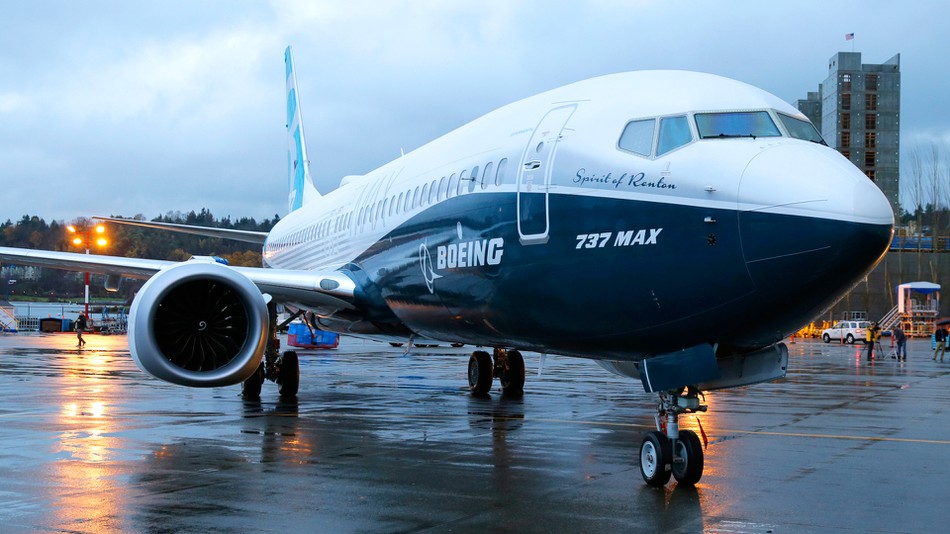
Boeing pérdida +800 órdenes 737 MAX

AW | 2020 07 14 22:02 | INDUSTRY

Boeing ha perdido en 2020 más de 800 pedidos para el 737 MAX

The Boeing Company ha comunicado los datos publicados el Martes 14/07 muestran que en la primera mitad del 2020 el fabricante ha perdido más de 800 pedidos del modelo Boeing 737 MAX. Aunque Boeing ahora anticipa la aprobación federal por parte de la Federal Aviation Administration (FAA) de los Estados Unidos para realinear su 737 MAX en Septiembre 2020, las órdenes y entregas continúan en récords históricos de sequías.

La actualización de Boeing en su sitio web de pedidos y entregas también muestra que entregó solo 10 aeronaves en Junio, de los cuales solo tres eran aviones de pasajeros. Con una producción muy baja, Boeing entregó un total de 70 aviones comerciales/ militares en el primer semestre de este año, frente a los 239 entregados en el primer semestre de 2019. Mientras tanto, su rival Airbus Group ha entregado 36 aviones en Junio 2020 y 196 en la primera mitad del año 2020.

Si bien las cifras de entrega de Boeing son sombrías, sus números de pedido son peores. En Junio 2020, Boeing agregó un nuevo pedido solitario de FedEx para un avión de carga 767 y, mientras tanto, eliminó 183 pedidos de su cartera de pedidos debido a cancelaciones o posibles cancelaciones. Los nuevos pedidos brutos de Boeing para el año hasta Junio 2020 ahora se ubican en 59, pero neto de cancelaciones y conversiones de modelos, su cuenta de pedidos se ubica en 323 aviones negativos. Agregar el avión en stand-by de la cartera de pedidos oficial ya no es lo suficientemente sólido como para contar como órdenes, y esa cifra aumenta a 784 aviones negativos. En comparación, Airbus perdió un pedido en junio, llevando su cuenta neta de pedidos para el año a 298 aviones.

En un comunicado, Greg Smith, Vicepresidente Ejecutivo de Operaciones Empresariales de Boeing, atribuyó la caída en las entregas a los impactos significativos de la pandemia de Coronavirus en nuestros clientes y nuestras operaciones. «Continuamos monitoreando de cerca el mercado comercial manteniéndonos muy comprometidos con nuestros clientes en todo el mundo para comprender completamente los requisitos a corto y largo plazo. Todo esto informa las tasas de producción actuales y futuras y cualquier ajuste adicional que sea necesario para equilibrar la oferta y la demanda», expresó el Vicepresidente Operaciones.

La disminución sustancial en la cartera de pedidos que se debe casi en su totalidad a que algunos clientes que abandonaron el 737 MAX, la cuenta negativa para la primera mitad del año es de 805 aviones. Todos las órdenes, menos cinco de los aviones eliminados de la cartera de pedidos en Junio 2020 eran MAX. Los clientes cancelaron por completo 60 pedidos de 737 MAX y Boeing eliminó otros 119 MAX de su cartera de pedidos oficial que ya no se consideran lo suficientemente sólidos como para cumplir con los estándares de contabilidad de los Estados Unidos. La mayoría de esas 119 órdenes, aunque aún no se han cancelado oficialmente, también podrían estar muertas. Por ejemplo, ese total incluye 92 Boeing 737 MAX que Norwegian Air anunció públicamente que está cancelando. Boeing no los ha etiquetado oficialmente como cancelados solo porque todavía está negociando con la low cost noruega y presumiblemente está buscando opciones legales. Las 60 cancelaciones 737 MAX en Junio 2020 incluyeron 30 para el arrendador BOC Aviation, 17 para el arrendador Avolon Aerospace Leasing Limited, seis para Blue Air of Rumania, cinco para el arrendador ACG y dos más para clientes no identificados.

Boeing loss plus 800 737 MAX orders

Boeing has lost in 2020 more than 800 orders for the 737 MAX

The Boeing Company has reported the data published on Tuesday 07/14 shows that in the first half of 2020 the manufacturer has lost more than 800 orders for the Boeing 737 MAX model. Although Boeing now anticipates federal approval by the United States Federal Aviation Administration (FAA) to realign its 737 MAX in September 2020, orders and deliveries continue on record drought records.

Boeing’s update on its ordering and delivery website also shows it delivered just 10 aircraft in June, of which only three were passenger planes. With very low production, Boeing delivered a total of 70 commercial/military aircraft in the first half of this year, compared to 239 delivered in the first half of 2019. Meanwhile, its rival Airbus Group has delivered 36 aircraft in June 2020 and 196 in the first half of the year 2020.

While Boeing’s delivery numbers are grim, its order numbers are worse. In June 2020, Boeing added a new solo FedEx order for a 767 cargo aircraft, and meanwhile removed 183 orders from its order book due to cancellations or possible cancellations. Boeing’s new gross orders for the year through June 2020 now stand at 59, but net of cancellations and model conversions, its order count stands at 323 negative aircraft. Adding the stand-by aircraft to the official order book is no longer robust enough to count as orders, and that number rises to 784 negative aircraft. In comparison, Airbus lost an order in June, bringing its net order count for the year to 298 aircraft.

In a statement, Greg Smith, Boeing’s Executive Vice President of Business Operations, attributed the drop in deliveries to the significant impacts of the Coronavirus pandemic on our customers and our operations. «We continue to closely monitor the commercial market while remaining highly engaged with our customers around the world to fully understand the short and long term requirements. All of this informs current and future production rates and any further adjustments that are necessary to balance supply. and the lawsuit», said the Operations Vice President.

The substantial decrease in the order book that is almost entirely due to the fact that some customers who abandoned the 737 MAX, the negative account for the first half of the year is 805 aircraft. All orders except five of the planes removed from the order book in June 2020 were MAX. Customers completely canceled 60 orders for 737 MAXs, and Boeing removed another 119 MAXs from its official order book that is no longer considered strong enough to meet U.S. accounting standards. Most of those 119 orders, while not yet officially canceled, could also be dead. For example, that total includes 92 Boeing 737 MAXs that Norwegian Air has publicly announced it is canceling. Boeing has not officially tagged them as canceled just because it is still negotiating with Norwegian low cost and is presumably looking for legal options. The 60 737 MAX cancellations in June 2020 included 30 for lessor BOC Aviation, 17 for lessor Avolon Aerospace Leasing Limited, six for Blue Air of Romania, five for lessor ACG and two more for unidentified clients.

Ξ A I R G W A Y S Ξ
PUBLISHER: Airgways.com
DBk: Airgways.com / Boeing.com
AW-POST: 202007142202AR

A\W   A I R G W A Y S ®

Garuda retrasa órdenes de Airbus Group

Garuda Indonesia habla con Airbus para retrasar las entregas de 2020

AW | 2020 07 14 19:55 | AIRLINES / INDUSTRY

Garuda Indonesia habla con Airbus para retrasar las entregas 2020

La aerolínea indonesia Garuda Indonesia Airlines está en conversaciones con Airbus Group para retrasar las entregas de cuatro aviones para este año 2020, dijo el Martes 14/07 su Presidente Ejecutivo Irfan Setiaputra, ya que el brote de Coronavirus restringe los viajes y reduce la demanda. «Este año deberíamos recibir cuatro aviones Airbus, pero estamos negociando para retrasar eso», dijo el CEO Irfan Setiaputra en una audiencia parlamentaria.

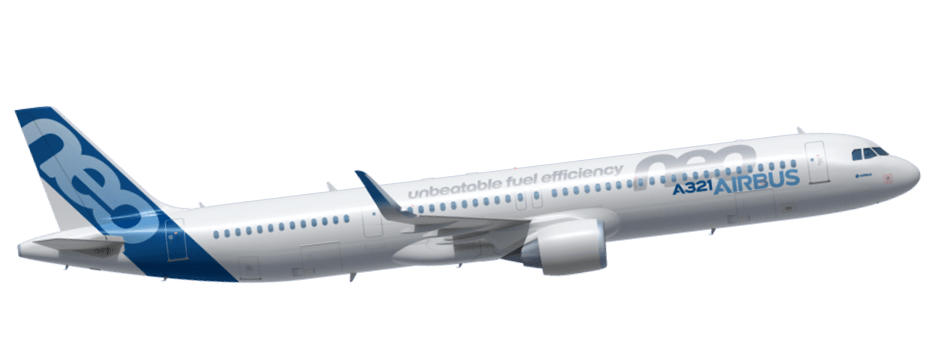
Garuda tiene nueve A330NEO en orden con Airbus que aún no se han entregado, según el libro de pedidos del constructor europeo, mientras que su brazo de bajo costo Citilink tiene 25 A320NEO en orden.

Garuda enfrenta dificultades financieras después del impacto de la pandemia causando una interrupción importante en los viajes mundiales, lo que resultó en una caída del 90% en el volumen de pasajeros en la aerolínea. La compañía se vio obligada a buscar la extensión del vencimiento de sus bonos islámicos de US$ 500 millones que vencen en Junio 2020 y buscar nuevos préstamos del Gobierno. Mientras tanto, Garuda también está reestructurando su arrendamiento de aeronaves buscando un precio de arrendamiento más bajo o extendiendo el período, dijo Irfan Setiaputra.

La aerolínea está buscando rescindir los contratos inadecuados para este nuevo escenario de cambios en la manera de viajar. Doce de sus arrendadores han acordado una reestructuración, según el material de presentación de Garuda en el Parlamento, mientras que seis se han negado a dar el aplazamiento del alquiler. Todavía está en negociaciones con otros trece arrendadores. «Hoy en día hay una serie de arrendadores que castigaron nuestros aviones por nuestra incapacidad para realizar pagos», dijo Irfan Setiaputra.

Garuda delays orders from Airbus Group

Garuda Indonesia talks to Airbus to delay 2020 deliveries

Indonesian airline Garuda Indonesia Airlines is in talks with Airbus Group to delay deliveries of four planes to this year 2020, its Chief Executive Irfan Setiaputra said on Tuesday 14/07, as the Coronavirus outbreak restricts travel and reduces demand. «This year we should receive four Airbus planes, but we are negotiating to delay that», CEO Irfan Setiaputra said at a parliamentary hearing.

Garuda has nine A330NEOs on order with Airbus that have yet to be delivered, according to the European builder’s order book, while its low-cost Citilink arm has 25 A320NEOs on order.

Garuda faces financial difficulties after the impact of the pandemic causing a major disruption to world travel, resulting in a 90% drop in passenger volume on the airline. The company was forced to seek the extension of the maturity of its US$ 500 million Islamic bonds maturing in June 2020 and to seek new government loans. Garuda, meanwhile, is also restructuring its aircraft lease by seeking a lower lease price or extending the period, Irfan Setiaputra said.

The airline is seeking to terminate inappropriate contracts for this new scenario of changes in the way of traveling. Twelve of his landlords have agreed to a restructuring, according to Garuda’s filing in Parliament, while six have refused to postpone the rent. It is still in negotiations with thirteen other landlords. «Today there are a number of lessors who punished our planes for our inability to make payments», said Irfan Setiaputra.

Garuda menunda pesanan dari Airbus Group

Garuda Indonesia berbicara dengan Airbus untuk menunda pengiriman 2020

Maskapai penerbangan Indonesia, Garuda Indonesia Airlines, sedang dalam pembicaraan dengan Airbus Group untuk menunda pengiriman empat pesawat hingga tahun 2020 ini, kata Ketua Eksekutifnya, Irfan Setiaputra, Selasa 14/07, ketika wabah Coronavirus membatasi perjalanan dan mengurangi permintaan. «Tahun ini kami harus menerima empat pesawat Airbus, tetapi kami sedang bernegosiasi untuk menunda itu», kata CEO Irfan Setiaputra pada sidang parlemen.

Garuda memiliki sembilan A330NEO yang dipesan dengan Airbus yang belum dikirim, menurut buku pesanan pembangun Eropa, sementara lengan Citilink yang berbiaya rendah memiliki 25 A320NEO yang dipesan.

La imagen tiene un atributo ALT vacío; su nombre de archivo es aw-a320neo_citilink_take-off.jpg

Garuda menghadapi kesulitan keuangan setelah dampak pandemi yang menyebabkan gangguan besar pada perjalanan dunia, yang mengakibatkan penurunan 90% volume penumpang pada maskapai. Perusahaan ini terpaksa mencari perpanjangan jatuh tempo dari obligasi Islam US$ 500 juta yang jatuh tempo pada Juni 2020 dan untuk mencari pinjaman pemerintah baru. Sementara itu, Garuda juga merestrukturisasi sewa pesawatnya dengan mencari harga sewa yang lebih rendah atau memperpanjang periode, kata Irfan Setiaputra.

Maskapai ini berusaha untuk mengakhiri kontrak yang tidak pantas untuk skenario baru perubahan dalam perjalanan ini. Dua belas tuan tanahnya telah menyetujui restrukturisasi, menurut pengajuan Garuda di Parlemen, sementara enam menolak untuk menunda sewa. Masih dalam negosiasi dengan tiga belas tuan tanah lainnya. «Hari ini ada sejumlah lessor yang menghukum pesawat kami karena ketidakmampuan kami untuk melakukan pembayaran», kata Irfan Setiaputra.

Ξ A I R G W A Y S Ξ
PUBLISHER: Airgways.com
DBk: Garuda.com / Thejakartapost.com / Airgways.com / Shutterstock.com
AW-POST: 202007141955AR

A\W   A I R G W A Y S ®

Mercado Argentina post-pandemia

AW | 2020 07 14 16:04 | AIRLINES MARKET

Cambios en el mercado aéreo de Argentina

El mercado aéreo de la República Argentina ha sufrido cambios significativos en sintonía con los países del mundo afectados por la pandemia mundial de Coronavirus. Actualmente la estructura de vuelos de cabotaje presenta un panorama más concentrado luego salida casi definitiva de la aerolínea Latam Airlines Argentina.

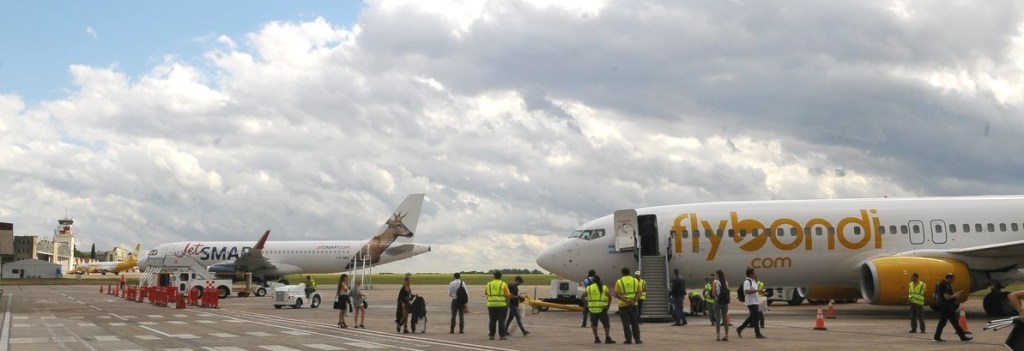
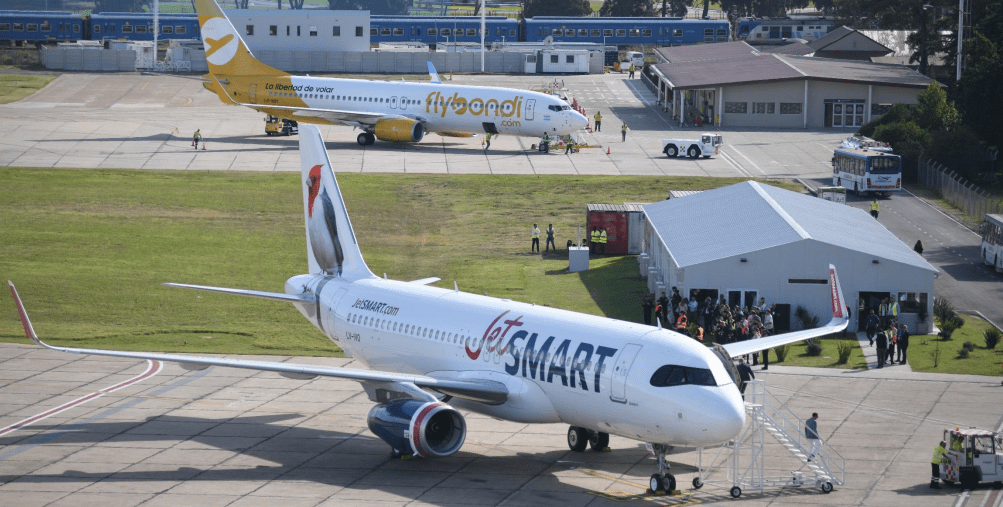
La salida definitiva de la compañía Latam Airlines Argentina de las operaciones domésticas del país, luego de quince años, dejaría al mercado de vuelos de cabotaje en manos de apenas cuatro compañías, Aerolíneas Argentinas con el 62% del mercado interno, seguidas por JetSmart Airlines Argentina, Flybondi Líneas Aéreas y Andes Líneas Aéreas.

Los síntomas de debilidad local se traducen en un análisis de mercado aéreo anterior a la pandemia, afectada por la crisis financiera de Argentina y la inestabilidad monetaria. En el camino habían quedado empresas como Avianca Argentina y Norwegian Air Argentina cuando la apertura de rutas aéreas impulsada por el anterior Gobierno con la «Revolución de los Aviones», permitió el incremento de tráfico y número de compañías aéreas.

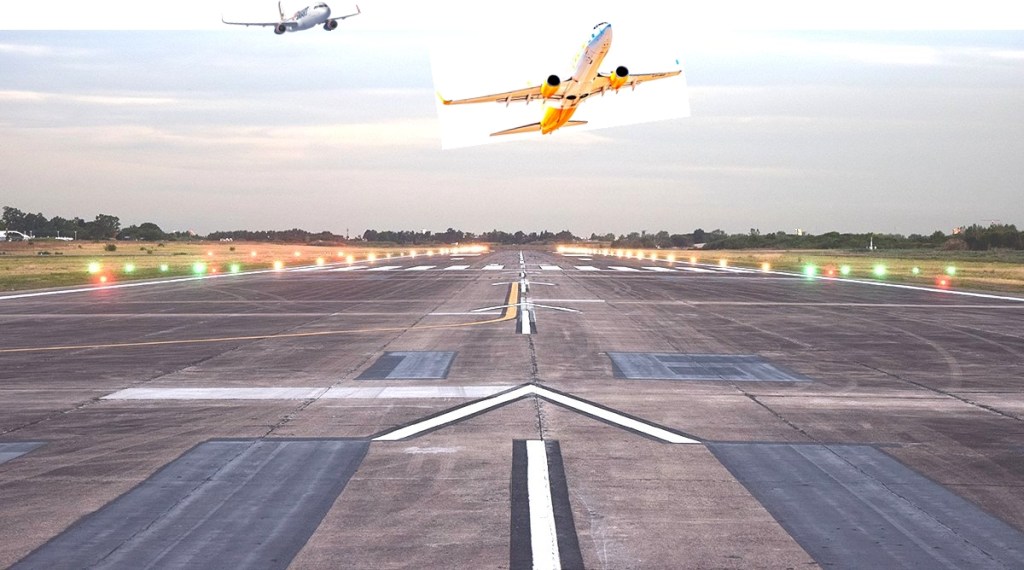
Tras el período de la extensa medidas adoptadas por el Gobierno producto de la pandemia, las compañías aéreas Andes Líneas Aéreas, como así las low cost Jetsmart Airlines Argentina y Flybondi Líneas Aéreas, ambas con una situación delicada frente al panorama operativo por la decisión del Gobierno del supuesto cierre del Aeropuerto Internacional El Palomar y las complicaciones de volar desde otra aeroestación que permita alcanzar los niveles de costos reducidos de las líneas aéreas de presupuesto. La indecisión del aeropuerto low cost, sumado al cierre del Aeropuerto Jorge Newbery por mantenimiento y reestructuración hasta finales de Noviembre 2020 ha llevado a las aerolíneas a replantear sus estrategias de vuelos en el mercado doméstico y regional.

El Gobierno de Argentina ha elaborado un plan para que las aerolíneas de bajo costo operen desde el Aeropuerto Internacional Ezeiza con una diferenciación de costos operativos respecto a las aerolíneas clásicas, pero JetSmart y Flybondi se muestran insatisfechas por la razón que los vuelos desde El Palomar presentan mejores alternativas para los usuarios debido a la cercanía con la Ciudad de Buenos Aires. Ante este panorama JetSmart y Flybondi han decidido mudar parte de las operaciones hacia el Aeropuerto Internacional Córdoba para aprovechar la baja incidencia de casos de Coronavirus en el interior del país.

Latam Airlines Argentina poseía doce destinos domésticos: Buenos Aires, Bariloche, Comodoro Rivadavia, Córdoba, El Calafate, Iguazú, Mendoza, Neuquén, Río Gallegos, Salta, Tucumán y Ushuaia. Ahora, con el supuesto retiro de su unidad de negocias en Argentina, el mercado aéreo post-pandemia se ha modificado.

Nueno escenario

A través de la crisis económica de Argentina, durante el 2019 muchas compaías continuaban creciendo pese a los factores de inflación crecientes en el país. En Julio 2019 representó el incremento de mayor tráfico con más de 1,5 millones de pasajeros transportados. Durante Marzo 22020, el último mes donde hubo vuelos de cabotaje antes de la suspensión por la cuarentena, el mercado doméstico fue de 681.000 pasajeros, casi un 50% menos interanual, cuando volaron por el país más de 1,3 millones de personas. A comienzos de este año, las cifras se habían mantenido con apenas una mínima variación respecto a 2019, con 1,2 millones en Enero 2020 y un número similar en Febrero 2020. En Marzo 2020, antes de la cuarentena, el 62% de la cuota de mercado correspondía a Aerolíneas Argentinas/Austral Líneas Aéreas, con un total de 4.513 vuelos. En el caso de Austral Líneas Aéreas podría ser absorbida por su empresa matriz hacia fines de 2020. El mercado doméstico es seguido por Latam Airlines Argentina con una participación del 16% y 849 vuelos domésticos, detrás se encontraba Jetsmart Airlines Argentina, que luego de absorber la operación de Norwegian Air Argentina, realizó más de 600 vuelos. Flybondi Líneas Aéreas con 406 vuelos de cabotaje y finalmente, Andes Líneas Aéreas con más de 40 vuelos enlas rutas argentinas.

Las actuales aerolíneas resultantes del nuevo escenario argentino están represantadas por Aerolíneas Argentinas, JetSmart Airlines Argentina, Flybondi Líneas Aéreas y Andes Líneas Aéreas. A partir de Septiembre 2020 se abre un nuevo panorama en la aviación comercial del país sudamericano donde las compañías aéreas necesitarán pilotear con audacia las nuevas políticas impuestas por el Estado, como así también un nuevo horizonte de incertidumbres por los efectos de la crisis sanitaria mundial, mientras tanto, entre bastidores, continua cocinándose un mercado más agresivo con tendencia hacia el monopolio de los viajes aéreos en Argentina.

Post-pandemic Argentina market

Changes in the Argentine air market

The air market in the Argentine Republic has undergone significant changes in tune with the countries of the world affected by the world coronavirus pandemic. Currently, the cabotage flight structure presents a more concentrated panorama after the almost definitive departure of Latam Airlines Argentina.

The definitive exit of the company Latam Airlines Argentina from the domestic operations of the country, after fifteen years, would leave the domestic flights market in the hands of just four companies, Aerolíneas Argentinas with 62% of the domestic market, followed by JetSmart Airlines Argentina, Flybondi Líneas Aéreas and Andes Líneas Aéreas.

The symptoms of local weakness are translated into an analysis of the air market prior to the pandemic, affected by the Argentine financial crisis and monetary instability. Companies such as Avianca Argentina and Norwegian Air Argentina had been left on the road when the opening of air routes promoted by the previous Government with the «Revolution of the Planes», allowed an increase in traffic and the number of airlines.

After the period of the extensive measures adopted by the Government as a result of the pandemic, the airlines Andes Líneas Aéreas, as well as the low cost Jetsmart Airlines Argentina and Flybondi Líneas Aéreas, both with a delicate situation in front of the operative panorama due to the decision of the Government the alleged closure of El Palomar International Airport and the complications of flying from another air station that allows reaching the low cost levels of budget airlines. The indecision of the low cost airport, added to the closure of Jorge Newbery Airport for maintenance and restructuring until the end of November 2020, has led airlines to rethink their flight strategies in the domestic and regional market.

The Government of Argentina has drawn up a plan for low-cost airlines to operate from Ezeiza International Airport with a differentiation of operating costs compared to classic airlines, but JetSmart and Flybondi are dissatisfied for the reason that flights from El Palomar have better alternatives for users due to the proximity to the City of Buenos Aires. Given this scenario, JetSmart and Flybondi have decided to move part of the operations to Córdoba International Airport to take advantage of the low incidence of Coronavirus cases in the interior of the country.

Latam Airlines Argentina had twelve domestic destinations: Buenos Aires, Bariloche, Comodoro Rivadavia, Córdoba, El Calafate, Iguazú, Mendoza, Neuquén, Río Gallegos, Salta, Tucumán and Ushuaia. Now, with the supposed withdrawal of its business unit in Argentina, the post-pandemic air market has changed.

La imagen tiene un atributo ALT vacío; su nombre de archivo es aw-market-air-argentina.-post-pandemia-2020.png

Nueno stage

Throughout the economic crisis in Argentina, during 2019 many companies continued to grow despite increasing inflation factors in the country. In July 2019 it represented the increase in increased traffic with more than 1.5 million passengers transported. During March 22020, the last month where there were domestic flights before the quarantine suspension, the domestic market was 681,000 passengers, almost 50% less year-on-year, when more than 1.3 million people flew across the country. At the beginning of this year, the figures had remained with only a slight variation compared to 2019, with 1.2 million in January 2020 and a similar number in February 2020. In March 2020, before quarantine, 62% of the Market share corresponded to Aerolíneas Argentinas/Austral Líneas Aéreas, with a total of 4,513 flights. In the case of Austral Líneas Aéreas it could be absorbed by its parent company towards the end of 2020. The domestic market is followed by Latam Airlines Argentina with a 16% share and 849 domestic flights, behind was Jetsmart Airlines Argentina, which after absorbing Norwegian Air Argentina’s operation carried out more than 600 flights. Flybondi Líneas Aéreas with 406 cabotage flights and finally, Andes Líneas Aéreas with more than 40 flights on Argentine routes.

The current airlines resulting from the new Argentine scenario they are represented by Aerolineas Argentinas, JetSmart Airlines Argentina, Flybondi Líneas Aéreas and Andes Líneas Aéreas. Starting in September 2020, a new panorama opens up in the commercial aviation of the South American country where airlines will need to boldly pilot the new policies imposed by the State, as well as a new horizon of uncertainties due to the effects of the world health crisis, Meanwhile, behind the scenes, a more aggressive market continues to cook with a tendency towards a monopoly on air travel in Argentina.

Ξ A I R G W A Y S Ξ
PUBLISHER: Airgways.com
DBk: Airgways.com / Anac.gov.ar / Argentina.gob.ar
AW-POST: 202007141604AR

A\W   A I R G W A Y S ®
Latinoamérica pérdidas por US$ 4.000M

AW | 2020 07 14 11:50 | AIRLINES MARKET

IATA: América Latina pérdidas por valor de US$ 4.000 millones

Las compañías aéreas de América Latina y el Caribe registrarán pérdidas por un valor de US$ 4.000 millones de Dólares en 2020, cuando se contabilizaron ingresos por US$ 38.000 millones de dólares, según datos suministrados hoy por la Asociación Internacional de Transporte Aéreo (IATA). De la misma manera se prevé que la contribución de la aviación al PIB de la región se reduzca en 98.000 millones, lo que pondrá en peligro 4,1 millones de puestos de trabajo. Las aerolíneas de la región habían reportado en 2019 ganancias por valor de US$ 25,9 mil millones.

IATA había pronosticado el año pasado que las aerolíneas latinoamericanas habrían de tener en el 2020 una ganancia neta de 29,3 mil millones de dólares, antes que el Coronavirus echara por tierra con todas las previsiones. En Argentina, se estima que los ingresos de las aerolíneas sean de US$ 3,28 billones de Dólares menos en este 2020 en relación al 2019, lo que significa una reducción del 65% y una pérdida de 19.800 puestos de trabajo; para Brasil la estimación es de 10,21 billones menos de recaudación; un 53% menos y 81.200 empleos; mientras que en Chile la previsión es de un ingreso menor de 2,43 billones de Dólares, también un 53% menos que en el 2019 y 15.000 fuentes laborales. Ante esta situación, IATA reiteró su llamado a los gobiernos de América Latina y el Caribe para que apoyen a la industria de la aviación, tanto en lo que respecta a la prestación de apoyo financiero, como a la facilitación de la reanudación del servicio según la norma de la guía desarrollada por la Organización de Aviación Civil Internacional (OACI). «El transporte aéreo en todo el continente está ahora en su cuarto mes de parálisis. Incluso con unos pocos países que han permitido la reanudación del servicio, la mayoría aún nos mantiene en tierra. Como industria hemos trabajado con todos los interesados en la cadena de valor para asegurarnos de que podemos reanudar en línea con las pautas de la OACI. Lamentablemente, no estamos logrando los progresos esperados con los gobiernos que las aplican, y cualquier otra suspensión de las operaciones está poniendo en peligro el futuro de la aviación», señalo al respecto Peter Cerdá, Vicepresidente Regional de IATA para las Américas.

IATA ha señalado que a nivel mundial, la ayuda de los gobiernos alcanza en total US$ 123.000 millones de Dólares, lo que equivale al 14% de los ingresos totales de las aerolíneas en 2019. Pero para América Latina y el Caribe se ha prometido una ayuda gubernamental de US$ 300 millones de Dólares, lo que equivale al 0,8% de los ingresos de la región en 2019, lo que implica el porcentaje más bajo que cualquier región del mundo haya proporcionado y advirtieron que tres de las cuatro aerolíneas más grandes de la región se acogieron en el último tiempo al Capítulo 11 de la Ley de Quiebras de Estados Unidos para reorganizar su deuda y además, cuatro aerolíneas ya han cesado sus operaciones.

Con el reciente anuncio del cierre de fronteras por parte de la Unión Europea a todos los países de América Latina y el Caribe, excepto Uruguay, se prevé una nueva disminución de los ingresos, estimando que por cada mes que se mantenga esta restricción, podrían perderse otros US$ 300 millones de dólares. «Lo que necesitamos como industria es que los gobiernos den fechas claras de cuándo podemos volver a volar. Si bien comprendemos que los gobiernos se preocupan por la salud de sus ciudadanos, obstaculizar una industria esencial que ha desarrollado protocolos sólidos para garantizar que el transporte aéreo no se convierta en un vector de la propagación del COVID-19 no ayudará a la tan necesaria recuperación socioeconómica», sostuvo Peter Cerdá.

Latin America losses of US$ 4,000 Million

IATA: Latin America will carry losses of US$ 4 billion

Airlines in Latin America and the Caribbean will record losses worth US$ 4,000 million in 2020, when revenues of US$ 38,000 million were recorded, according to data provided today by the International Air Transport Association (IATA). Likewise, the contribution of aviation to the region’s GDP is expected to decrease by 98,000 million, which will endanger 4.1 million jobs. Airlines in the region had reported earnings of US$ 25.9 billion in 2019.

IATA had predicted last year that Latin American airlines would have a net profit of US$ 29.3 billion in 2020, before the Coronavirus ruined all forecasts. In Argentina, it is estimated that the income of the airlines is US$ 3.28 trillion less in this 2020 compared to 2019, which means a reduction of 65% and a loss of 19,800 jobs; for Brazil the estimate is 10.21 trillion less in revenue; 53% less and 81,200 jobs; while in Chile the forecast is for an income of less than 2.43 trillion dollars, also 53% less than in 2019 and 15,000 job sources. Faced with this situation, IATA reiterated its call to the governments of Latin America and the Caribbean to support the aviation industry, both in terms of providing financial support and facilitating the resumption of service according to the guideline standard developed by the International Civil Aviation Organization (ICAO). «Air transport across the continent is now in its fourth month of paralysis. Even with a few countries that have allowed the resumption of service, most still keep us grounded. As an industry we have worked with all stakeholders in the chain of courage to make sure we can resume in line with ICAO guidelines. Unfortunately, we are not making the expected progress with the governments that apply them, and any further suspension of operations is jeopardizing the future of aviation», he said in this regard Peter Cerdá, IATA Regional Vice President for the Americas.

IATA has indicated that globally, government aid reaches a total of US$ 123 billion, which is equivalent to 14% of total airline revenues in 2019. But for Latin America and the Caribbean, a promise has been made of government aid of US$ 300 million, which is equivalent to 0.8% of the region’s income in 2019, which is the lowest percentage that any region in the world has provided and warned that three of the four airlines more Major companies in the region recently filed for Chapter 11 of the United States Bankruptcy Law to reorganize their debt, and four airlines have already ceased operations.

With the recent announcement of the closure of borders by the European Union to all Latin American and Caribbean countries, except Uruguay, a further decrease in income is expected, estimating that for each month that this restriction is maintained, they could be lost. another US$ 300 million. «What we need as an industry is for governments to give clear dates when we can fly again. While we understand that governments care about the health of their citizens, hinder an essential industry that has developed robust protocols to ensure air travel it does not become a vector of the spread of COVID-19 will not help the much-needed socio-economic recovery», said Peter Cerdá.

Ξ A I R G W A Y S Ξ
PUBLISHER: Airgways.com
DBk: Iata.org / Telam.com.ar / Airgways.com
AW-POST: 202007141150AR

A\W   A I R G W A Y S ®
Aerolíneas abonaría deuda salarios

AW | 2020 07 14 11:17 | AIRLINES

Aerolíneas Argentinas abonaría salario adeudado Junio 2020

En el marco de las negociaciones entre Aerolíneas Argentinas y los gremios aeronáuticos se ha acordado el pago parcial adeudado del salario del mes de Junio 2020. En un comunicado interno de la aerolínea, el próximo Jueves 16/07 será abonado el 50% restante de los sueldos de mes de Junio.

La compañía ha tenido un arrastre de un déficit creciente, sumado el período de complexión particular de pandemia de Coronavirus y la supresión de los vuelos a nivel mundial producto de la transmisión de la enfermedad. Aerolíneas, al no poder operar de forma regular desde finales del mes de Marzo 2020 no puede disponer de ingresos propios y suficientes para pagar los salarios en forma total, razón por la cual debió esperar a que el Estado Argentino aprobara una partida extra de dinero y para cumplimentar con el acuerdo alcanzado con los sindicatos aeronáuticos.

Aerolíneas would pay debt wages

Aerolíneas Argentinas would pay salary owed June 2020

In the framework of the negotiations between Aerolíneas Argentinas and the aeronautical unions, the partial payment due of the salary for the month of June 2020 has been agreed. In an internal statement from the airline, next Thursday 16/07, the remaining 50% of the June salaries.

The company has had an increasing deficit drag, added to the particular complexion period of the Coronavirus pandemic and the suppression of flights worldwide as a result of the transmission of the disease. Aerolíneas, since they have not been able to operate regularly since the end of March 2020, cannot have their own and sufficient income to pay wages in full, which is why they had to wait for the Argentine State to approve an extra amount of money and to fulfill the agreement reached with the aeronautical unions.

Ξ A I R G W A Y S Ξ
PUBLISHER: Airgways.com
DBk: Aerolineas.com / Airgways.com
AW-POST: 202007141117AR

A\W   A I R G W A Y S ®
Azul supera marca 200 vuelos

AW | 2020 07 14 10:41 | AIRLINES

Azul sobrepasa 200 vuelos diarios después restricciones pandemia

Azul Línas Aéreas ha superado los 200 vuelos diarios después de más de tres meses de restricciones nuevamente alcanza la marca de tráfico aéreo. Tras el aislamiento desde el 26 Marzo, cuando comenzaron a anunciarse medidas de seguridad sanitarias en todo Brasil debido a la pandemia de Coronavirus, las operaciones se redujeron drásticamente. En asociación con TwoFlex, la compañía tendrá 255 despegues, para 106 rutas y en 68 ciudades.

En la red de rutas de reanudación de operaciones se encuentran Maringá (Paraná), João Pessoa (Paraíba), y Alta Floresta (Mato Grosso). Maringá volverá a tener cuatro conexiones semanales con Campinas (SaoPaulo), mientras que la capital de Paraíba se conectará diariamente con Recife (Pernambuco), el centro de conexión de Azul en el noreste del país. Alta Floresta tiene, a partir de hoy, vuelos cuatro veces por semana a Cuiabá. Además de la reanudación de las bases, Azul inaugura, esta semana, los vuelos Campinas-Chapecó, Recife-Teresina y Cuiabá-Campo Grande. Todos los vuelos nuevos seguirán los mismos protocolos y medidas de higiene establecidos por Azul desde el comienzo de la pandemia.

Medidas de seguridad

Desde el comienzo de la pandemia, Azul reforzó la limpieza de su avión en cada vuelo y por la noche, siguiendo los protocolos sugeridos por la Asociación Internacional de Transporte Aéreo (IATA). La compañía también fue la primera en el país en hacer obligatorio el uso de máscaras para la tripulación y los pasajeros, tanto a bordo como en tierra. Azul también comenzó a medir la temperatura de la tripulación en cada inicio del turno.

Pionera en tecnología en el mundo, Azul lanzó la Alfombra Azul, compuesta por un conjunto de proyectores y monitores, que, a través de la realidad aumentada, indican al cliente el momento adecuado para embarcarse. En el piso, los proyectores forman una alfombra virtual colorida y móvil, que invita a la persona a posicionarse en la cola de acuerdo con su número de asiento. La innovación ha proporcionado una disminución de aproximadamente el 25% en el tiempo de embarque y contribuye a la distancia social, ya que los clientes convocados para el embarque están separados por cuatro metros.

Azul exceeds 200 flights mark

Azul surpasses 200 daily flights after pandemic restrictions

Azul Linas Aéreas has exceeded 200 daily flights after more than three months of restrictions once again reaches the air traffic mark. Following the isolation since March 26, when there is an announcement of health security measures in all of Brazil due to the Coronavirus pandemic, operations were drastically reduced. In partnership with TwoFlex, the company will have 255 takeoffs, for 106 routes and in 68 cities.

Maringá (Paraná), João Pessoa (Paraíba) and Alta Floresta (Mato Grosso) are in the network of resumption of operations routes. Maringá will once again have four weekly connections with Campinas (Sao Paulo), while the capital of Paraíba will connect daily with Recife (Pernambuco), Azul’s connection center in the northeast of the country. Alta Floresta has, as of today, flights four times a week to Cuiabá. In addition to the resumption of the bases, Azul inaugurated this week the Campinas-Chapecó, Recife-Teresina and Cuiabá-Campo Grande flights. All new flights will follow the same protocols and hygiene measures established by Azul since the beginning of the pandemic.

Security measures

From the beginning of the pandemic, Azul reinforced the cleanliness of his plane on each flight and at night, following the protocols suggested by the International Air Transport Association (IATA). The company was also the first in the country to make masks mandatory for crew and passengers, both on board and on the ground. Azul also began measuring the crew temperature at each start of the shift.

A pioneer in technology in the world, Azul, the blue carpet, made up of a set of projectors and monitors, which, through augmented reality, indicates to the customer the right time to embark. On the floor, the projectors form a colorful and mobile virtual mat, inviting the person to position herself in line according to her seat number. The innovation has provided a decrease of approximately 25% in boarding time and contribute to social distance, since the clients called for boarding are four meters apart.

Azul supera marca 200 vuelos

Azul sobrepasa 200 vuelos diarios después restrição por pandemia

A Azul Línas Aéreas superou os 200 vôos diários com mais de três meses de restrições, agora alcanza a marca de tráfego aéreo. Após o desligamento desde o dia 26 de março, quando você anuncia medidas de segurança sanitárias em todo o Brasil debitado da pandemia de coronavírus, as operações são redundadas drásticamente. Na associação com o TwoFlex, a empresa compara 255 pessoas, para 106 rotações e 68 citações.

No vermelho, as rotinas de reanálise de operações são realizadas em Maringá (Paraná), João Pessoa (Paraíba) e Alta Floresta (Mato Grosso). Maringá volverá tener cuatro conexions semalesales with Campinas (SaoPaulo), mencione a capital da Paraíba se conecte diariamente a Recife (Pernambuco), o centro de conexão Azul no país de origem. Alta Floresta tem, a partir de hoy, vuelos cuatro veces por semana em Cuiabá. Adquirir a pesquisa de bases, Azul inaugura, nesta semana, os voos Campinas-Chapecó, Recife-Teresina e Cuiabá-Campo Grande. Todos os voos novos seguem os protocolos e medidas de higiene estabelecidas pelo Azul desde o início da pandemia.

Medidas de segurança

Desde o comissionamento da pandemia, o Azul reforça a limitação da aviação em cada veículo e por noite, siginificando os protocolos sugeridos pela Associação Internacional de Transporte Aéreo (IATA). A empresa também fechou a primer no país, a fim de obrigar o uso de máscaras para tripulação e passageiros, tanto em países como na terra. Azul também mede a temperatura da tripulação em cada início de turno.

Pioneira em tecnologia no mundo, Azul lanzó Alfombra Azul, compilado por um conjunto de projetores e monitores, que, atravessa a realidade aumentada, indica o cliente no momento indicado para o transporte. No piso, os projetores executam uma cor virtual colorida e móvel, que convida a pessoa a posicionar-se na cola de tinta com o número de asiáticos. A inovação ofereceu uma redução de aproximadamente 25% no tempo de embarque e contribuição para a distância social, se os clientes convocados para o embarque estão separados por dois metros.

Ξ A I R G W A Y S Ξ
PUBLISHER: Airgways.com
DBk: Voeazul.com.br / Airgways.com / Mercadoeeventos.com.br
AW-POST: 202007141041AR

A\W   A I R G W A Y S ®
Rusia a Corte Europea por derribo MH17

AW | 2020 07 13 14:37 | AIR INVESTIGATION / GOVERNMENT

Países Bajos llevará a Rusia a Corte Europea Justicia por derribo MH017

El Gobierno del Reino Unido de los Países Bajos ha anunciado la solicitud de recurrir a la Federación Rusia ante el Tribunal Europeo de Derechos Humanos por su presunta complicidad en el derribo en 2014 del vuelo MH-017 de un Boeing 777-200ER de Malaysia Airlines.

La aeronave Boeing 777-200ER con registro 9M-MRD fue derribado con un misil Buk de fabricación rusa por rebeldes pro-rusos en el este de la república de Ucrania, y resultó en la muerte de 298 civiles, dos tercios de los cuales eran holandeses. El Ministro de Asuntos Exteriores holandés, Stef Blok, dijo que la medida está diseñada para apoyar casos individuales presentados por familiares de algunas de las víctimas en el tribunal europeo: «Lograr justicia para 298 víctimas del derribo del vuelo MH17 es y seguirá siendo la máxima prioridad del gobierno. Como gobierno, tenemos información y pruebas que nos llevan a la conclusión de la participación de la Federación de Rusia», expresó Stef Blok. Al lanzar un caso interestatal contra Rusia, el gobierno holandés compartirá toda la información disponible y relevante sobre el derribo del vuelo MH17 con el tribunal europeo para apoyar casos individuales presentados contra Rusia, dijo el Ministerio de Relaciones Exteriores.

La posición de Moscú continúa siendo de negación de haber sido partícipe en el derribo del avión. En Abril 2020, un informe encontró que el Coronel General Andrei Burlaka, del Servicio Federal de Seguridad de Rusia, es uno de los funcionarios rusos que supuestamente autorizó la transferencia del lanzador de misiles Buk ruso que derribó el avión. Según los informes, solo está a dos pasos de la cadena de mando del Jefe Alexander Bortnikov del Servicio Federal de Seguridad (FSB), quien responde directamente al Presidente de Rusia, Vladimir Putin. Los sospechosos, los rusos Sergei Dubinsky, Oleg Pulatov e Igor Girkin, y el ucraniano Leonid Kharchenko, están siendo juzgados en ausencia por su participación en la tragedia. Leonid Kharchenko, quien dirigió una unidad de combate como Comandante en el este de Ucrania, fue arrestado en cargos no relacionados cerca de su casa en el este de Ucrania, el 11 Marzo 2020. En Mayo 2020, Igor Girkin, ex Coronel del Servicio de Inteligencia del FSB de Rusia, dijo que siente una responsabilidad moral por el desastre.

Cronología Malaysia MH-017

El vuelo MH-017/MAS-017 de Malaysia Airlines fue un vuelo programado de pasajeros desde Amsterdam a Kuala Lumpur, Singapure, que fue derribado el 17 Julio 2014 mientras volaba sobre el este de Ucrania. Los 283 pasajeros y 15 tripulantes fueron asesinados. El contacto con el avión, un Boeing 777-200ER , se perdió cuando estaba a unos 50 km de la frontera entre Ucrania y Rusia, y los restos del avión cayeron cerca de Hrabove en Donetsk Oblast, Ucrania, a 40 km (25 millas) de la frontera. Fue Malaysia Airlines la segunda pérdida de aviones durante 2014, después de la desaparición del vuelo 370 el 8 Marzo 2014.

El derribo ocurrió en la Guerra del Donbass, durante la Batalla en Shakhtarsk Raion, en un área controlada por los rebeldes pro-rusos. La Fuerza Aérea de Ucrania había sufrido pérdidas por armamento de defensa aérea cada vez más sofisticado. La responsabilidad de la investigación fue delegada a la Junta de Seguridad Holandesa (DSB) y al equipo conjunto de investigación (JIT) liderado por los holandeses, quienes concluyeron que el avión fue derribado por un misil tierra-aire Buk lanzado desde el control separatista pro-ruso territorio en Ucrania. Según el JIT, el Buk que se utilizó se originó en la 53ª Brigada de Misiles Antiaéreos de la Federación de Rusia y había sido transportado desde Rusia el día del accidente, despedido de un campo en un área controlada por los rebeldes y luego regresó a Rusia. Sobre la base de las conclusiones del JIT, los gobiernos de los Países Bajos y Australia responsabilizaron a Rusia del despliegue de la instalación de Buk y siguieron rutas legales a partir de Mayo 2018. El Gobierno ruso negó su participación en el derribo del avión, y su explicación de lo que causó el derribo ha variado con el tiempo. La cobertura en los medios rusos también ha diferido de la de otros países. Rusia responsabiliza al Gobierno ucraniano por permitir vuelos civiles en una zona de guerra.

Inmediatamente después de que se perdió el contacto con el avión, la milicia rebelde en Donetsk afirmó haber derribado a un transportador militar ucraniano An-26. Cuando se hizo evidente que los restos que cayeron cerca de Hrabove provenían de un avión civil, los separatistas retiraron este reclamo y negaron derribar cualquier avión. Los hallazgos del DSB y el JIT son consistentes con los reclamos anteriores de las fuentes de inteligencia estadounidenses y alemanas y los reclamos del Gobierno ucraniano.

Russia to European Court for demolition MH17

Netherlands to bring Russia to European Court of Justice for shoot down MH017

The Government of the United Kingdom of the Netherlands has announced a request to appeal to the Russian Federation before the European Court of Human Rights for its alleged complicity in the 2014 shootdown of flight MH-017 of a Malaysia Airlines Boeing 777-200ER.

The Boeing 777-200ER aircraft with registration 9M-MRD was shot down with a Russian-made Buk missile by pro-Russian rebels in the eastern Ukraine, resulting in the deaths of 298 civilians, two-thirds of whom were Dutch. Dutch Foreign Minister Stef Blok said the measure is designed to support individual cases brought by relatives of some of the victims at the European court: «Achieving justice for 298 victims of the shooting down of MH17 is and will remain the maxim government priority. As a government, we have information and evidence that leads to the conclusion of the participation of the Russian Federation», said Stef Blok. By launching an interstate case against Russia, the Dutch government will share all available and relevant information about the shootdown of flight MH17 with the European court to support individual cases brought against Russia, the Foreign Ministry said.

Moscow’s position continues to be in denial of having participated in the shooting down of the plane. In April 2020, a report found that Colonel General Andrei Burlaka, of the Russian Federal Security Service, is one of the Russian officials who allegedly authorized the transfer of the Russian Buk missile launcher that shot down the plane. He is reportedly only two steps away from the chain of command of Chief Alexander Bortnikov of the Federal Security Service (FSB), who reports directly to Russia’s President Vladimir Putin. The suspects, Russians Sergei Dubinsky, Oleg Pulatov and Igor Girkin, and Ukrainian Leonid Kharchenko, are being tried in absentia for their involvement in the tragedy. Leonid Kharchenko, who led a combat unit as Commander in Eastern Ukraine, was arrested on unrelated charges near his home in Eastern Ukraine on March 11, 2020. In May 2020, Igor Girkin, former Colonel of the Service of Russia’s FSB intelligence said it feels a moral responsibility for the disaster.

Malaysia MH-017 Timeline

Malaysia Airlines flight MH-017/MAS-017 was a scheduled passenger flight from Amsterdam to Kuala Lumpur, Singapure, which was shot down on July 17, 2014 while flying over eastern Ukraine. The 283 passengers and 15 crew members were killed. Contact with the plane, a Boeing 777-200ER, was lost when it was about 50 km from the Ukrainian-Russian border, and the wreckage of the plane fell near Hrabove in Donetsk Oblast, Ukraine, 40 km (25 miles) from the border. Malaysia Airlines was the second loss of aircraft during 2014, after the disappearance of flight 370 on March 8, 2014.

The shoot down occurred in the Donbass War, during the Battle at Shakhtarsk Raion, in an area controlled by the pro-Russian rebels. The Ukrainian Air Force had suffered losses from increasingly sophisticated air defense weapons. Responsibility for the investigation was delegated to the Dutch Security Board (DSB) and the Dutch-led Joint Investigation Team (JIT), who concluded that the plane was shot down by a Buk surface-to-air missile launched from pro-separatist control. -Russian territory in Ukraine. According to JIT, the Buk that was used originated from the 53rd Anti-Aircraft Missile Brigade of the Russian Federation and had been transported from Russia the day of the accident, fired from a field in a rebel-controlled area, and then returned to Russia. Based on the JIT findings, the governments of the Netherlands and Australia held Russia responsible for the deployment of the Buk facility and followed legal routes as of May 2018. The Russian government denied its involvement in the downing of the plane, and his explanation of what caused the shoot down has varied over time. Coverage in the Russian media has also differed from that of other countries. Russia blames the Ukrainian Government for allowing civilian flights in a war zone.

Immediately after contact with the plane was lost, the rebel militia in Donetsk claimed to have shot down an Ukrainian military transporter An-26. When it became clear that the wreckage that fell near Hrabove came from a civilian plane, the separatists withdrew this claim and refused to shoot down any aircraft. The DSB and JIT findings are consistent with previous claims by US and German intelligence sources and claims by the Ukrainian government.

Ξ A I R G W A Y S Ξ
PUBLISHER: Airgways.com
DBk: Government.nl / Airgways.com / Neweurope.eu
AW-POST: 202007131437

A\W   A I R G W A Y S ®

Flybondi busca captación mercado

AW | 2020 07 13 13:15 | AIRLINES

Flybondi avanza mercado abandonados por Latam y Avianca

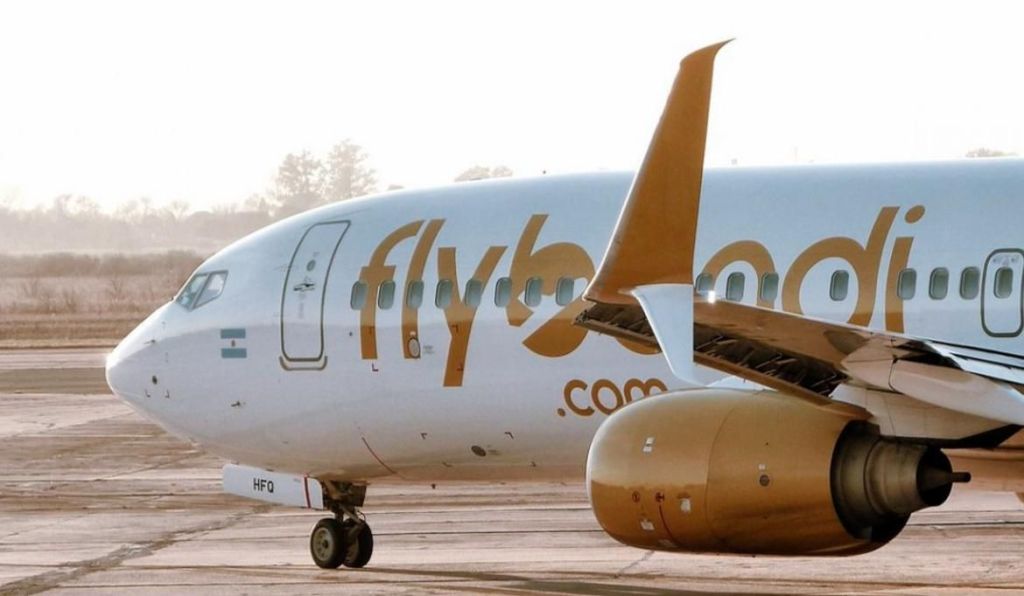
Flybondi Líneas Aéreas ha iniciado una nueva expansión después que la pandemia ha cambiado el mercado en Argentina y en el mundo. La aerolínea de presupuesto de Argentina ha mirado en el radar el espacio abandonado por las aerolíneas Latam Airlines Argentina y Avianca Perú. La compañía ha anunciado la semana atrás las presentaciones ante las autoridades aeronáuticas de Argentina y Perú los permisos que le permitirán en el ámbito doméstico operar rutas regulares dejadas por Latam Argentina y estrenar una nueva ruta hacia la República de Perú uniendo Buenos Aires y Lima. La low cost ha solicitado a la ANAC conexiones con la capital peruana desde Bariloche, Córdoba, Iguazú, Mendoza, Córdoba, Rosario y Salta.

Recorte de salarios

Flybondi anunció que llegó a un acuerdo con los gremios para extender por otros tres meses el recorte de salarios que aplicó durante Abril, Mayo y Junio. Así, se mantiene la reducción del 50% del sueldo para los ejecutivos y directores y la rebaja para el resto de los empleados, que es de 15% para los salarios más bajos hasta un tope de 40%. La medida forma parte de un plan de ajuste implementado por la línea aérea low cost para hacer frente a la situación generada por la pandemia de coronavirus, que obligó a todas las aerolíneas que operan en el país a cancelar los vuelos hasta el 1 Septiembre 2020. El recorte salarial consensuado es una de las herramientas que utilizan las líneas aéreas. JetSmart, Andes Líneas Aéreas y Aerolíneas Argentinas/Austral Líneas Aéreas han adoptado las mismas medidas. También hizo lo mismo Latam Argentina, empresa que ya anunció que deja de operar en el país. Pero en este caso el recorte no tuvo el aval de los gremios tradicionales del sector aeronáutico, que denunciaron la situación ante el Ministerio de Trabajo. La cartera laboral intimó a Latam a pagar el 100% de los sueldos.

Flybondi seeks market capture

Flybondi advances market abandoned by Latam and Avianca

Flybondi Líneas Aéreas has started a new expansion after the pandemic has changed the market in Argentina and in the world. Argentina’s budget airline has looked on the radar at the space abandoned by Latam Airlines Argentina and Avianca Peru. The company announced the week before the presentations before the aeronautical authorities of Argentina and Peru the permits that will allow it to operate in the domestic sphere regular routes left by Latam Argentina and to launch a new route to the Republic of Peru linking Buenos Aires and Lima. The low cost has requested ANAC to connect with the Peruvian capital from Bariloche, Córdoba, Iguazú, Mendoza, Córdoba, Rosario and Salta.

Cut wages

Flybondi announced that it reached an agreement with the unions to extend for another three months the cut in wages that it applied during April, May and June. Thus, the 50% reduction in salary for executives and directors is maintained, and the reduction for the rest of the employees, which is 15% for lower salaries up to a maximum of 40%. The measure is part of an adjustment plan implemented by the low cost airline to deal with the situation caused by the coronavirus pandemic, which forced all airlines operating in the country to cancel flights until September 1, 2020. The agreed salary cut is one of the tools that airlines use. JetSmart, Andes Airlines and Aerolíneas Argentinas/Austral Líneas Aéreas have adopted the same measures. Latam Argentina also did the same, a company that has already announced that it ceases to operate in the country. But in this case the cut did not have the endorsement of the traditional unions of the aeronautical sector, which reported the situation to the Ministry of Labor. The labor portfolio encouraged Latam to pay 100% of wages.

Ξ A I R G W A Y S Ξ
PUBLISHER: Airgways.com
DBk: Flybondi.com / Airgways.com / Anac.gov.ar
AW-POST: 202007131315AR

A\W   A I R G W A Y S ®