Impulsan conversión en Sociedad del Estado del Aeropuerto Rosario
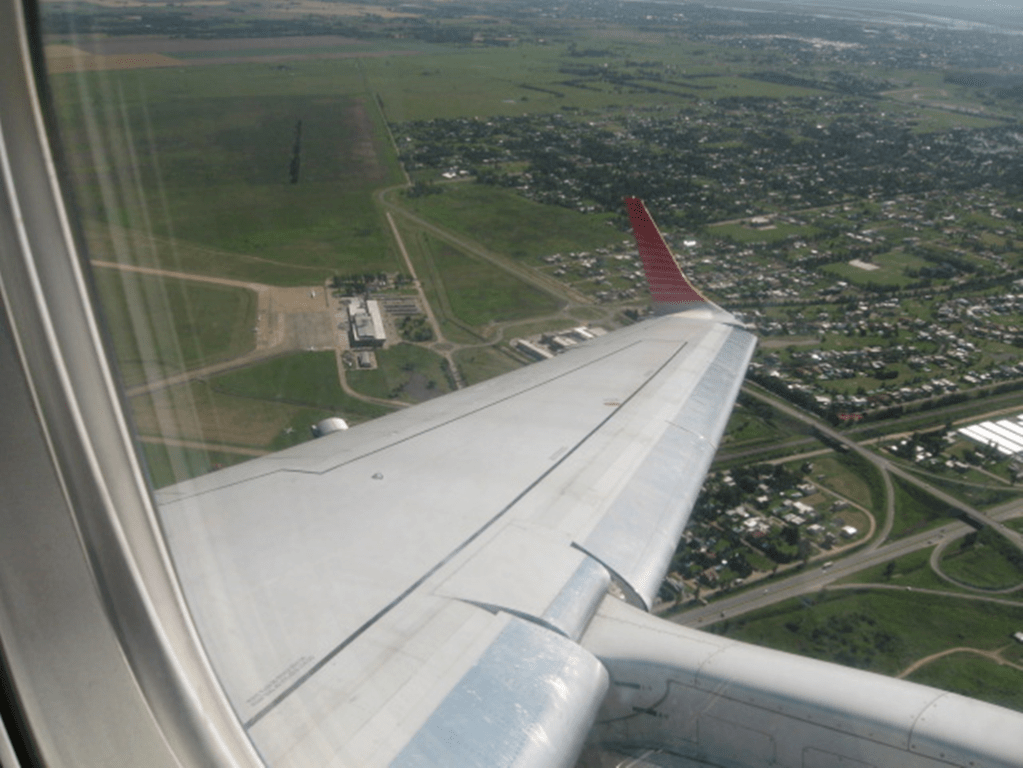
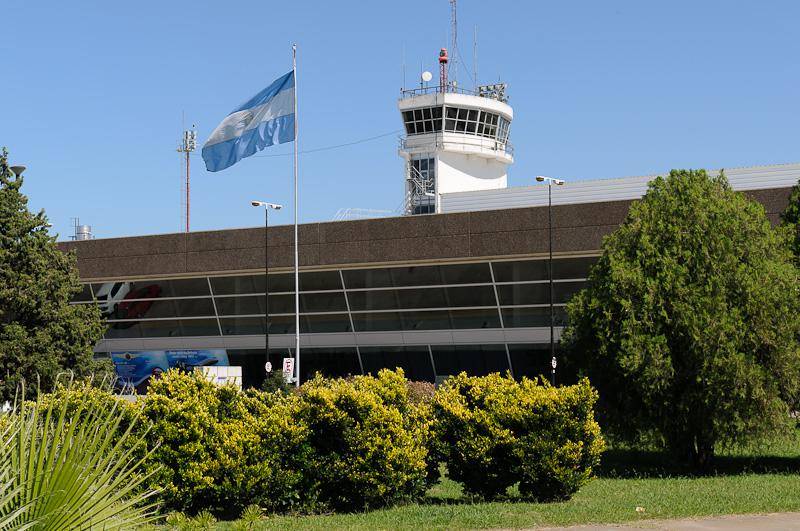
El Diputado y ex-Ministro de Infraestructura y Transporte de la Provincia de Santa Fe, José Garibay, ha presentado un proyecto de Ley para dotar a la terminal aérea de más y mejores herramientas para su desarrollo. Con este fin, a la Cámara de Diputados ha ingresado un proyecto de Ley para convertir al Aeropuerto Internacional de Rosario/Islas Malvinas en una Sociedad del Estado. “Buscamos desarrollar una terminal aeroportuaria de escala, teniendo en cuenta el progreso económico, social y ambiental de la región”, afirmó José Garibay, autor de la iniciativa.
El legislador explicó que se trata de un proyecto que se impulsó desde el Ejecutivo durante la gestión del ex-Gobernador Miguel Lifschitz y que había perdido estado parlamentario. El propósito es cambiar su figura actual de Ente Autárquico Aeropuerto Internacional Rosario/Isla Malvinas por la de Aeropuerto Internacional Rosario- Islas Malvinas Sociedad del Estado. “Lo que ideamos es que el aeropuerto tenga un marco legal dinámico que le permita competir, sea eficaz, eficiente como también su modernización y desarrollo del servicio y de esta manera alcanzar los estándares y certificaciones internacionales del sector”, explicó el Diputado del Frente Progresista, Cívico y Social.
El proyecto contempla los derechos de los trabajadores del ente existente, asegurándoles las condiciones laborales adquiridas y potencia sus posibilidades de crecimiento, desarrollo y capacitación en el sector. La sociedad podrá administrar sus bienes y recursos financieros asignados por el Gobierno Provincial, teniendo también la posibilidad de adquirir bienes necesarios para su desarrollo como también créditos, acciones, títulos, derechos reales activos o pasivos y contraer obligaciones y erogaciones. En cuanto a la conducción del organismo, se prevé que sea a través de un Directorio, compuesto por siete integrantes ad honorem excepto su Presidente, designados por el Ejecutivo Provincial, municipios de Rosario y Funes, sector privado y por el gremio de trabajadores del sector. Se esteblecerá una comisión de seguimiento para el proceso de transformación que estará integrada por tres diputados provinciales y tres senadores provinciales que serán los encargados de monitorear que el proceso se lleve adelante dentro de lo acordado en esta ley. “De esta manera se busca potenciar y tener un aeropuerto de jerarquía internacional dotándolo de las herramientas necesarias para un desarrollo ordenado y sustentable”, concluyó José Garibay.
Rosario Airport as State Society
They promote the conversion of Rosario Airport into a State Society
The Deputy and former Minister of Infrastructure and Transportation of the Province of Santa Fe, José Garibay, has presented a bill to provide the air terminal with more and better tools for its development. To this end, a bill has been submitted to the Chamber of Deputies to convert the Rosario International Airport/Islas Malvinas into a State Company. «We seek to develop an airport terminal of scale, taking into account the economic, social and environmental progress of the region», said José Garibay, author of the initiative.
The legislator explained that it is a project that was promoted by the Executive during the administration of former Governor Miguel Lifschitz and that he had lost parliamentary status. The purpose is to change its current figure from the Rosario International Airport/Malvinas International Airport Entity to that of Rosario International Airport/Islas Malvinas Sociedad del Estado. «What we devised is that the airport have a dynamic legal framework that allows it to compete, be effective, efficient as well as its modernization and development of the service and in this way achieve the international standards and certifications of the sector», explained the Deputy of the Progressive Front, Civic and Social.
The project contemplates the rights of the workers of the existing entity, assuring them of the acquired working conditions and enhancing their possibilities for growth, development and training in the sector. The company may administer its assets and financial resources assigned by the Provincial Government, also having the possibility of acquiring assets necessary for its development as well as credits, shares, titles, real rights, assets or liabilities, and contracting obligations and expenditures. Regarding the management of the body, it is expected to be through a Board of Directors, made up of seven members ad honorem except its President, appointed by the Provincial Executive, Rosario and Funes municipalities, the private sector and by the workers’ union in the sector. A follow-up commission will be established for the transformation process that will be made up of three provincial deputies and three provincial senators who will be in charge of monitoring that the process is carried out within the agreed upon in this law. «In this way, it seeks to promote and have an airport of international rank, providing it with the necessary tools for an orderly and sustainable development», concluded José Garibay.
Ξ A I R G W A Y S Ξ PUBLISHER: Airgways.com DBk: Aeropuertorosario.com / On24.com.ar / Airgways.com AW-POST: 202008150033AR
AW | 2020 08 14 18:51 | AVIATION SAFETY / GOVERNMENT
ANAC Brasil evalúa retorno operaciones del Boeing 737 MAX
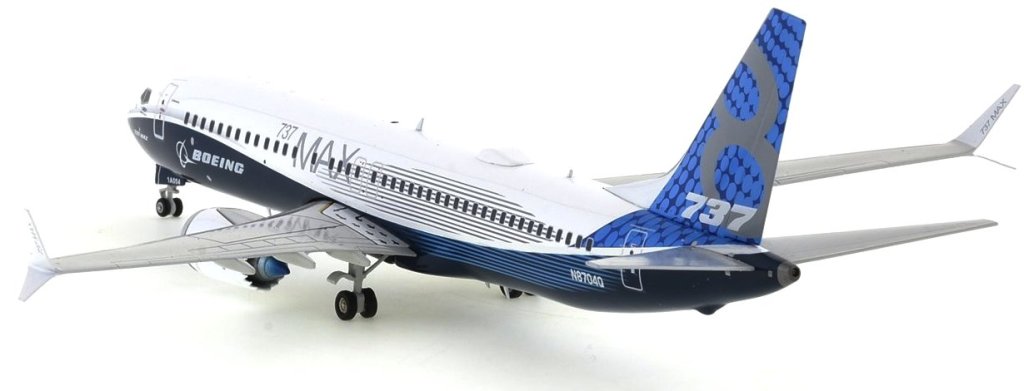
La Agencia de Aviación de ANAC Brasil está estudiando una propuesta para validar el retorno de operaciones del modelo de avión Boeing 737 MAX, luego de un proyecto para modificar el Sistema de Control de Vuelo denominado MCAS, enviado por la Administración Federal de Aviación (FAA) a las autoridades de aviación civil el 3 Agosto 2020. El objetivo de la Directiva de Aeronavegabilidad (AD) es demostrar con las modificaciones propuestas la acción es segura y cumple los requisitos de aeronavegabilidad necesarios para el retorno del modelo a los cielos. La nueva directiva deberá mantenerse en consulta por un período de 45 días, cuando la FAA publicará la directiva final correspondiente, conteniendo las instrucciones de cumplimiento obligatorio necesarias para el regreso seguro a las operaciones de estas aeronaves.
En la República de Brasil, la devolución de operaciones de este tipo de modelo 737 MAX aún se someterá a la validación final por parte de ANAC, que desde Abril 2019 forma parte del grupo de autoridades validadoras. La suspensión de vuelos con el 737 MAX, que tuvo lugar en Marzo 2019 fue sancionada por una Directiva de Aeronavegabilidad unilateral emitida por ANAC. En ese momento, algunas aerolíneas ya habían suspendido voluntariamente sus operaciones con este modelo de avión. El regreso de las operaciones solo es posible si la agencia revoca esta decisión. Para ello, la entidad está contribuyendo a la FAA en verificar que el proceso de validación de la modificación se haya completado satisfactoriamente. Para reanudar los servicios, también es necesario que se complete el proceso que acredite la seguridad y el cumplimiento de los requisitos de la Certificación Tipo para este modelo de aeronave, además de la evaluación de los aspectos operativos y de entrenamiento.
ANAC BRAZIL evaluates Boeing 737 MAX
ANAC Brazil evaluates return of Boeing 737 MAX operations
The Aviation Agency of ANAC Brazil is studying a proposal to validate the return of operations of the Boeing 737 MAX aircraft model, after a project to modify the Flight Control System called MCAS, sent by the Federal Aviation Administration (FAA) to the civil aviation authorities on August 3, 2020. The objective of the Airworthiness Directive (AD) it is to demonstrate with the proposed modifications the action is safe and meets the airworthiness requirements necessary for the return of the model to the skies. The new directive must be kept in consultation for a period of 45 days, when the FAA will publish the corresponding final directive, containing the mandatory compliance instructions necessary for the safe return to operations of these aircraft.
In the Republic of Brazil, the return of operations of this type of 737 MAX model will still undergo final validation by ANAC, which since April 2019 is part of the group of validating authorities. The suspension of flights with the 737 MAX, which took place in March 2019, was sanctioned by a unilateral Airworthiness Directive issued by ANAC. At that time, some airlines had already voluntarily suspended their operations with this aircraft model. The return of operations is only possible if the agency revokes this decision. To this end, the entity is helping the FAA to verify that the modification validation process has been completed satisfactorily. To resume services, it is also necessary to complete the process that certifies the safety and compliance with the requirements of the Type Certification for this aircraft model, in addition to the evaluation of the operational and training aspects.
ANAC BRASIL avalia Boeing 737 MAX
ANAC Brasil avalia retorno das operações do Boeing 737 MAX
A Agência de Aviação da ANAC Brasil estuda proposta para validar o retorno das operações da aeronave Boeing 737 MAX, após projeto de modificação do Sistema de Controle de Voo MCAS, encaminhado pela Federal Aviation Administration (FAA) às autoridades da aviação civil em 3 de agosto de 2020. O objetivo da Diretriz de Aeronavegabilidade (AD) é demonstrar com as modificações propostas que a ação é segura e atende aos requisitos de aeronavegabilidade necessários para o retorno do modelo aos céus. A nova diretriz deverá ser mantida em consulta por um período de 45 dias, quando a FAA publicará a diretriz final correspondente, contendo as instruções de cumprimento obrigatório necessárias para o retorno seguro às operações dessas aeronaves.
Na República do Brasil, o retorno das operações desse tipo de modelo 737 MAX ainda passará pela validação final pela ANAC, que desde abril de 2019 faz parte do grupo de autoridades validadoras. A suspensão dos voos com o 737 MAX, ocorrida em março de 2019, foi sancionada por Diretiva de Aeronavegabilidade unilateral da ANAC. Naquela época, algumas companhias aéreas já haviam suspendido voluntariamente suas operações com este modelo de aeronave. A volta das operações só é possível se a agência revogar essa decisão. Para tanto, a entidade está auxiliando a FAA a verificar se o processo de validação da modificação foi concluído de forma satisfatória. Para a retomada dos serviços, também é necessário concluir o processo que atesta a segurança e o atendimento aos requisitos da Certificação de Tipo para este modelo de aeronave, além da avaliação dos aspectos operacionais e de treinamento.
Ξ A I R G W A Y S Ξ PUBLISHER: Airgways.com DBk: Anac.gov.br / Boeing.com / Airgways.com AW-POST: 202008141851AR
Airbus Group continúa acelerando desarrollo A321NEO XLR
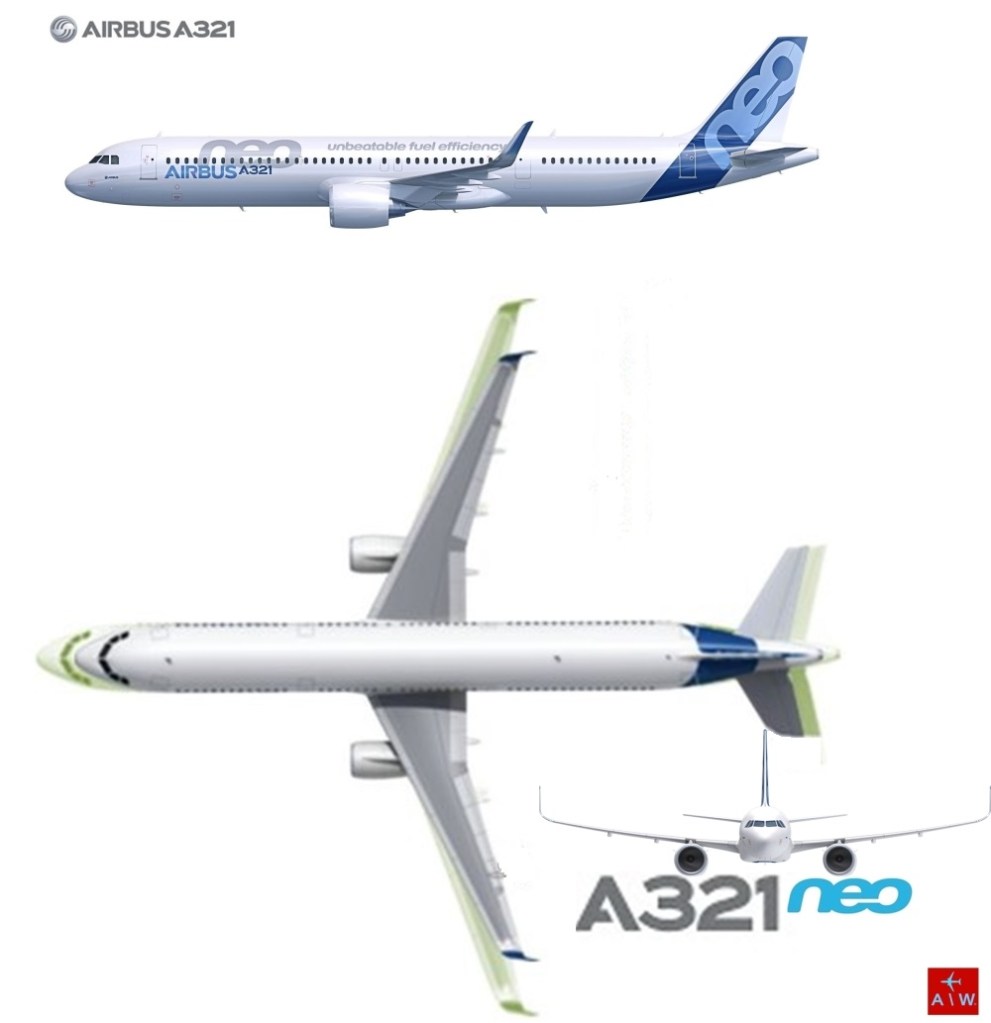
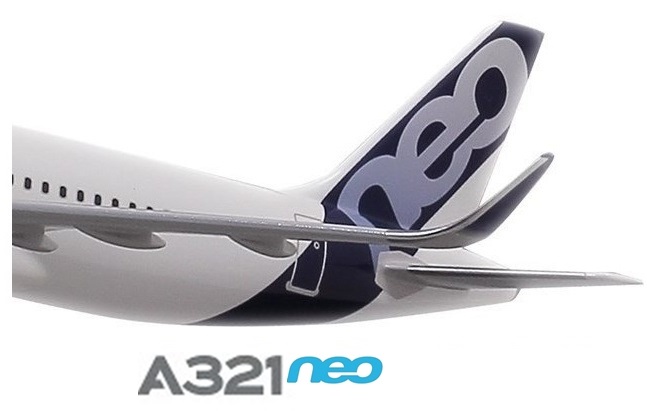
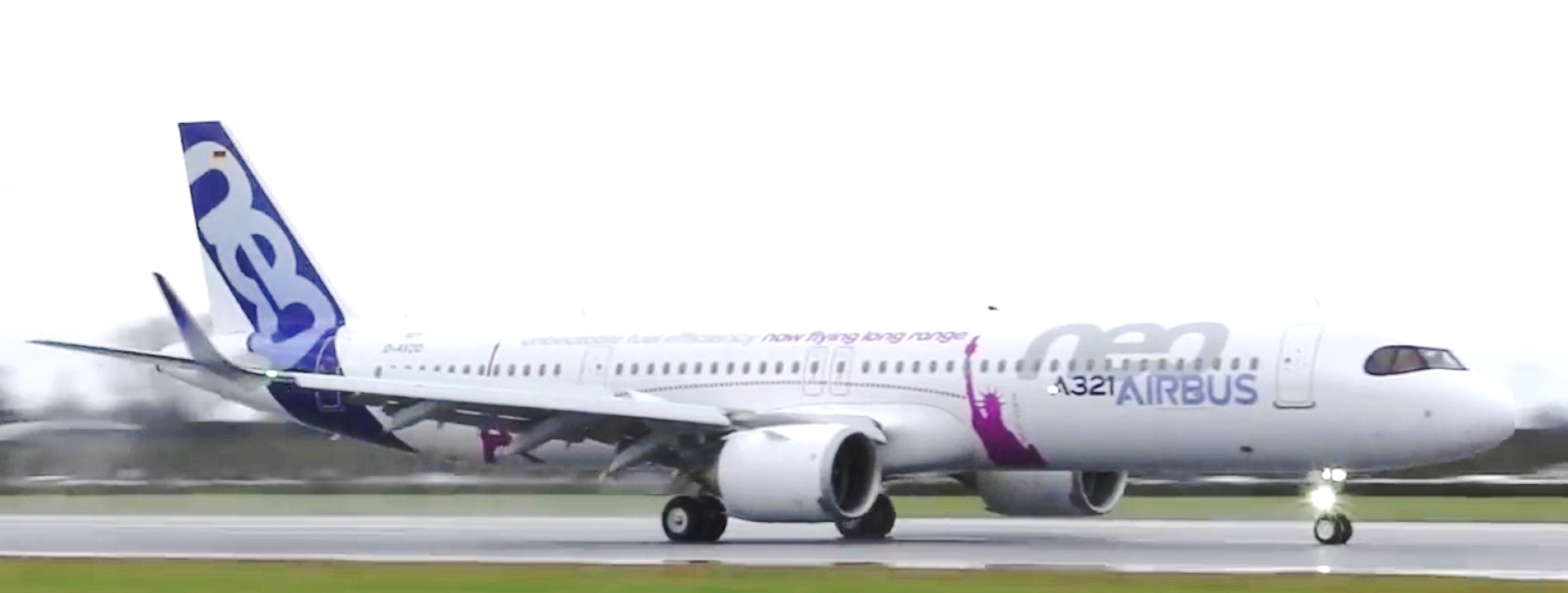
Airbus Group SE está intensificando el desarrollo de su avión más nuevo, invirtiendo recursos en el A321NEO XLR incluso cuando retira el gasto en otros proyectos para ahorrar efectivo, pues ha ralentizado la aceleración de sus unidades de negocios de la aeronave regional A220. El nuevo derivado del A321NEO denominado XLR (eXtra Long Range), sería la versión de mayor distancia hasta ahora de la aeronave narrowbodies de la serie A320 más vendida del constructor europeo. La nueva variante a acumulado más de 450 órdenes desde su lanzamiento en 2019, considerando una versión resistente al histórico colapso de la demanda de aviones provocado por la actual crisis sanitaria mundial.
El modelo ha resultado atractivo para los transportistas deseosos de volar más lejos con la economía de un avión de pasillo único, y ahora tiene 24 clientes, incluidos American Airlines, JetBlue Airways y United Airlines. Su alcance de 4.700 millas náuticas, posee un 15% más de autonomía que el A321NEO LR existente, alcanzando las prestaciones y superando las tecnologías del veterano intercontinental Boeing 757-200ER.
Airbus ha agregado recursos al A321XLR, incluida la asignación de más ingenieros, según personas familiarizadas con el tema, que pidieron no ser nombrado discutiendo decisiones internas. Airbus se negó a comentar sobre medidas específicas. La compañía dijo que el A321XLR es un proyecto prioritario que no se detiene en la situación actual, sino que se acelera a toda velocidad. Los pares de ciudades como Londres a Miami y Roma a Nueva York son factibles con el XLR, según Airbus. Compañías como Aer Lingus de Irlanda, una unidad de IAG SA, lo han pedido teniendo en cuenta los servicios transatlánticos.
Dado que se espera que los aviones de fuselaje ancho sean los últimos en regresar a medida que la crisis de salud pesa sobre la demanda, el A321XLR podría volverse aún más popular en el entorno operativo posterior a una pandemia. «Va a ser un asesino de categorías. Va a dominar la demanda de mediano alcance durante probablemente tres o cinco años después de la crisis», dijo Sash Tusa, Analista de Agency Partners en Londres.
El avión se encuentra en una posición particularmente fuerte después de que su rival Boeing optara por no comprometerse con un nuevo avión del mercado medio para reemplazar su descontinuado Boeing 757, el avión cuyo nicho de mercado ocupa más de cerca el nuevo modelo narrowbodies de Airbus.
EL BOEING 757 HA QUEDADO DESACTUALIZADO COMO AVIÓN TRANSCONTINENTAL PARA UNIR DISTANCIAS PUNTO-PUNTO
Con la compañía estadounidense preocupada por intentar que su 737 MAX en tierra vuelva a volar después de dos accidentes aéreos, el A321NEO XLR no tiene rival actual. United dijo en Diciembre 2019 que usaría la última variante en desarrollo para reemplazar los viejos Boeing 757-200 en rutas transcontinentales claves.
Un inconveniente para Airbus y Boeing a medida que los aviones de fuselaje estrecho vuelan más lejos es que han socavado la demanda de aviones más grandes que normalmente tienen mayores márgenes de beneficio. Ambas compañías ya habían reducido la producción de cuerpo ancho antes de que llegara el virus, y desde entonces han retrocedido aún más. El diseño complejo también presenta un riesgo para la rentabilidad, después de que Airbus luchara con una variedad de opciones de personalización de cabina en el A321XLR, dijo Tusa.El A321 XLR también ha alejado algunos de sus pedidos de los compromisos existentes a medida que los clientes de Airbus cambian de modelos más pequeños de la familia A320 al avión de mayor alcance. No hay garantía de que la demanda se mantenga. El XLR tiene pedidos importantes de compañías asiáticas de bajo costo, incluida AirAsiaX, que están siendo exprimidas por el brote de Covid-19.
Perspectivas A321XLR
El objetivo es garantizar que el A321NEO XLR entre en servicio a tiempo en 2023. El Director Ejecutivo de Airbus, Guillaume Faury ha identificado el nuevo modelo como uno que puede ayudar a la empresa a superar una caída en la demanda que probablemente afectará la producción de pasillo único hasta 2022, dijo en Abril 2020 que el XLR será un avión fantástico a medida que se salga de la crisis mundial.
Airbus advances A321XLR development
Airbus Group continues to accelerate development A321NEO XLR
Airbus Group SE is stepping up development of its newest aircraft, investing resources in the A321NEO XLR even as it withdraws spending on other projects to save cash, as it has slowed the acceleration of its A220 regional aircraft business units. The new derivative of the A321NEO called XLR (eXtra Long Range), would be the longest distance version so far of the best-selling A320 series narrowbodies aircraft from the European manufacturer. The new variant has accumulated more than 450 orders since its launch in 2019, considering a version resistant to the historic collapse in demand for aircraft caused by the current global health crisis.
The model has been attractive to carriers eager to fly further with the economy of a single-aisle aircraft, and it now has 24 customers, including American Airlines, JetBlue Airways and United Airlines. Its range of 4,700 nautical miles, has 15% more range than the existing A321NEO LR, reaching the performance and surpassing the technologies of the veteran intercontinental Boeing 757-200ER.
Airbus has added resources to the A321XLR, including assigning more engineers, according to people familiar with the matter, who asked not to be named discussing internal decisions. Airbus declined to comment on specific measures. The company said that the A321XLR is a priority project that does not stop in the current situation, but accelerates at full speed. City pairs like London to Miami and Rome to New York are feasible with the XLR, according to Airbus. Companies like Aer Lingus of Ireland, a unit of IAG SA, have requested it with transatlantic services in mind.
With wide-body jets expected to be the last to return as the health crisis weighs on demand, the A321XLR could become even more popular in the post-pandemic operating environment. «It’s going to be a category killer. It’s going to dominate mid-range demand for probably three to five years after the crisis», said Sash Tusa, an analyst at Agency Partners in London.
The aircraft is in a particularly strong position after rival Boeing chose not to commit to a new mid-market aircraft to replace its discontinued Boeing 757, the aircraft whose market niche is most closely occupied by Airbus’ new narrowbodies model.
With the American company preoccupied with trying to get its 737 MAX back on the ground after two plane crashes, the A321NEO XLR is unrivaled today. United said in December 2019 that it would use the latest variant in development to replace the aging Boeing 757-200s on key transcontinental routes.
One drawback for Airbus and Boeing as narrow-body jets fly further is that they have undermined demand for larger jets that typically have higher profit margins. Both companies had already cut widebody production before the virus hit, and have since regressed even further. The complex design also presents a risk to profitability, after Airbus struggled with a variety of cabin customization options on the A321XLR, Tusa said. The A321 XLR has also moved some of its orders away from existing commitments as they move forward. Airbus customers switch from smaller models of the A320 family to the longer-range aircraft. There is no guarantee that the demand will continue. The XLR has significant orders from low-cost Asian companies, including AirAsiaX, which are being squeezed by the Covid-19 outbreak.
Perspective A321XLR
The goal is to ensure that the A321NEO XLR enters service on time in 2023. Airbus Chief Executive Officer Guillaume Faury has identified the new model as one that can help the company overcome a drop in demand that will likely affect production of single aisle through 2022, said in April 2020 that the XLR will be a fantastic aircraft as it emerges from the global crisis.
Ξ A I R G W A Y S Ξ PUBLISHER: Airgways.com DBk: Airbus.com / Bloomberg.com / Airgways.com AW-POST: 202008141747AR
Rex Airlines incursionaría mercado con aeronaves Boeing 737
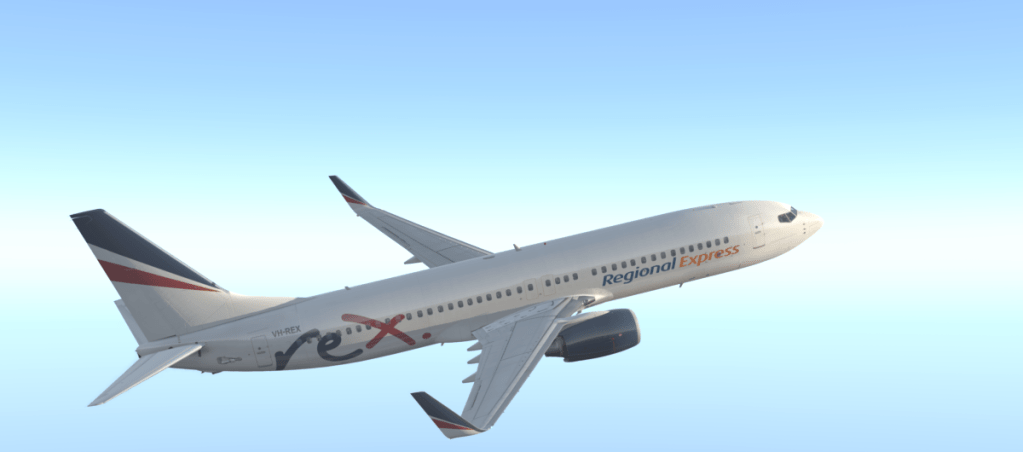
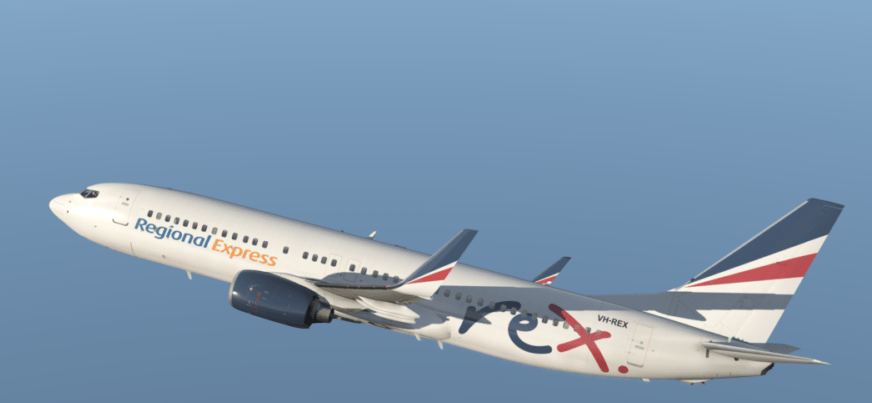
La aerolínea regional Rex Airlines de Australia podría ampliar sus perspectivas estratégicas de incursionar con aeronave narrobodies Boeing 737 en el mercado doméstico australiano. El ambicioso proyecto de la aerolínea de extender sus alas más allá de las rutas regionales, pone en desafío a Qantas Airways y Virgin Australia Airlines en el competitivo mercado del triángulo se lanzará en Marzo 2021.
Es que la aerolínea regional está aprovechando la depresión del mercado aéreo mundial para saltar al mercado con algunos Boeing 737 NG no deseados de Virgin Australia para poner en marcha los propios vuelos de la aerolínea regional entre Brisbane, Sydney y Melbourne. La aerolínea con sede en Sydney no tiene que buscar muy lejos para encontrar esos aviones, ya que Virgin Australia está lista para deshacerse de muchos de sus Boeing 737 alquilados mientras avanza hacia un modelo reducido bajo la propiedad de Bain Capital.
La flota prepandémica de Boeing 737 de la aerolínea de presupuesto de Virgin Australia contaba con 85 unidades, incluidos los aviones asignados a Tigerair, otra aerolínea del grupo eliminada que operaba Airbus A320CEO. Aún así, Rex Airlines entiende que solo alrededor de 40 de ellos son propiedad de la aerolínea, lo que deja la misma cantidad de aviones de un solo pasillo bajo arrendamiento, y no todos serán necesarios para la estructura reducida de Virgin Australia.
«Cuántos estamos tomando y cuántos necesitaremos en el futuro es todavía un trabajo en progreso. Al final de esta pandemia, una vez que volvamos a los niveles anteriores al Covid-19, vemos un mercado que podría sostenernos con 60-80 Boeing 737 en nuestra flota», comentó el CEO de Virgin Australia, Paul Scurrah, durante una conferencia de prensa a principios de este mes.
Varias empresas de arrendamiento financiero, que se encuentran entre los acreedores de la deuda pendiente de US$ 6,8 mil millones de Virgin cuando la aerolínea colapsó en la administración el 21 Abril 2020, según los informes, han sido notificadas por Virgin que sus Boeing 737 ya no serán necesarios. Según The Financial Review, Rex Airlines está ahora en conversaciones con esas empresas de leasing sobre la transferencia de hasta diez Boeing 737 Next Generation de los hangares de Virgin en Brisbane podrían migrar hacia la sede de la aerolínea en Sidney.
Perspectivas de Rex Airlines
En una declaración preparada, una portavoz de Rex dijo que «Rex no ha confirmado su elección de aeronave que se utilizará y está en conversaciones activas con arrendadores de todo el mundo». Sin embargo, hacerse cargo de una gran cantidad de antiguos Boeing 737 de Virgin no significa que Rex mantendría la misma cabina de clase ejecutiva que los aviones que actualmente se encuentran configurados.
Al anunciar sus planes a principios de este año, el Vicepresidente de Rex Airlines, John Sharp, indicó que sus vuelos a la ciudad capital adoptarían un modelo híbrido que combina las ofertas de Qantas y Jetstar pero con una base de costos más baja, diciendo que esto será a medio camino entre un servicio completo aerolínea y una aerolínea de bajo costo. Eso podría traducirse en que la clase ejecutiva sea reemplazada por una cabina Premium donde el asiento del medio en un diseño de 3-3 permanece libre, junto con un poco más de espacio para las piernas o reclinación en comparación con otros asientos económicos. Rex y la empresa de arrendamiento de aviones tendrían que ponerse de acuerdo sobre cómo se reacondicionarían las cabinas con nuevos asientos. La aerolínea dice que sus vuelos a la capital tendrán un precio asequible, pero también incluirán franquicia de equipaje, comidas a bordo y asientos preasignados.
REX Airlines post-pandemic challenge
Rex Airlines would enter the market with Boeing 737 aircraft
Australia’s regional airline Rex Airlines could broaden its strategic prospects to enter Boeing 737 narrobodies aircraft in the Australian domestic market. The airline’s ambitious project to extend its wings beyond regional routes, challenges Qantas Airways and Virgin Australia Airlines in the competitive triangle market will be launched in March 2021.
It is that the regional airline is taking advantage of the global air market slump to jump into the market with some unwanted Boeing 737 NGs from Virgin Australia to launch the regional airline’s own flights between Brisbane, Sydney and Melbourne. The Sydney-based airline doesn’t have to look far to find those planes, as Virgin Australia is set to ditch many of its leased Boeing 737s as it moves towards a downsized model under Bain Capital ownership.
Virgin Australia’s budget airline’s Boeing 737 pre-pandemic fleet numbered 85 units, including aircraft assigned to Tigerair, another disposed group airline operating Airbus A320CEO. Still, Rex Airlines understands that only about 40 of them are owned by the airline, leaving the same number of single-aisle jets under lease, and not all of them will be needed for Virgin Australia’s scaled-down structure.
«How many we are taking and how many we will need in the future is still a work in progress. At the end of this pandemic, once we go back to pre-Covid-19 levels, we see a market that could sustain us with 60-80 Boeing 737s in our fleet», Virgin Australia CEO Paul Scurrah said during a press conference earlier this month.
Several leasing companies, which are among the creditors of Virgin’s $ 6.8 billion outstanding debt when the airline collapsed in administration on April 21, 2020, have reportedly been notified by Virgin that their Boeing 737 will no longer be needed. According to The Financial Review, Rex Airlines is now in talks with those leasing companies about the transfer of up to ten Boeing 737 Next Generation from Virgin’s Brisbane hangars could migrate to the airline’s headquarters in Sydney.
Rex Airlines perspective
In a prepared statement, a Rex spokeswoman said «Rex has not confirmed her choice of aircraft to be used and is in active discussions with lessors around the world». However, taking over a large number of old Virgin Boeing 737s does not mean that Rex would maintain the same business class cabin as the jets that are currently configured.
Announcing his plans earlier this year, Rex Airlines Vice President John Sharp indicated that its flights to the capital city would adopt a hybrid model combining Qantas and Jetstar offerings but with a lower cost base, saying that This will be halfway between a full service airline and a low cost airline. That could translate to Business Class being replaced by a Premium Cabin where the middle seat in a 3-3 layout remains free, along with slightly more legroom or recline compared to other economy seats. Rex and the aircraft leasing company would have to agree on how the cabins would be retrofitted with new seats. The airline says its flights to the capital will be affordable, but will also include baggage allowance, on-board meals and pre-assigned seats.
Ξ A I R G W A Y S Ξ PUBLISHER: Airgways.com DBk: Rex.com.au / Airgways.com / Executivetraveller.com / Afr.com AW-POST: 202008141714AR
AW | 2020 08 14 14:40 | AIRLINES MARKET / GOVERNMENT
Pandemia, cuando el derecho confronta con las necesidades
El transporte en la República Argentina es uno los sectores que muestra más cambios que ha sufrido y menos planes de salida están desarrollado. Actualmente el Gobierno continúa anunciando más prórrogas a la salida de la pandemia actual, mientras que el transporte aéreo continúa siendo asfixiado llegando a los seis meses de inactividad programada.
El Ministerio de Transporte a cargo de Mario Meoni ha expresado este 14/08 en entrevista por Tn.com.ar que la necesidad del Gobierno Nacional será ir descomprimiendo la prórroga a la prohibición de volar con medidas de reapertura programadas.
Panorama aeronáutico
La asistencia por parte de los gobiernos mundiales a las líneas aéreas continúa brindando cierta capacidad de oxígeno, pero en Argentina muchas aéreas no están en condiciones de soportar la inactividad que le genera más deudas contraídas sin asistencia económica.
Tras la reunión del Seminario de la IATA esta semana, el Vicepresidenste para Las Américas, Peter Cerdá, ha expresado la situación en América Latina y Argentina. Estaban invitados ejecutivos de Aerolíneas Argentinas, Aeropuertos Argentina 2000, Airbus Group, la asociación de aerolíneas ALTA, la Administración Nacional de Aviación Civil (ANAC) de Argentina, como así también del CEO de Aerolíneas Argentinas. Sobre la hora, el evento virtual perdió a los dos referentes que más expectativas generaban ,la participación de Paola Tamburelli de la ANAC Argentina y el Presidente de Aerolíneas Argentinas, Pablo Ceriani, se excusaron de participar. Dicen que, casualmente, sonaron algunos teléfonos con llamados del Senador Mariano Recalde, ex-Presidente de Aerolíneas, y del titular del Gremio de Pilotos APLA, Pablo Biró, verdaderos líderes de la política aerocomercial argentina.
Dilema low cost
Tras un panorama complicado por la crisis sanitaria, el Gobierno de Argentina suma a la inquietud de postergación de reapertura, políticas poco definidas respecto al manejo de las acciones hacia el futuro mercado aéreo para el Aeropuerto Jorge Newbery y Aeropuerto El Palomar. La aérea low cost JetSmart Airlines Argentina ha sido intimada a no ejercer sus derechos en Aeroparque, mientras que Flybondi Líneas Aéreas y JetSmart Argentina tienen trabas para continuar operando en el Aeropuerto Internacional El Palomar. En cuanto a Latam Airlines Argentina está desarmando su filial y el Gobierno continúa esperando definiciones de lo que decidirá la compañía aérea en medio de una situación de desamparo de los 1.715 trabajadores.
Aerolíneas/Austral
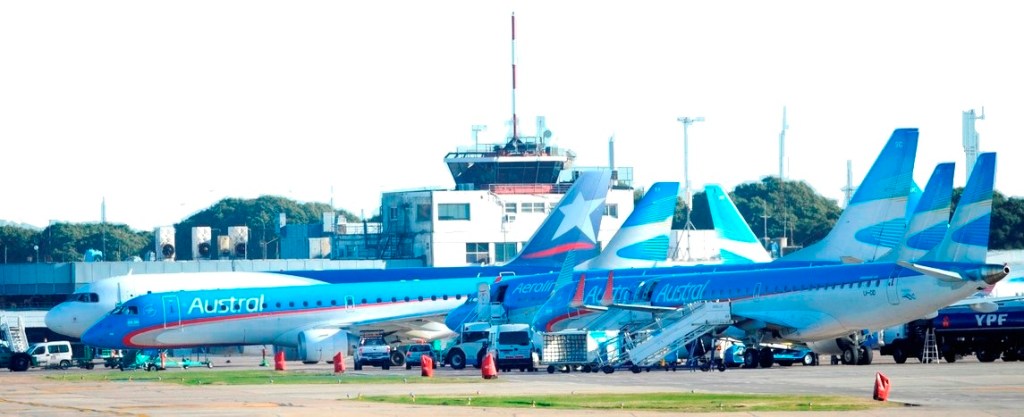
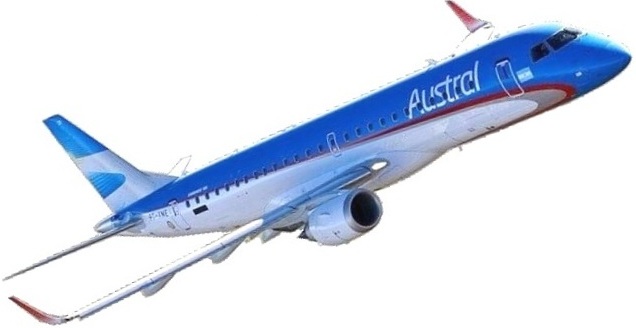
Desde la empresa Aerolíneas Argentinas/Austral Líneas Aéreas continuarán esperando definiciones por parte del Gobierno respecto a la reapertura aerocomercial. El Grupo Aerolíneas continúa con el proceso de fusión de Austral Líneas Aéreas activando el proceso de eliminación de la librea de Austral del fuselaje de los Embraer E190-100AR de la firma que será absorbida por su hermana mayor, poniendo fin a una aerolínea emblemática de la República Argentina.
No pasa desapercibido el gesto político que genera la fusión Aerolíneas/Austral, donde existen vencedores y vencidos, poniendo fin a una larga lucha por la supervivencia de Austral Líneas Aéreas y la lucha intergremial. La actual pandemia de Coronavirus se lleva puesta como excusa otra maravillosa aerolínea que ha estado a la altura de las grandes líneas aéreas domésticas del mundo.
Andes Líneas Aéreas
Horacio Preneste, Gerente General de Andes Líneas Aéreas ha mencionado que a mediados de Octubre 2020 podría haber novedades, pero declinó poner a la venta pasajes, al menos hasta que no haya una resolución definitiva por parte del Ministerio de Transporte y Salud de Argentina. «Hay una interpretación en la resolución respecto a los vuelos. Mario Meoni por lo menos habló de 60 días, al menos. Hasta mediados de Octubre, con suerte. Nos preparamos para esa fecha», destacó el CEO de Andes.
Aeropuertos candentes
Detrás de los efectos de la pandemia, la situación de los aeropuertos El Palomar y Aeroparque continúan generando crisis en el sector aeronáutico sin definiciones por parte del Gobierno.
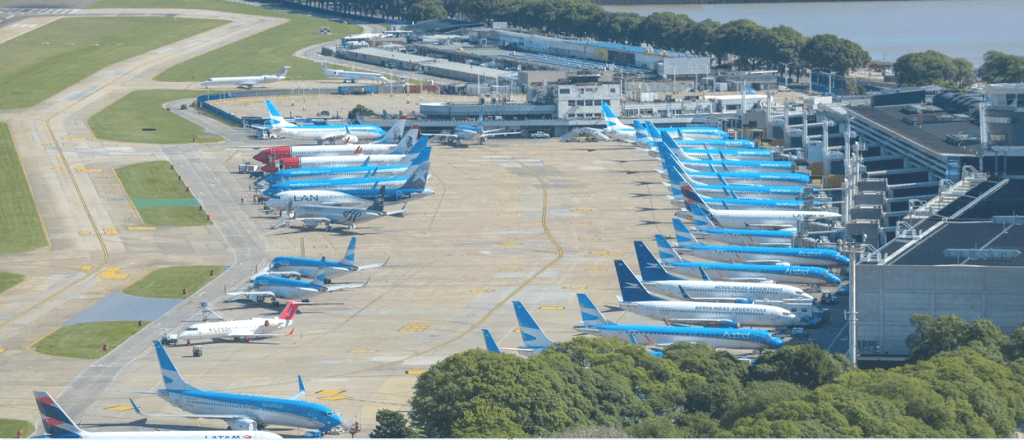
El Aeropuerto Jorge Newbery ha entrado en el período de obras que podrían haberse aprovechado mejor en el inicio de la pandemia, pero esa demora resulta un tanto extraña para las compañías aéreas domésticas y una estrategia para los intereses de Aerolíneas Argentinas que busca el monopolio de las operaciones en Aeroparque. Esa demora por reabrir el principal aeropuerto de cabotaje hacia Diciembre 2020 obliga a las aéreas a reprogramar sus vuelos en otros aeropuertos.
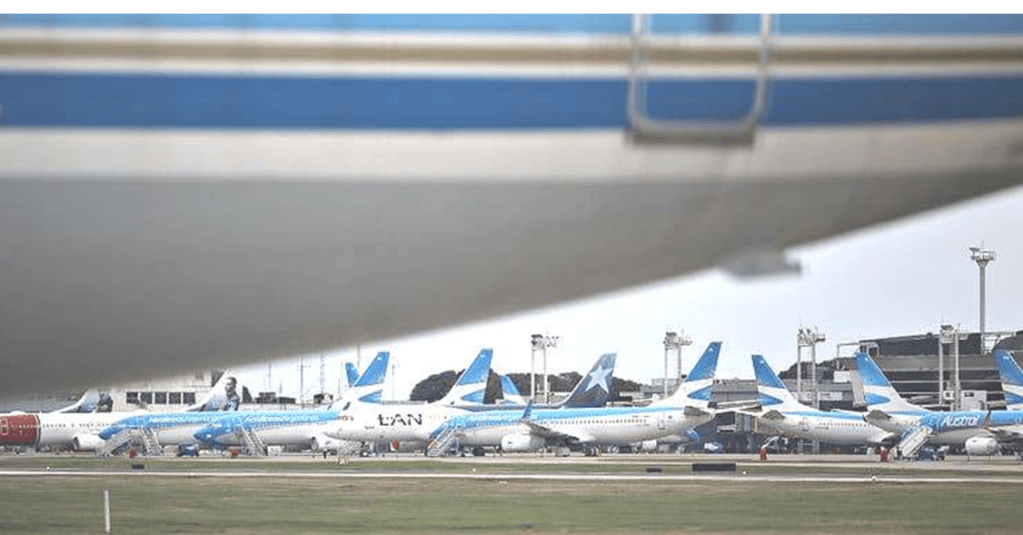
Sin los permisos para operar de JetSmart Airlines Argentina por los slots cedidos de Norwegian Air Argentina, cabe preguntarse qué líneas aéreas operarán en el Aeropuerto Jorge Newbery, a parte de Aerolíneas Argentinas. Tras la reapertura de Aeroparque el mercado aéreo presentará otro panorama muy distinto con una tendencia hacia el monopolio de la aviación comercial y el dominio de más del 95% de las franjas horarias de Aeroparque en manos de Aerolíneas Argentinas. Detrás de la post-pandemia quedarán las compañías Austral Líneas Aéreas, JetSmart Airlines Argentina y Flybondi Líneas Aéreas de poder operar en Aeroparque. Soló se reducirá a unas pocas operaciones de Andes Líneas Aéreas, que no representa una verdadera competitividad para la oferta que necesita el mercado aéreo y donde el precio de los pasajes estará regido por la exclusividad de Aerolíneas Argentinas.
Perspectivas post-pandemia
Tras los anuncios realizados este 14/08 por Presidencia de Argentina y del Ministerio de Transporte, con el Aeroparque cerrado por reformas hasta el 30 Noviembre 2020, solo resta conocer cuándo las líneas aéreas podrán estar habilitadas para iniciar operaciones aerocomerciales desde el Aeropuerto Internacional Ezeiza y bajo qué condiciones operativas.
Mientras nos proyectamos hacia el futuro próximo, el Gobierno de Argentina tendrá que consensuar políticas definidas más claras de mercado para favorecer una aviación más democrática y federal, pero para ello debemos continuamos exigiendo al Gobierno los derechos de los ciudadanos por el libre mercado, o tal vez esperar la desidia tras la reapertura de Aeroparque donde el Estado atenderá la oferta y la demanda.
Reprogramming aviation in Argentina
Pandemic, when the law confronts the needs
Transport in the Argentine Republic is one of the sectors that shows the most changes that it has undergone and fewer exit plans are developed. Currently, the Government continues to announce more extensions after the current pandemic, while air transport continues to be asphyxiated, reaching six months of scheduled inactivity.
The Ministry of Transport in charge of Mario Meoni has expressed this 14/08 in an interview by Tn.com.ar that the need of the National Government will be to decompress the extension of the ban on flying with scheduled reopening measures.
Aeronautical panorama
Assistance from world governments to airlines continues to provide some oxygen capacity, but in Argentina many airlines are not in a position to withstand the inactivity that generates more debts incurred without financial assistance.
Following the IATA Seminar meeting this week, the Vice President for the Americas, Peter Cerdá, expressed the situation in Latin America and Argentina. Executive guests from Aerolineas Argentinas, Airports Argentina 2000, Airbus Group, the ALTA airline association, the National Civil Aviation Administration (ANAC) of Argentina, as well as the CEO of Aerolineas Argentinas were invited. On the hour, the virtual event lost the two referents that generated the most expectations, the participation of Paola Tamburelli from ANAC Argentina and the President of Aerolineas Argentinas, Pablo Ceriani, excused themselves from participating. They say that, by chance, some telephones rang with calls from Senator Mariano Recalde, former President of Aerolineas, and the head of the APLA Pilots’ Union, Pablo Biró, true leaders of Argentine commercial air policy.
Low cost dilemma
After a complicated panorama due to the health crisis, the Government of Argentina adds to the concern of postponement of reopening, poorly defined policies regarding the management of actions towards the future air market for the Jorge Newbery Airport and El Palomar Airport. The low cost airline JetSmart Airlines Argentina has been intimidated not to exercise its rights at Aeroparque, while Flybondi Líneas Aéreas and JetSmart Argentina have obstacles to continue operating at the El Palomar International Airport. As for Latam Airlines, Argentina is disarming its subsidiary and the Government continues to wait for definitions of what the airline will decide in the midst of a situation of helplessness of the 1,715 workers.
Aerolíneas/Austral
The Aerolíneas Argentinas/Austral Líneas Aéreas company will continue to await definitions from the Government regarding the reopening of commercial aviation. The Aerolíneas Group continues with the merger process of Austral Líneas Aéreas activating the process of eliminating Austral’s livery from the fuselage of the Embraer E190-100AR of the firm that will be absorbed by its older sister, putting an end to an emblematic airline of the Argentinian republic.
The political gesture generated by the Aerolíneas/Austral merger does not go unnoticed, where there are winners and losers, putting an end to a long struggle for the survival of Austral Líneas Aéreas and the inter-union struggle. The current Coronavirus pandemic is being used as an excuse by another wonderful airline that has been at the height of the great domestic airlines of the world.
Andes Líneas Aéreas
Horacio Preneste, General Manager of Andes Líneas Aéreas has mentioned that in mid-October 2020 there could be news, but he declined to put tickets on sale, at least until there is a final resolution by the Ministry of Transportation and Health of Argentina. «There is an interpretation in the resolution regarding the flights. Mario Meoni at least spoke of 60 days, at least. Until mid-October, hopefully. We are preparing for that date», said the CEO of Andes.
Sizzling airports
Behind the effects of the pandemic, the situation at the El Palomar and Aeroparque airports continue to generate crises in the aeronautical sector without definitions by the Government.
Jorge Newbery Airport has entered the period of works that could have been better used at the beginning of the pandemic, but this delay is somewhat strange for domestic airlines and a strategy for the interests of Aerolineas Argentinas that seeks the monopoly of the operations in Aeroparque. This delay in reopening the main domestic airport by December 2020 forces airlines to reschedule their flights at other airports.
Without the permits to operate from JetSmart Airlines Argentina through the slots transferred from Norwegian Air Argentina, it is worth wondering which airlines will operate in Jorge Newbery Airport, apart from Aerolíneas Argentinas. After the reopening of Aeroparque, the air market will present a very different panorama with a trend towards the monopoly of commercial aviation and the dominance of more than 95% of Aeroparque’s time slots in the hands of Aerolíneas Argentinas. Behind the post-pandemic will be the companies Austral Líneas Aéreas, JetSmart Airlines Argentina and Flybondi Lineas Aereas to be able to operate in Aeroparque. It will only be reduced to a few operations of Andes Líneas Aéreas, which does not represent a true competitiveness for the offer that the air market needs and where the price of the tickets will be governed by the exclusivity of Aerolíneas Argentinas.
Post-pandemic perspective
After the announcements made this 08/14 by the Argentine Presidency and the Ministry of Transportation, with the Airport closed for renovations until November 30, 2020, it only remains to know when the airlines may be enabled to start commercial air operations from the Ezeiza International Airport and under what operating conditions.
As we project into the near future, the Government of Argentina will have to agree on clearer market policies to favor a more democratic and federal aviation, but for this we must continue to demand from the Government the rights of citizens for the free market, or such time to wait for laziness after the reopening of Aeroparque where the State will attend to supply and demand.
Ξ A I R G W A Y S Ξ PUBLISHER: Airgways.com DBk: Airgways.com / Lanacion.com.ar/Santiago Filipuzzi / Iata.org / Clarin.com AW-POST: 202008141440AR
AW | 2020 08 14 11:10 | AIRLINES MARKET / GOVERNMENT
Estados del mundo salen rescate de aerolíneas ante su peor crisis
El confinamiento y la restricción de los vuelos en prácticamente todo el mundo para combatir las secuelas de la pandemia de Coronavirus ha impactado al sector aéreo a su peor crisis en décadas y ha empujado a los países a salir al rescate de las aerolíneas. Las últimas previsiones de la Asociación Internacional del Transporte Aéreo (IATA) actualizó sus pronósticos hace unas semanas expresando que recuperará los niveles de actividad previos a la pandemia hasta 2024 y durante el próximo año, el tráfico aéreo se mantendrá un 30% por debajo de los niveles registrados en 2019.
El próximo panorama aerocomercial estará signado por la supervivencia a corto y medio plazo de las aerolíneas del mundo entero ante un diagnóstico poco alentador para el desarrollo de las economías globales. En la mayoría de los países el tráfico aéreo estuvo paralizado durante el confinamiento, la actividad fue casi inexistente. Los efectos de la puesta en tierra de las líneas aéreas en ha aumentado las pérdidas del sector, y los gobiernos necesitann responder ante las medidas adoptadas en la pandemia global.
Impacto aéreo
Por ejemplo, el grupo aéreo europeo IAG ha presentado a finales de Julio 2020 unas pérdidas de € 3.806 millones de Euros en los primeros seis meses de 2020. Otra de las compañías líderes del sector, la alemana Lufthansa, cedió € 3.617 millones en el mismo periodo, mientras que Air France-KLM presentó números rojos de € 4.413 millones en la primera mitad del año. En Estados Unidos las pérdidas en el sector también han sido la norma general. Delta Air Lines continúa liderando las pérdidas del mercado estadounidense con US$ 6.251 millones de Dólares. American Ailines ha tenido pérdidas por valor de US$ 4.308 millones de dólares y United Airlines cerró el semestre con pérdidas de US$ 3.331 millones de Dólares.
Ayudas al sector
Los resultados económicos generales de las aerolíneas habría que sumarles los efectos debastadores de pérdidas de empleos en el sector que continúan aumentando en todo el mundo. Con miles de puestos de trabajo en juego, los Estados han tenido que salir al rescate. Alemania acordó inyectar € 9.000 millones de Euros a Lufthansa, mientras que Francia ayudó con € 7.000 millones a Air France y los Países Bajos hizo lo propio aportando € 3.400 millones a KLM Airlines. En España, el Gobierno ha creado a través de la Sociedad Estatal de Participaciones Industriales (SEPI) un fondo de rescate de € 10.000 millones de Euros para empresas estratégicas al que podrían acogerse las aerolíneas. El grupo IAG ha avanzado que no planea acogerse a esta ayuda, pero llevará a cabo una ampliación de capital de € 2.750 millones de Euros en Septiembre 2020, una operación en la que Qatar Airways, su principal accionista, ya ha confirmado su presencia. Air Europa mantiene conversaciones con IAG Group para una posible compra que espera cerrar antes de que finalice 2020, no se ha pronunciado aún sobre sus planes de acudir o no al fondo de rescate.
GOBIERNO ARGENTINA NO HA BRINDADO AYUDAS ECONÓMICAS/POLÍTICAS A AÉREAS A PESAR DE EXTENDER CUARENTENA
El Gobierno de Italia tras no encontrar inversores privados en la compañía Alitalia, ha anunciado la intención de recuperar el control de la compañía e inyectar € 3.000 millones de Euros para paliar los efectos del Coronavirus. La portuguesa TAP iba por el mismo camino, pero finalmente el Gobierno portugués y el resto de accionistas de la compañía llegaron a un acuerdo por el que el país aportará 1.200 millones a la aerolínea a la vez que aumenta su participación del 50 % al 72,5%. Algunas compañías que no han sido previamente «aerolíneas de bandera», como Ryanair, han tachado de competencia desleal este tipo de inyecciones de capital y ayudas estatales.
En Estados Unidos, el Departamento del Tesoro puso en marcha un fondo adicional de US$ 25.000 millones de Dólares a partir de 10/2020 para evitar quiebras y despidos en el sector de la aviación comercial. A esas ayudas se han acogido, entre otras, las tres grandes aerolíneas del país: American Airlines, Delta Air Lines y United Airlines.
El caso de Argentina ha traído a la opinión pública mundial por el buen desempeño del manejo de la pandemia, pero también en este país están solicitando al Gobierno las ayudas necesarias económicas como políticas para salir de la crisis sanitaria que impacta fuertemente a las economías de la región como actual epicentro de contagios.
La situación extraordinaria actual justifica el apoyo económico-financiero por parte de los Estados ante una situación de emergencia mundial. Las aerolíneas tienen un panorama muy complicado para poder sobrevivir, pues en la jerga aeronáutica continuamos diciendo «ajústense los cinturones, pues vamos a despegar».
Government rescue air from pandemic times
The states of the world come to the rescue of airlines in the face of their worst crisis
The confinement and restriction of flights in practically the entire world to combat the aftermath of the Coronavirus pandemic has hit the airline industry at its worst crisis in decades and has pushed countries to come to the rescue of the airlines. The latest forecasts from the International Air Transport Association (IATA) updated its forecasts a few weeks ago stating that it will recover the levels of activity prior to the pandemic until 2024 and during the next year, air traffic will remain 30% below the levels recorded in 2019.
The next commercial aviation panorama will be marked by the survival in the short and medium term of the world’s airlines in the face of a not very encouraging diagnosis for the development of global economies. In most countries, air traffic was paralyzed during confinement, activity was almost non-existent. The effects of airline grounding in has increased losses in the sector, and governments need to respond to the measures taken in the global pandemic.
Air impact
For example, the European airline group IAG reported losses of € 3,806 million at the end of July 2020 in the first six months of 2020. Another of the leading companies in the sector, the German Lufthansa, gave € 3,617 million in the same period, while Air France-KLM presented red numbers of € 4,413 million in the first half of the year. In the United States, losses in the sector have also been the general norm. Delta Air Lines continues to lead the losses in the US market with US$ 6,251 million. American Ailines has had losses of US$ 4,308 million and United Airlines closed the semester with losses of US$ 3,331 million.
Aid to the sector
The general economic results of the airlines should be added to them the devastating effects of job losses in the sector that continue to increase throughout the world. With thousands of jobs at stake, states have had to come to the rescue. Germany agreed to inject € 9 billion into Lufthansa, while France helped Air France with € 7 billion and the Netherlands did the same by contributing € 3.4 billion to KLM Airlines. In Spain, the Government has created through the Sociedad Estatal de Participaciones Industriales (SEPI) a rescue fund of € 10,000 million Euros for strategic companies to which the airlines could benefit. The IAG group has advanced that it does not plan to benefit from this aid, but will carry out a capital increase of € 2.75 billion in September 2020, an operation in which Qatar Airways, its main shareholder, has already confirmed its presence. Air Europa is in talks with IAG Group for a possible purchase that it hopes to close before the end of 2020, it has not yet ruled on its plans to go to the rescue fund or not.
The Italian Government, after not finding private investors in the Alitalia company, has announced the intention to regain control of the company and inject € 3 billion euros to alleviate the effects of the Coronavirus. The Portuguese TAP was going the same way, but finally the Portuguese government and the rest of the company’s shareholders reached an agreement whereby the country will contribute 1,200 million to the airline while increasing its participation from 50% to 72, 5%. Some companies that have not previously been «flag carriers», such as Ryanair, have dismissed this type of capital injection and state aid as unfair competition.
In the United States, the Treasury Department launched an additional fund of US$ 25,000 million as of 10/2020 to prevent bankruptcies and layoffs in the commercial aviation sector. These aids have benefited, among others, the three major airlines in the country: American Airlines, Delta Air Lines and United Airlines.
The case of Argentina has brought world public opinion due to the good performance of managing the pandemic, but also in this country they are requesting the Government the necessary economic and political aid to get out of the health crisis that strongly impacts the economies of the region as the current epicenter of infections.
The current extraordinary situation justifies the economic and financial support from the States in a world emergency situation. The airlines have a very difficult outlook to survive, because in aeronautical jargon we continue to say «fasten your seat belts, because we are going to take off».
Ξ A I R G W A Y S Ξ PUBLISHER: Airgways.com DBk: Airgways.com / Dallasnews.com / Nytimes.com / Wikimedia.org AW-POST: 202008141110AR
AW | 2020 08 13 21:45 | AIRLINES / AIRPORTS / GOVERNMENT
Low cost argentinas exigen definiciones al Gobierno por El Palomar
Las aerolíneas de presupuesto en Argentina, Flybondi Líneas Aéreas y JetSmart Airlines Argentina están exigiendo ante la falta de definiciones del Gobierno respecto a la reanudación de los vuelos regulares en Argentina y el reclamo por el Aeropuerto Internacional El Palomar. Los sindicatos que agrupan a los trabajadores de Flybondi y JetSmart emitieron un comunicado a través del cual criticaron la actitud pasiva del Ministerio de Transporte a cargo de Mario Meoni, exigiéndole acciones como la definición de un plan consensuado para el reinicio de la actividad aeronáutica, su rechazo al cierre del Aeropuerto de El Palomar, y la preservación de los 10.000 puestos de trabajo directos e indirectos.
«Los trabajadores de Flybondi y JetSmart deploramos los recientes dichos del Ministro de Transporte, reflejando una actitud pasiva a la espera de directivas de su par de la cartera de Salud, y desentendiéndose de cualquier precisión acerca del reinicio de la actividad aeronáutica. Peor aún, deslizó que ni siquiera habría vuelos de cabotaje durante los próximos seis meses. Como Ministro de Transporte, el Sr. Meoni debiera estar ocupándose activamente de una situación que afecta a miles de trabajadores aeronáuticos y sus familias, quienes ven amenazada su fuente de trabajo y se encuentran sumidos en la angustia de la incertidumbre», expresaron los gremios, en referencia a la conferencia de la cual participó Mario Meoni el Lunes 10/08. Desde los gremios aeronáuticos y empleados de las líneas aéreas enfatizan la necesidad de certezas y planificación de la programación de reapertura de vuelos, pues la inactividad extendida llevarán a las líneas aéreas a la quiebras masivas. «Entendemos que la evolución de la pandemia es determinante para el regreso de la actividad. Pero vemos con tristeza que el Sr. Ministro hace muy poco para planificar ese regreso de manera ordenada, poniendo así en peligro la fuente de sustento de muchos compatriotas. Ante la gravedad de la situación y la inacción del Ministerio de Transporte, los trabajadores de las líneas de bajo costo Flybondi y JetSmart nos declaramos en estado de alerta y asamblea permanente, exigiendo a las autoridades que cumplan con las responsabilidades asumidas», expresaron las voces gremiales en Argentina.
Protesta en El Palomar
Los referentes del sector aeronáutico y empleados de líneas aéreas y aeropuerto han convocado una reunión para el próximo Jueves 20 Agosto 2020 a las 11:00 hs frente a la terminal de pasajeros del Aeropuerto Internacional El Palomar para protestar contra el cierre de sus instalaciones a la actividad aerocomercial. Con la consigna «Las low cost queremos hacer despegar la economía del país», es el lema que transmitirán para reclamar al Gobierno de Argentina la libertad de volar en el país frente a las trabas generadas a las aerolíneas de presupuesto para el retorno a la aviación comercial.
Unions demand for El Palomar
Low cost Argentines demand definitions from the Government by El Palomar
The budget airlines in Argentina, Flybondi Líneas Aéreas and JetSmart Airlines Argentina are demanding due to the lack of definitions from the Government regarding the resumption of regular flights in Argentina and the claim for the El Palomar International Airport. The unions that group the Flybondi and JetSmart workers issued a statement in which they criticized the passive attitude of the Ministry of Transport under Mario Meoni, demanding actions such as the definition of a consensual plan for the restart of aeronautical activity, its rejection of the closure of the El Palomar Airport, and the preservation of 10,000 direct and indirect jobs.
«The Flybondi and JetSmart workers deplore the recent statements of the Minister of Transport, reflecting a passive attitude awaiting directives from his counterpart in the Health portfolio, and ignoring any details about the restart of aeronautical activity. Worse still, He slipped that there would not even be domestic flights for the next six months. As Minister of Transport, Mr. Meoni should be actively dealing with a situation that affects thousands of aeronautical workers and their families, who see their source of work threatened and They are mired in the anguish of uncertainty», expressed the unions, referring to the conference in which Mario Meoni participated on Monday 08/10. The aeronautical unions and airline employees emphasize the need for certainties and scheduling planning reopening of flights, as extended inactivity will lead to massive bankruptcies of airlines. «We understand that l he evolution of the pandemic is decisive for the return of activity. But we see with sadness that the Minister does very little to plan for such an orderly return, thus endangering the livelihoods of many compatriots. Given the seriousness of the situation and the inaction of the Ministry of Transport, the workers of the low-cost lines Flybondi and JetSmart declare ourselves in a state of alert and permanent assembly, demanding that the authorities comply with the responsibilities assumed», expressed the voices trade unions in Argentina.
Protest in El Palomar
The referents of the aeronautical sector and airline and airport employees have called a meeting for next Thursday, August 20, 2020 at 11:00 am in front of the passenger terminal of El Palomar International Airport to protest against the closure of its facilities at the commercial air activity. With the slogan «The low cost we want to make the country’s economy take off», is the slogan that they will transmit to demand from the Government of Argentina the freedom to fly in the country against the obstacles generated to budget airlines for the return to aviation commercial.
Ξ A I R G W A Y S Ξ PUBLISHER: Airgways.com DBk: Flyboni.com / Jetsmart.com / Airgways.com / Argentina.gob.ar/transporte AW-POST: 202008132145AR
Trabajadores reúnen para exigir definiciones en la compañía
Los trabajadores de la aerolínea Latam Airlines Argentina retornarán al diálogo en una reunión para el 14/08 en una asamblea en el Aeropuerto Jorge Newbery para decidir los pasos a realizar bajo el plan de lucha para la defensa de los 1.715 puestos de trabajo. «Continuamos con las actividades previstas para la semana y mañana nos reuniremos con los compañeros y compañeras en las puertas del estacionamiento sur del Aeroparque, reclamando por los 1.715 compañeros y sus familias que nos quedamos en la calle», dijo Adrián Troncoso, Supervisor de Operaciones y Secretario de Prensa de Unión Sindical de Trabajadores Aeronáuticos de la República Argentina (USTARA).
Los trabajadores de la compañía en proceso de salida continúan con los reclamos en una solución al conflicto generado por la decisión de la empresa aerocomercial de dejar de operar en el país, una decisión que podría ocasionar el despido por la mayoría de la plantilla de empleados.
Los trabajadores de la compañía aérea realizaron el Martes 11/08 reclamos en la avenida Costanera frente al Aeroparque, marchando hacia la sede del Consulado de Chile en Buenos Aires, ubicada en la Avenida Roque Sáenz Peña 547, donde también llevaron sus reclamos. El Supervisor de Operaciones expresó: «Después de más de cuatro meses que estamos en esta lucha, en una situación angustiante, con la incertidumbre que nos hace pensar que nos quedamos sin trabajo por la postura de la empresa Latam que anunció que se va de Argentina, seguiremos con el plan de lucha».
Definiciones en stand-by
En medio de la crisis que desató la pandemia de Coronavirus y el consecuente cierre de fronteras, la empresa había comunicado a mediados de Junio 2020 que dejaba de volar y discutiría con el Gobierno la desvinculación de sus 1.715 empleados. A mediados de Julio 2020, el Gobierno de Argentina ha rechazado el Proceso Preventivo de Crisis (PPC) presentado por la compañía Latam Argentina.
Por parte del Ministerio de Trabajo, está esperando la resolución por parte de la empresa para definir si continúa sus operaciones. Latam Airlines Argentina no ha cancelado sus rutas ni su Certificado Operador Aéreo (CESA).
Latam Argentina employees meeting
Workers meet to demand definitions in the company
The workers of the airline Latam Airlines Argentina will return to the dialogue in a meeting on 08/14 in an assembly at Jorge Newbery Airport to decide the steps to be taken under the plan to fight for the defense of 1,715 jobs. «We continue with the activities planned for the week and tomorrow we will meet with the colleagues at the doors of the south parking lot of the Aeroparque, claiming for the 1,715 colleagues and their families who remain on the street», said Adrián Troncoso, Operations Supervisor and Press Secretary of the Union of Aeronautical Workers of the Argentine Republic (Ustara).
The company’s workers in the process of leaving continue with their claims in a solution to the conflict generated by the decision of the commercial airline company to stop operating in the country, a decision that could cause the dismissal of the majority of the workforce.
On Tuesday 08/11, the workers of the airline company filed claims on Costanera Avenue in front of the Aeroparque, marching towards the headquarters of the Consulate of Chile in Buenos Aires, located at 547 Roque Sáenz Peña Avenue, where they also brought their claims. The Operations Supervisor expressed: «After more than four months that we are in this fight, in a distressing situation, with the uncertainty that makes us think that we are left without work due to the position of the Latam company that announced that it is leaving Argentina , we will continue with the fight plan».
Stand-by definitions
In the midst of the crisis that unleashed the Coronavirus pandemic and the consequent closure of borders, the company had communicated in mid-June 2020 that it had stopped flying and would discuss with the Government the separation of its 1,715 employees. In mid-July 2020, the Government of Argentina has rejected the Preventive Crisis Process (PPC) presented by the company Latam Argentina.
On the part of the Ministry of Labor, it is awaiting the resolution by the company to define whether it continues its operations. Latam Airlines Argentina has not canceled its routes or its Air Operator Certificate (CESA).
Ξ A I R G W A Y S Ξ PUBLISHER: Airgways.com DBk: Latam.com / Airgways.com AW-POST: 202008132047AR
Embraer S.A. ha designado a Martyn Holmes como nuevo Director Comercial de la unidad de Embraer Commercial Aviation. Martyn, que se incorporó a la empresa en 2012, deja su cargo anterior como vicepresidente para Europa, Rusia y Asia Central. Martyn seguirá teniendo su sede en Amsterdam en la oficina central de Embraer en EMEA y reportará al presidente y director ejecutivo, Arjan Meijer. Anteriormente trabajó en un importante fabricante de motores, Martyn tiene más de 20 años de experiencia en el negocio de la aviación. En apoyo del nuevo rol de Martyn, también hay tres nuevos nombramientos a nivel regional.
Otros nombramientos
Cesar Pereira, ha sido nombrado Vicepresidente de Europa, Medio Oriente y África (EMEA), Embraer Commercial Aviation, trasladándose de Singapur a la oficina de Amsterdam. Cesar ha ocupado varios puestos de alto nivel en inteligencia de mercado, desarrollo de productos e ingeniería de ventas durante sus 17 años de carrera en Embraer. Raul Villaron pasa de su cargo de vicepresidente de Medio Oriente y África a Singapur, como vicepresidente de Asia Pacífico, y se ocupa de la aviación comercial de Embraer para la región de Asia Pacífico (sin incluir China). Raúl ha estado en Embraer durante 15 años y, antes de este nombramiento actual, era el director de marketing para la región EMEA. Guo Qing permanece como vicepresidente de China para Embraer Commercial Aviation.
Mark Neely ha sido nombrado Vicepresidente para las Américas de Embraer Commercial Aviation. En este puesto, Mark cubrirá ambos continentes de las Américas desde su base en los Estados Unidos. Mark ha trabajado con Embraer durante 10 años y fue el vicepresidente regional de ventas en América del Norte.
“Estos movimientos son parte de la estrategia de Embraer para aprovechar y polinizar mejor nuestra experiencia global y trabajar más de cerca con nuestros clientes y socios mientras todos navegamos en estos tiempos desafiantes”, dijo Arjan Meijer, Presidente y Director Ejecutivo de Embraer’s Commercial Aviation.
Martyn Holmes, CCO Embraer Commercial Aviation, dijo: “Tenemos un equipo de ventas diverso y de primer nivel en todo el mundo dirigido por operativos experimentados. La familia de aviones E-Jets y E2 de Embraer está muy bien posicionada para brindar a las aerolíneas flexibilidad y ventaja competitiva a medida que salimos de esta crisis global. De hecho, a pesar de estos tiempos sin precedentes, todavía estamos viendo oportunidades reales en el mercado de E-Jets y el E2, el avión de pasillo único más eficiente y ambientalmente sostenible disponible».
En otra consolidación dentro de la unidad de negocios de Aviación Comercial, Simon Newitt agregará la responsabilidad de gestión de activos a su puesto actual convirtiéndose en Vicepresidente de Contratos y Gestión de Activos de Embraer Commercial Aviation, también reportando a Arjan Meijer.
Arjan Meijer agregó, “después de muchos años de lograr el éxito de Embraer, Reinaldo Krugner, Charlie Hillis y Paulo Estevão de Carvalho Tullio han decidido buscar nuevas oportunidades fuera de Embraer. Les agradecemos su dedicación y contribuciones a Embraer, y les deseamos todo lo mejor ”.
Embraer es el fabricante líder mundial de aviones comerciales de hasta 150 asientos con más de 100 clientes de todo el mundo. Solo para el programa E-Jets, Embraer ha registrado más de 1,900 pedidos y se han entregado 1,600 aviones. Hoy en día, los E-Jets están volando en la flota de más de 80 clientes en unos 50 países. La versátil familia de 70 a 150 asientos vuela con aerolíneas de bajo costo, así como con aerolíneas regionales y principales.
Embraer renews commercial team
New Commercial Director of Embraer takes over
Embraer S.A. has appointed Martyn Holmes as the new Commercial Director of the Embraer Commercial Aviation unit. Martyn, who joined the company in 2012, is leaving his previous role as Vice President for Europe, Russia and Central Asia. Martyn will continue to be based in Amsterdam at Embraer’s EMEA headquarters and will report to President and CEO Arjan Meijer. Previously working for a major engine manufacturer, Martyn has more than 20 years of experience in the aviation business. In support of Martyn’s new role, there are also three new appointments at the regional level.
Other appointments
Cesar Pereira, has been appointed Vice President of Europe, Middle East and Africa (EMEA), Embraer Commercial Aviation, moving from Singapore to the Amsterdam office. Cesar has held various senior positions in market intelligence, product development and sales engineering during his 17-year career at Embraer. Raul Villaron transitions from Vice President Middle East and Africa to Singapore as Vice President Asia Pacific and handles Embraer’s commercial aviation for the Asia Pacific region (excluding China). Raúl has been with Embraer for 15 years and, prior to this current appointment, he was the Marketing Director for the EMEA region. Guo Qing remains as Vice President of China for Embraer Commercial Aviation.
Mark Neely has been named Vice President for the Americas of Embraer Commercial Aviation. In this role, Mark will cover both continents of the Americas from his base in the United States. Mark has worked with Embraer for 10 years and was the Regional Vice President of Sales for North America.
«These moves are part of Embraer’s strategy to better leverage and pollinate our global expertise and work more closely with our customers and partners as we all navigate these challenging times», said Arjan Meijer, President and CEO of Embraer’s Commercial Aviation.
Martyn Holmes, CCO Embraer Commercial Aviation, said: “We have a world-class and diverse sales team around the world led by experienced operatives. The Embraer family of E-Jets and E2 aircraft is very well positioned to provide airlines with flexibility and competitive advantage as we emerge from this global crisis. In fact, despite these unprecedented times, we are still seeing real opportunities in the market for E-Jets and the E2, the most efficient and environmentally sustainable single-aisle aircraft available».
In another consolidation within the Commercial Aviation business unit, Simon Newitt will add asset management responsibility to his current position by becoming Vice President of Contracts and Asset Management for Embraer Commercial Aviation, also reporting to Arjan Meijer.
Arjan Meijer added, “After many years of achieving Embraer success, Reinaldo Krugner, Charlie Hillis and Paulo Estevão de Carvalho Tullio have decided to seek new opportunities outside of Embraer. We thank them for their dedication and contributions to Embraer, and we wish them all the best”.
Embraer is the world’s leading manufacturer of commercial aircraft with up to 150 seats with more than 100 customers around the world. For the E-Jets program alone, Embraer has registered more than 1,900 orders and 1,600 aircraft have been delivered. Today, E-Jets are flying in the fleet of more than 80 customers in about 50 countries. The versatile 70-150 seat family flies with low-cost airlines, as well as regional and major airlines.
Embraer renova equipe comercial
Novo Diretor Comercial da Embraer assume
Embraer S.A. nomeou Martyn Holmes como o novo Diretor Comercial da unidade de Embraer Commercial Aviation. Martyn, que ingressou na empresa em 2012, está deixando seu cargo anterior de vice-presidente para a Europa, Rússia e Ásia Central. Martyn continuará baseado em Amsterdã, na sede da Embraer na EMEA, e se reportará ao presidente e CEO Arjan Meijer. Trabalhando anteriormente para um grande fabricante de motores, Martyn tem mais de 20 anos de experiência no setor de aviação. Em apoio à nova função de Martyn, há também três novas nomeações em nível regional.
Outros compromissos
Cesar Pereira, foi nomeado Vice-Presidente para Europa, Oriente Médio e África (EMEA) da Embraer Aviação Comercial, mudando de Cingapura para o escritório de Amsterdã. Cesar ocupou vários cargos seniores em inteligência de mercado, desenvolvimento de produtos e engenharia de vendas durante sua carreira de 17 anos na Embraer. Raul Villaron faz a transição do vice-presidente do Oriente Médio e África para Cingapura, como vice-presidente da Ásia-Pacífico, e lida com a aviação comercial da Embraer para a região Ásia-Pacífico (exceto China). Raúl está na Embraer há 15 anos e, antes de sua atual nomeação, foi Diretor de Marketing para a região EMEA. Guo Qing permanece como vice-presidente da Aviação Comercial da Embraer na China.
Mark Neely foi nomeado Vice-presidente para as Américas da Embraer Aviação Comercial. Nessa função, Mark cobrirá os dois continentes das Américas a partir de sua base nos Estados Unidos. Mark trabalha na Embraer há 10 anos e foi Vice-Presidente Regional de Vendas para a América do Norte.
“Esses movimentos são parte da estratégia da Embraer para melhor alavancar e polinizar nossa experiência global e trabalhar mais de perto com nossos clientes e parceiros enquanto navegamos por esses tempos desafiadores”, disse Arjan Meijer, Presidente e CEO da Aviação Comercial da Embraer.
Martyn Holmes, CCO da Embraer Aviação Comercial, disse: “Temos uma equipe de vendas diversificada e de classe mundial liderada por operadores experientes. A família Embraer de E-Jets e aeronaves E2 está muito bem posicionada para oferecer às companhias aéreas flexibilidade e vantagem competitiva à medida que emergimos desta crise global. Na verdade, apesar desses tempos sem precedentes, ainda estamos vendo oportunidades reais no mercado para E-Jets e E2, as aeronaves de corredor único mais eficientes e ambientalmente sustentáveis disponíveis».
Em outra consolidação dentro da unidade de negócios de Aviação Comercial, Simon Newitt adicionará responsabilidade de gerenciamento de ativos à sua posição atual, tornando-se Vice-Presidente de Contratos e Gerenciamento de Ativos da Embraer Aviação Comercial, também reportando a Arjan Meijer.
Arjan Meijer acrescentou: “Após muitos anos de sucesso na Embraer, Reinaldo Krugner, Charlie Hillis e Paulo Estevão de Carvalho Tullio decidiram buscar novas oportunidades fora da Embraer. Agradecemos a eles por sua dedicação e contribuições à Embraer e desejamos a eles tudo de bom”.
A Embraer é a fabricante líder mundial de aeronaves comerciais com até 150 assentos e mais de 100 clientes em todo o mundo. Somente para o programa de E-Jets, a Embraer registrou mais de 1.900 pedidos e 1.600 aeronaves foram entregues. Hoje, os E-Jets estão voando na frota de mais de 80 clientes em cerca de 50 países. A versátil família de 70-150 assentos voa em companhias aéreas de baixo custo, bem como em companhias aéreas regionais e importantes.
Ξ A I R G W A Y S Ξ PUBLISHER: Airgways.com DBk: Embraer.com / Airgways.com AW-POST: 202008131300AR
Azul Linhas Aéreas y Latam Airlines Brasil iniciaron este Miércoles 12 Agosto 2020 el acuerdo de código compartido para realizar asociación en 64 rutas de cabotaje en Brasil. El vuelo compartido, anunciado el 16 Junio 2020, tiene como objetivo expandir la capilaridad de la red de las dos aerolíneas en rutas complementarias y no superpuestas, ofreciendo a los clientes varias opciones de conexión nuevas y más convenientes en Brasil.
Existen 35 rutas disponibles a la venta actualmente, 23 serán atendidas por Azul Linhas Aéreas mientras que 12 serán operadas por Latam Brasil. Hacia finales de Agosto, ambas aerolíneas comenzarán a vender otras 29 rutas como parte de la asociación, de las cuales 12 atenderá Azul y 17 servirá Latam. En este primer momento, el código compartido tendrá aterrizajes y despegues en los aeropuertos de Brasilia/BSB, Belo Horizonte/CNF, Recife/REC y Campinas/VCP, llegando, posteriormente, a los aeropuertos de Porto Alegre/POA, Curitiba/CWB y São Paulo/GRU.
“El inicio de este acuerdo ayudará a nuestro sector a ofrecer más opciones de vuelos, horarios y destinos a nuestros Clientes, siendo una importante solución para recuperar más rápidamente la demanda interna afectada por la pandemia. Con la capilaridad de nuestra red, la solidez de nuestros hubs y las conexiones con vuelos de Latam, estoy seguro de que juntos construiremos un código compartido que ofrecerá beneficios inigualables a los Clientes. Las dos aerolíneas tienen una historia y una pasión por el servicio al cliente y esperamos mostrar esto juntas”, dice Abhi Shah, Vicepresidente de Ingresos de Azul Linhas Aéreas.
Programas de lealtad
El acuerdo prevé la acumulación de puntos en el programa de lealtad TudoAzul y Latam Pass, lo que permite que 12 millones de miembros de TudoAzul y 37 millones de miembros de Latam Pass acumulen puntos en cualquier programa. “Estamos ampliando las opciones de viaje para nuestros clientes y llegando a importantes capitales regionales en Brasil. Es una prueba más de que estamos mirando hacia el futuro y creando nueva conectividad con más comodidad y practicidad para que el pasajero brasileño viaje, facture, registre equipaje y se conecte a más destinos con un solo boleto aéreo en la mano”, dice Jerome Cadier, Director General de Latam Brasil.
El código compartido permitirá una experiencia de viaje más fluida entre los vuelos de Azul y Latam, con boletos compartidos para el check-in y el despacho de equipaje. Además, la asociación brindará más comodidad a quienes necesiten viajar por el país. Antes de la crisis del Covid-19, Azul y Latam Brasil atendían un total de 137 destinos en Brasil, con 298 rutas y 1.632 salidas diarias.
Azul and Latam start code sharing
Alliance strengthens 64 domestic routes in Brazil
Azul Linhas Aéreas and Latam Airlines Brasil started the codeshare agreement this Wednesday, August 12, 2020 to create a partnership on 64 cabotage routes in Brazil. The shared flight, announced on June 16, 2020, aims to expand the network capillarity of the two airlines on complementary and non-overlapping routes, offering customers several new and more convenient connection options in Brazil.
There are 35 routes currently available for sale, 23 will be served by Azul Linhas Aéreas while 12 will be operated by Latam Brasil. Towards the end of August, both airlines will begin to sell another 29 routes as part of the association, of which 12 will serve Azul and 17 will serve Latam. In this first moment, the shared code will have landings and take-offs at the airports of Brasilia/BSB, Belo Horizonte/CNF, Recife/REC and Campinas/VCP, later arriving at the airports of Porto Alegre/POA, Curitiba/CWB and São Paulo/GRU.
“The initiation of this agreement will help our sector to offer more options for flights, schedules and destinations to our Clients, being an important solution to recover more quickly the internal demand affected by the pandemic. With the capillarity of our network, the strength of our hubs and the connections with Latam flights, I am sure that together we will build a shared code that will offer unmatched benefits to Clients. The two airlines have a history and a passion for customer service and we look forward to showing this together”, says Abhi Shah, Vice President of Revenue for Azul Linhas Aéreas.
Loyalty programs
The agreement provides for the accumulation of points in the TudoAzul and Latam Pass loyalty program, which allows 12 million TudoAzul members and 37 million Latam Pass members to accumulate points in any program. “We are expanding the travel options for our clients and reaching important regional capitals in Brazil. It is further proof that we are looking to the future and creating new connectivity with more comfort and practicality for the Brazilian passenger to travel, check in, check luggage and connect to more destinations with a single air ticket in hand”, says Jerome Cadier , General Director of Latam Brazil.
The codeshare will allow a smoother travel experience between Azul and Latam flights, with shared tickets for check-in and baggage clearance. In addition, the association will provide more comfort to those who need to travel around the country. Before the Covid-19 crisis, Azul and Latam Brazil served a total of 137 destinations in Brazil, with 298 routes and 1,632 daily departures.
Azul e Latam começam a compartilhar código
Alliance fortalece 64 rotas domésticas no Brasil
A Azul Linhas Aéreas e a Latam Airlines Brasil fecharam o acordo de codeshare nesta quarta-feira, 12 de agosto de 2020, para a parceria em 64 rotas de cabotagem no Brasil. O voo compartilhado, anunciado em 16 de junho de 2020, tem como objetivo expandir a capilaridade da rede das duas companhias aéreas em rotas complementares e não sobrepostas, oferecendo aos clientes diversas opções novas e mais convenientes de conexão no Brasil.
Atualmente, há 35 rotas disponíveis para venda, 23 serão atendidas pela Azul Linhas Aéreas e 12 pela Latam Brasil. No final de agosto, as duas companhias aéreas começarão a vender outras 29 rotas como parte da associação, das quais 12 atenderão a Azul e 17 a Latam. Neste primeiro momento, o código compartilhado terá pousos e decolagens nos aeroportos de Brasília/BSB, Belo Horizonte/CNF, Recife/REC e Campinas/VCP, chegando posteriormente aos aeroportos de Porto Alegre/POA, Curitiba/CWB e São Paulo/GRU.
“O início deste acordo ajudará nosso setor a oferecer mais opções de voos, horários e destinos aos nossos Clientes, sendo uma solução importante para recuperar mais rapidamente a demanda interna afetada pela pandemia. Com a capilaridade de nossa rede, a força de nossos hubs e as conexões com os voos da Latam, tenho certeza que juntos construiremos um código compartilhado que oferecerá benefícios incomparáveis aos Clientes. As duas companhias aéreas têm história e paixão pelo atendimento ao cliente e esperamos mostrar isso juntas”, afirma Abhi Shah, vice-presidente de receita da Azul Linhas Aéreas.
Programas de fidelidade
O acordo prevê o acúmulo de pontos no programa de fidelidade TudoAzul e Latam Pass, o que permite que 12 milhões de associados TudoAzul e 37 milhões de Latam Pass acumulem pontos em qualquer programa. “Estamos ampliando as opções de viagens de nossos clientes e alcançando importantes capitais regionais do Brasil. É mais uma prova de que estamos olhando para o futuro e criando uma nova conectividade com mais conforto e praticidade para o brasileiro viajar, fazer o check in, despachar a bagagem e se conectar a mais destinos com uma única passagem aérea em mãos”, afirma Jerome Cadier , Diretor Geral da Latam Brasil.
O codeshare permitirá uma experiência de viagem mais tranquila entre os voos da Azul e da Latam, com passagens compartilhadas para check-in e liberação de bagagem. Além disso, a associação proporcionará mais conforto a quem precisa viajar pelo país. Antes da crise da Covid-19, a Azul e a Latam Brasil atendiam a um total de 137 destinos no Brasil, com 298 rotas e 1.632 saídas diárias.
Ξ A I R G W A Y S Ξ PUBLISHER: Airgways.com DBk: Voeazul.com.br / Latam.com / Mercadoeeventos.com.br / Airgways.com AW-POST: 202008131050AR