Proyecto compra estatal de Embraer viola Constitución Brasil
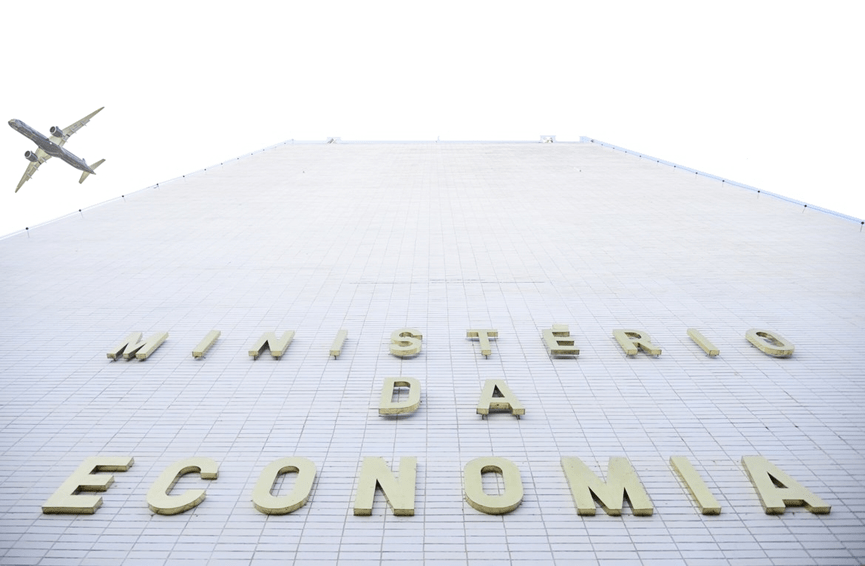
El Secretario Especial de Privatización y Desinversión del Ministerio de Economía, Salim Mattar, ha comunicado mediante Twitter para decir que un proyecto del Diputado Federal Orlando Silva (PCdoB-SP) que autoriza al Poder Ejecutivo Federal a adquirir el control de Embraer S.A. «viola el Artículo 173 de la Constitución y trata de aumentar aún más el tamaño del Estado”.
El Artículo 173 de la Constitución de Brasil expresa: «[…] con la excepción de los casos previstos en esta Constitución, la explotación directa de la actividad económica por parte del Estado solo se permitirá cuando sea necesario a los imperativos de la seguridad nacional o al interés colectivo relevante, según lo define la ley».
Salim Mattar había publicado en sus presentaciones en el IBEF 2020, en el que enfatizó que «las privatizaciones son estratégicas en tiempos de crisis, atraen inversiones, mejoran el entorno empresarial y la competitividad, aumentan el empleo y contribuyen a la recuperación Supervisor».
“Embraer, antes de la privatización, tenía 9.000 empleados. Actualmente cuenta con más de 28.000 empleados y empleados subcontratados. Datos como este demuestran cómo las privatizaciones ayudan a aumentar el número de empleos. Propuestas como estas traen inseguridad jurídica y pueden impedir las inversiones privadas”, escribió el Secretario en Twitter.
Unconstitutional Embraer purchase project
Project for state purchase of Embraer violates Brazil Constitution
The Special Secretary for Privatization and Divestment of the Ministry of Economy, Salim Mattar, has communicated via Twitter to say that a project by Federal Deputy Orlando Silva (PCdoB-SP) authorizing the Federal Executive Power to acquire control of Embraer S.A. «violates the Article 173 of the Constitution and tries to further increase the size of the State”.
Article 173 of the Brazilian Constitution states: «[…] with the exception of the cases provided for in this Constitution, the direct exploitation of economic activity by the State will only be allowed when necessary to the imperatives of security national or the relevant collective interest, as defined by law».
Salim Mattar had published in his presentations at IBEF 2020, in which he emphasized that «privatizations are strategic in times of crisis, they attract investment, improve the business environment and competitiveness, increase employment and contribute to the recovery Supervisor».
«Embraer, before the privatization, had 9,000 employees. It currently has more than 28,000 employees and subcontracted employees. Data like this demonstrate how privatizations help increase the number of jobs. Proposals like these bring legal insecurity and can impede private investment», wrote the Secretary on Twitter.
Projeto inconstitucional de compra da Embraer
Projeto compra estatal da Embraer viola Constituição Brasil
O secretário especial de privatização e desinvestimento do Ministério da Economia, Salim Mattar, comunicou via Twitter que um projeto do deputado federal Orlando Silva (PCdoB-SP) autorizando o Poder Executivo Federal a adquirir o controle da Embraer S.A.«viola o Artigo 173 da Constituição e tenta aumentar ainda mais o tamanho do Estado”.
O Artigo 173 da Constituição Brasileira estabelece: «[…] com exceção dos casos previstos nesta Constituição, a exploração direta da atividade econômica pelo Estado somente será permitida quando necessário aos imperativos de segurança interesse nacional ou coletivo relevante, conforme definido por lei».
Salim Mattar publicou em suas apresentações no IBEF 2020, em que enfatizou que «as privatizações são estratégicas em tempos de crise, atraem investimentos, melhoram o ambiente de negócios e a competitividade, aumentam o emprego e contribuem para o supervisor de recuperação».
«A Embraer, antes da privatização, possuía 9.000 funcionários. Atualmente, possui mais de 28.000 funcionários e subcontratados. Dados como esse demonstram como as privatizações ajudam a aumentar o número de empregos. Propostas como essas trazem insegurança jurídica e podem impedir o investimento privado», escreveu o Secretário no Twitter.
Ξ A I R G W A Y S Ξ PUBLISHER: Airgways.com DBk: Mte.gov.br / Airgways.com / Trademap.com.br / Agenciabrasil.com.br AW-POST: 202006212110
El Aeropuerto London Cityha reabierto al público después de que estuvo cerrado durante casi tres meses por las restricciones al virus pandémico mundial. De la misma manera, los aeropuertos españoles han comenzado a recibir este Domingo 21/06 a los primeros visitantes de la Unión Europea (UE) y del Área Schengen después de que España haya abierto sus fronteras tras tres meses de estado de alarma motivados por el Coronavirus.
Aeropuerto London City
Los vuelos comerciales y privados dejaron de operar el 25 Marzo 2020 debido a restricciones de viaje y un colapso de la demanda. Las agencias gubernamentales y los militares han estado utilizando el Aeropuerto London City. El Domingo 21/06, el primer vuelo comercial para reiniciar el aeropuerto fue desde la Isla de Man, que aterrizó aproximadamente a las 18:00 hs.
Inicialmente, los vuelos estarán restringidos a aquellos dentro del Reino Unido e Irlanda. Se espera que los servicios a Edimburgo, Glasgow y Dublín regresen el próximo mes, mientras que las nuevas rutas a Teesside y Dundee se lanzarán el 6 de julio. Se espera que los vuelos europeos a destinos como Ibiza, Florencia, Málaga y Palma se reanuden en las próximas semanas.
El aeropuerto ha introducido medidas de seguridad e higiene para ayudar a detener la propagación de Covid-19, como los revestimientos faciales obligatorios, lo que limita el acceso a la terminal a aquellos con un boleto y una limpieza mejorada. Los resultados de una encuesta de 4.700 clientes de la ciudad de Londres publicada a principios de esta semana sugirieron que el 79% era muy probable o bastante probable que volara cuando el gobierno y los aeropuertos o las líneas aéreas les dijeron que era seguro hacerlo.
Robert Sinclair, Director Ejecutivo del aeropuerto, dijo que la encuesta mostró que los pasajeros tenían «un deseo no solo de disfrutar de unas vacaciones pronto después de casi tres meses de cierre, sino también de volver a los viajes de negocios». El año pasado fue el duodécimo aeropuerto más concurrido del Reino Unido, manejando 5.1 millones de pasajeros. Su ubicación coloca el aeropuerto cerca del distrito financiero de la capital y es particularmente popular entre los viajeros de negocios. El aeropuerto es utilizado por los vuelos de clase ejecutiva de British Airways solo hacia y desde Nueva York.
Aeropuertos españoles
Los aeropuertos españoles han iniciado este Domingo 21/06 la apertura de los primeros vuelos programados de la Unión Europea y del espacio del Área Schengen después de que España ha estado cerrada sus fronteras por tres meses. La red de aeropuertos de AENA recibirá 100 vuelos este domingo provenientes de la Unión Europea y del Área Schengen, aunque en total se realizarán unas 650 operaciones (salidas y llegadas). Fuentes de AENA han explicado que de estas 650 operaciones, unas 325 serán llegadas. Además de esos 100 vuelos, otros 225 serán domésticos.
En esta mañana, el Aeropuerto Madrid-Barajas/Adolfo Suárez ya ha recibido dos vuelos de la Unión Europea y el espacio Schengen, procedentes de París (Francia) y Milán (Italia). Las operaciones aerocomerciales se está desarrollando con total normalidad, según han asegurado las mismas fuentes.
El Aeropuerto Barcelona/El Prat Josep Tarradellas recibe vuelos con total normalidad desde primera hora de la mañana. El organismo de la AENA han informado que el aeropuerto está trabajando en unas ochenta operaciones, de las que 41 corresponderán a la llegada de vuelos nacionales e internacionales. El primer vuelo internacional en arribar a El Prat procedía esta mañana de la capital alemana, Berlín. El Aeropuerto Barcelona solo ha abierto para todos los vuelos y compañías la terminal T1. A la misma solo puede acceder el pasajero y un acompañante en el caso de que el viajero necesite asistencia. Hasta ayer, las llegadas que recibía España eran de terceros países, de una lista limitada. Los vuelos estaban justificados por situaciones como expatriaciones, por motivos de trabajo o de residencia.
Los aeropuertos españoles se han preparado para recibir a los nuevos pasajeros y garantizar «que vengan en condiciones de seguridad para ellos mismos y para quienes los acogen», según explicó ayer el Ministro de Sanidad, Salvador Illa, quien supervisó ayer junto al ministro de Transportes, Movilidad y Agenda Urbana, José Luis Ábalos, las medidas de seguridad puestas en marcha en el aeropuerto madrileño para la prevención del coronavirus.
Reopening of European airports
European airports gradually begin opening
London City Airport has reopened to the public after it was closed for nearly three months due to restrictions on the global pandemic virus. In the same way, Spanish airports have begun to receive the first visitors from the European Union (EU) and the Schengen Area this Sunday 21/06 after Spain has opened its borders after three months of alarm caused by the coronavirus.
London City Airport
Commercial and private flights stopped operating on March 25, 2020 due to travel restrictions and a collapse in demand. Government agencies and the military have been using the London City Airport. On Sunday 06/21, the first commercial flight to restart the airport was from the Isle of Man, which landed at approximately 6:00 p.m.
Initially, flights will be restricted to those within the UK and Ireland. Services to Edinburgh, Glasgow and Dublin are expected to return next month, while new routes to Teesside and Dundee will launch on July 6. European flights to destinations such as Ibiza, Florence, Malaga and Palma are expected to resume in the coming weeks.
The airport has introduced safety and hygiene measures to help stop the spread of Covid-19, such as mandatory face coatings, limiting access to the terminal to those with a ticket and improved cleanliness. The results of a survey of 4,700 City of London customers released earlier this week suggested that 79% were very or fairly likely to fly when the government and airports or airlines told them it was safe to do so.
Robert Sinclair, Executive Director of the airport, said the survey showed that passengers had «a desire not only to enjoy a vacation soon after nearly three months of closure, but also to return to business travel». Last year it was the UK’s 12th busiest airport, handling 5.1 million passengers. Its location places the airport near the capital’s financial district and is particularly popular with business travelers. The airport is used by British Airways business class flights only to and from New York.
Spanish airports
Spanish airports have started this Sunday 21/06 the opening of the first scheduled flights of the European Union and the Schengen Area space after Spain has closed its borders for three months. The AENA airport network will receive 100 flights this Sunday from the European Union and the Schengen Area, although a total of 650 operations (departures and arrivals) will be carried out. AENA sources have explained that of these 650 operations, some 325 will be arrivals. In addition to those 100 flights, another 225 will be domestic.
This morning, Madrid-Barajas/Adolfo Suárez Airport has already received two flights from the European Union and the Schengen area, from Paris (France) and Milan (Italy). Aero-commercial operations are proceeding normally, according to the same sources.
Barcelona/El Prat Josep Tarradellas Airport receives flights as normal from early in the morning. The AENA agency has reported that the airport is working on some eighty operations, of which 41 will correspond to the arrival of national and international flights. The first international flight to arrive in El Prat came this morning from the German capital, Berlin. Barcelona Airport has only opened terminal T1 for all flights and companies. It can only be accessed by the passenger and a companion in the event that the traveler needs assistance. Until yesterday, the arrivals that Spain received were from third countries, from a limited list. The flights were justified by situations such as expatriation, for work or residence reasons.
Spanish airports have prepared to receive new passengers and guarantee «that they come in safe conditions for themselves and for those who host them», explained yesterday the Minister of Health, Salvador Illa, who supervised yesterday with the Minister of Transport. , Mobility and Urban Agenda, José Luis Ábalos, the security measures put in place at the Madrid airport for the prevention of the coronavirus.
ÁREA SCHENGEN: (/ ʃ del ɛ ŋ ən /) es un área que comprende 26 europeos países que han abolido oficialmente toda pasaporte y todos los otros tipos de control fronterizo en las fronteras mutuas. El área funciona principalmente como una jurisdicción única para fines de viajes internacionales, con una política de visa común . El área lleva el nombre del Acuerdo de Schengen de 1985 firmado en Schengen, Luxemburgo. SCHENGEN AREA: (/ ʃ ɛ ŋ ən /) is an area comprising 26 European countries that have officially abolished all passports and all other types of border control at mutual borders. The area primarily functions as a single jurisdiction for international travel purposes, with a common visa policy. The area is named after the 1985 Schengen Agreement signed in Schengen, Luxembourg.
Ξ A I R G W A Y S Ξ PUBLISHER: Airgways.com DBk: Aena.es / Airgways.com / Yahoo.com AW-POST: 202006211833AR
Las aerolíneas regionales CityJet y Stobart Air solicitan rescate
Las compañías regionales de la República de Irlanda CityJet y Stobart Air pidieron al Gobierno un rescate de seis meses para garantizar su supervivencia después de la expansión de la crisis sanitaria de Coronavirus. En una carta firmada al Ministro de Finanzas Pascual Donohoe en Abril 2020, Stobart Air y CityJet dijeron que requerían apoyo de subvención inmediata para sobrevivir a la pandemia.
Las aerolíneas representaron más del 13% del tráfico aéreo total en los aeropuertos de Irlanda antes de la pandemia, cuando también emplearon a más de 1.700 empleados entre ellas.
La carta, enviada en virtud de la Ley de Libertad de Información, llegó días después de que el Tribunal Superior designó un examinador interino para CityJet, con sede en Dublín, pero es mejor conocido por volar rutas desde el Aeropuerto de la Ciudad de Londres. Stobart Air, con sede en Dublín, suspendió todos los vuelos internacionales debido a lo que describió como una caída de la demanda sin precedentes como resultado de las cancelaciones de viajes aéreos. En su carta a Donohoe, el Director Gerente de Stobart Air, Andy Jolly, y el CEO de CityJet, Pat Byrne, advirtieron que las aerolíneas regionales no serían viables sin un ingreso estable.
Advirtieron que los costos fijos en curso estaban «carcomiendo la evaporación de las reservas de efectivo mientras los aviones se quedan en tierra con un colapso dramático en los ingresos. Sin duda habrá un resurgimiento de la demanda de vuelos regionales en el norte de Europa (en el caso de CityJet) y Gran Bretaña e Irlanda (en el caso de Stobart Air). Estas dos compañías irlandesas deben preservarse para satisfacer esa demanda», expresaron en la solicitud de la carta. Además solicitan al gobierno que siguiera a otros países europeos al mostrar un apoyo decisivo e inquebrantable en forma de subvenciones de capital durante seis meses, alegando que esto respaldaría hasta 1.000 empleos irlandeses a largo plazo.
Sorprende y decepciona la desidia de la importancia del negocio de la aviación comercial, que representa el 88% de los viajes al extranjero a Irlanda, se esté pasando por alto, por lo que esperan una revisión del asunto por parte del Ministerio de Transporte de Irlanda. Las consecuencias de la pandemia no se hacen esperar, el Viernes 19/06, la mayor aerolínea del país de la Isla Esmeralda, Aer Lingus, ha anunciado la pérdida de hasta 500 trabajadores como resultado del impacto de la crisis sanitaria.
Irish air regionals request rescue
Regional airlines CityJet and Storbart Air request rescue
Republic of Ireland regional companies CityJet and Stobart Air asked the government for a six-month bailout to ensure their survival after the spread of the Coronavirus health crisis. In a letter signed to Finance Minister Pascual Donohoe in April 2020, Stobart Air and CityJet said they required immediate grant support to survive the pandemic.
Airlines accounted for more than 13% of total air traffic at Ireland’s airports before the pandemic, when they also employed more than 1,700 employees with each other.
The letter, sent under the Freedom of Information Act, came days after the High Court appointed an interim examiner for CityJet, based in Dublin, but is best known for flying routes from London City Airport. Dublin-based Stobart Air suspended all international flights due to what it described as an unprecedented drop in demand as a result of air travel cancellations. In their letter to Donohoe, Stobart Air Managing Director Andy Jolly and CityJet CEO Pat Byrne warned that regional airlines would not be viable without a stable income.
They warned that ongoing fixed costs were «gnawing away the evaporation of cash reserves as planes land grounded with a dramatic collapse in revenue. There will certainly be a resurgence in demand for regional flights in northern Europe (in the CityJet case) and Britain and Ireland (in the case of Stobart Air). These two Irish companies must preserve themselves to meet that demand», they said in the letter’s request. They also ask the government to follow other European countries by showing decisive and unwavering support in the form of capital grants for six months, claiming that this would support up to 1,000 Irish jobs in the long term.
The laziness of the importance of the commercial aviation business, which accounts for 88% of overseas travel to Ireland, is surprising and disappointing, so they await a review of the matter by the Irish Ministry of Transport . The consequences of the pandemic are swift, on Friday 06/19, the largest airline in the country of the Emerald Isle, Aer Lingus, has announced the loss of up to 500 workers as a result of the impact of the health crisis.
Ξ A I R G W A Y S Ξ PUBLISHER: Airgways.com DBk: Airgways.com / Independent.ei / Thejournal.ei / Tis Meyer AW-POST: 202006211617AR
Aerolíneas europeas enfrentan recuperación más larga
Las aerolíneas europeas se enfrentan a un rompecabezas de restricciones de los gobiernos que necesitarán coordinar conjuntamente para evitar la renuencia de los usuarios a volar en el período post-pandemia. Después de la parálisis del transporte aéreo mundial, las aerolíneas están regresando lentamente al reinicio de las operaciones. En Europa, tras los anuncios de reapertura de vuelos para Julio 2020 o más adelante, permiten trazar una perspectiva de viajes intra-europeos.
Pero mientras los mercados internos de Estados Unidos, China comienzan a recuperarse, las perspectivas en Europa parecen más inestables, con los mismos efectos en América Latina. La cautela de los viajes al extranjero pesa más en las aerolíneas europeas, cuyos mercados nacionales son más pequeños y menos rentables que los de los rivales estadounidenses y asiáticos, y están más expuestos a la competencia ferroviaria y vial. También deben lidiar con una variedad de restricciones europeas, incluida la cuarentena británica de 14 días, que ha prolongado la depresión por motivos de salud controvertidos. Eso contrasta con los mercados unificados más grandes en Asia y las Américas. En Brasil e India, las operaciones nacionales están repuntando a pesar de que las tasas de Coronavirus siguen creciendo más rápido que las de Europa.
Las aerolíneas
Brussels Airlines, propiedad de EasyJet y Lufthansa, reinició sus operaciones esta semana cuando se reabrieron las fronteras internas europeas. Otros, como Air France, British Airways y Wizz Air, están aumentando sus frecuencias. «Nos estamos enfocando en el desempeño de los vuelos y para asegurarnos de que tengamos vuelos donde los belgas quieran volar», dijo el CEO de Brussels Airlines, Dieter Vranckx. El problema es que muchos belgas no quieren volar mucho a ningún lado. Entre el 63 por ciento de los belgas que todavía planean unas vacaciones en 2020, el nuevo destino principal es Bélgica, según una encuesta informada por el boletín de viajes Pagtour. Los subcampeones de Francia y los Países Bajos son accesibles por carretera o ferrocarril.
A pesar del reducido servicio de alimentos y las máscaras obligatorias a bordo, evitar los aviones puede no ser la principal preocupación. Los consumidores en Francia están más interesados en volar nueve horas al territorio caribeño de Ultramar de Martinica que en un corto viaje a España o Italia, según los datos de búsqueda de Google descritos por un gerente de ventas de una aerolínea. «Su pensamiento dice: ‘Al menos si estoy en un territorio francés de ultramar, el gobierno tendrá la obligación de cuidarme. Puedo acudir a un hospital y ser atendido como si estuviera en París'», dijo el gerente. dijo. Eso significa malas noticias para todos menos un puñado de salidas europeas operadas por Air Caraibes o Air France.
Para las aerolíneas europeas que pronostican perder US$ 21.5 mil millones este año, un retorno al servicio promete que no habrá un rápido retorno a las ganancias, y se espera que muchos vuelos se lleven a menos de dos tercios. La esperanza es quemar menos efectivo en el aire que en el suelo. El sector europeo está en camino de obtener un retorno negativo del 14,3% sobre el capital invertido este año, en comparación con los déficits proyectados del 12,7% para Asia y del 10,5% para América del Norte, según el organismo global de aerolíneas IATA.
Detrás de la publicidad de relanzamiento, las aerolíneas todavía están haciendo recortes de horarios que van más allá en Europa, dicen los expertos. Los vuelos de Underold se cancelan al menos dos semanas antes de la salida, cuando los pasajeros obtienen derechos de compensación. Los horarios globales de esta semana se han reducido en 28.5 millones de asientos a 40 millones desde finales de mayo, según la organización OAG. La capacidad de Europa occidental se redujo de 17.8 millones de asientos a 3.9 millones a medida que las esperanzas de rebote disminuyeron. «Estamos ansiosos por publicar capacidad porque nuestro mensaje al mercado es que ninguno de nosotros parpadea. No queremos que los rivales piensen que pueden agregar más capacidad en nuestros mercados clave. Todos están jugando ese juego en este momento, luego cancelamos si vemos reservas muy pobres», dijo un ejecutivo de una importante aerolínea europea.
European airlines prolonged recovery
European airlines face longer recovery
European airlines face a puzzle of government restrictions that they will need to coordinate together to avoid users’ reluctance to fly in the post-pandemic period. After the paralysis of global air transport, airlines are slowly returning to restart operations. In Europe, after the announcements of reopening of flights for July 2020 or later, they allow to draw a perspective of intra-European travel.
But as the domestic markets of the United States, China begin to recover, the prospects in Europe seem more unstable, with the same effects in Latin America. Caution about foreign travel weighs more heavily on European airlines, whose domestic markets are smaller and less profitable than those of American and Asian rivals, and are more exposed to rail and road competition. They also have to deal with a variety of European restrictions, including the British 14-day quarantine, which has prolonged depression for controversial health reasons. That contrasts with the largest unified markets in Asia and the Americas. In Brazil and India, national operations are picking up despite Coronavirus rates continuing to grow faster than in Europe.
Airlines
Brussels Airlines, owned by EasyJet and Lufthansa, restarted operations this week when Europe’s internal borders were reopened. Others, like Air France, British Airways and Wizz Air, are increasing their frequencies. «We are focusing on flight performance and to make sure we have flights where Belgians want to fly,» said Brussels Airlines CEO Dieter Vranckx. The problem is that many Belgians don’t want to fly much anywhere. Among 63 percent of Belgians who still plan a vacation in 2020, the new top destination is Belgium, according to a survey reported by the Pagtour travel newsletter. The runners-up in France and the Netherlands are accessible by road or rail.
Despite the reduced food service and the mandatory masks on board, avoiding planes may not be the main concern. Consumers in France are more interested in flying nine hours to the Caribbean overseas territory of Martinique than in a short trip to Spain or Italy, according to Google search data described by an airline sales manager. «His thinking says: ‘At least if I am in French overseas territory, the government will have an obligation to take care of me. I can go to a hospital and be treated as if I were in Paris'», the manager said. said. That means bad news for all but a handful of European departures operated by Air Caraibes or Air France.
For European airlines that forecast to lose US$ 21.5 billion this year, a return to service promises that there will be no quick return to earnings, and many flights are expected to take less than two-thirds. The hope is to burn less effectively in the air than on the ground. The European sector is on track to get a negative return of 14.3% on invested capital this year, compared to projected deficits of 12.7% for Asia and 10.5% for North America, according to the agency global airline IATA.
Behind the relaunch advertising, airlines are still making schedule cuts that go further in Europe, experts say. Underold flights are canceled at least two weeks before departure, when passengers obtain compensation rights. Global hours this week have been reduced by 28.5 million seats to 40 million since the end of May, according to the OAG organization. Western European capacity dropped from 17.8 million seats to 3.9 million as bounce hopes fell. «We can’t wait to publish capacity because our message to the market is that none of us blink. We don’t want rivals to think they can add more capacity in our key markets. Everyone is playing that game right now, then we cancel if we see very poor reserves», said an executive of a major European airline.
Ξ A I R G W A Y S Ξ PUBLISHER: Airgways.com DBk: Airgways.com / Neweurope.eu / Wikitravel.org AW-POST: 202006211538AR
AW | 2020 06 21 13:22 | AIRLINES MARKET / GOVERNMENT
Estados Unidos rechaza la solicitud de vuelos adicionales de China
Estados Unidos rechazó el Viernes 19/06 una solicitud de las aerolíneas chinas para vuelos semanales adicionales entre los dos países, pero dijo que la decisión no estaba destinada a aumentar las tensiones por las restricciones de viaje. En un comunicado, el Departamento de Transporte de Estados Unidos (DOT), dijo que se tomó la decisión de mantener la paridad en los servicios regulares de pasajeros entre los dos países, y agregó que estaba dispuesto a revisar la decisión si las autoridades de aviación chinas ajustaban sus políticas que afectaban a los transportistas estadounidenses. «El Departamento ha transmitido a nuestras contrapartes chinas que esta orden es solo un asunto de procedimiento y que no debe verse como una escalada de nuestra parte», dijo la declaración del Departamento de Transporte.
A principios de esta semana, Estados Unidos y China dijeron que cada uno permitiría cuatro vuelos semanales entre los dos países. El DOT dijo el Lunes 15/06 en su orden revisada sobre vuelos de China que el Gobierno de Estados Unidos todavía esperaba que China acuerde restablecer los derechos de vuelo de EE.UU. en virtud de su acuerdo de aviación bilateral.
Estados Unidos había amenazado con prohibir los vuelos de pasajeros chinos el 16 Junio 2020 debido a las restricciones de Beijing a las aerolíneas estadounidenses en medio de tensiones entre las dos economías más grandes del mundo, y ha expresado su preocupación por la cantidad de vuelos chárter que las aerolíneas chinas quieren volar. Entre las aerolíneas estadounidenses, Delta Air Lines y United Airlines habían tratado de reiniciar los vuelos diarios de pasajeros a China en Junio 2020, pero cambiaron sus planes en ausencia de la aprobación del Gobierno.
US rejects additional flights from China
United States rejects request for additional flights from China
The United States rejected on Friday 06/19 a request from Chinese airlines for additional weekly flights between the two countries, but said the decision was not intended to increase tensions over travel restrictions. In a statement, the United States Department of Transportation (DOT) said that the decision was made to maintain parity in regular passenger services between the two countries, adding that it was willing to review the decision if aviation authorities Chinese adjusted their policies affecting American carriers. «The Department has conveyed to our Chinese counterparts that this order is only a procedural matter and should not be seen as an escalation on our part», the Transportation Department statement said.
Earlier this week, the United States and China said they would each allow four weekly flights between the two countries. DOT said Monday 06/15 in its revised order on flights from China that the United States Government was still waiting for China to agree to reinstate US flight rights. under its bilateral aviation agreement.
The United States had threatened to ban Chinese passenger flights on June 16, 2020 due to Beijing’s restrictions on US airlines amid tensions between the world’s two largest economies, and has expressed concern about the number of charter flights that Chinese airlines want to fly. Between the US airlines, Delta Air Lines and United Airlines had tried to restart daily passenger flights to China in June 2020, but changed their plans in the absence of government approval.
Ξ A I R G W A Y S Ξ PUBLISHER: Airgways.com DBk: Transportation.gov / Skift.com / Airgways.com / Wsj.com AW-POST: 202006211322AR
Fuerte aumento de los precios de ATF perjudicaría mercado aéreo
Las aerolíneas de la India están luchando para mantener sus costos bajos, el fuerte aumento de los precios de Combustible de Turbina de Aviación (ATF) estresará aún más las finanzas de las aerolíneas. Eventualmente, los pasajeros tendrán que soportar la peor parte del aumento de los precios de ATF ya que las aerolíneas no tendrán más opciones que trasladarlos a los pasajes aéreos. El fuerte aumento en los precios del combustible de turbina de aviación en las principales ciudades indias, a pesar de una caída en los precios mundiales del crudo, perjudicará a las aerolíneas, ya que el aumento de los costos se agravará en medio de la tibia demanda debido a la pandemia.
El combustible de turbina de aviación representa aproximadamente el 35-50% de los costos totales de las aerolíneas. En un momento en que las aerolíneas nacionales están luchando para mantener sus costos bajos, el fuerte aumento de los precios de ATF estresará aún más las finanzas de las aerolíneas. «El precio del ATF aumentó sustancialmente durante junio, lo cual no es una buena señal, ya que las aerolíneas reanudaron sus operaciones nacionales después de dos meses de aterrizaje el 25 Mayo 2020. El fuerte aumento en los precios de ATF dificultará la adición de más vuelos y rutas, ya que será más difícil para las aerolíneas cubrir sus costos variables», dijo un alto funcionario de la aerolínea, que no quiso ser identificado.
«Las aerolíneas indias gastan al menos un 40-50% más en precios ATF en comparación con varios de sus contemporáneos en todo el mundo. Como las operaciones internacionales están cerradas, las aerolíneas ni siquiera tienen la opción de comprar ATF a un precio más barato en el extranjero», dijo un alto funcionario de una aerolínea sin lujos y agregó que con la tibia demanda de pasajeros en medio de la pandemia, es difícil transmitir todo el aumento de los precios ATF a los pasajeros.
Las aerolíneas operaron a una capacidad inferior al 33% después de comenzar las operaciones en la última semana de Mayo, mientras luchaban por llenar los asientos, según mostraron datos mensuales publicados por la Dirección General de Aviación Civil (DGCA). «El gobierno quiere que las aerolíneas amplíen su capacidad al 45% y eventualmente al 50-55% en los próximos meses. Sin embargo, no esperamos que el factor de carga mejore a un nivel pre-codicioso en el corto plazo. Con el aumento de los costos, incluido un fuerte aumento en los precios de los ATF, las aerolíneas serán conservadoras sobre el aumento de la capacidad, especialmente en las rutas que tienen poca demanda. Esto eventualmente conducirá a un retraso en el proceso de expansión de la capacidad», dijo un alto funcionario.
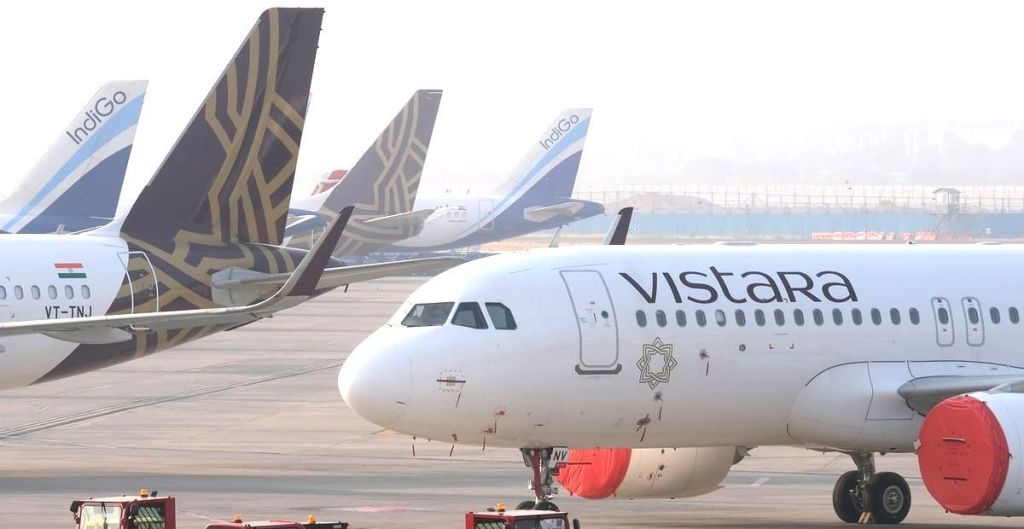
“El aumento en los precios de ATF impacta significativamente el costo de las operaciones de cualquier aerolínea, ya que el combustible sigue siendo el mayor contribuyente de costos. En las circunstancias actuales y difíciles, esto obviamente duele. Continuamos revisando nuestra red y hacemos todo lo posible para que nuestra estructura de costos sea más eficiente al recortar los gastos que no se enfrentan al cliente», dijo un portavoz de Vistara.
Un alto funcionario de una empresa estatal de comercialización de petróleo dijo que las compañías petroleras siguen los precios de paridad de importación y que el precio del crudo se ha recuperado de su mínimo histórico de US$ 14 por barril en Abril 2020, mientras que la demanda de ATF se ha incrementado, lo que ha provocado un mayor en el precios de combustible de los jet.
Eventualmente, los pasajeros tendrán que soportar el peso del aumento de los precios de ATF ya que las aerolíneas no tendrán más opciones que transmitirlo, dijo el analista de aviación Mark Martin, Director Ejecutivo de Martin Consulting LLC. «Claramente, el Gobierno no quiere pasar el beneficio de los bajos precios del petróleo a los viajeros. El Gobierno ha estado hablando de incluir ATF bajo el GST (Impuesto sobre Bienes y Servicios) durante los últimos años, pero esto aún no ha sucedido», dijo Mark Martin.
India increase ATF aviation
Strong increase in ATF prices would harm the air market
Indian airlines are struggling to keep their costs down, the sharp rise in Aviation Turbine Fuel (ATF) prices will further stress airline finances. Eventually, passengers will have to bear the brunt of the ATF price hike as airlines will have no choice but to transfer them to airfare. The sharp rise in aviation turbine fuel prices in major Indian cities, despite a drop in world crude oil prices, will hurt airlines as rising costs will worsen amid tepid demand due to the pandemic.
Aviation turbine fuel represents approximately 35-50% of total airline costs. At a time when domestic airlines are struggling to keep their costs down, the sharp rise in ATF prices will further stress airline finances. «The price of ATF increased substantially during June, which is not a good sign, as airlines resumed their domestic operations after two months of landing on May 25, 2020. The sharp increase in ATF prices will make it difficult to add more flights and routes, as it will be more difficult for airlines to cover their variable costs», said a senior airline official, who declined to be identified.
«Indian airlines spend at least 40-50% more on ATF prices compared to several of their contemporaries worldwide. As international operations are closed, airlines do not even have the option to buy ATF at a cheaper price abroad», said a senior official at a no-frills airline, adding that with tepid passenger demand in the midst of the pandemic, it is difficult to pass on the entire increase in ATF prices to passengers.
The airlines operated at less than 33% capacity after starting operations in the last week of May, as they struggled to fill the seats, according to monthly data published by the General Directorate of Civil Aviation (DGCA). «The government wants airlines to expand their capacity to 45% and eventually 50-55% in the coming months. However, we do not expect the load factor to improve to a pre-greedy level anytime soon. With the increase of costs, including a sharp rise in ATF prices, airlines will be conservative about increasing capacity, especially on routes with low demand. This will eventually lead to a delay in the capacity expansion process», said a senior official.
«The increase in ATF prices significantly impacts the cost of operations of any airline, as fuel remains the largest cost contributor. In current and difficult circumstances, this obviously hurts. We continue to review our network and do everything we can to make our cost structure more efficient by cutting non-customer spending», said a Vistara spokesperson.
A senior official at a state-owned oil trading company said oil companies follow import parity prices and that the price of crude oil has recovered from its all-time low of US$ 14 a barrel in April 2020, while demand ATF has increased, prompting higher jet fuel prices.
Eventually, passengers will have to bear the brunt of rising ATF prices as airlines will have no choice but to pass it on, said aviation analyst Mark Martin, CEO of Martin Consulting LLC. «Clearly, the government does not want to pass on the benefit of low oil prices to travelers. The government has been talking about including ATF under the GST (Goods and Services Tax) for the past few years, but this has not happened yet.» Mark Martin said.
भारत एटीएफ एविएशन बढ़ाए
एटीएफ की कीमतों में जोरदार बढ़ोतरी से एयर मार्केट को नुकसान होगा
भारतीय एयरलाइंस अपनी लागत को कम रखने के लिए संघर्ष कर रही हैं, एविएशन टर्बाइन फ्यूल (एटीएफ) की कीमतों में तेज वृद्धि एयरलाइन एयरलाइनों के तनाव को और बढ़ाएगी। आखिरकार, यात्रियों को एटीएफ की कीमतों में बढ़ोतरी का खामियाजा भुगतना पड़ेगा क्योंकि एयरलाइंस के पास उन्हें हवाई यात्रा करने के लिए स्थानांतरित करने के अलावा कोई विकल्प नहीं होगा। दुनिया के कच्चे तेल की कीमतों में गिरावट के बावजूद प्रमुख भारतीय शहरों में विमानन टरबाइन ईंधन की कीमतों में तेज वृद्धि, एयरलाइनों को नुकसान पहुंचाएगी क्योंकि बढ़ती लागत के बीच टीपिड की मांग बढ़ जाएगी महामारी के कारण।
विमानन टरबाइन ईंधन कुल एयरलाइन लागत का लगभग 35-50% प्रतिनिधित्व करता है। ऐसे समय में जब घरेलू एयरलाइंस अपनी लागत को कम रखने के लिए संघर्ष कर रही हैं, एटीएफ की कीमतों में तेज वृद्धि एयरलाइन वित्त पोषण को और आगे बढ़ाएगी। «एटीएफ की कीमत में जून के दौरान काफी वृद्धि हुई है, जो एक अच्छा संकेत नहीं है, क्योंकि 25 मई, 2020 को लैंडिंग के दो महीने बाद एयरलाइंस ने अपने घरेलू परिचालन को फिर से शुरू किया। एटीएफ की कीमतों में तेज वृद्धि से इसे जोड़ना मुश्किल हो जाएगा। उड़ानों और मार्गों, चूंकि एयरलाइनों के लिए अपनी परिवर्तनीय लागतों को कवर करना अधिक कठिन होगा», एयरलाइन के एक वरिष्ठ अधिकारी ने कहा, जिन्होंने पहचान करने से इनकार कर दिया।
«भारतीय एयरलाइंस दुनिया भर में अपने कई समकालीनों की तुलना में एटीएफ की कीमतों पर कम से कम 40-50% अधिक खर्च करती हैं। अंतरराष्ट्रीय परिचालन बंद होने के कारण, एयरलाइनों के पास एटीएफ को सस्ती कीमत पर खरीदने का विकल्प भी नहीं है। विदेश में«, एक नो-फ्रिल्स एयरलाइन में एक वरिष्ठ अधिकारी ने कहा, महामारी के बीच में tepid यात्री की मांग के साथ, यात्रियों के लिए एटीएफ की कीमतों में संपूर्ण वृद्धि पर गुजरना मुश्किल है।
सामान्य विमानन निदेशालय (डीजीसीए) द्वारा प्रकाशित मासिक आंकड़ों के अनुसार, मई के अंतिम सप्ताह में परिचालन शुरू करने के बाद एयरलाइंस ने 33% से कम क्षमता पर परिचालन किया, क्योंकि वे सीटें भरने के लिए संघर्ष करती थीं। «सरकार चाहती है कि एयरलाइंस आने वाले महीनों में अपनी क्षमता को 45% और अंततः 50-55% तक बढ़ाए। हालांकि, हम लोड फैक्टर की उम्मीद नहीं करते हैं कि वह जल्द ही प्री-लालची स्तर में सुधार कर सके। एटीएफ की कीमतों में तेजी से वृद्धि सहित, एयरलाइनें बढ़ती क्षमता के बारे में रूढ़िवादी होंगी, विशेष रूप से कम मांग वाले मार्गों पर। यह अंततः क्षमता विस्तार प्रक्रिया में देरी का कारण बनेगा»। एक वरिष्ठ अधिकारी ने कहा।
«एटीएफ की कीमतों में वृद्धि किसी भी एयरलाइन के संचालन की लागत को काफी प्रभावित करती है, क्योंकि ईंधन सबसे बड़ा लागत योगदानकर्ता बना हुआ है। वर्तमान और कठिन परिस्थितियों में, यह स्पष्ट रूप से दर्द होता है। विस्टा के प्रवक्ता ने कहा कि हम अपने नेटवर्क की समीक्षा करते रहते हैं और गैर-ग्राहक खर्चों में कटौती करके अपनी लागत संरचना को और अधिक कुशल बनाने के लिए हम सब कुछ कर सकते हैं।
एक सरकारी स्वामित्व वाली तेल ट्रेडिंग कंपनी के एक वरिष्ठ अधिकारी ने कहा कि तेल कंपनियां आयात समता की कीमतों का पालन कर रही हैं और अप्रैल 2020 में कच्चे तेल की कीमत इसके रिकॉर्ड 14 डॉलर प्रति बैरल से कम हो गई है, जबकि मांग एटीएफ में वृद्धि हुई है, जिससे उच्च जेट ईंधन की कीमतों में वृद्धि हुई है।
मार्टिन कंसल्टिंग एलएलसी के सीईओ एविएशन एनालिस्ट मार्क मार्टिन ने कहा कि आखिरकार यात्रियों को एटीएफ की बढ़ती कीमतों का खामियाजा भुगतना पड़ेगा क्योंकि एयरलाइंस के पास इसके अलावा कोई विकल्प नहीं होगा। «स्पष्ट रूप से, सरकार यात्रियों को कम तेल की कीमतों के लाभ पर पारित नहीं करना चाहती है। सरकार पिछले कुछ वर्षों से जीएसटी (माल और सेवा कर) के तहत एटीएफ को शामिल करने की बात कर रही है, लेकिन अभी तक ऐसा नहीं हुआ है»। मार्क मार्टिन ने कहा।
Ξ A I R G W A Y S Ξ PUBLISHER: Airgways.com DBk: Livemint.com / Airgways.com / Thestateman.com / Businessliveme.com AW-POST: 202006211201AR
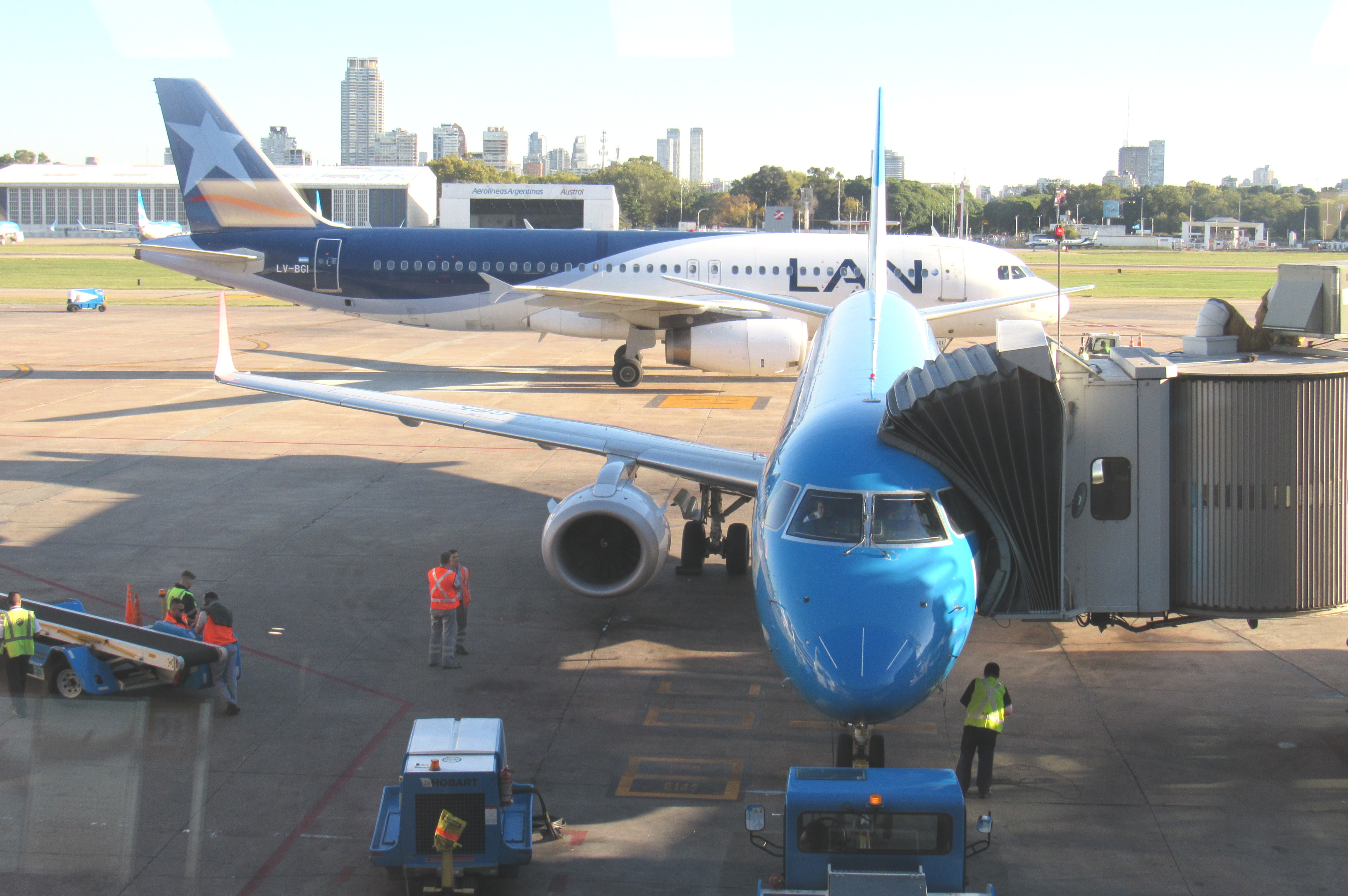
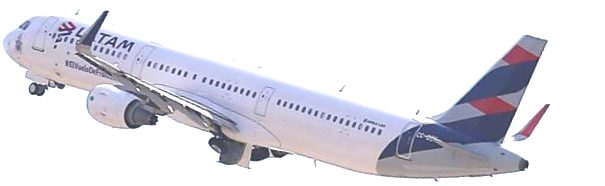
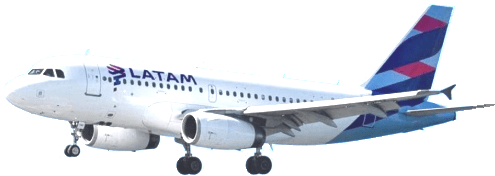
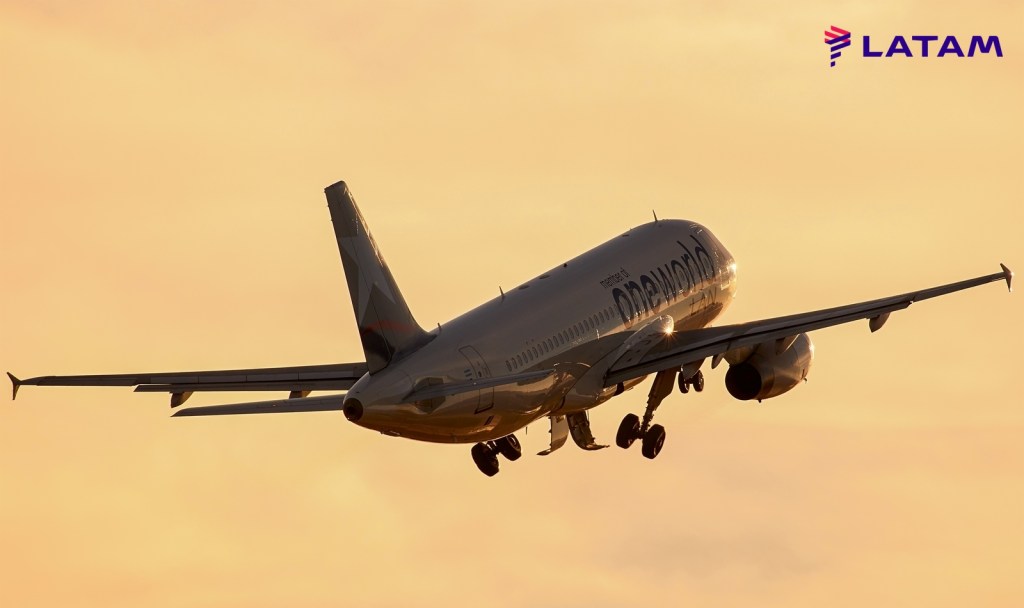
Cronología de la aviación de Latam Airlines en Argentina
Latam Airlines Argentina ha anunciado el 17 Junio 2020 que la compañía había presentado un Procedimiento Preventivo de Crisis (PPC)[Ɖ] ante el Ministerio de Trabajo, pero que en el día Viernes 19/06 ante una reunión con el Ministerio de Trabajo presentaron la petición indeclinable de levantar las operaciones en la República Argentina, una decisión planificada desde hace tiempo atrás. La aerolínea había comunicado tras la finalización de la reunión con la cartera de Trabajo la posición indeclinable de cerrar las operaciones de la filial Argentina.
Tras la información confirmada desde la compañía, la incertidumbre sobre el futuro de sus 1.750 empleados y la conmoción en el sector aerocomercial se hicieron sentir por el cese de operaciones como operador nacional, pues Latam Argentina continuaba siendo una línea aérea privada líder de la región y la segunda en el mercado local. La decisión llegó luego de quince años de presencia en el país, en la que la empresa operó en un mercado liderado por Aerolíneas Argentinas alcanzando el 16% del mercado de cabotaje y el 23% del sector internacional.
Cronología Latam Airlines Argentina
2005 | Arribo a la Argentina
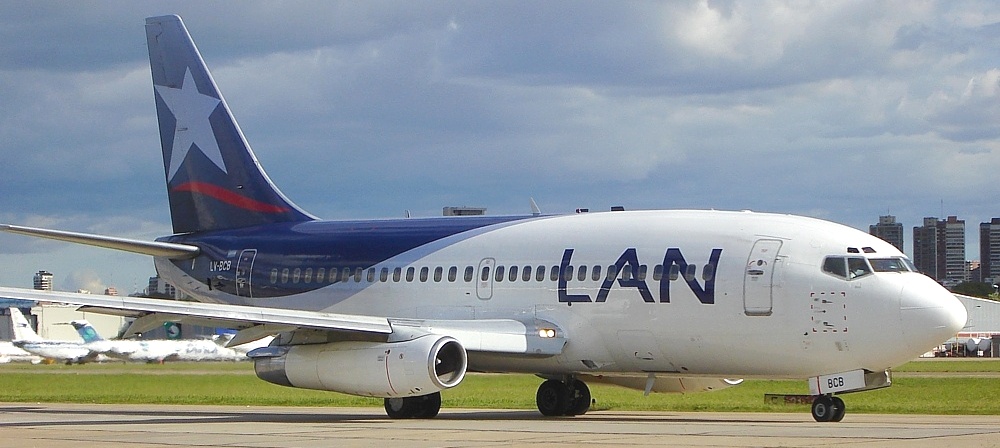
LAN Airlines dessembarcó en el país en 2005, iniciando las operaciones el 08/06. Para el inicio de la operación adquirió la empresa Aero 2000 y se hizo cargo de los empleados de Líneas Aéreas Federales S.A. (LAFSA), una empresa estatal que nunca había iniciado operaciones aerocomerciales y que fue creada en los últimos días del Gobierno de Eduardo Duhalde para absorber a los empleados de otras dos aerolíneas extinguidas Southern Winds Líneas Aéreas y Dinar Líneas Aéreas. El acuerdo fue que la compañía que debería tener mayoría de capitales nacionales se haría cargo de todos los empleados de LAFSA Líneas Aéreas a cambio de que el Gobierno le otorgara la autorización para operar ciertas rutas de cabotaje. Cuando se concretó el arribo de la chilena LAN al país, Aerolíneas Argentinas, por entonces en manos del grupo Marsans, tenía más del 80% del mercado de cabotaje. Los primeros vuelos de la compañía se concretaron el 8 Junio 2005, día en que inició las primeras conexiones hacia Córdoba y Mendoza. Para el comienzo de las operaciones la compañía ha empleado aeronaves Boeing 737-200.
2006 | Inicio operaciones internacionales
El 15 Agosto 2006 Lan Argentina Líneas Aéreas inició primeros vuelos entre Ezeiza y Miami, con tres frecuencias semanales (3Rrq/S), ruta que tuvo gran acogida y que comenzó a ofrecerse luego diariamente. Ese mismo año obtuvo permiso para para operar 35 nuevas rutas domésticas e internacionales, por lo que incorporó nuevos destinos. A principios de ese año LAN Argentina volaba hacia doce destinos domésticos que incluían: Buenos Aires, Iguazú, Bariloche, Salta, Tucumán, Mendoza, Córdoba, Neuquén, Comodoro Rivadavia, Río Gallegos, Calafate y Ushuaia; y cuatro internacionales: Miami, San Pablo, Santiago de Chile y Lima.
2007 | Conflictos gremiales
No serían ni los primeros ni los últimos, pero 2007 estuvo atravesado por varios conflictos que obligaron a la aerolínea a suspender servicios. En enero de ese año los trabajadores de LAN Argentina agremiados en APA comenzaron un paro general de actividades por lo que calificaron como un incumplimiento empresario de las actas acuerdo firmadas ante las autoridades laborales. En Marzo, las medidas de reclamo por la reincorporación de un trabajador despedido encabezado por el gremio APTA generan cancelación de servicios. Luego, en Mayo, hubo un paro de la Asociación de Pilotos de Líneas Aéreas (APLA), conducida por Pablo Biró, en contra de la aplicación de exámenes psicotécnicos.
2009 | Hangar propio en Aeroparque
LAN Argentina concretó la apertura de un hangar propio en el Aeropuerto Jorge Newbery, tras una inversión de US$ 5 millones para su construcción. Luego, en 2013, ese hangar se convertiría en uno de los conflictos políticos más fuertes de la empresa en su paso por el país.
2010 | Fusión LAN-TAM
En 2010, LAN Airlines anunció la fusión de todas sus operaciones con la brasileña TAM Linhas Aéreas bajo la denominación Latam Airlines Group, formalizando la creación del gigante aerocomercial líder en Sudamérica, con ingresos por más de US$ 8.500 millones de Dólares en facturación anuales, controlando el 17% de las ganancias del mercado regional. El proceso de fusión llevó años y la empresa comenzó a operar bajo su nueva marca en 2016.
2013 | Conflicto con Intercargo y ORSNA
En 2013 un conflicto de varias semanas entre la aerolínea y la empresa estatal Intercargo, encargada de los servicios terrestres en los aeropuertos, generó la demora de cientos de vuelos de la empresa y llevó a la empresa a suspender todos los vuelos en el país. La Justicia tomó parte en el conflicto, iniciado por una deuda, y si bien obligó a Intercargo a restituir el servicio de rampas, que incluye las mangas, se demoró en volver a la normalidad. En ese momento Latam atribuyó el conflicto a los embates contra la empresa iniciados en Noviembre 2010 para favorecer a Aerolíneas Argentinas, su competidora para vuelos de cabotaje. Sin embargo, la empresa consideraban que las hostilidades habían recrudecido cuando se nombró como interventora de Intercargo a María Cecilia García, una funcionaria cercana al entonces Viceministro de Economía, Axel Kicillof.
En Agosto de ese mismo año, el Organismo Regulador del Sistema Nacional de Aeropuertos (ORSNA) había notificado a la compañía que debía desalojar el hangar que operaba en la terminal del Aeropuerto Jorge Newbery, pese a que la compañía tenía contrato de alquiler hasta 2023. Esto inició un proceso judicial que llegó incluso hasta la Corte Suprema, que falló a favor de la aerolínea privada. Sin embargo, el conflicto tuvo tal despliegue que la empresa evaluó hacer base en otro aeropuerto y pidió intervención de la Cancillería de Chile.
2018 | Contracción de mercado
Durante el proyecto de la «Revolución de los Aviones», impulsado por el Gobierno Nacional entrante de Mauricio Macri, Latam Argentina anuncia en 2018 la baja de dos bases en el país dejando de operar a destinos como San Juan y a Bahía Blanca, iniciando así un proceso de achicamiento aún en un proyecto de expansión de la aviación comercial. Pero las dificultades para sostener la operación en Argentina eran observables por los continuos problemas económicos que atravesaba el país, y desde la propia empresa explicaron que la decisión se basó específicamente en la ecuación ingresos-costos, con resultados de 7,6% de aumentos de las ganancias, pero con costos operativos de alrededor del 35% de incremento.
2019 | Creación sindicato de pilotos
Las personas que desempeñan tareas en Latam Airlines Argentina se encuentran representadas por ocho sindicatos. Tres de ellos son de personas que desempeñan tareas exclusivamente en Latam. También son propios de la empresa la Asociación de Tripulantes de Cabina de Pasajeros de Empresas Aerocomerciales (Atcpea) y Unión Industrial de Trabajadores Aeronáuticos de la República Argentina (Ustara).
Los pilotos de Latam Airlines Argentina entran en conflicto con el Gremio de APLA la conducción gremial tradicional de pilotos más asociada con Aerolíneas Argentinas. Tras la ruptura con este sindicato se crea la Unión Pilotos Aviadores de Latam (UPAL), que fue creada en 2019 por un grupo de trabajadores pilotos de Latam Airlines Argentina. Por otro lado, la aerolínea debía negociar con otros cuatro gremios de la industria con los que la empresa debe negociar: APTA (Técnicos Aeronáuticos), APA (Trabajadores de Rampas) y UPSA (Personal Superior) y AAA (Tripulantes de Cabina de Pasajeros).
En contra de los pronósticos que señalaban que la gestión de Mauricio Macri iba a impactar favorablemente en el desempeño de Latam Airlines Argentina por tener a un ex-CEO, Gustavo Lopetegui, como parte de su Gabinete, en los últimos años la empresa mostró sus peores números. Según el balance del año 2019, perdió US$ 133,4 millones, algo por encima de los US$132 millones del rojo de 2018. La empresa no estuvo exenta a los vaivenes económicos de la Argentina. La devaluación afectó directamente la ecuación del sector aerocomercial, que factura localmente en pesos pero tiene insumos como combustibles, aviones, mantenimiento, servicios dolarizados.
2020 | Cese Ops
Más recientemente, impactando la crisis sanitaria mundial Latam Argentina propuso recortar el salario de los trabajadores como medida de alivio a la crisis, pero el Gobierno había intimado a la compañía a pagar el 100% de los salarios adeudados de los trabajadores como medida de alivio a la crisis. La pandemia de Coronavirus, que llevó al Gobierno de Argentina a paralizar la actividad aerocomercial hizo profundizar la crisis financiera de la línea aérea. La empresa adhirió al programa ATP, a través del cual accedió a fondos de la ANSES para el pago de salarios de todo su personal, incluidos sus máximos directivos. Al mismo tiempo, en el Ministerio de Trabajo se llevó adelante la negociación fallida mediante la cual Latam Argentina ofreció pagar el 50% del sueldo no remunerativo a sus 1.750 empleados con un mínimo de AR$ 47.700), estrategia pensada a nivel global por el grupo, que no admitió ser negociada en el plano local. Luego de seis reuniones, el Gobierno intimó a Latam Airlines Argentina a pagar el 100% del sueldo.
Finalmente, argumentando que se había impedido la ejecución de los cambios estructurales necesarios para garantizar su continuidad, Latam Airlines Argentina había anunciado tras el fracaso de la reunión el 17/03 con el Ministerio de Transporte que dejaría de volar como operador aéreo nacional, mientras que las rutas internacionales que tienen como destino y origen la Argentina serían operadas por las filiales extranjeras.
Tras quince años de operaciones en la República Argentina, la compañía Latam Airlines Argentina finaliza sus operaciones exponiendo a la desidia a la mayoría de los 1.750 empleados multiplicados por las familias que serán un testimonio viviente de un legado de una aerolínea que ha sabido pilotear a un costo muy alto por bastante tiempo su subsistencia en un país dominado por la acción política y no más bien por la acción de las reglas del mercado.
Perspectivas aviación
El complejo mosaico del sindicalismo aeronáutico con múltiples caras, enfrentados en la trilogía empresas-gobierno-usuarios en múltiples medidas de fuerzas, continuaba perjudicando económicamente a los tres agentes manteniendo rehenes y cautivos al mercado en medio de la arbitrariedad.
Las perspectivas futuras en Argentina estarán marcadas por las luchas por devolver aquel viejo anhelo de engrandecer a las líneas aéreas el lugar que le pertenecen para no continuar dependiendo de los destinos de Aerolíneas Argentinas como un órgano regulador que condicione vez tras vez a la aviación comercial a continuar volando a perpetuidad en la miseria monopólica.
Que el legado de Latam Airlines Argentina contribuya a forjar una nueva aviación y construir nuevamente los cimientos de aquellos grandes aviadores argentinos que con su perseverancia, temple y visión permitieron posicionar a Argentina a la altura de los grandes países de la aviación comercial.
The legacy of Latam Argentina
Latam Airlines aviation timeline in Argentina
Latam Airlines Argentina has announced on June 17, 2020 that the company had presented a Crisis Preventive Procedure (PPC) [Ɖ] before the Ministry of Labor, but that on Friday 19/06 before a meeting with the Ministry of Labor they presented the Unwavering request to lift operations in the Argentine Republic, a decision planned long ago. After the end of the meeting with the Labor portfolio, the airline had communicated the unavoidable position of closing the operations of the Argentine subsidiary.
After the information confirmed by the company, the uncertainty about the future of its 1,750 employees and the commotion in the aero-commercial sector were felt by the cessation of operations as a national operator, since Latam Argentina continued to be a leading private airline in the region and the second in the local market. The decision came after fifteen years of presence in the country, in which the company operated in a market led by Aerolineas Argentinas, reaching 16% of the cabotage market and 23% of the international sector.
Chronology Latam Airlines Argentina
2005 | Arrival in Argentina
LAN Airlines landed in the country in 2005, beginning operations on 06/08. To start the operation, it acquired the company Aero 2000 and took over the employees of Lineas Aereas Federales S.A. (LAFSA), a state-owned company that had never started commercial operations and was created in the last days of the Eduardo Duhalde Government to absorb the employees of two other extinct airlines Southern Winds Líneas Aéreas and Dinar Líneas Aéreas. The agreement was that the company that should have a majority of national capitals would take over all the employees of LAFSA Líneas Aéreas in exchange for the government granting it authorization to operate certain cabotage routes. When the arrival of the Chilean LAN to the country was finalized, Aerolíneas Argentinas, at the time in the hands of the Marsans group, had more than 80% of the cabotage market. The company’s first flights were completed on June 8, 2005, the day the first connections to Córdoba and Mendoza began. For the beginning of operations the company has used Boeing 737-200 aircraft.
2006 | Start of international operations
On August 15, 2006, Lan Argentina Líneas Aéreas began its first flights between Ezeiza and Miami, with three weekly frequencies (3Frq/S), a route that was very well received and which was later offered daily. That same year he obtained permission to operate 35 new domestic and international routes, for which he incorporated new destinations. At the beginning of that year, LAN Argentina was flying to twelve domestic destinations that included: Buenos Aires, Iguazú, Bariloche, Salta, Tucumán, Mendoza, Córdoba, Neuquén, Comodoro Rivadavia, Río Gallegos, Calafate and Ushuaia; and four internationals: Miami, San Pablo, Santiago de Chile and Lima.
2007 | Union conflicts
They would not be the first or the last, but 2007 was crossed by several conflicts that forced the airline to suspend services. In January of that year, the LAN Argnetina workers joined in APA began a general stoppage of activities for what they described as a business breach of the agreement minutes signed before the labor authorities. In March, the claim measures for the reinstatement of a dismissed worker headed by the APTA union generated cancellation of services. Then, in May, there was a strike by the Association of Airline Pilots (APLA), led by Pablo Biró, against the application of psychotechnical tests.
2009 | Own hangar at Aeroparque
LAN Argentina completed the opening of its own hangar at the Jorge Newbery Airport, after an investment of US$ 5 million for its construction. Then, in 2013, that hangar would become one of the company’s strongest political conflicts as it passed through the country.
2010 | LAN-TAM merger
In 2010, LAN Airlines announced the merger of all its operations with the Brazilian TAM Linhas Aéreas under the name Latam Airlines Group, formalizing the creation of the leading commercial airline giant in South America, with revenues of more than US$ 8,500 million in annual invoicing, controlling 17% of the profits of the regional market. The merger process took years and the company began operating under its new brand in 2016.
2013 | Conflict with Intercargo and ORSNA
In 2013, a conflict of several weeks between the airline and the state-owned company Intercargo, which is in charge of ground services at airports, caused the delay of hundreds of company flights and led the company to suspend all flights in the country. Justice took part in the conflict, initiated by a debt, and although it forced Intercargo to restore the ramp service, which includes the sleeves, it took time to return to normal. At that time, Latam attributed the conflict to the attacks against the company that began in November 2010 to favor Aerolineas Argentinas, its competitor for domestic flights. However, the company considered that hostilities had escalated when María Cecilia García, an official close to the then Vice Minister of Economy, Axel Kicillof, was appointed as Intercargo’s intervener.
In August of that same year, the Regulatory Agency of the National Airport System (ORSNA) had notified the company that it had to vacate the hangar that operated at the Jorge Newbery Airport terminal, despite the fact that the company had a rental contract until 2023. This started a judicial process that even went as far as the Supreme Court, which ruled in favor of the private airline. However, the conflict had such a display that the company evaluated a base at another airport and requested intervention from the Chilean Foreign Ministry.
2018 | Market contraction
During the «Aircraft Revolution» project, promoted by the incoming National Government of Mauricio Macri, Latam Argentina announced in 2018 the loss of two bases in the country, ceasing to operate in destinations such as San Juan and Bahía Blanca, thus initiating a shrinking process even in a commercial aviation expansion project. But the difficulties to sustain the operation in Argentina were observable by the continuous economic problems that the country was going through, and from the company itself they explained that the decision was based specifically on the income-cost equation, with results of 7.6% increases in profits, but with operating costs of around 35% increase.
2019 | Creation of the pilots union
People who perform tasks at Latam Airlines Argentina are represented by eight unions. Three of them are from people who perform tasks exclusively in Latam. Also belonging to the company are the Association of Passenger Cabin Crews of Aerocomerciales Companies (ATCPEA) and the Industrial Union of Aeronautical Workers of the Argentine Republic (USTARA).
The pilots of Latam Airlines Argentina are in conflict with the APLA Guild, the traditional union guiding of pilots more associated with Aerolíneas Argentinas. After the break with this union, the Union of Pilots Aviators of Latam (UPAL) was created, which was created in 2019 by a group of pilot workers of Latam Airlines Argentina. On the other hand, the airline had to negotiate with four other industry unions with which the company must negotiate: APTA (Aeronautical Technicians), APA (Ramp Workers) and UPSA (Superior Personnel) and AAA (Passenger Cabin Crew).
Contrary to the forecasts that the management of Mauricio Macri was going to impact favorably on the performance of Latam Airlines Argentina for having an ex-CEO, Gustavo Lopetegui, as part of his Cabinet, in recent years the company showed its worst numbers. According to the balance of the year 2019, it lost US$ 133.4 million, somewhat above the US$ 132 million of the red of 2018. The company was not exempt from the economic ups and downs of Argentina. The devaluation directly affected the equation of the aero-commercial sector, which invoices locally in pesos but has inputs such as fuel, airplanes, maintenance, dollarized services.
2020 | Cessation Ops
More recently, impacting the global health crisis, Latam Argentina proposed cutting workers’ wages as a measure of relief from the crisis, but the Government had encouraged the company to pay 100% of the wages owed by workers as a measure of relief to the crisis. The Coronavirus pandemic, which led the Government of Argentina to paralyze commercial activity, deepened the airline’s financial crisis. The company joined the ATP program, through which it accessed ANSES funds to pay the salaries of all its staff, including its top managers. At the same time, the failed negotiation was carried out in the Ministry of Labor through which Latam Argentina offered to pay 50% of the non-remunerative salary to its 1,750 employees with a minimum of AR$ 47,700), a strategy thought globally by the group, which did not admit to being negotiated at the local level. After six meetings, the Government encouraged Latam Airlines Argentina to pay 100% of the salary.
Finally, arguing that the execution of the structural changes necessary to guarantee its continuity had been prevented, Latam Airlines Argentina had announced after the failure of the meeting on 03/17 with the Ministry of Transport that it would stop flying as a national air operator, while the international routes that have Argentina as their destination and origin would be operated by foreign subsidiaries.
After fifteen years of operations in the Argentine Republic, the company Latam Airlines Argentina ends its operations exposing to neglect the majority of the 1,750 employees multiplied by the families that will be a living testimony of a legacy of an airline that has known how to pilot a it cost very high for a long time to subsist in a country dominated by political action and not rather by the action of market rules.
Aviation perspective
The complex mosaic of aviation unionism with multiple faces, confronted in the company-government-user trilogy in multiple measures of forces, continued to economically harm the three agents, holding the market hostage and captive amid arbitrariness.
The future prospects in Argentina will be marked by the struggles to return that old yearning to enhance airlines to the place they belong to so as not to continue depending on the destinations of Aerolíneas Argentinas as a regulatory body that conditions commercial aviation over and over again. continue to fly perpetually in monopoly misery.
That the legacy of Latam Airlines Argentina contributes to forge a new aviation and rebuild the foundations of those great Argentine aviators who, with their perseverance, mettle and vision, allowed Argentina to position itself at the level of the great countries of commercial aviation.
Procedimiento Preventivo de Crisis (PPC): Es un mecanismo tendiente a prevenir despidos tempranos interviniendo el Ministerio de Trabajo como mediador frente a las partes en dicho procedimiento. Crisis Preventive Procedure (PPC): It is a mechanism aimed at preventing early dismissals by intervening the Ministry of Labor as mediator against the parties in said procedure.
Ξ A I R G W A Y S Ξ PUBLISHER: Airgways.com DBk: Airgways.com / Latam.com / Lanacion.com.ar / Batimes.com AW-POST: 202006202121AR
FAA establece decisión requerimiento máscaras a aerolíneas EEUU
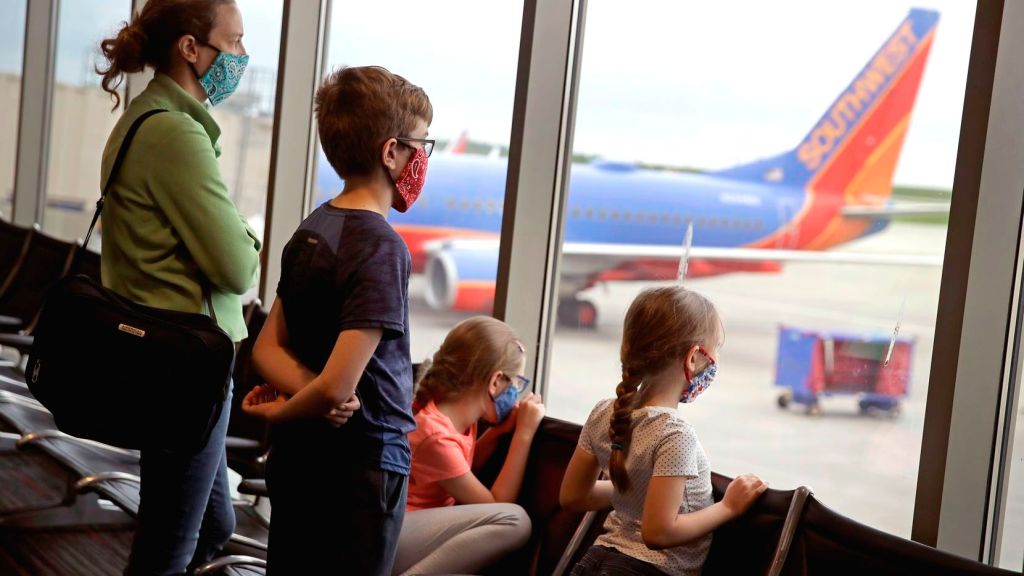
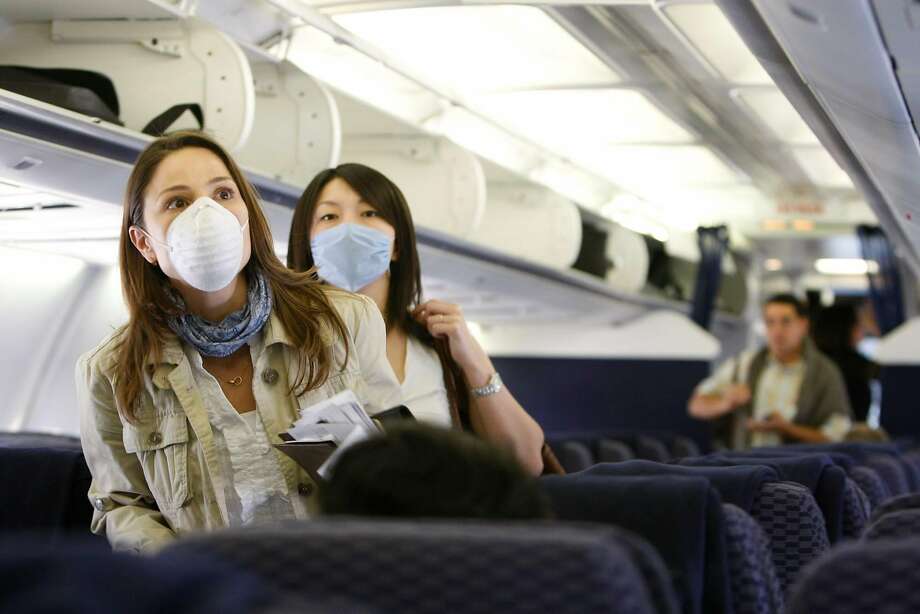
Las aerolíneas estadounidenses en Mayo 2020 anunciaron que requeriría que los empleados y los pasajeros usen coberturas faciales durante la duración de su viaje, como había establecido un tiempo la Administración Federal de Aviación (FAA). Ahora, la modalidad de uso de máscaras faciales en las aerolíneas de Estados Unidos es dejada a criterio de cada aerolínea en particular.
El administrador de la FAA, Stephen Dickson, dijo a un Comité del Senado que los Centros para el Control y la Prevención de Enfermedades deberían encargarse de exigir protocolos de seguridad en las aerolíneas comerciales. «Nuestro espacio es la seguridad de la aviación, y su espacio es la salud pública», dijo el Jefe de la FAA.
En un esfuerzo por crear regulaciones nacionales sobre viajes aéreos, según el agente de viajes, los senadores Edward J. Markey y Richard Blumenthal, a principios de Junio 2020, llamaron al Departamento de Transporte de los Estados Unidos (DOT) y al Departamento de Salud y Servicios Humanos de los Estados Unidos (HHS) emitir reglas para proteger la salud y la seguridad del público volador. Ambas partes exigieron reglas claras para que los pasajeros utilicen máscaras faciales para para los vuelos, garantizar que los miembros de la tripulación de primera línea reciban equipos de protección personal, apoyar el distanciamiento social y exigir protocolos de limpieza sólidos para las aeronaves.
El Miércoles 17/06, American Airlines expulsó a un pasajero de su vuelo por negarse a usar una máscara. Desde entonces, ha sido prohibido hasta que «los clientes ya no necesitan cubrirse la cara», según la aerolínea. Este fue el primer caso conocido de expulsión de un pasajero, ya que parece que las aerolíneas se están volviendo más estrictas con respecto a sus propios protocolos de seguridad.
Aunque la FAA no hará que las máscaras faciales sean obligatorias, Steve Dickson dijo en la reunión del Senado de Estados Unidos que se supone que los pasajeros deben usar máscaras cuando lo indiquen las azafatas, y agregó que esto es «para su propia protección y la protección de quienes los rodean. especialmente importante en situaciones donde el distanciamiento social no es factible».
FAA/airlines criteria for use masks
FAA sets in-flight masks requirement decision to US airlines
US airlines in May 2020 announced that it would require employees and passengers to wear face covers for the duration of their trip, as the Federal Aviation Administration (FAA) had long established. Now, the modality of wearing face masks on United States airlines is left to the discretion of each individual airline.
FAA administrator Stephen Dickson told a Senate committee that the Centers for Disease Control and Prevention should be tasked with enforcing safety protocols on commercial airlines. «Our space is aviation security, and its space is public health», said the FAA Chief.
In an effort to create national air travel regulations, according to travel agent, Senators Edward J. Markey and Richard Blumenthal, in early June 2020, called the United States Department of Transportation (DOT) and the Department of Health. and United States Human Services (HHS) issue rules to protect the health and safety of the flying public. Both sides demanded clear rules for passengers to use face masks for flights, ensure that front-line crew members receive personal protective equipment, support social distancing, and demand robust cleaning protocols for aircraft.
On Wednesday 06/17, American Airlines ejected a passenger from his flight for refusing to wear a mask. Since then, it has been banned until «customers no longer need to cover their faces», according to the airline. This was the first known case of expulsion of a passenger, as it appears that airlines are becoming stricter regarding their own security protocols.
Although the FAA will not make face masks mandatory, Steve Dickson said at the United States Senate meeting that passengers are supposed to wear masks when directed by flight attendants, adding that this is «for their own protection and the protection of those around them, especially important in situations where social distancing is not feasible».
Ξ A I R G W A Y S Ξ PUBLISHER: Airgways.com DBk: Faa.gov / Chicagotribune.com / Sfgate.com / Airgways.com / Dallasnews.com AW-POST: 202006201322AR
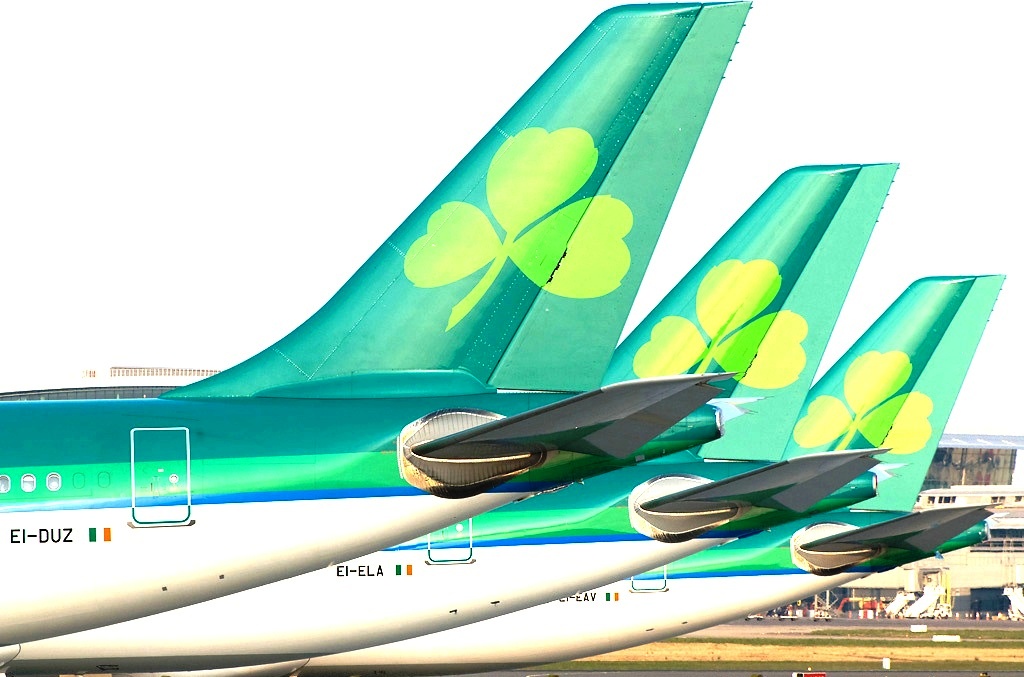
La aerolínea irlandesa Aer Lingus, parte del grupo angloespañol IAG, planea recortar hasta 500 empleos como resultado de la conexión a tierra relacionada con la pandemia de Coronavirus, anunció la aerolínea el Viernes 19/06. «Aer Lingus ha informado al Ministro [de Empleo] que se prevén reducciones de personal de hasta 500 empleados en todo el negocio», dijo en un comunicado.
Las otras aerolíneas propiedad del grupo IAG, British Airways ha dicho que necesita eliminar 12.000 empleos, mientras que Level Europe, con sede en Austria propiedad de Vueling y, por extensión, de International Airlines Group, ha dicho que planea solicitar la insolvencia.
Aer Lingus to cut 500 jobs
Irish airline Aer Lingus to cut 500 jobs
Irish airline Aer Lingus, part of the Anglo-Spanish group IAG, plans to cut up to 500 jobs as a result of the Coronavirus pandemic-related ground connection, the airline announced on Friday 19/06. «Aer Lingus has informed the Minister [of Employment] that staff reductions of up to 500 employees are expected across the business», it said in a statement.
The other airlines owned by the IAG group, British Airways has said it needs to cut 12,000 jobs, while Austria-based Level Europe owned by Vueling and, by extension, the International Airlines Group, has said it plans to apply for insolvency.
Ξ A I R G W A Y S Ξ PUBLISHER: Airgways.com DBk: Aerlingus.com / Nytimes.com / Airgways.com AW-POST: 202006201223AR
La Editorial Airgways agradece a Latam Airlines Argentina por el fuerte compromiso asumido en la aviación comercial en la República Argentina, contribuyendo al aporte del mercado aéreo donde todos los usuarios se han beneficiado de la libertad poder elegir cómo volar.
Los desafíos de ser aviadores en la Argentina los llena de doble mérito por la constancia que han transmitido en una industria altamente competitiva, pero al mismo tiempo, un mercado muy concentrado en un país donde los costos operativos no están a la altura del desarrollo productivo para un pueblo digno de forjar su libertad. Adherimos al pleno apoyo de cada uno de los trabajadores de Latam Airlines y agradecemos a todos ustedes por volar en este magnífico país llamado Argentina.
Atentamente,
Airgways, Equipo de aviadores
Airgways accompanies Latam Argentina
The Editorial Airgways thanks Latam Airlines Argentina for the strong commitment assumed in commercial aviation in the Argentine Republic, contributing to the contribution of the air market where all users have benefited from the freedom to choose how to fly.
The challenges of being aviators in Argentina fill them with double merit for the perseverance they have transmitted in a highly competitive industry, but at the same time, a highly concentrated market in a country where operating costs are not up to the level of productive development for a people worthy of forging their freedom. We adhere to the full support of each of the employees of Latam Airlines and we thank all of you for flying in this magnificent country called Argentina.
Sincerely,
Airgways, Team of aviators
Ξ A I R G W A Y S Ξ PUBLISHER: Airgways.com DBk: Airgways.com / Christian Mandel AW-POST: 202006191947AR