Nuevo escenario mercado regional

AW-7900433.jpgAW | 2019 10 02 01:05 | INDUSTRY

La industria de la aviación regional nuevamente floreciente

El desarrollo de la aviación regional mundial está teniendo un nuevo impulso cambiando la dinámica competitiva. La industria de aviones regionales turboprops y jets ha traído cambio importantes de dominios y reformulación, augurando nuevos bríos para el sector industrial. Los últimos movimientos en la industria regional han estimulado el resurgimiento de la aviación de tercer nivel.

Airbus Group

El Airbus A220 es la nueva gama de aeronaves regionales del constructor europeo Airbus Group. Anteriormente conocido como Bombardier CSeries, es una familia de aviones de reacción de cuerpo estrecho, bimotor y de rango medio originalmente diseñados y construidos por el fabricante canadiense Bombardier Aerospace, ahora comercializados por Airbus y fabricados por la empresa conjunta Airbus Canada Limited Partnership. Airbus adquirió una participación mayoritaria del 50.01% en el Programa CSeries en Octubre 2017, y el acuerdo se cerró en Julio 2018. Como parte del acuerdo, Bombardier retuvo una participación del 31% en el avión y Investissement Québec el 19%. En Agosto 2019, Airbus abrió una segunda línea de montaje para el avión en su fábrica de Mobile, Alabama.

La nueva sociedad produce las líneas A220-100 de 108 a 133 asientos y A220-300 de 130 a 160 pasajeros. Los primeros operadores registraron mejores de lo esperado consumo de combustible y fiabilidad de despacho, así como comentarios positivos de los pasajeros y la tripulación.

Bombardier Inc.

El constructor canadiense Bombardier Inc. continúa con su programa de desinversión en el área comercial como parte de su estrategia para estabilizar las deudas contraídas con los diferentes programas CSeries, Canadair Regional Jet (CRJ) y QSeries turboprops. El Programa CSeries ha pasado a formar parte de la línea de fabricación de Airbus Group, ahora denominado A220. El Programa QSeries ha logrado sobrevivir con la compra por parte del grupo Longview Capital de Canadá en manos de Viking Air que fabricará la línea Q400 turboprops. La línea de productos del Programa CRJ pasaron a manos del constructor nipón Mitsubishi Aircraft Corporation.

Embraer

El área comercial de Embraer entra en su etapa final para las aprobaciones e Joint Venture entre Boeing y Embraer Commercial Aircraft, bajo la denominación comercial Boeing Brasil Commercial. La nueva compañía producirá las actuales líneas de desarrollo del Programa E2-Jets que comprenden los aviones E170E2, E190E2, E195E2, como así las futuras propuestas del Programa E3 turboprops.

ATR Aircraft

El sector de turbopropulsores está cambiando. ATR Aircraft continúa apostando a un mercado amplio que ha sabido conquistar. Por muchos años la compañía franco-italiana ha trabajado prácticamente sin competencia. Ahora, el mercado se ha multiplicado con las ofertas de aviones regionales turbohélices de Viking Air con el Programa QSeries, el AVIC MA700, Sierra Nevada Dornier 328/328Jet y a distancia el Programa E3 de Embraer que se encuentra congelado.

COMAC Corporation

COMAC Corporation de China está desarrollando su mercado regional con el COMAC ARJ21, que acaba de recibir pedidos de las tres aerolíneas chinas más grandes con 35 órdenes cada una. Aunque el libro de pedidos parece alto en más de 300, es difícil saber qué tan firmes son todos estos pedidos para permitir una comparación directa con sus rivales. La versión en desarrollo es el ARJ 21-700. Está en estudio una versión más grande denominada ARJ 21-900.

Viking Air

La compañía Viking Air, con sede en Victoria, Canadá inicia una nueva etapa con la adquisición de los nuevos productos de Bombardier Inc. el Programa QSeries. Centrado exclusivamente en el mercado de turbopropulsores, la división De Havilland ha dicho que está evaluando actualizaciones de productos y una posible versión más pequeña de 50 asientos del Q400, con el objetivo de reemplazar aviones viejos en flotas existentes, como el Fokker 50, ATR 42 y Q100/200/300. Las versiones de alta densidad del Q400 con 86 o 90 asientos, así como una versión combinada (mixta), ya están disponibles y han entrado en servicio en mercados seleccionados de Asia.

AVIC Corporation

El Xian MA700 de China, que usa el mismo motor PW150 que el Q400, está listo para entrar en servicio antes de mediados de la década de 2020. Aunque el mercado será un tanto limitado, muchos clientes de Asia podrán tener disponible un avión regional turboprop más cercano a la industria oriental.

Sierra Nevada

La factoría estadounidense Sierra Nevada ha adquirido los derechos para la fabricación y comercialización del Dornier 320/328Jet. La compañía ha activado las líneas para iniciar la producción del diseño de aeronaves regionales en Alemania.

Mitsubishi Aircraft Corp.

La industria japonesa Mitsubishi Aircraft  atraviesa vientos de cambios favorables y florecientes, pero arrastra una situación más comprometedora con programas retrasados a lo largo de estos años. El Programa Mitsubishi Regional Jet (MRJ) ha tenido altibajos y retrasos múltiples, pero el constructor nipón ha cambiado de estrategia comercial. El Programa MRJ90 entraría en servicio en 2020, con una cartera de 150 unidades en Estados Unidos: SkyWest (100) y Trans States (50), pero los retrasos le ha costado la cancelación de órdenes por parte de Eastern Airlines. El Programa MRJ70 propuesto era demasiado pequeño para el sector. Por lo tanto, Mitsubishi tomó la decisión necesaria de abandonar el MRJ70 y lanzar una nueva versión, que podría cumplir con las Cláusulas de Alcance al rediseñar el peso de la aeronave (MTOW) y transportar a 76 pasajeros en un diseño de tres clases. Estos cambios ha obligado a Mitsubishi a relanzar la familia de aeronaves regionales como SpaceJet. El nuevo SpaceJet M100 optimizado con las Cláusulas de Alcance reemplazaría al MRJ70. Se espera que el M100 represente la mayoría de los pedidos a largo plazo, entrará en servicio en 2024. El MRJ90 mayor tamaño ha sido renombrado como SpaceJet M90.

Mitsubishi también adquirirá el Programa CRJ de Bombardier, que incluye certificados de tipo, instalaciones de producción, así como actividades de mantenimiento, soporte y marketing y ventas. Se espera que el acuerdo se cierre en 2020 y tiene un valor de US$ 550 millones. La cartera de pedidos actual de CRJ es de solo alrededor de 30 aviones y la producción cesará durante 2020. El elemento clave para Mitsubishi es obtener una red de soporte global. Esta adquisición le dará acceso a Mitsubishi a la base de clientes de CRJ y estará en una posición más competitiva frente a su rival clave Embraer, en particular cuando las aerolíneas estén planeando reemplazar la flota. Habrá un reemplazo creciente de aviones regionales de 70 y 90 asientos a partir de mediados de la década de 2020.

Mercado & demanda

La demanda de aeronaves regionales hacia el futuro es de más de 6.000 entregas para los próximos 20 años, pronosticando un futuro prometedor. El mercado global de aviones regionales todavía está muy centrado en América del Norte, con una participación del 58% de la flota de 3.400 unidades. Está sujeto a las limitaciones de las denominadas Cláusulas de Alcance para las aerolíneas regionales que vuelan para las tres grandes aerolíneas estadounidenses: American Airlines, Delta Air Lines y United Airlines. En términos de capacidad y peso de la aeronave, las Cláusulas de Alcance actual se establece en 76 pasajeros y 39t de peso máximo de despegue (MTOW). Los transportistas regionales de Estados Unidos vuelan principalmente tipos de aeronaves con 85 asientos en una configuración de dos clases, 76 asientos.

Dado que es poco probable que las cláusulas de alcance actuales se relajen aún más en la actual ronda de negociaciones de 2019-20 con los sindicatos de pilotos, Embraer y Mitsubishi descubrieron que sus respectivos nuevos aviones regionales E175-E2 y MRJ90 de nueva generación que ingresaron al mercado no cumplen con las Cláusulas de Alcance debido a las limitaciones con respecto el peso. Para alinearse con el alcance, los operadores y los fabricantes tuvieron que modificar sus estrategias de flota y ofertas de productos.

El nuevo y pesado Embraer E175-E2 ahora no entrará en servicio a más tardar hasta 2021, aunque la relajación de las Cláusulas de Alcance es poco probable antes de entonces. Todavía se están realizando pedidos para el E175-E1 actual y la cartera de pedidos ahora es de alrededor de 190 unidades, incluida la variante de 70 asientos, que se está utilizando para reemplazar los CRJ700 más antiguos.

Embraer se enfrenta a un desafío competitivo sobre cómo cumplir con la cláusula de alcance de Estados Unidos a largo plazo y competir con el nuevo integrante el M100. De los miembros más grandes de la familia, el E190-E2 ahora está en servicio y el E195-E2 ha sido certificado, aunque sus números de entrega y cartera de pedidos siguen siendo relativamente bajos, con solo siete en servicio y 165 en orden. Estos aviones regionales más grandes se han visto sometidos a una mayor presión, ya que Airbus ha revitalizado el A220 de tamaño similar y algunos clientes clave de Embraer, incluidos JetBlue y Air France, han optado por el A220.

La larga rivalidad entre el ATR 72 y el Q400 en el mercado de más de 70 asientos ha experimentado un nuevo giro. Bombardier ha vendido el Programa QSeries a Longview Aviation Capital propietaria de Viking Air, productores del Twin Otter, que revivió la marca De Havilland para este tipo de aeronaves. El Q400 ha encontrado nuevos mercados secundarios, incluido Cobham Aviation que ha reemplazado a los aviones BAe 146 y AVRO RJ. El ATR 72 es el líder indiscutido del mercado en la categoría de 70 asientos y supera ampliamente al Q400. En Asia-Pacífico y América Latina, el ATR 72 es el líder. En África y Europa las flotas de aeronaves en líneas aéreas es un tanto más discretas, mientras que el Q400 se encuentra por delante en América del Norte. La cartera de pedidos actuales del turbohélices de pasajeros incluye ATR 72 (173) y Q400 (46). Sin embargo, ATR se enfrenta a un cambio de rival, Viking Air.

ATR se ha centrado recientemente en el ATR 42 más pequeño, cuyo mercado parecía inactivo. Se está lanzando una nueva versión de despegue y aterrizaje cortos del ATR 42, con un rendimiento de despegue mejorado y un requisito de longitud de pista reducida de solo 800 m (2.600 pies). Algunos operadores seleccionaron el ATR 42 para reemplazar los viejos turbopropulsores de 30 asientos, como Silver Airways, con sede en los Estados Unidos que incorporó la línea d la versión más corta del ATR y eliminó sus Saab 340. En el mercado, todavía hay más de 150 ATR 42 de versiones anteriores para ser reemplazados y alrededor de 450 en el tamaño de 30 asientos, incluidos 178 Q100/200 y 152 Saab 340.

Tendencias

Mirando hacia el futuro, el interés está creciendo hacia la próxima generación de motores turbohélice. La aerolínea regional noruega Wideroe quiere reemplazar su flota de más de 30 aviones para 2030 y está comenzando un proyecto con Rolls-Royce para investigar aviones sin carbono. La industria regional podría comenzar un nuevo ciclo de cambio tecnológico.AW-Icon AW001

AW-700924544.jpegNew regional market scenario

The newly flourishing regional aviation industry

The development of global regional aviation is having a new momentum by changing competitive dynamics. The turboprops and jets regional aircraft industry has brought important domain changes and reformulation, predicting new strengths for the industrial sector. The latest movements in the regional industry have stimulated the resurgence of third level aviation.

Airbus group

The Airbus A220 is the new range of regional aircraft of the European manufacturer Airbus Group. Formerly known as Bombardier CSeries, it is a family of narrow-body, twin-engine and mid-range jet aircraft originally designed and built by the Canadian manufacturer Bombardier Aerospace, now marketed by Airbus and manufactured by the joint venture Airbus Canada Limited Partnership. Airbus acquired a 50.01% majority stake in the CSeries Program in October 2017, and the agreement was closed in July 2018. As part of the agreement, Bombardier retained a 31% stake in the plane and Investissement Québec 19%. In August 2019, Airbus opened a second assembly line for the plane at its factory in Mobile, Alabama.

The new company produces the A220-100 lines from 108 to 133 seats and A220-300 from 130 to 160 passengers. The first operators recorded better than expected fuel consumption and dispatch reliability, as well as positive comments from passengers and crew.

Bombardier Inc.

he Canadian builder Bombardier Inc. continues its divestment program in the commercial area as part of its strategy to stabilize debts contracted with the different CSeries, Canadair Regional Jet (CRJ) and QSeries turboprops programs. The CSeries Program has become part of the Airbus Group manufacturing line, now called A220. The QSeries Program has survived with the purchase by the Longview Capital group of Canada in the hands of Viking Air that will manufacture the Q400 turboprops line. The CRJ Program product line was handed to Japanese manufacturer Mitsubishi Aircraft Corporation.

Embraer

The Embraer Commercial area enters its final stage for approvals and Joint Venture between Boeing and Embraer Commercial Aircraft, under the trade name Boeing Brasil Commercial. The new company will produce the current lines of development of the E2-Jets Program that include the E170E2, E190E2, E195E2 aircraft, as well as future proposals for the E3 turboprops Program.

ATR Aircraft

he turboprop sector is changing. ATR Aircraft continues to bet on a broad market that has managed to conquer. For many years the Franco-Italian company has worked practically without competition. Now, the market has multiplied with the Viking Air regional turboprop aircraft offerings with the QSeries Program, the AVIC MA700, Sierra Nevada Dornier 328 / 328Jet and the Embraer E3 Program which is frozen at a distance.

COMAC Corporation

COMAC Corporation of China is developing its regional market with the ARJ21, which has just received orders from the three largest Chinese airlines with 35 orders each. Although the order book seems high at more than 300, it is difficult to know how firm all these orders are to allow a direct comparison with their rivals. The development version is the ARJ 21-700. A larger version called ARJ 21-900 is under study.

Viking Air

The company Viking Air, based in Victoria, Canada begins a new stage with the acquisition of the new products of Bombardier Inc. the QSeries Program. Focused exclusively on the turboprop market, the De Havilland division has said it is evaluating product updates and a possible smaller 50-seat version of the Q400, with the aim of replacing old aircraft in existing fleets, such as the Fokker 50, ATR 42 and Q100 / 200/300. The high-density versions of the Q400 with 86 or 90 seats, as well as a combined (mixed) version, are now available and have entered service in selected Asian markets.

AVIC Corporation

China’s Xian MA700, which uses the same PW150 engine as the Q400, is ready to go into service before the mid-2020s. Although the market will be somewhat limited, many Asian customers may have a turboprop regional plane available closest to the eastern industry.

Sierra Nevada

The US Sierra Nevada factory has acquired the rights to manufacture and commercialize the Dornier 320/328Jet. The company has activated the lines to start the production of regional aircraft design in Germany.

Mitsubishi Aircraft Corp.

The Mitsubishi Aircraft Corporation Japanese industry is going through winds of favorable and flourishing changes, but it drags a more compromising situation with delayed programs throughout these years. The Mitsubishi Regional Jet (MRJ) Program has had ups and downs and multiple delays, but the Japanese builder has changed its commercial strategy. The MRJ90 Program would enter service in 2020, with a portfolio of 150 units in the United States: SkyWest (100) and Trans States (50), but delays have cost the cancellation of orders by Eastern Airlines. The proposed MRJ70 Program was too small for the sector. Therefore, Mitsubishi made the necessary decision to leave the MRJ70 and launch a new version, which could comply with the Scope Clauses by redesigning the weight of the aircraft (MTOW) and transporting 76 passengers in a three-class design. These changes have forced Mitsubishi to relaunch the family of regional aircraft such as SpaceJet. The new SpaceJet M100 optimized with the Scope Clauses would replace the MRJ70. The M100 is expected to represent the majority of long-term orders, will enter service in 2024. The larger MRJ90 has been renamed as SpaceJet M90.

Mitsubishi will also acquire the Bombardier CRJ Program, which includes type certificates, production facilities, as well as maintenance, support and marketing, and sales activities. The agreement is expected to close in 2020 and has a value of US$ 550 million. The current CRJ order book is only around 30 aircraft and production will cease during 2020. The key element for Mitsubishi is to obtain a global support network. This acquisition will give Mitsubishi access to the CRJ customer base and will be in a more competitive position against its key rival Embraer, particularly when the airlines are planning to replace the fleet. There will be a growing replacement of regional 70 and 90 seat aircraft starting in the mid-2020s.

Market & Demand

The demand for regional aircraft for the future is more than 6,000 deliveries for the next 20 years, forecasting a promising future. The global regional aircraft market is still very focused on North America, with a 58% share of the 3,400 unit fleet. It is subject to the limitations of the so-called Reach Clauses for regional airlines that fly for the three major US airlines: American Airlines, Delta Air Lines and United Airlines. In terms of aircraft capacity and weight, the current Reach Clauses are set at 76 passengers and 39t maximum takeoff weight (MTOW). Regional carriers in the United States primarily fly types of aircraft with 85 seats in a two-class configuration, 76 seats.

Since the current scope clauses are unlikely to relax even more in the current 2019-20 round of negotiations with the pilot unions, Embraer and Mitsubishi discovered that their respective new regional E175-E2 and MRJ90 new generation aircraft that entered the market do not comply with the Scope Clauses due to limitations with respect to weight. To align with the scope, operators and manufacturers had to modify their fleet strategies and product offerings.

The new and heavy Embraer E175-E2 will now not enter service until 2021, although the relaxation of the Scope Clauses is unlikely before then. Orders are still being placed for the current E175-E1 and the order book is now around 190 units, including the 70-seat variant, which is being used to replace the older CRJ700.

Embraer faces a competitive challenge on how to comply with the long-term US reach clause and compete with the new M100 member. Of the largest family members, the E190-E2 is now in service and the E195-E2 has been certified, although it’s delivery numbers and order book remain relatively low, with only seven in service and 165 in order. These larger regional airplanes have been subjected to greater pressure, as Airbus has revitalized the A220 of similar size and some key clients of Embraer, including JetBlue and Air France, have opted for the A220.

The long rivalry between the ATR 72 and the Q400 in the market of more than 70 seats have undergone a new twist. Bombardier has sold the QSeries Program to Longview Aviation Capital that owns Viking Air, producers of the Twin Otter, which revived the De Havilland brand for this type of aircraft. The Q400 has found new secondary markets, including Cobham Aviation that has replaced the BAe 146 and AVRO RJ aircraft. The ATR 72 is the undisputed market leader in the 70-seat category and far exceeds the Q400. In Asia-Pacific and Latin America, the ATR 72 is the leader. In Africa and Europe, aircraft fleets in airlines are somewhat more discrete, while the Q400 is ahead in North America. The current order portfolio of passenger turbo propellers includes ATR 72 (173) and Q400 (46). However, ATR faces a change of rival, Viking Air.

ATR has recently focused on the smaller ATR 42, whose market seemed inactive. A new short takeoff and landing version of the ATR 42 is being launched, with improved take-off performance and a reduced runway length requirement of only 800 m (2,600 ft). Some operators selected the ATR 42 to replace the old 30-seat turboprops, such as Silver Airways, based in the United States that incorporated the lined the shortest version of the ATR and eliminated it is Saab 340. In the market, there are still more than 150 ATR 42 from previous versions to be replaced and about 450 in the size of 30 seats, including 178 Q100 / 200 and 152 Saab 340.

Trends

Looking to the future, interest is growing towards the next generation of turboprop engines. The Norwegian regional airline Wideroe wants to replace its fleet of more than 30 aircraft by 2030 and is starting a project with Rolls-Royce to investigate carbon-free airplanes. The regional industry could begin a new cycle of technological change.AW-Icon AW002


Ξ A I R G W A Y S Ξ

SOURCE: Airgways.com
DBk: Airgways.com / Embraer.com / Airbus.com / heflymrj.com / Comac.cn  / Atraircraft.com / Bombardier.com / Avic.com / Vikingair.com / Sncorp.com
AW-POST: 201910020105AR

A\W   A I R G W A Y S ®

Aerolíneas enfoca su futuro

aw-77003-clarin.jpgAW | 2019 10 01 19:00 | AIRLINES MARKET

AA-AU Isologotype.pngEl mercado aéreo argentina continúa con sus vaivenes económicos

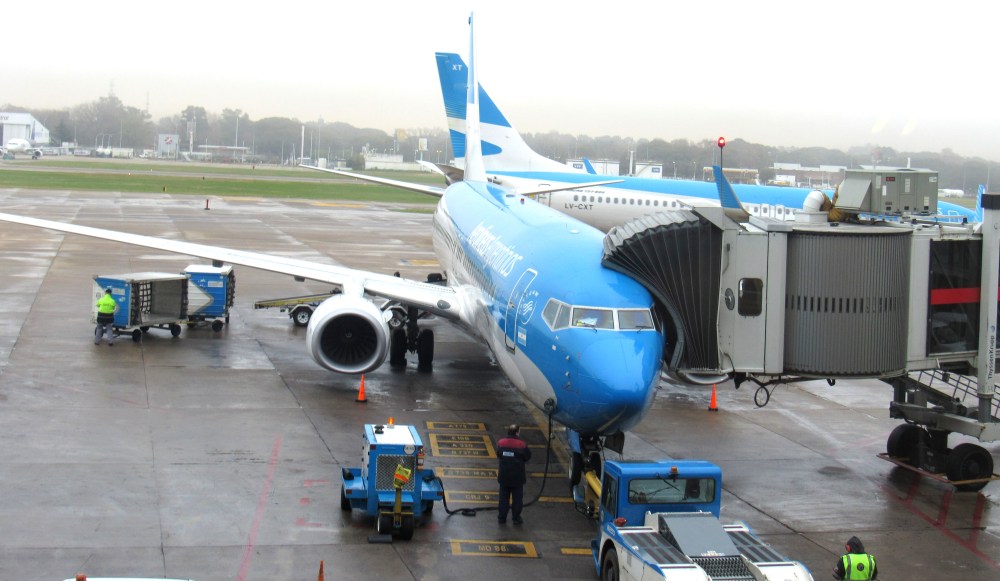
Los negocios y la política en Argentina están relacionados intrísicamente, y la aviación no es una excepción. Durante el período de cuatro años la industria de las aerolíneas de Argentina se ha vuelto más competitiva. Aerolíneas Argentinas se ha enfocado fuertemente en mejorar su eficiencia y servicio al cliente en una industria de aviación más competitiva, pero su estrategia podría cambiar dependiendo del resultado de las próximas elecciones nacionales en Argentina. Los participantes de bajo costo, incluidos Flybondi Líneas Aéreas, Norwegian Air Argentina y JetSmart Airlines Argentina, han irrumpido en la escena ofreciendo precios más bajos en rutas nacionales, y el gobierno está pagando la cuenta de mejoras de infraestructura multimillonarias en los principales aeropuertos. En Julio 2019, las aerolíneas argentinas dieron la bienvenida a un récord mensual de 1.5 millones de pasajeros, un aumento del 61 por ciento en comparación con cuatro años antes.

Aerolíneas Argentinas ha estado haciendo sus propios cambios en un mercado cambiante. La aerolínea, cuyo liderazgo está influenciado por la misma administración que impulsa una industria aérea más competitiva, ha avanzado para ser más eficiente, centrada en el cliente y financieramente sólida.

Sin embargo surgen interrogantes acerca del próximo mercado aéreo en sintonía con la política de turno. Los nuevos operadores de bajo costo ahora tienen poco más del 20% de la cuota de mercado para vuelos nacionales en Argentina, según muestran las últimas cifras de la autoridad de aviación civil del país.

El nuevo mercado a incitado a Aerolíneas a pasar los últimos cuatro años tratando de ser más ágil y rentable. «Dentro de este escenario, nos encontramos con una Aerolíneas que tenía muchas oportunidades de mejorar en 2015, no solo por la baja productividad de su personal y la baja utilización de la flota, sino también como una empresa que había quedado obsoleta en aspectos e ideología». La aerolínea ha invertido en varios proyectos, incluido el lanzamiento de un nuevo sitio web y una aplicación móvil, la implementación de un nuevo sistema de gestión de mantenimiento y la contratación de tecnología para aumentar los ingresos de carga. También ha realizado mejoras operativas, como reducir el tiempo de respuesta del Boeing 737-800 de 50 a 40 minutos para mejorar la utilización. Sin embargo, no ha reducido la plantilla. La compañía tiene alrededor de 12.000 empleados, un nivel que se ha mantenido estable durante los últimos años.

Dificultades financieras

Aerolíneas todavía no tiene superávit comercial, y hacia el futuro no se tiene certeza de alcanzar un equilibrio financiero debido a los cambios económicos colaterales de las economías de Argentina y el mundo. La compañía requerirá entre US$ 245 y US$ 275 millones en subsidios gubernamentales este año. Esa estimación es superior a una proyección anterior de US$ 170 millones, y los casi US$ 200 millones que necesitaba tanto en 2017 como en 2018. Pero subraya que es mucho mejor que 2012, cuando necesitaba casi US$ 900 millones en fondos del gobierno.

El aumento de los precios del petróleo, un fuerte componente de los costos en dólares junto a la devaluación del peso argentino y los mayores costos de mantenimiento del motor para Embraer E190 contribuyeron a la cifra de este año. Los E190 son operados por Austral Líneas Aéreas, la aerolínea doméstica propiedad del Grupo Aerolíneas.

Control de costos

A medida que continúa enfrentando una deuda denominada en dólares de compras de aviones anteriores, la aerolínea se ha centrado en encontrar formas de reducir costos. Desde 2016, afirma que ha recortado más de US$ 100 millones de su presupuesto renegociando contratos clave, además de ahorrar en gastos como hoteles y catering. Sin embargo, los costos de la aerolínea en 2018 aumentaron un 18% año tras año debido al aumento de los precios del petróleo y la devaluación del peso argentino.

Con el enfoque de control de costos, Aerolíneas ha retrasado algunas mejoras en la experiencia de los pasajeros para que pueda enfocarse en ganancias de ingresos a corto plazo. Todavía no ha comenzado un programa de reacondicionamiento de flota Boeing 737-800 anunciado en 2018. Y el operador aún tiene que avanzar en un plan para instalar Wi-Fi en su flota, aunque el portavoz de la aerolínea Fernando Fagioli dijo que ha reducido sus opciones a dos tecnologías.

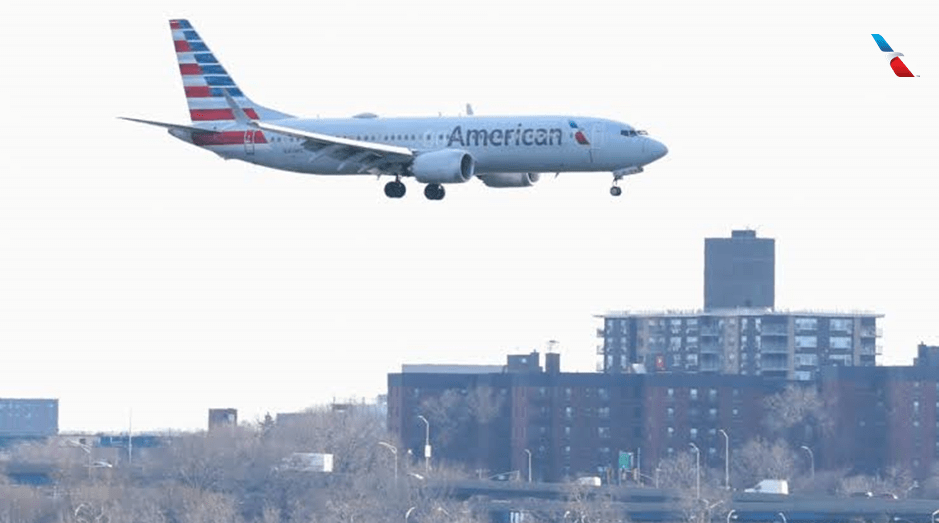
AW-70000192.jpgEl operador también tiene que anunciar un reemplazo para los 26 E190-100AR de Austral. Fernando Fagioli dijo que esta decisión está en suspenso porque el Boeing 737-8 MAX se encuentra suspendido su certificado hasta que se resuelvan los problemas que afectan a las aeronaves en todo el mundo. En cuanto a los cinco aviones 737-8 MAX que ya están en la flota de Aerolíneas, han informado que la puesta a tierra no ha causado interrupciones importantes, pero que los ejecutivos de las aerolíneas continúan teniendo conversaciones muy adultas y muy responsables con Boeing sobre cómo recuperar los costos incurridos.

Sindicatos versus compañía

Los consumidores en Argentina han sido grandes ganadores de políticas gubernamentales diseñadas para aumentar la conectividad. Sin embargo, no todos están entusiasmados con la llamada «Revolución de los Aviones». Los sindicatos, que han expresado su preocupación sobre cómo el plan ha afectado los salarios, entre otros temas, también están preocupados por el papel de las compañías internacionales en la industria de la aviación argentina.

Entonces, incluso cuando Aerolíneas busca hacer mejoras estructurales en su servicio al cliente, las tensiones laborales han afectado sus operaciones de manera práctica. La aerolínea calcula 12 manifestaciones este año que han afectado los planes de vuelo de más de 140.000 pasajeros, y dos huelgas más han tenido lugar en los últimos días. Esa es la misma cantidad de interrupciones en todo 2018, y cuatro veces más que en 2015, expresó el CEO de Aerolíneas. Las huelgas del personal del aeropuerto y los pilotos también han afectado a otras aerolíneas, pero Aerolíneas está significativamente expuesta debido a sus extensas operaciones.

Aún así, la estrategia y el liderazgo de Aerolíneas Argentinas podrían volverse más comprensivos con los problemas laborales si Argentina ve a un nuevo presidente después de las elecciones del 27 Octubre 2019.

Segmentación de clientes

Aerolíneas ha visto una oportunidad para aumentar los ingresos al proporcionar más beneficios para sus clientes. Ha lanzado un programa en Diciembre 2018 para igualar el estatus de hotel de alto rango de los viajeros con un nivel de élite en su Programa Aerolíneas Plus. «Algo que es obvio para la gran mayoría de las compañías internacionales, pero para nosotros fue el primer paso, es generar una base de clientes, segmentar a los clientes por comportamiento y valor, y brindarles atención y beneficios de acuerdo con la lealtad del cliente», expresó el CEO Luis Malvido.

Competitividad en Argentina

Las nuevas aerolíneas que han ingresado al mercado de Argentina han ayudado con éxito a impulsar nuevos pasajeros en Argentina, también se han enfrentado a desafíos.

Avianca Argentina cesó sus operaciones domésticas en Junio 2019 por el espacio de tres meses para acogerse a la Ley de Quiebras y poder reestructurarse después de enfrentar problemas financieros. Las aerolíneas de bajo costo que ahora operan en el Aeropuerto El Palomar cerca de Buenos Aires ahora se están preparando para las restricciones en los vuelos nocturnos, dificultando las expansiones regionales.

Aerolíneas continúa las inversiones en digitalización, mejoras en la eficiencia y atención al cliente para mejorar el liderazgo.AW-Icon AW001

AW-Sitiosargentinos.jpgAerolíneas focus its future

aerolineas_argentinas_logo.pngThe Argentine air market continues with its economic fluctuations

Business and politics in Argentina are related intrinsically, and aviation is no exception. During the four-year period, the Argentine airline industry has become more competitive. Aerolíneas Argentinas has focused heavily on improving its efficiency and customer service in a more competitive aviation industry, but its strategy could change depending on the outcome of the next national elections in Argentina. Low-cost participants, including Flybondi Líneas Aéreas, Norwegian Air Argentina and JetSmart Airlines Argentina, have broken into the scene offering lower prices on national routes, and the government is paying the bill of billionaire infrastructure improvements at major airports. In July 2019, Argentine airlines welcomed a monthly record of 1.5 million passengers, an increase of 61 percent compared to four years earlier.

Boeing 737NG-AR002.pngAerolíneas Argentinas has been making its own changes in a changing market. The airline, whose leadership is influenced by the same administration that drives a more competitive airline industry, has advanced to be more efficient, customer-centric and financially sound.

However, questions arise about the next air market in line with the shifting policy. The new low-cost operators now have just over 20% of the market share for domestic flights in Argentina, according to the latest figures from the country’s civil aviation authority.

The new market has encouraged Aerolíneas to spend the last four years trying to be more agile and profitable. «Within this scenario, we found an Aerolíneas that had many opportunities to improve in 2015, not only because of the low productivity of its personnel and the low utilization of the fleet but also as a company that had become obsolete in aspects and ideology». The airline has invested in several projects, including the launch of a new website and a mobile application, the implementation of a new maintenance management system and the hiring of technology to increase cargo revenues. It has also made operational improvements, such as reducing the response time of the Boeing 737-800 from 50 to 40 minutes to improve utilization. However, it has not reduced the template. The company has about 12,000 employees, a level that has remained stable over the past few years.

Financial difficulties

Aerolíneas still have no trade surplus, and in the future, there is no certainty of reaching a financial balance due to the collateral economic changes of the economies of Argentina and the world. The company will require between US$ 245 and US$ 275 million in government subsidies this year. That estimate is higher than a previous projection of the US$ 170 million, and the almost US$ 200 million that I needed in both 2017 and 2018. But it emphasizes that it is much better than in 2012 when I needed almost US$ 900 million in government funds.

The increase in oil prices, a strong component of the dollar costs along with the devaluation of the Argentine peso and higher engine maintenance costs for Embraer E190 contributed to this year’s figure. The E190s are operated by Austral Líneas Aéreas, the domestic airline owned by Aerolíneas Group.

Costs control

As it continues to face a dollar-denominated debt of purchases of the previous aircraft, the airline has focused on finding ways to reduce costs. Since 2016, he says he has cut more than US$ 100 million of his budget by renegotiating key contracts, as well as saving on expenses such as hotels and catering. However, the airline’s costs in 2018 increased by 18% year-over-year due to the increase in oil prices and the devaluation of the Argentine peso.

177-aerolineas-sumara-un-vuelo-directo-entre-ushuaia-y-cordoba.jpg

With the cost control approach, Aerolíneas have delayed some improvements in passenger experience so that it can focus on short-term revenue gains. A Boeing 737-800 fleet reconditioning program announced in 2018 has not yet begun. And the operator has yet to move forward on a plan to install Wi-Fi in its fleet, although airline spokesman Fernando Fagioli said it has reduced its options to two technologies.

The operator also has to announce a replacement for the 26 E190-100AR of Austral. Fernando Fagioli said that this decision is suspended because the Boeing 737-8 MAX is suspended his certificate until the problems affecting aircraft worldwide are resolved. As for the five 737-8 MAX planes that are already in the Aerolíneas fleet, they have reported that the grounding has not caused major disruptions, but that the airline executives continue to have very adult and very responsible conversations with Boeing about How to recover the costs incurred.

Unions versus company

Consumers in Argentina have been big winners of government policies designed to increase connectivity. However, not everyone is excited about the so-called «Aircraft Revolution». The unions, which have expressed concern about how the plan has affected wages, among other issues, are also concerned about the role of international companies in the Argentine aviation industry.

So, even when Aerolíneas seeks to make structural improvements in its customer service, labor tensions have affected its operations in a practical way. The airline calculates 12 demonstrations this year that have affected the flight plans of more than 140,000 passengers, and two more strikes have taken place in recent days. That is the same amount of interruptions throughout 2018, and four times more than in 2015, said the CEO of Aerolíneas. Strikes by airport personnel and pilots have also affected other airlines, but Aerolíneas is significantly exposed due to its extensive operations.

Still, the strategy and leadership of Aerolíneas Argentinas could become more comprehensive with labor problems if Argentina sees a new president after the October 27, 2019 elections.

Customer segmentation

Aerolíneas have seen an opportunity to increase revenue by providing more benefits for its customers. It has launched a program in December 2018 to match the high-ranking hotel status of travelers with an elite level in its Airlines Plus Program. «Something that is obvious to the vast majority of international companies, but for us, it was the first step, is to generate a customer base, segment customers by behavior and value, and provide them with attention and benefits according to customer loyalty «, said CEO Luis Malvido.

Competitiveness in Argentina

The new airlines that have entered the Argentine market have successfully helped boost new passengers in Argentina, they have also faced challenges.

Avianca Argentina ceased its domestic operations in June 2019 for three months to qualify for the Bankruptcy Law and be able to restructure after facing financial problems. The low-cost airlines that now operate at El Palomar Airport near Buenos Aires are now preparing for restrictions on night flights, making regional expansion difficult.

Aerolíneas continue investments in digitalization, efficiency improvements and customer service to improve leadership.AW-Icon AW002


Ξ A I R G W A Y S Ξ
SOURCE: Airgways.com
DBk: Skift.com / Aerolineas.com / Airgways.com
AW-POST: 201910011900AR

A\W   A I R G W A Y S ®


El colapso de aerolíneas europeas

AW-Cnn-700987.jpgAW | 2019 10 01 17:08 | AIRLINES MARKET

Las aerolíneas europeas enfrentan un período de tormenta perfecta

En Europa, al menos en este momento, muchos de los jugadores más pequeños que descubrieron que alguna vez podían ganarse la vida en el borde del mercado ya no pueden hacerlo. Desde el año 2017, Europa ha sufrido un efecto arrastre hacia la bancarrota de líneas aéreas grandes y pequeñas donde no ha perdonado fronteras ni situación del país.

El 15 Agosto 2017, Air Berlin presentó la quiebra afectando a 900.000 pasajeros. El gobierno alemán otorgó un préstamo puente de 150 millones de euros (US$ 163.3 millones) para permitir que Air Berlin mantenga sus aviones en el aire durante tres meses y asegure los empleos de sus 7.200 trabajadores en Alemania.

La británica Monarch Airlines colapsó el 2 Octubre 2017, afectando a miles de pasajeros. Herido en parte por una libra debilitada, sus finanzas se deterioraron en 2016 después de que las preocupaciones de seguridad disuadieran los viajes a Túnez, Turquía y Egipto y aumentaran la capacidad en las rutas hacia Iberia. La compañía, con sede en el aeropuerto de Luton al norte de Londres y en el negocio desde 1968, se convirtió en la aerolínea británica más grande en declararse en quiebra en ese momento, lo que se suma a las turbulencias en la industria de las aerolíneas europeas.

Flyviking fue una pequeña aerolínea regional en el norte de Noruega que debido a su situación financiera cesó sus operaciones el 12 Enero 2018.

Dart Airlines de Ucrania. Aunque había estado operando durante bastantes años, es solo recientemente que esta aerolínea ucraniana ingresó al mercado programado, pero arrastrada dificultades presenta quiebra en Abril 2018.

NextJet fue una de las aerolíneas regionales más grandes de Suecia. Tenía su sede en Frösundavik, en el Municipio de Solna, justo al norte de Estocolmo. La aerolínea se declaró en bancarrota el 16 Mayo 2018, medio año después de que se creía que uno de sus aviones había sido saboteado. La compañía operaba aviones BAE ATP (J61).

Saratov Airlines de Rusia, cesó sus operaciones el 30 Mayo 2018. Uno de los pocos operadores mundiales del avión Antonov An-148. Esta aerolínea regional rusa (con sede en la ciudad del mismo nombre) tenía planes de crecimiento ambiciosos y nuevos aviones en orden cuando ocurrió la tragedia. Solo duró unos meses después de que uno de sus aviones An-148 se estrelló sin sobrevivientes y su AOC fue revocado.

Skywork Airlines de Suiza, fue una aerolínea regional de la república federación helvética. Las aerolíneas de este pequeño país como FlyBaboo, Darwin Airline han desaparecido. Skywork Airlines ha quebrado el 29 Agosto 2018.

VLM Airlines de Bélgica fue uno de los últimos operadores de aviones Fokker 50. La aerolínea regional basó su desarrollo de operaciones en Bélgica y la ciudad de Londres con varios cambios de propiedad y finalmente un período como operador aéreo chárter. VLM Airlines fue una aerolínea belga que ofrecía servicios regulares, chárter y ACMI. Tenía su sede en el Aeropuerto Internacional de Amberes en Deurne. Cesó sus operaciones el 31 Agosto 2018. No debe confundirse con su aerolínea hermana belga VLM Airlines Brussels, que operaba chárter de ocio y cesó sus operaciones en Diciembre de 2018. Una nueva aerolínea conocida como Air Antwerp, de propiedad por CityJet (75%) y KLM (25%) fue lanzada en Septiembre 2019 y se compone de ex-empleados y flota de VLM Airlines.

Primera Air, la aerolínea danesa dejó de operar el 1 Octubre 2018. Obligada a cancelar vuelos a principios de ese año, debido a retrasos en la recepción de aviones de Airbus, más tarde se enfrentó a quejas por mal servicio y reembolsos tardíos.

Cobalt Airlines fue una aerolínea que pretendía llenar el vacío dejado por la desaparición de las antiguas Cyprus Airways y hacer de Chipre un importante centro aéreo. Tuvo un comienzo prometedor, pero pronto comenzó la turbulencia, incluidos algunos cambios bruscos de gestión. La falta de fondos adicionales selló su destino, presentando la quiebra y cese de operaciones el 17 Octubre 2018.

Small Planet Airlines de la República de Lituania, fue un operador chárter y de ocio con filiales en varios países (el sucesor de otra aerolínea llamada FlyLaL). Ha cesado sus operaciones el 28 Noviembre 2018.

Privat Air de Suiza, fue un operador chárter y ACMI con un fuerte enfoque en los vuelos comerciales y VIP. Ha operado algunas rutas orientadas a los negocios en nombre de Lufthansa. Ha cerrado el 5 Diciembre 2018.

Germania Airlines de Alemania se declaró en bancarrota el 4 Febrero 2019, luego de que no pudo asegurar el financiamiento para evitar una restricción de efectivo a corto plazo.

Resultado de imagen para flybmi airlinesLa aerolínea regional del Reino Unido Flybmi dejó de operar el 16 Febrero 2019, culpando a la incertidumbre del Brexit como una de las razones de su colapso. La aerolínea dijo que sus perspectivas «se habían visto seriamente afectadas por la incertidumbre creada por el proceso Brexit, que nos ha llevado a nuestra incapacidad para asegurar valiosos contratos de vuelo en Europa y a una falta de confianza en la capacidad de bmi para continuar volando entre destinos en Europa».

El WOW Air de Islandia se convirtió en otra víctima de una aerolínea económica el 28 Marzo 2019 después de los intentos fallidos de recaudar fondos, que incluyeron conversaciones de fusión con su rival Icelandair. WOW Air controló una cuarta parte del mercado transatlántico de largo alcance y bajo costo de rápido crecimiento en 2018. El colapso de la aerolínea afectó negativamente la economía de Islandia, que dependía en gran medida del turismo.

XL Airways France, anteriormente conocida como Star Airlines, era una aerolínea francesa con sede en el Aeropuerto de París-Charles de Gaulle. Operaba vuelos programados principalmente a destinos de larga distancia en África, Oriente Medio, Estados Unidos y el Caribe, así como vuelos charter a destinos de media distancia en el Mediterráneo, principalmente desde el aeropuerto Charles de Gaulle. El 19 Septiembre 2019, XL Airways anunció la suspensión de todos los vuelos a partir del 23 Septiembre 2019; la venta de entradas cesaron de inmediato y la empresa fue puesto bajo legal judicial.

La compañía de viajes más antigua del mundo, Thomas Cook PLC, colapsó el 23 Septiembre 2019, lo que provocó el mayor esfuerzo de repatriación en tiempos de paz en la historia británica de pasajeros varados a través del mundo, con aproximadamente 600.000 personas, incluidos 150.000 británicos en el extranjero en el momento del colapso. Junto con la matriz, la compañía aérea Thomas Cook Airlines es arrastrada, presentando la quiebra el mismo día. La compañía, que no logró un acuerdo con los acreedores o un rescate del gobierno, administraba hoteles, centros turísticos y aerolíneas para 19 millones de personas al año.

La aerolínea francesa Aigle Azur cesó todas sus actividades el 27 Septiembre 2019 después de que un tribunal comercial rechazó las ofertas de rescate financiero. Aigle Azur fue puesto en quiebra el 2 Septiembre y suspendió las operaciones días después, dejando a 19.000 pasajeros varados.

La última víctima europea es la aerolínea eslovena Adria Airways se declaró en bancarrota y canceló todos los vuelos el 30 Septiembre 2019, después de aterrizar la mayoría de sus vuelos en la semana anterior. Funcionarios del gobierno han dicho que las normas de la Unión Europea sobre ayudas estatales impidieron que el gobierno ayudara a Adria. Agregaron que tampoco habría ayudado a la compañía bajo su propiedad actual, a la que llamaron irresponsable. Adria Airways es la última de una serie de aerolíneas que han declarado bancarrota en los últimos años, dejando a miles de pasajeros varados en los aeropuertos, con un efecto negativo en industrias relacionadas del turismo y la aviación.

Más fracaso hacia el futuro

Los desafíos que enfrentan las aerolíneas ahora en bancarrota no están aislados del pasado, ya que en los próximos 12 meses es probable que al menos 5 aerolíneas europeas medianas adicionales sigan su ejemplo y también quiebren. El año pasado, muchas aerolíneas estaban luchando para obtener ganancias a pesar de que los gastos, como el costo del combustible, eran relativamente bajos y el petróleo solo costaba alrededor de US$ 40 por barril. Este invierno, se estima que los precios del petróleo alcanzarán los US$ 80 por barril, lo que pondrá en peligro la seguridad financiera de muchas aerolíneas más pequeñas. El combustible representa el 35% del costo total de una aerolínea y las aerolíneas que perdieron la oportunidad de cubrir los precios sufrirán gastos adicionales.

Los efectos de la escasez de pilotos también comenzarán a sentirse en el próximo año, ya que las aerolíneas más grandes no invirtieron lo suficiente en programas de cadetes para garantizar la afluencia de nuevos pilotos para reemplazar a todos los que se jubilan. Como resultado, las grandes aerolíneas buscarán a los pilotos de las más pequeñas ofreciendo salarios más altos. Las aerolíneas más pequeñas no solo sufrirán la pérdida de una porción significativa de sus pilotos, sino que muchas no planearon un margen suficiente para la compensación de la Regulación de Compensación de Vuelos E261 para los pasajeros, y algunas aerolíneas incurrieron en gastos multimillonarios no planificados.

Consolidación europea

Desde el cambio de milenio, las aerolíneas más grandes de Europa se han transformado gradualmente en grupos de aerolíneas más grandes con múltiples marcas. Gracias en parte a la Unión Europea y su programa de liberalización de aerolíneas, IAG, Lufthansa y Air France-KLM compiten en todo el continente con aerolíneas de bajo costo como Ryanair y EasyJet. A pesar de esto, algunos países más pequeños han tratado de aferrarse a sus transportistas de bandera, mientras que existen otras operaciones pequeñas para cumplir funciones o destinos específicos. Esto ha creado un mercado mucho menos concentrado que el de América del Norte. En 2018, las siete aerolíneas europeas más grandes representaban el 55% del mercado.

“Creo que gran parte de lo que estamos viendo se relaciona con la confianza de los inversores. El fracaso temprano de Flybe, finalmente comprado por un consorcio que incluye a Virgin Atlantic, en la primera mitad del año, el posterior colapso de Thomas Cook, el ruido constante alrededor de Noruega, las fallas en Europa y luego en Sudáfrica, están inquietando al mercado. Hay tantos factores que están creando ese nerviosismo; una debilidad del mercado impulsada en parte por el Brexit, demasiada capacidad en el mercado, la fortaleza del dólar estadounidense y el costo de las operaciones en relación con los ingresos», dijo John Grant, socio de la consultora Midas Aviation.AW-Icon AW001

Resultado de imagen para collapse of European airlinesThe collapse of European airlines

European airlines face a perfect storm period

In Europe, at least at this time, many of the smaller players who discovered that they could ever make a living at the edge of the market can no longer do so. Since 2017, Europe has suffered a drag effect on the bankruptcy of large and small airlines where it has not forgiven borders or the country’s situation.

Resultado de imagen para air berlin logoOn August 15, 2017, Air Berlin filed for bankruptcy affecting 900,000 passengers. The German government granted a bridge loan of 150 million euros ($ 163.3 million) to allow Air Berlin to keep its airplanes in the air for three months and secure the jobs of its 7,200 workers in Germany.

Monarch-HoldingsThe British Monarch Airlines collapsed on October 2, 2017, affecting thousands of passengers. Injured in part by a weakened pound, its finances deteriorated in 2016 after security concerns deterred trips to Tunisia, Turkey, and Egypt and increased capacity on routes to Iberia. The company, based at Luton Airport north of London and in business since 1968, became the largest British airline to file bankruptcy at the time, which adds to the turbulence in the airline industry European

Resultado de imagen para flyviking logoFlyviking was a small regional airline in northern Norway that due to its financial situation ceased operations on January 12, 2018.

Resultado de imagen para dart airlines logoDart Airlines of Ukraine. Although it had been operating for quite a few years, it is only recently that this Ukrainian airline entered the scheduled market, but dragged difficulties presents bankruptcy in April 2018.

descargaNextJet was one of the largest regional airlines in Sweden. It was headquartered in Frösundavik, in the Municipality of Solna, just north of Stockholm. The airline filed for bankruptcy on May 16, 2018, half a year after it was believed that one of its planes had been sabotaged. The company operated BAE ATP (J61) aircraft.

Resultado de imagen para saratov airlines logoSaratov Airlines of Russia ceased operations on May 30, 2018. One of the few global operators of the Antonov An-148 aircraft. This Russian regional airline (based in the city of the same name) had ambitious growth plans and new planes in order when the tragedy occurred. It only lasted a few months after one of its An-148 planes crashed without survivors and its AOC was revoked.

Resultado de imagen para skywork airlines logoSkywork Airlines of Switzerland was a regional airline of the Swiss federation republic. Airlines in this small country like FlyBaboo, Darwin Airline have disappeared. Skywork Airlines has broken on August 29, 2018.

Resultado de imagen para vlm airlines logoVLM Airlines of Belgium was one of the last Fokker 50 aircraft operators. The regional airline based the development of its operations in Belgium and the city of London with several changes of ownership and finally a period as a charter air operator. VLM Airlines was a Belgian airline that offered regular, charter and ACMI services. It was headquartered at the Antwerp International Airport in Deurne. It ceased operations on August 31, 2018. Not to be confused with its Belgian sister airline VLM Airlines Brussels, which operated leisure charter and ceased operations in December 2018. A new airline known as Air Antwerp, owned by CityJet (75%) and KLM (25%) was launched in September 2019 and consists of former employees and VLM Airlines fleet.

Resultado de imagen para primera air logoPrimera Air, the Danish airline stopped operating on October 1, 2018. Forced to cancel flights earlier that year, due to delays in the reception of Airbus aircraft, it later faced complaints about poor service and late reimbursements.

Resultado de imagen para cobalt air logoCobalt Airlines was an airline that sought to fill the void left by the disappearance of the old Cyprus Airways and make Cyprus an important air hub. It had a promising start, but turbulence soon began, including some abrupt management changes. The lack of additional funds sealed their destiny, filing bankruptcy and cessation of operations on October 17, 2018.

Resultado de imagen para small planet airlines logoSmall Planet Airlines of the Republic of Lithuania, was a charter and leisure operator with subsidiaries in several countries (the successor of another airline called FlyLaL). It has ceased operations on November 28, 2018.

Resultado de imagen para privat air logoPrivat Air of Switzerland was a charter operator and ACMI with a strong focus on commercial and VIP flights. He has operated some business-oriented routes on behalf of Lufthansa. It has closed on December 5, 2018.

Resultado de imagen para germania logoGermania Airlines of Germany filed for bankruptcy on February 4, 2019, after it was unable to secure financing to avoid a short-term cash restriction.

Resultado de imagen para flybmi logoThe UK regional airline Flybmi stopped operating on February 16, 2019, blaming Brexit’s uncertainty as one of the reasons for its collapse. The airline said its outlook «had been seriously affected by the uncertainty created by the Brexit process, which has led us to our inability to secure valuable flight contracts in Europe and a lack of confidence in the ability of bmi to continue flying between destinations in Europe».

Resultado de imagen para wow air logoIceland’s WOW Air became another victim of an economic airline on March 28, 2019, after failed attempts to raise funds, which included merger talks with rival Icelandair. WOW Air controlled a quarter of the long-range, low-cost, fast-growing transatlantic market in 2018. The collapse of the airline negatively affected Iceland’s economy, which relied heavily on tourism.

Resultado de imagen para xl airways france logoXL Airways France, formerly known as Star Airlines, was a French airline based at the Paris-Charles de Gaulle Airport. It operated scheduled flights mainly to long-distance destinations in Africa, the Middle East, the United States, and the Caribbean, as well as charter flights to medium-distance destinations in the Mediterranean, mainly from Charles de Gaulle airport. On September 19, 2019, XL Airways announced the suspension of all flights as of September 23, 2019; Ticket sales ceased immediately and the company was placed under judicial legal.

Resultado de imagen para thomas cook airlines logoThe oldest travel company in the world, Thomas Cook PLC, collapsed on September 23, 2019, which caused the greatest repatriation effort in peacetime in the British history of passengers stranded across the world, with approximately 600,000 people, including 150,000 British abroad at the time of the collapse. Together with the parent company, the Thomas Cook Airlines airline is dragged, filing bankruptcy the same day. The company, which failed to reach an agreement with creditors or a government bailout, managed hotels, resorts, and airlines for 19 million people a year.

Resultado de imagen para aigle azur airlines logoFrench airline Aigle Azur ceased all its activities on September 27, 2019, after a commercial court rejected financial bailouts. Aigle Azur was bankrupt on September 2 and suspended operations days later, leaving 19,000 passengers stranded.

Resultado de imagen para adria airways logoThe last European victim is the Slovenian airline Adria Airways declared bankruptcy and canceled all flights on September 30, 2019, after landing most of its flights in the previous week. Government officials have said that European Union rules on state aid prevented the government from helping Adria. They added that he would not have helped the company under his current property, which they called irresponsible. Adria Airways is the latest in a series of airlines that have declared bankruptcy in recent years, leaving thousands of passengers stranded at airports, with a negative effect on tourism and aviation-related industries.

More failure towards the future

The challenges facing airlines now-bankrupt are not isolated from the past, since in the next 12 months at least 5 additional medium European airlines are likely to follow suit and also break. Last year, many airlines were struggling to make a profit even though expenses, such as the cost of fuel, were relatively low and oil only cost around US$ 40 per barrel. This winter, it is estimated that oil prices will reach US$ 80 per barrel, which will jeopardize the financial security of many smaller airlines. The fuel represents 35% of the total cost of an airline and the airlines that lost the opportunity to cover the prices will suffer additional expenses.

The effects of the pilot shortage will also begin to be felt in the next year, as the largest airlines did not invest enough in cadet programs to guarantee the influx of new pilots to replace all those who retire. As a result, the big airlines will look for the smallest pilots offering higher salaries. Smaller airlines will not only suffer the loss of a significant portion of their pilots, but many did not plan a sufficient margin for compensation of the E261 Flight Compensation Regulation for passengers, and some airlines incurred unplanned multi-million dollar expenses.

European consolidation

Since the turn of the millennium, the largest airlines in Europe have gradually transformed into larger groups of airlines with multiple brands. Thanks in part to the European Union and its airline liberalization program, IAG, Lufthansa and Air France-KLM compete across the continent with low-cost airlines such as Ryanair and EasyJet. Despite this, some smaller countries have tried to hold on to their flag carriers, while there are other small operations to fulfill specific functions or destinations. This has created a much less concentrated market than that of North America. In 2018, the seven largest European airlines accounted for 55% of the market.

“I think that much of what we are seeing is related to investor confidence. The early failure of Flybe, finally bought by a consortium that includes Virgin Atlantic, in the first half of the year, the subsequent collapse of Thomas Cook, the constant noise around Norway, the failures in Europe and then in South Africa, are disturbing the market. There are so many factors that are creating that nervousness; a weakness of the market-driven in part by Brexit, too much capacity in the market, the strength of the US dollar and the cost of operations in relation to revenue», said John Grant, a partner at Midas Aviation consulting.AW-Icon AW002


Ξ A I R G W A Y S Ξ
SOURCE: Airgways.com
DBk: Airgways.com / Biznews.com / Wikimedia.org / Enca.com
AW-POST: 201910011708AR

A\W   A I R G W A Y S ®

Airbus nueva línea ensamblaje A320

Resultado de imagen para Airbus new assembly A320 HamburgAW | 2019 10 01 11:17 | INDUSTRY

logo_airbus (2)Airbus inaugura nueva línea de ensamblaje de estructuras del A320 en Hamburgoaw-70099433-1.jpg

Airbus inauguró su línea de ensamblaje de estructuras de fuselaje altamente automatizada para aviones de la Familia A320 en Hamburgo, mostrando una evolución en el sistema de producción industrial de Airbus. Presenta nuevos estándares en automatización digital.

Con un enfoque especial en la fabricación de secciones más largas para el A321LR, la nueva instalación cuenta con 20 robots, un nuevo concepto de logística, posicionamiento automatizado por medición láser y un sistema de adquisición de datos digitales. Esto respaldará aún más el impulso de Airbus para mejorar tanto la calidad como la eficiencia al tiempo que brinda un mayor nivel de digitalización a su sistema de producción industrial.

“Al adoptar algunas de las últimas tecnologías y procesos, Airbus ha comenzado su viaje para establecer nuevos estándares en la producción de la Familia A320. Esta nueva línea de ensamblaje de estructuras de fuselaje es un facilitador esencial para la aceleración de la familia A320. El aumento del nivel de automatización y robótica permite una fabricación más rápida y eficiente al tiempo que mantiene nuestro enfoque principal en la calidad. Dado el enorme éxito de la familia A320 y la cartera de pedidos, estamos tomando las medidas necesarias para garantizar que nuestro sistema de producción pueda igualar la excelencia de nuestros productos y que podamos satisfacer las necesidades de nuestros clientes para nuestro avión de pasillo único. Se ha puesto un alto nivel de confianza e inversión en nuestra gente y fábricas en Hamburgo. Ahora tenemos que cumplir con nuestros compromisos con los clientes y garantizar la competitividad general», dijo Michael Schoellhorn, Director de Operaciones de Airbus.

Para el ensamblaje de la sección inicial, Airbus está utilizando un sistema automatizado modular y liviano, llamado «Flextrack», con ocho robots perforando y hundiendo de 1.100 a 2.400 agujeros por junta longitudinal. En el siguiente paso de producción, 12 robots, cada uno de los cuales opera en siete ejes, combinan las secciones central y posterior del fuselaje con la cola para formar un componente principal, perforar, hundir, sellar e insertar 3.000 remaches por junta orbital. Además del uso de robots, Airbus también está implementando nuevos métodos y tecnologías en la logística de materiales y piezas para optimizar la producción, mejorar la ergonomía y acortar los plazos de entrega. Esto incluye la separación de los niveles de logística y producción, el reabastecimiento de material orientado a la demanda, así como el uso de vehículos autónomos guiados.

La instalación de ensamblaje de estructuras de Hamburgo es responsable de unir los depósitos de fuselaje individuales en secciones, así como el ensamblaje final de secciones individuales a los fuselajes de aeronaves. Las piezas de la aeronave están equipadas con sistemas eléctricos y mecánicos antes de ser entregadas a las líneas de ensamblaje finales en Francia, Alemania, China y los Estados Unidos.

Con la cabina de pasillo único más amplia del cielo, la eficiente familia A320NEO, que incluye el A321, incorpora las últimas tecnologías, incluidos motores de nueva generación y Sharklets, que en conjunto ofrecen más del 15% de ahorro de combustible y CO2 desde el primer día y 20%. 2020, así como una reducción de ruido del 50%. Hasta la fecha, la familia A320NEO ha capturado más de 6.500 pedidos de más de 100 clientes.AW-Icon AW001

Resultado de imagen para Airbus new assembly A320 HamburgAirbus inaugurates new A320 assembly line

a320neo-isologotype1Airbus inaugurates new A320 structure assembly line in Hamburg

Airbus inaugurated its highly automated fuselage structure assembly line for A320 Family aircraft in Hamburg, showing an evolution in the Airbus industrial production system. Presents new standards in digital automation.

With a special focus on the manufacture of longer sections for the A321LR, the new facility has 20 robots, a new logistics concept, automated positioning by laser measurement and a digital data acquisition system. This will further support Airbus’ momentum to improve both quality and efficiency while providing a higher level of digitalization to its industrial production system.

“By adopting some of the latest technologies and processes, Airbus has begun its journey to set new standards in the production of the A320 Family. This new fuselage structure assembly line is an essential facilitator for the A320 family acceleration. The increased level of automation and robotics allows faster and more efficient manufacturing while maintaining our main focus on quality. Given the enormous success of the A320 family and the order book, we are taking the necessary steps to ensure that our production system can match the excellence of our products and that we can meet the needs of our customers for our single-aisle aircraft. A high level of trust and investment has been placed in our people and factories in Hamburg. Now we have to fulfill our commitments to customers and ensure overall competitiveness», said Michael Schoellhorn, Airbus Director of Operations.

For the assembly of the initial section, Airbus is using a lightweight and modular automated system, called «Flextrack», with eight robots drilling and sinking 1,100 to 2,400 holes per longitudinal joint. In the next production step, 12 robots, each of which operates on seven axes, combine the central and rear sections of the fuselage with the tail to form the main component, drill, sink, seal and insert 3,000 rivets per orbital joint. In addition to the use of robots, Airbus is also implementing new methods and technologies in the logistics of materials and parts to optimize production, improve ergonomics and shorten delivery times. This includes the separation of logistics and production levels, the replenishment of demand-oriented material, as well as the use of autonomous guided vehicles.

The Hamburg structure assembly facility is responsible for joining individual fuselage tanks into sections, as well as the final assembly of individual sections to aircraft fuselages. The parts of the aircraft are equipped with electrical and mechanical systems before being delivered to the final assembly lines in France, Germany, China, and the United States.

With the widest single aisle cabin in the sky, the efficient A320NEO family, which includes the A321, incorporates the latest technologies, including new generation engines and Sharklets, which together offer more than 15% fuel and CO2 savings from the First day and 20%. 2020, as well as a 50% noise reduction. To date, the A320NEO family has captured more than 6,500 orders from more than 100 customers.AW-Icon AW002

Resultado de imagen para Airbus new assembly A320 GermanyAirbus weiht neue A320-Montagelinie ein

AW-700010089.pngAirbus weiht neue A320-Strukturmontagelinie in Hamburg ein

Airbus weihte in Hamburg seine hochautomatisierte Rumpfstruktur-Montagelinie für Flugzeuge der A320-Familie ein und zeigte damit eine Weiterentwicklung des industriellen Produktionssystems von Airbus. Präsentiert neue Standards in der digitalen Automatisierung.

Die neue Anlage mit besonderem Schwerpunkt auf der Herstellung längerer Abschnitte für den A321LR verfügt über 20 Roboter, ein neues Logistikkonzept, eine automatisierte Positionierung durch Lasermessung und ein digitales Datenerfassungssystem. Dies wird das Bestreben von Airbus, sowohl die Qualität als auch die Effizienz zu verbessern und gleichzeitig das industrielle Produktionssystem stärker zu digitalisieren, weiter unterstützen.

„Mit der Übernahme einiger der neuesten Technologien und Verfahren hat Airbus begonnen, neue Maßstäbe in der Produktion der A320-Familie zu setzen. Diese neue Montagelinie für Rumpfstrukturen ist ein wesentlicher Baustein für die Beschleunigung der A320-Familie. Der erhöhte Automatisierungs- und Robotikgrad ermöglicht eine schnellere und effizientere Fertigung, wobei unser Hauptaugenmerk auf Qualität liegt. Angesichts des enormen Erfolgs der A320-Familie und des Auftragsbestands unternehmen wir die erforderlichen Schritte, um sicherzustellen, dass unser Produktionssystem mit den Spitzenleistungen unserer Produkte mithalten kann und dass wir die Bedürfnisse unserer Kunden nach unseren Single-Aisle-Flugzeugen erfüllen können. In unsere Mitarbeiter und Werke in Hamburg wurde ein hohes Maß an Vertrauen und Investition gesteckt. Jetzt müssen wir unseren Verpflichtungen gegenüber den Kunden nachkommen und die allgemeine Wettbewerbsfähigkeit sicherstellen», sagte Michael Schöllhorn, Director of Operations von Airbus.

Für die Montage des ersten Abschnitts verwendet Airbus ein leichtes und modulares automatisiertes System namens «Flextrack», bei dem acht Roboter pro Längsfuge 1.100 bis 2.400 Löcher bohren und absenken. Im nächsten Produktionsschritt kombinieren 12 Roboter, von denen jeder auf sieben Achsen arbeitet, den mittleren und den hinteren Teil des Rumpfes mit dem Heck, um ein Hauptbauteil zu bilden, pro Orbitalgelenk 3.000 Nieten zu bohren, abzusenken, abzudichten und einzusetzen. Neben dem Einsatz von Robotern setzt Airbus auch neue Methoden und Technologien in der Logistik von Materialien und Teilen ein, um die Produktion zu optimieren, die Ergonomie zu verbessern und die Lieferzeiten zu verkürzen. Dies beinhaltet die Trennung von Logistik- und Produktionsebene, die Wiederauffüllung von nachfrageorientiertem Material sowie den Einsatz von autonom geführten Fahrzeugen.

Die Hamburger Strukturmontage ist verantwortlich für die Vereinigung der einzelnen Rumpftanks zu Sektionen sowie für die Endmontage der einzelnen Sektionen zu Flugzeugrümpfen. Die Teile des Flugzeugs werden mit elektrischen und mechanischen Systemen ausgestattet, bevor sie an die Endmontagelinien in Frankreich, Deutschland, China und den USA geliefert werden.

Mit der breitesten Single-Aisle-Kabine am Himmel vereint die effiziente A320NEO-Familie, zu der auch der A321 gehört, die neuesten Technologien, einschließlich Motoren und Sharklets der neuen Generation, die zusammen mehr als 15% Kraftstoff und CO2-Einsparungen aus der Erster Tag und 20%. 2020 sowie eine 50% ige Lärmminderung. Bis heute hat die A320NEO-Familie mehr als 6.500 Bestellungen von mehr als 100 Kunden erhalten.AW-Icon AW002


Ξ A I R G W A Y S Ξ
SOURCE: Airgways.com
DBk: Airbus.com / Airgways.com
AW-POST: 201910011117AR

A\W   A I R G W A Y S ®

Adria Airways declara bancarrota

Resultado de imagen para Adria Airways declares bankruptcyAW | 2019 10 01 10:47 | AIRLINES

AWQ-7899933009.jpgResultado de imagen para Adria Airways logoLa aerolínea de bandera eslovena Adria Airways se declara en quiebra

La aerolínea de bandera de la República de Eslovenia, Adria Airways, se declara en bancarrota. En otro golpe a la industria de viajes luego de la desaparición de Thomas Cook Airlines la semana pasada. Adria Airways fue comprada por el fondo de inversión alemán 4K en 2016. La aerolínea nacional eslovena ha comenzado un procedimiento de bancarrota después de no soportar los vaivenes económicos.

Adria Airways ha anunciado el Lunes 30 Septiembre 2019 que había presentado una demanda judicial, donde emitió un comunicado diciendo: «Adria Airways presentó el Lunes en el Tribunal de Kranj una solicitud para iniciar un procedimiento de quiebra por falta de liquidez». La semana pasada, la Agencia de Aviación Civil de Eslovenia (CAA) ha informado a Adria Airways el plazo de siete días para presentar un plan de reestructuración financiera. Adria comenzó a cancelar vuelos debido a sus problemas de liquidez, y la decisión afectó a más de 10.000 pasajeros. La CAA dijo que la licencia de Adria Airways había sido revocada y que todos los aviones de la aerolínea habían sido puestos en tierra. El anuncio se produce pocas horas después de que el Ministro de Economía de Eslovenia, Zdravko Pocivalsek, dijera que la administración judicial era la única vía posible para la empresa.

AW-CameronBurns.jpg

El propietario alemán 4K fue criticado por la decisión tomada. Las pérdidas de Adria Airways fueron más altas de lo previsto. Adria Airways se declaró en quiebra y cesó sus operaciones ayer Lunes 30/09. Eslovenia no ha podido darle un salvavidas, ahora está planteando la idea de una nueva aerolínea nacional que tome su lugar.

Antecedentes del ocaso

El problema realmente comenzó hace tres años cuando una empresa de inversión alemana adquirió a Adria Airways con el objetivo de rentabilizar a la entonces operadora estatal. Pero la nueva propiedad tuvo una relación tumultuosa con el gobierno esloveno y continuó perdiendo dinero. El Martes 24/09, Adria Airways suspendió temporalmente casi todos sus vuelos. Esto no fue solo un movimiento estratégico, sino por necesidad porque varios aviones de su flota fueron embargados por los acreedores. Adria operaba solo su vuelo de Frankfurt antes de colapsar ayer antes de la fecha límite del 2 Octubre 2019 para presentar un plan de reorganización con el riesgo a perder su licencia para operar.

Nueva aerolínea eslovena

El Primer Ministro esloveno, Marjan Sarec, desafió las expectativas al negarse firmemente a rescatar a Adria Airways, al menos bajo la propiedad actual. El primer mandatario reflexionó que tirarían dinero si se les diera otra línea de vida, y también señaló que la legislación impide tal ayuda incluso si él quisiera otorgarla. No concuerda acerca de los pedidos de rescate, preguntando si Eslovenia era una «vaca lechera, de la cual es necesario exprimir el último centavo. Ahora Eslovenia está buscando «establecer una nueva empresa o proporcionar una mayor conectividad con otros operadores. Aunque esperamos dificultades, el objetivo es mantener la conexión de Eslovenia con el mundo, especialmente para el turismo», sostuvo Marjan Sarec.

Se espera que la industria de la economía y el turismo de Eslovenia se vean afectadas, aunque el gobierno no pudo ayudar ya que la compañía era de propiedad privada y que sus niveles de deuda prohibirían tal movimiento. El Gobierno de Eslovenia no podía hacerse cargo de una deuda alta y que el propietario 4K evite cualquier responsabilidad, esto sería una irresponsabilidad para los ciudadanos y el presupuesto de Eslovenia.

Aunque se vislumbra una nueva aerolínea en Eslovenia, las esperanzas se reafirman con el reciente nacimiento de Air Albania en la región. Eslovenia ya está en conversaciones con Lufthansa sobre posibles adquisiciones de ruta. Brussels Airlines, parte de Lufthansa Group, también ha anunciado un nuevo servicio semanal (6 Frq/S) entre Bruselas y Ljubljana a partir del próximo mes de Noviembre 2019.AW-Icon AW001

AW-Avianews.jpgAdria Airways declares bankruptcy

Resultado de imagen para Adria Airways logoSlovenian flag airline Adria Airways files for bankruptcy

The flag airline of the Republic of Slovenia, Adria Airways, declares bankruptcy. In another blow to the travel industry after the disappearance of Thomas Cook Airlines last week. Adria Airways was bought by the German investment fund 4K in 2016. The Slovenian national airline has started a bankruptcy procedure after not supporting the economic fluctuations.

Adria Airways announced on Monday, September 30, 2019, that it had filed a lawsuit, where it issued a statement saying: «Adria Airways filed a request to initiate bankruptcy proceedings on Monday due to lack of liquidity», Last week, the Slovenian Civil Aviation Agency (CAA) has informed Adria Airways within seven days to submit a financial restructuring plan. Adria began to cancel flights due to its liquidity problems, and the decision affected more than 10,000 passengers. The CAA said that the license of Adria Airways had been revoked and that all the aircraft of the airline had been grounded. The announcement comes a few hours after Slovenia’s Minister of Economy, Zdravko Pocivalsek, said the judicial administration was the only possible way for the company.

The German owner 4K was criticized for the decision made. The losses of Adria Airways were higher than expected. Adria Airways filed for bankruptcy and ceased operations yesterday Monday 09/30. Slovenia has not been able to give it a lifeline, now it is raising the idea of ​​a new national airline that takes its place.

Sunset Background

The problem really began three years ago when a German investment company acquired Adria Airways with the objective of making the then state operator profitable. But the new property had a tumultuous relationship with the Slovenian government and continued to lose money. On Tuesday 24/09, Adria Airways temporarily suspended almost all of its flights. This was not just a strategic move, but out of necessity because several planes in his fleet were seized by creditors. Adria operated only her flight from Frankfurt before collapsing yesterday before the deadline of October 2, 2019, to present a reorganization plan with the risk of losing her license to operate.

AW-Exyuaviation.jpgNew Slovenian airline

Slovenian Prime Minister Marjan Sarec defied expectations by firmly refusing to rescue Adria Airways, at least under current ownership. The president reflected that they would throw money if they were given another lifeline, and also noted that the legislation prevents such help even if he wanted to grant it. He disagrees about rescue requests, asking if Slovenia was a «dairy cow, from which it is necessary to squeeze the last penny.» Now Slovenia is looking to establish a new company or provide greater connectivity with other operators. Although we expect difficulties, the goal is to maintain Slovenia’s connection with the world, especially for tourism», said Marjan Sarec.

Slovenia’s economy and tourism industry is expected to be affected, although the government could not help since the company was privately owned and that its debt levels would prohibit such a move. The Government of Slovenia could not take care of high debt and that the 4K owner avoids any responsibility, this would be irresponsibility for the citizens and the budget of Slovenia.

Although a new airline is envisioned in Slovenia, hopes are reaffirmed with the recent birth of Air Albania in the region. Slovenia is already in talks with Lufthansa about possible route acquisitions. Brussels Airlines, part of the Lufthansa Group, has also announced a new weekly service (6 Frq/S) between Brussels and Ljubljana starting next November 2019.AW-Icon AW002


Ξ A I R G W A Y S Ξ
SOURCE: Airgways.com
DBk: Caa.si / Dw.com / Cameron Burns / Adria.si / Airgways.com / Avianews.com / Exyuaviation.com / Reuters.com
AW-POST: 201910011047AR

A\W   A I R G W A Y S ®

Publicidad en Airgways.com

AW-ADV-Rocket

AW | 2019 10 01 00:37 | ADVERTISING

rockets_PNG13294.png¿Ha publicado alguna vez en una web? Airgways ® es un excelente medio para la colocación de anuncios publicitarios. Brinda a sus clientes una plataforma web para incrementar el índice de publicidad que su marca necesita tener. Nuestro website está enfocado en el ámbito de la aviación comercial, la industria aeroespacial, el sector del turismo y todo lo relacionado al mundo del viaje.

Airgways ® proporciona un amplio segmento del mercado mundial de la industria de la aviación comercial alcanzando un alto índice de tráfico de alcance mundial. Una publicidad hoy puede ser reconocida por la mayoría de los países donde Airgways.com establece una posición preferencial. Una publicidad con presencia global, jerarquiza y eleva la posición de la marca a un nivel muy óptimo.descarga (1)

En Airgways ® nos esforzamos día a día por alcanzar la mejor calidad en materia de noticias para ofrecer a nuestros clientes la mejor plataforma para que su publicidad alcance el mejor objetivo. El objetivo es generar contenido de alta calidad que sea relevante en nuestro website y útil atrayendo a más visitantes y anunciantes, aumentando el tráfico de usuarios mes a mes.

Airgways ® establece descuentos del 50% en las pautas publicitarias a partir de hoy 1 Octubre 2019. Volar a través de Airgways.com es una herramienta efectiva para posicionar su marca hacia arriba, en el nivel más alto. Volemos muy alto. ¡Bienvenidos a bordo, siempre!AW-Icon AW001

AW-ADV-RocketAdvertising on Airgways.com

11Have you ever published on a website? Airgways ® is an excellent means for placing advertisements. It provides its customers with a web platform to increase the advertising rate that your brand needs to have. Our website is focused on the field of commercial aviation, the aerospace industry, the tourism sector and everything related to the world of travel.Limited-Edition.jpeg

 Airgways ® provides a wide segment of the world market for the commercial aviation industry, reaching a high global traffic index. Advertising today can be recognized by most countries where Airgways.com establishes a preferential position. Advertising with a global presence hierarchized and elevates the position of the brand to a very optimal level.

At Airgways ® we strive every day to achieve the best news quality to offer our customers the best platform for their advertising to reach the best goal. The objective is to generate high-quality content that is relevant to our website and useful by attracting more visitors and advertisers, increasing user traffic month by month.

Airgways ® sets discounts of 50% on advertising guidelines as of today, October 1, 2019. Flying through Airgways.com is an effective tool to position your brand up, at the highest level. Let’s fly very high. Welcome aboard, always! AW-Icon AW002


DATA: Para más detalles, visite nuestras Políticas de Publicidad en nuestra web en > https://airgways.com/advertisements/
DATA: For more details, visit our Advertising Policies on our website at > https://airgways.com/advertisements/


Ξ A I R G W A Y S Ξ
SOURCE: Airgways.com
DBk: Airgways.com
AW-POST: 201910010037AR

A\W   A I R G W A Y S ®

AVIC inicia producción MA700

avicma700-copy_11574835.jpg

AW | 2019 09 30 22:02 | INDUSTRY

20160815070527!Logo_Avic.jpgAVIC comienza ensamblaje primer MA700

La Aviation Industry Corporation of China (AVIC) comenzó a ensamblar el primer fuselaje del programa de avión de turbohélice MA700 el 27 Septiembre 2019, con el objetivo de un primer vuelo en 2020 y la certificación en 2022. El desarrollo demorado, se está preparando para un programa altamente basado en datos de configuración de ensamblaje final que requerirá solo la mitad de la mano de obra que AVIC aplicó para ensamblar su viejo turbopropulsor regional Y-7. Para promover las ventas, la compañía estatal ofrece ayudar a los inversores para establecer financiación a las aerolíneas.

AVIC Corp. ha unido el primer conjunto alar a la sección de fuselaje del avión regional Modern Ark MA700, acercando el programa a la construcción de su primer avión de prueba estático, designado 10001. La subsidiaria Xi’an Aircraft Company Limited (XAC) había completado el ensamblaje del ala el Viernes 27 Septiembre 2019 en su línea en su factoría en el Distrito de Yanliang, Provincia de Shaanxi. Xi’an es un fabricante y desarrollador de aviones grandes y medianos.

Los ingenieros han progresado constantemente durante este año en el desarrollo del tercer miembro de su turbohélice regional MA700, cuyos predecesores fueron el MA60 y MA600. Las entregas de los primeros modelos de la serie MA60 (una versión extendida del Xian Y7-200A, cuyos diseñadores se basan en el Antonov An-24) y el MA600 actualizado, han superado las 100 unidades.

A finales de Mayo 2019, las secciones de fuselaje principal y frontal del MA700 salieron de la línea de ensamblaje y, a fines de Julio 2019, la unidad de Shaanxi Aircraft Corporation, de AVIC, había combinado las secciones de fuselaje principal y frontal. Shaanxi Aircraft Corporation es un fabricante y proveedor de aviones chinos para el ejército chino y con sede en Hanzhong, Provincia de Shaanxi. Es miembro de AVIC.

Programa MA700

MA700.jpgEl avión MA700 fue anunciado en 2007, seguido de un modelo de diseño en 2008, y AVIC ya había planeado volar su primer prototipo MA700 en 2017, pero luego trasladó su fecha de lanzamiento a 2018. Una serie de contratiempos ahora ha impulsado su primera prueba de vuelo hasta fin de año y certificación de la Administración de Aviación Civil de China (CAAC) para 2021.

Prestaciones del MA700

Diseñado para volar hasta 1.458 nm y con una velocidad de crucero de alrededor de 343 nudos, el MA700 de 86 asientos presenta sistemas de aviónica Collins Pro Line Fusion y sistemas de datos aéreos y dos motores Pratt & Whitney Canada PW150C que impulsan hélices Dowty R504 de seis palas. Tanto proveedores chinos como extranjeros contribuyen al programa, incluidos Honeywell, Safran, Parker Aerospace y Meggitt.

Con un precio de alrededor de US$ 25 millones, el MA700 competirá en la misma clase que el ATR 72 franco-italiano, la nueva QSeries de Longview/Viking Air (De Havilland Canada) y el ruso Ilyushin Il-114, que se espera que vuelvan a entrar en producción a partir de 2021-2023.

Perspectivas MA700

AVIC no ha confirmado si buscará el respaldo de la Administración Federal de Aviación de Estados Unidos (FAA) y/o la Agencia de Seguridad Aérea de la Unión Europea (EASA), el fabricante estatal aún no ha descartado la posibilidad. El cronograma de desarrollo en 2019 fue un paso muy importante para el desarrollo de su nuevo turbopropulsor regional. AVIC ha alcanzado una cartera de pedidos de 285 órdenes de 11 operadores nacionales y extranjeros; sin embargo, al menos uno de esos operadores, Cambodia Bayon Airlines, ya no existe.AW-Icon AW001

avic-ma700-getty.jpgAVIC starts production MA700

AVIC begins assembly first MA700

The Aviation Industry Corporation of China (AVIC) began assembling the first fuselage of the MA700 turboprop aircraft program on September 27, 2019, with the goal of a first flight in 2020 and certification in 2022. The delayed development is being prepared for a program highly based on final assembly configuration data that will require only half of the workforce that AVIC applied to assemble its old Y-7 regional turboprop. To promote sales, the state company offers to help investors to establish financing for airlines.

AVIC Corp. has joined the first alar set to the fuselage section of the Modern Ark MA700 regional aircraft, bringing the program closer to the construction of its first static test aircraft, designated 10001. The subsidiary Xi’an Aircraft Company Limited (XAC) had The wing assembly was completed on Friday, September 27, 2019, at its factory line in Yanliang District, Shaanxi Province. Xi’an is a manufacturer and developer of large and medium aircraft.

AW-760600700.png

Engineers have made constant progress during this year in the development of the third member of their regional turboprop MA700, whose predecessors were the MA60 and MA600. Deliveries of the first models of the MA60 series (an extended version of the Xian Y7-200A, whose designers are based on the Antonov An-24) and the updated MA600, have exceeded 100 units.

At the end of May 2019, the MA700’s main and front fuselage sections left the assembly line and, at the end of July 2019, the AVIC Shaanxi Aircraft Corporation unit had combined the main and front fuselage sections. Shaanxi Aircraft Corporation is a Chinese aircraft manufacturer and supplier for the Chinese army and based in Hanzhong, Shaanxi Province. He is a member of AVIC.

MA700 Program

The MA700 aircraft was announced in 2007, followed by a design model in 2008, and AVIC had already planned to fly its first MA700 prototype in 2017, but then moved its launch date to 2018. A series of setbacks has now prompted its first test. of flight until the end of the year and certification of the Civil Aviation Administration of China (CAAC) by 2021.

Performance of the MA700

Designed to fly up to 1,458 nm and with a cruising speed of around 343 knots, the 86-seat MA700 features Collins Pro Line Fusion avionics systems and aerial data systems and two Pratt & Whitney Canada PW150C engines that drive Dowty R504 propellers six shovels Both Chinese and foreign suppliers contribute to the program, including Honeywell, Safran, Parker Aerospace and Meggitt.

Priced at around US$ 25 million, the MA700 will compete in the same class as the French-Italian ATR 72, the new QSeries of Longview/Viking Air (De Havilland Canada) and the Russian Ilyushin Il-114, which is expected that go back into production from 2021-2023.

MA700 Perspectives

AVIC has not confirmed whether it will seek the support of the United States Federal Aviation Administration (FAA) and/or the European Union Air Safety Agency (EASA), the state manufacturer has not yet ruled out the possibility. The development schedule in 2019 was a very important step in the development of its new regional turboprop. AVIC has reached an order book of 285 orders from 11 domestic and foreign operators; however, at least one of those operators, Cambodia Bayon Airlines, no longer exists.AW-Icon AW002

190929-4.png中航工業開始生產MA700

中航工業首次開始組裝MA700

中國航空工業集團公司AVIC)於2019年9月27日開始組裝MA700渦輪螺旋槳飛機計劃的第一架機身,目標是2020年首飛,並於2022年獲得認證。該程序高度基於最終組裝配置數據,該程序僅需要中航工業用於組裝其舊Y-7支線渦輪螺旋槳飛機的勞動力的一半。為了促進銷售,國有公司提供幫助投資者建立航空公司融資的方案。

中航工業公司已經將第一架翼翼組件加入了現代方舟MA700支線飛機的機身部分,使該計劃更接近於其第一架靜態試驗飛機10001的建造。子公司西安飛機有限公司(XAC)擁有機翼組裝於2019年9月27日星期五在其位於陝西省閻良區的工廠生產線完成。西安是大中型飛機的製造商和開發商。

工程師在今年的區域性渦輪螺旋槳飛機MA700的第三名成員的開發方面取得了不斷的進步,其前身是MA60和MA600。 MA60系列的第一批模型(西安Y7-200A的擴展版,其設計基於Antonov An-24)和更新的MA600的交付量已超過100台。

2019年5月末,MA700的主機身和前機身部分離開了裝配線,到2019年7月末,中航陝西飛機總公司將主機身和前機身部分合併在一起。陝西飛機總公司是中國軍隊的中國飛機製造商和供應商,總部位於陝西省漢中。他是中航工業的成員。

MA700程序

MA700飛機於2007年宣布,隨後於2008年推出設計模型,中航工業已經計劃在2017年首飛MA700原型機,但隨後將其發射日期推遲到2018年。現在,一系列的挫折促使其進行了首次測試。直到年底飛行,並於2021年獲得中國民航總局(CAAC)的認證。

MA700的性能

設計成可飛行至1,458海裡,巡航速度約為343節,擁有700個座位的MA700配備了Collins Pro Line Fusion航空電子系統和航空數據系統,以及兩個驅動Dowty R504螺旋槳的加拿大普惠公司PW150C發動機六把鐵鍬中外供應商都為該計劃做出了貢獻,包括霍尼韋爾,賽峰,帕克宇航和梅吉特。

MA700的價格約為2500萬美元,將與法國-意大利ATR 72,新的Q系列Longview / Viking Air(De Havilland加拿大)和俄羅斯Ilyushin Il-114競爭,其同類產品將於2021年至2023年重新投入生產。

MA700觀點

中航工業尚未確認是否會尋求美國聯邦航空管理局(FAA)和/或歐盟航空安全局(EASA)的支持,但該州製造商尚未排除這種可能性。 2019年的開發時間表是其新的區域渦輪螺旋槳發動機開發中非常重要的一步。中航工業已收到11家國內外運營商的285筆訂單;但是,這些運營商中至少有一家是柬埔寨巴戎航空公司,就不存在了。AW-Icon AW002


Ξ A I R G W A Y S Ξ
SOURCE: Airgways.com
DBk: Avic.com / Shanfei.com / Xac.com.cn / Airgways.com
AW-POST: 201909302202AR

A\W   A I R G W A Y S ®

Perspectivas Boeing Brasil Commercial

embraer-880x460.jpgAW | 2019 09 30 21:00 | INDUSTRY

Boeing-Embraer-Logo.pngEl Jefe de Embraer Commercial Aviation presenta nuevas oportunidades con junto a BoeingAW-E195E2

El CEO de Embraer Commercial Aviation, John Slattery, se convertirá en el nuevo CEO de Boeing Brasil Commercial después del lanzamiento de la nueva compañía próximo hacia fin de año 2019. Boeing Brasil Commercial será el brazo regional de la megaempresa americana The Boeing Company. En su sede central en Sao José dos Campos, Embraer se encamina hacia la etapa de transición, previa aprobaciones de reguladores europeos.

El progreso del Programa E-Jet de la compañía continúa progresando favorablemente. Las recientes certificaciones del Embraer E195-E2 en Abril 2019 ha incrementado la cartera de nuevos clientes. El desarrollo de la línea de ensamblaje de los E1 y E2 en segunda parte del 2019 progresa bien, sin sobresaltos con miras al próximo año 2020 con perspectivas positivas.

Image result for Boeing Brasil CommercialÚltimo escollo

Embraer de Brasil reveló el Jueves 26/09 que la Comisión Europea (EC) tiene la intención de abrir una investigación en profundidad sobre la oferta de Boeing por una participación de control en el área de aviones comerciales del fabricante brasileño de aviones.

Boeing se enfrentaría a la investigación antimonopolio de la UE, que podría durar hasta cinco meses, en su acuerdo con Embraer. La revisión inicial del acuerdo por parte de la Comisión Europea se completará el 4 Octubre 2019. Si es necesario pasar a una investigación de fase dos, Embraer examinará la viabilidad del impacto en el cronograma estimado para el cierre del acuerdo, dijo el fabricante brasileño de aviones en un documento regulatorio.

Se estima que el acuerdo entre las dos compañías tiene un valor de US$ 4,75 mil millones de dólares y se espera que se concluya a fines de este año 2019. El acuerdo le permitiría a Boeing ingresar nuevamente al mercado regional después de décadas cuando vendió en 1992 la división de aeronaves regionales De Havilland Aircraft of Canada Ltd. a Bombardier Aerospace. La nueva asociación Boeing-Embraer en un joint venture permitirá al constructor estadounidense competir con los aviones de la línea Airbus A220AW-Icon AW001

AW-70083755.pngBoeing Brasil Commercial perspectives

Boeing-Embraer-Logo.pngThe Head of Embraer Commercial Aviation presents new opportunities with Boeing

The CEO of Embraer Commercial Aviation, John Slattery, will become the new CEO of Boeing Brasil Commercial after the launch of the next new company towards the end of 2019. Boeing Brasil Commercial will be the regional arm of the American mega-company The Boeing Company. At its headquarters in Sao José dos Campos, Embraer is heading towards the transition stage, with the approval of European regulators.

The progress of the company’s E-Jet Program continues to progress favorably. The recent certifications of the Embraer E195-E2 in April 2019 has increased the portfolio of new customers. The development of the assembly line of the E1 and E2 in the second part of 2019 progresses well, without frights with a view to the next year 2020 with positive perspectives.

Last pitfall

Embraer from Brazil revealed on Thursday 26/09 that the European Commission (EC) intends to open an in-depth investigation into Boeing’s offer for a controlling interest in the commercial aircraft area of ​​the Brazilian aircraft manufacturer.

Boeing would face the EU antitrust investigation, which could last up to five months, in its agreement with Embraer. The initial review of the agreement by the European Commission will be completed on October 4, 2019. If it is necessary to proceed to a phase two investigation, Embraer will examine the feasibility of the impact on the estimated schedule for the closure of the agreement, said the Brazilian manufacturer of Airplanes in a regulatory document.

It is estimated that the agreement between the two companies has a value of US$ 4.75 billion and is expected to be concluded by the end of this year 2019. The agreement would allow Boeing to enter the regional market again after decades when sold in 1992 the regional aircraft division De Havilland Aircraft of Canada Ltd. to Bombardier Aerospace. The new Boeing-Embraer association in a joint venture will allow the American builder to compete with the Airbus A220 line aircraft.AW-Icon AW002

Image result for Boeing Brasil CommercialPerspectivas comerciais Boeing Brasil

AW-BOINGBRAER.pngO chefe da Embraer Aviação Comercial apresenta novas oportunidades com a Boeing

O CEO da Embraer Commercial Aviation, John Slattery, se tornará o novo CEO da Boeing Brasil Commercial após o lançamento da próxima nova empresa no final de 2019. A Boeing Brasil Commercial será o braço regional da megaempresa americana The Boeing Company. Em sua sede em São José dos Campos, a Embraer está caminhando para a fase de transição, com a aprovação dos reguladores europeus.

O progresso do programa E-Jet da empresa continua progredindo favoravelmente. As recentes certificações do Embraer E195-E2 em abril de 2019 aumentaram o portfólio de novos clientes. O desenvolvimento da linha de montagem do E1 e E2 na segunda parte de 2019 avança bem, sem sustos, com vista para o próximo ano de 2020, com perspectivas positivas.

Último obstáculo

A Embraer do Brasil revelou na quinta-feira 26/09 que a Comissão Europeia (CE) pretende abrir uma investigação aprofundada sobre a oferta da Boeing por um controle acionário na área de aeronaves comerciais do fabricante brasileiro de aeronaves.

Boeing enfrentaria a investigação antitruste da UE, que pode durar até cinco meses, em seu acordo com a Embraer. A revisão inicial do contrato pela Comissão Europeia será concluída em 4 de outubro de 2019. Se for necessário prosseguir para uma investigação da segunda fase, a Embraer examinará a viabilidade do impacto no cronograma estimado para o fechamento do contrato, disse o fabricante brasileiro de Aviões em um documento regulatório.

Estima-se que o acordo entre as duas empresas tenha um valor de US$ 4,75 bilhões e deve ser concluído até o final deste ano de 2019. O acordo permitiria à Boeing entrar no mercado regional novamente após décadas, quando vendeu em 1992 a divisão regional de aeronaves De Havilland Aircraft of Canada Ltd. para a Bombardier Aerospace. A nova associação da Boeing-Embraer em uma joint venture permitirá que a construtora americana concorra com as aeronaves da linha Airbus A220.AW-Icon AW002


Ξ A I R G W A Y S Ξ
SOURCE: Airgways.com
DBk: Embraer.com / Boeing.com.br / Airgways.com
AW-POST: 201909302100AR
A\W A I R G W A Y S ®

Aerolíneas disminuye tráfico escalas

Image result for Aeropuerto Catamarca AustralAW | 2019 09 30 20:07 | AIRLINES ROUTES

AA-AU IsologotypeAerolíneas/Austral disminuyen frecuencias en varias provincias

Aerolíneas Argentinas y Austral Líneas Aéreas están reduciendo frecuencias en varias provincias de Argentina. Las razones del recorte de frecuencias a destinos como Catamarca, San Juan, San Luis, Santa Rosa, Santiago del Estero, Viedma, estriban en la falta de aeronaves disponible para el aumento de la demanda de temporada alta en Argentina.

Aerolíneas Argentinas tiene aparcado tres aeronaves Boeing 737-8 MAX por disposiciones de organismos internacionales que han determinado la puesta a tierra a nivel mundial de la flota 737 MAX, por lo que la compañía tiene reducida su flota para la red de destinos domésticos y regionales.

Destino San Luis

AW-700045.pngEl Aeropuerto Brigadier Mayor César Raúl Ojeda de San Luis ha anunciado una disminución del tráfico aéreo. La compañía aérea Aerolíneas Argentinas/Austral Líneas Aéreas reducirá dos frecuencias semanales a partir de Octubre 2019. Al aproximarse el comienzo de la temporada estival en Argentina, el destino San Luis comenzará a resentir su tráfico hacia Buenos Aires debido a la reducción de dos frecuencias semanales (2Frq/S) por parte de Austral Líneas Aéreas que es la actual operadora a este destino puntano. El Aeropuerto San Luis ha tenido en su tiempo hasta 12 frecuencias semanales hacia la capital del país; pero con el devenir del cambio de temporada podría pronunciarse la escasez de vuelos en la ruta Buenos Aires—San Luis—Buenos Aires.

La reducción de las frecuencias hacia San Luis se da en el contexto del estancamiento de las obras desde 2017 en el aeropuerto puntano. Tiempo atrás Aerolíneas Argentinas operaba servicios diarios con aeronaves Boeing 737-700 para 128 pasajeros, pero actualmente Austral Líneas Aéreas sirve este destino con aeronaves Embraer E190-100AR configurados para 96 asientos.

El Grupo Aerolíneas ha informado que el recorte de frecuencias está relacionado con la falta de aeronaves disponibles en la flota de Aerolíneas Argentinas relacionadas a la afección de los Boeing 737-8 MAX puestos en tierra por disposiciones de organismos internacionales por cuestiones de seguridad operativas. Además, el arribo de la temporada alta hace que las compañías reprogramen sus frecuencias hacia destinos turísticos con mayores demandas.AW-Icon AW001

Image result for Aeropuerto San Luis ArgentinaAerolíneas decrease traffic some stops

AW-700337Aerolíneas/Austral decrease frequencies in several provinces

Aerolíneas Argentinas and Austral Líneas Aéreas are reducing frequencies in several provinces of Argentina. The reasons for the frequency cut to destinations such as Catamarca, San Juan, San Luis, Santa Rosa, Santiago del Estero, Viedma, lie in the lack of aircraft available for the increase in high season demand in Argentina.

Aerolíneas Argentinas has three Boeing 737-8 MAX aircraft parked by provisions of international organizations that have determined the global grounding of the 737 MAX fleet, so the company has reduced its fleet for the network of domestic and regional destinations.

AW-Foursquare-01.jpgAUSTRAL ATTENDS DESTINATION VIEDMA AIRPORT

Destination San Luis

The Brigadier Mayor César Raúl Ojeda Airport in San Luis has announced a decrease in air traffic. The airline Aerolíneas Argentinas/Austral Líneas Aéreas will reduce two weekly frequencies as of October 2019. As the beginning of the summer season approaches in Argentina, the destination San Luis will begin to resent its traffic to Buenos Aires due to the reduction of two weekly frequencies (2Frq/S) by Austral Líneas Aéreas that is the current operator to this Puntano destination. The San Luis Airport has had in its time up to 12 weekly frequencies to the capital of the country; but with the evolution of the season change, the shortage of flights on the Buenos Aires—San Luis—Buenos Aires route could be pronounced.

The reduction of frequencies to San Luis occurs in the context of the stagnation of works since 2017 at the puntano airport. Long ago Aerolíneas Argentinas operated daily services with Boeing 737-700 aircraft for 128 passengers, but currently, Austral Líneas Aéreas serves this destination with Embraer E190-100AR aircraft configured for 96 seats.

The Aerolíneas Group has reported that the frequency cut is related to the lack of aircraft available in the Aerolíneas Argentinas fleet related to the impact of the Boeing 737-8 MAX grounded by international organizations for operational safety issues. In addition, the arrival of the high season makes companies reprogram their frequencies to tourist destinations with greater demands.AW-Icon AW002


Ξ A I R G W A Y S Ξ
SOURCE: Airgways.com
DBk: Aerolineas.com / Elsol.com.ar / Airgways.com / Foursquare.com
AW-POST: 201909302007AR

A\W   A I R G W A Y S ®

Cambios seguridad en The Boeing Co.

Boeing 737 MAX 8 Planes Face Renewed Scrutiny After Second Crash In 5 MonthsAW | 2019 09 30 16:46 | INDUSTRY / AVIATION SAFETY

Boeing-Company-LogoThe Boeing Company anuncia importantes cambios en seguridad

Desde la sede de The Boeing Company en Chicago, el Presidente Dennis Muilenburg, anunció hoy varias acciones inmediatas que está tomando para fortalecer el compromiso duradero de la compañía con la seguridad de los productos y servicios.

El Presidente y CEO de The Boeing Company, Dennis Muilenburg, anuncia cambios para agudizar el enfoque de la compañía en la seguridad de los productos y servicios. La compañía implementa y se basa en las recomendaciones de la revisión independiente de la Junta Directiva de Boeing. La nueva organización de seguridad de productos y servicios unifica el enfoque de la empresa en materia de seguridad. Acciones adicionales elevan la función de Ingeniería, fortalecen la cultura de Boeing y avanzarán la seguridad en todo el ecosistema aeroespacial.

Las acciones siguen las recomendaciones recientes de la Junta Directiva de Boeing que fueron el resultado de una revisión independiente de cinco meses de las políticas y procesos de la compañía para el diseño y desarrollo de sus aviones por un comité especialmente designado, iniciado por Muilenburg después de los accidentes aéreos que envolvieron los vuelos JT-610 de Lion Air y ET-302 de Ethiopian Airlines con aeronaves Boeing 737-8 MAX. Las recomendaciones del Comité de Políticas y Procesos de Aviones, respaldadas por un amplio alcance a expertos internos y externos, se centraron en mejorar aún más la seguridad en toda la empresa y el ecosistema aeroespacial más amplio.

«La seguridad está en el centro de lo que somos en Boeing, y los recientes accidentes 737 MAX siempre nos pesarán mucho. Nos han recordado nuevamente la importancia de nuestro trabajo y solo han intensificado nuestro compromiso de mejorar continuamente la seguridad de nuestro productos y servicios. Mi equipo y yo aceptamos las recomendaciones de nuestra junta y estamos tomando medidas inmediatas para implementarlas en toda la empresa en asociación con nuestra gente, mientras continuamos y ampliamos nuestros esfuerzos continuos para fortalecer la seguridad en Boeing y la industria aeroespacial en general. Agradecemos a nuestra junta y al miembros del comité por su minucioso trabajo y apoyo continuo. Boeing se compromete a estar siempre a la vanguardia, liderando proactivamente y abogando por mejoras continuas en la seguridad aeroespacial global», dijo Dennis Muilenburg.

Seguridad de Productos y Servicios

Además del Comité de Seguridad Aeroespacial permanente previamente anunciado de la Junta Directiva de Boeing, Muilenburg compartió que Boeing está levantando una nueva organización de Seguridad de Productos y Servicios que fortalecerá aún más el enfoque de seguridad de la compañía. Esta organización unificará las responsabilidades relacionadas con la seguridad que actualmente manejan los equipos en varias unidades comerciales y operativas de Boeing.

Image result for boeing renton factory

El equipo estará dirigido por la Vicepresidenta de Seguridad de Productos y Servicios, Beth Pasztor, quien informará conjuntamente al Comité de Seguridad Aeroespacial de la Junta Directiva de Boeing y a Greg Hyslop, ingeniero Jefe de Boeing y vicepresidente senior de Ingeniería, Prueba y Tecnología. La organización reunirá equipos en todo Boeing y talento externo donde sea necesario, para elevar la conciencia y la presentación de informes, y la responsabilidad por los problemas de seguridad dentro de la empresa, mejorando aún más la seguridad de los productos y servicios en toda la empresa. Pasztor, de 34 años, anteriormente se desempeñó como Vicepresidenta de Seguridad, Protección y Cumplimiento de Boeing Commercial Airplanes, donde fue responsable de integrar las acciones e iniciativas de seguridad de los productos y el cumplimiento normativo.

La organización es responsable de revisar todos los aspectos de la seguridad del producto, incluida la investigación de casos de presión indebida y preocupaciones anónimas de seguridad del producto y servicio planteadas por los empleados. Pasztor también supervisará el Equipo de Investigación de Accidentes de la compañía y las juntas de revisión de seguridad, además de la Autorización de Designación de Organización de la empresa, los expertos técnicos y de ingeniería de la compañía que representan a la Administración Federal de Aviación (FAA) en las actividades de certificación de aviones.

Con el aporte del comité especialmente designado, Muilenburg también anunció que los ingenieros de toda la empresa, incluida la nueva organización de Seguridad de Productos y Servicios, informarán directamente a Hyslop, cuyo enfoque se centrará en la salud y la capacidad de la función de Ingeniería y las necesidades relacionadas de la empresa. Esta realineación ayudará a fortalecer la experiencia en ingeniería, alentará un enfoque de toda la compañía para cumplir con las prioridades operativas, de la unidad de negocios y del cliente y enfatizará aún más la importancia de la seguridad. También pone un énfasis aún mayor en la creación de oportunidades de crecimiento profesional para ingenieros en toda la empresa. «Estos cambios mejorarán nuestro equipo y amplificarán nuestro enfoque en la seguridad, al tiempo que beneficiarán a nuestros clientes y el rendimiento operativo, e intensificarán nuestro enfoque en el aprendizaje, las herramientas y el desarrollo del talento en toda la empresa», dijo Muilenburg.

Programa de Requisitos de Diseño

La compañía también está estableciendo un Programa de Requisitos de Diseño para fortalecer una cultura de mejora continua, aprendizaje e innovación; mejorar el Programa de Seguridad de Operación Continua para aumentar la visibilidad y la transparencia de todos los informes de seguridad y de seguridad potencial; asociarse con clientes comerciales y de defensa, y otras partes interesadas, para garantizar que los diseños de la cubierta de vuelo continúen anticipando las necesidades de las futuras poblaciones de pilotos; y expandiendo el rol y el alcance del Centro de Promoción de Seguridad de la compañía para reforzar la cultura de seguridad de larga data de Boeing. Al mismo tiempo y además de las recomendaciones de la junta, Muilenburg anunció nuevos pasos que Boeing está tomando para fortalecer la forma en que gestiona la seguridad en toda la empresa y su cadena de suministro, centrándose en la excelencia operativa, invirtiendo en su gente y, en asociación con otros en la comunidad aeroespacial, trabajando para mejorar la seguridad de la aviación mundial.

AW-Kuow.org.jpgEL BOEING 737 MAX HA SIDO EL CATALIZADOR DE LOS CAMBIOS EN SEGURIDAD EN THE BOEING COMPANY

Eso incluye expandir el uso en toda la compañía de un sistema integral de gestión de seguridad y juntas de revisión de seguridad para estandarizar las políticas y objetivos de seguridad, compartir las mejores prácticas, administrar el riesgo, evaluar el desempeño, aumentar la visibilidad y fortalecer aún más la cultura de seguridad de la compañía. Un sistema de informes anónimos, nacido en aviones comerciales y expandido en toda la compañía, está alentando a los empleados a presentar posibles problemas de seguridad que serán revisados ​​por la organización de Seguridad de Productos y Servicios. Además, las juntas de revisión de seguridad se han ampliado y ahora están dirigidas por el liderazgo superior de la compañía, incluido el ingeniero jefe y los CEO de la unidad de negocios de Boeing, lo que resulta en una mayor visibilidad. Los primeros avances y las lecciones aprendidas se están aplicando, hoy, en una variedad de programas de desarrollo y establecidos. Adicionalmente, Las inversiones en capacidades mejoradas de simulación de vuelo y computación han aumentado la capacidad de la compañía para probar proactivamente una amplia gama de escenarios, lo que resulta en una mayor seguridad del producto. Por ejemplo, durante las últimas semanas, los ingenieros de software han ejecutado 390.000 horas de vuelo en el 737 MAX, el equivalente a volar 45 años. También se están realizando esfuerzos avanzados de I+D en futuras cubiertas de vuelo, aprovechando el trabajo de vanguardia en ciencia y diseño de factores humanos.

«En este momento decisivo, Boeing debe asumir un papel de liderazgo ampliado con un mayor enfoque en la seguridad, y llegar incluso más alto. Además de nuestro enfoque en un sistema común de gestión de seguridad, estamos creando nuevos puestos de liderazgo con la autoridad, la responsabilidad y la transparencia necesarias para lograr un progreso medible; abordando la creciente necesidad de talento, capacitación de técnicos piloto y de mantenimiento, y educación STEM; además de invertir en áreas como diseño de productos, futuras cubiertas de vuelo, infraestructura, regulación y nuevas tecnologías. Pronto tendremos más para compartir estos esfuerzos adicionales. Garantizar la seguridad del público volador, los pilotos y la tripulación es nuestra principal prioridad mientras trabajamos para devolver el 737 MAX al servicio. Seguiremos aprendiendo de los accidentes recientes, compartiremos lo que aprendemos con la comunidad más amplia de la aviación y saldremos mejores y más fuertes como compañía e industria», dijo Muilenburg.

The Boeing Company es la compañía aeroespacial más grande del mundo y el proveedor líder de aviones comerciales, defensa, sistemas espaciales y de seguridad, y servicios globales. Como el principal exportador de Estados Unidos, la empresa brinda asistencia a clientes comerciales y gubernamentales en más de 150 países. Boeing emplea a más de 150.000 personas en todo el mundo y aprovecha los talentos de una base global de proveedores. Sobre la base de un legado de liderazgo aeroespacial, Boeing continúa liderando en tecnología e innovación, entregando a sus clientes e invirtiendo en su gente y en el crecimiento futuro.AW-Icon AW001

Image result for boeing renton factorySecurity changes in The Boeing Company

Boeing-Company-LogoThe Boeing Company announces major security changes

From the headquarters of The Boeing Company in Chicago, President Dennis Muilenburg today announced several immediate actions he is taking to strengthen the company’s lasting commitment to the safety of products and services.

The President and CEO of The Boeing Company, Dennis Muilenburg, announces changes to sharpen the company’s focus on the safety of products and services. The company implements and is based on the recommendations of the independent review of the Boeing Board of Directors. The new product and service security organization unify the company’s approach to security. Additional actions elevate the Engineering function, strengthen the culture of Boeing and advance security throughout the aerospace ecosystem.

The actions follow the recent recommendations of the Boeing Board of Directors that were the result of a five-month independent review of the company’s policies and processes for the design and development of its aircraft by a specially appointed committee, initiated by Muilenburg after Air accidents involving the JT-610 flights of Lion Air and ET-302 of Ethiopian Airlines with Boeing 737-8 MAX aircraft. The recommendations of the Aircraft Policies and Processes Committee, backed by a wide range of internal and external experts, focused on further improving safety throughout the company and the wider aerospace ecosystem.

«Safety is at the center of who we are at Boeing, and the recent 737 MAX accidents will always weigh us a lot. They have reminded us again of the importance of our work and have only intensified our commitment to continually improve the safety of our products and services My team and I accept the recommendations of our board and we are taking immediate steps to implement them throughout the company in partnership with our people, as we continue and expand our continuous efforts to strengthen safety in Boeing and the aerospace industry in general. our board and the committee members for their thorough work and continued support. Boeing is committed to always being at the forefront, proactively leading and advocating continuous improvements in global aerospace safety», said Dennis Muilenburg.

AW-7007338MAX.jpgProducts and Services Security

In addition to the previously announced permanent Aerospace Safety Committee of the Boeing Board of Directors, Muilenburg shared that Boeing is building a new Products and Services Security organization that will further strengthen the company’s security approach. This organization will unify the safety-related responsibilities currently handled by the equipment in various commercial and operational units of Boeing.

The team will be led by the Vice President of Products and Services Security, Beth Pasztor, who will jointly report to the Aerospace Safety Committee of the Boeing Board of Directors and Greg Hyslop, Boeing Chief Engineer and Senior Vice President of Engineering, Testing, and Technology. The organization will gather teams throughout Boeing and external talent where necessary, to raise awareness and reporting, and responsibility for security issues within the company, further improving the safety of products and services throughout the company. company. Pasztor, 34, previously served as Vice President of Safety, Protection and Compliance for Boeing Commercial Airplanes, where she was responsible for integrating product safety actions and initiatives and regulatory compliance.

The organization is responsible for reviewing all aspects of product safety, including the investigation of cases of undue pressure and anonymous concerns about product and service safety raised by employees. Pasztor will also oversee the company’s Accident Investigation Team and safety review boards, in addition to the company’s Organization Designation Authorization, the company’s technical and engineering experts representing the Federal Aviation Administration (FAA) in aircraft certification activities.

With the input of the specially appointed committee, Muilenburg also announced that engineers throughout the company, including the new organization of Product and Service Safety, will report directly to Hyslop, whose focus will be on the health and capacity of the Engineering function. and the related needs of the company. This realignment will help strengthen the engineering experience, encourage a company-wide approach to meet operational, business and customer unit priorities and further emphasize the importance of safety. It also places an even greater emphasis on creating professional growth opportunities for engineers throughout the company. «These changes will improve our team and amplify our focus on security while benefiting our customers and operational performance, and intensifying our focus on learning, tools and talent development throughout the company», said Muilenburg.

Image result for the boeing company Products and Services SecurityDesign Requirements Program

The company is also establishing a Design Requirements Program to strengthen a culture of continuous improvement, learning, and innovation; improve the Continuous Operation Safety Program to increase the visibility and transparency of all safety and potential safety reports; partner with commercial and defense clients, and other interested parties, to ensure that flight deck designs continue to anticipate the needs of future pilot populations; and expanding the role and reach of the company’s Security Promotion Center to strengthen Boeing’s long-standing safety culture. At the same time and in addition to the recommendations of the board, Muilenburg announced new steps that Boeing is taking to strengthen the way it manages security throughout the company and its supply chain, focusing on operational excellence, investing in its people and, in association with others in the aerospace community, working to improve global aviation safety.

Image result for the boeing company Products and Services Security

That includes expanding the company’s use of a comprehensive security management system and safety review boards to standardize security policies and objectives, share best practices, manage risk, evaluate performance, increase visibility and strengthen even more the safety culture of the company. An anonymous reporting system, born in commercial aircraft and expanded throughout the company, is encouraging employees to present possible security problems that will be reviewed by the Products and Services Security organization. In addition, safety review boards have expanded and are now led by the company’s top leadership, including the chief engineer and the CEO of the Boeing business unit, resulting in increased visibility. The first advances and lessons learned are being applied, today, in a variety of development and established programs. Additionally, Investments in enhanced flight simulation and computing capabilities have increased the company’s ability to proactively test a wide range of scenarios, resulting in greater product safety. For example, in recent weeks, software engineers have run 390,000 flight hours on the 737 MAX, the equivalent of flying 45 years. Advanced R&D efforts are also being made on future flight decks, taking advantage of cutting-edge work in science and human factor design.

«At this decisive moment, Boeing must assume an expanded leadership role with a greater focus on security, and reach even higher. In addition to our focus on a common security management system, we are creating new leadership positions with the authority, the responsibility and transparency necessary to achieve measurable progress; addressing the growing need for talent, training of pilot and maintenance technicians, and STEM education; in addition to investing in areas such as product design, future flight decks, infrastructure, regulation and new technologies Soon we will have more to share these additional efforts Guaranteeing the safety of the flying public, pilots and crew is our top priority as we work to return the 737 MAX to service We will continue to learn from recent accidents, share what we learn with the broader aviation community and we’ll get better and m s strong as a company and industry», Muilenburg said.

The Boeing Company is the world’s largest aerospace company and the leading provider of commercial aircraft, defense, space and security systems, and global services. As the leading exporter in the United States, the company provides assistance to commercial and government clients in more than 150 countries. Boeing employs more than 150,000 people worldwide and leverages the talents of a global provider base. Based on a legacy of aerospace leadership, Boeing continues to lead in technology and innovation, delivering to its customers and investing in its people and future growth.AW-Icon AW002


Ξ A I R G W A Y S Ξ
SOURCE: Airgways.com
DBk: Boeing.com / Airgways.com / Wikipedia.org / Washingtonpost.com / Gettyimages.com
AW-POST: 201909301646AR

A\W   A I R G W A Y S ®