Investigación performance ATR 42-500

Image result for swiftair ATR 42AW | 2020 02 07 00:07 | AIR INVESTIGATION / AVIATION SAFETY

Image result for CIAIAC España logoInvestigación de pérdida de ATR 42 detalla la mala conducción durante un enfoque inestable del vuelo UX4050 de Swiftair

Swiftair-Logo-EPS-vector-image

Vuelo: UX4050
Operador/Propietario: Swiftair, ops para Air Europa
Fecha: 9 SEPTIEMBRE 2017
Hora: 19:26 LT
Aeronave: ATR 72-500 / ATR 72-212A
Registro: EC-KKQ
C/N / MSN: 763
Fatalidades: Muertes: 0 / Ocupantes: 26
Otras muertes: 0 0
Daño de aeronave: Ninguna
Ubicación: Incidente entre Alicante y Madrid, España
Fase Vuelo: crucero
Tipo Vuelo: Doméstico / Nacional
Aeropuerto de salida: Aeropuerto de Alicante (ALC/LEAL)
Aeropuerto de destino: Aeropuerto de Madrid-Barajas (MAD/LEMD)

Descripción delincidente

El vuelo UX4050 de Air Europa, operado por un Swiftair ATR 72-500, estuvo involucrado en un incidente de pérdida de sustentación cuando pasaba por un área con condiciones de hielo mientras subía a FL170. El avión despegó normalmente a plena luz del día a las 19:09 horas, hora local, de la Pista 10 del aeropuerto de Alicante. A bordo viajaban 22 pasajeros y 4 miembros de la tripulación. El vuelo debía llevarse a cabo en FL170 y se esperaban condiciones moderadas de hielo en la subida hasta FL150. El avión hizo la salida de CATON3A e inicialmente fue autorizado a FL170. Diez minutos después del vuelo, con el avión en FL130, la tripulación activó los tres niveles de protección contra el hielo. Siete minutos después, a las 19:26 horas, con el avión subiendo a FL170, el avión entró en un puesto de pérdida. La tripulación se recuperó del puesto y declaró una emergencia. El piloto automático se apagó y el avión experimentó una fuerte caída de altitud y oscilaciones. La tripulación declaró MAYDAY a los servicios de Control de Tráfico Aéreo y se le dio prioridad para aterrizar en Madrid. Durante la aproximación, hubo un problema de bloqueo en el estabilizador vertical que luego se relacionó con un problema de funcionamiento de la TLU (Unidad de Limitación de Desplazamiento). El aterrizaje y el rodaje se llevaron a cabo sin más incidentes. Ninguno de los ocupantes de la aeronave resultó herido.

Investigaciones vuelo UX-4050

Los investigadores españoles han detallado el mal comportamiento de la tripulación de un ATR 72-500 de la aerolínea Swiftair después de un incidente de pérdida de sustentación, ya que procedió a realizar un acercamiento y aterrizaje inestable en Madrid. La autoridad de investigación de la CIAIAC descubrió que el turbopropulsor se detuvo después de que la tripulación empujó el avión más allá de sus límites de escalada en condiciones de hielo, durante un vuelo desde Alicante el 9 Septiembre 2017. Después de que los pilotos se recuperaron de la posición, optaron por ir a Madrid y subir a 15,000 pies, acciones que sugieren que consideraron que el problema de la formación de hielo se había resuelto. Pero a medida que el avión descendía hacia Madrid, la tripulación se dio cuenta de una vibración inexplicable y, a unos 12,000 pies, declaró una emergencia al Control del Tráfico Aéreo (ATC). Las grabaciones de voz de la cabina, que habían estado ausentes durante el puesto, volvieron durante el descenso y revelaron conversaciones que discutían el origen de las vibraciones. La tripulación indicó que pensaban de turbulencia (meteorológica) o un problema de aleta podrían ser responsables. La preocupación por los flaps llevó al Capitán (Cpt), que había reemplazado al Primer Oficial (FO) como copiloto, a decidir realizar un acercamiento y aterrizaje sin flaps. Pero no solicitó la ejecución de ninguna lista de verificación, ni el primer oficial se lo ha recordado. «Como resultado, no se realizaron», dice la investigación. Cuando el primer oficial preguntó acerca de las aletas en caso de una vuelta, el capitán respondió: «Ni se te ocurra dar la vuelta, tenemos que aterrizar».

La CIAIAC dice que la respuesta del Capitán con respecto a una vuelta, y la falta de instrucciones al Primer Oficial, fue «inapropiada» para un vuelo de transporte de pasajeros, y mostró una «obsesión con el aterrizaje a toda costa». Los investigadores hicieron múltiples recomendaciones a Swiftair después del estancamiento y el enfoque inestable. El Capitán también notó algo en la pista pero «rechazó» la oferta del primer oficial de preguntar con el Control de Tráfico Aéreo. Dos vehículos de clasificación que realizaban un control todavía ocupaban la pista de aterrizaje en ese momento. Aunque el Capitán había insistido en evitar una vuelta, había poca evidencia de esfuerzos para estabilizar el enfoque. «Es comprensible centrarse en el aterrizaje en el sentido de no querer prolongar el vuelo, pero es precisamente para lograr el aterrizaje que se debería garantizar un enfoque estable y controlado», dice la investigación. La velocidad de descenso excedió los 1,000 pies/min, la velocidad aérea excedió la velocidad objetivo en más de 20kt, y la ausencia de listas de verificación completadas significó que el capitán tuvo que recordarle al primer oficial que necesitaban recordar bajar el tren de aterrizaje. «No lo olvidemos, ¿de acuerdo?», dijo, según la investigación, que señala que las listas de verificación están destinadas a garantizar que los pilotos no tengan que recurrir a la memoria.

El Capitán instruyó la extensión del tren de aterrizaje a 840 pies y 3 nm de la pista, mientras el avión volaba a 204 kt, a pesar de la advertencia del primer oficial de que la velocidad era demasiado alta para desplegar el tren de aterrizaje (Velocodad de Tren de Aterrizaje). Solo después de las alertas de la cabina y otros recordatorios del Primer Oficial, el Capitán redujo rápidamente la velocidad y el tren de aterrizaje se desplegó a 539 pies. Mientras que el Primer Oficial había monitoreado la configuración del avión, informando al Capitán de su posición con respecto a la pendiente de planeo y particularmente su velocidad aérea, esto no tuvo ningún efecto en el Capitán que ignoró las observaciones del Primer Oficial.

La velocidad de descenso todavía era de 1,000 pies/min a solo 340 pies y el anuncio de la cabina a los pasajeros para que se abrochen los cinturones de seguridad se hizo a 216 pies, solo 23 segundos antes del aterrizaje. El CIAIAC dice que el sistema de advertencia de proximidad al suelo emitió una secuencia de cinco alertas debido a que el ATR 42-500 descendió a una altura baja, sin aletas, mientras volaba a alta velocidad. Estas alertas no desencadenaron ninguna reacción, expresa la consulta.

El avión aterrizó un tercio del camino a lo largo de la Pista 32R en el Aeropuerto de Madrid/Barajas, pero la longitud de la pista significó que el ATR 42-500 pudo desacelerar y detenerse sin problemas. Uno de los 22 pasajeros requirió asistencia médica y el Primer Oficial solicitó una ambulancia cuando la aeronave llegó a su posición de estacionamiento.

Conclusiones

La CIAIAC ha hecho múltiples recomendaciones a Swiftair sobre las deficiencias en la forma en que se gestionaron el vuelo y el puesto. Esto incluye garantizar que las tripulaciones tengan las habilidades y el conocimiento requeridos que cubren varias áreas, entre ellas volar en condiciones de hielo, recuperación de puestos, toma de decisiones, gestión de recursos de la tripulación y cumplimiento de los procedimientos operativos. AW-Icon AW001

AW-Aeroasturias_ATR-42-300F-EC-IVP-SwiftairATR performance research 42-500

ATR 42 loss investigation details poor driving during an unstable approach to Swiftair UX4050 flight

Swiftair-Logo-EPS-vector-image

Flight: UX4050
Operator / Owner: Swiftair, ops for Air Europa
Date: SEPTEMBER 9, 2017
Time: 19:26 LT
Aircraft: ATR 72-500 / ATR 72-212A
Registration: EC-KKQ
C / N / MSN: 763
Fatalities: Deaths: 0 / Occupants: 26
Other deaths: 0 0
Aircraft damage: None
Location: Incident between Alicante and Madrid, Spain
Flight phase: cruise
Flight Type: Domestic / National
Departure airport: Alicante Airport (ALC / LEAL)
Destination airport: Madrid-Barajas Airport (MAD / LEMD)

Description of the incident

Air Europa flight UX4050, operated by a Swiftair ATR 72-500, was involved in a loss of lift incident while passing through an area with ice conditions while boarding FL170. The plane normally took off in broad daylight at 07:09 p.m. local time, from Runway 10 of Alicante airport. Onboard were 22 passengers and 4 crew members. The flight had to be carried out in FL170 and moderate ice conditions were expected on the climb to FL150. The plane made the departure of CATON3A and was initially authorized to FL170. Ten minutes after the flight, with the plane on FL130, the crew activated all three levels of ice protection. Seven minutes later, at 7:26 p.m., with the plane going up to FL170, the plane entered a loss post. The crew recovered from the post and declared an emergency. The autopilot went out and the plane experienced a sharp drop in altitude and oscillations. The crew declared MAYDAY to the Air Traffic Control services and was given priority to land in Madrid. During the approach, there was a blockage problem in the vertical stabilizer that was later related to a TLU (Displacement Limitation Unit) operating problem. The landing and filming took place without further incident. None of the occupants of the aircraft were injured.

Investigations flight UX-4050

The Spanish investigators have detailed the bad behavior of the crew of an ATR 72-500 of the Swiftair airline after an incident of loss of lift, since it proceeded to make an unstable approach and landing in Madrid. The CIAIAC investigation authority discovered that the turboprop was stopped after the crew pushed the plane beyond its ice-climbing climbing limits, during a flight from Alicante on September 9, 2017. After the pilots recovered of the position, they chose to go to Madrid and climb to 15,000 feet, actions that suggest that they considered that the problem of ice formation had been resolved. But as the plane descended to Madrid, the crew noticed an unexplained vibration and, at about 12,000 feet, declared an emergency to Air Traffic Control (ATC). The voice recordings of the cabin, which had been absent during the post, returned during the descent and revealed conversations that discussed the origin of the vibrations. The crew indicated that they thought of turbulence (weather) or a fin problem could be responsible. Concern for the flaps led the Captain (Cpt), who had replaced the First Officer (FO) as co-pilot, to decide to approach and land without flaps. But he did not request the execution of any checklist, nor has the first officer reminded him. «As a result, they were not performed», says the investigation. When the first officer asked about the fins in case of a turn, the captain replied: «Don’t even think about going around, we have to land».

CIAIAC says that the Captain’s response regarding a return, and the lack of instructions to the First Officer, was «inappropriate» for a passenger transport flight, and showed an «obsession with landing at all costs». The researchers made multiple recommendations to Swiftair after the deadlock and the unstable approach. The Captain also noticed something on the runway but «rejected» the first officer’s offer to ask with the Air Traffic Control. Two sorting vehicles that carried out a check still occupied the airstrip at that time. Although the Captain had insisted on avoiding a return, there was little evidence of efforts to stabilize the approach. «It is understandable to focus on the landing in the sense of not wanting to prolong the flight, but it is precisely to achieve the landing that a stable and controlled approach should be guaranteed», says the investigation. The descent speed exceeded 1,000 feet/min, the airspeed exceeded the target speed by more than 20kt, and the absence of completed checklists meant that the captain had to remind the first officer that they needed to remember to lower the landing gear. «Let’s not forget, okay?» He said, according to the investigation, which states that checklists are meant to ensure that pilots don’t have to resort to memory.

The Captain instructed the extension of the landing gear at 840 feet and 3 nm from the runway, while the plane was flying at 204 kt, despite the warning of the first officer that the speed was too high to deploy the landing gear (Velocodad of Landing Train). Only after cabin warnings and other reminders of the First Officer, the Captain quickly reduced speed and the landing gear deployed to 539 feet. While the First Officer had monitored the configuration of the plane, informing the Captain of his position regarding the glide slope and particularly his airspeed, this had no effect on the Captain who ignored the First Officer’s observations.

The descent speed was still 1,000 feet/min at only 340 feet and the announcement of the cabin to passengers to fasten their seat belts was made at 216 feet, only 23 seconds before landing. The CIAIAC says that the ground proximity warning system issued a sequence of five alerts because the ATR 42-500 descended at a low height, without fins, while flying at high speed. These alerts did not trigger any reaction, says the query.

The plane landed a third of the way along Runway 32R at Madrid/Barajas Airport, but the length of the runway meant that the ATR 42-500 could slow down and stop without problems. One of the 22 passengers required medical assistance and the First Officer requested an ambulance when the aircraft reached its parking position.

Conclusions

CIAIAC has made multiple recommendations to Swiftair about the deficiencies in the way the flight and position were managed. This includes ensuring that crews have the required skills and knowledge covering various areas, including flying in ice conditions, job recovery, decision making, crew resource management and compliance with operational procedures. AW-Icon AW002


Ξ A I R G W A Y S Ξ
SOURCE: Airgways.com
DBk: Mitma.gob.es/organos-colegiados/ciaiac / Flightglobal.com / Airgways.com
AW-POST: 202002070007AR

A\W   A I R G W A Y S ®

MH370 área busqueda alta prioridad

AA-MH370AW | 2020 02 02 22:57 | AIR INVESTIGATION

AW-70083772Investigadores identifican un área de alta prioridad en la búsqueda del vuelo MH370

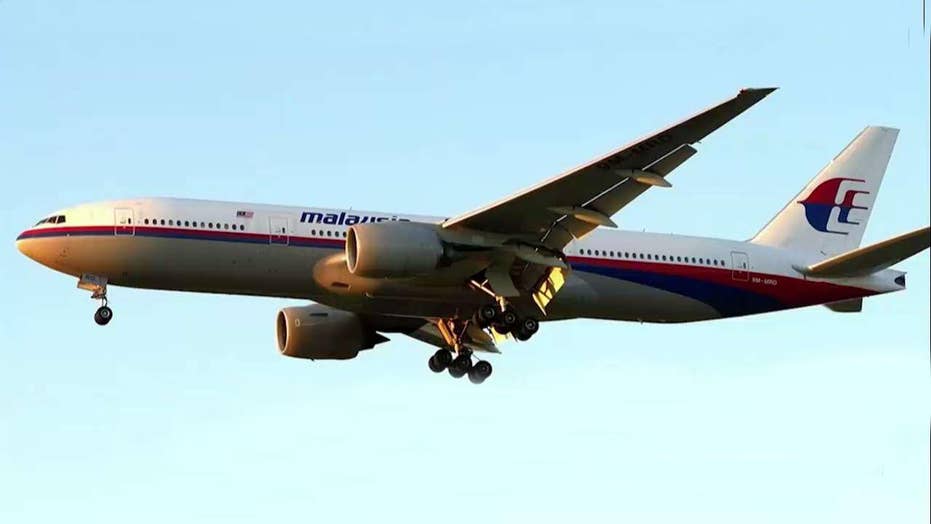
Los investigadores del vuelo MH370 han identificado tres nuevas ubicaciones posibles en el Océano Índico meridional categorizando una como alta prioridad de la posible ubicación de la aeronave Boeing 777-200ER de Malaysia Airlines. El MH370 desapareció el 8 Marzo 2014, con 239 pasajeros y tripulantes a bordo y, mientras se recuperaron los escombros, los restos del cuerpo principal no, a pesar de dos extensas búsquedas.

El Gobierno de Malasia ha declarado que necesita nuevas pruebas antes de comenzar una nueva búsqueda. Después de una extensa investigación, los investigadores han definido una nueva área para los restos del vuelo MH370, adyacentes a los cubiertos anteriormente a lo largo de lo que se conoce como el séptimo arco, al oeste de Australia Occidental. Victor Iannello, Bobby Ulich, Richard Godfrey y Andrew Banks identificaron las áreas de interés en su documento «Recomendaciones de búsqueda para MH370». El documento dice: “La última búsqueda de MH370 fue realizada por Ocean Infinity, quien consultó con investigadores oficiales e independientes y posteriormente escaneó el fondo marino a lo largo del séptimo arco hasta el norte hasta la latitud S25. Desde entonces, la investigación independiente ha continuado analizando los datos disponibles para comprender qué áreas del fondo marino son las más probables y por qué los esfuerzos de búsqueda anteriores no han tenido éxito. Los resultados de nuestro trabajo sugieren que las últimas horas del vuelo se debían al sur en el Océano Índico a lo largo de la longitud E93.7875, que coincide con un gran círculo entre el punto de referencia BEDAX (aproximadamente 100 NM al oeste de Banda Aceh, Sumatra) y el sur Polo«. AW-Icon AW001

AW-MH370MH370 area high priority search

mhResearchers identify a high priority area in the search for flight MH370

MH370 flight researchers have identified three new possible locations in the southern Indian Ocean categorizing one as a high priority of the possible location of the Malaysia Airlines Boeing 777-200ER aircraft. The MH370 disappeared on March 8, 2014, with 239 passengers and crew on board and, while the debris was recovered, the remains of the main body did not, despite two extensive searches.

The Malaysian Government has stated that it needs new tests before starting a new search. After extensive research, researchers have defined a new area for the remains of flight MH370, adjacent to those previously covered along what is known as the seventh arc, west of Western Australia. Victor Iannello, Bobby Ulich, Richard Godfrey, and Andrew Banks identified the areas of interest in their document «Search recommendations for MH370». The document says: “The last search for MH370 was conducted by Ocean Infinity, who consulted with official and independent researchers and subsequently scanned the seabed along the seventh arc north to latitude S25. Since then, independent research has continued to analyze the available data to understand which areas of the seabed are the most likely and why previous search efforts have not been successful. The results of our work suggest that the last hours of the flight were due south in the Indian Ocean along the length E93.7875, which coincides with a large circle between the BEDAX reference point (approximately 100 NM west of Banda Aceh, Sumatra) and the South Pole». AW-Icon AW002


Ξ A I R G W A Y S Ξ
SOURCE: Airgways.com
DBk: Malaysia.gov.my / Airgways.com
AW-POST: 202002022257AR

A\W   A I R G W A Y S ®

Irán confirma derribo PS-752

Resultado de imagen para PS752 Ukraine"AW | 2020 01 21 11:40 | AIR INVESTIGATION

9c8a887f81de5ea2862a0ec155e26a3aIrán confirma que dos misiles dispararon contra el vuelo PS-752 de Ukraine Airlines

La República Islámica de Irán ha publicado los primeros resultados de su investigación sobre el derribo del vuelo PS-752 de Ukraine International Airlines. Los 176 pasajeros y la tripulación del vuelo murieron en el trágico atentado. La autoridad de aviación iraní confirmó el martes que dos misiles dispararon contra el Boeing 737-800 del vuelo de Ukraine International Airlines a principios de este mes. Los investigadores encontraron que dos misiles Tor-M1 fueron disparados hacia el vuelo PS-752, según un informe inicial.

El análisis de esta acción bajo está bajo investigación. Los misiles eran misiles tierra-aire de corto alcance desarrollados por la antigua Unión Soviética y diseñados para apuntar a aviones o misiles de crucero. Irán recibió 29 unidades Tor-M1 de Rusia en 2017 en un contrato por un valor estimado de US$ 700 millones (€ 6,3 millones).

El vuelo PS-752 se estrelló poco después del despegue de Teherán, en ruta hacia la capital ucraniana de Kiev. Llevaba 167 pasajeros y nueve miembros de la tripulación. Los pasajeros de varios países, incluidos 82 iraníes, 57 canadienses y 11 ucranianos, fueron reportados según las autoridades.

Teherán inicialmente afirmó que el vuelo había experimentado una falla en el motor. Tres días más tarde admitió que su ejército había derribado el avión debido a un error humano. El vuelo fue confundido con un objetivo hostil en medio de tensiones intensas con Estados Unidos luego de que sus militares mataran al principal general de Irán, Qassem Soleimani.

Investigadores iraníes recuperaron las cajas negras del vuelo PS-752 del lugar del accidente. Ha habido incertidumbre sobre si las autoridades iraníes los enviarían a un país con la tecnología necesaria para acceder a datos vitales sobre los últimos momentos del vuelo.

Informe Preliminar iraní

El 20 Enero 2020, el AIB de Irán publicó un informe preliminar actualizado en persa que solo informaba que después de la salida del aeropuerto Imam Khomeini a las 06:12L, el avión fue entregado a Radar Teherán Mehrabad, quien despejó el vuelo para subir a FL260. Después de subir a través de 6.000 pies, el Radar de Mehrabad ordenó al vuelo que girara a la derecha directamente al punto de referencia PAROT (posición N36.1911 E49.9780, 71nm al noroeste del aeropuerto de Teherán Mehrabad, también vea la ruta de salida de instrumentos estándar a continuación). A las 06:18L, el controlador observó que la etiqueta había desaparecido de su pantalla de radar y llamó a la aeronave sin recibir una respuesta. Los datos de radar muestran que la última altitud registrada fue de 8.100 pies MSL.

Los datos de radar revelaron además que la última señal de radar secundario (Modo-S) se recibió a las 06:15 L aproximadamente, según las observaciones del radar primario del aeropuerto de Mehrabad, el avión giró a la derecha probablemente en un intento de regresar al aeropuerto. A las 06:18L la señal primaria también desapareció. El avión fue completamente destruido, 167 pasajeros y 9 tripulantes perdieron la vida.

La tripulación de vuelo constaba de tres pilotos: un instructor de entrenamiento (42, ATPL, 12,000 horas en total, 6,600 horas en tipo), un capitán (50, ATPL, 11,600 horas en total, 5,469 horas en tipo) y un primer oficial (48, ATPL, 7.600 horas en total, 3.642 horas en tipo). El avión partió con una masa de despegue de 72,468 kg de acuerdo con la carga de la hoja (masa máxima de despegue de 72,500 kg).

Testigos presenciales informaron que el avión se incendió en vuelo, una gran explosión ocurrió cuando el avión chocó contra el suelo. El examen de los restos de la aeronave sugiere que no hubo fuego dentro de la cabina de la aeronave. Se enviaron muestras a laboratorios capaces para determinar si los explosivos dentro o fuera de la aeronave han estado involucrados, se han descartado otras fuentes como causas láser, radiactivas o radiomagnéticas.

No hay instalaciones para leer los datos de vuelo (FDR) y las Grabadoras de voz de cabina (VCR) en Irán. Las unidades fueron evaluadas por delegados ucranianos a la investigación. Hasta ahora no se ha determinado positivamente si NTSB o BEA leerán los dispositivos. AW-Icon AW001

Resultado de imagen para PS752 Ukraine"Iran confesses demolition PS-752

imagesIran confirms that two missiles fired at Ukraine Airlines PS-752 flight

The Islamic Republic of Iran has published the first results of its investigation into the demolition of the PS-752 flight of Ukraine International Airlines. The 176 passengers and the flight crew died in the tragic attack. The Iranian aviation authority confirmed on Tuesday that two missiles fired at the Boeing 737-800 of the Ukraine International Airlines flight earlier this month. Investigators found that two Tor-M1 missiles were fired towards PS-752, according to an initial report.

The analysis of this low action is under investigation. The missiles were short-range land-to-air missiles developed by the former Soviet Union and designed to target airplanes or cruise missiles. Iran received 29 Tor-M1 units from Russia in 2017 in a contract worth an estimated US$ 700 million (€ 6.3 million).

Flight PS-752 crashed shortly after Tehran took off, en route to the Ukrainian capital of Kyiv. It carried 167 passengers and nine crew members. Passengers from several countries, including 82 Iranians, 57 Canadians, and 11 Ukrainians, were reported according to authorities.

Tehran initially claimed that the flight had experienced an engine failure. Three days later he admitted that his army had shot down the plane due to human error. The flight was mistaken for a hostile objective amid intense tensions with the United States after its military killed Iran’s chief general, Qassem Soleimani.

Iranian investigators recovered the black boxes of flight PS-752 from the accident site. There has been uncertainty about whether the Iranian authorities would send them to a country with the necessary technology to access vital data about the last moments of the flight.

Iranian Preliminary Report

On January 20, 2020, Iran’s AIB published an updated preliminary report in Persian that only reported that after the departure of Imam Khomeini airport at 06: 12L, the plane was delivered to Radar Tehran Mehrabad, who cleared the flight to board FL260 After climbing through 6,000 feet, the Mehrabad Radar ordered the flight to turn right directly to the PAROT reference point (position N36.1911 E49.9780, 71nm northwest of Tehran Mehrabad airport, also see the route of Standard instrument output below). At 06:18L, the controller observed that the tag had disappeared from its radar screen and called the aircraft without receiving an answer. Radar data shows that the last altitude recorded was 8,100 feet MSL.

Radar data also revealed that the last secondary radar signal (S-Mode) was received at approximately 06:15 L, according to observations from the primary radar of the Mehrabad airport, the plane turned to the right probably in an attempt to return to the airport At 06:18L the primary signal also disappeared. The plane was completely destroyed, 167 passengers and 9 crew members lost their lives.

The flight crew consisted of three pilots: a training instructor (42, ATPL, 12,000 hours in total, 6,600 hours in type), a captain (50, ATPL, 11,600 hours in total, 5,469 hours in type) and a first officer (48, ATPL, 7,600 hours in total, 3,642 hours in type). The plane departed with a take-off mass of 72,468 kg according to the load of the blade (maximum take-off mass of 72,500 kg).

Eyewitnesses reported that the plane caught fire in flight, a big explosion occurred when the plane hit the ground. The examination of the remains of the aircraft suggests that there was no fire inside the aircraft cabin. Samples were sent to laboratories capable of determining if explosives inside or outside the aircraft have been involved, other sources such as laser, radioactive or radio magnetic causes have been ruled out.

There are no facilities to read flight data (FDR) and cockpit voice recorders (VCR) in Iran. The units were evaluated by Ukrainian delegates to the investigation. So far it has not been positively determined whether NTSB or BEA will read the devices. AW-Icon AW002


Ξ A I R G W A Y S Ξ
SOURCE: Airgways.com
DBk: Avhrald.com / Dw.com / Airgways.com / Themoscowtimes.com
AW-POST: 202001211140AR

A\W   A I R G W A Y S ®

Canadá compensa familiares PS752

Resultado de imagen para government canada"AW | 2020 01 18 08:13 | AIR INVESTIGATION / GOVERNMENT

Resultado de imagen para govrnment canada logo"Canadá ofrece fondos a familias de víctimas canadienses del vuelo PS-752 de Ukraine Airlines

Canadá compensará a familiares víctimas del atentado aéreo del vuelo PS-752 de Ukraine International Airlines. El Primer Ministro canadiense Justin Trudeau ha infomado que el Reino de Canadá compensará a las familias de las víctimas del accidente del Boeing 737-800 derribado por la defensa iraní. Los fondos están diseñados para ayudar a las familias de las víctimas que son ciudadanos canadienses o residentes permanentes para cubrir los costos relacionados, como los viajes. Trudeau dijo que las familias recibirían C$ 25,000 (US$ 19,200; £ 14,600) por víctima. Cincuenta y siete ciudadanos canadienses estaban en el avión cuando fue alcanzado por un misil de defensa aérea iraní a principios de este mes. «Esta es una situación única y sin precedentes debido a las sanciones internacionales impuestas en Irán y las dificultades que eso impone a estas familias. Este es el primer paso. Estas familias han perdido a un ser querido en circunstancias extraordinarias y este duelo es aún más difícil como resultado», dijo el viernes Trudeau.

Posición canadiense

El Primer Ministro dijo que Canadá aún esperaba que Irán compensara financieramente a las familias de las víctimas por su pérdida. El vuelo de Ukraine International Airlines se estrelló poco después de despegar de la capital iraní, Teherán, el 8 Enero 2020, matando a los 176 pasajeros y miembros de la tripulación a bordo. Irán inicialmente negó que estuviera involucrado, pero luego admitió que el avión fue derribado por un misil disparado por error.

Justin Trudeau ha sollicitado a la República Islámica de Irán que enviara la Caja Negra (CVR/FDR) de los registradores de datos de la cabina a Francia, y dijo que era uno de los pocos países con la capacidad de analizar rápidamente los dispositivos gravemente dañados.

El Jueves 16/01, los ministros de cinco naciones que perdieron ciudadanos en el vuelo exigieron la plena cooperación de Irán en una investigación internacional transparente sobre el accidente. Los cancilleres de Afganistán, Gran Bretaña, Canadá, Suecia y Ucrania también dijeron que Irán debe pagar una indemnización. Acordaron cinco demandas clave a Irán, incluida una investigación internacional exhaustiva, independiente y transparente e indemnización a las familias de las víctimas.

Posición de Irán

El Presidente de laRepúbllica Islámica de Irán, el ayatolá Ali Khamenei defiende a las fuerzas armadas en una dirección rara. El líder supremo ha defendido a las fuerzas armadas del país luego de admitir que derribó por error un avión de pasajeros. La Guardia Revolucionaria, la unidad de élite responsable del desastre, mantuvo la seguridad de Irán. Las protestas y críticas generalizadas del extranjero han ejercido una presión creciente sobre Irán por su manejo del incidente.

El Boeing 737-800 de Ukraine International Airlines viajaba a Kiev desde Teherán el 8 Enero 2020 cuando se estrelló poco después del despegue. Los 176 pasajeros a bordo, incluidos los nacionales de Irán, Canadá, Suecia y el Reino Unido, fueron asesinados.

Las autoridades iraníes inicialmente negaron la responsabilidad, pero, después de que aumentara la presión internacional, la Guardia Revolucionaria admitió que el avión había sido confundido con un misil de crucero durante las intensas tensiones con los Estados Unidos.

Horas antes de que fuera derribado, y en respuesta al asesinato de Soleimani, los misiles iraníes atacaron dos bases aéreas en Iraq que albergaban a las fuerzas estadounidenses. Washington inicialmente dijo que no había heridos las tropas estadounidenses, pero luego informó que 11 personas habían sido tratadas por conmoción cerebral después de que mostraron síntomas días después de los ataques con misiles. AW-Icon AW001

Resultado de imagen para government canada ps752 ukraine"Canada compensates relatives flight PS752

Canada offers funds to families of Canadian victims of Ukraine Airlines flight PS-752

Canada will compensate family victims of the air attack on flight PS-752 of Ukraine International Airlines. Canadian Prime Minister Justin Trudeau has reported that the Kingdom of Canada will compensate the families of the victims of the Boeing 737-800 crash shot down by the Iranian defense. The funds are designed to help families of victims who are Canadian citizens or permanent residents to cover related costs, such as travel. Trudeau said families would receive C$ 25,000 (US$ 19,200; £ 14,600) per victim. Fifty-seven Canadian citizens were on the plane when it was hit by an Iranian air defense missile earlier this month. «This is a unique and unprecedented situation due to the international sanctions imposed on Iran and the difficulties that this imposes on these families. This is the first step. These families have lost a loved one in extraordinary circumstances and this duel is even more difficult as a result», Trudeau said Friday.

Canadian position
The Prime Minister said Canada still expected Iran to financially compensate the families of the victims for their loss. The Ukraine International Airlines flight crashed shortly after taking off from the Iranian capital, Tehran, on January 8, 2020, killing 176 passengers and crew members on board. Iran initially denied that he was involved, but then admitted that the plane was shot down by a missile fired by mistake.

Justin Trudeau has asked the Islamic Republic of Iran to send the Black Box (CVR / FDR) of the cabin’s data loggers to France and said it was one of the few countries with the ability to quickly analyze severely damaged devices.

On Thursday 16/01, the ministers of five nations who lost citizens on the flight demanded full cooperation from Iran in a transparent international investigation into the accident. The foreign ministers of Afghanistan, Britain, Canada, Sweden, and Ukraine also said that Iran must pay compensation. They agreed on five key demands against Iran, including a thorough, independent and transparent international investigation and compensation to the families of the victims.

Iran position

The President of the Islamic Republic of Iran, Ayatollah Ali Khamenei defends the armed forces in a rare direction. The supreme leader has defended the country’s armed forces after admitting that he mistakenly shot down a passenger plane. The Revolutionary Guard, the elite unit responsible for the disaster, maintained Iran’s security. Protests and widespread criticism from abroad have put increasing pressure on Iran over its handling of the incident.

The Boeing 737-800 of Ukraine International Airlines was traveling to Kyiv from Tehran on January 8, 2020, when it crashed shortly after takeoff. The 176 passengers on board, including nationals from Iran, Canada, Sweden, and the United Kingdom, were killed.

Iranian authorities initially denied responsibility, but, after international pressure increased, the Revolutionary Guard admitted that the plane had been mistaken for a cruise missile during intense tensions with the United States.

Hours before it was shot down, and in response to the murder of Soleimani, Iranian missiles attacked two air bases in Iraq that housed US forces. Washington initially said it had not injured US troops, but then reported that 11 people had been treated for a concussion after they showed symptoms days after the missile attacks. AW-Icon AW002


Ξ A I R G W A Y S Ξ
SOURCE: Airgways.com
DBk: Bbc.com / Newsweek.com
AW-POST: 202001180813AR

A\W   A I R G W A Y S ®

ONU/OACI investigarán atentado PS752

AW | 2020 01 15 12:34 | AIR INVESTIGATION / AVIATION SAFETY
21335e_395462a48d4b44ad9c56b6091bd0944b.pngExpertos en aviación de la ONU se unirán a la investigación del atentado aéreo del vuelo de Ukraine Airlines en Irán

Los expertos del organismo de control de aviación de la ONU, la Organización de Aviación Civil Internacional (OACI), apoyarán la investigación sobre el accidente de un avión de pasajeros ucraniano Boeing 737-800 de la compañía aérea Ukraine international Airlines en Irán el 8 Enero 2020 alcanzada por un misil.

Tras una invitación de las autoridades iraníes, que fue aceptada el Martes 14/01, la declaración de la OACI dijo que ha designado personal técnico superior y experto, que ahora servirá como asesores y observadores. Las autoridades han revelado pocos detalles de la investigación de Irán, pero el Presidente de Irán, Hassan Rouhani, dijo en un discurso televisado que será supervisado por varios expertos y que el poder judicial creará un tribunal especial.

El Martes 14/01, un portavoz del poder judicial de la República de Irán en una conferencia de prensa ha comunicado que la investigación analizará las causas y el impacto directo del incidente. Irán admitió que el vuelo PS-752 de Ukrainian International Airlines fue derribado por sus fuerzas armadas y anunció el Martes que varias personas fueron detenidas por el incidente que, según dice, fue accidental. Las 176 personas a bordo murieron en el accidente. El incidente tuvo lugar varias horas después de que Irán lanzó un ataque con misiles balísticos desde su territorio en las fuerzas estadounidenses estacionadas en Irak, en respuesta a la matanza por aviones no tripulados estadounidenses del principal General iraní Qassem Soleimani.

Inicialmente, Irán negó la responsabilidad por el accidente, al parecer atribuyéndolo a una falla técnica, pero finalmente admitió que el operador de un sistema de defensa antimisiles había confundido el avión con un misil y lo derribó. AW-Icon AW001

Resultado de imagen para Ukraine PS752 UN  ICAO"UN/ICAO will investigate PS752 attack

ICAO-logo_Web-MS-Office.pngUN aviation experts will join the investigation of the Ukraine Airlines flight air attack in Iran

Experts from the UN aviation control body, the International Civil Aviation Organization (ICAO), will support the investigation into the accident of a Ukrainian passenger aircraft Boeing 737-800 of the Ukraine international Airlines in Iran on January 8, 2020, hit by a missile.

Following an invitation from the Iranian authorities, which was accepted on Tuesday 14/01, the ICAO statement said it has appointed senior and expert technical staff, which will now serve as advisors and observers. Authorities have revealed few details of Iran’s investigation, but Iran’s President Hassan Rouhani said in a televised speech that he will be supervised by several experts and that the judiciary will create a special court.

On Tuesday 14/01, a spokesman for the judiciary of the Republic of Iran at a press conference said that the investigation will analyze the causes and the direct impact of the incident. Iran admitted that the PS-752 flight of Ukrainian International Airlines was shot down by its armed forces and announced Tuesday that several people were arrested for the incident, which he says was accidental. The 176 people on board died in the accident. The incident took place several hours after Iran launched an attack with ballistic missiles from its territory in US forces stationed in Iraq, in response to the killing by US drones of Iranian chief General Qassem Soleimani.

Initially, Iran denied responsibility for the accident, apparently attributing it to a technical fault, but finally admitted that the operator of a missile defense system had confused the plane with a missile and shot it down. AW-Icon AW002


Ξ A I R G W A Y S Ξ
SOURCE: Airgways.com
DBk: News.un.org / Ifrc.org / Airgways.com
AW-POST: 202001151234AR

A\W   A I R G W A Y S ®

TSB exige respuestas derribo PS-752

Resultado de imagen para UIA Ukraine Airlines"AW | 2020 01 14 12:57 | AIR INVESTIGATION / AVIATION SAFETY

Agencia TSB exige respuesta Tribunal Supremo por derribo vuelo PS-752 de Ukraine Airlines

Varias personas han sido detenidas en Irán por el derribo accidental de un avión de pasajeros ucraniano con un misil, dice el poder judicial del país. El Portavoz Gholamhossein Esmaili dijo que las investigaciones sobre el incidente continuaban, pero no proporcionó detalles. El Presidente iraní Hassan Rouhani dijo que la investigación sería supervisada por un Tribunal Especial. El vuelo PS-752 de Ukrainian International Airlines fue derribado en breve después del despegue del Aeropuerto Teherán el Miércoles, matando a las 176 personas a bordo. La mayoría de las víctimas eran ciudadanos iraníes y canadienses.

Durante los primeros tres días después del accidente, Irán negó que sus fuerzas armadas hayan derribado el Boeing 737-800 y sugirió que hubo una falla técnica. Pero a medida que aumentaban las pruebas, los Guardias Revolucionarios dijeron que el operador de un sistema de defensa antimisiles había confundido el avión con un misil de crucero estadounidense y le había disparado. Las defensas aéreas de Irán habían estado en alerta porque el país acababa de disparar misiles balísticos contra dos bases estadounidenses en Irak, en represalia por el asesinato del principal general iraní Qasem Soleimani en un ataque de aviones no tripulados estadounidenses en Bagdad.

La admisión de responsabilidad provocó una ira generalizada en Irán, y los manifestantes salieron a las calles de la capital y varias otras ciudades para denunciar las mentiras del gobierno y el liderazgo clerical, incluido el líder supremo, el ayatolá Ali Khamenei. Además de los arrestos anunciados el martes, fuentes de noticias no oficiales en Irán informan que la persona que filmó un video del avión ucraniano que fue derribado que se volvió viral ahora ha sido arrestada cerca de Teherán. Según los informes, fue detenido en Robat Karim City, al suroeste de la capital. Las agencias de noticias oficiales no informan su arresto.

Investigaciones PS-752

El Sr. Esmaili dijo en una conferencia de prensa en Teherán que el poder judicial «investigaría las causas y el impacto directo del incidente. Investigaremos hasta qué punto la guerra de Estados Unidos causó este evento. Varias personas han sido detenidas y la investigación continúa».

En un discurso televisado, el Presidente Rouhani dijo que el poder judicial reuniría un tribunal especial con un juez de alto rango y decenas de expertos para supervisar la investigación. «Este no será un caso habitual. El mundo entero estará observando esta corte. No solo es la persona que apretó el gatillo, sino también otras personas responsables. Las fuerzas armadas iraníes que admiten su error es un buen primer paso. Debemos asegurar a la gente que no volverá a suceder». El Presidente de Irán también dijo que quería que los funcionarios relevantes explicaran públicamente por qué les tomó días a las autoridades revelar que se dispararon misiles en el vuelo PS752. El portavoz del gobierno iraní ha negado que haya estado involucrado en un encubrimiento, diciendo que a Rouhani no se le dijo lo que había sucedido hasta el viernes por la noche. El comandante de la Fuerza Aeroespacial de la Guardia Revolucionaria dijo el sábado que había informado a los funcionarios sobre el ataque horas después del incidente.

El Ministro de Relaciones Exteriores de Ucrania, Vadym Prystaiko, dijo el Lunes 13/01 que cinco de los países que tenían ciudadanos a bordo del avión: Canadá, Ucrania, Afganistán, Suecia y un país no identificado se reunirían en Londres el Jueves 16/01 para discutir posibles acciones legales. Dijo que las naciones en duelo resolverían qué pasos tomar individual y colectivamente para llevar a los perpetradores ante la justicia y cómo podemos pagar a las familias que han sufrido. Mientras tanto, Canadá, que perdió a 57 ciudadanos, desempeñará un papel más activo de lo que requieren las normas internacionales en la investigación sobre el derribo del avión, según el Jefe de su Junta de Seguridad en el Transporte (TSB) de Canadá, Kathy Fox, dijo que había indicios de que Irán permitiría a la TSB participar en la descarga y el análisis de datos de la grabadora de datos de vuelo y la grabadora de voz de la cabina del avión. AW-Icon AW001

Resultado de imagen para Chief of its Transportation Safety Board (TSB) of Canada"TSB agency demands demolition responses PS-752

TSB Agency of Canada demands response Supreme Court for demolition flight PS-752 of Ukraine Airlines

Several people have been arrested in Iran for the accidental demolition of a Ukrainian passenger plane with a missile, says the country’s judiciary. Spokesman Gholamhossein Esmaili said investigations into the incident were continuing but did not provide details. Iranian President Hassan Rouhani said the investigation would be supervised by a Special Court. Ukrainian International Airlines flight PS-752 was shot down shortly after takeoff from Tehran Airport on Wednesday, killing all 176 people on board. The majority of the victims were Iranian and Canadian citizens.

During the first three days after the accident, Iran denied that its armed forces had shot down the Boeing 737-800 and suggested there was a technical failure. But as the tests increased, the Revolutionary Guards said the operator of a missile defense system had confused the plane with an American cruise missile and shot it. Iran’s air defenses had been on alert because the country had just fired ballistic missiles at two US bases in Iraq, in retaliation for the assassination of Iranian chief general Qasem Soleimani in an attack by US drones in Baghdad.

The admission of responsibility caused widespread anger in Iran, and protesters took to the streets of the capital and several other cities to denounce the lies of the government and clerical leadership, including the supreme leader, Ayatollah Ali Khamenei. In addition to the arrests announced on Tuesday, unofficial news sources in Iran report that the person who shot a video of the Ukrainian plane that was shot down that went viral has now been arrested near Tehran. He was reportedly arrested in Robat Karim City, southwest of the capital. Official news agencies do not report your arrest.

PS-752 Investigations

Mr. Esmaili said at a press conference in Tehran that the judiciary «would investigate the causes and the direct impact of the incident. We will investigate to what extent the US war caused this event. Several people have been arrested and the investigation continues».

In a televised speech, President Rouhani said the judiciary would meet a special court with a high-ranking judge and dozens of experts to oversee the investigation. «This will not be a common cause. The entire world will be observing this court. It is not only the person who pulled the trigger, but also other responsible persons. The Iranian armed forces that admit their mistake is a good first step. We must assure the people that it won’t happen again», The President of Iran also said he wanted the relevant officials to explain publicly why it took the authorities days to reveal that missiles were fired on PS752. The Iranian government spokesman has denied that he has been involved in a cover-up, saying that Rouhani was not told what had happened until Friday night. The commander of the Aerospace Force of the Revolutionary Guard said Saturday that he had informed the officials about the attack hours after the incident.

Resultado de imagen para Chief of its Transportation Safety Board (TSB) of Canada"CANADIAN RESEARCHERS OF TSB AIR ACCIDENTS HAVE ACCESS TO THE REMAINS AND HAVE BEEN INTERVENED TO HELP UNBLOCK THE CONTENT OF THE DATA RECORDERS OF A UKRAINE INTERNATIONAL AIRLINES PLANE DRAINED BY AN IRANI MISSILE THE WEEK

Foreign Minister of Ukraine Vadym Prystaiko said on Monday 13/01 that five of the countries that had citizens on board the plane: Canada, Ukraine, Afghanistan, Sweden, and an unidentified country would meet in London on Thursday 16/01 to discuss possible legal actions. He said the grieving nations would resolve what steps to take individually and collectively to bring the perpetrators to justice and how we can pay the families that have suffered. Meanwhile, Canada, which lost 57 citizens, will play a more active role than international standards require in the investigation of the plane’s demolition, according to the Chief of its Transportation Safety Board (TSB) of Canada, Kathy Fox, He said there were indications that Iran would allow the TSB to participate in the download and analysis of data from the flight data recorder and the voice recorder from the aircraft cabin. AW-Icon AW002


Ξ A I R G W A Y S Ξ
SOURCE: Airgways.com
DBk: Tsb.gc.ca / Mfa.gov.ua / Flyuia.com / Airgways.com / Bbc.com / Globalandmail.com
AW-POST: 202001141257AR

A\W   A I R G W A Y S ®

Atentado Ukaine Airlines PS-752

La cola vertical acostada sobre su lado izquierdo.AW | 2020 01 14 12:25 | AIR INVESTIGATION / AVIATION SAFETY

Resultado de imagen para UIA Ukraine Airlines logo"Actualizaciones del vuelio PS-742 de Ukraine International Airlines

El Boeing 737-800 de UIA Ukraine International Airlines, registro UR-PSR que realizaba el vuelo PS-752 desde Teherán Imam Khomeini (Irán) a Kiev (Ucrania) con 167 pasajeros y 9 tripulantes, subía 8.000 pies MSL desde la Pista 29R de Teherán sobre 12nm al noroeste del aeropuerto a las 06:18L (02:48Z), cuando cesaron las señales del transpondedor de la aeronave. El avión fue encontrado en un campo abierto cerca de Parand, un surburbio de Teherán, en la posición N35.5529 E51.1121 a unos 10 nm al este de la última posición del transpondedor (N35.52 E50.91). Todos los ocupantes perecieron en el accidente.

La Autoridad de Aviación Civil de Irán, CAO, informó que el avión fue entregado por ATC a las 06:18L cerca de Teherán cuando cayó al suelo. Los informes iniciales indican que todos los ocupantes han muerto en el impacto. La Junta de Investigación de Accidentes de Irán ha enviado investigadores en el sitio. La mayoría de los ocupantes eran ciudadanos iraníes, varios ocupantes eran ciudadanos de otras naciones.

Actualizaciones vuelo PS-752

El 9 Enero 2020 a las 21:40Z, y después del descubrimiento del video que confirma el presunto derribo de un misil, a las 22: 07Z, el Aviation Herald envió dos consultas al AIB de Irán, seguido de otra el 10 de enero de 2020 a las 12:36Z, en el que The Aviation Herald enfrentó a la AIB con los videos y tres fotos, que habíamos publicado hasta el 9 Enero de 2020, vea las fotos a continuación ahora marcadas con referencia a la cola vertical, y señaló a la AIB, que aparte de la En el lado izquierdo carbonizado de la aleta vertical había un gran orificio de salida en el lado izquierdo y un orificio de entrada correspondiente en el lado derecho, argumentando que algún objeto había penetrado en un ángulo casi recto con respecto a la superficie. Este objeto era imposible de haber sido parte de la aeronave, y dado el movimiento de los escombros del avión después del impacto en el suelo, también era imposible ser un objeto desde el suelo, por lo tanto, estas fotos demuestran la influencia externa. Las fotos de la cola vertical en su lado derecho se agregaron a nuestra cobertura el 9 de enero de 2020 16: 30Z.

El punto del primer impacto en el suelo está en la posición N35.5625 E51.1033, el campo de escombros se expande al sur de esa ubicación, lo que sugiere que el avión había dado la vuelta y se movía en dirección al aeropuerto nuevamente.

El 11 Enero 2020, la Organización de Aviación Civil de Irán confirmó que el avión fue derribado accidental y accidentalmente. La CAO escribió citando a las fuerzas armadas de Irán: «Un avión de pasajeros ucraniano fue golpeado involuntariamente por un error humano, que desafortunadamente mató a varios queridos compatriotas y mató a varios ciudadanos extranjeros». Tras las amenazas del presidente y los comandantes militares de los Estados Unidos criminales de apuntar a un gran número de objetivos en el territorio de la República Islámica de Irán y en vista de una contra-operación y un aumento sin precedentes del tráfico aéreo en la región, el islámico Fuerzas Armadas de la República Las amenazas potenciales estaban al más alto nivel de preparación.

En las horas posteriores a los ataques con misiles, los aviones de combate de las fuerzas terroristas estadounidenses en todo el país aumentaron, y algunos informes de ataques aéreos dirigidos a centros estratégicos en el país se informaron a numerosas unidades de defensa y objetivos en algunas placas de radar. Ha causado más sensibilidad en las unidades de defensa aérea.

En condiciones tan críticas y críticas, el vuelo de Ukrainian Airlines parte del Aeropuerto Imam Khomeini y, mientras está en rotación, está muy cerca de un centro militar sensible del IRGC y tiene la altura y la forma de un avión hostil. En estas circunstancias, el avión fue golpeado accidentalmente por un error humano, que desafortunadamente resulta en el martirio de queridos compatriotas y la muerte de varios ciudadanos extranjeros.

El Estado Mayor de las Fuerzas Armadas, al tiempo que expresa sus condolencias y condolencias a las afligidas familias de ciudadanos extranjeros y se disculpa por el error humano, asegurando plenamente que la búsqueda de reformas fundamentales en los procesos operativos en las Fuerzas Armadas puede repetirse. Haga que tales errores sean imposibles e inmediatamente llame la atención de la Organización Judicial de las Fuerzas Armadas para tratar cualquier error legal.

El 11 Enero 2020, luego de la admisión por parte de Irán, la oficina del presidente ucraniano publicó varias fotos de los restos, que ya habían sido trasladados a un sitio de almacenamiento en la entrada del aeropuerto, posición N35.4330 E51.1346. La oficina comentó: «La sede operativa del Consejo de Seguridad y Defensa Nacional de Ucrania, creada en nombre del Presidente Vladimir Zelensky para investigar el accidente del avión de UIA Ukrainian Airlines en Irán, recibió inicialmente toda la información necesaria. Nuestros especialistas iraníes han recibido todos los videos, fotos y otros materiales para analizar los procesos, que estaban en curso y en curso en Teherán. Según la información recopilada a través del trabajo de nuestro equipo de expertos, Teníamos suficientes datos para entender que la investigación se llevaría a cabo de manera objetiva y oportuna. La parte política del trabajo está completa. Nuestros especialistas continúan trabajando para completar todos los procedimientos legales necesarios. Desde el principio, los residentes locales tuvieron acceso al lugar del accidente, lo que dificultó la investigación». El asesor de seguridad de Ucrania informó esas fotos, que muestran que el misil golpeó Los aviones que se encontraban debajo de la cabina fueron recogidos antes de la admisión por parte de Irán.

Los residentes locales grabaron en video un avión, presumiblemente el Boeing 737-800 de UIA, mientras salían de Teherán, perdiendo altura y golpeando el suelo. La voz en el video dice que estaba en el barrio Ferdowsi de Shahriah (posición aprox. N35.5973 E51.0239 a unos 4 nm al suroeste de Shahriah), el avión estaba en llamas (lo que obviamente provocó que la persona comenzara a filmar), siguiendo algunas expresiones de miedo y pidiendo apoyo divino para las personas, la voz dice que ahora necesitaba llamar al departamento de bomberos. La posición aproximada del filmer está a unos 5 nm al noroeste del lugar del accidente.

Tensiones graves desarrollados entre los EE.UU. e Irán después de un ataque de drone el 3 Enero 2020 contra un líder militar iraní en Bagdad (Irak) en el pedido por parte del presidente de los EE.UU., el Irán comenzaron huelgas de contador disparar misiles contra las bases militares de Estados Unidos en la noche del 7 Enero 2020. AW-Icon AW001

Mapa del video (Gráficos: Bellingcat)Attack Ukaine Airlines PS-752

Updates of the PS-752 return of Ukraine International Airlines

Resultado de imagen para UIA Ukraine Airlines logo"The Boeing 737-800 of UIA Ukraine International Airlines, a UR-PSR registration that made the PS-752 flight from Tehran Imam Khomeini (Iran) to Kiev (Ukraine) with 167 passengers and 9 crew members, climbed 8,000 MSL feet from the 29R Runway Tehran about 12nm northwest of the airport at 06: 18L (02: 48Z) when the aircraft transponder signals ceased. The plane was found in an open field near Parand, a Tehran suburbia, at position N35.5529 E51.1121 about 10 nm east of the last position of the transponder (N35.52 E50.91). All occupants perished in the accident.

The Civil Aviation Authority of Iran, CAO, reported that the plane was delivered by ATC at 06:18 L near Tehran when it fell to the ground. Initial reports indicate that all occupants have died on impact. The Accident Investigation Board of Iran has sent investigators on the site. Most of the occupants were Iranian citizens, several occupants were citizens of other nations.

Flight updates PS-752

On January 9, 2020, at 9:40 p.m., and after the discovery of the video confirming the alleged demolition of a missile, at 10:07 p.m., the Aviation Herald sent two consultations to the AIB of Iran, followed by another one on January 10, 2020, at 12: 36Z, in which The Aviation Herald faced the AIB with the videos and three photos, which we had published until January 9, 2020, see the photos below now marked with reference to the vertical tail, and noted to the AIB, which apart from the On the carbonized left side of the vertical fin there was a large exit hole on the left side and a corresponding entry hole on the right side, arguing that some object had penetrated at an almost right angle with Regarding the surface. This object was impossible to have been part of the aircraft, and given the movement of the debris of the plane after the impact on the ground, it was also impossible to be an object from the ground, therefore, these photos demonstrate the external influence. The photos of the vertical tail on its right side were added to our coverage on January 9, 2020, at 4:30 p.m. The Aviation Herald expresses the highest respect for the courage to admit and confirm the involuntary demolition of the AIB of Iran and the government of Iran.

The point of the first impact on the ground is at position N35.5625 E51.1033, the debris field expands south of that location, suggesting that the plane had turned around and was moving towards the airport again.

Resultado de imagen para UIA Ukraine Airlines Boeing 737-800 png"On January 11, 2020, the Civil Aviation Organization of Iran confirmed that the plane was accidentally and accidentally shot down. The CAO wrote citing Iran’s armed forces: «A Ukrainian passenger plane was involuntarily struck by a human error, which unfortunately killed several beloved countrymen and killed several foreign citizens».  Following the threats of the president and the military commanders of the United States criminals to target a large number of targets in the territory of the Islamic Republic of Iran and in view of a counter-operation and an unprecedented increase in air traffic in the region, the Islamic Armed Forces of the Republic the potential threats were at the highest level of preparedness.

In the hours after the missile attacks, the fighter planes of US terrorist forces across the country increased, and some reports of airstrikes targeting strategic centers in the country were reported to numerous defense units and targets on some plates radar It has caused more sensitivity in air defense units.

In such critical and critical conditions, the Ukrainian Airlines flight departs from Imam Khomeini Airport and, while in rotation, is very close to a sensitive IRGC military center and has the height and shape of a hostile aircraft. In these circumstances, the plane was accidentally struck by a human error, which unfortunately results in the martyrdom of dear compatriots and the death of several foreign citizens.

The General Staff of the Armed Forces, while expressing its condolences and condolences to the bereaved families of foreign citizens and apologizes for human error, fully ensuring that the search for fundamental reforms in the operational processes in the Armed Forces can be repeated. Make such errors impossible and immediately call the attention of the Armed Forces Judicial Organization to deal with any legal error.

On January 11, 2020, after the admission by Iran, the office of the Ukrainian president published several photos of the remains, which had already been transferred to a storage site at the airport entrance, position N35.4330 E51.1346. The office commented: «The operational headquarters of the National Security and Defense Council of Ukraine, created on behalf of President Vladimir Zelensky to investigate the accident of the UIA Ukrainian Airlines plane in Iran, initially received all the necessary information. Our Iranian specialists have received all the videos, photos and other materials to analyze the processes, which were ongoing and ongoing in Tehran. According to the information collected through the work of our team of experts, we had enough data to understand that the investigation would be carried out Objective and timely manner. The political part of the job is complete. Our specialists continue to work to complete all necessary legal procedures. From the beginning, local residents had access to the accident site, which made the investigation difficult». The Ukrainian security adviser reported those photos, which show that the missile hit The planes that were under the cabin were picked up before Iran’s admission.

Local residents videotaped a plane, presumably the UIA Boeing 737-800, as they left Tehran, losing height and hitting the ground. The voice in the video says that he was in Shahriah’s Ferdowsi neighborhood (position approx. N35.5973 E51.0239 about 4 nm southwest of Shahriah), the plane was on fire (which obviously caused the person to start filming ), following some expressions of fear and asking for divine support for people, the voice says that he now needed to call the fire department. The approximate position of the filmer is about 5 nm northwest of the accident site.

Severe tensions developed between the US and Iran after a drone attack on January 3, 2020, against an Iranian military leader in Baghdad (Iraq) at the request by the US president, Iran began counter strikes firing missiles at the US military bases United on the night of January 7, 2020. AW-Icon AW002


Ξ A I R G W A Y S Ξ
SOURCE: Airgways.com
DBk: Avherald.com / Cao.ir / Bellingcat.com / Airgways.com / Flyuia.com
AW-POST: 202001141225AR

A\W   A I R G W A Y S ®

Accidente Ukraine UIA B738 en Teherán

AW-700043.jpgAW | 2020 01 08 12:20 | AIR INVESTIGATION / AVIATION SAFETY

Boeing-Company-LogoBoeing 737-800 UIA se estrella en República de Irán

El 8 Enero 2020 un Boeing 737-800 de UIA Ukraine International Airlines perdió altura después del despegue. La aeronave con registro UR-PSR que realizaba el vuelo PS-752 de Teherán Imam AW-UIA_70087Khomeini (Irán) a Kiev (Ucrania) con 167 pasajeros y 9 tripulantes, subía 8.000 pies desde la Pista 29R de Teherán a unos 12 nm. al noroeste del aeropuerto a eso de las 06:18L (02:48Z), cuando cesaron las señales del transpondedor del avión. El avión fue encontrado en un campo abierto cerca de Parand, un surbub de Teherán, en la posición N35.5529 E51.1121 a unos 10 nm al este de la última posición del transpondedor (N35.52 E50.91). Todos los ocupantes perecieron en el accidente.

La Autoridad de Aviación Civil de Irán, CAO, informó que el avión fue entregado por ATC a las 06:18L cerca de Teherán cuando cayó al suelo. Los informes iniciales indican que todos los ocupantes han muerto en el impacto. La Junta de Investigación de Accidentes de Irán ha enviado investigadores en el sitio. La mayoría de los ocupantes eran ciudadanos iraníes, varios ocupantes eran ciudadanos de otras naciones.

Los servicios de emergencia de Irán informaron que no se encontraron sobrevivientes en las unidades de rescate y recuperación enviadas al lugar del accidente.

La embajada de Ucrania en Irán tuiteó que UIA confirmó que su avión se estrelló cerca del aeropuerto de Teherán después del despegue. Según la primera información, todos los ocupantes han sido asesinados. Se ha creado un grupo de trabajo y una línea directa para familiares. Posteriormente, la Embajada agregó una declaración en su sitio web que decía: «Según información preliminar del lado iraní, el avión se estrelló debido a una falla del motor debido a razones técnicas. La versión del ataque terrorista o ataque con cohete está actualmente excluida». Los 9 tripulantes eran ciudadanos ucranianos. Alrededor de las 08: 20Z del 8 de enero de 2020, la embajada retiró por completo su mensaje en su sitio web y lo reemplazó con una advertencia de viaje para Irán. En su feed de Twitter, la Embajada informó según el manifiesto de pasajeros que el avión transportaba a 82 iraníes, 63 canadienses, 11 ucranianos (incluidos 9 tripulantes), 10 ciudadanos suecos, 4 ciudadanos afganos, 3 alemanes y 3 ciudadanos británicos (176 ocupantes). Más tarde, la embajada restableció su mensaje anterior y retirado sin la sentencia sobre la falla del motor, y ahora declara: «La comisión de investigación de accidentes aclara la información sobre las causas del accidente aéreo. Cualquier declaración sobre las causas del accidente ante la comisión la decisión no es oficial».

La Junta de Investigación de Accidentes de Irán informó que todos sus investigadores están afuera para investigar el accidente. La tripulación no transmitió ninguna llamada de emergencia y no indicó ningún problema. El avión se estrelló unos 5 minutos después de la salida. Por la noche, la AIB informó que las cajas negras aún no se han localizado.

La agencia de noticias estatal de Irán, IRNA, informa que 147 ocupantes eran ciudadanos iraníes, 32 ocupantes eran ciudadanos de otros países (nota editorial: esto es 3 personas más que el recuento oficial de pasajeros y tripulación publicado por la CAO).

Los residentes locales grabaron en video un avión, presumiblemente el UIA Boeing 737-800, mientras salían de Teherán, perdiendo altura y golpeando el suelo. La voz en el video dice que estaba en el barrio Ferdowsi de Shahriah (posición aprox. N35.5973 E51.0239 a unos 4 nm al suroeste de Shahriah), el avión estaba en llamas (lo que obviamente provocó que la persona comenzara a filmar), siguiendo algunas expresiones de miedo y pidiendo apoyo divino para las personas, la voz dice que ahora necesitaba llamar al departamento de bomberos. La posición aproximada del filmer está a unos 5 nm al noroeste del lugar del accidente.

El punto del primer impacto en el suelo está en la posición N35.5597 E51.1044, el campo de escombros se expande al sur de esa ubicación, lo que sugiere que el avión había dado la vuelta y se movía en dirección al aeropuerto nuevamente.

Se desarrollaron severas tensiones entre los Estados Unidos e Irán después de un ataque con aviones no tripulados el 3 de enero de 2020 contra un líder militar iraní en Bagdad (Irak) por orden del presidente de los EE. UU., Irán comenzó el contraataque disparando misiles contra bases militares de Estados Unidos por la noche del 7 Enero 2020. AW-Icon AW001

ENveJ0oUEAEzU6p.jpgUkraine UIA B738 accident in Tehran

Boeing 737-800 UIA crashes in Republic of Iran

On January 8, 2020 a Boeing 737-800 of UIA Ukraine International Airlines lost height after takeoff. The UR-PSR-registered aircraft that made the PS-752 flight from Tehran Imam Khomeini (Iran) to Kiev (Ukraine) with 167 passengers and 9 crew members, climbed 8,000 feet from Tehran Runway 29R at about 12 nm. northwest of the airport at about 06: 18L (02: 48Z), when the transponder signals of the plane ceased. The plane was found in an open field near Parand, a surbub of Tehran, at position N35.5529 E51.1121 about 10 nm east of the last position of the transponder (N35.52 E50.91). All occupants perished in the accident.

The Civil Aviation Authority of Iran, CAO, reported that the plane was delivered by ATC at 06:18 L near Tehran when it fell to the ground. Initial reports indicate that all occupants have died on impact. The Accident Investigation Board of Iran has sent investigators on the site. Most of the occupants were Iranian citizens, several occupants were citizens of other nations.

Iran’s emergency services reported that no survivors were found in rescue and recovery units sent to the scene of the accident.

The Ukrainian embassy in Iran tweeted that UIA confirmed that its plane crashed near Tehran airport after takeoff. According to the first information, all occupants have been killed. A working group and a family hotline have been created. Subsequently, the Embassy added a statement on its website that said: «According to preliminary information from the Iranian side, the plane crashed due to an engine failure due to technical reasons. The version of the terrorist attack or rocket attack is currently excluded». The 9 crew were Ukrainian citizens. Around 08: 20Z on January 8, 2020, the embassy completely withdrew its message on its website and replaced it with a travel warning for Iran. In its Twitter feed, the Embassy reported according to the passenger manifesto that the plane was carrying 82 Iranians, 63 Canadians, 11 Ukrainians (including 9 crew), 10 Swedish citizens, 4 Afghan citizens, 3 Germans and 3 British citizens (176 occupants ). Later, the embassy restored its previous and withdrawn message without the ruling on the engine failure, and now states: «The accident investigation commission clarifies the information on the causes of the plane crash. Any statement about the causes of the accident before the Commission the decision is not official».

The Accident Investigation Board of Iran reported that all its investigators are outside to investigate the accident. The crew did not transmit any emergency calls and did not indicate any problems. The plane crashed about 5 minutes after departure. At night, the AIB reported that the black boxes have not yet been located.

Iran’s state news agency, IRNA, reports that 147 occupants were Iranian citizens, 32 occupants were citizens of other countries (editorial note: this is 3 people more than the official passenger and crew count published by the CAO).

Local residents videotaped a plane, presumably the UIA Boeing 737-800, as they left Tehran, losing height and hitting the ground. The voice in the video says that he was in the Shadows Shahriah neighborhood (position approx. N35.5973 E51.0239 about 4 nm southwest of Shahriah), the plane was on fire (which obviously caused the person to start filming ), following some expressions of fear and asking for divine support for people, the voice says that he now needed to call the fire department. The approximate position of the filmer is about 5 nm northwest of the accident site.

The point of the first impact on the ground is at position N35.5597 E51.1044, the debris field expands south of that location, suggesting that the plane had turned around and was moving towards the airport again.

Severe tensions developed between the United States and Iran after a drone attack on January 3, 2020 against an Iranian military leader in Baghdad (Iraq) by order of the US president. In the U.S., Iran began the counterattack by firing missiles at US military bases on the night of January 7, 2020. AW-Icon AW002


Ξ A I R G W A Y S Ξ
SOURCE: Airgways.com
DBk: Avherald.com / Flyuia.com / Airgways.com
AW-POST: 202001081220AR

A\W   A I R G W A Y S ®

Aumenta teoría secuestro aéreo MH370

Resultado de imagen para MH370 kidnappingAW | 2020 01 04 12:54 | AIR INVESTIGATION / AVIATION SAFETY

Resultado de imagen para MH370 kidnapping SDUInvestigadores determinan posible acto de sabotaje y secuestro del Boeing 777-200 de Malaysia Airlines

Investigadores están formulando la teoría de secuestro aéreo del vuelo MH370 de la compañía Malaysia Airlines del Boeing 777-200ER en la ruta Kuala Lumpur-Beijing del 8 Marzo 2014. La teoría está tomando cada vez más peso debido a los tiempos y uso de tecnología.

Secuestro desde Cockpit

La teoría de secuestro dentro de la cabina de mando esta determinada por el factor tiempo tiempo después del último contacto con el Controlador Aéreo y el viraje de la aeronave. Ha sido tiempo reducido para que los secuestradores atravesaran la puerta de la cabina cerrada, dominar a la tripulación de vuelo, apagar todas las comunicaciones y reprogramar la computadora de vuelo. En cualquier caso, parecía difícil imaginar cómo los secuestradores podían hacer todo eso sin que la tripulación de vuelo enviara algún tipo de señal de socorro.

Secuestro vitual

Sin embargo, más tarde sugirió otra posibilidad: que el avión fuera tomado de otro lugar que no fuera la cabina, un lugar mucho más fácil de acceder que se puede utilizar para anular los controles en la cabina sin que los pilotos se den cuenta.

La clave para esto es un equipo llamado Unidad de Datos Satelitales (SDU), que es una parte integral de la comunicación satelital del avión. Procesa las señales que se transmiten y reciben entre el avión y una unidad satelital; en el caso de MH370, un satélite llamado 3F1 propiedad de la compañía británica de telecomunicaciones satelitales Inmarsat operó en aquel trayecto de vuelo fatal.

La SDU está ubicada sobre el techo de la cabina de pasajeros hacia la parte trasera del avión. En las horas posteriores a la desaparición de MH370, la SDU se apagó y se volvió a encender, lo que significa que el secuestrador debe haber accedido a ella. Hay conocimiento que la unidad se apagó y se ha vuelto a encender porque, por un tiempo, el Satélite 3F1 no pudo hacer contacto con el vuelo MH370, pero luego se restableció el contacto.

Cronología de eventos

A las 17:07 UTC, el avión envió un informe del Sistema de direccionamiento e informes de comunicaciones de aeronaves (ACARS) a través de la SDU al satélite 3F1.
A las 17:37 UTC, no se realizó el siguiente mensaje ACARS.
A las 18:03 UTC, Inmarsat intentó ponerse en contacto con MH370 pero no recibió respuesta, lo que indica que el sistema de satcom estaba apagado o fuera de servicio.
A las 18:25 UTC, MH370 inició un inicio de sesión con 3F1: estaba volviendo a estar en línea.

Esto permitió que la información se transmitiera a Inmarsat a través de siete handshakes (apretones de manos/pulsaciones) durante las próximas horas, que luego se rastrearon hasta una ruta de vuelo sobre el Océano Índico, terminando en el mar al oeste de Perth, Australia, donde se cree que el avión cayó.

Como Honeywell fabricó la SDU de MH370, se puede acceder a ella a través de la bahía de electrónica y equipos (EE Bay). EE Bay es un compartimento al que, en un Boeing, se puede acceder durante el vuelo a través de una escotilla desbloqueada en el piso en la parte delantera de la cabina de primera clase. Un secuestrador podría subir a la Bahía EE desde la cabina de pasajeros para entrometerse con la SDU. De hecho, según Mike Exner, un investigador MH370 de un grupo de expertos llamado Grupo Independiente, afirmó que este es el único lugar al que se puede acceder fuera de la cabina.

En 2014, el Sr. Exner obtuvo acceso a una instalación similar de vuelo profesional de una aerolínea estadounidense importante y le preguntó a dos veteranos pilotos Boeing 777 que lo acompañaban cómo se podía apagar y volver a encender la SDU. Han expresado: «No hay forma de apagar la alimentación primaria a la comunicación satelital desde la cabina. Ni siquiera se describe en los manuales de vuelo. La única forma de hacerlo es encontrar un disyuntor oscuro en la Bahía EE».

La SDU también puede entrometerse desenchufando el Sistema de referencia interno (IRS), que alimenta información a la SDU, y conectando su propio equipo. Por lo tanto, el autor podría haber secuestrado el avión al subir a la Bahía EE y tomar el avión desde allí. Incluso podrían haberse asegurado de que los pilotos aún pensaran que estaban controlando el avión a través de «controles fantasmas». De esta manera, esto podría explicar cómo alguien que no sea el piloto o el copiloto podría haber secuestrado el avión tan rápido, ni siquiera tuvieron que ingresar a la cabina. AW-Icon AW001

Imagen relacionadaMH370 kidnapping theory takes importance

Investigators determine possible sabotage and kidnapping of the Boeing 777-200 of Malaysia Airlines

Researchers are formulating the air hijacking theory of the MH370 flight of the Malaysia Airlines company of the Boeing 777-200ER on the Kuala Lumpur-Beijing route of March 8, 2014. The theory is gaining more and more weight due to the times and use of technology.

Kidnapping from Cockpit

The hijacking theory inside the cockpit is determined by the time factor after the last contact with the Air Traffic Controller and the turn of the aircraft. It has been a short time for the hijackers to go through the closed cabin door, dominate the flight crew, turn off all communications and reprogram the flight computer. In any case, it seemed difficult to imagine how the hijackers could do all that without the flight crew sending any sort of distress signal.

Virtual kidnapping

However, he later suggested another possibility: that the plane is taken from a place other than the cabin, a much easier place to access that can be used to override the controls in the cabin without the pilots noticing.

The key to this is a device called the Satellite Data Unit (SDU), which is an integral part of the aircraft’s satellite communication. It processes the signals that are transmitted and received between the plane and a satellite unit; In the case of MH370, a satellite called 3F1 owned by the British satellite telecommunications company Inmarsat operated on that fatal flight path.

The SDU is located on the roof of the passenger cabin towards the rear of the plane. In the hours after the disappearance of MH370, the SDU was turned off and then on again, which means that the kidnapper must have accessed it. There is the knowledge that the unit was turned off and on again because, for a while, the 3F1 Satellite could not make contact with the MH370 flight, but then the contact was restored.

Event Timeline

At 17:07 UTC, the plane sent a report from the Aircraft Communications Addressing System (ACARS) through the SDU to the 3F1 satellite.
At 17:37 UTC, the following ACARS message was not performed.
At 18:03 UTC, Inmarsat tried to contact MH370 but received no response, indicating that the Satcom system was off or out of service.
At 18:25 UTC, MH370 started login with 3F1: it was coming back online.

This allowed the information to be transmitted to Inmarsat through seven handshakes (handshakes/pulsations) over the next few hours, which were then traced to a flight route over the Indian Ocean, ending in the sea west of Perth, Australia, where it is believed that the plane fell.

As Honeywell manufactured the MH370 SDU, it can be accessed through the electronics and equipment bay (EE Bay). EE Bay is a compartment that, in a Boeing, can be accessed during the flight through an unlocked hatch on the floor in the front of the first-class cabin. A kidnapper could board EE Bay from the passenger cabin to interfere with the SDU. In fact, according to Mike Exner, an MH370 researcher from a group of experts called the Independent Group, said this is the only place that can be accessed outside the cabin.

In 2014, Mr. Exner gained access to a similar professional flight installation of a major US airline and asked two veteran Boeing 777 pilots who accompanied him how the SDU could be turned off and on again. They have said: «There is no way to turn off the primary power to satellite communication from the cockpit. It is not even described in the flight manuals. The only way to do this is to find a dark circuit breaker in the EE Bay».

The SDU can also interfere by unplugging the Internal Reference System (IRS), which feeds information to the SDU, and connecting its own equipment. Therefore, the author could have hijacked the plane by boarding the EE Bay and taking the plane from there. They could even have made sure that the pilots still thought they were controlling the plane through «phantom controls». In this way, this could explain how someone other than the pilot or co-pilot could have hijacked the plane so quickly, they didn’t even have to enter the cabin. AW-Icon AW002


Ξ A I R G W A Y S Ξ
SOURCE: Airgways.com
DBk: Express.co.uk / Airgways.com
AW-POST: 202001041254AR

A\W   A I R G W A Y S ®

Revelan documentos internos de Boeing

Resultado de imagen para Boeing 737 MAX test pilotAW | 2019 12 24 00:37 | AIR INVESTIGATION / AVIATION SAFETY

Boeing-Company-LogoBoeing informa a la FAA más documentos problemáticos internos del 737 MAXAW-Icon_Boeing 737 MAX

The Boeing Company ha enviado a la Administración Federal de Aviación (FAA) documentos adicionales que fueron descubiertos por su investigación interna sobre el desarrollo del Boeing 737 MAX e incluyen comunicaciones problemáticas que los abogados de la compañía dicen que necesita revelar. Los documentos incluyen más mensajes de Mark Forkner, el piloto de Boeing cuyo intercambio de mensajes instantáneos en 2016 con un colega causó indignación cuando se lanzó en Octubre 2019. Boeing también enviará los documentos a los comités del Congreso de Estados Unidos que investigan los accidentes del 737 MAX y al Departamento de Justicia (DOJ) para su investigación criminal.

Un alto ejecutivo de Boeing, que habló bajo condición de anonimato, dijo que los nuevos documentos de Mark Forkner contienen el mismo tipo de charla basura sobre la FAA que en los mensajes de Octubre 2019. Dijo que no cree que sean explosivos, pero que generarán titulares y seguirán siendo un problema para Boeing. Agregó que podría haber documentos adicionales que desconoce.

Quinta Enmienda

Mark Forkner fue el Piloto Técnico Jefe 737 durante el desarrollo del 737 MAX. El trabajo del equipo piloto que dirigió fue probar los sistemas de control de vuelo del Boeing 737 MAX en un simulador y determinar la información y el entrenamiento que los pilotos de las aerolíneas necesitarían para volar el avión. Forkner plantea un problema continuo para la compañía, porque contrató a su propio abogado de defensa criminal de alto poder en lugar de los abogados contratados por Boeing, y la compañía no sabe lo que está haciendo. Si bien Forkner invocó su derecho de la Quinta Enmienda contra la autoincriminación para evitar entregar los registros al Departamento de Justicia, Boeing no sabe si podría llegar a un acuerdo con los fiscales a cambio de su cooperación.

El momento del lanzamiento de la compañía de los documentos a las agencias gubernamentales, tan cerca de las vacaciones y el mismo día del despido del CEO Dennis Muilenburg, puede tener la intención de dar a conocer las malas noticias de una vez con menos cobertura de prensa. Fue Forkner quien envió un correo electrónico a un funcionario de la FAA en Marzo 2016 solicitando que la información sobre el nuevo Software de Control de Vuelo del 737 MAX, conocido como el Sistema de Aumento de Características de Maniobra (MCAS), se omita de los manuales del piloto y no se mencione en el entrenamiento del piloto. En el intercambio de mensajes instantáneos de 2016 entre Forkner y otro piloto de Boeing, Forkner declaró que «básicamente había mentido a los reguladores (sin saberlo)». En esa conversación suelta, durante la cual Forkner estaba bebiendo vodka, dijo que MCAS había corrido desenfrenado durante las pruebas del simulador en 2016. Boeing dijo más tarde que se refería a que el software del simulador era defectuoso, en lugar del MCAS mismo. En otro correo electrónico de 2016 a un funcionario de la FAA, Forkner bromeó diciendo que estaba «haciendo un montón de viajes, engañando a los reguladores (extranjeros) mentalmente para que aceptaran la capacitación que me recibió la FAA». Estas revelaciones fueron objeto de un intenso cuestionamiento de Muilenburg cuando compareció ante el Congreso el 29 Octubre 2019. El abogado de Forkner, David Gerger de Houston, declinó hacer comentarios.  AW-Icon AW001

Resultado de imagen para Boeing 737 MAX test pilotBoeing internal problem documents

Boeing-Logo.svgBoeing informs the FAA of more internal problem documents of the 737 MAXBOEING-737-MAX-8.jpg

The Boeing Company has sent additional documents that were discovered by its internal investigation into the development of the Boeing 737 MAX to the Federal Aviation Administration (FAA) and includes problematic communications that the company’s lawyers say it needs to disclose. The documents include more messages from Mark Forkner, the Boeing pilot whose exchange of instant messages in 2016 with a colleague caused outrage when it was launched in October 2019. Boeing will also send the documents to the U.S. Congressional committees investigating car accidents. 737 MAX and the Department of Justice (DOJ) for their criminal investigation.

A senior Boeing executive, who spoke on condition of anonymity, said the new Mark Forkner documents contain the same kind of junk talk about the FAA as in the October 2019 messages. He said he doesn’t think they are explosive, but will generate headlines and will remain a problem for Boeing. He added that there could be additional documents that he does not know.

Fifth Amendment

Mark Forkner was the 737 Chief Technical Pilot during the development of the 737 MAX. The job of the pilot team he led was to test the flight control systems of the Boeing 737 MAX in a simulator and determine the information and training that airline pilots would need to fly the plane. Forkner poses a continuing problem for the company, because it hired its own high-power criminal defense lawyer instead of the lawyers hired by Boeing, and the company does not know what it is doing. While Forkner invoked his Fifth Amendment right against self-discrimination to avoid handing over the records to the Department of Justice, Boeing does not know if he could reach an agreement with prosecutors in exchange for his cooperation.

The time of the company’s launch of the documents to government agencies, so close to the holidays and on the same day of the dismissal of CEO Dennis Muilenburg, may intend to spread the bad news at once with less press coverage. It was Forkner who sent an email to an FAA official in March 2016 requesting that information on the new 737 MAX Flight Control Software, known as the Maneuvering Feature Enhancement System (MCAS), be omitted from the pilot manuals and not mentioned in pilot training. In the 2016 instant message exchange between Forkner and another Boeing pilot, Forkner stated that «he had basically lied to regulators (without knowing it)». In that loose conversation, during which Forkner was drinking vodka, he said that MCAS had run rampant during the simulator tests in 2016. Boeing said later that he was referring to the simulator software being defective, rather than the MCAS itself. In another 2016 email to an FAA official, Forkner joked that he was «doing a lot of travel, tricking mentally (foreign) regulators to accept the training that the FAA received for me». These revelations were the subject of intense questioning by Muilenburg when he appeared before Congress on October 29, 2019. Forkner’s lawyer, David Gerger of Houston, declined to comment. AW-Icon AW002


Ξ A I R G W A Y S Ξ
SOURCE: Airgways.com
DBk: Boeing.com / Seattletimes.com / Airgways.com / Heraldnet.com
AW-POST: 201912240037AR

A\W   A I R G W A Y S ®