Nuevas teorías del vuelo MH370

malaysia-airlines-mh370-plane.jpgAW | 2019 07 14 20:53 | AIR INVESTIGATION

AW-70083772Teórico Jeff Wise afirma secuestro aéreo del vuelo MH370

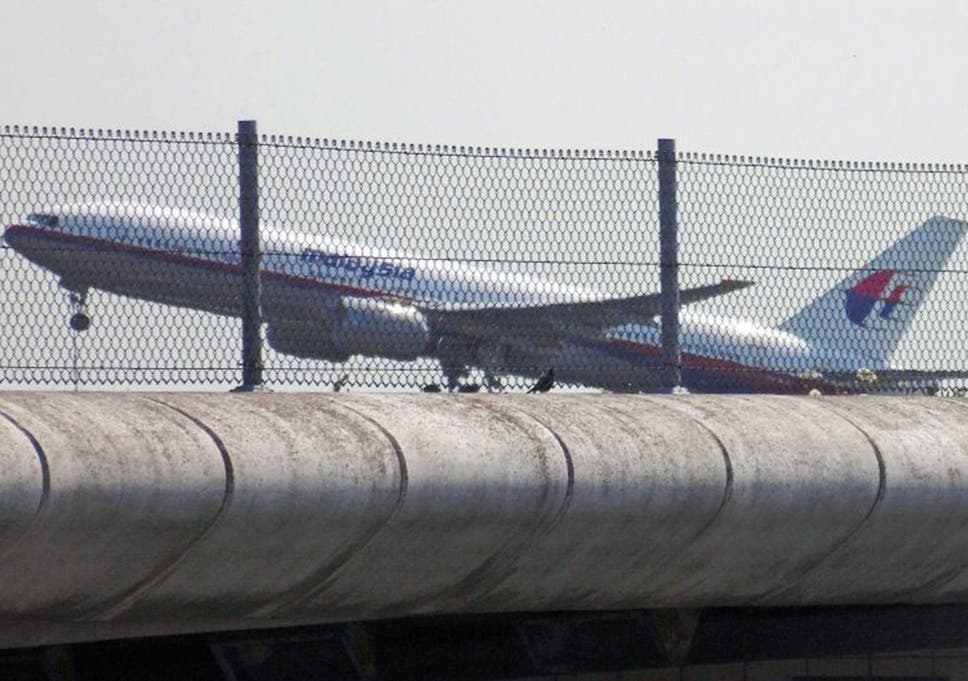
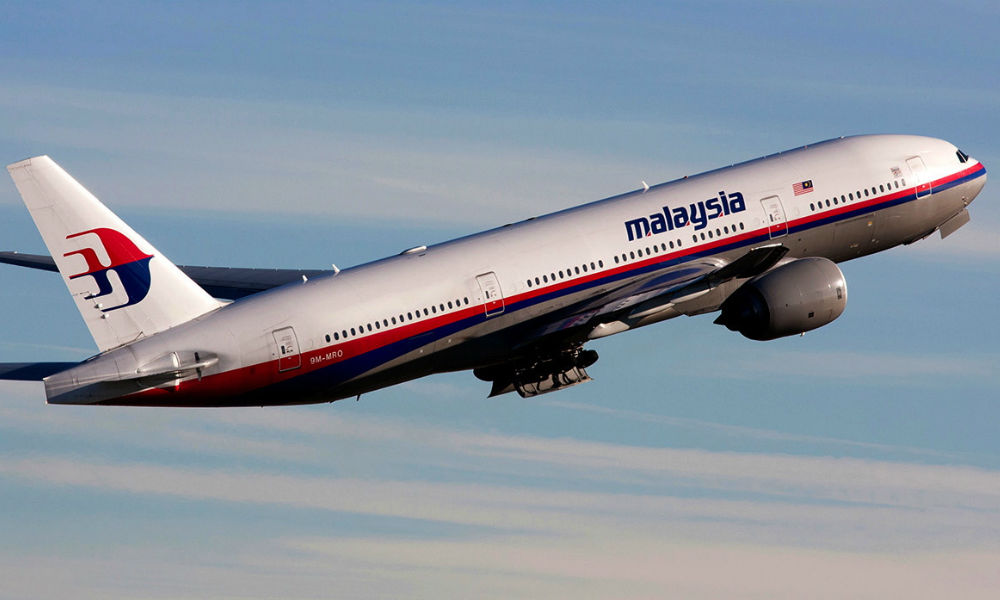
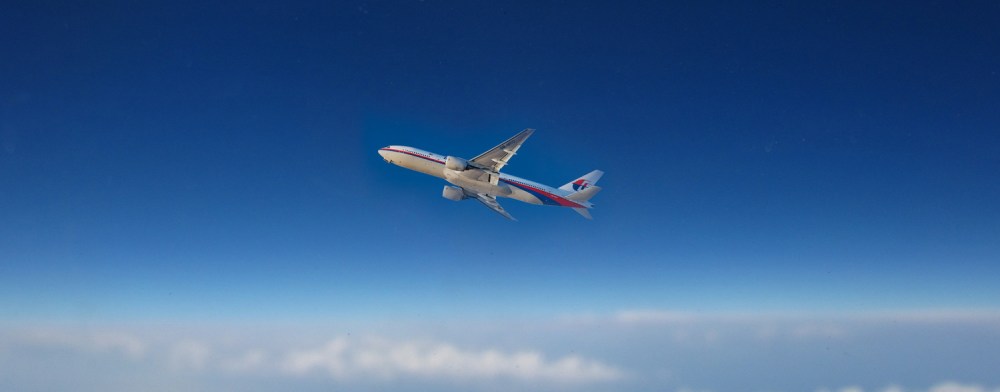
El vuelo MH-370 de Malaysia Airlines tiene otro capítulo más en la historia de su desaparición. El Teórico y experto en aviación Jeff Wise sostiene que el Boeing 777-200ER malayo fue secuestrado por rusos con máscaras para sobrevivir a un corte de oxígeno. El investigador cree que Moscú ordenó el secuestro del vuelo de Malaysia Airlines para desviar la atención de su controvertida anexión de Crimea a la Federación Rusia.

El vuelo MH-370 desapareció el 8 Marzo 2014, en ruta desde Kuala Lumpur-Beijing con 239 personas a bordo. Aunque nunca se ha encontrado la aeronave Boeing 777-200ER, los investigadores creen que el avión se quedó sin combustible y se hundió en el Océano Índico, aunque las razones precisas de esto siguen siendo un misterio.

En su nuevo libro, The Taking of MH370, el piloto privado Jeff Wise afirma que la Unidad de Datos Satelitales (SDU) del avión, que parece haberse reiniciado a las 18:25 hs, sugiere que fue manipulado. El autor cree que se cortó el oxígeno en el avión de pasajeros para matar a todos los que estaban a bordo antes de volar a la República de Kazajstán. Pero Wise nunca proporciona ninguna evidencia real de sus afirmaciones y la teoría de secuestro nunca ha sido tomada en serio por los investigadores. Dice que ha identificado a tres sospechosos, uno ruso y dos ucranianos de etnia rusa.

Al especular sobre los movimientos finales del avión, el Sr. Jeff Wise escribe: “El copiloto y el capitán alcanzan sus máscaras, pero no fluye aire. ¿Qué diablos está pasando? Nada esta funcionando. El copiloto marca la frecuencia de emergencia de la Radio Lumpur sin resultados. El teléfono satelital también está muerto. Todos ellos han sido cortados. Para mí, la verdadera arma humeante del caso es el reinicio a las 18:25 hs de la SDU. Es muy, muy difícil encontrar una explicación inocente para eso».

Teoría Despresurización

El vuelo MH-370 pudo haber sufrido una descompresión repentina de la cabina después de que el capitán no encendió la presurización, sugirió la investigadora líder de accidentes aéreos, Christine Negroni, sosteniendo una teoría alternativa que afirma que el Comandante Zaharie Shah en realidad sufrió de hipoxia.

La Sra. Negroni pregunta en su libro «The Crash Detectives» si esta situación ocurrió después de que el Sr. Shah se olvidó de encender el interruptor de presurización del avión. Ella escribió en 2016: “La incapacidad de obtener suficiente oxígeno en los pulmones para sostener el pensamiento convincente ocurre cuando los aviones pierden la presurización, y eso puede suceder por una variedad de razones. Se puede desencadenar por un problema eléctrico o alguna dificultad mecánica. Los pilotos a veces no activan la presurización al comienzo del vuelo, pero incluso cuando la presurización funciona como debería, no hay manera de mantener un avión presurizado si hay un agujero en el fuselaje o si hay fugas en los sellos de Las puertas, ventanas o desagües de la cocina y los baños permiten que el aire más denso se escape. Cuando las aeronaves no logran presurizar después del despegue o pierden la altitud de la cabina en vuelo, es potencialmente mortal. La razón por la que no vemos tragedias con más frecuencia es que a los pilotos se les enseña qué hacer».

La Sra. Negroni reveló cómo, en esta situación, un piloto debería volar a una altitud más baja y encender la presurización. Sin embargo, el Sr. Shah puede haber sido incapacitado. Añadió: “Hay muchos casos de pilotos que descubren que no lograron establecer la altitud de la cabina al despegar. Si la presurización se configuró correctamente y aún no funciona, los pilotos comienzan inmediatamente un rápido descenso a una altitud donde no se necesita oxígeno suplementario. Cuando los pilotos no siguen estos pasos, la situación se sale de control rápidamente. Para ser claros, los pilotos no ignoran intencionalmente los procedimientos, cuando lo hacen es porque sus procesos mentales ya están comprometidos por la falta de oxígeno».

Sin embargo, esta idea es solo una teoría entre cientos de otras propuestas en los últimos cinco años. A lo largo de los años, ha habido todo tipo de reclamos sobre posibles avistamientos, desde los isleños de las Islas Maldivas hasta los trabajadores de la plataforma petrolera en Vietnam.

Sin embargo, todavía no estamos más cerca de saber la verdad. Lo concreto es que existen varias piezas de los restos del avión que se han encontrado en África oriental en lugares como Tanzania, Mozambique y Madagascar, lo que respalda la teoría oficial de que el avión se estrelló en las vastas aguas del Océano Índico.AW-Icon-TXT-01

AA-MH370.jpgNew theories of flight MH370

Theorist Jeff Wise affirms aerial hijacking of flight MH370

MH-370 flight of Malaysia Airlines has another chapter in the history of his disappearance. Theorist and aviation expert Jeff Wise argues that the Malaysian Boeing 777-200ER was hijacked by Russians wearing masks to survive an oxygen cut. The investigator believes that Moscow ordered the hijacking of the Malaysia Airlines flight to divert attention from its controversial annexation of Crimea to the Russian Federation.

Flight MH-370 disappeared on March 8, 2014, en route from Kuala Lumpur-Beijing with 239 people on board. Although the Boeing 777-200ER aircraft has never been found, investigators believe that the plane ran out of fuel and sank in the Indian Ocean, although the precise reasons for this remain a mystery.

In his new book, The Taking of MH370, private pilot Jeff Wise states that the plane’s Satellite Data Unit (SDU), which seems to have restarted at 6:25 PM, suggests that it was tampered with. The author believes that oxygen was cut off in the passenger plane to kill all those on board before flying to the Republic of Kazakhstan. But Wise never provides any real evidence of his claims and the kidnapping theory has never been taken seriously by researchers. He says he has identified three suspects, one Russian and two Ukrainian ethnic Russians.

In speculating about the final movements of the plane, Mr. Jeff Wise writes: «The co-pilot and the captain reach for their masks, but no air flows. What the hell is going on? Nothing is working. The co-pilot marks the emergency frequency of Radio Lumpur without results. The satellite phone is also dead. All of them have been cut. For me, the real smoky weapon of the case is the restart at 6:25 p.m. of the SDU. It’s very, very difficult to find an innocent explanation for that».

Theory Depressurization

Flight MH-370 may have suffered a sudden decompression of the cockpit after the captain did not ignite the pressurization, said lead aerial accident investigator Christine Negroni, holding an alternative theory that Commander Zaharie Shah actually suffered from hypoxia

Ms. Negroni asks in her book «The Crash Detectives» if this situation occurred after Mr. Shah forgot to turn on the plane’s pressurization switch. She wrote in 2016: «The inability to get enough oxygen in the lungs to sustain convincing thinking occurs when planes lose pressurization, and that can happen for a variety of reasons. It can be triggered by an electrical problem or some mechanical difficulty. Pilots sometimes do not activate pressurization at the beginning of the flight, but even when pressurization works as it should, there is no way to maintain a pressurized aircraft if there is a hole in the fuselage or if there are leaks in the seals of the doors, windows or kitchen drains and bathrooms allow dense air to escape. When aircraft fail to pressurize after takeoff or lose cabin altitude in flight, it is potentially fatal. The reason why we do not see tragedies more often is that the pilots are taught what to do».

Ms. Negroni revealed how, in this situation, a pilot should fly to a lower altitude and turn on the pressurization. However, Mr. Shah may have been incapacitated. He added: «There are many cases of pilots discovering that they failed to establish the altitude of the cabin when taking off. If the pressurization is correctly configured and still does not work, the pilots immediately begin a rapid descent to an altitude where supplemental oxygen is not needed. When the pilots do not follow these steps, the situation quickly gets out of control. To be clear, the pilots do not intentionally ignore the procedures, when they do it is because their mental processes are already compromised by the lack of oxygen».

However, this idea is just one theory among hundreds of other proposals in the last five years. Over the years, there have been all kinds of claims about possible sightings, from the islanders of the Maldives Islands to the workers of the oil platform in Vietnam.

However, we are still not closer to knowing the truth. The concrete thing is that there are several pieces of the remains of the plane that have been found in East Africa in places like Tanzania, Mozambique and Madagascar, which supports the official theory that the plane crashed in the vast waters of the Indian Ocean. A \ W


Ξ A I R G W A Y S Ξ
SOURCE: Airgways.com
DBk: Thesun.co.uk / Express.co.uk / Airgways.com
AW-POST: 201907142053AR

A\W   A I R G W A Y S ®

Alerta por fisuras en Airbus A380

Resultado de imagen para A380AW | 2019 07 09 15:02 | AIR INVESTIGATION / AVIATION SAFETY

Logo_Airbus_2014.svg - copiaAlerta por grietas en las alas de los primeros modelos del Airbus A380

La Agencia Europea de Seguridad Aérea (EASA) solicitó una inspección en las alas de 25 aeronaves Airbus A380 del modelo más antiguo por un riesgo de agrietamiento, se lee en un comunicado. En una Directiva de Navegabilidad propuesta, la EFSA indica que se han detectado casos de grietas en las alas de algunos A380. La agencia no solicitó que los aviones dejen de volar, pero dice que el problema, si no se detecta y corrige, podría «reducir la integridad estructural de las alas».

El periódico Les Echos, que reveló el martes la declaración publicada el 5 de julio, afirma que la agencia con sede en Alemania recomienda una inspección ultrasónica de 25 de los 234 A380 actualmente en circulación, es decir, aquellos que han sido fabricados por más tiempo. de 15 años. «La guía se considera una acción provisional, limitada a los 25 conjuntos de alas más antiguos», dijo la EFSA en un comunicado.AW-Icon-TXT-01

Resultado de imagen para A380Crack alert on Airbus A380

Alert for cracks in the wings of the first models of the Airbus A380

The European Aviation Safety Agency (EASA) requested an inspection on the wings of 25 Airbus A380 aircraft of the older model for a risk of cracking, the statement said. In a proposed Navigability Directive, the EFSA indicates that cases of cracks in the wings of some A380 have been detected. The agency did not request that the planes stop flying, but says the problem, if not detected and corrected, could «reduce the structural integrity of the wings.»

The newspaper Les Echos, which revealed on Tuesday the statement published on July 5, says that the agency based in Germany recommends an ultrasonic inspection of 25 of the 234 A380 currently in circulation, ie those that have been manufactured for longer . 15 years old «The guide is considered a provisional action, limited to the 25 oldest wing sets», EFSA said in a statement. A \ W


Ξ A I R G W A Y S Ξ
SOURCE: Airgways.com
DBk: Airbus.com / Easa.europa.eu
AW-POST: 201907091502AR

A\W   A I R G W A Y S ®

CASA aprueba auditoría en REX

Imagen relacionadaAW | 2019 07 08 11:16 | AIR INVESTIGATION / AVIATION SAFETY

Resultado de imagen para Australian Civil Aviation Safety Authority logoRegulador CASA de Australia aprueba auditoría en Regional Express Airlines

La Autoridad de Seguridad de la Aviación Civil (CASA) de Australia que es el regulador encargado de mantener seguros los cielos de Australia ha respaldado a Regional Express Airlines (REX) y dijo que «no tiene problemas actuales con la seguridad de los aviones». La Asociación Australiana de Ingenieros Aeronáuticos, los Propietarios de Aeronaves y la Asociación de Pilotos de Australia sugirieron que la aerolínea debería estar conectada a tierra.

Resultado de imagen para Regional Express Airlines logoAuditoría

CASA lanzó una auditoría a la aerolínea, que vuela dentro y fuera de los aeropuertos de Moruya, Merimbula y Cooma diariamente, luego de que los medios informaron a principios de este mes que reclaman una cultura de intimidación dentro de la aerolínea y del personal que está «demasiado asustado para hablar sobre defectos». En respuesta a los reclamos sensacionales, CASA realizó una auditoría de dos días (5 y 6 Julio 2019) de las instalaciones de mantenimiento de REX Airlines en Wagga Wagga, como parte de una investigación más amplia que ya estaba en curso. En un comunicado de prensa CASA comunica: «esto se centró en el sistema de gestión de seguridad de REX, en particular, en las tasas de informe de errores y en los procesos para gestionarlos de acuerdo con los principios de ‘cultura justa. La gerencia y el personal de REX cooperaron y respondieron a las solicitudes y preguntas del equipo de auditoría. El personal de ingeniería de mantenimiento de Rex fue seleccionado al azar por CASA y entrevistado. Todos dijeron que se sentían confiados en informar errores o defectos de mantenimiento e indicaron que Rex operaba de acuerdo con los principios de cultura justa», dice la declaración de CASA.

Se está compilando un informe más completo, más amplio y más detallado que debería estar listo para fines de esta semana. El portavoz de CASA, Peter Gibson dice, «habíamos estado trabajando en este tema durante unas semanas antes de que llegara a los medios luego de la correspondencia de la Asociación de Ingenieros de Aviones en Mayo 2019. Estábamos trabajando en los procesos de investigación de las denuncias. Hasta la fecha, nada ha planteado problemas de seguridad importantes o inmediatos, pero aún tenemos que finalizar el análisis general, por lo que no podemos descartar que hay cosas que identificaremos, pero en este punto, REX está volando de manera segura. Los pasajeros pueden tomar confianza en esto, el asunto se está analizando a fondo y con cuidado. CASA tomaría medidas inmediatas si hubiera alguna evidencia de problemas de seguridad graves en REX».

Como parte de sus funciones principales relacionadas con la seguridad, CASA lleva a cabo la supervisión continua de todas las aerolíneas australianas. Esto implica una combinación de auditorías de seguridad planificadas, auditorías de vigilancia de campaña centradas en riesgos de seguridad emergentes emergentes de la industria y auditorías de vigilancia de respuesta a incidentes particulares o informes de problemas de seguridad.

REX se expide

Por su parte, Regional Express Airlines dice que da la bienvenida a la noticia para CASA, «que rechaza de manera inequívoca las acusaciones de un ingeniero descontento y su sindicato de que Rex tiene una mala cultura de seguridad». Pero en una declaración de los medios, REX se ha manifestado «una vez que los medios comenzaron a socavar la credibilidad de la seguridad de Rex en público, CASA actuó rápidamente para recopilar todos los hechos y pruebas para tomar una decisión considerada con el fin de tranquilizar al público de la seguridad de las operaciones de REX».

Regional Express es la aerolínea regional independiente más grande de Australia que opera una flota de más de 50 aviones Saab 340 en unos 1.500 vuelos semanales a 60 destinos en todos los estados de Australia.AW-Icon-TXT-01

Rex tiene una flota de más de 50 Saab 340. Foto: Rex Media Center.CASA approves audit in REX

CASA Regulator of Australia approves audit in Regional Express Airlines

The Australian Civil Aviation Safety Authority (CASA), which is the regulator responsible for keeping Australia’s skies safe, has backed Regional Express Airlines (REX) and said it «has no current problems with aircraft safety». The Australian Association of Aeronautical Engineers, Aircraft Owners and the Australian Pilots Association suggested that the airline should be grounded.

Audit

CASA launched an audit of the airline, which flies in and out of Moruya, Merimbula and Cooma airports on a daily basis, after the media reported earlier this month that they claim a culture of intimidation within the airline and the staff that is «too scared to talk about defects». In response to the sensational claims, CASA conducted a two-day audit (July 5 and 6, 2019) of the maintenance facilities of REX Airlines in Wagga Wagga, as part of a larger investigation that was already underway. In a press release CASA communicates: «this focused on the REX security management system, in particular, on the error reporting rates and processes to manage them in accordance with the principles of ‘just culture.’ and REX staff cooperated and responded to requests and questions from the audit team Rex maintenance engineering staff was randomly selected by CASA and interviewed, all said they were confident in reporting errors or maintenance defects and indicated that Rex operated in accordance with the principles of just culture», says the CASA statement.

A fuller, more comprehensive and more detailed report is being compiled and should be ready by the end of this week. CASA spokesman Peter Gibson says, «We had been working on this issue for a few weeks before it reached the media after correspondence from the Association of Aircraft Engineers in May 2019. We were working on the investigation processes of To date, nothing has raised important or immediate security problems, but we still have to finalize the general analysis, so we can not rule out that there are things we will identify, but at this point, REX is flying safely. Passengers can take confidence in this, the matter is being analyzed thoroughly and carefully, CASA would take immediate action if there was any evidence of serious security issues at REX».

As part of its main safety-related functions, CASA carries out the continuous supervision of all Australian airlines. This involves a combination of planned security audits, campaign surveillance audits focusing on emergent emerging industry security risks and audits of response to particular incidents or reports of security issues.

REX is issued

For its part, Regional Express Airlines says it welcomes the news for CASA, «which unequivocally rejects the accusations of a disgruntled engineer and his union that Rex has a bad safety culture». But in a media statement, Rex has stated once the media «began to undermine the credibility of Rex’s safety in public, CASA acted quickly to gather all the facts and evidence to make a considered decision in order to reassure the public of the safety of REX operations».

Regional Express is the largest independent regional airline in Australia that operates a fleet of more than 50 Saab 340 aircraft in about 1,500 weekly flights to 60 destinations in all states of Australia. A \ W


Ξ A I R G W A Y S Ξ
SOURCE: Airgways.com
DBk: Casa.gov.au / Aboutregional.com.au / Airgways.com / Wikimedia.org
AW-POST: 201907081116AR

A\W   A I R G W A Y S ®

EASA ordena requisitos para 737 MAX

Resultado de imagen para Boeing 737 MAXAW | 2019 07 05 22:20 | AIR INVESTIGATION / AVIATION SAFETY

FK,4923,36,737-max-round-pin.jpgImage result for EASA LOGOEl sistema del piloto automático del Boeing 737 MAX no pudo desconectarse en ciertas emergencias

El regulador de aviación de Europa, la Agencia de Seguridad Aérea de la Unión Europea (EASA) ha descrito los cinco requisitos principales que desea que Boeing aborde antes de permitir que el Boeing 737 MAX vuelva al servicio comercial. La Agencia de Seguridad Aérea de la Unión Europea ha enviado su lista tanto a la Administración Federal de Aviación (FAA) de los Estados Unidos como a Boeing. La FAA no ha discutido públicamente los detalles sobre los cambios que exige al 737 MAX, por lo que es difícil saber si las demandas de la EASA difieren drásticamente, y si aumentarán significativamente el costo y el tiempo para que 737 MAX vuelva a estar en el aire.

Los reguladores de todo el mundo pusieron en tierra el avión más vendido de Boeing en Marzo 2019, luego de dos accidentes en cinco meses donde fallecieron un total de 346 personas. Las cuestiones planteadas por EASA son consistentes con las propias preguntas de la FAA, dijo una persona familiarizada con el trabajo de la agencia de los Estados Unidos que no estaba autorizada a hablar sobre el asunto. En un comunicado, la FAA se negó a confirmar los asuntos específicos planteados por la EASA, pero dijo: “La FAA continúa trabajando estrechamente con otras autoridades de aviación civil de validación en nuestra revisión de la documentación de certificación de Boeing para el 737 MAX. Este proceso involucra comunicaciones regulares entre todas las partes”. Al preguntársele sobre el impacto potencial de las preocupaciones de EASA, Boeing emitió un comunicado diciendo que los funcionarios de la compañía continúan «comprometiéndose con los reguladores y brindan información a medida que trabajamos para un retorno seguro al servicio para MAX».

AW-70297666.png

Preocupaciones del 737 MAX

La lista de verificación de EASA incluye una serie de problemas que se han revelado: la dificultad potencial de los pilotos para girar la rueda de ajuste manual del Boeing 737 MAX, la poca confiabilidad de los sensores de ángulo de ataque de la aeronave, procedimientos de entrenamiento inadecuados y un problema de software señalado la semana pasada por la FAA perteneciente a un microprocesador rezagado. Pero la agencia también enumeró una preocupación previamente no informada: el piloto automático no se desconecta en ciertas emergencias. «Cualquiera de estos podría afectar significativamente el retorno al servicio, pero no sabemos si realmente se convertirán en requisitos o son solo elementos de discusión», dijo John Cox, un ex-piloto de la línea 737 que es presidente de una empresa consultora de sistemas operativos de seguridad. John Cox dijo que tales preguntas entre los reguladores son la norma durante el trabajo de certificación de aeronaves y pueden no plantear nuevos riesgos para Boeing. El único problema que Cox dijo que no había escuchado anteriormente era sobre el piloto automático. Tener que alterar un sistema tan complejo como el piloto automático del 737 podría tener importantes ramificaciones, dijo. Sin embargo, dijo que no tiene conocimiento de ningún problema de seguridad subyacente con el piloto automático que justifique tal acción.

El regulador europeo EASA ha descubierto que el piloto automático no siempre se desactiva correctamente, lo que podría significar que los pilotos no tendrían tiempo para intervenir antes de que el avión comience a detenerse.

La lista de EASA excluye varios otros problemas menores que la agencia no ha marcado como críticos. Los hallazgos de la agencia siguen su revisión amplia e independiente del sistema de control de vuelo completo de la familia 737 que se centró en las diferencias entre la variante MAX y el modelo anterior de Next Generation. EASA optó por realizar su propia evaluación de la aeronave.

AW-70033400.jpg

La revisión se ha convertido en un punto focal crítico para la industria al evaluar cuándo el avión podrá volar de nuevo, y se espera que los reguladores de todo el mundo se apoyen en los hallazgos de EASA. La FAA se enfrenta a múltiples investigaciones sobre su manejo de la certificación original de 737 MAX y el llamado Sistema de Aumento de Características de Maniobra que se ha vinculado a ambos choques.

El Sistema de Reprogramaciones del 737 está vinculado a bloqueos. Una actualización de software evitará que un solo sensor active el Sistema de Aumento de Características de Maniobras (MCAS). Los datos de ambos sensores serán considerados. No está claro cuán difícil será para Boeing abordar los problemas descritos anteriormente. Personas familiarizadas con el tema informaron la semana pasada que el último problema de software podría tardar hasta tres meses en solucionarse. La FAA también ha negado previamente que la rueda de ajuste, que se utiliza para levantar o bajar la nariz de un avión durante una emergencia, podría causar retrasos.

Potencialmente más complejo será abordar los sensores de los Ángulos de Ataque (AOA), en los que se basa el MCAS. En el momento de la caída de un Boeing 737-8 MAX en Etiopía en Marzo 2019, el sistema de Boeing estaba usando solo uno de los dos sensores instalados en el avión. El Director de EASA, Patrick Ky, dijo en una entrevista el mes pasado que la modernización de hardware adicional no estaba fuera de la mesa, una medida que podría ser costosa y requerir mucho tiempo para el fabricante. La EASA, en sus recomendaciones, no le dijo a Boeing cómo abordar los problemas, sino que le pidió a la compañía que propusiera soluciones que luego serán evaluadas, dijo la persona. Por ejemplo, si Boeing puede probar la efectividad de un nuevo procedimiento de entrenamiento que no incluye el requisito más oneroso para el entrenamiento con simulador, podría evitar ese gasto adicional.

Coordinación de relanzamiento

Entretanto, tanto la FAA como la EASA, junto con Canadá y Brasil, se han unido en un acuerdo tentativo para que el regreso al servicio se coordine estrechamente en un esfuerzo por ayudar a restaurar la confianza pública en el sistema de seguridad de la aviación global, han dicho personas familiarizadas con el tema, aunque advirtieron que EASA aún puede realizar solicitudes adicionales y quedarse atrás de la FAA.

El administrador en funciones de la FAA, Daniel Elwell, ha dicho que el avión conectado a tierra no se volverá a poner en servicio hasta que la agencia pueda estar segura de que es seguro y que los pilotos estén adecuadamente capacitados para manejar cualquier emergencia. Boeing les ha estado diciendo a los clientes y a otros en la industria que espera que el avión vuelva a estar en servicio en Septiembre 2019. Ese calendario incluye corregir el software implicado en los dos bloqueos, así como la última falla identificada con el microprocesador, dijo una persona familiarizada con la guía de la compañía.AW-Icon-TXT-01

Resultado de imagen para Boeing 737 MAXEASA orders requirements for 737 MAX

The autopilot system of the Boeing 737 MAX could not be disconnected in certain emergencies562.jpg

Aviation regulator of Europe, the European Union Air Safety Agency (EASA) has described the five main requirements that you want Boeing to address before allowing the Boeing 737 MAX to return to commercial service. The Air Safety Agency of the European Union has sent its list to both the Federal Aviation Administration (FAA) of the United States and Boeing. The FAA has not publicly discussed the details of the changes it requires to the 737 MAX, so it is difficult to know if EASA’s demands differ dramatically, and if they will significantly increase the cost and time for 737 MAX to be back in the air.

Regulators from around the world put Boeing’s best-selling aircraft on the ground in March 2019, after two accidents in five months, when a total of 346 people died. The issues raised by EASA are consistent with the FAA’s own questions, said a person familiar with the work of the US agency that was not authorized to speak on the matter. In a statement, the FAA refused to confirm the specific issues raised by EASA, but said: «The FAA continues to work closely with other civil aviation validation authorities in our review of the Boeing certification documentation for the 737 MAX. This process involves regular communications between all parties». Asked about the potential impact of EASA’s concerns, Boeing issued a statement saying that company officials continue to «engage with regulators and provide information as we work for a safe return to service for MAX».

AW-70297667.png

Worries of the 737 MAX

The EASA checklist includes a number of problems that have been revealed: the potential difficulty for pilots to turn the manual adjustment wheel of the Boeing 737 MAX, the unreliability of the aircraft’s angle of attack sensors, inadequate training and a software problem signaled last week by the FAA belonging to a lagging microprocessor. But the agency also listed a previously uninformed concern: the autopilot does not shut down in certain emergencies. «Any of these could significantly affect the return to service, but we do not know if they will really become requirements or are just discussion items», said John Cox, a former pilot of line 737 who is president of a systems consulting firm. security operatives. John Cox said such questions among regulators are the norm during aircraft certification work and may not pose new risks to Boeing. The only problem that Cox said he had not heard before was about the autopilot. Having to alter such a complex system as the 737’s autopilot could have important ramifications, he said. However, he said he is not aware of any underlying security problems with the autopilot that justifies such action.

The European regulator EASA has discovered that the autopilot is not always deactivated correctly, which could mean that the pilots would not have time to intervene before the plane starts to stop.

The EASA list excludes several other minor problems that the agency has not marked as critical. The agency’s findings follow its comprehensive and independent review of the 737 family’s complete flight control system that focused on the differences between the MAX variant and the previous Next Generation model. EASA opted to carry out its own evaluation of the aircraft.

AW-70032300.png

The review has become a critical focal point for the industry in assessing when the plane can fly again, and regulators around the world are expected to rely on EASA’s findings. The FAA faces multiple investigations into its handling of the original 737 MAX certification and the so-called Maneuver Characteristics Increase System that has been linked to both crashes.

The Reprogramming System of the 737 is linked to locks. A software update will prevent a single sensor from activating the Maneuver Characteristics Increase System (MCAS). The data of both sensors will be considered. It is not clear how difficult it will be for Boeing to address the problems described above. People familiar with the issue reported last week that the latest software problem could take up to three months to resolve. The FAA has also previously denied that the adjustment wheel, which is used to raise or lower the nose of an aircraft during an emergency, could cause delays.

Potentially more complex will be to address the sensors of the Attack Angles (AOA), on which the MCAS is based. At the time of the collapse of a Boeing 737-8 MAX in Ethiopia in March 2019, the Boeing system was using only one of the two sensors installed on the aircraft. EASA Director Patrick Ky said in an interview last month that the upgrade of additional hardware was not off the table, a measure that could be costly and time consuming for the manufacturer. EASA, in its recommendations, did not tell Boeing how to address the problems, but instead asked the company to propose solutions that will be evaluated later, the person said. For example, if Boeing can prove the effectiveness of a new training procedure that does not include the most burdensome requirement for simulator training, it could avoid that additional expense.

Re-launch coordination

In the meantime, both the FAA and EASA, together with Canada and Brazil, have joined in a tentative agreement for the return to service to be closely coordinated in an effort to help restore public confidence in the global aviation security system , people familiar with the issue have said, although they warned that EASA can still make additional requests and fall behind the FAA.

The acting administrator of the FAA, Daniel Elwell, has said that the grounded airplane will not be put back into service until the agency can be sure that it is safe and that the pilots are adequately trained to handle any emergency. Boeing has been telling customers and others in the industry that it expects the plane to return to service in September 2019. That schedule includes correcting the software involved in the two locks, as well as the latest fault identified with the microprocessor, said a person familiar with the company’s guide. A\W


Ξ A I R G W A Y S Ξ
SOURCE: Airgways.com
DBk: Easa.europa.eu / Faa.gov / Boeing.com / Airgways.com / Bloomberg.com / Focus.de
AW-POST: 201907052220AR

A\W   A I R G W A Y S ®

Reporte Final accidente AN 148-100

AW-70001148.jpg

AW | 2019 07 05 11:38 | AIR INVESTIGATION / AVIATION SAFETY

Informe Final del accidente vuelo 6W-703 de Saratov Airlines

Image result for Russian Interstate Aviation Committee (MAK)Un Antonov AN 148-100 de Saratov Airlines que se estrelló cuando volaba de Moscú a Orsk en Febrero 2018 sufrió hielo en los tubos pitot de la aeronave y acciones erróneas de la tripulación, según los investigadores. El Comité de Aviación Interestatal de Rusia (MAK) ha entregado su informe final al vuelo 6W-703 del 11 Febrero 2018 relacionado con el AN-148-100, número registro RA-61704.

El choque del An-148-100B RA-61704 fue causado por acciones erróneas de la tripulación durante la partida en condiciones climáticas instrumentales en relación con indicaciones poco confiables de la velocidad del aire causada por la formación de hielo (bloqueo de hielo) de las tres sondas dinámicas del sistema de tubos pitot, que condujo a la pérdida de control sobre los parámetros del vuelo de la aeronave, lo que resultó en una inmersión y una colisión con el suelo. El accidente cae en la categoría de pérdida de control en vuelo (LOC-I).

La investigación reveló deficiencias sistémicas en la evaluación del riesgo así como en el control del riesgo, el fallo del sistema de gestión de seguridad de vuelo de la aerolínea y la falta de supervisión de la capacitación de la tripulación de vuelo por parte de las autoridades de aviación en todos los niveles, lo que llevó a la emisión de certificados. al personal de aviación y la tripulación, que no calificaron completamente. Todos los 65 pasajeros y seis tripulantes murieron en el incidente.

Los factores contribuyentes más probables fueron:
– La carrera de la tripulación en preparación para el vuelo debido a la llegada tardía de la aeronave desde el vuelo anterior y los intentos de «alcanzar» el tiempo;

– El hecho de que la tripulación no haya encendido el calentamiento de las sondas de Pitot antes del despegue y el incumplimiento de / no la ejecución de la lista de verificación «ANTES DE TOMARSE», que prevé esta acción.

– Las características de diseño de la aeronave An-148 que restringen la duración del calentamiento de pitot mientras está en tierra, que requieren mover los calentadores de pitot a la lista de verificación «ANTES DE TOMARSE» en lugar de la lista de verificación «ARRANQUE DEL MOTOR», lo que crea riesgos adicionales para faltan estas operaciones.

– Falla sistemática por parte de las tripulaciones de las aerolíneas para cumplir con el principio de «cabinas oscuras» y los requisitos del sistema de pitot, lo que contribuyó a la «costumbre» de despegar a pesar de la presencia de mensajes de emergencia y advertencia en la indicación electrónica y el sistema de alarma ( KISS) y no identificar el hecho de que el calentamiento de las sondas de Pitot no está incluido. Seis mensajes de advertencia se mostraron en KISS antes de la salida del vuelo del accidente, incluidos tres relacionados con la ausencia de calefacción de las sondas de Pitot.

– Características de diseño de la aeronave An-148 que deshabilitó la eliminación de los mensajes de KISS relacionados con defectos del sistema que se han diferido bajo MEL.

– Baja cultura de seguridad dentro de la aerolínea que llevó a la no introducción de problemas de a bordo en los registros técnicos, así como a realizar vuelos con problemas que no se rectificaron ni se aplazaron con los mensajes de falla relevantes mostrados en KISS y no se identificaron los mensajes de KISS y se analizaron. Identificar la falta de calentamiento de la sonda pitot.

– La falta de preparación de la tripulación cuando se emitió la ALARMA «VELOCIDAD DE DESACUERDO» debido a la falta de entrenamiento teórico, la falta de entrenamiento de simulador correspondiente y la falta de entrenamiento de aeronave. Esto provocó que no se siguieran los procedimientos adecuados una vez que se activó la alarma.

– Falta de supervisión por parte de la Autoridad de Aviación Civil para certificar el simulador de vuelo de acuerdo con el Código Aéreo Ruso

– Aprobación del simulador de vuelo An-148 sin tener en cuenta su capacidad para reproducir casos especiales en vuelo según lo estipulado en Russian Air Code y FAR-128.

– Falta de orientación específica sobre los valores de los parámetros de vuelo que se deben mantener en caso de alarma «VELOCIDAD DE DESACUERDO» respectiva falta de un procedimiento de velocidad aérea no confiable.

– Aumento del estrés psico-emocional por parte de los miembros de la tripulación de vuelo durante las etapas finales del vuelo debido a la incapacidad de comprender las fluctuaciones de velocidad. Como resultado, el capitán sufrió una «vista de túnel» en sus indicaciones de velocidad para el control de velocidad en lugar de considerar todos los parámetros de vuelo.

– Capacitación insuficiente de la tripulación de vuelo con respecto a factores humanos, gestión de recursos de cabina, gestión de amenazas y gestión de errores.

– Características psicológicas individuales por parte de la tripulación de vuelo, para la reducción de la flexibilidad intelectual y de comportamiento del capitán, la fijación en la propia posición y la incapacidad para escuchar las indicaciones del primer oficial, para los problemas del primer oficial en la organización y las acciones de secuenciación, que en la situación estresante con El CRM inadecuado se hizo evidente.

– Pérdida de eficiencia psicológica: el capitán (que resultó en una incapacidad psicológica), lo que llevó a una pérdida completa de la orientación espacial y no permitió responder adecuadamente a los consejos correctos ofrecidos por el primer oficial o la advertencia EGPWS PULL UP.

– Ausencia de criterios para determinar la incapacidad psicológica / pérdida de salud que no permitieron al primer oficial tomar medidas más eficientes.

– Gran cantidad de vacaciones anuales que podrían haber causado la acumulación de fatiga y podrían haber afectado negativamente la eficiencia del capitán.

– Características de operaciones del sistema no descritas en el manual de operaciones.

– El desplazamiento del control del elevador durante el modo de reconfiguración con velocidad del aire no confiable duplica la desviación del elevador con la misma entrada de control y tiene el elevador hacia abajo con el control en posición neutral durante aproximadamente 60 segundos, lo que reduce el tiempo disponible para que la tripulación reconozca la situación.AW-Icon-TXT-01

Resultado de imagen para Antonov An-148-100 Saratov Airlines air crashFinal Report accident AN 148-100

Final report of the accident flight 6W-703 of Saratov Airlines

An Antonov AN 148-100 from Saratov Airlines that crashed while flying from Moscow to Orsk in February 2018 suffered ice on the pitot tubes of the aircraft and wrong actions of the crew, according to the researchers. The Russian Interstate Aviation Committee (MAK) has delivered its final report to flight 6W-703 of 11 February 2018 related to AN-148-100, registration number RA-61704.

The collision of the An-148-100B RA-61704 was caused by mistaken actions of the crew during the game in instrumental weather conditions in relation to unreliable indications of air velocity caused by ice formation (ice blockage) of the three dynamic probes of the pitot tube system, which led to the loss of control over the flight parameters of the aircraft, which resulted in a dive and collision with the ground. The accident falls into the category of loss of control in flight (LOC-I).

The investigation revealed systemic deficiencies in risk assessment as well as in risk control, the failure of the airline’s flight safety management system and the lack of oversight of flight crew training by law enforcement authorities. aviation at all levels, which led to the issuance of certificates. Aviation personnel and crew, who did not fully qualify. All 65 passengers and six crew members died in the incident.

The most likely contributing factors were:
– The race of the crew in preparation for the flight due to the late arrival of the aircraft from the previous flight and the attempts to «reach» the time;

– The fact that the crew did not turn on the warming of the Pitot probes before takeoff and the failure to comply with the «BEFORE TAKEN» checklist, which foresees this action.

– The design features of the An-148 aircraft that restrict the duration of the pitot warm-up while on the ground, which require moving the pitot heaters to the «BEFORE TAKEN» checklist instead of the «START» checklist ENGINE «, which creates additional risks for these operations.

– Systematic failure on the part of airline crews to comply with the principle of «dark cabins» and the requirements of the pitot system, which contributed to the «habit» of taking off despite the presence of emergency and warning messages in the electronic indication and the alarm system (KISS) and not to identify the fact that the heating of Pitot probes is not included. Six warning messages were displayed on KISS before the departure of the accident flight, including three related to the absence of heating of the Pitot probes.

– Design features of aircraft An-148 that disabled the removal of KISS messages related to system defects that have been deferred under MEL.

– Low safety culture within the airline that led to the non-introduction of problems on board in the technical records, as well as to carry out flights with problems that were not rectified or postponed with the relevant failure messages shown in KISS and not KISS messages were identified and analyzed. Identify the lack of heating of the pitot probe.

– The lack of preparation of the crew when the ALARM «SPEED OF DISAGREEMENT» was issued due to the lack of theoretical training, the lack of corresponding simulator training and the lack of aircraft training. This caused that the proper procedures were not followed once the alarm was activated.

– Lack of supervision by the Civil Aviation Authority to certify the flight simulator in accordance with the Russian Air Code

– Approval of flight simulator An-148 without taking into account its ability to reproduce special cases in flight as stipulated in Russian Air Code and FAR-128.

– Lack of specific guidance on the values ​​of the flight parameters that must be maintained in the event of a «SPEED OF DISAGREEMENT» alarm, respectively, lack of an unreliable airspeed procedure.

– Increased psycho-emotional stress on the part of the flight crew members during the final stages of the flight due to the inability to understand the speed fluctuations. As a result, the captain suffered a «tunnel view» in his speed indications for speed control instead of considering all flight parameters.

– Inadequate training of the flight crew with respect to human factors, cabin resource management, threat management and error management.

– Individual psychological characteristics on the part of the flight crew, for the reduction of the intellectual and behavioral flexibility of the captain, the fixation on the position itself and the inability to listen to the instructions of the first officer, for the problems of the first officer in the organization and sequencing actions, which in the stressful situation with inadequate CRM became evident.

– Loss of psychological efficiency: the captain (which resulted in a psychological incapacity), which led to a complete loss of spatial orientation and failed to respond adequately to the correct advice offered by the first officer or the EGPWS PULL UP warning.

– Absence of criteria to determine the psychological incapacity / loss of health that did not allow the first officer to take more efficient measures.

– Large amount of annual vacations that could have caused the accumulation of fatigue and could have adversely affected the captain’s efficiency.

– Characteristics of system operations not described in the operations manual.

– The displacement of the elevator control during the reconfiguration mode with unreliable air velocity doubles the deflection of the elevator with the same control input and has the elevator down with the control in neutral position for approximately 60 seconds, which reduces the available time for the crew to recognize the situation. A \ W

DVwhP1GVAAECELo.jpgИтоговый отчет о ДТП АН 148-100

Итоговый отчет об аварии полета 6W-703 Саратовских авиалиний

По словам исследователей, самолет АНТАН АН 148-100 Саратовских Aвиалиний, потерпевший крушение во время полета из Москвы в Орск в феврале 2018 года, получил лед на трубах Пито самолета и неправильные действия экипажа. Межгосударственный авиационный комитет России (МАК) направил свой окончательный отчет по рейсу 6W-703 от 11 февраля 2018 года, касающийся самолета Ан-148-100, регистрационный номер RA-61704.

Столкновение Ан-148-100Б RA-61704 было вызвано ошибочными действиями экипажа во время игры в инструментальных погодных условиях в связи с ненадежными показателями скорости воздуха, вызванными ледообразованием (ледяным завалом) три динамических зонда системы трубок Пито, что привело к потере контроля над параметрами полета самолета, что привело к падению и столкновению с землей. Авария попадает в разряд потери контроля в полете (LOC-I).

Расследование выявило системные недостатки в оценке рисков, а также в управлении рисками, отказ системы управления безопасностью полетов авиакомпании и отсутствие контроля со стороны правоохранительных органов за обучением летного состава. авиация на всех уровнях, что привело к выдаче сертификатов. Авиационный персонал и экипаж, которые не прошли полную квалификацию. Все 65 пассажиров и шесть членов экипажа погибли в результате инцидента.

Наиболее вероятные способствующие факторы были:
– гонка экипажа при подготовке к полету из-за позднего прибытия самолета с предыдущего рейса и попыток «достичь» времени;

– Тот факт, что экипаж не включил прогрев зондов Пито до взлета, и несоблюдение контрольного перечня «ПЕРЕД ПРИНЯТОМ», который предусматривает это действие.

– конструктивные особенности самолета Ан-148, ограничивающие длительность прогрева пито на земле, которые требуют перемещения нагревателей пито в контрольный список «ПЕРЕД ПРИНЯТОМ» вместо контрольного списка «СТАРТ» ДВИГАТЕЛЬ «, что создает дополнительные риски для этих операций.

– Систематическое несоблюдение экипажами авиакомпаний принципов «темных кабин» и требований системы Пито, что способствовало «привычке» взлета, несмотря на наличие аварийных и предупреждающих сообщений. в электронной индикации и сигнализации (KISS), а не для идентификации того факта, что нагрев зондов Пито не включен. Шесть предупреждающих сообщений были показаны на KISS до вылета аварийного полета, в том числе три, связанные с отсутствием нагрева зондов Пито.

– Особенности конструкции самолета Ан-148, который отключил удаление сообщений KISS, касающихся дефектов системы, которые были отложены в соответствии с MEL.

– Низкая культура безопасности внутри авиакомпании, которая привела к тому, что в технических записях не было проблем на борту, а также к выполнению рейсов с проблемами, которые не были устранены или отложены с соответствующими сообщениями о сбоях, показанными в KISS, и Сообщения KISS были идентифицированы и проанализированы. Определите отсутствие нагрева зонда Пито.

– Недостаточная подготовка экипажа, когда был выдан ТРЕВОГА «СКОРОСТЬ РАЗОГЛАСИЯ» из-за отсутствия теоретической подготовки, отсутствия соответствующей подготовки на тренажере и отсутствия подготовки летательных аппаратов. Это привело к тому, что после активации тревоги не были соблюдены надлежащие процедуры.

– Отсутствие контроля со стороны Управления гражданской авиации для сертификации симулятора полета в соответствии с Российским воздушным кодексом

– Одобрение летного тренажера Ан-148 без учета его способности воспроизводить особые случаи в полете, как это предусмотрено российским Воздушным кодексом и FAR-128.

– Отсутствие конкретных указаний относительно значений параметров полета, которые должны поддерживаться в случае тревоги «СКОРОСТЬ РАЗОГЛАСИЯ», соответственно, отсутствие ненадежной процедуры определения скорости полета.

– усиление психоэмоционального напряжения со стороны членов летного экипажа на заключительных этапах полета из-за неспособности понять колебания скорости. В результате у капитана наблюдался «туннельный обзор» в его показаниях скорости для контроля скорости вместо рассмотрения всех параметров полета.

– Неадекватная подготовка летного экипажа в отношении человеческих факторов, управления ресурсами салона, управления угрозами и управления ошибками.

– Индивидуальные психологические особенности со стороны летного экипажа, для снижения интеллектуальной и поведенческой гибкости капитана, фиксации на самой позиции и неспособности слушать инструкции первого офицера, для проблем первого офицера в организация и последовательность действий, которые в стрессовой ситуации с неадекватной CRM стали очевидными.

– Потеря психологической эффективности: капитан (что привело к психологической неспособности), что привело к полной потере пространственной ориентации и не смогло адекватно ответить на правильный совет, предложенный первым офицером, или предупреждение EGPWS PULL UP.

– Отсутствие критериев для определения психологической неспособности / потери здоровья, которые не позволяли первому сотруднику принимать более эффективные меры.

– Большое количество ежегодных отпусков, которые могли бы вызвать накопление усталости и могли негативно повлиять на эффективность капитана.

– Характеристики работы системы, не описанные в руководстве по эксплуатации.

– Смещение управления рулем высоты в режиме реконфигурации с ненадежной скоростью воздуха удваивает отклонение руля высоты с тем же входом управления и приводит к опусканию руля высоты с рычагом управления в нейтральном положении в течение приблизительно 60 секунд, что уменьшает Доступное время для экипажа, чтобы распознать ситуацию. A \ W


Ξ A I R G W A Y S Ξ
SOURCE: Airgways.com
DBk: Mak-iag.org / Avherald.com
AW-POST: 201907051138AR

A\W   A I R G W A Y S ®

CASA investiga a Regional Express

Resultado de imagen para Regional Express Airlines SAAB 340 VH-RXNAW | 2019 07 05 10:35 | AIR INVESTIGATION

Related imageLa autoridad de la Aviación Civil en Australia investiga presuntas irregularidades en mantenimientoImagen relacionada

La aerolínea regional australiana Regional Express Airlines (REX) ha desestimado las reclamaciones de óxido en una de las hélices en la flota de aeronaves SAAB 340 mientras Autoridad de Seguridad de la Aviación Civil (CASA) investiga el mantenimiento. Regional Express Airlines dice que un video que muestra un eje de hélice oxidado en uno de sus aviones no muestra realmente corrosión. El video surgió durante una investigación de la aerolínea por parte de la CASA, en respuesta a las preocupaciones sobre su cultura de seguridad planteada Image result for Australian Licenced Aircraft Engineers Association (ALAEA)por la Asociación Australiana de Ingenieros de Aviones (ALAEA). Como parte de su investigación, CASA auditó la base de mantenimiento de la aerolínea en Wagga Wagga en el día de ayer.

El vicepresidente de REX, John Sharp, dijo que el video no prueba que algo esté mal. «Lo que se ve allí, se dice que es corrosión, en realidad se borró ayer. Se limpió. Se eliminó con un solvente. Es justo lo que yo llamaría una basura que se acumula en un pedazo de metal en un motor», expresó el Vicepresidente.

En un artículo publicado en Daily Telegraph afirmó que el video mostraba óxido en un avión REX que volaba desde la Isla Kangaroo a Adelaide ayer. La aeronave, un SAAB 340 con matrícula VH-RXN voló entre Kingscote y Adelaide el Miércoles por la tarde, según el sitio web Flighradar24.

CASA audita Mantenimiento

El Gerente de Comunicaciones Corporativas de CASA, Peter Gibson, dijo que el personal de CASA llevó a cabo una auditoría de seguridad en Rex ayer. CASA envió personal a la base de mantenimiento pesado de Regional Express Airlines en Wagga Wagga para encuestar a cinco ingenieros para ver si estaban de acuerdo con los sentimientos de lo que la aerolínea llamó un «ingeniero descontento» que se quejó ante el sindicato.

«Asegurarse de que las prácticas de seguridad y la cultura dentro de la base de mantenimiento de REX se ajusten a un estándar muy alto, cualquier evidencia de que los procedimientos no se están siguiendo correctamente, que la documentación de mantenimiento no se está realizando adecuadamente, por lo que fue un proceso bastante intensivo. Así que ahora estamos llegando al punto en que tenemos bastante información con la que trabajar, pero obviamente también tenemos este video. Necesitamos analizar eso con mucho cuidado, analizar lo que eso significa y llegar al fondo de esto, ¿hay problemas que deben abordarse aquí y cómo vamos a asegurarnos de que Rex los aborde?», expresó Peter Gibson.

Unión denuncia sobre inseguridad

La ALAEA envió una carta de queja de 33 páginas a CASA en Mayo 2019. «Esto se relaciona con nuestras observaciones y preocupaciones sobre lo que consideramos la cultura de seguridad y el incumplimiento de REX con sus procedimientos de seguridad obligatorios en relación con las investigaciones relacionadas con el mantenimiento. La carta en parte identifica ocho ejemplos que consideramos ser un grave incumplimiento que involucra a varios empleados antiguos y actuales durante varios años», dijo el Sindicato en un comunicado.

Regional Express dijo que la tasa de defectos de notificación en los últimos dos años había aumentado en más del 10% y una baja rotación del personal de mantenimiento sugería una buena cultura en el lugar de trabajo.

El Sr. Sharp dijo que el ingeniero había contratado al sindicato para que escribiera a CASA «se tomó la tarea por varios casos de negligencia profesional y mala conducta. En represalia, ha hecho la afirmación infundada de que los ingenieros están siendo intimidados por informar de defectos. La visita de CASA es averiguar directamente de nuestros ingenieros si hay algún mérito en estas afirmaciones», dijo Sharp.

En 2017 un SAAB 340 se vio obligado a hacer un aterrizaje de emergencia después de perder una de sus hélices en el aire. REX conectó a tierra seis de sus aviones después de que una aeronave perdiera una hélice durante un vuelo de Albury a Sydney.AW-Icon-TXT-01

Resultado de imagen para Regional Express Airlines SAAB 340 VH-RXN

CASA investigates Regional Express

photo-300x300The Civil Aviation Authority in Australia investigates alleged irregularities in maintenance

Australian regional airline Regional Express Airlines (REX) has dismissed rust claims on one of the propellers in the SAAB 340 aircraft fleet while Civil Aviation Safety Authority (CASA) investigates maintenance. Regional Express Airlines says that a video showing a rusted propeller shaft on one of its planes does not really show corrosion. The video emerged during an investigation of the airline by the CASA, in response to concerns about its safety culture raised by the Australian Association of Aircraft Engineers (ALAEA). As part of its investigation, CASA audited the airline’s maintenance base at Wagga Wagga yesterday.

REX Vice President John Sharp said the video does not prove anything is wrong. «What you see there, it is said to be corrosion, it was actually erased yesterday, it was cleaned, it was removed with a solvent, it’s just what I would call a garbage that accumulates in a piece of metal in an engine», he said. the vice president.

In an article published in the Daily Telegraph he claimed that the video showed rust in a REX plane flying from Kangaroo Island to Adelaide yesterday. The aircraft, a SAAB 340 with license plate VH-RXN flew between Kingscote and Adelaide on Wednesday afternoon, according to the Flighradar24 website.

Audit house Maintenance

CASA’s Corporate Communications Manager, Peter Gibson, said CASA staff conducted a security audit on Rex yesterday. CASA sent personnel to Regional Express Airlines heavy maintenance base in Wagga Wagga to survey five engineers to see if they agreed with the sentiments of what the airline called a «disgruntled engineer» who complained to the union.

«Ensure that safety practices and culture within the REX maintenance base conform to a very high standard, any evidence that the procedures are not being followed correctly, that the maintenance documentation is not being performed properly, so it was a very intensive process, so now we are getting to the point where we have enough information to work with, but obviously we also have this video, we need to analyze that very carefully, analyze what that means and get to the bottom of this, are there problems that need to be addressed here and how are we going to make sure that Rex addresses them?», said Peter Gibson.

Union complaint about insecurity

The ALAEA sent a 33-page complaint letter to CASA in May 2019. «This relates to our observations and concerns about what we consider the safety culture and REX’s failure to comply with its mandatory safety procedures in relation to related investigations. with maintenance, the letter partly identifies eight examples that we consider to be a serious breach involving several former and current employees for several years», the union said in a statement.

Regional Express said that the notification defect rate in the last two years had increased by more than 10% and a low turnover of maintenance personnel suggested a good culture in the workplace.

Mr. Sharp said that the engineer had hired the union to write to CASA «took the task for several cases of professional negligence and misconduct In retaliation, has made the unfounded claim that engineers are being intimidated for reporting The visit of CASA is to find out directly from our engineers if there is any merit in these claims, «Sharp said.

In 2017, a SAAB 340 was forced to make an emergency landing after losing one of its propellers in the air. REX ground six of its aircraft after an aircraft lost a propeller during a flight from Albury to Sydney. A \ W


Ξ A I R G W A Y S Ξ
SOURCE: Airgways.com
DBk: Casa.gov.au / Alaea.asn.au / Flight-report.com / Picdeer.com
AW-POST: 201907051035AR

A\W   A I R G W A Y S ®

Boeing actualiza simuladores 737NG

Resultado de imagen para Boeing 737 NG simulatorAW | 2019 06 16 05:33 | AIR INVESTIGATION / AVIATION SAFETY

Boeing-Logo.svgBoeing está actualizando simuladores 737 más antiguos como consecuencia de los accidentes aéreos de la línea 737 MAX

Boeing ha ordenado una AD a las aerolíneas que vuelan la flota de Boeing 737 NG Next Generation para reemplazar una parte en las alas de los aviones, un movimiento que podría afectar a más de 100 aviones. Boeing dice que está trabajando con la Administración Federal de Aviación (FAA) y ha contactado a operadores de flota 737.

Boeing está actualizando los simuladores para los 737 NG después de que la investigación llevada a cabo en dos accidentes fatales de 737 MAX reveló que no replican con precisión la fuerza requerida durante un procedimiento crítico para los pilotos que respondieron a ambos accidentes.

La capacitación de los pilotos sobre cómo mover manualmente la nariz hacia arriba o hacia abajo en los Boeing 737 NG, los modelos que precedieron a la introducción del MAX, no habría sentido fuerzas precisas, dijo la compañía en un comunicado.

El procedimiento requiere que las tripulaciones de la cabina de mando giren dos ruedas en la cabina. La compañía anunció que también estaba arreglando sus simuladores en 737 MAX en Mayo 2019. Mover las llamadas ruedas de ajuste manual es una parte crítica del procedimiento de emergencia necesario para responder al mal funcionamiento que los pilotos en Indonesia y Etiopía enfrentaron antes de estrellarse. Se suponía que debían apagar un motor eléctrico y hacer ajustes con una manivela. «Estamos dando este paso como parte de nuestro esfuerzo en los últimos meses para volver a examinar y mejorar nuestra capacidad de simulador. Boeing está trabajando estrechamente con los fabricantes, operadores y reguladores del simulador para ayudar a garantizar que las necesidades de capacitación de los clientes se cumplan y se fortalezcan aún más en el futuro», dijo la compañía.

Los pilotos del 737 MAX de Ethiopian Airlines que se estrelló el 10 Marzo 2019 dijeron que el sistema manual «no funcionaba», según un informe preliminar que parafraseaba sus conversaciones capturadas en la grabadora de voz de la cabina. El informe no concluyó por qué ese fue el caso ni proporcionó detalles. Las altas fuerzas en la cola, mientras los pilotos luchaban por controlar el avión, habrían dificultado el giro de las ruedas de ajuste. De acuerdo a la investigación después de los choques, parecería más fácil poner las ruedas en los simuladores de lo que era cierto en un avión real en algunas circunstancias y más difícil en otras. Las diferencias entre el simulador y un avión real no deberían haber hecho una diferencia en el entrenamiento que recibieron los pilotos, dijo Boeing en su declaración.

La Administración Federal de Aviación dijo que está al tanto del trabajo de Boeing para actualizar los simuladores. «La FAA se asegurará de que todos los simuladores calificados por la FAA estén bien modelados y puedan reproducir fuerzas representativas en la rueda de ajuste durante todas las fases del vuelo», dijo la agencia en su comunicado.AW-Icon-TXT-01

Resultado de imagen para Boeing 737 NG simulatorBoeing updates simulators 737NG

Boeing is upgrading older 737 simulators as a result of air accidents on the 737 MAX line

Boeing has ordered an AD to the airlines that fly the Boeing 737 NG Next Generation fleet to replace a part in the wings of the aircraft, a move that could affect more than 100 aircraft. Boeing says it is working with the Federal Aviation Administration (FAA) and has contacted fleet operators 737.

Boeing is updating the simulators for the 737 NG  after the investigation into two fatal 737 MAX crashes revealed that they do not accurately replicate the force required during a critical procedure for the pilots who responded to both accidents.

The training of pilots on how to manually move the nose up or down on the Boeing 737 NG, the models that preceded the introduction of the MAX, would not have felt precise forces, the company said in a statement.

The procedure requires that the crews of the cockpit turn two wheels in the cabin. The company announced that it was also fixing its simulators at 737 MAX in May 2019. Moving the so-called manual adjustment wheels is a critical part of the emergency procedure necessary to respond to the malfunction that pilots in Indonesia and Ethiopia faced before crashing. They were supposed to turn off an electric motor and make adjustments with a crank. «We are taking this step as part of our effort over the past few months to re-examine and improve our simulator capability.» Boeing is working closely with the manufacturers, operators and regulators of the simulator to help ensure that the training needs of customers. are fulfilled and strengthened even more in the future», the company said.

Pilots of the 737 MAX of Ethiopian Airlines that crashed on March 10, 2019 said that the manual system «did not work», according to a preliminary report that paraphrased their conversations captured on the cockpit voice recorder. The report did not conclude why that was the case or provide details. The high forces in the tail, while the pilots struggled to control the plane, would have made it difficult to turn the adjustment wheels. According to the investigation after the crashes, it would seem easier to put the wheels in the simulators than was true in a real plane in some circumstances and more difficult in others. The differences between the simulator and a real plane should not have made a difference in the training the pilots received, Boeing said in his statement.

The Federal Aviation Administration said it is aware of Boeing’s work to update the simulators. «The FAA will ensure that all simulators qualified by the FAA are well modeled and can reproduce representative forces on the adjustment wheel during all phases of the flight», the agency said in its statement. A \ W


Ξ A I R G W A Y S Ξ
SOURCE: Airgways.com
DBk: Boeing.com / Faa.gov / Youtube.com
AW-POST: 201906160533AR

A\W   A I R G W A Y S ®

Demandas por vuelo SW1380

Resultado de imagen para southwest SW1380 Boeing 737-700AW | 2019 06 12 11:10 | AIR INVESTIGATION

PNGPIX-COM-Southwest-Airlines-Logo-PNG-Transparent.pngPareja del vuelo SW1380 demanda a Southwest y Boeing

Una pareja se dirigió a su luna de miel a bordo del vuelo SW1380 de Southwest Airlines en un Boeing 737-700 en el que una mujer fue casi succionada por una ventana rota, se unió a una demanda de mil millones de dólares contra la aerolínea y el fabricante del avión.

Un abogado con sede en Atlanta ha presentado una demanda enmendada que incluye a Tyler y Alexis Albin, quienes fueron testigos de la muerte el 17 Abril 2018 en el vuelo SW1380. El vuelo, que dejó el aeropuerto de Nueva York LaGuardia con destino a Dallas, sufrió una falla en el motor en pleno vuelo. Los desechos del avión se dispararon al fuselaje, rompiendo una ventana y despresurizando la cabina a una altitud de más de 32.000 pies en lo que fue el accidente de aviación más grave de los Estados Unidos en la historia reciente. Los testimonios de los testigos muestran una imagen espantosa de cómo la despresurización de la cabina llevó a la pasajera Jennifer Riordan a través de la ventana mientras sus compañeros de pasajeros intentaban recuperarla y realizar medidas para salvar vidas.

«Hicimos unos 10 ciclos de rescate y RCP mientras esperábamos a que llegara el EMS al avión, pero no podíamos hacer nada más. Fue impotente», dijo Tyler Albin en una entrevista en 2018. Los Albin eran estudiantes en el Centro de Ciencias de la Salud de la Universidad Estatal de Louisiana en Shreveport en ese momento. Jennifer Riordan, una ejecutiva bancaria de Nuevo México de 43 años que fue arrastrado por la ventanilla del avión, murió en el vuelo.

Demanda

El abogado Jonathan W. Johnson, quien agregó a los Albin a la demanda la semana pasada, describió el trauma por el que pasó la pareja, incluido el intento de Tyler Albin de salvar a Riordan. «Él terminó cubierto de sangre en su viaje de luna de miel», dijo Johnson, y agregó que está agradecido de que sus clientes no perdieron la vida en el vuelo. La demanda señala no solo a Southwest, sino también a Boeing. Cita lo que llama fallas del fabricante de la aeronave en los últimos años para proteger al público que vuela. Southwest Airlines no estuvo disponible de inmediato para hacer comentarios el martes.

En Mayo 2019, otra pareja a bordo del vuelo SW1380 se unió a una demanda contra la aerolínea. Tyler y Alexis Albin elevan el número total de pasajeros que demandan a la aerolínea al menos a una docena. Andrea y Kevin Nelson acusaron a Southwest, así como a los fabricantes del avión y sus partes, de conocer las posibles deficiencias con las aspas del ventilador debido a un incidente similar ocurrido en 2016.AW-Icon-TXT-01

Resultado de imagen para southwest SW1380Demands for flight SW1380

Flight couple SW1380 sue Southwest and Boeing

A couple headed for their honeymoon aboard Southwest Airlines flight SW1380 on a Boeing 737-700 in which a woman was nearly sucked out of a broken window, joined a billion-dollar lawsuit against the airline and the manufacturer of the plane.

An attorney based in Atlanta has filed an amended lawsuit that includes Tyler and Alexis Albin, who witnessed the death on April 17, 2018 on flight SW1380. The flight, which left the New York LaGuardia airport for Dallas, suffered a mid-flight engine failure. The plane’s debris fired into the fuselage, breaking a window and depressurizing the cabin to an altitude of more than 32,000 feet in what was the most serious aviation accident in the United States in recent history. Witness testimonies show a ghastly picture of how the depressurization of the cabin drove passenger Jennifer Riordan through the window as her fellow passengers tried to retrieve her and take life-saving measures.

«We did about 10 rescue and CPR cycles while we waited for the EMS to arrive on the plane, but we could not do anything else, it was impotent», Tyler Albin said in an interview in 2018. The Albin were students at the Science Center of the Health from Louisiana State University in Shreveport at that time. Jennifer Riordan, a 43-year-old New Mexico bank executive who was dragged through the window of the plane, died on the flight.

Demand

Attorney Jonathan W. Johnson, who added the Albin to the lawsuit last week, described the trauma the couple went through, including Tyler Albin’s attempt to save Riordan. «He ended up covered in blood on his honeymoon trip», Johnson said, adding that he is grateful that his clients did not lose their lives on the flight. The lawsuit not only points to Southwest, but also to Boeing. He cites what he calls failures of the aircraft manufacturer in recent years to protect the flying public. Southwest Airlines was not immediately available for comment on Tuesday.

In May 2019, another couple aboard flight SW1380 joined a lawsuit against the airline. Tyler and Alexis Albin raise the total number of passengers who demand the airline at least a dozen. Andrea and Kevin Nelson accused Southwest, as well as aircraft manufacturers and their parties, of knowing the possible deficiencies with the fan blades due to a similar incident that occurred in 2016. A \ W


Ξ A I R G W A Y S Ξ
SOURCE: Airgways.com
DBk: Dallasnews.com / Southwest.com / Airgways.com
AW-POST: 201906121110AR

A\W   A I R G W A Y S ®

El vertiginoso vuelo del Boeing 737 MAX

AW-7000980.jpgAW | 2019 06 09 00:50 | AVIATION SAFETY / AIR INVESTIGATION

Boeing-Company-LogoDesastre detrás de la cabina de los accidentes aéreos del Boeing 737 MAX

FK,4923,36,737-max-round-pin

El Boeing 737 MAX fue el modelo de Boeing para competir con su rival Airbus, que se había adelantado en el mercado de los aviones de mediano alcance. Detrás de los accidentes aéreos de los Boeing 737 MAX ¿qué ocurrió dentro de la cabina de los aviones que se accidentaron en Etiopía e Indonesia?

Mientras las alarmas sonaban dentro de la cabina, el capitán y el primer oficial del vuelo ET-602 de Ethiopian Airlines luchaban por recuperar el control de la aeronave. Estaban demasiado cerca del suelo y necesitaban, con urgencia, ganar altura nuevamente. Pero cuando el capitán Yared Getachew intentaba orientar la trompa del Boeing 737-8 MAX hacia arriba, el sistema electrónico del avión la forzaba hacia abajo. Una falla catastrófica que rápidamente abrumó a la tripulación dejó un saldo de 157 muertos. Quedaba claro que empujar de nuevo los controles no sería suficiente. Entonces hundió un botón para ajustar el balance aerodinámico de la aeronave y, de esa manera, obligarla a que subiera. Pero solo unos segundos después, esos ajustes se revirtieron automáticamente. Los intentos no terminaron allí: probaron los controles manuales, luego otra vez revirtieron a los sistemas de vuelo automático, mientras sonaba una alarma a intervalos cada vez más cortos para señalar que la velocidad se incrementaba peligrosamente.

Tanto Yared Getachew al mando de la aeronave (Cap) como el primer oficial (FO) Ahmednur Mohammed Omar lo intentaron todo. Pero finalmente el vuelo ET-302 de Ethiopian Airlines, que se dirigía el pasado 10 de marzo desde la capital etíope Addis Ababa hacia Nairobi, Kenia, se estrelló contra el suelo a 500 kilómetros por hora. Solo seis minutos después de despegar y con 157 personas a bordo. En un avión nuevo y con buena visibilidad, un cielo despejado y libre de vientos siniestros.

Las investigaciones preliminares señalaron que tanto el accidente de Ethiopian Airlines como el de Lion Air tenían serias similitudes. Entre las víctimas había ciudadanos de 35 países. Entre ellos, el vicedirector de comunicaciones de UNESCO y el exdiplomático nigeriano Abiodun Bashua, además de tres generaciones de una misma familia canadiense. Los pilotos del avión de Ethiopian Airlines accidentado siguieron «repetidamente» las recomendaciones de Boeing, pero no funcionaron.

Cinco meses antes, en un avión casi idéntico operado por la aerolínea indonesia Lion Air, ocurrió un episodio trágicamente similar: pocos minutos después de despegar, los pilotos del vuelo JT-610 tuvieron una seguidilla de problemas para controlar la aeronave. El vuelo, que iba a durar poco más de una hora, había salido del aeropuerto internacional de Jakarta y se dirigía a la ciudad de Pangkal Pinang, en el oeste de Indonesia. Cada vez que intentaban levantar la trompa, los esfuerzos de los pilotos se revertían segundos más tarde, ya que los sistemas automáticos forzaban nuevamente a la nave hacia abajo. Después de una veintena de intentos por estabilizar el Boeing 737-8 MAX sin éxito, estrellándose en el Mar de Java, con un saldo de 189 personas fallecidas.

Dos accidentes fatales muy similares, con solo cinco meses de diferencia, con aeronaves de la misma marca y del mismo nuevo diseño. Pocos días después del accidente de Ethiopian Airlines, los investigadores notaron «similitudes claras» entre ambos siniestros. Entonces, ¿hay una causa común a los dos accidentes?

Los sistemas equivocados

Cuando un avión se accidenta, de inmediato se lanza una investigación para determinar las causas teniendo varios objetivos: uno, los familiares quieren respuestas. Dos, tanto las aerolíneas como los fabricantes de aviones necesitan saber si el incidente puede repetirse. En este sentido, lo que más ansían los investigadores es acceder a la información contenida en la llamada caja negra. Varios analistas acusan a la FAA de no haber hecho los controles necesarios a Boeing en el proceso de certificación del 737 MAX.

En el caso del vuelo de Lion Air, el artefacto fue recuperado del fondo del mar a los pocos días y efectivamente otorgó información vital sobre los últimos minutos del vuelo. De allí surgieron los primeros indicios sobre lo que había salido mal: los investigadores se enfocaron en el software que controla el vuelo y que está diseñado para operar en segundo plano, sin que siquiera el piloto sepa que está en funcionamiento. Boeing ideó este programa para resolver la tendencia de la nariz del Boeing 737 MAX a elevarse más de lo necesario, especialmente cuando está en un ángulo pronunciado.

Pero aparentemente, se activó en el momento equivocado. Así, forzó a la trompa a tirar hacia abajo, en el preciso momento en que debería haber ido hacia arriba, durante el despegue. Asimismo, los estabilizadores de cola fueron colocados en una posición errónea por el computador del avión. Y cuando los pilotos trataron de corregirlo, el software anuló esa orden y los llevó otra vez a la posición inicial. Aunque Boeing insistió en que su avión era seguro, emitió un boletín a las aerolíneas para informarles del caso e instruirlas sobre qué hacer en esos casos.

Tablas de verificación

En su día a día, los pilotos confían mucho en sus tablas de verificación, las cuales establecen paso a paso cómo deben ejecutarse las operaciones para volar un avión. Cuando una falla ocurre en pleno vuelo, esas tablas de verificación ayudan a diagnosticar la causa de la emergencia y a resolver una amplia gama de problemas. En este caso, los pilotos siguieron una serie de pasos que debían memorizar, establecidos para enfrentar anomalías que afecten a los estabilizadores. La lista de pasos incluía apagar el sistema automático de control. De esa manera podrían controlar los estabilizadores de forma manual, utilizando una manivela en la cabina. ¿Está fallando el entrenamiento de los pilotos? Boeing confiaba en que, si los pilotos seguían esas instrucciones, el avión podría volar de forma segura. Pero la empresa estaba trabajando en eso cuando ocurrió el accidente del vuelo ET-302 de Ethiopian Airlines.

Reservando problemas

Es muy probable que la causa de los accidentes aéreos de ambos aviones sea la misma. Según un informe preliminar de la investigación, los pilotos de Ethiopian Airlines reaccionaron a la emergencia tal y como lo había señalado Boeing, pero eso no sirvió para salvar sus vidas ni las de los pasajeros. Ahora la empresa estadounidense enfrenta serios cuestionamientos sobre la seguridad de sus aeronaves y sobre si debió haber sido más radical a la hora de presentar soluciones tras el accidente de Lion Air.

Al momento, los accidentes han tenido dos consecuencias más amplias. Primero, se puso bajo la lupa la estrecha relación que existe entre el gigante Boeing y el organismo que se supone es independiente y se encarga de regular la industria de la aviación, la Administración Federal de Aviación de los Estados Unidos (FAA). Luego, comenzó a revisarse cómo se entrena a los pilotos alrededor del mundo para volar aeronaves equipadas con sistemas de software cada vez más avanzados y complejos.

Cuarta generación

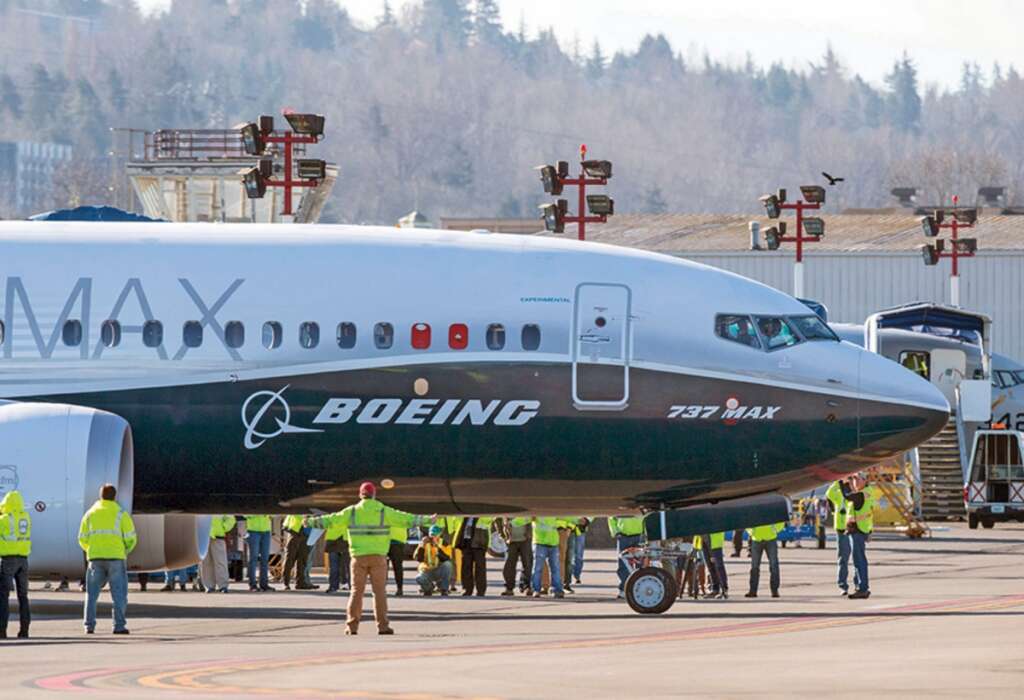
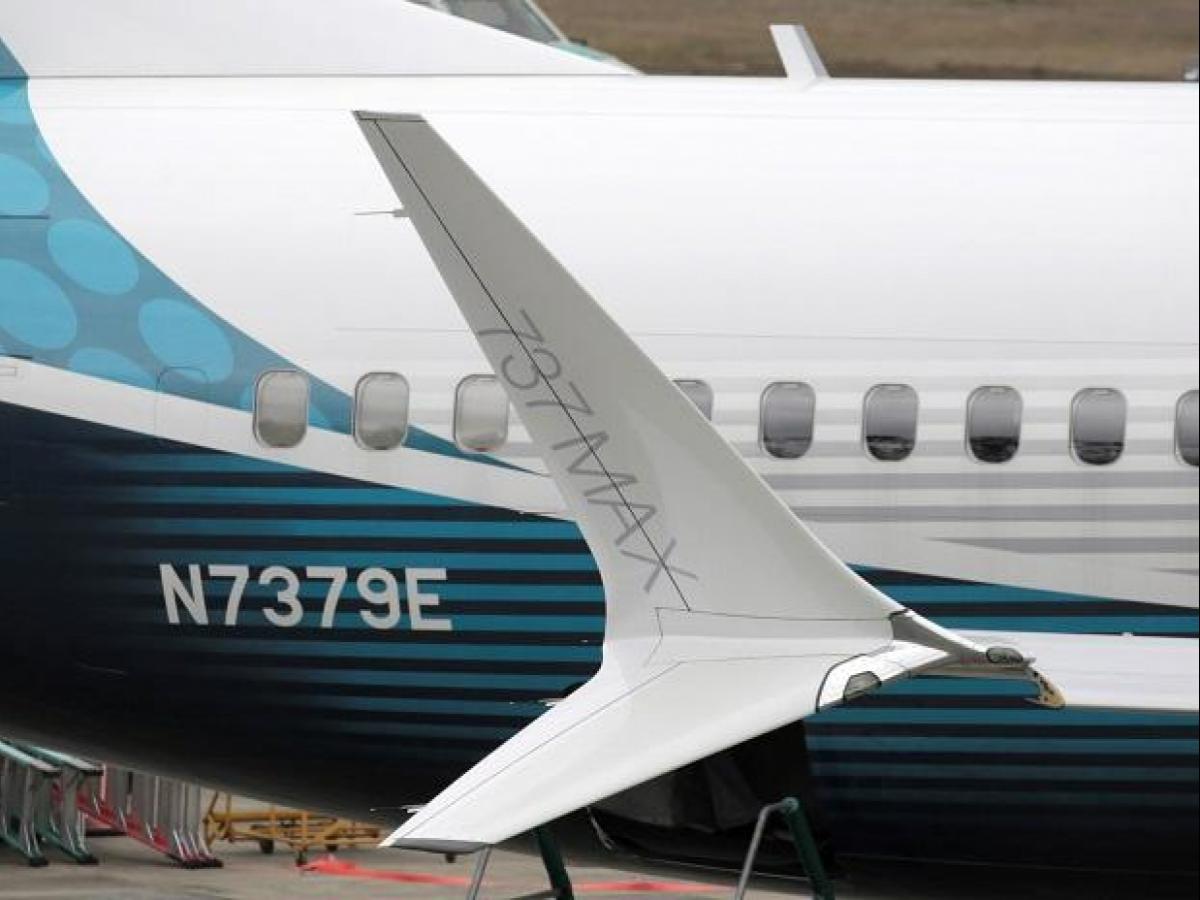
Cuando Boeing presentó el Boeing 737 MAX en Diciembre 2015, lo hizo con bombos y platillos. Los análisis previos al lanzamiento señalaban que se convertiría en el modelo más vendido en el plazo más corto en la historia de la aviación. Aunque el 737 MAX era un diseño nuevo, era realmente una generación más avanzada silenciosa, eficiente, amigable con el medioambiente del 737 que comenzó a surcar los cielos en 1967.

AW-73223400.png

Boeing perseguía éxitos

Cuatro años antes del arribo del 737 MAX, Boeing estaba en serios problemas. Airbus, el principal rival de la empresa estadounidense, desarrollaba una nueva versión de su A320, una competencia directa en el segmento del 737.

La rivalidad entre ambas empresas siempre ha sido intensa. Por años, los A320 y los 737 característicos para vuelos de corta-media distancias dominaron de manera compartida los mercados locales alrededor del mundo. Ambos se convirtieron en fuentes de ganancia para sus respectivos fabricantes. Pero la nueva versión del A320 amenazaba con pulverizar a su rival, gracias a un diseño más moderno pero sobre todo por los motores que permitían una eficiencia y un ahorro de combustible de alrededor del 15%. Airbus comenzó a recibir pedidos para el avión en desarrollo. El único camino que le quedaba a Boeing era responder con algo.

Boeing 787

La empresa estadounidense llevaba años intentando tener listo otro producto que prometía revolucionar el mercado: el 787 Dreamliner. Esa era su prioridad. Así que no había mucho ánimo para asignar presupuesto al diseño de un avión desde cero y la alternativa era rediseñar un modelo existente con mejores motores.

Diseños aeronáuticos

A pesar de que el A320 y el 737 parecen aviones similares, lo cierto es que los desafíos de ingeniería que plantean a sus fabricantes son muy distintos. El A320 es fundamentalmente un avión mucho más moderno, que comenzó a volar a finales de los años 80. Es más alto que el 737, que basa su fuselaje en un diseño de la década de 1960.

Uno de los problemas que debieron sortear los ingenieros de Boeing al principio fue la ubicación del motor. Para Boeing, eso significaba que instalar los nuevos motores no sería nada fácil. Había que encontrar una solución. Pero el camino escogido tuvo unas consecuencias impensadas.

Falla en el sistema

El diseño original del 737, presentado en los años 60, buscaba ser más bien bajo para facilitar la carga del equipaje y el acceso de los pasajeros a la cabina mediante escaleras, que con frecuencia son la única opción disponible en los aeropuertos regionales y pequeños a los que este modelo iba a servir. Pero con el paso de los años, la baja altura se convirtió en un problema. Para su flamante 737 MAX, Boeing quiso usar los motores más eficientes del mercado, llamados CFM International LEAP. Airbus también había elegido una variante de los mismos para su A320. «Una vez Airbus eligió estos motores, que ahorran mucho combustible, Boeing tenía que hacer lo mismo. De lo contrario hubiera sido un suicidio comercial», explica Brady. Pero los motores LEAP eran muy grandes para la altura del 737 y no entraban bajo del extremo del ala del 737. Entonces, la decisión fue correrlo más hacia adelante del ala y elevándolo un poco. Eso solucionó el problema. Pero creó otro, en esencia, la nueva aeronave comenzó a tender a levantar la trompa más de lo aconsejable, en momentos en que estaba buscando lo que se llama ángulo de ataque (AOA).

Antes del accidente de Lion Air, el sistema MCAS no era evidente para los pilotos. En aviación, el ángulo de ataque es determinado por la diferencia del ángulo de las alas y la dirección en la que el avión vuela. Si el ángulo es muy pronunciado, especialmente durante el despegue o el aterrizaje, la aerodinámica del avión puede verse seriamente afectada. Para controlar ese efecto que había resultado de la instalación de los nuevos motores en el 737 MAX, los ingenieros de Boeing desarrollaron un sistema que aumentaba las capacidades de maniobra de la aeronave (MCAS). Buscaban así que los pilotos sintieran familiar al nuevo modelo, similar a las generaciones previas de 737 Next Generation.

Lo que haría el software sería, en esencia, bajar la trompa de manera automática, bajo circunstancias especiales, sin la intervención del piloto. Aunque la investigación todavía está en marcha, los dedos acusadores tras los reportes preliminares señalan precisamente al MCAS como el responsable de los siniestros en Etiopía e Indonesia.

Un software en la mira

Pero, ¿qué hace el MCAS en el avión? De acuerdo con varios expertos, el sistema hace que los estabilizadores horizontales a ambos lados de la cola, que se utilizan simplemente para mantener la altura de vuelo obliguen a la trompa del avión a inclinarse hacia abajo. La idea principal detrás de su diseño era la de reducir el riesgo de que la nariz se levantara demasiado y afectara la aerodinámica del avión.

La importancia de este número identifica que los pilotos de todo el mundo se preocupan por la seguridad de la industria. «Los comentarios recibidos de estos pilotos han identificado aún más la preocupación por la trayectoria de a dónde va esta industria», expresa Karlene Pattit.

Otra área que le preocupa es el aumento de la automatización del vuelo. Ella teme que a medida que los pilotos se vuelven más dependientes de los sistemas computarizados, están perdiendo las habilidades para volar ellos mismos y responder cuando las cosas van mal. Dai Whittingham tiene una opinión similar. «Vuelo físico, práctico: los pilotos ahora lo hacen menos, porque la computadora es más eficiente. Los pilotos cometen errores y eso cuesta dinero», dice. Esta no es una nueva teoría. En 1997, en una famosa conferencia en la Academia de Vuelo de American Airlines, el capitán Warren Vandeburgh advirtió que los pilotos se estaban convirtiendo en «hijos del magenta», o sea, que confiaban demasiado en las líneas de este color que había en las pantallas de cabina. Vandeburgh identificó la cultura entre los pilotos de volverse demasiado dependientes de los sistemas automatizados, lo que socavaba su capacidad para reaccionar ante situaciones de emergencia. Boeing dice ahora que todos los pilotos que tengan la intención de volar el 737 MAX cuando se haya recertificado tendrán que emprender un nuevo programa de entrenamiento.AW-Icon-TXT-01


AW-70070007.jpg

The vertiginous flight of the Boeing 737 MAX

Boeing-Logo.svgDisaster behind the cabin of the plane crashes of the Boeing 737 MAX562

The Boeing 737 MAX was the model of Boeing to compete with its rival Airbus, which had advanced in the market of medium-range aircraft. Behind the plane crashes of the Boeing 737 MAX, what happened inside the cockpit of the planes that crashed in Ethiopia and Indonesia?

While alarms sounded inside the cockpit, the captain and the first officer of Ethiopian Airlines flight ET-602 struggled to regain control of the aircraft. They were too close to the ground and needed, urgently, to gain height again. But when Captain Yared Getachew tried to steer the Boeing 737-8 MAX’s nose upwards, the aircraft’s electronic system forced it down. A catastrophic failure that quickly overwhelmed the crew left 157 people dead. It was clear that pushing the controls again would not be enough. Then he sank a button to adjust the aerodynamic balance of the aircraft and, in that way, force it to go up. But only a few seconds later, those adjustments were automatically reversed. The attempts did not end there: they tested the manual controls, then again reverted to the automatic flight systems, while an alarm sounded at shorter and shorter intervals to indicate that the speed increased dangerously.

Both Yared Getachew in command of the aircraft (Cap) and the first officer (FO) Ahmednur Mohammed Omar tried everything. But finally the ET-302 flight of Ethiopian Airlines, which was headed last March 10 from the Ethiopian capital Addis Ababa to Nairobi, Kenya, crashed to the ground at 500 kilometers per hour. Only six minutes after taking off and with 157 people on board. In a new plane and with good visibility, a clear sky and free of sinister winds.

Preliminary investigations indicated that both the Ethiopian Airlines and Lion Air accidents had serious similarities. Among the victims were citizens of 35 countries. Among them, the deputy communications director of UNESCO and the former Nigerian diplomat Abiodun Bashua, as well as three generations of the same Canadian family. Pilots of the injured Ethiopian Airlines plane «repeatedly» followed Boeing’s recommendations, but they did not work.

Five months earlier, in an almost identical plane operated by the Indonesian airline Lion Air, a tragically similar episode occurred: a few minutes after takeoff, the JT-610 pilots had a string of problems controlling the aircraft. The flight, which was to last a little over an hour, had left the Jakarta international airport and was heading to the city of Pangkal Pinang in western Indonesia. Each time they tried to raise the horn, the efforts of the pilots were reversed seconds later, since the automatic systems forced the ship back down. After about twenty attempts to stabilize the Boeing 737-8 MAX without success, crashing in the Java Sea, with a balance of 189 people killed.

Two very similar fatal accidents, only five months apart, with aircraft of the same brand and the same new design. A few days after the accident of Ethiopian Airlines, the investigators noticed «clear similarities» between both incidents. So, is there a common cause for the two accidents?

The wrong systems

When an airplane crashes, an investigation is immediately launched to determine the causes having several objectives: one, the relatives want answers. Two, both airlines and aircraft manufacturers need to know if the incident can be repeated. In this sense, researchers are most anxious to access the information contained in the so-called black box. Several analysts accuse the FAA of not having made the necessary controls to Boeing in the process of certification of the 737 MAX.

In the case of the Lion Air flight, the device was recovered from the bottom of the sea a few days later and effectively gave vital information about the last minutes of the flight. From there emerged the first clues about what had gone wrong: the researchers focused on the software that controls the flight and is designed to operate in the background, without even the pilot knowing that it is working. Boeing devised this program to solve the tendency of the nose of the Boeing 737 MAX to rise more than necessary, especially when it is at a steep angle.

But apparently, it was activated at the wrong time. Thus, he forced the horn to pull down, at the precise moment he should have gone up, during takeoff. Also, the tail stabilizers were placed in a wrong position by the aircraft computer. And when the pilots tried to correct it, the software canceled that order and took them back to the starting position. Although Boeing insisted that his plane was safe, he issued a bulletin to the airlines to inform them of the case and instruct them on what to do in those cases.

Check tables

In their day to day, the pilots rely a lot on their verification tables, which establish step by step how to execute the operations to fly an airplane. When a fault occurs in mid-flight, these verification tables help diagnose the cause of the emergency and solve a wide range of problems. In this case, the pilots followed a series of steps that they had to memorize, established to face anomalies that affect the stabilizers. The list of steps included turning off the automatic control system. That way they could control the outriggers manually, using a crank in the cabin. Is the pilots training failing? Boeing was confident that, if the pilots followed those instructions, the plane could fly safely. But the company was working on that when the accident of the ET-302 flight of Ethiopian Airlines occurred.

Booking problems

It is very likely that the cause of the air accidents of both aircraft is the same. According to a preliminary report of the investigation, the Ethiopian Airlines pilots reacted to the emergency as Boeing had indicated, but that did not save their lives or those of the passengers. Now the US company faces serious questions about the safety of its aircraft and whether it should have been more radical when it came to presenting solutions after the Lion Air accident.

At the moment, accidents have had two broader consequences. First, the close relationship between the giant Boeing and the body that is supposed to be independent and is in charge of regulating the aviation industry, the Federal Aviation Administration of the United States (FAA), was put under the microscope. Then, he began to review how pilots are trained around the world to fly aircraft equipped with increasingly advanced and complex software systems.

Fourth generation

When Boeing introduced the Boeing 737 MAX in December 2015, it did so with great fanfare. Pre-launch analyzes indicated that it would become the best-selling model in the shortest time in the history of aviation. Although the 737 MAX was a new design, it was truly a quieter, more efficient, environmentally friendly generation of the 737 that began to plow through the skies in 1967.

AW-73223401

Boeing pursued successes

Four years before the arrival of the 737 MAX, Boeing was in serious trouble. Airbus, the main rival of the US company, was developing a new version of its A320, a direct competition in the 737 segment.

The rivalry between both companies has always been intense. For years, the A320 and the 737 characteristic for short-medium-distance flights dominated local markets around the world. Both became sources of profit for their respective manufacturers. But the new version of the A320 threatened to pulverize its rival, thanks to a more modern design but especially for the engines that allowed an efficiency and a fuel saving of around 15%. Airbus began receiving orders for the developing aircraft. The only way left for Boeing was to respond with something.

Boeing 787

The American company had been trying for years to have another product ready that promised to revolutionize the market: the 787 Dreamliner. That was his priority. So there was not much encouragement to allocate budget to the design of an airplane from scratch and the alternative was to redesign an existing model with better engines.

Aeronautical designs

Although the A320 and 737 look like similar aircraft, the truth is that the engineering challenges posed to their manufacturers are very different. The A320 is fundamentally a much more modern aircraft, which began flying at the end of the 80s. It is taller than the 737, which bases its fuselage on a design from the 1960s.

One of the problems that had to overcome the engineers of Boeing at the beginning was the location of the engine. For Boeing, that meant that installing the new engines would not be easy. You had to find a solution. But the chosen path had unthinkable consequences.

System failure

The original design of the 737, introduced in the 1960s, was intended to be rather low to facilitate baggage loading and passenger access to the cabin using stairs, which are often the only option available at regional and small airports. what this model was going to serve. But over the years, low altitude became a problem. For its brand-new 737 MAX, Boeing wanted to use the most efficient engines on the market, called CFM International LEAP. Airbus had also chosen a variant of the same for its A320. «Once Airbus chose these engines, which save a lot of fuel, Boeing had to do the same, otherwise it would have been commercial suicide», says Brady. But the LEAP engines were very large for the height of the 737 and did not go under the wing end of the 737. Then, the decision was to run it further forward of the wing and raise it a little. That solved the problem. But he created another, in essence, the new aircraft began to tend to lift the trunk more than advisable, at times when he was looking for what is called angle of attack (AOA).

AoA_Sensors_lg-1280x720.jpg

Before the Lion Air accident, the MCAS system was not evident to the pilots. In aviation, the angle of attack is determined by the difference in the angle of the wings and the direction in which the plane flies. If the angle is very steep, especially during takeoff or landing, the aerodynamics of the aircraft can be seriously affected. To control the effect that had resulted from the installation of the new engines on the 737 MAX, Boeing engineers developed a system that increased the maneuvering capabilities of the aircraft (MCAS). They were looking for pilots to feel familiar with the new model, similar to the previous generations of 737 Next Generation.

What the software would do would be, in essence, to lower the trunk automatically, under special circumstances, without the intervention of the pilot. Although the investigation is still under way, the accusatory fingers after the preliminary reports point specifically to the MCAS as responsible for the losses in Ethiopia and Indonesia.

A software in the crosshairs

But what does the MCAS do on the plane? According to several experts, the system makes the horizontal stabilizers on either side of the tail, which are simply used to maintain flight height, force the nose of the aircraft to lean down. The main idea behind its design was to reduce the risk of the nose getting too high and affecting the aerodynamics of the aircraft.

False inspections

Boeing pretends to be inspected, when in fact Boeing is doing almost everything herself Mary Schiavo, former inspector of the US Department of Transportation. But now, after the two accidents, it has been established that it is possible that the MCAS has flaws in its design. First, the software bases its response on data from a single sensor of the angle of attack, when the aircraft has two of them. This type of device, on the front of an airplane, measures the angle at which the air current is located. Trusting only one of them means that if it fails, the system can deploy at the wrong time and press the nose of the plane down when, for example, it should go up. Second, although the pilot can use manual control of the airplane, the MCAS repeats itself in cycles, forcing the trunk down again and again.

The problem in the Lion Air accident was that the MCAS worked without anyone knowing how to disable it. After that, Boeing had to explain to his clients not only how to deactivate it, but what the MCAS was in the first place. Because they had never mentioned it specifically in the airplane manual, which is the document that gives pilots all the information they need to command a plane safely.

What followed was an avalanche of fierce criticism from airlines and pilots. Boeing emphasized that procedures had been established for pilots in case of outrigger failures, whatever the cause. In fact, he gave the example of a flight the day before that of Lion Air, in which the pilots had managed to resolve the situation by turning off the computerized system and flying the aircraft manually.

FAA, under the magnifying glass

The Federal Aviation Administration of the United States is under public scrutiny for the accidents of the 737 Max. But that showed something worse: that there had been failures in the 737 MAx before the two fatal accidents. Since then, it is questioned how the 737 MAX achieved the certification to fly, in the first place, and why the flights were not stopped after the first failures were registered. Many analysts begin to point out the close relationship that exists between Boeing and the regulator of aviation security in the United States, the Federal Aviation Administration (FAA).

The FAA was denounced for certifying the 737 MAX and giving it permission to fly. The allegations suggest that this government office, due to the close ties that Boeing has with the US government is one of the largest contractors in the defense sector, overlooked details in the revision of the 737 MAX. Then it took more than it is desirable to order that all the models of the airplane stop operating after accidents. Criticism came even from the United States Senate where a public hearing was held to learn details of how the 737 MAX had been authorized to fly by the FAA. «In the FAA, they know that Boeing overcomes them, they know that the agency does not have the resources they need to do the job they are asked to do», said Mary Schiavo, who worked as a general inspector at the Department of Transportation (DOT) a lot of time questioning the FAA. Schiavo was in charge of several jobs at the FAA and at Boeing.

«They’re pretending they’re inspecting, and Boeing is pretending to be inspected, when in fact Boeing is doing almost everything herself», he said. For Barbara Lichman, an expert aviation lawyer, Boeing’s economic power also translates into political power. «A company of similar size has a lobbying capacity that outperforms the others, and they go again and again to Congress to exert enormous pressure to remove restrictions on the company», says the lawyer.

Beyond the criticism of the policy is involved, the FAA was criticized punctually because, 24 hours after the Ethiopian Airlines accident, it still allowed the 737 MAX to continue operating, when other aviation agencies in other countries had already established a ban. It took three days for the FAA to stop the takeoff of all 737 MAX in US territory. For its part, the FAA defended itself by saying, through its director Daniel K. Elwell, that although it was the last country to ban these flights, it was the first to do so «with valid information».

And he responded to accusations that he delegated certification work to Boeing’s staff. The aircraft certification process is well established. The 737 MAX took five years and involved 110,000 hours of work by the FAA staff, following the agency’s standards.

Prohibition of flying

The Boeing 737 MAX has been banned from flying at least until August 2019. The delegation has been a vital part of our security system since the 1920s and, without it, our country’s aviation system would probably have stalled. Modern aircraft are complex beasts, combining cutting-edge engineering with powerful computers that run software with millions of lines of code. The FAA, on the other hand, is a government office with limited resources. What they do is delegate the bulk of the review process, while the agency’s representatives are in charge of supervision. For its part, Boeing said it operates in full compliance with all the requirements and monitoring processes of the Federal Aviation Administration. The collaboration commitment between the FAA, Boeing, its customers and industry partners has created the safest transportation system in the world.

Increasing pressure

In recent months, Boeing has been sued by relatives of the victims of both flights. Also by some investors, who consider that the company hid some of the problems with the 737 MAX and put the profitability and growth of the company above the security and honesty.

Other details that affect the company have been appearing. Boeing admitted in March 2019 that a warning mechanism, which would have warned about the conflict in the angle of attack and that should have been installed as standard in the 737 MAX, would not work unless the airlines had also installed a cockpit screen by the that there was an additional charge to pay. Engineers detected the problem for the first time months before the Lion Air accident, but the airlines were not informed until after. The FAA was also not notified, because the Boeing staff maintained that it did not compromise safety.

Backstage 737 MAX

Pilots commit irreversible errors. Dai Whittingham, Director of the Air Safety Committee of the United Kingdom. According to the company, the absence of this system was not critical for the safety of the aircraft. «In each of the aircraft that we deliver to our customers, including the MAX, all the information and data needed to operate them are provided on the primary screens of the aircraft, neither the ‘angle of attack’ indicator nor the mechanism of warning were necessary for the safety of the operation of the aircraft», said Boeing.

Others think that any additional information is good in an emergency. «I think any data or clue helps solve a problem and helps to understand what is happening at those times», explains the expert Brady. Meanwhile, the investigation has raised more questions regarding transparency in the aerospace giant’s business and whether it has not reported other possible security problems.

Crisis in pilot training

Although air accidents are invariably tragic and heartbreaking, they are also extremely infrequent. Last year, there was a fatal accident for every 2,520,000 flights, according to the Aviation Safety Network. One of the bases for flying to be so safe is the rigorous training to which the aspiring pilots are subjected and above all, the time they have to devote later to obtain the additional certification that enables them to pilot a type of airplane in particular.

12851.jpgHowever, there are experts who point out that those strict requirements are becoming more flexible and that manufacturers are trying to reduce the time and money that is needed for training. Some see what happened with the 737 MAX as a symptom of this trend. Although there were serious differences between the previous 737 and the MAX, the pilots who had flown the old version only needed to complete an online tutorial before being able to carry passengers in the new generation of aircraft.

By not modifying the controls of the Boeing 737 MAX aircraft compared to the old versions of the 737, Boeing made sure that the pilots did not need much extra training. «The airlines do not want to spend money on training if they can avoid it, we saw it with the 737 MAX, it’s an airplane with a different body and engines, but it had the same category for the pilots as the old versions of the 737», explains Dai Whittingham, Executive Director of the United Kingdom Air Safety Committee. This is a crucial point: if a new airplane gets the same rating as previous models in a series, less additional training is needed to operate it. Dai Whittingham insists that «shareholders are demanding a lot of cost cutting from airlines, training demands are being set at the absolute minimum, if airlines want to spend more on training their pilots, they have to fight that expense to their teams. financial», he explains.

The accident of JT-610 flight of Lion Air ignited the alarms on the security of the 737 MAX. Karlene Petitt, an experienced American pilot who has raised her voice against the safety culture within airline companies, is one of the few that has spoken: pilots prefer mostly not to touch the subject. «I think we have a problem with the training of commercial pilots around the world and the data supports this perception.» The importance of this number identifies that pilots around the world are concerned about the safety of the industry. «Comments received of these pilots have identified even more the concern for the trajectory of where this industry is going», says Karlene Pattit.

Another area that worries him is the increase in flight automation. She fears that as pilots become more dependent on computer systems, they are losing the skills to fly themselves and respond when things go wrong. Dai Whittingham has a similar opinion. «Physical, practical flight: the pilots now do less, because the computer is more efficient, pilots make mistakes and that costs money», he says. This is not a new theory. In 1997, at a famous conference at the American Airlines Flight Academy, Captain Warren Vandeburgh noticed that the pilots were becoming «children of magenta», that is, they trusted too much the lines of this color that were in the cabin screens. Vandeburgh identified the culture among the pilots of becoming too dependent on automated systems, which undermined their ability to respond to emergency situations. Boeing now says that all pilots who intend to fly the 737 Max when it has been recertified will have to embark on a new training program. A \ W


Ξ A I R G W A Y S Ξ
SOURCE: Airgways.com
DBk: Boeing.com / Bbc.com / Airgways.com
AW-POST: 201906090050AR

A\W   A I R G W A Y S ®

Boeing estima retorno 737 MAX 4Q2019

Resultado de imagen para Boeing 737 MAX groundedAW | 2019 06 04 19:17 | AIR INVESTIGATION / AVIATION SAFETY

Boeing-Logo.svg.pngEl CEO de Boeing estima que el Boeing 737 MAX retornaría su vuelo en 4Q2019FK,4923,36,737-max-round-pin.jpg

The Boeing Company ha estimado que los Boeing 737 MAX podrían volver a volar para finales de año 2019, pero no ofrece una línea de tiempo certera. Los 737 MAX de Boeing probablemente obtendrán la luz verde para volar de nuevo a fines de 2019, dijo el CEO Dennis Muilenburg, mientras que declinó brindar un calendario específico.

20150215-logo-faa_1La compañía está realizando vuelos simulados con reguladores de seguridad aérea de la Administración Federal de Aviación (FAA) esta semana para regresar al servicio tan pronto como fuese posible. Boeing trabajará en estrecha colaboración con los clientes para reparar la confianza dañada del público volador, pero esto llevará tiempo, dice Muilenberg.

El problema adicional derivado de las pistas de listones defectuosas en los slats, no representan una puesta a tierra de la flota de los Boeing 737NG/MAX en el mundo, pero se espera que los 737 MAX permanezcan a tierra probablemente hasta el final del año para continuar con las pruebas en el sistema MCAS.

Perspectivas

En Abril 2019, Boeing anunció planes para reducir las tasas de producción de la línea 737 de 52 aviones por mes a 42 unidades. Si los problemas de los aviones 737 MAX no se solucionan en un período de tiempo razonable, los clientes leales de la compañía podrían comenzar a cancelar los pedidos de estos aviones y buscar alternativas. La seguridad de los pasajeros y las tripulaciones son de suma importancia para los transportistas.

Airbus posiciona mercado

Airbus adquirió un contrato de US$ 35 mil millones en China en Marzo 2019 para entregar 290 aviones de fuselaje estrecho de la serie A320 y 10 aviones de fuselaje ancho A350. Esto fue un gran golpe para Boeing, ya que pierde una parte considerable en el mercado chino. Aunque la compañía aún tiene una posición fuerte en el mercado de aviones comerciales de pasillo único, las cancelaciones de pedidos de los 737 y los nuevos pedidos de aviones de Airbus continuarán perjudicando las perspectivas de futuro de Boeing.AW-Icon-TXT-01

Resultado de imagen para Boeing 737 MAXBoeing estimates return 737 MAX in 4Q2019

Boeing-Company-Logo.jpgThe CEO of Boeing estimates that the Boeing 737 MAX would return its flight in 4Q2019

The Boeing Company has estimated that the Boeing 737 MAX could fly again by the end of the year 2019, but it does not offer an accurate timeline. The Boeing 737 MAX will likely get the green light to fly again by the end of 2019, said CEO Dennis Muilenburg, while declined to provide a specific timetable.562.jpg

The company is conducting simulated flights with aviation security regulators from the Federal Aviation Administration (FAA) this week to return to the service as soon as possible. Boeing will work closely with customers to repair the damaged trust of the flying public, but this will take time, says Muilenberg.

The additional problem derived from the slats’ defective lane tracks does not represent a grounding of the Boeing 737NG/MAX fleet in the world, but it is expected that the 737 MAX will remain grounded probably until the end of the year. Continue testing in the MCAS system.

Perspectives

In April 2019, Boeing announced plans to reduce production rates of the 737 line from 52 aircraft per month to 42 units. If the problems of the 737 MAX aircraft are not solved in a reasonable period of time, the loyal customers of the company could begin to cancel the orders of these aircraft and look for alternatives. The safety of passengers and crews is of paramount importance to carriers.

Airbus positions market

Airbus acquired a US$ 35 billion contract in China in March 2019 to deliver 290 narrow-body A320 series aircraft and 10 A350 wide-body aircraft. This was a big blow for Boeing, since it loses a considerable part in the Chinese market. Although the company still has a strong position in the single aisle commercial aircraft market, orders cancellations of the 737s and new orders for Airbus aircraft will continue to hurt Boeing’s future prospects. A \ W


Ξ A I R G W A Y S Ξ
SOURCE: Airgways.com
DBk: Boeing.com / Faa.gov / Nasdaq.com / Airgways.com / Npr.org
AW-POST: 201906041917AR

A\W   A I R G W A Y S ®