Aeroflot comprará aviones nacionales

AW | 2022 06 09 15:41 | AIRLINES / INDUSTRY

Aeroflot comprará 300 aviones rusos nuevos
Recomposición hacia una flota «soviética»

Aeroflot Russian Airlines_Isologotype

La aerolínea rusa Aeroflot Russian Airlines ha anunciado la nacionalización de la flota después de los bloqueos occidental debido a la invasión rusa en Ucrania. La compañía aproxima cerrar un acuerdo para incorporar a su flota los modelos Sukhoi Superjet SSJ-100, la nueva aeronave del constructor Irkut MC-21 y el Tupolev Tu-214.

El fabricante de aviones del grupo estatal Rostec Inc. tiene ante sí el reto de cumplir este pedido pese al bloqueo de Occidente. Hasta el año 2021, cuando podían elegir, los directivos de las aerolíneas rusas preferían operar con aviones occidentales como Airbus y Boeing. De hecho, su famoso SSJ-100, el modelo que tenía aspiraciones de entrar en Occidente quedó relegado incluso en Rusia por problemas recurrentes industriales como así también en la logística de distribución de autopartes a través del mundo. Pero ahora no hay alternativas, de manera que Aeroflot, la línea aérea más grande, anunció el Miércoles 08/06 que formularía una compra de trescientos (300) aviones rusos nuevos, de los modelos Superjet 100, MC-21 y Tu-214, retrotrayendo su flota a la era soviética.

Un periódico digital del país, Vedomosti explicó que las compañias Aeroflot Russian Airlines y United Aircraft Corporation (UAC), el fabricante de aviones del grupo estatal Rostec Inc., están a punto de cerrar un acuerdo, que será publicitado entre el próximo 15-18 de Junio de 2022. La mayor parte del pedido será para aviones de nueva generación SSJ-100 y MC-21, y una parte más pequeña para el Tu-214.

Aumento producción

A principios de Mayo 2022, el Jefe de Rostec Inc., Sergey Chemezov, anunció planes para producir más de ciento diez aviones de los tipos MC-21, Tu-214 e Il-114 para 2025 y alrededor de quinientas aeronaves de este tipo para 2030, lo que encierra un verdadero incentivo para la industria local, pero al mismo tiempo grandes desafíos, pues antes de esta crisis bélica, los rusos utilizaban elementos claves de tecnología occidental y, por otro, su capacidad productiva estaba muy limitada, entre otras cosas por la demanda que se limitaba a compañías locales y para rutas remotas.

En Abril 2022, por ejemplo, se informó que las sanciones contra la Federación Rusia ponen en peligro la reparación de los motores PowerJet SaM146 del jer regional Superjet 100. El PowerJet SaM146 es un motor turbofan producido por la empresa conjunta PowerJet entre Snecma de Francia y NPO Saturn de la Federación Rusia. Desarrollando 68-80 kN de empuje, el SaM146 se utiliza en la línea de aviones Sukhoi Superjet 100. Las aerolíneas que operaban aviones domésticos Sukhoi Superjet 100, de fabricación local, se enfrentaron a la imposibilidad de reparar y mantener los motores SaM146, elaborados por un consorcio ruso-francés.

Hasta la fecha, los transportistas tienen a su disposición alrededor de ciento cincuenta aviones Superjet. Un total de once compañías rusas vuelan en ellos: Rossiya Airlines, Aeroflot Russian Airlines, Azimuth Airlines, Gazprom Avia, IrAero, Red Wings Airlines, Severstal Air Company, Yakutia Airlines, Yamal Airlines, un escuadrón de vuelo especial de Rusia como transporte de altos funcionarios de la Federación Rusa, y el Ministerio de Situaciones de Emergencia.

Aeroflot will buy domestic aircraft

Aeroflot to buy 300 new Russian planes
Recomposition towards a «soviet» fleet

The Russian airline Aeroflot Russian Airlines has announced the nationalization of the fleet after the western blockades due to the Russian invasion in Ukraine. The company is about to close an agreement to incorporate the Sukhoi Superjet SSJ-100 models, the new aircraft from the Irkut MC-21 manufacturer and the Tupolev Tu-214 into its fleet.

The aircraft manufacturer of the state-owned group Rostec Inc. faces the challenge of fulfilling this order despite the Western blockade. Until 2021, when they had a choice, Russian airline managers preferred to fly Western planes like Airbus and Boeing. In fact, its famous SSJ-100, the model that had aspirations to enter the West, was relegated even in Russia due to recurring industrial problems as well as in the logistics of auto parts distribution throughout the world. But now there are no alternatives, so that Aeroflot, the largest airline, announced on Wednesday 06/08 that it would make a purchase of three hundred (300) new Russian aircraft, of the Superjet 100, MC-21 and Tu-214 models, taking its fleet back to the Soviet era.

A digital newspaper in the country, Vedomosti explained that the companies Aeroflot Russian Airlines and United Aircraft Corporation (UAC), the aircraft manufacturer of the state group Rostec Inc., are about to close an agreement, which will be announced between the next 15-18 June 2022. Most of the order will be for new generation aircraft SSJ-100 and MC-21, and a smaller part for the Tu-214.

Internal demand increase

In early May 2022, the Head of Rostec Inc., Sergey Chemezov, announced plans to produce more than one hundred and ten aircraft of the MC-21, Tu-214 and Il-114 types by 2025 and about five hundred aircraft of this type by 2030, which contains a real incentive for local industry, but at the same time great challenges, because before this war crisis, the Russians used key elements of Western technology and, on the other hand, their productive capacity was very limited, among other things by the demand that was limited to local companies and for remote routes.

In April 2022, for example, it was reported that sanctions against the Russian Federation jeopardize the repair of the PowerJet SaM146 engines of the regional Superjet 100 jer. The PowerJet SaM146 is a turbofan engine produced by the PowerJet joint venture between Snecma of France and NPO Saturn of the Russian Federation. Developing 68-80 kN of thrust, the SaM146 is used in the Sukhoi Superjet 100 line of aircraft. Airlines operating domestic Sukhoi Superjet 100 aircraft, made locally, were faced with the inability to repair and maintain the SaM146 engines, made by a Russian-French consortium.

To date, carriers have about one hundred and fifty Superjet aircraft at their disposal. A total of eleven Russian companies fly on them: Rossiya Airlines, Aeroflot Russian Airlines, Azimuth Airlines, Gazprom Avia, IrAero, Red Wings Airlines, Severstal Air Company, Yakutia Airlines, Yamal Airlines, a Russian special flight squadron as transport of high officials of the Russian Federation, and the Ministry of Emergency Situations.

Аэрофлот купит отечественные самолеты

Аэрофлот купит 300 новых российских самолетов
Перекомпоновка в сторону советского флота
AW-Aeroflot__Isologotype-Old

Российская авиакомпания Аэрофлот российские авиалинии объявила о национализации флота после западной блокады из-за российского вторжения в Украину. Компания близка к заключению соглашения о включении в свой флот моделей Sukhoi Superjet SSJ-100, новых самолетов производителя Иркут МС-21 и Ту-214.

Перед авиапроизводителем государственной группы Ростех стоит задача выполнить этот заказ, несмотря на западную блокаду. До 2021 года, когда у них появился выбор, руководители российских авиакомпаний предпочитали летать западными самолетами, такими как Airbus и Boeing. Фактически, его знаменитый SSJ-100, модель, претендовавшая на выход на Запад, была низведена даже в России из-за повторяющихся производственных проблем, а также в логистике распределения автозапчастей по всему миру. Но сейчас альтернатив нет, так что Аэрофлот, крупнейшая авиакомпания, объявила в среду 06/08 о закупке трехсот (300) новых российских самолетов моделей Superjet 100, МС-21 и Ту-214. , возвращая свой флот в советское время.
Цифровая газета страны Ведомости пояснила, что компании Аэрофлот — российские авиалинии и Объединенная авиастроительная корпорация (ОАК), производитель самолетов государственной группы Ростех, собираются закрыть соглашение, о котором будет объявлено в ближайшие 15-15 лет. 18 июня 2022 г. Большая часть заказа будет на самолеты нового поколения SSJ-100 и МС-21, а меньшая часть на Ту-214.

Увеличение внутреннего спроса

В начале мая 2022 г. глава Госкорпорации «Ростех» Сергей Чемезов сообщил о планах производства к 2025 г. более ста десяти самолетов типа МС-21, Ту-214 и Ил-114 и около пятисот самолетов этого типа. к 2030 году, что содержит реальный стимул для местной промышленности, но в то же время большие проблемы, потому что до этого военного кризиса русские использовали ключевые элементы западных технологий и, с другой стороны, их производственные мощности были очень ограничены, среди прочего вещи по спросу, который был ограничен местными компаниями и для удаленных маршрутов.

В апреле 2022 года, например, сообщалось, что санкции против Российской Федерации ставят под угрозу ремонт двигателей PowerJet SaM146 регионального самолета Superjet 100 jer. Сатурн Российской Федерации. Развивая тягу 68-80 кН, SaM146 используется в самолетах линейки Sukhoi Superjet 100. Авиакомпании, эксплуатирующие самолеты Sukhoi Superjet 100 отечественного производства, столкнулись с невозможностью ремонта и обслуживания двигателей SaM146 производства российско-французского консорциума.

На сегодняшний день в распоряжении перевозчиков около ста пятидесяти самолетов Superjet. Всего на них летают одиннадцать российских компаний: Россия, Аэрофлот, Азимут, Газпром авиа, ИрАэро, Ред Вингс, Северсталь, Якутия, Ямал. Российской Федерации и МЧС.

PUBLISHER: Airgways.com
DBk: Aeroflot.com / Gelio.livejournals.com / Nikola Krasnov / Airgways.com
AW-POST: 202206091541AR
OWNERSHIP: Airgways Inc.
A\W A I R G W A Y S ®

United amplía centro training Denver

AW | 2022 06 09 15:40 | AIRLINES / AVIATION TECHNOLOGY / TRAINING

Centro capacitación más grande del mundo en Denver, Colorado

United Airlines_Isologotype_001

United Airlines anunció que está expandiendo su Centro de Entrenamiento de Vuelo, reconocido como la instalación más grande de su tipo en el mundo, que la aerolínea busca contratar a 10.000 pilotos adicionales para 2030. La aerolínea agregará un nuevo edificio de cuatro pisos en el campus de 23 acres en el vecindario Central Park de Denver (CO) que albergará 12 simuladores de vuelo avanzados adicionales, aulas de capacitación, salas de conferencias y oficinas. Marc Champion, Director General del Centro de Entrenamiento de Vuelo, estuvo acompañado hoy por Toby Enqvist, Vicepresidente Ejecutivo y Director de Clientes de United, Matt Miller, Vicepresidente de Operaciones Aeroportuarias de United en Denver, el Alcalde de Denver Michael Hancock y Phillip Washington, CEO del Aeropuerto Internacional de Denver, se han concertado cita para un evento innovador para iniciar el proyecto de expansión que se espera que se complete antes de finales de 2023.

United Airlines se ha embarcado en un plan agresivo para reclutar y entrenar a miles de pilotos en la próxima década y sigue siendo una opción atractiva para los aviadores porque la aerolínea tiene una de las redes globales más grandes del mundo y vuela más aviones de fuselaje ancho que cualquier otra aerolínea norteamericana. «La expansión de esta instalación de clase mundial le da a United aún más recursos para reclutar y capacitar a la próxima generación de aviadores. Nuestros pilotos son los mejores en la industria y volar sigue siendo una de las mejores carreras sindicales en el mundo: gran salario y beneficios y la oportunidad de capitanear los aviones más grandes a la mayoría de los lugares del mundo», dijo Marc Champion, Director General del Centro de Entrenamiento de Vuelo.

Campus Denver

El campus de United, siete edificios, a lo largo de 550.000 pies cuadrados de espacio de entrenamiento, es la única instalación de capacitación para los 12,000 pilotos activos de la aerolínea y todos los pilotos recién contratados. Cada nueve meses, los pilotos deben visitar el centro de capacitación para mantenerse al día con las certificaciones. En cualquier momento, puede haber hasta 600 pilotos entrenando en las instalaciones. El campus del Centro de Entrenamiento de Vuelo de United actualmente tiene 39 simuladores de vuelo de movimiento completo y 15 dispositivos de entrenamiento fijos: el edificio adicional significa que United pronto tendrá la capacidad de tener un total de 52 simuladores de movimiento completo y 28 dispositivos de entrenamiento fijos.

United espera agregar más de 2.000 nuevos pilotos solo este año y está en camino de contratar a 10,000 pilotos para 2030. La aerolínea planea entrenar a alrededor de 5.000 pilotos para esa fecha a través de United Aviate Academy, la propia escuela de entrenamiento de pilotos de la aerolínea. El objetivo de United es que al menos la mitad de los pilotos entrenados en la United Aviate Academy sean mujeres o personas de color.

United y su sindicato de pilotos Air Line Pilots Association (ALPA) llegaron recientemente a un acuerdo sobre los nuevos términos del contrato, el primero entre las principales aerolíneas estadounidenses. «United Airlines fue la única aerolínea que trabajó con nuestro sindicato de pilotos para llegar a un acuerdo durante COVID. No es sorprendente que ahora seamos la primera aerolínea en obtener un Acuerdo en Principio para un nuevo contrato de piloto líder en la industria», dijo el CEO Scott Kirby en una publicación de LinkedIn.

En toda la compañía, la aerolínea se ha embarcado en un esfuerzo histórico de contratación, planeando contratar a 50.000 personas en los próximos cinco años. Cerca del 90 por ciento de la fuerza laboral nacional de United está sindicalizada, y todos los empleados de la aerolínea, incluso los empleados a tiempo parcial, ganan más que el salario mínimo federal y son elegibles para recibir cobertura médica patrocinada por la compañía, participar en programas de jubilación financiados por la compañía, recibir vacaciones pagadas y beneficios de vuelo para viajar por el mundo. Más de 1.000 de los más de 7.000 empleados de United con sede en Denver trabajan en el Centro de Capacitación de Vuelo de United en roles que incluyen instruir, evaluar, programar, recursos humanos y estándares de vuelo. La instalación demuestra el compromiso de larga data de United con Mile High City. Fue construido originalmente entre 1966-68 como parte del complejo del aeropuerto de Stapleton y ha servido como la principal instalación de entrenamiento de pilotos de United desde entonces. En los últimos cinco años, United ha renovado todas las instalaciones y ha agregado un edificio adicional tan recientemente como en 2020.

En Mayo 2022, United Airlines celebró 85 años de servicio continuo en Denver, Colorado (CO). Actualmente, la aerolínea es la aerolínea más grande en el área de Denver, conecta a los habitantes de Colorado con más lugares del mundo y opera la mayoría de los vuelos y transporta la mayor cantidad de pasajeros en el estado de cualquier aerolínea. United ha invertido 825 millones de dólares para agregar nuevas puertas en el Aeropuerto Internacional de Denver, con varias puertas ya abiertas. La expansión pronto elevará el número total de puertas de united en el aeropuerto a noventa.

United expands flight training center

World’s largest training center in Denver, Colorado

United Airlines announced that it is expanding its Flight Training Center, recognized as the largest facility of its kind in the world, as the airline seeks to hire an additional 10,000 pilots by 2030. The airline will add a new four-story building on campus. 23-acre facility in the Central Park neighborhood of Denver (CO) that will house an additional 12 advanced flight simulators, training classrooms, conference rooms and offices. Marc Champion, General Manager of the Flight Training Center, was joined today by Toby Enqvist, United Executive Vice President and Chief Customer Officer, Matt Miller, United Vice President of Airport Operations Denver, Denver Mayor Michael Hancock and Phillip Washington, CEO of the Denver International Airport, have made an appointment for a groundbreaking event to kick off the expansion project that is expected to be completed before the end of 2023.

United Airlines has embarked on an aggressive plan to recruit and train thousands of pilots over the next decade and remains an attractive option for aviators because the airline has one of the largest global networks in the world and flies more wide-body aircraft. than any other North American airline. «The expansion of this world-class facility gives United even more resources to recruit and train the next generation of Airmen. Our pilots are the best in the industry and flying remains one of the best union careers in the world – great salary and benefits and the opportunity to fly the largest aircraft to most places in the world», said Marc Champion, General Manager of the Flight Training Center.

Denver’s Campus

United’s seven-building campus, spanning 550,000 square feet of training space, is the only training facility for the airline’s 12,000 active pilots and all newly hired pilots. Every nine months, pilots must visit the training center to stay current on certifications. At any one time, there can be as many as 600 pilots training at the facility. The United Flight Training Center campus currently has 39 full-motion flight simulators and 15 fixed training devices, the additional building means that United will soon have the capacity to have a total of 52 full-motion simulators and 28 fixed training devices. fixed training.

United expects to add more than 2,000 new pilots this year alone and is on track to hire 10,000 pilots by 2030. The airline plans to train around 5,000 pilots by then through United Aviate Academy, United’s own pilot training school. The airline. United’s goal is for at least half of the pilots trained at the United Aviate Academy to be women or people of color.

United and its Air Line Pilots Association (ALPA) pilot union recently reached an agreement on new contract terms, the first among major US airlines. “United Airlines was the only airline to work with our pilot union to reach an agreement during COVID. It is not surprising that we are now the first airline to obtain an Agreement in Principle for an industry-leading new pilot contract”, he said. CEO Scott Kirby in a LinkedIn post.

Across the company, the airline has embarked on a historic hiring effort, planning to hire 50,000 people over the next five years. Nearly 90 percent of United’s national workforce is unionized, and all airline employees, including part-timers, earn more than the federal minimum wage and are eligible for company-sponsored health coverage, participate in company-sponsored retirement programs, receive paid vacations and flight benefits to travel the world. More than 1,000 of United’s more than 7,000 Denver-based employees work at the United Flight Training Center in roles that include instructing, evaluating, scheduling, human resources and flight standards. The installation demonstrates United’s longstanding commitment to the Mile High City. It was originally built between 1966-68 as part of the Stapleton Airport complex and has served as United’s main pilot training facility ever since. Over the past five years, United has renovated all facilities and added an additional building as recently as 2020.

In May 2022, United Airlines celebrated 85 years of continuous service in Denver, Colorado (CO). The airline is currently the largest airline in the Denver area, connecting Coloradans to more places around the world and operating the most flights and carrying the most passengers in the state of any airline. United has invested $825 million to add new gates at Denver International Airport, with several gates already open. The expansion will soon bring united’s total number of gates at the airport to ninety.

PUBLISHER: Airgways.com
DBk: United.com / Bokapowell.com / Alpa.org / Airgways.com
AW-POST: 202206091540AR
OWNERSHIP: Airgways Inc.
A\W A I R G W A Y S ®

Aerolíneas redujo pérdidas

AW | 2022 06 09 15:37 | AIRLINES

Aerolíneas Argentinas registra reducción de pasivo 2019-2021

Aerolíneas Argentinas_Isologotype 2010_Tx

Aerolíneas Argentinas redujo su pérdida en un 34% respecto de 2019. El balance 2021 arrojó una pérdida de US$ 438 millones de Dólares que si se los compara con los US$ 667 millones de 2019 significan una reducción de la pérdida de US$ 229 millones.

Aerolíneas Argentinas confirmó que, de acuerdo al balance 2021, su perdida se redujo un 34% respecto de 2019. El balance 2021, que fuera previamente aprobado por la Auditoria General de la Nación a fines de Abril 2022 y en el día Miércoles 08/06, también validado por la asamblea de accionistas y auditado por la firma internacional KPMG, arrojó un resultado negativo de US$ 438 millones que si se los compara con los US$ 667 millones de 2019 significan una reducción de la pérdida de US$ 229 millones. Resulta importante mencionar que los aportes del Estado durante 2021 fueron de AR$ 65.796 millones, de los cuales AR$ 35.180 millones volvieron a las arcas del Estado en concepto de impuestos y tasas. «Es significativo que los resultados de 2019, correspondientes a la gestión anterior, sean similares a los de 2020 habiendo la industria aérea atravesado la crisis más grande de su historia, cuando entre marzo y diciembre no tuvimos prácticamente operación más allá de los vuelos especiales. Aún, en 2019 con niveles de perdida récord pero en un contexto sanitario y operativo estable, la empresa aportó US$ 3.500 millones al PBI en concepto de Producto Bruto Aeroportuario, productividad e ingresos del turismo receptivo e interno. Es una falacia afirmar que la empresa no genera ni aporta nada al desarrollo económico», expresó Pablo Ceriani, titular de Aerolíneas Argentinas.

La aerolínea redujo además el pasivo en millas: en 2019 fue de US$ 308 millones mientras que en 2021 fue de US$ 212 millones. Sobre este punto. «En la gestión de 2016 -2019, se redujeron los aportes del Estado vendiendo millas a entidades bancarias con valores muy por debajo de los del mercado. Esto nos generó un pasivo importante y un gran perjuicio a la empresa, al Estado Nacional y en definitiva a todos los argentinos porque básicamente lo que se llevó adelante fue un proceso de endeudamiento típico», expresó del CEO de Aerolíneas Argentinas. Además, hacia fines de 2020, fue concretada la fusión entre Aerolíneas Argentinas y Austral Líneas Aéreas, eliminando estructuras duplicadas en mantenimiento y otras áreas operativas, generando una mayor eficiencia en el uso de los recursos y utilizando la nueva capacidad ociosa para lanzar su proyecto de mantenimiento a terceros como unidad de negocios.

AW-Aerolíneas-Austral

En un contexto de crisis global de la industria aérea tras dos años de pandemia, con indicadores que de acuerdo a IATA, marcan una caída de casi el 50% en la cantidad de pasajeros transportados y una proyección de volver a los números anteriores hacia mediados de 2023, cabe destacar que la empresa se encuentra operando al 100% en su red doméstica y en un 62% en su red internacional. En la región, a excepción de Copa Airlines que tuvo un saldo positivo en su balance de US$ 50 millones, todas las compañías tuvieron resultados negativos: LATAM Airlines Group con US$ 4084 millones, GOL Linhas Aéreas con US$ 1366 millones, Aeroméxico con US$ 1043 millones y Azul Linhas Aéreas con US$ 886 millones.

Perspectivas Aerolíneas

Aerolíneas se encuentra en un proceso de expansión de sus otras unidades de negocios. El transporte de cargas experimenta un notable crecimiento con envíos semanales de salmón proveniente de Chile a los Estados Unidos y semillas de maíz para cultivo, entre otros productos. También, su centro de entrenamiento y capacitación CEFREPA recibe pilotos de otras líneas aéreas para su instrucción en simuladores. Recientemente se firmaron contratos con Aeroméxico y Boliviana de Aviación (BoA).

Aerolíneas reduced losses

Aerolíneas Argentinas registers 2021 liability reduction

Aerolíneas Argentinas_Isotype_WMk

Aerolíneas Argentinas reduced its loss by 34% compared to 2019. The 2021 balance showed a loss of US$438 million dollars, which, when compared to the US$667 million of 2019, means a loss reduction of US$229 million.

Aerolíneas Argentinas confirmed that, according to the 2021 balance, its loss was reduced by 34% compared to 2019. The 2021 balance, which was previously approved by the General Auditor of the Nation at the end of April 2022 and Wednesday 08/06, also validated by the shareholders’ meeting and audited by the international firm KPMG, showed a negative result of US$438 million, which, when compared to the US$667 million of 2019, means a loss reduction of US$229 million. It is important to mention that the State contributions during 2021 were AR$ 65,796 million, of which AR$ 35,180 million returned to the State coffers for taxes and fees. «It is significant that the results of 2019, corresponding to the previous administration, are similar to those of 2020, having the airline industry gone through the biggest crisis in its history, when between March and December we had practically no operations beyond special flights. Even in 2019 with record loss levels but in a stable health and operational context, the company contributed US$3.5 billion to GDP in terms of Gross Airport Product, productivity and income from inbound and domestic tourism.It is a fallacy to say that the company does not generate or contribute anything to economic development», said Pablo Ceriani, head of Aerolíneas Argentinas.

The airline also reduced the liability in miles: in 2019 it was US$ 308 million while in 2021 it was US$ 212 million. About this point. «In the 2016-2019 administration, the State’s contributions were reduced by selling miles to banking entities with values ​​well below those of the market. This generated an important liability and great damage to the company, the National State and ultimately to all Argentines because basically what was carried out was a typical debt process», said the CEO of Aerolíneas Argentinas. In addition, towards the end of 2020, the merger between Aerolíneas Argentinas and Austral Líneas Aéreas was finalized, eliminating duplicate structures in maintenance and other operational areas, generating greater efficiency in the use of resources and using the new idle capacity to launch its maintenance project at third parties as a business unit.

In a context of a global crisis in the airline industry after two years of the pandemic, with indicators that, according to IATA, indicate a drop of almost 50% in the number of passengers transported and a projection of returning to the previous numbers by the middle of 2023, it should be noted that the company is operating 100% in its domestic network and 62% in its international network. In the region, except for Copa Airlines, which had a positive balance of US$ 50 million, all the companies had negative results: LATAM Airlines Group with US$4,084 million, GOL Linhas Aéreas with US$ 1,366 million, Aeroméxico with US$ 1,043 million and Azul Linhas Aéreas with US$ 886 million.

Aerolíneas outlook

Aerolíneas is in the process of expanding its other business units. Freight transport experiences notable growth with weekly shipments of salmon from Chile to the United States and corn seeds for cultivation, among other products. Also, its training and education center CEFREPA receives pilots from other airlines for their instruction in simulators. Contracts were recently signed with Aeroméxico and Boliviana de Aviación (BoA).

PUBLISHER: Airgways.com
DBk: Aerolineas.com / Airgways.com
AW-POST: 202206091537AR
OWNERSHIP: Airgways Inc.
A\W A I R G W A Y S ®

Retorno 737 de Flybondi a Argentina

AW | 2022 06 08 20:55 | AIRLINES

Regresa de México Boeing 737-800 LV-KAH

AW-Flybondi_B-Isologotype

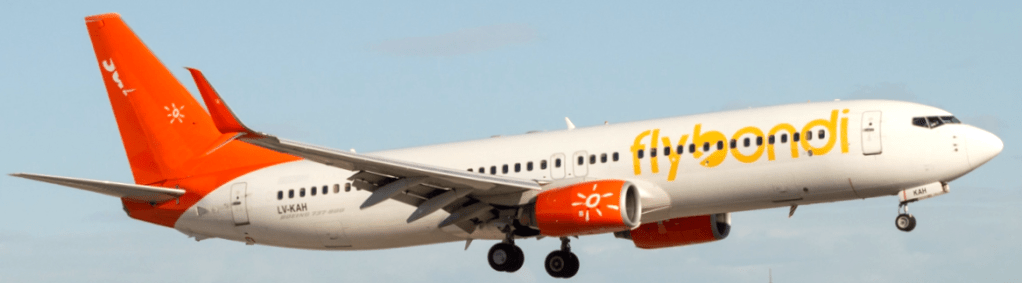
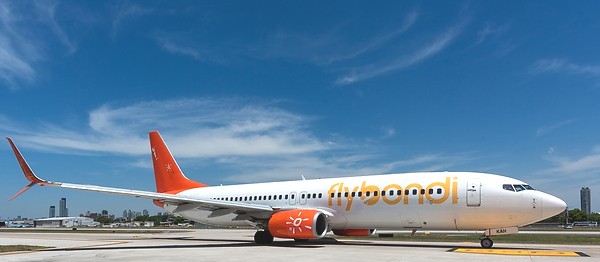
La aerolínea argentina Flybondi Líneas Aéreas ha restablecido su aeronave Boeing 737-8Q8 con registro LV-KAH, luego de estar en los talleres de MRO México bajo revisión y mantenimiento. El Miércoles 08/06 ha arribado al Aeropuerto Ezeiza/EZE la aeronave procedente de Ciudad de México con una escala técnica en Guayaquil, Ecuador.

Luego de más de treinta días, el Boeing 737-800 se encontraba en a mantenimiento programado de Check C para acondicionar la aeronavegabilidad del avión. Mientras tanto, la librea de la aeronave continua con su imagen híbrida Sunwing-Flybondi.

La compañía low cost ha comunicado que la entrada en servicio programado del LV-KAH regresará al servicio comercial el Jueves 09/06) efectuaría el vuelo FO5276 Buenos Aires/AEP—Bariloche/BRC a las 00:55 hs, pero desde Aeropuertos Argentina 2000 (AA2000) informa que ha sido cancelado.

Flybondi’s 737 return to Argentina

Boeing 737-800 LV-KAH returns from Mexico

The Argentine airline Flybondi Líneas Aéreas has restored its Boeing 737-8Q8 aircraft with registration LV-KAH, after being in the MRO Mexico workshops under review and maintenance. On Wednesday 06/08, the aircraft from Mexico City arrived at Ezeiza/EZE Airport with a stopover in Guayaquil, Ecuador.

After more than thirty days, the Boeing 737-800 was undergoing scheduled Check C maintenance to make the aircraft airworthy. Meanwhile, the livery of the aircraft continues with its Sunwing-Flybondi hybrid image.

The low cost company has communicated that the scheduled entry into service of the LV-KAH will return to commercial service on Thursday 06/09) it would carry out flight FO5276 Buenos Aires/AEP—Bariloche/BRC at 00:55, but from Aeropuertos Argentina 2000 (AA2000) reports that it has been cancelled.

PUBLISHER: Airgways.com
DBk: Flybondi.com / Aa2000.com.ar / Airgways.com
AW-POST: 202206082055AR
OWNERSHIP: Airgways Inc.
A\W A I R G W A Y S ®

Delta inaugura Terminal C LGA

AW | 2022 06 08 16:44 | AIRLINES / AIRPORTS

Delta abre Terminal C en Aeropuerto Nueva York/LGA

Delta_Isoglotype_Intersected

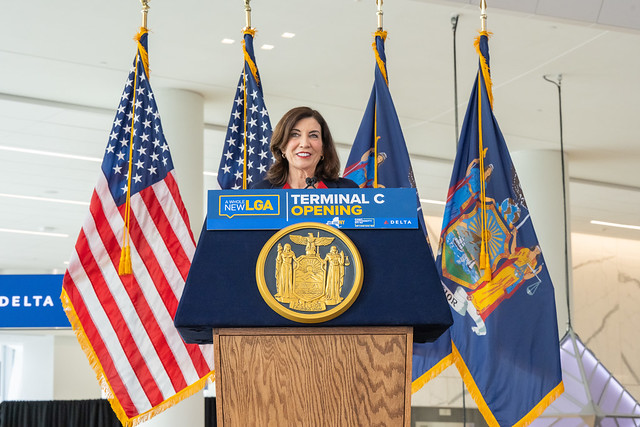
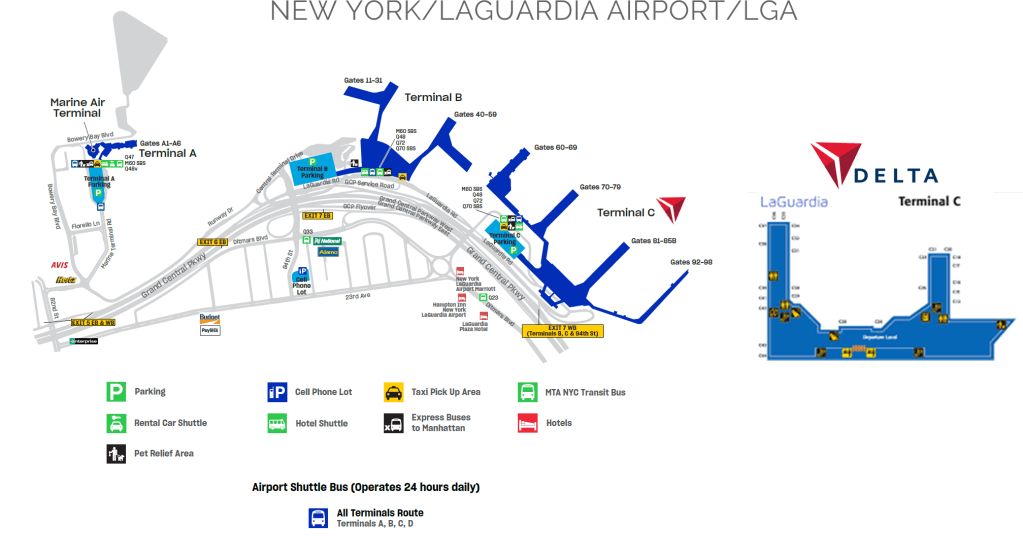
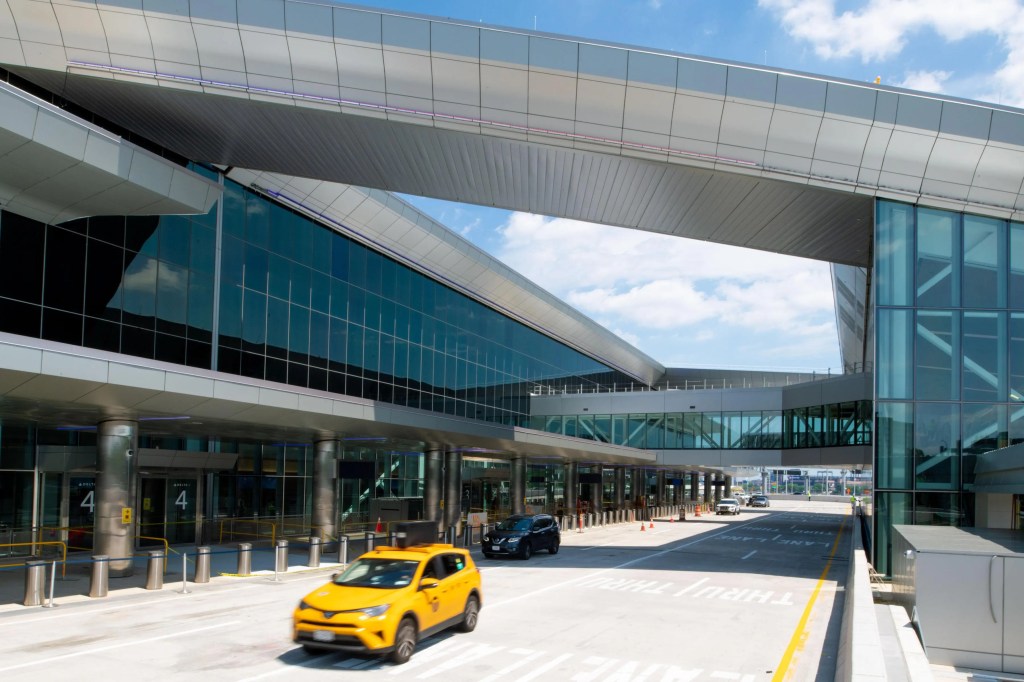
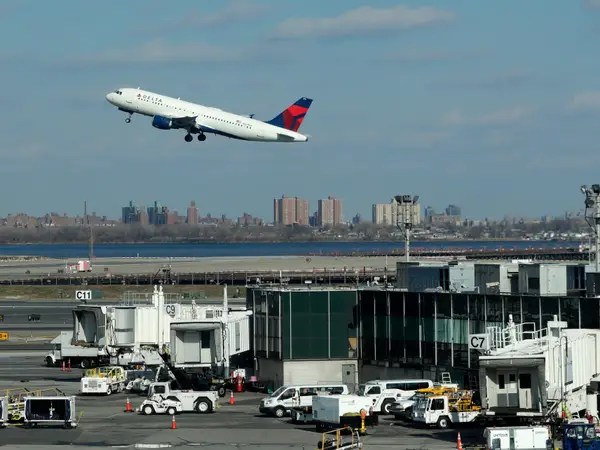
Delta Air Lines ha celebrado la apertura en el Aeropuerto Nueva York/LaGuardia/LGA su nueva Terminal C. La nueva Terminal inaugurada el 4 de Junio de 2022, la instalación es un hito masivo en el programa de un valor de US$ 4 mil millones para transformar y modernizar uno de los centros clave de la aerolínea. El Director Ejecutivo de Delta, Ed Bastian, la Gobernadora de Nueva York, Kathy Hochul, la Autoridad Portuaria de Nueva York y Nueva Jersey y otros funcionarios públicos de Nueva York celebraron el hito estrenando una reluciente instalación de facturación, seguridad y reclamo de equipaje y una nueva Sala E de diez puertas en una ceremonia oficial de corte de cinta el miércoles.

Ed Bastian ha expresado: «Hoy marca un nuevo comienzo para los clientes y empleados de Delta en nuestro centro de LaGuardia con la apertura de esta nueva y notable terminal. Ha pasado más de una década desde que Delta se comprometió a crecer, y ganar, en Nueva York, y hemos sido inquebrantables en nuestros esfuerzos por convertirnos en la aerolínea número 1 de la ciudad de Nueva York. Es gracias a los 10,000 habitantes de Delta con sede en Nueva York que hemos podido invertir casi US$ 7 mil millones en aeropuertos de Nueva York desde 2010, ofrecer los productos y experiencias que nuestros clientes de Nueva York merecen y convertirnos en parte del tejido de la comunidad de Nueva York que significa tanto para muchos de nosotros».

Delta Air Lines aceleró los plazos de construcción durante la pandemia para entregar esta instalación a los clientes de Nueva York incluso más rápido de lo previsto. La aerolínea completará completamente toda la Terminal C de cuatro vestíbulos para fines de 2024, casi dos años antes de lo planeado originalmente. En última instancia, las Terminales C y D se consolidarán en una instalación de vanguardia, que abarca 1.3 millones de pies cuadrados y cuenta con 37 puertas en cuatro vestíbulos. Según un comunicado, Delta continuará redoblando su visión para el futuro de los viajes, construyendo aeropuertos del futuro que sean cómodos, fáciles de navegar y parte de un viaje conectado sin esfuerzo, capaz de absorber y respaldar nuevas experiencias innovadoras a medida que la tecnología evoluciona.

«La transformación de un nuevo Aeropuerto de LaGuardia en un destino de clase mundial que es reconocido internacionalmente por su belleza es una parte integral de nuestra audaz visión para una nueva era en Nueva York. La apertura de la Terminal C de Delta de US$ 4 mil millones ayudará a proporcionar una experiencia superlativa para los pasajeros, facilitando las conexiones y creando impresiones duraderas, y se une a la Terminal B completa que celebramos hace solo unos meses. Felicitaciones a todos los que hicieron posible el hito de hoy cuando terminamos de crear un aeropuerto LaGuardia digno de Nueva York», dijo Kathy Hochul.

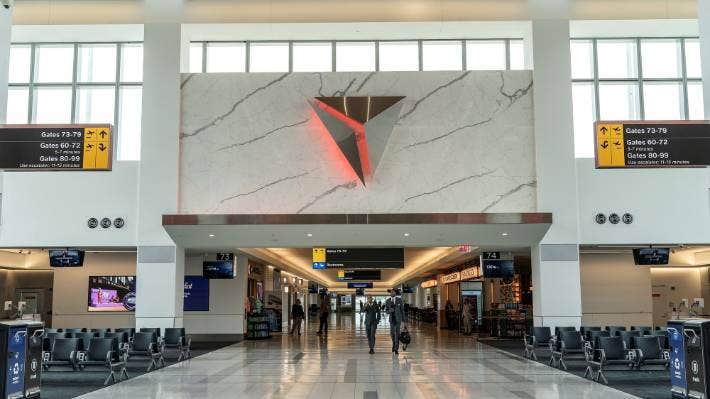
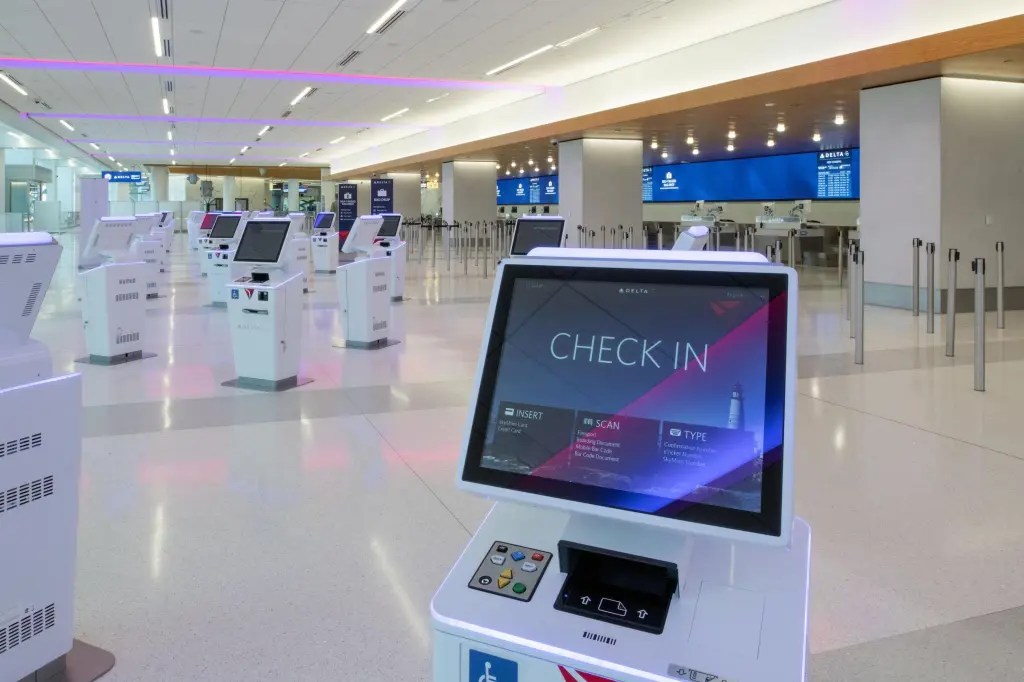
La Terminal C está diseñada para ofrecer la eficiencia y la velocidad que los viajeros de Nueva York a menudo necesitan, lo que les permite navegar hacia y desde sus puertas de manera rápida e intuitiva con las últimas tecnologías, como la entrega de equipaje manos libres, el check-in de autoservicio y las capacidades de detección de identificación digital. Los clientes tendrán la opción de registrarse a través de un vestíbulo espacioso y centralizado, completo con 36 mostradores de check-in de servicio completo y 49 quioscos de autoservicio, o evitarlo por completo y utilizar la opción de entrega directa a la seguridad para dirigirse directamente a uno de los once puntos de control de seguridad. Además, los cinco puntos de entrada ofrecen entrega de equipaje para facilitar el check-check-abono. La Terminal C es tan visualmente impresionante como eficiente, con un programa de arte de clase mundial en asociación con el Museo de Queens, que muestra piezas personalizadas de seis artistas locales que comparten una historia convincente de la historia de los inmigrantes de Nueva York, su gente y la importancia de la diversidad de la ciudad. El arte digital es otra característica destacada del diseño; con una instalación masiva de arte digital hecha de 34 paneles lenticulares, que se muestran sobre el punto de control de seguridad, mientras que una pared trasera digital de 238 pies en el vestíbulo de check-in contará con tiempos de espera de la TSA, orientación en inglés y español, así como información sobre el volumen y la puerta de Sky Club. La Sala E es la segunda de las cuatro nuevas salas que se abrirán, con diez nuevas puertas, nueve de las cuales estarán operativas el día de la inauguración, capaces de acomodar varios tipos de aviones de fuselaje estrecho, así como ofrecer áreas de asientos de puertas más grandes. OTG, socio de Delta desde hace mucho tiempo, dará vida a una variedad de opciones de restaurantes, incluido Bubby’s Diner.

Recientemente, Delta Air Lines también reveló la finalización de la primera fase importante de su Sky Way de US$ 2.3B en el Aeropuerto Internacional de Los Ángeles/LAX como parte de las expansiones para mejorar los servicios en los aeropuertos de Estados Unidos.

Delta opens Terminal C LGA

Delta opens Terminal C at New York Airport/LGA

Delta-Logo[1]

Delta Air Lines has celebrated the opening at New York/LaGuardia/LGA Airport of its new Terminal C. The new Terminal opened on June 4, 2022, the facility is a massive milestone in the US$ 4 billion program. to transform and modernize one of the airline’s key hubs. Delta CEO Ed Bastian, New York Governor Kathy Hochul, the Port Authority of New York and New Jersey and other New York public officials celebrated the milestone by debuting a gleaming check-in, security and baggage claim facility and a new ten-door Room E at an official ribbon-cutting ceremony on Wednesday.

Ed Bastian said, «Today marks a new beginning for Delta customers and employees at our LaGuardia hub with the opening of this remarkable new terminal. It’s been more than a decade since Delta committed to growing, and winning, in New York, and we’ve been unwavering in our efforts to become New York City’s No. 1 Airline It’s thanks to Delta’s 10,000 New York-based residents that we’ve been able to invest nearly $7 billion in airports of New York since 2010, to offer the products and experiences our New York customers deserve, and to become part of the fabric of the New York community that means so much to so many of us».

Delta Air Lines accelerated construction schedules during the pandemic to deliver this facility to New York customers even faster than anticipated. The airline will fully complete the entire four-concourse Terminal C by the end of 2024, nearly two years earlier than originally planned. Ultimately, Terminals C and D will be consolidated into one state-of-the-art facility, spanning 1.3 million square feet and featuring 37 gates in four concourses. According to a statement, Delta will continue to double down on its vision for the future of travel, building airports of the future that are comfortable, easy to navigate and part of effortless connected travel, capable of absorbing and supporting innovative new experiences as technology evolves.

«The transformation of a new LaGuardia airport into a world-class destination that is internationally recognized for its beauty is an integral part of our bold vision for a new era in New York. The opening of Delta’s US$ 4,000 Terminal C million will help provide a superlative experience for passengers, facilitating connections and creating lasting impressions, and joins the completed Terminal B that we celebrated just a few months ago. Congratulations to everyone who made today’s milestone possible as we finished creating a LaGuardia airport worthy of New York», said Kathy Hochul.

Terminal C is designed to deliver the efficiency and speed New York travelers often need, allowing them to navigate to and from their gates quickly and intuitively with the latest technologies, such as hands-free baggage delivery, self-service check-in and digital ID screening capabilities. Customers will have the option to check in through a spacious, centralized lobby, complete with 36 full-service check-in counters and 49 self-service kiosks, or bypass it altogether and use the drop-off to security option to head straight at one of eleven security checkpoints. In addition, the five entry points offer baggage delivery to facilitate check-in-payment. Terminal C is as visually stunning as it is efficient, with a world-class art program in partnership with the Queens Museum, showcasing custom pieces by six local artists who share a compelling story of New York’s immigrant history, their people and the importance of diversity in the city. Digital art is another prominent feature of the design; featuring a massive digital art installation made of 34 lenticular panels, displayed above the security checkpoint, while a 238-foot digital back wall in the check-in lobby will feature TSA wait times, guidance in English and Spanish, as well as Sky Club volume and gate information. Concourse E is the second of four new concourses to open, with ten new gates, nine of which will be operational on opening day, capable of accommodating various types of narrow-body aircraft, as well as offering seating areas of larger doors. OTG, a longtime Delta partner, will bring to life a variety of dining options, including Bubby’s Diner.

Delta Air Lines also recently revealed the completion of the first major phase of its US$ 2.3B Sky Way at Los Angeles/LAX International Airport as part of expansions to improve services at US airports.

PUBLISHER: Airgways.com
DBk: Delta.com / Laguardiaairport.com / Ny.gov / Jenn Finch / Airgways.com
AW-POST: 202206081644AR
OWNERSHIP: Airgways Inc.
A\W A I R G W A Y S ®

Dificultades económicas SAS Airlines

AW | 2022 06 08 12:02 | AIRLINES / GOVERNMENT

Suecia rechaza ayudar aerolínea escandinava

Scandinavian Airlines_logo.svg

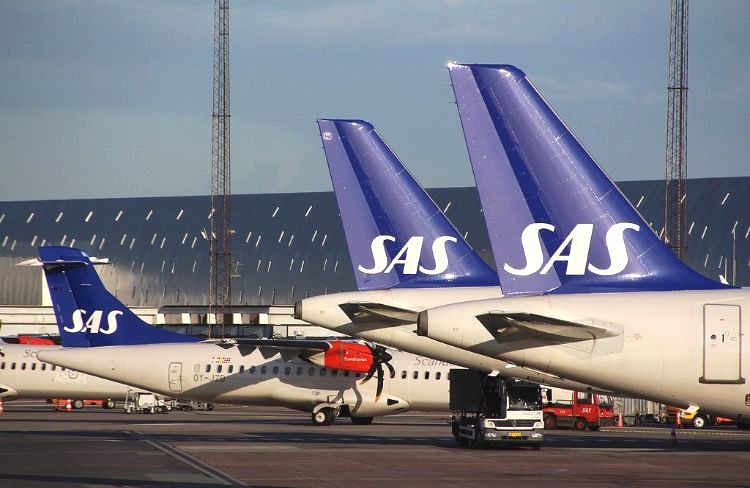
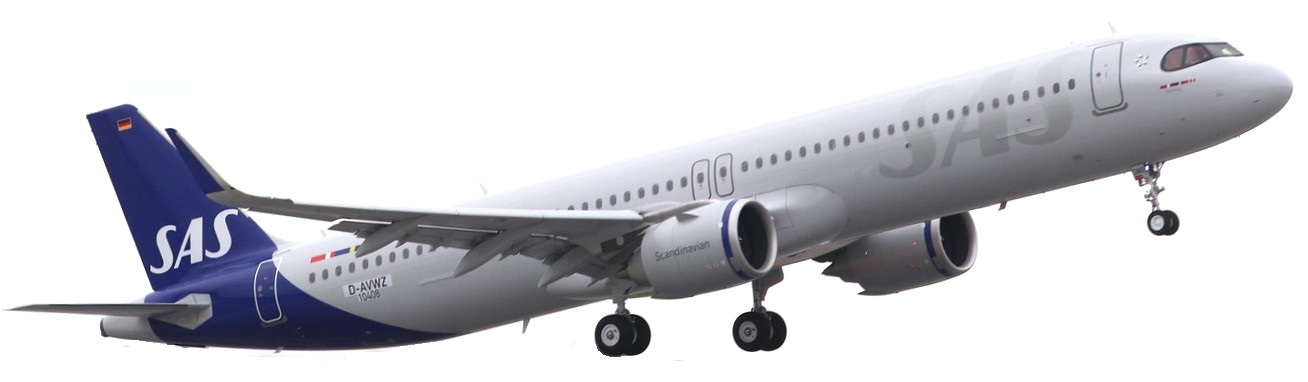
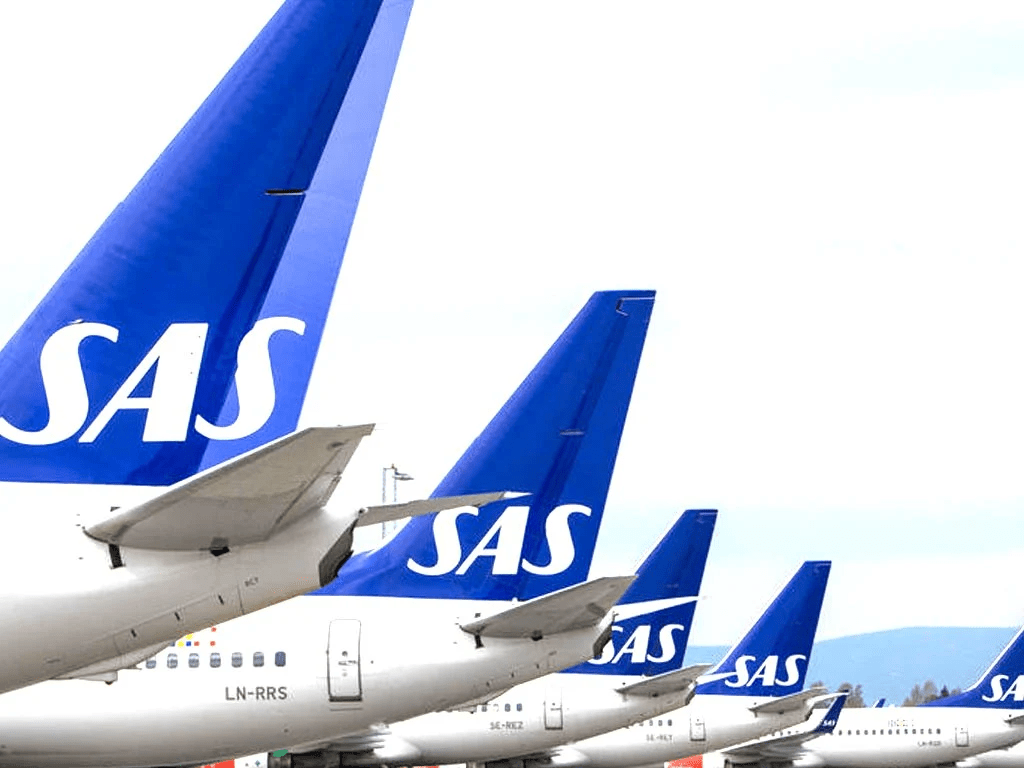
El Gobierno de Suecia ha anunciado la cancelación de inyección de capital en la aerolínea Scandinavian Airlines (SAS), una línea aérea conformada por tres países: Noruega, Suecia y Dinamarca. “Queremos dejar claro que no inyectaremos capital nuevo en SAS en el futuro”, expresa el Gobierno de Suecia. Tras ello, Dinamarca, que también es co-propietaria, está considerando si destinará más dinero a la compañía que está al borde de la quiebra.

AW-SAS Airlines__A321LR-001

Este Martes 07/06, el Ministro de Negocios de Suecia, Karl-Petter Thorwaldsson, aseguró que su país no pondrá dinero para la reestructuración de la aerolínea. En cambio, dijo que propondría al Parlamento local dar luz verde para convertir las deudas existentes de la aerolínea en capital social, lo que en buena medida supone renunciar a ese dinero prestado.

El grupo aéreo respondió diciendo que “SAS quiere expresar su agradecimiento por el apoyo que ha brindado el Estado sueco a lo largo de los años. Durante la pandemia, el apoyo estatal brindado fue una necesidad absoluta para la supervivencia de la empresa. Desde 1946, SAS ha sido una parte importante de la infraestructura escandinava, conectando Suecia y Escandinavia con el mundo y el mundo con Escandinavia. Esta sigue siendo la misión de SAS para las generaciones venideras”.

Dinamarca, que es titular del 21 por ciento del capital de SAS, aún no ha revelado su decisión final sobre el proceso de reestructuración de la aerolínea y si comprometerá más dinero. Su ministro de Finanzas, Nicolai Wammen, se limitó a señalar que el gobierno espera dar información más detallada en las próximas semanas.

Plan reestructuración

El plan de reestructuración de SAS Airlines busca recaudar alrededor de mil millones de Dólares, equivalentes a Kr 9,5 mil millones de Coronas Suecas, y convertir casi US$ 2.000 millones de Dólares de deuda en capital. El Gobierno sueco está dispuesto a lo segundo, pero no a participar en lo primero. La aerolínea podría reducir su flota de aviones de fuselaje ancho como parte de su ajuste.

SAS Airlines tiene detrás unos inversores extranjeros dispuestos a adquirir la aerolínea que busca conseguir capital, pero la compañía con el panorama actual no es nada interesante para un inversor. La dimensión de la crisis es considerada, hace unos días el Director General de SAS Airlines, Anko Van der Werff, dijo que la aerolínea podría tener que someterse a la Administración Judicial a menos que logre llegar a un acuerdo sobre los recortes. Por otro lado, el grupo está negociando con los arrendadores de sus aviones para rebajar costes. SAS quiere reducir su flota de aviones de fuselaje ancho, incluidos los Airbus A330 y A350, pues a la aerolínea le resulta difícil operar vuelos de larga distancia debido a las restricciones de viaje por cierre del espacio aéreo sobre Rusia. “Si la gente todavía apunta o espera que haya una solución mágica para los desafíos a los que nos enfrentamos, creo que están equivocados. Si SAS no puede encontrar el resultado adecuado para que seamos competitivos, es posible que nos veamos obligados a acudir a los tribunales”, dijo Anko Van der Werff.

Economic difficulties SAS Airlines

Sweden refuses to help Scandinavian airline

SAS_Isologotype_Banner

The Government of Sweden has announced the cancellation of the capital injection in the airline Scandinavian Airlines (SAS), an airline made up of three countries: Norway, Sweden and Denmark. «We want to make it clear that we will not inject new capital into SAS in the future», says the Swedish Government. After that, Denmark, which is also a co-owner, is considering whether to allocate more money to the company that is on the verge of bankruptcy.

This Tuesday 06/07, the Swedish Business Minister, Karl-Petter Thorwaldsson, assured that his country will not put money for the restructuring of the airline. Instead, he said he would propose to the local Parliament to give the green light to convert the airline’s existing debts into equity, which largely means giving up that borrowed money.

The air group responded by saying that “SAS would like to express its appreciation for the support that the Swedish state has provided over the years. During the pandemic, the state support provided was an absolute necessity for the survival of the company. Since 1946, SAS has been an important part of the Scandinavian infrastructure, connecting Sweden and Scandinavia to the world and the world to Scandinavia. This remains the SAS mission for generations to come”.

Denmark, which owns 21 percent of SAS’s capital, has yet to reveal its final decision on the airline’s restructuring process and whether it will commit more money. His finance minister, Nicolai Wammen, limited himself to saying that the government expects to provide more detailed information in the coming weeks.

Restructuring plan

SAS Airlines’ restructuring plan seeks to raise around US$ 1 billion, equivalent to Kr 9.5 billion Swedish Krona, and convert nearly US$ 2 billion of debt into equity. The Swedish government is willing to do the latter, but not to participate in the former. The airline could reduce its wide-body fleet as part of its adjustment.

SAS Airlines has behind it some foreign investors willing to acquire the airline that seeks to raise capital, but the company with the current scenario is not at all interesting for an investor. The dimension of the crisis is considered, a few days ago the General Director of SAS Airlines, Anko Van der Werff, said that the airline could have to submit to the Judicial Administration unless it manages to reach an agreement on the cuts. On the other hand, the group is negotiating with the lessors of its aircraft to reduce costs. SAS wants to reduce its fleet of wide-body jets, including the Airbus A330 and A350, as the airline finds it difficult to operate long-haul flights due to travel restrictions due to airspace closures over Russia. “If people are still aiming or hoping that there is a magical solution to the challenges we face, I think they are wrong. If SAS cannot find the right result for us to be competitive, we may be forced to go to court”, said Anko Van der Werff.

PUBLISHER: Airgways.com
DBk: Government.se / Flysas.com / Airgways.com
AW-POST: 202206081202AR
OWNERSHIP: Airgways Inc.
A\W A I R G W A Y S ®

Aerolíneas incrementa carga aérea

AW | 2022 06 07 13:41 | AIRLINES

Aerolíneas Argentinas consolida servicio carga a Estados Unidos

Aerolíneas Argentinas_Isologotype 2010_Tx

Aerolíneas Argentinas consolida la operación carguera y logística incrementando las exportaciones para afianzarse en la post-pandemia. Utiliza la capacidad de bodegas de sus aviones A330-200 para impulsar esta operación. Actualmente, ha transportado más de 642.000 kilos de pescado chileno a Miami. La consolidación de su servicio de carga, con la exportación de salmón fresco a Estados Unidos amplía los servicios bajo los servicios de Aerolíneas Cargo. Los productos de carga pura mantienen los mercado de Estados Unidos, Europa y Asia.

La aerolínea transportó 642.629 kilos de salmón fresco chileno en 42 vuelos desde fin de año hasta la fecha. El primer vuelo se realizó el 23 de Diciembre de 2021 y llevó 11.282 kilos de pescado. Desde entonces, cada semana se realizan entre dos y tres envíos de este producto, que significa una de las operaciones de carga de mayor envergadura para la aérea. La mercadería proviene de la zona sur del país vecino, de la región de Magallanes. Chile es el segundo productor de salmón a nivel mundial. Sus exportaciones alcanzaron los US$ 4.389 millones el año pasado y tuvieron como destino principal los Estados Unidos, con 220,8 millones de toneladas que implicaron US$ 2310 millones, según datos oficiales.

Aerolíneas traslada la carga desde El Calafate hacia el Aeropuerto Internacional de Ezeiza/EZE para luego seguir viaje hasta Miami, Estados Unidos, desde donde se realiza la distribución de forma terrestre al resto del territorio. La línea aérea tiene un vuelo diario en su ruta que conecta El Calafate con Buenos Aires y nueve frecuencias semanales en el servicio que une la capital argentina con Miami.

El salmón que llega al aeropuerto de El Calafate se paletiza y se ubica en las bodegas de los aviones Airbus A330-200. Ingresan, en promedio, 15 pallets por aeronave, que representan 14 toneladas. Intervienen en el operativo más de 50 personas, entre colaboradores dedicados al traslado terrestre, la aduana, el servicio de cargas de Aerolíneas y la Terminal de Cargas (TCA) de Aeropuertos Argentina 2000, donde el pescado queda en cámaras refrigeradas durante el tiempo que permanece en tierra, a la espera de su próximo vuelo. Por su clima y su ubicación geográfica, la región de Magallanes siempre tuvo el desafío de llevar sus productos a destino en tiempos de tránsito competitivos. Normalmente, la carga era trasladada vía terrestre hasta Ezeiza, una distancia de 2700 kilómetros. Mediante la vía aérea, se logra un ahorro superior a las 48 horas, comparado a la operatoria terrestre. De esta manera, permite vender el salmón fresco, ganando tiempo de colocación del producto en la góndola.

En 2021, la aerolínea comenzó a transportar también semillas para cultivos, principalmente maíz y otras oleaginosas, con destino a Nueva York (los Estados Unidos). En lo que va de 2022, se transportaron en vuelos de la compañía un total de 853.027 kilos. En lo que va de 2022, Aerolíneas Argentinas transportó 853.027 kilos de semillas a Nueva York. Asimismo, durante 2020 y 2021, Aerolíneas aprovechó la capacidad ociosa de las bodegas de los aviones que viajaron a traer vacunas y trasladaron a pasajeros en la ruta Buenos Aires/EZE—Madrid/MAD. Así, transportó otros alimentos, como arándanos, carne y vinos hacia Europa y Asia. También, se coordinaron envíos de productos electrónicos ensamblados en Tierra del Fuego hacia Buenos Aires y otros centros de distribución. «En 2020, con la falta de cargueros a nivel mundial, y aprovechando la demanda creciente, comenzamos a explorar esta nueva unidad de negocios que históricamente estuvo relegada, que tiene una buena rentabilidad y en divisa extranjera», afirma Pablo Ceriani, Presidente de Aerolíneas Argentinas.

Aerolíneas transportó otros alimentos, como arándanos, carne y vinos hacia Europa y Asia. Desde el comienzo de la pandemia, Aerolíneas realizó 94 vuelos desde China, Rusia, los Estados Unidos y España para transportar insumos hospitalarios y vacunas, que se convirtieron en su primera incursión en el transporte exclusivo de carga, ya que, con excepción de un vuelo regular que tuvo desde Madrid, el resto de las operaciones se realizaron en servicios no regulares, especiales y sin pasajeros. Se transportaron más de 750 toneladas de insumos y casi 40 millones de vacunas. «Ganamos muchísima experiencia y una buena reputación en el traslado de carga aérea con los vuelos sanitarios que trajeron insumos médicos y los más de 45 que realizamos trayendo vacunas desde Europa, Asia y los Estados Unidos. En esas operaciones, realizamos los primeros envíos, aprovechando las escalas y la capacidad ociosa en las bodegas en el tramo de ida. La división de cargas es mucho más sólida desde la experiencia e infraestructura y está abierta a la búsqueda de clientes que deseen llevar sus productos a otros países», explica el CEO Pablo Ceriani.

Aerolíneas increase air cargo

Aerolíneas Argentinas consolidates cargo service to the United States

Aerolíneas Argentinas_Isotype_WMk

Aerolíneas Argentinas consolidates the cargo and logistics operation, increasing exports to establish itself in the post-pandemic. It uses the cargo hold capacity of its Airbus A330-200 aircraft to drive this operation. Currently, it has transported more than 642,000 kilos of Chilean fish to Miami. The consolidation of its cargo service, with the export of fresh salmon to the United States, expands the services under the services of Aerolíneas Cargo. Pure cargo products hold the US, Europe and Asia markets.

The airline transported 642,629 kilos of fresh Chilean salmon on 42 flights from the end of the year to date. The first flight was made on December 23, 2021 and carried 11,282 kilos of fish. Since then, between two and three shipments of this product are made every week, which means one of the largest cargo operations for the airline. The merchandise comes from the southern part of the neighboring country, from the Magallanes region. Chile is the second producer of salmon worldwide. Its exports reached US$ 4,389 million last year and were mainly destined for the United States, with 220.8 million tons that implied US$ 2,310 million, according to official data.

Aerolíneas transfers the cargo from El Calafate to the Ezeiza/EZE International Airport and then continues on to Miami, United States, from where it is distributed by land to the rest of the territory. The airline has a daily flight on its route that connects El Calafate with Buenos Aires and nine weekly frequencies in the service that connects the Argentine capital with Miami.

The salmon that arrives at the El Calafate airport is palletized and placed in the holds of the Airbus A330-200 aircraft. An average of 15 pallets enter per aircraft, representing 14 tons. More than 50 people are involved in the operation, including collaborators dedicated to land transportation, customs, the Airline cargo service and the Cargo Terminal (TCA) of Aeropuertos Argentina 2000, where the fish remains in refrigerated chambers during the time it remains on the ground, waiting for its next flight. Due to its climate and geographical location, the Magallanes region has always had the challenge of taking its products to their destination in competitive transit times. Normally, the cargo was transported by land to Ezeiza, a distance of 2,700 kilometers. Through the airway, a saving of more than 48 hours is achieved, compared to the terrestrial operation. In this way, it allows you to sell fresh salmon, saving time for placing the product in the gondola.

In 2021, the airline also began transporting seeds for crops, mainly corn and other oilseeds, to New York (the United States). So far in 2022, a total of 853,027 kilos have been transported on company flights. So far in 2022, Aerolíneas Argentinas has transported 853,027 kilos of seeds to New York. Likewise, during 2020 and 2021, Aerolíneas took advantage of the idle capacity of the holds of the planes that traveled to bring vaccines and transferred passengers on the Buenos Aires/EZE—Madrid/MAD route. Thus, he transported other foods, such as blueberries, meat and wines to Europe and Asia. Also, shipments of electronic products assembled in Tierra del Fuego to Buenos Aires and other distribution centers were coordinated. «In 2020, with the lack of freighters worldwide, and taking advantage of the growing demand, we began to explore this new business unit that has historically been relegated, which has good profitability and in foreign currency», says Pablo Ceriani, President of Aerolíneas Argentines.

Aerolíneas transported other foods, such as blueberries, meat and wines to Europe and Asia. Since the beginning of the pandemic, Aerolíneas has made 94 flights from China, Russia, the United States and Spain to transport hospital supplies and vaccines, which became its first foray into exclusive cargo transport, since, with the exception of one flight regular that it had from Madrid, the rest of the operations were carried out in non-regular, special services and without passengers. More than 750 tons of supplies and almost 40 million vaccines were transported. «We gained a lot of experience and a good reputation in moving air cargo with the health flights that brought medical supplies and the more than 45 that we carried out bringing vaccines from Europe, Asia and the United States. In these operations, we made the first shipments, taking advantage of stopovers and idle capacity in the warehouses on the outward leg. The cargo division is much more solid in terms of experience and infrastructure and is open to seeking clients who wish to take their products to other countries», explains the CEO Paul Ceriano.

PUBLISHER: Airgways.com
DBk: Arolineas.com / Airgways.com
AW-POST: 202206071341AR
OWNERSHIP: Airgways Inc.
A\W A I R G W A Y S ®

Tráfico AEP/EZE afectado niebla

AW | 2022 06 06 14:40 | AIR TRAFFIC / AIRLINES

Aeropuertos Buenos Aires afectados por condiciones adversas

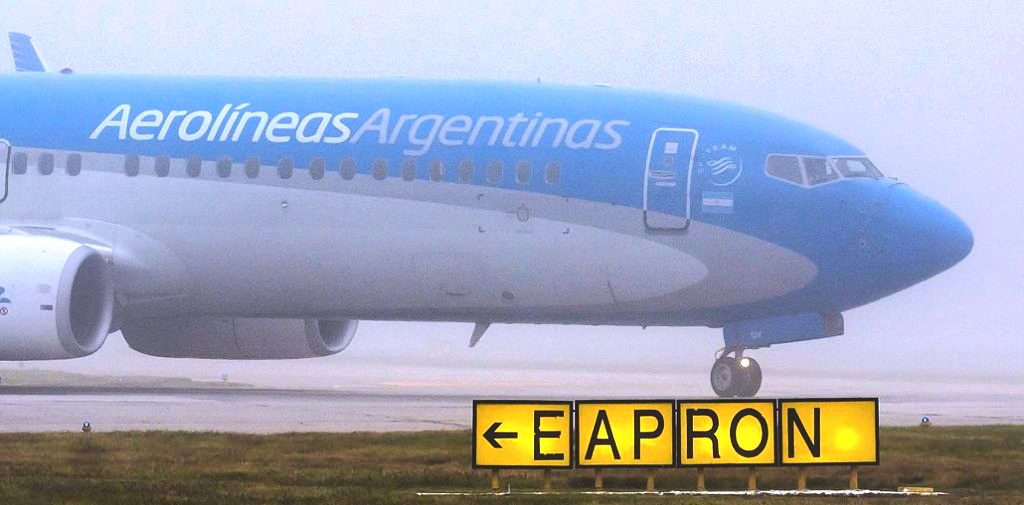
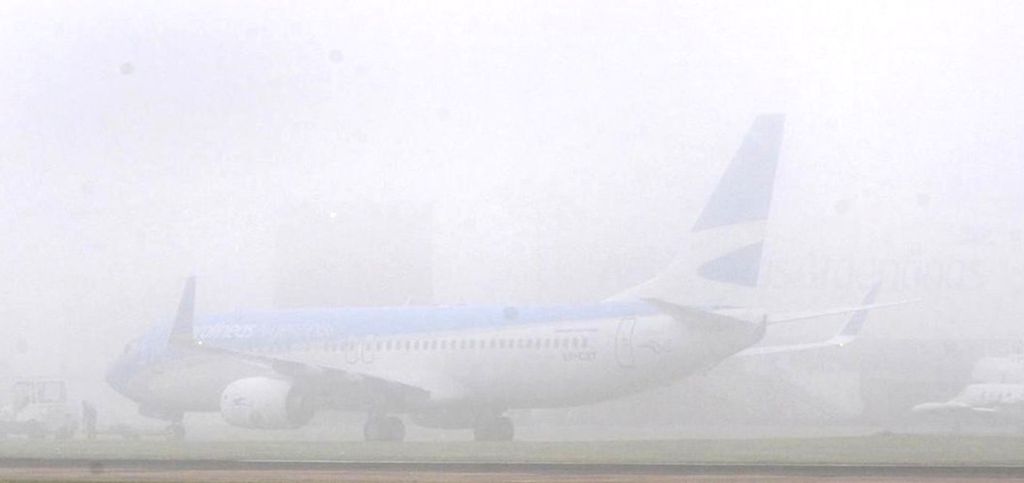
El Lunes 06/06 ha presentado una jornada con condiciones meteorológicas adversas para la navegación aérea con nieblas en diferentes sectores, proyectando temperaturas estimadas en 7 grados de mínima y 17 de máxima, y vientos del sureste rotando al suroeste y luego al noreste, informó el Servicio Meteorológico Nacional (SMN).

Unos veinte vuelos resultaron afectados por la intensa niebla que cubrió la zona del Aeropuerto Internacional Ezeiza/EZE. Un vuelo fue cancelado, seis fueron desviados a Montevideo y doce se encontraban con demoras de entre dos y cuatro horas. En tanto que el vuelo de Copa Airlines procedente de Panamá que debía aterrizar pasada la medianoche fue cancelado. Asimismo, fueron desviados los siguientes vuelos: Latam Airlines procedente de Lima, Perú; Lufthansa procedente de Frankfurt, Alemania; Copa Airlines que venía de Panamá; ITA Airways procedente de Roma; Air France que llegaba desde París y American Airlines procedente de Dallas, Estados Unidos. En condición de demorados estuvieron el vuelo de Aerolíneas Argentinas que vienen de Madrid; el de KLM procedente de Amsterdam; el de United Airlines que viene de Houston; los de American Airlines procedentes de Miami y Nueva York; el de British Airways que llega desde Londres; el de Level procedente de Barcelona y los de Flybondi Líneas Aéreas que deben llegar desde Río de Janeiro y São Paulo.

En el Aeropuerto Jorge Newbery/AEP cuatro servicios sufrieron demoras. Entre los servicios afectados, se encuentra un vuelo de Flybondi que debía aterrizar a la madrugada procedente de Mendoza y se encuentra demorado. Los vuelos demorados fueron los de JetSmart Airlines Chile procedente de Santiago de Chile y los de Aerolíneas Argentinas que vienen desde Rosario, Mar del Plata e Iguazú. El resto de la operatoria en la estación aérea metropolitana es normal.

Para mañana Martes 07/06 se prevé una jornada con neblinas matinales y cielo parcialmente nublado, y una temperatura de entre 7 y 17 grados. El Miércoles 08/06 también se esperan neblinas matinales, cielo algo nublado y una temperatura de 8 grados de mínima y 17 de máxima.

AEP/EZE traffic affected fog

Buenos Aires airports affected by adverse conditions

Monday 06/06 has presented a day with adverse weather conditions for air navigation with fog in different sectors, projecting temperatures estimated at 7 degrees minimum and 17 maximum, and winds from the southeast rotating to the southwest and then to the northeast, reported the National Meteorological Service (SMN).

About twenty flights were affected by the intense fog that covered the area of ​​the Ezeiza/EZE International Airport. One flight was cancelled, six were diverted to Montevideo and twelve were delayed between two and four hours. Meanwhile, the Copa Airlines flight from Panama that was supposed to land after midnight was cancelled. Likewise, the following flights were diverted: Latam Airlines from Lima, Peru; Lufthansa from Frankfurt, Germany; Copa Airlines that came from Panama; ITA Airways from Rome; Air France arriving from Paris and American Airlines from Dallas, United States. In a delayed condition were the Aerolineas Argentinas flight coming from Madrid; the KLM from Amsterdam; the one from United Airlines that comes from Houston; those of American Airlines from Miami and New York; the one of British Airways that arrives from London; that of Level coming from Barcelona and those of Flybondi Líneas Aéreas that must arrive from Rio de Janeiro and São Paulo.

At the Jorge Newbery/AEP Airport, four services suffered delays. Among the affected services is a Flybondi flight that was supposed to land at dawn from Mendoza and is delayed. The delayed flights were those of JetSmart Airlines Chile coming from Santiago de Chile and those of Aerolineas Argentinas coming from Rosario, Mar del Plata and Iguazú. The rest of the operation in the metropolitan air station is normal.

For tomorrow, Tuesday 06/07, a day with morning fog and partly cloudy skies is expected, and a temperature between 7 and 17 degrees. On Wednesday 06/08 morning fogs, somewhat cloudy skies and a temperature of 8 degrees minimum and 17 maximum are also expected.

PUBLISHER: Airgways.com
DBk: Aa2000.com.ar / Smn.gov.ar / Airgways.com
AW-POST: 202206061440AR
OWNERSHIP: Airgways Inc.
A\W A I R G W A Y S ®

IAG sella acuerdo compra 737 MAX

AW | 2022 06 06 13:06 | AIRLINES / INDUSTRY

IAG Group amplía acuerdo adquisición Boeing 737 MAX

AW-IAG Group__Isologootype

Boeing 737 MAX_Isologotype

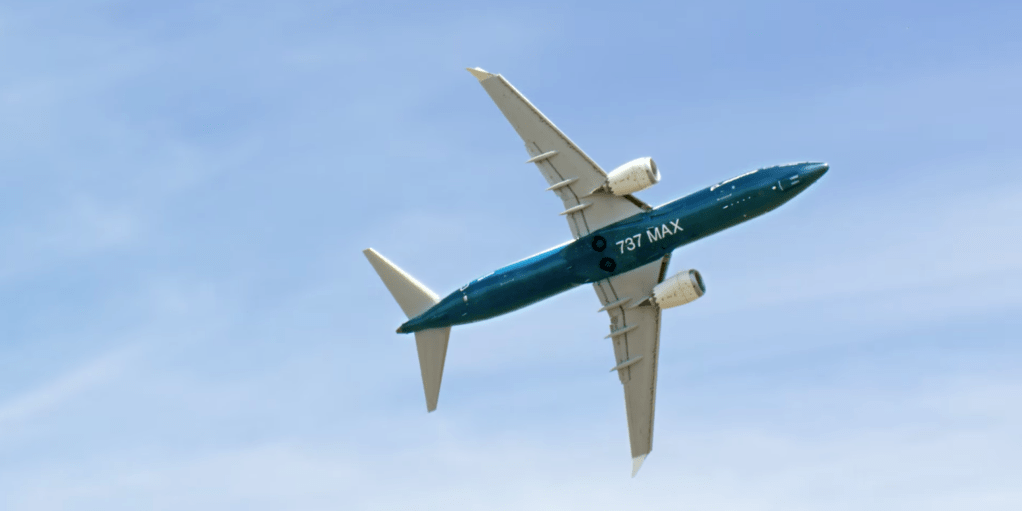
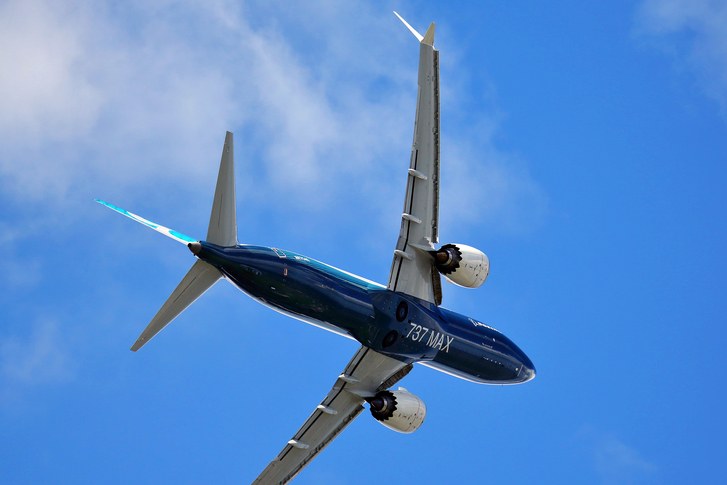
La International Airlines Group (IAG) selló recientemente un acuerdo con el fabricante estadounidenseThe Boeing Company para comprar cincuenta Boeing 737 MAX (50) con opción a cien (100) unidades adicionales. El Presidente y Consejero Delegado de Iberia, Javier Sánchez-Prieto, explica el motivo que ha llevado a su matriz a suscribir un acuerdo con Boeing para la adquisición de medio centenar de 737 MAX, con opción a cien aeronaves. El máximo responsable de Iberia Líneas Aéreas aclara que “no lo hacemos porque sean mejores, sino para evitar el riesgo de quedarnos sin flota suficiente”.

La compra de más unidades del fabricante americano siembra a corto plazo la incógnita para determinar qué aerolínea del grupo adquirirá la línea 737 MAX. No obstante, versiones entre pasillo parece indicar que serán afectadas a la flota de Vueling y la filial low cost de British Airways. La low cost española Vueling sería candidata a sumar los Boeing 737 MAX, poseyendo una flota mixta A320-737 MAX. Iberia, por su parte, seguirá centrada en la línea Airbus A320NEO. La aerolínea prevé incorporar desde el presente hacia 2030 alrededor de veinte A350 (20) y varias unidades del A321 XLR, concentrando la homogeneización de su flota. La aerolínea dispone en la actualidad de A320NEO (11) alcanzando las catorce unidades hacia finales de 2022. El plan maestro de la aerolínea contempla incorporar otros seis aviones A320NEO (6) a lo largo de 2023.

El plazo de entrega de la cartera de pedidos del IAG Group asciende a doscientas unidades Boeing que serán entregadas entre los años 2023 y 2027. En el momento del anuncio, el Consejero Delegado del holding, Luis Gallego, destacó que su incorporación “será parte importante de la renovación de la flota de corto radio de IAG. Estos aviones de última generación son más eficientes en el consumo de combustible que las aeronaves que reemplazan, en línea con nuestro compromiso de alcanzar cero emisiones netas para 2050”.

IAG seals deal to buy 737 MAX

IAG Group Extends Boeing 737 MAX acquisition agreement

The International Airlines Group (IAG) recently sealed an agreement with the American manufacturer The Boeing Company to buy fifty Boeing 737 MAX (50) with an option for one hundred (100) additional units. The President and CEO of Iberia, Javier Sánchez-Prieto, explains the reason that has led its parent company to sign an agreement with Boeing for the acquisition of fifty 737 MAXs, with an option for one hundred aircraft. The head of Iberia Líneas Aéreas clarifies that «we do not do it because they are better, but to avoid the risk of running out of enough fleet».

The purchase of more units of the American manufacturer sows the question mark in the short term to determine which airline of the group will acquire the 737 MAX line. However, versions between corridors seem to indicate that the Vueling fleet and the low cost subsidiary of British Airways will be affected. The Spanish low cost Vueling would be a candidate to add the Boeing 737 MAX, having a mixed A320-737 MAX fleet. Iberia, for its part, will continue to focus on the Airbus A320NEO line. The airline plans to incorporate from now to 2030 around twenty A350 (20) and several A321 XLR units, concentrating the homogenization of its fleet. The airline currently has A320NEO (11) reaching fourteen units by the end of 2022. The airline’s master plan contemplates incorporating another six A320NEO aircraft (6) throughout 2023.

The delivery time for the IAG Group’s order book amounts to two hundred Boeing units that will be delivered between 2023 and 2027. At the time of the announcement, the CEO of the holding company, Luis Gallego, stressed that its incorporation «will be an important part of the renewal of IAG’s short-haul fleet. These next-generation aircraft are more fuel efficient than the aircraft they replace, in line with our commitment to achieve net-zero emissions by 2050”.

PUBLISHER: Airgways.com
DBk: Iairgroup.com / Iberia.com / Airgways.com
AW-POST: 202206061306AR
OWNERSHIP: Airgways Inc.
A\W A I R G W A Y S ®

Alertan estado flota Aerolíneas

AW | 2022 06 06 13:00 | AIRLINES / GOVERNMENT

Incremento incidentes por el estado de la flota

Aerolíneas Argentinas_Isologotype 2010_Tx

Aerolíneas Argentinas ha tenido trece incidentes en un período de cuatro meses y alertan por el estado de la flota actual. En los últimos cuatro años habían sido de diecisiete incidentes reportados. Ante esta situación, el Partido político de la Coalición Cívica (CC) sospecha sobre el deterioro del mantenimiento de los aviones en pandemia.

Una serie de incidentes reportados han encendido las alertas por el estado de la flota aérea de la aerolínea de Argentina. El Viernes, 4 de Marzo de 2022, el vuelo de Aerolíneas Argentinas AR1516 despegó del Aeropuerto Córdoba/COR con destino a Salta/SLA. Alrededor de las 14:00 hs. a los 25 minutos del despegue, el avión debió regresar a la pista de origen por una presunta despresurización en la cabina y efectuó un aterrizaje de emergencia. El incidente es actualmente investigado por la Junta de Seguridad del Transporte (JST) y forma parte de una serie de otros doce hechos más que afectaron diferentes operaciones de la línea de bandera en lo que va del año 2022, de acuerdo a la propia información que el Gobierno entregó en el informe de gestión de Juan Manzur ante el Senado. “Aerolíneas Argentinas no tuvo accidentes; sí dos incidentes graves once incidentes menores entre Enero y Abril de 2022″, informó la compañía a través del Ministerio de Transporte. En la propia respuesta que brinda Aerolíneas Argentinas, la compañía asegura que en los últimos cuatro años (excluyendo 2020), se obtuvieron en promedio diecisiete incidentes. En los primeros cuatro meses del año han tenido una ocurrencia de trece.

El episodio ocurrido en Córdoba en el que el avión sufrió una presunta despresurización fue considerado grave y despertó la preocupación de un grupo de Diputados de la Coalición Cívica ARI que formuló un pedido de informe al Gobierno para conocer el estado de la flota de la línea de bandera. La oposición en Diputados pidió conocer el estado de la flota de Aerolíneas Argentinas. Los Legisladores ponen la lupa en el mantenimiento de las aeronaves durante la pandemia, en particular el año 2020, en el que buena parte de la flota no voló por el Aislamiento Social, Preventivo y Obligatorio (ASPO). En paralelo a la solicitud de los diputados, la emisora de televisión y grupo de contenidos periodísticos Todo Noticias (TN) formuló un pedido de acceso a la información pública a Aerolíneas Argentinas para conocer la antigüedad de la flota y qué tareas de mantenimiento se realizó sobre cada unidad. Este medio pudo saber que actualmente Aerolíneas Argentinas cuenta con setenta y seis (76) aviones, de los que están operativos sesenta y dis (62) unidades. Estas unidades tienen antigüedad promedio de casi diez años (9,68 años), aunque hay casos como dos A330-200 que poseen 21 y 22 años, con matrículas LV-FNK y LV-FNJ respectivamente.

La antigüedad de la flota de los aviones de Aerolíneas Argentinas son las siguientes: Airbus A330-200, nueve (9) aviones, con una antigüedad promedio de la flota de trece años y horas de vuelo promedio de 43.378 hs. Boeing 737-8 MAX, posee cinco (5) aviones con una antigüedad promedio de 4.22 años pero una utilidad promediio de dos años debido a la puesta en tierra por las recertificaciones del modelo y por los efectos de la crisis sanitaria y de los vuelos., han acumulado 5.454 horas de vuelo en promedio. Boeing 737-800 posee veintinueve (29) aviones, con una antigüedad promedio de siete años y unas horas de vuelo promedio de 17.997. Boeing 737-700, posee ocho (8) unidades con una antigüedad promedio de quince años y unas horas de vuelo promedio acumuladas de 36.989. El modelo Embraer E190-100AR, posee una flota absorbida de Austral Líneas Aéreas de veinticinco (25) aeronaves con una antigüedad promedio de 10,75 años, acumulando un promedio de 22.977 horas de vuelo. Los modelos Boeing 737-700 son los que mayor antigüedad promedio tienen, seguido de los A330-200, que realizan vuelos internacionales. Los datos obtenidos están actualizados al 29 de Abril de 2022.

La mayoría tuvo que ver con cuestiones técnicas menores de las aeronaves, aunque se destacan casos en los que los incidentes fueron más importantes: uno ocurrió el 12 de Enero de 2022, cuando la Comisario a bordo de una de las unidades reportó olor y humo en la cabina, donde el hecho ocurrió en Tucumán; y la despresurización de otro vuelo en la ruta Córdoba—Salta. También en el vuelo AR1802 hubo un inconveniente con los neumáticos de la nave.

La Coalición Cívica pidió conocer los incidentes de aviones de Aerolíneas Argentinas en 2022. “Durante este año he escuchado varias noticias de desperfectos en los aviones lo que me motivó a formular el pedido de información, en el que resalto principalmente la necesidad de conocer cuál fue el mantenimiento de las unidades en 2020″, le dijo a TN la Diputada Leonor María Martínez Villada, que encabezó la firma del pedido. Los diputados señalan que en los últimos dos años se vio una “desmejora de la aviación civil por la pandemia”. Este grupo está compuesto, además, por Mónica Frade, Marcela Campagnoli y Soledad Carrizo, entre otros legisladores. En el escrito, los diputados piden conocer el listado de fallas registradas y todo tipo de accidentes ocurridos en lo que va del 2022. En rigor, pese a que Juan Manzur entregó la respuesta al Senado, a los diputados aún no se les contestó el proyecto de resolución que enviaron en marzo pasado. Sin embargo, cuando este medio pidió conocer detalles sobre el mantenimiento de las aeronaves durante el ASPO, la empresa solo se limitó a informar que antes de volver a volar a cada avión se le realizó un control de su aeronavegabilidad y cumplimiento de las diferentes etapas de preservado.

Desde la compañía se refirieron a los trece incidentes ocurridos en 2022 y señalaron que en lo que va del año se realizaron 28.138 vuelos por lo que el 99,9996% se realizó con normalidad. De los 76 aviones que tiene Aerolíneas Argentinas, están operativos 62, es decir, el 82% de la flota. El resto se encuentra en tareas de mantenimiento de sus fuselajes. Antes de la pandemia, Aerolíneas Argentinas contaba con 82 aeronaves (12 de fuselaje ancho y 70 de fuselaje angosto) y para recuperar esta cifra deben ingresar dos Airbus A330-200 (2) y dos de Boeing 737-8 MAX (2), en reemplazo de dos A340 y otros dos B737-800 que se devolvieron.

La empresa no informa la cantidad total de dinero que destina al mantenimiento de sus unidades. TN intentó conocer la cantidad total de fondos que la línea aérea de bandera destina al mantenimiento de sus aviones, pero desde la firma se negaron a entregar esa información. “La cantidad total de dinero invertido en mantenimiento se encuentra comprendido dentro del Stock de Deudas de ARSA, dicha información se encuentra expresamente clasificadas como información confidencial por el Directorio de la compañía, conforme el listado de activos de información confidencial aprobados por el Directorio y la Gerencia General en fecha 20 de Febrero de 2019″. Los gastos totales incurridos en la aerolínea, para el período 2021 y lo que va del 2022 el Estado asistió a la firma con AR$ 80.620.945.149, AR$ 65.796.742.149 en 2021 y AR$ 14.824.203.000 hasta el corriente año 2022. La línea de bandera volvió a colarse en la discusión pública luego de que el ex-Presidente Mauricio Macri asegurara que la privatizaría debido al alto costo que le representa al Estado.

Aerolíneas fleet status alerted

Increase in incidents due to the state of the fleet

Aerolíneas Argentinas has had thirteen incidents in a period of four months and they are alerting about the status of the current fleet. In the last four years there had been seventeen reported incidents. Given this situation, the Political Party of the Civic Coalition (CC) suspects the deterioration of aircraft maintenance in a pandemic.

A series of reported incidents have sparked alerts about the state of the Argentine airline’s air fleet. On Friday, March 4, 2022, Aerolíneas Argentinas flight AR1516 took off from Córdoba Airport/COR bound for Salta/SLA. Around 02:00 p.m. 25 minutes after takeoff, the plane had to return to the runway of origin due to a presumed depressurization in the cabin and made an emergency landing. The incident is currently being investigated by the Transportation Safety Board (JST) and is part of a series of twelve other events that affected different operations of the flag line so far in 2022, according to the information that the Government delivered in the management report of Juan Manzur before the Senate. “Aerolíneas Argentinas had no accidents; yes two serious incidents eleven minor incidents between January and April 2022″, reported the company through the Ministry of Transport. In the response provided by Aerolineas Argentinas, the company ensures that in the last four years (excluding 2020), an average of seventeen incidents were obtained. In the first four months of the year they have had an occurrence of thirteen.

The episode that occurred in Córdoba in which the plane suffered a presumed depressurization was considered serious and aroused the concern of a group of Deputies of the ARI Civic Coalition who formulated a request for a report from the Government to find out the status of the airline’s fleet. flag. The opposition in Deputies asked to know the status of the Aerolíneas Argentinas fleet. The Legislators put the magnifying glass on the maintenance of the aircraft during the pandemic, in particular the year 2020, in which a good part of the fleet did not fly due to the Social, Preventive and Mandatory Isolation (ASPO). Parallel to the request of the deputies, the television station and journalistic content group Todo Noticias (TN) made a request for access to public information to Aerolineas Argentinas to know the age of the fleet and what maintenance tasks were carried out on it. each unit. This medium was able to learn that Aerolíneas Argentinas currently has seventy-six (76) aircraft, of which sixty-dis (62) units are operational. These units have an average age of almost ten years (9.68 years), although there are cases such as two A330-200s that are 21 and 22 years old, with license plates LV-FNK and LV-FNJ, respectively.

The age of the Aerolíneas Argentinas aircraft fleet is as follows: Airbus A330-200, nine (9) aircraft, with an average age of the fleet of thirteen years and average flight hours of 43,378 hours. Boeing 737-8 MAX, has five (5) aircraft with an average age of 4.22 years but an average utility of two years due to grounding due to model recertifications and due to the effects of the health crisis and flights. , have accumulated 5,454 flight hours on average. Boeing 737-800 has twenty-nine (29) aircraft, with an average age of seven years and average flight hours of 17,997. Boeing 737-700, has eight (8) units with an average age of fifteen years and accumulated average flight hours of 36,989. The Embraer E190-100AR model has a fleet absorbed by Austral Líneas Aéreas of twenty-five (25) aircraft with an average age of 10.75 years, accumulating an average of 22,977 flight hours. The Boeing 737-700 models are the ones with the longest average age, followed by the A330-200, which carry out international flights. The data obtained is updated to April 29, 2022.

Most had to do with minor technical issues with the aircraft, although there are cases in which the incidents were more important: one occurred on January 12, 2022, when the Commissioner on board one of the units reported smell and smoke in the cabin, where the event occurred in Tucumán; and the depressurization of another flight on the Córdoba-Salta route. Also on flight AR1802 there was a problem with the aircraft’s tires.

The Civic Coalition asked to know about Aerolíneas Argentinas aircraft incidents in 2022. “During this year I have heard several news of aircraft damage, which motivated me to formulate the request for information, in which I mainly highlight the need to know what was the maintenance of the units in 2020″, Deputy Leonor María Martínez Villada, who led the signing of the order, told TN. The deputies point out that in the last two years there has been a «deterioration of civil aviation due to the pandemic». This group is also made up of Mónica Frade, Marcela Campagnoli and Soledad Carrizo, among other legislators. In the letter, the deputies ask to know the list of registered failures and all kinds of accidents that have occurred so far in 2022. Strictly speaking, despite the fact that Juan Manzur delivered the answer to the Senate, the deputies have not yet been answered about the project of resolution that they sent last March. However, when this medium asked to know details about the maintenance of the aircraft during the ASPO, the company only limited itself to reporting that before flying again, each aircraft was checked for its airworthiness and compliance with the different stages of maintenance. preserved.

The company referred to the thirteen incidents that occurred in 2022 and pointed out that 28,138 flights have been carried out so far this year, so 99.9996% were carried out normally. Of the 76 aircraft that Aerolíneas Argentinas has, 62 are operational, that is, 82% of the fleet. The rest are undergoing maintenance tasks on their fuselages. Before the pandemic, Aerolíneas Argentinas had 82 aircraft (12 wide-body and 70 narrow-body) and to recover this figure, two Airbus A330-200 (2) and two Boeing 737-8 MAX (2) must enter, in replacement of two A340s and two other B737-800s that were returned.

The company does not report the total amount of money it allocates to the maintenance of its units. TN tried to know the total amount of funds that the flag airline allocates to the maintenance of its planes, but the firm refused to provide that information. “The total amount of money invested in maintenance is included in ARSA’s Stock of Debts, said information is expressly classified as confidential information by the company’s Board of Directors, according to the list of confidential information assets approved by the Board of Directors and the General Management on February 20, 2019″. The total expenses incurred in the airline, for the period 2021 and so far in 2022, the State assisted the firm with AR$ 80,620,945,149, AR$ 65,796,742,149 in 2021 and AR$ 14,824,203,000 until the current year 2022. The flag line slipped back into the public discussion after former President Mauricio Macri assured that he would privatize it due to the high cost it represents to the State.

PUBLISHER: Airgways.com
DBk: Aerolineas.com / Ccaridiputados.com.ar / Tn.com.ar / Reuters.com/Agustin Marcarian / VisitEiffel / Airgways.com
AW-POST: 202206061300AR
OWNERSHIP: Airgways Inc.
A\W A I R G W A Y S ®