AW | 2022 02 17 15:20 | INDUSTRY / TRAINING / AIRLINES
Centro Formación Airbus Asia inaugura cuarto simulador vuelo A350
El Centro de Formación de Airbus Asia (AATC) ha inaugurado su cuarto simulador de vuelo completo (FFS) del A350. Esto hace que AATC ofrezca más capacidad de simulador A350 que cualquier otro centro de capacitación en el mundo. La incorporación también consolida la posición de AATC como el mayor centro de formación de tripulaciones de vuelo operado por Airbus en la red global de la compañía, con dos simuladores A320, dos A330, un A380 y cuatro A350. AATC también alberga un ATR 72-600 FFS. El enfoque en el A330, A350 y A380 refleja la popularidad de los aviones de fuselaje ancho de Airbus en la región de Asia-Pacífico, con casi 900 en servicio y alrededor de 220 pedidos actualmente para entrega futura.
AATC es una empresa conjunta propiedad en un 55% de Airbus y en un 45% de Singapore Airlines (SIA). Con casi 10.000 metros cuadrados de tamaño, el La instalación en Seletar Aerospace Park es parte de la red de entrenamiento de vuelo de Airbus y sirve a la región de Asia-Pacífico y más allá. Desde que comenzaron las operaciones en abril de 2016, AATC ha atraído con éxito a 69 aerolíneas clientes. AATC tiene la capacidad de ofrecer habilitación de tipo y cursos de formación recurrentes para hasta 10.000 alumnos al año. SIA es también el operador más grande del mundo del A350, con 58 aviones en servicio en toda su red a partir de Febrero de 2022. Además, SIA ha confirmado la compra de siete aviones de carga A350F. Junto con su socio, la creación de capacidades de capacitación de la tripulación de vuelo del A350 por parte de AATC es una respuesta a la creciente demanda de las aerolíneas clientes en la región.
“La región de Asia-Pacífico ha sido tradicionalmente el mayor mercado para los aviones de fuselaje ancho de Airbus. Esto se ha confirmado aún más con el éxito del A350 que ahora vuela con 16 aerolíneas de la región. Nuestra inversión conjunta con SIA para ofrecer servicios integrales de capacitación de tripulaciones de vuelo más cerca de las bases de operaciones de las aerolíneas en la región ha sido muy bien recibida. Nos complace continuar nuestra exitosa asociación en AATC”, dijo Valerie Manning, Vicepresidenta Senior de Servicios de Operaciones de Vuelo y Capacitación de Airbus.
“Como el operador más grande del mundo del Airbus A350, SIA ve a AATC como un centro de excelencia para la formación de pilotos de A350. Nuestra asociación estratégica continúa creciendo a medida que aumenta la demanda de viajes aéreos. El último A350 Full Flight Simulator de AATC continuará ayudando a SIA y a otros operadores a mantenerse al día con los últimos requisitos de capacitación, al tiempo que respalda la posición de Singapur como un centro de aviación líder”, dijo el Capitán Quay Chew Eng, Vicepresidente Senior de Operaciones de Vuelo de Singapore Airlines.
Airbus Center AATC A350
Airbus Asia Training Center inaugurates fourth A350 flight simulator
The Airbus Asia Training Center (AATC) has inaugurated its fourth A350 Full Flight Simulator (FFS). This makes AATC offer more A350 simulator capacity than any other training center in the world. The addition also cements AATC’s position as the largest Airbus-operated flight crew training center in the company’s global network, with two A320, two A330, one A380 and four A350 simulators. AATC is also home to an ATR 72-600 FFS. The focus on the A330, A350 and A380 reflects the popularity of Airbus’ wide-body aircraft in the Asia-Pacific region, with almost 900 in service and around 220 currently on order for future delivery.
AATC is a joint venture owned 55% by Airbus and 45% by Singapore Airlines (SIA). At nearly 10,000 square meters in size, the facility at Seletar Aerospace Park is part of the Airbus flight training network, serving the Asia-Pacific region and beyond. Since operations began in April 2016, AATC has successfully attracted 69 customer airlines. AATC has the capacity to offer type rating and recurring training courses for up to 10,000 students per year. SIA is also the world’s largest operator of the A350, with 58 aircraft in service across its network as of February 2022. In addition, SIA has confirmed the purchase of seven A350F freighters. Together with its partner, AATC’s creation of A350 flight crew training capabilities is a response to growing demand from airline customers in the region.
“The Asia-Pacific region has traditionally been the largest market for Airbus wide-body aircraft. This hasbeen further confirmed by the success of the A350 which now flies with 16 airlines in the region. Our joint investment with SIA to offer comprehensive flight crew training services closer to airline operating bases in the region has been very well received. We are pleased to continue our successful partnership at AATC”, said Valerie Manning, Senior Vice President, Flight Operations Services and Training, Airbus.
“As the world’s largest operator of the Airbus A350, SIA views AATC as a center of excellence for A350 pilot training. Our strategic partnership continues to grow as the demand for air travel increases. AATC’s latest A350 Full Flight Simulator will continue to help SIA and other operators keep up with the latest training requirements, while supporting Singapore’s position as a leading aviation hub», said Capt. Quay Chew Eng, Vice President Flight Operations Senior at Singapore Airlines.
PUBLISHER: Airgways.com DBk: Airbus.com / Singaporeair.com / Airgways.com AW-POST: 202202171520AR OWNERSHIP: Airgways Inc. A\W A I R G W A Y S ®
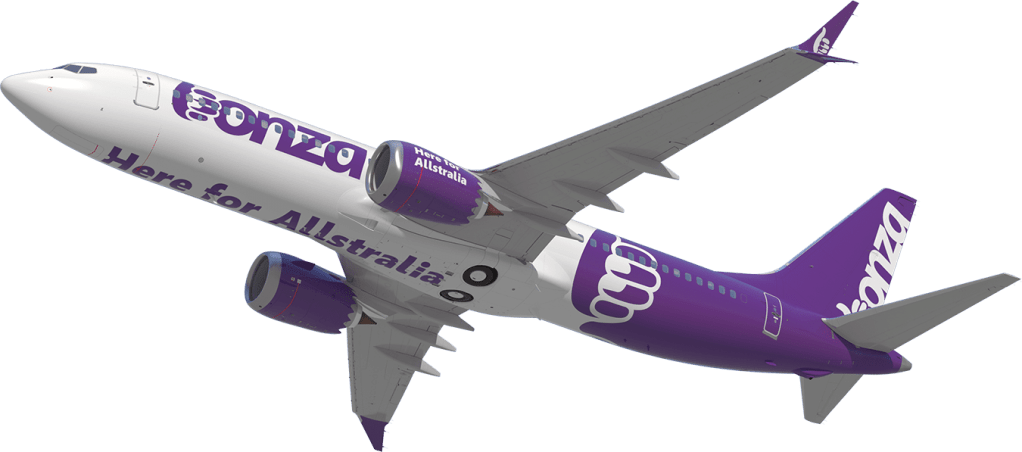
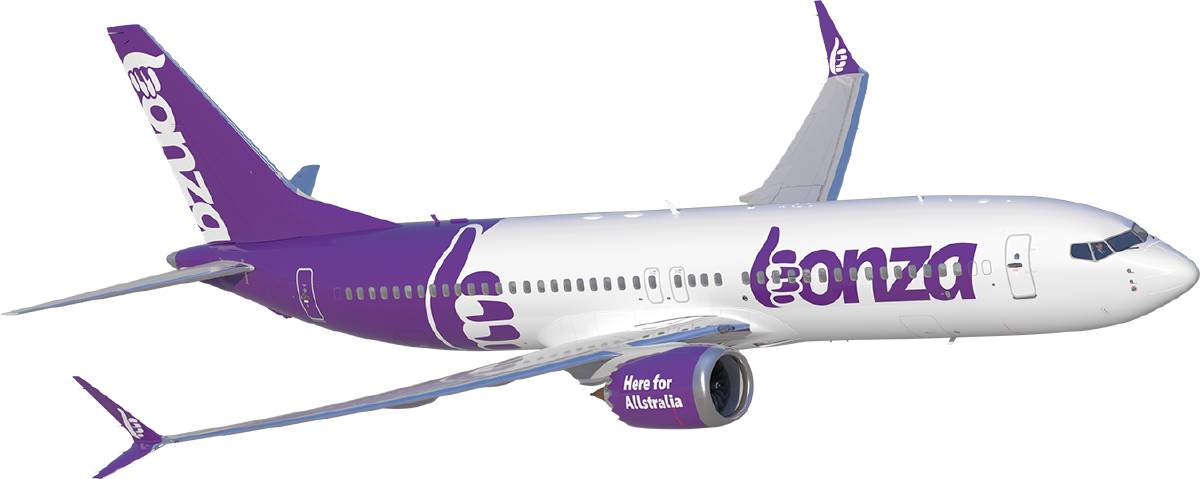
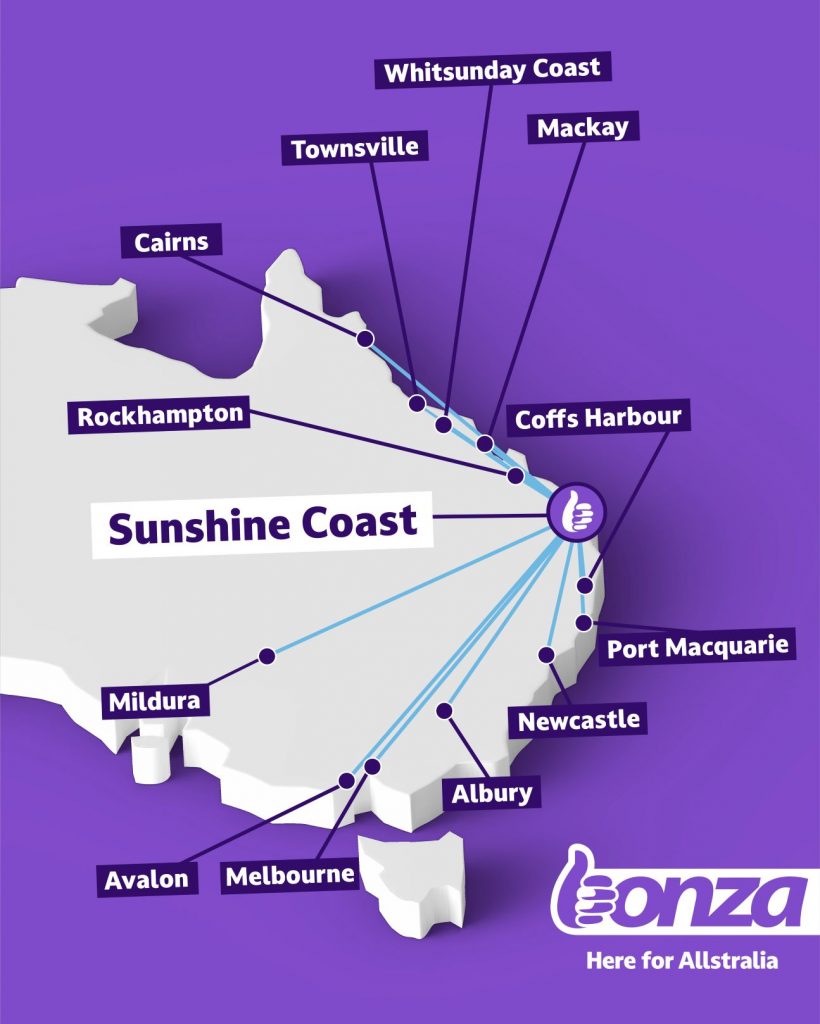
La aerolínea de bajo costo más nueva de Australia, Bonza, se basará en Sunshine Coast con una base de aviones auxiliares en el Aeropuerto Melbourne/MEL cuando lance vuelos a mediados de 2022 con veinte rutas no atendidas por las principales aerolíneas australianas. La startup fundada por el ex ejecutivo de Virgin Blue, Tim Jordan, la aerolínea de bajo costo renunciará a las lucrativas rutas del denominado triángulo dorado entre Sydney, Brisbane y Melbourne por lugares de ocio desatendidos con la esperanza de estimular la nueva demanda.
El mapa de ruta completo de Bonza incluye 25 viajes a 16 destinos en los estados de Queensland, New South Wales y Victoria. Alrededor del 80 por ciento de las rutas no son atendidas actualmente por ninguna aerolínea, Las rutas son principalmente desde centros regionales como Mildura y Albury a destinos turísticos clave en el norte de Queensland, volando de dos a cuatro veces por semana. Alrededor del 80 por ciento de las rutas no son servidas actualmente por ninguna aerolínea, y aún más no son servidas por una opción de bajo costo como Jetstar Air.
Tim Jordan dijo que los dos centros de origen habían ofrecido acuerdos comerciales atractivos, pero también reconocieron la misma oportunidad de mercado que vio a fines de 2021. «Quieren crecimiento, y podemos darles ese crecimiento. La respuesta ha sido realmente positiva […] La gente está ansiosa por que nos adentremos en los cielos australianos, para que puedan viajar», expresó el CEO de Bonza. La nueva aerolínea australiana de presupuesto lanzará sus rutas con aeronaves Boeing 737 MAX empleando cinco de los ocho aviones hacia finales de este año 2022, y se anunciarán más rutas para incluir destinos en Australia Central y Occidental. «No nos hemos olvidado de los otros estados», sincerándose con la esperanza de ampliarlos próximamente.
Desafiando el duopolio
Bonza representa el segundo gran rival del duopolio tradicional de los viajes aéreos en Australia desde que comenzó la pandemia, diezmando a la aviación mundial. Regional Express (REX) lanzó su asalto a las rutas normalmente dominadas por Qantas Airways y Virgin Australia Airlines en 2021. Pero se espera que la entrada de Bonza siga a una recuperación en la aviación nacional desde el 2Q2022 impulsada por la demanda reprimida. Tim Jordan dijo que Bonza estaba progresando bien hacia las aprobaciones regulatorias, aunque su fecha de lanzamiento prospectiva se había acercado a mediados de año de lo previsto originalmente. «Continuamos haciendo un buen proceso, a fines del segundo trimestre es absolutamente posible [para el lanzamiento] suponiendo que hagamos todo lo que el regulador espera de nosotros y la responsabilidad recae en nosotros para cumplir. Pero estamos haciendo un buen proceso», dijo el CEO Tim Jordan, confiando que Bonza no se lanzaría demasiado tarde para capitalizar la recuperación. «Creo que la industria ha tenido dos años repugnantes. Cuanto antes podamos recuperarnos como industria turística, mejor, pero creo que la demanda acumulada en los últimos años tardará mucho más en agotarse que un par de meses», dijo.
El inversionista clave de Bonza, la firma de inversión estadounidense 777 Partners, dijo que creía de todo corazón en la misión de Bonza de estimular la nueva demanda de los mercados desatendidos. El representante de 777 Partners y presidente ejecutivo de Bonza, Rick Howell, dijo que el avión Boeing 737 MAX era «el más joven, tecnológicamente avanzado y más eficiente» en Australia. Dijo que garantizaría que «más australianos puedan viajar a precios bajos, pero con el listón alto en la calidad de su experiencia con nosotros». Manifiestan que los viajes de bajo costo no significan viajes de baja calidad. «Estamos invirtiendo en aviones avanzados para brindar la oportunidad de tarifas bajas junto con grandes eficiencias ambientales», dijo Rick Howell.
Bonza reveals his first routes
Australian low cost airline approaches start ops
Australia’s newest low-cost carrier, Bonza, will be based on the Sunshine Coast with an auxiliary aircraft base at Melbourne/MEL Airport when it launches flights in mid-2022 with twenty routes not served by major Australian airlines. The startup founded by former Virgin Blue executive Tim Jordan, the low-cost carrier, is giving up lucrative so-called golden triangle routes between Sydney, Brisbane and Melbourne for underserved entertainment venues in the hope of spurring new demand.
Bonza’s full route map includes 25 trips to 16 destinations in the states of Queensland, New South Wales and Victoria. Around 80 per cent of routes are currently served by no airline. Routes are mainly from regional hubs such as Mildura and Albury to key tourist destinations in North Queensland, flying two to four times a week. About 80 percent of the routes are not currently served by any airline, and even more are not served by a low-cost option like Jetstar Air.
Tim Jordan said the two origin hubs had offered attractive trade deals, but also recognized the same market opportunity he saw in late 2021. «They want growth, and we can give them that growth. The response has been really positive […]. People are eager for us to get into the Australian skies, so they can travel», said Bonza’s CEO. The new Australian budget airline will launch its routes with Boeing 737 MAX aircraft using five of the eight aircraft later this year in 2022, with more routes to include destinations in Central and Western Australia to be announced. «We have not forgotten the other states», being honest with the hope of expanding them soon.
Challenging the duopoly
Bonza represents the second major rival to Australia’s traditional air travel duopoly since the pandemic began, decimating global aviation. Regional Express (REX) launched its assault on routes normally dominated by Qantas Airways and Virgin Australia Airlines in 2021. But Bonza’s entry is expected to follow a recovery in domestic aviation from 2Q2022 driven by pent-up demand. Tim Jordan said that Bonza was making good progress toward regulatory approvals, although its prospective release date had moved closer to mid-year than originally anticipated. «We continue to do a good process, at the end of the second quarter it is absolutely possible [for the launch] assuming that we do everything that the regulator expects of us and the onus is on us to comply. But we are doing a good process», he said. CEO Tim Jordan, confident that Bonza would not launch too late to capitalize on the recovery. «I think the industry has had a nasty two years. The sooner we can get back on our feet as a tourism industry, the better, but I think it’s going to take a lot longer than a couple of months for the pent-up demand over the last few years to dry up», he said.
Bonza’s key investor, US investment firm 777 Partners, said he believed wholeheartedly in Bonza’s mission to stimulate new demand from underserved markets. 777 Partners representative and Bonza CEO Rick Howell said the Boeing 737 MAX aircraft was «the youngest, most technologically advanced and most efficient» in Australia. He said he would ensure that «more Australians can travel at low prices, but with the bar set high in the quality of their experience with us». They say low-cost travel does not mean low-quality travel. «We are investing in advanced aircraft to deliver the opportunity for low rates coupled with great environmental efficiencies», said Rick Howell.
PUBLISHER: Airgways.com DBk: Flybonza.com / 777part.com / Airgways.com AW-POST: 2022021610006AR OWNERSHIP: Airgways Inc. A\W A I R G W A Y S ®
Korean Air establece fecha regreso Marzo para el Boeing 737 MAX
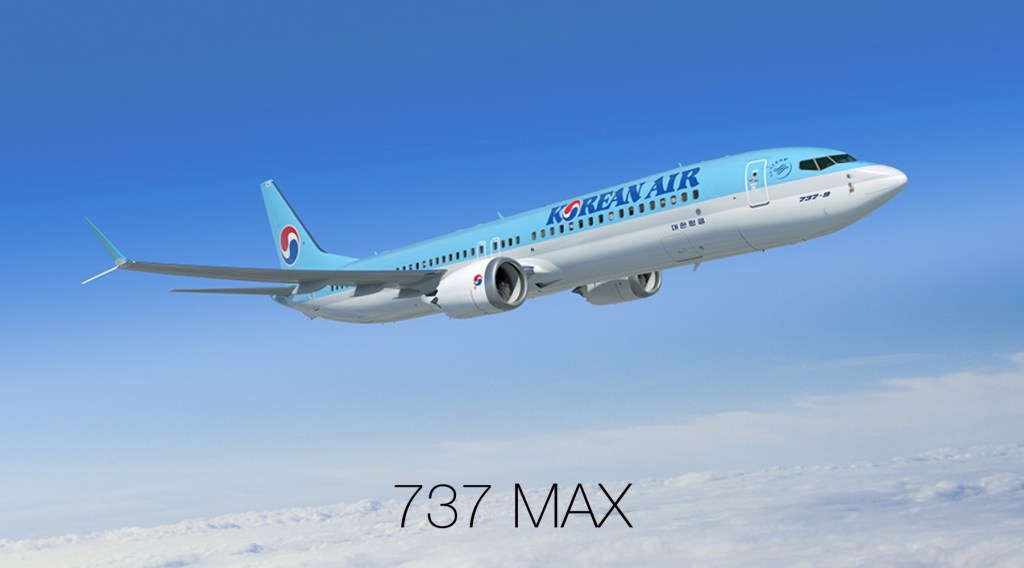
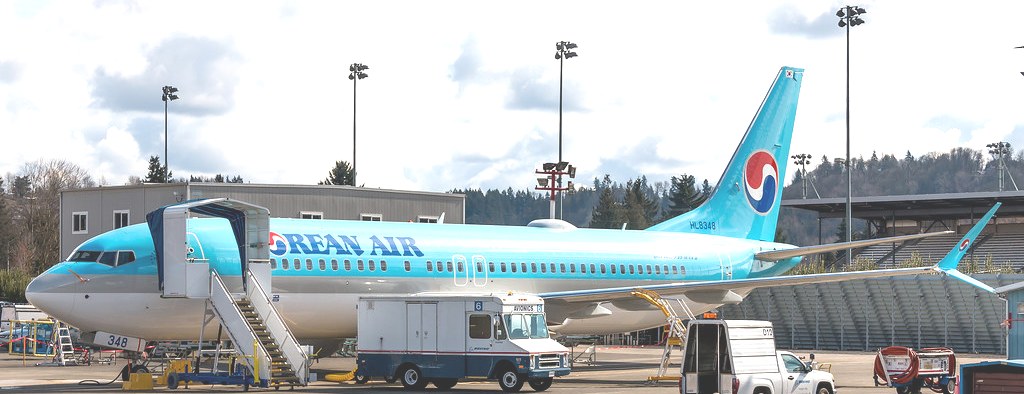
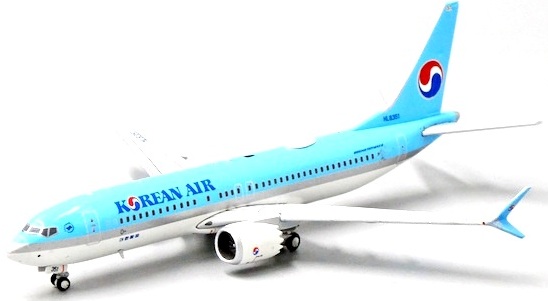
La aerolínea de bandera de Corea del Sur, Korean Air, ha anunciado la fecha en la que comenzará a operar vuelos de pasajeros con su avión Boeing 737-8 MAX tras la llegada del avión a Seúl, Corea del Sur, el 13 de Febrero de 2022. Al día siguiente, el 14/02 Korean Air confirmó a los medios que comenzará a operar su primer avión Boeing 737-8 MAX en Marzo de 2022. La moderna aeronave posee 2,8 años con registro HL8348, fue transportado desde su sitio de almacenamiento en el Aeropuerto Internacional de Narita (NRT) en Japón al Aeropuerto Internacional de Gimpo (GMP) en Corea del Sur.
“Pondremos todos los esfuerzos para su operación segura bajo la supervisión del Ministerio de Transporte. Nuestra oficina de seguridad y protección servirá como una torre de control integral para la operación segura del avión”, dijo un portavoz de Korean Air
Korean Air ha pedido 30 aviones Boeing 737 MAX desde Noviembre de 2015. Sin embargo, la entrega de los aviones se pospuso debido a la puesta a tierra global del avión luego de 346 muertes en dos accidentes fatales: el vuelo JT-610 de Lion Air en Octubre de 2018 y el vuelo ET-302 de Ethiopian Airlines en Marzo de 2019. La aerolínea con sede en Seúl actualmente tiene un solo avión de este tipo, pero planea expandir su flota MAX hasta 29 aviones hacia 2028.
Korean Air to return Boeing 737 MAX
Korean Air sets March return date for Boeing 737 MAX
South Korea’s flag carrier, Korean Air, has announced the date on which it will begin operating passenger flights with its Boeing 737-8 MAX aircraft following the plane’s arrival in Seoul, South Korea on February 13, 2022. The next day, on 02/14, Korean Air confirmed to the media that it will start operating its first Boeing 737-8 MAX aircraft in March 2022. The modern aircraft is 2.8 years old with registration HL8348, it was transported from its site from storage at Narita International Airport (NRT) in Japan to Gimpo International Airport (GMP) in South Korea.
“We will put all efforts for its safe operation under the supervision of the Ministry of Transportation. Our safety and security office will serve as a comprehensive control tower for the safe operation of the aircraft”, a Korean Air spokesperson said.
Korean Air has ordered 30 Boeing 737 MAX aircraft since November 2015. However, the delivery of the planes was postponed due to the global grounding of the aircraft following 346 deaths in two fatal accidents: Lion Air flight JT-610 in October 2018 and Ethiopian Airlines flight ET-302 in March 2019. The Seoul-based carrier currently has only one such aircraft but plans to expand its MAX fleet to 29 aircraft by 2028.
대한항공, 보잉 737 MAX 반환
대한항공, 보잉 737 MAX 월 귀국 예정
대한민국 대표 항공사인 대한항공은 2022년 2월 13일 대한민국 서울에 도착한 보잉 737-8 MAX 항공기 여객기 운항 개시일을 발표했다. 다음날인 2월 2일/ 대한항공은 2022년 3월 첫 보잉 737-8 MAX 항공기 운항을 시작한다고 14일 언론에 확인했다. 현대식 항공기는 등록번호 HL8348로 2.8년 된 것으로 나리타 국제공항(NRT) 창고에서 현장에서 운송됐다. ) 일본에서 한국의 김포 국제공항(GMP)까지.
“교통부 주관 하에 안전한 운행을 위해 최선을 다하겠습니다. 대한항공 관계자는 «우리 안전보안실은 항공기 안전운항을 위한 종합관제탑 역할을 할 것»이라고 말했다.
대한항공은 2015년 11월부터 보잉 737 MAX 항공기 30대를 주문했다. 그러나 2018년 10월 라이언에어 JT-610편과 에티오피아항공 두 건의 치명적인 사고로 346명이 사망한 뒤 글로벌 이항으로 항공기 인도가 연기됐다. 2019년 3월 ET-302 비행. 서울에 기반을 둔 이 항공사는 현재 그러한 항공기를 단 1대만 보유하고 있지만 2028년까지 MAX 항공기를 29대로 확장할 계획입니다.
PUBLISHER: Airgways.com DBk: Koreanair.com / Boeing.com / Woodis Aeroimages / Airgwways.com AW-POST: 202202160931AR OWNERSHIP: Airgways Inc. A\W A I R G W A Y S ®
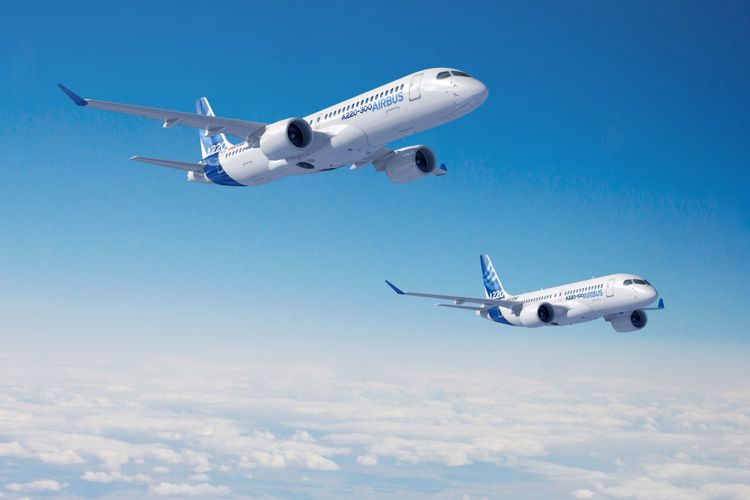
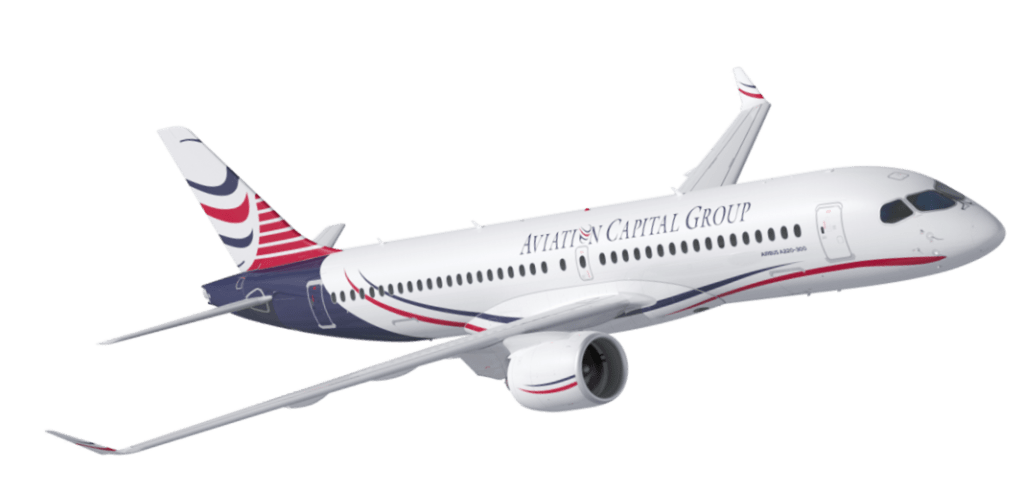
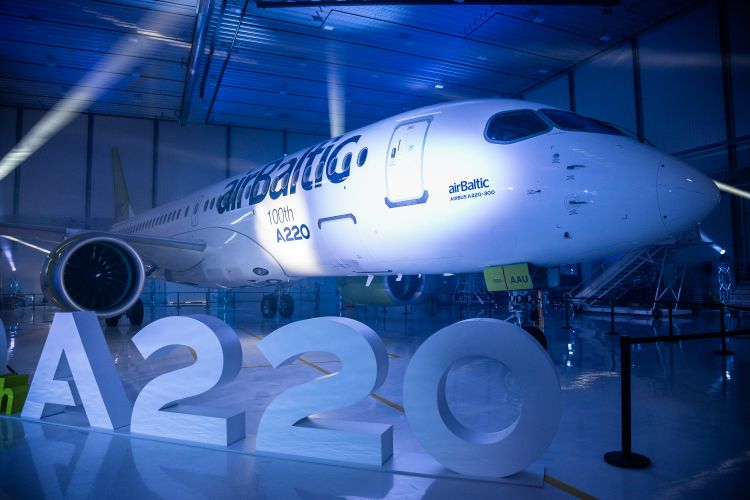
El arrendador de aviones estadounidense con sede en Newport Beach, Aviation Capital Group, ha confirmado un pedido de veinte aviones regionales Airbus A220 (20). La orden fue anunciada este Lunes 14/02 antes de la apertura de la feria aeronáutica Singapur Airshow 2022. La nueva orden no especifica la variante del modelo (200/300). Airbus Group ha aprovechado la oportunidad para confirmar otro pedido de su popular A220 de fuselaje estrecho. El avión recibió 20 pedidos firmes del Aviation Capital Group. Estos se incluyeron como un memorando de entendimiento junto con un pedido de 40 aviones de la familia A320NEO, incluidos cinco A321, en Diciembre de 2021.
El Director Comercial de Airbus, Christian Scherer, se ha pronunciado respecto a la nueva orden en firme: «Este pedido de veinte A220 del Aviation Capital Group de la compañía matriz TC Skyward Aviation U.S., Inc. refleja el potencial de la aeronave como una inversión sólida, incluso para inversores con sede en la región de Asia Pacífico. Con la eficiencia de combustible y emisiones cada vez más como una opción de inversión discriminatoria, el A220 realmente se destaca. Igualmente gratificante es la retroalimentación del mercado de que la cabina del A220 se está convirtiendo en la favorita de los pasajeros en los segmentos regionales y pequeños de pasillo único».
Protagonismo del A220
El Airbus A220 continúa aumentando rápidamente en popularidad y en órdenes en todo el mundo. A finales de Enero 2022, se habían colocado pedidos por 690, con una cartera de órdenes entregadas totales de 195 unidades desde 2009, inicialmente promocionados como CSeries. Tras la adquisición de la unidad de Bombardier CSeries en Octubre de 2017, ha aumentado la cartera de pedidos, acumulando órdenes por más de 700 aeronaves.
Perspectivas A220
La aeronave regional continuará incrementando su popularidad entre los transportadores aéreos mundiales a medida que entre en servicio con aún más aerolíneas. La compañía Airbus Group continúa evaluando una versión más grande denominada A330-500 que permitiría a los operadores más capacidades para desarrollar vuelos regionales.
Aviation Capital Group confirms 20 A220
Confirm MoU placed in December 2021
Newport Beach-based US aircraft lessor Aviation Capital Group has confirmed an order for twenty Airbus A220 (20) regional jets. The order was announced this Monday 02/14 before the opening of the Singapore Airshow 2022 air fair. The new order does not specify the model variant (200/300). Airbus Group has taken the opportunity to confirm another order for its popular narrow-body A220. The aircraft received 20 firm orders from the Aviation Capital Group. These were included as a memorandum of understanding alongside an order for 40 A320NEO family aircraft, including five A321s, in December 2021.
Airbus Commercial Director Christian Scherer commented on the new firm order: «This order for twenty A220s from the Aviation Capital Group of parent company TC Skyward Aviation US, Inc. reflects the potential of the aircraft as an investment solid, even for investors based in the Asia Pacific region With fuel efficiency and emissions increasingly becoming a discriminating investment option, the A220 really stands out Equally gratifying is the market feedback that the A220 cabin is becoming a passenger favorite in the regional and small single-aisle segments».
Prominence of the A220
The Airbus A220 continues to grow rapidly in popularity and orders around the world. By the end of January 2022, 690 orders had been placed, with a total delivered order book of 195 units since 2009, initially advertised as CSeries. After the acquisition of the Bombardier CSeries unit in October 2017, the order book has increased, accumulating orders for more than 700 aircraft.
Outlook A220
The regional aircraft will continue to grow in popularity with global air carriers as it enters service with even more airlines. The Airbus Group company continues to evaluate a larger version called the A330-500 that would allow operators more capabilities to develop regional flights.
PUBLISHER: Airgways.com DBk: Airbus.com / Aviationcapitalgroup.com / Airgways.com AW-POST: 202202141805AR OWNERSHIP: Airgways Inc. A\W A I R G W A Y S ®
Nella Group Inc. interesada en ingresar en Argentina
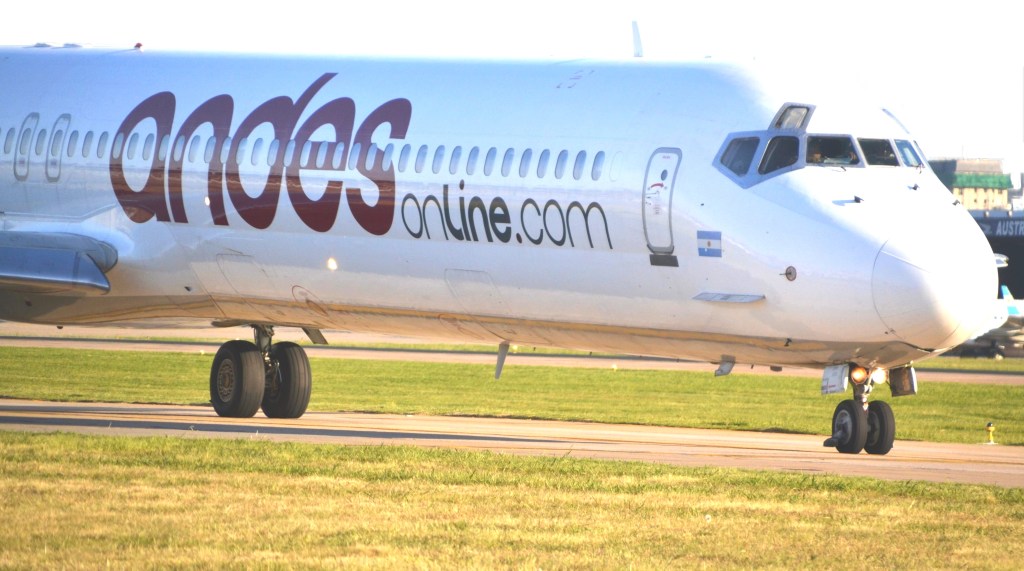
El grupo de aviación brasileño Nella Inc. ha anunciado este Sábado 12 de Febrero de 2022 el interés por incorporar a la aerolínea Andes Líneas Aéreas a su grupo controlante. El anuncio ha tomado conocimiento después de que la compañía la ha dado a conocer como parte del interés por diversificarse en la región. Andes Líneas Aéreas suspendió sus operaciones en Marzo de 2020, tras la crisis sanitaria mundial, mientras que atravesaba fuertes pérdidas económicas y la inflación del país hicieron cancelar los vuelos.
Como parte de de las estrategias del grupo, el conglomerado ha puesto en el radar la adquisición de la compañía argentina como parte de la diversificación de las unidades aéreas en la región. Actualmente posee aerolíneas en Bolivia (Amaszonas Línea Aérea), Venezuela (Albatros Airlines), mientras incursiona en Paraguay (Líneas Aéreas Paraguayas) y continúa gestionando salir al mercado en Brasil (Nella Airlines). El grupo había adquirido en Julio 2021 a Albatros Airlines y en Septiembre 2021 adquirió por US$ 50 millones Dólares a Amaszonas Línea Aérea.
Nella Group
Nella Airlines Group es actualmente un conglomerado estadounidense que controla las empresas del grupo brasileño Nella Airlines. El grupo se encuentra gestionado por Falcon Vision, una de las empresas encargadas de captar recursos para el Public Investiment Fund (PIF) del Reino de Arabia Saudita. Falcon Vision es una de las empresas vinculadas al Public Investiment Fund (PIF), el mayor fondo público de inversiones del mundo, administrado por Mohammad bin Salman bin Abdulaziz Al Saud, Príncipe heredero del Reino de Arabia Saudí. Según habría comunicado con anterioridad, está prevista una inversión por US$ 350 millones de Dólares una vez que las autoridades brasileñas finalicen los procesos de autorización.
Andes residual
La compañía aérea Andes Líneas Aéreas inició sus operaciones aerocomerciales en 2005 como parte de las acciones sustentadas por el Gobierno de la Provincia de Salta, para cubrir la demanda del Noroeste, después de quebrar la antecesora Dinar Líneas Aéreas. Las rutas domésticas enlazaban Salta (SLA) y Buenos Aires/Aeroparque (AEP), Puerto Madryn (PMY). Unió otros destinos como San Salvador de Jujuy (JUJ), San Miguel de Tucumán (TUC), Puerto Iguazú (IGR), Comodoro Rivadavia (CRD), San Carlos de Bariloche (BRC), Neuquén (NQN), Córdoba (COR) y Mendoza (MDZ) y Cafayate y Orán en la Provincia de Salta. En 2018, en el marco de la apertura aerocomercial, en la Audiencia Pública N°218, solicitó un total de 199 rutas que unen 39 ciudades argentinas y regionales. Pero, tras la grave crisis económica y las dificultades operativas de la aerolínea iniciaba vuelos chárter como parte de las estrategias para sobrevivir.
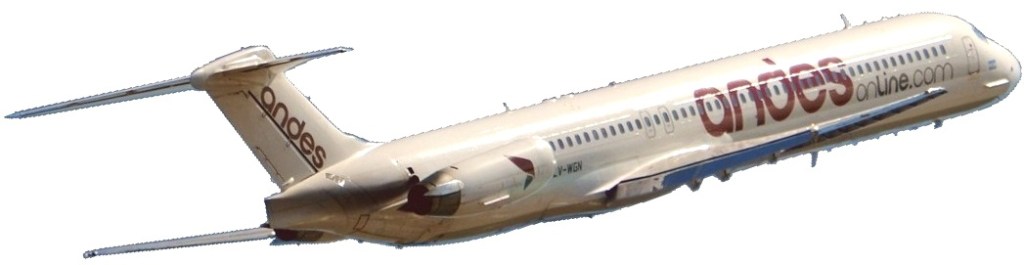
La flota histórica de Andes Líneas Aéreas fueron dos Bombardier CRJ-900 (2), un Fairchild Swearingen Metro 23 (1), cuatro Boeing 737-800 (4) y la línea McDonnell Douglas MD-82 (2), MD-83 (8), MD-87 (2) y MD-88 (1). Actualmente la aerolínea salteña posee operativo dos MD 83 (LV-WGM y LV-WGN). Andes transportó más de 3.891.000 de pasajeros. La actual situación financiera posee una deuda de US$ 25 millones de Dólares en pérdidas económicas, una fuerza laboral de 250 trabajadores.
Nella looking to buy Andes
Nella Group Inc. interested in entering Argentina
The Brazilian aviation group Nella Inc. has announced this Saturday, February 12, 2022, its interest in incorporating the airline Andes Líneas Aéreas into its controlling group. The announcement has become known after the company has made it known as part of the interest in diversifying in the region. Andes Líneas Aéreas suspended its operations in March 2020, after the global health crisis, while it was experiencing heavy economic losses and the country’s inflation caused the flights to be cancelled.
As part of the group’s strategies, the conglomerate has put the acquisition of the Argentine company on the radar as part of the diversification of the air units in the region. It currently owns airlines in Bolivia (Amaszonas Línea Aérea), Venezuela (Albatros Airlines), while it ventures into Paraguay (Líneas Aéreas Paraguayas) and continues managing to enter the market in Brazil (Nella Airlines). The group had acquired Albatros Airlines in July 2021 and in September 2021 it acquired Amaszonas Línea Aérea for US$50 million.
Nella Group
Nella Airlines Group is currently an American conglomerate that controls the companies of the Brazilian group Nella Airlines. The group is managed by Falcon Vision, one of the companies in charge of raising resources for the Public Investment Fund (PIF) of the Kingdom of Saudi Arabia. Falcon Vision is one of the companies linked to the Public Investiment Fund (PIF), the largest public investment fund in the world, managed by Mohammad bin Salman bin Abdulaziz Al Saud, Crown Prince of the Kingdom of Saudi Arabia. According to what he reported previously, an investment of US$350 million is planned once the Brazilian authorities complete the authorization processes.
Residual Andes
The airline company Andes Líneas Aéreas began its commercial operations in 2005 as part of the actions supported by the Government of the Province of Salta, to cover the demand of the Northwest, after the bankruptcy of the predecessor Dinar Líneas Aéreas. Domestic routes linked Salta (SLA) and Buenos Aires/Aeroparque (AEP), Puerto Madryn (PMY). It joined other destinations such as San Salvador de Jujuy (JUJ), San Miguel de Tucumán (TUC), Puerto Iguazú (IGR), Comodoro Rivadavia (CRD), San Carlos de Bariloche (BRC), Neuquén (NQN), Córdoba (COR) and Mendoza (MDZ) and Cafayate and Orán in the Province of Salta. In 2018, within the framework of the commercial opening, in Public Hearing No. 218, it requested a total of 199 routes linking 39 Argentine and regional cities. But, after the serious economic crisis and the operational difficulties of the airline, it started charter flights as part of the strategies to survive.
The historical fleet of Andes Líneas Aéreas were two Bombardier CRJ-900 (2), a Fairchild Swearingen Metro 23 (1), four Boeing 737-800 (4) and the McDonnell Douglas MD-82 (2), MD-83 ( 8), MD-87 (2), and MD-88 (1). Currently, the airline from Salta has two MD 83 operating (LV-WGM and LV-WGN). Andes transported more than 3,891,000 passengers. The current financial situation has a debt of US $ 25 million dollars in economic losses, a workforce of 250 workers.
PUBLISHER: Airgways.com DBk: Nellaairlines.com / Airgways.com AW-POST: 202202140531AR OWNERSHIP: Airgways Inc. A\W A I R G W A Y S ®
Exigencias vuelos a La Pampa genera disgustos pasajeros
Una sorpresiva exigencia de Aerolíneas Argentinas en los vuelos hacia Santa Rosa, Provincia de La Pampa generó la bronca de varios pasajeros. Con las restricciones relacionadas con la pandemia prácticamente en retirada ha llamado la atención el permiso que en su momento exigió La Pampa para todos aquellos que querían ingresar al territorio provincial. Ese formulario, en desuso por la situación epidemiológica y la vacunación, es pedido antes de abordar los aviones sin previa advertencia, ni tampoco con un aviso a la hora de vender los boletos. A quienes no los tienen, directamente no los dejan viajar y los trasladan al hotel Hilton, donde el alojamiento no siempre es reconocido por la empresa estatal.
«La situación epidemiológica actual con descenso del número de casos y muy buena cobertura de vacunación en los distintos grupos en la Provincia de La Pampa, nos permite vivir casi sin restricciones, por lo tanto, sin necesitar certificaciones. No obstante, se continúa con la vigilancia y el monitoreo en la circulación del virus y sus posibles variantes siendo cautos y estando atentos por cualquier modificación que se deba comunicar de las estrategias de cuidado», expresó el Subsecretario de Salud, Gustavo Vera.
Aerolíneas requirements flights La Pampa
Demands flights to La Pampa generate passenger dislikes
A surprising requirement of Aerolíneas Argentinas on flights to Santa Rosa, Province of La Pampa generated the anger of several passengers. With the restrictions related to the pandemic practically in retreat, the permit that La Pampa required at the time for all those who wanted to enter the provincial territory has drawn attention. This form, in disuse due to the epidemiological situation and vaccination, is requested before boarding the planes without prior warning, nor with a notice when selling tickets. Those who do not have them are not allowed to travel directly and are transferred to the Hilton hotel, where the accommodation is not always recognized by the state company.
«The current epidemiological situation with a decrease in the number of cases and very good vaccination coverage in the different groups in the Province of La Pampa, allows us to live almost without restrictions, therefore, without the need for certifications. However, the Surveillance and monitoring of the circulation of the virus and its possible variants, being cautious and being vigilant for any changes that must be communicated in care strategies», said the Undersecretary of Health, Gustavo Vera.
PUBLISHER: Airgways.com DBk: Lapampa.gob.ar / Airgways.com AW-POST: 202202131043AR OWNERSHIP: Airgways Inc. A\W A I R G W A Y S ®
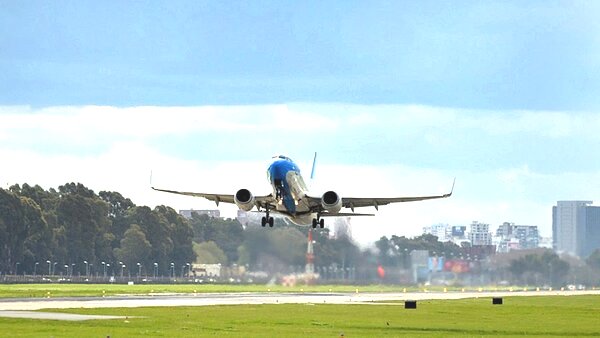
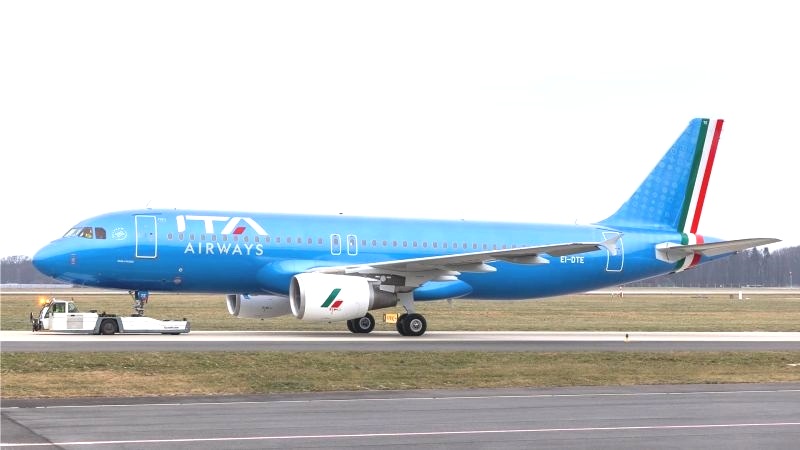
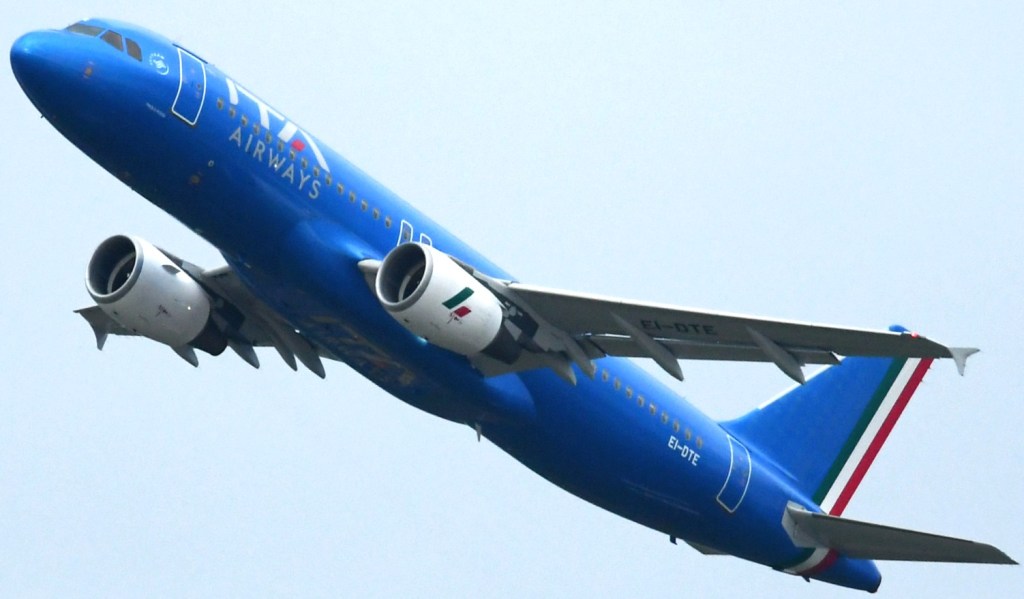
El Gobierno italiano ha iniciado el proceso para encontrar un socio para ITA Airways con una primera etapa mantendrá una participación minoritaria en la compañía sucesora de Alitalia, dijo el Viernes 12/02 el Ministro de Economía, Daniele Franco.
Roma ha redactado un decreto que enumera las formas en que puede descargar su participación en la aerolínea, incluida una venta directa o una Oferta Pública, sin establecer una fecha límite para un acuerdo. «Hay temas interesados en la operación, pero no tenemos un plan bajo el cual podamos predeterminar el momento», dijo Daniele Franco durante una conferencia de prensa después de una reunión de gabinete.
La estatal ITA comenzó a volar el 15 de Octubre de 2021 y ha estado buscando socios de capital. La compañía naviera MSC y la alemana Lufthansa han expresado su interés en comprar una participación mayoritaria en ITA, y han pedido un período de exclusividad de noventa días para resolver los detalles. Otros interesados pueden surgir en las próximas semanas si ITA Airways abre sus libros a posibles compradores. Delta Air Lines dijo el mes pasado que no tenía planes de invertir en la nueva aerolínea italiana. En décadas pasadas, Alitalia intentó sin lograr establecer alianzas con Air France y, más recientemente, la aerolínea Etihad Airways.
El actual Gobierno buscará poner a la venta casi el 100% de las acciones de la aerolínea estatal ITA Airways y retener un mínimo de acciones que conservaría el Estado italiano. ITA Airways actualmente posee 52 aeronaves activas y una plantilla de 2.300 empleados una estructura mucho menor a su antecesora Alitalia. El Gobierno italiano ha gastado un estimado de € 10 mil millones de Euros de los contribuyentes en Alitalia a lo largo de los años.
Italy launches sale of ITA Airways
Government would maintain a minority stake
The Italian Government has started the process to find a partner for ITA Airways with a first stage will hold a minority stake in Alitalia’s successor company, said on Friday 02/12 the Minister of Economy, Daniele Franco.
Rome has drafted a decree listing the ways it can offload its stake in the airline, including an outright sale or a Tender Offer, without setting a deadline for a deal. «There are issues interested in the operation, but we don’t have a plan under which we can predetermine the moment», Daniele Franco said during a press conference after a cabinet meeting.
The state-owned ITA began flying on October 15, 2021 and has been looking for capital partners. Shipping company MSC and Germany’s Lufthansa have expressed interest in buying a majority stake in ITA, and have asked for a ninety-day period of exclusivity to work out the details. Other interested parties may emerge in the coming weeks if ITA Airways opens its books to potential buyers. Delta Air Lines said last month that it had no plans to invest in the new Italian airline. In past decades, Alitalia tried unsuccessfully to establish alliances with Air France and, more recently, the airline Etihad Airways.
The current Government will seek to put up for sale almost 100% of the shares of the state airline ITA Airways and retain a minimum of shares that the Italian State would retain. ITA Airways currently has 52 active aircraft and a workforce of 2,300 employees, a much smaller structure than its predecessor Alitalia. The Italian Government has spent an estimated €10 billion Euros from taxpayers on Alitalia over the years.
L’Italia lancia la vendita di ITA Airways
Il governo manterrebbe una quota di minoranza
Il governo italiano ha avviato il processo per trovare un partner per ITA Airways con una prima fase che deterrà una partecipazione di minoranza nella società successore di Alitalia, ha affermato venerdì 02/12 il ministro dell’Economia, Daniele Franco.
Roma ha redatto un decreto che elenca i modi in cui può scaricare la sua partecipazione nella compagnia aerea, inclusa una vendita a titolo definitivo o un’offerta pubblica di acquisto, senza fissare una scadenza per un accordo. «Ci sono questioni interessate all’operazione, ma non abbiamo un piano in base al quale possiamo predeterminare il momento», ha detto Daniele Franco durante una conferenza stampa dopo una riunione di gabinetto.
L’ITA di proprietà statale ha iniziato a volare il 15 Ottobre 2021 e ha cercato partner di capitale. La compagnia di navigazione MSC e la tedesca Lufthansa hanno espresso interesse ad acquistare una quota di maggioranza in ITA e hanno chiesto un periodo di esclusiva di novanta giorni per elaborare i dettagli. Altre parti interessate potrebbero emergere nelle prossime settimane se ITA Airways aprirà i suoi libri ai potenziali acquirenti. Delta Air Lines ha dichiarato il mese scorso di non avere intenzione di investire nella nuova compagnia aerea italiana. Nei decenni passati, Alitalia ha tentato senza successo di stringere alleanze con Air France e, più recentemente, con la compagnia aerea Etihad Airways.
L’attuale governo cercherà di mettere in vendita quasi il 100% delle azioni della compagnia aerea statale ITA Airways e di trattenere un minimo di azioni che lo Stato italiano manterrebbe. ITA Airways ha attualmente 52 aeromobili attivi e una forza lavoro di 2.300 dipendenti, una struttura molto più piccola rispetto al suo predecessore Alitalia. Il governo italiano ha speso circa 10 miliardi di euro dai contribuenti per Alitalia nel corso degli anni.
PUBLISHER: Airgways.com DBk: Itaspa.com / Governo.it / Airgways.com AW-POST: 202202121035AR OWNERSHIP: Airgways Inc. A\W A I R G W A Y S ®
ANAC aprueba 1er proyecto conversión aeronaves pasajeros Azul convierte 1er compañía mundial conversión Clase F
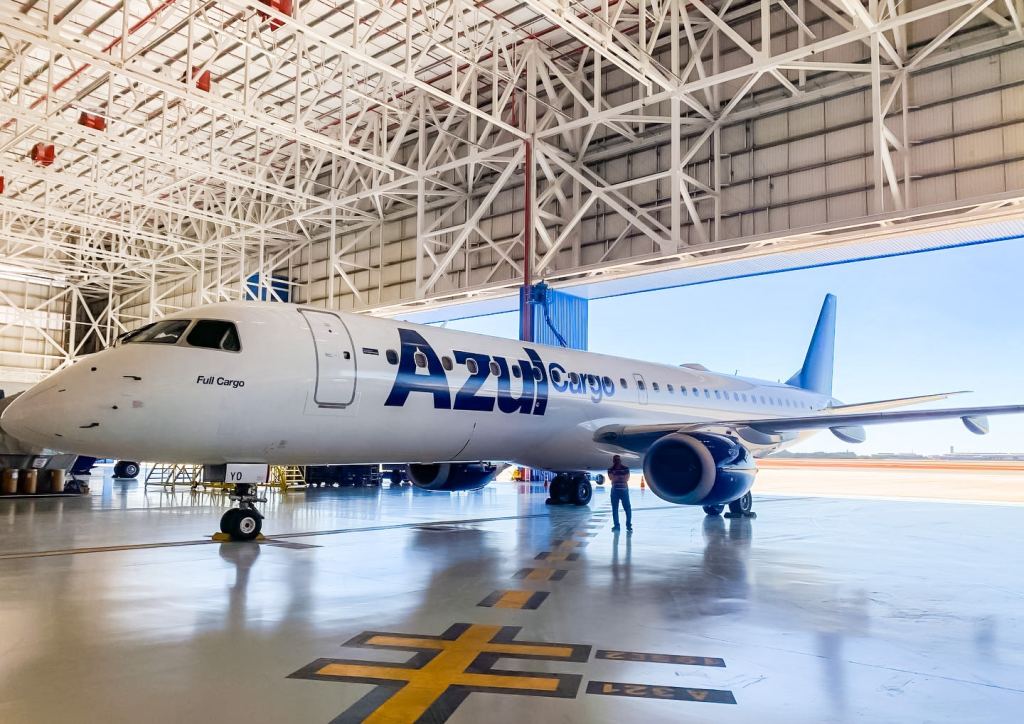
La Agencia Nacional de Aviación Civil (ANAC) de Brasil ha anunciado la emisión del Certificado de Tipo Suplementario (CST) para el primer proyecto de conversión de cabina de pasajeros de aeronaves de categoría de transporte a compartimento de carga Clase F desarrollado en Brasil para la aerolínea Azul Cargo. El proyecto consiste en la instalación de hasta dieciséis contenedores con una capacidad de carga de hasta 400 kg cada uno, una cortina de humos para la protección de la cabina y un sistema de cámaras de detección de calor, para monitorear y alertar las condiciones del material transportado, en categoría de transporte aéreo.
Los contenedores de la aeronave están fabricados con material que cumple con los requisitos de inflamabilidad, recubiertos con redes de sujeción de carga y fijados en los rieles originalmente destinados a la fijación de asientos de pasajeros. La homologación permite la flexibilidad de configuración de las aeronaves de pasajeros para un cambio rápido, proporcionando a los operadores el uso de la aeronave de acuerdo con la demanda del mercado y, en consecuencia, la necesidad de la empresa.
Debido a la pandemia de Covid-19, las aerolíneas ya tienen la posibilidad de realizar el transporte de carga en cabina de manera excepcional y temporal, permitido por la Resolución ANAC No. 600 del 15 de Diciembre de 2020, que presenta los lineamientos para la operación. Sin embargo, la emisión del Certificado de Tipo Suplementario permite el transporte de un mayor volumen de carga, además de no tener la operación limitada a las condiciones de resolución y poder ser utilizada independientemente de la situación de excepcionalidad que traiga la pandemia.
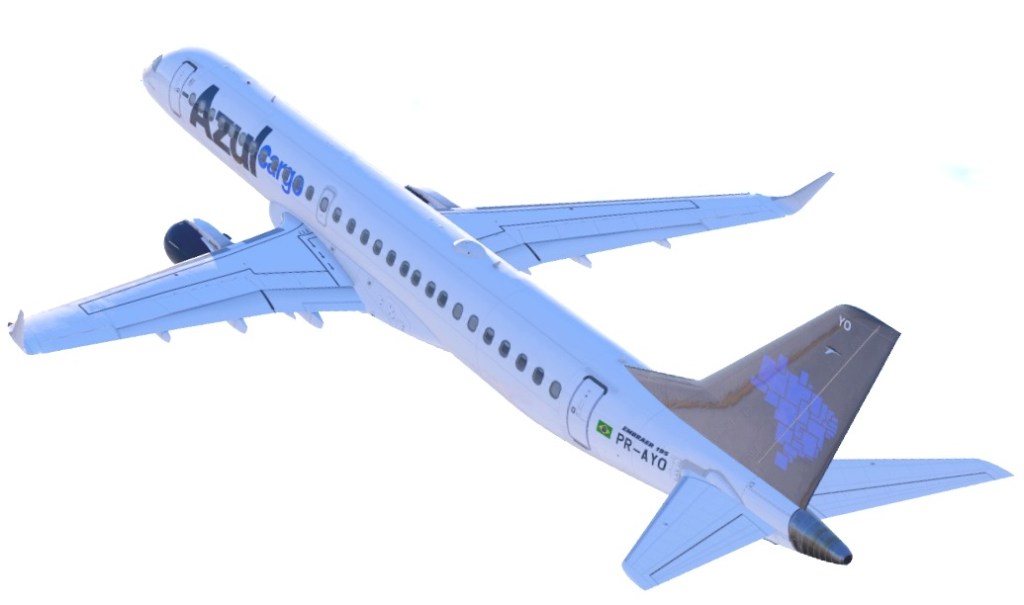
El primer avión certificado por la Agencia para la conversión de transporte de pasajeros para operar carga es un Embraer E195. Operado por Azul Linhas Aéreas, el avión fue fabricado en 2013. El prototipo que obtuvo el CST realizó pruebas de concepto y barrera contra el humo en tierra, además del vuelo de certificación con inspectores de la ANAC.
Clase F
La certificación de una aeronave en la categorización opera Clase F permite el transporte de carga en la cabina de pasajeros, en contenedores resistentes al calor y al fuego, con un innovador sistema de detección de incendios a través de cámaras térmicas.
Azul Cargo
El brazo de carga de Azul Airlines ha crecido un 7% en el período de la pandemia. Tras las aprobaciones de las certificaciones aeronáuticas, la compañía aérea se ha convertido en la primera en el mundo en operar con aviones Clase F. La aerolínea con sede en Campinas (SP), durante el período de pandemia desde 2020 a la fecha ha incrementado saludablemente el transporte de mercancías, según ha expresado la Directora de la división de la compañía, Izabel Reis, el Jueves 10/02 por la tarde. Según ella, Azul Cargo representaba, al inicio de la pandemia, una participación de poco más del 3% y actualmente del 10%. La ejecutiva celebró el resultado y espera que la aerolínea se mantenga en una senda de crecimiento.
Azul conversion E195 Class F
ANAC approves 1st passenger aircraft conversion project Azul converts 1st world conversion company Class F
The National Civil Aviation Agency (ANAC) of Brazil has announced the issuance of the Supplementary Type Certificate (CST) for the first passenger cabin conversion project of transport category aircraft to Class F cargo compartment developed in Brazil for the airline Azul Cargo. The project consists of the installation of up to sixteen containers with a load capacity of up to 400 kg each, a smoke screen to protect the cabin and a system of heat detection cameras to monitor and alert the conditions of the material. transported, in air transport category.
Aircraft containers are made of material that meets flammability requirements, lined with cargo-securing nets, and attached to rails originally intended for passenger seat attachment. The homologation allows the flexibility of configuration of passenger aircraft for rapid change, providing operators with the use of the aircraft according to market demand and, consequently, the need of the company.
Due to the Covid-19 pandemic, airlines already have the possibility of transporting cargo in the cabin on an exceptional and temporary basis, permitted by ANAC Resolution No. 600 of December 15, 2020, which presents the guidelines for the operation. However, the issuance of the Supplemental Type Certificate allows the transport of a greater volume of cargo, in addition to not having the operation limited to the resolution conditions and being able to be used regardless of the exceptional situation that the pandemic brings.
The first aircraft certified by the Agency for passenger transport conversion to operate cargo is an Embraer E195. Operated by Azul Linhas Aéreas, the aircraft was manufactured in 2013. The prototype that obtained the CST underwent concept and smoke barrier tests on the ground, in addition to the certification flight with ANAC inspectors.
F-Class
The certification of an aircraft in the operating Class F category allows cargo to be transported in the passenger cabin, in heat and fire resistant containers, with an innovative fire detection system using thermal cameras.
Azul Cargo
Azul Airlines’ cargo arm has grown by 7% in the period of the pandemic. After the approvals of the aeronautical certifications, the airline has become the first in the world to operate with Class F aircraft. The airline based in Campinas (SP), during the pandemic period from 2020 to date has increased healthily the transport of goods, as expressed by the Director of the company’s division, Izabel Reis, on Thursday 02/10 in the afternoon. According to her, Azul Cargo represented, at the beginning of the pandemic, a share of just over 3% and currently 10%. The executive celebrated the result and hopes that the airline will remain on a path of growth.
Azul conversão E195 Classe F
ANAC aprova 1º projeto de conversão de aeronaves de passageiros Azul converte empresa de conversão de 1º mundo Classe F
A Agência Nacional de Aviação Civil (ANAC) do Brasil anunciou a emissão do Certificado Suplementar de Tipo (CST) para o primeiro projeto de conversão de cabine de passageiros de aeronaves da categoria transporte para compartimento de carga Classe F desenvolvido no Brasil para a companhia aérea Azul Cargo. O projeto consiste na instalação de até dezesseis contêineres com capacidade de carga de até 400 kg cada, uma cortina de fumaça para proteção da cabine e um sistema de câmeras de detecção de calor para monitorar e alertar as condições do material transportado, no ar categoria de transporte.
Os contêineres de aeronaves são feitos de material que atende aos requisitos de inflamabilidade, revestidos com redes de fixação de carga e presos a trilhos originalmente destinados à fixação do assento do passageiro. A homologação permite a flexibilidade de configuração de aeronaves de passageiros para troca rápida, proporcionando aos operadores a utilização da aeronave de acordo com a demanda do mercado e, consequentemente, a necessidade da empresa.
Devido à pandemia de Covid-19, as companhias aéreas já têm a possibilidade de transportar cargas na cabine de forma excepcional e temporária, permitida pela Resolução ANAC nº 600 de 15 de Dezembro de 2020, que apresenta as diretrizes para a operação. No entanto, a emissão do Certificado de Tipo Complementar permite o transporte de um volume maior de carga, além de não ter a operação limitada às condições de resolução e poder ser utilizado independentemente da situação excepcional que a pandemia traz.
A primeira aeronave certificada pela Agência para conversão de transporte de passageiros para operação de carga é um Embraer E195. Operada pela Azul Linhas Aéreas, a aeronave foi fabricada em 2013. O protótipo que obteve o CST passou por testes de conceito e barreira de fumaça em solo, além do voo de certificação com inspetores da ANAC.
Classe F
A certificação de uma aeronave na categoria operacional Classe F permite que a carga seja transportada na cabine de passageiros, em contêineres resistentes ao calor e ao fogo, com um sistema inovador de detecção de incêndio por meio de câmeras térmicas.
Azul Cargo
O braço de carga da Azul Airlines cresceu 7% no período da pandemia. Após as aprovações das certificações aeronáuticas, a companhia aérea se tornou a primeira do mundo a operar com aeronaves Classe F. A companhia aérea sediada em Campinas (SP), durante o período de pandemia de 2020 até hoje, aumentou saudavelmente o transporte de mercadorias, pois expresso pela Diretora da divisão da empresa, Izabel Reis, na tarde de Quinta-feira 10/02. Segundo ela, a Azul Cargo representava, no início da pandemia, uma fatia de pouco mais de 3% e atualmente 10%. O executivo comemorou o resultado e espera que a companhia aérea continue na trajetória de crescimento.
PUBLISHER: Airgways.com DBk: Voeazul.com.br / Azulcargoexpress.com.br / Gov.br/anac / Airgways.com AW-POST: 202202111740AR OWNERSHIP: Airgways Inc. A\W A I R G W A Y S ®
Objetivo incorporar aviones y destinos desde Tweed
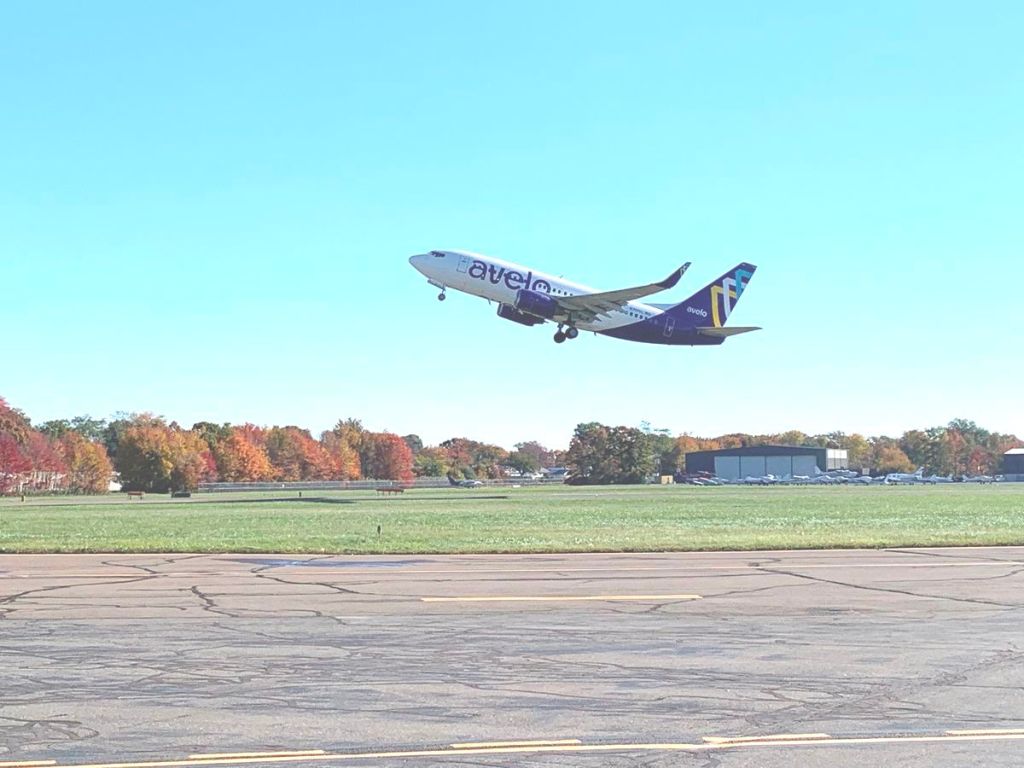
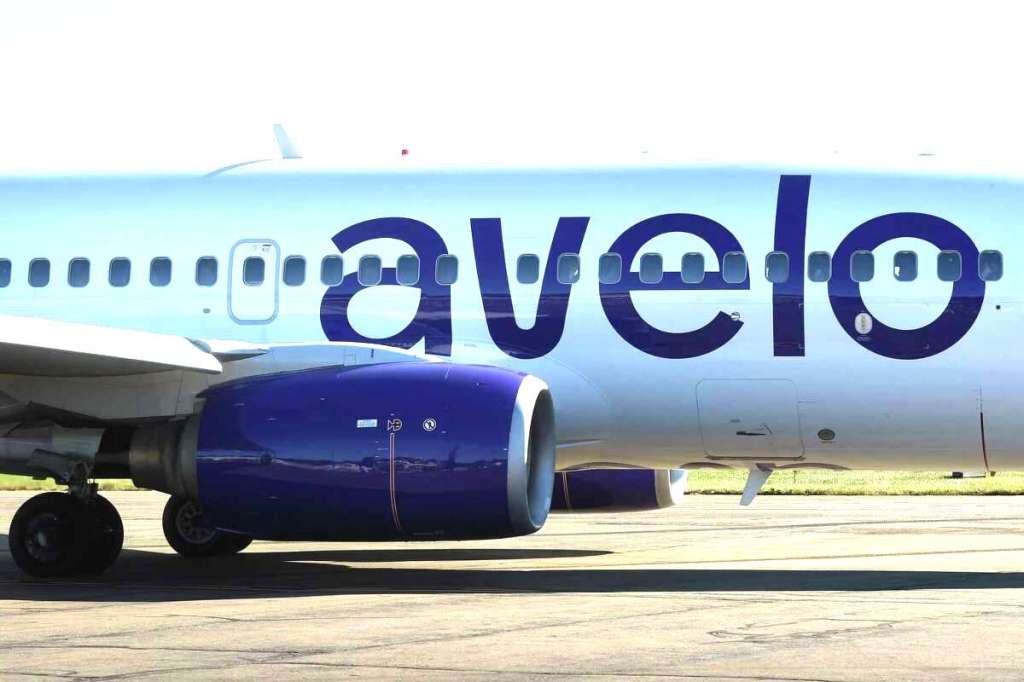
Avelo Airlines se encuentra celebrando sus cien días sirviendo en el Aeropuerto Regional de Tweed/New Haven. La aerolínea low cost continúa expandiendo sus servicios en la costa Este de Estados Unidos. La base de Tweed ha establecido ocien nuevos puestos de empleos con más de US$ 20 millones en impacto económico local para la región, dijo el Jueves 11/02 el presidente y CEO Andrew Levy. Durante los primeros tres meses de servicio de Avelo, voló a casi 70.000 clientes en casi 600 vuelos hacia y desde New Haven, dijo Andrew Levy.
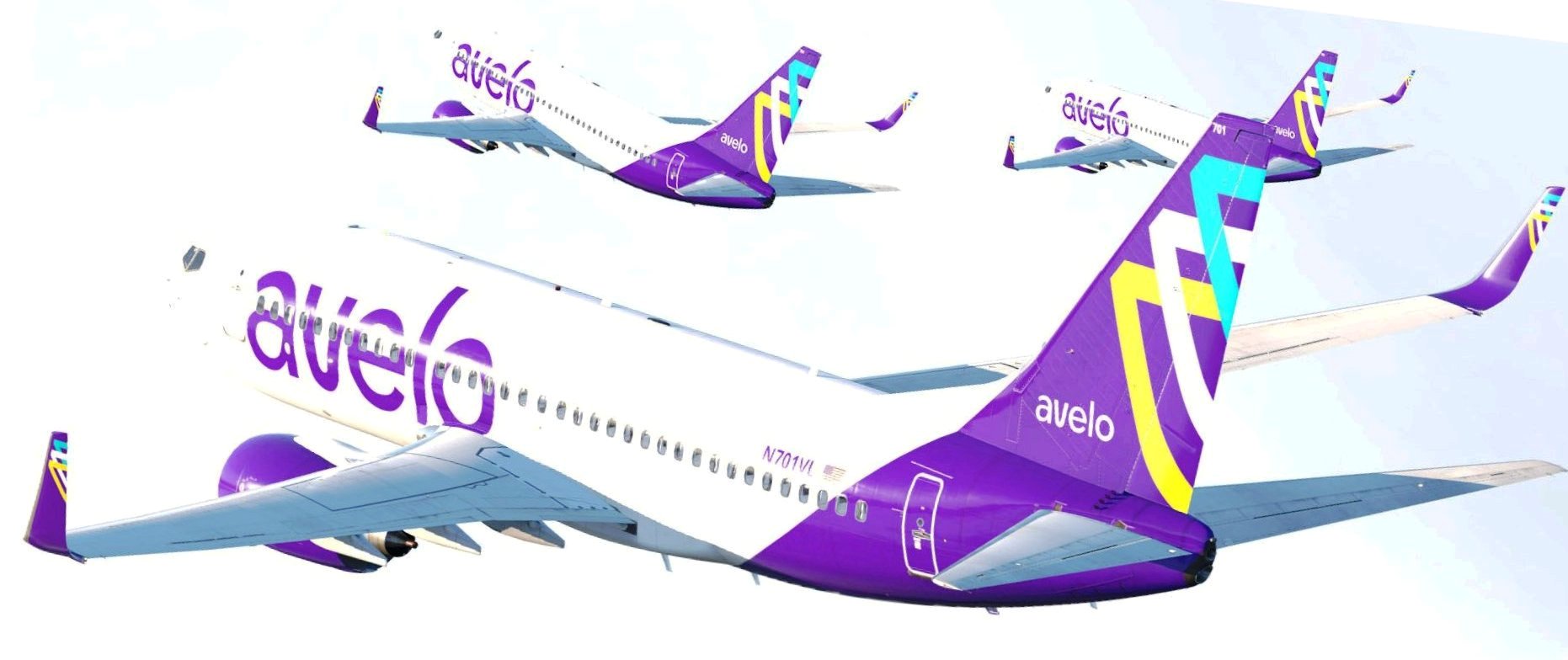
Avelo Airlines había anunciado el servicio de base en Tweed en Mayo de 2021. Avelo comenzó a volar desde Tweed, su base en la costa Este, con actualmente seis destinos en el Estado de Florida el 3 de Noviembre de 2021. Actualmente opera tres aviones Boeing 737-700 Next-Generation de 147 asientos. La aerolínea agregará tres aviones más en los próximos meses, junto con nuevos destinos a lugares distintos de Florida.
La expansión de nuevas rutas a otras ciudades no han sido reveladas desde su base en New Haven/Tweed. Avelo ha contratado a 109 miembros de la tripulación con sede en New Haven, incluidos asistentes de vuelo, pilotos, representantes de servicio al cliente del aeropuerto y roles relacionados con las operaciones, así como gerentes y supervisores, dijo la aerolínea en un comunicado. Planea contratar al menos 100 miembros adicionales de la tripulación con base en Tweed para fines de 2022. «Estoy muy satisfecho con la respuesta inicial a la llegada de Avelo a HVN. La comodidad inigualable de HVN, junto con la excepcional confiabilidad y asequibilidad de Avelo, han hecho de nuestra aerolínea una opción atractiva para personas de toda la región. Estamos especialmente orgullosos de los notables miembros de la tripulación de Avelo con sede en HVN cuya dedicación a la excelencia y el cuidado del Alma de Servicio están alimentando el éxito de Avelo. Esperamos continuar invirtiendo en nuestro equipo, esta comunidad y el estado a medida que agregamos más destinos, más aviones y más miembros de la tripulación en los próximos meses», expresó Andrew Levy.
100 días/Tweed
Para celebrar el hito de los 100 días, Avelo Airlines está ofreciendo una tarifa de ida de US$ 49 entre New Haven/Tweed y sus seis destinos de Florida que incluyen Fort Lauderdale, Fort Myers, Orlando, Sarasota/Bradenton, Tampa y West Palm Beach, dijo Avelo en el comunicado. La tarifa está disponible en AveloAir.com.
«En pocas palabras, los últimos 100 días han sido increíbles. De 100 nuevos empleos creados a 70,000 personas que pasan por nuestro aeropuerto, estamos muy orgullosos de lo que hemos podido lograr estos últimos tres meses. Trabajando junto a nuestros socios en Avelo Airlines y Avports, hemos transformado HVN en las necesidades más vibrantes del aeropuerto de Connecticut y siempre hemos sabido que podría ser«, dijo el Director Ejecutivo de la Autoridad Aeroportuaria de Tweed New Haven, Sean Scanlon.
«Hemos sabido durante casi dos décadas que la expansión y modernización de Tweed podría lograrse de manera responsable y con un impacto económico positivo en New Haven. En los últimos 100 días, Avelo Airlines está mostrando cuán precisas fueron esas proyecciones», dijo el alcalde Justin Elicker.
«En poco más de tres meses, Avelo Airlines ha demostrado el valor del Tweed para nuestra economía. Con más de 100 empleos y un impacto económico pronosticado de más de US$ 20 millones, Avelo es una parte clave de la posición nacional de New Haven en innovación y crecimiento inclusivo», dijo el Administrador de Desarrollo Económico de la ciudad, Michael Piscitelli.
Satisfacción en Avelo
Si bien Avelo ha experimentado algunas cancelaciones relacionadas con el clima y ha redirigido vuelos tanto en Diciembre 2021 como en Enero 2022 y a principios de este mes de Febrero 2022, además de un vuelo que tuvo que aterrizar en el Aeropuerto Internacional Bradley en Windsor Locks debido a un posible ataque de aves, Andrew Levy dijo que está satisfecho con la responsabilidad de Avelo Airlines hasta ahora. «A pesar del histórico clima invernal severo que azotó el noreste en enero, Avelo ha logrado un impresionante nivel de confiabilidad durante sus primeros tres meses de operaciones. Al excluir las cancelaciones relacionadas con el clima fuera del control de Avelo, la aerolínea logró una tasa de cancelación de menos del 1 por ciento entre Noviembre y Enero«, dijo la aerolínea en el comunicado. La tasa de llegada a tiempo de Avelo entre Noviembre 2021 y Enero 2022 fue de más del 80 por ciento después de excluir los retrasos relacionados con el clima fuera del control de la aerolínea.
Perspectivas Avelo
Avelo Airlines se encuentra invirtiendo US$ 1.2 millones para ayudar a actualizar y modernizar las instalaciones y operaciones como parte de un proyecto general de US$ 100 millones en New Haven/Tweed. La expansión, que el operador aeroportuario Avports LLC está financiando, incluirá una nueva terminal en el lado de East Haven del aeropuerto y una pista extendida. Una vez que la nueva terminal esté en competencia, la pista se haya ampliado y se hayan agregado los empleos adicionales, se ha pronosticado que el impacto económico en la región será de más de US$ 275 millones, dijo Avelo.
Avelo Airlines, que también ofrece servicio en la costa oeste desde y hacia el Aeropuerto Hollywood/Burbank de Los Ángeles (CA), actualmente sirve a dieciocho destinos en todo Estados Unidos. Se ha comprometido a agregar nueve Boeing 737 Next Generation en 2022. Planea duplicar su red de dieciocho a al menos cuarenta destinos para fines de este año.
Una representante de Rex Development, Barbara Malmberg, dijo a la Comisión de Desarrollo Económico de East Haven a principios de esta semana que Avelo Airlines pronto anunciará servicios a un destino del Medio Oeste.
Avelo expansion in Tweed
Objective incorporate planes and destinations from Tweed
Avelo Airlines is celebrating its 100th day of service at the Tweed/New Haven Regional Airport. The low cost airline continues to expand its services on the East Coast of the United States. The Tweed base has established 100 new jobs with more than US$ 20 million in local economic impact for the region, President and CEO Andrew Levy said Thursday 2/11. During Avelo’s first three months of service, it flew nearly 70,000 customers on nearly 600 flights to and from New Haven, Andrew Levy said.
Avelo Airlines had announced base service in Tweed in May 2021. Avelo began flying from Tweed, its East Coast base, with currently six destinations in the State of Florida on November 3, 2021. It currently operates three Boeing aircraft 737-700 Next-Generation with 147 seats. The airline will add three more planes in the coming months, along with new destinations to places other than Florida.
Expansion of new routes to other cities have not been disclosed from its base in New Haven/Tweed. Avelo has hired 109 New Haven-based crew members, including flight attendants, pilots, airport customer service representatives and operations-related roles, as well as managers and supervisors, the airline said in a statement. It plans to hire at least 100 additional Tweed-based crew members by the end of 2022. «I am very pleased with the initial response to Avelo’s arrival at HVN. HVN’s unmatched comfort coupled with Avelo’s exceptional reliability and affordability, have made our airline an attractive choice for people throughout the region. We are especially proud of the remarkable HVN-based Avelo crew members whose dedication to excellence and caring for the Soul of Service are fueling Avelo’s success. Levy said in the statement. «We look forward to continuing to invest in our team, this community and the state as we add more destinations, aircraft and crew members in the coming months», said Andrew Levy.
100 days/Tweed
To celebrate the 100-day milestone, Avelo Airlines is offering a US$ 49 one-way fare between New Haven/Tweed and its six Florida destinations including Fort Lauderdale, Fort Myers, Orlando, Sarasota/Bradenton, Tampa and West Palm. Beach, Avelo said in the statement. The fare is available at AveloAir.com.
«Simply put, the last 100 days have been incredible. From 100 new jobs created to 70,000 people passing through our airport, we are very proud of what we have been able to accomplish these past three months. Working alongside our partners at Avelo Airlines and Avports, we’ve transformed HVN into Connecticut’s most vibrant airport needs and always knew it could be», said Tweed New Haven Airport Authority Executive Director Sean Scanlon.
«We have known for nearly two decades that the expansion and modernization of Tweed could be accomplished responsibly and with a positive economic impact on New Haven. In the last 100 days, Avelo Airlines is showing how accurate those projections were», said Mayor Justin Elicker.
«In just over three months, Avelo Airlines has proven the value of Tweed to our economy. With more than100 jobs and a predicted economic impact of more than US$ 20 million, Avelo is a key part of New Haven’s national standing, on innovation and inclusive growth», said City Economic Development Manager Michael Piscitelli.
Satisfaction in Avelo
While Avelo has experienced some weather-related cancellations and has rerouted flights in both December 2021 and January 2022 and earlier this month in February 2022, as well as one flight that had to land at Bradley International Airport in Windsor Locks due to a possible bird attack, Andrew Levy said he is satisfied with Avelo Airlines’ responsibility so far. «Despite the historic severe winter weather that hit the Northeast in January, Avelo has achieved an impressive level of reliability during its first three months of operations. By excluding cancellations related to weather outside of Avelo’s control, the airline achieved a cancellation rate of less than 1 percent between November and January», the airline said in the statement. Avelo’s on-time arrival rate between November 2021 and January 2022 was more than 80 percent after excluding weather-related delays beyond the airline’s control.
Avelo Perspectives
Avelo Airlines is investing US$ 1.2 million to help upgrade and modernize facilities and operations as part of an overall US$ 100 million New Haven/Tweed project. The expansion, which airport operator Avports LLC is financing, will include a new terminal on the East Haven side of the airport and an extended runway. Once the new terminal is up for grabs, the runway has been expanded and the additional jobs added, the economic impact on the region has been forecast to be more than US$ 275 million, Avelo said.
Avelo Airlines, which also offers West Coast service to and from Los Angeles (CA) Hollywood/Burbank Airport, currently serves eighteen destinations throughout the United States. It has committed to adding nine Boeing 737 Next Generations by 2022. It plans to double its network from eighteen to at least forty destinations by the end of this year.
A Rex Development representative, Barbara Malmberg, told the East Haven Economic Development Commission earlier this week that Avelo Airlines will soon announce service to a Midwest destination.
PUBLISHER: Airgways.com DBk: Aveloair.com / Airgways.com AW-POST: 202202111600AR OWNERSHIP: Airgways Inc. A\W A I R G W A Y S ®
ProAuthor contenido inteligente de plataforma Comply365
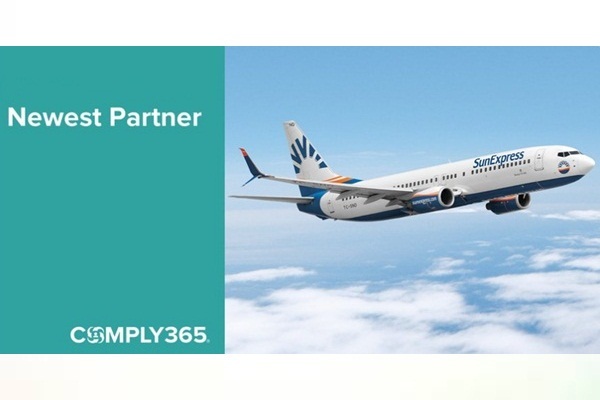
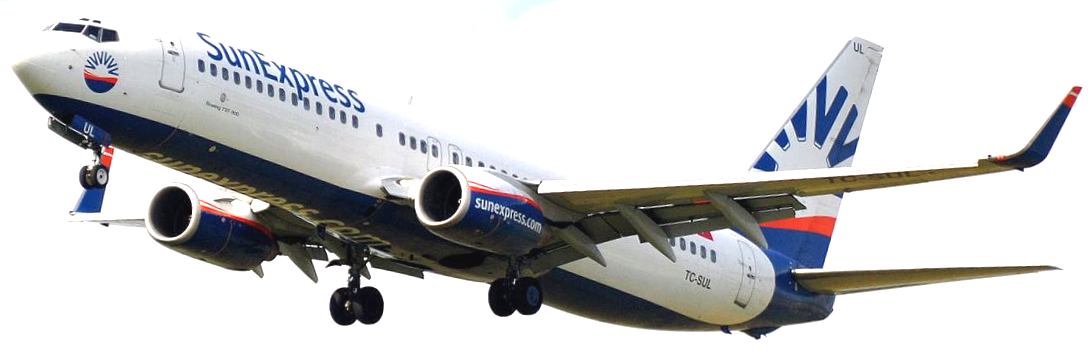
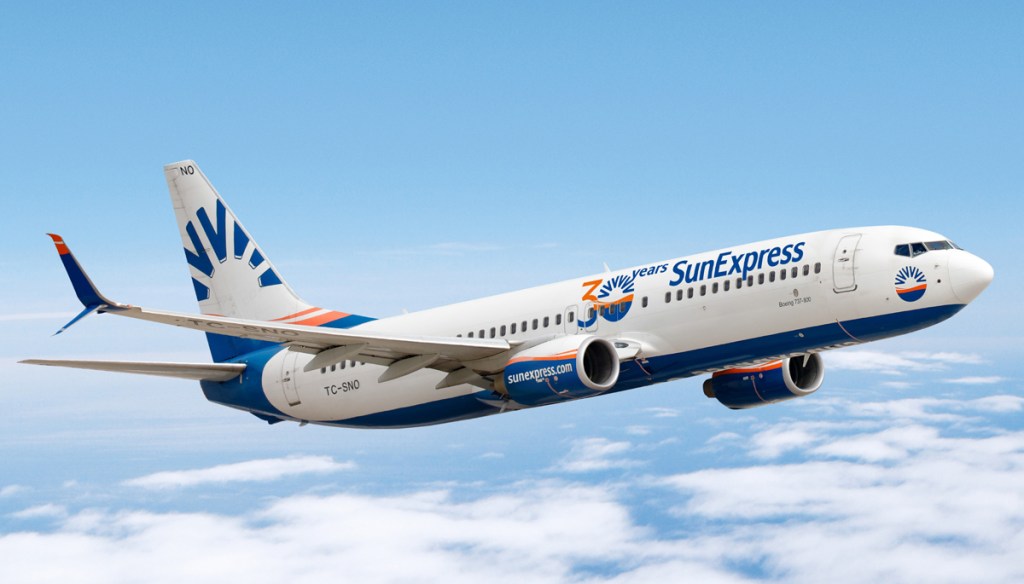
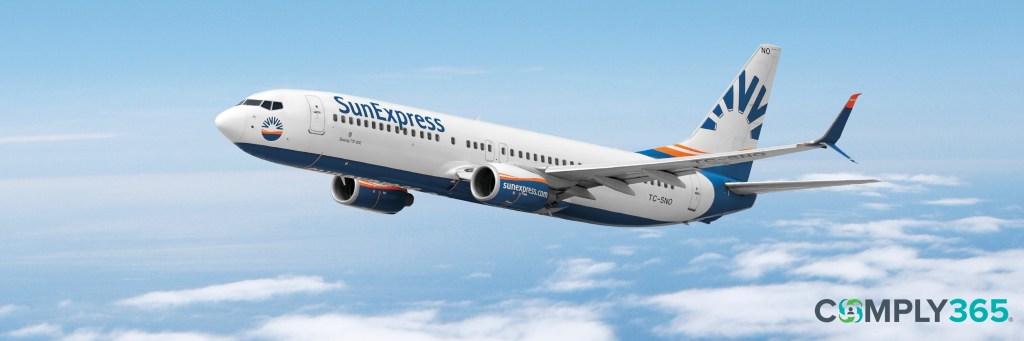
La compañía de software de aviación Comply365 anunció que su nuevo cliente SunExpress Airlines ha iniciado un proceso más eficiente y simplificado para crear y entregar contenido inteligente a sus equipos de primera línea. SunExpress, una aerolínea de ocio con sede en Antalya, República de Turquía, seleccionó recientemente ProAuthor, el sistema de gestión de cumplimiento y contenido operativo de extremo a extremo de Comply365 que permite revisiones manuales más rápidas y rutinarias, y permite a las aerolíneas estar siempre listas para la auditoría.
SunExpress Airlines ha estado entregando digitalmente contenido operativo a sus pilotos y asistentes de vuelo, la aerolínea necesitaba una mejor manera de administrar el proceso de creación y distribución. Al obtener contenido inteligente al alcance de su mano, los miembros de la tripulación de primera línea de SunExpress tendrán acceso a la información adecuada que necesitan de acuerdo a su función, ubicación u otros atributos, proporcionando una experiencia más personalizada y relevante que es inalcanzable con documentación PDF o soluciones HTML menos capaces. La aplicación móvil de Comply365 automatizará el seguimiento del cumplimiento para los 3.500 usuarios de SunExpress y equipará a los empleados de primera línea con formularios electrónicos para enviar datos al personal de operaciones, para permitir decisiones basadas en datos.
«Damos una calurosa bienvenida a SunExpress como la primera aerolínea turca en la comunidadComply365, y esperamos una asociación sólida juntos. Si bien SunExpress ya ha tenido éxito con la entrega digital de contenido operativo, la flexibilidad de nuestras soluciones proporciona valor a las aerolíneas en cada etapa del viaje de transformación digital, brindándoles la capacidad de mejorar aún más la eficiencia, la seguridad y el cumplimiento de sus operaciones», ha expresado el CEO de Comply365, Tom Samuel.
SunExpress Airlines es una empresa conjunta de Turkish Airlines y Lufthansa German Airlines que opera vuelos de pasajeros regulares y fletados a 90 destinos en treinta países. Opera una flota de más de cincuenta aviones Boeing 737-800 y Boeing 737-8 MAX.
SunExpress & Comply365 association
ProAuthor smart content platform Comply365
Aviation software company Comply365 announced that its new client SunExpress Airlines has initiated a more efficient and streamlined process for creating and delivering intelligent content to its frontline teams. SunExpress, a leisure airline based in Antalya, Republic of Turkey, recently selected ProAuthor, Comply365’s end-to-end operational content and compliance management system that enables faster and more routine manual reviews, and allows airlines to always be audit ready.
SunExpress Airlines has been digitally delivering operational content to its pilots and flight attendants, the airline needed a better way to manage the creation and distribution process. By getting intelligent content at their fingertips, SunExpress frontline crew members will have access to the right information they need based on their role, location or other attributes, providing a more personalized and relevant experience that is unattainable with PDF documentation or less capable HTML solutions. Comply365’s mobile app will automate compliance tracking for SunExpress’s 3,500 users and equip frontline employees with electronic forms to submit data to operations staff to enable data-driven decisions.
«We warmly welcome SunExpress as the first Turkish airline in the Comply365 community, and look forward to a strong partnership together. While SunExpress has already had success with digital delivery of operational content, the flexibility of our solutions provides value to airlines in every stage of the digital transformation journey, giving them the ability to further improve the efficiency, security and compliance of their operations», said Comply365 CEO Tom Samuel.
SunExpress Airlines is a joint venture of Turkish Airlines and Lufthansa German Airlines that operates scheduled and charter passenger flights to 90 destinations in thirty countries. It operates a fleet of more than fifty Boeing 737-800 and Boeing 737-8 MAX aircraft.
SunExpress ve Comply365 birliği
ProAuthor akıllı içerik platformu Comply365
Havacılık yazılımı şirketi Comply365, yeni müşterisi SunExpress Airlines‘ın ön saflardaki ekiplerine akıllı içerik oluşturmak ve sunmak için daha verimli ve akıcı bir süreç başlattığını duyurdu. Türkiye Cumhuriyeti, Antalya merkezli bir eğlence havayolu olan SunExpress, kısa süre önce Comply365’in daha hızlı ve daha rutin manuel incelemelere olanak tanıyan ve havayollarının her zaman denetime hazır olmasını sağlayan uçtan uca operasyonel içerik ve uyumluluk yönetim sistemi ProAuthor’u seçti.
SunExpress Havayolları, pilotlarına ve uçuş görevlilerine dijital olarak operasyonel içerik sağlıyor, havayolunun oluşturma ve dağıtım sürecini yönetmek için daha iyi bir yola ihtiyacı vardı. Akıllı içeriği parmaklarının ucuna getirerek, SunExpress ön saflardaki ekip üyeleri rollerine, konumlarına veya diğer özelliklerine göre ihtiyaç duydukları doğru bilgilere erişerek, PDF belgeleri veya daha az yetenekli HTML çözümleriyle erişilemeyen daha kişiselleştirilmiş ve ilgili bir deneyim sunacak. Comply365’in mobil uygulaması, SunExpress’in 3.500 kullanıcısı için uyumluluk takibini otomatikleştirecek ve veriye dayalı kararları etkinleştirmek için operasyon personeline veri göndermek için ön saflardaki çalışanları elektronik formlarla donatacak.
«SunExpress’i Comply365 topluluğundaki ilk Türk havayolu şirketi olarak sıcak bir şekilde karşılıyoruz ve birlikte güçlü bir ortaklığı dört gözle bekliyoruz. SunExpress, operasyonel içeriğin dijital dağıtımında zaten başarılı olmuş olsa da, çözümlerimizin esnekliği havayollarına hayatın her aşamasında değer sağlıyor. Comply365 CEO’su Tom Samuel, «Onlara operasyonlarının verimliliğini, güvenliğini ve uyumluluğunu daha da iyileştirme yeteneği veren dijital dönüşüm yolculuğu», dedi.
SunExpress Havayolları, Türk Hava Yolları ve Lufthansa Alman Hava Yolları’nın ortak girişimi olup, otuz ülkede 90 noktaya tarifeli ve charter yolcu uçuşları gerçekleştirmektedir. Elliden fazla Boeing 737-800 ve Boeing 737-8 MAX uçağından oluşan bir filo işletmektedir.
PUBLISHER: Airgways.com DBk: Sunexpress.com / Comply365.com / Airgways.com AW-POST: 202202111506AR OWNERSHIP: Airgways Inc. A\W A I R G W A Y S ®