AW | 2021 09 10 17:55 | AIRPORTS / GOVERNMENT / AIRLINES
Aerolíneas advierten alternativas a Barcelona para seguir creciendo
La Asociación de Líneas Aéreas (ALA) de España ha mostrado este Jueves su decepción tras la decisión del Gobierno de España de paralizar la inversión de € 1.700 millones de Euros prevista para ampliar el Aeropuerto de Barcelona/El Prat ante la falta de apoyo del Govern de la Generalitat. La paralización de la ampliación provocará, según las aerolíneas, que una vez se recuperen los niveles de tráfico aéreo previos a la pandemia, el aeropuerto vuelva a saturarse, llevando a las compañías que quieran seguir creciendo a hacerlo en otro lugar que no sea Barcelona.
El Presidente de ALA, Javier Gándara, ha asegurado que las aerolíneas se sienten decepcionadas, ya que pensaban que había un acuerdo para afrontar la ampliación entre las diferentes administraciones. Tras la decisión del Gobierno, Javier Gándara teme que se cancele definitivamente la ampliación del aeropuerto barcelonés, una medida necesaria según la asociación que nuclea a las aerolíneas españolas para evitar las saturaciones y retrasos del pasado. «En el mejor de los casos, esto se retrasa. En el peor, se cancela y no se hace nunca», explica el Presidente de la asociación ALA. Javier Gándara recuerda que la ampliación del Aeropuerto de Barcelona/El Prat, que comprendía una inversión de € 1.700 millones de Euros con el objetivo de crear un hub de distribución del tráfico aéreo internacional se iba a financiar íntegramente con las tasas aeroportuarias que pagan las aerolíneas. Además, el Presidente de ALA ha defendido que la ampliación del aeropuerto barcelonés ya fue recomendada por la Organización Europea para la Seguridad de la Navegación Aérea, Eurocontrol, en un estudio publicado tras el verano de 2018, que estuvo marcado por los numerosos retrasos en el Aeropuerto Barcelona/El Prat.
Alternatives to Barcelona/BCN
Airlines warn of alternatives to Barcelona to continue growing
The Air Lines Association (ALA) of Spain has shown this Thursday its disappointment after the decision of the Government of Spain to paralyze the investment of € 1,700 million euros planned to expand the Barcelona/El Prat Airport due to the lack of support from the Government of the Generalitat. The stoppage of the expansion will cause, according to the airlines, that once the levels of air traffic prior to the pandemic recover, the airport will become saturated again, leading companies that want to continue growing to do so in a place other than Barcelona.
The President of ALA, Javier Gándara, has assured that the airlines are disappointed, since they thought that there was an agreement to face the expansion between the different administrations. Following the government’s decision, Javier Gándara fears that the expansion of the Barcelona airport will be definitively canceled, a necessary measure according to the association that brings together Spanish airlines to avoid the saturations and delays of the past. «At best, this is delayed. At worst, it is canceled and never done», explains the President of the ALA association. Javier Gándara recalls that the expansion of the Barcelona/El Prat Airport, which included an investment of € 1,700 million Euros with the aim of creating a hub for the distribution of international air traffic, was going to be fully financed with the airport taxes paid by the airlines. In addition, the President of ALA has defended that the expansion of the Barcelona airport was already recommended by the European Organization for the Safety of Air Navigation, Eurocontrol, in a study published after the summer of 2018, which was marked by numerous delays in the Barcelona/El Prat Airport.
Alternatives a Barcelona/BCN
Aerolínies adverteixen alternatives a Barcelona per seguir creixent
L’Associació de Línies Aèries (ALA) d’Espanya ha mostrat aquest dijous la seva decepció després de la decisió de el Govern d’Espanya de paralitzar la inversió de € 1.700 milions d’Euros prevista per ampliar l’Aeroport de Barcelona/El Prat davant la falta de suport de la Generalitat de la Generalitat. La paralització de l’ampliació provocarà, segons les aerolínies, que un cop es recuperin els nivells de trànsit aeri previs a la pandèmia, l’aeroport torni a saturar-se, portant a les companyies que vulguin seguir creixent a fer-ho en un altre lloc que no sigui Barcelona.
El President d’ALA, Javier Gándara, ha assegurat que les aerolínies se senten decebudes, ja que pensaven que hi havia un acord per afrontar l’ampliació entre les diferents administracions. Després de la decisió de Govern, Javier Gándara tem que es cancel·li definitivament l’ampliació de l’aeroport barceloní, una mesura necessària segons l’associació que nuclea a les aerolínies espanyoles per evitar les saturacions i retards de l’passat. «En el millor dels casos, això es retarda. En el pitjor, es cancel·la i no es fa mai», explica el president de l’associació ALA. Javier Gándara recorda que l’ampliació de l’Aeroport de Barcelona/El Prat, que comprenia una inversió de € 1.700 milions d’Euros amb l’objectiu de crear un hub de distribució de l’trànsit aeri internacional s’anava a finançar íntegrament amb les taxes aeroportuàries que paguen les aerolínies. A més, el President d’ALA ha defensat que l’ampliació de l’aeroport barceloní ja va ser recomanada per l’Organització Europea per a la Seguretat de la Navegació Aèria, Eurocontrol, en un estudi publicat després de l’estiu de 2018, que va estar marcat pels nombrosos retards en el aeroport Barcelona/El Prat.
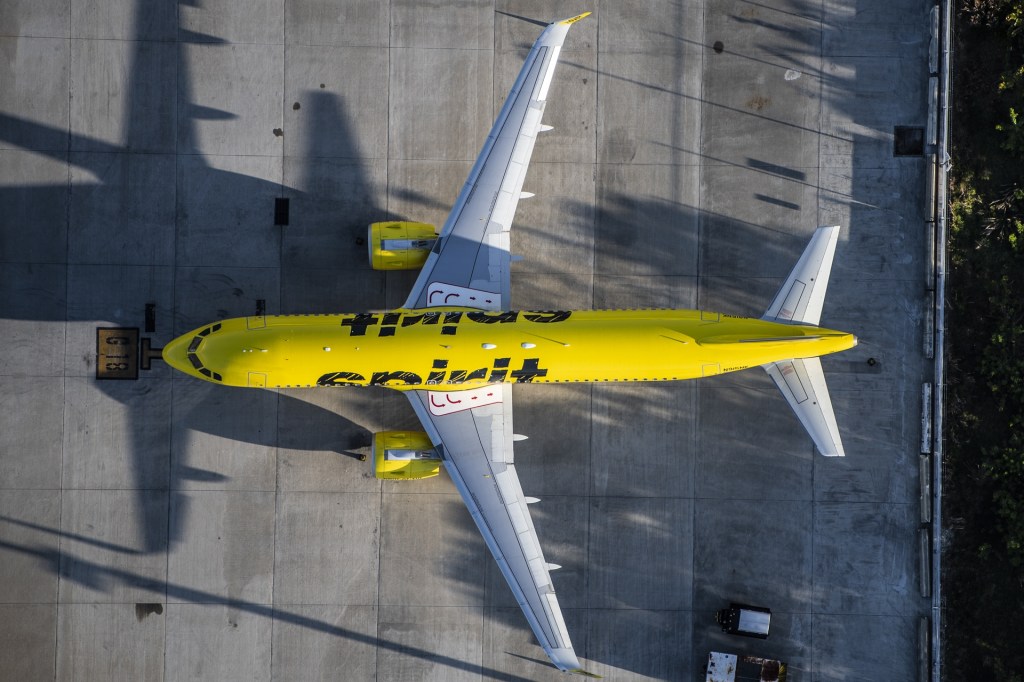
Spirit Airlines firma acuerdo quince aviones Airbus A320NEO
Spirit Airlines ha firmado acuerdos de arrendamiento para financiar quince Airbus A320NEO (15) de sus próximas entregas de aviones de la familia de aeronaves narrowbodies con Air Lease Corporation (ALC). El pedido ha sido dividido entre diez nuevos Airbus A321NEO (10) y cinco Airbus A320NEO (5), el método de adquisición financiera asegurada para estos aviones ayuda a la aerolínea a encarrilarse para sus aumentos de capacidad planificados hasta finales de 2021 y en 2022.
ALC anunció el Miércoles 08/09 los nuevos acuerdos para arrendamientos a largo plazo con Spirit Airlines. La aerolínea tomará diez nuevos aviones Airbus A321NEO y ha firmado acuerdos de venta y arrendamiento para cinco nuevos aviones Airbus A320NEO. Los cinco A320NEO se entregarán a Spirit Airlines en 2021 y 2022. Los aviones serán propiedad de una de las empresas de aviones administradas por ALC. Los diez Airbus A321NEO se entregarán a Spirit entre los períodos 2023-2024. Estos aviones serán entregados a Spirit Airlines desde la libreta de pedidos de ALC con Airbus Group. El acuerdo actual no es para nuevos aumentos de la cuenta de pedidos, sino que se contabiliza dentro de los planes de flota de la aerolínea.
Para finales de 2021, Spirit Airlines espera haber tomado dieciséis nuevos aviones Airbus A320NEO (16). En 2022, según el último plan de flota de la aerolínea, espera recibir veinticuatro nuevos A320NEO (24). La flota de los primeros A321NEO se entregarán a partir del 4Q2023 en adelante. En el tercer trimestre de 2021, Spirit Airlines espera que sus millas de asientos disponibles suban un 4,2% en comparación con 2019. Esto marca el primer trimestre desde que comenzó la crisis, cuando la aerolínea operará más capacidad que en 2019.
El Airbus A320NEO es una gran parte de la estrategia de crecimiento de Spirit. En gran parte, esto se debe a la mayor eficiencia que proporciona este avión. En comparación con sus predecesores, el tipo de avión ofrece fuertes mejoras de rendimiento. Esto incluye una mejor eficiencia de combustible, un mayor alcance y menores costos para la aerolínea, lo que hace que más rutas sean económicamente viables.
Nuevas rutas
De Febrero a Julio 2021, Spirit Airlines ha estado anunciando nuevas rutas y nuevos destinos. Esto incluye la expansión que toca Louisville, St. Louis, Milwaukee, Tegucigalpa, Atlantic City, una gran expansión planificada en Miamiy más. La aerolínea anunció este crecimiento justo cuando los viajeros regresaban a bordo de los aviones a tasas crecientes, los viajes de verano aumentaban y una mejor situación de salud estaba trabajando a favor del crecimiento de los viajes aéreos.
A finales de Julio y principios de Agosto 2021, Spirit Airlines sufrió un colapso operativo masivo que duró varios días. En algunos días, la aerolínea operó menos de la mitad de sus vuelos programados, ya que trabajó en una miríada de problemas y volvió a poner en funcionamiento la aerolínea. Esto, junto con un empeoramiento de la situación sanitaria, llevó a Spirit Airlines a retirar parte de su crecimiento más ambicioso. La aerolínea anticipó previamente aumentos porcentuales de dos dígitos en la capacidad en el trimestre en comparación con 2019. Redujo esa expectativa de crecimiento en más de la mitad.
Spirit Airlines ha logrado avances significativos en los últimos años en sus operaciones. Esto incluye aumentar su rendimiento a tiempo y mejorar la confiabilidad operativa general. Esto se produjo a medida que la aerolínea continuaba creciendo constantemente su red nacional e internacional. La aerolínea seguramente se recuperaría del golpe que recibió de su colapso operativo. Está lejos de ser la única aerolínea que enfrenta un colapso de alto perfil en su historia, y todavía tiene mucho espacio para el crecimiento. En el futuro, la aerolínea tendrá que aprender de las lecciones de principios de agosto y ampliar las operaciones sin adelantarse a sus esquís y enfrentar otro colapso.
Spirit deal fifteen A320NEO family
Spirit Airlines signs 15 Airbus A320NEO aircraft agreement
Spirit Airlines has signed lease agreements to finance fifteen Airbus A320NEOs (15) of its upcoming deliveries of aircraft in the narrowbodies family of aircraft with Air Lease Corporation (ALC). The order has been split between ten new Airbus A321NEOs (10) and five Airbus A320NEOs (5), the secured financial acquisition method for these aircraft helps the airline get on track for its planned capacity increases through the end of 2021 and into 2022.
ALC announced on Wednesday 08/09 the new agreements for long-term leases with Spirit Airlines. The airline will take on ten new Airbus A321NEO aircraft and has signed sale and lease agreements for five new Airbus A320NEO aircraft. The five A320NEOs will be delivered to Spirit Airlines in 2021 and 2022. The aircraft will be owned by one of the aircraft companies managed by ALC. All ten Airbus A321NEOs will be delivered to Spirit between the periods 2023-2024. These aircraft will be delivered to Spirit Airlines from ALC’s order book with Airbus Group. The current agreement is not for new order account increases, but is accounted for within the airline’s fleet plans.
By the end of 2021, Spirit Airlines expects to have taken on sixteen new Airbus A320NEO aircraft (16). In 2022, according to the airline’s latest fleet plan, it expects to receive twenty-four new A320NEOs (24). The fleet of the first A321NEOs will be delivered from 4Q2023 onwards. In the third quarter of 2021, Spirit Airlines expects its available seat miles to rise 4.2% compared to 2019. This marks the first quarter since the crisis began, when the airline will operate more capacity than in 2019.
The Airbus A320NEO is a big part of Spirit’s growth strategy. In large part, this is due to the increased efficiency this aircraft provides. Compared to its predecessors, the aircraft type offers strong performance improvements. This includes better fuel efficiency, greater range, and lower costs for the airline, making more routes economically viable.
New routes
From February to July 2021, Spirit Airlines has been announcing new routes and new destinations. This includes expansion that touches Louisville, St. Louis, Milwaukee, Tegucigalpa, Atlantic City, a major planned expansion in Miami, and more. The airline announced this growth just as travelers were returning on board planes at increasing rates, summer travel was increasing, and better health was working in favor of air travel growth.
In late July and early August 2021, Spirit Airlines suffered a massive operational collapse that lasted for several days. In some days, the airline operated less than half of its scheduled flights as it worked through a myriad of problems and got the airline back online. This, together with a worsening health situation, led Spirit Airlines to withdraw some of its more ambitious growth. The airline previously anticipated double-digit percentage increases in capacity in the quarter compared to 2019. It cut that growth expectation by more than half.
Spirit Airlines has made significant progress in recent years in its operations. This includes increasing your throughput on time and improving overall operational reliability. This came as the airline continued to steadily grow its national and international network. The airline would surely recover from the blow it received from its operational collapse. It is far from the only airline facing a high-profile collapse in its history, and it still has plenty of room for growth. Moving forward, the airline will have to learn the lessons of early August and expand operations without getting ahead of its skis and facing another collapse.
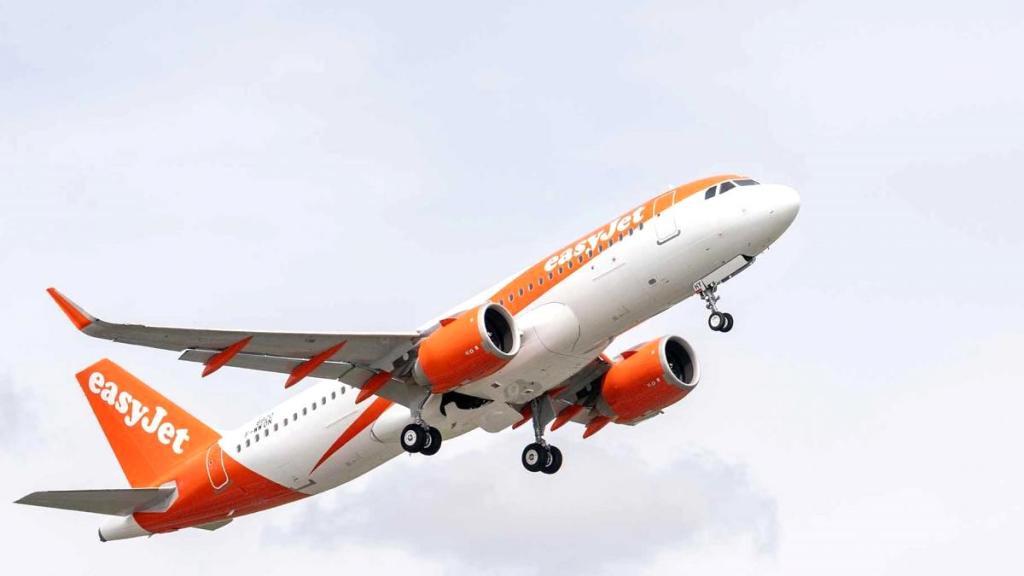
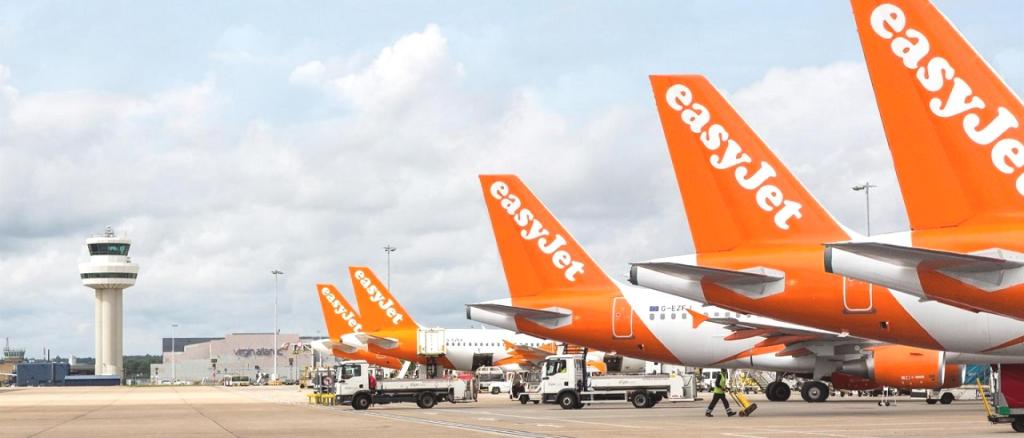
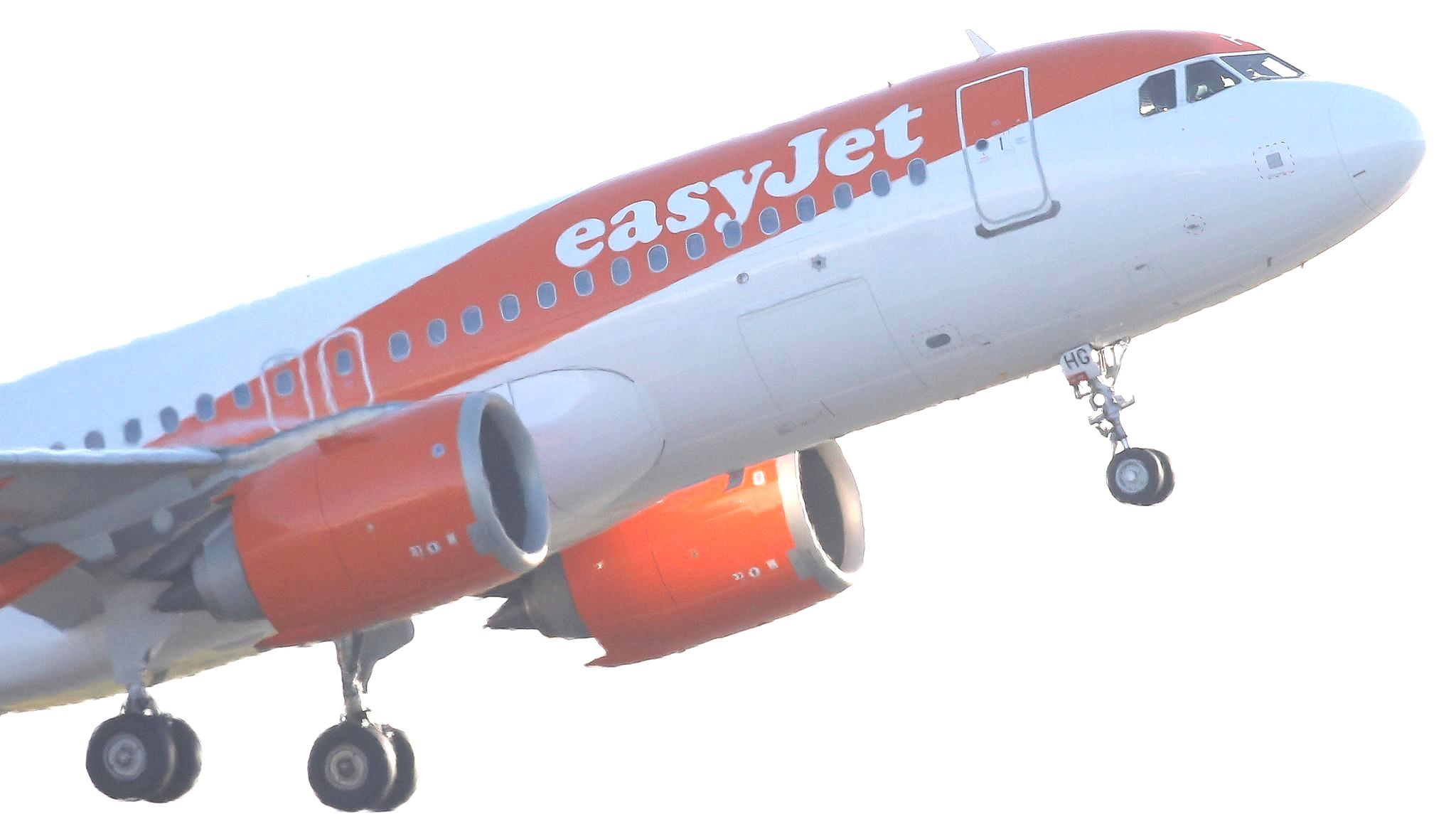
Low cost rechaza enfoque de adquisición de Wizz Air UK
EasyJet ha rechazado un enfoque de adquisición de la aerolínea Wizz Air UK, filial británica de la compañía matriz húngara Wizz Air Hungary Ltd., que habría creado una aerolínea de bajo costo para rivalizar con Ryanair en las islas británicas, optando en su lugar por recaudar US$ 1.700 millones de Dólares de los accionistas para desarrollar su recuperación de la crisis sanitaria. Una fuente familiarizada con el asunto se ha identificado a Wizz Air como la contraparte. Wizz Air declinó hacer comentarios.
EasyJet dijo que el enfoque de todas las acciones de adquisición de la filial Wizz Air UK han sido subestimadas, mientras que la compañía húngara había dicho desde entonces que ya no estaba interesado en un acuerdo. El enfoque era «altamente condicional en su naturaleza, lo que lo hacía muy incierto en términos de la capacidad de entrega», dijo el CEO de EasyJet, Johan Lundgren a la prensa. EasyJet dijo que la segunda recaudación de fondos establecida en el período de pandemia, fortalecería su balance si la desaceleración del los índicas de contagiosidad continúan y le permitiría operar de manera más agresiva una vez que llegue la recuperación. Ha identificado espacios de aterrizaje en toda Europa que podría adquirir, incluso en París, Amsterdam y Milán. «Creo que esta es realmente una oportunidad única en la vida», dijo Johan Lundgren.
EasyJet, que durante la pandemia sumó su primera pérdida anual y recortó 4.500 empleos, busca aumentar cuota de mercado a aerolíneas heredadas como IAG y Air France-KLM, propietaria de British Airways, a medida que se retractan sus operaciones de corta distancia, pero se enfrenta a una dura competencia de la aerolínea irlandesa Ryanair, la compañía de bajo costo más grande de Europa, y Wizz Air UK en rápida expansión, que se han recuperado más rápido que EasyJet este año 2021.
Wizz Air UK es una aerolínea británica con sede en el Aeropuerto de Londres/Luton. La aerolínea opera vuelos desde y hacia Luton en nombre de su matriz húngara Wizz Air y se ha creado para garantizar que Wizz Air mantenga el acceso total al mercado del Reino Unido después del Brexit. Wizz Air es fuerte en destinos de Europa del Este como Polonia y Rumania, mientras que EasyJet está bien posicionado en países como Gran Bretaña, Italia, Suiza, Alemania y Francia. Además de su buen ajuste potencial, ambos también operan flotas de la línea Airbus A320.
EasyJet siempre ha sido un objetivo estratégico para Wizz Air. Actualmente, Wizz Air, que cuenta con el veterano de la aviación Bill Franke como su Presidente y su matriz Indigo Partners como su mayor accionista, tiene un valor de mercado de ₤ 5.100 millones de Libras Esterlinas/US$ 7.000 millones de Dólares, mientras que EasyJet tiene un valor de ₤ 3.300 millones de Libras. El precio de sus acciones también ha superado al de EasyJet.
Las acciones de Wizz Air se habían recuperado a los niveles anteriores a la pandemia en noviembre de 2020 y alcanzaron un máximo histórico de 5.595 peniques en Marzo 2021. Las acciones de EasyJet, por el contrario, habían recuperado el 70% de su valor anterior a la pandemia en Mayo de 2021 antes de comenzar otra caída.
La actual caída de los viajes de EasyJet durante Julio-Septiembre 2021 se esperaba que la capacidad fuera de aproximadamente el 57% de los niveles anteriores a la pandemia. Ryanair voló alrededor del 75% de su número normal de pasajeros en Agosto 2021, y Wizz Air UK voló más del 85% ese mes. Durante los últimos tres meses de 2021, EasyJet espera volar hasta el 60% de los niveles de 2019, frenado por el regreso más lento de Gran Bretaña a los viajes internacionales que el resto de Europa.
En Junio de 2020, EasyJet recaudó ₤ 419 millones de Libras de inversores, pero su mayor accionista, el fundador Stelios Haji-Ioannou, no participó. La prolongada recuperación ha obligado a EasyJet a recaudar ₤ 5.500 millones de Libras de los accionistas y los mercados de deuda, y mediante la venta y el arrendamiento de aviones. También anunció una nueva facilidad de deuda de US$ 400 millones de Dólares este Jueves 09/09.
James Halstead, socio Gerente de la consultora Aviation Strategy, dijo que el anuncio de adquisición normalmente significaría que EasyJet estaba en juego, pero había pocos compradores alternativos debido a los altos niveles de deuda de la industria y los problemas de competencia. La emisión de derechos está suscrita por BNP Paribas, Credit Suisse, Goldman Sachs, Santander y Société Géneral.
EasyJet seeks capital increase
Low cost rejects Wizz Air acquisition approach
EasyJet has rejected an acquisition approach from airline Wizz Air UK, a British subsidiary of Hungarian parent company Wizz Air Hungary Ltd., which would have created a low-cost carrier to rival Ryanair in the British Isles, opting instead to raise US$ 1.7 billion from shareholders to develop their recovery from the health crisis. A source familiar with the matter has identified Wizz Air as the counterpart. Wizz Air declined to comment.
EasyJet said that the focus of all the takeover actions of subsidiary Wizz Air UK has been underestimated, while the Hungarian company had since said that it was no longer interested in a deal. The approach was «highly conditional in nature, making it very uncertain in terms of deliverability», EasyJet CEO Johan Lundgren told reporters. EasyJet said the second fundraiser established in the pandemic period would strengthen its bottom line if the slowdown in contagious indicas continues and allow it to operate more aggressively once recovery hits. It has identified landing slots across Europe that it could acquire, including in Paris, Amsterdam, and Milan. «I think this is really a once in a lifetime opportunity», said Johan Lundgren.
EasyJet, which posted its first annual loss during the pandemic and cut 4,500 jobs, seeks to increase market share to legacy airlines such as IAG and Air France-KLM, which owns British Airways, as its short-haul operations are retracted, but is It faces stiff competition from Irish airline Ryanair, Europe’s largest low-cost carrier, and the rapidly expanding Wizz Air UK, which have recovered faster than EasyJet this year 2021.
Wizz Air UK is a British airline based at London/Luton Airport. The airline operates flights to and from Luton on behalf of its Hungarian parent Wizz Air and has been created to ensure that Wizz Air maintains full access to the UK market after Brexit. Wizz Air is strong in Eastern European destinations such as Poland and Romania, while EasyJet is well positioned in countries such as Great Britain, Italy, Switzerland, Germany and France. In addition to their good potential fit, both also operate fleets of the Airbus A320 line.
EasyJet has always been a strategic objective for Wizz Air. Currently, Wizz Air, which has aviation veteran Bill Franke as its Chairman and its parent Indigo Partners as its largest shareholder, has a market value of ₤ £ 5.1 billion/US$ 7 billion, while EasyJet is worth ₤ 3.3 billion Pounds. Its share price has also exceeded EasyJet’s.
Wizz Air shares had recovered to pre-pandemic levels in November 2020 and reached an all-time high of 5,595 pence in March 2021. EasyJet shares, by contrast, had recovered 70% of their pre-pandemic value. the pandemic in May 2021 before beginning another slide.
The current drop in EasyJet trips during July-September 2021 capacity was expected to be approximately 57% of pre-pandemic levels. Ryanair flew around 75% of its normal number of passengers in August 2021, and Wizz Air UK flew more than 85% that month. During the last three months of 2021, EasyJet expects to fly up to 60% of 2019 levels, held back by Britain’s slower return to international travel than the rest of Europe.
In June 2020, EasyJet raised ₤ 419 million Pounds from investors, but its largest shareholder, founder Stelios Haji-Ioannou, did not participate. The prolonged recovery has forced EasyJet to raise ₤ 5.5 billion pounds from shareholders and debt markets, and through the sale and lease of aircraft. It also announced a new debt facility of US$ 400 million dollars this Thursday 09/09.
James Halstead, Managing Partner at consultancy Aviation Strategy, said the acquisition announcement would normally mean that EasyJet was up for grabs, but there were few alternative buyers due to the industry’s high debt levels and competition concerns. The rights issue is underwritten by BNP Paribas, Credit Suisse, Goldman Sachs, Santander and Société Géneral.
Aeropuerto de Sauce Viejo incorpora más vuelos domésticos
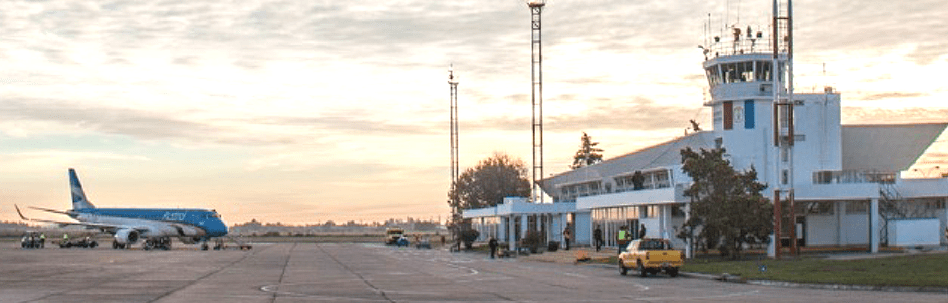
El Aeropuerto Santa Fe/Sauce Viejo/SFN de la Provincia de Santa Fe, Argentina ha celebrado el aumento de dos frecuencias adicionales por parte de Aerolíneas Argentinas hacia Buenos Aires/AEP. El Aeropuerto de Sauce Viejo contará con dos nuevas frecuencias hacia Buenos Aires. «Queremos recuperar la frecuencia pre-pandemia. Estamos muy contentos. Esto habla de que la situación epidemiológica se está mejorando, que hay una reactivación comercial», apuntó Silvana Serniotti Sosa, Directora de la aeroestación. La frecuencia total será de cuatro frecuencias semanales (4Frq/S) los días Lunes, Miércoles, Viernes y Domingo desde el Aeropuerto Santa Fe/Sauce Viejo hacia el Aeropuerto Jorge Newbery/AEP.
La programación de los horarios de los vuelos son por la mañana. El avión Embraer E190-100AR sale de Aeroparque a las 08:00 hs de la mañana arribando a Sauce Viejo a las 09:00 hs de la mañana y vuelve a embarcar destino a Aeroparque a las 09:55 hs. Los días Martes, Jueves y Sábado, el acuerdo con Aerolíneas Argentinas es que se combina haciendo escala previa en Paraná (ER).
«Estamos saliendo de un escenario muy fuerte, de una pandemia. Aerolíneas Argentinas todavía no tiene la totalidad de su flota en actividad. Tengamos en cuenta que parte de la flota está destinada a las vacunas. Pero siempre que se puede, se avanza. Se está percibiendo mayor confianza por parte de los pasajeros. Recuperar la situación pre pandémica. Recuperar las frecuencias es el objetivo primario, el deseo de abrir nuevas rutas está, pero no nos podemos olvidar que estamos saliendo de una situación muy crítica», expresó la Directora del Aeropuerto Sauce Viejo. Esto representa un aumento en promedio es entre 55 y 60 pasajeros por viaje, pero establecen que desean impulsar más vuelos para continuar reactivando la aeroestación de la capital dela Provincia de Santa Fe.
Santa Fe increases frq. Aerolíneas
Sauce Viejo Airport incorporates more domestic flights
The Santa Fe Sauce Viejo Airport/SFN of the Province of Santa Fe, Argentina has celebrated the increase of two additional frequencies by Aerolíneas Argentinas to Buenos Aires/AEP. The Sauce Viejo Airport will have two new frequencies to Buenos Aires. «We want to recover the pre-pandemic frequency. We are very happy. This speaks to the fact that the epidemiological situation is improving, that there is a commercial reactivation», said Silvana Serniotti Sosa, Director of the air station. The total frequency will be four weekly frequencies (4Frq/S) on Monday, Wednesday, Friday and Sunday from the Santa Fe/Sauce Viejo Airport to the Jorge Newbery/AEP Airport.
The schedule of the flights is in the morning. The Embraer E190-100AR plane leaves Aeroparque at 08:00 in the morning arriving at Sauce Viejo at 09:00 hs in the morning and embarks again for Aeroparque at 09:55 hs. On Tuesdays, Thursdays and Saturdays, the agreement with Aerolíneas Argentinas is that it is combined by making a previous stopover in Paraná (ER).
«We are emerging from a very strong scenario, from a pandemic. Aerolíneas Argentinas still does not have all of itsfleet in operation. Let us bear in mind that part of the fleet is destined for vaccines. But whenever possible, progress is made. is perceiving greater confidence from the passengers. Recovering the pre-pandemic situation. Recovering the frequencies is the primary objective, the desire to open new routes is there, but we cannot forget that we are emerging from a very critical situation», said the Director. from Sauce Viejo Airport. This represents an average increase of between 55 and 60 passengers per trip, but they state that they want to promote more flights to continue reactivating the air station in the capital of the Province of Santa Fe.
Porter Airlines reinicia oficialmente sus operaciones
La aerolínea canadiense regional Porter Airlines finalmente regresa a los cielos este Miércoles 08/09 tras casi un año y medio después de suspender los vuelos debido a la crisis sanitaria por la pandemia. Porter dio la bienvenida a los pasajeros que regresaron al servicio a Toronto, Montreal, Ottawa y Thunder Bay, los primeros cuatro destinos de la aerolínea. Durante los próximos diez días, la aerolínea agregará Halifax, Quebec City, St. John’s, NL y Moncton antes de agregar Boston, Chicago, Nueva York y Washington D.C. el 17 de Septiembre de 2021. «Nuestros pasajeros y miembros del equipo han estado esperando que llegue este día. Actualmente tenemos más de 900 miembros del equipo que han incontables horas para preparar todo para nuestro regreso al servicio, y cada semana se retiran o contratan más. Todos en Porter están ansiosos por dar la bienvenida a los pasajeros y ofrecer nuestro estilo distintivo de servicio nuevamente», dijo Michael Deluce, Presidente y CEO de Porter Airlines.
Porter Airlines continuará ofreciendo a los pasajeros la posibilidad de presbiterio o cambio sin cargos por todas las reservas realizadas antes del 30 de Septiembre de 2021. Porter había estado generando rumores antes de la pandemia con vuelos convenientes desde el aeropuerto cercano de Toronto y sus tarifas bajas. Había estado transportando cerca del 3% de los viajes aéreos canadienses y era parte de una floreciente expansión de aerolíneas canadienses de tarifas bajas que incluía Rouge de Air Canada y Swoop Airlines de WestJet Airlines.
Más recientemente, Porter Airlines reveló planes para agregar ochenta Embraer E195-E2 (80) a su flota a partir de la segunda mitad de 2022. El pedido total está valorado en US$ 5.820 millones de Dólares y podría añadir hasta 6.000 nuevos empleos. La aerolínea regional dijo que su plan es usar el avión para el servicio a destinos populares desde Ottawa, Montreal, Halifax y Toronto/Pearson.
Porter Airlines restores operations
Porter Airlines officially restarts operations
The Canadian regional airline Porter Airlines finally returns to the skies this Wednesday 08/09 after almost a year and a half after suspending flights due to the health crisis due to the pandemic. Porter welcomed returning passengers to service to Toronto, Montreal, Ottawa and Thunder Bay, the airline’s first four destinations. Over the next ten days, the airline will add Halifax, Quebec City, St. John’s, NL, and Moncton before adding Boston, Chicago, New York, and Washington D.C. on September 17, 2021. «Our passengers and team members have been waiting for this day to arrive. We currently have more than 900 team members who have countless hours to prepare everything for our return to service, and each week they retire or hire more. Everyone at Porter is eager to welcome passengers and offer our distinctive style of service again», said Michael Deluce, President and CEO of Porter Airlines.
Porter Airlines will continue to offer passengers the possibility of presbytery or change without charge for all reservations made before September 30, 2021. Porter had been generating rumors before the pandemic with convenient flights from the nearby Toronto airport and its low fares. It had been carrying about 3% of Canadian air travel and was part of a burgeoning expansion of Canadian low-fare airlines that included Air Canada’s Rouge and WestJet Airlines’ Swoop Airlines.
Most recently, Porter Airlines revealed plans to add eighty Embraer E195-E2s (80) to its fleet starting in the second half of 2022. The total order is valued at US$ 5.82 billion and could add up to 6,000 new jobs. The regional airline said its plan is to use the plane for service to popular destinations from Ottawa, Montreal, Halifax and Toronto/Pearson.
AW | 2021 09 08 14:40 | AIRLINES / AIRPORTS / GOVERNMENT
Busca que aerolíneas lleguen al nuevo Santa Lucía
El Gobierno de México ha anunciado un límite máximo para las operaciones aerocomerciales en el Aeropuerto Internacional Ciudad de México/AICM al establecer que establecerá un tope de 61 operaciones por hora de sus franjas horarias (slots). La Secretaría de Comunicaciones y Transportes (SCT) ha varias aerolíneas interesadas en operar en el nuevo aeropuerto. El Gobierno busca que las aerolíneas que no vuelan por iniciativa propia en el Aeropuerto Internacional Felipe Ángeles/AIFA en Santa Lucía, buscaría limitar los vuelos en el Aeropuerto Internacional de la Ciudad de México/AICM a 61 operaciones por hora, el tope máximo de vuelos que deberían permitirse, pero que fue rebasado desde el 2013. El Subsecretario de Transportes, Carlos Morán Moguel, ha expresado que las aerolíneas saben que no se pueden realizar más allá de 61 operaciones por hora en el AICM e indicó que, si las empresas no optan por repartir sus vuelos excedentes a Santa Lucía, el Gobierno establecerá topes a las nuevas operaciones. El límite sería efectivo una vez que se recuperen los niveles de tráfico aéreo previos a la pandemia, especificó el funcionario, quien agregó que la medida no será inmediata.
En 2019, el Aeropuerto de la Ciudad de México/AICM llegó a su pico máximo histórico, al tener un tráfico de 50.3 millones de pasajeros, un nivel que descendió debido a la pandemia que trajo restricciones mundiales de vuelos y que aún no se recupera. El plan es permitir hasta 61 operaciones por hora en el AICM y convencer a las aerolíneas para que los vuelos restantes comiencen a migrar hacia el Aeropuerto Felipe Ángeles/AIFA.
El funcionario agregó que la intención del Gobierno es que “las aerolíneas comprendieran las ventajas que estamos proyectando en Santa Lucía y como atracción natural les interese venir al aeropuerto. Vamos a trabajar con las aerolíneas para que definamos perfectamente cómo vamos a hacer para tener las 61 operaciones y no excederlas”, enfatizó Carlos Morán Moguel.
El encargado de la construcción del Aeropuerto Internacional Felipe Ángeles/AIFA, Gustavo Vallejo, afirmó que existen varias aerolíneas interesadas en operar en el aeropuerto, pero será en los próximos días cuando se formalice su interés, pues falta la publicación de las tarifas aeroportuarias para que las empresas lo consideren. Se ofrecerán algunas ventajas tarifarias para las líneas aéreas que lleguen a volar al Aeropuerto de Santa Lucía. Con estas ventajas de precios y cuotas aeroportuarias, el Gobierno de México estima atraer a las líneas aéreas a operar al nuevo aeropuerto AIFA, que tiene un avance de obra cercano al 70 por ciento.
La degradación a Categoría 2 (CAT2) en seguridad aérea del sistema aeroportuario no afectará al nuevo aeropuerto AIFA, pues la recuperación del primer nivel bajo los estándares de la Organización de Aviación Civil Internacional (OACI) todavía podría lograrse antes de que termine el año 2020. Esta previsión difiere con lo declarado por el Canciller Marcelo Ebrard, quien aseguró hace unos días que la categoría se recuperará durante el primer semestre del año próximo. La recuperación de la Categoría 1 es vital si el Gobierno pretende que el nuevo aeropuerto AIFA tenga un carácter internacional desde su inicio de operaciones, pues la Categoría 2 no permite a las líneas aéreas crear nuevas rutas entre México y Estados Unidos, ni siquiera aumentar frecuencias.
El Encargado de la construcción Gustavo Vallejo aseguró que se cumplirá con el costo previsto del proyecto de un tope de MX$ 79 mil millones de Pesos mexicanos, esto pese a que Hacienda fijó el precio final, producto de la inflación, en cerca de MX$ 85 mil millones de Pesos.
Las líneas aéreas interesadas en establecer rutas desde el nuevo Aeropuerto Internacional Felipe Ángeles son: Viva Aerobus, Aeromar y el proyecto de restablecer Mexicana de Aviación por parte de Salvador Álvarez, que busca emplear a algunos ex-colaboradores, son las que se espera operen, de forma inicial, tras la inauguración del aeropuerto hacia Marzo del 2022.
La terminal aérea de pasajeros tendrá capacidad para 20 millones de viajeros, un hotel, vías de acceso para ferrocarril, autobuses, autos, una terminal para aviación privada y otra más para operaciones de helicópteros. El plan del Gobierno de México para compensar la saturación de AICM consiste en establecer un límite a las operaciones aéreas en 50 millones el volumen de pasajeros, agregar 10 millones al tráfico desde el Aeropuerto de Toluca y que el nuevo Aeropuerto Santa Lucía mueva cerca de 19 millones de pasajeros.
México will limit operations in AICM
Find which airlines arrive in the new Santa Lucia
The Government of Mexico has announced a maximum limit for commercial air operations at the Mexico City/AICM International Airport by establishing that it will establish a limit of 61 operations per hour for its hourly slots. The Ministry of Communications and Transportation (SCT) has several airlines interested in operating at the new airport. The Government seeks that airlines that do not fly on their own initiative at the Felipe Ángeles International Airport/AIFA in Santa Lucia, would seek to limit flights at the Mexico City International Airport/AICM to 61 operations per hour, the maximum limit of flights that should be allowed, but that was exceeded since 2013. The Undersecretary of Transport, Carlos Morán Moguel, has expressed that the airlines know that they cannot carry out more than 61 operations per hour in the AICM and indicated that, if the companies do not choose to distribute their excess flights to Saint Lucia, the Government will establish caps on new operations. The limit would be effective once pre-pandemic air traffic levels recover, the official specified, adding that the measure will not be immediate.
In 2019, the Mexico City Airport/AICM reached its historical maximum peak, having a traffic of 50.3 million passengers, a level that fell due to the pandemic that brought global flight restrictions and that has not yet recovered. The plan is to allow up to 61 operations per hour at the AICM and convince the airlines to allow the remaining flights to start migrating to the Felipe Ángeles/AIFA Airport.
The official added that the Government’s intention is that “the airlines understand the advantages that we are projecting in Saint Lucia and as a natural attraction they are interested in coming to the airport. We are going to work with the airlines so that we perfectly define how we are going to have the 61 operations and not exceed them”, emphasized Carlos Morán Moguel.
The person in charge of the construction of the Felipe Ángeles International Airport/AIFA, Gustavo Vallejo, affirmed that there are several airlines interested in operating at the airport, but it will be in the coming days when their interest is formalized, since the publication of the airport rates is still pending so that companies consider it. Some fare advantages will be offered for airlines that fly into Santa Lucia Airport. With these price advantages and airport fees, the Government of Mexico estimates that it will attract airlines to operate at the new AIFA airport, which has a work progress of close to 70 percent.
The downgrade to Category 2 (CAT2) in aviation security of the airport system will not affect the new AIFA airport, since the recovery of the first level under the standards of the International Civil Aviation Organization (ICAO) could still be achieved before the end of 2020 This forecast differs from what was declared by Chancellor Marcelo Ebrard, who assured a few days ago that the category will recover during the first half of next year. The recovery of Category 1 is vital if the Government intends for the new AIFA airport to have an international character from its start of operations, since Category 2 does not allow airlines to create new routes between Mexico and the United States, or even increase frequencies.
The person in charge of construction Gustavo Vallejo assured that the planned cost of the project of a ceiling of MX$ 79 billion Mexican pesos will be met, this despite the fact that the Treasury set the final price, as a result of inflation, at about MX$ 85 billion pesos.
The airlines interested in establishing routes from the new Felipe Ángeles International Airport are: Viva Aerobus, Aeromar and the project to reestablish Mexicana de Aviación by Salvador Álvarez, which seeks to employ some former collaborators, are those that are expected to operate, in a initial, after the opening of the airport around March 2022.
The passenger air terminal will have capacity for 20 million passengers, a hotel, access roads for railways, buses, cars, a terminal for private aviation and another for helicopter operations. The plan of the Government of Mexico to compensate for the saturation of AICM consists of establishing a limit to air operations at 50 million the volume of passengers, adding 10 million to the traffic from the Toluca Airport and that the new Santa Lucía Airport move about 19 million passengers.
Southwest Airlines trae oferta Rapid Rewards por tiempo limitado
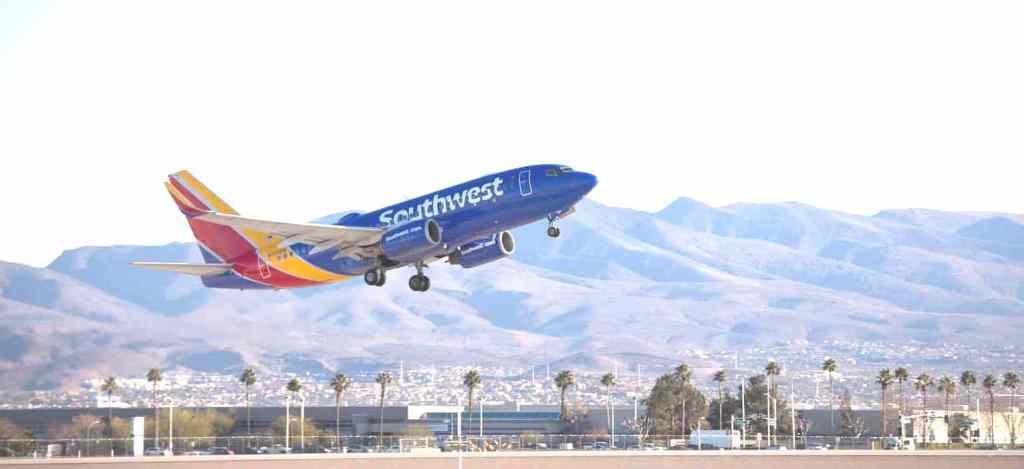
Southwest Airlines ha anunciado este Martes 07/09 que su oferta promocional Companion Pass, una oferta de pase de acompañante, está de vuelta y lista para el despegue. Como parte de Southwest Airlines want to Get Awaycampaign, los miembros de Rapid Rewards que califiquen tienen la posibilidad de viajar con un acompañante en Enero y Febrero de 2022. A medida que los viajeros continúan saliendo y explorando nuevos destinos, o reconectándose con lugares y personas que son importantes para ellos, Southwest ofrece un desafío a los miembros de su programa de lealtad Rapid Rewards.
Los miembros de Rapid Rewards que actúen rápido pueden obtener un Companion Pass válido para uso ilimitado desde el 6 de Enero de 2022 hasta el 28 de Febrero de 2022, registrándose para esta promoción, comprando un vuelo de ingresos de Southwest desde ahora hasta el 9 de Septiembre de 2021 y luego viajando por una de esas reservas reservadas desde el 9 de Septiembre de 2021 hasta el 18 de noviembre de 2021.
«Creemos en cuidar a nuestros clientes y estamos encantados de traer de vuelta nuestra promoción Companion Pass. Con esta promoción, esperamos dar a nuestros miembros, nuevos o leales desde hace mucho tiempo, una visión de todos los beneficios únicos que ofrecemos con nuestro programa Rapid Rewards», dijo Corbitt Burns, Director de Rapid Rewards de Southwest Airlines.
Companion Pass es un beneficio único entre las aerolíneas estadounidenses y permite a los Clientes que califican designar a una persona para que vuele con ellos, sin cargos de la aerolínea, no incluye impuestos y tarifas de US$ 5.60 por trayecto, cada vez que el cliente compra o canjea puntos para un vuelo.
Southwest returns Rapid Rewards
Southwest Airlines brings Rapid Rewards offer for a limited time
Southwest Airlines has announced this Tuesday 07/09 that its promotional Companion Pass offer, a companion pass offer, is back and ready for take off. As part of the Southwest Airlines want to Get Awaycampaign, qualifying Rapid Rewards members have the ability to travel with a companion in January and February 2022. As travelers continue to depart and explore new destinations, or reconnect with places and people that are important to them, Southwest offers a challenge to members of its Rapid Rewards loyalty program.
Rapid Rewards members who act fast can get a Companion Pass valid for unlimited use from January 6, 2022 to February 28, 2022, by registering for this promotion, purchasing a Southwest revenue flight from now until February 9. September 2021 and then traveling on one of those reservations booked from September 9, 2021 to November 18, 2021.
«We believe in taking care of our customers and we are delighted to bring back our Companion Pass promotion. With this promotion, we hope to give our members, new or longtime loyalists, an insight into all the unique benefits we offer with our Rapid program. Rewards», said Corbitt Burns, Director of Rapid Rewards for Southwest Airlines.
Companion Pass is a unique benefit among US airlines and allows qualifying Customers to designate a person to fly with them, free of airline fees, excluding taxes and fees of US$ 5.60 each way, each time the customer buy or redeem points for a flight.
Hello Airlines Bangladesh primer carguero ATR 72-200F
Hello Airlines, una aerolínea de carga con sede en Bangladesh, ha agregado su primer avión ATR 72-200F a su flota. El avión agregado será operado bajo NXT Air, la nueva marca de Hello Airlines. El transportista de carga recibió la entrega de la aeronave en arrendamiento seco de ACIA Aero. El avión está pintado con toda la librea blanca y fue transportado el 12 de Junio de 2021. El avión tiene 27,3 años de antigüedad.
El Director Ejecutivo de NXT Air, Nizam Ahmad ha expresado que esta nueva incorporación apoyará el crecimiento comercial de la aerolínea, así como de sus socios comerciales. La aerolínea tiene como objetivo explorar nuevas oportunidades de ingresos dada la caótica situación inducida por la pandemia de coronavirus en la aviación y construir una asociación positiva a largo plazo con ACIA Aero.
Hello Airlines incorporates ATR72 cargo
Hello Airlines Bangladesh first freighter ATR 72-200F
Hello Airlines, a Bangladesh-based cargo airline, has added its first ATR 72-200F aircraft to its fleet. The added aircraft will be operated under NXT Air, Hello Airlines’ new brand. The cargo carrier received delivery of the aircraft under dry lease from ACIA Aero. The aircraft is painted in all white livery and was transported on June 12, 2021. The aircraft is 27.3 years old.
The Executive Director of NXT Air, Nizam Ahmad has expressed that this new addition will support the commercial growth of the airline, as well as its commercial partners. The airline aims to explore new revenue opportunities given the chaotic situation induced by the coronavirus pandemic in aviation and to build a long-term positive partnership with ACIA Aero.
Avian de Argentina acuerda con acreedores Aerolínea retornaría sus vuelos regionales
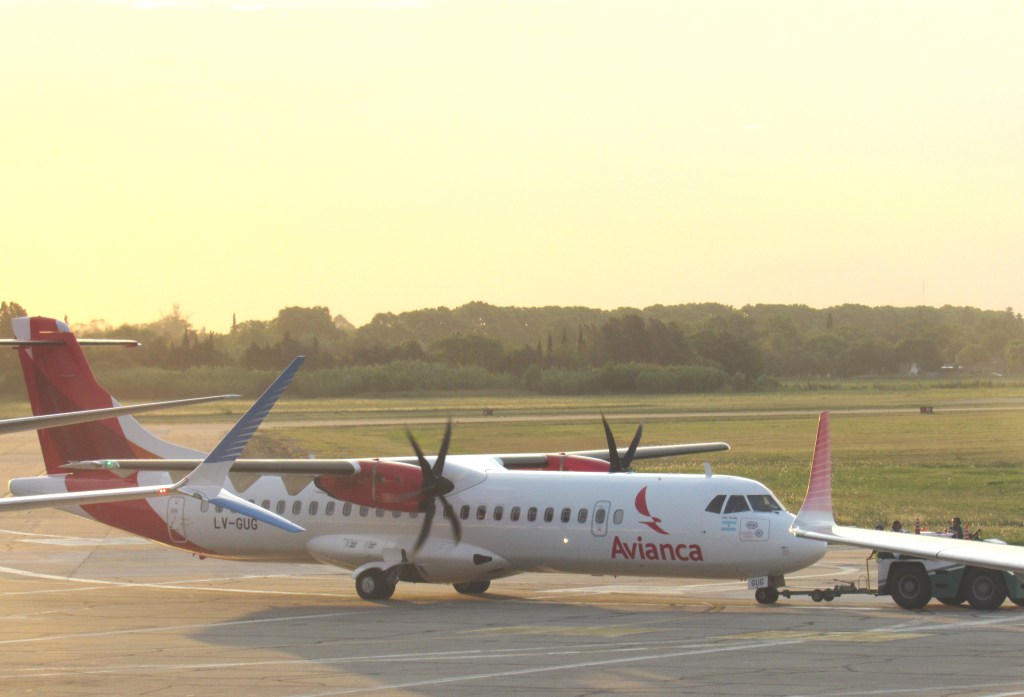
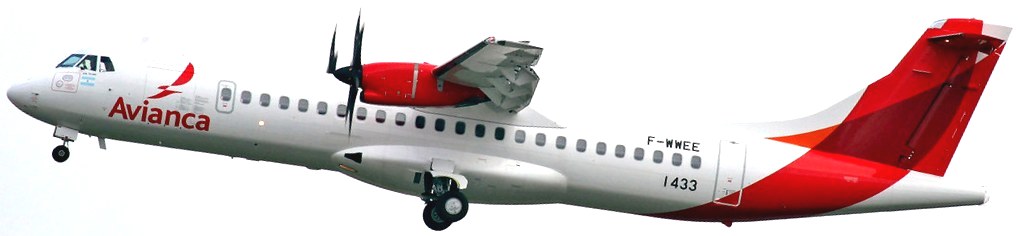
Avian Líneas Aéreas ha acordado con acreedores y busca restablecer sus operaciones en la República Argentina. La compañía aérea que ha operado bajo el nombre de Avianca Airlines Argentina entre Noviembre de 2017 y Junio de 2019, ha solicitado este Lunes 06/09 ante la Justicia el acuerdo logrado con la mayoría de los acreedores para los pagos correspondientes y la próxima adecuación de la compañía para restablecer operaciones aéreas en el país, a la espera que el Juzgado homologue las aprobaciones para volver a volar.
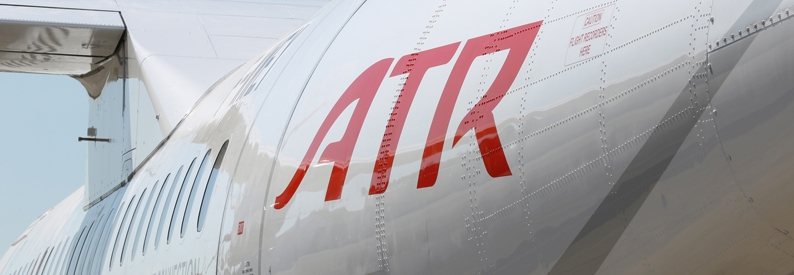
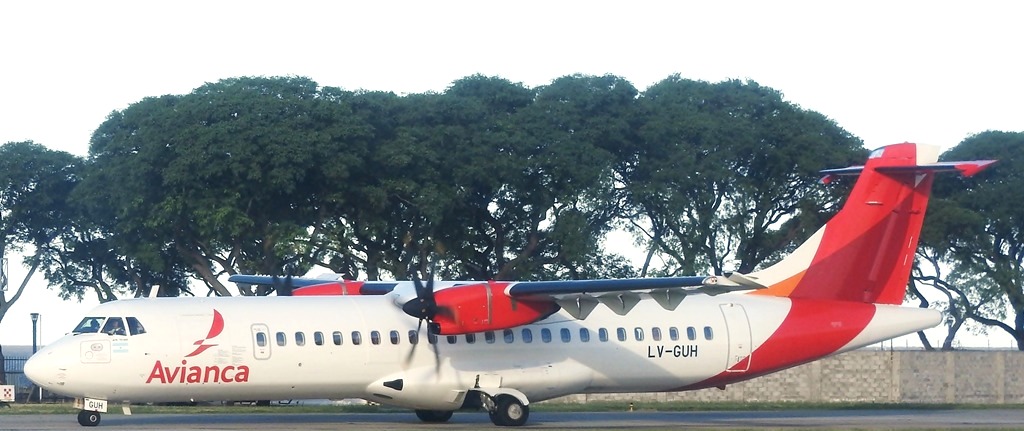
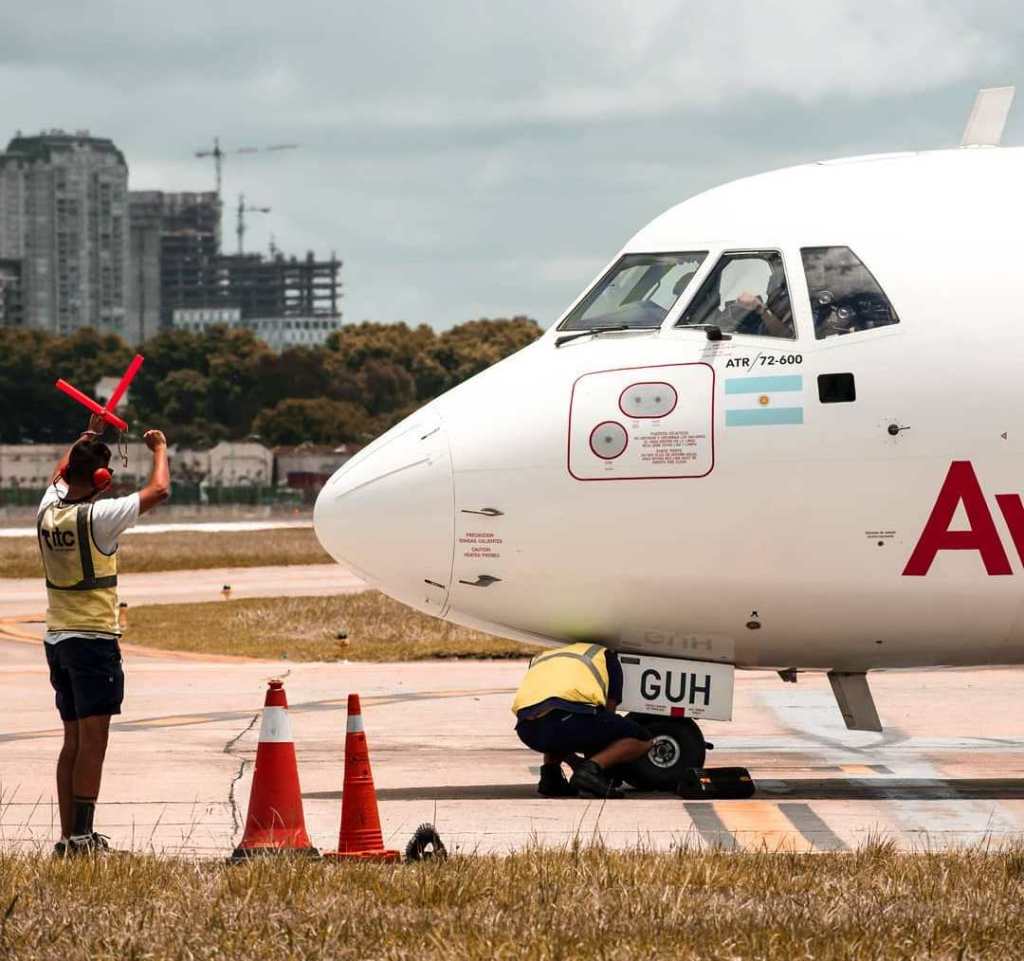
Avian Líneas Aéreas, la compañía argentina controlada por el boliviano-colombiano Germán Efromovich que operó bajo la marca Avianca Argentina durante veinte meses, desde Noviembre de 2017, logró un acuerdo de pago con la mayoría de sus acreedores, dentro del concurso preventivo que tramita en el Juzgado Comercial Nº26, a cargo de María Cristina O’Reilly. La empresa presentó este lunes 06/09 ese principio de acuerdo, a la espera de que la Jueza y el síndico lo homologuen en los próximos días para, así, poder volver a despegar. Según fuentes del sector, la compañía logró acuerdo por casi el 70% del capital adeudado, que asciende a unos US$ 1.500 millones de Dólares, y con el 52% de los acreedores totales. Además, trascendió que, en los acuerdos aceptados en forma mayoritaria por los acreedores, la empresa aerocomercial ofreció una quita de 30% y el pago en un plazo a cinco años o una quita de 50%, con pago a tres años. La Justicia tiene tres días para homologar ese acuerdo; luego, se abre un período en el que los acreedores pueden impugnarlo. Esa cifra no incluye la deuda de los dos aviones ATR 72-600 de 2017 con Avions de Transport Règional (ATR), fabricante francés de aeronaves que pertenece a Airbus Group, que Avianca Argentina adquirió antes de comenzar a volar en la Argentina, pero de los cuales adeuda el pago de cuotas. Cada uno de esos aviones le costaron a la empresa unos u$s 19 millones; pagó por ellos US$ 9,7 millones y, en 2019, ATR le exigía una deuda base de US$ 12,8 millones. En la actualidad, ambas aeronaves valen unos US$ 21,8 millones, según datos del sector. Según fuentes, ATR Aircraft ingresó en forma tardía al concurso, pedido por la empresa el 19 de Julio de 2019 y aprobado por la Justicia el 2 de Septiembre de ese año. Por eso, no tiene derecho a voto como acreedor. ATR le reclama la titularidad de las dos aeronaves por falta de pago e inició en 2019 una demanda en Nueva York, que ya lleva dos años sin resolución.
La empresa local cuenta con esos aviones retenidos y busca hallar una solución acorde a los valores del mercado, más teniendo en cuenta que, con el impacto del Covid-19 en la industria aerocomercial global, el valor actual de esos aviones dista de ser el inicial, en virtud de la sobreoferta de aeronaves en el mundo.
Avian Líneas Aéreas cuenta actualmente con 120 empleados, que no están cobrando su sueldo pero forman parte de la plantilla, con quienes también crece el pasivo por salarios adeudados. Desde Avian no respondieron a las consultas generadas por los anuncios desde su estudio de abogados, Fargosi & Asociados, pero la presentación consta en la Justicia.
Plan reactivación
A instancias de la aprobación judicial, Avian Líneas Aéreas busca levantar vuelo, con un proyecto presentado en el concurso, que implica convertirse en aportadora y distribuidora de tráfico regional en vuelos de corta distancia, siendo complementaria a grandes compañías. En el sector explican que para poder cubrir el costo de poner marcha una aeronave, los grandes aviones deben volar un mínimo de una hora y media; en cambio, con los ATR, Avian podría hacer tramos más cortos permitiendo un menor tiempo de vuelo para cubrirlos costos sin entrar en competencia con Aerolíneas Argentinas, aportándole y distribuyendo pasajeros hacia y desde ciudades más pequeñas y cercanas, que no son redituables para las aerolíneas con aeronaves de mayor tamaños y con otras estructuras de mercado.
Historia Avianca Argentina
Avian Líneas Aéreas, bajo el nombre Avianca Argentina, bajo licencia con la colombiana Avianca, había expirado la licencia, fue una de las primeras empresas que anunció su llegada a la Argentina, a inicios de 2016, cuando el Gobierno del entonces Presidente Mauricio Macri abrió el mercado de cabotaje a nuevas compañías aéreas, anunciando, junto al entonces ministro de Transporte, Guillermo Dietrich, la «Revolución de los Aviones». En Marzo de 2016, la empresa anunció la compra de Macair Jet de la familia del ex-Presidente por US$ 10 millones de Dólares, que le permitía introducirse en el mercado argentino rápidamente para iniciar operaciones regulares en menor plazo.
Pero su vinculación, por ese motivo, a la familia Macri terminó jugándole en contra. Sospechada por conflicto de intereses, no accedió a reglas con las que sí jugaban sus competidores, según fuentes del mercado. La empresa tenía un ambicioso plan de adquisición de doce aviones en el corto plazo para vuelos domésticos y regionales, más de cien rutas y había acordado con el Gobierno de Tucumán instalar allí uno de sus hubs. En Mayo de 2017, le autorizaron dieciséis rutas en la primera audiencia realizada por el Gobierno anterior. Pero, al mismo tiempo, surgieron las primeras denuncias por presunto favoritismo, por su vinculación con Macri, al adquirir Macair Jet. Avian Líneas Aéreas había firmado la compra de doce turbohélices ATR 72- 600 para 72 pasajeros, por un valor de US$ 264 millones de Dólares.
Finalmente, pudo levantar vuelo en Noviembre de 2017, llegando a operar cinco rutas y estaba por iniciar sus vuelos a San Pablo en Febrero de 2019, con un Airbus A320CEO alquilado que había traído de Brasil. Pero debió devolverlo en Enero de 2019 para luego cancelar la ruta asignada. La aerolínea regional alcanzaba a tener una fuerza laboral de 500 empleados y actualmente cuenta con 120 trabajadores sin actividad laboral.
La aerolínea pronto sufrió problemas debido a la complicada situación económica de Argentina y a los ajustes financieros que la compañía matriz Avianca Holdings atravesaba. En Febrero de 2019, pidió la apertura de un Procedimiento Preventivo de Crisis (PPC), que nunca fue aprobado.
Al igual que el resto de las compañías aéreas locales, debió enfrentar el duro impacto de la fuerte devaluación en Mayo y Agosto de 2018, que puso a todas en jaque, ya que la mayoría de sus costos, especialmente el combustible, están dolarizados. Ese mismo año, el 31 de Julio de 2018, el Gobierno de Macri eliminó el piso tarifario; así, con el ingreso de nuevos competidores, comenzó una agresiva competencia por pasajeros, con la venta de tickets a muy bajos precios, en un contexto inflacionario, lo que tornó aún más compleja su operación. Para sostenerse y ganar mercado inicial vendiendo debajo del costo, la mayoría de las aerolíneas recibió el respaldo de sus accionistas, pero el mayor accionista de Avian, Germán Efromovich, estaba en plena crisis en el exterior, con la quiebra en Diciembre de 2018 de su controlada en Brasil denominada Avianca Airlines Brasil, bajo licencia de la colombiana. Además, fue en ese momento apartado de las decisiones sobre Avianca Holdings (que controla a la aérea colombiana Avianca), donde Synergy Group (donde es su principal accionista) poseía el 78,1% de las acciones, tras incumplir un acuerdo de cobertura por un préstamo con United Airlines.
Así, con su accionista en plena crisis fuera de la Argentina, Avian Líneas Aéreas no tenía a quién recurrir para sortear los aprietos financieros locales, en un contexto de fuerte devaluación e ingresos a la baja en pesos para las aéreas. Además, desde la empresa en su momento también se quejaron de no contar con facilidades que tienen otras compañías: recibieron muchas menos rutas que la low cost Flybondi que empezó a volar tres meses después que Avian Líneas Aéreas y que Norwegian Air Argentina once meses después y operaba desde Aeroparque.
A diferencia de las low cost, sus empleados estaban afiliados a los sindicatos tradicionales, más duros a la hora de negociar que los nuevos gremios low cost y con mejores condiciones laborales para sus empleados. La imposibilidad de usar el saldo técnico a favor del IVA para pagar otros impuestos tampoco ayudó. Así, finalmente, Avian se quedó con dos aviones ATR y dejó de operar en junio de 2019. En esos 20 meses, transportó un total de 281.000 pasajeros, la mayoría (215.000) en 2018, cuando operó con un promedio de 69% de ocupación, según datos de la Administración Nacional de Aviación Civil (ANAC).
El 19 de Julio de 2019 solicitó la apertura del concurso preventivo, que fue aprobado por la jueza María Cristina O’Reilly, a cargo del Juzgado Comercial 26, el 2 de Septiembre de 2019. En los próximos días, la compañía podría tener el visto bueno de la jueza a su acuerdo con los acreedores; y cuenta, además, con el apoyo de su accionista para poder volver a despegar.
Avian would reestablish operations
Avian de Argentina agrees with creditors Airline would return its regional flights
Avian Líneas Aéreas has agreed with creditors and seeks to reestablish its operations in the Argentine Republic. The airline that has operated under the name of Avianca Airlines Argentina between November 2017 and June 2019, has requested this Monday 06/09 before the Justice the agreement reached with the majority of the creditors for the corresponding payments and the next adaptation of the company to reestablish air operations in the country, waiting for the Court to approve the approvals to fly again.
Avian Lineas Aereas, the Argentine company controlled by the Bolivian-Colombian Germán Efromovich that operated under the Avianca Argentina brand for twenty months, since November 2017, reached a payment agreement with the majority of its creditors, within the bankruptcy process that it processes in Commercial Court Nº26, in charge of María Cristina O’Reilly. The company presented this principle of agreement on Monday 06/09, waiting for the judge and the liquidator to approve it in the next few days so that it can take off again. According to industry sources, the company reached an agreement for almost 70% of the capital owed, which amounts to about US$ 1,500 million, and with 52% of the total creditors. In addition, it emerged that, in the agreements accepted in a majority by creditors, the commercial airline offered a 30% discount and payment within a five-year term or a 50% discount, with a three-year payment. Justice has three days to approve this agreement; then a period opens in which creditors can challenge it. This figure does not include the debt of the two 2017 ATR 72-600 aircraft with Avions de Transport Règional (ATR), a French aircraft manufacturer that belongs to Airbus Group, which Avianca Argentina acquired before starting to fly in Argentina, but from which owes the payment of fees. Each of those planes cost the company about US$ 19 million; paid US$ 9.7 million for them and, in 2019, ATR required a base debt of US$ 12.8 million. Currently, both aircraft are worth about US$ 21.8 million, according to industry data. According to sources, ATR Aircraft entered the contest late, requested by the company on July 19, 2019 and approved by the Justice on September 2 of that year. Therefore, you do not have the right to vote as a creditor. ATR claims ownership of the two aircraft due to non-payment and started a lawsuit in New York in 2019, which has not been resolved for two years.
The local company has these aircraft retained and seeks to find a solution in accordance with market values, especially considering that, with the impact of Covid-19 on the global commercial aviation industry, the current value of these aircraft is far from being the initial one, by virtue of the oversupply of aircraft in the world.
Avian Líneas Aéreas currently has 120 employees, who are not collecting their salaries but are part of the workforce, with whom the liability for wages owed also grows. From Avian they did not respond to the inquiries generated by the announcements from their law firm, Fargosi & Asociados, but the presentation is in court.
Reactivation plan
At the request of the judicial approval, Avian Líneas Aéreas seeks to take flight, with a project presented in the tender, which implies becoming a contributor and distributor of regional traffic on short-haul flights, being complementary to large companies. In the sector they explain that in order to cover the cost of starting an aircraft, large planes must fly a minimum of an hour and a half; On the other hand, with the ATRs, Avian could make shorter sections allowing a shorter flight time to cover costs without entering into competition with Aerolineas Argentinas, providing and distributing passengers to and from smaller and nearby cities, which are not profitable for the airlines. with larger aircraft and with other market structures.
History Avianca Argentina
Avian Líneas Aéreas, under the name Avianca Argentina, under license with the Colombian Avianca, had expired the license, it was one of the first companies that announced its arrival in Argentina, at the beginning of 2016, when the Government of then President Mauricio Macri opened the cabotage market to new airlines, announcing, together with the then Minister of Transport, Guillermo Dietrich, the «Revolution of the Airplanes». In March 2016, the company announced the purchase of Macair Jet from the former President’s family for US$ 10 million, which allowed it to enter the Argentine market quickly to start regular operations in a shorter period of time.
But, for this reason, his connection to the Macri family ended up playing against him. Suspected of a conflict of interest, she did not agree to rules that her competitors did play by, according to market sources. The company had an ambitious plan to acquire twelve aircraft in the short term for domestic and regional flights, more than one hundred routes, and had agreed with the Government of Tucumán to install one of its hubs there. In May 2017, sixteen routes were authorized in the first hearing held by the previous Government. But, at the same time, the first complaints arose for alleged favoritism, due to its connection with Macri, when acquiring Macair Jet. Avian Lineas Aereas had signed the purchase of twelve ATR 72-600 turboprops for 72 passengers, for a value of US$ 264 millions of dollars.
Finally, it was able to take flight in November 2017, operating five routes and was about to start its flights to São Paulo in February 2019, with a rented Airbus A320CEO that it had brought from Brazil. But he had to return it in January 2019 to later cancel the assigned route. The regional airline had a workforce of 500 employees and currently has 120 workers without work.
The airline soon suffered problems due to the difficult economic situation in Argentina and the financial adjustments that the parent company Avianca Holdings was going through. In February 2019, he requested the opening of a Crisis Preventive Procedure (CPP), which was never approved.
Like the rest of the local airlines, it had to face the harsh impact of the strong devaluation in May and August 2018, which put all of them in check, since most of its costs, especially fuel, are dollarized. That same year, on July 31, 2018, the Macri Government eliminated the rate floor; Thus, with the entry of new competitors, an aggressive competition for passengers began, with the sale of tickets at very low prices, in an inflationary context, which made its operation even more complex. To sustain itself and gain initial market by selling below cost, most airlines received the backing of their shareholders, but Avian’s largest shareholder, Germán Efromovich, was in the midst of a crisis abroad, with the bankruptcy in December 2018 of his controlled in Brazil called Avianca Airlines Brasil, under license from the Colombian. In addition, it was at that time removed from the decisions on Avianca Holdings (which controls the Colombian airline Avianca), where Synergy Group (where it is its main shareholder) owned 78.1% of the shares, after breaching a hedge agreement for a loan with United Airlines.
Thus, with its shareholder in the midst of a crisis outside of Argentina, Avian Líneas Aéreas had no one to turn to to overcome local financial difficulties, in a context of strong devaluation and declining revenues in pesos for airlines. In addition, the company at the time also complained of not having facilities that other companies have: they received much fewer routes than the low cost Flybondi that began flying three months after Avian Líneas Aéreas and that Norwegian Air Argentina eleven months later and It operated from Aeroparque.
Unlike the low cost ones, their employees were affiliated to the traditional unions, tougher when negotiating than the new low cost unions and with better working conditions for their employees. The inability to use the technical balance in favor of VAT to pay other taxes did not help either. Thus, finally, Avian was left with two ATR aircraft and stopped operating in June 2019. In those 20 months, it carried a total of 281,000 passengers, the majority (215,000) in 2018, when it operated with an average occupancy of 69%, according to data from the National Civil Aviation Administration (ANAC).
On July 19, 2019, he requested the opening of the preventive contest, which was approved by Judge María Cristina O’Reilly, in charge of the Commercial Court 26, on September 2, 2019. In the next few days, the company could have the approval good of the judge to its agreement with the creditors; and it also has the support of its shareholder to be able to take off again.
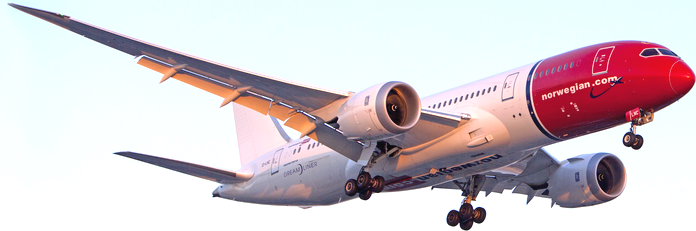
Norwegian Air International abandona vuelos a Argentina
Norwegian Air International ha anunciado la confirmación este Martes 07/09 que no retomará los vuelos internacionales a la Argentina. La compañía ha expresado la voluntad de cancelar las operaciones aerocomerciales hacia Argentina: «Ya no volaremos a la Argentina en un futuro próximo y, por lo tanto, cerraremos esta cuenta», sostiene el breve comunicado de la cuenta de Facebook. El posteo ha inundado de reclamos por la falta de respuestas sobre de los pasajes comprados por usuarios del transporte aéreo, pero no pudieron emplearse porque la compañía canceló la operación con la ruta que unía Buenos Aires—Londres.
En 2020, argentinos damnificados por la aerolínea formaron un grupo para estar en contacto y compartir sus quejas. Allí, explican que cuando Norwegian Air International dejó de conectar el país con Reino Unido no les ofreció la devolución del dinero ni reembolsos por el cambio de pasajes. Además, a través del sistema de millas, varios recibieron cashpoints que solamente pueden usar para vuelos internos en Europa. Al final de la publicación emitida en la cuenta de Facebook, Norwegian Air International agradeció el apoyo a la comunidad y puso a disposición la cuenta de Facebook de Norwegian España para consultas. Allí, la aérea asegura que está haciendo «todo lo posible para responder rápidamente».
Desde JetSmart Airlines Argentina indican que la empresa adquirió solamente la operación de cabotaje local de Norwegian Air Argentina y que todo lo relativo a pasajes internacionales está relacionado con la casa matriz.
A su vez, desde la Federación Argentina de Asociaciones de Empresas de Viajes y Turismo (Faevyt), explican que ofrecieron asesoramiento a los abogados de las agencias de viajes que comercializaron pasajes de Norwegian Air International para realizar las presentaciones legales correspondientes. En tanto, desde la Cámara de Líneas Aéreas en la Argentina (JURCA) comentan que como entidad, no interfieren en la política comercial de las compañías.
Reestructuración Norwegian Air Shuttle ASA
La decisión definitiva de Norwegian Air International de no volver a volar en la Argentina, por el momento, responde a una reconfiguración que la compañía atraviesa. «Es posible que hayas escuchado que recientemente hemos completado nuestro proceso de reestructuración. Como resultado, se ha adoptado una estrategia renovada y enfocada exclusivamente en nuestros mercados nórdicos», explica el posteo en Facebook.
En Enero 2021 Norwegian Air International comunicó que cancelaba todas sus rutas de largo radio, incluidos los vuelos entre Londres y Buenos Aires. «Debido a los desafíos que trae la pandemia, incluidas las restricciones de viaje y los cambios en los consejos del gobierno, hemos tomado la difícil decisión de suspender la operación de nuestro programa de vuelos de larga distancia desde y hacia los Estados Unidos, Argentina, Brasil y Tailandia», expresó en ese momento. «La red de transporte de corta distancia siempre fue la columna vertebral de Norwegian y formará la base de un futuro modelo de negocio resistente. El objetivo es reconstruir una aerolínea fuerte y rentable para que podamos salvaguardar tantos puestos de trabajo como sea posible. No esperamos que la demanda en el sector de largo recorrido se recupere en el futuro cercano», señaló en aquel entonces a la prensa británica Jacob Schram, CEO de la empresa.
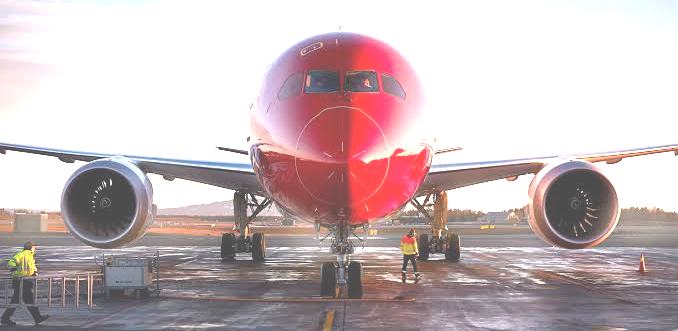
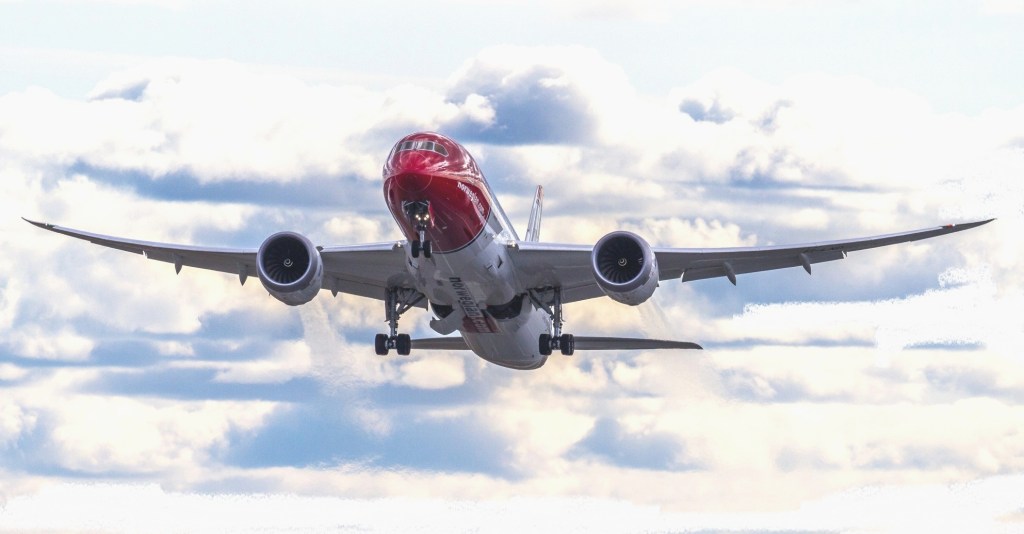
La aerolínea de bajo costo llegó al país durante el anterior Gobierno, con la política de promoción a las low-cost que impulsó esa gestión. Aterrizó en Ezeiza el 15 de Febrero de 2018 con su primer Boeing 787-9 Dreamliner proveniente desde el Aeropuerto London/Gatwick.
Las operaciones de Norwegian Air International como otras líneas aéreas como Latam Airlines Argentina, Air New Zealand, Qatar Airways y Emirates Airline, que abandonan el mercado argentino por los impactos de la pandemia, que impactan en el éxodo y crisis del transporte aéreo en la República Argentina.
Norwegian leaves Argentina
Norwegian Air International abandons flights to Argentina
Norwegian Air International has announced the confirmation this Tuesday 07/09 that it will not resume international flights to Argentina. The company has expressed its willingness to cancel commercial air operations to Argentina: «We will no longer fly to Argentina in the near future and, therefore, we will close this account», says the brief statement from the Facebook account. The post has flooded with complaints due to the lack of answers about the tickets purchased by air transport users, but they could not be used because the company canceled the operation with the route that linked Buenos Aires-London.
In 2020, Argentines affected by the airline formed a group to stay in touch and share their complaints. There, they explain that when Norwegian Air International stopped connecting the country with the United Kingdom, it did not offer them a refund of the money or refunds for the change of tickets. In addition, through the mileage system, several received cashpoints that they can only use for internal flights in Europe. At the end of the publication issued on the Facebook account, Norwegian Air International thanked the community for its support and made the Norwegian Spain Facebook account available for inquiries. There, the airline assures that it is doing «everything possible to respond quickly».
From JetSmart Airlines Argentina they indicate that the company only acquired the local cabotage operation of Norwegian Air Argentina and that everything related to international tickets is related to the parent company.
In turn, from the Argentine Federation of Travel and Tourism Business Associations (Faevyt), they explain that they offered advice to the lawyers of the travel agencies that sold Norwegian Air International tickets to make the corresponding legal presentations. Meanwhile, from the Chamber of Air Lines in Argentina (JURCA) they comment that as an entity, they do not interfere in the commercial policy of the companies.
Norwegian Air Shuttle ASA restructuring
Norwegian Air International’s final decision not to fly in Argentina again, for the time being, responds to a reconfiguration that the company is going through. «You may have heard that we have recently completed our restructuring process. As a result, a renewed strategy has been adopted and focused exclusively on our Nordic markets», the Facebook post explains.
In January 2021 Norwegian Air International announced that it was canceling all its long-haul routes, including flights between London and Buenos Aires. «Due to the challenges the pandemic brings, including travel restrictions and changes in government councils, we have made the difficult decision to suspend the operation of our long-haul flight program to and from the United States, Argentina, Brazil and Thailand», he said at the time. «The short haul network has always been Norwegian’s backbone and will form the foundation of a resilient future business model. The goal is to rebuild a strong and profitable airline so that we can safeguard as many jobs as possible. We don’t expect that demand in the long-haul sector recovers in the near future», said Jacob Schram, CEO of the company, to the British press at the time.
The low-cost airline arrived in the country during the previous government, with the low-cost promotion policy that prompted this management. He landed in Ezeiza on February 15, 2018 with his first Boeing 787-9 Dreamliner coming from London/Gatwick Airport.
The operations of Norwegian Air International as well as other airlines such as Latam Airlines Argentina, Air New Zealand, Qatar Airways and Emirates Airline, which leave the Argentine market due to the impacts of the pandemic, which impact on the exodus and crisis of air transport in the Republic Argentina.