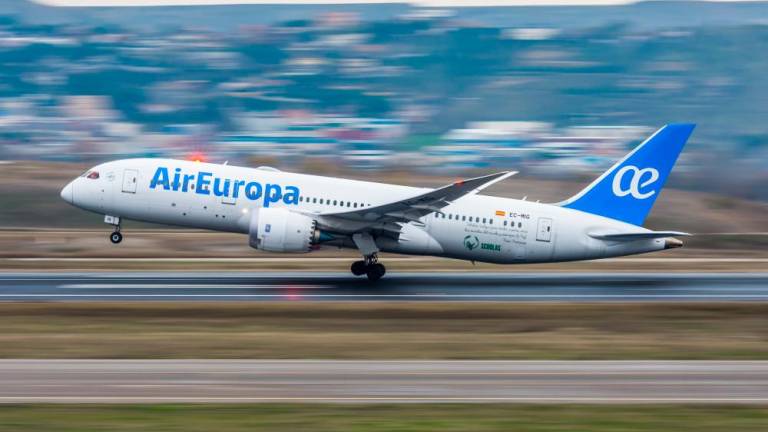
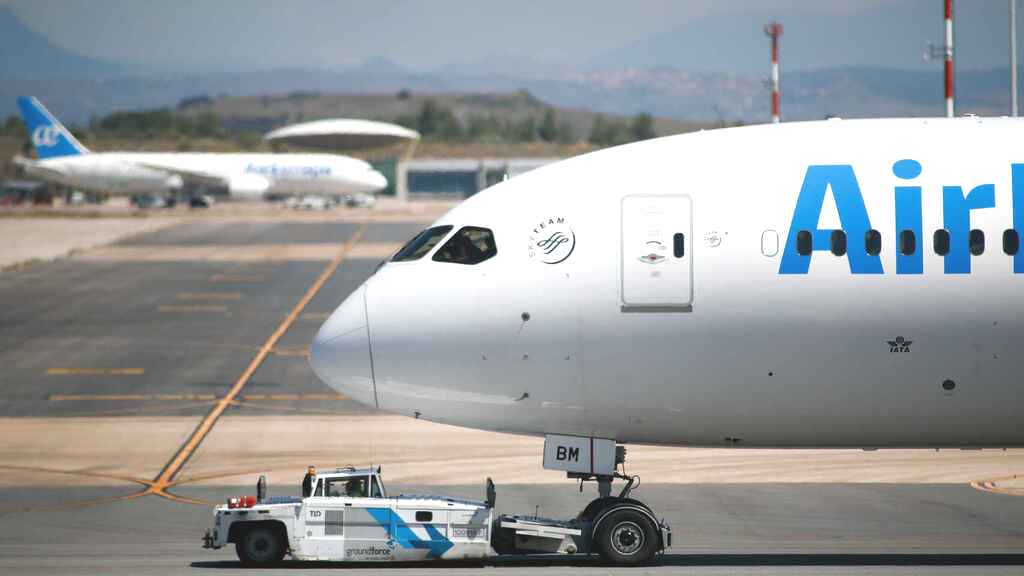
Iberia Líneas Aéreas ha anunciado que el proceso de adquisición de la aerolínea Air Europa continúa en su proceso final. El Presidente y CEO de Iberia, Javier Sánchez Prieto, ha detallado en el marco de la feria de turismo FITUR 2021 el estado actual de los dos procesos abiertos para completar la adquisición de Air Europa, sujeta aún a la aprobación de la Dirección General de la Competencia de la Unión Europea y al acuerdo con el Gobierno de España con motivo del rescate concedido a la aerolínea del Grupo Globalia.
Procesos de adquisición
Respecto a los procesos ante la Dirección de Competencia de la EU explican desde Iberia que “seguimos con el diálogo constante, proponiendo medidas que puedan acortar los plazos”. Ahí entra los acuerdos suscritos con World2Meet para rutas de largo recorrido y Volotea Airlines con rutas domésticas y regionales, con los que busca allanar el camino mediante la cesión de rutas y slots a ambas aerolíneas. Respecto a las conversaciones con el Gobierno de España, Sánchez Prieto afirma que “existe un muy buen nivel de entendimiento con todos los organismos involucrados, los cuales son conscientes de la importancia de la operación para España. Debería ser relativamente fácil encontrar una solución”.
Respecto a una posible reestructuración y ajustes en el proceso de adquisición de compra, la dirección de Iberia han remarcado la necesidad de complementar. “Air Europa tiene más de 40 aviones y nosotros un centenar. A ver si somos capaces de sumar en el futuro entre los dos 160 o 170. A corto plazo es importante mantener la independencia de las dos compañías hasta que el tráfico y la demanda se recupere”.
Iberia is about to buy Air Europa
Iberia finalizing Air Europa acquisition process
Iberia Líneas Aéreas has announced that the process of acquiring the airline Air Europa continues in its final process. The President and CEO of Iberia, Javier Sánchez Prieto, has detailed in the framework of the FITUR 2021 tourism fair the current status of the two open processes to complete the acquisition of Air Europa, still subject to the approval of the General Directorate of the Competence of the European Union and the agreement with the Government of Spain on the occasion of the rescue granted to the Globalia Group airline.
Acquisition processes
Regarding the processes before the EU Competition Directorate, they explain from Iberia that «we continue with constant dialogue, proposing measures that can shorten deadlines». This is where the agreements signed with World2Meet for long-haul routes and Volotea Airlines with domestic and regional routes enter, with which it seeks to pave the way by assigning routes and slots to both airlines. Regarding the conversations with the Government of Spain, Sánchez Prieto affirms that “there is a very good level of understanding with all the organizations involved, which are aware of the importance of the operation for Spain. It should be relatively easy to find a solution”.
Regarding a possible restructuring and adjustments in the purchase acquisition process, Iberia’s management has highlighted the need to complement. “Air Europa has more than 40 planes and we have a hundred. Let’s see if we are able to add between the two 160 or 170 in the future. In the short term it is important to maintain the independence of the two companies until traffic and demand recover”.
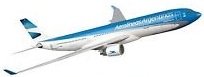
Aerolíneas Argentinas ha anunciado la partida de dos vuelos adicionales hacia la Federación Rusia en busca de más dosis de Sputnik V. Además, Argentina aguarda por los lotes de las vacunas producidas por el país en sociedad con México para la próxima semana.
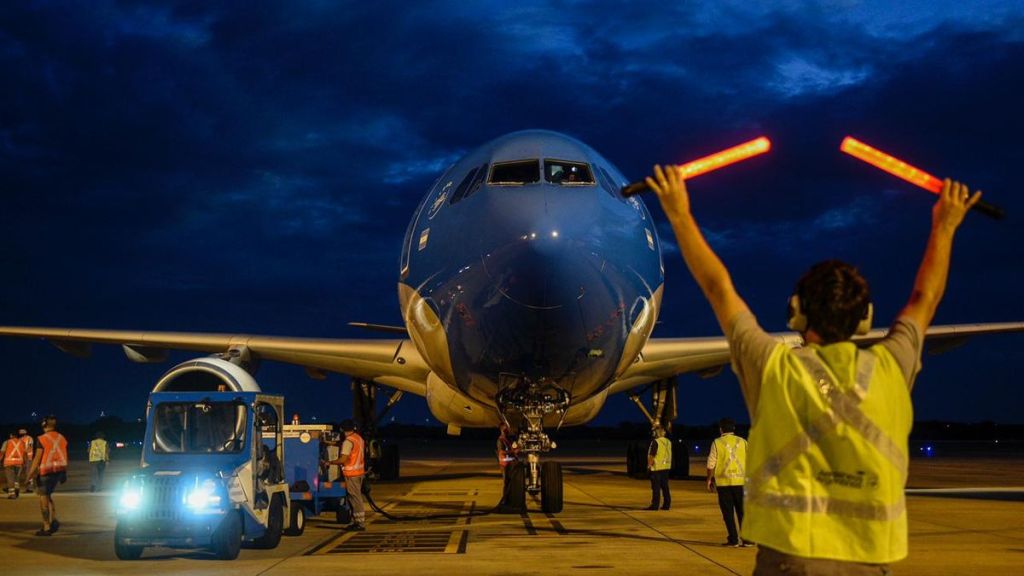
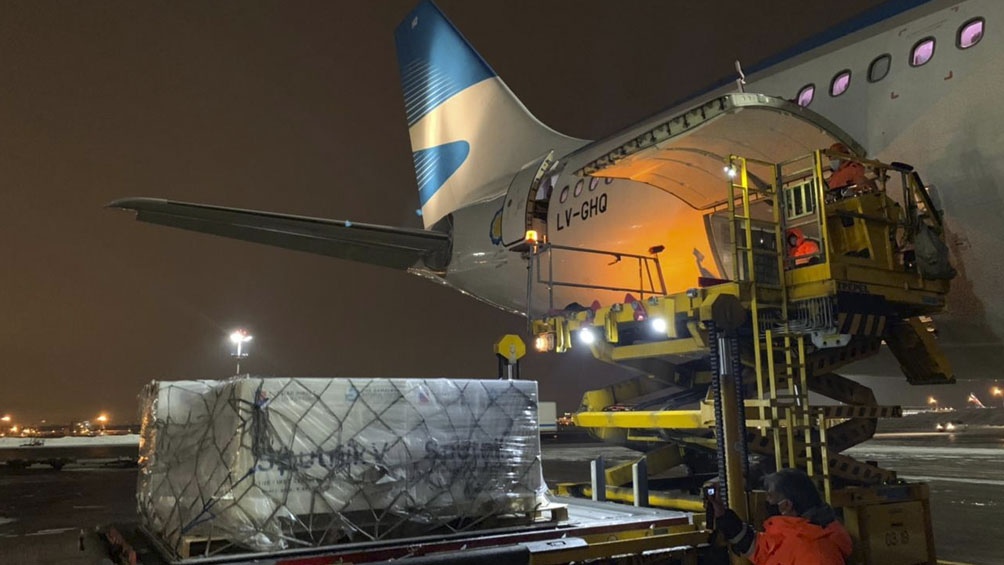
Aerolíneas Argentinas ha programado otros dos vuelos entre el Domingo 23/05 y el Martes 25/05 que tendrán como objetivo traer nuevos cargamentos de vacunas rusas Sputnik V. Ambas vuelos partirán desde el Aeropuerto Internacional Ezeiza hacia el Aeropuerto Internacional Moscú/Sheremétievo después de que el Gobierno de Argentina recibiera el la notificación de nuevas dosis desde el Instituto Gamaleya. El comunicado del Ministerio de Salud de la Nación no han informado la cantidad de vacunas que llegarían en estos nuevos envíos, se espera un número superior al que arribado en los últimos vuelos.
En tanto, el Gobierno argentino aguarda la llegada de las vacunas de AstraZeneca, producidas por Argentina y envasadas en México, que habían quedado retenidas por Estados Unidos. Los lotes correspondientes fueron entregados para su revisión a la Comisión Federal para la Protección contra Riesgos Sanitarios y estarán finalizados para el 24 o 25 de Mayo de 2021. Parte de esos lotes serán entregados a nuestro país, luego de recibir el aval y la autorización final por parte de AstraZeneca. Este es el resultado de un convenio impulsado por la Fundación Slim para que los gobiernos de México y Argentina produjeran la vacuna desarrollada por la universidad de Oxford y la farmacéutica AstraZeneca de manera local. Los acuerdos se firmaron en Agosto 2020 y tienen como propósito producir de 150 a 250 millones de dosis para toda América Latina. Del total producido, México se queda con el 55% de las vacunas. El país contará para Junio con 40 millones de dosis y durante ese mes se recibirán entre 25 y 30 millones más, por lo que para octubre gran parte de la población adulta del país estará inmunizada.
De acuerdo con el Plan Estratégico Nacional para la Vacunación contra el COVID-19, el Gobierno Nacional comenzó la distribución de 494.400 dosis del componente 1 de Sputnik V en todo el país. En ese contexto, esas dosis permiten vacunar con una dosis a todos los mayores de 60 años que se hayan inscripto en las distintas jurisdicciones y continuar avanzando con la vacunación a las personas entre 18 a 59 años con condiciones de riesgo.
Government plus Sputnik-V dose
Aerolíneas schedule more flights to Russia per dose
Aerolíneas Argentinas has announced the departure of two additional flights to the Russian Federation in search of more doses of Sputnik V. Furthermore, Argentina awaits the batches of vaccines produced by the country in partnership with Mexico for next week.
Aerolíneas Argentinas has scheduled two other flights between Sunday 05/23 and Tuesday 05/25 that will aim to bring new shipments of Russian Sputnik V vaccines. Both flights will depart from Ezeiza International Airport to Moscow/Sheremétievo International Airport after the Government of Argentina received the notification of new doses from the Gamaleya Institute. The statement of the Ministry of Health of the Nation has not reported the amount of vaccines that would arrive in these new shipments, a higher number is expected than the one that arrived in the last flights.
Meanwhile, the Argentine Government awaits the arrival of AstraZeneca vaccines, produced by Argentina and packaged in Mexico, which had been withheld by the United States. The corresponding batches were delivered for review to the Federal Commission for the Protection against Sanitary Risks and will be completed by May 24 or 25, 2021. Part of those batches will be delivered to our country, after receiving the endorsement and final authorization. by AstraZeneca. This is the result of an agreement promoted by the Slim Foundation for the governments of Mexico and Argentina to produce the vaccine developed by the University of Oxford and the pharmaceutical company AstraZeneca locally. The agreements were signed in August 2020 and are intended to produce 150 to 250 million doses for all of Latin America. Of the total produced, Mexico keeps 55% of the vaccines. The country will have 40 million doses by June and during that month between 25 and 30 million more will be received, so that by October a large part of the country’s adult population will be immunized.
In accordance with the National Strategic Plan for Vaccination against COVID-19, the National Government began the distribution of 494,400 doses of component 1 of Sputnik V throughout the country. In this context, these doses allow to vaccinate with a dose to all those older than 60 years who have registered in the different jurisdictions and to continue advancing with the vaccination of people between 18 and 59 years of age with risk conditions.
Singapore Airlines registra pérdida neta de S$ 4.270 millones
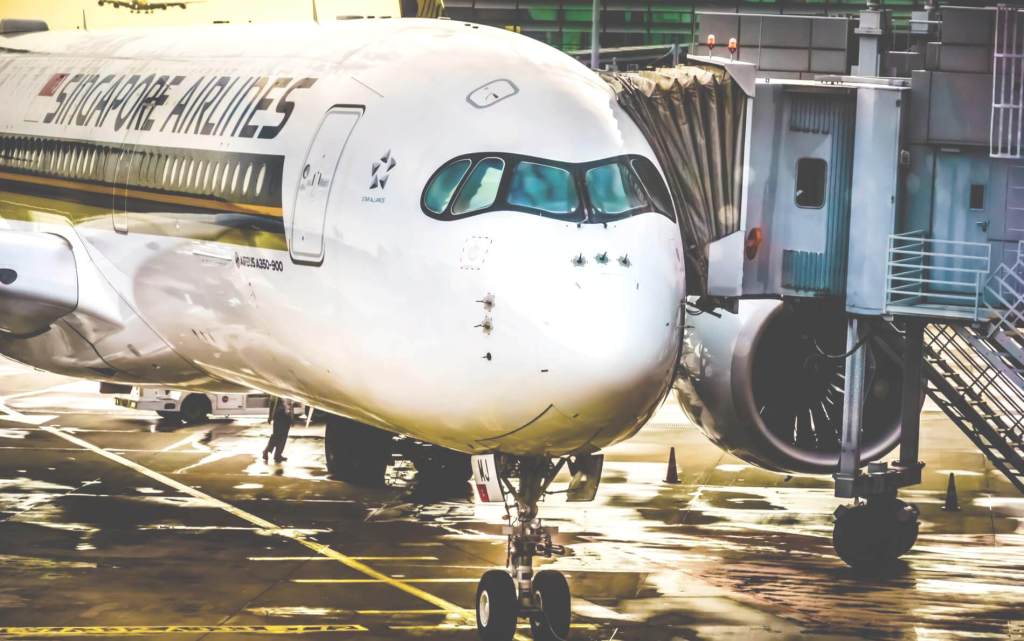
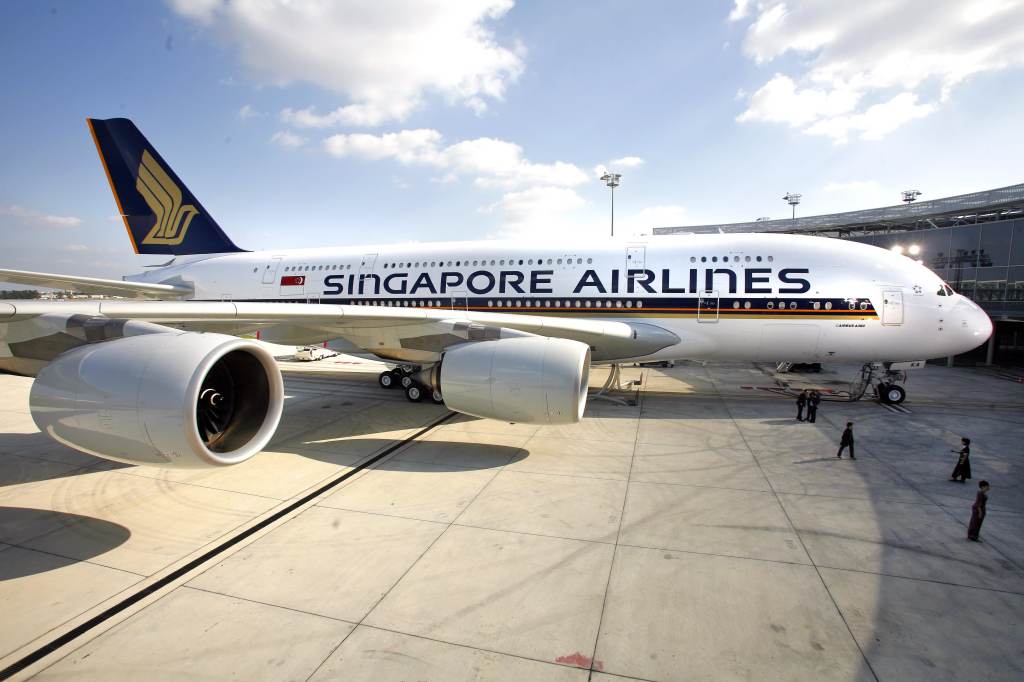
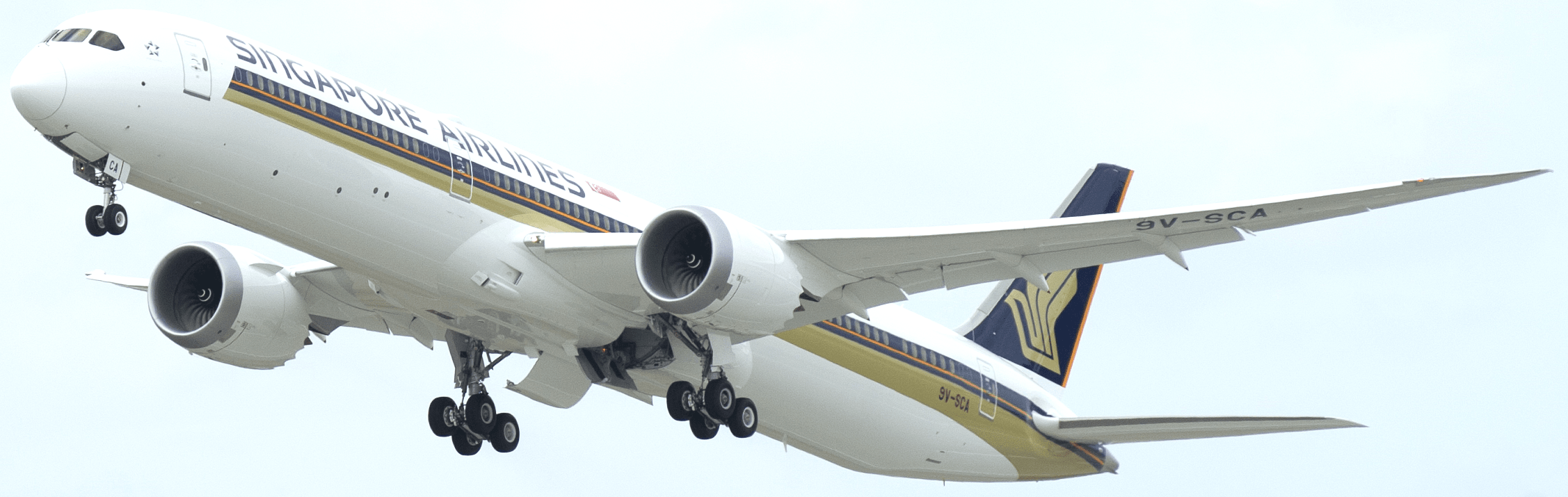
La aerolínea de bandera Singapore Airlines (SIA) dijo el miércoles (19 de mayo) que registró una pérdida neta de 4.270 millones de Dólares singapurenses/US$ 3.190 millones de Dólares para el ejercicio terminado en Marzo de 2021 debido a la pandemia COVID-19 y sus efectos en la aviación internacional. La aerolínea dijo que el tráfico de pasajeros del grupo, medido en ingresos de pasajeros-kilómetros, se redujo 97.9 por ciento en el ejercicio terminado el 31 de Marzo de 2021 con respecto a un año antes y que los ingresos del grupo cayeron en S$ 12.760 millones de Dólares singapurenses o 76.1 por ciento interanual a S$ 3.816 millones debido a la caída de los ingresos por vuelos de pasajeros en Singapore Airlines, SilkAir y Scoot, las tres aerolíneas de pasajeros dentro del grupo. Esto fue parcialmente compensado por mayores ingresos por carga volada, que aumentaron en S$ 758 millones o un 38,8 por ciento interanual a S$ 2.709 millones. Las mejoras en la utilización de los cargueros, el despliegue de aviones de pasajeros para vuelos solo de carga y la eliminación de asientos de cabinas de pasajeros para crear un volumen adicional para la carga mitigaron parcialmente la pérdida de capacidad de retención de los aviones de pasajeros durante la pandemia. La fuerte demanda de carga aérea, especialmente en segmentos clave como el comercio electrónico, los productos farmacéuticos y la electrónica, proporcionó un fuerte apoyo tanto a los factores de carga como a los rendimientos en medio de una estricta capacidad de carga de la industria.
Singapore Airlines también ha anunciado que planea recaudar al menos US$ 6.200 millones de Dólares en bonos convertibles para ayudarle a capear la continua caída de la aviación. La emisión permitirá al Grupo SIA mantener una sólida base de capital y proporcionarle opciones adicionales en el futuro para aumentar la financiación de la deuda según sea necesario. Además, fortalece la base financiera del grupo para sortear la crisis.
El Presidente de Singapore Airlines, Peter Seah, dijo: «Desde el 1 de abril de 2020, hemos recaudado S$ 15.400 millones de Dólares singapurenses en liquidez fresca que nos ha dado una base sólida a medida que navegamos por los desafíos planteados por la pandemia COVID-19 con el apoyo de nuestras partes interesadas. Sin embargo, esta crisis no ha terminado. Si bien el ritmo creciente de las vacunas nos ha dado esperanza, las nuevas oleadas de infecciones en todo el mundo significan que las restricciones a los viajes internacionales siguen vigentes en gran medida. El grupo SIA ha aumentado su capacidad de pasajeros y ha reanudado los servicios seleccionados de una manera segura y calibrada, pero los organismos de la industria pronostican que no se espera que el tráfico aéreo se recupere a niveles previos al COVID-19 hasta 2024».
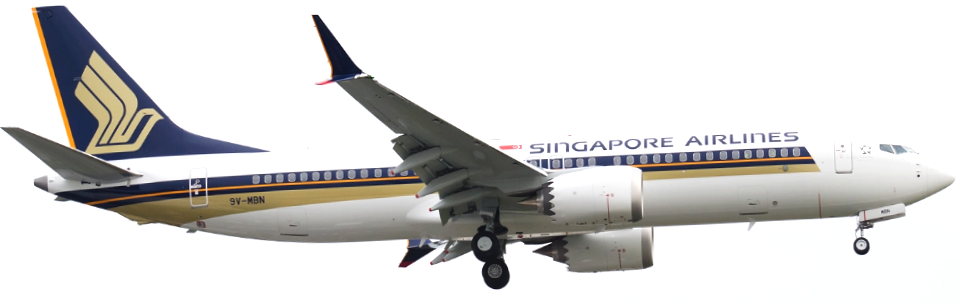
Singapore Airlines dijo que su flota del grupo actualmente consta de 162 aviones de pasajeros y siete cargueros. Esto excluye 414 aviones que se consideran excedentes a los requisitos del grupo, seis Boeing 737-8 MAX (6) que han sido retirados temporalmente del servicio, y dos aviones Airbus A330 (1) y Airbus A320 (1) que dejaron la flota operativa en preparación para las devoluciones de arrendamiento.
Durante el cuarto trimestre, el grupo continuó expandiendo su red de manera calibrada mediante la reanudación de servicios a algunos destinos y la adición de frecuencias a algunos puntos existentes. El traslado de servicios de cuerpo estrecho de SilkAir a SIA comenzó el 04/03, a partir de Phuket. Al 31 de Marzo de 2021, sia atendió 47 destinos, incluyendo Singapur, en lugar de 38 a finales de Diciembre de 2020. SilkAir atendió cinco destinos, en vez de ocho, mientras que la red de Scoot aumentó en uno a 18 destinos. Al final del ejercicio, la red de pasajeros del Grupo cubrió 60 destinos, entre ellos Singapur, en comparación con 54 tres meses antes. La red de carga del grupo comprendía 72 destinos, entre ellos Singapur, frente a los 66 del 31 de Diciembre de 2020.
El grupo aéreo dijo que espera que la capacidad de los pasajeros esté alrededor del 28 por ciento de los niveles previos al COVID para junio de 2021. Para Julio de 2021, se espera que la capacidad del grupo alcance alrededor del 32 por ciento de los niveles previos al COVID, y espera atender alrededor del 49 por ciento de los puntos que fueron volados antes de la crisis. «A pesar de que los ejercicios de vacunación masiva están en curso en la mayoría de nuestros principales mercados, el pronóstico para la industria aérea mundial sigue siendo incierto. Si bien los mercados nacionales se han recuperado en algunos países, los viajes aéreos internacionales siguen estando severamente limitados y su trayectoria de recuperación aún no está clara», dijo la compañía SIA.
Perspectiva SIA
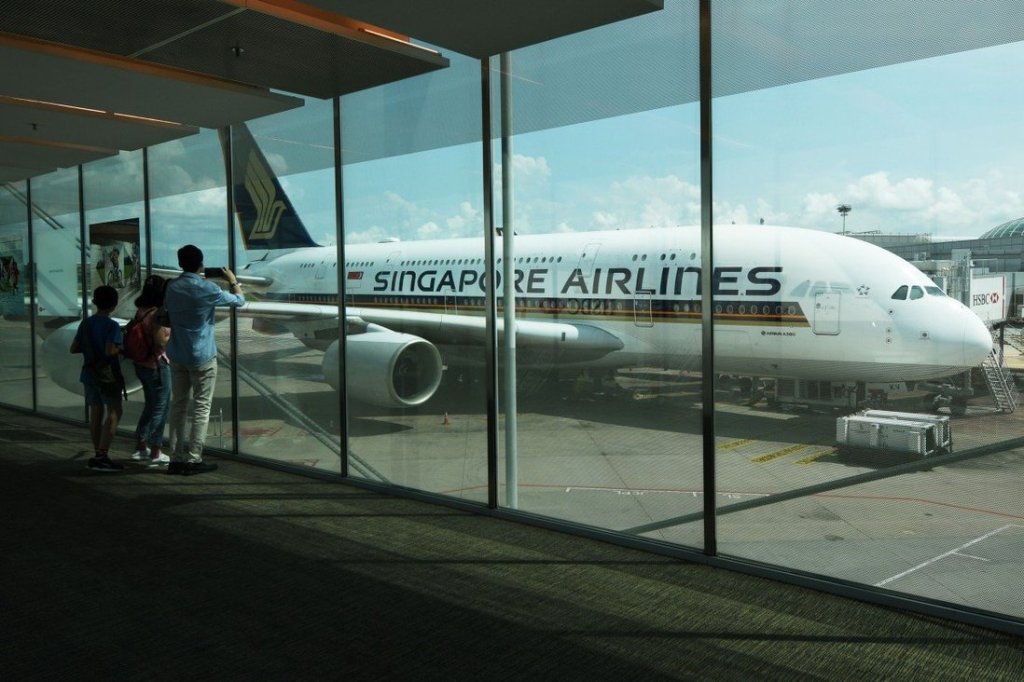
Debido a que Singapore Airlines no tiene red nacional, su base en el Aeropuerto de Changi sigue siendo casi una ciudad fantasma en 2021. Un estudiante solitario espera para despedirse de un amigo en una sala de salidas casi desierta. A pesar del resurgimiento de las infecciones por COVID-19 en muchas partes del mundo, el creciente ritmo de los ejercicios de vacunación masiva en mercados clave proporciona esperanzas de una mayor recuperación de la demanda internacional de viajes aéreos en el segundo semestre de 2021, dijo SIA en su anuncio de ganancias. «Singapore Airlines apoya firmemente todos los esfuerzos para abrir aún más las fronteras de una manera segura y calibrada. El grupo espera continuar con una expansión medida de la red de pasajeros, y seguirá siendo ágil y flexible en el ajuste de la capacidad para satisfacer la demanda de viajes aéreos. Los sólidos fundamentos siguen impulsando la demanda de carga aérea, con lecturas saludables del Índice de Gerentes de Compras en muchas economías de exportación clave. La demanda de los segmentos de comercio electrónico y farmacéutico, entre otros, sigue siendo sólida. El SIA está bien posicionado para capturar más envíos de vacunas COVID-19 a la región de Asia y el Pacífico a medida que aumenta la producción de vacunas y crecen las exportaciones».
Singapore losses of S$ 4.270M
Singapore Airlines registers a net loss of S$ 4.27 billion
The flag carrier Singapore Airlines (SIA) said on Wednesday (May 19) that it posted a net loss of S$ 4.27 billion Singapore Dollars/US$ 3.19 billion for the year ended March 2021 due to the COVID-19 pandemic. and its effects on international aviation. The airline said that the group’s passenger traffic, measured in passenger-kilometer revenue, fell 97.9 percent in the year ended March 31, 2021 compared to a year earlier and that the group’s revenue fell by S$ 12,760 million Singapore dollars or 76.1 percent year-on-year to S$ 3,816 million due to the fall in revenue from passenger flights on Singapore Airlines, SilkAir and Scoot, the three passenger airlines within the group. This was partially offset by higher revenues from cargo flown, which increased S$ 758 million or 38.8 percent year-on-year to S$ 2,709 million. Freighter utilization improvements, the deployment of passenger aircraft for cargo-only flights, and the elimination of passenger cabin seats to create additional volume for cargo partially mitigated the loss of holding capacity for passenger aircraft. during the pandemic. Strong demand for air cargo, especially in key segments such as e-commerce, pharmaceuticals and electronics, provided strong support for both load factors and yields amid tight industry load capacity.
Singapore Airlines has also announced that it plans to raise at least US$ 6.2 billion in convertible bonds to help it weather the continuing decline in aviation. The issuance will allow the SIA Group to maintain a solid capital base and provide it with additional options in the future to increase debt financing as needed. In addition, it strengthens the financial base of the group to overcome the crisis.
Singapore Airlines Chairman Peter Seah said: «Since April 1, 2020, we have raised S $ 15.4 billion in fresh liquidity which has given us a strong foundation as we navigate the challenges posed by the COVID-pandemic. 19 with the support of our stakeholders. However, this crisis is not over. While the increasing pace of vaccines has given us hope, new waves of infections around the world mean that international travel restrictions remain in place. The SIA group has increased its passenger capacity and resumed selected services in a safe and calibrated manner, but industry bodies forecast that air traffic is not expected to recover to pre-COVID-19 levels. until 2024».
Singapore Airlines said its group fleet currently consists of 162 passenger jets and seven freighters. This excludes 414 aircraft that are considered in excess of the group’s requirements, six Boeing 737-8 MAX (6) that have been temporarily withdrawn from service, and two Airbus A330 (1) and Airbus A320 (1) aircraft that left the operational fleet. in preparation for lease returns.
During the fourth quarter, the group continued to expand its network in a calibrated manner by resuming services to some destinations and adding frequencies to some existing points. The transfer of narrow body services from SilkAir to SIA started on 03/04, from Phuket. As of March 31, 2021, sia served 47 destinations, including Singapore, up from 38 at the end of December 2020. SilkAir served five destinations, up from eight, while Scoot’s network increased by one to 18 destinations. At the end of the year, the Group’s passenger network covered 60 destinations, including Singapore, compared to 54 three months earlier. The group’s cargo network comprised 72 destinations, including Singapore, compared to 66 on December 31, 2020.
The airline group said it expects passenger capacity to be around 28 percent of pre-COVID levels by June 2021. By July 2021, the group’s capacity is expected to reach around 32 percent of levels. pre-COVID, and expects to serve about 49 percent of the points that were flown before the crisis. «Although mass vaccination exercises are ongoing in most of our major markets, the outlook for the global airline industry remains uncertain. While domestic markets have recovered in some countries, international air travel remains severely limited and their recovery trajectory is not yet clear», the SIA company said.
SIA perspective
Because Singapore Airlines has no national network, its base at Changi Airport remains almost a ghost town in 2021. A lonely student waits to say goodbye to a friend in a nearly deserted departure hall. Despite the resurgence of COVID-19 infections in many parts of the world, the increasing pace of mass vaccination exercises in key markets provides hope for a further recovery in international demand for air travel in the second half of 2021, he said. sia in your earnings announcement. «Singapore Airlines strongly supports all efforts to further open borders in a safe and calibrated manner. The group looks forward to continuing a measured expansion of the passenger network, and will continue to be agile and flexible in adjusting capacity to meet the Air travel demand Strong fundamentals continue to drive air cargo demand, with healthy Purchasing Managers Index readings in many key export economies Demand from the e-commerce and pharmaceutical segments, among others, remains strong. The SIA is well positioned to capture more COVID-19 vaccine shipments to the Asia-Pacific region as vaccine production increases and exports grow».
Aerolíneas Argentinas ha comunicado que se encuentra programando la ampliación de los servicios domésticos. En medio de la crisis sanitaria en Argentina, la compañía proyectará hacia la temporada invernal más vuelos a destinos turísticos como parte de la reactivación de vuelos seguros.
Las conexiones hacia el interior del país permitirán atender una demanda creciente de tráfico necesario que permitirá garantizar conexiones esenciales. San Martín de los Andes (Neuquén) recibirá a partir de Julio 2021 vuelos desde los aeropuertos Córdoba y Rosario como así también hasta doce frecuencias semanales con Buenos Aires. La empresa Aerolíneas Argentinas confirmó este Miércoles 19/05 que sumará vuelos directos desde las ciudades de Córdoba y Rosario al destino turístico Chapelco, en San Martín de los Andes, para la temporada turística de invierno, ampliando las frecuencias en la ruta sujeto a cambios, monitoreando la situación de pandemia del país. Durante los meses de temporada alta invernal, la compañía operará las rutas Córdoba—San Martín de Los Andes—Córdoba con dos vuelos semanales (2Frq/S) los Miércoles y Sábados, y Rosario—San Martín de los Andes—Rosario con dos frecuencias semanales (2Frq/S) disponibles los Jueves y Domingos. En ambas rutas ofrecerá dos frecuencias semanales. “San Martín de los Andes es uno de los destinos clave durante los meses de temporada invernal; es por eso que vamos a acompañar a la ciudad con vuelos desde las tres ciudades más importantes del país”, remarcó Pablo Ceriani, presidente de Aerolíneas Argentinas. La compañía opera once vuelos semanales a la Provincia de Neuquén, que se convertirán en 14/07. También ofrece dos conexiones por semana a Mendoza, Comodoro Rivadavia y Córdoba. Al respecto de la próxima temporada invernal, la ministra de Turismo, Marisa Focarazzo, dijo que «estamos trabajando pensando en que vamos a poder recibir a los turistas en Neuquén en todos nuestros destinos».
Desde Julio 2021 operará dos frecuencias semanales con Buenos Aires—Puerto Madryn, lo que significa la recuperación de la conectividad aérea para esa ciudad después de la suspensiones de los vuelos de Andes Líneas Aéreas. La nueva ruta estará operativa a partir del 8 de Julio de 2021 y operará los días Jueves y Domingo con vuelos regulares durante todo elaño 2021. El Intendente de Puero Madryn, Gustavo Sastre dijo al respecto: “Hoy podemos celebrar y confirmar que Aerolíneas Argentinas va a volar a Puerto Madryn. Estamos muy contentos con esta noticia porque hace mucho tiempo que venimos trabajando y gestionando para recuperar la conectividad aérea de nuestra ciudad y poder seguir fortaleciendo a la actividad turística. De cara a la temporada de ballenas y a los planes que tenemos para readaptar al turismo a los nuevos desafíos generados por la pandemia, esta es una noticia excelente para cada uno de los madrynenses”. Gustavo Sastre repasó también las gestiones realizadas para poder concretar el arribo de Aerolíneas Argentinas a Puerto Madryn y así mejorar la conectividad aérea de la ciudad. Por su parte la ciudad de Esquel recibirá cuatro vuelos semanales (4Frq/S) desde Buenos Aires a partir de Julio de 2021. En tanto que para el resto de los destinos de la Provincia de Chubut, Aerolíneas Argentinas opera actualmente siete frecuencias semanales (7Frq/S) a Trelew y ocho frecuencias semanales (8Frq/S) a Comodoro Rivadavia. De acuerdo a la próxima programación vigente es importante mencionar que las frecuencias de los vuelos pueden sufrir modificaciones en vista de la pandemia de Coronavirus.
Flota aviones
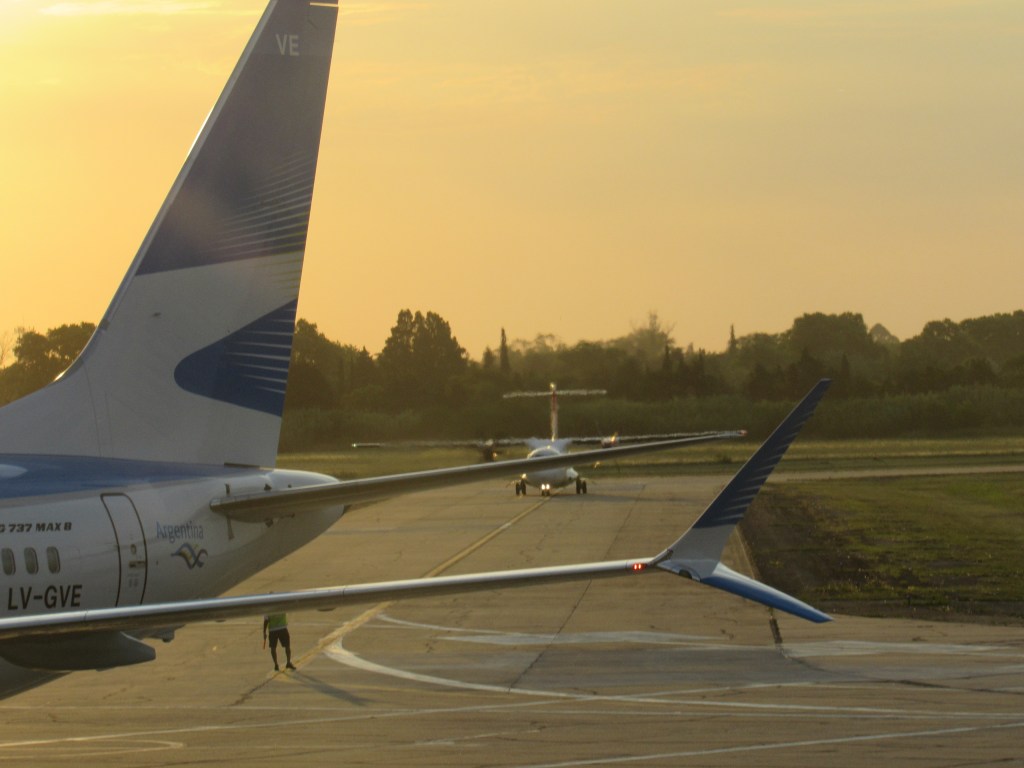
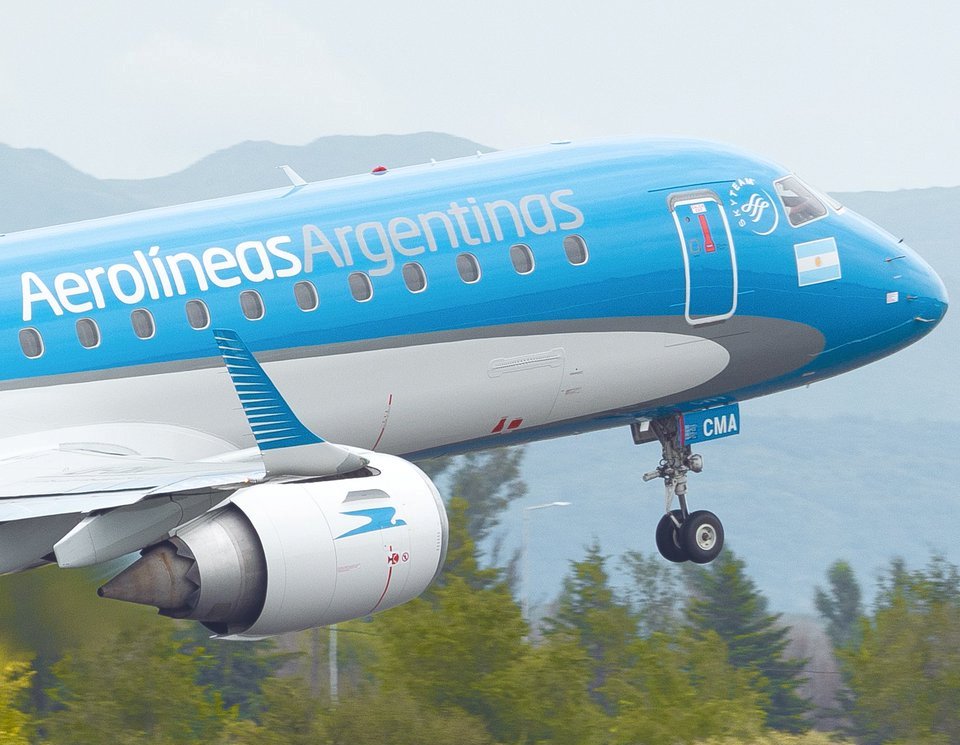
Aerolíneas Argentinas ha presentado una programación de vuelos activando las unidades de la flota de Embraer E190-100AR ex-Austral Líneas Aéreas que ofrecen un factor de ocupación adecuado frente a la crisis de la pandemia. Respecto a la flota de aeronaves narrowbodies, los Boeing 737 MAX permanecen en tierra aguardando inspecciones rutinarias. Desde la reapertura de los vuelos en el país, la compañía ha programado al Boeing 737-8 MAX matrícula LV-HKU, MSN 44293/6753 después de las rehabilitaciones por parte de la Federal Aviation Administration (FAA) de Estados Unidos y de la ANAC Argentina. Aerolíneas posee cinco unidades en su flota: LV-GVD, LV-GVE, LV-HKU, LV-HKV, LV-HKW, más una orden de seis unidades adicionales. Actualmente desde la empresa estarían activando un segundo avión registro LV-GVD hacia Julio de 2021 para reforzar el incremento de los servicios de temporada estacional. Mientras tanto, respecto a próximas incorporaciones, no existen novedades referentes a la flota de Boeing 737-8 MAX pendientes de entregas. Mientras tanto la industria del transporte aéreo continúa con bajos índices de ocupación por estas latitudes, la aerolínea estaría estudiando la incorporación de dos Airbus A330-200 (2) para reemplazar a dos aeronaves similares de su flota próximos a concluir su proceso de alquiler. Un equipo de técnicos han analizado varias propuestas bajo la solicitud del RFQ (Request for Proposal), todavía falta tomar la decisión para incorporar las unidades adicionales para complementar la flota de los widebodies.
Aerolíneas Argentinas expands connections
Aerolíneas reinforces domestic flights in the country
Aerolíneas Argentinas has communicated that it is programming the expansion of domestic services. In the midst of the health crisis in Argentina, the company will plan more flights to tourist destinations into the winter season as part of the reactivation of safe flights.
Connections to the interior of the country will allow meeting a growing demand for the necessary traffic that will guarantee essential connections. San Martín de los Andes (Neuquén) will receive from July 2021 flights from Córdoba and Rosario airports as well as up to twelve weekly frequencies with Buenos Aires. The company Aerolíneas Argentinas confirmed this Wednesday 05/19 that it will add direct flights from the cities of Córdoba and Rosario to the tourist destination Chapelco, in San Martín de los Andes, for the winter tourist season, expanding the frequencies on the route subject to changes, monitoring the country’s pandemic situation. During the winter high season months, the company will operate the Córdoba—San Martín de Los Andes—Córdoba routes with two weekly flights (2Frq/S) on Wednesdays and Saturdays, and Rosario—San Martín de los Andes—Rosario with two weekly frequencies. (2Frq/S) available on Thursdays and Sundays. In both routes it will offer two weekly frequencies. “San Martín de los Andes is one of the key destinations during the winter season; that is why we are going to accompany the city with flights from the three most important cities in the country”, remarked Pablo Ceriani, president of Aerolíneas Argentinas. The company operates eleven weekly flights to the Province of Neuquén, which will become on 07/14. It also offers two connections per week to Mendoza, Comodoro Rivadavia and Córdoba. Regarding the next winter season, the Minister of Tourism, Marisa Focarazzo, said that «we are working thinking that we will be able to receive tourists in Neuquén in all our destinations».
From July 2021 it will operate two weekly frequencies with Buenos Aires—Puerto Madryn, which means the recovery of air connectivity for that city after the suspension of Andes Líneas Aéreas flights. The new route will be operational from July 8, 2021 and will operate on Thursdays and Sundays with regular flights throughout the year 2021. The Mayor of Puero Madryn, Gustavo Sastre said in this regard: “Today we can celebrate and confirm that Aerolíneas Argentinas will to fly to Puerto Madryn. We are very happy with this news because we have been working and managing for a long time to recover the air connectivity of our city and to continue strengthening the tourist activity. Facing the whale season and the plans we have to readapt tourism to the new challenges generated by the pandemic, this is excellent news for each of the people of Madrid”. Gustavo Sastre also reviewed the steps taken to finalize the arrival of Aerolíneas Argentinas to Puerto Madryn and thus improve the city’s air connectivity. For its part, the city of Esquel will receive four weekly flights (4Frq/S) from Buenos Aires as of July 2021. While for the rest of the destinations in the Province of Chubut, Aerolíneas Argentinas currently operates seven weekly frequencies (7Frq/S) to Trelew and eight weekly frequencies (8Frq/S) to Comodoro Rivadavia. According to the next current schedule, it is important to mention that the frequencies of the flights may undergo modifications in view of the Coronavirus pandemic.
Fleet aircraft
Aerolíneas Argentinas has presented a flight schedule activating the Embraer E190-100AR ex-Austral Líneas Aéreas fleet units that offer an adequate load factor in the face of the pandemic crisis. Regarding the fleet of narrowbodies aircraft, the Boeing 737 MAXs remain on the ground awaiting routine inspections. Since the reopening of flights in the country, the company has programmed the Boeing 737-8 MAX registration LV-HKU, MSN 44293/6753 after the rehabilitation by the Federal Aviation Administration (FAA) of the United States and the ANAC Argentina. Aerolíneas has five units in its fleet: LV-GVD, LV-GVE, LV-HKU, LV-HKV, LV-HKW, plus an order for six additional units. Currently, the company would be activating a second LV-GVD registration plane by July 2021 to reinforce the increase in seasonal seasonal services. Meanwhile, regarding upcoming additions, there are no news regarding the Boeing 737-8 MAX fleet pending deliveries. While the air transport industry continues with low occupancy rates in these latitudes, the airline is studying the incorporation of two Airbus A330-200s (2) to replace two similar aircraft in its fleet close to completing their rental process. A team of technicians have analyzed several proposals under the request of the RFQ (Request for Proposal), the decision has yet to be made to incorporate additional units to complement the widebodies fleet.
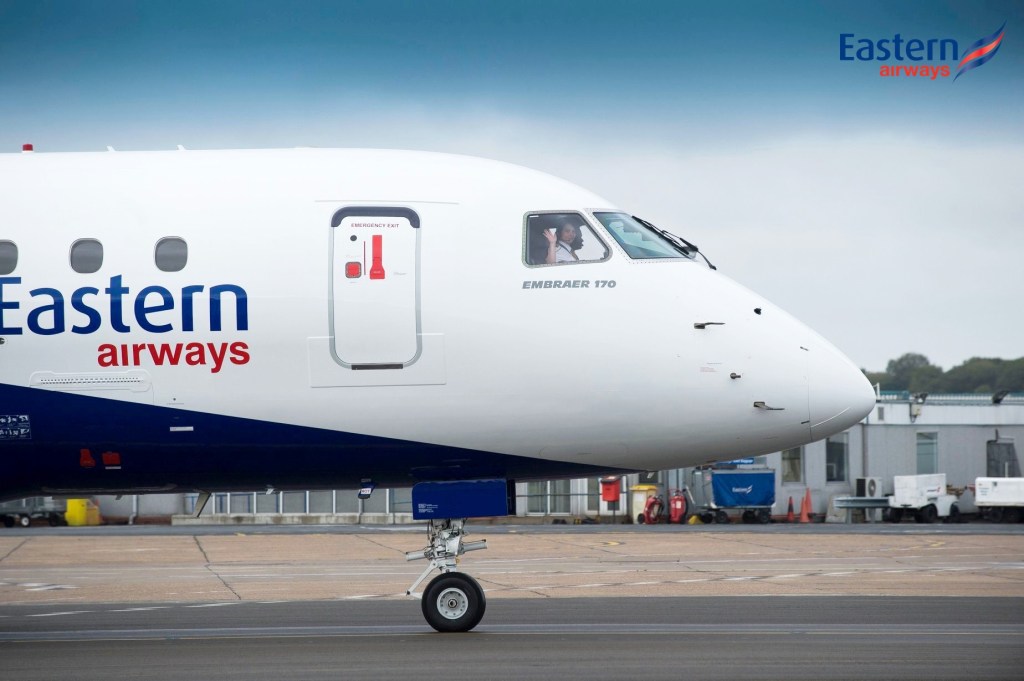
La compañía regional británica Eastern Airways con sede en los Aeropuertos de Humberside y Yorkshire en el Reino de Inglaterra, ha recibido el primer avión Embraer 190-100 (E1) en su historia, según detalla el registro aeronáutico de la Autoridad de Aviación Civil del Reino Unido (CAA). La línea aérea había estudiado lanzar servicios hacia Gibraltar con nuevas aeronaves de mayores prestaciones como parte de sus estrategias de ampliación de su red de servicios.
El avión fue fabricado en 2007 y entregado a Air Caraїbes, en el archipiélago francés de Guadalupe en el Caribe. Además ha volado para la compañía europea Air Moldava de Moldavia desde 2013, donde permaneció hasta que fue retirado del servicio en medio de la pandemia en Julio de 2020. La aeronave con registro S/N:19000130, previamente volaba bajo la matrícula ER-ECC en Air Moldova, ha sido registrado el pasado Viernes 14 de Mayo de 2021 bajo la matrícula inglesa G-CLSN. La información de la plataforma RadarBox muestra que el Embraer 190-E1 había sido transferido a Humberside el pasado Miércoles 12/05.
Perspectivas Eastern
Eastern Airways había anunciado en Enero de 2020 que estaba volviendo a entrar en el mercado de E-Jet, con el retorno inicial del Embraer 170 a su flota después de que dejara de utilizar el modelo a finales de 2018. La aerolínea regional del Reino Unido informó en ese momento que estaba teniendo un crecimiento significativo en el mercado de chárter de aviones de 70 a 100 asientos, y que los primeros aviones serían entregados a finales de ese mes. Además, como parte de la expansión de la flota de E-Jet, el operador regional también dijo que añadiría tres Embraer 190 durante 2020. Pero la pandemia retrasó los planes para 2021, lo que imposibilita la incorporación de los aviones de mayor capacidad a la crisis.
La flota de Embraer E170/E190 permitirán cumplir con enfoques empinados a aeropuertos restringidos como London/City por su buen rendimiento en pistas cortas y operaciones de largo alcance, lo que los convierte en uno de los aviones más flexibles en el mercado de hasta cien asientos. Eastern también posee una flota de Embraer ERJ-135 (1) y dos ERJ-145 (2), ATR 72-600 (2) y British Aerospace Jetstream J-41 (5). Eastern Airways fue fundada en 1997, además de operar vuelos regulares, también se especializa en proporcionar servicios chárter centrados en el cliente para la industria energética, los contratos corporativos y deportivos.
Eastern receives first E190-E1
Eastern Airways takes delivery of first E190-E1
The British regional company Eastern Airways based at Humberside and Yorkshire Airports in the Kingdom of England, has received the first Embraer 190-100 (E1) aircraft in its history, according to the aeronautical registry of the Civil Aviation Authority of the United Kingdom. United Kingdom (CAA). The airline had studied launching services to Gibraltar with new higher-performance aircraft as part of its strategies to expand its service network.
The aircraft was manufactured in 2007 and delivered to Air Caraїbes, in the French archipelago of Guadeloupe in the Caribbean. It has also flown for the European company Air Moldava de Moldavia since 2013, where it remained until it was withdrawn from service amid the pandemic in July 2020. The aircraft with registration S/N: 19000130, previously flew under the registration ER-ECC in Air Moldova, it was registered last Friday May 14, 2021 under the English registration G-CLSN. Information from the RadarBox platform shows that the Embraer 190-E1 had been transferred to Humberside on Wednesday 05/12.
Eastern perspectives
Eastern Airways had announced in January 2020 that it was re-entering the E-Jet market, with the Embraer 170 initially returning to its fleet after it discontinued use of the model at the end of 2018. The UK regional carrier reported at the time that it was experiencing significant growth in the 70-100 seat charter market, and that the first planes would be delivered later that month. In addition, as part of the E-Jet fleet expansion, the regional operator also said it would add three Embraer 190s during 2020. But the pandemic delayed plans for 2021, making it impossible to add larger capacity aircraft to the fleet. crisis.
The Embraer E170/E190 fleet will make it possible to meet steep approaches to restricted airports such as London City due to their good performance on short runways and long-range operations, making them one of the most flexible aircraft on the market with up to 100 seats. Eastern also owns a fleet of Embraer ERJ-135 (1) and two ERJ-145 (2), ATR 72-600 (2) and British Aerospace Jetstream J-41 (5). Eastern Airways was founded in 1997, in addition to operating scheduled flights, it also specializes in providing customer-centric charter services for the energy industry, corporate contracts and sports.
Helvetic Airways tomará entrega primer Embraer E195-E2
La aerolínea regional suiza Helvetic Airways tomará entrega de su primer Embraer E195-E2 que opera una flota compuesta únicamente por los aviones E190-E1. La compañía con base en el Aeropuerto Zurich está a punto de recibir un nuevo modelo del fabricante brasileño. Este es la primer aeronave de los cuatro E195-E2 ordenados por laaerolínea suiza. La nueva aeronave recibirá la matrícula HB-AZI. La compañía helvética recibirá la nueva unidad a mediados de Junio 2021. Con el fin de diversificar y aumentar su capacidad de la flota, Helvetic Airways contará con el E195-E2 con 134 asientos de clase única, mientras que su E190-E2 tiene 110 asientos. Esto permite a la empresa cambiar las ofertas en un momento en que la demanda está fluctuando significativamente. El CEO de Helvetic Airways, Tobias Pogorevc, dijo: «El Embraer E2 logra un buen equilibrio entre la capacidad de asientos, el alcance, el consumo de combustible y el funcionamiento respetuoso con el medio ambiente».
El Embraer E195-E2 puede transportar con una configuración entre 120 y 146 pasajeros, a una distancia máxima de 4.815 kilómetros. Las nuevas alas súper eficientes ayudan a que el consumo de combustible de los E2-jets sean un 25% menor que el E195-E1 de primera generación, explicó Embraer en un comunicado. Helvetic Airways opera una flota de doce unidades de aeronaves regionales: ocho Embraer E190-E2 (8) y Embraer ERJ-190-E1 (4).
AeroCRS
Helvetic Airways ha emigrado a AeroCRS, un sistema de reservas en la nube que permitirá utilizar el conjunto completo de servicios de la compañía de servicios que incluyen AeroCRS PSS, AeroCRS Network y AeroCRS Analytics. Las soluciones aeroCRS incluyen AeroCRS PSS, un robusto sistema de reserva en la nube que consiste en una gestión de inventario mejorada, un IBE completo, API abierta, plataforma B2B, gestión de ingresos y rendimientos, centro de informes, sistema de cupones, herramientas de automatización de marketing y muchos más. AeroCRS Analytics, una solución de inteligencia empresarial en línea y AeroCRS Network, una plataforma de distribución en línea para la distribución de contenido de aerolíneas a los principales OTAs y MSEs con el objetivo de ampliar la presencia de las aerolíneas en el mundo en línea y aumentar la venta de boletos a través de plataformas de emisión de billetes en línea y nuevas tecnologías de distribución.
El Sr. Christian Sunher, Director de Tecnología de Helvetic Airways, dijo: «Estábamos buscando una solución sin depender de la agregación y distribución heredada, pero siendo capaces de distribuir directamente, conectarse a nuevos agregadores de generación, estar abiertos a los operadores turísticos, mientras que poseer el proceso de oferta y pedido. En otras palabras, una distribución totalmente basada en nuestros canales directos por un lado y NDC y conectividad API directa con otros distribuidores y minoristas. AeroCRS proporciona una solución que nos ayuda a mejorar aún más nuestra oferta de productos y también nos permitirá responder de manera más eficaz a la evolución del mercado. El proceso de incorporación fue muy eficiente y experimentamos apoyo profesional durante todo el proyecto».
El Sr. Meir Hadassi-Turner, fundador y CEO de AeroCRS, dijo: «La elección de AeroCRS por Parte de Helvetic Airways es un hito para nuestra empresa, estamos orgullosos de ser su socio tecnológico. Después del muy buen proceso rfp que fue dirigido por Travel In Motion GmbH, estoy seguro de que se tomó la decisión correcta. Helvetic Airways es una aerolínea muy conocida en la industria y estoy seguro de que su equipo de expertos en aviación se beneficiará de nuestras soluciones innovadoras e incluso podemos ampliar nuestro alcance».
AeroCRS es líder en la industria del transporte y proporciona soluciones de vanguardia a aerolíneas y operadores de transbordadores y soporta a más de 75 clientes en todo el mundo.
Helvetic will receive Embraer E195-E2
Helvetic Airways to take delivery of first Embraer E195-E2
The Swiss regional airline Helvetic Airways will take delivery of its first Embraer E195-E2 that operates a fleet consisting solely of E190-E1 aircraft. The Zurich Airport-based company is about to receive a new model from the Brazilian manufacturer. This is the first aircraft of the four E195-E2s ordered by the Swiss airline. The new aircraft will receive the registration HB-AZI. The Swiss company will receive the new unit in mid-June 2021. In order to diversify and increase its fleet capacity, Helvetic Airways will feature the E195-E2 with 134 single-class seats, while its E190-E2 has 110 seats. This allows the company to change bids at a time when demand is fluctuating significantly. Helvetic Airways CEO Tobias Pogorevc said: «The Embraer E2 strikes a good balance between seating capacity, range, fuel consumption and environmentally friendly operation».
The Embraer E195-E2 can transport with a configuration between 120 and 146 passengers, at a maximum distance of 4,815 kilometers. The new super-efficient wings help the E2-jets’ fuel consumption to be 25% lower than the first-generation E195-E1, Embraer explained in a statement. Helvetic Airways operates a fleet of twelve regional aircraft units: eight Embraer E190-E2 (8) and Embraer ERJ-190-E1 (4).
AeroCRS
Helvetic Airways has migrated to AeroCRS, a cloud reservation system that will allow you to use the company’s full suite of services including AeroCRS PSS, AeroCRS Network, and AeroCRS Analytics. AeroCRS solutions include AeroCRS PSS, a robust cloud reservation system consisting of enhanced inventory management, a full IBE, open API, B2B platform, revenue and performance management, reporting center, coupon system, reporting tools. marketing automation and many more. AeroCRS Analytics, an online business intelligence solution and AeroCRS Network, an online distribution platform for the distribution of airline content to major OTAs and MSEs with the aim of expanding the presence of airlines in the online world and increasing the sale of tickets through online ticketing platforms and new distribution technologies.
Mr. Christian Sunher, CTO of Helvetic Airways, said: «We were looking for a solution without relying on legacy aggregation and distribution, but being able to distribute directly, connect to new generation aggregators, be open to tour operators, while owning the bidding and ordering process. In other words, a distribution entirely based on our direct channels on the one hand and NDC and direct API connectivity with other distributors and retailers. AeroCRS provides a solution that helps us to further improve our offering of products and will also allow us to respond more effectively to market developments. The onboarding process was very efficient and we experienced professional support throughout the project».
Mr. Meir Hadassi-Turner, founder and CEO of AeroCRS, said: «Helvetic Airways’ choice of AeroCRS is a milestone for our company, we are proud to be their technology partner. After the very good rfp process that was led By Travel In Motion GmbH, I am confident that the right decision was made. Helvetic Airways is a well known airline in the industry and I am confident that their team of aviation experts will benefit from our innovative solutions and we can even expand our reach».
AeroCRS is a leader in the transportation industry and provides cutting-edge solutions to airlines and ferry operators and supports more than 75 customers worldwide.
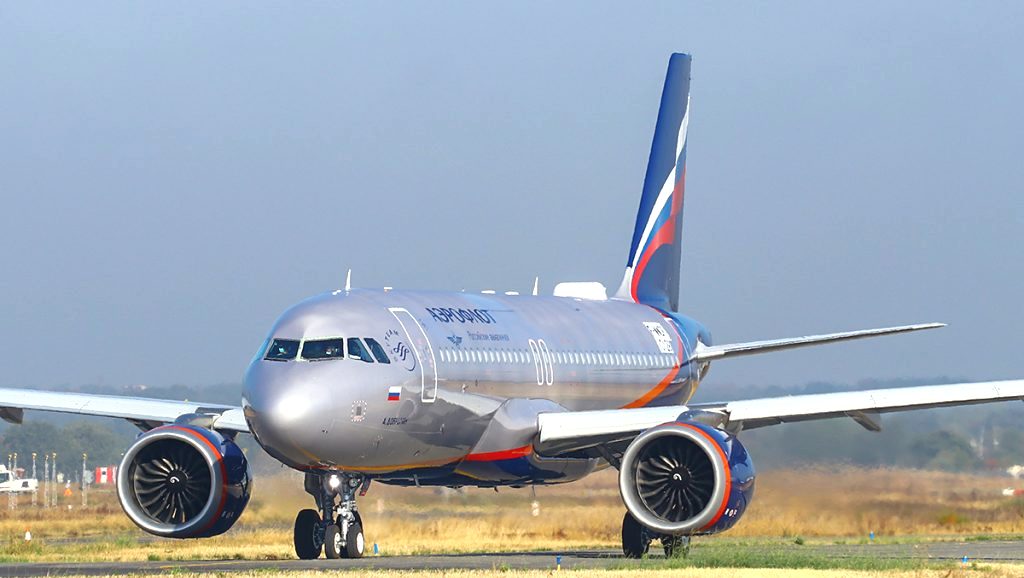
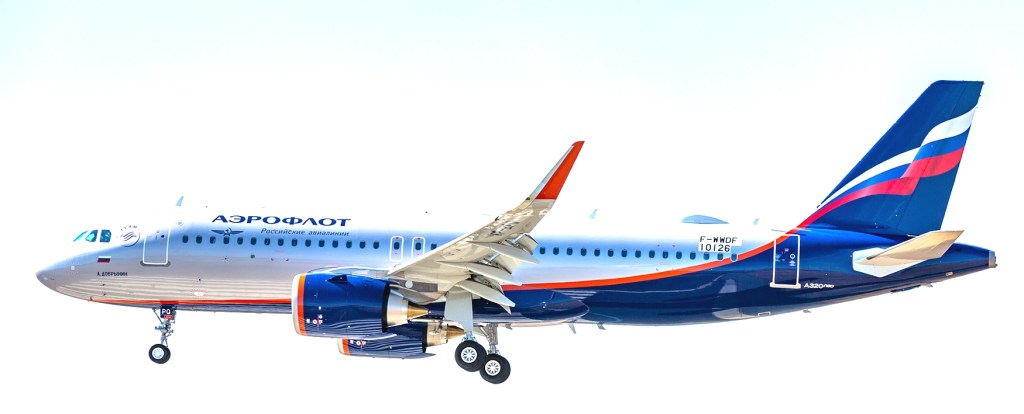
La aerolínea rusa Aeroflot Russian Airlines ha tomado posición su primer Airbus A320-200NEO el Viernes 14 de Mayo de 2021 en el Centro de Entrega Henri Ziegler en Toulouse, Francia. Aeroflot recibió el primero de los cuatro aviones de la familia Airbus A320NEO arrendados a CDB Aviation, la filial irlandesa de China Development Bank Financial Leasing. El A320NEO tendrá una configuración para 12 pasajeros en clase Business y 144 en Economy. Dos aeronaves adicionales deberían entregarse a finales de Mayo de 2021, seguidas de un A321NEO. El A321NEO es ligeramente más grande y se configurará para acomodar a 12 pasajeros en clase Executive y 184 pasajeros en clase Tourist. La aeronave también tiene un alcance más largo de 3.995,68 millas náuticas (7.400 kilómetros) que es 593,96 millas náuticas (1.100,01 kilómetros) más que la A320NEO.
En un comunicado de la compañía emitido por CDB Aviation el 17 de Mayo 2021, el Director Comercial de CDB Aviation Peter Goodman dice: «Nos complace ampliar nuestra relación estratégica entre Aeroflot y CDB Aviation. Estos aviones modernos proporcionarán la combinación correcta de eficiencia operativa y flexibilidad para apoyar la optimización de la flota de Aeroflot a medida que la aerolínea trabaja hacia su Estrategia 2028 y aprovecha las oportunidades en los mercados de transporte aéreo ruso e internacional. Los A320NEO apoyarán los esfuerzos estratégicos de Aeroflot para reducir su posición de liderazgo en mercados clave de la red nacional, al tiempo que mejorarán su flota con la última tecnología de aviones de fuselaje estrecho que ofrecen una mayor capacidad y una mejor eficiencia del combustible». Con el respaldo directo del Banco de Desarrollo de China, CDB Aviation ha estado en el negocio de arrendamiento de aeronaves durante los últimos 36 años y goza de una calificación crediticia soberana china. Las calificaciones soberanas clasifican con precisión el riesgo de incumplimiento, con el riesgo de impago de CDB Aviations calificado por la agencia estadounidense de calificación crediticia Moody como A1. La Estrategia 2028 de Aeroflot Russian Airlines es tener una flota de 600 aviones de bajo consumo de combustible, incluyendo a las aerolíneas Pobeda Airlines y Rossiya Airlines.
El Airbus A320NEO (New Engine Option) es el avión de pasillo único más avanzado y eficiente en combustible del mundo. Los clientes que seleccionan para comprar el Airbus A320NEO tienen la opción de elegir dos opciones de motor el LEAP-1A de CFM International, una empresa conjunta entre la estadounidense General Electric y la francesa Safran o Pratt &Whitney PW1000G. El Airbus A320NEO también está equipado con puntas de alas de ahorro de combustible denominadas Sharklets.
Aeroflot first A320NEO
Aeroflot received its first Airbus A320NEO
The Russian airline Aeroflot Russian Airlines has taken position its first Airbus A320-200NEO on Friday, May 14, 2021 at the Henri Ziegler Delivery Center in Toulouse, France. Aeroflot received the first of four Airbus A320NEO family aircraft leased from CDB Aviation, the Irish subsidiary of China Development Bank Financial Leasing. The A320NEO will have a configuration for 12 passengers in Business class and 144 in Economy. Two additional aircraft should be delivered by the end of May 2021, followed by an A321NEO. The A321NEO is slightly larger and will be configured to accommodate 12 passengers in Executive class and 184 passengers in Tourist class. The aircraft also has a longer range of 3,995.68 nautical miles (7,400 kilometers) which is 593.96 nautical miles (1,100.01 kilometers) longer than the A320NEO.
In a company statement issued by CDB Aviation on May 17, 2021, CDB Aviation Commercial Director Peter Goodman says: «We are pleased to expand our strategic relationship between Aeroflot and CDB Aviation. These modern aircraft will provide the right combination of operational efficiency and flexibility to support Aeroflot’s fleet optimization as the airline works towards its 2028 Strategy and seizes opportunities in the Russian and international air transport markets. The A320NEOs will support Aeroflot’s strategic efforts to reduce its market leadership position key to the national network, while upgrading their fleet with the latest narrow-body aircraft technology that offer higher capacity and better fuel efficiency». With the direct backing of the China Development Bank, CDB Aviation has been in the aircraft leasing business for the past 36 years and enjoys a Chinese sovereign credit rating. Sovereign ratings accurately classify default risk, with CDB Aviations’ default risk rated by US credit rating agency Moody as A1. Aeroflot Russian Airlines’ Strategy 2028 is to have a fleet of 600 fuel-efficient aircraft, including Pobeda Airlines and Rossiya Airlines.
The Airbus A320NEO (New Engine Option) is the world’s most advanced and fuel-efficient single-aisle aircraft. Customers who select to purchase the Airbus A320NEO have the option of choosing two engine options: the LEAP-1A from CFM International, a joint venture between US General Electric and France’s Safran or Pratt & Whitney PW1000G. The Airbus A320NEO is also equipped with fuel-saving wingtips called Sharklets.
Аэрофлот первый A320NEO
Аэрофлот получил первый Airbus A320NEO
Российская авиакомпания Аэрофлот российские авиалинии разместила свой первый Airbus A320-200NEO в пятницу, 14 мая 2021 года, в Центре доставки Анри Циглера в Тулузе, Франция. Аэрофлот получил первый из четырех самолетов семейства Airbus A320NEO, арендованных у CDB Aviation, ирландской дочерней компании China Development Bank Financial Leasing. A320NEO будет иметь конфигурацию для 12 пассажиров в бизнес-классе и 144 в эконом-классе. К концу мая 2021 года должны быть доставлены два дополнительных самолета, а за ними – A321NEO. A321NEO немного больше по размеру и будет рассчитан на размещение 12 пассажиров в представительском классе и 184 пассажира в туристическом классе. Самолет также имеет большую дальность полета – 3995,68 морских миль (7400 км), что на 593,96 морских миль (1100,01 км) больше, чем у A320NEO.
В заявлении компании, опубликованном CDB Aviation 17 мая 2021 года, коммерческий директор CDB Aviation Питер Гудман говорит: «Мы рады расширению наших стратегических отношений между Аэрофлотом и CDB Aviation. Эти современные самолеты обеспечат правильное сочетание операционной эффективности и гибкости. для поддержки оптимизации парка Аэрофлота по мере того, как авиакомпания работает над своей Стратегией до 2028 года и использует возможности на российском и международном рынках авиаперевозок. A320NEO поддержат стратегические усилия Аэрофлота по сокращению своего лидирующего положения на рынке, являющегося ключевым для национальной сети, при одновременном обновлении своего флота за счет новейшая технология узкофюзеляжных самолетов, обеспечивающая более высокую грузоподъемность и лучшую топливную экономичность». При прямой поддержке Банка развития Китая компания CDB Aviation занимается лизингом самолетов в течение последних 36 лет и имеет суверенный кредитный рейтинг Китая. Суверенные рейтинги точно классифицируют риск дефолта, при этом риск дефолта CDB Aviation оценивается американским рейтинговым агентством Moody как A1. Стратегия Аэрофлота российские авиалинии до 2028 года иметь парк из 600 экономичных самолетов, в том числе авиакомпании Победа и Россия.
Airbus A320NEO (вариант с новым двигателем) самый современный и экономичный узкофюзеляжный самолет в мире. Клиенты, которые решили приобрести Airbus A320NEO, могут выбрать два варианта двигателя: LEAP-1A от CFM International, совместного предприятия американской General Electric и французской Safran или Pratt & Whitney PW1000G. Airbus A320NEO также оснащен законцовками крыла Sharklets для экономии топлива.
Carguera brasileña proyecta crecimiento en la región
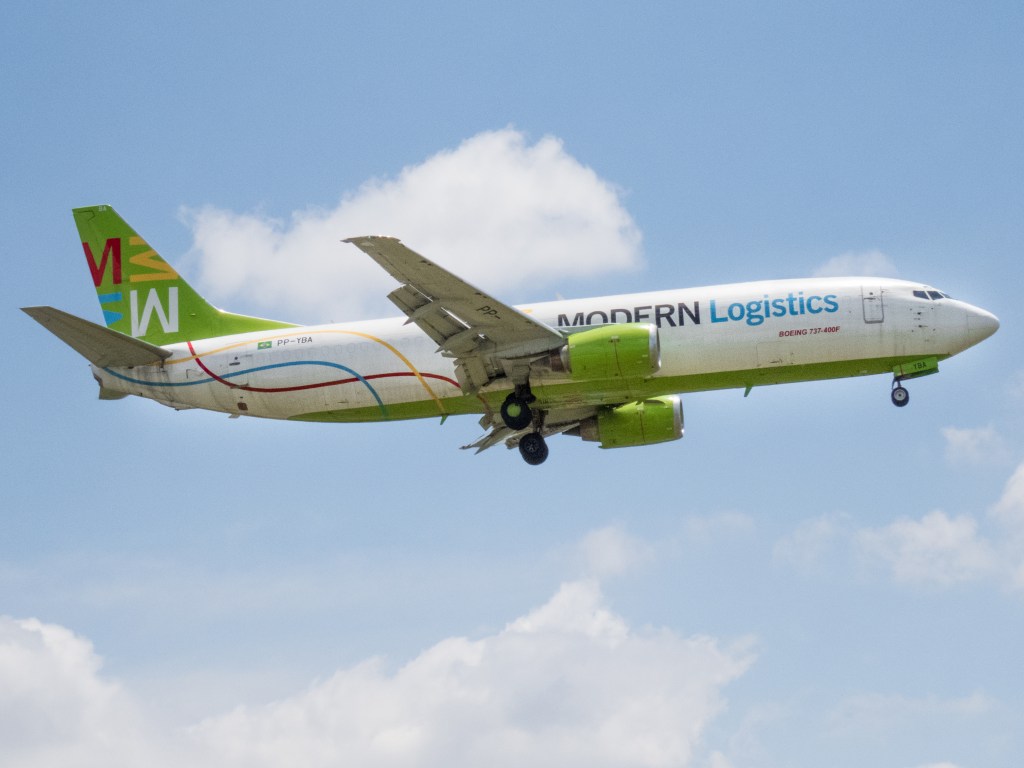
Modern Logistics, una aerolínea de carga de Brasil, planea lanzar una nueva ronda de captación de capital a finales de este año para financiar el crecimiento futuro de su flota, dijo el Director Ejecutivo y fundador Gerald Lee. «Somos capaces de crecer sin necesariamente hacer crecer la flota, sólo optimizando. Pero estamos llegando al punto en que vamos a hacer crecer nuestra flota. Nuestra idea es traer algunos aviones regionales, Avions de Transport Régional, para crear más alimentación capilar, y seguir creciendo con la flota Boeing 737», dijo en un comunicado.
La aerolínea carguera Modern Logistics tiene un enfoque conservador del crecimiento y todavía tiene oportunidades sin explotar sin añadir más aviones. La aerolínea creció más de un 80% en términos de ingresos en 2020 y ya ha aumentado alrededor de un 200% además de eso este año. El crecimiento no estaba relacionado con la demanda específica de COVID, a pesar de que la aerolínea estaba involucrada en algunas operaciones de carga médica. El núcleo de las ganancias, sin embargo, ha venido de la creciente demanda de servicios logísticos multimodales integrados, incluido el transporte aéreo. El plan de flotas de Modern Logistics estaba estrechamente relacionado con su modelo de negocio, que se basa en cadenas logísticas de creación de valor a largo plazo en lugar de transporte de carga puntual. Como tal, la compañía brasileña ha priorizado la sostenibilidad y la rentabilidad a largo plazo en lugar de la aceleración a corto plazo, a pesar de que hay una amplia demanda en el mercado.
A la luz del modelo de negocio, Modern Logistics tiene un plan de flota flexible que se adaptará a las oportunidades de mercado a largo plazo, en lugar de picos momentáneos de demanda. Algunos de los escenarios duplicarían o más la flota de la aerolínea en el corto plazo, pero la aerolínea subrayó que también había otras opciones. «Saldremos a buscar más aviones estar preparados para el crecimiento, pero en paralelo, recaudaremos más capital. Haremos una ampliación de capital este año para financiar el crecimiento, para servir mejor a los clientes existentes e integrar otros nuevos en nuestra plataforma, y para expandir nuestra plataforma Mojo [mercado de logística en línea]», dijo Gerald Lee.
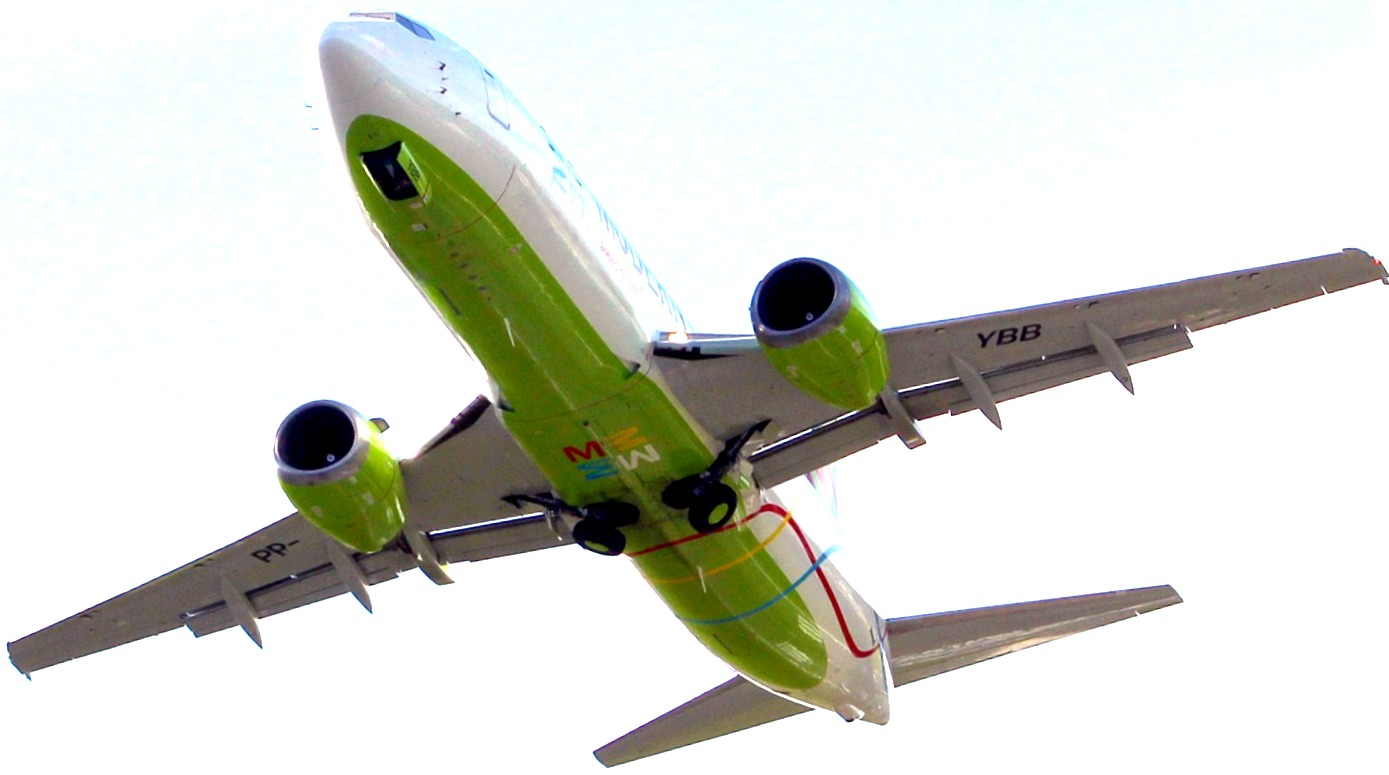
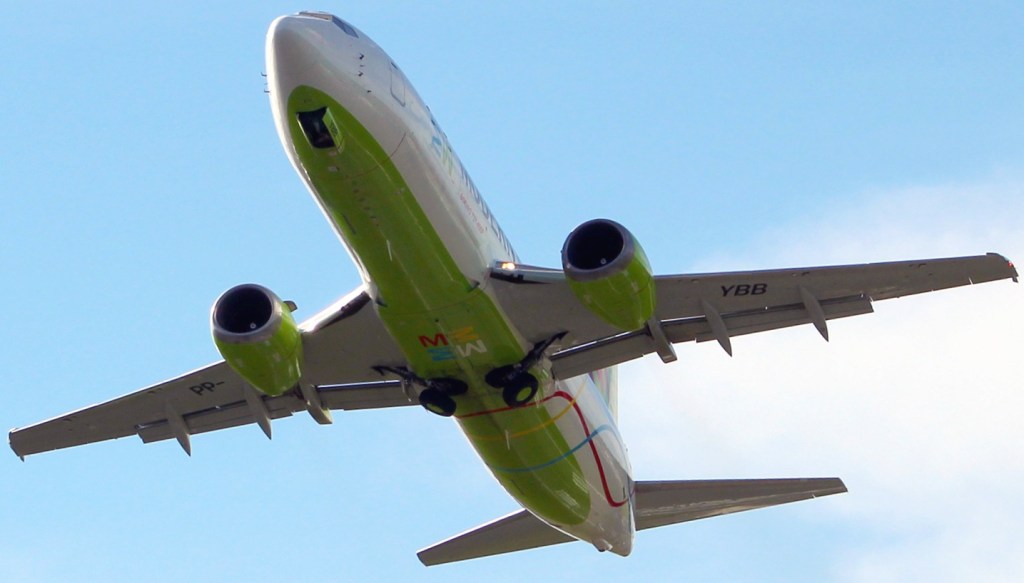
La aerolínea brasileña opera actualmente dos Boeing 737-300F arrendados en formato drive-leasing uno cada uno de AerSale y KV Aviation y posee otros dos aviones Boeing 737-400F arrendado en drive-leasing uno cada uno de AerSale y Vx Capital Partners. Gerald Lee subrayó que Modern Logistics estaba tratando de trabajar con sus diversos clientes para crear valor añadido en toda la cadena logística. Como tal, no se considera a sí misma como un transportista de carga, sino más bien como una empresa de logística integrada, trabajando, entre otros, con 14.000 empresas verificadas de transporte por carretera. Lee destacó que ese modelo de negocio es mucho más resistente a la volatilidad del mercado y, en consecuencia, permite a la aerolínea planificar de manera más fiable para el futuro. «Lo que realmente estamos haciendo es aumentar la eficiencia de la red que el país carecía. Somos infraestructura. Estamos en un país donde todavía sólo el 15% de las carreteras están pavimentadas. Así que las cosas tardan una enorme cantidad de tiempo en transportarse [por carretera], no hay una distribución eficiente. Las ineficiencias institucionales son una buena parte de por qué las cosas son tan caras aquí», dijo Gerald Lee.
La crisis económica relacionada con COVID proporcionó un impulso adicional, ya que las empresas necesitan reducir sus costos. «Si las cosas van bien, estas ineficiencias institucionales están bien. Las personas están acostumbradas a un alto costo y pueden no estar dispuestas a invertir en hacer las cosas de manera diferente, pero eventualmente, la eficiencia gana. [Para la rentabilidad a largo plazo] no necesitamos un bien de alto valor, necesitamos soluciones de alto valor», dijo Gerald Lee.
Perspectivas de Modern Logistics
En el futuro, Modern Logistics también estudiará la expansión internacional. Lee dijo que las mismas ineficiencias que plagaron el mercado interno brasileño eran aún más pronunciadas en el mercado internacional. Modern Logistics planea expandir su mercado mojo existente y abrirlo a nuevos clientes y proveedores de fuera de la industria. Lee subrayó que la compañía estaba dispuesta a trabajar conjuntamente no sólo con compañías de transporte por carretera e interiores, sino también con otras aerolíneas. «No somos competidores. Si Azul Linhas Aéreas Brasileiras Cargo quiere volarlo más barato, lo volaré con ellos. Quiero crear las soluciones más eficientes. Hay tanto levantamiento internacional en Brasil, que está mal integrado. Probablemente no necesito adquirir una aeronave de cuerpo ancho y volar a Europa o Estados Unidos, sería ineficiente porque alguien probablemente ya está haciendo esto», subrayó Gerald Lee.
Modern Logistics capital opening
Brazilian cargo company projects growth in the region
Modern Logistics, a Brazilian cargo airline, plans to launch a new round of capital raising later this year to fund future growth of its fleet, said CEO and founder Gerald Lee. «We are capable of growing without necessarily growing the fleet, only optimizing. But we are reaching the point where we are going to grow our fleet. Our idea is to bring in some regional aircraft, Avions de Transport Régional, to create more capillary food, and continue growing with the Boeing 737 fleet», it said in a statement.
Cargo carrier Modern Logistics has a conservative approach to growth and still has untapped opportunities without adding more aircraft. The airline grew more than 80% in terms of revenue in 2020 and has already increased around 200% on top of that this year. The growth was not related to the specific demand for COVID, even though the airline was involved in some medical cargo operations. The core of the gains, however, has come from the growing demand for integrated multimodal logistics services, including air transport. Modern Logistics’ fleet plan was closely related to its business model, which is based on long-term value creation logistics chains rather than one-off freight transportation. As such, the Brazilian company has prioritized long-term sustainability and profitability over short-term acceleration, even though there is ample demand in the market.
In light of the business model, Modern Logistics has a flexible fleet plan that will accommodate long-term market opportunities, rather than momentary spikes in demand. Some of the scenarios would double or more the airline’s fleet in the short term, but the airline stressed that there were other options as well. «We will go out to find more aircraft to be prepared for growth, but in parallel, we will raise more capital. We will do a capital increase this year to finance growth, to better serve existing customers and integrate new ones into our platform, and to expand our Mojo platform [online logistics marketplace]», said Gerald Lee.
The Brazilian airline currently operates two drive-leased Boeing 737-300Fs, one each from AerSale and KV Aviation, and owns two other drive-leased Boeing 737-400F aircraft, one each from AerSale and Vx Capital Partners. Gerald Lee underscored that Modern Logistics was trying to work with its various customers to create added value throughout the logistics chain. As such, it does not see itself as a freight forwarder, but rather as an integrated logistics company, working among others with 14,000 verified trucking companies. Lee stressed that this business model is much more resistant to market volatility and consequently allows the airline to plan more reliably for the future. «What we are really doing is increasing the efficiency of the network that the country lacked. We are infrastructure. We are in a country where still only 15% of the roads are paved. So things take an enormous amount of time to complete. transported [by road], there is no efficient distribution. Institutional inefficiencies are a good part of why things are so expensive here», said Gerald Lee.
The COVID-related economic crisis provided an additional boost as companies need to cut their costs. «If things go well, these institutional inefficiencies are fine. People are used to high cost and may not be willing to invest in doing things differently, but eventually, efficiency wins out. [For long-term profitability ] we don’t need high-value good, we need high-value solutions», said Gerald Lee.
Modern Logistics Insights
In the future, Modern Logistics will also study international expansion. Lee said that the same inefficiencies that plagued the Brazilian domestic market were even more pronounced in the international market. Modern Logistics plans to expand its existing mojo market and open it up to new customers and suppliers from outside the industry. Lee stressed that the company was willing to work together not only with trucking and inland transportation companies, but also with other airlines. «We are not competitors. If Azul Linhas Aéreas Brasileiras Cargo wants to fly it cheaper, I will fly it with them. I want to create the most efficient solutions. There is so much international uprising in Brazil, which is poorly integrated. I probably don’t need to acquire a wide-body aircraft and flying to Europe or the United States would be inefficient because someone is probably already doing this», Gerald Lee stressed.
Justicia europea pide a Bruselas que justifique ayudas a TAP y KLM
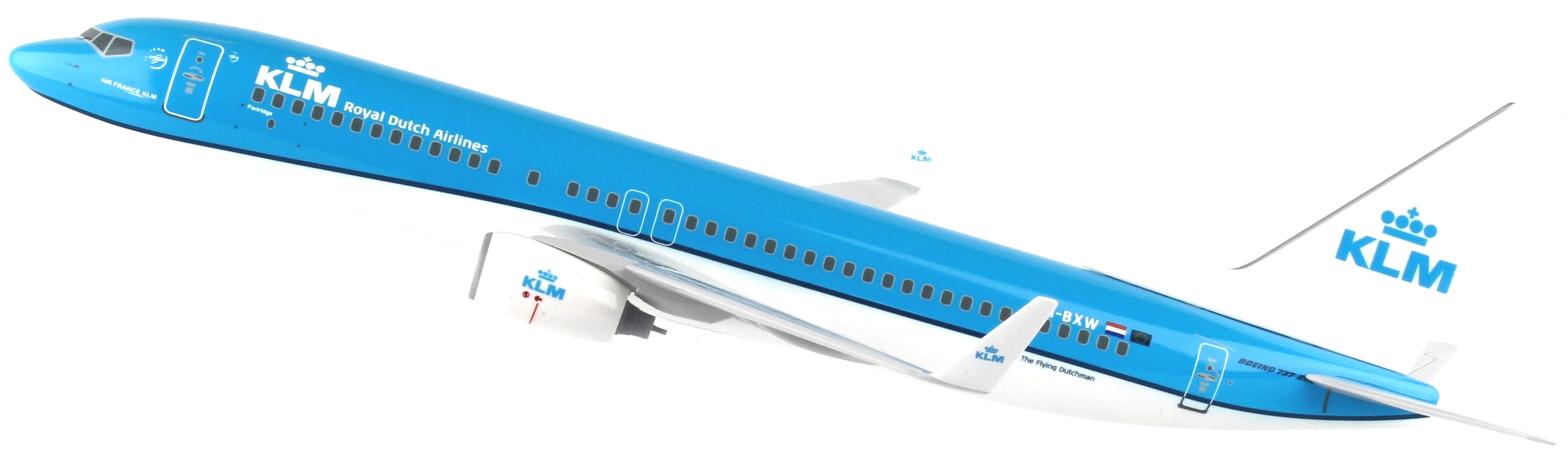
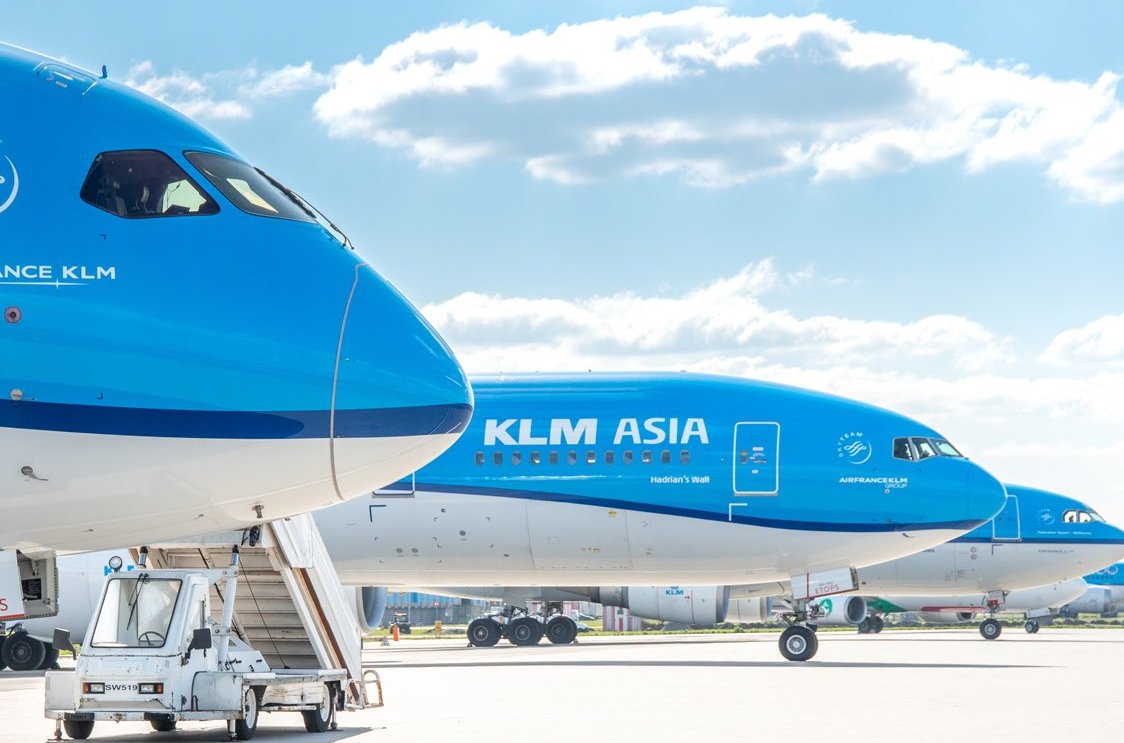
La Justicia de la Unión Europea ha solicitado este Miércoles, 19 de Mayo de 2021 a la Comisión Europea (CE) que justifique la autorización que otorgó a las ayudas estatales que recibieron las líneas aéreas TAP Air Portugal y KLM Royal Duth Airlines, cuestionadas por la compañía de presupuesto irlandesa Ryanair que ha presentado un reclamo ante la Justicia. En dos fallos por separado, el Tribunal General de la UE consideró insuficiente la justificación de la Comisión a esas ayudas, que de acuerdo con Ryanair distorsionan la competencia en el sector aeronáutico de bajo costo. Así, el Tribunal formalmente anuló las autorizaciones de Bruselas a esas ayudas excepcionales, pero dejó en suspenso la decisión y otorgó a la Comisión dos meses para adoptar una nueva determinación. En una tercera sentencia, la Justicia europea convalidó este Miércoles 19/05 las medidas de ayudas españolas a empresas estratégicas en el país, consistentes en recapitalizaciones por valores totales de hasta € 10.000 millones de Euros. Estas medidas también fueron demandadas por Ryanair.
Para la aerolínea de presupuesto irlandesa Ryanair, la postura del Tribunal de Justicia sobre las aerolíneas TAP Air Portugal y KLM Airlines ha representado una victoria simbólica en los Tribunales, aún sin beneficio concreto inmediato. «KLM ha tomado nota de la decisión del Tribunal de Primera Instancia Europeo y la estudiará. La decisión del Tribunal no tiene actualmente consecuencias para KLM y las ayudas de las que KLM se ha beneficiado», expresó el comunicado difundido por la aerolínea holandesa. El Primer Ministro de Portugal, Antonio Costa expresó: «Por el momento, no hay consecuencias para nosotros», explicando que la justicia europea simplemente había decidido buscar información adicional de la Comisión Europea.
El Tribunal General de la UE en Febrero 2021 desestimó los recursos de la aerolínea irlandesa contra las ayudas a Air France y SAS. Luego, confirmó a mediados de Abril 2021 la legalidad de las ayudas a las aerolíneas Finnair y SAS Airlines, impugnadas por Ryanair. Ryanair estima en € 30.000 millones de Euros las ayudas estatales totales a las aerolíneas que fueron aprobadas por Bruselas desde el inicio de la pandemia, incluidos € 14.400 millones para Air France-KLM y € 11.000 millones para Lufthansa German Airlines. Por su parte, la Comisión Europea ha indicado que toma nota de los fallos y que los estudiará y reflexionará sobre los próximos pasos.
Justice demands EU aid to TAP/KLM
European justice asks Brussels to justify state aid to TAP and KLM
The Justice of the European Union has requested this Wednesday, May 19, 2021 to the European Commission (EC) to justify the authorization it granted to the state aid received by the airlines TAP Air Portugal and KLM Royal Duth Airlines, questioned by the Irish budget company Ryanair that has lodged a claim with the Courts. In two separate rulings, the General Court of the EU found the Commission’s justification for such aid insufficient, which according to Ryanair distorts competition in the low-cost aeronautical sector. Thus, the Court formally annulled the Brussels authorizations for these exceptional aid, but suspended the decision and gave the Commission two months to make a new determination. In a third ruling, the European Justice validated this Wednesday 05/19 the measures of Spanish aid to strategic companies in the country, consisting of recapitalizations for total amounts of up to € 10,000 million. These measures were also demanded by Ryanair.
For the Irish budget airline Ryanair, the position of the Court of Justice on the airlines TAP Air Portugal and KLM Airlines has represented a symbolic victory in the Courts, still without immediate concrete benefit. «KLM has taken note of the decision of the European Court of First Instance and will study it. The decision of the Court does not currently have consequences for KLM and the aid from which KLM has benefited,» said the statement released by the Dutch airline. The Prime Minister of Portugal, Antonio Costa, said: «At the moment, there are no consequences for us», explaining that the European justice had simply decided to seek additional information from the European Commission.
The General Court of the EU in February 2021 dismissed the Irish airline’s appeals against aid to Air France and SAS. Then, in mid-April 2021, it confirmed the legality of the aid to Finnair and SAS Airlines, challenged by Ryanair. Ryanair estimates the total state aid to airlines that was approved by Brussels since the start of the pandemic at € 30 billion euros, including € 14.4 billion for Air France-KLM and € 11 billion for Lufthansa German Airlines. For its part, the European Commission has indicated that it takes note of the failures and that it will study them and reflect on the next steps.
Programa viajero frecuente de Air France-KLM presenta publicidad
Flying Blue, el programa de fidelidad del Air France-KLM Group, presenta su nuevo film publicitario, que refleja las aspiraciones de los tiempos actuales y los profundos cambios producidos en materia de viajes. Junto a la agencia Isobar, Flying Blue imaginó una película a gran escala que redefine y cuestiona la noción misma de distancia durante un viaje. Hoy, más que nunca, el viaje puede tomar todo tipo de formas: somos capaces de ir a los confines del mundo para revelar lo que se esconde en nuestro interior, y también de transportarnos a otro universo sin movernos ni un centímetro de casa.
La película alterna imágenes de paisajes grandiosos y momentos más íntimos, llevando al espectador a descubrir una multitud de viajes: físicos, emocionales o imaginarios. La película pone de manifiesto la doble misión del programa Flying Blue: enriquecer la experiencia del viaje en avión y a la vez ofrecer nuevas oportunidades para ganar y gastar Millas, todos los días. Construida en torno de esta película de un minuto y medio, la nueva campaña también se difundirá en las redes sociales de Flying Blue en diferentes formatos, con el fin de llegar a diferentes públicos afines, y se hará llegar además a los 17 millones de afiliados al programa.
Actualmente, el programa de millas de pasajeros frecuentes de Flying Blue facilita ahora a través de su colaboración no sólo con otras aerolíneas, sino también con su red de más de 500 socios en el ámbito de la hotelería, los alquileres de coches, las compras o la cultura.
Flying Blue presents advertising spot
Air France-KLM frequent flyer program presents advertising
Flying Blue, the loyalty program of the Air France-KLM Group, presents its new advertising film, which reflects the aspirations of the current times and the profound changes that have occurred in travel. Together with the Isobar agency, Flying Blue envisioned a large-scale film that redefines and questions the very notion of distance while traveling. Today, more than ever, the journey can take all kinds of forms: we are able to go to the ends of the world to reveal what is hidden inside us, and also to transport ourselves to another universe without moving an inch from home.
The film alternates images of grandiose landscapes and more intimate moments, leading the viewer to discover a multitude of journeys: physical, emotional or imaginary. The film highlights the dual mission of the Flying Blue program: enriching the air travel experience while offering new opportunities to earn and spend Miles, every day. Built around this one and a half minute film, the new campaign will also be broadcast on Flying Blue’s social networks in different formats, in order to reach different like-minded audiences, and will also reach 17 million affiliates to the program.
Currently, Flying Blue’s frequent flyer miles program now facilitates through its collaboration not only with other airlines, but also with its network of more than 500 partners in the field of hospitality, car rentals, shopping or culture.