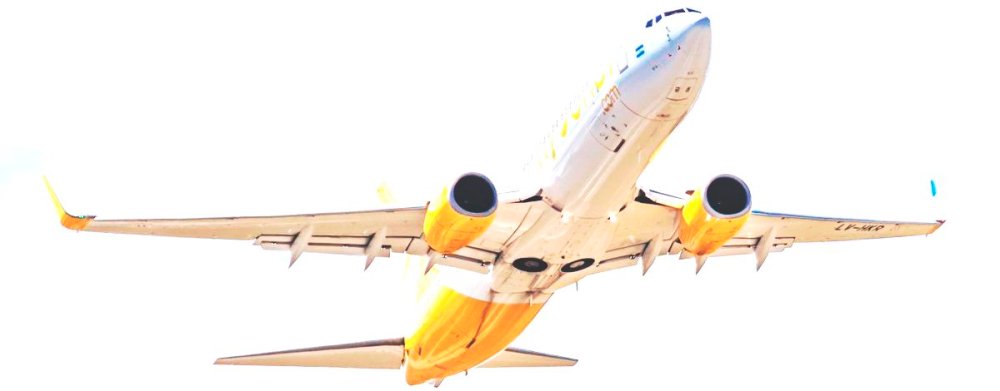
Flybondi firma MRO con FAdeA

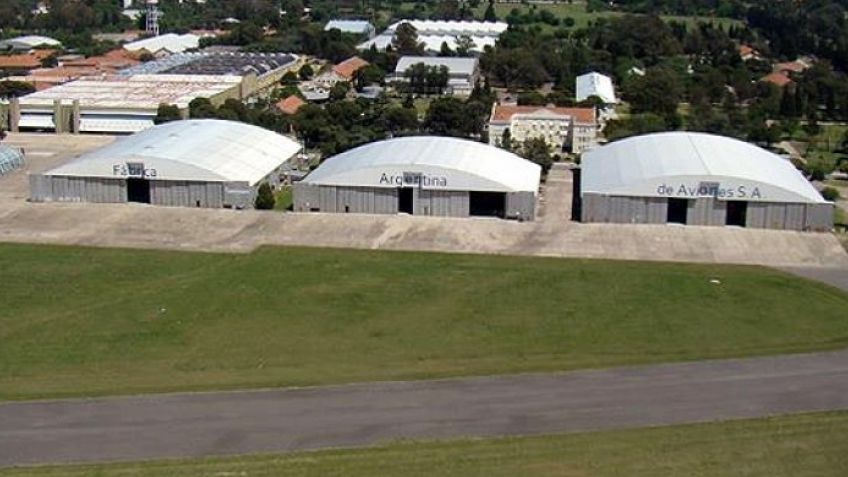
Resultado de la imagen para la construcción de fadea

AW | 2018 07 05 15:47 | MRO / AIRLINES

Resultado de la imagen para el logo de fadeaLa aerolínea low cost Flybondi Líneas Aéreas ha contratado servicios de mantenimiento con FAdeA

La Fábrica de Aviones de Argentina (FAdeA) ha cerrado contrato con Flybondi Líneas Aéreas para efectuar servicios de mantenimiento a la flota de aviones Boeing 737-800. Flybondi posee una flota actual de cinco Boeing 737-800 volando y el sexto avión llegará en Septiembre 2018.

Isologotype FBFAdeA ha comenzado a realizar trabajos de chequeos la semana pasada. Los trabajos de mantenimiento que se realizaron en los Boeing 737-800 fueron las masas de ruedas y block de frenos. A las instalaciones de FAdeA se efectúan los chequeos de estados de las ruedas. Las proyecciones apuntan a que habrá volumen de tarea por la necesidad de recambio y control de cubiertas que tiene la empresa ya que las pistas de los aeropuertos se encuentran porosas, por lo que un neumático que dura en promedio cien ciclos entre aterrizajes y despegues, ahora está en unos 40 ciclos. La ANAC que es el organismo que regula a la aviación civil en Argentina ha certificado los hangares y las capacidades del personal de FAdeA para realizar todo tipo de trabajos. Flybondi cerró contrato por dos años con opción a renovación.

FAdeA efectúa trabajos para el Estado Argentino y otras empresas aéreas. El monto de facturación ronda los AR$ 1.650 millones anuales (AR$1.450 millones por contratos con el Estado). La empresa de la industria aeronáutica efectúa trabajos con empresas extranjeras para mantenimiento y desarrollos específicos, la venta de un aeroaplicador Puelche a Paraguay y trabajos para la brasileña Embraer. AIRWAYS® AW-Icon TXT

Resultado de la imagen para la construcción de fadea

Flybondi signs maintenance with FAdeA

The low cost airline Flybondi Líneas Aéreas has contracted maintenance services with FAdeA

The Aircraft Factory of Argentina (FAdeA) has signed a contract with Flybondi Líneas Aéreas to carry out maintenance services for the Boeing 737-800 aircraft fleet. Flybondi has a current fleet of five Boeing 737-800 flying and the sixth plane will arrive in September 2018.

FAdeA has begun to carry out check-ups last week. The maintenance works that were made in the Boeing 737-800 were the masses of wheels and brake block. Wheel condition checks are carried out at the FAdeA facilities. The projections suggest that there will be volume of work due to the need for replacement and control of roofs that the company has since the runways of the airports are porous, so that a tire that lasts an average of one hundred cycles between landings and takeoffs, now It is in about 40 cycles. The ANAC, which is the body that regulates civil aviation in Argentina, has certified the hangars and the capacities of the FAdeA personnel to carry out all types of work. Flybondi has signed a two-year contract with the option to renew.

FAdeA carries out works for the Argentine State and other airline companies. The billing amount is around AR$ 1,650 million per year (AR$ 1,450 million for contracts with the State). The aviation industry company works with foreign companies for maintenance and specific developments, the sale of a Puelche aeroapplicator to Paraguay and works for the Brazilian company Embraer. A \ W


Ξ A I R G W A Y S Ξ
SOURCE:  Airgways.com
DBk: Fadeasa.com.ar / Flybondi.com / Seprin.info / Lasintesis.com.ar
AW-POST: 201807051547AR

A\W   A I R G W A Y S ®

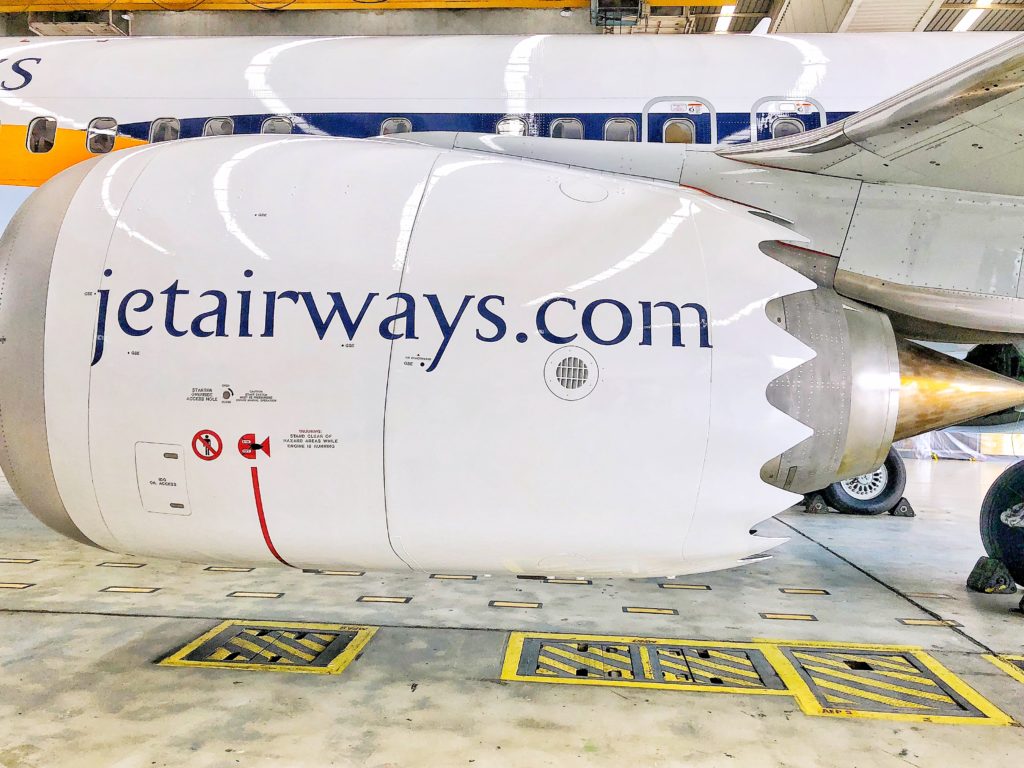
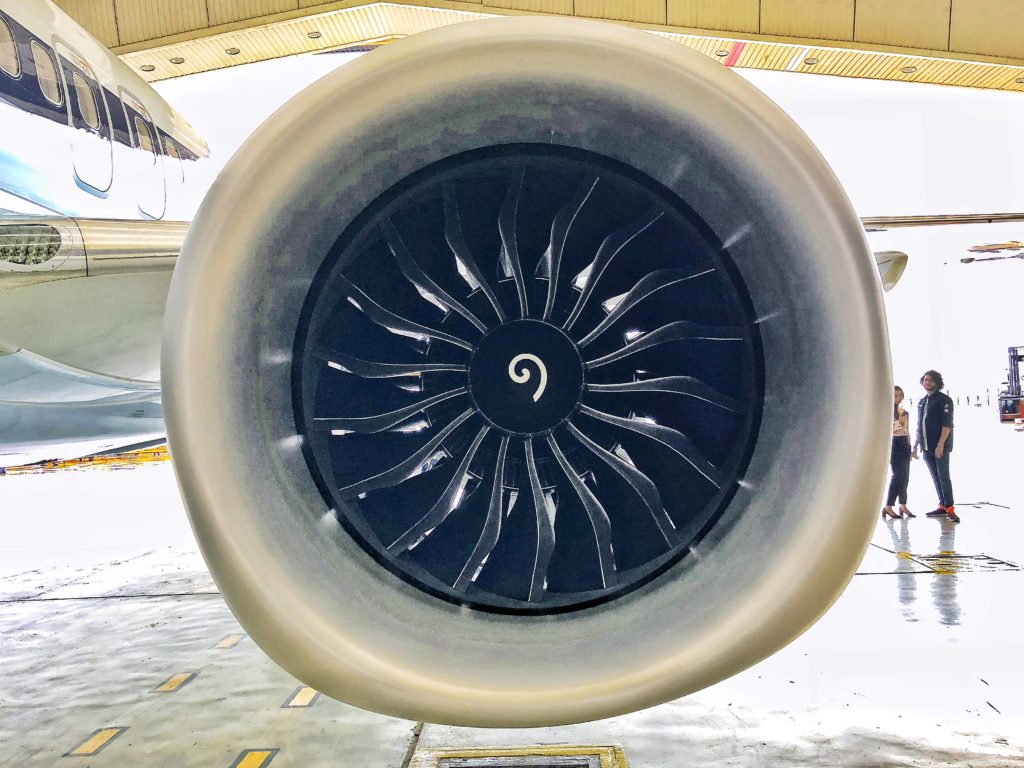
Boeing 737 MAX sufre primer incidente

AW-70223377.png

AW | 2018 07 05 00:05 | AVIATION SAFETY / AIRLINES

Resultado de imagen para Jet airways logoJet Airways sufre primer incidente con ingestión de aves en Boeing 737-8 MAX

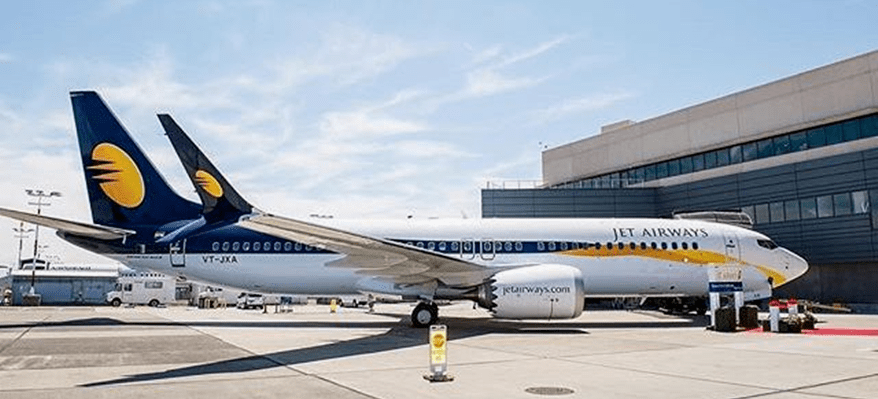
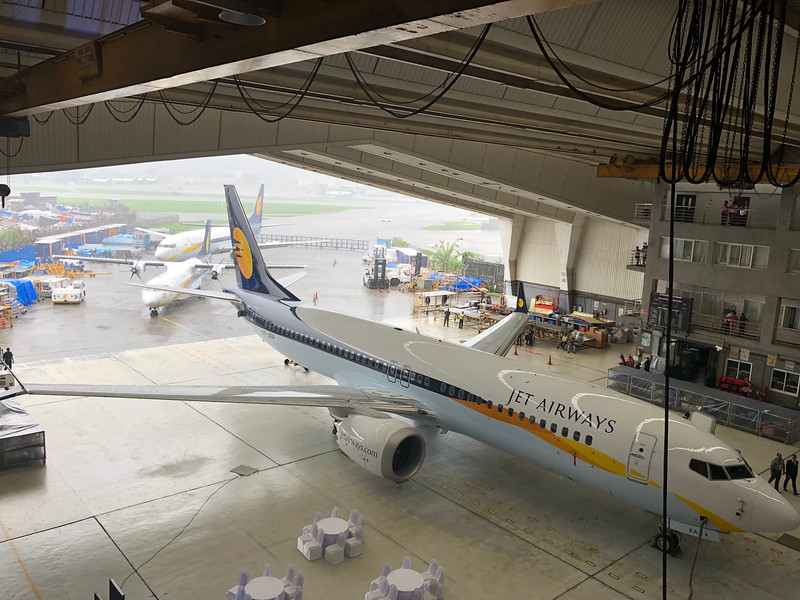
Jet Airways de la India ha reportado un incidente en un Boeing 737-8 MAX al al despegar desde el Aeropuerto de Mumbai. La aerolínea se vio obligada a cambiar el avión en su viaje de regreso. Los pasajeros a bordo del avión no sufrieron daños aterrizando en el Aeropuerto de Chennai a última hora de la tarde.

El nuevo avión Boeing 737-8 MAX de Jet Airways sufrió hoy la ingestión de aves durante el decolaje en el Aeropuerto de Mumbai en la India con 150 pasajeros sin reportar daños físicos. La aerolínea se vio obligada a cambiar el avión en su viaje de regreso, según las fuentes de la industria. Dijeron que los pasajeros a bordo del avión no sufrieron daños y que aterrizaron en el aeropuerto de Chennai a última hora de la tarde.

El vuelo 9W 469 de Jet Airways que despegó del Aeropuerto de Mumbai a las 17:19 hs sufrió un ataque de aves. Los ingenieros de Chennai notaron que el motor del lado izquierdo del avión 737-8 MAX había sufrido un golpe de pájaro después de que el avión aterrizó allí a las 14:35 hs. Un vocero de Jet Airways confirmó el incidente aéreo.Después del golpe de pájaro, el transportista ha conectado a tierra el avión para una inspección minuciosa. La aerolínea tiene una flota de 119 aviones y vuela a más de 65 destinos en 15 países.  AIRWAYS® AW-Icon TXT

Resultado de imagen para Jet airways Boeing 737 MAX

Boeing 737 MAX suffers first incident

Jet Airways suffers first incident with ingestion of birds in Boeing 737-8 MAX

Jet Airways of India has reported an incident on a Boeing 737-8 MAX when taking off from Mumbai Airport. The airline was forced to change the plane on its return trip. The passengers aboard the plane did not suffer any damage landing at the Chennai Airport late in the afternoon.

The new Boeing 737-8 MAX plane from Jet Airways suffered today the ingestion of birds during the decorating at the Mumbai Airport in India with 150 passengers without reporting any physical damage. The airline was forced to change the plane on its return trip, according to industry sources. They said that the passengers aboard the plane were not damaged and that they landed at the Chennai airport late in the afternoon.

Flight 9W 469 of Jet Airways that took off from Mumbai Airport at 5:19 pm suffered a bird attack. Chennai engineers noted that the engine on the left side of the 737-8 MAX plane had suffered a bird strike after the plane landed there at 2:35 p.m. A Jet Airways spokesman confirmed the air incident. After the bird strike, the carrier has grounded the plane for a thorough inspection. The airline has a fleet of 119 aircraft and flies to more than 65 destinations in 15 countries. A \ W


Ξ A I R G W A Y S Ξ
SOURCE:  Airgways.com
DBk: Boeing.com / Jetairways.com / Pintaram.com / Livefromalounge.boardingarea.com
AW-POST: 201807050005AR

A\W   A I R G W A Y S ®

Cubana sufre cancelaciones de vuelos

AW-70050071.png

AW | 2018 07 04 23:33 | AIRLINES

Resultado de imagen para Cubana aviacion pngCubana Aviación ha cancelado vuelos por los problemas de flota aérea

La aerolínea Cubana Aviación tiene operativos cuatro de los dieciséis aviones de la flota. La empresa ha cancelado las rutas internacionales. Además atraviesa por problemas de mantenimiento y falta de piezas.

Cubana de Aviación, que tiene el monopolio de los vuelos nacionales, suspendió la mayor parte de la programación de sus vuelos debido a la falta de aeronaves y problemas de mantenimiento. En la agitada etapa de viajes por las vacaciones de verano en Cuba, una larga fila de personas espera horas bajo el sofocante calor a las afueras de la oficina de la aerolínea Cubana de Aviación, la mayoría ansiosas por visitar a sus familiares en las provincias. Las cancelaciones de vuelos ocurrieron un mes después de que un avión arrendado por Cubana de Aviación se estrelló tras despegar del aeropuerto de La Habana en mayo, con la muerte de 112 personas entre pasajeros y tripulantes.

Cubana de Aviación ya había cancelado vuelos vendidos para días posteriores al accidente. La decisión coincidió con la política de Cuba de incentivar el turismo, uno de los puntos brillantes de su economía, con la promoción de resorts y visitas a ciudades coloniales a cientos de kilómetros de La Habana.

Fundada en 1929 como una de las primeras aerolíneas de América Latina, fue nacionalizada después de la revolución liderada por Fidel Castro en 1959. En su archivo incluye el traslado de tropas cubanas a África y viajes a todos los países de la entonces comunidad socialista de Europa. Durante décadas sorteó las sanciones de Washington que le impedían comprar aviones fabricados con mayoría de componentes estadounidenses, incluidas aeronaves de la europea Airbus y de la brasileña Embraer, al adquirir el primer avión soviético y luego rusos.

El transportista mantuvo un registro estable de seguridad, pero su reputación fue declinando por un servicio mediocre y retrasos de vuelos que provocaron que los turistas en Cuba usaran principalmente el transporte terrestre. Luego, desde el año pasado, la empresa cubana comenzó a cancelar una mayor cantidad de vuelos y con frecuencia ubicaba a los pasajeros en hoteles durante varios días sin comentar públicamente la problemática.

Accidente del Boeing 737 de Global Air

Después de que el Boeing 737-200 se estrelló el 18 Mayo 2018, Cubana Aviación explicó que había arrendado ese avión a la compañía mexicana Damojh (Global Air) debido a la falta de naves para completar los vuelos locales. Un segundo avión rentado a Damojh fue dejado en tierra luego de una auditoría de seguridad en su flota por parte de las autoridades mexicanas.

Autoridades cubanas, mexicanas y estadounidenses aún investigan el accidente y no han comentado sobre las posibles causas. Damojh dijo en un comunicado que está cooperando con las investigaciones sobre el lamentable accidente.

Recorte de rutas

El mes pasado la aerolínea anunció que estaba cortando las rutas a Camagüey, Moa, Manzanillo, Bayamo y Guantánamo, en la zona este de Cuba, principalmente usadas por pasajeros cubanos, y disminuyendo las frecuencias de vuelos a Santiago, Holguín y Baracoa, todos populares destinos turísticos. En un comunicado dijo que estaba trabajando para resolver la situación y se disculpó por la interrupción.

Cubana de Aviación también canceló rutas internacionales, excepto las de Buenos Aires y Madrid. La empresa no ha hecho comentarios públicos al respecto, lo que ha dejado a los viajeros en confusión y desamparo.

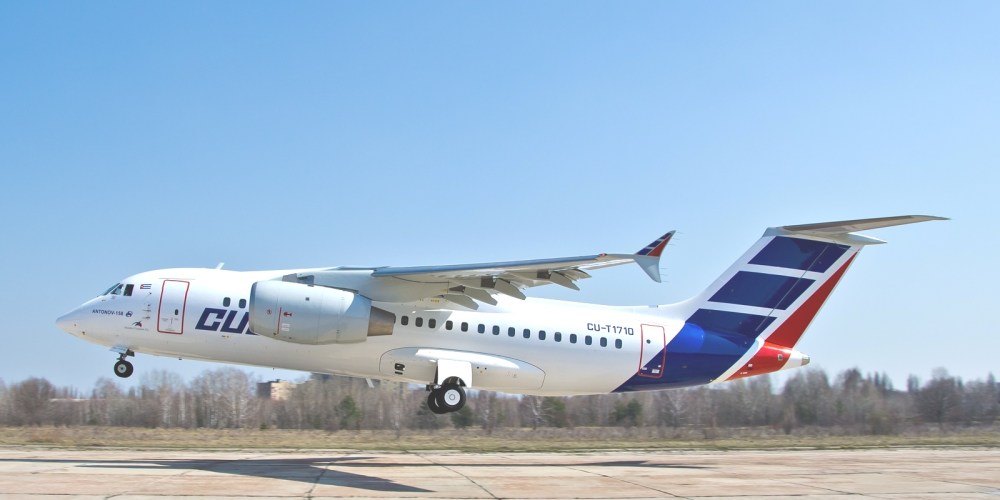
El golpe de gracia posiblemente fue la compra de seis Antonov An-158 del fabricante ucraniano desde 2013. Cubana ha dicho que esos aviones han tenido problemas técnicos y obtener piezas para el proyecto conjunto ruso-ucraniano ha resultado difícil como resultado de la anexión de Crimea a Rusia en 2014.
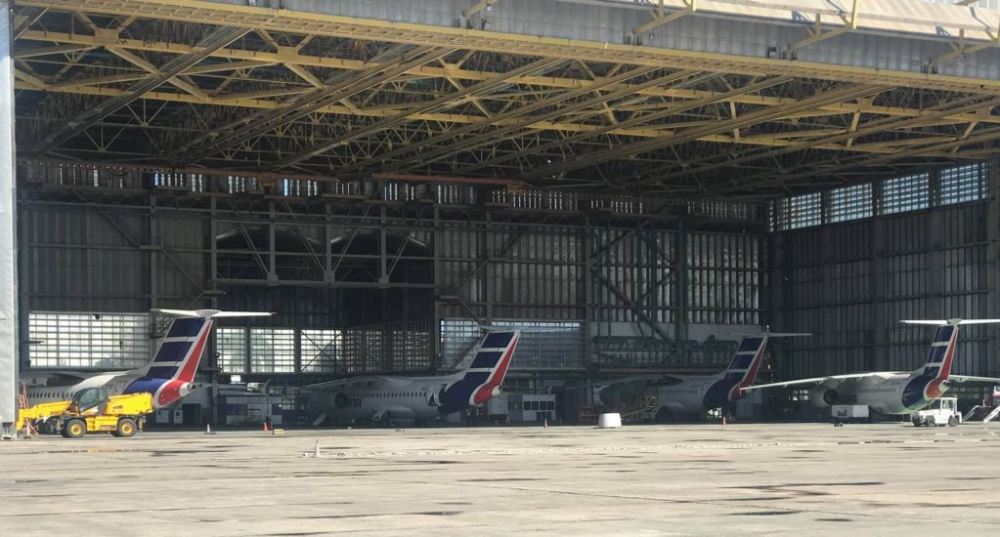
An-158 Cubana.jpgFLOTA PARALIZADA DE AERONAVES ANTONOV AN-158 DE CUBANA DE AVIACIÓN

Un representante de Antonov dijo que Cubana no había pagado por el trabajo necesario pero que firmó un acuerdo de cooperación con la aerolínea en Abril 2018 «para reanudar el uso de los aviones AN-158 antes de que termine el año en curso».

Tradicionalmente, las aerolíneas rentan aviones cuando están en mantenimiento o hay mucha demanda, pero «el embargo y las restricciones financieras probablemente complican también esto para Cuba», dijo Richard Aboulafia, Vicepresidente de Teal Group, una empresa de consultoría de aviación estadounidense.

En Mayo 2018, el arrendador lituano Avión Express y el italiano Blue Panorama terminaron sus contratos con Cubana, dijeron ambas compañías sin explicar las causas. Datos de Flightradar24 muestran que retiraron, respectivamente, cuatro Airbus A320 y un Boeing 737. Fue en ese momento en que Cubana recurrió a la poco conocida Damojh, arrendando un Boeing 737-200 de 39 años de antigüedad.

Damojh ha enfrentado problemas de seguridad en otros países de la región. La autoridad de aviación de Guyana dijo que revocó el permiso de vuelo a la mexicana el año pasado debido, entre otros, a problemas como la sobrecarga de las naves. La aerolínea se negó a comentar sobre el tema.  AIRWAYS® AW-Icon TXT

Resultado de imagen para Cubana Aviacion An-148

Cubana Aviación suffers cancellations flights

Cubana Aviación has canceled flights due to air fleet problems

The airline Cubana Aviación has four of the six aircraft operating in the fleet. The company has canceled the international routes. It also goes through maintenance problems and lack of parts.

Cubana de Aviación, which has a monopoly on domestic flights, suspended most of the programming of its flights due to lack of aircraft and maintenance problems. In the hectic stage of travel for summer vacation in Cuba, a long line of people waiting hours in the sweltering heat outside the office of Cubana de Aviacion, the anxious mostly visiting relatives in the provinces. Flight cancellations occurred a month after a plane leased by Cubana de Aviación crashed after taking off from Havana airport in May, with the death of 112 people between passengers and crew.

Cubana de Aviación had already canceled flights sold for days after the accident. The decision coincided with Cuba’s policy of encouraging tourism, one of the bright spots of its economy, with the promotion of resorts and visits to colonial cities hundreds of kilometers from Havana.

Founded in 1929 as one of the first airlines in Latin America, it was nationalized after the revolution led by Fidel Castro in 1959. Its file includes the transfer of Cuban troops to Africa and trips to all the countries of the then socialist community in Europe. For decades he raffled Washington’s sanctions that prevented him from buying aircraft made with the majority of American components, including aircraft from the European Airbus and Brazilian Embraer, by acquiring the first Soviet aircraft and then Russians.

The carrier maintained a stable safety record, but its reputation was declining due to lackluster service and flight delays that caused tourists in Cuba to mainly use land transportation. Then, since last year, the Cuban company began canceling a greater number of flights and frequently located passengers in hotels for several days without publicly commenting on the problem.

Global Air Boeing 737 crash

After the Boeing 737-200 crashed on May 18, 2018, Cubana Aviation explained that it had leased that plane to the Mexican company Damojh (Global Air) due to the lack of ships to complete the local flights. A second plane rented to Damojh was left on the ground after a safety audit of its fleet by the Mexican authorities.

Resultado de imagen para Cubana aviacion An-158 png

Cuban, Mexican and US authorities are still investigating the accident and have not commented on the possible causes. Damojh said in a statement that he is cooperating with the investigations into the unfortunate accident.

Clipping paths

Last month the airline announced it was cutting routes to Camaguey, Moa, Manzanillo, Bayamo and Guantanamo, in the eastern part of Cuba, mainly used by Cuban passengers, and reducing the frequency of flights to Santiago, Holguin and Baracoa, all popular touristic destinations. In a statement he said he was working to resolve the situation and apologized for the interruption.

Cubana de Aviación also canceled international routes, except those in Buenos Aires and Madrid. The company has not made public comments on the matter, which has left travelers in confusion and helplessness.AW-70000654.png

The coup de grace was possibly the purchase of six Antonov An-158 from the Ukrainian manufacturer since 2013. Cubana has said that these planes have had technical problems and obtaining pieces for the joint Russian-Ukrainian project has proved difficult as a result of the annexation of Crimea to Russia in 2014.

A representative of Antonov said that Cubana had not paid for the necessary work but that it signed a cooperation agreement with the airline in April 2018 «to resume the use of AN-158 aircraft before the end of the current year».

Traditionally, airlines rent planes when they are in maintenance or there is a lot of demand, but «the embargo and financial restrictions probably complicate this also for Cuba», said Richard Aboulafia, Vice President of Teal Group, a US aviation consulting company.

In May 2018, the Lithuanian landlord Avión Express and the Italian Blue Panorama ended their contracts with Cubana, the two companies said without explaining the causes. Data from Flightradar24 show that they withdrew, respectively, four Airbus A320 and one Boeing 737. It was at that time that Cubana resorted to the little known Damojh, leasing a Boeing 737-200 of 39 years old.

Damojh has faced security problems in other countries in the region. The aviation authority of Guyana said it revoked the Mexican’s flight permit last year due to, among others, problems such as overloading the ships. The airline refused to comment on the issue. A \ W


Ξ A I R G W A Y S Ξ
SOURCE:  Airgways.com
DBk: Cubana.cu / Flightradar24.com / Airgways.com / Martinoticias.com
AW-POST: 201807042333AR

A\W   A I R G W A Y S ®

La FAA informa que asientos ajustados no implican inseguridad para la aviación

AW | 2018 07 04 18:37 | AVIATION SAFETY / AIRLINES / GOVERNMENT

Seal_of_the_United_States_Federal_Aviation_Administration.svgLa FAA no obligará a aerolíneas modificación asientos porque no representan dificultades a la seguridad

La Administración Federal de Aviación (FAA) no obligará a las aerolíneas a brindar a los pasajeros más espacio para las piernas y asientos más anchos porque los arreglos actuales no presentan problemas de seguridad ni dificultan la velocidad de evacuación, dijo la agencia este martes. Los asientos más ajustados no parecen obstaculizar la seguridad o ralentizar las evacuaciones.

En un documento, la FAA dijo que no pudo encontrar evidencia de que el ancho actual del asiento, las dimensiones de las piernas o el aumento del tamaño de los pasajeros ralentizarán las evacuaciones. La agencia también dijo que se requiere más tiempo para que las tripulaciones de vuelo abran la puerta de salida que para que los pasajeros se levanten de sus asientos. «La FAA no tiene evidencia de que un pasajero típico, incluso uno más grande, tome más de un par de segundos para levantarse de su asiento», dice el documento.

Caso Flyers Rights

El año pasado, el Tribunal de Apelaciones de Estados Unidos para el Circuito de DC ordenó a la FAA que revisara las reglas de seguridad de sus asientos después de que un grupo llamado Flyers Rights desafió a la administración por preocupaciones de que asientos más apretados y pasajeros más grandes podrían ralentizar las evacuaciones. Flyers Rights reconoció la decisión de la FAA, pero no dio más detalles.

Distancias entre asientos

Hace un par de décadas, la distancia entre un respaldo y el respaldo de la siguiente fila solía ser de 35 pulgadas. Ahora son 28 y los reguladores dicen que aún cumple con los estándares de evacuación.

La distancia entre asientos, llamada altura, ha pasado de un promedio de 35» pulgadas antes de 1978 a 31» pulgadas en la actualidad. A veces puede medir solo 28» pulgadas. Mientras tanto, el ancho promedio del asiento de 18» pulgadas se ha reducido de una a dos pulgadas. Algunos fabricantes de asientos de líneas aéreas están presionando para un asiento aún más ajustado. El proyecto Skyrider se parece más a una percha que a un asiento completo y tiene un paso de tan solo 23» pulgadas.

Imagen relacionadaASIENTOS SKYRIDER, UN ASPECTO FUTURÍSTICO DE «AVIONES SARDINAS»
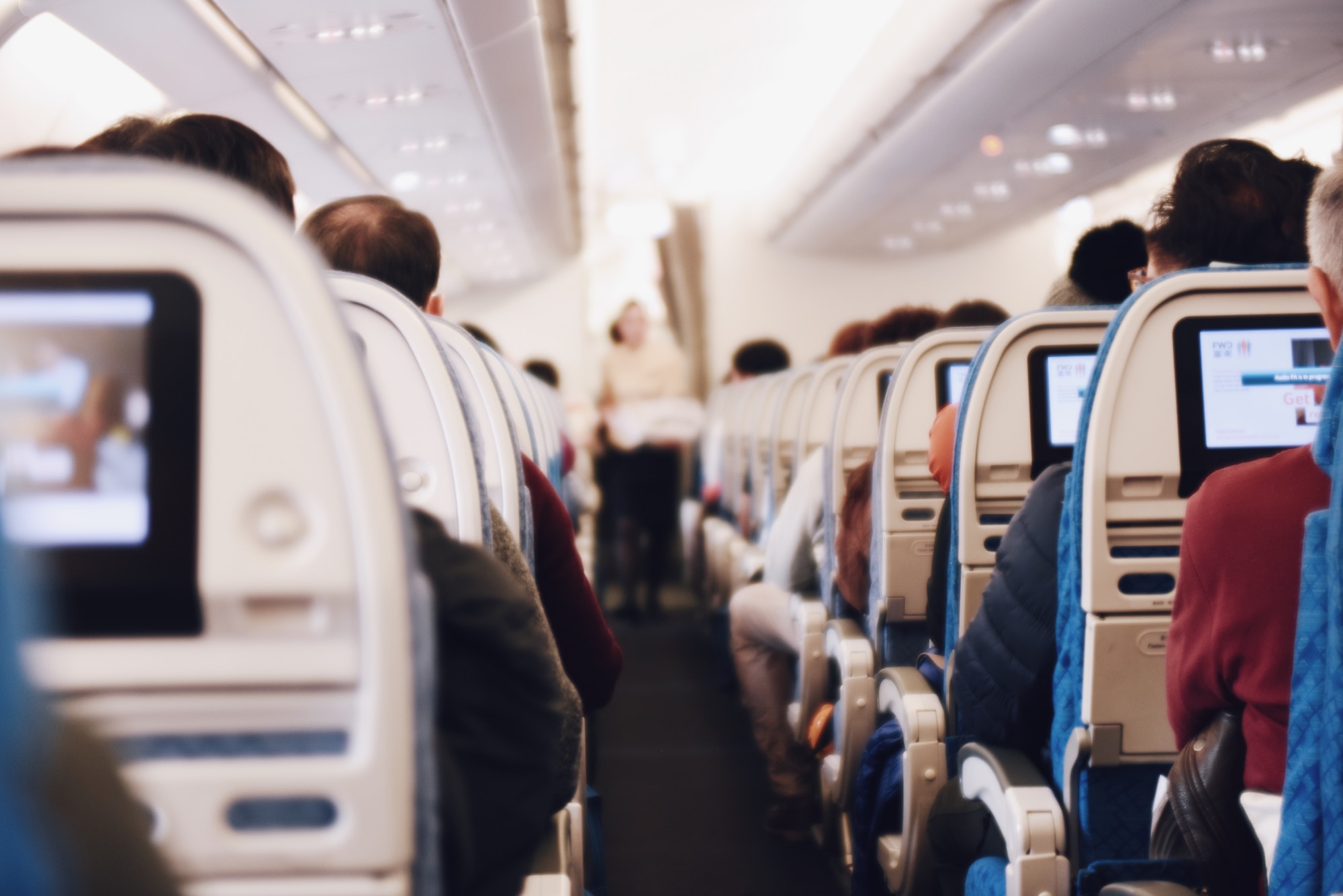
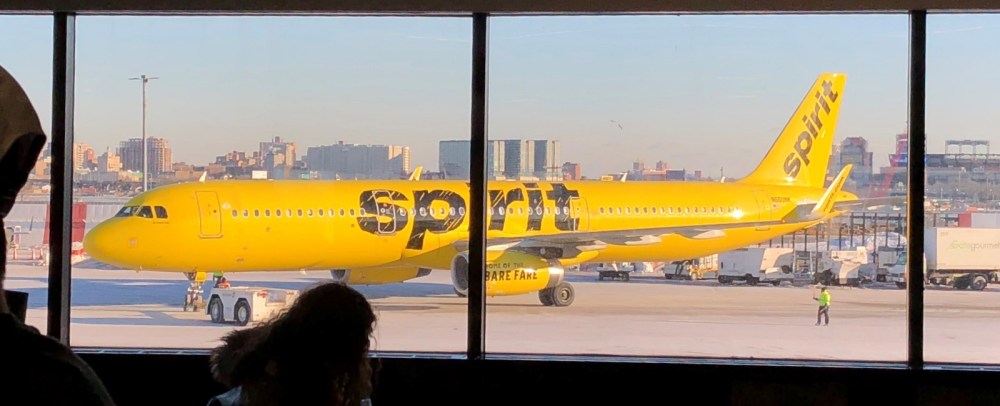
Con el advenimiento de las aerolíneas low cost que desean aprovechar mejor, los espacios de las cabinas de los aviones de manera extraordinaria, han permitido bajo normas de seguridad internacionales achicar los márgenes de espacios no solo entre asientos, sino además, eliminando espacios como galley, toallet, entre otras modificaciones.

A través del Departamento de Transporte de Estados Unidos (DOT), la FAA ha determinado en el expediente FAA-2015-4011 que no existen pruebas fehacientes acerca de que los asientos de reducido porte o la selección de distancias entre filas atentan contra la seguridad a la aviación en las aerolíneas.

Airplane fabrica videos de pruebas de evacuación para argumentar que las nuevas reglas no son necesarias. Boeing dijo que en 1996 probó aviones con 351 pasajeros y 28 pulgadas entre filas, y los resultados cumplieron con los estándares de evacuación de la FAA.

Jeffrey Gardlin, un ingeniero de seguridad que ha trabajado para la FAA durante 36 años, dijo que los pasajeros grandes pueden tardar más en escapar de las salidas, por lo que la agencia establece los tamaños mínimos para las salidas con exceso de alas. Pero, dijo, el tamaño no hace mucha diferencia en el tiempo que toma pasar de un asiento al pasillo.

En una declaración jurada, Gardlin citó siete accidentes desde 2015 en los que los pasajeros pudieron escapar de aviones diseñados para cumplir con los estándares actuales. Algunos pasajeros resultaron heridos durante las evacuaciones, pero ninguno murió en incendios, incluso aquellos que destruyeron el avión. Dijo que no había informes de que el tamaño del asiento o la inclinación de la fila frenaron cualquiera de las evacuaciones.

Gobierno & FAA

La decisión del martes no es necesariamente la última palabra sobre los asientos de los aviones. Un proyecto de ley aprobado por la Cámara de Representantes indicaría a la FAA que establezca el tamaño mínimo de los asientos, aunque deja la decisión sobre las medidas exactas a la agencia. El proyecto de ley está pendiente en el Senado.

El mes pasado, el inspector general del Departamento de Transporte anunció una revisión de los estándares de evacuación de la FAA, señalando que los aviones de hoy tienen más asientos, los pasajeros son más grandes y tienen más bolsas de mano.

El inspector general estaba respondiendo a una solicitud de los miembros del Comité de Transporte de la Cámara, que siguió a una evacuación confusa de un avión de American Airlines en Chicago después de un incendio en el motor. AIRWAYS® AW-Icon TXT

Resultado de imagen para seat airplane

FAA tight seats do not imply insecurity

The FAA will not force airlines to modify seats because they do not represent safety difficulties

The Federal Aviation Administration (FAA) will not force airlines to provide passengers with more leg room and wider seats because the current arrangements do not present safety problems or hinder the speed of evacuation, the agency said Tuesday. The tightest seats do not seem to hinder safety or slow evacuations.

In a document, the FAA said it could not find evidence that the current width of the seat, leg dimensions or increased passenger size will slow evacuations. The agency also said that more time is required for flight crews to open the exit door than for passengers to get up from their seats. «The FAA has no evidence that a typical passenger, even a larger one, takes more than a couple of seconds to get up from their seat», the document says.

Case Flyers Rights

Last year, the US Court of Appeals for the DC Circuit ordered the FAA to review the rules of seat security after a group called Flyers Rights challenged the administration over concerns that tighter seats and passengers larger ones could slow evacuations. Flyers Rights acknowledged the FAA’s decision, but gave no further details.

Distances between seats

A couple of decades ago, the distance between a backrest and the back of the next row used to be 35 inches. Now there are 28 and regulators say it still meets the evacuation standards.

The distance between seats, called height, has gone from an average of 35» inches before 1978 to 31» inches today. Sometimes it can measure only 28» inches. Meanwhile, the average width of the 18-inch seat has been reduced from one to two inches. Some airline seat manufacturers are pushing for an even tighter seat. The Skyrider project looks more like a hanger than a full seat and has a pitch of only 23 inches.

With the advent of low cost airlines that want to take advantage of the best, the spaces of the aircraft cabins have allowed under international safety standards to reduce the margins of spaces not only between seats, but also, eliminating spaces such as galley, toallet, among other modifications.

Resultado de imagen para seat airlines historyTHE LOW COST AIRLINES HAVE USED THE TYPE OF SERVICE TO REDUCE THE SPACES BETWEEN SEATS

Through the Department of Transportation of the United States (DOT), the FAA has determined in the FAA-2015-4011 file that there is no reliable evidence that small seats or the selection of distances between rows threaten safety at aviation in airlines.

Airplane makes evacuation test videos to argue that the new rules are not necessary. Boeing said that in 1996 it tested planes with 351 passengers and 28 inches between rows, and the results met the FAA’s evacuation standards.

Jeffrey Gardlin, a security engineer who has worked for the FAA for 36 years, said that large passengers may take longer to escape from exits, so the agency sets the minimum sizes for exits with excess wings. But, he said, the size does not make much difference in the time it takes to move from a seat to the aisle.

In an affidavit, Gardlin cited seven accidents since 2015 in which passengers were able to escape aircraft designed to meet current standards. Some passengers were injured during the evacuations, but none died in fires, even those that destroyed the plane. He said there were no reports that the size of the seat or the tilt of the row slowed down any of the evacuations.

Government & FAA

Tuesday’s decision is not necessarily the last word on aircraft seats. A bill passed by the House of Representatives would indicate to the FAA that it establish the minimum size of the seats, although it leaves the decision on exact measures to the agency. The bill is pending in the Senate.

Last month, the inspector general of the Department of Transportation announced a review of the FAA’s evacuation standards, noting that today’s planes have more seats, passengers are larger and have more hand bags.

The inspector general was responding to a request from members of the Transportation Committee of the House, which followed a confused evacuation of an American Airlines plane in Chicago after a fire in the engine. A \ W


Ξ A I R G W A Y S Ξ
SOURCE:  Airgways.com
DBk: Faa.gov / Transportation.gov / FlyersRights.org / Akbartravels.com / Hithaonthego.com / Medium.com
AW-POST: 201807041837AR

A\W   A I R G W A Y S ®

Piedmont retira Bombardier Dash 8

Resultado de imagen para Piedmont Dash 8

AW | 2018 07 04 00:08 | AIRLINES

bombardier_old-svg.pngPiedmont Airlines despide al venerable turbohélice Dash 8
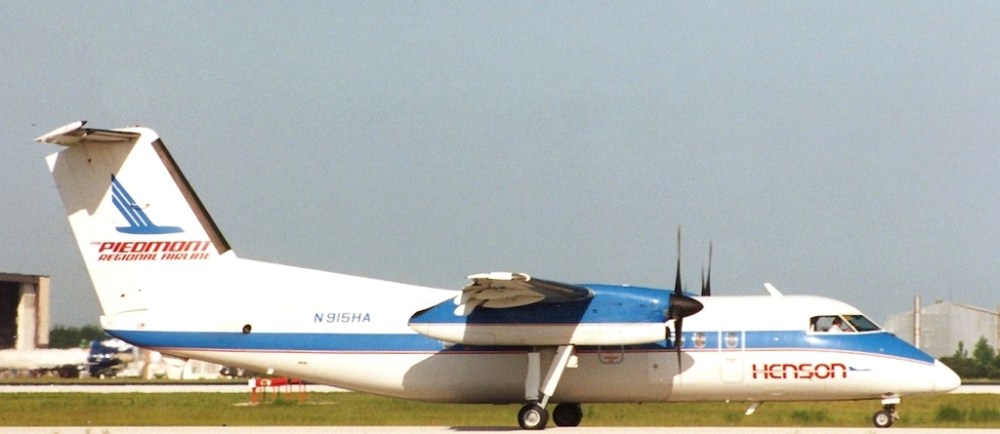
Piedmont Airlines retira su último Bombardier Dash 8 mañana, poniendo fin a 33 años de historia de turbohélice en el operador regional. Los cuatro últimos Dash 8-300 de la aerolínea propiedad de American Airlines registros N327EN, N330EN, N333EN y N337EN operarán 13 vuelos el 4 Julio 2018 antes del vuelo final del avión como American 4927 desde Charlotte a Salisbury, Maryland. Piedmont operará 14 vuelos Dash 8 finales en seis rutas desde su hub de Charlotte, finalizando un período con los turbohélices Bombardier Dash-8-300.

Resultado de imagen para Piedmont logo

«The Dash fue el caballo de batalla de la red regional, y nos ha servido bien durante años. El excepcional récord de seguridad, confiabilidad y capacidad del Dash 8 sobre pistas cortas se perderán en las comunidades de toda la costa este de Estados Unidos», dice Lyle Hogg, Director Ejecutivo de Piedmont, en un comunicado. Hogg, aunque solo es el principal ejecutivo de la compañía aérea regional desde 2016, se hace eco de opiniones similares a las expresadas por los ejecutivos de Piedmont en 1986, menos de un año después de que presentara por primera vez la Dash 8-Q100.

De_Havilland_Canada_DHC-8-102_Dash_8,_Piedmont_Regional_(Henson_Airlines)_AN0207950.jpgDE HAVILLAND CANADA DHC-8-100

El Vicepresidente de Henson Aviation, John Presburg, expresó en 1986 que la capacidad de equipaje y el rendimiento de corto alcance de la aeronave fueron los conductores de su pedido inicial para cinco de ellos en 1984. «Mi apetito por recibir el avión es mucho más fuerte que la capacidad de DHC para producirlos», expresó John Presburg en aquel tiempo. John Henson introdujo el Dash 8-Q100 de 37 asientos en los vuelos entre Salisbury y Baltimore, alimentaba el mismo nombre que el hub de Piedmont Airlines en Baltimore/Washington en ese momento el 2 Mayo 1985, un mes después de recibir la entrega del avión.

El rendimiento en rutas cortas fue clave para servir a aeropuertos como Hilton Head, Carolina del Sur, que en 1986 solo contaban con una pista de aterrizaje de 1.128 m (3.700 pies). El aeropuerto solo extendió la pista de aterrizaje a 1,524m este junio para mantener el servicio comercial con la inminente jubilación de Dash 8.

Resultado de imagen para DHC 8 png

Los Dash-8 en las aerolíneas

John Henson, renombrado en Piedmont en 1993 por su entonces propietario USAir Group, operó hasta 70 Dash 8s, incluyendo Q100, Q200 y Q300, con la flota alcanzando su punto máximo en 2000. Piedmont fue el operador estadounidense del DHC-8-300 que se introdujo en 1999. Horizon Air fue el segundo mayor operador con su flota alcanzando un máximo de 44 en 1998, según la base de datos. American adquirió Piedmont a través de su fusión con US Airways en 2013, y comenzó la transición del operador a un operador Embraer ERJ-145 en 2016. La aerolínea retiró su último Dash 8 Q100 en Noviembre 2017.

La década de 1980 fue un momento embriagador para el segmento de turbohélice de 30-50 asientos. Los fabricantes de aviones regionales compitieron por una parte del mercado en auge, teniendo como protagonistas al ATR 42, De Havilland Canada Dash 8, Embraer EMB-120 Brasilia y Saab 340, entre otras aeronaves regionales.

NorOntair de Canadá presentó el primer Dash 8-Q100 en 1984, seguido de Eastern Metro Express en Diciembre 1984. Horizon Air y Piedmont Airlines se unieron a las filas de los operadores estadounidenses en 1985.

Los primeros Dash 8s enfrentaron problemas comunes de dentición. La confiabilidad del despacho fue el principal problema para los operadores en Abril 1986, y Piedmont Airlines solo alcanzó el 96% de su flota en ese momento. Los operadores mencionaron varios problemas con la altitud de aviónica y el sistema de referencia de rumbo (AHRS) y los motores Pratt & Whitney PW120 como confiabilidad impactante. A pesar de estos problemas iniciales, las aerolíneas de todo el mundo continuaron ordenando y operando las variantes Dash 8 Q100, Q200 y Q300. La flota comercial mundial de pasajeros alcanzó su pico en 503 aviones en servicio en 2008, y la flota estadounidense en 171 aviones en 2000.

El Dash 8 no era el turbopropulsor más popular de sus pares con las líneas aéreas estadounidenses. La flota en servicio Dash 8 alcanzó su punto máximo detrás de los del Saab 340 y Brasilia, que superaron los 280 aviones en 1998 y 223 aviones en 1996, respectivamente. Sin embargo, el Dash 8 tiene la distinción de permanecer el más largo en las flotas alimentadoras de los operadores principales de EEUU, ya que tanto el Brasilia como el Saab 340 fueron retirados hace años. El Q400 continúa volando en la subsidiaria Horizon Air de Alaska Airlines también.

Dash8Los Dash 8 no desaparecen completamente de los aeropuertos de EEUU. Ravn Alaska sigue operando 10 Dash 8-Q100 desde su base de Anchorage, muestra. Sin embargo, con una edad promedio de 25,7 años, es probable que los aviones sean candidatos a ser reemplazados a mediano plazo.
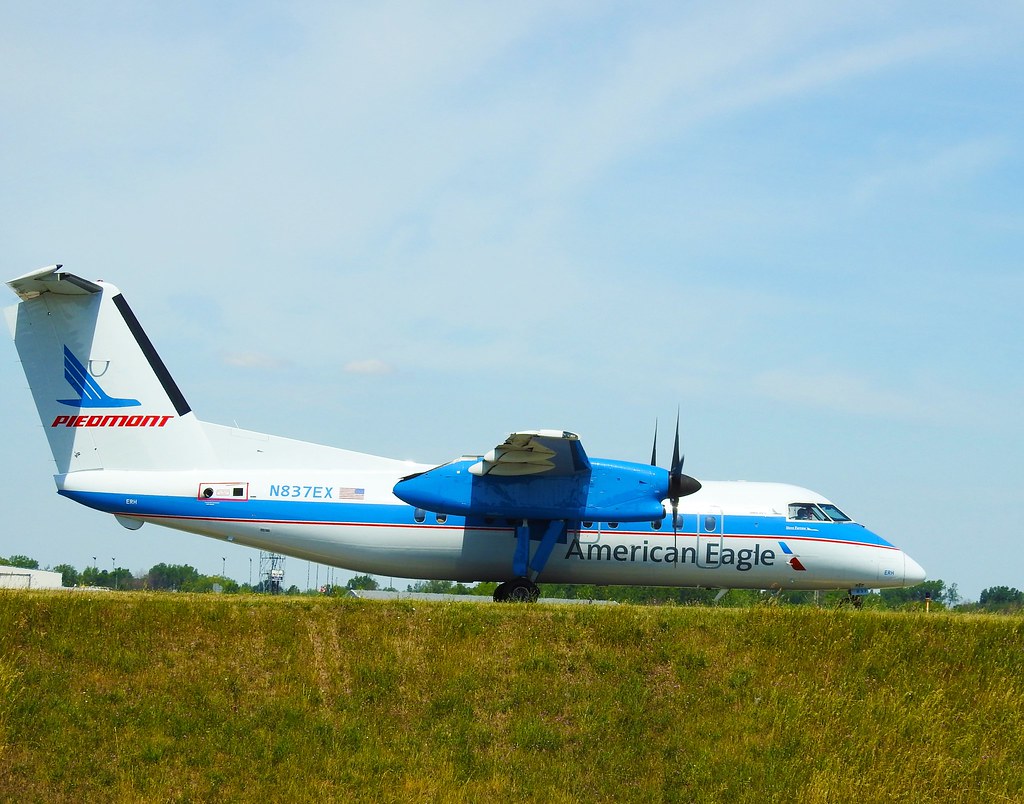

América del Norte continúa teniendo la mayor concentración de Dash 8, con más de un tercio de la flota en servicio al final de 2018. Muchos de estos aviones operan para transportistas canadienses. Una vez que el vuelo AA4927 aterrice en Salisbury hoy, Piedmont se unirá a las filas de muchos de sus pares regionales como un operador todo-jet que vuela 46 ERJ-145 para los estadounidenses.  AIRWAYS® AW-Icon TXT

Resultado de imagen para Piedmont Dash 8

Piedmont retires Bombardier Dash 8

Piedmont Airlines fired the venerable turboprop Dash 8

Resultado de imagen para De Havilland canada logoPiedmont Airlines withdrew its last Bombardier Dash 8 tomorrow, ending 33 years of turboprop history in the regional operator. The last four Dash 8-300 of the airline owned by American Airlines records N327EN, N330EN, N333EN and N337EN will operate 13 flights on July 4, 2018 before the final flight of the aircraft as American 4927 from Charlotte to Salisbury, Maryland. Piedmont will operate 14 final Dash 8 flights on six routes from its Charlotte hub, ending a period with the Bombardier Dash-8-300 turboprops.


«The Dash was the workhorse of the regional network, and it has served us well for years», The exceptional safety, reliability and capacity record of Dash 8 on short tracks will be lost in the communities of the entire East Coast of the United States, says Lyle Hogg, CEO of Piedmont, in a statement. Hogg, although he is only the chief executive of the regional airline since 2016, echoes views similar to those expressed by Piedmont executives in 1986, less than a year after he first introduced the Dash 8-Q100.

The Vice President of Henson Aviation, John Presburg, expressed in 1986 that the luggage capacity and short-range performance of the aircraft were the drivers of his initial order for five of them in 1984. «My appetite for receiving the plane is much more stronger than DHC’s ability to produce them», John Presburg said at the time. John Henson introduced the 37-seat Dash 8-Q100 on flights between Salisbury and Baltimore, feeding the same name as the Piedmont Airlines hub in Baltimore/Washington at that time on May 2, 1985, a month after receiving the plane’s delivery.

Performance on short routes was key to serving airports such as Hilton Head, South Carolina, which in 1986 only had a 1,128 m (3,700 ft) airstrip. The airport only extended the runway to 1,524m this June to maintain commercial service with the imminent retirement of Dash 8.

Resultado de imagen para DHC 8 png

The Dash-8 in the airlines

John Henson, renamed Piedmont in 1993 by its then owner, USAir Group, operated up to 70 Dash 8s, including Q100, Q200 and Q300, with the fleet peaking in 2000. Piedmont was the US operator of the DHC-8-300 that was introduced in 1999. Horizon Air was the second largest operator with its fleet reaching a maximum of 44 in 1998, according to the database. American acquired Piedmont through its merger with US Airways in 2013, and began the operator’s transition to an Embraer operator ERJ-145 in 2016. The airline withdrew its last Dash 8 Q100 in November 2017.

The 1980s was an intoxicating moment for the turboprop segment of 30-50 seats. The regional aircraft manufacturers competed for a part of the booming market, with ATR 42, De Havilland Canada Dash 8, Embraer EMB-120 Brasilia and Saab 340, among other regional aircraft.

NorOntair of Canada introduced the first Dash 8-Q100 in 1984, followed by Eastern Metro Express in December 1984. Horizon Air and Piedmont Airlines joined the ranks of US operators in 1985.

The first Dash 8s faced common teething problems. The reliability of the dispatch was the main problem for operators in April 1986, and Piedmont Airlines only reached 96% of its fleet at that time. Operators mentioned several problems with the avionics altitude and the heading reference system (AHRS) and the Pratt & Whitney PW120 engines as impacting reliability. Despite these initial problems, airlines around the world continued to order and operate the Dash 8 Q100, Q200 and Q300 variants. The world commercial passenger fleet peaked at 503 aircraft in service in 2008, and the US fleet at 171 aircraft in 2000.

The Dash 8 was not the most popular turboprop of its peers with American airlines. The Dash 8 service fleet peaked behind those of the Saab 340 and Brasilia, which exceeded 280 aircraft in 1998 and 223 aircraft in 1996, respectively. However, the Dash 8 has the distinction of remaining the longest in the feeder fleets of the main US operators, since both the Brasilia and the Saab 340 were retired years ago. The Q400 continues to fly in Alaska Airlines’ Horizon Air subsidiary as well.

Dash 8 does not completely disappear from US airports. Ravn Alaska continues to operate 10 Dash 8-Q100 from its base in Anchorage, sample. However, with an average age of 25.7 years, it is likely that the aircraft are candidates to be replaced in the medium term.

North America continues to have the highest concentration of Dash 8, with more than a third of the fleet in service at the end of 2018. Many of these aircraft operate for Canadian carriers. Once flight AA4927 lands in Salisbury today, Piedmont will join the ranks of many of its regional peers as an all-jet operator that flies 46 ERJ-145 for Americans. A \ W


Ξ A I R G W A Y S Ξ
SOURCE:  Airgways.com
DBk: Bombardier.com / Aa.com / Flightglobal.com / Wikimedia.org / Flickr.com / Canadiannorth.com
AW-POST: 201807040008AR

A\W   A I R G W A Y S ®

OkAir recibe 1er Boeing 737-8 MAX

5071453

AW | 2018 07 03 23:08 | AIRLINES

Boeing-Logo.svgOkay Airways toma entrega del primer Boeing 737-8 MAX
FK,4923,36,737-max-round-pinOkay Airways ha recibido la entrega de su primer Boeing 737-8 MAX con registro B-1485 (msn 60704) el Domingo 1 Julio 2018. La empresa privada de China tiene pedidos con Boeing para las variantes 8 MAX, 9 MAX y 10 MAX.
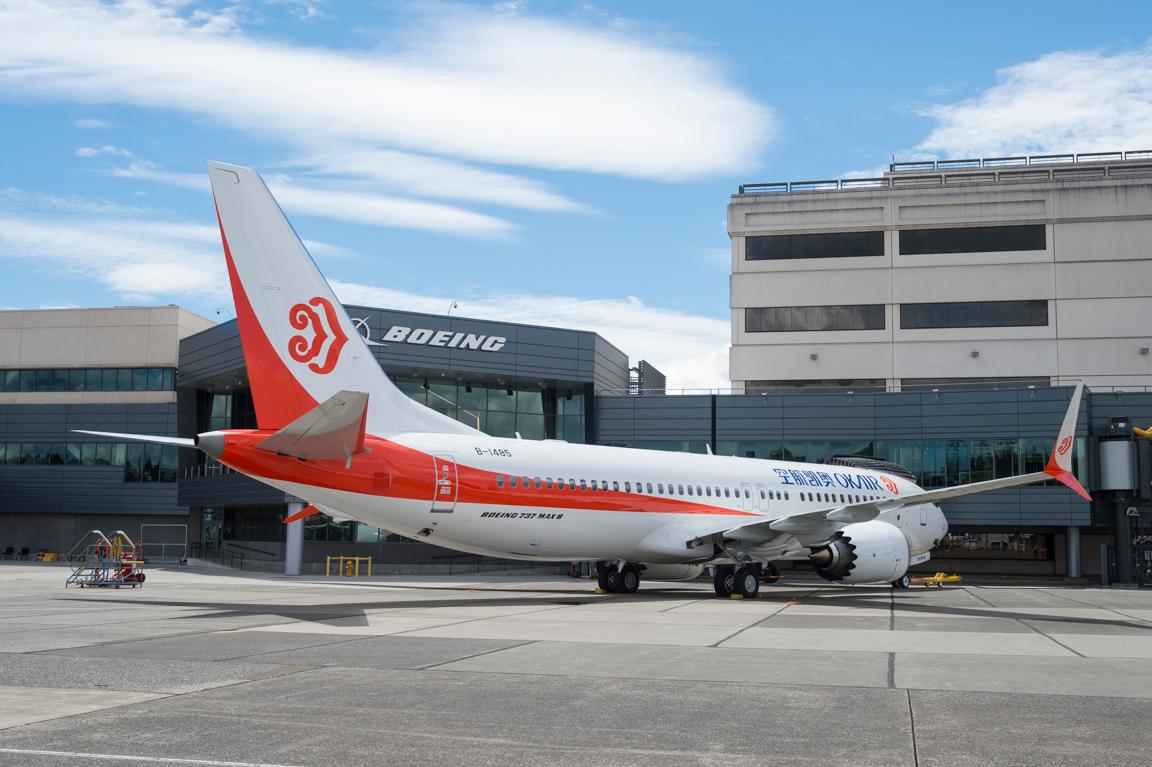
Los primeros servicios de Okay Airways con los Boeing 737-8 MAX serán a partir del 4 Julio en adelante, sirviendo destinos como Fuzhou, Hangzhou, Guilin y Zhuhai (a través de Ningbo ) desde su Hub de operaciones enTianjin.

Okay Airways se fundó en 2005 y actualmente opera una flota de Boeing 737-800 (22), B737-900ER (5), Boeing 737-300F (1) y Boeing 787-9 (5). Desde bases en Tianjin, Xi’an Xianyang, Changsha Huanghua, Yulin y Nanning, conecta 52 ciudades en China, Tailandia, Filipinas, Japón y Corea del Sur. Las aeronaves de amplio radio de acción partirán desde el nuevo centro desde Beijing. AIRWAYS® AW-Icon TXT

Resultado de imagen para Okay Airways  Boeing 737 maxResultado de imagen para Okay Airways  Boeing 737 maxResultado de imagen para Okay Airways  Boeing 737 max

Okay Airways receives 1st Boeing 737-8 MAX

Okay Airways takes delivery of the first Boeing 737-8 MAX

Okay Airways has received the delivery of its first Boeing 737-8 MAX with registration B-1485 (msn 60704) on Sunday 1 July 2018. The private company of China has orders with Boeing for variants 8 MAX, 9 MAX and 10 MAX.

The first Okay Airways services with the Boeing 737-8 MAX will be from July 4 onwards, serving destinations such as Fuzhou, Hangzhou, Guilin and Zhuhai (through Ningbo) from its Operations Hub in Tianjin.

Okay Airways was founded in 2005 and currently operates a fleet of Boeing 737-800 (22), B737-900ER (5), Boeing 737-300F (1) and Boeing 787-9 (5). From bases in Tianjin, Xi’an Xianyang, Changsha Huanghua, Yulin and Nanning, it connects 52 cities in China, Thailand, the Philippines, Japan and South Korea. Aircraft with a wide range of action will depart from the new center from Beijing. A \ W


Ξ A I R G W A Y S Ξ
SOURCE:  Airgways.com
DBk: Boeing.com / Okair.net
AW-POST: 201807032308AR

A\W   A I R G W A Y S ®

Ethiopian recibe 1er Boeing 737-8 MAX

Ethiopian-primer-Boeing-737-MAX-8.jpg

AW | 2018 07 03 20:46 | AIRLINES

Boeing-Logo.svgEthiopian Airlines ha recibido su primer Boeing 737-8 MAXFK,4923,36,737-max-round-pin.jpg

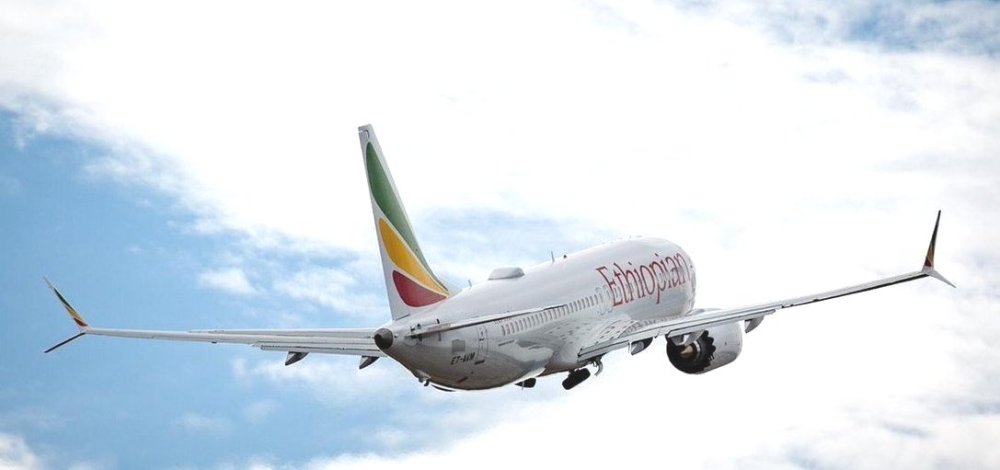
La aerolínea Ethiopian Airlines ha recibido el primer avión de tercera generación Boeing 737-8 MAX de una serie de 30 aeronaves encomendadas a Resultado de imagen para ethiopian airlines pngBoeing. La primera aeronave Boeing 737 serie 8 MAX con registro ET-AVM salió de la fábrica de Seattle en Washington el 1 Julio 2018 en un vuelo de entrega vía Dublín a la base en Addis Ababa, capital de Etiopía.
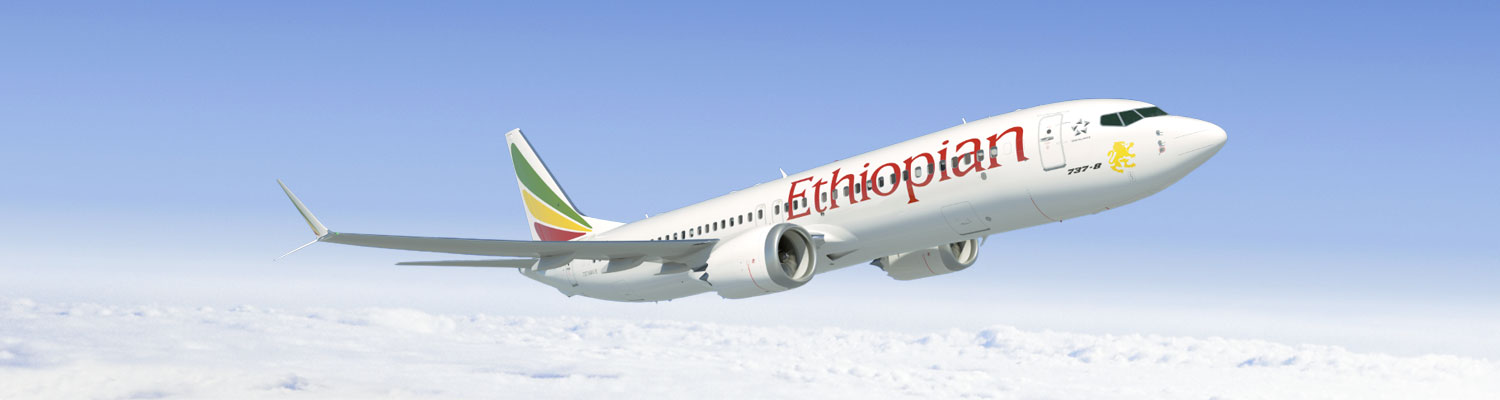
«Estamos contentos de incluir el Boeing 737-8 MAX en nuestra flota joven y moderna de más de 100 aviones con una edad promedio de menos de cinco años», dice el Director Ejecutivo de Ethiopian Airlines Group, Tewolde Gebre Mariam.

La configuración de los Boeing 737-8 MAX corresponderán con 160 pasajeros. Esta primera entrega lleva a la flota de Ethiopian Airlines a 73 aviones de la línea Boeing 737.  Ethiopian Airlines tendrá la mayor flota de Boeing 737 MAX en África. La flota actual de Boeing 737 es de 737-800 (15) y 737-700 (3). La aerolínea también opera Boeing 757, 767, 777 y 787. Las últimas incorporaciones de la compañía etíope fueron Airbus A350 (9) y Bombardier Q400 (18). Ethiopian Airlines se encuentra en un proceso de ampliación y renovación de flota, marcando una nueva etapa de mejoras en los servicios en Etiopía como así también en el resto del continente africano.  AIRWAYS® AW-Icon TXT

Imagen relacionada

Ethiopian Airlines receives the first Boeing 737-8 MAX

Ethiopian Airlines has received its first Boeing 737-8 MAX

The airline Ethiopian Airlines has received the first Boeing 737-8 MAX third generation aircraft from a series of 30 aircraft entrusted to Boeing. The first Boeing 737 series 8 MAX aircraft with ET-AVM registration left the Seattle factory in Washington on July 1, 2018 on a delivery flight via Dublin to the base in Addis Ababa, capital of Ethiopia.

«We are happy to include the Boeing 737-8 MAX in our young and modern fleet of more than 100 aircraft with an average age of less than five years», says Ethiopian Airlines Group Executive Director, Tewolde Gebre Mariam.

The configuration of the Boeing 737-8 MAX will correspond to 160 passengers. This first delivery brings the fleet of Ethiopian Airlines to 73 aircraft of the Boeing 737 line.Ethiopian Airlines will have the largest fleet of Boeing 737 MAX in Africa. The current fleet of Boeing 737 is 737-800 (15) and 737-700 (3). The airline also operates Boeing 757, 767, 777 and 787. The latest additions of the Ethiopian company were Airbus A350 (9) and Bombardier Q400 (18 ). Ethiopian Airlines is in a process of expansion and renewal of the fleet, marking a new stage of improvements in services in Ethiopia as well as in the rest of the African continent. A \ W


Ξ A I R G W A Y S Ξ
SOURCE:  Airgways.com
DBk: Boeing.com / Ethiopianairlines.com
AW-POST: 201807032046AR

A\W   A I R G W A Y S ®

Argentina pide anulación juicios en CIADI

Clarin.com 07767677

AW | 2018 07 02 18:05 | AIRLINES / AVIATION ORGANISMS

El Gobierno de Argentina pidió anular todas las sentencias que tiene en contra en el CIADI

Argentina apeló durante los últimos meses todas las sentencias en contra que había recibido en el Centro Internacional de Arreglo de Diferencias Relativas a Inversiones (CIADI), el tribunal que depende del Banco Mundial. Se trata de los juicios que iniciaron contra el país Teinver por la estatización de Aerolíneas Argentinas, entro otros juicios.

Así se desprende del último informe que el jefe de Gabinete, Marcos Peña, presentó ante el Senado la semana pasada. Los pedidos para anular los laudos es una estrategia habitual para la Procuración del Tesoro, el órgano encargado de lidiar en los tribunales internacionales.

En el caso de Teinver, el 21 Julio 2018 se había obligado al Gobierno a desembolsar US$ 320 millones más intereses por la estatización de Aerolíneas Argentinas y Austral Líneas Aéreas, pero el 17 Noviembre 2017 los representantes del país solicitaron su anulación, actualmente en trámite. La demanda era por casi US$1.600 millones. AIRWAYS® AW-Icon TXT

AW7700007378

Argentina requests annulment of trials before ICSID

The Government of Argentina asked to annul all the sentences it has against the ICSID

Argentina has appealed in recent months all the judgments against it that it had received at the International Center for Settlement of Investment Disputes (ICSID), the court that reports to the World Bank. It is about the lawsuits that started against the country Teinver for the nationalization of Aerolíneas Argentinas, among other lawsuits.

This is the result of the last report that the Chief of Staff, Marcos Peña, presented to the Senate last week. The requests to annul the awards is a usual strategy for the Treasury Attorney, the body in charge of dealing with international tribunals.

In the case of Teinver, on July 21, 2018 the Government had been forced to pay US$ 320 million plus interest for the nationalization of Aerolíneas Argentinas and Austral Líneas Aéreas, but on November 17, 2017 the representatives of the country requested its cancellation, currently in process. The demand was for almost US$ 1,600 million. A \ W


Ξ A I R G W A Y S Ξ
SOURCE:  Airgways.com
DBk: Icsid.worldbank.org / Clarin.com
AW-POST: 201807021805AR

A\W   A I R G W A Y S ®

Flybondi inaugura vuelos a Iguazú

Dab2fceW4AA54q9

AW | 2018 07 01 15:50 | AIRLINES / AIRLINES MARKET

large_logo - copiaLa aerolínea de bajo costo Flybondi inauguró su nuevo destino a Iguazú. Mañana Lunes inaugura destino Santiago del Estero
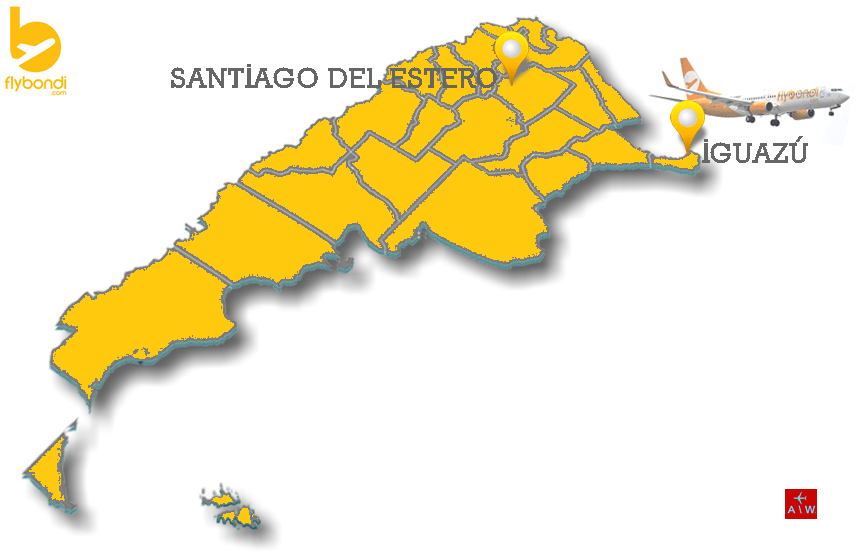

La aerolínea Flybondi Líneas Aéreas ha inaugurado un nuevo destino Iguazú, en la Provincia de Misiones, Argentina, desde el Aeropuerto El Palomar. Hoy, Domingo, 1 Julio 2018 despegó a las 06:17 hs. del Aeropuerto El Palomar el vuelo inaugural de Flybondi hacia Iguazú. La compañía operaba hacia Iguazú (primer destino), pero volaba hacia Córdoba y Mendoza.

El nuevo destino número 11 que incorpora Flybondi estuvo cubierto con el Boeing 737-800, matrícula LV-HFQ, con una duración de 01:30 hs. aterrizando en el Aeropuerto Internacional Cataratas del Iguazú a las 07:57 hs. A bordo viajaban 147 pasajeros a bordo, logrando un factor de ocupación del 77%. Con la incorporación del quinto Boeing 737-800 LV-HFQ recibido semanas atrás ha sumado nuevas rutas desde El Palomar, Iguazú y en el día de mañana Santiago del Estero. El Lunes, 2 Julio 2018 se suma otro destino, Santiago del Estero como el número 12.

Destino Santiago del Estero

La empresa aerolínea low cost Flybondi empezará a realizar vuelos a Santiago del Estero a partir de mañana Lunes, 2 Julio 2018, logrando mayor conectividad con Buenos Aires. El vuelo está previsto despegar a las 09.40 hs. desde el Aeropuerto El Palomar, para arribar al Aeropuerto de Santiago del Estero con una duración del vuelo de 01:45 hs. LA low cost tendrá una frecuencia de cuatro vuelos semanales desde Buenos Aires a Santiago del Estero.

Flybondi estima incorporar dos Boeing 737-800 adicionales en próximos meses, siguiendo el plan de terminar el 2018 con diez aeronaves. Mientras la aerolínea low cost continúa su proceso de ampliación de flota y destinos, la oferta de más rutas se incorporan y se estimula la competitividad con el anuncio de la compra de la compañía Alas del Sur por parte de la aerolínea chilena ultra low cost JetSmart Airlines. El mercado está generando más oportunidades en un país que que está desarrollando una «Revolución de los Aviones».  AIRWAYS® AW-Icon TXT

AW-70008883321

Flybondi inaugurates flights to Iguazú

AW-Flybondi_Aircraft-001The low-cost airline Flybondi inaugurated its new destination to Iguazú. Tomorrow Monday inaugurates destination Santiago del Estero



The airline Flybondi Líneas Aéreas has inaugurated a new destination in Iguazú, in the Province of Misiones, Argentina, from El Palomar Airport. Today, Sunday, 1 July 2018 took off at 06:17 hs. from El Palomar Airport, the inaugural flight from Flybondi to Iguazú. The company operated towards Iguazú (first destination), but was flying towards Córdoba and Mendoza.

The new destination number 11 that incorporates Flybondi was covered with the Boeing 737-800, registration LV-HFQ, with a duration of 01:30 hs. landing at the Iguazu Falls International Airport at 07:57 hs. On board, 147 passengers were on board, achieving an occupancy factor of 77%. With the addition of the fifth Boeing 737-800 LV-HFQ received weeks ago, it has added new routes from El Palomar, Iguazú and tomorrow Santiago del Estero. On Monday, July 2, 2018 another destination is added, Santiago del Estero as the number 12.

Destination Santiago del Estero

The low cost airline Flybondi will start making flights to Santiago del Estero starting tomorrow Monday, 2 July 2018, achieving greater connectivity with Buenos Aires. The flight is scheduled to take off at 09.40 hs. from El Palomar Airport, to arrive at Santiago del Estero Airport with a flight duration of 01:45 hs. The low cost will have a frequency of four weekly flights from Buenos Aires to Santiago del Estero.

Flybondi plans to incorporate two additional Boeing 737-800s in the coming months, following the plan to end 2018 with ten aircraft. While the low cost airline continues its process of expanding its fleet and destinations, the offer of more routes is incorporated and competitiveness is stimulated with the announcement of the purchase of the company Alas del Sur by the Chilean airline ultra low cost JetSmart Airlines . The market is generating more opportunities in a country that is developing an «Aircraft Revolution». A \ W


Ξ A I R G W A Y S Ξ
SOURCE:  Airgways.com
DBk: Flybondi.com / Airgways.com
AW-POST: 201807011550AR

A\W   A I R G W A Y S ®

Gol recibe primer Boeing 737-8 MAX

GOL-B737MAX-PR-XMA-takeoff.jpg

AW | 2018 06 30 14:07 | AIRLINES

GOL_logo.svgAW-7000008765.jpgGol Linhas Aéreas toma entrega del primer Boeing 737-8 MAX

Gol Linhas Aéreas Inteligentes ha recibido su primer Boeing 737-8 MAX, con registro PR-XMA (msn 43986) el viernes 29 Junio 2018. La primer aeronave de cuarta generación arribó a Brasil ingresando al Aeropuerto Internacional Belo Horizonte-Confins.

Gol recibir el viernes del primer Boeing 737-8 MAX, la próxima generación de aviones comerciales del fabricante americano, que será utilizado por la aerolínea más grande en el país para ampliar la oferta de vuelos internacionales. El proceso de entregas de los aviones serán seis aeronaves llegan este 2018 y nueve en 2019. El primer nuevo jet que Gol recibe de Boeing en casi cuatro años es también el primero de un pedido de 120 aviones, que serán entregados hasta 2028, completando la renovación total de la flota de la aerolínea. La configuración de los nuevos Boeing 737-8 MAX tendrán 186 asientos en única clase.

La nueva familia de Boeing 737 MAX es un 15% más eficiente en el consumo de combustible que la versión anterior, el 737 NG (Next Generation), gracias a nuevos motores LEAP-1B, winglets AT y avances tecnológicos de punta. El modelo tiene aún una mayor autonomía, con capacidad de hasta 6.570 km, ante 5,4 mil del 737-800 NG.

Rutas para el MAX

Gol planea usar el rango operativo de MAX expandir su cobertura de red para incluir toda América Latina, el Caribe e incluso destinos en el sureste de los Estados Unidos. «El MAX va a ser nuestro avión modelo, vamos a mejorar nuestra malla internacional, con nuevos destinos», dijo el vicepresidente de planificación de Gol, Celso Ferrer.

Gol actualmente opera Boeing 737-700 (26) y Boeing 737-800 (91) en vuelos programados que cubren 68 ciudades en Brasil, la República Dominicana, Florida (EEUU), Argentina, Chile, Bolivia, Paraguay, Surinam y Uruguay. La empresa atiende hoy 11 destinos internacionales, siendo 10 en América del Sur y 1 en el Caribe, Punta Cana, en la República Dominicana. Con el Boeing 737-8 MAX, la empresa ya lanza este año tres nuevos destinos: Miami y Orlando, en Florida, en Estados Unidos; y Quito, en Ecuador. En las rutas hacia Estados Unidos, Gol comienza a volar en Noviembre, con rutas a Miami y Orlando, en Florida, partiendo desde Brasilia (DF) y Fortaleza (CE) a Miami y Orlando. Para Ecuador, los vuelos empiezan en Diciembre 2018.

Toda la flota de la aerolínea Gol Linhas Aéreas esté compuesta íntegramente por los aviones Boeing 737 MAX de nueva generación. El programa de renovación de flota de 118 Boeing 737 NG será por cada nuevo 737 MAX que llegue, la aerolínea va a retirar de operación un avión de la familia anterior, reduciendo la edad media de la flota, que es de 8,5 años. AIRWAYS® AW-Icon TXT

Resultado de imagen para Gol Boeing 737 MAX

IMG-20180629-WA0093-1

Gol receives first Boeing 737-8 MAX

Gol Linhas Aéreas takes delivery of the first Boeing 737-8 MAX

Resultado de imagen para Gol Boeing 737 MAX 8Gol Linhas Aéreas Inteligentes has received its first Boeing 737-8 MAX, with PR-XMA registration (msn 43986) on Friday June 29, 2018. The first fourth-generation aircraft arrived in Brazil entering the Belo Horizonte-Confins International Airport.
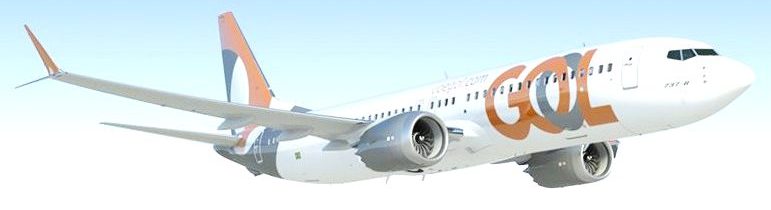
Gol will receive on Friday the first Boeing 737-8 MAX, the next generation of commercial aircraft of the American manufacturer, which will be used by the largest airline in the country to expand the offer of international flights. The delivery process of the aircraft will be six aircraft arrive this 2018 and nine in 2019. The first new jet that Gol receives from Boeing in almost four years is also the first of an order of 120 aircraft, which will be delivered until 2028, completing the total renewal of the airline’s fleet. The configuration of the new Boeing 737-8 MAX will have 186 seats in a single class.

The new family of Boeing 737 MAX is 15% more efficient in fuel consumption than the previous version, the 737 NG (Next Generation), thanks to new LEAP-1B engines, AT winglets and state-of-the-art technological advances. The model still has a greater autonomy, with a capacity of up to 6,570 km, compared with 5,400 of the 737-800 NG.

AW-7000888737.jpg

Routes for the MAX

Gol plans to use MAX’s operating range to expand its network coverage to include all of Latin America, the Caribbean and even destinations in the southeastern United States. «MAX is going to be our model airplane, we are going to improve our international network, with new destinations», Gol’s vice president of planning, Celso Ferrer, said.

Gol currently operates Boeing 737-700 (26) and Boeing 737-800 (91) scheduled flights covering 68 cities in Brazil, the Dominican Republic, Florida (USA), Argentina, Chile, Bolivia, Paraguay, Suriname and Uruguay. The company serves 11 international destinations today, being 10 in South America and 1 in the Caribbean, Punta Cana, in the Dominican Republic. With the Boeing 737-8 MAX, the company is launching three new destinations this year: Miami and Orlando, in Florida, in the United States; and Quito, in Ecuador. On the routes to the United States, Gol starts flying in November, with routes to Miami and Orlando, in Florida, departing from Brasilia (DF) and Fortaleza (CE) to Miami and Orlando. For Ecuador, flights begin in December 2018.

The entire fleet of the airline Gol Linhas Aéreas is composed entirely of the new generation Boeing 737 MAX aircraft. The program of renewal of the fleet of 118 Boeing 737NG will be for each new 737 MAX that arrives, the airline will withdraw from operation an airplane of the previous family, reducing the average age of the fleet, which is 8.5 years. A \ W


Ξ A I R G W A Y S Ξ
SOURCE:  Airgways.com
DBk: Boeing.com / Voegol.com.br / Community.infinite-flight.com / Airgways.com
AW-POST: 201806301407AR

A\W   A I R G W A Y S ®