Alas Uruguay pondría fin a operaciones

Resultado de imagen para Alas Uruguay

AW | 2016 10 25 14:46 | AIRLINES

El último vuelo del Boeing 737 de la aerolínea se efectuará cuando regrese de Buenos Aires hacia la capital uruguaya a las 20:15 (hora local), cuando traslade a oficiales del Gobierno que viajaron para la cumbre entre los presidentes Tabaré Vásquez y Mauricio Macri

La aerolínea Alas Uruguay, creada en 2012 por los ex trabajadores de la compañía de bandera PLUNA, realizará este lunes su último vuelo, luego de ser intimada a devolver el único avión con que contaba la empresa, con lo que se ve obligada a suspender sus operaciones.

Los directivos de la aerolínea optaron por no confirmar el cierre. La empresa mantendrá los derechos sobre las rutas para poder retomarlas ante un eventual financiamiento externo. Así, este lunes el call center de la empresa ya no aceptaba reservas para vuelos futuros.

La aerolínea de bandera Alas Uruguay comunicó ayer por la tarde en una nota enviada a la Dirección Nacional de Aviación Civil e Infraestructura Aeronáutica (Dinacia), su decisión de suspender las operaciones por los próximos 60 días.

La compañía, que arrastra problemas financieros desde hace varios meses, cumplió ayer por la noche el último vuelo comercial entre Buenos Aires y Montevideo. Ahora deberá entregar el Boeing 737-300, su único avión operativo, tras ser intimada por su propietario, una empresa estadounidense, que adujo incumplimientos económicos y formales en el contrato de arrendamiento.

El director de la Dinacia, Antonio Alarcón, explicó que la suspensión de los servicios por espacio de dos meses está amparada por la reglamentación aeronáutica vigente. Dentro de los plazos definidos Alas Uruguay mantiene los derechos sobre las rutas y podrá retomar los servicios regulares cuando lo disponga. Pero si la compañía no efectúa el reinicio de las operaciones más allá de ese lapso de tiempo será necesario una nueva inspección de la autoridad aeronautica para determinar «si el explotador permanece adecuadamente equipado y está apto para conducir una operación segura».

Alas Uruguay solo estaba volando el puente aéreo entre Montevideo y Buenos Aires. La semana pasada ya había dejado de operar la ruta entre la capital uruguaya y Asunción en Paraguay.

Hasta ayer la empresa solo se limitó a informar en su cuenta de Twitter que suspendía los vuelos programados para hoy por «razones operativas», y que se contactaría con los pasajeros que tuvieran reservas para ofrecerles una solución de conectividad.

Fuentes sindicales informaron que una de las últimas cartas que maneja la compañía es tratar de cerrar dentro de los próximos 60 días algún tipo de acuerdo con un socio inversor o empresa de la industria que le permita retomar la actividad en el verano. Para el presidente de la Cámara de Comercio de la Aeronáutica del Uruguay, José Luis Hernández, esa posibilidad sería viable si efectivamente se concretara un acuerdo y se pudiera mantener arrendado el avión. De otra forma sería difícil. «Las programaciones en aviación son a muy largo plazo», dijo.

Agobiada por los problemas económicos, la compañía comenzó a explorar desde abril distintas opciones para intentar asegurar la operativa en el mediano plazo. La posibilidad de que la boliviana Amaszonas se quedara con la empresa uruguaya fue una de las alternativas consideradas en los últimos meses, pero sin que el negocio se concretara. En agosto pasado, De los Santos sostuvo que la aerolínea trabajaba en la búsqueda de acuerdos comerciales con otras empresas, como las brasileñas Gol y Azul Líneas Aéreas, al tiempo que descartó la venta de la empresa. «Una aerolínea tiene que ir a un acuerdo y unirse porque es la manera que tiene de convivir en la región», había dicho.

Alas Uruguay surgió después del cierre de Pluna, en julio de 2012, como un emprendimiento autogestionado por parte de los extrabajadores de la extinta compañía. Luego de varias idas y venidas, la aerolínea empezó a volar el 21 de enero de 2016. Un factor clave para que esto sucediera fue el dinero que aportó el Fondo para el Desarrollo (Fondes): una línea de crédito por US$ 15 millones, aprobada cuando José Mujica era presidente.

La aerolínea goza de dos años de gracia, que vencerán 24 meses después del comienzo de su operativa. A partir de esa fecha es que debería empezar a pagar cuotas mensuales por un período de 10 años para reintegrar el monto que le fue prestado.

El director del Instituto Nacional de Cooperativismo, Gustavo Bernini, sostuvo que se dialogará con las autoridades de los ministerios de Transporte y Turismo para analizar el destino de la compañía. «Nos queda en el debe que no puedan llegar a la zafra de verano, que era una fuente de ingreso importante para lograr estabilidad económica», indicó.

«Un día muy triste»

Por su parte, la ministra de Turismo, Liliam Kechichian, lamentó ayer la suspensión de actividades de Alas Uruguay y sostuvo que era «un día muy triste» por el desenlace de la empresa autogestionada. «La conectividad siempre es una preocupación, pero en este caso ese no es el centro. Me da mucha pena por el esfuerzo extraordinario de un grupo de personas con mucha experticia, pero es un negocio muy complejo el de la aeronavegación», expresó la ministra. Además, la ministra descartó que el gobierno le facilite a la aerolínea el financiamiento que necesitan para seguir operando. «No hay más margen de apoyo económico. Ellos lo tienen muy claro», aseguró Kechichian. airgways-icon-aw

Resultado de imagen para Alas Uruguay

Alas Uruguay would end its operations

The last flight of the Boeing 737 airline fee when you return from Buenos Aires to the Uruguayan capital at 20:15 (local time), when moving to government officials who traveled to the summit between Presidents Tabaré Vásquez and Mauricio Macri

The airline Alas Uruguay, created in 2012 by former employees of the flag carrier Pluna, held Monday its last flight, after being intimated to return the only aircraft that had the company, which was forced to suspend its operations.

Airline executives chose not confirm the shutdown. The company will maintain the rights on routes to resume them before an eventual external financing. So on Monday the call center of the company no longer accept bookings for future flights.

The flag carrier Alas Uruguay announced yesterday afternoon in a note sent to the National Directorate of Civil Aviation and Aviation Infrastructure (Dinacia), its decision to suspend operations for the next 60 days.

The company, which carries financial problems for several months, met last night the last commercial flight between Buenos Aires and Montevideo. Now you must deliver the Boeing 737-300, its only operational aircraft, after being intimated by its owner, an American company, which argued economic and formal defaults on the lease.

The director of the Dinacia, Antonio Alarcon, explained that the suspension of services for two months is covered by the current aviation regulations. Within the terms defined Alas Uruguay holds the rights on routes and may resume regular services when provided. But if the company does not effect the resumption of operations beyond that time frame a new inspection of the aviation authority will need to determine «if the operator remains adequately equipped and is suitable to conduct a safe operation.»

Alas Uruguay was just flying the airlift between Montevideo and Buenos Aires. Last week he had already stopped operating the route between Uruguay and Paraguay Asuncion capital.

Until yesterday the company just merely reported on his Twitter account that suspended flights scheduled for today for «operational reasons» and would contact passengers who had reservations to offer connectivity solution.

Union sources reported that one of the last letters that handles the company is trying to close within the next 60 days some agreement with an investment partner or company in the industry that allows you to resume the activity in the summer. For the president of the Chamber of Commerce of Aeronautics of Uruguay, José Luis Hernández, that possibility would be viable if an agreement is actually materialize and could keep leased the plane. Otherwise it would be difficult. «The aviation schedules are very long term,» he said.

Burdened by economic problems, the company began exploring different options since April to try to ensure operational in the medium term. The possibility that the Bolivian Amaszonas stay with the Uruguayan company was one of the alternatives considered in recent months, but the business took shape. Last August, De los Santos said the airline was working in seeking trade agreements with other companies such as Gol and Azul Brazilian Airlines, while ruled out selling the company. «An airline has to go and join an agreement because it is the way it has to live in the region,» he had said.

Alas Uruguay emerged after the closure of Pluna, in July 2012, as a self-managed venture by former employees of the defunct company. After several comings and goings, the airline started flying on 21 January 2016. A key factor for this to happen was the money contributed Development Fund (Fondo de Desarrollo, Fondes): a credit line of US $ 15 million, José Mujica was approved as president.

The airline has two years of grace, which expire 24 months after the start of its operations. From that date you should start paying monthly installments for a period of 10 years to repay the amount that was borrowed.

The director of the National Institute of Cooperatives, Gustavo Bernini said that dialogue with the authorities of the Ministries of Transport and Tourism to discuss the fate of the company. «We left in the must that they can not get to the summer harvest, which was an important source of income to achieve economic stability,» he said.

«A very sad day»

For his part, Minister of Tourism, liliam kechichián, lamented yesterday the suspension of activities Alas Uruguay and said it was «a sad day» for the outcome of the self-managed company. «Connectivity is always a concern, but in this case that is not the center. I am very sorry for the extraordinary effort of a group of people with a lot of expertise, but it is a very complex business that of air navigation,» said the minister. The minister also denied that the government will provide the airline the financing they need to keep operating. «There is no more room for financial support. They are very clear,» said Kechichian. A\W

Ξ A I R G W A Y S Ξ
SOURCE: americaeconomia.com / Infobae / AIRGWAYS
DBk:
AW-POST: 201610251446AR
A\W A I R G W A Y S ®

Tensión por paro en Aerolíneas

Resultado de imagen para flota aerolineas argentinas

AW | 2016 10 24 23:23 | AIRLINES

Se tensa la pelea entre los pilotos y Aerolíneas y hay amenazas de paro

La empresa ofreció al gremio una suba salarial de 35% no remunerativo con lo que el impacto en el bolsillo es mayor a 40%; el sindicato amenazó con nuevas medidas de fuerza

Pasan los días y la relación entre los pilotos de Aerolíneas Argentinas y Austral y los directivos de la compañía se tensa cada vez más. La situación podría desembocar en alguna medida de fuerza para las próximas horas.

Una carta de la presidenta Isela Costantini llegó a manos de los gremios, después de una reunión que se realizó el viernes y en el que participaron representantes de gremio de pilotos APLA y la compañía. «Es importante estudiar algunos puntos de la propuesta discutida y por qué creemos que es un ofrecimiento razonable dentro de la realidad que atraviesa el país y de las posibilidades de la empresa», empieza la misiva.

«La oferta se encuentra por encima de los acuerdos paritarios cerrados»

Luego se detallan algunos puntos que la línea aérea de bandera le acercó a los comandantes. «La oferta se encuentra por encima de los acuerdos paritarios cerrados en lo que va del año en distintas industrias y sectores productivos del país», sostiene Costantini en la carta.

Las exigencias de los pilotos

Según se discutió en la reunión del viernes, la empresa estatal ofreció 35% de aumento no remunerativo durante 11 meses del acuerdo, lo que generaría un impacto en el bolsillo de los trabajadores de entre un 40 y 42 por ciento.

Al respecto la presidente de Aerolíneas recordó que las estimaciones de organismos públicos, privados y consultoras anticipan niveles de inflación cercanos al 17% el próximo año, por lo que consideró la propuesta adecuada.

Además, se ofreció un bono para último mes del acuerdo, septiembre de 2017, correspondiente a un 7% del salario mensual bruto de la categoría más, es decir, 13.500 pesos aproximadamente.

Eso no fue todo. Para lograr satisfacer a uno de los gremios mejor pagos del país, se llevó a la mesa de negociación el bono adicional de 2000 pesos, acordado en la Mesa de Diálogo por la Producción y el Trabajo con el Gobierno Nacional y la CGT.

Pero la oferta tampoco quedó ahí. En las escalas más altas, a los pilotos se les puso a disposición eximirlos del pago de impuesto a las ganancias sobre el aguinaldo.

La propuesta, sin embargo fue rechazada. «Las amenazas expuestas en la reunión acerca de potenciales medidas de fuerza a efectuarse en los próximos días atentan contra la posibilidad de poder construir juntos–empleados y dirigentes gremiales– el futuro de crecimiento que anhelamos para cada trabajador y para la empresa. Estas medidas causarían un daño mayúsculo a nuestra aerolínea de bandera, pondrían al pasajero de rehén, empañarían la reputación de buen servicio que estamos construyendo juntos y afectarían profundamente sus ya endebles finanzas», dice la carta firmada por Costantini. airgways-icon-aw

Resultado de imagen para flota aerolineas argentinas

Aerolíneas labor dispute intensifies

The fight between the pilots and airlines are tense and there are threats of arrest

The company offered the union a wage rise of 35% non-remunerative so the impact on the pocket is greater than 40%; the union threatened new measures of force

Days pass and the relationship between the pilots of Aerolíneas Argentinas and Austral and company executives increasingly tense. The situation could lead to some measure of strength for the next few hours.

A letter from the President Isela Costantini came at the hands of the unions, after a meeting that was held on Friday and attended by representatives of APLA pilots union and the company. «It is important to study some aspects of the proposal discussed and why we believe it is a reasonable offer within the reality facing the country and the possibilities of the company,» the letter begins.

 «The offer is above the collective agreements closed»

Some points are then listed the flagship airline approached the commanders. «The offer is above the collective agreements closed so far this year in various industries and sectors of the country,» Costantini says in the letter.

The demands of pilots

As discussed in the meeting on Friday, the state company offered 35% increase not remunerative for 11 months of the agreement, which would generate an impact on the pockets of workers between 40 and 42 percent.

In this regard the president of Aerolíneas recalled that the estimates of public, private and consulting agencies anticipate inflation levels close to 17% next year, so it considered appropriate proposal.

In addition, a bonus agreement last month, September 2017, corresponding to 7% of the gross monthly salary of more category, ie, approximately 13,500 pesos offered.

That was not all. In order to satisfy one of the best guilds payments of the country, he took to the negotiating table the added bonus of 2,000 pesos, agreed at the Roundtable for the Production and Work with the National Government and the CGT.

But the offer was not there. At higher scales, pilots they were placed at the disposal exempt from paying income tax on the bonus.

The proposal, however, was rejected. «The threats outlined in the meeting about potential measures of force to take place in the coming days undermine the possibility to build together -. Employees and leaders gremiales the future growth that we yearn for each worker and the company These measures would cause a major damage to our flag carrier, the passenger would hostage, tarnish the reputation of good service that we are building together and deeply affect their already shaky finances, » says the letter signed by Costantini. A\W

Ξ A I R G W A Y S Ξ
SOURCE: lanacion.com.ar
DBk: Photographic © sentiargentina.com
AW-POST: 201610242323AR
A\W A I R G W A Y S ®

Frontier recibe su primer A320NEO

Resultado de imagen para Frontier A320neo

AW | 2016 10 23 18:18 | AIRLINES

Frontier Airlines celebró la entrega de su primer Airbus A320neo, convirtiéndose en la primera aerolínea estadounidense en recibir el modelo propulsado por motores CFM International LEAP-1A. El avión es el primero de un total de ochenta encargados por Republic Airways Holdings en 2011.

«Estamos muy contentos en recibir nuestro primer A320neo. La eficiencia del A320neo nos ayudará a reducir los costes aún más y pasar esos ahorros a nuestros clientes”, dijo Barry Biffle, CEO & Presidente de Frontier Airlines.

Con esta entrega, Airbus alcanza la hazaña de haber entregado el Airbus A320neo equipado con motores LEAP-1A en tres continentes.

En 2015, Frontier comenzó un programa de renovación de flota que, además de reemplazar aviones más antiguos, duplicará su flota en los próximos cinco años, ayudando en la expansión en nuevos mercados y proporcionando mejoras operativas y mayores fiabilidad.

Frontier recibió su primer avión Airbus en 2001 y desde entonces se convirtió en una aerolínea compuesta exclusivamente por aviones de fuselaje estrecho de Airbus, siendo su flota hoy compuesta por treinta A319, veinticuatro A320 y diez A321. airgways-icon-aw

Resultado de imagen para Frontier A320neo

Resultado de imagen para Frontier A320neo

Frontier receives its first A320neo

Frontier Airlines celebrated the delivery of its first Airbus A320neo, becoming the first US airline to receive the model powered by CFM International LEAP-1A. The aircraft is the first of a total of eighty ordered by Republic Airways Holdings in 2011.

«We are pleased to receive our first A320neo. The efficiency of the A320neo will help us further reduce costs and pass those savings on to our customers,» said Barry Biffle, CEO & President of Frontier Airlines.

With this delivery, Airbus achieved the feat of having delivered the Airbus A320neo equipped with LEAP-1A engines on three continents.

In 2015, Frontier began a program of fleet renewal which also replace older aircraft, will double its fleet over the next five years, helping in the expansion into new markets and providing greater reliability and operational improvements.

Frontier received its first Airbus aircraft in 2001 and since then became an airline composed exclusively of narrow-body aircraft Airbus being its fleet today consists of thirty A319, A320 twenty and ten A321. A\W

Ξ A I R G W A Y S Ξ
SOURCE: transponder1200.com
DBk: Photographic © Hamburg Finkenwerder News / AirlineReporter 
AW-POST: 201610231818AR
A\W A I R G W A Y S ®

KLM Royal Dutch Airlines 70 años de su primer vuelo hacia Argentina

AW | 2016 10 23 08:41 | AIRLINES

KLM Royal Dutch Airlines llevo a cabo el día 20 de octubre en el Faena Hotel, la celebración de los 70 años de su primer vuelo hacia Argentina desde Amsterdam

El encuentro contó con la presencia de Pieter Elbers, CEO de KLM, y Jean Luc Mévellec, Director Air France KLM para Argentina, quienes brindaron una conferencia de prensa con las últimas novedades de la línea aérea holandesa para la Argentina.

Pieter comento estar feliz por el largo camino recorrido desde ese primer vuelo, estamos anunciando la quinta frecuencia semanal a partir del primero de noviembre, este nuevo vuelo será operado los días lunes Ámsterdam-Buenos Aires y los martes Buenos Aires – Ámsterdam con los Boeing 777-300ER con capacidad de 408 pasajeros, en la conferencia comento haber mantenido reuniones con el ministro de transportes de Argentina Guillermo Dietrich y comentó que a partir del próximo verano se elevara a 7 las frecuencias semanales, se están llevando a cabo muchos acuerdos bilaterales y para nosotros el mercado de Latinoamérica es muy importante ya que ocupa el 13% de nuestro mercado.

Argentina es el mercado que mas rápido creció en la región en Francia y Holanda estamos muy entusiasmados por el cambio y el optimismo en esta nueva conducción que hay en Argentina, abriéndose a nuevos mercados y no sólo por nosotros sino por nuestros socios ya que a través de Sky Team Aerolíneas Argentinas nos ayuda a crecer en este mercado y es imprescindible para nosotros.

KLM hace 97 años que opera bajo el mismo nombre, seguimos invirtiendo y creemos en la innovación, tardamos 68 años en llegar a este numero de frecuencias y contamos con un 92% de ocupación y analizando el mercado creceremos un 22% mas en este último trimestre, ya que hay una gran demanda de europeos viajando a la argentina.

También y en el marco de la conferencia se firmo un acuerdo de cooperación con Aerolíneas Argentinas con Isela Constantini CEO de la Empresa para fortalecer los vínculos entre ambas líneas aéreas Aerolíneas forma parte de Sky Team desde 2012.

Pieter comento también que estuvo reunido con Gustavo Santos Ministro de Turismo, donde se firmó un acuerdo con INPROTUR para promocionar el destino Argentina en los Países Bajos por medio de acciones cooperados de Marketing que se desarrollaran en 2017. KLM vuela a 145 destinos en el mundo y cuenta con 172 aeronaves. airgways-icon-aw

Resultado de imagen para KLM Argentina

KLM Royal Dutch Airlines 70 years after its first flight to Argentina

KLM Royal Dutch Airlines took place on 20 October at the Faena Hotel, celebrating 70 years of its first flight from Amsterdam to Argentina

The meeting was attended by Pieter Elbers, KLM CEO, and Jean Luc Mévellec, Director Air France KLM for Argentina, who gave a press conference with the latest developments of the Dutch airline to Argentina.

Pieter commented be happy for the long journey from that first flight, are announcing the fifth weekly frequency from the first of November, this new flight will be operated on Mondays Amsterdam-Buenos Aires and Tuesdays Buenos Aires – Amsterdam with the Boeing 777 -300ER with a capacity of 408 passengers, commented at the conference have held meetings with the Minister of transport of Argentina Guillermo Dietrich and commented that from next summer will rise to 7 weekly frequencies, are carrying out many bilateral agreements and we the Latin American market is very important as it occupies 13% of our market.

Argentina is the market the fastest growing in the region in France and the Netherlands we are very excited about the change and optimism in this new leadership is in Argentina, opening new markets and not only for ourselves but for our partners as through Aerolineas Argentinas Sky Team helps us grow in this market and it is imperative for us.

KLM 97 years operating under the same name does, continue to invest and believe in innovation, it took us 68 years to reach this number of frequencies and we have a 92% occupancy and analyzing the market will grow 22% more in the last quarter because there is a great demand for European traveling to Argentina.

And also in the framework of the conference a cooperation agreement with Aerolineas Argentinas with Isela Costantini Company CEO was signed to strengthen ties between the two airlines Airlines is part of Sky Team since 2012.

Pieter also commented that was met with Gustavo Santos Minister of Tourism, where an agreement with INPROTUR was signed to promote Argentina destination in the Netherlands through cooperative marketing actions to be developed in 2017. KLM flies to 145 destinations in the world and has 172 aircraft. A\W

Resultado de imagen para KLM Ezeiza

KLM Koninklijke Nederlandse Airlines 70 jaar na zijn eerste vlucht naar Argentinië

KLM Koninklijke Nederlandse Airlines vond plaats op 20 oktober in het Faena Hotel, het vieren van 70 jaar van zijn eerste vlucht van Amsterdam naar Argentinië

De bijeenkomst werd bijgewoond door Pieter Elbers, KLM CEO, en Jean Luc Mévellec, directeur Air France KLM voor Argentinië, die een persconferentie gaf de laatste ontwikkelingen van de Nederlandse luchtvaartmaatschappij naar Argentinië.

Pieter becommentarieerde zijn blij voor de lange reis van die eerste vlucht, kondigen de vijfde wekelijkse frequentie van de eerste van november, zal deze nieuwe vlucht worden uitgevoerd op maandag Amsterdam-Buenos Aires en dinsdag Buenos Aires – Amsterdam met de Boeing 777 -300ER met een capaciteit van 408 passagiers, zei op de conferentie hebben gehouden vergaderingen met de minister van vervoer van Argentinië Guillermo Dietrich en merkte op dat vanaf volgende zomer zal stijgen tot 7 wekelijkse frequenties, zijn het uitvoeren van een groot aantal bilaterale overeenkomsten en we de Latijns-Amerikaanse markt is erg belangrijk omdat het bezet 13% van onze markt.

Argentinië is de markt van de snelst groeiende in de regio in Frankrijk en Nederland zijn we erg enthousiast over de verandering en optimisme in deze nieuwe leiderschap is in Argentinië, het openen van nieuwe markten en niet alleen voor onszelf maar ook voor onze partners en via Aerolineas Argentinas Sky Team helpt ons te groeien in deze markt en het is noodzakelijk voor ons.

KLM 97 jaar die onder dezelfde naam heeft, blijven investeren en geloven in innovatie, het kostte ons 68 jaar om dit aantal frequenties te bereiken en we hebben een 92% bezetting en analyseren van de markt zal 22% meer in het laatste kwartaal groeien want er is een grote vraag naar Europese reizen naar Argentinië.

En ook in het kader van de conferentie een samenwerkingsovereenkomst met Aerolineas Argentinas met CEO Isela Costantini Company werd ondertekend om de banden tussen de twee luchtvaartmaatschappijen te versterken Airlines maakt deel uit van Sky Team sinds 2012.

Pieter ook commentaar dat was een ontmoeting met Gustavo Santos Minister van Toerisme, waarbij een overeenkomst met INPROTUR werd ondertekend naar Argentinië bestemming in Nederland door middel van coöperatieve marketing acties te bevorderen worden ontwikkeld in 2017. KLM vliegt naar 145 bestemmingen in de wereld en heeft 172 vliegtuigen. A\W


Ξ A I R G W A Y S Ξ
SOURCE: hostnews.com.ar
DBk: Photographic © KLM / Sir Chandler
AW-POST: 201610230841AR
A\W A I R G W A Y S ®

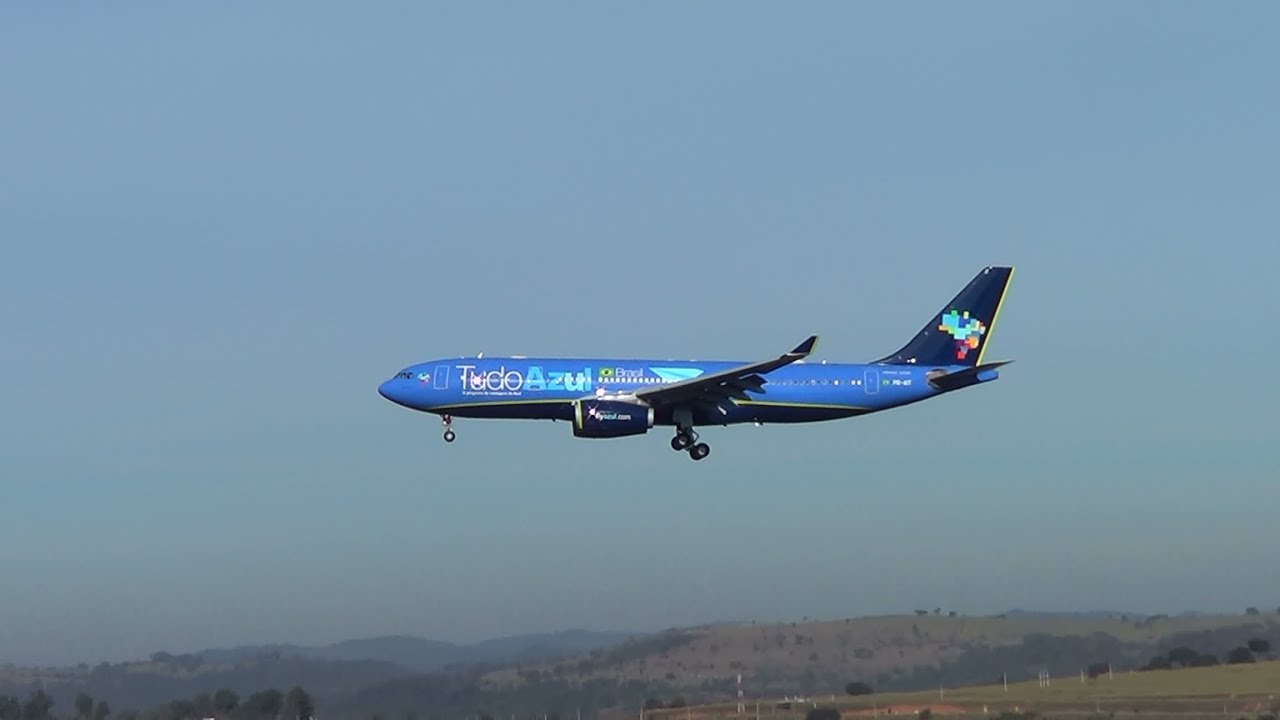
Azul recibe primer A320NEO

f-wwic-azul-linhas-areas-brasileiras-airbus-a320-251nwl_planespottersnet_718890

AW | 2016 10 22 05:25 | AIRLINES

Airbus y Azul Brazilian Airlines celebran entrega de A320NEO Airbus celebró la entrega del primer A320NEO para la aerolínea brasileña Azul, el cual usarán en rutas domésticas de alta densidad como São Paulo–Viracopos, Recife, Fortaleza, Porto Alegre y Belo Horizonte

Airbus celebró la entrega del primer A320neo para la aerolínea brasileña Azul, el cual usarán en rutas domésticas de alta densidad como São Paulo–Viracopos, Recife, Fortaleza, Porto Alegre y Belo Horizonte. En un comunicado, Airbus comentó que la aeronave está equipada con motores LEAP-1A y dispositivos Sharklet en la punta de las alas, que en conjunto proporcionan una reducción en el consumo de combustible de más del 15 por ciento desde el primer día. Azul Brazilian Airlines firmó un contrato con Airbus para la adquisición de 35 aviones de la familia A320NEO, y otro más con GECAS y otras empresas de leasing para arrendar 28 aviones de esta misma familia.

El A320NEO, con capacidad para transportar hasta 174 pasajeros, fue elegido por sus bajos costos operativos y la nueva opción Short Airfield Package, que mejora el despegue y aterrizaje en aeropuertos con pistas cortas, como Santos Dumont, en Río de Janeiro. “Gracias a la insuperable rentabilidad del A320NEO, la aerolínea podrá mejorar el servicio entre las principales rutas que unen el norte y el noreste de Brasil durante las horas pico”, declaró el presidente de Azul Brazilian Airlines, Antonoaldo Neves. Esta aeronave cuenta con más de cuatro mil 800 pedidos por parte de 87 clientes desde su lanzamiento en 2010, y una cuota de mercado cercana al 60 por ciento. airgways-icon-aw

Resultado de imagen para Azul A320neo

Azul receives first A320NEO

Azul Brazilian Airlines Airbus and delivery celebrate A320NEO Airbus celebrated the delivery of the first A320NEO for Brazilian airline Azul, which used in high-density domestic routes as São Paulo-Viracopos, Recife, Fortaleza, Porto Alegre and Belo Horizonte

Airbus celebrated the delivery of the first A320NEO for Brazilian airline Azul, which used in high-density domestic routes as São Paulo-Viracopos, Recife, Fortaleza, Porto Alegre and Belo Horizonte. In a statement, Airbus said the aircraft is equipped with LEAP-1A engines and Sharklet devices on the wingtips, which together provide a reduction in fuel consumption of more than 15 percent since the first day. Azul Brazilian Airlines signed a contract with Airbus for the purchase of 35 A320NEO aircraft family, and another with GECAS and other leasing companies to lease 28 aircraft of the same family.

The A320NEO, with capacity to carry up to 174 passengers, was chosen for its low operating costs and the new Short Airfield Package option, which improves takeoff and landing at airports with short runways, such as Santos Dumont in Rio de Janeiro. «Thanks to the unsurpassed performance of the A320NEO, the airline will improve service between the main routes linking northern and northeastern Brazil during peak hours,» said the president of Azul Brazilian Airlines, Antonoaldo Neves. This aircraft has more than four thousand 800 orders from 87 customers since its launch in 2010, and a market share of close to 60 percent market. A\W

Ξ A I R G W A Y S Ξ
SOURCE: 20minutos.com.mx
DBk: Photographic © Eurospot / Clement Allons
AW-POST: 201610220525AR
A\W A I R G W A Y S ®

LATAM Airlines da marcha atrás: no recomprará deuda ni emitirá bonos

LATAM Airlines da marcha atrás: no recomprará deuda ni emitirá bonos

AW | 2016 10 21 05:18 | AIRLINES

La compañía dijo hoy que la oferta «no fue satisfecha» y que por eso desiste de un plan para recomprar deuda de su antigua unidad brasileña, TAM

LATAM Airlines, el mayor grupo de transporte de pasajeros de América Latina, dijo hoy que desistió de un plan para recomprar deuda de su antigua unidad brasileña TAM, por lo que desechó también la idea de colocar bonos en los mercados internacionales.

La aerolínea había informado inicialmente su intención de emitir y colocar deuda a través de bonos no garantizados de largo plazo bajo la norma 144-A y la regulación S de las leyes de valores de Estados Unidos.

La colocación se enmarcaba en un plan para la recompra, canje o rescate parcial del remanente de bonos emitidos por TAM en 2007 y 2011, a 10 años de plazo cada uno.

Sin embargo, LATAM Airlines dijo en una carta al regulador local que una de las condiciones para avanzar con la oferta “no fue satisfecha”, lo que impulsó a la compañía a no continuar con ella y tampoco a seguir adelante con la colocación de bonos en los mercados internacionales. airgways-icon-aw

LATAM Airlines backtracks: not buy back debt or issue bonds

The company said today that the offer was «not satisfied» and therefore gives up a plan to buy back debt from its former Brazilian unit, TAM

LATAM Airlines, the largest passenger transport group in Latin America, said today it withdrew a plan to buy back debt from its former Brazilian unit TAM, which also rejected the idea of placing bonds on international markets.

The airline had initially reported its intention to issue and place debt through unsecured long-term bonds under Rule 144-A and Regulation S of the securities laws of the United States.

The placement was part of a plan to repurchase, redemption or partial redemption of the remaining bonds issued by TAM in 2007 and 2011, a 10-year term each.

However, LATAM Airlines said in a letter to the regulator that one of the conditions to move forward with the offer «was not satisfied», prompting the company to not continue with it and not to proceed with the placement of bonds international markets. A\W

Ξ A I R G W A Y S Ξ
SOURCE: cronista.com / reuters.com
DBk: Photographic © reuters.com
AW-POST: 201610210518AR
A\W A I R G W A Y S ®

Wingo, la nueva aerolínea de bajo costo en Colombia

Resultado de imagen para wingo

AW | 2016 10 20 16:02 | AIRLINES

La aerolínea cubrirá 16 destinos en 10 países de América Latina y el Caribe

A partir de este jueves, se pueden adquirir tiquetes aéreos más baratos para viajes nacionales e internacionales. Esto, luego de que la empresa Wingo (filial de Copa Holdings) habilitara su portal web para reservar estos pasajes.

Con esta propuesta, la firma entra a competir directamente con Viva Colombia, quien ha venido tomando ‘vuelo’ en el mercado local desde que inició operaciones en mayo de 2012.

«Nuestros precios bajos y amplia red de rutas son la combinación perfecta para todos los que quieren viajar bien. Llegamos para ofrecer una nueva forma de volar a todos los que llevan aplazando sus vacaciones o a los que quieren irse a descubrir el lado B de los mejores destinos de la región», afirmó Catalina Bretón, líder general de Wingo. airgways-icon-aw

Resultado de imagen para wingo

Wingo, the new low-cost airline in Colombia

The airline will cover 16 destinations in 10 countries in Latin America and the Caribbean

From Thursday, you can buy cheaper for domestic and international travel fares. This, after the company Wingo (a subsidiary of Copa Holdings) enabled your website to book these passages.

Resultado de imagen para wingo

With this proposal, the company enters into direct competition with Viva Colombia who has been taking ‘flight’ in the local market since it began operations in May 2012.

«Our low prices and extensive route network are the perfect combination for those who want to travel well. We arrived to offer a new way of flying to all who carry procrastinating your holiday or those who want to go to discover the side. A\W

Ξ A I R G W A Y S Ξ
SOURCE: eltiempo.com
DBk: Photographic © Wingo
AW-POST: 201610201602AR
A\W A I R G W A Y S ®

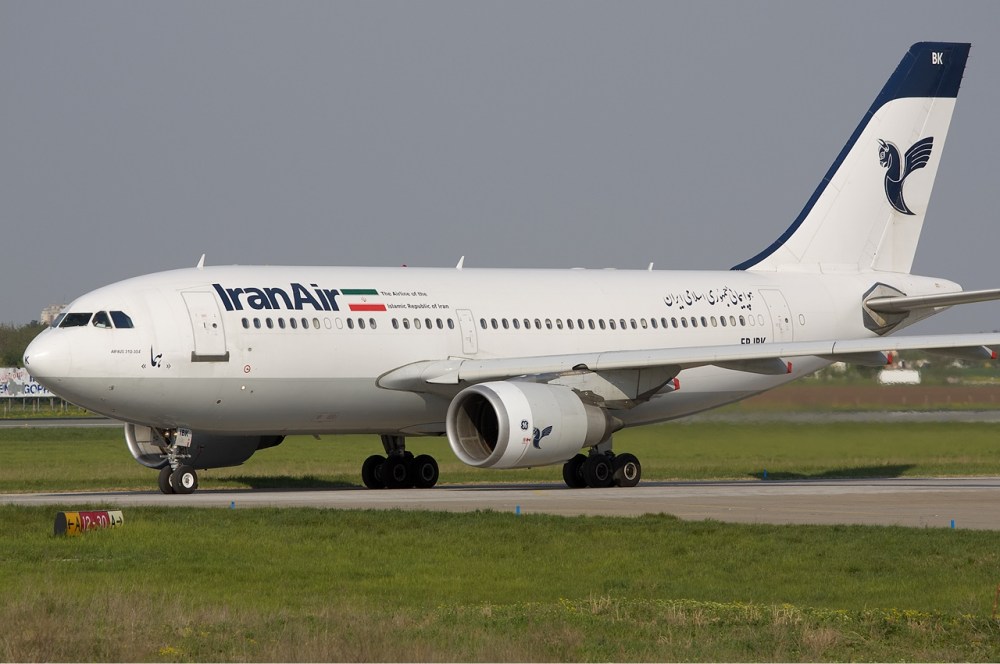
Airbus y Boeing, las razones de las negociaciones con Irán

Resultado de imagen para Iran air

AW | 2016 10 20 13:02 | INDUSTRY

La verdadera razón por la Boeing, Airbus se ocupa de la materia Irán

Teheran, Iran   Poco después el Departamento del Tesoro de Estados Unidos concedió licencias a Boeing y Airbus para vender aviones de pasajeros a Irán, Teherán celebró la medida como el cumplimiento de las obligaciones estadounidenses bajo el acuerdo nuclear. El 24 de septiembre, tres días después de la emisión de las licencias, el canciller iraní, Mohammad Javad Zarif confirmó que Irán había recibido la luz verde para comprar 80 de la aeronave 88 se había tratado de comprar a Boeing, y agrega: «Fuera de Airbus 118 aviones, se ha emitido la licencia para la venta de 17 «.

Airbus y Boeing habían acordado previamente vender o alquilar más de 200 aviones de pasajeros a Irán, que ha tratado de renovar su flota aérea de envejecimiento después de la firma del 14 de julio de 2015, Plan Integral de Acción Conjunto (JCPOA). Después de lo formal de enero Día de 16 Ejecución del acuerdo nuclear, la Oficina del Tesoro de Estados Unidos de Control de Activos Extranjeros (OFAC) publicó documentos que declaran que todas las instituciones de los Estados Unidos que deseen vender o alquilar aviones, piezas de repuesto o de los servicios de mantenimiento y de seguridad a Irán podría solicitar licencias sobre una base de caso por caso. directrices de la OFAC estipula además que las instituciones no estadounidenses también necesitan licencias para la venta y el arrendamiento de aeronaves a Irán si más del 10% de los componentes de sus productos son de fabricación estadounidense.

Más allá de la cuestión de la protección de las licencias para vender el avión es el reto de la financiación de las ofertas. Haciendo alusión a este problema, Zarif dijo al Consejo de Relaciones Exteriores en Nueva York 23 de septiembre, «Oficina de Control de Activos Extranjeros del Tesoro de Estados Unidos … le dice a los bancos internacionales que está bien para hacer negocios con Irán, pero – y los peros e IFS son tan largas – Quiero decir hay una frase que está bien para hacer negocios con Irán y cinco páginas de peros. Así que al final del día, estos bancos dicen que vamos a tomar el camino seguro. Vamos a olvidarnos de Irán. Y que ha sido el resultado. Ningún banco europeo importante ha empezado a hacer negocios con Irán ahora, ocho meses después de la operación. Y creemos que es un defecto «.

De acuerdo con lo que se ha informado hasta el momento, los aviones de pasajeros Boeing y Airbus no van a comprar en efectivo, sino más bien financiado. En la práctica, esto significa que Irán va a comprar la aeronave con los préstamos y pagar la deuda a través de los ingresos generados por la operación de los aviones. Por lo tanto, no sólo es un banco u otra institución financiera que se necesita para hacer el trato suceda, pero los préstamos deben ser a largo plazo. La implicación más amplia es que si Irán es capaz de comprar aviones a través de la financiación externa, sino que también podría hacer lo mismo con respecto a otros proyectos.

Si bien las negociaciones para finalizar la aeronave ofertas están aún en curso, los funcionarios iraníes dicen que han hecho un buen progreso. De hecho, las cosas parecen estar particularmente avanzar en el tema crucial de la financiación. El 14 de octubre, la agencia de noticias Tasnim citó a una fuente del gobierno iraní como diciendo, «Boeing y un banco estadounidense están llegando a un acuerdo para financiar la compra de los aviones de Irán a través de un banco japonés.» Informes previos dijeron que las cuestiones relacionadas con la financiación de el acuerdo Airbus también había sido resuelto. El 24 de septiembre, Viceministro iraní de Carreteras y Desarrollo Urbano Asghar Fakhrieh Kashan dijo al diario Irán, «Un convenio de financiación entre Airbus y una gran institución financiera ha sido finalizado que se ha mantenido en secreto con el fin de evitar algunas parcelas enemigos.»

Algunos expertos son de la opinión de que las licencias de la OFAC a Boeing y Airbus son una señal prometedora de que seria la cooperación bancaria entre Irán y Europa es de alrededor de la esquina. Esto sería un avance importante ya que los principales bancos europeos se han mantenido cuidado con los restantes sanciones de Estados Unidos y por lo tanto se abstuvo de reanudar las relaciones bancarias con Irán – incluso después de la aplicación formal del acuerdo nuclear. Como tal, Teherán se ha basado hasta ahora en cooperación con los bancos europeos más pequeños mientras continúa el diálogo con los más grandes. Dada la magnitud de las ofertas de Boeing y Airbus y la necesidad de financiar a ser a largo plazo, es evidente que los bancos pequeños no podrán financiar los contratos. por lo tanto se puede esperar que los grandes jugadores están involucrados en la financiación, y que las ofertas pueden ayudar a poner en marcha negocios entre Irán y los principales bancos occidentales en un futuro próximo. En efecto, más allá de la que se autoriza dos ofertas importantes, la concesión de licencias de la OFAC de las ventas de aviones a Irán está dando la garantía de las principales empresas del mundo que ahora es posible reanudar las relaciones con la República Islámica.

El destacado economista Teherán Saeed Leylaz dijo a Al-Monitor, «Las licencias de la OFAC tendrán un gran impacto psicológico en los grandes inversores y empresas financieras. Ello es importante, sobre todo porque bajo una inmensa presión de Irán y sus socios comerciales europeos, Estados Unidos ahora tiene que cumplir con sus obligaciones en virtud del JCPOA». Leylaz añadió,» las grietas de gravedad han surgido en los más complejos y sanciones más antiguas y esto tendrá un impacto no sanciones NUCLEAR también. En tanto como Boeing es una de las mayores empresas financieras del mundo y los Estados Unidos, sus transacciones financieras con los diferentes sectores económicos de EE.UU. se extendió a otros sectores «.

Al-Monitor también habló con el economista con sede en Teherán Tahmasb Mazaheri. Estuvo de acuerdo en que la concesión de la OFAC de licencias a Boeing y Airbus para tratar con Irán es una buena señal de la plena aplicación del acuerdo nuclear – pero argumentó que Estados Unidos sólo ha facilitado este último después de tener en efecto visto obligado a hacerlo. Apuntando a la desconfianza profunda y persistente de Irán de los Estados Unidos, Mazaheri añadió: «A pesar de esta buena señal, no podemos confiar en los Estados Unidos para cumplir con sus promesas porque con el fin de tener la seguridad de estas promesas, que debe ser creíble – pero Estados Unidos no es digno de confianza. Los Estados Unidos han demostrado hasta ahora que no quiere aplicar plenamente el JCPOA y su aceptación de las obligaciones que ha ido siempre acompañada de condiciones estrictas «airgways-icon-aw

Resultado de imagen para Iran air

Airbus and Boeing, the reasons for the negotiations with Iran

The real reason Boeing, Airbus deals with Iran matter

TEHRAN, Iran — Soon after the US Treasury Department granted licenses to Boeing and Airbus to sell passenger planes to Iran, Tehran welcomed the move as a fulfillment of American obligations under the nuclear deal. On Sept. 24, three days after the licenses were issued, Iranian Foreign Minister Mohammad Javad Zarif confirmed that Iran had received the green light to purchase 80 out of the 88 aircraft it had sought to buy from Boeing, adding, “Out of 118 Airbus jetliners, the license for selling 17 has been issued.”

Airbus and Boeing had previously agreed to sell or lease more than 200 passenger planes to Iran, which has sought to revamp its aging air fleet after the signing of the July 14, 2015, Joint Comprehensive Plan of Action (JCPOA). After the formal Jan. 16 Implementation Day of the nuclear deal, the US Treasury’s Office of Foreign Assets Control (OFAC) issued documents declaring that all US institutions wishing to sell or lease aircraft, spare parts or maintenance and safety services to Iran could apply for licenses on a case-by-case basis. OFAC guidelines further stipulated that non-US institutions also need licenses for selling and leasing aircraft to Iran if more than 10% of the components of their products are American made.

Beyond the issue of securing licenses to sell the aircraft is the challenge of financing the deals. Hinting at this problem, Zarif told the Council on Foreign Relations in New York Sept. 23, “The US Treasury’s Office of Foreign Assets Control … tells international banks that it’s OK to do business with Iran but — and the buts and ifs are so long — I mean there is one sentence that it is OK to do business with Iran and five pages of ifs and buts. So at the end of the day, these banks say we will take the safe road. We will forget about Iran. And that has been the outcome. No major European bank has started doing business with Iran now, eight months after the deal. And we believe that’s a shortcoming.”

According to what has been reported so far, the Boeing and Airbus passenger planes are not going to be bought in cash but rather financed. In practice, this means that Iran will buy the aircraft with loans and will repay the debt through revenue generated from operating the planes. Thus, not only is a bank or other financial institution needed to make the deal happen, but the loans must be long term. The broader implication is that if Iran is able to purchase aircraft through external financing, it could also do so with regard to other projects.

While negotiations to finalize the aircraft deals are still ongoing, Iranian officials say they have made good progress. Indeed, things appear to be particularly moving forward on the crucial issue of financing. On Oct. 14, Tasnim news agency quoted a source in the Iranian government as saying, “Boeing and an American bank are reaching an agreement to finance Iranian purchase of the airliners through a Japanese bank.” Prior reports said that issues related to financing of the Airbus deal had also been solved. On Sept. 24, Iranian Deputy Minister of Roads and Urban Development Asghar Fakhrieh Kashan told the Iran newspaper, “A financing agreement between Airbus and a big financial institution has been finalized that has remained a secret in order to avert some enemies’ plots.”

Some experts are of the view that the OFAC licenses to Boeing and Airbus are a promising sign that serious banking cooperation between Iran and Europe is around the corner. This would be an important development since major European banks have remained wary of remaining US sanctions and thus refrained from resuming banking ties with Iran — even after the formal implementation of the nuclear deal. As such, Tehran has so far relied on cooperation with smaller European banks while continuing dialogue with the bigger ones. Given the scale of the Boeing and Airbus deals and the need for financing to be long term, it is evident that small banks will not be able to finance the contracts. One can thus expect that major players are involved in the financing, and that the deals may help jump-start business between Iran and major Western banks in the near future. Indeed, beyond authorizing two major deals, OFAC’s licensing of aircraft sales to Iran is giving assurance to the world’s major businesses that it is now possible to resume dealings with the Islamic Republic.

Prominent Tehran economist Saeed Leylaz told Al-Monitor, “The OFAC licenses will have a big psychological impact on major investors and financial enterprises. This matters especially because under immense pressure from Iran and Its European trading partners, the United States now has to abide by its obligations under the JCPOA.” Leylaz added, “Serious cracks have emerged in the most complex and oldest sanctions and this will impact non-nuclear sanctions as well. In as much as Boeing is one of the biggest financial enterprises in the world and the United States, its financial transactions with different US economic sectors will spread to other sectors.”

Al-Monitor also spoke with Tehran-based economist Tahmasb Mazaheri. He agreed that OFAC’s granting of licenses to Boeing and Airbus to deal with Iran is a good sign of the full implementation of the nuclear deal — but argued that the United States has only facilitated the latter after having in effect been forced to do so. Pointing to Iran’s deep and lingering mistrust of the United States, Mazaheri added, “Despite this good sign, we cannot trust the United States to fulfill its promises because in order to be assured of these promises, they must be credible — but the United States is not trustworthy. The United States has so far shown that it doesn’t want to fully implement the JCPOA and its acceptance of its obligations has always been accompanied with strict conditions.” A\W

Ξ A I R G W A Y S Ξ
SOURCE: al-monitor.com
DBk: Photographic © Point Me to the Plane / Wikipedia
AW-POST: 201610201302AR
A\W A I R G W A Y S ®

Nace Binter Cabo Verde

Binter

AW | 2016 10 20 11:58 | AIRLINES

Fernando Clavijo, presidente del Gobierno de Canarias, asistirá el próximo 14 de noviembre a la inauguración, en Praia (Cabo Verde) de Binter Cabo Verde, la nueva filial de la aerolínea regional española que operará entre los principales aeropuertos de las islas caboverdianas.

La compañía, de capital canario, que ya realizó vuelos de reconocimiento en la región el martes 18 de octubre, celebrará el 14 de noviembre a las 6:00 de la tarde, un acto de inauguración al que asistirá el presidente canario, el primer ministro de Cabo Verde, Ulisses Correira e Silva y una delegación de Proexca compuesta por una veintena de empresarios canarios que también asistirán al encuentro bilateral (Encuentro Anual Canarias-Cabo Verde) que se retoma este año para reforzar sus relaciones económicas, sociales y culturales, según fuentes de la aerolínea consultadas por Tourinews. El acto forma parte de un programa de eventos que tendrá lugar entre los días 13 y 15.

El presidente de la aerolínea, Pedro Agustín del Castillo, ya avanzaba en verano que su proyecto de operar en el servicio interinsular de Cabo Verde veía “ la luz al final del camino” y que tras el avance de los asuntos burocráticos dos aviones ATR 500 y un ATR 600 más adelante, comenzarían a operar en el archipiélago. De hecho, el pasado 28 de septiembre, Binter emitia un comunicado en el que compartía que el primero de los ATR había partido hacia la región: «Esta mañana ha despegado del Aeropuerto de Gran Canaria uno de los aviones que Binter ha destinado a Cabo Verde para operar conexiones interinsulares en el país africano. Se trata de una aeronave modelo ATR 72 500, que desde anoche luce matrícula caboverdiana»

Binter ha sido reconocida por sexta vez como la aerolínea regional del año en Europa por la Asociación de Aerolíneas Regionales Europeas por su contante renovación y progreso. En la ceremonia de entrega, el director de la asociación eligió el éxito de Binter y subrayó su expansión a otros mercados: «A lo largo del tiempo Binter ha mantenido un crecimiento constante mientras prestaba un servicio a la comunidad y recientemente se ha expandido a nuevos e interesantes mercados, como Cabo Verde».

La relación de Binter Canarias con las islas caboverdianas comenzó en 2012 cuando se comenzaron a ofertar vuelos directos entre los dos archipiélagos dos veces por semana: los martes y los viernes. Según datos de la aerolínea, un total de 36.400 personas ya han utilizado el trayecto. Además, Correira e Silva, adelantaba hace unos meses su interés en cooperar con Canarias: «Tenemos interés en reforzar los lazos de cooperación y el diálogo político con Canarias, estamos interesados en el sector del turismo, el área tecnológica y cultural para aproximarnos más». airgways-icon-aw

Born Binter Cabo Verde

Fernando Clavijo, President of the Canary Islands, will attend next November 14 the opening in Praia (Cape Verde) Binter Cabo Verde, the new subsidiary of the Spanish regional airline that will operate between major airports in the Cape Verde islands.

The company, canary capital, which has already made reconnaissance flights in the region on Tuesday, October 18, held on November 14 at 6:00 pm, an opening ceremony to be attended by canary president, prime minister Cape Verde, Ulisses Correia e Silva and a delegation of Proexca composed of twenty canaries entrepreneurs who will also attend the bilateral meeting (Annual meeting Canary-Cape Verde) that takes up this year to strengthen its economic, social and cultural relations, as airline sources consulted by Tourinews. The event is part of a program of events that will take place between 13 and 15.

The president of the airline, Pedro Agustin del Castillo, and advanced in summer its draft operate the interisland service Cape Verde saw «light at the end of the road» and that after the advance of bureaucratic issues two ATR 500 aircraft and 600 ATR below, start operations in the archipelago. In fact, last September 28, Binter issued a statement in which he shared the first of the ATR had left the region: «This morning has taken off from the airport of Gran Canaria one of the planes that Binter has allocated to Cape Verde to operate interisland connections in the African country. This is an ATR 72 aircraft model 500, which looks caboverdiana enrollment since last night «.

Binter has been recognized for the sixth time as the regional airline of the year in Europe by the European Regional Airlines Association for its constant renewal and progress. At the ceremony, the director of the association chose the success of Binter and underlined its expansion into other markets: «Over time Binter has maintained a steady growth while providing a service to the community and has recently expanded to new and interesting markets such as Cape Verde «.

Binter Canarias relationship with the Cape Verde Islands began in 2012 when they began to offer direct flights between the two archipelagos twice a week on Tuesdays and Fridays. According to the airline, a total of 36,400 people have already used the way. In addition, Correia e Silva, ahead a few months ago its interest in cooperating with Canary: «We are interested in strengthening ties of cooperation and political dialogue with the Canary Islands, we are interested in the tourism sector, the technological and cultural area to get closer» . A\W

Ξ A I R G W A Y S Ξ
SOURCE: tourinews.es
DBk: Photographic © tourinews.es
AW-POST: 201610201158AR
A\W A I R G W A Y S ®

American Jet desde Neuquén a Temuco

Resultado de imagen para American Jet Temuco Metro III

AW | 2016 10 19 19:16 | AIRLINES

Vuelo inaugural de American Jet a Temuco, Chile

Hoy comenzó a unir la línea aérea American Jet, cuando a las 15:00 horas aterrizó en el Aeropuerto La Araucanía, Chile, el primer vuelo comercial de la línea neuquina American Jet, que restablece el puente aéreo entre las ciudades de Temuco y Neuquén.

Autoridades y representantes argentinos, entre ellos el ministro de Producción y Turismo de Neuquén, José Brillo, fueron los pasajeros del primer viaje, quienes tras arribar a la zona se mostraron optimistas por el «importante paso». «Estamos contentos porque esto nos permite afianzar la relación que tenemos con Chile (…). Creemos que potenciará el turismo de ambas zonas y esto también nos llama a generar infraestructura, hotelería, gastronomía e incluso circuitos turísticos. Además, es una oportunidad para fortalecer el intercambio comercial», manifestó el ministro Brillo.

El intendente de La Araucanía, Andrés Jouannet, también valoró el acercamiento aéreo. «Este inicio de los vuelos, que esperamos aumentar, nos pone muy feliz. Hay cerca de 100 mil chilenos que viven en Neuquén, por lo tanto unirnos más nos permite construir una historia común», indicó.

La autoridad regional añadió que esto constitituye un puntapié en materia de conectividad y lazos comerciales, aspectos que se verán fortalecidos con el proyecto del «tren bioceánico», para lo cual ya se conformó una comisión de trabajo bilateral.

Si por tierra el tiempo de viaje estimado es de seis horas, por vía aérea esto se reduce a 50 minutos. Un beneficio en cuanto a tiempo que se suma a la bondad del paisaje que es posible contemplar desde las alturas.

Así lo destacó Juan Pablo Mellado, quien viajó en este primer vuelo. «Este es un viaje muy corto y muy placentero por todo el paisaje que se puede observar, así que es muy recomendable», manifestó.

El presidente de American Jet, Jorge Rodríguez, precisó que serán cuatro los vuelos semanales que estarán disponibles (lunes, miércoles, viernes y domingo), los que se efectuarán en aviones con capacidad para 19 y 50 pasajeros.

El valor de los pasajes de ida y vuelta es de 290 dólares ($192 mil, aproximadamente). Un costo que, según el presidente de la aerolínea, puede disminuir en caso que la frecuencia de los vuelos aumente.

Rodríguez agregó que «con este puente aéreo esperamos incentivar la movilidad de ideas, de gente, además del intercambio de mercancías y de negocios».

Con esto coincidió Hacienda, Pedro Millapán, quien destacó la oportunidad económica que representan los vuelos. «Hemos visto cómo ha crecido el turismo argentino en el último año, tanto por las compras como por el atractivo de nuestros paisajes. Por lo tanto, creemos que este puente favorecerá aún más nuestra economía», señaló.

La venta de pasajes estará disponible a partir de este viernes en la filial regional de American Jet, American Tour, gestionada por la Asociación de Empresarios Argentinos en Chile (Asemach), que está ubicada en Varas 1129. airgways-icon-aw

Resultado de imagen para American Jet Temuco

American Jet first flight from Neuquen to Temuco

American Jet inaugural flight to Temuco, Chile

Today began to join the airline American Jet, when at 15:00 landed at the airport La Araucania, Chile, the first commercial flight of the line neuquina American Jet, which resets the air bridge between the cities of Temuco and Neuquén.

Argentine authorities and representatives, including Minister of Production and Tourism of Neuquén, José Brillo were first trip passengers who after arriving in the area were optimistic about the «important step». «We are happy because this allows us to strengthen the relationship we have with Chile (…). We believe that will boost tourism in both areas and this also calls us to build infrastructure, hotels, gastronomy and even tourist circuits. It is also an opportunity to strengthen trade,» said Minister Brightness.

The mayor of La Araucania, Andres Jouannet, also praised the aerial approach. «This flight home, we expect to increase, it makes us very happy. There are about 100,000 Chileans living in Neuquen, therefore unite us allows us to build a common history,» he said.

The regional authority added that this constitituye a kick in connectivity and trade ties, issues that will be strengthened with the project of «bi-oceanic train», for which already bilateral working commission was formed.

If land the estimated travel time is six hours by air this is reduced to 50 minutes. A benefit in terms of time which adds to the goodness of the landscape that you can contemplate from the heights.

This was emphasized by Juan Pablo Mellado, who traveled on this first flight. «This is a very short and very pleasant trip across the landscape that can be seen, so it is highly recommended,» he said.

American Jet President Jorge Rodriguez said that there will be four weekly flights will be available (Monday, Wednesday, Friday and Sunday), which will be made in aircraft with capacity for 19 and 50 passengers.

The value of the tickets round trip is $ 290 ($ 192,000 approximately). A cost that, according to the president of the airline, may decrease if the frequency of flights increased.

Rodríguez added that «this airlift hope to encourage the mobility of ideas, people, in addition to the exchange of goods and business».

This coincided with Minister of Finance, Pedro Millapán, who highlighted the economic opportunity represented flights. «We have seen how the Argentine tourism has grown in the last year, both purchases and the attractiveness of our landscapes. Therefore, we believe that this bridge will further benefit our economy,» he said.

The sale of tickets will be available from Friday in the regional affiliate of American Jet, American Tour, managed by the Association of Argentine in Chile (Asemach), which is located in Varas 1129. A\W

Ξ A I R G W A Y S Ξ
SOURCE: economiaynegocios.cl
DBk: Photographic © neuqueninforma.gob.ar / American Jet
AW-POST: 201610191916AR
A\W A I R G W A Y S ®