Postergan reapertura aérea Argentina
AW | 2020 08 12 14:57 | AIRLINES MARKET / GOVERNMENT

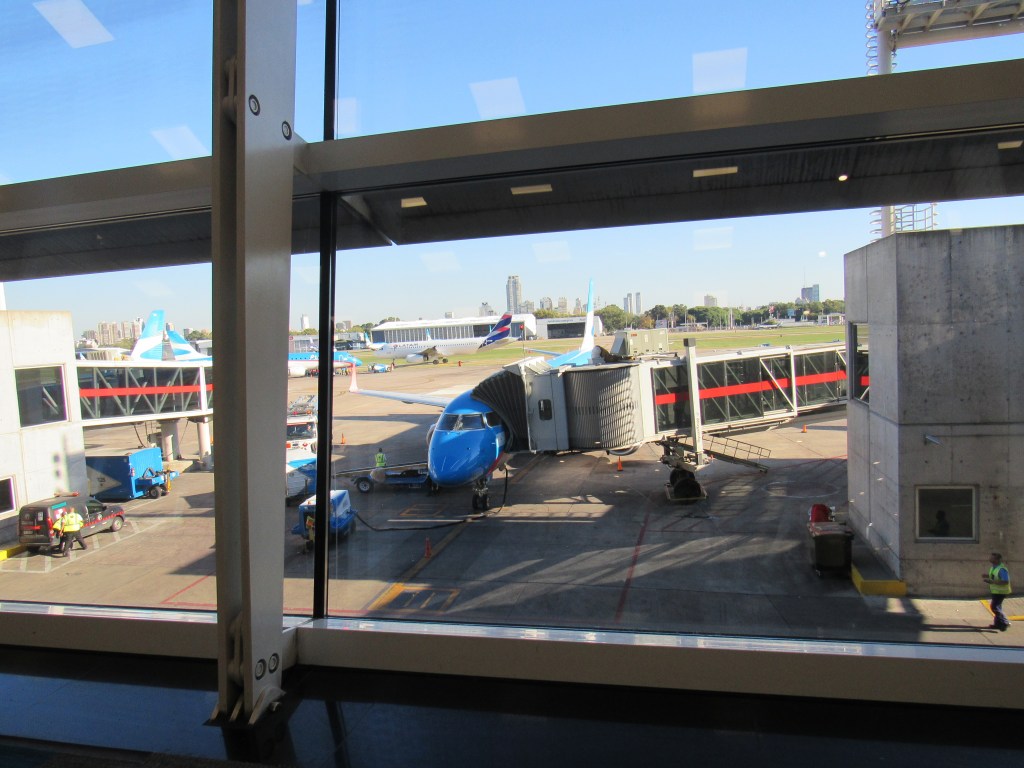
Gobierno Argentina postergaría reapertura aviación comercial

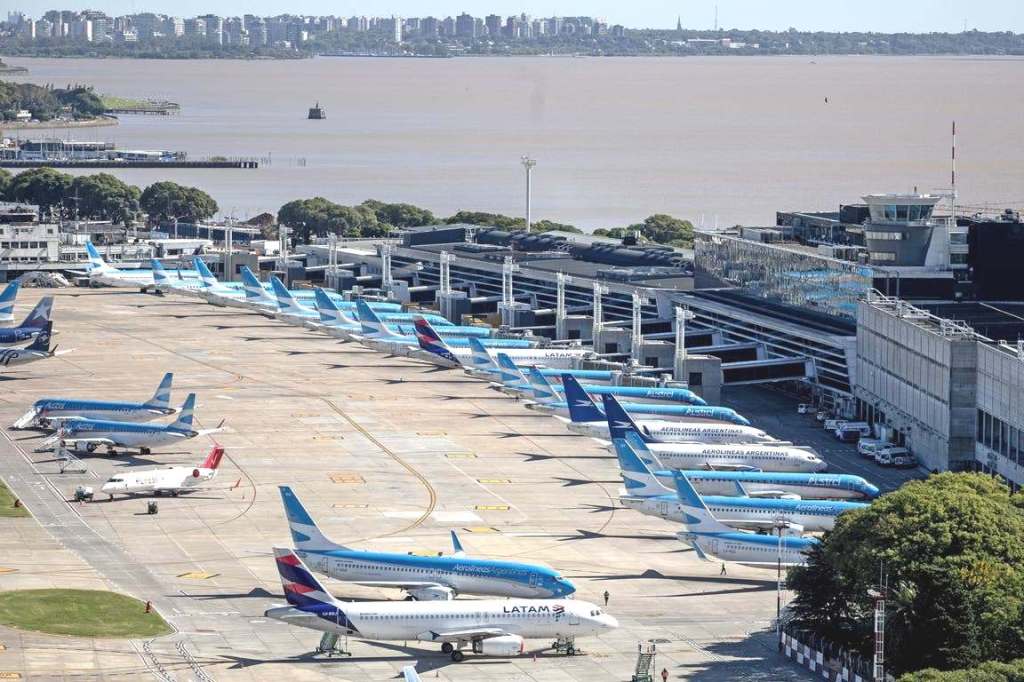
El Ministerio de Transporte de Argentina está cerrando definitivamente la posibilidad de que se autoricen las operaciones de vuelos domésticos a partir del 1 Septiembre 2020. La República Argentina es uno de los pocos países que mantienen prohibidos la mayoría de los vuelos aerocomerciales. Hace una semana la titular de la Administración Nacional de Aviación Civil (ANAC), Paola Tamburelli, cuando aseguró que no se manejaban fechas determinadas para la vuelta de los vuelos comerciales. “Para nosotros septiembre, agosto, noviembre o diciembre es lo mismo y todo depende de cuando la situación sanitaria permita disminuir las restricciones y de que el Presidente modifique el decreto que estableció la suspensión de vuelos”.

La Circular Nº144/2020 de la ANAC prohibió hasta el 1 Septiembre 2020 la posibilidad de vender pasajes aéreos a las aerolíneas. La disposición condicionó a las aéreas, pero tras la proximidad de la fecha habían empezado a prepararse para el regreso de la actividad.

El propio Ministro de Transporte, Mario Meoni, puso en stand by la promesa: “Hasta tanto las autoridades sanitarias no tengan un panorama más claro respecto a la situación en general, los vuelos van a seguir estando restringidos. Esperamos que el transporte aéreo vuelva en los próximos 60 días. Los vuelos de cabotaje van a seguir estando restringidos, lamentablemente”, manifestó el Lunes 11/08, durante una videoconferencia.

Repercusiones ámbito aéreo

Las declaraciones generaron desconcierto y disgusto en el sector aerocomercial. «Se ve que no hay interés en salvar puestos de trabajo en la industria, la cual no recibe ayuda. Las empresas van a reprogramar vuelos que no fuesen de los aprobados como especiales regulares. En vistas de la falta de respuestas solo contamos con estos vuelos como factibles”, explicó una fuente de la industria.

Los vuelos comerciales de pasajeros por la pandemia se suspendieron en Marzo 2020, en el marco del decreto que estableció las medidas de Aislamiento Social, Preventivo y Obligatorio, y desde entonces no hubo una fecha oficial para la reactivación. Sin embargo, a fines de Abril 2020, una resolución de la ANAC autorizó a reprogramar y comercializar pasajes a partir del 1 Septiembre 2020. Para las aerolíneas, esa fecha apareció como un punto de partida bastante lejano entonces porque faltaban aún cuatro meses para volver a la actividad. Programaron cronogramas de vuelos regulares y vendieron pasajes a partir de Septiembre 2020, tal como las autorizaba el decreto de la ANAC. Ahora, con la fecha no confirmada, las compañías aéreas tendrán que reprogramar los vuelos, inicialmente los de Septiembre 2020.

Aerolíneas Argentinas

“Hay muy pocos tickets vendidos para septiembre. Si la situación se mantiene como hasta ahora, esos tickets se reprograman como se hizo con todos los que fueron cancelados en el marco de la pandemia”, indicaron desde Aerolíneas Argentinas, y aclararon que algunas operaciones ya se fueron cancelando por la baja demanda.

JetSmart Airlines Argentina

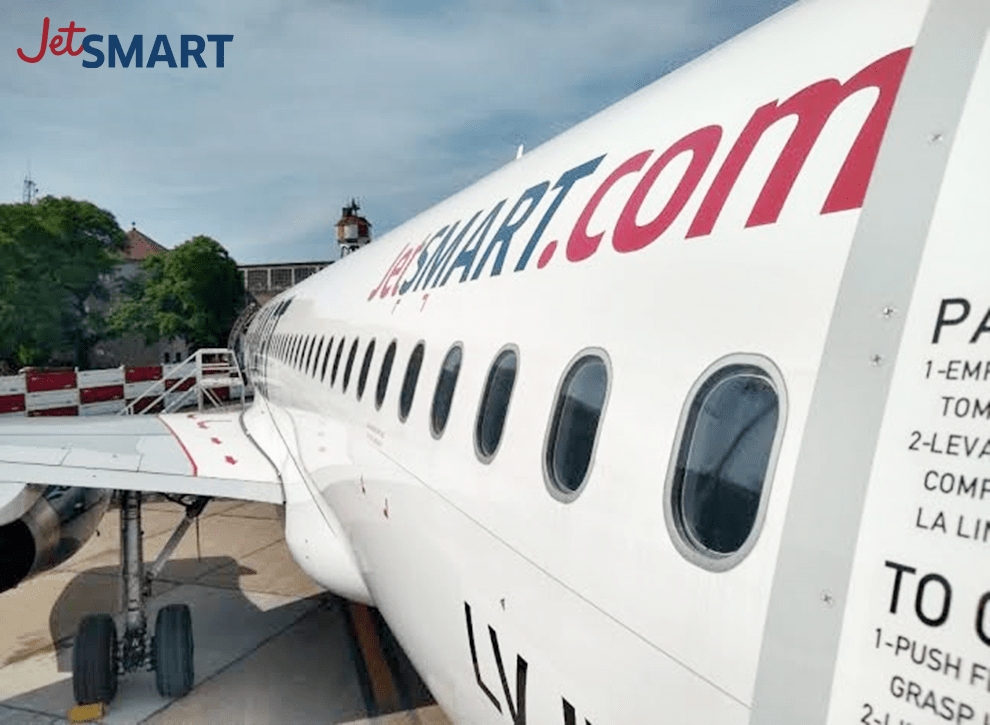
“Hemos leído las declaraciones del ministro de Transporte y estaremos atentos a las resoluciones que emitan las autoridades nacionales. Hasta el momento no existe ninguna normativa que impida a todo el sector vender y operar cabotaje desde el 1 Septiembre en adelante. El sector necesita contar con plazos mínimos de trabajo y que hacen también a la planificación de los pasajeros. Les hemos ofrecido comprar sus boletos con la posibilidad de total flexibilidad sin costos para hacer cambios hasta el 31 Diciembre 2021, atendiendo a la dinámica producida por la pandemia y a las indicaciones que marquen las autoridades sanitarias”, explicaron fuentes de la empresa JetSmart Argentina.

Flybondi Líneas Aéreas

Flybondi Líneas Aéreas ha comunicado que mantiene su cronograma a la espera de que haya una confirmación oficial sobre los cambios. Un 30% de los vuelos que tienen vendidos son para volar entre Septiembre y Octubre 2020. Esos tickets cuentan con flexibilidad para el cambio de fecha.

La compañía de presupuesto ha fleteado un vuelo para realizar el recambio de personal de una compañía minera el 11/08 a la ciudad de Puerto San Julián, Provincia de Santa Cruz como así también un vuelo a la Provincia de San Juan.

Andes Líneas Aéreas

Andes Líneas Aéreas anunció que volvería a operar en Chubut en Octubre 2020. Así lo ha anunciado la empresa a través de sus redes sociales oficiales. Aclararon que es un fecha tentativa en función de cómo avance la pandemia. A través de sus redes sociales oficiales, la empresa Andes Líneas Aéreas anunció que regresarán los vuelos a cuatro destinos: Puerto Madryn, Comodoro Rivadavia, Salta y Jujuy; sin embargo aclaró que esto depende de cómo vaya evolucionando la pandemia de coronavirus en el país.

“Apoyamos a nuestro país y a nuestros destinos por eso decidimos esperar para la reapertura de nuestros vuelos. Los esperamos a bordo a partir del 5 de octubre cuando las condiciones estén dadas para poder ingresar a cada provincia y el Ministerio de Salud apoye plenamente a la circulación”, informó la empresa en su cuenta en Twitter.

Aéreas internacionales

Muchas de las líneas aéreas internacionales ya tienen definidos cronogramas de vuelos comerciales a partir de septiembre. Sin embargo, algunas otras comenzaron a postergar la vuelta de los vuelos desde y hacia Buenos Aires, por la falta de definiciones sobre las fechas y por la caída en la demanda. Es el caso de Emirates Airline, que suspendió el reinicio de sus vuelos regulares entre Dubai y Buenos Aires, con escala en Río de Janeiro, que originalmente estaba programado para Septiembre 2020. Mientras que la aerolínea estadounidense American Airlines presentó un cronograma donde retomará sus vuelos desde Ezeiza a Nueva York y a Dallas recién a fines de octubre y suspenderá la ruta entre Buenos Aires y Los Ángeles.

Aclaraciones de ANAC

La ANAC ha comunicado que su resolución Nº144/2020 solo hacía referencia a la venta de tickets y que fue publicada para evitar que las compañías comercializaran pasajes para fechas que no estaban autorizadas y que pudieran provocar postergaciones para los pasajeros. “Las operaciones y autorizaciones estarán supeditadas al efectivo levantamiento de las restricciones impuestas al transporte aerocomercial y a las modalidades de operación que oportunamente se pudieren establecer en función de la salida ordenada de la emergencia generada por el coronavirus”, señalaron en un comunicado. El organismo se encuentra a la espera de las medidas que implementen las autoridades sanitarias y el comité de expertos designados por el Poder Ejecutivo.

Pero la Reglamentación Nº144/2020 en el Artículo Nº 1 es clara con respecto al inicio de las operaciones aerocomerciales: ARTÍCULO 1°: «Establécese que las Líneas Aéreas que operan servicios de transporte aéreo de pasajeros desde, hacia o dentro del territorio nacional podrán reprogramar sus operaciones regulares o solicitar autorizaciones para operaciones no regulares a partir del 1° de septiembre de 2020». Aunque el artículo número tres aclara que la reapertura de los vuelos está supeditada a las variables de la crisis sanitaria. ARTÍCULO 3°: «Aclárase que la reprogramación de operaciones y las autorizaciones referidas en el Artículo 1° estarán supeditadas al efectivo levantamiento de las restricciones impuestas al transporte aerocomercial y a las modalidades de operación que oportunamente se pudieren establecer en función de la salida ordenada de la emergencia generada por el nuevo Coronavirus COVID 19».

Desde el Ministerio de Transporte, reiteraron que Septiembre 2020 nunca fue una fecha operacional y que solo se dispuso para la venta de pasajes. La vuelta de los vuelos comerciales depende, cada vez más, de la situación sanitaria y reconocieron que actualmente no están dadas esas condiciones para la reapertura.

Fuentes oficiales reconocen que la situación sanitaria no está dada para que haya un cronograma de vuelos comerciales. Y la opción de programar vuelos entre ciudades del interior, sin pasar por Buenos Aires, ha sido descartada debido al rechazo de la postura de varios gobernadores que no estuvieron de acuerdo con avanzar con la reactivación de las rutas aéreas en el interior del país.

La semana pasada, el Secretario de Calidad en Salud del Ministerio de Salud de la Nación, Arnaldo Medina, señaló que es prematuro hablar del regreso de los vuelos comerciales. “La hipótesis que teníamos nosotros era empezar a habilitar algún vuelo local entre ciudades que no estén tan afectadas, por ejemplo Córdoba o Santa Fe, antes de comenzar por Buenos Aires. Ahora se complicó en todos lados». El funcionario aseguró que solo se volverán a habilitar los vuelos cuando no haya un riesgo epidemiológico.

Perspectivas aéreas

El Gobierno de Argentina ha reconocido que es poco probable la reapertura para el 01/09 de las operaciones aéreas como estaba previsto. Sin embargo, los países de Latinoamérica y el resto del mundo adoptaron otra estrategia y han reactivado la aviación y sus aeropuertos. Las medidas adoptadas por muchos países tiene por objetivo reducir el impacto económico del transporte aéreo, pero al mismo tiempo continúan teniendo problemas por los rebrotes que produce esta pandemia que hacen interminable la espera.

Desde los organismos sanitarios internacionales aseguran que la cabina de los aviones es altamente segura tomando los recaudos necesarios junto con el propio recambio de oxígeno de la cabina permite una atmósfera más estéril que en otras condiciones totalmente encerradas.

Los gobiernos necesitan consensuar políticas claras para poder diagramar una salida ordenada a la economía, pues la actual pandemia de Coronavirus ha decidido quedarse por más tiempo con rebrotes epidemiológicos tanto en el hemisferio norte como sur del planeta, donde el horizonte más probable es la respuesta a la cura de la enfermedad, pero otra pandemia ha comenzado a impactar, la económica sin un horizonte definido para salir de ella.

Argentina postponed air reopening

Argentine government would delay commercial aviation reopening

The Argentine Ministry of Transportation is definitively closing the possibility of authorizing domestic flight operations as of September 1, 2020. The Argentine Republic is one of the few countries that keeps most commercial air flights prohibited. A week ago, the head of the National Civil Aviation Administration (ANAC), Paola Tamburelli, assured that there were no specific dates for the return of commercial flights. «For us September, August, November or December is the same and it all depends on when the health situation allows the restrictions to be lowered and on whether the President modifies the decree that established the suspension of flights».

The ANAC Circular No. 144/2020 prohibited until September 1, 2020 the possibility of selling air tickets to airlines. The disposition conditioned the areas, but after the proximity of the date they had begun to prepare for the return of the activity.

The Minister of Transport himself, Mario Meoni, put the promise on stand by: “Until the health authorities have a clearer picture of the situation in general, flights will continue to be restricted. We expect air transport to return in the next 60 days. Cabotage flights will continue to be restricted, unfortunately”, he said on Monday, 08/11, during a videoconference.

Aerial repercussions

The statements generated confusion and disgust in the commercial aviation sector. «It is seen that there is no interest in saving jobs in the industry, which does not receive help. The companies will reschedule flights that were not approved as regular specials. In view of the lack of responses, we only count these flights as feasible”, explained an industry source.

Commercial passenger flights due to the pandemic were suspended in March 2020, within the framework of the decree that established the measures of Social, Preventive and Mandatory Isolation, and since then there has been no official date for reactivation. However, at the end of April 2020, an ANAC resolution authorized the rescheduling and commercialization of tickets as of September 1, 2020. For the airlines, that date appeared as a rather distant starting point then because there were still four months left to return to activity. They scheduled regular flight schedules and sold tickets starting in September 2020, as authorized by the ANAC decree. Now, with the date not confirmed, the airlines will have to reschedule the flights, initially those of September 2020.
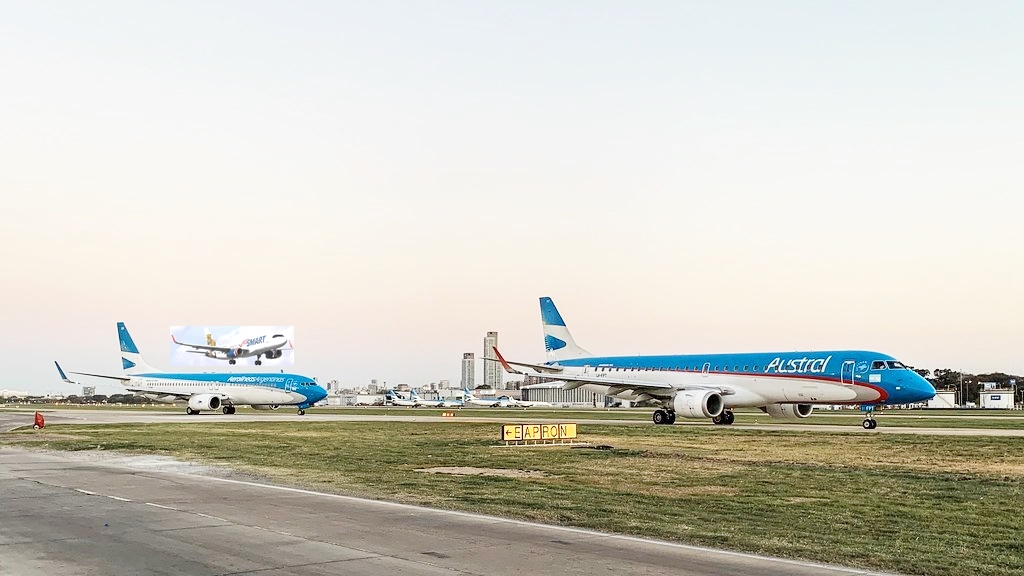
Aerolíneas Argentinas

“There are very few tickets sold for September. If the situation continues as it has been until now, these tickets are reprogrammed as was done with all those that were canceled in the framework of the pandemic”, they indicated from Aerolineas Argentinas, and they clarified that some operations were already being canceled due to low demand.

JetSmart Airlines Argentina

“We have read the statements of the Minister of Transport and we will be attentive to the resolutions issued by the national authorities. So far there are no regulations that prevent the entire sector from selling and operating cabotage from September 1 onwards. The sector needs to have minimum working deadlines and that also do the planning of passengers. We have offered them to buy their tickets with the possibility of total flexibility without costs to make changes until December 31, 2021, taking into account the dynamics produced by the pandemic and the indications set by the health authorities”, explained sources from the company JetSmart Argentina.
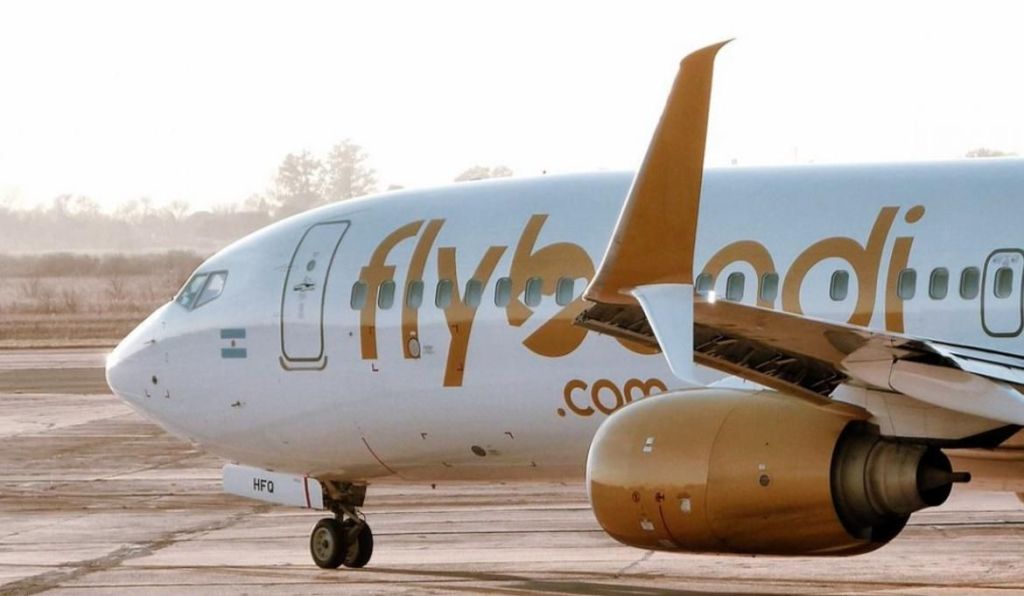
Flybondi Líneas Aéreas

Flybondi Líneas Aéreas has communicated that it maintains its schedule pending official confirmation of the changes. 30% of the flights they have sold are to fly between September and October 2020. These tickets have flexibility to change the date.

The budget company has chartered a flight to perform the personnel change of a mining company on 08/11 to the city of Puerto San Julián, Province of Santa Cruz as well as a flight to the Province of San Juan.

Andes Líneas Aéreas

Andes Líneas Aéreas announced that it would operate again in Chubut in October 2020. This has been announced by the company through its official social networks. They clarified that it is a tentative date depending on how the pandemic progresses. Through its official social networks, the company Andes Líneas Aéreas announced that the flights will return to four destinations: Puerto Madryn, Comodoro Rivadavia, Salta and Jujuy; However, he clarified that this depends on how the coronavirus pandemic evolves in the country.

“We support our country and our destinations that is why we decided to wait for the reopening of our flights. We are waiting for you on board from October 5 when the conditions are in place to enter each province and the Ministry of Health fully supports the circulation», the company reported on its Twitter account.

International airlines

Many of the international airlines already have defined commercial flight schedules starting in September. However, some others began to postpone the return of flights to and from Buenos Aires, due to the lack of definitions on the dates and due to the drop in demand. This is the case of Emirates Airline, which suspended the restart of its regular flights between Dubai and Buenos Aires, with a stopover in Rio de Janeiro, which was originally scheduled for September 2020. While the American airline American Airlines presented a schedule where it will resume its flights from Ezeiza to New York and Dallas only at the end of October and the route between Buenos Aires and Los Angeles will be suspended.

ANAC clarifications

The ANAC has communicated that its resolution No. 144/2020 only referred to the sale of tickets and that it was published to prevent companies from marketing tickets for dates that were not authorized and that could cause postponements for passengers. «The operations and authorizations will be subject to the effective lifting of the restrictions imposed on commercial air transport and the operating modalities that may be established in a timely manner based on the orderly exit from the emergency generated by the coronavirus», they said in a statement. The agency is awaiting the measures implemented by the health authorities and the committee of experts appointed by the Executive Power.

But Regulation No. 144/2020 in Article No. 1 is clear regarding the start of commercial air operations: ARTICLE 1: «Establish that the Airlines that operate passenger air transport services from, to or within the national territory may reschedule their regular operations or request authorizations for non-regular operations as of September 1, 2020». Although article number three clarifies that the reopening of flights is subject to the variables of the health crisis. ARTICLE 3: «Clarify that the reprogramming of operations and the authorizations referred to in Article 1 shall be subject to the effective lifting of the restrictions imposed on commercial air transport and the operational modalities that may be established in a timely manner based on the orderly exit of the emergency generated by the new Coronavirus COVID 19».

From the Ministry of Transport, they reiterated that September 2020 was never an operational date and that it was only available for the sale of tickets. The return of commercial flights depends, more and more, on the health situation and they acknowledged that these conditions for reopening are not currently in place.

Official sources acknowledge that the health situation is not given so that there is a schedule of commercial flights. And the option of scheduling flights between cities in the interior, without going through Buenos Aires, has been ruled out due to the rejection of the position of several governors who did not agree to move forward with the reactivation of air routes within the country.

Last week, the Secretary of Quality in Health of the Ministry of Health of the Nation, Arnaldo Medina, pointed out that it is premature to talk about the return of commercial flights. “The hypothesis that we had was to start to enable a local flight between cities that are not so affected, for example Córdoba or Santa Fe, before starting with Buenos Aires. Now it is complicated everywhere». The official assured that flights will only be re-enabled when there is no epidemiological risk.

Aerial perspectives

The Government of Argentina has acknowledged that it is unlikely that air operations will reopen on 09/01 as planned. However, the countries of Latin America and the rest of the world adopted another strategy and have reactivated aviation and its airports. The measures adopted by many countries are aimed at reducing the economic impact of air transport, but at the same time they continue to have problems due to the outbreaks produced by this pandemic that make the wait endless.

International health organizations assure that the aircraft cabin is highly safe, taking the necessary precautions together with the cabin’s own oxygen replacement allows a more sterile atmosphere than in other totally enclosed conditions.

Governments need to agree on clear policies to be able to diagram an orderly exit to the economy, since the current Coronavirus pandemic has decided to stay longer with epidemiological outbreaks in both the northern and southern hemispheres of the planet, where the most likely horizon is the response to the cure of the disease, but another pandemic has begun to impact, the economic one without a defined horizon to get out of it.

Ξ A I R G W A Y S Ξ
PUBLISHER: Airgways.com
DBk: Argentina.gob.ar/transporte / Anac.gov.ar / Infobae.com / Airgways.com / Hiveminer.com
AW-POST: 202008121457AR

A\W   A I R G W A Y S ®
Aerolíneas vuelos repatriación a Chipre

AW | 2020 08 11 18:19 | AIRLINES / GOVERNMENT

Aerolíneas Argentinas programa vuelos repatriación a Chipre

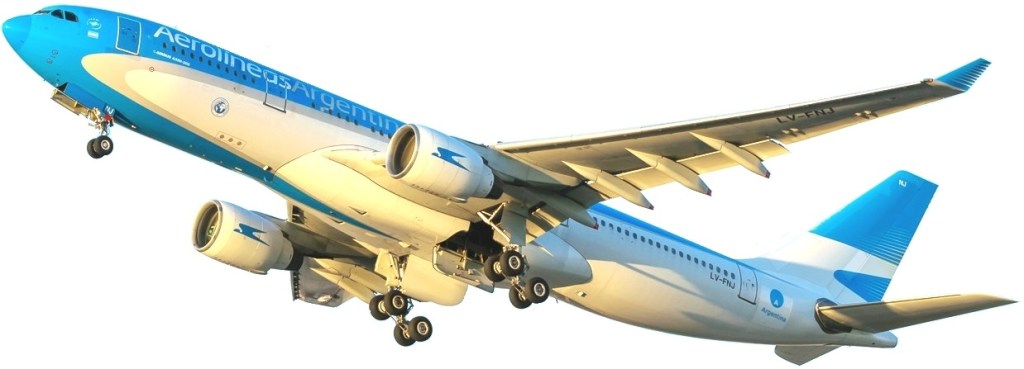
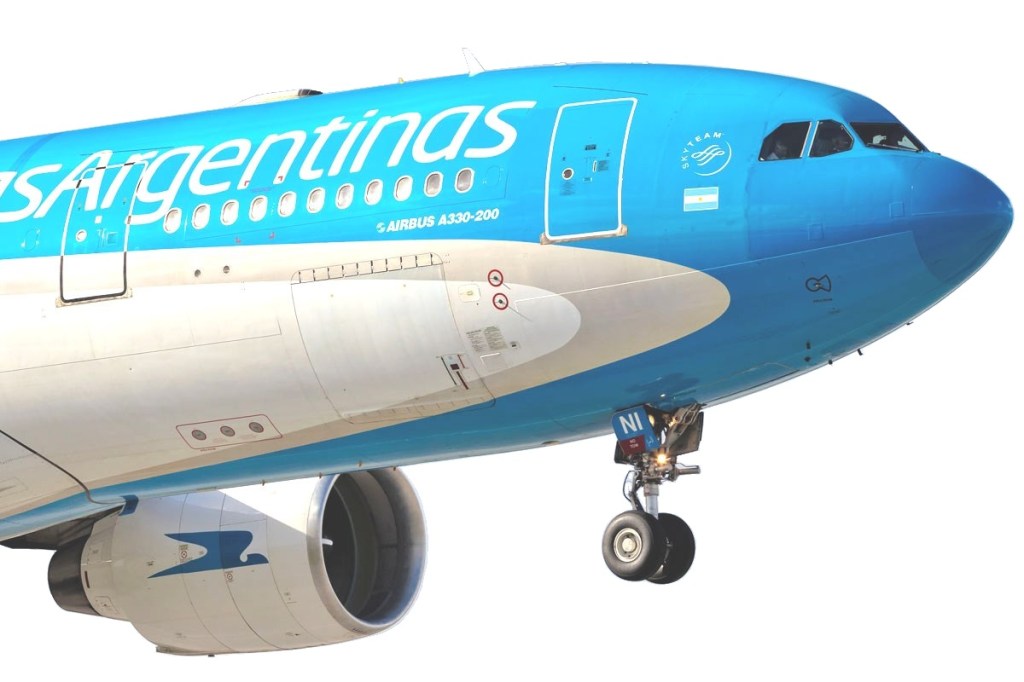
Aerolíneas Argentinas ha programado un vuelos especiales hacia la República de Chipre parra repatriación de soldados en apoyo de la ONU. El vuelo se realizará con aeronaves Airbus A330-200. Actualmente están programados dos viajes de ida y vuelta, uno para la próxima semana y otro a principios de septiembre. Estas cartas sin escalas apoyarán a la Fuerza de Mantenimiento de la Paz de las Naciones Unidas en Chipre.

Aerolíneas Argentinas planea vuelos charter sin escalas a Chipre ida y vuelta entre Buenos Aires y Chipre para transportar tropas para relevo a miembros de las Fuerzas Armadas de la República Argentina que están desplegadas en Chipre en apoyo de la Fuerza de Paz de las Naciones Unidas en Chipre (UNFICYP). Los dos vuelos llevarán a casi 250 miembros de las Fuerzas Armadas a Larnaca, capital de Chipre.

Para Aerolíneas Argentinas, esta es una oportunidad excepcional de ejecutar estos vuelos sin escalas en apoyo de su país de origen. El CEO de Aerolíneas Argentinas, Pablo Ceriani, ha expresado que la aerolínea se enorgullecía de participar activamente en este esfuerzo de traslado de tropas. “Los socorros de tropas generalmente se realizaban con aerolíneas comerciales que transportaban personal militar, pero en el contexto de esta pandemia, teníamos que encontrar una solución. Ahora tenemos la oportunidad de operar dos vuelos para llevar el nuevo contingente y traer de regreso a casa al personal argentino que concluyó allí su misión”, expresó el CEO de Aerolíneas.

El primer vuelo del Airbus A330-200 despegará el 17 Agosto 2020 a las 08:00 hora local del Aeropuerto Internacional Ezeiza/Ministro Pistarini de Buenos Aires, con una duración de 15 horas y 45 minutos, aterrizando en el Aeropuerto Internacional de Larnaca/LCA en Chipre, llegando a las 05:45 hora local del día siguiente. El segundo vuelo operará desde Ezeiza el 3 Septiembre 2020.

Airlines repatriation flights to Cyprus

Aerolíneas Argentinas schedules repatriation flights to Cyprus

Aerolíneas Argentinas has scheduled special flights to the Republic of Cyprus for the repatriation of soldiers in support of the UN. The flight will be carried out with Airbus A330-200 aircraft. Two round trips are currently scheduled, one for next week and one in early September. These non-stop letters will support the United Nations Peacekeeping Force in Cyprus.

Aerolineas Argentinas plans non-stop charter flights to Cyprus roundtrip between Buenos Aires and Cyprus to transport troops to relieve members of the Armed Forces of the Argentine Republic who are deployed in Cyprus in support of the United Nations Peace Force in Cyprus (UNFICYP). The two flights will take almost 250 members of the Armed Forces to Larnaca, the capital of Cyprus.

For Aerolineas Argentinas, this is an exceptional opportunity to run these non-stop flights in support of their home country. The CEO of Aerolineas Argentinas, Pablo Ceriani, has expressed that the airline was proud to actively participate in this effort to transfer troops. “Troop relief was generally carried out with commercial airlines carrying military personnel, but in the context of this pandemic, we had to find a solution. Now we have the opportunity to operate two flights to carry the new contingent and bring back home the Argentine personnel who completed their mission there”, said the CEO of Aerolíneas.

The first flight of the Airbus A330-200 will take off on August 17, 2020 at 08:00 local time from the Ezeiza/Ministro Pistarini International Airport in Buenos Aires, with a duration of 15 hours and 45 minutes, landing at the Larnaca International Airport/LCA in Cyprus, arriving at 05:45 local time the next day. The second flight will operate from Ezeiza on September 3, 2020.

Ξ A I R G W A Y S Ξ
PUBLISHER: Airgways.com
DBk: Argentina.gob.ar / Aerolineas.com / Airgways.com
AW-POST: 202008111819AR

A\W   A I R G W A Y S ®

Crisis Gobierno-JetSmart Argentina

AW | 2020 08 11 14:58 | GOVERMENT / AIRLINES / AIRLINES MARKET

Gobierno Argentina retira autorización ops JetSmart en Aeroparque

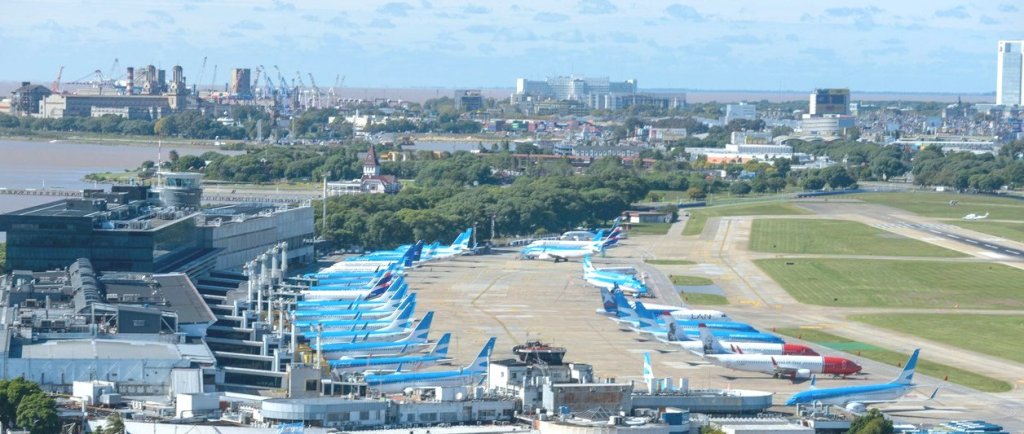
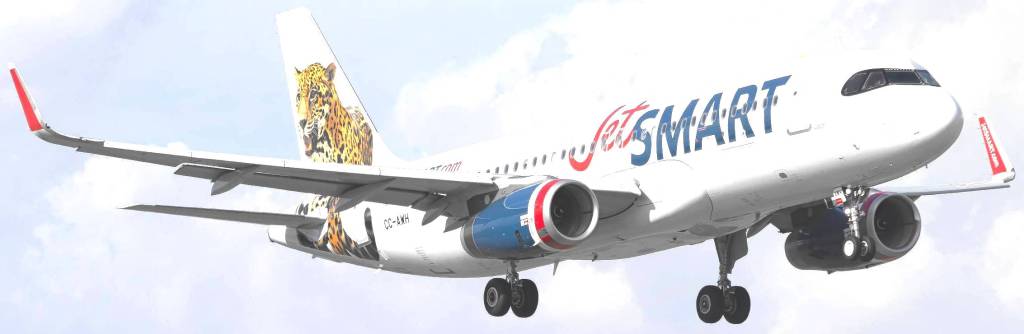
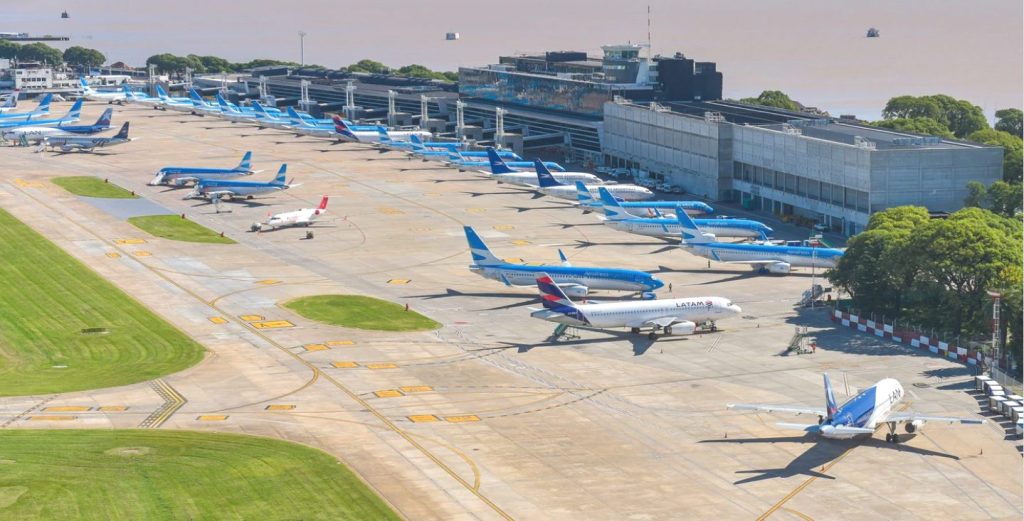
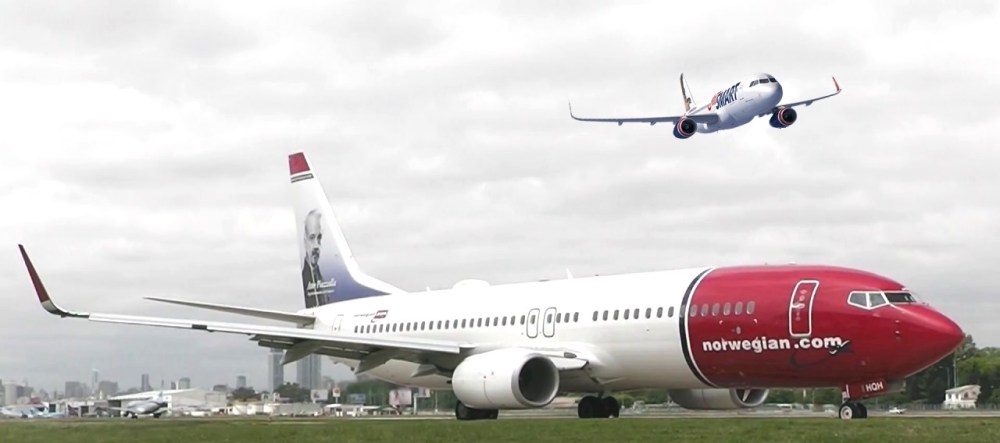
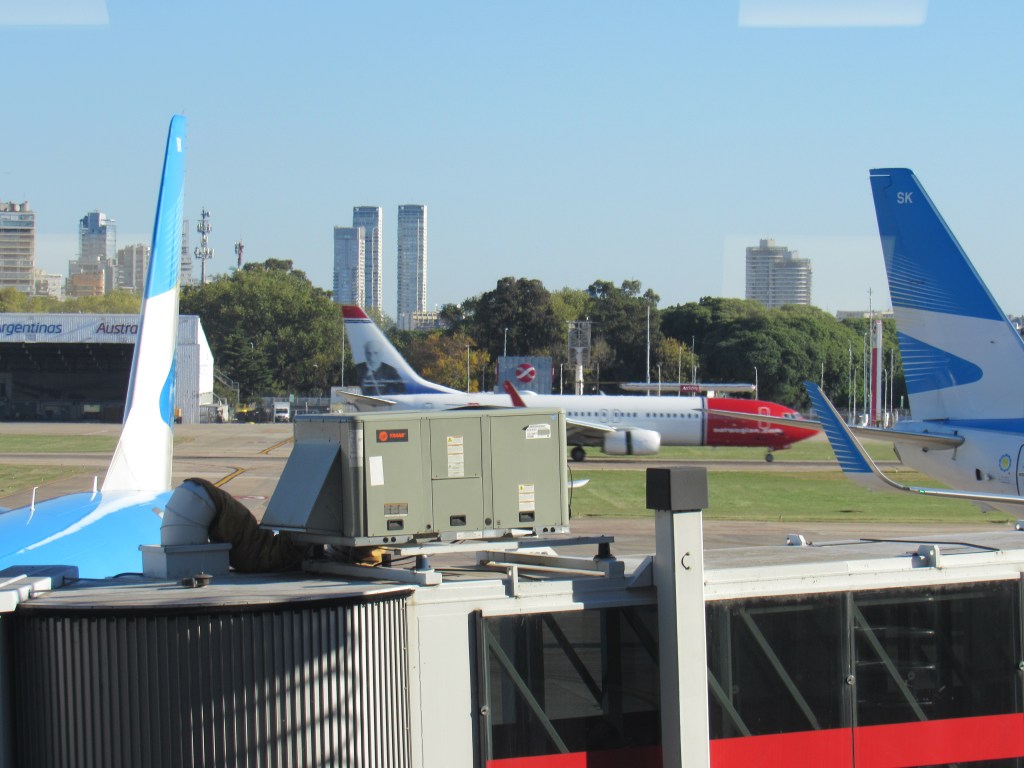
Una resolución de la Administración Nacional de Aviación Civil (ANAC) de Argentina retira la autorización para operar en el Aeropuerto Jorge Newbery, como así también pone en suspenso la totalidad del acuerdo de compra de la aerolínea Norwegian Air Argentina S.A.U. y amenaza a la aerolínea de presupuesto de continuar con los permisos correspondientes para continuar operando en el país. La Justicia de Argentina había otorgado oportunamente la razón para permitir a JetSmart Airlines Argentina tomar posesión de los tres frecuencias que tenía en Aeroparque de la ex-compañía Norwegian Air Argentina, empresa que absorbió en Diciembre 2019, la aerolínea se enfrenta ahora a una réplica inesperada. La fusión fue aprobada por la gestión aeronáutica anterior en 12/2019, apenas unos días antes de que se concretara el recambio de Gobierno nacional.

La resolución fue firmada el Viernes 08/08 por la titular de ANAC, Paola Tamburelli, y notificada a la empresa mediante el Sistema de Trámites a Distancia (TAD). La resolución directamente hace un llamado acuerdo de consolidación de operaciones que fue aprobado mediante la Resolución Nº881/2019 por la gestión aeronáutica anterior en Diciembre 2019, apenas unos días antes de que se concretara el cambio de gobierno.

La absorción de Norwegian Air Argentina por parte de JetSmart se concretó el 4 Diciembre 2019 concretando el desembolso por la compra de la aerolínea. JetSmart compró la operación de la filial local de la empresa noruega sin incluir sus aeronaves porque el principal interés era, justamente, acceder mediante ese acuerdo al Aeropuerto Jorge Newbery de Buenos Aires. La estrategia de JetSmart Airlines Argentina sería reemplazar los tres Boeing 737-800 empleados anteriormente por Norwegian Air por sus Airbus A320-200, con el objetivo de mantener dos bases operativas El Palomar y Aeroparque, pudiendo ofrecer dos segmentos distintos de pasajeros.

La imagen tiene un atributo ALT vacío; su nombre de archivo es aw-jetsmart_aeroparque.png
JETSMART AIRLINES ARGENTINA PIERDE DERECHOS DE SLOTS ADQUIRIDOS DE NORWEGIAN AIR ARGENTINA EN AEROPARQUE

Transcurrido ocho meses de la firma del acuerdo, JetSmart Airlines Argentina no ha podido acceder a los espacios en Aeroparque e inició acciones judiciales que terminaron en una sentencia, emitida el 14 Julio 2020 por la Sala II de la Cámara Nacional de Apelaciones en lo Civil y Comercial Federal, en la que se le daba la razón a la aerolínea. El fallo consideró que el acuerdo recibió la aprobación de la gestión anterior y se ordenó a Aeropuertos Argentina 2000 que «se abstenga de impedirle el acceso al uso indistinto de las bases de operaciones y amarres que la Norwegian Argentina posee en el Aeropuerto Jorge Newbery». Como alternativa para seguir adelante con el proceso de compra, la ANAC ha intimado a la empresa a presentar dentro del plazo de 15 días corridos la totalidad de programas pendientes que den cuenta de la integralidad del negocio jurídico pactado entre las partes, para que puedan ser analizados por la autoridad. Sin embargo, la resolución firmada actualmente por ANAC revoca el proceso anterior con el argumento de que la empresa no ha cumplido con los requisitos operativos y las aprobaciones gubernamentales necesarios para concretar el proceso de compra, procedimiento que señala que fue definido en un período de tiempo inusitadamente breve.

La resolución de ANAC advierte que de hacer uso del acuerdo de consolidación, JetSmart podrá tener sanciones o incluso se le podrían suspender las autorizaciones para operar en la República Argentina. La ANAC intima a la empresa a «abstenerse de ejecutar cualquier derecho comercial y/o actividad derivada del acuerdo denominado de consolidación de operación de servicios aéreos» suscripto a fines de 2019 y advierte que, de hacerlo, podrá tener sanciones o incluso se le podrían suspender las autorizaciones para operar como aérea en el país.

Desde la aerolínea JetSmart Argentina expresaron: «Esta situación nos preocupa en conjunto en el contexto del reinicio de la operación y de la habilitación del Aeropuerto El Palomar. JetSmart manifiesta su intención de seguir trayendo la inversión, apoyo, empleo y conectividad al país y desea trabajar de la mano de las autoridades en la resolución de esta situación. La línea aérea se enfocará en la evaluación y el avance del proceso para definir próximos pasos», señalaron en la compañía aérea.

Aeropuerto El Palomar

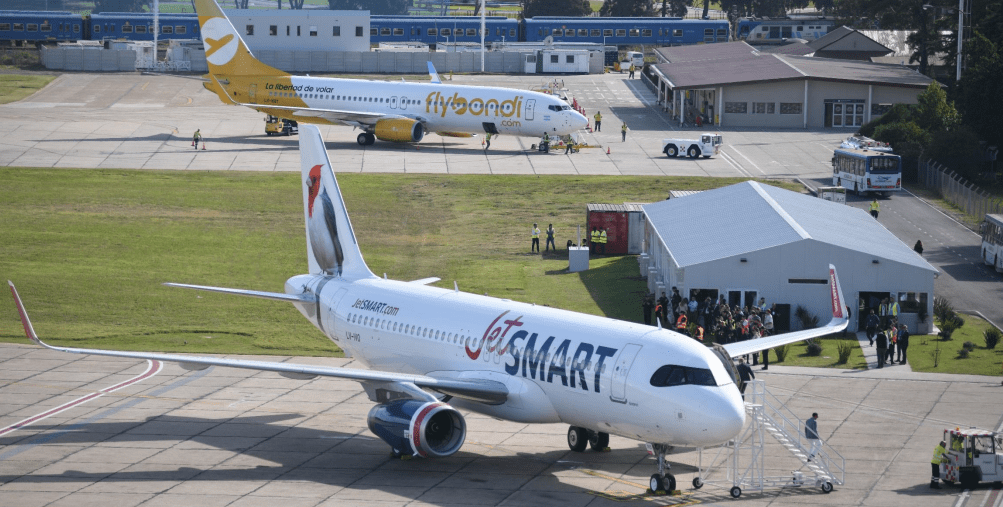
Desde el Ministerio de Transporte a cargo de Mario Meoni ha afirmado el 10/08 que tres aeropuertos en el área metropolitana son muchos sin hacer mención de El Palomar, aunque no hay ninguna decisión tomada en ese sentido. «Para justificar el funcionamiento de tres aeropuertos, Buenos Aires debería registrar por lo menos el doble del actual volumen de viajeros», había dicho algunas semanas atrás el titular de la cartera de Transporte. Sin embargo, las dos aerolíneas de presupuesto que operan en ese aeropuerto, no se dan por aludidas: «No tenemos ninguna comunicación que nos diga que El Palomar va a cerrar», expresó la low cost JetSmart Argentina, que también mantiene por el momento la previsión de volar en Septiembre 2020, debido a que no hay confirmaciones contrarias.

Perspectivas

Con la retirada de Latam Airlines Argentina, JetSmart se posiciona como la principal competidora de Aerolíneas Argentinas y Austral Líneas Aéreas en el mercado doméstico, aunque todavía con una brecha muy amplia de la cuota de mercado. Los objetivos de la aerolínea de presupuesto es aumentar sus planes expansivos en el continente apoyados con el respaldo financiero del grupo estadounidense Indigo Partners Inc., con proyecciones a largo plazo, le dan una espalda económica para competir con la firma estatal. Sin embargo, la empresa conducida por el guatemalteco Estuardo Ortiz se enfrenta a nuevos escollos frente a la crisis de la pandemia, la imposibilidad de volar en Aeroparque y la marcha atrás de la compra de Norwegian Air Argentina.

Tras los reveces de las aprobaciones para operar en Aeroparque y las dudas acerca de la continuidad operativa del Aeropuerto Internacional El Palomar, la compañía de presupuesto ha sido acorralada por parte del Gobierno que continúa asfixiando a la aerolínea, en vez de ofrecer garantías para ofrecer soluciones para continuar volando dentro de las reglas aerocomerciales actuales.

Aunque la compañía de presupuesto JetSmart Airlines Argentina deberá atender la situación con relación a la compra de Norwegian Air Argentina, a la vez, el Gobierno deberá garantizar a cada una de las líneas aéreas reglas claras para proyectar sus operaciones. Independientemente de los aeropuertos que se encuentren operativos postpandemia, tras la finalización de las obras en el Aeropuerto Regional Jorge Newbery y la apertura para el 1 Diciembre 2020, el Gobierno deberá reglamentar que las aéreas locales puedan permitir operar en Aeroparque, pues de no ser así, el único operador mayoritario doméstico será Aerolíneas Argentinas. Si esta actuación llegase a ocurrir, estaríamos ante una posición dominante de mercado, permitiendo favorecer tanto el monopolio, como así también las consecuentes presentaciones judiciales derivadas de las demás aerolíneas por las operaciones exclusivas de Aerolíneas Argentinas en Aeroparque, que detentarían más del 95% de las operaciones de cabotaje.

La próxima etapa post-pandemia abre un espectro de situaciones de concentración de mercado que el Gobierno deberá buscar soluciones para regular la aviación comercial en la República Argentina de manera responsable y más equitativa.

La imagen tiene un atributo ALT vacío; su nombre de archivo es aw-77004-clarin.jpg

Argentine Government-JetSmart Crisis

Argentine government withdraws paho JetSmart authorization at Aeroparque

A resolution of the National Civil Aviation Administration (ANAC) of Argentina withdraws the authorization to operate at Jorge Newbery Airport, as well as suspends the entire purchase agreement of the airline Norwegian Air Argentina S.A.U. and threatens the budget airline to continue with the corresponding permits to continue operating in the country. The Justice of Argentina had timely granted the reason to allow JetSmart Airlines Argentina to take possession of the three frequencies that it had in Aeroparque from the ex-company Norwegian Air Argentina, a company that it absorbed in December 2019, the airline is now facing an unexpected aftershock. The merger was approved by the previous aeronautical management on 12/2019, just a few days before the replacement of the national government took place.

The resolution was signed on Friday 08/08 by the head of ANAC, Paola Tamburelli, and notified to the company through the Remote Procedures System (TAD). The resolution directly makes a so-called operations consolidation agreement that was approved through Resolution No. 881/2019 by the previous aeronautical management in December 2019, just a few days before the change of government took place.

The absorption of Norwegian Air Argentina by JetSmart was completed on December 4, 2019, specifying the disbursement for the purchase of the airline. JetSmart bought the operation of the local subsidiary of the Norwegian company without including its aircraft because the main interest was, precisely, to access the Jorge Newbery Airport in Buenos Aires through that agreement. JetSmart Airlines Argentina’s strategy would be to replace the three Boeing 737-800s previously used by Norwegian Air with its Airbus A320-200s, with the aim of maintaining two operating bases El Palomar and Aeroparque, being able to offer two different passenger segments.

Eight months after the signing of the agreement, JetSmart Airlines Argentina has not been able to access the spaces in Aeroparque and began legal actions that ended in a sentence, issued on July 14, 2020 by Chamber II of the National Chamber of Appeals in Civil and Comercial Federal, in which the airline was right. The ruling considered that the agreement received the approval of the previous management and Airports Argentina 2000 was ordered to «refrain from preventing access to the indiscriminate use of the bases of operations and moorings that Norwegian Argentina has at Jorge Newbery Airport». As an alternative to continue with the purchase process, the ANAC has encouraged the company to present within a period of 15 calendar days all the pending programs that account for the integrality of the legal business agreed between the parties, so that they can be analyzed by the authority. However, the resolution currently signed by ANAC revokes the previous process with the argument that the company has not complied with the operational requirements and government approvals necessary to finalize the purchase process, a procedure that indicates that it was defined in a period of time unusually short.

ANAC’s resolution warns that if the consolidation agreement is used, JetSmart may have sanctions or even its authorizations to operate in the Argentine Republic could be suspended. The ANAC encourages the company to «refrain from executing any commercial right and/or activity derived from the agreement called consolidation of air services operation», signed at the end of 2019 and warns that, if it does so, it may face sanctions or may even be suspend authorizations to operate as an airline in the country.

From the JetSmart Argentina airline they expressed: «This situation worries us as a whole in the context of the restart of the operation and the fitting out of El Palomar Airport. JetSmart expresses its intention to continue bringing investment, support, employment and connectivity to the country and wishes work hand in hand with the authorities to resolve this situation. The airline will focus on evaluating and advancing the process to define next steps», they said at the airline.

El Palomar Airport

The Ministry of Transport in charge of Mario Meoni stated on 08/10 that three airports in the metropolitan area are many without mentioning El Palomar, although there is no decision made in that regard. «To justify the operation of three airports, Buenos Aires should register at least twice the current volume of travelers», the head of the Transportation portfolio had said a few weeks ago. However, the two budget airlines that operate at that airport are not taken for granted: «We have no communication that tells us that El Palomar is going to close», said the low cost JetSmart Argentina, which also maintains for the moment the Forecast to fly in September 2020, due to no contrary confirmations.

Perspectives

With the withdrawal of Latam Airlines Argentina, JetSmart is positioned as the main competitor of Aerolíneas Argentinas and Austral Líneas Aéreas in the domestic market, although still with a very wide gap in market share. The budget airline’s objectives are to increase its expansionary plans on the continent supported with the financial backing of the US group Indigo Partners Inc., with long-term projections, giving it an economic back to compete with the state firm. However, the company led by the Guatemalan Estuardo Ortiz faces new obstacles in the face of the pandemic crisis, the impossibility of flying at Aeroparque and the reversal of the purchase of Norwegian Air Argentina.

After the setbacks of the approvals to operate at Aeroparque and the doubts about the operational continuity of the El Palomar International Airport, the budget company has been cornered by the Government that continues to suffocate the airline, instead of offering guarantees to offer solutions to continue flying within current commercial aviation rules.

Although the budget company JetSmart Airlines Argentina must address the situation in relation to the purchase of Norwegian Air Argentina, at the same time, the Government must guarantee clear rules for each of the airlines to plan their operations. Regardless of the airports that are operating post-pandemic, after the completion of the works at the Jorge Newbery Regional Airport and the opening for December 1, 2020, the Government must regulate that local airlines can allow to operate in Aeroparque, otherwise , the only domestic majority operator will be Aerolineas Argentinas. If this action were to occur, we would be facing a dominant market position, allowing favoring both the monopoly, as well as the consequent legal presentations derived from the other airlines for the exclusive operations of Aerolíneas Argentinas in Aeroparque, which would hold more than 95% of cabotage operations.

The next post-pandemic stage opens up a spectrum of market concentration situations that the Government must seek solutions to regulate commercial aviation in the Argentine Republic in a responsible and more equitable manner.

Ξ A I R G W A Y S Ξ
PUBLISHER: Airgways.com
DBk: Airgways.com / Argentina.gob.ar/transporte / Anac.gov.ar / Lanacion.com.ar/Santiago Filipuzzi / Clarin.com
AW-POST: 202008111458AR

A\W   A I R G W A Y S ®

Argentina reactivación postpandemia

AW | 2020 08 11 11:24 | AIRLINES MARKET / GOVERNMENT

Indefiniciones apertura genera preocupación aviación

Las aerolíneas de Argentina se encuentran preocupadas por la fecha de reactivación de los vuelos proyectada para Septiembre 2020. La falta de declaraciones del Gobierno acerca de una política definida para reactivar la aviación comercial y las pocas herramientas que las líneas aéreas poseen para sobrevivir una cuarentena extendida son nulas. Sin asistencia del Gobierno de Argentina las compañías aéreas no tienen más oxígeno para enfrentar el 4Q2020.

El Gobierno ha expresado por medio del Ministerio de Transporte: «Hasta que no tengamos directrices de Salud vamos a mantener la mirada restrictiva respecto de empezar a recomponer los vuelos. Esperamos que haya una vuelta en los próximos 60 días», dijo el Ministro de Transporte, Mario Meoni, en una teleconferencia organizada por la Fundación Mediterránea el 10/08.

El plazo estipulado por el Gobierno en Abril 2020 establecía que las aerolíneas, a partir de una resolución de la Administración Nacional de Aviación Civil (ANAC), que autorizaba a vender pasajes a partir de Septiembre 2020. Sin embargo, las líneas aéreas comenzaron a observar que el Gobierno podría extender la cuarentena por el aumento del índice de contagios.

Líneas aéreas

Las aerolíneas no han efectuado un gran volumen venta de pasajes para Septiembre 2020 debido a la proximidad de la reapertura establecida primeramente, sino que la mayoría de los pasajes aéreos emitidos para la etapa de reactivación están concentrados sobre fin de año y el verano de 2021. Según detalló la agencia online Despegar.com, en el Hot Sale solo el 5% de las reservas hechas fueron realizadas para Septiembre. Aerolíneas Argentinas, que durante el Hot Sale ha realizado ventas del 27% de los pasajes para volar entre Septiembre y Noviembre 2020, ha confirmado que está cancelando algunos servicios planificados para el 10/2020, pero por un proceso de adecuación a la demanda de ese mes, que viene siendo muy baja y obliga a consolidar varias operaciones en una para mejorar el factor de ocupación. Por otro lado, la empresa aclaró que en el caso de no poder operar los vuelos vendidos a partir de septiembre, los pasajes serán reprogramados. «No se trata de expectativas, se trata del marco normativo y regulatorio, que hoy nos permite vender tickets a partir de septiembre. Por otro lado está el decreto de cancelación de las operaciones de cabotaje que está atado al decreto que dicta el aislamiento social preventivo y obligatorio», expresaron en la aerolínea, en línea con la postura del Gobierno.

Las demás compañías aéreas como Andes Líneas Aéreas, JetSmart Airlines Argentina, Flybondi Líneas Aéreas, American Jet Líneas Aéreas entre otras, continúan sin poder acceder a ayudas económicas para afrontar la aguda crisis del sector aerocomercial. Mientras tanto, el Gobierno no ha mostrado signos de ofrecer asistencia financiera a las compañías aéreas, tiene el deber de determinar qué ayudas prácticas garantizadas ofrecerá para que puedan sobrevivir, de lo contrario las líneas aéreas recurrirán a la quiebra antes de fin de 2020.

Argentina post-pandemic reactivation

Openness uncertainty generates concern aviation

Argentina’s airlines are concerned about the flight reactivation date projected for September 2020. The lack of government statements about a defined policy to reactivate commercial aviation and the few tools that airlines have to survive an extended quarantine they are null. Without assistance from the Argentine Government, the airlines do not have more oxygen to face 4Q2020.

The Government has expressed through the Ministry of Transport: «Until we have Health guidelines we are going to keep a restrictive look regarding starting to rebuild flights. We hope that there will be a return in the next 60 days,» said the Minister of Transport , Mario Meoni, in a conference call organized by the Mediterranean Foundation on 08/10.

The deadline stipulated by the Government in April 2020 established that the airlines, based on a resolution of the National Civil Aviation Administration (ANAC), which authorized the sale of tickets as of September 2020. However, the airlines began to observe that the Government could extend the quarantine due to the increase in the rate of infections.

Airlines

The airlines have not carried out a large volume of ticket sales for September 2020 due to the proximity of the reopening established first, but most of the air tickets issued for the reactivation stage are concentrated around the end of the year and the summer of 2021. As detailed by the online agency Despegar.com, in the Hot Sale only 5% of the reservations made were made for September. Aerolíneas Argentinas, which during the Hot Sale has made sales of 27% of the tickets to fly between September and November 2020, has confirmed that it is canceling some services planned for 10/2020, but due to a process of adaptation to the demand of that month, which has been very low and requires consolidating several operations into one to improve the load factor. On the other hand, the company clarified that in the case of not being able to operate the flights sold from September, the tickets will be rescheduled. «It is not about expectations, it is about the normative and regulatory framework, which today allows us to sell tickets from September. On the other hand, there is the decree of cancellation of cabotage operations that is tied to the decree that dictates preventive social isolation and obligatory», they expressed in the airline, in line with the position of the Government.

The other airlines such as Andes Líneas Aéreas, JetSmart Airlines Argentina, Flybondi Líneas Aéreas, American Jet Líneas Aéreas, among others, continue to be unable to access financial aid to face the acute crisis in the commercial aviation sector. Meanwhile, the Government has shown no signs of offering financial assistance to airlines, it has a duty to determine what guaranteed practical aids it will offer so that they can survive, otherwise the airlines will go bankrupt before the end of 2020.

Ξ A I R G W A Y S Ξ
PUBLISHER: Airgways.com
DBk: Argentina.gob.ar/transporte / Anac.gov.ar / Lanacion.com.ar / Airgways.com
AW-POST: 202008111124AR

A\W   A I R G W A Y S ®

Iberia interés por Air Europa saneada

AW | 2020 08 10 15:25 | AIRLINES / GOVERNMENT

Iberia compraría Air Europa saneada por Gobierno de España

Iberia Líneas Aéreas de España mantiene su interés por comprar Air Europa con la sola condición de ser saneada por el Gobierno a través de la SEPI para evitar sorpresas y no encontrarse con una aerolínea hundida por las deudas provocadas por la crisis sanitaria, según informa este Lunes la compañía.

Los propios sindicatos vinculados a Air Europa admiten que la compañía habría quebrado de no ser porque continúa el proceso pendiente de venta a Iberia. La SEPI negocia la ayuda a Air Europa, pero la línea aérea puede terminar el año 2020 con un pasivo de € 400 millones de Euros.

Una vez que Iberia ha dejado claro que solo pagará la mitad de los 1.000 millones pactados por la compra de Air Europa en Noviembre 2019, la aerolínea que preside Luis Gallego se resiste a asumir una compañía lastrada por las deudas. Por ello una condición imprescindible para cerrar la operación es garantizar que Air Europa será viable económicamente cuando se incorpore a IAG Group.

Iberia tiene a su favor el gran interés mostrado por el Gobierno español para que Air Europa pase a formar parte del grupo IAG y por ello espera que en las próximas semanas se produzca una inyección económica que de viabilidad a la aerolínea del Grupo Globalia.

Para ello la SEPI pondría a disponcisión € 10.000 millones para hacer frente a ayudas económicas como las que necesita Air Europa y que aseguren su futuro. Las conversaciones entre la SEPPI y la filial de Globalia deben cerrarse en breve como paso imprescindible para formalizar la venta a Iberia.

Iberia interest in healthy Air Europa

Iberia would buy Air Europa sanitized by the Government of Spain

Iberia Lineas Aereas de España maintains its interest in buying Air Europa with the sole condition of being cleaned up by the Government through SEPI to avoid surprises and not find an airline sunk by debts caused by the health crisis, as reported this Monday the company.

The unions linked to Air Europa admit that the company would have gone bankrupt had it not been for the pending sale process to Iberia. SEPI negotiates aid to Air Europa, but the airline can end 2020 with a liability of € 400 million Euros.

Once Iberia has made it clear that it will only pay half of the 1,000 million agreed for the purchase of Air Europa in November 2019, the airline chaired by Luis Gallego is reluctant to take on a company burdened by debts. Therefore, an essential condition for closing the operation is to guarantee that Air Europa will be economically viable when it joins IAG Group.

Iberia has in its favor the great interest shown by the Spanish Government for Air Europa to become part of the IAG group and therefore expects that in the coming weeks there will be an economic injection that will make the Globalia Group airline viable.

To this end, SEPI would make € 10,000 million available to cover financial aid such as those needed by Air Europa and to ensure its future. The talks between SEPPI and the Globalia subsidiary should be closed shortly as an essential step to formalize the sale to Iberia.

Ξ A I R G W A Y S Ξ
PUBLISHER: Airgways.com
DBk: Iberia.com / Sepi.es / Airgways.com
AW-POST: 202008101525AR

A\W   A I R G W A Y S ®

Pakistán emite aviso aeronavegabilidad

AW | 2020 08 10 14:53 | AVIATION SAFETY / GOVERNMENT

Avisos aeronavegabilidad pilotos tras escándalo licencias dudosas

Archivo:Pakistan Civil Aviation Authority (PCAA) Logo.png ...

La Autoridad de Aviación Civil de Pakistán (PCAA) es el Departamento de propiedad estatal que se encarga de la supervisión de la aviación civil en Pakistán. La PCAA es responsable de la regulación del transporte aéreo, la publicación de aeronavegabilidad, los servicios de navegación aérea, los servicios aeroportuarios y la seguridad dentro del espacio aéreo de Pakistán. Correspondientemente con el escándalo de licencias aeronáuticas de dudosa reputación, el regulador de aviación de Pakistán ha emitido avisos de demostración de causa a 193 pilotos sospechosos de tener una licencia de vuelo dudosa, después de completar el proceso de escrutinio de 262 pilotos a raíz de un gran escándalo, según un informe de los medios emitido el Lunes 10/08.

El escándalo por las licencias de piloto en Pakistán surgió de una investigación sobre el accidente de un avión Airbus A320-200 del vuelo PK759 de Pakistan International Airlines en la República de Pakistan el 22 Mayo 2020 en Karachi donde fallecieron 97 personas. La investigación determinó que casi un tercio de los pilotos de Pakistán hicieron trampa en los exámenes, pero aún así recibieron licencias de la PCAA del país.

El 21 Julio 2020, la Corte Suprema encargó a la CAA que completara de inmediato una investigación contra los pilotos de la aerolínea nacional Pakistan International Airlines (PIA), tras la revelación del ministro de aviación sobre documentos falsos de decenas de pilotos. La CAA después de completar el proceso de escrutinio del registro de 262 pilotos emitió avisos de causa demostrativa a 193 de ellos, informó Dawn News.

Pakistani airline tells cabin crew to lose weight or 'be grounded ...

EEUU/UE cierran vuelos a PIA

El escándalo llevó a Estados Unidos en Julio 2020 a rebajar la calificación de seguridad del sistema de aviación de Pakistán y bloquear a las aerolíneas del país para que no lanzaran servicios aéreos a Estados Unidos. La Administración Federal de Aviación de Estados Unidos (FAA) dijo que colocó a Pakistán en la clasificación de Categoría 2, lo que significa que las aerolíneas de Pakistán no puede iniciar nuevos vuelos hacia Estados Unidos. Además, las aerolíneas estadounidenses no pueden vender asientos en vuelos pakistaníes, una práctica llamada código compartido que es común entre otras aerolíneas internacionales. Actualmente no hay vuelos programados regulares entre los EE.UU. y Pakistán.

En Julio 2020, la Unión Europea también ha llevado a cabo la prohibición de los vuelos de la aerolínea Pakistan International Airlines (PIA) en todo el Continente Europeo durante un lapso de menos de seis meses.

Junta Investigación

La Junta de Investigación de la PCAA encontró 850 pilotos con credenciales sospechosas, de las cuales 262 licencias se consideraron dudosas. La junta había castigado a los 262 pilotos, mientras que el gabinete federal había aprobado la cancelación de las licencias de 28 pilotos de estos 262, según el informe, citando fuentes. De los 193 pilotos, a los que se les emitieron avisos de demostración de causa, 140 han presentado sus respuestas y el comité de investigación los llama en lotes para explicar sus posiciones. Un alto funcionario dijo que no se pudieron enviar avisos a los pilotos restantes porque hubo errores técnicos en los nombres de algunos pilotos y sus números de registro o de referencia, que se están resolviendo. Un comité de cinco miembros constituido por la División de Aviación para investigar los casos de los pilotos ha estado examinando las credenciales de los pilotos.

La División de Aviación ha remitido a la Agencia Federal de Investigaciones (FIA) los casos contra cinco funcionarios de la PCAA, que habían sido suspendidos por su presunta participación en la emisión de licencias dudosas. También ha buscado la ayuda de la FIA contra los expertos en tecnología de la información de la PCAA involucrados en la estafa de exámenes.

Pakistan issues airworthiness notice

Airworthiness notices 193 pilots after dubious licensing scandal

The Pakistan Civil Aviation Authority (PCAA) is the state-owned department that is in charge of the supervision of civil aviation in Pakistan. The PCAA is responsible for air transport regulation, airworthiness posting, air navigation services, airport services and security within Pakistani airspace. Corresponding to the dubious aviation licensing scandal, Pakistan’s aviation regulator has issued show-of-cause notices to 193 pilots suspected of having a dubious flight license, after completing the scrutiny process of 262 pilots in the wake of a big scandal, according to a media report issued on Monday 10/08.

The scandal over pilot licenses in Pakistan arose from an investigation into the crash of an Airbus A320-200 plane of Pakistan International Airlines flight PK759 in the Republic of Pakistan on May 22, 2020 in Karachi where 97 people died. The investigation found that nearly a third of Pakistani pilots cheated on exams, but still received licenses from the country’s PCAA.

On July 21, 2020, the Supreme Court commissioned the CAA to immediately complete an investigation against the pilots of the national airline Pakistan International Airlines (PIA), following the revelation of the aviation minister about false documents of dozens of pilots. The CAA after completing the scrutiny process of the registration of 262 pilots issued notices of demonstrative cause to 193 of them, reported Dawn News.

US/EU close flights to PIA

The scandal led the United States in July 2020 to lower the security rating of Pakistan’s aviation system and block the country’s airlines from launching air services to the United States. The US Federal Aviation Administration (FAA) said it placed Pakistan in the Category 2 classification, which means that Pakistani airlines cannot start new flights to the United States. Also, US airlines cannot sell seats on Pakistani flights, a practice called codeshare that is common among other international airlines. There are currently no regularly scheduled flights between the US and Pakistan.

In July 2020, the European Union also carried out a ban on the flights of the airline Pakistan International Airlines (PIA) throughout the European Continent for a period of less than six months.

Research Board

The PCAA Board of Investigation found 850 pilots with suspicious credentials, of which 262 licenses were deemed questionable. The board had punished the 262 pilots, while the federal cabinet had approved the cancellation of the licenses of 28 pilots of these 262, according to the report, citing sources. Of the 193 pilots, who were issued show-of-cause advisories, 140 have submitted their responses and the inquiry committee calls them in batches to explain their positions. A senior official said that notices could not be sent to the remaining pilots because there were technical errors in the names of some pilots and their registration or reference numbers, which are being resolved. A five-member committee set up by the Aviation Division to investigate the pilots ‘cases has been examining the pilots’ credentials.

The Aviation Division has referred to the Federal Investigative Agency (FIA) the cases against five PCAA officials, who had been suspended for their alleged participation in the issuance of dubious licenses. He has also sought the FIA’s help against the PCAA information technology experts involved in the exam scam.

Ξ A I R G W A Y S Ξ
PUBLISHER: Airgways.com
DBk: Caapakistan.com.pk / Faa.gov / Airgways.com / Samchui.com
AW-POST: 202008101453AR

A\W   A I R G W A Y S ®

Inyectar capital Latam Group

AW | 2020 08 10 13:53 | AIRLINES / GOVERNMENT

Inversionistas rescatarían a Latam Airlines Group

Inversores de distintos perfiles aportarán fondos para financiar la supervivencia de Latam Airlines Group para salir de la presentación de la Ley de Bancarrota establecida por el acogimiento en el Capítulo 11 de Estados Unidos. Entre los principales interesados están los propios accionistas como la familia Cueto de Latam Airlines, la aerolínea Qatar Airways de capital de forma directa, Delta Air Lines con aportes de forma indirecta, así como firmas de inversión como Oaktree, y la posibilidad de participaciones accionarias de gobiernos.

Buscando nueva estructura

El Tramo A lo constituyen los US$ 1.300 millones que comprometió el inversor Oaktree Capital Management. El fondo Jefferies Finance LLC, para el Tramo A por US$ 1.300 millones ha quedado sin efectos el Miércoles 05/08 por el Juez James L. Garrity, en la Audiencia.

El Tramo B es el espacio para las ayudas de gobiernos de Latinoamérica con US$ 750 millones, aunque la aerolínea no cree que sea necesario.

La distribución accionaria para Latam Airlines Group estará conformada en el Tramo C por Costa Verde (familias Cueto y Amaro), con US$ 250 millones, Lozuy S.A. del grupo Eblen, dueña del 4,56% de Latam y aportará US$ 50 millones. Por parte de Qatar Airways establecerá aportes por valores de los US$ 600 millones, donde entraría Delta Air Lines, pués la aerolínea quatarí podría ceder parte de su Deudor de Poseción (DIP). Los actuales titulares del DIP que representan Cueto, Eblen, Amaro, Qatar Airways podrían ceder derechos en el DIP a un accionista que al 26 Mayo 2020 tuviera más del 10% de la compañía. Por esta razón, Delta Air Lines sería seleccionada por haber efectuado en Diciembre 2019 una inyección de capital por valor de US$ 1.900 millones para tener el 20% del paquete accionario de Latam Airlines Group. Por otra parte, Qatar organizó dos sociedades para contribuir al DIP, QA Investments Limited y QA Investments 2 Limited, cada una con US$ 300 millones, lo que facilitaría el traspaso a la aerolínea Delta, por lo que la compañía estadounidense no podría efectivizar las capitalizaciones directamente por las ayudas fiscales que el gobierno estadounidense le concedió bajo la Ley CARES. Delta Air Lines tiene el 20% de las acciones de Latam Airlines, pero no ha participado en el financiamiento del proceso de reorganización del Capítulo 11 de la Ley de Quiebras de Estados Unidos, al que se acogió Latam Airlines. Las negociaciones actuales giran en los aportes de los interesados, junto con Delta Air Lines con aportes de valor de US$ 300 millones para la nueva estructura.

La segunda jornada de audiencias de Latam Airlines a finales de Julio 2020, ante el Tribunal de Quiebras para el Distrito Sur de Nueva York estuvo marcada por un largo interrogatorio de tres horas al Director Financiero Ramiro Alfonsín, por parte de los acreedores del grupo aéreo que continúa con su proceso de quiebra, quienes criticaron las propuestas elaboradas.

Inject capital Latam Group

Investors would rescue Latam Airlines Group

Investors of different profiles will contribute funds to finance the survival of Latam Airlines Group to get out of the filing of the Bankruptcy Law established by the foster care in Chapter 11 of the United States. Among the main stakeholders are the shareholders themselves such as the Cueto family of Latam Airlines, the airline Qatar Airways with direct capital, Delta Air Lines with indirect contributions, as well as investment firms such as Oaktree, and the possibility of shareholdings of governments.

Looking for new structure

Tranche A is made up of the US$ 1.3 billion committed by the investor Oaktree Capital Management. The Jefferies Finance LLC fund, for Tranche A for US$ 1.3 billion, was terminated on Wednesday 05/08 by Judge James L. Garrity, at the Hearing.

Section B is the space for aid from Latin American governments with US$ 750 million, although the airline does not believe it is necessary.

The share distribution for Latam Airlines Group will be made up of Tranche C by Costa Verde (Cueto and Amaro families), with US$ 250 million, Lozuy S.A. from the Eblen group, which owns 4.56% of Latam and will contribute US$ 50 million. On the part of Qatar Airways, it will establish contributions for amounts of US$ 600 million, where Delta Air Lines would enter, since the Quatari airline could assign part of its Debtor of Possession (DIP). The current holders of the DIP that represent Cueto, Eblen, Amaro, Qatar Airways could assign rights in the DIP to a shareholder who as of May 26, 2020, had more than 10% of the company. For this reason, Delta Air Lines would be selected for having made in December 2019 a capital injection worth US$ 1,900 million to have 20% of the Latam Airlines Group share package. On the other hand, Qatar organized two companies to contribute to the DIP, QA Investments Limited and QA Investments 2 Limited, each with US$ 300 million, which would facilitate the transfer to Delta airline, so that the American company could not make the transactions effective. capitalizations directly by the fiscal aid that the United States government granted under the CARES Act. Delta Air Lines owns 20% of the shares of Latam Airlines, but has not participated in the financing of the reorganization process of Chapter 11 of the United States Bankruptcy Law, which Latam Airlines took advantage of. Current negotiations revolve around stakeholder input, along with Delta Air Lines with contributions worth US$ 300 million for the new structure.

The second day of hearings of Latam Airlines at the end of July 2020, before the Bankruptcy Court for the Southern District of New York was marked by a long three-hour interrogation of the Chief Financial Officer Ramiro Alfonsín, by the creditors of the airline group that continues with its bankruptcy process, who criticized the proposals made.

Ξ A I R G W A Y S Ξ
PUBLISHER: Airgways.com
DBk: Latam.com / Airgways.com
AW-POST: 202008101353AR

A\W   A I R G W A Y S ®

Continúan reclamos Latam Argentina

AW | 2020 08 10 12:16 | AIRLINES / GOVERNMENT

Empleados reclaman por vaciamiento de Latam

Los trabajadores exigen que el Gobierno de Argentina interceda para que Latam Airlines Argentina no realice un vaciamiento del patrimonio de la compañía en el país. Los reclamos de los empleados continúan tras el impase de indefiniciones entre el Gobierno y la aerolínea, que determinada la salida, debe asumir la responsabilidad política por los resarcimientos económicos de los 1750 trabajadores de la filial Argentina.

Los empleados de Latam Argentina continúan con los acampes en el Hangar del Aeropuerto Jorge Newbery para evitar el retiro de maquinarias, elementos de trabajo y aeronaves aparcadas en la plataforma, apoyados por la solidaridad de empleados aeronáuticos y de otros sectores, que continúan reclamando por la continuidad laboral.

La posición de muchos es que la aerolínea ha forzado los resultados negativos de sus balances de la filial para llevarlos a pérdida, para así reestructurar sus operaciones con las ayudas del Gobierno, forzando la situación en medio de la pandemia.

El Gobierno de Argentina ha rechazado en el Ministerio de Trabajo del Procedimiento Preventivo de Crisis (PPC), por la simple razón que intentaba evitar el decreto que prohíbe los despidos en medio de la pandemia. El problema es que no falla sobre las razones de fondo del conflicto, y por lo tanto es a favor del tiempo que Latam Argentina utiliza contra los trabajadores.

Los sindicatos aeronáuticos necesitan continuar con el apoyo de los trabajadores autoconvocados en Aeroparque para exigir restablecer la aerolínea o cumplimentar con todas las obligaciones que marca la ley para la salida de Latam Airlines de Argentina.

Claims for Latam Argentina continue

Employees claim for emptying of Latam

The workers demand that the Government of Argentina intercede so that Latam Airlines Argentina does not carry out an emptying of the company’s assets in the country. The claims of the employees continue after the impasse of uncertainties between the Government and the airline, which determined the exit, must assume political responsibility for the economic compensation of the 1,750 workers of the Argentine subsidiary.

The employees of Latam Argentina continue with the camping in the Hangar of the Jorge Newbery Airport to avoid the removal of machinery, work items and aircraft parked on the platform, supported by the solidarity of aeronautical employees and other sectors, who continue to claim for the job continuity.

The position of many is that the airline has forced the negative results of its balance sheets of the subsidiary to take them to a loss, in order to restructure its operations with government aid, forcing the situation in the midst of the pandemic.

The Government of Argentina has rejected the Crisis Preventive Procedure (PPC) in the Ministry of Labor, for the simple reason that it was trying to avoid the decree that prohibits layoffs in the midst of the pandemic. The problem is that it does not rule on the underlying reasons for the conflict, and therefore it is in favor of the time that Latam Argentina uses against the workers.

The aeronautical unions need to continue with the support of the self-summoned workers in Aeroparque to demand the reestablishment of the airline or fulfill all the obligations established by law for the departure of Latam Airlines from Argentina.

Ξ A I R G W A Y S Ξ
PUBLISHER: Airgways.com
DBk: Airgways.com / Latam.com / Infobae.com
AW-POST: 202008101216AR

A\W   A I R G W A Y S ®

Indonesia pendiente Proyecto R80

AW | 2020 08 09 23:04 | GOVERNMENT / INDUSTRY

Indonesia desarrollo avión regional Aviasi R80 en cuarentena

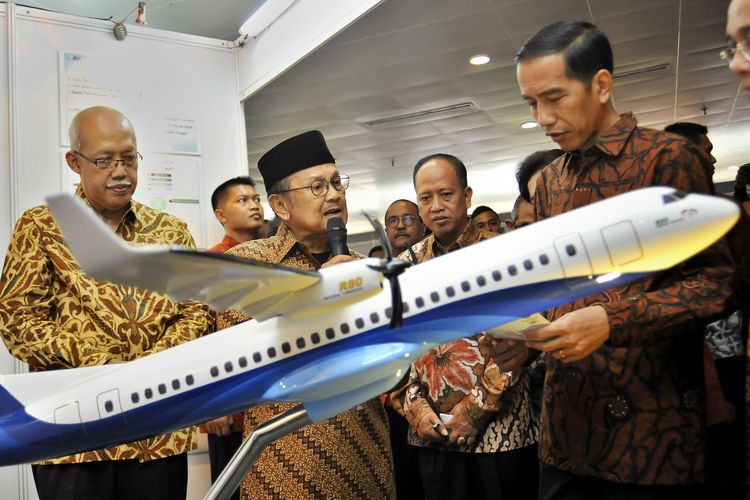
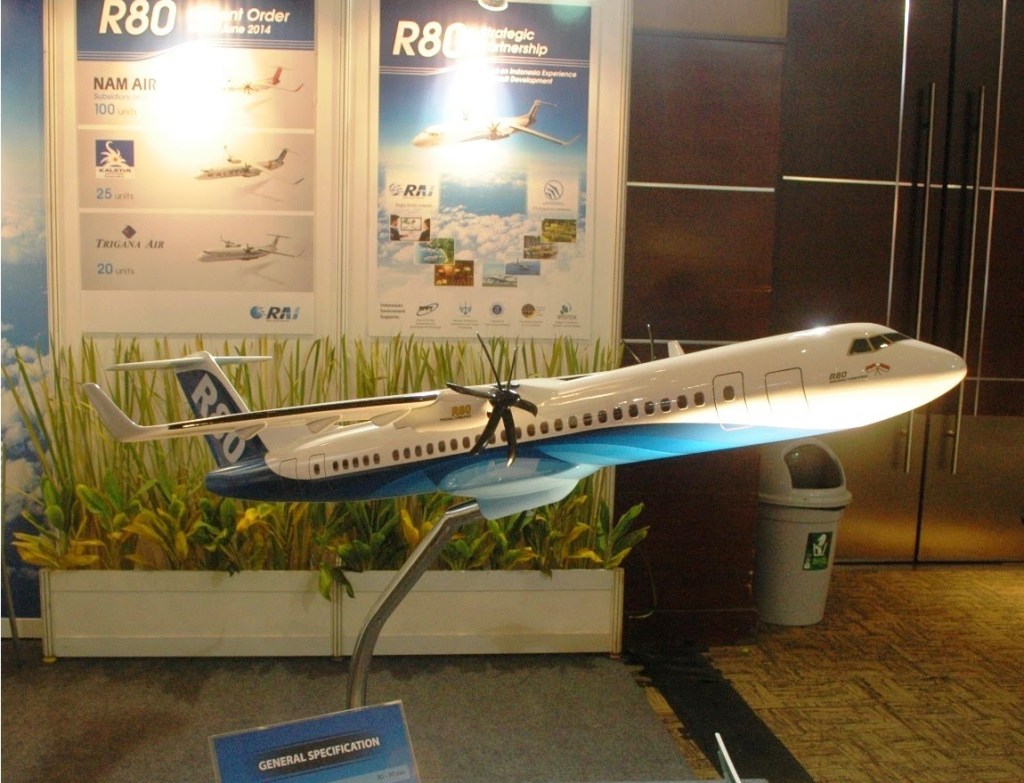
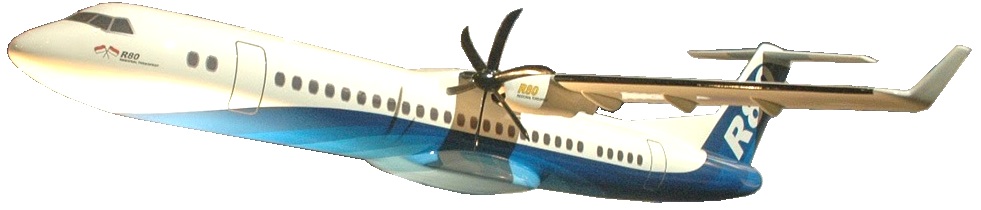
El proyecto de desarrollo del avión regional turboprop 80 pasajeros indonesia Aviasi Regional R80 ha sido cancelado por parte del Gobierno de Indonesia, eliminando del Proyecto Estratégico Nacional (PSN) del Gobierno para el programa 2020-2024 bajo el Presidente Joko Widodo. El motivo de la cancelación del prototipo ha sido anunciado por el Presidente comisionado de PT Regio Aviasi Industri, Ilham Habibie, que ha admitido que tuvo una audiencia con el Ministro Coordinador de Economía, Airlangga Hartarto, en relación con la retirada del R80 del PSN, no pudiendo permanecer en el programa de aviación. «Se nos dio información de que, especialmente con respecto a las políticas gubernamentales, todos los proyectos que todavía están en PSN deben completarse para el 2024. Por supuesto que no podemos cumplirlo y, por tanto, sí, ya no podemos clasificarnos para PSN», dijo Ilham Habibie, en una charla virtual, el Viernes 08/07. Se ha admitido que era imposible cumplir con el objetivo de completar el R80 en 2024. Esto se debe a que el desarrollo de aviones requiere un proceso que no se puede realizar en poco tiempo.

PT Regio Aviasi Industri ha expresado que el Gobierno continúa apoyando el desarrollo del R80 a través del proceso o procedimiento R80. El apoyo se obtuvo a través del papel del Ministerio de Investigación y Tecnología y la Agencia Nacional de Investigación e Innovación. No dio más detalles sobre el apoyo brindado. Lo que está claro, este apoyo no es en forma de asistencia financiera. «La presencia de R80 en la lista de PSN desde el principio es de hecho con una nota, que el gobierno no está de acuerdo con financiar R80 y nuestra presencia allí se entiende más como apoyo para encontrar inversores, no para recibir inversiones. Así que nosotros, con o sin estar en la lista de PSN, confió para la financiación de R80», dijo Ilham Habibie.

El Proyecto R80 se eliminó de la PSN y se reemplazó con el desarrollo de un avión no tripulado de combate que también se está probando. El avión regional R80 fue iniciado por el tercer presidente BJ Habibie a través de la bandera privada de PT Regio Aviasi Industri (RAI) como sucesor del desarrollo del avión turbohélice N250, que se retrasó durante la crisis de 1998. BJ Habibie se había convertido en Presidente de PT RAI.

Indonesia pending Project R80

Indonesia development of regional aircraft Aviasi R80 in quarantine

The Indonesian Aviasi Regional R80 turboprop 80 passenger regional aircraft development project has been canceled by the Indonesian Government, removing from the Government’s National Strategic Project (PSN) for the 2020-2024 program under President Joko Widodo. The reason for the cancellation of the prototype has been announced by the President Commissioner of PT Regio Aviasi Industri, Ilham Habibie, who has admitted that he had an audience with the Coordinating Minister of Economy, Airlangga Hartarto, regarding the withdrawal of the R80 from the PSN, not being able to stay in the aviation program. «We were given information that, especially with regard to government policies, all projects that are still on PSN are due to be completed by 2024. Of course we cannot fulfill this and therefore, yes, we can no longer qualify for PSN», said Ilham Habibie, in a virtual chat, on Friday 08/07. It has been admitted that it was impossible to meet the goal of completing the R80 by 2024. This is because aircraft development requires a process that cannot be done in a short time.

PT Regio Aviasi Industri has stated that the Government continues to support the development of R80 through the R80 process or procedure. Support was obtained through the role of the Ministry of Research and Technology and the National Agency for Research and Innovation. He did not elaborate on the support provided. What is clear, this support is not in the form of financial assistance. «The presence of R80 on the PSN list from the beginning is in fact with a note, that the government does not agree to finance R80 and our presence there is understood more as support to find investors, not to receive investments. So we, with or without being on the PSN list, relied on R80 for funding», said Ilham Habibie.

Project R80 was removed from the PSN and replaced with the development of a combat drone that is also being tested. The R80 regional aircraft was started by the third president BJ Habibie through the private banner of PT Regio Aviasi Industri (RAI) as a successor to the development of the N250 turboprop aircraft, which was delayed during the 1998 crisis. BJ Habibie had become President of PT RAI.

Indonesia menunggu Proyek R80

Pengembangan pesawat Indonesia Regional Aviasi R80 di karantina

Proyek pengembangan pesawat regional turboprop 80 penumpang Aviasi Regional Indonesia R80 telah dibatalkan oleh Pemerintah Indonesia, menghapus Proyek Strategis Nasional (PSN) Pemerintah untuk program 2020-2024 di bawah Presiden Joko Widodo. Alasan pembatalan prototipe tersebut sudah disampaikan oleh Presiden Komisaris PT Regio Aviasi Industri, Ilham Habibie yang mengaku sempat audiensi dengan Menteri Koordinator Perekonomian Airlangga Hartarto terkait penarikan R80 dari PSN. tidak bisa tinggal di program penerbangan. «Kami diberi informasi, terutama terkait dengan kebijakan pemerintah, semua proyek yang masih di PSN dijadwalkan selesai pada 2024. Tentu kami tidak bisa memenuhi itu dan oleh karena itu ya kami tidak bisa lagi lolos ke PSN», kata Ilham Habibie, dalam virtual chat, Jumat 08/07. Diakui, target penyelesaian R80 tidak mungkin tercapai pada 2024. Pasalnya, pengembangan pesawat membutuhkan proses yang tidak bisa dilakukan dalam waktu singkat.

PT Regio Aviasi Industri telah menyatakan bahwa Pemerintah terus mendukung pengembangan R80 melalui proses atau prosedur R80. Dukungan diperoleh melalui peran Kementerian Riset dan Teknologi dan Badan Riset dan Inovasi Nasional. Dia tidak merinci dukungan yang diberikan. Yang jelas, dukungan ini bukan dalam bentuk bantuan finansial. “Kehadiran R80 di daftar PSN dari awal sebenarnya dengan catatan, bahwa pemerintah tidak setuju untuk membiayai R80 dan kehadiran kami di sana lebih dipahami sebagai dukungan untuk mencari investor, bukan untuk menerima investasi. Jadi Kami, dengan atau tanpa masuk PSN, mengandalkan dana R80”, kata Ilham Habibie.

Proyek R80 telah dihapus dari PSN dan diganti dengan pengembangan drone tempur yang juga sedang diuji. Pesawat regional R80 ini dimulai oleh presiden ketiga BJ Habibie melalui bendera pribadi PT Regio Aviasi Industri (RAI) sebagai penerus pengembangan pesawat turboprop N250 yang sempat tertunda saat krisis 1998. BJ Habibie pun menjadi Presiden Direktur PT RAI.

Ξ A I R G W A Y S Ξ
PUBLISHER: Airgways.com
DBk: Regio-aviasi.co.id / Kappip.go.id / Airgways.com
AW-POST: 202008092304AR

A\W   A I R G W A Y S ®

Gobierno intima a JetSmart/Norwegian

JetSmart-Norwegian sinergia 1Q2020 |

AW | 2020 08 09 15:55 | GOVERNMENT / AIRLINES / AIRPORTS

Gobierno intima JetSmart por compra Norwegian Air Argentina

Un nuevo conflicto se abre en puerta por la compra de la aerolínea Norwegian Air Argentina por parte de JetSmart Airlines Argentina. La línea aérea de presupuesto de capitales noruegos terminó sus operaciones al cambio de Gobierno. Posteriormente, desde el nuevo Gobierno detuvo la compra, pero luego la Justicia dictó a favor de JetSmart Argentina. La Agencia de la ANAC le ha exigido que en quince días le presente los detalles del acuerdo.

La compra por parte de JetSmart Airlines Argentina de Norwegian Air Argentina, había sido frenada por el nuevo Gobierno, con el argumento de que había una enormidad de cuestiones técnicas que no habían sido aprobadas ni siquiera por la funcionarios del anterior Gobierno nacional y que requerían de un análisis minucioso. Los funcionarios a cargo de analizar la compra no se pronunciaron por el acuerdo comercial, cuando sobrevino la pandemia y la cuarentena con las restricciones de los vuelos hasta la actualidad.

JetSmart Argentina ha presentado el reclamo ante la Justicia, solicitando poder utilizar los permisos de estacionamiento de aviones de Norwegian Air Argentina en Aeroparque. El tema de Aeroparque es el núcleo más importante de la compra de la aerolínea noruega. En el acuerdo de compra gira una disputa con el Gobierno acerca de las frecuencias de vuelos con derechos adquiridos.

​El reclamo de JetSmart fue rechazado en primera instancia por el juez Marcelo Dos Santos. La empresa apeló y la Sala II de la Cámara Federal de Apelaciones en lo Civil en Julio 2020, avalando los reclamos presentados. Mientras tanto, habían pasado siete meses de la asunción del nuevo Gobierno y tanto el Ministerio de Transporte como la Administración Nacional de Aviación Civil (ANAC) seguían sin pronunciarse sobre la cuestión de la compra.

Conflicto Aeroparque

El fallo Judicial favorable para la compañía aérea encendió las alertas el Viernes 07/08 a última hora en la ANAC, que ha publicado una resolución que desborda precisiones en lo técnico y describe con minuciosidad de reglamentos que deben seguir las líneas aéreas para poder operar en el país, permitiendo persivir una actitud intimidatoria hacia JetSmart Airlines Argentina y Norwegian Air Argentina, solicitando en quince días corridos presenten la totalidad de documentación que requiere el trámite de aprobación de la compra.

La resolución intima a las dos líneas aéreas a que se abstengan de hacer efectivo el trámite de compra, por lo que traducido, el organismo contralor está anticipando a JetSmart a desistir no comenzar a volar desde el Aeropuerto Jorge Newbery. La medida representa una orden abstracta, pues en la práctica posterior a los quince días la compañía no puede operar porque Aeroparque permanecerá cerrado por obras de mantenimiento hasta el 31/10.

La Resolución Nº 228 de la ANAC, extensa y minuciosa, va más allá de lo técnico, más bien, plantea que JetSmart y Norwegian cerraron un acuerdo de compra el 6 Diciembre 2019, sin haber esperado a contar con las aprobaciones técnicas de todas las áreas que debían haber intervenido, y que las mismas requerían de al menos 90 días antes de su aprobación definitiva. La titular de la ANAC, Paola Tamburelli, le pasa además factura a su antecesor, Tomás Insausti, por haber aprobado la compra: «[…] El procedimiento inusitadamente breve que antecedió al dictado de la Resolución […] amerita la identificación de cada una de las intervenciones que le cupieron a las áreas preopinantes, conforme han sido registradas en el Sistema de Gestión Documental Electrónica (GDE)», dice Paola Tamburelli en los considerandos de la resolución. Una vez finalizados los extensos considerandos, el foco apunta en particular hacia JetSmart: «Intímese a las empresas JetSmart Airlines S.A. y Norwegian Air Argentina SAU a a presentar ante esta Autoridad Aeronáutica la documentación requerida dentro del plazo extraordinario y perentorio de quince días corridos», expresa el texto de la ANAC.

JetSmart Airlines Argentina es una aerolínea argentina propiedad de la aerolínea chilena de ultra bajo costo JetSmart Airlines Group, propiedad del grupo estadounidense Indigo Partners. La aerolínea se estableció originalmente en 2016 como Alas del Sur Líneas Aéreas adquiriendo los derechos de rutas. En Junio 2018, Indigo Partners se crea la aerolínea a través de su filial chilena JetSmart, lo que permitió la entrada de JetSmart en el mercado de la aviación nacional de Argentina, y posteriormente la aerolínea fue rebautizada como JetSmart Airlines Argentina.

JetSmart Argentina recibió su certificado de operador aéreo y su primer avión, un Airbus A320-200 registrado como LV-HEK, en diciembre de 2018. En Febrero 2019, la aerolínea anunció y abrió reservas para sus primeros servicios a partir del 10 Abril 2019, que iban a ser operados desde una nueva base en el Aeropuerto El Palomar cerca de Buenos Aires, luego de que su empresa matriz hubiera operado previamente vuelos al aeropuerto desde Santiago de Chile.

La aerolínea low cost JetSmart Argentina cuenta con una infraestructura reducida y sus pérdidas hasta la fecha han sido menores que las de sus competidores, contando además con un fuerte respaldo externo del fondo Indigo Partners, de Estados Unidos. Tras el retiro de Latam Airlines Argentina del mercado de cabotaje, la unión entre JetSmart y Norwegian por el momento asoma como el principal competidor que tendrá Aerolíneas Argentinas tras la post-pandemia.

Resolución Nº 881

La aerolínea de presupuesto deberá cumplir con los plazos estipulados por parte de la ANAC para presentar los requerimientos de documentaciones necesarias que exigen que presenten las dos empresas, JetSmart Airlines Argentina que ha comprado a Norwegian Air Argentina, mientras que ésta no tiene más vinculaciones con las operaciones domésticas. El organismo aeronáutico advierte que hará efectivo el Artículo 3 de la Resolución Nº 881 que había tomado la ANAC en el Gobierno anterior. Este Artículo 3 plantea que si no se cumplen con todos los requisitos, cada uno de los ítem incumplidos dejan de tener cumplimiento efectivo, por lo que la compra queda anulada y por lo tanto JetSmart Argentina no podría hacer uso de los slots en Aeroparque.

La empresa ha respopndido con cautela: «JetSmart ha sido informada de una resolución de ANAC donde se pone suspensión a la implementación del acuerdo de consolidación de operaciones entre JetSmart y Norwegian en Argentina. El acuerdo fue aprobado el año pasado y ratificado por la Cámara Federal de Apelaciones. Esta situación nos preocupa en conjunto, en el contexto del reinicio de la operación y de la habilitación del Aeropuerto El Palomar», dice el comunicado emitido el Sábado 8 Agosto 2020 por la noche.

Aeropuerto El Palomar

El Gobierno de Argentina no ha precisado que aeropuertos serán utilizados en la reprogramación de los vuelos regulares con una fecha todavía indefinida. Desde el Ministerio de Transporte se ha dado a entender que el Gobierno no desea habilitar nuevamente al Aeropuerto El Palomar. El titular de Transporte, Mario Meoni ha expresado que haría falta el doble de pasajeros para justificar la reapertura de El Palomar, donde están las compañías aéreas JetSmart Airlines Argentina y Flybondi Líneas Aéreas. La agenda continúa abierta entre el Gobierno y las aerolíneas low cost. Pero todas las señales hasta el momento apuntan a que las low cost deberían migrar sus aeronaves hacia el Aeropuerto Ezeiza para continuar las operaciones en la Argentina.

La realidad, es que desde el Gobierno de Argentina no se promulga una línea definida para la reapertura de las líneas aéreas que continúan siendo afectadas no solo por la actual pandemia de Coronavirus, sino además, por las pocas reglas claras que no estimulan un país federal, donde podríamos encontrar una concentración de mercado monopólico en el Aeropuerto Jorge Newbery y además, no contar con otras ofertas aeroportuarias para poder volar en Argentina y el mundo.

JetSmart proceso absorción Norwegian |

Government intimate to JetSmart/Norwegian

Government intimates JetSmart for the purchase of Norwegian Air Argentina

A new conflict opens in the door due to the purchase of the airline Norwegian Air Argentina by JetSmart Airlines Argentina. The Norwegian capital budget airline ended its operations at the change of government. Subsequently, the new Government stopped the purchase, but then the Justice ruled in favor of JetSmart Argentina. The ANAC Agency has required him to present the details of the agreement within fifteen days.

The purchase by JetSmart Airlines Argentina of Norwegian Air Argentina, had been stopped by the new Government, arguing that there were an enormity of technical issues that had not been approved even by the officials of the previous national Government and that they required a thorough analysis. The officials in charge of analyzing the purchase did not comment on the commercial agreement, when the pandemic and quarantine occurred with the restrictions on flights until now.

JetSmart Argentina has presented the claim before the Justice, requesting to be able to use the aircraft parking permits of Norwegian Air Argentina at Aeroparque. The Aeroparque issue is the most important nucleus of the purchase of the Norwegian airline. In the purchase agreement revolves a dispute with the Government about the frequencies of flights with acquired rights.

JetSmart’s claim was rejected in the first instance by Judge Marcelo Dos Santos. The company appealed and the Chamber II of the Federal Chamber of Civil Appeals in July 2020, endorsing the claims presented. Meanwhile, seven months had passed since the new Government took office and both the Ministry of Transport and the National Civil Aviation Administration (ANAC) still did not comment on the issue of the purchase.

Conflict Aeroparque

The judicial ruling favorable to the airline set off the alerts on Friday 07/08 at the last minute in the ANAC, which has published a resolution that exceeds technical details and describes in detail the regulations that airlines must follow in order to operate in the country, allowing to persist an intimidating attitude towards JetSmart Airlines Argentina and Norwegian Air Argentina, requesting in fifteen days in a row they present all of the documentation that the purchase approval process requires.

The resolution intimates the two airlines to refrain from making the purchase process effective, so translated, the controlling body is anticipating JetSmart to give up not starting to fly from Jorge Newbery Airport. The measure represents an abstract order, since in practice after fifteen days the company cannot operate because Aeroparque will remain closed for maintenance works until 10/31.

Resolution No. 228 of the ANAC, extensive and detailed, goes beyond the technical, rather, it states that JetSmart and Norwegian closed a purchase agreement on December 6, 2019, without having waited for technical approvals in all areas that they should have intervened, and that they required at least 90 days before their final approval. The head of the ANAC, Paola Tamburelli, also invoices her predecessor, Tomás Insausti, for having approved the purchase: «[…] The unusually brief procedure that preceded the issuance of the Resolution […] merits the identification of each one of the interventions that fit the pre-opinionated areas, as they have been registered in the Electronic Document Management System (GDE)», says Paola Tamburelli in the recitals of the resolution. Once the extensive considerations have been completed, the focus points in particular towards JetSmart: «Get intimate with the companies JetSmart Airlines SA and Norwegian Air Argentina SAU to submit to this Aeronautical Authority the required documentation within the extraordinary and peremptory period of fifteen calendar days», the text of the ANAC.

JetSmart Airlines Argentina is an Argentine airline owned by the Chilean ultra-low-cost airline JetSmart Airlines Group, owned by the US group Indigo Partners. The airline was originally established in 2016 as Alas del Sur Lineas Aereas acquiring route rights. In June 2018, Indigo Partners created the airline through its Chilean subsidiary JetSmart, which allowed the entry of JetSmart in the Argentine national aviation market, and later the airline was renamed JetSmart Airlines Argentina.

JetSmart Argentina received its air operator certificate and its first aircraft, an Airbus A320-200 registered as LV-HEK, in December 2018. In February 2019, the airline announced and opened reservations for its first services as of April 10, 2019, that were to be operated from a new base at El Palomar Airport near Buenos Aires, after their parent company had previously operated flights to the airport from Santiago de Chile.

The low cost airline JetSmart Argentina has a reduced infrastructure and its losses to date have been lower than those of its competitors, also counting on strong external support from the Indigo Partners fund in the United States. After the withdrawal of Latam Airlines Argentina from the cabotage market, the union between JetSmart and Norwegian at the moment appears as the main competitor that Aerolíneas Argentinas will have after the post-pandemic.

Resolution No. 881

The budget airline must comply with the deadlines stipulated by the ANAC to present the necessary documentation requirements that the two companies, JetSmart Airlines Argentina, that have bought from Norwegian Air Argentina, demand that the two companies present, while the latter has no further ties to the domestic operations. The aeronautical organization warns that Article 3 of Resolution No. 881 that the ANAC had taken in the previous Government will take effect. This Article 3 states that if all the requirements are not met, each of the non-compliant items cease to have effective compliance, so the purchase is canceled and therefore JetSmart Argentina could not make use of the slots in Aeroparque.

The company has responded with caution: «JetSmart has been informed of an ANAC resolution suspending the implementation of the agreement to consolidate operations between JetSmart and Norwegian in Argentina. The agreement was approved last year and ratified by the Federal Chamber. This situation worries us as a whole, in the context of the restart of the operation and the habilitation of the El Palomar Airport», says the statement issued on Saturday 8 August 2020 at night.

El Palomar Airport

The Government of Argentina has not specified which airports will be used in the rescheduling of regular flights with an undefined date. The Ministry of Transportation has hinted that the Government does not want to re-enable the El Palomar Airport. The head of Transportation, Mario Meoni has expressed that it would take twice as many passengers to justify the reopening of El Palomar, where the airlines JetSmart Airlines Argentina and Flybondi Líneas Aéreas are located. The agenda remains open between the Government and low cost airlines. But all the signs so far indicate that the low cost companies should migrate their aircraft to the Ezeiza Airport to continue operations in Argentina.

The reality is that the Government of Argentina does not promulgate a defined line for the reopening of airlines that continue to be affected not only by the current Coronavirus pandemic, but also by the few clear rules that do not stimulate a federal country, where we could find a monopoly market concentration at Jorge Newbery Airport and also not have other airport offers to be able to fly in Argentina and the world.

Ξ A I R G W A Y S Ξ
PUBLISHER: Airgways.com
DBk: Anac.gov / Jetsmart.com / Clarin.com / Airgways.com
AW-POST: 202008091555AR

A\W   A I R G W A Y S ®