AW | 2020 05 29 12:05 | AIRLINES MARKET / GOVERNMENT
Reanudación del tráfico aéreo nacional en el Reino de Arabia Saudita
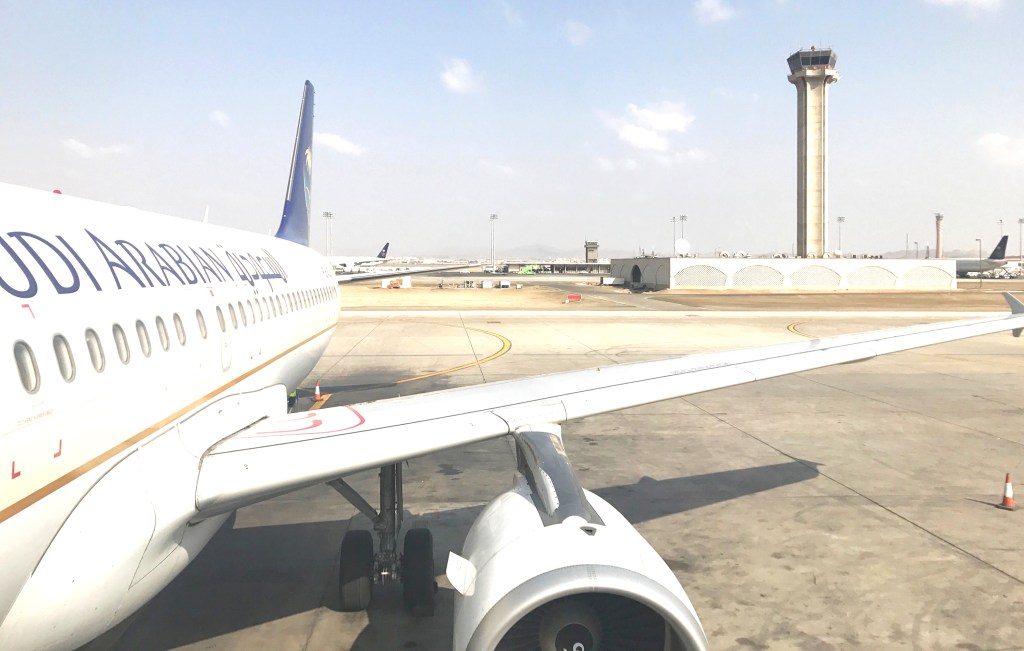
Las aerolíneas del Reino de Arabia Saudita reanudarán los vuelos nacionales la próxima semana después de meses de aterrizaje de aviones. Las líneas aéreas sauditas comenzarán nuevamente vuelos nacionales después de un escenario compplicadopara las compañías que también fueron muy afectadas por la actual pandemia, pero continúan con la planificación de reabrir a pesar de un número significativo de nuevas infecciones diariamente.
A partir del 31 Mayo 2020, algunos vuelos nacionales despegarán nuevamente; al principio habrá 60 vuelos diarios. Los viajes domésticos, los aspectos religiosos en los viajes a las mezquitas y el trabajo en las oficinas del sector público y privado también se reanudarán en esa fecha.
La noticia es la última señal de que el reino rico en petróleo muy afectado por la pandemia de coronavirus está tratando de abrirse nuevamente. Arabia Saudita instituyó varias medidas de bloqueo para frenar el virus a partir de marzo, incluidas las prohibiciones de vuelo. Arabia Saudita intentó reanudar la vida normal en Abril 2020, pero luego instituyó un toque de queda de cinco días y 24 horas para el feriado islámico Eid al-Fitr.
Air opening in Saudi Arabia
Resumption of national air traffic in the Kingdom of Saudi Arabia
Kingdom of Saudi Arabia airlines will resume domestic flights next week after months of landing the planes. Saudi airlines will start domestic flights again after a complicated scenario for companies that were also badly affected by the current pandemic, but continue planning to reopen despite a significant number of new infections on a daily basis.
Starting May 31, 2020, some domestic flights will take off again; initially there will be 60 daily flights. Domestic travel, religious aspects of mosque travel, and work in public and private sector offices will also resume on that date.
The news is the latest sign that the oil-rich kingdom badly affected by the coronavirus pandemic is trying to open up again. Saudi Arabia instituted several blocking measures to curb the virus starting in March, including flight bans. Saudi Arabia attempted to resume normal life in April 2020, but then instituted a five-day, 24-hour curfew for the Islamic holiday Eid al-Fitr.
فتح الهواء في المملكة العربية السعودية
استئناف الحركة الجوية الوطنية بالمملكة العربية السعودية
ستستأنف شركات الطيران في المملكة العربية السعودية الرحلات الداخلية الأسبوع المقبل بعد أشهر من هبوط الطائرات. ستبدأ شركات الطيران السعودية رحلاتها الداخلية مرة أخرى بعد سيناريو معقد للشركات التي تأثرت بشدة بالوباء الحالي ، لكنها تواصل التخطيط لإعادة فتحها على الرغم من عدد كبير من الإصابات الجديدة على أساس يومي.
اعتبارًا من 31 مايو 2020 ، ستقلع بعض الرحلات الداخلية مرة أخرى ؛ في البداية سيكون هناك 60 رحلة يومية. كما سيتم استئناف السفر المحلي والجوانب الدينية لسفر المساجد والعمل في مكاتب القطاعين العام والخاص في ذلك التاريخ.
الأخبار هي أحدث علامة على أن المملكة الغنية بالنفط التي تضررت بشدة من جائحة فيروس كورونا تحاول الانفتاح مرة أخرى. اتخذت المملكة العربية السعودية عدة إجراءات لمنع الفيروس من مارس ، بما في ذلك حظر الطيران. حاولت المملكة العربية السعودية استئناف الحياة الطبيعية في أبريل 2020 ، لكنها فرضت بعد ذلك حظر التجول لمدة خمسة أيام على مدار 24 ساعة بمناسبة عيد الفطر.
Ξ A I R G W A Y S Ξ PUBLISHER: Airgways.com DBk: Spa.gov.sa / Airgways.com / Zawya.com AW-POST: 202005291205AR
AW | 2020 05 29 11:37 | AIRLINES MARKET / GOVERNMENT
El tráfico aéreo en la Argentina se reabrirá el 1 Septiembre 2020
El Vicepresidente para América de la Asociación Internacional de Transporte Aéreo (IATA), Peter Cerdá, manifestó que Argentina mantiene su decisión de retomar los vuelos regulares a partir del 1 Septiembre 2020. Las líneas aéreas piden, como otros sectores, auxilio financiero para atravesar la crisis.
El Gobierno de Argentina ha manifestado la decisión de continuar con el desarrollo de la cuarentena y las limitaciones al tráfico aéreo hasta finales de Agosto 2020. La IATA ha comunicado este Jueves 28/05 que la Argentina mantiene su decisión de retomar los vuelos regulares a partir del 1 Septiembre próximo pese al pedido para que se adelantara el plazo a principios de Julio 2020.
En un contacto con la prensa por videoconferencia, el directivo dijo que esa fecha se mantiene, más allá de los pedidos realizados desde el organismo para modificar esa decisión. “Hemos estado en conversaciones continuas con el gobierno argentino, trabajando en tres áreas: el alivio financiero a la industria, fuertemente golpeada por la inactividad; la posibilidad de agilizar la fecha de reinicio; y la reactivación del tráfico aéreo, para que, cuando esto ocurra, lo realicemos de manera alineada y no de forma aislada”, dijo Peter Cerda.
Desde la IATA han expresado que el diálogo es abierto y constante con las autoridades argentinas y que esperan poder ir resolviendo las diferentes situaciones. Sabemos que el Ministerio de Transporte de Argentina tiene una agenda muy complicada, pero estamos trabajando con ellos para lograr que, así como se auxilió al transporte terrestre, se haga con el transporte aéreo y no perdamos a las aerolíneas.
Trabas a las economías
Argentina sorprendió a las aerolíneas al establecer a fines de Abril 2020 que la comercialización de pasajes aéreos recién se podrá realizar a para el 1 Septiembre. La medida, que fue legitimada por la Administración Nacional de Aviación Civil (ANAC) en el marco de la emergencia sanitaria por la pandemia de Coronavirus, trajo fuertes críticas del sector aerocomercial que, como la mayoría de las actividades, recibió un impacto negativo producto de las restricciones establecidas por el Ejecutivo. En ese marco, Cerda sostuvo que el Gobierno “debe auxiliar a las compañías aéreas para que puedan estar en condiciones de reiniciar las actividades, así como lo está haciendo con el transporte de ómnibus, al que hoy nos enteramos se ha decidido otorgarle un subsidio para su funcionamiento. Sabemos que el Ministerio de Transporte de Argentina tiene una agenda muy complicada, pero estamos trabajando con ellos para lograr que, así como se auxilió al transporte terrestre, se haga con el transporte aéreo y no perdamos a las aerolíneas”.
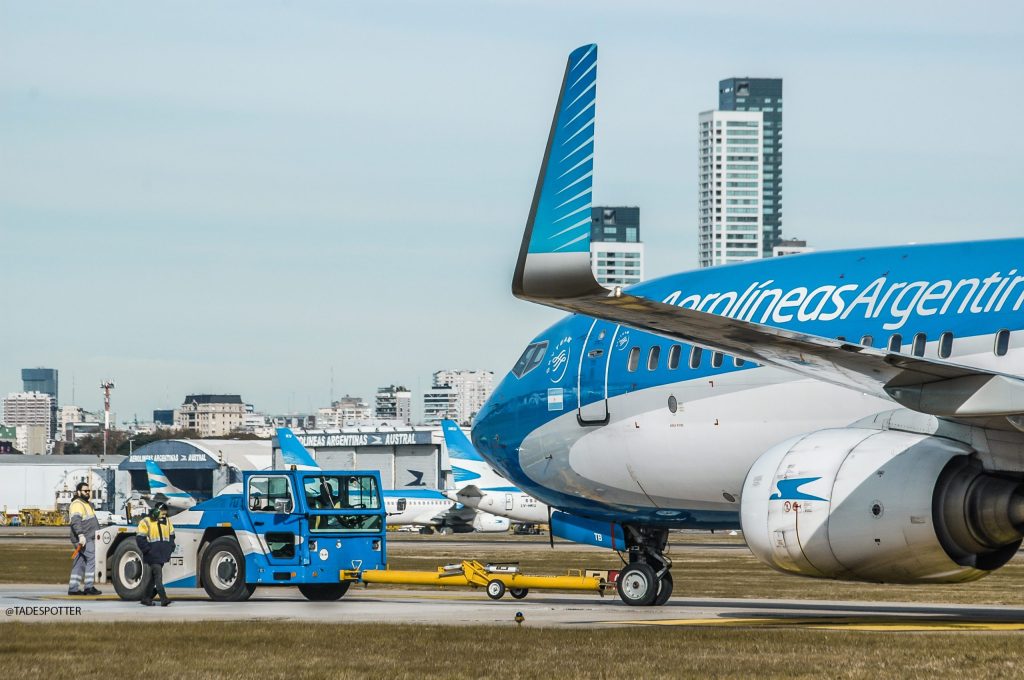
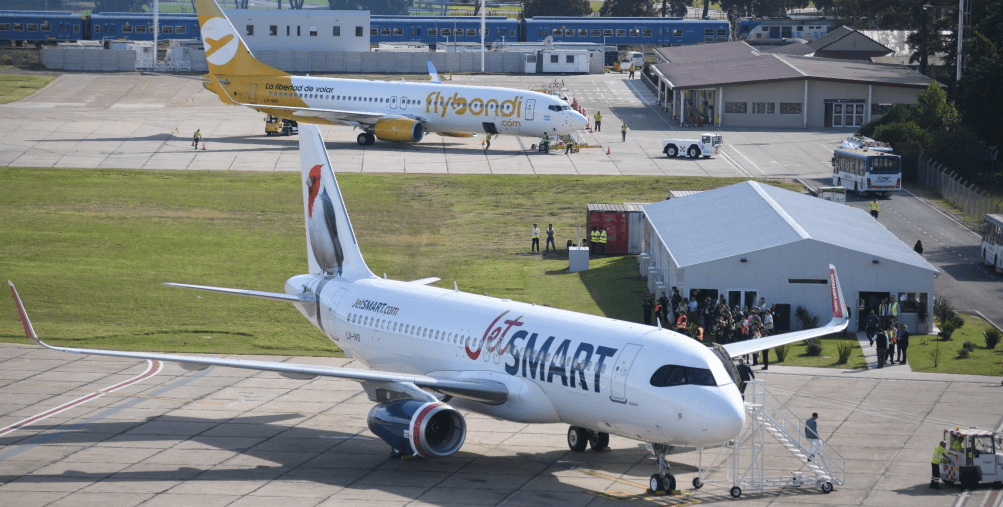
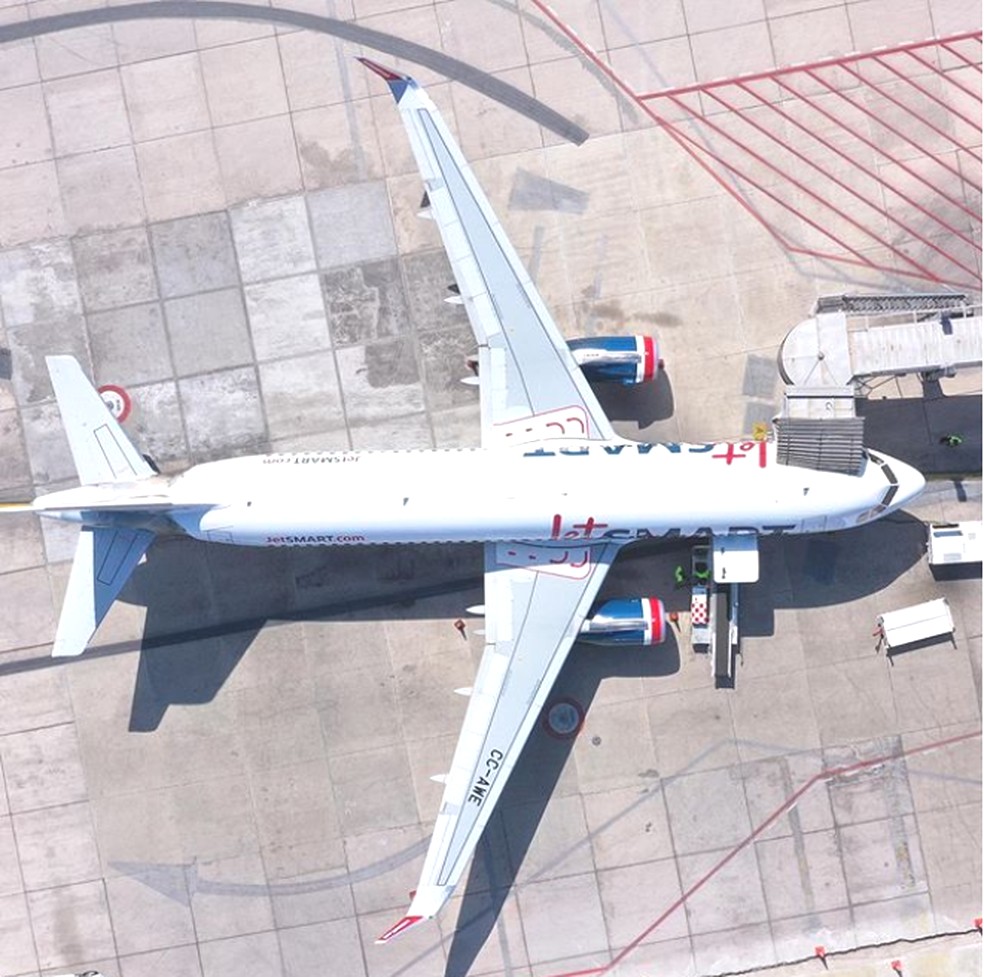
El organismo IATA había mencionado el caso de Air New Zealand, que había comunicado que no volverá a operar la ruta entre Auckland-Buenos Aires. “Perder una aerolínea no es solamente esa pérdida en sí, sino también el impacto que tiene en otras aerolíneas, tanto Aerolíneas Argentinas, por ejemplo, que trasladaba los pasajeros que Air New Zealand traía al país, como Latam Airlines Argentina o JetSmart Airlines, que también se nutrían de estos pasajeros. Es importante mantener la conectividad interior, pero también con el exterior, porque eso representa trabajo y conexión con el resto del mundo, algo que será fundamental a la hora de reactivar la economía. Es una preocupación que tenemos con Argentina, pero también con todos los países de la región”, expresó Peter Cerdá.
Impacto colateral
El organismo de aviación internacional señaló que “la pérdida de US$ 18 mil millones de dólares de las aerolíneas latinoamericanas, establecida hasta fines de Abril, ha quedado atrás porque el cierre de fronteras en la región se mantiene y los aviones seguirán en tierra por mucho tiempo más aún. Calculamos que, en algunos casos, el freno de la actividad será de cinco meses y muy pocas compañías están en condiciones de soportar esa inactividad”, advirtió.
Por este motivo es de capital importancia que los Estados intervengan en las asistencias a las industrias del turismo y la aviación para reducir el impacto colateral que sufrirían. Las aerolíneas en Argentina, particularmente necesitan que el Gobierno intervenga en auxiliar a las líneas aéreas dado el marco de la cuarentena cerrada y las limitaciones impuestas a la actividad aérea hasta finales de Agosto 2020.
Seguridad en vuelo
La IATA expresó que volar será seguro debido a que las compañías emitieron “un documento para alinear las medidas de seguridad y salud en todos los países, para el momento de la reactivación. Es necesario que podamos transmitir a los pasajeros que la aviación no está considerada fuente de transmisión del virus para recuperar la confianza y que la gente se decida a volver a volar y de esa manera poder encarar una reactivación de la industria”, remarcó el organismo internacional de aviación.
Argentina air reopening 09/2020
Air traffic in Argentina will reopen on September 1, 2020
The Vice President for America of the International Air Transport Association (IATA), Peter Cerda, stated that Argentina maintains its decision to resume regular flights from September 1, 2020. The airlines ask, like other sectors, for financial help to cross the crisis.
The Government of Argentina has stated the decision to continue with the development of quarantine and limitations on air traffic until the end of August 2020. IATA has communicated this Thursday 28/05 that Argentina maintains its decision to resume regular flights from from next September 1 despite the request for the deadline to be brought forward to the beginning of July 2020.
In a contact with the press by videoconference, the executive said that this date is maintained, beyond the requests made by the agency to modify that decision. «We have been in continuous talks with the Argentine government, working in three areas: financial relief for the industry, heavily hit by inactivity; the possibility of speeding up the restart date; and the reactivation of air traffic, so that when this occurs, we do it in an aligned manner and not in isolation”, said Peter Cerda.
From IATA they have expressed that the dialogue is open and constant with the Argentine authorities and that they hope to be able to resolve different situations. We know that the Argentine Ministry of Transport has a very complicated agenda, but we are working with them to ensure that, as well as ground transportation, it was done with air transportation and we did not lose the airlines.
Barriers to economies
Argentina surprised the airlines by establishing at the end of April 2020 that the commercialization of air tickets can only be carried out by September 1. The measure, which was legitimized by the National Civil Aviation Administration (ANAC) in the context of the health emergency due to the Coronavirus pandemic, brought strong criticism from the aero-commercial sector, which, like most activities, received a negative impact as a result of the restrictions established by the Executive. Within this framework, Cerda maintained that the Government «must help airlines so that they can be in a position to restart activities, just as it is doing with the transport of buses, which we found out today has decided to grant a subsidy to its operation. We know that the Argentine Ministry of Transportation has a very complicated agenda, but we are working with them to ensure that, as well as ground transportation, it was done with air transportation and we did not lose the airlines”.
The IATA agency had mentioned the case of Air New Zealand, which had communicated that it will no longer operate the route between Auckland-Buenos Aires. «Losing an airline is not only that loss itself, but also the impact it has on other airlines, both Aerolíneas Argentinas, for example, that transported the passengers that Air New Zealand brought to the country, such as Latam Airlines Argentina or JetSmart Airlines, which they also fed on these passengers. It is important to maintain internal connectivity, but also with the outside, because that represents work and connection with the rest of the world, something that will be essential when reactivating the economy. It is a concern that we have with Argentina, but also with all the countries in the region”, said Peter Cerdá.
Collateral impact
The international aviation agency noted that “the loss of US $ 18 billion from Latin American airlines, established until the end of April, has been left behind because the closure of borders in the region is maintained and the planes will continue to be on the ground for a long time. time even more. We estimate that, in some cases, the slowdown in activity will be five months and very few companies are in a position to withstand this inactivity”, he warned.
For this reason, it is of paramount importance that States intervene in assistance to the tourism and aviation industries to reduce the collateral impact that they would suffer. Airlines in Argentina particularly need the government to intervene to assist airlines given the framework of the closed quarantine and the limitations imposed on air activity until the end of August 2020.
Flight safety
IATA said that flying will be safe because the companies issued “a document to align safety and health measures in all countries, at the time of the reactivation. It is necessary that we can transmit to passengers that aviation is not considered a source of transmission of the virus to regain confidence and that people decide to fly again and thus be able to face a revival of the industry», said the international organization. aircraft.
Ξ A I R G W A Y S Ξ PUBLISHER: Airgways.com DBk: Iata.org / Argentina.gob.ar/transporte / Airgways.com AW-POST: 202005291137AR
Gobierno exige anular recorte salarial a Latam Airlines Argentina
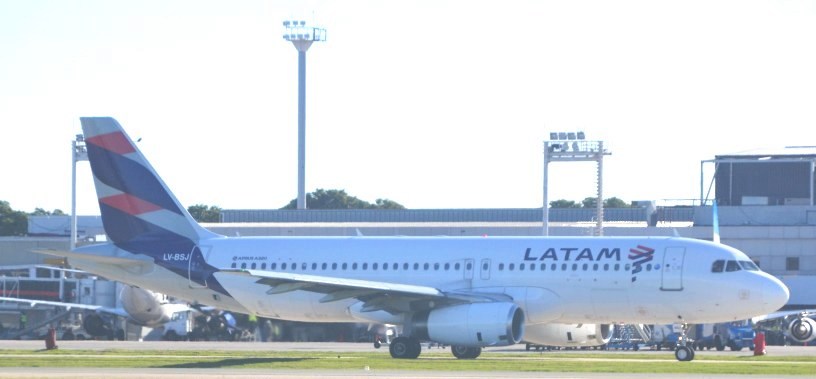
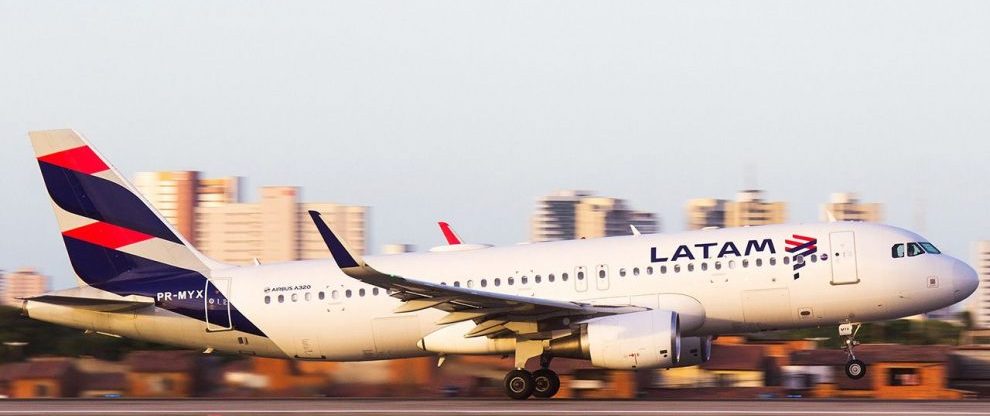
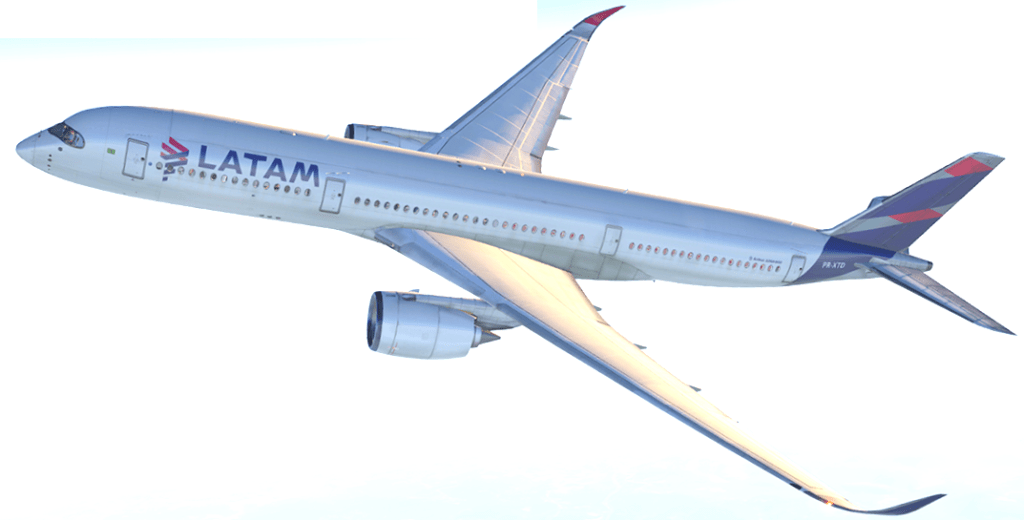
El Ministerio de Trabajo de Argentina ha resolvido el Martes 26/05 a favor de una denuncia de los gremios aeronáuticos en la aerolínea Latam Airlines Argentina para dejar sin efecto el recorte del 50% que aplicó en los salarios de los 2.250 empleados que tiene en el país y que había comenzado a aplicar desde Abril 2020. Latam Argentina posee una flota de trece aeronaves Airbus A320-200CEO con los cuales cubre rutas domésticas y regionales. A raíz de la pandemia toda la flota de aviones ha sido puesta en tierra.
Latam Airlines Group
La compañía matriz Latam Airlines Group, la aérea más grande de América Latina se declaró en quiebra debido a la drástica caída de la actividad causada por la crisis sanitaria,acogiéndose al Capítulo 11 de la Ley de Quiebras de Estados Unidos. El CEO de Latam Group, Roberto Alvo, ha expresado: “El proceso de reorganización financiera del Capítulo 11 es un marco legal bajo el cual Latam y sus filiales podrán redimensionar sus operaciones y adecuarlas al nuevo entorno de demanda y reorganizar sus balances financieros, permitiéndoles resurgir como negocios más ágiles, resilientes y sostenibles”. Por este motivo la compañía pasará a restructurarse para salvar el quebranto económico que ha causado la pandemia.
Latam Argentina
Latam Airlines Argentina no forma parte del paquete de filiales que ingresaron a la protección de quiebras. En cambio, si están incluidas las operaciones de Chile, Perú, Colombia, Ecuador y Estados Unidos. El CEO de Latam Group ha expresado: “En Argentina llevamos operando desde 2005. Ahora la situación económica es compleja y es muy difícil la situación del sector en particular. Tenemos que ver cómo sigue desarrollándose la pandemia y cómo avanzan las conversaciones con el Gobierno para decidir nuestros próximos pasos. Es una crisis sin precedente y ninguna línea aérea puede sobrevivir sin ayuda. No descarto que tengamos que tomar decisiones importantes en las próximas semanas”, dijo Roberto Alvo.
El Gobierno de argentina no tiene en su agenda algún tipo de salvataje a las líneas aéreas, simplemente las ayudas corresponden al Programa de Asistencia para el Trabajo y la Producción (ATP), que les cubre parte de los salarios a los empleados en Argentina. La compañía Latam Argentina ha apelado al recorte salarial como una herramienta para reducir gastos. La medida afecta a los salarios mayores a AR$ 47.500 y generó el rechazo inmediato de los gremios del sector de pilotos, personal técnico, tripulación de cabina, entre otros, pese a que la empresa aseguró que habían sido acordados con el personal aeronáutico.
Desde la Asociación Personal Aeronáutico (APA) expresaron: “Ningún contrato individual puede homologarse sin acuerdo del sindicato”. El reclamo sindical llegó al Ministerio de Trabajo, donde después de varias audiencias virtuales, ayer se resolvió intimar a la aerolínea para que pague el total de los sueldos, dándole plazo de 72 horas para que restituya lo recortado en Abril 2020.
La postura de la compañía Latam Airlines Argentina fue expuesta ante la mesa de trabajo convocada por la ANAC a través de las cámaras del sector de la IATA y JURCA. La aerolínea se encuentra así en una situación delicada al no poder emitir billetes aéreos hasta el 1 Septiembre 2020, que les impide generar facturación anticipada para cubrir parte de sus costos en esta etapa, una encrucijada que coloca a la línea aérea en una situación más delicada cuando la empresa matriz ha mostrado señales de quebranto.
Latam without permission to cut wages
Government demands to cancel wage cut to Latam Airlines Argentina
The Ministry of Labor of Argentina has resolved on Tuesday 26/05 in favor of a complaint by the aeronautical unions at the airline Latam Airlines Argentina to nullify the 50% cut that was applied to the wages of the 2,250 employees it has in the country and which had begun to apply since April 2020. Latam Argentina has a fleet of thirteen Airbus A320-200CEO aircraft with which it covers domestic and regional routes. Following the pandemic, the entire fleet of planes has been grounded.
Latam Airlines Group
The parent company Latam Airlines Group, the largest airline in Latin America, filed for bankruptcy due to the drastic drop in activity caused by the health crisis, under Chapter 11 of the United States Bankruptcy Law. Latam Group CEO Roberto Alvo said: “The Chapter 11 financial reorganization process is a legal framework under which Latam and its subsidiaries will be able to resize their operations and adapt them to the new demand environment and reorganize their financial balances, allowing them re-emerge as more agile, resilient and sustainable businesses”. For this reason, the company will restructure to save the economic loss that the pandemic has caused.
Latam Argentina
Latam Airlines Argentina is not part of the package of subsidiaries that entered bankruptcy protection. On the other hand, if the operations of Chile, Peru, Colombia, Ecuador and the United States are included. The CEO of Latam Group has expressed: “In Argentina we have been operating since 2005. Now the economic situation is complex and the situation of the sector in particular is very difficult. We have to see how the pandemic continues to develop and how the talks with the government are progressing to decide our next steps. It is an unprecedented crisis and no airline can survive without help. I do not rule out that we have to make important decisions in the coming weeks”, said Roberto Alvo.
The Government of Argentina does not have on its agenda any type of salvage for airlines, the aid simply corresponds to the Assistance Program for Work and Production (ATP), which covers part of the salaries of employees in Argentina. The company Latam Argentina has appealed to the salary cut as a tool to reduce expenses. The measure affects salaries greater than AR$ 47,500 and generated immediate rejection by the guilds in the sector of pilots, technical personnel, cabin crew, among others, despite the fact that the company assured that they had been agreed with the aeronautical personnel.
From the Personal Aeronautical Association (APA) expressed: «No individual contract can be approved without union agreement». The union complaint reached the Ministry of Labor, where after several virtual hearings, yesterday it was resolved to intimate the airline to pay the full salary, giving it 72 hours to return the cut in April 2020.
The position of the company Latam Airlines Argentina was exposed before the work table convened by ANAC through the cameras of the IATA and JURCA sector. The airline is thus in a delicate situation since it cannot issue air tickets until September 1, 2020, which prevents them from generating early billing to cover part of their costs at this stage, a crossroads that places the airline in a more delicate situation. when the parent company has shown signs of failure.
Ξ A I R G W A Y S Ξ PUBLISHER: Airgways.com DBk: Latam.com / Argentina.gob.ar/trabajo / Airgways.com AW-POST: 202005280024AR
Consejo de supervisión presiona para relajar las condiciones de la Comisión Europea
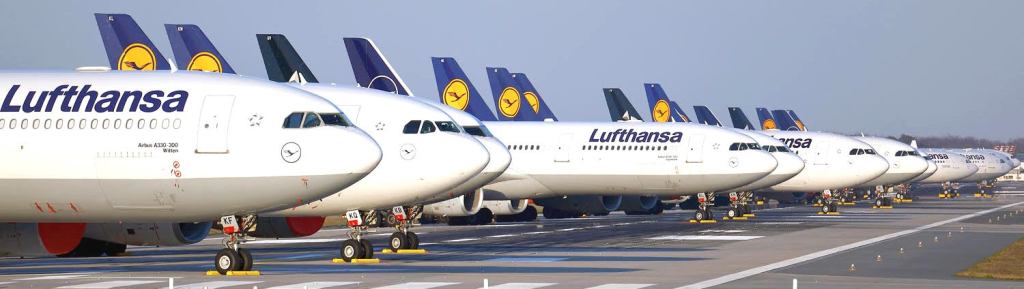
Las condiciones que impone la Comisión Europea para aprobar las ayudas a Lufthansa German Airlines implicarían debilitar los hubs de Frankfurt y de Munich, los aeropuertos donde centra su negocio y en los que tiene una cuota de mercado de alrededor del 65%. Por ello, el grupo necesita tiempo para analizar la propuesta y aplaza la decisión. Esta es la principal conclusión a la que llegó ayer el consejo de supervisión de la aerolínea, que, contra todo pronóstico, no aprobó la inyección que le permitirá seguir con vida.
Posición de Lufthansa
El Miércoles 27/05, el Consejo de Supervisión de Lufthansa rechazó el paquete de rescate del gobierno federal alegando que no quería aceptar la entrega de los derechos de despegue y aterrizaje requeridos por la Comisión de la UE. La dinámica competitiva en el mercado de aviación alemán ha sido pobre de todos modos desde la salida de Air Berlin, dijo Wambach. Lufthansa compite en muchas rutas solo con su marca principal y su propia filial Eurowings. Cada medida de apoyo estatal es una intervención en el mercado y afecta la competencia. Ha explicado que el Gobierno Federal solo debería ayudar si no hubiera otra solución adecuada disponible, o que significa que Lufthansa había considerado seriamente todas las demás medidas posibles, desde aumentar el capital hasta la refinanciación en el mercado de capital libre. «El impacto económico resultante sobre la compañía y sobre el calendario de devolución de las medidas de estabilización, como también otros posibles escenarios, tienen que analizarse de forma pormenorizada. No obstante, el consejo de supervisión sigue viendo las medidas del Fondo de Estabilización Económica del Gobierno de Berlín como las únicas viables para mantener la solvencia», ha comunicado Lufthansa.
Gobierno & CE
El Lunes 25/05, el grupo alemán anunció un acuerdo con el Ejecutivo de Angela Merkel para rescatar el grupo de aerolíneas, con medidas por 9.000 millones de euros, incluyendo préstamos y ayudas. El Gobierno de Alemania se convertiría en el primer accionista, con un 20%. Bruselas ha expresado que no ha comentado ningún asunto acerca de que Lufthansa pierda los derechos de vuelo (slots) de doce de sus 300 aviones ubicados en Frankfurt y Munich algo que el grupo quiere que sea solo algo temporal.
En la disputa sobre los requisitos de la Unión Europea (UE) para el paquete de rescate multimillonario para Lufthansa, el Presidente de la comisión de monopolio del Gobierno Federal, Achim Wambach, pide a la gerencia de Lufthansa que ceda. «Es fácil entender que la Comisión de la UE está pensando que Lufthansa debería renunciar a los derechos de despegue y aterrizaje en el curso del pacto de rescate en Alemania, para que el mercado se vuelva más competitivo. Tendría sentido si se liberasen más espacios a nivel europeo para garantizar una mayor competencia más allá de las fronteras alemanas», dijo Wambach von Focus.
Lufthansa postpones financial bailout
Supervisory board pushes to relax conditions of the European Commission
The conditions imposed by the European Commission to approve aid to Lufthansa German Airlines would mean weakening the hubs of Frankfurt and Munich, the airports where it focuses its business and in which it has a market share of around 65%. Therefore, the group needs time to analyze the proposal and postpones the decision. This is the main conclusion reached yesterday by the airline’s supervisory board, which, against all odds, did not approve the injection that will allow it to stay alive.
Lufthansa position
On Wednesday 27/05, the Lufthansa Supervisory Board rejected the federal government’s rescue package on the grounds that it did not want to accept the handover of take-off and landing rights required by the EU Commission. Competitive dynamics in the German aviation market has been poor anyway since the departure of Air Berlin, Wambach said. Lufthansa competes on many routes only with its main brand and its own subsidiary Eurowings. Each state support measure is a market intervention and affects competition. He explained that the Federal Government should only help if there was no other suitable solution available, or that it means that Lufthansa had seriously considered all other possible measures, from raising capital to refinancing in the free capital market. «The resulting economic impact on the company and on the repayment schedule of the stabilization measures, as well as other possible scenarios, have to be analyzed in detail. However, the supervisory board continues to see the measures of the Economic Stabilization Fund of the Berlin government as the only viable way to maintain solvency», said Lufthansa.
Government & CE
On Monday 05/25, the German group announced an agreement with the Executive of Angela Merkel to rescue the group of airlines, with measures for 9,000 million euros, including loans and aid. The Government of Germany would become the first shareholder, with 20%. Brussels has expressed that it has not commented on any issue about Lufthansa losing the flight rights (slots) of twelve of its 300 planes located in Frankfurt and Munich, something the group wants to be only temporary.
In the dispute over the European Union (EU) requirements for the multimillion-dollar rescue package for Lufthansa, the President of the monopoly commission of the Federal Government, Achim Wambach, asks Lufthansa management to yield. «It is easy to understand that the EU Commission is thinking that Lufthansa should relinquish take-off and landing rights in the course of the rescue pact in Germany, in order for the market to become more competitive. It would make sense if more spaces were freed up to European level to ensure greater competition beyond German borders», said Wambach von Focus.
Lufthansa verschiebt finanzielle Rettung
Aufsichtsrat drängt darauf, die Bedingungen der Europäischen Kommission zu lockern
Die von der Europäischen Kommission auferlegten Bedingungen für die Genehmigung von Beihilfen an Lufthansa German Airlines würden eine Schwächung der Drehkreuze Frankfurt und München bedeuten, der Flughäfen, auf denen das Unternehmen seinen Geschäftsschwerpunkt hat und an denen es einen Marktanteil von rund 65% hat. Daher benötigt die Gruppe Zeit, um den Vorschlag zu analysieren und die Entscheidung zu verschieben. Dies ist die wichtigste Schlussfolgerung, die der Aufsichtsrat der Fluggesellschaft gestern gezogen hat und die trotz aller Widrigkeiten die Injektion, die es ihr ermöglicht, am Leben zu bleiben, nicht genehmigt hat.
Lufthansa Position
Am Mittwoch, den 27.05., Lehnte der Lufthansa-Aufsichtsrat das Rettungspaket der Bundesregierung mit der Begründung ab, die von der EU-Kommission geforderte Übergabe von Start- und Landerechten nicht akzeptieren zu wollen. Die Wettbewerbsdynamik auf dem deutschen Luftverkehrsmarkt sei seit dem Abflug von Air Berlin ohnehin schlecht, sagte Wambach. Die Lufthansa konkurriert auf vielen Strecken nur mit ihrer Hauptmarke und ihrer eigenen Tochter Eurowings. Jede staatliche Unterstützungsmaßnahme ist eine Marktintervention und wirkt sich auf den Wettbewerb aus. Er erklärte, dass die Bundesregierung nur helfen sollte, wenn keine andere geeignete Lösung verfügbar sei, oder dass Lufthansa alle anderen möglichen Maßnahmen, von der Kapitalbeschaffung bis zur Refinanzierung auf dem freien Kapitalmarkt, ernsthaft in Betracht gezogen habe. «Die daraus resultierenden wirtschaftlichen Auswirkungen auf das Unternehmen und den Rückzahlungsplan der Stabilisierungsmaßnahmen sowie andere mögliche Szenarien müssen eingehend analysiert werden. Der Aufsichtsrat sieht jedoch weiterhin die Maßnahmen des Wirtschaftsstabilisierungsfonds des Die Berliner Regierung ist der einzig gangbare Weg, um die Zahlungsfähigkeit aufrechtzuerhalten», sagte Lufthansa.
Regierung & CE
Am Montag, den 25.05., Gab die deutsche Gruppe eine Vereinbarung mit der Exekutive von Angela Merkel zur Rettung der Fluggesellschaft bekannt, mit Maßnahmen für 9.000 Millionen Euro, einschließlich Darlehen und Hilfe. Die deutsche Regierung würde mit 20% der erste Aktionär werden. Brüssel hat zum Ausdruck gebracht, dass es zu keinem Problem Stellung genommen hat, wonach Lufthansa die Flugrechte (Slots) von zwölf seiner 300 Flugzeuge in Frankfurt und München verloren hat, was die Gruppe nur vorübergehend sein möchte.
Im Streit um die Anforderungen der Europäischen Union (EU) an das millionenschwere Rettungspaket für Lufthansa fordert der Präsident der Monopolkommission der Bundesregierung, Achim Wambach, das Management der Lufthansa auf, nachzugeben. «Es ist leicht zu verstehen, dass die EU-Kommission der Ansicht ist, dass die Lufthansa im Zuge des Rettungspakts in Deutschland auf Start- und Landerechte verzichten sollte, damit der Markt wettbewerbsfähiger wird. Es wäre sinnvoll, wenn mehr Platz frei würde Europäische Ebene, um einen stärkeren Wettbewerb über die deutschen Grenzen hinaus zu gewährleisten», sagte Wambach von Focus.
Ξ A I R G W A Y S Ξ PUBLISHER: Airgways.com DBk: Lufthansa.com / Europa.eu / Airgways.com AW-POST: 202005272137AR
En medio pandemia Gobierno Brasil concesionará 43 aeropuertos
El Gobierno de Brasil ha iniciado la apertura de concesión de 43 aeropuertos. El Ministro de Infraestructura, Tarcísio de Freitas, reafirmó que Brasil podrá subastar concesiones de aeropuertos a principios de 2021, a pesar del cierre causado por la crisis de Covid-19 en el país. El Lunes 25 Mayo 2020 ha comunicado que las esferas de toma de decisiones, incluido el Tribunal Federal de Auditoría (TCU), están unidas por el progreso del programa de privatización. Tarcísio de Freitas dice que el pronóstico es que Brasil podrá subastar las concesiones hasta 2022
Los comentarios se hicieron durante una transmisión por Internet promovida por Santander Brasil, luego de que el viernes la Corte Suprema (STF) publicara imágenes de una reunión ministerial en la que el ministro de Medio Ambiente, Ricardo Salles, dijo que la pandemia es una oportunidad para cambiar puntos de legislación en el país sin llamar la atención y facilitar la explotación de tierras actualmente restringidas por las leyes ambientales.
En la misma reunión, el 22 Abril 2020, el Presidente del Banco do Brasil, Rubem Novaes declaró: «Hay un ambiente favorable. El poder judicial es sensible al tema, el Tribunal de Cuentas (TCU) ha ayudado. El Congreso también quiere ayudar», dijo Freitas, refiriéndose al plan Pro-Brasil para la recuperación económica, que proporciona inversión pública de R$ 30 mil millones en proyectos de infraestructura. «Construiremos esta agenda y veremos qué puntos de la legislación se pueden cambiar para brindar alivio al sector privado», dijo el ministro, sin mencionar las imágenes publicadas el viernes.
Los 43 aeropuertos
Las subastas de 22 aeropuertos en Brasil deberían llevarse a cabo este año, pero los inversores han pedido aplazamientos después de la crisis sanitaria de Coronavirus ha obstaculizado los estudios sobre activos. Ahora, la expectativa es que las competiciones tendrán lugar en Marzo 2021. Se planea otra etapa, con otros 21 aeropuertos brasileños para 2022, incluidos los concurridos Sao Paulo/Congonhas (SP) y Rio/Santos Dumont.
Para Freitas, a pesar de la pandemia, que ha llevado a los operadores de infraestructura a solicitar un reequilibrio económico de los contratos ante la fuerte caída de la demanda, las subastas serán exitosas. «Vamos a vender y vamos a vender mucho, vamos a vender los 43 aeropuertos. Como una cuestión de audacia, ya que todos están sacando el aeropuerto de la plaza. El sector se reanudará … Quizás sea el sector más afectado, pero vendremos con protocolos de seguridad y poco a poco se reanudará el movimiento», dijo el ministro. Freitas también comentó que Embraer, que tenía un contrato de venta para su división de aviones comerciales cancelado por Boeing, está preocupado y que el gobierno federal está estudiando nuevas medidas para apoyar a los sectores de aerolíneas y aeropuertos como una forma indirecta de ayudar al fabricante de aviones. «Preservar a las compañías de aviación significa preservar las órdenes para Embraer. Ciertamente vendrán nuevas medidas», dijo el Ministro de Infraestructura, recordando el financiamiento del BNDES a las aerolíneas y citando que el gobierno evalúa usar el Fondo Nacional de Aviación Civil (FNAC) como una forma de apoyo al sector. El ministro atribuyó el optimismo a la demanda de proyectos de infraestructura a conversaciones con inversores.
Brazil concessions 43 airports
Brazilian Government will concession 43 airports
The Government of Brazil has started the opening of a concession for 43 airports. Infrastructure Minister Tarcísio de Freitas reaffirmed that Brazil will be able to auction airport concessions in early 2021, despite the closure caused by the Covid-19 crisis in the country. On Monday, May 25, 2020, it was announced that the decision-making spheres, including the Federal Court of Audit (TCU), are united by the progress of the privatization program. Tarcísio de Freitas says the forecast is that Brazil will be able to auction the concessions until 2022
The comments were made during an Internet broadcast promoted by Santander Brazil, after the Supreme Court (STF) published images of a ministerial meeting on Friday in which the Minister of the Environment, Ricardo Salles, said that the pandemic is an opportunity to change points of legislation in the country without attracting attention and facilitate the exploitation of lands currently restricted by environmental laws.
At the same meeting, on April 22, 2020, the President of Banco do Brasil, Rubem Novaes declared: «There is a favorable environment. The judiciary is sensitive to the issue, the Court of Accounts (TCU) has helped. Congress also wants to help», Freitas said, referring to the Pro-Brazil plan for economic recovery, which provides R$ 30 billion in public investment in infrastructure projects. «We will build this agenda and see what points in the legislation can be changed to provide relief to the private sector», the minister said, not to mention the images released on Friday.
The 43 airports
Auctions for 22 airports in Brazil are due to take place this year, but investors have called for postponements after the Coronavirus health crisis has hampered asset studies. Now, the expectation is that the competitions will take place in March 2021. Another stage is planned, with 21 other Brazilian airports by 2022, including the busy Sao Paulo/Congonhas (SP) and Rio/Santos Dumont.
For Freitas, despite the pandemic, which has led infrastructure operators to request an economic rebalancing of contracts given the sharp drop in demand, the auctions will be successful. «We are going to sell and we are going to sell a lot, we are going to sell the 43 airports. As a matter of boldness, since everyone is taking the airport out of the plaza. The sector will resume … It may be the most affected sector, but we will come with security protocols and gradually the movement will resume», said the minister. Freitas also commented that Embraer, which had a sales contract for its commercial aircraft division canceled by Boeing, is concerned and that the federal government is studying new measures to support the airline and airport sectors as an indirect way of helping the manufacturer. of planes. «Preserving aviation companies means preserving orders for Embraer. Certainly new measures will come», said the Minister of Infrastructure, recalling BNDES financing to airlines and citing that the government is evaluating using the National Civil Aviation Fund (FNAC) as a form of support to the sector. The minister attributed optimism to demand for infrastructure projects to talks with investors.
Brasil concede 43 aeroportos
Em meio à pandemia, o governo brasileiro concederá 43 aeroportos
O Governo do Brasil iniciou a abertura de uma concessão para 43 aeroportos. O ministro da Infraestrutura, Tarcísio de Freitas, reafirmou que o Brasil poderá leiloar concessões de aeroportos no início de 2021, apesar do fechamento causado pela crise do Covid-19 no país. Na segunda-feira, 25 de maio de 2020, foi anunciado que as esferas de tomada de decisão, incluindo o Tribunal de Contas da União (TCU), estão unidas pelo andamento do programa de privatização. Tarcísio de Freitas diz que a previsão é de que o Brasil possa leiloar as concessões até 2022
Os comentários foram feitos durante uma transmissão na Internet promovida pelo Santander Brasil, depois que o Supremo Tribunal Federal (STF) publicou imagens de uma reunião ministerial na sexta-feira em que o ministro do Meio Ambiente, Ricardo Salles, disse que a pandemia é uma oportunidade alterar pontos da legislação no país sem chamar a atenção e facilitar a exploração de terras atualmente restritas pelas leis ambientais.
Na mesma reunião, em 22 de abril de 2020, o presidente do Banco do Brasil, Rubem Novaes, declarou: «Existe um ambiente favorável. O judiciário é sensível à questão, o Tribunal de Contas (TCU) ajudou. O Congresso também quer ajudar«, disse Freitas, referindo-se ao plano pró-Brasil de recuperação econômica, que fornece R$ 30 bilhões em investimentos públicos em projetos de infraestrutura. «Vamos construir essa agenda e ver quais pontos da legislação podem ser alterados para proporcionar alívio ao setor privado», disse o Ministro, sem mencionar as imagens divulgadas na sexta-feira.
Os 43 aeroportos
Os leilões de 22 aeroportos no Brasil devem ocorrer este ano, mas os investidores pediram adiamentos depois que a crise de saúde de Coronavírus dificultou os estudos de ativos. Agora, a expectativa é que as competições ocorram em março de 2021. Está prevista outra etapa, com outros 21 aeroportos brasileiros até 2022, incluindo os movimentados São Paulo/Congonhas (SP) e Rio/Santos Dumont.
Para Freitas, apesar da pandemia, que levou os operadores de infraestrutura a solicitar um reequilíbrio econômico dos contratos, devido à forte queda na demanda, os leilões serão bem-sucedidos. «Vamos vender e vamos vender muito, vamos vender os 43 aeroportos. Por uma questão de ousadia, já que todo mundo está tirando o aeroporto da praça. O setor será retomado … Pode ser o setor mais afetado, mas iremos com protocolos de segurança e gradualmente o movimento será retomado», afirmou o ministro. Freitas também comentou que a Embraer, que tinha um contrato de vendas para sua divisão de aeronaves comerciais cancelado pela Boeing, está preocupada e que o governo federal está estudando novas medidas para apoiar os setores de companhias aéreas e aeroportos como uma forma indireta de ajudar o fabricante. de aviões. «Preservar empresas de aviação significa preservar pedidos para a Embraer. Certamente novas medidas virão», disse o Ministro de Infraestrutura, lembrando o financiamento do BNDES às companhias aéreas e citando que o governo está avaliando usando o Fundo Nacional de Aviação Civil (FNAC) como forma de apoio ao setor. O ministro atribuiu otimismo à demanda por projetos de infraestrutura para conversas com investidores.
Ξ A I R G W A Y S Ξ SOURCE: Airgways.com DBk: Infraestrutura.gov.br / Airgways.com AW-POST: 202005262140
Latam Airlines se acoge a la Protección de Quiebras
Latam Airlines Group, la aerolínea más grande de América Latina, se ha acogido al Capítulo 11 de la Protección Judicial en Quiebra en Nueva York este Martes 26 Mayo 2020, luego del devastador impacto de la pandemia de Coronavirus en la industria de viajes.
La aerolínea miembro del grupo aéreo chileno-brasileño continuará operando y trabajando en planes para pagar a los acreedores mientras se procesa la presentación del Capítulo 11. «Circunstancias excepcionales han llevado a un colapso de la demanda global y no solo han paralizado la aviación virtual, sino que también han cambiado la industria en el futuro previsible», dijo el CEO Roberto Alvo en un comunicado.
Los accionistas de Latam Airlines con sede en Santiago de Chile incluyen la familia Cueto de Chile y a su socio accinario Delta Air Lines de los Estados Unidos. Recientemente ha eliminado más de 1.850 empleos en Chile, Colombia, Ecuador y Perú de su fuerza laboral global de aproximadamente 40.000 personas. Los afiliados de Latam en Brasil, Paraguay y Argentina no son parte del caso de bancarrota.
Turbulencias en los cielos
La crisis del coronavirus provocará un descenso de la demanda del transporte aéreo superior al 95%, según el análisis publicado este lunes por la consultora Oliver Wyman, que alerta de que este impacto inmediato se perfila peor que el sufrido por el sector tras el 11-S, cuando la caída fue del 30%.
Las aerolíneas de todo el mundo se han visto muy afectadas por la pandemia de coronavirus después de que varios países impusieron prohibiciones de viaje. Avianca Holdings, la aerolínea más grande de Colombia, se declaró en bancarrota del Capítulo 11 a principios de Mayo 2020.
Latam files for Bankruptcy Protection
Latam Airlines files for Bankruptcy Protection
Latam Airlines Group, the largest airline in Latin America, has filed for Chapter 11 Bankruptcy Protection in New York this Tuesday, May 26, 2020, after the devastating impact of the Coronavirus pandemic on the travel industry.
The member airline of the Chilean-Brazilian air group will continue to operate and work on plans to pay creditors while the Chapter 11 filing is in process. «Exceptional circumstances have led to a collapse of global demand and not only have paralyzed virtual aviation, they have also changed the industry for the foreseeable future», CEO Roberto Alvo said in a statement.
The shareholders of Santiago-based Latam Airlines include the Cueto de Chile family and its accident partner Delta Air Lines of the United States. It has recently eliminated more than 1,850 jobs in Chile, Colombia, Ecuador and Peru from its global workforce of approximately 40,000 people. Latam affiliates in Brazil, Paraguay and Argentina are not part of the bankruptcy case.
Turbulence in the skies
The coronavirus crisis will cause a decrease in the demand for air transport of more than 95%, according to the analysis published this Monday by the consulting firm Oliver Wyman, which warns that this immediate impact is shaping up worse than that suffered by the sector after 11-S, when the fall was 30%.
Airlines around the world have been hit hard by the coronavirus pandemic after several countries imposed travel bans. Avianca Holdings, Colombia’s largest airline, filed for Chapter 11 bankruptcy in early May 2020.
Ξ A I R G W A Y S Ξ SOURCE: Airgways.com DBk: Latam.com / Airgways.com AW-POST: 202005261505AR
La aerolínea alemana Lufthansa y el Gobierno de Alemania han estado en estas semanas avanzando en las negociaciones intensivas para arribar a un acuerdo sobre la ayuda financiera para un rescate estatal por un valor de € 9 mil millones de Euros. La aerolínea ha estado pidiendo ayuda estatal para asegurar su solvencia en medio de la pandemia de Coronavirus, lo que llevó al 90% de su flota a estar en tierra. El CEO Carsten Spohr dijo que Lufthansa estaba perdiendo € 1 millón de Euros, alrededor de US$ 1,08 millones, en una primera instancia, y se enfrentaba al mayor desafío en sus 65 años de historia.
Acuerdo participación
Como parte del acuerdo, el Gobierno alemán tomará una participación del 20 por ciento en las acciones de Lufthansa, así como un bono convertible por valor del 5%, más una acción. Eso permitiría al Gobierno reclamar una participación minoritaria de bloqueo para proteger a la aerolínea contra una adquisición posterior futura. El paquete también comprenderá un préstamo estatal de € 3.000 millones de Euros (US$ 3.27 mil millones) a la aerolínea, así como dos asientos designados por el gobierno en la Junta de Supervisión. Es probable que las condiciones también incluyan «la exención de futuros pagos de dividendos y restricciones en la remuneración de la gerencia», ha comunicado la aerolínea Lufthansa la semana pasada.
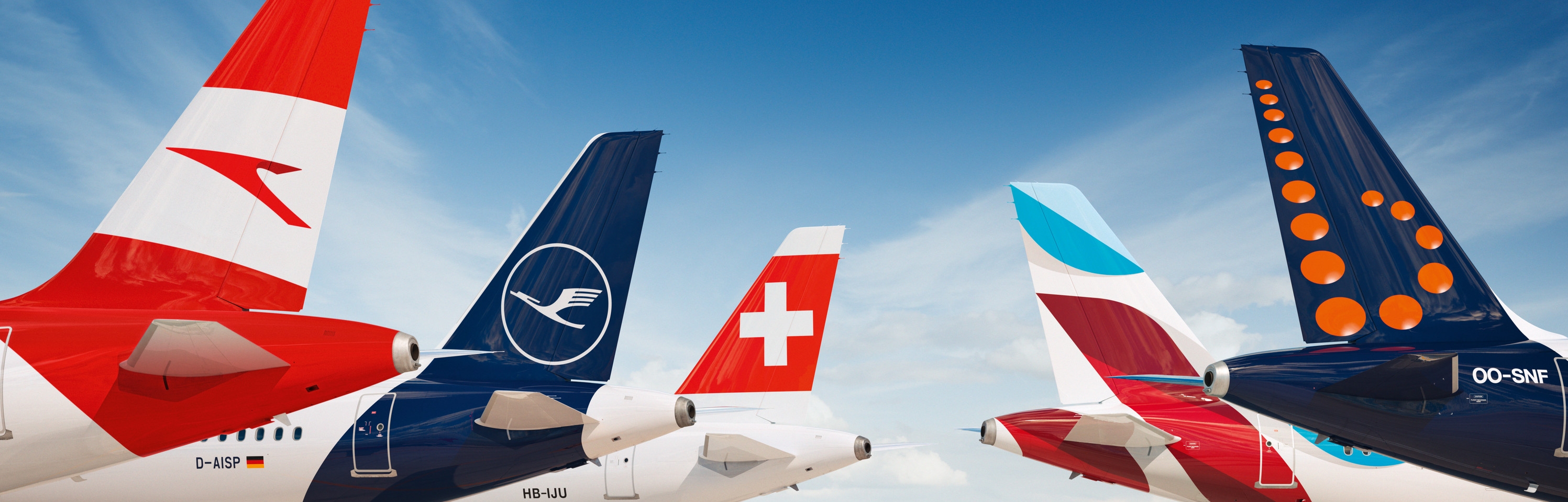
Los ingresos de Lufthansa en Marzo 2020 descendieron en más de US$ 1.4 mil millones. Las reducciones de costos solo podrían compensar parcialmente el daño sufrido durante el trimestre, dijo en un informe la compañía. Lufthansa Group posee las aerolíneas Eurowings y Germanwings, ahora integrada a Eurowings, así como Austrian Airlines, Brussels Airlines y Swiss International Airlines y Edelweiss Airlines.
Según los informes, Lufthansa y la Comisión Europea (CE) están discutiendo qué espacios en qué aeropuertos Lufthansa tendrá que renunciar como remedio para garantizar que la competencia no se vea obstaculizada por el rescate. Según el periódico de negocios Handelsblatt, la canciller Angela Merkel dijo el Lunes 25/05 que el Gobierno alemán no permitiría a la Comisión Europea privar a Lufthansa de las valiosas plazas de despegue y aterrizaje en los aeropuertos de Frankfurt y Munich. «No permitiremos que eso suceda», dijo, advirtiendo en un firme mensaje a Bruselas de que habría una pelea dura por delante.
Lufthansa requests financial rescue
Lufthansa agrees state rescue package
The German airline Lufthansa and the Government of Germany have been in these weeks advancing in intensive negotiations to reach an agreement on financial aid for a state bailout worth € 9 billion Euros. The airline has been asking for state aid to ensure its solvency amid the Coronavirus pandemic, which brought 90% of its fleet to land. CEO Carsten Spohr said that Lufthansa was losing € 1 million Euros, around US$ 1.08 million, in the first instance, and faced the greatest challenge in its 65-year history.
Participation agreement
As part of the deal, the German government will take a 20 percent stake in Lufthansa shares, as well as a convertible bond worth 5%, plus one share. That would allow the government to claim a blocking minority stake to protect the airline against a future subsequent acquisition. The package will also comprise a € 3 billion (US$ 3.27 billion) state loan to the airline, as well as two government-appointed seats on the Supervisory Board. The conditions are also likely to include «exemption from future dividend payments and restrictions on management remuneration», Lufthansa airline said last week.
Lufthansa’s revenue in March 2020 fell by more than US$ 1.4 billion. Cost reductions could only partially offset damage sustained during the quarter, the company said in a report. Lufthansa Group owns Eurowings and Germanwings airlines, now integrated into Eurowings, as well as Austrian Airlines, Brussels Airlines and Swiss International Airlines and Edelweiss Airlines.
Lufthansa and the European Commission (EC) are reportedly discussing which spaces at which airports Lufthansa will have to give up as a remedy to ensure that competition is not hampered by the bailout. According to the business newspaper Handelsblatt, Chancellor Angela Merkel said on Monday 25/05 that the German Government would not allow the European Commission to deprive Lufthansa of valuable take-off and landing places at Frankfurt and Munich airports. «We will not allow that to happen», he said, warning in a firm message to Brussels that there would be a tough fight ahead.
Lufthansa bittet um finanzielle Rettung
Lufthansa stimmt staatlichem Rettungspaket zu
Die deutsche Fluggesellschaft Lufthansa und die deutsche Regierung haben in diesen Wochen intensive Verhandlungen geführt, um eine Einigung über die finanzielle Unterstützung für eine staatliche Rettung im Wert von 9 Milliarden Euro zu erzielen. Die Fluggesellschaft hat um staatliche Beihilfen gebeten, um ihre Zahlungsfähigkeit inmitten der Coronavirus-Pandemie sicherzustellen, die 90% ihrer Flotte an Land brachte. CEO Carsten Spohr sagte, dass Lufthansa in erster Linie 1 Million Euro, rund 1,08 Millionen US-Dollar, verloren habe und sich der größten Herausforderung in ihrer 65-jährigen Geschichte gestellt habe.
Teilnahmevereinbarung
Im Rahmen des Deals wird die Bundesregierung einen Anteil von 20 Prozent an Lufthansa-Aktien sowie eine 5% ige Wandelanleihe plus eine Aktie übernehmen. Dies würde es der Regierung ermöglichen, eine blockierende Minderheitsbeteiligung geltend zu machen, um die Fluggesellschaft vor einer künftigen späteren Übernahme zu schützen. Das Paket umfasst außerdem ein staatliches Darlehen in Höhe von 3 Mrd. EUR (3,27 Mrd. USD) an die Fluggesellschaft sowie zwei von der Regierung ernannte Sitze im Aufsichtsrat. Zu den Bedingungen gehören wahrscheinlich auch ,,die Befreiung von künftigen Dividendenzahlungen und Beschränkungen der Managementvergütung», sagte die Fluggesellschaft Lufthansa letzte Woche.
Der Umsatz von Lufthansa ging im März 2020 um mehr als 1,4 Milliarden US-Dollar zurück. Kostensenkungen konnten die im Quartal erlittenen Schäden nur teilweise ausgleichen, teilte das Unternehmen in einem Bericht mit. Die Lufthansa Group besitzt die jetzt in Germanwings integrierten Fluggesellschaften Eurowings, Austrian Airlines, Brussels Airlines und Swiss International Airlines sowie Edelweiss Airlines.
Berichten zufolge diskutieren Lufthansa und die Europäische Kommission (EC), welche Flächen an welchen Flughäfen Lufthansa als Abhilfe aufgeben muss, um sicherzustellen, dass der Wettbewerb nicht durch die Rettungsaktion behindert wird. Bundeskanzlerin Angela Merkel sagte am Montag, den 25.05., Die Bundesregierung werde der Europäischen Kommission nicht erlauben, der Lufthansa die wertvollen Start-und Landeplätze an den Flughäfen Frankfurt und München zu entziehen. ,,Wir werden das nicht zulassen», sagte er und warnte in einer festen Botschaft an Brüssel, dass ein harter Kampf bevorstehen würde.
Ξ A I R G W A Y S Ξ SOURCE: Airgways.com DBk: Lufthansa.com / Handelsblatt.com / Aero.de / Airgways.com AW-POST: 202005251230
Proyección de retorno de más de 4000 argentinos desde el exterior
La Cancillería de Argentina se encuentra coordinando con Aerolíneas Argentinas el calendario de sus vuelos especiales de Junio 2020, haciendo principal eje en los destinos donde más argentinos se encuentran que son Cancún, Madrid y Miami. Retornarán a la República Argentina en el nuevo organigrama de nuevos vuelos nuevos coordinados por la Cancillería con los ministerios de Transporte, Interior, Salud, Defensa y Seguridad.
El programa de repatriación de argentinos varados en el exterior continúas vigente en el nuevo organigrama de frecuencias entre el 22 y el 30 Mayo 2020 donde un total de diez aeronaves estarán afectadas al arribo de argentinos provenientes de Europa.
El cronograma de esta semana ha iniciado este Sábado 23/05 con el arribo de cuatro vuelos, una de Boliviana de Aviación (BoA) procedente de Santa Cruz de la Sierra con 186 pasajeros; otro de Aeroméxico desde Ciudad de México (DF) con 140 argentinos; un vuelo de Azul Linhas Aéreas desde Sao Pablo con 45 pasajeros y finalmente un Hércules C-130 de la Fuerza Aérea Argentina que traerá de Lima, Perú, a 70 compatriotas.
El Domingo 24/05 arribará en un vuelo de Alitalia procedente desde Roma con 293 pasajeros y de Latam Airlines desde Frankfurt (Alemania) y Madrid (España) con 216 argentinos.
El Lunes, 25/05, Aerolíneas tiene programado uno de sus vuelos especiales desde Madrid con 243 pasajeros y desde el mismo destino también llegará ese día un vuelo de Iberia con 288 personas.
El Martes 26/05 está previsto otro vuelo especial de Aerolíneas desde Santiago de Chile trayendo de regreso a 170 argentinos, mientras que otro tanto ocurrirá con un vuelo desde Quito operado por Aeroregional que trasladará a 129 pasajeros y dos Hércules C-130 volarán hacia la Base Aérea de El Palomar con 140 connacionales.
El Miércoles 27/05 Aerolíneas efectuará un vuelo adicional desde Madrid para el retorno de 243 argentinos; Eastern Airlines programó también un vuelo desde Miami para 220 pasajeros. Air France traerá desde París a 282 argentinos.
El Jueves 28/05 Boliviana de Aviación tiene previsto un vuelo desde Santa Cruz de la Sierra arribando con 186 pasajeros. Copa Airlines de Panamá, realizará un vuelo de repatriación con 160 argentinos desde Cancún (México).
El Viernes 29/05 Aerolíneas programó dos vuelos especiales, uno desde Madrid para 243 pasajeros y otro desde Cancún para la misma cantidad de viajeros; mientras que, desde París, Air France traerá a 347 pasajeros; junto con Delta Air Lines arribará un vuelos de repatriación procendente desde Atlanta, con 160 argentinos.
Según Cancillería Argentina, todos los vuelos fueron acordados siguiendo estrictamente las medidas sanitarias para evitar la propagación de la pandemia en la República Argentina.
Argentine Chancellery 21 new flights 22-30 / 05
Projection of return of more than 4000 Argentines from abroad
The Argentine Chancellery is coordinating with Aerolíneas Argentinas the schedule of its special flights for June 2020, making it the main axis in the destinations where the most Argentines are: Cancún, Madrid and Miami. They will return to the Argentine Republic in the new organization chart of new new flights coordinated by the Foreign Ministry with the ministries of Transport, Interior, Health, Defense and Security.
The repatriation program for Argentines stranded abroad continues in force in the new frequency organization chart between May 22 and 30, 2020, where a total of ten aircraft will be affected by the arrival of Argentines from Europe.
This week’s schedule has started this Saturday 23/05 with the arrival of four flights, one from Boliviana de Aviación (BoA) from Santa Cruz de la Sierra with 186 passengers; another from Aeroméxico from Mexico City (DF) with 140 Argentines; a Azul Linhas Aéreas flight from Sao Pablo with 45 passengers and finally a C-130 Hercules from the Argentine Air Force that will bring 70 compatriots from Lima, Perú.
On Sunday 24/05, it will arrive on an Alitalia flight from Rome with 293 passengers and from Latam Airlines from Frankfurt (Germany) and Madrid (Spain) with 216 Argentines.
On Monday, 05/25, Aerolíneas has scheduled one of its special flights from Madrid with 243 passengers and an Iberia flight with 288 people will also arrive that day from the same destination.
On Tuesday 26/05 another special Aerolíneas flight from Santiago de Chile is planned, bringing 170 Argentines back, while the same will happen with a flight from Quito operated by Aeroregional that will carry 129 passengers and two Hercules C-130 will fly to the El Palomar Air Base with 140 compatriots.
On Wednesday 05/27 Aerolíneas will make an additional flight from Madrid for the return of 243 Argentines; Eastern Airlines also scheduled a flight from Miami for 220 passengers. Air France will bring 282 Argentines from Paris.
On Thursday 28/05 Boliviana de Aviación is planning a flight from Santa Cruz de la Sierra arriving with 186 passengers. Copa Airlines de Panamá will make a repatriation flight with 160 Argentines from Cancun (Mexico).
On Friday 29/05, Aerolíneas scheduled two special flights, one from Madrid for 243 passengers and the other from Cancún for the same number of travelers; while, from Paris, Air France will bring 347 passengers; Along with Delta Air Lines, a repatriation flight will arrive from Atlanta, with 160 Argentines.
According to the Argentine Foreign Ministry, all flights were agreed strictly following sanitary measures to prevent the spread of the pandemic in the Argentine Republic.
Ξ A I R G W A Y S Ξ SOURCE: Airgways.com DBk: Cancilleria.gob.ar / Argentina.gob.ar / Aerolineas.com / Airgways.com AW-POST: 202005241638AR
Embraer el futuro el E175-E2 sobre las Cláusulas de Alcance EEUU
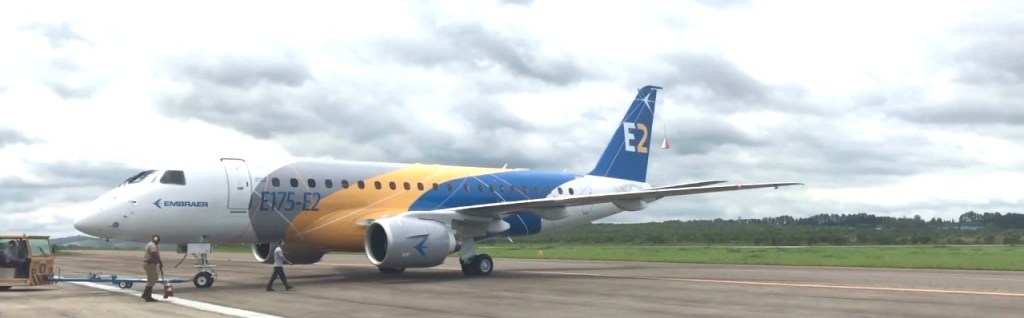
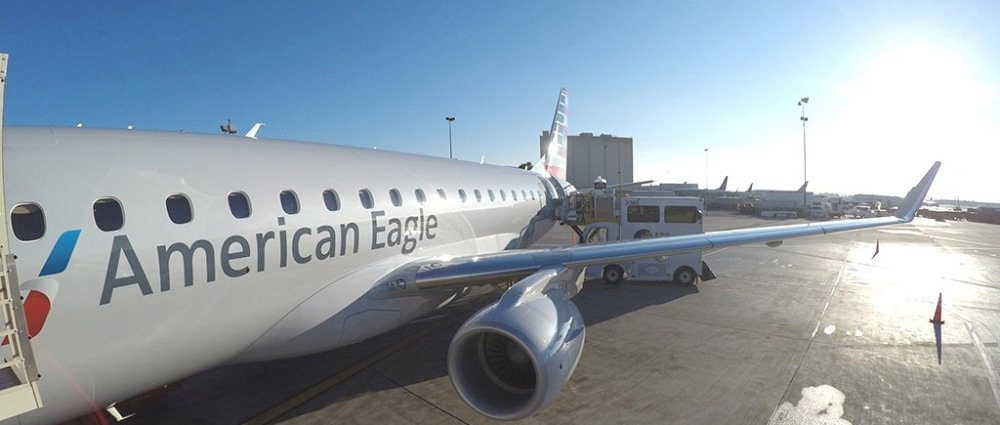
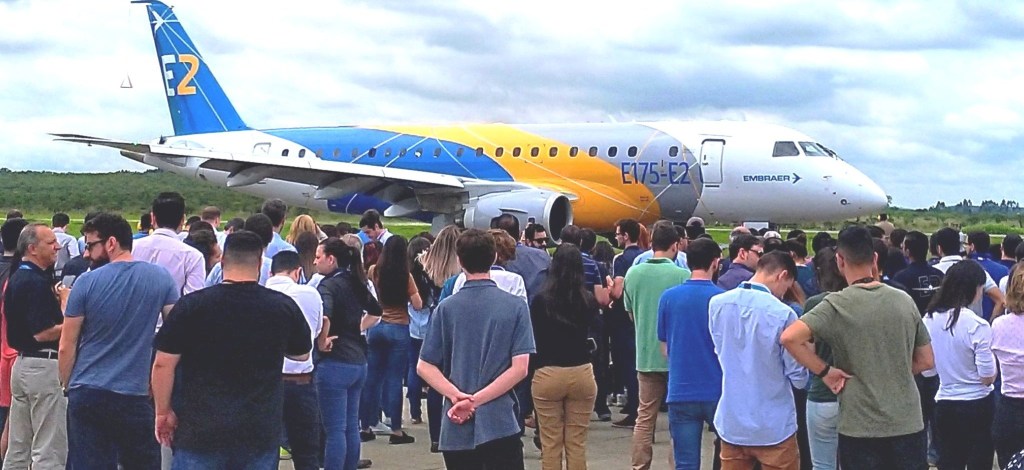
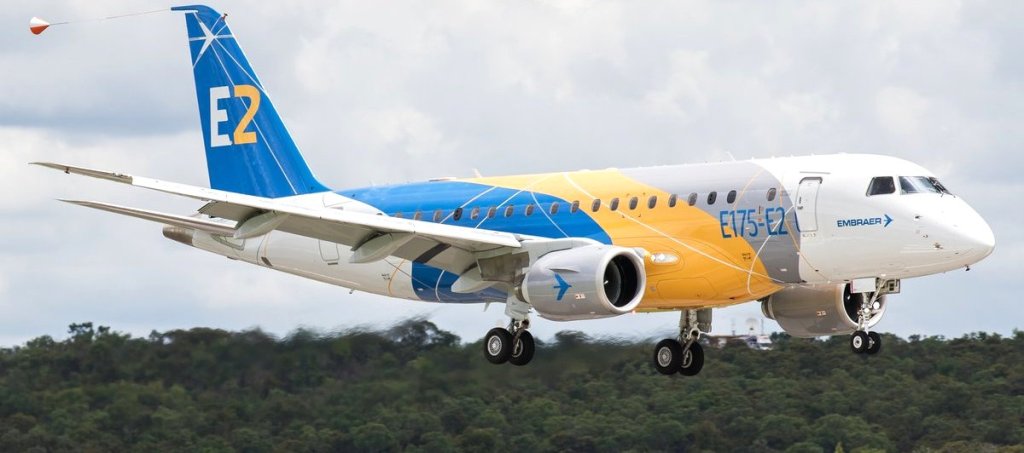
Embraer SA es una compañía que ha podido introducir varias aeronaves en la segmentación de las Cláusulas de Alcance de los Estados Unidos en estos últimos tiempos. El Embraer 175-E1 es una de las aeronaves favoritas de las aerolíneas que cumplen con las normas por las Cláusulas del Alcance, pero el nuevo derivada, la versión más moderna Embraer E175-E2 actualmente no cumple con la normativa de la Cláusula de Alcance.
CLÁUSULAS DE ALCANCE Una Cláusula de Alcance es parte de un contrato entre una aerolíneaimportante y el sindicato de sus pilotos que limita la cantidad y el tamaño de las aeronaves que puede volar la filial regional de la aerolínea. El objetivo es proteger los empleos de los pilotos sindicales en la aerolínea principal para que no se sub-contraten limitando la capacidad de pasajeros de las aerolíneas regionales. Estas cláusulas existen principalmente en los Estados Unidos, Canadá y México.
Futuro del E175-E2
El futuro del E175-E2 dependerá en un alto porcentaje de los cambios que se puedan introducir en las Cláusulas de Alcance de los Estados Unidos, que es una disposición en los contratos de piloto que limita el tamaño y la cantidad de aviones que pueden volar los pilotos con salarios más bajos en las afiliadas regionales. Embraer espera que la normativa de estas cláusulas cambie sea más flexible para que la nueva variante más pesada pueda ser aceptada dentro de los futuros nuevos parámetros bajo el paraguas de la Ley de la Cláusula de Alcance. Si esta ley no es modificada tal como espera Embraer, el futuro del E175-E2 se reduciría enormemente y la compañía brasileña perdería un mercado importante como lo es el de Estados Unidos.
Mercado regional EEUU
Las tres aerolíneas más grandes de los Estados Unidos que dependen de la alimentación regional definida por la Cláusula de Alcance son American Airlines, Delta Air Lines y United Airlines que están en conversaciones con sus pilotos sobre nuevos acuerdos. Antes de la crisis sanitaria de la pandemia de Coronavirus, los pilotos insistieron en que las Cláusulas de Alcance no estaban sobre la mesa, y los pilotos tenían la influencia para mantenerlo así. Pero si eso se cumple es algo que nadie sabe, dado que los pilotos de aerolíneas calificados probablemente superen en número a las ofertas de trabajo durante al menos unos años.
Embraer
El Presidente y CEO de Embraer, John Slattery, dijo durante un reciente seminario web de Aviation Week que el E175-E1 permanecerá en producción mientras haya clientes, y si las Cláusulas de Alcance no cambian, habrá clientes. El avión no tiene competidores en las líneas de producción actuales, y con Mitsubishi desconectando su M100, ninguno está en el horizonte para competir en ese segmento. Incluso teniendo en cuenta las reducciones relacionadas con la pandemia, no todas las redes de líneas aéreas dependientes del centro pueden tocar fondo con aviones de cien asientos.
La perspectiva del E175-E2 está sobre la mesa en Estados Unidos; mientras que Embraer le da pelea a su horizonte para continuar trabajando de manera independiente.
Embraer future Scope Clauses
Embrace the future on E175-E2 on US Scope Clauses
Embraer SA is a company that has been able to introduce several aircraft in the segmentation of the United States Scope Clauses in recent times. The Embraer 175-E1 is one of the airlines’ favorite aircraft that meet the Scope Clause standards, but the new derivative, the more modern Embraer E175-E2 version does not currently meet the Scope Clause regulations.
SCOPE CLAUSES A Scope Clause is part of a contract between a major airline and its pilots union that limits the number and size of aircraft that can be flown by the airline’s regional affiliate. The goal is to protect the jobs of union pilots on the main airline from being outsourced by limiting the passenger capacity of regional airlines. These clauses exist primarily in the United States, Canada, and Mexico.
Future of the E175-E2
The future of the E175-E2 will depend in a high percentage of the changes that can be introduced in the Scope Clauses of the United States, which is a provision in pilot contracts that limits the size and number of aircraft that can fly the pilots with lower salaries in regional affiliates. Embraer hopes that the regulations of these clauses will be made more flexible so that the new heavier variant can be accepted within the future new parameters under the umbrella of the Scope Clause Law. If this law is not modified as expected by Embraer, the future of the E175-E2 would be greatly reduced and the Brazilian company would lose an important market like that of the United States.
US regional market
The three largest airlines in the United States that depend on regional power defined by the Scope Clause are American Airlines, Delta Air Lines and United Airlines that are in talks with their pilots about new deals. Before the Coronavirus pandemic health crisis, pilots insisted that the Scope Clauses were not on the table, and pilots had the clout to keep it that way. But whether that is true is something no one knows, given that qualified airline pilots will likely outnumber job openings for at least a few years.
Embraer
Embraer President and CEO John Slattery said during a recent Aviation Week webinar that the E175-E1 will remain in production as long as there are customers, and if the Scope Clauses do not change, there will be customers. The aircraft has no competitors on current production lines, and with Mitsubishi disconnecting its M100, none are on the horizon to compete in that segment. Even taking into account the pandemic-related reductions, not all downtown-dependent airline networks can hit rock bottom with 100-seat aircraft.
The prospect of the E175-E2 is on the table in the United States; while Embraer fights his horizon to continue working independently.
Cláusulas de escopo futuro da Embraer
Abrace o futuro no E175-E2 nas cláusulas de escopo dos EUA
A Embraer SA é uma empresa que conseguiu introduzir diversas aeronaves na segmentação das Cláusulas de Escopo dos Estados Unidos nos últimos tempos. O Embraer 175-E1 é uma das aeronaves favoritas das companhias aéreas que atendem aos padrões da Cláusula de Escopo, mas o novo derivado, a versão mais moderna da Embraer E175-E2, atualmente não atende aos regulamentos da Cláusula de Escopo.
CLÁUSULAS DE ESCOPO Uma cláusula de escopo faz parte de um contrato entre uma grande companhia aérea e seu sindicato de pilotos que limita o número e o tamanho da aeronave que pode ser pilotada pelo afiliado regional da companhia aérea. O objetivo é proteger os empregos dos pilotos sindicais na principal companhia aérea de serem terceirizados, limitando a capacidade de passageiros das companhias aéreas regionais. Essas cláusulas existem principalmente nos Estados Unidos, Canadá e México.
Futuro do E175-E2
O futuro do E175-E2 dependerá de uma alta porcentagem das alterações que podem ser introduzidas nas Cláusulas de Escopo dos Estados Unidos, que é uma provisão em contratos-piloto que limita o tamanho e o número de aeronaves que podem voar. pilotos com salários mais baixos em afiliadas regionais. A Embraer espera que os regulamentos dessas cláusulas sejam mais flexíveis para que a nova variante mais pesada possa ser aceita dentro dos futuros novos parâmetros sob a égide da Lei de Cláusulas de Escopo. Se essa lei não for modificada conforme o esperado pela Embraer, o futuro do E175-E2 seria bastante reduzido e a empresa brasileira perderia um mercado importante como o dos Estados Unidos.
Mercado regional dos EUA
As três maiores companhias aéreas dos Estados Unidos que dependem da energia regional definida pela Cláusula do Escopo são American Airlines, Delta Air Lines e United Airlines que estão conversando com seus pilotos sobre novos negócios. Antes da crise de saúde pandêmica do Coronavírus, os pilotos insistiam que as Cláusulas do Escopo não estavam sobre a mesa, e os pilotos tinham a influência de mantê-lo dessa maneira. Mas se isso é verdade é algo que ninguém sabe, uma vez que os pilotos qualificados da linha aérea provavelmente superarão as vagas por pelo menos alguns anos.
Embraer
O Presidente e CEO da Embraer, John Slattery, disse durante um webinar da Semana da Aviação recente que o E175-E1 permanecerá em produção enquanto houver clientes, e se as Cláusulas de Escopo não mudarem, haverá clientes. A aeronave não tem concorrentes nas linhas de produção atuais e, com a Mitsubishi desconectando o M100, nenhuma está no horizonte para competir nesse segmento. Mesmo levando em consideração as reduções relacionadas a pandemias, nem todas as redes aéreas dependentes do centro da cidade podem atingir o fundo do poço com aeronaves com 100 assentos.
A perspectiva do E175-E2 está sobre a mesa nos Estados Unidos; enquanto a Embraer luta por seu horizonte para continuar trabalhando de forma independente.
Ξ A I R G W A Y S Ξ SOURCE: Airgways.com DBk: Aviationweek.com / Embraer.com / Airgways.com / Sanspotter.com AW-POST: 202005232128AR
AW | 2020 05 23 15:25 | AIRLINES / AIR TRAFFIC / GOVERNMENT
Aprobaciónsuspensión servicios en aeropuertos
El Departamento de Transporte (DOT) de estados Unidos ha comunicado el Viernes 22/05 por la noche que había otorgado una aprobación provisional a quince aerolíneas para suspender temporalmente el servicio hacia 75 aeropuertos de Estados Unidos.
Requisitos mínimos
Las aerolíneas deben mantener niveles mínimos de servicio para recibir asistencia del Gobierno bajo el paraguas de la Ley CARES, pero muchos han solicitado suspender el servicio a aeropuertos con baja demanda de pasajeros. Tanto United Airlines como Delta Air Lines obtuvieron la aprobación tentativa para detener los vuelos a once aeropuertos, mientras que JetBlue Airways, Alaska Airlines y Frontier Airlines fueron aprobadas para detener vuelos a cinco aeropuertos de cada una de estas compañías. El DOT dijo que todos los aeropuertos continuarían siendo atendidos por al menos una compañía aérea. Las objeciones a la orden pueden presentarse hasta el 28 Mayo 2020.
US approval suspension services
The United States grants provisional approval to fifteen airlines to suspend service at airports
The US Department of Transportation (DOT) announced on Friday night 05/22 that it had granted provisional approval to fifteen airlines to temporarily suspend service to 75 United States airports.
Minimum requirements
Airlines must maintain minimum levels of service to receive government assistance under the umbrella of the CARES Act, but many have requested to suspend service to airports with low passenger demand. Both United Airlines and Delta Air Lines obtained tentative approval to stop flights to eleven airports, while JetBlue Airways, Alaska Airlines, and Frontier Airlines were approved to stop flights to five airports from each of these companies. DOT said all airports would continue to be served by at least one airline. Objections to the order can be filed until May 28, 2020.
Ξ A I R G W A Y S Ξ SOURCE: Airgways.com DBk: Transportation.gov / Airgways.com / Dallasnews.com AW-POST: 202005231525AR

















 airgways.com