Perspectivas industria post-pandemia
AW | 2020 12 23 16:47 | INDUSTRY

Perspectivas post-pandemia industria aviación comercial

La industria de la aviación mundial se ha modificado el mercado de aviación producto de la actual pandemia de Coronavirus y las restricciones a los viajes y concentraciones. Con un nuevo escenario hacia el futuro, el mercado ahora tiene diferentes requisitos, y sin duda habrá más transiciones importantes hacia la próxima década, con modificaciones del escenario de la aviación comercial mundial. Ante este panorama, la industria de la aviación también comienza a adoptar cambios más sustanciales hacia una aviación más ecológica y responsable.

Los principales fabricantes de aeronaves como Airbus, Boeing, Embraer, comienzan a corresponder una nueva demanda de aeronaves mucho más enfocadas en la estandarización de flotas y una concentración de tipo de aviones de menor porte y mayores autonomías, donde comienzan a vislumbrarse los retiros de aviones gigantes como los Boeing 747, Airbus A380, como así también unidades de mediana antigüedad. Por otro lado, se comienza a observar el resurgimiento de nuevos competidores y nuevas aeronaves en la industria de la aviación como lo es Deutsche Aircraft con su actualización del Programa D-328eco y la nueva línea de turboprop Embraer del Programa E3. En la misma línea se encuentra bajo estudio el Programa ZeroE de Airbus Group, con un abanico de ofertas pensadas hacia la implementación del concepto del combustible hidrógeno.

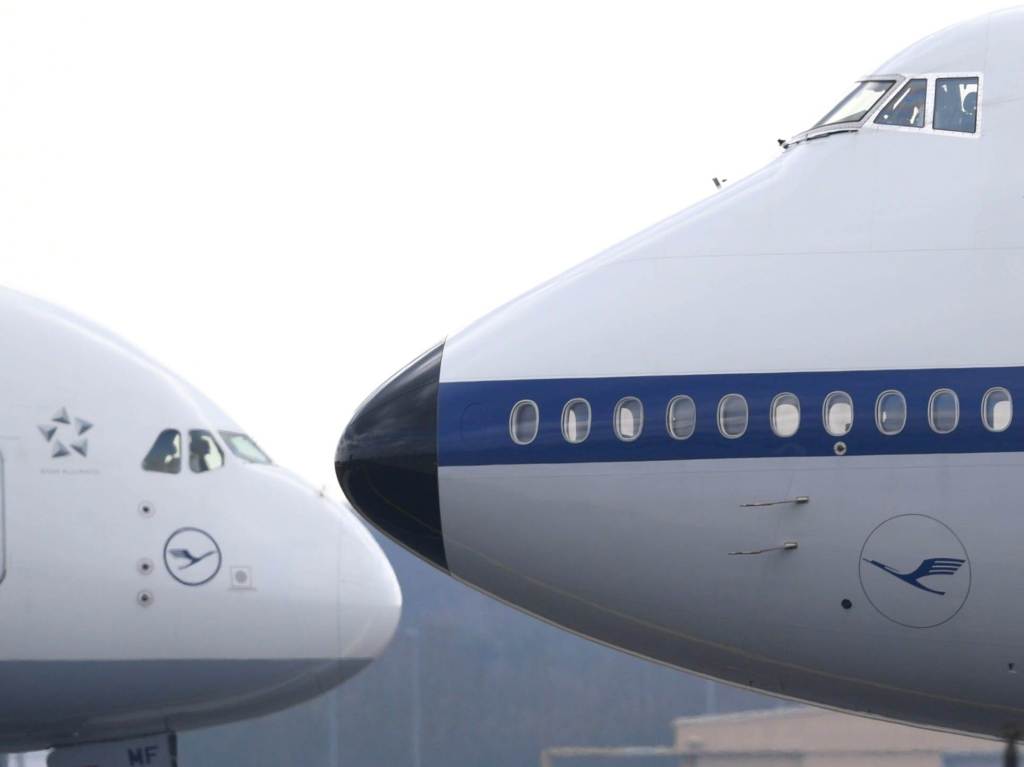
La demanda ha cambiado masivamente en todo el mundo, y las restricciones de viaje siguen dando forma a los hábitos de vuelo del público. La actividad en los servicios de larga distancia ha disminuido más, y varios transportistas han dejado de lado los tipos de cuerpos anchos durante este clima de incertidumbre. La industria de la aviación comercial continúa moviéndose hacia las capacidades más responsables con el entorno, mientras que los fabricantes continúan desarrollando nuevas aeronaves que se ajusten mejor al próximo mercado.

The Boeing Company
Boeing-NMA-797

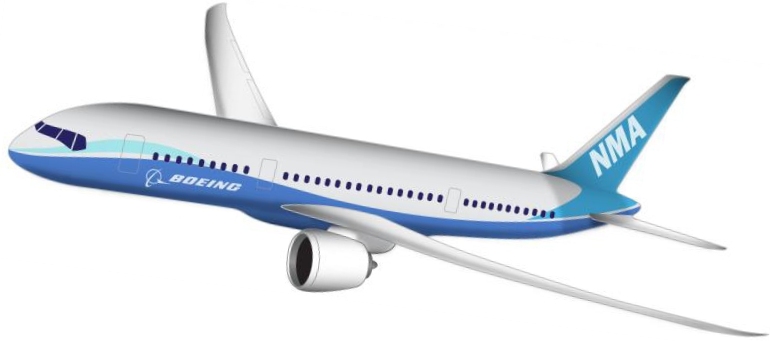
Los anuncios de The Boeing Company alrededor del nuevo avión de tamaño mediano New Middle Market NMA/Boeing 797, que complementaría el sector del mercado medio, todo parecía continuar en la dirección correcta para introducir cambios en un mercado altamente competitivo, y así recuperar el mercado perdido por el Boeing 757. Sin embargo, decidió repensar su enfoque y volver al tablero de dibujo después del impacto de la saga del Boeing 737 MAX. A principios de 2020, el CEO de Boeing, David Calhoun, compartió que el programa NMA no continuaría tal como estaba planificado, causando una disrupción por los acontecimientos que modificaron el mercado actual de la pandemia. Mientras tanto, superando la crisis del 737 MAX, la Boeing depositó toda su confianza en su producto estrella, y así postergar una vez más el ansiado proyecto de avión de mercado medio.

Alternativamente a la forma del Proyecto NMA que no sucederá en su forma esperada, ¿qué perspectivas de desarrollo espera diagramar la compañía? Algunos detalles arrojados en Octubre 2020 ha informado que Boeing estaba en conversaciones tempranas con proveedores y equipos de arrendamiento sobre trabajar en una nueva unidad comercial. El programa consistiría en un avión de pasillo único con motores mejorados, con capacidades para 200-250 pasajeros, ubicando a la aeronave entre el Boeing 737-10 MAX y el Boeing 787-8 Dreamliner. Este nuevo concepto que continúa siendo un proyecto desconocido, continúa desarrollándose internamente en la Boeing a la espera de nuevas tecnologías que superen las actuales para justificar el avance de un nuevo programa en la compañía aeroespacial americana.
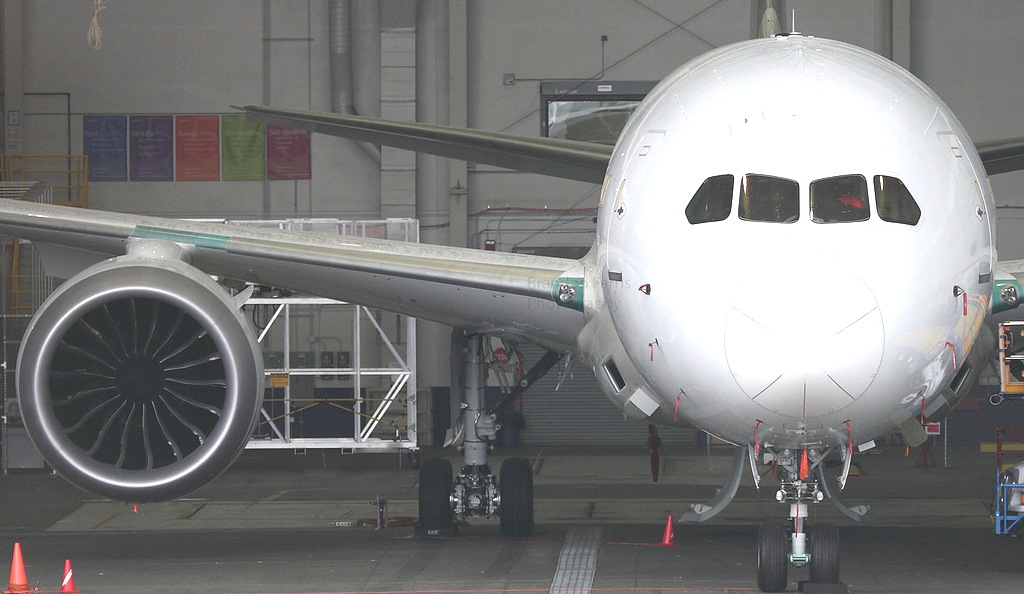
El proyecto se desarrolla en una fase preliminar, por lo que el proceso de maduración puede llevar algunos años en materializarse, mientras tanto la Boeing continuará concentrándose en fortalecer las tres unidades de línea de producción activas: 737/787/777, además del Boeing 747 preferentemente de la división de carga. La puesta en valor del Boeing 737 MAX, tras las recientes aprobaciones de los diferentes organismos reguladores internacionales, Boeing ha estado lidiando además con el fuerte impacto de la crisis sanitaria mundial y la fuerte depreciación de los viajes en el mundo.

La postura de Boeing respecto a nuevos concepto ecológicos, no espera avances en aviones de hidrógeno tan pronto. El Vicepresidente Comercial del fabricante y Gerente General de Desarrollo de Productos, Michael Sinnett, dijo que no cree que este tipo sea algo que esté a la vuelta de la esquina.

Tras los fracazos de la sinergia Boeing-Embraer, la compañía podría inspirarse para construir aeronaves de tamaño menores, pero ese proyecto no ha tenido mucho éxito en anterior oportunidades en la compañía, como por ejemplo tras la adquisición de la línea de turboprops De Havilland Canada en el década de 1980, o la adquisición por medio de la fusión con la McDonnell Douglas Corporation y su incorporación del MD-95 como Boeing 717. Tal vez, el mercado pueda combiar, habrá que esperar cómo se define el próximo escenario de la industria aerocomercial.

En cuanto al desarrollo de aeronaves de mayor porte, el Programa 777X será el foco principal cuando se trata del reino de los widebodies hacia los próximos años como único baluarte frente a la disminución de las flotas 747/A380 en el mundo de las compañías aéreas.

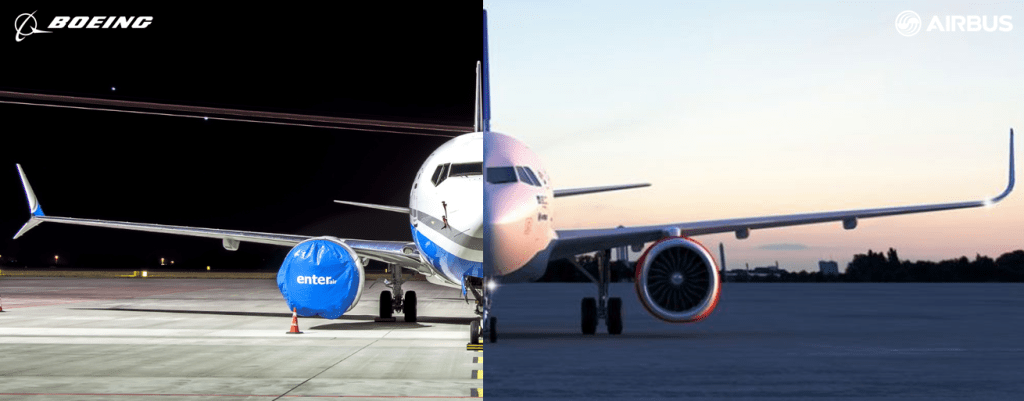
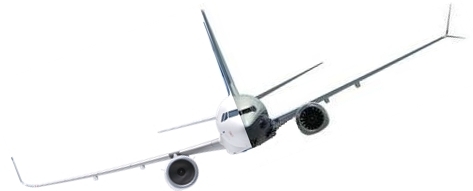
La estrella de la Boeing el 737 MAX ahora finalmente de vuelta en el aire, tiene un respiro para volver a recuperar mercado perdido frente a su competidor el Airbus A320NEO, y al mismo tiempo para concentrarse en un nuevo proyecto que amplía la gama de productos en la compañía, independientemente cual sea el avión de próxima generación futura, las perspectivas de Boeing se encuentran enfocadas a la necesidad de crear mercado solo si las condiciones así lo favorezcan, mientras tanto, Boeing continuará consolidándose y fortaleciéndose después de atravesar una tormenta perfecta.

Airbus Group
A320NEOB737MAX_001

La compañía Airbus Group SE ha estado interesada en ofrecer el primer avión comercial de cero emisiones del mundo hacia el 2035. Los aviones conceptuales ZEROe de la firma europea le ayudan a explorar una variedad de configuraciones e innovaciones de hidrógeno. Con el movimiento hacia la aviación eléctrica, vienen también nuevas oportunidades para explorar cómo se ve un tren motriz, y Airbus está experimentando con un nuevo diseño que construye unidades de propulsión de hidrógeno.

Las futuras nuevas tecnologías permiten vislumbrar un nuevo concepto que el constructor europeo denomina ZEROe que incluye un tanque de hidrógeno líquido, un sistema de refrigeración, una pila de combustible, electrónica de potencia, motores eléctricos, una hélice compuesta ligera de ocho palas y todo el equipo auxiliar necesario para ejecutarlo como una unidad de propulsión independiente. Curiosamente, no hay mención de una batería de amortiguación, pero entonces los aviones convencionales como este utilizan la energía de una manera constante y predecible, por lo que un pequeño retraso entre el acelerador y los apoyos como la pila de combustible se pone al día podría no ser un problema. Estas vainas no sólo pueden desprenderse fácilmente de las alas (no demasiado fácilmente, con suerte), sino que el equipo de ZEROe quiere hacerlas altamente modulares, para que puedan separarse rápidamente para el mantenimiento, las pruebas y los intercambios de componentes simples.

El concepto de la tecnología en base al hidrógeno no es nueva. Con el hidrógeno líquido viene una densidad de energía que rivaliza, o incluso excede el combustible para aviones para vuelos de largo alcance, pero con cero emisiones locales y el potencial de llenar energía renovable neutra en carbono. Es un desafío para los fabricantes estar mirando hacia adelante en el concepto del hidrógeno para la aviación renovable. El concepto de vainas extraíbles radica en pasar a un sistema eléctrico dando la oportunidad de separar los sistemas de propulsión en unidades independientes, ofreciendo una excelente redundancia. Si algo sale mal con una cápsula de propulsión, puede apagarla por completo o incluso deseche sobre el agua, dejando que el controlador de vuelo vuelva a equilibrar el empuje a través de las cápsulas restantes. También libera un espacio considerable en la cabina. A las compañías aéreas les encanta llenar tubos huecos con tanta gente como sea posible, y mover los tanques de combustible y todo el tren motriz fuera de ese tubo hueco significa asientos adicionales y capacidad de carga adicional. Hacer de cada uno un tren de fuerza completo los hace ultra-intercambiables, por lo que cualquier problema se puede manejar en el tiempo libre del operador sin tener que sacar el avión fuera de servicio. Aunque Airbus ya ha sacado patentes sobre este diseño, es sólo uno de los muchos conceptos que la empresa está evaluando para el programa ZEROe. «Esta configuración ‘pod’ es un gran punto de partida para fomentar una mayor investigación sobre cómo podemos escalar la tecnología de hidrógeno a los aviones comerciales. Esta es una opción, pero muchas más serán conceptualizadas antes de hacer una selección final, una decisión que se espera para 2025», dice Glenn Llewellyn, Vicepresidente de Airbus de Aviones ZEROe.
Embraer Aircraft

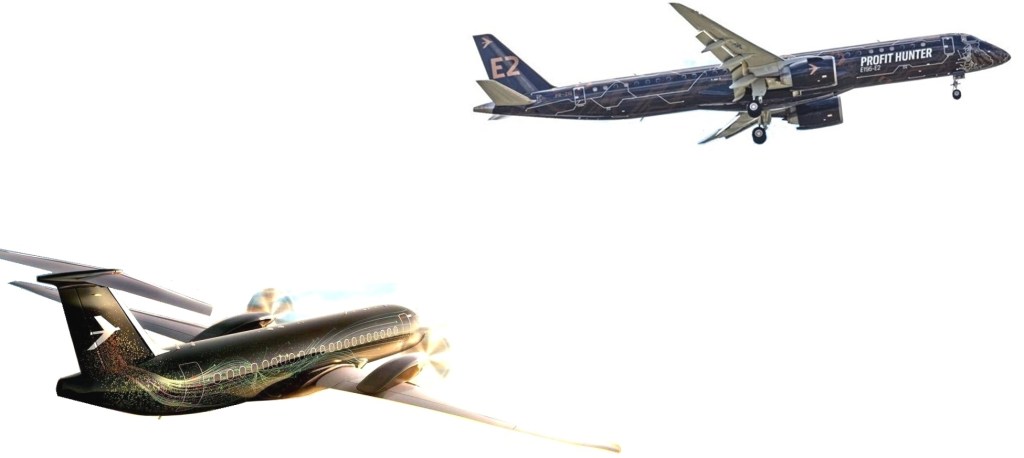
Los efectos de la recesión perduraran, la compañía Embraer S.A. podría haber un nuevo enfoque a largo plazo en los aviones de corta distancia. Embraer ha expresado cómo la pandemia está configurando el futuro de los programas de la empresa. Es necesario atender a mercados más pequeños y la necesidad de unidades más sostenibles para los servicios de corta distancia. Por lo tanto, hay mucho espacio para la introducción de un nuevo concepto de aeronave regional. El equipo brasileño ha estado intensificando sus planes para su proyecto de avión turbohélice denominado Programa E3 que permitirían actualizar el parque aeronáutico y acceder a nuevos mercado en el mundo, donde otras aeronaves por las limitaciones no pueden llegar.

Deutsche Aircraft

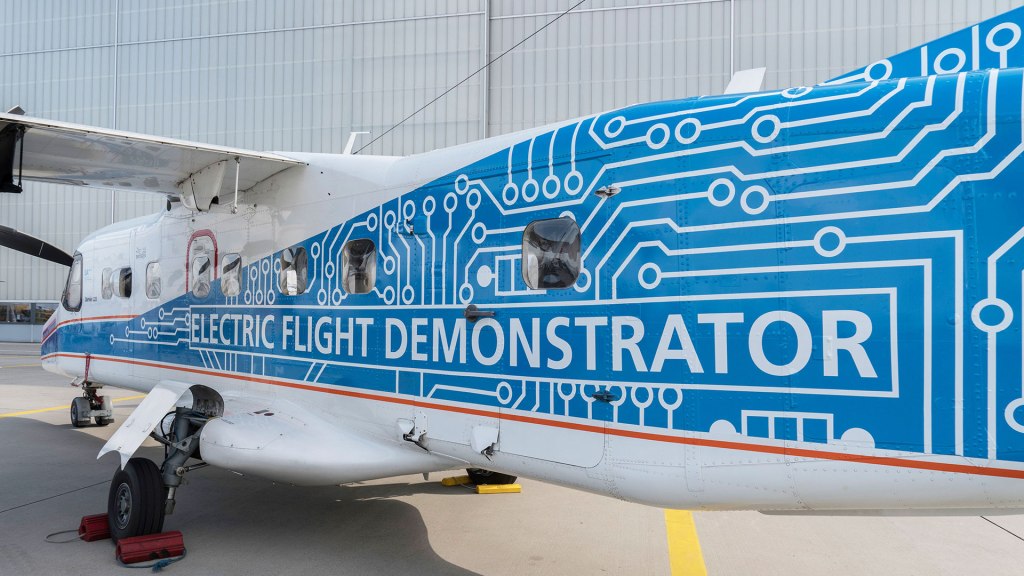
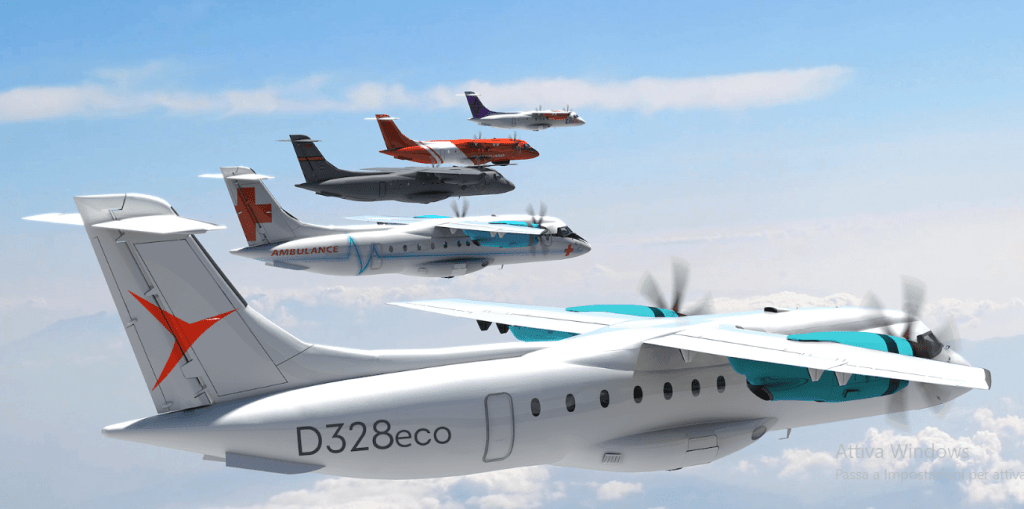
Deutsche Aircraft, el nuevo fabricante de aeronaves de Alemania ha anunciado a principios de 12/2020 planes para desarrollar el D328eco, una plataforma revolucionaria que alineará el futuro de la aviación regional hacia un objetivo de vuelo de cero emisiones. Deutsche Aircraft se basa en el patrimonio y la experiencia de 328 Support Services GmbH, el titular del certificado Type de la aeronave Dornier 328 (D328). Junto con la participación del Gobierno alemán, Deutsche Aircraft liderará el camino en una nueva era de la aviación limpia a través del desarrollo de la plataforma D328eco, un avión más eficiente, rentable y respetuoso con el medio ambiente.

El D328eco ofrecerá una solución alternativa y ecoeficiente dentro de los mercados regionales de cercanías y aeronaves multifunción de 50 asientos, que planea introducir para 2025. El diseño de la cubierta de vuelo de última generación y las capacidades ofrecidas por la última suite de aviónica se dirigirán a la futura operación piloto única para una mayor eficiencia operativa. Los motores Pratt & Whitney PW127S y un fuselaje compatible con SAF (Sustainable Aviation Fuel), preparan el escenario para que el D328eco cambie la forma en que el mundo vuela mientras reduce nuestra huella de carbono. El stand-up y el nuevo diseño de la cabina ofrecerán mayor comodidad y cumplimiento con los últimos requisitos de salud y seguridad.

El D328 es la única plataforma existente que cumple con los requisitos de eficiencia y rendimiento para un avión moderno y más sostenible. Combinado con tecnologías nuevas, protegidas y energéticamente eficientes, allanará el camino a un vuelo de cero emisiones en los próximos 15 años, mucho más rápido que cualquier otro Original Equipment Manufacturer (OEM), superando las directrices internacionales de 2050. En consonancia con los objetivos de sostenibilidad de Deutsche Aircraft, los procesos de fabricación conformes con REACH se adoptarán en una nueva línea de montaje final (FAL) de última generación, La industria 4.0, sin papel en Leipzig, Alemania. Se prevé que el proyecto impulse las economías locales a lo largo de su cadena de suministro, además de generar empleos indirectos en las industrias de apoyo.

Thomas Jarzombek, Coordinador del Gobierno Federal de Política Aeroespacial Alemana declaró: «La pandemia de coronavirus ha tenido un impacto inmediato y muy grave en la aviación y en la industria de la aviación. Por lo tanto, es una excelente señal de que, a pesar de la crisis, el trabajo se está llevando a buen nivel en la D328eco. El gobierno federal ha apoyado el proyecto desde el principio y lo seguirá haciendo. Hace unas semanas, se desembolsó el segundo tramo de nuestro préstamo de costos de desarrollo. El gobierno federal también está financiando el D328 a través de su programa de investigación de aviación ‘LuFo’ con el fin de convertir la visión de cero carbono para las aeronaves en realidad». Deutsche Aircraft prevé que los hábitos de viaje y las demandas de las compañías aéreas cambiarán. Las operaciones tradicionales de hub y spoke a gran escala se reestructurarán a medida que aumente la demanda de transporte de corto recorrido, punto a punto y de bajas emisiones. Las aerolíneas redimensionarán sus flotas para dar cabida a aeronaves más pequeñas, más eficientes y más ecológicas, y buscarán abrir rutas desatendidas con servicios directos a través de operaciones de tamaño adecuado.

El D328eco proporciona la solución perfecta para esta evolución de la industria, proporcionando beneficios económicos y ambientales. El programa D328eco alcanzará el objetivo de proporcionar un fácil acceso a aeronaves asequibles, energéticamente eficientes y rentables y respetuosas con el medio ambiente. Generando un impacto ambiental mínimo en el camino, el D328eco estimulará el crecimiento económico y social sostenible.

Dave Jackson, Director General de DRA comentó: «Al conmemorar el Día Internacional de la Aviación Civil de las Naciones Unidas, miramos hacia el futuro de la aviación y la necesidad de innovar hoy. La crisis COVID ha impactado dramáticamente a la industria para siempre y nuestro planeta se enfrenta a grandes desafíos de los cuales ya estamos empezando a experimentar el impacto. Pero a medida que planeamos reconstruir el sector, podemos recalibrar y reenfocar en el desarrollo de nuevos productos y procesos que sean mucho más respetuosos con el medio ambiente. El equipo de Deutsche Aircraft es impulsado y apasionado con una combinación única de experiencia y habilidad en excelencia de ingeniería, incluyendo nuevas citas de alta dirección de los principales OEM y actores clave dentro de la industria de la aviación. Nuestras capacidades probadas y tecnología protegida tienen el potencial de cambiar drásticamente la industria a corto plazo, ofreciendo productos de aeronaves alternativas en línea con las expectativas futuras. Nuestra misión es acelerar la transición de la aviación a aviones de cero emisiones. El D328eco es la única plataforma existente capaz de cumplir con los requisitos de eficiencia y rendimiento para los aviones verdes modernos ahora, apoyando finalmente la transición verde de la industria. A medida que salgamos de la crisis COVID, el mercado regional de corto recorrido será el primero en recuperarse y el D328eco proporcionará una oportunidad para que las aerolíneas reconstruyan de una manera más sostenible«.

Post-pandemic industry perspectives
Post-pandemic outlook for the commercial aviation industry

The global aviation industry has changed the aviation market due to the current Coronavirus pandemic and restrictions on travel and concentrations. With a new scenario to the future, the market now has different requirements, and there will undoubtedly be more important transitions into the next decade, with modifications of the world commercial aviation scenario. Against this background, the aviation industry is also beginning to adopt more substantial changes towards greener and more responsible aviation.

The main aircraft manufacturers such as Airbus, Boeing, Embraer, begin to correspond a new demand for aircraft much more focused on the standardization of fleets and a concentration of smaller aircraft types and greater autonomies, where the retirements of aircraft are beginning to be seen giants like the Boeing 747, Airbus A380, as well as mid-life units. On the other hand, the resurgence of new competitors and new aircraft in the aviation industry such as Deutsche Aircraft is beginning to be observed with its update of the D-328eco Program and the new Embraer turboprop line of the E3 Program. In the same vein, the Airbus Group ZeroE Program is under study, with a range of offers designed to implement the concept of hydrogen fuel.

Demand has changed massively around the world, and travel restrictions continue to shape the flying habits of the public. Activity in long-distance services has slowed further, and several carriers have sidelined widebody types during this uncertain climate. The commercial aviation industry continues to move toward more environmentally responsible capabilities, as manufacturers continue to develop new aircraft that are better suited to the next market.

The Boeing Company

AW-B797001

The announcements of The Boeing Company around the new mid-size aircraft New Middle Market NMA/Boeing 797, which would complement the mid-market sector, all seemed to continue in the right direction to introduce changes in a highly competitive market, and thus recover the market lost to the Boeing 757. However, he decided to rethink his approach and go back to the drawing board after the impact of the Boeing 737 MAX saga. In early 2020, Boeing CEO David Calhoun shared that the NMA program would not continue as planned, causing disruption by the events that changed the current pandemic market. Meanwhile, overcoming the crisis of the 737 MAX, Boeing placed all its trust in its flagship product, and thus postponed once again the long-awaited mid-market aircraft project.

As an alternative to the NMA Project form that will not happen in its expected form, what development prospects does the company hope to diagram? Some details released in October 2020 have reported that Boeing was in early talks with suppliers and leasing teams about working on a new business unit. The program would consist of a single-aisle aircraft with upgraded engines, with capacities for 200-250 passengers, placing the aircraft between the Boeing 737-10 MAX and the Boeing 787-8 Dreamliner. This new concept, which continues to be an unknown project, continues to be developed internally at Boeing, waiting for new technologies that exceed the current ones to justify the advancement of a new program in the American aerospace company.

The project is being developed in a preliminary phase, so the maturation process may take a few years to materialize, while Boeing will continue to focus on strengthening the three active production line units: 737/787/777, in addition to the Boeing 747 preferably of the load division. The enhancement of the Boeing 737 MAX, following recent approvals by the different international regulatory bodies, Boeing has also been dealing with the strong impact of the global health crisis and the strong depreciation of travel in the world.

Boeing’s stance on new green concepts does not expect advances in hydrogen aircraft so soon. The manufacturer’s VP of Business and General Manager of Product Development Michael Sinnett said he doesn’t think this guy is something that’s just around the corner.

After the failures of the Boeing-Embraer synergy, the company could be inspired to build smaller aircraft, but this project has not been very successful in previous opportunities in the company, such as after the acquisition of the De Havilland Canada turboprops line. in the 1980s, or the acquisition through the merger with the McDonnell Douglas Corporation and its incorporation of the MD-95 as the Boeing 717. Perhaps the market can change, we will have to wait how the next industry scenario is defined commercial aviation.

Regarding the development of larger aircraft, the 777X Program will be the main focus when it comes to the kingdom of widebodies for the next few years as the only bulwark against the decrease of 747/A380 fleets in the world of airlines.

The star of the Boeing the 737 MAX now finally back in the air, has a respite to regain lost market against its competitor the Airbus A320NEO, and at the same time to focus on a new project that expands the range of products in Regardless of the future next-generation aircraft, Boeing’s prospects are focused on the need to create a market only if conditions favor it, while in the meantime, Boeing will continue to consolidate and strengthen after going through a perfect storm.

Airbus Group

Airbus Group SE has been interested in offering the world’s first zero-emission commercial aircraft by 2035. The European firm’s ZEROe concept aircraft help you explore a variety of hydrogen configurations and innovations. With the move to electric aviation, there are also new opportunities to explore what a powertrain looks like, and Airbus is experimenting with a new design that builds hydrogen-powered units.

Future new technologies allow the glimpse of a new concept that the European manufacturer calls ZEROe that includes a liquid hydrogen tank, a cooling system, a fuel cell, power electronics, electric motors, a lightweight eight-blade composite propeller and all the ancillary equipment necessary to run it as a separate propulsion unit. Interestingly, there is no mention of a buffer battery, but then conventional aircraft like this use power in a consistent and predictable manner, so a small delay between throttle and props as the fuel cell catches up could. not be a problem. Not only are these pods easily detachable from the wings (not too easily, hopefully), but the team at ZEROe wants to make them highly modular, so they can be quickly detached for maintenance, testing, and simple component swaps.

The concept of hydrogen-based technology is not new. With liquid hydrogen comes an energy density that rivals, or even exceeds jet fuel for long-range flights, but with zero local emissions and the potential to fill carbon-neutral renewable energy. It is a challenge for manufacturers to be looking forward to the concept of hydrogen for renewable aviation. The concept of removable pods lies in moving to an electrical system giving the opportunity to separate the propulsion systems into independent units, offering excellent redundancy. If something goes wrong with a boost pod, you can shut it down completely or even dispose of it over the water, letting the flight controller re-balance the thrust through the remaining pods. It also frees up considerable cabin space. Airlines love to fill hollow tubes with as many people as possible, and moving fuel tanks and the entire powertrain out of that hollow tube means extra seating and extra cargo capacity. Making each one a complete powertrain makes them ultra-interchangeable, so any issues can be handled at the operator’s free time without taking the aircraft out of service. Although Airbus has already issued patents on this design, it is just one of many concepts the company is evaluating for the ZEROe program. «This ‘pod’ setup is a great starting point for further research on how we can scale hydrogen technology to commercial aircraft. This is one option, but many more will be conceptualized before making a final selection, a decision that is expected by 2025», says Glenn Llewellyn, Airbus Vice President of Aircraft ZEROe.

Embraer Aircraft

The effects of the recession will last, the company Embraer S.A. there could be a new long-term focus on short-haul aircraft. Embraer has expressed how the pandemic is shaping the future of the company’s programs. It is necessary to cater to smaller markets and the need for more sustainable units for short distance services. Therefore, there is much room for the introduction of a new regional aircraft concept. The Brazilian team has been intensifying its plans for its turboprop aircraft project called the E3 Program, which would allow updating the airfield and accessing new markets in the world, where other aircraft cannot reach due to limitations.

Deutsche aircraft

Deutsche Aircraft, Germany’s new aircraft manufacturer, announced early in 12/2020 plans to develop the D328eco, a revolutionary platform that will align the future of regional aviation towards a zero-emission flight target. Deutsche Aircraft draws on the heritage and experience of 328 Support Services GmbH, the Type certificate holder for the Dornier 328 (D328) aircraft. Together with the involvement of the German Government, Deutsche Aircraft will lead the way in a new era of clean aviation through the development of the D328eco platform, a more efficient, cost-effective and environmentally friendly aircraft.

The D328eco will offer an alternative and eco-efficient solution within the regional markets for commuter and 50-seat multifunction aircraft, which it plans to introduce by 2025. The next-generation flight deck design and capabilities offered by the latest avionics suite will be addressed to the future single pilot operation for increased operational efficiency. Pratt & Whitney PW127S engines and a SAF (Sustainable Aviation Fuel) compliant airframe set the stage for the D328eco to change the way the world flies while reducing our carbon footprint. The stand-up and the new cabin design will offer greater comfort and compliance with the latest health and safety requirements.
The D328 is the only existing platform that meets the efficiency and performance requirements for a modern and more sustainable aircraft. Combined with new, protected and energy efficient technologies, it will pave the way to zero emission flight in the next 15 years, much faster than any other Original Equipment Manufacturer (OEM), exceeding 2050 international guidelines. In line with Deutsche Aircraft’s sustainability goals, REACH compliant manufacturing processes will be adopted on a new state-of-the-art Final Assembly Line (FAL), Paperless Industry 4.0 in Leipzig, Germany. The project is expected to boost local economies throughout its supply chain, in addition to generating indirect jobs in supporting industries.

Thomas Jarzombek, Federal Government Coordinator for German Aerospace Policy stated: «The coronavirus pandemic has had an immediate and very serious impact on aviation and the aviation industry. It is therefore an excellent sign that despite. After the crisis, work is progressing well on D328eco. The federal government has supported the project from the beginning and will continue to do so. A few weeks ago, the second tranche of our development cost loan was disbursed. The government The federal government is also funding the D328 through its ‘LuFo’ aviation research program in order to make the vision of zero carbon for aircraft a reality». Deutsche Aircraft anticipates that travel habits and the demands of airlines will change. Traditional large-scale hub and spoke operations will be restructured as demand for short-haul, point-to-point and low-emission transportation increases. Airlines will resize their fleets to accommodate smaller, more efficient and greener aircraft, and will seek to open unattended routes with direct services through «right-size» operations.

The D328eco provides the perfect solution for this industry evolution, providing both economic and environmental benefits. The D328eco program will achieve the goal of providing easy access to affordable, energy efficient, cost-effective, and environmentally friendly aircraft. By generating minimal environmental impact along the way, the D328eco will stimulate sustainable economic and social growth.

Dave Jackson, DRA Managing Director commented: «As we commemorate the United Nations International Civil Aviation Day, we look to the future of aviation and the need for innovation today. The COVID crisis has dramatically impacted the industry forever and ever. Our planet faces great challenges that we are already beginning to experience the impact of. But as we plan to rebuild the sector, we can recalibrate and refocus on developing new products and processes that are much more environmentally friendly. Deutsche Aircraft team is driven and passionate with a unique combination of experience and skill in engineering excellence, including new appointments from top management from major OEMs and key players within the aviation industry. Our proven capabilities and protected technology have the potential to dramatically change the industry in the short term by offering alternative aircraft products in the in line with future expectations. Our mission is to accelerate the transition from aviation to zero-emission aircraft. The D328eco is the only existing platform capable of meeting the efficiency and performance requirements for modern green aircraft now, finally supporting the industry’s green transition. As we emerge from the COVID crisis, the regional short haul market will be the first to recover and the D328eco will provide an opportunity for airlines to rebuild in a more sustainable way».


PUBLISHER: Airgways.com
DBk: Airbus.com / Boeing.com / Embraer.com / Deutscheaircraft.com / Brandon Farris / Airgways.com
AW-POST: 202012231647AR

A\W   A I R G W A Y S ®

FAL Mirabel ultima Programa CRJ

AW | 2020 12 22 21:55 | INDUSTRY

Mitsubishi Aircraft finalización Programa CRJ

CANADAIR Isologotype

360_crj-55050

El último Bombardier Canadair Regional Jet CRJ Número 1.945 avanza fuera de la línea de montaje en Mirabel, Canadá para dar conclusión al Programa CRJ de aeronaves regionales. La familia CRJ está formada por los modelos CRJ-100, CRJ-200, CRJ-440, CRJ-550, CRJ-700, CRJ-900 y CRJ-1000. Tras la adquisición por parte de Mitsubishi Aircraft de la línea CRJ, el programa finaliza con un importante acontecimiento de la finalización de la construcción de este tipo de aviones jet regionales canadienses. Desde 1992 hasta la actualidad, se han fabricado 1945 unidades del Programa CRJ. Sin embargo, tras la adquisición de compra de los derechos por parte de Mitsubishi Aircraft de Japón ha decidido finalizar la línea CRJ a mediados de año y lo está integrando en el Programa Spacejet de Mitsubishi Aircraft Regional Jet (MRJ/MA).

Tras los problemas financieros incurridos en Bombardier Inc., la compañía canadiense iniciaba un proceso de ventas de sus unidades comerciales desprendiéndose del Programa programa CSeries, adquirida por Airbus Group SE en 2018, y el programa turbohélice Q400 a LongView Viking Air Ltd. (De Havilland Aircraft) en 2019, dando conclusión a los programa de línea comercial en el constructor Bombardier Inc. Debilitada por las elevadas deudas acumuladas, intenta reducir sus pasivo, vendiendo el Programa CRJ a Mitsubishi Aircraft por US$ 550 millones en efectivo y US$ 200 millones en pasivos y el Programa De Havilland Canada a Viking Air Ltd. de LongView Capital.

Bombardier se ramificó rápidamente en el sector de aviación de línea mediados de la década de 1980, comprando Canadair y Short Brothers. Como trampolín, Bombardier iniciaba bajo la línea de aeronaves de negocios Challenger 600 la plataforma para desarrollar los aviones CRJ, comenzando con los CRJ100 y CRJ200, aeronaves jet para cincuenta pasajeros que entraron en servicio con múltiples aerolíneas, incluyendo Air Canada, Delta Air Lines, Lufthansa y Austrian Airlines. Alcanzando una base sólida de demanda de aviones regionales, en el año 1997 la constructora canadiense introduce el CRJ700 de 70 asientos, incluyendo en su cartera de usuarios a American Eagle, Air France y Alaska Airlines. El CRJ900 fue introducido en 2000, seguido por el CRJ1000 en 2007, que ha convertido este programa en un éxito en todo el mundo. Pero el constructor Bombardier Inc. arrastrado por las deudas durante varios años continuaba agobiada por por los resultados negativos de la compañía. Afectada por las Cláusulas de Alcance de los contratos laborales que restringen a las aerolíneas la explotación de aviones regionales con más de 76 asientos y un peso máximo de despegue de 86,000 libras en el mercado de Estados Unidos, hizo profundizar la crisis en Bombardier Inc. Sin embargo, las compañías aéreas estadounidenses están intentando anular estas Cláusulas de Alcance.

Mitsubishi & Programa CRJ

Mitsubishi Aircraft continúa avanzando con la finalización del mercado regional de aviones del Programa CRJ, que se encuentra profundamente sumido en sus propias dificultades: sobrecostos, retrasos y aviones demasiado grandes para acceder al mercado regional de aviones de Estados Unidos, siendo un problema que Mitsubishi está intentando abordar, pero mientras tanto, las ventas del nuevo avión jet comercial SpaceJet siguen siendo lentas y el programa se encuentra actualmente paralizado por dificultades por la pandemia y retrazos en la programación de test para su certificación tipo. Aún así, Mitsubishi no quiere el Programa CRJ de Bombardier, más bien desea lograr atraer los clientes de CRJ a la nueva línea SpaceJet MA90/MA100.

Mitsubishi Aircraft continuará ofreciendo soporte post-venta, reparaciones y repuestos a los clientes de CRJ, pero la historia de los legendarios aviones de la Canadair finalizan con el avión número 1945 que se entregará a Endeavour Airlines de Estados Unidos para operar bajo la marca Delta Connect. Con ella finaliza la saga de la línea Canadair Regional Jet.

FAL Mirabel last CRJ Program

Mitsubishi Aircraft completion CRJ Program

s-l1000

The latest Bombardier Canadair Regional Jet CRJ Number 1,945 moves off the assembly line in Mirabel, Canada to conclude the CRJ Regional Aircraft Program. The CRJ family consists of the CRJ-100, CRJ-200, CRJ-440, CRJ-550, CRJ-700, CRJ-900 and CRJ-1000 models. Following the acquisition by Mitsubishi Aircraft of the CRJ line, the program ends with a major milestone completion of construction of this type of Canadian regional jet aircraft. From 1992 to the present, 1945 units of the CRJ Program have been manufactured. However, following the acquisition of the purchase of the rights by Mitsubishi Aircraft of Japan, it has decided to end the CRJ line in the middle of the year and is integrating it into the Spacejet Program of Mitsubishi Aircraft Regional Jet (MRJ/MA).

Following the financial problems incurred at Bombardier Inc., the Canadian company began a sales process for its business units by divesting itself of the CSeries program, acquired by Airbus Group SE in 2018, and the Q400 turboprop program from LongView Viking Air Ltd. (De Havilland Aircraft) in 2019, ending the commercial line programs at the constructor Bombardier Inc. Weakened by the high accumulated debts, it tries to reduce its liabilities, selling the CRJ Program to Mitsubishi Aircraft for US$ 550 million in cash and US$ 200 million in liabilities and the De Havilland Canada Program to Viking Air Ltd. from LongView Capital.

Bombardier quickly branched out into the airline aviation sector in the mid-1980s, buying Canadair and Short Brothers. As a springboard, Bombardier began the platform under the Challenger 600 business aircraft line to develop the CRJ aircraft, beginning with the CRJ100 and CRJ200, fifty-passenger jet aircraft that entered service with multiple airlines, including Air Canada, Delta Air Lines, Lufthansa and Austrian Airlines. Reaching a solid demand base for regional aircraft, in 1997 the Canadian construction company introduced the 70-seat CRJ700, including American Eagle, Air France and Alaska Airlines in its user portfolio. The CRJ900 was introduced in 2000, followed by the CRJ1000 in 2007, which has made this program a worldwide success. But builder Bombardier Inc., dragged in debt for several years, continued to be burdened by the company’s negative results. Affected by the Scope Clauses of labor contracts that restrict airlines from operating regional aircraft with more than 76 seats and a maximum takeoff weight of 86,000 pounds in the United States market, it deepened the crisis at Bombardier Inc. However, US airlines are trying to override these Scope Clauses.

Mitsubishi & CRJ Program

Mitsubishi Aircraft continues to move forward with the completion of the CRJ Program regional aircraft market, which is deeply mired in difficulties of its own: cost overruns, delays and aircraft too large to access the US regional aircraft market, with Mitsubishi being a problem. trying to board, but in the meantime, sales of the new SpaceJet commercial jet aircraft remain sluggish and the program is currently paralyzed by difficulties due to the pandemic and delays in scheduling tests for its type certification. Still, Mitsubishi does not want the Bombardier CRJ Program, rather it wants to attract CRJ customers to the new SpaceJet MA90/ MA100 line.

Mitsubishi Aircraft will continue to offer after-sales support, repairs and spare parts to CRJ customers, but the story of Canadair’s legendary aircraft ends with aircraft number 1945 to be delivered to Endeavor Airlines of the United States to operate under the Delta Connect brand. . With it, the saga of the Canadair Regional Jet line ends.

FAL Mirabel dernier programme CRJ

Programme CRJ d’achèvement de Mitsubishi Aircraft

canadairLogo

Le dernier Bombardier Canadair Regional Jet CRJ Number 1 945 quitte la chaîne d’assemblage de Mirabel, au Canada, pour conclure le programme d’avions régionaux CRJ. La famille CRJ est composée des modèles CRJ-100, CRJ-200, CRJ-440, CRJ-550, CRJ-700, CRJ-900 et CRJ-1000. Suite à l’acquisition par Mitsubishi Aircraft de la ligne CRJ, le programme se termine par une étape importante de la construction de ce type d’avion à réaction régional canadien. De 1992 à nos jours, 1945 unités du programme CRJ ont été fabriquées. Cependant, suite à l’acquisition du rachat des droits par Mitsubishi Aircraft of Japan, il a décidé de mettre fin à la ligne CRJ en milieu d’année et de l’intégrer dans le programme Spacejet de Mitsubishi Aircraft Regional Jet (MRJ / MA).

Suite aux problèmes financiers subis chez Bombardier Inc., la société canadienne a entamé un processus de vente pour ses unités d’affaires en se désengageant du programme CSeries, acquis par Airbus Group SE en 2018, et du programme de turbopropulseurs Q400 de LongView Viking Air Ltd. (De Havilland Aircraft) en 2019, mettant fin aux programmes de ligne commerciale chez le constructeur Bombardier Inc. Affaiblie par les dettes accumulées élevées, elle tente de réduire ses passifs en vendant le programme CRJ à Mitsubishi Aircraft pour US$ 550 millions de Dollars en espèces et US$ 200 millions de Dollars au passif et le programme De Havilland Canada à Viking Air Ltd. de LongView Capital.

Bombardier s’est rapidement diversifiée dans le secteur de l’aviation aérienne au milieu des années 1980, en achetant Canadair et Short Brothers. Comme tremplin, Bombardier a commencé sous la ligne d’avions d’affaires Challenger 600 la plate-forme pour développer l’avion CRJ, en commençant par les CRJ100 et CRJ200, avions à réaction de cinquante passagers qui sont entrés en service auprès de plusieurs compagnies aériennes, dont Air Canada, Delta Air Lines, Lufthansa et Austrian Airlines. Pour atteindre une base de demande solide pour les avions régionaux, la société de construction canadienne a introduit en 1997 le CRJ700 de 70 places, y compris American Eagle, Air France et Alaska Airlines dans son portefeuille d’utilisateurs. Le CRJ900 a été introduit en 2000, suivi du CRJ1000 en 2007, ce qui a fait de ce programme un succès mondial. Mais le constructeur Bombardier Inc., endetté depuis plusieurs années, continue d’être accablé par les résultats négatifs de l’entreprise. Touché par les clauses de portée des contrats de travail qui empêchent les compagnies aériennes d’exploiter des avions régionaux de plus de 76 sièges et d’une masse maximale au décollage de 86000 livres sur le marché américain, il a aggravé la crise chez Bombardier Inc. Cependant, les compagnies aériennes américaines tentent de passer outre ces clauses de portée.

Mitsubishi et Programme CRJ

360_crj-70041

Mitsubishi Aircraft continue d’avancer avec l’achèvement du marché des avions régionaux du programme CRJ, qui est profondément embourbé dans ses propres difficultés: dépassements de coûts, retards et avions trop gros pour accéder au marché américain des avions régionaux, Mitsubishi étant un problème. essaie d’embarquer, mais entre-temps, les ventes du nouvel avion à réaction commercial SpaceJet restent lentes et le programme est actuellement paralysé par les difficultés dues à la pandémie et aux retards dans la programmation des essais pour sa certification de type. Pourtant, Mitsubishi ne veut pas du programme Bombardier CRJ, mais plutôt attirer des clients CRJ vers la nouvelle ligne SpaceJet MA90/MA100.

Mitsubishi Aircraft continuera d’offrir un support après-vente, des réparations et des pièces de rechange aux clients de CRJ, mais l’histoire de l’avion légendaire de Canadair se termine avec l’avion numéro 1945 qui sera livré à Endeavour Airlines des États-Unis pour opérer sous la marque Delta Connect. Avec lui, la saga de la ligne Canadair Regional Jet se termine.


PUBLISHER: Airgways.com
DBk: Vikingair.com / Dehavilland.com / Airgways.com
AW-POST: 202012222155AR

A\W   A I R G W A Y S ®

Alaska-Boeing reestructuran acuerdo

AW | 2020 12 22 18:45 | AIRLINES / INDUSTRY

Alaska Airlines y Boeing anuncian reestructuración acuerdo 737 MAX

AW-70007379

Alaska_Airlines_Isologotype

Alaska Airlines anunció este 22 de Diciembre de 2020 un principio de acuerdo con The Boeing Company para reestructurar la orden pendiente de la aerolínea de un total de 68 aviones Boeing 737-9 MAX con opciones para otros 52 aeronaves. Alaska Airlines está programada para recibir 13 aviones en 2021, 30 en 2022, 13 en 2023 y 12 en 2024. El calendario de entrega reemplazará en gran medida a la flota de Airbus A320CEO adquirida tras la absorción de la flota de Virgin America, moviendo a la aerolínea sustancialmente hacia una única flota de línea principal que será más eficiente, rentable y respetuosa con el medio ambiente, y que mejorará la experiencia de los huéspedes y apoyará el crecimiento de la compañía. Este acuerdo reestructurado con Boeing incorpora el anuncio de Alaska el mes pasado de alquilar 13 aviones Boeing 737-9 MAX.

El acuerdo ofrece una economía superior a Alaska Airlines, al tiempo que proporciona flexibilidad en el calendario de entrega final para que la aerolínea optimice su plan de flota a medida que la industria se recupera. También permite que dos importantes empleadores del noroeste del Pacífico, Alaska y Boeing, continúen apoyando y reactivando los puestos de trabajo a medida que la región y la nación se recuperan de los devastadores impactos de la pandemia, alimentando las oportunidades económicas y el crecimiento en la próxima década.

«Estamos muy orgullosos de anunciar este acuerdo transformador con Boeing. Creemos en este avión, creemos en nuestra sólida asociación con Boeing, y creemos en el futuro de Alaska Airlines y las increíbles oportunidades que nos avecinamos a medida que salimos de esta pandemia. No podríamos pedir un socio mejor que Boeing y estamos encantados de estar de pie codo con codo mientras trabajamos juntos para poner a nuestra economía de nuevo en pie», dijo Brad Tilden, CEO de Alaska Air Group.

«Alaska Airlines ha hecho un tremendo trabajo de capear los impactos de la pandemia de Covid-19 y está bien posicionada para volver a su trayectoria de crecimiento y fortalecer su posición como una de las principales aerolíneas de Estados Unidos. Con la reputación líder en la industria de Alaska en cuanto a seguridad, sostenibilidad y servicio al cliente, nos sentimos honrados de que la aerolínea haya elegido invertir en su futuro con una compra significativa de aviones Boeing 737 adicionales. Estamos agradecidos por la confianza y la asociación de Alaska. Nuestro equipo se centra en entregar sus primeros jets 737 MAX y ayudar a garantizar una entrada segura y sin problemas en el servicio», dijo Stan Deal, Presidente y CEO de Boeing Commercial Airplanes.

Después de un trabajo significativo para gestionar los costos y la liquidez a través de la pandemia, apoyar a los empleados y puestos de trabajo, y para garantizar la seguridad tanto de los empleados como de los huéspedes, la prioridad de Alaska es establecer una fuerte recuperación y crecimiento en la próxima década. Alaska también prefiere poseer aviones cuando tiene el mejor sentido financiero para la compañía. Esta decisión permite a la compañía salir de 61 costosos contratos de arrendamiento a corto plazo para su flota de Airbus que fueron heredados por Alaska a través de su adquisición de Virgin America. Además, en comparación con el Airbus A320CEO, el Boeing 737-9 MAX tiene más asientos, mejor eficiencia de combustible, menores emisiones y menores costos de mantenimiento.

El acuerdo incluye mecanismos para ajustar el calendario de las entregas para satisfacer las condiciones económicas, dando a la aerolínea una flexibilidad sustancial para gestionar su flota de acuerdo con la demanda de la red. Las 52 opciones de aeronaves de Alaska Airlines son para entregas entre 2023 y 2026.

El Boeing 737-9 reemplazará a todos los aviones A319CEO y A320CEO de la flota de Alaska para mejorar el rendimiento operativo, financiero y ambiental general de la aerolínea. Con este plan, Alaska reducirá su flota de Airbus a sólo diez A321NEO para el verano de 2023. El 737-9 MAX es un 20% más eficiente en el consumo de combustible y genera aproximadamente un 20% menos de emisiones de carbono por asiento que el A320CEO. Sus motores más grandes y mejorados vuelan significativamente más silenciosos, y el Boeing Sky Interior le da una sensación de amplitud a la cabina. El 737-9 también puede volar hasta 600 millas más lejos, lo que abre la posibilidad de nuevas rutas y destinos sin escalas. Alaska Airlines planea comenzar el servicio de ingresos con su primer Boeing 737-9 MAX en Marzo de 2021, con cinco aviones adicionales que se espera comiencen a volar para el 4Q2021.

Alaska-Boeing restructure deal

Alaska Airlines and Boeing announce 737 MAX deal restructuring

Alaska Tail_icon

Alaska Airlines announced on December 22, 2020 an agreement in principle with The Boeing Company to restructure the airline’s pending order for a total of 68 Boeing 737-9 MAX aircraft with options for another 52 aircraft. Alaska Airlines is scheduled to receive 13 aircraft in 2021, 30 in 2022, 13 in 2023, and 12 in 2024. The delivery schedule will largely replace the Airbus A320CEO fleet acquired following the takeover of the Virgin America fleet, moving to the airline substantially towards a single mainline fleet that will be more efficient, profitable and environmentally friendly, and that will enhance the guest experience and support the growth of the company. This restructured deal with Boeing incorporates Alaska’s announcement last month to lease 13 Boeing 737-9 MAX jets.

The agreement offers superior economics to Alaska Airlines, while providing flexibility in the final delivery schedule for the airline to optimize its fleet plan as the industry recovers. It also enables two major Pacific Northwest employers, Alaska and Boeing, to continue to support and reactivate jobs as the region and nation recover from the devastating impacts of the pandemic, fueling economic opportunities and growth in the next decade.

«We are very proud to announce this transformative agreement with Boeing. We believe in this aircraft, we believe in our strong partnership with Boeing, and we believe in the future of Alaska Airlines and the incredible opportunities that lie ahead as we emerge from this pandemic. We could not. asking for a better partner than Boeing and we are thrilled to be standing side by side as we work together to get our economy back on its feet», said Brad Tilden, CEO of Alaska Air Group.

«Alaska Airlines has done a tremendous job of weathering the impacts of the Covid-19 pandemic and is well positioned to return to its trajectory of growth and strengthen its position as one of the leading airlines in the United States. With the leading reputation in the United States. Alaska’s industry in terms of safety, sustainability and customer service, we are honored that the airline has chosen to invest in its future with a significant purchase of additional Boeing 737 aircraft. We are grateful for Alaska’s trust and partnership. Our team is focused on delivering its first 737 MAX jets and helping ensure a safe and smooth entry into service», said Stan Deal, President and CEO of Boeing Commercial Airplanes.

After significant work managing costs and liquidity through the pandemic, supporting employees and jobs, and ensuring the safety of both employees and guests, Alaska’s priority is to establish a strong recovery. and growth in the next decade. Alaska also prefers to own airplanes when it makes the best financial sense for the company. This decision allows the company to exit 61 expensive short-term leases for its Airbus fleet that were inherited by Alaska through its acquisition of Virgin America. Also, compared to the Airbus A320CEO, the Boeing 737-9 MAX has more seats, better fuel efficiency, lower emissions, and lower maintenance costs.

The agreement includes mechanisms to adjust the delivery schedule to meet economic conditions, giving the airline substantial flexibility to manage its fleet according to network demand. Alaska Airlines’ 52 aircraft options are for deliveries between 2023 and 2026.

The Boeing 737-9 will replace all A319CEO and A320CEO aircraft in the Alaska fleet to improve the airline’s overall operational, financial and environmental performance. With this plan, Alaska will reduce its Airbus fleet to just ten A321NEOs by summer 2023. The 737-9 MAX is 20% more fuel efficient and generates approximately 20% less carbon emissions per seat than the A320CEO. Its larger and improved engines fly significantly quieter, and the Boeing Sky Interior adds a spacious feel to the cabin. The 737-9 can also fly up to 600 miles farther, opening up the possibility of new routes and nonstop destinations. Alaska Airlines plans to begin revenue service with its first Boeing 737-9 MAX in March 2021, with five additional aircraft expected to begin flying by 4Q2021.


PUBLISHER: Airgways.com
DBk: Alaskaair.com / Boeing.com / Airgways.com
AW-POST: 202012221845AR

A\W   A I R G W A Y S ®

Belavia adquiere primer E195-E2

AW | 2020 12 22 16:16 | AIRLINES / INDUSTRY

Belavia toma entrega primer aeronave Embraer E195-E2

Belavia_Isologotype_png

Belavia ha recibido la entrega de su primer aeronave Embraer E195-E2, bajo las condiciones de arrendamiento del leasor AerCap de los Países Bajos. La aerolínea de la República de Belarús ha encomendado dos E-195-E2 adicionales que se unirán a la flota de la aerolínea en Marzo y Abril de 2021. El transportador nacional de Bielorrusia tiene previsto desplegar el nuevo avión de 125 asientos en rutas a ciudades europeas, como Londres, Barcelona, Munich, París y Amsterdam. Además, la aerolínea mencionó a Nur-Sultan y Sochi como destinos potenciales para el Embraer E195-E2.

Actualmente, Belavia opera aviones Embraer E190-E1 y E195-E1 de primera generación. Además, la flota consta de versiones de Boeing 737, incluyendo 737-300, 737-500 y 737-800. La aerolínea también firmó acuerdos de arrendamiento para aviones Boeing 737 MAX en Farnborough Airshow en 2018. Se espera que los Boeing 737-300 y Boeing 737-500 de tercera generación se desprogramen de la flota y sean reemplazados por aviones Embraer E195-E2 y la más moderna flota de los Boeing 737 MAX.

Belavia acquires first E195-E2

Belavia takes delivery of the first Embraer E195-E2 aircraft

Belavia has received the delivery of its first Embraer E195-E2 aircraft, under the lease terms of the leasor AerCap of the Netherlands. The airline of the Republic of Belarus has commissioned two additional E-195-E2s that will join the airline’s fleet in March and April 2021. The Belarusian national carrier plans to deploy the new 125-seat aircraft on routes to European cities, such as London, Barcelona, ​​Munich, Paris and Amsterdam. Additionally, the airline mentioned Nur-Sultan and Sochi as potential destinations for the Embraer E195-E2.

Currently, Belavia operates first generation Embraer E190-E1 and E195-E1 aircraft. Additionally, the fleet consists of versions of Boeing 737s, including 737-300, 737-500 and 737-800. The airline also signed lease agreements for Boeing 737 MAX aircraft at Farnborough Airshow in 2018. The third-generation Boeing 737-300 and Boeing 737-500 are expected to be de-scheduled from the fleet and be replaced by Embraer E195-E2 aircraft and the most modern fleet of Boeing 737 MAXs.

Белавія набывае першы E195-E2

Белавія прымае на ўзбраенне першы самалёт Embraer E195-E2

Belavia Airlines_Isologotype

Белавія атрымала пастаўку свайго першага самалёта Embraer E195-E2 на ўмовах арэнды арэнднага лідэра AerCap з Нідэрландаў. Авіякампанія Рэспублікі Беларусь увяла ў эксплуатацыю дзве дадатковыя машыны E-195-E2, якія папоўняць флот авіякампаніі ў сакавіку і красавіку 2021 года. Беларускі нацыянальны перавозчык плануе размясціць новы самалёт на 125 месцаў па маршрутах у еўрапейскія гарады, такія як Лондан, Барселона, Мюнхен, Парыж і Амстэрдам. Акрамя таго, авіякампанія назвала Нур-Султан і Сочы ў якасці патэнцыяльных напрамкаў для Embraer E195-E2.

У цяперашні час Белавія эксплуатуе самалёты Embraer E190-E1 і E195-E1 першага пакалення. Акрамя таго, флот складаецца з версій Boeing 737, у тым ліку 737-300, 737-500 і 737-800. Таксама авіякампанія падпісала дамовы арэнды самалётаў Boeing 737 MAX на авіяшоу у Фарнбара ў 2018 г. Чакаецца, што Boeing 737-300 і Boeing 737-500 трэцяга пакалення будуць адменены з флота і заменены на самалёты Embraer E195-E2 і самы сучасны парк Boeing 737 MAX.


PUBLISHER: Airgways.com
DBk: Embraer.com / Belavia.by / Antonio Di Ciommko / Airgways.com
AW-POST: 202012221616AR

A\W   A I R G W A Y S ®

EasyJet aplaza 22 entregas A320NEO

AW | 2020 12 22 17:57 | AIRLINES / INDUSTRY

Aerolínea low cost británica posterga entregas A320NEO

AW-A320NEO_Isologotype_001

EasyJet ha retrasado veintidós órdenes de aeronaves Airbus A320NEO adicionales originalmente previstos para su entrega durante sus próximos tres ejercicios, lo que significa que la aerolínea va a tomar 33 nuevos aviones en los próximos cuatro años. Las 22 aeronaves diferidas se fijaron para su entrega en sus ejercicios, que se ejecutan hasta el 30 de Septiembre de 2022, 2023 y 2024. Estos aviones se entregarán ahora en el año fiscal 2027 y 2028.

Como parte del acuerdo EasyJet ha movido las fechas de entrega de 15 aviones más durante el período 2022-24 para alinearlos mejor con la demanda estacional prevista. La aerolínea también ha reasignado las opciones que tenía hasta finales de 12/2020, al no tomar hasta siete aviones programados para su entrega entre 2022 y 2026, para solicitar a las aeronaves para su entrega en sus ejercicios 2025 y 2026. La fecha límite de estas opciones se ha modificado hasta Diciembre de 2021.

En Junio 2020, el transportador aéreo de bajo coste reprogramó en cinco años la entrega de 24 aviones que originalmente estaban destinados a unirse a su flota entre 2020 y 2022. Como resultado de sus últimos cambios, EasyJet no aceptará la entrega de ninguna aeronave en su ejercicio actual. Recibirá ocho aviones en 2022, siete en 2023 y dieciocho en 2024. No hay cambios en el número total de pedidos pendientes de aeronaves Airbus A320NEO-family. También conserva las opciones para recibir la entrega de 30 aeronaves en su ejercicio 2023 al adelantar futuras entregas. Esta opción debe ejercerse antes de Diciembre de 2021.

El Director Ejecutivo de EasyJet, Johan Lundgren, ha expresado «Esta última enmienda a nuestro acuerdo de larga data con Airbus refleja la importante flexibilidad de la flota de EasyJet, así como el beneficio de los precios de los aviones altamente atractivos. En este período de incertidumbre, esta flexibilidad es aún más valiosa, ya que nos permitirá flexibilizar rápidamente el tamaño de nuestra flota en respuesta a la demanda de los clientes».

EasyJet postpones 22 A320NEO deliveries

British low cost airline delays A320NEO deliveries

EasyJet has delayed twenty-two additional Airbus A320NEO aircraft orders originally scheduled for delivery over its next three financial years, meaning that the airline will take on 33 new aircraft in the next four years. The 22 deferred aircraft were scheduled for delivery in their fiscal years, which run through September 30, 2022, 2023, and 2024. These aircraft will now be delivered in fiscal year 2027 and 2028.

As part of the agreement, EasyJet has moved the delivery dates of 15 more aircraft during the 2022-24 period to better align them with expected seasonal demand. The airline has also reallocated the options it had until the end of 12/2020, by not taking up to seven aircraft scheduled for delivery between 2022 and 2026, to request the aircraft for delivery in its 2025 and 2026 fiscal years. These options has been modified until December 2021.

In June 2020, the low-cost air carrier rescheduled for five years the delivery of 24 aircraft that were originally intended to join its fleet between 2020 and 2022. As a result of its latest changes, EasyJet will not accept the delivery of any aircraft in its current exercise. It will receive eight aircraft in 2022, seven in 2023 and eighteen in 2024. There is no change in the total number of pending orders for Airbus A320NEO-family aircraft. It also retains the options to receive delivery of 30 aircraft in its fiscal year 2023 when advancing future deliveries. This option must be exercised before December 2021.

EasyJet Chief Executive Officer Johan Lundgren said «This latest amendment to our long-standing agreement with Airbus reflects the significant flexibility of the EasyJet fleet, as well as the benefit of highly attractive aircraft prices. In this period of Uncertainty, this flexibility is even more valuable, as it will allow us to rapidly flex our fleet size in response to customer demand».


PUBLISHER: Airgways.com
DBk: Easyjet.com / Airbus.com / Londonspotter.co.uk / Airgways.com
AW-POST: 202012221557AR

A\W   A I R G W A Y S ®

MTU estrategia combustible sostenible

AW | 2020 12 17 23:30 | INDUSTRY / AVIATION TECHNOLOGY

MTU transita hacia renovación de fuente de hidrógeno

MTU_Aero_Engines.svg

MTU Aero Engines cree firmemente en el uso del hidrógeno en su estrategia de combustible sostenible. «Debe ser utilizado como combustible de inmediato», ha expresado Lars Wagner, el Director de Operaciones de MTU Aero Engines, ha detallado el claro objetivo sobre el uso de hidrógeno en el último comunicado de prensa de su compañía sobre la aviación sostenible.

La compañía con sede en Munich, Alemania, que se asoció el verano pasado con el Centro Aeroespacial Alemán (DLR) para demostrar nuevas tecnologías de propulsión utilizando un Dornier Do-228, ha destacado su estrategia de combustible sostenible en un documento detallado compartido con la prensa. MTU está trabajando actualmente en varias corrientes de investigación simultáneamente, una de las cuales ve el hidrógeno convertido en electricidad por medio de una pila de combustible. Esta tecnología promete casi cero emisiones, pero todavía está en las primeras etapas de desarrollo en aplicaciones de propulsión de aeronaves. La compañía también está trabajando actualmente en lo que se conoce como un WET (Motor Turbofan Mejorado en Agua). Este concepto reduce el consumo de combustible en más del quince por ciento, independientemente del tipo de combustible, y reduce considerablemente todas las emisiones (especialmente los niveles de NOx).

MTU sustainable fuel strategy

MTU transits towards renewal of hydrogen source

MTU Aero Engines strongly believes in the use of hydrogen in its sustainable fuel strategy. «It should be used as fuel immediately», said Lars Wagner, MTU Aero Engines’ Chief Operating Officer, detailed the clear goal on hydrogen use in his company’s latest press release on sustainable aviation.

The Munich, Germany-based company, which partnered last summer with the German Aerospace Center (DLR) to demonstrate new propulsion technologies using a Dornier Do-228, has highlighted its sustainable fuel strategy in a detailed document shared with the press. MTU is currently working on several research streams simultaneously, one of which sees hydrogen converted to electricity by means of a fuel cell. This technology promises almost zero emissions, but is still in the early stages of development in aircraft propulsion applications. The company is also currently working on what is known as a WET (Water Enhanced Turbofan Engine). This concept reduces fuel consumption by more than fifteen percent, regardless of fuel type, and significantly reduces all emissions (especially NOx levels).

MTU-Strategie für nachhaltigen Kraftstoff

MTU geht in Richtung Erneuerung der Wasserstoffquelle

AW-7002228

MTU Aero Engines glaubt fest an die Verwendung von Wasserstoff in seiner Strategie für nachhaltigen Kraftstoff. ,,Es sollte sofort als Treibstoff verwendet werden», erklärte Lars Wagner, Chief Operating Officer von MTU Aero Engines, das klare Ziel des Wasserstoffverbrauchs in der jüngsten Pressemitteilung seines Unternehmens zur nachhaltigen Luftfahrt.

Das in München ansässige Unternehmen, das im vergangenen Sommer mit dem Deutschen Zentrum für Luft- und Raumfahrt (DLR) zusammengearbeitet hat, um neue Antriebstechnologien mit einem Dornier Do-228 zu demonstrieren, hat seine Strategie für nachhaltigen Kraftstoff in einem detaillierten Dokument hervorgehoben, das mit dem Drücken Sie. Die MTU arbeitet derzeit an mehreren Forschungsströmen gleichzeitig, von denen einer Wasserstoff mittels einer Brennstoffzelle in Elektrizität umwandelt. Diese Technologie verspricht nahezu null Emissionen, befindet sich jedoch noch in einem frühen Entwicklungsstadium für Flugzeugantriebsanwendungen. Das Unternehmen arbeitet derzeit auch an einem sogenannten WET (Water Enhanced Turbofan Engine). Dieses Konzept reduziert den Kraftstoffverbrauch unabhängig von der Kraftstoffart um mehr als fünfzehn Prozent und reduziert alle Emissionen (insbesondere die NOx-Werte) erheblich.


PUBLISHER: Airgways.com
DBk: Mtu.de / Dlr.de / Airgways.com
AW-POST: 202012172330AR

A\W   A I R G W A Y S ®

BNDES aprueba financiamiento Embraer

AW | 2020 12 17 14:14 | INDUSTRY

BNDES respalda financiamiento por valor de R$ 3 mil millones

Embraer_Isologotype_Central

El Banco Nacional de Desarrollo Económico y Social (BNDES) de Brasil ha aprobado el préstamo y financiamiento de R$ 3 mil millones de Reales para el constructor Embraer S.A. Los recursos darán oxígeno para financiar exportaciones a la aerolínea estadounidense United Airlines y al arrendador de aviones AerCap Holdings N.V., en los Países Bajos. El financiamiento, dividido en dos préstamos, por un monto total de aproximadamente R$ 3 mil millones, se otorgará a través de la línea de crédito BNDES Exim Post-Embarque. En este tipo de crédito, los fondos del BNDES se desembolsan en Brasil, en moneda local, a la empresa exportadora brasileña Embraer.

El financiamiento será pagado al banco en Dólares por empresas extranjeras que adquieran los bienes. Esto, en la práctica, representa el ingreso de divisas al país, con apoyo al desarrollo industrial y la exportación de productos nacionales de alto valor agregado, destacó el banco en su informe. Según información obtenida por el BNDES, United Airlines importará aviones modelo E175, pertenecientes a la primera familia de E1-jets, con capacidad para transportar hasta 88 pasajeros. Actualmente hay más de 600 Embraer E175 en funcionamiento en el mundo, detalló la institución financiadora. AerCap Holdings comprará el avión E195-E2, un modelo de última generación. Este avión tiene las características de ser menos contaminante, con un consumo de alrededor de un 25% menos de combustible y, por tanto, menos emisión de gases de efecto invernadero, además de ser más silencioso. Con la aprobación del crédito, esta será la primera exportación de este modelo de aeronave, respaldada por el BNDES.

BNDES approves Embraer financing

BNDES supports financing amounting to R$ 3 billion

The National Bank for Economic and Social Development (BNDES) of Brazil has approved the loan and financing of R$ 3 billion for the constructor Embraer S.A. The resources will provide oxygen to finance exports to the US airline United Airlines and the aircraft lessor AerCap Holdings N.V., in the Netherlands. The financing, divided into two loans, for a total amount of approximately R$ 3 billion, will be granted through the BNDES Exim Post-Shipment credit line. In this type of credit, BNDES funds are disbursed in Brazil, in local currency, to the Brazilian export company Embraer. The financing will be paid to the bank in Dollars by foreign companies that acquire the goods. This, in practice, represents the inflow of foreign currency to the country, with support for industrial development and the export of national products with high added value, the bank highlighted in its report.

According to information obtained by BNDES, United Airlines will import E175 model aircraft, belonging to the first family of E1-jets, with the capacity to carry up to 88 passengers. There are currently more than 600 Embraer E175s in operation in the world, detailed the financing institution. AerCap Holdings will purchase the E195-E2 aircraft, a next-generation model. This aircraft has the characteristics of being less polluting, with a consumption of around 25% less fuel and, therefore, less greenhouse gas emissions, in addition to being quieter. With the approval of the loan, this will be the first export of this aircraft model, backed by BNDES.

BNDES aprova financiamento da Embraer

BNDES apóia financiamentos de R$ 3 bilhões

BNDES_Isologotype

O Banco Nacional de Desenvolvimento Econômico e Social (BNDES) do Brasil aprovou o empréstimo e financiamento de R$ 3 bilhões para a construtora Embraer S.A. Os recursos fornecerão oxigênio para financiar as exportações à companhia aérea norte-americana United Airlines e à locadora de aeronaves AerCap Holdings N.V., na Holanda. O financiamento, dividido em dois empréstimos, no valor total de aproximadamente R$ 3 bilhões, será concedido por meio da linha de crédito BNDES Exim Pós-Embarque. Nessa modalidade de crédito, os recursos do BNDES são desembolsados ​​no Brasil, em moeda local, para a exportadora brasileira Embraer. O financiamento será pago ao banco em Dólares pelas empresas estrangeiras que adquirem os bens. Isso, na prática, representa o ingresso de divisas no país, com apoio ao desenvolvimento industrial e à exportação de produtos nacionais de alto valor agregado, destacou o banco em seu relatório.

Segundo informações obtidas pelo BNDES, a United Airlines importará aeronaves modelo E175, pertencentes à primeira família de jatos E1, com capacidade para transportar até 88 passageiros. Atualmente, existem mais de 600 Embraer E175 em operação no mundo, detalhou a instituição financiadora. A AerCap Holdings vai comprar a aeronave E195-E2, um modelo de próxima geração. Essa aeronave tem a característica de ser menos poluente, consumir cerca de 25% menos combustível e, portanto, menos emissões de gases de efeito estufa, além de ser mais silenciosa. Com a aprovação do empréstimo, esta será a primeira exportação desse modelo de aeronave, com apoio do BNDES.


PUBLISHER: Airgways.com
DBk: Bndes.gov.br / Embraer.com / Airgways.com
AW-POST: 202012171414AR

A\W   A I R G W A Y S ®

China Airlines primer Boeing 777F

AW | 2020 12 16 18:10 | AIRLINES / INDUSTRY

China Airlines toma entrega del primer Boeing 777 Freighter

china-airlines-logo

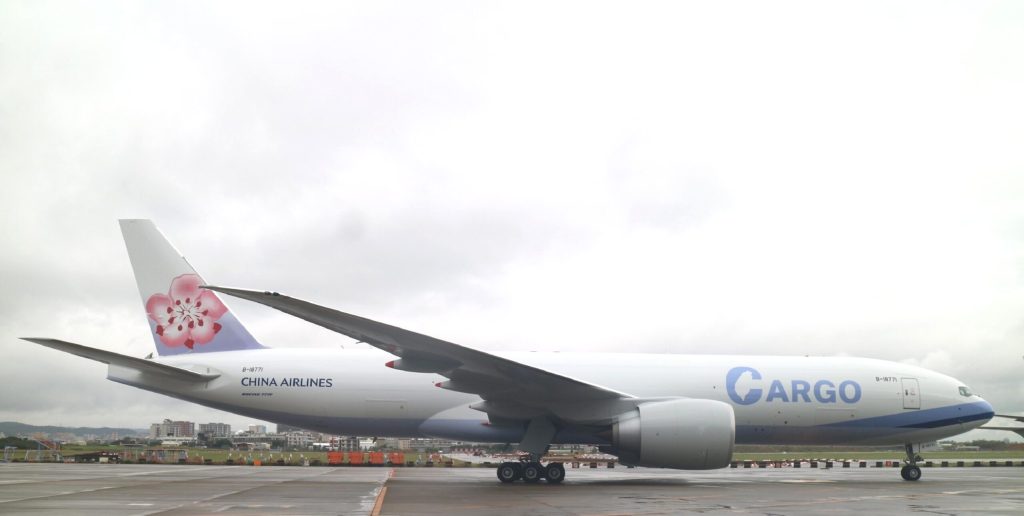
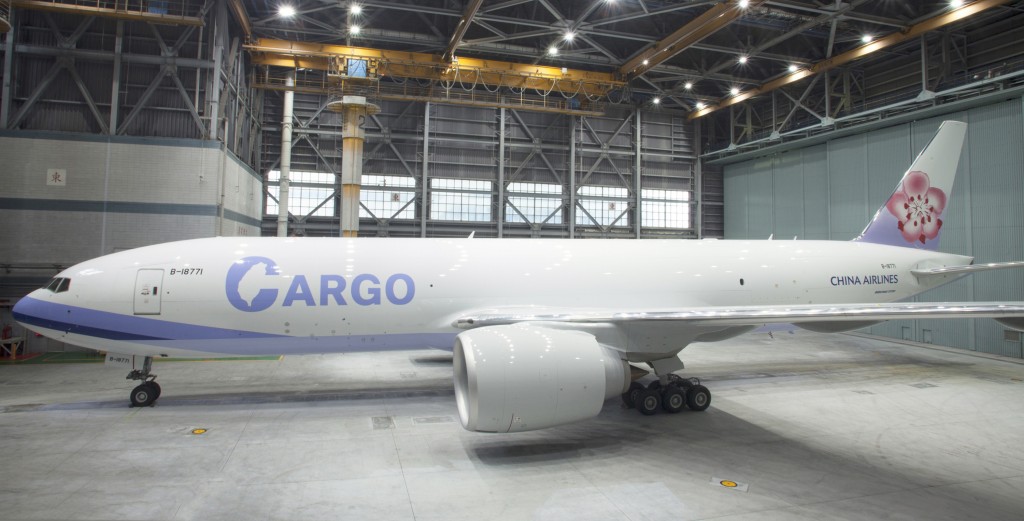
China Airlines ha tomado entrega de su primer Boeing 777F (Freighter) convirtiéndose en el vigésimo operador de 777 Freighter en medio de una mayor demanda de aviones de carga dedicados a ampliar los servicios en el mundo. China Airlines presentó este 15/12 el primero de seis Boeing 777 Freighters, convirtiéndose oficialmente en el operador número 20 del carguero de dos pasillos más grande y de mayor alcance del mundo. El 777 Freighter se une a la aerolínea en medio de la creciente demanda de cargueros dedicados mientras los operadores se afianzan con los impactos de la pandemia COVID-19. China Airlines aumentará la capacidad de fletes y entrará en nuevos mercados con entregas adicionales de 777 Freighter. «La demanda de carga aérea ha aumentado a la luz de la pandemia mundial y ha desempeñado un papel fundamental en el mantenimiento de la rentabilidad de nuestra aerolínea a pesar de la desaceleración del tráfico de pasajero. La eficiencia y capacidad del 777 Freighter nos permite modernizar nuestra flota de cargueros, al tiempo que nos permite aumentar la capacidad y abrirnos a nuevos mercados. Esperamos ofrecer un servicio de clase mundial a nuestros clientes», dijo el Presidente de China Airlines, Hsieh Su-Chien.

China Airlines tiene como objetivo aumentar su capacidad de carga en un 15% en 2021 y planea lanzar el 777 Freighter en rutas que conectan Taipei con América del Norte, un mercado clave con una fuerte demanda y rendimientos crecientes. Un operador de la flota de cargueros all-Boeing, China Airlines estrenó su nuevo 777 Freighter durante una ceremonia en Taipei para conmemorar el 61aniversario de la aerolínea. La aerolínea va a tomar cinco 777 Cargueros más como parte de un pedido anunciado en el Salón Aéreo de París 2019.

El 777 Freighter es el carguero bimotor más grande, de mayor alcance y más capaz del mundo. El avión tiene un alcance de 9.200 km (4.970 millas náuticas) y puede transportar una carga útil máxima de 102.010 kg (224.900 libras). El avión permitirá a China Airlines hacer menos paradas y reducir las tarifas de aterrizaje asociadas en las rutas de larga distancia, lo que resulta en el costo de viaje más bajo de cualquier carguero grande.

Los cargueros 747 y 777, ambos con lo que conforman la flota de cargueros de clase mundial de China Airlines, son capaces de transportar cargas de carga altas y de gran tamaño en palets de 3 metros (10 pies) de altura. Esta capacidad común de altura de palet de cubierta principal permite palets intercambiables, lo que aumenta la versatilidad de ambos modelos. «Con la flota mundial de carga aérea que se espera que crezca en más de un 60% en los próximos 20 años, la eficiencia sin igual del 777 Freighter impulsará significativamente las capacidades de carga aérea de China Airlines y les permitirá escalar sus operaciones de carga de clase mundial. Nos sentimos honrados de fortalecer nuestra asociación con China Airlines a medida que continúan construyendo una de las flotas de cargueros más dinámicas del mundo», dijo Ihssane Mounir, Vicepresidente Senior de Ventas Comerciales y Marketing de Boeing.

Además de los aviones comerciales, Boeing proporciona a China Airlines servicios de soporte de ciclo de vida total para agilizar el aprovisionamiento de piezas y las operaciones de vuelo y mantenimiento. Toda la flota de China Airlines utiliza Jeppesen FliteDeck Pro, que proporciona acceso a gráficos de navegación digital y mapas interactivos para optimizar el rendimiento y mejorar la conciencia situacional.

China Airlines también firmó recientemente un acuerdo para La gestión de la salud de los aviones (AHM), que realiza un seguimiento de la información de los aviones en tiempo real, proporcionando datos y herramientas de apoyo a la toma de decisiones que permiten a los técnicos resolver rápida y correctamente los problemas de mantenimiento. Esto permite a las aerolíneas tomar medidas proactivas basadas en alertas generadas por AHM, reduciendo las interrupciones en las operaciones y los costos asociados con el mantenimiento no programado. Con el acuerdo, China Airlines se une a más de 100 clientes globales utilizando la solución AHM.

China Airlines first Boeing 777F

China Airlines takes delivery of first Boeing 777 Freighter

China Airlines has taken delivery of its first Boeing 777F (Freighter) becoming the 20th operator of 777 Freighters amid increased demand for cargo aircraft dedicated to expanding services in the world. China Airlines unveiled the first of six Boeing 777 Freighters on 12/15, officially becoming the 20th operator of the world’s largest and longest-range two-aisle freighter. The 777 Freighter joins the airline amid growing demand for dedicated freighters as operators brace themselves from the impacts of the COVID-19 pandemic. China Airlines will increase freight capacity and enter new markets with additional deliveries of 777 Freighters. «Demand for air cargo has increased in light of the global pandemic and has played a critical role in maintaining our airline’s profitability despite the slowdown in passenger traffic. The 777 Freighter’s efficiency and capacity allows us to modernize our fleet of freighters, while allowing us to increase capacity and open up to new markets. We look forward to providing world-class service to our customers», said China Airlines President Hsieh Su-Chien.

China Airlines aims to increase its cargo capacity by 15% in 2021 and plans to launch the 777 Freighter on routes connecting Taipei with North America, a key market with strong demand and growing yields. An operator of the all-Boeing freighter fleet, China Airlines debuted its new 777 Freighter during a ceremony in Taipei to mark the airline’s 61st anniversary. The airline is taking on five more 777 Freighters as part of an order announced at the 2019 Paris Air Show.

The 777 Freighter is the largest, longest-range and most capable twin-engine freighter in the world. The aircraft has a range of 9,200 km (4,970 nautical miles) and can carry a maximum payload of 102,010 kg (224,900 pounds). The plane will allow China Airlines to make fewer stops and reduce associated landing fees on long-haul routes, resulting in the lowest cost of travel of any large freighter.

The 747 and 777 freighters, both of which make up China Airlines’ world-class freighter fleet, are capable of carrying tall and oversized cargo loads on 3-meter (10-foot) high pallets. This common main deck pallet height capacity allows for interchangeable pallets, increasing the versatility of both models. «With the global air cargo fleet expected to grow by more than 60% in the next 20 years, the unmatched efficiency of the 777 Freighter will significantly boost China Airlines’ air cargo capabilities and allow them to scale their cargo operations. world-class. We are honored to strengthen our partnership with China Airlines as they continue to build one of the most dynamic freighter fleets in the world», said Ihssane Mounir, Boeing Senior Vice President, Commercial Sales and Marketing.

In addition to commercial aircraft, Boeing provides China Airlines with full lifecycle support services to streamline parts procurement and flight and maintenance operations. The entire China Airlines fleet uses Jeppesen FliteDeck Pro, which provides access to digital navigation charts and interactive maps to optimize performance and improve situational awareness.

China Airlines also recently signed an agreement for Aircraft Health Management (AHM), which tracks aircraft information in real time, providing data and decision support tools that enable technicians solve maintenance problems quickly and correctly. This enables airlines to take proactive action based on alerts generated by AHM, reducing disruptions to operations and the costs associated with unscheduled maintenance. With the agreement, China Airlines joins more than 100 global customers using the AHM solution.


PUBLISHER: Airgways.com
DBk: Boeing.com / China-airlines.com / Airgways.com
AW-POST: 202012161810AR

A\W   A I R G W A Y S ®

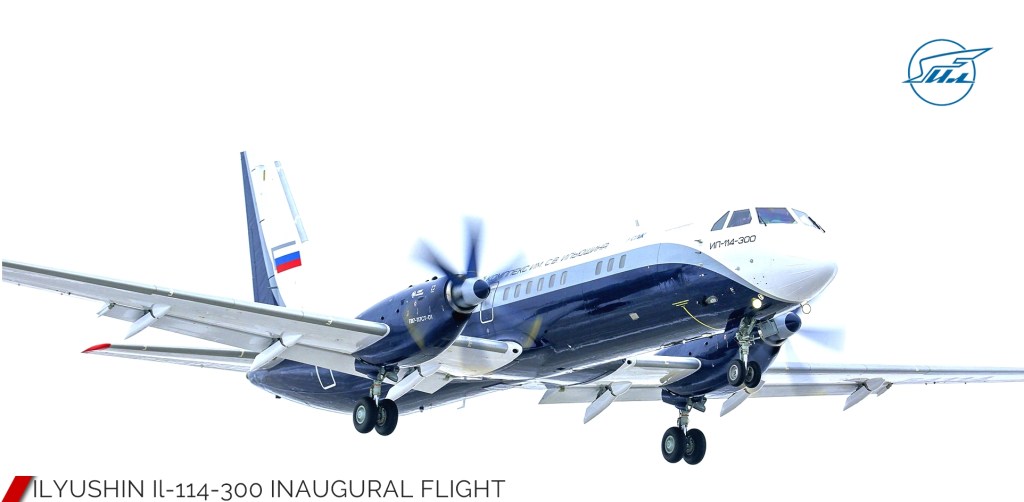
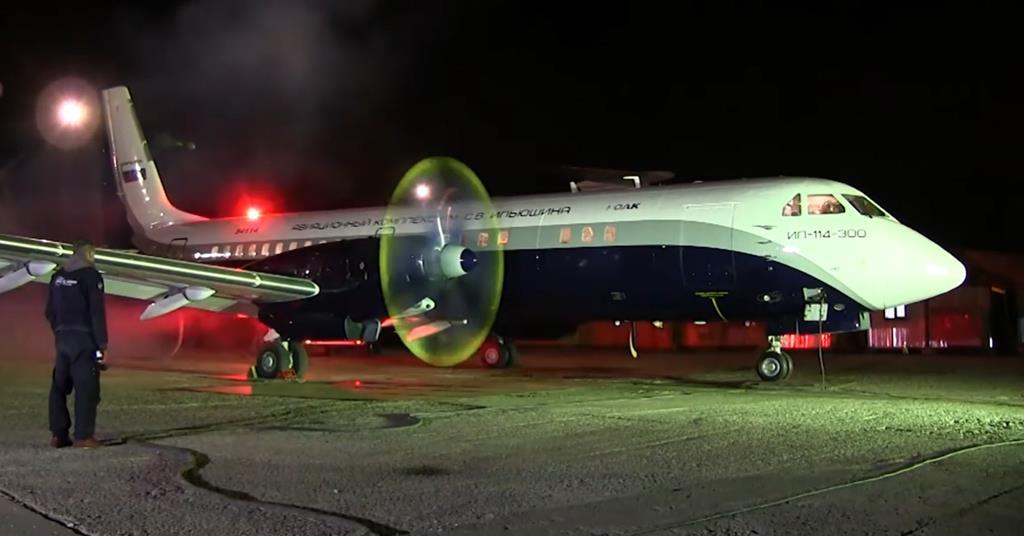
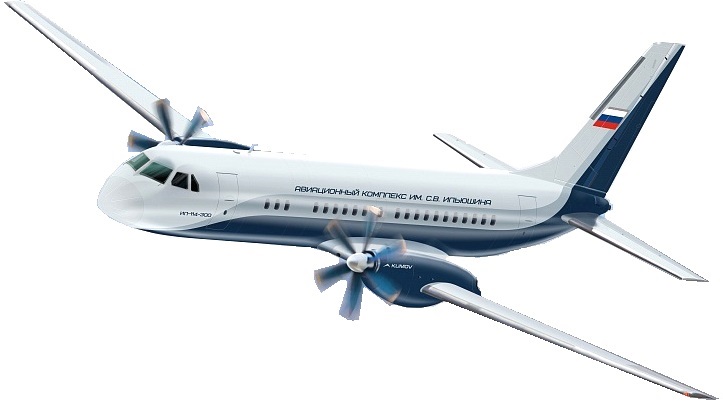
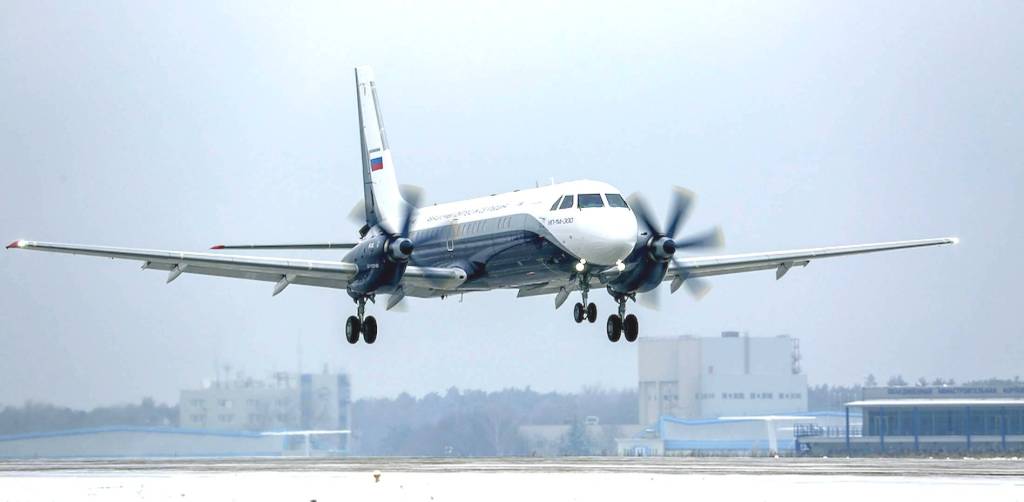
Vuelo inaugural Ilyushin Il-114-300

AW | 2020 12 16 15:00 | INDUSTRY

Ilyushin ha inuagurado primer vuelo turbohélice Il-114-300

Ilyushin_Isologotype

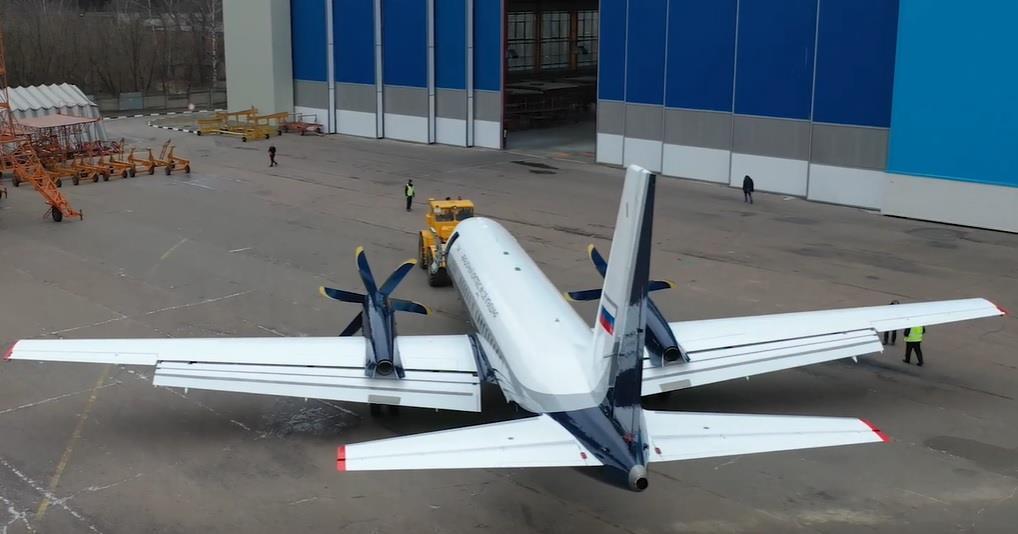
El 16 de Diciembre de 2020, un nuevo avión turbohélice de pasajeros regional Il-114-300 realizó su vuelo inaugural en el Aeródromo de Zhukovsky. El desarrollador de aeronaves es Ilyushin Aviation Complex que lleva el nombre de SV Ilyushin, la empresa principal de la División de Aviación de Transporte de United Aircraft Corporation (UAC) dentro del conglomerado de Rostec State Corporation. “El final del año 2020 es rico en estrenos de aviación. Como saben, ayer [15/12] despegó por primera vez el avión de pasajeros de medio alcance MC-21-310 con motores PD-14. Hoy, [16/12] el turbohélice Il-114-300 realizó su vuelo inaugural: es otro avión en la línea de pasajeros, que nuestros fabricantes de aviones ofrecerán a los transportistas en un futuro próximo. El nuevo avión es especialmente relevante para nuestro país: es compatible con diferentes niveles de equipamiento de aeródromos, está adaptado para operar en las duras condiciones del Norte, Siberia, Extremo Oriente, y debido a la capacidad óptima de la cabina puede convertirse en el Vehículo básico para el desarrollo del transporte regional. En 2022, UAC planea completar la certificación del Il-114-300 y, a partir de 2023, comenzar las entregas en serie”, dijo Sergei Chemezov, Director General de Rostec State Corporation.

Vuelo inaugural IL-114-300

El 16 de Diciembre de 2020, el nuevo avión derivado turbohélice regional de pasajeros Il-114-300 realizó su vuelo inaugural en el Aeródromo de Zhukovsky, en el Oblast de Moscú, Federación Rusia. Aviation Complex ha desarrollado la actualización de la aeronave turbohélice regional rusa. El vuelo inaugural fue realizado por una tripulación experimentada compuesta por el Piloto en Jefe de PJSC, Nikolai Kuimov, el piloto de pruebas de primera clase Dmitry Komarov y el ingeniero de pruebas de vuelo de primera clase Oleg Gryazev. “El final del año 2020 es rico en estrenos de aviación. Como saben, ayer despegó por primera vez el avión de pasajeros de medio alcance MC-21-310 con motores PD-14. Hoy, el turbohélice Il-114-300 realizó su vuelo inaugural: es otro avión en la línea de pasajeros, que nuestros fabricantes de aviones ofrecerán a los transportistas en un futuro próximo. El nuevo avión es especialmente relevante para nuestro país: es compatible con diferentes niveles de equipamiento de aeródromos, está adaptado para operar en las duras condiciones del Norte, Siberia, Extremo Oriente, y debido a la capacidad óptima de la cabina puede convertirse en el Vehículo básico para el desarrollo del transporte regional. En 2022, UAC planea completar la certificación del Il-114-300 y, a partir de 2023, comenzar las entregas en serie”, dijo Sergei Chemezov, Director General de Rostec State Corporation.

Durante el vuelo, la tripulación de vuelo verificó los modos de operación de la central eléctrica, la estabilidad y controlabilidad de la aeronave, así como el funcionamiento de sus sistemas. «El primer vuelo del IL-114-300 es el resultado del excelente trabajo de decenas de miles de personas e investigadores, ingenieros, especialistas, que trabajan en la oficina de diseño y en las plantas de United Aircraft Corporation, en las empresas de nuestros proveedores y socios. El desarrollo del nuevo avión turbohélice regional abre nuevas perspectivas para la industria aeronáutica civil rusa», dijo Yury Slyusar, Director General de United Aircraft Corporation.

Prestaciones Il-114-300

El Il-114-300 es un avión turbohélice de pasajeros de corto alcance. La aeronave está siendo fabricada para aerolíneas locales, para la operación en regiones con infraestructura de aeródromo débil y con condiciones climáticas difíciles. El Il-114-300 se puede utilizar para garantizar la movilidad aérea de la población en regiones remotas del Norte, Extremo Oriente y Siberia. Las principales características del IL-114-300 representan en una capacidad máxima de pasajeros de 68 asientos, carga útil máxima hasta 6,8 toneladas, velocidad de crucero de 500 km/hora, autonomía de vuelo con carga útil máxima (6,8 t) de 1400 km, alcance de vuelo en ferry 5.000 km, altitud de vuelo hasta 7.600 metros de altitud. El avión se fabrica en cooperación con los principales desarrolladores rusos de sistemas y equipos; la cantidad más significativa de componentes es suministrada por las empresas de Rostec State Corporation.

La aeronave está equipada con motores turbohélice TV7-117ST-01 diseñados y fabricados por JSC UEC-Klimov JSC, parte de JSC United Engine Corporation, Rostec State Corporation. La potencia de despegue del motor es de hasta 3100 hp., que es mayor en los modos de despegue y crucero en comparación con el motor base (TV7-117CM). Excepto el motor, la planta de energía incluye una nueva hélice AV-112-114 de alto empuje y un nuevo sistema de control automático que utiliza un motor modernizado combinado y una unidad de control de hélice BARK-65SM. Este sistema de control nos permite maximizar el potencial del motor y la hélice, aumentando la eficiencia de la central eléctrica. El Il-114-300 está equipado con un complejo de navegación y vuelo digital que permite despegar y aterrizar en condiciones meteorológicas correspondientes a la Categoría II de la OACI.

UAC

United Aircraft Corporation (UAC) se estableció en 2006 para consolidar los principales activos de Rusia en el diseño y la producción de aviones. Las empresas de la corporación producen aviones de marcas mundialmente famosas como Sukhoi, MiG, Ilyushin, Tupolev, Yakovlev, Beriev, así como los nuevos: Superjet 100 y MC-21. Las empresas de UAC realizan un ciclo completo de trabajo desde el diseño hasta el servicio posventa de la aeronave. El Sr. Yury Slyusar es el Director General a cargo de la corporación de la UAC.

Rosteс State Corporation es una de las empresas industriales más grandes de Rusia. Une a más de 800 organizaciones científicas e industriales en 60 regiones del país. Sus áreas clave de actividad son la ingeniería aeronáutica, radioelectrónica, tecnologías médicas, materiales innovadores, etc. La cartera de la empresa incluye marcas tan conocidas como AvtoVAZ, KAMAZ, UAC, Russian Helicopters, UEC, Uralvagonzavod, Shvabe, Kalashnikov, etc. activo en la implementación de los doce proyectos nacionales. La compañía es un proveedor clave de tecnología Smart City, se dedica a la digitalización de la administración pública, la industria y los sectores sociales, y está desarrollando planes para el desarrollo de tecnologías inalámbricas 5G, un Internet industrial de las cosas, big data y sistemas blockchain. Rostec se asocia con los principales fabricantes mundiales como Boeing, Airbus, Daimler, Pirelli y Renault. Los productos de la corporación se entregan a más de 100 países en todo el mundo. Casi un tercio de los ingresos de la empresa proviene de la exportación de productos de alta tecnología.

Maiden flight Ilyushin Il-114-300

Ilyushin has opened the first turboprop flight Il-114-300

On December 16, 2020, a new Il-114-300 regional passenger turboprop aircraft made its maiden flight at Zhukovsky Airfield. The aircraft developer is Ilyushin Aviation Complex named after SV Ilyushin, the parent company of the United Aircraft Corporation (UAC) Transportation Aviation Division within the Rostec State Corporation conglomerate. “The end of the year 2020 is rich in aviation premieres. As you know, yesterday [12/15] the MC-21-310 medium-range passenger plane with PD-14 engines took off for the first time. Today, [12/16] the Il-114-300 turboprop made its maiden flight: it is another aircraft in the passenger line, which our aircraft manufacturers will offer to carriers in the near future. The new aircraft is especially relevant for our country: it is compatible with different levels of aerodrome equipment, it is adapted to operate in the harsh conditions of the North, Siberia, the Far East, and due to the optimal cabin capacity it can become the Vehicle basic for the development of regional transport. In 2022, UAC plans to complete the certification of the Il-114-300 and, starting in 2023, start serial deliveries”, said Sergei Chemezov, Managing Director of Rostec State Corporation.

Maiden flight IL-114-300

Ilyushin-Il-114-300

On December 16, 2020, the new Il-114-300 regional passenger turboprop derivative aircraft made its maiden flight at Zhukovsky Airfield in Moscow Oblast, Russian Federation. Aviation Complex has developed the upgrade of the Russian regional turboprop aircraft. The maiden flight was conducted by an experienced crew consisting of PJSC Chief Pilot Nikolai Kuimov, First Class Test Pilot Dmitry Komarov, and First Class Flight Test Engineer Oleg Gryazev. “The end of the year 2020 is rich in aviation premieres. As you know, yesterday the MC-21-310 medium-range passenger plane with PD-14 engines took off for the first time. Today the Il-114-300 turboprop made its maiden flight it is another aircraft in the passenger line, which will be offered to carriers by our aircraft manufacturers in the near future. The new aircraft is especially relevant for our country: it is compatible with different levels of aerodrome equipment, it is adapted to operate in the harsh conditions of the North, Siberia, the Far East, and due to the optimal cabin capacity it can become the Vehicle basic for the development of regional transport. In 2022, UAC plans to complete the certification of the Il-114-300 and, starting in 2023, start serial deliveries”, said Sergei Chemezov, Managing Director of Rostec State Corporation.

During the flight, the flight crew verified the operating modes of the power plant, the stability and controllability of the aircraft, as well as the operation of its systems. «The first flight of the IL-114-300 is the result of the excellent work of tens of thousands of people and researchers, engineers, specialists, who work in the design office and in the plants of United Aircraft Corporation, in the companies of our suppliers and partners. The development of the new regional turboprop aircraft opens up new prospects for the Russian civil aviation industry», said Yury Slyusar, CEO of United Aircraft Corporation.

Features Il-114-300

The Il-114-300 is a short-range turboprop passenger aircraft. The aircraft is being manufactured for local airlines, for operation in regions with weak airfield infrastructure and difficult weather conditions. The Il-114-300 can be used to ensure the aerial mobility of the population in remote regions of the North, the Far East and Siberia. The main characteristics of the IL-114-300 represent in a maximum passenger capacity of 68 seats, maximum payload up to 6.8 tons, cruise speed of 500 km/hour, flight range with maximum payload (6.8 t) of 1400 km, flight range by ferry 5,000 km, flight altitude up to 7,600 meters. The aircraft is manufactured in cooperation with leading Russian developers of systems and equipment; the most significant quantity of components is supplied by the Rostec State Corporation companies.

The aircraft is equipped with TV7-117ST-01 turboprop engines designed and manufactured by JSC UEC-Klimov JSC, part of JSC United Engine Corporation, Rostec State Corporation. The engine take-off power is up to 3100 hp., Which is higher in take-off and cruise modes compared to the base engine (TV7-117CM). Except for the engine, the power plant includes a new high-thrust AV-112-114 propeller and a new automatic control system using a combined modernized engine and BARK-65SM propeller control unit. This control system allows us to maximize the potential of the motor and propeller, increasing the efficiency of the power plant. The Il-114-300 is equipped with a digital flight and navigation complex that enables take-off and landing in ICAO Category II meteorological conditions.

UAC

United Aircraft Corporation (UAC) was established in 2006 to consolidate Russia’s main assets in aircraft design and production. The corporation’s companies produce aircraft of world-famous brands such as Sukhoi, MiG, Ilyushin, Tupolev, Yakovlev, Beriev, as well as new ones Superjet 100 and MC-21. UAC companies carry out a complete work cycle from design to after-sales service of the aircraft. Mr. Yury Slyusar is the Managing Director in charge of the UAC corporation.

Rosteс State Corporation is one of the largest industrial companies in Russia. It unites more than 800 scientific and industrial organizations in 60 regions of the country. Its key areas of activity are aeronautical engineering, radioelectronics, medical technologies, innovative materials, etc. The company’s portfolio includes such well-known brands as AvtoVAZ, KAMAZ, UAC, Russian Helicopters, UEC, Uralvagonzavod, Shvabe, Kalashnikov, etc. active in the implementation of the twelve national projects. The company is a key provider of Smart City technology, engaged in the digitization of public administration, industry and social sectors, and is developing plans for the development of 5G wireless technologies, an industrial Internet of things, big data and blockchain systems. Rostec partners with major global manufacturers such as Boeing, Airbus, Daimler, Pirelli and Renault. The corporation’s products are delivered to more than 100 countries around the world. Almost a third of the company’s income comes from the export of high-tech products.

Первый полет Ильюшин Ил-114-300

Ильюшин открыл первый турбовинтовой рейс Ил-114-300

Rostec_Isologotype

16 декабря 2020 года новый региональный пассажирский турбовинтовой самолет Ил-114-300 совершил первый полет на аэродроме Жуковский. Разработчик самолета Авиационный комплекс Ильюшина им. С.В., головная компания транспортного авиационного дивизиона Объединенной авиастроительной корпорации (ОАК), входящего в конгломерат Госкорпорации Ростех. «Конец 2020 года богат авиационными премьерами. Как известно, вчера [15.12] впервые взлетел среднемагистральный пассажирский самолет МС-21-310 с двигателями ПД-14. Сегодня, [16.12], турбовинтовой Ил-114-300 совершил свой первый полет: это еще один самолет в пассажирской линейке, который наши авиастроители в ближайшее время предложат перевозчикам. Новый самолет особенно актуален для нашей страны: он совместим с аэродромным оборудованием разного уровня, адаптирован для эксплуатации в суровых условиях Севера, Сибири, Дальнего Востока, а благодаря оптимальной вместимости салона может стать Транспортным средством. базовый для развития регионального транспорта. В 2022 году ОАК планирует завершить сертификацию Ил-114-300, а с 2023 года начать серийные поставки», сообщил управляющий директор Госкорпорации Ростех Сергей Чемезов.

Первый полет Ил-114-300

16 декабря 2020 года новый региональный пассажирский турбовинтовой самолет Ил-114-300 совершил первый полет на аэродроме Жуковский в Московской области Российской Федерации. Авиационный комплекс разработал модернизацию российского регионального турбовинтового самолета. Первый полет выполнил опытный экипаж в составе главного летчика ПАО Николая Куимова, летчика-испытателя первого класса Дмитрия Комарова и инженера-испытателя первого класса Олега Грязева. «Конец 2020 года богат авиационными премьерами. Как известно, вчера впервые в воздух взлетел среднемагистральный пассажирский самолет МС-21-310 с двигателями ПД-14. Сегодня в первый полет совершил турбовинтовой Ил-114-300 еще один самолет в пассажирской линейке, который в ближайшее время будет предложен перевозчикам нашими авиастроителями. Новый самолет особенно актуален для нашей страны: он совместим с аэродромным оборудованием разного уровня, адаптирован для эксплуатации в суровых условиях Севера, Сибири, Дальнего Востока, а благодаря оптимальной вместимости салона может стать Транспортным средством. базовый для развития регионального транспорта. В 2022 году ОАК планирует завершить сертификацию Ил-114-300, а с 2023 года начать серийные поставки», сообщил управляющий директор Госкорпорации Ростех Сергей Чемезов.

ПРОТОТИП ПЕРВОГО ИНАУГУРАЛЬНОГО ПОЛЕТА РЕГИОНАЛЬНОГО ТУРБОГЕЛИЦЕВОГО САМОЛЕТА ИЛЮШИН ИЛ-114-300

В ходе полета летный экипаж проверил режимы работы силовой установки, устойчивость и управляемость самолета, а также работу его систем. «Первый полет Ил-114-300 результат отличной работы десятков тысяч людей и исследователей, инженеров, специалистов, работающих в конструкторском бюро и на заводах Объединенной авиастроительной корпорации, на предприятиях нашей поставщики и партнеры. Разработка нового регионального турбовинтового самолета открывает новые перспективы для российской гражданской авиации», сказал Юрий Слюсарь, генеральный директор Объединенной авиастроительной корпорации.

Характеристики Ил-114-300

Ил-114-300 ближнемагистральный турбовинтовой пассажирский самолет. Самолет изготавливается для местных авиалиний, для эксплуатации в регионах со слабой аэродромной инфраструктурой и сложными погодными условиями. Ил-114-300 может использоваться для обеспечения воздушной мобильности населения в удаленных районах Севера, Дальнего Востока и Сибири. Основные характеристики Ил-114-300 заключаются в максимальной пассажировместимости 68 мест, максимальной полезной нагрузке до 6,8 т, крейсерской скорости 500 км/час, дальности полета с максимальной полезной нагрузкой (6,8 т.) 1400 км, дальность полета на пароме 5000 км, высота полета до 7600 метров. Самолет производится в сотрудничестве с ведущими российскими разработчиками систем и оборудования; наибольшее количество комплектующих поставляется предприятиями Госкорпорации Ростех.

На самолете установлены турбовинтовые двигатели ТВ7-117СТ-01 разработки и производства ОАО «ОДК-Климов», входящего в состав ОАО Объединенная моторная корпорация Госкорпорации Ростех. Взлетная мощность двигателя до 3100 л.с., что выше на взлетном и крейсерском режимах по сравнению с базовым двигателем (ТВ7-117СМ). В силовую установку кроме двигателя входят новый тяговый винт АВ-112-114 и новая система автоматического управления с использованием комбинированного модернизированного двигателя и блока управления винтом БАРК-65СМ. Эта система управления позволяет максимально использовать потенциал двигателя и воздушного винта, повышая эффективность силовой установки. Ил-114-300 оснащен цифровым пилотажно-навигационным комплексом, обеспечивающим взлет и посадку в метеорологических условиях II категории ИКАО.

ОАК

Объединенная авиастроительная корпорация (ОАК) была создана в 2006 году с целью консолидации основных российских активов в области проектирования и производства самолетов. Компании корпорации производят самолеты всемирно известных брендов, таких как Сухой, МиГ, Ильюшин, Туполев, Яковлев, Бериев, а также новые Superjet 100 и МС-21. Компании ОАК осуществляют полный цикл работ от проектирования до послепродажного обслуживания самолета. Юрий Слюсарь управляющий директор корпорации «ОАК».

Госкорпорация Ростех одна из крупнейших промышленных компаний России. Он объединяет более 800 научных и производственных организаций в 60 регионах страны. Основные направления деятельности авиационная техника, радиоэлектроника, медицинские технологии, инновационные материалы и др. В портфеле компании такие известные бренды, как АвтоВАЗ, КАМАЗ, ОАК, Вертолеты России, ОДК, Уралвагонзавод, Швабе, Калашников и др. принимает активное участие в реализации двенадцати национальных проектов. Компания является ключевым поставщиком технологий Smart City, занимается оцифровкой государственного управления, промышленности и социальных секторов и разрабатывает планы по развитию беспроводных технологий 5G, промышленного Интернета вещей, больших данных и блокчейн-системы. Ростех сотрудничает с такими крупными мировыми производителями, как Boeing, Airbus, Daimler, Pirelli и Renault. Продукция корпорации поставляется более чем в 100 стран мира. Почти треть доходов компании приходится на экспорт высокотехнологичной продукции.


PUBLISHER: Airgways.com
DBk: Rostec.ru / Ilyushin.org / Luchtvaartniews.nl / Airgways.com
AW-POST: 202012161500AR

A\W   A I R G W A Y S ®

Airbus compromiso diplomático

Disputa aerocomercial Boeing-Airbus |

AW | 2020 12 15 23:53 | INDUSTRY

Airbus insta compromiso con aranceles transatlánticos y Brexit

El fabricante de aviones europeo Airbus Group SE ha solicitado que se acaben las disputas diplomáticas separadas sobre la salida de Gran Bretaña de la Unión Europea (UE) y una disputa de subvenciones a aeronaves transatlánticas con The Boeing Company que eclipsan colectivamente su negocio. El Director Ejecutivo Guillaume Faury dijo que Airbus, las plantas de fabricación de las que se extienden por Gran Bretaña y la UE, se está preparando para la interrupción si Gran Bretaña completa su salida del bloque sin un acuerdo, pero restó importancia a las advertencias de graves conmociones. «Sería una lástima que después de tantos años de preparación no haya trato al final. Creo que sería mucho mejor para la UE y el Reino Unido tener un Brexit ordenado. Esto se dice, si no hay trato tendremos que vivir con ello. Habrá una transición más difícil el 31 de Diciembre y nos estamos preparando para algunos problemas logísticos, pero no creemos que esto vaya a ser inmanejable», dijo Guillaume Faury en una conferencia.

Sus comentarios se produjeron después de que la industria manufacturera de Gran Bretaña advirtiera de un posible golpe de nocaut si el primer ministro Boris Johnson no puede lograr un acuerdo comercial con la UE antes de que los acuerdos temporales terminaran el 31 de Diciembre de 2020. La cúpula de Airbus ha solicitado compromiso para resolver las diferencias sobre las subvenciones a las aeronaves en la que la UE y los Estados Unidos han impuesto aranceles a múltiples mercancías. «Pedimos una desescalada […] y encontrar un acuerdo a largo plazo entre los Estados Unidos y la UE, y creemos que esto es lo que sucederá. Y sucederá bajo la Administración Biden, pero creo que habría sucedido de todos modos», dijo Guillaume Faury a la Conferencia de Montreal, en Canadá.

Los diplomáticos dicen que la UE y la Administración Trump saliente están en negociaciones serias para poner fin a la lucha comercial de dieciséis años, que ha llegado a su fin justo cuando Gran Bretaña abandona la Unión Europea. Airbus se encontró apretada entre los dos conjuntos de negociaciones comerciales la semana pasada cuando Gran Bretaña detuvo los aranceles sobre las mercancías estadounidenses adoptadas en apoyo de Airbus al completar su salida en la UE. Fuentes de la industria dijeron que la decisión, contradiciendo las señales anteriores del Reino Unido de que los aranceles se quedarían, puso fin a la unidad entre los que han respaldado Airbus a Gran Bretaña, Francia, Alemania y España, y precipitó la peor ruptura entre canales sobre el sector aeroespacial en décadas.

Airbus dejará la producción actual de alas en Gran Bretaña, pero decidirá el nivel de inversión en el país para futuros programas basados en la competitividad del Reino Unido. Airbus también está en desacuerdo con Canadá, donde construye el pequeño avión A220 después de comprar el Programa CSeries de Bombardier Aerospace en 2018.

Gobierno Canada & aviación

Guillaume Faury dijo que está decepcionado por el nivel de poco apoyo a la aviación del Gobierno canadiense, en contraste con los rescates en otros lugares. Airbus ha pedido ayuda urgente para las aerolíneas de Canadá, donde el Estado está en conversaciones con transportistas y aeropuertos. Las aerolíneas de todo el mundo se han visto golpeadas por la crisis COVID-19, arrastrando la demanda de aeronaves y obligando a los fabricantes de aviones a reducir la producción.

Línea de producción

Guillaume Faury dijo que Airbus mantendrá su producción reducida de cuarenta aviones de la familia A320 al mes hasta principios de 2021, pero no abordó el momento ni la escala de ningún aumento de la producción. Airbus ha pedido a los proveedores que estén listos para dar soporte a 47 aeronaves en un mes para Julio 2021, restaurando en parte la producción mensual anterior a la crisis de 60 unidades mensuales, pero algunos proveedores dicen que esto puede llegar a finales de 2021 o principios de 2022.

Airbus diplomatic engagement

Airbus urges commitment to transatlantic tariffs and Brexit

European aircraft manufacturer Airbus Group SE has called for an end to separate diplomatic disputes over Britain’s exit from the European Union (EU) and a transatlantic aircraft subsidies dispute with The Boeing Company that collectively overshadow its business. Chief Executive Officer Guillaume Faury said Airbus, the manufacturing plants of which span Britain and the EU, is bracing for disruption if Britain completes its exit from the bloc without a deal, but played down warnings from severe shocks. «It would be a shame if after so many years of preparation there is no deal at the end. I think it would be much better for the EU and the UK to have an orderly Brexit. This is said, if there is no deal we will have to live with it. There will be one. more difficult transition on December 31 and we are preparing for some logistical problems, but we do not think this is going to be unmanageable», Guillaume Faury said at a conference.

His remarks came after Britain’s manufacturing industry warned of a possible knockout blow if Prime Minister Boris Johnson is unable to strike a trade deal with the EU before the temporary deals expire on December 31, 2020. The Airbus leadership has requested compromise to resolve disputes over aircraft subsidies in which the EU and the United States have imposed tariffs on multiple goods. «We are calling for a de-escalation […] and finding a long-term agreement between the United States and the EU, and we believe this is what will happen. And it will happen under the Biden Administration, but I think it would have happened anyway», Guillaume Faury told the Montreal Conference in Canada.

Diplomats say the EU and the outgoing Trump Administration are in serious negotiations to end the sixteen-year trade fight, which has come to an end just as Britain leaves the European Union. Airbus found itself squeezed between the two sets of trade talks last week when Britain halted tariffs on American goods adopted in support of Airbus upon completing its exit from the EU. Industry sources said the decision, contradicting earlier signals from the UK that the tariffs would stay, ended unity among Airbus-backed Britain, France, Germany and Spain, and precipitated the worst break between. channels on the aerospace industry in decades.

Airbus will stop current wing production in Great Britain, but will decide the level of investment in the country for future programs based on UK competitiveness. Airbus also disagrees with Canada, where it builds the small A220 aircraft after purchasing Bombardier Aerospace’s CSeries Program in 2018.

Government Canada & aviation

Guillaume Faury said he is disappointed by the level of little support for aviation from the Canadian government, in contrast to rescues elsewhere. Airbus has asked for urgent help for airlines in Canada, where the state is in talks with carriers and airports. Airlines around the world have been hit by the COVID-19 crisis, dragging down demand for aircraft and forcing aircraft manufacturers to reduce production.

Production line

Guillaume Faury said Airbus will maintain its reduced production of 40 A320 family aircraft per month until early 2021, but did not address the timing or scale of any production increases. Airbus has asked suppliers to be ready to support 47 aircraft in one month by July 2021, partially restoring pre-crisis monthly production of 60 units per month, but some suppliers say this may come by the end of 2021 or early 2022.


PUBLISHER: Airgways.com
DBk: Airbus.com / Reuters.com/Regis Duvignau / Airgways.com
AW-POST: 202012152353AR

A\W   A I R G W A Y S ®