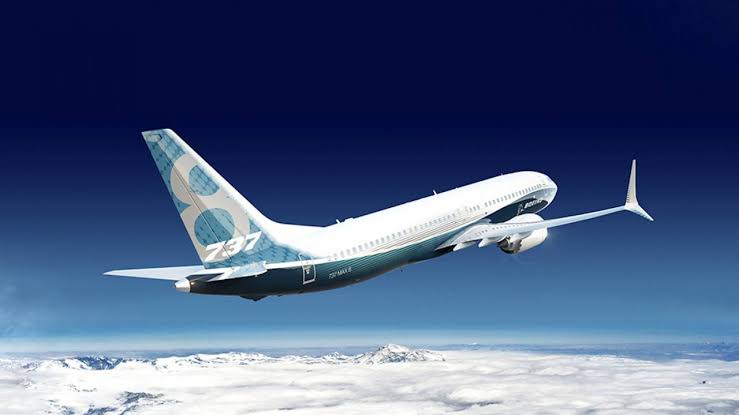
El desafío del Boeing 737 MAX

AW-700773373.jpgAW | 2019 09 23 17:19 | INDUSTRY

Boeing-Company-Logo.jpgBoeing se enfrentaría una disminución dástica o cierre temporal de la línea 737 MAX

AW-Icon_Boeing 737 MAX

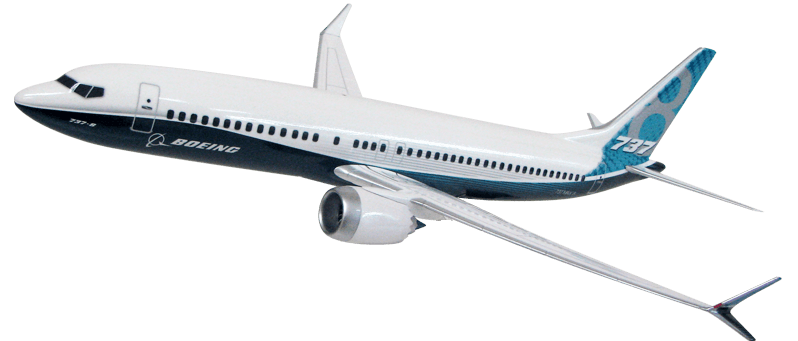
Durante la presentación de los resultados financieros de la compañía The Boeing Company del segundo trimestre (2Q2019), había insinuado que podría disminuir la tasa de producción de 42 aeronaves por mes o detener temporalmente la producción del Boeing 737. La sostenibilidad de la tasa de producción de 42 aviones por mes ha sido considerada como un signo de fortaleza por parte del constructor americano.

Desde el tercer trimestre de 2017 Boeing ha comenzado a producir más aviones Boeing 737 MAX en disminución de la línea de ensamblaje de la versión anterior Boeing 737 Next Generation. Desde el 3Q2017 hasta el tercer trimestre de 2018, las entregas del 737 MAX aumentaron 33 unidades o 116%, mientras que las entregas de 737 NG disminuyeron 40 unidades o 33%. Hasta Julio 2018, Boeing ha entregado 114 aviones Boeing 737, incluidos 57 aviones Boeing 737 MAX. Esos aviones tienen un valor aproximado de US$ 6.5 billones que permitiría a Boeing producir 157 Boeing 737 MAX. Sin embargo, debe tenerse en cuenta que los pagos de entrega son inferiores al valor real, ya que los pagos por entregas ocurren meses y años antes de la entrega. Teniendo esto en cuenta, las entregas hasta la última fecha en el 1Q2019 aportan para la producción de sólo 94 aviones Boeing 737 MAX adicionales. La tasa de producción para ese total de aeronaves correspondería un tiempo de producción de 2,5 meses. Por lo tanto, no hay saldo en liquidez entre el avión Boeing 737 MAX entregado y la tasa de producción de 42 aviones por mes para el programa Boeing 737.

La disminución en las entregas del 737 NG y el aumento de producción del Boeing 737 MAX que había planeado y la cadena de suministro, así como los esfuerzos de ventas, se alinearon con esa planificación. Como resultado, Boeing actualmente tiene una cartera de pedidos extremadamente delgada para el avión Boeing 737 Next Generation. El último Boeing 737-900ER se entregó en Junio 2019 y el Boeing 737-800, tiene solo nueve aviones que aún no se han entregado. Además, hay 38 Poseidones P-8A en cartera y cinco Boeing Business Jet pendientes de entrega, lo que representan un total de 52 aeronaves en cartera pendiente.

Boeing estaba produciendo 52 aviones en un solo mes. Estos 52 aviones tienen un valor de mercado de alrededor de US$ 5.7 billones. En la entrega, Boeing probablemente obtendría US$ 3.4 billones como pago final de entrega que paga aproximadamente 80 Boeing 737 MAX que Boeing construye y almacena actualmente. Hasta la fecha, se han entregado Boeing 737 por un valor de US$ 6.5 billones, que en la entrega paga aproximadamente 90 aviones Boeing 737 MAX. Por lo tanto, un cálculo rápido muestra que el retraso y las entregas pagarían la entrega de aproximadamente 170 aviones.

AW-70000033.jpg

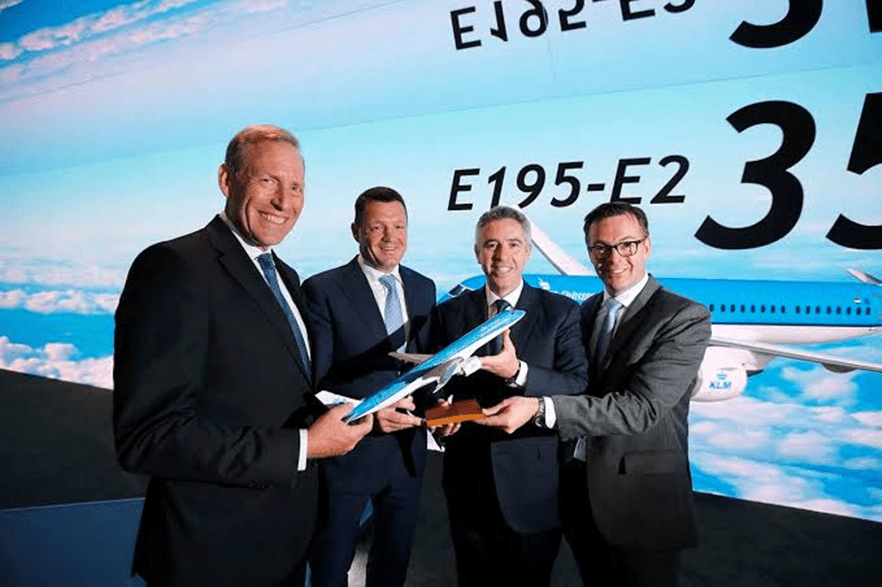
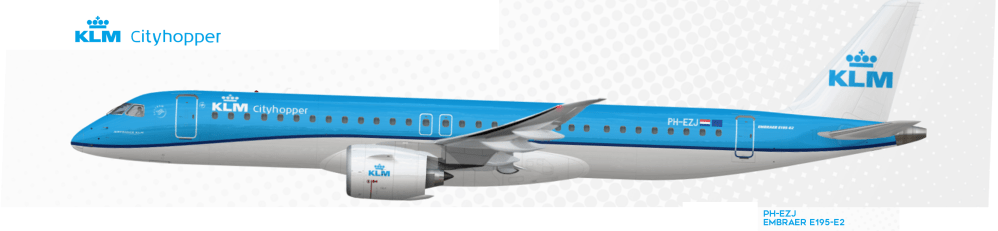
Hasta la fecha, se han almacenado más de 250 aviones Boeing 737 MAX, e incluso si reducimos ese número por los 50 aviones que Boeing planeaba entregar en los últimos días de Marzo 2019, llegamos a 210 unidades. Por lo tanto, los 42 aviones por mes como tasa de producción no tienen ninguna conexión a corto o largo plazo con ningún retraso (solo quedan unas pocas unidades) o con el costo de producir el MAX en el sentido de que el fabricante de aviones podría cubrir el costo de producción del Boeing 737 MAX con los pagos de entrega del Boeing 737. De hecho, deberíamos eliminar una parte significativa de la cartera de pedidos existente, ya que la mayoría de la cartera de pedidos son aviones Poseidón Boeing 737-800A para los que las entregas abarcan varios años. Boeing afirma que puede financiar la producción del Boeing 737 MAX con el resto del trabajo pendiente para el Boeing 737 NG, pero la cartera de pedidos del 737 Next Generation no puede garantizar una tasa de producción de 42 aviones por mes, ya que hay 52 aviones de 737 NG en una cartera de pedidos de los cuales 33 737 P8 Poseidón se construirán en años posteriores y ocho aviones ya han sido construidos. De hecho, si no fuera por un error de producción en un fuselaje destinado a la aerolínea KLM, el último Boeing 737 NG ya se habría producido a principios de este año.

Actual tasa producción

El Boeing 737 se fabrica en Wichita, Estado de Kansas, pero finalmente se ensambla exclusivamente en Renton. Hay un total de tres líneas de ensamblaje y la producción de Poseidon P-8A se ejecuta en una línea separada. En el momento en que Boeing dejó de entregar el Boeing 737 MAX, estaba ejecutando las instalaciones del Boeing 737 a una tasa combinada de 52 aviones por mes. Eso significa que 50 aviones Boeing 737NG y Boeing 737 MAX por mes y dos P-8A Poseidón por mes fueron construidos. La tasa de producción real del Boeing 737 P8 es 1.5 por mes. La capacidad de producción del P-8A Poseidon es de alrededor de 18 aviones/año, por lo tanto la cifra la tasa de producción de US$ 5.7 billones es optimista, ya que reúne toda la cartera de pedidos de las 737 variantes y se divide por el tasa de producción. Si tenemos en cuenta que la cartera de pedidos del P-8A abarca varios años, la cartera de pedidos que podría ver la entrega este año se valora más cerca de US$ 2 billones aproximadamente. También debemos tener en cuenta que sabemos que tres de cada cinco BBJ para el programa Wedgetail del Reino Unido se entregarán en 2021-2022 y que es poco probable que se construyan los dos pedidos no identificados restantes. Por lo tanto, el valor a corto plazo de la cartera de pedidos del 737 NG se reduce a US$ 1.5 billones y US$ 0.9 billones en pagos de entrega, lo que paga la producción de solo 20-25 aviones Boeing 737 MAX. Por lo tanto, en total, los pagos finales de entrega para la cartera de pedidos a corto plazo y las entregas hasta la fecha proporcionan efectivo para la producción de 115 aviones o el equivalente asolo tres meses de producción de la línea 737 MAX.

92cd19c2-9d44-11e5-bc02-2649691d66b1-1020x622.jpgCrisis en línea 737 MAX

Boeing necesariamente se enfrenta a una escasez real de efectivo para mantener la línea de producción del 737 MAX. En 2015, Boeing estaba ejecutando su producción de pasillo único a una velocidad de 42 aviones por mes en dos líneas de montaje comerciales para el Boeing 737NG y una línea separada para los Poseidons P-8A. Cada línea comercial tiene una tasa máxima de 20 aviones por mes. Impulsado por el éxito de ventas del Boeing 737 MAX, Boeing agregó una tercera línea de ensamblaje. Esa línea aumentaría la producción total del Boeing 737, así como la salida del Boeing 737 MAX, mientras que las otras dos líneas NG se convertirían para producir el MAX con el tiempo. La tasa de producción de 42 aviones no significa nada más que tener la línea P-8A Poseidon funcionando como de costumbre, mientras que las otras líneas funcionan a una tasa reducida equivalente a dos líneas de aviones comerciales y la línea P-8. La tasa de 42 aviones por mes es equivalente al uso máximo de dos líneas de ensamblaje y le permite a Boeing mantener los niveles actuales de personal. Además de eso, permite que la cadena de suministro siga produciendo a una velocidad de 52 aviones por mes, lo que les brinda a los proveedores espacio más que suficiente para reducir el retraso de varias semanas antes de la puesta a tierra del Boeing 737 MAX. Según las fuentes de Renton, entendemos que actualmente las tres líneas se están ejecutando y que probablemente tenga que ver con el mantenimiento del personal y los costos asociados con detener por completo una línea.

Boeing apunta a continuar produciendo 40 aviones Boeing 737 MAX por mes, pero el cronograma juega un papel crucial aquí. En el primer trimestre, Boeing agregó aproximadamente US$ 1 billones en costos a la cantidad contable del Boeing 737 seguido de una acumulación de costos adicionales de US$ 1.7 billones ya que la tasa de producción más baja continuará hasta fines de 2019.

La razón para considerar detener la producción radica que la quema de efectivo ya que no se realiza ninguna entrega y no se realiza ningún pago de entrega como resultado, así que no hay efectivo que cambie de manos. Por lo tanto, el fuselaje genera costos adicionales para volar la aeronave al almacenamiento y producir el Boeing 737 MAX a una velocidad menor. Entonces, en algún lugar hay un punto de cruce donde tiene sentido reducir la producción. Actualmente, si la conexión a tierra dura más allá de Diciembre 2019, Boeing tendrá que considerar obligadamente ajustar la tasa de producción. Mantener la tasa a 42 unidades permite un equilibrio entre los costos y la dotación de personal, pero también significa que, dado que los niveles de dotación de personal en la actualidad no se reducen, permite que Boeing aumente rápidamente la tasa de producción cuando el Boeing 737 MAX esté autorizado para volver al servicio. La tasa de 42 aviones por mes también significa que no hay conmoción en la cadena de suministro. Reducir aún más las tasas aumentará el costo aún más y cada avión que Boeing no construye ahora es uno para el que no podrán recibir pagos de entrega o que no podrán usar en las negociaciones con las aerolíneas y también pagarán tarifas de penalización. Por lo tanto, Boeing tiene que caminar por una línea muy fina. Las proyecciones hasta Diciembre 2019, Boeing puede producir el Boeing 737 MAX utilizando pagos de clientes que ya se han producido y no se han devuelto. Dado que Boeing apunta a un regreso al servicio a principios del cuarto trimestre (4Q2019) para el Boeing 737 MAX, el fabricante de aviones está operando en un espacio reducido.AW-Icon-AW-TXT

B737-8MAX.jpgThe challenge of the Boeing 737 MAX

Boeing-Logo.svg.pngBoeing would face a drastic decrease or temporary closure of the 737 MAX line

During the presentation of the financial results of The Boeing Company of the second quarter (2Q2019), it had suggested that it could decrease the production rate of 42 aircraft per month or temporarily stop production of the Boeing 737. The sustainability of the production rate of 42 aircraft per month has been considered as a sign of strength by the American builder.

Since the third quarter of 2017 Boeing has started producing more Boeing 737 MAX aircraft in decline from the assembly line of the previous version Boeing 737 Next Generation. From 3Q2017 until the third quarter of 2018, 737 MAX deliveries increased 33 units or 116%, while 737 NG deliveries decreased 40 units or 33%. As of July 2018, Boeing has delivered 114 Boeing 737 aircraft, including 57 Boeing 737 MAX aircraft. Those planes have an approximate value of US $ 6.5 billion that would allow Boeing to produce 157 Boeing 737 MAX. However, it should be taken into account that delivery payments are lower than the real value since payments for deliveries occur months and years before delivery. With this in mind, deliveries to the last date in 1Q2019 contribute to the production of only 94 additional Boeing 737 MAX aircraft. The production rate for that total aircraft would correspond to a production time of 2.5 months. Therefore, there is no balance in liquidity between the Boeing 737 MAX aircraft delivered and the production rate of 42 aircraft per month for the Boeing 737 program.

The decrease in deliveries of the 737 NG and the increase in production of the planned Boeing 737 MAX and the supply chain, as well as the sales efforts, aligned with that planning. As a result, Boeing currently has an extremely thin order book for the Boeing 737 Next-Generation aircraft. The last Boeing 737-900ER was delivered on June 2019 and the Boeing 737-800, has only nine aircraft that have not yet been delivered. In addition, there are 38 Poseidon’s P-8A in the portfolio and five Boeing Business Jet pending delivery, representing a total of 52 aircraft in the pending portfolio.

Boeing was producing 52 planes in a single month. These 52 planes have a market value of around US$ 5.7 billion. On delivery, Boeing would probably get US$ 3.4 billion as a final delivery payment that pays approximately 80 Boeing 737 MAX that Boeing currently builds and stores. To date, Boeing 737 have been delivered worth US$ 6.5 billion, which in delivery pays approximately 90 Boeing 737 MAX aircraft. Therefore, a quick calculation shows that the delay and deliveries would pay for the delivery of approximately 170 aircraft.

To date, more than 250 Boeing 737 MAX aircraft have been stored, and even if we reduce that number by the 50 aircraft that Boeing planned to deliver in the last days of March 2019, we reached 210 units. Therefore, the 42 airplanes per month as a production rate do not have any short or long term connection with any delay (there are only a few units left) or with the cost of producing the MAX in the sense that the aircraft manufacturer could cover the cost of production of the Boeing 737 MAX with the delivery payments of the Boeing 737. In fact, we should eliminate a significant part of the existing order book, since most of the order book is Poseidon Boeing 737-800A aircraft for Those deliveries span several years. Boeing says it can finance the production of the Boeing 737 MAX with the rest of the work pending for the Boeing 737 NG, but the 737 Next Generation order book cannot guarantee a production rate of 42 aircraft per month, since there are 52 aircraft of 737 NG in a portfolio of orders of which 33 737 P8 Poseidon will be built in later years and eight aircraft have already been built. In fact, if it were not for a production error in a fuselage destined for the KLM airline, the last Boeing 737 NG would have already occurred earlier this year.

AW-7002230.pngCurrent production rate

The Boeing 737 is manufactured in Wichita, Kansas State, but is finally assembled exclusively in Renton. There are a total of three assembly lines and the production of Poseidon P-8A runs on a separate line. At the time Boeing stopped delivering the Boeing 737 MAX, it was running the Boeing 737 facilities at a combined rate of 52 aircraft per month. That means that 50 Boeing 737NG and Boeing 737 MAX aircraft per month and two P-8A Poseidon per month were built. The actual production rate of the Boeing 737 P8 is 1.5 per month. The production capacity of the P-8A Poseidon is around 18 aircraft/year, therefore the figure the production rate of US$ 5.7 billion is optimistic since it brings together the entire order book of the 737 variants and is divided For the production rate. If we take into account that the P-8A order book covers several years, the order book that could see delivery this year is valued at about US$ 2 billion approximately. We must also bear in mind that we know that three out of five BBJs for the UK Wedgetail program will be delivered in 2021-2022 and that the remaining two unidentified orders are unlikely to be built. Therefore, the short-term value of the 737 NG order book is reduced to US$ 1.5 billion and US$ 0.9 billion in delivery payments, which pays for the production of only 20-25 Boeing 737 MAX aircraft. Therefore, in total, final delivery payments for the short-term order book and deliveries to date provide cash for the production of 115 aircraft or the equivalent of only three months of production of the 737 MAX line.

2018-09-10T221829Z_1_LYNXNPEE891MX-OUSBS_RTROPTP_3_BUSINESS-US-BOEING-PRODUCTION-DELAYS.JPG737 MAX online crisis

Boeing necessarily faces a real shortage of cash to maintain the 737 MAX production line. In 2015, Boeing was running its single-aisle production at a speed of 42 aircraft per month on two commercial assembly lines for the Boeing 737NG and a separate line for the P-8A Poseidon. Each commercial line has a maximum rate of 20 planes per month. Driven by the sales success of the Boeing 737 MAX, Boeing added a third assembly line. That line would increase the total production of the Boeing 737, as well as the output of the Boeing 737 MAX, while the other two NG lines would be converted to produce the MAX over time. The production rate of 42 aircraft means nothing more than having the Poseidon P-8A line operating as usual, while the other lines operate at a reduced rate equivalent to two commercial aircraft lines and the P-8 line. The rate of 42 aircraft per month is equivalent to the maximum use of two assembly lines and allows Boeing to maintain current personnel levels. On top of that, it allows the supply chain to continue producing at a speed of 52 airplanes per month, which gives suppliers more than enough space to reduce the delay of several weeks before the grounding of the Boeing 737 MAX. According to Renton sources, we understand that the three lines are currently running and that it probably has to do with staff maintenance and the costs associated with completely stopping a line.

Boeing aims to continue producing 40 Boeing 737 MAX aircraft per month, but the schedule plays a crucial role here. In the first quarter, Boeing added approximately US $ 1 billion in costs to the accounting amount of the Boeing 737 followed by an accumulation of additional costs of US$ 1.7 billion as the lowest production rate will continue until the end of 2019.

The reason to consider stopping production is that the burning of cash since no delivery is made and no delivery payment is made as a result, so there is no cash to change hands. Therefore, the fuselage generates additional costs to fly the aircraft to storage and produce the Boeing 737 MAX at a lower speed. So, somewhere there is a crossing point where it makes sense to reduce production. Currently, if the ground connection lasts beyond December 2019, Boeing will have to consider adjusting the production rate. Maintaining the rate at 42 units allows for a balance between costs and staffing, but it also means that, since staffing levels are currently not reduced, it allows Boeing to rapidly increase the production rate when Boeing 737 MAX is authorized to return to service. The rate of 42 planes per month also means that there is no commotion in the supply chain. Reducing the rates further will increase the cost even more and each plane that Boeing does not build now is one for which they will not be able to receive delivery payments or that they will not be able to use in negotiations with the airlines and will also pay penalty fees. Therefore, Boeing has to walk a very fine line. Projections until December 2019, Boeing can produce the Boeing 737 MAX using payments from customers that have already been produced and have not been returned. Since Boeing aims for a return to service at the beginning of the fourth quarter (4Q2019) for the Boeing 737 MAX, the aircraft manufacturer is operating in a small space. A \ W


Ξ A I R G W A Y S Ξ
SOURCE: Airgways.com
DBk: Boeing.com / Seekingalpha.com / Bizjournals.com / Airgways.com
AW-POST: 201909231719AR

A\W   A I R G W A Y S ®


CE examina acuerdo Boeing-Embraer

AW-700190CE.jpgAW | 2019 09 23 14:38 | INDUSTRY / GOVERNMENT

Bruselas investigará el acuerdo Boeing-Embraer

Image result for European Community flag pngLa Comisión Europea (CE) abrirá una investigación en profundidad sobre la adquisición de The Boeing Company del negocio de aviación comercial del fabricante brasileño de aeronaves Embraer SA por un valor de US$ 4,75 mil millones (€ 4,3 mil millones). Se espera que la revisión realizada por los Servicios Europeos de Competencia sobre esta transacción finalice el 4 Octubre 2019 una investigación en profundidad podría demorar hasta cinco meses y obligar a Boeing a ofrecer concesiones para obtener el respaldo de las autoridades europeas. Boeing y Embraer acordaron en Julio 2018 que el fabricante estadounidense tendrá una participación mayoritaria del 80% en la división de aviación comercial de Brasil bajo el ala de The Boeing Brasil Commercial.

Las toma de control por parte de Boeing del área comercial de Embraer podría enfrentarse a una investigación antimonopolio por parte de las autoridades de competencia de la Comunidad Europea. Por parte de la brasileña Embraer, aprobaron el acuerdo en Febrero 2019. Con esta alianza, Boeing espera concretar completar el segmento de aeronaves comerciales para posicionarse mejor frente a su competencia, Airbus Group.

AW-70087898.png

En pleno conflicto comercial con China pero también con Europa, Washington probablemente tendría una visión negativa de la intervención de Bruselas en el Joint Venture Boeing-Embraer. La Comisión Europea aún debe abrir una investigación en profundidad sobre el valor de la transacción y adquisición de los derechos para fabricación de la línea comercial del fabricante brasileño. Tal decisión podría conducir a una investigación de cinco meses y obligar a Boeing a ofrecer concesiones para obtener la aprobación de las autoridades europeas.

La Comisión Europea abrirá una investigación a gran escala sobre la oferta de US$ 4.75 billones de dólares de Boeing por una participación de control en el brazo de aviones comerciales de Embraer. Anteriormente, Airbus compró el control de la división del Programa CSeries de Bombardier Inc. que compite directamente con Embraer en el segmento de aviones regionales.AW-Icon-AW-TXT

AW-70083755.pngEC examines Boeing-Embraer agreement

Boeing-Embraer-Logo.pngBrussels will investigate the Boeing-Embraer agreement

The European Commission (EC) will open an in-depth investigation into the acquisition of The Boeing Company of the commercial aviation business of the Brazilian aircraft manufacturer Embraer SA for a value of US$ 4.75 billion (€ 4.3 billion). It is expected that the review conducted by the European Competition Services on this transaction will end on October 4, 2019, an in-depth investigation could take up to five months and force Boeing to offer concessions to obtain the support of the European authorities. Boeing and Embraer agreed in July 2018 that the US manufacturer will have a majority stake of 80% in the commercial aviation division of Brazil under the wing of The Boeing Brazil Commercial.

Boeing’s takeover of the Embraer commercial area could face an antitrust investigation by the competition authorities of the European Community. On behalf of Brazil’s Embraer, they approved the agreement in February 2019. With this alliance, Boeing expects to complete the commercial aircraft segment to better position itself against its competition, Airbus Group.

AW-700EU-BA-EMB.png

In full commercial conflict with China but also with Europe, Washington would probably have a negative view of the intervention of Brussels in the Joint Venture Boeing-Embraer. The European Commission has yet to open an in-depth investigation into the value of the transaction and acquisition of the rights to manufacture the commercial line of the Brazilian manufacturer. Such a decision could lead to a five-month investigation and force Boeing to offer concessions to obtain approval from the European authorities.

The European Commission will open a large-scale investigation into the offer of US$ 4.75 billion from Boeing for a controlling stake in the commercial aircraft arm of Embraer. Previously, Airbus purchased control of Bombardier Inc. CSeries Program division that competes directly with Embraer in the regional aircraft segment. A \ W


Ξ A I R G W A Y S Ξ
SOURCE: Airgways.com
DBk: Ec.europa.eu / Challenges.fr / Boursedirect.fr / Airgways.com
AW-POST: 201909231438AR

A\W   A I R G W A Y S ®


Air Astana recibe su primer A321NEO LR

AW-700-Airbus002.jpgAW | 2019 09 23 13:32 | AIRLINES / INDUSTRY

Resultado de imagen para air astana logoAir Astana toma entrega del primer Airbus A321NEO LR

AW-70099433.jpgAir Astana, la aerolínea de bandera de la República de Kazajstán, recibió su primer Airbus A321NEO LR (Long Range) en arrendamiento de Air Lease Corporation. El A321NEO LR se unirá a la flota de Air Astana de 18 aviones Airbus compuesta de A320CEO (8), A321 (4), A320NEO (3) y A321NEO (3).

Las nuevas incorporaciones de aeronaves A321NEO LR estarán impulsadas por los motores Pratt & Whitney PW1100G, con una configuración de 166 asientos: 16 asientos Business Full Lie Flat y 150 asientos de clase económica, que ofrece una comodidad superior de cuerpo ancho en la cabina de un solo pasillo. Con este nuevo A321NEO LR, el operador de bandera de Kazajstán continuará su estrategia de crecimiento y expansión de red a destinos europeos, así como a rutas a Asia.

El A321LR es una versión de largo alcance (LR) de la familia A320NEO más vendida y brinda a las aerolíneas la flexibilidad de volar operaciones de largo alcance de hasta 4.000 nm (7.400 km) y acceder a nuevos mercados de largo recorrido, que no eran previamente accesible con aviones de pasillo único. El A32NEO y sus derivados son la familia de aviones de pasillo único más vendida del mundo con más de 6.500 pedidos de más de 100 clientes. Fue pionera e incorporó las últimas tecnologías, incluidos los motores de nueva generación y el diseño de cabina de referencia de la industria, ofreciendo un 20% de ahorro de combustible por asiento solo. El A320NEO también ofrece importantes beneficios ambientales con una reducción de casi el 50% en la huella de ruido en comparación con los aviones de la generación anterior.AW-Icon-AW-TXT

AW-Aviationtribune Air-Astana-A321neo.jpgAir Astana receives its first A321NEO LR

Air Astana takes delivery of the first Airbus A321NEO LR

Air Astana, the flag carrier of the Republic of Kazakhstan, received its first Airbus A321NEO LR (Long Range) leased from Air Lease Corporation. The A321NEO LR will join the Air Astana fleet of 18 Airbus aircraft consisting of A320CEO (8), A321 (4), A320NEO (3) and A321NEO (3).

The new A321NEO LR aircraft additions will be powered by Pratt & Whitney PW1100G engines, with a configuration of 166 seats: 16 Business Full Lie Flat seats and 150 economy class seats, offering superior comfort with a wide body in the cabin of a single-aisle With this new A321NEO LR, the Kazakhstan flag operator will continue its network growth and expansion strategy to European destinations, as well as routes to Asia.

The A321LR is a long-range (LR) version of the best-selling A320NEO family and gives airlines the flexibility to fly long-range operations up to 4,000 nm (7,400 km) and access new long-haul markets, which were not previously accessible with single-aisle aircraft. The A32NEO and its derivatives are the world’s best-selling single-aisle aircraft family with more than 6,500 orders from more than 100 customers. It was a pioneer and incorporated the latest technologies, including new generation engines and the industry’s cabin design, offering 20% ​​fuel savings per single seat. The A320NEO also offers significant environmental benefits with a reduction of almost 50% in the noise footprint compared to the aircraft of the previous generation. A \ W


Ξ A I R G W A Y S Ξ
SOURCE: Airgways.com
DBk: Airbus.com / Airastana.com / Airgways.com
AW-POST: 201909231332AR

A\W   A I R G W A Y S ®

Consolidación Boeing-Embraer


Resultado de imagen para Boeing Embraer airgways.com

AW | 2019 09 22 18:55 | INDUSTRY

Resultado de imagen para Boeing Embraer airgways.comEmbraer va hacia la consolidación de la aviación comercialAW-70000190.jpeg

Las fusiones o joint ventures en el mundo han permitido introducir mejoras sustanciales de la industria de la aviación. Algunos casos como la fusión McDonnell-Douglas, Boeing-McDonnell Douglas, Raytheon-United Technologies, BAe Systems se formó con la consolidación de British Aerospace (BAe), de Havilland, AVRO, Blackburn, Hawker, Armstrong, Vickers, Bristol y Marconi Electronic Systems (MES), DASA (Deutsche Aerospace AG) surgió de la fusión de Messerschmitt, Bölkow y Dornier, entre muchas otras. En la industria de la aviación, como ocurre también con las aerolíneas, marcan acuerdos, fusiones, entre otros, que permiten posicionar productos y abrir nuevos mercados hacia la consolidación en la industria aeroespacial con entusiasmo.

La industria brasileña no escapa a la órbita de los actuales movimientos de mercado, producto del gran logro que ha alcanzado en el mercado mundial. El CEO John Slattery de Embraer Commercial Aircraft establece que la actual fusión de fuerzas con The Boeing Company marcará una tendencia que resultará beneficiosa a largo plazo a medida que sus clientes aprecien el valor acumulativo del Joint Venture con Boeing para la formación del grupo The Boeing Brasil Commercial para posicionar al área comercial de Embraer hacia un mejor mercado mundial de la mano del constructor americano.

Embraer señaló que las conversaciones entre Embraer y Boeing comenzaron mucho antes de que Airbus anunciara su intención de comprar el Programa CSeries de Bombardier Inc. «Las conversaciones se mantuvieron significativamente antes de que se anunciara la transacción de la CSeries. Y felicito a Airbus, porque no tenía idea de que la transacción estaba en la mezcla. Pero no lo sabíamos, y nuestra transacción con Boeing fue completamente independiente de eso. Dicho esto, siendo pragmático, agrega un sentido de urgencia de querer seguir adelante con la transacción”, expresó el CEO de Embraer.

The Boeing Brasil Commercial

Las partes esperan que el acuerdo de Joint Venture se cierre a fin de 2019, aunque no intentan subestimar la gran cantidad de trabajo que aún necesitan hacer durante los próximos tres meses antes de que puedan consumar la transacción. «Las autoridades de competencia de todo el mundo son muy diligentes en su trabajo. Cada una de las jurisdicciones a las que tenemos que ir, son 10 en total, tiene una gran cantidad de preguntas. Pero cuando miras la evidencia empírica, está claro para todos que no hay competencia entre el E-Jet, por ejemplo, y el 737», cita John Slattery. El avión más grande de Embraer, el E195-E2, tiene aproximadamente un 20% menos de pasajeros que el avión más pequeño de Boeing, cuyo alcance, a su vez, se extiende un 50% más allá del avión Embraer. «Entonces, si observamos la sofisticación de las aerolíneas de todo el mundo, esas no son métricas que puedan confundir», explicó.

Futuros programas

En cuanto a los programas futuros no involucrarían aviones más grandes que el E195-E2, sino productos de turbohélice regional como el Programa E3 o tecnología híbrida eléctrica que necesariamente se aplicaría primero a equipos aún más pequeños.

El nuevo grupo Americano-brasileño no modificará las líneas actuales de productos ofrecidos tanto por Embraer y Boeing, más bien respaldarán sus unidades hacia una tendencia más amplia de consolidación. «Si los clientes sienten que, como resultado de esto, hay una mayor eficiencia del OEM y esas eficiencias se pueden transmitir de manera significativa directamente a los clientes, entonces los clientes son los beneficiarios. Y si ese camino de bondad fluye de esa manera hacia el operador, hacia el cliente, entonces es algo bueno. Mi sensación es que cuando hablas con los grandes operadores de aerolíneas de todo el mundo, lo ven como algo positivo para su capacidad de negociar mejores ofertas para ellos mismos».

La próxima sinergia The Boeing Brasil Commercial se asoma en el horizonte, con ella despierta nacionalismos y temores, pero por sobre todo definirá otra consolidación en la aviación comercial mundial.AW-Icon-AW-TXT

Resultado de imagen para Boeing Embraer airgways.comBoeing-Embraer consolidation

Embraer is going towards the consolidation of commercial aviation

Mergers or joint ventures in the world have allowed us to introduce substantial improvements in the aviation industry. Some cases such as the McDonnell-Douglas merger, Boeing-McDonnell Douglas, Raytheon-United Technologies, BAe Systems were formed with the consolidation of British Aerospace (BAe), Havilland, AVRO, Blackburn, Hawker, Armstrong, Vickers, Bristol, and Marconi Electronic Systems (MES), DASA (Deutsche Aerospace AG) emerged from the merger of Messerschmitt, Bölkow and Dornier, among many others. In the aviation industry, as is also the case with airlines, they mark agreements, mergers, among others, which allow products to be positioned and open new markets towards consolidation in the aerospace industry with enthusiasm.

The Brazilian industry does not escape the orbit of the current market movements, product of the great achievement it has achieved in the world market. The CEO John Slattery of Embraer Commercial Aircraft states that the current merger of forces with The Boeing Company will mark a trend that will be beneficial in the long term as its customers appreciate the cumulative value of the Joint Venture with Boeing for the formation of The Boeing Brazil group Commercial to position the commercial area of ​​Embraer towards a better world market by the hand of the American builder.

Embraer said the talks between Embraer and Boeing began long before Airbus announced its intention to buy the CSeries Program from Bombardier Inc. «The talks were held significantly before the CSeries transaction was announced. And I congratulate Airbus because I had no idea that the transaction was in the mix. But we didn’t know, and our transaction with Boeing was completely independent of that. That said, being pragmatic, it adds a sense of urgency to want to move forward with the transaction», he said. CEO of Embraer.

Resultado de imagen para Boeing Embraer airgways.comThe Boeing Brasil Commercial

The parties expect the Joint Venture agreement to close at the end of 2019, although they do not attempt to underestimate the large amount of work they still need to do during the next three months before they can consummate the transaction. «The competition authorities around the world are very diligent in their work. Each of the jurisdictions we have to go to, there are 10 in total, has a lot of questions. But when you look at the empirical evidence, it is clear to all that there is no competition between the E-Jet, for example, and 737», appointment John Slattery. The largest Embraer aircraft, the E195-E2, has approximately 20% fewer passengers than the smaller Boeing aircraft, whose range, in turn, extends 50% beyond the Embraer aircraft. «So, if we look at the sophistication of airlines around the world, those are not metrics that can confuse», he explained.

Future programs

As for future programs, they would not involve larger airplanes than the E195-E2, but regional turboprop products such as the E3 Program or hybrid electric technology that would necessarily apply first to even smaller equipment.

The new American-Brazilian group will not modify the current product lines offered by both Embraer and Boeing, rather they will support their units towards a broader consolidation trend. «If customers feel that, as a result of this, there is greater OEM efficiency and those efficiencies can be transmitted in a meaningful way directly to customers, then customers are the beneficiaries. And if that path of goodness flows that way towards the operator, towards the client, then is a good thing. My feeling is that when you talk to the big airline operators around the world, they see it as something positive for their ability to negotiate better deals for themselves».

The next synergy The Boeing Brasil Commercial looks out on the horizon, with it arouses nationalisms and fears, but above all, it will define another consolidation in world commercial aviation. A \ W

Resultado de imagen para Boeing Embraer airgways.comConsolidação Boeing-Embraer

Embraer está caminhando para a consolidação da aviação comercial

Fusões ou joint ventures no mundo nos permitiram introduzir melhorias substanciais no setor de aviação. Alguns casos como a fusão McDonnell-Douglas, Boeing-McDonnell Douglas, Raytheon-United Technologies, BAe Systems foram formados com a consolidação da British Aerospace (BAe), Havilland, AVRO, Blackburn, Hawker, Armstrong, Vickers, Bristol e Marconi Electronic Systems (MES), DASA (Deutsche Aerospace AG) surgiu da fusão da Messerschmitt, Bölkow e Dornier, entre muitas outras. No setor de aviação, como também é o caso das companhias aéreas, eles firmam acordos, fusões, entre outros, que permitem que os produtos sejam posicionados e abrem novos mercados para a consolidação da indústria aeroespacial com entusiasmo.

A indústria brasileira não escapa à órbita dos atuais movimentos do mercado, produto da grande conquista que alcançou no mercado mundial. O CEO John Slattery, da Embraer Commercial Aircraft, afirma que a atual fusão de forças com a The Boeing Company marcará uma tendência que será benéfica a longo prazo, já que seus clientes apreciam o valor acumulado da joint venture com a Boeing para a formação do grupo Boeing Brasil Commercial para posicionar a área comercial da Embraer em direção a um mercado mundial melhor pela mão da construtora americana.

AW-7008444.jpg

A Embraer disse que as negociações entre a Embraer e a Boeing começaram muito antes da Airbus anunciar sua intenção de comprar o Programa CSeries da Bombardier Inc. «As negociações foram realizadas significativamente antes do anúncio da transação do CSeries. E parabenizo a Airbus, porque Eu não tinha ideia de que a transação estava na mistura. Mas não sabíamos, e nossa transação com a Boeing era completamente independente disso. Dito isso, por ser pragmático, acrescenta um senso de urgência querer avançar com a transação», disse o CEO da Embraer.

O comercial da Boeing Brasil

As partes esperam que o acordo de Joint Venture seja fechado no final de 2019, embora não tentem subestimar a grande quantidade de trabalho que ainda precisam realizar durante os próximos três meses antes que consumam a transação. «As autoridades da concorrência em todo o mundo são muito diligentes em seu trabalho. Cada uma das jurisdições para as quais temos de ir, são 10 no total, tem muitas perguntas. Mas quando você olha para as evidências empíricas, fica claro que tudo o que não existe competição entre o E-Jet, por exemplo, e o 737», cita John Slattery. A maior aeronave da Embraer, a E195-E2, tem aproximadamente 20% menos passageiros que a aeronave menor da Boeing, cujo alcance, por sua vez, se estende 50% além da aeronave da Embraer. «Então, se olharmos para a sofisticação das companhias aéreas em todo o mundo, essas não são métricas que podem confundir», explicou ele.

Programas futuros

Quanto aos programas futuros, eles não envolveriam aviões maiores que o E195-E2, mas produtos regionais de turboélices, como o Programa E3 ou a tecnologia elétrica híbrida que necessariamente se aplicariam primeiro a equipamentos ainda menores.

O novo grupo americano-brasileiro não modificará as linhas de produtos atuais oferecidas pela Embraer e pela Boeing, mas apoiará suas unidades em direção a uma tendência de consolidação mais ampla. «Se os clientes sentem que, como resultado disso, há maior eficiência do OEM e essas eficiências podem ser transmitidas de maneira significativa diretamente aos clientes, então os clientes são os beneficiários. E se esse caminho de bondade fluir dessa maneira em direção a o operador, em relação ao cliente, é uma coisa boa. Meu sentimento é que, quando você fala com os grandes operadores de companhias aéreas em todo o mundo, eles vêem isso como algo positivo por sua capacidade de negociar melhores acordos para si mesmos».

A próxima sinergia The Boeing Brasil Commercial olha para o horizonte, com desperta nacionalismos e medos, mas, acima de tudo, definirá outra consolidação na aviação comercial mundial. A \ W


Ξ A I R G W A Y S Ξ
SOURCE: Airgways.com
DBk: Boeing.com / Embraer.com / Airgways.com / David B. Filho
AW-POST: 201909221855AR

A\W   A I R G W A Y S ®

Airbus firma nuevo acuerdo con AVIC

AW-700Airbus FALCAW | 2019 09 21 11:07 | INDUSTRY

Airbus-logo[1].pngCooperación de AVIC para mejoras de línea ensamblaje aeronaves narrowbodies

Airbus Group ha firmado un nuevo acuerdo con AVIC Aircraft (Aviation Industry Corp of China Ltd.) para profundizar la cooperación industrial en la producción de aviones de pasillo único de Airbus. El acuerdo fue firmado en el Gran Salón del Pueblo en Beijing, presenciado por el Primer Ministro de China, Li Keqiang, y la canciller alemana Angela Merkel.

20160815070527!Logo_Avic.jpgLa cooperación Airbus-AVIC mejorará las terminaciones del fuselaje de los aviones de pasillo único Airbus A319/A320 en Tianjin, la planta de Airbus China. La primera entrega de un fuselaje de avión de pasillo único A319/A320 producto de esta cooperación está programada para el segundo trimestre de 2021.

La cooperación industrial entre Airbus y la industria de la aviación china en aviones comerciales se remonta a 1985 en la firma del primer acuerdo de subcontratación con Xi’an Aircraft Company, que en la actualidad forma parte de AVIC Aircraft en la fabricación y montaje de puertas de acceso para Airbus A300/A310 de fuselaje ancho.

Airbus China ensamblará seis aviones A320 al mes en Tianjin en sus proyecciones para finales de 2019, un aumento del 50% en comparación con su capacidad inicial. Hasta ahora, la instalación de Tianjin, que ha estado en funcionamiento durante más de una década, ha entregado más de 440 aviones A320, según la compañía. La línea de ensamblaje final Tianjin A320, la tercera línea de ensamblaje de pasillo único más grande para Airbus después de Toulouse en Francia y Hamburgo en Alemania, está en camino de convertirse en el centro de fabricación de la compañía en Asia.

El centro de Tianjin comenzó a usar redes 5G desde Agosto 2019, pudiendo conectar cámaras de video, vehículos guiados y sensores de vibración con teléfonos móviles 5G. «Esperamos comprender mejor las ventajas de la tecnología y luego aplicarla a nuestras fábricas globales”, dijo George Xu, CEO de Airbus China.

“El acuerdo significa que la cooperación industrial entre Airbus y China se ha expandido del ensamblaje de piezas estructurales a sistemas de fuselaje más complicados. En el futuro, la tasa de producción del equipamiento del fuselaje estará en línea con el centro de Tianjin y alcanzará una tasa de producción de seis aviones al mes”, dijo Xu.

El Centro de Terminación y Entrega de A330 en Tianjin, pronto cambiará su trabajo para entregar A330NEO y A350 en los próximos años.

«Más proveedores internacionales han mostrado interés en expandir sus negocios en China, y estamos en conversaciones con esos proveedores. Nos gustaría formar una cadena de suministro de integración vertical en China, lo que significa que compraremos materias primas, realizaremos el ensamblaje de piezas y luego el ensamblaje de aviones en China. También esperamos capacitar y desarrollar más proveedores chinos locales que estén en línea con los estándares globales», dijo Francois Mery, Director de Operaciones de Airbus China.

El valor total de la cooperación industrial entre Airbus y la industria de la aviación china alcanzó los US$ 900 millones en 2018, y se espera que alcance los US$ 1 mil millones en 2020. El fabricante de aviones Airbus pretende profundizar la cooperación a largo plazo con el sector de la aviación de la nación a medida que contempla más pedidos de aeronaves comerciales. El gigante europeo de fabricación de aviones dijo que está comprometido a acelerar y profundizar su cooperación a largo plazo con los jugadores de la industria de la aviación china, con un próximo aumento de la producción en su línea de ensamblaje final en Tianjin.AW-Icon-AW-TXT

Resultado de imagen para 天津空客Airbus signs a new agreement with AVIC

AirbusTJ_logo - copia.jpgAVIC cooperation for improvements of narrowbodies aircraft assembly line

Airbus Group has signed a new agreement with AVIC Aircraft (Aviation Industry Corp of China Ltd.) to deepen industrial cooperation in the production of Airbus single-aisle aircraft. The agreement was signed in the Great Hall of the People in Beijing, witnessed by the Chinese Prime Minister, Li Keqiang, and German Chancellor Angela Merkel.

The Airbus-AVIC cooperation will improve the fuselage terminations of the single-aisle aircraft Airbus A319/A320 in Tianjin, the Airbus China plant. The first delivery of a single-aisle aircraft fuselage A319/A320 product of this cooperation is scheduled for the second quarter of 2021.

The industrial cooperation between Airbus and the Chinese aviation industry in commercial aircraft dates back to 1985 in the signing of the first subcontracting agreement with Xi’an Aircraft Company, which is currently part of AVIC Aircraft in the manufacture and assembly of doors of access for Airbus A300/A310 wide-body.

Airbus China will assemble six A320 aircraft a month in Tianjin in its projections by the end of 2019, an increase of 50% compared to its initial capacity. So far, the Tianjin facility, which has been in operation for more than a decade, has delivered more than 440 A320 aircraft, according to the company. The Tianjin A320 final assembly line, the third-largest single-aisle assembly line for Airbus after Toulouse in France and Hamburg in Germany, is on its way to becoming the company’s manufacturing center in Asia.

AW-7007Airbus-werk-in-tianjin.jpgAIRBUS CHINA WILL INCREASE PRODUCTION WITH THE NEW AGREEMENT WITH AVIC AIRCRAFT IN TIANJIN

The Tianjin center began using 5G networks since August 2019, being able to connect video cameras, guided vehicles and vibration sensors with 5G mobile phones. «We hope to better understand the advantages of technology and then apply it to our global factories», said George Xu, CEO of Airbus China.

“The agreement means that industrial cooperation between Airbus and China has expanded from the assembly of structural parts to more complicated fuselage systems. In the future, the production rate of the fuselage equipment will be in line with the Tianjin center and will reach a production rate of six aircraft per month”, said Xu.

The A330 Completion and Delivery Center in Tianjin will soon change its work to deliver A330NEO and A350 in the coming years.

«More international suppliers have shown interest in expanding their business in China, and we are in talks with those suppliers. We would like to form a vertical integration supply chain in China, which means we will buy raw materials, assemble parts and then the assembly of airplanes in China. We also hope to train and develop more local Chinese suppliers that are in line with global standards», said Francois Mery, Director of Operations for Airbus China.

The total value of industrial cooperation between Airbus and the Chinese aviation industry reached US$ 900 million in 2018 and is expected to reach US$ 1 billion in 2020. The aircraft manufacturer Airbus intends to deepen long-term cooperation term with the nation’s aviation sector as it contemplates more orders for commercial aircraft. The European aircraft manufacturing giant said it is committed to accelerating and deepening its long-term cooperation with players in the Chinese aviation industry, with an upcoming increase in production at its final assembly line in Tianjin. A \ W

Resultado de imagen para 天津空客空客與中航工業簽署新協議

Resultado de imagen para Airbus Tianjin PNG中航工業合作改善窄體飛機裝配線

空客集團已與中航飛機公司(中國航空工業集團公司)簽署了一項新協議,以深化空中客車單通道飛機生產方面的產業合作。該協議在北京人民大會堂簽署,中國總理李克強和德國總理默克爾共同見證。

空客與中航工業的合作將改善空客中國工廠在天津的單通道飛機空客A319/A320的機身終端。此次合作的單通道飛機機身A319/A320產品的首批交付定於2021年第二季度。

空中客車公司與中國航空工業在商用飛機上的產業合作可以追溯到1985年,當時它與西安飛機公司簽署了第一份分包協議,西安飛機公司目前是中航飛機在門的製造和組裝中的一部分空客A300/A310寬體飛機的入口。

空中客車中國計劃在2019年底之前每月在天津組裝6架A320飛機,比初始容量增加50%。據該公司稱,到目前為止,已經運營了十多年的天津工廠已經交付了440多架A320飛機。天津A320總裝線是空中客車公司繼法國圖盧茲和德國漢堡之後的第三大單通道總裝線,目前正在成為該公司在亞洲的製造中心。

天津中心從2019年8月開始使用5G網絡,能夠將攝像機,導引車輛和振動傳感器與5G手機連接起來。空中客車中國公司首席執行官徐旭說:“我們希望更好地了解技術的優勢,然後將其應用於我們的全球工廠”

“該協議意味著,空中客車與中國之間的產業合作已從結構部件的組裝擴展到了更為複雜的機身系統。徐說,將來,機身設備的生產率將與天津中心相一致,並將達到每月六架飛機的生產率。

天津的A330完成和交付中心將很快改變其工作,以在未來幾年交付A330NEO和A350。

“更多的國際供應商已經表示有興趣在中國擴展業務,我們正在與這些供應商進行談判。我們希望在中國形成垂直整合供應鏈,這意味著我們將購買原材料,組裝零件,然後空客中國運營總監弗朗索瓦·梅里說:“我們還希望培訓和發展更多符合全球標準的中國本地供應商”

空中客車公司與中國航空工業的產業合作總值在2018年達到9億美元,並有望在2020年達到10億美元。飛機製造商空中客車公司打算加深長期合作與美國航空業一詞,因為它打算增加商用飛機的訂單。這家歐洲飛機製造巨頭表示,它將致力於加速和深化與中國航空業參與者的長期合作,其天津總裝線的產量即將增加。A \ W


Ξ A I R G W A Y S Ξ
SOURCE: Airgways.com
DBk: Airbus.com / Asiatimes.com / Airgways.com / Gov.cn / Business.sohu.com / Faz.net
AW-POST: 201909211107AR

A\W   A I R G W A Y S ®

Boeing 737 MAX 4.600 por entregar

562.jpgAW | 2019 09 20 23:01 | INDUSTRY

Boeing-Company-Logo.jpgBoeing ha acumulado órdenes por 4.600 aeronaves 737 MAX por entregar

Las aerolíneas se han enfrentado a dificultades operativas tras la puesta a tierra mundial del Boeing 737 MAX. El modelo fue prohibido en Marzo 2019 después de una serie de accidentes en los meses anteriores. Si bien las aerolíneas esperan el visto bueno para operar estos aviones nuevamente, el constructor americano ha acumulado una cartera de pedidos de 4.600 órdenes pendientes de entrega.

Boeing Commercial Airplanes ha presentado la nueva serie de cuarta generación con un anuncio público el 30 Agosto 2011. El primer 737 MAX realizó su primer vuelo el 29 Enero 2016. La serie obtuvo la certificación FAA en Marzo 2017. La primera entrega fue un MAX 8 en Mayo 2017 a Malindo Air que puso el avión en servicio el 22 Mayo 2017.

La serie 737 MAX se ha ofrecido en cuatro variantes, que generalmente ofrecen de 138 a 230 asientos y un rango de 3.215 a 3.825 nmi (5.954 a 7.084 km). El 737 MAX 7, MAX 8 (incluido el MAX 200 de 200 asientos más denso) y MAX 9 están destinados a reemplazar el 737-700, -800 y -900, respectivamente. Se ofrece una longitud adicional con el 737 MAX 10. El Boeing 737 MAX recibió 5.008 pedidos en firme y entregó 387 aeronaves.

A medida que el fabricante americano continúa reparando los problemas que causaron su puesta a tierra, es probable que estos pedidos permanezcan atrasados. Se realizaron más de 2.500 pedidos globales para el 737 MAX en Febrero 2019, siendo el último mes posterior a la prohibición de volar. Por lo tanto, la mayoría de estos pedidos siguen sin cumplirse junto con muchos pedidos anteriores.

Gran cartera de pedidos

AW-717349MAX.jpgSouthwest Airlines realizó más de estos pedidos que cualquier otra aerolínea con 280 unidades solicitadas. Aunque, solo 31 unidades habían sido entregadas al transportista estadounidense con 249 restantes por entregar. Flydubai es la segunda mayor aerolínea por cantidad de pedidos que aún no se han cumplido. La aerolínea con sede en los Emiratos Árabes Unidos estaba esperando 237 aviones de su orden de 251. A pesar del desafortunado accidente Lion Air hizo un pedido de 201 737 MAX. Los indonesios solo recibieron el 7% de sus pedidos. VietJet Air es otra aerolínea que realizó un pedido considerable con 200 unidades. Sin embargo, la aerolínea vietnamita no recibió una sola entrega. WestJet realizó una orden por 55 Boeing 737 MAX justo antes de la prohibición global de la aeronave.

Otras aerolíneas con pedidos importantes incluyen United Airlines, SpiceJet, Gol Linhas Aéreas, Ryanair y Jet Airways. Los dos últimos han expresado su frustración a Boeing. Esta semana, Ryanair congeló los pagos a Boeing mientras espera la aprobación para el uso comercial del 737 MAX. Junto con esto, Jet Airways cesó todas sus operaciones. La aerolínea con sede en India luchó para hacer frente a la deuda, junto con la puesta a tierra de casi una cuarta parte de su flota.

La prohibición mundial ha ayudado a causar un efecto dominó en la aviación global con muchos informes de problemas financieros. Muchas aerolíneas han tenido que revisar sus rutas y encontrar aviones alternativos adecuados para sus servicios.

Sin embargo, Boeing y la Administración Federal de Aviación (FAA) han estado trabajando arduamente para recuperar la puesta en vuelo con una evaluación prevista para Octubre 2019. Una vez que el avión 737 MAX retorne a los cielos, Boeing puede volver a priorizar sus pedidos actualmente no cumplidos.

El próximo año será un año significativo tanto para Boeing como para las aerolíneas de todo el mundo. Las instituciones buscarán comenzar la próxima década con fuerza luego de un año de incertidumbre dentro de la industria de la aviación.AW-Icon-AW-TXT

AW-70007655.jpg4,600 Boeing 737 MAX to be delivered

Boeing-Logo.svg.pngBoeing has accumulated orders for 4,600 737 MAX aircraft for delivery

The airlines have faced operational difficulties after the global grounding of the Boeing 737 MAX. The model was banned in March 2019 after a series of accidents in the previous months. While the airlines wait for the approval to operate these aircraft again, the American builder has accumulated an order book of 4,600 orders pending delivery.

Boeing Commercial Airplanes presented the new fourth-generation series with a public announcement on August 30, 2011. The first 737 MAX made its first flight on January 29, 2016. The series was FAA-certified in March 2017. The first installment was a MAX 8 in May 2017 to Malindo Air that put the plane into service on May 22, 2017.

The 737 MAX series has been offered in four variants, which generally offer 138 to 230 seats and a range of 3,215 to 3,825 nmi (5,954 to 7,084 km). The 737 MAX 7, MAX 8 (including the MAX 200 of 200 denser seats) and MAX 9 are intended to replace the 737-700, -800 and -900, respectively. An additional length is offered with the 737 MAX 10. The Boeing 737 MAX received 5,008 firm orders and delivered 387 aircraft.

As the American manufacturer continues to repair the problems that caused its grounding, these orders are likely to remain late. Over 2,500 global orders were placed for the 737 MAX in February 2019, the last month after the ban on flying. Therefore, most of these orders remain unfulfilled along with many previous orders.

64887a48b9338b6a09822cef53cb5617.png

Large order book

Southwest Airlines placed more of these orders than any other airline with 280 units requested. Although, only 31 units had been delivered to the US carrier with 249 remaining to deliver. Flydubai is the second-largest airline by a number of orders that have not yet been fulfilled. The airline based in the United Arab Emirates was expecting 237 aircraft of its order of 251. Despite the unfortunate accident, Lion Air made an order for 201 737 MAX. Indonesians only received 7% of their orders. VietJet Air is another airline that placed a considerable order with 200 units. However, the Vietnamese airline did not receive a single delivery. WestJet placed an order for 55 Boeing 737 MAX just before the global ban on the aircraft.

Other airlines with important orders include United Airlines, SpiceJet, Gol Linhas Aéreas, Ryanair and Jet Airways. The last two have expressed their frustration to Boeing. This week, Ryanair froze payments to Boeing while awaiting approval for commercial use of the 737 MAX. Along with this, Jet Airways ceased all its operations. The India-based airline struggled to cope with the debt, along with the grounding of almost a quarter of its fleet.

The global ban has helped to cause a domino effect in global aviation with many reports of financial problems. Many airlines have had to check their routes and find suitable alternative planes for their services.

However, Boeing and the Federal Aviation Administration (FAA) have been working hard to recover the flight with an evaluation scheduled for October 2019. Once the 737 MAX plane returns to the skies, Boeing can re-prioritize its orders currently unfulfilled.

Next year will be a significant year for both Boeing and airlines around the world. The institutions will seek to begin the next decade strongly after a year of uncertainty within the aviation industry. A \ W


Ξ A I R G W A Y S Ξ
SOURCE: Airgways.com
DBk: Boeing.com / Airgways.com
AW-POST: 201909202301AR

A\W   A I R G W A Y S ®


C919 desplaza entrada servicio 2021/22

14449892_932979470179418_9067347744545485977_n.jpgAW | 2019 09 20 10:55 | INDUSTRY

COMAC_logoEl COMAC C919 retrasa entrada servicio en aerolíneas para 2021/22

El COMAC C919 podría entrar en servicio con el cliente de lanzamiento China Eastern Airlines más tarde de lo esperado, incluso cuando la producción del avión comience a fines de año. Esto significa que el nuevo avión chino podría entrar en servicio alrededor de 2021 o 2022, un ligero retraso en comparación con el objetivo anterior de COMAC de 2020-2021.

En un comunicado de prensa oficial de COMAC en la Expo de Aviación de Beijing que «el trabajo de investigación y producción está progresando de manera ordenada» aunque no se han revelado más detalles adicionales. Los primeros cuatro ya se han sometido a pruebas de vuelo en áreas como Shanghai, Xian y Nanchang, con más de 1.000 vuelos de prueba realizados, afirma Comac. En Agosto 2019, el cuarto prototipo C919 despegó en su primer vuelo de prueba en Shanghai. El último par de seis prototipos de cuerpo estrecho se embarcarán en vuelos de prueba después de completar el ensamblaje final. Existen para el nuevo avión C919 pedidos por 305 unidades en firme y más de 700 compromisos adicionales.

Otros programas

En la Expo de Aviación de Beijing, COMAC exhibió una maqueta de la cabina del piloto del C919, junto con modelos a gran escala de sus tres programas de aviones: el C919, jet regional ARJ21, así como el programa CR929 chino-ruso de fuselaje ancho. En el COMAC CR929, que está desarrollando conjuntamente con la compañía rusa United Aircraft Corporation (UAC), afirma que la selección de proveedores aún está en marcha, como parte de la fase de definición del programa.

Hasta ahora, las discusiones con los proveedores de motores aún están en curso. Rolls-Royce y GE Aviation han lanzado sus sombreros al ring hasta ahora, con Aero Engine Corporation de China y una asociación conjunta entre United Engine de Rusia y Aviadvigatel también trabajando para impulsar el programa de fuselaje ancho. Las unidades aéreas estaban trabajando para asegurar clientes de lanzamiento para el programa a fin de año. United Aircraft había dicho que estaba lanzando el CR929 a aerolíneas en el sudeste asiático, Oriente Medio y otras regiones. El primer vuelo del tipo está planeado alrededor de 2025, pero no está claro si se esperan demoras en el programa.AW-Icon-AW-TXT

AW-7000C919.jpgC919 displaces service entrance 2021/22

COMAC C919 delays entry service to airlines by 2021/22

The COMAC C919 could enter service with the launching client China Eastern Airlines later than expected, even when the production of the aircraft begins at the end of the year. This means that the new Chinese aircraft could enter service around 2021 or 2022, a slight delay compared to the previous COMAC target of 2020-2021.

In an official COMAC press release at the Beijing Aviation Expo that «research and production work is progressing in an orderly manner» although no further details have been revealed. The first four have already undergone flight tests in areas such as Shanghai, Xian, and Nanchang, with more than 1,000 test flights performed, says Comac. In August 2019, the fourth C919 prototype took off on its first test flight in Shanghai. The last pair of six narrow-body prototypes will be embarked on test flights after completing the final assembly. There are for the new C919 aircraft orders for 305 firm units and more than 700 additional commitments.

Other programs

At the Beijing Aviation Expo, COMAC exhibited a model of the C919’s cockpit, along with large-scale models of its three aircraft programs: the C919, ARJ21 regional jet, as well as the Chinese-Russian fuselage CR929 program width. In COMAC CR929, which is developing jointly with the Russian company United Aircraft Corporation (UAC), it states that the selection of suppliers is still underway, as part of the program definition phase.

So far, discussions with engine suppliers are still ongoing. Rolls-Royce and GE Aviation have launched their hats to the ring so far, with Aero Engine Corporation of China and a joint partnership between United Engine of Russia and Aviadvigatel also working to boost the wide-body program. The air units were working to secure launch customers for the program at the end of the year. United Aircraft had said it was launching the CR929 to airlines in Southeast Asia, the Middle East, and other regions. The first flight of the type is planned around 2025, but it is not clear if delays in the program are expected. A \ W


Ξ A I R G W A Y S Ξ
SOURCE: Airgways.com
DBk: Comac.cc / Airgways.com
AW-POST: 201909201055AR

A\W   A I R G W A Y S ®

Reunión FAA-Boeing test 737 MAX

Resultado de imagen para Boeing 737 MAXAW | 2019 09 19 23:45 | AVIATION SAFETY / INDUSTRY

20150215-logo-faa_1FAA prueba nuevas modificaciones software MCAS en simulador 737 MAX

AW-Icon_Boeing 737 MAX

La Administración Federal de Aviación (FAA) de Estados Unidos ha probado el Boeing 737 MAX en un simulador de vuelo hoy Jueves 19 Septiembre 2019. La agencia reguladora pero la FAA no ha reportado comentarios acerca de la funcionalidad del software anti-bloqueo actualizado. El CEO de la FAA, Stephen Dickson, se ha reunido con altos funcionarios de la factoría americana y ha recorrido la línea de ensamblaje del 737 MAX en Renton (WA).

Reputación a exámen

Tanto la compañía Boeing como la agencia FAA han sufrido el impacto de la falta de confianza generada a raíz de los dos accidentes aéreos que involucraron dos aeronaves Boeing 737-8 MAX y la falta de fiscalización en ambas compañías. La reputación de la FAA se vio dañada por las revelaciones de que no participó en la determinación de la seguridad de un sistema clave de control de vuelo llamado MCAS antes de certificar al 737 MAX para el vuelo en 2017. El sistema empujó la nariz del avión hacia abajo en ambos accidentes, uno fuera de la costa de Indonesia en Octubre 2018, el otro en Etiopía en Marzo 2019, donde fallecieron el total de 346 personas.

Test simulación

Stephen Dickson fue un piloto de combate de la Fuerza Aérea y trabajó en Delta Air Lines donde desarrolló su carrera como piloto de versiones anteriores del 737 durante una larga carrera. Los test llevados a cabo en el día de hoy tuvo dos sesiones en un simulador de vuelo para probar los cambios que Boeing ha realizado al Sistema MCAS, lo que lo hace menos potente y más fácil de controlar para los pilotos. En la primera sesión, practicó simulaciones de vuelos normales. «Se maneja como un 737. El avión se maneja muy bien por todo lo que puedo decir», dijo el responsable de la agencia reguladora estadounidense. En la segunda sesión se manejó situaciones en las que MCAS pateó y empujó la nariz del avión en simulación hacia abajo, pero la FAA se negó a hacer comentarios. Para la FAA será necesario abordar un avión real para probar los cambios realizados.

Futuras fiscalizaciones

La FAA esperará para ver las recomendaciones de un comité especial del Departamento de Transporte de Estados Unidos (DOT) y otros antes de tomar cualquier decisión sobre el proceso de la FAA para certificar nuevos aviones. Algunas de esas recomendaciones provendrán de los reguladores de la aviación internacional. La FAA reunió a funcionarios de docenas de agencias extranjeras en Mayo 2019 en el Estado de Texas, y planea hacer lo mismo la próxima semana en Montreal, Canadá.

La FAA ha sido por muchos años un organismo con mucha reputación mundial. Después de los accidentes aéreos de los Boeing 737-8 MAX, se enfrenta a una crisis de confianza con respecto a sus organismos pares en el mundo donde establecerán políticas más duras para fiscalizar cualquier proyecto nuevo o modificaciones de versiones actuales. El Boeing 737 MAX se ha sentado en el banquillo del acusado esperando poder salir airoso de la buena reputación que se había ganado allá por finales de los años 60.

La FAA podría dar un paso hacia las aprobaciones del software modificado, pero el regulador europeo al vez demore unos tres meses adicionales y podría requerir a Boeing efectuar cambios adicionales a la línea 737 MAX. Los reguladores en Canadá e India también han indicado que podrían tener discrepancias a la hora de aprobar las nuevas modificaciones.AW-Icon-AW-TXT

Resultado de imagen para Boeing 737 MAX FAA test pilotFAA-Boeing test 737 MAX meeting

Boeing-Company-LogoFAA tests new MCAS software modifications in 737 MAX simulator

The United States Federal Aviation Administration (FAA) has tested the Boeing 737 MAX on a flight simulator today Thursday, September 19, 2019. The regulatory agency but the FAA has not reported comments on the functionality of the updated anti-lock software. FAA CEO Stephen Dickson has met with senior officials of the American factory and has toured the 737 MAX assembly line in Renton (WA).

Examination Reputation

Both the Boeing company and the FAA agency have suffered the impact of the lack of trust generated by the two air accidents that involved two Boeing 737-8 MAX aircraft and the lack of supervision in both companies. The FAA’s reputation was damaged by the revelations that it was not involved in determining the safety of a key flight control system called MCAS before certifying 737 MAX for the flight in 2017. The system pushed the nose of the plane down in both accidents, one off the coast of Indonesia on October 2018, the other in Ethiopia on March 2019, where the total of 346 people died.

Simulation test

Stephen Dickson was an Air Force fighter pilot and worked at Delta Air Lines where he developed his career as a pilot from previous versions of 737 during a long career. The tests carried out today had two sessions in a flight simulator to test the changes that Boeing has made to the MCAS System, which makes it less powerful and easier to control for pilots. In the first session, he practiced simulations of normal flights. «It drives like a 737. The plane handles very well for all I can say», said the head of the US regulatory agency. In the second session, situations were handled in which MCAS kicked and pushed the nose of the simulated plane down, but the FAA declined to comment. For the FAA it will be necessary to board a real plane to test the changes made.

Future audits

The FAA will wait to see the recommendations of a special committee of the US Department of Transportation (DOT) and others before making any decision on the FAA process to certify new aircraft. Some of these recommendations will come from international aviation regulators. The FAA brought together officials from dozens of foreign agencies in May 2019 in the State of Texas and plans to do the same next week in Montreal, Canada.

The FAA has for many years been a body with a worldwide reputation. After the plane crashes of the Boeing 7347-8 MAX, it faces a crisis of confidence regarding its peer organizations in the world where they will establish tougher policies to monitor any new project or modifications of current versions. The Boeing 737 MAX has sat on the bench of the accused hoping to be able to get away from the good reputation he had earned there by the end of the 60s.

The FAA could take a step towards approvals of the modified software, but the European regulator at the same time takes an additional three months and may require Boeing to make additional changes to the 737 MAX line. Regulators in Canada and India have also indicated that they may have discrepancies in approving the new modifications. A \ W


Ξ A I R G W A Y S Ξ
SOURCE: Airgways.com
DBk: Faa.gov / Boeing.com / Airgways.com
AW-POST: 201909192345AR

A\W   A I R G W A Y S ®

Mitsubishi desembarca en Canadá

Resultado de imagen para Mitsubishi SpacejetAW | 2019 09 18 17:20 | INDUSTRY

Mitsubishi Aircraft Corporation aterriza en Quèbec

Mitsubishi_logo.svg.pngEl gigante japonés Mitsubishi Aircraft Corporation anunciará el Jueves 19 Septiembre 2019 el desembarco en las instalaciones de Montreal, Canadá. Las instalaciones de Bombardier Inc. presentarán la apertura de un centro de ingeniería. El Vicepresidente de Marketing de Mitsubishi Aircraft, Steve Haro, estaba entusiasmado de establecer una unidad operativa en Quebec.

Mitsubishi tiene la intención de aprovechar los recientes despidos anunciados por Bombardier al reclutar expertos en el campo aeroespacial. La compañía está preparando la entrada en servicio de su avión regional SpaceJet y desea beneficiarse de los conocimientos de Quebec. En Junio 2019, Mitsubishi compró el Programa CRJ de Bombardier por US$ 550 millones. El fabricante de aviones japonés detendrá la producción de CRJ, conservando servicios de mantenimiento. El nuevo Programa SpaceJet entrará en la línea de comercialización y ventas.

Programa SpaceJet

El primer modelo SpaceJet M90 estaba originalmente programado para ser entregado en 2013. Todavía está pendiente de certificación, y ahora está programado para entrar en servicio en 2020. En 2Q2019, Mitsubishi también anunció el lanzamiento de otro modelo, el SpaceJet M100, especialmente dirigido al mercado estadounidense. La compañía japonesa apunta a la experiencia de Quebec dentro del Programa CRJ podría ser la más útil para conseguir ajustar la aeronave más pequeña para ingresar en la Cláusula de Alcance de Estados Unidos para el mercado regional de menos de 70 pasajeros.

Mitsubishi Aircraft ha iniciado una invitación para reclutamiento de personal en Montreal. Para Mitsubishi la industria aeroespacial de Quebec es un grupo importante de talento y recursos, por lo que es normal que Mitsubishi Aircraft tenga conversaciones exploratorias con los líderes locales.AW-Icon-AW-TXT

SpaceJet_Mitsubishi-960x640.jpgMitsubishi lands in Canada

Mitsubishi Aircraft Corporation lands in Québec

The Japanese giant Mitsubishi Aircraft Corporation will announce on Thursday, September 19, 2019, the landing at the facilities in Montreal, Canada. Bombardier Inc. facilities will present the opening of an engineering center. The Vice President of Marketing for Mitsubishi Aircraft, Steve Haro, was excited to establish an operational unit in Quebec.

Mitsubishi intends to take advantage of the recent layoffs announced by Bombardier by recruiting experts in the aerospace field. The company is preparing the entry into service of its regional SpaceJet aircraft and wishes to benefit from Quebec’s knowledge. In June 2019, Mitsubishi purchased the Bombardier CRJ Program for $ 550 million. The Japanese aircraft manufacturer will stop the production of CRJ while maintaining maintenance services. The new SpaceJet Program will enter the marketing and sales line.

SpaceJet program

The first SpaceJet M90 model was originally scheduled to be delivered in 2013. It is still pending certification and is now scheduled to go into service in 2020. In 2Q2019, Mitsubishi also announced the launch of another model, the SpaceJet M100, especially aimed at the market. American. The Japanese company points to the experience of Quebec within the CRJ Program could be the most useful to get fit the smallest aircraft to enter the United States Reach Clause for the regional market of less than 70 passengers.

Mitsubishi Aircraft has initiated an invitation to recruit personnel in Montreal. For Mitsubishi, the Quebec aerospace industry is an important group of talent and resources, so it is normal for Mitsubishi Aircraft to have exploratory conversations with local leaders. A \ W


AW-700M100.jpg三菱がカナダに上陸

三菱航空機株式会社がケベック州に上陸

canadian_flag_png_210987.png日本の大手航空機会社は、三菱航空機株式会社 2019年9月19日木曜日に、カナダのモントリオールにある施設への着陸を発表します。ボンバルディア社の施設では、エンジニアリングセンターの開設が予定されています。三菱航空機のマーケティング担当副社長であるスティーブ・ハロは、ケベックに営業部隊を設立することに興奮していました。

三菱は、航空宇宙分野の専門家を採用することにより、ボンバルディアが発表した最近のレイオフを活用する予定です。同社は、地域のSpaceJet航空機のサービスへの参入を準備しており、ケベックの知識を活用したいと考えています。 2019年6月、三菱は5億5,000万ドルでボンバルディアCRJプログラムを購入しました。日本の航空機メーカーは、保守サービスを維持しながら、CRJの生産を停止します。新しいSpaceJetプログラムは、マーケティングおよび販売ラインに入ります。

SpaceJetプログラム

SpaceJet M90の最初のモデルは、2013年に最初に納入される予定でした。現在も認証が保留されており、現在2020年にサービスを開始する予定ですSpaceJet M100。アメリカ人日本企業は、CRJプログラムでのケベックの経験が、70人未満の乗客の地域市場で米国リーチ条項を入力する最小の航空機に適合するのに最も役立つ可能性があると指摘しています。

三菱航空機は、モントリオールで人材を募集するための招待を開始しました。三菱にとって、ケベック航空宇宙産業は人材と資源の重要なグループであるため、三菱航空機は地元のリーダーとの探索的な会話をするのが普通です。 A \ W


Ξ A I R G W A Y S Ξ
SOURCE: Airgways.com
DBk: Mitsubishiaircraft.com / Airgways.com / Lapresse.ca
AW-POST: 201909181720AR

A\W   A I R G W A Y S ®

MC-21 realiza 1er vuelo internacional

Resultado de imagen para Irkut MC-21-300 TeknofestAW | 2019 09 18 16:31 | INDUSTRY

IRKUT_Logo.svg.pngEl Irkut MC-21 efectúa su primer vuelo internacional

El avión de pasajeros más nuevo de la Federación Rusia, el Irkut MC-21-300 realiza su primer vuelo internacional. El avión despegó el Lunes 16 Septiembre 2019 del Aeropuerto Internacional de Zhukovsky, cerca de Moscú, y voló 2.400 km al Aeropuerto Estambul Ataturk en aproximadamente tres horas y media. “El vuelo fue normal. El avión y sus sistemas han funcionado bien durante el vuelo. Por primera vez, una parte de nuestra ruta fue sobre el mar”, dijo el Piloto Vasiliy Sevastyanov.

MC-21 presente en Teknofest

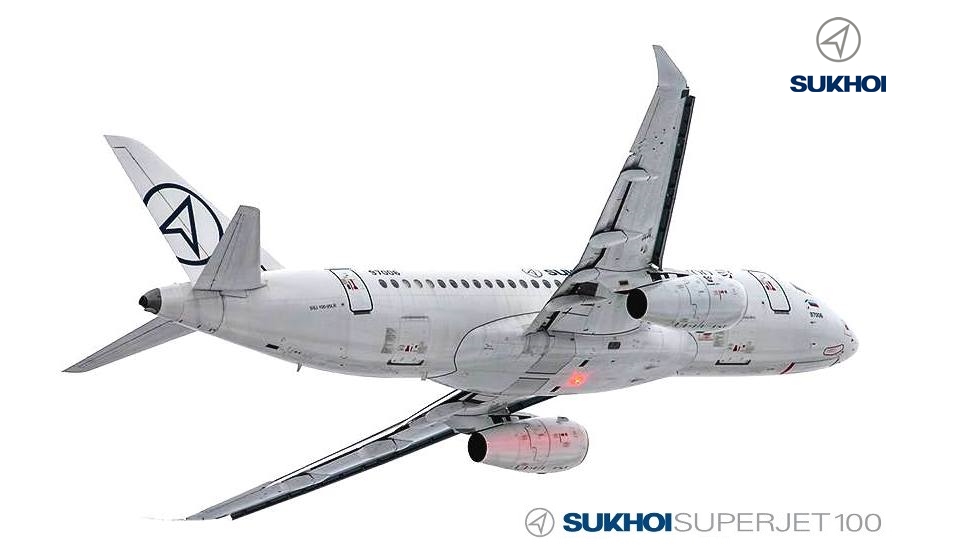
El último avión ruso, el Irkut MC-21-300, realizó su primer vuelo internacional a la República de Turquía. La nueva aeronave se hizo presente en el Festival de Tecnología y Aeroespacial de Teknofest desarrollado entre el 17 al 22 Septiembre 2019 en Estambul. El público podrá echar un vistazo en el nuevo avión de pasajeros de cuerpo estrecho. El MC-21-300 volará en el festival como parte del programa de vuelo, según el productor del avión, United Aircraft Corporation (UAC). Otros aviones de fabricación rusa se exhibirán en el evento de aviación, incluido el avión de combate contra incendios Beriev Be-200ES, el avión de combate Su-35C y el avión de pasajeros Superjet-100 (SSJ-100).

El avión más nuevo de Rusia hizo su debut público en el espectáculo aéreo MAKS-2019 a fines de Agosto 2019, cuando los líderes rusos y turcos, Vladimir Putin y Recep Tayyip Erdogan, echaron un vistazo dentro del avión.

UAC Corp. espera que el MC-21-300 pueda convertirse en un competidor potencial en el segmento de aeronaves de rango medio. El avión ha pasado con éxito varias pruebas y se espera que reciba la certificación de los reguladores rusos y europeos para 2021.AW-Icon-AW-TXT

Resultado de imagen para Irkut MC-21-300 TeknofestMC-21 performs first international flight

1471.jpgIrkut MC-21 makes its first international flight

The newest passenger aircraft of the Russian Federation, the Irkut MC-21-300 makes its first international flight. The plane took off on Monday, September 16, 2019, from Zhukovsky International Airport, near Moscow, and flew 2,400 km to Istanbul Ataturk Airport is approximately three and a half hours. “The flight was normal. The plane and its systems worked well during the flight. For the first time, part of our route was over the sea”, said Pilot Vasiliy Sevastyanov.

MC-21 present in Teknofest

The last Russian plane, the Irkut MC-21-300, made its first international flight to the Republic of Turkey. The new aircraft was present at the Teknofest Technology and Aerospace Festival held between September 17-22, 2019 in Istanbul. The public can take a look at the new narrow-body passenger plane. The MC-21-300 will fly at the festival as part of the flight program, according to the plane’s producer, United Aircraft Corporation (UAC). Other Russian-made aircraft will be exhibited at the aviation event, including the Beriev Be-200ES firefighting aircraft, the Su-35C fighter aircraft, and the Superjet-100 (SSJ-100) passenger aircraft.

Russia’s newest plane made its public debut at the MAKS-2019 air show at the end of August 2019, when Russian and Turkish leaders Vladimir Putin and Recep Tayyip Erdogan took a look inside the plane.

UAC Corp. hopes that the MC-21-300 can become a potential competitor in the mid-range aircraft segment. The plane has successfully passed several tests and is expected to receive certification from Russian and European regulators by 2021. A \ W

Resultado de imagen para Irkut MC-21-300 TeknofestMC-21 выполняет первый международный рейс

d16e518b1ae9f07e262642b03d760369Иркут MC-21 совершает первый международный рейс

Новейший пассажирский самолет Российской Федерации Иркут MC-21-300 совершает свой первый международный рейс. Самолет вылетел в понедельник, 16 сентября 2019 года из международного аэропорта Жуковский, недалеко от Москвы, и пролетел 2400 км до аэропорта имени Ататюрка в Стамбуле примерно за три с половиной часа. «Полет прошел нормально. Самолет и его системы хорошо работали во время полета. Впервые часть нашего маршрута была над морем»,  сказал пилот Василий Севастьянов.

MC-21 присутствует в Текнофесте

Resultado de imagen para TeKnofest logoПоследний российский самолет, Иркут МС-21-300, совершил свой первый международный рейс в Турецкую Республику. Новый самолет был представлен на Технологическом и аэрокосмическом фестивале Teknofest, проходившем 17-22 сентября 2019 года в Стамбуле. Публика может взглянуть на новый пассажирский самолет с узким кузовом. MC-21-300 будет летать на фестивале в рамках программы полета, по словам производителя самолета, Объединенной авиастроительной корпорации (ОАК). На авиасалоне будут представлены другие российские самолеты, в том числе пожарный самолет Бериев Бе-200ЭС, истребитель Су-35С и пассажирский самолет Суперджет-100 (SSJ-100).

Новейший российский самолет дебютировал на авиасалоне МАКС-2019 в конце августа 2019 года, когда российские и турецкие лидеры Владимир Путин и Реджеп Тайип Эрдоган заглянули внутрь самолета.

Корпорация ОАК надеется, что MC-21-300 может стать потенциальным конкурентом в среднем сегменте самолетов. Самолет успешно прошел несколько испытаний и к 2021 году должен получить сертификацию российских и европейских регуляторов. A \ W


video-camera_318-50337.jpg


Ξ A I R G W A Y S Ξ
SOURCE: Airgways.com
DBk: Uacrussia.ru / Yenisafak.com / Airgways.com
AW-POST: 201909181631AR

A\W   A I R G W A Y S ®