Viking Air recibe primer pedido QSeries
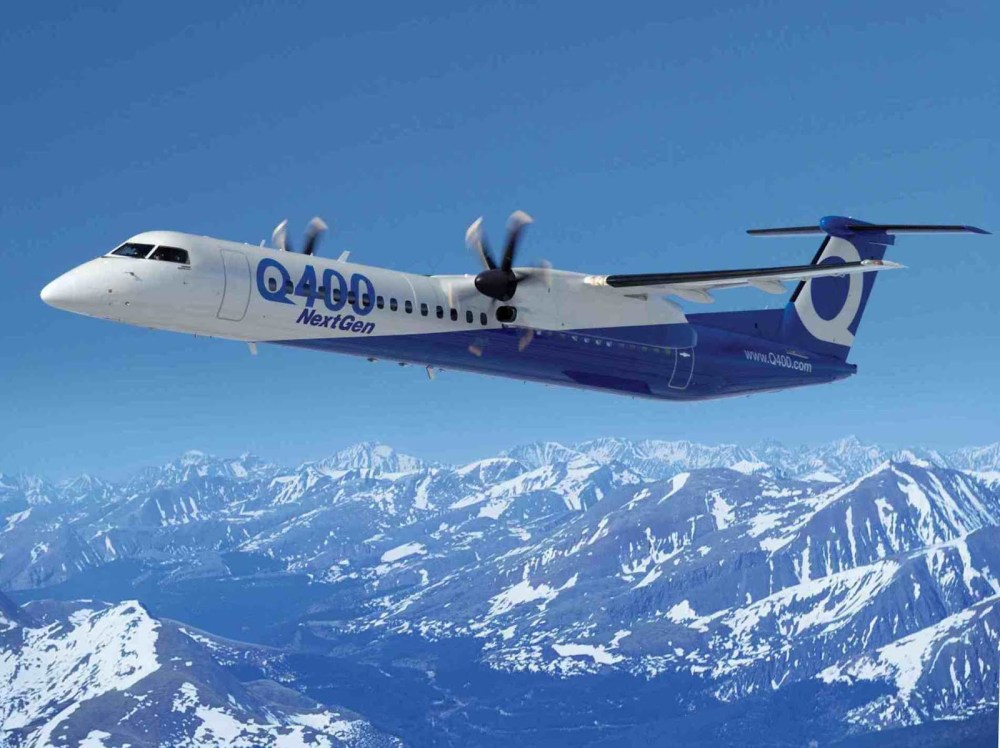
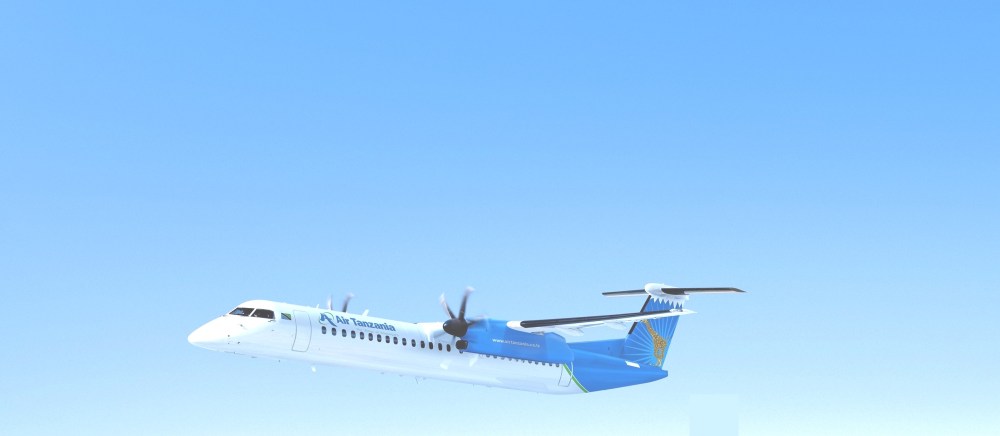
Resultado de imagen para Air tanzania Q400AW | 2019 10 21 12:22 | INDUSTRY / AIRLINES

1280px-Viking_Air_logo.svg.pngDe Havilland Canada recibe el primer pedido de aeronaves QSeries

La compañía Viking Air licenciataria de Longview Aviation Capital Corp. ha anunciado Resultado de imagen para Air tanzania logoel primer pedido formal de De Havilland 8-Q400 el Sábado 19 Octubre 2019 por parte del Gobierno de Tanzania para ser subarrendado a la aerolínea Air Tanzania. El acuerdo fue rubricado entre representantes del fabricante Viking Air y de la Agencia de Vuelo del Gobierno de Tanzania (TGFA) en Dar es Salaam, capital de Tanzania.

El Director Ejecutivo de Air Tanzania, Ladislaud Matindi, expresó: «Nuestra flota actual de Dash 8 Q400 está operando muy bien y ofrece una excelente comodidad para los pasajeros. Estamos muy satisfechos con los bajos costos de operación y la alta confiabilidad y esperamos la capacidad adicional que este nuevo avión y uno más que está pendiente de entrega proporcionará pronto. Air Tanzania continúa creciendo a un ritmo constante y estamos abriendo nuevas rutas y ofreciendo más frecuencias para satisfacer las demandas de nuestro mercado”.

Air Tanzania Company Limited (ATCL) recientemente vio la entrega de dos aviones Q400 del fabricante canadiense Bombardier tras el acuerdo de compra firmado en agosto de 2016. Los aviones se entregan con una configuración de 76 asientos al precio de US$ 62 millones. La compra es parte del plan de ATCL para expandirse en Tanzania y la región africana. «A medida que buscamos expandir las operaciones y aumentar nuestra red de rutas en Tanzania y el continente africano, el avión Q400 tecnológicamente avanzado es un componente clave en nuestra estrategia de crecimiento. Su capacidad para operar en aeródromos desafiantes, combinado con su eficiencia de combustible, excelente confiabilidad y cómodas comodidades para pasajeros, lo convierten en una valiosa adición a nuestra flota», dice Leonard Chamuriho, Secretario Permanente, Ministerio de Transporte, Obras y Comunicación, Tanzania.

Acerca de Air Tanzania

Air Tanzania vuela solo a Kigoma y Comoras, pero planea lanzar al menos 11 nuevas rutas, incluida Dodoma, donde el Gobierno planea trasladar su sede en los próximos 5 años. ATCL es la aerolínea de bandera de Tanzania con sede en Dar es Salaam con su centro de operaciones en el Aeropuerto Internacional Julius Nyerere (JNIA). Se estableció como Air Tanzania Corporation (ATC) en 1977 y es propiedad exclusiva del Gobierno de Tanzania hasta 2002, cuando se privatizó parcialmente. Por lo tanto, el Gobierno redujo su participación accionaria al 51% y se asoció con South African Airways. La asociación finalizó en 2006 cuando el Gobierno de Tanzania recompró las acciones y la aerolínea se convirtió nuevamente en una compañía gubernamental de propiedad absoluta.

Air Tanzania tiene actualmente tres De Havilland 8-Q400 en servicio más dos aeronave pendientes de entrega. El aviones estarán configurados para 78 pasajeros, revisando la configuración de la flota inicial con 76 asientos en dos clases, Business (6) y Económica (70).

Longview Aviation Capital Corp., por medio de Viking Air, ha adquirido el Programa De Havilland Canada QSeries de Bombardier Inc. El nuevo pedido de aeronaves De Havilland Canada Dash 8-Q400 permite reiniciar el programa de turbohélices canadiense. Según Viking Air, el Pograma De Havilland QSeries ha heredado más de sesenta operadores en todo el mundo, incluidos quince nuevos clientes en el último lustro. El De Havilland 8-Q400 es una aeronave muy versátil con prestaciones inmejorables superando en muchos aspectos a sus competidores directos en prestaciones operativas.AW-Icon AW001

AW-Bombariere_7004.jpgViking Air receives first QSeries order

longview_as_logo.jpgFrom Havilland Canada receives the first order of QSeries aircraft

The Viking Air licensee of Longview Aviation Capital Corp. has announced the first formal De Havilland 8-Q400 request on Saturday, October 19, 2019, by the Government of Tanzania to be sublet to the Air Tanzania airline. The agreement was signed between representatives of the manufacturer Viking Air and the Tanzania Government Flight Agency (TGFA) in Dar es Salaam, capital of Tanzania.

The Executive Director of Air Tanzania, Ladislaud Matindi, said: «Our current fleet of Dash 8 Q400 is operating very well and offers excellent passenger comfort. We are very satisfied with the low operating costs and high reliability and we look forward to capacity additional that this new aircraft and one more that is pending delivery will provide soon. Air Tanzania continues to grow at a steady pace and we are opening new routes and offering more frequencies to meet the demands of our market”.

AW-Viking_Air 8-Q400

Air Tanzania currently has three De Havilland 8-Q400 in service plus two aircraft pending delivery. The aircraft will be configured for 78 passengers, reviewing the initial fleet configuration with 76 seats in two classes, Business (6) and Economy (70).

Air Tanzania Company Limited (ATCL) recently saw the delivery of two Q400 aircraft from Canadian manufacturer Bombardier following the purchase agreement signed in August 2016. The aircraft are delivered with a configuration of 76 seats at the price of US$ 62 millions. The purchase is part of the ATCL plan to expand in Tanzania and the African region. «As we seek to expand operations and increase our route network in Tanzania and the African continent, the technologically advanced Q400 aircraft is a key component in our growth strategy. Its ability to operate at challenging airfields, combined with its fuel-efficiency, excellent reliability and comfortable comfort for passengers, making it a valuable addition to our fleet», says Leonard Chamuriho, Permanent Secretary, Ministry of Transport, Works and Communication, Tanzania.

About Air Tanzania

Air Tanzania flies only to Kigoma and Comoros but plans to launch at least 11 new routes, including Dodoma, where the government plans to move its headquarters in the next 5 years. ATCL is the Tanzanian flag airline based in Dar es Salaam with its operations center at Julius Nyerere International Airport (JNIA). It was established as Air Tanzania Corporation (ATC) in 1977 and is the exclusive property of the Government of Tanzania until 2002 when it was partially privatized. Therefore, the Government reduced its shareholding to 51% and partnered with South African Airways. The partnership ended in 2006 when the Government of Tanzania repurchased the shares and the airline again became a fully owned government company.

Longview Aviation Capital Corp., through Viking Air, has acquired the De Havilland Canada QSeries Program from Bombardier Inc. The new De Havilland Canada Dash 8-Q400 aircraft order allows the Canadian turboprop program to be restarted. According to Viking Air, the De Havilland QSeries Program has inherited more than sixty operators worldwide, including fifteen new customers in the last five years. The De Havilland 8-Q400 is a very versatile aircraft with unbeatable performance, surpassing in many respects its direct competitors in operational benefits.AW-Icon AW002


Ξ A I R G W A Y S Ξ
SOURCE: Airgways.com
DBk: Vikingair.com / Tanzaniainvest.com / Airgways.com
AW-POST: 201910211222AR

A\W   A I R G W A Y S ®


E175-E2 persigue Cláusulas Alcance

Image result for Embraer E175-E2AW | 2019 10 16 19:27 | INDUSTRY

embraer logo.jpgEmbraer busca la eficiencia del E175-E2 ayude a modificar las Cláusulas de Alcance de Estados Unidos

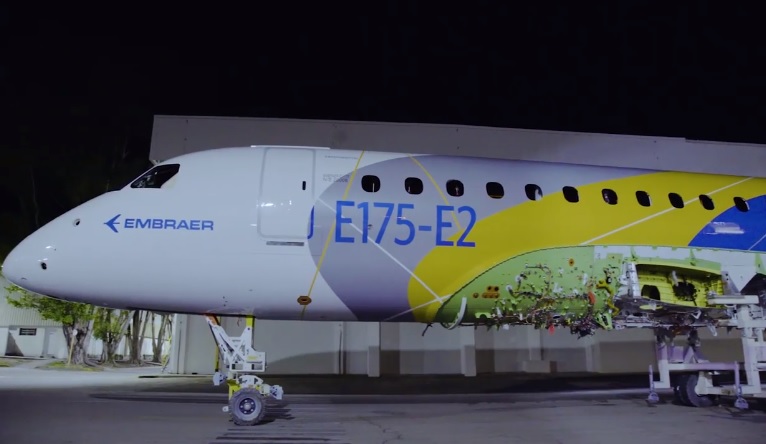
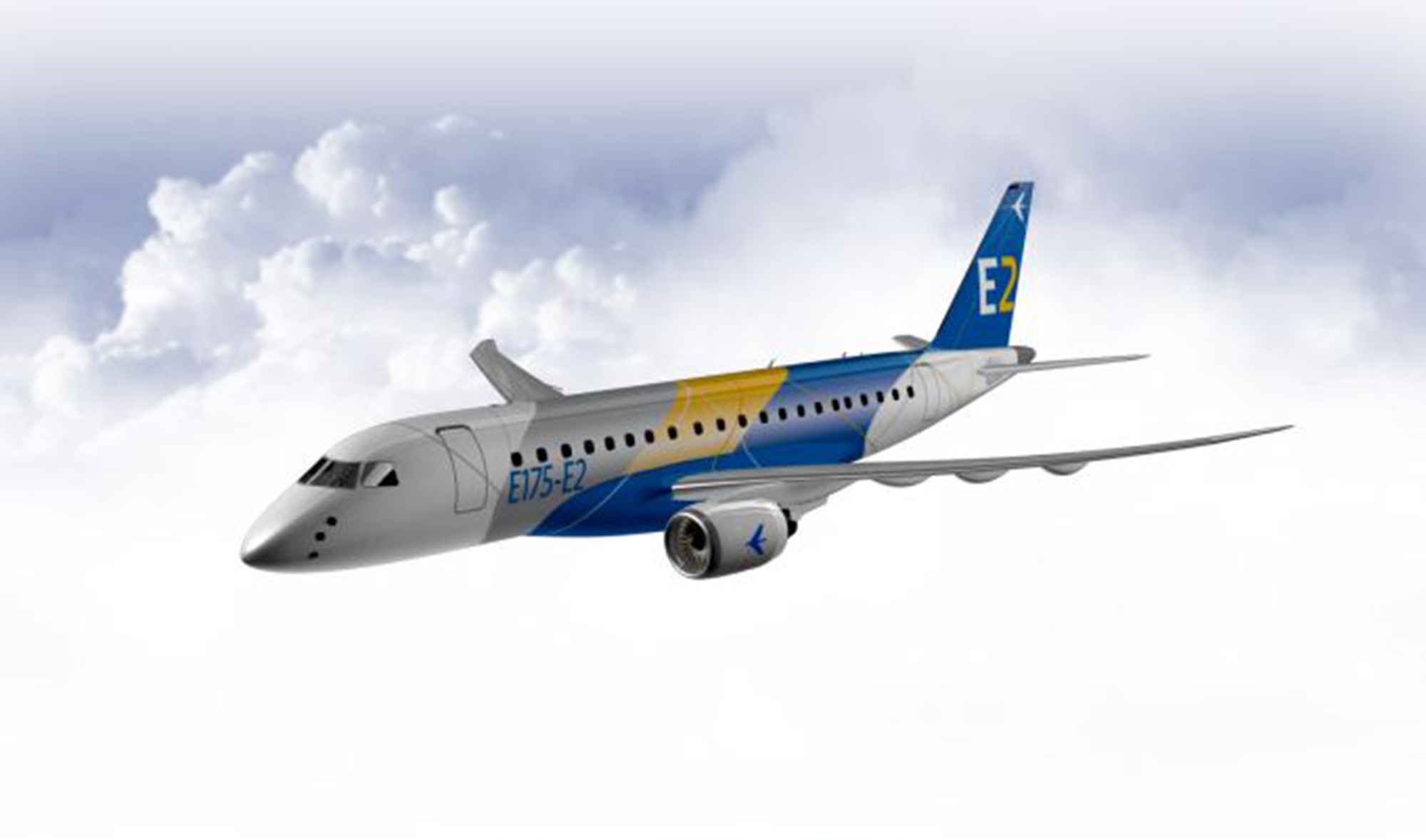
La industria brasileña Embraer espera que la eficiencia y el rendimiento de su nuevo avión regional E175-E2, que es el tercer avión de la nueva generación más pequeño y último miembro de la familia E2 de la compañía, está persiguiendo convencer a las principales aerolíneas estadounidenses a cambiar las «Cláusulas de Alcance» contractuales que actualmente fueron establecidas como una medida de protección para la aviación en los Estados Unidos.embraer 175-e2-crop-u2948484.png

En un día de prensa en su sede de Estados Unidos en Fort Lauderdale, Florida, el Director Comercial de Embraer Commercial Aviation, Arjen Meijer, reitera que el E175-E2 tendrá su primer vuelo antes de fin de año y está en camino de entrar en servicio en 2021, a pesar de la falta de pedidos de los operadores norteamericanos. «El E175-E2, sin duda, será el avión más eficiente en ese segmento. Creemos no solo en la economía sino también en los beneficios ambientales del E175-E2, y eso hablará al mercado», dice Meijer.

Cláusulas de Alcance

Las ventas del avión más nuevo del fabricante de aviones brasileño se han visto obstaculizadas por el hecho de que la variante E2, equipada con motores de turboventilador Pratt & Whitney PW1700G más potentes y pesados, lleva su peso máximo de despegue más allá de las condiciones especificadas en las Cláusulas de Alcance que rigen el transporte aéreo regional en los Estados Unidos.

Las Cláusulas de Alcance son disposiciones en los contratos entre las principales aerolíneas estadounidenses y sus sindicatos piloto que evitan que las aerolíneas exploten más vuelos a las aerolíneas regionales. Prohíben a los afiliados regionales operar aviones que tengan más de 76 asientos o un peso bruto máximo de despegue superior a 86.000 lb. Mientras que la primera generación del E170 y E175 cumplía con las cláusulas, el E175-E2 con los nuevos motores pondría a la aeronave 12.000 lb sobre ese peso máximo.

«Históricamente, las cláusulas de alcance solo cambiaron una vez que hubo un producto que lo empujó a cambiar. Definitivamente, hay algunas áreas en el mercado norteamericano donde creemos que este avión puede ir. Pero la cláusula de alcance es un tema determinado. Debe haber un cambio de cláusula de alcance al final para permitir que el E175-E2 vuele», dice Meijer. Meijer también dice que la compañía está trabajando en un cliente de lanzamiento para el E175-E2, pero no lo nombró.

Norteamérica es un mercado crítico para los aviones de Embraer. Más del 50% de la flota de aviones regionales de 3.400 efectivos vuela en el continente, el mayor mercado de aviones regionales, y sin cambios en las reglas, el E175-E2 dejará en el futuro ese mercado lucrativo para un constructor que está decidido a dar batalla en el mercado americano, el fabricante japonés Mitsubishi Aircraft.

El fabricante nipón está desarrollando su SpaceJet M100, diseñado para transportar 76 pasajeros en dos clases. El SpaceJet tendrá turbofan PW1200G de próxima generación y no excederá el límite de 86.000 lb. Así que, salvo un levantamiento del límite de peso, la nueva tecnología del M100 compite esencialmente en los Estados Unidos contra la E175-E1 de generación anterior.

E195-E2

Embraer entregó su primer E195-E2 a mediados de Septiembre 2019, la segunda y más grande variante de su familia E2, a Azul Linhas Aéreas de Brasil, y dijo que las entregas adicionales son inminentes. El fabricante lanzó el E190-E2 más pequeño en 2018, con Wideroe de Noruega como cliente de lanzamiento. Hasta ahora se han entregado ocho de estos aviones, tres a Widerøe y cinco a Air Astana.

El avión E195-E2 es ligeramente más largo que el E195 de primera generación, con una capacidad máxima de 146 asientos y un alcance de 4.815 km (2.600 millas náuticas). Pero Meijer dice que el fabricante hizo más que estirarlo. «Todavía se ve como un E-Jet: el fuselaje es el mismo, pero hubo muchos cambios», dice Meijer. Un sistema fly by wire de cuarta generación, nueva aviónica, nuevas alas, un menor consumo de combustible y una cabina rediseñada son algunas de las innovaciones que Embraer incorporó al nuevo E195-E2. Sin embargo, el fabricante de aviones tomó una decisión consciente de mantener la misma filosofía de cabina, dice Jorge Nasser, Vicepresidente Regional de Ventas en América del Norte. “Sabemos que muchos de los clientes potenciales provendrán de la enorme base de clientes de los jets E1. El entrenamiento de pilotos es un conductor importante y un requisito para nosotros”. Los pilotos pueden hacer la transición al nuevo avión E2 con solo dos días y medio de entrenamiento.

Aunque la segunda generación de E-Jets continúa suministrando nuevos clientes, de primera generación siguen siendo atractiva para muchos clientes y Embraer está feliz de continuar suministrándolos. «Mientras haya demanda, continuaremos construyendo los E1. Alrededor del 20% de las 85-95 unidades E-Jets de este año serán E2, y el resto será la variante de primera generación. Vemos nuevos pedidos para E1 y E2. Ambos aviones están construidos en la misma línea de producción», dice Meijer.

La actual línea de construcción se parece mucho a la unidad de la factoría de la Dornier de Alemania, donde el antiguo constructor desarrollaba los Do-328 turbohélice y el Do-328Jet en una misma línea y sólo al final de la construcción se montaba la planta motriz.

Mercado futuro

Embraer ya es el líder en el mercado de aviones de hasta 150 asientos con aproximadamente el 29% de participación en el mercado. La compañía dice que espera que ese porcentaje crezca, a pesar de los nuevos participantes de China y Rusia. Actualmente hay más de 1.900 jets Embraer en funcionamiento, por 120 empresas en 70 países.

Futura Boeing-Embraer

Embraer anticipa que entregará 10.550 aviones nuevos desde el presente hasta 2038, de los cuales alrededor del 80% o 8.230 serán aviones comerciales, eso sí, ya bajo la conducción de The Boeing Brasil Commercial.

En Septiembre 2019, Embraer dijo que estima que su asociación estratégica con Boeing, anunciada por primera vez el año pasado, se cerrará a principios de 2020, desviando las expectativas previas de que el acuerdo se cerraría a fines de 2019. En 09/2019 la Comisión Europea decidió abrir un evaluación adicional en su revisión antimonopolio de la transacción.

El acuerdo de Boeing con Embraer exige que la compañía con sede en Chicago adquiera el 80% de la división de aviones comerciales del fuselaje brasileño por US$ 4.2 mil millones. La nueva empresa conjunta se llamará Boeing Brasil Commercial y le dará al fabricante de aviones comerciales brasileño un punto de apoyo en el mercado regional de aviones.AW-Icon AW001

AW-Embraer-E175-E2.jpgE175-E2 pursues Scope Clauses

1280px-Embraer_logo.svgEmbraer seeks the efficiency of the E175-E2 help modify the United States Scope Clauses

The Brazilian industry Embraer expects that the efficiency and performance of its new regional aircraft E175-E2, which is the third smallest aircraft of the new generation and the last member of the company’s E2 family, is trying to convince the main US airlines to change the contractual «Scope Clauses» that were currently established as a protective measure for aviation in the United States.

On a press day at its US headquarters in Fort Lauderdale, Florida, the Commercial Director of Embraer Commercial Aviation, Arjen Meijer, reiterates that the E175-E2 will have its first flight before the end of the year and is on its way to entering service in 2021, despite the lack of orders from North American operators. «The E175-E2 will undoubtedly be the most efficient aircraft in that segment. We believe not only in the economy but also in the environmental benefits of E175-E2, and that will speak to the market», says Meijer.

AW-E7050466.jpgScope Clauses

Sales of the newest aircraft of the Brazilian aircraft manufacturer have been hampered by the fact that the E2 variant, equipped with more powerful and heavy Pratt & Whitney PW1700G turbofan engines, takes its maximum take-off weight beyond the specified conditions in the Scope Clauses governing regional air transportation in the United States.

EmbraerEJetE175E2Riggedmb3dmodel000.jpg4CF17AC4-343F-4381-8364-F1F902770868Res200The Scope Clauses are provisions in contracts between major US airlines and their pilot unions that prevent airlines from exploiting more flights to regional airlines. Regional affiliates are prohibited from operating airplanes that have more than 76 seats or a maximum gross take-off weight greater than 86,000 lbs. While the first generation of the E170 and E175 complied with the clauses, the E175-E2 with the new engines would put the aircraft 12,000 lb on that maximum weight.

«Historically, the scope clauses only changed once there was a product that pushed it to change. There are definitely some areas in the North American market where we believe this aircraft can go. But the scope clause is a certain issue. There must be a change of scope clause at the end to allow the E175-E2 to fly», says Meijer. Meijer also says the company is working on a launch client for the E175-E2 but did not name it.

AW-700M100.jpgNorth America is a critical market for Embraer planes. More than 50% of the 3,400-strong regional aircraft fleet flies across the continent, the largest regional aircraft market, and without changes in the rules, the E175-E2 will leave that lucrative market in the future for a builder who is determined to give battle in the American market, the Japanese manufacturer Mitsubishi Aircraft.

The Japanese manufacturer is developing its SpaceJet M100, designed to carry 76 passengers in two classes. The SpaceJet will have next-generation PW1200G turbofan and will not exceed the 86,000 lb limit. So, except for a lifting of the weight limit, the new M100 technology essentially competes in the United States against the previous generation E175-E1.

E195-E2

Embraer delivered its first E195-E2 in mid-September 2019, the second and largest variant of its E2 family, to Azul Linhas Aéreas of Brazil, and said additional deliveries are imminent. The manufacturer launched the smallest E190-E2 in 2018, with Widerøe from Norway as a launch customer. So far eight of these planes have been delivered, three to Wideroe and five to Air Astana.

The E195-E2 aircraft is slightly longer than the first-generation E195, with a maximum capacity of 146 seats and a range of 4,815 km (2,600 nautical miles). But Meijer says the manufacturer did more than stretch it. «It still looks like an E-Jet: the fuselage is the same, but there were many changes», says Meijer. A fourth-generation fly by wire system, new avionics, new wings, lower fuel consumption, and a redesigned cabin are some of the innovations that Embraer incorporated into the new E195-E2. However, the aircraft manufacturer made a conscious decision to maintain the same cabin philosophy, says Jorge Nasser, Regional Vice President of Sales in North America. “We know that many of the potential customers will come from the huge customer base of the E1 jets. Pilot training is an important driver and a requirement for us”. Pilots can transition to the new E2 plane with just two and a half days of training.

Although the second generation of E-Jets continues to supply new customers, first-generation products remain attractive to many customers and Embraer is happy to continue supplying them. «While there is demand, we will continue to build the E1. About 20% of this year’s 85-95 E-Jets will be E2, and the rest will be the first generation variant. We see new orders for E1 and E2. Both planes are built on the same production line», says Meijer.

The current construction line closely resembles the unit of the Dornier factory in Germany, where the old builder developed the Do-328 turboprop and Do-328Jet on the same line and only at the end of the construction was the plant mounted the motor.

Future market

Embraer is already the market leader in aircraft with up to 150 seats with approximately 29% market share. The company says it expects that percentage to grow, despite new entrants from China and Russia. There are currently more than 1,900 Embraer jets in operation, by 120 companies in 70 countries.

Future Boeing-Embraer

Embraer anticipates that it will deliver 10,550 new airplanes from the present until 2038, of which around 80% or 8,230 will be commercial airplanes, yes, already under the guidance of The Boeing Brasil Commercial.

In September 2019, Embraer said it estimates that its strategic partnership with Boeing, first announced last year, will close at the beginning of 2020, diverting previous expectations that the deal would close at the end of 2019. On 09/2019 the European Commission decided to open an additional evaluation in its antitrust review of the transaction.

Boeing’s agreement with Embraer requires that the Chicago-based company acquire 80% of the commercial aircraft division of the Brazilian fuselage for US$ 4.2 billion. The new joint venture will be called Boeing Brasil Commercial and will give the Brazilian commercial aircraft manufacturer a foothold in the regional aircraft market.AW-Icon AW002


Ξ A I R G W A Y S Ξ
SOURCE: Airgways.com
DBk: Embraer.com / Flightglobal.com / Airgways.com
AW-POST: 201910161927AR

A\W   A I R G W A Y S ®


Airbus-Delta alianza digital

AW-Airbus_skywise.jpgAW | 2019 10 15 11:58 | INDUSTRY / AIRLINES

logo_airbus (2)Airbus y Delta forman una alianza digital para desarrollar nuevas soluciones cruzadas de la flota de mantenimiento predictivo

Airbus y Delta Air Lines están formando una alianza digital para desarrollar nuevas Delta-Logo[1]soluciones de mantenimiento predictivo y de monitoreo de salud para los clientes de las aerolíneas en todo el mundo a partir de 2020. Para acceder a través de un portal unificado a través de la plataforma de Skywise, la cruz soluciones -fleet aprovecharán la experiencia de cada miembro de las células, de los sistemas y motores. Delta Air Lines que será el primer usuario de la solución enriquecida mantenimiento predictivo.
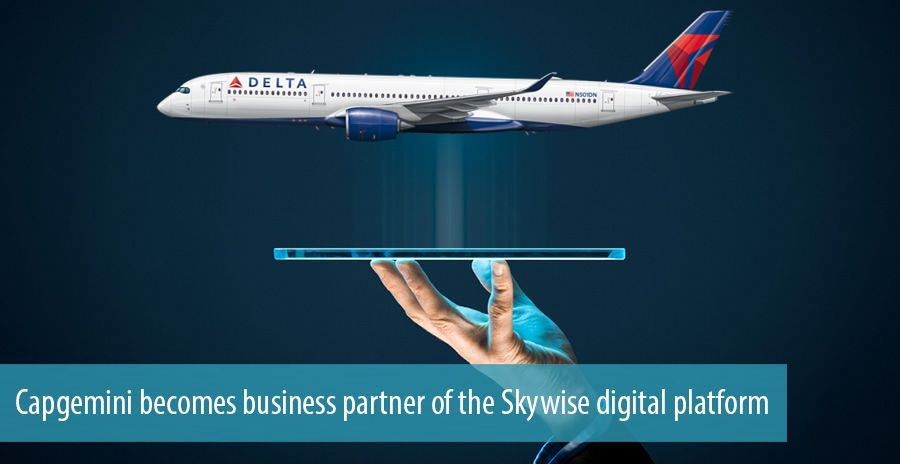
Don Mitáček, Vicepresidente de Operaciones Técnicas Delta dijo: «Esta asociación con Airbus desarrollará aún más las capacidades de mantenimiento predictivo, con lo que la destreza analítica profunda de la plataforma Skywise Airbus en conjunción con el amplio conocimiento técnico y operativo del equipo de mantenimiento predictivo Delta. Esperamos a mejoras significativas de predicción de precisión a través de esta combinación».

Norman Baker, Airbus Head SVP de Digital Solutions, dijo: «Esta asociación digital con Delta es una primicia mundial, que abarca las principales habilidades necesarias por las compañías aéreas para mantener su avión listo para funcionar. El mantenimiento predictivo, impulsado por Skywise, es ahora ampliamente probada con nuestros clientes como la mejor manera de lograr conocimientos integrales en temas de operación de aeronaves, lo que les permite mantener los niveles más altos de disponibilidad de la flota“.

Esta asociación se basa en una plataforma ya exitosa de colaboración técnica entre Airbus y Delta: En octubre de 2018 Delta entró en un contrato de varios años con Airbus para aplicar Skywise mantenimiento predictivo a sus A320 y A330 flotas que cubre alrededor de 400 aviones. Por otra parte, en junio de este año, Airbus y Delta se unieron para ofrecer servicios A220 reparación de componentes y materiales para el programa de Servicios de la hora de vuelo A220 (FHS) de Airbus.AW-Icon AW001

AW-700046654.jpgAirbus-Delta digital alliance

Airbus and Delta form a digital alliance to develop new cross-solutions of the predictive maintenance fleet

Skywise_logo.jpgAirbus and Delta Air Lines are forming a digital alliance to develop new predictive maintenance and health monitoring solutions for airline customers worldwide starting in 2020. To access through a unified portal through the platform from Skywise, the cross -fleet solutions will take advantage of the experience of each member of the cells, systems, and engines. Delta Air Lines will be the first user of the enriched predictive maintenance solution.

Don Mitáček, Vice President of Technical Operations Delta said: «This partnership with Airbus will further develop predictive maintenance capabilities, bringing the deep analytical skills of the Skywise Airbus platform in conjunction with the extensive technical and operational knowledge of the predictive maintenance team Delta. We expect significant improvements in precision prediction through this combination».

Norman Baker, Airbus Head SVP of Digital Solutions, said: «This digital partnership with Delta is a world first, covering the main skills needed by airlines to keep their aircraft ready for operation. Predictive maintenance, powered by Skywise, is now widely tested with our customers as the best way to achieve comprehensive knowledge in aircraft operation issues, allowing them to maintain the highest levels of fleet availability”.

This partnership is based on an already successful technical collaboration platform between Airbus and Delta: In October 2018, Delta entered into a multi-year contract with Airbus to apply Skywise predictive maintenance to its A320 and A330 fleets covering around 400 aircraft. On the other hand, in June of this year, Airbus and Delta joined together to offer A220 component and material repair services for the Airbus A220 Flight Time Services (FHS) program.AW-Icon AW002


Ξ A I R G W A Y S Ξ
SOURCE: Airgways.com
DBk: Airbus.com / Delta.com / Airgways.com
AW-POST: 201910151158AR

A\W   A I R G W A Y S ®

Espionaje detrás del Comac C919

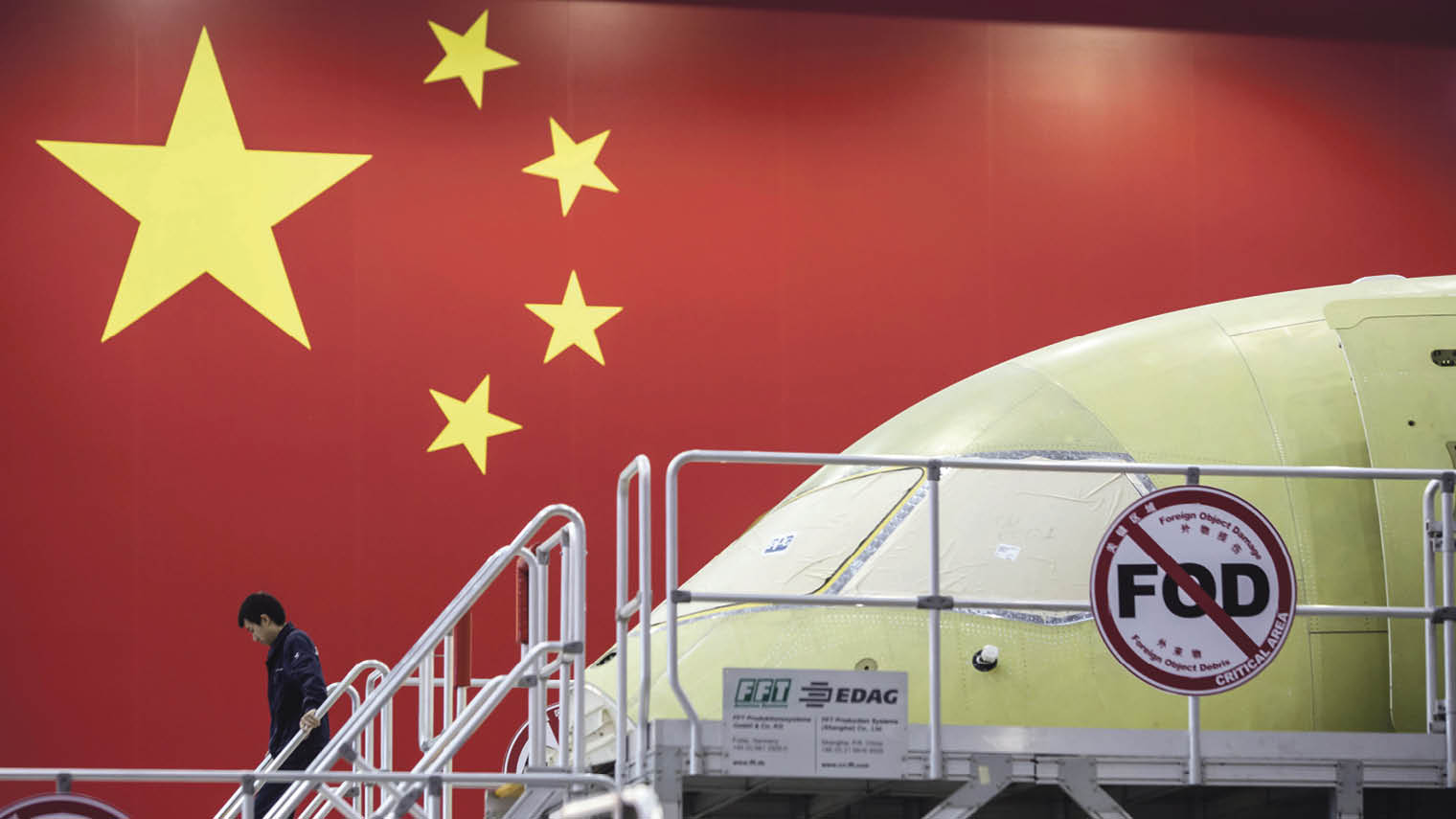
Resultado de imagen para comac c919 ASSEMBLY LINE

AW | 2019 10 15 13:55 | INDUSTRY

COMAC_logo.jpgCampaña de espionaje cibernético ayudó a China a adquirir propiedad intelectual detrás del avión C919
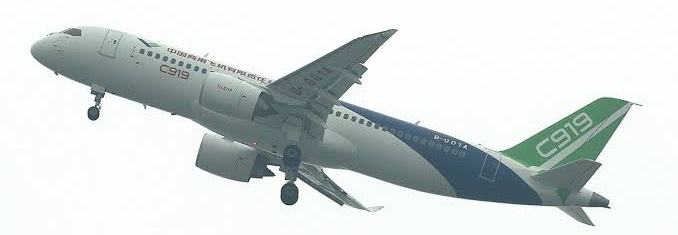
CrowdStrike afirma que las autoridades chinas robaron en gran medida la tecnología detrás del Programa COMAC C919. La campaña de espionaje cibernético ayudó a China a adquirir propiedad intelectual detrás del avión C919. El desarrollo del avión C919 twinjet de China se inició en 2008. Una campaña coordinada de ciberespionaje durante varios años ayudó a China a adquirir la propiedad intelectual necesaria para diseñar y construir el C919.

Eso es según un informe de CrowdStrike, que afirma que esta campaña particular de ciberespionaje fue parte del esfuerzo coordinado de China para cerrar la brecha tecnológica en la industria de la aviación y ayudar a la Corporación de Aviones Comerciales de China (COMAC) a construir su avión C919. Según CrowdStrike, la ambiciosa operación de piratería también ahorró miles de millones de dólares para el gigante asiático al copiar detalles técnicos de los componentes que finalmente se utilizaron en el avión C919.

El desarrollo del avión C919 twinjet de China se inició en 2008, y después de varios retrasos, el avión finalmente completó su primer vuelo inaugural en 2017. Aunque el C919 se promociona como un avión de pasajeros fabricado en China, utiliza una gran cantidad de componentes suministrados por el sector aeroespacial de empresas de América del Norte y Europa. CrowdStrike dice que entre 2010 y 2015, sus investigadores rastrearon un grupo de piratas informáticos chino al que denominaron Turbine Panda, que llevó a cabo una serie de ataques cibernéticos contra varias compañías de alta tecnología, que suministraron componentes para el avión C919. El informe afirma que la responsabilidad de llevar a cabo la operación recayó en la Oficina Jiangsu (JSSD), que fue seleccionada por el Ministerio de Seguridad del Estado (MSS) para esta operación en particular. Para coordinar los esfuerzos de espionaje cibernético, JSSD seleccionó a dos oficiales principales: uno tenía la tarea de reclutar información privilegiada que trabajara en empresas de aviación extranjeras, mientras que el otro estaba a cargo del equipo de pirateo Turbine Panda.

Entre 2010 y 2015, el grupo Turbine Panda rompió con éxito los proveedores de Safran, Capstone Turbine, Ametek, Honeywell, GE y otros. Implementó malware, como PlugX, Sakula y Winnti, en sus máquinas, que luego se utilizaron para buscar propiedad intelectual y filtrar sus secretos comerciales a servidores remotos. En algunos casos, las personas con información privilegiada también se utilizaron para plantar malware, como Sakula, en las redes de los objetivos, principalmente a través de unidades USB.

En 2016, después de aproximadamente seis años de piratería persistente, la Aero Engine Corporation of China (AECC) presentó un nuevo motor CJ-1000AX hecho en casa que reemplazará el motor C919 de CFM. Según CrowdStrike, el motor CJ-1000AX mostró muchas similitudes con los motores LEAP-1C y LEAP-X producidos por CFM International, el contratista extranjero que suministraba motores de turbina para el C919.

Los investigadores de CrowdStrike creen que es probable que COMAC y la Corporación de la Industria de la Aviación de China (CAIC) «se hayan beneficiado significativamente de los esfuerzos cibernéticos del Ministerio de Seguridad del Estado (MSS), eliminando varios años y potencialmente miles de millones de dólares de su tiempo de desarrollo».

Las autoridades estadounidenses han arrestado al menos a cuatro personas hasta ahora en relación con la campaña de piratería de la industria aeronáutica de China. Uno de ellos es Xu Yanjun, el oficial que se cree que estuvo a cargo de reclutar información privilegiada en empresas aeroespaciales seleccionadas. Yu Pingan, el desarrollador del malware Sakula, fue arrestado por el FBI en 2017, mientras asistía a una conferencia de seguridad en los Estados Unidos.

La Mitsubishi Corp. fue también una compañía que estuvo involucrada en otro caso de espionaje y robo de información de su competidor Bombadier Inc, quien finalmente ofertó por comprar la división de aviones comerciales del Programa CRJ al constructor canadiense.AW-Icon AW001

AW-COMAC C919Espionage behind Comac C919

Cyber ​​espionage campaign helped China acquire intellectual property behind the C919 plane

CrowdStrike claims that Chinese authorities largely stole the technology behind the COMAC C919 Program. The cyber espionage campaign helped China acquire intellectual property behind the C919 plane. The development of the C919 twinjet aircraft from China began in 2008. A coordinated cyber-espionage campaign for several years helped China acquire the intellectual property necessary to design and build the C919.

That is according to a CrowdStrike report, which states that this particular cyber-espionage campaign was part of China’s coordinated effort to close the technology gap in the aviation industry and help the China Commercial Aircraft Corporation (COMAC) build its C919 plane. According to CrowdStrike, the ambitious hacking operation also saved billions of dollars for the Asian giant by copying technical details of the components that were finally used on the C919 aircraft.

The development of the C919 twinjet aircraft from China began in 2008, and after several delays, the plane finally completed its first inaugural flight in 2017. Although the C919 is promoted as a passenger aircraft made in China, it uses a lot of components supplied by the aerospace sector of companies in North America and Europe. CrowdStrike says that between 2010 and 2015, its researchers tracked a group of Chinese hackers named Turbine Panda, which carried out a series of cyberattacks against several high-tech companies, which supplied components for the C919 aircraft. The report states that the responsibility for carrying out the operation fell to the Jiangsu Office (JSSD), which was selected by the Ministry of State Security (MSS) for this particular operation. To coordinate the cyberespionage efforts, JSSD selected two main officers: one was tasked with recruiting insider information working in foreign aviation companies, while the other was in charge of the Turbine Panda hacking team.

Between 2010 and 2015, the Turbine Panda group successfully broke the suppliers of Safran, Capstone Turbine, Ametek, Honeywell, GE, and others. He implemented malware, such as PlugX, Sakula, and Winnti, on their machines, which were then used to search for intellectual property and filter their business secrets to remote servers. In some cases, people with insider information were also used to plant malware, such as Sakula, in the networks of targets, mainly through USB drives.

In 2016, after approximately six years of persistent piracy, the Aero Engine Corporation of China (AECC) introduced a new homemade CJ-1000AX engine that will replace the CFM C919 engine. According to CrowdStrike, the CJ-1000AX engine showed many similarities with the LEAP-1C and LEAP-X engines produced by CFM International, the foreign contractor that supplied turbine engines for the C919.

CrowdStrike researchers believe it is likely that COMAC and the China Aviation Industry Corporation (CAIC) «have benefited significantly from the cyber efforts of the Ministry of State Security (MSS), eliminating several years and potentially thousands of million dollars of its development time».

The US authorities have arrested at least four people so far in connection with the piracy campaign of China’s aviation industry. One of them is Xu Yanjun, the officer who is believed to have been in charge of recruiting insider information in selected aerospace companies. Yu Pingan, the developer of Sakula malware, was arrested by the FBI in 2017 while attending a security conference in the United States.

Mitsubishi Corp. was also a company that was involved in another case of espionage and theft of information from its competitor Bombadier Inc, who finally offered to buy the commercial aircraft division of the CRJ Program from the Canadian manufacturer.AW-Icon AW002


Ξ A I R G W A Y S Ξ
SOURCE: Airgways.com
DBk: Computing.co.uk / Airgways.com
AW-POST: 201910151355AR

A\W   A I R G W A Y S ®

Expansión ventas del A321NEO LR

AW-700-Airbus.jpgAW | 2019 10 01 14:22 | INDUSTRY

logo_airbus (2)Airbus continúa el éxito de ventas del A321NEO XLR
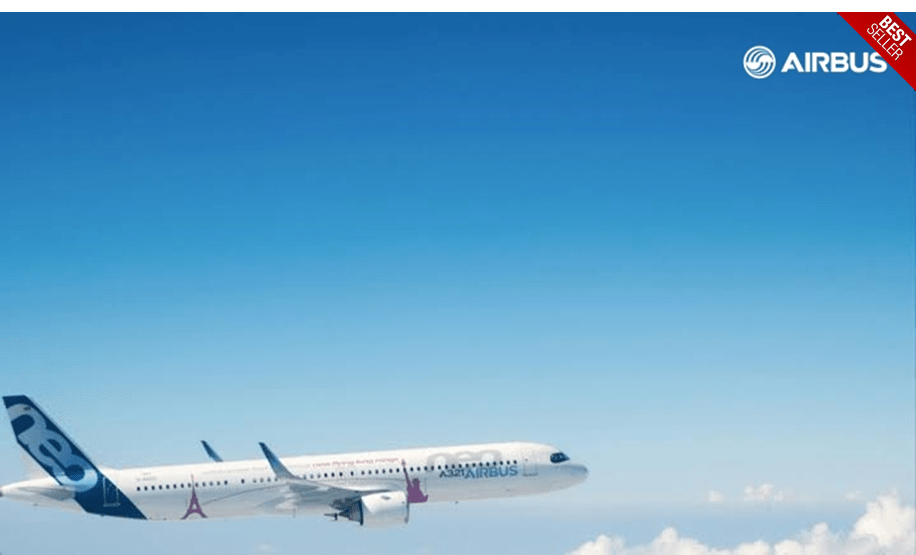
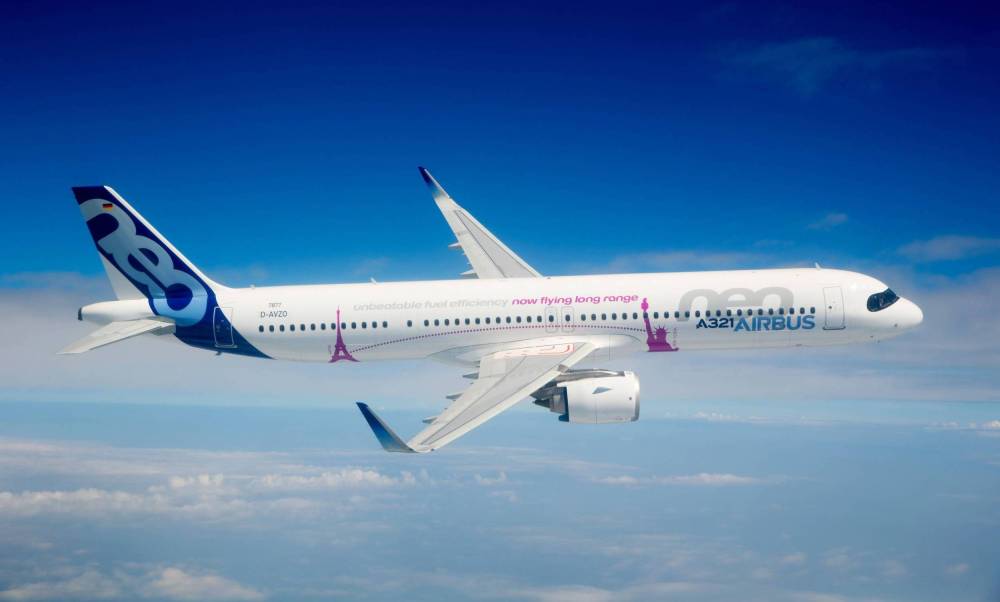
Airbus expande las ventas del exitoso A321NEO XLR (Long Range). El constructor europeo continúa volando sin rival en el mercado de rango medio y arrasa en ventas potenciando al A321XLR como favorito en el segmento de los narrowbodies. El anuncio de pedidos de Airbus eleva a 127 el saldo de nuevos pedidos en lo que va de 2019, contra los 55 que lleva vendidos Boeing en los primeros nueve meses de 2019 del 737 MAX. Airbus está vendiendo como nunca el A321XLR, la versión de más largo radio del avión de pasillo único, que se encuentra en etapa de desarrollo pero que será una versión avanzada del ya existente A321LR.

Airbus, vientos de cola

El incremento de las ventas de Airbus en relación a su histórico rival Boeing continúan consolidándose de cara hacia el futuro, beneficiada en parte por los problemas del constructor Boeing en su línea 737 MAX. El mercado de las aerolíneas continúa avalando las bondades del excelente avión regional A220. El A220 es un verdadero éxito de ventas. Interjet, la compañía aérea mexicana que opera los Sukhoi SSJ-100, cambiará la flota a Airbus A220 y ha ordenado doce aeronaves. Airbus está teniendo fuetes compromisos de compra del A321XLR, la versión de más largo radio del avión de un pasillo. AirAsia, la aerolínea low cost de Malaysia, tenía órdenes por 34 aviones A330NEO adicionales de una cartera de pedidos de 66 unidades. Esa segunda remesa de aviones A330 fue reducida en Agosto 2019 en doce aviones. AirAsia econfimó la compra por 30 A321XLR. La tendencia del mecado asiático y mundial es un aumento considerable de las ventas del A321XLR con un alcance, la última evolución del A321NEO poseerá un rango de 4.700 nm, con un 30% menos de consumo de combustible por asiento/kilómetro que los aviones de la generación anterior. Combina la economía de pasillo único con la comodidad de la cabina de largo recorrido.

A321NEO XLR, bestseller!

Tras los comentarios muy positivos del mercado, Airbus ha lanzado el A321XLR para complementar su familia más vendida A321NEO. El A321XLR se convierte así en el siguiente paso evolutivo que responde a las necesidades del mercado para un alcance aún mayor, y crea más valor para las aerolíneas al reducir el consumo de combustible en un 30% por asiento que los aviones de la competencia de la generación anterior. A partir de 2023, el avión entregará un Xtra Long Range sin precedentes de hasta 4.700 nm, un 15% más que el A321LR y con la misma eficiencia de combustible inmejorable.

Con este rango adicional, las aerolíneas podrán operar un avión de pasillo único de menor costo en rutas más largas y menos transitadas, muchas de las cuales ahora solo pueden ser atendidas por aviones de cuerpo ancho más grandes y menos eficientes. Esto permitirá a los operadores abrir nuevas rutas mundiales como India a Europa o China a Australia, además de ampliar aún más el alcance sin escalas de la Familia en vuelos transatlánticos directos entre Europa continental y América. Para los pasajeros, la nueva cabina Airspace del A321XLR proporcionará la mejor experiencia de viaje, al tiempo que ofrece asientos en todas las clases con la misma alta comodidad que en los aviones de largo recorrido.

El A321XLR ha sido diseñado para maximizar la similitud general con el A321LR y el resto de la familia A320NEO, al tiempo que introduce los cambios mínimos necesarios para darle al avión un Xtra Long Range con una mayor carga útil de ingresos. Los cambios incluyen: el nuevo tanque central trasero permanente (RCT) para obtener más volumen de combustible; un tren de aterrizaje modificado para un mayor peso máximo de despegue (MTOW) de 101 toneladas métricas; y una configuración optimizada de aleta de ala trasera para preservar el mismo rendimiento de despegue y los requisitos de empuje del motor que el A321NEO de hoy. En particular, el nuevo RCT optimizado contiene más combustible que varios Tanques Centrales Adicionales (ACT) opcionales anteriormente, mientras ocupaba menos espacio en la bodega de carga, liberando así el volumen debajo del piso para carga adicional y equipaje en rutas de largo alcance.

La familia A320NEO es la aeronave de pasillo único más vendida del mundo con más de 6.500 pedidos de más de 100 clientes desde su lanzamiento en 2010. Incorpora motores de nueva generación y dispositivos Sharklet con punta de ala, además de otras mejoras que en conjunto brindan un ahorro de combustible de dos dígitos sobre su predecesor, la familia A320CEO.

Boeing, pierde competitividad

Este avión no tiene competencia por parte de Boeing. Los intentos infructuosos por dsarrollar un mercado de ango medio exitoso han fracasado desde el tiempo en que no ha desarrollado un verdadero reemplazo para el Boeing 757 intercontinental. Posteriores programas del constuctor americano como el veloz Sonic Cruiser no prosperaron. El prometido Programa 797 (NMA) que sería una verdadera competencia continúa en los proyectos de papel, impulsado por el escándalo que envuelve a la seguridad del Programa 737 MAX hizo olvidar el diseño de nuevas aeronaves, por los costos implicados. Boeing ha resuelto activar el Programa 767-X con una nueva remotorización, que estaría basado en el 767-400ER. El 767-X tiene buenos clientes, especialmente del sector militar, pero en el ámbito aerocomercial será un paliativo frente a un competidor fuertemente posiciionado como lo es el A321NEO XLR.

Boeing se ha esforzado por conquistar el mercado medio tratando de estirar la célula del fuselaje de la línea 737, desarrollando la versión 737-10 MAX y ajustando algunos detalles técnicos. Pero es evidente que las limitaciones de este avión no alcanzan a superar las futuras prestaciones del A321NEO XLR. Boeing parece que empieza a vislumbrar un cielo más claro en el horizonte con la esperanza de solucionar sus problemas relacionados con el Boeing 737 MAX, junto con problemas de diseño alar en los 737 Next Generation.

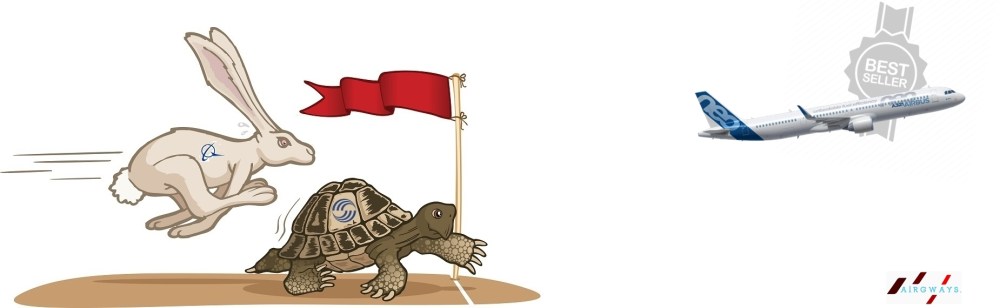
«La liebre y la tortuga»

La tortuga estaba cansada de que la liebre fuese tan grosera y se burlase de ella por ser lenta y un estorbo, así que, ni corta ni perezosa, hizo una propuesta sorprendente a la liebre: «Si soy tan lenta, no te importará hacer una carrera conmigo, ¿verdad?» La liebre aceptó el reto. Era tan engreída que en la línea de salida le deja ventaja. La tortuga arrancó con su paso lento, pero seguro. Pasado un buen rato, la liebre comenzó a correr y, pronto, había alcanzado a la tortuga. Cuando la liebre vio que había conseguido una gran ventaja sobre la tortuga, decidió sentarse bajo la sombra de un árbol a descansar. No podría decir cuanto tiempo durmió la liebre, pero cuando despertó y alzó la mirada pudo ver a la tortuga que ya estaba llegando a la meta. La liebre corrió todo lo que pudo, pero de nada le sirvió y fue la tortuga la que ganó la carrera. El constructor americano aprenderá una lección importante, donde el mejor corredor no siempre es el más veloz.AW-Icon AW001

AW-A321NEOXLR.pngExpansion of the A321NEO LR

airbus-logo-3d-1024x905.pngAirbus continues the sales success of the A321NEO XLR
Airbus expands sales of the successful A321NEO XLR (Long Range). The European builder continues to fly unrivaled in the mid-range market and sweeps sales, promoting the A321XLR as a favorite in the narrowbodies segment. The announcement of orders of Airbus raises to 127 the balance of new orders so far of 2019, against the 55 that Boeing has sold in the first nine months of 2019 of the 737 MAX. Airbus is selling the A321XLR as never before, the longest radio version of the single-aisle aircraft, which is under development but will be an advanced version of the existing A321LR.

Airbus, tail-winds

The increase in Airbus sales in relation to its historic rival Boeing continues to consolidate for the future, benefiting in part for the problems of the Boeing builder in its 737 MAX line. The airline market continues to support the benefits of the excellent A220 regional aircraft. The A220 is a true sales success. Interjet, the Mexican airline that operates the Sukhoi SSJ-100, will change the fleet to Airbus A220 and has ordered twelve aircraft. Airbus is having strong purchase commitments for the A321XLR, the longest radio version of an aisle plane. AirAsia, the low-cost airline of Malaysia, had orders for 34 additional A330NEO aircraft from an order book of 66 units. That second batch of A330 aircraft was reduced in August 2019 by twelve planes. AirAsia saved the purchase for 30 A321XLR. The trend of the Asian and world market is a considerable increase in sales of the A321XLR with a range, the latest evolution of the A321NEO will have a range of 4,700 nm, with 30% less fuel consumption per seat/kilometer than the aircraft of the previous generation It combines the economy of a single aisle with the comfort of the long-distance cab.

A321NEO XLR, bestseller!

After very positive comments from the market, Airbus has launched the A321XLR to complement its best-selling A321NEO family. The A321XLR thus becomes the next evolutionary step that responds to the needs of the market for an even greater reach and creates more value for airlines by reducing fuel consumption by 30% per seat than competitive airplanes. previous generation Starting in 2023, the aircraft will deliver an unprecedented Xtra Long Range of up to 4,700 nm, 15% more than the A321LR and with the same unbeatable fuel efficiency.

With this additional range, airlines will be able to operate a single-aisle aircraft of lower cost on longer and less-traveled routes, many of which can now only be serviced by larger and less efficient wide-body aircraft. This will allow operators to open new global routes such as India to Europe or China to Australia, in addition to further expanding the non-stop range of the Family on direct transatlantic flights between continental Europe and America. For passengers, the new A321XLR Airspace cabin will provide the best travel experience, while offering seats in all classes with the same high comfort as long-haul aircraft.

The A321XLR has been designed to maximize overall similarity with the A321LR and the rest of the A320NEO family while introducing the minimum changes necessary to give the plane an Xtra Long Range with a higher revenue payload. Changes include the new permanent rear central tank (RCT) to get more fuel volume; a modified landing gear for a maximum takeoff weight (MTOW) of 101 metric tons; and an optimized rear wing fin configuration to preserve the same take-off performance and engine thrust requirements as today’s A321NEO. In particular, the new optimized RCT contains more fuel than several additional Optional Central Tanks (ACT) previously, while taking up less space in the cargo hold, thus freeing up the volume under the floor for additional cargo and luggage on long-haul routes.

The A320NEO family is the world’s best-selling single-aisle aircraft with more than 6,500 orders from more than 100 customers since its launch in 2010. It incorporates new generation engines and Sharklet devices with wingtips, as well as other improvements that together provide a two-digit fuel economy over its predecessor, the A320CEO family.

Boeing loses competitiveness

This plane has no competition from Boeing. The unsuccessful attempts to develop a successful medium-sized market have failed since the time it has not developed a true replacement for the intercontinental Boeing 757. Poor American constructor poems like the fast Sonic Cruiser did not prosper. The promised 797 Program (NMA) that would be a real competition continues in the paper projects, driven by the scandal that surrounds the security of the 737 MAX Program made forget the design of new aircraft, for the costs involved. Boeing has resolved to activate the 767-X Program with a new remotorization, which would be based on the 767-400ER. The 767-X has good customers, especially from the military sector, but in the commercial field, it will be a palliative against a strongly positioned competitor such as the A321NEO XLR.

Boeing has struggled to conquer the middle market by trying to stretch the fuselage cell of the 737 lines, developing the 737-10 MAX version and adjusting some technical details. But it is clear that the limitations of this aircraft do not exceed the future performance of the A321NEO XLR. Boeing seems to begin to glimpse a more clear sky on the horizon in hopes of solving its problems related to the Boeing 737 MAX, along with alar design problems in the 737 Next Generation.

AW-The Hare-and-the-Tortoise.jpg«The hare and the tortoise»

The turtle was tired of the hare being so rude and mocking her for being slow and unhindered, so, neither short nor lazy, she made a surprising proposal to the hare: «If I’m so slow, you won’t mind making a run with me, right?» The hare accepted the challenge. It was so conceited that in the starting line it leaves him an advantage. The turtle started with its slow, but sure, step. After a while, the hare began to run and, soon, had reached the turtle. When the hare saw that he had achieved a great advantage over the turtle, he decided to sit under the shade of a tree to rest. He could not say how long the hare slept, but when he woke up and looked up he could see the turtle that was already reaching the goal. The hare ran as much as he could, but it was no use and it was the turtle that won the race. The American builder will learn an important lesson, where the best runner is not always the fastest.AW-Icon AW002


Ξ A I R G W A Y S Ξ
SOURCE: Airgways.com
DBk: Airbus.com / Airgways.com
AW-POST: 201910141622AR

A\W   A I R G W A Y S ®

Air Austral firma acuerdo compra A220

AW-7000220300.pngAW | 2019 10 14 13:40 | INDUSTRY / AIRLINES

logo_airbus (2).jpgAirbus y Air Austral firman acuerdo compra por tres A220-300AW-A220-Icon.jpg
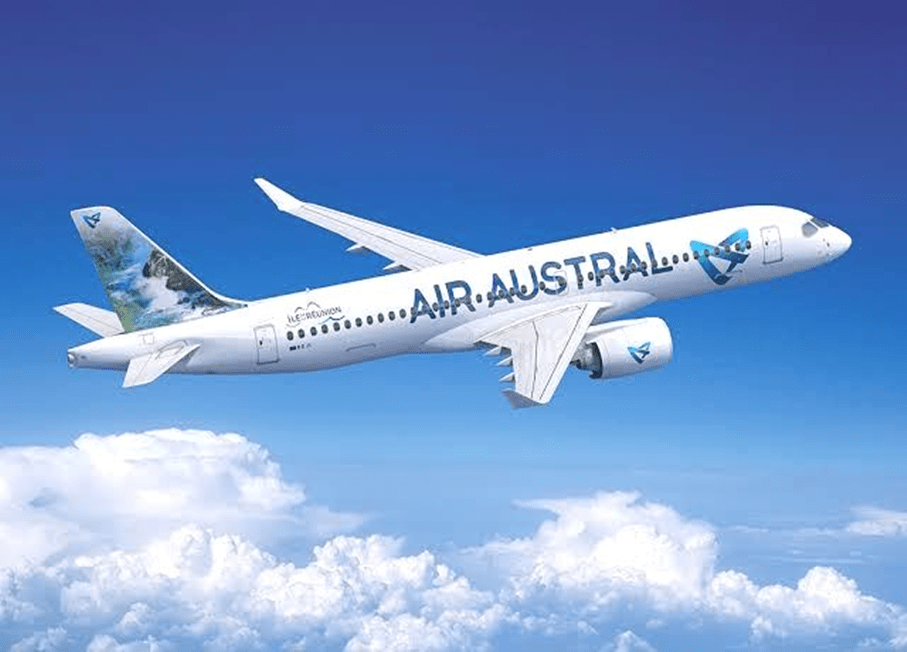
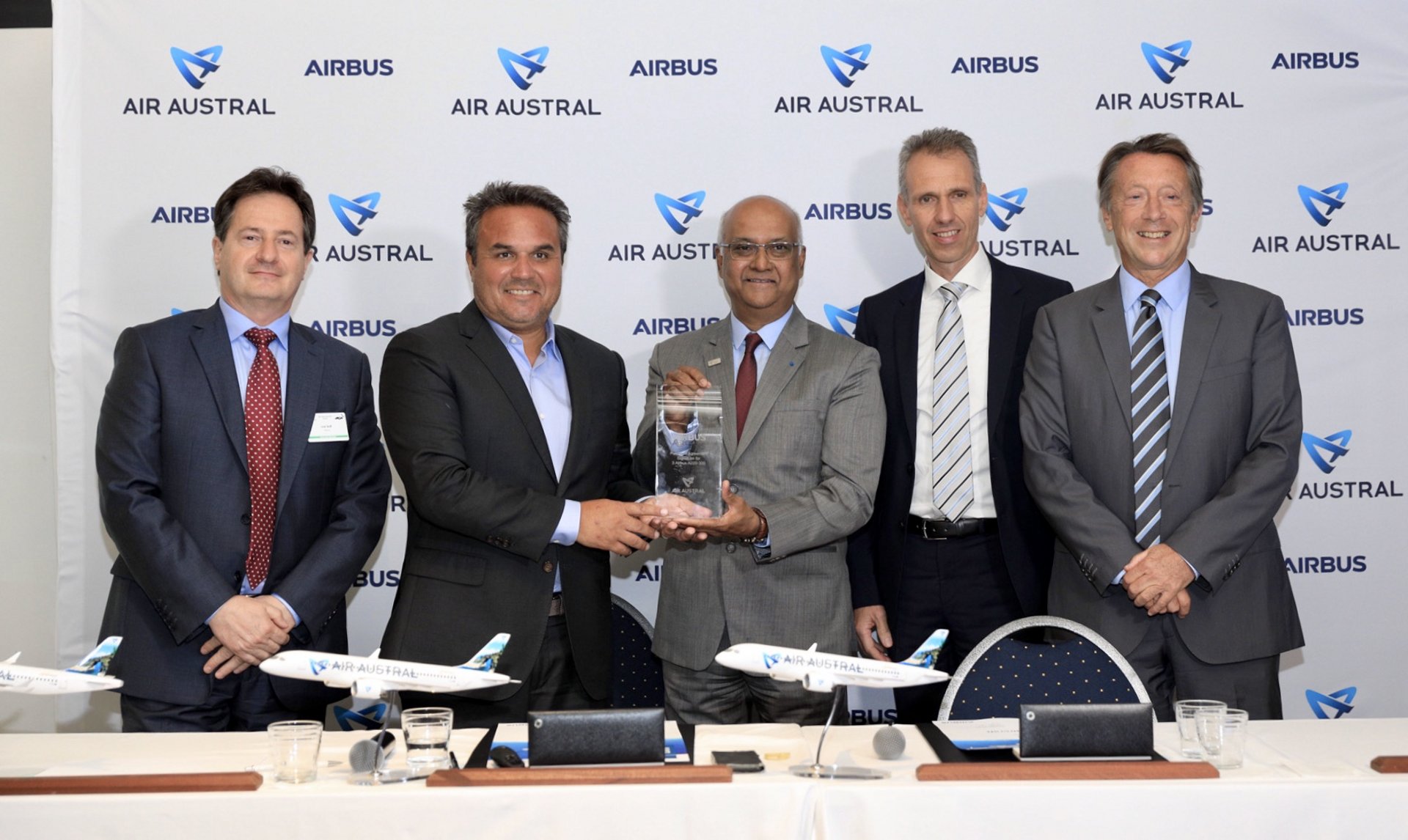
Air Austral, aerolínea con sede en la Isla de la Reunión de Francia, ha firmado un pedido en firme de tres aviones Airbus A220-300, miembro de la familia más reciente de Resultado de imagen para air austral logoAirbus. Air Austral se convierte en el primer cliente A220 con sede en la región del Océano Índico. Las aeronaves regionales tienen una reducción del 20% en el consumo de combustible y las emisiones de CO2 que permitirán a Air Austral reducir sus costos y la huella de carbono en las rutas internacionales de la región.

«Air Austral ha elegido el A220-300 como parte de la renovación de su flota de corto y medio plazo. Estos nuevos aviones generación se unirá a la aerolínea de finales de 2020 con el objetivo de armonizar parte de su flota y el fortalecimiento de sus operaciones. El rendimiento económico y operativo del A220 abre nuevas posibilidades para el desarrollo de la red regional de nuestra base principal de Reunión de una manera eficiente y racional la capacidad de 132 escaños. módulo, que es más flexible, nos permitirá aumentar nuestras frecuencias al tiempo que ofrece una mayor comodidad a nuestros clientes y tripulaciones”, dijo Marie-Joseph Malé, Director General de Air Austral.

“Con su rendimiento sin igual y la flexibilidad operacional, el A220 es el avión perfecto para Air Austral para reforzar las rutas entre la isla de la Reunión y sus vecinos en el Océano Índico, así como la conexión de la isla más lejos. Las compañías aéreas de todo el mundo están reconociendo la economía de la A220 y es un gran honor que Air Austral será el primer operador de A220 en la región”, dijo Christopher Buckley, Vicepresidente Ejecutivo Comercial de Airbus.

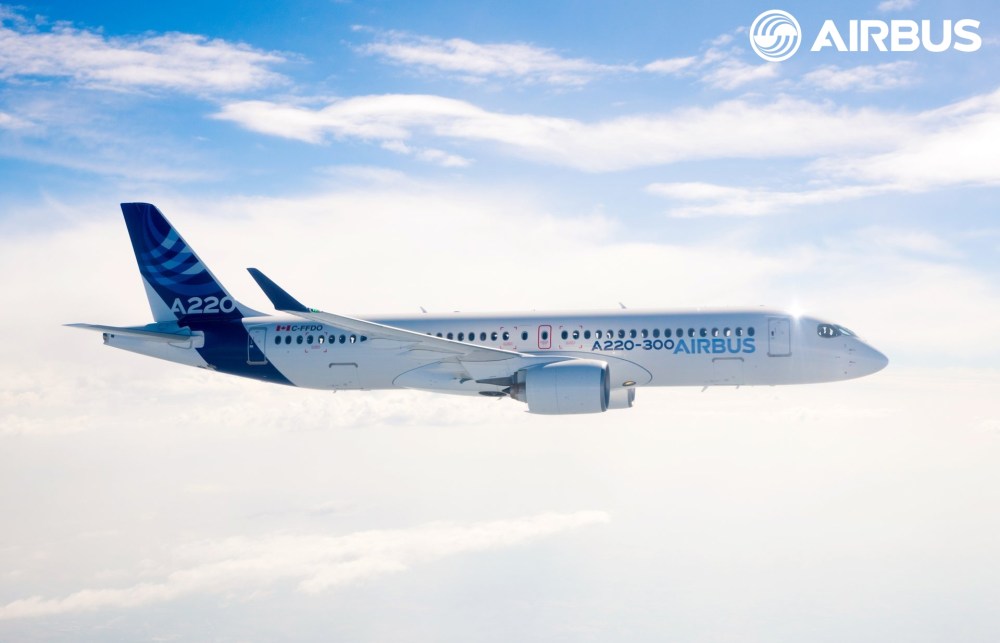
El A220 es el único avión desarrollado específicamente para el mercado de 100-150 asientos; que ofrece inmejorable eficiencia del combustible y la comodidad de fuselaje ancho de pasajeros en un avión de un solo pasillo. El diseño de los nuevos aviones de pasillo único permiten más asientos, ofreciendo el potencial de ingresos extra para las compañías aéreas, especialmente a aquellos ubicados en áreas remotas, y la capacidad de volumen de carga adicional utilizable. El A220 reúne a la aerodinámica del estado de la técnica, materiales avanzados y Pratt & Whitney PW1500G de última generación orientado motores turbofan para ofrecer al menos un consumo de combustible un 20% inferior por asiento en comparación con los aviones de la generación anterior, junto con las emisiones significativamente más bajas y el nivel de ruido reducido. El A220 ofrece el rendimiento de aviones de pasillo único más grande. El A220 ha conseguido una cartera de pedidos de más de 500 aviones a finales de Septiembre 2019.AW-Icon AW001

A220-300-in-flight-003.jpgAir Austral signs purchase agreement A220
Resultado de imagen para air austral logoAirbus and Air Austral sign purchase agreement for three A220-300

Air Austral, an airline based in the Reunion Island of France, has signed a firm order for three Airbus A220-300 aircraft, a member of the most recent Airbus family. Air Austral becomes the first A220 client based in the Indian Ocean region. Regional aircraft have a 20% reduction in fuel consumption and CO2 emissions that will allow Air Austral to reduce its costs and the carbon footprint on international routes in the region.

«Air Austral has chosen the A220-300 as part of the renewal of its short and medium-term fleet. These new-generation aircraft will join the airline at the end of 2020 with the aim of harmonizing part of their fleet and strengthening their operations The economic and operational performance of the A220 opens up new possibilities for the development of the regional network of our main meeting base in an efficient and rational way the capacity of 132 seats, module, which is more flexible, will allow us to increase our frequencies by time that offers greater comfort to our customers and crews”, said Marie-Joseph Malé, General Director of Air Austral.

“With its unmatched performance and operational flexibility, the A220 is the perfect aircraft for Air Austral to reinforce the routes between Reunion Island and its neighbors in the Indian Ocean, as well as the connection of the island further. Airlines around the world are recognizing the economy of the A220 and it is a great honor that Air Austral will be the first A220 operator in the region”, said Christopher Buckley, Commercial Executive Vice President of Airbus.

The A220 is the only aircraft specifically developed for the market of 100-150 seats; It offers unbeatable fuel efficiency and the comfort of wide passenger fuselage in a single-aisle aircraft. The design of the new single-aisle aircraft allows more seats, offering the potential for extra revenue for airlines, especially those located in remote areas, and the capacity of additional usable cargo volume. The A220 brings together state-of-the-art aerodynamics, advanced materials, and state-of-the-art Pratt & Whitney PW1500G-oriented turbofan engines to offer at least 20% lower fuel consumption per seat compared to the previous generation aircraft, together with significantly lower emissions and reduced noise level. The A220 offers the largest single-aisle aircraft performance. The A220 has achieved an order book of more than 500 aircraft at the end of September 2019.AW-Icon AW002

Resultado de imagen para air austreal a220Air Austral signe un contrat d’achat A220

AW-700A220Airbus et Air Austral signent un contrat d’achat portant sur trois A220-300
Air Austral, une compagnie aérienne basée à La Réunion, a signé une commande ferme de trois appareils Airbus A220-300, appartenant à la dernière famille Airbus. Air Austral devient le premier client A220 basé dans la région de l’océan Indien. Les aronaves régionaux ont une réduction de 20% de la consommation de carburant et des émissions de CO2, ce qui permettra à Air Austral de réduire ses coûts et son empreinte carbone sur les liaisons internationales de la région.

«Air Austral a choisi la A220-300 dans le cadre du renouvellement de sa flotte à court et à moyen terme. Ces avions de nouvelle génération rejoindront la compagnie aérienne à la fin de 2020 dans le but d’harmoniser une partie de leur flotte et de renforcer leurs capacités. opérations La performance économique et opérationnelle de la A220 ouvre de nouvelles possibilités pour le développement du réseau régional de notre base de réunion principale de manière efficace et rationnelle, la capacité de 132 sièges, module plus flexible, nous permettra d’augmenter nos fréquences de Un temps plus confortable pour nos clients et nos équipages», a déclaré Marie-Joseph Malé, directrice générale d’Air Austral.

AW-70220300AAU.png

«Avec ses performances inégalées et sa souplesse opérationnelle, l’A220 est l’avion idéal pour Air Austral, qui renforce les liaisons entre La Réunion et ses voisins de l’océan Indien, ainsi que la connexion de l’île. Les compagnies aériennes du monde entier reconnaissent l’économie de la A220 et c’est un grand honneur pour Air Austral d’être le premier exploitant d’A220 dans la région», a déclaré Christopher Buckley, vice-président exécutif commercial d’Airbus.

L’A220 est le seul avion spécifiquement développé pour le marché des sièges de 100 à 150 personnes; Il offre une efficacité énergétique imbattable et le confort d’un fuselage large pour passagers dans un avion à une seule allée. La conception du nouvel avion monocouloir autorise davantage de sièges, offrant un potentiel de revenus supplémentaires pour les compagnies aériennes, en particulier celles situées dans des régions éloignées, et une capacité supplémentaire de volume de fret utilisable. L’A220 associe aérodynamique à la pointe de la technologie, matériaux de pointe et réacteurs ultramodernes à turboréacteurs Pratt & Whitney PW1500G afin de réduire d’au moins 20% la consommation de carburant par siège par rapport aux avions de la génération précédente. avec des émissions nettement inférieures et un niveau de bruit réduit. L’A220 offre la plus grande performance d’avion monocouloir. L’A220 a atteint un carnet de commandes de plus de 500 avions à la fin du mois de septembre 2019.AW-Icon AW002


Ξ A I R G W A Y S Ξ
SOURCE: Airgways.com
DBk: Airbus.com / Air-austral.com / Airgways.com
AW-POST: 201910141340AR

A\W   A I R G W A Y S ®


Embraer E175-E2 primer vuelo 4Q2019

Embraer E175-E2AW | 2019 10 13 22:27 | INDUSTRY

embraer logo.jpgEl primer prototipo Embraer E175-E2 realizará vuelo inaugural en 4Q2019

El fabricante brasileño de aviones Embraer SA espera que el E175-E2 tome su primer vuelo a finales de este año con una entrada en servicio paa 2021 para el último y más pequeño miembro de su familia E-Jets de nueva generación.

El Programa E2 (Etapa 2) es la segunda gneración de aeronaves E-Jets. La versión mejorada E175-E2 es más económica y silenciosa que la versión anterior E1. El fabricante basileño de aviones también ofrece los desarrollos más alagados y de mayores capacidades E190-E2 y E195-E2. En 2018, la aerolínea noruega Wideroe fu el clliente de lanzamiento del primer E190-E2. “Se está construyendo el primer prototipo del E175-E2 y se está colgando el motor. Estamos ansiosos por entrar en servicio a fines de 2021 y esperamos el primer vuelo a fines de este año. Creo que hay grandes oportunidades para el E175-E2 en el oeste de Europa continental, creo que será un gran alimentador central», explicó Martyn Holmes, Vicepresidente para Europa, Rusia, Asia Central en Embraer, en una conferencia para la Asamblea General de la Asociación de Aerolíneas de las Regiones (ERA) del 9 Octubre 2019.

Mercado regional

Las aeronaves regionales de Embraer se utilizan cada vez más en Europa. Con 49 aviones, KLM Cityhopper es uno de los mayores usuarios. Holmes ve un gran futuro para la nueva variante del E175-E2. Durante el Salón Aeronáutico de París 2019, KLM anunció el pedido de 35 E195-E2. El nuevo avión eventualmente reemplazará a los E190 que han estado volando para KLM Cityhopper desde 2008. «Creo que hay grandes oportunidades para el E175-E2 en Europa occidental. El avión será un gran alimentador para los centros», dice Martyn Holmes.

Tours E195-E2

Mientras tanto, el E195-E2, el avión comercial más grande de Embraer, que ofrece hasta 146 asientos y menores costos por asiento/km, mejor consumo de combustible y menores emisiones para los operadores, está en medio de una gira de demostración global que acaba de salir de Europa y ahora está en el norte América antes de ir a África el próximo mes.

Tras la certificación de las autoridades brasileñas, europeas y estadounidenses en Abril 2019, Embraer entregó su primer E195-E2 el 12 Septiembre 2019 al operador brasileño de bajo costo Azul Linhas Aéreas. El modlo también está programado para entrar en servicio con otros clientes como Binter Canarias y Helvetic Airways en las próximas semanas.

Progama E3

El CEO de Embraer Commercial Aviation, John Slattery, también dijo que el fabricante está considerando el mercado de turbopropulsores. «Hay absolutamente un lugar en el mundo para turbopropulsores, pero la tecnología actual para turbopropulsores tiene más de tres décadas. Creo que hay una oportunidad para mejorar significativamente las operaciones y las emisiones contra lo que está disponible en el mercado hoy en turbopropulsores. Esto es algo que hemos estado viendo en serio desde hace bastante tiempo. Continuamos gastando dólares significativos en continuar nuestra revisión. Siempre estamos ejecutando la regla sobre lo que sigue. También estamos ejecutando la regla sobre lo que debería venir después del turbopropulsor, qué deberíamos estar haciendo en un híbrido eléctrico o un viaje autónomo, por ejemplo. Hay un papel para los turbopropulsores y me gustaría tener una parte de eso. Pero todavía no hemos cerrado el caso comercial», dijo Slattery.

La compañía ha hablado con operadores y arrendadores en el segmento de turbopropulsores de todo el mundo que ven uniformemente un mercado para un turbopropulsor de última tecnología que reducirían los costos operativos y las emisiones de cabono de manera significativa. El constructor franco-italiano ATR Aircraft se ha adelantado al mercado desarrollando el ATR 42-600S (STOL) para pistas cortas en aeródromos con menor densidad de pasajeros. El Programa E3 podría ve la luz verde después del acuerdo del Joint Venture Boeing-Embraer. John Slattery dice que a medida que sus programas de desarrollo actuales entren en servicio en el período hasta 2021, los recursos de ingeniería estarán disponibles y desearán implementarlos de manera óptima. El Director Comecial expesó: «En algún momento pensaremos qué es el E3. Podría ser cualquier cosa. Me gustaría hacer otra plataforma para complementar el E2». Lo más acorde al mercado en la actualidad es un fuselaje con asientos distribuidos 2+2 lo que lo situaría muy próximo al desarrollo del Programa E2 pero buscando maximizar la economía en un mercado dominado por el líder ATR Aircraft.AW-Icon AW001

Resultado de imagen para Embraer E175-E2Embraer E175-E2 first flight in 4Q2019

1280px-Embraer_logo.svg.pngThe first Embraer E175-E2 prototype will perform an inaugural flight in 4Q2019

Brazilian aircraft manufacturer Embraer SA expects the E175-E2 to take its first flight later this year with an entry into service by 2021 for the last and smallest member of its new-generation E-Jets family.

The E2 Program (E2/Stage 2) is the second generation of E-Jets aircraft. The improved version E175-E2 is cheaper and quieter than the previous version E1. The Basel aircraft manufacturer also offers the most flattened and highest capacity developments E190-E2 and E195-E2. In 2018, the Norwegian airline Wideroe was the launching agent of the first E190-E2. “The first prototype of the E175-E2 is being built and the engine is hanging. We are eager to enter service at the end of 2021 and look forward to the first flight at the end of this year. I think there are great opportunities for E175-E2 in western continental Europe, I think it will be a great central feeder», said Martyn Holmes, Vice President for Europe, Russia, Central Asia at Embraer, at a conference for the General Assembly of the Association of Airlines of the Regions (ERA) of October 9, 2019.

Resultado de imagen para Embraer E175-E2 pngRegional market

Embraer’s regional aircraft are increasingly used in Europe. With 49 aircraft, KLM Cityhopper is one of the largest users. Holmes sees a great future for the new variant of the E175-E2. During the 2019 Paris Air Show, KLM announced the order for 35 E195-E2. The new plane will eventually replace the E190s that have been flying for KLM Cityhopper since 2008. «I think there are great opportunities for the E175-E2 in Western Europe. The plane will be a great feeder for the centers», says Martyn Holmes.

Tours E195-E2

Meanwhile, the E195-E2, Embraer’s largest commercial aircraft, offering up to 146 seats and lower costs per seat/km, better fuel consumption and lower emissions for operators, is in the midst of a global demonstration tour that He has just left Europe and is now in North America before going to Africa next month.

After the certification of the Brazilian, European and US authorities in April 2019, Embraer delivered its first E195-E2 on September 12, 2019, to the low-cost Brazilian operator Azul Linhas Aéreas. The model is also scheduled to enter service with other clients such as Binter Canarias and Helvetic Airways in the coming weeks.

E3 program

Embraer Commercial Aviation CEO John Slattery also said the manufacturer is considering the turboprop market. «There is absolutely a place in the world for turboprops, but current turboprop technology has more than three decades. I think there is an opportunity to significantly improve operations and emissions against what is available in the market today in turboprops. This is something that we have been seeing seriously for quite some time. We continue to spend significant dollars to continue our review. We are always executing the rule about what follows. We are also executing the rule about what should come after the turboprop, what we should be doing in an electric hybrid or an autonomous trip, for example. There is a role for the turboprops and I would like to have a part of that. But we have not yet closed the business case», said Slattery.

The company has spoken with operators and lessors in the turboprop segment around the world that see a market for a state-of-the-art turboprop that would reduce operating costs and carbon emissions significantly. The French-Italian constructor ATR Aircraft has advanced to the market by developing the ATR 42-600S (STOL) for short runways at aerodromes with lower passenger density. The E3 Program could see the green light after the agreement of the Joint Venture Boeing-Embraer. John Slattery says that as their current development programs go into service in the period until 2021, engineering resources will be available and they will want to implement them optimally. The Commercial Director expressed: «At some point, we will think about what E3 is. It could be anything. I would like to make another platform to complement E2». The most appropriate to the market today is a fuselage with 2+2 distributed seats which would place it very close to the development of the E2 Program but seeking to maximize the economy in a market dominated by the leader ATR Aircraft.AW-Icon AW002

Resultado de imagen para Embraer E175-E2Primeiro voo do Embraer E175-E2 no 4T2019

embraer logo (1).jpgO primeiro protótipo Embraer E175-E2 realizará um voo inaugural no 4T2019

A fabricante brasileira de aeronaves Embraer SA espera que o E175-E2 faça seu primeiro voo ainda este ano, com uma entrada em serviço até 2021 para o último e menor membro de sua família de E-Jets de nova geração.

O Programa E2 (Etapa 2) é a segunda geração de aeronaves E-Jets. A versão melhorada E175-E2 é mais barata e silenciosa que a versão anterior E1. O fabricante de aeronaves da Basiléia também oferece os desenvolvimentos mais achatados e de alta capacidade E190-E2 e E195-E2. Em 2018, a companhia aérea norueguesa Wideroe foi o agente de lançamento do primeiro E190-E2. “O primeiro protótipo do E175-E2 está sendo construído e o motor está suspenso. Estamos ansiosos para entrar em serviço no final de 2021 e estamos ansiosos pelo primeiro voo no final deste ano. Acho que há grandes oportunidades para o E175-E2 na Europa continental ocidental, acho que será um ótimo alimentador central», disse Martyn Holmes, vice-presidente da Europa, Rússia e Ásia Central da Embraer, em uma conferência para a Assembléia Geral da Associação das Companhias Aéreas das Regiões (ERA), de 9 de outubro de 2019.

Mercado regional

As aeronaves regionais da Embraer são cada vez mais usadas na Europa. Com 49 aeronaves, o KLM Cityhopper é um dos maiores usuários. Holmes vê um grande futuro para a nova variante do E175-E2. Durante o Paris Air Show 2019, a KLM anunciou o pedido de 35 E195-E2. O novo avião acabará substituindo o E190 que voa para a KLM Cityhopper desde 2008. «Acho que há grandes oportunidades para o E175-E2 na Europa Ocidental. O avião será um ótimo alimentador para os centros», diz Martyn Holmes.

Tours E195-E2

Enquanto isso, o E195-E2, o maior avião comercial da Embraer, oferecendo até 146 assentos e custos mais baixos por assento/km, melhor consumo de combustível e menores emissões para os operadores, está no meio de um tours de demonstração global que ele acabou de sair da Europa e agora está na América do Norte antes de ir para a África no próximo mês.

Após a certificação das autoridades brasileiras, européias e norte-americanas em abril de 2019, a Embraer entregou seu primeiro E195-E2 em 12 de setembro de 2019 à operadora brasileira de baixo custo Azul Linhas Aéreas. O modelo também está programado para entrar em serviço com outros clientes, como Binter Canarias e Helvetic Airways nas próximas semanas.

Programa E3

O CEO da Embraer Aviação Comercial John Slattery também disse que o fabricante está considerando o mercado de turboélices. «Existe absolutamente um lugar no mundo para turboélices, mas a tecnologia atual de turboélice tem mais de três décadas. Acho que há uma oportunidade de melhorar significativamente as operações e emissões em relação ao que está disponível no mercado hoje em turboélices. Isso é algo que estamos vendo a sério há algum tempo. Continuamos a gastar dólares significativos na continuação de nossa revisão. Estamos sempre executando a regra no que se segue. Também estamos executando a regra no que deve vir após o turboélice, o que devemos fazer em um híbrido elétrico ou uma viagem autônoma, por exemplo. Há um papel para os turboélices e eu gostaria de fazer parte disso. Mas ainda não fechamos o caso de negócios», disse Slattery.

A empresa conversou com operadores e arrendadores do segmento turboélice em todo o mundo que vêem um mercado para um turboélice de ponta que reduziria significativamente os custos operacionais e as emissões de carbono. O construtor franco-italiano ATR Aicraft avançou para o mercado desenvolvendo o ATR 42-600S (STOL) para pistas curtas em aeródromos com menor densidade de passageiros. O Programa E3 pôde ver o sinal verde após o acordo da Joint Venture Boeing-Embraer. John Slattery diz que, à medida que seus programas de desenvolvimento atuais entrarem em serviço no período até 2021, os recursos de engenharia estarão disponíveis e eles desejarão implementá-los da melhor maneira possível. O Diretor Comercial expressou: «Em algum momento, pensaremos no que é o E3. Poderia ser qualquer coisa. Gostaria de criar outra plataforma para complementar o E2». A mais apropriada para o mercado hoje é uma fuselagem com 2+2 assentos distribuídos, o que a colocaria muito perto do desenvolvimento do Programa E2, mas buscando maximizar a economia em um mercado dominado pela líder ATR Aircraft.AW-Icon AW002


Ξ A I R G W A Y S Ξ
SOURCE: Airgways.com
DBk: Embraer.com / Atwonline.com / Airgways.com
AW-POST: 201910132227AR

A\W   A I R G W A Y S ®

Boeing estudia nueva variante 767-X

AW-700-0953804.jpgAW | 2019 10 12 23:38 | INDUSTRY

Boeing-Company-Logo.jpgBoeing examina una nueva versión del Boeing 767-X con motor GEnx

Boeing está estudiando una nueva variante del conocido Boeing 767 de fuselaje ancho para versiones de pasajeros y carga, con una entrada de servicio programada para mediados del 2025. El nuevo programa denominado Boeing 767-X se ha activado para desarrollar una versión para pasajeros y otra con más demanda para operaciones de carga conocida como 767-XF. El desarrollo de la planta motriz se basa en la plataforma del 767-400ER y funciona con motores GE Aviation GEnx. Para acomodar los motores de ventiladores más grandes, el avión incorporaría un tren de aterrizaje extendido para proporcionar la distancia al suelo necesaria.

Boeing 767-XF

images (1)El enfoque del estudio es principalmente para el mercado de carga. Actualmente, Boeing tiene activada la línea de producción del carguero 767-300F para FedEx (Federal Express) y UPS (United Parcel Services)manteniéndo una sólida cartera de pedidos con 60 aviones. El 767-XF utilizaría la puerta de carga de la cubierta principal delantera existente de la variante 300F. Más allá de la reingeniería y las modificaciones del engranaje del tren de aterrizaje, el estudio del desarrollo del 767-XF sería un diseño de cambios mínimos utilizando estructuras tradicionales. La fecha proyectada para la entrada en servicio sería alrededor de 2025.

Adelantar competitividad

La revisión del Programa 767X permitirá proporcionar a Boeing una alternativa de menor costo a su nuevo avión de mercado medio NMA/Boeing 797 propuesto. Boeing está examinando como una alternativa más económica y de menor riesgo que el desarrollo de un nuevo proyecto, un diseño de hoja limpia impulsado por motores de próxima generación, por lo que le demandaría mayores costos y mayores tiempos para alcanzar mercados muy competitivos.

Boeing está evaluando cómo aborda el llamado centro del mercado y contrarresta el asalto de Airbus con sus derivados A321XLR y A330NEO. Si un derivado del 767-X reemplazara al futuro 797X en el plan de desarrollo de productos de Boeing, esto pondría potencialmente en ventaja al constructor americano para asignar recursos financieros y de ingeniería para el desarrollo o actualización de la línea 737. Esto podría permitir un desarrollo más rápido de un mejoramiento del 737 MAX o un cambio para suceder tal vez al 737 MAX.

AW-70000767X F.pngLa historia del Boeing 767

En 1970, el 747 de Boeing se convirtió en el primer avión de pasajeros de fuselaje ancho en entrar en servicio. [4] El 747 fue el primer avión de pasajeros lo suficientemente ancho como para presentar una cabina de doble pasillo. Dos años más tarde, el fabricante comenzó un estudio de desarrollo, llamado 7X7, para un nuevo avión de fuselaje ancho destinado a reemplazar el 707 y otros aviones de fuselaje estrecho de primera generación. El avión también proporcionaría asientos de doble pasillo, pero en un fuselaje más pequeño que el 747 existente, McDonnell Douglas DC-10 y Lockheed L-1011 TriStar de cuerpos anchos.

A principios de la década de 2000, las entregas acumuladas de 767 se acercaron a 900, pero las nuevas ventas disminuyeron durante la recesión de la industria de las aerolíneas. En 2001, Boeing abandonó los planes para un modelo de mayor alcance, el 767-400ERX, a favor del Sonic Cruiser propuesto, un nuevo avión que pretendía volar un 15% más rápido mientras que tenía costos de combustible comparables al 767. Al año siguiente, Boeing anunció el KC-767 Tanker Transport , un segundo derivado militar del 767-200ER.

El Boeing 767-200 entró en servicio en 1982, seguido por el 767-300 en 1986 y el 767-400ER, una variante de rango extendido (ER), en 2000. Los modelos 767-200ER y 767-300ER de rango extendido entraron en servicio en 1984 y 1988, respectivamente, mientras que una versión de carga de producción , el 767-300F, debutó en 1995. Los programas de conversión han modificado los aviones de las series de pasajeros 767-200 y 767-300 para uso de carga, mientras que los derivados militares incluyen el avión de vigilancia E-767 , los petroleros aéreos KC-767 y KC-46, y los transportes VIP. Los motores presentados en el 767 incluyen el General Electric CF6 ,Pratt & Whitney JT9D y PW4000 , y los turboventiladores Rolls-Royce RB211. Fue el primer jet doble de cuerpo ancho de Boeing y su primer avión con cabina de cristal de dos tripulaciones. En esta etapa, el avión propuesto presentaba dos o tres motores, con posibles configuraciones que incluían motores sobre el ala y una T-tail. El 7X7 hizo su debut en Farnborough Airshow en 1982 como el 767-200. En 1976, un diseño de doble chorro, similar al que debutó en el Airbus A300, se convirtió en la configuración de referencia.

767X Mukilteo

El Programa 767, oficialmente llamado el 767-X, recibió el apodo ‘El jorobado de Mukilteo’, aludiendo al clásico literario ‘El jorobado de Notre Dame’, del autor Victor Hugo. El apodo llevaba el nombre de la pequeña pero hermosa ciudad de Mukiteo, ubicada a orillas del Estrecho de Puget, en la costa de Seattle y su área metropolitana. La ciudad está adyacente a Everett, donde se encuentra la fábrica 767, que incluye parte de la línea de la ciudad hecha por la propia fábrica de Boeing.

Boeing Commercial Airplanes había entregado hasta la fecha 1.165 aviones. Actualmente, la cartera de pedidos asciende a 105 pedidos, incluidos 60 767-300F y 45 buques cisterna 767-2C para la Fuerza Aérea de Estados Unidos y Japón.AW-Icon AW001

AW-Boeing767X.jpg

Boeing studies new 767-X variant

Boeing-Logo.svgBoeing examines a new version of the Boeing 767-X with GEnx engine

Boeing is studying a new variant of the well-known Boeing 767 wide-bodies for passenger and cargo versions, with a service entrance scheduled for mid-2025. The new program called Boeing 767-X has been activated to develop a version for passengers and another with more demand for cargo operations known as 767-XF. The development of the power plant is based on the 767-400ER platform and works with GE Aviation GEnx engines. To accommodate the larger fan motors, the aircraft would incorporate an extended landing gear to provide the necessary ground clearance.

Boeing 767-XF

The focus of the study is mainly for the cargo market. Currently, Boeing has activated the 767-300F freighter production line for FedEx (Federal Express) and UPS (United Parcel Services) while maintaining a solid order book with 60 aircraft. The Boeing 767-XF would use the loading door of the existing front main deck of the 300F variant. Beyond the reengineering and modifications of the landing gear, the study of the development of the 767-XF would be a design of minimal changes using traditional structures. The projected date for entry into service would be around 2025.

AW-7000676X-001.jpgAW-7000767X.jpgAdvance competitiveness

The revision of the 767X Program will allow Boeing to provide a lower-cost alternative to its proposed new NMA / Boeing 797 mid-market aircraft. Boeing is examining as a more economical and lower risk alternative than the development of a new project, a clean-leaf design driven by next-generation engines, which would require higher costs and longer times to reach very competitive markets.

Boeing is evaluating how it addresses the so-called market center and counteracts the assault of Airbus with its derivatives A321XLR and A330NEO. If a derivative of 767-X replaced the future 797X in the Boeing product development plan, this would potentially put the American builder to allocate financial and engineering resources for the development or upgrade of line 737. This could allow faster development of improvement of 737 MAX or a change to happen perhaps to 737 MAX.

The history of the Boeing 767

In 1970, Boeing 747 became the first wide-body passenger plane to enter service. [4] 747 was the first passenger plane wide enough to present a double-aisle cabin. Two years later, the manufacturer began a development study, called 7X7, for a new wide-body aircraft intended to replace the 707 and other first-generation narrow-body aircraft. The plane would also provide double aisle seats, but in a fuselage smaller than the existing 747, McDonnell Douglas DC-10 and Lockheed L-1011 TriStar with widebodies.

In the early 2000s, cumulative deliveries of 767 approached 900, but new sales declined during the recession of the airline industry. In 2001, Boeing abandoned plans for a larger model, the 767-400ERX, in favor of the proposed Sonic Cruiser, a new aircraft that intended to fly 15% faster while having fuel costs comparable to 767. The following year, Boeing announced the KC-767 Tanker Transport, a second military derivative of 767-200ER.

The Boeing 767-200 entered service in 1982, followed by 767-300 in 1986 and 767-400ER, an extended range variant (ER), in 2000. The 767-200ER and 767-300ER extended range models entered in service in 1984 and 1988, respectively, while a production load version, 767-300F, debuted in 1995. Conversion programs have modified passenger series 767-200 and 767-300 aircraft for use by cargo, while military derivatives include the E-767 surveillance aircraft, KC-767, and KC-46 air tankers, and VIP transports. The engines featured in the 767 include General Electric CF6, Pratt & Whitney JT9D and PW4000, and Rolls-Royce RB211 turbofans. It was Boeing’s first wide-body double jet and its first two-crewed glass cabin plane. At this stage, the proposed aircraft featured two or three engines, with possible configurations that included engines on the wing and a T-tail. The 7X7 made its debut at Farnborough Airshow in 1982 as the 767-200. In 1976, a double jet design, similar to the one that debuted on the Airbus A300, became the reference configuration.

Boeing 767X.jpg767X Mukilteo

Program 767, officially called 767-X, received the nickname ‘The Hunchback of Mukilteo’, referring to the literary classic ‘The Hunchback of Notre Dame’, by author Victor Hugo. The nickname was named after the small but beautiful city of Mukilteo, located on the banks of the Puget Strait, on the coast of Seattle and its metropolitan area. The city is adjacent to Everett, where the 767 factories are located, which includes part of the city line made by the Boeing factory itself.

Boeing Commercial Airplanes had delivered 1,165 aircraft to date. Currently, the order book amounts to 105 orders, including 60 767-300F and 45 767-2C tankers for the United States Air Force and Japan.AW-Icon AW002


Ξ A I R G W A Y S Ξ
SOURCE: Airgways.com
DBk: Boeing.com / Delta.com / Airgways.com / Airliners.net [Erwin]
AW-POST: 201910122338AR

A\W   A I R G W A Y S ®

The Boeing Co. desdobla liderazgo

boeing-chicago-headquarters-1200xx2389-1344-246-0.jpgAW | 2019 10 12 01:15 | INDUSTRY

Boeing-Company-LogoEl CEO de Boeing, Dennis Muilenburg es reemplazado como Presidente de la Junta

El Presidente Ejecutivo de The Boeing Company, Dennis Muilenburg, fue destituido del cargo de presidente de la junta como parte de un movimiento para separar las funciones de Presidente y CEO de la compañía, anunció la compañía el Viernes 11/10 por la noche. Dennis Muilenburg continuará como Director Ejecutivo (CEO), mientras que David Calhoun asume el papel de Presidente no Ejecutivo.

En su anuncio, la compañía enfatizó que la medida no refleja una pérdida de confianza en el liderazgo de Dennis Muilenburg. «La junta tiene plena confianza en Dennis como CEO y cree que esta división del trabajo permitirá un enfoque máximo en la gestión del negocio con la junta desempeñando un papel de supervisión activa», dijo Calhoun en un comunicado de prensa. En el mismo lanzamiento, Muilenburg enfatizó que la compañía está centrada para regresar al servicio al Boeing 737 MAX.

En medio de la crisis del 737 MAX, la medida es una importante reorganización para Boeing en el período previo a la recertificación anticipada del 737 MAX, ya que la compañía busca convencer a los reguladores, pilotos y aviadores globales de que está comprometida con la seguridad del producto.

A fines del mes pasado, la compañía anunció la creación de una nueva organización interna de seguridad de productos dirigida por la veterana de Boeing de 34 años Beth Pasztor. La compañía planea agregar un nuevo miembro de la junta que tenga experiencia de seguridad profunda en el futuro cercano.

Durante casi un año, Boeing ha estado trabajando con la Administración Federal de Aviación en un conjunto de soluciones de software diseñadas para dar cuenta de una función automatizada que desempeñó un papel en dos accidentes mortales. Después de anunciar inicialmente que enviaría la solución para la revisión de la FAA a más tardar en Abril 2019, la línea de tiempo para devolver al 737 MAX al servicio se ha retrasado continuamente. Algunas aerolíneas ahora se están preparando para una conexión a tierra 737 MAX que podría extenderse ingresando al 2020. La FAA no se ha comprometido a un cronograma firme para levantar el orden de conexión a tierra.

Mientras tanto, Boeing y sus proveedores han estado sufriendo financieramente. Boeing recientemente registró una pérdida de US$ 3,38 mil millones en el trimestre más reciente, el peor en la historia de la compañía aeroespacial.AW-Icon AW001

Resultado de imagen para CEO Boing Dennis MuilenburgThe Boeing Company unfolds leadership

Boeing-Logo.svg.pngBoeing CEO Dennis Muilenburg is replaced as Chairman of the Board

The Boeing Company Executive President Dennis Muilenburg was dismissed from the position of chairman of the board as part of a movement to separate the functions of President and CEO of the company, the company announced Friday 11/10 at night. Dennis Muilenburg will continue as Executive Director (CEO), while David Calhoun assumes the role of Non-Executive President.

In its announcement, the company emphasized that the measure does not reflect a loss of confidence in Dennis Muilenburg’s leadership. «The board has full confidence in Dennis as CEO and believes that this division of labor will allow a maximum focus on business management with the board playing an active supervisory role», Calhoun said in a press release. At the same launch, Muilenburg emphasized that the company is focused to return to service to the Boeing 737 MAX.

In the midst of the 737 MAX crisis, the measure is a major reorganization for Boeing in the period prior to the early recertification of 737 MAX, as the company seeks to convince global regulators, pilots, and aviators that it is committed to the safety of the product.

At the end of last month, the company announced the creation of a new internal product safety organization run by 34-year-old Boeing veteran Beth Pasztor. The company plans to add a new board member who has deep security experience in the near future.

For almost a year, Boeing has been working with the Federal Aviation Administration on a set of software solutions designed to account for an automated function that played a role in two fatal accidents. After initially announcing that it would send the FAA review solution no later than April 2019, the timeline for returning 737 MAX to service has been continuously delayed. Some airlines are now preparing for a 737 MAX ground connection that could be extended by entering 2020. The FAA has not committed to a firm schedule to lift the grounding order.

Meanwhile, Boeing and its suppliers have been suffering financially. Boeing recently recorded a loss of US$ 3.38 billion in the most recent quarter, the worst in the history of the aerospace company.AW-Icon AW002


Ξ A I R G W A Y S Ξ
SOURCE: Airgways.com
DBk: Boeing.com / Airgways.com / Bizjournals.com
AW-POST: 201910120115AR

A\W   A I R G W A Y S ®


Embraer vacaciones a 15.000 empleados

Resultado de imagen para Embraer E175-E2AW | 2019 10 11 19:37 | INDUSTRY

embraer logoEmbraer dará vacaciones colectivas a unos 15.000 empleados en Enero 2020

Embraer SA otorgará vacaciones colectivas a todos sus empleados en Brasil, alrededor de 15.000 trabajadores, en Enero en preparación para la transferencia del control de su división de aviación comercial a Boeing, dijo la compañía el Jueves 10 Octubre 2019.

En un comunicado, la compañía dice que se está preparando para la transición de la transferencia a Boeing. Los salarios normalmente se pagarán durante la licencia del 6 al 20 Enero 2020, dijeron la compañía y el sindicato de trabajadores metalúrgicos que representan a los trabajadores de Embraer. «El propósito [de la licencia] es implementar la segregación interna del negocio de aviación comercial», dijo Embraer en un comunicado.

Boeing acordó comprar el 80% de la división comercial en un plan de negocios valorado en US$ 4,75 mil millones, un acuerdo aprobado por los accionistas y el gobierno brasileño, pero está siendo sometido a una intensa investigación regulatoria en Europa. La asociación entre la división comercial de Embraer y Boeing en una nueva empresa conocida como Boeing Brasil Commercial, esta no se concretará hasta el 1Q2020.

Aunque existen temores infundados de despidos masivos, el fabricante brasileño se encuentra inmerso en una reestructuración colectiva; un período desde el 1 al 20 Enero 2020 conocido como blackout, donde se detienen las líneas fabriles, para realizar un rediseño de las unidades de Embraer y de la nueva Boeing Brasil Commercial.

Regulación Europea

Los reguladores de la Commision European (CE) darán su veredicto sobre el acuerdo como una fecha límite para el 20 Febrero 2020. La compañía dijo que los trabajadores volverían a sus roles normales en Embraer sin ninguna participación de Boeing hasta que se apruebe el acuerdo.AW-Icon AW001

Resultado de imagen para Embraer assembly lineEmbraer extends vacations 15,000 employees

1280px-Embraer_logo.svg.pngEmbraer will give collective vacations to some 15,000 employees in January 2020
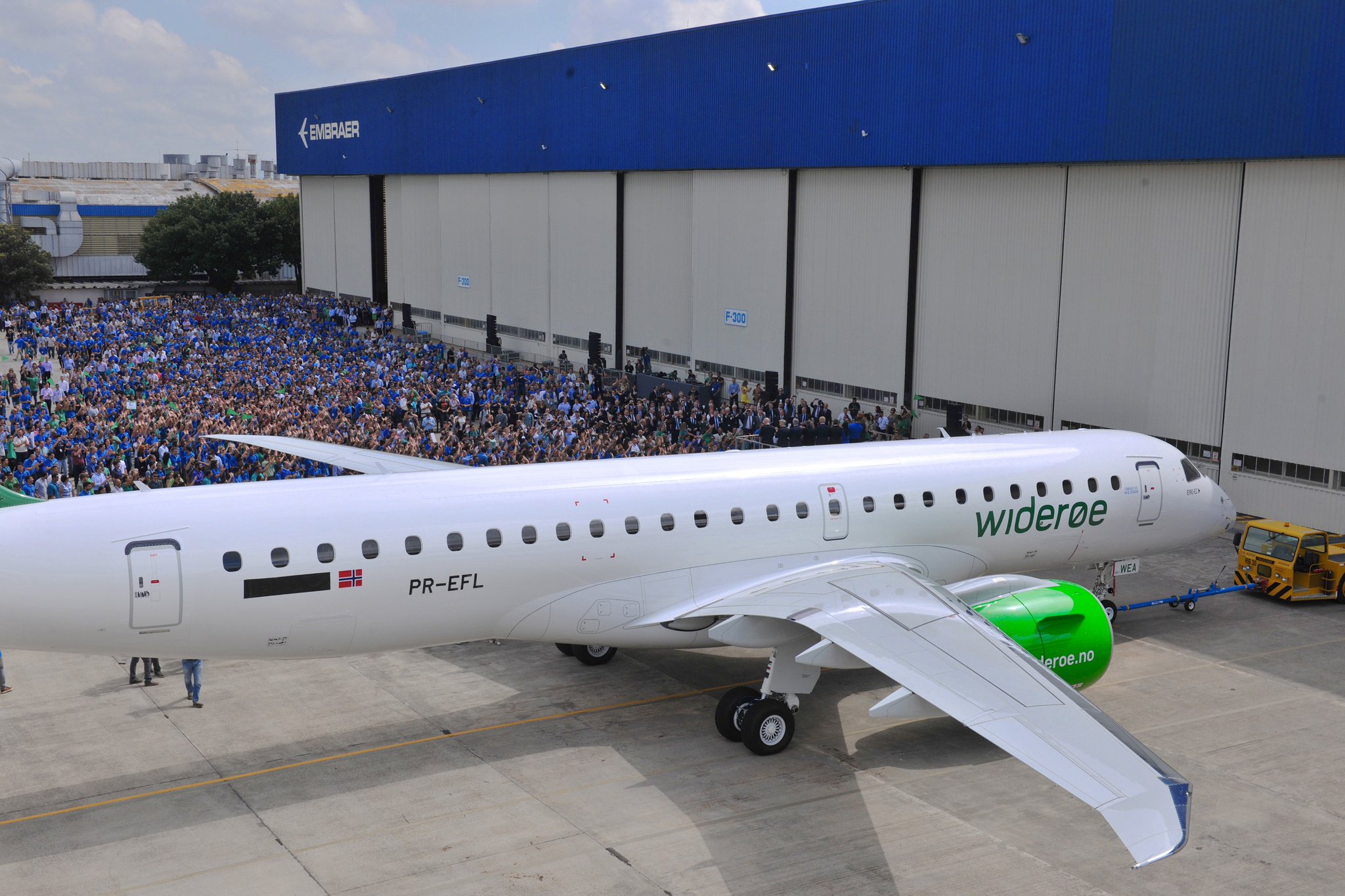
Embraer SA will grant collective vacations to all its employees in Brazil, around 15,000 workers, in January in preparation for the transfer of control of its commercial aviation division to Boeing, the company said on Thursday, October 10, 2019.

In a statement, the company says it is preparing for the transition of the transfer to Boeing. Salaries will normally be paid during the leave from January 6 to 20, 2020, said the company and the metalworkers’ union that represent Embraer’s workers. «The purpose [of the license] is to implement the internal segregation of the commercial aviation business», Embraer said in a statement.

Boeing agreed to buy 80% of the commercial division in a business plan valued at US$ 4.75 billion, an agreement approved by shareholders and the Brazilian government but is undergoing intensive regulatory research in Europe. The partnership between the commercial division of Embraer and Boeing in a new company known as Boeing Brasil Commercial, this will not be realized until 1Q2020.

Although there are unfounded fears of mass layoffs, the Brazilian manufacturer is immersed in a collective restructuring; a period from 1 to 20 January 2020 known as blackout, where the manufacturing lines stop, to redesign the Embraer units and the new Boeing Brasil Commercial.

European regulation

The European Commission (EC) regulators will give their verdict on the agreement as a deadline for February 20, 2020. The company said the workers would return to their normal roles in Embraer without any Boeing involvement until the agreement is approved.AW-Icon AW002

Embraer prolonga férias 15.000 funcionários

embraer logo (1).jpgEmbraer dará férias coletivas a cerca de 15.000 funcionários em janeiro de 2020
A Embraer SA concederá férias coletivas a todos os seus funcionários no Brasil, cerca de 15.000 trabalhadores, em janeiro, em preparação para a transferência do controle de sua divisão de aviação comercial para a Boeing, informou a empresa na quinta-feira, 10 de outubro de 2019.

Em comunicado, a empresa diz que está se preparando para a transição da transferência para a Boeing. Os salários normalmente serão pagos durante as férias de 6 a 20 de janeiro de 2020, disse a empresa e o sindicato dos metalúrgicos que representam os trabalhadores da Embraer. «O objetivo [da licença] é implementar a segregação interna dos negócios de aviação comercial», afirmou a Embraer em comunicado.

e195-e2-lebourget-990x660.jpgA Boeing concordou em comprar 80% da divisão comercial em um plano de negócios avaliado em US$ 4,75 bilhões, um acordo aprovado pelos acionistas e pelo governo brasileiro, mas está passando por intensa pesquisa regulatória na Europa. A parceria entre a divisão comercial da Embraer e a Boeing em uma nova empresa conhecida como Boeing Brasil Commercial, só será realizada no 1T2020.

Embora haja receios infundados de demissões em massa, o fabricante brasileiro está imerso em uma reestruturação coletiva; período de 1 a 20 de janeiro de 2020, conhecido como apagão, onde as linhas de produção param, para redesenhar as unidades da Embraer e o novo Boeing Brasil Commercial.

Regulamento europeu

Os reguladores da Comissão Européia (CE) darão seu veredicto sobre o acordo como prazo para 20 de fevereiro de 2020. A empresa disse que os trabalhadores retornariam às suas funções normais na Embraer sem qualquer envolvimento da Boeing até que o acordo fosse aprovado.AW-Icon AW002


Ξ A I R G W A Y S Ξ
SOURCE: Airgways.com
DBk: Embraer.com / Oglobo.com / Airgways.com
AW-POST: 201910111937AR

A\W   A I R G W A Y S ®