Boeing sobreestimó capacidad pilotos
Resultado de imagen para Boeing 737 MAX pilotsAW | 2019 09 26 23:53 | INDUSTRY / AVIATION SAFETY

Image result for ntsbBoeing sobreestimó la capacidad de los pilotos para manejar fallas en 737 MAX

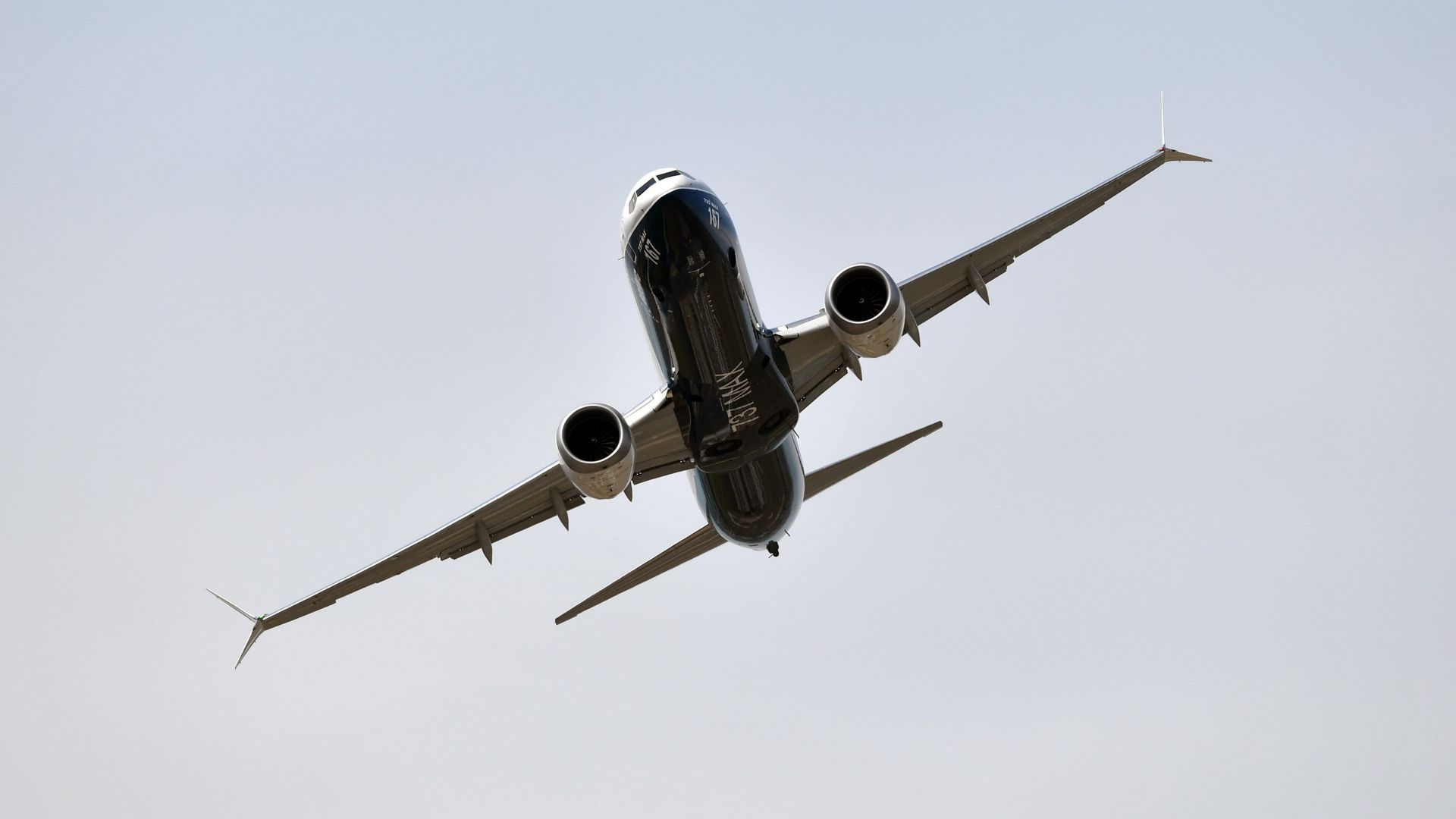
Investigadores federales de seguridad de la NTSB informaron hoy Jueves 26/09 que Boeing sobreestimó las capacidades de los pilotos acerca de la manera de manejar una serie de alertas en situaciones críticas en sus aeronaves Boeing 737 MAX, que han estado en tierra desde Marzo 2019 después de dos accidentes aéreos donde fallecieron el total de las 346 personas.

La Junta Nacional de Seguridad del Transporte (NTSB) emitió una serie de recomendaciones para las evaluaciones de seguridad de las aeronaves, incluida la incorporación de respuestas humanas cuando las imperfecciones pudieran provocar inseguridad. Un sistema de control de vuelo diseñado para evitar que los aviones se atasquen es la prioridad de la compañía Boeing.

“Vimos en estos dos accidentes que las tripulaciones no reaccionaron de la manera en que Boeing y la FAA asumieron que lo harían. Esos supuestos se utilizaron en el diseño del avión y hemos encontrado una brecha entre los supuestos utilizados para certificar el MAX y las experiencias del mundo real de estas tripulaciones, donde los pilotos se enfrentaron a múltiples alarmas y alertas al mismo tiempo”, dijo el presidente de NTSB, Robert Sumwalt. Esas alertas múltiples pueden aumentar las cargas de trabajo piloto, advirtió la NTSB. Boeing basó su evaluación de seguridad de los aviones, que la Administración Federal de Aviación (FAA) aprobó, en esos tiempos de respuesta rápidos, dice la NTSB.

La agencia FAA dijo que se debería exigir a Boeing que tenga en cuenta el efecto de todas las alertas de la cubierta de vuelo en su evaluación de seguridad del 737 MAX, e incluya cambios de diseño o capacitación y procedimientos para pilotos para minimizar los riesgos potenciales de seguridad si los pilotos toman medidas inconsistentes. Boeing y la FAA se enfrentan a varias investigaciones sobre el diseño y la certificación de los aviones Boeing 737 MAX. “La seguridad es un valor fundamental para todos en Boeing y la seguridad de nuestros aviones, los pasajeros y la tripulación de nuestros clientes es siempre nuestra principal prioridad. Valoramos el papel de la NTSB en la promoción de la seguridad aérea. Estamos comprometidos a trabajar con la FAA en la revisión de las recomendaciones de NTSB”, expresó Boeing.

La FAA dijo que agradeció las recomendaciones de la NTSB. “La agencia revisará cuidadosamente estas y todas las demás recomendaciones a medida que continuamos nuestra revisión de los cambios propuestos al Boeing 737 MAX. La FAA está comprometida con una filosofía de mejora continua. Las lecciones aprendidas de las investigaciones sobre los trágicos accidentes del vuelo JT-610 de Lion Air y el vuelo ET-302 de Ethiopian Airlines serán un trampolín hacia un nivel de seguridad aún mayor”, dijo en un comunicado.

Boeing ha dicho que espera enviar su corrección de software y nuevos materiales de capacitación de pilotos para el 737 MAX a la FAA en las próximas semanas, en un esfuerzo por hacer que los aviones vuelvan a volar, lo que espera hacer a principios del cuarto trimestre. El fabricante está hospedando a pilotos de aerolíneas como United y American para probar los cambios de software Max en su simulador. La FAA ha dicho varias veces que no tiene una línea de tiempo establecida para permitir que los aviones vuelvan a volar.

Boeing agregó el software de control de vuelo, conocido como MCAS, para dar a los aviones 737 MAX una sensación de diferenciación con respecto a su versión anterior. Los sistemas informáticos Myriad están ahora en el centro de un debate sobre el estado de las habilidades de los pilotos a medida que los aviones se vuelven más automatizados y complejos. La capacitación de los pilotos varía en todo el mundo, con algunos de los requisitos más estrictos en los Estados Unidos, donde los pilotos deben tener 1.500 horas de vuelo antes de poder trabajar para una aerolínea comercial, a menos que tengan capacitación militar u otra capacitación especializada. Los pilotos de aerolíneas a nivel mundial necesitan al menos 240 horas de tiempo de vuelo, lo que incluye volar en un simulador, bajo las directrices de la agencia de aviación de las Naciones Unidas, la Organización de Aviación Civil Internacional (OACI). En la reunión trienal de la OACI en Montreal esta semana, la delegación de los Estados Unidos insta a los reguladores internacionales a examinar la capacitación de pilotos en todo el mundo.AW-Icon AW001

Resultado de imagen para Boeing 737 MAX pilotsBoeing overestimated the pilot capacity

Boeing-Company-LogoBoeing overestimated the pilots’ ability to handle failures at 737 MAX

Federal NTSB security investigators reported on Thursday 26/09 that Boeing overestimated the capabilities of the pilots about how to handle a series of alerts in critical situations on their Boeing 737 MAX aircraft, which have been grounded since March 2019 after of two air accidents where the total of 346 people died.

The National Transportation Safety Board (NTSB) issued a series of recommendations for aircraft safety assessments, including the incorporation of human responses when imperfections could cause insecurity. A flight control system designed to prevent airplanes from clogging is the priority of the Boeing company.

“We saw in these two accidents that the crews did not react the way Boeing and the FAA assumed they would. Those assumptions were used in the design of the plane and we have found a gap between the assumptions used to certify the MAX and the real-world experiences of these crews, where the pilots faced multiple alarms and alerts at the same time”, said the president. from NTSB, Robert Sumwalt. Those multiple alerts can increase pilot workloads, the NTSB warned. Boeing based its aircraft safety assessment, which the Federal Aviation Administration (FAA) approved, in those quick response times, says the NTSB.

The FAA agency said Boeing should be required to take into account the effect of all flight deck alerts in its 737 MAX safety assessment, and include design changes or training and procedures for pilots to minimize potential risks. safety if the pilots take inconsistent measures. Boeing and the FAA face several investigations into the design and certification of the Boeing 737 MAX aircraft. “Safety is a fundamental value for everyone at Boeing and the safety of our planes, passengers and the crew of our customers is always our top priority. We value the role of the NTSB in promoting air safety. We are committed to working with the FAA in reviewing the NTSB recommendations”, said Boeing.

The FAA said it appreciated the recommendations of the NTSB. “The agency will carefully review these and all other recommendations as we continue our review of the proposed changes to the Boeing 737 MAX. The FAA is committed to a philosophy of continuous improvement. The lessons learned from investigations into the tragic accidents of Lion Air flight JT-610 and Ethiopian Airlines flight ET-302 will be a springboard to an even higher level of security”, he said in a statement.

Boeing has said it expects to send its software correction and new pilot training materials for the 737 MAX to the FAA in the coming weeks, in an effort to make the planes fly again, which it expects to do early in the fourth quarter. The manufacturer is hosting airline pilots like United and American to test the Max software changes in its simulator. The FAA has said several times that it does not have an established timeline to allow airplanes to fly again.

Boeing added the flight control software, known as MCAS, to give the 737 MAX aircraft a sense of differentiation from its previous version. Myriad computer systems are now at the center of a debate about the status of pilot skills as airplanes become more automated and complex. Pilot training varies around the world, with some of the strictest requirements in the United States, where pilots must have 1,500 flight hours before they can work for a commercial airline unless they have military training or other training specialized. Airline pilots worldwide need at least 240 hours of flight time, which includes flying in a simulator, under the guidelines of the United Nations aviation agency, the International Civil Aviation Organization (ICAO). At the ICAO triennial meeting in Montreal this week, the United States delegation urges international regulators to examine pilot training around the world.AW-Icon AW002


Ξ A I R G W A Y S Ξ
SOURCE: Airgways.com
DBk: Ntsb.gov / Boeing.com / Faa.gov / Airgways.com
AW-POST: 201909262353AR

A\W   A I R G W A Y S ®

Airbus sufre ciberataques

Resultado de imagen para Airbus headquarters FranceAW | 2019 09 26 23:22 | INDUSTRY / AVIATION SAFETY

logo_airbus (2)Airbus Group ha sido blanco de ciberataques

Airbus Group ha informado en los últimos meses de ataques cibernéticos contra sus contratistas, dijeron fuentes de fuerzas de seguridad, apuntando las sospechas de espionaje desde el lejano oriente. Las miradas están focalizadas en China como posible lugar de operaciones ilícitas. En los últimos 12 meses, se informaron cuatro ataques importantes contra contratistas de Airbus, informaron dos fuentes de servicios de seguridad.

Los terceros afectados fueron el grupo francés de consultoría tecnológica Expleo, el fabricante de motores británico Rolls Royce y dos compañías francesas que no han ofrecido su identidad. El ataque a Expleo se descubrió a fines de 2018, pero la contaminación ocurrió antes. Era muy sofisticado, estaba enfocado en VPN, que conectaba a la compañía con Airbus. Los ataques a la empresa europea, que la agencia de seguridad digital llama un Operador Vital (OIV), son frecuentes, con diversas motivaciones y métodos. Una VPN, o red privada virtual, es una red privada encriptada que permite comunicaciones seguras. Si alguien puede entrar, teóricamente puede acceder a todas las partes de la red. Los otros ataques siguieron el mismo patrón: atacar al tercero y luego acceder a Airbus fingiendo ser esa compañía.

En enero, Airbus anunció solo un robo de datos personales de sus empleados a través de una división de aviación comercial. La primera infección se detectó en la filial británica de Assystem y Rolls Royce, lo que permitió descubrir otros ataques contra Assystem France y Airbus Group. «Las compañías muy grandes (como Airbus) están muy bien protegidas, es difícil de hackear, mientras que las más pequeñas son objetivos más fáciles», explica Romain Bottan, Director de Seguridad de Boost Aerospace, la plataforma de aviación digital que ejecutó el programa Aircyber para reforzar La seguridad de las pequeñas y medianas empresas. Sin embargo, proteger a todos los terceros no es tarea fácil. “Si las puertas están cerradas, pasan por las ventanas. Si las ventanas están cerradas, pasarán por la chimenea”, dice Loic Guézo, Director de Ciberseguridad en Proofpoint, con sede en California.

Objetivo ciberataque

Según fuentes de Airbus, el objetivo de los ataques eran documentos técnicos que certificaban que diferentes partes de un avión cumplían con los requisitos de seguridad. Según tres fuentes, también se robó información sobre la potencia del motor del avión de transporte militar A400M, que tiene los motores turbohélice más potentes del mundo. Una fuente señaló que los piratas informáticos también estaban interesados ​​en el motor y la aviónica del A350, el conjunto de sistemas electrónicos que ayudan al piloto.AW-Icon AW001

Resultado de imagen para Airbus headquarters FranceAirbus suffers cyber attacks

images (2)Airbus Group has been targeted by cyberattacks

Airbus Group has reported cyberattacks against its contractors in recent months, security forces sources said, pointing to suspicion of espionage from the Far East. The eyes are focused on China as a possible place of illegal operations. In the last 12 months, four major attacks against Airbus contractors were reported, two sources of security services reported.

The third parties affected were the French technology consulting group Expleo, the British engine manufacturer Rolls Royce and two French companies that have not offered their identity. The attack on Expleo was discovered in late 2018, but the contamination occurred earlier. He was very sophisticated, focused on VPN, which connected the company with Airbus. Attacks on the European company, which the digital security agency calls a Vital Operator (OIV), are frequent, with various motivations and methods. A VPN, or virtual private network, is an encrypted private network that allows secure communications. If someone can enter, theoretically they can access all parts of the network. The other attacks followed the same pattern: attack the third party and then access Airbus pretending to be that company.

In January, Airbus announced only theft of personal data of its employees through a commercial aviation division. The first infection was detected in the British subsidiary of Assystem and Rolls Royce, which allowed discovering other attacks against Assystem France and Airbus Group. «Very large companies (such as Airbus) are very well protected, it is difficult to hack, while smaller ones are easier targets», explains Romain Bottan, Director of Security at Boost Aerospace, the digital aviation platform that ran the program Aircyber to strengthen the safety of small and medium enterprises. However, protecting all third parties is not an easy task. “If the doors are closed, they pass through the windows. If the windows are closed, they will pass through the chimney”, says Loic Guézo, Director of Cybersecurity at Proofpoint, based in California.

Cyberattack Objective

According to Airbus sources, the objective of the attacks were technical documents certifying that different parts of an airplane met the safety requirements. According to three sources, information about the engine power of the A400M military transport aircraft, which has the most powerful turboprop engines in the world, was also stolen. A source noted that hackers were also interested in the engine and avionics of the A350, the set of electronic systems that help the pilot.AW-Icon AW002

Resultado de imagen para Airbus A350 takeoffAirbus subit des cyberattaques

Airbus Group est la cible d’attaques informatiques

Resultado de imagen para Airbus A350 pngAirbus Group a signalé des cyberattaques contre ses sous-traitants ces derniers mois, ont indiqué des sources des forces de sécurité, évoquant des soupçons d’espionnage en Extrême-Orient. Les yeux sont concentrés sur la Chine en tant que lieu potentiel d’opérations illégales. Au cours des 12 derniers mois, quatre attaques majeures contre des entrepreneurs Airbus ont été rapportées, ainsi que deux sources de services de sécurité.

Les tiers concernés étaient le groupe français de conseil en technologie Expleo, le motoriste britannique Rolls Royce et deux sociétés françaises qui n’ont pas proposé leur identité. L’attaque sur Expleo a été découverte à la fin de 2018, mais la contamination s’est produite plus tôt. Il était très sophistiqué, concentré sur le VPN, qui connectait la société à Airbus. Les attaques contre la société européenne, que l’agence de sécurité numérique appelle un Opérateur Vital (OIV), sont fréquentes, avec des motivations et des méthodes variées. Un VPN, ou réseau privé virtuel, est un réseau privé crypté qui permet des communications sécurisées.Si quelqu’un peut entrer, il peut théoriquement accéder à toutes les parties du réseau. Les autres attaques ont suivi le même schéma: attaquer le tiers, puis accéder à Airbus. prétendant être cette entreprise.

En janvier, Airbus n’a annoncé le vol de données personnelles de ses employés que par le biais d’une division de l’aviation commerciale. La première infection a été détectée dans la filiale britannique Assystem et Rolls Royce, ce qui a permis de découvrir d’autres attaques contre Assystem France et Airbus Group. «Les très grandes entreprises (comme Airbus) sont très bien protégées, il est difficile de les pirater, alors que les plus petites sont des cibles plus faciles», explique Romain Bottan, directeur de la sécurité de Boost Aerospace, la plate-forme d’aviation numérique qui a dirigé le programme. Aircyber pour renforcer la sécurité des petites et moyennes entreprises. Cependant, protéger tous les tiers n’est pas une tâche facile. «Si les portes sont fermées, elles passent par les fenêtres. Si les fenêtres sont fermées, elles passeront par la cheminée», explique Loic Guézo, directeur de la cybersécurité chez Proofpoint, en Californie.

Objectif de la cyberattaque

Selon des sources d’Airbus, les attaques visaient essentiellement à établir des documents techniques attestant que différentes parties d’un avion satisfaisaient aux exigences de sécurité. Selon trois sources, des informations sur la puissance des moteurs de l’avion de transport militaire A400M, doté des turbopropulseurs les plus puissants au monde, auraient également été volées. Une source a indiqué que les pirates informatiques s’intéressaient également au moteur et à l’avionique de l’A350, l’ensemble des systèmes électroniques qui aident le pilote.AW-Icon AW002


Ξ A I R G W A Y S Ξ
SOURCE: Airgways.com
DBk: Airbus.com / Airgways.com / Wsau.com
AW-POST: 201909262322AR

A\W   A I R G W A Y S ®

Suspenden huelga Embraer

Image result for Greve da Embraer suspensaAW | 2019 09 25 18:52 | INDUSTRY

embraer logo (1)Trabajadores de Embraer suspenden huelga y presunta intimidación

Los trabajadores de Embraer en São José dos Campos, Estado de São Paulo, suspendieron temporalmente la huelga que comenzó ayer 24/09. Según el Sindicato de Trabajadores Metalúrgicos de São José dos Campos, la huelga fue suspendida porque esta mañana 25/09 los trabajadores administrativos fueron presuntamente intimidados por la Policía Militar e inducidos a ingresar a la fábrica. Según los informes, agentes de policía obligaron a los empleados a entrar en la fábrica. Según el sindicato, Embraer aún no ha ofrecido una nueva propuesta de reajuste de recomposición salarial.

Según el sindicato, anoche hubo una reunión entre el sindicato y la empresa, pero Embraer no presentó una nueva propuesta, pero exigió el fin de la huelga.Los trabajadores reclaman un reajuste salarial del 6,37%, mientras que la empresa propone solo inflación (3,28%) y retiro de los derechos de la Convención Colectiva de la categoría. El Sindicato defiende la continuación de las negociaciones, siempre que tengan avances en la propuesta del empleador. «La huelga ha sido suspendida, pero la lucha de los trabajadores continúa y la huelga puede regresar en cualquier momento”, dice el Director del Sindicato Herbert Claros.

Embraer produce aviones comerciales y se encuentra próxima a un acuerdo de Joint Venture con Boeing. El último escollo la compañía de aviación es lograr un acuerdo con la Unión Europea para la aprobación de la sinergia de operaciones en el área comercial Boeing-Embraer del Comité de la Comisión Europea.AW-Icon-AW-TXT

Image result for Greve da Embraer suspensaEmbraer strike suspended

1280px-Embraer_logo.svg.pngEmbraer workers suspend the strike and alleged intimidation

Embraer workers in São José dos Campos, State of São Paulo, temporarily suspended the strike that began yesterday 24/09. According to the Union of Metallurgical Workers of São José dos Campos, the strike was suspended because this morning 25/09 administrative workers were allegedly intimidated by the Military Police and induced to enter the factory. Police officers reportedly forced employees to enter the factory. According to the union, Embraer has not yet offered a new wage readjustment adjustment proposal.

According to the union, last night there was a meeting between the union and the company, but Embraer did not present a new proposal but demanded the end of the strike. The workers demand a salary adjustment of 6.37%, while the company proposes only inflation (3.28%) and withdrawal of the rights of the Collective Convention from the category. The Union defends the continuation of negotiations, provided they have progress in the employer’s proposal. «The strike has been suspended, but the struggle of the workers continues and the strike can return at any time», says Union Director Herbert Claros.

Embraer produces commercial aircraft and is close to a Joint Venture agreement with Boeing. The last obstacle the aviation company is to reach an agreement with the European Union for the approval of the synergy of operations in the Boeing-Embraer commercial area of ​​the Committee of the European Commission.AW-Icon AW002

Image result for Greve da Embraer suspensaGreve da Embraer suspensa

embraer logoda Embraer suspendem greve e suposta intimidação
Os trabalhadores da Embraer em São José dos Campos, no Estado de São Paulo, suspenderam temporariamente a greve iniciada ontem, 24/09. Segundo o Sindicato dos Metalúrgicos de São José dos Campos, a greve foi suspensa porque nesta manhã 25/09 os trabalhadores administrativos foram supostamente intimidados pela Polícia Militar e induzidos a entrar na fábrica. Policiais teriam forçado funcionários a entrar na fábrica. Segundo o sindicato, a Embraer ainda não ofereceu uma nova proposta de reajuste salarial.

Segundo o sindicato, ontem à noite houve uma reunião entre o sindicato e a empresa, mas a Embraer não apresentou uma nova proposta, mas exigiu o fim da greve. Os trabalhadores exigem reajuste salarial de 6,37%, enquanto a empresa propõe apenas inflação. (3,28%) e retirada dos direitos da Convenção Coletiva da categoria. A União defende a continuação das negociações, desde que haja progresso na proposta do empregador. «A greve foi suspensa, mas a luta dos trabalhadores continua e a greve pode retornar a qualquer momento», diz o diretor do sindicato Herbert Claros.

A Embraer produz aviões comerciais e está perto de um acordo de joint venture com a Boeing. O último obstáculo da empresa de aviação é chegar a um acordo com a União Européia para a aprovação da sinergia das operações na área comercial da Boeing-Embraer do Comitê da Comissão Europeia.AW-Icon AW002


Ξ A I R G W A Y S Ξ
SOURCE: Airgways.com
DBk: Sindmetalsjc.org.br / Embraer.com / Airgways.com / Regiaonoroeste.com / Jornaldebrasilia.com.br
AW-POST: 201909251852AR

A\W   A I R G W A Y S ®

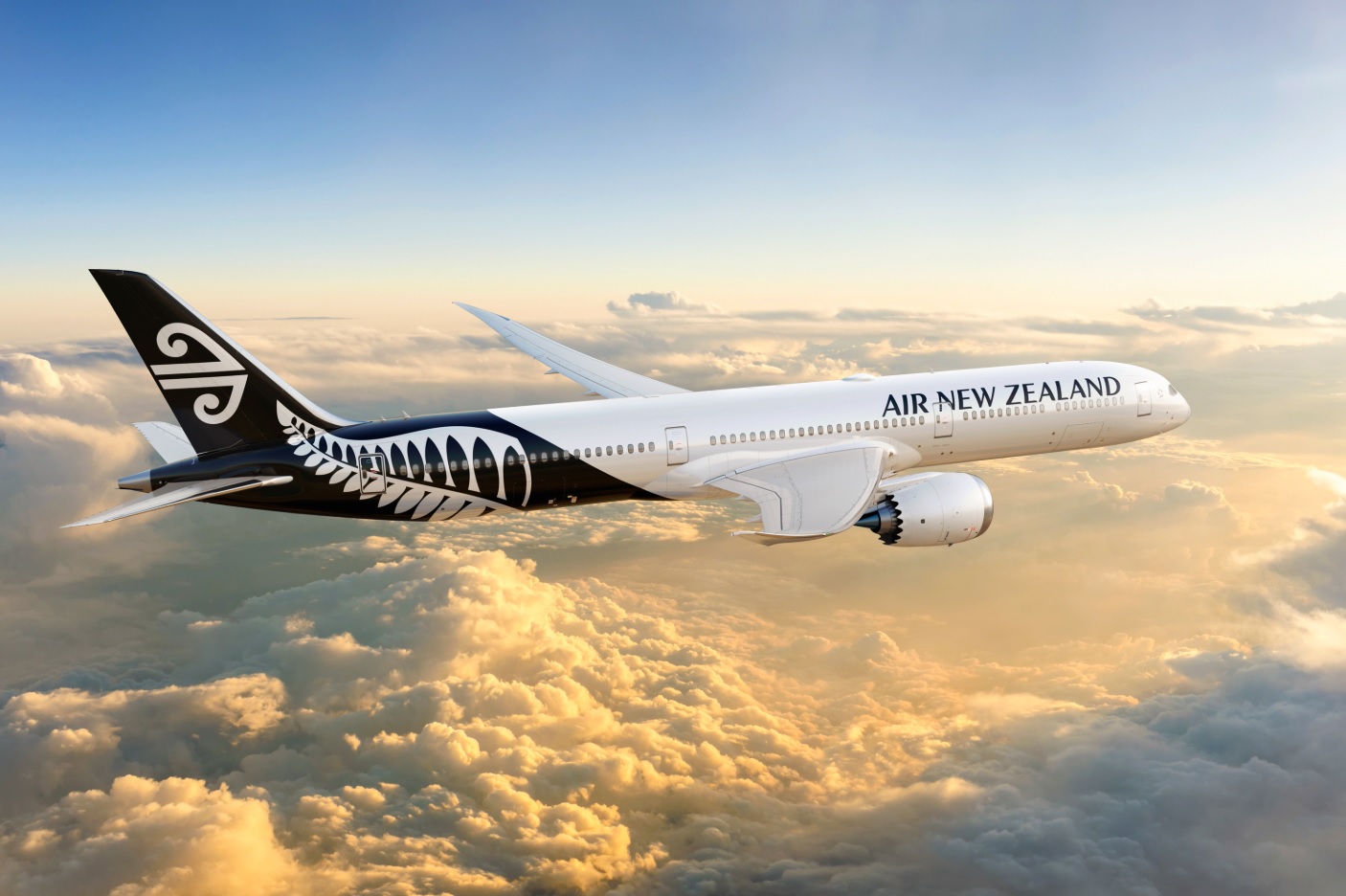
Air New Zealand ordena 8 787-10

Resultado de imagen para Boeing 787-10 Air New ZealandAW | 2019 09 25 14:40 | AIRLINES / INDUSTRY

Resultado de imagen para Air New Zealand logoBoeing y Air New Zealand finalizan pedido de ocho aviones 787-10 Dreamliners

El transportista líder de largo alcance construye una flota futura con ocho Boeing 787-10 súper eficientes e incluye opciones para aumentar el número de aviones hasta 20 Dreamliners. El modelo más grande de Dreamliner ofrece más asientos y una eficiencia de combustible inigualable y un rendimiento medioambiental.

Boeing-Logo.svg

Boeing y Air New Zealand finalizaron hoy un pedido de ocho aviones 787-10 Dreamliner valorados en US$ 2.7 mil millones a precios de lista. La aerolínea, reconocida por sus vuelos de largo alcance y su red global, integrará el modelo Dreamliners más grande en su flota de clase mundial de Boeing 787-9 y Boeing 777 desde 2022 para hacer crecer estratégicamente su negocio. El nuevo acuerdo, anunciado en Mayo 2019 como un compromiso, incluye opciones para aumentar el número de aviones de ocho a 20 unidades, y derechos de sustitución que permiten un cambio del 787-10 más grande al 787-9 más pequeño, o una combinación de ambos modelos para la flota futura y una flexibilidad de red.

«Esta es una decisión emocionante para nuestro negocio y nuestros clientes, ya que cumplimos con nuestro compromiso de hacer crecer nuestro negocio de manera sostenible. Con el 787-10 ofreciendo alrededor del 15 por ciento más de espacio para clientes y carga que el 787-9, esta inversión crea plataforma para nuestra futura dirección estratégica y abre nuevas oportunidades para crecer», dijo el Director ejecutivo de Air New Zealand, Christopher Luxon.

Como el miembro más grande de la familia Dreamliners, agradable para los pasajeros y súper eficiente, el Boeing 787-10 tiene 224 pies de largo (68 metros) y puede acomodar hasta 330 pasajeros en una configuración estándar de dos clases, aproximadamente 40 más que el 787-9. Impulsado por un conjunto de nuevas tecnologías y un diseño revolucionario, el 787-10 estableció un nuevo punto de referencia para la eficiencia del combustible y la economía operativa cuando entró en servicio comercial en 2018. El avión permite a los operadores lograr un 25 por ciento mejor de eficiencia de combustible por asiento en comparación con los aviones anteriores de su clase.

«Air New Zealand ha realizado inversiones muy estratégicas en aviones avanzados de fuselaje ancho para construir sobre su estado como una aerolínea global líder que conecta el Pacífico Sur con Asia y América. Estamos muy honrados de que Air New Zealand haya seleccionado agregar el 787-10 y sus capacidades únicas para complementar su flota de largo alcance de aviones 777 y 787-9», dijo Ihssane Mounir, Vicepresidente Senior de Ventas Comerciales y Marketing de The Boeing Company.

Air New Zealand fue un cliente de lanzamiento global para el 787-9 y hoy opera 13 de la variante Dreamliner. Con otro 787-9 en camino y los aviones 787-10 en el futuro, la flota Dreamliner de la aerolínea está en camino de crecer a 22. El nuevo avión Dreamliner reemplazará a la flota de ocho 777-200ER de Air New Zealand. La flota de fuselaje ancho de Air New Zealand también incluye siete 777-300ER. Como parte de sus esfuerzos para mantener una flota eficiente y confiable, Air New Zealand utiliza una serie de soluciones de Servicios Globales de Boeing, incluida la Caja de herramientas de rendimiento de mantenimiento y gestión de la salud del avión. Estas soluciones digitales proporcionan datos de mantenimiento y herramientas de soporte de decisiones que permiten a los equipos de mantenimiento de aeronaves aumentar la eficiencia operativa.AW-Icon-AW-TXT

Resultado de imagen para Boeing 787-10 Air New ZealandAir New Zealand orders 8 787-10

Boeing and Air New Zealand finalize order for eight 787-10 Dreamliners aircraft

The leading long-range carrier builds a future fleet with eight super-efficient Boeing 787-10 and includes options to increase the number of aircraft up to 20 Dreamliners. Dreamliner’s largest model offers more seats and unmatched fuel efficiency and environmental performance.

Boeing and Air New Zealand today completed an order for eight 787-10 Dreamliner aircraft valued at US$ 2.7 billion at list prices. The airline, recognized for its long-range flights and its global network, will integrate the largest Dreamliners model into its world-class fleet of Boeing 787-9 and Boeing 777 since 2022 to strategically grow its business. The new agreement announced on May 2019 as a commitment, includes options to increase the number of aircraft from eight to 20 units, and replacement rights that allow a change from the larger 787-10 to the smaller 787-9, or a combination of both models for the future fleet and network flexibility.

«This is an exciting decision for our business and our customers, as we fulfill our commitment to grow our business in a sustainable way. With 787-10 offering around 15 percent more space for customers and cargo than 787-9, this investment creates a platform for our future strategic direction and opens up new opportunities to grow», said Air New Zealand Executive Director Christopher Luxon.

As the largest member of the Dreamliners family, pleasant for passengers and super-efficient, the Boeing 787-10 is 224 feet long (68 meters) and can accommodate up to 330 passengers in a standard two-class configuration, approximately 40 more than The 787-9. Driven by a set of new technologies and a revolutionary design, the 787-10 established a new benchmark for fuel efficiency and operational economy when it entered commercial service in 2018. The aircraft allows operators to achieve 25 percent better fuel efficiency per seat compared to the previous aircraft in its class.

«Air New Zealand has made very strategic investments in advanced wide-body aircraft to build on its status as a leading global airline that connects the South Pacific with Asia and America. We are very honored that Air New Zealand has chosen to add 787-10 and its unique capabilities to complement its long-range fleet of 777 and 787-9 aircraft», said Ihssane Mounir, Senior Vice President of Commercial Sales and Marketing for The Boeing Company.

Air New Zealand was a global launch client for 787-9 and today operates 13 of the Dreamliner variant. With another 787-9 on the way and 787-10 aircraft in the future, the airline’s Dreamliner fleet is on its way to growing to 22. The new Dreamliner aircraft will replace the eight 777-200ER fleet of Air New Zealand. The wide-body fleet of Air New Zealand also includes seven 777-300ER. As part of its efforts to maintain an efficient and reliable fleet, Air New Zealand uses a series of Boeing Global Services solutions, including the Aircraft Health Maintenance and Management Performance Toolbox. These digital solutions provide maintenance data and decision support tools that allow aircraft maintenance teams to increase operational efficiency. A \ W


Ξ A I R G W A Y S Ξ
SOURCE: Airgways.com
DBk: Boeing.com / Airnewzealand.com
AW-POST: 201909251440AR

A\W   A I R G W A Y S ®

Airbus Services

AW-700555575.jpgAW | 2019 09 25 13:49 | INDUSTRY

maxresdefault (1).jpgAirbus Services amplía su oferta formación compuesta

Airbus Services lanzó una nueva oferta de estructura de capacitación centrada en materiales compuestos que ahora está disponible para clientes de todo el mundo. Los aviones de nueva generación con materiales avanzados requieren nuevas habilidades para la evaluación de daños, los procedimientos de inspección y las actividades de reparación. Para responder a estos desafíos y cumplir con las recomendaciones de EASA, Airbus Services propone un enfoque modular y una ruta de aprendizaje por perfil de trabajo en el A350 XWB. Este enfoque personalizado se extenderá a otros tipos de aeronaves a partir de 2020.

 La nueva oferta de capacitación ha sido bien recibida por las aerolíneas, con acuerdos ya firmados en Asia y Europa. El A350 XWB es una familia completamente nueva de aviones de mediano y gran tamaño de largo recorrido que dan forma al futuro de los viajes aéreos. El A350 XWB presenta el último diseño aerodinámico, fuselaje y alas de fibra de carbono. A finales de agosto de 2019, Airbus registró un total de 913 pedidos en firme para el A350 XWB de 51 clientes y 300 aviones ya están en servicio en todo el mundo.

Airbus ha estado ofreciendo cursos de capacitación desde su creación hace 50 años y siempre ha adoptado un enfoque integral e innovador a través de su concepto único de similitud de cabina y la introducción regular de las últimas tecnologías o conceptos de aprendizaje.

Airbus Services triplicó sus centros de formación en todo el mundo en los últimos años. Con una red global extensa y creciente, Airbus ha creado un paquete de capacitación completo, que permite a sus clientes beneficiarse de su experiencia en capacitación más cerca de su base de origen, asegurando que una gama más amplia de candidatos competentes lleguen a la cabina.AW-Icon-AW-TXT

Resultado de imagen para airbus servicesAirbus services

logo_airbus (2)Airbus Services extends its composite training offer
Airbus Services launched a new training structure offering focused on composite materials that are now available to customers around the world. New generation aircraft with advanced materials require new skills for damage assessment, inspection procedures and repair activities. To respond to these challenges and comply with EASA’s recommendations, Airbus Services proposes a modular approach and a learning path by work profile in the A350 XWB. This customized approach will be extended to other types of aircraft from 2020.

The new training offer has been well received by the airlines, with agreements already signed in Asia and Europe. The A350 XWB is a completely new family of medium and large long-haul aircraft that shape the future of air travel. The A350 XWB features the latest aerodynamic design, fuselage and carbon fiber wings. At the end of August 2019, Airbus registered a total of 913 firm orders for the A350 XWB of 51 customers and 300 aircraft are already in service worldwide.

Airbus has been offering training courses since its creation 50 years ago and has always adopted a comprehensive and innovative approach through its unique cockpit similarity concept and the regular introduction of the latest learning technologies or concepts.

Airbus Services tripled its training centers worldwide in recent years. With an extensive and growing global network, Airbus has created a complete training package, which allows its clients to benefit from their training experience closer to their home base, ensuring that a wider range of competent candidates reaches the cabin. A \ W


Ξ A I R G W A Y S Ξ
SOURCE: Airgways.com
DBk: Airbus.com / Airgways.com
AW-POST: 201909251349AR

A\W   A I R G W A Y S ®


Detección problemas en SuperJet

AW-708808.jpgAW | 2019 09 24 22:35 | AVIATION SAFETY / INDUSTRY

logo_sukhoi.jpgLos Superjet SSJ-100 vuelven a tener problemas de sobrecargas

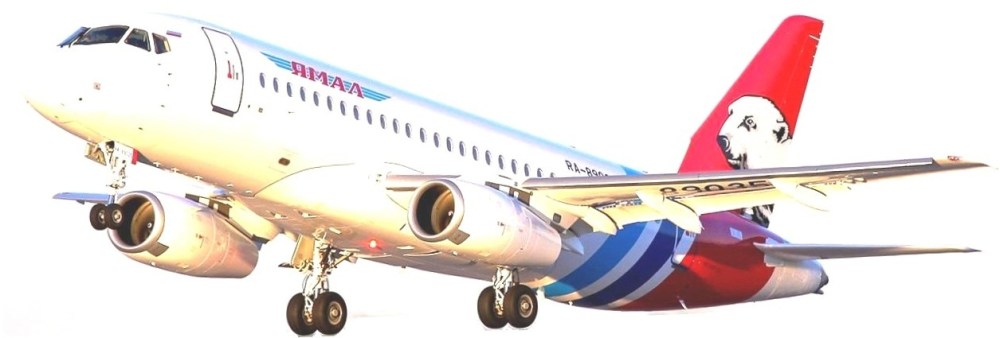
Yamal Airlines y el holding ruso Aeropuertos de las Regiones estudiarán conjuntamente los incidentes relacionados con el exceso de cargas verticales en el chasis (estructura) de la aeronave regional Sukhoi Superjet 100 (SSJ100). En una serie de despegues y aterrizajes en el Aeropuerto Novy Urengoy entre Agosto a Septiembre 2019 los sensores de sobrecarga instalados en el SSJ-100 se encendieron sin razón aparente. Las dificultades en la operación de comenzaron con la compañía Yamal Airlines el 18 Agosto 2019. Durante tres semanas sensores en la aeronave SSJ100 marcaron las alarmas siete veces por exceso montado en sobrecargas planas verticales fijas, en apariencia debido a colisiones de los soportes del chasis por irregularidades y las articulaciones en los tablones de pista (PMA). En todos los casos, el valor máximo de sobrecarga excedió 1.8 unidades, y el 8 de septiembre todas las 2.03 unidades. El diseño SSJ100 tiene un valor de sobrecarga máximo de 2 unidades, pero las restricciones de la aerolínea suelen ser más estrictas que las del fabricante.

Inicialmente, Yamal Airlines sugirió que la pista del Aeródromo Novy Urengoy está en malas condiciones. Al mismo tiempo, el Director Ejecutivo del aeropuerto, Roman Bochkov, dijo que esta sección de la franja cumple totalmente con los requisitos. Para comprender la situación, el transportista y la explotación del aeropuerto crearon un grupo de trabajo y comenzaron a verificar todos los factores que podrían afectar la sobrecarga del chasis. Dado que tales desviaciones se registraron solo durante los despegues y aterrizajes del SSJ, los expertos sugirieron que el caso estaba en el estado del chasis de los Superjets. Sukhoi Civil Aircraft expresó que esta afirmación es otra falsificación deliberada sobre el SSJ-100.

Las sobrecargas llevaron a un aumento en la frecuencia de las inspecciones de los aviones, lo que condujo a costos adicionales para el transportista Yamal Airlines. El Servicio Federal Antimonopolio descubrió que los boletos para vuelos con aeronaves SSJ-100 son un 20% más caros que los competidores debido al mantenimiento demasiado costoso de los aviones. El SSJ100 enfrenta problemas de reputación después de un accidente aéreo en el Aeropuerto Sheremetyevo en Mayo 2019.AW-Icon-AW-TXT

Resultado de imagen para Sukhoi SSJ-100 Yamal AirlinesSuperJet problem detection

The Superjet SSJ-100 again have overload problems

Yamal Airlines and the Russian holding company Airports of the Regions will jointly study the incidents related to the excess vertical loads on the chassis (structure) of the Sukhoi Superjet 100 (SSJ100) regional aircraft. In a series of take-offs and landings at Novy Urengoy Airport between August to September 2019, the overload sensors installed in the SSJ-100 were turned on for no apparent reason. The difficulties in the operation began with the Yamal Airlines company on August 18, 2019. For three weeks sensors on the SSJ100 aircraft marked the alarms seven times by excess mounted on fixed vertical flat overloads, apparently due to collisions of the chassis supports by irregularities and joints in track boards (PMA). In all cases, the maximum overload value exceeded 1.8 units, and on September 8 all 2.03 units. The SSJ100 design has a maximum overload value of 2 units, but the airline’s restrictions are usually stricter than those of the manufacturer.

Initially, Yamal Airlines suggested that the Novy Urengoy Airfield runway is in poor condition. At the same time, the Executive Director of the airport, Roman Bochkov, said that this section of the strip fully meets the requirements. To understand the situation, the carrier and the operation of the airport created a workgroup and began to verify all the factors that could affect the chassis overload. Since such deviations were recorded only during the take-offs and landings of the SSJ, experts suggested that the case was in the state of the Superjets chassis. Sukhoi Civil Aircraft said that this statement is another deliberate falsification of the SSJ-100.

The overloads led to an increase in the frequency of aircraft inspections, which led to additional costs for the Yamal Airlines carrier. The Federal Antitrust Service found that tickets for flights with SSJ-100 aircraft are 20% more expensive than competitors due to the expensive maintenance of the aircraft. The SSJ100 faces reputational problems after a plane crash at Sheremetyevo Airport on May 2019. A \ W

AW-7000875.jpgОбнаружение проблемы SuperJet

logo_suhoy.jpgУ Superjet SSJ-100 снова проблемы с перегрузкой

Авиакомпания Ямал и российская холдинговая компания Аэропорты регионов будут совместно изучать инциденты, связанные с избыточными вертикальными нагрузками на шасси (конструкцию) регионального самолета Sukhoi Superjet 100 (SSJ100). В ходе серии взлетов и посадок в аэропорту Новый Уренгой в период с Image result for Аэропорты регионовавгуста по сентябрь 2019 года датчики перегрузки, установленные в SSJ-100, были включены без видимой причины. Трудности в эксплуатации начались с авиакомпании «Ямал» 18 августа 2019 года. В течение трех недель датчики на самолете SSJ100 семь раз отмечали сигналы тревоги из-за превышения, установленного на фиксированных вертикальных плоских перегрузках, по-видимому, из-за столкновений опор шасси со стороны неровности и стыки на путевых щитах (ПМА). Во всех случаях максимальная величина перегрузки превышала 1,8 ед., А 8 сентября 2,03 ед. Конструкция SSJ100 имеет максимальное значение перегрузки 2 единицы, но ограничения авиакомпании, как правило, более строгие, чем ограничения производителя.
Первоначально авиакомпания «Ямал» предположила, что взлетно-посадочная полоса аэродрома Новый Уренгой находится в плохом состоянии. В то же время исполнительный директор аэропорта Роман Бочков заявил, что данный участок полосы полностью соответствует требованиям. Чтобы понять ситуацию, перевозчик и эксплуатация аэропорта создали рабочую группу и начали проверять все факторы, которые могут повлиять на перегрузку шасси. Поскольку такие отклонения были зафиксированы только во время взлетов и посадок SSJ, эксперты предположили, что дело было в состоянии шасси Superjets. Гражданские самолеты Сухого заявили, что это заявление является очередной преднамеренной фальсификацией SSJ-100.

Перегрузки привели к увеличению частоты проверок воздушных судов, что привело к дополнительным расходам на перевозчик авиакомпании «Ямал». Федеральная антимонопольная служба установила, что билеты на рейсы с самолетом SSJ-100 на 20% дороже, чем у конкурентов, из-за дорогостоящего обслуживания самолета. SSJ100 сталкивается с проблемами репутации после авиакатастрофы в аэропорту Шереметьево в мае 2019 года. A \ W


Ξ A I R G W A Y S Ξ
SOURCE: Airgways.com
DBk: Scac.ru / Yamal.aero / Ar-management.ru
AW-POST: 201909242235AR

A\W   A I R G W A Y S ®

El desafío del Boeing 737 MAX

AW-700773373.jpgAW | 2019 09 23 17:19 | INDUSTRY

Boeing-Company-Logo.jpgBoeing se enfrentaría una disminución dástica o cierre temporal de la línea 737 MAX
AW-Icon_Boeing 737 MAX

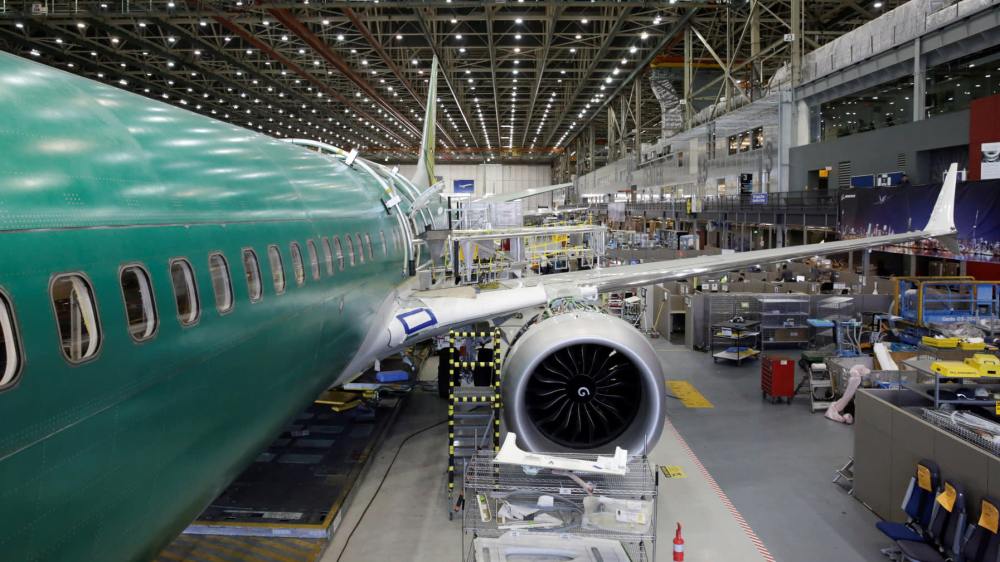
Durante la presentación de los resultados financieros de la compañía The Boeing Company del segundo trimestre (2Q2019), había insinuado que podría disminuir la tasa de producción de 42 aeronaves por mes o detener temporalmente la producción del Boeing 737. La sostenibilidad de la tasa de producción de 42 aviones por mes ha sido considerada como un signo de fortaleza por parte del constructor americano.

Desde el tercer trimestre de 2017 Boeing ha comenzado a producir más aviones Boeing 737 MAX en disminución de la línea de ensamblaje de la versión anterior Boeing 737 Next Generation. Desde el 3Q2017 hasta el tercer trimestre de 2018, las entregas del 737 MAX aumentaron 33 unidades o 116%, mientras que las entregas de 737 NG disminuyeron 40 unidades o 33%. Hasta Julio 2018, Boeing ha entregado 114 aviones Boeing 737, incluidos 57 aviones Boeing 737 MAX. Esos aviones tienen un valor aproximado de US$ 6.5 billones que permitiría a Boeing producir 157 Boeing 737 MAX. Sin embargo, debe tenerse en cuenta que los pagos de entrega son inferiores al valor real, ya que los pagos por entregas ocurren meses y años antes de la entrega. Teniendo esto en cuenta, las entregas hasta la última fecha en el 1Q2019 aportan para la producción de sólo 94 aviones Boeing 737 MAX adicionales. La tasa de producción para ese total de aeronaves correspondería un tiempo de producción de 2,5 meses. Por lo tanto, no hay saldo en liquidez entre el avión Boeing 737 MAX entregado y la tasa de producción de 42 aviones por mes para el programa Boeing 737.

La disminución en las entregas del 737 NG y el aumento de producción del Boeing 737 MAX que había planeado y la cadena de suministro, así como los esfuerzos de ventas, se alinearon con esa planificación. Como resultado, Boeing actualmente tiene una cartera de pedidos extremadamente delgada para el avión Boeing 737 Next Generation. El último Boeing 737-900ER se entregó en Junio 2019 y el Boeing 737-800, tiene solo nueve aviones que aún no se han entregado. Además, hay 38 Poseidones P-8A en cartera y cinco Boeing Business Jet pendientes de entrega, lo que representan un total de 52 aeronaves en cartera pendiente.

Boeing estaba produciendo 52 aviones en un solo mes. Estos 52 aviones tienen un valor de mercado de alrededor de US$ 5.7 billones. En la entrega, Boeing probablemente obtendría US$ 3.4 billones como pago final de entrega que paga aproximadamente 80 Boeing 737 MAX que Boeing construye y almacena actualmente. Hasta la fecha, se han entregado Boeing 737 por un valor de US$ 6.5 billones, que en la entrega paga aproximadamente 90 aviones Boeing 737 MAX. Por lo tanto, un cálculo rápido muestra que el retraso y las entregas pagarían la entrega de aproximadamente 170 aviones.

AW-70000033.jpg

Hasta la fecha, se han almacenado más de 250 aviones Boeing 737 MAX, e incluso si reducimos ese número por los 50 aviones que Boeing planeaba entregar en los últimos días de Marzo 2019, llegamos a 210 unidades. Por lo tanto, los 42 aviones por mes como tasa de producción no tienen ninguna conexión a corto o largo plazo con ningún retraso (solo quedan unas pocas unidades) o con el costo de producir el MAX en el sentido de que el fabricante de aviones podría cubrir el costo de producción del Boeing 737 MAX con los pagos de entrega del Boeing 737. De hecho, deberíamos eliminar una parte significativa de la cartera de pedidos existente, ya que la mayoría de la cartera de pedidos son aviones Poseidón Boeing 737-800A para los que las entregas abarcan varios años. Boeing afirma que puede financiar la producción del Boeing 737 MAX con el resto del trabajo pendiente para el Boeing 737 NG, pero la cartera de pedidos del 737 Next Generation no puede garantizar una tasa de producción de 42 aviones por mes, ya que hay 52 aviones de 737 NG en una cartera de pedidos de los cuales 33 737 P8 Poseidón se construirán en años posteriores y ocho aviones ya han sido construidos. De hecho, si no fuera por un error de producción en un fuselaje destinado a la aerolínea KLM, el último Boeing 737 NG ya se habría producido a principios de este año.

Actual tasa producción

El Boeing 737 se fabrica en Wichita, Estado de Kansas, pero finalmente se ensambla exclusivamente en Renton. Hay un total de tres líneas de ensamblaje y la producción de Poseidon P-8A se ejecuta en una línea separada. En el momento en que Boeing dejó de entregar el Boeing 737 MAX, estaba ejecutando las instalaciones del Boeing 737 a una tasa combinada de 52 aviones por mes. Eso significa que 50 aviones Boeing 737NG y Boeing 737 MAX por mes y dos P-8A Poseidón por mes fueron construidos. La tasa de producción real del Boeing 737 P8 es 1.5 por mes. La capacidad de producción del P-8A Poseidon es de alrededor de 18 aviones/año, por lo tanto la cifra la tasa de producción de US$ 5.7 billones es optimista, ya que reúne toda la cartera de pedidos de las 737 variantes y se divide por el tasa de producción. Si tenemos en cuenta que la cartera de pedidos del P-8A abarca varios años, la cartera de pedidos que podría ver la entrega este año se valora más cerca de US$ 2 billones aproximadamente. También debemos tener en cuenta que sabemos que tres de cada cinco BBJ para el programa Wedgetail del Reino Unido se entregarán en 2021-2022 y que es poco probable que se construyan los dos pedidos no identificados restantes. Por lo tanto, el valor a corto plazo de la cartera de pedidos del 737 NG se reduce a US$ 1.5 billones y US$ 0.9 billones en pagos de entrega, lo que paga la producción de solo 20-25 aviones Boeing 737 MAX. Por lo tanto, en total, los pagos finales de entrega para la cartera de pedidos a corto plazo y las entregas hasta la fecha proporcionan efectivo para la producción de 115 aviones o el equivalente asolo tres meses de producción de la línea 737 MAX.

92cd19c2-9d44-11e5-bc02-2649691d66b1-1020x622.jpgCrisis en línea 737 MAX

Boeing necesariamente se enfrenta a una escasez real de efectivo para mantener la línea de producción del 737 MAX. En 2015, Boeing estaba ejecutando su producción de pasillo único a una velocidad de 42 aviones por mes en dos líneas de montaje comerciales para el Boeing 737NG y una línea separada para los Poseidons P-8A. Cada línea comercial tiene una tasa máxima de 20 aviones por mes. Impulsado por el éxito de ventas del Boeing 737 MAX, Boeing agregó una tercera línea de ensamblaje. Esa línea aumentaría la producción total del Boeing 737, así como la salida del Boeing 737 MAX, mientras que las otras dos líneas NG se convertirían para producir el MAX con el tiempo. La tasa de producción de 42 aviones no significa nada más que tener la línea P-8A Poseidon funcionando como de costumbre, mientras que las otras líneas funcionan a una tasa reducida equivalente a dos líneas de aviones comerciales y la línea P-8. La tasa de 42 aviones por mes es equivalente al uso máximo de dos líneas de ensamblaje y le permite a Boeing mantener los niveles actuales de personal. Además de eso, permite que la cadena de suministro siga produciendo a una velocidad de 52 aviones por mes, lo que les brinda a los proveedores espacio más que suficiente para reducir el retraso de varias semanas antes de la puesta a tierra del Boeing 737 MAX. Según las fuentes de Renton, entendemos que actualmente las tres líneas se están ejecutando y que probablemente tenga que ver con el mantenimiento del personal y los costos asociados con detener por completo una línea.

Boeing apunta a continuar produciendo 40 aviones Boeing 737 MAX por mes, pero el cronograma juega un papel crucial aquí. En el primer trimestre, Boeing agregó aproximadamente US$ 1 billones en costos a la cantidad contable del Boeing 737 seguido de una acumulación de costos adicionales de US$ 1.7 billones ya que la tasa de producción más baja continuará hasta fines de 2019.

La razón para considerar detener la producción radica que la quema de efectivo ya que no se realiza ninguna entrega y no se realiza ningún pago de entrega como resultado, así que no hay efectivo que cambie de manos. Por lo tanto, el fuselaje genera costos adicionales para volar la aeronave al almacenamiento y producir el Boeing 737 MAX a una velocidad menor. Entonces, en algún lugar hay un punto de cruce donde tiene sentido reducir la producción. Actualmente, si la conexión a tierra dura más allá de Diciembre 2019, Boeing tendrá que considerar obligadamente ajustar la tasa de producción. Mantener la tasa a 42 unidades permite un equilibrio entre los costos y la dotación de personal, pero también significa que, dado que los niveles de dotación de personal en la actualidad no se reducen, permite que Boeing aumente rápidamente la tasa de producción cuando el Boeing 737 MAX esté autorizado para volver al servicio. La tasa de 42 aviones por mes también significa que no hay conmoción en la cadena de suministro. Reducir aún más las tasas aumentará el costo aún más y cada avión que Boeing no construye ahora es uno para el que no podrán recibir pagos de entrega o que no podrán usar en las negociaciones con las aerolíneas y también pagarán tarifas de penalización. Por lo tanto, Boeing tiene que caminar por una línea muy fina. Las proyecciones hasta Diciembre 2019, Boeing puede producir el Boeing 737 MAX utilizando pagos de clientes que ya se han producido y no se han devuelto. Dado que Boeing apunta a un regreso al servicio a principios del cuarto trimestre (4Q2019) para el Boeing 737 MAX, el fabricante de aviones está operando en un espacio reducido.AW-Icon-AW-TXT

B737-8MAX.jpgThe challenge of the Boeing 737 MAX

Boeing-Logo.svg.pngBoeing would face a drastic decrease or temporary closure of the 737 MAX line

During the presentation of the financial results of The Boeing Company of the second quarter (2Q2019), it had suggested that it could decrease the production rate of 42 aircraft per month or temporarily stop production of the Boeing 737. The sustainability of the production rate of 42 aircraft per month has been considered as a sign of strength by the American builder.

Since the third quarter of 2017 Boeing has started producing more Boeing 737 MAX aircraft in decline from the assembly line of the previous version Boeing 737 Next Generation. From 3Q2017 until the third quarter of 2018, 737 MAX deliveries increased 33 units or 116%, while 737 NG deliveries decreased 40 units or 33%. As of July 2018, Boeing has delivered 114 Boeing 737 aircraft, including 57 Boeing 737 MAX aircraft. Those planes have an approximate value of US $ 6.5 billion that would allow Boeing to produce 157 Boeing 737 MAX. However, it should be taken into account that delivery payments are lower than the real value since payments for deliveries occur months and years before delivery. With this in mind, deliveries to the last date in 1Q2019 contribute to the production of only 94 additional Boeing 737 MAX aircraft. The production rate for that total aircraft would correspond to a production time of 2.5 months. Therefore, there is no balance in liquidity between the Boeing 737 MAX aircraft delivered and the production rate of 42 aircraft per month for the Boeing 737 program.

The decrease in deliveries of the 737 NG and the increase in production of the planned Boeing 737 MAX and the supply chain, as well as the sales efforts, aligned with that planning. As a result, Boeing currently has an extremely thin order book for the Boeing 737 Next-Generation aircraft. The last Boeing 737-900ER was delivered on June 2019 and the Boeing 737-800, has only nine aircraft that have not yet been delivered. In addition, there are 38 Poseidon’s P-8A in the portfolio and five Boeing Business Jet pending delivery, representing a total of 52 aircraft in the pending portfolio.

Boeing was producing 52 planes in a single month. These 52 planes have a market value of around US$ 5.7 billion. On delivery, Boeing would probably get US$ 3.4 billion as a final delivery payment that pays approximately 80 Boeing 737 MAX that Boeing currently builds and stores. To date, Boeing 737 have been delivered worth US$ 6.5 billion, which in delivery pays approximately 90 Boeing 737 MAX aircraft. Therefore, a quick calculation shows that the delay and deliveries would pay for the delivery of approximately 170 aircraft.

To date, more than 250 Boeing 737 MAX aircraft have been stored, and even if we reduce that number by the 50 aircraft that Boeing planned to deliver in the last days of March 2019, we reached 210 units. Therefore, the 42 airplanes per month as a production rate do not have any short or long term connection with any delay (there are only a few units left) or with the cost of producing the MAX in the sense that the aircraft manufacturer could cover the cost of production of the Boeing 737 MAX with the delivery payments of the Boeing 737. In fact, we should eliminate a significant part of the existing order book, since most of the order book is Poseidon Boeing 737-800A aircraft for Those deliveries span several years. Boeing says it can finance the production of the Boeing 737 MAX with the rest of the work pending for the Boeing 737 NG, but the 737 Next Generation order book cannot guarantee a production rate of 42 aircraft per month, since there are 52 aircraft of 737 NG in a portfolio of orders of which 33 737 P8 Poseidon will be built in later years and eight aircraft have already been built. In fact, if it were not for a production error in a fuselage destined for the KLM airline, the last Boeing 737 NG would have already occurred earlier this year.

AW-7002230.pngCurrent production rate

The Boeing 737 is manufactured in Wichita, Kansas State, but is finally assembled exclusively in Renton. There are a total of three assembly lines and the production of Poseidon P-8A runs on a separate line. At the time Boeing stopped delivering the Boeing 737 MAX, it was running the Boeing 737 facilities at a combined rate of 52 aircraft per month. That means that 50 Boeing 737NG and Boeing 737 MAX aircraft per month and two P-8A Poseidon per month were built. The actual production rate of the Boeing 737 P8 is 1.5 per month. The production capacity of the P-8A Poseidon is around 18 aircraft/year, therefore the figure the production rate of US$ 5.7 billion is optimistic since it brings together the entire order book of the 737 variants and is divided For the production rate. If we take into account that the P-8A order book covers several years, the order book that could see delivery this year is valued at about US$ 2 billion approximately. We must also bear in mind that we know that three out of five BBJs for the UK Wedgetail program will be delivered in 2021-2022 and that the remaining two unidentified orders are unlikely to be built. Therefore, the short-term value of the 737 NG order book is reduced to US$ 1.5 billion and US$ 0.9 billion in delivery payments, which pays for the production of only 20-25 Boeing 737 MAX aircraft. Therefore, in total, final delivery payments for the short-term order book and deliveries to date provide cash for the production of 115 aircraft or the equivalent of only three months of production of the 737 MAX line.

2018-09-10T221829Z_1_LYNXNPEE891MX-OUSBS_RTROPTP_3_BUSINESS-US-BOEING-PRODUCTION-DELAYS.JPG737 MAX online crisis

Boeing necessarily faces a real shortage of cash to maintain the 737 MAX production line. In 2015, Boeing was running its single-aisle production at a speed of 42 aircraft per month on two commercial assembly lines for the Boeing 737NG and a separate line for the P-8A Poseidon. Each commercial line has a maximum rate of 20 planes per month. Driven by the sales success of the Boeing 737 MAX, Boeing added a third assembly line. That line would increase the total production of the Boeing 737, as well as the output of the Boeing 737 MAX, while the other two NG lines would be converted to produce the MAX over time. The production rate of 42 aircraft means nothing more than having the Poseidon P-8A line operating as usual, while the other lines operate at a reduced rate equivalent to two commercial aircraft lines and the P-8 line. The rate of 42 aircraft per month is equivalent to the maximum use of two assembly lines and allows Boeing to maintain current personnel levels. On top of that, it allows the supply chain to continue producing at a speed of 52 airplanes per month, which gives suppliers more than enough space to reduce the delay of several weeks before the grounding of the Boeing 737 MAX. According to Renton sources, we understand that the three lines are currently running and that it probably has to do with staff maintenance and the costs associated with completely stopping a line.

Boeing aims to continue producing 40 Boeing 737 MAX aircraft per month, but the schedule plays a crucial role here. In the first quarter, Boeing added approximately US $ 1 billion in costs to the accounting amount of the Boeing 737 followed by an accumulation of additional costs of US$ 1.7 billion as the lowest production rate will continue until the end of 2019.

The reason to consider stopping production is that the burning of cash since no delivery is made and no delivery payment is made as a result, so there is no cash to change hands. Therefore, the fuselage generates additional costs to fly the aircraft to storage and produce the Boeing 737 MAX at a lower speed. So, somewhere there is a crossing point where it makes sense to reduce production. Currently, if the ground connection lasts beyond December 2019, Boeing will have to consider adjusting the production rate. Maintaining the rate at 42 units allows for a balance between costs and staffing, but it also means that, since staffing levels are currently not reduced, it allows Boeing to rapidly increase the production rate when Boeing 737 MAX is authorized to return to service. The rate of 42 planes per month also means that there is no commotion in the supply chain. Reducing the rates further will increase the cost even more and each plane that Boeing does not build now is one for which they will not be able to receive delivery payments or that they will not be able to use in negotiations with the airlines and will also pay penalty fees. Therefore, Boeing has to walk a very fine line. Projections until December 2019, Boeing can produce the Boeing 737 MAX using payments from customers that have already been produced and have not been returned. Since Boeing aims for a return to service at the beginning of the fourth quarter (4Q2019) for the Boeing 737 MAX, the aircraft manufacturer is operating in a small space. A \ W


Ξ A I R G W A Y S Ξ
SOURCE: Airgways.com
DBk: Boeing.com / Seekingalpha.com / Bizjournals.com / Airgways.com
AW-POST: 201909231719AR

A\W   A I R G W A Y S ®


CE examina acuerdo Boeing-Embraer

AW-700190CE.jpgAW | 2019 09 23 14:38 | INDUSTRY / GOVERNMENT

Bruselas investigará el acuerdo Boeing-Embraer

Image result for European Community flag pngLa Comisión Europea (CE) abrirá una investigación en profundidad sobre la adquisición de The Boeing Company del negocio de aviación comercial del fabricante brasileño de aeronaves Embraer SA por un valor de US$ 4,75 mil millones (€ 4,3 mil millones). Se espera que la revisión realizada por los Servicios Europeos de Competencia sobre esta transacción finalice el 4 Octubre 2019 una investigación en profundidad podría demorar hasta cinco meses y obligar a Boeing a ofrecer concesiones para obtener el respaldo de las autoridades europeas. Boeing y Embraer acordaron en Julio 2018 que el fabricante estadounidense tendrá una participación mayoritaria del 80% en la división de aviación comercial de Brasil bajo el ala de The Boeing Brasil Commercial.

Las toma de control por parte de Boeing del área comercial de Embraer podría enfrentarse a una investigación antimonopolio por parte de las autoridades de competencia de la Comunidad Europea. Por parte de la brasileña Embraer, aprobaron el acuerdo en Febrero 2019. Con esta alianza, Boeing espera concretar completar el segmento de aeronaves comerciales para posicionarse mejor frente a su competencia, Airbus Group.

AW-70087898.png

En pleno conflicto comercial con China pero también con Europa, Washington probablemente tendría una visión negativa de la intervención de Bruselas en el Joint Venture Boeing-Embraer. La Comisión Europea aún debe abrir una investigación en profundidad sobre el valor de la transacción y adquisición de los derechos para fabricación de la línea comercial del fabricante brasileño. Tal decisión podría conducir a una investigación de cinco meses y obligar a Boeing a ofrecer concesiones para obtener la aprobación de las autoridades europeas.

La Comisión Europea abrirá una investigación a gran escala sobre la oferta de US$ 4.75 billones de dólares de Boeing por una participación de control en el brazo de aviones comerciales de Embraer. Anteriormente, Airbus compró el control de la división del Programa CSeries de Bombardier Inc. que compite directamente con Embraer en el segmento de aviones regionales.AW-Icon-AW-TXT

AW-70083755.pngEC examines Boeing-Embraer agreement

Boeing-Embraer-Logo.pngBrussels will investigate the Boeing-Embraer agreement

The European Commission (EC) will open an in-depth investigation into the acquisition of The Boeing Company of the commercial aviation business of the Brazilian aircraft manufacturer Embraer SA for a value of US$ 4.75 billion (€ 4.3 billion). It is expected that the review conducted by the European Competition Services on this transaction will end on October 4, 2019, an in-depth investigation could take up to five months and force Boeing to offer concessions to obtain the support of the European authorities. Boeing and Embraer agreed in July 2018 that the US manufacturer will have a majority stake of 80% in the commercial aviation division of Brazil under the wing of The Boeing Brazil Commercial.

Boeing’s takeover of the Embraer commercial area could face an antitrust investigation by the competition authorities of the European Community. On behalf of Brazil’s Embraer, they approved the agreement in February 2019. With this alliance, Boeing expects to complete the commercial aircraft segment to better position itself against its competition, Airbus Group.

AW-700EU-BA-EMB.png

In full commercial conflict with China but also with Europe, Washington would probably have a negative view of the intervention of Brussels in the Joint Venture Boeing-Embraer. The European Commission has yet to open an in-depth investigation into the value of the transaction and acquisition of the rights to manufacture the commercial line of the Brazilian manufacturer. Such a decision could lead to a five-month investigation and force Boeing to offer concessions to obtain approval from the European authorities.

The European Commission will open a large-scale investigation into the offer of US$ 4.75 billion from Boeing for a controlling stake in the commercial aircraft arm of Embraer. Previously, Airbus purchased control of Bombardier Inc. CSeries Program division that competes directly with Embraer in the regional aircraft segment. A \ W


Ξ A I R G W A Y S Ξ
SOURCE: Airgways.com
DBk: Ec.europa.eu / Challenges.fr / Boursedirect.fr / Airgways.com
AW-POST: 201909231438AR

A\W   A I R G W A Y S ®


Air Astana recibe su primer A321NEO LR

AW-700-Airbus002.jpgAW | 2019 09 23 13:32 | AIRLINES / INDUSTRY

Resultado de imagen para air astana logoAir Astana toma entrega del primer Airbus A321NEO LR

AW-70099433.jpgAir Astana, la aerolínea de bandera de la República de Kazajstán, recibió su primer Airbus A321NEO LR (Long Range) en arrendamiento de Air Lease Corporation. El A321NEO LR se unirá a la flota de Air Astana de 18 aviones Airbus compuesta de A320CEO (8), A321 (4), A320NEO (3) y A321NEO (3).

Las nuevas incorporaciones de aeronaves A321NEO LR estarán impulsadas por los motores Pratt & Whitney PW1100G, con una configuración de 166 asientos: 16 asientos Business Full Lie Flat y 150 asientos de clase económica, que ofrece una comodidad superior de cuerpo ancho en la cabina de un solo pasillo. Con este nuevo A321NEO LR, el operador de bandera de Kazajstán continuará su estrategia de crecimiento y expansión de red a destinos europeos, así como a rutas a Asia.

El A321LR es una versión de largo alcance (LR) de la familia A320NEO más vendida y brinda a las aerolíneas la flexibilidad de volar operaciones de largo alcance de hasta 4.000 nm (7.400 km) y acceder a nuevos mercados de largo recorrido, que no eran previamente accesible con aviones de pasillo único. El A32NEO y sus derivados son la familia de aviones de pasillo único más vendida del mundo con más de 6.500 pedidos de más de 100 clientes. Fue pionera e incorporó las últimas tecnologías, incluidos los motores de nueva generación y el diseño de cabina de referencia de la industria, ofreciendo un 20% de ahorro de combustible por asiento solo. El A320NEO también ofrece importantes beneficios ambientales con una reducción de casi el 50% en la huella de ruido en comparación con los aviones de la generación anterior.AW-Icon-AW-TXT

AW-Aviationtribune Air-Astana-A321neo.jpgAir Astana receives its first A321NEO LR

Air Astana takes delivery of the first Airbus A321NEO LR

Air Astana, the flag carrier of the Republic of Kazakhstan, received its first Airbus A321NEO LR (Long Range) leased from Air Lease Corporation. The A321NEO LR will join the Air Astana fleet of 18 Airbus aircraft consisting of A320CEO (8), A321 (4), A320NEO (3) and A321NEO (3).

The new A321NEO LR aircraft additions will be powered by Pratt & Whitney PW1100G engines, with a configuration of 166 seats: 16 Business Full Lie Flat seats and 150 economy class seats, offering superior comfort with a wide body in the cabin of a single-aisle With this new A321NEO LR, the Kazakhstan flag operator will continue its network growth and expansion strategy to European destinations, as well as routes to Asia.

The A321LR is a long-range (LR) version of the best-selling A320NEO family and gives airlines the flexibility to fly long-range operations up to 4,000 nm (7,400 km) and access new long-haul markets, which were not previously accessible with single-aisle aircraft. The A32NEO and its derivatives are the world’s best-selling single-aisle aircraft family with more than 6,500 orders from more than 100 customers. It was a pioneer and incorporated the latest technologies, including new generation engines and the industry’s cabin design, offering 20% ​​fuel savings per single seat. The A320NEO also offers significant environmental benefits with a reduction of almost 50% in the noise footprint compared to the aircraft of the previous generation. A \ W


Ξ A I R G W A Y S Ξ
SOURCE: Airgways.com
DBk: Airbus.com / Airastana.com / Airgways.com
AW-POST: 201909231332AR

A\W   A I R G W A Y S ®

Consolidación Boeing-Embraer


Resultado de imagen para Boeing Embraer airgways.com

AW | 2019 09 22 18:55 | INDUSTRY

Resultado de imagen para Boeing Embraer airgways.comEmbraer va hacia la consolidación de la aviación comercialAW-70000190.jpeg

Las fusiones o joint ventures en el mundo han permitido introducir mejoras sustanciales de la industria de la aviación. Algunos casos como la fusión McDonnell-Douglas, Boeing-McDonnell Douglas, Raytheon-United Technologies, BAe Systems se formó con la consolidación de British Aerospace (BAe), de Havilland, AVRO, Blackburn, Hawker, Armstrong, Vickers, Bristol y Marconi Electronic Systems (MES), DASA (Deutsche Aerospace AG) surgió de la fusión de Messerschmitt, Bölkow y Dornier, entre muchas otras. En la industria de la aviación, como ocurre también con las aerolíneas, marcan acuerdos, fusiones, entre otros, que permiten posicionar productos y abrir nuevos mercados hacia la consolidación en la industria aeroespacial con entusiasmo.

La industria brasileña no escapa a la órbita de los actuales movimientos de mercado, producto del gran logro que ha alcanzado en el mercado mundial. El CEO John Slattery de Embraer Commercial Aircraft establece que la actual fusión de fuerzas con The Boeing Company marcará una tendencia que resultará beneficiosa a largo plazo a medida que sus clientes aprecien el valor acumulativo del Joint Venture con Boeing para la formación del grupo The Boeing Brasil Commercial para posicionar al área comercial de Embraer hacia un mejor mercado mundial de la mano del constructor americano.

Embraer señaló que las conversaciones entre Embraer y Boeing comenzaron mucho antes de que Airbus anunciara su intención de comprar el Programa CSeries de Bombardier Inc. «Las conversaciones se mantuvieron significativamente antes de que se anunciara la transacción de la CSeries. Y felicito a Airbus, porque no tenía idea de que la transacción estaba en la mezcla. Pero no lo sabíamos, y nuestra transacción con Boeing fue completamente independiente de eso. Dicho esto, siendo pragmático, agrega un sentido de urgencia de querer seguir adelante con la transacción”, expresó el CEO de Embraer.

The Boeing Brasil Commercial

Las partes esperan que el acuerdo de Joint Venture se cierre a fin de 2019, aunque no intentan subestimar la gran cantidad de trabajo que aún necesitan hacer durante los próximos tres meses antes de que puedan consumar la transacción. «Las autoridades de competencia de todo el mundo son muy diligentes en su trabajo. Cada una de las jurisdicciones a las que tenemos que ir, son 10 en total, tiene una gran cantidad de preguntas. Pero cuando miras la evidencia empírica, está claro para todos que no hay competencia entre el E-Jet, por ejemplo, y el 737», cita John Slattery. El avión más grande de Embraer, el E195-E2, tiene aproximadamente un 20% menos de pasajeros que el avión más pequeño de Boeing, cuyo alcance, a su vez, se extiende un 50% más allá del avión Embraer. «Entonces, si observamos la sofisticación de las aerolíneas de todo el mundo, esas no son métricas que puedan confundir», explicó.

Futuros programas

En cuanto a los programas futuros no involucrarían aviones más grandes que el E195-E2, sino productos de turbohélice regional como el Programa E3 o tecnología híbrida eléctrica que necesariamente se aplicaría primero a equipos aún más pequeños.

El nuevo grupo Americano-brasileño no modificará las líneas actuales de productos ofrecidos tanto por Embraer y Boeing, más bien respaldarán sus unidades hacia una tendencia más amplia de consolidación. «Si los clientes sienten que, como resultado de esto, hay una mayor eficiencia del OEM y esas eficiencias se pueden transmitir de manera significativa directamente a los clientes, entonces los clientes son los beneficiarios. Y si ese camino de bondad fluye de esa manera hacia el operador, hacia el cliente, entonces es algo bueno. Mi sensación es que cuando hablas con los grandes operadores de aerolíneas de todo el mundo, lo ven como algo positivo para su capacidad de negociar mejores ofertas para ellos mismos».

La próxima sinergia The Boeing Brasil Commercial se asoma en el horizonte, con ella despierta nacionalismos y temores, pero por sobre todo definirá otra consolidación en la aviación comercial mundial.AW-Icon-AW-TXT

Resultado de imagen para Boeing Embraer airgways.comBoeing-Embraer consolidation

Embraer is going towards the consolidation of commercial aviation

Mergers or joint ventures in the world have allowed us to introduce substantial improvements in the aviation industry. Some cases such as the McDonnell-Douglas merger, Boeing-McDonnell Douglas, Raytheon-United Technologies, BAe Systems were formed with the consolidation of British Aerospace (BAe), Havilland, AVRO, Blackburn, Hawker, Armstrong, Vickers, Bristol, and Marconi Electronic Systems (MES), DASA (Deutsche Aerospace AG) emerged from the merger of Messerschmitt, Bölkow and Dornier, among many others. In the aviation industry, as is also the case with airlines, they mark agreements, mergers, among others, which allow products to be positioned and open new markets towards consolidation in the aerospace industry with enthusiasm.

The Brazilian industry does not escape the orbit of the current market movements, product of the great achievement it has achieved in the world market. The CEO John Slattery of Embraer Commercial Aircraft states that the current merger of forces with The Boeing Company will mark a trend that will be beneficial in the long term as its customers appreciate the cumulative value of the Joint Venture with Boeing for the formation of The Boeing Brazil group Commercial to position the commercial area of ​​Embraer towards a better world market by the hand of the American builder.

Embraer said the talks between Embraer and Boeing began long before Airbus announced its intention to buy the CSeries Program from Bombardier Inc. «The talks were held significantly before the CSeries transaction was announced. And I congratulate Airbus because I had no idea that the transaction was in the mix. But we didn’t know, and our transaction with Boeing was completely independent of that. That said, being pragmatic, it adds a sense of urgency to want to move forward with the transaction», he said. CEO of Embraer.

Resultado de imagen para Boeing Embraer airgways.comThe Boeing Brasil Commercial

The parties expect the Joint Venture agreement to close at the end of 2019, although they do not attempt to underestimate the large amount of work they still need to do during the next three months before they can consummate the transaction. «The competition authorities around the world are very diligent in their work. Each of the jurisdictions we have to go to, there are 10 in total, has a lot of questions. But when you look at the empirical evidence, it is clear to all that there is no competition between the E-Jet, for example, and 737», appointment John Slattery. The largest Embraer aircraft, the E195-E2, has approximately 20% fewer passengers than the smaller Boeing aircraft, whose range, in turn, extends 50% beyond the Embraer aircraft. «So, if we look at the sophistication of airlines around the world, those are not metrics that can confuse», he explained.

Future programs

As for future programs, they would not involve larger airplanes than the E195-E2, but regional turboprop products such as the E3 Program or hybrid electric technology that would necessarily apply first to even smaller equipment.

The new American-Brazilian group will not modify the current product lines offered by both Embraer and Boeing, rather they will support their units towards a broader consolidation trend. «If customers feel that, as a result of this, there is greater OEM efficiency and those efficiencies can be transmitted in a meaningful way directly to customers, then customers are the beneficiaries. And if that path of goodness flows that way towards the operator, towards the client, then is a good thing. My feeling is that when you talk to the big airline operators around the world, they see it as something positive for their ability to negotiate better deals for themselves».

The next synergy The Boeing Brasil Commercial looks out on the horizon, with it arouses nationalisms and fears, but above all, it will define another consolidation in world commercial aviation. A \ W

Resultado de imagen para Boeing Embraer airgways.comConsolidação Boeing-Embraer

Embraer está caminhando para a consolidação da aviação comercial

Fusões ou joint ventures no mundo nos permitiram introduzir melhorias substanciais no setor de aviação. Alguns casos como a fusão McDonnell-Douglas, Boeing-McDonnell Douglas, Raytheon-United Technologies, BAe Systems foram formados com a consolidação da British Aerospace (BAe), Havilland, AVRO, Blackburn, Hawker, Armstrong, Vickers, Bristol e Marconi Electronic Systems (MES), DASA (Deutsche Aerospace AG) surgiu da fusão da Messerschmitt, Bölkow e Dornier, entre muitas outras. No setor de aviação, como também é o caso das companhias aéreas, eles firmam acordos, fusões, entre outros, que permitem que os produtos sejam posicionados e abrem novos mercados para a consolidação da indústria aeroespacial com entusiasmo.

A indústria brasileira não escapa à órbita dos atuais movimentos do mercado, produto da grande conquista que alcançou no mercado mundial. O CEO John Slattery, da Embraer Commercial Aircraft, afirma que a atual fusão de forças com a The Boeing Company marcará uma tendência que será benéfica a longo prazo, já que seus clientes apreciam o valor acumulado da joint venture com a Boeing para a formação do grupo Boeing Brasil Commercial para posicionar a área comercial da Embraer em direção a um mercado mundial melhor pela mão da construtora americana.

AW-7008444.jpg

A Embraer disse que as negociações entre a Embraer e a Boeing começaram muito antes da Airbus anunciar sua intenção de comprar o Programa CSeries da Bombardier Inc. «As negociações foram realizadas significativamente antes do anúncio da transação do CSeries. E parabenizo a Airbus, porque Eu não tinha ideia de que a transação estava na mistura. Mas não sabíamos, e nossa transação com a Boeing era completamente independente disso. Dito isso, por ser pragmático, acrescenta um senso de urgência querer avançar com a transação», disse o CEO da Embraer.

O comercial da Boeing Brasil

As partes esperam que o acordo de Joint Venture seja fechado no final de 2019, embora não tentem subestimar a grande quantidade de trabalho que ainda precisam realizar durante os próximos três meses antes que consumam a transação. «As autoridades da concorrência em todo o mundo são muito diligentes em seu trabalho. Cada uma das jurisdições para as quais temos de ir, são 10 no total, tem muitas perguntas. Mas quando você olha para as evidências empíricas, fica claro que tudo o que não existe competição entre o E-Jet, por exemplo, e o 737», cita John Slattery. A maior aeronave da Embraer, a E195-E2, tem aproximadamente 20% menos passageiros que a aeronave menor da Boeing, cujo alcance, por sua vez, se estende 50% além da aeronave da Embraer. «Então, se olharmos para a sofisticação das companhias aéreas em todo o mundo, essas não são métricas que podem confundir», explicou ele.

Programas futuros

Quanto aos programas futuros, eles não envolveriam aviões maiores que o E195-E2, mas produtos regionais de turboélices, como o Programa E3 ou a tecnologia elétrica híbrida que necessariamente se aplicariam primeiro a equipamentos ainda menores.

O novo grupo americano-brasileiro não modificará as linhas de produtos atuais oferecidas pela Embraer e pela Boeing, mas apoiará suas unidades em direção a uma tendência de consolidação mais ampla. «Se os clientes sentem que, como resultado disso, há maior eficiência do OEM e essas eficiências podem ser transmitidas de maneira significativa diretamente aos clientes, então os clientes são os beneficiários. E se esse caminho de bondade fluir dessa maneira em direção a o operador, em relação ao cliente, é uma coisa boa. Meu sentimento é que, quando você fala com os grandes operadores de companhias aéreas em todo o mundo, eles vêem isso como algo positivo por sua capacidade de negociar melhores acordos para si mesmos».

A próxima sinergia The Boeing Brasil Commercial olha para o horizonte, com desperta nacionalismos e medos, mas, acima de tudo, definirá outra consolidação na aviação comercial mundial. A \ W


Ξ A I R G W A Y S Ξ
SOURCE: Airgways.com
DBk: Boeing.com / Embraer.com / Airgways.com / David B. Filho
AW-POST: 201909221855AR

A\W   A I R G W A Y S ®