Informe Final Lion Air JT-610
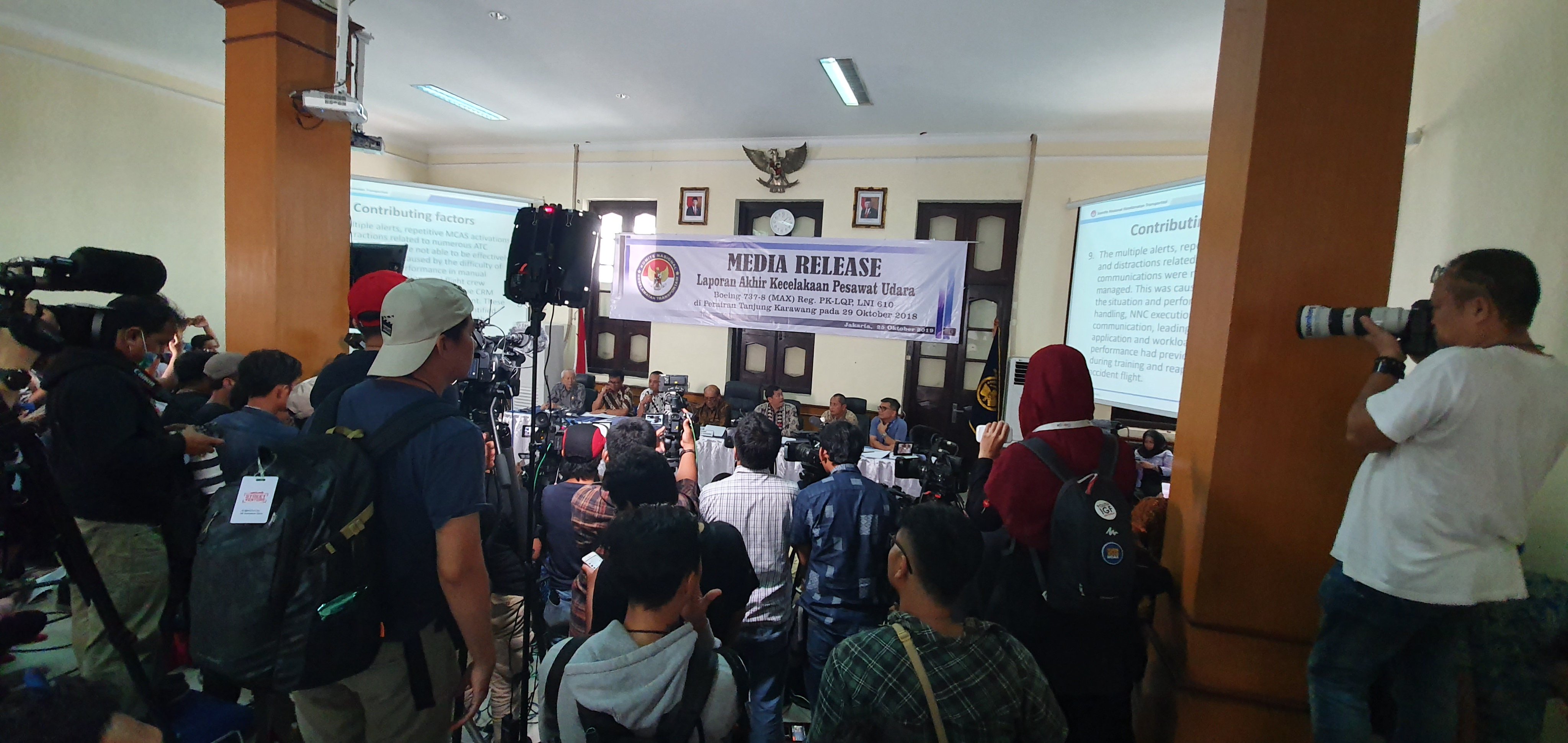
ImageAW | 2019 10 25 14:53 | AIR INVESTIGATION / AVIATION SAFETY

AW-70000733.pngLa KNKT de Indonesia publica Repporte Final vuelo JT-610 de Lion Air

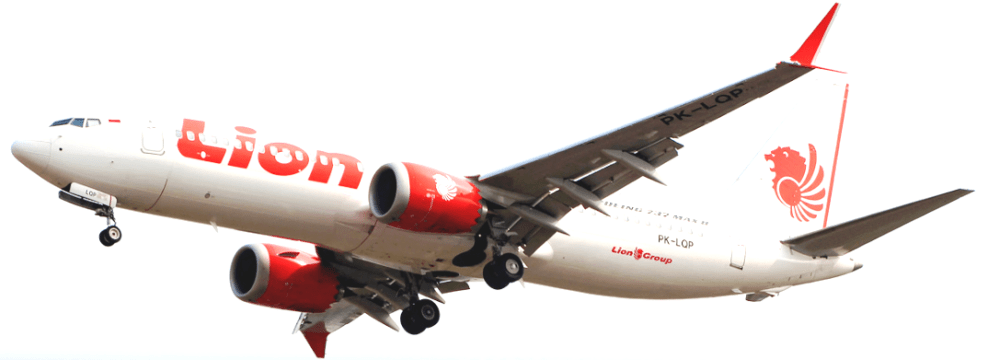
Los investigadores indonesios de la KNKT (Komite Nasional Keselamatan Transportasi) publicaron su Reporte Final sobre el accidente del vuelo JT-610 de Lion Air este Viernes 25 Octubre 2019, descubriendo que el diseño de Boeing del Sistema de Aumento de Características de Maniobra (MCAS), la capo-copy.jpgcertificación de la FAA del sistema, el mantenimiento de la aerolínea de la aeronave y las acciones de los pilotos durante el vuelo todos contribuyeron al fatídico accidente aéreo que involocró a una aeronave Boeing 737-8 MAX.

Reporte Final JT610

El informe se divide en 5 secciones: información objetiva, análisis, conclusiones, medidas de seguridad y recomendaciones de seguridad. El Informe Final de Indonesia sobre el fatal accidente del vuelo JT-610 de Lion Air publicado el Viernes 25 Octubre 2019 detalla el estrés y la confusión en la cabina cuando el software de Control de Vuelo MCAS del Boeing 737-8 MAX, engañado por lecturas defectuosas del sensor, bajó repetidamente la nariz del avión. Los investigadores señalan múltiples fallas en el diseño y aprobación del software al tiempo que notan que el capitán estaba enfermo y que el copiloto no estaba familiarizado con los procedimientos de la cabina de emergencia.

A continuación se presentan extractos de un resumen de la grabación de voz de la cabina del 29 Octubre 2018, accidente recuperado por buzos de la marina en Enero 2019:

TRANSCRIPCIÓN VUELO JT-610 / JAKARTA > DEPATI AMIR

Mientras todavía está en tierra, el copiloto informa al capitán que este no es su horario habitual y que lo llamaron a las 4 de la mañana esa mañana y le dijeron que estaría en el vuelo.

El capitán dice que sufre de gripe y se registra tosiendo unas 15 veces durante el vuelo previo.

Un ingeniero de Lion Air llega a la cabina y le dice al capitán que estará a bordo, pero que no ha sido entrenado para el Boeing 737 MAX 8.

Los 181 pasajeros y los siete tripulantes ahora están a bordo y el avión está listo para rodar.

El capitán está en los controles y el copiloto está manejando la radio y hablando con el control de tierra. La torre de Jakarta emite autorización de despegue y el avión sale de la pista a las 06:20:33 a.m.

Dos segundos después, el agitador de palo o la alarma de pérdida comienza a vibrar en el lado izquierdo donde se sienta el capitán. Un sensor de ángulo de ataque defectuoso (AOA) está alimentando datos falsos a una computadora de vuelo, que cree que el avión está en peligro de perder el ascensor.


El capitán se registra como "exclamando sobre lo que le sucedió al avión", mientras que el copiloto le dice que también hay un problema de lecturas inconsistentes de velocidad.

El copiloto hace una exclamación similar y le pregunta al capitán, que no responde, si quiere regresar a Jakarta.

Un controlador de Tránsito Aéreo autoriza a los pilotos a subir a 27,000 pies. Ahora las lecturas de altitud de la cabina se describen como inconsistentes.

El copiloto le pide al Control de Tráfico Aéreo la lectura en la pantalla del radar y le dicen que están a 900 pies cuando el avión estaba subiendo.

El capitán le pide al copiloto que ejecute una lista de verificación de memoria, el tipo más urgente de procedimiento de resolución de problemas que los pilotos deben saber de memoria, para valores de velocidad aérea poco confiables. No hay constancia en la transcripción de él haciendo esto.

Inseguro de qué altitud solicitar a los controladores, el Capitán le dice que "solicite uuh ... proceda".

Cuando el Control de Tránsito Aéreo le pidió que describiera el problema, el Copiloto respondió que estaban experimentando "problemas de control de vuelo".

El Capitán le entrega brevemente el control al Copiloto, mientras que el control aéreo advierte que el vuelo ha descendido a "Setecientos" (1.700 pies) y le pregunta la altitud deseada.

El capitán solicita 5.000 pies, que el Copiloto acciona para controlar.

El Controlador ordena a los pilotos que suban y giren hacia el noreste. Una alerta de voz automatizada en la cabina advierte a la tripulación que vigile el banco o el ángulo de giro.

El Capitán vuelve a pedir un "elemento de memoria", pero no dice a qué lista de verificación mental se refiere. Cuando se le pide que explique, él responde "check".

Diecisiete segundos después, el Copiloto advierte "Control de Vuelo", a lo que el Capitán responde "sí".

Justo después de tres minutos de la pelea, y nuevamente más tarde, el sonido de las páginas que se pasan se recoge en la grabación de la cabina seguido del sonido de la rueda de compensación, una anulación manual vinculada al sistema de compensación controlado por MCAS.

La transcripción sugiere un estrés creciente y comunicaciones más fragmentadas, junto con la confusión sobre qué lista de verificación usar.

El Copiloto busca cada vez más frenéticamente una lista de verificación de velocidad aérea poco confiable: "¿Dónde está el ... no hay velocidad aérea", y momentos después, "Velocidad aérea, velocidad aérea" seguida de más páginas.

El Capitán le pide a una azafata que llame al ingeniero fuera de servicio que viaja en el avión. El micrófono recoge campanadas repetidas que señalan llamadas entre los asistentes de vuelo.

La puerta se abre y se escucha al Capitán pidiéndole a alguien que mire lo que está sucediendo con la computadora, cuyo software MCAS, que el informe confirma que no se incluyó en los manuales, continúa presionando hacia abajo usando el sistema de compensación del avión.

"Bien, ya estamos preparando 5.000", aconseja el Copiloto. Suena un sonido similar a una alerta de altitud. "Vuela", el Copiloto insta al capitán.

Los controladores preguntan a los pilotos si el avión está descendiendo, y el Capitán dice "tenemos algún problema". No está claro si lo dice por radio o a su colega.

El copiloto le dice a los Controladores que están volando manualmente debido al problema de Control de Vuelo.

El Control de Tránsito Aéreo instruye a los pilotos a prepararse para aterrizar en una de las pistas.

El Capitán entrega el control del avión al Copiloto y se pone en contacto con el Control Aéreo utilizando el número de vuelo incorrecto en una señal adicional del estrés acumulado en la cabina.

Advierte al Control Aéreo que la altitud no se puede determinar debido a que todos los instrumentos muestran lecturas diferentes.

Los controladores preguntan qué altitud quieren los pilotos, ya que se escucha al Primer Oficial exclamar que el avión está volando.

El Capitán responde "Cinco thou" (5,000 pies) y responde "Está bien" cuando el Copiloto nuevamente exclama que el avión está descendiendo.

Suena una advertencia de exceso de velocidad.

El Copiloto dice "volar".

Dos alertas de voz computarizadas - "Terrain, Terrain" seguidas de "Sink rate", resuenan.

Son los sonidos finales incluidos en la transcripción antes de que el Boeing 737-8 MAX impacta en el agua a gran velocidad, matando a las 189 personas a bordo.

Once minutos y 22 segundos después del despegue, la grabación se detiene.

Cronología Vuelo JT-610 Lion Air

El vuelo JT-610 de Lion Air fue un vuelo doméstico programado operado por la aerolínea indonesia Lion Air desde el aeropuerto internacional Soekarno-Hatta en Jakarta hasta el aeropuerto Depati Amir en Pangkal Pinang. El 29 Octubre 2018, el Boeing 737-8 MAX que operaba la ruta se estrelló en el Mar de Java trece minutos después del despegue, falleciendo los 189 pasajeros y la tripulación.

Fue el primer accidente importante que involucró al nuevo avión de la serie Boeing 737 MAX, presentado en 2017, y el más mortal que involucró un 737, superando el vuelo 812 de Air India Express en 2010. Es el accidente más mortal en los 18 años de historia de Lion Air, superando el accidente de 2004 en Surakarta que mató a 25 personas, y el segundo accidente aéreo más mortal en Indonesia detrás del vuelo 152 de Garuda Indonesia.

El gobierno indonesio desplegó una operación de búsqueda y rescate que encontró escombros temprano esa misma mañana y recuperó restos humanos de un área de 150 millas náuticas (280 km) de ancho. La primera víctima fue identificada dos días después del accidente. El registrador de datos de vuelo se localizó el 1 Noviembre 2018 y se recuperó para su análisis. Un miembro del equipo de rescate voluntario murió durante las operaciones de recuperación. La grabadora de voz de la cabina se encontró el 14 Enero 2019.

Las investigaciones preliminares revelaron serios problemas de control de vuelo que traumatizaron a los pasajeros y a la tripulación en el vuelo anterior de la aeronave, así como signos de sensor de ángulo de ataque (AOA) y otras fallas de instrumentos en ese y vuelos anteriores, vinculados a una falla potencial de diseño que involucra las características de maniobra. Sistema de aumento (MCAS) de la serie 737 MAX. Como resultado, la Administración Federal de Aviación de los Estados Unidos (FAA) y The Boeing Company emitieron advertencias y avisos de capacitación a todos los operadores de la serie 737 MAX para evitar que el MCAS provoque una inmersión abrupta similar al vuelo de Lion Air.

Sin embargo, estas advertencias no se implementaron completamente, y se sospecha que los problemas de diseño están involucrados en el accidente del vuelo ET-302 de Ethiopian Airlines el 10 Marzo 2019, lo que llevó a la puesta a tierra en todo el mundo de todos los aviones 737 MAX.AW-Icon AW001


AW-70007378MAXPKLQP.pngFinal Report Lion Air JT-610

AW-70000733.pngIndonesian KNKT publishes Lion Air JT-610 Final Flight Report

Indonesian KNKT investigators (Komite Nasional Keselamatan Transportasi) published their Final Report on the accident of the Lion Air JT-610 flight this Friday, October 25, 2019, discovering that the Boeing design of the Maneuvering Characteristic Augmentation System (MCAS), the FAA certification of the system, the maintenance of the aircraft airline and the actions of the pilots during the flight all contributed to the fateful plane crash that involved a Boeing 737-8 MAX aircraft.

JT610 Final Report

The report is divided into 5 sections: objective information, analysis, conclusions, security measures, and safety recommendations. The Indonesian Final Report on the fatal accident of Lion Air JT-610 published on Friday 25 October 2019 details the stress and confusion in the cabin when the MCAS flight control software of the Boeing 737-8 MAX, cheated by readings defective sensor, repeatedly lowered the nose of the plane. Investigators point out multiple flaws in the design and approval of the software while noting that the captain was ill and that the co-pilot was not familiar with the emergency cabin procedures.

Following are excerpts from a summary of the voice recording of the cabin of October 29, 2018, accident recovered by divers from the marina in January 2019:

Flight Transcript JT-610 / Jakarta> Depati Amir

While still on the ground, the co-pilot informs the captain that this is not his usual schedule and that he was called at 4 in the morning that morning and was told he would be on the flight.

The captain says he suffers from the flu and records coughing about 15 times during the previous flight.

A Lion Air engineer arrives at the cabin and tells the captain that he will be on board, but that he has not been trained for the Boeing 737-8 MAX.

The 181 passengers and the seven crew members are now on board and the plane is ready to roll.

The captain is in the controls and the co-pilot is driving the radio and talking to the ground control. The Jakarta tower issues takeoff authorization and the plane leaves the runway at 06:20:33 a.m.

Two seconds later, the stick agitator or loss alarm begins to vibrate on the left side where the captain sits. A defective angle of attack (AOA) sensor is feeding fake data to a flight computer, which believes the plane is in danger of losing the elevator.

The captain registers as "exclaiming about what happened to the plane", while the co-pilot tells him that there is also a problem of inconsistent speed readings.

The co-pilot makes a similar exclamation and asks the captain, who does not respond, if he wants to return to Jakarta.

An Air Traffic controller authorizes pilots to climb to 27,000 feet. Now cabin altitude readings are described as inconsistent.

The co-pilot asks the Air Traffic Control to read on the radar screen and is told they are 900 feet away when the plane was boarding.

The captain asks the co-pilot to run a memory checklist, the most urgent type of troubleshooting procedure that pilots should know by heart, for unreliable airspeed values. There is no record in the transcript of him doing this.

Unsure of what altitude to request from the controllers, the Captain tells him to "request uuh ... proceed".

When the Air Traffic Control asked him to describe the problem, the Copilot responded that they were experiencing "flight control problems".

The Captain briefly hands control to the Co-pilot, while the air traffic control warns that the flight has dropped to "Seven Hundred" (1,700 feet) and asks for the desired altitude.

The captain requests 5,000 feet, which the Copilot drives to control.

The Controller orders the pilots to go up and turn northeast. An automated voice alert in the cabin warns the crew to watch the bank or the angle of rotation.

The Captain asks for a "memory element" again, but does not say to which mental checklist he refers. When asked to explain, he replies "check".

Seventeen seconds later, the Co-Pilot warns "Flight Control", to which the Captain replies "yes".

Just after three minutes of the fight, and again later, the sound of the pages that are passed is collected in the cabin recording followed by the sound of the compensation wheel, a manual override linked to the MCAS-controlled compensation system.

The transcript suggests increasing stress and more fragmented communications, along with confusion about which checklist to use.

The Co-Pilot is increasingly frantically searching for an unreliable air speed checklist: "Where is the ... there is no airspeed, and moments later", airspeed, airspeed" followed by more pages.

The Captain asks a flight attendant to call the out-of-service engineer traveling on the plane. The microphone picks up repeated chimes that signal calls between flight attendants.

The door opens and the Captain is heard asking someone to look at what is happening with the computer, whose MCAS software, which the report confirms was not included in the manuals, continues to press down using the airplane compensation system.

"Well, we are already preparing 5,000", advises the Copilot. A sound similar to an altitude alert sounds. "Fly", the Copilot urges the captain.

The controllers ask the pilots if the plane is descending, and the Captain says "we have a problem". It is not clear if he says it on the radio or his colleague.

The co-pilot tells the Controllers that they are flying manually due to the Flight Control problem.

Air Traffic Control instructs pilots to prepare to land on one of the runways.

The Captain delivers control of the plane to the Copilot and contacts the Air Control using the incorrect flight number in an additional signal of the accumulated stress in the cabin.

It warns the Air Control that the altitude cannot be determined because all instruments show different readings.

The controllers ask what altitude the pilots want, since the First Officer is heard exclaiming that the plane is flying.

The Captain responds "Five thou" (5,000 feet) and responds "Okay" when the Co-Pilot again exclaims that the plane is descending.

Sounds a warning of speeding.

The co-pilot says "fly".

Two computerized voice alerts - "Terrain, Terrain" followed by "Sink rate", resonate.

They are the final sounds included in the transcript before the Boeing 737-8 MAX hits the water at high speed, killing the 189 people on board.

Eleven minutes and 22 seconds after takeoff, the recording stops.

Timeline Flight JT-610 Lion Air

Lion Air flight JT-610 was a scheduled domestic flight operated by the Indonesian airline Lion Air from Soekarno-Hatta International Airport in Jakarta to Depati Amir Airport in Pangkal Pinang. On October 29, 2018, the Boeing 737-8 MAX that operated the route crashed into the Java Sea thirteen minutes after takeoff, with 189 passengers and crew die.

It was the first major accident that involved the new Boeing 737 MAX series aircraft, presented in 2017, and the deadliest that involved a 737, surpassing Air India Express Flight 812 in 2010. It is the deadliest accident in the 18 years Lion Air history, overcoming the 2004 accident in Surakarta that killed 25 people, and the second deadliest plane crash in Indonesia behind flight 152 of Garuda Indonesia.

The Indonesian government deployed a search and rescue operation that found rubble early that morning and recovered human remains from an area of ​​150 nautical miles (280 km) wide. The first victim was identified two days after the accident. The flight data recorder was located on November 1, 2018, and recovered for analysis. A member of the volunteer rescue team died during recovery operations. The voice recorder in the cabin was found on January 14, 2019.

Preliminary investigations revealed serious flight control problems that traumatized passengers and crew on the previous flight of the aircraft, as well as signs of the Angle of Attack sensor (AOA) and other instrument failures on that and previous flights, linked to a potential design flaw that involves the maneuvering characteristics. Magnification system (MCAS) of the 737 MAX series. As a result, the United States Federal Aviation Administration (FAA) and The Boeing Company issued warnings and training notices to all 737 MAX series operators to prevent the MCAS from causing an abrupt dive similar to the Lion Air flight.

However, these warnings were not fully implemented, and design problems are suspected to be involved in the Ethiopian Airlines flight ET-302 crash on March 10, 2019, which led to everyone’s worldwide grounding 737 MAX aircraft. AW-Icon AW002


arrow-logo

REPORT FINAL JT-610 LION AIR

http://knkt.dephub.go.id/knkt/ntsc_home/ntsc.htm


Ξ A I R G W A Y S Ξ
SOURCE: Airgways.com
DBk: Dephub.go.id / Reuters.com / Channelnewsasia.com / Airgways.com / Wikimedia.org / Arvin Lienardi
AW-POST: 201910251453AR

A\W   A I R G W A Y S ®


Southwest adiciona vuelos a Hawáii

AW-Vrbo_700111120.jpgAW | 2019 10 25 13:35 | AIRLINES ROUTES

plane_40.jpgSouthwest Airlines incorpora más vuelos a las Islas Hawáii

Uno de los mayores cambios en el mercado doméstico estadounidense fue la expansión de Southwest Airlines en Hawáii. La aerolínea de bajo costo más grande de Estados Unidos solo ha estado volando a Hawáii durante seis meses. Los vuelos en el suroeste entre Hawáii y el continente de los Estados Unidos comenzaron en Marzo 2019. Mientras tanto, los vuelos entre islas despegaron desde Mayo 2019.

La compañía de bajo costo americana Southwest Airlines ha anunciado que agregará más vuelos continentales e interinsulares desde el próximo mes de Noviembre 2019. La aerolínea programará ofrecer doce frecuencias diarias California-Honolulú (12Frq/D), y 34 frecuencias diarias entre las islas hawaianas (34Frq/D), incluido el servicio entre Honolulu y Hilo y entre Kona y Kahului. Southwest informa la satisfacción con la demanda de pasajeros entre los vuelos del continenta a las islas e interinsulares. Las conexiones adicionales a Hilo, Maui, Lihue, Kona y Honolulu desde ciudades como Oakland, San José y Sacramento se iniciarán a la brevedad.AW-Icon AW001

hawaii.pngSouthwest adds flights to Hawaii

unnamed.pngSouthwest Airlines incorporates more flights to the Hawaiian Islands

One of the biggest changes in the US domestic market was the expansion of Southwest Airlines in Hawaii. The largest low-cost airline in the United States has only been flying to Hawaii for six months. Flights in the southwest between Hawaii and the mainland of the United States began in March 2019. Meanwhile, flights between islands took off from May 2019.

The low-cost American company Southwest Airlines has announced that it will add more continental and inter-island flights from next November 2019. The airline will schedule to offer twelve California-Honolulu (12Frq/D) daily frequencies, and 34 daily frequencies between the Hawaiian Islands ( 34Frq/D), including service between Honolulu and Hilo and between Kona and Kahului. Southwest reports satisfaction with the demand for passengers between the continent’s flights to the islands and inter-island. Additional connections to Hilo, Maui, Lihue, Kona, and Honolulu from cities such as Oakland, San Jose, and Sacramento will begin shortly. AW-Icon AW002


AW-Marriot_700112341.jpgHoʻolālā ʻo Southwest i nā mokulele i Hawaii

Ke hoʻohui ʻia nei ʻo Southwest Airlines i nā mokulele hou aʻe i nā pae Hawaiʻi

Image result for southwest.com hawaiiʻO kahi hoʻololi nui loa i ka mākeke US ʻōiwi i ka hoʻonui ʻia ʻana o Southwest Airlines ma Hawaii. ʻO ka mokulele ʻōpana kumukūʻai haʻahaʻa nui loa ma United States e lele wale ana i Hawaiʻi i mau mahina ʻeono. Ua lele ka mokulele ma ke komohana hema ma waena o Hawaii a me ka ʻāina nui o ʻAmelika Hui Pū ʻIa i ka makahiki Malaki March9. Eia hoʻi, ua lele nā ​​mokulele ma waena o nā mokupuni mai Mei 2019.
Ua haʻi aku ʻo ʻAmelika ʻoihana haʻahaʻa haʻahaʻa ʻo Southwest Airlines e hoʻohui ʻia ia mau mokulele a me nā mokupuni mokulele mai ka mahina aʻe o Nowemapa 2019. E hoʻolālā ka mokulele e hāʻawi i nā moku he ʻumikūmālua Kaleponi-Honolulu (12Frq/D) i nā lā a pau, a me 34 mau huakaʻi maʻamau ma waena o nā Mokupuni ʻo Hawaiʻi. 34Frq/D), ʻo ka lawelawe ʻana ma waena o Honolulu a me Hilo a me waena o Kona a me Kahului. Hāpai ke Komohana Hema me ka makemake o nā poʻe holo kaʻa ma waena o nā mokulele o ka konika ma nā mokupuni a me ka mokupuni. E hoʻomaka koke nā pilina pili iā Hilo, Maui, Lihue, Kona a me Honolulu mai nā kūlanakauhale e like me Oakland, San Jose a me Sacramento. AW-Icon AW002


Ξ A I R G W A Y S Ξ
SOURCE: Airgways.com
DBk: Southwest.com / Airgways.com / Vrbo.com / Marriot.com
AW-POST: 201910251335AR

A\W   A I R G W A Y S ®


Reinventando estrategias de Lufthansa

Image result for Lufthansa GroupAW | 2019 10 25 12:43 | AIRLINES

Image result for Lufthansa Group logoLufthansa Group apuesta a liderar cambios en la red europea

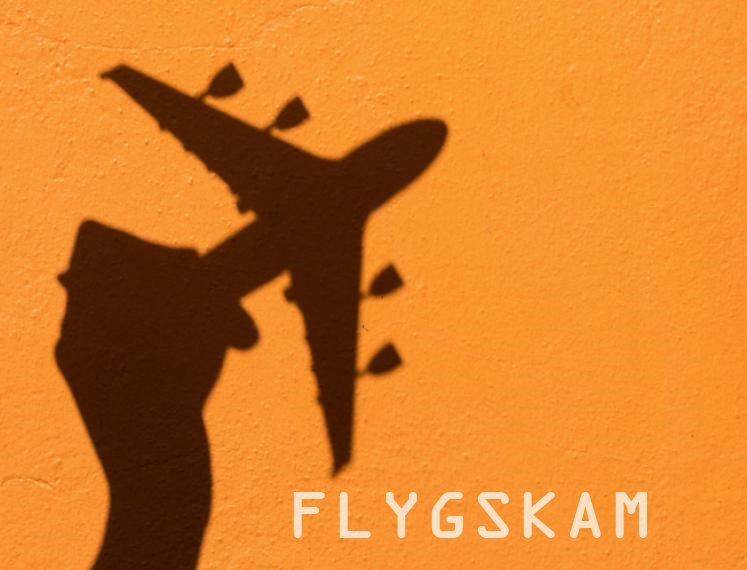
El Grupo Lufthansa en una reunión de capitales en Junio 2019, el conglomerado de aerolíneas alemán anunció ligeros cambios de estrategias para la aviación del grupo. Se están produciendo cambios significativos en la aerolínea, después de un crecimiento acelerado en los últimos años, la aerolínea está retrocediendo, incluidos los recortes de empleos. Se anunció un plan de reducción de costos, llamado «Reboot», para lograr los objetivos de margen de beneficio. Las aeerolíneas participantes del grupo modificarían sus estrategias de negocios. En el caso de la alemana Eurowings reducirá sus rutas de largo recorrido y Brussels Airlines, que se ha integrado bajo el ala Eurowings, operará más estrechamente con los tres operadores de red, a saber, Austrian Airlines, Lufthansa Airlines y Swiss International Airlines.

Eurowings Airlines

El Grupo Lufthansa anuncia sus resultados financieros o de tráfico, el grupo coloca a Brussels Airlines bajo el mismo ala que Eurowings. En 2018, Eurowings registró una pérdida antes de impuestos de US$ 257 millones (€ 231 millones): el informe financiero canceló la pérdida debido a costos de integración no recurrentes e irregularidades en las operaciones de vuelo, ya que los gastos aumentaron en un 11% en comparación con 2017. Pero, aparentemente, el rendimiento a lo largo de 2018 hizo sonar las alarmas sonando que algo tenía que cambiar. Se implementaron medidas de reducción de costos: el retiro antes mencionado de vuelos de larga distancia de bajo costo para centrarse en vuelos intraeuropeos para Eurowings.

Brussels Airlines

Para Brussels Airlines, se necesitaba un reinicio. Un portavoz de la aerolínea confirmó que la aerolínea lanzó el programa de reducción de costos, llamado Reboot, en Junio 2019. «Después de unos años de crecimiento constante, nuestros márgenes de beneficio cayeron, necesita alcanzar un margen de beneficio del 8% para que podamos crecer nuevamente», dijo el portavoz de Brussels Airlines. El crecimiento es evidente en los últimos informes financieros disponibles públicamente de la aerolínea. En 2017, la compañía aumentó su capacidad en un 11% y contrató a 645 nuevos empleados, 160 de los cuales eran de Thomas Cook Airlines Belgium, cuando la compañía matriz de esta última vendió sus operaciones a Lufthansa. A lo largo de 2017, la aerolínea transportó 9,1 millones de pasajeros en sus rutas, un aumento del 17,3%. Pero la línea final del informe financiero era apenas verde: se logró una ganancia operativa de solo US$ 16.6 millones (€ 14.98 millones). Está bastante claro que, si bien la aerolínea estaba preparada para crecer solo en los últimos años, tuvo que detenerse para estabilizar las operaciones y lograr mayores márgenes de ganancias. El reinicio, desafortunadamente, incluirá recortes de empleos en la aerolínea. El representante de la aerolínea confirmó que el plan es introducir recortes de empleos a través de un plan voluntario. Además, los despidos no serán instantáneos: se extenderán a lo largo de tres años para minimizar el impacto negativo.

La flota de Brussels Airlines tiene 60 aviones a su nombre, según datos de Airfleets.net. La mayoría de los aviones operados son de cuerpo estrecho, con cuatro aviones regionales: Bombardier CRJ 900 (operado por un transportista ACMI, CityJet). Además, hay 16 cuerpos anchos volando con los colores de la aerolínea, incluido un Airbus A340. La edad promedio de la flota es de 14.8 años. Actualmente, el transportista se está sometiendo a un rejuvenecimiento de la flota de fuselaje ancho: anunciado el 30 de noviembre de 2018, el transportista señaló que reemplazaría siete de sus A330. La aerolínea espera terminar el rejuvenecimiento a principios de 2020. Sin embargo, los «nuevos» aviones no son exactamente nuevos: fueron operados previamente por otros operadores de todo el mundo, en su mayoría Lufthansa Group Airlines. Los datos de pedidos y entregas de Airbus y Boeing muestran que la aerolínea no tiene pedidos pendientes para nuevos aviones; el portavoz también confirmó que, por ahora, no debemos esperar que Brussels Airlines se dé la mano a los fabricantes para confirmar un acuerdo para nuevos aviones al menos hasta 2022.

Su única esperanza de recibir nuevos aviones es si Lufthansa decide compartir su pedido de 20 787 Dreamliners y 20 aviones Airbus A350, ya que el Grupo apunta a reemplazar los aviones de cuatro motores para sentar una base sostenible para nuestro futuro a largo plazo. Se supone que el avión se unirá a la flota de Lufthansa a partir de 2022, pero es poco probable que tenga su base en Bruselas: la aerolínea belga necesitaría contratar o entrenar a un montón de personal nuevo, lo que sería contra-intuitivo para el reinicio, ya que no opera el 787 o el A350.

Con respecto a los vuelos de larga distancia, la aerolínea definitivamente está cambiando su enfoque para ofrecer más capacidad hacia África. En 2017, del total de 9,1 millones de pasajeros, más de un millón de viajeros volaron en la red africana de Brussels Airlines. Desde entonces, el operador solo ha aumentado su capacidad y oferta a África.

En primer lugar, el grupo Lufthansa en su conjunto unificó sus actividades de ventas para África el 16 de julio de 2018 . Se estableció un centro de ventas, con vistas a las operaciones en el continente, en Bruselas, en la sede de las aerolíneas. La directora ejecutiva de Brussels Airlines, Christina Foerster, señaló que la aerolínea tiene una «larga experiencia en el mercado africano». Dos meses después, el 18 de septiembre de 2018, la aerolínea anunció que está invirtiendo más en su red de África , aumentando la capacidad en vuelos al continente.

La última ronda de mayor capacidad para África se produjo el 9 Octubre 2019, cuando Brussels Airlines anunció que la aerolínea vuelve a volar diariamente a Kinshasa, República Democrática del Congo. Con 84 vuelos semanales y 17 destinos en África subsahariana, el continente africano sigue siendo el mercado más importante de Brussels Airlines.

Su red de corto recorrido e intraeuropea es, de alguna manera, afortunada: Bruselas es la capital de facto de la Unión Europea y alberga a muchos de los organismos diplomáticos, incluida la Comisión Europea, el Parlamento Europeo y muchos otros. Además, Eurocontrol, que supervisa el tráfico aéreo sobre el continente y la Organización del Tratado del Atlántico Norte (OTAN) también tienen su sede en Bruselas.

En total, el Aeropuerto de Bruselas (BRU) recibió a 25.7 millones de pasajeros en 2018. Brussels Airlines tenía una participación de mercado del 40%, lo que representa 81,246 de 202,658 movimientos de vuelos comerciales de pasajeros.

20,1 millones de los 25,7 millones de pasajeros llegaron o partieron a destinos dentro de Europa, afirmando la necesidad de una red sólida de corto recorrido. Sin embargo, el 52% de los pasajeros cruzaron las terminales del aeropuerto de Bruselas con el objetivo de viajar a destinos de vacaciones, con solo el 28% de los viajeros entrando o saliendo en un viaje de negocios, según los datos proporcionados por el aeropuerto .

Si bien la red de larga distancia de Brussels Airlines se dirige hacia un camino muy claro, para proporcionar una conexión con el África subsahariana, su red de corta distancia podría ver algunos cambios, alineándose con la estrategia del Grupo Lufthansa. Con el grupo de aerolíneas alemanas luchando por contener a las aerolíneas de bajo costo, a saber, easyJet y Ryanair, Eurowings se desplegó para contrarrestar la presión de los dos LCC con sede en las Islas Británicas. Por lo tanto, Reboot también podría incitar a la administración a echar un vistazo a su red intraeuropea, cambiando algunas de las rutas poco rentables o apenas rentables a Eurowings para alcanzar el objetivo de margen de beneficio del 8%.AW-Icon AW001

Related imageReinventing Lufthansa Group strategies

Lufthansa GroupLufthansa Group bets on leading changes in the European network
The Lufthansa Group in a capital revival in June 2019, the German airline conglomerate announced slight changes in strategies for the group’s aviation. There are significant changes in the airline, after accelerated growth in recent years, the airline is receding, including job cuts. A cost reduction plan, called «Reboot», was announced to achieve profit margin objectives. The group’s participating airlines would modify their business strategies. In the case of the German Eurowings, it will reduce its long-haul routes and Brussels Airlines, which has been integrated under the Eurowings wing, will operate more closely with the three network operators, namely Austrian Airlines, Lufthansa Airlines, and Swiss International Airlines.

Eurowings Airlines

The Lufthansa Group announces its financial or traffic results, the group places Brussels Airlines under the same wing as Eurowings. In 2018, Eurowings recorded a pre-tax loss of US $ 257 million (€ 231 million): the financial report canceled the loss due to non-recurring integration costs and irregularities in flight operations, as expenses increased by 11 % compared to 2017. But, apparently, performance throughout 2018 sounded the alarms sounding that something had to change. Cost reduction measures were implemented: the aforementioned withdrawal of low-cost long-distance flights to focus on intra-European flights for Eurowings.

Brussels Airlines

For Brussels Airlines, a restart was needed. An airline spokesman confirmed that the airline launched the cost reduction program, called Reboot, in June 2019. «After a few years of steady growth, our profit margins fell, you need to reach a profit margin of 8% so that we can grow again», said the Brussels Airlines spokesman. The growth is evident in the latest publicly available financial reports of the airline. In 2017, the company increased its capacity by 11% and hired 645 new employees, 160 of whom were from Thomas Cook Airlines Belgium, when the latter’s parent company sold its operations to Lufthansa. Throughout 2017, the airline transported 9.1 million passengers on its routes, an increase of 17.3%. But the final line of the financial report was barely green: an operating profit of only US $ 16.6 million (€ 14.98 million) was achieved. It is quite clear that, although the airline was prepared to grow only in recent years, it had to stop to stabilize operations and achieve higher profit margins. The restart, unfortunately, will include job cuts in the airline. The airline representative confirmed that the plan is to introduce job cuts through a voluntary plan. In addition, layoffs will not be instantaneous: they will be extended over three years to minimize the negative impact.

The Brussels Airlines fleet has 60 planes in its name, according to Airfleets.net data. Most of the aircraft operated are narrow-bodied, with four regional aircraft: Bombardier CRJ 900 (operated by an ACMI carrier, CityJet). In addition, there are 16 widebodies flying with the colors of the airline, including an Airbus A340. The average age of the fleet is 14.8 years. Currently, the carrier is undergoing a rejuvenation of the wide-body fleet: announced on November 30, 2018, the carrier said it would replace seven of its A330s. The airline expects to complete the rejuvenation in early 2020. However, the «new» aircraft is not exactly new: they were previously operated by other operators around the world, mostly Lufthansa Group Airlines. The order and delivery data of Airbus and Boeing show that the airline has no pending orders for new aircraft; The spokesman also confirmed that, for now, we should not expect Brussels Airlines to shake hands with the manufacturers to confirm an agreement for new aircraft at least until 2022.

His only hope of receiving new aircraft is if Lufthansa decides to share his order for 20,787 Dreamliners and 20 Airbus A350 aircraft, as the Group aims to replace four-engine aircraft to lay a sustainable foundation for our long-term future. The plane is supposed to join the Lufthansa fleet from 2022, but it is unlikely to be based in Brussels: the Belgian airline would need to hire or train a lot of new personnel, which would be counter-intuitive for the restart since 787 or A350 does not operate.

With regard to long-haul flights, the airline is definitely changing its approach to offer more capacity to Africa. In 2017, of the total 9.1 million passengers, more than one million passengers flew on the African network of Brussels Airlines. Since then, the operator has only increased its capacity and offer to Africa.

First, the Lufthansa group as a whole unified its sales activities for Africa on July 16, 2018. A sales center was established, with a view to operations on the continent, in Brussels, at the headquarters of the airlines. The executive director of Brussels Airlines, Christina Foerster, said the airline has long experience in the African market. Two months later, on September 18, 2018, the airline announced that it is investing more in its African network, increasing capacity on flights to the continent.

The last round of greater capacity for Africa occurred on October 9, 2019, when Brussels Airlines announced that the airline once again flies to Kinshasa, Democratic Republic of the Congo. With 84 weekly flights and 17 destinations in sub-Saharan Africa, the African continent remains the most important market for Brussels Airlines.

Its short-haul and intra-European network is, in some ways, fortunate: Brussels is the de facto capital of the European Union and houses many of the diplomatic bodies, including the European Commission, the European Parliament, and many others. In addition, Eurocontrol, which oversees air traffic over the continent and the North Atlantic Treaty Organization (NATO) is also based in Brussels.

In total, Brussels Airport (BRU) received 25.7 million passengers in 2018. Brussels Airlines had a 40% market share, representing 81,246 of 202,658 movements of commercial passenger flights.

20.1 million of the 25.7 million passengers arrived or departed for destinations within Europe, affirming the need for a solid short-haul network. However, 52% of passengers crossed the terminals of the Brussels airport with the aim of traveling to holiday destinations, with only 28% of travelers entering or leaving on a business trip, according to data provided by the airport.

While the long-distance network of Brussels Airlines is heading towards a very clear path, to provide a connection with sub-Saharan Africa, its short distance network could see some changes, aligning with the Lufthansa Group strategy. With the group of German airlines struggling to contain low-cost airlines, namely easyJet and Ryanair, Eurowings was deployed to counter the pressure of the two LCCs based in the British Isles. Therefore, Reboot could also encourage the administration to take a look at its intra-European network, changing some of the unprofitable or barely profitable routes to Eurowings to achieve the profit margin objective of 8%. AW-Icon AW002


Ξ A I R G W A Y S Ξ
SOURCE: Airgways.com
DBk: Airgways.com / Aerotime.aero / Lufthansagroup.com / Airgways.com
AW-POST: 201910251243AR

A\W   A I R G W A Y S ®

Efecto «Flight Shaming»

AW-SGgroningen_700055.jpgAW | 2019 10 25 11:58 | AIRLINES MARKET
AW-FlygskamFlight shaming ganando fuerza entre las aerolíneas

Los consumidores están prestando más atención a su huella de carbono y podría costar a las aerolíneas miles de millones de dólares. El Flight Shaming, es una nueva corriente que está afectando el desarrollo de la aviación persiguendo un sustentable equilibrio con la naturaleza. Esta corriente ha nacido en Suecia, es un movimiento para desalentar viajar en aviones por razones ambientales, se ha extendido a los viajeros de todas partes. La ansiedad por el calentamiento global ha provocado que algunos viajeros reduzcan la cantidad que vuelan de un lugar a otro.

Uno de cada cinco viajeros occidentales está volando menos, ya que «el vuelo avergonzado» impulsa a las personas a evitar los viajes aéreos por el bien del planeta, según una encuesta de 6,000 estadounidenses y europeos realizada por el banco suizo UBS. El costo ambiental de los viajes aéreos estaría causando que los clientes busquen formas de compensar las emisiones de carbono, y también que tomen modos alternativos de transporte cuando sea posible. La encuesta de UBS de julio a agosto mostró que, en promedio, alrededor del 20 por ciento de los viajeros en los Estados Unidos, Francia, Alemania y el Reino Unido habían reducido los viajes aéreos en al menos un vuelo en el último año debido a las preocupaciones sobre el cambio climático .

En los próximos cinco años el costo de la compensación de carbono solo para viajes de placer alcanzará los US$ 3.8 mil millones por año, con el potencial de que ese número sea 10 veces mayor. Los operadores ferroviarios, los gobiernos, los propietarios de bosques y los planes de carbono serán beneficiarios a medida que la compensación de carbono se convierta en un “gran negocio”.

Suecia, donde nace un cambio

Suecia, ha liderado un movimiento que se basa en la idea de que viajar en jets que consumen queroseno es vergonzoso. El movimiento antiaéreo, que surgió en 2017 después de que el cantante Staffan Lindberg se comprometiera a dejar de volar, ahora se ha extendido mucho más allá de su Suecia natal. También fue responsable del concepto sueco de «flygskam», exportado como «vergüenza de vuelo» en inglés y con tendencia a «avihonte» en las redes sociales francesas. El cambio de mentalidad se debe a la creciente conciencia del problema gracias a las protestas que atrajeron la atención, como cuando el grupo activista Extinction Rebellion cerró el Aeropuerto de Heathrow y la guerrera climática Greta Thunberg cruzó el Atlántico en un yate de cero emisiones para hablar sobre el clima de la ONU cumbre.

Impacto industria

Si bien el crecimiento en la industria de las aerolíneas avanzaba a un ritmo constante de aproximadamente 4.5% al ​​año, UBS afirma que la cantidad de vuelos, y la cantidad de aviones necesarios, será aproximadamente la mitad de eso debido en parte a la conciencia de la crisis climática.

Airbus y Boeing habían pronosticado que el número de pasajeros se duplicaría aproximadamente en 2035, pero no parecían incluir al planeta en la ecuación. Según las tendencias actuales, UBS estima que los números de vuelos de la UE aumentarán solo un 1,5%, la mitad del número esperado por Airbus.

Flygskam vs aerolíneas

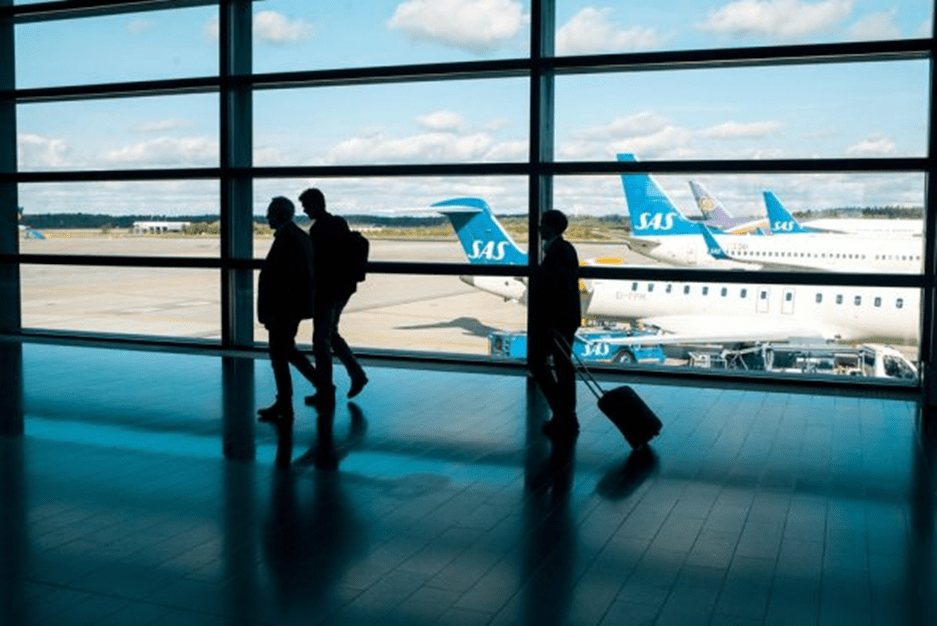
La aerolínea escandinava SAS Airlines ha visto reducirse el tráfico de pasajeros en un 2% este 2019, mientras que el operador aeroportuario de Suecia dijo que manejó un nueve por ciento menos de pasajeros para vuelos nacionales este año que en 2018. Ambos han culpado de «vergüenza de vuelo». Empresas como Klarna Bank AB están recortando los vuelos de negocios. El banco sueco ha prohibido todos los viajes aéreos de los empleados dentro de Europa y desalienta los vuelos de larga distancia.

AW-Wideroe_7000433.jpgMUCHAS AEROLÍNEAS COMO WIDERØE AIRLINES INVIERTEN DE AERONAVES MÁS ECOLÓGICAS
Alemania ha anunciado planes para reducir los impuestos para los viajes en tren y aumentar las tarifas para los vuelos. Y cuando los líderes mundiales se reunieron en la ciudad de Nueva York para la Cumbre de Acción Climática de la ONU el mes pasado, los delegados se preguntaron rápidamente cómo viajaron cuando la «vergüenza de vuelo» alcanzó su máxima atención.

Curiosamente, si bien la vergüenza de los vuelos comenzó como un fenómeno sueco llamado «flygskam», su impacto se siente con mayor fuerza en los Estados Unidos que en Europa. Según UBS, mientras que el 16% de los encuestados británicos dijeron que estaban reduciendo el vuelo, un sorprendente 24% de los viajeros estadounidenses han comenzado a cambiar sus hábitos de vuelo por cuestiones ambientales, según la BBC. Eso está afectando el crecimiento de los vuelos en los Estados Unidos donde UBS cree que el crecimiento en los vuelos podría caer del 2.1% esperado a solo el 1.3%. CNBC informa que se espera que tanto Boeing como Airbus vean una menor demanda de sus aviones a medida que los viajeros exijan opciones más ecológicas.

Por supuesto, las aerolíneas no tienen que fingir que la crisis climática no les afectará. Lufthansa y Edelweiss ya le permitieron comprar compensaciones de carbono, United Airlines está probando un biocombustible, JetBlue está invirtiendo en aviones híbridos y biocombustibles, KLM está lanzando un servicio de trenes y SAS permite a los clientes volar con biocombustible, una alternativa ecológica.

Dado que el informe de UBS también mostró que alrededor de las tres cuartas partes de los encuestados dijeron que estarían felices de volar en un avión eléctrico o híbrido, tal vez Boeing y Airbus deberían comenzar a proponer opciones más ecológicas para los clientes que desean viajar. Aunque esta corriente nueva del medioambiente pueda traer muchos beneficios, aún así, las culturas de trabajo como China o la Federación Rusia serían una notable barera para esos cambios. Igualmente, habría que esperar hacia dónde corren estos nuevos vientos. La industria está cambiando y empujando hacia recursos más sustentables y nobles. Parece que es tiempo de reinvertar el modo de viajar en avión de una manera más ecológica, que entre bastidores, traerá grandes costos a la industria, pero beneficios para todos, por supuesto, para el planeta.AW-Icon AW001

AW-UOC.Edu-flygskam.jpg

«Flight Shaming» effect

Flight shaming gaining strength among airlines

Consumers are paying more attention to their carbon footprint and could cost the airlines billions of dollars. The Flight Shaming is a new currency that is affecting the development of aviation pursuing a sustainable balance with nature. This current was born in Sweden, it is a movement to discourage air travel for environmental reasons, it has spread to travelers everywhere. Anxiety about global warming has caused some travelers to reduce the amount they fly from one place to another.

One in five Western travelers is flying less, as «the embarrassed flight» drives people to avoid air travel for the good of the planet, according to a survey of 6,000 Americans and Europeans conducted by the Swiss bank UBS. The environmental cost of air travel would be causing customers to look for ways to offset carbon emissions, and also to take alternative modes of transportation whenever possible. The UBS survey from July to August showed that, on average, about 20 percent of travelers in the United States, France, Germany, and the United Kingdom had reduced air travel by at least one flight in the last year due to concerns about climate change.

In the next five years, the cost of carbon offsetting only for pleasure trips will reach US$ 3.8 billion per year, with the potential for that number to be 10 times higher. Rail operators, governments, forest owners and carbon plans will be beneficiaries as carbon offsetting becomes a «big business.»

AW-7000054.pngSweden, where a change is born

Sweden has led a movement that is based on the idea that traveling by jets that consume kerosene is embarrassing. The anti-aircraft movement, which emerged in 2017 after singer Staffan Lindberg promised to stop flying, has now spread far beyond his native Sweden. He was also responsible for the Swedish concept of «flygskam», exported as «flight embarrassment» in English and with a tendency to «avihonte» in French social networks. The change in mentality is due to the growing awareness of the problem thanks to the protests that attracted attention, such as when the activist group Extinction Rebellion closed Heathrow Airport and the climate warrior Greta Thunberg crossed the Atlantic on a zero-emission yacht to speak on the climate of the UN summit.

Industry impact

While growth in the airline industry was progressing at a steady rate of approximately 4.5% per year, UBS states that the number of flights, and the number of aircraft needed, will be approximately half of that due in part to the awareness of the climate crisis.

Airbus and Boeing had predicted that the number of passengers would double approximately in 2035, but they didn’t seem to include the planet in the equation. According to current trends, UBS estimates that EU flight numbers will increase by only 1.5%, half of the number expected by Airbus.

Flygskam vs airlines

Scandinavian airline SAS Airlines has seen passenger traffic decreased by 2% this 2019, while Sweden’s airport operator said it handled nine percent fewer passengers for domestic flights this year than in 2018. Both have blamed «shame of flight». Companies like Klarna Bank AB are cutting business flights. The Swedish bank has banned all air travel of employees within Europe and discourages long-distance flights.

Germany has announced plans to reduce taxes for train travel and increase fares for flights. And when world leaders met in New York City for the UN Climate Action Summit last month, delegates quickly wondered how they traveled when the «flight shame» reached their maximum attention.

Interestingly, while the embarrassment of flights began as a Swedish phenomenon called «flygskam», its impact is felt more strongly in the United States than in Europe. According to UBS, while 16% of British respondents said they were reducing the flight, a surprising 24% of American travelers have begun to change their flight habits for environmental reasons, according to the BBC. That is affecting the growth of flights in the United States where UBS believes that the growth in flights could fall from the expected 2.1% to only 1.3%. CNBC reports that both Boeing and Airbus are expected to see lower demand for their planes as travelers demand greener options.

Of course, airlines do not have to pretend that the climate crisis will not affect them. Lufthansa and Edelweiss already allowed him to buy carbon offsets, United Airlines is testing a biofuel, JetBlue is investing in hybrid airplanes and biofuels, KLM is launching a train service and SAS allows customers to fly with biofuel, an ecological alternative.

Since the UBS report also showed that about three-fourths of respondents said they would be happy to fly in an electric or hybrid plane, perhaps Boeing and Airbus should start proposing greener options for customers who wish to travel. The industry is changing and pushing towards more sustainable and noble resources. Although this new current of the environment can bring many benefits, still work cultures such as China or the Russian Federation would be a notable barrier to these changes. Likewise, we should wait where these new winds run. It seems that it is time to reinvest the way of traveling by plane in a more ecological way that behind the scenes will bring great costs to the industry, but benefits for all, of course, for the planet.AW-Icon AW002


Ξ A I R G W A Y S Ξ
SOURCE: Airgways.com
DBk: Fastcompany.com / Aljazeera.com / Airgways.com / Ubs.com / Foroambiental.net / Uoc.edu / Airgways.com
AW-POST: 201910251158AR

A\W   A I R G W A Y S ®

Normalización vuelos en Santiago Chile

Resultado de imagen para aeropuerto santiago de chile latamAW | 2019 10 24 17:12 | AIRPORTS / AIR TRAFFIC

Aerolíneas informan que vuelos en Aeropuerto Internacional Santiago de Chile están volviendo a la normalidad

El Aeropuerto Internacional de Santiago de Chile/Nuevo Pudahuel confirma que sus vuelos están normalizándose y las aerolíneas comienzan a regularizar la programación de los vuelos. Aunque la situación en Chile no ha mejorado sustancialmente, las compañías aéreas continúan reprogramando los vuelos tanto domésticos como internacionales.

El actual Toque de Queda, provocó la incertidumbre y amontonamiento de los pasajeros lo que ha generado malestar entre los mismos, muchos de ellos han tenido que dormir en la aeroestación con la imposibilidad de movilidad hacia la ciudad de Santiago de Chile.

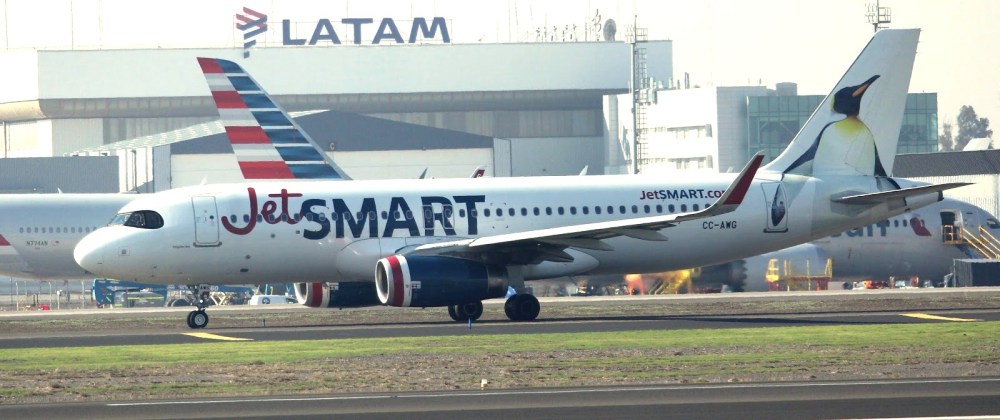
La situación parece volver a la normalidad con varias líneas aéreas comunicando el retorno de la programación de sus vuelos. Por ejemplo Latam Airlines ha comunicado mediante las redes sociales que sus vuelos están operando normalmente, cumpliendo desde ayer 23/10 con un 98% de cumplimiento de su programación. Sky Airline, mediante las redes sociales también ha comunicado que están operando sin inconvenientes. En tanto JetSmart Airlines, desde este Jueves 24/10, todos sus viajes comenzaron a realizarse de forma regular, alcanzando un 94% de los vuelos se lleven en horario.

El Aeropuerto de Santiago también informa normalidad el la Terminal Aérea de Santiago, sin inconvenientes de manifestaciones. Igualmente la recomendación en todo caso es que el pasajero esté atento a los canales de comunicación para actualizar las informaciones concernientes al estado de los vuelos y las vías de comunicación para llegar al aeropuerto.AW-Icon AW001

Resultado de imagen para aeropuerto santiago de chileNormalization begins flights in Santiago

Airlines report that flights in Santiago de Chile International Airport are returning to normal

The International Airport of Santiago de Chile/Nuevo Pudahuel confirms that its flights are normalizing and the airlines begin to regularize the flight schedule. Although the situation in Chile has not improved substantially, the airlines continue to reschedule both domestic and international flights.

The current Touch of Curfew, caused the uncertainty and crowding of the passengers which has generated discomfort among them, many of them have had to sleep in the air station with the impossibility of mobility towards the city of Santiago de Chile.

The situation seems to return to normal with several airlines communicating the return of their flight schedule. For example, Latam Airlines has communicated through social networks that its flights are operating normally, fulfilling since yesterday 10/23 with a 98% compliance with its schedule. Sky Airline, through social networks, has also reported that they are operating without inconvenience. Meanwhile, JetSmart Airlines, from this Thursday 24/10, all its trips began to take place on a regular basis, reaching 94% of flights being carried out on schedule.

The Santiago Airport also reports normality at the Santiago Air Terminal, without any inconvenience of demonstrations. Likewise, the recommendation, in any case, is that the passenger is attentive to the communication channels to update the information concerning the status of the flights and the communication routes to reach the airport. AW-Icon AW002


Ξ A I R G W A Y S Ξ
SOURCE: Airgways.com
DBk: Cnnchile.com / Airgways.com
AW-POST: 201910241712AR

A\W   A I R G W A Y S ®

Latam Papers, denuncia por corrupción

AW-7000056.JPGAW | 2019 10 24 11:37 | GOVERNMENT / AIRLINES

descarga.pngCaso Latam Papers escándalo por pagos de adicionales a La Cámpora

La denuncia elevada ante el Juez de instrucción Claudio Bonadio en Agentina contra Latam Airlines Group por el presunto pago de «adicionales» a La Cámpora, agrupación política, sigue ganando velocidad en la Justicia y se encamina a una definición en el mediano plazo. La AFIP, organismo tributario, entregó declaraciones de impuestos de la firma y se generaron pedidos de datos a la Unidad de Investigación Financiera y la Oficina Anticorrupción.

Resultado de imagen para latam aircraft pngEl recurso en cuestión, presentado por Jorge Said Yarur, reconocido empresario chileno y accionista de trayectoria en LANChile y Latam Airlines, involucra directamente a Ignacio Cueto, CEO de la aerolínea, quien en Mayo 2013 reconoció ante medios trasandinos el pago de US$ 18 millones a dirigentes de la organización con el fin de destrabar las operaciones de la compañía en el mercado argentino. «Fuimos, nos sentamos a la mesa y pagamos lo que nos pidieron. No pudimos negociar lo que queríamos. Nos obligaron y lo hicimos solamente por el respeto a los pasajeros. Nos obligaron a aceptar un contrato que no teníamos por qué aceptarlo. Y estuvimos obligados a hacerlo», declaró Cueto hace algo más de seis años. Semejante comentario no pasó desapercibido para accionistas como el mismo Said Yarur, quien en Diciembre 2018 acercó al Juez local Claudio Bonadío una denuncia para que investigue la naturaleza y el destino del monto desembolsado por Latam Airlines Group.

Los hechos ocurridos en 2013, en momentos en que el kirchnerismo activó un programa de maniobras comerciales y de logística en búsqueda de blindar el negocio de la estatizada Aerolíneas Argentinas, pone de manifiesto las acciones delictivas en Argentina. Con el fin de ahondar en la situación en que se encuentra la causa, Said Yarur visitó Buenos Aires recientemente y mantuvo reuniones con los equipos de Bonadio, quienes lo notificaron de avances concretos en la denuncia contra Cueto por lo dispuesto para la aerolínea. «Acudimos a la oficina del Juez Claudio Bonadío para conocer detalles sobre las diligencias encargadas por la denuncia. Estamos confiados en la labor del magistrado. Bonadío ya solicitó y recibió, tanto por parte de Latam [Airlines Group] como de Intercargo, los contratos vigentes y correspondientes a los años que involucra la denuncia. Además, hace muy pocos días llegó el expediente del Juzgado Civil y Comercial Federal 4 que intervino cuando se iniciaron los procesos judiciales e Intercargo dejó de dar servicio a la aerolínea», expuso Said Yarur.

Said Yarur expuso que la intervención del Juez Bonadio ya llegó incluso a la Administración Federal de Ingresos Públicos (AFIP), como así también se generaron pedidos de información a la Unidad de Investigación Financiera y la Oficina Anticorrupción. «La AFIP entregó, tras ser requeridas por el propio juez Bonadío, las declaraciones de impuestos de ambas compañías. Con esos datos esperamos se pueda esclarecer de qué cuentas y hacia qué cuentas fueron a parar los 18 millones de dólares que la aerolínea reconoció se vio forzada a pagar», comentó el empresario.

El magistrado requirió antecedentes y se activó una intervención incluso de la Procuraduría de Investigaciones Administrativas. «Bonadío solicitó información a la Oficina Anticorrupción y en la Unidad de Investigación Financiera. En paralelo, la Procuraduría de Investigaciones Administrativas abrió su propia investigación. La intervención de la Procuraduría se da a partir de los hechos denunciados. Y su investigación tiene el propósito de aclarar las responsabilidades administrativas de las personas involucradas», dijo Said Yarur.

Jorge Said Yarur es titular del Grupo Said, un conglomerado con inversiones en compañías que van desde la aerolínea Latam Airlines Group, Parque Arauco un controlante de centros comerciales en Chile, Perú y Colombia, la minera SQM, extractora de litio en la Cordillera de los Andes en Chile.

La denuncia del accionista aportada a Bonadío se expone, textual y más allá de lo referido a La Cámpora, que entre 2006 y 2007, LAN «autorizó pagos indebidos por US$ 1,15 millones a un consultor como funcionario público argentino y extranjero, de manera de poner fin a disputas sindicales que afectaban el normal funcionamiento de la compañía en Argentina. Los pagos se hacían en base a un contrato de consultoría inexistente, ficticio, en conocimiento del CEO de LAN a esa época, Sr. Ignacio Cueto Plaza. Dichos pagos fueron incorrectamente contabilizados en los libros y registros contables e infringieron controles internos de la propia LAN», se señala por escrito.

En el detalle de la denuncia de Said Yarur, al que iProfesional accedió de forma exclusiva a mediados de año, también se revela: «Lamentablemente, Latam, antes LAN, no ha tenido un buen comportamiento en materias de cohecho en la Argentina. Con fecha 25 Julio 2016, el Departamento de Justicia Norteamericano, DJO, como la US Securities and Exchange Commission, o SEC, anunciaron multas por más de US$ 22 millones en contra de Latam Airlines Group por infringir normas y haberse beneficiado en más de US$ 6,7 millones por el cohecho pagado a los sindicatos en Argentina».

En paralelo a la denuncia presentada ante Bonadío por los movimientos de Latam en Argentina bajo la gestión de Ignacio Cueto, lo cierto es que los cuestionamientos respecto de los procesos dentro de la aerolínea parecen no interrumpirse y alcanzan, incluso, a la figura del mismísimo Sebastián Piñera, Presidente de Chile.

En Junio 2019, el Senador chileno Alejandro Navarro, titular de la Comisión de Derechos Humanos en ese país, señaló que hace poco más de dos años una denuncia presentada en Estados Unidos expuso que en el 2006 Sebastián Piñera hizo uso de información privilegiada para engrosar su participación en el capital de Latam Airlines. «Por esta acción, Piñera fue multado con Ch$ 363 millones de pesos por la Superintendencia de Valores y Seguros de Chile», dijo Navarro. El senador fue más allá. Afirmó que, tras una investigación motorizada por reguladores estadounidenses, «Latam reconoció el pago de coimas al Ministerio de Transporte argentino en el año 2006, por lo que la Justicia inició una indagatoria imputando a Piñera e Ignacio Cueto por estar posiblemente involucrados en el pago de un soborno de US$ 1,15 millones de dólares para que la aerolínea funcione en aires argentinos».

Controversia en el aire

Las irregularidades de la aerolínea no se acotan a la Argentina. Muy por el contrario, fuentes vinculadas a la compañía aportaron precisiones de sendas sanciones que Latam y su grupo de controladas han acumulado en los últimos años y que apenas si tomaron estado público. En Enero 2009, el Departamento de Justicia de los Estados Unidos notificó que LAN Cargo y ABSA, en ese momento propiedad sólo de TAM Linhas Aéreas, acordaron declararse culpables de colusión (cartelización) y debieron desembolsar US$ 109 millones como pena por ese ilícito.

En Noviembre 2010, la aerolínea aceptó pagar US$ 66 millones de dólares como compensación ante demandas elevadas por particulares. También en noviembre de 2010, la Dirección General de la Competencia de la Comisión Europea le aplicó una sanción del orden de los US$ 11,4 millones de dólares por actos colusorios.

En Septiembre 2013, una corte de Canadá multó a la aerolínea con US$ 975.000 dólares luego de que la empresa reconociera haber participado en un esquema de manipulación de precios en su servicio de carga. En Agosto 2013, el Tribunal del Consejo Administrativo de Defensa Económica de Brasil (CADE) sancionó a ABSA Aerolíneas Brasileiras, controlada por LATAM, en más de US$ 51 millones de dólares por cartelización.

En 2016, la SEC estadounidense dictaminó que Ignacio Cueto, CEO de LATAM, violó entre 2006 y 2007 la ley americana llamada Foreign Corrupt Practices Act (una ley contra prácticas corruptas en países extranjeros). El ejecutivo fue multado con US$ 75.000 dólares. «Teniendo en consideración la suma por concepto de multas sólo en los períodos en que Ranco Tres SA fue accionista de LAN, hoy LATAM, la empresa fue multada por un total de US$ 239 millones», indicaron fuentes cercanas al accionista Said Yarur. Ranco Tres SA es, precisamente, la unidad de inversiones mediante la cual el empresario participa en la aerolínea.AW-Icon AW001

AW-Boardingpass_Latam-papers.jpg

Latam Papers, complaint for corruption

Latam Papers case scandal over additional payments to La Cámpora

LATAM-logo-2015.pngThe complaint filed before the investigating judge Claudio Bonadio in Argentina against Latam Airlines Group for the alleged payment of «additional» to La Cámpora, a political group, continues to gain speed in Justice and is moving towards a definition in the medium term. The tax agency, AFIP, delivered tax returns from the firm and requests for data were generated to the Financial Investigation Unit and the Anti-Corruption Office.
The resource in question, presented by Jorge Said Yarur, a recognized Chilean businessman and shareholder in LANChile and Latam Airlines, directly involves Ignacio Cueto, CEO of the airline, who in May 2013 recognized the payment of US$ 18 million before trans-Andean media to leaders of the organization in order to unlock the company’s operations in the Argentine market. «We went, we sat at the table and paid what they asked for. We could not negotiate what we wanted. They forced us and we did it only for the respect of the passengers. They forced us to accept a contract that we did not have to accept it. And we were forced to do it», said Cueto just over six years ago. Such a comment did not go unnoticed by shareholders such as Said Yarur himself, who in December 2018 brought a complaint to local Judge Claudio Bonadío to investigate the nature and destination of the amount disbursed by Latam Airlines Group.

The events that took place in 2013, at a time when Kirchnerism activated a program of commercial and logistics maneuvers in search of shielding the business of the nationalized Aerolíneas Argentinas, highlights criminal actions in Argentina. In order to delve into the situation in which the cause is found, Said Yarur visited Buenos Aires recently and held meetings with the Bonadio teams, who notified him of concrete progress in the complaint against Cueto for the provisions of the airline. «We went to the office of Judge Claudio Bonadío to know details about the proceedings commissioned by the complaint. We are confident in the work of the magistrate. Bonadío has already requested and received, both from Latam [Airlines Group] and Intercargo, the current contracts and corresponding to the years involved in the complaint. In addition, a few days ago the file of the Federal Civil and Commercial Court 4 arrived, which intervened when the legal proceedings began and Intercargo stopped serving the airline», said Said Yarur.

Said Yarur explained that the intervention of Judge Bonadio has already reached the Federal Public Revenue Administration (AFIP), as well as requests for information from the Financial Investigation Unit and the Anti-Corruption Office. «The AFIP delivered, after being required by Judge Bonadío, the tax returns of both companies. With these data, we hope to be able to clarify from which accounts and to which accounts for the 18 million dollars that the airline recognized was seen. forced to pay», said the businessman.

The magistrate required background information and intervention was even activated by the Office of Administrative Investigations. «Bonadío requested information from the Anti-Corruption Office and the Financial Investigation Unit. In parallel, the Office of Administrative Investigations opened its own investigation. The intervention of the Attorney General’s Office is based on the facts reported. And its investigation is intended to clarify the administrative responsibilities of the people involved», said Said Yarur.

Jorge Said Yarur is the owner of the Said Group, a conglomerate with investments in companies ranging from the airline Latam Airlines Group, Parque Arauco, a controlling center for shopping centers in Chile, Peru and Colombia, the mining company SQM, a lithium extractor in the Cordillera de los Andes in Chile.

The complaint of the shareholder contributed to Bonadío is exposed, textual and beyond that referred to La Cámpora, that between 2006 and 2007, LAN «authorized undue payments for US$ 1.15 million to a consultant as an Argentine and foreign public official, of way to end trade union disputes that affected the normal operation of the company in Argentina Payments were made based on a non-existent, fictitious consulting contract, known to the CEO of LAN at that time, Mr. Ignacio Cueto Plaza. payments were incorrectly accounted for in the books and accounting records and violated internal controls of the LAN itself», said in writing.

In the detail of the complaint of Said Yarur, which iProfesional granted exclusive access in the middle of the year, it is also revealed: «Unfortunately, Latam, before LAN, has not had good behavior in matters of bribery in Argentina. July 25, 2016, the North American Department of Justice, DJO, such as the US Securities and Exchange Commission, or SEC, announced fines of more than US$ 22 million against Latam Airlines Group for violating regulations and benefiting from more than US$ 6 , 7 million for the bribe paid to the unions in Argentina».

In parallel to the complaint filed before Bonadío by the movements of Latam in Argentina under the management of Ignacio Cueto, the truth is that the questions regarding the processes within the airline seem not to be interrupted and even reach the figure of Sebastian himself Piñera, President of Chile.

In June 2019, Chilean Senator Alejandro Navarro, head of the Human Rights Commission in that country, said that just over two years ago a complaint filed in the United States stated that in 2006 Sebastián Piñera made use of privileged information to swell his participation in the capital of Latam Airlines. «For this action, Piñera has fined Ch $ 363 million pesos by the Superintendence of Securities and Insurance of Chile», said Navarro. The senator went further. He affirmed that, after a motorized investigation by US regulators, «Latam recognized the payment of bribes to the Argentine Ministry of Transportation in 2006, so the Justice initiated an investigation imputing Piñera and Ignacio Cueto for being possibly involved in the payment of a bribe of US $ 1.15 million for the airline to operate in Argentine airs».

Controversy in the air

The irregularities of the airline are not limited to Argentina. Quite the contrary, sources linked to the company provided details of the sanctions that Latam and its group of controlled companies have accumulated in recent years and that hardly took public status. In January 2009, the United States Department of Justice notified that LAN Cargo and ABSA, at that time owned only by TAM Linhas Aéreas, agreed to plead guilty to collusion (cartelization) and had to disburse US$ 109 million as a penalty for that wrongful act.

In November 2010, the airline agreed to pay US  66 million as compensation for high demands by individuals. Also in November 2010, the General Directorate of Competition of the European Commission applied a sanction of the order of US$ 11.4 million for collusive acts.

In September 2013, a Canadian court fined the airline with US$ 975,000 after the company acknowledged having participated in a price manipulation scheme in its cargo service. In August 2013, the Court of the Administrative Council of Economic Defense of Brazil (CADE) sanctioned ABSA Aerolineas Brasileiras, controlled by LATAM, in more than US$ 51 million for cartelization.

In 2016, the US SEC ruled that Ignacio Cueto, CEO of LATAM, violated between 2006 and 2007 the American law called Foreign Corrupt Practices Act (a law against corrupt practices in foreign countries). The executive was fined US$ 75,000. «Taking into account the sum for fines only in the periods in which Ranco Tres SA was a shareholder of LAN, today LATAM, the company was fined for a total of US$ 2339 million», said sources close to the shareholder Said Yarur. Ranco Tres SA is precisely the investment unit through which the entrepreneur participates in the airline. AW-Icon AW002


Ξ A I R G W A Y S Ξ
SOURCE: Airgways.com
DBk: Iprofesional.com / Airgways.com
AW-POST: 201910241137AR

A\W   A I R G W A Y S ®


EEUU prohibe licencias en Cuba

Resultado de imagen para Boeing 737 CubanaAW | 2019 10 24 10:34 | GOVERNMENT / INDUSTRY

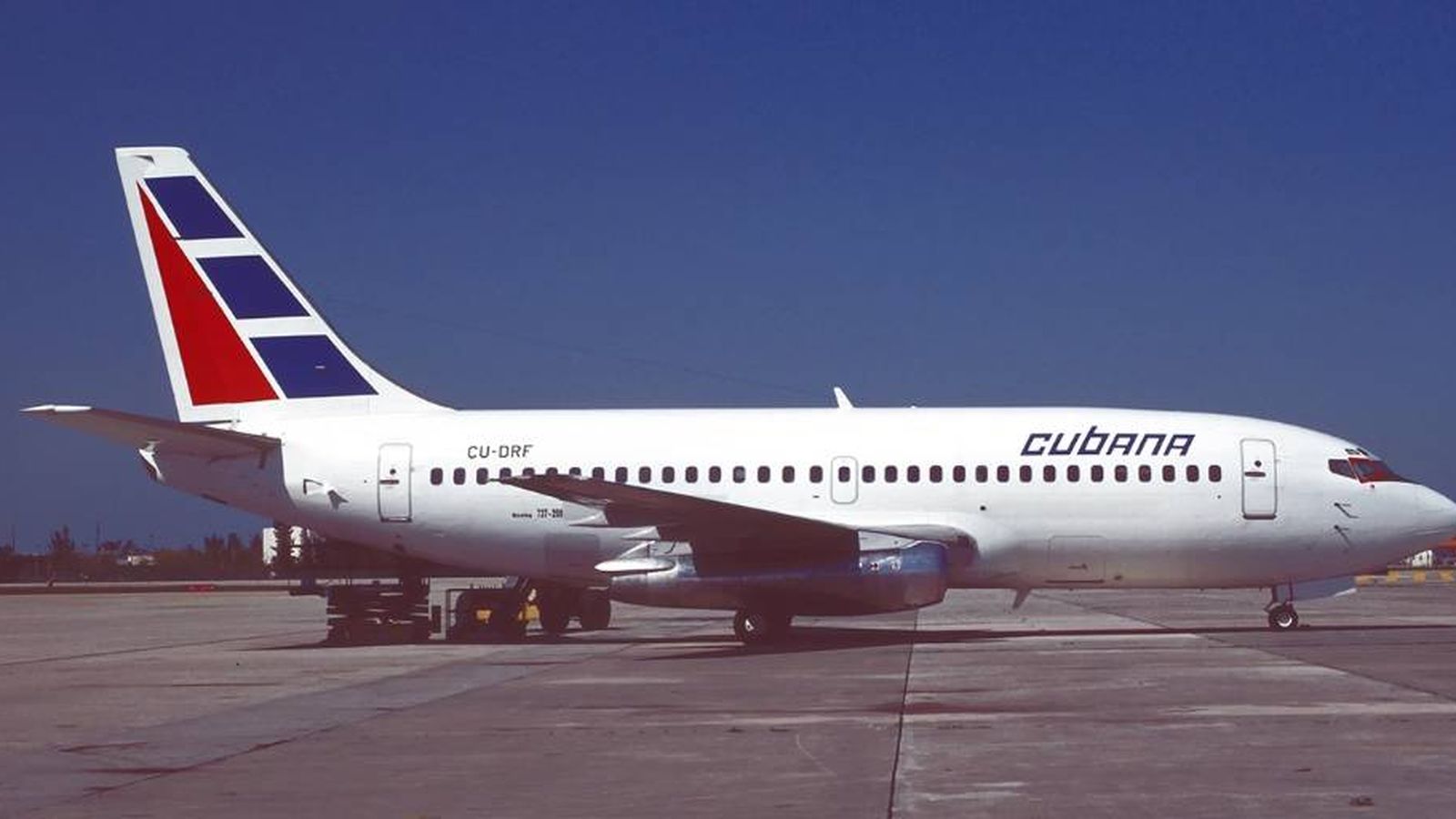
Estados Unidos prohibe explotar aeronaves americanas en Cuba

Las nuevas medidas de la Casa Blanca limitaría la aviación comercial de Cuba. Las nuevas medidaas implementadoas por la Administración estadounidense apunta a prohibir el arendamiento y/o de aeronaves estadounidenses como Boeing a Cuba.

La aerolínea Cubana de Aviación anunció la cancelación de algunos vuelos internacionales y a las provincias orientales de Santiago de Cuba y Holguín ante las recientes medidas coercitivas de Estados Unidos. La aerolínea comunicó que los destinos cancelados por el momento son: Ciudad de México, Cancún, Santo Domingo (República Dominicana), Caracas (Venezuela), Puerto Príncipe (Haití), Fort-de-France (Martinica) y Pointe-à-Pitre (Guadalupe).

El cese de contratos de arrendamientos ya suscritos por parte de compañías de arrendadores de terceros países ha limitado las capacidades de la aerolínea Cubana de Aviación para continuar con el actual organigrama de vuelos en la región. Cubana de Aviación confirmó que toma medidas para enfrentar esa situación impactada por las medidas anunciadas el pasado 18 Octubre 2019 por el Gobierno de Estados Unidos contra la isla caribeña cubana. Las nuevas acciones están relacionadas con la compra de productos con componentes norteamericanos y el arrendamiento de aeronaves y embarcaciones, entre otras. Las medidas endurecen el bloqueo vigente hace casi seis décadas contra la nación antillana e incluyen la transformación de la política de licencias para denegar los arrendamientos de aeronaves a aerolíneas estatales cubanas. Con las acciones se prohíbe la reexportación a la nación antillana de artículos extranjeros que contengan más del 10 por ciento de componentes estadounidenses.AW-Icon AW001

Resultado de imagen para Boeing 737 CubanaUS bans American licenses in Cuba

The United States prohibits the exploitation of American aircraft in Cuba

The new measures of the White House would limit the commercial aviation of Cuba. The new measures implemented by the US Administration aims to prohibit sanitation and/or US aircraft such as Boeing to Cuba.

The Cuban airline of Aviation announced the cancellation of some international flights and to the eastern provinces of Santiago de Cuba and Holguin due to the recent coercive measures of the United States. The airline said that the destinations canceled at the moment are: Mexico City, Cancun, Santo Domingo (Dominican Republic), Caracas (Venezuela), Port-au-Prince (Haiti), Fort-de-France (Martinique) and Pointe-à-Pitre (Guadalupe).

The cessation of lease agreements already signed by third-country leasing companies has limited the capabilities of the Cuban Aviation airline to continue with the current flow chart of flights in the region. Cubana de Aviacion confirmed that it takes measures to face this situation impacted by the measures announced on October 18, 2019 by the United States Government against the Cuban Caribbean island. The new actions are related to the purchase of products with North American components and the leasing of aircraft and vessels, among others. The measures tighten the blockade in force almost six decades ago against the Antillean nation and include the transformation of the licensing policy to deny aircraft leases to Cuban state airlines. The actions prohibit the re-export to the West Indian nation of foreign items that contain more than 10 percent of US components. AW-Icon AW002


Ξ A I R G W A Y S Ξ
SOURCE: Airgways.com
DBk: Transportation.gov / Wikipedia.org
AW-POST: 201910241034AR

A\W   A I R G W A Y S ®

Avances seguridad en Boeing

Resultado de imagen para Boeing headquartersAW | 2019 10 024 10:04 | INDUSTRY / AVIATION SAFETY

Boeing-Company-LogoAvances en seguridad hacia la nueva puesta en servicio Boeing 737 MAX

The Boeing Company ha logrado avances significativos en los últimos meses en apoyo de un regreso seguro del Boeing 737 MAX para dar servicio a medida que la empresa continúa trabajando con la Federal Aviation Administration (FAA) y otros reguladores globales en el proceso establecido para certificar el software del 737 MAX y actualizaciones de formación relacionados. La compañía ha acompañado a los cambios técnicos hechos en materia de gobernabilidad y cambios operacionales para afinar aún más su enfoque.

Acciones en Boeing

Además de proporcionar asistencia a los afectados por estos accidentes, equipos de todo Boeing y nuestros socios proveedores han estado trabajando para desarrollar las actualizaciones de software y realizar pruebas de vuelo relacionada, mejorar futuros materiales de formación de pilotos, atraer e informar a los reguladores, los clientes globales de las aerolíneas y nuestros proveedores, y apoyan la actual flota de aviones 737 MAX.

Apoyo para Víctimas Familias: Estos dos trágicos accidentes continúan pesando sobre todos en Boeing. Boeing ha establecido un fondo de ayuda de $ 100 millones para satisfacer las necesidades de los afectados por estos accidentes familia y la comunidad. Cincuenta millones de dólares se han destinado para el Fondo de Asistencia Financiera Boeing, que está diseñado para proporcionar ayuda financiera inmediata a las familias de las víctimas de los accidentes. Kenneth Feinberg y Camille Biros, reconocidos expertos en el establecimiento y la supervisión de fondos de compensación de las víctimas, han sido contratados para diseñar e independientemente administrar el Fondo de Asistencia Financiera Boeing, que ya ha comenzado a proporcionar alivio a las familias afectadas.

Actualización de Software y Pruebas de Vuelo: Se actualiza el software del Sistema de Aumento de las Características de Maniobra (MCAS) en el 737 MAX mediante la adición de tres capas adicionales de protección que evitarán accidentes como estos vuelvan a ocurrir. Hasta la fecha, se ha realizado más de 800 vuelos de prueba y producción con el software actualizado, por un total de más de 1.500 horas. La compañía está haciendo un progreso constante en la segunda actualización de software anunciado en junio de control de vuelo redundancia adicional ordenador. Alrededor de 445 participantes de más de 140 clientes y reguladores de todo el mundo, incluyendo la FAA, han participado en sesiones de simulador para experimentar la actualización de software MCAS propuesto. La semana pasada la compañía llevó a cabo con éxito un funcionamiento en seco de un vuelo de prueba de certificación.

Clientes y Grupos de interés: Boeing ha llevado a cabo 20 conferencias en todo el mundo, con más de 1.100 participantes de más de 250 organizaciones para ayudar a los operadores y los financieros se preparan para retornar al servicio. La compañía también está realizando llamadas técnicas semanales con los clientes en todo el mundo para ofrecer el apoyo más alta calidad y totalmente preparan la flota a regresar con seguridad al servicio cuando se levanta la tierra. Esto también incluye un desarrollo de un paquete integral de formación y recursos educativos. La compañía también está estrechamente enganchando con más de 900 proveedores para garantizar la estabilidad de la cadena de suministro.

Soporte Flota: Boeing está prestando apoyo al cliente las veinticuatro horas del día a través de su centro de operaciones globales al tiempo que ofrece al mismo tiempo el apoyo de la flota de más alta calidad para las compañías aéreas. Los equipos están aprovechando la analítica avanzada, vuelos, producción y pruebas in situ está listo para la flota para la entrada en servicio una vez que los reguladores levantar la tierra.

Cambios establecidos

Boeing está tomando medidas para aplicar las acciones previamente anunciadas para agudizar el enfoque en la seguridad de los productos y servicios. Desde el anuncio de cambios el 30 Septiembre 2019, se han efectuado cambios en respuesta a las recomendaciones de Consejo de Administración de la compañía.

Gobernanza y la supervisión: Un Comité de la Junta especialmente designado-llevaron a cabo una rigurosa revisión, cinco meses independiente de las políticas y procesos de la empresa e hicieron una serie de recomendaciones que se han adoptado. A principios de este mes, la compañía también anunció que su Consejo de Administración ha separado las funciones de Presidente y Director Ejecutivo para que el Presidente de Boeing y CEO Dennis Muilenburg pueda afilar su foco a tiempo completo en el funcionamiento de la empresa, cumpliendo los compromisos con los clientes, y el fortalecimiento del nuestro enfoque en la seguridad de los productos y servicios.

Gestión Enfoque de Seguridad e Ingeniería: El 30 Septiembre 2019, Boeing anunció la formación de un área de productos y servicios de organización de la seguridad que revisará todos los aspectos de la seguridad del producto y mantener la supervisión del equipo de investigación de accidentes y las juntas de revisión de seguridad de la empresa. El líder de la organización ha sido nombrado y el equipo ya ha comenzado a operar bajo su nuevo formato. Otros cambios introducidos incluyen el reajuste de la función de ingeniería, se establece un programa formal de los requisitos de diseño, mejorando nuestro programa de seguridad de funcionamiento continuo, la asociación con nuestros clientes de aerolíneas en diseños de la cubierta de vuelo que se siguen para anticipar las necesidades de las futuras poblaciones de piloto, y ampliar el alcance de nuestra Boeing Centro de Promoción de la seguridad.

Los pasos adicionales tomados: Boeing ha tomado medidas adicionales para aumentar su enfoque en la excelencia operativa y fortalecer la forma en que maneja la seguridad en toda la empresa, su cadena de suministro, y la comunidad aeroespacial más amplia, en un esfuerzo para avanzar en la seguridad de la aviación mundial. Se ha ampliado el uso de placas del sistema de gestión de la seguridad y el examen de la seguridad de normalizar la política de seguridad y compartir las mejores prácticas, dirigidos por el liderazgo ejecutivo de la compañía para mejorar la visibilidad. Boeing implementa el uso del Sistema de Reporte Anónimo para alentar a los empleados a seguir trayendo hacia adelante posibles problemas de seguridad. Boeing también está tomando medidas adicionales para hacer frente a la creciente necesidad de talento, especialmente los pilotos y técnicos de mantenimiento, por una mayor inversión en la educación en STEM. La compañía aeroespacial está invirtiendo fuertemente en áreas tales como el diseño del producto, las futuras cubiertas de vuelo, la infraestructura, la regulación y las nuevas tecnologías.

“Seguimos haciendo progresos constantes en un regreso seguro del 737 MAX para el servicio. Nuestros equipos Boeing se firme en su compromiso con nuestros clientes y nuestros valores, y los cambios que estamos implementando ahora fortalecerán aún más nuestro enfoque de la seguridad de nuestra compañía y la comunidad aeroespacial», dijo Dennis Muilenburg.

Resultado de imagen para Boeing Seattle headquartersBoeing security advances

Boeing-Logo.svg.pngAdvances in safety towards the new commissioning Boeing 737 MAX
The Boeing Company has made significant progress in recent months in support of a safe return of the Boeing 737 MAX to serve as the company continues to work with the Federal Aviation Administration (FAA) and other global regulators in the process established to certify the 737 MAX software and related training updates. The company has accompanied the technical changes made in governance and operational changes to further refine its approach.

Actions on Boeing

In addition to providing assistance to those affected by these accidents, teams from all over Boeing and our supplier partners have been working to develop software updates and perform related flight tests, improve future pilot training materials, attract and inform regulators, Global airline customers and our suppliers, and support the current fleet of 737 MAX aircraft.

Support for Victims Families: These two tragic accidents continue to weigh heavily on everyone in Boeing. Boeing has established a $ 100 million aid fund to meet the needs of those affected by these family and community accidents. Fifty million dollars have been allocated to the Boeing Financial Assistance Fund, which is designed to provide immediate financial assistance to the families of accident victims. Kenneth Feinberg and Camille Biros, renowned experts in the establishment and supervision of victims’ compensation funds, have been hired to design and independently administer the Boeing Financial Assistance Fund, which has already begun to provide relief to affected families.

AW-Boeing_737_MAX_1.jpgSoftware Update and Flight Testing: The Maneuvering Character Enhancement System (MCAS) software is updated in the 737 MAX by adding three additional layers of protection that will prevent accidents such as these from happening again. To date, more than 800 test and production flights have been made with the updated software, for a total of more than 1,500 hours. The company is making steady progress in the second software update announced in June for additional computer redundancy flight control. Around 445 participants from more than 140 clients and regulators around the world, including the FAA, have participated in simulator sessions to experience the proposed MCAS software update. Last week the company successfully carried out a dry run of a certification test flight.

Clients and Interest Groups: Boeing has held 20 conferences worldwide, with more than 1,100 participants from more than 250 organizations to help operators and financiers prepare to return to service. The company is also making weekly technical calls with customers worldwide to offer the highest quality support and fully prepare the fleet to return safely to service when the land is raised. This also includes the development of a comprehensive training and educational resources package. The company is also closely engaging with more than 900 suppliers to ensure the stability of the supply chain.

Fleet Support: Boeing is providing customer support twenty-four hours a day through its global operations center while offering the highest quality fleet support for airlines. The teams are taking advantage of advanced analytics, flights, production, and on-site testing is ready for the fleet for entry into service once regulators lift the land.

Resultado de imagen para Boeing Seattle headquarters

Established changes

Boeing is taking steps to apply the previously announced actions to sharpen the focus on the safety of products and services. Since the announcement of changes on September 30, 2019, changes have been made in response to the company’s Board of Director’s recommendations.

Governance and supervision: A specially appointed Board Committee carried out a rigorous review, five months independent of the company’s policies and processes and made a series of recommendations that have been adopted. Earlier this month, the company also announced that its Board of Directors has separated the functions of President and CEO so that Boeing President and CEO Dennis Muilenburg can sharpen their focus full time on the operation of the company, fulfilling the commitments to customers, and strengthening our focus on the safety of products and services.

Management Safety and Engineering Approach: On September 30, 2019, Boeing announced the formation of an area of ​​safety organization products and services that will review all aspects of product safety and maintain supervision of the accident investigation team and company security review boards. The leader of the organization has been appointed and the team has already started operating under its new format. Other changes introduced include the readjustment of the engineering function, a formal program of design requirements is established, improving our continuous operating safety program, the partnership with our airline customers on flight deck designs that are followed to anticipate the needs of future pilot populations and expand the reach of our Boeing Safety Promotion Center.

Additional steps are taken: Boeing has taken additional steps to increase its focus on operational excellence and strengthen the way it handles security throughout the company, its supply chain, and the wider aerospace community, in an effort to advance World aviation security. The use of security management system boards and the safety review to standardize security policy and share best practices, led by the company’s executive leadership to improve visibility, has been expanded. Boeing implements the use of the Anonymous Reporting System to encourage employees to continue bringing forward possible security problems. Boeing is also taking additional measures to address the growing need for talent, especially pilots and maintenance technicians, for greater investment in STEM education. The aerospace company is investing heavily in areas such as product design, future flight decks, infrastructure, regulation, and new technologies.

“We continue to make steady progress in a safe return of 737 MAX for the service. Our Boeing teams are firm in their commitment to our customers and our values, and the changes we are implementing now will further strengthen our approach to the safety of our company and the aerospace community”, said Dennis Muilenburg. AW-Icon AW002


Ξ A I R G W A Y S Ξ
SOURCE: Airgways.com
DBk: Boeing.com / Airgways.com
AW-POST: 201910241004AR

A\W   A I R G W A Y S ®


A220 gira por Asia Pacífico


aw-70085511.pngAW | 2019 10 24 09:17 | INDUSTRY

logo_airbus (2)Airbus lanza gira demostración A220 de la región del Pacífico
Airbus Group ha lanzado una extensa gira por la Región del Pacífico para mostrar el A220, su último miembro de la familia. El avión que se utiliza para la gira es un A220-300 arrendado del airBaltic de Letonia, que visitará nueve destinos en siete países. Estos incluirán tres paradas en Asia en el viaje de regreso a Europa.

La primera parada de la gira será la nación insular del Pacífico de Vanuatu, hogar del cliente de lanzamiento A220 de la región, Air Vanuatu. El avión visitará Australia (Sydney y Brisbane), Nueva Zelanda (Auckland), Nueva Caledonia (Noumea) y Papua Nueva Guinea (Port Moresby). En el camino de regreso a Europa, el avión se detendrá en Camboya (Phnom Penh) e India (Bangalore y Nueva Delhi). Durante la gira de demostración, el A220-300 se utilizará para exhibiciones estáticas en cada parada, así como vuelos de demostración para ejecutivos de aerolíneas y otros invitados.

El A220 es el único avión de diseño nuevo en el mercado de 100-150 asientos e incorpora tecnologías de vanguardia, el último diseño aerodinámico y motores de nueva generación. Juntos, estos avances generan ahorros de combustible de al menos un 20 por ciento en comparación con los aviones de generaciones anteriores de un tamaño similar. Además, el A220 ofrece una capacidad de alcance extendido de hasta 3,400 millas náuticas. Esto hace que la aeronave sea especialmente adecuada para el tipo de operaciones que se observan en la región del Pacífico, incluidas las operaciones de transporte de corto a mediano entre las diversas naciones isleñas, así como rutas más largas a Australia y Nueva Zelanda.

El airBaltic A220-300 está equipado con una cabina de pasajeros de clase única con 145 asientos. Como en todos los aviones A220, el diseño comprende tres asientos en un lado del pasillo y dos en el otro. La cabina es la más grande en su categoría de tamaño, con asientos de clase económica más amplios y espaciosos compartimentos superiores.

El A220 está disponible en dos versiones, con el A220-100 con capacidad para entre 100 y 130 pasajeros y el más grande A220-300 con capacidad entre 130 y 160 en los diseños de líneas aéreas típicos. A finales de septiembre de 2019, los clientes de todo el mundo habían realizado pedidos de 525 aviones A220 con 90 ya en servicio con seis operadores.AW-Icon AW001

Resultado de imagen para Airbus launches A220 demonstration tour Pacific regionA220 tour of Asia Pacific

Airbus launches A220 demonstration tour of the Pacific region

Airbus Group has launched an extensive tour of the Pacific Region to show the A220, its last member of the family. The plane used for the tour is an A220-300 leased from Latvia’s airBaltic, which will visit nine destinations in seven countries. These will include three stops in Asia on the trip back to Europe.

The first stop on the tour will be the Pacific island nation of Vanuatu, home of the region’s A220 launch customer, Air Vanuatu. The plane will visit Australia (Sydney and Brisbane), New Zealand (Auckland), New Caledonia (Noumea) and Papua New Guinea (Port Moresby). On the way back to Europe, the plane will stop in Cambodia (Phnom Penh) and India (Bangalore and New Delhi). During the demonstration tour, the A220-300 will be used for static displays at each stop, as well as demonstration flights for airline executives and other guests.

Air_Baltic-_YL-CSK-_Airbus_A220-300_-44552065904-.jpg

The A220 is the only new design aircraft in the market for 100-150 seats and incorporates cutting-edge technologies, the latest aerodynamic design, and new-generation engines. Together, these advances generate fuel savings of at least 20 percent compared to aircraft of previous generations of a similar size. In addition, the A220 offers an extended range capability of up to 3,400 nautical miles. This makes the aircraft especially suitable for the type of operations observed in the Pacific region, including short-to-medium transport operations between the various island nations, as well as longer routes to Australia and New Zealand.

The airBaltic A220-300 is equipped with a single-class passenger cabin with 145 seats. As with all A220 aircraft, the design comprises three seats on one side of the aisle and two on the other. The cabin is the largest in its size category, with wider economy class seats and spacious upper compartments.

The A220 is available in two versions, with the A220-100 with capacity for between 100 and 130 passengers and the largest A220-300 with capacity between 130 and 160 in typical airline designs. At the end of September 2019, customers around the world had placed orders for 525 A220 aircraft with 90 already in service with six operators. AW-Icon AW002


Ξ A I R G W A Y S Ξ
SOURCE: Airgways.com
DBk: Airbus.com / Airgways.com
AW-POST: 201910240917AR

A\W   A I R G W A Y S ®

Flybondi presentó oferta 2020

Resultado de imagen para flybondiAW | 2019 10 23 21:53 | AIRLINES

Isologotype FBFlybondi ha presentado ofertas de vuelos para 2020

La compañía low cost de Argentina Flybondi Líneas Aéreas ha presentado en su página web las ofertas de tickets aéreos para el año 2020. Los usuarios podrán adquirir los pasajes hasta Diciembre 2020 que incluye los 17 destinos domésticos y regionales. La aerolínea viene creciendo consecutivamente, marcando su mejor performance en Septiembre 2019, y durante el último fin de semana largo, tuvo niveles de ocupación récord.

Flybondi la primera aerolínea ultra low cost de Argentina, lanzó a la venta su itinerario de rutas para el próximo año, con la posibilidad de adquirir pasajes hasta Diciembre 2020, disponiendo a la venta más de 1.200.000 asientos para sus diecisiete destinos, de los cuales 14 son nacionales y 3 internacionales, con la incorporación en Diciembre 2019 de Florianópolis a las rutas regionales.

Ampliación de rutas

El proceso de expansión de Flybondi parece tomar color a pesr d la crisis económica de Argentina. Para mediados de Marzo/Abil 2020 incorporarían tres nuevas rutas regionales. Los destinos no están oficialmente confirmados, pero mucho se apunta a rutas del litoral brasileño, entre ellas Maceió.

La ruta Buenos Aires/El Palomar-Río de Janeiro/Galeao suma una frecuencia más a partir de Diciembre 2019. Actualmente cuenta con 3 frecuencias semanales (3Frq/S) los Miércoles, Viernes y Domingos, y gracias a la alta demanda, sumará una cuarta los días Lunes. Florianópolis, que comenzará sus vuelos el 19 Diciembre 2019, incorporará también una cuarta nueva frecuencia a las proyectadas tres iniciales para la apertura de ruta. La aerolínea ha tenido que modificar sus horarios y días de vuelos por las restricciones impuestas al Aeropuerto Internacional El Palomar. Flybondi unirá Buenos Aires-Florianópollis los días Martes, Jueves, Sábados y Domingos. el organigrama de los vuelos serán: Buenos Aires-Florianópolis: 17:00-18:55 hs; Florianópolis-Buenos Aires: 19:40-21:45 hs.

AW-700Flybondi.jpgCrecimiento sostenido

El lanzamiento de toda su oferta futura se enmarca en un ritmo de crecimiento sostenido que la compañía viene teniendo en sus veinte meses de operación, posicionándose por cuarto mes consecutivo como una de las aerolíneas con mejor nivel de ocupación del país, alcanzando el pimer puesto en Septiembre 2019. Con similares cifras, terminó el fin de semana largo de Octubre 2019, en los que tuvo récord histórico de pasajeros, con niveles de entre 86-94% en factor de ocupación. En cuanto a la puntualidad, la aerolínea low cost ha acumulado anualmente una mejora constante, marcando un hito de 92% en 10/2019.

El afianzamiento en el mercado aerocomercial en 2019 ha permitido a Flybondi ser la tercer aerolínea más grande del país, con una cuota d mercado del 8% en vuelos domésticos. Desde su inicio de operación, transportó a más de 2 millones de pasajeros, de los cuales más de 400.000 son personas que volaron por primera vez en su vida.AW-Icon AW001

0029291536.jpgFlybondi presented offer 2020

large_logoFlybondi has submitted flight offers for 2020

The low-cost company of Argentina Flybondi Líneas Aéreas has presented on its website the offers of air tickets for the year 2020. Users can purchase tickets until December 2020 that includes the 17 domestic and regional destinations. The airline has been growing consecutively, marking its best performance in September 2019, and during the last long weekend, it had record occupancy levels.

Flybondi, the first ultra low cost airline in Argentina, launched its route itinerary for sale next year, with the possibility of purchasing tickets until December 2020, with more than 1,200,000 seats for its seventeen destinations, of which 14 of them are national and 3 international, with the incorporation in December 2019 of Florianopolis to regional routes.

Route Expansion

Flybondi’s expansion process seems to take color despite the economic crisis in Argentina. By mid-March/April 2020 they would incorporate three new regional routes. The destinations are not officially confirmed, but much points to routes along the Brazilian coast, including Maceió.

The route Buenos Aires/El Palomar-Rio de Janeiro/Galeão adds one more frequency as of December 2019. It currently has 3 weekly frequencies (3Frq/S) on Wednesdays, Fridays, and Sundays, and thanks to high demand, it will add a Fourth on Monday. Florianópolis, which will begin its flights on December 19, 2019, will also incorporate a fourth new frequency to the planned three initials for the route opening. The airline has had to modify its flight schedules and days due to restrictions imposed on El Palomar International Airport. Flybondi will join Buenos Aires-Florianópolis on Tuesdays, Thursdays, Saturdays, and Sundays. The organization chart of the flights will be Buenos Aires-Florianopolis: 17:00-18:30; Florianópolis-Buenos Aires: 19:40-21:45 hours.

Sustained growth

The launch of all its future offer is framed in a sustained growth rate that the company has had in its twenty months of operation, positioning itself for the fourth consecutive month as one of the airlines with the best occupancy level in the country, reaching the first place on September 2019. With similar figures, the long weekend of October 2019 ended, in which it had a historical passenger record, with levels of between 86-94% in occupancy factor. Regarding punctuality, the low-cost airline has accumulated a constant improvement annually, marking a 92% milestone in 10/2019.

The consolidation in the commercial air market in 2019 has allowed Flybondi to be the third largest airline in the country, with a market share of 8% on domestic flights. Since its inception, it transported more than 2 million passengers, of which more than 400,000 are people who flew for the first time in its life. AW-Icon AW002


Ξ A I R G W A Y S Ξ
SOURCE: Airgways.com
DBk: Flybondi.com / Melhoresdestinos.com.br / Airgways.com
AW-POST: 201910232153AR

A\W   A I R G W A Y S ®