Embraer designará nuevo CEO

Image result for Embraer sede sao jose dos camposAW | 2019 04 10 21:05 | INDUSTRY

embraer logoEmpresa brasileña Embraer nombrará nuevo presidente

Embraer anuncia que la nominación de Francisco Gomes Neto que se presentará al Consejo de Administración para el cargo de Presidente y CEO, que sucederá a Paulo Cesar de Souza e Silva. La elección se llevará a cabo durante la reunión de la Junta, después de la Asamblea General de Accionistas programada para el 22 Abril 2019.

Francisco Gomes Neto, con una licenciatura en Ingeniería Eléctrica, una especialización en Administración de Empresas y un MBA en Contraloría y Finanzas, desarrolló su carrera en la industria automotriz, ocupando cargos de CEO en los últimos 20 años, tanto en Brasil como en Estados Unidos. En los últimos tres años, se ha desempeñado como CEO de Marcopolo, en el que lideró con éxito la transformación de la compañía, generando un fuerte crecimiento en las ventas y un valor de mercado para el negocio. Anteriormente, fue Director Ejecutivo para América de Mann + Hummel y Presidente de Knorr Bremse (líder mundial en sistemas de control para vehículos comerciales), entre otras posiciones de liderazgo. «Con una vasta experiencia internacional y un enfoque en la gestión del sector industrial, estoy seguro de que Francisco Gomes Neto tiene el perfil y las competencias correctas para guiar a Embraer en este período de transformación de la empresa y del sector aeroespacial mundial», dijo Alexandre Silva, Presidente de Consejo de Administración de Embraer, sobre la nominación.

Después de la Junta General de Accionistas, que se celebrará el 22 Abril 2019, Paulo Cesar de Souza e Silva asumirá el cargo de asesor principal del Consejo de Administración, durante la incorporación del nuevo Presidente y CEO y durante toda la segregación de activos y Recursos del negocio de aviación comercial, hasta la finalización de la asociación con Boeing.AW-Icon-TXT-01

Image result for Embraer sedeEmbraer will appoint new CEO

1280px-Embraer_logo.svgBrazilian company Embraer will name new president

Embraer announces that the nomination of Francisco Gomes Neto will be presented to the Board of Directors for the position of President and CEO, which will succeed Paulo Cesar de Souza e Silva. The election will take place during the meeting of the Board, after the General Assembly of Shareholders scheduled for April 22, 2019.

Francisco Gomes Neto, with a degree in Electrical Engineering, a specialization in Business Administration and an MBA in Comptroller and Finance, developed his career in the automotive industry, occupying positions of CEO in the last 20 years, both in Brazil and the United States . In the last three years, he has served as CEO of Marcopolo, where he successfully led the transformation of the company, generating strong growth in sales and market value for the business. Previously, he was Executive Director for America of Mann + Hummel and President of Knorr Bremse (world leader in control systems for commercial vehicles), among other leadership positions. «With a vast international experience and a focus on the management of the industrial sector, I am sure that Francisco Gomes Neto has the profile and the right skills to guide Embraer in this period of transformation of the company and the global aerospace sector», he said. Alexandre Silva, chairman of Embraer’s Board of Directors, on the nomination.

After the General Shareholders’ Meeting, which will be held on April 22, 2019, Paulo Cesar de Souza e Silva will assume the position of principal advisor to the Board of Directors, during the incorporation of the new Chairman and CEO and throughout the segregation of assets and Resources. from the business of commercial aviation, until the end of the partnership with Boeing. A \ W

Image result for Embraer sedeEmbraer indicará novo CEO

embraer logo (1).jpgEmpresa brasileira Embraer vai nomear novo presidente

Embraer anuncia que a nomeação de Francisco Gomes Neto para ser apresentado ao Conselho para o cargo de Presidente e CEO, vai acontecer com Paulo Cesar de Souza e Silva. A eleição ocorrerá durante a reunião do Conselho, após a Assembléia Geral de Acionistas marcada para 22 de abril de 2019.

Francisco Gomes Neto, com uma licenciatura em Engenharia Elétrica, com especialização em Administração de Empresas e MBA em Controladoria e Finanças, desenvolveu sua carreira na indústria automobilística, ocupando cargos de CEO ao longo dos últimos 20 anos, tanto no Brasil e nos Estados Unidos. Nos últimos três anos, atuou como CEO da Marcopolo, onde liderou com sucesso a transformação da empresa, gerando forte crescimento em vendas e valor de mercado para o negócio. Anteriormente, ele foi Diretor Executivo para a América da Mann + Hummel e Presidente da Knorr Bremse (líder mundial em sistemas de controle para veículos comerciais), entre outras posições de liderança. «Com uma vasta experiência internacional e foco na gestão do sector industrial, tenho certeza de que Francisco Gomes Neto tem o perfil e as competências adequadas para orientar Embraer neste período de transformação da sociedade ea indústria aeroespacial global», disse ele Alexandre Silva, presidente do Conselho de Administração da Embraer, sobre a nomeação.

Após a Assembleia Geral, a ser realizada em 22 de abril de 2019 Paulo Cesar de Souza e Silva vai assumir como o principal assessor do Conselho de Administração, durante a incorporação do novo Presidente e CEO e durante todo a segregação dos ativos e recursos dos negócios da aviação comercial, até o final da parceria com a Boeing. A \ W


Ξ A I R G W A Y S Ξ
SOURCE: Airgways.com
DBk: Embraer.com
AW-POST: 201904102105AR

A\W   A I R G W A Y S ®

Reglas equipaje de mano en Brasil

IMG_0014.JPGAW | 2019 04 10 20:28 | AIRLINES

Las compañías aéreas brasileñas intensifican las reglas de embarque con maletas de mano

Las aerolíneas brasileñas comenzarán a aplicar con más rigor las reglas para que los pasajeros lleven maletas de mano en los aviones. La fiscalización más intensa, que será implementada por fases a partir de hoy 10 Abril hasta el 24 Abril 2019, fue anunciada por la Asociación Brasileña de las Empresas Aéreas (ABEAR). Según ABEAR, el pasajero que intente embarcar con un equipaje de mano mayor que el tamaño permitido necesitará despacharla, pagando por el servicio. «A partir de mayo, se necesitan las bolsas fuera de la norma que comprobar en los registros de entrada de las aerolíneas y están sujetos a cargos de acuerdo con el tipo de franquicia contratado para el viaje», dijo el comunicado.

La asociación afirma que la decisión pretende «agilizar el flujo de clientes en el envío, evitando retrasos y proporcionando una mayor comodidad para todos los pasajeros», ya que desde el comienzo de la recogida del equipaje facturado, muchos pasajeros comenzaron a tomar bolsos más grandes dentro de la aeronave. De acuerdo con las empresas, esa acción de los clientes acaba dejando las cabinas de los aviones sin espacio, causando problemas y retrasos dentro de los vuelos. En total, 15 aeropuertos estarán participar en la fase de ejecución de la medida, informar a los pasajeros las reglas para un equipaje que se clasifica como una mano.

Image result for Bim baggage aircraft

El ABER también establece que la acción para comprobar el tamaño de las bolsas se hará antes de la radiografía, y se utilizará una caja con las medidas permitidas para verificar que las bolsas están dentro de la norma.

Las compañías aéreas van a impedir maletas de mano con un tamaño mayor que el estándar internacional. De acuerdo con las normas internacionales de la IATA (Asociación Internacional de Transporte Aéreo), el equipaje de mano puede tener 35 cm de ancho, 25 cm de profundidad y 55 cm de alto. Esta medida vale para todas las compañías aéreas. Si la maleta cubre dentro de la caja, el pasajero puede seguir y embarcar normalmente. En caso de que la maleta no entre, el cliente deberá despacharla en el área de check-in.AW-Icon-TXT-01

IMG_0562.JPGRules for hand luggage in Brazil

Brazilian airlines intensify boarding rules with hand luggage

Brazilian airlines will begin to apply the rules more rigorously so that passengers carry suitcases on planes. The most intense inspection, which will be implemented in phases from today 10 April to 24 April 2019, was announced by the Brazilian Association of Air Companies (ABEAR). According to ABEAR, the passenger who tries to embark with a hand luggage larger than the allowed size will need to dispatch it, paying for the service. «Starting in May, we need out-of-standard bags to check the airline’s entry records and are subject to charges according to the type of franchise contracted for the trip», the statement said.

The association states that the decision aims to «streamline the flow of customers in the shipment, avoiding delays and providing greater comfort for all passengers», since from the beginning of the collection of checked baggage, many passengers began to take larger bags inside the aircraft. According to the companies, this action of the clients ends up leaving the cabins of the planes without space, causing problems and delays inside the flights. In total, 15 airports will be participating in the implementation phase of the measure, informing passengers the rules for a baggage that is classified as a hand.

The ABER also states that the action to check the size of the bags will be done before the radiography, and a box with the permitted measures will be used to verify that the bags are within the norm.

Airlines will prevent hand luggage with a size larger than the international standard. According to the international standards of the IATA (International Air Transport Association), carry-on luggage can be 35 cm wide, 25 cm deep and 55 cm high. This measure is valid for all airlines. If the suitcase covers inside the box, the passenger can follow and board normally. In case the suitcase does not enter, the client must send it to the check-in area. A \ W

Image result for abear brasil mala maoRegras para bagagem de mão no Brasil

Linhas aéreas brasileiras intensificam regras de embarque com bagagem de mão

As companhias aéreas brasileiras começarão a aplicar as regras com mais rigor para que os passageiros carreguem malas nos aviões. A inspeção mais intensa, que será implementada em fases, de hoje, 10 de abril a 24 de abril de 2019, foi anunciada pela Associação Brasileira de Empresas Aéreas (ABEAR). Segundo a ABEAR, o passageiro que tentar embarcar com uma bagagem de mão maior que o tamanho permitido precisará despachá-la, pagando pelo serviço. «A partir de maio, os sacos fora da norma para verificar os registos de entrada de companhias aéreas e estão sujeitos a encargos de acordo com o tipo de franquia contratados para a viagem são necessários», disse o comunicado.

A associação alega que a decisão visa «agilizar o fluxo de clientes no transporte, evitando atrasos e proporcionando maior conforto para todos os passageiros», já que desde o início da recolha de bagagem despachada, muitos passageiros começaram a tomar sacos maiores dentro da aeronave. Segundo as empresas, essa ação dos clientes acaba deixando as cabines dos aviões sem espaço, causando problemas e atrasos nos vôos. No total, 15 aeroportos estarão participando da fase de implementação da medida, informando aos passageiros as regras para uma bagagem classificada como uma mão.

Aber também afirma que a ação para verificar o tamanho dos sacos será feita antes radiografia e uma caixa será utilizado para medidas permitiram verificar que os sacos estão dentro da norma.

Image result for abear brasil mala mao

As companhias aéreas impedirão a bagagem de mão com um tamanho maior que o padrão internacional. De acordo com os padrões internacionais da IATA (Associação Internacional de Transporte Aéreo), a bagagem de mão pode ter 35 cm de largura, 25 cm de profundidade e 55 cm de altura. Esta medida é válida para todas as companhias aéreas. Se a mala for coberta dentro da caixa, o passageiro pode seguir e embarcar normalmente. Caso a mala não entre, o cliente deve enviá-la para a área de check-in. A \ W


Ξ A I R G W A Y S Ξ
SOURCE: Airgways.com
DBk: Agenciaabear.com.br / Exame.abril.com.br / Airgways.com / Travelandleisure.com
AW-POST: 201904102028AR

A\W   A I R G W A Y S ®

Estudio de formación de hielo

Image result for NRC studies aircraft icing

AW | 2019 04 10 20:04 | ENGINEERING / AVIATION SAFETY

Image result for NRC Canada logoLa National Research Council of Canada (NRC) estudia la formación de hielo en aeronaves

El Consejo Nacional de Investigación de Canadá (NRC) completó en Marzo 2019 un proyecto de seis semanas bajo el Programa de Investigación de Meteorología Aérea de la Federal Aviation Administration (FAA). La colaboración entre el Centro Nacional de Investigación Atmosférica, Medio Ambiente y Cambio Climático de los Estados Unidos (NCAR) y otras agencias estadounidenses y europeas reunieron datos que algún día podrían ayudar a mejorar los modelos meteorológicos y los pronósticos para todas las condiciones de congelación.

Vuelo AE-4184

El 31 Octubre 1994, el vuelo American Eagle Flight AE4184 se estrelló en un campo en ruta desde Indianápolis, Indiana, a Chicago, Illinois, y mató a los 68 pasajeros y la tripulación a bordo. Según la Junta Nacional de Seguridad del Transporte (NTSB), entre las causas probables de la pérdida del control del ATR 72 fue «una repentina e inesperada inversión del momento de la bisagra del alerón que se produjo después de una capa de hielo acrecentada más allá de las botas de hielo». Entre los factores que contribuyeron, la NTSB dijo que había una falta de información en los manuales de vuelo y en los programas de entrenamiento de la tripulación de vuelo sobre los «efectos previamente conocidos de la precipitación por congelación en la estabilidad y las características de control, el piloto automático y los procedimientos operativos relacionados» de la aeronave. También lo fue la falla de la Administración Federal de Aviación (FAA) en “garantizar que los requisitos de certificación de engelamiento de aeronaves, los requisitos operacionales para el vuelo a condiciones de engelamiento, y la FAA publicaron la información de engelamiento de aeronaves adecuadamente representando los peligros que pueden resultar de un vuelo en una lluvia helada y otros engelamiento. condiciones”.

Si hubo un resultado positivo del trágico accidente, el accidente provocó décadas de investigación para comprender mejor los efectos de la acumulación de hielo en los aviones, así como nuevas regulaciones y estándares de certificación de aviones para reducir la probabilidad de futuros desastres. Aún así, los accidentes causados ​​por la formación de hielo durante el vuelo continúan siendo una tragedia recurrente para la aviación.

Proyecto ICICLE

Conocido como ICICLE (In-Cloud ICing y Large-Drop Experiment), el proyecto involucró más de 100 horas de vuelo a través de varios estados de formación de hielo (frío extremo, gotas grandes, lluvia helada, llovizna de congelación) para probar si las herramientas y sensores a bordo y el suelo Los radares basados ​​en datos pueden diferenciar entre diferentes entornos de formación de hielo. Los datos se recopilaron utilizando el Convair 580 de la NRC, un avión bimotor de investigación equipado con más de 30 sensores instalados en todo el avión y a través de entradas diseñadas para traer aire para el muestreo. «Es una instrumentación bastante extensa en términos de detección de nubes y aerosoles», dijo Mengistu Wolde, un alto funcionario de investigación de la NRC y el líder del proyecto. «Tomamos medidas de la microfísica de la nube, desde el tamaño del aerosol (partículas), núcleos de condensación de la nube, hasta partículas de precipitación de gran tamaño en centímetros».

Image result for National Research Council of Canada (NRC) aircraftEN LA FOTO SE MUESTRA LA ACUMULACIÓN / ACUMULACIÓN DE HIELO EN EL PARABRISAS DEL CONVAIR. EL PILOTO DE NRC BRYAN CARROTHERS SE MUESTRA EN LA CUBIERTA DE VUELO

El equipo de 11 investigadores, incluidos siete de la NRC, también tomó mediciones extensivas de los estados atmosféricos para crear perfiles tridimensionales de temperatura y humedad. Además de la detección in situ de datos en la ubicación de la aeronave, el Convair también tenía sistemas de detección remota. Estos incluían tres radares de frecuencia diferentes para proporcionar información sobre las estructuras de nubes arriba, abajo y a los lados de la aeronave: «Te da una imagen tridimensional de cómo están estructuradas las nubes», dijeron Wolde y LiDAR (Detección de luz y rango) para identificar la ubicación de gotas súper frías.

El proyecto, que se basó en Rockford, Illinois, al oeste de Chicago, se basó en el apoyo en tierra de varios sitios instrumentados y en la comunicación por satélite en tiempo real para dirigir la aeronave a condiciones óptimas de nube. La zona de vuelo en sí se extendió desde Wisconsin y el sur del Lago Superior hasta Michigan, y hasta el sur de Kentucky, pero la mayoría de los vuelos se realizaron adyacentes a la mitad sur del lago Michigan, donde las nubes probablemente traerían lluvia helada y llovizna.

Entre los muchos objetivos de ICICLE, los investigadores esperan mejorar algunos de los modelos de pronóstico desarrollados en los últimos años. Wolde señaló que los programas de engelamiento financiados por la FAA durante la última década han resultado en nuevas herramientas de algoritmos basados ​​en datos satelitales de alta resolución y radares terrestres para ayudar a los pilotos a detectar y evitar el deterioro de las condiciones.

Aunque muchas aeronaves tienen sensores para indicar la acumulación de hielo y pueden acceder a sistemas satelitales o terrestres para obtener información en tiempo real sobre las condiciones meteorológicas en una trayectoria de vuelo planeada, «la aerodinámica de las aeronaves puede verse muy deteriorada o incluso destruida por un entorno de engelamiento particular», dijo Anthony Brown, piloto de pruebas del ingeniero de investigación de la NRC.

Las mejoras en la predicción del modelo de clima numérico y los avances del sistema de radar terrestre podrían significar información más precisa. Los mejores modelos de predicción y una mejor comprensión de los efectos que pueden ocurrir cuando una aeronave realiza transiciones a través de diferentes condiciones de formación de hielo, como las grandes gotas y la llovizna, podrían mejorar significativamente la seguridad del vuelo. Saber qué tan rápido están empeorando las condiciones de congelación también ayudaría a los aeródromos a determinar cuándo o si cerrar, ya que los sistemas meteorológicos pasan por encima. Cuanto antes se pueda anticipar, mejor será para los aviones que están en vuelo o los que están a punto de despegar que puedan cambiar sus planes de vuelo y hacer otra cosa. Estos detalles son los que Anthony Brown ha experimentado como ingeniero de investigación de la NRC.

Aunque no era una parte principal de la misión, los investigadores del NRC también probaron la nueva tecnología de sensores desarrollada recientemente por la industria. «NRC ha estado trabajando con compañías para desarrollar y validar nuevos sensores», dijo Wolde. Volar a través de glaseado pesado no es para los débiles de corazón. La experiencia y el tipo de aeronave cuentan mucho, dijo Brown. Antes de unirse a la NRC en 2002, voló en Europa y realizó investigaciones de vuelo en Australia, a menudo volando al sur de Nueva Zelanda y hasta Japón en entornos de nubes de hielo similar a América del Norte. Cuando vio por primera vez el Convair 580, Brown admitió que tenía sus dudas sobre qué tan bien se desempeñaría. «Tiene algunas características que se ven bien y otras que no se ven tan bien».

Pero inmediatamente se lanzó a las campañas de Alliance Icing Research Studies (AIRS) II que la NRC estaba llevando a cabo con agencias estadounidenses y europeas en ese momento, y descubrió que el diseño del Convair y su sistema de protección contra el hielo eran verdaderamente únicos. «Es muy raro que la aerodinámica mejore con la formación de hielo», dijo Brown. «En mi experiencia, el NRC Convair es la mejor plataforma de engelamiento en vuelo que he encontrado para entornos de engelamiento muy severos». De hecho, la acumulación de hielo en las puntas de algunos de los sensores, en lugar del propio avión, en ocasiones obligó al equipo a caer o elevarse a un aire más cálido para permitir que los sensores se calienten antes de que los investigadores puedan continuar con las mediciones. «Los sensores a veces no pueden hacer frente al entorno en el que volamos», dijo Wolde.

Durante los próximos seis meses, NRC y los científicos afiliados realizarán un control de calidad de los datos antes de distribuirlos a la comunidad internacional de investigación para su análisis. Wolde dijo que los cambios en los modelos de predicción o la certificación de aeronaves probablemente estén a muchos años de distancia, pero a medida que los investigadores revisan la información, en un año o dos podría obtener algunos ajustes de los modelos.AW-Icon-TXT-01

Image result for NRC studies ICICLEIce formation study

The National Research Council of Canada (NRC) studies the formation of ice on aircraft

The National Research Council of Canada (NRC) completed a six-week project in March 2019 under the Air Meteorology Research Program of the Federal Aviation Administration (FAA). The collaboration between the National Center for Atmospheric Research, Environment and Climate Change of the United States (NCAR) and other US and European agencies gathered data that could one day help improve weather models and forecasts for all freezing conditions.

Flight AE-4184

On October 31, 1994, the American Eagle Flight 4184 flight crashed in a field en route from Indianapolis, Indiana, to Chicago, Illinois, and killed the 68 passengers and crew aboard. According to the National Transportation Safety Board (NTSB), among the probable causes of the loss of control of the ATR 72 was «a sudden and unexpected reversal of the moment of the aileron hinge that occurred after a layer of ice increased beyond the ice boots». Among the factors that contributed, the NTSB said there was a lack of information in the flight manuals and in the flight crew training programs on the «previously known effects of freeze precipitation on stability and control characteristics, the autopilot and related operational procedures of the aircraft. So was the failure of the Federal Aviation Administration (FAA) to ensure that the aircraft icing certification requirements, the operational requirements for the flight to icing conditions, and the FAA published the aircraft icing information properly representing the dangers that can result from a flight in an icy rain and other icing. terms».

If there was a positive outcome of the tragic accident, the accident caused decades of research to better understand the effects of ice buildup on aircraft, as well as new regulations and aircraft certification standards to reduce the likelihood of future disasters. Even so, accidents caused by the formation of ice during the flight continue to be a recurring tragedy for aviation.

PICTURED IS THE NRC’S CONVAIR AIRCRAFT ON FEB. 14 BEFORE A FLIGHT. SOME OF THE SENSORS AND THE HOUSING FOR THE NRC W AND X-BAND RADAR (NAWX) CAN BE SEEN

Known as ICICLE (In-Cloud ICing and Large-Drop Experiment), the project involved more than 100 flight hours through various states of icing (extreme cold, large drops, freezing rain, freezing drizzle) to test whether on-board tools and sensors and the ground Data-based radars can differentiate between different ice formation environments. The data was collected using the NRC Convair 580, a twin-engine research aircraft equipped with more than 30 sensors installed throughout the aircraft and through inputs designed to draw air for sampling. «It’s a fairly extensive instrumentation in terms of cloud and aerosol detection», said Mengistu Wolde, a senior NRC research officer and project leader. «We take measurements of cloud microphysics, from the size of the aerosol (particles), condensation nuclei of the cloud, to particles of large precipitation in centimeters».

The team of 11 researchers, including seven from the NRC, also took extensive measurements of weather to create three-dimensional profiles of temperature and humidity. In addition to in situ detection of data at the location of the aircraft, the Convair also had remote sensing systems. These included three different frequency radars to provide information about cloud structures above, below and to the sides of the aircraft: «It gives you a three-dimensional image of how clouds are structured», said Wolde and LiDAR (Light and Range Detection) to identify the location of super cold drops.

The project, which was based in Rockford, Illinois, west of Chicago, relied on ground support from several instrumented sites and real-time satellite communication to direct the aircraft to optimal cloud conditions. The flight zone itself extended from Wisconsin and south of Lake Superior to Michigan, and to southern Kentucky, but most of the flights were made adjacent to the southern half of Lake Michigan, where the clouds would likely bring freezing rain and drizzle.

Among the many objectives of ICICLE, researchers hope to improve some of the forecast models developed in recent years. Wolde noted that the icing programs funded by the FAA over the past decade have resulted in new algorithm tools based on high resolution satellite data and ground radars to help pilots detect and prevent deteriorating conditions.

Although many aircraft have sensors to indicate the accumulation of ice and can access satellite or terrestrial systems to obtain real-time information about the weather conditions in a planned flight path, «the aerodynamics of aircraft can be very deteriorated or even destroyed by a particular icing environment», said Anthony Brown, test pilot for the NRC’s research engineer.

Improvements in the prediction of the numerical climate model and the advances of the ground radar system could mean more accurate information. The best prediction models and a better understanding of the effects that can occur when an aircraft transitions through different icing conditions, such as large drops and drizzle, could significantly improve flight safety. Knowing how fast the freezing conditions are worsening would also help aerodromes determine when or if to close, as weather systems pass overhead. The sooner you can anticipate, the better it will be for airplanes that are in flight or those that are about to take off that can change their flight plans and do something else. These details are what Anthony Brown has experienced as an NRC research engineer.

Although it was not a main part of the mission, the NRC researchers also tested the new sensor technology recently developed by the industry. «NRC has been working with companies to develop and validate new sensors», Wolde said. Flying through heavy frosting is not for the faint of heart. The experience and the type of aircraft count a lot, Brown said. Prior to joining the NRC in 2002, he flew in Europe and conducted flight research in Australia, often flying to southern New Zealand and to Japan in ice cloud environments similar to North America. When he first saw the Convair 580, Brown admitted that he had his doubts about how well it would perform. «It has some features that look good and others that do not look so good».

But he immediately launched into the Alliance Icing Research Studies (AIRS) II campaigns that the NRC was carrying out with US and European agencies at that time, and discovered that the design of the Convair and its ice protection system were truly unique. «It’s very rare that aerodynamics improve with the formation of ice», Brown said. «In my experience, the NRC Convair is the best in-flight icing platform I have found for very severe icing environments». In fact, the accumulation of ice at the tips of some of the sensors, instead of the airplane itself, sometimes forced the team to fall or rise to a warmer air to allow the sensors to warm up before the researchers can continue with the measurements. «Sensors sometimes can not cope with the environment in which we fly», Wolde said.

Over the next six months, NRC and the affiliated scientists will perform data quality control before distributing them to the international research community for analysis. Wolde said that changes in prediction models or aircraft certification are probably many years away, but as researchers review the information, in a year or two it could get some model adjustments. A \ W


Ξ A I R G W A Y S Ξ
SOURCE: Airgways.com
DBk: Nrc.canada.ca / Ncar.ucar.edu / Skiesmag.com
AW-POST: 201904102004AR

A\W   A I R G W A Y S ®

Boeing | Entregas 1Q2019

Resultado de imagen para Boeing Renton

AW | 2019 04 10 16:37 | INDUSTRY

Boeing-Logo.svg.pngBoeing informa las entregas del primer trimestre

The Boeing Company anunció hoy las entregas en sus operaciones comerciales y de defensa para el primer trimestre de 2019. Las principales entregas de programas durante el primer trimestre, incluidas las entregas de arrendamiento operativo (que se identifican con paréntesis) fueron las siguientes:

AW-70880221.png

Pedidos en picada

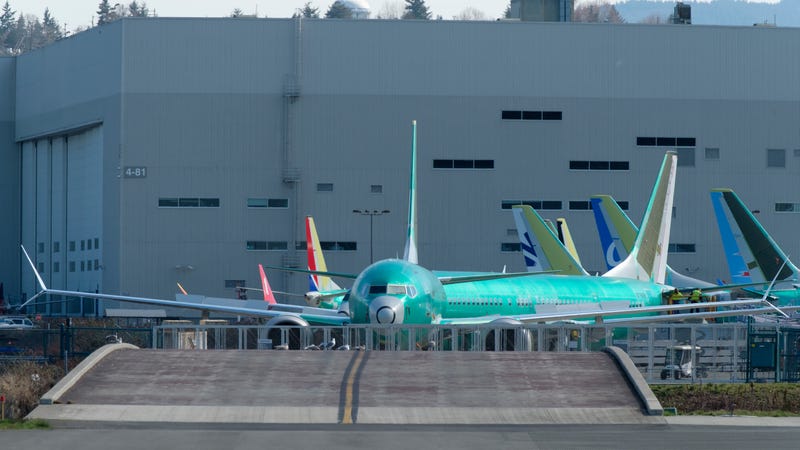
Los pedidos de The Boeing Commercial Airplanes caen a la mitad en el primer trimestre de 2019 por la crisis del 737 MAX. Esta aeronave recibe 29 encargos, frente a los 122 conseguidos durante el mismo periodo de 2018, que representan un 76% menos.

Los efectos aerocomerciales detrás de los accidentes del los Boeing 737-8 MAX comienzan a sentirse. Los pedidos de la estadounidense han caído un 50% durante los tres primeros meses del año. Frente a las 180 pedidos recibidos en el primer trimestre de 2018, en el mismo periodo de este año los pedidos se han estancado en 91 unidades.

La caída de pedidos ha sido fuertemente golpeada por el 737 MAX. Los encargos de este modelo han caído el 76% en el primer cuarto de año. Frente a las 122 unidades demandadas durante los primeros tres meses de 2018, el modelo que ha sufrido dos accidentes mortales en cinco meses ha conseguido 29 pedidos.

Los accidentes sufridos por los 737 MAX de Lion Air el 29 Octubre 2018 y Ethiopian Airlines el 10 Marzo 2019, han provocado que durante el tercer mes de 2019 ninguna aerolínea haya realizado un pedido de este modelo de avión. Las investigaciones continúan y las reparaciones apuntan a que los vuelos del avión quedarán suspendidos a largo plazo.

Otros modelos de Boeing han tenido un mejor comportamiento durante este trimestre. En el caso del 787, su modelo estrella de largo radio, ha conseguido 38 pedidos frente a los 32 obtenidos un año antes. Del mismo modo, los 777 acumularon 20 encargos frente a los cinco del mismo periodo de 2018. En lo que tiene que ver con los 767, Boeing ha pasado de siete pedidos en 2018 a cuatro en el ejercicio actual. Por último, el modelo 747 no ha recibido ningún pedido frente a los 14 conseguidos en 2018.

Caída de un 20% en las entregas

La compañía también ha hecho público hoy que las entregas del primer trimestre de 2019 han caído un 20% en comparación con el mismo periodo de 2018. Unos datos en los que la decisión de parar las entregas del 737 MAX anunciada el pasado 15 de marzo han pesado mucho.

Durante los tres primeros meses de 2019, Boeing ha entregado 149 unidades de aviones frente a las 184 del ejercicio anterior. En esta caída ha tenido un peso muy importante el 737 MAX. Frente a las 132 unidades entregadas de este modelo a las aerolíneas en 2018, durante este año Boeing solo ha entregado 89 unidades.

En lo que respecta al resto de modelos del fabricante, la familia 787 ha tenido 36 entregas, dos más que las 34 obtenidas durante el mismo periodo del año anterior. Otro modelo que ha obtenido descensos es el 777 que hasta marzo ha tenido 10 entregas frente a los 12. El 767 es el modelo que mejor comportamiento comparativo ha tenido al pasar de cuatro en 2018 a 12 en 2019. Por último, el 747 ha tenido los mismos dos pedidos que en 2018.AW-Icon-TXT-01

Resultado de imagen para Boeing RentonBoeing | Delivery 1Q2019

Boeing reports first quarter deliveries

The Boeing Company today announced deliveries in its commercial and defense operations for the first quarter of 2019. The main deliveries of programs during the first quarter, including operational lease deliveries (identified by parentheses) were as follows:

AW-70880221

Chopped orders

Orders for The Boeing Commercial Airplanes fall by half in the first quarter of 2019 due to the 737 MAX crisis. This aircraft receives 29 orders, compared to 122 achieved during the same period of 2018, representing 76% less.

The aero-commercial effects behind the accidents of the Boeing 737-8 MAX begin to feel. US orders have fallen by 50% during the first three months of the year. Compared to the 180 orders received in the first quarter of 2018, in the same period of this year the orders have stagnated in 91 units.

The fall of orders has been strongly hit by the 737 MAX. The orders of this model have fallen 76% in the first quarter of the year. Against the 122 units demanded during the first three months of 2018, the model that has suffered two fatal accidents in five months has achieved 29 orders.

The accidents suffered by the 737 MAX of Lion Air on October 29, 2018 and Ethiopian Airlines on March 10, 2019, have caused that during the third month of 2019 no airline has placed an order for this model of aircraft. Investigations continue and repairs suggest that the flights of the plane will be suspended in the long term.

Other Boeing models have had a better performance during this quarter. In the case of the 787, its long-range flagship model has achieved 38 orders compared to the 32 obtained a year earlier. Similarly, the 777 accumulated 20 orders compared to five in the same period of 2018. In what has to do with the 767, Boeing has gone from seven orders in 2018 to four in the current year. Finally, the 747 model has not received any order compared to the 14 achieved in 2018.

Drop of 20% in deliveries

The company has also made public today that deliveries for the first quarter of 2019 have fallen by 20% compared to the same period of 2018. Some data in which the decision to stop deliveries of the 737 MAX announced on March 15 have weighed a lot.

During the first three months of 2019, Boeing delivered 149 units of aircraft, compared to 184 units in the previous year. In this fall the 737 MAX has had a very important weight. In contrast to the 132 units delivered to the airlines in 2018, during this year Boeing has only delivered 89 units.

As regards the rest of the manufacturer’s models, the 787 family has had 36 deliveries, two more than the 34 obtained during the same period of the previous year. Another model that has obtained declines is the 777 that until March has had 10 deliveries compared to 12. The 767 is the model that has better comparative behavior when it has gone from four in 2018 to 12 in 2019. Finally, the 747 has had the same two orders as in 2018. A \ W


Ξ A I R G W A Y S Ξ
SOURCE: Airgways.com
DBk: Boeing.com / Airgways.com / Seattletimes.com
AW-POST: 201904101637AR

A\W   A I R G W A Y S ®


Aerolíneas distinguida TripAdvisor 2019

AW-75567-Visiteiffel.jpg

AW | 2019 04 10 16:06 | AWARDS / AIRLINES

Aerolíneas_Argentinas_Logo_2010.svg[1].pngAerolíneas Argentinas distinguida como mejor línea aérea de gran porte de la región

Aerolíneas Argentinas ha recibido la distinción mejor línea aérea de gran porte en la región por la Traveler’s Choice Awards 2019 que fue entregada por el sitio TripAdvisor según la opinión de miles de viajeros.

El Presidente del Grupo Aerolíneas, Luis Maldivo, recibió al Vicepresidente de TripAdvisor, Jamie Counter, y al Director de la región Ryan Cornelius, quienes le entregaron el premio de mejor aerolínea de gran porte. El CEO de Aerolíneas Argentinas destacó que el premio se otorga por la opinión de la gente «lo cual nos ubica al nivel de las líneas aéreas más importantes».

Los Traveler’s Choice Awards son los premios y reconocimientos que otorga el sitio especializado en viajes TripAdvisor según la opinión de miles de viajeros que recorren la región. Desde la primera entrega en 2002, estos premios se consideran una referencia para la comunidad online de viajeros.

El año pasado, Aerolíneas Argentinas ganó en las categorías de Mejor Línea Aérea de América Latina, Mejor Clase Económica de América Latina y Mejor Clase Business de América Latina. Este año, la compañía obtuvo el primer puesto en Mejor Línea Grande de Latinoamérica.AW-Icon-TXT-01

AW-7688-Clarin.jpg

Aerolíneas distinguished by TripAdvisor 2019

untitled-1_157Aerolíneas Argentinas distinguished as the best regional airline in the region

Aerolineas Argentinas has received the distinction of the best airline in the region by the Traveler’s Choice Awards 2019 that was delivered by the TripAdvisor site according to the opinion of thousands of travelers.

The President of the Aerolíneas Group, Luis Maldivo, received the Vice President of TripAdvisor, Jamie Counter, and the Director of the region Ryan Cornelius, who presented him with the prize of the best airline of great size. The CEO of Aerolíneas Argentinas highlighted that the award is given for the opinion of the people «which places us at the level of the most important airlines».

The Traveler’s Choice Awards are the prizes and recognitions granted by the site specialized in trip trips, according to the opinion of thousands of travelers who travel the region. Since the first delivery in 2002, these awards are considered a reference for the online traveler community.

Last year, Aerolíneas Argentinas won in the categories of Best Airline in Latin America, Best Economic Class in Latin America and Best Business Class in Latin America. This year, the company won first place in the Best Large Line in Latin America. A \ W


Ξ A I R G W A Y S Ξ
SOURCE: Airgways.com
DBk: Tripadvisor.com / Aerolineas.com
AW-POST: 201904101606AR

A\W   A I R G W A Y S ®


Traveler’s Choice Awards 2019

Imagen relacionada

AW | 2019 04 10 15:51 | AWARDS

Las mejores aerolíneas del mundo para 2019 se han revelado en los premios anuales Travelers ‘Choice Awards de TripAdvisor

En su tercer año consecutivo, los premios de la Travelers ‘Choice Awards de TripAdvisor celebran a las aerolíneas amadas por los viajeros por su valor y servicio. El ranking se basa en millones de comentarios y calificaciones de TripAdvisor, analizados mediante un algoritmo. El sitio web dice que evalúa un año de datos y tiene en cuenta la cantidad y la calidad de las revisiones para determinar qué aerolíneas ofrecen las mejores experiencias para los viajeros.

La lista de los 10 principales de este año está dominada por las aerolíneas asiáticas, pero un operador del Reino Unido hizo la lista.AW-Icon-TXT-01


Traveler’s Choice Awards 2019 / Airlines

1. Todas las Nippon Airways
2. Jet2.com
3. Air New Zealand
4. azul
5. Southwest Airlines
6. Japan Airlines
7. Emirates
8. Eva Air
9. Qatar Airways
10. Singapore Airlines


Traveler’s Choice Awards 2019

The best airlines in the world for 2019 have been revealed at the annual TripAdvisor Travelers’ Choice Awards

In its third year in a row, the TripAdvisor Travelers’ Choice Awards celebrate the airlines loved by travelers for their value and service. The ranking is based on millions of reviews and ratings from TripAdvisor, analyzed using an algorithm. The website says it evaluates a year of data and takes into account the quantity and quality of reviews to determine which airlines offer the best experiences for travelers.

The list of the top 10 this year is dominated by Asian airlines, but a UK operator made the list. A \ W


Traveler’s Choice Awards 2019 / Airlines

1. All Nippon Airways
2. Jet2.com
3. Air New Zealand
4. blue
5. Southwest Airlines
6. Japan Airlines
7. Emirates
8. Eva Air
9. Qatar Airways
10. Singapore Airlines


Ξ A I R G W A Y S Ξ
SOURCE: Airgways.com
DBk: Tripadvisor.com
AW-POST: 201904101551AR

A\W   A I R G W A Y S ®

JetSmart inicia operaciones en Argentina

Resultado de imagen para jetsmart argentina

AW | 2019 04 10 15:31 | AIRLINES

Resultado de imagen para jetsmart logoJetSmart inicia sus operaciones de cabotaje en la Argentina

JetSmart Airlines Argentina ha iniciado operaciones comerciales con su primer ruta uniendo Buenos Aires (SADP/EPA)—Mendoza. La nueva compañía aérea competirá en el segmento de las low cost con Flybondi Líneas Aéreas y Norwegian Air Argentina.

Con la presencia del Presidente de la República Argentina, Mauricio Macri y con un primer vuelo desde el Aeropuerto El Palomar hasta Mendoza, la aerolínea low cost JetSmart dio por comenzadas sus operaciones de cabotaje este miércoles 10 Abril 2019, en la Argentina. Durante la presentación también estuvieron el Ministro de Transporte Guillermo Dietrich y el Secretario de Turismo de la Nación, Gustavo Santos.

A dos años de la «Revolución de los Aviones» en Marzo 2017 y a un año del ingreso de las low cost en Argentina las demoras han sido sustanciales para el inicio de las operaciones aéreas de varias aerolíneas en el país.

El Jueves 11 Abril 2019, JetSmart Airlines Argentina sumará el primer vuelo a Neuquén y el Viernes 12 Abril 2019 a Córdoba. Luego llegarán las operaciones a Salta y Tucumán (Abril), Bariloche (Mayo) y Puerto Iguazú (Junio). En un lapso de dos meses, la aerolínea inaugurará 17 rutas, 10 de ellas sin pasar por Buenos Aires.

Base Ops

La base de operaciones es, en principio, el Aeropuerto El Palomar, desde JetSmart Airlines no descartaron utilizar también Aeroparque. Flybondi Líneas Aéreas tiene sus operaciones desde El Palomar, otra low cost, Norwegian Air Argentina, realiza sus operaciones desde Aeroparque.

Desde que iniciaron la venta de pasajes, la aceptación en el mercado ha sido importante: «Hemos tenido una gran aceptación desde el comienzo de nuestra venta de pasajes y actualmente estamos por encima del 70% de ocupación promedio en las rutas anunciadas», señaló Gonzalo Pérez Corral, Gerente General de la compañía, quien agregó que buscan replicar, en la Argentina, el modelo de Chile: en 2018 transportaron 2,5 millones de pasajeros, con un crecimiento del 25% respecto al año anterior. Lo interesante es que la mayoría son nuevos pasajeros que se incorporan al mercado tradicional.AW-Icon-TXT-01

Resultado de imagen para jetsmart argentinaJetSmart starts operations in Argentina

JetSmart starts its cabotage operations in Argentina

JetSmart Airlines Argentina has started commercial operations with its first route linking Buenos Aires (SADP/EPA)—Mendoza. The new airline will compete in the low cost segment with Flybondi Líneas Aéreas and Norwegian Air Argentina.

With the presence of the President of the Republic of Argentina, Mauricio Macri and with a first flight from El Palomar Airport to Mendoza, the low cost airline JetSmart started its cabotage operations on Wednesday 10 April 2019, in Argentina. During the presentation were also the Minister of Transportation Guillermo Dietrich and the Secretary of Tourism of the Nation, Gustavo Santos.

Two years after the «Aircraft Revolution» in March 2017 and one year after the entry of low cost airlines in Argentina, the delays have been substantial for the start of air operations of several airlines in the country.

On Thursday 11 April 2019, JetSmart Airlines Argentina will add the first flight to Neuquén and Friday 12 April 2019 to Córdoba. Then the operations will arrive in Salta and Tucumán (April), Bariloche (May) and Puerto Iguazú (June). In a span of two months, the airline will open 17 routes, 10 of them without going through Buenos Aires.

Base Ops

The base of operations is, in principle, El Palomar Airport, since JetSmart Airlines did not rule out using Aeroparque as well. Flybondi Líneas Aéreas has its operations from El Palomar, another low cost, Norwegian Air Argentina, operates from Aeroparque.

Since the beginning of the sale of tickets, acceptance in the market has been important: «We have had a great acceptance since the beginning of our ticket sales and we are currently above the 70% average occupancy in the announced routes», Gonzalo said. Pérez Corral, General Manager of the company, who added that they seek to replicate, in Argentina, the model of Chile: in 2018 they transported 2.5 million passengers, with a growth of 25% over the previous year. The interesting thing is that most are new passengers who join the traditional market. A \ W


Ξ A I R G W A Y S Ξ
SOURCE: Airgways.com
DBk: Jetsmart.com / Clarin.com
AW-POST: 201904101531AR

A\W   A I R G W A Y S ®

Flyest conectará Reconquista

Resultado de imagen para flyest lineas aereasAW | 2019 04 09 21:41| AIRLINES ROUTES

FLYESTLa aerolínea Flyest Líneas Aéreas conectará la ruta Buenos Aires-Reconquista

Flyest Líneas Aéreas incorpora un nuevo servicio con la ruta Buenos Aires-Reconquista (Santa Fe). El norte de la Provincia de Santa Fe busca restablecer los vuelos hacia y desde Reconquista después de que Avianca Argentina ha abandonado la ruta.

Empresarios de la región encabezan las negociaciones para el regreso de los vuelos regulares tras la retirada de Avianca. En principio serían dos frecuencias semanales con inicio de operaciones en Mayo 2019.

Unos ocho meses se mantuvo operativo el puente aéreo entre el Aeropuerto Reconquista, el Aeropuerto Rosario y Aeroparque de Buenos Aires, una conexión servida por Avianca Argentina. Aunque la demanda de pasajes era muy interesante, la aerolínea levantó las escalas sin previo aviso. Los severos problemas económicos de Avianca Argentina prestadora del servicio hasta el 1 Marzo 2019 precipitaron el cese de los vuelos comerciales en el Departamento General Obligado que salían con una ocupación promedio del 75%, cifra seductora para una ruta que hace tiempo no se explotaba.

El objetivo del sector empresario de Reconquista, Avellaneda y Romang es el de restituir lo antes posible el enlace por avión, sobre todo con Buenos Aires y en ese objetivo están muy avanzadas las negociaciones con la compañía Flyest Líneas Aéreas, que ya conecta Santa Fe con Aeroparque y que desde Mayo 2019 estaría en condiciones de operar dos frecuencias semanales vinculando la terminal aérea de Reconquista con Sauce Viejo y el Aeropuerto Jorge Newbery.

El nuevo servicio

El vuelo llegaría a Reconquista los lunes y los miércoles desde Buenos Aires con escala en Santa Fe, con la aeronave pernoctando en Reconquista para partir al día siguiente bien temprano haciendo el trayecto Reconquista-Santa Fe-Buenos Aires. El objetivo es mantener activo el Aeropuerto Reconquista Teniente Daniel Jukic, que funciona junto a la III Brigada Aérea, que se dotó de nuevo personal en Julio 2018 cuando se establecieron los servicios regulares.

El jueves arribaron las autoridades de Flyest a inspeccionar las instalaciones. La concesionaria Aeropuertos Argentina 2000, que tiene jurisdicción sobre la terminal de pasajeros, debe darle a la línea aérea oficinas para su personal y conectividad, elemento fundamental para el inicio de las operaciones.

Las negociaciones implican una serie de compromisos entre los referentes de la compañía y los sectores interesados en el restablecimiento de los vuelos. “Le hemos pedido a Flyest que disponga de un sistema de venta online, algo que hoy no tiene, ya que resulta muy engorroso concurrir a una oficina para adquirir un pasaje”, planteó el empresario sobre una ventaja que es común a todas las firmas que operan conexiones regulares. “Hubo una clara voluntad desde Flyest para cumplir con el requisito”, añadió. Por otra parte, y tal como ocurrió para concretar la llegada de Avianca, el Gobierno de Santa Fe, los municipios de Reconquista, Avellaneda y Romang, y un grupo de 40 empresarios de la región se comprometieron a solventar un piso mínimo de rentabilidad para garantizar el desembarco hasta que el público se familiarice con el servicio aéreo.

Flyest Líneas Aéreas posee una flota de aeronaves jet Bombardier CRJ-200, con capacidad para 50 pasajeros, una disponibilidad de asientos menor a la de los turbohélices ATR 72-600 de Avianca Argentina, que incluso tenía un menor consumo de combustible y menores costos operativos.

La aerolínea próxima al desembarco en Reconquista ha nacido gracias a los permisos que la Administración Nacional de Aviación Civil (ANAC) le había dado a la extinta Sol Líneas Aéreas de capitales rosarinos, aunque en la actualidad sólo opera con dos frecuencias diarias entre Santa Fe y Aeroparque y dos veces a la semana el vuelo se extiende desde Sauce Viejo hacia Sunchales.

Avian Líneas Aéreas SA, tal la razón social de la compañía que opera bajo la marca Avianca, depende casi pura y exclusivamente de los fondos que le aporta su principal accionista: Avianca Brasil, que a su vez tiene licencia para usar la marca de origen colombiano Avianca.

Lo cierto es que la entrada en concurso preventivo de la compañía en Brasil tuvo un impacto inmediato en el crecimiento de la filial argentina penalizando cualquier intento de crecimiento, debiendo devolver un Airbus A-320 que había traído al país para cubrir conexiones internacionales, quedando solo dos ATR-72, los mismos con los que se iniciaron los servicio de Avianca Argentina.AW-Icon-TXT-01

Resultado de imagen para flyest lineas aereas

Flyest will connect Reconquista

The airline Flyest Líneas Aéreas will connect the Buenos Aires-Reconquista route

Flyest Líneas Aéreas incorporates a new service with the Buenos Aires-Reconquista route (Santa Fe). The north of the Province of Santa Fe seeks to re-establish flights to and from Reconquista after Avianca Argentina has started the route.

Businessmen from the region lead negotiations for the return of regular flights after the withdrawal of Avianca. In principle there would be two weekly frequencies with start of operations in May 2019.

The airlift between Reconquista Airport, Rosario Airport and Aeroparque de Buenos Aires, a connection served by Avianca Argentina, remained operational for eight months. Although the demand for tickets was very interesting, the airline raised the scales without prior notice. The severe economic problems of Avianca Argentina service provider until 1 March 2019 precipitated the cessation of commercial flights in the General Obligado Department that left with an average occupancy of 75%, a seductive figure for a route that has not been exploited for some time.

The objective of the business sector of Reconquista, Avellaneda and Romang is to return as soon as possible the link by plane, especially with Buenos Aires and in this objective are very advanced negotiations with the company Flyest Líneas Aéreas, which already connects Santa Fe with Aeroparque and since May 2019 would be able to operate two weekly flights linking the Reconquista air terminal with Sauce Viejo and Jorge Newbery Airport.

The new service

The flight would arrive to Reconquista on Mondays and Wednesdays from Buenos Aires with a stopover in Santa Fe, with the aircraft spending the night in Reconquista to depart the next day very early on the Reconquista-Santa Fe-Buenos Aires route. The objective is to keep Reconquista Lieutenant Daniel Jukic Airport active, which works together with the III Air Brigade, which was re-staffed in July 2018 when the regular services were established.

On Thursday, the Flyest authorities arrived to inspect the facilities. The concessionaire Aeropuertos Argentina 2000, which has jurisdiction over the passenger terminal, must provide the airline with offices for its personnel and connectivity, a fundamental element for the start of operations.

The negotiations imply a series of compromises between the referents of the company and the sectors interested in the restoration of flights. «We have asked Flyest to have an online sales system, something that it does not have today, since it is very cumbersome to go to an office to buy a ticket», said the businessman about an advantage that is common to all the firms that They operate regular connections. «There was a clear will from Flyest to meet the requirement», he added. On the other hand, and as it happened to specify the arrival of Avianca, the Government of Santa Fe, the municipalities of Reconquista, Avellaneda and Romang, and a group of 40 businessmen of the region committed to solve a minimum profitability floor to guarantee the disembarkation until the public becomes familiar with the air service.

Flyest Líneas Aéreas owns a fleet of Bombardier CRJ-200 jet aircraft, with capacity for 50 passengers, a seat availability lower than that of the ATR 72-600 turbohalics from Avianca Argentina, which even had lower fuel consumption and lower operating costs .

The airline near the landing in Reconquista was born thanks to the permits that the National Civil Aviation Administration (ANAC) had given to the extinct Sol Líneas Aéreas of Rosario capitals, although at present it only operates with two daily frequencies between Santa Fe and Aeroparque and twice a week the flight extends from Sauce Viejo to Sunchales.

Avian Líneas Aéreas SA, as the corporate name of the company that operates under the Avianca brand, depends almost exclusively on the funds provided by its main shareholder: Avianca Brasil, which in turn is licensed to use the brand of Colombian origin Avianca.

The certain thing is that the entrance in preventive contest of the company in Brazil had an immediate impact in the growth of the Argentine subsidiary penalizing any attempt of growth, having to return an Airbus A320 that had brought to the country to cover international connections, remaining alone two ATR-72, the same ones with which the Avianca Argentina service began. A \ W


Ξ A I R G W A Y S Ξ
SOURCE: Airgways.com
DBk: Miradorprovincial.com / Flyest.aero
AW-POST: 201904092141AR

A\W   A I R G W A Y S ®

Aprueban subasta activos en Avianca

Resultado de imagen para avianca brasil azul latam gol

AW | 2019 04 09 21:11 | AIRLINES

Avianca_Logo_2013La subasta de activos de la aerolínea brasileña se ofertarán entre Latam Airlines y Gol Linhas Aéreas

Las aerolíneas brasileñas Latam Airlines Brasil y Gol Linhas Aéreas se han comprometido a realizar una oferta mínima de US$ 70 millones por al menos una de las seis unidades de negocios que serán ofrecidas por parte de Avianca Brasil.

Los acreedores Oceanair Linhas Aereas Ltda. y su sociedad holding AVB Holding SA que operan con la marca Avianca Brasil, han aprobado un plan para reestructurar una deuda de 2.800 millones de reales (US$ 723 millones) de la compañía. El plan fue aprobado por el 80% de los acreedores, dijo la compañía en un comunicado enviado por correo electrónico. Avianca Brasil ha propuesto la creación de seis unidades de negocio que incluyen derechos de aterrizaje y despegue en diferentes aeropuertos, así como empleados para operar los vuelos; y una séptima unidad se encargará del programa de fidelidad Amigo. Las unidades se sacarán a subasta y los fondos captados se distribuirán entre los acreedores, teniendo en cuenta el orden y los límites establecidos por el plan de reestructuración judicial. La propuesta se presentará a los tribunales para su aprobación final.

Gol Linhas Aéreas Inteligentes SA y Latam Airlines Group SA ya se han comprometido a una oferta mínima de US$ 70 millones de dólares por una de las unidades, aunque no especificaron cuál de ellas. La propuesta contrasta con la oferta que Azul SA presentó en Marzo 2019 de US$ 105 millones por un conjunto distinto de derechos de aeropuertos y licencias de Avianca Brasil, así como de aeronaves.

Los fondos de cobertura Elliott Associates LP y Elliott International LP, propietarios de más del 70% del crédito, diseñaron la propuesta de siete unidades productivas y la negociaron directamente con Gol Linhas Aéreas y Latam Airlines. Azul y Avianca Brasil habían negociado una cláusula de exclusividad. Los abogados de Azul y Elliott mantuvieron largas conversaciones sobre la mejor opción para los acreedores de Avianca Brasil durante una reunión el viernes, que duró casi ocho horas.

La aerolínea en dificultades, controlada por los hermanos Germán y José Efromovich, solicitó la protección judicial frente a acreedores en Diciembre 2018. Ya ha recibido R$ 109 millones de reales en deuda a empresas en bancarrota. La compañía recibirá dos préstamos DIP más, de US$8 millones respectivamente, de Gol Linhas Aéreas SA y Latam Airlines Group SA, tras la aprobación del plan de reestructuración, para poder continuar operando al menos hasta que se complete la primera subasta.AW-Icon-TXT-01

Resultado de imagen para avianca brasil azul latam golAvianca Brasil creditors approve auction of assets

The auction of assets of the Brazilian airline will be offered between Latam Airlines and Gol Linhas Aéreas

 Brazilian airlines Latam Airlines Brasil and Gol Linhas Aéreas have committed to making a minimum offer of US$ 70 million for at least one of the six business units that will be offered by Avianca Brasil.

The creditors Oceanair Linhas Aereas Ltda. And its holding company AVB Holding SA that operate under the Avianca Brasil brand, have approved a plan to restructure a debt of 2,800 million reais (US $ 723 million) of the company. The plan was approved by 80% of the creditors, the company said in a statement sent by email. Avianca Brasil has proposed the creation of six business units that include landing and takeoff rights at different airports, as well as employees to operate the flights; and a seventh unit will be in charge of the Amigo loyalty program. The units will be auctioned and the funds raised will be distributed among the creditors, taking into account the order and limits established by the judicial restructuring plan. The proposal will be submitted to the courts for final approval.

Gol Linhas Aéreas Inteligentes SA and Latam Airlines Group SA have already committed to a minimum offer of US$ 70 million for one of the units, although they did not specify which of them. The proposal contrasts with the offer that Azul SA presented in March 2019 of US$ 105 million for a different set of airport and license rights for Avianca Brasil, as well as aircraft.

Hedge funds Elliott Associates LP and Elliott International LP, owners of more than 70% of the loan, designed the proposal of seven productive units and negotiated directly with Gol Linhas Aéreas and Latam Airlines. Azul and Avianca Brasil had negotiated an exclusivity clause. The lawyers of Azul and Elliott held long talks on the best option for creditors of Avianca Brasil during a meeting on Friday, which lasted almost eight hours.

The struggling airline, controlled by brothers Germán and José Efromovich, applied for judicial protection against creditors in December 2018. It has already received R$ 109 million in debt from bankrupt companies. The company will receive two more DIP loans, of US$ 8 million respectively, from Gol Linhas Aéreas SA and Latam Airlines Group SA, after the approval of the restructuring plan, in order to continue operating at least until the first auction is completed. A \ W


Ξ A I R G W A Y S Ξ
SOURCE: Airgways.com
DBk: Avianca.com.br / Panrotas.com.br
AW-POST: 201904092111AR

A\W   A I R G W A Y S ®

Sky Airline inicia ops en Perú

A320neo-Sky-Airlines-MSN8444-take-off-007AW | 2019 04 09 15:19 | AIRLINES

Resultado de imagen para sky airline peruAerolínea low cost Sky Airline inició operaciones en la República de Perú

La nueva aerolínea de capitales chilenos Sky Airline ha iniciado operaciones en la República de Perú con base de operaciones en Lima uniendo las destinos de Arequipa, Cusco, Iquitos, Piura, Pucallpa, Tarapoto y Trujillo. La aerolínea chilena low cost Sky Airline comenzó a operar este Lunes 8 Abril 2019 vuelos domésticos con siete rutas que parten desde Lima hacia los principales destinos turísticos del territorio peruano.

Las aeronaves de Sky llegarán a las ciudades de Arequipa, Cusco, Iquitos, Piura, Pucallpa, Tarapoto y Trujillo con lo que ampliarán así la actual oferta existente para volar a las ciudades más visitadas del país. La compañía dispondrá inicialmente en Perú de una flota de cuatro aviones Airbus A320NEO con capacidad para 186 pasajeros recientemente adquiridos para renovar progresivamente sus aeronaves.

El objetivo de la empresa es transportar a 900.000 pasajeros anuales y ocupar un 7% de la cuota del mercado peruano, donde competirá con la también aerolínea chilena Latam Airlines, la colombiana Avianca y las peruanas Peruvian Airlines y Star Perú, así como la también compañía low cost Viva Air, del grupo de Ryanair. A mediano plazo se ha fijado transportar en 2022 a 4 millones de pasajeros, abarcar un 15% de la cuota de mercado y tener una flota de 15 aviones.AW-Icon-TXT-01

Resultado de imagen para sky airline A320neo pngSky Airline starts ops in Peru

Low cost airline Sky Airline started operations in the Republic of Peru

The new airline of Chilean capital Sky Airline has started operations in the Republic of Peru with base of operations in Lima joining the destinations of Arequipa, Cusco, Iquitos, Piura, Pucallpa, Tarapoto and Trujillo. The Chilean low cost airline Sky Airline began operating this Monday 8 April 2019 domestic flights with seven routes that depart from Lima to the main tourist destinations of the Peruvian territory.

Sky’s aircraft will reach the cities of Arequipa, Cusco, Iquitos, Piura, Pucallpa, Tarapoto and Trujillo, thus expanding the current offer to fly to the most visited cities in the country. The company will initially have in Peru a fleet of four Airbus A320NEO aircraft with capacity for 186 passengers recently acquired to progressively renew their aircraft.

The objective of the company is to transport 900,000 passengers per year and occupy 7% of the Peruvian market share, where it will compete with the Chilean airline Latam Airlines, the Colombian Avianca and the Peruvian Airlines and Peruvian Peru, as well as the company low cost Viva Air, from the Ryanair group. In the medium term, it has been decided to transport 4 million passengers in 2022, to cover 15% of the market share and to have a fleet of 15 aircraft. A \ W


Ξ A I R G W A Y S Ξ
SOURCE: Airgways.com
DBk: Skyairline.com / Smbc.aero
AW-POST: 201904081519AR

A\W   A I R G W A Y S ®