La batalla aérea por los cielos del mundo

sky-globe-1920x1200-wallpaper172196

AW | 2016 10 02 18:04 | INDUSTRY

A I R G W A Y S ® 005

Boeing está en camino de perder su objetivo de 2016 para aviones por un amplio margen. La empresa estadounidense necesita revertir su pulseada para estar a la altura del consorcio Airbus que está dando batalla en todos sus frentes

fk492336737-max-round-pinmaxresdefaultBoeing estableció el objetivo de lograr una proporción 1 a 1 de recibir una orden para cada avión se entrega este año.

A nueve meses del año 2016, las posibilidades de Boeing no se ven bien. La empresa espera entregar entre 740-745 aviones comerciales este año. Mientras tanto, a partir del martes, había reservado 357 pedidos netos en lo que va del 2016. Eso pone menos de la mitad de su objetivo de órdenes.

Sin embargo, mientras que Boeing se enfrenta a una batalla cuesta arriba para llegar a 740 pedidos, todavía tiene una oportunidad de conseguirlo.

Finalizar los acuerdos de venta recientes
En primer lugar, Boeing tiene un gran número de compromisos de aviones que todavía se están discutiendo en pedidos en firme. Por ejemplo, en Farnborough Airshow 2016, Boeing ha anunciado 182 pedidos y compromisos, pero sólo una fracción de ellos eran nuevos pedidos en firme.

Hay alrededor de 100 compromisos pendientes sobre todo para las compañías aéreas chinas que aún no se reflejan en el listado total del pedido de Boeing de 2016. Para contar los pedidos en firme, Boeing necesita finalizar los términos de la venta.

Del mismo modo, existen acuerdos históricos de Boeing para vender 80 aviones a Iran Air, todavía no ha dado lugar a ningún pedidos en firme aún. El gobierno de Estados Unidos recientemente aprobó licencias de exportación para estos aviones, pero Irán todavía tiene que alinear la financiación para cerrar el trato.

Por último, la compañía de bandera de Arabia Saudia ha anunciado recientemente planes para comprar 28 aviones de fuselaje ancho a Boeing. Al parecer, el acuerdo no es oficial todavía, ya que Boeing no ha registrado pedidos en firme de Saudia este año.

En total, Boeing tiene cerca de 200 de estas órdenes pendientes. Será difícil para Boeing finalizar todos ellos en los próximos tres meses.

Obtener pedidos esperados en el Medio Oriente
Boeing también podría estar cerca de ganar grandes pedidos a partir de las dos principales aerolíneas de Oriente Medio. Qatar Airways está a punto de ordenar al menos 30 más aviones de fuselaje ancho a Boeing, principalmente el 787 Dreamliner según la fuente periodística Bloomberg. El CEO de Qatar Airways, Akbar Al Baker ha estado disgustado con Airbus últimamente, debido a los retrasos en la entrega, por lo que la Boeing tiene poco riesgo de perder frente a Airbus.

Mientras tanto, Emirates es probable que realice un pedido de unos 70 aviones de fuselaje ancho antes de que finalice el año. Los candidatos a elegir están entre el 787 Dreamliner de Boeing y el Airbus A350. Teniendo en cuenta que Emirates ha cancelado un pedido anterior de 70 A350 en 2014, parece probable que Boeing tiene la pista despejada. También es posible que Emirates divida una orden entre Boeing y Airbus.

Capitalizar la fiebre del fin de año
Por último, Boeing tiene que tomar ventaja de la fiebre típica de fin de año para ordenar los aviones. El año pasado, Boeing terminó Q3 con sólo 447 pedidos netos. Sin embargo, se retiró en 321 pedidos netos en el Q4 de llegar a una proporción de relación de 1 entrega / 1 pedido nuevo para el año.

Boeing recibe a menudo un número desmesurado de pedidos en el cuarto trimestre. Hasta cierto punto, Boeing puede llegar a ser más agresivo hacia el final del año, ya que trata de cumplir los objetivos de ventas internas. Los ciclos de planificación de las aerolínea también pueden alentar una oleada de pedidos de fin de año. En el año 2016, es más importante que nunca para Boeing para terminar el año con una nota alta.

Boeing todavía tiene una oportunidad
Internamente, los ejecutivos de Boeing parecen reconocer que será muy difícil de satisfacer una proporción 1V/1P* este año. Boeing tendría que reafirmar los numerosos pedidos que han sido anunciados, la captura de grandes pedidos de fuselaje ancho de Emirates y Qatar Airways, y redondeando más pedidos en la carrera de fin de año.

Al final, Boeing probablemente caerá por debajo de su meta de 2016 orden. Sin embargo, los inversores todavía deben esperar ver un gran repunte en la actividad de orden en los próximos tres meses.

Airbus y Boeing podrían perder la batalla de los cielos

La campana ha sonado en otra ronda entre dos fabricantes de aeronaves dominantes del mundo. Cuando la Organización Mundial de Comercio dictaminó la semana pasada que la europea Airbus no había podido eliminar miles de millones de dólares en ayuda estatal ilegal, Boeing, su competidor trasatlántico, se apresuró a pronunciar una victoria decisiva. La realidad, sin embargo, es que muchas rondas aún están por llegar.

Sería mejor para todos si la UE y los Estados Unidos, los cuales han prodigado las diversas formas de ayuda estatal en sus industrias aeronáuticas, volvieron a la mesa de negociación, donde estaban hasta que los EE.UU. decidieron iniciar un litigio en 2006.

No sólo tiene este caso perdido demasiado tiempo y dinero. La amenaza ahora, dada la atmósfera política febril en ambos lados del Atlántico, con consecuencias más perjudiciales.

Llevado a su conclusión lógica y ninguna de las partes debe volver a bajar, esta diferencia podría dar lugar a la imposición de aranceles de represalia, y una guerra comercial que podría ser devastadora para las relaciones UE-EE.UU.

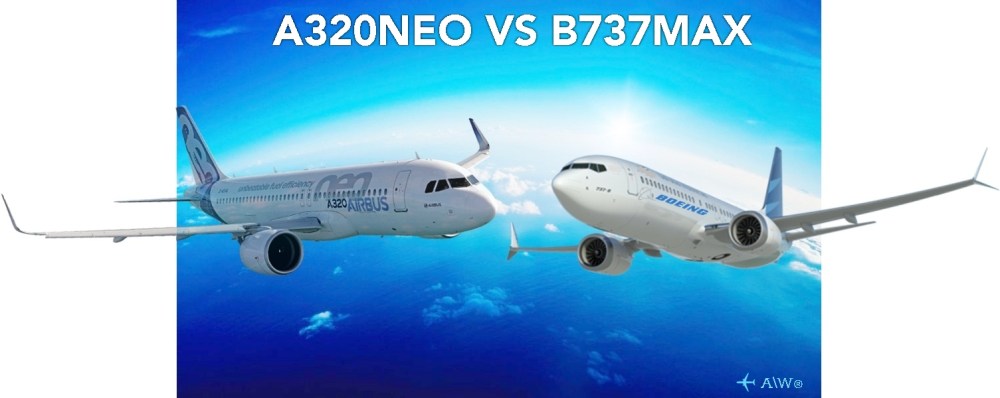
Airbus y Boeing están saliendo al mercado de aviones más pequeños

Esto permite espacio para Bombardier y Embraer para moverse en el vacío. Este vacío es de un valor aproximado de 2.000 aviones. Probablemente la mejor manera de ilustrar el punto que queremos hacer es la siguiente imagen.

Mira las grandes burbujas para el A319 y 737-700. A partir de 2Q16 había 1.430 A319 en servicio y 1.058 737-700 en servicio. Estos dos aviones casi representan el 90% de la flota mundial entre 120 y 150 asientos. Hay una pequeña flota de McDonnell Douglas retirarse rápidamente. Por lo que el mercado tiene un valor de al menos 2.500 aviones.

Las pequeñas burbujas a la derecha, se tratan de la próxima generación de los Airbus y Boeing.

Las pequeñas burbujas en la izquierda se aplican a los productos de Bombardier y Embraer. Como muestra su ubicación vertical, sus aviones son más eficientes desde el punto de vista de peso específico de la saeronaves. Sólo los aviones pueden hacer dinero de carga útil, por lo que mientras más ligero sea el avión, más eficiente es.

Tenga en cuenta el tamaño de las burbujas de la aeronave Bombardier y Embraer es mayor que para Airbus y Boeing. Airbus y Boeing han tenido que añadir asientos de sus aviones de nueva generación con el fin de escapar de la competencia, como por ejemplo la implementación de más asientos en el rediseño del B737-7 MAX. Esto ha llevado a sus nuevos modelos a subir sus capacidades operativas. Pero, al hacerlo, han abandonado el mercado de asiento por debajo de los 130 pax. Se trata de un segmento de 2.500 aviones. Es un mercado grande e importante.

Nuevos aviones para el mercado de medio rango
Dennis Muilenburg, CEO de Boeing, piensa que la empresa puede diseñar y construir dos nuevos aviones de pasajeros comerciales en un marco de tiempo que cumple con entrada prevista de su competidor Airbus en servicio, el A321NEO y roba una marcha en el razonable plan de fabricante europeo para hacer frente a la demanda de un avión para llenar el vacío entre las líneas B737 y B787, el llamado medio rango de mercado.

Un competidor para el A321NEO, que ha sido apodado como el Boeing 737-10X, podría estar listo para el mercado en 2019 o 2020, según Muilenburg. Una aeronave de este tipo es una versión alargada del Boeing 737-9 MAX con capacidad para 180 pasajeros, en una configuración de dos clases en el nuevo plano diseñado para un máximo de 198 asientos.

La empresa tiene que responder a cuatro preguntas principales antes de comprometerse a una versión alargada o más grande llamada B737-10X:

En primer lugar, si se lanza cualquier otra variante alargada, ¿será suficiente para ganar una cuota de mercado estimada del 17%? En segundo lugar, ¿será un derivado tal de mantener el valor de coincidencia familia sin dejar de ser lo suficientemente diferentes para evitar la potencial canibalización del mercado del Boeing 737-9? En tercer lugar, dependiendo del nivel de cambio, ¿podría ser la variante lanzada al mercado en el momento oportuno y ser asequible? Por último, en cuarto lugar, ¿es el mercado potencial para la variante -10x lo suficientemente importante como para merecer la interrupción que podría alterar en el sistema de cadena de producción de un nuevo derivado?

Cómo Boeing responde a estas preguntas afectarán a los planes de la compañía para un diseño de la aeronave de medio rango de acción que la compañía ha llamado a la aeronave nueva de tamaño mediano conocida como NMA que transportaría hasta 270 pasajeros en los vuelos, llegando a las 5.000 millas náuticas. La NMA se prevé que entre en servicio en torno a 2025 y depende en gran medida de la capacidad de los fabricantes de motores para desarrollar un nuevo motor con entre 40.000 y 45.000 libras de empuje.

El motor CFM LEAP-1B en los aviones 737 MAX tiene una potencia de poco más de 29.000 libras de empuje de despegue, y se espera una nueva versión para elevar a 31.000. El motor LEAP-1A utilizado en el Airbus A320NEO genera 35.000 libras de empuje de despegue, y la variante LEAP-1C construido para la china Comac C919 desarrolla ya 31.000 libras de empuje de despegue. Boeing podría utilizar el más potente LEAP-1A en el 737-10X, pero eso requeriría un cambio significativo en el tren de aterrizaje del avión, al igual que la adición del LEAP-1C.

c919-wingspan-copia

Resultado de imagen para CFM LEAP-1C

Un avión Airbus más grande, el A321LR, podía albergar hasta 240 pasajeros en vuelos de hasta 4.000 millas náuticas por simple adición de tres tanques de combustible en el espacio utilizado actualmente para equipaje y carga. El 737-10X estirado, se muestra al lado del 737-9, podría demandar $ 2 mil millones en gastos de desarrollo, un costo relativamente barato en el mundo aviones.

df-737max_diagrams_new

737-9 737-10X dibujos
Fuente: El Boeing Co .; Aviation Week

Si Boeing decide en última instancia construir dos nuevos aviones, la decisión se se tomará dependiendo del número de aviones que la compañía cree que puede vender. A principios de este mes de octubre 2016, Boeing estima la demanda de su avión NMA de 2.000 a 5.000 unidades para el mercado. Debido a que el avión sería más costoso en desarrollar, la empresa tiene que cerciorarse de que un 737-10X no canibalice el mercado antes de que el proyecto NMA esté fuera de la mesa de dibujo y en producción.

Eso podría ser más complicado que nunca, dado indicios recientes de que las compañías de bajo coste (LCC) como de Norwegian Air tienen previsto utilizar los nuevos 737-8s MAX para vuelos de larga distancia. Las nuevas aeronaves 737 MAX y A320NEO pueden volar rutas de hasta 3.200 millas náuticas en sus modelos estándar y que el A321LR añade otras 300 millas náuticas a eso.

La gran pregunta entonces para Boeing es si las aerolíneas de bajo costo impulsarán los costes de volar, por ejemplo,a Europa occidental a la costa este de los Estados Unidos, tan bajo que el mercado de un NMA se evapore. El jurado está todavía fuera de esta decisión. Los cielos son el escenario de Airbus y Boeing como los principales luchadores y donde ninguno de ellos quiere perder la batalla por los cielos. airgways-icon-aw


The aerial battle for the skies of the world

Boeing is on track to miss its 2016 target aircraft by a wide margin. The US company needs to reverse its pulseada to keep up the Airbus consortium is giving battle on all fronts

Boeing set a target of achieving a 1 to 1 ratio to receive an order for each aircraft is delivered this year.

A nine months of 2016, Boeing chances do not look good. The company expects to deliver between 740-745 commercial aircraft this year. Meanwhile, as of Tuesday, there were 357 net orders booked so far in 2016. That puts less than half of its goal of orders.

However, while Boeing is facing an uphill battle to reach 740 orders, still you have a chance to get it.

Finish recent sales agreements
First, Boeing has a large number of commitments aircraft still being discussed in firm orders. For example, in Farnborough Airshow 2016, Boeing announced 182 orders and commitments, but only a fraction of them were new firm orders.

There are about 100 commitments outstanding especially for Chinese airlines that are not yet reflected in the total list of 2016 Boeing order to have firm orders, Boeing needs to finalize the terms of the sale.

Similarly, there are historical agreements to sell 80 Boeing aircraft to Iran Air, it has not yet resulted in any firm orders yet. The US government recently approved export licenses for these aircraft, but Iran has yet to line up financing to close the deal.

Finally, the flag carrier Saudia Arabia recently announced plans to buy 28 widebody Boeing. Apparently, the deal is not official yet, since Boeing has not recorded firm orders from Saudia this year.

In total, Boeing has about 200 of these outstanding orders. Boeing will be difficult to finish all of them in the next three months.

Get orders expected in the Middle East
Boeing may also be close to winning large orders from two major airlines in the Middle East. Qatar Airways is about to order at least 30 more widebody Boeing, the 787 Dreamliner mainly according to Bloomberg journalistic source. Qatar Airways CEO Akbar Al Baker has been displeased with Airbus lately, due to delays in delivery, so Boeing has little risk of losing to Airbus.

Meanwhile, Emirates is likely to make an order for 70 wide-body aircraft before the end of the year. Candidates are to choose between the Boeing 787 Dreamliner and the Airbus A350. Given that Emirates has canceled a previous order of 70 A350 in 2014, it seems likely that Boeing has a clear track. Emirates may also split an order between Boeing and Airbus.

Capitalize fever end of the year
Finally, Boeing has to take advantage of the typical year-end rush to order aircraft. Last year, Boeing ended Q3 with only 447 net orders. However, he retired in 321 net orders in Q4 to reach a ratio of 1 share of delivery / 1 new order for the year.

Boeing often receives a disproportionate number of orders in the fourth quarter. To some extent, Boeing may become more aggressive towards the end of the year, as it tries to meet the objectives of domestic sales. Planning cycles of the airline can also encourage a wave of year-end orders. In 2016, it is more important than ever for Boeing to end the year on a high note.

Boeing still has a chance
Internally, Boeing executives seem to recognize it will be very difficult to meet a 1S/1P* proportion this year. Boeing would have to reaffirm the many requests that have been announced, capturing large orders for widebody Emirates and Qatar Airways, and rounding more orders in the year-end race.

In the end, Boeing will likely fall below its 2016 target order. However, investors should still expect to see a big spike in activity order in the next three months.

Airbus and Boeing could lose both the battle of heaven

The bell has sounded in another round between two dominant aircraft manufacturers in the world. When the World Trade Organization ruled last week that the European Airbus had failed to eliminate billions of dollars in illegal state aid, Boeing, its transatlantic competitor, he hastened to utter a decisive victory. The reality, however, is that many rounds are still to come.

It would be better for everyone if the EU and the United States, which have lavished the various forms of state aid in their aviation industries, they returned to the negotiating table, where they were until the US They decided to initiate litigation in 2006.

Not only has this case lost too much time and money. The threat now, given the feverish political atmosphere on both sides of the Atlantic, with more damaging consequences.

Taken to its logical conclusion and neither party should back down, this difference may result in the imposition of retaliatory tariffs, and a trade war that could be devastating for EU-US relations.

Airbus and Boeing are coming to market smaller aircraft

This allows space for Bombardier and Embraer to move in a vacuum. This gap is approximately $ 2,000 aircraft. Probably the best way to illustrate the point we want to make is this image.

Look at the big bubbles to the A319 and 737-700. From 2Q16 there were 1,430 A319s in service and 1,058 737-700 in service. These two aircraft represent almost 90% of the world fleet between 120 and 150 seats. There is a small fleet of McDonnell Douglas withdraw quickly. So the market has a value of at least 2,500 aircraft.

Small bubbles on the right, are treated in the next generation of Airbus and Boeing.

Small bubbles on the left apply to products from Bombardier and Embraer. As shown by its vertical location, their planes are more efficient from the point of view of specific gravity of the saeronaves. Only airplanes can make money payload, so while lighter the plane, the more efficient.

Note the size of bubbles and Embraer aircraft Bombardier is higher than for Airbus and Boeing. Airbus and Boeing have had to add seats of its new generation aircraft in order to escape competition, such as the implementation of more seats in the redesign of the B737-7 MAX. This has led to new models to upload their operational capabilities. But in doing so, they have left the market below the seat 130 pax. This is a segment of 2,500 aircraft. It is a large and important market.

New aircraft for the midrange market
Dennis Muilenburg, CEO of Boeing, thinks the company can design and build two new commercial airliners in a time frame that meets planned entry of its competitor Airbus in service, the A321neo and steals a march on the reasonable plan manufacturer Europe to meet the demand for an aircraft to fill the gap between the B737 and B787 lines, called midrange market.

A competitor for the A321neo, which has been dubbed as the Boeing 737-10X, could be ready for market in 2019 or 2020, according Muilenburg. An aircraft of this type is a stretched version of the Boeing 737-9 with capacity for 180 passengers in a two-class configuration on the new plane designed for up to 198 seats.

The company has to answer four main questions before committing to a long or larger version called B737-10X:

First, if any elongated version is released, will it be enough to win an estimated market share of 17%? Secondly, is it a derivative such to maintain the value of coincidence family while still being sufficiently different to avoid potential market cannibalization Boeing 737-9? Third, depending on the level of change, it could be variant launched in a timely manner and be affordable? Finally, fourthly, is the potential market for variant -10x important enough to warrant the disruption that could alter the system of production line of a new derivative?

How Boeing answers to these questions will affect the company’s plans for a design of the aircraft mid-range of action that the company has called the new aircraft midsize known as NMA that would transport up to 270 passengers on flights, reaching 5,000 nautical miles. NMA is expected to enter service around 2025 and depends largely on the ability of engine manufacturers to develop a new engine with 40,000 to 45,000 pounds of thrust.

The CFM LEAP-1B engine 737 MAX aircraft has a capacity of just over 29,000 pounds of takeoff thrust, and a new version is expected to increase to 31,000. The LEAP-1A engine used in the Airbus A320neo generates 35,000 pounds of takeoff thrust, and LEAP-1C variant built for the Chinese Comac C919 and develops 31,000 pounds of takeoff thrust. Boeing could use the most powerful LEAP-1A in the 737-10X, but that would require a significant change in the landing gear of the aircraft, like the addition of the LEAP-1C.

c919-wingspan-copia

A larger Airbus, the A321LR, could hold up to 240 passengers on flights up to 4,000 nautical miles by simple addition of three fuel tanks in the space currently used for baggage and cargo. The 737-10X stretched, is shown next to the 737-9, could demand $ 2 billion in development costs, a relatively cheap cost aircraft in the world.

df-737max_diagrams_new

737-10X drawings 737-9
Source: The Boeing Co;. Aviation Week

If Boeing decides to ultimately build two new aircraft, the decision will be taken depending on the number of aircraft that the company believes it can sell. Earlier this month, October 2016, Boeing estimates the demand for its aircraft NMA 2,000 to 5,000 units for the market. Because the plane would be more expensive to develop, the company has to make sure that a 737-10X not cannibalize the market before the NMA project is off the drawing board and into production.

That could be more complicated than ever, given recent indications that low cost carriers (LCC) and Norwegian Air are planning to use the new 737-8s MAX for long-haul flights. MAX 737 new aircraft and routes A320neo can fly up to 3,200 nautical miles in its standard models and that the other nautical A321LR adds 300 miles to that.

The big question then is whether Boeing LCCs fly drive costs, such as western Europe to the east coast of the United States, so low that the market for a NMA evaporate. The jury is still out on this decision. The skies are the backdrop for Airbus and Boeing as the main fighters and where none of them want to lose the battle for the skies. A\W

(*) 1V/1P: Proporción de 1 venta (1V) para recuperar por una producción (1P) 1S/1P: Proportion of 1 sale (1S) to recover production (1P)

Ξ A I R G W A Y S Ξ
SOURCE: A I R G W A Y S / fool.com / ft.com / seekingalpha.com / 247wallst.com
DBk: Photographic © A I R G W A Y S / Air Insight / CFM
AW-POST: 201610021804AR
A\W A I R G W A Y S ®

Caribbean Airlines cancela vuelos ante el paso del huracán Matthew

Resultado de imagen para caribbean airlines

AW | 2016 10 02 03:58 | SAFETY / SECURITY

La aerolínea señaló que se ha activado un plan para comunicarse con los clientes que tenían previsto viajar en los vuelos afectados

La aerolínea Caribbean Airlines anunció hoy la cancelación de varios vuelos entre ciudades de la región debido al inminente paso del huracán Matthew, que continúa moviéndose hacia el oeste/suroeste a unos 11 kilómetros por hora con vientos máximos sostenidos que superan los 200 kilómetros por hora.

La compañía de bandera de Trinidad y Tobago y Jamaica informó que los vuelos afectados estaban programados para mañana y el lunes con origen o destino en Jamaica, Trinidad y Tobago, Bahamas y Antigua.

Caribbean Airlines señaló que los pasajeros afectados deberán buscar alternativas o permanecer donde se encuentran hasta que el sistema ciclónico se aleje de la zona.

La aerolínea señaló que se ha activado un plan para comunicarse con los clientes que tenían previsto viajar en los vuelos afectados.

Las autoridades de Jamaica continúan mientras los preparativos para la llegada mañana al territorio caribeño del huracán Matthew.

El ministro de Transporte de Jamaica, Mike Henry, pidió a los automovilistas, en particular a aquellos que operan vehículos de transporte de pasajeros, que eviten transitar por las carreteras durante las próximas horas y en especial una vez el ciclón llegue a la isla para evitar accidentes.

El funcionario pidió además a los conductores y el público en general que se alejen de carreteras inundadas y eviten manipular líneas eléctricas que se derrumben por efecto del huracán.

«Apelo a todo el mundo para que se tomen todas las precauciones necesarias para garantizar su seguridad y la de su propiedad aun cuando el Gobierno active planes de emergencia durante el paso del huracán», dijo Henry.

Los medios de Jamaica informan que la población continúa aprovechando las horas previas a la llegada del huracán, que se espera alcance de pleno la isla durante la noche del domingo y las primeras horas del lunes, para aprovisionarse de víveres, lo que ha ocasionado la aglomeración de personas a las puertas de supermercados y comercios.

Matthew, el quinto huracán de la actual temporada ciclónica en el Atlántico, afectará además de a Jamaica a otros países de la región caribeña como Haití, República Dominicana y Cuba, entre otros. airgways-icon-aw

Resultado de imagen para caribbean airlines

Caribbean Airlines cancels flights to Hurricane Matthew

The airline said it has activated a plan to communicate with customers who had planned to travel on flights affected

The airline Caribbean Airlines today announced the cancellation of several flights between cities in the region due to impending Hurricane Matthew, which continues moving west / southwest at about 11 mph with maximum sustained winds exceeding 200 kilometers per hour.

The flag carrier of Trinidad and Tobago and Jamaica reported that affected flights were scheduled for tomorrow and Monday to or from Jamaica, Trinidad and Tobago, Bahamas and Antigua.

Caribbean Airlines said passengers affected should seek alternatives or remain where they are until the cyclonic system moves away from the area.

The airline said it has activated a plan to communicate with customers who had planned to travel on flights affected.

Jamaican authorities continue while preparations for the arrival tomorrow of Hurricane Matthew Caribbean territory.

Transport Minister of Jamaica, Mike Henry, asked motorists, particularly those operating vehicles passenger, to avoid travel on the roads during the next few hours and especially after the cyclone reaches the island to avoid accidents.

The official also asked the drivers and the general public to stay away from flooded roads and power lines avoid handling collapse as a result of the hurricane.

«I appeal to everyone so that all necessary precautions to ensure their safety and take their property even if the government activate emergency plans during Hurricane» Henry said.

The means of Jamaica reported that the population continues to leverage the hours before arrival of the hurricane, it reaches full expected the island overnight Sunday and early Monday to stock up on provisions, which has caused agglomeration people at the doors of supermarkets and shops.

Matthew, the fifth hurricane of the current hurricane season in the Atlantic, Jamaica also affect other countries in the Caribbean region such as Haiti, Dominican Republic and Cuba, among others. A\W

Ξ A I R G W A Y S Ξ
SOURCE: efe.com
DBk: Photographic © wmbfnews.com
AW-POST: 201610020358AR
A\W A I R G W A Y S ®

Aerolíneas anunció que incrementará sus operaciones de cabotaje en 2017

2828115

AW | 2016 10 02 03:43 | AIRLINES

La empresa anunció la nueva programación de vuelos para la temporada turística 2016/2017 para la cual incrementará sus operaciones de cabotaje en un 6% respecto del mes de noviembre de 2016.

Aerolíneas Argentinas anunció la nueva programación de vuelos para la temporada turística 2016/2017 para la cual incrementará sus operaciones de cabotaje en un 6% respecto del mes de noviembre de 2016.

El anuncio fue formulado en el marco de la 21 edición de la Feria Internacional de Turismo (FIT), la más importante de Latinoamérica, que se desarrolla en la Rural.

En total la compañía de bandera sumará 52 frecuencias a las que posee actualmente con más conexiones a Rosario, Córdoba y Mendoza.

Según el informe, el foco apuntará específicamente a aumentar las tradicionales frecuencias de vuelos entre la ciudad de Mar del Plata y las provincias de Córdoba, con 7 vuelos semanales; Buenos Aires con 21 frecuencias semanales y Tucumán con 5 vuelos a la semana.

Sumado a ello, para este año, se suman los vuelos directos entre la ciudad balnearia con Mendoza y Rosario con 3 frecuencias directas por semana desde cada ciudad, con lo cual la oferta total hacia y desde Mar del Plata asciende entonces a 39 frecuencias semanales, lo que representa un incremento de 178%. Este incremento de frecuencias será a partir del 7 de diciembre para potenciar ese fin de semana largo.

Además, en cuanto a la conectividad con la región, el Grupo Aerolíneas informó que hará una fuerte apuesta al próximo verano con vuelos desde distintas ciudades argentinas hacia Brasil y Uruguay.

Sumará una frecuencia adicional a Porto Seguro desde Buenos Aires pasando de 1 a 2 frecuencias semanales de manera tal que el incremento de vuelos a Brasil comparado con la última temporada será de 14% en diciembre y de 22% en enero. En esta línea, la empresa sumará también una frecuencia desde Mendoza a Brasil a partir de enero 2017.

En el caso de la oferta a Punta del Este, la conexión desde Buenos Aires pasará de 7 frecuencias semanales actuales a 17 a partir del fin de semana largo de diciembre y 30 frecuencias a partir de enero 2017. Junto a las frecuencias desde Córdoba y Rosario, Aerolíneas contará con 35 frecuencias semanales a la ciudad uruguaya desde nuestro país.

Es así como desde Córdoba se podrá volar de manera directa a Punta del Este con 3 vuelos semanales, a Río de Janeiro con 2 frecuencias semanales, a Salvador de Bahía con 1 vuelo semanal (desde noviembre) y a Porto Seguro con 1 frecuencia semanal (desde octubre).

Rosario también contará con vuelos directos a algunos de los destinos turísticos más importantes de la región con 1 vuelo por semana a Florianópolis, 1 vuelo por semana a Río de Janeiro y 2 frecuencias semanales a Punta del Este.

Finalmente, en diciembre comienza la operación para el verano entre Buenos Aires y Florianópolis con 7 frecuencias semanales ampliándose a 14 vuelos por semana a partir de enero próximo.

En su primera participación en esta feria, la presidenta de Aerolíneas Argentinas, Isela Costantini, manifestó: “Tenemos una gran oportunidad en el turismo para continuar conectando a más argentinos desde distintos puntos del país y con el exterior».

«Los récords de puntualidad, la mejora en la calidad del servicio y la mayor conectividad que estamos logrando día a día, son producto del trabajo en conjunto de todos los que queremos que Aerolíneas Argentinas se transforme en una empresa de la cual todos podamos seguir teniendo orgullo”.

Con la temporada de verano a punto de comenzar, estos nuevos vuelos le permitirán a la compañía seguir creciendo en la cantidad de pasajeros transportados, que en el período enero-agosto ya superó en un 9% a los transportados en el mismo período del año anterior. airgways-icon-aw

2819436

Aerolíneas announced it will increase its cabotage operations in 2017

The company announced the new flight schedule for the season 2016/2017 for which will increase its cabotage operations by 6% from November 2016.

Aerolineas Argentinas announced the new flight schedule for the season 2016/2017 for which will increase its cabotage operations by 6% from November 2016.

The announcement was made in the framework of the 21st edition of the International Tourism Fair (FIT), the most important in Latin America, which takes place in rural areas.

In total, the flag carrier will add 52 frequencies at which currently has more connections to Rosario, Cordoba and Mendoza.

According to the report, the focus will aim specifically to augment traditional frequencies of flights between the city of Mar del Plata and Cordoba provinces, with 7 weekly flights; Buenos Aires with 21 weekly frequencies and Tucuman 5 flights a week.

Added to that, this year, direct flights between the seaside resort with Mendoza and Rosario with 3 direct flights per week are added from each city, bringing the total supply to and from Mar del Plata then amounts to 39 frequencies per week, This represents an increase of 178%. This will increase frequency from December 7 to enhance the long weekend.

In addition, the connectivity with the region, the Aerolíneas Group reported a strong bet to make next summer with flights from various Argentine cities to Brazil and Uruguay.

It will add an additional frequency to Porto Seguro from Buenos Aires going from one to two weekly frequencies so that the increase in flights to Brazil compared to last season will be 14% in December and 22% in January. In this line, the company will also add a frequency from Mendoza to Brazil from January 2017.

In the case of supply to Punta del Este, the connection from Buenos Aires will present 7 to 17 weekly frequencies from weekend throughout December and 30 frequencies from January 2017. Along with frequencies from Cordoba and Rosario , airlines will have 35 weekly frequencies to the Uruguayan city from our country.

Thus, from Cordoba you can fly directly to Punta del Este with 3 weekly flights to Rio de Janeiro with 2 weekly frequencies to Salvador with one weekly flight (from November) and Porto Seguro 1 weekly (from October).

Rosario also have direct flights to some of the most important tourist destinations in the region with 1 flight per week to Florianopolis, 1 flight per week to Rio de Janeiro and 2 weekly flights to Punta del Este.

Finally, in December for summer operation between Buenos Aires and Florianópolis it starts with 7 weekly frequencies extending to 14 flights per week from January.

In his first participation in the fair, the president of Aerolíneas Argentinas, Isela Costantini said: «We have a great opportunity in tourism to continue connecting more Argentines from across the country and abroad».

«Records for punctuality, improved service quality and increased connectivity that we are making every day, are the result of joint work of all those who want Aerolíneas Argentinas becomes a company of which we can all continue to have pride».

With the summer season about to start, these new flights will enable the company to continue growing in the number of passengers carried in the period from January to August and exceeded by 9% to transported in the same period last year . A\W

Ξ A I R G W A Y S Ξ
SOURCE: A I R G W A Y S
DBk: Photographic ©
AW-POST: 201610012012AR
A\W A I R G W A Y S ®

Aeroflot, mejor aerolínea de Europa en los premios Business Traveller


Resultado de imagen para Aeroflot

AW | 2016 10 01 20:12 | AIRLINES

Aeroflot

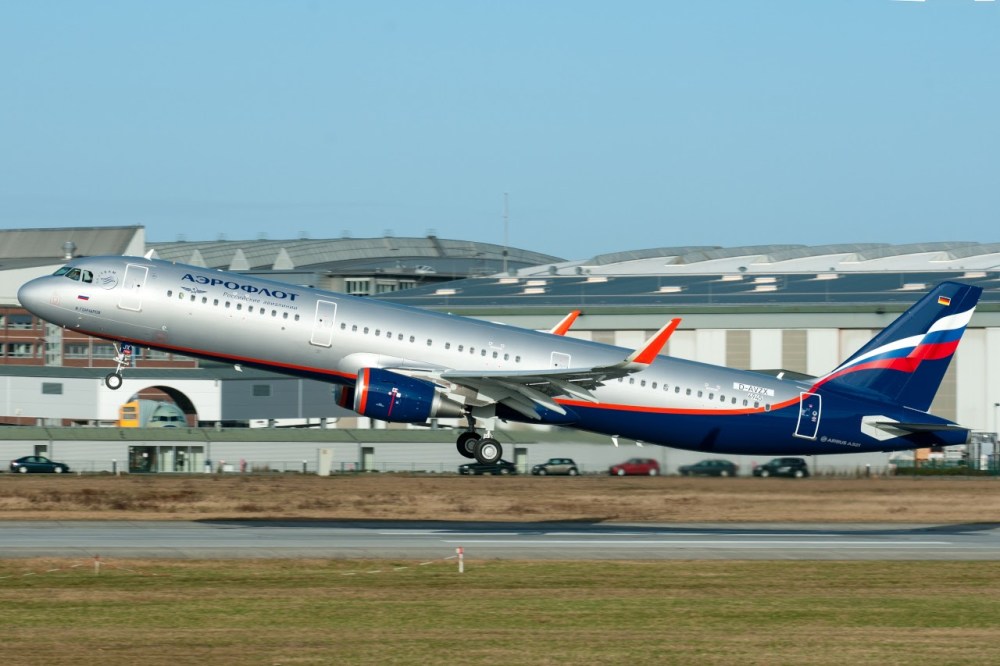
Aeroflot Russian Airlines ha sido nombrada mejor aerolínea de Europa en los prestigiosos premios de Business Traveller para Rusia y CEI. La compañía de Rusia también ocupó el primer lugar en las categorías ‘Mejor clase Business en vuelos de medio recorrido’ y ‘Mejor aerolínea en Rusia y CEI’, desafiando a la competencia de aerolíneas como Air France, KLM, Lufthansa y Turkish Airlines.

‘Es la primera vez que los Business Traveller Awards han tenido lugar en Rusia y estamos, por tanto, especialmente contentos de que Aeroflot se llevase los premios en tres nominaciones. Ser nombrada mejor aerolínea de Europa es el resultado de nuestro enfoque consistente en servicio e inversión sustancial en esta área de nuestra empresa’, dijo Giorgio Callegari, viceconsejero delegado de Aeroflot para Estrategia y Alianzas.

‘Aeroflot no solo mantiene sus posiciones de liderazgo en las clasificaciones de expertos, sino que ahora también ha recibido reconocimiento de pasajeros mundial como mejor aerolínea europea’, destacó Callegari.

Establecidos por la revista Business Traveller, la revista líder para viajeros frecuentes, los Business Traveller Awards se han celebrado anualmente desde 1988 y este año se celebraron en Rusia por primera vez.

Los Business Traveller Awards son unos de los más codiciados en la industria, principalmente debido a su imparcialidad, con los ganadores determinados por elección de los lectores.

Los premios subrayan el estatus de Aeroflot como una de las aerolíneas europeas y globales líderes. Según informan desde la compañía, ‘Aeroflot mantiene un enfoque constante en incrementar la calidad del servicio, tanto en el aire como en tierra. En 2016, la aerolínea líder de Rusia fue premiada por el Four Star Airline Status por la agencia de consultoría británica Skytrax, la fuente líder mundial de revisiones y clasificaciones de aerolíneas’. Aeroflot también fue nombrada ‘Mejor aerolínea de Europa del Este’ por quinta vez en los Skytrax World Airline Awards. airgways-icon-aw

Resultado de imagen para Aeroflot

Aeroflot, best airline in Europe in the Business Traveller Awards

Aeroflot Russian Airlines has been named best airline in Europe in the prestigious Business Traveller Awards for Russia and CIS. The Russian company also ranked first in the categories ‘Best Business Class on medium-haul flights’ and ‘Best Airline in Russia and CIS’, challenging competition from airlines like Air France, KLM, Lufthansa and Turkish Airlines.

«It is the first time the Business Traveller Awards have taken place in Russia and we are therefore particularly pleased that Aeroflot will carry prizes in three nominations. Being named best airline in Europe is the result of our consistent service and substantial investment in this area of our business approach,» said Giorgio Callegari, Aeroflot deputy CEO for Strategy and Alliances.

‘Aeroflot not only maintained their leading positions in the rankings of experts, but now has also received worldwide recognition as best European airline passengers’ Callegari said.

Established by Business Traveller magazine, the leading magazine for frequent travelers, Business Traveller Awards have been held annually since 1988 and this year were held in Russia for the first time.

The Business Traveller Awards are among the most coveted in the industry, mainly because of its impartiality, with winners determined by readers’ choice.

The awards highlight the status of Aeroflot as one of the leading European and global airlines. According to reports from the company, ‘Aeroflot maintains a constant focus on increasing the quality of service both in the air and on land. In 2016, Russia’s leading airline was awarded by the Four Star Airline Status by British consulting agency Skytrax, the world’s leading source of reviews and ratings of airlines’. Aeroflot was also named ‘Best Airline in Eastern Europe’ for the fifth time in the Skytrax World Airline Awards. A\W

Ξ A I R G W A Y S Ξ
SOURCE: expreso.info
DBk: Photographic © Airbus.com / Wikipedia.org
AW-POST: 201610012012AR
A\W A I R G W A Y S ®

«Aeroposta, una historia de valientes»

Resultado de imagen para Aeroposta Argentina

AW | 2016 10 01 20:00 | AIRLINES / HISTORY

‘Siguiendo la Ruta de la Aeroposta.Una historia de Valientes’ Documental fueguino fue declarado de Interés NacionalResultado de imagen para Aeroposta

Rio Grande, Argentina · Por iniciativa de la Diputada Nacional Analuz Carol, el documental ‘Siguiendo la Ruta de la Aeroposta -Una historia de Valientes’ realizado por Luis Soler, fue declarado de Interés Nacional y a la par se llevó un acto de reconocimiento a los dos últimos pilotos vivos de esta línea aérea comercial germen de Aerolíneas Argentinas, Ronald Scott y Carlos Bilbao -ambos de 99 años de edad- en el Salón de los Pasos Perdidos de la Cámara de Diputados de la Nación, donde también se expuso la muestra fotográfica del Museo Municipal ‘Virginia Choquintel’.

MUESTRA-01

Resultado de imagen para Aeroposta ArgentinaEl viernes 30 de septiembre, en el Salón de los Pasos Perdidos de la Cámara de Diputados de la Nación, la Diputada Nacional por Tierra del Fuego Analuz Carol encabezó el acto de homenaje a los dos últimos pilotos de la Aeroposta Argentina, Ronald Scott y Carlos Bilbao, y asimismo un reconocimiento al realizador riograndense Luis Soler quien produjo los dos documentales ‘Siguiendo la Ruta de la Aeroposta’, el último de ellos titulado ‘Una historia de Valientes’ que fue declarado de Interés Nacional por la mencionada parlamentaria fueguina.

Resultado de imagen para Aeroposta Argentina

Cabe recordar que el primer documental también fue declarado de Interés Nacional, en esa oportunidad por parte de la actual concejal Verónica González cuando era Diputada Nacional.Resultado de imagen para Aeroposta Argentina Saint Exúpery

En esta ocasión, tuvo el agregado del reconocimiento en vida a los dos últimos aviadores, Ronald Scott y Carlos Bilbao, ambos nacidos en octubre de 1917 –año de la revolución rusa- y coincidentemente también, los dos ingresaron a la Aeroposta en 1948. Scott previamente fue piloto de guerra en la Segunda Guerra Mundial y Bilbao posteriormente fue uno de los primeros pilotos de Aerolíneas Argentinas.

Resultado de imagen para Aeroposta Argentina Saint Exúpery
Engalanó el acto la muestra fotográfica del Museo Municipal ‘Virginia Choquintel’ expuesta por primera vez en el Congreso argentino. En ella se relata distintos momentos históricos de esta línea aérea que unió Europa, África y Sudamérica llegando hasta Tierra del Fuego.

“Es un orgullo poder exponer esta muestra”
La Diputada Nacional Analuz Carol confió que “es una alegría inmensa poder estar participando y organizando este reconocimiento y homenaje a los pilotos que aún están vivos –ambos son personas mayores, tienen 99 años- y que han participado de esta épica línea aérea volando con los aviones de ese tiempo, hechos mayormente de madera y lona y que fue tan importante para las comunicaciones y el transporte en la Patagonia en general y particularmente Tierra del Fuego”.

La ingeniera Analuz Carol comentó que “por nuestra condición insular somos aeropendientes, de hecho lo seguimos siendo y por eso seguimos luchando para tener una vía de comunicación marítima también.

Agregó que “aprovechamos esta oportunidad para reconocer toda esa labor pionera de la aviación y asimismo el trabajo del realizador Luis Soler que siempre ha trabajado con mucho compromiso por la identidad fueguina y estamos muy contentos de reconocer estos esfuerzos”.

Una obra que abarcó tres continentes
Luis Soler recorrió distintas ciudades en los tres continentes para realizar este documental. Durante el acto brindó su reconocimiento a todos los que han colaborado con él, como el concejal (mc) y ex intendente y ex diputado nacional Esteban ‘Chiquito’ Martínez; Daniel García, el equipo del Concejo Deliberante, Gastón Toledo Saldaño que acercó datos históricos y a distintas autoridades, especialmente en esta oportunidad a la diputada Carol.

Luis Soler comentó a la audiencia que este documental es la saga del anterior y complementario de un tercero que está en proceso de realización. En esta oportunidad el film también trata del primer accidente aéreo en Río Grande que arrojó varios muertos y asimismo sobre la muestra fotográfica alusiva a la historia de la mítica línea aérea que fue germen de Aerolíneas Argentinas y que durante quince años comunicó a Tierra del Fuego con el Continente. Soler recorrió el norte de África, Europa y Sudamérica recabando datos de la era romántica de la aviación.

El realizador de del documental ‘Siguiendo la Ruta de la Aeroposta’ comentó que tras el primer material “quisimos profundizar en la historia de la aviación comercial de entonces en aviones que hoy son piezas de museo. Era una historia muy rica que se estaba perdiendo y solo quedaba en la memoria de antiguos pobladores y quisimos rescatar esta epopeya de los pilotos que volaban estas máquinas en territorios vírgenes y que según datos históricos, le costó la vida a unos ochenta de ellos”.

Detalló que en este nuevo documental de la saga ‘Siguiendo la Ruta de la Aeroposta’, “le pusimos ‘Una Historia de Valientes’ porque había que serlo para volar en estos aviones sobre desiertos y mares interminables. Era realmente jugarse la vida volar en Aeroposta y ellos lo hacían con todo el placer del mundo en una época en que el romanticismo impregnaba las acciones heroicas de los hombres y no lo hacían por dinero porque no ganaban grandes fortunas ni nada que se les parezca. Era más fácil morir que cobrar”, observó Soler.

En este sentido comentó que “en este documental consultamos a varios especialistas, historiadores y aviadores, que nos van llevando por el hilo conductor cronológico de esa época romántica de la aviación comercial y de todo el esfuerzo que había que hacer para mantener las rutas aéreas, tanto en África, Europa como América Latina y cruzar el océano Atlántico tras la hazaña de Lindberg”.

Agregó que “La Aeroposta dejó muchos nombres ilustres, como Antoine de Saint-Exupéry, a la sazón, creador de ‘El Principito’ y ‘Vuelo Nocturno’; Jean Mermoz, Jean Nöel Boy, Henri Guillaumet, entre tantos otros y los argentinos Próspero Palazzo, Rufino Luro Cambaceres que vino con el padre de ‘Chiquito’ Martínez en el primer vuelo de la ‘Línea’ a la ciudad de Río Grande y a estos grandes aviadores que hoy el parlamento nacional está reconociendo por iniciativa de la Diputada Nacional Analuz Carol y que son Ronald Scott y Carlos Bilbao”.

Luís Soler recorrió tres continentes buscando la ruta de esta mítica compañía de origen francés. Justamente recabó datos de Toulouse, al sur del país galo que también tiene una rica tradición aeronáutica. Justamente desde aquí despegó el primer Concorde a los mandos de André Turcat. Asimismo Soler viajó al norte de África y estuvo en las ciudades que fueron destino de la Aeroposta como Casablanca y Rabat en Marruecos. Estuvo también en Natal, Brasil y por supuesto la ruta sudamericana de esta aerolínea. airgways-icon-aw

«Aeroposta, a story of valiant»

Resultado de imagen para Aeroposta Argentina‘Following the path of history Aeroposta. A history of Valiant’. Documentary fueguino was declared of National Interest

Rio Grande, Argentina · On the initiative of Congresswoman Analuz Carol, the documentary «Following the path of Aeroposta A story of Valiant» by Luis Soler, was declared of National Interest and the pair an act of recognition took the last two living pilots of this germ commercial airline Aerolíneas Argentinas, Ronald Scott and Carlos Bilbao -both of 99 years of age in the Hall of Lost Steps of the Chamber of Deputies, where the photographic exhibition was also exposed the Municipal Museum ‘Virginia Choquintel’.

On Friday September 30, in the Hall of Lost Steps of the Chamber of Deputies, the National Representative of Tierra del Fuego Analuz Carol he led the tribute to the past two pilots Aeroposta Argentina, Ronald Scott and Carlos Bilbao, and also a recognition of the riograndense filmmaker Luis Soler who produced two documentaries ‘Following the Route Aeroposta’, the last one entitled ‘a history of Courageous’ was declared of National Interest by the fueguina parliamentary mentioned.

It is recalled that the first documentary was also declared of national interest, at that time by the current council Veronica Gonzalez as a Congresswoman.

Resultado de imagen para Aeroposta Argentina

On this occasion, he had the added recognition in life the last two airmen, Ronald Scott and Carlos Bilbao, both born in October 1917 -year of the RUSSIAN revolution and also coincidentally, the two entered the Aeroposta in 1948. Scott previously was a fighter pilot in World war II and later Bilbao was one of the first pilots of Aerolíneas Argentinas.

Graced the event the photographic exhibition of the Municipal Museum ‘Virginia Choquintel’ first exposed in the Argentine Congress. It different historical moments of this airline that united Europe, Africa and South America to Tierra del Fuego coming recounted.

«We are proud to present this exhibition»
The Analuz Congresswoman Carol confided that «it is a great joy to be participating and organizing this recognition and tribute to the riders who are still alive -both are elderly, have 99 years and who have participated in this epic flying with airline aircraft of that time, made mostly of wood and canvas and that was so important for communications and transport in general and particularly in Patagonia Tierra del Fuego «.

Carol Analuz engineer commented that «our insular condition aeropendientes are, in fact and therefore remain still struggling to get a seaway also communication».

He added that «we take this opportunity to recognize all this pioneering work in aviation and also the work of filmmaker Luis Soler who has always worked with great commitment to fueguina identity and we are pleased to recognize these efforts.«

A work that spanned three continents
Luis Soler toured various cities on three continents to make this documentary. During the ceremony offered his appreciation to all those who collaborated with him as Councilman (mc) and former mayor and former national deputy Esteban ‘Chiquito’ Martinez; Daniel Garcia, the team of the Deliberative Council, Gaston Toledo Saldaño that brought historical data and various authorities, especially in this opportunity to Carol deputy.

Luis Soler told the audience that this documentary is the saga of the previous and complementary to a third party that is in the process of realization. This time the film also the first plane crash in Rio Grande threw several dead and also on the allusive photographic exhibition on the history of the legendary airline was germ of Aerolíneas Argentinas and for fifteen years informed Tierra del Fuego the continent. Soler toured North Africa, Europe and South America collecting data from the romantic era of aviation.

The director of the documentary «Following the path of the Aeroposta ‘said that after the first material» wanted to delve into the history of commercial aviation aircraft then that are now museum pieces. It was a very rich history that was lost and only remained in the memory of old settlers and wanted to rescue this epic of the pilots flying these machines in virgin territories and according to historical data, it killed about eighty of them.»

He explained that in this new documentary series ‘Following the Route Aeroposta’, «we put ‘A Story of Courageous’ because it had to be to fly on these planes over deserts and endless seas. It was really risking his life flying in Aeroposta and they did with all the pleasure in the world at a time when romanticism permeated the heroic actions of the men and did not do it for money because they made large fortunes or anything that resembles them. It was easier to die than to charge,» said Soler.

In this regard, he said that «in this documentary consulted several specialists, historians and aviators, who are leading us down the chronological thread of the romantic era of commercial aviation and of all the effort that had to do to keep airways, in Africa, Europe and Latin America and across the Atlantic ocean after Lindberg’s feat.»

He added that «The Aeroposta left many illustrious names such as Antoine de Saint-Exupéry, at the time, creator of ‘The Little Prince’ and ‘Night Flight’; Jean Mermoz, Jean Noel Boy, Henri Guillaumet, among many others and Argentine Prosperous Palazzo, Rufino Luro Cambaceres that came with the father of ‘Chiquito’ Martinez in the first flight of the ‘Line’ to the Rio Grande and these great airmen today is recognizing the national parliament on the initiative of Congresswoman Carol Analuz and are Ronald Scott and Carlos Bilbao «.

Luis Soler toured three continents seeking the route of this legendary French company. Justly data collected Toulouse, south of the Gallic country also has a rich aviation tradition. It is from here the first Concorde took off at the controls of André Turcat. Soler also traveled to North Africa and was in the cities that were Aeroposta destination as Casablanca and Rabat in Morocco. He also was in Natal, Brazil and of course the South American route of this airline. A\W

Ξ A I R G W A Y S Ξ
SOURCE: lalicuadoratdf.com.ar
DBk: Photographic © lalicuadoratdf.com.ar / loudandclearisnotenought.blogspot.com
AW-POST: 201610012000AR
A\W A I R G W A Y S ®

American Jet de Argentina inicia vuelos Neuquén-Temuco

Resultado de imagen para American Jet

AW | 2016 10 01 17:10 | AIRLINES ROUTES

Resultado de imagen para American Jet logo

Americana Jet (Argentina) ( Buenos Aires Aeroparque ) planea lanzar vuelos entre Neuquén, Argentina y Temuco La Araucanía, Chile este mes de octubre, proporcionando ambos aeropuertos con servicios internacionales, el LM Neuquén informa.

A la espera de la aprobación del gobierno, los vuelos se establecen para comenzar en a mediados de octubre y operar semanalmente 4x durante un período de prueba de tres meses. Un Do228 será utilizado para el servicio, pero se puede actualizar a la ATR 42-300 si hay suficiente demanda. Los vuelos previstos están siendo dirigidos a los trabajadores de trayecto entre las dos ciudades, así como para aquellos interesados en «tours de compras» en Temuco.

De acuerdo con la base de datos de la Ruta CH-aviación, tanto en Neuquén y Temuco actualmente sólo ven los servicios domésticos. Neuquén es servida por Aerolíneas Argentinas (AR, Buenos Aires Ezeiza) y LATAM Airlines Argentina (4M, Buenos Aires Aeroparque), mientras que LATAM Airlines Chile (LA, Santiago de Chile Int’l ) y Sky Airline (Chile) (H2, Santiago de Chile Int’l ) sirven Temuco. Por su parte, American Jet es un portador de la carta argentina que ofrece vuelos nacionales, así como las cartas de ejecutivos. airgways-icon-aw

Resultado de imagen para American Jet


Argentina’s American Jet to start Neuquén-Temuco flights

Resultado de imagen para American JetAmerican Jet (Argentina) (Buenos Aires Aeroparque) plans to launch flights between Neuquén, Argentina and Temuco La Araucanía, Chile this October, providing both airports with international services, the LM Neuquén reports.
Pending government approval, the flights are set to commence in mid-October and operate 4x weekly over a three-month trial basis. A Do228 will be used for the service but could be upgraded to the ATR 42-300 if there is sufficient demand. The planned flights are being targeted at workers commuting between the two cities, as well as for those interested in “shopping tours” in Temuco.

According to the ch-aviation route database, both Neuquén and Temuco currently see domestic services only. Neuquen is served by Aerolíneas Argentinas (AR, Buenos Aires Ezeiza) and LATAM Airlines Argentina (4M, Buenos Aires Aeroparque), while LATAM Airlines Chile (LA, Santiago de Chile Int’l) and Sky Airline (Chile) (H2, Santiago de Chile Int’l) serve Temuco. For its part, American Jet is an Argentine charter carrier offering domestic flights as well as executive charters. A\W

Ξ A I R G W A Y S Ξ
SOURCE: ch-aviation.com
DBk: Photographic © aviacionargentina.net
AW-POST: 201610011710AR
A\W A I R G W A Y S ®

XL Airways lanza servicio a St. Maarten

Resultado de imagen para XL Airways A330

AW | 2016 10 01 17:00 | AIRLINES ROUTES

Resultado de imagen para XL Airways LOGOLa portadora francesa XL Airways France (anteriormente Star Airlines), Resultado de imagen para Sint Maarten pngcon sede en Paris-Charles de Gaulle, ha anunciado su última incorporación en el Caribe, con planes para introducir el servicio a St Maarten para la temporada de invierno 2016/17.

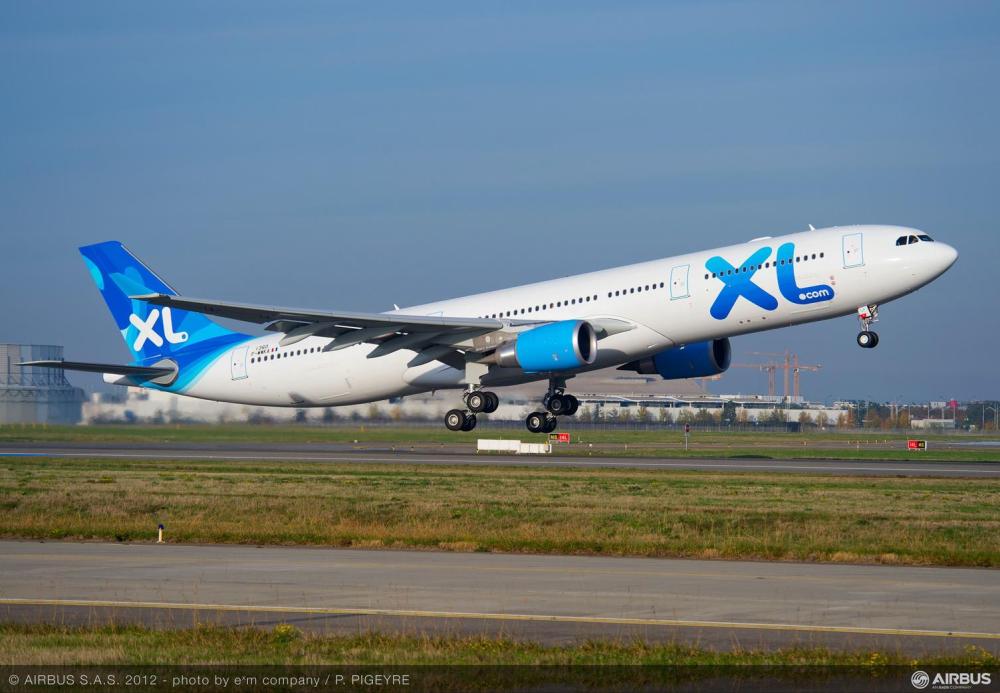
La aerolínea tiene previsto operar la ruta con aviones Airbus A330-200 (en la configuración de todos los Clase Turista). El servicio una vez por semana se lanzará el 18 de diciembre el año 2016. airgways-icon-aw

Resultado de imagen para XL Airways A330

XL Airways France launches service to St. MaartenResultado de imagen para Sint Maarten png

French carrier XL Airways France (formerly Star Airlines), based at Paris-Charles de Gaulle Airport, has announced its latest addition in the Caribbean, with plans to introduce service to St Maarten for 2016/17 winter season.

 The airline is planning to operate the route with Airbus A330-200 aircraft (in all-Economy Class configuration). The once-weekly service will launch on December 18, 2016. A\W

Ξ A I R G W A Y S Ξ
SOURCE: A I R G W A Y S
DBk: Photographic © Airbus.com
AW-POST: 201610011700AR
A\W A I R G W A Y S ®

Especialista en seguridad ofrece teoría sobre el vuelo MH370

Resultado de imagen para mh370

AW | 2016 10 01 16:47 | AIR INVESTIGATION

mhMALAYSIA AIRLINES MH-370

Resultado de imagen para the weekend australian logo¿Qué pasó con MH370 después de este mensaje final de la cabina? Un especialista en seguridad aérea ofrece una teoría

La noche sin luna era cálida y oscura con un cielo parcialmente nublado cuando el vuelo de Malaysia Airlines MH-370 despegó del Aeropuerto Internacional de Kuala Lumpur en la 12:41a.m.  el 8 de marzo de 2014. A bordo del vuelo de noche a Beijing fueron 12 miembros de la tripulación y 227 pasajeros. Hubo viajeros de negocios, turistas y estudiantes. Había familias, parejas y solteros de Indonesia, Malasia, China, los EE.UU., Australia y otros nueve países; una comunidad global común en los vuelos internacionales.

Debido a que Kuala Lumpur y Pekín están en la misma zona horaria y el vuelo era llegar al amanecer, muchos viajeros probablemente estaban durmiendo cuando las cosas empezaron a ir mal.

En el despegue, el primer oficial Fariq Abdul Hamid fue a hacer las llamadas de radio, por lo que podemos suponer el capitán Zaharie Ahmad Shah volaba el Boeing 777. Un empleado de 33 años en la empresa, Zaharie, de 53 años, tenía 18.000 horas de vuelo y había pasado más  tiempo de vuelo a su simulador de vuelo construido en casa. Tomó tanto placer en esta actividad que hizo los vídeos y los publicó en su página de Facebook, que ofrece consejos e instrucciones a otros entusiastas del simulador. También era dueño y voló aviones controlados por radio. Simplemente no era lo suficientemente un vuelo, en lo que se refiere a Zaharie.

Profesionalmente hablando, Fariq, de 27 años, había estado volando para Malaysia durante cuatro años. De 2010 a 2012, él era un copiloto en aviones Boeing 737. Fue trasladado al Airbus A330, donde voló como un primer oficial durante 15 meses hasta que comenzó su transición a la más grande de Boeing 777. El vuelo a Beijing traería sus horas totales en el avión a 39.

Resultado de imagen para mh370

Veinte minutos después del despegue, a las 1.01am, el avión alcanzó su altitud asignada, 35.000 pies, y Fariq notificó controladores: «El mantenimiento de Malasia de tres siete cero nivel de vuelo tres cinco cero». Poco tiempo después, el avión de 12 años de antigüedad, transmite una rutina un informe de situación a través de ACARS, las comunicaciones de los aviones de direccionamiento y Reporting System; dichos informes se pueden hacer de forma manual si los pilotos quieren pedir o enviar información a la compañía aérea, y también están controlados por un nuevo estado en el avión que requiera notificación inmediata. En ausencia de cualquiera de estos, un informe de estado automático se transmite en un horario establecido por la línea aérea. En Malasia, era cada 30 minutos. Ni Zaharie ni Fariq tenían algo que añadir a la 1.07am de programado el  informe ACARS, y se notaba nada fuera de lugar.

Alrededor del momento en que se envió el informe ACARS, parece ser el control del vuelo fue transferido al primer oficial, porque ahora se estaba Zaharie las llamadas de radio. Se confirmó que el control del tráfico aéreo que el avión estaba volando a altitud de crucero:   «Ehh … siete tres siete cero [un error, ya que el vuelo era de tres siete cero] mantener el nivel tres cinco cero» Once minutos más tarde, cuando el avión se acercaba al final del espacio aéreo de Malasia, el controlador emite una última instrucción a los pilotos, dándoles la frecuencia de radio para su uso a cruzar en el espacio aéreo de Vietnam. Malaysia Tres Siete contacto Cero Ho Chi Minh decimal niner uno dos cero, buenas noches.»

«Buenas noches, Malasia,» dijo Zaharie. Fue 1.19am. Su voz era tranquila, según un analista de estrés que escucharon la grabación como parte de la investigación. No había ninguna indicación de problemas.

Zaharie

Zaharie había sido en su asiento desde alrededor de las 11, supervisando Fariq, ordenando combustible, la introducción de información en los ordenadores de a bordo, sistemas de armamento, comprobar el tiempo y discutir el vuelo con los auxiliares de vuelo. El avión estaba ahora en la altitud de crucero, volar un curso pre-programados. Había muy poca diferencia en este punto entre el Boeing 777 y cualquier otro avión de pasajeros de Fariq había volado. Por lo tanto, en el escenario visualizo en Malasia 370, esto habría sido el momento perfecto para decirle a Zaharie Fariq, «Su avión», dejando el 777 en las manos del primer oficial para que pudiera ir al baño.

Solamente en la cubierta de vuelo, Fariq debe haber disfrutado estos momentos. Él estaba en el mando único de uno de los aviones más grandes del mundo. Siete años antes, se había graduado de la universidad y ha aceptado en el programa piloto cadete de Malaysia Airline en el Centro de Formación Aerospacial de Langkawi. Su futuro profesional estaba lleno de promesas y así fue su vida personal. Durante el entrenamiento que había caído en el amor con una compañera de estudios, Nadira Ramli, quien se convirtió en el primer oficial en AirAsia, una compañía de bajo coste. En marzo de 2014, Fariq y Ramli estaban comprometidos.

Mientras Zaharie estaba fuera de la cabina del piloto, sería el trabajo de Fariq para sintonizar la radio a la frecuencia de control del tráfico aéreo Ho Chi Minh. Una vez que se establece el contacto, él cambiaría de cuatro dígitos «código transpondedor» del transpondedor de la utilizada en Malasia a uno para transitar al espacio aéreo de Vietnam.

Un transpondedor es crítico para los aviones. Enlaza altitud, dirección, velocidad, y, sobre todo, la identidad de lo que de otro modo sería un punto anónimo en una pantalla de control del tráfico aéreo. Controladores necesitan el transpondedor para mantener los aviones para que no colisionen. Las aerolíneas lo utilizan para seguir el progreso de los vuelos. Los pilotos dependen de él para una advertencia oportuna si otro avión termina en su trayectoria de vuelo. Al girar el mando en el dispositivo hacia la izquierda – a modo de «espera» – cierra efectivamente el transpondedor. En espera se utiliza sobre todo mientras los aviones están en rodaje en el aeropuerto, por lo que todos los aviones no activan el sistema de prevención de colisiones. Para todos los efectos, en espera es «off».

Zaharie había salido de la cabina para lo que se conoce como una «ruptura biológica». Tal vez se habría detenido por la cocina para una taza de café o un aperitivo. Es un largo vuelo a altitud de crucero, por lo que no habría habido ninguna prisa por volver a la cabina de vuelo.

Esto es sobre el momento en que, creo, una rápida descompresión pasó cerca o en la cabina. Hubiera hecho un ruido sorprendente, como un aplauso o el sonido de una botella de champán descorchado, sólo que mucho, mucho más fuerte y más cortante. Esto habría sido seguida por una ráfaga de aire y las cosas arremolinándose en todas partes. Bolígrafos, papeles sueltos – todo – habrían sido rechazado en todas partes, incluyendo los tirantes del sujetador del asiento de Fariq, que habría abrochado para la comodidad, no mucho después del despegue. Una niebla blanca habría llenado el espacio que el descenso de la temperatura volvió el aire de la cabina en la niebla. El primer oficial se habría dado cuenta de inmediato, esta es una situación de emergencia. Hubiera sido una luz de neón en su cerebro, sino que también han estado compitiendo con otras luces y sonidos de alarma que deben haber sido desconcertante y abrumador.

Fariq

El aire más denso dentro del cuerpo de Fariq se habría precipitado a cabo a través de cada orificio, un efecto que puede ser especialmente dolorosa en los oídos. Sus dedos, manos y brazos habrían comenzado a moverse espasmódicamente. Emergencia, tiene que bajar, tiene que saber a alguien. Lo primero? Él habría alcanzado más al transpondedor para entrar en 7700, los cuatro dígitos que alertarán a todos en el suelo y en el aire que algo ha ido mal con el avión. Sus dedos aún habrían sido temblaban mientras se agarraba la pequeña perilla redonda en el dispositivo y lo convirtió en Stand-by. No es lo que él hubiera deseado, pero él ya habría comenzado a perder su ventaja mental. En un intento de transmitir un mensaje de angustia, se habría cortado inadvertidamente el único medio controladores aéreos tenían de identificar su avión y los detalles de su vuelo. Era media un minuto pasado 1,20 de la mañana.

Sólo una pequeña parte de los pilotos ha experimentado la peligrosa seducción de la hipoxia. Aviadores militares de muchos países están entrenados para reconocer los síntomas de la privación de oxígeno al pasar tiempo en una simulación de 25.000 pies en cámaras de gran altitud. Sin embargo, aún no se someten a la clase de descompresión rápida que podría haber sucedido en MH370. El inicio de la hipoxia por encima de 25.000 pies es demasiado rápida, y los riesgos de salud demasiado alto, para duplicarlo en una cámara de gran altitud. Habría sido aturdido cerebro de Fariq. Cuando la presión en el avión cayó repentinamente, el joven piloto quizá hizo las cosas mal como su estado mental rápidamente decreciente le estaba diciendo que estaba haciendo las cosas correctas. Él no habría sido consciente de sus errores: víctimas de hipoxia pensar que están llevando a cabo de manera brillante.

Recuerdo ver un video de YouTube de un aviador del ejército en una sesión de entrenamiento cámara de altitud. Está flanqueada por otros dos utilizan oxígeno suplementario, pero él tiene su propio regulador fuera con el fin de experimentar la hipoxia. Posee una baraja de cartas y le ha pedido que voltear a través de ellos uno por uno, anunciando el número y el traje antes de pasar a la siguiente carta. La altitud simulada es de 25.000 pies. «Me siento muy bien en este momento», dice mientras comienza a anunciar, «Seis de espadas», mostrando un seis de picas a la cámara. «No hay síntomas todavía.» En 24 segundos se informa sensación de hormigueo «en mis dedos de los pies y en los dedos del pie». A en minuto, se identifica un cinco de picas como un cuatro de picas. Tras ser preguntado dos veces para mirar de nuevo y hacer la corrección, que llama a cada tarjeta de los cuatro de espadas. Después de dos minutos, con su pensamiento cada vez más descuidado, se le pregunta: «Señor, ¿qué haría usted si se trataba de un avión?» Él responde: «Cuatro de espadas, cuatro de espadas.» Noventa segundos más tarde, después de que hace caso omiso de las peticiones a se puso el regulador, que ha hecho por él.

Al igual que el borracho que está convencido de que es el tipo más divertido en la sala, un piloto que sufre de hipoxia puede sentir un mayor sentido de la competencia y el bienestar. Las víctimas deben estar tratando de obtener oxígeno suplementario, pero a menudo no lo hacen. La hipoxia crea un estado de felicidad idiota.


Máscara de oxígeno de Fariq se almacenó en una cámara del tamaño de una guantera, por debajo de su brazo. Sus movimientos pueden haber sido lento, confundido por la dificultad de ajustar la máscara correctamente. Cuando todo está funcionando bien, la máscara debe rejuvenecer un piloto. Sin embargo, cualquier número de problemas puede haber impedido Fariq obtenga suficiente oxígeno. Algo mal con la máscara, el suministro de oxígeno, o la conexión entre los dos podría explicar por qué él todavía podría ser incapaz de pensar con claridad. Aún así, él debe haber preguntado: ¿Por qué no ha regresado Zaharie?

Todo estaba en el caos, la alarma de advertencia de altitud sonido metálico. Me parece lógico suponer que Zaharie visitó el baño de clase de negocios, cerca de la cabina de vuelo que también es utilizado por la tripulación de vuelo. En este y en todos los cuartos de baño 777 de la línea aérea, una máscara desplegable está ahí para proporcionar oxígeno en el caso de despresurización. Imagínese lo que habría sido para Zaharie para ver la copa sacudida de plástico amarillo abajo. Él habría sido momentáneamente hizo temblar, pero se habría dado cuenta inmediatamente de lo que había sucedido y lo que había que hacer. Sin embargo, tenía que hacer una elección: tratar de volver a la cabina sin oxígeno, o permanecer en el cuarto de baño y esperar a que Fariq llegar el avión a una altitud más baja y luego reunirse con él en la cabina de vuelo. Supongo Zaharie no confiaba en la capacidad de Fariq para manejar la emergencia y optó por la primera línea de acción. Pero el efecto de la privación de oxígeno habría sido agobiante para Zaharie, también. Aire habría sido la explosión de su aparato respiratorio y digestivo. Sus extremidades se habrían temblando. Él habría tenido dificultades para salir del cuarto de baño.

La distancia entre el baño y la cabina se encuentra a sólo unos pasos, pero al igual que Fariq, Zaharie era un fumador y, probablemente, más susceptibles a los efectos de la privación de oxígeno. Si él salió del baño, el pasillo estrecho y hasta la puerta de la cabina sin perder la conciencia o la función cognitiva, otro reto lo habría esperado.

La puerta de la cabina se desbloquea automáticamente cuando se pierde la presión de la cabina. Sería Zaharie haber recordado que? O él, por la fuerza de la costumbre, se detiene delante de la puerta y tratar de introducir el código?Qué perdió unos segundos preciosos luchando por recordar un código de acceso que no necesitaba? O lo que acaba de agarrar la manija y abrir la puerta, pero sucumbió a la falta de oxígeno antes de entrar en su asiento? Los pilotos de Malaysia Airlines me dicen que en una rápida descompresión que habría sido muy difícil para Zaharie para volver a la cubierta de vuelo. Los casos anteriores de la rápida despresurización de aviones han demostrado que el ejercicio físico corroe los demasiado pocos segundos de conciencia útil. El capitán, creo, fue incapaz de recuperar el mando del avión. Si lo hubiera hecho, las cosas podrían haber sido muy diferente.

(FMS) se encuentra entre los dos asientos de los pilotos, por encima de los aceleradores, donde es fácilmente accesible a cualquier piloto que está programando. El FMS tiene muchas funciones, incluyendo la tripulación que permite enviar mensajes de texto a la mesa de operaciones de la aerolínea. Sabemos que no hay mensajes fueron enviados. Sin embargo, en una emergencia, el FMS proporciona información de navegación para los aeropuertos más cercanos, por lo que en cuestión de segundos los pilotos pueden seleccionar un destino y la cabeza allí.

Desde donde el 777 estaba volando, entre el Golfo de Tailandia y el Mar del Sur de China, si Fariq giró en torno al plano, los aeropuertos de desvío incluirían Penang y Langkawi, de acuerdo con los pilotos que vuelan en la región. Estas opciones se habrían aparecido en la pantalla en una lista, esperando a que el piloto para seleccionar uno. ¿Quién sabe cuánto pensamiento real Fariq fue capaz de lograr, pero por alguna razón él seleccionó Penang, el tercer aeropuerto más ocupado de Malasia, con una pista de 10.000 pies. La siguiente opción apareció en la pantalla: ? Desviar ahora Fariq selecciona Ejecutar. El avión comenzó una lenta, a su vez orquestada, y por 1:30 de la madrugada se dirigió hacia el sur-suroeste a Malasia una vez más.

El período en el que una persona puede permanecer consciente y pensando en altitudes elevadas se denomina tiempo de la conciencia útil. Mientras que el tiempo varía dependiendo de muchos factores, entre ellos la salud, la edad y la predisposición genética, la cifra aproximada de cuánto tiempo Fariq tenía antes de perder la capacidad de pensar con claridad sería de 15 a 30 segundos.Sabemos quien estaba en la cabina mantiene la suficiente capacidad intelectual para convertir el avión alrededor y seleccionar un curso hacia Penang. Sin embargo, que estas maniobras se hicieron sin una llamada de radio y después del transpondedor se convirtió en inoperante me lleva a concluir que el manejo del avión piloto se vio comprometida hasta tal punto que, si bien podía tomar decisiones simples acerca de la dirección del avión, no mucho más sensato que podría haberse esperado de él. A juzgar por lo que ocurrió después, no volvió a sus sentidos. El principal indicador de ello es que el avión no comenzó a descender.

Por 1.52am, Fariq había tomado el avión de regreso a través de Malasia y de Penang. Aquí él hizo otra decisión sólo explicable por un estado inducido por hipoxia.

Se cambió el curso de nuevo. Tal vez él tenía la intención de aterrizar en el aeropuerto internacional de Langkawi, al norte de Penang, donde había aprendido a volar. Sin duda, el campo de aviación era tan familiar para él como su propio camino, y la pista estaba casi 2000 pies más largo que en Penang. Él iba a venir en pesado, con gran parte del combustible todavía en los tanques. Si Fariq hizo ningún proceso mental en absoluto, que puede haber llegado a la conclusión de la pista de aterrizaje más, mejor, y Langkawi tenido una gran cantidad de ella. Sin embargo, creo que ya no estaba haciendo mucho razonamiento – su capacidad para hacer que se había ido de largo.

MH370 continuó volando. No había ningún esfuerzo para descender o para iniciar una aproximación al aeropuerto. Fariq había estado volando durante 32 minutos desde la despresurización. Aún en la altitud de crucero, el avión pasó sobre VAMPI – uno de los muchos puntos de ruta de navegación en el cielo, todos los cuales tienen cinco nombres de las letras. A continuación, el avión voló al norte de la siguiente, Mekar, desapareciendo para siempre en algún lugar en la parte más septentrional de Sumatra.

El avión que desapareció con 239 pasajeros a bordo

Incapacitación mental de Fariq explica una serie de eventos desconcertantes que comenzaron con una aparición súbita y catastrófica que provocó la rápida despresurización. Algunos han teorizado que estaba relacionado con la carga de las baterías de iones de litio del avión transportaba.Esa es una teoría dudoso para mí; un incendio de la batería de iones de litio es una cosa espantosa y en tal circunstancia los pilotos habría comprendido la necesidad de conseguir el avión está en tierra rápidamente. Por otra parte, se había producido un incendio, es poco probable que hubiera desactivado la tripulación sin causar daños significativos en el plano, y sabemos que continuó volando durante horas después de que el problema inicial.

¿Qué pasó con Vuelo 370 probablemente causado tanto la despresurización y que abarca un fallo en el sistema eléctrico del avión. No se puede saber si Fariq accidentalmente apagó el transpondedor o si no logra por sí solo. Lo mismo es cierto para la pérdida del sistema ACARS, que envía informes de estado desde el avión a la compañía aérea por satélite: qué falló o fue intencionalmente desconecta por alguna razón? Sin embargo, una idea aún más intrigante es la pérdida de las transmisiones regulares desde el avión al satélite en algún momento entre 1.07am y 1.37am, con el retorno de la señal en 2.25am. Incluso aquellos prestar atención a la historia MH370 han escuchado poco sobre este peculiar lapso.

Durante la cobertura de noticias en curso, la gente aprendió que aviones transmiten regularmente un mensaje de estado: un «ping» o «apretón de manos» de la misma manera que un teléfono móvil está encendido envía señales a las torres celulares cercanas. Un teléfono podría dejar de hacer esto sólo si estuviera apagado o en modo avión. Esta es la analogía utilizada por los ingenieros de la compañía de satélites Inmarsat británica para explicar lo que sucedió el MH370, al mismo tiempo se estaban produciendo tantos otros hechos inexplicables. La señal del avión al satélite se detuvo, y se devuelve solamente cuando el avión registra de nuevo en a 2.25am, como si el encendido al comienzo de un vuelo.

Sólo hay unas pocas maneras en que esto se puede explicar: había un corte de energía en el avión, el fallo del software, o algo interfiere con la conexión entre la antena y el satélite, tales como el avión volando boca abajo para que el fuselaje fue entre la antena y el satélite. Las tres posibilidades son extremadamente remotas. Algunas pistas, sin embargo, no se han perseguido.


Cabina de un 777

El 7 de enero de 2008, un Boeing 747 de Qantas fue el acercamiento a Bangkok desde Londres con 365 personas a bordo. Era una tarde clara y soleada – la cual fue una suerte, porque como Qantas vuelo 2 pasa a través de 10.000 pies se pierde la energía eléctrica. El mando automático de gases, piloto automático, radar meteorológico y muchos otros sistemas simplemente dejaron. Sólo pantalla de vuelo del capitán trabajó, aunque en «modo degradado». El avión aterrizó sin problemas, pero una vez en el suelo sus puertas no se pudo abrir porque las válvulas, no podían liberar la presión de la cabina.

En el Boeing 747 y otros aviones Boeing, incluyendo el 777 y el 767, hay una galera encima de la electrónica y los equipos de la sala llamada la bahía de E & E. Con Qantas vuelo 2, una inundación de la cocina por encima causó que el agua fluya en esta área. Esto no fue un evento de una sola vez. Durante su investigación, la Oficina de Seguridad del Transporte de Australia descubrió que los equipos electrónicos en la bahía había sido «sometido repetidamente» a líquido más allá de lo que fue diseñado para manejar. Cuando la ATSB se propuso encontrar eventos similares que se presentó en cinco grandes aviones de pasajeros, cuatro en Boeing y uno en un Airbus A300 – y los que eran sólo los suficientemente graves como para haber causado un evento de seguridad en vuelo.

He aprendido que en los aviones con galeras situadas por encima de los equipos eléctricos, mecánicos menudo vemos fugas. «El 777 tiene una bahía de aviónica por debajo de la galera de primera clase. Cuando un equipo informa de agua, que es requerido por el manual para inspeccionar la bahía de aviónica si hay fugas en la penetración del agua, «Me dijeron que por un mecánico para una importante aerolínea de Estados Unidos; unos días después de que él me dijo esto, envió un video en el que pude ver claramente que gotea agua sobre el suelo de una sala de equipos pequeña y ruidosa. «¿De dónde has sacado esto?», Le pregunté, pensando que había encontrado las imágenes en un servicio similar a YouTube para los mecánicos de aviones. Pero no, que había disparado él mismo, en un Boeing 767 que quedó bajo el cuidado de su llave poco después de nuestra conversación inicial sobre el vuelo de Qantas 2.

Empecé a pensar que tal vez algún problema eléctrico intermitente por causa del agua podría haber producido los diversos fallos en MH370, incluyendo la baja potencia desconcertante y la posterior restauración de la comunicación en 2.25am que hasta ahora nadie ha sido capaz de explicar.

Así que le pregunté a la ATSB: cuando Qantas vuelo 2 perdió la mayor parte de su poder el 7 de enero de 2008, no se produce una terminación en el enlace con el satélite? Podría este problema con el agua dañar la electrónica afectar la comunicación por satélite? La ATSB no lo sabía. «Soy incapaz de proporcionarle una respuesta definitiva en cuanto nos lo necesario para establecer una comprensión detallada de los acuerdos de compartición de carga en el avión, la interacción con el AC BUS 4, por no hablar de la instalación eléctrica que soporta el SATCOM,» Julian Walsh, actuando comisario jefe, respondió en un correo electrónico. «Esto no era un aspecto de la investigación original.» No sé si es parte de la investigación de Malasia de lo sucedido a MH370, porque el equipo que hace que la investigación no responde a las preguntas.

Una vez último ping de MH370 desvaneció – la que muestra que en el extremo norte de Sumatra – Fariq hizo una vuelta final. No hay datos sugieren cuando, pero el avión giró hacia el sur y voló durante cinco horas más hasta que se quedó sin combustible. Este giro final es el punto en el que creo cerebro privado de Fariq llegó a su límite. Al igual que Número 14 fija en el cuatro de espadas, Fariq fue bloqueado en algún pensamiento.

Le pregunté a un amigo, capitán de vuelo Pete Frey, para tratar de explicar última acción de Fariq. «¿Quién sabe lo que está haciendo? Él no sabe lo que está haciendo «, dijo Frey después de considerar mi pregunta. «Ha perdido el sentido del tiempo, por lo que ahora piensa que es volver allí. Tal vez él está pensando, ‘Tengo que dirigirse hacia el norte, y ¿dónde estoy? Voy a ir de esta manera. » En el momento en que se da cuenta que ha perdido, él dice: «Ahora voy a dar la vuelta y volver, pero no sé dónde voy a volver, así que voy a hacia el sur. Estoy demasiado al norte. ‘ «

Cuando se tiene en cuenta la forma en la mente de confusa Fariq debe haber sido, se puede ver muchas formas de explicar la trayectoria de vuelo extraña.»Todo lo que tienes que decir es que en este momento él está luchando con capacidades intermitentes,» Frey me dijo, «y no es suficiente.» airgways-icon-aw

Resultado de imagen para mh370

Security specialist offers theory on MH370

What happened to MH370 after this final message of the cabin? A specialist in aviation security offers a theory

The moonless night was warm and dark with mostly cloudy skies when Malaysia Airlines Flight 370 lifted off from Kuala Lumpur International Airport at 12.41am on March 8, 2014. On board the overnight flight to Beijing were 12 crew members and 227 passengers. There were business travellers, vacationers and students. There were families, couples and singles from Indonesia, Malaysia, China, the US, Australia and nine other countries; a global community common on international flights.

Because Kuala Lumpur and Beijing are in the same time zone and the flight was to arrive at dawn, many travellers were probably sleeping when things started to go wrong.

Resultado de imagen para mh370

At takeoff, First Officer Fariq Abdul Hamid was making the radio calls, so we can assume Captain Zaharie Ahmad Shah was flying the Boeing 777. A 33-year employee of the company, Zaharie, 53, had 18,000 flight hours and had spent more untallied time flying his home-built flight simulator. He took so much pleasure in this activity that he made videos and posted them on his Facebook page, offering tips and instructions to other simulator enthusiasts. He also owned and flew radio-controlled airplanes. There just wasn’t enough flying, as far as Zaharie was concerned.

Professionally speaking, Fariq, 27, was everything Zaharie was not. He had been flying for Malaysia for four years. From 2010 to 2012, he was a co-pilot on Boeing 737s. He was moved to the Airbus A330, where he flew as a first officer for 15 months until he began his transition to the bigger Boeing 777. The flight to Beijing would bring his total hours on the aircraft to 39.

Twenty minutes after takeoff, at 1.01am, the plane reached its assigned altitude, 35,000 feet, and Fariq notified controllers: “Malaysia Three Seven Zero maintaining flight level three five zero.” Shortly afterwards, the 12-year-old plane transmitted a routine status report via ACARS, the Aircraft Communications Addressing & Reporting System; such reports can be done manually if the pilots want to request or send information to the airline, and are also triggered by a novel condition on the plane requiring immediate notice. In the absence of either of these, an automatic status report is transmitted on a schedule set by the airline. At Malaysia, it was every 30 minutes. Neither Zaharie nor Fariq had anything to add to the 1.07am scheduled ACARS report, and it showed nothing amiss.

Around the time the ACARS report was being sent, it appears control of the flight was transferred to the first officer because Zaharie was now making the radio calls. He confirmed to air traffic control that the plane was flying at cruise altitude: “Ehh … Seven Three Seven Zero [an error, as the flight was Three Seven Zero] maintaining level three five zero.” Eleven minutes later, as the plane neared the end of Malaysian airspace, the controller issued a last instruction to the pilots, giving them the radio frequency to use upon crossing into Vietnam’s airspace. “Malaysian Three Seven Zero contact Ho Chi Minh one two zero decimal niner, good night.”

“Good night, Malaysian,” Zaharie said. It was 1.19am. His voice was calm, according to a stress analyst who listened to the recording as part of the investigation. There was no indication of trouble.

Zaharie

Zaharie had been in his seat since around 11pm, supervising Fariq, ordering fuel, entering information in the onboard computers, arming systems, checking the weather and discussing the flight with the cabin attendants. The airliner was now at cruise altitude, flying a pre-programmed course. There was very little difference at this point between the Boeing 777 and every other jetliner Fariq had flown. So, in the scenario I envision on Malaysia 370, this would have been the perfect time for Zaharie to tell Fariq, “Your airplane,” leaving the 777 in the first officer’s hands so he could go to the bathroom.

Alone on the flight deck, Fariq must have enjoyed these moments. He was in sole command of one of the world’s largest airliners. Seven years earlier, he had graduated from college and been accepted into Malaysia Airline’s pilot cadet program at the Langkawi Aerospace Training Centre. His professional future was full of promise and so was his personal life. During training he’d fallen in love with a fellow student, Nadira Ramli, who became a first officer with AirAsia, a low-cost carrier. In March 2014, Fariq and Ramli were engaged.

While Zaharie was out of the cockpit, it would be Fariq’s job to tune the radio to the Ho Chi Minh air traffic control frequency. Once he established contact, he would change the transponder’s fourdigit “squawk code” from the one used in Malaysia to one for transiting to Vietnam’s airspace.

A transponder is critical for airliners. It links altitude, direction, speed, and, most significantly, identity to what otherwise would be an anonymous dot on an air traffic control screen. Controllers need the transponder to keep planes from colliding. Airlines use it to track the progress of flights. Pilots depend on it for a timely warning if another plane winds up in their flight path. Turning the knob on the device to the left – to “standby” mode – effectively shuts off the transponder. Standby is used mostly while airliners are taxiing at the airport, so all the planes don’t trigger the collision avoidance system. For all intents and purposes, Standby is “off”.

Zaharie had left the cockpit for what’s known as a “biological break”. Perhaps he would have stopped by the galley for a cup of coffee or a snack. It’s a long flight at cruise altitude, so there would have been no rush to get back to the flight deck.

This is about the time when, I think, a rapid decompression happened near or in the cockpit. It would have made a startling noise, like a clap or the sound of a champagne bottle uncorking, only much, much louder and sharper. This would have been followed by a rush of air and things swirling everywhere. Pens, papers – everything loose – would have been tossed around, including the shoulder straps of Fariq’s seat restraint, which he would have unfastened for comfort not long after takeoff. A white fog would have filled the space as the drop in temperature turned the cabin air into mist. The first officer would have realised immediately, This is an emergency. It would have been a neon light in his brain, but it would also have been competing with other lights and alarm sounds that must have been disconcerting and overwhelming.

Fariq

The denser air inside Fariq’s body would have rushed out through every orifice, an effect that can be particularly painful in the ears. His fingers, hands and arms would have started to move spastically. Emergency, have to get down, have to let someone know. What first? He would have reached over to the transponder to enter 7700, the four digits that will alert everyone on the ground and in the air that something has gone wrong with the plane. His fingers would still have been trembling as he clutched the small round knob on the device and turned it to Standby. It is not what he would have intended, but he would already have begun to lose his mental edge. In an attempt to transmit a message of distress, he would have inadvertently severed the only means air controllers had of identifying his airplane and the details of his flight. It was half a minute past 1.20 in the morning.

Only a small portion of pilots has experienced the dangerous seduction of hypoxia. Military aviators in many countries are trained to recognise the symptoms of oxygen deprivation by spending time at a simulated 25,000 feet in high-altitude chambers. Yet even they are not subjected to the kind of rapid decompression that could have happened on MH370. The onset of hypoxia above 25,000 feet is too quick, and the health risks too high, to duplicate it in a high-altitude chamber. Fariq’s brain would have been befuddled. When the pressure in the plane suddenly dropped, the young pilot perhaps did the wrong things as his rapidly diminishing mental state was telling him he was doing the right things. He wouldn’t have been aware of his errors: hypoxia victims think they are performing brilliantly.

I recall watching a YouTube video of an army aviator in an altitude chamber training session. He’s flanked by two others using supplemental oxygen, but he has his own regulator off in order to experience hypoxia. He holds a deck of cards and has been asked to flip through them one by one, announcing the number and suit before moving on to the next card. The simulated altitude is 25,000 feet. “I feel really good right now,” he says as he begins announcing, “Six of spades,” showing a six of spades to the camera. “No symptoms yet.” In 24 seconds he reports feeling tingling “in my toes and in my toes”. A minute in, he identifies a five of spades as a four of spades. After being asked twice to look again and making the correction, he calls every card the four of spades. After two minutes, with his thinking increasingly sloppy, he is asked, “Sir, what would you do if this was an aircraft?” He replies, “Four of spades, four of spades.” Ninety seconds later, after he ignores requests to put on his regulator, it’s done for him.

Like the drunk who’s convinced he’s the funniest guy in the room, a pilot suffering from hypoxia can feel a heightened sense of competence and wellbeing. Sufferers ought to be trying to get supplementary oxygen, but they often don’t. Hypoxia creates a state of idiotic bliss.

Fariq’s oxygen mask was stored in a chamber the size of a glove compartment, below his armrest. His movements may have been sluggish, confounded by the difficulty of fitting the mask correctly. When all is working well, the mask should rejuvenate a pilot. But any number of problems may have prevented Fariq from getting enough oxygen. Something wrong with the mask, the oxygen supply, or the connection between the two could explain why he might still be unable to think clearly. Still, he must have wondered: Why hasn’t Zaharie returned?

Everything was in chaos, the altitude warning alarm clanging. I find it logical to assume that Zaharie visited the business-class bathroom near the flight deck that is also used by the flight crew. In this and all the airline’s 777 bathrooms, a dropdown mask is there to provide oxygen in the case of depressurisation. Imagine what it would have been like for Zaharie to see the yellow plastic cup bob down. He would have been momentarily rattled, but he would have realised immediately what had happened and what needed to be done. Still, he had to make a choice: try to get back to the cockpit without oxygen, or remain in the bathroom and wait for Fariq to get the plane to a lower altitude and then rejoin him on the flight deck. I’m guessing Zaharie wasn’t confident in Fariq’s ability to handle the emergency and chose the former course of action. But the effect of oxygen deprivation would have been crippling for Zaharie, too. Air would have been exploding from his respiratory and digestive systems. His extremities would have been shaking. He would have struggled to get out of the bathroom.

The distance between the bathroom and the cockpit is just a few steps, but like Fariq, Zaharie was a smoker and probably more susceptible to the effects of oxygen deprivation. If he got out of the bathroom, down the narrow corridor and to the door of the cockpit without losing consciousness or cognitive function, another challenge would have awaited him.

The cockpit door unlocks automatically when cabin pressure is lost. Would Zaharie have remembered that? Or did he, by force of habit, stop outside the door and try to enter the code? Did he lose precious seconds struggling to remember a passcode he did not need? Or did he just grab the handle and open the door, but succumb to the lack of oxygen before getting into his seat? Pilots at Malaysia Airlines tell me that in a rapid decompression it would have been very difficult for Zaharie to get back onto the flight deck. Previous cases of rapid depressurisation on airliners have shown how physical exertion eats away at the too-few seconds of useful consciousness.

The captain, I believe, was unable to regain command of the airplane. If he had, things might have turned out very differently.

The control panel for the flight management system (FMS) is located between the two pilot seats, above the throttles, where it is easily accessible to whichever pilot is programming it. The FMS has many functions, including allowing the crew to send text messages to the airline’s operations desk. We know no messages were sent. Yet in an emergency, the FMS supplies navigational information for the closest airports, so that in seconds the pilots can select a destination and head there.

From where the 777 was flying, between the Gulf of Thailand and the South China Sea, if Fariq turned the plane around, the divert airports would include Penang and Langkawi, according to pilots who fly in the region. These choices would have appeared on the screen in a list, waiting for the pilot to select one. Who knows how much actual thinking Fariq was able to accomplish, but for some reason he selected Penang, Malaysia’s third-busiest airport, with a 10,000-foot runway. The next choice appeared on the screen: Divert now?Fariq selected Execute. The plane began a slow, orchestrated turn, and by 1.30am it was headed south-southwest to Malaysia once again.

The period when a person can remain conscious and thinking at high altitudes is called the time of useful consciousness. While that time varies depending on many factors, including health, age and a genetic predisposition, the ballpark figure for how long Fariq had before he lost his ability to think clearly would be 15 to 30 seconds. We know whoever was in the cockpit maintained sufficient intellectual capacity to turn the plane around and select a course toward Penang. Yet that these manoeuvres were made without a radio call and after the transponder became inoperative leads me to conclude that the pilot handling the airplane was compromised to such an extent that while he could make simple decisions about the direction of the airplane, not much more sensible action could have been expected of him. Judging from what happened next, he did not return to his senses. The primary indicator of that is that the plane did not start to descend.

By 1.52am, Fariq had taken the plane back across Malaysia and to Penang. Here he made yet another decision explicable only by a hypoxia-induced state. He changed course again. Perhaps he had the intention of landing at Langkawi International Airport, north of Penang, where he’d learnt to fly. Surely the airfield was as familiar to him as his own driveway, and the runway was nearly 2000 feet longer than that at Penang. He would be coming in heavy, with much of the fuel still in the tanks. If Fariq did any mental processing at all, he may have concluded the more runway, the better, and Langkawi had a lot of it. Yet I think he was no longer doing much reasoning – his ability to do that was long gone.

MH370 continued to fly. There was no effort to descend or to begin an approach to the airport. Fariq had been flying for 32 minutes since the depressurisation. Still at cruise altitude, the plane passed over VAMPI – one of the many navigational waypoints in the sky, all of which have five letter names. Then the plane flew north of the next one, MEKAR, disappearing for good somewhere at the northernmost part of Sumatra.

The aircraft that went missing with 239 passengers on board

Fariq’s mental incapacitation explains a series of perplexing events that began with a sudden, catastrophic occurrence that caused the rapid depressurisation. Some have theorised it was related to the load of lithium-ion batteries the plane was carrying. That’s an iffy theory to me; a lithium-ion battery fire is a frightening thing and in such a circumstance the pilots would have understood the need to get the airplane on the ground quickly. Moreover, had there been a fire, it is unlikely it would have disabled the crew without causing significant damage to the plane, and we know it continued to fly for hours after the initial problem.

Whatever happened to Flight 370 probably caused both the depressurisation and an encompassing failure in the airplane’s electrical system. It is not knowable if Fariq accidentally turned off the transponder or if it failed on its own. The same is true for the loss of the ACARS system, which sends status reports from the plane to the airline via satellite: did it fail or was it intentionally switched off for some reason? Yet an even more intriguing clue is the loss of regular transmissions from the plane to the satellite sometime between 1.07am and 1.37am, with the return of the signal at 2.25am. Even those paying attention to the MH370 story have heard little about this peculiar lapse.

During the ongoing news coverage, people learnt that airliners regularly transmit a status message: a “ping” or “handshake” in the same way a mobile phone that is powered on sends out signals to nearby cell towers. A phone would stop doing this only if it were turned off or in aircraft mode. This is the analogy used by the engineers at British satellite company Inmarsat to explain what happened on MH370 at the same time so many other inexplicable events were occurring. The airplane’s signal to the satellite stopped, and returned only when the airplane logged back on at 2.25am, as if powering on at the beginning of a flight.

There are only a few ways this can be explained: there was a power failure on the airplane, the software failed, or something interfered with the connection between the antenna and the satellite, such as the plane flying upside down so that the fuselage was between the antenna and the satellite. All three possibilities are extremely remote. Some clues, however, have not been pursued.


A 777’s cockpit

On January 7, 2008, a Qantas Boeing 747 was on approach to Bangkok from London with 365 people on board. It was a clear and sunny afternoon – which was fortunate, because as Qantas Flight 2 passed through 10,000 feet it lost electrical power. The auto-throttle, autopilot, weather radar and many other systems simply stopped. Only the captain’s flight display worked, albeit in “degraded mode”. The plane landed safely, but once on the ground its doors couldn’t be opened because the valves failed to release the cabin pressure.

On the Boeing 747 and other Boeing jetliners including the 777 and the 767, there is a galley above the electronics and equipment room called the E&E bay. On Qantas Flight 2, a flood from the galley above caused water to flow into this area. This was not a one-time event. During its investigation, the Australian Transport Safety Bureau discovered that electronics equipment in the bay had been “repeatedly subjected” to liquid beyond what it was designed to handle. When the ATSB set out to find similar events it turned up five on large jetliners, four on Boeings and one on an Airbus A300 – and those were just the ones serious enough to have caused a safety event in flight.

I’ve learnt that on airplanes with galleys located above electrical equipment, mechanics often see leaking. “The 777 has an avionics bay below the first-class galley. When a crew reports water, it is required by the manual to inspect the avionics bay for leaks from water penetration,” I was told by a mechanic for a major US airline; a few days after he told me this, he sent a video in which I could clearly see water dripping onto the floor of a cramped and noisy equipment room. “Where did you get this?” I asked, thinking he’d found the footage on a YouTube-like service for aircraft mechanics. But no, he’d shot it himself, on a Boeing 767 that came under the care of his wrench shortly after our initial conversation about Qantas Flight 2.

I started to think that maybe some water-induced intermittent electrical problem could have produced the various failures on MH370, including the puzzling power down and subsequent restoration of communication at 2.25am that no one has yet been able to explain.

So I asked the ATSB: when Qantas Flight 2 lost most of its power on January 7, 2008, did it cause a termination in the link to the satellite? Could this issue with water damaging the electronics affect satellite communication? The ATSB did not know. “I am unable to provide you with a definitive answer as we would need to establish a detailed understanding of the loadsharing arrangements on the aircraft, interaction with AC BUS 4, not to mention the electrical system that supports the SATCOM,” Julian Walsh, the acting chief commissioner, replied in an email. “This was not an aspect of the original investigation.” I do not know if it is part of the Malaysian investigation into what happened to MH370, because the team doing that investigation does not answer questions.

Once MH370’s last ping faded – the one showing it at the northern tip of Sumatra – Fariq made a final turn. No data suggests when, but the plane turned south and flew on for five hours more until it ran out of fuel. This final turn is the point where I believe Fariq’s deprived brain reached its limit. Like Number 14 fixed on the four of spades, Fariq was locked onto some thought.

I asked a friend, airline captain Pete Frey, to try to explain Fariq’s last action. “Who knows what he’s doing? He doesn’t know what he’s doing,” Frey said after considering my question. “He’s lost sense of time, so now he thinks he’s back there. Maybe he’s thinking, ‘I’ve got to head north, and where am I? I’ll go this way.’ By the time he realises he’s lost, he says, ‘Now I’ll turn around and go back, but I don’t know where I’m going back to, so I’ll just head south. I’m too far north.’”

When you consider how muddled Fariq’s mind must have been, you can see many ways to explain the bizarre flight path. “All you really have to say is that at this point he’s struggling with intermittent abilities,” Frey told me, “and it’s not enough.” A\W

Ξ A I R G W A Y S Ξ
SOURCE: theaustralian.com.au
DBk: Photographic © AFP / Inquisitr
AW-POST: 201610011647AR
A\W A I R G W A Y S ®

Delta Airlines fallo informático del 8/8

Resultado de imagen para Delta Airlines computer failure

AW | 2016 10 01 16:11 | SAFETY / SECURITY

El 8 de agosto, 2016 a 13:36, Delta Airlines envió este tweet sorprendente: «13:30 ET: Delta ha cancelado 451 vuelos debido a un corte de energía, mientras se opera sobre 1.679 de sus cerca de 6.000 vuelos programados».

Cientos de vuelos fueron cancelados y más de mil fueron retrasados, dejando varados a un sinnúmero de pasajeros.

Ahora, casi dos meses después, es bastante claro para los expertos en seguridad de que lo que estaba marcado con un corte de energía, probablemente no era un corte de luz en absoluto. Tal vez fue un simple truco de ordenador, tal vez un mal funcionamiento del equipo. Lo más probable es que fue un ataque cibernético.

En ese momento, OAN (una sola América News Network), que informó de que el portavoz de la energía de Georgia John Kraft, dijo que un disyuntor que había que restablecer causó el apagón. Se llama un switchgrear.

Y de acuerdo con el sitio web de CBS News: «Un corte de energía en una instalación de Atlanta el lunes inició un colapso en cascada, de acuerdo con la línea aérea, que también se basa en Atlanta. El FBI dijo que no tiene evidencia de que el corte de Atlanta era un truco «.

Pero había un problema evidente con la explicación de la interrupción: Nadie más cercano, o alrededor de, o en la parrilla con Delta sufrió ninguna perturbacione eléctrica durante ese período. Y Georgia potencia recibida no es una queja acerca de un corte de energía. De hecho, un portavoz de la energía de Georgia a The Associated Press que la compañía cree que fue el fallo del equipo de sistemas de Delta que causó la  interrupción de la energía de la línea aérea. Dijeron que no hay otros clientes se quedaron sin electricidad.

Did hackers strike Delta?

DEBKA, un informe de Oriente Medio y el terror de conteo basada en Israel, llevaron a cabo su propia investigación independiente sobre el cierre y confirmaron la declaración hecha por Georgia Power. Por otra parte, Debka sugirió que Delta fue paralizada a causa de un ataque cibernético.

En términos generales, grandes empresas que confían en sus equipos tienen copia de seguridad, así como múltiples fuentes eléctricas alternativas para asegurarse de que algo así como un corte de luz no pasa a ellos. Un truco, sin embargo, es mucho más difícil de solucionar. Incluso los paneles informativos de Delta no estaban mostrando información antigua que se almacena en la memoria caché que se supone debe entrar en el modo por defecto en caso de un fallo o un reset.

Las posibilidades de un ataque cibernético en Delta es una pesadilla para cada negocio y cada red segura en todo el mundo. Las ramificaciones son sorprendentes.

Delta es la tercera aerolínea más grande en el mundo. Todos los componentes de su vasto sistema informático se vieron afectados y detenidos. La emisión de billetes, tarjetas de embarque, carga, despegues y aterrizajes, programación de avión, el personal de tierra, tripulantes de avión, mantenimiento, asientos, actualizaciones, proveedores, pagos.

Debería haber sido obvio desde el principio que esto era más que una escasez de energía que se necesita hacer un reset. Ninguna empresa global, Delta Airlines incluidos, mantiene todos sus servidores y enrutadores en un solo lugar. Y donde quiera que estén, que se encuentran muy por debajo de la tierra. Y cada uno de estos lugares tiene varios sistemas de copia de seguridad de electricidad independientes en el caso de un apagón.

Además, debido a que el sistema de almacenamiento ubicuo llamado «la nube» todo debe ser inmediatamente o casi inmediatamente accesible a través de otros puntos de acceso.

Delta, como la mayoría de las grandes empresas, debe tener un plan de recuperación de desastres que se han ensayado y probado sólo para que cuando hay un problema, sus clientes o el viajero ni siquiera sienten la interrupción.

Resultado de imagen para Delta Airlines computer failure

Todavía existe una pequeña posibilidad de que la interrupción de agosto de Delta era debido a una avería, pero sólo una ligera posibilidad. Un efecto dominó causado por un mal funcionamiento que impactó varios continentes es muy difícil de imaginar.

Un escenario más probable: el malware se insertó en los ordenadores en Delta hace meses. Luego, el comando, el software espía cerró ordenadores de Delta y bloqueó los protocolos de emergencia de forma automática a proteger a la empresa. Sin un plan de seguridad en la acción, no había manera de que Delta pueda funcionar. Ni siquiera podían hacer algo tan simple como escribir a mano el embarque pasa porque no pudieron confirmar los asientos.

Dando Delta el beneficio de la duda, vamos a decir que no sabía de inmediato que habían sido atacadas. Pero a estas alturas deberían haberlo sabido. Y así todos los demás. Quien es responsable del posible ataque a Delta Airlines que volvería a intentarlo. La próxima vez, su ataque será más sofisticado.

En respuesta, el portavoz de Delta, Michael Thomas, afirmó que el suceso del 8 de agosto fue «definitivamente un apagón, no era un ataque cibernético». airgways-icon-aw

Resultado de imagen para Delta Airlines computer failure

Delta Airlines computer failure of 8/8

On August 8, 2016 at 1:36 PM, Delta Airlines sent out this startling tweet: “1:30 p.m. ET: Delta has canceled 451 flights due to a power outage, while operating about 1,679 of its nearly 6,000 scheduled flights”.

Hundreds of flights were cancelled and over a thousand were delayed, stranding countless passengers.

Now, nearly two months later, it’s pretty clear to security experts that what was labeled a power outage, was probably not an outage at all. Maybe it was a simple computer hack, maybe a computer malfunction. Most probably it was a cyber attack.

At the time, OAN (One America News Network), which reported that Georgia Power spokesman John Kraft, said that a circuit breaker that needed to be reset caused the outage. It is called a switchgrear.

And according to the CBS News website: “A power outage at an Atlanta facility early Monday initiated a cascading meltdown, according to the airline, which is also based in Atlanta. The FBI said it has no evidence that the Atlanta outage was a hack.”

But there was one glaring problem with that explanation for the outage: No one else near, or around, or on the grid with Delta suffered any electrical disturbances during that period. And Georgia Power received not one complaint about a power outage. In fact, a spokesperson for Georgia Power told The Associated Press that the company believes that it was the failure of Delta equipment that caused the airline’s power outage. They said no other customers lost power. That piece of information was also included in the CBS News piece.

DEBKA, a Middle East and counter terror report based in Israel, conducted their own independent investigation into the shut down and confirmed the statement made by Georgia Power. Moreover, Debka suggested that Delta was crippled because of a cyber attack.

Generally speaking, huge companies that rely on their computers have backup as well as multiple alternative electrical sources to make certain that something like a power outage does not happen to them. A hack, however, is much harder to fix.  Even the Delta information boards were not showing old information that was stored in the cache which is supposed to go into default mode in the event of a malfunction or a reset.

The likely cyber attack on Delta is a nightmare for every business and every secure network around the world. The ramifications are startling.

Delta is the third largest airline in the world. Every single component of their vast computer system was affected and shut down. Ticketing, boarding passes, cargo, takeoffs and landings, plane scheduling, ground crews, plane crews, maintenance, seating, upgrades, suppliers, payments.

It should have been obvious from the get go that this was more than a power shortage that needed a reset. No global company, Delta Airlines included, maintains all of their servers and routers in a single place.  And wherever they are, they are located deep beneath the ground. And each of these locations has several independent backup electricity systems in the event of a blackout.

Resultado de imagen para Delta Airlines computer failure

In addition, because of that ubiquitous storage system called “the cloud” everything should be immediately or almost immediately accessible through other access points.

Delta, like most major companies, should have a disaster recovery plan that they have rehearsed and tested just so that when there is a problem, their clients or travelers will never even feel the disruption.

There still exists a small possibility that the August disruption of Delta was due to a malfunction, but only a slight possibility. A domino affect caused by a malfunction that impacted multiple continents is very hard to imagine.

A more likely scenario: malware was inserted into Delta computers months ago. Then, on command, the spyware shut down Delta’s computers and blocked emergency protocols from automatically kicking in to protect the company.  Without a safety plan in action, there was no way for Delta to function. They could not even do something as simple as hand write boarding passes because they could not confirm seats.

Giving Delta the benefit of the doubt, let’s say they did not immediately know that they had been attacked. But by now they should know. And so should everyone else. Whoever is responsible for the possible Delta attack will try again. Next time, their attack will prove more sophisticated.

In response to The Observer’s query, Delta spokesman Michael Thomas asserted that theAugust 8 “outage was definitely not a cyber attack”. A\W

Ξ A I R G W A Y S Ξ
SOURCE: observer.com
DBk: seattletimes.com / washingtonpost.com / startribune.com / Wikimedia
AW-POST: 201610011611AR
A\W A I R G W A Y S ®

Xiamen Airlines inauguró ruta directa Shenzhen-Seattle

Resultado de imagen para Xiamen Airlines Seattle

AW | 2016 10 01 15:48 | AIRLINES ROUTES

Xiamen Airlines lanzó el nuevo servicio directo entre la ciudad de Shenzhen, centro de alta tecnología de China y Seattle, EE.UU. Es el primer servicio internacional directo entre Shenzhen y los EE.UU.

Casi dos años después del día del primer vuelo comercial de Xiamen con el Boeing 787 de Fuzhou a Beijing se logra este hito. La aerolínea es un cliente fiel de Boeing y opera la mayor flota de aviones del fabricante estadounidense en China. La llegada del vuelo fue seguida por una ceremonia con funcionarios de la línea aérea, en el aeropuerto de Tacoma y el Puerto de Seattle.

Además, para completar la construcción de una red que se extiende más allá de Seattle, la aerolínea ha firmado un acuerdo de colaboración con Alaska Airlines que permite a los pasajeros que viajan a Seattle a través de Xiamen Airlines, viajar a los 61 destinos principales y secundarios de Alaska Airlines en EE.UU., Canadá y México. airgways-icon-aw

Resultado de imagen para Xiamen Airlines Seattle

Xiamen Airlines Shenzhen-Seattle route opened

Xiamen Airlines launched new nonstop service between the city of Shenzhen, high-tech center of China and Seattle, USA It is the first direct international service between Shenzhen and the US

Almost two years after the day of the first commercial flight of the Boeing 787 Xiamen Fuzhou to Beijing this milestone is achieved. The airline is a loyal customer of Boeing and operates the largest fleet of aircraft from US manufacturer in China. Flight arrival was followed by a ceremony with officials from the airline, the airport of Tacoma and the Port of Seattle.

Resultado de imagen para Xiamen Airlines Seattle

In addition, to complete the construction of a network that extends beyond Seattle, the airline has signed a cooperation agreement with Alaska Airlines allows passengers traveling to Seattle via Xiamen Airlines, travel to the 61 main destinations and side Alaska Airlines in the US, Canada and Mexico. A\W

Ξ A I R G W A Y S Ξ
SOURCE: A I R G W A Y S
DBk: Photographic © Boeing.com
AW-POST: 201610011548AR
A\W A I R G W A Y S ®