Alianza Smartwings-Eurowings

AW | 2022 03 23 15:10 | AIRLINES ALLIANCE

Lanzamiento primera etapa acuerdo código compartido

AW-7800065

Eurowings Airlines y Smartwings Airlines han lanzado la primera fase de su acuerdo de Código Compartido. Con efecto inmediato, la aerolínea de ocio alemana ofrecerá conexiones desde una nueva base en Praga a destinos como Colonia/Bonn, Hamburgo y Düsseldorf. Los vuelos a Bristol, Birmingham, Copenhague, Barcelona, Atenas, Larnaca, Heraklion, Málaga, Alicante, Estocolmo, Faro, Roma y Mallorca también se ofrecerán bajo los números de vuelo de Smartwings Airlines. Esto permitirá a los clientes de Smartwings beneficiarse del creciente número de conexiones directas de la aerolínea Lufthansa Group desde la capital checa.

«Nos complace anunciar el lanzamiento de vuelos de código compartido con nuestro socio Smartwings. La cooperación fortalece nuestra posición en Praga y nos permite ofrecer a nuestros clientes opciones de viaje más y más fáciles. La implementación del acuerdo llega exactamente en el momento adecuado. Después de dos años de pasar mucho tiempo en casa, el deseo de viajar es más fuerte que nunca. Actualmente estamos viendo un aumento en las reservas, no solo en la República Checa, sino en toda nuestra red de rutas», dijo el Director Ejecutivo de Eurowings, Jens Bischof.

Con la apertura de su base en la capital checa, Eurowings ha ampliado significativamente sus servicios en Europa central. Para el verano, la filial de Lufthansa estacionará tres aviones Airbus A320, incluidas tripulaciones locales, en la capital checa. Los vuelos serán operados por Eurowings Europe, la operación de vuelo paneuropea de Eurowings. «Nos complace poder expandir significativamente nuestra red a través de la cooperación con Eurowings», dijo Roman Vik, miembro de la Junta y Director Ejecutivo de Smartwings.

En la segunda fase de la asociación, se planea que los vuelos de Smartwings también se ofrezcan bajo los números de vuelo de Eurowings.

Smartwings-Eurowings alliance

Launch of first stage codeshare agreement

Eurowings Airlines and Smartwings Airlines have launched the first phase of their Codeshare agreement. Effective immediately, the German leisure airline will offer connections from a new base in Prague to destinations such as Cologne/Bonn, Hamburg and Düsseldorf. Flights to Bristol, Birmingham, Copenhagen, Barcelona, ​​Athens, Larnaca, Heraklion, Malaga, Alicante, Stockholm, Faro, Rome and Mallorca will also be offered under Smartwings Airlines flight numbers. This will allow Smartwings customers to benefit from the Lufthansa Group airline’s increasing number of direct connections from the Czech capital.

«We are pleased to announce the launch of codeshare flights with our partner Smartwings. The cooperation strengthens our position in Prague and allows us to offer our customers easier and easier travel options. The implementation of the agreement comes at exactly the right time. After After two years of spending a lot of time at home, the desire to travel is stronger than ever. We are currently seeing an increase in bookings, not only in the Czech Republic, but across our entire route network», said CEO of Eurowings, Jens Bischoff.

With the opening of its base in the Czech capital, Eurowings has significantly expanded its services in Central Europe. For the summer, the Lufthansa subsidiary will park three Airbus A320 aircraft, including local crews, in the Czech capital. The flights will be operated by Eurowings Europe, the pan-European flight operation of Eurowings. «We are pleased to be able to significantly expand our network through cooperation with Eurowings», said Roman Vik, Smartwings Board Member and CEO.

In the second phase of the partnership, Smartwings flights are also planned to be offered under Eurowings flight numbers.

PUBLISHER: Airgways.com
DBk: Eurowings.com / Smartwings.com / Airgways.com
AW-POST: 202203231510AR
OWNERSHIP: Airgways Inc.
A\W A I R G W A Y S ®
LOT inaugura ruta a Azerbaiján

AW | 2022 03 23 14:33 | AIRLINES ROUTES

LOT Polish Airlines añade ruta a Azerbaiján

LOT_Polish_Airlines_logo_logotype_emblem

LOT Polish Airlines está introduciendo vuelos a la capital de Azerbaiyán en Mayo 2022, su primer destino en el país asiático. La aerolínea tiene la intención de comenzar a volar entre Varsovia Chopin International/WAW y Heydar Aliyev International/GYD en Bakú a partir del 27 de Mayo de 2022. El servicio será cuatro veces por semana (4Frq/S) los Martes, Miércoles, Viernes y Sábados utilizando aeronaves Boeing 737-800. La ruta se convertirá en la primera en conectar Polonia y Azerbaiján sin escalas y expande la huella de LOT en la Región del Cáucaso. El miembro de Star Alliance actualmente vuela a Ereván en Armenia y Tbilisi en Georgia.

La aerolínea será único operador nonstop entre Polonia y Azerbaiján

El anuncio de un servicio WAW—GYD se produce un mes después de que el COO de LOT, Maciej Wilk, visitara Bakú, Azerbaiján para discutir las perspectivas de lanzar vuelos a la ciudad, así como el potencial de explorar formas de cooperar con Azerbaijan Airlines (AZAL). En la reunión, el Vicepresidente de AZAL, Eldar Hajiyev, dijo que la apertura de vuelos directos servirá como un incentivo adicional para el desarrollo del turismo y las relaciones comerciales entre los dos países. Agregó que desde Enero de 2020, las libertades quinta y séptima han estado vigentes en todos los aeropuertos de Azerbaiyán. «Estas libertades permiten a todas las compañías aéreas extranjeras operar vuelos desde Azerbaiyán a 40 países de Europa, América del Norte, Australia y el sudeste asiático sin ninguna restricción», dijo Eldar Hajiyev.

Según los datos proporcionados por OAG Schedules Analyser, Bakú está actualmente conectada sin escalas a 14 destinos en Europa, cinco de los cuales están en Turquía. Bakú-Estambul (IST) es la ruta más transitada con frecuencias semanales de 38X, seguida de Bakú-Estambul Sabiha Gokcen (SAW) con servicios diarios de 3X.

LOT inaugurates route to Azerbaijan

LOT Polish Airlines adds route to Azerbaijan

AW-LOT Airlines_73780009

LOT Polish Airlines is introducing flights to the capital of Azerbaijan in May 2022, its first destination in the Asian country. The airline intends to start flying between Warsaw Chopin International/WAW and Heydar Aliyev International/GYD in Baku from May 27, 2022. The service will be four times a week (4Frq/S) on Tuesday, Wednesday, Friday and Saturdays using Boeing 737-800 aircraft. The route will become the first to connect Poland and Azerbaijan non-stop and expands LOT’s footprint in the Caucasus Region. The Star Alliance member currently flies to Yerevan in Armenia and Tbilisi in Georgia.

The airline will be the only nonstop operator between Poland and Azerbaijan

The announcement of a WAW—GYD service comes a month after LOT COO Maciej Wilk visited Baku, Azerbaijan to discuss the prospects of launching flights to the city, as well as the potential to explore ways to cooperate with Azerbaijan Airlines. (AZAL). At the meeting, AZAL Vice President Eldar Hajiyev said that the opening of direct flights will serve as an additional incentive for the development of tourism and trade relations between the two countries. He added that since January 2020, the fifth and seventh freedoms have been in force at all airports in Azerbaijan. «These freedoms allow all foreign airlines to operate flights from Azerbaijan to 40 countries in Europe, North America, Australia and Southeast Asia without any restrictions», Eldar Hajiyev said.

According to data provided by OAG Schedules Analyser, Baku is currently connected non-stop to 14 destinations in Europe, five of which are in Turkey. Baku-Istanbul (IST) is the busiest route with weekly frequencies of 38X, followed by Baku-Istanbul Sabiha Gokcen (SAW) with daily services of 3X.

LOT inauguruje trasę do Azerbejdżanu

Polskie Linie Lotnicze LOT dodają trasę do Azerbejdżanu

lot-2-logo-png-transparent

LOT Polskie Linie Lotnicze wprowadzają w Maju 2022 roku rejsy do stolicy Azerbejdżanu, swojej pierwszej destynacji w kraju azjatyckim. Linia zamierza rozpocząć loty między Warszawą Chopin International/WAW a Heydar Aliyev International/GYD w Baku od 27 Maju 2022 r. Loty będą realizowane cztery razy w tygodniu (4Frq/S) we wtorek, środę, piątek i soboty samolotem Boeing 737-800 samolotów. Trasa stanie się pierwszą, która połączy Polskę i Azerbejdżan non-stop i zwiększy obecność LOT-u na Kaukazie. Członek Star Alliance lata obecnie do Erewania w Armenii i Tbilisi w Gruzji.

Linia będzie jedynym operatorem non-stop między Polską a Azerbejdżanem

Ogłoszenie usługi WAW-GYD pojawia się miesiąc po wizycie dyrektora generalnego LOT Maciej Wilk w Baku w Azerbejdżanie w celu omówienia perspektyw uruchomienia lotów do miasta, a także możliwości zbadania możliwości współpracy z Azerbaijan Airlines (AZAL). Na spotkaniu wiceprezes AZAL Eldar Hajiyev powiedział, że otwarcie bezpośrednich lotów będzie dodatkowym bodźcem dla rozwoju turystyki i stosunków handlowych między obydwoma krajami. Dodał, że od stycznia 2020 r. na wszystkich lotniskach w Azerbejdżanie obowiązują piąta i siódma wolność. „Swobody te pozwalają wszystkim zagranicznym liniom lotniczym obsługiwać loty z Azerbejdżanu do 40 krajów w Europie, Ameryce Północnej, Australii i Azji Południowo-Wschodniej bez żadnych ograniczeń”– powiedział Eldar Hajiyev.

Według danych dostarczonych przez OAG Schedules Analyser, Baku jest obecnie połączone z 14 miejscami docelowymi w Europie, z których pięć znajduje się w Turcji. Baku-Stambuł (IST) jest najbardziej ruchliwą trasą z tygodniowymi częstotliwościami 38X, a następnie Baku-Stambuł Sabiha Gokcen (SAW) z codziennymi połączeniami 3X.

LOT Azərbaycana marşrutun açılışını edib

LOT Polşa Hava Yolları Azərbaycana marşrut əlavə edir

LOT Polşa Hava Yolları 2022-ci ilin may ayından etibarən Asiya ölkəsində ilk təyinat məntəqəsi olan Azərbaycanın paytaxtına uçuşlar həyata keçirir. Aviaşirkət 27 may 2022-ci il tarixindən etibarən Bakıda Varşava Şopen Beynəlxalq/WAW və Heydər Əliyev Beynəlxalq/GYD arasında uçuşlara başlamaq niyyətindədir. Bu reys həftədə dörd dəfə (4Frq/S) təyyarə Boeing 737-800 dən istifadə etməklə çərşənbə axşamı, çərşənbə, cümə və şənbə günləri həyata keçiriləcək. Marşrut Polşa və Azərbaycanı dayanmadan birləşdirən ilk marşrut olacaq və LOT-un Qafqaz regionunda izlərini genişləndirəcək. Star Alliance üzvü hazırda Ermənistanda İrəvana və Gürcüstanda Tbilisiyə uçur.

Aviaşirkət Polşa ilə Azərbaycan arasında yeganə fasiləsiz operator olacaq

WAW—GYD xidmətinin elanı LOT COO Maciej Wilk-in Bakıya səfərindən bir ay sonra, bu şəhərə reyslərin açılması perspektivlərini, eləcə də Azərbaycan Hava Yolları ilə əməkdaşlıq yollarını araşdırmaq potensialını müzakirə etmək üçün gəlir (AZAL). Görüşdə AZAL-ın vitse-prezidenti Eldar Hacıyev bildirib ki, birbaşa aviareyslərin açılması iki ölkə arasında turizm və ticarət əlaqələrinin inkişafı üçün əlavə stimul rolunu oynayacaq. O əlavə edib ki, 2020-ci ilin yanvarından Azərbaycanın bütün hava limanlarında beşinci və yeddinci azadlıqlar qüvvədədir. «Bu azadlıqlar bütün xarici aviaşirkətlərə Azərbaycandan Avropa, Şimali Amerika, Avstraliya və Cənub-Şərqi Asiyanın 40 ölkəsinə heç bir məhdudiyyət olmadan uçuşlar həyata keçirməyə imkan verir», Eldar Hacıyev bildirib.

OAG Schedules Analyser şirkətinin təqdim etdiyi məlumatlara əsasən, Bakı hazırda beşi Türkiyədə olmaqla Avropanın 14 istiqaməti ilə fasiləsiz əlaqədədir. Bakı-İstanbul (IST) həftəlik tezlikləri 38X olan ən işlək marşrutdur, ikinci yerdə gündəlik 3X xidmətlərlə Bakı-İstanbul Sabiha Gökçen (SAW) gəlir.

PUBLISHER: Airgways.com
DBk: Lot.com / Routesonline.com / Oag.com / Airgways.com
AW-POST: 202203231433AR
OWNERSHIP: Airgways Inc.
A\W A I R G W A Y S ®
Alaska test tecnología Silicon Valley

AW | 2022 03 23 14:07 | AIRLINES / AVIATION TECHNOLOGY

Alaska Airlines lanza tecnología en Silicon Valley
Tecnología para optimización experiencia pasajeros

AW-Alaska Airlines__Isologottype.wine

La aerolínea estadounidense Alaska Airlines está probando actualmente una nueva tecnología para optimizar la experiencia de los pasajeros en el Aeropuerto Internacional San José Mineta/SJC. Las nuevas tecnologías están enfocadas para avanzar en la forma en que las personas viajan. La aerolínea ha declarado que planea «modernizar los viajes desde reimaginar el vestíbulo hasta probar tecnología innovadora que agiliza la experiencia del aeropuerto hasta abordar su vuelo con biometría», expresó Alaska Airlines.

«A medida que hacemos crecer nuestra aerolínea y llevamos a más personas a más lugares, estamos buscando formas únicas de crear una experiencia de viaje perfecta para nuestros huéspedes. Estamos utilizando la tecnología para empoderar y equipar a nuestros empleados con las últimas herramientas para ofrecer el servicio más atento para nuestros huéspedes. California es el epicentro de la tecnología y el lugar perfecto para probar estas innovaciones», dijo Charu Jain, Vicepresidente Senior de Merchandising & Innovation.

Alaska está introduciendo mesas equipadas con Apple iPad Pro que se pueden usar para escanear tarjetas de embarque, imprimir etiquetas de bolsas y bolsas de etiquetas. Como parte de la incubadora, la aerolínea está probando nueva tecnología en el Aeropuerto Internacional de San José Mineta (SJC), incluido un nuevo sistema de facturación y auto-entrega de equipaje que agilizará el proceso de facturación.

En el Aeropuerto San José Mineta/SJC, Alaska está introduciendo mesas equipadas con Apple iPad Pro que se pueden usar para escanear tarjetas de embarque, imprimir etiquetas de bolsas y bolsas de etiquetas. Para usar los iPads, los pasajeros deben escanear su tarjeta de embarque recibida al momento del check-in, luego imprimir su etiqueta de equipaje, y luego, una vez que su equipaje haya sido etiquetado, pueden dirigirse a la nueva estación de entrega de equipaje de Alaska para dejarlos. Se espera que la nueva mejora reduzca a la mitad el tiempo promedio de 8.5 minutos que pasan en el vestíbulo y brinde a los clientes más oportunidades para evitar áreas congestionadas.

Alaska también está permitiendo a los pasajeros registrarse para su vuelo utilizando la aplicación móvil o el sitio web de la aerolínea, donde también pueden pagar cualquier equipaje facturado y reservar comida para su vuelo. Los agentes de servicio al cliente también están equipados con iPad Mini para poder atender inmediatamente a los clientes en cualquier punto de contacto de Alaska. La aerolínea también ha presentado una nueva estación de entrega de equipaje en el Aeropuerto de San José. «Alaska fue la primera aerolínea en implementar quioscos de autoservicio en los aeropuertos en 2007, y esperamos ser los primeros en eliminarlos. Simplemente porque somos lo mejor posible cuando podemos conocer a los huéspedes donde están y poder cuidarlos en el momento en que ingresan a nuestro espacio», dijo Charu Jain.

La aerolínea utiliza actualmente tecnología biométrica para acelerar el proceso de embarque de vuelos internacionales desde SJC. «El embarque con tecnología biométrica utiliza el reconocimiento facial para verificar la identidad y acortar los procedimientos de seguridad para aquellos pasajeros que optan por los programas. Para los huéspedes que están preocupados por la seguridad, no retenemos ninguna imagen y ofrecemos a nuestros huéspedes la opción de optar por usar datos biométricos. Si bien nunca será obligatorio, creemos que es el futuro de los viajes», expresó Charu Jain. Sam Frost, Agente Principal de Servicio al Cliente de SJC, agregó: «Estoy emocionado de dar forma al futuro de la industria con nuestra nueva tecnología. En última instancia, hará que nuestros huéspedes se sientan más en control de su viaje y alineará nuestra experiencia de huésped con los espacios minoristas de líderes en la industria de la tecnología como Apple y Microsoft».

«El uso de tecnología emergente de Alaska Airlines para mejorar y agilizar la experiencia de los pasajeros en San José Mineta International proporcionará un tránsito más fluido de los pasajeros que llegan a SJC, y creará una puerta de entrada más acogedora a San José», dijo el Alcalde de San José, Sam Liccardo.

Alaska technology test Silicon Valley

Alaska Airlines launches technology in Silicon Valley
Technology to optimize passenger experience

AW-708801

US carrier Alaska Airlines is currently testing new technology to optimize the passenger experience at San José Mineta/SJC International Airport. New technologies are focused to advance the way people travel. The airline has stated that it plans to «modernize travel from reimagining the lobby to testing innovative technology that streamlines the airport experience to boarding your flight with biometrics», Alaska Airlines said.

«As we grow our airline and fly more people to more places, we’re looking for unique ways to create a seamless travel experience for our guests. We’re using technology to empower and equip our employees with the latest tools to deliver the more attentive service for our guests. California is the epicenter of technology and the perfect place to test these innovations», said Charu Jain, Senior Vice President of Merchandising & Innovation.

Alaska is introducing tables equipped with the Apple iPad Pro that can be used to scan boarding passes, print bag tags and tag bags. As part of the incubator, the airline is testing new technology at San José Mineta International Airport (SJC), including a new check-in and self-delivery baggage system that will streamline the check-in process.

ALASKA CURRENTLY TESTING NEW PASSENGER EXPERIENCE TECHNOLOGY AT SAN JOSÉ MINETA AIRPORT/SJC

At the San José Mineta/SJC Airport, Alaska is introducing tables equipped with Apple iPad Pro that can be used to scan boarding passes, print bag tags and label bags. To use the iPads, passengers must scan their boarding pass received at check-in, then print their bag tag, and then, once their bag has been tagged, they can proceed to the new bag drop station. from Alaska to drop them off. The new enhancement is expected to cut the 8.5-minute average time spent in the lobby in half and give customers more opportunities to avoid congested areas.

Alaska is also allowing passengers to check in for their flight using the airline’s mobile app or website, where they can also pay for any checked bags and reserve food for their flight. Customer service agents are also equipped with iPad Mini so they can immediately serve customers at any point of contact in Alaska. The airline has also unveiled a new bag drop station at San José Airport. «Alaska was the first airline to implement self-service airport kiosks in 2007, and we hope to be the first to eliminate them. Simply because we are at our best when we can meet guests where they are and take care of them the moment they walk into our space», said Charu Jain.

The airline is currently using biometric technology to expedite the boarding process for international flights from SJC. «Biometric boarding uses facial recognition to verify identity and shorten security procedures for those passengers who opt in to the programs. For guests who are concerned about security, we do not retain any images and offer our guests the option of choosing to use biometrics. While it will never be mandatory, we believe it is the future of travel», said Charu Jain. Sam Frost, Senior Customer Service Agent at SJC, added, «I’m excited to shape the future of the industry with our new technology. Ultimately, it will make our guests feel more in control of their trip and align our experience with the retail spaces of technology industry leaders such as Apple and Microsoft«.

«Alaska Airlines’ use of emerging technology to enhance and streamline the passenger experience at San Jose Mineta International will provide a more seamless flow of passengers arriving at SJC, and create a more welcoming gateway to San Jose», he said. San Jose Mayor Sam Liccardo.

PUBLISHER: Airgways.com
DBk: Alaskaair.com / Airgways.com
AW-POST: 202203231407AR
OWNERSHIP: Airgways Inc.
A\W A I R G W A Y S ®

Aprueban inversión American-GOL

AW | 2022 03 23 10:50 | AIRLINES ALLIANCE / AVIATION ORGANISMS / GOVERNMENT

CADE aprueba inversión capital de American Airlines en GOL
Buscan estimular competitividad Estados Unidos-Brasil

AW-AA-GOL_737 Alliance

CADE_Isologotype

El Consejo Administrativo de Defensa Económica (CADE) de Brasil anunció el Lunes 21/03, sin restricciones, la aprobación de la inversión de capital de American Airlines en GOL Linhas Aéreas. La operación tiene como objetivo ampliar la relación actual de cooperación comercial con la oferta de vuelos en el Corredor Brasil-—Estados Unidos. La orden de decisión que autoriza la operación está disponible en la edición del Boletín Oficial (DOU) del día 21/03.

Desde Marzo de 2020, al inicio de la pandemia, GOL Linhas Aéreas ha suspendido sus vuelos en la ruta Brasil—Estados Unidos, programados para reanudarse gradualmente en 2023. American Airlines, a su vez, no solo suspendió, sino que canceló algunos vuelos a Brasil. Con restablecimiento de las operaciones, las aerolíneas podrán aumentar la oferta de viajes entre ambos países. Para permitir la expansión de la asociación existente, las compañías acordaron implementar cláusulas de exclusividad en relación con el acuerdo de Código Compartido, los programas Interlínea y de Viajero Frecuente, así como las obligaciones comerciales de exclusividad en relación con las tarifas y la disponibilidad de malla.

En su orden, la Superintendencia General de CADE entendió que las actividades de GOL Linhas Aéreas y American Airlines son complementarias, con la baja participación de la aerolínea brasileña en la oferta de vuelos entre Brasil y Estados Unidos, mientras que los competidores Azul Linhas Aéreas y Latam Airlines Brasil tienen alianzas estratégicas o asociaciones establecidas con United Airlines y Delta Airlines, respectivamente. Por lo tanto, la operación tiene el potencial de aumentar la competitividad con más oferta de vuelos en este corredor aéreo, y ha sido aprobada sin restricciones. Si el Tribunal de CADE no invoca la Ley de Concentración para su análisis o no hay apelación por parte de un tercero interesado, dentro de los quince días, la decisión de la Superintendencia será definitiva y la transacción será aprobada definitivamente por el organismo antimonopolio.

American-GOL investment approved

CADE approves capital investment of American Airlines in GOL
They seek to stimulate US-Brazil competitiveness

AW-AA-7378000887

The Administrative Council for Economic Defense (CADE) of Brazil announced on Monday 03/21, without restrictions, the approval of the capital investment of American Airlines in GOL Linhas Aéreas. The purpose of the operation is to expand the current relationship of commercial cooperation with the offer of flights in the Brazil—United States Corridor. The decision order that authorizes the operation is available in the edition of the Official Gazette (DOU) of 03/21.

Since March 2020, at the beginning of the pandemic, GOL Linhas Aéreas has suspended its flights on the Brazil-United States route, scheduled to gradually resume in 2023. American Airlines, in turn, not only suspended, but also canceled some flights to Brazil. With the reestablishment of operations, the airlines will be able to increase the travel offer between both countries. To enable expansion of the existing partnership, the carriers have agreed to implement exclusivity clauses in relation to the Codeshare agreement, Interline and Frequent Flyer programs, as well as commercial exclusivity obligations in relation to rates and mesh availability.

In its order, the General Superintendency of CADE understood that the activities of GOL Linhas Aéreas and American Airlines are complementary, with the Brazilian airline’s low participation in the offer of flights between Brazil and the United States, while competitors Azul Linhas Aéreas and Latam Airlines Brazil have strategic alliances or established partnerships with United Airlines and Delta Airlines, respectively. Therefore, the operation has the potential to increase competitiveness with more flights offered in this air corridor, and has been approved without restrictions. If the Court of CADE does not invoke the Concentration Law for its analysis or there is no appeal by an interested third party, within fifteen days, the decision of the Superintendency will be final and the transaction will be definitively approved by the antitrust agency.

Investimento American-GOL aprovado

CADE aprova investimento de capital da American Airlines na GOL
Eles buscam estimular a competitividade EUA-Brasil

AW-AA-GOL_Alliance_Isologotypes

O Conselho Administrativo de Defesa Econômica (CADE) do Brasil anunciou nesta Segunda-feira 21/03, sem restrições, a aprovação do investimento de capital da American Airlines na GOL Linhas Aéreas. O objetivo da operação é ampliar a atual relação de cooperação comercial com a oferta de voos no Corredor Brasil-Estados Unidos. O despacho decisório que autoriza a operação está disponível na edição do Diário Oficial da União (DOU) de 21/03.

Desde Março de 2020, no início da pandemia, a GOL Linhas Aéreas suspendeu seus voos na rota Brasil-Estados Unidos, com retomada gradual em 2023. A American Airlines, por sua vez, não apenas suspendeu, como também cancelou alguns voos para o Brasil. Com o restabelecimento das operações, as companhias aéreas poderão aumentar a oferta de viagens entre os dois países. Para viabilizar a expansão da parceria existente, as operadoras concordaram em implementar cláusulas de exclusividade em relação ao acordo de Codeshare, programas de Interline e Passageiro Frequente, bem como obrigações de exclusividade comercial em relação a tarifas e disponibilidade de malha.

Em seu despacho, a Superintendência-Geral do CADE entendeu que as atividades da GOL Linhas Aéreas e da American Airlines são complementares, com a baixa participação da companhia aérea brasileira na oferta de voos entre Brasil e Estados Unidos, enquanto as concorrentes Azul Linhas Aéreas e Latam Airlines Brasil possuem alianças estratégicas ou parcerias estabelecidas com a United Airlines e a Delta Airlines, respectivamente. Portanto, a operação tem potencial para aumentar a competitividade com mais voos oferecidos neste corredor aéreo, e foi aprovada sem restrições. Caso o Tribunal do CADE não invoque a Lei de Concentração para sua análise ou não haja recurso de terceiro interessado, no prazo de quinze dias, a decisão da Superintendência será definitiva e a operação será definitivamente aprovada pelo órgão de defesa da concorrência.

PUBLISHER: Airgways.com
DBk: Gov.br/cade / Sei.cade.gov.br / In.gov.br / Airgways.com
AW-POST: 202203231050AR
OWNERSHIP: Airgways Inc.
A\W A I R G W A Y S ®
Air Canadá ordena A321XLR

AW | 2022 03 22 12:20 | AIRLINES / INDUSTRY

Air Canada encarga Airbus A321XLR (6) para expansión de red

Airbus_Logotype Globe

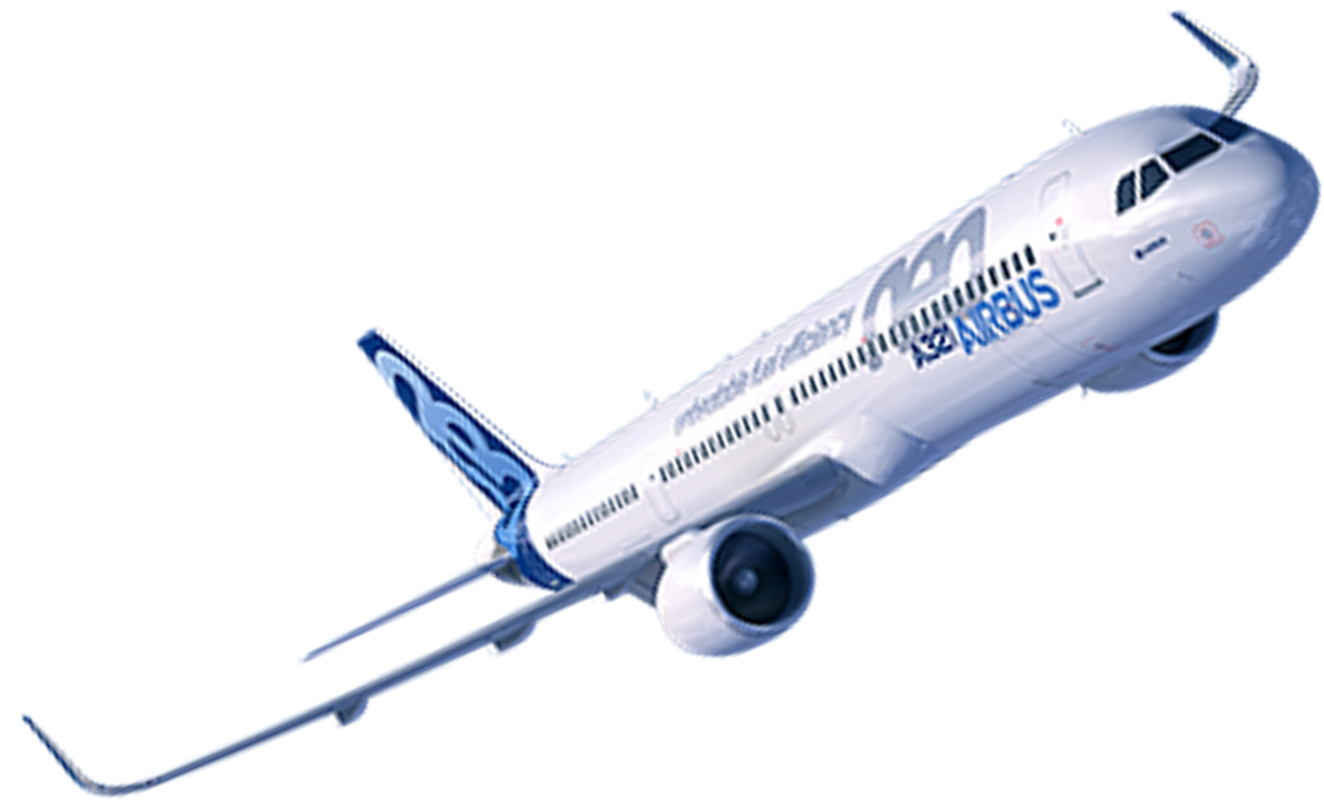
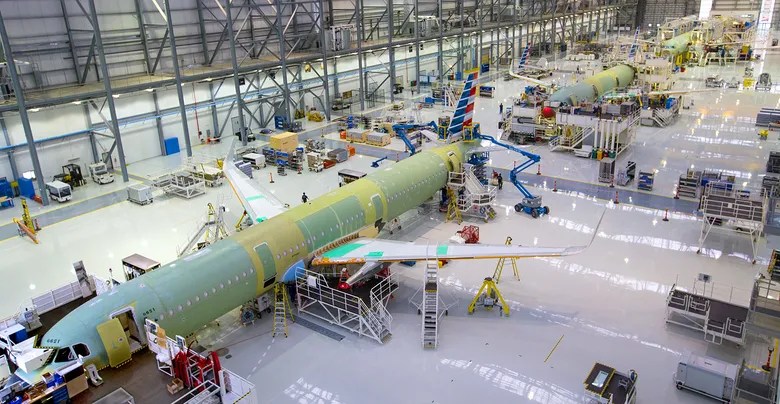
Air Canada ha confirmado un pedido a Airbus Group de seis (6) aviones A321XLR, que anteriormente figuraban como no revelados en la cartera de pedidos de Airbus. Con este compromiso, la flota A321XLR de Air Canada comprenderá 26 unidades, incluidos veinte A321XLR (20) adicionales que la aerolínea adquirirá a través de arrendadores.

Air Canada_Isologotype_001

“Air Canada se compromete a fortalecer aún más su posición de liderazgo en el mercado, especialmente a través de inversiones en nuevas tecnologías. La adquisición del Airbus A321XLR de última generación es un elemento importante de esta estrategia e impulsará nuestras prioridades principales de mejorar la experiencia del cliente, avanzar en nuestros objetivos medioambientales, expandir la red y aumentar nuestra rentabilidad general. Este pedido también muestra que Air Canada está saliendo con fuerza de la pandemia y está en una posición ideal para crecer, competir y prosperar en una industria de la aviación global remodelada”, dijo Michael Rousseau, presidente y director ejecutivo de Air Canada.

“La versatilidad y el rendimiento excepcionales del A321XLR permitirán a Air Canada seguir desarrollando la expansión de su red de manera sostenible con mayor eficiencia y reducción de las emisiones de CO2. Agradecemos a Air Canada por su confianza en nosotros y estamos encantados con el avance en nuestra relación de larga data”, dijo Christian Scherer, Director Comercial de Airbus y Director de Airbus International.

El A321XLR encaja perfectamente en la flota de Air Canada, dado su historial de operación de toda la familia A320, así como del avión de fuselaje ancho A330-300 de largo alcance de Airbus y, más recientemente, el avión de pasillo único de última generación de Airbus, el A220. El nuevo avión Airbus A321XLR es un reemplazo ideal para los aviones más antiguos y menos eficientes en combustible. El jet de pasillo único de última generación permitirá a Air Canada agregar nuevos destinos de la manera más sostenible.

El A321XLR es el siguiente paso evolutivo en la familia de aviones A320NEO, cumple con los requisitos del mercado para aumentar el alcance y la carga útil en un avión de un solo pasillo y crea más valor para las aerolíneas al permitir un servicio económicamente viable en rutas más largas que cualquier modelo de avión comparable. Permitirá servicios desde el este de Canadá a una selección mucho más amplia de destinos europeos.

El A321XLR ofrecerá una gama de aviones de pasillo único sin precedentes de hasta 4.700 nm, con un consumo de combustible por asiento un 30% menor en comparación con los aviones de la generación anterior, así como una reducción de las emisiones de NOx y el ruido. El avión contará con la cabina de Airbus Airspace, que ofrece un nuevo nivel de comodidad para los pasajeros en vuelos de larga distancia. A fines de Febrero de 2022, la familia A320neo había acumulado casi 7900 pedidos de más de 120 clientes en todo el mundo. Los pedidos del A321XLR ascendieron a 515 de 25 clientes.

Air Canada orders A321XLR

Air Canada orders Airbus A321XLR (6) for network expansion

Air Canada has confirmed an order with Airbus Group for six (6) A321XLR aircraft, previously listed as undisclosed in the Airbus order book. With this commitment, Air Canada’s A321XLR fleet will comprise 26 units, including an additional twenty A321XLRs (20) that the airline will acquire through lessors.

“Air Canada is committed to further strengthening its leadership position in the market, especially through investments in new technologies. The acquisition of the latest generation Airbus A321XLR is an important element of this strategy and will drive our top priorities of improving the customer experience, advancing our environmental goals, expanding the network and increasing our overall profitability. This order also shows that Air Canada is emerging strong from the pandemic and is ideally positioned to grow, compete and thrive in a reshaped global aviation industry”, said Michael Rousseau, Air Canada Chairman and CEO.

“The exceptional versatility and performance of the A321XLR will enable Air Canada to further sustainably expand its network with increased efficiency and reduced CO2 emissions. We thank Air Canada for their trust in us and are delighted with the progress in our long-standing relationship”, said Christian Scherer, Airbus Chief Commercial Officer and Head of Airbus International.

The A321XLR is a perfect fit for Air Canada’s fleet, given its history of operating the entire A320 family, as well as Airbus’ long-range A330-300 widebody and, more recently, the next-generation single-aisle aircraft. of Airbus, the A220. The new Airbus A321XLR aircraft is an ideal replacement for older, less fuel efficient aircraft. The next-generation single-aisle jet will allow Air Canada to add new destinations in the most sustainable way.

The A321XLR is the next evolutionary step in the A320NEO family of aircraft, meeting market requirements to increase range and payload in a single-aisle aircraft and creating more value for airlines by enabling economically viable service on routes longer than any comparable aircraft model. It will allow services from eastern Canada to a much wider selection of European destinations.

The A321XLR will offer an unprecedented range of single-aisle aircraft up to 4,700nm, with 30% lower fuel consumption per seat compared to previous generation aircraft, as well as reduced NOx emissions and noise . The aircraft will feature the Airbus Airspace cabin, offering a new level of comfort for passengers on long-haul flights. As of the end of February 2022, the A320neo Family had accumulated almost 7,900 orders from more than 120 customers worldwide. Orders for the A321XLR totaled 515 from 25 customers.

PUBLISHER: Airgways.com
DBk: Airbus.com / Aircanada.com / Airgways.com
AW-POST: 202203221220AR
OWNERSHIP: Airgways Inc.
A\W A I R G W A Y S ®
Nunavut aprueba ayudas aerolíneas

AW | 2022 03 22 12:05 | AIRLINES / GOVERNMENT

Región canadiense aprueba ayudas aerolíneas

El Gobierno de Nunavut aprueba otros US$ 22 millones de Dólares en apoyo a las aerolíneas. El Gobierno ha pagado US$ 109 millones de Dólares en concepto de subsidios hasta ahora. Los Legisladores de Nunavut aprobaron otra partida de denero para ayudar a las aerolíneas del territorio a alcanzar el punto de equilibrio para operar en Nunavut, Canadá. El Ministro de Finanzas, Adam Arreak Lightstone, hizo la solicitud en la Legislatura el Lunes 21/03 para cubrir las aerolíneas de Enero a Marzo de 2022. Dijo que el dinero extra es necesario para ayudar a las aerolíneas a continuar manteniendo un servicio mínimo a las comunidades de Nunavut. «Ahora estamos en el punto en que las aerolíneas dependen tanto de nuestros subsidios como de sus servicios cruciales que brindan a nuestras comunidades. No podemos simplemente poner fin abruptamente a estos apoyos financieros que hemos estado proporcionando. De lo contrario, eso tendría un impacto perjudicial en nuestras comunidades», dijo Arreak Lightstone a la Cámara, y agregó que es una suposición segura que las aerolíneas no se están beneficiando de los subsidios.

Hasta la fecha, los contribuyentes de Nunavut han pagado US$ 109 millones en subsidios a las aerolíneas, dijo Arreak Lightstone. Pero aclaró que las aerolíneas han reembolsado US$ 53 millones de Dólares a través de reembolsos de boletos de viaje médicos y de impuestos y excedentes de efectivo. «Estamos proporcionando un subsidio para ayudar a las aerolíneas a alcanzar el punto de equilibrio con sus operaciones de Nunavut», dijo Arreak Lightstone.

Nunavut approves airline aid

Canadian region approves airline aid

AW-Canadian North Airlines__00010

The Government of Nunavut approves another US$ 22 million in support for airlines. The Government has paid US$ 109 million in subsidies so far. Nunavut lawmakers approved another round of money to help the territory’s airlines break even to operate in Nunavut, Canada. The Minister of Finance, Adam Arreak Lightstone, made the request in the Legislature on Monday 03/21 to cover the airlines from January to March 2022. He said that the extra money is necessary to help the airlines continue to maintain a minimum service to the communities of Nunavut. «We are now at the point where airlines are as dependent on our subsidies as they are on the crucial services they provide to our communities. We cannot just abruptly end these financial supports that we have been providing. Otherwise, that would have a detrimental impact in our communities», Arreak Lightstone told the House, adding that it is a safe assumption that airlines are not benefiting from the subsidies.

To date, Nunavut taxpayers have paid US$ 109 million in subsidies to airlines, Arreak Lightstone said. But he clarified that airlines have reimbursed US$ 53 million through medical and tax travel ticket refunds and excess cash. «We are providing a subsidy to help airlines break even with their Nunavut operations», Arreak Lightstone said.

PUBLISHER: Airgways.com
DBk: Gov.nu.ca / Airgways.com
AW-POST: 202203221205AR
OWNERSHIP: Airgways Inc.
A\W A I R G W A Y S ®

Aerolíneas trazan ruta transpolar

AW | 2022 03 22 11:48 | AIRLINES MARKET

Inician rutas polares en en norte por bloqueo aéreo ruso

El cierre del espacio aéreo de la Federación Rusia a algunas aerolíneas internacionales, incluidas muchas en Europa, ha obligado a las aerolíneas a buscar rutas alternativas. Para algunos vuelos, como los que unen Europa y el sudeste asiático, eso es especialmente problemático ya que Rusia, el país más grande del mundo, se encuentra directamente en el medio.

El problema se ilustra mejor con el vuelo de Finnair de Helsinki a Tokio. Antes de la invasión de Ucrania, los aviones de la aerolínea nacional de Finlandia despegaban y se desviaban rápidamente hacia el espacio aéreo de la vecina Rusia, cruzándolo por más de 3.000 millas. Luego entrarían en China cerca de su frontera norte con Mongolia, volarían en su espacio aéreo durante aproximadamente 1.000 millas, antes de ingresar a Rusia nuevamente justo al norte de Vladivostok. Finalmente, cruzarían el Mar de Japón y girarían hacia el sur hacia el aeropuerto de Narita. El viaje tomaría poco menos de nueve horas en promedio y cubriría casi 5,000 millas. El último vuelo de este tipo partió el 26 de Febrero de 2022. Al día siguiente, Rusia prohibió a Finlandia utilizar su espacio aéreo, lo que obligó a la cancelación temporal de la mayoría de los destinos asiáticos de Finnair, incluidos Corea del Sur, Singapur y Tailandia.

Planificación Finnair

En ese momento, sin embargo, los planificadores de rutas de la aerolínea habían estado trabajando durante mucho tiempo para encontrar una solución. «Hicimos el primer cálculo muy aproximado unas dos semanas antes del cierre real del espacio aéreo», dice Riku Kohvakka, Gerente de Planificación de vuelos de Finnair. La solución fue sobrevolar el Polo Norte. En lugar de dirigirse al sureste hacia Rusia, los aviones ahora saldrían de Helsinki y se dirigirían directamente hacia el norte, dirigiéndose al archipiélago noruego de Svalbard, antes de cruzar el polo y Alaska. Luego se desviarían hacia Japón volando sobre el Pacífico, bordeando cuidadosamente el espacio aéreo ruso. Eso no es tan sencillo como antes: el viaje ahora toma más de trece horas, cubre aproximadamente 8,000 millas y usa un 40% más de combustible. Finnair comenzó a volar a través de la ruta polar a Japón el 9 de Marzo de 2022. Entonces, ¿cómo rediseña una aerolínea completamente uno de sus vuelos más largos en poco más de una semana? «Todas las principales aerolíneas tienen su propio sistema computarizado de planificación de vuelos, que utilizan para planificar rutas y cambiarlas», explica Riku Kohvakka. En el software, el espacio aéreo de países específicos se puede tachar y los puntos de referencia se pueden insertar manualmente para ayudarlo a calcular rutas alternativas. El siguiente paso es un nuevo plan de vuelo operativo, que le dice a la tripulación cuál es la ruta planificada, cuánto combustible necesitan, cuánto puede pesar el avión, etc. «Por experiencia, sabíamos que teníamos dos posibilidades: una a través del norte y otra a través del sur«, dice Riku Kohvakka. Además de la ruta polar, Finnair también puede llegar a Japón volando al sur de Rusia: sobre los países bálticos, Polonia, república eslovaca, Hungría, Rumania, Bulgaria, Turquía, Georgia, Azerbaiyán, Turkmenistán, Uzbekistán, Kazajstán a China, Corea y luego a Japón. Es más largo, pero si las condiciones del viento son particularmente favorables, se puede usar, lo que resulta en un tiempo de vuelo similar. Luego, los datos de consumo de combustible, junto con las tarifas de navegación, se utilizan para estimar el costo del vuelo. «Después de eso, tenemos que comprobar sobre qué tipo de terreno estamos volando. Por ejemplo, para ver si la elevación en algún punto de la ruta requiere una planificación especial, en caso de que perdamos un motor o presurización, algo que siempre se considera al preparar un vuelo», dice Riku Kohvakka. Una vez que se aprueba la nueva ruta, el enfoque cambia a los equipos de aeronaves y los procesos y regulaciones asociados. Entre ellos se encuentra uno llamado ETOPS (Extended-range Twin-engine Operational Performance Standards), que se remonta a la década de 1950, cuando los motores de los aviones eran menos confiables y más propensos a fallar. ETOPS es una certificación proporcionada a las aeronaves que determina qué tan lejos un avión con solo dos motores podría volar desde el aeropuerto más cercano, en caso de que necesite un aterrizaje de emergencia debido a una falla del motor. «Necesitamos tener un aeropuerto adecuado donde podamos desviarnos dentro de un cierto límite de tiempo», dice Riku Kohvakka.

La regulación se estableció inicialmente en 60 minutos, pero a medida que los aviones se volvieron más confiables, se extendió gradualmente. Hace apenas unas semanas, Finnair operaba bajo la regla ETOPS 180 ampliamente adoptada, lo que significaba que su avión bimotor podía volar hasta tres horas de distancia del aeropuerto más cercano en cualquier momento. La nueva ruta ártica, sin embargo, vuela sobre áreas muy remotas, donde los aeropuertos son pocos y distantes entre sí. Como resultado, la aerolínea tuvo que solicitar una extensión de ese protocolo a 300 minutos, lo que significa que los Airbus A350-900 que utiliza para volar a Japón ahora pueden alejarse hasta cinco horas del aeropuerto más cercano, sin dejar de cumplir con todas las regulaciones internacionales y protocolos de seguridad.

Ruta de la Guerra Fría

AW-Finnair__DC-10-30

Las aerolíneas se ocupan rutinariamente del cierre del espacio aéreo, por ejemplo, durante los lanzamientos de naves espaciales y los ejercicios militares, y los conflictos anteriores han restringido o detenido el vuelo sobre Afganistán, Siria y Pakistán. Un cierre de esta magnitud, sin embargo, no se ha producido desde tiempos de la Guerra Fría. Debido a que los derechos de sobrevuelo se negocian entre naciones en lugar de aerolíneas individuales, Rusia y Finlandia aseguraron un acuerdo solo en 1994, dos años después de que la Unión Soviética se desintegrara.

Anteriormente, Finnair, como la mayoría de las otras aerolíneas europeas, no volaba sobre la Unión Soviética en absoluto. Cuando comenzó a operar en Tokio en 1983, también voló a través del Polo Norte y Alaska. «Así que esta ruta no es totalmente nueva para nosotros«, dice Eiku Kohvakka. Finnair fue la primera aerolínea en volar la ruta sin escalas, utilizando aviones DC-10, mientras que la mayoría de las demás en ese momento tenían una parada de reabastecimiento de combustible en Anchorage. La nueva ruta aumenta el consumo de combustible en la friolera de 20 toneladas, lo que hace que los vuelos sean un desafío ambiental y financiero. Por esa razón, Finnair está priorizando la carga, donde la demanda es más fuerte, y limitando la capacidad de pasajeros a solo 50 asientos, los Airbus A350-900 utilizados en los vuelos podrían transportar hasta 330 personas. «La duración adicional del viaje hará que menos vuelos sean económicamente viables. Se vuelven muy dependientes de una alta mezcla de pasajeros premium y carga de alto rendimiento; esto en un entorno donde la demanda general de viajes a lo largo de estas rutas sigue siendo relativamente baja. Dudo que esta sea una estrategia ampliamente adoptada», dice Jonas Murby, Analista de Aviación de Aerodynamic Advisory. Japan Airlines es hasta ahora la única otra aerolínea que utiliza la ruta polar para sus vuelos entre Europa y Japón. El servicio de Londres a Tokio ahora vuela sobre Alaska, Canadá, Groenlandia e Islandia, lo que ha aumentado el tiempo promedio de vuelo de poco más de 12 horas a aproximadamente 14 horas y 30 minutos, según Flightradar24.

Experiencia transpolar

Cuatro horas adicionales de tiempo de vuelo también tienen un impacto en los pasajeros y la tripulación, lo que aumenta aún más los costos. «Por lo general, volamos a Japón con una tripulación de tres pilotos. Ahora lo operamos con cuatro pilotos. Tenemos una litera específica para la tripulación de vuelo donde podemos dormir y descansar, y también hemos aumentado el número de comidas. Los pasajeros han reaccionado alegremente a la nueva ruta, según Aleksi Kuosmanen. «Yo diría que la gente estaba entusiasmada. Muchos preguntaban a qué hora cruzaríamos el polo y si se esperaba aurora boreal», explica Aleksi Kuosmanen, Piloto Jefe adjunto de flota de Finnair, que también es Capitán en los nuevos vuelos.

Finnair está entregando diplomas y pegatinas para certificar que los pasajeros han volado sobre el Polo Norte. Técnicamente, la ruta polar no plantea ningún riesgo de seguridad adicional. «El clima frío es probablemente lo primero que viene a la mente, y es cierto que hay regiones con masas de aire frío a gran altitud, pero estamos bastante acostumbrados a esto cuando volamos rutas del norte a Tokio en el espacio aéreo ruso de todos modos», dice Aleksi Kuosmanen. Un problema podría ser que la temperatura del combustible se vuelve demasiado baja, pero el A350 es particularmente resistente contra el aire frío, dice Aleksi Kuosmanen, lo que lo hace ideal para la ruta. Hay otras objeciones menores. Por ejemplo, las comunicaciones de voz por satélite no cubren toda la región ártica, por lo que las tripulaciones tienen que confiar en la radio HF, una tecnología que tiene casi 100 años de antigüedad. Además de eso, hay áreas con fuerte radiación magnética a considerar durante el vuelo. «Tenemos una buena brújula magnética antigua en el avión, además de varias ayudas de navegación modernas, y se volvió un poco loca mientras volábamos sobre el Polo Norte magnético», dice Aleksi Kuosmanen. Esto no causa ningún daño a la aeronave en absoluto. En general, desde el punto de vista del piloto, la ruta polar hace que las cosas sean más interesantes, pero no altera fundamentalmente el trabajo. «El área polar es probablemente donde cada piloto que vuela larga distancia quiere operar. Pero una vez que uno está bien preparado y bien informado, es solo otro día en la oficina», dice Aleksi Kuosmanen.

Airlines trace transpolar route

Polar routes begin in the north due to Russian air blockade

AW-Finnair_Isologotype_001

The closure of Russian Federation airspace to some international airlines, including many in Europe, has forced airlines to seek alternative routes. For some flights, like those linking Europe and Southeast Asia, that’s especially problematic since Russia, the world’s largest country, is squarely in the middle.

The problem is best illustrated by Finnair’s flight from Helsinki to Tokyo. Before the invasion of Ukraine, planes of Finland’s national airline would take off and quickly swerve into neighboring Russia’s airspace, crossing it for more than 3,000 miles. They would then enter China near its northern border with Mongolia, flying in its airspace for roughly 1,000 miles, before entering Russia again just north of Vladivostok. Finally, they would cross the Sea of ​​Japan and turn south towards Narita Airport. The trip would take just under nine hours on average and cover nearly 5,000 miles. The last such flight departed on February 26, 2022. The following day, Russia banned Finland from using its airspace, forcing the temporary cancellation of most of Finnair’s Asian destinations, including South Korea, Singapore and Thailand.

Finnair Planning

AW-Finnair_A350

At the time, however, the airline’s route planners had been working for a long time to find a solution. «We made the first very rough estimate about two weeks before the actual airspace closure», says Riku Kohvakka, Flight Planning Manager at Finnair. The solution was to fly over the North Pole. Instead of heading southeast towards Russia, the planes would now leave Helsinki and head directly north, heading to the Norwegian archipelago of Svalbard, before crossing the pole and Alaska. They would then be diverted to Japan by flying over the Pacific, carefully skirting Russian airspace. That’s not as straightforward as it used to be: The trip now takes more than thirteen hours, covers about 8,000 miles, and uses 40% more fuel. Finnair began flying the polar route to Japan on March 9, 2022. So how does an airline completely redesign one of its longest flights in just over a week? «All major airlines have their own computerized flight planning system, which they use to plan routes and change routes», explains Riku Kohvakka. In the software, the airspace of specific countries can be crossed out and waypoints can be manually inserted to help you calculate alternative routes. The next step is a new operational flight plan, which tells the crew what the planned route is, how much fuel they need, how much the plane can weigh, etc. «From experience, we knew we had two possibilities: one through the north and one through the south», says Riku Kohvakka. In addition to the polar route, Finnair can also reach Japan by flying to the south of Russia: over the Baltic States, Poland, the Slovak Republic, Hungary, Romania, Bulgaria, Turkey, Georgia, Azerbaijan, Turkmenistan, Uzbekistan, Kazakhstan to China, Korea and then to Japan. It is longer, but if the wind conditions are particularly favourable, it can be used, resulting in a similar flight time. The fuel consumption data, along with navigation fees, is then used to estimate the cost of the flight. «After that, we have to check what kind of terrain we’re flying over. For example, to see if elevation at any point along the route requires special planning, in case we lose an engine or pressurization, which is always considered preparing for a flight», says Riku Kohvakka. Once the new route is approved, the focus shifts to aircraft equipment and associated processes and regulations. Among them is one called ETOPS (Extended-range Twin-engine Operational Performance Standards), which dates back to the 1950s, when aircraft engines were less reliable and more prone to failure. ETOPS is a certification provided to aircraft that determines how far a plane with only two engines could fly from the nearest airport, should it need to make an emergency landing due to engine failure. «We need to have a proper airport where we can divert within a certain time limit», says Riku Kohvakka.

The regulation was initially set at 60 minutes, but as aircraft became more reliable it was gradually extended. Just a few weeks ago, Finnair was operating under the widely adopted ETOPS 180 rule, which meant its twin-engine plane could fly up to three hours away from the nearest airport at any one time. The new arctic route, however, flies over very remote areas, where airports are few and far between. As a result, the airline had to request an extension of that protocol to 300 minutes, which means that the Airbus A350-900s it uses to fly to Japan can now travel up to five hours away from the nearest airport, while still complying with all international regulations and security protocols.

Cold war route

Airlines routinely deal with airspace closures, for example during spacecraft launches and military exercises, and previous conflicts have restricted or halted flying over Afghanistan, Syria and Pakistan. A closure of this magnitude, however, has not occurred since the days of the Cold War. Because overflight rights are traded between nations rather than individual airlines, Russia and Finland secured an agreement only in 1994, two years after the Soviet Union fell apart.

Previously, Finnair, like most other European airlines, did not fly over the Soviet Union at all. When it began operations in Tokyo in 1983, it also flew across the North Pole and Alaska. «So this route is not totally new to us», says Eiku Kohvakka. Finnair was the first airline to fly the route nonstop, using DC-10 aircraft, while most others at the time had a refueling stop in Anchorage. The new route increases fuel consumption by a whopping 20 tons, making flights an environmental and financial challenge. For that reason, Finnair is prioritizing cargo, where demand is strongest, and by limiting passenger capacity to just 50 seats, the Airbus A350-900s used on the flights could carry up to 330 people. «The additional length of travel will make fewer flights economically viable. They become very reliant on a high mix of premium passengers and high-throughput cargo; this in an environment where overall travel demand along these routes remains relatively low. I doubt this is a widely adopted strategy», says Jonas Murby, Aviation Analyst at Aerodynamic Advisory. Japan Airlines is so far the only other airline to use the polar route for its flights between Europe and Japan. Service from London to Tokyo now flies over Alaska, Canada, Greenland and Iceland, which has increased the average flight time from just over 12 hours to about 14 hours and 30 minutes, according to Flightradar24.

Transpolar experience

An additional four hours of flight time also takes a toll on passengers and crew, further driving up costs. «Usually we fly to Japan with a crew of three pilots. Now we operate it with four pilots. We have a specific berth for the flight crew where we can sleep and rest, and we have also increased the number of meals. The passengers have reacted happily to the new route, according to Aleksi Kuosmanen. «I would say that people were excited. Many asked what time we would cross the pole and if the Northern Lights were expected», explains Aleksi Kuosmanen, Finnair’s Deputy Chief Fleet Pilot, who is also Captain on the new flights.

Finnair is handing out diplomas and stickers to certify that passengers have flown over the North Pole. Technically, the polar route does not pose any additional security risks. “Cold weather is probably the first thing that comes to mind, and it is true that there are regions with high-altitude cold air masses, but we are quite used to this when flying routes north to Tokyo in Russian airspace anyway», says Aleksi Kuosmanen. One problem could be that the fuel temperature becomes too low, but the A350 is particularly resilient against cold air, says Aleksi Kuosmanen, making it ideal for the route. There are other minor objections. For example, satellite voice communications do not cover the entire Arctic region, so crews have to rely on HF radio, a technology that is nearly 100 years old. In addition to that, there are areas with strong magnetic radiation to consider during the flight. “We have a good old-fashioned magnetic compass on the plane, plus several modern navigation aids, and it went a little crazy while we were flying over the magnetic North Pole”, says Aleksi Kuosmanen. This does not cause any damage to the aircraft at all. In general, from the pilot’s point of view, the polar route makes things more interesting, but does not fundamentally alter the work. «The polar area is probably where every long-haul pilot wants to operate. But once you’re well prepared and well informed, it’s just another day at the office», says Aleksi Kuosmanen.

PUBLISHER: Airgways.com
DBk: Cnn.com / Finnair.com / Airgways.com
AW-POST: 2022031148AR
OWNERSHIP: Airgways Inc.
A\W A I R G W A Y S ®
TATA-Airbus conversaciones por A350

AW | 2022 03 22 11:33 | AIRLINES / INDUSTRY

Tata Group econversaciones con Airbus para adquisición A350XWB

Airbus_Isologotype_svg

Tata Group de la India está en conversaciones con Airbus Group para la adquisición de sus aviones de fuselaje ancho como el Airbus A350. El Presidente y Director General de Airbus India y Asia del Sur, Remi Maillard, dijo el 21 de Marzo que Tata Group está en conversaciones con Airbus para un acuerdo con respecto a la adquisición de sus aviones A350XWB de fuselaje ancho, un tipo de aeronave que ha sido seleccionada por poseer tanques de combustible de dimensiones más grandes que les permiten viajar distancias más largas. «Obviamente, estamos en conversaciones con todas las aerolíneas. El nuevo propietario de Air India, Tatas, son clientes existentes de Airbus», dijo Remi Maillard cuando se le preguntó si el fabricante de aviones europeo está en conversaciones con Tata y otras aerolíneas indias para el acuerdo de aviones comerciales.

«Tata tiene a Vistara y AirAsia India como parte del grupo como sabemos. Hemos desarrollado una relación de larga data, de confianza y respeto con el Tata Group», declaró en una conferencia de prensa. El Grupo Tata actualmente opera cuatro aerolíneas indias: Air India, Air India Express, Vistara y AirAsia India. Tata Sons había comprado una participación accionaria en Air India y Air India Express en Septiembre 2021. Remi Maillard dijo que Tata Group también es socio de Airbus en el negocio de defensa.

Los aviones de cuerpo ancho como el A350-900/1000 tienen tanques de combustible más grandes que les permiten viajar distancias más largas en comparación con los aviones de cuerpo estrecho como el A320NEO. Los aviones A350 pueden viajar por encima de las 8.000 millas náuticas, con un tiempo de vuelo de aproximadamente 18 horas en un vuelo.

La flota de aviones de fuselaje ancho en la India se ha mantenido estancada durante los últimos veinte años. La flota de aviones de pasillo único se ha multiplicado por un factor de seis en el mismo período de tiempo. «Predecimos un crecimiento promedio anual del 6,2 por ciento para el tráfico aéreo fuera de la India. El promedio mundial está en 3.9 por ciento», señaló Remi Maillard. Airbus es bastante alcista en el mercado internacional de larga distancia fuera de la India, dijo. «Creemos que el tipo de revolución que hemos presenciado en el tráfico doméstico en los últimos veinte años ahora ocurrirá en el mercado de larga distancia en Asia. Creemos que el avión de nueva generación, el A350, será el detonante de esta revolución en el mercado internacional de larga distancia», señaló el Director General para India y Asia del Sur.

TATA-Airbus talks for A350

Tata Group in talks with Airbus for A350XWB acquisition

India’s Tata Group is in talks with Airbus Group for the acquisition of its wide-body aircraft such as the Airbus A350. President and CEO of Airbus India and South Asia, Remi Maillard, said on March 21 that the Tata Group is in talks with Airbus for an agreement regarding the acquisition of its A350XWB wide-body aircraft, an aircraft type that It has been selected for having larger fuel tanks that allow them to travel longer distances. «Obviously we are in talks with all the airlines. Air India’s new owner Tatas are existing Airbus customers», Remi Maillard said when asked if the European planemaker is in talks with Tata and other Indian airlines to the commercial aircraft agreement.

«Tata has Vistara and AirAsia India as part of the group as we know. We have developed a long-standing relationship of trust and respect with the Tata Group», he told a news conference. The Tata Group currently operates four Indian airlines: Air India, Air India Express, Vistara and AirAsia India. Tata Sons had bought an equity stake in Air India and Air India Express in September 2021. Remi Maillard said that the Tata Group is also an Airbus partner in the defense business.

Wide-body jets like the A350-900/1000 have larger fuel tanks that allow them to travel longer distances compared to narrow-body jets like the A320NEO. A350 aircraft can travel in excess of 8,000 nautical miles, with a flight time of approximately 18 hours on one flight.

The wide-body aircraft fleet in India has been stagnant for the last twenty years. The single-aisle aircraft fleet has grown by a factor of six in the same time period. «We predict an average annual growth of 6.2 percent for air traffic out of India. The world average is 3.9 percent,» Remi Maillard noted. Airbus is quite bullish on the international long-haul market outside of India, he said. «We believe that the kind of revolution that we have witnessed in domestic traffic in the last twenty years will now happen in the long-haul market in Asia. We believe that the new generation aircraft, the A350, will be the trigger for this revolution in the market. international long-distance service», said the Director General for India and South Asia.

A350 के लिए टाटा-एयरबस वार्ता

टाटा समूह A350XWB अधिग्रहण के लिए एयरबस के साथ बातचीत कर रहा है

AW-Airbus A350_Isologotype (5)

भारत का टाटा समूह एयरबस समूह के साथ अपने व्यापक शरीर वाले विमान जैसे एयरबस ए350 के अधिग्रहण के लिए बातचीत कर रहा है। एयरबस इंडिया और दक्षिण एशिया के अध्यक्ष और सीईओ रेमी माइलर्ड ने 21 मार्च को कहा कि टाटा समूह अपने A350XWB वाइड-बॉडी विमान के अधिग्रहण के संबंध में एक समझौते के लिए एयरबस के साथ बातचीत कर रहा है, एक ऐसा विमान जिसे इसके लिए चुना गया है। बड़े ईंधन टैंक जो उन्हें लंबी दूरी की यात्रा करने की अनुमति देते हैं। यह पूछे जाने पर कि क्या यूरोपीय योजना निर्माता टाटा और अन्य भारतीय एयरलाइनों के साथ वाणिज्यिक विमान समझौते के लिए बातचीत कर रहे हैं, रेमी माइलार्ड ने कहा, «जाहिर है, हम सभी एयरलाइनों के साथ बातचीत कर रहे हैं। एयर इंडिया के नए मालिक टाटा मौजूदा एयरबस ग्राहक हैं»

उन्होंने एक संवाददाता सम्मेलन में कहा, «जैसा कि हम जानते हैं, टाटा के पास विस्तारा और एयरएशिया इंडिया हैं। हमने टाटा समूह के साथ विश्वास और सम्मान का एक पुराना रिश्ता विकसित किया है«। टाटा समूह वर्तमान में चार भारतीय एयरलाइनों का संचालन करता है: एयर इंडिया, एयर इंडिया एक्सप्रेस, विस्तारा और एयरएशिया इंडिया। टाटा संस ने सितंबर 2021 में एयर इंडिया और एयर इंडिया एक्सप्रेस में इक्विटी हिस्सेदारी खरीदी थी। रेमी माइलार्ड ने कहा कि टाटा समूह भी रक्षा कारोबार में एयरबस पार्टनर है।

A350-900/1000 जैसे चौड़े शरीर वाले विमानों में बड़े ईंधन टैंक होते हैं जो उन्हें A320NEO जैसे संकीर्ण शरीर वाले विमानों की तुलना में लंबी दूरी की यात्रा करने की अनुमति देते हैं। A350 विमान एक उड़ान पर लगभग 18 घंटे के उड़ान समय के साथ 8,000 समुद्री मील से अधिक की यात्रा कर सकता है।

भारत में वाइड-बॉडी विमान का बेड़ा पिछले बीस वर्षों से स्थिर है। एकल-गलियारा विमान बेड़े में समान समयावधि में छह गुना वृद्धि हुई है। रेमी माइलर्ड ने कहा, «हम भारत से बाहर हवाई यातायात के लिए औसत वार्षिक वृद्धि 6.2 प्रतिशत की भविष्यवाणी करते हैं। विश्व औसत 3.9 प्रतिशत है»। उन्होंने कहा कि भारत के बाहर अंतरराष्ट्रीय लंबी दूरी के बाजार में एयरबस काफी तेज है। «हम मानते हैं कि पिछले बीस वर्षों में हमने घरेलू यातायात में जिस तरह की क्रांति देखी है, वह अब एशिया में लंबी दूरी के बाजार में होगी। हमें विश्वास है कि नई पीढ़ी के विमान, ए 350, इस क्रांति के लिए ट्रिगर होंगे। बाजार में। अंतरराष्ट्रीय लंबी दूरी की सेवा», भारत और दक्षिण एशिया के महानिदेशक ने कहा।

PUBLISHER: Airgways.com
DBk: Airbus.com / Tata.com / Airgways.com
AW-POST: 202203221133AR
OWNERSHIP: Airgways Inc.
A\W A I R G W A Y S ®

Inauguración Aeropuerto AIFA

AW | 2022 03 22 09:50 | AIRPORTS / GOVERNMENT

Gobierno de México inaugura nuevo aeropuerto internacional

AW-Aeropuerto Felipe Ángeles__Isologotype-001

La inauguración del Aeropuerto Internacional Felipe Ángeles/AIFA ha quedado formalmente inaugurado el Lunes 21/03. El Secretario de la Defensa Nacional, Luis Cresencio Sandoval, detalló el programa de actividades para la puesta en funciones de la nueva aeroestación internacional de México. Luis Cresencio Sandoval hizo entrega de la obra concluida del AIFA a la empresa que se encargará de su operación.

La ceremonia de inauguración de la primera de las obras insignia de la Administración del Presidente Andrés López Obrador ha permitido concretarse para aliviar el saturado Aeropuerto Internacional Ciudad de México, una perspectiva que se convertiría en crítica con la salida de la pandemia.

Aunque el proyecto ha sido sumamente criticado por los problemas de movilidad para arribar y salir de la terminal aérea, recientemente distintas líneas de autobuses y otros medios de transporte dieron a conocer que ofrecerán el servicio para que los pasajeros puedan llegar o abandonar las instalaciones en tiempo y forma.

PRIMER VUELO COMERCIAL A CARGO DE AEROMÉXICO CONNECT

El Aeropuerto Internacional Felipe Ángeles/AIFA, ubicado a 50 km al norte de Ciudad de México, es el nuevo aeródromo llamado a resolver un problema de saturación que arrastra la enorme urbe desde hace dos décadas. Pero desde su concepción misma, el AIFA ha estado rodeado del escepticismo de los especialistas en materia aeroportuaria, al cual el presidente ha combatido en los últimos cuatro años.

AW-Aeropuerto AIFA_00011

La planeación y ejecución de la obra del nuevo AIFA fue ejecutada por las Fuerzas Armadas en menos de tres años. Grupos de especialistas han echado abajo el escepticismo técnico sobre su operación, pues muchos analistas aseguraban que era incompatible la operación del viejo AICM con el AIFA, lo cual ha quedado solventado con una reconfiguración del espacio aéreo. En cuestión de dinero, sin embargo, el presupuesto ha tenido que ampliarse en al menos dos ocasiones. El 83% de los contratos de obra civil, materiales, equipos, etc., fue otorgado por adjudicación directa a proveedores, no por concurso de adjudicación como mandan las mejores prácticas. Además, el proyecto fue catalogado como una obra de seguridad nacional, lo que dificulta el escrutinio del uso de recursos públicos.

Tras la construcción del nuevo Aeropuerto Felipe Ángeles/AIFA, actualmente la aeroestación exhibe en su museo restos de mamut que fueron encontrados durante su construcción.

AIFA Airport inauguration

Government of Mexico inaugurates new international airport

The inauguration of the Felipe Ángeles International Airport/AIFA has been formally inaugurated on Monday 03/21. The Secretary of National Defense, Luis Cresencio Sandoval, detailed the program of activities for the commissioning of the new international air station in Mexico. Luis Cresencio Sandoval delivered the completed work of the AIFA to the company that will be in charge of its operation.

The inauguration ceremony of the first of the flagship works of the Administration of President Andrés López Obrador has made it possible to relieve the saturated Mexico City International Airport, a perspective that would become critical with the end of the pandemic.

Although the project has been highly criticized for the mobility problems to arrive and leave the air terminal, recently different bus lines and other means of transport announced that they will offer the service so that passengers can arrive or leave the facilities in time. and shape.

The Felipe Ángeles/AIFA International Airport, located 50 km north of Mexico City, is the new aerodrome called to solve a saturation problem that has dragged the huge city for two decades. But since its very conception, the AIFA has been surrounded by the skepticism of airport specialists, which the president has fought for the last four years.

The planning and execution of the work of the new AIFA was carried out by the Armed Forces in less than three years. Groups of specialists have broken down the technical skepticism about its operation, as many analysts claimed that the operation of the old AICM was incompatible with the AIFA, which has been resolved with a reconfiguration of the airspace. In terms of money, however, the budget has had to be expanded on at least two occasions. 83% of civil works contracts, materials, equipment, etc., were awarded by direct award to suppliers, not by award competition as best practices dictate. In addition, the project was classified as a national security work, which makes it difficult to scrutinize the use of public resources.

After the construction of the new Felipe Ángeles/AIFA Airport, the aerostation currently exhibits mammoth remains that were found during its construction in its museum.

PUBLISHER: Airgways.com
DBk: Aeropuertoaifa.mx / Airgways.com
AW-POST: 202203220950AR
OWNERSHIP: Airgways Inc.
A\W A I R G W A Y S ®

JetSmart Argentina suma vuelos a Salta

AW | 2022 03 22 08:48 | AIRLINES ROUTES

Low cost celebra más rutas con la provincia salteña

AW-JetSmart AR__Salta_map

JetSmart_Isologotype

La Gobernación de la Provincia de Salta y autoridades de la aerolínea JetSmart Airlines Argentina se han reunido para formalizar un incremento de las frecuencias entre Buenos Aires/AEP y Salta/SLA. La reciente reunión entre el Gobernador de Salta, Gustavo Sáenz y representantes de la aerolínea se han dado cita para celebrar un importante acuerdo para aumentar los vuelos para conseguir mayores alternativas a la Región del Noroeste argentino.

Actualmente, JetSmart Argentina es una de las provincias que cuenta con mayores frecuencias en rutas domésticas, lo que permite observar la perspectiva de demanda a futuro. El funcionario provincial ha permitido avanzar junto al Gerente General de la aerolínea low cost para implementar vuelos adicionales a la grilla de programación de vuelos semanales actuales.

Aumento de frecuencias

Con la incorporación de su sexta aeronave Airbus A320-200CEO permitirá reforzar las frecuencias de los vuelos de cabotaje en la Argentina. La ruta entre Buenos Aires—Bariloche sigue siendo la ruta con mayor cantidad de frecuencias semanales pasando de 19Frq/S actuales a 20Frq/S en lo inmediato. También incorporarán las frecuencias Salta—Neuquén, con dos frecuencias semanales (2Frq/S) y Bariloche—Córdoba dos frecuencias semanales (2Frq/S) en Mayo 2022. Estas rutas habían sido operadas anteriormente por la compañía de presupuesto. Estas rutas en el interior del país incrementarán sus frecuencias en Junio 2022 con tres vuelos semanales (3Frq/S).

JetSmart Argentina adds flights to Salta

Low cost celebrates more routes with the province of Salta

The Government of the Province of Salta and authorities of the airline JetSmart Airlines Argentina have met to formalize an increase in frequencies between Buenos Aires/AEP and Salta/SLA. The recent meeting between the Governor of Salta, Gustavo Sáenz and representatives of the airline have come together to celebrate an important agreement to increase flights to get more alternatives to the Argentine Northwest Region.

Currently, JetSmart Argentina is one of the provinces with the highest frequencies on domestic routes, which allows us to observe the prospect of future demand. The provincial official has allowed progress together with the General Manager of the low cost airline to implement additional flights to the current weekly flight schedule grid.

Increased frequencies

With the incorporation of its sixth Airbus A320-200CEO aircraft, it will strengthen the frequencies of domestic flights in Argentina. The route between Buenos Aires-Bariloche continues to be the route with the highest number of weekly frequencies, going from the current 19Frq/S to 20Frq/S in the immediate future. They will also incorporate the Salta-Neuquén frequencies, with two weekly frequencies (2Frq/S) and Bariloche-Córdoba two weekly frequencies (2Frq/S) in May 2022. These routes had previously been operated by the budget company. These routes will increase their frequencies in June 2022 with three weekly flights (3Frq/S).

PUBLISHER: Airgways.com
DBk: Jetsmart.com / Salta.gob.ar / Airgways.com
AW-POST: 202203220848AR
OWNERSHIP: Airgways Inc.
A\W A I R G W A Y S ®