Las últimas entregas de los resultados económicos de The Boeing Company han arrojado un destello de luz al avión de próxima generación totalmente nuevo de hoja limpia. El Miércoles 27/10 el CEO de Boeing, Dave Calhoun, hizo una pequeña mención del próximo avión comercial de Boeing, diciendo que se están sentando las bases para su desarrollo. El Boeing 787 Dreamliner fue el último diseño establecido por la compañía americana. Ahora, el mundo continua expectante acerca de la capacidad del fabricante por dar luz verde a un nuevo modelo totalmente nuevo enfocado en el rango medio de autonomía para sustituir al legendario Boeing 757. El CEO de Boeing se dirigía con las siguientes palabras: «Al compartir una actualización sobre el desempeño de nuestra compañía hoy, quiero agradecerles por su resiliencia y dedicación. Has seguido aportando lo mejor de ti a Boeing todos los días. Gracias a su trabajo en equipo y esfuerzos incansables, estamos progresando».
Próximo avión
Después de proporcionar una actualización sobre el Programa 787, así como la producción del 737 MAX y la versión del Boeing 777X carguero, David Calhoun dio revista de los acontecimientos hacia el futuro de la compañía. Boeing recordó al público que un nuevo diseño de avión comercial todavía está en el horizonte, lo que abre un abanico de incertidumbres acerca del nuevo modelo. El 797/NMA (New Midsize Aircraft) se ha convertido en una base para el nuevo avión en el segmento de las distancias de autonomía media. Es algo que ha sido rigurosamente discutido por los medios de comunicación y especulado por los analistas de aviación. Al mismo tiempo, Boeing le ha dado al público solo pequeñas pistas para continuar, y la carta del miércoles no es una excepción. El mensaje más claro de Boeing llegó hace casi dos años cuando se informó que los planes de la NMA se revisarían significativamente. «Desde que se le tomó la primera hoja de papel limpia, las cosas han cambiado un poco el campo de juego competitivo es un poco diferente. Vamos a empezar con una hoja de papel limpia de nuevo; Estoy deseando que llegue», dijo el Presidente Ejecutivo de Boeing, Dave Calhoun, a periodistas en Enero 2020.
The Boeing Company tendría más detalles firmes sobre su próximo avión comercial. Sin embargo, dados los problemas del fabricante de aviones durante ese período, que incluyen la recertificación del 737 MAX, la producción del 787 y el desarrollo y la certificación del 777X, todo en medio de una crisis sanitaria global, el NMA haya seguido ocupando una posición cómoda en la parte inferior de la lista de prioridades de Boeing. Aunque no ha sido una prioridad, es posible que todavía estemos bastante tiempo antes de que tengamos un nombre confirmado para el próximo programa de aviones comerciales de Boeing.
Boeing continues 797/NMA study
Boeing prospects bases next airliner
The latest installments of The Boeing Company‘s financial results have thrown a flash of light on the all-new Linmpia-bladed next-generation aircraft. On Wednesday 10/27 Boeing CEO Dave Calhoun made a small mention of Boeing’s upcoming commercial jet, saying the groundwork for its development is being laid. The Boeing 787 Dreamliner was the last design established by the American company. Now, the world remains expectant about the manufacturer’s ability to green-light an all-new mid-range model to replace the legendary Boeing 757. The Boeing CEO addressed the following words: «As I share an update on our company’s performance today, I want to thank you for your resilience and dedication. You have continued to bring your best to Boeing every day. Thanks to your work at team and unremitting efforts, we are making progress».
Next plane
After providing an update on the 787 Program, as well as the production of the 737 MAX and the Boeing 777X freighter version, David Calhoun reviewed the company’s future developments. Boeing reminded the public that a new commercial aircraft design is still on the horizon, opening up a range of uncertainties about the new model. The 797/NMA (New Midsize Aircraft) has become a basis for the new aircraft in the medium range distance segment. It is something that has been rigorously discussed by the media and speculated by aviation analysts. At the same time, Boeing has given the public only little hints to continue, and Wednesday’s letter is no exception. The clearest message from Boeing came almost two years ago when it was reported that the NMA’s plans would be significantly revised. «Since the first clean sheet of paper was taken, things have changed a bit the competitive playing field is a little different. We are going to start with a clean sheet of paper again; I am looking forward to it», said the President Boeing Executive Dave Calhoun to reporters in January 2020.
The Boeing Company would have more firm details on its next commercial jet. However, given the aircraft manufacturer’s problems during that period, including the recertification of the 737 MAX, production of the 787, and the development and certification of the 777X, all amid a global health crisis, the NMA has continued to occupy a comfortable position at the bottom of Boeing’s priority list. While it hasn’t been a priority, we may still be around for quite some time before we have a confirmed name for Boeing’s next commercial jet program.
Embraer SA ha anunciado este Jueves 28/10 que su junta aprobó una reorganización de su subsidiaria Yaborã Indústria Aeronáutica en una medida que permite al fabricante de aviones brasileño desarrollar directamente su unidad de negocios de aviación comercial con el objetivo de reducir costos. Los términos y condiciones del Protocolo y Justificación de la Escisión Parcial de Yaborã Indústria Aeronáutica S.A., con transferencia de la parte escindida a Embraer S.A. celebrados por la dirección de la compañía y su subsidiaria de propiedad total Yaborã Indústria Aeronáutica S.A.
La ratificación de la contratación de la empresa especializada PriceWaterhouseCoopers (PWC) Auditores Independentes, inscrita en el Registro de Contribuyentes (CNPJ/ME) bajo el Nº 61.562.112/0011-00, para preparar el informe de tasación sobre la parte escindida de Yaborã que se transferirá a la compañía, a valor contable, con base en el balance de Yaborão preparado al 31 de Julio de 2021, según Informe de Evaluación. La Transacción, en los términos y condiciones establecidos en el Protocolo y Justificación, sin aumento de capital ni emisión de nuevas acciones y con efecto a partir del 1 de Enero de 2022. El otorgamiento de autorización para que la gerencia de la compañía Embraer realice los actos requeridos para la implementación de la Transacción, así como ratificar los actos que actualmente se han realizado. Embraer SA publicó el contenido el 29 de Octubre de 2021.
Embraer reorganizes Yaborã
Embraer Board approves reorganization of Yaborã SA
Embraer SA announced this Thursday 10/28 that its board approved a reorganization of its subsidiary Yaborã Indústria Aeronáutica in a measure that allows the Brazilian aircraft manufacturer to directly develop its commercial aviation business unit with the aim of reducing costs. The terms and conditions of the Protocol and Justification for the Partial Spin-off of Yaborã Indústria Aeronáutica S.A., with transfer of the split part to Embraer S.A. held by the management of the company and its wholly owned subsidiary Yaborã Indústria Aeronáutica S.A.
The ratification of the hiring of the specialized company PriceWaterhouseCoopers (PWC) Auditores Independentes, registered in the Taxpayers Registry (CNPJ/ME) under No. 61.562.112/0011-00, to prepare the appraisal report on the divided part of Yaborã which will be transferred to the company, at book value, based on the Yaborão balance sheet prepared as of July 31, 2021, according to the Evaluation Report. The Transaction, under the terms and conditions established in the Protocol and Justification, without capital increase or issuance of new shares and with effect from January 1, 2022. The granting of authorization for the management of the Embraer company to carry out the acts required for the implementation of the Transaction, as well as to ratify the acts that have currently been carried out. Embraer SA published the content on October 29, 2021.
Embraer reorganiza Yaborã
Conselho da Embraer aprova reorganização da Yaborã SA
A Embraer SA anunciou nesta quinta-feira, 28/10, que seu conselho aprovou a reorganização de sua subsidiária Yaborã Indústria Aeronáutica em uma medida que permite à fabricante brasileira de aeronaves desenvolver diretamente sua unidade de negócios de aviação comercial com o objetivo de reduzir custos. Os termos e condições do Protocolo e Justificação de Cisão Parcial da Yaborã Indústria Aeronáutica S.A., com transferência da parte cindida para a Embraer S.A. detida pela administração da sociedade e da sua subsidiária integral Yaborã Indústria Aeronáutica S.A.
A ratificação da contratação da empresa especializada PriceWaterhouseCoopers (PWC) Auditores Independentes, inscrita no Cadastro de Contribuintes (CNPJ/ME) sob o Nº 61.562.112/0011-00, para elaboração do laudo de avaliação da parte cindida de Yaborã que irá ser repassado à empresa, a valor contábil, com base no balanço de Yaborão levantado em 31 de Julho de 2021, conforme Laudo de Avaliação. A Operação, nos termos e condições estabelecidos no Protocolo e Justificação, sem aumento de capital ou emissão de novas ações e com vigência a partir de 1 de Janeiro de 2022. A concessão de autorização para a administração da empresa Embraer praticar os atos necessários para a implementação da Operação, bem como a ratificação dos atos ora praticados. A Embraer SA publicou o conteúdo em 29 de Outubro de 2021.
Prueba de ceniza volcánica certificación del motor ruso PD-14
United Engine Corporation (UAC) de la Federación Rusia ha probado el último motor de avión doméstico PD-14 bajo la influencia de cenizas volcánicas. Esto fue reportado en Rostec Corporation. La inspección mostró que la presencia cada hora del generador de gas del motor en este entorno agresivo no conduce a graves consecuencias indeseables para la planta de energía. Según los analistas, la ceniza volcánica representa un grave peligro para las aeronaves y en la historia de la aviación se registraron casos de falla completa del motor debido a la entrada de partículas de ceniza en él. Los expertos señalan que la protección del motor ruso contra tales amenazas hace que su uso sea más seguro.
Especialistas de la United Engine Corporation probaron el funcionamiento del generador de gas del motor de avión PD-14 en las condiciones de exposición a las cenizas del volcán Kamchatka Shiveruch. Se observa que tales pruebas se llevaron a cabo por primera vez en la historia de la construcción de motores rusos. «La inspección mostró que el vuelo de la aeronave a través de una nube de ceniza volcánica no conduce a consecuencias indeseables para la planta de energía creada por UEC-Aviadvigatel, cuyos características en un entorno tan agresivo prácticamente no disminuyen», informó el servicio de prensa de Rostec.
El generador de gas se considera el corazón del motor de la aeronave. Consta de un compresor de alta presión, una cámara de combustión y una turbina de alta presión. Las pruebas se organizaron en el stand del Instituto Central de Construcción de Motores de Aviación que lleva el nombre de Baranov como parte de la validación del certificado de motor PD-14 en la Agencia Europea de Seguridad Aérea (EASA). El generador de gas funcionó durante una hora bajo la influencia de cenizas volcánicas. «Después del desmontaje, los especialistas de la Oficina de Diseño de Perm no encontraron ninguna consecuencia indeseable para el producto, lo que confirma la seguridad de la operación al volar a través de la nube de cenizas», dijo Anatoly Serdyukov, Director Industrial del complejo de aviación Rostec. Con base en los datos obtenidos, los especialistas de UEC-Aviadvigatel desarrollaron recomendaciones para el mantenimiento y operación de vuelo de aeronaves con motores PD-14 en caso de ceniza volcánica en las nubes.
Cenizas peligrosas
Vale la pena señalar que la ceniza volcánica puede representar un grave peligro para las aeronaves. Según el Instituto de Vulcanología y Sismología de la Rama del Lejano Oriente de la Academia de Ciencias de Rusia, hay varias docenas de volcanes activos en Rusia. A su vez, expertos de la Smithsonian Institution de Estados Unidos informaron que solo en 2021 se registraron 69 erupciones volcánicas en el mundo. Como resultado de estos procesos, se pueden formar nubes de ceniza caliente, que se elevan a la altura del vuelo de la aeronave. Estas emisiones transportan una gran cantidad de partículas que pueden entrar en el motor de la aeronave. Dentro de la unidad, se asientan en las palas de la turbina calentadas, se funden, enyesan las partes móviles y finalmente detienen las turbinas.
El 25 de Mayo de 1980, una aeronave Lockheed L-100-30 estuvo en una nube de ceniza volcánica cerca de la ciudad estadounidense de Tacoma durante unos cinco minutos. Como resultado, dos de los cuatro motores dejaron de funcionar a una altitud de 3400 m, y los motores restantes funcionaron a bajas velocidades. Como resultado, el avión aterrizó, nadie resultó herido. Un incidente aún más peligroso ocurrió el 15 de Diciembre de 1989, cuando un Boeing 747-200 de KLM que volaba desde Amsterdam durante una disminución para la aproximación al anclaje a una altitud de 7500 m pasó a través de la nube de ceniza del Volcán Ridout, la erupción de la cual ocurrió una hora y media antes. A bordo de la aeronave viajaban 231 pasajeros y 13 tripulantes. Las partículas de ceniza, una vez en los motores, se derritieron, y debido a la masa de radios de ceniza se estancaron las cuatro unidades de la aeronave. En ocho minutos, el forro estaba cayendo. Los pilotos lograron arrancar dos motores cuando quedaban menos de 2 km en tierra. Después de un aterrizaje seguro, se extrajeron unos 60 kg de ceniza volcánica de cada turbina. Los cuatro motores tuvieron que ser reemplazados. Sin embargo, como señaló el Director del Museo de las Fuerzas de Defensa Aérea en Balashikha Yuri Knutov, la ceniza volcánica puede entrar en los motores de la aeronave no solo durante el vuelo. Debido a la dirección del viento, la ceniza puede asentarse en el territorio del aeropuerto. En este caso, la aeronave tendrá grandes problemas. Un incidente similar ocurrió el 7 de Mayo de 2008 en la ciudad de Bariloche, en el oeste de Argentina, donde un avión de LAN Airlines no pudo despegar debido a que la ceniza volcánica expulsada del cráter del Volcán Chaitén golpeó la turbina.
EMBRAER E190-100AR DE AUSTRAL LÍNEAS AÉREAS AFECTADA POR LAS CENIZAS VOLCÁNICAS EN 2008
Según el experto militar Alexei Leonkov, los desarrolladores deberían tratar de minimizar el posible impacto de este entorno agresivo en el funcionamiento del motor. «Cuando ocurre una erupción volcánica, toneladas de cenizas volcánicas se liberan a la atmósfera. Si las partículas entran en el dispositivo de entrada del motor, pueden dañar seriamente los mecanismos. Por lo tanto, los requisitos de la OACI (Organización de Aviación Civil Internacional) prohíben que las aeronaves se encuentran en áreas donde hay cenizas volcánicas. Pero puede haber una situación en la que los pilotos no puedan evitar esto. En este caso, la protección contra la entrada de elementos extraños hará que el motor sea más confiable y capaz de trabajar en condiciones extremas», dijo el analista Alexei Leonkov.
Factores externos
La empresa de Perm UEC-Aviadvigatel desarrolla el motor PD-14 para el último avión civil ruso de media distancia MS-21. Al principio, los motores Pratt & Whitney PW140 se instalarán en este avión. Para Diciembre 2021, el proceso de certificación de este avión en Rusia debería completarse. Después de la finalización del trabajo en la creación del PD-14, una versión del revestimiento con unidades rusas también estará disponible para los clientes. En Diciembre de 2020, el avión MS-21-310, equipado con el PD-14, realizó su primer vuelo. La certificación del MS-21 con el motor ruso está prevista para completarse en 2023. El PD-14 es el primer motor turbofan diseñado en Rusia después del colapso de la URSS.
Sobre la base de PD-14 también se crearon motores PD-8 y PD-35. Entre sí, difieren en el nivel de tracción. Se supone que el PD-8 se instalará en el avión regional Sukhoi SSJ New, una versión actualizada del avión de pasajeros de fuselaje estrecho de corta distancia Sukhoi Superjet 100. La versión original de este avión vuela en el motor ruso-francés SaM146. El PD-35 es el más potente de los tres motores. Se instalará en aviones más grandes: Il-96 y en el avión de pasajeros de fuselaje ancho de larga distancia ruso-chino CR929. Según Yuri Knutov, el PD-14 ruso podrá competir en igualdad de condiciones con análogos extranjeros. «Este motor será capaz de competir con los mejores análogos de los fabricantes occidentales. Y en algunos aspectos, superará a los competidores», dijo el experto.
Según Rostec, los costos operativos del PD-14 serán más bajos en un 14-17% que los de los motores similares existentes, y el costo del ciclo de vida es menor en un 15-20%. A su vez, Alexey Leonkov señaló la importancia de establecer la propia producción rusa de motores de aviones para la seguridad del transporte del país. «Rusia necesita depender de motores de su propia producción. La sustitución de importaciones hace que la Federación de Rusia esté más protegida de influencias externas como las sanciones. Las restricciones de 2014 afectaron duramente a muchos sectores de nuestra industria, pero la política de sustitución de importaciones llevó al hecho de que ya hemos reemplazado algunos de los componentes por los nuestros. Al poseer tales tecnologías, podemos crear aviones nosotros mismos y, al mismo tiempo, no depender de la situación de la política exterior«, dijo Alexey Leonkov. El analista expresó su confianza en que la producción nacional de automóviles respalde la independencia del Estado. «No hay tantos países que produzcan toda la gama de motores de aviones. Solo los Estados Unidos y Rusia tienen tal nomenclatura. Por lo tanto, la aparición de un motor como el PD-14 sugiere que la Federación Rusa aún puede desarrollar su propia industria de aviación y complejos de aviación, que estarán en demanda no solo en Rusia sino también en el extranjero», concluyó el experto Alexey Leonkov.
PD-14 Ash Test engine certification
Volcanic Ash Test Russian PD-14 Engine Certification
United Engine Corporation (UAC) of the Russian Federation has tested the latest PD-14 domestic aircraft engine under the influence of volcanic ash. This was reported in Rostec Corporation. The inspection showed that the hourly presence of the engine gas generator in this aggressive environment does not lead to serious undesirable consequences for the power plant. According to analysts, volcanic ash represents a serious danger to aircraft and in the history of aviation there have been cases of complete engine failure due to the entry of ash particles into it. Experts note that protecting the Russian engine against such threats makes its use safer.
Specialists from the United Engine Corporation tested the operation of the PD-14 aircraft engine gas generator under the conditions of exposure to the ashes of the Kamchatka Shiveruch volcano. It is noted that such tests were carried out for the first time in the history of Russian engine construction. «The inspection showed that the flight of the aircraft through a volcanic ash cloud does not lead to undesirable consequences for the power plant created by UEC-Aviadvigatel, whose characteristics in such an aggressive environment practically do not diminish», reported the service of Rostec press.
The gas generator is considered the heart of the aircraft engine. It consists of a high pressure compressor, a combustion chamber and a high pressure turbine. The tests were organized at the stand of the Central Aviation Engine Construction Institute named after Baranov as part of the PD-14 engine certificate validation at the European Aviation Safety Agency (EASA). The gas generator ran for an hour under the influence of volcanic ash. «After disassembly, the specialists from the Perm Design Office did not find any undesirable consequences for the product, confirming the safety of the operation when flying through the ash cloud», said Anatoly Serdyukov, Industrial Director of the complex. Rostec aviation. Based on the data obtained, UEC-Aviadvigatel specialists developed recommendations for the maintenance and flight operation of aircraft with PD-14 engines in the event of volcanic ash in the clouds.
Dangerous ashes
It is worth noting that volcanic ash can pose a serious hazard to aircraft. According to the Institute of Volcanology and Seismology of the Far Eastern Branch of the Russian Academy of Sciences, there are several dozen active volcanoes in Russia. In turn, experts from the Smithsonian Institution in the United States reported that 69 volcanic eruptions were recorded in the world alone in 2021. As a result of these processes, hot ash clouds can form, rising to the height of the aircraft’s flight. These emissions carry a large amount of particulate matter that can enter the aircraft engine. Inside the unit, they settle on heated turbine blades, melt, plaster the moving parts, and finally stop the turbines.
On May 25, 1980, a Lockheed L-100-30 aircraft was in a volcanic ash cloud near the American city of Tacoma for about five minutes. As a result, two of the four engines stopped operating at an altitude of 3400 m, and the remaining engines ran at low speeds. As a result, the plane landed, no one was injured. An even more dangerous incident occurred on December 15, 1989, when a KLM Boeing 747-200 flying from Amsterdam during a decline for approach to anchorage at an altitude of 7500 m passed through the ash cloud of Ridout Volcano, the eruption of which occurred an hour and a half earlier. There were 231 passengers and 13 crew members on board the aircraft. The ash particles, once in the engines, melted, and due to the mass of ash rays the four units of the aircraft stalled. In eight minutes, the liner was falling off. The pilots managed to start two engines with less than 2 km left on the ground. After a safe landing, about 60 kg of volcanic ash was extracted from each turbine. All four engines had to be replaced. However, as noted by the Director of the Museum of Air Defense Forces in Balashikha Yuri Knutov, volcanic ash can enter the aircraft engines not only during flight. Due to the direction of the wind, the ash can settle on the territory of the airport. In this case, the aircraft will have big problems. A similar incident occurred on May 7, 2008 in the city of Bariloche, in western Argentina, where a LAN Airlines plane was unable to take off due to volcanic ash ejected from the Chaitén volcano crater hitting the turbine.
According to military expert Alexei Leonkov, developers should try to minimize the possible impact of this aggressive environment on engine operation. «When a volcanic eruption occurs, tons of volcanic ash are released into the atmosphere. If the particles enter the engine input device, they can seriously damage the mechanisms. Therefore, the requirements of ICAO (International Civil Aviation Organization ) prohibit aircraft from being in areas where volcanic ash is present. But there may be a situation where pilots cannot avoid this. In this case, protection against the ingress of foreign elements will make the engine more reliable and capable from working in extreme conditions», said analyst Alexei Leonkov.
External factors
The Perm company UEC-Aviadvigatel develops the PD-14 engine for the latest Russian MS-21 medium-haul civil aircraft. Initially, Pratt & Whitney PW140 engines will be installed on this aircraft. By December 2021, the certification process for this aircraft in Russia should be completed. After the completion of work on the creation of the PD-14, a version of the lining with Russian units will also be available to customers. In December 2020, the MS-21-310 aircraft, equipped with the PD-14, made its first flight. Certification of the MS-21 with the Russian engine is scheduled to be completed in 2023. The PD-14 is the first turbofan engine designed in Russia after the collapse of the USSR.
On the basis of PD-14 PD-8 and PD-35 engines were also created. From each other, they differ in the level of traction. The PD-8 is supposed to be installed on the Sukhoi SSJ New regional aircraft, an updated version of the Sukhoi Superjet 100 short-haul narrow-body passenger aircraft. The original version of this aircraft flies on the Russian-French SaM146 engine. The PD-35 is the most powerful of the three engines. It will be installed on larger aircraft – Il-96 and on the CR929 Russian-Chinese long-haul wide-body passenger aircraft. According to Yuri Knutov, the Russian PD-14 will be able to compete on equal terms with foreign analogues. «This engine will be able to compete with the best analogues from Western manufacturers. And in some respects, it will outperform the competitors», said the expert.
According to Rostec, the operating costs of the PD-14 will be 14-17% lower than those of similar existing engines, and the life cycle cost is 15-20% lower. In turn, Alexey Leonkov noted the importance of establishing Russia’s own production of aircraft engines for the safety of the country’s transportation. «Russia needs to rely on engines of its own production. Import substitution makes the Russian Federation more protected from external influences such as sanctions. The 2014 restrictions hit many sectors of our industry hard, but the policy of import substitution imports led to the fact that we have already replaced some of the components with our own. By owning such technologies, we can create airplanes ourselves and, at the same time, not depend on the foreign policy situation», said Alexey Leonkov. The analyst expressed his confidence that the national automobile production supports the independence of the state. «There are not so many countries that produce the full range of aircraft engines. Only the United States and Russia have such a nomenclature. Therefore, the appearance of an engine like the PD-14 suggests that the Russian Federation can still develop its own industry. of aviation and aviation complexes, which will be in demand not only in Russia but also abroad», concluded expert Alexey Leonkov.
Сертификация двигателя ПД-14 для испытаний на золу
Сертификат испытания на вулканический пепел PD-14
Объединенная моторная корпорация (ОАК) Российской Федерации испытала новейший отечественный авиадвигатель ПД-14 под воздействием вулканического пепла. Об этом сообщили в корпорации Ростех. Проверка показала, что ежечасное нахождение газогенератора двигателя в этой агрессивной среде не приводит к серьезным нежелательным последствиям для силовой установки. По мнению аналитиков, вулканический пепел представляет серьезную опасность для самолетов и в истории авиации были случаи полного отказа двигателя из-за попадания в него частиц пепла. Эксперты отмечают, что защита российского двигателя от подобных угроз делает его использование более безопасным.
Специалисты Объединенной моторной корпорации проверили работу газогенератора авиационного двигателя ПД-14 в условиях воздействия пепла вулкана Камчатский Шиверуч. Отмечается, что подобные испытания проводились впервые в истории отечественного двигателестроения. «Проверка показала, что полет самолета через облако вулканического пепла не приводит к нежелательным последствиям для созданной ОДК-Авиадвигателем силовой установки, характеристики которой в столь агрессивной среде практически не снижаются», сообщили в службе прессы Ростеха. .
Газогенератор считается сердцем авиационного двигателя. Он состоит из компрессора высокого давления, камеры сгорания и турбины высокого давления. Испытания были организованы на стенде Центрального авиационного двигателестроительного института им. Баранова в рамках проверки сертификата двигателя ПД-14 Европейским агентством авиационной безопасности (EASA). Газогенератор проработал час под воздействием вулканического пепла. «После разборки специалисты Пермского конструкторского бюро не обнаружили для изделия каких-либо нежелательных последствий, подтверждающих безопасность эксплуатации при пролете через облако пепла», сказал Анатолий Сердюков, производственный директор комплекса. Авиация Ростеха. На основе полученных данных специалистами ОДК-Авиадвигатель разработаны рекомендации по обслуживанию и летной эксплуатации самолетов с двигателями ПД-14 в случае попадания вулканического пепла в облака.
Опасный пепел
Стоит отметить, что вулканический пепел может представлять серьезную опасность для самолетов. По данным Института вулканологии и сейсмологии ДВО РАН, в России несколько десятков действующих вулканов. В свою очередь, специалисты Смитсоновского института в США сообщили, что только в 2021 году в мире было зафиксировано 69 извержений вулканов. В результате этих процессов могут образовываться облака горячего пепла, поднимающиеся на высоту полета самолета. Эти выбросы несут большое количество твердых частиц, которые могут попасть в двигатель самолета. Внутри агрегата они оседают на нагретых лопатках турбины, плавятся, оштукатуривают движущиеся части и, наконец, останавливают турбины.
25 мая 1980 года самолет Lockheed L-100-30 находился в облаке вулканического пепла недалеко от американского города Такома около пяти минут. В результате два из четырех двигателей перестали работать на высоте 3400 м, а остальные двигатели работали на малых оборотах. В результате самолет приземлился, никто не пострадал. Еще более опасный инцидент произошел 15 декабря 1989 года, когда самолет KLM Boeing 747-200, летевший из Амстердама во время захода на посадку на якорную стоянку на высоте 7500 м, пролетел через облако пепла вулкана Ридаут, извержение которого произошло. на полтора часа раньше. На борту самолета находился 231 пассажир и 13 членов экипажа. Частицы пепла, попав в двигатели, расплавились, и из-за массы пепловых лучей четыре единицы самолета заглохли. Через восемь минут лайнер начал падать. Пилотам удалось запустить два двигателя за менее чем 2 км земли. После безопасной посадки из каждой турбины было извлечено около 60 кг вулканического пепла. Все четыре двигателя пришлось заменить. Однако, как отмечает директор Музея войск ПВО в Балашихе Юрий Кнутов, вулканический пепел может попасть в двигатели самолета не только во время полета. Из-за направления ветра пепел может осесть на территории аэропорта. В этом случае у самолета будут большие проблемы. Похожий инцидент произошел 7 мая 2008 года в городе Барилоче на западе Аргентины, где самолет LAN Airlines не смог взлететь из-за того, что вулканический пепел, выброшенный из кратера вулкана Чайтен, попал в турбину.
По мнению военного эксперта Алексея Леонкова, разработчикам следует постараться минимизировать возможное влияние этой агрессивной среды на работу двигателя. «Когда происходит извержение вулкана, в атмосферу выбрасываются тонны вулканического пепла. Если частицы попадают во входное устройство двигателя, они могут серьезно повредить механизмы. Поэтому требования ИКАО (Международной организации гражданской авиации) запрещают воздушным судам находиться в зоны, где присутствует вулканический пепел. Но может возникнуть ситуация, когда пилоты не смогут этого избежать. В этом случае защита от попадания посторонних элементов сделает двигатель более надежным и способным работать в экстремальных условиях», сказал аналитик Алексей Леонков.
Внешние факторы
Пермская компания ОДК-Авиадвигатель разрабатывает двигатель ПД-14 для новейшего российского среднемагистрального гражданского самолета МС-21. Первоначально на этот самолет будут устанавливаться двигатели Pratt & Whitney PW140. К декабрю 2021 года должен быть завершен процесс сертификации этого самолета в России. После завершения работ по созданию ПД-14 заказчику также будет доступен вариант футеровки с российскими агрегатами. В декабре 2020 года самолет МС-21-310, оснащенный ПД-14, совершил первый полет. Сертификацию МС-21 с российским двигателем планируется завершить в 2023 году. ПД-14 первый турбовентиляторный двигатель, разработанный в России после распада СССР.
На базе ПД-14 были созданы двигатели ПД-8 и ПД-35. Между собой они отличаются уровнем тяги. ПД-8 предполагается установить на региональный самолет Sukhoi SSJ New, являющийся обновленной версией ближнемагистрального узкофюзеляжного пассажирского самолета Sukhoi Superjet 100. Исходный вариант этого самолета летает на российско-французском двигателе SaM146. ПД-35 – самый мощный из трех двигателей. Он будет устанавливаться на более крупные самолеты Ил-96 и российско-китайский дальнемагистральный широкофюзеляжный пассажирский самолет CR929. По словам Юрия Кнутова, российский ПД-14 сможет на равных конкурировать с зарубежными аналогами. «Этот двигатель сможет составить конкуренцию лучшим аналогам западных производителей. А по некоторым параметрам будет превосходить конкурентов», сказал эксперт.
По данным Ростеха, эксплуатационные расходы ПД-14 будут на 14-17% ниже, чем у аналогичных существующих двигателей, а стоимость жизненного цикла на 15-20%. В свою очередь Алексей Леонков отметил важность создания в России собственного производства авиадвигателей для обеспечения безопасности перевозок страны. «России необходимо делать ставку на двигатели собственного производства. Импортозамещение делает Российскую Федерацию более защищенной от внешних воздействий, таких как санкции. Ограничения 2014 года сильно ударили по многим отраслям нашей промышленности, но политика импортозамещения импорта привела к тому, что Мы уже заменили некоторые компоненты на свои. Обладая такими технологиями, мы можем сами создавать самолеты и при этом не зависеть от внешнеполитической ситуации», сказал Алексей Леонков. Аналитик выразил уверенность, что отечественное автомобильное производство поддерживает независимость государства. «Не так много стран, которые производят полный спектр авиадвигателей. Такая номенклатура есть только в США и России. Поэтому появление двигателя, подобного ПД-14, говорит о том, что Российская Федерация еще может развивать свою промышленность. авиационных и авиационных комплексов, которые будут востребованы не только в России, но и за рубежом», заключил эксперт Алексей Леонков.
Widerøe, una aerolínea regional noruega ofrece rutas de corto recorrido en una región escasamente poblada con pocas líneas de transporte ferroviario y una geografía desafiante. La aerolínea posee cuarenta aviones turbohélice Bombardier Dash 8 (40) y tres jets Embraer E190-E2 (3). Widerøe planea tener su primer avión de cero emisiones volando en 2026 y pretende reemplazar su flota de Dash 8-100 y 200, que quedarán obsoletos entre 2030 y 2035, con aviones de cero emisiones, ya sean eléctricos o que utilicen hidrógeno como combustible.
Llamada Wideroe Zero y lanzada el Viernes 29/10, la nueva compañía ayudaría a Widerøe a lograr su objetivo de una flota de emisiones cero o casi cero, dijo el Presidente Ejecutivo Stein Nilsen. “Para tener la libertad de pensar fuera de la caja, decidimos establecer una nueva empresa con el objetivo principal de encontrar este camino para encontrar un (negocio) más sostenible”, dijo el ejecutivo. Widerøe Zero también intentaría encontrar nuevas oportunidades de mercado cuando la industria de las aerolíneas, que representa el 2.5% de las emisiones globales de CO2 en 2018, según Our World in Data, esté bajo presión para ser más sostenible.
Las nuevas tecnologías también están interrumpiendo la industria, dijo Stein Nilsen, citando la aparición de aviones eléctricos de despegue y aterrizaje verticales (eVTOL) como un ejemplo del rápido cambio que Wideroe quiere aprovechar. “Como aerolínea de corto recorrido, esto es muy interesante para nosotros. Necesitamos estar preparados para algo más disruptivo en el mercado para nuestro nicho», expresó Stein Nilsen. El cambio planeado coincide con la agitación en la industria de las aerolíneas nórdicas, con las principales aerolíneas Norwegian Air y SAS Airlines que reestructuran las operaciones, y el lanzamiento de aerolíneas recién llegadas como Flyr y Play después de la interrupción causada por la pandemia.
Widerøe Zero zero emission flights
Widerøe launches emission-free flight unit
Widerøe, a Norwegian regional airline, offers short-haul routes in a sparsely populated region with few rail lines and challenging geography. The airline owns forty Bombardier Dash 8 turboprop aircraft (40) and three Embraer E190-E2 jets (3). Widerøe plans to have its first zero-emission aircraft flying in 2026 and aims to replace its fleet of Dash 8-100 and 200, which will become obsolete between 2030 and 2035, with zero-emission aircraft, either electric or using hydrogen as fuel.
Called Wideroe Zero and launched on Friday 10/29, the new company would help Widerøe achieve its goal of a zero or near zero emissions fleet, said Chief Executive Stein Nilsen. «To have the freedom to think outside the box, we decided to establish a new company with the main objective of finding this way to find a more sustainable (business)», said the executive. Widerøe Zero would also try to find new market opportunities when the airline industry, which accounts for 2.5% of global CO2 emissions in 2018, according to Our World in Data, is under pressure to become more sustainable.
New technologies are also disrupting the industry, Stein Nilsen said, citing the emergence of electric vertical take-off and landing (eVTOL) aircraft as an example of the rapid change that Wideroe wants to harness. “As a short-haul airline, this is very interesting for us. We need to be prepared for something more disruptive in the market for our niche», said Stein Nilsen. The planned change coincides with the turmoil in the Nordic airline industry, with major airlines Norwegian Air and SAS Airlines restructuring operations, and the launch of newcomer airlines such as Flyr and Play after the outage caused by the pandemic.
Widerøe nullutslippsflyvninger
Widerøe lanserer utslippsfri flyenhet
Widerøe, et norsk regionalt flyselskap, tilbyr kortreiste ruter i en tynt befolket region med få jernbanelinjer og utfordrende geografi. Flyselskapet eier førti Bombardier Dash 8 turbopropfly (40) og tre Embraer E190-E2-jetfly (3). Widerøe planlegger å ha sine første nullutslippsfly i 2026 og har som mål å erstatte sin flåte på Dash 8-100 og 200, som vil bli foreldet mellom 2030 og 2035, med nullutslippsfly, enten elektriske eller som bruker hydrogen som drivstoff.
Kalt Wideroe Zero og lansert fredag 29/10, vil det nye selskapet hjelpe Widerøe med å nå målet om en null eller nær null utslippsflåte, sa administrerende direktør Stein Nilsen. «For å ha friheten til å tenke utenfor boksen, bestemte vi oss for å etablere et nytt selskap med hovedmålet å finne denne måten å finne en mer bærekraftig (virksomhet)», sa lederen. Widerøe Zero ville også prøve å finne nye markedsmuligheter når flyindustrien, som står for 2,5 % av globale CO2-utslipp i 2018, ifølge Our World in Data, er under press for å bli mer bærekraftig.
Nye teknologier forstyrrer også industrien, sa Stein Nilsen, og nevnte fremveksten av elektriske vertikale start- og landingsfly (eVTOL) som et eksempel på den raske endringen som Wideroe ønsker å utnytte. Som et kortdistanseselskap er dette veldig interessant for oss. Vi må være forberedt på noe mer disruptivt i markedet for nisjen vår, sa Stein Nilsen. Den planlagte endringen sammenfaller med uroen i den nordiske flyindustrien, med store flyselskaper Norwegian Air og SAS Airlines omstruktureringer, og lanseringen av nykommer. flyselskaper som Flyr og Play etter strømbruddet forårsaket av pandemien.
Air France-KLM recupera beneficios operativos gracias a Transavia
La aerolínea de bajo costo Transavia Airlines ha reportado beneficios operativos llevando a cabo la actividad del grupo este verano boreal. El grupo de aerolíneas franco-holandesas finalizó el periodo julio-septiembre con una pérdida neta de € 192 millones de Euros, lo que sume una mejora significativa respecto a los € 1.500 millones de Euros perdidos en cada uno de los dos trimestres anteriores. Sobre todo, mantuvo su promesa de un superávit bruto de explotación positivo y recuperó un beneficio operativo de € 132 millones de Euros. Esto se debe en gran parte al buen desempeño de la aerolínea de bajo coste del grupo, Transavia, que aprovechó el apetito de sus clientes por destinos soleados en el Viejo Continente como España, Portugal, Grecia el verano pasado. Después de un comienzo de año 2021 obstaculizado por las restricciones de viaje, la compañía de presupuesto vio explotar su número de pasajeros en un 111% interanual en el tercer trimestre (3Q2021), con niveles de actividad que volvieron a alrededor del 85% del período anterior a la crisis. Con la moral puesta en marcha tras una muy buena temporada de verano, Air France-KLM cuenta con la fuerte demanda de viajes a países con reaperturas para aumentar su capacidad y seguir buscar el equilibrio económico de todo el grupo. El transporte de mercancías también tuvo un muy buen desempeño, con un aumento de los ingresos del 23,4% hasta los 835 millones de euros, lo que representa casi el 20% de la actividad total. Todo el grupo, que está sufriendo el cierre de muchos países atendidos antes de la crisis por las importantes redes de larga distancia de Air France y KLM, por su parte, recuperó en promedio solo el 66% de su capacidad en el tercer trimestre de 2019.
La compañía transportó a 16,94 millones de personas durante el período, casi el doble en un año, pero aún lejos de los 29,1 millones del tercer trimestre de 2019, el último verano antes de la pandemia. El efecto de esta crisis también es evidente en la facturación, que alcanzó los € 4.560 millones de Euros de Julio a Septiembre, un incremento del 89% en un año, pero que hace que vuelva a solo el 58% del nivel de 2019. El retorno a las ganancias operativas «nos anima a continuar nuestros esfuerzos», dice Ben Smith, el Jefe de Air France, mientras que el grupo está involucrado en un plan de ahorro integral que se traduce en miles de salidas voluntarias. Sin embargo, recordó que «la crisis del Covid-19 aún no ha quedado atrás. Continentes importantes como Asia permanecen en gran parte cerrados y los viajes de negocios se están reanudando lentamente».
La reapertura a los extranjeros el pasado 8 de Noviembre de 2021 de las fronteras de Estados Unidos, destino al que Air France-KLM generaba el 40% de su facturación de largo radio antes de la crisis, es un factor de optimismo, sobre todo porque «vemos una fuerte demanda» de clientes, asegura por su parte el Director Financiero, Steven Zaat. El grupo apunta a una capacidad de asientos disponibles en un rango de 70 a 75% para el trimestre actual y un superávit operativo bruto ligeramente positivo durante todo el año. Otro símbolo de un inicio de recuperación tras la crisis que le hizo perder más de € 10.000 millones de Euros, la compañía devolverá € 500 millones de préstamos garantizados por el Estado francés (PGE), de un total de € 4.000 millones, en las próximas semanas, según Steven Zaat. Todos estos préstamos debían ser reembolsados en 2023. El grupo ha obtenido de los bancos para devolver unos € 800 millones en 2023, luego € 1.300 millones en 2024 y otros tantos en 2025, según el Director Financiero.
A pesar de este soplo de aire fresco, el grupo que ha desarrollado una recapitalización en Abril 2021 con la ayuda del Estado francés, que duplicó su participación hasta el 28,6%, necesitará un mayor fortalecimiento de su estructura financiera, dada su enorme deuda de € 8.100 millones de Euros a finales de Septiembre. En Mayo 2021, los accionistas dieron luz verde a nuevas operaciones de acciones de hasta el 300% del capital actual. «Estamos esperando el momento adecuado para poner en marcha esta operación, mientras que el grupo no tiene un problema de liquidez», concluye Steven Zaat.
Transavia & Tech
TRAX ha anunciado que Transavia Airlines está agregando las aplicaciones Line Control y QuickTurn eMobility a su entorno de mantenimiento. La aerolínea experimentará ganancias al volverse móvil y sin papel. Las aplicaciones de eMobility se basan en tareas y son intuitivas para los usuarios finales con una capacitación mínima requerida y una productividad mejorada lograda. Los usuarios acceden a información en tiempo real y están conectados desde cualquier lugar con una capacidad fuera de línea verdaderamente móvil. La reducción de los retrasos en el mantenimiento de las aeronaves, combinada con la reducción de las horas de trabajo, da como resultado ahorros y eficiencia operativa.
Good Transavia operating performance
Air France-KLM recovers operating profit thanks to Transavia
Low-cost carrier Transavia Airlines has reported operating benefits from carrying out the group’s activity this summer. The French-Dutch airline group ended the July-September period with a net loss of € 192 million euros, which is a significant improvement over the € 1.5 billion lost in each of the two previous quarters. Above all, it kept its promise of a positive gross operating surplus and recovered an operating profit of € 132 million. This is largely due to the good performance of the group’s low-cost airline, Transavia, which took advantage of its customers’ appetite for sunny destinations in the Old Continent such as Spain, Portugal, Greece last summer. After a start to the year 2021 hampered by travel restrictions, the budget company saw its passenger numbers explode by 111% year-on-year in the third quarter (3Q2021), with activity levels returning to around 85% for the period. before the crisis. With the morale in place after a very good summer season, Air France-KLM has strong demand for trips to countries with reopening to increase its capacity and continue to seek economic balance for the entire group. Freight transport also performed very well, with an increase in revenue of 23.4% to 835 million euros, which represents almost 20% of total activity. The entire group, which is suffering the closure of many countries served before the crisis by the important long-distance networks of Air France and KLM, for its part, recovered on average only 66% of its capacity in the third quarter of 2019.
The company transported 16.94 million people during the period, almost double in one year, but still far from the 29.1 million in the third quarter of 2019, the last summer before the pandemic. The effect of this crisis is also evident in the turnover, which reached € 4,560 million Euros from July to September, an increase of 89% in one year, but which brings it back to only 58% of the 2019 level. return to operating profit «encourages us to continue our efforts», says Ben Smith, the Head of Air France, while the group is engaged in a comprehensive savings plan that translates into thousands of voluntary departures. However, he recalled that «the Covid-19 crisis has not yet been left behind. Important continents such as Asia remain largely closed and business travel is slowly resuming».
The reopening of the United States borders to foreigners on November 8, 2021, a destination to which Air France-KLM generated 40% of its long-haul billing before the crisis, is a factor for optimism, especially because «we see a strong demand» from clients, says CFO Steven Zaat. The group is targeting available seating capacity in the 70-75% range for the current quarter and a slightly positive gross operating surplus for the full year. Another symbol of a beginning of recovery after the crisis that caused it to lose more than € 10,000 million Euros, the company will return € 500 million of loans guaranteed by the French State (PGE), out of a total of € 4,000 million, in the next weeks, according to Steven Zaat. All these loans were to be repaid in 2023. The group has obtained from the banks to return about € 800 million in 2023, then € 1.3 billion in 2024 and another as many in 2025, according to the CFO.
Despite this breath of fresh air, the group that has developed a recapitalization in April 2021 with the help of the French State, which doubled its participation to 28.6%, will need a further strengthening of its financial structure, given its enormous debt. of € 8.100 million Euros at the end of September. In May 2021, the shareholders gave the green light to new operations of shares of up to 300% of the current capital. «We are waiting for the right moment to launch this operation, while the group does not have a liquidity problem», concludes Steven Zaat.
Transavia & Tech
TRAX has announced that Transavia Airlines is adding the Line Control and QuickTurn eMobility applications to its maintenance environment. The airline will see profits by going mobile and paperless. EMobility applications are task-based and intuitive for end users with minimal training required and improved productivity achieved. Users access real-time information and are connected from anywhere with truly mobile offline capability. Reduced aircraft maintenance delays, combined with reduced work hours, result in savings and operational efficiency.
AW | 2021 10 29 15:17 | INDUSTRY / AVIATION TECHNOLOGY
Primer vuelo A319NEO con combustible aviación 100% sostenible
Airbus Group, Dassault Aviation, ONERA, el Ministerio de Transportes francés y Safran han lanzado el primer estudio en vuelo de un avión de pasillo único que funciona con Combustible de Aviación Sostenible (SAF). Durante la prueba de vuelo sobre la región de Toulouse el 28 de Octubre de 2021, un motor CFM LEAP-1A de un avión de prueba Airbus A319NEO operó 100% SAF. Los resultados iniciales de las pruebas en tierra y en vuelo se esperan para 2022.
El SAF sin mezclar es proporcionado por Total Energies. Está hecho de ésteres y ácidos grasos hidroprocesados (HEFA), que se compone principalmente de aceite de cocina usado, así como otras grasas de desecho. HEFA está hecho de hidrocarburos parafínicos y no contiene aromáticos ni azufre. Se utilizarán aproximadamente 57 toneladas de SAF para toda la campaña de prueba. Se produce en Normandía cerca de Le Havre, Francia. El SAF 100% también se utilizará para estudios de compatibilidad y operabilidad del motor en el motor Safran Helicopters Arrano utilizado en los Airbus Helicopters H160, que se espera que comiencen en 2022.
Airbus, en colaboración con DLR, es responsable de caracterizar y analizar el impacto del 100% SAF en las emisiones terrestres y en vuelo. Safran se centra en los estudios de compatibilidad relacionados con el sistema de combustible y la adaptación del motor para aviones comerciales y helicópteros y su optimización para varios tipos de combustibles 100% SAF. Safran realizará pruebas en tierra del motor LEAP con 100% SAF en sus instalaciones de Villaroche a finales de este año para completar el análisis. ONERA está apoyando a Airbus y Safran en el análisis de la compatibilidad del combustible con los sistemas de la aeronave y se encargará de preparar, analizar e interpretar los resultados de las pruebas para determinar el impacto del 100% SAF en las emisiones y la formación de estelas de condensación. Dassault Aviation está contribuyendo a los estudios de compatibilidad de materiales y equipos y verificando la susceptibilidad de biocontaminación 100% SAF.
El estudio, conocido como VOLCAN (VOL avec Carburants Alternatifs Nouveaux), contribuye a los esfuerzos de descarbonización global que se están llevando a cabo actualmente en toda la industria aeronáutica y se beneficia de una financiación del plan de recuperación France Relance, la parte del mismo dedicada a la descarbonización de la aviación. que es implementado por la DGAC bajo la supervisión de Jean-Baptiste Djebbari, Ministro de Transportes de Francia. El objetivo final del estudio es promover el despliegue y uso a gran escala de SAF y la certificación de 100% SAF para su uso en aviones comerciales de pasillo único y la nueva generación de jets ejecutivos.
First A319NEO flight with SAF
First A319NEO flight with 100% sustainable aviation fuel
Airbus Group, Dassault Aviation, ONERA, the French Ministry of Transport and Safran have launched the first in-flight study of a single-aisle aircraft powered by Sustainable Aviation Fuel (SAF). During the flight test over the Toulouse region on October 28, 2021, a CFM LEAP-1A engine of an Airbus A319NEO test aircraft operated 100% SAF. Initial results of ground and flight tests are expected in 2022.
Unmixed SAF is provided by Total Energies. It is made from hydroprocessed fatty acids and esters (HEFA), which is mainly made up of used cooking oil, as well as other waste fats. HEFA is made from paraffinic hydrocarbons and does not contain aromatics or sulfur. Approximately 57 tons of SAF will be used for the entire test campaign. It is produced in Normandy near Le Havre, France. The 100% SAF will also be used for engine compatibility and operability studies on the Safran Helicopters Arrano engine used in the Airbus Helicopters H160, which are expected to begin in 2022.
Airbus, in collaboration with DLR, is responsible for characterizing and analyzing the impact of 100% SAF on ground and in-flight emissions. Safran focuses on fuel system compatibility studies and engine tuning for commercial aircraft and helicopters and their optimization for various types of 100% SAF fuels. Safran will ground test the LEAP engine with 100% SAF at its Villaroche facility later this year to complete the analysis. ONERA is supporting Airbus and Safran in the analysis of the compatibility of the fuel with the aircraft systems and will be in charge of preparing, analyzing and interpreting the results of the tests to determine the impact of 100% SAF on emissions and the formation of contrails. Dassault Aviation is contributing to material and equipment compatibility studies and verifying 100% SAF biocontamination susceptibility.
The study, known as VOLCAN (VOL avec Carburants Alternatifs Nouveaux), contributes to the global decarbonisation efforts that are currently being carried out throughout the aeronautical industry and benefits from funding from the France Relance recovery plan, part of which dedicated to the decarbonization of aviation. which is implemented by the DGAC under the supervision of Jean-Baptiste Djebbari, Minister of Transport of France. The ultimate goal of the study is to promote the large-scale deployment and use of SAF and the certification of 100% SAF for use in single-aisle commercial aircraft and the new generation of executive jets.
Blue Panorama Airlines ha anunciado la cancelación de todos sus vuelos en varios aeropuertos italianos con la consiguiente presentación de su cierre, mientras que los pasajeros esperan una solución a su crisis económica. Blue Panorama Airlines S.p.A. fue una aerolínea italiana con sede en Roma/Fiumicino que operaba vuelos regulares y chárter a varios destinos nacionales e internacionales.
Blue Panorama, la compañía aérea italiana del grupo Uvet, dejó de volar en la noche del Martes 26/10, suspendiendo definitivamente sus operaciones, aunque en su página web no informa de esta situación. La aerolínea, también conocida como Luke Air, era propietaria de tres aviones A330 (3) utilizados en el largo radio y de ocho Boeing 737 (8) empleados en el corto y medio recorrido. Ivan Viglietti, el Secretario de Transportes del sindicato UIL, declaró el Miércoles 27/10 que “todas las actividades de vuelos fueron suspendidas y los aviones están parados en varios aeropuertos”, con los pasajeros esperando una solución a su crisis.
En Italia, la situación de la aviación comercial es especialmente delicada tras el paso demoledor de la pandemia y la presencia masiva de compañías low-cost extranjeras, que ha llevado a la crisis a Alitalia, Air Italy y Ernest Airlines, además del cierre de la filial local de Norwegian Air.
Blue Panorama Airlines había nacido en 1998, propiedad del grupo turístico Uvet desde 2017, con una plantilla de empleados de 500 personas. La compañía transportaba anualmente unos 300.000 pasajeros en rutas de ocio especialmente al Caribe: operaba a Jamaica, México, República Dominicana y Cuba, donde tenía siete destinos locales: La Habana, Cayo Largo, Cayo Coco, Santa Clara, Holguín, Varadero y Santiago de Cuba, como así también a destinos en el Mar Rojo, Kenia, Tanzania y otros destinos de menor importancia. En las rutas domésticas en Italia operaba entre Bergamo—Bolonia y Bergamo—Roma por un lado y las islas de Pantelleria y Lampedusa, en el Mediterráneo, Baleares con especial incidencia en Ibiza y diez islas griegas.
Blue Panorama airline closes
Italian leisure airline closes air operations
Blue Panorama Airlines has announced the cancellation of all its flights at several Italian airports with the consequent presentation of its closure, while passengers await a solution to their economic crisis. Blue Panorama Airlines S.p.A. was an Italian airline based in Rome / Fiumicino that operated scheduled and charter flights to various national and international destinations.
Blue Panorama, the Italian airline of the Uvet group, stopped flying on the night of Tuesday 10/26, permanently suspending its operations, although its website does not report this situation. The airline, also known as Luke Air, owned three A330s (3) used on the long haul and eight Boeing 737s (8) used on the short and medium haul. Ivan Viglietti, the Secretary of Transportation of the UIL union, declared on Wednesday 10/27 that «all flight activities were suspended and airplanes are stopped at various airports», with passengers waiting for a solution to their crisis.
In Italy, the situation of commercial aviation is especially delicate after the devastating passage of the pandemic and the massive presence of foreign low-cost companies, which has led to the crisis to Alitalia, Air Italy and Ernest Airlines, in addition to the closure of the Norwegian Air’s local affiliate.
Blue Panorama Airlines was born in 1998, owned by the Uvet tourist group since 2017, with a staff of 500 people. The company annually transported some 300,000 passengers on leisure routes especially to the Caribbean: it operated to Jamaica, Mexico, the Dominican Republic and Cuba, where it had seven local destinations: Havana, Cayo Largo, Cayo Coco, Santa Clara, Holguín, Varadero and Santiago de Cuba, as well as destinations in the Red Sea, Kenya, Tanzania and other minor destinations. On the domestic routes in Italy, it operated between Bergamo-Bologna and Bergamo-Rome on the one hand and the islands of Pantelleria and Lampedusa, in the Mediterranean, the Balearic Islands with special incidence in Ibiza and ten Greek islands.
JetSmart Airlines Argentina ha finalizado sus freciencias al Aeropuerto Internacional Rosario después de anunciado su retiro debido a la baja demanda post-pandemia. La aerolínea low cost argentina volará este Viernes 29/10 por última vez desde el Aeropuerto Internacional Rosario/SAAR Islas Malvinas por razones de baja demanda y por el impacto de los efectos de la cuarentena.
JetSmart Airlines Argentina iniciaba sus operaciones aerocomerciales volando desde el Aeropuerto Internacional El Palomar/EPA con destino a Iguazú y Mendoza hacia Noviembre 2019 pero discontinuó esas operaciones antes de la pandemia. Mantuvo la conexión con Neuquén, un destino que impulsaron industriales de la región para mover personal por el boom de la cuenca petrolera de Vaca Muerta. La aerolínea mantenía una coexión con Neuquén, en la Región Patagonia, pero la crisis de lso viajes ha terminado con la conexión Neuquén—Rosario. “En Rosario la demanda de pasajeros no se recuperó de la crisis de la pandemia, pero no tengo dudas que vamos a restaurar la ruta a Neuquén cuando podamos traer otra aeronave”, señaló Estuardo Ortíz, CEO de JetSmart. Si bien la línea aérea no descarta retomar la operación, Rosario no forma parte del plan de la compañía para el 2022.
JetSmart tenía dos frecuencias semanales (2Frq/S) Neuquén—Rosario—Neuquén, finalizando las operaciones en la aeroestación con su último vuelo este Viernes 29/10 después de una baja demanda de pasajeros alcanzando menos de un 50% de ocupación. Aunque JetSmart viene retomando operaciones que mantenía suspendidas por la pandemia y acaba de sumar una quinta aeronave con expectativas de seguir la senda de crecimiento, la ruta a Rosario se levanta y no formará parte de sus itinerarios para el 2022. Actualmente, JetSmart Argentina opera en diecisiete rutas domésticas y una internacional.
Rosario, internacional
Unos dos años atrás, Rosario contaba con desarrollos de diez líneas aéreas operando en la terminal, mientras que el panorama post-pandemia ha modificado el mercado aéreo abruptamente y actualmente Aerolíneas Argentinas es la única operadora aérea. En 2019 operaban Latam Airlines Argentina, Flybondi Líneas Aéreas, JetSmart Airlines Argentina, Avianca, Copa y GOL Linhas Aéreas.Desde la Dirección Nacional de Migraciones a cargo de Florencia Carignano ha expresado que en las próximas horas tiene habilitados vuelos internacionales.
JetSmart lifts Rosario destination
Low cost Argentina cancels Rosario destination
JetSmart Airlines Argentina has ended its flights to Rosario International Airport after announcing its withdrawal due to low post-pandemic demand. The Argentine low cost airline will fly this Friday 10/29 for the last time from the Rosario International Airport/SAAR Islas Malvinas for reasons of low demand and due to the impact of the quarantine effects.
JetSmart Airlines Argentina began its commercial aviation operations flying from the El Palomar/EPA International Airport to Iguazú and Mendoza around November 2019 but discontinued these operations before the pandemic. He maintained the connection with Neuquén, a destination promoted by industrialists in the region to move personnel due to the boom in the Vaca Muerta oil basin. The airline maintained a coexistence with Neuquén, in the Patagonia Region, but the travel crisis has ended with the Neuquén-Rosario connection. «In Rosario, passenger demand did not recover from the pandemic crisis, but I have no doubts that we will restore the route to Neuquén when we can bring in another aircraft», said Estuardo Ortíz, CEO of JetSmart. Although the airline does not rule out restarting the operation, Rosario is not part of the company’s plan for 2022.
JetSmart had two weekly frequencies (2Frq/S) Neuquén-Rosario-Neuquén, ending operations at the air station with its last flight this Friday 10/29 after a low passenger demand reaching less than 50% occupancy. Although JetSmart has been resuming operations that it had suspended due to the pandemic and has just added a fifth aircraft with expectations of following the growth path, the route to Rosario is being lifted and will not be part of its itineraries for 2022. Currently, JetSmart Argentina operates in seventeen domestic routes and one international.
Rosario, international
About two years ago, Rosario had developments of ten airlines operating in the terminal, while the post-pandemic panorama has changed the air market abruptly and currently Aerolíneas Argentinas is the only airline operator. Latam Airlines Argentina, Flybondi Lineas Aereas, JetSmart Airlines Argentina, Avianca, Copa and GOL Linhas Aéreas operated in 2019. The National Migration Directorate in charge of Florencia Carignano has stated that in the next few hours it will have international flights enabled.
AW | 2021 10 28 20:15 | AIR INVESSTIGATION / AVIATION SAFETY
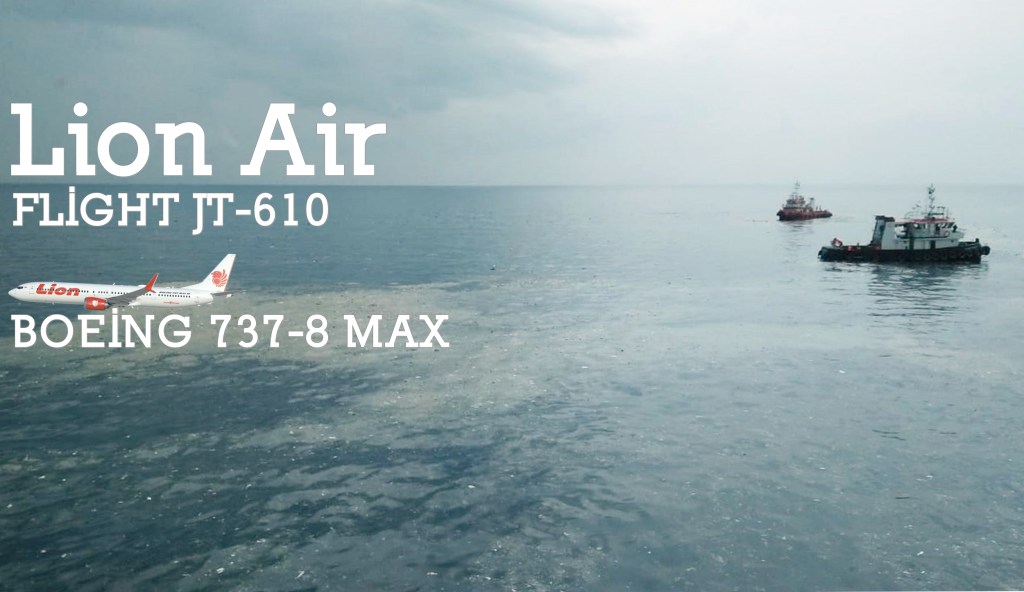
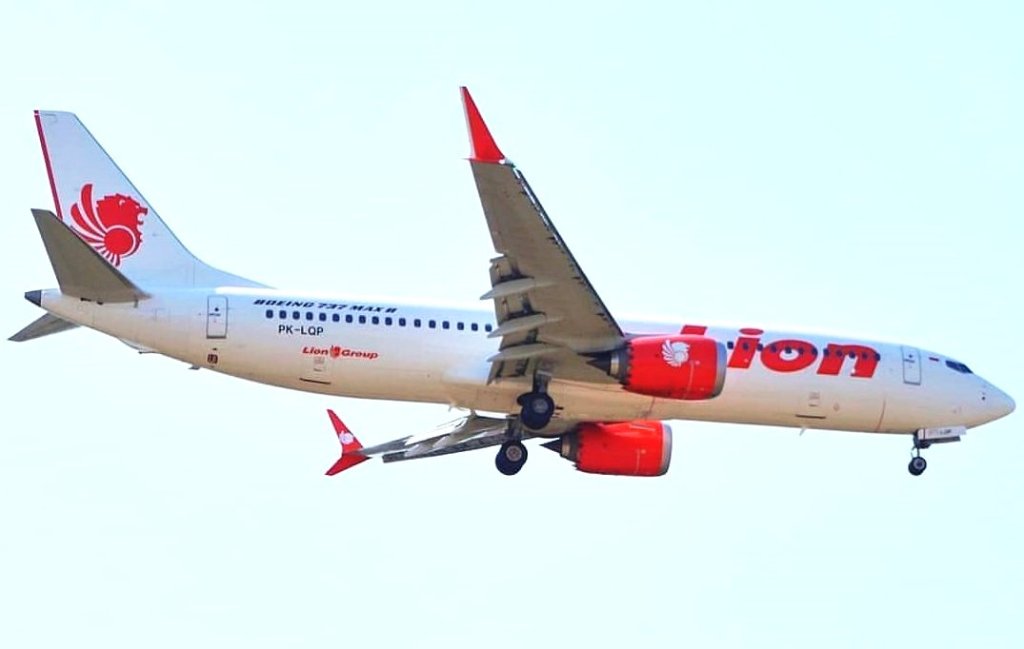
Primer accidente aéreo Boeing 737 MAX
Un 29 de Octubre de 2018 el vuelo JT-610 de la aerolínea indonesia Lion Air se estrella en el Mar de Java dejando un saldo de 189 personas a bordo fallecidas. El vuelo JT-610 era un vuelo doméstico de pasajeros que cubría la ruta Jakarta—Pangkal Pinang que perdió contacto el Lunes 29 de Octubre de 2018. El avión se estrelló en Tanjung, Karawang, frente a las costas del Mar de Java en la República de Indonesia. Los restos del avión fueron encontrados frente a la costa del Mar de Java. El 1 de Noviembre de 2018, el equipo SAR descubrió la Grabadora de Datos de Vuelo (FDR), mientras que la Grabadora de Voz de Cabina (CVR) se encontró en fecha 14 de Enero de 2019. El 25 de Octubre de 2019, cuatro días antes, al cumplirse un año de la tragedia del JT-610, la agencia de seguridad del transporte aéreo de Indonesia, el Komite Nasional Keselamatan Transportasi (KNKT) anunció los resultados de la causa del accidente y las suposiciones sobre la reacción de los pilotos realizadas al proceso de diseño y certificación de aviones Boeing 737-8 MAX.
Actualizaciones caso 737 MAX
La circular del Departamento de Justicia de los Estados Unidos en el boletín Justice News del Jueves 14 de Octubre de 2021, anunció que un ex-Piloto técnico Jefe de Línea del Boeing 737 MAX fue acusado de fraude. Este caso está estrechamente relacionado con los accidentes ocurridos por el avión Lion Air JT-610 en el trágico accidente del 29 de Octubre de 2018 y el vuelo ET-302 de Ethiopian Airlines el 10 de Marzo de 2019, cinco meses después. Ambos accidentes han cobrado la vida de 346 personas. El Capitán Mark A. Forkner, Piloto Técnico Jefe de Línea del Boeing 737 MAX está acusado de proporcionar información falsa o engañosa a la Federal Aviation Administration (FAA) en la División AEG (Grupo de Evaluación de Aeronaves) que representa el quipo de evaluación de aeronaves para la certificación de los modelos. Según documentos judiciales, Capt. Mark A. Forkner, es fuertemente sospechoso de haber engañado a la FAA/AEG durante la evaluación, particularmente en el proceso de certificación del avión Boeing 737 MAX. Mark A. Forkner proporcionó información falsa, inexacta e incompleta sobre una nueva pieza que incorpora la cuarta generación de la línea 737 del sistema de Control de Vuelo para el Boeing 737 MAX denominado Sistema de Aumento de Características de Maniobra (MCAS).
El presunto fraude, ha provocado que importantes documentos publicados por la FAA AEG no tengan referencia al MCAS. A su vez, esto dio lugar a que el Manual de aeronaves y los materiales de capacitación de pilotos para aerolíneas no hicieran referencia al MCAS. Del mismo modo, los clientes de las aerolíneas de Boeing se pierden información importante al tomar y ultimar decisiones sobre la operación de la aeronave B-737 MAX. Si la decisión del tribunal luego aprueba la acusación del fiscal, en el sentido de que la acusación es probada como cierta, tendrá un gran impacto en la fábrica de Boeing que produce el avión B-737 MAX. La decisión del tribunal proporcionará una justificación de que hubo un error fatal de la fábrica de Boeing que resultó en los accidentes aéreos de Lion Air y Ethiopian Airlines hace dos años. En un caso como este, según la explicación del difunto Prof. Dr. Priyatna Abdurrasyid hace varios años, la víctima puede demandar al fabricante de la aeronave con «responsabilidad ilimitada». Si el fallo de la corte de Estados Unidos en el caso del Boeing 737 MAX finalmente encuentra a The Boeing Company culpable del accidente, nuevamente tendrá implicaciones de gran alcance. Lion Air y la familia de la víctima pueden reclamar daños ilimitados. El caso continua con las implicaciones de alcances que podrían salpicar fuertemente a todo el staff, porque los resultados de la investigación de la NTSC sobre el accidente de Lion Air JT-610 será uno de los barómetros o medidas estándar para la acusación. Asimismo, definitivamente se pondrá a prueba el rol del Ministerio de Transporte (DOT) de Estados Unidos como regulador en términos del titular de la autoridad para la supervisión técnica de la aviación relacionada con la seguridad de la aviación. Todos ellos seguirán esperando el resultado final de la decisión del Tribunal estadounidense sobre este caso.
El desafío por delante es que Lion Air y la autoridad aeronáutica nacional de Indonesia deben tener un equipo legal sólido y dominar este tipo de casos si quieren hacer un reclamo de compensación. El problema es que la compañía de seguros pagará la indemnización. Por lo general, el mecanismo que utiliza la compañía de seguros es bastante complicado y detallado. En primer lugar, comprobarán si todos los procedimientos para utilizar la aeronave se ajustan a las disposiciones estándar aplicables. Con eso, se revelará en qué medida se llevan a cabo los procedimientos de supervisión si existe una fuerte sospecha de que se ha producido una negligencia. Asimismo, las calificaciones del personal que maneja las operaciones de vuelo en campo (Pilotos y Técnicos) así como del personal que las prepara en la Línea de Vuelo y en la oficina de Operación de Vuelo están de acuerdo con la normativa aplicable. En este punto, la credibilidad de la aerolínea Lion Air, así como la NTSB y la autoridad nacional de aviación en el aspecto de la implementación de la seguridad de vuelo, no se separará del foco de atención en el proceso de reclamo de compensación más adelante. En un proceso de investigación honesto y confiable, al final, siempre estará en juego la profesionalidad, la competencia y la credibilidad.
3rd anniversary Lion Air JT-610 accident
First Boeing 737 MAX plane crash
On October 29, 2018, flight JT-610 of the Indonesian airline Lion Air crashes in the Java Sea, leaving 189 people on board dead. Flight JT-610 was a domestic passenger flight covering the Jakarta-Pangkal Pinang route that lost contact on Monday, October 29, 2018. The plane crashed in Tanjung, Karawang, off the coast of the Java Sea in the Republic. from Indonesia. The wreckage of the plane was found off the coast of the Java Sea. On November 1, 2018, the SAR team discovered the Flight Data Recorder (FDR), while the Cabin Voice Recorder (CVR) was found on January 14, 2019. On October 25, 2019, four days before, one year after the JT-610 tragedy, the Indonesian air transport safety agency, the Komite Nasional Keselamatan Transportasi (KNKT) announced the results of the cause of the accident and the assumptions about the reaction of the pilots made to the design and certification process of Boeing 737-8 MAX aircraft.
Updates case 737 MAX
The circular of the United States Department of Justice in the Justice News bulletin of Thursday, October 14, 2021, announced that a former Boeing 737 MAX Chief Line Technical Pilot was charged with fraud. This case is closely related to the accidents that occurred by the Lion Air JT-610 plane in the tragic accident on October 29, 2018 and the Ethiopian Airlines flight ET-302 on March 10, 2019, five months later. Both accidents have claimed the lives of 346 people. Captain Mark A. Forkner, Boeing 737 MAX Line Chief Technical Pilot is charged with providing false or misleading information to the Federal Aviation Administration (FAA) in the Division AEG (Aircraft Assessment Group) representing the assessment team of aircraft for model certification. According to court documents, Capt. Mark A. Forkner, is strongly suspected of having misled the FAA/AEG during the evaluation, particularly in the certification process of the Boeing 737 MAX aircraft. Mark A. Forkner provided false, inaccurate and incomplete information about a new part incorporating the fourth generation of the 737 line of Flight Control system for the Boeing 737 MAX called the Maneuvering Characteristics Augmentation System (MCAS).
The alleged fraud has caused important documents published by the FAA AEG to have no reference to the MCAS. In turn, this resulted in the Aircraft Manual and pilot training materials for airlines not making reference to MCAS. Similarly, Boeing airline customers miss out on important information when making and finalizing decisions about the operation of the B-737 MAX aircraft. If the court’s decision later upholds the prosecutor’s accusation, in the sense that the accusation is proven true, it will have a major impact on the Boeing factory that produces the B-737 MAX aircraft. The court’s decision will provide justification that there was a fatal error by the Boeing factory that resulted in the Lion Air and Ethiopian Airlines plane crashes two years ago. In a case like this, as explained by the late Prof. Dr. Priyatna Abdurrasyid several years ago, the victim can sue the aircraft manufacturer with «unlimited liability». If the US court ruling in the Boeing 737 MAX case finally finds The Boeing Company guilty of the accident, it will again have far-reaching implications. Lion Air and the victim’s family can claim unlimited damages. The case continues with scope implications that could hit the entire staff heavily, because the results of the NTSC investigation into the Lion Air JT-610 crash will be one of the barometers or standard measures for the prosecution. Also, the role of the US Department of Transportation (DOT) as a regulator in terms of the holder of the authority for technical supervision of aviation related to aviation security will definitely be put to the test. All of them will continue to await the final result of the US Court’s decision on this case.
The challenge ahead is that Lion Air and the Indonesian national aviation authority must have a strong legal team and master these types of cases if they want to make a claim for compensation. The problem is that the insurance company will pay the compensation. In general, the mechanism that the insurance company uses is quite complicated and detailed. First, they will check whether all procedures for operating the aircraft conform to the applicable standard provisions. With that, it will be revealed to what extent the supervisory procedures are carried out if there is a strong suspicion that negligence has occurred. Likewise, the qualifications of the personnel who manage flight operations in the field (Pilots and Technicians) as well as the personnel who prepare them on the Flight Line and in the Flight Operation office are in accordance with the applicable regulations. At this point, the credibility of the airline Lion Air, as well as the NTSB and the national aviation authority in the aspect of the implementation of flight safety, will not be separated from the focus of attention in the compensation claim process later. In an honest and trustworthy investigation process, in the end, professionalism, competence and credibility will always be at stake.
DATA: La presente información se encuentra actualizada al huso horario GMT+7/Jakarta/Indonesia, correspondiendo la noticia a fecha 29/10/2021 según corresponda para la República de Indonesia. DATA: This information is updated to the GMT+7/Jakarta/Indonesia time zone, the news corresponding to 10/29/2021 as appropriate for the Republic of Indonesia.
Airbus informa resultados nueve meses de 2021 424 aviones comerciales entregados
Airbus Group SE ha informado este 28 de Octubre de 2021 los resultados financieros consolidados de los nueve meses terminados el 30 de Septiembre de 2021. “Los resultados de nueve meses reflejan un sólido desempeño en toda la empresa, así como nuestros esfuerzos en la contención de costos y la competitividad. A medida que continúa la recuperación global, estamos monitoreando de cerca los riesgos potenciales para nuestra industria. Estamos enfocados en asegurar la puesta en marcha de la Familia A320 y esforzarnos por asegurar que las capacidades industriales y de la cadena de suministro adecuadas estén en su lugar. Con base en nuestro desempeño de nueve meses, hemos actualizado nuestra guía de ganancias y efectivo para 2021. Estamos fortaleciendo el balance general para asegurar la inversión para nuestras ambiciones a largo plazo”, dijo el Director Ejecutivo de Airbus, Guillaume Faury.
Los pedidos brutos de aviones comerciales ascendieron a 270 con pedidos netos de 133 aviones después de cancelaciones. La cartera de pedidos era de 6.894 aviones comerciales al 30 de Septiembre de 2021. Airbus Helicopters registró 185 pedidos netos, incluidos 10 helicópteros de la familia Super Puma. El valor de los pedidos recibidos de Airbus Defence and Space fue de € 10.100 millones de Euros con pedidos del tercer trimestre que incluyen 56 aviones C295 para India, dos A400M para Kazajstán y renovaciones de contratos de soporte y repuestos para las flotas de Eurofighter alemana y española.
Los ingresos consolidados aumentaron un 17 por ciento a € 35.200 millones de Euros, alrededor de € 30.200 millones de Euros comparativos interanual (01-09/2020), reflejando principalmente el mayor número de entregas de aviones comerciales en comparación con el período interanual. Se entregaron un total de 424 aviones comerciales que comprenden A220 (34), A320 (341), A330 (11), A350 (36) y A380 (2). Los ingresos generados por las actividades de aviones comerciales de Airbus aumentaron un 21 por ciento, lo que refleja en gran medida el rendimiento de las entregas en comparación con 2020, que se vio fuertemente afectado por COVID-19. Airbus Helicopters entregó 194 unidades con ingresos de hasta un 14 por ciento, lo que refleja el crecimiento en los servicios, así como las mayores entregas, en particular más helicópteros de la familia Super Puma. Los ingresos de Airbus Defence and Space se mantuvieron ampliamente estables año tras año con cuatro aviones de transporte militares A400M entregados en el período Enero-Septiembre 2021.
EBIT consolidado ajustado: una alternativa medida de desempeño e indicador clave que captura el margen comercial subyacente al excluir los cargos o ganancias materiales causados por movimientos en provisiones relacionadas con programas, reestructuraciones o impactos de tipo de cambio, así como ganancias/pérdidas de capital por la enajenación y adquisición de negocios fue de € 3.369 millones. El EBIT ajustado relacionado con las actividades de aviones comerciales de Airbus ascendió a 2.739 millones de euros (9m 2020: -641 millones de euros), impulsado principalmente por el desempeño operativo vinculado a las entregas y los esfuerzos de contención de costos y competitividad.
Se espera que la tasa de producción del A220, que actualmente es de cinco aviones por mes, aumente a alrededor de seis por mes a principios de 2022, con una tasa de producción mensual de 14 prevista para mediados de la década. En el programa de la familia A320, la compañía está trabajando para asegurar la aceleración y está en camino de lograr una tarifa mensual de 65 aviones para el verano de 2023. Los recientes éxitos comerciales del programa A330 permiten un aumento de la tarifa mensual de alrededor de dos a casi tres aviones a fines de 2022. Se espera que el programa A350 aumente de alrededor de cinco a alrededor de seis aviones por mes a principios de 2023.
El EBIT ajustado de Airbus Helicopters aumentó a € 314 millones de Euros, impulsado por los servicios, la ejecución de programas y el menor gasto en Investigación y Desarrollo (I+D). El EBIT ajustado de Airbus Defence and Space aumentó a € 284 millones de Euros, reflejando principalmente los esfuerzos de la División en contención de costes y competitividad. Los gastos de I+D autofinanciados consolidados ascendieron a € 1.919 millones de Euros. EBIT consolidado (reportado) ascendió a € 3.437 millones de Euros, incluyendo Ajustes netos de € +68 millones de Euros.
Estos Ajustes comprendieron: +190 millones de euros relacionados con el programa A380, de los cuales +45 millones de euros se reservaron en el tercer trimestre; -165 millones de euros relacionados con el desajuste de los pagos previos a la entrega en dólares y la revalorización del balance, de los cuales +5 millones de euros fueron en el tercer trimestre; +43 millones de euros de otros ajustes, incluidos los costes de cumplimiento, de los cuales -6 millones de euros corresponden al tercer trimestre.
El resultado financiero fue de € -172 millones de Euros. Refleja principalmente el resultado neto por intereses de -233 millones de euros compensado parcialmente por € +63 millones de Euros relacionados con la revalorización de la participación accionaria de Dassault Aviation. El beneficio neto consolidado fue de € 2.635 millones de Euros con un beneficio por acción consolidado de € 3,36. Flujo de caja libre consolidado antes de fusiones y adquisiciones y financiación de clientes € 2.260 millones de Euros, lo que refleja los esfuerzos en la contención de efectivo y también incluyó un impacto progresivo positivo del capital circulante. El flujo de caja libre consolidado fue de € 2.308 millones de Euros.
El 30 de Septiembre de 2021, la posición de tesorería bruta se situó en € 21.700 millones de Euros con una posición de tesorería neta consolidada de € 6.700 millones de Euros. La posición de liquidez de la Compañía sigue siendo sólida, situándose en € 27.700 millones de Euros a finales de Septiembre de 2021. Dado el aumento de la posición de caja neta y la sólida liquidez, se tomó la decisión de no renovar la Línea de Liquidez Suplementaria de € 6.200 millones de Euros no utilizada que vencía en Septiembre 2021. Mientras tanto, el vencimiento de la Línea de Crédito Sindicado Rotatorio de € 6.000 millones de Euros se ha ampliado un año.
Como base para su guía para 2021, la compañía asume que no habrá más interrupciones en la economía mundial, el tráfico aéreo, las operaciones internas de la Compañía y su capacidad para ofrecer productos y servicios. La guía de la compañía para 2021 es antes de fusiones y adquisiciones. Sobre esa base, Airbus Group ha actualizado su guía para 2021 y ahora tiene como objetivo lograr en 2021 en torno a: 600 entregas de aviones comerciales; EBIT ajustado de 4.500 millones de euros; Flujo de caja libre antes de fusiones y adquisiciones y financiación de clientes de € 2.500 millones de Euros.
Airbus Report until 3Q2021
Airbus reports results nine months of 2021 424 commercial aircraft delivered
Airbus Group SE reported on October 28, 2021, the consolidated financial results for the nine months ended September 30, 2021. “The nine-month results reflect a solid performance across the company, as well as our efforts to contain costs and competitiveness. As the global recovery continues, we are closely monitoring the potential risks to our industry. We are focused on securing the A320 Family start-up and striving to ensure that the right supply chain and industrial capabilities are in place. Based on our nine-month performance, we have updated our 2021 cash and earnings guidance. We are strengthening the balance sheet to secure investment for our long-term ambitions”, said Airbus Chief Executive Officer Guillaume Faury.
Gross commercial aircraft orders totaled 270 with net orders for 133 aircraft after cancellations. The order book was 6,894 commercial aircraft as of September 30, 2021. Airbus Helicopters recorded 185 net orders, including 10 helicopters from the Super Puma family. The value of orders received from Airbus Defense and Space was € 10.1 billion with third quarter orders including 56 C295 aircraft for India, two A400M aircraft for Kazakhstan and renewals of support and spare parts contracts for the German and Eurofighter fleets. Spanish.
Consolidated revenue increased 17 percent to € 35.2 billion, around € 30.2 billion year-on-year (09-01/2020), primarily reflecting the higher number of commercial aircraft deliveries compared to the year-on-year period. A total of 424 commercial aircraft were delivered comprising A220 (34), A320 (341), A330 (11), A350 (36) and A380 (2). Revenue generated by Airbus’ commercial aircraft activities increased 21 percent, largely reflecting delivery performance compared to 2020, which was heavily impacted by COVID-19. Airbus Helicopters delivered 194 units with revenues of up to 14 percent, reflecting growth in services as well as higher deliveries, particularly more helicopters from the Super Puma family. Airbus Defense and Space’s revenues were broadly stable year-over-year with four A400M military transport aircraft delivered in the January-September 2021 period.
Adjusted Consolidated EBIT: An alternative key metric and performance measure that captures the underlying trading margin by excluding material charges or gains caused by movements in program-related provisions, restructurings, or foreign exchange impacts, as well as gains / losses from Capital from the sale and acquisition of businesses was € 3,369 million. Adjusted EBIT related to Airbus’ commercial aircraft activities amounted to € 2,739 million (9m 2020: € -641 million), driven primarily by operational performance linked to deliveries and cost containment and competitiveness efforts.
The A220 production rate, which is currently five aircraft per month, is expected to increase to around six per month in early 2022, with a monthly production rate of 14 expected by the middle of the decade. In the A320 Family program, the company is working to ensure acceleration and is on track to achieve a monthly rate of 65 aircraft by summer 2023. Recent commercial successes of the A330 program allow for a monthly rate increase of around from two to almost three aircraft by the end of 2022. The A350 program is expected to increase from around five to around six aircraft per month in early 2023.
Airbus Helicopters’ Adjusted EBIT increased to € 314 million, driven by services, program execution and lower Research and Development (R&D) spending. Adjusted EBIT of Airbus Defense and Space increased to € 284 million, mainly reflecting the Division’s efforts in cost containment and competitiveness. Consolidated self-financed R&D expenses amounted to € 1,919 million. Consolidated EBIT (reported) amounted to € 3,437 million Euros, including Net Adjustments of € +68 million Euros.
These Adjustments included: +190 million euros related to the A380 program, of which +45 million euros were reserved in the third quarter; -165 million euros related to the mismatch in pre-delivery payments in dollars and the revaluation of the balance sheet, of which +5 million euros were in the third quarter; +43 million euros of other adjustments, including compliance costs, of which -6 million euros correspond to the third quarter.
The financial result was € -172 million Euros. Mainly reflects the net interest income of -233 million euros partially offset by € +63 million euros related to the appreciation of the Dassault Aviation shareholding. Consolidated net income was € 2,635 million with consolidated earnings per share of € 3.36. Consolidated free cash flow before mergers and acquisitions and client financing € 2,260 million, reflecting the efforts in cash containment and also included a positive progressive impact of working capital. Consolidated free cash flow was € 2,308 million.
On September 30, 2021, the gross cash position stood at € 21.7 billion with a consolidated net cash position of € 6.7 billion. The Company’s liquidity position remains solid, standing at € 27,700 million Euros at the end of September 2021. Given the increase in the net cash position and the solid liquidity, the decision was made not to renew the Liquidity Line Unused supplementary € 6.2 billion euros due in September 2021. In the meantime, the maturity of the € 6 billion Euro Syndicated Revolving Credit Line has been extended by one year.
As a basis for its guidance for 2021, the company assumes that there will be no further disruption to the global economy, air traffic, the Company’s internal operations and its ability to offer products and services. The company’s guidance for 2021 is before mergers and acquisitions. On that basis, Airbus Group has updated its guidance for 2021 and now aims to achieve by 2021 around: 600 commercial aircraft deliveries; Adjusted EBIT of € 4.5 billion; Free cash flow before M&A and client financing of € 2.5 billion.