Domingo 08/08 parte otro vuelo por vacunas Sputnik V
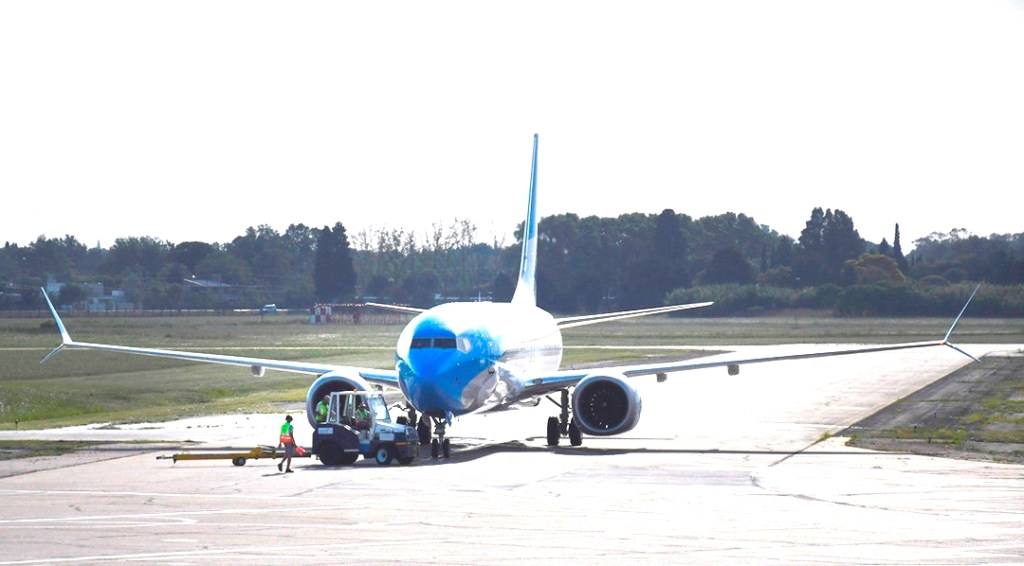
Aerolíneas Argentinas ha anunciado otro vuelo programado para este Domingo 08/08 parte un vuelo a Rusia en busca de más dosis de vacunas Sputnik V. La compañía en coordinación con el Gobierno prepara un nuevo vuelo con destino a Moscú, capital de Federación Rusia, para traer un nuevo cargamento de dosis de vacunas Sputnik V contra el Covid-19. El vuelo AR1064 en un Airbus A330-200 con matrícula LV-GIF despegó este Domingo a las 03:00 a.m. y arribará este Lunes 09/08 a las 17:30 horas a Ezeiza, sin embargo, aún no se precisó si serían los componentes 1 o 2, para completar los esquemas ya iniciados con el suero producido por el Instituto Gamaleya.
Desde el primer vuelo que llegó en Diciembre 2020, la compañía completó 22 viajes hacia Moscú en las que se trajeron 11.813.375 de dosis de la vacuna rusa, de las cuales 9.375.670 corresponden al componente 1 y 2.493.160 al componente 2. Este Miércoles 04/08, el Fondo de Inversión Ruso anunció que durante el mes de Agosto 2021 se normalizaría la entrega de componentes 2 de la vacuna, requerida para completar los esquemas de inmunización en varios países, entre ellos la Argentina. En tanto, la ministra de Salud Carla Vizzotti confirmó que el país está en condiciones de avanzar en las 24 jurisdicciones para intercambiar diferentes vacunas, y que se comenzará intercambiando Sputnik V con Moderna y AstraZeneca, priorizando a personas mayores de 50 años y con comorbilidades que aún no hayan recibido la segunda dosis.
Argentina flight AR1064 for vaccines
Sunday 08/08 leaves another flight for Sputnik V vaccines
Aerolíneas Argentinas has announced another flight scheduled for this Sunday 08/08 leaves a flight to Russia in search of more doses of Sputnik V vaccines. The company, in coordination with the Government, is preparing a new flight to Moscow, capital of the Russian Federation, to bring a new shipment of Sputnik V vaccine doses against Covid-19. Flight AR1064 on an airbus A330-200 with registration LV-GIF took off this Sunday at 03:00 a.m. and will arrive this Monday 08/09 at 5:30 pm in Ezeiza, however, it has not yet been specified whether they would be components 1 or 2, to complete the schemes already started with the serum produced by the Gamaleya Institute.
Since the first flight that arrived in December 2020, the company completed 22 trips to Moscow in which 11,813,375 doses of the Russian vaccine were brought, of which 9,375,670 correspond to component 1 and 2,493,160 to component 2. This Wednesday 08/04, the Russian Investment Fund announced that during the month of August 2021 the delivery of components 2 of the vaccine, required to complete the immunization schedules in several countries, including Argentina, would be normalized. Meanwhile, Health Minister Carla Vizzotti confirmed that the country is in a position to advance in the 24 jurisdictions to exchange different vaccines, and that it will begin exchanging Sputnik V with Moderna and AstraZeneca, prioritizing people over 50 years of age and with comorbidities that have not yet received the second dose.
La compañía aérea de la República Argentina, Aerolíneas Argentinas, ha registrado pérdidas acumuladas desde 2008 por valor de US$ 7.322 millones de Dólares. Tras la expropiación en 2008 de Aerolíneas Argentinas al Grupo Marsans por parte del Gobierno de Argentina ha significado un duro costo para la sociedad argentina. En Diciembre de 2008 la expropiación fue convertida en ley y Aerolíneas Argentinas, Austral Líneas Aéreas y las demás empresas que componen el grupo pasaron a ser de gestión pública. Desde 2008 y en adelante, las compañías bajo la orbita gubernamental, no ha logrado tener ganancias, a pesar de los cambios de administración entre gobiernos, arrastrando un pasivo incrementado. Posteriormente, el país perdió un millonario juicio por la expropiación de la empresa Aerolíneas Argentinas/Austral en el organismo de reclamos del CIADI, el Tribunal Arbitral del Banco Mundial, con sede en Washington, cancelando un conflicto por el pago de US$ 320 millones de Dólares por parte del Estado argentino durante la gestión kirchnerista.
La herencia maldita
La Ley 26.466 establecida hacia finales de 2008 otorgaba la expropiación del grupo Aerolíneas, que comprendían las empresas Aerolíneas Argentinas, Austral Líneas Aéreas, Optar y Aerohandling, migraban a la esfera pública. Desde el 2009 el grupo acumuló pérdidas por US$ 7.322 millones de Dólares, que debieron ser soportadas por la sociedad. Acorde a las cifras disponibles, el año 2012 fue el peor año en términos financieros por parte de Aerolíneas Argentinas, alcanzando a registrar pérdidas por US$ 899 millones de Dólares, más el déficit de Austral Líneas Aéreas, la cifra ascendió hasta los US$ 905 millones de Dólares en 2012. El Gobierno kirchnerista de Cristina Fernández dejaba la empresa con un déficit de US$ 553 millones de Dólares en 2015. Frente a ello, la gestión de Mauricio Macri no planteó ninguna reforma de fondo y descartó rápidamente cualquier intento de privatización. En su lugar, se optó por racionalizar la gestión de la empresa y, aún así, en 2019 se llegó a un déficit de US$ 580 millones de Dólares. La actual Administración de Alberto Fernández retomaba la gestión del grupo impactando fuertemente el arrastre del déficit con el impacto de la pandemia alcanzando un déficit anual que ascendía hasta los US$ 700 millones de Dólares en 2020, el más alto desde 2012. Este año, se espera obtener un margen de pérdidas por valores de US$ 564 millones de Dólares. Hacia Noviembre de 2020 se concretaba la fusión de Aerolíneas Argentinas y Austral Líneas Aéreas, históricamente mentada por el sindicato de pilotos APLA y parte de la elite de la Agrupación kirchnerista de La Cámpora en detrimento de esta última. La crisis sanitaria buscaba una excusa perfecta para integrar definitivamente la dos aéreas, con el so pretexto de buscar sinergias de las unidades y reducir costos operativos y administrativos, cosa que hasta ahora no nunca ha sucedido, mientras se cumplía el viejo anhelo de suprimir a la legendaria Austral Líneas Aéreas de los cielos argentinos.
Desde 2008 ninguna administración logró poner en orden las finanzas del grupo aéreo. La opción por privatizar los servicios o anexarlos a distintas compañías y simplemente terminar con la forma jurídica de la empresa, se vuelve cada vez más razonable. El candidato a Diputado Nacional, Franco Rinaldi, expuso la injusticia y la irracionalidad que supone mantener empresas estatales millonarias a costa de una sociedad cada vez más empobrecida.
Durante la pandemia, el Gobierno kirchnerista decidió retroceder en la apertura de cielos que había comenzado en la gestión anterior, volviendo a sobre-regular el mercado para imposibilitar el libre mercado de competitividad y precios más accesibles.
La gestión estatal refleja importantes deficiencias que los sucesivos gobiernos se negaron a corregir la gestión de Aerolíneas Group. La adopción idealizada de una aerolínea de bandera demostró no traer mayores beneficios para la sociedad, por el contrario fue la propia sociedad la que debió hacerse cargo del costo financiero que implica la imprudencia, negligencia y la herencia de la administración de Cristina Fernández de Kirchner.
Aerolíneas losses of US$ 7,322 million
Aerolíneas Argentinas accumulates loss figure since 2009
The airline company of the Argentine Republic, Aerolíneas Argentinas, has recorded accumulated losses since 2008 amounting to US$ 7,322 million. Following the expropriation in 2008 of Aerolíneas Argentinas from the Marsans Group by the Government of Argentina, this has meant a heavy cost to Argentine society. In December 2008 the expropriation was converted into law and Aerolíneas Argentinas, Austral Líneas Aéreas and the other companies that make up the group became public management. Since 2008 and onwards, the companies under the governmental orbit, have not been able to make profits, despite the changes of administration between governments, dragging an increased liability. Subsequently, the country lost a million-dollar lawsuit for the expropriation of the company Aerolíneas Argentinas/Austral in the ICSID claims body, the Arbitral Tribunal of the World Bank, based in Washington, canceling a dispute over the payment of US$ 320 million of Dollars by the Argentine State during the Kirchner administration.
The cursed inheritance
Law 26,466 established towards the end of 2008 granted the expropriation of the Aerolíneas group, which comprised the companies Aerolíneas Argentinas, Austral Líneas Aéreas, Optar and Aerohandling, migrated to the public sphere. Since 2009, the group has accumulated losses of US$ 7,322 million, which had to be borne by the company. According to the available figures, 2012 was the worst year in financial terms for Aerolíneas Argentinas, registering losses of US$ 899 million, plus the deficit of Austral Líneas Aéreas, the figure rose to US$ 905 million Dollars in 2012. The Kirchner government of Cristina Fernández left the company with a deficit of US$ 553 million Dollars in 2015. Faced with this, the management of Mauricio Macri did not propose any substantive reform and quickly ruled out any attempt at privatization . Instead, it was decided to rationalize the management of the company and, even so, in 2019 a deficit of US$ 580 million was reached. The current Alberto Fernández Administration resumed the management of the group, strongly impacting the dragging of the deficit with the impact of the pandemic, reaching an annual deficit that amounted to US$ 700 million in 2020, the highest since 2012. This year, it was expects to obtain a loss margin of US$ 564 million Dollars. Towards November 2020, the merger of Aerolíneas Argentinas and Austral Líneas Aéreas was finalized, historically mentioned by the APLA pilots union and part of the elite of the Kirchnerist Grouping of La Cámpora to the detriment of the latter. The health crisis was looking for a perfect excuse to definitively integrate the two areas, under the pretext of seeking synergies of the units and reducing operating and administrative costs, something that until now has never happened, while fulfilling the old desire to suppress the legendary Austral Líneas Aéreas from the Argentine skies.
Since 2008, no administration has managed to put the airline group’s finances in order. The option to privatize services or annex them to different companies and simply end the legal form of the company, becomes more and more reasonable. The candidate for National Deputy, Franco Rinaldi, exposed the injustice and irrationality of maintaining millionaire state companies at the expense of an increasingly impoverished society.
During the pandemic, the Kirchnerist government decided to back down in the opening of skies that it had begun in the previous administration, once again overregulating the market to make it impossible to have a free market of competitiveness and more accessible prices.
The state management reflects important deficiencies that successive governments refused to correct the management of Aerolíneas Group. The idealized adoption of a flag airline proved not to bring greater benefits to society, on the contrary, it was society itself that had to bear the financial cost that imprudence, negligence and the inheritance of the Cristina Fernández de Kirchner administration imply.
Blue Air y Wizz Air anuncian rutas adicionales desde Rumania
Rumania estaría aumentando frecuencias de las aerolíneas low cost Blue Air y Wizz Air. La aerolínea rumana Blue Air conectará Iaşi, una ciudad en el noreste de Rumania con Dublín, Irlanda, a partir del 19 de Diciembre de 2021 con dos vuelos semanales (2Frq/S) entre las dos ciudades. Un tercer vuelo semanal se agregará hacia el 22 de Junio de 2022. La compañía tendrá una base permanente en Iaşi a partir del verano europeo de 2022, y planea operar vuelos directos desde Iași a Londres/Heathrow, Barcelona, Roma y París/Charles de Gaulle.
La aerolínea húngara Wizz Air comenzará a conectar Bucarest, la capital de Rumania, con Gran Canaria, España, y Cluj-Napoca con Billund, Dinamarca. Dos vuelos semanales llegarán a Billund a partir del 31 de Octubre de 2021. Un vuelo semanal conectará Bucarest con Gran Canaria a partir del 6 de Noviembre de 2021.
Romania increases air frequencies
Blue Air and Wizz Air announce additional routes from Romania
Romania would be increasing the frequencies of the low cost airlines Blue Air and Wizz Air. The Romanian airline Blue Air will connect Iaşi, a city in the northeast of Romania with Dublin, Ireland, starting on December 19, 2021 with two weekly flights (2Frq/S) between the two cities. A third weekly flight will be added by June 22, 2022. The company will have a permanent base in Iaşi starting in the European summer of 2022, and plans to operate direct flights from Iași to London/Heathrow, Barcelona, Rome and Paris/Charles de Gaulle.
Hungarian airline Wizz Air will begin connecting Bucharest, the capital of Romania, with Gran Canaria, Spain, and Cluj-Napoca with Billund, Denmark. Two weekly flights will arrive in Billund from October 31, 2021. A weekly flight will connect Bucharest with Gran Canaria from November 6, 2021.
Constructor europeo ralentizará tasas línea producción
Airbus Group se ha encontrado con problemas con la producción de su modelo insignia A321NEO justo cuando comienza a aumentar las tasas de construcción de aviones de línea después de los confinamientos por la crisis sanitaria y de los vuelos.
Varios analistas de aviación de todo el mundo han expresado sus preocupaciones referentes a la ralentización de la línea de producción de los narrowbodies A321NEO. Air Lease Corp. dijo en una llamada de analistas que algunas entregas de A321NEO que vencen este año 2021 se han retrasado a medida que Airbus lucha con la pandemia y los problemas de la cadena de suministro. El arrendador añadió en una presentación que el A330NEO de cuerpo ancho también se ha visto afectado en menor medida. «Airbus nos ha aconsejado que sigamos esperando varios meses de retrasos en la entrega relacionados con dichos aviones programados para entregarse hasta 2022. Estos retrasos también han afectado las operaciones de las aerolíneas y la rentabilidad de ciertas aerolíneas», dijo la firma con sede en Los Ángeles en la presentación del Jueves 05/08. Sash Tusa, Analista de Agency Partners en Londres, dijo que también es preocupante que la compañía esté encontrando problemas con la producción de la serie A320 en solo 43 aviones en Julio 2021, cuando sus planes de recuperación prevén aumentar la tasa de construcción a 64 al mes para el segundo trimestre de 2023. «Si los proveedores no son capaces de hacer frente a los niveles actuales de producción, podría retrasar los objetivos mucho más agresivos», dijo Sash Tusa. Los problemas con el A330 son sorprendentes dado que la tasa de construcción promedio se ha reducido por debajo de dos aviones al mes a medida que la pandemia continúa pesando en los vuelos de larga distancia, agregó.
Un portavoz de Airbus Group ha expresado que aquí no hay un retraso sistémico, aunque «algunos aviones podrían estar algunos meses atrasados». La compañía dijo que cualquier déficit puede ser abordado para finales de año. Soportar los problemas con el A321NEO podría poner en peligro los planes de Airbus para acelerar la producción a partir de la crisis de la pandemia. La aeronave variante de alta capacidad es ahora su avión más popular, representando aproximadamente la mitad de los aproximadamente 6.000 unidades en la cartera de pedidos. El modelo había estado plagado de fallos incluso antes de la pandemia, con problemas en el motor que ralentizaban la producción y amplias opciones de personalización de la cabina que se sumaban a los tiempos de construcción. Mientras que la única línea de producción europea del A321NEO se encuentra en Hamburgo, Alemania, el A330 se ensambla en la sede de Airbus en Toulouse, Francia, por lo que los problemas actuales parecen involucrar a más de un sitio. Los problemas previos a la pandemia significaron que Airbus no pudo seguir el ritmo de la demanda del A321 y, en última instancia, tuvo que recortar su objetivo de entrega para 2019.
Air Lease Corporation dijo que espera obtener dieciséis aviones menos este año de lo que había planeado, siete de ellos son Boeing 787, un modelo afectado por fallas de fabricación. El resto se refiere a aviones como la familia A320. El arrendador debía recibir 30 de los aviones este año, según las presentaciones de Air Lease. Los retrasos «están limitando las expectativas de crecimiento de la flota a corto plazo para Air Lease», dijo el Analista Helane Becker de Cowen Inc. en un informe. El Director Ejecutivo de Air Lease, John Plueger, dijo que su firma responderá manteniendo sus aviones existentes por más tiempo.
Perspectivas Airbus
En Mayo 2021, Airbus revivió un plan para convertir una línea de montaje francesa utilizada para el extinto superjumbo A380 para construir las líneas A320/A321. El cambio, originalmente retrasado por problemas de seguridad sanitaria, debería estar completo a finales del próximo año 2022. El Director Ejecutivo de Airbus Group, Guillaume Faury, dijo en Junio 2021 que el plan ayudaría a desembotellar la producción de cuerpo estrecho en la FAL Finkenwerder de Hamburgo, Alemania.
Airbus delays A321 assembly line
European builder will slow down production line rates
Airbus Group has run into problems with the production of its flagship A321NEO just as it begins to increase the construction rates of airliners after the lockdowns due to the health crisis and flights.
Several aviation analysts around the world have raised concerns regarding the slowdown of the A321NEO narrowbodies production line. Air Lease Corp. said in an analyst call that some A321NEO deliveries due this year 2021 have been delayed as Airbus struggles with the pandemic and supply chain problems. The lessor added in a presentation that the widebody A330NEO has also been affected to a lesser extent. «Airbus has advised us to continue to expect several months of delivery delays related to such aircraft scheduled for delivery until 2022. These delays have also affected airline operations and the profitability of certain airlines», the Los-based firm said. Angeles in the presentation of Thursday 05/08. Sash Tusa, an analyst at Agency Partners in London, said it is also worrying that the company is encountering problems with the production of the A320 series on just 43 aircraft in July 2021, when its recovery plans call for increasing the build rate to 64 by month to the second quarter of 2023. «If suppliers are not able to cope with current production levels, it could delay much more aggressive targets», said Sash Tusa. The problems with the A330 are surprising given that the average construction rate has dropped below two planes a month as the pandemic continues to weigh on long-haul flights, he added.
An Airbus Group spokesperson said there is no systemic delay here, although «some aircraft could be a few months behind». The company said any shortfall can be addressed by the end of the year. Enduring the problems with the A321NEO could jeopardize Airbus plans to accelerate production in the wake of the pandemic crisis. The high-capacity variant aircraft is now its most popular aircraft, accounting for roughly half of the roughly 6,000 units in the order book. The model had been plagued with failures even before the pandemic, with engine problems slowing production down and extensive cabin customization options adding to build times. While the only European production line for the A321NEO is located in Hamburg, Germany, the A330 is assembled at Airbus headquarters in Toulouse, France, so the current problems appear to involve more than one site. Pre-pandemic problems meant Airbus was unable to keep up with demand for the A321 and ultimately had to cut its delivery target for 2019.
Air Lease Corporation said it expects to get 16 fewer planes this year than it had planned, seven of them Boeing 787s, a model affected by manufacturing flaws. The rest refer to aircraft such as the A320 family. The lessor was due to receive 30 of the planes this year, according to Air Lease filings. The delays «are limiting short-term fleet growth expectations for Air Lease», Cowen Inc. Analyst Helane Becker said in a report. Air Lease Chief Executive Officer John Plueger said his firm will respond by keeping its existing aircraft longer.
Airbus perspectives
In May 2021, Airbus revived a plan to convert a French assembly line used for the defunct A380 superjumbo to build the A320 / A321 lines. The switch, originally delayed due to health safety concerns, should be complete by the end of next year 2022. Airbus Group Chief Executive Officer Guillaume Faury said in June 2021 that the plan would help unpack narrow-body production at the FAL Finkenwerder. from Hamburg, Germany.
AW | 2021 08 07 15:20 | GOVERNMENT / AIRLINES ROUTES
Irak suspende temporalmente vuelos con Bielorrusia
La República de Irak ha anunciado este Viernes 6 de Agosto de 2021 la suspensión temporal de los vuelos a la República de Bielorrusia y pidió a su población a que no caigan en la trampa de la trata de seres humanos. Recientemente, la Unión Europea (UE) acusó al Gobierno bielorruso de instrumentalizar a las personas migrantes que cruzan de forma irregular a Lituania. El ministro iraquí de Relaciones Exteriores, Fuad Hussein, se declaró «preocupado por la cuestión de los migrantes iraquíes y los peligros que resultan», en un comunicado publicado tras una conversación telefónica con el Jefe de la Diplomacia de la UE, Josep Borrell, y sus homólogos lituano y letón.
El Gobierno iraquí ha tomado medidas para proteger a los ciudadanos iraquíes víctimas de redes de traficantes. Una de estas medidas es la suspensión temporal de las conexiones aéreas directas entre Bagdad y Minsk.
Husein Jalil, el Portavoz de Iraqi Airways, indicó que habían recibido la orden por parte del Ministerio de Transporte de Irak para dejar de volar a Bielorrusia durante una semana. Sin embargo, se llevarán a cabo los vuelos de repatriación de iraquíes.
Las autoridades lituanas sospechan que el Gobierno del presidente bielorruso Alexander Lukashenko está organizando un flujo de migrantes, sobre todo iraquíes, como respuesta a las sanciones de la UE contra Minsk a causa de la represión política ejercida por su Administración. En lo que va de año, Lituania ha registrado más de 2.000 llegadas de migrantes iraquíes en su mayoría, que cruzaron irregularmente la frontera desde Bielorrusia. La UE adoptó a finales de Junio 2021 sanciones económicas e individuales para castigar a las autoridades de Bielorrusia, tras el desvío de un vuelo operado por la aerolínea Ryanair procedente de Atenas y con destino en Vilna para detener a un opositor.
Iraq suspends flights to Belarus
Iraq temporarily suspends flights with Belarus
The Republic of Iraq has announced this Friday, August 6, 2021, the temporary suspension of flights to the Republic of Belarus and asked its population not to fall into the trap of human trafficking. Recently, the European Union (EU) accused the Belarusian government of instrumentalizing migrants who cross irregularly into Lithuania. Iraqi Foreign Minister Fuad Hussein declared himself «concerned about the issue of Iraqi migrants and the dangers that result», in a statement published after a telephone conversation with the Head of EU Diplomacy, Josep Borrell, and their Lithuanian and Latvian counterparts.
The Iraqi Government has taken steps to protect Iraqi citizens who are victims of trafficking networks. One of these measures is the temporary suspension of direct air connections between Baghdad and Minsk.
Hussein Jalil, the Spokesman for Iraqi Airways, indicated that they had received an order from the Iraqi Ministry of Transport to stop flying to Belarus for a week. However, repatriation flights for Iraqis will be carried out.
Lithuanian authorities suspect that the government of Belarusian President Alexander Lukashenko is organizing a flow of migrants, mostly Iraqis, in response to EU sanctions against Minsk due to political repression by his administration. So far this year, Lithuania has registered more than 2,000 arrivals of mostly Iraqi migrants, who crossed the border irregularly from Belarus. The EU adopted economic and individual sanctions at the end of June 2021 to punish the Belarusian authorities, after the diversion of a flight operated by the airline Ryanair from Athens and bound for Vilna to arrest an opponent.
العراق يعلق الرحلات الجوية إلى روسيا البيضاء
العراق يعلق مؤقتا الرحلات الجوية مع روسيا البيضاء
أعلنت جمهورية العراق ، الجمعة ، 6 آب 2021 ، تعليق الرحلات الجوية إلى جمهورية بيلاروسيا مؤقتًا وطالبت سكانها بعدم الوقوع في فخ الاتجار بالبشر. اتهم الاتحاد الأوروبي مؤخرًا الحكومة البيلاروسية باستغلال المهاجرين الذين يعبرون بشكل غير نظامي إلى ليتوانيا. أعلن وزير الخارجية العراقي ، فؤاد حسين ، في بيان نشره بعد محادثة هاتفية مع رئيس الدبلوماسية في الاتحاد الأوروبي ، جوزيب بوريل ، ونظرائهم في ليتوانيا ولاتفيا ، أن وزير الخارجية العراقي فؤاد حسين «قلق بشأن قضية المهاجرين العراقيين والمخاطر المترتبة على ذلك».
اتخذت الحكومة العراقية خطوات لحماية المواطنين العراقيين من ضحايا شبكات التهريب. أحد هذه الإجراءات هو التعليق المؤقت للروابط الجوية المباشرة بين بغداد ومينسك.
وأشار المتحدث باسم الخطوط الجوية العراقية ، حسين جليل ، إلى تلقيهم أمرا من وزارة النقل العراقية بوقف الرحلات الجوية إلى بيلاروسيا لمدة أسبوع. ومع ذلك ، سيتم تنفيذ رحلات العودة للعراقيين.
تشتبه السلطات الليتوانية في أن حكومة الرئيس البيلاروسي ألكسندر لوكاشينكو تنظم تدفقًا للمهاجرين ، معظمهم من العراقيين ، ردًا على عقوبات الاتحاد الأوروبي ضد مينسك بسبب القمع السياسي من قبل إدارته. حتى الآن هذا العام ، سجلت ليتوانيا أكثر من 2000 وافد معظمهم من المهاجرين العراقيين ، الذين عبروا الحدود بشكل غير قانوني من بيلاروسيا. اعتمد الاتحاد الأوروبي في نهاية يونيو 2021 عقوبات اقتصادية وفردية لمعاقبة السلطات البيلاروسية ، بعد تحويل مسار رحلة تشغلها شركة الطيران ريان إير من أثينا وتوجهت إلى فيلنا للقبض على أحد المعارضين.
La aviación agrícola se encuentra celebrando el centenario. Un 3 de Agosto de 1921, el piloto de pruebas del Ejército de los Estados Unidos, el Teniente John MacReady, voló un Curtiss JN-6 Jenny sobrante de la Primera Guerra Mundial para aplicar polvo insecticida sobre una arboleda de Catalpa, una especie de árbol utilizado para postes telefónicos y cercas amenazado por orugas de polilla de la esfinge. El vuelo experimental sobre Troy, Estado de Ohio, fue concebido por el Departamento de Agricultura de Ohio y resultó exitoso, despachando la infestación y dando lugar al cropduster como una herramienta agrícola vital.
Desde entonces, la industria de la aviación agrícola ha crecido para tratar más de 127 millones de acres de tierras de cultivo aéreamente cada año en los Estados Unidos utilizando aviones robustos que están diseñados para manejar hasta 100 despegues y aterrizajes cada día desde pistas de aterrizaje difíciles. Además, los aplicadores aéreos siembran 3,8 millones de acres de cultivos de cobertura anualmente y son responsables de ayudar a secuestrar 1,9 millones de toneladas métricas de CO2 equivalente anualmente.
«Junto con su lugar esencial en la agricultura, la aplicación aérea se ha convertido en una herramienta importante en la lucha contra incendios forestales, así como en la salud pública para el control de mosquitos. Es una apuesta segura que lo que comenzó como un experimento en 1921 continuará ofreciendo soluciones a otros desafíos en las próximas décadas, como el cambio climático y la creciente demanda de alimentos», dijo Andrew Moore, CEO de la Asociación Nacional de Aviación Agrícola.
Ξ 100th agricultural aviation anniversaries Ξ
Agricultural aviation celebrates its 100th anniversary
Agricultural aviation is celebrating its centenary. On August 3, 1921, the United States Army test pilot, Lieutenant John MacReady, flew a Curtiss JN-6 Jenny left over from World War I to apply insecticidal powder over a grove of Catalpa, a kind of tree. used for telephone poles and fences threatened by sphinx moth caterpillars. The experimental flight over Troy, Ohio State, was conceived by the Ohio Department of Agriculture and was successful, dispatching the infestation and giving rise to the cropduster as a vital agricultural tool.
Since then, the agricultural aviation industry has grown to treat more than 127 million acres of farmland aerially each year in the United States using rugged aircraft that are designed to handle up to 100 takeoffs and landings each day from difficult runways. Additionally, aerial applicators plant 3.8 million acres of cover crops annually and are responsible for helping sequester 1.9 million metric tons of CO2 equivalent annually.
«Along with its essential place in agriculture, aerial application has become an important tool in forest fire fighting aswell as public health for mosquito control. It is a safe bet that what started as an experiment in 1921 it will continue to offer solutions to other challenges for decades to come, such as climate change and the growing demand for food», said Andrew Moore, CEO of the National Agricultural Aviation Association.
THIS PHOTO FROM 1921 SHOWS THE BIRTH OF AN INDUSTRY: THE FIRST AERIAL APPLICATION AND AERIAL CROP DUSTING DEMONSTRATION FLIGHT FLOWN BY ARMY TEST PILOT LT. JOHN MACREADY ON AUG. 3, 1921. THE APPLICATION WAS MADE UPWIND OF A GROVE OF CATALPA TREES INFESTED BY SPHINX MOTH LARVAE IN TROY, OHIO. THE ARROW SUPERIMPOSED ON THE HISTORICAL PHOTO SHOWS THE WIND DIRECTION AT THE TIME OF THE FLIGHT. (PHOTO: NATIONAL AGRICULTURAL AVIATION ASSOCIATION)
AW | 2021 08 02 17:43 | GOVERNMENT / AIRLINES / AEROSPACE SCIENCE
Gobierno inyecta gasto público en más AR$ 700.000 millones
El Gobierno de Argentina emitió un decreto que dispone la ampliación del 97% para el financiamiento a empresas del Estado que surgirán con el crecimiento de la recaudación impositiva y de tributos ligados a la Seguridad Social. En medio de la campaña electoral nacional, el Gobierno amplió el gasto público en más de AR$ 700.000 millones de Pesos que serán destinados a financiar a la empresa de servicios satelitales AR-SAT a Aerolíneas Argentinas, la importación de gasoil y las cajas previsionales provinciales.
Se trata de la octava suba de las pautas de gastos y recursos para este año, que sigue afectado por las medidas adoptadas para controlar la pandemia. El déficit aumenta en unos AR$ 23.500 millones, a través del Decreto de Necesidad y Urgencia Número 489/2021 publicado en el Boletín Oficial. A través de similares medidas, el gasto del presupuesto se había incrementado en AR$ 297.639 millones y los ingresos en AR$ 203.230 millones. Con la medida actual, se amplió en AR$ 60.400 millones la autorización para emitir Letras del Tesoro reembolsables durante el ejercicio 2021 por encima de los AR$ 1.500.000.000.000 (AR$ 1,5 billones).
El Decreto Nº489/2021 apunta a compensar a la compañía AR-SAT (Argentina de Soluciones Satelitales SA) dependiente de la Jefatura de Gabinete. Los recursos emitidos por el Estado permitirán a Aerolíneas Argentinas conceder un aval en favor de la aérea para cubrir gastos de capital y refinanciar deudas.
Argentina extends resources to Aerolíneas
Government injects public spending in more than AR$ 700,000 million
The Government of Argentina issued a decree that provides for an increase of 97% for financing state companies that will arise with the growth of tax collection and taxes linked to Social Security. In the midst of the national electoral campaign, the Government increased public spending by more than AR$ 700,000 million pesos that will be used to finance the satellite services company AR-SAT to Aerolíneas Argentinas, the importation of diesel and the provincial pension funds .
This is the eighth increase in the spending and resource guidelines for this year, which is still affected by the measures adopted to control the pandemic. The deficit increases by about AR$ 23,500 million, through Decree of Necessity and Urgency Number 489/2021 published in the Official Gazette. Through similar measures, budget spending had increased by AR$ 297,639 million and income by AR$ 203,230 million. With the current measure, the authorization to issue reimbursable Treasury Bills during fiscal year 2021 was increased by AR$ 60,400 million above AR$ 1,500,000,000,000 (AR$ 1.5 trillion).
Decree No. 489/2021 aims to compensate the company AR-SAT (Argentina de Soluciones Satelitales SA) dependent on the Chief of Cabinet. The resources issued by the State will allow Aerolineas Argentinas to grant a guarantee in favor of the airline to cover capital expenses and refinance debts.
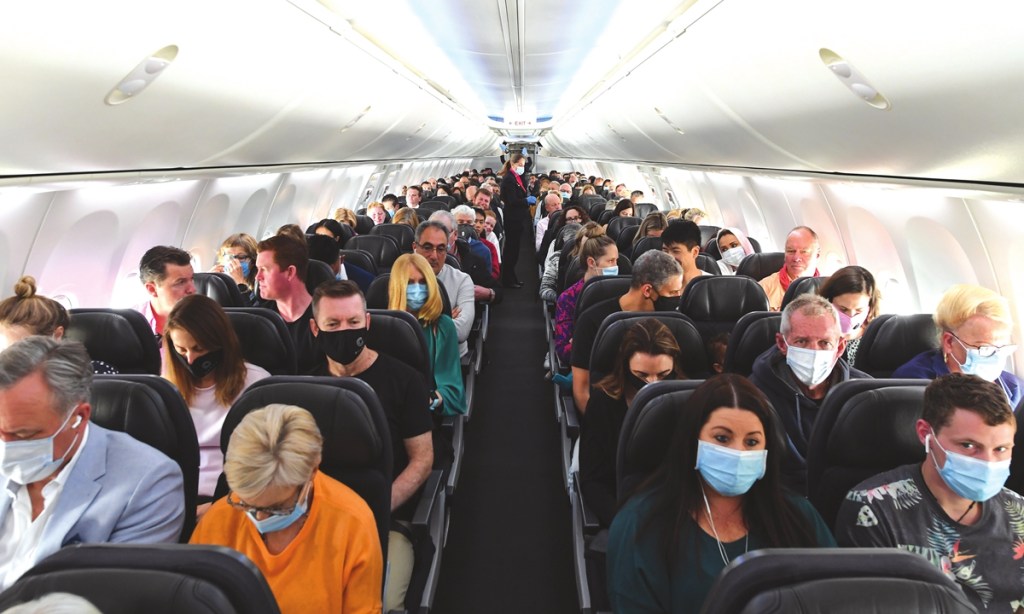
Aerolíneas Estados Unidos exigen a empleados que se vacunen
La nueva normativa exige a los empleados estar completamente vacunados antes del 25 de Octubre de 2021 o cinco semanas después de que la Federación de Alimentos y Medicamentos (FDA) otorgue la aprobación total a cualquier vacuna. Hasta ahora, la FDA solo ha otorgado la aprobación de uso de emergencia de las vacunas de los laboratorios Pfizer, Moderna y Johnson & Johnson, aunque se espera la aprobación total pronto.
Cada empleado deberá enviar una imagen de su tarjeta de vacuna a la empresa. Aquellos que no lo hagan serán despedidos. Solo estarán exentos aquellos que expongan razones religiosas o de salud, dijo la aerolínea. Por su parte, los empleados que ya estén vacunados o que lo hayan hecho antes del 20 de Septiembre de 2021 recibirán un día adicional de pago, según el comunicado de Kirby y Hart.
United Airlines se sumó este Viernes 06/08 a la creciente lista de empresas de Estados Unidos que exigen a sus empleados vacunarse contra el coronavirus para volver a trabajar, en respuesta al aumento de los contagios impulsado por la variante Delta del virus. La empresa explicó que se trata de un tema de seguridad y citó evidencias increíblemente convincentes de la eficacia de las vacunas, en medio de la obstinada negativa de muchos estadounidenses a ser inmunizados. «Sabemos que algunos de ustedes no estarán de acuerdo con esta decisión de exigir la vacuna a todos los empleados de United. Los hechos son muy claros: todos están más seguros cuando todos están vacunados», expresaron en un comunicado el Director Ejecutivo, Scott Kirby.
United Airlines, con más de 67.000 empleados, es la primera aerolínea importante del país en anunciar el requisito de vacunación entre sus trabajadores. Desde mediados de Junio 2021 ha venido exigiendo a los nuevos contratados que estén inoculados. La aerolínea, que da incentivos para vacunarse, estima que hasta el 90% de sus pilotos y cerca del 80% de sus asistentes han realizado la inmunización sanitaria.
US airlines will require employees vaccination
United States airlines require employees to get vaccinated
The new regulations require employees to be fully vaccinated before October 25 or five weeks after the Food and Drug Administration (FDA) grants full approval to any vaccine. So far, the FDA has only granted emergency use approval for the vaccines from Pfizer, Moderna and Johnson & Johnson laboratories, although full approval is expected soon.
Each employee must send an image of their vaccination card to the company. Those who don’t will be fired. Only those stating religious or health reasons will be exempt, the airline said. For their part, employees who are already vaccinated or who have done so before September 20, 2021 will receive an additional day of pay, according to the Kirby and Hart statement.
United Airlines joined this Friday 08/06 to the growing list of companies in the United States that require their employees to be vaccinated against the coronavirus to return to work, in response to the increase in infections driven by the Delta variant of the virus. The company explained that this is a safety issue and cited incredibly compelling evidence of the effectiveness of vaccines, amid the stubborn refusal of many Americans to be immunized. «We know that some of you will disagree with this decision to require the vaccine for all United employees. The facts are very clear: everyone is safer when everyone is vaccinated», Executive Director Scott Kirby said in a statement.
United Airlines, with more than 67,000 employees, is the first major airline in the country to announce the vaccination requirement among its workers. Since mid-June 2021, it has been requiring new hires to be inoculated. The airline, which provides incentives to get vaccinated, estimates that up to 90% of its pilots and about 80% of its assistants have carried out the sanitary immunization.