Airbus planea más producción A320
AW | 2020 11 28 09:14 | INDUSTRY

Airbus confía aumento previsiones producción línea A320

Airbus_Isologotype_svg

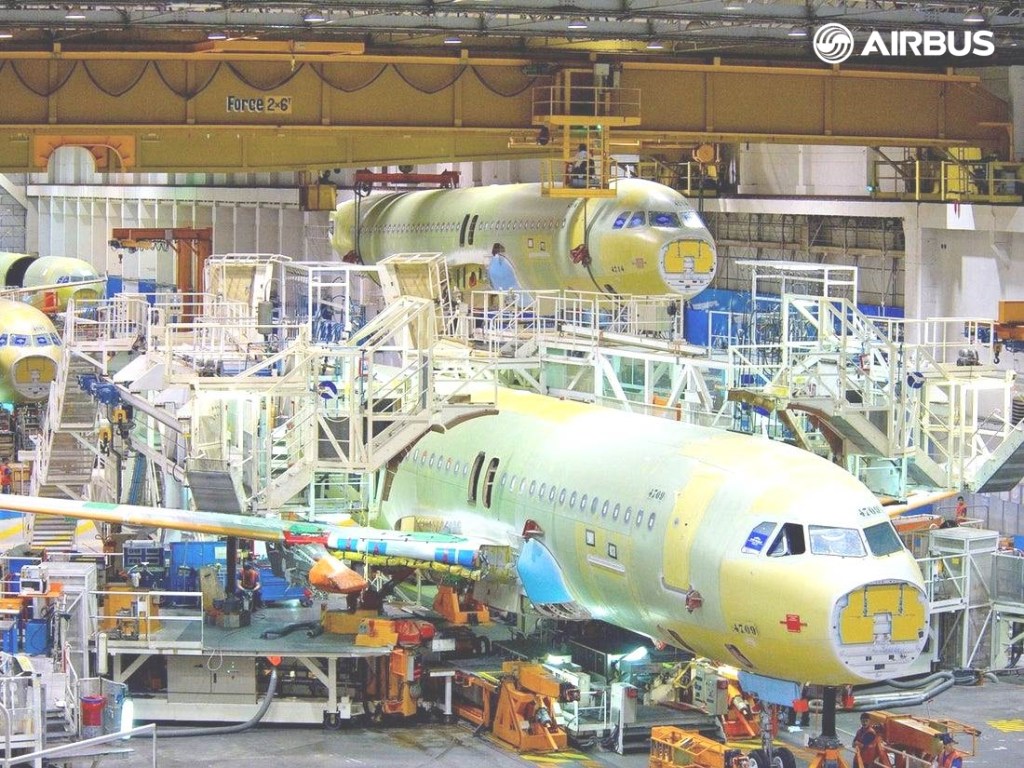
Airbus Group confía en su plan para aumentar la producción de su familia de aviones A320 a una tasa de 47/mes el próximo año 2021, a pesar de una pausa en el rebote de viaje por la crisis sanitaria de Coronavirus. Airbus ha tenido retraso en los pedidos del modelo y se mantiene cómodo con el aumento de la producción.

A pesar que la mayoría del sector industrial se ha contraído en el mercado de producción de aeronaves, el consorcio europeo Airbus se mantendrá con el aumento previsto de la tasa de producción de la familia A320. La noticia se produce en el entorno de las subsiguientes olas de Coronavirus en toda Europa, pero también noticias prometedoras sobre la aprobación y distribución de vacunas.
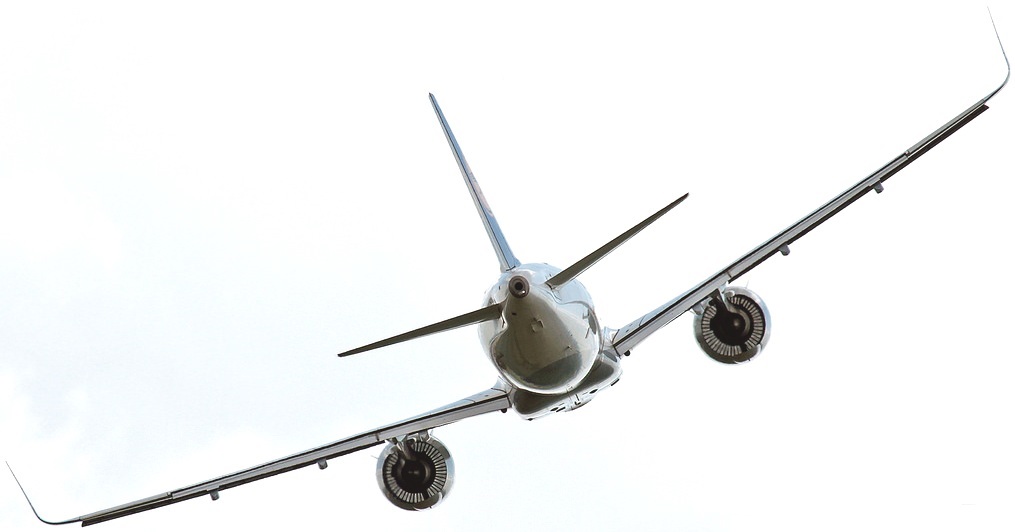
AW-A320neo_Rear-view

Los informes de principios de año habían sugerido que un recorte en la producción familiar de A320 de hasta el 50% era una posibilidad. Airbus producía anteriormente a una tasa de 60/mes y había establecido aumentar a 63/mes a finales de 2020 y a 67 en 2023. En el transcurso de 2020, la tasa de producción bajó a 40, pero el mes pasado, aumentaría hasta 47 aviones al año siguiente, con Airbus diciéndole a sus socios de la cadena de suministro que estén listos para Julio de 2021, con proyecciones de una fuerte recuperación para la industria.

Estimulando reactivación

Actualmente, la familia A320 continúa con su cartera de pedidos retrasada, pero se mantiene cómodo con su estrategia para aumentar la producción alentadas por la proximidad de las vacunas para la cura del Coronavirus. Esto ha llevado posteriormente a las aerolíneas y aeropuertos de todo el mundo a promover sus capacidades para distribuir eficazmente productos farmacéuticos cuando llegue el momento. Mientras que los viajes de negocios podrían tomar algún tiempo para recuperarse, sin duda hay una buena cantidad de demanda de ocio acumulada. Tras la distribución generalizada de una vacuna, esta demanda acumulada bien podría resultar en un pico de viaje cuando llegue el momento.

Reubicar pedidos

El arribo esta semana de una buena noticia está relacionada con la reubicación de seis pedidos anteriores de aeronaves A320NEO que han encontrado nuevos propietarios. Los seis pedidos iniciales correspondientes a AirAsia, han sido redirigidos a otros clientes. La compañía había puesto los aviones que construyó para AirAsia a la venta por una licitación de la industria después de que la compañía aéreas se detuviera públicamente al tomar nuevos aviones. La oferta de aviones Airbus A380 al mercado de segunda mano ha aumentado, ya que la demanda de Superjumbos cae aún más debido al entorno de mercado desafiante actual, escribió Dhierin Bechai en un informe publicado recientemente en Seeking Alpha.

El Director Financiero de Airbus, Dominik Asam, dijo en Octubre 2020 que el número de colas blancas, aeronaves en lista de espera, estaban en la cifra de dobles dígitos muy bajos, con el objetivo de diferir más aviones en el período post-pandemia.

Airbus plans to increase A320 production
Airbus trusts to increase production forecasts for line A320

AW-A320NEO_Isologotype_001

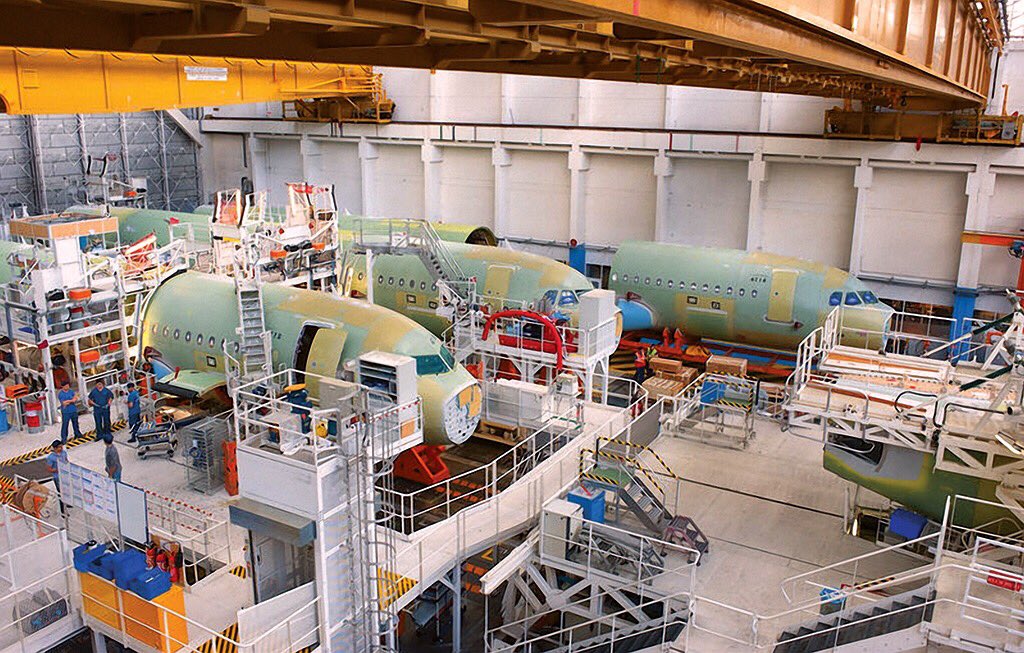
Airbus Group is confident in its plan to increase production of its A320 family of aircraft at a rate of 47/month next year 2021, despite a pause in the travel rebound due to the Coronavirus health crisis. Airbus has been late in ordering the model and remains comfortable with increased production.

Although the majority of the industrial sector has contracted in the aircraft production market, the European Airbus consortium will continue with the expected increase in the production rate of the A320 family. The news comes in the midst of the subsequent waves of Coronavirus across Europe, but also promising news about the approval and distribution of vaccines.

Reports earlier in the year had suggested that a cut in family A320 production of up to 50% was a possibility. Airbus previously produced at a rate of 60/month and had set to increase to 63/month by the end of 2020 and to 67 in 2023. Over the course of 2020, the production rate dropped to 40, but last month, it would increase to 47 aircraft the following year, with Airbus telling its supply chain partners to be ready by July 2021, with projections for a strong recovery for the industry.

Stimulating reactivation

Currently, the A320 Family continues with its delayed order book, but remains comfortable with its strategy to increase production encouraged by the proximity of vaccines for the Coronavirus cure. This has subsequently led airlines and airports around the world to promote their capabilities to effectively distribute pharmaceuticals when the time comes. While business travel might take some time to recover, there is certainly a good deal of pent-up leisure demand. Following widespread distribution of a vaccine, this pent-up demand could well result in a travel spike when the time comes.

Relocate orders

The arrival of good news this week is related to the relocation of six previous orders for A320NEO aircraft that have found new owners. The six initial orders for AirAsia have been redirected to other customers. The company had put the planes it built for AirAsia up for sale through an industry tender after the airline publicly stopped taking on new planes. The supply of Airbus A380 aircraft to the second-hand market has increased as demand for Superjumbos falls further due to the current challenging market environment, Dhierin Bechai wrote in a report recently published in Seeking Alpha.

Airbus CFO Dominik Asam said in October 2020 that the number of white queues, aircraft on the waiting list, were in the very low double digits, with the aim of deferring more aircraft in the post-pandemic period.


PUBLISHER: Airgways.com
DBk: Airbus.com / Seekingalpha.com / Gettyimages.com / Airgways.com
AW-POST: 202011280914AR

A\W   A I R G W A Y S ®
India elimina restricciones motores P&W

AW | 2020 11 28 08:29 | AVIATION SAFETY / GOVERNMENT

DGCA eliminará restricciones motores PW1000G

Directorate-General-of-Civil-Aviation_DGCA India_Isologotype

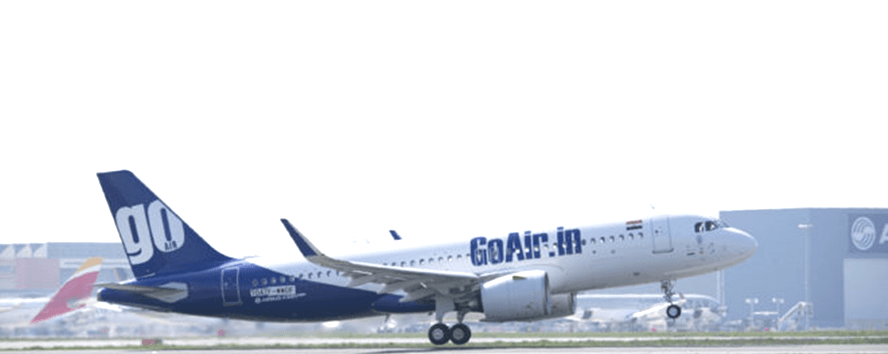
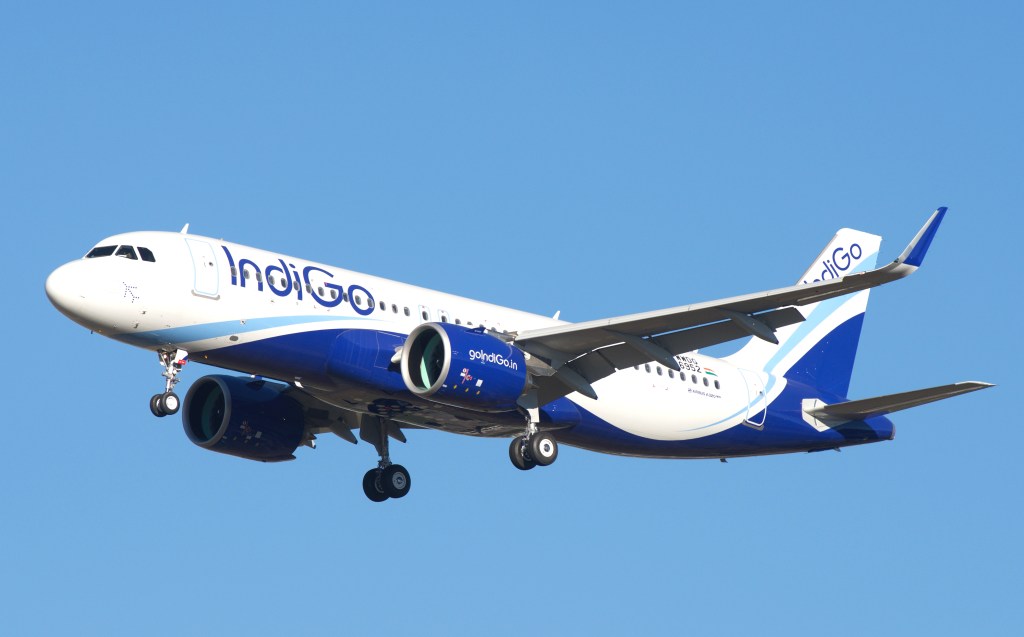
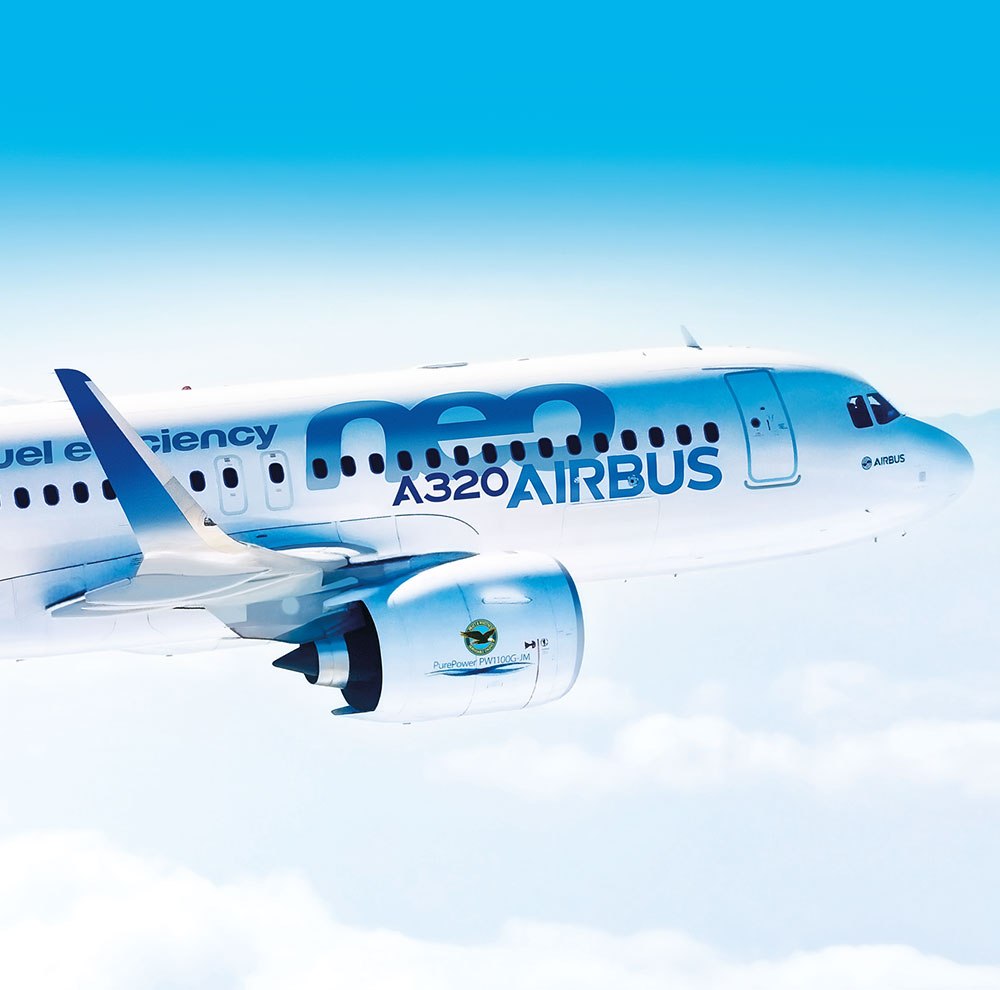
El regulador de aviación de la India, la Directorate General of Civil Aviation (DGCA) dará aprobación de EDTO a la línea de aeronaves Airbus 320/321NEO equipados con motores Pratt & Whitney PW1000G, que son utilizados por parte de las aerolíneas IndiGo y Go Air.

Debido a las restricciones, IndiGo & Go Air se vieron obligados a utilizar aviones de la anterior versión A320CEO. La aprobación de las Operaciones de Tiempo de Desvío Extendido (EDTO) es obligatoria para que las aeronaves tomen rutas para las que el aeropuerto adecuado más cercano, para realizar un aterrizaje de emergencia, esté a más de 60 minutos. Los motores P&W han sufrido múltiples fallos que han llevado a paradas en vuelo debido a las cuales la DGCA había restringido las operaciones EDTO de aviones A320NEO y A321NEO, principalmente operados por IndiGo y Go Air. Sin embargo, los reguladores de aviación estadounidenses y europeos dieron esta aprobación hace dos años atrás.

Según una Circular de la DGCA, el regulador ha pedido a IndiGo que realice un vuelo de validación de 90 minutos por una aeronave A320NEO o A321,NEO tras lo cual la DGCA dará permiso. Se requiere que los vuelos de validación o prueba demuestren la disposición de IndiGo a realizar operaciones con la aeronave y a garantizar que la aerolínea tenga instalaciones, servicios y personal para hacer lo mismo. Las restricciones a EDTO significaron que IndiGo y Go Air se vieron obligados a utilizar aviones anteriores A320 CEO, que consumen más combustible o toman una ruta más larga a destinos como Kuala Lumpur, Singapur, Bangkok, Phuket y Muscat, que se extienden más allá del rango de vuelo de 60 minutos desde el aeropuerto alternativo más cercano.

India removes P&W motor restrictions

DGCA will remove PW1000G engine restrictions

P&W1000G

India’s aviation regulator, the Directorate General of Civil Aviation (DGCA) will give EDTO approval to the line of Airbus 320/321NEO aircraft equipped with Pratt & Whitney PW1000G engines, which are used by IndiGo and Go Air airlines.

Due to restrictions, IndiGo & Go Air were forced to use aircraft of the previous version A320CEO. The approval of Extended Diversion Time Operations (EDTO) is mandatory for aircraft to take routes for which the nearest suitable airport for an emergency landing is more than 60 minutes away. The P&W engines have suffered multiple failures that have led to flight stops due to which the DGCA had restricted the EDTO operations of A320NEO and A321NEO aircraft, mainly operated by IndiGo and Go Air. However, US and European aviation regulators gave this approval two years ago.

According to a DGCA Circular, the regulator has asked IndiGo to perform a 90-minute validation flight on an A320NEO or A321, NEO aircraft after which the DGCA will give permission. Validation or test flights are required to demonstrate IndiGo’s willingness to operate the aircraft and to ensure that the airline has the facilities, services, and personnel to do the same. The restrictions on EDTO meant that IndiGo and Go Air were forced to use older A320 CEO jets, which either consume more fuel or take a longer route to destinations such as Kuala Lumpur, Singapore, Bangkok, Phuket and Muscat, which extend beyond the 60 minute flight range from the nearest alternate airport.

भारत ने P & W मोटर प्रतिबंध हटा दिए

DGCA PW1000G इंजन प्रतिबंधों को हटा देगा

भारत का विमानन नियामक, नागरिक उड्डयन महानिदेशालय (DGCA) प्रैट एंड व्हिटनी PW1000G इंजन से लैस एयरबस 320/321NEO विमान की लाइन को EDTO स्वीकृति देगा, जिसका उपयोग IndiGo और Go Air Airlines करती हैं। ।

प्रतिबंधों के कारण, इंडिगो और गो एयर को पिछले संस्करण A320CEO के विमानों का उपयोग करने के लिए मजबूर किया गया था। विस्तारित डायवर्जन टाइम ऑपरेशंस (EDTO) की मंजूरी विमान को रूट लेने के लिए अनिवार्य है, जिसके लिए आपातकालीन लैंडिंग के लिए निकटतम उपयुक्त हवाई अड्डा 60 मिनट से अधिक दूर है। P & W इंजन को कई असफलताओं का सामना करना पड़ा है जिसके कारण उड़ान रुक गई है जिसके कारण DGCA ने A320NEO और A321NEO विमान के EDTO संचालन को प्रतिबंधित कर दिया था, जो मुख्य रूप से IndiGo और गो एयर द्वारा संचालित था। हालांकि, अमेरिका और यूरोपीय विमानन नियामकों ने दो साल पहले यह मंजूरी दी थी।

एक DGCA सर्कुलर के अनुसार, नियामक ने IndiGo को A320NEO या A321, NEO विमान पर 90 मिनट की वैलिडेशन फ्लाइट करने के लिए कहा है, जिसके बाद DGCA अनुमति देगा। विमान संचालित करने और यह सुनिश्चित करने के लिए इंडिगो की इच्छा को प्रदर्शित करने के लिए वैधता या परीक्षण उड़ानों की आवश्यकता होती है और यह सुनिश्चित करने के लिए कि एयरलाइन के पास सुविधाएं, सेवाएं और कार्मिक हैं। EDTO पर प्रतिबंधों का मतलब था कि इंडिगो और गो एयर को पुराने A320 सीईओ जेट का उपयोग करने के लिए मजबूर किया गया था, जो या तो अधिक ईंधन की खपत करते हैं या कुआलालंपुर, सिंगापुर, बैंकॉक, फुकेत और मस्कट जैसे गंतव्यों के लिए एक लंबा रास्ता तय करते हैं, जो इससे परे हैं निकटतम वैकल्पिक हवाई अड्डे से 60 मिनट की उड़ान रेंज।

Operaciones de Tiempo de Desvío Extendido (EDTO): Cualquier operación de un avión con dos o más motores de turbina donde el tiempo de desvío a un aeródromo alternativo en ruta sea mayor que el tiempo de umbral establecido por el Estado del Operador.
Extended Deviation Time Operations (EDTO): Any operation of an aircraft with two or more turbine engines where the deviation time to an alternate en-route aerodrome is greater than the threshold time established by the State of the Operator.


PUBLISHER: Airgways.com
DBk: Dgca.gov.in / Prattwhitney.com / Airgways.com / Wikipedia.org/Brian Bukowski  
AW-POST: 202011270829AR

A\W   A I R G W A Y S ®

Uruguay mercado libre combustibles

AW | 2020 11 28 07:57 | GOVERMENT / AVIATION

Uruguay busca mercado libre combustibles para estimular aviación

La República de Uruguay está introduciendo cambios en las regulaciones del mercado de los combustibles para fomentar la competitividad en la oferta de valores. Esto ayudaría al mercado de las líneas aéreas para diversificarse.

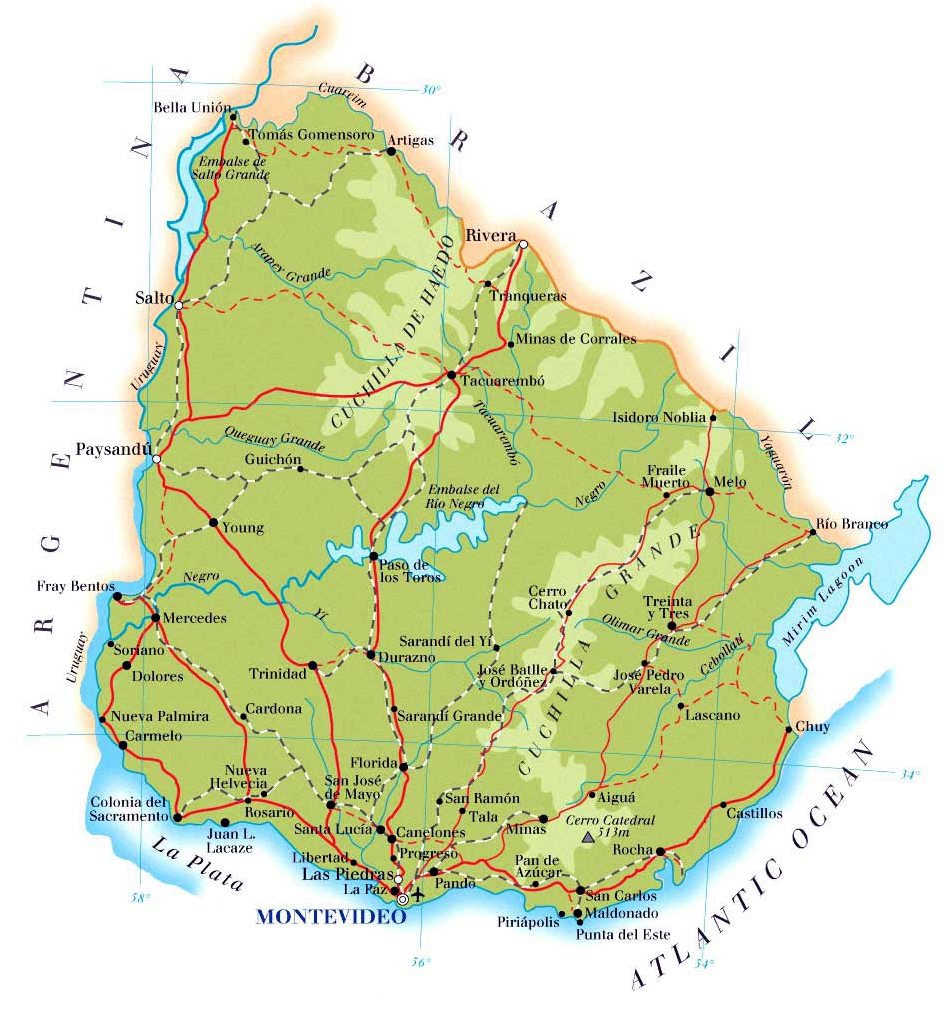
El Senado de Uruguay, con el apoyo mayoritario de los oficialistas, aprobó que la petrolera estatal uruguaya Ancap, pierda el monopolio de suministro de combustible en los aeropuertos. Este paso indica que para el próximo año otras empresas podrán entrar en el mercado local para surtir combustible a vuelos comerciales nacionales e internacionales. La decisión se dio en el marco de las reuniones que se realizan para definir el presupuesto nacional para el quinquenio de Gobierno (2020-2024), que ya fue aprobado en la Cámara de Diputados. De acuerdo a reportes de la prensa, la oposición uruguaya fue sorprendida con el artículo, pues no estaba en el proyecto que salió de la cámara baja. «El monopolio creado por la Ley 8.764, del 15 de Octubre de 1931, y administrado por la Administración Nacional de Combustibles, Alcohol y Portland no regirá en cualquier aeropuerto internacional únicamente para la provisión de aeronaves con fines comerciales y con destino a aeropuertos ubicados fuera del territorio nacional”, sostiene el aditivo que se añade luego del Artículo 298 del proyecto de presupuesto.

El Senador nacionalista Juan Sartori se refirió a la decisión del Gobierno de Uruguay de eliminar el monopolio petrolero de Ancap para vender combustible en los aeropuertos. “La desmonopolización hará que lleguen nuevas aerolíneas y el país se dinamice”, expresó el Senador.

La coalición ha optado por incluir un aditivo al Presupuesto Nacional que habilita la desmonopolización de la venta de combustibles en los aeropuertos, lo que se suma a la idéntica decisión adoptada hace varias semanas respecto a lo que sucederá en los puertos, estuvo lejos de pasar desapercibido. La postura de Juan Sartori se sitúa en la vereda de en frente de la interpretación del asunto que hacen los dirigentes oficialistas: “Combustibles más baratos es más desarrollo. Hoy aprobamos eliminar el monopolio de distribución en aeropuertos. Esto hará que lleguen nuevas aerolíneas y que nuestro país se dinamice. Sectores como el agro también lo necesitan y debemos seguir trabajando para lograrlo”, escribió en Twitter el Senador nacionalista.

Uruguay free market fuels

Uruguay seeks free market for fuels to stimulate aviation

The Republic of Uruguay is introducing changes in the fuel market regulations to promote competitiveness in the supply of securities. This would help the airline market to diversify.

Uruguay-map

The Senate of Uruguay, with the majority support of the ruling party, approved that the Uruguayan state oil company Ancap, lose the monopoly of fuel supply at airports. This step indicates that for next year other companies will be able to enter the local market to supply fuel for national and international commercial flights. The decision was made within the framework of the meetings that are held to define the national budget for the five-year period of Government (2020-2024), which has already been approved in the Chamber of Deputies. According to press reports, the Uruguayan opposition was surprised with the article, as it was not in the bill that came out of the lower house. «The monopoly created by Law 8.764, of October 15, 1931, and administered by the National Administration of Fuels, Alcohol and Portland will not govern in any international airport solely for the provision of aircraft for commercial purposes and destined for airports located outside of the national territory”, maintains the additive that is added after article 298 of the budget project.

Nationalist Senator Juan Sartori referred to the decision of the Government of Uruguay to eliminate Ancap’s oil monopoly to sell fuel at airports. «Demonopolization will make new airlines arrive and the country will become more dynamic», said the Senator.

The coalition has chosen to include an additive to the National Budget that enables the de-monopolization of the sale of fuel at airports, which adds to the identical decision adopted several weeks ago regarding what will happen in ports, it was far from going unnoticed. The position of Juan Sartori is situated on the sidewalk in front of the interpretation of the matter that the government leaders make: “Cheaper fuel is more development. Today we approved the elimination of the airport distribution monopoly. This will make new airlines arrive and our country will become more dynamic. Sectors such as agriculture also need it and we must continue working to achieve it”, the nationalist Senator wrote on Twitter.


PUBLISHER: Airgways.com
DBk: Camara.gob.uy / Airgways.com / Gastón Britos/FotoUy
AW-POST: 202011280757AR

A\W   A I R G W A Y S ®

Estatus del Boeing 737 MAX

AW | 2020 11 27 18:15 | INDUSTRY / AVIATION SAFETY

Forjando el restablecimiento del avión insignia

Boeing_Isologotype

The Boeing Company continúa forjando la puesta en el aire en el mundo del avión más representativo de la saga de la empresa aeroespacial americana y mundial. Las repercusiones en los medios de comunicación acerca de las aprobaciones por parte de la Federal Aviation Administration (FAA) ha abierto un primer capítulo en el desarrollo de la puesta en línea de la recertificación del cuestionado avión Boeing 737 MAX. Esto marca un hito importante a medida que Boeing intenta ir más allá del período de puesta en tierra de veinte meses, para definir el campo de acción más allá de las fronteras de Estados Unidos. La aprobación local habilita a las aerolíneas a adecuar sus flotas y tripulaciones para reiniciar operaciones. American Airlines ha anunciado como el primer transportador en reiniciar su programación de vuelos hacia Diciembre 2020 entre Nueva York y Miami, contribuyendo paulatinamente al proceso de confianza del modelo en cuestión.

El organismo de aviación de la FAA ha sido vista durante mucho tiempo como el estándar representativo de la supervisión de la aviación. Los organismos reguladores internacionales en la mayoría de los casos nunca se ha cuestionado, ni mucho menos a la línea 737 que gozaba de prestigio mundial. Actualmente, el curso de los acontecimientos del modelo 737 MAX ha cambiado el curso de la historia. Mientras que en Estados Unidos han aprobado los vuelos con el 737 MAX, los reguladores de todo el mundo se están tomando un poco más de tiempo para despejar incertidumbres respecto a los procesos de test y certificación.

ANAC Brasil

En el caso del regulador de aviación brasileño ANAC se convirtió en el tercer organismo regulador en aprobar el regreso al servicio del 737 MAX cuando lo hizo ayer. Por su parte, el Brasil ha optado por no añadir más requisitos más allá de las modificaciones y directrices de capacitación exigidas por la FAA.

EASA europea

El regulador europeo EASA a principios de esta semana, también publicó su propuesta de reglamento final que despeja el 737 MAX para volar. Se esperaba que esto llegara poco después de la decisión de la FAA. Europa llevó a cabo su propia revisión separada de la aeronave. Sin embargo, la EASA difiere de la FAA en determinados puntos, entre los puntos: quiere que los pilotos puedan desactivar el Stick Shaker (Agitador de Palos) que se activa cuando el avión se acerca a un estancamiento, cuando saben que es una falsa alarma, como fue el caso de los dos accidentes de los Boeing 737-8 MAX. Según los análisis, ha sido cuestionado porque extisten demasiadas distracciones de la Stick Shaker y las alarmas en esos incidentes. EASA también quiere un tercer sensor de Ángulo de Ataque (AOA) añadido para la redundancia para el momento en que Boeing lance al mercado el 737-10 MAX, la variante más larga. También ha dicho que los pilotos no deben utilizar el piloto automático en ciertos tipos de aterrizajes.

Transport Canada

El Ministro de Transporte de Canadá ha expresado la semana pasada que su propia aprobación para el Boeing 737 MAX se podría aprobar muy pronto, consiguiendo que el organismo de Canadá pida algunas de las mismas cosas que tiene EASA, incluido el punto de que los pilotos puedan desactivar las advertencias de distracción durante una activación falsa. Boeing sostiene que esto es completamente innecesario, pero dada la situación, la compañía está dispuesta atender a los reguladores, incluso si no está de acuerdo en principio. Sin embargo, todo lo que sabemos con seguridad en este momento es que Canadá tendrá algunos requisitos adicionales.

GCAA de Emiratos Árabes Unidos

El regulador de aviación civil de los Emiratos Árabes Unidos, General Civil Aviation Authority (GCAA), ha revelado que su plan para poner en servicio el Boeing 737 MAX en tierra. Como parte de su preparación, la GCAA ha creado un Comité de Retorno al Servicio para la aeronave. LA GCAA ha comunicado: «Seguiremos trabajando estrechamente con la FAA y la EASA en el proceso de recertificación. La GCAA emitirá una decisión de seguridad que estipulará los requisitos técnicos para garantizar un retorno seguro al servicio de la aeronave MAX y también anunciaremos nuestros plazos de certificación a su debido tiempo».

Boeing mirando a Oriente

China fue la primera nación en declarar la puesta en tierra del Boeing 737 MAX después del segundo accidente que finalmente llevó al aterrizaje generalizado en todo el mundo. La cuestión con China es un tanto más complicada debido a las tensiones históricas con Estados Unidos y muchos temen que el 737 MAX podría convertirse en un instrumento en las maniobras políticas entre los dos países. El Gobierno de China ha indicado recientemente que no tiene prisa volver a certificar el avión. Hay poco menos de 300 737 MAX actualmente asignados a los transportistas chinos, incluyendo aviones bajo pedido y aún no entregados.

Perspectivas 737 MAX

El Boeing 737 MAX tiene una batalla cuesta arriba por delante que deberá sortear regulatoria y diplomáticamente. Los requisitos adicionales provenientes de los organismos reguladores internacionales agreguen cierta complejidad, pero que conservan una extrema abundancia de precaución que lo convertirá en el avión más escrutado de todos los tiempos donde el principal y mayor escollo de la compañía Boeing será recuperar la confianza de los usuarios del transporte en el mundo entero, una lección que podría haber desbancado las esperanzas de confianza de la saga más taquillera denominada 737.

Boeing 737 MAX status

Forging the reestablishment of the flagship aircraft

Boeing 737 Icon_001

The Boeing Company continues to forge the launch in the world of the most representative aircraft in the saga of the American and global aerospace company. The repercussions in the media about the approvals by the Federal Aviation Administration (FAA) has opened a first chapter in the development of the online recertification of the questioned Boeing 737 MAX aircraft. This marks an important milestone as Boeing attempts to go beyond the twenty-month grounding period to define the field of action beyond the borders of the United States. Local approval enables airlines to adapt their fleets and crews to restart operations. American Airlines has announced as the first carrier to restart its flight schedule around December 2020 between New York and Miami, gradually contributing to the trust process of the model in question.

The FAA aviation body has long been viewed as the representative standard of aviation oversight. The international regulatory bodies in most cases have never questioned, much less the 737 line that enjoyed worldwide prestige. Today, the course of events for the 737 MAX has changed the course of history. While the United States has approved flights with the 737 MAX, regulators around the world are taking a little more time to clear up uncertainties regarding the testing and certification processes.

ANAC Brazil

In the case of the Brazilian aviation regulator ANAC, it became the third regulatory body to approve the return to service of the 737 MAX when it did so yesterday. For its part, Brazil has chosen not to add more requirements beyond the modifications and training guidelines required by the FAA.

EASA European

AW-7373337

European regulator EASA earlier this week also released its final regulation proposal clearing the 737 MAX for flight. This was expected to come shortly after the FAA’s decision. Europe carried out its own separate overhaul of the aircraft. However, the EASA differs from the FAA on certain points, between the points: it wants pilots to be able to deactivate the Stick Shaker that activates when the plane approaches a deadlock, when they know it is a false alarm. , as was the case with the two Boeing 737-8 MAX accidents. According to the analysis, it has been questioned why there are too many distractions from the Stick Shaker and the alarms in those incidents. EASA also wants a third Angle of Attack (AOA) sensor added for redundancy by the time Boeing launches the 737-10 MAX, the longer variant. He has also said that pilots should not use the autopilot on certain types of landings.

Transport Canada

Canada’s Minister of Transportation said last week that its own approval for the Boeing 737 MAX could be approved very soon, getting the Canadian body to ask for some of the same things that EASA has, including the point that pilots can disable distraction warnings during false activation. Boeing maintains that this is completely unnecessary, but given the situation, the company is willing to cater to regulators, even if it disagrees in principle. However, all we know for sure at this point is that Canada will have some additional requirements.

GCAA of United Arab Emirates

The United Arab Emirates’ civil aviation regulator, General Civil Aviation Authority (GCAA), has revealed its plan to bring the Boeing 737 MAX into service on the ground. As part of its preparation, the GCAA has created a Return to Service Committee for the aircraft. The GCAA has communicated: «We will continue to work closely with the FAA and EASA in the recertification process. The GCAA will issue a safety decision that will set out the technical requirements to ensure a safe return to service of the MAX aircraft and we will also announce our deadlines for certification in due time».

Boeing looking Orient

China was the first nation to declare the grounding of the Boeing 737 MAX after the second accident that eventually led to the widespread landing around the world. The issue with China is somewhat more complicated due to historical tensions with the United States and many fear that the 737 MAX could become an instrument in political maneuvers between the two countries. The Chinese government has recently indicated that it is in no rush to re-certify the aircraft. There are just under 300 737 MAXs currently assigned to Chinese carriers, including aircraft on request and not yet delivered.

Perspectives 737 MAX

The Boeing 737 MAX has an uphill battle ahead that it must weather regulatory and diplomatic. Additional requirements from international regulatory bodies add some complexity, but retain an extreme abundance of caution that will make it the most scrutinized aircraft of all time where the main and greatest stumbling block for the Boeing company will be to regain the trust of users. of transportation around the world, a lesson that could have displaced the confidence hopes of the highest grossing saga called 737.


PUBLISHER: Airgways.com
DBk: Boeing.com / Airgways.com
AW-POST: 202011271815AR

A\W   A I R G W A Y S ®

Boeing goteo cancelaciones 737 MAX

AW | 2020 11 27 17:57 | INDUSTRY

Boeing cancelaciones modestas del 737 MAX

Boeing 737 MAX_Isologotype

Boeing_Isologotype

Al igual que en Septiembre 2020, The Boeing Company no reservó pedidos para Octubre. Realmente no debería sorprender que no se aseguraran órdenes dado el estado actual de la industria aeronáutica mundial. Los cambios en la reserva de pedidos durante el mes de 10/2020 fueron los siguientes: Un pedido de dos Boeing 787-9 fue transferido de Boeing Capital Corporation a la categoría de cliente no identificado. China Development Bank Financial Leasing canceló pedidos para cuatro aviones Boeing 737 MAX. Oman Air canceló pedidos para tres aviones Boeing 737 MAX. Smartwings canceló pedidos para un Boeing 737 MAX. Un cliente no identificado canceló pedidos para cuatro aviones Boeing 737 MAX. China Cargo Airlines fue revelado como el cliente de dos Boeing 777F.

Los pedidos para el mes de Octubre 2020 continúan ausentes, ya que actualmente no hay un camino claro hacia adelante, pues la recuperación del perfil de demanda sigue siendo muy incierta. Actualmente, las cancelaciones para el Boeing 737 MAX aumentaron a doce unidades, pero las cancelaciones son modestas en este momento y muchas han sido prevista, aunque esto no marque el final de las grandes reducciones en la libreta de pedidos para Boeing, pues, probablemente se observen clientes lidiando con una mirada renovada sobre el crecimiento en el futuro, pero que de seguro reciben una presión continua por mantener las órdenes activas. Durante los primeros diez meses del 2020, el constructor aeroespacial americano ha afrontado 460 cancelaciones en comparación con 135 cancelaciones para el mismo período interanual. Los resultados se han ajustado para reflejar la adopción de un nuevo estándar de contabilidad de reconocimiento de ingresos denominada Accounting Standard (ASC 606) [Ɖ] que generalmente representan un preludio de una cancelación contractual, aumentaron en 25 unidades, todas para el Boeing 737.

En Octubre 2020, Boeing entregó 13 aviones, un aumento de dos unidades en comparación con el mes pasado: Boeing entregó un Boeing P-8 Poseidon (1), avión militar basado en el Boeing 737, Boeing 767-300F (1) y Boeing 767-2C (2) utilizados como avión base para el camión cisterna Boeing KC-46A, Boeing 787 (4) que representan 787-8 (1), 787 -9 (1) y 787-10 (2). Boeing entregó Boeing 777F (3) y un Boeing 777-300ER (1) y finalmente Boeing 747-8F (1).

Perspectivas industria

El perfil de entrega de la compañía Boeing refleja una increíble presión bajo la mirada de la suma de los miedos: la pandemia y la crisis del Boeing 737 MAX. Las activaciones de las líneas de montaje comienzan a reactivarse, aunque el flujo de entregas no marca las tasas mensuales, afectando al sector más duro que representan los aviones de cuerpo ancho (widebodies) con una escasa demanda que se prolonga a través del tiempo.

Pero tanto Boeing como Airbus están examinando un restablecimiento en las perspectivas para la industria de aeronaves comerciales, que también afecta a las entradas de pedidos donde el enfoque ha pasado de mirar a quién puede reservar la mayor cantidad de pedidos en un año a contener la cartera de pedidos. Al principio de la pandemia, nuestra cobertura mensual para la entrada de pedidos y las entregas nos mostró que, mientras las entregas se paralizaban, los fabricantes de jets seguían viendo entradas de orden más altas, lo que fue impulsado principalmente por un fuerte comienzo de año para Airbus, pero esperábamos que, en el camino, veríamos que el plomo disminuyera a medida que las aerolíneas y los arrendadores aceleraban los nuevos pedidos y cancelaban los pedidos, alineándose para una recuperación de mercado estirada que requería menos aeronaves en un futuro cercano.

Boeing drip 737 MAX cancellations

Boeing modest cancellations of the 737 MAX

AW-7370078

As in September 2020, The Boeing Company did not reserve orders for October. It really should come as no surprise that orders were not secured given the current state of the global aviation industry. Changes to the order booking during the month of 10/2020 were as follows: An order for two Boeing 787-9s was transferred from Boeing Capital Corporation to the category of unidentified customer. China Development Bank Financial Leasing canceled orders for four Boeing 737 MAX jets. Oman Air canceled orders for three Boeing 737 MAX jets. Smartwings canceled orders for a Boeing 737 MAX. An unidentified customer canceled orders for four Boeing 737 MAX aircraft. China Cargo Airlines was revealed as the customer of two Boeing 777Fs.

Orders for the month of October 2020 continue to be absent, as there is currently no clear path forward, as the recovery of the demand profile remains highly uncertain. Currently, cancellations for the Boeing 737 MAX have increased to twelve units, but cancellations are modest at the moment and many have been planned, although this does not mark the end of the large reductions in the order book for Boeing, as it will probably be See customers grappling with a fresh look at future growth, but surely under continual pressure to keep orders active. During the first ten months of 2020, the American aerospace builder has faced 460 cancellations compared to 135 cancellations for the same year-on-year period. The results have been adjusted to reflect the adoption of a new revenue recognition accounting standard called Accounting Standard (ASC 606) [Ɖ] that generally represent a prelude to a contractual cancellation, increased by 25 units, all for the Boeing 737.

In October 2020, Boeing delivered 13 aircraft, an increase of two units compared to last month: Boeing delivered a Boeing P-8 Poseidon (1), a military aircraft based on the Boeing 737, Boeing 767-300F (1) and Boeing 767-2C (2) used as the base aircraft for the Boeing KC-46A tanker truck, Boeing 787 (4) representing 787-8 (1), 787-9 (1) and 787-10 (2). Boeing delivered a Boeing 777F (3) and a Boeing 777-300ER (1) and finally a Boeing 747-8F (1).

Industry perspective

The Boeing company’s delivery profile reflects incredible pressure under the gaze of the sum of fears: the pandemic and the Boeing 737 MAX crisis. The activations of the assembly lines are beginning to be reactivated, although the flow of deliveries does not mark the monthly rates, affecting the toughest sector represented by wide-body aircraft (widebodies) with a low demand that continues over time.

But both Boeing and Airbus are examining a reset in the outlook for the commercial aircraft industry, which also affects order intake where the focus has shifted from looking at who can book the most orders in a year to containing the backlog. of orders. At the beginning of the pandemic, our monthly coverage for order intake and deliveries showed us that, while deliveries stalled, jet manufacturers continued to see higher order entries, which was mainly driven by a strong start to the year. for Airbus, but we expected that, along the way, we would see lead decrease as airlines and lessors accelerated new orders and canceled orders, lining up for a stretched market recovery that required fewer aircraft in the near future.

ACCOUNTING STANDARD / ASC 606: La nueva norma de contabilidad, ASC 606, fue adoptada por Boeing en el primer trimestre de 2018 que impone criterios adicionales para reconocer el trabajo pendiente contratado con los clientes más allá de la existencia de un contrato de firmeza para entregar.
ACCOUNTING STANDARD / ASC 606: The new accounting standard, ASC 606, was adopted by Boeing in the first quarter of 2018 that imposes additional criteria to recognize pending work contracted with clients beyond the existence of a firm contract to deliver.


PUBLISHER: Airgways.com
DBk: Boeing.com / Airgways.com
AW-POST: 202011271757AR

A\W   A I R G W A Y S ®

Primer pedido versión carga ARJ-21F

AW | 2020 11 27 14:55 | AIRLINES

Longhao Airlines primer cliente avión regional china carguero

Longhao Airlines_Isologotype

El Gobierno de la Provincia de Henan de la República Popular de China, propietaria de la aerolínea de carga Longhao Airlines, se convirtió en el cliente inicial de la versión de carga del avión regional COMAC ARJ21, realizando un pedido en firme para 25 aviones con una opción para otras 25 unidades.

El acuerdo es parte de la estrategia del Gobierno de Henan para apoyar el desarrollo de un centro de carga en la capital provincial, la Ciudad de Jeung-jou. La provincia posee Longhao Airlines a través de Henan Civil Aviation Development and Investment Co., una compañía que firmó directamente un contrato con COMAC Corp. para comprar 50 aeronaves ARJ21, de los cuales 25 tienen el estatus de compromiso de compra, aunque las fechas de entregas no han sido definidas.

First order cargo version ARJ-21F

Longhao Airlines first customer china regional freighter aircraft

The Government of the Henan Province of the People’s Republic of China, owner of the cargo airline Longhao Airlines, became the initial customer for the cargo version of the regional COMAC ARJ21 aircraft, placing a firm order for 25 aircraft with a option for another 25 units.

The agreement is part of the Henan government’s strategy to support the development of a cargo center in the provincial capital, Jeung-jou City. The province owns Longhao Airlines through Henan Civil Aviation Development and Investment Co., a company that directly signed a contract with COMAC Corp. to purchase 50 ARJ21 aircraft, of which 25 have the status of commitment to purchase, although the dates of deliveries have not been defined.

一階貨運版本ARJ-21F

龍豪航空首位客戶中國支線貨機

貨運航空公司龍豪航空的所有者的中華人民共和國河南省政府成為了地區商飛MACJ ARJ21飛機的貨運版的最初客戶,並訂購了25架飛機, 另選25個單位。

該協議是河南省政府支持在省會鄭州市建立貨運中心戰略的一部分。 該省通過河南民航發展投資有限公司擁有龍豪航空公司,該公司與中國商飛公司直接簽定了購買50架ARJ21飛機的合同,其中25架具有購買承諾的狀態,儘管日期不詳。 交貨尚未定義。


PUBLISHER: Airgways.com
DBk: Comac.cc / Long-hao.cn / Airgways.com
AW-POST: 202011271455AR

A\W   A I R G W A Y S ®

Bangla recibirá dos ATR 72-600

AW | 2020 11 27 14:42 | AIRLINES

US-Bangla Airlines arrendará dos ATR 72-600

US·Bangla Airlines_Isologotype

La aerolínea bangladeshí US-Bangla Airlines recibirá dos nuevos ATR 72-600 en alquiler del arrendador Avation con sede en Singapur durante los próximos meses. Se espera que los dos ATR 72-600, que Avation ordenó en el Air Show Singapur en Febrero 2020 para su colocación con US-Bangla Airlines, lleguen en Enero 2021 y se utilizarán para desarrollar la red regional de la aerolínea, dice el CEO de US-Bangla, Sikder Ahmed, en una conferencia de prensa.

Avation también añadió en Febrero 2021 dos derechos de compra para ATR 72-600, pero no están definidos quienes serán los clientes para estas aeronaves o si corresponden entregas adicionales para la compañía regional US-Bangla Airlines.

US-Bangla utilizará los nuevos turbohélices regionales para desarrollar nuevas rutas: Jashore-Chattogram, Saidpur-Cox’s Bazar y Sylhet-Chattogram, dice Sikder. La aerolínea también recibirá dos Boeing 737-800 en abril de 2021 para su red internacional, que añadirá nuevos destinos del sur de Asia, incluyendo Sri Lanka y las Maldivas. Actualmente, US-Bangla Airlines dice que opera trece aviones: seis ATR 72-600 (6), De Havilland Canada Dash 8-400 (3) y Boeing 737-800 (4).

Sikder Ahmed dice que la red nacional de US-Bangla se ha recuperado significativamente en las últimas semanas, con números de pasajeros cerca de los niveles anteriores a COVID-19. La aerolínea opera 28 vuelos nacionales por día, frente a unos 12 por día en Junio, justo después de que el encierro nacional fuera levantado a finales de Mayo 2020, añade. Pero dice que el negocio internacional de US-Bangla sigue siendo duro, y que la aerolínea espera recuperar las pérdidas financieras relacionadas con COVID-19 en los próximos dos años. El Gobierno debería reducir los impuestos del hangar y los aeropuertos, así como el costo del combustible suministrado por la Corporación de Petróleo de Bangladesh para ayudar a mantener a flote la industria aérea.

Bangla will receive two ATR 72-600

US-Bangla Airlines will lease two ATR 72-600

ATR_Isologotype

Bangladeshi airline US-Bangla Airlines will receive two new ATR 72-600s for rent from Singapore-based lessor Avation in the coming months. The two ATR 72-600s, which Avation ordered at the Singapore Air Show in February 2020 for placement with US-Bangla Airlines, are expected to arrive in January 2021 and will be used to develop the airline’s regional network, says the CEO of US-Bangla, Sikder Ahmed, at a press conference.

Avation also added two purchase rights for ATR 72-600 in February 2021, but it is not defined who will be the customers for these aircraft or if there are additional deliveries for the regional company US-Bangla Airlines.

US-Bangla will use the new regional turboprops to develop new routes: Jashore-Chattogram, Saidpur-Cox’s Bazar and Sylhet-Chattogram, Sikder says. The airline will also receive two Boeing 737-800s in April 2021 for its international network, which will add new destinations from South Asia, including Sri Lanka and the Maldives. Currently, US-Bangla Airlines says it operates thirteen aircraft: six ATR 72-600 (6), De Havilland Canada Dash 8-400 (3) and Boeing 737-800 (4).

Sikder Ahmed says the US-Bangla national network has recovered significantly in recent weeks, with passenger numbers close to pre-COVID-19 levels. The airline operates 28 domestic flights a day, up from about 12 a day in June, just after the national lockdown was lifted in late May, it adds. But he says that US-Bangla’s international business remains tough, with the airline expecting to recoup financial losses related to COVID-19 in the next two years. The government should reduce hangar and airport taxes, as well as the cost of fuel supplied by the Bangladesh Petroleum Corporation to help keep the airline industry afloat.

বাংলা দুটি এটিআর 72-600 পাবেন

ইউএস-বাংলা এয়ারলাইনস দুটি এটিআর 72-600 ইজারা দেবে

বাংলাদেশী বিমান সংস্থা ইউএস-বাংলা এয়ারলাইনস আগামী মাসে সিঙ্গাপুর-ভিত্তিক লভ্যাংশী অ্যাভেশন থেকে ভাড়া নেওয়ার জন্য দুটি নতুন এটিআর -6২–6০০ পাবে। সিভিলি-সিইও বলেছেন, দুটি এটিআর -6২–6০০-এর দশকে, যা অ্যাভিয়েশন ইউএস-বাংলা এয়ারলাইন্সে স্থান দেওয়ার জন্য ২০২০ সালের ফেব্রুয়ারিতে সিঙ্গাপুর এয়ার শোতে আদেশ করেছিল, জানুয়ারিতে পৌঁছাবে এবং এয়ারলাইন্সের আঞ্চলিক নেটওয়ার্ক বিকাশের জন্য ব্যবহৃত হবে বলে আশা করছেন ইউএস-বাংলা, সিকদার আহমেদ, এক সংবাদ সম্মেলনে।

অ্যাভিয়েশন এছাড়াও ২০২১ সালের ফেব্রুয়ারিতে এটিআর 72২–6০০ এর জন্য দুটি ক্রয়ের অধিকার যুক্ত করেছিল, তবে এই বিমানগুলির গ্রাহক কে বা আঞ্চলিক সংস্থা ইউএস-বাংলা এয়ারলাইন্সের জন্য অতিরিক্ত বিতরণ থাকলে তা নির্ধারণ করা হয়নি।

ইউএস-বাংলা নতুন রুটগুলি বিকাশের জন্য নতুন আঞ্চলিক টার্বোপ্রোপগুলি ব্যবহার করবে: যশোর-চট্টোগ্রাম, সৈয়দপুর-কক্সবাজার এবং সিলেট-চট্টগ্রাম, সিকদার বলেছেন। এয়ারলাইন 2021 এপ্রিলে দুটি আন্তর্জাতিক বোয়িং 737-800 এর আন্তর্জাতিক নেটওয়ার্কের জন্যও পাবে, যা শ্রীলঙ্কা এবং মালদ্বীপ সহ দক্ষিণ এশিয়া থেকে নতুন গন্তব্য যুক্ত করবে। বর্তমানে ইউএস-বাংলা এয়ারলাইন্স বলছে যে তারা তেরটি বিমান পরিচালনা করে: ছয়টি এটিআর 72-600 (6), ডি হাভিল্যান্ড কানাডা ড্যাশ 8-400 (3) এবং বোয়িং 737-800 (4)।

সিকদার আহমেদ বলেছেন যে ইউএস-বাংলা জাতীয় নেটওয়ার্ক সাম্প্রতিক সপ্তাহগুলিতে উল্লেখযোগ্যভাবে পুনরুদ্ধার করেছে, সহ-পূর্ব কোভিড -19 স্তরের যাত্রী সংখ্যা রয়েছে। এয়ারলাইনটি মে মাসে শেষের দিকে জাতীয় লকডাউনটি প্রত্যাহারের ঠিক পরে জুনে প্রায় 12 টি থেকে শুরু করে দিনে 28 টি দেশীয় বিমান চালায়। তবে তিনি বলেছিলেন যে ইউএস-বাংলার আন্তর্জাতিক ব্যবসা শক্ত রয়েছে, এবং বিমান সংস্থা আগামী দুই বছরে সিভিডি -১৯ সম্পর্কিত আর্থিক ক্ষয়ক্ষতি পুনরুদ্ধার করবে বলে আশাবাদী। সরকারের উচিত হ্যাঙ্গার এবং বিমানবন্দর করের পাশাপাশি বিমান সংস্থাটিকে চালিত রাখতে সহায়তা করার জন্য বাংলাদেশ পেট্রোলিয়াম কর্পোরেশন সরবরাহ করা জ্বালানির ব্যয়ও হ্রাস করতে হবে।


PUBLISHER: Airgways.com
DBk: Atr-aircraft.com / Usbair.com / Airgways.com
AW-POST: 202011271442AR

A\W   A I R G W A Y S ®

COMAC finaliza diseño de C919

AW | 2020 11 27 14:18 | INDUSTRY

Regulador CAAC supervisará prueba finales hacia certificación

COMAC_logo

Commercial Aircraft Corp of China (COMAC) ha finalizado en su mayoría el diseño de su jet de cuerpo estrecho C919, allanando el camino para que el regulador de aviación de China supervise las pruebas finales de vuelo, dijo el fabricante el Viernes 27/11. Diseñado para competir directamente con el Airbus A320 y Boeing 737 en el mercado de aviones con alrededor de 150 asientos, el C919 es la punta de lanza de los esfuerzos de China para romper un poderoso duopolio occidental de décadas de dominio aéreo.

COMAC dijo que la Administración de Aviación Civil de China (CAAC) ha emitido la Autorización de Inspección de Tipo del C919, lo que significa que ya no podría haber ajustes importantes en la estructura de las aeronaves. El fabricante ha dicho que espera obtener el Certificado de Aeronavegabilidad para el C919 del regulador de aviación de China el próximo año 2021, lo que le permitiría comenzar a entregar el jet a las aerolíneas nacionales.

China, el primer país en poner a tierra el Boeing 737 MAX después de dos accidentes aéreos, no ha establecido un calendario para el regreso al servicio del avión fabricado en Estados Unidos. Pero la Federal Aviation Administration (FAA) ha levantado su prohibición de vuelo sobre la línea 737 MAX la semana pasada, aliviando una crisis de seguridad que dejó a su principal exportador con una reputación empañada y cientos de aviones inactivos.

COMAC completes design of C919

Regulator CAAC will supervise final tests towards certification

AW-70000919

Commercial Aircraft Corp of China (COMAC) has mostly completed the design of its C919 narrow-body jet, paving the way for China’s aviation regulator to oversee final flight tests, the manufacturer said on Friday 11/27. Designed to compete directly with the Airbus A320 and Boeing 737 in the market for airplanes with around 150 seats, the C919 is the spearhead of China’s efforts to break a powerful Western duopoly of decades of air dominance.

COMAC said that the Civil Aviation Administration of China (CAAC) has issued the Type Inspection Authorization of the C919, which means that there could no longer be any major adjustments to the aircraft structure. The manufacturer has said that it hopes to obtain the Certificate of Airworthiness for the C919 from the Chinese aviation regulator next year 2021, which would allow it to start delivering the jet to domestic airlines.

China, the first country to ground the Boeing 737 MAX after two plane crashes, has not set a timetable for the return to service of the US-made jet. But the Federal Aviation Administration (FAA) lifted its flight ban on the 737 MAX line last week, alleviating a safety crisis that left its top exporter with a tarnished reputation and hundreds of idle planes.

商飛完成C919的設計

監管機構民航總局將監督最終測試以取得認證

CAAC_Isologotype

製造商在周五11/27表示,中國商用飛機公司(COMAC)已基本完成了C919窄體噴氣機的設計,為中國航空監管機構監督最終飛行測試鋪平了道路。 C919旨在與空中客車A320和波音737飛機直接競爭,市場上有150個座位,C919是中國努力打破數十年來空中優勢的強大西方雙頭壟斷的先鋒。

中國商飛表示,中國民航總局已頒發了C919的型式檢驗授權書,這意味著飛機結構不再有任何重大調整。該製造商表示,它希望在2021年之前從中國航空監管機構獲得C919的適航證書,這將使其能夠開始向國內航空公司交付該飛機。

中國是兩架飛機墜毀後首個將波音737 MAX停飛的國家,但尚未設定恢復美製噴氣機服役的時間表。但是上週,美國聯邦航空管理局(FAA)取消了對737 MAX航線的飛行禁令,緩解了安全危機,使其主要出口商的聲譽受損,數百架飛機空轉。


PUBLISHER: Airgways.com
DBk: Comac.cc / Airgways.com
AW-POST: 202011271418AR

A\W   A I R G W A Y S ®

Schiphol prepara cargamentos vacunas

AW | 2020 11 27 12:27 | AIRPORTS / AIRLINES

Aeropuerto Amsterdam/Schiphol prepara cargamentos vacunas

Amsterdam_Schiphol._Luchthaven

El Aeropuerto Amsterdam/Schiphol se encuentra proyectando los trabajos de coordinación para el lanzamiento masivo de las vacunas anti-COVID-19 junto a los trabajadores de KLM Airlines. Los preparativos corresponden a la coordinación para un aumento el próximo año 2021 en los cargamentos de vacunas contra el COVID-19 que deberán trasladarse por todo el mundo a temperaturas ultrabajas. Amsterdam/Schiphol, un importante centro para los productos farmacéuticos, ya ha manejado algunas de las vacunas que se usan en los ensayos y el Jefe de KLM confía en que sus operaciones de cadena de frío resistan el flujo de cargamentos a medida que las inoculaciones masivas comiencen en serio. «En resumen, sí, estamos listos. Obviamente, tanto para las sociedades como para nuestra industria, es de suma importancia que estas vacunas se distribuyan al ritmo más rápido posible», dijo a Reuters el presidente ejecutivo de KLM, Pieter Elbers.

Si bien los reguladores estadounidenses o europeos no han aprobado aún ninguna vacuna contra el COVID-19, la desarrollada por Pfizer y BioNTech es la más avanzada en el proceso y podría estar lista para una rápida producción y distribución el próximo mes de Diciembre 2020. No obstante, debe almacenarse y enviarse a -70ºC grados Celsius, mientras que el candidato de Moderna debe mantenerse a -20ºC grados Celcius, al menos hasta que las vacunas lleguen a su destino, donde pueden sobrevivir en refrigeradores normales durante períodos cortos de tiempo.

El Aeropuerto Amsterdam/Schiphol puede observarse bajo estrictas medidas de seguridad al personal de KLM Airlines preparar cuatro de los llamados contenedores activos para un envío de productos farmacéuticos refrigerados con destino a Toronto, Canadá. Con gruesos guantes azules, los trabajadores rellenaron hielo seco en otros contenedores activos, que tienen también un sistema de refrigeración eléctrica alimentado con baterías y una serie de sensores para garantizar que los productos se mantengan dentro de su rango objetivo, hasta los 20 grados bajo cero.

«Schiphol será, sin duda, uno de los principales aeropuertos para las vacunas. La cuota de mercado en las rutas que volamos es del 10% al 20%, eso en nuestro negocio farmacéutico habitual, por lo que esperamos tener al menos esa parte de la distribución de la vacuna», afirmó Marcel Kuijn, director global de logística farmacéutica de Air France-KLM Cargo.

La vacuna de Pfizer se transporta a -80°C en pequeñas cajas frigoríficas que contienen unas 5.000 dosis que deben mantenerse empaquetadas en hielo seco hasta poco antes de su uso. El candidato de Moderna es adecuado para contenedores activos más grandes, que pueden incluir hasta 30.000 dosis. La vacuna que están desarrollando AstraZeneca y la Universidad de Oxford es estable a temperaturas normales del frigorífico de 2°C-8°C, por lo que tiene más opciones de transporte. El Aeropuerto Amsterdam/Schiphol es el segundo centro operativo más grande de productos farmacéuticos en Europa después de Frankfort, Alemania, por lo que se espera que sea un lugar de preparación tanto para las vacunas de India, Italia o Estados Unidos como un punto de partida para las fabricadas en Europa.

Schiphol prepares vaccine shipments

Amsterdam/Schiphol Airport prepares vaccine shipments

The Amsterdam/Schiphol Airport is planning the coordination work for the mass launch of the anti-COVID-19 vaccines together with the KLM Airlines workers. The preparations correspond to the coordination for an increase next year 2021 in the shipments of vaccines against COVID-19 that will have to move around the world at ultra-low temperatures. Amsterdam/ Schiphol, a major hub for pharmaceuticals, has already handled some of the vaccines used in the trials and the Head of KLM is confident that its cold chain operations will withstand the flow of shipments as mass inoculations get started in earnest. «In short, yes, we are ready. Obviously, both for societies and for our industry, it is of the utmost importance that these vaccines are delivered at the fastest possible rate», KLM Chief Executive Pieter Elbers told Reuters.

Although US or European regulators have not yet approved any vaccine against COVID-19, the one developed by Pfizer and BioNTech is the most advanced in the process and could be ready for rapid production and distribution next December 2020. No However, it should be stored and shipped at -70ºC degrees Celsius, while the Moderna candidate should be kept at -20ºC degrees Celsius, at least until the vaccines reach their destination, where they can survive in normal refrigerators for short periods of time.

The Amsterdam/Schiphol Airport can be observed under strict security measures KLM Airlines personnel preparing four of the so-called active containers for a shipment of refrigerated pharmaceutical products bound for Toronto, Canada. Wearing thick blue gloves, workers filled dry ice into other active containers, which also have a battery-powered electric refrigeration system and a series of sensors to ensure products stay within their target range, down to minus 20 degrees.

«Schiphol will undoubtedly be one of the main airports for vaccines. The market share on the routes that we fly is 10% to 20%, that in our regular pharmaceutical business, so we hope to have at least that part of the distribution of the vaccine», said Marcel Kuijn, Global Director of Pharmaceutical Logistics at Air France-KLM Cargo.

Pfizer’s vaccine is shipped at -80 ° C in small cold boxes containing about 5,000 doses that must be kept packed in dry ice until shortly before use. Moderna’s candidate is suitable for larger active containers, which can hold up to 30,000 doses. The vaccine being developed by AstraZeneca and the University of Oxford is stable at normal refrigerator temperatures of 2-8 ° C, so you have more transportation options. Amsterdam/Schiphol Airport is the second largest pharmaceuticals operating center in Europe after Frankfort, Germany, so it is expected to be a staging location for both Indian, Italian or US vaccines as a starting point. for those made in Europe.

Schiphol bereidt vaccinzendingen

Amsterdam/Schiphol Airport bereidt vaccinzendingen

Amsterdam_Schiphol._Luchthaven

De Luchthaven Amsterdam/Schiphol plant samen met de medewerkers van KLM Airlines de coördinatiewerkzaamheden voor de massale lancering van de anti-COVID-19-vaccins. De voorbereidingen sluiten aan bij de coördinatie voor een toename volgend jaar 2021 van de zendingen van vaccins tegen COVID-19 die bij ultralage temperaturen de wereld rond moeten gaan. Amsterdam/Schiphol, een belangrijk knooppunt voor geneesmiddelen, heeft al een deel van de vaccins verwerkt die in de proeven zijn gebruikt en het hoofd van KLM is ervan overtuigd dat haar koelketenactiviteiten de stroom van zendingen als massa-inentingen zullen weerstaan ga serieus aan de slag. ,,Kortom, ja, we zijn er klaar voor. Zowel voor de samenleving als voor onze industrie is het uiteraard van het grootste belang dat deze vaccins zo snel mogelijk worden afgeleverd», zei KLM-directeur Pieter Elbers tegen Reuters.

Hoewel de Amerikaanse of Europese toezichthouders nog geen vaccin tegen COVID-19 hebben goedgekeurd, is het door Pfizer en BioNTech ontwikkelde vaccin het verst gevorderd in het proces en zou het in december 2020 klaar kunnen zijn voor snelle productie en distributie. Nee Het moet echter worden opgeslagen en verzonden bij -70 ° C graden Celsius, terwijl de Moderna-kandidaat moet worden bewaard bij -20 ° C graden Celsius, in ieder geval totdat de vaccins hun bestemming bereiken, waar ze gedurende korte tijd kunnen overleven in normale koelkasten.

De luchthaven Amsterdam/Schiphol is onder strikte veiligheidsmaatregelen te observeren. Personeel van KLM Airlines maakt vier van de zogenaamde actieve containers klaar voor een verscheping van gekoelde farmaceutische producten met bestemming Toronto, Canada. Werknemers droegen dikke blauwe handschoenen en vulden droogijs in andere actieve containers, die ook een elektrisch koelsysteem op batterijen en een reeks sensoren hebben om ervoor te zorgen dat producten binnen hun streefbereik blijven, tot minus 20 graden.

,,Schiphol wordt ongetwijfeld een van de belangrijkste luchthavens voor vaccins. Het marktaandeel op de routes die we vliegen is 10% tot 20%, dat in onze reguliere farmacie, dus we hopen in ieder geval dat deel van de distributie van het vaccin”, aldus Marcel Kuijn, Global Director Pharmaceutical Logistics bij Air France-KLM Cargo.

Het vaccin van Pfizer wordt bij -80 ° C verzonden in kleine koelboxen met ongeveer 5.000 doses die tot kort voor gebruik in droogijs moeten worden bewaard. De kandidaat van Moderna is geschikt voor grotere actieve containers, die tot 30.000 doses kunnen bevatten. Het door AstraZeneca en de Universiteit van Oxford ontwikkelde vaccin is stabiel bij normale koelkasttemperaturen van 2-8° C, dus u heeft meer transportmogelijkheden. Amsterdam/Schiphol Airport is het op een na grootste operationele centrum voor farmaceutische producten in Europa, na Frankfort, Duitsland, dus het zal naar verwachting een startpunt zijn voor zowel Indiase, Italiaanse als Amerikaanse vaccins. voor degenen die in Europa zijn gemaakt.


PUBLISHER: Airgways.com
DBk: Schiphol.nl / Klm.com / Nu.nl / Airgways.com / Reuters.com
AW-POST: 202011271227AR

A\W   A I R G W A Y S ®

Ultra Air proceso de startup en Colombia

AW | 2020 11 27 10:19 | AIRLINES / GOVERNMENT

Presenta plan de compañía low cost para startup

El fundador de la aerolínea de bajo costo, Ultra Air, el mexicano William Shaw, dijo que espera culminar todo el proceso administrativo para empezar a volar entre Mayo a Julio de 2021 (2/3Q2021). El proceso de Ultra Air para convertirse en competidor aéreo en la República de Colombia en el segmento de aerolíneas de bajo costo. Este Jueves 26/11, la empresa creada por el mexicano William Shaw se presentó a una audiencia pública convocada por la Aeronáutica Civil para conocer los planes de la aerolínea.

William Shaw, fundador de Ultra Air, ha presentado el plan de la compañía, acompañado de Oscar Herrera, Vicepresidente Financiero de Ultra Air, ha indicado que actualmente se encuentran bajo estudio dos tipos de aeronaves para conformar su flota, Boeing 737 y Airbus A320, enfrentando así a estos dos competidores que se disputan el mercado de transporte aéreo, en medio de la más dura crisis económica y de salud de la historia reciente de la humanidad. “El único que saldrá beneficiado de esta competencia es el usuario final”, indicó William Shaw, mientras agregó que espera ofrecer tarifas un 20% inferiores al promedio del mercado actual y frente a la competencia. El empresario explicó que no está definido aún desde qué ciudad despegará el primer vuelo, pero indicó que están en conversaciones para que la flota, personal técnico y la tripulación puedan estar en Cali, Medellín o Bogotá. “La decisión final de la ciudad donde saldrá el primer vuelo dependerá del avance de las conversiones con estos tres aeropuertos”, dijo William Shaw.

La imagen tiene un atributo ALT vacío; su nombre de archivo es aw-ultra-air_en.png

La sede principal de la empresa estará en Rionegro, Antioquia. La empresa se encuentra en trámite de solicitud de 29 rutas domésticas y 15 rutas internacionales, ya que espera cubrir desde Bogotá destinos en Latinoamérica como Quito o México DF, como también Miami o Nueva York.

Rutas nacionales

Bogotá–Medellín–Bogotá (frecuencia semanal, 42)
Bogotá–Cali–Bogotá (frecuencia semanal 35)
Bogotá–Cartagena–Bogotá (frecuencia semanal, 35)
Bogotá–Santa Marta–Bogotá (frecuencia semanal, 35)
Bogotá–San Andrés–Bogotá (frecuencia semanal, 28)
Bogotá–Pereira–Bogotá (frecuencia semanal, 21)
Bogotá–Barranquilla–Bogotá (frecuencia semanal, 14)
Bogotá–Bucaramanga–Bogotá (frecuencia semanal, 14)
Bogotá–Cúcuta–Bogotá (frecuencia semanal, 14)
Bogotá–Riohacha–Bogotá (frecuencia semanal, 14)
Bogotá–Pasto–Bogotá (frecuencia semanal, 14)
Bogotá–Leticia–Bogotá (frecuencia semanal, 14)
Bogotá–Montería–Bogotá (frecuencia semanal, 14)
Medellín–Cali–Medellín (frecuencia semanal, 17)
Medellín–Cartagena–Medellín (frecuencia semanal, 21)
Medellín–Santa Marta–Medellín (frecuencia semanal, 21)
Medellín–Barranquilla–Medellín (frecuencia semanal, 14)
Medellín–Bucaramanga–Medellín (frecuencia semanal, 14)
Medellín–Cúcuta–Medellín (frecuencia semanal, 14)
Medellín–Riohacha–Medellín (frecuencia semanal, 14)
Medellín–Pasto–Medellín (frecuencia semanal, 14)
Medellín–Leticia–Medellín (frecuencia semanal, 14)
Medellín–Montería–Medellín (frecuencia semanal, 14)
Santa Marta–Pereira–Santa Marta (frecuencia semanal, 14)
Cartagena–Pereira–Cartagena (frecuencia semanal, 14)
Santa Marta–Cali–Santa Marta (frecuencia semanal, 14)
San Andrés–Cali–San Andrés (frecuencia semanal, 14)
Cartagena–Cali–Cartagena (frecuencia semanal, 14)
Barranquilla–Cali–Barranquilla (frecuencia semanal, 14)

Rutas internacionales

Bogotá–Ciudad de México–Bogotá (frecuencia semanal, 14)
Bogotá–Cancún–Bogotá (frecuencia semanal, 14)
Bogotá–Miami–Bogotá (frecuencia semanal, 14)
Bogotá–Santo Domingo–Bogotá (frecuencia semanal, 7)
Bogotá–Quito–Bogotá (frecuencia semanal, 7)
Bogotá–Lima–Bogotá (frecuencia semanal, 7)
Bogotá–Curazao–Bogotá (frecuencia semanal, 7)
Bogotá–Guayaquil–Bogotá (frecuencia semanal, 7)
Medellín–Miami–Medellín (frecuencia semanal, 11)
Medellín–Cancún–Medellín (frecuencia semanal, 11)
Medellín–Ciudad de México–Medellín (frecuencia semanal, 11)
Medellín–Guayaquil–Medellín (frecuencia semanal, 7)
Medellín–New York–Medellín (frecuencia semanal, 7)
Medellín–Aruba–Medellín (frecuencia semanal, 4)
Medellín–Punta Cana–Medellín (frecuencia semanal, 4)

El representante legal de la empresa Ultra AIR, William Shaw, ha expresado este 26/11 que se han presentado las correspondientes tramitaciones a la espera del organismo de aviación colombiano, la Aeronáutica Civil de Colombia (ACC) para iniciar el proceso de adecuación y startup en Colombia, con 29 rutas nacionales y 15 rutas internacionales. Su pronunciamiento se conoció luego de la Audiencia Pública convocada para que la Aerocivil confirme autorización de constitución como una nueva aerolínea en el país.

Perspectivas Ultra Air

La futura compañía aérea incorporará destinos a valores low cost en Colombia y la región. Desde la compañía han adelantado: “El primer destino que empezamos a operar es San Andrés, el sitio turístico por excelencia, hoy muy afectado por el huracán y por eso, hemos escogido como la primera ruta que vamos a estar volando”, afirmó Oscar Herrera, planteando tres opciones solicitadas para llegar a la isla desde Medellín, Cali y Bogotá. La compañía continúa con las conversaciones con los aeropuertos y analiza los mayores beneficios para iniciar a destinos en todo el país, pero en la etapa inicial comenzarán con tres rutas.

Con el ingreso del nuevo operador Ultra Air en el transporte aéreo, se estima una generación de 36.000 empleos y un crecimiento del 5% en los ingresos para agencias de viajes y la industria hotelera en los próximos años. Según la empresa, su participación estimulará la demanda de pasajeros domésticos e internacionales, cuya recuperación se estima en el 2022.

Ultra Air startup process in Colombia

Presents low cost company plan for startup

The founder of the low-cost airline, Ultra Air, the Mexican William Shaw, said he hopes to complete the entire administrative process to start flying between May and July 2021 (2/3Q2021). Ultra Air’s process to become an air competitor in the Republic of Colombia in the low-cost airline segment. This Thursday 11/26, the company created by the Mexican William Shaw appeared at a public hearing called by Civil Aeronautics to learn about the airline’s plans.

William Shaw, founder of Ultra Air, has presented the company’s plan, accompanied by Oscar Herrera, Ultra Air’s Financial Vice President, who has indicated that two types of aircraft are currently under study to make up its fleet, Boeing 737 and Airbus A320. thus facing these two competitors who are competing in the air transport market, in the midst of the toughest economic and health crisis in the recent history of mankind. «The only one who will benefit from this competition is the end user», said William Shaw, adding that he expects to offer rates 20% lower than the current market average and against the competition. The businessman explained that it is not yet defined from which city the first flight will take off, but indicated that they are in talks so that the fleet, technical personnel and the crew can be in Cali, Medellín or Bogotá. «The final decision of the city where the first flight will depart will depend on the progress of the conversions with these three airports», said William Shaw.

La imagen tiene un atributo ALT vacío; su nombre de archivo es aw-ultra-air_sp.png

The main headquarters of the company will be in Rionegro, Antioquia. The company is in the process of applying for 29 domestic routes and 15 international routes, as it expects to cover Latin American destinations such as Quito or Mexico City from Bogotá, as well as Miami or New York.

National routes

Bogotá–Medellín–Bogotá (weekly frequency, 42)
Bogotá–Cali–Bogotá (weekly frequency 35)
Bogotá–Cartagena–Bogotá (weekly frequency, 35)
Bogotá–Santa Marta–Bogotá (weekly frequency, 35)
Bogotá–San Andrés–Bogotá (weekly frequency, 28)
Bogotá–Pereira–Bogotá (weekly frequency, 21)
Bogotá–Barranquilla–Bogotá (weekly frequency, 14)
Bogotá–Bucaramanga–Bogotá (weekly frequency, 14)
Bogotá–Cúcuta–Bogotá (weekly frequency, 14)
Bogotá–Riohacha–Bogotá (weekly frequency, 14)
Bogotá–Pasto–Bogotá (weekly frequency, 14)
Bogotá–Leticia–Bogotá (weekly frequency, 14)
Bogotá–Montería–Bogotá (weekly frequency, 14)
Medellín–Cali–Medellín (weekly frequency, 17)
Medellín–Cartagena–Medellín (weekly frequency, 21)
Medellín–Santa Marta–Medellín (weekly frequency, 21)
Medellín–Barranquilla–Medellín (weekly frequency, 14)
Medellín–Bucaramanga–Medellín (weekly frequency, 14)
Medellín–Cúcuta–Medellín (weekly frequency, 14)
Medellín–Riohacha–Medellín (weekly frequency, 14)
Medellín–Pasto–Medellín (weekly frequency, 14)
Medellín–Leticia–Medellín (weekly frequency, 14)
Medellín–Montería–Medellín (weekly frequency, 14)
Santa Marta–Pereira–Santa Marta (weekly frequency, 14)
Cartagena–Pereira–Cartagena (weekly frequency, 14)
Santa Marta–Cali–Santa Marta (weekly frequency, 14)
San Andrés–Cali–San Andrés (weekly frequency, 14)
Cartagena–Cali–Cartagena (weekly frequency, 14)
Barranquilla–Cali–Barranquilla (weekly frequency, 14)

International routes
Bogotá–Mexico City–Bogotá (weekly frequency, 14)
Bogotá–Cancún–Bogotá (weekly frequency, 14)
Bogotá–Miami–Bogotá (weekly frequency, 14)
Bogotá–Santo Domingo–Bogotá (weekly frequency, 7)
Bogotá–Quito–Bogotá (weekly frequency, 7)
Bogotá–Lima–Bogotá (weekly frequency, 7)
Bogotá–Curaçao–Bogotá (weekly frequency, 7)
Bogotá–Guayaquil–Bogotá (weekly frequency, 7)
Medellín–Miami–Medellín (weekly frequency, 11)
Medellín–Cancún–Medellín (weekly frequency, 11)
Medellín–Mexico City–Medellín (weekly frequency, 11)
Medellín–Guayaquil–Medellín (weekly frequency, 7)
Medellín–New York–Medellín (weekly frequency, 7)
Medellín–Aruba–Medellín (weekly frequency, 4)
Medellín–Punta Cana–Medellín (weekly frequency, 4)

The legal representative of the Ultra Air company, Willian Shaw, has expressed this 11/26 that the corresponding procedures have been submitted to the Colombian aviation agency, the Aeronáutica Civil de Colombia (ACC) to initiate the adaptation and startup process in Colombia, with 29 national routes and 15 international routes. His pronouncement was known after the Public Hearing called for Aerocivil to confirm authorization of the constitution as a new airline in the country.

Ultra Air perspectives

The future airline will incorporate destinations at low cost values ​​in Colombia and the region. From the company they have advanced: «The first destination that we begin to operate is San Andrés, the tourist site par excellence, today very affected by the hurricane and for that reason, we have chosen as the first route that we will be flying», said Oscar Herrera, proposing three requested options to reach the island from Medellín, Cali and Bogotá. The company continues with the talks with the airports and analyzes the greater benefits to start to destinations throughout the country, but in the initial stage they will start with three routes.

With the entry of the new Ultra Air operator in air transport, it is estimated that 36,000 jobs will be created and 5% growth in revenues for travel agencies and the hotel industry in the coming years. According to the company, its participation will stimulate the demand of domestic and international passengers, whose recovery is estimated in 2022.


PUBLISHER: Airgways.com
DBk: Aerocivil.gov.co / Airgways.com
AW-POST: 202011271019AR

A\W   A I R G W A Y S ®