Impacto aerolíneas por Coronavirus

Image result for coronavirus airlinesAW | 2020 01 25 11:55 | AIR TRAFFIC / AVIATION SAFETY

AW-Virus_001La propagación del Coronavirus crea incertidumbre para las aerolíneas

En este momento, no está claro cómo el nuevo brote de Coronavirus en China podría afectar el sector de la aviación y la economía global, pero las aerolíneas y los aeropuertos están tomando precauciones. Las autoridades en China han impuesto restricciones de viaje en Wuhan y otras 10 ciudades. Según las autoridades de salud pública, 26 personas han muerto y más de 900 personas en China y en otros lugares están infectadas.

Expansión en el mundo

Los Centros para el Control y la Prevención de Enfermedades (CDC) dijeron el viernes que una segunda persona en los Estados Unidos, una mujer en Chicago, está infectada con Coronavirus (2019-nCoV). La mujer, de unos 60 años, regresó a Estados Unidos desde Wuhan el 13 Enero 2020 y comenzó a experimentar síntomas unos días después. Hasta el mediodía del Viernes 24/01, 63 pacientes estaban bajo investigación en 22 estados, con 11 pruebas negativas y dos positivas. También se han reportado casos en Tailandia, Corea del Sur, Japón, Singapur y Francia.

Los CDC están realizando exámenes de salud pública en cinco aeropuertos de los Estados Unidos: San Francisco, Nueva York Kennedy, Los Ángeles, Chicago/O’Hare y Atlanta. Los funcionarios de los CDC dijeron que están evaluando las restricciones de viajes impuestas por China. Aproximadamente 2.000 personas han sido examinadas en los aeropuertos y solo una enviada para más pruebas, dijeron los CDC. Ninguna de las dos personas con casos confirmados de coronavirus tuvieron síntomas mientras viajaban.

Otros países también están tomando medidas. Singapur ha implementado un control de temperatura para todos los pasajeros que llegan desde China. El EVA Air de Taiwán exige a los miembros de la tripulación en todos sus vuelos a China, Hong Kong y Macao que usen máscaras sanitarias y guantes cuando recojan bandejas de comida de los pasajeros.

Un portavoz de Airlines for America (A4A), una asociación comercial de aerolíneas de Estados Unidos, dijo que está monitoreando de cerca los desarrollos, pero que las operaciones de las aerolíneas estadounidenses no se han visto afectadas hasta ahora. La Asociación Internacional de Transporte Aéreo también dijo que está monitoreando los desarrollos y ambos están buscando ayuda de los CDC y la Organización Mundial de la Salud (OMS). La OMS ha convocado a su comité de emergencia, pero aún no ha declarado una emergencia de salud pública de interés internacional, lo que podría desencadenar una respuesta internacional coordinada. El CDC recomienda que los viajeros eviten todos los viajes no esenciales a Wuhan, pero por lo demás está instando a los viajeros a otras partes de China a que tomen las precauciones habituales, como evitar el contacto con personas enfermas, evitar animales y mercados de animales y lavarse las manos con agua y jabón. Al menos 20 segundos.

Caso SARS

Durante una conferencia de prensa, los funcionarios de los CDC dijeron que era demasiado pronto para decir cómo se compara el coronavirus con el Síndrome Respiratorio Agudo Severo (SARS), que mató a 774 y enfermó a casi 8.100 en su brote de 2003. El SARS tuvo un impacto significativo en la aviación internacional. En el punto álgido del brote, el tráfico de las aerolíneas de Asia Pacífico cayó un 35% desde los niveles anteriores a la crisis, según datos de la IATA, y tardó meses en recuperarse. En general, las aerolíneas de la región perdieron el 8% de su tráfico anual y US$ 6 mil millones en ingresos. «La experiencia del SARS demuestra que una pérdida de confianza e incertidumbre puede conducir a una reacción en cadena en sectores clave, como los viajes y el turismo, que impondría un gran daño económico», dijo IATA en 2006.

Esta semana, S&P Global Platts entre otros proveedores independientes de información dijeron que el Coronavirus podría presionar a la baja la demanda y los precios del petróleo, al menos a corto plazo. Una disminución en los precios del combustible para aviones podría beneficiar a los operadores de carga aérea y a las aerolíneas, pero cualquier cosa que afecte el comercio global o la economía tendrá un efecto negativo en la industria. AW-Icon AW001

Impact airlines by Coronavirus

Coronavirus spread creates uncertainty for airlines

At this time, it is unclear how the new Coronavirus outbreak in China could affect the aviation sector and the global economy, but airlines and airports are taking precautions. Authorities in China have imposed travel restrictions in Wuhan and 10 other cities. According to public health authorities, 26 people have died and more than 900 people in China and elsewhere are infected.

Expansion in the world

The Centers for Disease Control and Prevention (CDC) said Friday that a second person in the United States, a woman in Chicago, is infected with Coronavirus (2019-nCoV). The woman, in her 60s, returned to the United States from Wuhan on January 13, 2020, and began experiencing symptoms a few days later. Until noon on Friday 24/01, 63 patients were under investigation in 22 states, with 11 negative and two positive tests. Cases have also been reported in Thailand, South Korea, Japan, Singapore, and France.

The CDC is conducting public health tests at five airports in the United States: San Francisco, New York Kennedy, Los Angeles, Chicago/O’Hare and Atlanta. CDC officials said they are evaluating travel restrictions imposed by China. Approximately 2,000 people have been examined at airports and only one sent for further tests, the CDC said. Neither person with confirmed cases of coronavirus had symptoms while traveling.

Other countries are also taking action. Singapore has implemented temperature control for all passengers arriving from China. Taiwan’s EVA Air requires crew members on all their flights to China, Hong Kong, and Macao to wear sanitary masks and gloves when collecting passenger food trays.

A spokesman for Airlines for America (A4A), a trade association of US airlines, said it is closely monitoring developments, but that US airline operations have not been affected so far. The International Air Transport Association also said it is monitoring developments and both are seeking help from the CDC and the World Health Organization (WHO). WHO has convened its emergency committee, but has not yet declared a public health emergency of international interest, which could trigger a coordinated international response. The CDC recommends that travelers avoid all non-essential trips to Wuhan, but otherwise, it is urging travelers to other parts of China to take the usual precautions, such as avoiding contact with sick people, avoiding animals and animal markets and wash your hands with soap and water. At least 20 seconds

SARS case

During a press conference, CDC officials said it was too early to say how the coronavirus compares to Severe Acute Respiratory Syndrome (SARS), which killed 774 and made almost 8,100 sick in its 2003 outbreak. SARS It had a significant impact on international aviation. At the height of the outbreak, Asia Pacific airline traffic fell 35% from pre-crisis levels, according to IATA data, and it took months to recover. Overall, the region’s airlines lost 8% of their annual traffic and $ 6 billion in revenue. «The experience of SARS shows that a loss of confidence and uncertainty can lead to a chain reaction in key sectors, such as travel and tourism, which would impose great economic damage», IATA said in 2006.

This week, S&P Global Platts among other independent information providers said Coronavirus could push down demand and oil prices, at least in the short term. A decrease in aircraft fuel prices could benefit air cargo operators and airlines, but anything that affects global trade or the economy will have a negative effect on the industry. AW-Icon AW002


Ξ A I R G W A Y S Ξ
SOURCE: Airgways.com
DBk: Freightwaves.com / Aerotime.aero / Ap.com
AW-POST: 202001251155AR

A\W   A I R G W A Y S ®

Aumento 7,3% tráfico aéreo argentino

IMG_1343AW | 2020 01 24 00:50 | AIR TRAFFIC

El tráfico de pasajeros creció 7,3% en 2019 en Argentina

La cantidad de pasajeros que abordaron vuelos domésticos durante 2019 creció un 12,9%, en tanto que el acumulado total que incluye a los embarques internacionales registró un incremento del 7,3% durante los últimos doce meses.

A contrareloj de la crisis económica de la República Argentina, más de 41 millones de pasajeros pasaron por los aeropuertos de la concesión de Aeropuertos Argentina 2000 (AA2000) durante 2019, lo cual representa un aumento del 7,3% con respecto al 2018. Los vuelos domésticos crecieron 6,45% en Diciembre 2019 y acumulan un 7,3% en 2020. Este cálculo surge de la sumatoria de los pasajeros que tomaron vuelos domésticos e internacionales, además de aquellos que estuvieron en tránsito dentro del país. Los viajeros domésticos sumaron 26.745.887, un 12,9% más que el año anterior; mientras que los internacionales fueron 12.958.106, con una baja interanual del 3,4%.

AW-70007668

El Aeropuerto Internacional Ezeiza tuvo un incremento del 14,7% con 11.818.307 pasajeros en 2019. El Aeroparque Metropolitano Jorge Newbery pasaron 12.311.326 personas, una disminución del 8,6% respecto al 2018. El Ministro de Transporte Mario Meoni recorrió el 23/01 las instalaciones de la terminal aérea del Aeroparque, donde mantuvo un encuentro con autoridades de la Asociación Internacional de Transporte Aéreo (IATA) para potenciar la integración del país al mundo y fomentar el crecimiento del turismo regional receptivo; en mayo volverán a operar vuelos en Aeroparque desde y hacia países limítrofes. El Aeropuerto de El Palomar presentó en 2019 un crecimiento del 165,3% ubicándose así en el sexto lugar entre los aeropuertos con más tráfico de pasajeros de la concesión con 1.793.619 pasajeros. El aeropuerto low cost se ubica en el sexto entre los aeropuertos con mayor tráfico de la concesión de todo el 2019. El Aeropuerto Mar del Plata tuvo un total de 34.100 pasajeros y una baja del 18,2% respecto del mismo mes de 2018. El Aeropuerto de Mendoza pasaron 181.389 pasajeros, una disminución del 2,3%, mientras que Córdoba tuvo 287.853 pasajeros y una baja del 3,5%. El Aeropuerto Iguazú presentó una mejora del 23,4% con 144.448 pasajeros. El Aeropuerto Formosa, por su parte, presentó una mejora del 53,3% con 7.277 pasajeros respecto de los 4.747 contabilizados en Diciembre 2018. El Aeropuerto Bariloche pasaron 154.097 pasajeros, registrando una suba del 16,1% también gracias a las operaciones de las líneas aéreas de bajo costo que se sumaron a las tradicionales. El Aeropuerto Río Gallegos pasaron 22.320 pasajeros y registró una baja del 5,9%. El Aeropuerto Salta registró un aumento del 30,2% con 127.454 viajeros y Tucumán, con 71.678, decreció un 3,1%. El Aeropuerto Jujuy con 31.091 pasajeros presentó una baja del 2,5.

En 2019 el Aeropuerto de Rosario, que no está conectado con la concesionaria AA2000, movilizó 758.224 pasajeros, lo que representa una caída del 12,4% frente al año anterior. Con apenas 375.369 pasajeros, 27% menos que en 2018, el segmento internacional fue el responsable de la caída general. En línea con la tendencia a nivel nacional, el cabotaje creció 9%, con 382.855 pasajeros, superando por primera vez al internacional desde 2013.

Cifras Diciembre 2019

En Diciembre 2019, el total de pasajeros en los aeropuertos de la concesión fue 3.433.856, un 3,03% superior que en igual mes del año anterior. Del total, los usuarios que volaron dentro del país fueron 2.224.554, lo que representa un alza del 6,45%. Este incremento se debe a las nuevas compañías que operan al interior del país. Mientras, 1.086.912 pasajeros cruzaron las fronteras, un 4,2% por debajo de las cifras de Diciembre 2018. AW-Icon AW001

2182-17.3% Argentine air traffic growth

Passenger traffic grew 7.3% in 2019 in Argentina

The number of passengers who boarded domestic flights during 2019 grew by 12.9%, while the total accumulated that includes international shipments registered an increase of 7.3% during the last twelve months.

In contrast to the economic crisis in the Republic of Argentina, more than 41 million passengers passed through the airports of the concession of Airports Argentina 2000 (AA2000) during 2019, which represents an increase of 7.3% compared to 2018. Domestic flights grew 6.45% in December 2019 and accumulated 7.3% in 2020. This calculation arises from the sum of passengers who took domestic and international flights, in addition to those who were in transit within the country. Domestic travelers totaled 26,745,887, 12.9% more than the previous year; while the international ones were 12,958,106, with a year-on-year decrease of 3.4%.

AW-70711110

Ezeiza International Airport had an increase of 14.7% with 11,818,307 passengers in 2019. The Jorge Newbery Metropolitan Airport passed 12,311,326 people, a decrease of 8.6% compared to 2018. Transport Minister Mario Meoni toured the 01/23 the facilities of the Aeroparque air terminal, where he held a meeting with authorities of the International Air Transport Association (IATA) to enhance the country’s integration into the world and encourage the growth of receptive regional tourism; In May, flights to Aeroparque will return to and from neighboring countries. El Palomar Airport presented a growth of 165.3% in 2019, ranking sixth among the airports with the highest passenger AW-766600544traffic in the concession with 1,793,619 passengers. The low-cost airport is located in the sixth among the airports with the highest traffic in the concession for all of 2019. Mar del Plata Airport had a total of 34,100 passengers and a decrease of 18.2% compared to the same month of 2018. Mendoza Airport passed 181,389 passengers, a decrease of 2.3%, while Cordoba had 287,853 passengers and a decrease of 3.5%. Iguazu Airport presented an improvement of 23.4% with 144,448 passengers. Formosa Airport, meanwhile, showed a 53.3% improvement with 7,277 passengers compared to 4,747 counted in December 2018. Bariloche Airport passed 154,097 passengers, registering a 16.1% increase also thanks to the operations of the low-cost airlines that joined the traditional ones. The Río Gallegos Airport passed 22,320 passengers and registered a 5.9% decrease. Salta Airport registered a 30.2% increase with 127,454 travelers and Tucumán, with 71,678, decreased 3.1%. Jujuy Airport with 31,091 passengers presented a loss of 2.5.

In 2019, Rosario Airport, which is not connected to the AA2000 concessionaire, mobilized 758,224 passengers, which represents a 12.4% drop compared to the previous year. With just 375,369 passengers, 27% less than in 2018, the international segment was responsible for the overall decline. In line with the national trend, cabotage grew 9%, with 382,855 passengers, surpassing the international for the first time since 2013.

December 2019 figures

In December 2019, the total number of passengers at the concession airports was 3,433,856, 3.03% higher than in the same month of the previous year. Of the total, users who flew within the country were 2,224,554, which represents a 6.45% increase. This increase is due to new companies operating within the country. Meanwhile, 1,086,912 passengers crossed the borders, 4.2% below the figures for December 2018. AW-Icon AW002


Info_Circle_Symbol_Information_Letter-512Códigos Aeropuertos de Argentina

PROVINCIA CIUDAD NOMBRE AEROPUERTO COD COD
OACI IATA
Buenos Aires Bahía Blanca Comandante Espora SAZB BHI
Buenos Aires Ciudad de Buenos Aires Jorge Newbery SABE AEP
Buenos Aires Ezeiza Ministro Pistarini SAEZ EZE
Buenos Aires Junín Junín SAAJ JNI
Buenos Aires La Plata La Plata SADL LPG
Buenos Aires Mar del Plata Astor Piazzolla SAZM MDQ
Buenos Aires Necochea Necochea SAZO NEC
Buenos Aires San Fernando San Fernando SADF FDO
Buenos Aires Santa Teresita Santa Teresita SAZL STT
Buenos Aires Tandil Tandil SAZT TDL
Buenos Aires Villa Gesell Villa Gesell SAVG VGL
Catamarca Catamarca Cnel. Felipe Varela SANC CTC
Chaco Resistencia Jose de San Martín SARE RES
Chubut Comodoro Rivadavia Intern.Gral. E. Mosconi SAVC CRD
Chubut Esquel Brig. Gral. Antonio Parodi SAVE EQS
Chubut Puerto Madryn El Tehuelche SAVY PMY
Chubut Trelew Alte. Marcos A. Zar SAVT REL
Córdoba Córdoba A.Taravella/Pajas Blancas SACO COR
Córdoba Río Cuarto Area Material Río Cuarto SAOC RCU
Corrientes Corrientes Dr. Piragine Niveyro SARC CNQ
Corrientes Goya Diego N. Díaz Colodrero SATG OYA
Corrientes Paso de los Libres Paso de los Libres SARL AOL
Entre Ríos Concordia Comodoro Pierrestegui SAAC COC
Entre Ríos Paraná Gral. Justo J.de Urquiza SAAP PRA
Formosa Formosa El Pucú SARF FMA
Jujuy San Salvador de Jujuy Gob. Horacio Guzmán SASJ JUJ
La Pampa General Pico General Pico SAZG GPO
La Pampa Santa Rosa Santa Rosa SAZR RSA
La Rioja La Rioja Cap. Vicente A. Almonacid SANL IRJ
Mendoza Malargue Cdro. Ricardo Salomon SAMM LGS
Mendoza Mendoza Gob. Gabrielli/El Plumerillo SAME MDZ
Mendoza San Rafael Santiago Germano SAMR AFA
Misiones Posadas Lib. Gral. J. de San Martín SARP PSS
Misiones Puerto Iguazú My. Carlos E. Krause SARI IGR
Neuquén Cutral-Co Cutral-Co SAZW CUT
Neuquén Neuquén Presidente Perón SAZN NQN
Neuquén San Martín de los Andes Aviador .Campos/Chapelco SAZY CPC
Río Negro Bariloche Tte. Luis Candelaria SAZS BRC
Río Negro General Roca Arturo Humberto Illia SAHR GNR
Río Negro Viedma Gobernador Castello SAVV VDM
Salta Salta Gral. Guemes SASA SLA
Salta Tartagal Gral. E. Mosconi SAST TTG
San Juan San Juan Domingo Faustino Sarmiento SANU UAQ
San Luis Merlo Valle del Conlara SAOS RLO
San Luis San Luis Brig. May. Cesar Raúl Ojeda SAOU LUQ
San Luis Villa Reynolds Villa Reynolds SAOR VME
Santa Cruz El Calafate Comandante Armando Tola SAWC FTE
Santa Cruz El Turbio El Turbio/28 de Noviembre SAWT RYO
Santa Cruz Río Gallegos Pil. Civ. Norberto Fernández SAWG RGL
Santa Fe Reconquista Daniel Jukic SATR RCQ
Santa Fe Rosario Islas Malvinas SAAR ROS
Santa Fe Santa Fe Sauce Viejo SAAV SFN
Santiago del Estero Río Hondo Termas de Río Hondo SANH RHD
Santiago del Estero Santiago del Estero Com. De La Paz Aragonés SANE SDE
Tierra del Fuego Río Grande Gob. Ramón Trejo Noel SAWE RGA
Tierra del Fuego Ushuaia Malvinas Argentinas SAWH USH
Tucumán S. Miguel de Tucumán Tte. Benjamín Matienzo SANT TUC


Ξ A I R G W A Y S Ξ
SOURCE: Airgways.com
DBk: Aa2000.com.ar / Aeropuertorosario.com / Airgways.com
AW-POST: 202001240050AR

A\W   A I R G W A Y S ®

Aerolíneas alerta por Coronavirus

A passenger walks past a notice for  passengers from Wuhan, China displayed near a quarantine station at Narita airport on Jan. 17, 2020 in Narita, Japan.AW | 2020 01 23 06:17 | AIR TRAFFIC

Las aerolíneas y los aeropuertos de todo el mundo están trabajando para limitar la propagación del coronavirus mortal

Las aerolíneas y los pasajeros están en guardia contra un nuevo virus llamado Coronavirus, similar a la gripe que se originó en Wuhan, China. La mayor preocupación es una fuerte caída en la demanda de viajes si el virus se convierte en una pandemia. Durante el apogeo del brote de SARS en Abril 2003, la demanda de pasajeros en Asia cayó un 45%, según la Asociación Internacional de Transporte Aéreo (IATA). Desde 2003, el número de pasajeros aéreos anuales se ha duplicado, con China creciendo para convertirse en el mayor mercado de viajes al exterior del mundo. En 2003, 6.8 millones de pasajeros de China viajaron en vuelos internacionales, y ese número ha crecido cerca de 10 veces a 63.7 millones en 2018, según datos de la autoridad de aviación del país. Los ingresos globales de la industria de las aerolíneas aumentaron más del doble a US$ 838 mil millones en 2019 de solo US$ 322 mil millones en 2003, según datos de la IATA.

La industria ahora depende más de los viajeros chinos. Las líneas aéreas han tomado medidas para reducir el impacto económico y al mismo tiempo evitar la propagación expansiva del virus Coronavirus. Cathay Pacific Airways redujo casi el 40% de sus vuelos e informó una pérdida financiera, al igual que Singapore Airlines Ltd, Japan Airlines Co. Ltd. y ANA Holdings Inc.

En Australia, los viajeros chinos representan más del 15% de las llegadas internacionales, en comparación con solo el 4% en 2003, según el servicio de calificaciones de Moody’s. Esos viajeros, que llegan principalmente a través de transportistas continentales, a menudo toman vuelos nacionales una vez que llegan a Australia, señalando el potencial de efectos negativos para los gustos de la aerolínea local Qantas Airways Ltd. si hay una caída en la demanda de viajes.

«Ya sea que solo un mercado secundario, un país entero o la región en general se ve afectado es obviamente impredecible y está fuera del control de la industria», dijo Brendan Sobie, analista independiente de aviación en Singapur. Muchas aerolíneas, incluidas Korean Air Lines, la aerolínea de bajo presupuesto de Singapore Airlines, Scoot, China Airlines Ltd de Taiwán y ANA de Japón, anunciaron que cancelarían los vuelos dentro y fuera de Wuhan después de que las autoridades anunciaron un cierre.

La aerolínea de presupuesto surcoreana T’way Air a principios de esta semana pospuso el lanzamiento programado de una nueva ruta a la ciudad.

El sitio web de seguimiento de vuelos FlightRadar24 mostró que a partir de las 06:00 GMT del Jueves 23/01, 184 vuelos de Wuhan, o el 60% de las salidas enumeradas para el día, habían sido cancelados.

El Aeropuerto Tianhe de Wuhan sirve alrededor del 2% del tráfico aéreo total de China y sirve principalmente rutas nacionales. El corredor Jefferies estimó que el 88.8% de los vuelos totales son nacionales, con China Southern Airlines Co. Ltd. con la mayor participación de mercado en 30%.

Mercado chino

Hanatour Service Inc, la agencia de viajes más grande de Corea del Sur, dijo que las cancelaciones de viajes a China aumentaron aproximadamente un 20% esta semana en comparación con el mismo período del año pasado. La cifra incluye aplazamientos y cambios a otros destinos, dijo un funcionario de la compañía.

Philippine Airlines, Garuda Indonesia y Japan Airlines dijeron que aún no había una desaceleración en las reservas hacia y desde China, mientras que la aerolínea filipina de bajo costo Cebu Pacific dijo que algunos pasajeros habían expresado su preocupación sobre si era seguro volar pero no habían cancelado las reservas. AW-Icon AW001

Image result for coronavirus airlinesAirlines maximum alert for Coronavirus

Airlines and airports around the world are working to limit the spread of the deadly coronavirus

Airlines and passengers are on guard against a new virus called Coronavirus, similar to the flu that originated in Wuhan, China. The biggest concern is a sharp drop in travel demand if the virus becomes a pandemic. During the height of the SARS outbreak in April 2003, passenger demand in Asia fell 45%, according to the International Air Transport Association (IATA). Since 2003, the number of annual air passengers has doubled, with China growing to become the largest foreign travel market in the world. In 2003, 6.8 million passengers from China traveled on international flights, and that number has grown nearly 10 times to 63.7 million in 2018, according to data from the country’s aviation authority. Global revenues from the airline industry more than doubled to US$ 838 billion in 2019 from just US$ 322 billion in 2003, according to IATA data.

The industry now depends more on Chinese travelers. The airlines have taken measures to reduce the economic impact and at the same time prevent the spread of the Coronavirus virus. Cathay Pacific Airways reduced almost 40% of its flights and reported a financial loss, as did Singapore Airlines Ltd, Japan Airlines Co. Ltd., and ANA Holdings Inc.

In Australia, Chinese travelers account for more than 15% of international arrivals, compared to only 4% in 2003, according to Moody’s ratings service. Those travelers, who arrive primarily through inland carriers, often take domestic flights once they arrive in Australia, pointing out the potential for negative effects to the tastes of the local airline Qantas Airways Ltd. if there is a fall in travel demand.

«Whether only a secondary market, an entire country or the region, in general, is affected is obviously unpredictable and is beyond the control of the industry», said Brendan Sobie, an independent aviation analyst in Singapore. Many airlines, including Korean Air Lines, the low-budget airline of Singapore Airlines, Scoot, China Airlines Ltd of Taiwan and ANA of Japan, announced that they would cancel flights in and out of Wuhan after authorities announced a closure.

South Korean budget airline T’way Air earlier this week postponed the scheduled launch of a new route to the city.

The FlightRadar24 flight tracking website showed that as of 06:00 GMT on Thursday 23/01, 184 Wuhan flights, or 60% of the departures listed for the day, had been canceled.

Wuhan Tianhe Airport serves about 2% of China’s total air traffic and mainly serves domestic routes. The Jefferies broker estimated that 88.8% of total flights are domestic, with China Southern Airlines Co. Ltd. with the largest market share at 30%.

Image result for coronavirusChinese market

Hanatour Service Inc, the largest travel agency in South Korea, said cancellations of trips to China increased by approximately 20% this week compared to the same period last year. The figure includes deferrals and changes to other destinations, a company official said.

Philippine Airlines, Garuda Indonesia and Japan Airlines said there was still no slowdown in reservations to and from China, while low-cost Philippine airline Cebu Pacific said some passengers had expressed concern about whether it was safe to fly but had not canceled reservations. AW-Icon AW002


Ξ A I R G W A Y S Ξ
SOURCE: Airgways.com
DBk: Reuters.com / Latimes.com / Gettyimages.com / Airgways.com / Biospace.com
AW-POST: 202001230617AR

A\W   A I R G W A Y S ®

Huracán Tino golpea Nueva Zelanda

Resultado de imagen para cyclon tino aukland airport"AW | 2020 01 18 07:47 | AIR TRAFFIC / AVIATION SAFETY

Vuelos cancelados en Nueva Zelanda por Ciclón Tino en Pacífico

Los vuelos a Auckland desde el otro lado del Pacífico han sido reprogramados, retrasados ​​y cancelados cuando se apoxima el Ciclón Tino. El ciclón tropical Tino ha atravesado varias islas de Fiji y ahora se dirige hacia el sureste, con la parte central de la Isla deTonga a la vista. Como resultado, varios vuelos fuera del Pacífico se han suspendido.

Tonga Tourism Exchange también publicó un mensaje en las redes sociales: «Para todos los residentes y visitantes en Tonga en este momento, manténgase a salvo durante el ciclón que se acerca. Además, si está reservado en alguna actividad o vuelo, es probable que estos se vean afectados por el ciclón».

Hasta ahora, tanto Air New Zealand como Singapore Airlines se han visto obligadas a cancelar vuelos. Fiji Airways, Qantas Airways, Turkish Airlines, Austrian Airlines, Lufthansa Airlines, Thai Airways, American Airlines, Finnair, Emirates Airline, JAL Airlines, British Airways entre otras han reprogramado sus vuelos. AW-Icon AW001

Resultado de imagen para cyclon tino map"Hurricane Tino hits New Zealand

Flights canceled in New Zealand by Cyclone Tino in Pacific

Flights to Auckland from the other side of the Pacific have been rescheduled, delayed and canceled when the Tino Cyclone approaches. Tropical cyclone Tino has crossed several Fiji islands and is now heading southeast, with the central part of Tonga Island insight. As a result, several flights outside the Pacific have been suspended.

Tonga Tourism Exchange also posted a message on social networks: «For all residents and visitors in Tonga at this time, stay safe during the approaching cyclone. Also, if you are booked on an activity or flight, it is likely that these are affected by the cyclone».

So far, both Air New Zealand and Singapore Airlines have been forced to cancel flights. Fiji Airways, Qantas Airways, Turkish Airlines, Austrian Airlines, Lufthansa Airlines, Thai Airways, American Airlines, Finnair, Emirates Airline, JAL Airlines, British Airways among others have rescheduled their flights. AW-Icon AW002


Dvorak Fixes  Storm History  ATCF History

   DATE     TIME    LAT     LON    CLASSIFICATION   ID   NAME
 20200118   0530   -19.9   175.3     T4.0/4.5       08P  TINO            
 20200117   2330   -19.1   176.1     T4.5/4.5       08P  TINO            
 20200117   1730   -17.6   177.3     T4.5/4.5       08P  TINO            
 20200117   1130   -15.7   180.0     T4.0/4.0       08P  TINO            

Microwave Fixes  Storm History  ATCF History

   DATE     TIME   BASIN    LAT     LON    SENSOR   ID   NAME
 20200117   1541   SE-PAC  -17.4   177.3   SSMIS    08P  TINO            

Bulletin  Archive

TXPS23 KNES 180616
TCSWSP

A.  08P (TINO)

B.  18/0530Z

C.  19.9S

D.  175.3W

E.  THREE/GOES-W

F.  T4.0/4.5/D0.5/24HRS

G.  IR/EIR/VIS

H.  REMARKS...SYSTEM CHARACTERIZED BY 10.5/10 BANDING ON A LOG-10
SCALE. DT=4.0 MET=3.5 PT=3.5. FT IS BASED ON DT.

I.  ADDL POSITIONS

    NIL


Ξ A I R G W A Y S Ξ
SOURCE: Airgways.com
DBk: Noaa.gov / Newshub.co.nz / Stuff.co.nz
AW-POST: 202001180747AR

A\W   A I R G W A Y S ®

Cancelaciones Aeropuerto Melbourne

AW | 2020 01 15 11:50 | AIR TRAFFIC

El Aeropuerto de Melbourne, Australia cancela vuelos por incendios forestales

Los vuelos fueron cancelados en el Aeropuerto de Melbourne el Miércoles 15 Enero 2020 debido al mal tiempo, incluida la neblina de humo de los incendios forestales de Australia que han disminuido la visivilidad para las operaciones aéreas.

Varios vuelos nacionales fueron cancelados, desviados o retrasados, afectando a aerolíneas como Qantas Airways, Jetstar Airways, Virgin Australia, Emirates y China Airlines. Un portavoz del aeropuerto dijo que más de 50 vuelos habían sido cancelados para el mediodía del Miércoles 15/01 como resultado de la poca visibilidad. No se cancelaron vuelos internacionales ya que el control de tráfico les da preferencias de aterrizaje, agrega el informe dl Aeropuerto de Melbourne.

Incendios forestales

Australia está luchando contra la peor temporada de incendios forestales registrada, con incendios encendidos desde Septiembre 2019 que mataron a 29 personas, destruyeron más de 2.500 hogares y arrasaron los matorrales en un área del tamaño de Bulgaria.

Melbourne, la capital del estado de Victoria, sufrió la mayor parte de la neblina de humo de los incendios forestales de Australia el miércoles, según los satélites operados por la agencia espacial estadounidense NASA.

El Aeropuerto de Melbourne escribió en respuesta: «La combinación de condiciones de humo y algunas tormentas están afectando el cronograma, pero todavía estamos aquí». El Aeropuerto de Melbourne trató de tranquilizarla, pero agregó que «este clima podría causar algunos estragos en el próximo momento».

Las fuertes lluvias que se esperan más tarde el Miércoles 15/01 probablemente ayudarán a controlar algunos de los 114 incendios que arden en Nueva Gales del Sur (NSW) y el Estado de Victoria, y posiblemente incluso extinguirán algunos, pero también traerán nuevos peligros. «Las tormentas eléctricas son una especie de espada de doble filo. Si bien pueden traer algo de lluvia muy necesaria, (la lluvia) también puede caer en cantidades muy rápidas y elevadas», dijo a periodistas Kevin Parkyn, Meteorólogo principal de la Oficina de Meteorología, al detallar un pronóstico de vientos dañinos, fuertes lluvias y granizo para la ciudad de Melbourne y sus alrededores. AW-Icon AW001

Resultado de imagen para Mlbourne Aierport smog"Melbourne Airport Cancellations

Melbourne Airport, Australia cancels flights due to forest fires

The flights were canceled at Melbourne Airport on Wednesday, January 15, 2020, due to bad weather, including smoke fog from Australian forest fires that have reduced the visibility for air operations.

Several domestic flights were canceled, diverted or delayed, affecting airlines such as Qantas Airways, Jetstar Airways, Virgin Australia, Emirates, and China Airlines. An airport spokesman said more than 50 flights had been canceled by noon on Wednesday 15/01 as a result of poor visibility. No international flights were canceled as traffic control gives them landing preferences, the Melbourne Airport report adds.

Forest fires

Australia is fighting the worst season of forest fires recorded, with fires burning since September 2019 that killed 29 people, destroyed more than 2,500 homes and razed thickets in an area the size of Bulgaria.

Melbourne, the capital of the state of Victoria, suffered most of the smoke from Australian forest fires on Wednesday, according to satellites operated by the US space agency NASA.

Melbourne Airport wrote in response: «The combination of smoke conditions and some storms are affecting the schedule, but we are still here». Melbourne Airport tried to reassure her, but added that «this weather could wreak havoc in the next moment».

The heavy rains that are expected later on Wednesday 15/01 will probably help control some of the 114 fires burning in New South Wales (NSW) and the State of Victoria, and possibly even extinguish some, but they will also bring new dangers. «The thunderstorms are a kind of double-edged sword. While they can bring some much-needed rain, (the rain) can also fall in very fast and high amounts», Kevin Parkyn, Chief Meteorologist at the Office of Meteorology, detailing a forecast of harmful winds, heavy rains, and hail for the city of Melbourne and its surroundings. AW-Icon AW002


Ξ A I R G W A Y S Ξ
SOURCE: Airgways.com
DBk: Melbourneairport.com.au / Heraldsun.com.au / Fortune.com
AW-POST: 202001151150AR

A\W   A I R G W A Y S ®


Aeropuerto Manila reabre parcialmente

Resultado de imagen para Ninoy Aquino Airport"AW | 2020 01 15 10:30 | AIR TRAFFIC / AVIATION SAFETY

El Aeropuerto de Manila reabre parcialmente después de que la Image result for Philippine Institute of Volcanology and Seismology (PHIVOLCS)erupción del Volcán Taal

El Aeropuerto Internacional Ninoy Aquino de Manila (NAIA) ha reanudado parcialmente las operaciones después de que los vuelos fueron suspendidos en el aeropuerto luego de una gran erupción volcánica al sur de la aeroestacvión que han provocado más de 240 vuelos cancelados.

Las autoridades filipinas han instado a una evacuación total de casi medio millón de personas cerca de la capital, Manila, luego de que un volcán arrojara cenizas a hasta nueve millas (14 kilómetros) en el aire el Domingo 12/01, lo que provocó advertencias de una posible erupción explosiva.

Aerolíneas afectadas

Las aerolíneas afectadas incluyen Air Asia, Air China, All Nippon Airways (ANA), Cathay Pacific, China Airlines, China Eastern, China Southern Airlines, Delta Air Lines, Eva Air, Malaysia Airlines y Oman Air.

La Autoridad del Aeropuerto Internacional de Manila (MIAA) y la Autoridad de Aviación Civil de Filipinas (CAAP) anunciaron en un comunicado la reanudación parcial de las operaciones a partir de las 10:00 a.m. para las salidas y las 12:00 p.m. para las llegadas del día Lunes 13/01. Agregaron que esto estaría sujeto a la capacidad de la terminal de las 4 terminales NAIA y al consentimiento de la aerolínea y que el tiempo de separación entre vuelos será más largo, para dar a MIAA y CAAP una mejor capacidad para gestionar las capacidades de la terminal y la pista. La autoridad aeroportuaria también dijo que se daría prioridad a los vuelos de salida, de modo que las rampas del aeropuerto puedan despejarse de los aviones estacionados desde la noche anterior. La segunda prioridad se dará a los vuelos regulares programados para el Lunes 13/01.

El Volcán Taal, ubicado a unos 60 kilómetros al sur de Manila, en la isla de Luzón en Filipinas, es el segundo volcán más activo del país. El volcán entró en erupción repentinamente el domingo por la tarde y ha estado arrojando cenizas y humo desde entonces. El volcán tuvo una erupción magmática temprano el Lunes 13/01. Agregó que la lava había alcanzado la superficie del volcán y que los terremotos persistirán alrededor de una magnitud de 4.

Según el último boletín de volcanes del Instituto Filipino de Vulcanología y Sismología (PHIVOLCS), que se publicó a las 08:00 a.m. El instituto aconsejó: «La erupción explosiva peligrosa es posible en cuestión de horas o días. La evacuación total de la isla del volcán Taal y las áreas en riesgo». Las áreas en el norte del Volcán Taal aconsejan deberán protegerse contra los efectos de la caída de cenizas prolongada y pesada.

Algunas aerolíneas han emitido avisos de viaje para pasajeros. Hasta el momento, no se han anunciado cambios en los vuelos para el día 14 de enero o más tarde, se recomienda a los pasajeros que verifiquen el estado del último vuelo y se pongan en contacto con la aerolínea para obtener más información.

Philippines Airlines

La aerolínea nacional de Filipinas y su filial doméstica PAL Express han cancelado hoy alrededor de 40 vuelos internacionales y 38 vuelos nacionales. La aerolínea dijo que los pasajeros afectados tienen la opción de volver a reservar o reembolsar sus boletos dentro de los 30 días a partir de la fecha de vuelo original con la exención de las tarifas de cambio de reserva y reembolso. La aerolínea agregó que los cargos por diferencia de tarifa también se eximirán siempre que la nueva reserva se realice en la misma clase de cabina.

Cebu Pacific Airways

A partir del Lunes 12/01, Cebu Pacific Airways y su subsidiaria de bajo costo Cebgo han cancelado 29 vuelos. Según la aerolínea, los pasajeros reservados en los vuelos cancelados recibirán una notificación a través de los datos de contacto que proporcionaron cuando reservaron sus vuelos. Pueden gestionar su reserva en el sitio web de la aerolínea , que presenta las siguientes opciones: volver a reservar vuelos dentro de los 30 días sin penalizaciones; reembolsar boletos en su totalidad; o almacenar el valor del boleto en un fondo de viaje para viajes futuros. La aerolínea agregó que los huéspedes en vuelos programados para el 13 Enero que decidan cambiar sus planes de viaje también pueden considerar las opciones mencionadas anteriormente.

Air Asia

Air Asia ha publicado un aviso de viaje con una lista de vuelos que fueron cancelados. La aerolínea ahora ofrece tres opciones a los pasajeros cuyos vuelos han sido cancelados o retrasados ​​por más de tres horas. AW-Icon AW001

ACTUALIZACIÓN DE ERUPCIÓN PARA ALERTA DE VOLCÁN TAAL

NIVEL 4 (INMINENTE DE ERUPCIÓN PELIGROSA) 15 DE ENERO DE 2020 05:00 PM

La erupción del volcán Taal se ha caracterizado por una continua actividad magmática e hidrovolcánica que generó columnas de vapor gris oscuro de 700 metros de altura que se desplazaron hacia el suroeste general.

Además de las fisuras previamente identificadas en Lemery (Sinisian, Mahabang Dahilig, Dayapan, Palanas, Sangalang, Poblacion, Mataas na Bayan), Agoncillo (Pansipit, Bilibinwang), Talisay (Poblacion 1, Poblacion 2, Poblacion 3, Poblacion 5) y San Nicolás (Población), se observaron nuevas fisuras en Sambal Ibaba, Lemery. También se ha observado el secado de porciones del río Pansipit. Además, las imágenes satelitales recién adquiridas mostrarían que el Lago del Cráter Principal (MCL) ha sido drenado y se han formado nuevos cráteres de ventilación dentro del Cráter Principal y en el flanco norte del volcán.

La Red Sísmica de Filipinas trazó un total de quinientos veinte (520) terremotos volcánicos desde la 01:00 PM, 12 Enero 2020. Ciento sesenta y nueve (169) de estos se sintieron con intensidades que van desde la Intensidad I -V. Desde 05:00 A.M. a 4:00 P.M. de hoy, hubo cincuenta y tres (53) terremotos volcánicos planeados y doce (12) de los cuales se sintieron con intensidades que van desde la Intensidad I-III. Tal intensa actividad sísmica probablemente significa una intrusión magmática continua debajo del edificio Taal, lo que puede conducir a una mayor actividad eruptiva.

El Nivel de Alerta 4 sigue vigente sobre el Volcán Taal. Esto significa que es posible una erupción explosiva peligrosa en cuestión de horas a días. DOST-PHIVOLCS reitera firmemente la evacuación total de la isla del volcán Taal y las áreas de alto riesgo identificadas en los mapas de peligro dentro del radio de 14 km desde el cráter principal de Taal y a lo largo del valle del río Pansipit, donde se han observado fisuras. Se recomienda a los residentes alrededor del Volcán Taal que se protejan contra los efectos de la caída de cenizas prolongada y pesada. Las autoridades de aviación civil deben aconsejar a los pilotos que eviten el espacio aéreo alrededor del volcán Taal, ya que las cenizas en el aire y los fragmentos balísticos de la columna de erupción representan un peligro para los aviones. DOST-PHIVOLCS monitorea continuamente la erupción y actualizará a todos los interesados ​​sobre desarrollos futuros.

Resultado de imagen para Ninoy ASquino Airport Volcano Taal"Manila partially reopens by Volcano Taal

Manila Airport partially reopens after the Taal Volcano eruption

Manila Ninoy Aquino International Airport (NAIA) has partially resumed operations after flights were suspended at the airport after a large volcanic eruption south of the aero-station that has caused more than 240 canceled flights.

Philippine authorities have urged a total evacuation of nearly half a million people near the capital, Manila after a volcano threw ash up to nine miles (14 kilometers) into the air on Sunday 12/01, which prompted warnings. of a possible explosive eruption.

Affected Airlines

The affected airlines include Air Asia, Air China, All Nippon Airways (ANA), Cathay Pacific, China Airlines, China Eastern, China Southern Airlines, Delta Air Lines, Eva Air, Malaysia Airlines and Oman Air.

The Manila International Airport Authority (MIAA) and the Philippine Civil Aviation Authority (CAAP) announced in a statement the partial resumption of operations from 10:00 a.m. for departures and 12:00 p.m. for arrivals on Monday 13/01. They added that this would be subject to the capacity of the terminal of the 4 NAIA terminals and the consent of the airline and that the separation time between flights will be longer, to give MIAA and CAAP a better capacity to manage the capabilities of the terminal And the hint. The airport authority also said that priority would be given to outbound flights so that the airport ramps can be cleared from airplanes parked since last night. The second priority will be given to scheduled flights scheduled for today.

The Taal Volcano, located about 60 kilometers south of Manila, on the island of Luzon in the Philippines, is the second most active volcano in the country. The volcano suddenly erupted on Sunday afternoon and has been throwing ashes and smoke since then. The volcano had a magmatic eruption early on Monday 13/01. He added that lava had reached the surface of the volcano and that earthquakes will persist around a magnitude of 4.

According to the latest volcano bulletin of the Philippine Institute of Volcanology and Seismology (PHIVOLCS), which was published at 08:00 a.m. The institute advised: «The dangerous explosive eruption is possible in a matter of hours or days. The total evacuation of the island from the Taal volcano and the areas at risk». The areas in the north of the Taal Volcano advise should be protected against the effects of prolonged and heavy ashfall.

Some airlines have issued travel notices for passengers. So far, no changes in flights have been announced for January 14 or later, passengers are advised to check the status of the last flight and contact the airline for more information.

Philippines Airlines

The Philippine national airline and its domestic subsidiary PAL Express today canceled about 40 international flights and 38 domestic flights. The airline said that affected passengers have the option of re-booking or reimbursing their tickets within 30 days from the original flight date with the exemption of the reservation and refund change fees. The airline added that the fee difference charges will also be waived as long as the new reservation is made in the same cabin class.

Cebu Pacific Airways

As of Monday 13/01, Cebu Pacific Airways and its low-cost subsidiary Cebgo have canceled 29 flights. According to the airline, passengers booked on canceled flights will receive a notification through the contact information they provided when they booked their flights. They can manage their reservation on the airline’s website, which has the following options: re-book flights within 30 days without penalties; refund tickets in full, or store the value of the ticket in a travel fund for future trips. The airline added that guests on flights scheduled for January 13 who decide to change their travel plans can also consider the options mentioned above.

Air Asia

Air Asia has published a travel notice with a list of flights that were canceled. The airline now offers three options to passengers whose flights have been canceled or delayed for more than three hours. AW-Icon AW002


ERUPTION UPDATE FOR  VOLCANO ALERT

LEVEL 4 (DANGEROUS ERUPTION IMMINENT) JANUARY 15, 2020 05:00 PM

The eruption of the Taal volcano has been characterized by a continuous magmatic and hydro-volcanic activity that generated dark gray steam columns 700 meters high that moved to the southwest.

In addition to the fissures previously identified in Lemery (Sinisian, Mahabang Dahilig, Dayapan, Palanas, Sangalang, Poblacion, Mataas na Bayan), Agoncillo (Pansipit, Bilibinwang), Talisay (Population 1, Population 2, Population 3, Population 5) and San Nicolás (Population), new fissures were observed in Sambal Ibaba, Lemery. Drying of portions of the Pansipit River has also been observed. In addition, the newly acquired satellite images would show that the Main Crater Lake (MCL) has been drained and new ventilation craters have formed within the Main Crater and on the north flank of the volcano.

The Philippine Seismic Network traced a total of five hundred twenty (520) volcanic earthquakes from 01:00 PM, January 12, 2020. One hundred sixty-nine (169) of these were felt with intensities ranging from Intensity I-V. From 05:00 A.M. at 4:00 P.M. Today, there were fifty-three (53) planned volcanic earthquakes and twelve (12) of which were felt with intensities ranging from Intensity I-III. Such intense seismic activity probably means a continuous magmatic intrusion under the Taal building, which can lead to increased eruptive activity.

 Alert Level 4 remains in force on the Taal Volcano. This means that a dangerous explosive eruption is possible in a matter of hours to days. DOST-PHIVOLCS strongly reiterates the total evacuation of the island from the Taal volcano and the high-risk areas identified in the hazard maps within 14 km from the main crater of Taal and along the Pansipit river valley, where they have been observed cracks. Residents around the Taal Volcano are recommended to protect against the effects of prolonged and heavy ash fall. Civil aviation authorities should advise pilots to avoid airspace around the Taal volcano, as air ashes and ballistic fragments of the eruption column represent a danger to airplanes. DOST-PHIVOLCS continuously monitors the eruption and will update all interested parties on future developments.


Ξ A I R G W A Y S Ξ
SOURCE: Airgways.com
DBk: Phivolcs.dost.gov.ph / Miaa.gov.ph / Caap.gov.ph / Airgways.com / Businesstraveller.com / Straitstimes.com / Admirablejourneys.com
AW-POST: 202001151030AR

A\W   A I R G W A Y S ®

Alerta Espacio Aéreo de Pakistán

Resultado de imagen para Islamabad AirportAW | 2020 01 03 12:22 | AVIATION SAFETY / AIR TRAFFIC

20150215-logo-faa_1La FAA emite Alerta Espacio Aéreo sobre Región de Cachemira de Pakistán
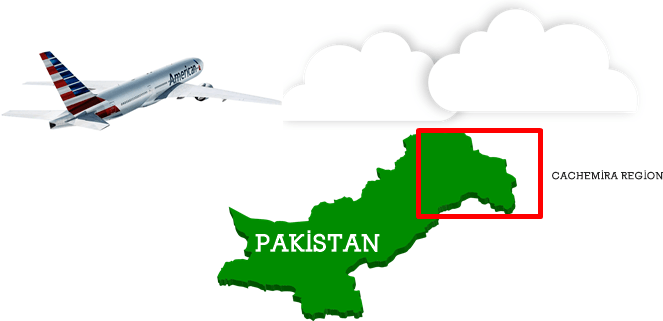
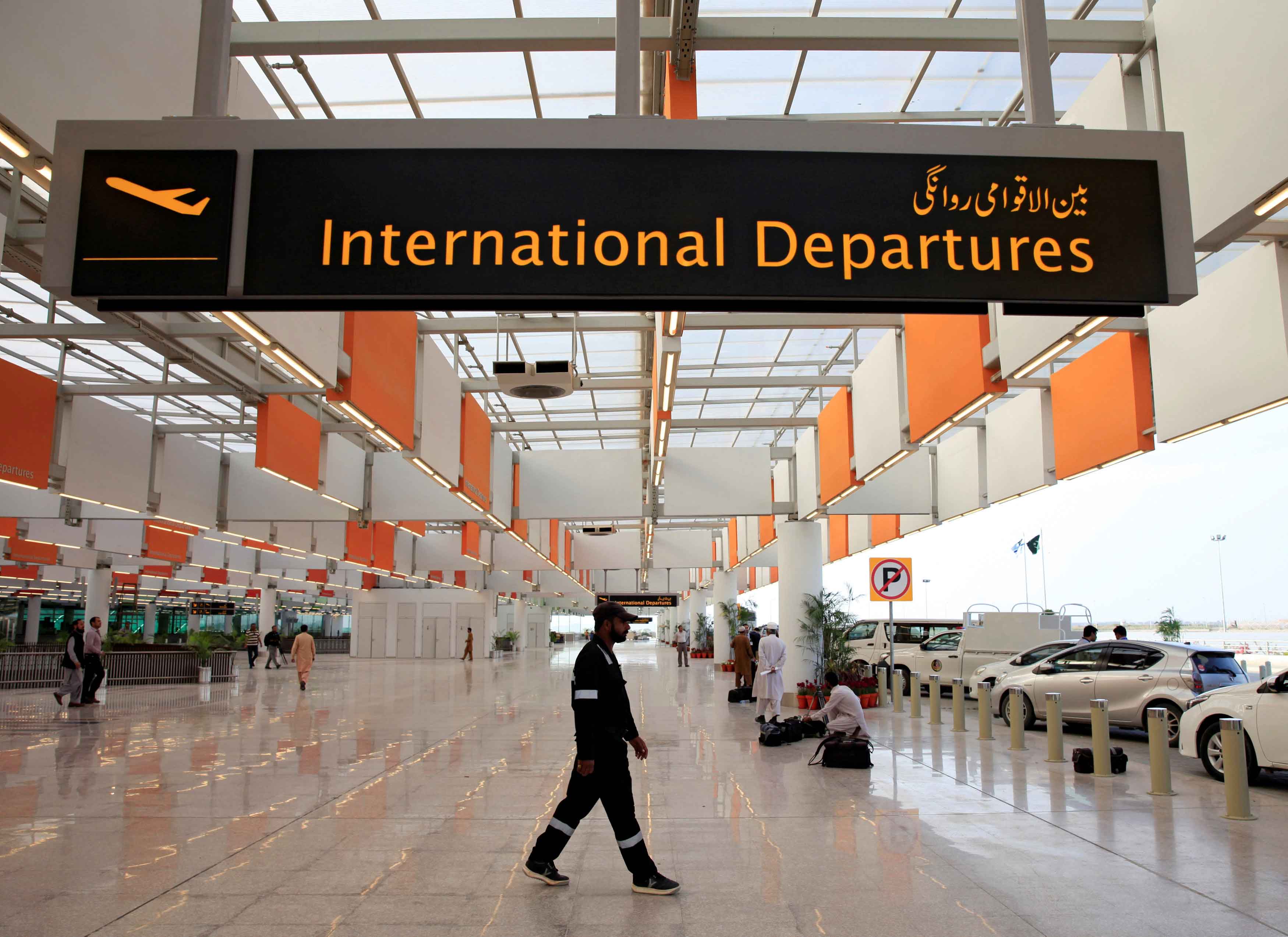
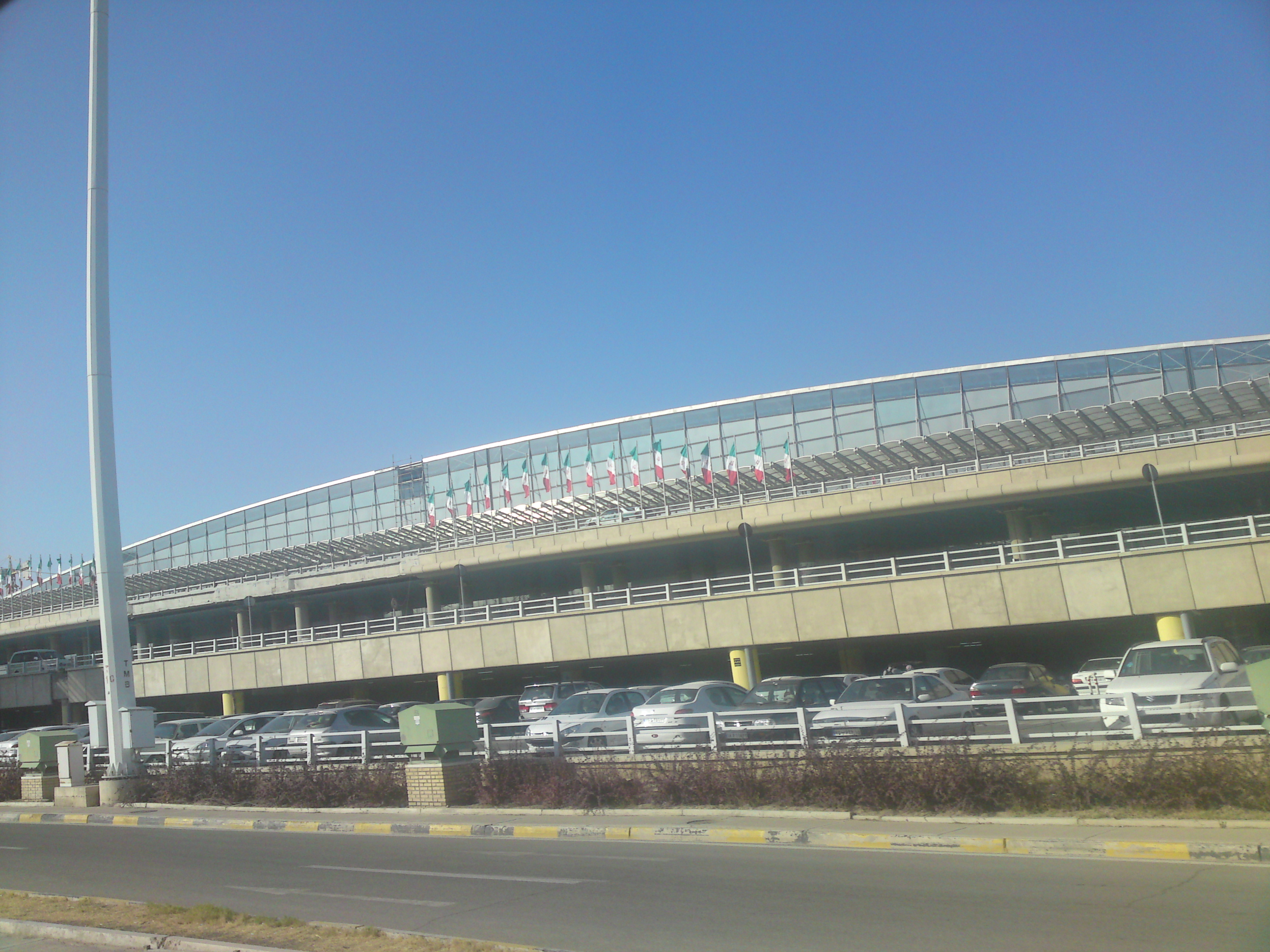
La Federal Aviation Administration (FAA) ha emitido una Alerta de Espacio Aéreo sobre la Región de Cachemira de la República de Pakistán debido a la actividad extremista militar. El organismo estadounidense de seguridad en aviación ha comunicado en un Aviso a los Aviadores (NOTAM) de fecha 30 Diciembre 2019 aplicable a todas las aerolíneas y pilotos con sede en Estados Unidos.

El regulador de aviación de Estados Unidos advirtió el Jueves a las aerolíneas estadounidenses y sus pilotos que existe riesgo de operar vuelos en el espacio aéreo de Pakistán debido a «actividades extremistas o militantes. Tenga precaución durante las operaciones de vuelo», según el documento oficial.

Existe un riesgo para la aviación civil estadounidense que opera en el territorio y el espacio aéreo de Pakistán debido a la actividad extremista/militante», dijo la Administración Federal de Aviación de Estados Unidos (FAA) en un aviso a los aviadores (NOTAM) con fecha de diciembre 30, 2019. El NOTAM se aplica a todas las aerolíneas con sede en Estados Unidos a los pilotos con sede en EEUU. El regulador de los Estados Unidos dijo en su NOTAM que sigue existiendo un riesgo para el sector de la aviación civil de los EE. UU. Por ataques contra aeropuertos y aeronaves en Pakistán, particularmente para aeronaves en tierra y aeronaves que operan a bajas altitudes, incluso durante las fases de llegada y salida de vuelos.

AW-FAA_Pakistan-Cachemira Region.png

Información de antecedentes de la FAA sobre la aviación civil de Estados Unidos en el territorio y el espacio aéreo de Pakistán

Existen riesgos continuos para la aviación civil estadounidense que opera en el territorio y el espacio aéreo de Pakistán, particularmente para aeronaves en tierra y aeronaves que operan a bajas altitudes, incluso durante el fases de llegada y salida del vuelo, de varios grupos extremistas/militantes. Por esta razón, el 30 Diciembre 2019, la FAA publicó el Aviso a los Aviadores NOTAM: KICZ A0036/19, asesorando a los civiles estadounidenses de la aviación para tener precaución cuando se realiza operaciones aéreas dentro, fuera, dentro o sobre el territorio y el espacio aéreo de Pakistán. Con la presencia continua de elementos extremistas/militantes que operan en la República de Pakistán, hay riesgo continuo para la aviación civil de Estados Unidos por fuego de armas pequeñas, ataques complejos contra aeropuertos, fuego indirecto de armas y fuego antiaéreo, cualquiera de los cuales podría ocurrir con poca o ninguna advertencia.

Antecedentes

Entre 2014 y 2019, grupos extremistas/militantes que operan en Pakistán han demostrado su capacidad continua e intención de apuntar a la aviación civil a través de múltiples ataques a la aviación, incluyendo la infraestructura de los aeropuertos.

En Agosto 2019, dos personas fueron arrestadas por disparar armas pequeñas dirigido a un avión comercial en aproximación al Aeropuerto Internacional de Islamabad (OPIS). En Julio 2017, fuentes de medios informaron sobre la intención de los extremistas de realizar ataques en el aeropuerto internacional de Jinnah (OPKC) en Karachi. En 2015, extremistas/militantes atacaron dos aeródromos remotos en la Provincia de Baluchistán y una base de la Fuerza Aérea pakistaní en Peshawar, lo que resulta en una serie de muertes y lesiones. En un ataque de Agosto 2015 contra el Aeropuerto Internacional de Jiwani (OPJI), extremistas/militantes destruyeron una instalación de radar de Control de Tráfico, y en Junio 2014, extremistas/militantes atacaron OPKC, lo que resultó en más de 30 psonas muertas y daños a las instalaciones del aeropuerto. Durante varios incidentes separados en 2014, los aviones en la aproximación al Aeropuerto Internacional Bacha Khan de Peshawar (OPPS) fue disparada por armas pequeñas, lo que resultó en una fatalidad.

Además de la amenaza extremista/militante para las operaciones de aviación civil de Estados Unidos en el territorio y espacio aéreo de Pakistán, puede haber interrupciones de vuelo y cierres de espacio aéreo implementados debido a enfrentamientos en la Región de Cachemira con poca o ninguna advertencia. El 26 Febrero 2019, la Fuerza Aérea India cruzó la línea de control y afirmó haber realizado ataques aéreos contra Jaish-e-Mohammed (JeM) campos de entrenamiento extremista/militante, en respuesta a un ataque JeM contra las fuerzas indias en Cachemira administrada por la India el 14 Febrero 2019. El 27 Febrero 2019, Pakistán llevó a cabo represalias aéreas de ataques contra objetivos no identificados en la Región Cachemira administrada por la India y posteriormente afirmaron haber disparado abajo dos aviones de combate indios que ingresan al espacio aéreo paquistaní. India y Pakistán emplean una variedad de aviones de combate aire-aire avanzados y sistemas de misiles tierra-aire capaces de alcanzar objetivos aéreos de aviones comerciales. Si las operaciones militares se reanudaran, las operaciones bélicas podrían presentar un riesgo inadvertido para la aviación civil de Estados Unidos y la navegación aérea de la región.

Los proveedores de servicios han gestionado su espacio aéreo de manera adecuada para proteger la aviación civil las operaciones de sobrevuelo en respuesta a enfrentamientos en la región de Cachemira.

Si bien, hasta la fecha, no ha habido informes de sistemas de defensa antiaérea portátiles (MANPADS) utilizado contra la aviación civil en el territorio y el espacio aéreo de Pakistán, se sospecha de algunos grupos extremistas/militantes podrían acceder a sistema antiaéreo MANPADS. Como resultado, hay un potencial riesgo de extremistas/militantes para apuntar a la aviación civil con la tecnología millitar para poner en pelígro a las aeronaves. Algunos MANPADS son capaces de alcanzar una altitud máxima de 25,000 pies sobre el nivel del suelo. AW-Icon AW001

Resultado de imagen para Islamabad AirportPakistan Airspace Alert

FAA.jpgThe FAA issues Airspace Alert over Cacherima Region in Pakistan Republic

The Federal Aviation Administration (FAA) has issued an Airspace Alert on the Kashmir Region of the Republic of Pakistan due to military extremist activity. The US aviation security agency has communicated in a Notice to Airmen (NOTAM) dated December 30, 2019, applicable to all airlines and pilots based in the United States.

The US aviation regulator on Thursday warned American airlines and their pilots that there is a risk of operating flights in Pakistan’s airspace due to «extremist or militant activities. Use caution during flight operations», according to the official document.

There is a risk to American civil aviation that operates in Pakistan’s territory and airspace due to extremist/militant activity, «the United States Federal Aviation Administration (FAA) said in a warning to aviators (NOTAM) with December 30, 2019. The NOTAM applies to all US-based airlines to pilots based in the US regulator said in its NOTAM that there is still a risk to the civil aviation sector of the US for attacks against airports and aircraft in Pakistan, particularly for ground aircraft and aircraft operating at low altitudes, even during the arrival and departure phases of flights.

FAA background information on United States civil aviation in Pakistan’s territory and airspace

There are continuing risks to US civil aviation operating in Pakistan’s territory and airspace, particularly for aircraft on the ground and aircraft operating at low altitudes, including during the arrival and departure phases of the flight, of various extremist/militant groups. For this reason, on December 30, 2019, the FAA published the Notice to NOTAM Airmen: KICZ A0036 / 19, advising US civilians in aviation to exercise caution when conducting air operations inside, outside, inside or over the territory and Pakistan’s airspace. With the continued presence of extremist/militant elements operating in the Republic of Pakistan, there is a continuing risk to United States civil aviation from small arms fire, complex attacks against airports, indirect gunfire and anti-aircraft fire, any of which It could happen with little or no warning.

Background

Between 2014 and 2019, extremist/militant groups operating in Pakistan have demonstrated their continued ability and intention to target civil aviation through multiple aviation attacks, including airport infrastructure.

In August 2019, two people were arrested for firing small arms aimed at a commercial plane approaching Islamabad International Airport (OPIS). In July 2017, media sources reported on extremists’ intention to carry out attacks at Jinnah International Airport (OPKC) in Karachi. In 2015, extremists/militants attacked two remote airfields in Balochistan Province and a Pakistani Air Force base in Peshawar, resulting in a series of deaths and injuries. In an August 2015 attack on Jiwani International Airport (OPJI), extremists/militants destroyed a Traffic Control radar facility, and in June 2014, extremists/militants attacked OPKC, which resulted in more than 30 dead persons and damage to airport facilities. During several separate incidents in 2014, the planes in the approach to Peshawar Bacha Khan International Airport (OPPS) was triggered by small arms, which resulted in a fatality.

In addition to the extremist/militant threat to United States civil aviation operations in Pakistan’s territory and airspace, there may be flight interruptions and airspace closures implemented due to clashes in the Kashmir Region with little or no warning. On February 26, 2019, the Indian Air Force crossed the control line and claimed to have carried out airstrikes against Jaish-e-Mohammed (JeM) extremist/militant training camps, in response to a JeM attack against Indian forces in Kashmir administered by India on February 14, 2019. On February 27, 2019, Pakistan carried out aerial reprisals of attacks against unidentified targets in the Kashmir Region administered by India and subsequently claimed to have shot down two Indian fighter jets entering Pakistani airspace. India and Pakistan employ a variety of advanced air-to-air fighter jets and ground-to-air missile systems capable of achieving commercial aircraft air targets. If military operations resume, war operations could present an inadvertent risk to civil aviation in the United States and air navigation in the region.

Service providers have adequately managed their airspace to protect civil aviation overflight operations in response to clashes in the Kashmir region.

While, to date, there have been no reports of portable anti-aircraft defense systems (MANPADS) used against civil aviation in Pakistan’s territory and airspace, it is suspected that some extremist/militant groups could access the MANPADS anti-aircraft system. As a result, there is a potential risk of extremists/militants to target civil aviation with military technology to jeopardize aircraft. Some MANPADS are capable of reaching a maximum altitude of 25,000 feet above ground level. AW-Icon AW002

AW-Wk-Islamabad_International_Airport_(6780356763).jpgتنبيه المجال الجوي الباكستاني

يصدر FAA تنبيه المجال الجوي فوق منطقة باكستانLogo_of_the_Federal_Aviation_Administration.svg

أصدرت إدارة الطيران الفيدرالية (FAA) تنبيهًا عن المجال الجوي على منطقة كشمير بجمهورية باكستان بسبب النشاط العسكري المتطرف. أبلغت وكالة أمن الطيران الأمريكية في إشعار للطيارين (NOTAM) بتاريخ 30 ديسمبر 2019 ينطبق على جميع شركات الطيران والطيارين المقيمين في الولايات المتحدة.

حذرت هيئة تنظيم الطيران الأمريكية يوم الخميس شركات الطيران الأمريكية وطياريها من أن هناك خطرًا من تشغيل رحلات جوية في المجال الجوي الباكستاني بسبب «الأنشطة المتطرفة أو المسلحة. توخي الحذر أثناء عمليات الطيران» ، وفقًا للوثيقة الرسمية.

«هناك خطر على الطيران المدني الأمريكي الذي يعمل في الأراضي الباكستانية والمجال الجوي بسبب النشاط المتطرف / المسلح» ، قالت إدارة الطيران الفيدرالية في الولايات المتحدة (FAA) في تحذير للطيارين (NOTAM) مع 30 ديسمبر 2019. تنطبق NOTAM على جميع شركات الطيران التي تتخذ من الولايات المتحدة مقراً لها على الطيارين المقيمين في الولايات المتحدة. وقالت هيئة التنظيم الأمريكية في NOTAM إنه لا يزال هناك خطر على قطاع الطيران المدني من الولايات المتحدة لشن هجمات على المطارات والطائرات في باكستان ، خاصة بالنسبة للطائرات البرية والطائرات التي تعمل على ارتفاعات منخفضة ، حتى أثناء مرحلتي الوصول والمغادرة للرحلات الجوية

معلومات خلفية FAA على الطيران المدني للولايات المتحدة في أراضي باكستان والمجال الجوي

هناك مخاطر مستمرة على الطيران المدني الأمريكي الذي يعمل في أراضي باكستان ومجالها الجوي ، وخاصة بالنسبة للطائرات الموجودة على الأرض والطائرات التي تعمل على ارتفاعات منخفضة ، بما في ذلك أثناء مرحلتي الوصول والمغادرة في الرحلة ، لمختلف الجماعات المتطرفة / المقاتلة . لهذا السبب ، في 30 كانون الأول (ديسمبر) 2019 ، نشرت إدارة الطيران الفيدرالية (FAA) الإخطار الموجه إلى رجال الطيارين (NOTAM): KICZ A0036 / 19 ، ينصح المدنيين الأمريكيين في مجال الطيران بتوخي الحذر عند إجراء العمليات الجوية داخل الأراضي وخارجها وداخلها و المجال الجوي الباكستاني. مع استمرار وجود عناصر متطرفة / متشددة تعمل في جمهورية باكستان ، هناك خطر مستمر على الطيران المدني للولايات المتحدة من نيران الأسلحة الصغيرة ، والهجمات المعقدة ضد المطارات ، ونيران الأسلحة غير المباشرة ، والنيران المضادة للطائرات ، أي يمكن أن يحدث مع القليل من التحذير أو لا.

خلفية

بين عامي 2014 و 2019 ، أظهرت الجماعات المتطرفة / المتشددة العاملة في باكستان قدرتها المستمرة ونيتها لاستهداف الطيران المدني من خلال هجمات الطيران المتعددة ، بما في ذلك البنية التحتية للمطارات

في أغسطس 2019 ، تم اعتقال شخصين لإطلاقهما أسلحة صغيرة كانت تستهدف طائرة تجارية تقترب من مطار إسلام آباد الدولي (OPIS). في يوليو 2017 ، أفادت مصادر إعلامية عن اعتزام المتطرفين شن هجمات في مطار جناح الدولي
(OPKC) في كراتشي. في عام 2015 ، هاجم المتطرفون / المقاتلون مطارين نويين في مقاطعة بلوشستان وقاعدة جوية باكستانية في بيشاور ، مما أدى إلى سلسلة من الوفيات والإصابات. في هجوم في أغسطس 2015 على مطار جواني الدولي (OPJI) ، دمر المتطرفون / المسلحون منشأة رادار للتحكم في حركة المرور ، وفي يونيو 2014 ، هاجم متطرفون / متشددون منظمة OPKC ، مما أسفر عن مقتل أكثر من 30 شخصًا و الأضرار التي لحقت مرافق المطار. خلال عدة حوادث منفصلة في عام 2014 ، الطائرات في
تم إطلاق النهج إلى مطار بيشاور باشا خان الدولي (OPPS) بواسطة الأسلحة الصغيرة ، مما أدى إلى وفاة.

بالإضافة إلى التهديد المتطرف / المتشدد لعمليات الطيران المدني للولايات المتحدة في أراضي باكستان ومجالها الجوي ، فقد يكون هناك انقطاع في الرحلات الجوية وإغلاق للمجال الجوي بسبب الاشتباكات في منطقة كشمير دون سابق إنذار أو بدون أي تحذير. في 26 فبراير 2019 ، عبرت القوات الجوية الهندية خط السيطرة وادعت أنها نفذت غارات جوية على معسكرات جيش المتطرفين / المتطرفين ، رداً على هجوم جيش تحرير السودان على القوات الهندية في كشمير الهند في 14 فبراير 2019. في 27 فبراير 2019 ، نفذت باكستان عمليات انتقامية جوية لهجمات ضد أهداف مجهولة في منطقة كشمير تديرها الهند وادعت فيما بعد أنها أسقطت طائرتين مقاتلتين هنديتين تدخلان المجال الجوي الباكستاني. الهند وباكستان توظيف مجموعة متنوعة من.
طائرات مقاتلة متطورة جو – أرض وأنظمة صواريخ أرض – جو قادرة على تحقيق الأهداف الجوية للطائرات التجارية. في حالة استئناف العمليات العسكرية ، يمكن أن تشكل العمليات العسكرية خطرًا غير مقصود على الطيران المدني في الولايات المتحدة والملاحة الجوية في المنطقة.

قام مقدمو الخدمات بإدارة مجالهم الجوي بشكل كاف لحماية عمليات التحليق بالطيران المدني استجابةً للاشتباكات في منطقة كشمير.

بينما لم ترد حتى الآن أي تقارير عن وجود أنظمة دفاع محمولة مضادة للطائرات تستخدم ضد الطيران المدني في أراضي باكستان ومجالها الجوي ، يُعتقد أن بعض الجماعات المتطرفة / المقاتلة يمكنها الوصول إلى نظام منظومات الدفاع الجوي المحمولة المضادة للطائرات. نتيجة لذلك ، هناك خطر محتمل من المتطرفين / المتشددين لاستهداف الطيران المدني مع التكنولوجيا العسكرية لتهديد الطائرات. بعض منظومات الدفاع الجوي المحمولة قادرة على الوصول إلى ارتفاع أقصى 25000 قدم فوق مستوى سطح الأرض. AW-Icon AW002


Ξ A I R G W A Y S Ξ
SOURCE: Airgways.com
DBk: Faa.gov / Airgways.com / Thenews.com.pk / Wikipedia.org
AW-POST: 202001031222AR

A\W   A I R G W A Y S ®

Reanudación Aeropuerto Halim

Resultado de imagen para halim perdanakusuma  airportAW | 2020 01 02 07:22 | AIRPORTS / AIR TRAFFIC

Aeropuerto de Halim Perdanakusuma en Indonesia retorna normalidad después de las inundaciones masivas

Las operaciones en el Aeropuerto Halim Perdanakusuma en el este de Jakarta se reanudaron el Jueves 02/01 después de que el aeropuerto se vio obligado a cerrar el Miércoles 01/01 por la mañana debido a las inundaciones masivas en el Gran Jakarta.

El operador aeroportuario estatal Angkasa Pura II dijo que la pista ya no estaba inundada. Las inundaciones habían evitado que los aviones despegaran y aterrizaran, lo que obligó a todos los vuelos a trasladarse al Aeropuerto Internacional Soekarno-Hatta en Tangerang, Banten. “Lamentamos cualquier inconveniente causado. Las desviaciones de los vuelos fueron bien», dijo el director presidente de Angkasa Pura II, M. Awaluddin, en un comunicado el Jueves.

Jakarta experimentó el Martes 31 Diciembre 2019 por la noche sus peores precipitaciones en más de una década, con lluvias que golpearon la ciudad sin parar hasta el miércoles por la mañana. Las lluvias causaron graves inundaciones en la capital y sus ciudades satélites el primer día de 2020. La Agencia de Meteorología, Climatología y Geofísica (BMKG) registró la intensidad de la lluvia en la víspera de Año Nuevo en 377 milímetros. La tasa fue la más alta desde 2007, cuando la intensidad de lluvia alcanzó 340 mm en un día.

El Vicepresidente de Comunicación Corporativa de Angkasa Pura II, Yado Yarismano, dijo que la compañía había revisado todas las instalaciones, equipos y pistas del aeropuerto, confirmando que todos cumplían con los estándares de valor operacional. Varias aerolíneas operan desde Halim Perdanakusuma, incluidas Wings Air, Batik Air y Citilink Indonesia. AW-Icon AW001

Resultado de imagen para halim perdanakusuma international airportHalim Airport Resumption

Indonesia’s Halim Perdanakusuma Airport returns to normal after massive flooding

Operations at Halim Perdanakusuma Airport in eastern Jakarta resumed on Thursday 02/01 after the airport was forced to close on Wednesday 01/01 in the morning due to massive flooding in Greater Jakarta.

State airport operator Angkasa Pura II said the runway was no longer flooded. The floods had prevented the planes from taking off and landing, forcing all flights to move to Soekarno-Hatta International Airport in Tangerang, Banten. “We regret any inconvenience caused. The flight deviations went well», said Angkasa Pura II president director M. Awaluddin, in a statement Thursday.

Jakarta experienced Tuesday, December 31, 2019, at night its worst rainfall in more than a decade, with rains that hit the city without stopping until Wednesday morning. The rains caused serious flooding in the capital and its satellite cities on the first day of 2020. The Agency for Meteorology, Climatology, and Geophysics (BMKG) recorded the intensity of the rain on New Year’s Eve at 377 millimeters. The rate was the highest since 2007 when the intensity of rain reached 340 mm in one day.

The Vice President of Corporate Communication of Angkasa Pura II, Yado Yarismano, said the company had reviewed all the facilities, equipment and runways of the airport, confirming that they all met the operational value standards. Several airlines operate from Halim Perdanakusuma, including Wings Air, Batik Air, and Citilink Indonesia. AW-Icon AW002

Resultado de imagen para halim perdanakusuma international airportDimulainya kembali Bandara Halim

Bandara Halim Perdanakusuma di Indonesia kembali normal setelah banjir besar

Operasi di Bandara Halim Perdanakusuma di Jakarta Timur dilanjutkan pada hari Kamis 02/01 setelah bandara terpaksa ditutup pada hari Rabu 01/01 di pagi hari karena banjir besar di Jabodetabek.

Operator bandara negara bagian Angkasa Pura II mengatakan landasan pacu tidak lagi banjir. Banjir telah mencegah pesawat lepas landas dan mendarat, memaksa semua penerbangan untuk pindah ke Bandara Internasional Soekarno-Hatta di Tangerang, Banten. “Kami menyesali ketidaknyamanan yang ditimbulkan. Penyimpangan penerbangan berjalan dengan baik», kata presiden direktur Angkasa Pura II M. Awaluddin, dalam sebuah pernyataan Kamis.

Jakarta mengalami Selasa, 31 Desember 2019 pada malam hari curah hujan terburuknya dalam lebih dari satu dekade, dengan hujan turun tanpa henti hingga Rabu pagi. Hujan menyebabkan banjir serius di ibu kota dan kota-kota satelitnya pada hari pertama tahun 2020. Badan Meteorologi, Klimatologi dan Geofisika (BMKG) mencatat intensitas hujan pada Malam Tahun Baru di 377 milimeter. Angka itu merupakan yang tertinggi sejak 2007, ketika intensitas hujan mencapai 340 mm dalam satu hari.

Wakil Presiden Komunikasi Korporat Angkasa Pura II, Yado Yarismano, mengatakan perusahaan telah meninjau semua fasilitas, peralatan, dan landasan pacu bandara, membenarkan bahwa mereka semua memenuhi standar nilai operasional. Beberapa maskapai beroperasi dari Halim Perdanakusuma, termasuk Wings Air, Batik Air dan Citilink Indonesia. AW-Icon AW002


Ξ A I R G W A Y S Ξ
SOURCE: Airgways.com
DBk: Bmkg.go.id / Anmgkasapura2.co.id / Thejakartapost.com / Antaranews.com
AW-POST: 202001020722AR

A\W   A I R G W A Y S ®

Khomeini aumenta tráfico doméstico

AW | 2019 12 31 14:00 | AIRPORTS / AIR TRAFFIC

Aeropuerto Khomeini elevará el número de vuelos en la República Islámica de Irán

Imam Khomeini International Airport (IKIA) incrementará vuelos domésticos en la República Islámica de Irán. El Aeropuerto Internacional Imam Khomeini ha anunciado que está listo para agregar vuelos de cabotaje a sus servicios, ha anunciado el Subdirector de Operaciones Aeroportuarias de IKIA. Los pasajeros tendrán más opciones para elegir entre los vuelos nacionales que se transfieren al aeropuerto. Se espera que la medida reduzca considerablemente el tráfico en el Aeropuerto Internacional Mehrabad de Teherán, que actualmente opera vuelos nacionales desde la ciudad capital. No se ha considerado ninguna ruta en particular para la reubicación permanente a IKIA y la cantidad de vuelos estará determinada por la demanda del mercado.

El Aeropuerto Internacional Imam Khomeini registró 47.446 despegues y aterrizajes en el último año fiscal que terminó el 20 de Marzo 2019. Más de 7.27 millones de pasajeros y 141.704 toneladas de carga fueron transportados desde el aeropuerto durante el período para ubicarse en el tercer lugar en la lista de los aeropuertos más ocupados de Irán en 2018. AW-Icon AW001

Resultado de imagen para ‫مطار الإمام الخميني الدولي‬‎Imam Khomeini increases domestic traffic

Khomeini Airport will increase the number of flights in the Republic of Iran

Imam Khomeini International Airport (IKIA) will increase domestic flights in the Islamic Republic of Iran. Imam Khomeini International Airport has announced that it is ready to add domestic flights to its services, the IKIA Assistant Director of Airport Operations has announced. Passengers will have more options to choose from domestic flights that transfer to the airport. The measure is expected to significantly reduce traffic at Tehran Mehrabad International Airport, which currently operates domestic flights from the capital city. No particular route has been considered for permanent relocation to IKIA and the number of flights will be determined by market demand.

Imam Khomeini International Airport recorded 47,446 take-offs and landings in the last fiscal year that ended on March 20, 2019. More than 7.27 million passengers and 14,171 tons of cargo were transported from the airport during the period to be ranked third in the List of the busiest airports in Iran in 2018. AW-Icon AW002

Resultado de imagen para ‫مطار الإمام الخميني الدولي‬‎الإمام الخميني يزيد من حركة المرور المحلية
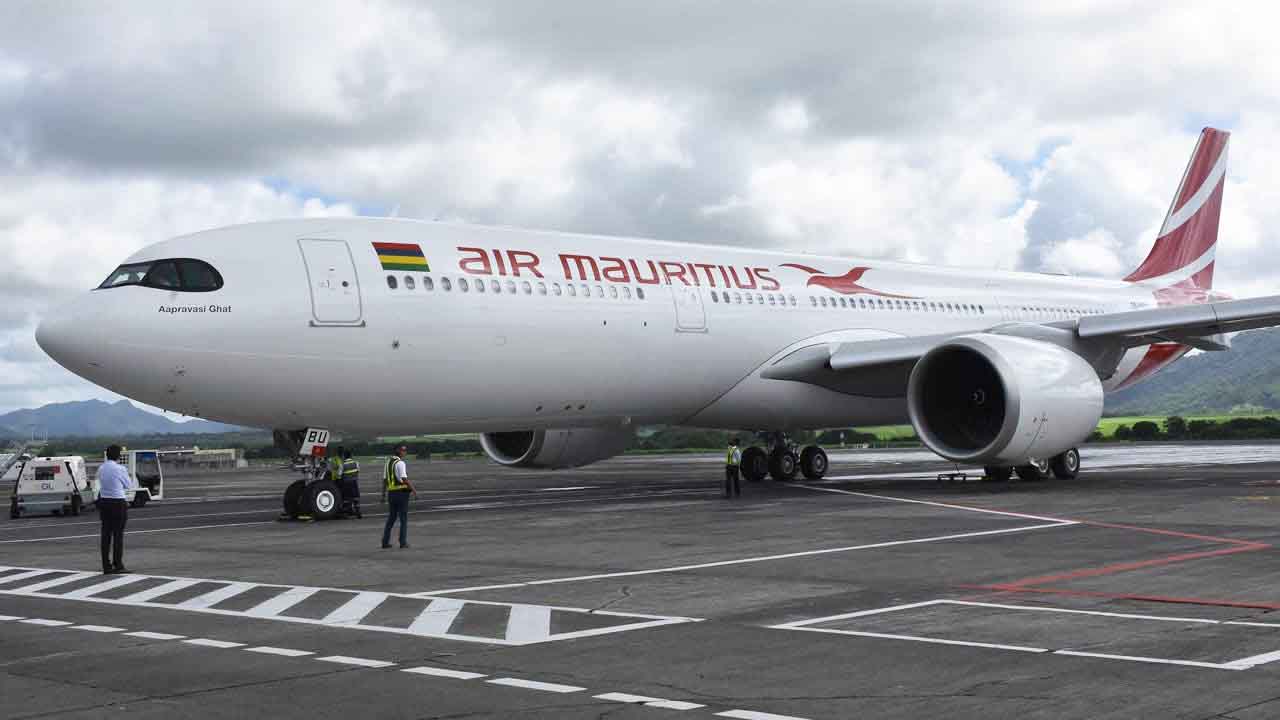
سيزيد مطار الخميني عدد الرحلات في جمهورية إيران

سيقوم مطار الإمام الخميني الدولي (IKIA) بزيادة الرحلات الداخلية في جمهورية إيران الإسلامية. أعلن مطار الإمام الخميني الدولي عن استعداده لإضافة رحلات جوية محلية إلى خدماته ، حسبما أعلن مساعد مدير عمليات المطار في IKIA. سيكون لدى الركاب المزيد من الخيارات للاختيار من بينها الرحلات الداخلية التي تنقل إلى المطار. من المتوقع أن يؤدي هذا الإجراء إلى تقليل حركة المرور في مطار طهران محراباد الدولي ، والذي يشغل حاليًا رحلات جوية داخلية من العاصمة. لم يتم النظر في أي طريق معين للانتقال الدائم إلى IKIA وسيتم تحديد عدد الرحلات حسب الطلب في السوق.

سجل مطار الإمام الخميني الدولي 47،446 عملية إقلاع وهبوط في السنة المالية الأخيرة المنتهية في 20 مارس 2019. تم نقل أكثر من 7.27 مليون مسافر و 14،171 طن من البضائع من المطار خلال الفترة ليحتلوا المرتبة الثالثة في قائمة أكثر المطارات ازدحاما في إيران في عام 2018. AW-Icon AW002


Ξ A I R G W A Y S Ξ
SOURCE: Airgways.com
DBk: Ikac.ir / Tehrantimes.com / Wikiwand.com
AW-POST: 201912311400AR

A\W   A I R G W A Y S ®

Huracán Calvinia afecta Isla Mauricio

Image result for Air MauritiusAW | 2019 12 30 21:06 | AVIATION SAFETY / AIR TRAFFIC

AW-Hurricane-Calvinia.pngMauricio cierra el aeropuerto principal cuando se acerca el ciclón Calvinia

La Isla Mauricio cerró su aeropuerto principal el Lunes 30/12 como todo localcomercial en la capital al aproximarse el Ciclón Tropical Calvinia. El servicio meteorológico de la isla del Océano Índico dijo que Calvinia había permanecido casi inmóvil durante algún tiempo a unos 120 kilómetros (72 millas) al este de Mahebourg, un pequeño pueblo en el sureste de Mauricio. «Un movimiento hacia el oeste acercará el centro a Mauricio», dijo el servicio meteorológico en un comunicado. El servicio meteorológico declaró una alerta de Clase III, que indica una tormenta con vientos entre 111 y 129 millas por hora, para el ciclón.

Tráfico aéreo

Se esperaba que ráfagas de hasta 120 km por hora llegaran a Mauricio el Lunes 30/12 por la tarde y se ordenó el cierre del aeropuerto, el puerto de Port Louis, desde el mediodía hora local. Air Mauritius, la aerolínea nacional, pospuso todas las llegadas y salidas hasta nuevo aviso, dijo en un comunicado.

Port Louis Harbour es la principal puerta de entrada de Mauricio y maneja prácticamente todo el comercio exterior, incluidas las importaciones clave para la población de 1.3 millones, como alimentos y petróleo.

En 1994, el ciclón Hollanda mató a dos personas, destruyó 450 casas y causó daños por US$ 135 millones cuando golpeó a Mauricio.

Gráfico de pronóstico del ciclón tropical CALVINIAHurricane Calvinia affects Mauritius

Mauricio closes the main airport when Cyclone Calvinia approaches

Mauritius closed its main airport on Monday 12/30 as all commercial stores in the capital as the Calvinia Tropical Cyclone approached. The Indian Ocean Island weather service said Calvinia had remained almost motionless for some time about 120 kilometers (72 miles) east of Mahebourg, a small town in southeastern Mauritius. «A movement to the west will bring the center closer to Mauritius,» the weather service said in a statement. The weather service said an alert Class III, indicating a storm with winds between 111 and 129 miles per hour to the cyclone.

Air traffic

Bursts of up to 120 km per hour were expected to arrive in Mauritius on Monday 12/30 in the afternoon and the closure of the airport, the port of Port Louis, was ordered from noon local time. Air Mauritius, the national airline, postponed all arrivals and departures until further notice, it said in a statement.

Port Louis Harbor is the main gateway to Mauritius and handles virtually all foreign trade, including key imports for the population of 1.3 million, such as food and oil.

In 1994, Cyclone Hollanda killed two people, destroyed 450 homes and caused damage of US$ 135 million when he hit Mauritius.


Ξ A I R G W A Y S Ξ
SOURCE: Airgways.com
DBk: Hurricanezone.net / Reuters.com / Defimedia.info
AW-POST: 201912302106AR

A\W   A I R G W A Y S ®