La línea aérea nacional de las Islas Fiji, Fiji Airways, ha alcanzado la calificación como una aerolínea principal de cinco estrellas 2023 por los premios APEX. Este premio ha incurrido en la evaluación de casi un millón de vuelos calificados por pasajeros de más de 600 aerolíneas de todo el mundo utilizando una escala de uno a cinco estrellas y se ha desarrollado por una empresa de auditoría externa. Las calificaciones oficiales de aerolíneas de APEX se crearon en base a los comentarios neutrales de los pasajeros de terceros y las ideas recopiladas a través de la asociación de APEX con TripIt de Concur, la aplicación de organización de viajes mejor calificada del mundo.
El Director General y Director Ejecutivo de Fiji Airways, Andre Viljoen, ha expresado el beneplácito: «En Fiji Airways hemos trabajado muy duro para elevar a la aerolínea a un nivel en el que haya sido reconocida como una aerolínea principal de cinco estrellas de APEX. Esto no es tarea fácil para un transportista de nuestro tamaño, con sede en una ubicación remota en el Pacífico Sur. Esta calificación de APEX es una victoria para todo Fiji. Mientras luchaba contra los desafíos provocados por la pandemia, la aerolínea nacional mostró resistencia y logró convertirse en una aerolínea con calificación de cinco estrellas. Ahora nos contamos entre las mejores ‘Grandes Aerolíneas’ del mundo, gracias al GRIT y la TENACIDAD de nuestro equipo».
El éxito de Fiji Airways en la reanudación de los servicios de una manera segura COVID, el rápido aumento y el número récord de llegadas de visitantes contribuyeron a nuestra calificación como aerolínea de cinco estrellas.
Donde muchas aerolíneas de un tamaño similar están luchando, la aerolínea nacional ha logrado mantenerse a flote, ha navegado con éxito la pandemia y ahora se está elevando a nuevas alturas en términos de reservas y ganancias de ingresos.
Acerca de Fiji Airways
Fiji Airways ha sido fundada en 1951 bao el Fiji Airways Group. Además, posee la filial Fiji Link, su aerolínea regional. El centro de operaciones representan los aeropuertos internacionales de Nadi/NAN y Suva/SUV, sirviendo directamente o por medio de los acuerdos de código compartido a 108 destinos en más de quince países. La aerolínea vuela desde Fiji hacia Australia, Canadá, China, Estados Unidos, India, Islas Salomón, Kiribati, Japón, Nueva Zelanda, Reino Unido, Samoa, Singapur, Tonga, Tuvalu y Vanautu.
Fiji airways awarded by APEX
Fiji Airways rated five star airline
The national carrier of the Fiji Islands, Fiji Airways, has achieved qualification as a 2023 Five-Star Major Airline by the APEX Awards. This award has incurred the evaluation of almost one million qualified flights by passengers of more than 600 airlines around the world using a scale of one to five stars and has been developed by an external auditing company. APEX Official Airline Ratings were created based on neutral third-party passenger feedback and insights gathered through APEX’s partnership with Concur’s TripIt, the world’s top-rated travel planning app.
General Manager and Chief Executive Officer of Fiji Airways, Andre Viljoen, said: «At Fiji Airways we have worked very hard to elevate the airline to a level where it has been recognized as an APEX Five Star Major Airline. «This is no easy task for a carrier of our size, based in a remote location in the South Pacific. This APEX rating is a victory for all of Fiji. While battling the challenges brought on by the pandemic, the national carrier has shown resilience and managed to become a five-star rated airline. We are now among the best ‘Large Airlines’ in the world, thanks to the GRIT and TENACITY of our team».
Fiji Airways’ success in resuming services in a COVID-safe manner, rapid increase and record number of visitor arrivals contributed to our rating as a five-star airline.
Where many airlines of a similar size are struggling, the national carrier has managed to stay afloat, successfully navigated the pandemic and is now soaring to new heights in terms of bookings and revenue gains.
About Fiji Airways
Fiji Airways was founded in 1951 under the Fiji Airways Group. In addition, it owns the subsidiary Fiji Link, its regional airline. The hubs represent Nadi/NAN and Suva/SUV international airports, serving directly or through codeshare agreements 108 destinations in more than fifteen countries. The airline flies from Fiji to Australia, Canada, China, United States, India, Solomon Islands, Kiribati, Japan, New Zealand, United Kingdom, Samoa, Singapore, Tonga, Tuvalu and Vanautu.
PUBLISHER: Airgways.com DBk: Apexawards.com / Fijiairways.com / Airgways.com AW-POST: 202210280045AR OWNERSHIP: Airgways Inc. A\W A I R G W A Y S ®
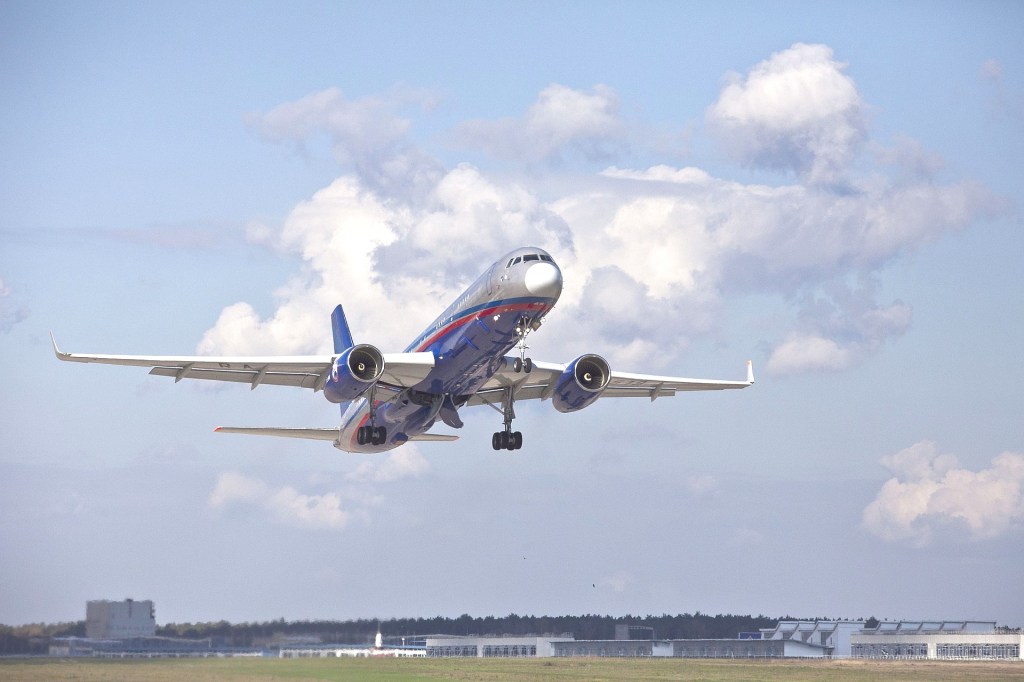
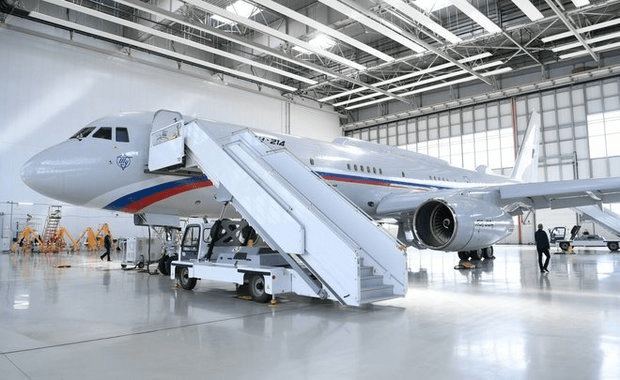
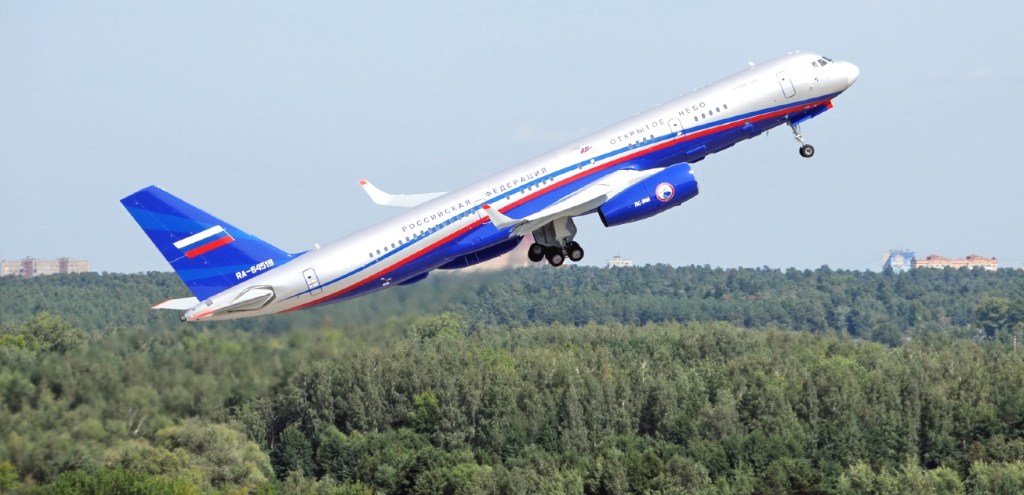
Planta Gorbunov de Kazan reactiva línea Tupolev Tu-214 Producurá veinte aviones anuales a partir de 2027
Gorbunov de Kazan planea producir anualmente veinte (20) aviones Tupolev Tu-214 a partir de 2027. La planta de aviación Kazan Gorbunov, una rama de Joint Stock Company Tupolev planea reactivar la línea jet de aviones Tu-214 como parte de la industria de cosecha propia rusa. El Ministro de Industria y Comercio de Tatarstán, Oleg Korobchenko, afirmó el acuerdo durante las audiencias parlamentarias en el Consejo de la Federación.
El Tupolev Tu-204/Туполев Ту-204 es un avión bimotor de fuselaje estrecho de alcance medio capaz de transportar 210 pasajeros, diseñado por Tupolev y producido por Aviastar-SP y Kazan Aircraft Production Association (KAPO) en Tatarstán. Introducido por primera vez en 1989, estaba destinado a ser ampliamente equivalente al Boeing 757, con un alcance y carga útil ligeramente más bajos, y tenía un rendimiento competitivo y eficiencia de combustible en su clase. Fue desarrollado para Aeroflot como reemplazo del trijet Tupolev Tu-154 de alcance medio. La última versión, con mejoras y mejoras significativas, es el Tu-204SM, que realizó su primer vuelo el 29 de diciembre de 2010. El avión de pasajeros Tu-214 de mediano a largo alcance es un desarrollo del Tupolev Tu-204 con mayor peso y mayor alcance. El Tupolev Tu-214 fue certificado en Diciembre de 2000 según los estándares rusos AP-25. El avión entró en servicio en Mayo de 2001 con la aerolínea Dalavia de Khabarovsk, en rutas regulares nacionales e internacionales rusas. El avión entró en servicio con la organización de transporte estatal de Rusia.
El 22 de Marzo 2022, el Viceprimer Ministro ruso, Yury Borisov, dijo que las autoridades del país discutieron la posibilidad de fabricar tan solo diez aviones Tu-214 al año en la planta de aviación de Gorbunov en Kazán. Según él, Aeroflot, Red Wings y otras aerolíneas pueden usar estos aviones. En Abril 2022, el CEO de Rostec, Sergey Chemezov, dijo que las aerolíneas rusas comenzarían a recibir aviones TU-214 en 2024. United Aircraft Corporation (UAC) anunció planes para ensamblar 70 Tu-214 para 2030. Como parte del inicio de producción en línea del Tu-214, en 2023-2030, la planta de aviación fabricará 115 aviones Tu-214: tres en 2023, siete en 2024, 10 en 2025, 15 en 2026, 20 en 2027-2030. Tupolev ha confirmado un pedido garantizado de 75 aviones.
La planta de aviación Kazan Gorbunov solía fabricar una cantidad limitada de aviones Tu-214, 2-3 aviones al año en el mejor de los casos. Como Realnoe Vremya descubrió ya en primavera, la empresa comenzó a prepararse para construir equipos de aviación civil a gran escala. El costo de un Tu-214 se estima en más de 10 mil millones de rublos dependiendo de la modificación, pero el precio final se conocerá después de que se conozca al operador de arrendamiento. La planta de aviación de Kazán ya fabrica 20 aviones Tu-214. Los aviones fabricados en la capital de Tatarstán reemplazarán a los Boeing y Airbus extranjeros.
El costo de un Tu-214 se estima en más de ₽ 10.000 millones de Rublos dependiendo de la modificación, pero el precio final se conocerá después de que se conozca al operador de arrendamiento. La planta de aviación de Kazán actualmente fabrica veinte aviones Tu-214. Los aviones fabricados en la capital de Tatarstán reemplazarán a los Boeing y Airbus extranjeros.
Aeroflot, 40 Tu-214
Aeroflot Russian Airlines y United Aircraft Engineering Corporation firmaron un acuerdo en Septiembre 2022 para comprar 339 aviones rusos, incluidos 40 Tu-214 producidos en la planta de Gorbunov en Kazán. La suma del acuerdo superó el billón de rublos, lo que es un récord absoluto, señaló entonces el Ministro ruso de Industria y Comercio, Denis Manturov.
UVT Aero ordena Tu-214
UVT Aero de Tatarstán, de la Federación Rusia se ha convertido en un nuevo cliente de cuatro aviones Tu-214. La aerolínea rusa se convirtió en un nuevo cliente de cuatro aviones Tu-214. UVT Aero tenía planes de cambiar al uso de aviones rusos hace mucho tiempo. El Presidente de Tatarstán, Rustam Minnikhanov, dijo sobre el acuerdo sin detalles durante su discurso ante el Consejo de Estado el 20 de Octubre de 2022: «La modernización de la planta de aviación de Kazán continúa. La empresa tiene la tarea de comenzar la producción en masa de aviones civiles Tu-214, hasta 20 al año. Ya se ha firmado un contrato para cuatro aviones con un cliente republicano».
UVT Aero realiza vuelos regulares de pasajeros con ocho aviones canadienses Bombardier CRJ-200. Hace varios años, la compañía planeó actualizar la flota comprando aviones extranjeros, pero no lo logró. Más tarde, el director de la aerolínea, Pyotr Trubayev, afirmó que en el futuro la compañía podría cambiar al uso de aviones rusos.
Reactivation of the Tupolev 214 line
Kazan Gorbunov Plant reactivates Tupolev Tu-214 line It will produce twenty aircraft per year from 2027
Kazan Gorbunov plans to annually produce twenty (20) Tupolev Tu-214 aircraft starting in 2027. The Kazan Gorbunov Aviation Plant, a branch of Joint Stock Company Tupolev plans to revive the Tupolev line of jet aircraft as part of the industry of Russian homegrown. Tatarstan’s Industry and Trade Minister Oleg Korobchenko affirmed the deal during parliamentary hearings in the Federation Council.
The Tupolev Tu-204/Туполев Ту-204 is a medium-range twin-engine narrow-body aircraft capable of carrying 210 passengers, designed by Tupolev and produced by Aviastar-SP and the Kazan Aircraft Production Association (KAPO) in Tatarstan. First introduced in 1989, it was intended to be broadly equivalent to the Boeing 757, with slightly lower range and payload, and had competitive performance and fuel efficiency in its class. It was developed for Aeroflot as a replacement for the Tupolev Tu-154 medium-range trijet. The latest version, with significant improvements and improvements, is the Tu-204SM, which made its first flight on December 29, 2010. The Tu-214 medium-to-long-range airliner is a development of the Tupolev Tu-204 with greater weight and greater range. The Tupolev Tu-214 was certified in December 2000 to Russian AP-25 standards. The aircraft entered service in May 2001 with the Dalavia airline of Khabarovsk, on regular Russian domestic and international routes. The aircraft entered service with the Russian state transport organization.
On March 22, 2022, Russian Deputy Prime Minister Yury Borisov said that the country’s authorities discussed the possibility of manufacturing as few as ten Tu-214 aircraft a year at the Gorbunov aviation plant in Kazan. According to him, Aeroflot, Red Wings and other airlines can use these planes. In April 2022, Rostec CEO Sergey Chemezov said that Russian airlines would start receiving TU-214 aircraft in 2024. United Aircraft Corporation (UAC) announced plans to assemble 70 Tu-214s by 2030. As part of the start of production In line with the Tu-214, in 2023-2030, the aviation plant will manufacture 115 Tu-214 aircraft: three in 2023, seven in 2024, 10 in 2025, 15 in 2026, 20 in 2027-2030. Tupolev has confirmed a guaranteed order for 75 aircraft.
The Kazan Gorbunov Aviation Plant used to manufacture a limited number of Tu-214 aircraft, 2-3 aircraft a year at best. As Realnoe Vremya found out already in the spring, the company began preparing to build large-scale civil aviation equipment. The cost of one Tu-214 is estimated at more than 10 billion rubles depending on the modification, but the final price will be known after the leasing operator is known. The Kazan Aviation Plant already manufactures 20 Tu-214 aircraft. Planes made in the capital of Tatarstan will replace foreign Boeing and Airbus.
The cost of one Tu-214 is estimated at more than ₽10 billion Rubles depending on the modification, but the final price will be known after the leasing operator is known. The Kazan Aviation Plant currently manufactures twenty Tu-214 aircraft. Planes made in the capital of Tatarstan will replace foreign Boeing and Airbus.
Aeroflot, 40 Tu-214
Aeroflot Russian Airlines and United Aircraft Engineering Corporation signed an agreement in September 2022 to buy 339 Russian aircraft, including 40 Tu-214s produced at the Gorbunov plant in Kazan. The sum of the agreement exceeded one trillion rubles, which is an absolute record, the Russian Minister of Industry and Trade Denis Manturov noted at the time.
UVT Aero orders Tu-214
UVT Aero of Tatarstan of the Russian Federation has become a new customer for four Tu-214 aircraft. The Russian airline became a new customer for four Tu-214 aircraft. UVT Aero had plans to switch to using Russian aircraft a long time ago. President of Tatarstan Rustam Minnikhanov said about the agreement without details during his speech to the State Council on October 20, 2022: «The modernization of the Kazan aviation plant continues. The company has the task of starting production mass production of Tu-214 civil aircraft, up to 20 a year. A contract for four aircraft has already been signed with a Republican client».
UVT Aero performs scheduled passenger flights with eight Canadian Bombardier CRJ-200 aircraft. Several years ago, the company planned to update the fleet by buying foreign aircraft, but did not succeed. Later, the director of the airline, Pyotr Trubayev, stated that in the future the company could switch to the use of Russian aircraft.
Реактивация линии Туполев 214
Завод Горбунова возобновил работу линейки Туполев Ту-214 С 2027 года он будет выпускать по двадцать самолетов в год
Казанский Горбунов планирует ежегодно производить двадцать (20) самолетов Туполев Ту-214, начиная с 2027 года. Казанский авиационный завод им. Горбунова, филиал Акционерного общества Туполев, планирует возродить туполевскую линейку реактивных самолетов как часть отечественной промышленности. Министр промышленности и торговли Татарстана Олег Коробченко подтвердил сделку на парламентских слушаниях в Совете Федерации.
Туполев Ту-204/Туполев Ту-204 — среднемагистральный двухмоторный узкофюзеляжный самолет, способный перевозить 210 пассажиров, разработанный Туполевым и производимый ОАО «Авиастар-СП» и Казанским авиационным производственным объединением (КАПО) в Татарстане. Впервые представленный в 1989 году, он должен был быть в целом эквивалентен Boeing 757, с немного меньшей дальностью полета и полезной нагрузкой, а также иметь конкурентоспособные характеристики и топливную экономичность в своем классе. Он был разработан для «Аэрофлота» как замена среднемагистральному трехдвигательному самолету Туполев Ту-154. Последней модификацией, со значительными доработками и доработками, является Ту-204СМ, совершивший первый полет 29 декабря 2010 г. Средне-дальнемагистральный авиалайнер Ту-214 является развитием туполевского Ту-204 с большей вес и больший радиус действия. Туполев Ту-214 был сертифицирован в декабре 2000 года по российским стандартам АП-25. Самолет поступил в эксплуатацию в мае 2001 года в хабаровской авиакомпании «Дальавиа» на регулярных внутренних и международных маршрутах России. Самолет поступил на вооружение Российской государственной транспортной организации.
22 марта 2022 года вице-премьер России Юрий Борисов сообщил, что власти страны обсудили возможность производства всего десяти самолетов Ту-214 в год на авиационном заводе имени Горбунова в Казани. По его словам, эти самолеты могут использовать Аэрофлот, Red Wings и другие авиакомпании. В апреле 2022 года генеральный директор Ростеха Сергей Чемезов заявил, что российские авиакомпании начнут получать самолеты Ту-214 в 2024 году. Объединенная авиастроительная корпорация (ОАК) объявила о планах собрать к 2030 году 70 самолетов Ту-214. В рамках запуска производства в соответствии с Ту-214, в 2023-2030 годах авиазавод изготовит 115 самолетов Ту-214: три в 2023 году, семь в 2024 году, 10 в 2025 году, 15 в 2026 году, 20 в 2027-2030 годах. Туполев подтвердил гарантированный заказ на 75 самолетов.
Казанский авиационный завод имени Горбунова выпускал ограниченное количество самолетов Ту-214, в лучшем случае 2-3 самолета в год. Как стало известно Реальному времени еще весной, компания начала подготовку к созданию крупносерийной гражданской авиационной техники. Стоимость одного Ту-214 оценивается более чем в 10 миллиардов рублей в зависимости от модификации, но окончательная цена станет известна после того, как станет известен лизинговый оператор. Казанский авиационный завод уже выпускает 20 самолетов Ту-214. Самолеты, произведенные в столице Татарстана, заменят иностранные Boeing и Airbus.
Стоимость одного Ту-214 оценивается более чем в 10 млрд рублей в зависимости от модификации, но окончательная цена станет известна после того, как станет известен лизинговый оператор. В настоящее время Казанский авиационный завод выпускает двадцать самолетов Ту-214. Самолеты, произведенные в столице Татарстана, заменят иностранные Boeing и Airbus.
Аэрофлот, 40 Ту-214
Аэрофлот — российские авиалинии и Объединенная авиастроительная корпорация в сентябре 2022 года подписали соглашение о покупке 339 российских самолетов, в том числе 40 Ту-214, произведенных на заводе имени Горбунова в Казани. Сумма соглашения превысила один триллион рублей, что является абсолютным рекордом, отметил тогда министр промышленности и торговли РФ Денис Мантуров.
ЮВТ Аэро заказывает Ту-214
Компания ЮВТ Аэро Татарстана Российской Федерации стала новым заказчиком четырех самолетов Ту-214. Российская авиакомпания стала новым заказчиком четырех самолетов Ту-214. «ЮВТ Аэро» давно планировала перейти на использование российских самолетов. Президент Татарстана Рустам Минниханов сообщил о договоренности без подробностей во время выступления на Госсовете 20 октября 2022 года: «Продолжается модернизация Казанского авиазавода. Перед предприятием поставлена задача освоить серийное производство гражданских самолетов Ту-214, до 20 в год. С республиканским заказчиком уже подписан контракт на четыре самолета».
ЮВТ Аэро выполняет регулярные пассажирские рейсы на восьми канадских самолетах Bombardier CRJ-200. Несколько лет назад компания планировала обновить парк за счет покупки иностранных самолетов, но не удалось. Позже директор авиакомпании Петр Трубаев заявил, что в будущем компания может перейти на использование российских самолетов.
PUBLISHER: Airgways.com DBk: Tupolev.ru / Airgways.com AW-POST: 202210271408AR OWNERSHIP: Airgways Inc. A\W A I R G W A Y S ®
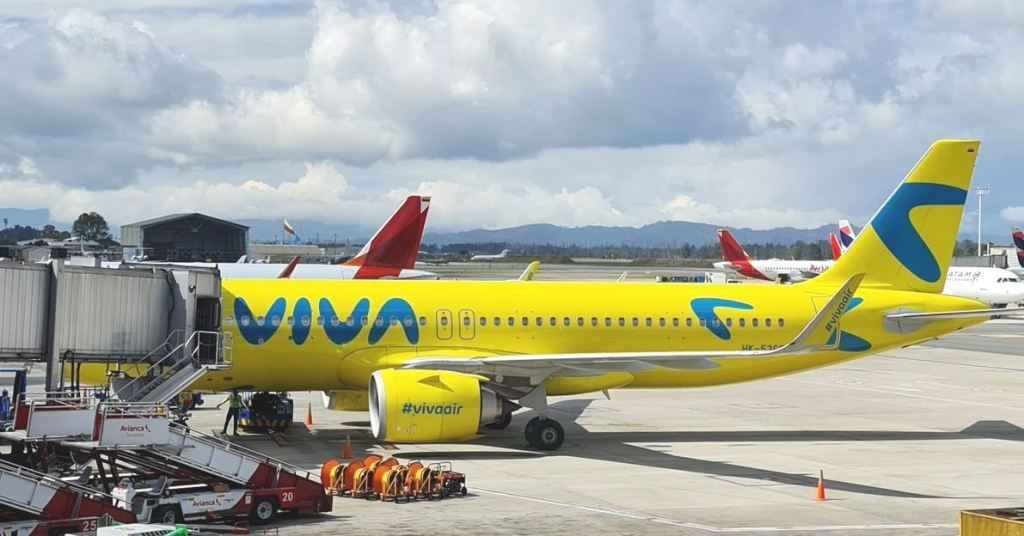
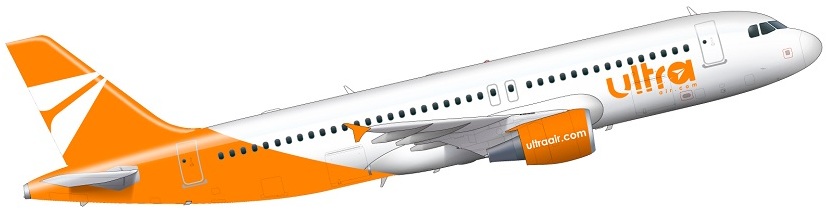
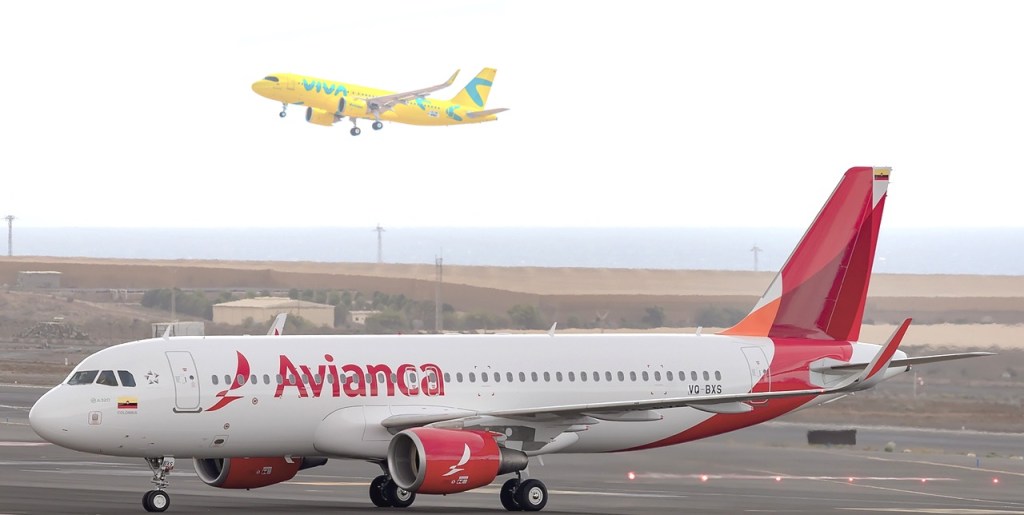
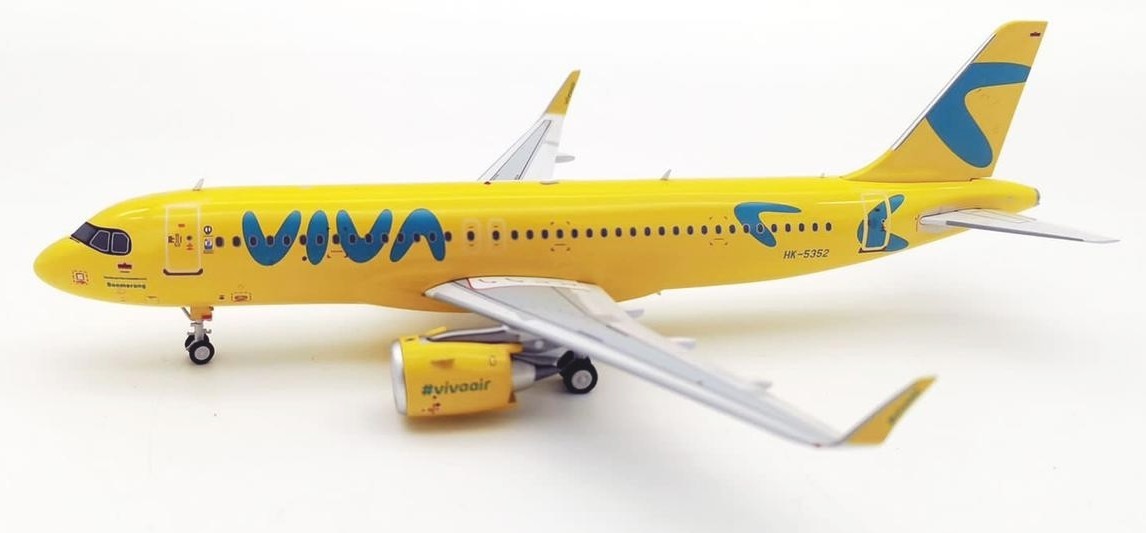
La compañía Avianca Airlines, principal filial del holding Avianca Group International, ha presentado ante la Fiscalía General de Colombia en Septiembre 2022 una denuncia por el presunto delito de fraude procesal, por parte de representantes de la aerolínea de bajo costo Ultra Air, dentro del análisis que realiza la Aeronáutica Civil a la solicitud de integración empresarial entre Avianca y la aerolínea de bajo costo Viva Air Colombia.
En el documento se señala que, dentro del trámite que analiza la autoridad aeronáutica se presentaron escritos de oposición, entre ellos el de Ultra Air, representada por William Shaw, a través de su apoderado, Emilio José Archila. El documento elaborado por los apoderados de Avianca expresa: “aporta una gran cantidad de información falsa al proceso, configurando el delito de fraude procesal”. En el escrito se señala, por ejemplo, que entre la información falsa aportada al proceso por Ultra Air está que Avianca y Viva Air ya se integraron, al igual que en la operación no se incluyó a EasyFly “sobre la cual Avianca ejerce control”, señalando que la Aerocivil ya aprobó el acuerdo de código compartido entre Avianca y EasyFly, lo cual indica que la primera controla a la segunda. Otra afirmación falsa consiste en que Ultra Air sostiene que Avianca interrumpió abruptamente el proceso de crecimiento de Viva Air, al haber adquirido su control. Un punto equívoco consiste en que Ultra Air asegura que con los slots que maneja EasyFly, Avianca pasaría de tener el 53,8 por ciento de estas al 63,5 por ciento con Viva Air en el verano de 2022.
El Abogado por parte de Avianca Airlines, Camilo Burbano afirma que el objetivo de Ultra Air es obstaculizar de forma indebida el proceso de integración entre Avianca y Viva Air. “Tanto con la solicitud de tercería de Ultra Air como en el Escrito de Oposición de Ultra Air, esta quiere inducir al error a la Aerocivil, a través de medios fraudulentos consistentes en afirmaciones ajenas a la realidad, omisiones y tergiversación de información, entre otras estrategias engañosas”, expresa el comunicado.
Sobre la afirmación de que Avianca y Viva Air están actualmente operando de forma conjunta, la denuncia explica que si bien se firmó un acuerdo para la unificación de derechos económicos de Avianca y Viva Air en uno mismo holding “no es cierto que las dos empresas estén operando rutas y fijando las tarifas conjuntamente. Ultra Air y su apoderado, quien además es un experto abogado en derecho de la competencia y conoce el término integración empresarial, pretenden inducir en error a los funcionarios de la Aerocivil. La inducción en error del escrito busca que el funcionario confunda una unificación de derechos económicos, proceso avalado y reconocido por la máxima autoridad de competencia en Colombia, la Superintendencia de Industria y Comercio (SIC) y regulado en el Numeral 2.7 del Capítulo Segundo Título VII de la Circular Única de la SIC”, precisa la denuncia de Avianca. Al refutar la afirmación de Ultra Air, en el sentido de que Avianca y Viva ya se integraron, en la denuncia el apoderado de Avianca sostiene que “De nuevo, Ultra Air y su apoderado, quien además es un experto abogado en derecho de la competencia y conoce el término integración empresarial, pretenden inducir en error a los funcionarios de la Aerocivil, al hacerles creer que el acuerdo de unificación de derechos económicos implica la integración de las dos aerolíneas”. Camilo Burbano señala que esta afirmación está alejada de la realidad, pues actualmente las dos compañías mantienen total independencia de la operación, no hay control competitivo de Avianca Airlines sobre Viva Air Colombia y que por ello siguen siendo competidoras. Sobre la acusación de que Avianca ejerce control sobre EasyFly, la denuncia es categórica al precisar que los acuerdos de código compartido, como el que tienen las dos aerolíneas y muchas más en el país y en el mundo, buscan permitir que una de las aerolíneas pueda vender sillas en los vuelos de la otra para brindar mayor conectividad, lo cual no implica control de una de las partes sobre otra. Por ejemplo, como se recuerda, la aerolínea Interjet, que tuvo serios problemas de servicio con usuarios en Colombia y de la cual el mismo William Shaw fue su Presidente Ejecutivo, nunca pidió autorizaciones para integración por los códigos compartidos que firmó, lo cual demuestra que los acuerdos de código compartido entre Avianca y EasyFly no implican su integración.
Avianca-Ultra Air to Courts
Arm wrestled in Courts Avianca and Ultra Air
The company Avianca Airlines, the main subsidiary of the Avianca Group International holding company, has filed a complaint with the Colombian Attorney General’s Office in September 2022 for the alleged crime of procedural fraud, by representatives of the low-cost airline Ultra Air, within the analysis made by the Civil Aeronautics to the request for business integration between Avianca and the low-cost airline Viva Air Colombia.
The document indicates that, within the procedure analyzed by the aeronautical authority, opposition briefs were presented, among them that of Ultra Air, represented by William Shaw, through his attorney, Emilio José Archila. The document prepared by the representatives of Avianca states: «it provides a large amount of false information to the process, configuring the crime of procedural fraud». The letter indicates, for example, that among the false information provided to the process by Ultra Air is that Avianca and Viva Air were already integrated, just as EasyFly was not included in the operation «over which Avianca exercises control», noting that Aerocivil has already approved the codeshare agreement between Avianca and EasyFly, which indicates that the former controls the latter. Another false claim is that Ultra Air claims that Avianca abruptly interrupted Viva Air’s growth process, having acquired control of it. An equivocal point is that Ultra Air assures that with the slots managed by EasyFly, Avianca would go from having 53.8 percent of these to 63.5 percent with Viva Air in the summer of 2022.
The lawyer for Avianca Airlines, Camilo Burbano, affirms that the objective of Ultra Air is to unduly hinder the integration process between Avianca and Viva Air. “Both with Ultra Air’s third party request and Ultra Air’s Opposition Brief, it wants to mislead Aerocivil, through fraudulent means consisting of unrealistic statements, omissions and misrepresentation of information, among others. misleading strategies», the statement said.
Regarding the statement that Avianca and Viva Air are currently operating jointly, the complaint explains that although an agreement was signed for the unification of the economic rights of Avianca and Viva Air in the same holding company, «it is not true that the two companies are operating routes and setting fares jointly. Ultra Air and its agent, who is also an expert lawyer in competition law and knows the term business integration, intend to mislead Aerocivil officials. The induction in error of the writing seeks that the official confuses a unification of economic rights, a process endorsed and recognized by the highest competition authority in Colombia, the Superintendence of Industry and Commerce (SIC) and regulated in Numeral 2.7 of Chapter Second Title VII of the Single Circular of the SIC”, specifies the Avianca complaint. Refuting Ultra Air’s assertion that Avianca and Viva have already merged, Avianca’s attorney maintains in the complaint that “Again, Ultra Air and its attorney, who is also an expert lawyer in competition law and knows the term business integration, they intend to mislead Aerocivil officials by making them believe that the economic rights unification agreement implies the integration of the two airlines”. Camilo Burbano points out that this statement is far from reality, since currently the two companies maintain total independence of the operation, there is no competitive control of Avianca Airlines over Viva Air Colombia and that is why they continue to be competitors. Regarding the accusation that Avianca exercises control over EasyFly, the complaint is categorical in specifying that the codeshare agreements, such as the one between the two airlines and many more in the country and in the world, seek to allow one of the airlines to sell seats on each other’s flights to provide greater connectivity, which does not imply control of one of the parties over another. For example, as is recalled, the Interjet airline, which had serious service problems with users in Colombia and of which William Shaw himself was its Executive President, never requested authorizations for integration for the shared codes that it signed, which shows that the shared code agreements between Avianca and EasyFly do not imply their integration.
PUBLISHER: Airgways.com DBk: Avianca.com / Cortesuprema.gov.co / Airgways.com AW-POST: 202210271113AR OWNERSHIP: Airgways Inc. A\W A I R G W A Y S ®
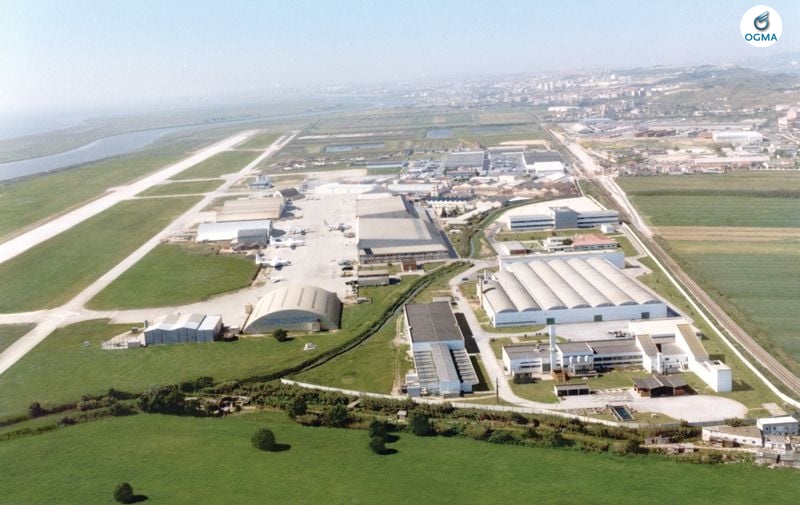
OGMA convierte primer centro autorizado de mantenimiento pesado
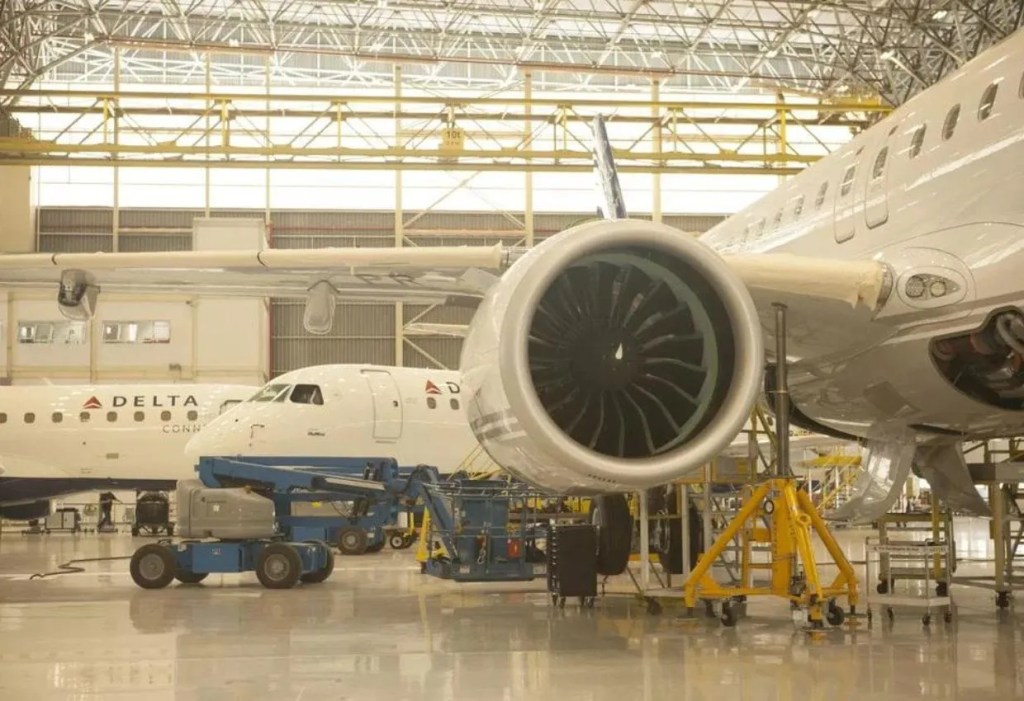
OGMA, una compañía portuguesa integrante del Grupo Embraer, alcanzó un hito histórico al convertirse en el primer Centro de Mantenimiento Autorizado certificado por la Autoridad Nacional de Aviação Civil (ANAC) de Portugal para realizar el mantenimiento pesado de aviones comerciales para la familia de aviones comerciales Embraer E2-Jets en Europa, Oriente Medio y África (EMEA). El anuncio se realizó durante la Conferencia Global de Operadores de Embraer (EOC), que se celebra en Lisboa.
OGMA expande sus operaciones comerciales en el segmento de aviación comercial. Con esta certificación está preparada para llevar a cabo mantenimiento pesado, gestión total de flotas, soluciones de ingeniería, gestión de aeronavegabilidad, mantenimiento de soporte y futuras modificaciones de aeronaves que cumplan con los requisitos del cliente y adapten los aviones de la familia de Embraer E2-Jets.
«La obtención de esta certificación por parte de OGMA es un paso estratégico crucial para fortalecer la presencia de Embraer en la región EMEA y es una señal inequívoca del compromiso continuo que hacemos con Portugal como socio tecnológico líder en la industria aeronáutica del país. Estamos seguros de que esta certificación reforzará el reconocimiento internacional de la compañía en el mantenimiento de aeronaves en aviación civil y, en particular, en el avión E2», dice Johann Bordais, Presidente y CEO de Embraer Services and Support.
«Estamos encantados de alcanzar un hito tan importante, que resulta del trabajo incansable de un gran equipo. Ser el primer Centro de Mantenimiento Autorizado de Embraer para el E2 en la región EMEA es una credencial importante para OGMA en un sector tan competitivo y exigente como el mercado de la aviación internacional. Este es solo el punto de partida de un ciclo importante para el crecimiento de la compañía, con más negocios, nuevos clientes y oportunidades», dijo Alexandre Solís, CEO de OGMA.
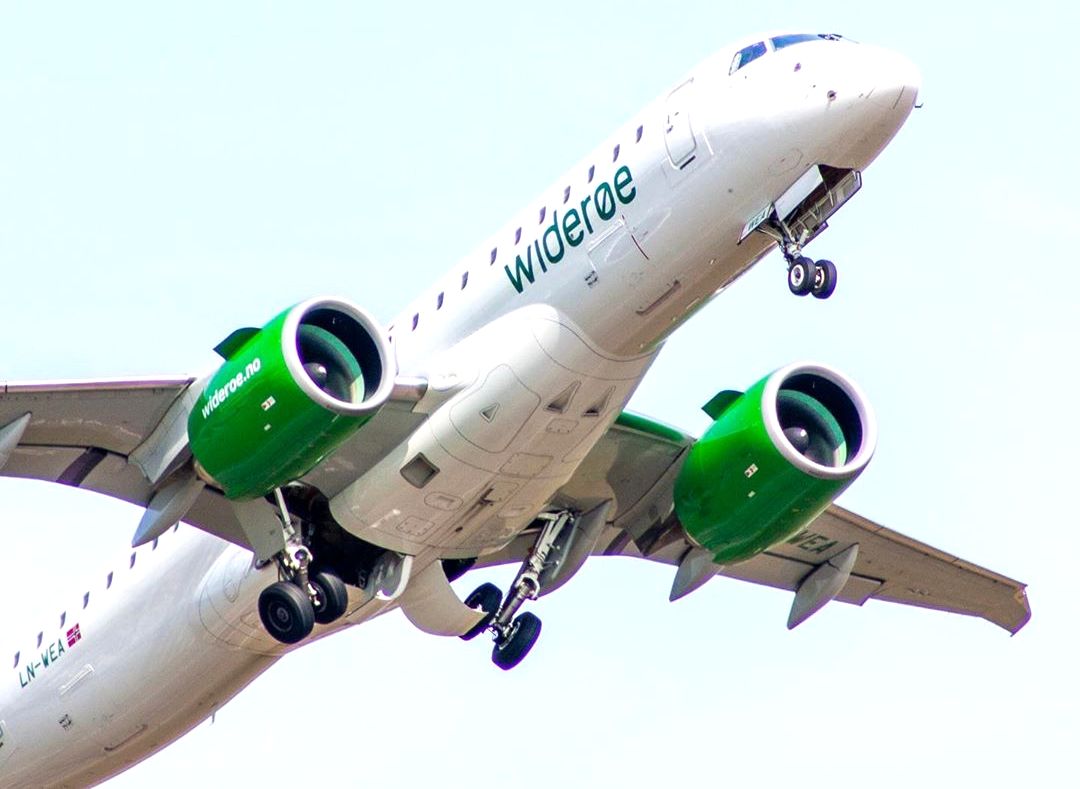
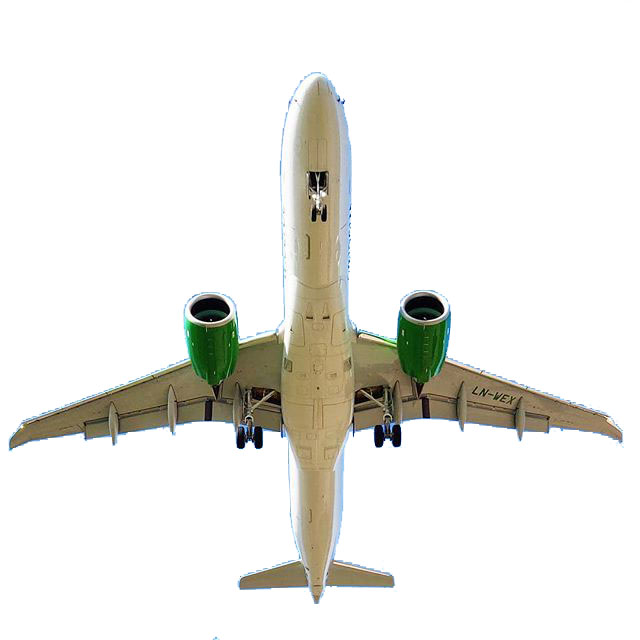
Como parte del importante hito alcanzado por OGMA ha logrado un contrato con la aerolínea noruega Widerøe para llevar a cabo el primer mantenimiento de un avión Embraer E190-E2 a nivel mundial.
OGMA consolida su experiencia y conocimiento en aviación civil y mantenimiento de aeronaves Embraer. Desde 1998, es un Centro de Mantenimiento Autorizado de Embraer para los jets regionales ERJ 135, ERJ 140 y ERJ 145, con más de 300 C-Checks realizados, ofreciendo diversos servicios. Desde 2007, OGMA ha apoyado a la familia de aviones comerciales E-Jets, con más de 50 C-Checks realizados en este avión y la capacidad para una amplia gama de servicios MRO. La experiencia y el conocimiento de OGMA en el mantenimiento de la primera generación de aviones comerciales E-Jets se utilizarán al servicio de la familia E-Jets E2.
OGMA certified E2-Jet
OGMA converts first authorized heavy maintenance center
OGMA, a Portuguese company that is part of the Embraer Group, reached a historic milestone by becoming the first Authorized Maintenance Center certified by the National Civil Aviation Authority (ANAC) of Portugal to perform heavy maintenance on commercial aircraft for the family of commercial aircraft Embraer E2-Jets in Europe, the Middle East and Africa (EMEA). The announcement was made during the Embraer Global Operators Conference (EOC), which takes place in Lisbon.
OGMA expands its business operations in the commercial aviation segment. With this certification it is prepared to carry out heavy maintenance, total fleet management, engineering solutions, airworthiness management, support maintenance and future aircraft modifications that meet customer requirements and adapt the aircraft of the Embraer E2-Jets family.
«Obtaining this certification by OGMA is a crucial strategic step to strengthen Embraer’s presence in the EMEA region and is an unequivocal sign of the continued commitment we make to Portugal as a leading technology partner in the country’s aeronautical industry. We are confident that this certification will reinforce the company’s international recognition in aircraft maintenance in civil aviation and, in particular, in the E2 aircraft», says Johann Bordais, President and CEO of Embraer Services and Support.
«We are delighted to reach such an important milestone, which is the result of the tireless work of a great team. Being the first Embraer Authorized Maintenance Center for the E2 in the EMEA region is an important credential for OGMA in a sector as competitive and demanding as the international aviation market. This is just the starting point of an important cycle for the growth of the company, with more business, new clients and opportunities», said Alexandre Solís, CEO of OGMA.
As part of the important milestone reached by OGMA, it has obtained a contract with the Norwegian airline Widerøe to carry out the first maintenance of an Embraer E190-E2 aircraft worldwide.
OGMA consolidates its experience and knowledge in civil aviation and Embraer aircraft maintenance. Since 1998, it has been an Embraer Authorized Maintenance Center for ERJ 135, ERJ 140 and ERJ 145 regional jets, with more than 300 C-Checks performed, offering various services. Since 2007, OGMA has supported the E-Jets family of commercial aircraft, with more than 50 C-Checks performed on this aircraft and the capability for a wide range of MRO services. OGMA’s experience and knowledge in servicing the first generation of E-Jets commercial aircraft will be used in service of the E-Jets E2 family.
E2-Jet com certificação OGMA
OGMA converte primeiro centro autorizado de manutenção pesada
A OGMA, empresa portuguesa que faz parte do Grupo Embraer, atingiu um marco histórico ao tornar-se o primeiro Centro de Manutenção Autorizado certificado pela Autoridade Nacional de Aviação Civil (ANAC) de Portugal a realizar manutenção pesada em aeronaves comerciais da família de aeronaves comerciais Embraer E2-Jets na Europa, Oriente Médio e África (EMEA). O anúncio foi feito durante a Embraer Global Operators Conference (EOC), que acontece em Lisboa.
A OGMA expande seus negócios no segmento de aviação comercial. Com esta certificação está preparada para realizar manutenção pesada, gestão total de frota, soluções de engenharia, gestão de aeronavegabilidade, manutenção de apoio e futuras modificações de aeronaves que atendam aos requisitos do cliente e adaptem as aeronaves da família Embraer E2.
“A obtenção desta certificação pela OGMA é um passo estratégico crucial para fortalecer a presença da Embraer na região EMEA e é um sinal inequívoco do compromisso contínuo que assumimos com Portugal como um parceiro tecnológico líder na indústria aeronáutica do país. reforçam o reconhecimento internacional da empresa na manutenção de aeronaves na aviação civil e, em especial, nas aeronaves E2″, afirma Johann Bordais, Presidente e CEO da Embraer Serviços e Suporte.
«Estamos muito satisfeitos por atingir um marco tão importante, fruto do trabalho incansável de uma grande equipe. Ser o primeiro Centro de Manutenção Autorizado Embraer para o E2 na região EMEA é uma importante credencial para a OGMA em um setor tão competitivo e exigente como o mercado de aviação internacional. Este é apenas o ponto de partida de um ciclo importante para o crescimento da empresa, com mais negócios, novos clientes e oportunidades», disse Alexandre Solís, CEO da OGMA.
Como parte do importante marco alcançado pela OGMA, obteve um contrato com a companhia aérea norueguesa Widerøe para realizar a primeira manutenção de uma aeronave Embraer E190-E2 em todo o mundo.
A OGMA consolida sua experiência e conhecimento em aviação civil e manutenção de aeronaves Embraer. Desde 1998, é Centro Autorizado de Manutenção da Embraer para jatos regionais ERJ 135, ERJ 140 e ERJ 145, com mais de 300 C-Checks realizados, oferecendo diversos serviços. Desde 2007, a OGMA apoia a família de E-Jets de aeronaves comerciais, com mais de 50 C-Checks realizados nesta aeronave e capacidade para uma ampla gama de serviços de MRO. A experiência e o conhecimento da OGMA na manutenção da primeira geração de aeronaves comerciais E-Jets serão utilizados no serviço da família E-Jets E2.
PUBLISHER: Airgways.com DBk: Ogma.pt / Anac.pt / Embraer.com / Airgways.com AW-POST: 202210270915AR OWNERSHIP: Airgways Inc. A\W A I R G W A Y S ®
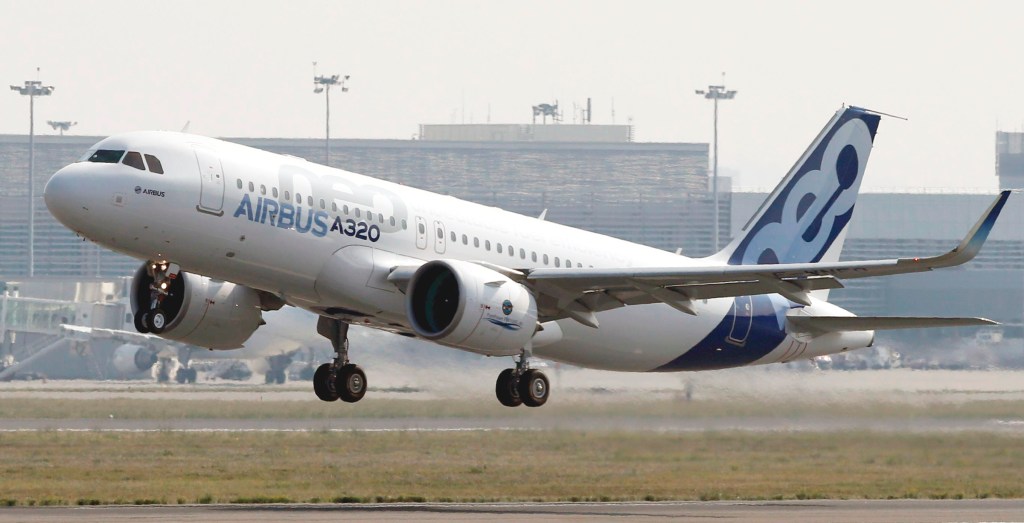
IAG confirma pedido 37 aviones adicionales Familia A320NEO
International Airlines Group (IAG) ha anunciado el 27/10 la confirmación de un pedido de 37 aviones Airbus A320NEO adicionales, tras la aprobación de los accionistas. El último pedido sigue a acuerdos anteriores por 22 A320NEO Family A320NEO (17), A321NEO (5) anunciados en Marzo y Junio de 2022 respectivamente, lo que eleva el total del año a 59 aviones de pasillo único.
“IAG opera aviones Airbus de forma extensiva en su flota, lo que la convierte en uno de los mayores clientes de Airbus a nivel mundial. Estos aviones de última generación serán clave en la misión medioambiental declarada de IAG de operar los aviones más eficientes en combustible del mundo”, dijo Christian Scherer, Director Comercial y Director de Airbus International.
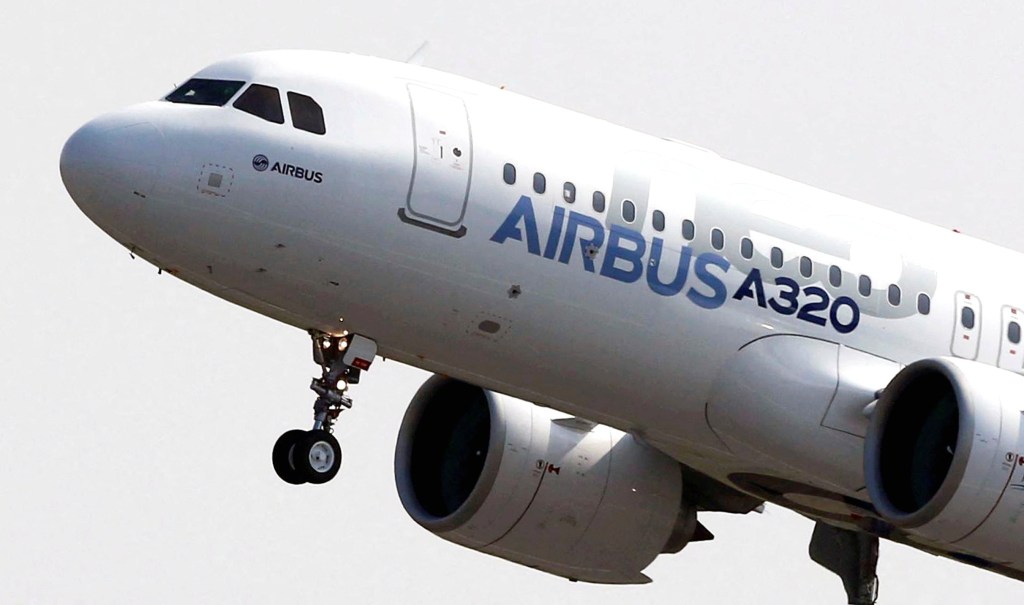
La familia A320NEO incorpora las últimas tecnologías, incluidos motores de nueva generación y Sharklets, que en conjunto ofrecen un ahorro de combustible de al menos un 20 por ciento. Con más de 8.500 pedidos de más de 130 clientes, la Familia A320NEO es el avión más popular del mundo.
IAG Group orders 37 A320NEO Family
IAG confirms order for 37 additional A320NEO Family aircraft
International Airlines Group (IAG) announced on 10/27 the confirmation of an order for an additional 37 Airbus A320NEO aircraft, following shareholder approval. The latest order follows previous deals for 22 A320NEO Family A320NEO (17), A321NEO (5) announced in March and June 2022 respectively, bringing the total for the year to 59 single-aisle aircraft.
“IAG operates Airbus aircraft extensively in its fleet, making it one of the largest Airbus customers globally. These state-of-the-art aircraft will be key to IAG’s stated environmental mission to operate the world’s most fuel-efficient aircraft”, said Christian Scherer, Chief Commercial Officer and Head of Airbus International.
The A320NEO Family incorporates the latest technologies, including new generation engines and Sharklets, which together deliver fuel savings of at least 20 per cent. With more than 8,500 orders from more than 130 customers, the A320NEO Family is the most popular aircraft in the world.
PUBLISHER: Airgways.com DBk: Airbus.com / Iairgroup.com / Reuters.com/Regis Duvignau / Airgways.com AW-POST: 2022102700837AR OWNERSHIP: Airgways Inc. A\W A I R G W A Y S ®
Modernización flota respaldan estrategia crecimiento Ejerce opciones existentes en aviones 737-9 / 737-10 MAX
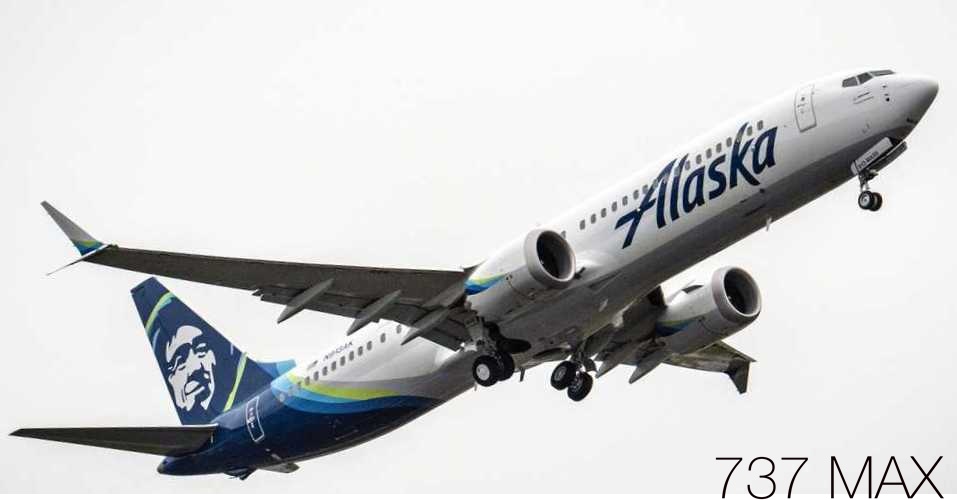
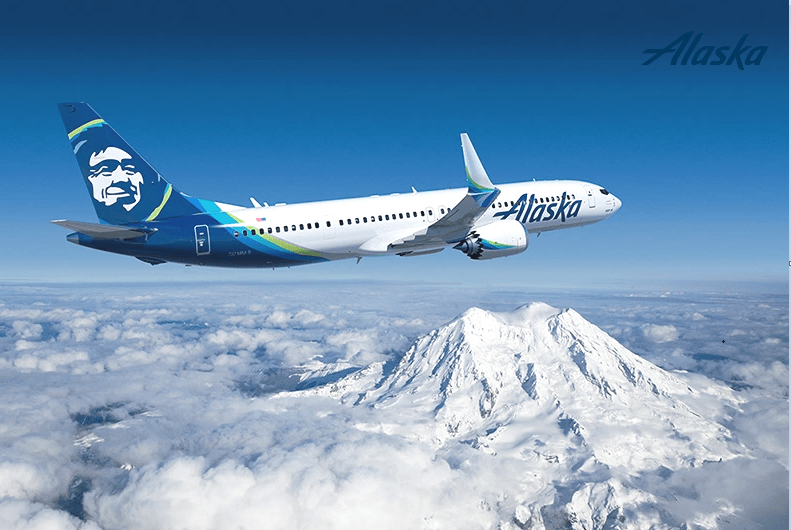
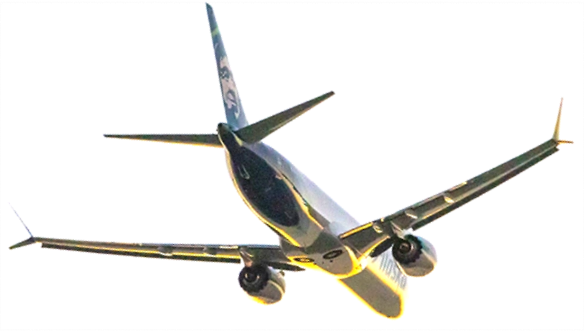
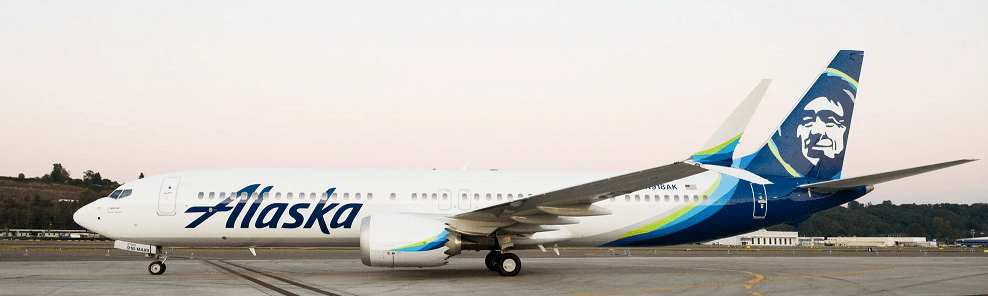
The Boeing Company y Alaska Airlines anunciaron el Miércoles 26/10 que la aerolínea está ampliando su flota Boeing 737 MAX con un pedido de cincuenta y dos (52) aviones, ejerciendo opciones para cuarenta y dos aeronaves Boeing 737-10 MAX (42) y diez Boeing 737-9 MAX (10) adicionales. Con el pedido, la aerolínea está avanzando en sus esfuerzos para construir una de las flotas más eficientes y sostenibles de la industria.
«Esta inversión asegura a los aviones optimizar nuestro crecimiento durante la próxima década, lo que sabemos que será una ventaja competitiva formidable. Estamos orgullosos de la sólida base financiera que posiciona de manera única a Alaska para hacer este compromiso con nuestro futuro, y de la fantástica asociación que compartimos con el fabricante de aviones de nuestra ciudad natal en Boeing», dijo el CEO de Alaska Airlines, Ben Minicucci.
La familia 737 MAX proporciona a la aerolínea una mayor fiabilidad y una mayor eficiencia de combustible para ayudar a cumplir con su estrategia de crecimiento a corto y largo plazo. Con el nuevo acuerdo, la cartera de pedidos en backlog de Alaska Airlines para 737 MAX totaliza más de cien (100) aviones. Para fines de 2023, la aerolínea espera tener una flota principal del constructor americano Boeing.
«A medida que Alaska Airlines crece de manera sostenible su flota, la familia 737 MAX ofrece rendimiento ambiental y flexibilidad para expandir el servicio a través de su red de rutas. Construidos en nuestra fábrica de Renton, cerca de la sede de Alaska en el estado de Washington, estos aviones transportarán pasajeros a destinos en los próximos años», dijo Stan Deal, Presidente y CEO de Boeing Commercial Airplanes.
Alaska Airlines opera actualmente 35 aviones Boeing 737-9 MAX, que la aerolínea configura para acomodar a 178 pasajeros. Con el avión de pasillo único más grande y eficiente de Boeing, la aerolínea utilizará el Boeing 737-10 MAX para proporcionar más flexibilidad y servicio de ruta. El MAX 10 tiene capacidad para 204 pasajeros en una configuración de dos clases con un alcance de 3.100 millas náuticas. El 737 MAX reduce el uso de combustible y las emisiones en un 20% en comparación con los aviones a los que reemplaza.
Alaska orders 52 Boeing 737 MAX
Fleet modernization support growth strategy Exercise existing options on 737-9 / 737-10 MAX aircraft
The Boeing Company and Alaska Airlines announced on Wednesday 10/26 that the airline is expanding its Boeing 737 MAX fleet with an order for fifty-two (52) aircraft, exercising options for forty-two Boeing 737-10 MAX aircraft (42) and ten additional Boeing 737-9 MAX (10). With the order, the airline is advancing its efforts to build one of the most efficient and sustainable fleets in the industry.
«This investment ensures aircraft will optimize our growth over the next decade, which we know will be a formidable competitive advantage. We are proud of the strong financial foundation that uniquely positions Alaska to make this commitment to our future, and the fantastic partnership we share with our hometown aircraft manufacturer at Boeing», said Alaska Airlines CEO Ben Minicucci.
The 737 MAX family provides the airline with increased reliability and fuel efficiency to help meet its short- and long-term growth strategy. With the new agreement, Alaska Airlines’ backlog of orders for the 737 MAX totals more than one hundred (100) aircraft. By the end of 2023, the airline hopes to have a mainline fleet from the American manufacturer Boeing.
«As Alaska Airlines sustainably grows its fleet, the 737 MAX family offers environmental performance and flexibility to expand service across its route network. Built at our Renton factory, near Alaska’s headquarters in the state Washington, these aircraft will carry passengers to destinations for years to come», said Stan Deal, president and CEO of Boeing Commercial Airplanes.
Alaska Airlines currently operates 35 Boeing 737-9 MAX aircraft, which the airline configures to accommodate 178 passengers. With Boeing’s largest and most efficient single-aisle aircraft, the airline will use the Boeing 737-10 MAX to provide more flexibility and route service. The MAX 10 seats 204 passengers in a two-class configuration with a range of 3,100 nautical miles. The 737 MAX reduces fuel use and emissions by 20% compared to the aircraft it replaces.
PUBLISHER: Airgways.com DBk: Alaskaair.com / Boeing.com / Airgways.com AW-POST: 202210262022AR OWNERSHIP: Airgways Inc. A\W A I R G W A Y S ®
AW | 2022 10 26 16:11 | AIRLINES / AVIATION / GOVERNMENT
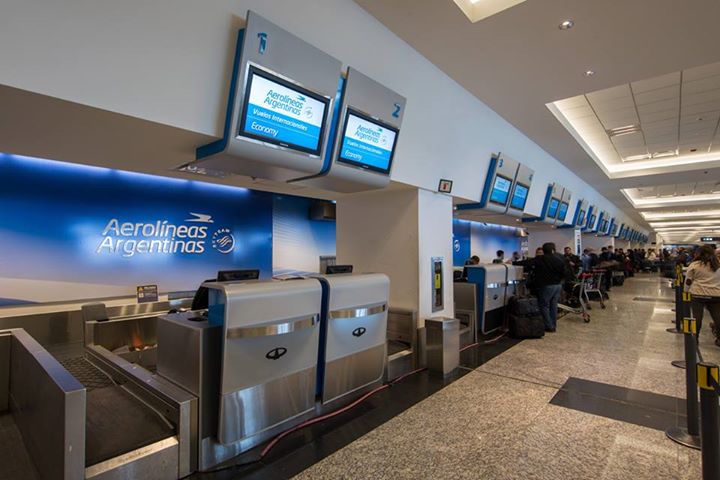
Líneas aéreas Argentina oponen nueva Tasas Aeroportuaria
La Cámara de Diputados ha aprobado el Martes 25/10 en la Ley de Presupuesto 2023, los Artículos referidos a la creación de la nueva Tasa de Seguridad de Aviación propuesta. El objetivo de esta nueva Tasa Seguridad de Aviación es lograr una nueva fuente de financiación para las actividades de la Policía de Seguridad Aeroportuaria (PSA).
Con la introducción de la nueva TSA, los usuarios del transporte aéreo abonarían un nuevo costo en el billete aéreo doméstico e internacional, que alcanzarían en promedio los ARS 250 Pesos Argentinos.
Rechazos en Latinoamérica
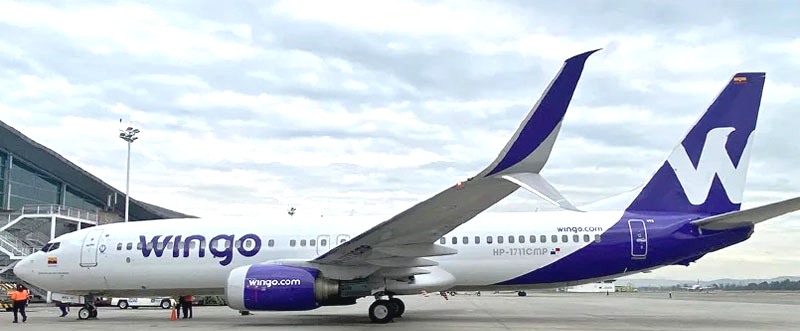
Las líneas aéreas de Lartinoamérica se han sumado al rechazo de los incrementos de los costos en la región. Aerolíneas como Wingo Air, Flybondi Líneas Aéreas y Sky Airline de perfil low cost se han unido para reclamar a gobiernos latinos la reducción de impuestos, tasas y costos relacionados a la aviación comercial.
El CEO de Wingo Air, Eduardo Lombarda, Mauricio Sana de Flybondi, y el de Sky, José Ignacio Dougnac, coincidieron en reclamar a gobiernos de Latinoamérica por los obstáculos en el mercado aerocomercial la implementación de más impuestos y tasas altas. Los líderes de las low cost latinas debatieron junto a otros colegas también sobre conectividad, aumento de flota y el vínculo entre el sector público y privado en el Foro de la Asociación Latinoamericana y del Caribe de Transporte Aéreo (ALTA).
La situación actual y las propuestas de reformas tributarias en curso, más los impuestos que pesan sobre la aviación y los viajes, destruyen las oportunidades para conectar los mercados. “La competencia es dura. Es importante adaptarse a los cambios y condiciones. Por ejemplo, los tipos de cambio son muy volátiles. Llegamos a tener más de 50% del costo total en combustible y la capacidad de adaptarse es clave”, dice José Ignacio Dougnac.
En una posición similar, Eduardo Lombarda, CEO de Wingo, menciona que las percepciones incorrectas pueden minar los esfuerzos por avanzar en conectividad y democratización de los viajes. El alza del Impuesto de Valor Agregado (IVA) es un problema, por ejemplo, en Colombia, ya que incrementará el precio de los pasajes.
Con base a los problemas de Argentina por no tener una política aerocomercial, Mauricio Sana insta a mejorar las regulaciones. “Hace falta políticas claras de largo plazo que incentiven el mercado. El sector está presionado por impuestos y tasas que encarecen los pasajes”, sostiene CEO de Flybondi.
Argentine airlines against new TSA
Argentine airlines oppose new Airport Taxes
The Chamber of Deputies has approved on Tuesday 10/25 in the Budget Law 2023, the Articles referring to the creation of the new proposed Aviation Security Tax. The objective of this new Aviation Security Tax is to achieve a new source of financing for the activities of the Airport Security Police (PSA).
With the introduction of the new TSA, air transport users would pay a new cost in the domestic and international air ticket, which would reach an average of ARS 250 Argentine pesos.
Rejections in Latin America
The airlines of Latin America have joined the rejection of the increase in costs in the region. Low cost airlines such as Wingo Air, Flybondi Líneas Aéreas and Sky Airline have come together to demand that Latin governments reduce taxes, fees and costs related to commercial aviation.
The CEO of Wingo Air, Eduardo Lombarda, Mauricio Sana of Flybondi, and that of Sky, José Ignacio Dougnac, agreed to demand that Latin American governments implement more taxes and high rates due to the obstacles in the commercial airline market. The leaders of the Latin low cost airlines also discussed connectivity, fleet growth and the link between the public and private sectors together with other colleagues at the Forum of the Latin American and Caribbean Air Transport Association (ALTA).
The current situation and ongoing tax reform proposals, plus taxes on aviation and travel, destroy opportunities to connect markets. “The competition is tough. It is important to adapt to changes and conditions. For example, exchange rates are very volatile. We get to have more than 50% of the total cost in fuel and the ability to adapt is key”, says José Ignacio Dougnac.
In a similar position, Eduardo Lombarda, CEO of Wingo, mentions that incorrect perceptions can undermine efforts to advance connectivity and the democratization of travel. The increase in the Value Added Tax (VAT) is a problem, for example, in Colombia, since it will increase the price of tickets.
Based on Argentina’s problems for not having an aviation policy, Mauricio Sana urges to improve regulations. “Clear long-term policies are needed to encourage the market. The sector is pressured by taxes and fees that make tickets more expensive”, says CEO of Flybondi.
PUBLISHER: Airgways.com DBk: Flybondi.com / Aerolineas.com / Wingo.com / Skyairline.com / Airgways.com AW-POST: 202210261611AR OWNERSHIP: Airgways Inc. A\W A I R G W A Y S ®
Hong Kong Airlines se encuentra buscando la aprobación de un Tribunal para convocar una junta de acreedores y proponer un plan de reestructuración que incluiría una reducción significativa de la deuda pendiente. Hong Kong Airlines Bondholder Group se opone a la reestructuración de la deuda. El grupo dice que la compañía no puede solicitar cram down en Londres, Reino Unido. Hong Kong Airlines necesita obtener un 75% de apoyo para su plan de reestructuración de sus acreedores para evitar la liquidación.
La audiencia en el Tribunales del Reino Unido está programada para el 25 de Octubre de 2022 para solicitar las aprobaciones para posibilitar una reestructuración de la deuda contraída.
Hong Kong Airlines ha sido establecida como un miembro de la HNA Group y vuela actualmente a veinticinco destinos a través de Asia Pacífico.
Hong Kong Airlines publicó su Carta de Declaración de Práctica en su sitio web oficial el 27 de Septiembre de 2022. La carta mostró que el plan de reestructuración de Hong Kong Airlines está bajo la Parte 26A de la Ley de Compañías de 2006 del Reino Unido. Según la carta, Hong Kong Airlines, propiedad de Hainan Airlines Group, está tratando de reestructurar su deuda de HK$ 49.000 millones de Dólares de Hong Kong/US$ 6.240 millones de Dólares a través de Tribunales en el Reino Unido y Hong Kong para evitar la liquidación. De la deuda total de Hong Kong Airlines de HK$ 49.000 millones de Dólares de Hong Kong, se arrastra una deuda a los arrendadores de aviones de HK$ 22.500 millones/US$ 2.870 millones, los bancos y las instituciones financieras deben HK$ 5.700 millones/US$ 730 millones y las partes relacionadas deben HK$ 6.800 millones/US$ 870 millones.
Plan reestructuración
La reestructuración de Hong Kong Airlines contempla en una primera etapa reducir su flota en aproximadamente a dos tercios. Actualmente, Hong Kong Airlines posee una flota de cuarenta y siete aeronaves y consta de Airbus A320 (25), Airbus A330 (21) y Airbus A350 (1). Dentro del plan de reducción de flota, se encuentra la eliminación de la flora de fuselaje ancho, pero algunos argumentan que mantener la flota widebody en algunas rutas sería esencial para mantener la rentabilidad de la aerolínea. Enuna segunda etapa, la aerolínea Hainan Airlines Group y sus socios de empresas conjuntas planean inyectar HK$ 3 mil millones de Dólares de Hong Kong/US$ 380 millones en la aerolínea para recuperarla. En una tercer etapa, Hong Kong Airlines dijo que se espera que los acreedores no garantizados y los arrendatarios clave recuperen alrededor del 5% de lo que se les debe, con pagos prorrateados por el resto una vez que hayan atravesado gran parte de la reestructuración y el saneamiento económico.
La compañía dijo que su plan de reestructuración requiere un 75% de apoyo de los acreedores y ha recibido aproximadamente el 73%. Si no se obtiene la aprobación, podría darse lugar a la liquidación. Mientras espera la fecha para alcanzar el 2% de accession adicional para permitir el procedimiento de adecuación de la estructuración.
Restructuring Hong Kong Airlines
Hong Kong Airlines restructuring plan
Hong Kong Airlines is seeking court approval to convene a creditors’ meeting and propose a restructuring plan that would include a significant reduction in outstanding debt. Hong Kong Airlines Bondholder Group opposes debt restructuring. The group says the company cannot apply for cram down in London, UK. Hong Kong Airlines needs to get 75% support for its restructuring plan from its creditors to avoid liquidation.
The hearing in the United Kingdom Courts is scheduled for October 25, 2022 to request approvals to enable a restructuring of the contracted debt.
Hong Kong Airlines has been established as a member of the HNA Group and currently flies to twenty-five destinations throughout Asia Pacific.
Hong Kong Airlines published its Practice Statement Letter on its official website on September 27, 2022. The letter showed that Hong Kong Airlines’ restructuring plan falls under Part 26A of the UK Companies Act 2006. According to the letter, Hong Kong Airlines, owned by Hainan Airlines Group, is seeking to restructure its HK$49 billion Hong Kong Dollar/US$6.24 billion debt through Courts in the UK and Hong Kong to avoid liquidation. Out of Hong Kong Airlines’ total debt of HK$49 billion Hong Kong dollars, trailing debt to aircraft lessors of HK$22.5 billion/US$2.87 billion, banks and financial institutions owe HK$5.7 billion /US$730 million and related parties owe HK$6.8 billion/US$870 million.
Restructuring plan
The restructuring of Hong Kong Airlines contemplates in a first stage to reduce its fleet by approximately two thirds. Hong Kong Airlines currently owns a fleet of forty-seven aircraft and consists of Airbus A320 (25), Airbus A330 (21), and Airbus A350 (1). Within the fleet reduction plan, there is the elimination of the widebody flora, but some argue that maintaining the widebody fleet on some routes would be essential to maintain the airline’s profitability. In a second stage, Hainan Airlines Group and its joint venture partners plan to inject HK$3 billion Hong Kong Dollars/US$380 million into the airline to take it back. In a third stage, Hong Kong Airlines said unsecured creditors and key lessees are expected to recover about 5% of what they are owed, with prorated payments for the rest once they have gone through much of the restructuring and economic cleanup.
The company said its restructuring plan requires 75% support from creditors and it has received about 73%. If approval is not obtained, liquidation could result. While waiting for the date to reach the 2% additional adherence to allow the structuring adaptation procedure.
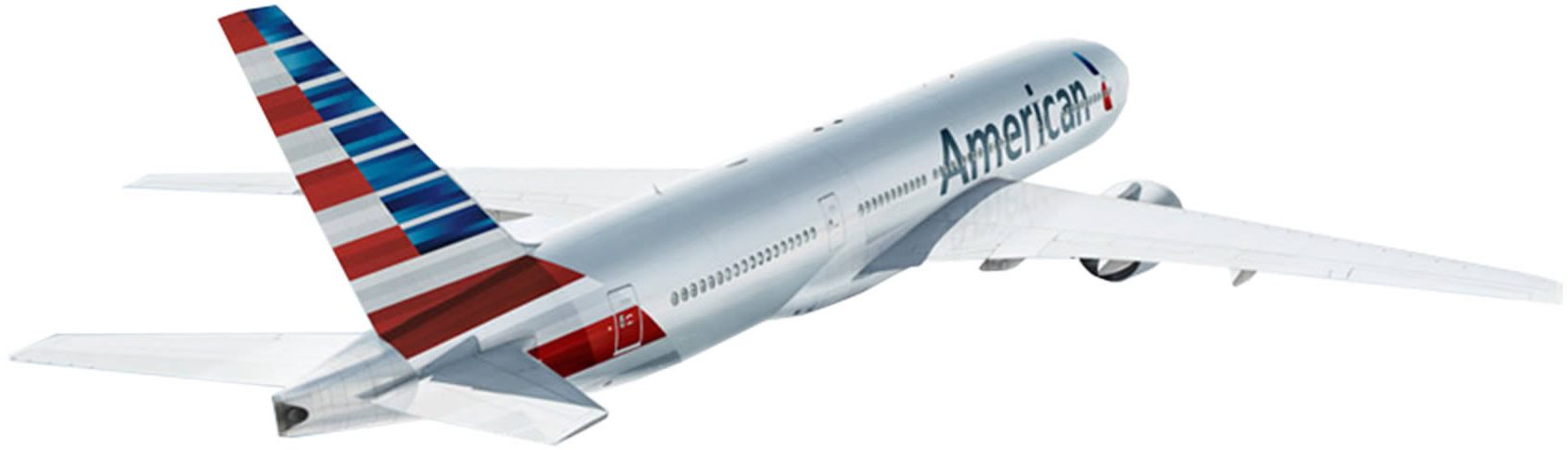
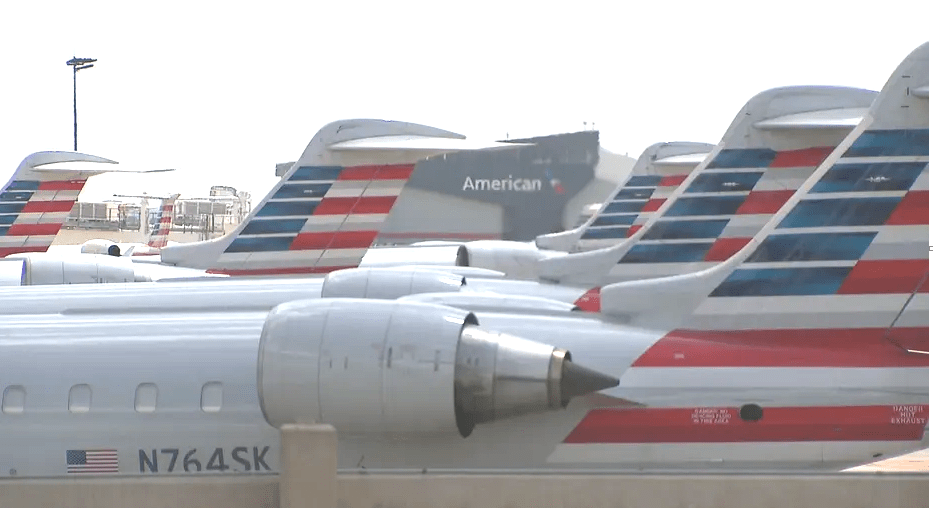
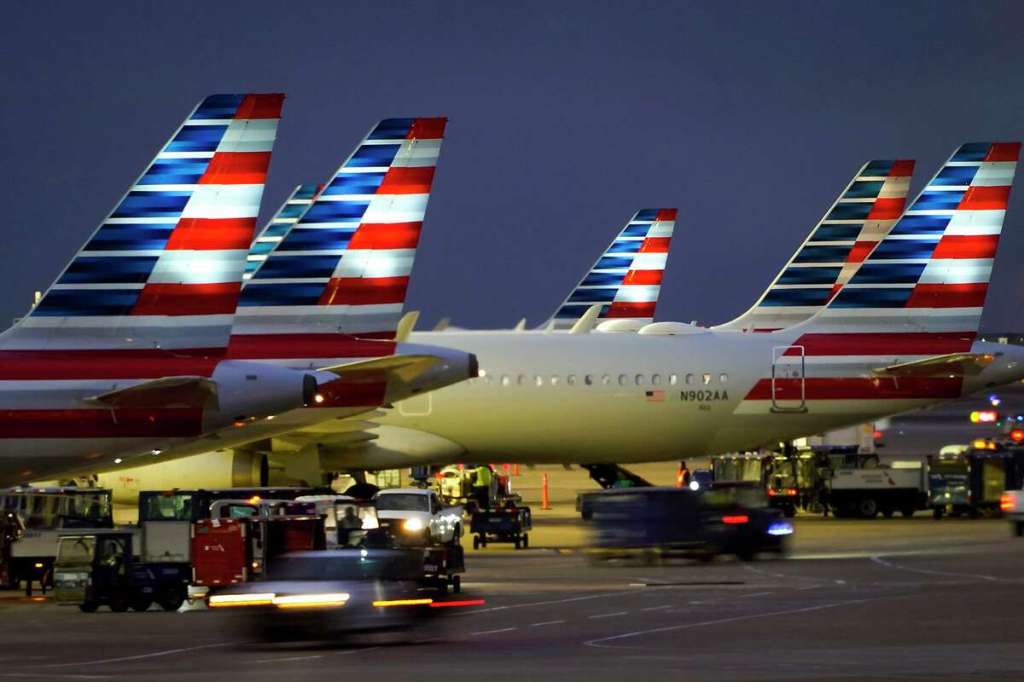
American Airlines acerca nuevo contrato con pilotos
El comité de negociación del sindicato de la Asociación de Pilotos Aliados (APA) ha aprobado una propuesta de contrato, pero los miembros aún no han visto el acuerdo. American Airlines se está acercando a un acuerdo contractual con los pilotos después de más de tres años de negociaciones, aunque la mayoría de los miembros del sindicato no han visto el acuerdo, mientras que se revisará el acuerdo para tomar unos días para evaluarlo.
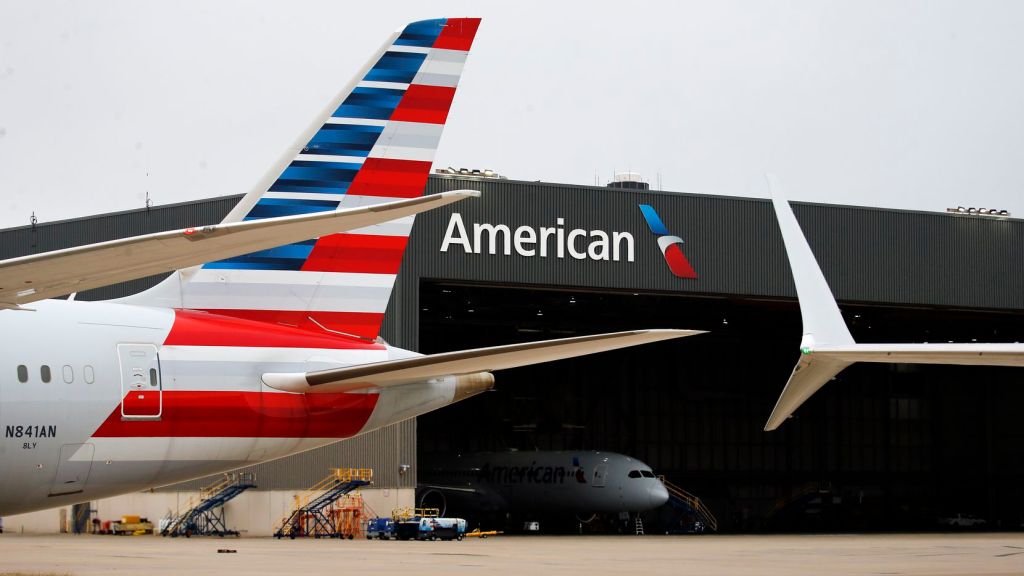
Un Memorando de Entendimiento (MoU) de la Asociación de Pilotos Aliados a sus miembros dijo que la aerolínea con sede en Fort Worth, Texas (TX) llegó a un acuerdo con el equipo de negociación del sindicato. Eso significa que la unidad de negociación ha llegado a un acuerdo que cree que la dirección sindical más amplia aceptaría y que toda la membresía de 15.000 pilotos podría votar para aprobarlo. El Portavoz de la Asociación de Pilotos Aliados, Dennis Tajer, ha expresado que la Junta Directiva del sindicato tendría que aprobarlo y prepararlo para los miembros antes de que se pudieran compartir los detalles. Pero incluso un posible acuerdo es un gran avance después de una negociación prolongada que fue interrumpida por la pandemia de Coronavirus.
El proyecto de los pilotos es alcanzar aumentos del 20% o más, como así también cambios en la política de programación después de más de un año de elevadas tasas de cancelación y retraso. La asociación gremial dice que las interrupciones de vuelo han sido difíciles para los pilotos porque los retrasos y cancelaciones también significan reasignaciones impredecibles que interfieren con la vida personal.
Los ejecutivos estadounidenses, incluido el CEO de American Airlines, Robert Isom, se han centrado en la confiabilidad, pero los pilotos quieren cambios estructurales en la forma en que los pilotos son asignados y puestos en reserva. Los pilotos dicen que sus dos últimos acuerdos se negociaron durante las condiciones de bancarrota después de la presentación de reorganización de la compañía en 2011 y la posterior fusión con US Airways. American es una de varias aerolíneas que negocian nuevos contratos con pilotos. United Airlines ha publicado un acuerdo tentativo con sus pilotos a través de la Asociación de Pilotos de Líneas Aéreas, y Alaska Airlines recientemente llegó a un acuerdo con sus pilotos. «Queremos que la gerencia sepa que ya es hora de que nuestros beneficios, nuestro salario, nuestras reglas de trabajo mejoren», dijo el presidente de la Asociación de Pilotos Aliados, Ed Sicher, en Septiembre 2022. Los pilotos y las aerolíneas observan cuidadosamente los acuerdos elaborados por otras aerolíneas, y los acuerdos a menudo incluyen cláusulas que coinciden con los salarios en otros contratos.
Robert Isom ha reconocido que un acuerdo puede aumentar los costos en un entorno donde las tarifas aéreas son altas. «Ciertamente, cualquier cosa que hagamos con nuestros pilotos o asistentes de vuelo o cualquiera de los otros miembros del equipo con los que estamos negociando actualmente, lo hacemos con la mente para asegurarnos de cuidar a nuestro equipo, y también cuidamos de la compañía. Cuando pensamos en los acuerdos que tenemos, nos aseguraremos de que encajen con una perspectiva económica de ganar dinero», expresó Robert Isom.
Los pilotos están buscando un contrato de dos años para poder volver a negociar en veinticuatro meses, cuando la industria haya ganado más estabilidad tras el fuerte impacto de la crisis sanitaria mundial.
American approaches pilots contract
American Airlines approaches contract with pilots
The Allied Pilots Association (APA) union bargaining committee has approved a contract proposal, but members have yet to see the deal. American Airlines is closing in on a contractual agreement with the pilots after more than three years of negotiations, although most union members have not seen the agreement, while the agreement will be reviewed to take a few days to evaluate it.
A Memorandum of Understanding (MoU) from the Allied Pilots Association (APA) to its members said the Fort Worth, Texas (TX)-based airline has reached an agreement with the union’s bargaining team. That means the bargaining unit has reached an agreement that it believes the broader union leadership would accept and that the entire membership of 15,000 pilots could vote to approve. Allied Pilots Association Spokesman Dennis Tajer has said the union’s Board of Directors would need to approve it and prepare it for members before details could be shared. But even a potential deal is a breakthrough after a protracted negotiation that was interrupted by the Coronavirus pandemic.
The pilots project is to achieve increases of 20% or more, as well as changes in programming policy after more than a year of high cancellation and delay rates. The trade association says flight disruptions have been difficult for pilots because delays and cancellations also mean unpredictable reassignments that interfere with personal lives.
US executives, including American Airlines CEO Robert Isom, have focused on reliability, but pilots want structural changes in the way pilots are assigned and placed in reserve. The pilots say their last two deals were negotiated during bankruptcy conditions after the company’s 2011 reorganization filing and subsequent merger with US Airways. American is one of several airlines negotiating new contracts with pilots. United Airlines has published a tentative agreement with its pilots through the Air Line Pilots Association, and Alaska Airlines recently reached an agreement with its pilots. «We want management to know that it’s about time our benefits, our pay, our work rules got better», Allied Pilots Association President Ed Sicher said in September 2022. Pilots and airlines are watching carefully agreements drawn up by other airlines, and the agreements often include clauses that match the wages in other contracts.
Robert Isom has acknowledged that a deal can increase costs in an environment where airfares are high. «Certainly anything we do with our pilots or flight attendants or any of the other team members that we’re currently dealing with, we do it with the mindset to make sure we take care of our team, and we also take care of the company. When we think about the agreements that we have, we will make sure that they fit with an economic perspective of making money», said Robert Isom.
The pilots are looking for a two-year contract to be able to negotiate again in twenty-four months, when the industry has gained more stability after the strong impact of the global health crisis.
PUBLISHER: Airgways.com DBk: Aa.com / Alliedpilots.org / Dallasnews.com/Tom Fox / Airgways.com AW-POST: 2022102615090AR OWNERSHIP: Airgways Inc. A\W A I R G W A Y S ®
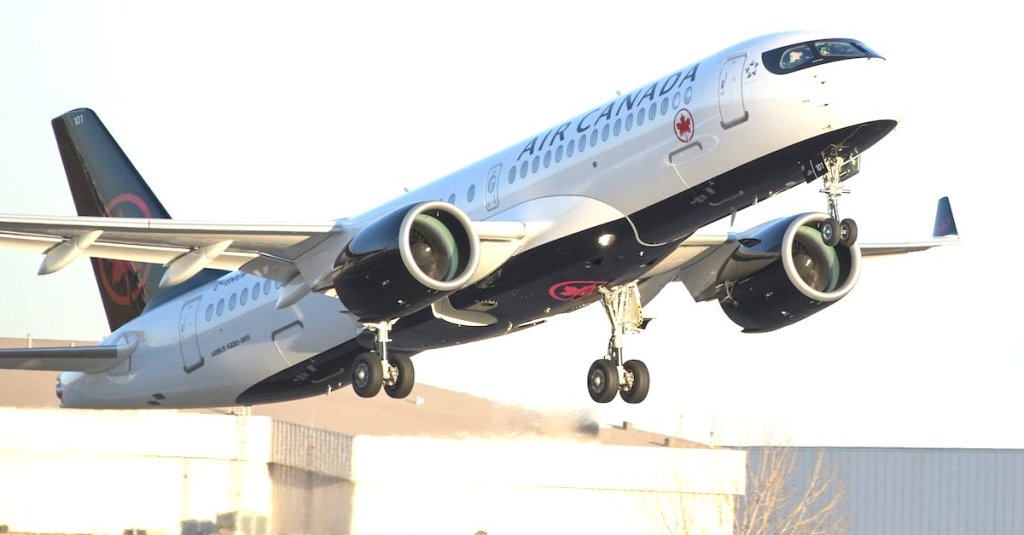
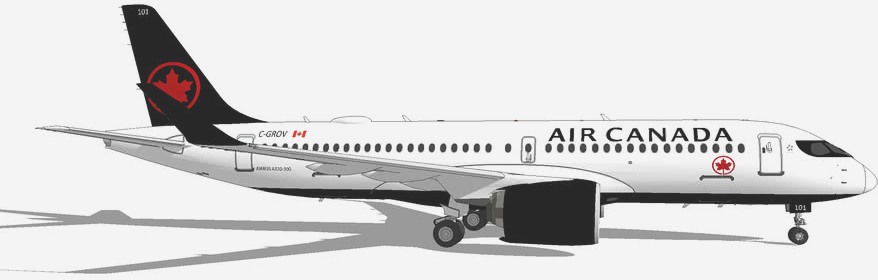
Air Canada ordena 15 A220 más para un total de 60 aviones
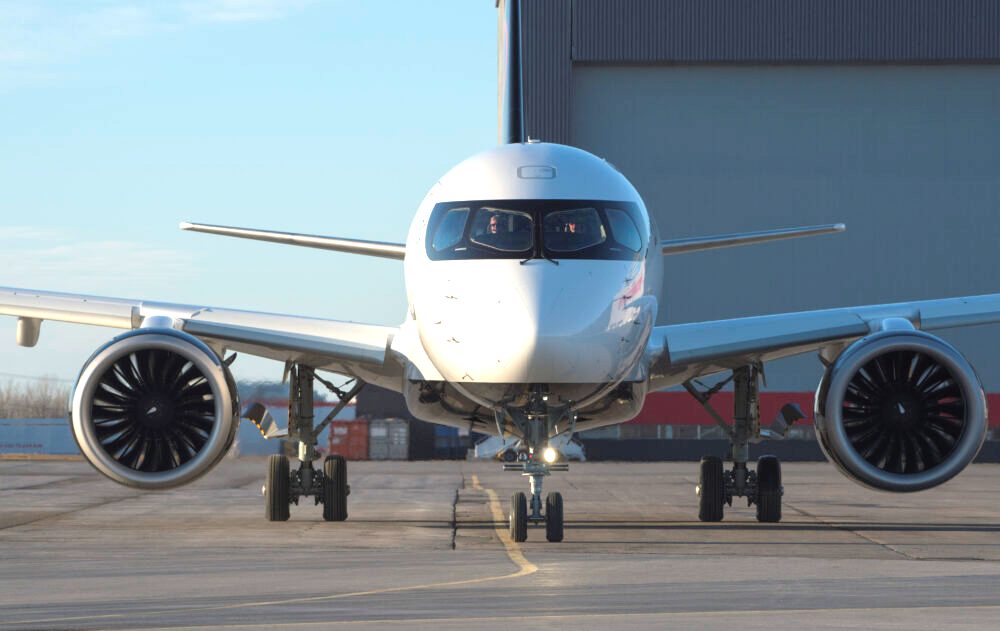
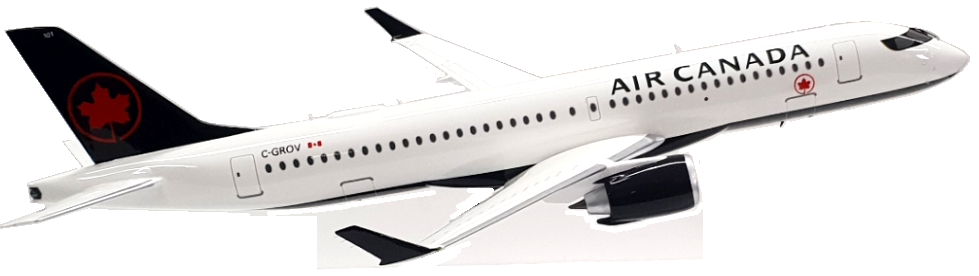
Air Canada ha confirmado un pedido de quince Airbus A220-300 (15) adicionales, lo que eleva el pedido en firme total de la aerolínea de bandera canadiense de 45 a 60 aviones iniciales. La aerolínea inició su servicio con las aeronaves A220 en Enero de 2020 y actualmente opera más de 30 unidades en rutas transcontinentales en Canadá, así como a EE. UU. y América Latina.
“El A220 se ha convertido en un componente importante en la modernización de la flota de Air Canada y una parte clave de nuestra flota de fuselaje estrecho, gracias a su rendimiento y comodidad para los pasajeros. Nuestros clientes realmente disfrutan de los beneficios del A220, desde su cabina más silenciosa, compartimientos superiores más grandes y asientos cómodos. El A220 es el avión perfecto para nuestra red norteamericana gracias a su economía y su eficiencia de combustible también respalda el compromiso de Air Canada de reducir las emisiones en el camino hacia su objetivo de cero emisiones netas de todas las operaciones globales para 2050”, dijo Mark Galardo, Vicepresidente Senior de Planificación de Redes y Gestión de Ingresos de Air Canada.
“Nos sentimos honrados de que Air Canada regrese por más A220. Esto demuestra el valor que aporta el avión y estamos orgullosos de ofrecer a nuestros clientes un alto nivel de flexibilidad, una gran economía y un verdadero atractivo para los pasajeros. Con más de 30 aviones en servicio con la aerolínea, el A220 se ha establecido como un eficiente abridor de rutas, así como un caballo de batalla principal, fortaleciendo la red continental de los transportistas y cumpliendo los ambiciosos objetivos de descarbonización de Air Canada. Agradecemos a Air Canada por su continua confianza en Airbus”, dijo Christian Scherer, Director Comercial y Director Internacional de Airbus Group.
Air Canada opera una flota de más de 125 aviones Airbus, incluidos 78 aviones de la familia A320, 16 aviones de la familia A330 y 31 aviones A220-300. Air Canada también tiene un pedido directo de 10 A321 XLR. La aerolínea recibió su primer Airbus A220-300 en diciembre de 2019 y fue la primera aerolínea en operar este modelo en América del Norte. Nacido de un diseño de hoja en blanco, el A220 es el único avión diseñado específicamente para el mercado de 100-150 asientos, que reúne características de diseño innovadoras, aerodinámica de vanguardia y los motores GTF™ de última generación de Pratt & Whitney.
Con un consumo de combustible y emisiones de CO2 por asiento un 25 % más bajos que los aviones de la generación anterior, además de un 50 % menos de emisiones de NOx que los estándares del sector, el A220 es el avión más ecoeficiente de su categoría. Con un 20 por ciento más de espacio de almacenamiento superior por pasajero, los asientos más anchos y las ventanas más grandes de su clase, el A220 también brinda una comodidad inigualable a los viajeros.
Números del A220
Hasta la fecha, se han entregado más de 220 A220 a 16 aerolíneas que operan en cuatro continentes y conectan a más de 70 millones de personas en todo el mundo. Actualmente, la flota vuela en más de 800 rutas y 325 destinos en todo el mundo, lo que la convierte en la opción comprobada de las aerolíneas para conectar de manera eficiente a los pasajeros en rutas regionales y de larga distancia. A finales de Septiembre de 2022, más de 25 clientes habían pedido más de 770 aviones A220, lo que confirma su sólida posición en el mercado de aviones pequeños de pasillo único.
Air Canada orders 15 additional A220s
Air Canada orders 15 more A220s for a total of 60 aircraft
Air Canada has confirmed an order for an additional fifteen Airbus A220-300s (15), bringing the Canadian flag carrier’s total firm order from an initial 45 to 60 aircraft. The airline began service with A220 aircraft in January 2020 and currently operates more than 30 units on transcontinental routes in Canada, as well as to the US and Latin America.
“The A220 has become an important component in Air Canada’s fleet modernization and a key part of our narrow-body fleet, thanks to its performance and passenger comfort. Our customers really enjoy the benefits of the A220, from its quieter cabin, larger overhead bins and comfortable seats. The A220 is the perfect aircraft for our North American network thanks to its economy and fuel efficiency it also supports Air Canada’s commitment to reduce emissions on the way to its goal of net-zero emissions from all global operations by 2050″, he said. Mark Galardo, Senior Vice President, Network Planning and Revenue Management, Air Canada.
“We are honored that Air Canada is coming back for more A220s. This shows the value that the aircraft brings and we are proud to offer our customers a high level of flexibility, great economy and real passenger appeal. With more than 30 aircraft in service with the airline, the A220 has established itself as an efficient route opener as well as a primary workhorse, strengthening carriers’ continental network and meeting Air Canada’s ambitious decarbonization goals. We thank Air Canada for their continued trust in Airbus”, said Christian Scherer, Chief Commercial Officer and International Head of Airbus Group.
AIRBUS A220-300
Air Canada operates a fleet of more than 125 Airbus aircraft, including 78 A320 Family aircraft, 16 A330 Family aircraft and 31 A220-300 aircraft. Air Canada also has a direct order for 10 A321 XLRs. The airline took delivery of its first Airbus A220-300 in December 2019 and was the first airline to operate this model in North America. Born from a blank slate design, the A220 is the only aircraft designed specifically for the 100-150 seat market, bringing together innovative design features, cutting edge aerodynamics and Pratt & Whitney’s latest generation GTF™ engines.
With 25% lower fuel consumption and CO2 emissions per seat than previous generation aircraft, as well as 50% lower NOx emissions than industry standards, the A220 is the most eco-efficient aircraft in its category. With 20 percent more overhead storage space per passenger, the widest seats and the largest windows in its class, the A220 also brings unmatched comfort to travellers.
A220 numbers
To date, more than 220 A220s have been delivered to 16 airlines operating on four continents and connecting more than 70 million people around the world. The fleet currently flies on more than 800 routes and 325 destinations worldwide, making it the proven choice for airlines to efficiently connect passengers on regional and long-haul routes. By the end of September 2022, more than 25 customers had ordered more than 770 A220 aircraft, confirming its strong position in the small single-aisle market.
Air Canada commande 15 A220 supplémentaires
Air Canada commande 15 autres A220 pour un total de 60 appareils
Air Canada a confirmé une commande de quinze Airbus A220-300 supplémentaires (15), portant la commande ferme totale de la compagnie nationale canadienne de 45 à 60 appareils. La compagnie aérienne a commencé le service avec des avions A220 en Janvier 2020 et exploite actuellement plus de 30 unités sur des routes transcontinentales au Canada, ainsi qu’aux États-Unis et en Amérique latine.
«L’A220 est devenu un élément important de la modernisation de la flotte d’Air Canada et un élément clé de notre flotte d’avions à fuselage étroit, grâce à ses performances et au confort des passagers. Nos clients apprécient vraiment les avantages de l’A220, de sa cabine plus silencieuse, de ses compartiments supérieurs plus grands et de ses sièges confortables. L’A220 est l’avion parfait pour notre réseau nord-américain grâce à son économie et son efficacité énergétique, il soutient également l’engagement d’Air Canada à réduire les émissions sur la voie de son objectif de zéro émission nette de toutes les opérations mondiales d’ici 2050», a-t-il déclaré. Mark. Galardo, vice-président principal, Planification du réseau et gestion des revenus, Air Canada.
«Nous sommes honorés qu’Air Canada revienne pour plus d’A220. Cela montre la valeur que l’avion apporte et nous sommes fiers d’offrir à nos clients un haut niveau de flexibilité, une grande économie et un réel attrait pour les passagers. Avec plus de 30 avions en service avec la compagnie aérienne, l’A220 s’est imposé comme un ouvreur de route efficace ainsi qu’un cheval de trait principal, renforçant le réseau continental des transporteurs et atteignant les objectifs ambitieux de décarbonisation d’Air Canada. Nous remercions Air Canada pour la confiance qu’elle continue d’accorder à Airbus», a déclaré Christian Scherer, Directeur Commercial et Directeur International d’Airbus Group.
Air Canada exploite une flotte de plus de 125 appareils Airbus, dont 78 appareils de la famille A320, 16 appareils de la famille A330 et 31 appareils de la famille A220-300. Air Canada a également une commande directe de 10 A321 XLR. La compagnie aérienne a pris livraison de son premier Airbus A220-300 en décembre 2019 et a été la première compagnie aérienne à exploiter ce modèle en Amérique du Nord. Issu d’une conception vierge, l’A220 est le seul avion conçu spécifiquement pour le marché des 100 à 150 sièges, réunissant des caractéristiques de conception innovantes, une aérodynamique de pointe et les moteurs GTF™ de dernière génération de Pratt & Whitney.
Avec une consommation de carburant et des émissions de CO2 par siège inférieures de 25 % à celles des avions de la génération précédente, ainsi que des émissions de NOx inférieures de 50 % aux normes de l’industrie, l’A220 est l’avion le plus éco-efficace de sa catégorie. Avec 20 % d’espace de rangement supérieur par passager en plus, les sièges les plus larges et les fenêtres les plus grandes de sa catégorie, l’A220 offre également un confort inégalé aux voyageurs.
Numéros A220
À ce jour, plus de 220 A220 ont été livrés à 16 compagnies aériennes opérant sur quatre continents et reliant plus de 70 millions de personnes dans le monde. La flotte vole actuellement sur plus de 800 routes et 325 destinations dans le monde, ce qui en fait le choix éprouvé des compagnies aériennes pour connecter efficacement les passagers sur les routes régionales et long-courriers. Fin septembre 2022, plus de 25 clients avaient commandé plus de 770 appareils A220, confirmant sa forte position sur le marché des petits monocouloirs.
PUBLISHER: Airgways.com DBk: Airbus.com / Aircanada.com / Airgways.com AW-POST: 202210260947AR OWNERSHIP: Airgways Inc. A\W A I R G W A Y S ®