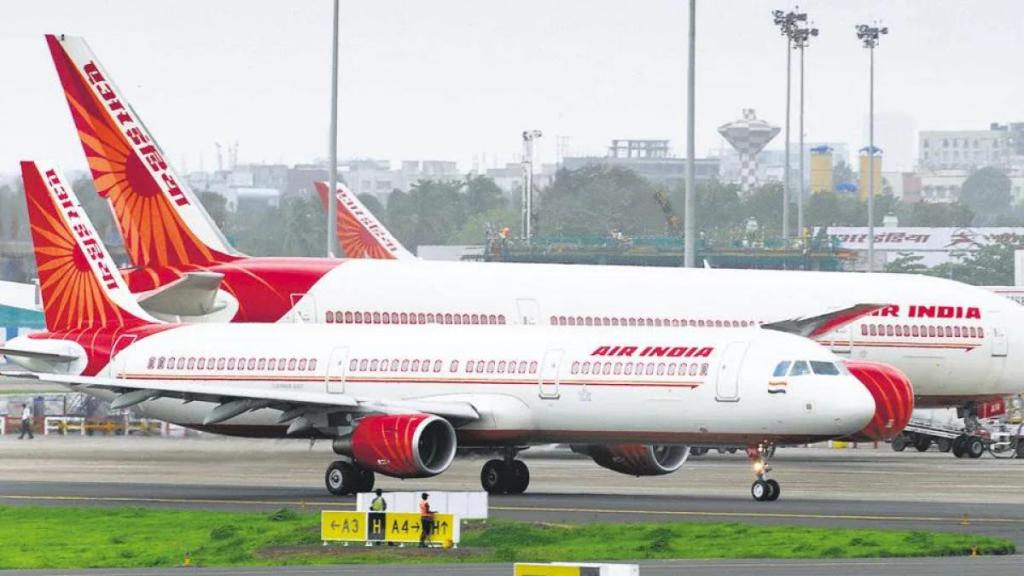
Los pilotos de Air India habían dado, el 29 de Noviembre de 2021, un ultimátum de tres días a la dirección de Air India para satisfacer sus demandas. En una carta a Rajiv Bansal, Secretario de Aviación, enviada el Lunes 29/11 por la noche, los pilotos habían advertido que si no ven que el recorte salarial ilegal y los problemas relacionados se aborden dentro de los tres días, buscarán justicia a través de una acción industrial. Los pilotos de Air India, que habían advertido a la dirección de una huelga, han decidido reunirse con Rajiv Bansal, una vez antes de anunciar su decisión de ir a una huelga. Los pilotos de Air India han advertido a la aerolínea de una «acción industrial» si sus recortes salariales y atrasos no se pagan debidamente antes de que Air India sea entregada al nuevo propietario.
El Gremio de Pilotos de la India, el sindicato de pilotos que nuclea a la línea de aeronaves Boeing tuiteó el Domingo 28/11: «Las conversaciones con la gerencia junto con Pilots Indian con respecto al recorte salarial del 60% solo para los empleados con licencia, no concluyentes. Gestión de reuniones (CMD/SECY MOCA) mañana para encontrar una resolución pacífica».
Los pilotos de Air India habían dado, el 29 de Noviembre de 2021, un ultimátum de tres días a la dirección de Air India para satisfacer sus demandas. En una carta a Bansal, enviada el lunes por la noche, los pilotos habían advertido que si no ven que el recorte salarial ilegal y los problemas relacionados se aborden dentro de los tres días, buscarán justicia a través de una acción industrial. La carta fue escrita por el sindicato Airbus de la aerolínea, el Gremio de Pilotos Comerciales de la India (ICPA) y el Sindicato de Pilotos de Boeing, el Gremio de Pilotos de la India (IPG), que representan a más de 900 pilotos. Después de esto, la gerencia se comunicó con los pilotos y tuvo una reunión con ellos. Estos pilotos habían estado escribiendo a la aerolínea desde Octubre 2021, pero no han recibido ninguna respuesta.
En sus cartas anteriores, los pilotos se quejaron de que están agobiados por el «recorte salarial ilegal» del 55% y exigieron que se les pagara según los estándares del mercado. Mencionando sus problemas de desinversión de larga data, los pilotos también han exigido la retención del 25% de atrasos con intereses, declaración de propina, una opción de pago de licencias, beneficios médicos para todos los empleados permanentes, implicación fiscal en el subsidio de sustancias de escala retenida y liberación de grados pendientes a los primeros oficiales.
Los pilotos de alto rango de Air India, sin embargo, dijeron que la reunión con representantes de ambos grupos piloto el 3 de Diciembre de 2021 no fue concluyente. «La gerencia fue informada de que somos conscientes de que los ingresos de Air India se remontan a los niveles anteriores a Covid-19 y que la mayoría de los pilotos están trabajando más que antes de Covid-19. La gerencia nos pidió que aguantemos hasta la adquisición. Sin embargo, ambos sindicatos advirtieron de graves consecuencias si no se resolvía la emisión», dijo un piloto de alto rango.
«Somos firmes con nuestra decisión de acción industrial. Nos estamos reuniendo con nuestro CMD con la esperanza de que tenga una solución definitiva a nuestros problemas. Esperamos sinceramente que la aerolínea no nos obligue a tomar una decisión extrema», dijo otro piloto senior que no quiso ser identificado.
India pilots industrial action
Pilots-Secretary of Aviation Meeting India
Air India pilots had given, on November 29, 2021, a three-day ultimatum to Air India management to meet their demands. In a letter to Rajiv Bansal, Secretary of Aviation, sent on Monday night 11/29, the pilots had warned that if they do not see that the illegal pay cut and related issues are addressed within three days, they will seek justice through of an industrial action. The Air India pilots, who had warned the management of a strike, have decided to meet with Rajiv Bansal once before announcing his decision to go on strike. Air India pilots have warned the airline of «industrial action» if its wage cuts and arrears are not paid properly before Air India is handed over to the new owner.
The Pilots Guild of India, the pilots union that brings together the Boeing aircraft line, tweeted on Sunday 11/28: «Discussions with management along with Pilots Indian regarding the 60% pay cut only for employees with license, inconclusive. Meeting management (CMD/SECY MOCA) tomorrow to find a peaceful resolution».
Air India pilots had given, on November 29, 2021, a three-day ultimatum to Air India management to meet their demands. In a letter to Bansal, sent Monday night, the pilots had warned that if they do not see that the illegal pay cut and related issues are addressed within three days, they will seek justice through industrial action. The letter was written by the airline’s Airbus Union, the Commercial Pilots Guild of India (ICPA) and the Boeing Pilots Union, the Pilots Guild of India (IPG), representing more than 900 pilots. After this, the management contacted the pilots and had a meeting with them. These pilots had been writing to the airline since October, but have not received any response.
In their previous letters, the pilots complained that they are burdened by the «illegal pay cut» of 55% and demanded that they be paid according to market standards. Citing their long-standing divestment issues, the pilots have also demanded 25% withholding of arrears with interest, tip declaration, a leave payment option, medical benefits for all permanent employees, tax involvement in the subsidy of substances. scale withheld and release of pending grades to first officers.
Senior Air India pilots, however, said the meeting with representatives from both pilot groups on December 3 was inconclusive. «Management was informed that we are aware that Air India’s revenue goes back to pre-Covid-19 levels and that most pilots are working harder than before Covid-19. Management asked us to hold out until However, both unions warned of serious consequences if the issue was not resolved», said a senior pilot.
«We are firm with our industrial action decision. We are meeting with our CMD in the hope that he has a definitive solution to our problems. We sincerely hope that the airline does not force us to make an extreme decision», said another senior pilot who did not wanted to be identified.
भारत पायलट औद्योगिक कार्रवाई
पायलट-सचिव उड्डयन बैठक भारत
एयर इंडिया के पायलटों ने 29 नवंबर, 2021 को एयर इंडिया प्रबंधन को अपनी मांगों को पूरा करने के लिए तीन दिन का अल्टीमेटम दिया था। सोमवार रात 11/29 को भेजे गए विमानन सचिव राजीव बंसल को लिखे एक पत्र में, पायलटों ने चेतावनी दी थी कि यदि वे यह नहीं देखते हैं कि अवैध वेतन कटौती और संबंधित मुद्दों को तीन दिनों के भीतर संबोधित किया जाता है, तो वे एक के माध्यम से न्याय की मांग करेंगे। औद्योगिक कार्यकलाप। एयर इंडिया के पायलटों, जिन्होंने प्रबंधन को हड़ताल की चेतावनी दी थी, ने हड़ताल पर जाने के अपने फैसले की घोषणा करने से पहले एक बार राजीव बंसल से मिलने का फैसला किया है। एयर इंडिया के पायलटों ने एयरलाइन को «औद्योगिक कार्रवाई» की चेतावनी दी है, अगर एयर इंडिया को नए मालिक को सौंपने से पहले उसके वेतन में कटौती और बकाया का भुगतान ठीक से नहीं किया जाता है।
पायलट्स गिल्ड ऑफ इंडिया, बोइंग एयरक्राफ्ट लाइन को एक साथ लाने वाली पायलट यूनियन, ने रविवार 11/28 को ट्वीट किया: «पायलट इंडियन के साथ प्रबंधन के साथ केवल लाइसेंस वाले कर्मचारियों के लिए 60% वेतन कटौती के संबंध में चर्चा, अनिर्णायक। बैठक प्रबंधन (सीएमडी) /एसईसी एमओसीए) कल शांतिपूर्ण समाधान निकालने के लिए»।
एयर इंडिया के पायलटों ने 29 नवंबर, 2021 को एयर इंडिया प्रबंधन को अपनी मांगों को पूरा करने के लिए तीन दिन का अल्टीमेटम दिया था। सोमवार की रात भेजे गए बंसल को लिखे पत्र में पायलटों ने चेतावनी दी थी कि अगर तीन दिनों के भीतर अवैध वेतन कटौती और संबंधित मुद्दों का समाधान नहीं होता है, तो वे औद्योगिक कार्रवाई के माध्यम से न्याय की मांग करेंगे। यह पत्र एयरलाइन के एयरबस यूनियन, कमर्शियल पायलट गिल्ड ऑफ इंडिया (ICPA) और बोइंग पायलट यूनियन, पायलट्स गिल्ड ऑफ इंडिया (IPG) द्वारा लिखा गया था, जो 900 से अधिक पायलटों का प्रतिनिधित्व करता है। इसके बाद प्रबंधन ने पायलटों से संपर्क किया और उनके साथ बैठक की। ये पायलट अक्टूबर से एयरलाइन को लिख रहे थे, लेकिन उन्हें कोई जवाब नहीं मिला।
अपने पिछले पत्रों में, पायलटों ने शिकायत की कि वे 55% की «अवैध वेतन कटौती» के बोझ से दबे हुए हैं और मांग की कि उन्हें बाजार के मानकों के अनुसार भुगतान किया जाए। अपने लंबे समय से विनिवेश के मुद्दों का हवाला देते हुए, पायलटों ने ब्याज के साथ बकाया राशि का 25% रोक, टिप घोषणा, छुट्टी भुगतान विकल्प, सभी स्थायी कर्मचारियों के लिए चिकित्सा लाभ, पदार्थों की सब्सिडी में कर शामिल होने की भी मांग की है। पहले अधिकारियों को ग्रेड।
हालांकि, एयर इंडिया के वरिष्ठ पायलटों ने कहा कि 3 दिसंबर को दोनों पायलट समूहों के प्रतिनिधियों के साथ बैठक अनिर्णायक थी। «प्रबंधन को सूचित किया गया था कि हम जानते हैं कि एयर इंडिया का राजस्व पूर्व-कोविद-19 स्तरों पर वापस चला जाता है और अधिकांश पायलट कोविद -19 से पहले की तुलना में अधिक कठिन काम कर रहे हैं। प्रबंधन ने हमें तब तक रोके रखने के लिए कहा, जब तक कि दोनों यूनियनों ने गंभीर परिणामों की चेतावनी दी, यदि मुद्दा हल नहीं हुआ था», एक वरिष्ठ पायलट ने कहा।
एक अन्य वरिष्ठ पायलट ने कहा, «हम अपने औद्योगिक कार्रवाई के फैसले के साथ दृढ़ हैं। हम अपने सीएमडी के साथ इस उम्मीद में बैठक कर रहे हैं कि उनके पास हमारी समस्याओं का एक निश्चित समाधान है। हमें पूरी उम्मीद है कि एयरलाइन हमें अत्यधिक निर्णय लेने के लिए मजबूर नहीं करेगी»। जो पहचानना नहीं चाहता था।
Manifestaciones continuidad laboral trabajadores Latam Argentina
Los trabajadores de Latam Airlines Argentina volvieron a marchar por reclamos de reinserción laboral este Jueves 02/12 para lograr que las firmas del sector aeronáutico prioricen su reinserción ante la reanudación plena de la actividad aérea, como se firmó en el Ministerio de Transporte de la República Argentina. Se formó una mesa de diálogo con buenas perspectivas.
La nueva protesta encabezada por los autoconvocados se realizó como las veces anteriores en el Aeropuerto Jorge Newbey, desde horas de la mañana del día Jueves 02/12. La compañía aérea matriz chilena volvió a operar en el país, pese a que se mantiene el conflicto abierto con cerca de 200 trabajadores, que resisten las cesantías iniciadas hace casi veinte meses. Luego de la protesta, se destacó que la fluidez en las negociaciones con las autoridades comenzó a regularizarse, y ya se lograron tres o cuatro audiencias seguidas, lo que consideran un paso positivo.
La protesta es parte del plan de protestas de un grupo de despedidos de Latam Argentina que a comienzos de año 2021 lograron el compromiso de la cartera de Transporte nacional para ser reincorporados a otras empresas del sector aerocomercial una vez que la actividad comenzara a normalizarse, pero que hasta ahora no se ha cumplido. Por eso, le piden al Ministro Alexis Guerrera que cumpla la palabra empeñada. «Retomamos hace un tiempo las audiencias y el canal de diálogo con las autoridades, por ese lado vemos logrando nuestro objetivo», explicó Martín Tomé, vocero del grupo de empleados. A partir de esto, desde hace un tiempo se abrió una mesa de negociación con representantes de los distintos sectores con algunas propuestas. Esta primera oferta fue considerada limitada, pero marca el inicio de un camino que puede terminar con el reclamo de este grupo: la reinserción laboral. En el caso de los tripulantes de cabina desean volver a desempeñar funciones arriba de un avión. «Parte del balance positivo a esta altura del conflicto, a casi dos años después de que comenzara, es lograr algunas propuestas, limitadas, pero que empiezan a mover la posibilidad de retomar actividades», completó Martín Tomé.
Retorno a los cielos
En los últimos meses, producto de la situación epidemiológica, se fueron liberando los cupos para los vuelos internacionales y de cabotaje, al punto que hoy está prácticamente normalizado el flujo. Esto era una condición para comenzar a reincorporar al personal de Latam. El Ministerio de Transporte informó esta semana que los primeros quince días de Noviembre se produjeron más de cuatrocientos arribos internacionales, lo que muestra esta normalidad de la actividad.
«Hoy hay más pasajeros que en la prepandemia. Latam volvió a operar desde Aeroparque, y desde el interior las rutas más rentables; hacen negocios en dólares y euros, y los trabajadores seguimos en la calle», se quejaron en la convocatoria los despedidos. «Logramos la firma de ocho empresas del sector para reincorporarnos, dependiendo de la vuelva a la actividad. Hoy el flujo supera el de marzo 2020, prepandemia. Muchas compañías están haciendo entrevistas para incorporar personal, priorizando ingresos de gente externa, dejando de lado el compromiso firmado», expresó Martín Tomé. Uno de los ejemplos que pusieron los empleados fue el de JetSmart Airlines Argentina, que hoy está tomando entre 80 y 100 trabajadores nuevos, pese a ser parte del compromiso. Lo mismo pasa con Flybondi líneas Aéreas, que está tomando empleados. En el caso de Aerolíneas Argentinas, que firmó el acuerdo a comienzos de este año, los trabajadores cesanteados afirman que la falta de cumplimiento del compromiso redunda además en una situación de sobrecarga laboral en el personal de la firma de bandera nacional. «La mayor parte del incremento laboral se dirige hacia Aerolíneas Argentinas, donde los trabajadores están sobrecargados, con ritmos extenuantes debido a la falta de personal. El Gobierno tiene la solución al alcance de la mano», dijeron los empleados. «Todas las compañías tienen un panorama de crecimientos, están realizando selección de personal, eso es alentador, nos preocupa que no se cumpla el compromiso asumido», dijo Martín Tomé.
Claims former employees Latam AR
Demonstrations labor continuity workers Latam Argentina
The workers of Latam Airlines Argentina will march again for claims of labor reintegration this Thursday 02/12 to ensure that the firms of the aeronautical sector prioritize their reintegration before the full resumption of the air activity, as signed in the Ministry of Transportation of the Republic Argentina. A dialogue table was formed with good prospects.
The new protest led by the autoconvocados was held as the previous times at Jorge Newbey Airport, from the morning of Thursday 02/12. The Chilean parent airline company returned to operate in the country, despite the fact that the conflict remains open with about 200 workers, who are resisting the layoffs that began almost twenty months ago. After the protest, it was highlighted that the fluidity in the negotiations with the authorities began to be regularized, and three or four hearings in a row have already been achieved, which they consider a positive step.
The protest is part of the protest plan of a group of laid off people from Latam Argentina who at the beginning of 2021 achieved the commitment of the national Transportation portfolio to be reincorporated to other companies in the aviation sector once the activity began to normalize, but that until now has not been fulfilled. For this reason, they ask Minister Alexis Guerrera to keep his word. «Some time ago we resumed the hearings and the channel of dialogue with the authorities, on that side we see achieving our objective», explained Martín Tomé, spokesman for the group of employees. Based on this, a negotiation table was opened for some time with representatives of the different sectors with some proposals. This first offer was considered limited, but it marks the beginning of a path that may end with the claim of this group: labor reintegration. In the case of cabin crew members, they wish to resume their duties on top of an aircraft. «Part of the positive balance at this point in the conflict, almost two years after it began, is to achieve some proposals, limited, but which begin to move the possibility of resuming activities», completed Martín Tomé.
Return to heaven
In recent months, as a result of the epidemiological situation, the quotas for international and domestic flights have been released, to the point that today the flow is practically normalized. This was a condition to start reinstating the Latam staff. The Ministry of Transport reported this week that the first fifteen days of November there were more than four hundred international arrivals, which shows this normality of activity.
«Today there are more passengers than in the prepandemic. Latam returned to operate from Aeroparque, and from the interior the most profitable routes; they do business in dollars and euros, and the workers are still on the street», the dismissed complained in the call. «We managed to sign eight companies in the sector to rejoin, depending on the return to activity. Today the flow exceeds that of March 2020, prepandemic. Many companies are conducting interviews to incorporate personnel, prioritizing income from external people, leaving aside the signed commitment», expressed Martín Tomé. One of the examples given by the employees was that of JetSmart Airlines Argentina, which today is taking on between 80 and 100 new workers, despite being part of the commitment. The same thing happens with Flybondi Airlines, which is taking employees. In the case of Aerolíneas Argentinas, which signed the agreement at the beginning of this year, the laid off workers affirm that the lack of fulfillment of the commitment also results in a situation of work overload in the personnel of the national flag firm. «Most of the labor increase is directed towards Aerolineas Argentinas, where workers are overloaded, with exhausting rates due to lack of personnel. The government has the solution at hand», said the employees. «All companies have a growth outlook, they are selecting personnel, that is encouraging, we are concerned that the commitment assumed will not be fulfilled», said Martín Tomé.
Flair Airlines se está expandiendo rápidamente Desafíos por discordia interna y escrutinio regulatorio
Es principios de 2021, y casi un año después de la pandemia, los cielos alrededor de los aeropuertos de Canadá son en su mayoría tranquilos. Porter Airlines y Sunwing Airlines están en tierra, Air Canada, WestJet Airlines y Air Transat están operando un pequeño número de vuelos diarios, cancelando pedidos de nuevos aviones y perdiendo millones de Dólares todos los días a medida que se detienen los viajes aéreos en gran parte del mundo.
Es una imagen diferente en Flair Airlines, la pequeña aerolínea de descuento con sede en Edmonton. El 27 de Enero de 2021, Flair anunció planes para arrendar y volar trece (13) aviones de pasajeros Boeing 737 MAX. La flota más grande volaría nuevas rutas a ocho ciudades canadienses, dieciocho para el verano boreal. «Con este pedido, Flair está en camino de lograr su ambición ‘F50’ de crecer a 50 aviones en cinco años», dijo Flair, que en ese momento tenía solo tres (3) Boeing 737 MAX, dos de los cuales estaban esencialmente en tierra por la pandemia. Los nuevos aviones serían arrendados a 777 Partners, la compañía de capital privado con sede en Miami que posee el 25 por ciento de Flair y es un importante acreedor de la aerolínea, que se presenta como una alternativa de bajo costo a sus grandes rivales. Fue un movimiento audaz, ya que la industria aérea mundial estaba en crisis y en gran parte en tierra. Las aerolíneas canadienses buscaban miles de millones en ayuda de Ottawa para cubrir el alquiler y otros costos, ya que miles de trabajadores de la aviación estaban en casa o trabajando con salarios complementados por subsidios gubernamentales. Flair dio a conocer otro paso en su expansión el mes pasado, con la adición planificada de México y otros destinos vacacionales, y agregó Hollywood/Burbank a su creciente lista de destinos en Estados Unidos.
Escollos financieros
Pero mientras Flair planeaba su rápida expansión, un funcionario de finanzas advirtió al principal ejecutivo de la aerolínea que el plan era demasiado arriesgado. Jocelyn Harris, Vicepresidenta de Finanzas de Flair Airlines hasta finales de 2020, dijo que informó al Director Ejecutivo Stephen Jones que la aerolínea no podía pagar la expansión, dado que estaba casi completamente cerrada y no podía pagar sus facturas. «No podía comprenderlo», dijo Jocelyn Harris sobre el plan de arrendar aviones de 777 Partners. «En el otoño éramos completamente insolventes, e iban a ir a firmar estos contratos para estos aviones». Jocelyn Harris, quien ha presentado una demanda por despido injustificado y acoso contra Flair, alegó en una presentación judicial y entrevista que 777 Partners estaba tomando las decisiones contra Flair. Dijo que advirtió a los ejecutivos que el control ejercido por la compañía con sede en Estados Unidos era una posible violación de las leyes canadienses. Un inversionista extranjero no puede tener más del 25 por ciento de las acciones de una aerolínea canadiense, ni se le permite hacerse cargo de la toma de decisiones de la compañía, conocida por el regulador como «Control de Hecho». Las acusaciones de Jocelyn Harris se producen en medio de un momento tumultuoso para la industria de las aerolíneas, que enfrenta nuevas restricciones de viaje debido a la variante Omicron. Flair también enfrenta una demanda de su mayor inversionista canadiense, Prescott Strategic Investments, que es en parte propiedad de Jim Scott, ex CEO de Flair.
Control de Flair
La Agencia Canadiense de Transporte (CTA), el regulador de la industria aérea de Canadá, está investigando el acuerdo financiero de Flair con 777 Partners, que fue fundado en 2015 por Steven Pasko y Joshua Craig Wander. «Flair está obligado a cumplir con el requisito de propiedad y control canadiense de la Ley de Transporte de Canadá para mantener sus licencias. Al evaluar el requisito de Control de Hecho, la CTA considera una serie de factores, incluidas las implicaciones que puedan surgir del arrendamiento de activos de no canadienses. Sin embargo, no existe ninguna restricción específica que impida el arrendamiento de activos de no canadienses», dijo la CTA en un comunicado.
«El personal de CTA está al tanto del acuerdo entre Flair y su inversionista estadounidense, y actualmente está investigando la situación», dijo el regulador, un organismo cuasi-judicial que tiene el poder de imponer multas, sanciones o suspender licencias de operación. La CTA dijo que la investigación de Flair aún no ha sido remitida a un panel.
Stephen Jones, CEO de Flair, dijo en un comunicado que su aerolínea es «58 por ciento propiedad y controlada por canadienses, muy por encima del estándar mínimo establecido bajo la regulación federal». El Abogado de Flair, Mike Wagner, se negó a comentar sobre la demanda presentada por Prescott, citando una prohibición de publicación y una orden de sellado en el archivo solicitado por Flair.
La Justicia de la Corte Suprema de British Columbia emitió el 12 de Julio de 2021 una prohibición de publicación de la demanda y selló el archivo. En un correo electrónico, Mike Wagner dijo que la prohibición de la publicación le impedía decir por qué buscaba la prohibición de la publicación. Jim Scott y el Abogado de Prescott Strategic Investments, Steve Warnett, declinaron hacer comentarios. Prescott también nombró a 777Partners en la demanda. El inversionista declinó hacer comentarios.
Jocelyn Harris, quien dejó la aerolínea el 31 de Diciembre de 2020, alega que fue despedida en represalia por su queja sobre el acoso de Juan Arciniegas, un ejecutivo de 777 Partners que trabajaba en la oficina de Edmonton. También alega que fue dejada ir por «plantear preocupaciones con respecto al creciente control de 777 Partners, en contra de la Ley de Transporte de Canadá», según su declaración de demanda, que no ha sido probada en la corte. «Flair se opone enérgicamente a estas acusaciones sin fundamento a través de todos los canales legales adecuados», dijo Stephen Jones.
Michael Robinson, portavoz de 777Partners, dijo que las afirmaciones de Jocelyn Harris de «acoso verbal e intimidación son sin mérito y serán defendidas vigorosamente si se intenta involucrar a la compañía». Robinson dijo que la investigación de la CTA es una parte rutinaria de la «revisión rutinaria de la participación de propiedad del regulador, que 777Partners continuará ayudando, a Flair en cualquier diálogo que la CTA desee tener con la aerolínea».
Acerca de 777Partners
En 2019, 777Partners compró una participación del 25 por ciento en Flair Airlines por una cantidad no revelada. Flair, en un comunicado anunciando la inversión, dijo que la fortaleza financiera de 777Partners lo ayudaría a crecer y competir con las dos aerolíneas dominantes de Canadá. El inversor de capital privado no divulga datos financieros. Llegó a los titulares en el mundo del deporte en Septiembre 2021 con la compra del equipo de fútbol profesional más antiguo de Italia, Genoa Cricket and Football Club, por un informe de US$ 175 millones de Dólares. Sus otras inversiones incluyen Synchrono Group Inc., un asegurador de seguros con sede en Carolina del Norte (NC). Sus participaciones en la aviación incluyen Air Black Box, una plataforma tecnológica que permite a un puñado de aerolíneas asiáticas realizar ventas cruzadas de asientos; Software de venta de asientos World Ticket; y Bonza Aviation, una aerolínea australiana de bajo costo programada para lanzarse en 2022 con dos o tres Boeing 737. El inversor también ha comprado los derechos para usar el nombre World Airways Inc., la aerolínea estadounidense que dejó de volar en 2014. «Nuestro equipo de alta gerencia está compuesto por veteranos de la industria con experiencia en capital privado, capital de riesgo, banca de inversión, tecnología financiera, seguros, ciencia actuarial, gestión de activos, crédito estructurado, análisis de riesgos, litigios comerciales complejos y ciencias de la computación. Nos asociamos directamente con nuestros equipos de gestión y compañías de cartera para crear valor a largo plazo para todas las partes interesadas».
En 2004, el cofundador de 777Partners, el Sr. Mike Wander, fue declarado culpable de tráfico de cocaína en un Tribunal del Estado de Florida, alegando que no impugnaba los cargos. Recibió dieciséis años de libertad condicional, según los registros judiciales de Florida. Según un informe de prensa sobre su caso de tráfico, el entonces joven de 22 años admitió que un paquete que contenía 31 gramos de cocaína era para él y un amigo. Según los informes, evitó una pena de cárcel de hasta 26 años con su declaración de culpabilidad. Los representantes de Flair y 777Partners no respondieron preguntas sobre los antecedentes penales de Mike Wander ni concedieron una entrevista con él. «La compañía no hará comentarios sobre ningún problema heredado con respecto al pasado distante del Sr. Wander», dijo Michael Robinson. Jamina Kotak, Jefa de Personal de Flair, dijo en un correo electrónico que la aerolínea está «complacida de estar asociada con el Sr. Wander y 777Partners. No podíamos imaginar un director, accionista y prestamista más solidario».
Flair, adquiriendo 737 MAX
Los Boeing 737 MAX que 777Partners arrendará a Flair se encuentran entre los veinticuatro aviones que la compañía de capital privado está comprando al constructor amereicano Boeing. El acuerdo incluye una opción para comprar otros sesenta (60) de los aviones de cuarta generación. Flair este mes está volando nueve (9) aviones Boeing 737-8 MAX, cinco de los cuales están arrendados a 777Partners y cuatro a una compañía no relacionada, dijo Jamina Kotak.
Perspectivas Flair
Jocelyn Harris dijo que Flair debía alrededor de US$ 129 millones a 777 Partners a fines de 2020. El préstamo venía con un interés del 18 por ciento. Los ejecutivos de la aerolínea y Wander sostuvieron conversaciones con los prestamistas gubernamentales Export Development Canada y el Banco de Desarrollo Empresarial de Canadá para obtener financiamiento de emergencia, pero fueron rechazados, dijo Jocelyn Harris. Flair se negó a responder preguntas sobre su panorama financiero. «Como empresa privada, Flair generalmente no divulga ni discute públicamente su información financiera confidencial, que incluye, entre otras cosas, detalles de deuda, financiamiento, préstamos y arrendamiento de aeronaves. Flair se ha beneficiado de una enorme cantidad de apoyo de sus proveedores durante la pandemia de COVID. Varios proveedores acordaron diferir los pagos», expresó Jamina Kotak.
Para que se le otorgue una licencia de operación aérea para volar de un punto a un punto en Canadá, una aerolínea debe ser propiedad mayoritaria de canadienses. La propiedad extranjera está limitada al 49 por ciento, o al 25 por ciento para una sola persona o entidad. Además, la aerolínea debe ser controlada de hecho por canadienses. Según el sitio web de la CTA, el control en la ley generalmente se muestra al poseer suficientes acciones para tener el derecho a una mayoría de votos. De hecho, el control va más allá del control de la ley, ya que incluye la capacidad de ejercer control por cualquier influencia directa o indirecta. «Aunque el término no está definido en la Ley [de Transporte], la agencia considera que el Control de Hecho es el poder, ya sea ejercido o no, para controlar las actividades estratégicas de toma de decisiones de una empresa y para administrar y ejecutar sus operaciones diarias. Aquellos que pueden tener el poder de influir en las decisiones de una empresa pueden incluir propietarios minoritarios, representantes designados, instituciones financieras, empleados y otros», dice la CTA.
Jocelyn Harris dijo que 777Partners se mantuvo fuera del componente de operaciones y mantenimiento de aeronaves de la aerolínea. «Pero en el lado comercial, el horario, qué aviones íbamos a volar, cómo vamos a anunciar y comercializar, y los proveedores con los que nos comprometimos, sentí que todo tenía que ser casi ejecutado a través de ellos», dijo.
David Gillen, Profesor de transporte en la Universidad de Columbia Británica, dijo que los contratos de arrendamiento no parecen violar las leyes de propiedad extranjera de Canadá. «El arrendador puede ejercer mucho peso en la toma de decisiones, pero no es un propietario, como tampoco el banco que tiene la hipoteca de uno es un propietario, a menos que, por supuesto, no pueda hacer un pago, momento en el que podría convertirse en un propietario involuntario», dijo el profesor. Las reglas están destinadas a garantizar que los canadienses tomen las decisiones que afectan a las aerolíneas nacionales. «Si Flair está tratando de interrumpir el mercado canadiense sin tener que seguir realmente las mismas reglas y las mismas prácticas que otros operadores canadienses, les da una ventaja competitiva injusta. Otras aerolíneas nacionales agradecerían la oportunidad de tener un mayor acceso a la financiación extranjera», dijo John Gradek, quien enseña liderazgo de aviación en la Universidad McGill.
Flair llamó la atención del regulador debido a la naturaleza de sus acuerdos financieros con 777Partners, arrendando aviones del mismo propietario parcial y prestamista. «Creo que fue el hecho de que 777Partners era la entidad que realmente quería desplegar aviones en Canadá», dijo John Gradek.
La investigación de Flair parece estar en la etapa inicial de recopilación de hechos para respaldar una recomendación de acción o despido. «Y luego se entrega al panel [de la CTA] para que hagan la adjudicación y la emisión formal de la orden de la CTA, si se requiere. Si es una violación lo suficientemente grave de las regulaciones y prácticas que pueden ver sanciones monetarias o pueden hacer una recomendación a Transport Canada para un recurso regulatorio, incluida la suspensión de la licencia de operación de la aerolínea», dijo John Gradek.
Flair expansion vs institutional crisis
Flair Airlines is expanding rapidly Challenges by internal discord and regulatory scrutiny
It’s early 2021, and almost a year after the pandemic, the skies around Canada’s airports are mostly calm. Porter Airlines and Sunwing Airlines are on the ground, Air Canada, WestJet Airlines and Air Transat are operating a small number of daily flights, canceling orders for new planes and losing millions of dollars every day as air travel largely stops. of the world.
It’s a different picture at Flair Airlines, the small discount airline based in Edmonton. On January 27, 2021, Flair announced plans to lease and fly thirteen (13) Boeing 737 MAX passenger aircraft. The largest fleet would fly new routes to eight Canadian cities, eighteen by the summer. «With this order, Flair is on track to achieve its ‘F50’ ambition of growing to 50 aircraft in five years», said Flair, who at the time had only three (3) Boeing 737 MAXs, two of which were essentially in business. Earth for the pandemic. The new jets would be leased to 777 Partners, the Miami-based private equity company that owns 25 percent of Flair and is a major creditor of the airline, which presents itself as a low-cost alternative to its big rivals. It was a bold move, as the global airline industry was in crisis and largely on the ground. Canadian airlines sought billions in aid from Ottawa to cover rent and other costs, as thousands of aviation workers were at home or working on salaries supplemented by government subsidies. Flair unveiled another step in its expansion last month, with the planned addition of Mexico and other vacation destinations, and added Hollywood / Burbank to its growing list of US destinations.
Financial pitfalls
But as Flair planned its rapid expansion, a finance official warned the airline’s chief executive that the plan was too risky. Jocelyn Harris, Vice President of Finance for Flair Airlines until the end of 2020, said that she informed CEO Stephen Jones that the airline could not pay for the expansion as it was almost completely closed and could not pay its bills. «I couldn’t understand it», Jocelyn Harris said of 777 Partners’ plan to lease planes. «In the fall we were completely insolvent, and they were going to go and sign these contracts for these planes». Jocelyn Harris, who has filed a wrongful termination and harassment lawsuit against Flair, alleged in a court filing and interview that 777 Partners was making the decisions against Flair. She said she warned executives that the control exercised by the US-based company was a possible violation of Canadian law. A foreign investor cannot own more than 25 percent of the shares of a Canadian airline, nor is he allowed to take over the decision-making of the company, known to the regulator as «Control of Fact». The Jocelyn Harris allegations come amid a tumultuous time for the airline industry, which faces new travel restrictions due to the Omicron variant. Flair is also facing a lawsuit from its largest Canadian investor, Prescott Strategic Investments, which is partly owned by Jim Scott, former Flair CEO.
Flair control
The Canadian Transportation Agency (CTA), Canada’s airline industry regulator, is investigating Flair’s financial deal with 777 Partners, which was founded in 2015 by Steven Pasko and Joshua Craig Wander. «Flair is required to comply with the Canadian ownership and control requirement of the Canadian Transportation Act in order to maintain its licenses. In assessing the Fact Control requirement, the CTA considers a number of factors, including implications that may arise from the leasing of assets from non-Canadians. However, there are no specific restrictions preventing the leasing of assets from non-Canadians», the CTA said in a statement.
«CTA staff are aware of the agreement between Flair and his US investor, and are currently investigating the situation», said the regulator, a quasi-judicial body that has the power to impose fines, penalties or suspend operating licenses. The CTA said Flair’s investigation has not yet been referred to a panel.
Stephen Jones, Flair’s CEO, said in a statement that his airline is «58 percent owned and controlled by Canadians, well above the minimum standard set under federal regulation». Flair’s attorney, Mike Wagner, declined to comment on the lawsuit filed by Prescott, citing a publication ban and a sealing order on file requested by Flair.
The Justice of the Supreme Court of British Columbia issued a ban on the publication of the lawsuit on July 12, 2021 and sealed the file. In an email, Mike Wagner said the posting ban prevented him from saying why he was seeking the posting ban. Jim Scott and Prescott Strategic Investments Attorney Steve Warnett declined to comment. Prescott also named 777Partners in the lawsuit. The investor declined to comment.
Jocelyn Harris, who left the airline on December 31, 2020, alleges that she was fired in retaliation for her complaint about the harassment of Juan Arciniegas, a 777 Partners executive who worked in the Edmonton office. She also alleges that she was released for «raising concerns regarding the increasing control of 777 Partners, contrary to the Canadian Transportation Act,» according to her lawsuit statement, which has not been proven in court. «Flair vigorously opposes these unsubstantiated allegations through all appropriate legal channels», said Stephen Jones.
Michael Robinson, a spokesman for 777Partners, said Jocelyn Harris’s claims of «verbal harassment and bullying are without merit and will be vigorously defended if attempts are made to involve the company». Robinson said the CTA investigation is a routine part of the regulator’s «routine ownership stakeholder review, which 777Partners will continue to assist Flair in any dialogue the CTA wishes to have with the airline».
About 777Partners
In 2019, 777Partners purchased a 25 percent stake in Flair Airlines for an undisclosed amount. Flair, in a statement announcing the investment, said 777Partners’ financial strength would help it grow and compete with Canada’s two dominant airlines. The private equity investor does not disclose financial data. He made headlines in the sports world in September 2021 with the purchase of Italy’s oldest professional soccer team, Genoa Cricket and Football Club, for a reported US$ 175 million. His other investments include Synchrono Group Inc., an insurance underwriter based in North Carolina (NC). Its aviation holdings include Air Black Box, a technology platform that enables a handful of Asian airlines to cross-sell seats; World Ticket seat sales software; and Bonza Aviation, a low-cost Australian airline scheduled to launch in 2022 with two or three Boeing 737s. The investor has also purchased the rights to use the name World Airways Inc., the US airline that stopped flying in 2014. «Our Senior management team is comprised of experienced industry veterans in private equity, venture capital, investment banking, fintech, insurance, actuarial science, asset management, structured credit, risk analysis, complex business litigation, and business science. computing. We partner directly with our management teams and portfolio companies to create long-term value for all stakeholders».
In 2004, 777 Partners co-founder, Mr. Mike Wander, was convicted of cocaine trafficking in Florida State Court, alleging that he did not contest the charges. He received sixteen years of probation, according to Florida court records. According to a press report on his trafficking case, the then 22-year-old admitted that a package containing 31 grams of cocaine was for him and a friend of his. He reportedly avoided a jail term of up to 26 years by convicting him. Representatives for Flair and 777Partners did not answer questions about Mike Wander’s criminal history or grant an interview with him. «The company will not comment on any inherited issues regarding Mr. Wander’s distant past», said Michael Robinson. Jamina Kotak, Flair’s Chief of Staff, said in an email that the airline is «pleased to be associated with Mr. Wander and 777Partners. We could not imagine a more supportive director, shareholder and lender».
Flair, acquiring 737 MAX
The Boeing 737 MAXs that 777Partners will lease from Flair are among the twenty-four planes that the private equity company is buying from American builder Boeing. The agreement includes an option to purchase another sixty (60) of the fourth generation aircraft. Flair this month is flying nine (9) Boeing 737-8 MAX jets, five of which are leased from 777Partners and four from an unrelated company, Jamina Kotak said.
Flair Perspectives
Jocelyn Harris said Flair owed about US$ 129 million to 777 Partners at the end of 2020. The loan came with 18 percent interest. The airline executives and Wander held talks with government lenders Export Development Canada and the Business Development Bank of Canada for emergency financing but were turned down, Jocelyn Harris said. Flair declined to answer questions about his financial outlook. «As a private company, Flair generally does not publicly disclose or publicly discuss its confidential financial information, which includes, but is not limited to, details of debt, financing, loans and aircraft leasing. Flair has benefited from a tremendous amount of support from its suppliers over the years. COVID pandemic. Several providers agreed to defer payments», said Jamina Kotak.
To be issued an air operation license to fly from point to point in Canada, an airline must be majority-owned by Canadians. Foreign ownership is limited to 49 percent, or 25 percent for a single person or entity. Furthermore, the airline must in fact be controlled by Canadians. According to the CTA website, control in the law is generally shown by owning enough shares to qualify for a majority vote. In fact, control goes beyond the control of the law, as it includes the ability to exercise control by any direct or indirect influence. «Although the term is not defined in the [Transportation] Law, the agency considers Fact Control to be the power, whether exercised or not, to control the strategic decision-making activities of a company and to administer and execute its day-to-day operations. Those who may have the power to influence a company’s decisions may include minority owners, designated representatives, financial institutions, employees and others», says the CTA.
Jocelyn Harris said 777Partners stayed out of the airline’s aircraft operations and maintenance component. «But on the business side, the schedule, what planes we were going to fly, how we are going to advertise and market, and the suppliers that we engaged with, I felt like it all had to be almost run through them», she said.
David Gillen, Professor of Transportation at the University of British Columbia, said the leases do not appear to violate Canada’s foreign property laws. «The landlord can exercise a lot of weight in the decision-making, but he is not an owner, nor is the bank that has your mortgage an owner, unless, of course, he cannot make a payment, at which point it could become an unintentional owner», said the professor. The rules are intended to ensure that Canadians make the decisions that affect domestic airlines. «If Flair is trying to disrupt the Canadian market without actually having to follow the same rules and practices as other Canadian carriers, it gives them an unfair competitive advantage. Other domestic airlines would welcome the opportunity to have greater access to foreign financing», said John Gradek, who teaches aviation leadership at McGill University.
Flair came to the attention of the regulator due to the nature of its financial arrangements with 777Partners, leasing aircraft from the same part owner and lender. «I think it was the fact that 777Partners was the entity that really wanted to deploy aircraft in Canada», said John Gradek.
Flair’s investigation appears to be in the initial stage of gathering facts to support a recommendation for action or termination. «And then it is handed over to the [CTA] panel to do the adjudication and formal issuance of the CTA order, if required. If it is a serious enough violation of regulations and practices that they can see monetary penalties or they can make a recommendation to Transport Canada for regulatory recourse, including suspension of the airline’s operating license», said John Gradek.
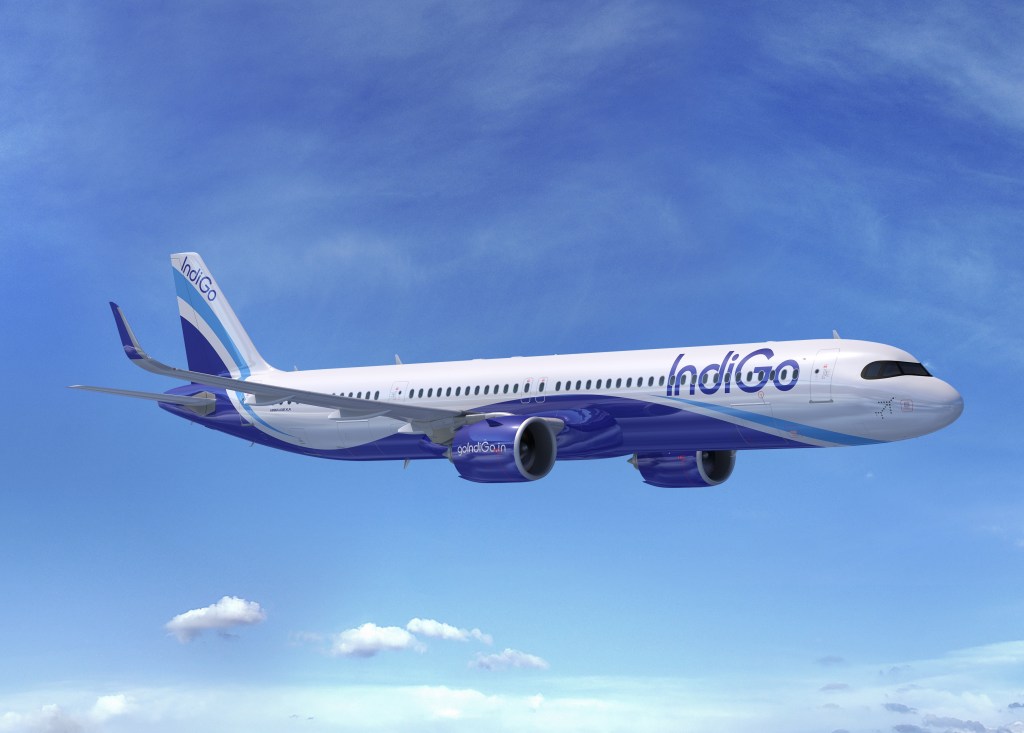
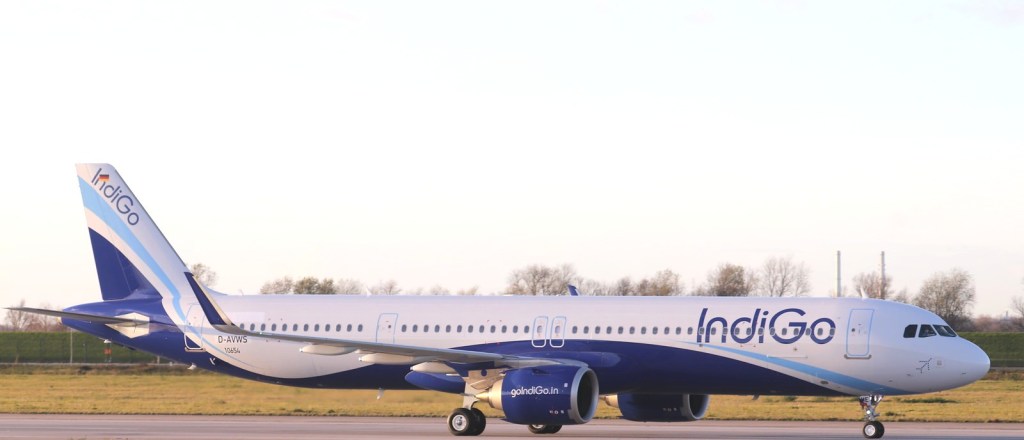
IndiGo de la India ha tomado entrega este Martes 30/11 del avión número 2.000 de la familia Airbus A320NEO. El avión que marca un hito en la familia de aeronaves narrobodies representa un Airbus A321NEO con registro industrial MSN10654 que ha sido producido y entregado en Hamburgo, Alemania. La nueva aeronave posee su registro de prueba D-AVWS, mientras que migrará a su actual matrícula india VT-IME.
Ronojoy Dutta, Director Ejecutivo de IndiGo, ha expresado sus palabras en el hito especial: «IndiGo fue temprano para reconocer la eficiencia de combustible y el rendimiento de la familia A320NEO, lo que resultó en grandes pedidos de aviones de la familia New Engine Option. La visión no era solo aumentar la eficiencia, sino también la sostenibilidad de la flota. IndiGo recibió el avión número 1.000 de la familia A320NEO producido en 2019 y solo dos años después está recibiendo la entrega de los 2.000ésimo aviones. La inducción continua de aviones de la familia A320NEO a pesar de los desafíos de la crisis de salud mundial es un testimonio del compromiso implacable de la aerolínea con la aviación sostenible».
IndiGo, tras dos años después de recibir el avión de la familia A320NEO número 1.000 en 2019, la aerolínea de bajo costo india puede afirmar con orgullo que ha recibido el avión número 2.000 marcando otro hito impresionante en la línea de la aeronave bestseller del mercado narrowbodies. Teniendo lugar el martes 30 de Noviembre de 2021, la aerolínea hizo el anuncio el 2 de Diciembre de 2021, señalando que este avión en particular es el miembro más largo de la familia A320NEO, el A321NEO. Según AIB Family Flights, MSN 10654 se vio por primera vez a principios de Octubre de 2021. En ese momento, el avión estaba sin sus motores. Entre los días 17 y 19 de Noviembre de 2021, el avión fue visto realizando controles de taxis y RTO (Despegues Rechazados/Rejected Takeoff) en las instalaciones de Airbus Group en Hamburgo/Finkenwerder, mientras que el 22/11 se realizó una verificación de cilindramiento y taxi. Curiosamente, hasta la fecha, no se han registrado datos de vuelo de prueba para este avión.
Airbus delivers #2000 A320NEO-family
Indigo takes delivery of an Airbus A321NEO
IndiGo of India has taken delivery this Tuesday 11/30 of the aircraft number 2,000 of the Airbus A320NEO family. The milestone aircraft in the narrobodies family of aircraft represents an Airbus A321NEO with industrial registration MSN10654 that has been produced and delivered in Hamburg, Germany. The new aircraft has its D-AVWS test registration, while it will migrate to its current Indian VT-IME registration.
Ronojoy Dutta, Chief Executive Officer of IndiGo, has expressed his words at the special milestone: «IndiGo went early to recognize the fuel efficiency and performance of the A320NEO family, resulting in large orders for New Engine Option family aircraft. The vision was not only to increase efficiency, but also the sustainability of the fleet. IndiGo received the 1,000th aircraft of the A320NEO family produced in 2019 and only two years later is receiving delivery of the 2,000th aircraft. Continuous induction of aircraft of the A320NEO family despite the challenges of the global health crisis is a testament to the airline’s relentless commitment to sustainable aviation».
IndiGo, two years after receiving the 1,000th A320NEO family aircraft in 2019, the Indian low-cost carrier can proudly claim to have received the 2,000th aircraft marking another impressive milestone in the narrowbodies market bestseller aircraft lineup. Taking place on Tuesday, November 30, 2021, the airline made the announcement on December 2, 2021, noting that this particular aircraft is the longest member of the A320NEO family, the A321NEO. According to AIB Family Flights, MSN 10654 was first seen in early October 2021. At the time, the plane was without its engines. Between November 17 and 19, 2021, the plane was seen carrying out taxi and RTO (Rejected Takeoff) checks at the Airbus Group facilities in Hamburg/Finkenwerder, while on 11/22 a cylinder and taxi check was carried out. Interestingly, to date, no test flight data has been recorded for this aircraft.
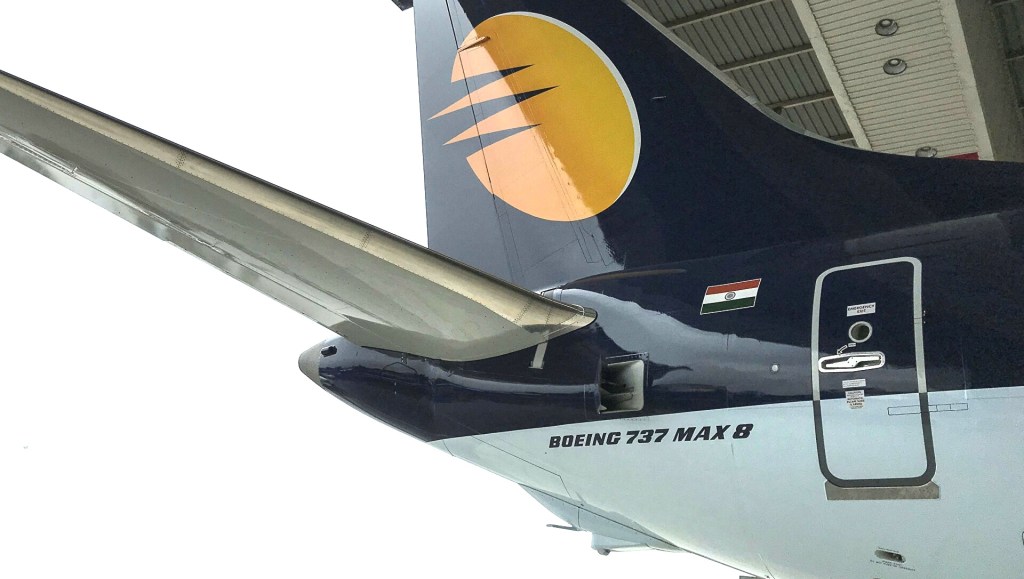
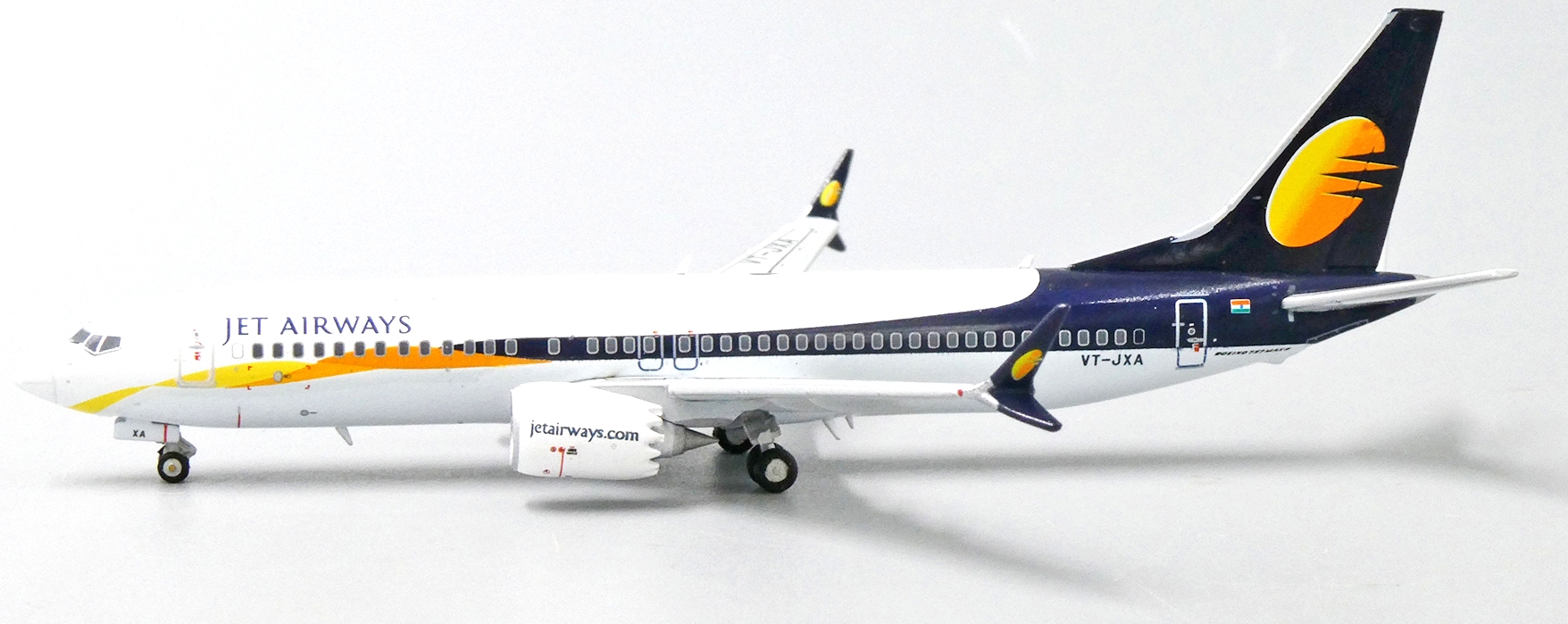
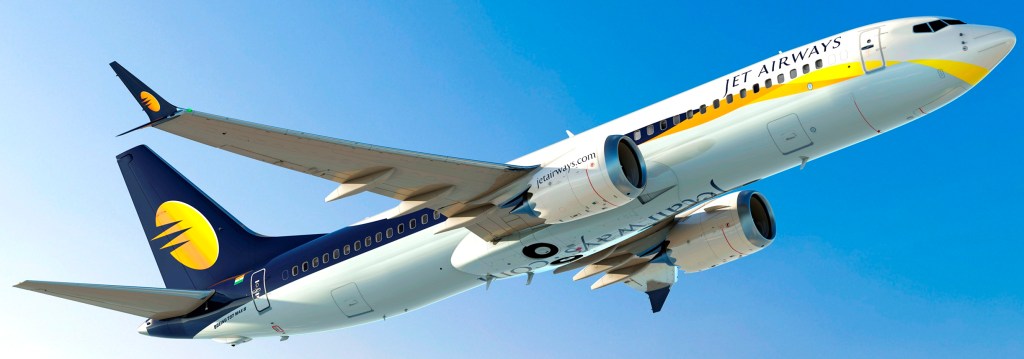
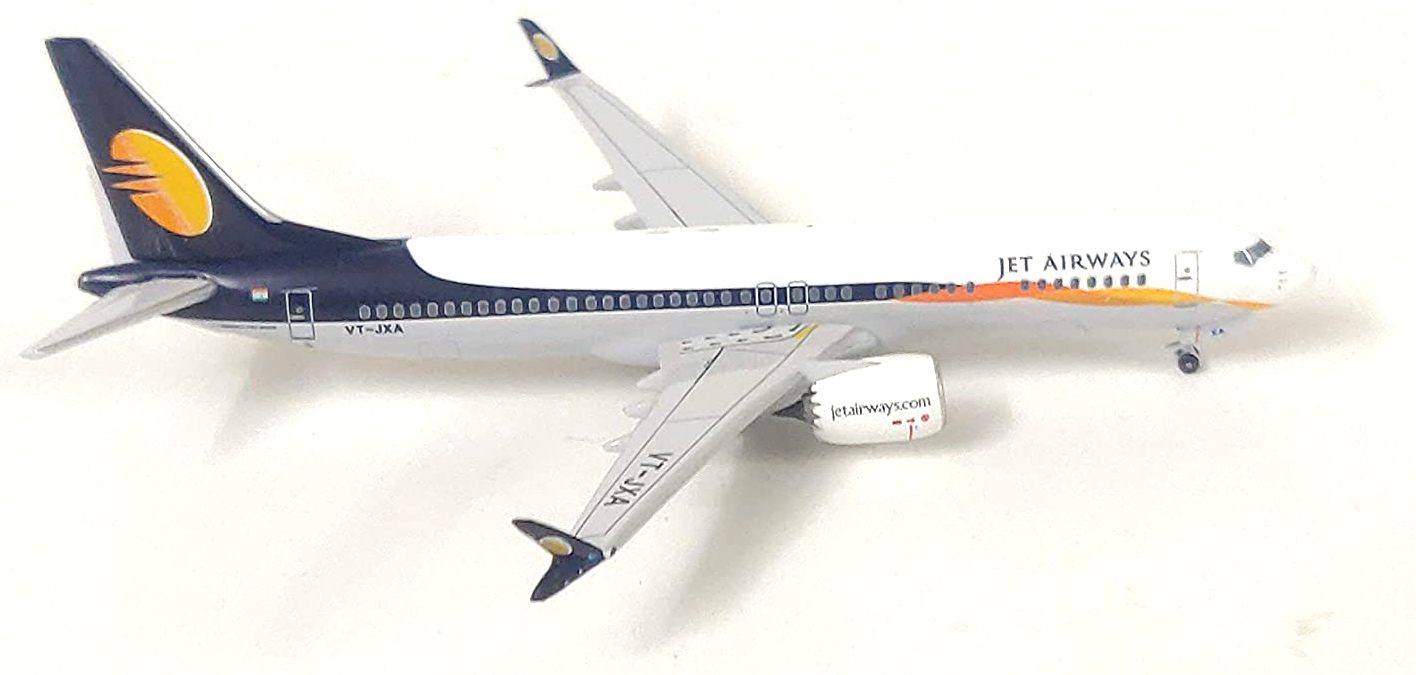
Grupo inyectaría inversión por US$ 200 millones Dólares Jet Airways ordenaría cien aeronaves comerciales
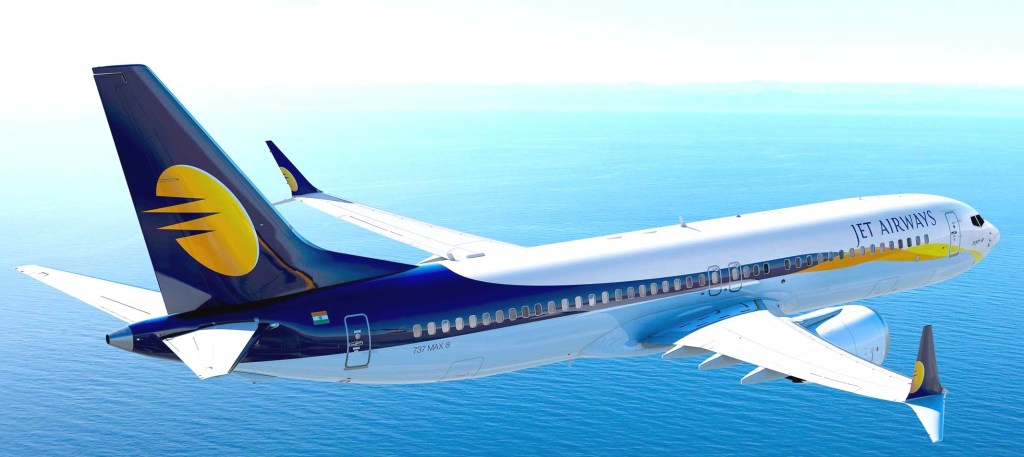
Jet Airways de la India se encuentra en proceso de restablecer sus operaciones en el mediano plazo gracias al proceso de reestructuración establecido en la compañía. Después de un extenso letargo en tierra, el nuevo grupo inversor ha anunciado una salida de compras de aeronaves para poner a la aerolínea de presupuesto nuevamente en el aire. Las acciones de Jet Airways están en el centro de atención, ya que las acciones están bloqueadas en un Circuito Superior del 5% a ₹ 90,30 el 3 de Diciembre de 2021 debido a la noticia de que la aerolínea está en conversaciones con los fabricantes de aviones The Boeing Company y Airbus Group SE para un pedido de cien aeronaves valorados en aproximadamente US$ 12 mil millones de Dólares. Los nuevos propietarios, Murari Lal Jalan y Kalrock Capital Partners, dijeron que podrían comprar al menos 100 aviones de fuselaje estrecho. El grupo invertirá alrededor de US$ 200 millones a través de acciones y deuda en Jet Airways durante los próximos seis meses.
Jet Airways acudió a un tribunal de quiebras después de ser castigado en Abril de 2019. En Junio de 2021, los nuevos propietarios, Kalrock Capital Partners, con sede en el Reino Unido, y el empresario Murari Lal Jalan, con sede en los Emiratos Árabes Unidos, se hicieron cargo de la extinta aerolínea. Ahora se espera que la aerolínea reanude sus vuelos nacionales en el primer trimestre del próximo año financiero que comienza el 1 de Abril de 2022. La aerolínea india ha pasado por muchas turbulencias en los últimos años y ahora está en las noticias por reanudar sus operaciones incorporando nuevos aviones.
Jet Airways analyzes aircraft MoUs
Group would inject investment of US$ 200 million Dollars Jet Airways would order 100 commercial aircraft
Jet Airways of India is in the process of reestablishing its operations in the medium term thanks to the restructuring process established in the company. After an extended slumber on the ground, the new investment group has announced an aircraft purchase outing to put the budget airline back in the air. Jet Airways shares are in the spotlight as shares are locked in a 5% Top Circuit at ₹ 90.30 on December 3, 2021 due to news that the airline is in talks with manufacturers. The Boeing Company and Airbus Group SE aircraft for an order of one hundred aircraft valued at approximately US$ 12 billion. The new owners, Murari Lal Jalan and Kalrock Capital Partners, said they could buy at least 100 narrow-body jets. The group will invest around US$ 200 million through equity and debt in Jet Airways over the next six months.
Jet Airways went to bankruptcy court after being punished in April 2019. In June 2021, the new owners, UK-based Kalrock Capital Partners, and UAE-based businessman Murari Lal Jalan Together, they took over the defunct airline. The airline is now expected to resume its domestic flights in the first quarter of the next financial year beginning April 1, 2022. The Indian airline has been through much turmoil in recent years and is now in the news for resuming operations by incorporating new planes.
जेट एयरवेज ने एमओयू विमान का विश्लेषण किया
समूह 200 मिलियन अमेरिकी डॉलर का निवेश करेगा जेट एयरवेज 100 वाणिज्यिक विमानों का ऑर्डर देगी
जेट एयरवेज ऑफ इंडिया कंपनी में स्थापित पुनर्गठन प्रक्रिया की बदौलत मध्यम अवधि में अपने परिचालन को फिर से स्थापित करने की प्रक्रिया में है। जमीन पर एक विस्तारित नींद के बाद, नए निवेश समूह ने बजट एयरलाइन को वापस हवा में रखने के लिए एक विमान खरीद की घोषणा की है। जेट एयरवेज के शेयर सुर्खियों में हैं क्योंकि 3 दिसंबर, 2021 को शेयरों को 5% टॉप सर्किट में ₹ 90.30 पर लॉक किया गया था, इस खबर के कारण कि एयरलाइन निर्माताओं के साथ बातचीत कर रही है। बोइंग कंपनी और एयरबस ग्रुप एसई विमान एक ऑर्डर के लिए लगभग 12 बिलियन अमेरिकी डॉलर मूल्य के सौ विमान। नए मालिकों, मुरारी लाल जालान और कलरॉक कैपिटल पार्टनर्स ने कहा कि वे कम से कम 100 नैरो-बॉडी जेट खरीद सकते हैं। समूह अगले छह महीनों में जेट एयरवेज में इक्विटी और डेट के जरिए करीब 20 करोड़ अमेरिकी डॉलर का निवेश करेगा।
अप्रैल 2019 में दंडित होने के बाद जेट एयरवेज दिवालिया अदालत में चली गई। जून 2021 में, नए मालिकों, यूके स्थित कलरॉक कैपिटल पार्टनर्स और संयुक्त अरब अमीरात स्थित व्यवसायी मुरारी लाल जालान ने मिलकर बंद हो चुकी एयरलाइन को अपने कब्जे में ले लिया। एयरलाइन को अब 1 अप्रैल, 2022 से शुरू होने वाले अगले वित्तीय वर्ष की पहली तिमाही में अपनी घरेलू उड़ानें फिर से शुरू करने की उम्मीद है। भारतीय एयरलाइन हाल के वर्षों में बहुत उथल-पुथल से गुजर रही है और अब नए विमानों को शामिल करके परिचालन फिर से शुरू करने के लिए चर्चा में है।
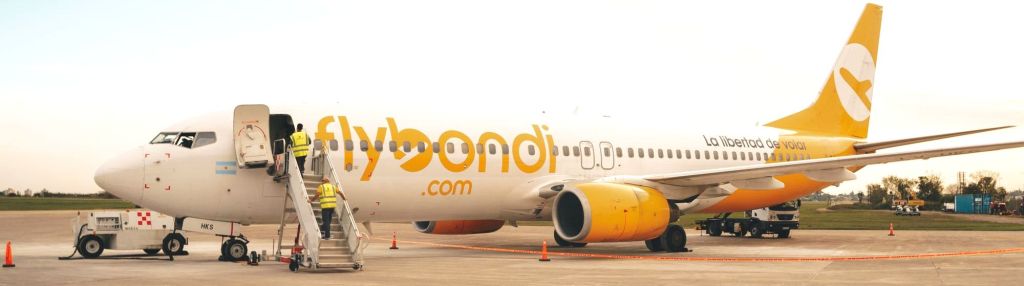
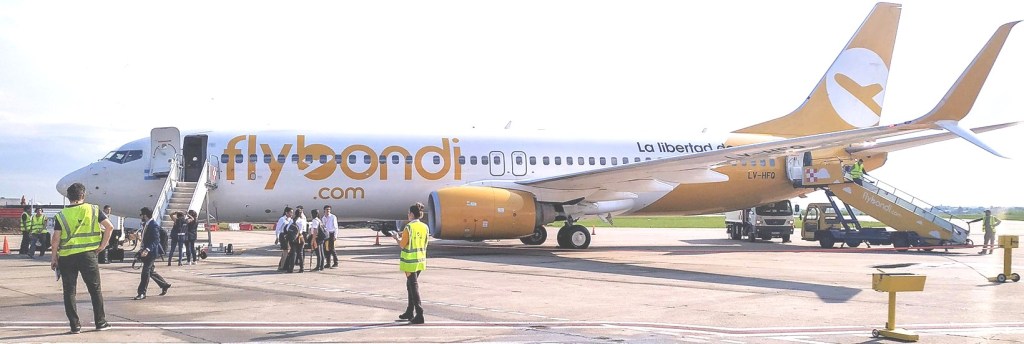
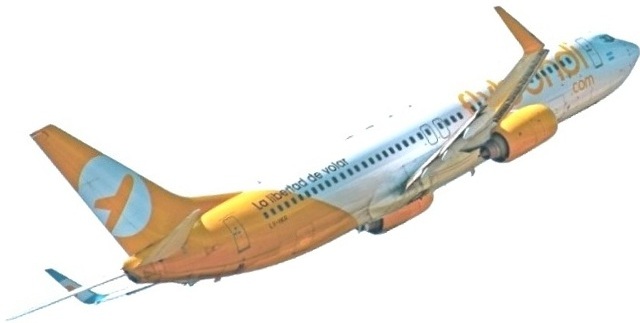
Incorporará quinto Boeing 737-800 a su flota Flybondi reanuda el 100% capacidad pre-pandémica
Flybondi Líneas Aéreas ha anunciado la incorporación de su quinto avión Boeing 737-800 post-pandemia como parte de una ampliación de flota por la demanda en Argentina. La nueva aeronave arribará en Enero 2022. La compañía low cost sumará una sexta aeronave hacia los primeros meses del 2022 (1Q2022).
La compañía incorpora su quinta aeronave y vuelve a recuperar su capacidad pre-pandemia con los niveles de capacidad operativa de 2019. De acuerdo a su plan de crecimiento, la aerolínea buscará sumar más aviones y el sexto podría llegar entre los meses de Febrero y Marzo de 2022. El quinto Boeing 737-800 Next Generation posee una capacidad de 189 pasajeros en all-Economy y arribará a Argentina en Enero de 2022.
Flybondi tiene actualmente catorce destinos nacionales conectados, con una flota de cuatro aviones Boeing 737-800 NG. Los resultados del año 2021 de Flybondi demuestran una gran recuperación del sector en el mercado interno, marcando un factor de ocupación en 10/2021 del 83%. «Continuamos con nuestro plan de inversión y el crecimiento de la flota con la llegada del quinto avión. En Julio incorporamos nuestro tercer avión y en Septiembre el cuarto, lo que demuestra un compromiso sostenible de la compañía con nuestro propósito y con la industria aérea. Con la incorporación de más aviones buscamos crecer y sumar nuevos destinos. En Enero comenzaremos a volar a Ushuaia y en diciembre empezamos con los vuelos regionales a Uruguay y Brasil. Esto es posible gracias a la demanda que estamos viendo en el mercado, lo que marca una importante recuperación del turismo, con muy buenos números tanto para la temporada de verano como para los próximos meses», expresa Mauricio Sana, CEO de Flybondi.
La empresa cuenta con más de 570 empleados en todo el país. A pesar de la pandemia, se sumaron 80 profesionales al equipo durante este año y actualmente tienen más de quince búsquedas abiertas. La nueva flota buscar responder a la demanda existente. La aerolinea vuela a 14 destinos domésticos: Buenos Aires, Bariloche, Corrientes, Córdoba, Jujuy, Mendoza, Neuquén, Posadas, Iguazú, Salta, Santiago del Estero, Trelew y Tucumán. Además, Flybondi comenzará a volar a sus destinos internacionales a partir de Diciembre 2021 a Florianópolis, San Pablo, Río de Janeiro y Punta del Este, mientras tanto se espera las aprobaciones sanitarias respectivas para los vuelos regionales.
Flybondi will add fifth Boeing 737
To add fifth Boeing 737-800 to its fleet Flybondi resumes 100% pre-pandemic capacity
Flybondi Líneas Aéreas has announced the incorporation of its fifth post-pandemic Boeing 737-800 aircraft as part of a fleet expansion due to demand in Argentina. The new aircraft will arrive in January 2022. The low cost company will add a sixth aircraft by the first months of 2022 (1Q2022).
The company incorporates its fifth aircraft and regains its pre-pandemic capacity with the operational capacity levels of 2019. According to its growth plan, the airline will seek to add more aircraft and the sixth could arrive between the months of February and March 2022. The fifth Boeing 737-800 Next Generation has a capacity of 189 passengers in all-Economy and will arrive in Argentina in January 2022.
Flybondi currently has fourteen connected domestic destinations, with a fleet of four Boeing 737-800 NG aircraft. Flybondi’s results for the year 2021 show a great recovery of the sector in the domestic market, marking a load factor in 10/2021 of 83%. «We continue with our investment plan and the growth of the fleet with the arrival of the fifth aircraft. In July we incorporated our third aircraft and in September the fourth, which demonstrates the company’s sustainable commitment to our purpose and to the airline industry. With the incorporation of more airplanes we seek to grow and add new destinations. In January we will begin to fly to Ushuaia and in December we will begin with regional flights to Uruguay and Brazil. This is possible thanks to the demand that we are seeing in the market, which marks an important recovery in tourism, with very good numbers both for the summer season and for the next few months», says Mauricio Sana, CEO of Flybondi.
The company has more than 570 employees nationwide. Despite the pandemic, 80 professionals joined the team this year and currently have more than fifteen open searches. The new fleet seeks to respond to the existing demand. The airline flies to 14 domestic destinations: Buenos Aires, Bariloche, Corrientes, Córdoba, Jujuy, Mendoza, Neuquén, Posadas, Iguazú, Salta, Santiago del Estero, Trelew and Tucumán. In addition, Flybondi will begin to fly to its international destinations from December 2021 to Florianópolis, São Paulo, Rio de Janeiro and Punta del Este, meanwhile the respective health approvals for regional flights are awaited.
Gobierno y Ethiopian Airlines firman acuerdo para startup
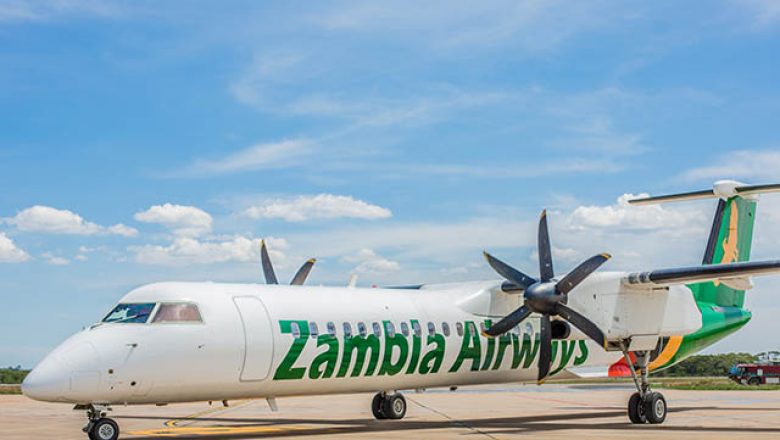
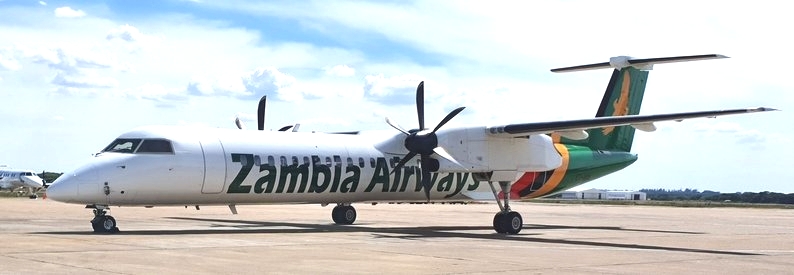
Zambia Airways regresó el Miércoles 01/112 al cielo casi treinta años después de su liquidación en 1994. La aerolínea de Zambia ha restablecido sus operaciones después de que el Gobierno de Zambia firmara un acuerdo de participación accionaria con Ethiopian Airlines en 2018.
Zambia Airways ha estrenado un Bombardier Dash 8 Q400 que ha realizado su primer vuelo desde el Aeropuerto Internacional Kenneth Kaunda en Lusaka, la capital de Zambia, hasta el Aeropuerto Internacional Simon Mwansa Kapwepwe en la ciudad de Ndola de la Provincia de Copperbelt.
El Ministro de Transporte y Logística, Frank Tayali, dijo que el lanzamiento de la aerolínea nacional era un paso en la dirección correcta, ya que el país se esfuerza por convertirse en un centro del sector de la aviación en la región del sur de África. Expresó su optimismo de que el lanzamiento ayudará a acelerar el desarrollo de otros sectores como la industria del turismo.
La aerolínea operará con una frecuencia de cinco a seis veces por semana a Ndola y la ciudad sureña de Livingstone. Efectuará inicialmente rutas nacionales antes de introducir destinos regionales en Sudáfrica y Zimbabue en el primer trimestre de 2022.
Zambia Airways returns to the skies
Government and Ethiopian Airlines sign startup agreement
Zambia Airways returned to heaven on Wednesday 01/112 almost thirty years after its liquidation in 1994. The Zambian airline has re-established operations after the Government of Zambia signed a shareholding agreement with Ethiopian Airlines in 2018.
Zambia Airways has launched a Bombardier Dash 8 Q400 that has made its first flight from Kenneth Kaunda International Airport in Lusaka, the capital of Zambia, to Simon Mwansa Kapwepwe International Airport in the city of Ndola in Copperbelt Province.
Transport and Logistics Minister Frank Tayali said that the launch of the national airline was a step in the right direction as the country strives to become a hub of the aviation sector in the southern African region. He expressed optimism that the launch will help accelerate the development of other sectors such as the tourism industry.
The airline will operate five to six times a week to Ndola and the southern city of Livingstone. It will initially operate domestic routes before introducing regional destinations in South Africa and Zimbabwe in the first quarter of 2022.
Concluye Capítulo 11 Ley Bancarrota Avianca completa su reestructuración
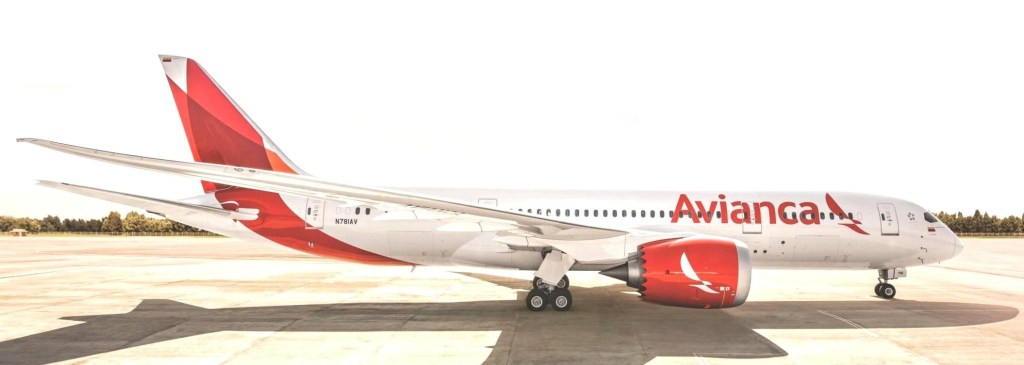
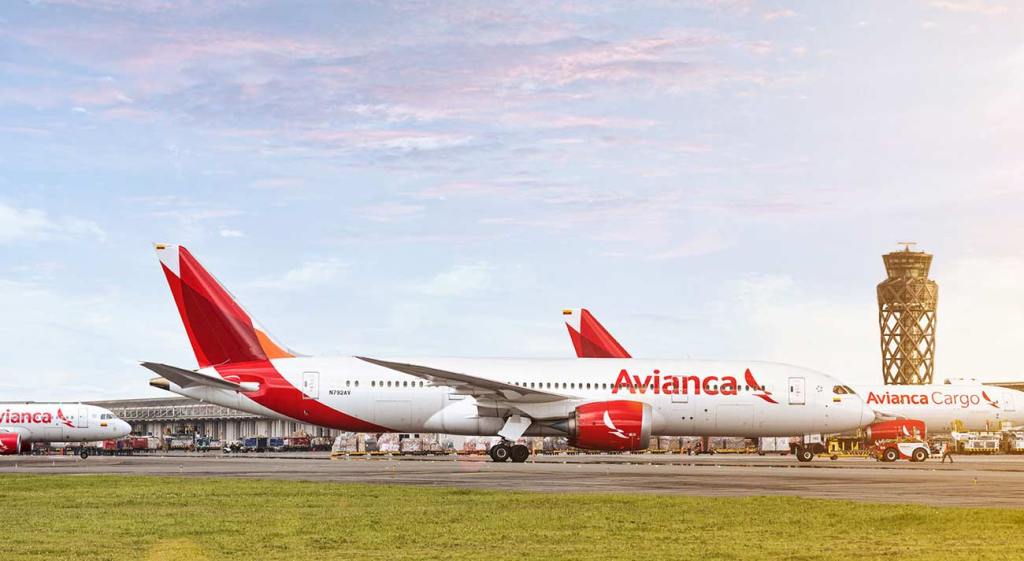
La compañía Avianca Airlines anunció este Jueves 02/12 la salida del Capítulo 11 de la Ley de Quiebras establecida en la Corte de Nueva York Distrito Sur. La aerolínea colombiana ha sido reestructurada y refinanciada, mientras que ha emergido como una nueva entidad bajo el nombre de Avianca Group International Limited. En medio del proceso de ajuste que vive Avianca Airlines, el saneamiento permitirá dar capacidad a la aerolínea para su expansión. La aerolínea anunció que completó con éxito su proceso de reestructuración financiera y salió del Capítulo 11 de la Ley de Quiebras de Estados Unidos, como “una aerolínea más eficiente y financieramente más sólida, con una deuda significativamente reducida y más de US$ 1.000 millones en liquidez”, aseguró la compañía mediante un comunicado extendido este 02/12.
El paso de Avianca por el Capítulo 11 del Código de Bancarrota de Estados Unidos involucró un proceso de dieciocho meses, tiempo que la aerolínea aprovechó para renovar su modelo de negocios para ser significativamente más eficiente y reafirmar su compromiso de brindar un servicio confiable y puntual, lo cual ha logrado combinando una propuesta de valor que incluye los mejores atributos del modelo low cost, al tiempo que conserva los diferenciales clave que le permiten ser la alternativa de viaje más conveniente para millones de pasajeros en América Latina y el mundo.
“Este es un día importante para Avianca y todos nuestros grupos de interés. Nos complace salir con éxito de este proceso, con una compañía en una posición financiera más sólida que seguirá sirviendo a todos sus clientes y volando durante muchos años más. Esperamos seguir ejecutando nuestra nueva visión empresarial y capitalizar la recuperación de la demanda de viajes para impulsar nuestro futuro éxito”, afirmó Rohit Philip, Chief Financial Officer de Avianca Airlines.
El Presidente y CEO de Avianca, Adrián Neuhauser, indicó que esperan “un futuro exitoso para la compañía, a medida que continuamos construyendo la historia de Avianca. Agradecemos el apoyo de nuestros clientes, socios y financistas a lo largo de este proceso. Quiero agradecer también a nuestra gente por su compromiso de brindar un servicio ininterrumpido a todos los clientes y cuyo arduo trabajo nos permitió completar este proceso de manera eficiente. Estoy seguro de que estamos bien posicionados para ser una aerolínea altamente competitiva y exitosa”.
La compañía informó que, conforme al acuerdo al que llegó con el plan de reorganización aprobado, los nuevos accionistas invertirán en el nuevo holding Avianca Group International Limited, el cual tendrá su domicilio en el Reino Unido. Este nuevo holding consolidará las inversiones del grupo en todas sus subsidiarias que incluyen a Aerovías del Continente Americano, su subsidiaria colombiana y TACA International, su operación en Centroamérica. Es de recordar que Avianca Holdings, el holding anterior, tenía su domicilio en la República de Panamá.
Perspectivas Avianca
Hay una profunda discusión alrededor del futuro de Avianca y si se va a convertir en una aerolínea de bajo costo. Avianca inaugurará once rutas para este fin de 2021. A la par de este esperado anuncio, Avianca indicó que seguirá fortaleciendo su propuesta de valor, lo cual logrará mediante el ajuste de sus productos y servicios a las necesidades de sus clientes, entre los que se incluyen precios más competitivos y permitirá a los clientes personalizar su tarifa y pagar los servicios y la flexibilidad que necesitan. Conservar una de las redes más robustas de América Latina y la más fuerte de Colombia. Durante los próximos tres años, Avianca Airlines espera casi duplicar su red, expandiéndose a casi 200 rutas en América Latina y el mundo. La mayoría de las nuevas rutas serán punto a punto, brindando mayor comodidad a sus clientes. La red contará con una flota de más de 130 aviones para finales de 2025 con asientos reconfigurados y más livianos de nueva generación, lo que permitirá a Avianca reducir la huella de carbono de sus operaciones y contribuir a la descongestión del aeropuerto al tiempo que aumenta su eficiencia. Avianca reintegraría a cien pilotos que salieron de su compañía tras las huelgas de 2017.
Avianca leaves Chapter 11
Concludes Chapter 11 Bankruptcy Law Avianca completes its restructuring
The Avianca Airlines company announced this Thursday 02/12 the exit of Chapter 11 of the Bankruptcy Law established in the New York Southern District Court. The Colombian airline has been restructured and refinanced, while it has emerged as a new entity under the name Avianca Group International Limited. In the midst of the adjustment process that Avianca Airlines is undergoing, the reorganization will allow the airline to be able to expand. The airline announced that it successfully completed its financial restructuring process and exited Chapter 11 of the United States Bankruptcy Law, as “a more efficient and financially sound airline, with significantly reduced debt and more than US$ 1 billion in debt liquidity”, the company assured through an extended statement esre 02/12.
Avianca’s passage through Chapter 11 of the United States Bankruptcy Code involved a process of eighteen months, time that the airline took advantage of to renew its business model to be significantly more efficient and reaffirm its commitment to provide a reliable and punctual service, which which it has achieved by combining a value proposition that includes the best attributes of the low cost model, while preserving the key differentials that allow it to be the most convenient travel alternative for millions of passengers in Latin America and the world.
“This is an important day for Avianca and all of our stakeholders. We are pleased to come out of this process successfully, with a company in a stronger financial position that will continue to serve all of its customers and fly for many years to come. We look forward to continuing to execute our new business vision and capitalize on the recovery in travel demand to drive our future success”, said Rohit Philip, Chief Financial Officer, Avianca Airlines.
Avianca President and CEO, Adrián Neuhauser, indicated that they look forward to “a successful future for the company, as we continue to build the history of Avianca. We appreciate the support of our clients, partners and funders throughout this process. I also want to thank our people for their commitment to providing uninterrupted service to all clients and whose hard work allowed us to complete this process efficiently. I am confident that we are well positioned to be a highly competitive and successful airline».
The company informed that, in accordance with the agreement reached with the approved reorganization plan, the new shareholders will invest in the new holding Avianca Group International Limited, which will have its domicile in the United Kingdom. This new holding will consolidate the group’s investments in all its subsidiaries, which include Aerovías del Continente Americano, its Colombian subsidiary, and TACA International, its operation in Central America. It should be remembered that Avianca Holdings, the previous holding company, had its domicile in the Republic of Panama.
Avianca outlook
There is a deep discussion around the future of Avianca and if it is going to become a low-cost airline. Avianca will inaugurate eleven routes by the end of 2021. Along with this long-awaited announcement, Avianca indicated that it will continue to strengthen its value proposition, which it will achieve by adjusting its products and services to the needs of its customers, including they include more competitive prices and will allow customers to customize their rate and pay for the services and flexibility they need. Maintain one of the most robust networks in Latin America and the strongest in Colombia. Over the next three years, Avianca Airlines expects to almost double its network, expanding to almost 200 routes in Latin America and the world. Most of the new routes will be point-to-point, providing greater comfort to your customers. The network will have a fleet of more than 130 aircraft by the end of 2025 with new generation reconfigured and lighter seats, which will allow Avianca to reduce the carbon footprint of its operations and contribute to the decongestion of the airport while increasing its efficiency. Avianca would reinstate 100 pilots who left their company after the 2017 strikes.
SpaceX quiere convertirse en un gigante wi-fi in-flight Starlink busca incorporar tecnología internet en vuelos
El Jefe de SpaceX, Elon Musk, prometió recientemente que ofrecería una velocidad Wi-Fi de medio gigabit en los aviones permitiendo acceder a la Internet transmitida por los satélites Starlink. SpaceX ha comenzado a probar su servicio Wi-Fi en vuelo proporcionado por la división Starlink para aerolíneas comerciales, con el objetivo de transmitir Internet desde su constelación de satélites a los aviones. En Junio 2021 SpaceX anunció que estaba en conversaciones con varias aerolíneas para proporcionar la red de Internet satelital de Starlink para una experiencia Wi-Fi más rápida en vuelo. Sin embargo, la compañía no ofreció ningún detalle sobre el cronograma de comercialización del proyecto.
SpaceX tiene por objetivo ofrecer conectividad a Internet de baja latencia con una salida de medio gigabit en el aire. En este momento, dos de los nombres más importantes de la industria son Viasat e Intelsat, que sirven como proveedores de banda ancha satelital para Wi-Fi a bordo. Sin embargo, dos de los rivales directos de Starlink basados en la infraestructura central son OneWeb y Telesat del Reino Unido.
El Vicepresidente de Ventas Comerciales de Starlink, Jonathan Hofeller, ha revelado ahora que la compañía se encuentra probando la primera versión de su antena interna en aviones, pero nuevamente evadió proporcionar un cronograma concreto para el lanzamiento comercial. Hablando en la conferencia de Liderazgo de Pensamiento de la Asociación de Experiencia de Pasajeros de Aerolíneas (APEX)/IFSA EXPO, Jonathan Hofeller mencionó que la compañía quiere ofrecer su servicio de Internet satelital a las aerolíneas en el menor plazo. Una publicación del blog de APEX cita a Jonathan Hofeller y señala que «Starlink está yendo uno por uno a cada país y que su trabajo continuo en el alivio de desastres está acelerando su entrada en algunos mercados».
En comparación con los jugadores establecidos en el mercado de Conectividad en Vuelo (IFC), Starlink tiene una ventaja clave con su enfoque de Internet satelital. Las partes interesadas existentes dependen de la Internet transmitida por satélites que flotan en la órbita geoestacionaria. Starlink, por otro lado, ofrecerá conectividad a Internet desde su constelación de satélites en la órbita terrestre inferior. Hofeller había afirmado previamente que las antenas receptoras Starlink instaladas en los aviones serían un derivado de los receptores terrestres existentes que recientemente comenzaron a aparecer en las estaciones de carga de Tesla también. Una de las mayores preocupaciones con la instalación de aeronaves es el aspecto de durabilidad de los receptores de Internet por satélite. Curiosamente, una aplicación de la FCC que fue desenterrada a principios de este año arrojó algo de luz sobre los receptores móviles que serán mucho más duraderos cuando se trata de operar en mayores extremos de calor y frío. Otra ventaja de la que Starlink presume sobre sus rivales es en el juego de los números. Hofeller mencionó en la conferencia APEX que Starlink ya comanda un grupo de satélites LEO cuyo número es diez veces mayor que el de los satélites geoestacionarios actuales. Si bien se desconoce una fecha definitiva para el descubrimiento del mercado, el ejecutivo de Starlink reveló que la compañía está operando una flota de 1.800 satélites repartidos en 20 países hasta la fecha. Sin embargo, las ambiciones de Starlink podrían detenerse debido a problemas con los motores de cohetes Starship, algo tan grave que el CEO Elon Musk temía que empujara a SpaceX al borde de la bancarrota.
SpaceX satellite Wi-Fi on board
SpaceX wants to become an in-flight wi-fi giant Starlink seeks to incorporate internet technology in flights
SpaceX Chief Elon Musk recently promised that he would offer half gigabit Wi-Fi speed on airplanes allowing access to the Internet transmitted by Starlink satellites. SpaceX has begun testing its in-flight Wi-Fi service provided by the Starlink division for commercial airlines, with the goal of transmitting the Internet from its constellation of satellites to airplanes. In June 2021 SpaceX announced that it was in talks with several airlines to provide Starlink’s satellite Internet network for a faster in-flight Wi-Fi experience. However, the company did not offer any details on the project’s commercialization schedule.
SpaceX aims to offer low-latency internet connectivity with a half-gigabit over-the-air output. Right now, two of the biggest names in the industry are Viasat and Intelsat, which serve as providers of satellite broadband for onboard Wi-Fi. However, two of Starlink’s direct rivals based on the core infrastructure are UK’s OneWeb and Telesat.
Starlink’s Vice President of Commercial Sales, Jonathan Hofeller, has now revealed that the company is testing the first version of its internal antenna on airplanes, but has again avoided providing a concrete schedule for the commercial launch. Speaking at the Airline Passenger Experience Association (APEX)/ IFSA EXPO Thought Leadership conference, Jonathan Hofeller mentioned that the company wants to offer its satellite internet service to airlines in the shortest time. An APEX blog post quotes Jonathan Hofeller as saying that «Starlink is going one by one to each country and their ongoing disaster relief work is accelerating their entry into some markets».
Compared to established players in the In-Flight Connectivity (IFC) market, Starlink has a key advantage with its approach to satellite internet. Existing stakeholders depend on the Internet carried by satellites floating in geostationary orbit. Starlink, on the other hand, will offer Internet connectivity from its constellation of satellites in lower Earth orbit. Hofeller had previously claimed that the Starlink receiving antennas installed on airplanes would be a derivative of the existing ground-based receivers that recently began to appear at Tesla charging stations as well. One of the biggest concerns with aircraft installation is the durability aspect of satellite Internet receivers. Interestingly, an FCC app that was unearthed earlier this year shed some light on mobile receivers that they will be much more durable when it comes to operating in greater extremes of heat and cold. Another advantage that Starlink boasts over its rivals is in the numbers game. Hofeller mentioned at the APEX conference that Starlink already commands a group of LEO satellites whose number is ten times that of today’s geostationary satellites. While a definitive date for the market discovery is unknown, the Starlink executive revealed that the company is operating a fleet of 1,800 satellites spread across 20 countries to date. However, Starlink’s ambitions could be stalled due to problems with the Starship rocket engines, something so dire that CEO Elon Musk feared it would push SpaceX to the brink of bankruptcy.
Startup encomienda pedido por familia aeronaves europeas
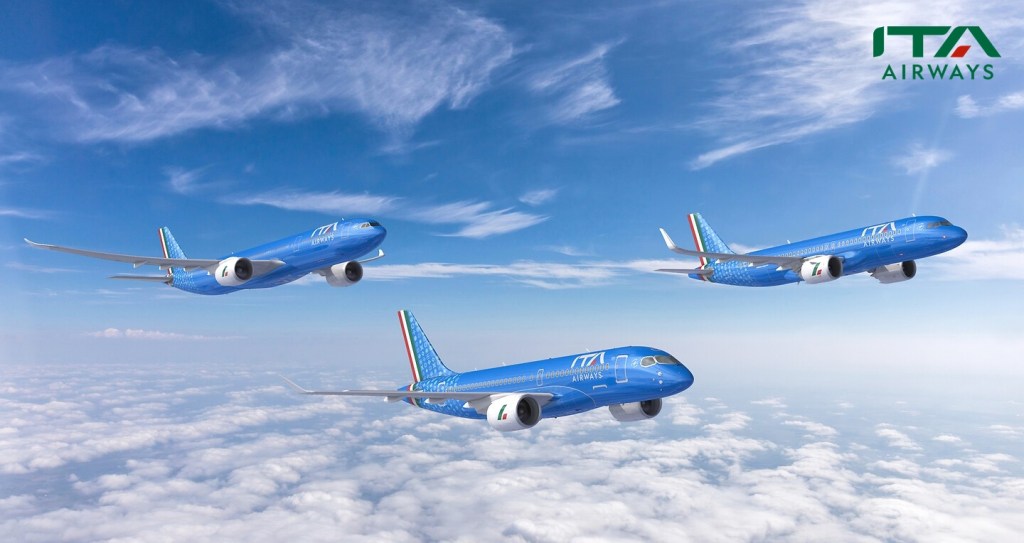
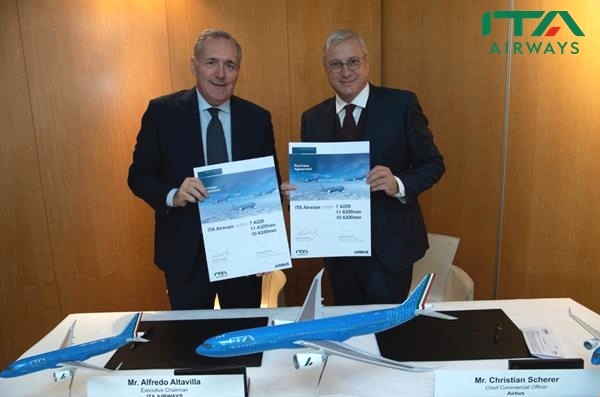
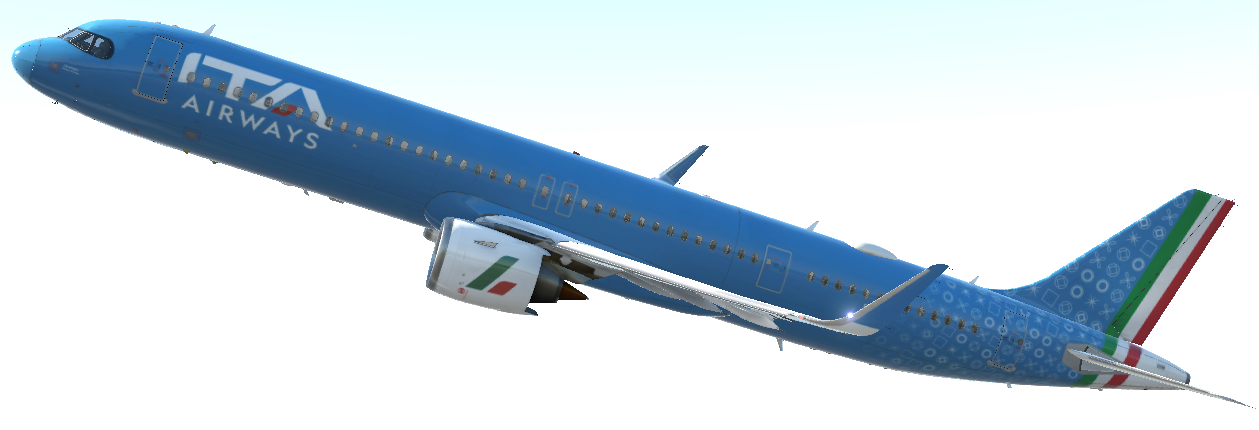
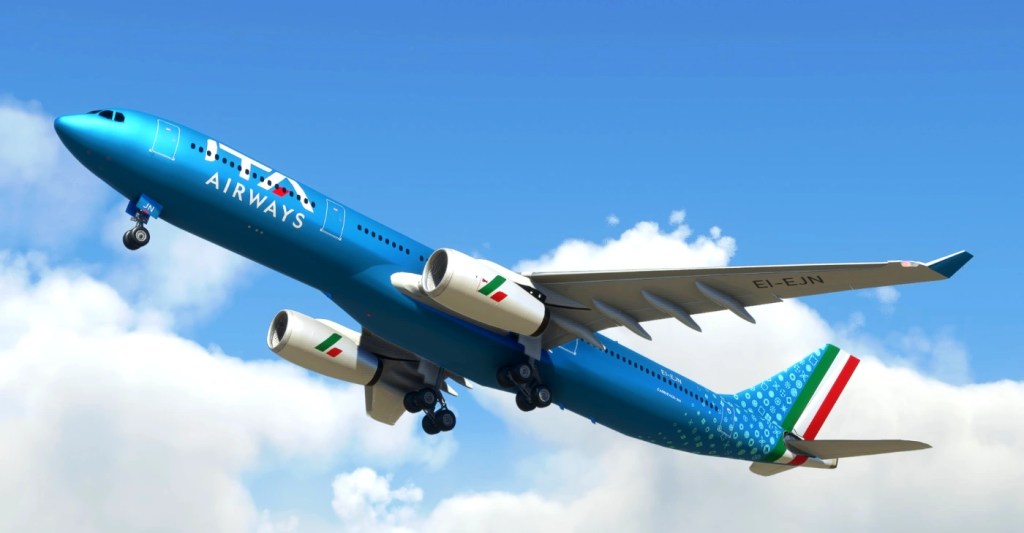
La nueva aerolínea italiana ITA Airways ha confirmado este Miércoles 01/12 un pedido con Airbus Group por veintiocho (28) aviones nuevos de fábrica desarrollando así los primeros pedidos formulados al constructor europeo de aeronaves comerciales. El pedido inicial representa una orden por siete Airbus A220 (7), once A320NEO (11) y diez A330NEO (10), seguido de un Memorando de Entendimiento (MoU) anunciado a finales de Septiembre 2021. El pedido complementario contempla además el incorporación de la línea Airbus A350 que representará el avión de mayor tamaño de la flota de la nueva compañía aérea italiana.
La firma de un pedido en firme con Airbus Group por veintiocho unidades viene a consolidar la posición de la startup italiana en busca de un mercado post-pandemia, estandarizando su flota hacia el constructor europeo. El MoU de 07/2021 contemplaba la adquisición de aeronaves del modelo Airbus en la flota de la aerolínea, mientras que complementarán la flota existente de la heredada aerolínea Alitalia de cincuenta y dos (52) aviones. ITA Airways ha concluido recientemente un acuerdo con Air Lease Corp. (ALC) para arrendar trece (13) aviones adicionales que incluyen aeronaves narrowbodies y los widebodies A350-900, aunque no se han precisados las cantidades solicitadas.
Alfredo Altavilla, Presidente Ejecutivo de ITA Airways, comentó sobre el acuerdo avanzado con Airbus Group: «Hoy, la asociación estratégica con Airbus da un importante paso adelante con la finalización del pedido que anunciamos el pasado mes de septiembre. Además de este acuerdo, han surgido posibilidades de una mayor colaboración, en particular en lo que respecta a los desarrollos tecnológicos en el sector de la aviación y la digitalización, donde Airbus es el líder del mercado. Todo ello forma parte de las acciones para alcanzar nuestros objetivos de sostenibilidad medioambiental».
Estos nuevos aviones ampliarán la flota inicial de ITA Airways con un avión de nueva generación con un mejor desempeño ambiental, equipado con las últimas tecnologías y cabinas de última generación para garantizar la máxima eficiencia operativa para la aerolínea y la mejor comodidad para los viajeros.
El A220 es el único avión construido específicamente para el mercado de 100-150 asientos y reúne aerodinámica de última generación, materiales avanzados y motores turbofan con engranajes de última generación de Pratt & Whitney. Con un alcance de hasta 3.450 nm (6.390 km), el A220 ofrece a las aerolíneas una mayor flexibilidad operativa. El A220 ofrece hasta un 25% menos de consumo de combustible y emisiones de CO2 por asiento en comparación con los aviones de la generación anterior, y un 50% menos de emisiones de NOx que los estándares de la industria. Además, la huella de ruido de la aeronave se reduce en un 50% en comparación con los aviones de la generación anterior, lo que hace que el A220 sea un buen vecino alrededor de los aeropuertos.
La familia A320NEO es la familia de aviones más exitosa de la historia y muestra una tasa de confiabilidad operativa del 99,7%. El A320NEO proporciona a los operadores una reducción del 20% en el consumo de combustible y las emisiones de CO2: la familia A320NEO incorpora las últimas tecnologías, incluidos motores de nueva generación y dispositivos de punta de ala Sharklet. La familia A320NEO de Airbus ofrece un confort inigualable en todas las clases y los asientos de 18 pulgadas de ancho de Airbus en clase económica de serie.
El Airbus A330NEO es un verdadero avión de nueva generación, que se basa en características populares para la familia A330 y se ha orientado a la última tecnología A350. Equipado con una atractiva cabina Airspace, el A330NEO ofrece una experiencia única para los pasajeros con los sistemas de entretenimiento y conectividad a bordo de última generación. Impulsado por los últimos motores Rolls-Royce Trent 7000, y con un nuevo ala con mayor envergadura y winglets inspirados en el A350, el A330NEO también proporciona un nivel de eficiencia sin precedentes, con un 25% menos de consumo de combustible por asiento que los competidores de la generación anterior. Gracias a su capacidad de tamaño medio a medida y su excelente versatilidad de alcance, el A330NEO se considera el avión ideal para apoyar a los operadores en su recuperación posterior a COVID-19.
Flota existente
La aerolínea ITA Airways posee actualmente una flota activa de dieciocho A319 (18), veintisiete A320-200CEO (27) y siete A330-200 (7). El comunicado de Airbus afirma que «estos nuevos aviones Airbus ampliarán la flota inicial de ITA Airways con un avión de nueva generación con un mejor rendimiento ambiental». ITA Airways contempla ampliar la flota en el corto plazo; mientras que en el mediano/largo plazo permitirá una renovación y actualización más completa de la flota Airbus.
Airbus, gana a ITA Airways
Para Airbus Group representa toda una victoria de dar continuidad a una aerolínea de bandera europea en Italia. Christian Scherer, Director Comercial de Airbus y Director de Airbus International, señaló: «Estamos muy orgullosos de asociarnos con ITA Airways en la construcción de su futuro a largo plazo con los aviones Airbus más eficientes y de última tecnología. Este acuerdo respalda los objetivos comerciales de ITA Airways para desarrollar su red en Europa e internacionalmente de la manera más sostenible».
ITA Airways signs order 28 Airbus
Startup entrusts order by European aircraft family
The new Italian airline ITA Airways has confirmed this Wednesday 01/12 an order with Airbus Group for twenty-eight (28) new factory aircraft, thus developing the first orders made to the European manufacturer of commercial aircraft. The initial order represents an order for seven Airbus A220 (7), eleven A320NEO (11) and ten A330NEO (10), followed by a Memorandum of Understanding (MoU) announced at the end of September 2021. The complementary order also includes the incorporation of the Airbus A350 line that will represent the largest aircraft in the fleet of the new Italian airline.
The signing of a firm order with Airbus Group for twenty-eight units consolidates the position of the Italian startup in search of a post-pandemic market, standardizing its fleet towards the European manufacturer. The 07/2021 MoU contemplated the acquisition of Airbus model aircraft in the airline’s fleet, while complementing the legacy airline Alitalia’s existing fleet of fifty-two (52) aircraft. ITA Airways has recently concluded an agreement with Air Lease Corp. (ALC) to lease an additional thirteen (13) aircraft including narrowbodies and the A350-900 widebodies, although the amounts requested have not been specified.
Alfredo Altavilla, Executive Chairman of ITA Airways, commented on the advanced agreement with Airbus Group: «Today, the strategic partnership with Airbus takes an important step forward with the completion of the order that we announced last September. In addition to this agreement, they have Possibilities for further collaboration have emerged, particularly with regard to technological developments in the aviation sector and digitization, where Airbus is the market leader. All of this is part of the actions to achieve our environmental sustainability goals».
These new airbusos aircraft will expand ITA Airways’ initial fleet with a new generation aircraft with better environmental performance, equipped with the latest technologies and state-of-the-art cabins to ensure maximum operational efficiency for the airline and the best comfort for travelers.
The A220 is the only aircraft built specifically for the 100-150 seat market and brings together state-of-the-art aerodynamics, advanced materials and state-of-the-art geared turbofan engines from Pratt & Whitney. With a range of up to 3,450 nm (6,390 km), the A220 offers airlines greater operational flexibility. The A220 offers up to 25% lower fuel consumption and CO2 emissions per seat compared to previous generation aircraft, and 50% lower NOx emissions than industry standards. Additionally, the aircraft’s noise footprint is reduced by 50% compared to previous generation aircraft, making the A220 a good neighbor around airports.
The A320NEO Family is the most successful family of aircraft in history and exhibits an operational reliability rate of 99.7%. The A320NEO provides operators with a 20% reduction in fuel consumption and CO2 emissions: the A320NEO family incorporates the latest technologies, including next-generation engines and Sharklet wingtip devices. The Airbus A320NEO Family offers unmatched comfort in all classes and Airbus 18-inch wide seats in Economy Class as standard.
The Airbus A330NEO is a true next-generation aircraft, building on popular features for the A330 family and geared towards the latest A350 technology. Equipped with an attractive Airspace cabin, the A330NEO offers a unique experience for passengers with state-of-the-art inflight connectivity and entertainment systems. Powered by the latest Rolls-Royce Trent 7000 engines, and with a new, larger wing and A350-inspired winglets, the A330NEO also provides an unprecedented level of efficiency, with 25% less fuel consumption per seat than the A330NEO. previous generation competitors. Thanks to its bespoke mid-size capacity and excellent range versatility, the A330NEO is considered the ideal aircraft to support operators in their post-COVID-19 recovery.
Existing fleet
The airline ITA Airways currently has an active fleet of eighteen A319s (18), twenty-seven A320-200CEOs (27) and seven A330-200s (7). The Airbus statement states that «these new Airbus aircraft will expand ITA Airways’ initial fleet with a new generation aircraft with better environmental performance». ITA Airways plans to expand the fleet in the short term; while in the medium / long term it will allow a more complete renewal and update of the Airbus fleet.
Airbus beats ITA Airways
For Airbus Group it represents a complete victory to continue a European flag airline in Italy. Christian Scherer, Airbus Chief Commercial Officer and Airbus International Director, said: «We are very proud to partner with ITA Airways in building its long-term future with the most efficient and state-of-the-art Airbus aircraft. This agreement supports business objectives ITA Airways to develop its network in Europe and internationally in the most sustainable way».
ITA Airways firma l’ordine 28 Airbus
Startup affida l’ordine alla famiglia di velivoli europea
La nuova compagnia aerea italiana ITA Airways ha confermato questo mercoledì 01/12 un ordine con Airbus Group per ventotto (28) nuovi aeromobili di fabbrica, sviluppando così i primi ordini effettuati al produttore europeo di aerei commerciali. L’ordine iniziale rappresenta un ordine per sette Airbus A220 (7), undici A320NEO (11) e dieci A330NEO (10), seguito da un Memorandum of Understanding (MoU) annunciato alla fine di settembre 2021. L’ordine complementare include anche l’incorporazione della linea Airbus A350 che rappresenterà il velivolo più grande della flotta della nuova compagnia aerea italiana.
La firma di un ordine fermo con Airbus Group per ventotto unità consolida la posizione della startup italiana alla ricerca di un mercato post-pandemia, uniformando la propria flotta verso il costruttore europeo. Il protocollo d’intesa del 07/2021 contemplava l’acquisizione di aeromodelli Airbus nella flotta della compagnia aerea, integrando al contempo la flotta esistente di cinquantadue (52) aerei della compagnia aerea legacy Alitalia. ITA Airways ha recentemente concluso un accordo con Air Lease Corp. (ALC) per il noleggio di ulteriori tredici (13) aeromobili tra cui narrowbody e widebody A350-900, sebbene gli importi richiesti non siano stati specificati.
Alfredo Altavilla, Presidente Esecutivo di ITA Airways, ha così commentato l’accordo avanzato con Airbus Group: «Oggi la partnership strategica con Airbus compie un importante passo avanti con il completamento dell’ordine che abbiamo annunciato lo scorso settembre. Oltre a questo accordo, hanno sono Sono emerse possibilità di ulteriore collaborazione, in particolare per quanto riguarda gli sviluppi tecnologici nel settore dell’aviazione e della digitalizzazione, dove Airbus è leader di mercato. Tutto questo fa parte delle azioni per raggiungere i nostri obiettivi di sostenibilità ambientale».
Questi nuovi aeromobili amplieranno la flotta iniziale di ITA Airways con un velivolo di nuova generazione con migliori prestazioni ambientali, dotato delle più recenti tecnologie e cabine all’avanguardia per garantire la massima efficienza operativa per la compagnia aerea e il miglior comfort per i viaggiatori.
L’A220 è l’unico velivolo costruito specificamente per il mercato dei 100-150 posti e riunisce aerodinamica all’avanguardia, materiali avanzati e motori turbofan con ingranaggi all’avanguardia di Pratt & Whitney. Con una portata fino a 3.450 nm (6.390 km), l’A220 offre alle compagnie aeree una maggiore flessibilità operativa. L’A220 offre fino al 25% in meno di consumo di carburante ed emissioni di CO2 per sedile rispetto ai velivoli della generazione precedente e il 50% in meno di emissioni di NOx rispetto agli standard del settore. Inoltre, l’impronta acustica dell’aeromobile è ridotta del 50% rispetto ai velivoli della generazione precedente, rendendo l’A220 un buon vicino negli aeroporti.
La famiglia A320NEO è la famiglia di velivoli di maggior successo nella storia e presenta un tasso di affidabilità operativa del 99,7%. L’A320NEO offre agli operatori una riduzione del 20% dei consumi di carburante e delle emissioni di CO2: la famiglia A320NEO incorpora le ultime tecnologie, inclusi motori di nuova generazione e dispositivi Sharklet wingtip. La famiglia Airbus A320NEO offre un comfort senza pari in tutte le classi e sedili Airbus larghi 18 pollici in Economy Class di serie.
L’Airbus A330NEO è un vero aereo di nuova generazione, basato su caratteristiche popolari per la famiglia A330 e orientato verso la più recente tecnologia A350. Dotato di un’attraente cabina Airspace, l’A330NEO offre un’esperienza unica per i passeggeri con connettività di bordo e sistemi di intrattenimento all’avanguardia. Alimentato dai più recenti motori Rolls-Royce Trent 7000 e con una nuova ala più grande e alette ispirate all’A350, l’A330NEO offre anche un livello di efficienza senza precedenti, con il 25% in meno di consumo di carburante per sedile rispetto ai concorrenti della generazione precedente. Grazie alla sua capacità di medie dimensioni su misura e all’eccellente versatilità di autonomia, l’A330NEO è considerato l’aereo ideale per supportare gli operatori nel loro recupero post-COVID-19.
Flotta esistente
La compagnia aerea ITA Airways ha attualmente una flotta attiva di diciotto A319 (18), ventisette A320-200CEO (27) e sette A330-200 (7). La dichiarazione di Airbus afferma che «questi nuovi aeromobili Airbus amplieranno la flotta iniziale di ITA Airways con un velivolo di nuova generazione con migliori prestazioni ambientali». ITA Airways prevede di espandere la flotta a breve termine; mentre nel medio/lungo termine consentirà un più completo rinnovamento e aggiornamento della flotta Airbus.
Airbus batte ITA Airways
Per Airbus Group rappresenta una vittoria completa continuare una compagnia di bandiera europea in Italia. Christian Scherer, Chief Commercial Officer di Airbus e Direttore Internazionale di Airbus, ha dichiarato: «Siamo molto orgogliosi di collaborare con ITA Airways nella costruzione del suo futuro a lungo termine con gli aeromobili Airbus più efficienti e all’avanguardia. Questo accordo supporta il business obiettivi ITA Airways di sviluppare il proprio network in Europa e a livello internazionale nel modo più sostenibile».