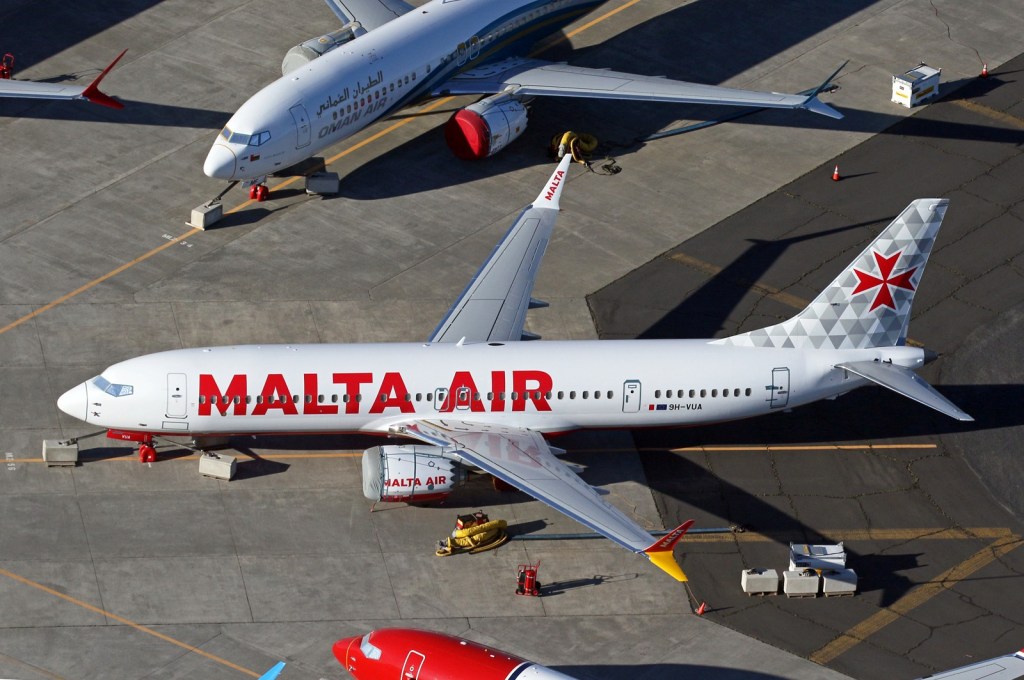
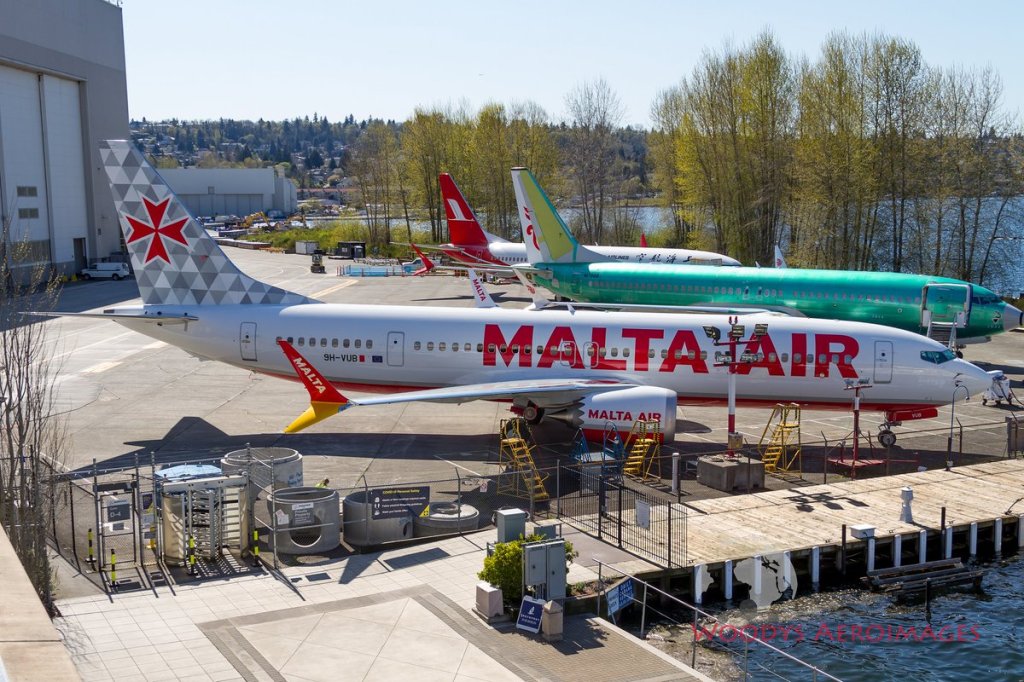
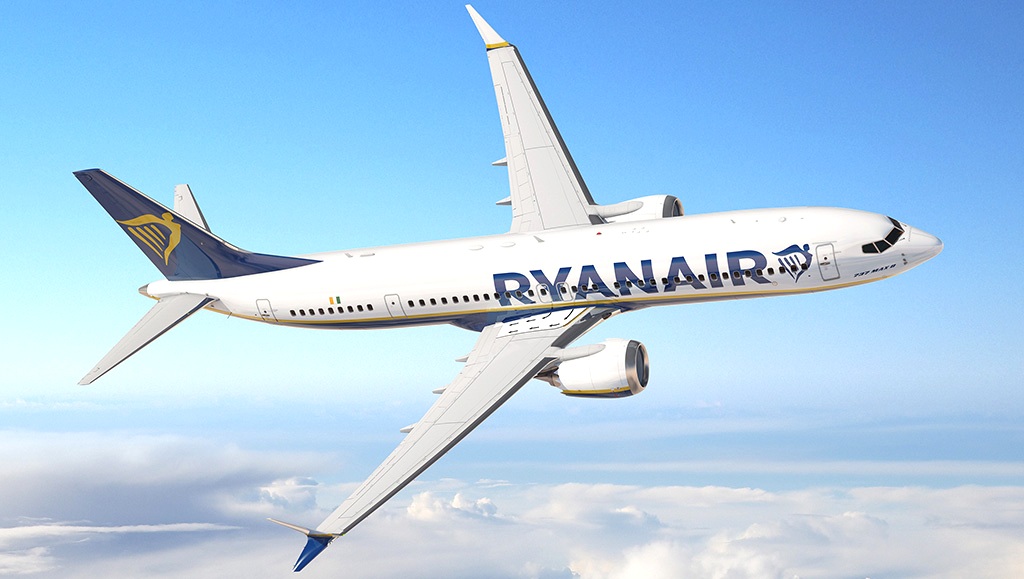
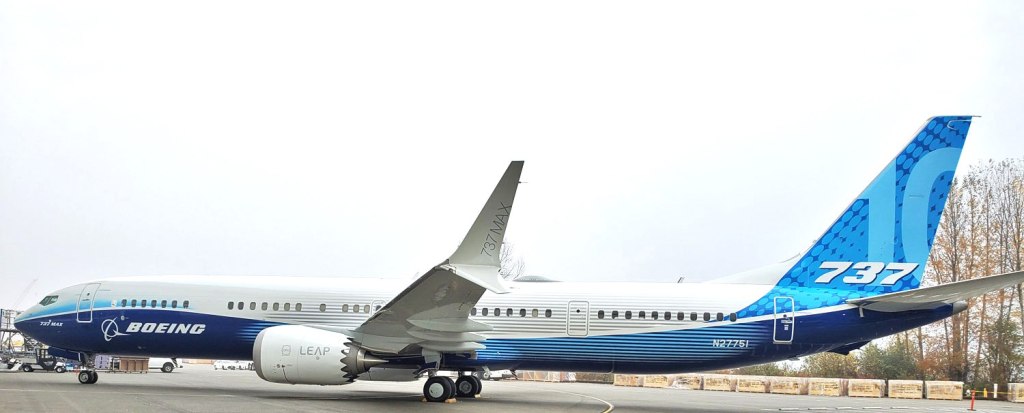
El primer Boeing 737-8 200 MAX Gamechanger de Malta Air ha sido entregado este Martes 27 de Julio de 2021. Malta Air y Ryanair Group continúan consolidando el mercado low cost en la isla mediterránea. Estos nuevos aviones transportan un 4% más de pasajeros que los 737-800 y reducen el consumo de combustible en un 16% por asiento, reducen las emisiones de CO2 en una cantidad similar y reducen las emisiones de ruido en un 40%. Permitirán al Grupo Ryanair desarrollar sus vuelos de gran servicio y respetuosos con el medio ambiente directos a Malta, ya que lidera la recuperación de la aviación europea.
La nueva aeronave arribó a la Isla de Malta para la ceremonia de entrega donde participaron el Ministro de Transporte, Ian Borg, el Director Ejecutivo de Malta Air, David O’Brien, y el Director General de Aviación Civil, Charles Pace. Ian Borg, expresó: “Doy la bienvenida a este nuevo avión Boeing 737-8 200; el primero, esperamos, de muchos a Malta. Esta nueva incorporación de aeronaves al registro de Malta es un firme respaldo a la excelencia y la profesionalidad de la Dirección de Aviación Civil de Malta. Las conexiones aéreas directas son vitales para Malta y estoy encantado de que estos nuevos aviones puedan ofrecer más conexiones y visitantes a Malta, pero al mismo tiempo reducen las emisiones de combustible, CO2 y ruido. Nuestra misión es construir sobre la sólida plataforma de aviación que hemos desarrollado, y esperamos trabajar con Malta Air y otras aerolíneas para desarrollar aún más a Malta como líder en aviación y excelencia ambiental».
El CEO de Malta Air, David O’Brien, dijo: “Malta Air se enorgullece de enarbolar la bandera de Malta en nuestro nuevo avión. Deseamos agradecer a Transport Civil Aviation Directorate Malta por su supervisión profesional y rigurosa de la introducción del avión “Gamechanger” en nuestra flota. Nuestro equipo de más de 3500 profesionales de la aviación en Malta Air continuará trabajando duro para asegurar la mayor cantidad posible de pedidos de 210 aviones «Gamechanger» del Grupo Ryanair para Malta Air. Esperamos también aumentar sustancialmente nuestra base actual de seis aviones en Malta en los próximos años y sumarnos a las 57 rutas directas a Malta que actualmente ofrece Ryanair Group. Por tanto, me complace anunciar hoy nueve nuevas rutas directas a Malta; comenzando este invierno a Eindhoven, Bucarest, Kiev, Lourdes, Milán Malpensa, Paphos, Tallin, Varsovia y Zagreb. Para celebrarlo, Ryanair ha lanzado una oferta de asientos con tarifas disponibles por solo € 19,99, que deben reservarse antes de la medianoche del 29 de Julio en el sitio web Ryanair.com”.
Malta Air incorporates Boeing 737-8 200 MAX
Malta Air takes High Density 737 MAX Delivery
Malta Air‘s first Boeing 737-8 200 MAX Gamechanger was delivered this Tuesday, July 27, 2021. Malta Air and Ryanair Group continue to consolidate the low-cost market on the Mediterranean island. These new aircraft carry 4% more passengers than the 737-800s and reduce fuel consumption by 16% per seat, reduce CO2 emissions by a similar amount and reduce noise emissions by 40%. They will enable the Ryanair Group to develop its high-service and environmentally friendly direct flights to Malta, as it leads the recovery of European aviation.
The new aircraft arrived on the Island of Malta for the handover ceremony attended by the Minister of Transport, Ian Borg, the Executive Director of Malta Air, David O’Brien, and the Director General of Civil Aviation, Charles Pace. Ian Borg, said: “I welcome this new Boeing 737-8 200 aircraft; the first, we hope, of many to Malta. This new addition of aircraft to the Malta registry is a strong endorsement of the excellence and professionalism of the Malta Civil Aviation Directorate. Direct air connections are vital for Malta and I am delighted that these new aircraft are able to bring more connections and visitors to Malta, but at the same time reduce fuel, CO2 and noise emissions. Our mission is to build on the strong aviation platform that we have developed, and we look forward to working with Malta Air and other airlines to further develop Malta as a leader in aviation and environmental excellence».
Malta Air CEO David O’Brien said: “Malta Air is proud to fly the Maltese flag on our new aircraft. We wish to thank Transport Civil Aviation Directorate Malta for their professional and rigorous oversight of the introduction of the “Gamechanger” aircraft into our fleet. Our team of more than 3,500 aviation professionals at Malta Air will continue to work hard to secure as many orders as possible for 210 Ryanair Group «Gamechanger» aircraft for Malta Air. We also expect to substantially increase our current base of six aircraft in Malta in the coming years and join the 57 direct routes to Malta currently offered by the Ryanair Group. I am therefore pleased to announce today nine new direct routes to Malta; starting this winter in Eindhoven, Bucharest, Kiev, Lourdes, Milan Malpensa, Paphos, Tallinn, Warsaw and Zagreb. To celebrate, Ryanair has launched a seat offer with fares available for only € 19.99, which must be reserved before midnight on July 29 on the Ryanair.com website».
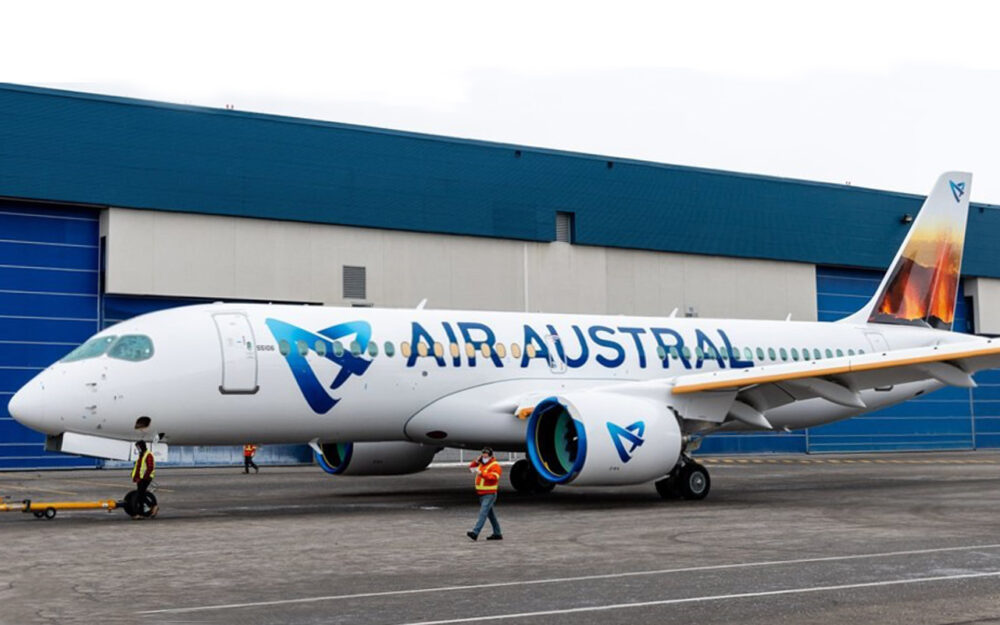
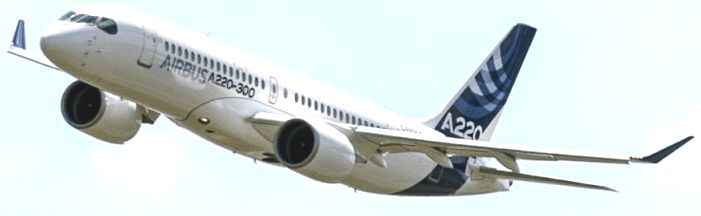
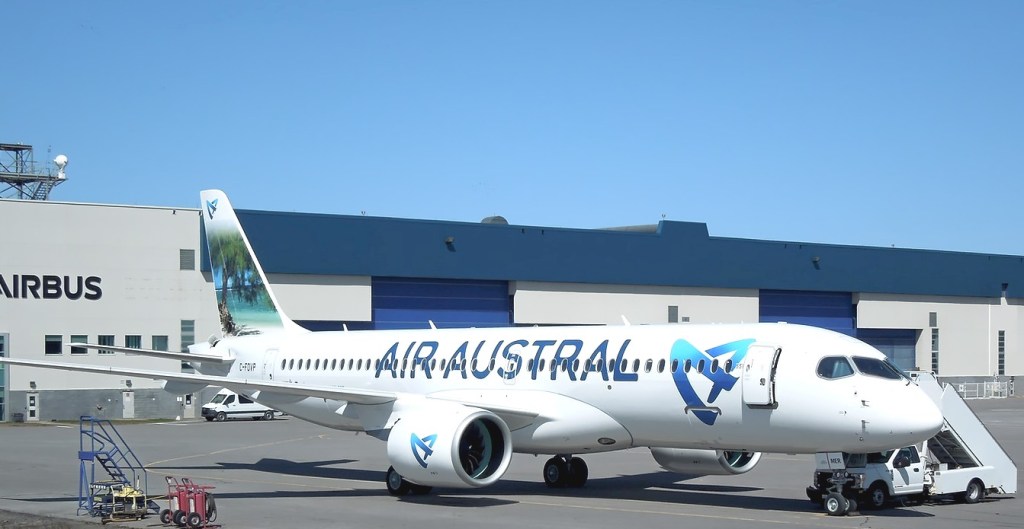
Air Austral ha recibido el primer Airbus A220 actualizando la flota de mercado regional. Es una aerolínea francesa con base en Saint-Denis, Reunión, Francia. Efectúa vuelos regulares y no regulares, siendo su principal base de operaciones el Aeropuerto Roland Garros/St Denis.
Air Austral recibió este Martes 27/07 el primero de tres Airbus A220-300 (3) solicitados al constructor europeo. La aerolínea de África se ha convertido recientemente en el primer operador francés de la familia Airbus A220. La noticia arriba tras la entrega del primer avión de la aerolínea de este tipo, y un día después de que Air France revelara que su primer Airbus A220 había salido del taller de pintura en Mirabel, Canadá.
El primer avión A220-300 con S/N: 55106 ha sido ordenado el 14 de Octubre de 2019, y tomó su primer vuelo el 28 de Enero de 2021. Ha recibido registro francés F-OLAV. Airbus ha comunicado que entregará a la aerolínea el segundo y tercer A220 en pedido en los próximos días, con S/N: 55116 y S/N: 55125. Actualmente, la aerolínea insular sirve a diecisiete destinos en veinte rutas a once países.
Air Austral receives first A220
Air Austral first French ops Airbus A220
Air Austral has received the first Airbus A220 updating the regional market fleet. It is a French airline based in Saint-Denis, Reunion, France. It operates regular and non-scheduled flights, its main base being the Roland Garros/St Denis Airport.
Air Austral received this Tuesday 27/07 the first of three Airbus A220-300 (3) requested from the European manufacturer. The African airline has recently become the first French operator in the Airbus A220 family. The news comes up after the delivery of the airline’s first aircraft of its kind, and a day after Air France revealed that its first Airbus A220 had left the paint shop in Mirabel, Canada.
The first A220-300 aircraft with S/N: 55106 has been ordered on October 14, 2019, and took its first flight on January 28, 2021. It has received French F-OLAV registration. Airbus has announced that it will deliver the second and third A220 on order to the airline in the coming days, with S/N: 55116 and S/N: 55125. Currently, the island airline serves seventeen destinations on twenty routes to eleven countries.
Air Austral reçoit le premier A220
Air Austral premier Airbus A220 français
Air Austral a reçu le premier Airbus A220 actualisant la flotte du marché régional. C’est une compagnie aérienne française basée à Saint-Denis, à la Réunion, en France. Elle opère des vols réguliers et non réguliers, sa base principale étant l’aéroport Roland Garros/St Denis.
Air Austral a reçu ce mardi 27/07 le premier des trois Airbus A220-300 (3) demandés au constructeur européen. La compagnie aérienne africaine est récemment devenue le premier opérateur français de la famille Airbus A220. La nouvelle arrive après la livraison du premier avion du genre de la compagnie aérienne, et un jour après qu’Air France a révélé que son premier Airbus A220 avait quitté l’atelier de peinture de Mirabel, au Canada.
Le premier avion A220-300 portant le S/N: 55106 a été commandé le 14 octobre 2019 et a effectué son premier vol le 28 janvier 2021. Il a reçu l’immatriculation française F-OLAV. Airbus a annoncé qu’il livrerait les deuxième et troisième A220 en commande à la compagnie aérienne dans les prochains jours, avec les numéros S/N: 55116 et S/N: 55125. Actuellement, la compagnie aérienne insulaire dessert dix-sept destinations sur vingt routes vers onze pays.
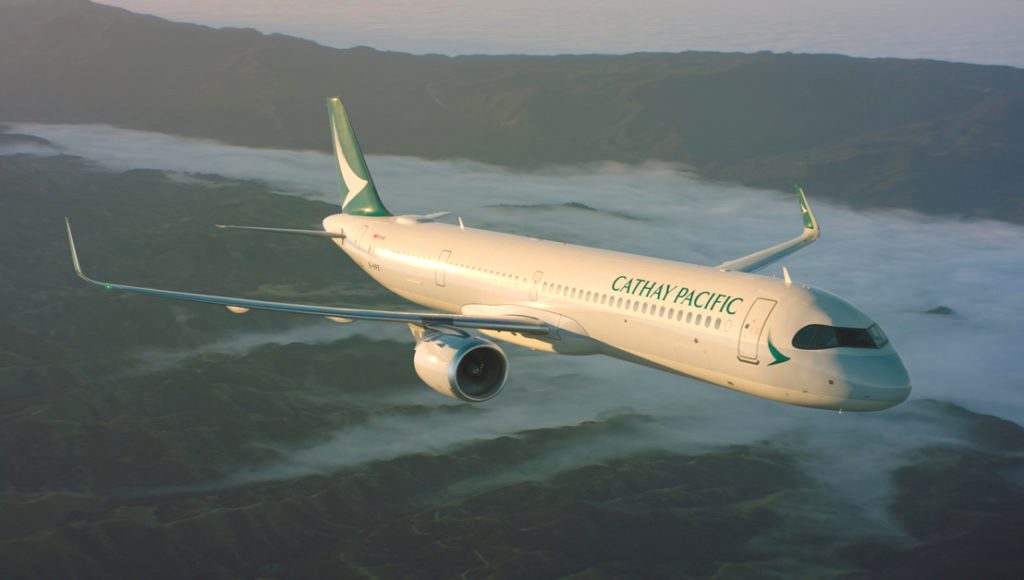
El nuevo avión Airbus A321NEO de última generación de Cathay Pacific Airlines entrará en servicio el día 4 de Agosto de 2021, cuando realice su primer vuelo comercial desde Hong Kong a Shanghai (Pudong). La compañía iniciará operaciones con la nueva aeronave con la intención de ampliar los destinos a Guangzhou, Hangzhou, Nanjing, Qingdao, Kaohsiung y Taipéi durante Agosto 2021.
Cathay Pacific Airlines posee en la flota cuatro A321NEO (4) y recibirá dos adicionales durante la segunda mitad de 2021, teniendo como objetivo llegar a un total de 16 A321NEO como parte de la flota para finales de 2023. La configuración del avión tiene un total de 202 asientos, incluidos Clase Business (12) y Clase Economy (190).
El Director Ejecutivo de Cathay Pacific Airlines, Augustus Tang ha declarado: “Estamos increíblemente emocionados de ver que nuestro A321NEO de próxima generación opera por primera vez el próximo mes, a medida que continuamos agregando más servicios de pasajeros en la región. El A321NEO de pasillo único es la última incorporación a nuestra flota y ha sido diseñado y equipado con una serie de nuevas características para ofrecer la experiencia de corto recorrido más agradable del mundo a nuestros clientes. Esperamos implementar el A321NEO en cada vez más rutas regionales y dar la mejor bienvenida a los pasajeros a bordo».
El A321NEO de Cathay Pacific ofrece una mayor eficiencia operativa y una serie de nuevas características que establecen nuevos estándares de comodidad, espacio y entretenimiento. Es el primer avión que presenta el nuevo producto de la aerolínea: el asiento Regional Business Class. Este asiento reclinable brinda una sensación acogedora, con pantallas divisorias para una máxima privacidad, mientras que las pantallas de TV personales 4K Ultra-HD de 15.6 pulgadas ofrecen una experiencia de entretenimiento a bordo única. Asimismo, los asientos de la clase Economy cuentan con pantallas de televisión personales 4K de 11,6 pulgadas, capacidad de reclinación, cómodos cojines y nuevos reposacabezas ajustables.
Con el A321NEO, Cathay Pacific se convierte en la primera aerolínea del mundo en ofrecer pantallas 4K de ultra alta definición, una experiencia de video 4K bajo demanda, así como transmisión de audio Bluetooth (que se está introduciendo progresivamente) en todas las cabinas. Los clientes podrán ver los éxitos de taquilla de Hollywood en 4K utilizando sus propios auriculares con Bluetooth durante los vuelos. Además, el A321NEO tendrá una selección de contenido nueva y mejorada que proporcionará una de las bibliotecas de películas y TV más grandes disponibles en un avión regional de pasillo único, con wifi de alta velocidad a bordo, los clientes pueden ponerse al día de sus correos electrónicos o mantenerse en contacto con amigos y familiares. También se agregan nuevos compartimentos de almacenamiento superiores extra-grandes en todas las cabinas, lo que brinda un 60% más de espacio para que los pasajeros guarden su equipaje de mano.
El Airbus A321NEO posee una increíble comodidad para el cliente y representa una eficiencia en ahorros de consumo de combustible que las generaciones de aviones anteriores. Gracias a sus elegantes aletas y motores avanzados LEAP-1A, ofrece una reducción del 22% en las emisiones de CO2 por asiento en comparación con el avión A321CEO. También es más silencioso y genera casi un 15% menos de ruido que los aviones existentes.
Con Cathay Care, el compromiso con el bienestar de todos los viajeros está asegurado, para que los clientes puedan despegar con confianza gracias a las medidas mejoradas de higiene y seguridad en cada etapa del viaje. Entre las que se incluye la tecnología de ventilación HEPA de alta tecnología para garantizar un aire de la más alta calidad, y rigurosas medidas de desinfección y limpieza para garantizar que las cabinas estén completamente desinfectadas antes de cada viaje.
Cathay Pacific expands destinations with A321NEO
Inaugural flight opens 08/04 Hong Kong-Shanghai
The new Cathay Pacific Airlines latest generation Airbus A321NEO aircraft will enter service on August 4, 2021, when it makes its first commercial flight from Hong Kong to Shanghai (Pudong). The company will start operations with the new aircraft with the intention of expanding destinations to Guangzhou, Hangzhou, Nanjing, Qingdao, Kaohsiung and Taipei during August 2021.
Cathay Pacific Airlines has four A321NEOs (4) in the fleet and will receive an additional two during the second half of 2021, aiming to reach a total of 16 A321NEOs as part of the fleet by the end of 2023. The aircraft configuration has a total of 202 seats, including Business Class (12) and Economy Class (190).
Cathay Pacific Airlines Chief Executive Officer Augustus Tang said: “We are incredibly excited to see our next generation A321NEO operating for the first time next month, as we continue to add more passenger services in the region. The single aisle A321NEO is the latest addition to our fleet and has been designed and equipped with a host of new features to deliver the world’s most enjoyable short haul experience to our customers. We look forward to rolling out the A321NEO on more and more regional routes and better welcoming passengers on board».
The Cathay Pacific A321NEO offers increased operational efficiency and a host of new features that set new standards for comfort, space and entertainment. It is the first aircraft to feature the airline’s new product: the Regional Business Class seat. This reclining seat provides a cozy feel, with dividing screens for maximum privacy, while the 15.6-inch 4K Ultra-HD personal TV screens offer a unique inflight entertainment experience. Additionally, Economy Class seats feature 11.6-inch 4K personal TV screens, recline capabilities, comfortable cushions and new adjustable headrests.
With the A321NEO, Cathay Pacific becomes the world’s first airline to offer 4K ultra-high-definition displays, a 4K video-on-demand experience, as well as Bluetooth audio streaming (which is progressively being introduced) in all cabins. Customers will be able to watch Hollywood blockbusters in 4K using their own Bluetooth headphones during flights. In addition, the A321NEO will have a new and improved content selection that will provide one of the largest movie and TV libraries available on a single-aisle regional aircraft, with high-speed Wi-Fi on board, customers can catch up on their mails. electronic devices or keep in touch with friends and family. New oversized overhead storage compartments are also added in all cabins, providing 60% more space for passengers to store their carry-on luggage.
The Airbus A321NEO is incredibly comfortable for the customer and is more fuel efficient than previous generations of aircraft. Thanks to its elegant fins and advanced LEAP-1A engines, it offers a 22% reduction in CO2 emissions per seat compared to the A321CEO aircraft. It is also quieter and generates almost 15% less noise than existing airplanes.
With Cathay Care, a commitment to the well-being of all travelers is assured, so that customers can take off with confidence thanks to improved hygiene and safety measures at every stage of the journey. These include state-of-the-art HEPA ventilation technology to ensure the highest quality air, and rigorous disinfection and cleaning measures to ensure cabins are fully disinfected before every trip.
JetSmart ofrece 50% de descuento en sus tarifas aéreas
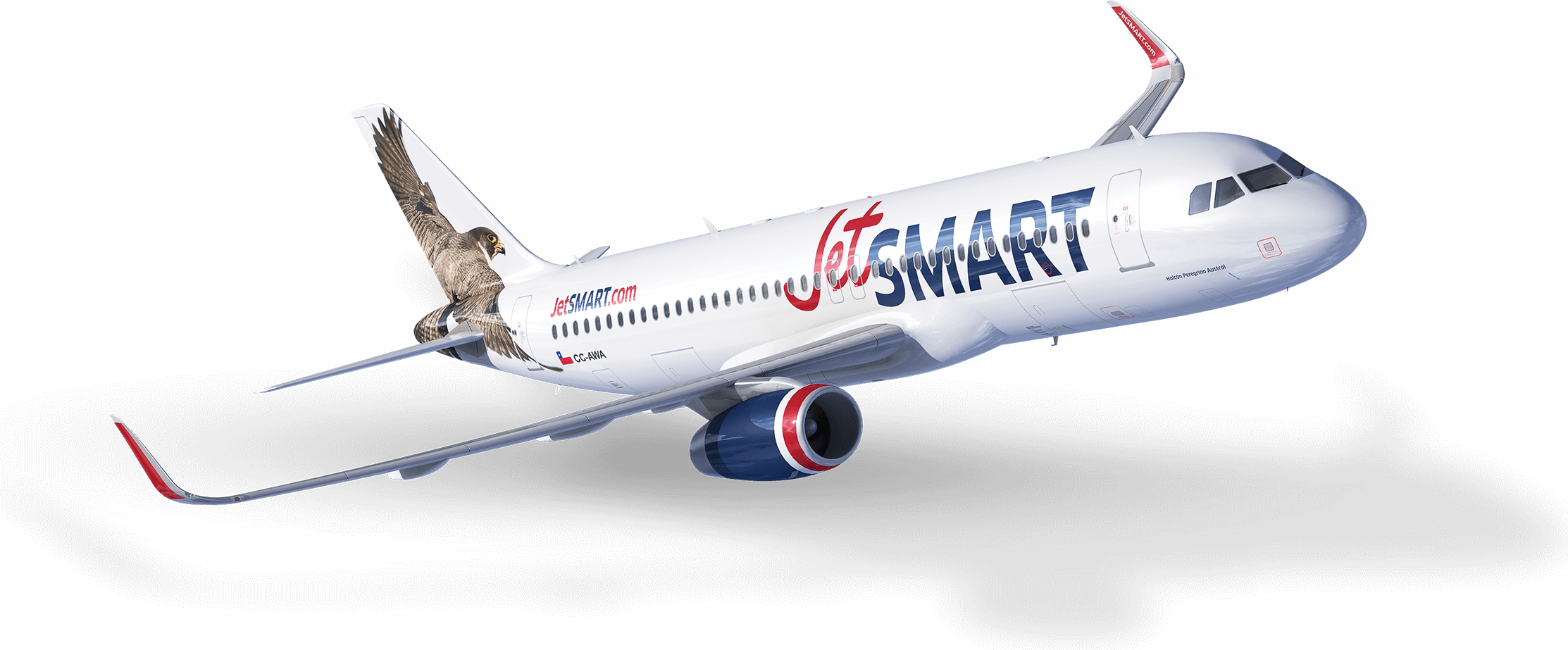
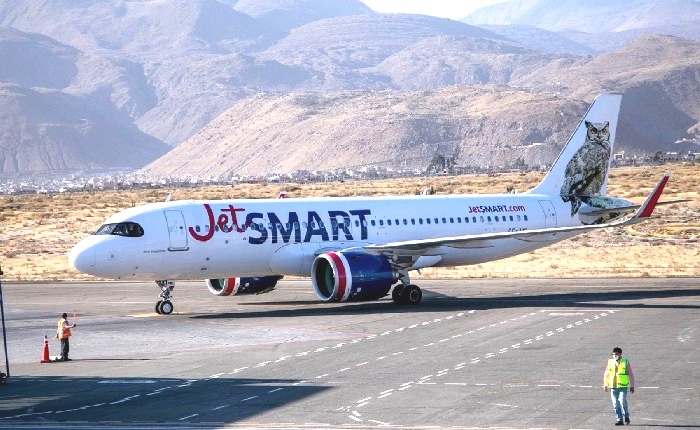
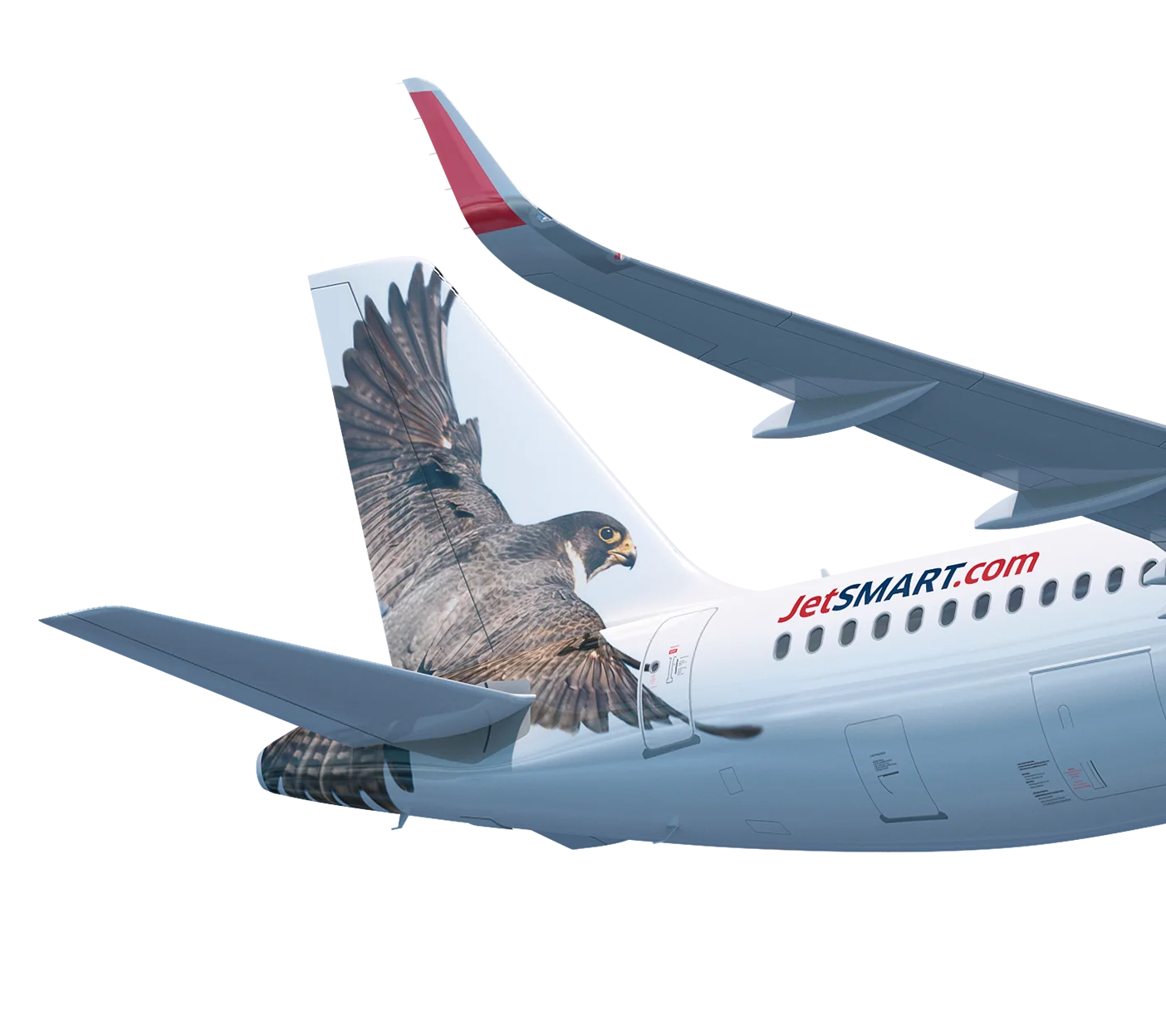
En el marco de los festejos por el quinto aniversario, JetSmart Airlines Argentina ofreció durante el Lunes 26/07 un súper beneficio para comprar boletos con hasta un 50% de descuento en las tarifas aéreas de todas sus rutas, al que se puede acceder en Jetsmart.com con el código promocional “FELICES5”, en alusión a los 5 años de la creación de la empresa en Sudamérica, con la posibilidad de abonar el precio en seis cuotas sin interés pagando con tarjeta de crédito, para volar a partir del 10 de Agosto en adelante. Para celebrar su quinto aniversario, la línea aérea propuso una semana de precios promocionales con pasajes que parten de los AR$ 1.555 finales por tramo para volar por Argentina, promociones sorpresa y un concurso en redes sociales. Además, ofrece Gift Cards para comprar o regalar que estarán disponibles con crédito extra y también bonifica el ingreso a su Club de Descuentos ofreciendo la inscripción a mitad de precio, de modo que resulte más accesible y útil para todas aquellas personas que necesiten o gusten viajar con frecuencia por Argentina.
«Estamos muy contentos de celebrar cinco años operando en la región y este aniversario es muy especial por todo lo que significaron estos últimos meses para todos los que hacemos JetSmart. Continuamos trabajando para cumplir con nuestro objetivo de conectar a más personas con una propuesta que sigue siendo simple y accesible, y como parte de los festejos, ofrecemos pasajes con precios aún más accesibles para volar por todo el país y durante el día de hoy, un mega descuento de hasta el 50% en el valor de los pasajes”, expresó el Ejecutivo comercial.
Los pasajes con precios promocionales están disponibles durante toda la semana aniversario en el sitio web de Jetsmart.com en seis cuotas sin interés para volar a partir del próximo 10/08.
Reactivando rutas
La aerolínea renovó su programación de vuelos de cabotaje y comenzó a operar con más frecuencias hacia los principales destinos de Argentina durante el mes de Julio 2021 y sumará nuevos destinos en el mes de Agosto, alcanzando unas 15 rutas de cabotaje que estarán operativas para volar con estos precios especiales, algunas de ellas conectan distintos puntos del país sin pasar por Buenos Aires. “Hasta ahora, JetSmart transportó más de 8 millones de pasajeros en la región. En JetSmart buscamos aumentar la conectividad en el país, y creemos que esta es una buena manera de celebrarlo, facilitando aún más los viajes en avión con la meta de alcanzar los 100 millones de pasajeros en 2028”, afirma Darío Ratinoff, Gerente Comercial de JetSmart.
JetSmart promotion «FELICES5»
JetSmart offers 50% discount on its airfares
As part of the fifth anniversary celebrations, JetSmart Airlines Argentina offered a super benefit on Monday 07/26 to buy tickets with up to 50% discount on airfares on all its routes, which can be accessed at Jetsmart.com with the promotional code «FELICES5», alluding to the 5 years since the creation of the company in South America, with the possibility of paying the price in six installments without interest, paying with a credit card, to fly from 10 August onwards. To celebrate its fifth anniversary, the airline proposed a week of promotional prices with tickets starting at the final AR$ 1,555 per section to fly through Argentina, surprise promotions and a contest on social networks. In addition, it offers Gift Cards to buy or give away that will be available with extra credit and also rewards entry to its Discount Club by offering registration at half price, so that it is more accessible and useful for all those people who need or like to travel frequently around Argentina.
«We are very happy to celebrate five years operating in the region and this anniversary is very special because of all that these last few months have meant for all of us who do JetSmart. We continue working to meet our goal of connecting more people with a proposal that continues. being simple and accessible, and as part of the festivities, we offer tickets with even more affordable prices to fly throughout the country and today, a mega discount of up to 50% in the value of the tickets», expressed the Commercial executive.
Tickets with promotional prices are available throughout the anniversary week on the Jetsmart.com website in six interest-free installments to fly from next 10/08.
Reactivating routes
The airline renewed its domestic flight schedule and began operating with more frequencies to the main destinations in Argentina during the month of July 2021 and will add new destinations in August, reaching some 15 domestic routes that will be operational to fly with these special prices, some of them connect different parts of the country without going through Buenos Aires. “So far, JetSmart carried more than 8 million passengers in the region. At JetSmart we seek to increase connectivity in the country, and we believe that this is a good way to celebrate it, further facilitating air travel with the goal of reaching 100 million passengers by 2028”, says Darío Ratinoff, JetSmart Commercial Manager.
Ryanair observa candidato como parte de las negociaciones
La aerolínea irlandesa de bajo costo Ryanair continúa analizando un pedido por la última variante de la línea MAX, el Boeing 737-10 MAX. El MAX 10 es el más reciente desarrollo de mayor envergadura de la línea 737 de cuarta generación que la aérea irlandesa se ha sentido atraída por las prestaciones idóneas para una compañía con alta demanda de pasajeros por vuelo. Ryanair considera una negociación pero solo si el precio es correcto, ya que la aerolínea no está bajo ninguna presión de tiempo, dijo el Lunes 26/07 su Director Financiero.
Ryanair es el mayor cliente de aerolíneas europeas de la industria de Boeing, acercando un nuevo pedido que proporcionaría un gran impulso al malherido 737 MAX, que ha sufrido los embates de escrutinio de seguridad tras veinte meses de puesta en tierra. Actualmente, Ryanair es el mayor cliente europeo para el MAX, con 210 pedidos en firme del modelo Boeing 737-8 200 MAX de 197 asientos. Ha dicho repetidamente que está interesado en un pedido significativo del MAX 10 de 230 asientos más grande, que despegó en su vuelo inaugural en Junio 2021.
«Tal vez a finales de año hagamos algo. Quizá no. Todo se basa en el precio. Si el precio es correcto, estamos interesados, pero es un marco de tiempo posterior al año fiscal 26, por lo que no estamos bajo presión de tiempo allí», dijo el Director Financiero Neil Sorahan en una entrevista sobre la publicación de los resultados de la aerolínea para su trimestre Abril-Junio 2021, refiriéndose al año financiero de la aerolínea hasta el 31 de Marzo de 2026, cuando termina su pedido actual.
En una presentación a los inversores, el CEO Michael O’Leary dijo que el MAX 10 era algo que la aerolínea «revisaría con Boeing tal vez hacia finales de año. Creemos que el MAX 10 es un gran avión, pero sabes que somos muy disciplinados en Ryanair, solo haremos pedidos cuando pensemos que el precio es correcto».
Ryanair looks at Boeing 737-10 MAX
Ryanair observes candidate as part of negotiations
Irish low-cost carrier Ryanair continues to discuss an order for the latest variant of the MAX line, the Boeing 737-10 MAX. The MAX 10 is the latest major development of the fourth generation 737 line to which the Irish airline has been attracted by the ideal features for a company with high demand for passengers per flight. Ryanair considers a negotiation but only if the price is correct, as the airline is not under any time pressure, its CFO said on Monday 07/26.
Ryanair is Boeing’s industry’s largest European airline customer, approaching a new order that would provide a major boost to the badly injured 737 MAX, which has suffered the onslaught of safety scrutiny after twenty months on the ground. Ryanair is currently the largest European customer for the MAX, with 210 firm orders for the 197-seat Boeing 737-8 200 MAX. He has repeatedly said he is interested in a significant order for the larger 230-seat MAX 10, which took off on its maiden flight in June 2021.
«Maybe by the end of the year we will do something. Maybe not. It’s all based on price. If the price is right, we are interested, but it is a time frame after fiscal year 26, so we are not under time pressure there», said Chief Financial Officer Neil Sorahan in an interview about the release of the airline’s results for its quarter April-June 2021, referring to the airline’s financial year through March 31, 2026, when its current order ends.
In an investor presentation, CEO Michael O’Leary said the MAX 10 was something the airline would «review with Boeing maybe towards the end of the year. We think the MAX 10 is a great plane, but you know we’re very disciplined. At Ryanair, we will only order when we think the price is right».
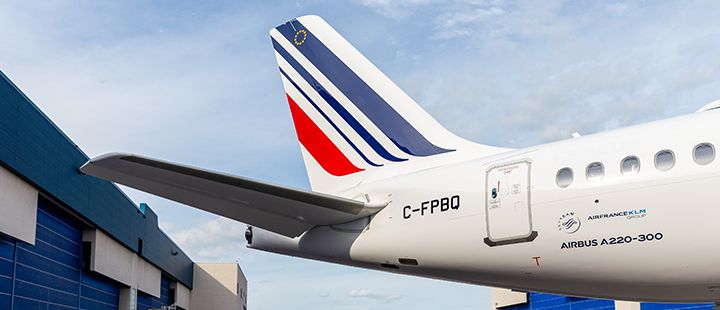
Air France espera a su primer avión regional Airbus A220 de la variante Serie 300 que ha sido visto saliendo del taller de pintura de Airbus Canada. El avión, con la librea completa está programado para ser entregado a la aerolínea galo en Septiembre 2021. A principios de 2021, Air France había aceptado el compromiso de incorporar su primer A220-300, la variante más grande, con su primer avión visto con su librea en el taller de pintura en la FAL Mirabel.
El A220-300 está registrado como C-FPBQ para sus vuelos de prueba canadienses, pero adoptará F-HZUA como su registro francés una vez que se entregue a la aerolínea a finales de este año. Airbus Group ha invertido en el Programa A220 que continúa madurando y demostrando ser una inversión increíble para el fabricante europeo. Tras la venta del programa de Bombardier Aerospace, el consorcio europeo ha asegurado pedidos por 648 unidades con 164 entregados a clientes en todo el mundo. Actualmente, el mayor cliente es Delta Air Lines, que tiene pedidos de A220-100 (45) y A220-300 (59). Su mayor cliente para el A220-300 hasta la fecha es JetBlue Airways (70), mientras que el segundo pedido más grande para el A220-300 se efectivizó en Julio de 2019 con el grupo europeo Air France-KLM que anunció una orden por sesenta A220-300 (60), todos ellos con destino a Air France. Los aviones se utilizarán para reemplazar sus viejos aviones A318 y A319, con una capacidad similar pero una economía de combustible mucho mejor, y una experiencia de pasajero más moderna.
Adaptación A220
Air France continúa con los procesos de capacitaciones de los pilotos instructores han recibido un curso de capacitación en Montreal, Canadá, y actualmente están entrenando a otros 28 instructores utilizando un simulador de vuelo completo. Una vez que llegue el primer A220, estos pilotos en prácticas completarán alrededor de 20 vuelos en condiciones reales, antes de obtener su calificación de tipo A220-300. Con el tiempo, casi 700 pilotos de Air France serán entrenados para volar el nuevo equipo A220. Los Asistentes de Vuelo fueron entrenados en Zurich, Suiza, el año pasado. Actualmente están finalizando el contenido y los manuales de capacitación para poder impartir la capacitación ellos mismos a un grupo central de 37 auxiliares de vuelo. La formación se difundirá finalmente a unas 2.500 auxiliares de vuelo de Air France.
1st A220 appears for Air France
First public appearance Airbus A220 Air France
Air France awaits its first Airbus A220 regional aircraft of the 300 Series variant which has been seen leaving the Airbus Canada paint shop. The aircraft, in full livery, is scheduled to be delivered to the Gallic airline in September 2021. In early 2021, Air France had accepted a commitment to incorporate its first A220-300, the largest variant, with its first aircraft seen with his livery in the paint shop at the FAL Mirabel.
The A220-300 is registered as C-FPBQ for its Canadian test flights, but will adopt F-HZUA as its French registration once it is delivered to the airline later this year. Airbus Group has invested in the A220 Program which continues to mature and prove to be an incredible investment for the European manufacturer. Following the sale of the Bombardier Aerospace program, the European consortium has secured orders for 648 units with 164 delivered to customers around the world. Currently, the largest customer is Delta Air Lines, which has orders for A220-100 (45) and A220-300 (59). Its largest customer for the A220-300 to date is JetBlue Airways (70), while the second largest order for the A220-300 was placed in July 2019 with the European group Air France-KLM which announced an order for sixty A220-300 (60), all of them bound for Air France. The aircraft will be used to replace its old A318 and A319 aircraft, with similar capacity but much better fuel economy, and a more modern passenger experience.
Adaptation A220
Air France continues with the training processes of the pilot instructors. They have received a training course in Montreal, Canada, and are currently training another 28 instructors using a complete flight simulator. Once the first A220 arrives, these trainees will complete around 20 flights in real-world conditions, before earning their A220-300 type rating. Over time, nearly 700 Air France pilots will be trained to fly the new A220 equipment. The Flight Attendants were trained in Zurich, Switzerland, last year. They are currently finalizing the training content and manuals so that they can deliver the training themselves to a core group of 37 flight attendants. The training will eventually be disseminated to some 2,500 Air France flight attendants.
Ejecutivo buscará nuevas alianzas tras fracaso de socios
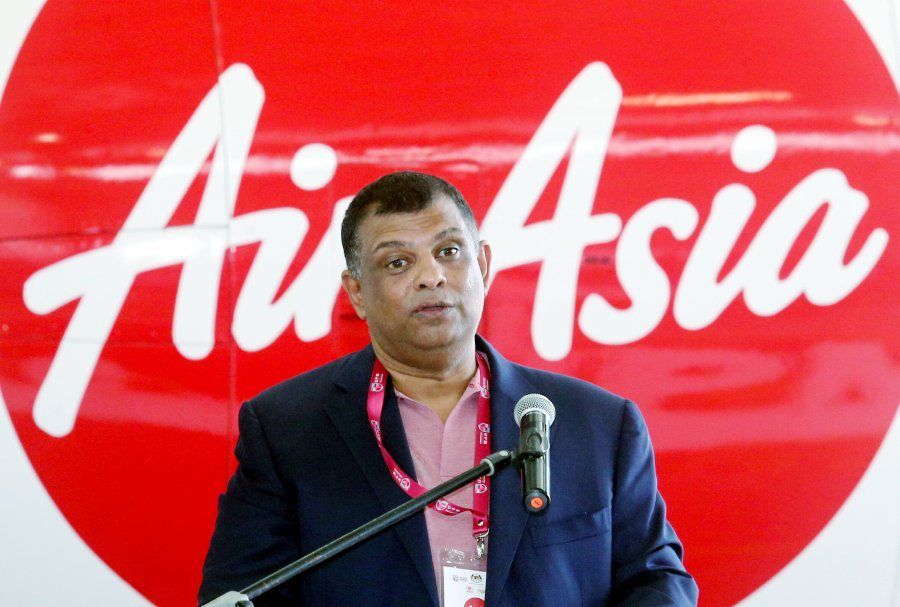
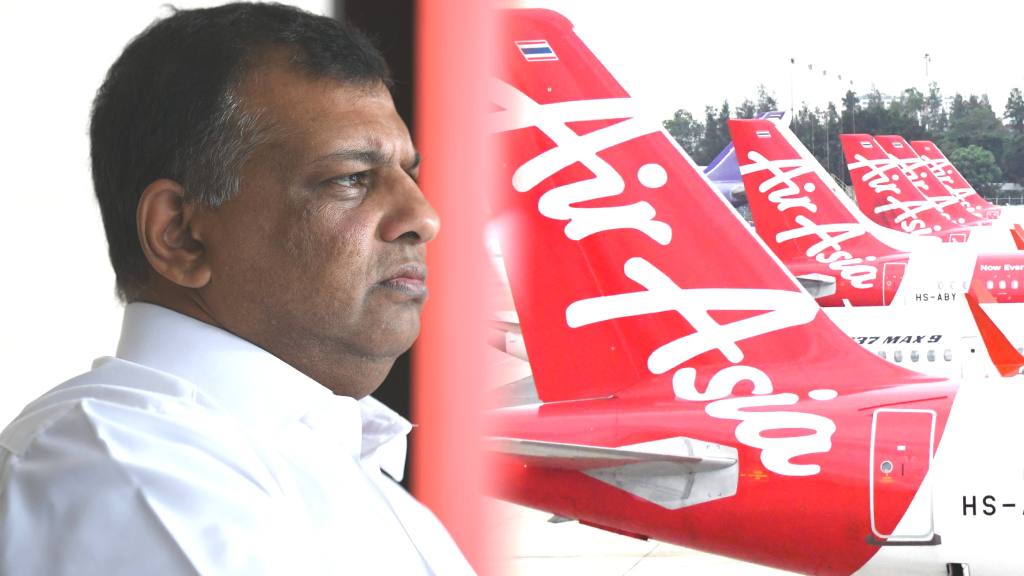
AirAsia Group Bhd continúa atravesando escasez de efectivo después de su frustración por no recibir ayudas de sus aliados y socios cercanos en medio de una intensa presión de la crisis de los viajes. El fundador de AirAsia y Director Ejecutivo del grupo, Tan Sri Tony Fernandes, dijo que había sido una lección difícil ponerse a prueba con la relación en momentos de crisis y prometió no hacer negocios con tales socios en el futuro. «Ha sido una dura lección para mí porque los amigos que creemos que son amigos, de repente te abandonan. Esa es la mayor lección que he aprendido. Compañías para las que hice toneladas de dinero y en algunos casos (AirAsia) fue la razón por la que existen. Nos dejan caer como una patata caliente. Eso no será algo que olvidaría. Recuerdo bancos y socios que nos acompañaban. Discriminaremos con seguridad. Los negocios no son a corto plazo», dijo sin identificar a los socios, durante una entrevista virtual.
La experiencia que ha atravesado la aerolínea asiática ha sido dura, pero el CEO Tony Fernandes no ha sido la primera vez que emite este tipo de comunicados. El transportista de bajo costo (LCC) confía en atravesar y pilotear de crisis de la aerolínea con total profesionalismo. AirAsia continúa enfrentando severas limitaciones de liquidez a medida que reestructura las deudas mediante la realización de varios ejercicios para recaudar fondos y reiniciar las operaciones cuando se reabran las fronteras internacionales.
La pandemia de Covid-19 ha afectado negativamente a las operaciones de las aerolíneas, obstaculizando la demanda de viajes aéreos que se vio exacerbada por el cierre de las fronteras internacionales para contener las infecciones por el virus. Tony Fernandes dijo que se debería implementar una política de viajes global estandarizada en todos los países para promover una experiencia de viaje aéreo más segura, sin tener un conjunto diferente de requisitos de entrada y reglas específicas de vacunación. «Eso es una cosa. Creo que los organismos de turismo deberían haberlo hecho mejor, pero aún así les queda mucho trabajo por hacer. Es mejor tener una asociación combinada en lugar de tener una relación agonónica, ya que nos necesitamos mutuamente, más bien una relación simbiótica», dijo el CEO de AirAsia.
Las aerolíneas necesitan reimaginar su modelo de negocio mientras replantean sus capacidades y utilizan los aviones adecuados que se ajusten a la demanda y la capacidad para facilitar la recuperación del transporte aéreo. Tony Fernandes tiene la esperanza de que el mercado de la aviación comercial sea una industria de aerolíneas segregada, especializada en un nicho de mercado que atiende a varios segmentos. «Aquellos que conocen bien el segmento, deben enfocarse en él y desarrollar capacidad para servir a ese mercado, como los negocios, el mercado de gama alta y bajo costo», dijo el ejecutivo. También espera una mejor cooperación con los aeropuertos en previsión de la inevitabilidad del regreso de los viajes de negocios. «El mundo es un lugar conectado y cada vez es más pequeño. Por ejemplo, los asiáticos quieren venir a América y Europa. También hay un buen mercado para las aerolíneas heredadas, pero deben centrarse en lo que mejor saben y los operadores de LLC y jets privados deben centrarse en lo mejor de sí mismos», señaló Tony Fernandes.
Las aerolíneas tenían un pobre retorno de capital anteriormente, ya que querían hacer todo de manera variable por sí mismas, comportándose de manera monopólica con el apoyo de los gobiernos. Mientras tanto, dijo que los clientes exigirían una mejor experiencia de los pasajeros con la digitalización en su núcleo, como tener un servicio de wifi a bordo, ya que los pasajeros querrían estar conectados. «Aunque la experiencia de los clientes ha mejorado, creo que tiene que haber más innovación en los asientos y su comodidad. Incluso para LLC, constantemente buscamos formas de mejorar la experiencia en lugar de conseguir más personas a bordo», dijo.
AirAsia espera que la demanda de viajes de la región asiática alcance los niveles previos a la pandemia hacia finales del segundo trimestre 2Q2022, por detrás de Europa, que podría recuperarse para el 1Q2022. «Asia estará un poco atrasada, ya que tenemos grandes economías como India y China. Depende de cuánto tiempo se tardará en recuperarse por completo y para que las fronteras se reabran y su disposición a dejar salir a su gente a ciertas partes de Asia», dijo Tony Fernandes. Los gobiernos de la región habían impuesto medidas más estrictas para contener la pandemia. El CEO de AirAsia dijo que volar se había convertido en una mercancía y que la gente querría obtener el mejor valor. «Es aún más inevitable, ya que la gente volará más a corto plazo. Creo que la crisis pondrá incluso un gran énfasis en los viajes de corta distancia», concluyó Tony Fernandes.
AirAsia abandoned by its partners
Executive will seek new alliances after failure of partners
AirAsia Group Bhd continues to face cash shortages after its frustration at not receiving aid from its close allies and partners amid intense pressure from the travel crisis. AirAsia founder and Group CEO Tan Sri Tony Fernandes said it had been a difficult lesson to test himself with the relationship in times of crisis and vowed not to do business with such partners in the future. «It has been a hard lesson for me because friends that we think are friends suddenly abandon you. That is the biggest lesson I have learned. Companies for which I made tons of money and in some cases (AirAsia) was the reason why the one that exists. They drop us like a hot potato. That will not be something I would forget. I remember banks and partners who accompanied us. We will discriminate for sure. Business is not short-term», he said without identifying the partners, during an interview virtual.
The experience that the Asian airline has gone through has been hard, but CEO Tony Fernandes has not been the first time he has issued this type of statement. The Low Cost Carrier (LCC) relies on navigating and piloting airline crises with complete professionalism. AirAsia continues to face severe liquidity constraints as it restructures debts through various exercises to raise funds and restart operations when international borders are reopened.
The Covid-19 pandemic has negatively affected airline operations, hampering demand for air travel that was exacerbated by the closure of international borders to contain virus infections. Tony Fernandes said that a standardized global travel policy should be implemented in all countries to promote a safer air travel experience, without having a different set of entry requirements and specific vaccination rules. «That’s one thing. I think tourism bodies should have done better, but they still have a lot of work to do. It is better to have a combined partnership rather than a dying relationship, as we need each other, rather one. symbiotic relationship», said the CEO of AirAsia.
Airlines need to reimagine their business model while rethinking their capabilities and using the right aircraft to match demand and capacity to facilitate the recovery of air travel. Tony Fernandes is hopeful that the commercial aviation market will be a segregated airline industry, specializing in a niche market that serves multiple segments. «Those who know the segment well, should focus on it and develop the capacity to serve that market, such as business, the high-end and low-cost market», said the executive. He also hopes for better cooperation with airports in anticipation of the inevitability of the return of business trips. «The world is a connected place and it is getting smaller and smaller. For example, Asians want to come to America and Europe. There is also a good market for legacy airlines, but they need to focus on what they know best and LLC operators and Private jets should focus on the best of themselves», noted Tony Fernandes.
Airlines had a poor return on capital previously, as they wanted to variably do everything themselves, behaving monopolistically with the support of governments. Meanwhile, he said customers would demand a better passenger experience with digitization at its core, such as having Wi-Fi service on board, as passengers would want to stay connected. «While the customer experience has improved, I think there needs to be more innovation in seating and seating comfort. Even for LLC, we are constantly looking for ways to improve the experience rather than getting more people on board», he said.
AirAsia expects travel demand from the Asian region to reach pre-pandemic levels towards the end of the second quarter 2Q2022, behind Europe, which could recover by 1Q2022. «Asia will be a little behind as we have big economies like India and China. It depends on how long it will take to fully recover and for the borders to reopen and their willingness to let their people out to certain parts of Asia». Tony Fernandes said. Governments in the region had imposed stricter measures to contain the pandemic. The CEO of AirAsia said that flying had become a commodity and that people would want to get the best value. «It is even more inevitable, as people will fly more in the short term. I think the crisis will even place a great emphasis on short-haul travel», concluded Tony Fernandes.
AirAsia ditinggalkan oleh rakan kongsi
Eksekutif akan mencari pakatan baru setelah kegagalan rakan kongsi
AirAsia Group Bhd terus menghadapi kekurangan wang tunai setelah kecewa kerana tidak menerima bantuan dari sekutu dan rakan kongsi rapatnya di tengah tekanan hebat dari krisis perjalanan. Pengasas dan Ketua Pegawai Eksekutif AirAsia, Tan Sri Tony Fernandes mengatakan bahawa merupakan pelajaran yang sukar untuk menguji dirinya dengan hubungan semasa krisis dan berikrar tidak akan berniaga dengan rakan kongsi seperti itu di masa depan. «Ini adalah pelajaran yang sukar bagi saya kerana rakan-rakan yang kami anggap sebagai kawan tiba-tiba meninggalkan anda. Itulah pelajaran terbesar yang saya pelajari. Syarikat-syarikat yang saya hasilkan banyak wang dan dalam beberapa kes (AirAsia) adalah sebab mengapa itu ada. Mereka menjatuhkan kita seperti kentang panas. Itu bukan sesuatu yang akan saya lupakan. Saya ingat bank dan rakan kongsi yang menemani kami. Kami pasti akan melakukan diskriminasi. Perniagaan tidak jangka pendek», katanya tanpa mengenal pasti rakan kongsi, semasa temu ramah secara maya.
Pengalaman yang dilalui oleh syarikat penerbangan Asia itu sukar, tetapi Ketua Pegawai Eksekutif Tony Fernandes bukan kali pertama dia mengeluarkan kenyataan seperti ini. Syarikat Penerbangan Kos Rendah (LCC) bergantung pada menavigasi dan mengemudi krisis syarikat penerbangan dengan profesionalisme yang lengkap. AirAsia terus menghadapi kekangan mudah tunai yang teruk kerana menyusun semula hutang melalui pelbagai latihan untuk mengumpulkan dana dan memulakan semula operasi apabila sempadan antarabangsa dibuka semula.
Pandemi Covid-19 telah mempengaruhi operasi syarikat penerbangan secara negatif, sehingga menghambat permintaan perjalanan udara yang diperburuk oleh penutupan sempadan antarabangsa untuk menahan jangkitan virus. Tony Fernandes mengatakan bahawa dasar perjalanan global yang standard harus dilaksanakan di semua negara untuk mempromosikan pengalaman perjalanan udara yang lebih selamat, tanpa mempunyai set syarat masuk yang berbeza dan peraturan vaksinasi tertentu. «Itu satu perkara. Saya rasa badan-badan pelancongan seharusnya melakukan yang lebih baik, tetapi mereka masih mempunyai banyak pekerjaan yang harus dilakukan. Lebih baik mempunyai perkongsian gabungan daripada hubungan yang sekarat, kerana kita saling memerlukan, bukan satu. Hubungan simbiosis», kata Ketua Pegawai Eksekutif AirAsia.
Syarikat penerbangan perlu memikirkan semula model perniagaan mereka sambil memikirkan kembali kemampuan mereka dan menggunakan pesawat yang sesuai untuk memenuhi permintaan dan kapasiti untuk memudahkan pemulihan perjalanan udara. Tony Fernandes berharap bahawa pasaran penerbangan komersial akan menjadi industri penerbangan yang terpisah, yang mengkhususkan diri dalam pasaran khusus yang melayani pelbagai segmen. «Mereka yang mengetahui segmen ini dengan baik, harus memfokuskannya dan mengembangkan kemampuan untuk melayani pasaran tersebut, seperti perniagaan, pasaran mewah dan murah», kata eksekutif itu. Ia juga mengharapkan kerjasama yang lebih baik dengan lapangan terbang untuk mengantisipasi kembalinya perjalanan perniagaan. «Dunia adalah tempat yang terhubung dan semakin kecil dan semakin kecil. Contohnya, orang Asia ingin datang ke Amerika dan Eropah. Terdapat juga pasaran yang baik untuk syarikat penerbangan lama, tetapi mereka perlu memberi tumpuan kepada perkara yang mereka tahu dan pengendali LLC dan jet peribadi harus memberi tumpuan kepada yang terbaik untuk diri mereka sendiri», kata Tony Fernandes.
Syarikat penerbangan memperoleh pulangan modal yang buruk sebelumnya, kerana mereka ingin melakukan segala-galanya sendiri, berkelakuan monopoli dengan sokongan pemerintah. Sementara itu, dia mengatakan pelanggan akan menuntut pengalaman penumpang yang lebih baik dengan pendigitannya, seperti mempunyai perkhidmatan Wi-Fi, kerana penumpang ingin tetap terhubung. «Walaupun pengalaman pelanggan telah bertambah baik, saya rasa perlu ada lebih banyak inovasi dalam keselesaan tempat duduk dan tempat duduk. Walaupun untuk LLC, kami terus mencari cara untuk meningkatkan pengalaman daripada mendapatkan lebih banyak orang», katanya.
AirAsia menjangkakan permintaan perjalanan dari rantau Asia akan mencapai tahap pra-pandemi menjelang akhir suku kedua 2Q2022, di belakang Eropah, yang dapat pulih menjelang 1Q2022. «Asia akan agak mundur kerana kita memiliki ekonomi besar seperti India dan China. Itu bergantung pada berapa lama masa yang diperlukan untuk pulih sepenuhnya dan sempadan dibuka semula dan kesediaan mereka untuk membiarkan orang-orang mereka keluar ke kawasan-kawasan tertentu di Asia». Tony Fernandes berkata. Pemerintah di wilayah tersebut telah memberlakukan tindakan yang lebih ketat untuk mencegah pandemi tersebut. Ketua Pegawai Eksekutif AirAsia mengatakan bahawa terbang telah menjadi komoditi dan bahawa orang ingin mendapatkan nilai terbaik. «Lebih tidak dapat dielakkan lagi kerana orang akan terbang lebih banyak dalam jangka pendek. Saya rasa krisis ini akan memberi penekanan yang besar pada perjalanan jarak dekat», kata Tony Fernandes.
Mango Airlines de Sudáfrica entrará en rescate de negocios
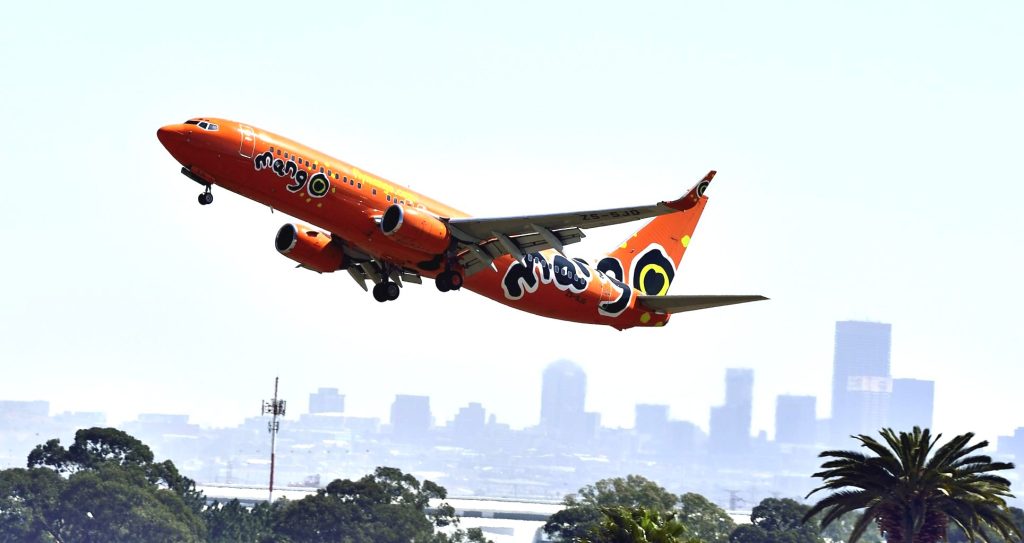
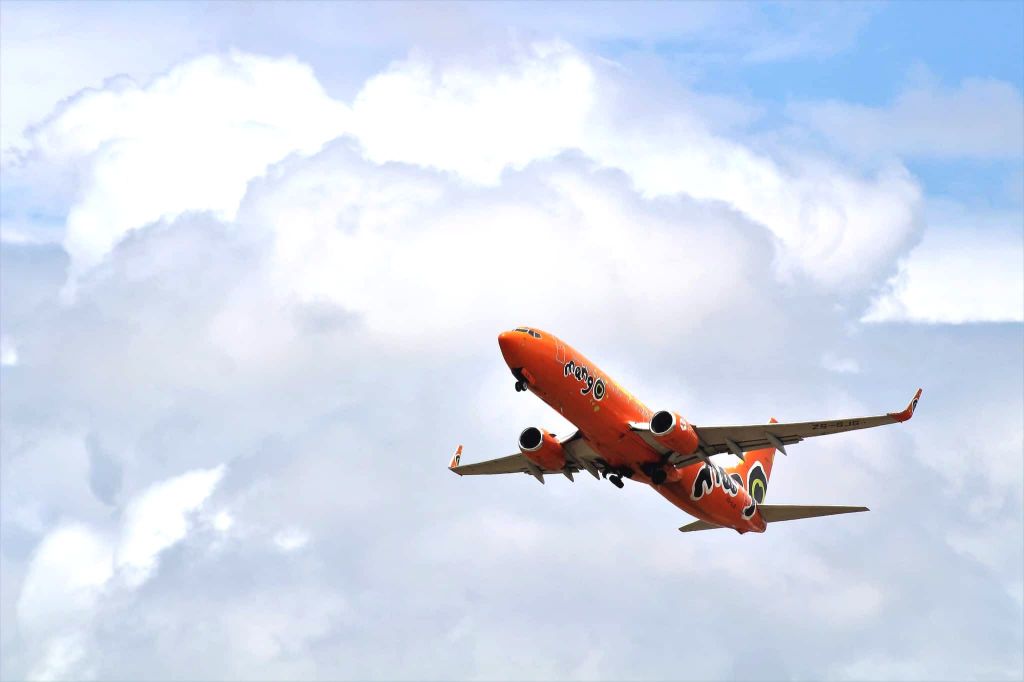
La subsidiaria de South African Airways (SAA), Mango Airlines, entrará en una forma local de protección contra bancarrota conocida como Rescate de Negocios, dijo el Director Ejecutivo interino de SAA, Thomas Kgokolo, este Lunes 26/07.
La aerolínea de bajo coste es la cuarta aerolínea sudafricana en ser puesta bajo rescate comercial desde finales de 2019, con South African Express puesta bajo liquidación provisional después de que fracasaran los esfuerzos de rescate. SAA, que a su vez salió del rescate empresarial en Abril 2021, y la low cost Mango Airlines se encuentran entre algunas compañías sudafricanas que han dependido de los rescates del Gobierno desde antes de la pandemia de Coronavirus, lo que pone al presupuesto nacional bajo presión adicional y un condicionamiento ante las presiones por auxiliar y rescatar a las aéreas nacionales. «Lo que podemos decir es que la junta y los accionistas han acordado que Mango irá al rescate de negocios. Actualmente estamos en consulta con nuestras partes interesadas clave en términos de cómo podemos gestionar ese proceso en particular», dijo el CEO de SAA Thomas Kgokolo.
La Asociación sudafricana de tripulantes de cabina, la Asociación de Pilotos de Mango y el Sindicato Nacional de Trabajadores Metalúrgicos de Sudáfrica dijeron que el proceso fue instigado después de que presentaron una solicitud el Lunes 26/07 para poner a Mango Airlines bajo rescate comercial. «No tenemos más remedio como trabajadores de Mango que unirnos y luchar con una visión común para salvar empleos y luchar por la supervivencia de otra entidad estatal», dijeron los sindicatos en un comunicado conjunto.
Mango Airlines se encuentra en una situación financiera desesperada a pesar de que el Parlamento sudafricano ha aprobado una asignación especial de R 2.7 mil millones de Rands/US$ 182.3 millones para las subsidiarias de SAA. En Abril 2021, Mango Airlines suspendió brevemente sus operaciones debido a los pagos pendientes a Airports Company South Africa y no ha pagado los salarios de los trabajadores durante más de dos meses.
Mango enters bankruptcy protection
South Africa’s Mango Airlines to Enter Business Rescue
South African Airways (SAA) subsidiary Mango Airlines will enter a local form of bankruptcy protection known as Business Rescue, SAA Acting Chief Executive Thomas Kgokolo said on Monday 07/26.
The low-cost carrier is the fourth South African airline to be placed under commercial bailout since late 2019, with South African Express placed under provisional liquidation after rescue efforts failed. SAA, which in turn emerged from the corporate bailout in April 2021, and low-cost Mango Airlines are among some South African companies that have relied on government bailouts since before the Coronavirus pandemic, putting the national budget under pressure additional and a conditioning before the pressures to help and rescue the national airlines. «What we can say is that the board and shareholders have agreed that Mango will come to the rescue of businesses. We are currently in consultation with our key stakeholders in terms of how we can manage that particular process», said SAA CEO Thomas Kgokolo.
The South African Cabin Crew Association, the Mango Pilots Association and the South African National Metalworkers Union said the process was instigated after they submitted a request on Monday 07/26 to put Mango Airlines under commercial bailout. «We have no choice as Mango workers but to unite and fight with a common vision to save jobs and fight for the survival of another state entity», the unions said in a joint statement.
Mango Airlines is in dire financial straits despite the South African Parliament having approved a special allocation of R 2.7 billion Rands/US$ 182.3 million for SAA subsidiaries. In April 2021, Mango Airlines briefly suspended operations due to outstanding payments to Airports Company South Africa and has not paid workers’ wages for more than two months.
Mango gaan in bankrotskapbeskerming
Suid-Afrika se Mango Airlines om Business Rescue te betree
Mango Airlines, filiaal van die Suid-Afrikaanse Lugdiens (SAL), gaan ‘n plaaslike vorm van bankrotskapsbeskerming, bekend as Business Rescue, betree, het Thomas Kgokolo, waarnemende uitvoerende direkteur van die SAL, Maandag 26/07 gesê.
Die goedkoop lugdiens is die vierde Suid-Afrikaanse lugdiens wat sedert laat 2019 onder kommersiële reddingsboë geplaas word, met South African Express wat voorlopig gelikwideer word nadat reddingspogings misluk het. Die SAL, wat op sy beurt weer voortspruit uit die korporatiewe reddingsboei in April 2021, en die goedkoop Mango Airlines tel onder sommige Suid-Afrikaanse maatskappye wat sedert die Coronavirus-pandemie op die reddingsboei van die staat staatgemaak het. druk om die nasionale lugdienste te help en te red. ,,Wat ons kan sê, is dat die direksie en aandeelhouers ooreengekom het dat Mango besighede sal red. Ons is tans in oorleg met ons belangrikste belanghebbendes oor hoe ons die spesifieke proses kan bestuur», het Thomas Kgokolo, SAL se uitvoerende hoof, gesê.
Die Suid-Afrikaanse Cabin Crew Association, die Mango Pilots Association en die South African National Metalworkers Union het gesê die proses is aangewakker nadat hulle Maandag 26/07 ‘n versoek ingedien het om Mango Airlines onder kommersiële reddingsboei te plaas. ,,Ons het geen keuse as Mango-werkers nie, maar om saam te werk en te veg met ‘n gemeenskaplike visie om werk te red en te veg vir die voortbestaan van ‘n ander staatsentiteit», het die vakbonde in ‘n gesamentlike verklaring gesê.
Mango Airlines het ernstige finansiële knelpunte ondanks die feit dat die Suid-Afrikaanse parlement ‘n spesiale toekenning van R 2,7 miljard Rand/US$ 182,3 miljoen vir SAL-filiale goedgekeur het. In April 2021 het Mango Airlines die bedrywighede kortstondig opgeskort weens uitstaande betalings aan die Lughawensmaatskappy Suid-Afrika en betaal dit vir langer as twee maande nie.
JetSmart proyecta 100 millones pax y 100 aviones hacia 2029
JetSmart Airlines Group continúa celebrando cinco años de operaciones en el mercado aéreo con una flota de dieciocho aeronaves de la familia Airbus A320 y se espera que para 2029 supere la marca de 100 unidades. Además, la aerolínea ultra low cost ha transportado más de 8 millones de pasajeros y espera llegar a la meta de alcanzar los 100 millones hacia finales de la década 2020-2030. “Tenemos la visión de poder transportar 100 millones de pasajeros y tener una flota de 100 aviones hacia 2029. El factor JetSmart ha permitido que los pasajeros paguen la mitad que antes, conectado regiones con rutas Smart sin pasar por Bogotá o Santiago y unir comunidades descentralizando los paíse. Ya transportamos 8 millones de pasajeros, faltan 92 millones, JetSmart está apenas empezando”, dijo Estuardo Ortiz, CEO de JetSmart.
JetSmart Airlines Colombia actualmente cuenta con cuatro rutas directas entre Colombia y Chile, tres de estas partiendo de las ciudades de Bogotá, Cali y Medellín hacia Santiago de Chile y otra más que conecta a Cali con Antofagasta. Adicionalmente tiene 38 rutas domésticas en Chile, de las cuales diecinueve no pasan por Santiago. La aerolínea del grupo ha establecido rutas internacionales, conectando a cinco países de Suramérica: Colombia, Chile, Argentina, Perú y Brasil.
En su lustro, la aerolínea tiene promociones para volar por toda Suramérica. En línea con la apertura de fronteras para vacunados y con precios ultra bajos, la compañía aérea tendrá por una semana tarifas que van desde los US$ 70 Dólares más tasas por tramo en las rutas que conectan Colombia con Chile.
Outlook JetSmart Group
JetSmart projects 100 million pax and 100 aircraft by 2029
JetSmart Airlines Group continues to celebrate five years of operations in the air market with a fleet of eighteen aircraft of the Airbus A320 family and it is expected that by 2029 it will exceed the 100-unit mark. In addition, the ultra low cost airline has transported more than 8 million passengers and expects to reach the goal of reaching 100 million by the end of the 2020-2030 decade. “We have the vision of being able to transport 100 million passengers and have a fleet of 100 aircraft by 2029. The JetSmart factor has allowed passengers to pay half than before, connecting regions with Smart routes without going through Bogotá or Santiago and uniting communities by decentralizing the countries. We already transport 8 million passengers, 92 million are missing, JetSmart is just beginning”, said Estuardo Ortiz, CEO of JetSmart.
JetSmart Airlines Colombia currently has four direct routes between Colombia and Chile, three of these departing from the cities of Bogotá, Cali and Medellín to Santiago de Chile and another that connects Cali with Antofagasta. Additionally, it has 38 domestic routes in Chile, of which nineteen do not go through Santiago. The group’s airline has established international routes, connecting five South American countries: Colombia, Chile, Argentina, Peru and Brazil.
In its five years, the airline has promotions to fly throughout South America. In line with the opening of borders for vaccinated people and with ultra-low prices, the airline will have rates for one week ranging from US$ 70 plus rates per section on the routes that connect Colombia with Chile.
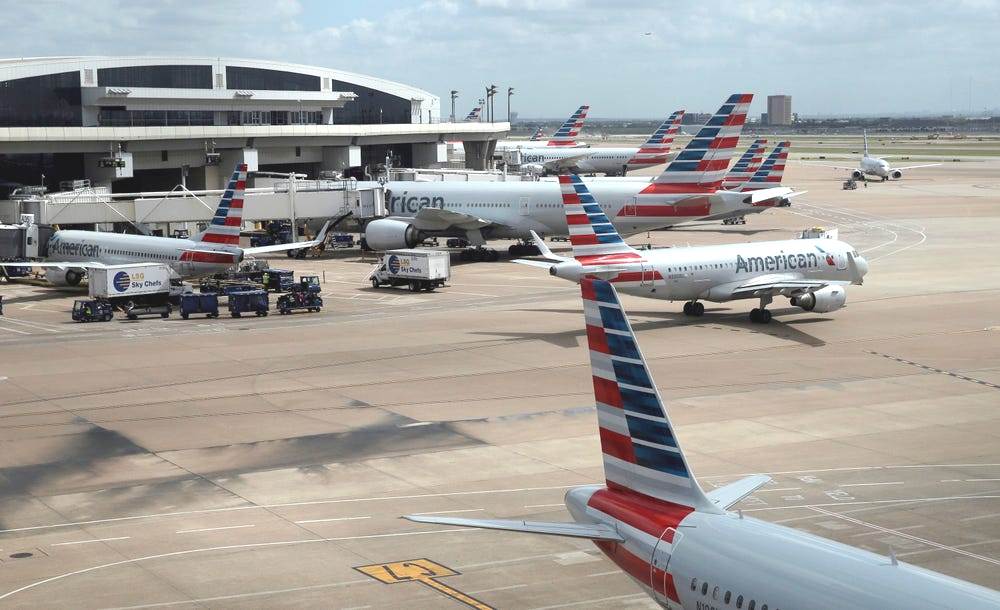
Las aerolíneas en Estados Unidos están experimentado la escasez de suministro debido a la falta de conductores de camiones y suministro de combustible. American Airlines advirtió el Lunes 26/07 a los pilotos sobre los retrasos en la entrega de combustible en ciertos aeropuertos medianos y les ha comunicado que den atención al ahorro de combustible cuando sea posible. «Los retrasos en la entrega de combustible para aviones de las estaciones de American Airlines afectaron inicialmente principalmente a las ciudades del oeste de Estados Unidos, pero ahora se están reportando en las estaciones estadounidenses en todo el país. Se espera que los retrasos en la entrega continúen hasta mediados de Agosto», según un comunicado de la aerolínea.
American ha expresado que los vuelos llevarán combustible adicional a los aeropuertos afectados por la escasez, un procedimiento conocido como tankering. «A medida que nuestro país continúa enfrentando múltiples desafíos, trabajemos juntos como un equipo para operar de manera confiable, segura y lo más eficiente posible», ha dicho en su comunicado a los empleados.
American warns fuel shortage
American Airlines warns fuel delivery delays
Airlines in the United States are experiencing supply shortages due to lack of truck drivers and fuel supply. American Airlines warned pilots on Monday 07/26 about delays in fuel delivery at certain medium-sized airports and has told them to pay attention to fuel economy when possible. «Delays in the delivery of jet fuel from American Airlines stations initially affected primarily cities in the western United States, but are now being reported at American stations across the country. Delays in delivery are expected to continue until mid-August», according to a statement from the airline.
American has said the flights will bring additional fuel to airports affected by the shortage, a procedure known as tankering. «As our country continues to face multiple challenges, let us work together as a team to operate reliably, safely and as efficiently as possible», he said in his statement to employees.