AW | 2021 05 27 20:57 | AIRLINES / AIR TRAFFIC / GOVERNMENT
Prohíbe vuelo de Austrian Airlines y Air France Europa recrudece relaciones con Bielorrusia y Rusia
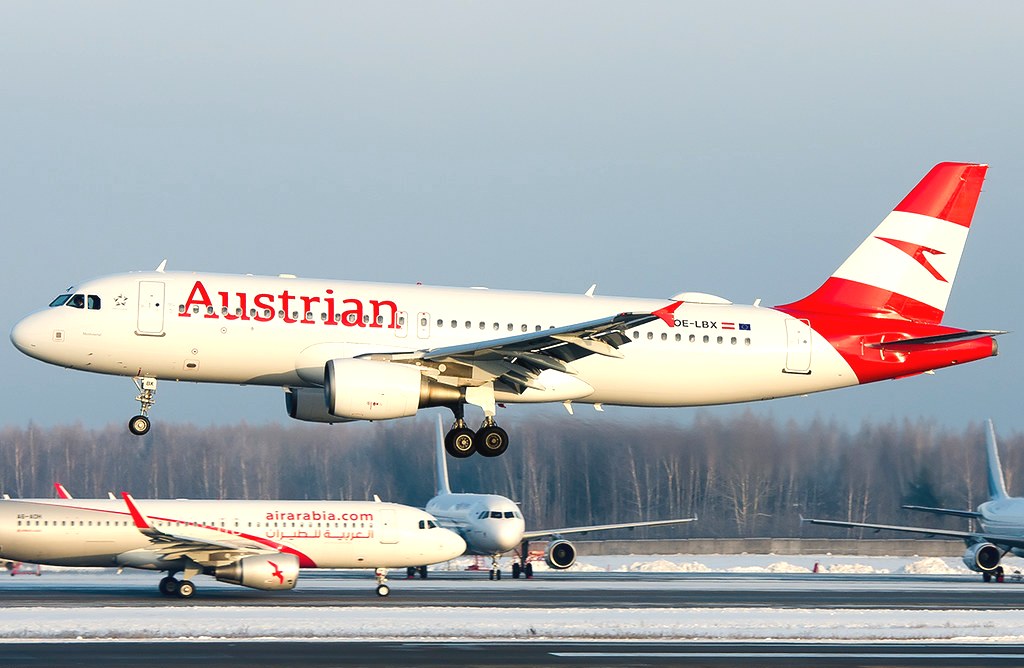
La Federación Rusia ha prohíbe el vuelo de Austrian Airlines quería cambiar su ruta para evitar Bielorrusia, pero Rusia condicionó y rechazó la postura de la aerolínea. La aerolínea austríaca dijo que canceló un vuelo de pasajeros de carga de Viena a Moscú el Jueves 27/05. El vuelo OS601 procedente de Viena estaba programado para llegar a Moscú a tiempo, pero la junta en el Aeropuerto de Domodedovo enumeró el vuelo como cancelado. Anteriormente, la aerolínea se había negado a transitar por el espacio aéreo bielorruso de camino a Moscú. La Unión Europea ha instado a sus aerolíneas a evitar Bielorrusia y su espacio aéreo tras el aterrizaje forzoso del Domingo 23/05 en Minsk de un avión de Ryanair y la detención del periodista disidente Raman Pratasevich. Un representante de Austrian Airlines dijo a la agencia de noticias Interfax que la nueva ruta de vuelo debía ser confirmada con las autoridades. «Las autoridades rusas no nos han dado este permiso», dijo la portavoz en el informe en ruso.
El Ministerio de Relaciones Exteriores de Austria dijo que la postura de Moscú era absolutamente incomprensible para nosotros y calificó la prohibición como una respuesta desproporcionada. Viena pidió a Moscú que aclarara su posición y añadió que todos los vuelos de ida y cada uno de los vuelos a Rusia deberían poder continuar sin problemas.
Air France también informó de vuelos cancelados a la capital rusa. Mientras tanto, la aerolínea nacional bielorrusa Belavia canceló vuelos a ocho países.
Los ministros de Asuntos Exteriores de la Unión Eeropea estudien sanciones. Este Jueves 27/05, los ministros de Asuntos Exteriores de la Unión Europea en Lisboa prometieron seguir aumentando la presión sobre el Presidente bielorruso Alexander Lukashenko. Los ministros de Asuntos Exteriores del Grupo de los Siete pidieron la liberación inmediata e incondicional de Raman Pratasevich.
El Kremlin no está a cargo de controlar el tráfico aéreo. Por su parte, el Secretario de Prensa del Presidente ruso, Dmitry Peskov, eludió la cuestión de la cancelación de vuelos por parte de las compañías aéreas europeas. «La administración presidencial no está a cargo de controlar el tráfico aéreo. Les recomendamos que dirijan esta cuestión a nuestras autoridades de aviación», dijo Dmitry Peskov a periodistas según Interfax.
Belavia cancela vuelos internacionales
Mientras tanto, la aerolínea nacional bielorrusa Belavia canceló vuelos a ocho países el Jueves 27/05. Belavia anunció que las cancelaciones se debieron «a prohibiciones de vuelos de varios países», después de que la vecina Polonia se uniera a una creciente lista de territorios que han prohibido sus sobrevuelos. «Lamentamos que nuestros pasajeros tengan que enfrentarse a esta situación por razones ajenas al control de la aerolínea», dijo Belavia al cancelar vuelos a Amsterdam, Barcelona, Berlín, Bruselas, Frankfurt, Hannover, Kaliningrado, Milán, Munich, Roma, Viena y Varsovia hasta el 30 de Octubre de 2021.
Russia bans flights to airlines
Ban Austrian Airlines and Air France flight Europe intensifies relations with Belarus and Russia
The Russian Federation has banned the flight of Austrian Airlines wanted to change its route to avoid Belarus, but Russia conditioned and rejected the position of the airline. The Austrian airline said it canceled a cargo passenger flight from Vienna to Moscow on Thursday 05/27. Flight OS601 from Vienna was scheduled to arrive in Moscow on time, but the board at Domodedovo Airport listed the flight as canceled. Previously, the airline had refused to travel through Belarusian airspace on the way to Moscow. The European Union has urged its airlines to avoid Belarus and its airspace following the crash landing of a Ryanair plane in Minsk on Sunday 23/05 and the arrest of dissident journalist Raman Pratasevich. A representative for Austrian Airlines told the Interfax news agency that the new flight route needed to be confirmed with the authorities. «The Russian authorities have not given us this permission», the spokeswoman said in the report in Russian.
The Austrian Foreign Ministry said that Moscow’s position was absolutely incomprehensible to us and called the ban a disproportionate response. Vienna asked Moscow to clarify its position, adding that all outbound flights and every single flight to Russia should be able to continue smoothly.
Air France also reported canceled flights to the Russian capital. Meanwhile, the Belarusian national airline Belavia canceled flights to eight countries.
The ministers of Foreign Affairs of the European Union study sanctions. This Thursday 05/27, the European Union Foreign Ministers in Lisbon promised to continue increasing the pressure on Belarusian President Alexander Lukashenko. The Group of Seven foreign ministers called for the immediate and unconditional release of Raman Pratasevich.
The Kremlin is not in charge of controlling air traffic. For his part, the Russian President’s Press Secretary, Dmitry Peskov, sidestepped the issue of cancellation of flights by European airlines. «The presidential administration is not in charge of controlling air traffic. We recommend that you address this matter to our aviation authorities», Dmitry Peskov told reporters according to Interfax.
Belavia cancels international flights
Meanwhile, the Belarusian national airline Belavia canceled flights to eight countries on Thursday 05/27. Belavia announced that the cancellations were due «to flight bans from various countries» after neighboring Poland joined a growing list of territories that have banned its overflights. «We regret that our passengers have to face this situation for reasons beyond the control of the airline», said Belavia when canceling flights to Amsterdam, Barcelona, Berlin, Brussels, Frankfurt, Hannover, Kaliningrad, Milan, Munich, Rome, Vienna and Warsaw. until October 30, 2021.
Breeze Airways establece apertura de vuelos en Estados Unidos
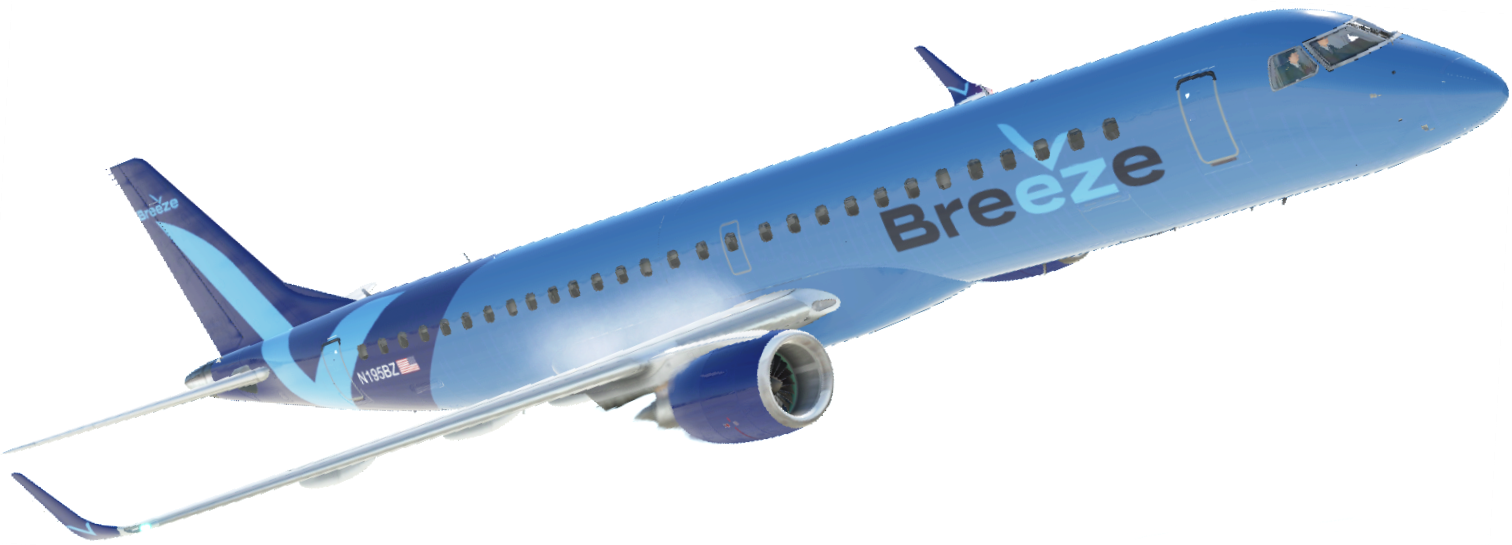
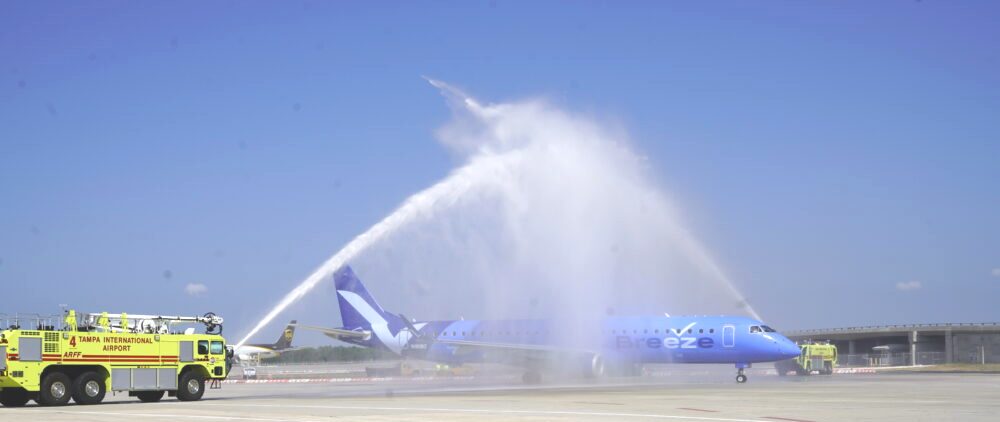
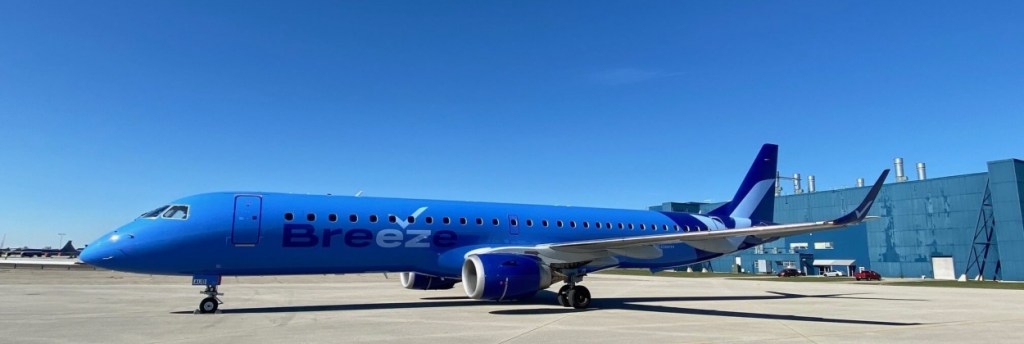
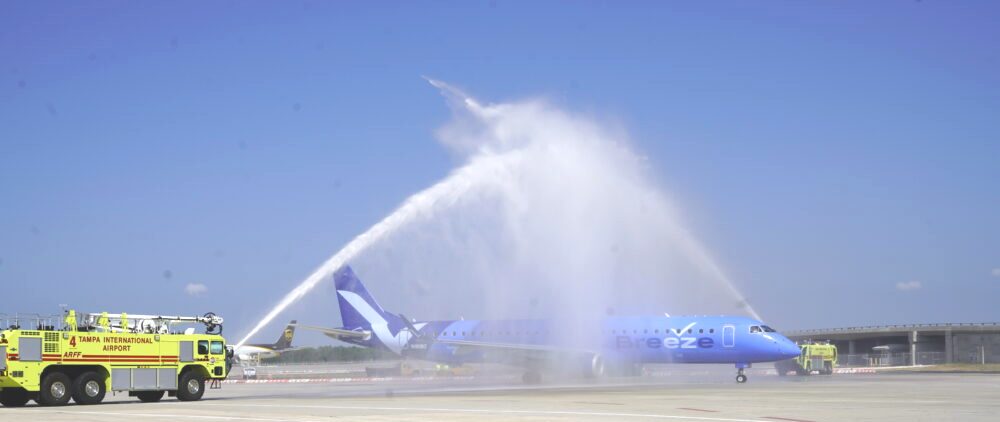
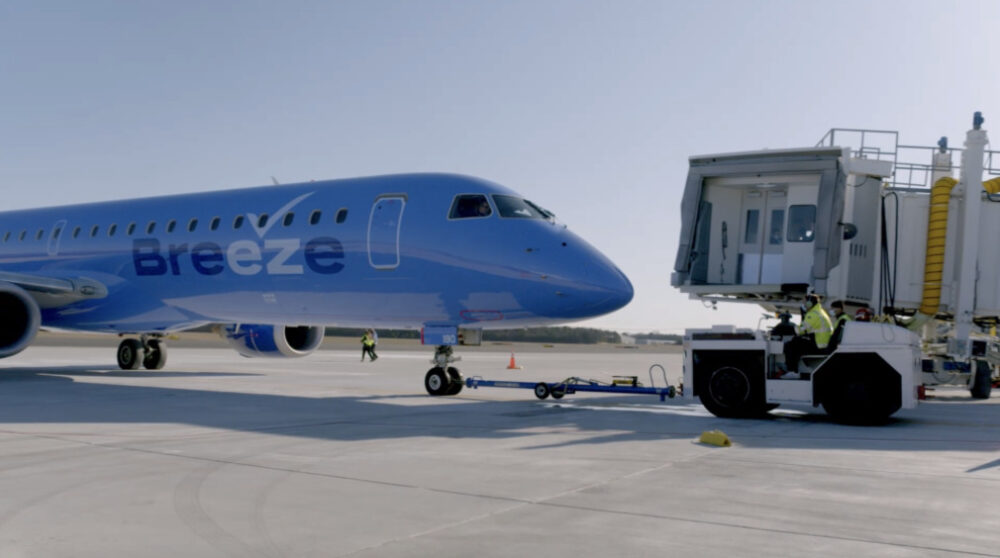
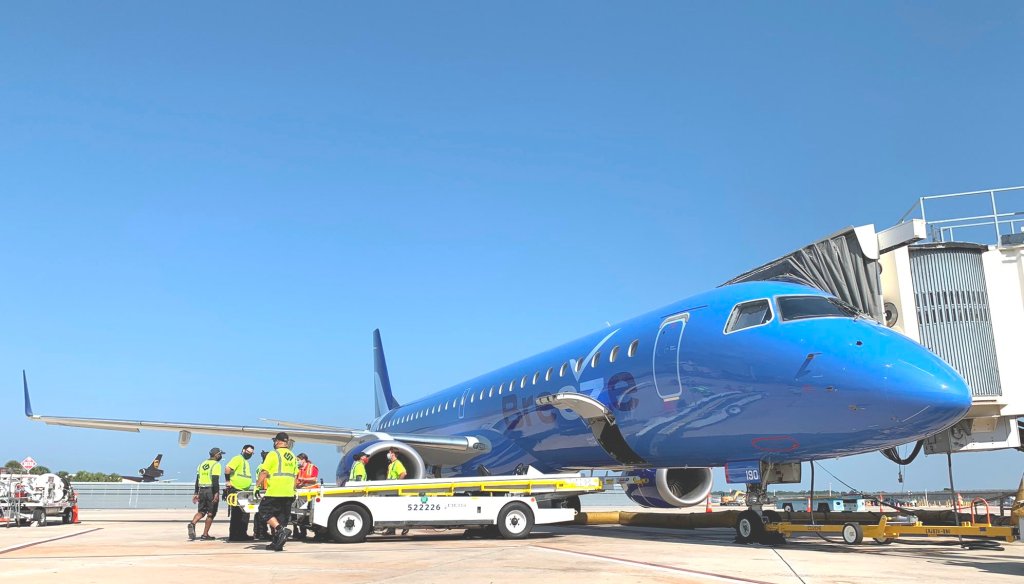
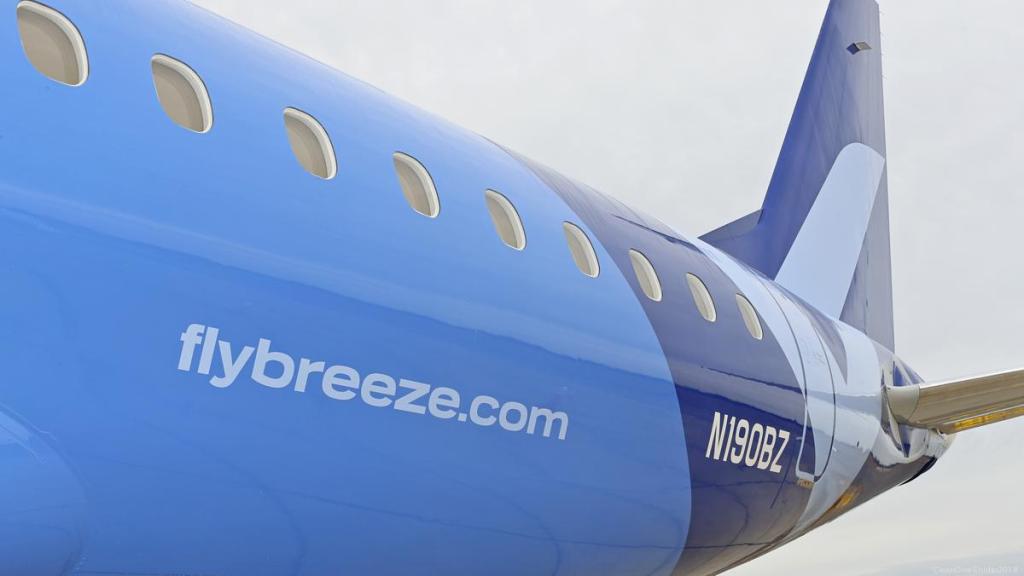
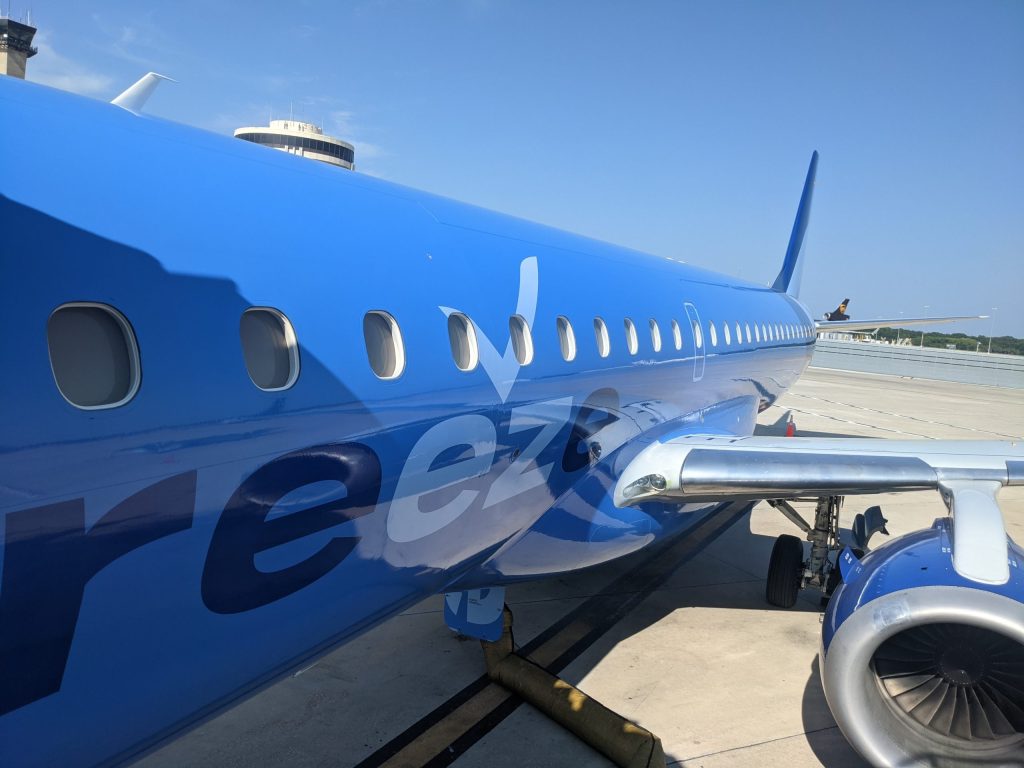
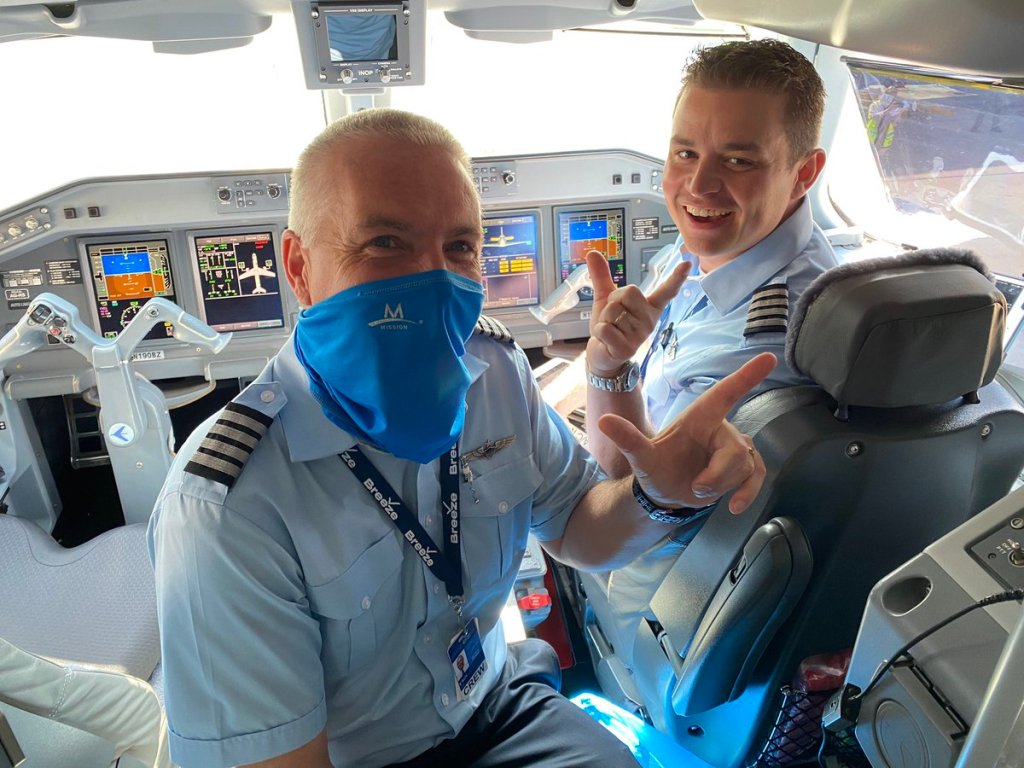
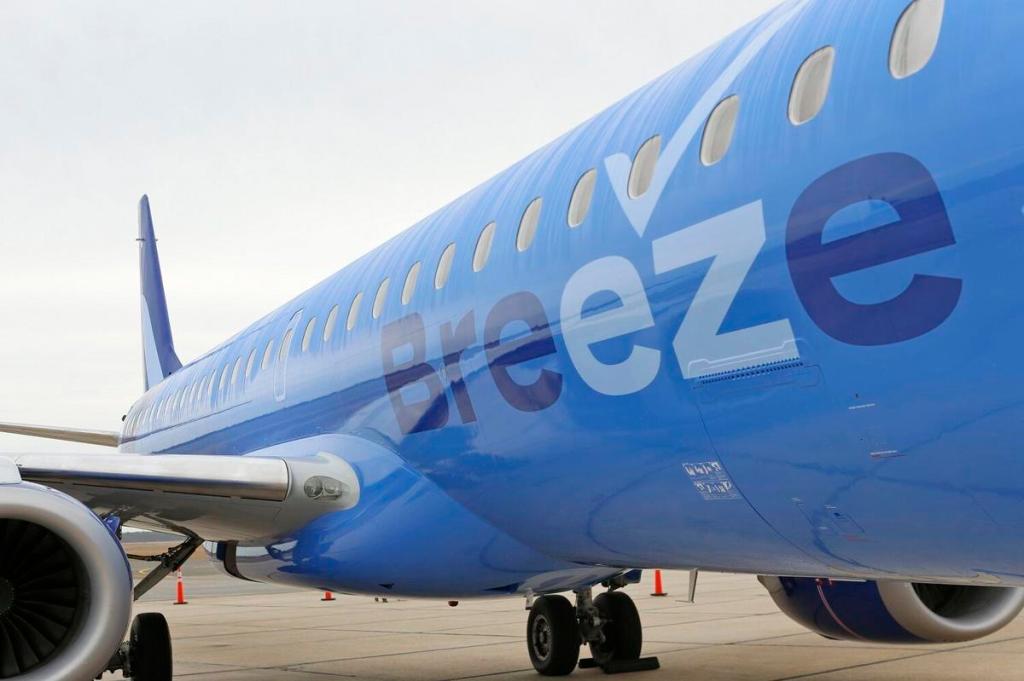
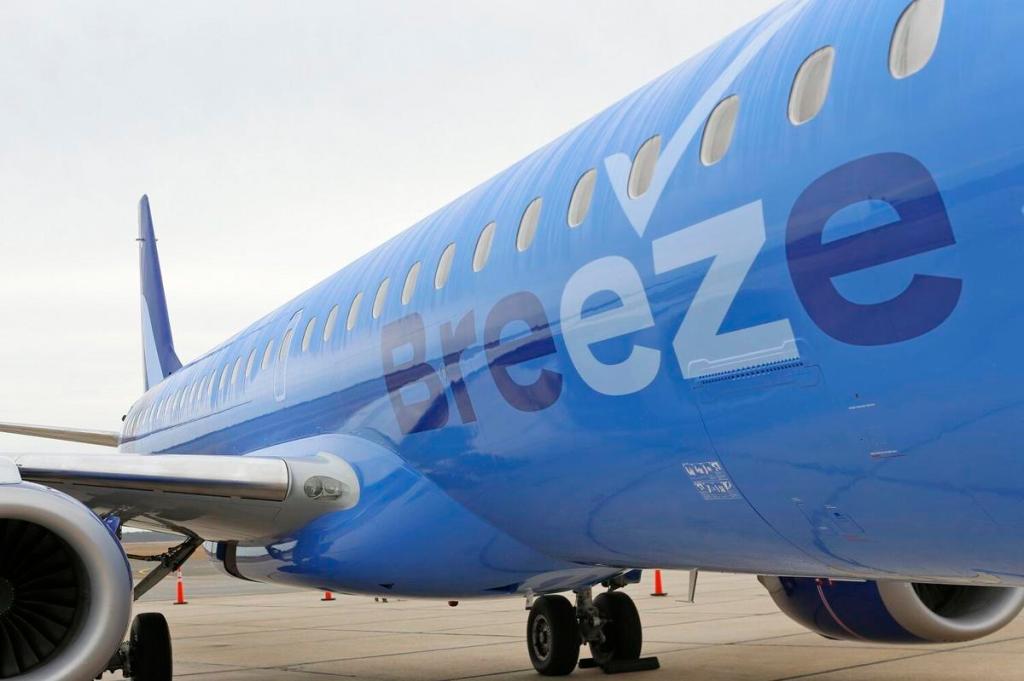
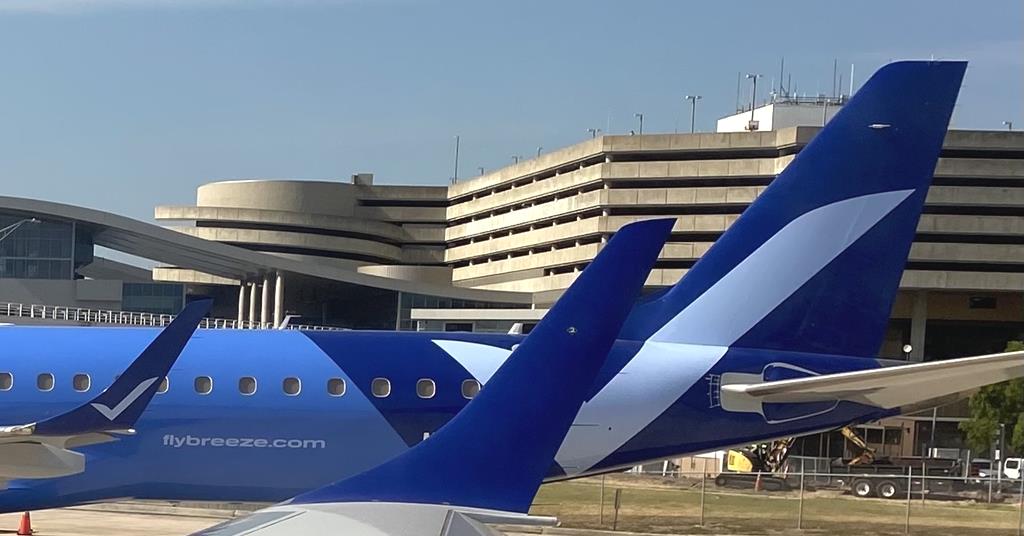
La nueva startup Breeze Airways toma vuelo este Jueves 27/05 con vuelo inaugural desde Tampa hacia Charleston. La aerolínea de bajo presupuesto regional ha establecido su primera conexión saliendo de Tampa (FL) a las 10:30 a.m. ET, con destino a Charleston, a las 11:55 a.m., Carolina del Sur (SC), empleado aeronaves Embraer E190-100.
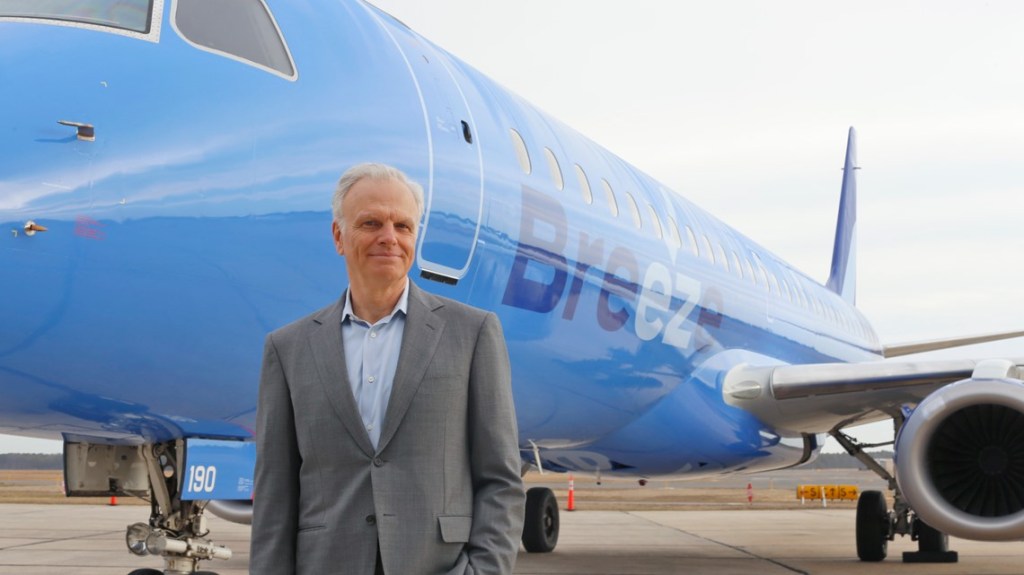
Tras años de diseño y puesta a punto, la nueva aerolínea se incorpora a la lista de nuevas compañías siendo la segunda startup en este 2021, después del debut de Avelo Airlines con sede en Burbank (CA). La inauguración pone fin a mucho tiempo de espera para la aerolínea de su fundador David Neeleman, ya que recibió las aprobaciones regulatorias finales necesarias para comenzar el servicio. Los planes para la aerolínea se remontan hacia el año 2018 bajo su nombre en clave original Moxy Airlines; pero una serie de situaciones junto con la pandemia hicieron posponer su apertura.
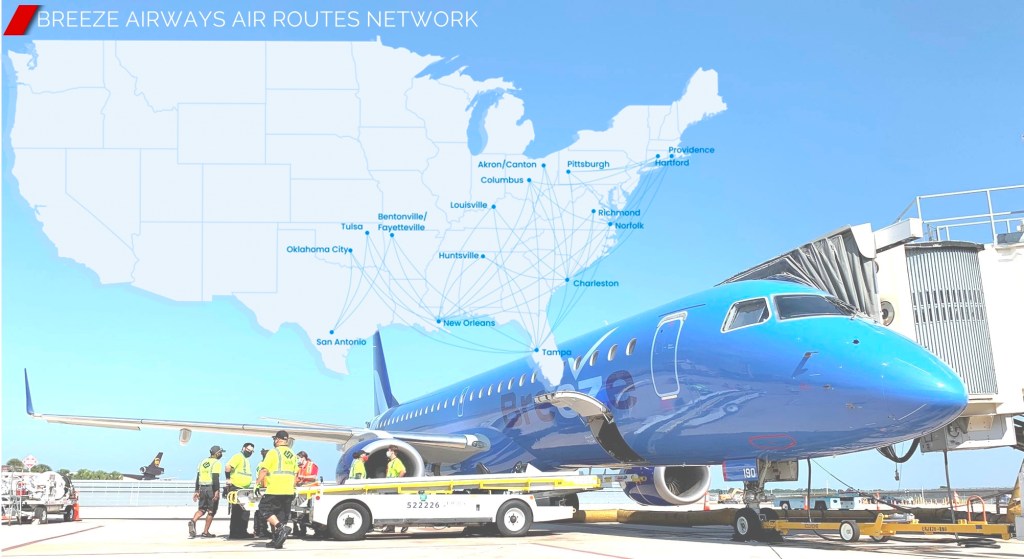
La aerolínea Breeze Airways establecerá treinte y nueve nuevas rutas en conexión con dieciséis ciudades proyectadas hacia Julio 2021, concentrarán alrededor de cuatro ciudades de enfoque como Tampa (FL), Nueva Orleans (LA), North Charleston (SC) y Norfolk (VA). Mientras que la nueva línea aérea enlazará destinos punto a punto como Hartford a Columbus (OH) y Pittsburgh a Providence (RI).
Breeze Airways es una compañía enfocada en el segmento de aerolínea de presupuesto a destinos de tercer nivel (regional) a destinos punto a punto menos tradicionales, y sirviendo a ciudades de enfoques de distribución, lo que permitirá conectar un mercado de tráfico de mediana demanda de aerolíneas regionales complementadas con JetBlue Airways, lo que no entraría en competencia con las principales aerolíneas estadounidenses.
Breeze maiden first flight
Breeze Airways establishes opening of flights in the United States
The new startup Breeze Airways takes flight this Thursday 05/27 with its maiden flight from Tampa to Charleston. The regional low-budget airline has established its first connection departing from Tampa (FL) at 10:30 a.m. ET, bound for Charleston, at 11:55 a.m., South Carolina (SC), using Embraer E190-100 aircraft.
After years of design and fine-tuning, the new airline joins the list of new companies, being the second startup in 2021, after the debut of Avelo Airlines based in Burbank (CA). The inauguration ends a long wait for founder David Neeleman’s airline, as it received the final regulatory approvals necessary to begin service. Plans for the airline date back to 2018 under its original codename Moxy Airlines; but a series of situations together with the pandemic made it postpone its opening.
The airline Breeze Airways will establish thirty-nine new routes in connection with sixteen cities projected by July 2021, concentrating around four focus cities such as Tampa (FL), New Orleans (LA), North Charleston (SC) and Norfolk (VA). While the new airline will link point-to-point destinations such as Hartford to Columbus (OH) and Pittsburgh to Providence (RI).
Breeze Airways is a company focused on the budget airline segment to third level (regional) destinations to less traditional point-to-point destinations, and serving cities with distribution approaches, which will allow to connect a medium demand traffic market of regional airlines supplemented by JetBlue Airways, which would not compete with major US airlines.
Arriba vuelo de Aerolíneas con más de 470.000 dosis Sputnik V
El vuelo AR1063 de Aerolíneas Argentinas procedente de Moscú ha traído 470.035 dosis de la vacuna elaborada por el Instituto Gamaleya, 390.035 del componente 1 y 80.000 del componente 2. El decimoséptimo vuelo aterrizó este Miércoles 26/05 por la tarde en el Aeropuerto Internacional Ezeiza, para sumar a la campaña nacional de vacunación en el marco de la segunda ola de la pandemia de Coronavirus.
La aeronave Airbus A330-200, matrícula LV-GIF, especialmente modificada para funcionar como carguero, arribaba a las 15:39 hs. en su misión número 17º a la Federación Rusia. El avión había despegado anoche a las 22:39 hs [hora local argentina] desde la capital rusa y tras poco más de quince horas y media de viaje arribó a Buenos Aires con una tripulación compuesta por comandantes, copilotos, personal técnico, de mantenimiento y de cabina, totalizando veinte personas a bordo. El avión había aterrizado bajo el número AR1062 en el Aeropuerto Internacional de Sheremetievo el 25/05 a las 17:10 hs [Argentina], 23:10 hs. [Moscú]. Las vacunas producidas por el Instituto Gamaleya son trasladadas en contenedores del tipo «thermobox» a una temperatura de 18 grados bajo cero y con carga adicional de refrigeración.
«Es una buena noticia que en el momento más difícil de esta pandemia sigan llegando vuelos porque se traducen en más personas protegidas. La salida para esta situación es seguir extremando cuidados y continuar con el plan de vacunación», señaló respecto al vuelo Pablo Ceriani, CEO de Aerolíneas.
Aerolíneas Argentinas lleva realizados 17 vuelos a la Federación Rusa en los cuales fueron trasladadas un total de 8.113.290 dosis y, además, se realizaron 5 vuelos hacia Beijing, República Popular China en los que arribaron al país 3.659.200 de vacunas de Sinopharm. De esta manera, en 22 vuelos completados, Aerolíneas Argentinas aportó 11.772.490 dosis de vacunas contra la Covid-19.
17th vaccination flight to Argentina
Arrived Aerolíneas flight with more than 470,000 Sputnik V doses
Aerolíneas Argentinas flight AR1063 from Moscow has brought 470,035 doses of the vaccine produced by the Gamaleya Institute, 390,035 of component 1 and 80,000 of component 2. The seventeenth flight landed this Wednesday 05/26 in the afternoon at Ezeiza International Airport, to add to the national vaccination campaign in the framework of the second wave of the Coronavirus pandemic.
The Airbus A330-200 aircraft, registration LV-GIF, specially modified to function as a freighter, arrived at 03:39 p.m. on his 17th mission to the Russian Federation. The plane had taken off last night at 10:39 pm [Argentine local time] from the Russian capital and after a little more than fifteen and a half hours of travel it arrived in Buenos Aires with a crew made up of commanders, co-pilots, technical personnel, maintenance and cabin, totaling twenty people on board. The plane had landed under number AR1062 at Sheremetievo International Airport on 05/25 at 05:10 PM [Argentina], 11:10 p.m. [Moscow]. The vaccines produced by the Gamaleya Institute are transported in «thermobox» type containers at a temperature of 18 degrees below zero and with an additional refrigeration load.
«It is good news that at the most difficult moment of this pandemic, flights continue to arrive because they translate into more protected people. The way out for this situation is to continue taking extreme care and continue with the vaccination plan», Pablo Ceriani said regarding the flight. CEO of Aerolíneas.
Aerolíneas Argentinas has carried out 17 flights to the Russian Federation in which a total of 8,113,290 doses were transferred and, in addition, 5 flights were made to Beijing, People’s Republic of China in which 3,659,200 of Sinopharm vaccines arrived in the country. In this way, in 22 completed flights, Aerolíneas Argentinas provided 11,772,490 doses of vaccines against Covid-19.
Nueva Alitalia emergerá con capacidad más reducida
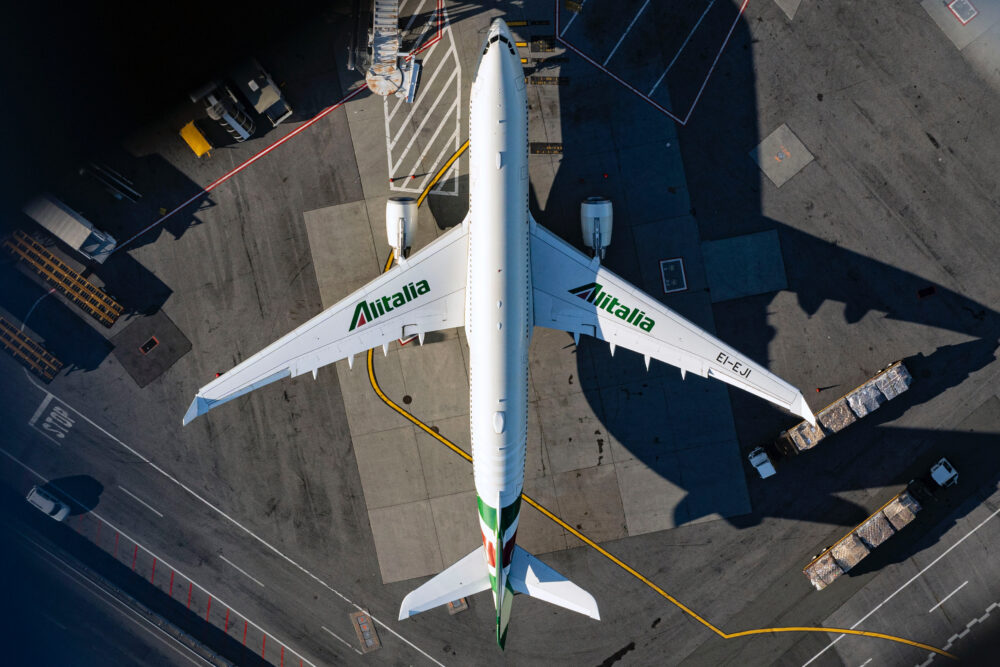
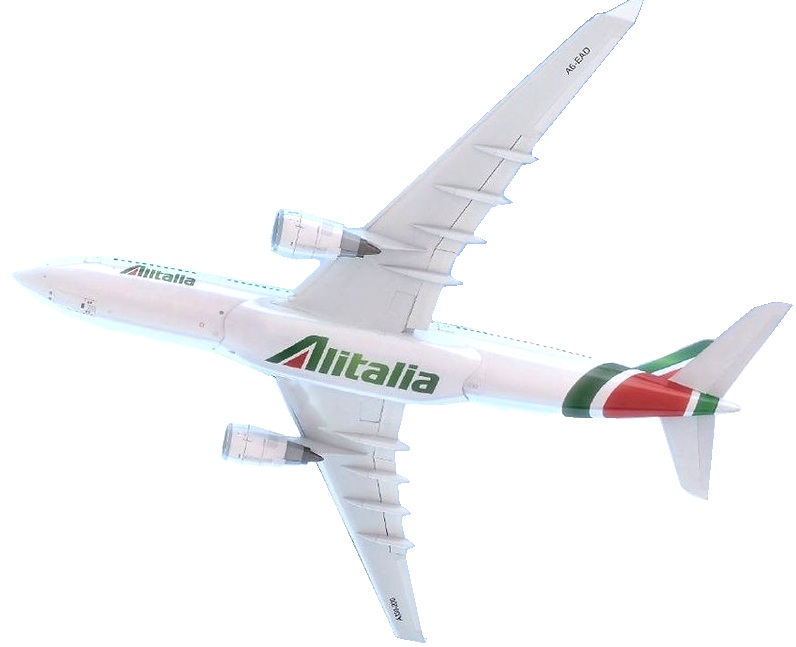
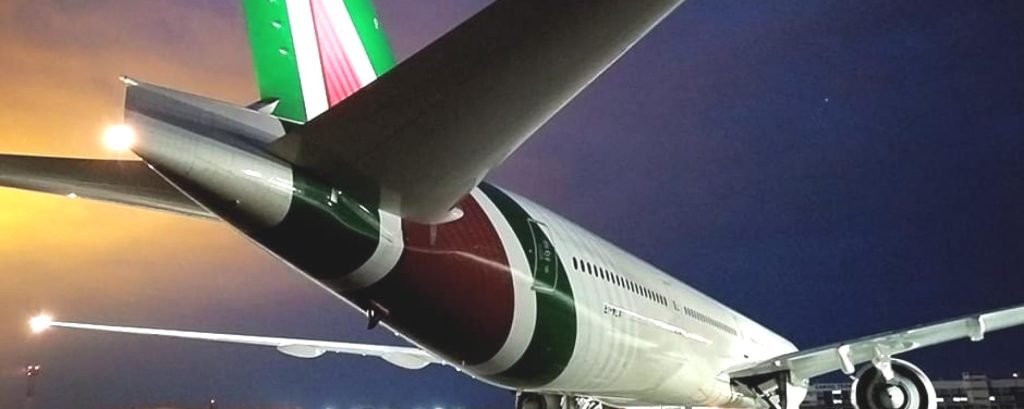
El Gobierno de la República de Italia y la Comisión Europea (CE) llegan a un acuerdo inicial sobre la puesta en marcha de Italia Trasporto Aereo (ITA), el nuevo sistema aéreo público creado para relanzar Alitalia. Pero el destino de la nueva operadora se decidirá por las mesas técnicas de las próximas semanas y las licitaciones para la venta de los activos de la antigua empresa en administración extraordinaria durante más de cuatro años. Partiendo de la marca Alitalia, que no puede cambiar automáticamente a ITA, pero tendrá que ser ganada en subasta tratando de vencer a los otros competidores interesados.
La reunión reallizada este Miércoles 26/05, surgieron elementos que la Comisaria Europea de Competencia, Margrethe Vestager, tuvo con el Ministro de Desarrollo Económico, Giancarlo Giorgetti, y, vinculada desde Roma, por el ministro de Economía, Daniele Franco: «Hemos hecho progresos, pero no ha terminado, hay muchos pasos técnicos y no sólo. Pero hoy es sin duda un paso importante para resolver el problema. Bruselas habló de acuerdo sobre los parámetros clave para garantizar la discontinuidad económica entre ITA y Alitalia», explicó Giancarlo Giorgetti. Pero dos investigaciones de ayuda estatal de € 1.300 millones ha provocado quejas que la UE está llevando a cabo.
Italia y la Unión Europea parecen haber arribado a un acuerdo preliminar sobre las condiciones para el sucesora de Alitalia. El próximo acuerdo formal entre Bruselas-Roma afirmaría que para la próxima semana se espera la aprobación de un plan para reestructurar a la nueva aerolínea italiana con una flota reducida de entre 55 a 60 aeronaves y una planta de recursos humanos de 5.000 empleados de los 11.000 trabajadores actuales.
La actual flota de Alitalia se vería reducida entre un 40%-45% de la flota pre-pandemia de Alitalia de alrededor de más de 100 aviones. Actualmente, 45 aviones de la flota de la aerolínea figuran actualmente como activos propios, por lo que la capacidad operativa actual no se vería afectada inmediatamente, mientras que resta saber qué tipo de aeronaves continuarán activas en la nueva compañía.
Initial EU/Alitalia agreement
New Alitalia will emerge with reduced capacity
The Government of the Republic of Italy and the European Commission (EC) reach an initial agreement on the launch of Italia Trasporto Aereo (ITA), the new public air system created to relaunch Alitalia. But the fate of the new operator will be decided by the technical tables in the coming weeks and the bids for the sale of the assets of the old company under extraordinary administration for more than four years. Starting from the Alitalia brand, which cannot automatically switch to ITA, but will have to be won at auction trying to beat the other interested competitors.
At the meeting held this Wednesday 05/26, elements emerged that the European Commissioner for Competition, Margrethe Vestager, had with the Minister of Economic Development, Giancarlo Giorgetti, and, linked from Rome, by the Minister of Economy, Daniele Franco: «We have done progress, but it is not over, there are many technical steps and not only. But today is undoubtedly an important step to solve the problem. Brussels spoke in agreement on the key parameters to guarantee the economic discontinuity between ITA and Alitalia», explained Giancarlo Giorgetti. But two € 1.3 billion state aid investigations have sparked complaints that the EU is conducting.
Italy and the European Union appear to have reached a preliminary agreement on the conditions for the successor to Alitalia. The next formal agreement between Brussels-Rome would affirm that the approval of a plan to restructure the new Italian airline with a reduced fleet of between 55 to 60 aircraft and a human resources plant of 5,000 employees out of 11,000 is expected next week. current workers.
Alitalia’s current fleet would be reduced by 40-45% from Alitalia’s pre-pandemic fleet of around 100+ aircraft. Currently, 45 aircraft in the airline’s fleet are currently listed as owned assets, so the current operating capacity would not be affected immediately, while it remains to be known what type of aircraft will continue to be active in the new company.
Accordo iniziale UE/Alitalia
Nuova Alitalia uscirà con capacità ridotta
Il Governo della Repubblica Italiana e la Commissione Europea (CE) raggiungono un primo accordo sul lancio di Italia Trasporto Aereo (ITA), il nuovo sistema aereo pubblico nato per rilanciare Alitalia. Ma le sorti del nuovo operatore saranno decise dai tavoli tecnici delle prossime settimane e dalle offerte per la cessione dei beni della vecchia società in amministrazione straordinaria da più di quattro anni. A cominciare dal marchio Alitalia, che non può passare automaticamente a ITA, ma dovrà essere vinto all’asta cercando di battere gli altri concorrenti interessati.
Nell’incontro di mercoledì 26/05, sono emersi elementi che la Commissaria Europea alla Concorrenza, Margrethe Vestager, ha avuto con il Ministro dello Sviluppo Economico, Giancarlo Giorgetti, e, collegata da Roma, dal Ministro dell’Economia, Daniele Franco: «Noi hanno fatto progressi, ma non è finita, sono tanti i passaggi tecnici e non solo. Ma oggi è senza dubbio un passo importante per risolvere il problema. Bruxelles si è espressa d’accordo sui parametri chiave per garantire la discontinuità economica tra ITA e Alitalia», ha spiegato Giancarlo Giorgetti. Ma due indagini sugli aiuti di Stato da 1,3 miliardi di euro hanno suscitato denunce che l’UE sta conducendo.
L’Italia e l’Unione Europea sembrano aver raggiunto un accordo preliminare sulle condizioni per il successore di Alitalia. Il prossimo accordo formale tra Bruxelles-Roma affermerebbe che la prossima settimana è prevista l’approvazione di un piano di ristrutturazione della nuova compagnia aerea italiana con una flotta ridotta da 55 a 60 aeromobili e uno stabilimento di risorse umane di 5.000 dipendenti su 11.000.
L’attuale flotta di Alitalia verrebbe ridotta del 40-45% rispetto alla flotta pre-pandemica di Alitalia di circa 100+ aeromobili. Attualmente, 45 aeromobili della flotta della compagnia aerea sono attualmente elencati come asset di proprietà, quindi l’attuale capacità operativa non ne risentirebbe immediatamente, mentre resta da sapere quale tipo di aeromobile continuerà ad essere attivo nella nuova compagnia.
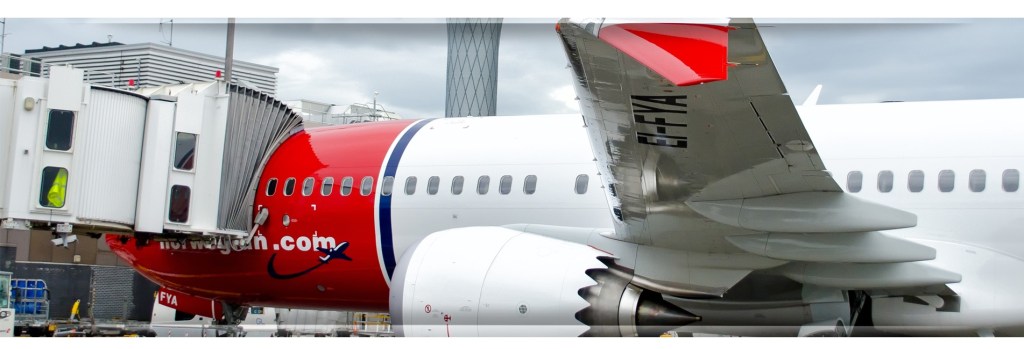
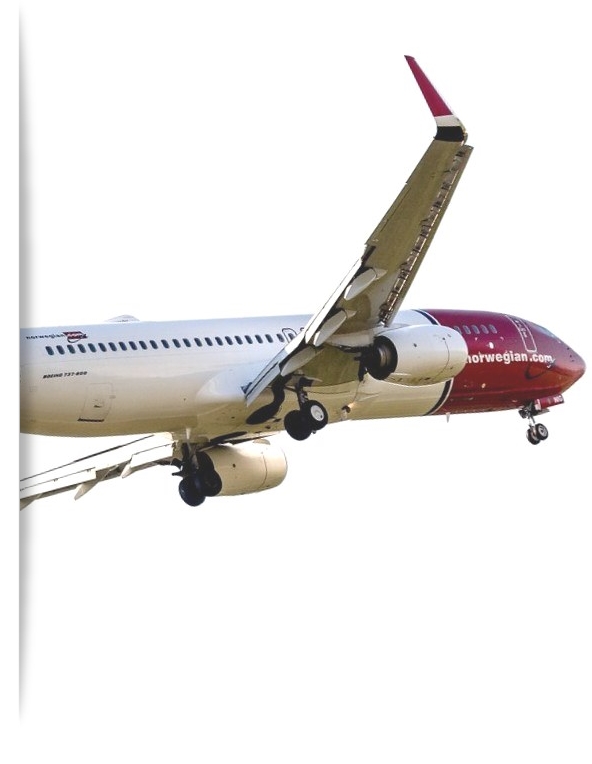
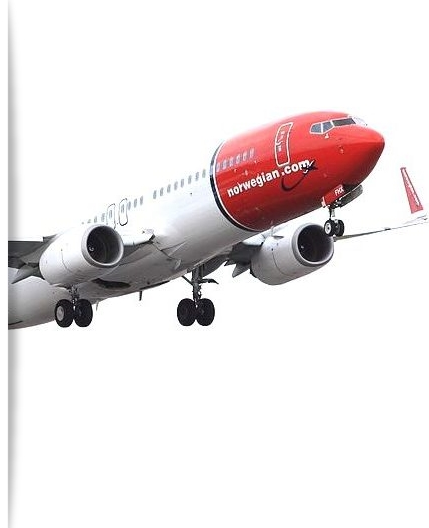
Norwegian Air se reinventa como aerolínea regional
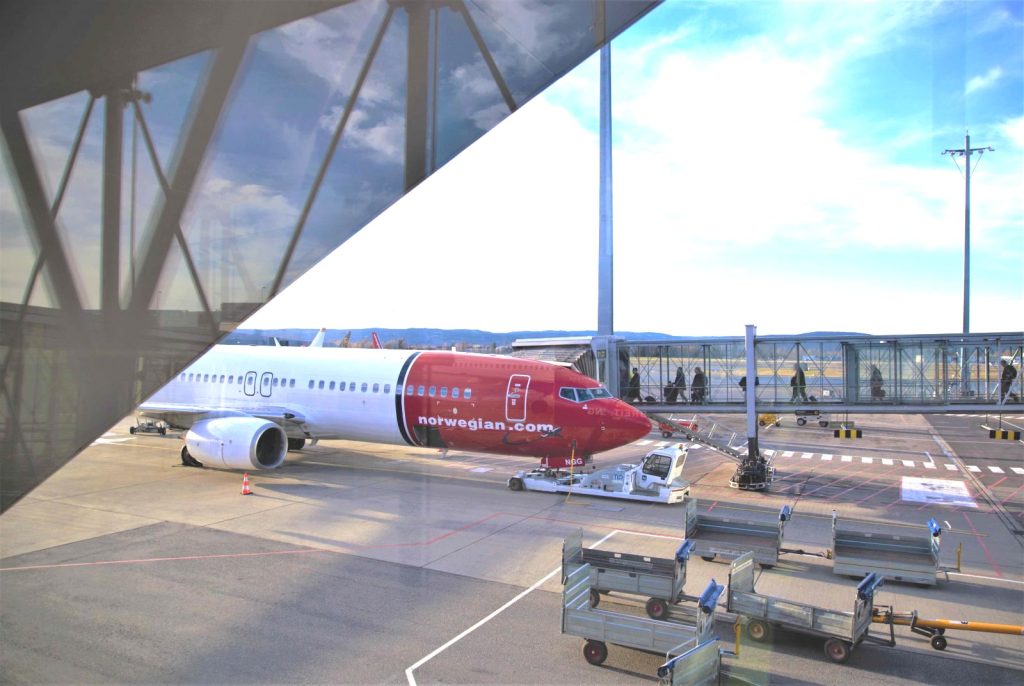
Norwegian Air ha sido rescatada luego de un proceso de seis meses de protección por bancarrota este Miércoles 26/05 con una flota más pequeña y su deuda casi finalizada, pero también enfrentando una competencia más fuerte y una incertidumbre persistente causada por la pandemia. La atribulada aerolínea de bajo coste Norwegian Air ha salido de la protección por bancarrota.
La aerolínea de presupuesto noruega emerge con una nueva apariencia, con una flota mucho más pequeña se centrará en rutas en Noruega y alrededor de Europa. A finales de la semana pasada, la aerolínea anunció que había recaudado Kr 6.000 millones de Coronas noruegas/US$ 721 millones de Dólares en capital fresco. Esto era más que suficiente necesario para cumplir con los requisitos mínimos establecidos por los Tribunales de bancarrota tanto en Irlanda como en Noruega. «Hemos salvado a una aerolínea que es de enorme valor para Noruega y que une a nuestro largo país», dijo el Consejero Delegado de Norwegian, Jacob Schram.
Emergiendo una nueva Norwegian
La aerolínea noruega ha atravesado dificultades financieras que hacían inviable la continuidad, pero gracias a la perseverancia y una estructuración audaz ha logrado sobrevivir emergiendo de la post-pandemia, como si fuese un ave fénix, pero se encuentra un tanto a distancia de ser la misma antes de la bancarrota a finales de 2020. El número de aviones se ha reducido de 156 a 51 y muchos miles de empleados han sido despedidos.
La aerolínea de nueva apariencia volverá a sus raíces como aerolínea regional. Las rutas de larga distancia han sido suprimidas, mientras que la compañía se centrará en las rutas nacionales noruegas y europeas que marcan destinos importantes para la nueva economía de la aerolínea vikinga. La respuesta a la nueva estructura deja insatisfecho a muchos residentes de otros países como Estados Unidos que no podrán usar el crédito de las aerolíneas a menos que primero se dirijan a Europa, mientras que otros ni siquiera recibirán un reembolso.
Competitividad post-pandemia
La nueva estructura de la aerolínea tendrá que enfrentar una nueva competitividad que continúa virando hacia una concentración en el mercado aéreo europeo, pues la aerolínea es diferente y el mercado también, marcando un nuevo escenario un tanto más desafiante. SAS Airlines y Widerøe continúan como la principal competición de Norwegian, pero actualmente se han abierto más mercados como la aerolínea húngara Wizz Air que ha lanzado varios servicios entre ciudades noruegas el año pasado, lo que se suma a las rutas internacionales establecidas desde hace mucho tiempo por la aerolínea. Otra nueva competidora emergente es Flyr que lanzará su inicio de operaciones el próximo 30 de Junio de 2021.
Reestructuración drástica
Norwegian ya estaba cargado de deudas mucho antes de que llegara la pandemia. La aerolínea también había sufrido problemas con sus motores Rolls Royce y la puesta en tierra de la flota de Boeing 737 MAX. Pero la pandemia fue la gota que colmó el vaso para Norwegian. La repentina caída de la demanda obligó a la aerolínea a despedir a la mayoría de su personal y terminar grandes partes de sus operaciones, incluidos todos los vuelos transatlánticos. Con el fin de asegurar el tiempo necesario para que una reestructuración corporativa permanezca en el negocio, la aerolínea entró en protección por bancarrota a finales del año pasado. «Dijimos que queríamos entrar lo suficiente (en efectivo) para estar seguros de que, dentro de un año, casi independientemente de lo que suceda con el COVID-19, estaríamos en una buena posición», dijo el Director Financiero Geir Karlsen.
En un comunicado, Norwegian dijo que había reducido su deuda total en aproximadamente Kr 63-65 mil millones de Coronas/US$ 7.500 millones de Dólares a 7.800 millones de Dólares a alrededor de Kr 20 mil millones de Coronas/US$ 2.360 millones de Dólares. Además de los Kr 6.000 millones de Coronas noruegas/US$ 721 millones de Dólares de nuevo capital recaudado, se ha conseguido un acuerdo de arrendamiento flexible para ayudar a limitar la quema de efectivo en los próximos diez meses. El modelo de «pagar sobre la marcha» proporcionará flexibilidad financiera, mientras que la demanda sigue siendo incierta.
Norwegian rescued from collapse
Norwegian Air reinvents itself as a regional airline
Norwegian Air has been rescued after a six-month bankruptcy protection process this Wednesday 05/26 with a smaller fleet and its debt almost completed, but also facing stronger competition and persistent uncertainty caused by the pandemic. The troubled low-cost carrier Norwegian Air has emerged from bankruptcy protection.
The Norwegian budget airline emerges with a new look, with a much smaller fleet focusing on routes in Norway and around Europe. At the end of last week, the airline announced that it had raised Kr 6 billion Norwegian Kroner/US$ 721 million in fresh capital. This was more than enough necessary to meet the minimum requirements set by the Bankruptcy Courts in both Ireland and Norway. «We have saved an airline that is of enormous value to Norway and that unites our long country», said Norwegian CEO Jacob Schram.
Emerging a new Norwegian
The Norwegian airline has gone through financial difficulties that made continuity unfeasible, but thanks to perseverance and a daring structuring it has managed to survive emerging from the post-pandemic, as if it were a phoenix, but it is somewhat distant from being the same before bankruptcy at the end of 2020. The number of planes has been reduced from 156 to 51 and many thousands of employees have been laid off.
The new-looking airline will return to its roots as a regional airline. Long-haul routes have been phased out, while the company will focus on Norwegian and European domestic routes that mark important destinations for the Viking airline’s new economy. The response to the new structure leaves many residents of other countries like the United States dissatisfied who will not be able to use airline credit unless they first go to Europe, while others will not even receive a refund.
Post-pandemic competitiveness
The new structure of the airline will have to face a new competitiveness that continues to shift towards a concentration in the European air market, since the airline is different and the market as well, marking a new, somewhat more challenging scenario. SAS Airlines and Widerøe remain Norwegian’s main competition, but more markets have now opened such as Hungarian airline Wizz Air which has launched several services between Norwegian cities last year, adding to long-established international routes. by the airline. Another new emerging competitor is Flyr, which will launch its operations on June 30, 2021.
Drastic restructuring
Norwegian was already burdened with debt long before the pandemic hit. The airline had also suffered problems with its Rolls Royce engines and the grounding of the Boeing 737 MAX fleet. But the pandemic was the last straw for Norwegian. The sudden drop in demand forced the airline to lay off most of its staff and terminate large parts of its operations, including all transatlantic flights. In order to ensure the time necessary for a corporate restructuring to remain in business, the airline entered bankruptcy protection late last year. «We said we wanted to get in just enough (in cash) to be sure that a year from now, almost regardless of what happens with COVID-19, we would be in a good position», said Chief Financial Officer Geir Karlsen.
In a statement, Norwegian said it had reduced its total debt by approximately Kr 63-65 billion Crowns/US$ 7.5 billion to US$ 7.8 billion to around Kr 20 billion Crowns/US$ 2.36 billion. In addition to the Kr 6 billion Norwegian Crowns/ US$ 721 million of new capital raised, a flexible lease agreement has been secured to help limit the burning of cash over the next ten months. The «pay as you go» model will provide financial flexibility, while demand remains uncertain.
Norwegian reddet fra kollaps
Norwegian Air gjenoppfinner seg selv som et regionalt flyselskap
Norwegian Air har blitt reddet etter en seks måneders konkursbeskyttelsesprosess onsdag 05/26 med en mindre flåte og gjelden nesten fullført, men møter også sterkere konkurranse og vedvarende usikkerhet forårsaket av pandemien. Det urolige lavprisselskapet Norwegian Air har kommet ut av konkursbeskyttelse.
Det norske budsjettflyselskapet dukker opp med et nytt utseende, med en mye mindre flåte som fokuserer på ruter i Norge og rundt Europa. I slutten av forrige uke kunngjorde flyselskapet at det hadde samlet inn Kr 6 milliarder norske Kroner/US$ 721 millioner Dollar i ny kapital. Dette var mer enn nok nødvendig for å oppfylle minimumskravene som ble satt av konkursretter i både Irland og Norge. «Vi har reddet et flyselskap som har enorm verdi for Norge og som forener vårt lange land», sa den norske administrerende direktøren Jacob Schram.
Viser en ny nordmann
Det norske flyselskapet har gått gjennom økonomiske vanskeligheter som gjorde kontinuiteten umulig, men takket være utholdenhet og en dristig strukturering har det klart å overleve fra å komme ut av post-pandemien, som om det var en phoenix, men det er noe fjernt fra å være det samme før konkurs ved utgangen av 2020. Antall fly er redusert fra 156 til 51 og mange tusen ansatte er permittert.
Det nye flyselskapet vil komme tilbake til sine røtter som et regionalt flyselskap. Langdistanseruter er faset ut, mens selskapet vil fokusere på norske og europeiske innenriksruter som markerer viktige destinasjoner for Viking-flyselskapets nye økonomi. Svaret på den nye strukturen etterlater mange innbyggere i andre land som USA misfornøyde som ikke vil kunne bruke flykreditt med mindre de først drar til Europa, mens andre ikke en gang får refusjon.
Konkurransedyktighet etter pandemi
Den nye strukturen i flyselskapet vil måtte møte en ny konkurransekraft som fortsetter å skifte mot en konsentrasjon i det europeiske luftmarkedet, siden flyselskapet er annerledes og markedet også, og markerer et nytt scenario som er noe mer utfordrende. SAS Airlines og Widerøe er fortsatt Norwegians hovedkonkurranse, men flere markeder har nå åpnet som det ungarske flyselskapet Wizz Air som har lansert flere tjenester mellom norske byer i fjor, og tilføyet veletablerte internasjonale ruter fra flyselskapet. En annen ny voksende konkurrent er Flyr, som vil starte oppstarten 30 Juni 2021.
Drastisk omstilling
Norwegian var allerede belastet med gjeld lenge før pandemien rammet. Flyselskapet hadde også hatt problemer med sine Rolls Royce-motorer og jording av Boeing 737 MAX-flåten. Men pandemien var det siste strået for Norwegian. Det plutselige fallet i etterspørsel tvang flyselskapet til å permittere det meste av personalet og avslutte store deler av virksomheten, inkludert alle transatlantiske flyreiser. For å sikre at tiden som er nødvendig for at en bedrifts restrukturering skal forbli i virksomhet, inngikk flyselskapet konkursbeskyttelse sent i fjor. «Vi sa at vi ønsket å komme inn akkurat nok (i kontanter) til å være sikre på at vi om et år fra nå, nesten uansett hva som skjer med COVID-19, ville være i en god posisjon», sa finansdirektør Geir Karlsen.
I en uttalelse sa Norwegian at den hadde redusert sin totale gjeld med cirka Kr 63-65 milliarder Kroner/US$ 7,5 milliarder Dollar til US$ 7,8 milliarder Dollar til rundt Kr 20 milliarder Kroner/US$ 2,36 milliarder Dollar. I tillegg til 621 millioner kroner i ny innsamlet kapital, er det sikret en fleksibel leieavtale for å begrense forbrenningen av kontanter de neste ti månedene. «Pay as you go» modellen gir økonomisk fleksibilitet, mens etterspørselen fortsatt er usikker.
CRONOLOGÍA DE NORWEGIAN AIR
Procesos y fechas históricas clave en los veintiocho años de la compañía Norwegian Air Shuttle ASA.
2021
21/05 Anuncia que ha recaudado Kr 6.000 millones de Coronas noruegas/US$ 714 millones de Dólares a través de la venta de bonos perpetuos, nuevas acciones y una emisión de derechos.
18/05 Un plan de reconstrucción de deudas ordenado por la corte se vuelve legalmente vinculante, ya que ningún acreedor presenta apelaciones en su contra.
14/04 Dice que su objetivo será recaudar hasta Kr 6.000 millones de Coronas/US$ 711 millones de Dólares), más de los Kr 4.500 millones previstos inicialmente.
12/04 Obtiene la aprobación de los acreedores en Noruega y un Tribunal de Oslo para su reestructuración de la deuda prevista.
26/03 El Tribunal Superior de Irlanda aprueba el plan de reestructuración.
18/03 Los accionistas votan a favor del plan de reestructuración.
21/01 Noruega respalda el plan de supervivencia de Norwegian Air.
14/01 Anuncia el fin de los vuelos transatlánticos, 2.000 pérdidas de empleos. Busca ayuda del Gobierno noruego.
2020
17/12 Los accionistas respaldan el plan de rescate financiero.
08/12 El Tribunal de Oslo concede protección adicional a los acreedores.
07/12 El Tribunal Superior de Irlanda concede protección de los acreedores a las filiales irlandesas de la aerolínea.
03/12 Propone convertir deuda en acciones, descargar aviones y vender nuevas acciones.
10/11 Dice que la crisis de efectivo podría obligarla a detener las operaciones a principios de 2021.
09/11 El Gobierno noruego dice que no proporcionará apoyo financiero adicional.
28/08 Reporta pérdidas en el primer semestre de US$ 610 millones de Dólares y dice que necesita obtener fondos para verlo a través de la pandemia.
18/05 Completa la venta de acciones a precio reducido y gana el respaldo de los tenedores de bonos para una refinanciación.
24/03 Recibe una inyección de efectivo del Gobierno de Kr 300 millones de Coronas.
16/03 Cancela el 85% de los vuelos y despedirá temporalmente a 7.300 empleados a medida que la pandemia golpea.
2019
20/11 Nombra al forastero de la industria Jacob Schram como CEO de la aerolínea.
05/11 Recauda Kr 2.500 millones de Coronas con su tercera venta de acciones en dos años y una emisión de bonos.
11/07 El cofundador Bjoern Kjos dimite como CEO.
24/01 El propietario de British Airways, IAG, dice que venderá su participación en la compañía, después de intentar hacerse cargo de ella.
2015
22/10 Ordena diecinueve Boeing 787-9 Dreamliner (19), más del cuadruplicamiento de su flota de larga distancia.
2013
30/05 El primer vuelo intercontinental de Norwegian Air sale de Oslo a Nueva York.
2012
25/01 Ordena 122 aviones de Boeing, 100 de los cuales son 737-8 MAX. Entra en un acuerdo con Airbus sobre la compra de 100 aviones Airbus A320NEO. En total, los aviones poseen un valor aproximado de Kr 127.000 millones de Coronas.
2007
24/04 Compra FlyNordic a Finnair, convirtiéndose en la mayor aerolínea de bajo coste de Escandinavia.
2003
18/11 Las acciones cotizan en la Bolsa de Oslo.
2002
01/09 Cambia marca más homogenea a Norwegian Air y comienza a volar aviones Boeing 737-300.
1993
22/01 Norwegian Air Shuttle ASA se funda y se hace cargo de los servicios de aerolíneas regionales en la costa oeste de Noruega, operando vuelos en cooperación con la aerolínea noruega Braathens. Norwegian opera inicialmente una flota de tres Fokker 50 bajo régimen de alquiler.
NORWEGIAN AIR TIMELINE
Key historical dates and processes in Norwegian Air Shuttle ASA’s twenty-eight years.
2021
05/21 Announces that it has raised Kr 6,000 million Norwegian kroner / US $ 714 million through the sale of perpetual bonds, new shares and a rights issue.
05/18 A court-ordered debt reconstruction plan becomes legally binding, as no creditor files appeals against it.
04/14 It says that its objective will be to raise up to Kr 6,000 million Crowns / US $ 711 million Dollars), more than the Kr 4,500 million initially planned.
04/12 Obtains approval from creditors in Norway and an Oslo Court for its planned debt restructuring.
03/26 The High Court of Ireland approves the restructuring plan.
03/18 Shareholders vote in favor of the restructuring plan.
01/14 Announces the end of transatlantic flights, 2,000 job losses. Seek help from the Norwegian Government.
2020
12/17 Shareholders back the financial rescue plan.
12/08 The Oslo Court grants additional protection to creditors.
07/12 The High Court of Ireland grants creditor protection to the airline’s Irish subsidiaries.
12/03 Proposes to convert debt into shares, unload airplanes and sell new shares.
11/10 Says the cash crisis could force it to halt operations in early 2021.
11/09 The Norwegian Government says it will not provide additional financial support.
08/28 Reports losses in the first semester of US $ 610 million dollars and says that it needs to obtain funds to see it through the pandemic.
05/18 Complete the sale of shares at a reduced price and gain the support of bondholders for a refinance.
03/24 Receives a cash injection from the Government of Kr 300 million Crowns.
03/16 Cancels 85% of flights and will temporarily lay off 7,300 employees as the pandemic hits.
2019
11/20 Appoints industry outsider Jacob Schram as airline CEO.
11/05 Raises Kr 2,500 million Crowns with its third sale of shares in two years and a bond issue.
07/11 Co-founder Bjoern Kjos resigns as CEO.
01/24 British Airways owner IAG says he will sell his stake in the company after trying to take over.
2015
10/22 Orders nineteen Boeing 787-9 Dreamliner (19), more than quadrupling its long-haul fleet.
2013
05/30 Norwegian Air’s first intercontinental flight departs from Oslo to New York.
2012
01/25 Orders 122 Boeing planes, 100 of which are 737-8 MAXs. Enters an agreement with Airbus on the purchase of 100 Airbus A320NEO aircraft. In total, the planes have an approximate value of Kr 127 billion.
2007
04/24 Buys FlyNordic from Finnair, becoming the largest low-cost airline in Scandinavia.
2003
11/18 The shares are listed on the Oslo Stock Exchange.
2002
09/01 Norwegian Air changes to a more homogeneous brand and begins to fly Boeing 737-300 aircraft.
1993
01/22 Norwegian Air Shuttle ASA is founded and takes over regional airline services on the west coast of Norway, operating flights in cooperation with Norwegian airline Braathens. Norwegian initially operates a fleet of three Fokker 50s on a charter basis.
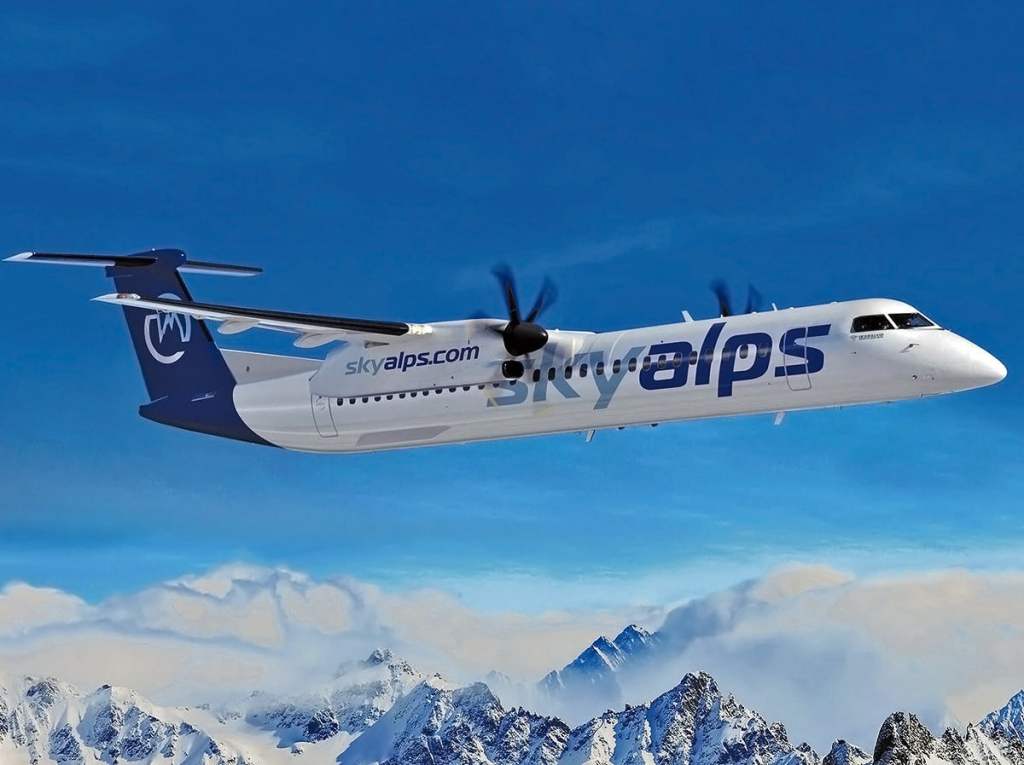
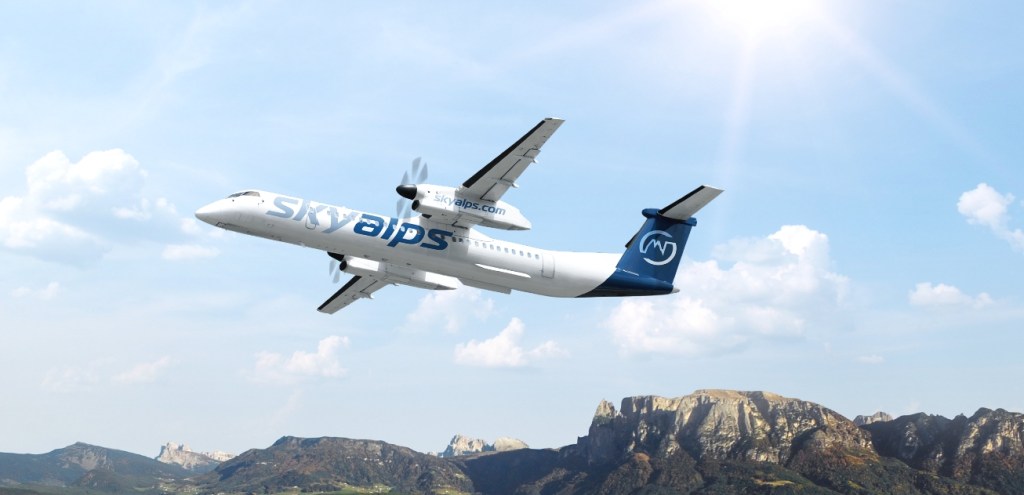
La nueva aerolínea regional italiana Sky Alps ha anunciado el comienzo de sus operaciones hacia finales del 2Q2021. La startup con base en Bolzano, la capital de la Provincia autónoma de Bolzano. La capital del Tirol del Sur es una ciudad bilingüe en la que se habla principalmente italiano (con un cuarto de población que habla el alemán). Es también la más poblada de la región de Trentino-Alto Adigio.
La aerolínea ha tenido una serie de aplazamientos para iniciar sus operaciones en medio de la actual crisis sanitaria mundial. La aerolínea establecida como una compañía vacacional y ocio regional pronto tomará los cielos con sus dos primeros De Havilland Canada DHC 8-Q400. La aerolínea ofrecerá servicio desde Bolzano a destinos domésticos italianos, como así también a Alemania, España. Algunos destinos iniciales serán: Parma, Roma, Cerdeña (Italia), Ibiza (España), Berlín, Düsseldorf (Alemania). Los servicios directos entre Italia y Alemania facilitarán la conexión transalpina ágil y rápida reduciendo a una hora en comparación con el cruce en transporte terrestre que demanda unas ocho horas aproximadamente. El Aeropuerto de Bolzano BZO/LIPB es un pequeño aeropuerto regional cerca de Bolzano en la provincia del Tirol del Sur en el norte de Italia.
Sky Alps Q400
Sky Alps ha seleccionado a De Havillad Canada para enlazar sus servicios desde el norte de Italia. La flota inicial de dos aviones DHC 8-Q400 se encuentran bajo régimen de alquiler de Chorus Aviation Capital. Sky Alps aún no ha revelado la configuración de sus asientos de estos aviones, los Q400 pueden transportar en su capacidad máxima hasta 78 pasajeros. Los DHC 8-Q400 se encuentran bajo los registros como G-ECOK MSN 4230 de 12,6 años de antigüedad y G-ECOO MSN 4237 con 12,4 años. Estas dos aeronaves provienen de su anterior operador aéreo británico Flybe.
Sky Alps Italian startup
Italy regional airline to start ops 2Q2021
The new Italian regional airline Sky Alps has announced the start of its operations towards the end of 2Q2021. The startup based in Bolzano, the capital of the Autonomous Province of Bolzano. The capital of South Tyrol is a bilingual city in which mainly Italian is spoken (with a quarter of the population speaking German). It is also the most populated in the Trentino-Alto Adige region.
The airline has had a series of postponements to start operations amid the current global health crisis. The airline established as a regional leisure and vacation company will soon take to the skies with its first two De Havilland Canada DHC 8-Q400. The airline will offer service from Bolzano to Italian domestic destinations, as well as Germany, Spain. Some initial destinations will be: Parma, Rome, Sardinia (Italy), Ibiza (Spain), Berlin, Düsseldorf (Germany). The direct services between Italy and Germany will facilitate the agile and fast transalpine connection, reducing to one hour compared to the crossing in land transport that takes about eight hours. Bolzano Airport BZO/LIPB is a small regional airport near Bolzano in the province of South Tyrol in northern Italy.
Sky Alps Q400
Sky Alps has selected De Havillad Canada to link its services from Northern Italy. The initial fleet of two DHC 8-Q400 aircraft are under lease from Chorus Aviation Capital. Sky Alps has not yet revealed the seating configuration of these aircraft, the Q400s can carry up to 78 passengers at maximum capacity. The DHC 8-Q400 are under the registers as G-ECOK MSN 4230 12.6 years old and G-ECOO MSN 4237 12.4 years old. These two aircraft come from its former British air operator Flybe.
Startup italiana Sky Alps
La compagnia aerea regionale italiana inizierà le operazioni 2Q2021
La nuova compagnia aerea regionale italiana Sky Alps ha annunciato l’inizio delle sue operazioni verso la fine del 2Q2021. La startup con sede a Bolzano, capoluogo della Provincia Autonoma di Bolzano. Il capoluogo dell’Alto Adige è una città bilingue in cui si parla principalmente italiano (con un quarto della popolazione che parla tedesco). È anche la più popolata della regione Trentino-Alto Adige.
La compagnia aerea ha avuto una serie di rinvii per iniziare le operazioni nell’attuale crisi sanitaria globale. La compagnia aerea fondata come compagnia regionale per il tempo libero e le vacanze prenderà presto il volo con i suoi primi due De Havilland Canada DHC 8-Q400. La compagnia aerea offrirà un servizio da Bolzano verso destinazioni nazionali italiane, oltre a Germania e Spagna. Alcune destinazioni iniziali saranno: Parma, Roma, Sardegna (Italia), Ibiza (Spagna), Berlino, Düsseldorf (Germania). I servizi diretti tra Italia e Germania faciliteranno l’agile e veloce collegamento transalpino, riducendosi a un’ora rispetto alla traversata in trasporto terrestre che richiede circa otto ore. L’aeroporto di Bolzano BZO/LIPB è un piccolo aeroporto regionale vicino a Bolzano, in provincia dell’Alto Adige, nel nord Italia.
Sky Alps Q400
Sky Alps ha scelto De Havillad Canada per collegare i suoi servizi dal Nord Italia. La flotta iniziale di due aeromobili DHC 8-Q400 è in locazione da Chorus Aviation Capital. Sky Alps non ha ancora rivelato la configurazione dei posti a sedere di questi velivoli, i Q400 possono trasportare fino a 78 passeggeri alla massima capacità. Il DHC 8-Q400 è registrato come G-ECOK MSN 4230 di 12,6 anni e G-ECOO MSN 4237 di 12,4 anni. Questi due aerei provengono dal suo ex operatore aereo britannico Flybe.
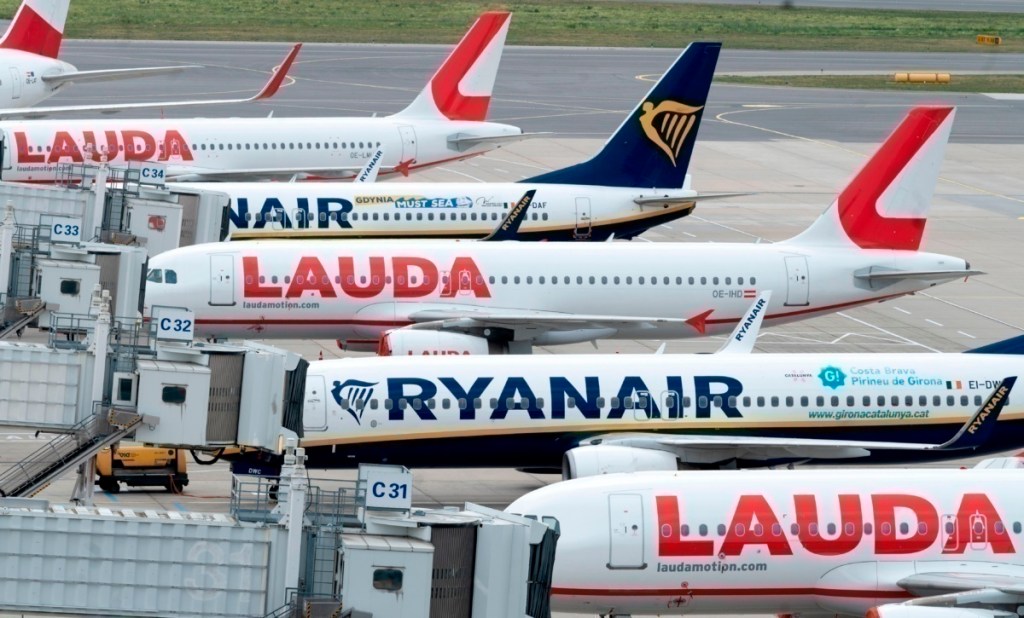
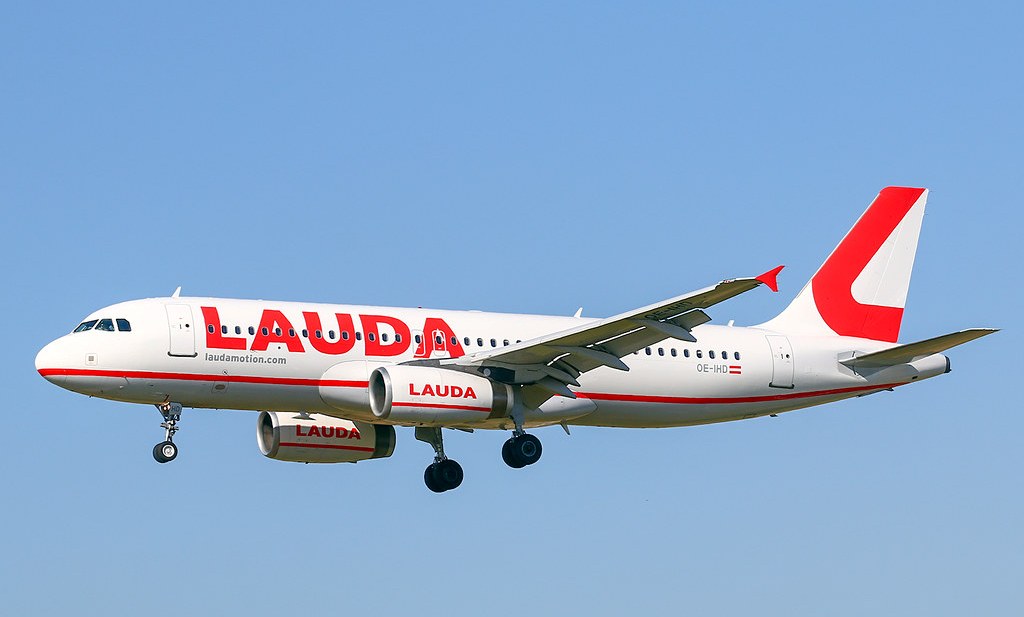
Lauda, la filial de la irlandesa Ryanair Holdings Plc. con sede en Viena, Austria, ha anunciado que se encuentra en proceso de estandarización de la flota de la compañía hacia la línea Boeing 737 MAX. Michael O’Leary, el CEO de Ryanair ha confirmado que las operaciones de la línea A320 finalizarán, migrando la flota hacia los Boeing 737 MAX como parte de la homogeneización del grupo aéreo.
Lauda tenía una flota de aviones que provenían en parte de Air Berlín y de FlyNiki, que estaban basada en aeronaves Airbus. Inicialmente, Ryanair había expresado la dualidad de operaciones con dos tipos de aviones Boeing 737 en Ryanair, y Airbus A320 en Lauda. Sin embargo, la aerolínea austríaca tiene aviones en régimen de alquiler, por lo que el modelo de Ryanair prefiere la compra de aeronaves por lo que la nueva flota en Lauda Air se inclinaría hacia la adquisición de los Boeing 737 MAX aprovechando una estandarización en el grupo para reducir los costos operativos, como así también se encuentra en mejores condiciones de conseguir precios de adquisición del producto Boeing que en Airbus, pues la compañía Ryanair Holdings Plc posee capacidad de compra para obtener mejores precio de lista. De esta manera, Lauda comenzará a recibir en el plazo de tres a cuatro años una flota unificada de Boeing 737-10 MAX. Algunos trascendidos relacionadas con el proceso de adquisición de aeronaves por parte del grupo Ryanair informan que podría encomendar 100 aviones para Lauda Air, permitiendo ver una perspectiva muy agresiva en el mercado como así también una gran expansión. El nuevo modelo de avión, MAX 10 posee una configuración estándar de 230 pasajeros, permitiendo ser más competitivo en relación asiento/km, y poder volar fuera de Europa.
Ryanair ha llevado a Lauda a consolidar su base en Viena para continuar creciendo, mientras que continúa con la apertura de su filial Zagreb, Croacia, con su estrategia de continuar expandiéndose por el centro de Europa.
Lauda standardizes fleet 737 MAX
Ryanair subsidiary abandons Airbus A320 line
Lauda, the subsidiary of Ireland’s Ryanair Holdings Plc. based in Vienna, Austria, has announced that it is in the process of standardizing the company’s fleet towards the Boeing 737 MAX line. Michael O’Leary, the CEO of Ryanair has confirmed that the operations of the A320 line will end, migrating the fleet to the Boeing 737 MAX as part of the homogenization of the airline group.
Lauda had a fleet of aircraft that came in part from Air Berlin and FlyNiki, which were based on Airbus aircraft. Initially, Ryanair had expressed the duality of operations with two types of aircraft Boeing 737 at Ryanair, and Airbus A320 at Lauda. However, the Austrian airline has aircraft for rent, so the Ryanair model prefers the purchase of aircraft, so the new fleet at Lauda Air would be inclined towards the acquisition of the Boeing 737 MAX taking advantage of a standardization in the group to reduce operating costs, as well as being in a better position to obtain purchase prices for the Boeing product than in Airbus, since the company Ryanair Holdings Plc has the capacity to purchase to obtain better list prices. In this way, Lauda will begin to receive a unified fleet of Boeing 737-10 MAX within three to four years. Some reports related to the aircraft acquisition process by the Ryanair group report that it could order 100 aircraft for Lauda, allowing a very aggressive outlook on the market as well as a great expansion. The new aircraft model, MAX 10, has a standard configuration of 230 passengers, allowing it to be more competitive in relation to seat/ km, and to be able to fly outside of Europe.
Ryanair has led Lauda to consolidate its base in Vienna to continue growing, while it continues with the opening of its subsidiary Zagreb, Croatia, with its strategy of continuing to expand through central Europe.
Las líneas aéreas de Argentina han flexibilizado sus políticas de tickets en torno a la situación de confinamiento que atraviesa el país. En el fin de semana largo, que incluyó el Lunes 24/05 y el Martes 25/05, la actividad turística ha estado suprimida por lo que la compañía aérea ha decidido ampliar su política comercial de cambios ofreciendo a los pasajeros que tenían planeados sus vuelos entre el 21 y el 30 de Mayo 2021 desde o hacia todos los destinos, un cambio sin cargo otorgado por política COVID. En la mayoría de las aerolíneas podrán realizar un cambio sin cargo con iguales condiciones respetando la temporada del ticket original y regresando antes del 15 de Diciembre 2021.
Aerolíneas Argentinas ha comunicado que los usuarios del transporte aéreo podrán modificar sus fechas de pasajes sin penalización debido a la actual situación de pandemia y confinamiento de Fase 1. Con la nueva etapa de restricciones que anunció el Gobierno de Argentina que incluye nueve días seguidos de confinamiento a partir de las 00:00 horas del Sábado 22/05 y hasta el Domingo 30/05, habrá también algunas restricciones para los vuelos domésticos. Se podrán cambiar tickets con iguales condiciones sin abonar sobrecargos adicionales con reprogramaciones hasta el 15 de Diciembre de 2021. A raíz de las restricción vigente se prevé desde Aerolíneas que para este Miércoles 26/05 se cancelará un vuelo a Bariloche y dos vuelos a Iguazú. Los pasajeros que tengan tickets para viajar entre el 21/05 y el 11/06 desde y hacia todos los destinos que hayan realizado el cambio sin cargo otorgado por la compañía, podrán realizar un nuevo cambio sin cargo con iguales condiciones, respeta la temporada del ticket original y la fecha de regreso es anterior al 15 de Diciembre 2021.
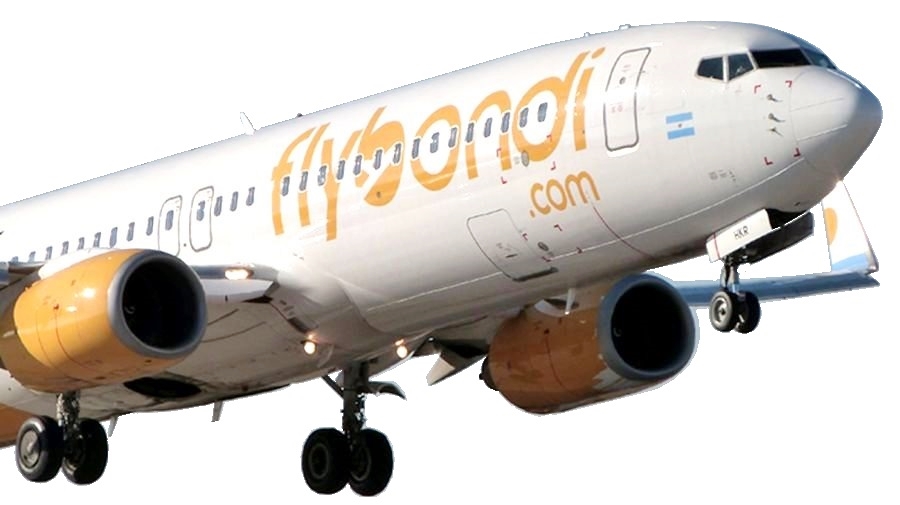
Flybondi Líneas Aéreas, a raíz de las restricciones, ha decidido que “todas las personas que necesiten modificar sus pasajes podrán realizar un único cambio de fecha sin costo ni penalización entre las fechas: 31/05/2021 al 30/06/2021 y 23/08/2021 al 30/11/2021”. Todas las alteraciones o cambios podrán gestionarlos desde la página web de la compañía.
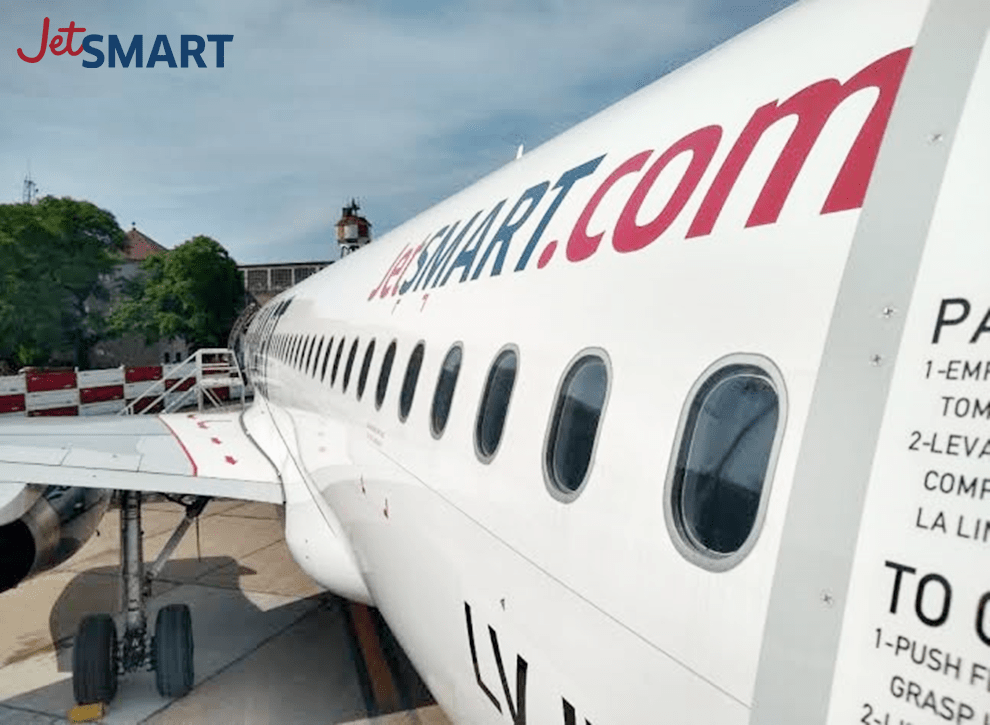
JetSmart Airlines Argentina ha expresado sobre los cambios en los ticktes aéreos que podrán aplicarse la flexibilidad para vuelos programados entre el 21 y el 31 de Mayo de 2021. La low cost dijo: “Atendiendo a la situación sanitaria y a las medidas que anticipó el Poder Ejecutivo nacional el pasado jueves, la línea aérea ofrecerá cambios sin costo ni diferencia de tarifa para quienes tuvieran vuelos programados para los días 21 al 31 de Mayo, pudiéndolos cambiar para cualquier otra fecha del año, salvo el mes de julio de 2021”.
Según lo establecido en el Decreto Nº334/21, para embarcar en un vuelo de cabotaje se deberá presentar el Certificado Único Habilitante para Circulación (Emergencia COVID-19) que se tramita, antes de la salida, desde la aplicación Cuidar o desde la página https://www.argentina.gob.ar/circular/tramite. Este certificado debe presentarse para los vuelos hasta 30 de Mayo y desde 5 al 6 de Junio de 2021. Durante esas fechas no se podrán realizar viajes con fines turísticos y deberán cumplirse, además, los requisitos de ingreso exigidos por las autoridades de cada provincia.
Argentina ticket changes without penalty
Companies will change tickets at no extra charge
Argentina’s airlines have relaxed their ticket policies around the confinement situation that the country is going through. In the long weekend, which included Monday 05/24 and Tuesday 05/25, tourist activity has been suppressed, so the airline has decided to extend its commercial exchange policy by offering passengers who had their flights planned between May 21 and 30, 2021 from or to all destinations, a change without charge granted by COVID policy. In most airlines you can make a change free of charge with the same conditions respecting the season of the original ticket and returning before December 15, 2021.
Aerolíneas Argentinas has communicated that air transport users will be able to modify their ticket dates without penalty due to the current pandemic situation and Phase 1 confinement. With the new stage of restrictions announced by the Government of Argentina that includes nine consecutive days of confinement from 00:00 hours on Saturday 05/22 and until Sunday 05/30, there will also be some restrictions for domestic flights. Tickets can be changed with the same conditions without paying additional surcharges with rescheduling until December 15, 2021. As a result of the current restriction, it is foreseen from Aerolíneas that for this Wednesday 05/26 a flight to Bariloche and two flights to Iguazú will be canceled. Passengers who have tickets to travel between 05/21 and 06/11 from and to all destinations that have made the change without charge granted by the company, may make a new change free of charge with the same conditions, respect the season of the original ticket and the return date is prior to December 15, 2021.
Flybondi Líneas Aéreas, as a result of the restrictions, has decided that “all the people who need to modify their tickets will be able to make a single change of date without cost or penalty between the dates: 05/31/2021 to 06/30/2021 and 23 / 08/2021 to 11/30/2021”. All alterations or changes can be managed from the company’s website.
JetSmart Airlines Argentina has expressed about the changes in the air tickets that the flexibility may be applied for flights scheduled between May 21 and 31, 2021. The low cost said: “Considering the health situation and the measures that the Executive Power anticipated national last Thursday, the airline will offer changes without cost or difference in fare for those who have flights scheduled for May 21 to 31, being able to change them for any other date of the year, except July 2021”.
According to what is established in Decree No. 334/21, to board a domestic flight, the Unique Enabling Certificate for Circulation (COVID-19 Emergency) must be presented, which is processed, before departure, from the Care application or from the https page: https://www.argentina.gob.ar/circular/tramite. This certificate must be presented for flights until May 30 and from June 5 to 6, 2021. During those dates, trips for tourist purposes may not be made and the entry requirements demanded by the authorities of each province must also be met.
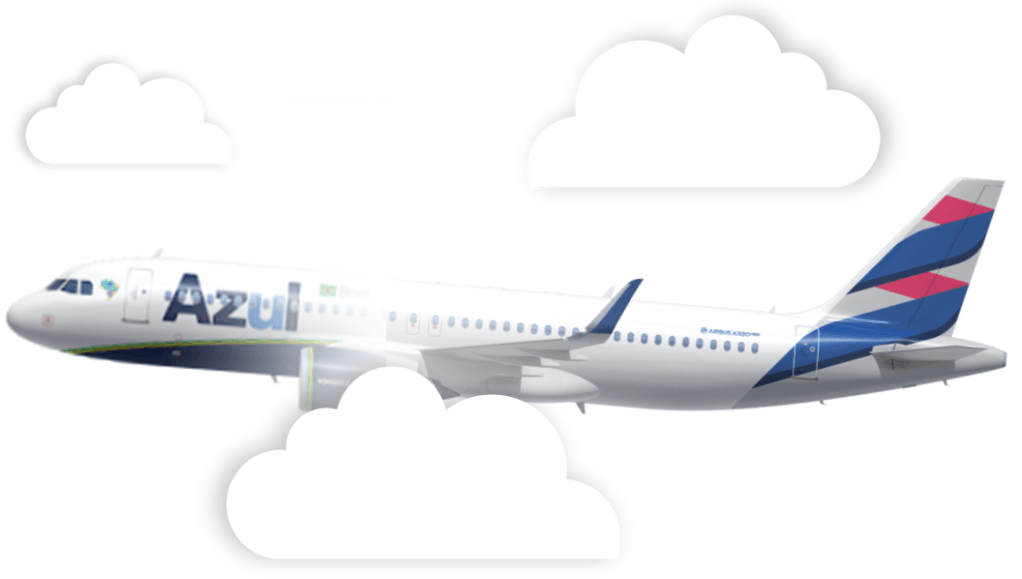
Azul Linhas Aéreas ha terminado el código compartido con Latam Airlines Brasil y está estudiando una posible fusión en el mercado sudamericano. Azul dijo que el grupo chileno Latam Airlines había puesto fin a un acuerdo de código compartido para vuelos nacionales en Brasil que fue lanzado en 2020 después de que la pandemia estancaba los viajes aéreos, una medida que Azul cree que fue una reacción a su exploración de oportunidades de consolidación. La aerolínea brasileña Azul ha comunicado a última hora del Lunes 24/05 que ha contratado asesores para examinar las oportunidades de consolidación dentro de la región y que estaba en una posición fuerte para impulsar esa consolidación.
La aerolínea brasileña cree que la consolidación es una parte importante de la respuesta de la industria post-pandémica y la compañía está en una posición fuerte para impulsar esa consolidación. La aerolínea ha contratado consultores y está explorando activamente oportunidades de fusión en la región. «Compartir código con Latam fue una solución única en nuestra respuesta a la pandemia. También nos dimos cuenta de que la consolidación del sector sería importante para la recuperación post-pandémica. Al final del primer trimestre de 2021, contratamos asesores financieros y estamos explorando oportunidades de consolidación futuras. Creemos que el final del código compartido con Latam es una reacción a este proceso. Azul está saliendo de esta crisis en una posición de liderazgo en términos de liquidez, recuperación de la red y competitividad. Nuestros planes no han cambiado y estoy seguro de que estamos en la mejor posición para buscar alternativas estratégicas», dijo John Rodgerson, CEO de Azul.
«Azul está saliendo de esta crisis en una posición de liderazgo en términos de liquidez, recuperación de la red y ventajas competitivas. Nuestros planes no han cambiado y estoy seguro de que estamos en la mejor posición para buscar alternativas estratégicas en este momento», dijo el Director Ejecutivo John Rodgerson en un comunicado. Latam Airlines Group solicitó protección por bancarrota en Mayo 2020 y está pasando por una reestructuración supervisada por los Tribunales en Estados Unidos.
Azul-Latam end codeshare
Azul studies merger opportunities in the region
Azul Linhas Aéreas has terminated the codeshare with Latam Airlines Brasil and is studying a possible merger in the South American market. Azul said Chilean group Latam Airlines had terminated a codeshare agreement for domestic flights in Brazil that was launched in 2020 after the pandemic stalled air travel, a move Azul believes was a reaction to its exploration of consolidation opportunities. The Brazilian airline Azul announced late on Monday 05/24 that it had hired advisers to examine consolidation opportunities within the region and that it was in a strong position to drive that consolidation.
The Brazilian airline believes that consolidation is an important part of the post-pandemic industry response and the company is in a strong position to drive that consolidation. The airline has hired consultants and is actively exploring merger opportunities in the region. «Sharing code with Latam was a unique solution in our response to the pandemic. We also realized that the consolidation of the sector would be important for the post-pandemic recovery. At the end of the first quarter of 2021, we hired financial advisors and are exploring consolidation opportunities We believe that the end of the codeshare with Latam is a reaction to this process. Azul is emerging from this crisis in a leadership position in terms of liquidity, network recovery and competitiveness. Our plans have not changed and I am sure that we are in the best position to seek strategic alternatives», said John Rodgerson, CEO of Azul.
«Azul is emerging from this crisis in a leadership position in terms of liquidity, network recovery and competitive advantages. Our plans have not changed and I am sure that we are in the best position to seek strategic alternatives at this time», he said Executive Director John Rodgerson in a statement. Latam Airlines Group filed for bankruptcy protection in May last year and is undergoing a court-supervised restructuring in the United States.
Code-share final Azul-Latam
Azul estuda oportunidades de fusão na região
A Azul Linhas Aéreas encerrou o codeshare com a Latam Airlines Brasil e estuda uma possível fusão no mercado sul-americano. A Azul disse que o grupo chileno Latam Airlines rescindiu um acordo de codeshare para voos domésticos no Brasil, lançado em 2020, depois que a pandemia paralisou as viagens aéreas, um movimento que a Azul acredita ter sido uma reação à sua exploração de oportunidades de consolidação. A companhia aérea brasileira Azul anunciou na noite de segunda-feira 24/05 que contratou consultores para examinar oportunidades de consolidação na região e que estava em uma posição forte para impulsionar essa consolidação.
A companhia aérea brasileira acredita que a consolidação é uma parte importante da resposta da indústria pós-pandemia e a empresa está em uma posição forte para conduzir essa consolidação. A companhia aérea contratou consultores e está explorando ativamente oportunidades de fusão na região. “Compartilhar o código com a Latam foi uma solução única em nossa resposta à pandemia. Também percebemos que a consolidação do setor seria importante para a recuperação pós-pandemia. No final do primeiro trimestre de 2021, contratamos consultores financeiros e estamos explorando oportunidades de consolidação Acreditamos que o fim do codeshare com a Latam seja uma reação a esse processo. A Azul está saindo dessa crise em posição de liderança em termos de liquidez, recuperação de rede e competitividade. Nossos planos não mudaram e tenho certeza que estamos na melhor posição para buscar alternativas estratégicas», disse John Rodgerson, CEO da Azul.
“A Azul está saindo desta crise em posição de liderança em termos de liquidez, recuperação de rede e vantagens competitivas. Nossos planos não mudaram e tenho certeza que estamos na melhor posição para buscar alternativas estratégicas neste momento”, disse o executivo Diretor John Rodgerson em um comunicado. O Latam Airlines Group pediu concordata em Maio do ano passado e está passando por uma reestruturação supervisionada por um tribunal nos Estados Unidos.
Cliente más importante Boeing plantea nuevas preocupaciones 777X
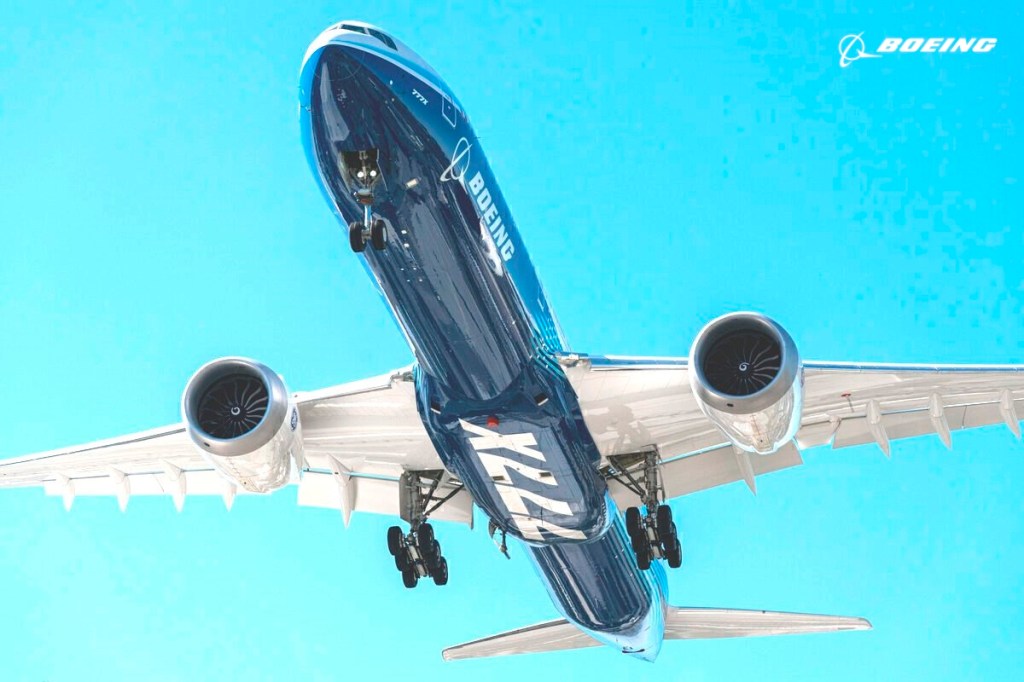
La aerolínea del Golfo Pérsico, Emirates Airline quiere que el nuevo avión esté a la altura de la promesa de The Boeing Company. La aerolínea es uno de los clientes más importantes del Programa 777X y reportando fuertes críticas al gigante aeroespacial estadounidense, lo que aumenta la presión para que Boeing resuelva cualquier problema con su próximo 777X más pronto que tarde. El Lunes 24/05, el jefe de Emirates Airline dijo que rechazaría la entrega en el 777X si el avión no cumple con los compromisos contractuales de desempeño. El Presidente de la aerolínea, Tim Clark, hablando en la cumbre de aviación en Dubai, Airport Show 20221 en Emiratos Árabes Unidos, dijo que Boeing tiene un historial de sobrepromiso en nuevos aviones y señaló que aún no ha recibido detalles de rendimiento sobre los nuevos motores del avión.
El Programa 777X se ha convertido en un dolor de cabeza para Boeing. Originalmente se esperaba que el avión debutara en 2021, pero una combinación de contratiempos de pruebas y retrasos relacionados con la pandemia ha apuntado ahora a una entrada en el mercado en 2023. Emirates representa aproximadamente un tercio de la reserva de pedidos del avión y podría ser un cliente de marca o interrupción para el avión. Pero la aerolínea dijo el verano pasado que estaba considerando cambiar algunos de esos pedidos por 787 Dreamliners más pequeños. En Marzo 2021, Tim Clark expresó su preocupación de que Boeing esté pasando de problemas con su Boeing 737 MAX y otros aviones sin aprender ninguna lección, culpando a la junta de Boeing por la falta de supervisión. Tim Clark dijo en ese momento que los futuros tratos entre Emirates y Boeing se basarían en lo bien que Boeing aborda los problemas internos que han llevado a sus problemas.
El 777X es una actualización de uno de los aviones más grandes de Boeing y uno de los favoritos desde hace mucho tiempo para las aerolíneas que vuelan horarios internacionales de larga distancia. El 777X tiene nuevos motores y alas compuestas diseñadas para aumentar la eficiencia del combustible, pero como Tim Clark señala, no hay ninguna indicación sólida todavía de Boeing de que sus ingenieros han sido capaces de alcanzar sus objetivos para un mejor rendimiento.
Emirates questions 777X program
Boeing’s largest customers raises new 777X concerns
Persian Gulf carrier Emirates Airline wants the new aircraft to live up to the promise of The Boeing Company. The airline is one of the most important customers of the 777X Program, and reporting strong criticism of the American aerospace giant, increasing pressure for Boeing to resolve any issues with its upcoming 777X sooner rather than later. On Monday 05/24, the head of Emirates Airline said that he would refuse delivery in the 777X if the aircraft does not meet contractual performance commitments. Airline President Tim Clark, speaking at the Dubai aviation summit, Airport Show 20221 in the United Arab Emirates, said Boeing has a history of overengagement on new aircraft and noted that it has not yet received performance details on new ones. aircraft engines.
The 777X Program has become a headache for Boeing. The aircraft was originally expected to debut in 2021, but a combination of testing mishaps and pandemic-related delays has now pointed to market entry in 2023. Emirates accounts for about a third of the aircraft’s order book and could be a brand customer or disruption for the plane. But the airline said last summer it was considering swapping some of those orders for smaller 787 Dreamliners. In March 2021, Tim Clark expressed concern that Boeing is running out of trouble with its Boeing 737 MAX and other aircraft without learning any lessons, blaming the Boeing board for the lack of oversight. Tim Clark said at the time that future deals between Emirates and Boeing would be based on how well Boeing addresses the internal issues that have led to its problems.
The 777X is an upgrade to one of Boeing’s larger jets and a long-time favorite for airlines flying long-haul international schedules. The X has new engines and compound wings designed to increase fuel efficiency, but as Clark points out, there is no solid indication yet from Boeing that its engineers have been able to meet their goals for better performance.