Virgin arrendará 737 demanda interna

AW | 2021 03 17 15:30 | AIRLINES

Virgin Australia alquilará 9 Boeing 737 para mercado interno

Virgin_Australia

Virgin Australia Airlines parece haber cambiado sus planes sobre la reducción de la flota de la línea Boeing 737. La aerolínea australiana entró en conversaciones para arrendar hasta nueve aviones de este tipo con el fin de aumentar la capacidad mientras confía enel aumento de la demanda de operaciones nacionales.

El Director Ejecutivo de Virgin Australia, Jayne Hrdlicka, ha detallado que la aerolínea se acercó un paso más en las negociaciones sobre un contrato de arrendamiento entre ocho o nueve aviones Boeing 737-800 para ampliar su capacidad nacional. En declaraciones a medios locales el 16 de Marzo de 2021, Jayne Hrdlicka anunció que la aerolínea se comprometía a más aviones y que creía que el mercado nacional australiano estaba saliendo del soporte vital. «Nos estamos comprometiendo con más aviones y estamos muy positivos sobre las perspectivas», expresó Jayne Hrdlicka, y delineó que Virgin Australia esperaba alcanzar el 65% de la capacidad pre-pandemia en Abril de 2021 e intentaría alcanzar el 85% a mediados de 2021. En la batalla aérea entre Qantas Airways, Virgin Australia y Rex Airlines, los clientes podrían ser los ganadores finales.

La medida de arrendar aviones Boeing 737 adicionales podría verse parcialmente alentada por un aumento en la venta de boletos de la aerolínea después de la reciente decisión gubernamental de descontar 800.000 tarifas aéreas con el fin de impulsar la caída de la demanda de viajes aéreos en el país. La aerolínea inicialmente tenía la intención de reducir su flota de Boeing 737 de 85 a 56 aviones. En Septiembre 2020, Virgin Australia anunció la devolución de un tercio de la flota 737 a los arrendadores como parte de su plan de cambios favorables del nuevo propietario Bain Capital. Siguiendo el plan, Virgin Australia debería centrarse en las operaciones internacionales nacionales y de corta distancia con sus 737 años mientras compite contra Qantas Airways. En ese momento, Virgin Australia estaba en conversaciones sobre los términos de financiación de 56 de los 85 aviones que la aerolínea tenía antes de entrar en administración voluntaria en abril de 2020. Sin embargo, Virgin Australia ya ha planeado hacer crecer su flota de nuevo a 75 aviones Boeing 737 cuando la demanda regrese. Según los datos Planespotters.com, la flota actual de Virgin Australia está compuesta por 2 aviones Boeing 737-700 y 57 Boeing 737-800 con una edad promedio de 9,6 años.

Virgin to lease 737 domestic demand

Virgin Australia to lease 9 Boeing 737s for domestic market

Virgin Australia Airlines appears to have changed its plans on reducing the fleet of the Boeing 737 line. The Australian airline entered into talks to lease up to nine such aircraft in order to increase capacity while relying on increased demand for operations. nationals.

Virgin Australia Chief Executive Officer Jayne Hrdlicka has detailed that the airline came one step closer in the negotiations on a lease agreement between eight or nine Boeing 737-800 aircraft to expand its domestic capacity. Speaking to local media on March 16, 2021, Jayne Hrdlicka announced that the airline was committing to more aircraft and that he believed the Australian domestic market was coming off life support. «We are committing to more aircraft and we are very positive about the outlook», said Jayne Hrdlicka, outlining that Virgin Australia expected to reach 65% of pre-pandemic capacity by April 2021 and would aim to reach 85% by mid-2021. In the air battle between Qantas Airways, Virgin Australia and Rex Airlines, customers could be the ultimate winners.

The move to lease additional Boeing 737 aircraft could be partially encouraged by an increase in the airline’s ticket sales after the recent government decision to discount 800,000 airfares in order to fuel the drop in demand for air travel in the country. The airline initially intended to reduce its Boeing 737 fleet from 85 to 56 aircraft. In September 2020, Virgin Australia announced the return of a third of the 737 fleet to lessors as part of its favorable exchange plan from new owner Bain Capital. Following the plan, Virgin Australia should focus on domestic and short-haul international operations at its 737-year-old while competing against Qantas Airways. At the time, Virgin Australia was in discussions on financing terms for 56 of the 85 aircraft the airline had before entering voluntary management in April 2020. However, Virgin Australia has already planned to grow its fleet back to 75 Boeing 737s when demand returns. According to Planespotters.com data, Virgin Australia’s current fleet is made up of 2 Boeing 737-700 and 57 Boeing 737-800 aircraft with an average age of 9.6 years.


PUBLISHER: Airgways.com
DBk: Virginaustralia.com / Airgways.com
AW-POST: 202103171530AR

A\W   A I R G W A Y S ®

Sun Country respaldada por Apollo

AW | 2021 03 17 15:25 | AIRLINES

Aeerolínea Sun Country Airlines obtiene respaldo económico

Sun Country Airlines Holdings Inc., una aerolínea de bajo costo con sede en Minnesota, respaldada por la firma de capital privado Apollo Global Management Inc. ha obtenido una recaudación de US$ 218,2 millones de Dólares en su oferta pública inicial el Martes 16/03. El listado se produce en un momento en que la débil demanda de viajes sigue pesando sobre las finanzas de las aerolíneas a nivel mundial, ya que la gente se queda en casa debido a la pandemia. Sun Country, sin embargo, está apostando por un cambio en su fortuna a medida que la gente se vacuna. La aerolínea espera ser uno de los primeros beneficiarios del repunte, ya que se centra en los viajes de ocio en lugar de los viajes de negocios.

Sun Country opera una flota de 31 aeronaves Boeing 737-800 y 12 aviones de carga. La aerolínea también proporciona servicios de carga aérea a Amazon.com Inc. La aerolínea amplió los servicios en Enero 2021 de este año, sumando dieciséis nuevas rutas y nueve nuevos aeropuertos, alentados por el despliegue de la vacuna COVID-19 y apostando por la demanda de viajes de ocio.

Fundada en 1982 por Jim Olsen y un pequeño grupo de pilotos y asistentes de vuelo, Sun Country ofrece vuelos asequibles y paquetes de vacaciones a destinos de los Estados Unidos, México, Centroamérica y el Caribe. En 2017 ha sido adquirida por Apollo Global Management Inc. La compañía dijo que planea usar una parte de los ingresos de la OPI para pagar un préstamo que tomó del Gobierno de los Estados Unidos bajo la Ley de Ayuda, Alivio y Seguridad Económica (CARES).

Sun Country backed by Apollo

Airline Sun Country Airlines obtains financial support

Sun Country Airlines Holdings Inc., a Minnesota-based low-cost airline backed by private equity firm Apollo Global Management Inc., raised $ 218.2 million in its initial public offering on Tuesday 16/03. The listing comes at a time when weak travel demand continues to weigh on airline finances globally as people stay home due to the pandemic. Sun Country, however, is betting on a turnaround in its fortunes as people get vaccinated. The airline hopes to be one of the first beneficiaries of the rebound, as it focuses on leisure travel rather than business travel.

Sun Country operates a fleet of 31 Boeing 737-800 aircraft and 12 cargo aircraft. The airline also provides air cargo services to Amazon.com Inc. The airline expanded services in January 2021 of this year, adding sixteen new routes and nine new airports, encouraged by the deployment of the COVID-19 vaccine and betting on demand. of leisure travel.

Founded in 1982 by Jim Olsen and a small group of pilots and flight attendants, Sun Country offers affordable flights and vacation packages to destinations in the United States, Mexico, Central America and the Caribbean. In 2017 it was acquired by Apollo Global Management Inc.The company said it plans to use a portion of the IPO proceeds to pay off a loan it took from the United States Government under the Aid, Relief and Economic Security Act (CARES).


PUBLISHER: Airgways.com
DBk: Suncountry.com / Airgways.com
AW-POST: 202103171525AR

A\W   A I R G W A Y S ®

AEI conversiones MD-88F para USA Jet

La imagen tiene un atributo ALT vacío; su nombre de archivo es aei-md80sf.jpg

AW | 2021 03 17 15:03 | INDUSTRY / AIRLINES

AEI logra acuerdo conversión MD-88SFs para USA Jet

Aeronautical Engineers, Inc. (AEI) ha firmado un contrato para proporcionar a la aerolínea regional USA Jet Airlines, con sede en Michigan, conversiones de cargueros de tres (3) McDonnell Douglas MD-88SF con opción adicional para convertir tres más del mismo tipo de aeronave. Las conversiones son parte de una expansión significativa en la capacidad aérea nacional en la que la empresa matriz de la aerolínea, Ascent Global Logistics, está invirtiendo en un período de varios años. La conversión del carguero MD-88SF cuenta con posiciones adicionales de palets y una mayor capacidad de carga útil y proporcionará a USA Jet Airlines un sistema de carga Ancra (CLS) capaz de transportar contenedores/palets de 12″ x 108″, P1 a P12.

El primer MD-88 (MSN TBD) comenzará a modificarse en Marzo de 2021, seguido del segundo y tercer avión en Mayo y Agosto 2021, respectivamente. Los requisitos de mano de obra táctil y mantenimiento para todas las modificaciones se realizarán en las instalaciones de Dothan, Alabama (AL), de Commercial Jet, que es un Centro de Conversión AEI autorizado.

AEI Engineers ha estado ocupado con conversiones para cargueros de cuerpo estrecho en los últimos tiempos. Recientemente llegó a acuerdos con el arrendador de aeronaves Macquarie Finance para cuatro conversiones Boeing 737-800SF y la compañía Transair con sede en Honolulu, Hawaii, para una conversión de Boeing 737-400SF. La compañía está en camino de convertir más de 36 cargueros de banda estrecha en 2021 y más de 45 en 2022, ha comunicado Bob Convey, Vicepresidente Senior de Ventas y Marketing de AEI Engineers. AEI Engineers está trabajando en conversiones para diferentes modelos en sus instalaciones, incluyendo CRJ200SF, MD80SF, B737-300SF, B737-400SF y B737-800SF, con conversiones que van desde US$ 1.9 a US$ 3.8 millones dependiendo del tipo de aeronave.

AEI MD-88F conversions for USA Jet

AEI reaches MD-88SFs conversion agreement for USA Jet

Aeronautical Engineers, Inc. (AEI) has entered into a contract to provide Michigan-based regional airline USA Jet Airlines with three (3) McDonnell Douglas MD-88SF freighter conversions with additional option to convert three more of the same type of aircraft. The conversions are part of a significant expansion in domestic air capacity that the airline’s parent company, Ascent Global Logistics, is investing in over a period of several years. The MD-88SF freighter conversion features additional pallet positions and increased payload capacity and will provide USA Jet Airlines with an Ancra Cargo System (CLS) capable of transporting 12 «x 108» containers/pallets, P1 to P12.

La imagen tiene un atributo ALT vacío; su nombre de archivo es md80.jpg

The first MD-88 (MSN TBD) will begin to be modified in March 2021, followed by the second and third aircraft in May and August 2021, respectively. Touch labor and maintenance requirements for all modifications will be performed at the Dothan, Alabama (AL) facility of Commercial Jet, which is a licensed AEI Conversion Center.

AEI Engineers has been busy with conversions for narrow-body freighters as of late. It recently reached agreements with aircraft lessor Macquarie Finance for four Boeing 737-800SF conversions and the Honolulu, Hawaii-based company Transair for one Boeing 737-400SF conversion. The company is on track to convert more than 36 narrowband freighters in 2021 and more than 45 in 2022, said Bob Convey, AEI Engineers Senior Vice President of Sales and Marketing. AEI Engineers is working on conversions for different models at its facilities, including CRJ200SF, MD80SF, B737-300SF, B737-400SF and B737-800SF, with conversions ranging from US$ 1.9 to US$ 3.8 million depending on the type of aircraft.


PUBLISHER: Airgways.com
DBk: Aeieng.com / Airgways.com
AW-POST: 202103171503AR

A\W   A I R G W A Y S ®

Avianca anuncia plan expansión rutas

AW | 2021 03 17 12:00 | AIRLINES / AIRLINES ROUTES

Avianca expandirá red servicios con 50 nuevas rutas

Avianca_Airlines_Isologotype

La aerolínea Avianca Airlines anunció este 16/03 su plan de reorganización y expansión post-pandemia necesaria para ser competitiva en los próximos años con el lanzamiento de nuevos destinos y productos. Tras un proceso de adecuación de la Ley de Quiebras, la reestructuración de la deuda y los cambios que han generado la crisis sanitaria, Avianca busca ser una compañía más eficiente hacia los próximos años. La estrategia incluye el crecimiento de su red actual de vuelos, con el lanzamiento de 50 nuevas rutas durante los siguientes tres años y más vuelos sin escala entre ciudades, según anunciaron ejecutivos de la aerolínea. «Siempre nos costó competir fuera de los hubs con el nivel de costos que teníamos, pero ahora apostamos a ser mucho más eficientes, lo que nos permitirá tener vuelos directos desde y hacia ciudades afuera de los hubs», ha expresado Anko van der Werff, CEO de Avianca.

Próximos destinos & productos

Para mediados de 2021 se ha planificado el inicio de seis nuevas rutas que incluyen Guatemala—Nueva York (EUA), Guatemala—Washington D.C. (EUA), San José—Miami (EUA), Medellín—Cancún, Medellín—Punta Cana (República Dominicana). En Julio 2021 comenzará a operar la ruta San Salvador—Ontario, en California, Estados Unidos, con tres vuelos por semana. Todos estos vuelos son directos punto a punto. Avianca ha estado trabajando en mejorar y alcanzar mayores índices de puntualidad, sirviendo como caso de El Salvador, el indicador de puntualidad continúa siendo superior al 96% en Marzo 2021.

Avianca ha detallado aspectos evaluados para implementar a corto plazo sobre vuelos para el segundo trimestre del año (2Q2021), y a destinos que en algunos casos a los cuales de momento no pueden volar. El CEO de Avianca ha explicado que continúan maximizando los recursos en el corto plazo para desarrollar operaciones rentables.

La aerolínea opera un centro de conexiones en el Aeropuerto Internacional de El Salvador Monseñor Óscar Arnulfo Romero. Desde este mes, Avianca está operando doce rutas con más de 9.000 asientos disponibles en 68 frecuencias semanales. «El hub es muy eficiente, funciona muy bien, siempre ha sido una pieza clave para nosotros en Avianca. Lo que construyó TACA en las últimas décadas es impresionante. Sigue el hub, pero afuera de los ‘hubs’ vamos a incrementar nuestra relevancia en las ciudades secundarias en la región», apuntó Anko van der Werff, sobre el plan trazado.

Recientemente, la aerolínea anunció la suspensión temporal de varias rutas a Estados Unidos, Europa, Centroamérica y Suramérica para ajustar sus operaciones a la demanda de pasajeros. Entre los vuelos cancelados figuran las rutas que parten de San Salvador con destino a Dallas, Houston y Miami (EUA), Toronto (Canadá) y Ciudad de México.

La aerolínea también anunció que introducirá un rediseño en el interior de sus aviones Airbus A320CEO/NEO para ofrecer asientos más ligeros y cómodos, permitiendo una mejor ergonomía para una renovada imagen visual de las cabinas de pasajeros.

Respecto a las tarifas vigentes, como parte de «Vuelo a tu medida», Avianca ofrecerá un vuelo con una tarifa limpia, denominada XS. «Es para la gente que quiera una tarifa aún más competitiva, vamos a asegurarnos de que Avianca atraiga a una nueva audiencia más amplia en todos los mercados», subrayó Anko Van der Werff, pues la idea es que más gente vuele con Avianca.

Perspectivas Avianca

La aerolínea ve con optimismo el futuro a pesar del impacto que la pandemia tuvo sobre la industria aérea en el 2020 y que implicó perdidas multimillonarias para el sector de las aerolíneas. En 2020, la aerolínea se acogió al Capitulo 11 de la Ley de Bancarrota en Estados Unidos. Esta norma permite a las empresas reorganizar sus negocios y seguir con sus operaciones. «Nos estamos reorganizando bajo el Capitulo 11, y eso protege a nuestros acreedores, nos da tiempo para hacernos cargo de nuestras obligaciones, nos deja renegociar y buscar eficiencias», resumió Adrián Neuhauser, Director Financiero de Avianca, quien destacó que el año pasado la empresa obtuvo US$ 1.200 millones a través de inversionistas privados. «Miramos no solo como proteger la caja en el corto plazo, pero también como creamos una Avianca valiosa para nuestros inversionistas, clientes y pasajeros hacia el futuro», aseveró Adrián Neuhauser.

Tras una fuerte reestructuración, la compañía ha salido favorecida hacia un futuro más prometedor: «Somos una empresa más eficiente al momento, lo que nos permite poner capacidad en otros lugares, que con el nivel de costos que teníamos antes no podíamos hacerlo», concluye el CEO de Avianca, Anko van der Werff.

Avianca announces route expansion plan

Avianca will expand services network with 50 new routes

The airline Avianca Airlines announced on 03/16 its post-pandemic reorganization and expansion plan necessary to be competitive in the coming years with the launch of new destinations and products. After a process of adapting the Bankruptcy Law, the restructuring of the debt and the changes that have generated the health crisis, Avianca seeks to be a more efficient company in the coming years. The strategy includes growing its current flight network, with the launch of 50 new routes over the next three years and more nonstop flights between cities, airline executives announced. «It has always been difficult for us to compete outside the hubs with the level of costs that we had, but now we are committed to being much more efficient, which will allow us to have direct flights to and from cities outside the hubs», said Anko van der Werff, CEO of Avianca.

Upcoming destinations & products

Avianca_Brasil

Six new routes are planned for mid-2021, including Guatemala—New York (USA), Guatemala—Washington D.C. (USA), San José—Miami (USA), Medellín—Cancún, Medellín—Punta Cana (Dominican Republic). In July 2021 the San Salvador-Ontario route will begin operating in California, United States, with three flights per week. All these flights are direct point to point. Avianca has been working to improve and achieve higher punctuality rates, serving as the case of El Salvador, the punctuality indicator continues to be higher than 96% in March 2021.

Avianca has detailed aspects evaluated to implement in the short term on flights for the second quarter of the year (2Q2021), and to destinations that in some cases to which they cannot fly at the moment. The CEO of Avianca explained that they continue to maximize resources in the short term to develop profitable operations.

The airline operates a hub at the Monseñor Óscar Arnulfo Romero International Airport of El Salvador. As of this month, Avianca is operating twelve routes with more than 9,000 seats available on 68 weekly frequencies. «The hub is very efficient, it works very well, it has always been a key piece for us at Avianca. What TACA built in recent decades is impressive. The hub continues, but outside of the hubs we are going to increase our relevance in the secondary cities in the region», pointed Anko van der Werff, on the drawn up plan.

Recently, the airline announced the temporary suspension of several routes to the United States, Europe, Central America and South America to adjust its operations to passenger demand. The canceled flights include routes that depart from San Salvador to Dallas, Houston and Miami (USA), Toronto (Canada) and Mexico City.

The airline also announced that it will introduce a redesign to the interior of its Airbus A320CEO/NEO aircraft to offer lighter and more comfortable seats, allowing better ergonometry for a renewed visual image of the passenger cabins.

Regarding the current rates, as part of «Flight to your measure», Avianca will offer a flight with a clean rate, called XS. «It is for people who want an even more competitive fare, we are going to make sure that Avianca attracts a new broader audience in all markets», expresses the CEO Anko Van der Werff, as the idea is that more people fly with Avianca.

Avianca perspectives

The airline is optimistic about the future despite the impact that the pandemic had on the airline industry in 2020 and that it implied multimillion-dollar losses for the airline sector. In 2020, the airline filed for Chapter 11 of the Bankruptcy Law in the United States. This rule allows companies to reorganize their businesses and continue with their operations. «We are reorganizing under Chapter 11, and that protects our creditors, gives us time to take charge of our obligations, allows us to renegotiate and seek efficiencies», summarized Adrián Neuhauser, Chief Financial Officer of Avianca, who highlighted that last year the The company obtained US$ 1.2 billion through private investors. «We look not only at how to protect the box in the short term, but also how we create a valuable Avianca for our investors, customers and passengers in the future», said Adrián Neuhauser.

After a strong restructuring, the company has been favored towards a more promising future: «We are a more efficient company at the moment, which allows us to put capacity in other places, which with the level of costs that we had before we could not do it», he concludes the CEO of Avianca, Anko van der Werff.


PUBLISHER: Airgways.com
DBk: Avianca.com / Airgways.com
AW-POST: 202103171200AR

A\W   A I R G W A Y S ®

American incorporará 22 Embraer E170

AW | 2021 03 16 17:28 | AIRLINES

American Airlines añadirá E170 esta 2Q2021

IMG_LOGO_American_Eagle

La compañía aérea American Airlines ha anunciado la incorporación de 22 Embraer E170 bajo operaciones de subsidiarias hacia la próxima primavera boreal (2Q2021). La aerolínea con sede en Dallas/Fort Worth (TX) ha presentado sus primeras rutas para aviones Embraer E170 que se unirán a su flota regional en los próximos meses con base de operaciones en el Aeropuerto New York/LaGuardia/LGA y volarán para dos filiales de American Eagle, Envoy Air y Republic Airways.

Envoy Air está recibiendo seis (6) E170 recién comprados que serán desafectados de la filial CityFlyer de British Airways hasta principios de este año, cuando la aerolínea con sede en Londres decidió dejar de volar el avión regional Embraer de tamaño medio debido a la pandemia. Envoy Air comenzará a volar los E170 entre LGA e Indianápolis (IND) el 03/06, según los horarios de Cirium y más tarde confirmados por la aerolínea. American Eagle agregará una segunda ruta E170 operada por el Envoy Air, desde LGA a Wilmington/ILM, Carolina del Norte, 31/10. La programación es tentativa, dependiendo de la situación sanitaria.

En Mayo 2021, Republic Airways, socio de American Eagle, también comenzará a volar una versión de 65 asientos del Embraer E170, con sede en LaGuardia. Los horarios de Cirium muestran que el nuevo jet está programado actualmente para operar un montón de rutas LGA, incluyendo: Asheville (AVL)Atlanta (ATL), Cleveland (CLE), Indianápolis (IND), Key West (EYW), Nashville (BNA), Pensacola (PNS), Raleigh-Durham (RDU), Wilmington (ILM). Republic Airways ha confirmado que los recién reconfigurados E170 han estado en su flota volando para otros transportadores aéreos, pero serán reasignados a American Eagle. La compañía reconfigurará 16 Embraer 170 con 65 asientos teniendo presente las Cláusulas de Alcance que American tiene con sus pilotos. Estas disposiciones contractuales limitan la cantidad de vuelos que American puede subcontratar a sus filiales regionales, en función del número de asientos en cada avión regional. Según los términos de las Cláusulas de Alcance, American Eagle sólo puede operar un cierto porcentaje de aviones regionales con capacidad para entre 66 y 76 pasajeros.

Al equipar deliberadamente los E170 con sólo 65 asientos, estos aviones califican como pequeños aviones regionales y no cuentan para el límite de aviones más grandes. United hizo un movimiento estratégico similar al crear el CRJ-550 de 50 asientos, una variante más amplia del CRJ-700 más grande. La adición de los E170 tiene como movimiento el retiro de su avión regional más pequeño, el Embraer E140 hacia Mayo 2021.

Volar aviones regionales más grandes equipados con una cabina de primera clase fue uno de los principales puntos de venta para la nueva alianza noreste de American Airlines con JetBlue Airways. Como parte de la nueva alianza American incrementará los vuelo de Nueva York a aviones equipados con una cabina de primera clase, como los E170 que ahora están listos para comenzar a volar bajo la marca de Republic Airways.

American to add 22 E170

American Airlines will add E170 this 2Q2021

The airline American Airlines has announced the incorporation of 22 Embraer E170s under subsidiary operations by next spring (2Q2021). The airline based in Dallas/Fort Worth (TX) has presented its first routes for Embraer E170 aircraft that will join its regional fleet in the coming months with base of operations at New York/LaGuardia/LGA Airport and will fly for two subsidiaries from American Eagle, Envoy Air and Republic Airways.

AW-American Eagle_E170

Envoy Air is receiving six (6) newly purchased E170s that will be decommissioned from British Airways’ CityFlyer subsidiary until earlier this year, when the London-based carrier decided to stop flying the mid-size Embraer regional jet due to the pandemic. Envoy Air will begin flying E170s between LGA and Indianapolis (IND) on 06/03, based on Cirium schedules and later confirmed by the airline. American Eagle will add a second E170 route operated by Envoy Air, from LGA to Wilmington / ILM, North Carolina, 10/31. Scheduling is tentative, depending on the health situation.

In May 2021, Republic Airways, a partner of American Eagle, will also begin flying a 65-seat version of the LaGuardia-based Embraer E170. Cirium’s schedules show that the new jet is currently scheduled to operate a bunch of LGA routes, including: Asheville (AVL) Atlanta (ATL), Cleveland (CLE), Indianapolis (IND), Key West (EYW), Nashville (BNA) , Pensacola (PNS), Raleigh-Durham (RDU), Wilmington (ILM). Republic Airways has confirmed that the newly reconfigured E170s have been in its fleet flying for other air carriers, but will be reassigned to American Eagle. The company will reconfigure 16 Embraer 170s with 65 seats keeping in mind the Scope Clauses that American has with its pilots. These contractual provisions limit the number of flights American can outsource to its regional affiliates, based on the number of seats on each regional aircraft. Under the terms of the Scope Clauses, American Eagle can only operate a certain percentage of regional aircraft with a capacity of 66-76 passengers.

By deliberately equipping the E170s with just 65 seats, these jets qualify as small regional jets and do not count toward the larger jets limit. United made a similar strategic move by creating the 50-seat CRJ-550, a wider variant of the larger CRJ-700. The addition of the E170s is triggered by the retirement of its smaller regional aircraft, the Embraer E140 by May 2021.

Flying larger regional jets equipped with a first-class cabin was one of the main selling points for American Airlines’ new Northeast alliance with JetBlue Airways. As part of the new alliance, American will increase flights from New York to aircraft equipped with a first-class cabin, such as the E170s that are now ready to begin flying under the Republic Airways brand.


PUBLISHER: Airgways.com
DBk: Aa.com / Airgways.com
AW-POST: 202103161728AR

A\W   A I R G W A Y S ®

Grupo IAG reducción de flota

AW | 2021 03 16 13:10 | AIRLINES

Reducción de flota para minimizar impacto crisis vuelos

Las aerolíneas de la International Airlines Group (IAG) han informado que han llevado a cabo una drástica reducción de flota para minimizar el impacto de la crisis derivada de la pandemia de Coronavirus. El mayor recorte corresponde a la flota destinada al largo radio, negocio que más dificultades está teniendo para recuperarse. El grupo liderado por Luis Gallego prevé que la demanda se mantenga en niveles muy bajos durante varios años, no volviendo a las cifras registradas antes de la crisis sanitaria hasta al menos 2023. Por ello, apuesta firmemente por reducir su flota de aviones y los costes de mantenimiento asociados. Asimismo, se están utilizando con mayor asiduidad las aeronaves de última generación más eficientes en el consumo de combustible.

Sus compañías aéreas han pasado de contar con 204 unidades a tan solo 166, lo que supone una reducción interanual del 18,6%. En lo que respecta al corto radio, la flota baja un 6,9%, pasando de 394 a 367 aeronaves. Las líneas aéreas españolas Iberia y Vueling, disponían al cierre de 2020 de 533 aeronaves, lo que supone un descenso del 10,9% en comparación con las 598 que tenían hacia el 4Q2019. Actualmente, 241 de los 533 aviones en servicio están temporalmente estacionados.

El Grupo IAG ha decidido en 2020 acelerar la retirada de su flota de largo radio más antigua con cuatro motores. British Airways retiró 32 Boeing 747-400 e Iberia hizo lo propio con 15 Airbus A340-600, después de 24 años de relación. Además de estas bajas, 37 aviones fueron parados antes de lo previsto, bien a la espera de su enajenación o de su devolución a arrendadores, lo que eleva la reducción de la flota a 84 unidades. Sin embargo, el grupo también recibió 34 aviones durante el año: Airbus A330 (15), Airbus A320 (2), Airbus A350 (7), Boeing 777-300 (4), Boeing 787-10 (2) y Embraer E190 (4), lo que corresponden por aerolíneas British Airways (19), Iberia (8), Vueling (3) y Aer Lingus (4). Adicionalmente, el IAG Group ha acordado aplazar la entrega de 68 aeronaves que tenía previsto recibir en el período 2020-2022 y reprogramar algunos pagos por anticipado a los fabricantes de aeronaves.

IAG Group reduces fleet

Fleet reduction to minimize flight crisis impact

The airlines of the International Airlines Group (IAG) have reported that they have carried out a drastic fleet reduction to minimize the impact of the crisis derived from the Coronavirus pandemic. The biggest cut corresponds to the fleet destined for the long haul, a business that is having the most difficulties to recover. The group led by Luis Gallego foresees that demand will remain at very low levels for several years, not returning to the figures recorded before the health crisis until at least 2023. Therefore, it is firmly committed to reducing its fleet of aircraft and costs associated maintenance. Likewise, the latest generation more fuel efficient aircraft are being used more frequently.

Its airlines have gone from having 204 units to only 166, which represents a year-on-year reduction of 18.6%. With regard to the short haul, the fleet decreased by 6.9%, from 394 to 367 aircraft. The Spanish airlines Iberia and Vueling had 533 aircraft at the end of 2020, which represents a decrease of 10.9% compared to the 598 they had in 4Q2019. Currently, 241 of the 533 aircraft in service are temporarily parked.

The IAG Group has decided in 2020 to accelerate the retirement of its oldest long-haul fleet with four engines. British Airways withdrew 32 Boeing 747-400s and Iberia did the same with 15 Airbus A340-600s, after 24 years of relationship. In addition to these casualties, 37 aircraft were stopped ahead of schedule, either pending their disposal or their return to lessors, which brings the reduction of the fleet to 84 units. However, the group also received 34 aircraft during the year: Airbus A330 (15), Airbus A320 (2), Airbus A350 (7), Boeing 777-300 (4), Boeing 787-10 (2) and Embraer E190 ( 4), which correspond to airlines British Airways (19), Iberia (8), Vueling (3) and Aer Lingus (4). Additionally, the IAG Group has agreed to postpone the delivery of 68 aircraft that it planned to receive in the 2020-2022 period and to reschedule some advance payments to aircraft manufacturers.


PUBLISHER: Airgways.com
DBk: Iairgoup.com / Airgways.com
AW-POST: 202103161310AR

A\W   A I R G W A Y S ®

Fiji Airways obtiene préstamos

AW | 2021 03 16 11:05 | AIRLINES

Extienden préstamos por US$ 65 millones a Fiji Airways

Fiji Airways logo 2012

El Banco Asiático de Desarrollo (ADB) ha firmado un Mecanismo de Apoyo a la Liquidez COVID-19 por US$ 65 millones de Dólares para el Air Pacific que opera como Fiji Airways y a través de su filial Fiji Link, de propiedad total, para ayudar a financiar a la compañía a través de la recesión de viajes internacionales causada por la pandemia COVID-19. El financiamiento comprende un préstamo de US$ 40 millones de ADB y otro préstamo de US$ 25 millones del Fondo de Infraestructura Privada (LEAP) de Asia, que será administrado por ADB.

«Covid-19 ha paralizado la industria de la aviación internacional. Esto ha afectado gravemente a Fiji y a otros países del Pacífico que dependen de las conexiones aéreas para los servicios críticos de flete, salud, educación, comunicación y, especialmente, para el turismo, que representa alrededor de un tercio del producto interno bruto de Fiji. Esta inversión subraya la amplitud del compromiso de ADB de garantizar la continuidad de los servicios esenciales de infraestructura en Fiji y en todo el Pacífico», dijo Jackie Surtani, Directora de la División de Financiación de Infraestructura del Departamento de Operaciones del Sector Privado de ADB para Asia Oriental, el Sudeste Asiático y el Pacífico.

«Estamos encantados de dar la bienvenida al apoyo financiero de ADB en este momento crítico. El Mecanismo de Apoyo a la Liquidez de ADB, valorado en US$65 millones, es un gran respaldo para Fiji Airways y su estrategia de unir el mundo a Fiji y el Pacífico Sur con un servicio de aire sosteniblemente rentable y de alta calidad. Las instalaciones de ADB, junto con el apoyo dedicado del personal, la dirección, el consejo y otras partes interesadas de Fiji Airways, nos permitirán capear las turbulencias del COVID-19 y mantener nuestro papel crítico en la conexión del mundo con las economías de Fiji y regionales», dijo el Director Ejecutivo de Fiji Airways, Andre Viljoen.

LEAP se estableció en 2016 con un compromiso de capital de US$ 1.500 millones de la Agencia de Cooperación Internacional de Japón. Se centra en la entrega de proyectos de infraestructura del sector privado sostenible y de alta calidad a los países miembros en desarrollo del ADB.

Fiji Airways obtains loans from ADB/LEAP

They extend loans for US$ 65 million to Fiji Airways

The Asian Development Bank (ADB) has signed a COVID-19 Liquidity Support Facility for US$ 65 million for Air Pacific operating as Fiji Airways and through its wholly owned subsidiary Fiji Link to help to fund the company through the international travel recession caused by the COVID-19 pandemic. The financing comprises a US$ 40 million loan from ADB and another US$ 25 million loan from the Asia Private Infrastructure Fund (LEAP), to be administered by ADB.

«Covid-19 has crippled the international aviation industry. This has severely affected Fiji and other Pacific countries that depend on air connections for critical freight, health, education, communication and especially tourism services. which accounts for about a third of Fiji’s gross domestic product. This investment underscores the breadth of ADB’s commitment to ensuring the continuity of essential infrastructure services in Fiji and throughout the Pacific», said Jackie Surtani, Director of the Division of Infrastructure Financing of ADB’s Private Sector Operations Department for East Asia, Southeast Asia and the Pacific.

«We are delighted to welcome the financial support of ADB at this critical time. ADB’s Liquidity Support Facility, valued at US$ 65 million, is a great support for Fiji Airways and its strategy to unite the world with Fiji and the South Pacific with high-quality, sustainably profitable air service. ADB’s facilities, along with the dedicated support of Fiji Airways staff, management, council and other stakeholders, will enable us to weather the turbulence of COVID-19 and maintaining our critical role in connecting the world with the Fiji and regional economies», said Fiji Airways Chief Executive Officer Andre Viljoen.

LEAP was established in 2016 with a capital commitment of US$ 1.5 billion from the Japan International Cooperation Agency. It focuses on delivering high quality and sustainable private sector infrastructure projects to ADB developing member countries.


PUBLISHER: Airgways.com
DBk: Fijiairways.com / Adb.org / Airgways.com
AW-POST: 202103161105AR

A\W   A I R G W A Y S ®

Startup Norse Atlantic Airways

AW | 2021 03 16 10:16 | AIRLINES

Bjørn Kjos funda nueva aerolínea low cost transatlántica

Bjørn Kjos ha sido un hombre pionero en viajes aéreos transatlánticos de bajo costo con Norwegian Air Shuttle, pero las dificultades de la aerolínea continúa luchando por estabilizarse. Ahora, menos de dos años después de hacerse a un lado como CEO de Norwegian, ha estado diseñando nuevamente su estrategia de vuelos transatlánticos con la puesta en vuelo de Norse Atlantic Airways con el objetivo de comenzar a operar hacia finales de 2021.

Junto con los conocidos inversores Bjørn Tore Larsen y Bjørn Kise, Bjørn Kjos dio a conocer el proyecto en un comunicado de prensa. Según Dagens Næringsliv, Bjørn Kjos poseerá el 15% de la nueva aerolínea. Bjørn Kjos creció noruega de una pequeña aerolínea local a una de las aerolíneas de bajo costo más grandes de Europa y un gran nombre en la aviación de larga distancia, especialmente al otro lado del Atlántico. Bjørn Tore Larsen aporta experiencia como fundador de OSM Aviation.

Norse Atlantic Airways

Norse Atlantic Airways tiene como objetivo llenar el vacío dejado por la salida de Norwegian de los servicios de larga distancia. La nueva aerolínea incluso utilizará los mismos aviones Boeing 787 Dreamliners que Norwegian operó en sus rutas transatlánticas, pero aún no hay detalles sobre planes de ruta específicos.

La nueva puesta en escena genera algunas incertidumbres acerca de la viabilidad del proyecto en donde muchos han fracasado en estos últimos tiempos. La actual pandemia ha diezmado el modelo de negocio sostenible basado en la aviación de bajo costo y larga distancia que hace difícil predecir su sostenibilidad.

Las tarifas bajas de Norwegian eran queridas por muchos pasajeros, pero una serie de problemas técnicos plagaron a la aerolínea. En 2019, piezas de los motores Rolls-Royce utilizados en uno de los Dreamliners cayeron sobre una ciudad italiana durante el vuelo. La aerolínea también sufrió la puesta en tierra global de la flota Boeing 737 MAX con el cual la aerolínea contaría para realizar vuelos complementarios transatlánticos.

Sin embargo, el nuevo grupo están seguros de que tienen lo que se necesita para que funcione Norse Atlantic Airways. Bjørn Larsen, quien asumirá el cargo de CEO, dijo que habrá una «oportunidad histórica» para construir una nueva aerolínea desde cero en el mundo post-pandémico. Dijo que el equipo directivo ha sido capaz de asegurar aviones modernos con bajo consumo de combustible en buenos términos.

El sorpresivo anuncio de Norse significa que otra aerolínea entra en el mercado de la aviación en Escandinavia. El año pasado, la aerolínea emergente Flyr anunció planes para volar rutas nacionales en Noruega y rutas de alto tráfico desde Noruega a los países nórdicos y Europa continental a partir de este verano boreal. Mientras tanto, la aerolínea europea de bajo coste WizzAir entró en el mercado nacional noruego el año pasado, aunque ha cancelado su nueva base en Trondheim después de sólo un par de meses.

Startup Norse Atlantic Airways

Bjørn Kjos founds new transatlantic low cost airline

Bjørn Kjos has pioneered low-cost transatlantic air travel with Norwegian Air Shuttle, but the airline’s struggles continue to struggle to stabilize. Now, less than two years after stepping down as CEO of Norwegian, he has been redesigning his transatlantic flight strategy with the launch of Norse Atlantic Airways with the goal of beginning operations by the end of 2021.

Together with well-known investors Bjørn Tore Larsen and Bjørn Kise, Bjørn Kjos made the project known in a press release. According to Dagens Næringsliv, Bjørn Kjos will own 15% of the new airline. Bjørn Kjos grew up in Norway from a small local airline to one of Europe’s largest low-cost airlines and a big name in long-haul aviation, especially across the Atlantic. Bjørn Tore Larsen brings experience as a founder of OSM Aviation.

Norse Atlantic Airways

Norse Atlantic Airways aims to fill the gap left by Norwegian’s departure from long-haul services. The new airline will even use the same Boeing 787 Dreamliners aircraft that Norwegian operated on its transatlantic routes, but there are no details on specific route plans yet.

The new staging generates some uncertainties about the viability of the project where many have failed in recent times. The current pandemic has decimated the sustainable business model based on low-cost, long-haul aviation that makes it difficult to predict its sustainability.

Norwegian’s low fares were loved by many passengers, but a series of technical problems plagued the airline. In 2019, parts from the Rolls-Royce engines used in one of the Dreamliners fell on an Italian city during the flight. The airline also suffered the global grounding of the Boeing 737 MAX fleet with which the airline would count on to carry out complementary transatlantic flights.

However, the new group are confident that they have what it takes to run Norse Atlantic Airways. Bjørn Larsen, who will take over as CEO, said there will be a «historic opportunity» to build a new airline from scratch in the post-pandemic world. He said the management team has been able to secure modern fuel-efficient aircraft on good terms.

Norse’s surprise announcement means another airline is entering the aviation market in Scandinavia. Last year, the emerging airline Flyr announced plans to fly domestic routes in Norway and high-traffic routes from Norway to the Nordic countries and continental Europe starting this summer. Meanwhile, European low-cost airline WizzAir entered the Norwegian domestic market last year, although it has canceled its new base in Trondheim after only a couple of months.

Oppstart Norse Atlantic Airways

Bjørn Kjos grunnlegger et nytt transatlantisk lavprisflyselskap

Bjørn Kjos har vært banebrytende for billige transatlantiske flyreiser med Norwegian Air Shuttle, men flyselskapets kamp fortsetter å slite for å stabilisere seg. Nå, mindre enn to år etter at han trakk seg som administrerende direktør i Norwegian, har han redesignet sin transatlantiske flystrategi med lanseringen av Norse Atlantic Airways med mål om å starte driften innen utgangen av 2021.

Sammen med kjente investorer Bjørn Tore Larsen og Bjørn Kise gjorde Bjørn Kjos prosjektet kjent i en pressemelding. Ifølge Dagens Næringsliv vil Bjørn Kjos eie 15% av det nye flyselskapet. Bjørn Kjos vokste opp i Norge fra et lite lokalt flyselskap til et av Europas største lavprisflyselskaper og et stort navn innen langdistanseluft, spesielt over Atlanterhavet. Bjørn Tore Larsen bringer erfaring som grunnlegger av OSM Aviation.

Norse Atlantic Airways

Norse Atlantic Airways har som mål å fylle gapet etter Norwegians avgang fra langdistansetjenester. Det nye flyselskapet vil til og med bruke de samme Boeing 787 Dreamliners-flyene som Norwegian opererte på sine transatlantiske ruter, men det er ingen detaljer om spesifikke ruteplaner ennå.

Den nye iscenesettelsen genererer usikkerhet om levedyktigheten til prosjektet der mange har mislyktes i nyere tid. Den nåværende pandemien har desimert den bærekraftige forretningsmodellen basert på lavpris, langdistanseluft som gjør det vanskelig å forutsi dens bærekraft.

Norwegians lave priser ble elsket av mange passasjerer, men en rekke tekniske problemer plaget flyselskapet. I 2019 falt deler fra Rolls-Royce-motorene som ble brukt i en av Dreamliners på en italiensk by under flyturen. Flyselskapet led også den globale grunnstøtingen til Boeing 737 MAX-flåten som flyselskapet ville stole på å gjennomføre komplementære transatlantiske flyreiser.

Den nye gruppen er imidlertid overbevist om at de har det som trengs for å drive Norse Atlantic Airways. Bjørn Larsen, som vil overta som administrerende direktør, sa at det vil være en «historisk mulighet» for å bygge et nytt flyselskap fra grunnen av i den post-pandemiske verdenen. Han sa at ledergruppen har klart å sikre moderne drivstoffeffektive fly på gode vilkår.

Norses overraskelsesmelding betyr at et annet flyselskap går inn i luftfartsmarkedet i Skandinavia. I fjor kunngjorde det nye flyselskapet Flyr planer om å fly innenlandsruter i Norge og høytrafikkruter fra Norge til Norden og det kontinentale Europa med start i sommer. I mellomtiden kom det europeiske lavprisselskapet WizzAir inn på det norske hjemmemarkedet i fjor, selv om det etter bare et par måneder har kansellert sin nye base i Trondheim.


PUBLISHER: Airgways.com
DBk: Dn.no / Forbes.com / Airgways.com
AW-POST: 202103161016AR

A\W   A I R G W A Y S ®

AR1371 estudiantes contagiados COVID

AW | 2021 03 16 09:27 | AIRLINES / AVIATION SAFETY

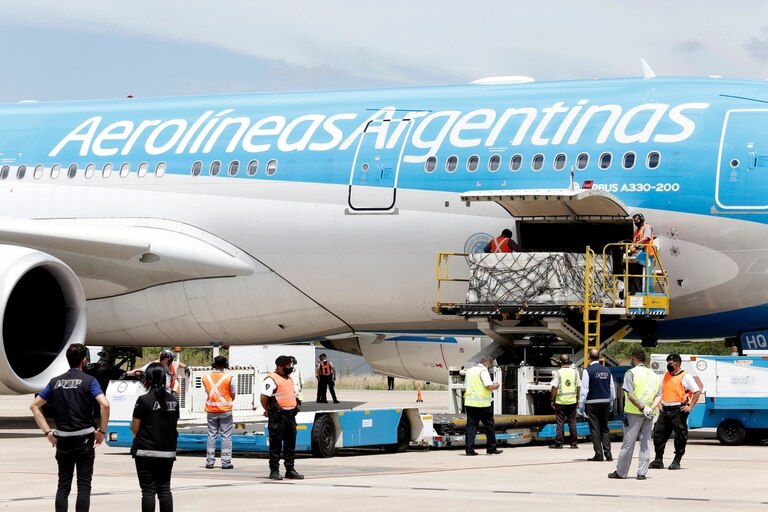
Detectan 44 contagios COVID en vuelos de Aerolíneas Argentinas

La ruta Buenos Aires-Cancún ha sido un esta temporada muy visitada por estudiantes en celebraciones de egresados, contabilizando unos 35 grupos de diferentes estudiantes viajando de Argentina hacia México en el último mes de Febrero 2021. Muchos han tenido casos positivos de COVID-19 en los últimos días, lo que ha encendido las alarmas entre la población.

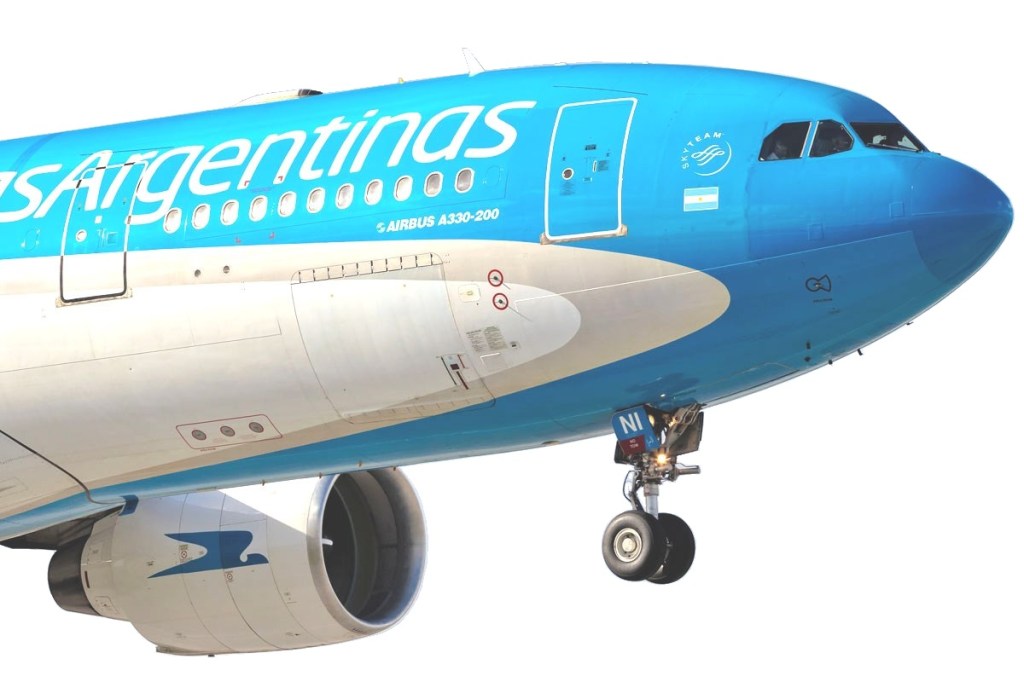
Actualmente, Aerolíneas Argentinas vuela sin escalas entre Buenos Aires-Cancún-Buenos Aires con sus vuelos respectivos de ida y vuelta AR1370 y AR1371, empleando los Airbus A330-223 para volar entre ambas ciudades los Domingos, Lunes, Jueves y Sábados. Entre los egresados infectados han detectado otros 55 casos de Covid, viajaron a Cancún 35 colegios y se habla de PCR truchos. Dos nuevos colegios de la Provincia de Buenos Aires encendieron la alarma por los viajes de Egresados a Cancún. A los 44 adolescentes que dieron positivo de coronavirus al regresar la semana pasada al país, hay que sumarle 55 casos nuevos del Domingo 14/03. Además, confirmaron que hay dos contingentes de colegios de la Ciudad varados por la creciente ola de contagios.

Según testimonios de los padres de los estudiantes han expresado que la Agencia de viajes se encargó de que un laboratorio de Cancún certificara los PCR 72 horas previas al viaje, y lo único que supimos es que tenía un costo de US$ 100 dólares. Los chicos en México dieron todos negativos, pero al llegar al país los hisopados dieron otros resultados. Según informes en México se están investigando a varios laboratorios que están en la ciudad turística ya que hay distintos testimonios de argentinos que afirman que se adultera el resultado de los testeos para que los viajantes puedan tomar el vuelo y volver al país. En México el escándalo de los PCR truchos para el turismo estalló en Enero 2021, pero ahora vuelve a tomar trascendencia a partir de la reanudación de los viajes de egresados de argentinos en Cancún. «Preocupa porque en el exterior no se sabe qué clase de cuidados hay. Se sabe que México tiene una alta cantidad de contagios diarios y no hay una alta medida de contención. Hay que tratar de evitar esta clase de viajes», opinó el infectólogo Eduardo López. El especialista, que forma parte del grupo de infectólogos que asesora al Gobierno, señaló que todavía no hay novedades con respecto a si los infectados trajeron nuevas cepas al país.

Desde el 17 de Febrero de 2021 hasta este Lunes 15/03, son 35 los colegios que viajaron a Cancún a través de una de las agencias de viaje que se encarga de los contingentes de egresados en el exterior. «Por razones de privacidad no podemos decir qué contingentes se encuentran todavía en Cancún. Sí te puedo certificar que desde mediados de febrero son 35 los colegios que viajaron», dijeron desde la propia agencia de viajes Moon Travel.

A través de la Decisión Administrativa Nº219/2021 publicada en el Boletín Oficial, con la firma del Jefe de Gabinete, Santiago Cafiero; el Ministro del Interior, Eduardo Wado de Pedro; y la Ministra de Salud, Carla Vizzotti, se decidió mantener reducidas las frecuencias de vuelos provenientes de México y Europa al 30% de la capacidad y, desde ahora, ese mismo límite regirá para los aviones que lleguen desde Perú, Ecuador, Colombia, Panamá y Chile.

Flight AR1371 students infected with COVID

44 COVID infections detected on Aerolíneas Argentinas flights

The Buenos Aires-Cancun route has been a very visited season this season by students in graduation celebrations, accounting for some 35 groups of different students traveling from Argentina to Mexico in the last month of February 2021. Many have had positive cases of COVID-19 in in recent days, which has set off alarms among the population.

Currently, Aerolíneas Argentinas flies nonstop between Buenos Aires-Cancun-Buenos Aires with its respective round-trip flights AR1370 and AR1371, using Airbus A330-223 to fly between both cities on Sundays, Mondays, Thursdays and Saturdays. Among the infected graduates, another 55 cases of Covid have been detected, 35 schools traveled to Cancun and there is talk of PCR truchos. Two new schools in the Province of Buenos Aires raised the alarm for the trips of Graduates to Cancun. To the 44 adolescents who tested positive for coronavirus when they returned to the country last week, we must add 55 new cases on Sunday 03/14. In addition, they confirmed that there are two contingents of schools in the City stranded by the growing wave of infections.

According to testimonies of the parents of the students, they have expressed that the travel agency arranged for a laboratory in Cancun to certify the PCRs 72 hours before the trip, and all we knew was that it cost US$ 100. The boys in Mexico all tested negative, but when they arrived in the country the swabs gave other results. According to reports in Mexico, several laboratories that are in the tourist city are being investigated since there are different testimonies from Argentines who affirm that the results of the tests are adulterated so that travelers can take the flight and return to the country. In Mexico the scandal of the PCR truchos for tourism broke out in January 2021, but now it takes importance again after the resumption of the trips of Argentine graduates in Cancun. «It is worrying because abroad it is not known what kind of care there is. It is known that Mexico has a high number of daily infections and there is no high containment measure. We must try to avoid this kind of travel», said the infectologist Eduardo López. The specialist, who is part of the group of infectologists that advises the Government, pointed out that there is still no news regarding whether the infected brought new strains to the country.

From February 17, 2021 until this Monday 03/15, there are 35 schools that traveled to Cancun through one of the travel agencies that is in charge of the contingents of graduates abroad. «For privacy reasons we cannot say what contingents are still in Cancun. I can certify that since mid-February there are 35 schools that traveled», they said from the Moon Travel travel agency.

Through Administrative Decision No. 219/2021 published in the Official Gazette, with the signature of the Chief of Staff, Santiago Cafiero; the Minister of the Interior, Eduardo Wado de Pedro; and the Minister of Health, Carla Vizzotti, decided to keep the frequencies of flights from Mexico and Europe reduced to 30% of capacity and, from now on, that same limit will apply to planes arriving from Peru, Ecuador, Colombia, Panama. and Chile.


PUBLISHER: Airgways.com
DBk: Argentina.gob.ar/Salud / Clarin.com / Airgways.com
AW-POST: 202103160927AR

A\W   A I R G W A Y S ®
TAP Portugal festeja 76 aniversarios

AW | 2021 03 16 00:27 | AIRLINES

TAP Portugal Airlines celebre sus 76º aniversarios

TAP Portugal_Isologotype

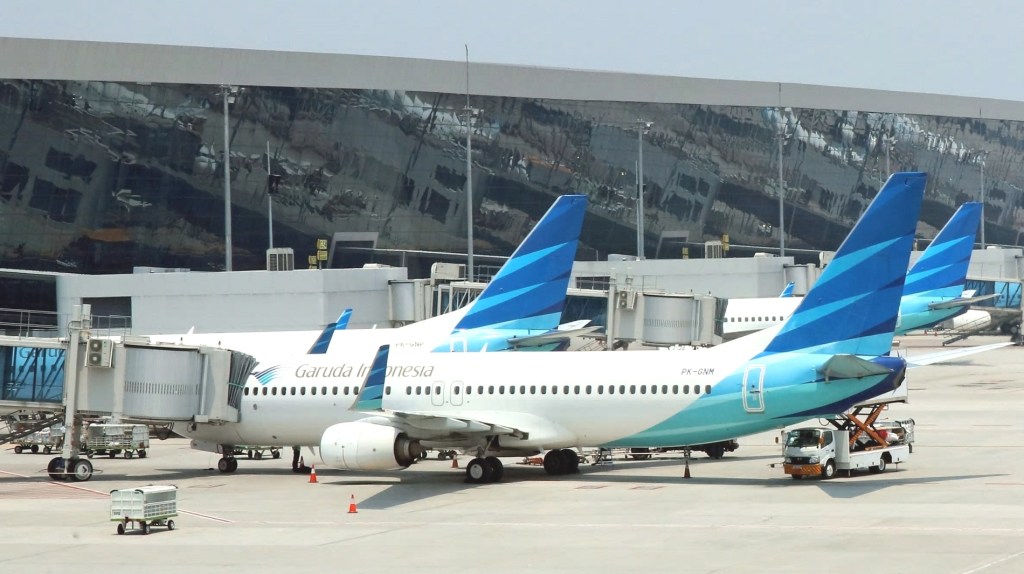
TAP Air Portugal se encuentra celebrando sus 76º Aniversarios este 14 de Marzo de 2021. Es la aerolínea de bandera de la República de Portugal con sede en el Aeropuerto de Lisboa que también sirve como su centro de operaciones. Actualmente forma parte miembro de Star Alliance desde 2005 y opera en promedio 2.500 vuelos a la semana a 90 destinos en 34 países de todo el mundo. La compañía tiene una flota de 100 aviones, todos los cuales fabricados por Airbus Group con la excepción de 22 Embraer y ATR, que operan en nombre de la aerolínea regional TAP Express.

La aerolínea se estableció como Transportes Aéreos Portugueses el 14 de Marzo de 1945 iniciando sus servicios comerciales el 19 de Septiembre de 1946 con un vuelo inaugural de Lisboa a Madrid utilizando un Douglas DC-3. Después de haber sido fundada como una institución nacional, la aerolínea fue privatizada por primera vez en su historia durante 1953; a lo largo de su existencia, TAP alternaría entre diversas formas de propiedad pública y privada. Durante sus primeras décadas de operación, la aerolínea amplió y lanzó numerosas rutas, incluyendo el largo servicio colonial Imperial a través de África, con varios servicios nacionales y europeos, junto con su primer servicio transatlántico a Río de Janeiro, Brasil. Además de DC-3, TAP adquirió aviones Douglas DC-4 Skymasters y Lockheed Super Constellation.

Durante Julio de 1962, TAP entró en la era del avión jet a través de la adquisición de varios Caravelles de Aviación Sudde fabricación francesa. El 19 de Junio de 1964, TAP transportó a su pasajero número un millón. Durante el año siguiente, compró su primer jetliner Boeing 707. En 1967, la aerolínea se convirtió en la primera en Europa en operar exclusivamente aviones. En 1972, TAP recibió su primer avión Boeing 747-200. En 1979, la aerolínea se sometió a un programa de modernización, cambiando su nombre a TAP Air Portugal. A finales de la década, la aerolínea operaba una flota de 32 aviones modernos que servían a más de 40 destinos en cuatro continentes. Durante la década de 1980, la flota de Boeing 707 y 747 fue reemplazada por Lockheed L-1011 TriStars y Airbus A310 en rutas de larga distancia. En 1983, TAP comenzó a operar sus primeros Boeing 737-200 en rutas de corta distancia. A finales de la década de 1990, TAP había vendido sus Boeing 727 y 737, sustituyéndolos por aviones Airbus A319, A320 y A321; sus Lockheed L-1011 TriStars también fueron reemplazados por Airbus A340. Estos cambios llevaron a TAP a convertirse en un operador solo para Airbus.

En Junio de 2015, TAP fue semi-privatizado y pasó a ser propiedad mayoritaria del Atlantic Gateway Consortium, liderado por David Neeleman, quien fundó JetBlue y Azul Brazilian Airlines y cofundó WestJet, junto con el empresario portugués Humberto Pedrosa. El Consorcio Atlantic Gateway compró el 61% de la aerolínea al gobierno de Portugal el 24 de Junio de 2015, con una opción para comprar la participación restante del 34% del Gobierno portugués en 2018. Este acuerdo ha estado rodeado de controversia porque se completó al final del mandato del Gobierno de centro-derecha con amplia oposición de los empleados del TAP. En Octubre de 2015, un nuevo gobierno de izquierdas ha tratado de devolver el control mayoritario de la aerolínea al Estado, después de haber firmado en febrero de 2016 un acuerdo con el consorcio privado, que indica que la compañía es propiedad en un 50% del Estado portugués, el 45% por el Consorcio Atlantic Gateway y el 5% accionista disponible de colaboradores y empleados de TAP Air Portugal. En Julio de 2020, el Estado portugués aumentó su participación al 72,5 %. Adquirió esta participación a Atlantic Gateway Consortium, que ahora posee el 22,5%. En Diciembre de 2020, el Gobierno portugués dio a conocer un paquete de rescate de US$ 4.100 millones de Dólares, lo que significa que se recortarán unos 3.500 puestos de trabajo.

El 14 de Marzo de 1945, la aerolínea fue fundada como Transportes Aéreos Portugueses bajo la jurisdicción de la Oficina de Aviación Civil. Más tarde ese mismo año, tomó la entrega de su primer avión, un par de Douglas DC-3. La aerolínea inició los servicios comerciales el 19 de Septiembre de 1946, realizando un vuelo inaugural de Lisboa a Madrid, llevando un total de 11 pasajeros en uno de sus DC-3. El 31 de Diciembre de 1946, TAP Air Portugal comenzó su Linha Aérea Imperial, un servicio colonial de doce paradas que incluye Luanda, Angola y Lourenço Marques (ahora Maputo), Mozambique. Cubrió 24.450 km en 15 días (en ambos sentidos), lo que lo convierte en el servicio aéreo más largo operado con aviones bimotores en ese momento. Para adaptarse a las condiciones tropicales en la mayoría de estos destinos, se adoptó un uniforme especial, que comprende camisas caqui con faldas o pantalones cortos.

En 1947, la aerolínea lanzó sus primeros servicios nacionales, comenzando una ruta entre Lisboa y Oporto, así como otra ruta internacional entre São Tomé y Londres. Ese mismo año, un total de cuatro Douglas DC-4 Skymasters fueron comprados; al parecer, estos permanecieron en el servicio de la aerolínea ya en 1960. Estos fueron utilizados en las rutas a África y a los principales destinos europeos, incluyendo Londres. Durante 1948, se lanzaron nuevos servicios a Sevilla y París.

Durante 1953, la aerolínea fue privatizada por primera vez en su historia, reorganizando de un servicio público a una sociedad anónima (plc); ese mismo año, comenzó nuevos servicios a Tánger y Casablanca. A finales de 1955, varios aviones presurizados de cuatro motores Lockheed Super Constellation fueron adquiridos; estos fueron introducidos inmediatamente en los servicios programados TAP africanos a Luanda y Lourenço Marques. La Super Constelación fue acreditada con una notable reducción de los tiempos de vuelo sobre los aviones anteriores en sus rutas.

Durante 1955, la aerolínea abrió nuevos caminos con un exitoso viaje transatlántico experimental de larga distancia a Río de Janeiro, Brasil. En este vuelo, como pasajero, estaba el aviador y cartógrafo portugués Carlos Viegas Gago Coutinho. A finales de la década, la firma había alcanzado varios hitos, incluyendo el transporte de 64.000 pasajeros, su flota realizando 10.000 horas de vuelo, una red de rutas que abarcaba 14.000 km, al tiempo que empleaba a más de 1.000 miembros del personal.

A partir de 1960, TAP Air Portugal lanzó Río de Janeiro como su primer destino en Brasil, en un servicio aéreo operado conjuntamente llamado «Vôo da Amizade» con Panair do Brasil (1960-1965) y VARIG (1965-1967) Una ruta de Lisboa a Goa, un vuelo de 19 horas con cinco escalas, fue añadida a la red durante 1961.

Durante Julio de 1962, TAP entró en la era del avión, habiendo adquirido un lote inicial de tres Sud Aviation Caravellede fabricación francesa, un avión de pasajeros bimotor temprano. Estos fueron operados por primera vez en las rutas europeas más competitivas de la aerolínea. Ese mismo año, se lanzaron nuevos servicios entre Lisboa y Las Palmas,así como Santa María en las Azores. Durante 1963, comenzaron otras rutas europeas, que sirven a Ginebra, Múnichy Frankfurt.

El 19 de Junio de 1964, el pasajero número un millón fue transportado por la aerolínea, en términos generales 18 años después del inicio de las operaciones. Durante el año siguiente, TAP adquirió su primer jetliner boeing-construido,el 707. Dos años más tarde, sería seguido por el Boeing 727 de corta distancia. El 17 de Junio de 1966, TAP operó su primer vuelo exclusivo a Brasil, uno de sus 707 aterrizó en el aeropuerto de Galeão en Río de Janeiro exactamente al mismo tiempo y el mismo día en que el hidroplano Santa Cruz amarró en la bahía de Guanabara en 1922, cuando Sacadura Cabral y Gago Coutinho hicieron su histórico cruce del Atlántico Sur. Se inauguró la ruta a Brasil.

En 1967, la aerolínea logró un hito: se convirtió en la primera aerolínea europea en volar exclusivamente con aviones. En 1969, comenzó el servicio a la ciudad de Nueva York a través de la isla de Santa María; dos años más tarde, Boston fue añadido al servicio de Nueva York. Durante 1971, la aerolínea optó por trasladar su sede al aeropuerto de Lisborn. Al año siguiente, TAP recibió el primero de un lote inicial de cuatro Boeing 747-200. En 1974, se convirtió en la primera aerolínea europea en realizar revisiones completas del motor turbofan Pratt & Whitney JT9D, que propulsó las primeras versiones del Boeing 747 entre otros aviones. Al final de la década, la aerolínea operaba una flota de 32 aviones modernos que servían a más de 40 destinos en cuatro continentes.

En 1974, TAP introdujo un nuevo sistema computarizado que manejaba reservas, control de carga y check-in, conocido como Tapmatic y se convirtió en la primera aerolínea europea en llevar a cabo importantes revisiones integrales de los motores Boeing 747. A finales de 1974, TAP había transportado más de 1,5 millones de pasajeros, volado 68.210 horas sobre una red de casi 103.000 kilómetros y tenía una plantilla de más de 9.000 personas. Tras la revolución del 25 de Abril de 1974, Portugal se vio envuelta en la ola de nacionalizaciones durante el año siguiente y TAP no fue la excepción, convirtiéndose así en una corporación estatal durante 1975.

Tras la independencia tanto de Angola como de Mozambique, la importancia del mercado africano disminuyó enormemente; debido a la disminución de la demanda de pasajeros, dos de los 747 fueron vendidos durante 1976. Durante 1979, la aerolínea lanzó un programa de modernización; entre otros cambios de marca, su nombre cambió a TAP Air Portugal, que se consideró más fácil de reconocer para los clientes internacionales.

Modernización y expansión de la flota

En 1980, TAP lanzó un nuevo servicio entre Lisboa y Barcelona; también se ampliaron las operaciones entre Milán y Roma. Durante el año siguiente, Teresa Carvalho se convirtió en la primera mujer piloto de la aerolínea; ese mismo año se lanzó su primera revista a bordo, Atlantis. Durante 1985, la aerolínea supuestamente transportó dos millones de pasajeros en un solo año por primera vez; el 14 de Marzo de 1985 también se inauguró un museo dedicado a la aerolínea para conmemorar el décimo aniversario de la compañía.

Durante la década de 1980, la flota de Boeing 707 y 747 fue reemplazada por Lockheed L-1011 TriStars y Airbus A310 en rutas de larga distancia. Durante 1983, TAP comenzó a operar sus primeros Boeing 737-200 en rutas de corta distancia. En 1988, lanzó un nuevo sistema de cálculo de tarifas y emisión de billetes. Ese mismo año, también se convirtió en la primera aerolínea en aprovechar los enlaces de datos tierra-aire a través de una conexión por satélite.

Durante 1985, TAP estableció su filial chárter Air Atlantis, proporcionando vuelos de ocio a la mayoría de las ciudades europeas, que operaban aviones Boeing 707, Boeing 727 y Boeing 737. En 1989, TAP se convirtió en una empresa que cotiza en bolsa (Sociedade Anónima)y su servicio en Nueva York se trasladó al Aeropuerto Internacional Newark Liberty desde JFK.

Durante 1991, la aerolínea supuestamente transportó tres millones de pasajeros ese año por primera vez. En 1993, TAP comenzó a volar a Tel Aviv. En 1994, TAP firmó un acuerdo de intercambio de código con Delta Air Lines para el servicio del Atlántico Norte; este acuerdo llegó a su fin durante 2005. En 1996 se produjo la introducción del servicio en Boston a través de la isla de Terceira, la inauguración del servicio a Macao y el lanzamiento del sitio web de TAP. En 1997, el servicio comenzó a Punta Cana y Bangkok; sin embargo, los vuelos a Bangkok y Macao se suspendieron durante el año siguiente.

a320neo-tap-fleet

A finales de la década de 1990, TAP había ampliado su flota vendiendo sus antiguos Boeing 727 y Boeing 737, y los había reemplazado por aviones Airbus A319, A320 y A321. Sus TriStars fueron vendidos a Air Luxor y fueron reemplazados por Airbus A340s. Estos cambios llevaron a TAP a convertirse en un operador solo para Airbus, que afirmó que también había hecho su flota más económica y versátil. Además, la aerolínea había iniciado un programa de modernización y renovación continua de cabinas con el objetivo de implementar niveles de servicio cada vez mayores. En 1999, TAP introdujo sus primeros Vuelos Azules, sobre los que se prohibió fumar.

En 1997, se formó una alianza estratégica entre TAP y Swissair. Dentro del alcance de este acuerdo, un equipo de directivos profesionales llegó al TAP, dirigido por el pt brasileño Fernando Pinto. Parte del acuerdo llevaría a Swissair a comprar una participación del 34% de TAP. Además, TAP se convirtió en miembro de Qualiflyer, el programa de viajero frecuente liderado por el portaaviones de bandera suiza. Debido a las dificultades financieras, la compañía suiza termina sin comprar las acciones acordadas de TAP Air Portugal, revocando unilateralmente el acuerdo de asociación que condujo a costos inesperados para la aerolínea portuguesa en 2000. Esta revocación culminó con la toma de medidas legales por parte de TAP contra Swissair.

Durante Febrero de 2005, TAP Air Portugal fue rebautizado como TAP Portugal. El 14 de Marzo de 2005, TAP se convirtió en miembro de la multinacional Star Alliance, que también fue el mismo día en que la compañía celebró su 60º aniversarios. TAP también puso fin a su acuerdo de código compartido con Delta Air Lines e inició un nuevo acuerdo con United, como parte de su membresía en Star Alliance. En virtud de este acuerdo, el código (UA) de United Airlines se coloca en los vuelos transatlánticos de TAP Air Portugal y algunos vuelos africanos, y el código (TP) de TAP Air Portugal se coloca en vuelos de United.

En 2006, TAP Air Portugal firmó un acuerdo con Espírito Santo International para la adquisición del 99,81% de la aerolínea regional portuguesa Portugália. Además, inició un acuerdo de código compartido con US Airways en todas las rutas entre Portugal y Estados Unidos con servicios de conexión desde Newark y Filadelfia.

En 2007, TAP Air Portugal fue galardonado por la OTAN como la mejor fuente de reparación de motores y aviones para el Programa de Mantenimiento AWACS de la OTAN. TAP Air Portugal cuenta con bases completas de mantenimiento y revisión en Portugal (Lisboa) y Brasil (Río de Janeiro y Porto Alegre) y cuenta con estaciones especializadas de mantenimiento de líneas en tres continentes: cuatro en Portugal, ocho en Brasil y una en Angola. Comenzó los vuelos programados a Moscú, Varsovia y Helsinki, en Junio de 2009.

Después de decidir externalizar su Sistema de Servicio al Pasajero en 2008, TAP migró sus sistemas de reserva e inventario al sistema Altéa gestionado por Amadeus. Antes de la migración a Altéa, TAP estaba utilizando un sistema derivado de Delta Air Lines llamado Tapmatic, en uso desde 1972.

Durante 2010, TAP introdujo dos nuevas rutas a África: Marrakech y Argel, esta última fue descontinuada en 2017. El lanzamiento de estas nuevas rutas destacó el refuerzo de la aerolínea de su estrategia de crecimiento para África, que es un segmento importante en la red donde la aerolínea se ha expandido continuamente desde 2001, pasando de 236.000 a 541.000 pasajeros, lo que supone un incremento de más del 129%. En 2011, se introdujeron nuevas rutas de largo alcance tanto a Miami como a Porto Alegre.

Privatización

AW-Tap_E190

Con el fin de obtener su rescate nacional de tres años, Portugal se vio obligado a vender sus participaciones en varias compañías, incluida la estatal. Varios operadores internacionales fueron atraídos por la posición estratégica de la aerolínea, pero el 18 de Octubre de 2012, el gobierno portugués anunció un único posible postor para la aerolínea nacional privatizada: el consorcio sudamericano Synergy Aerospace, propietario de la aerolínea colombiana Avianca. El diario financiero portugués Dinheiro Vivo indicó que el gobierno suspendería las negociaciones de privatización, si no se aprobaba la oferta de Synergy Aerospace del alemán Efromovich.

El 21 de Marzo de 2014, la aerolínea anunció que compraría dos ATR 42-600 para su compañía subsidiaria, Portugália, en sustitución de los Beechcraft 1900D anteriormente operada por PGA Express.

El Gobierno portugués planeaba vender su participación controladora en la aerolínea de bandera a uno o más grandes inversores en un relanzamiento de la privatización en 2014. Tenía la intención de vender una participación del 66% en la aerolínea, con el 5% de eso reservado para sus 7.500 empleados. Entre los postores conocidos estaba el empresario sudamericano German Efromovich, cuya oferta de 2012 por TAP no cumplió con las condiciones iniciales; un consorcio formado por el empresario estadounidense Frank Lorenzo y el empresario portugués Miguel Pais do Amaral; el empresario brasileño estadounidense David Neeleman, fundador de JetBlue en Estados Unidos y Azul en Brasil y finalmente Globalia, la empresa matriz de Air Europa.

En Mayo de 2015, una huelga de pilotos de más de una semana provocó la cancelación de unos 3.000 vuelos TAP Air Portugal. En Junio de 2015, el gobierno portugués decidió vender el Grupo TAP Air Portugal, propietario de la compañía aérea nacional TAP Air Portugal, al consorcio Atlantic Gateway formado por la asociación entre David Neeleman y Humberto Pedrosa, que tomó el control del 61% del capital de la aerolínea de bandera portuguesa. En el memorándum firmado por el nuevo propietario, TAP Air Portugal tiene que mantener al país como el principal centro de operaciones de la aerolínea durante un mínimo de 30 años. El consorcio que ganó la privatización de la compañía en Junio de 2015 ha prometido comprar 53 nuevos aviones Airbus para TAP. Se anunció que las nuevas órdenes incluirían 14 aviones A330 y 39 de fusaje estrecho A320 Family.

En Octubre de 2015, un nuevo gobierno de izquierda ha tratado de devolver el control mayoritario de la aerolínea al Estado, después de haber firmado en febrero de 2016 un acuerdo con el consorcio privado, que indica que la compañía es propiedad en un 50% del Estado portugués, el 45% por el Consorcio Atlantic Gateway y el 5% accionista disponible de colaboradores y empleados de TAP.

Después de la privatización

El 14 de Enero de 2016, TAP Air Portugal anunció que la filial Portugália Airlines sería rebautizado como TAP Express antes del 27 de Marzo de 2016, como parte de nuevas medidas de reestructuración dentro del grupo. Ese mismo día, la aerolínea portuguesa también anunció que toda la flota de Portugália sería reemplazada por nuevos aviones Embraer E190 en Julio de 2016, que recibirían una librea similar a la de TAP Air Portugal. Un downsize en la red de aerolíneas también tuvo lugar en Enero de 2016, con TAP anunciando el cese de vuelos de larga distancia a la Ciudad de Panamá, Manaos y Bogotá, así como las conexiones europeas a Hannover (Alemania) y Zagreb (Croacia).

TAP Air Portugal planea promocionar Portugal, en Estados Unidos, como destino turístico, y Lisboa como puerta de entrada a Europa para los viajeros norteamericanos, y así, en Febrero de 2016, la aerolínea anunció el regreso de John F. Kennedy International de Nueva York y Logan International de Boston como servicios diarios sin escalas desde Lisboa. El servicio de Boston comenzó el 11/06 y los nuevos vuelos diarios de JFK comenzaron el 01/07, ambos operados con el nuevo Airbus A330-200 entregado en junio del mismo año desde Azul Brazilian Airlines. Estas dos nuevas rutas refuerzan la presencia en el mercado americano, con TAP también sirviendo a Miami desde Lisboa y Newark desde Lisboa y Oporto. En total, el servicio TAP Air Portugal creció a 30 vuelos por semana a estados Unidos. TAP amplió su red en 2017, sumando 10 rutas, algunas de las cuales fueron operadas anteriormente por la aerolínea: Abiyán (Costa de Marfil), Alicante y Las Palmas (España), Bucarest (Rumanía), Budapest (Hungría), Colonia y Stuttgart (Alemania), Fes (Marruecos), Lomé (Togo), London City Airport (Inglaterra) y Toronto (Canadá).

En Marzo de 2017, Miguel Antunes Frasquilho, Presidente y CEO de AICEP Portugal Global, fue seleccionado para ser el nuevo Presidente del Consejo de TAP Air Portugal. El 14 de Septiembre de 2017, TAP Portugal pasó a llamarse TAP Air Portugal, volviendo al nombre utilizado entre 1979 y 2005.

TAP Portugal celebrates 76 anniversaries

TAP Portugal Airlines celebrate its 76th anniversaries

TAP Portugal_Star Alliance_Isologotype

TAP Air Portugal is celebrating its 76th Anniversaries this March 14, 2021. It is the flag carrier of the Republic of Portugal based at Lisbon Airport that also serves as its hub. It has been a member of the Star Alliance since 2005 and operates an average of 2,500 flights a week to 90 destinations in 34 countries around the world. The company has a fleet of 100 aircraft, all of which are manufactured by Airbus Group with the exception of 22 Embraer and ATR, which operate on behalf of the regional airline TAP Express.

The airline was established as Transportes Aéreos Portugueses on March 14, 1945 beginning its commercial services on September 19, 1946 with an inaugural flight from Lisbon to Madrid using a Douglas DC-3. After being founded as a national institution, the airline was privatized for the first time in its history during 1953; Throughout its existence, TAP would alternate between various forms of public and private ownership. During its first decades of operation, the airline expanded and launched numerous routes, including the long Imperial colonial service across Africa, with various national and European services, along with its first transatlantic service to Rio de Janeiro, Brazil. In addition to DC-3, TAP acquired Douglas DC-4 Skymasters and Lockheed Super Constellation aircraft.

During July 1962, TAP entered the jet aircraft era through the acquisition of several French-made Caravelles de Aviación Sud. On June 19, 1964, TAP carried its one millionth passenger. During the following year, it bought its first Boeing 707 jetliner. In 1967, the airline became the first in Europe to exclusively operate airplanes. In 1972, TAP received its first Boeing 747-200 aircraft. In 1979, the airline underwent a modernization program, changing its name to TAP Air Portugal. By the end of the decade, the airline operated a fleet of 32 modern aircraft serving more than 40 destinations on four continents. During the 1980s, the Boeing 707 and 747 fleet was replaced by Lockheed L-1011 TriStars and Airbus A310 on long-haul routes. In 1983, TAP began operating its first Boeing 737-200s on short-haul routes. By the late 1990s, TAP had sold its Boeing 727 and 737s, replacing them with Airbus A319, A320 and A321 aircraft; its Lockheed L-1011 TriStars were also replaced by Airbus A340. These changes led TAP to become an Airbus-only operator.

In June 2015, TAP was semi-privatized and became majority owned by the Atlantic Gateway Consortium, led by David Neeleman, who founded JetBlue and Azul Brazilian Airlines and co-founded WestJet, together with Portuguese businessman Humberto Pedrosa. The Atlantic Gateway Consortium purchased 61% of the airline from the government of Portugal on June 24, 2015, with an option to buy the remaining 34% stake from the Portuguese government in 2018. This deal has been surrounded by controversy because it was completed at end of term of center-right government with broad opposition from TAP employees. In October 2015, a new left-wing government tried to return majority control of the airline to the State, after having signed an agreement with the private consortium in February 2016, indicating that the company is 50% owned. Portuguese State, 45% by the Atlantic Gateway Consortium and 5% available shareholder of collaborators and employees of TAP Air Portugal. In July 2020, the Portuguese State increased its stake to 72.5%. It acquired this stake from the Atlantic Gateway Consortium, which now owns 22.5%. In December 2020, the Portuguese Government released a rescue package of US$ 4.1 billion, which means that about 3,500 jobs will be cut.

On March 14, 1945, the airline was founded as Transportes Aéreos Portugueses under the jurisdiction of the Civil Aviation Office. Later that year, it took delivery of its first aircraft, a pair of Douglas DC-3s. The airline began commercial services on September 19, 1946, making an inaugural flight from Lisbon to Madrid, carrying a total of 11 passengers in one of its DC-3s. On December 31, 1946, TAP Air Portugal began its Linha Aérea Imperial, a twelve-stop colonial service that includes Luanda, Angola and Lourenço Marques (now Maputo), Mozambique. It covered 24,450 km in 15 days (both ways), making it the longest air service operated with twin-engine aircraft at that time. To accommodate the tropical conditions in most of these destinations, a special uniform was adopted, comprising khaki shirts with skirts or shorts.

In 1947, the airline launched its first national services, beginning a route between Lisbon and Porto, as well as another international route between São Tomé and London. That same year, a total of four Douglas DC-4 Skymasters were purchased; These apparently remained in airline service as early as 1960. These were used on routes to Africa and major European destinations, including London. During 1948, new services were launched to Seville and Paris.

During 1953, the airline was privatized for the first time in its history, reorganizing from a public service to a public limited company (plc); That same year, it started new services to Tangier and Casablanca. In late 1955, several Lockheed Super Constellation four-engine pressurized aircraft were purchased; these were immediately introduced into the scheduled African tap services to Luanda and Lourenço Marques. The Super Constellation was credited with a notable reduction in flight times over previous aircraft on its routes.

During 1955, the airline broke new ground with a successful experimental long-haul transatlantic voyage to Rio de Janeiro, Brazil. On this flight, as a passenger, was the Portuguese aviator and cartographer Carlos Viegas Gago Coutinho. By the end of the decade, the firm had reached several milestones, including transporting 64,000 passengers, its fleet flying 10,000 hours of flight time, a route network spanning 14,000 km, while employing more than 1,000 staff members.

Starting in 1960, TAP Air Portugal launched Rio de Janeiro as its first destination in Brazil, in a jointly operated air service called «Vôo da Amizade» with Panair do Brasil (1960-1965) and Varig (1965-1967). Lisbon to Goa, a 19-hour flight with five stopovers, was added to the network during 1961.

During July 1962, TAP entered the aircraft age, having acquired an initial batch of three French-made Sud Aviation Caravelle, an early twin-engine airliner. These were operated for the first time on the airline’s most competitive European routes. That same year, new services were launched between Lisbon and Las Palmas, as well as Santa María in the Azores. During 1963, other European routes began, serving Geneva, Munich, and Frankfurt.

On June 19, 1964, the millionth passenger was transported by the airline, generally 18 years after the start of operations. During the following year, TAP acquired its first Boeing-built jetliner, the 707. Two years later, it would be followed by the short-haul Boeing 727. On June 17, 1966, TAP operated its first exclusive flight to Brazil, one of its 707 landed at Galeão airport in Rio de Janeiro at exactly the same time and on the same day that the Santa Cruz hydrofoil moored in Guanabara Bay. in 1922, when Sacadura Cabral and Gago Coutinho made their historic crossing of the South Atlantic. The route to Brazil was inaugurated.

In 1967, the airline achieved a milestone: it became the first European airline to fly exclusively with airplanes. In 1969, service to New York City began via St. Mary’s Island; two years later, Boston was added to the New York service. During 1971, the airline chose to move its headquarters to Lisborn Airport. The following year, TAP received the first of an initial batch of four Boeing 747-200s. In 1974, it became the first European airline to conduct full overhauls of the Pratt & Whitney JT9D turbofan engine, which powered the first versions of the Boeing 747 among other aircraft. By the end of the decade, the airline operated a fleet of 32 modern aircraft serving more than 40 destinations on four continents.

In 1974, TAP introduced a new computerized system that handled reservations, cargo control and check-in, known as Tapmatic and became the first European airline to carry out major comprehensive overhauls of Boeing 747 engines. In late 1974, TAP had transported more than 1.5 million passengers, flown 68,210 hours over a network of almost 103,000 kilometers and had a workforce of more than 9,000 people. After the revolution of April 25, 1974, Portugal was involved in the wave of nationalizations during the following year and TAP was no exception, thus becoming a state corporation during 1975.

After the independence of both Angola and Mozambique, the importance of the African market diminished enormously; Due to the decrease in passenger demand, two of the 747s were sold during 1976. During 1979, the airline launched a modernization program; Among other brand changes, its name changed to TAP Air Portugal, which was considered easier for international customers to recognize.

Fleet modernization and expansion

In 1980, TAP launched a new service between Lisbon and Barcelona; operations between Milan and Rome were also expanded. During the following year, Terasa Carvalho became the airline’s first female pilot; that same year its first shipboard magazine, Atlantis, was launched. During 1985, the airline reportedly carried two million passengers in a single year for the first time; On March 14, 1985, a museum dedicated to the airline was also inaugurated to commemorate the company’s tenth anniversary.

During the 1980s, the Boeing 707 and 747 fleet was replaced by Lockheed L-1011 TriStars and Airbus A310 on long-haul routes. During 1983, TAP began operating its first Boeing 737-200s on short-haul routes. In 1988, it launched a new system for calculating fares and issuing tickets. That same year, it also became the first airline to take advantage of ground-to-air data links through a satellite connection.

During 1985, TAP established its charter subsidiary Air Atlantis, providing leisure flights to most European cities, operating Boeing 707, Boeing 727 and Boeing 737 aircraft. In 1989, TAP became a publicly listed company (Sociedade Anonymous) and its New York service relocated to Newark Liberty International Airport from JFK.

During 1991, the airline reportedly carried three million passengers that year for the first time. In 1993, TAP began flying to Tel Aviv. In 1994, TAP signed a code exchange agreement with Delta Air Lines for North Atlantic service; this agreement came to an end during 2005. 1996 saw the introduction of the service in Boston via Terceira Island, the inauguration of the service to Macau and the launch of the TAP website. In 1997, the service began to Punta Cana and Bangkok; however, flights to Bangkok and Macau were suspended for the following year.

By the late 1990s, TAP had expanded its fleet by selling its old Boeing 727 and Boeing 737, and had replaced them with Airbus A319, A320 and A321 aircraft. Its TriStars were sold to Air Luxor and were replaced by Airbus A340s. These changes led TAP to become an Airbus-only operator, which it claimed had also made its fleet more economical and versatile. In addition, the airline had initiated a program of continuous cabin renovation and modernization with the aim of implementing ever-increasing levels of service. In 1999, TAP introduced its first Blue Flights, on which smoking was banned.

In 1997, a strategic alliance was formed between TAP and Swissair. Within the scope of this agreement, a team of professional managers arrived at TAP, led by Brazilian PT Fernando Pinto. Part of the deal would lead Swissair to buy a 34% stake in TAP. In addition, TAP became a member of Qualiflyer, the frequent flyer program led by the Swiss-flagged aircraft carrier. Due to financial difficulties, the Swiss company ends up without purchasing the agreed shares of TAP Air Portugal, unilaterally revoking the partnership agreement that led to unexpected costs for the Portuguese airline in 2000. This revocation culminated in legal action by the Portuguese airline. TAP against Swissair.

During February 2005, TAP Air Portugal was renamed TAP Portugal. On March 14, 2005, TAP became a member of the multinational Star Alliance, which was also the same day the company celebrated its 60th anniversary. TAP also terminated its codeshare agreement with Delta Air Lines and initiated a new agreement with United, as part of its star alliance membership. Under this agreement, the United Airlines code (UA) is placed on TAP Air Portugal transatlantic flights and some African flights, and the TAP Air Portugal code (TP) is placed on United flights.

In 2006, TAP Air Portugal signed an agreement with Espírito Santo International for the acquisition of 99.81% of the Portuguese regional airline Portugália. In addition, it initiated a codeshare agreement with US Airways on all routes between Portugal and the United States with connecting services from Newark and Philadelphia.

In 2007, TAP Air Portugal was awarded by NATO as the best source of engine and aircraft repair for the NATO AWACS Maintenance Program. TAP Air Portugal has complete maintenance and overhaul bases in Portugal (Lisbon) and Brazil (Rio de Janeiro and Porto Alegre) and has specialized stations for line maintenance on three continents: four in Portugal, eight in Brazil and one in Angola. It began scheduled flights to Moscow, Warsaw and Helsinki in June 2009.

After deciding to outsource its Passenger Service System in 2008, TAP migrated its reservation and inventory systems to the Altéa system managed by Amadeus. Before migrating to Altéa, TAP was using a Delta Air Lines derivative system called Tapmatic, in use since 1972.

During 2010, TAP introduced two new routes to Africa: Marrakech and Algiers, the latter was discontinued in 2017. The launch of these new routes highlighted the airline’s strengthening of its growth strategy for Africa, which is an important segment in the network. where the airline has continuously expanded since 2001, from 236,000 to 541,000 passengers, representing an increase of more than 129%. In 2011, new long-range routes were introduced to both Miami and Porto Alegre.

Privatization

In order to obtain its three-year national bailout, Portugal was forced to sell its stakes in several companies, including the state one. Several international operators were attracted by the strategic position of the airline, but on October 18, 2012, the Portuguese Government announced a single possible bidder for the privatized national airline: the South American consortium Synergy Aerospace, owner of the Colombian airline Avianca. Portuguese financial daily Dinheiro Vivo said the government would suspend privatization negotiations if German Efromovich’s Synergy Aerospace offer is not approved.

On March 21, 2014, the airline announced that it would purchase two ATR 42-600s for its subsidiary company, Portugália, to replace the Beechcraft 1900Ds previously operated by PGA Express.

The Portuguese government planned to sell its controlling stake in the flag carrier to one or more large investors in a relaunch of the privatization in 2014. It intended to sell a 66% stake in the airline, with 5% of that reserved for its 7,500 employees. Known bidders included South American businessman German Efromovich, whose 2012 bid for TAP did not meet initial conditions; a consortium formed by the American businessman Frank Lorenzo and the Portuguese businessman Miguel Pais do Amaral; the Brazilian American businessman David Neeleman, founder of JetBlue in the United States and Azul in Brazil and finally Globalia, the parent company of Air Europa.

In May 2015, a pilots’ strike lasting more than a week caused the cancellation of some 3,000 TAP Air Portugal flights. In June 2015, the Portuguese government decided to sell the TAP Air Portugal Group, owner of the national airline TAP Air Portugal, to the Atlantic Gateway consortium formed by the association between David Neeleman and Humberto Pedrosa, which took control of 61% of the capital. of the Portuguese flag airline. In the memorandum signed by the new owner, TAP Air Portugal has to keep the country as the main hub of the airline for a minimum of 30 years. The consortium that won the privatization of the company in June 2015 has promised to buy 53 new Airbus aircraft for TAP. It was announced that the new orders would include 14 A330s and 39 A320 Family narrow-melter aircraft.

In October 2015, a new left-wing government has tried to return majority control of the airline to the State, after having signed an agreement with the private consortium in February 2016, which indicates that the company is 50% owned. Portuguese State, 45% by the Atlantic Gateway Consortium and 5% available shareholder of collaborators and TAP employees.

After privatization

On January 14, 2016, TAP Air Portugal announced that the Portugália Airlines subsidiary would be renamed TAP Express before March 27, 2016, as part of new restructuring measures within the group. That same day, the Portuguese airline also announced that the entire Portuguese fleet would be replaced by new aircraft Embraer E190 in July 2016, which would receive a livery similar to that of TAP Air Portugal. A downsize in the airline network also took place in January 2016, with TAP announcing the cessation of long-haul flights to Panama City, Manaus and Bogotá, as well as European connections to Hannover (Germany) and Zagreb (Croatia).

TAP Air Portugal plans to promote Portugal, in the United States, as a tourist destination, and Lisbon as a gateway to Europe for North American travelers, and thus, in February 2016, the airline announced the return of John F. Kennedy International from New York and Logan International from Boston as daily nonstop services from Lisbon. Boston service began on 06/11 and JFK’s new daily flights began on 07/01, both operated with the new Airbus A330-200 delivered in June of the same year from Azul Brazilian Airlines. These two new routes reinforce the presence in the American market, with TAP also serving Miami from Lisbon and Newark from Lisbon and Porto. In total, the TAP Air Portugal service grew to 30 flights per week to the United States. TAP expanded its network in 2017, adding 10 routes, some of which were previously operated by the airline: Abidjan (Ivory Coast), Alicante and Las Palmas (Spain), Bucharest (Romania), Budapest (Hungary), Cologne and Stuttgart (Germany), Fes (Morocco), Lomé (Togo), London City Airport (England) and Toronto (Canada).

In March 2017, Miguel Antunes Frasquilho, President and CEO of AICEP Portugal Global, was selected to be the new Chairman of the Board of TAP Air Portugal. On September 14, 2017, TAP Portugal was renamed TAP Air Portugal, returning to the name used between 1979 and 2005.


PUBLISHER: Airgways.com
DBk: Flytap.com / Wikipedia.org / Airgways.com
AW-POST: 202103160027AR

A\W   A I R G W A Y S ®