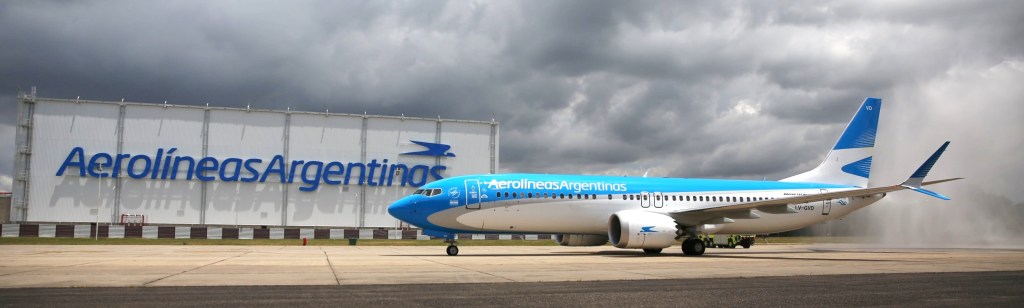
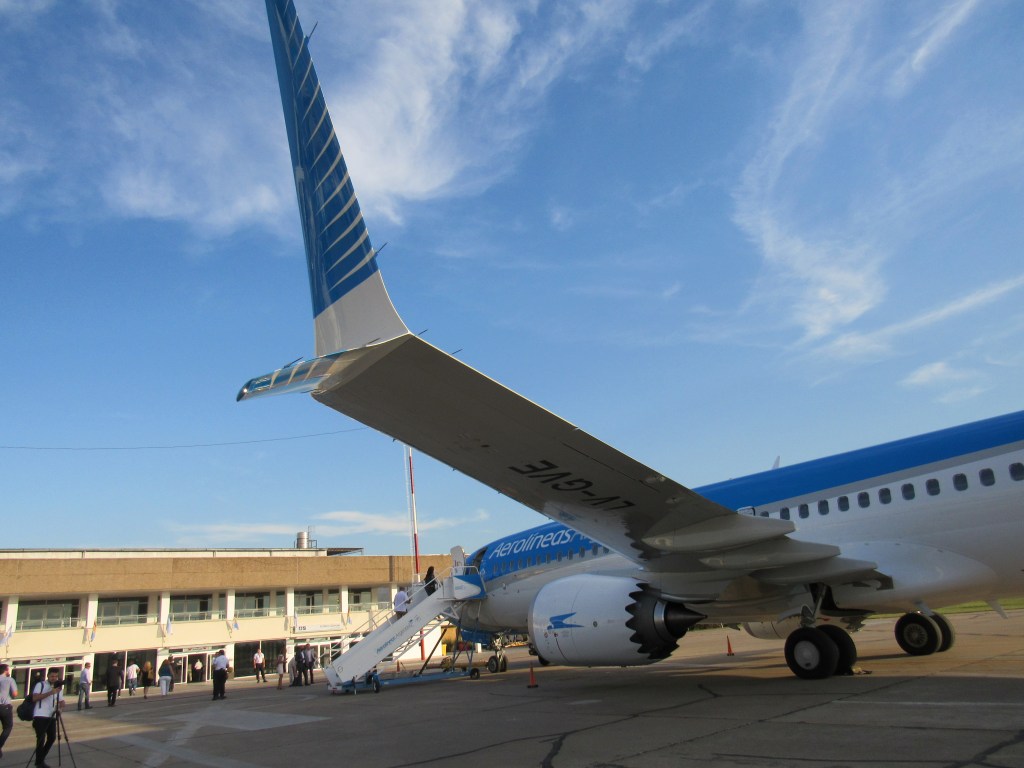
La Asociación de Pilotos de Líneas Aéreas (APLA) ha anunciado arribar a un acuerdo con Aerolíneas Argentinas para la aprobación de los vuelos con la línea de aviones Boeing 737 MAX. Después del mandato del gremio del 11 de Marzo de 2019 donde establece la prohibición de volar este tipo de aeronaves, ahora ha sido levantada en conformidad con las aprobaciones de la Administración Nacional de Aviación Civil (ANAC) de Argentina.
El comunicado interno de la agrupación sindical APLA, liderada por Pablo Biró ha comunicado mediante un informe la determinación de aprobar las operaciones comerciales con las cinco aeronaves Boeing 737-8 MAX que compone la compañía. Luego de un intenso trabajo con Aerolíneas Argentinas se informó que se ha alcanzado un acuerdo con un plan mínimo e instrucción adicional para volver a poner en servicio la línea de aeronaves que forman parte de la flota.
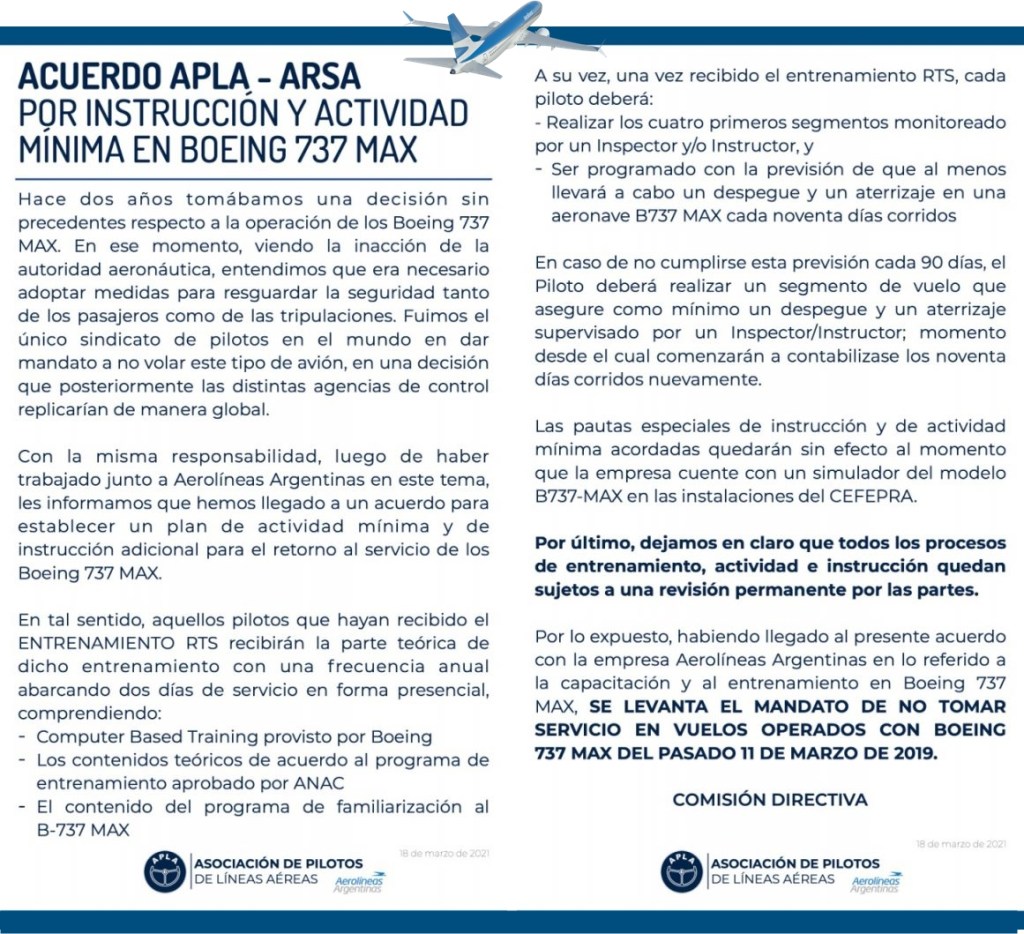
El acuerdo entre el gremio y Aerolíneas establece que los pilotos con entrenamiento RTS recibirán la parte teórica de ese entrenamiento con una frecuencia anual con días de servicio de manera presencial. Al finalizar esa primera etapa, cada piloto será monitoreado por un inspector o instructor al realizar los cuatro primeros segmentos y ser programado con la previsión de que al menos realizara un despegue y un aterrizaje en un Boeing 737 MAX cada 90 días corridos. En caso de no cumplirse lo detallado anteriormente el piloto deberá realizar otro segmento de vuelo que incluya un despegue y un aterrizaje con supervisor o instructor. El comunicado expresa respecto a las instrucciones y las actividades mínimas acordadas caducaran al momento de que la empresa incorpore un simulador de vuelo para el Boeing 737MAX en el Centro de Instrucción CEFEPRA. Aerolíneas Argentinas anunciará a la brevedad de la nueva programación de vuelos para la línea Boeing 737 MAX que posee la compañía.
Aerolíneas-APLA return agreement 737 MAX
Aerolíneas returns operations with Boeing 737 MAX
The Airline Pilots Association (APLA) has announced an agreement with Aerolíneas Argentinas for the approval of flights with the Boeing 737 MAX aircraft line. After the union’s mandate of March 11, 2019 where it establishes the prohibition of flying this type of aircraft, it has now been lifted in accordance with the approvals of the National Civil Aviation Administration (ANAC) of Argentina.
The internal communiqué of the APLA union group, led by Pablo Biró, has communicated through a report the determination to approve commercial operations with the five Boeing 737-8 MAX aircraft that make up the company. After intensive work with Aerolineas Argentinas, it was reported that an agreement had been reached with a minimum plan and additional instruction to put the line of aircraft that are part of the fleet back into service.
The agreement between the union and Aerolíneas establishes that pilots with RTS training will receive the theoretical part of this training on an annual basis with days of service in person. At the end of this first stage, each pilot will be monitored by an inspector or instructor when performing the first four segments and will be scheduled with the expectation that at least one takeoff and one landing in a Boeing 737 MAX will take place every 90 calendar days. If the above detailed is not fulfilled, the pilot must carry out another flight segment that includes a takeoff and landing with a supervisor or instructor. The express statement regarding the instructions and the minimum agreed activities will expire when the company incorporates a flight simulator for the Boeing 737MAX at the CEFEPRA Training Center. Aerolíneas Argentinas will announce shortly the new flight schedule for the company’s Boeing 737 MAX line.
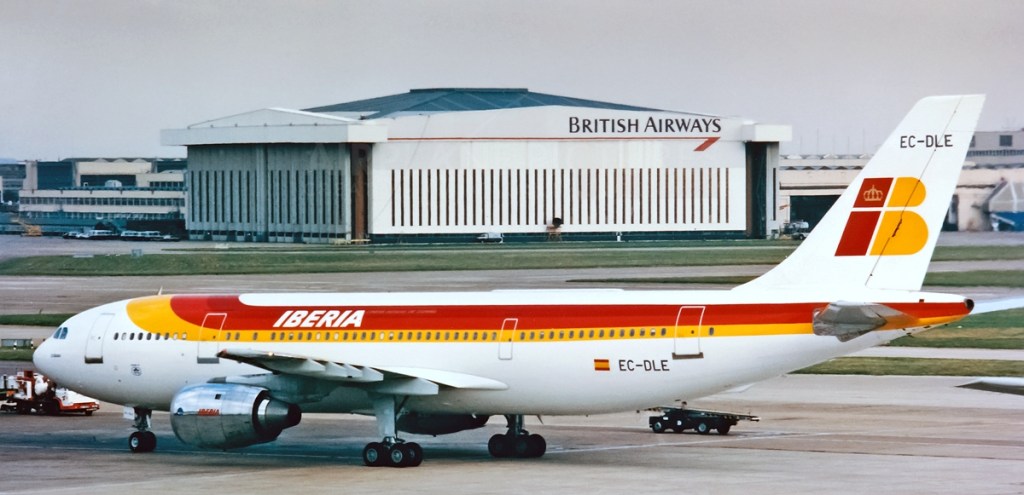
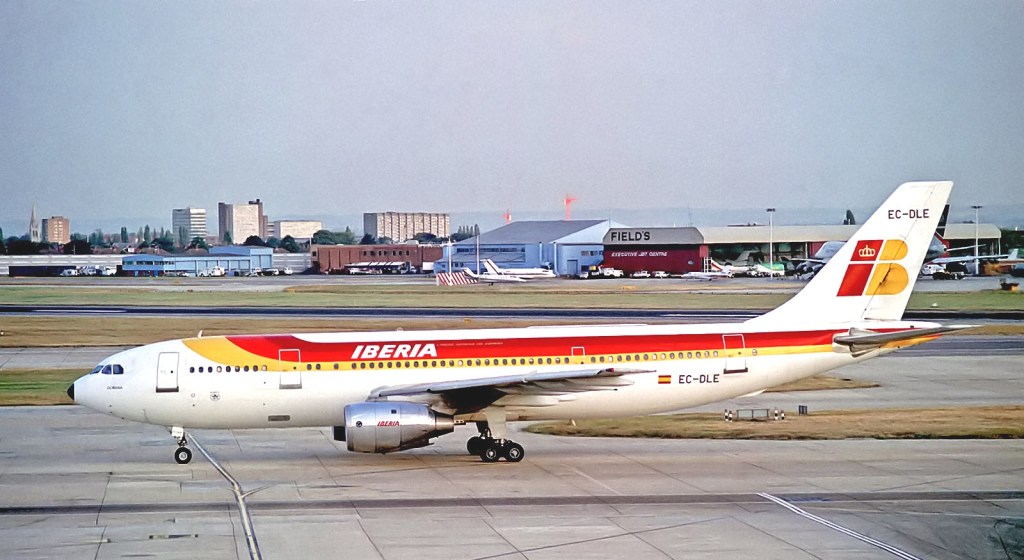
La compañía aérea Iberia Líneas Aéreas de España ha establecido una relación de cuatro décadas desde que la aerolínea iniciaba operaciones con aviones de la línea Airbus. Un 18 de Marzo de 1981 aterrizaba en Madrid el primer Airbus A300/Airbus A300B4-120 para la aerolínea dando inicio a una larga trayectoria con la familia de aeronaves del consorcio europeo.
A partir de esa fecha histórica, Iberia formaría parte inseparable como cliente de diferentes flotas de aviones hasta la actualidad. La relación Iberia se iniciaba en 1981 con el primer modelo Airbus A300 denominada Doñana y estaba registrado como EC-DLE. El avión realizó su primer vuelo el 13 de Enero de 1981 y entregado el 27/01, efectuando su primer vuelo el 29 de Marzo de 1981 en la ruta Madrid/Barajas hacia Paris/Orly. La historia de Doñana estuvo vinculada a la compañía durante doce años terminando sus operaciones en 01/1993 con diecinueve años volando a destinos internacionales. En 2000, la aeronave fue desguazada en Madrid poniendo fin a prototipo, junto con otros nueve aviones que ha empleado la aerolínea.
Saga Airbus
Iberia ha ido incorporando a lo largo de su tiempo la ampliación de nuevos modelos en reemplazo del grueso de la flota de rango medio McDonnell Douglas MD-87/88, inclinando la balanza para los modelos Airbus A319, A320-200, A321-200, más las actualizaciones posteriores a A320NEO. Respecto a la flota de amplio radio de acción como los modelos Boeing 747-200/300, Boeing 757-200 y A300, Iberia ha ido reemplazando inicialmente por los Airbus A330-200/300/600 y actualmente una nueva actualización de flota hacia el Airbus A350-900, el modelo más moderno de toda la línea del fabricante europeo. Actualmente la aerolínea opera aviones all-Airbus con una flota total de 69 unidades. La aerolínea ha dado de baja comercial la línea Airbus A340 restantes debido a los efectos de las restricciones de los viajes por la pandemia, lo que significa que su edad media de flota actualmente se encuentra en menos de diez años de antigüedad.
Perspectivas flota Iberia
La aerolínea española continuará desarrollando la filosofía de aviones todo Airbus avanzando hacia el futuro para reducir costos operativos y logísticos, mientras continúa enfocado en la gama de aeronaves Airbus A320NEO y A350. Hacia el futuro, Iberia incorporará el Airbus A321XLR hacia el 2023 permitiendo recuperar el vacío dejado por el Boeing 757 transatlántico. La nueva incorporación permitirá continuar enfocada en viajes costa a costa entre Europa y Estados Unidos con aeronaves narrowbodies maximizando los ahorros de costos, permitiendo aumentar las frecuencias a más destinos.
Iberia 40 anniversaries ops Airbus
Iberia celebrates 40 years of Airbus line operations
The airline company Iberia Líneas Aéreas de España has established a relationship of four decades since the airline began operations with Airbus line aircraft. On March 18, 1981, the first Airbus A300/Airbus A300B4-120 for the airline landed in Madrid, beginning a long career with the family of aircraft of the European consortium.
As of that historical date, Iberia would be an inseparable part as a client of different fleets of aircraft until today. The Iberia relationship began in 1981 with the first Airbus A300 model called Doñana and it was registered as EC-DLE. The plane made its first flight on January 13, 1981 and delivered on 01/27, making its first flight on March 29, 1981 on the Madrid/Barajas route to Paris/Orly. The history of Doñana was linked to the company for twelve years ending its operations in 01/1993 with nineteen years flying to international destinations. In 2000, the aircraft was scrapped in Madrid, ending the prototype, along with nine other aircraft used by the airline.
Airbus saga
Iberia has been incorporating throughout its time the expansion of new models to replace the bulk of the McDonnell Dougras MD-87/88 mid-range fleet, tipping the balance for the Airbus A319, A320-200, A321-200, plus post-A320NEO updates. Regarding the fleet with a wide range of action such as the Boeing 747-200/300, Boeing 757-200 and A300 models, Iberia has initially been replaced by the Airbus A330-200/300/600 and currently a new fleet update towards the Airbus A350-900, the most modern model in the entire line of the European manufacturer. Currently the airline operates all-Airbus aircraft with a total fleet of 69 units. The airline has decommissioned the remaining Airbus A340 line due to the effects of travel restrictions due to the pandemic, which means that its average fleet age is currently less than ten years old.
Iberia perspectives
The Spanish airline will continue to develop the philosophy of all Airbus aircraft moving forward to reduce operational and logistics costs, while continuing to focus on the range of Airbus A320NEO and A350 aircraft. In the future, Iberia will incorporate the Airbus A321XLR by 2023, making it possible to recover the vacuum left by the transatlantic Boeing 757. The new addition will allow us to continue focused on coast-to-coast travel between Europe and the United States with narrowbodies aircraft, maximizing cost savings, allowing to increase frequencies to more destinations.
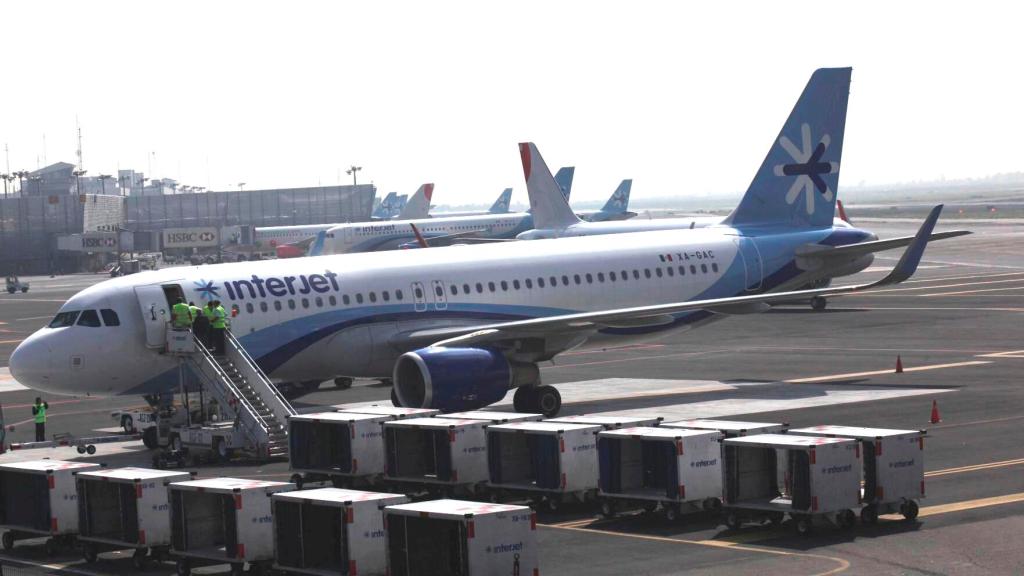
La aerolínea low cost mexicana Interjet no ha restablecido sus operaciones este 15 de Marzo de 2021 como estaba planificado. Tras la falta de acuerdos con los sindicatos aéreos le impide retomar la programación de vuelos debido a la ratificación de la huelga hace semanas atrás sin alcanzar una solución a corto plazo.
Los atrasos en el retorno de los vuelos son necesarios revisar los aviones, sistemas, recalificación de personal, despacho operativo, mantenimiento, entre otros detalles que retardarían un comienzo de las operaciones. Ante la falta de oficinas, centro de reservaciones, website para reservas de vuelos, hacen imposible augurar una recomposición de las operaciones aéreas. Ante la falta de capitalización no hay dinero para pagos de combustible para los vuelos, ni pagos a los aeropuertos ni sueldos a los empleados. La flota de aviones Airbus A320/A321 han sido algunos desmantelados, aparcados y rentados a otras aerolíneas.
El Servicio de Administración Tributario (SAT) de México continúa con las investigaciones por supuestos fraudes alrededor de la aerolínea, sumado a la defraudación fiscal por no entregar los impuestos retenidos desde hace varios años. Ante este panorama desolador hace muy difícil que la aerolínea pueda reestablecer sus compromisos y operaciones.
Interjet does not restart operations
Interjet-air unions continue without agreements
The Mexican low cost airline Interjet has not restored its operations this March 15, 2021 as planned. After the lack of agreements with the air unions, it prevents him from resuming the flight schedule due to the ratification of the strike weeks ago without reaching a short-term solution.
Delays in the return of flights are necessary to review the aircraft, systems, personnel requalification, operational dispatch, maintenance, among other details that would delay the start of operations. Given the lack of offices, a reservation center, and a website for flight reservations, it is impossible to predict a recomposition of air operations. In the absence of capitalization, there is no money for fuel payments for flights, no payments to airports or salaries for employees. Some of the Airbus A320/A321 aircraft have been dismantled, parked and leased to other airlines.
The Tax Administration Service (SAT) of Mexico continues with the investigations for alleged fraud around the airline, in addition to tax fraud for not delivering the taxes withheld for several years. Faced with this bleak outlook, it makes it very difficult for the airline to reestablish its commitments and operations.
Kazajstán amplía conexiones con España y Estados Unidos
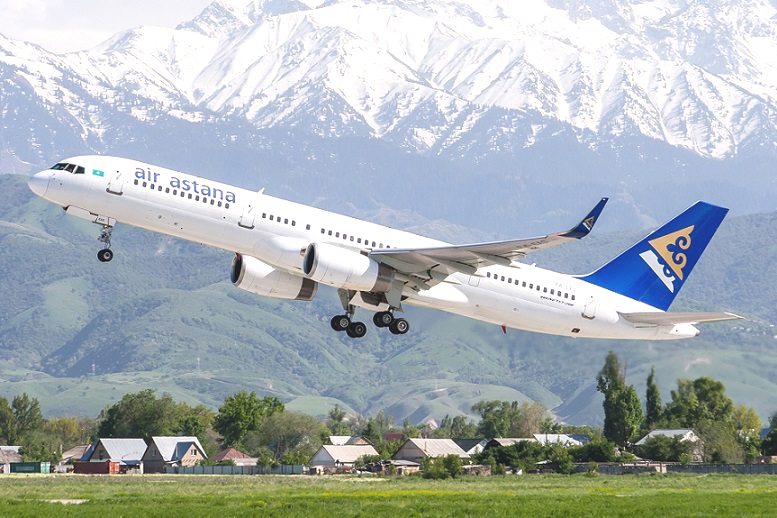
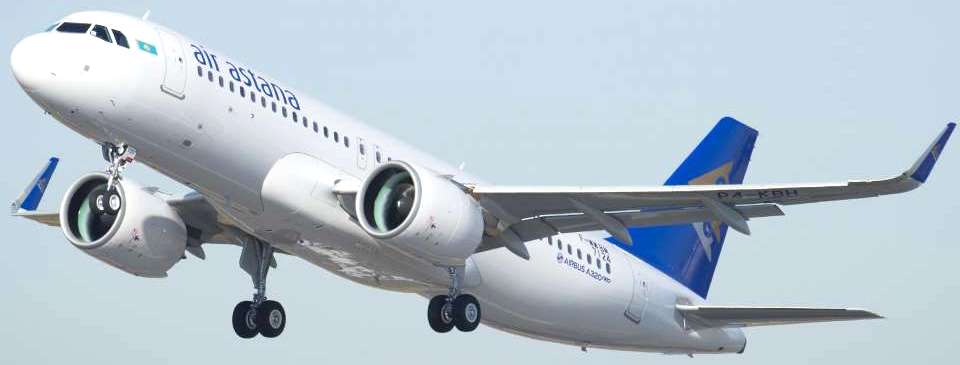
Una vez que las aerolíneas comerciales de Kazajstán comiencen a ofrecer vuelos directos regulares a España, la región del Caspio establecerá más conexiones con Europa. La Comisión del Comité de Aviación Civil de Kazajstán de la Administración de Aviación de Kazajstán (KAA) ha anunciado que ha firmado un acuerdo de tráfico aéreo entre los dos países para establecer una base jurídica para efectuar vuelos directos entre Kazajstán y España. Actualmente, Air Astana posee cuatro vuelos directos a la semana a Madrid, pero el nuevo acuerdo aumenta el número de vuelos de pasajeros a siete por semana. Los vuelos regulares que conectan el Aeropuerto Internacional Madrid Barajas/Adolfo Suárez para unir Nur-Sultan y Almaty. El servicio de prensa del Comité dijo: “Las aerolíneas designadas por ambas partes tienen derecho a utilizar cualquier tipo de aeronave para operar siete vuelos regulares de pasajeros y conjuntos cada semana, y a utilizar cualquier tipo de aeronave para operar siete vuelos regulares de carga cada semana”.
Además, las dos aerolíneas también se beneficiarán de acuerdos de código compartido entre sí y con terceros. Los vuelos de código compartido son vuelos comercializados por una aerolínea y operados por otra aerolínea. La aparición de vuelos de código compartido es un acuerdo alcanzado entre aerolíneas, es decir, la venta mutua de asientos en los vuelos de las demás, con el fin de brindar a los pasajeros más opciones de destino.
El anuncio del Comité de Aviación de Kazajstán se hizo después de los recientes cambios provocados por el acuerdo firmado entre Kazajstán y Japón. A principios de Marzo 2021, la Comisión de Aviación Civil de Kazajstán eligió a Air Astana para operar Nur Sultan y Tokio, que iniciarán alrededor de catorce vuelos por semana operaciones mitad de 2021.
Para unirse a la lista de los 30 países/regiones más atractivos para los turistas, el Gobierno de Kazajstán está trabajando arduamente para expandir la accesibilidad al transporte del país más grande y la economía más grande de Asia Central. Al mismo tiempo, volar al extranjero se ha vuelto cada vez más realista entre los residentes y ciudadanos de la República de Kazajstán. Air Astana está mejorando su flota de aviones para adaptarla a los estándares de la aviación occidental, especialmente los de Estados Unidos.
Kazajstán-Estados Unidos
El Presidente Nursultan Nazarbayev visitó los Estados Unidos en Enero de 2018, firmó un acuerdo de US$ 2.5 mil millones con Boeing, que incluía tres 787 Dreamliner. El primer Dreamliner se entregará a Air Astana en 2022. Al mismo tiempo, la empresa espera establecer vínculos directos con Singapur, Shanghai y Nueva York.
Funcionarios en Astana Airlines dijeron que actualmente se está elaborando un acuerdo que cubre el tráfico aéreo entre Estados Unidos y Kazajstán. Con este fin, Air Astana y la Comisión de Aviación Civil primero deben someterse a una auditoría por parte de la autoridad de aviación de Estados Unidos para garantizar el cumplimiento de las normas de seguridad de la aviación. Las perspectivas de volar hacia Estados Unidos podrían efectivizarse en 2021. Una vez que Kazajstán comience a operar vuelos directos a los Estados Unidos, se convertirá en el segundo país del Caspio después de Azerbaiyán, utilizando Dreamliner para volar directamente a los Estados Unidos.
Kazakhstan expands connections Spain/United States
Kazakhstan expands connections with Spain and United States
Once Kazakhstan’s commercial airlines start offering regular direct flights to Spain, the Caspian region will establish more connections with Europe. The Commission of the Kazakh Civil Aviation Committee of the Kazakhstan Aviation Administration (KAA) has announced that it has signed an air traffic agreement between the two countries to establish a legal basis for direct flights between Kazakhstan and Spain. Air Astana currently has four direct flights a week to Madrid, but the new agreement increases the number of passenger flights to seven a week. Regular flights connecting Madrid Barajas/Adolfo Suárez International Airport to connect Nur-Sultan and Almaty. The Committee’s press service said: “The airlines designated by both parties have the right to use any type of aircraft to operate seven scheduled passenger and joint flights each week, and to use any type of aircraft to operate seven scheduled cargo flights each week”.
In addition, the two airlines will also benefit from codeshare agreements with each other and with third parties. Codeshare flights are flights marketed by one airline and operated by another airline. The appearance of codeshare flights is an agreement reached between airlines, that is, the mutual sale of seats on each other’s flights, in order to provide passengers with more destination options.
The announcement by the Kazakh Aviation Committee was made after recent changes brought about by the agreement signed between Kazakhstan and Japan. At the beginning of March 2021, the Civil Aviation Commission of Kazakhstan chose Air Astana to operate Nur Sultan and Tokyo, which will begin around fourteen flights per week operations mid-2021.
To join the list of the 30 most attractive countries/regions for tourists, the Government of Kazakhstan is working hard to expand the transportation accessibility of the largest country and the largest economy in Central Asia. At the same time, flying abroad has become increasingly realistic among residents and citizens of the Republic of Kazakhstan. Air Astana is upgrading its aircraft fleet to bring it up to Western aviation standards, especially those of the United States.
Kazakhstan-United States
President Nursultan Nazarbayev visited the United States in January 2018, signed a US$ 2.5 billion deal with Boeing, which included three 787 Dreamliners. The first Dreamliner will be delivered to Air Astana in 2022. At the same time, the company hopes to establish direct links with Singapore, Shanghai and New York.
Officials at Astana Airlines said an agreement covering air traffic between the United States and Kazakhstan is currently being worked out. To this end, Air Astana and the Civil Aviation Commission must first undergo an audit by the United States aviation authority to ensure compliance with aviation security regulations. Prospects of flying to the United States could be realized in 2021. Once Kazakhstan begins operating direct flights to the United States, it will become the second Caspian country after Azerbaijan, using Dreamliner to fly directly to the United States.
Қазақстан байланыстарды кеңейтеді
Қазақстан Испаниямен және АҚШ-пен байланысты кеңейтеді
Қазақстанның коммерциялық авиакомпаниялары Испанияға тұрақты рейстер ұсына бастағаннан кейін, Каспий аймағы Еуропамен көбірек байланыс орнатады. Қазақстандық авиация әкімшілігінің (KAA) Қазақ азаматтық авиация комитетінің комиссиясы екі ел арасында әуе қатынасы туралы келісімге Қазақстан мен Испания арасындағы тікелей рейстердің құқықтық негіздерін құру туралы келісімге қол қойғаны туралы хабарлады. Қазіргі уақытта Эйр Астана аптасына Мадридке төрт рейсті жүзеге асырады, бірақ жаңа келісімде жолаушылар рейсі аптасына жетіге дейін көбейеді. Мадрид Барахас/Адольфо Суарес халықаралық әуежайын байланыстыратын тұрақты рейстер Нұр-Сұлтан мен Алматы қалаларын байланыстырады. Комитеттің баспасөз қызметі: «Екі тарап та тағайындаған авиакомпаниялар апта сайын жоспарланған жеті жолаушы және бірлескен рейстерді орындау үшін кез-келген типтегі әуе кемелерін пайдалануға, сондай-ақ апта сайын жеті жоспарлы жүк рейстерін орындау үшін кез-келген типтегі әуе кемелерін пайдалануға құқылы».
Сонымен қатар, екі авиакомпания бір-бірімен және үшінші тұлғалармен кодресті келісуден де ұтады. Codeshare рейстері – бұл бір авиакомпания сататын және басқа авиакомпания жүзеге асыратын рейстер. Codeshare рейстерінің пайда болуы – бұл әуе компаниялары арасында жасалған келісім, яғни жолаушыларға көбірек баратын жолдарды ұсыну мақсатында бір-бірінің рейстеріндегі орындарды өзара сату.
Қазақстандық авиация комитетінің хабарламасы Қазақстан мен Жапония арасында жасалған келісім нәтижесінде болған соңғы өзгерістерден кейін жасалды. 2021 жылдың наурыз айының басында Қазақстанның Азаматтық авиация комиссиясы Эйр Астананы Нұр Сұлтан» мен Токионы пайдалану үшін таңдады, олар 2021 жылдың ортасында аптасына он төрт рейс бастайды.
Туристер үшін ең тартымды 30 елдің/аймақтардың тізіміне кіру үшін Қазақстан Үкіметі Орталық Азиядағы ең ірі елдің және ең ірі экономиканың көлікке қол жетімділігін кеңейту үшін көп жұмыс істейді. Сонымен қатар, шетелге ұшу Қазақстан Республикасының тұрғындары мен азаматтары арасында барған сайын нақты бола бастады. Эйр Астана әуе кемелерінің паркін батыстық авиация стандарттарына, әсіресе АҚШ авиациясының стандарттарына сәйкестендіру үшін жаңартуда.
Қазақстан-Америка Құрама Штаттары
Президент Нұрсұлтан Назарбаев 2018 жылдың қаңтарында АҚШ-қа барып, Boeing компаниясымен 2,5 миллиард долларлық келісімге қол қойды, оның құрамына үш 787 Dreamliner кірді. Алғашқы Dreamliner 2022 жылы Эйр Астанаға жеткізіледі. Сонымен қатар, компания Сингапур, Шанхай және Нью-Йоркпен тікелей байланыс орнатуға үміттенеді.
Астана әуе жолдары компаниясының ресми өкілдері қазіргі уақытта АҚШ пен Қазақстан арасындағы әуе қатынасын қамтитын келісім әзірленіп жатқанын айтты. Осы мақсатта алдымен Эйр Астана мен Азаматтық авиация комиссиясы авиация қауіпсіздігі ережелерінің сақталуын қамтамасыз ету үшін Америка Құрама Штаттарының авиация органының тексерісінен өтуі керек. Америка Құрама Штаттарына ұшудың болашағы 2021 жылы жүзеге асырылуы мүмкін. Қазақстан АҚШ-қа тікелей рейстер жасай бастағаннан кейін, Америка Құрама Штаттарына тікелей ұшу үшін Dreamliner көмегімен Әзірбайжаннан кейінгі екінші Каспий елі болады.
Aerolínea portuguesa solicita otras ayudas complementarias
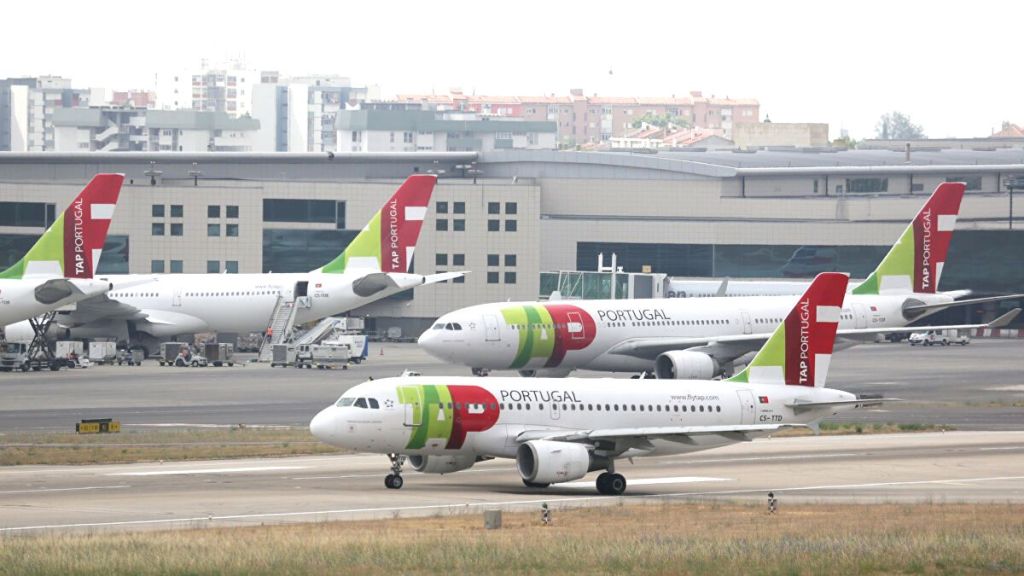
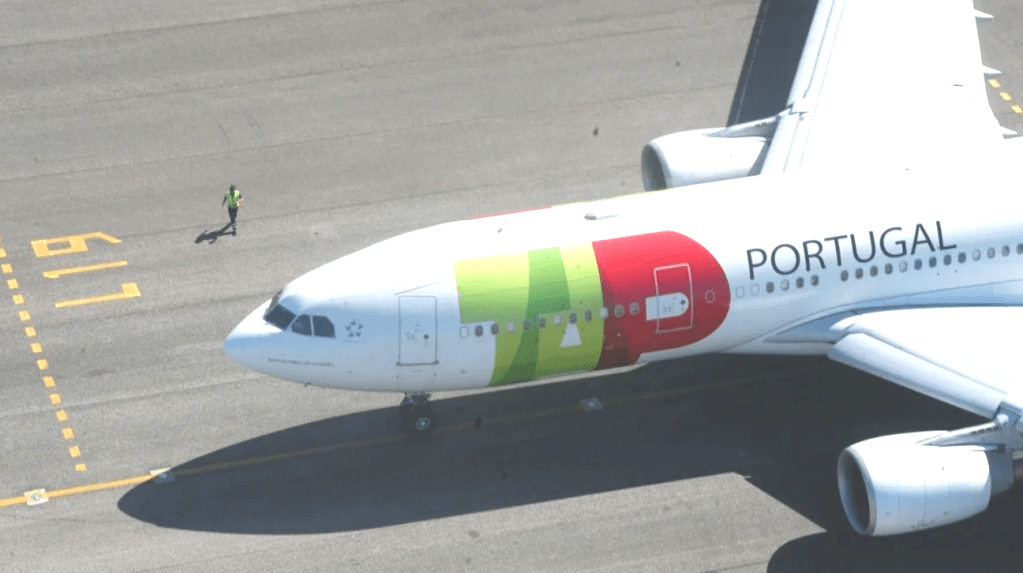
El Gobierno Portugal está buscando la aprobación de la Comisión Europea (CE) para un nuevo paquete de ayudas para la aerolínea portuguesa TAP Air Portugal por un monto de € 460 millones de Euros. TAP Air Portugal había presentado su plan de reestructuración ante la Comisión Europea y el Parlamento de Portugal con el fin de conseguir viabilidad a la aerolínea para la obtención de crédito en ayudas para hacer frente a la situación financiera delicada del sector de la aviación comercial.
Reestructuración en TAP Air Portugal
La compañía estima que el plan de reestructuración significaría la reducción de su flota y de costos laborales con las consiguientes reducciones de personal estimados en 3.600 personas, 500 pilotos, 750 sobrecargos, 750 trabajadores de tierra fueran despedidas de un total de 10.600 trabajadores, más otros 1.600 contratos que no serán renovados. Estas medidas generarían ahorros por € 187.5 millones de Euros al año. La flota de la compañía ha sido ajustada a la nueva demanda, sufriendo una disminución del 20% en Diciembre 2020 de 108 a 88 aeronaves.
Anteriormente TAP Air Portugal había solicitado una primer ayuda que había sido aprobada por la Comunidad Europea y el Gobierno de Portugal inyectó ayudas por € 1.200 millones de Euros. Pero la aerolínea portuguesa necesita un nuevo apoyo gubernamental para concretar la reestructuración.
TAP Air Portugal seeks Government support
Portuguese airline requests other complementary aid
The Portuguese Government is seeking approval from the European Commission (EC) for a new aid package for the Portuguese airline TAP Air Portugal in the amount of € 460 million Euros. TAP Air Portugal had submitted its restructuring plan to the European Commission and the Portuguese Parliament in order to make the airline viable in obtaining aid credit to face the delicate financial situation of the commercial aviation sector.
Restructuring at TAP Air Portugal
The company estimates that the restructuring plan would mean the reduction of its fleet and labor costs with the consequent reductions in personnel estimated at 3,600 people, 500 pilots, 750 flight attendants, 750 ground workers would be laid off out of a total of 10,600 workers, plus others. 1,600 contracts that will not be renewed. These measures would generate savings of € 187.5 million euros per year. The company’s fleet has been adjusted to the new demand, suffering a 20% decrease in December 2020 from 108 to 88 aircraft.
Previously TAP Air Portugal had requested a first aid that had been approved by the European Community and the Government of Portugal injected aid for € 1,200 million Euros. But the Portuguese airline needs new government support to complete the restructuring.
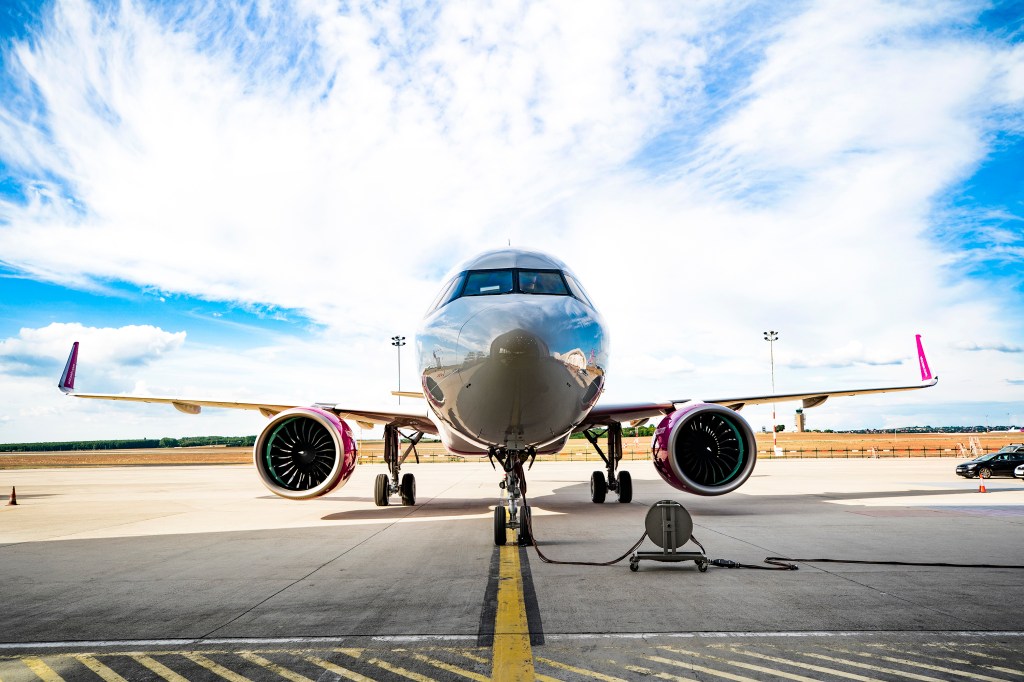
Indigo Partners vende el 9% de Wizz Air por US$ 550 millones
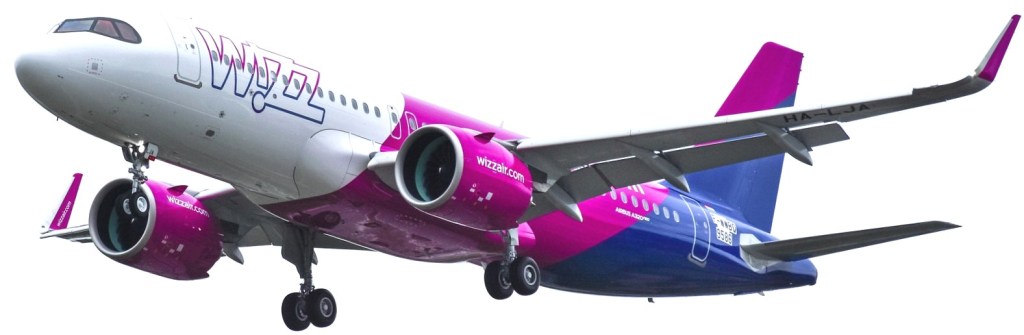
La firma estadounidense Indigo Partners, ha anunciado este Martes 16/03, el mayor inversor de la compañía húngara Wizz Air, que había vendido una gran parte de sus acciones en la aerolínea de bajo costo. La colocación, facilitada por Barclays Bank, implica 7,69 millones de acciones.
El mayor inversor de Wizz Air, Indigo Partners, acaba de vender un poco menos de la mitad de su participación en la aerolínea. Indigo Partners anunció que había vendido acciones por valor de US$ 555,5 millones de Dólares. Esto reduce la propiedad de la firma de capital privado del 17,5% a apenas el 8,5%. La aerolínea no recibirá ningún producto de la venta. El acuerdo implicó la venta de 7,69 millones de acciones a través de lo que se conoce como un proceso acelerado de construcción de libros. Este es un método que implica la oferta de las acciones en el mercado de capitales en un período muy corto de tiempo. El Banco Barclays que facilita la colocación dijo que estaría terminado el Jueves 18 de Marzo de 2021.
La salud de la aerolínea Wizz Air ha afrontado la crisis de la mejor manera, anunciando nuevos destinos y diversificando sus productos. La aerolínea en franco crecimiento ha continuado recibiendo aeronaves, ha desarrollado 260 nuevas rutas y ha alcanzado trece nuevas bases que incluyen entre otras a Londres/Gatwick, Milán/Malpensa, Oslo y Abu Dabi. La aerolínea terminó diciembre de 2020 con un saldo en efectivo de US$ 1.200 millones de Euros/US$ 1.430 millones de Dólares.
Wizz Air UK
Hace poco menos de una semana, la aerolínea Wizz Air dio la bienvenida a su primera A321NEO a su filial británica. El avión estará estacionado en Londres Luton y se unirá a dos más del tipo en mayo. Wizz Air basará a otro de los recién llegados más al sur en Londres/Gatwick.
Indigo Partners & Airbus
Indigo Partners había celebrado un acuerdo con Airbus Group en Dubai Air Show en 2017 para establecer nuevas aeronaves para las filiales del grupo. La compañía realilzó la firma de un Memorando de Entendimiento (MoU) con Airbus para que otros 430 aviones fueran compartidos entre sus líneas aéreas. Wizz Air acordaría 72 A320NEO y 74 A321NEO. El acuerdo estaba valorado en US$ 49.500 millones de Dólares. En 2019 Indigo Partners firmó otro Memorándum de Entendimiento para 50 A321XLR, 20 unidades formarían parte de la flota Wizz Air.
Indigo sale 9% of Wizz Air
Indigo Partners sells 9% of Wizz Air for US$ 550 million
The American firm Indigo Partners, announced this Tuesday 03/16, the largest investor in the Hungarian company Wizz Air, that it had sold a large part of its shares in the low-cost airline. The placement, facilitated by Barclays Bank, involves 7.69 million shares.
Wizz Air’s largest investor, Indigo Partners, has just sold a little less than half its stake in the airline. Indigo Partners announced that it had sold shares worth US$ 555.5 million. This reduces the ownership of the private equity firm from 17.5% to just 8.5%. The airline will not receive any proceeds from the sale. The deal involved the sale of 7.69 million shares through what is known as an accelerated book-building process. This is a method that involves offering the shares in the capital market in a very short period of time. The Barclays Bank that facilitates the placement said that it would be completed on Thursday, March 18, 2021.
The health of the airline Wizz Air has faced the crisis in the best way, announcing new destinations and diversifying its products. The rapidly growing airline has continued to receive aircraft, has developed 260 new routes and has reached thirteen new bases, including among others London/Gatwick, Milan/Malpensa, Oslo and Abu Dhabi. The airline ended December 2020 with a cash balance of US$ 1.2 billion/US$ 1.43 billion.
Wizz Air UK
Just under a week ago, Wizz Air airline welcomed its first A321NEO to its British subsidiary. The plane will be stationed in London Luton and will join two more of the type in May. Wizz Air will base another of the southernmost newcomers in London/ Gatwick.
Indigo Partners & Airbus
Indigo Partners had entered into an agreement with Airbus Group at the Dubai Air Show in 2017 to establish new aircraft for the group’s subsidiaries. The company completed the signing of a Memorandum of Understanding (MoU) with Airbus so that another 430 aircraft would be shared between its airlines. Wizz Air would agree to 72 A320NEOs and 74 A321NEOs. The agreement was valued at US$ 49,500 million. In 2019 Indigo Partners signed another Memorandum of Understanding for 50 A321XLRs, 20 units would be part of the Wizz Air fleet.
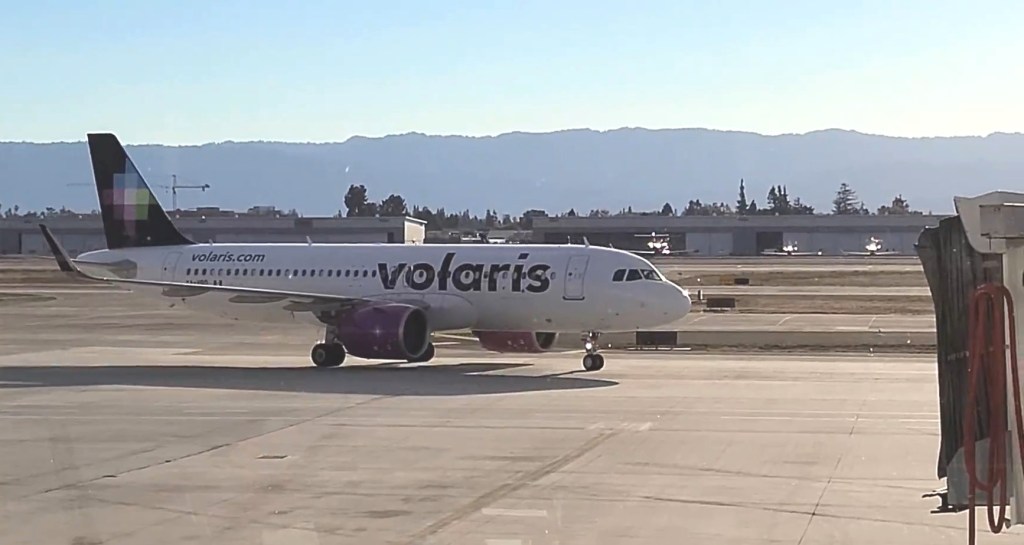
Volaris tramita nuevo operador como aerolínea salvadoreña
La aerolínea Volaris Airlines ha reiniciado el proceso para obtener la certificación como una aerolínea con base en la República de El Salvador. La aerolínea de ultra bajo costo mexicana mantiene vigente su plan de expansión en Centroamérica restableciendo las tramitaciones para ser autorizada como una empresa salvadoreña por parte de la Autoridad de Aviación Civil (AAC). El proceso está culminando la Fase 2, y se prevé finalizar este mes las gestiones para la Fase 3, junto con la obtención del Certificado AOC como nuevo operador hacia principios de Junio 2021.
Volaris se prepara para crecer e invertir en Centroamérica tras recuperarse de forma acelerada del golpe que representó el nuevo coronavirus. La aerolínea, que opera con un modelo de ultra bajo costo en México, Estados Unidos y Centroamérica, ha implementado un plan para reducir sus costos, proteger su liquidez, recuperar su capacidad y aprovechar las oportunidades de mercado en el 2020. Esta estrategia le ha permitido una recuperación acelerada en medio de la crisis económico que se originó con la pandemia por Covid-19 y que tuvo entre uno de los sectores más afectados a las aerolíneas, debido a las restricciones de movilidad y cierre de aeropuertos que decretaron diferentes países.
Volaris El Salvador estima que generará 150 empleos directos. El análisis de mercado para la nueva filial mexicana será incorporar volar de forma directa a Estados Unidos, México y Suramérica al utilizar «los derechos de tráfico del país con base en las regulaciones actuales», detalló su CEO, Enrique Beltranena.
Volaris México
El CEO de Volaris ha anunciado que están analizando la posibilidad de volar en Honduras, expandir rutas hacia Estados Unidos y incrementar frecuencias en sus actuales rutas. El ejecutivo destacó que su plan de crecimiento en la región continúa más sólido que nunca, por lo que se prevé abrir este mismo año vuelos a Panamá, Bogotá y a Miami desde Centroamérica, así como frecuencias s diarias a Los Ángeles, Washington y Nueva York.
«Volaris registró uno de los mejores resultados del cuarto trimestre de 2020 de cualquier aerolínea a nivel mundial, volando en un 95 % de la capacidad pre-Covid», dice un fragmento de reporte de Barclay’s, firma financiera especializada con sede en Reino Unido. «Volaris pudo lograr ganancias positivas en el cuarto trimestre de 2020, algo que pocos operadores, si es que hay alguno, han logrado a nivel mundial», destacó la firma en su informe. A este resultado contribuyó la recuperación de las operaciones a nivel del mercado doméstico de México, en donde Volaris operó un 99.1 % de su capacidad frente al mismo período de 2019. En lo que se refiere al mercado internacional, Volaris operó un 85.5 % de su capacidad en comparación con el mismo período de 2019.
Un 100% de la capacidad de la compañía está en el mercado doméstico de México y en vuelos internacionales cortos, que son las geografías de mayor recuperación. La aerolínea ha iniciado operaciones en dos nuevas rutas en el mercado mexicano y siete nuevas internacionales en el cuatro trimestre de 2020. Durante 2020, Volaris transportó a más de 14.7 millones de pasajeros en México, Estados Unidos y Centroamérica, luego de implementar su protocolo de bioseguridad en Abril 2021. En opinión de su CEO, Enrique Beltranena, estos resultados se derivan «de una administración muy fuerte, muy especializada y con una experiencia en este tipo de crisis». Otro factor relevante es su modelo de negocio enfocado en el bajo costo. «Todos nuestros competidores Latinoamericanos están arriba por mucho en costos de operación. Esto plantea una marcada ventaja económica», resaltó Enrique Beltranena.
En Diciembre 2020, la aerolínea realizó una oferta pública de certificados en el mercado internacional, una operación que le permitió obtener US$ 164 millones para fortalecer su balance. «Es una aerolínea que hace una capitalización para crecer y seguirse desarrollando. No para soportar el problema financiero de la crisis, creo que te marca un diferencial muy importante en la industria, un sólido balance de manejo de nuestras deudas, efectivo, de los arrendamientos, un plan de flota agresivo para crecer hacia delante y, por supuesto, una fuerte apuesta por Centroamérica», expresó Enrique Beltranena.
Volaris El Salvador launched
Volaris processes new operator as Salvadoran airline
The airline Volaris Airlines has restarted the process to obtain certification as an airline based in the Republic of El Salvador. The Mexican ultra-low-cost airline maintains its expansion plan in Central America, restoring the procedures to be authorized as a Salvadoran company by the Civil Aviation Authority (AAC). The process is completing Phase 2, and the procedures for Phase 3 are expected to end this month, together with obtaining the AOC Certificate as a new operator towards the beginning of June 2021.
Volaris is preparing to grow and invest in Central America after recovering rapidly from the blow of the new coronavirus. The airline, which operates with an ultra-low cost model in Mexico, the United States and Central America, has implemented a plan to reduce its costs, protect its liquidity, recover its capacity and take advantage of market opportunities in 2020. This strategy has it allowed an accelerated recovery in the midst of the economic crisis that originated with the Covid-19 pandemic and that had among one of the sectors most affected by airlines, due to mobility restrictions and airport closures decreed by different countries.
Volaris El Salvador estimates that it will generate 150 direct jobs. The market analysis for the new Mexican subsidiary will be to incorporate direct flights to the United States, Mexico and South America by using «the country’s traffic rights based on current regulations», explained its CEO, Enrique Beltranena.
Volaris Mexico
The Volaris CEO has announced that they are analyzing the possibility of flying in Honduras, expanding routes to the United States and increasing frequencies on their current routes. The executive highlighted that its growth plan in the region continues to be more solid than ever, so it is expected to open this year flights to Panama, Bogotá and Miami from Central America, as well as daily frequencies to Los Angeles, Washington and New York.
«Volaris posted one of the best Q4 2020 results of any airline globally, flying at 95% of precovid capacity», reads a report excerpt from Barclay’s, a UK-based specialist finance firm. «Volaris was able to achieve positive earnings in the fourth quarter of 2020, something that few, if any, operators have achieved globally», the firm noted in its report. This result contributed to the recovery of operations in the domestic market in Mexico, where Volaris operated 99.1% of its capacity compared to the same period in 2019. With regard to the international market, Volaris operated 85.5% of its capacity compared to the same period in 2019.
100% of the company’s capacity is in the domestic market in Mexico and on short international flights, which are the geographies with the greatest recovery. The airline has started operations on two new routes in the Mexican market and seven new international ones in the fourth quarter of 2020. During 2020, Volaris transported more than 14.7 million passengers in Mexico, the United States and Central America, after implementing its protocol of biosecurity in April 2021. In the opinion of its CEO, Enrique Beltranena, these results are derived «from a very strong, highly specialized administration with experience in this type of crisis.» Another relevant factor is its business model focused on low cost. «All of our Latin American competitors are far ahead in operating costs. This poses a marked economic advantage», Enrique Beltranena emphasized.
In December 2020, the airline made a public offering of certificates in the international market, an operation that allowed it to obtain US$ 164 million to strengthen its balance sheet.«It is an airline that makes a capitalization to grow and continue developing. Not to withstand the financial problem of the crisis, I think it marks a very important differential in the industry, a solid balance of management of our debts, cash, leases, an aggressive fleet plan to grow forward and, of course, a strong commitment to Central America», expressed Enrique Beltranena.
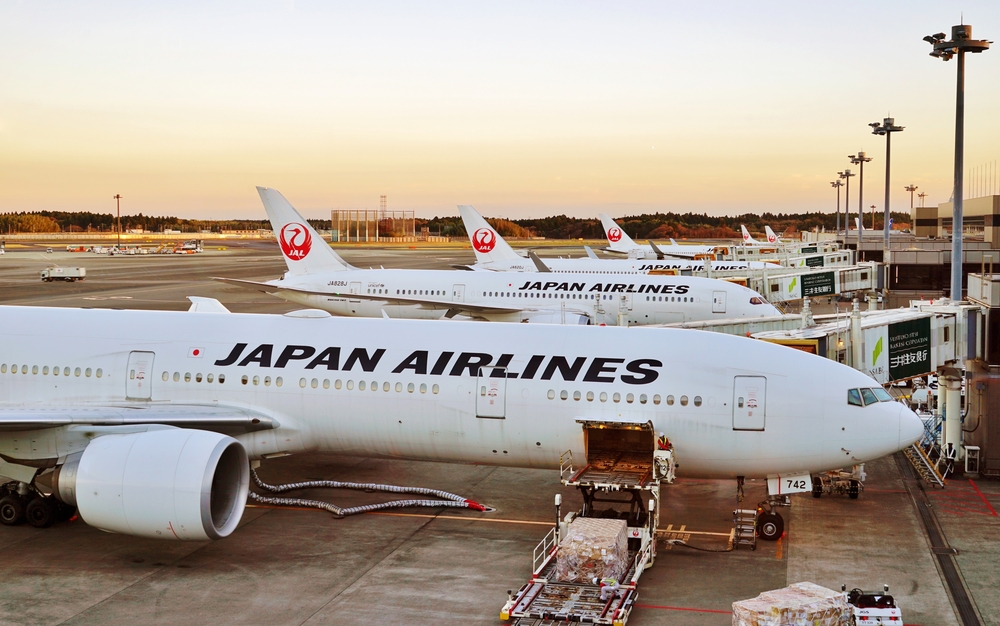
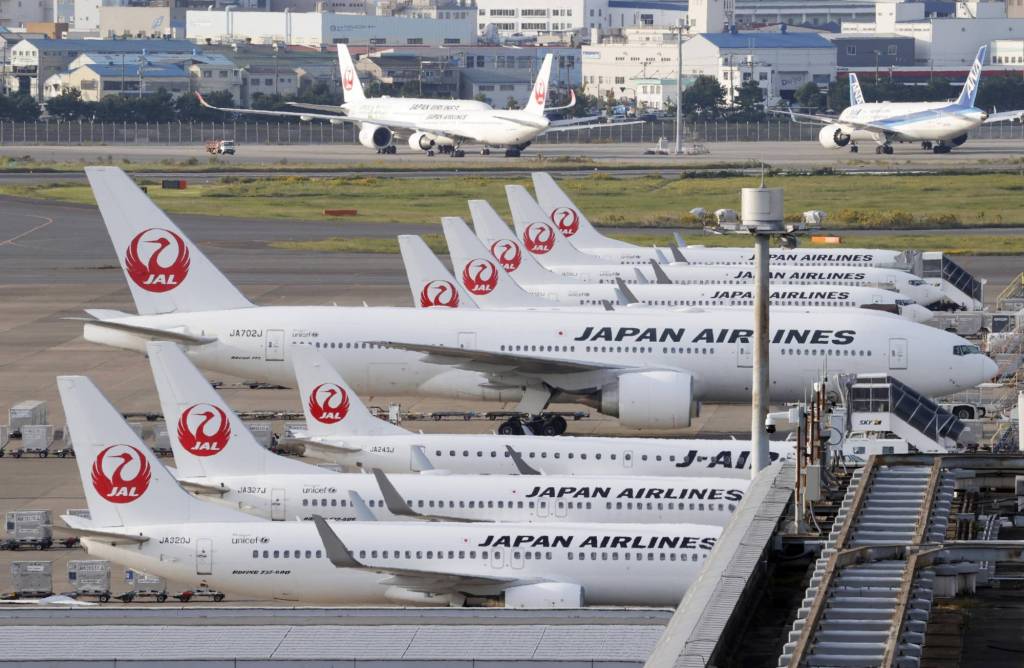
Azafatas elegir menos horas laborales con recortes salariales
Japan Airlines planea permitir que sus azafatas mayores de 50 años que elijan menos horas de trabajo con recortes salariales a partir del año fiscal 2021 a partir del próximo mes, en medio de una débil demanda de viajes debido a la pandemia de coronavirus, dijeron el martes fuentes de la compañía. La aerolínea reducirá tanto las horas de trabajo como el pago de las azafatas en un 20% o un 40% dependiendo de la opción que elijan, sin pedirles que especifiquen el motivo de la inscripción, según las fuentes.
JAL Airlines ha transmitido el plan a sus sindicatos, dijeron, agregando que el recorte del 40% estará disponible sólo por un año en el año fiscal 2021. La compañía planea permitir que las azafatas experimentadas continúen trabajando de forma reducida, con un recorte del 20% en las horas que estarán disponibles más allá del próximo año fiscal, esperando que tomen tiempo para criar niños o cuidar a sus padres, así como participar en actividades de voluntariado. JAL también introducirá permisos pagados para toda la tripulación de cabina con el propósito de un tratamiento de infertilidad en el año fiscal 2021 y el año fiscal 2022 sobre una base de prueba, según las fuentes.
Mientras tanto, JAL no tiene ningún plan para proporcionar bonos de verano e invierno en el año fiscal 2021 debido a la incertidumbre empresarial que rodea a la industria del transporte aéreo. El sindicato más grande de JAL exigió un bono anual equivalente a dos meses de salario y buscará seguir negociando el tema con la dirección más adelante en el año. Golpeado fuertemente por la pandemia, JAL Airlines ha dicho que se espera que su pérdida neta para el año fiscal 2020 sea de ¥ 300.000 millones de Yenes. Su competidor All Nippon Airways aún no ha presente ninguna cantidad para bonos de verano e invierno para el año fiscal 2021, diciendo que sus perspectivas de ganancias siguen siendo impredecibles, mientras que su mayor sindicato solicitó un bono anual equivalente a un mes de salario o más.
JAL work hour restrictions
Hostesses choose fewer working hours with pay cuts
Japan Airlines plans to allow its flight attendants over 50 to choose fewer work hours with pay cuts starting in fiscal year 2021 starting next month, amid weak demand for travel due to the coronavirus pandemic, they said on Tuesday. company sources. The airline will reduce both the working hours and the payment of the hostesses by 20% or 40% depending on the option they choose, without asking them to specify the reason for the registration, according to the sources.
JAL Airlines has passed the plan on to their unions, they said, adding that the 40% cut will be available for just one year in fiscal 2021. The company plans to allow experienced flight attendants to continue working on a reduced basis, with a cut of 20 % in the hours that will be available beyond the next fiscal year, hoping that they will take time to raise children or care for their parents, as well as participate in volunteer activities. JAL will also introduce paid leave for all cabin crew for the purpose of infertility treatment in fiscal year 2021 and fiscal year 2022 on a trial basis, according to sources.
Meanwhile, JAL does not have any plans to provide summer and winter bonds in fiscal 2021 due to business uncertainty surrounding the air transport industry. JAL’s largest union has demanded an annual bonus equal to two months’ salary and will seek to continue negotiating the issue with management later in the year. Hit hard by the pandemic, JAL Airlines has said its net loss for fiscal year 2020 is expected to be ¥ 300 billion yen. Its competitor All Nippon Airways has yet to present any amounts for summer and winter bonuses for fiscal year 2021, saying its earnings prospects remain unpredictable, while its largest union requested an annual bonus equal to a month’s salary or more.
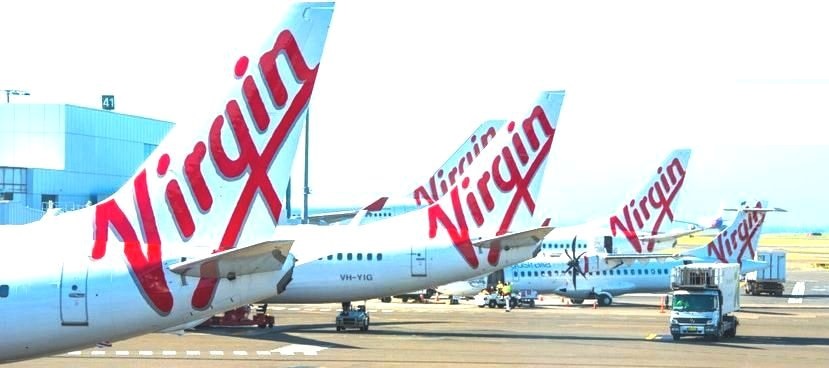
Virgin Australia alquilará 9 Boeing 737 para mercado interno
Virgin Australia Airlines parece haber cambiado sus planes sobre la reducción de la flota de la línea Boeing 737. La aerolínea australiana entró en conversaciones para arrendar hasta nueve aviones de este tipo con el fin de aumentar la capacidad mientras confía enel aumento de la demanda de operaciones nacionales.
El Director Ejecutivo de Virgin Australia, Jayne Hrdlicka, ha detallado que la aerolínea se acercó un paso más en las negociaciones sobre un contrato de arrendamiento entre ocho o nueve aviones Boeing 737-800 para ampliar su capacidad nacional. En declaraciones a medios locales el 16 de Marzo de 2021, Jayne Hrdlicka anunció que la aerolínea se comprometía a más aviones y que creía que el mercado nacional australiano estaba saliendo del soporte vital. «Nos estamos comprometiendo con más aviones y estamos muy positivos sobre las perspectivas», expresó Jayne Hrdlicka, y delineó que Virgin Australia esperaba alcanzar el 65% de la capacidad pre-pandemia en Abril de 2021 e intentaría alcanzar el 85% a mediados de 2021. En la batalla aérea entre Qantas Airways, Virgin Australia y Rex Airlines, los clientes podrían ser los ganadores finales.
La medida de arrendar aviones Boeing 737 adicionales podría verse parcialmente alentada por un aumento en la venta de boletos de la aerolínea después de la reciente decisión gubernamental de descontar 800.000 tarifas aéreas con el fin de impulsar la caída de la demanda de viajes aéreos en el país. La aerolínea inicialmente tenía la intención de reducir su flota de Boeing 737 de 85 a 56 aviones. En Septiembre 2020, Virgin Australia anunció la devolución de un tercio de la flota 737 a los arrendadores como parte de su plan de cambios favorables del nuevo propietario Bain Capital. Siguiendo el plan, Virgin Australia debería centrarse en las operaciones internacionales nacionales y de corta distancia con sus 737 años mientras compite contra Qantas Airways. En ese momento, Virgin Australia estaba en conversaciones sobre los términos de financiación de 56 de los 85 aviones que la aerolínea tenía antes de entrar en administración voluntaria en abril de 2020. Sin embargo, Virgin Australia ya ha planeado hacer crecer su flota de nuevo a 75 aviones Boeing 737 cuando la demanda regrese. Según los datos Planespotters.com, la flota actual de Virgin Australia está compuesta por 2 aviones Boeing 737-700 y 57 Boeing 737-800 con una edad promedio de 9,6 años.
Virgin to lease 737 domestic demand
Virgin Australia to lease 9 Boeing 737s for domestic market
Virgin Australia Airlines appears to have changed its plans on reducing the fleet of the Boeing 737 line. The Australian airline entered into talks to lease up to nine such aircraft in order to increase capacity while relying on increased demand for operations. nationals.
Virgin Australia Chief Executive Officer Jayne Hrdlicka has detailed that the airline came one step closer in the negotiations on a lease agreement between eight or nine Boeing 737-800 aircraft to expand its domestic capacity. Speaking to local media on March 16, 2021, Jayne Hrdlicka announced that the airline was committing to more aircraft and that he believed the Australian domestic market was coming off life support. «We are committing to more aircraft and we are very positive about the outlook», said Jayne Hrdlicka, outlining that Virgin Australia expected to reach 65% of pre-pandemic capacity by April 2021 and would aim to reach 85% by mid-2021. In the air battle between Qantas Airways, Virgin Australia and Rex Airlines, customers could be the ultimate winners.
The move to lease additional Boeing 737 aircraft could be partially encouraged by an increase in the airline’s ticket sales after the recent government decision to discount 800,000 airfares in order to fuel the drop in demand for air travel in the country. The airline initially intended to reduce its Boeing 737 fleet from 85 to 56 aircraft. In September 2020, Virgin Australia announced the return of a third of the 737 fleet to lessors as part of its favorable exchange plan from new owner Bain Capital. Following the plan, Virgin Australia should focus on domestic and short-haul international operations at its 737-year-old while competing against Qantas Airways. At the time, Virgin Australia was in discussions on financing terms for 56 of the 85 aircraft the airline had before entering voluntary management in April 2020. However, Virgin Australia has already planned to grow its fleet back to 75 Boeing 737s when demand returns. According to Planespotters.com data, Virgin Australia’s current fleet is made up of 2 Boeing 737-700 and 57 Boeing 737-800 aircraft with an average age of 9.6 years.
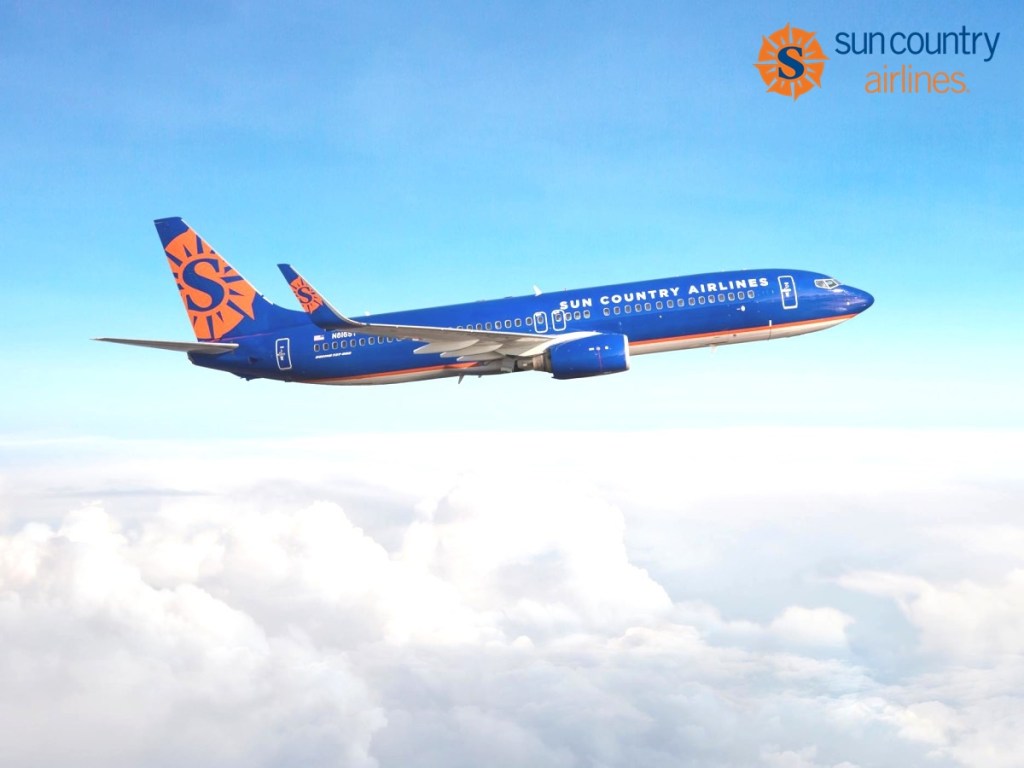
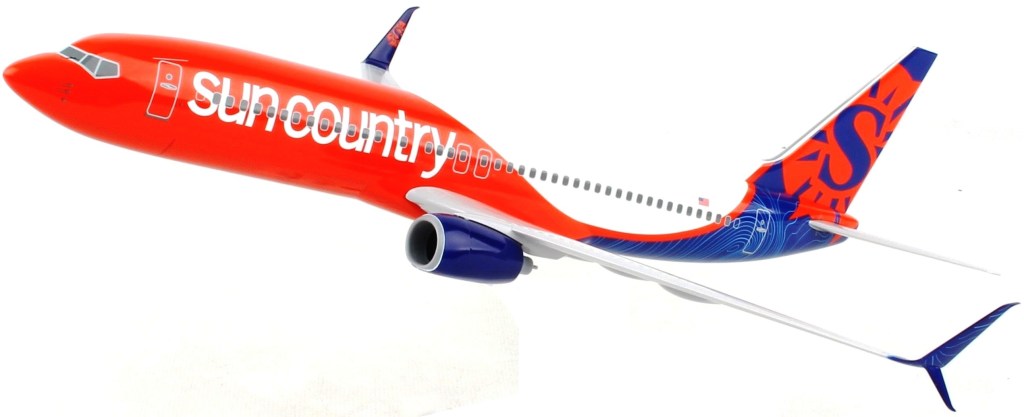
Aeerolínea Sun Country Airlines obtiene respaldo económico
Sun Country Airlines Holdings Inc., una aerolínea de bajo costo con sede en Minnesota, respaldada por la firma de capital privado Apollo Global Management Inc. ha obtenido una recaudación de US$ 218,2 millones de Dólares en su oferta pública inicial el Martes 16/03. El listado se produce en un momento en que la débil demanda de viajes sigue pesando sobre las finanzas de las aerolíneas a nivel mundial, ya que la gente se queda en casa debido a la pandemia. Sun Country, sin embargo, está apostando por un cambio en su fortuna a medida que la gente se vacuna. La aerolínea espera ser uno de los primeros beneficiarios del repunte, ya que se centra en los viajes de ocio en lugar de los viajes de negocios.
Sun Country opera una flota de 31 aeronaves Boeing 737-800 y 12 aviones de carga. La aerolínea también proporciona servicios de carga aérea a Amazon.com Inc. La aerolínea amplió los servicios en Enero 2021 de este año, sumando dieciséis nuevas rutas y nueve nuevos aeropuertos, alentados por el despliegue de la vacuna COVID-19 y apostando por la demanda de viajes de ocio.
Fundada en 1982 por Jim Olsen y un pequeño grupo de pilotos y asistentes de vuelo, Sun Country ofrece vuelos asequibles y paquetes de vacaciones a destinos de los Estados Unidos, México, Centroamérica y el Caribe. En 2017 ha sido adquirida por Apollo Global Management Inc. La compañía dijo que planea usar una parte de los ingresos de la OPI para pagar un préstamo que tomó del Gobierno de los Estados Unidos bajo la Ley de Ayuda, Alivio y Seguridad Económica (CARES).
Sun Country backed by Apollo
Airline Sun Country Airlines obtains financial support
Sun Country Airlines Holdings Inc., a Minnesota-based low-cost airline backed by private equity firm Apollo Global Management Inc., raised $ 218.2 million in its initial public offering on Tuesday 16/03. The listing comes at a time when weak travel demand continues to weigh on airline finances globally as people stay home due to the pandemic. Sun Country, however, is betting on a turnaround in its fortunes as people get vaccinated. The airline hopes to be one of the first beneficiaries of the rebound, as it focuses on leisure travel rather than business travel.
Sun Country operates a fleet of 31 Boeing 737-800 aircraft and 12 cargo aircraft. The airline also provides air cargo services to Amazon.com Inc. The airline expanded services in January 2021 of this year, adding sixteen new routes and nine new airports, encouraged by the deployment of the COVID-19 vaccine and betting on demand. of leisure travel.
Founded in 1982 by Jim Olsen and a small group of pilots and flight attendants, Sun Country offers affordable flights and vacation packages to destinations in the United States, Mexico, Central America and the Caribbean. In 2017 it was acquired by Apollo Global Management Inc.The company said it plans to use a portion of the IPO proceeds to pay off a loan it took from the United States Government under the Aid, Relief and Economic Security Act (CARES).