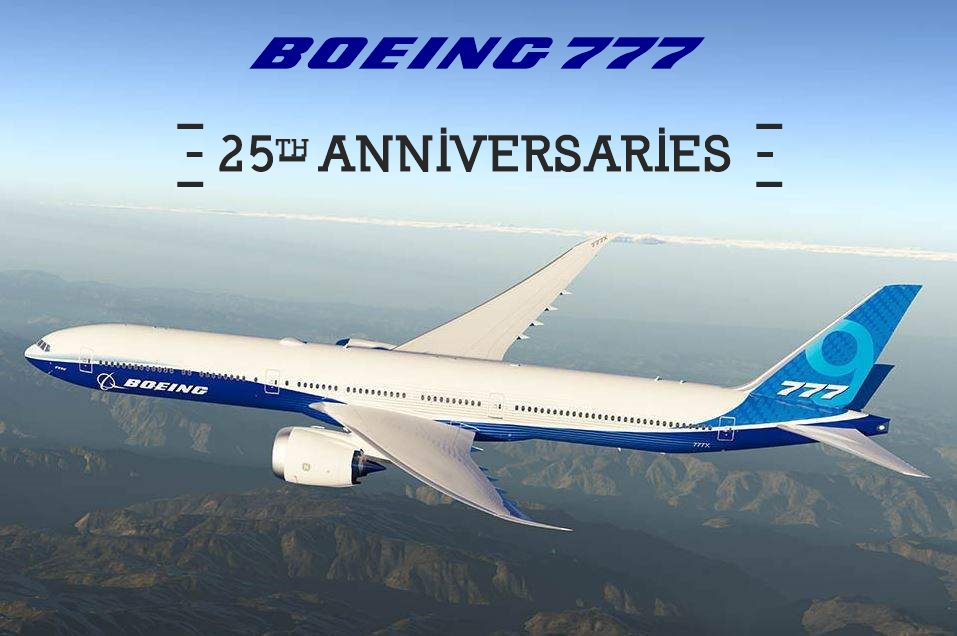
Ξ Boeing 777 25º Aniversarios Ξ
AW | 2020 06 09 15:53 | AVIATION HISTORY
United Airlines inaugura 1er vuelo comercial del Boeing 777
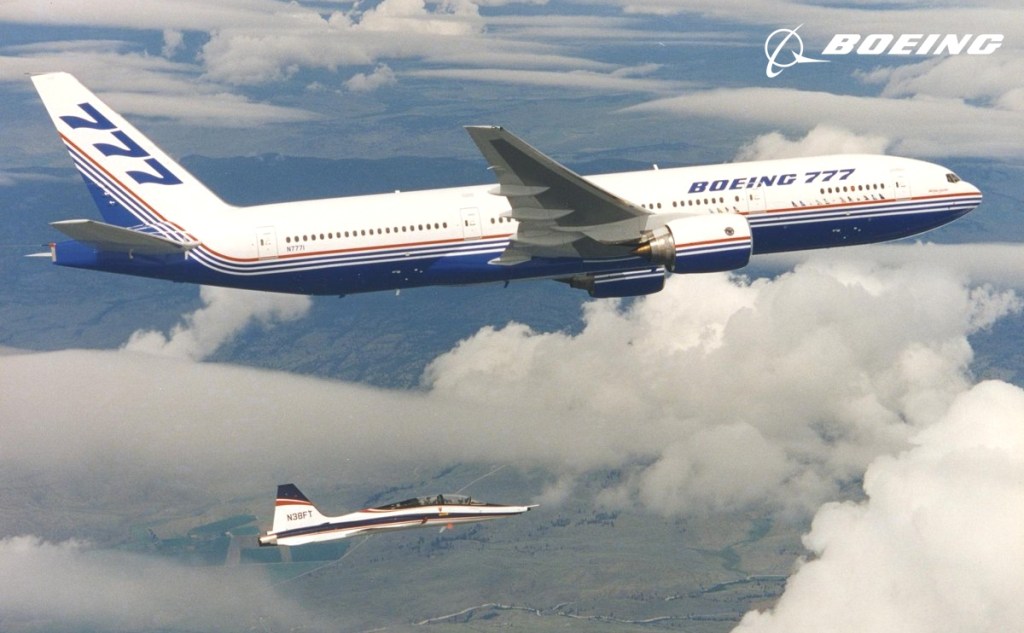
Un 7 Junio 1995, el Boeing 777 inaugura su primer vuelo comercial de la historia con los colores de la compañía United Airlines, iniciando una nueva etapa en la aviación comercial.
El Boeing 777 realizó su primer vuelo comercial transatlántico desde Washington/Dulles a London/Heathrow. El denominado «Triple Siete» se convirtió en el avión bimotor más grande del mundo.
Historia del 777
El Boeing 777 es un avión de cuerpo ancho desarrollado y fabricado por Boeing Commercial Airplanes, comúnmente conocido como Triple Seven. El 777 fue diseñado para cerrar la brecha entre el 767 y el 747 de Boeing, y para reemplazar los DC-10 o L-1011 más antiguos. Desarrollado en consulta con ocho aerolíneas principales, con una primera reunión en enero de 1990, el programa se lanzó el 14 Octubre 1990 con un primer pedido de United Airlines. El prototipo se lanzó el 9 Abril 1994 y voló por primera vez el 12 Junio 1994. El 777 entró por primera vez en servicio comercial con United Airlines el 7 Junio 1995. Las variantes de mayor alcance se lanzaron el 29 Febrero 2000 y se entregaron por primera vez el 29 Abril 2004.
Es el jet doble más grande y tiene una capacidad típica de 3 clases de 301 a 368 pasajeros, con un alcance de 5.240 a 8.555 millas náuticas (9.704 a 15.844 km). Es reconocible por sus motores turbofan de gran diámetro, seis ruedas en cada tren de aterrizaje principal , sección transversal del fuselaje totalmente circular y un cono de cola en forma de cuchilla. Tiene controles fly-by-wire, el primero para Boeing. Inicialmente compitió con Airbus A340 y McDonnell Douglas MD-11, ambos ahora fuera de producción, y actualmente compite con Airbus A330-300 y Airbus A350 XWB más nuevos.
El Boeing 777 original con un peso máximo de despegue (MTOW) de 545.000-660.000 lb (247-299t) se produjo en dos longitudes de fuselaje: el inicial la Serie 200 fue seguido por el 777-200ER de rango extendido en 1997; y el 777-300 de 33.25 pies (10.13 m) más largo en 1998. Esos 777 Classics fueron alimentados con 77.200–98.000 lbf (343–436 kN) General Electric GE90, Pratt & Whitney PW4000, o Rolls-Royce Trent 800. El 777-300ER de mayor alcance con un MTOW de 766.000–775.000 lb (347–352t) entró en servicio en 2004, el 777-200LR de ultra largo alcance en 2006 y el carguero 777F en 2009. Estas variantes de largo recorrido cuentan con motores GE90 de 110.000–115.300 lbf (489–513 kN) y extendidos puntas de las alas rastrilladas (wingstip). En noviembre de 2013, Boeing anunció el desarrollo del 777X con las variantes -8 y -9, programado para entrar en servicio en 2020. El 777X presenta alas compuestas con puntas de alas plegables y motores General Electric GE9X.
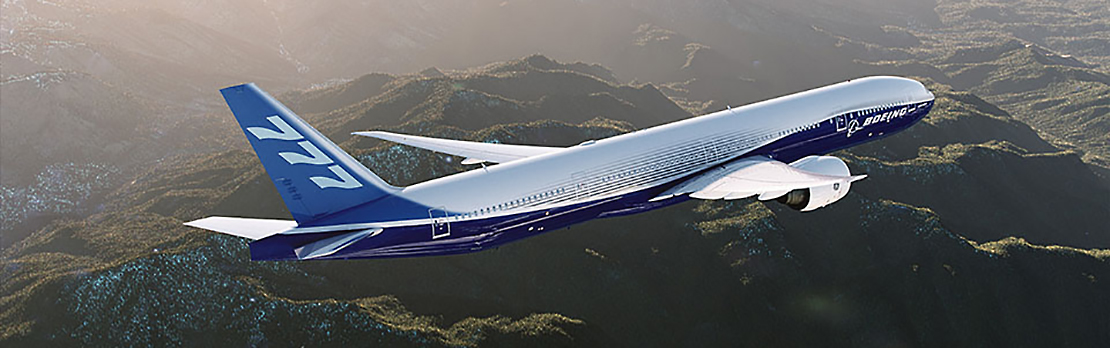
El Boeing 777 ha recibido más pedidos que cualquier otro avión de línea ancha. A agosto de 2019, más de 60 clientes habían realizado pedidos de 2.049 aviones de todas las variantes, con 1.609 entregados. La variante más común y exitosa es el 777-300ER con 810 entregados y 844 pedidos. A partir de julio de 2018, Emirates era el operador más grande con 163 aviones. Para marzo de 2018, el 777 se había convertido en el avión de fuselaje ancho Boeing más producido, superando al Boeing 747.
El 777 se convirtió en el modelo más lucrativo de la empresa en la década de 2000. Las ventas del programa representaron un estimado de US$ 400 millones de las ganancias antes de impuestos de Boeing en 2000, US$ 50 millones más que las 747. En 2004, el avión representaba la mayor parte de los ingresos de fuselaje ancho para la división Boeing Commercial Airplanes. En 2007, los pedidos de modelos 777 de segunda generación se acercaron a 350 aviones y en noviembre de ese año, Boeing anunció que todos los lotes de producción se vendieron hasta 2012. La cartera de pedidos del programa de 356 pedidos se valoró en US$ 95 mil millones a precios de lista en 2008.
Desarrollos 777X
En Noviembre 2013, con pedidos y compromisos por un total de 259 aviones de Lufthansa , Emirates, Qatar Airways y Etihad Airways, Boeing lanzó formalmente el programa 777X , la tercera generación del 777 (que no debe confundirse con las variantes 777-X, que fueron la segunda generación del avión), con dos modelos: el 777-8 y el 777-9. El 777-9 iba a ser una variante más extendida con una capacidad de más de 400 pasajeros y un alcance de más de 15.200 km (8.200 nmi), mientras que el 777-8 estaba programado para acomodar aproximadamente 350 pasajeros y tener un alcance de más de 17.200 km (9.300 millas náuticas). Ambos modelos debían estar equipados con la nueva generación GE9Xmotores y cuentan con nuevas alas de material compuesto con puntas de ala plegables . El primer miembro de la familia 777X, el 777-9, entraría en servicio en 2020. A mediados de la década de 2010, el 777 había prevalecido en los vuelos más largos a nivel internacional y se había convertido en el avión más utilizado para rutas transpacíficas, con variantes del tipo que operan en más de la mitad de todos los vuelos programados y con la mayoría de los transportistas transpacíficos.
Para Abril 2014, con ventas acumuladas que superaban a las del 747, el 777 se convirtió en el avión de pasajeros de mayor venta más vendido; con las tasas de producción existentes, el avión estaba en camino de convertirse en el avión de pasajeros de fuselaje ancho más entregado a mediados de 2016. En Febrero 2015, la cartera de pedidos de 777 no entregados ascendía a 278 aviones, lo que representa poco menos de tres años de producción actual a 8.3 aviones por mes, lo que hace que Boeing reflexione sobre el marco de tiempo 2018-2020. En Enero 2016, Boeing confirmó los planes para reducir la tasa de producción de la familia 777 de 8.3 por mes a 7 por mes en 2017 para ayudar a cerrar la brecha de producción entre el 777 y el 777X creado por la falta de nuevos pedidos. En 2018, se esperaba que la prueba de montaje del avión 777-9 redujera la producción a una tasa efectiva de 5.5 por mes. Se esperaba que Boeing redujera la producción de 777 a cinco por mes en Agosto 2017.
Los clientes de Boeing que han recibido más 777 son Emirates, Singapore Airlines, United Airlines, ILFC y American Airlines. Emirates es el mayor operador de líneas aéreas a partir de Julio 2018, y es el único cliente que ha operado todas las variantes producidas del Triple Siete, incluidas las -200, -200ER, -200LR, -300, -300ER y 777F. El Boeing 777 Número 1000º fuera de la línea de producción, un -300ER configurado para ser el 102º 777 de Emirates Airline, fue presentado en una ceremonia de fábrica en Marzo de 2012.
Perspectivas
Apesar de las crisis que ha atravesado la industria de la aviación, el Boeing 777 continuará volando y acumulando pedidos a través del mundo. Continúa siendo el twin-jet lider del mercado mucho más allá de sus primeros 25 años volando con las mayores aerolíneas del mundo. 
Ξ Boeing 777 25th Anniversaries Ξ
United Airlines inaugurates first commercial flight of the Boeing 777
On June 7, 1995, the Boeing 777 inaugurated its first commercial flight in history with the colors of the United Airlines company, initiating a new stage in commercial aviation.
The Boeing 777 made its first transatlantic commercial flight from Washington/Dulles to London/Heathrow. The so-called «Triple Seven» became the largest twin-engine airplane in the world.
History of 777
The Boeing 777 is a wide-body aircraft developed and manufactured by the Boeing Commercial Airplanes, commonly known as Triple Seven. The 777 was designed to close the gap between Boeing’s 767 and 747, and to replace older DC-10s or L-1011s. Developed in consultation with eight major airlines, with a first meeting in January 1990, the program launched on October 14, 1990 with a first order from United Airlines. The prototype was launched on April 9, 1994 and flew for the first time on June 12, 1994. The 777 first entered commercial service with United Airlines on June 7, 1995. The longer-range variants were launched on February 29, 2000 and were delivered by first time on April 29, 2004.
It is the largest double jet and has a typical 3-class capacity of 301 to 368 passengers, with a range of 5,240 to 8,555 nautical miles (9,704 to 15,844 km). It is recognizable by its large diameter turbofan engines, six wheels on each main landing gear, a fully circular fuselage cross section, and a blade-shaped tail cone. It has fly-by-wire controls, the first for Boeing. Initially it competed with Airbus A340 and McDonnell Douglas MD-11, both now out of production, and currently competes with newer Airbus A330-300 and Airbus A350 XWBs.
The original Boeing 777 with a maximum takeoff weight (MTOW) of 545,000-660,000 lb (247-299t) was produced in two fuselage lengths: the initial 200 Series was followed by the extended range 777-200ER in 1997; and the longest 33.25 ft (10.13 m) 777-300 in 1998. Those 777 Classics were powered by 77,200–98,000 lbf (343–436 kN) General Electric GE90, Pratt & Whitney PW4000, or Rolls-Royce Trent 800. Longer-range 777-300ER with a 766,000–775,000 lb (347–352t) MTOW entered service in 2004, the ultra-long-range 777-200LR in 2006 and the 777F freighter in 2009. These long-haul variants are powered by GE90 110,000–115,300 lbf (489–513 kN) and extended raked wingtips. In November 2013, Boeing announced the development of the 777X with the -8 and -9 variants, slated to enter service in 2020. The 777X features compound wings with folding wingtips and General Electric GE9X engines.
The Boeing 777 has received more orders than any other broadband aircraft. As of August 2019, more than 60 customers had placed orders for 2,049 aircraft of all variants, with 1,609 delivered. The most common and successful variant is the 777-300ER with 810 delivered and 844 orders. As of July 2018, Emirates was the largest operator with 163 aircraft. By March 2018, the 777 had become the most produced Boeing wide-body aircraft, surpassing the Boeing 747.
The 777 became the company’s most lucrative model in the 2000s. Sales of the program accounted for an estimated US$ 400 million of Boeing’s pretax earnings in 2000, US$ 50 million more than the 747. In 2004, the aircraft accounted for most of the widebody revenue for the Boeing Commercial Airplanes division. In 2007, orders for second-generation 777 models approached 350 aircraft, and in November of that year, Boeing announced that all production batches were sold through 2012. The program’s order book of 356 orders was valued at US$ 95 billion at list prices in 2008.
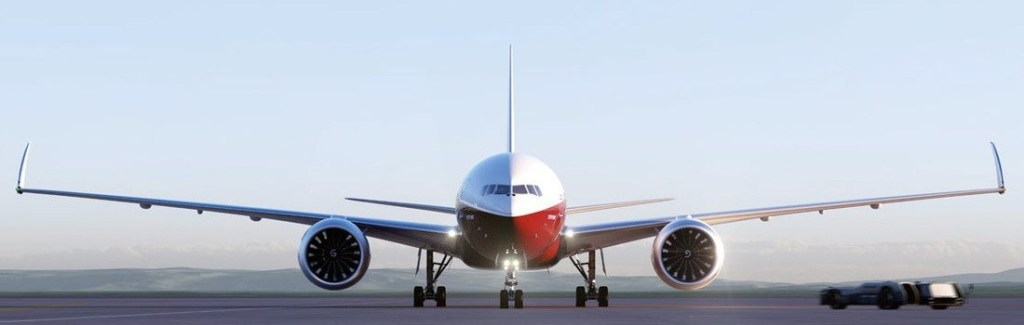
777X developments
In November 2013, with orders and commitments totaling 259 aircraft from Lufthansa, Emirates, Qatar Airways and Etihad Airways, Boeing formally launched the 777X program, the third generation of the 777 (not to be confused with the 777-X variants, which They were the second generation of the plane), with two models: the 777-8 and 777-9. The 777-9 was to be a more widespread variant with a capacity of more than 400 passengers and a range of over 15,200 km (8,200 nmi), while the 777-8 was programmed to accommodate approximately 350 passengers and have a range of more than 17,200 km (9,300 nautical miles). Both models were to be equipped with the new generation GE9X engines and feature new composite wings with folding wingtips. The first member of the 777X family, the 777-9, would enter service in 2020. By the mid-2010s, the 777 had prevailed on longer flights internationally and had become the most widely used aircraft for routes. transpacific, with variants of the type operating on more than half of all scheduled flights and with most transpacific carriers.

By April 2014, with cumulative sales exceeding those of the 747, the 777 became the best-selling best-selling passenger jet; At existing production rates, the aircraft was on track to become the most delivered wide-body passenger jet in mid-2016. In February 2015, the order book of 777 undelivered amounted to 278 aircraft, representing little Less than three years of current production at 8.3 aircraft per month, making Boeing reflect on the 2018-2020 time frame. In January 2016, Boeing confirmed plans to reduce the 777 family’s production rate from 8.3 per month to 7 per month in 2017 to help bridge the production gap between the 777 and 777X created by the lack of new orders. In 2018, the assembly test of the 777-9 aircraft was expected to reduce production to an effective rate of 5.5 per month. Boeing was expected to cut production from 777 to five a month in August 2017.
Boeing customers that have received the most 777s are Emirates, Singapore Airlines, United Airlines, ILFC and American Airlines. Emirates is the largest airline operator as of July 2018, and is the only customer to have operated all produced variants of the Triple Seven, including the -200, -200ER, -200LR, -300, -300ER, and 777F. The 1000th Boeing 777 off the production line, a -300ER configured to be Emirates Airline’s 102nd 777, was unveiled at a factory ceremony in March 2012.
Perspective
Despite the crises that the aviation industry has gone through, the Boeing 777 will continue to fly and accumulate orders throughout the world. It continues to be the market’s twin-jet leader well beyond its first 25 years of flying with the world’s largest airlines. 

Ξ A I R G W A Y S Ξ
PUBLISHER: Airgways.com
DBk: Boeing.com / Airgways.com
AW-POST: 202006091553AR
A\W A I R G W A Y S ®
 AW | 2020 05 16 17:28 | AVIATION HISTORY
 71º Aniversarios creación de Aerolíneas Aerolíneas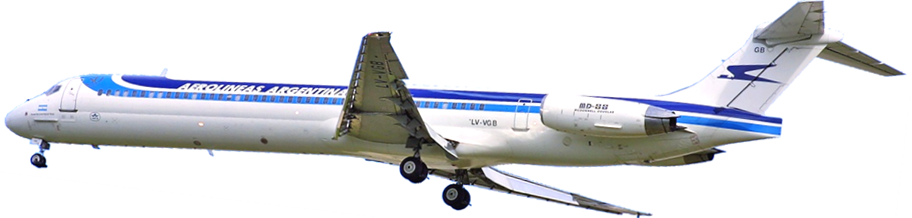

 71st Anniversary of Aerolíneas Argentinas
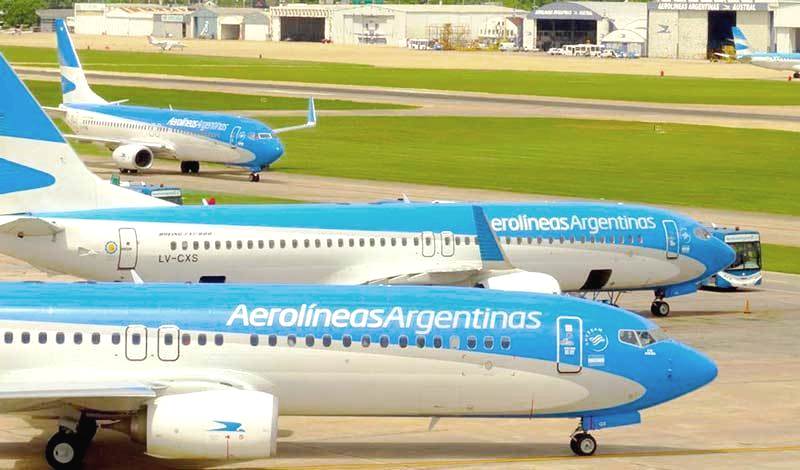
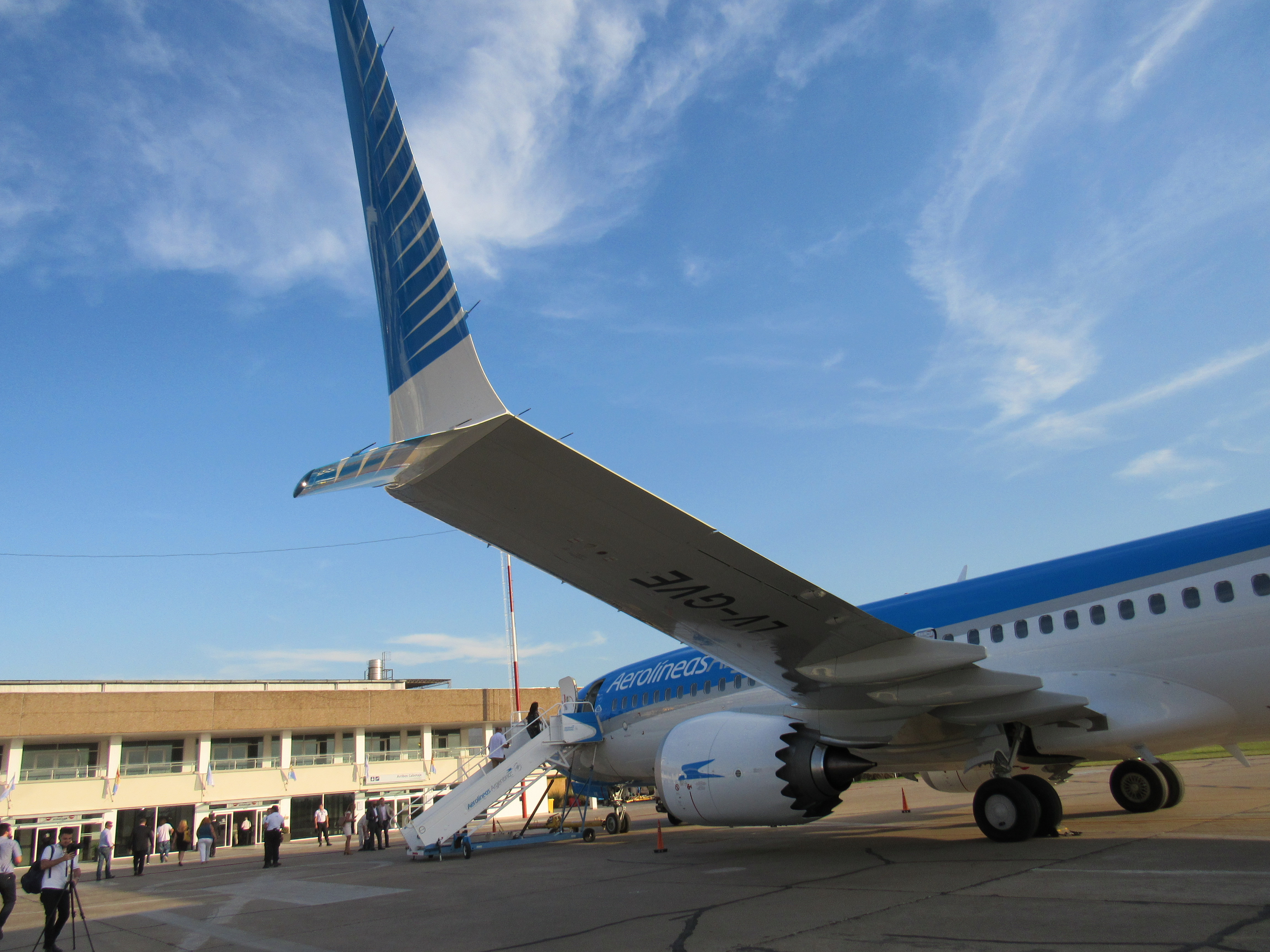
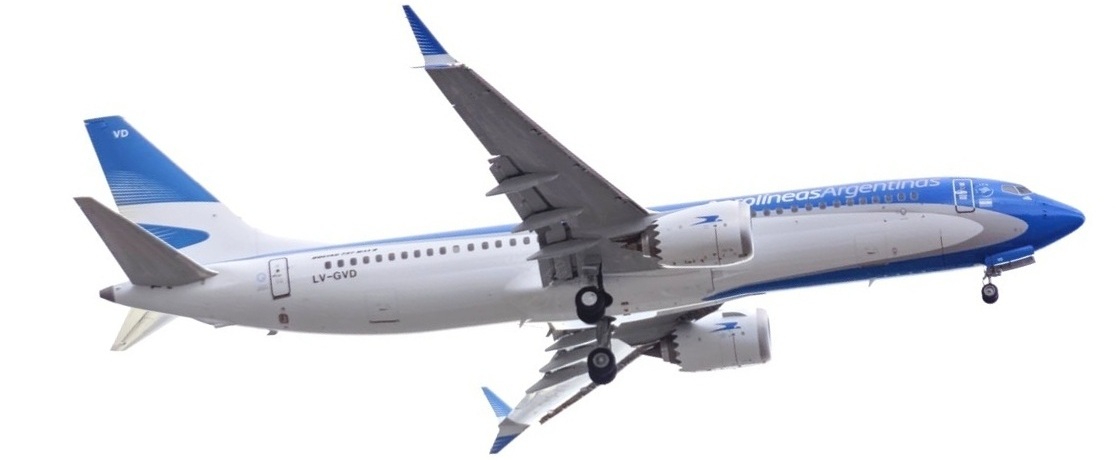 Aerolíneas Argentinas is the largest and most important airline in the Argentine Republic. The airline was created on May 14, 1949, celebrating 71º anniversaries of its creation. After the merger of four companies, it began operating in December 1950. A consortium led by Iberia took control of the airline in 1990, and Grupo Marsans acquired the company and its subsidiaries in 2001, after a period of serious difficulties. financial companies that put the airline on the brink of closure. The company has been run by the Argentine government since late 2008, when the country regained control of the airline after it was taken over by Spanish owners. As of December 2014, Aerolíneas Argentinas was state owned. It is based in Buenos Aires. SkyTeam membership was achieved in late August 2012. The airline’s cargo division became a member of SkyTeam Cargo in November 2013.

 AW | 2020 05 12 13:38 | AVIATION HISTORY
 90º Aniversarios del primer vuelo comercial del Atlántico sur
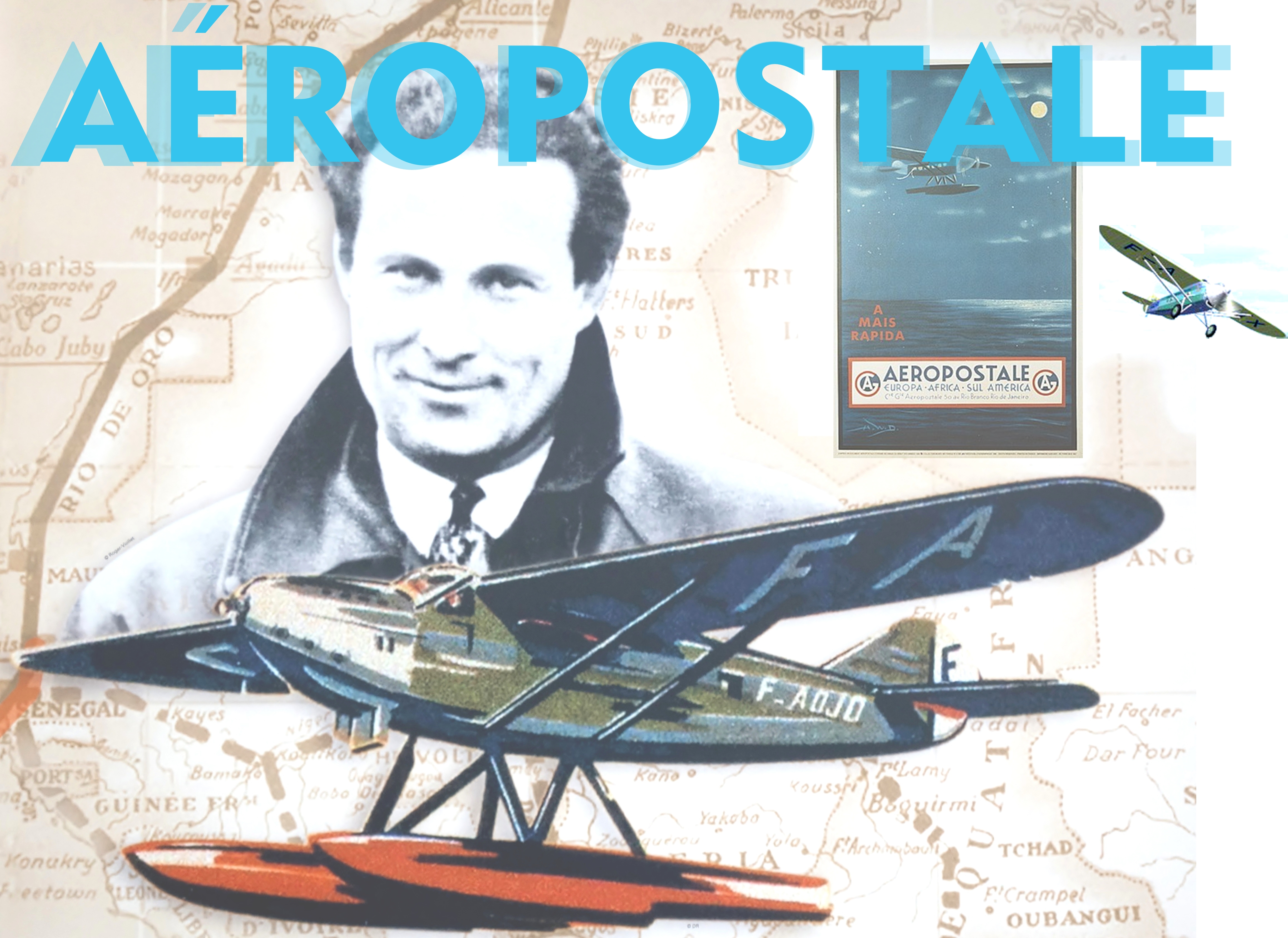
 Aéropostale, formalmente Compagnie Générale Aéropostale fue una compañía de aviación pionera que funcionó desde 1918 hasta 1933. Fue fundada en 1918 en Toulouse, Francia, como Société des Lignes Latécoère, también conocida como Lignes Aeriennes Latécoère o simplemente «La Ligne», La Línea.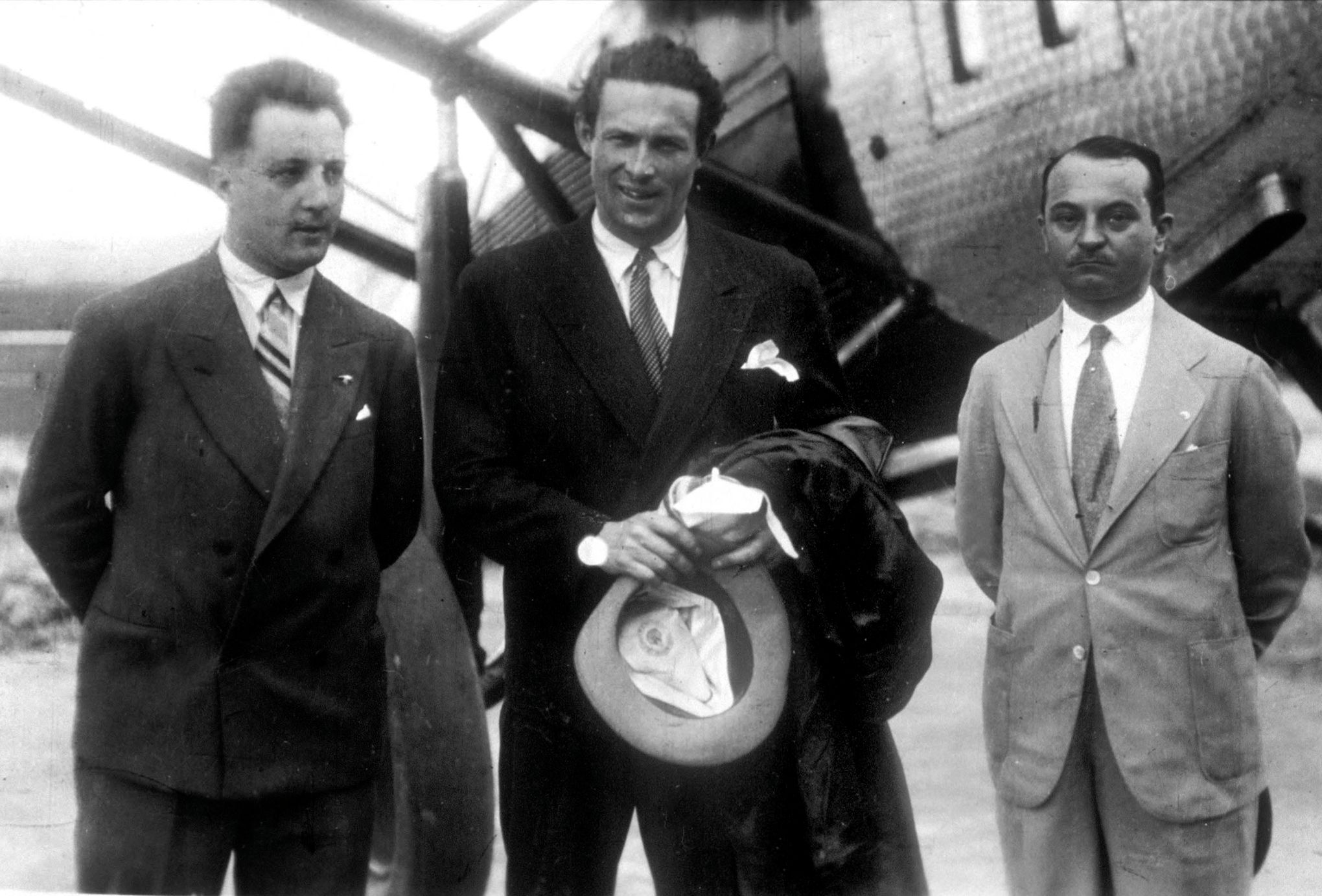

 90th Anniversaries Aerial Post-South Atlantic
 Aéropostale founder Pierre-Georges Latécoère imagined an air route that connects France with the French colonies in Africa and South America. The company’s activities were to specialize, but not be restricted in any way to air postal services.
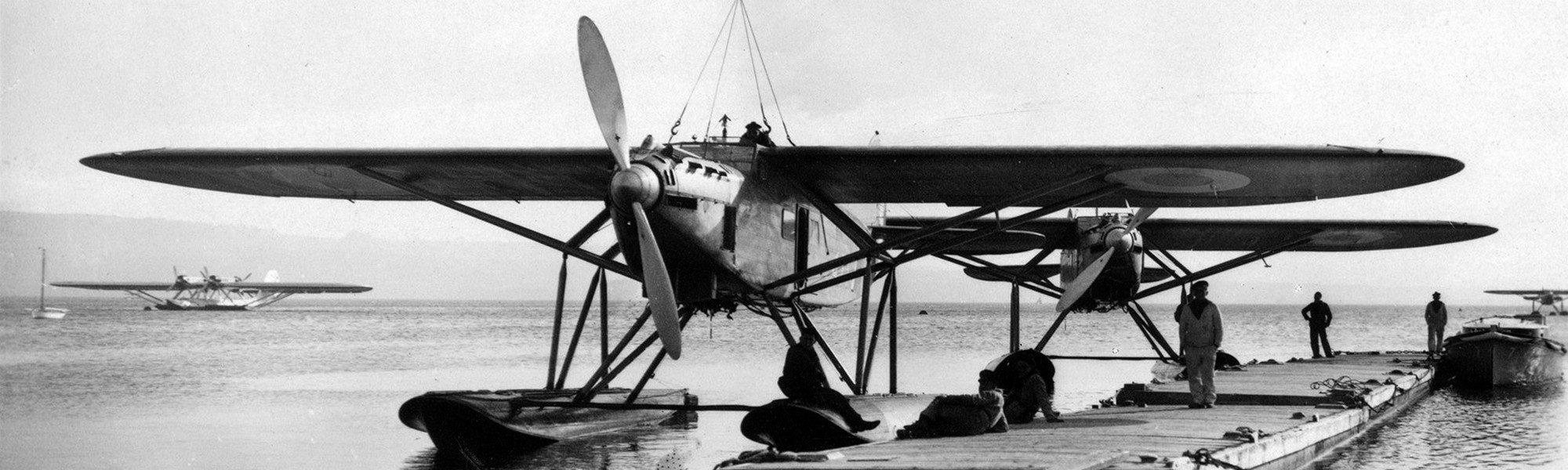 THE AÉROPOSTALE IN HôTEL DE LA POSTE SAINT LOUIS IN SÉNEGAL
 La aerolínea colombiana Avianca cumple 100 años de historia
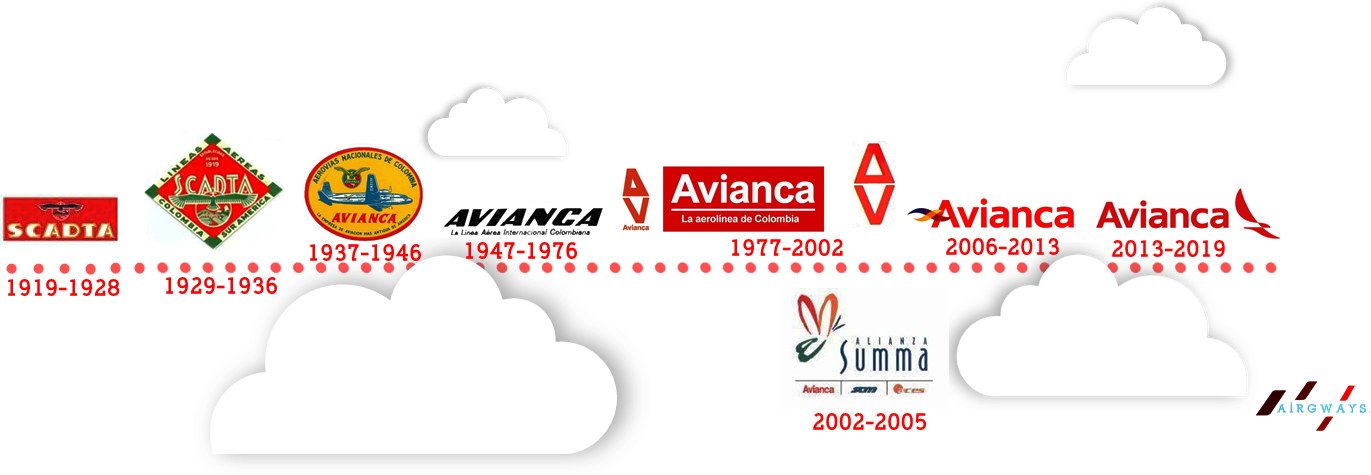 Historia de Avianca
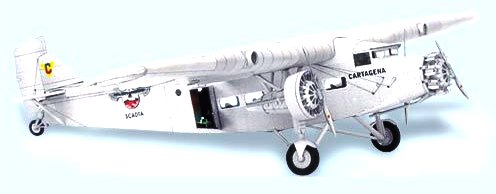 aerolínea), Rafael Palacio, Cristóbal Restrepo, Jacobo Correa y Aristides Noguera y los alemanes Wilhem Schnurbusch, Werner Kämerer, Stuart Hosie y Albert Tietjen fundaron la Compañía Colombo-alemana, llamada Sociedad Colombo- Alemana de Transportes Aéreos o SCADTA. La compañía realizó su primer vuelo entre Barranquilla y el pueblo cercano de Puerto Colombia usando un Junkers F.13, transportando 57 piezas de correo. El vuelo fue pilotado por el alemán Helmuth von Krohn. Este y otro avión del mismo tipo eran monoplanos completamente construidos mecánicamente, cuyos motores tuvieron que modificarse para operar eficientemente en el clima del país. Había nueve aviones en la flota con un alcance total de 850 km (528 millas) que podían transportar hasta cuatro pasajeros y dos tripulantes. Debido a las características topográficas del país y la falta de aeropuertos en ese momento, se adaptaron flotadores para dos de los aviones Junkers para hacer aterrizajes en los ríos cerca de diferentes ciudades. Con estos flotadores, Helmuth von Krohn pudo realizar el primer vuelo interior sobre Colombia el 20 de octubre de 1920, siguiendo el curso de laRío magdalena ; el vuelo tomó ocho horas y requirió cuatro aterrizajes de emergencia en el agua.
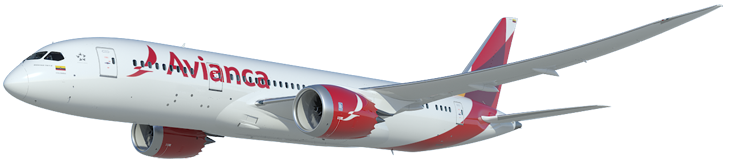 Avianca Holdings SA (2013–presente)
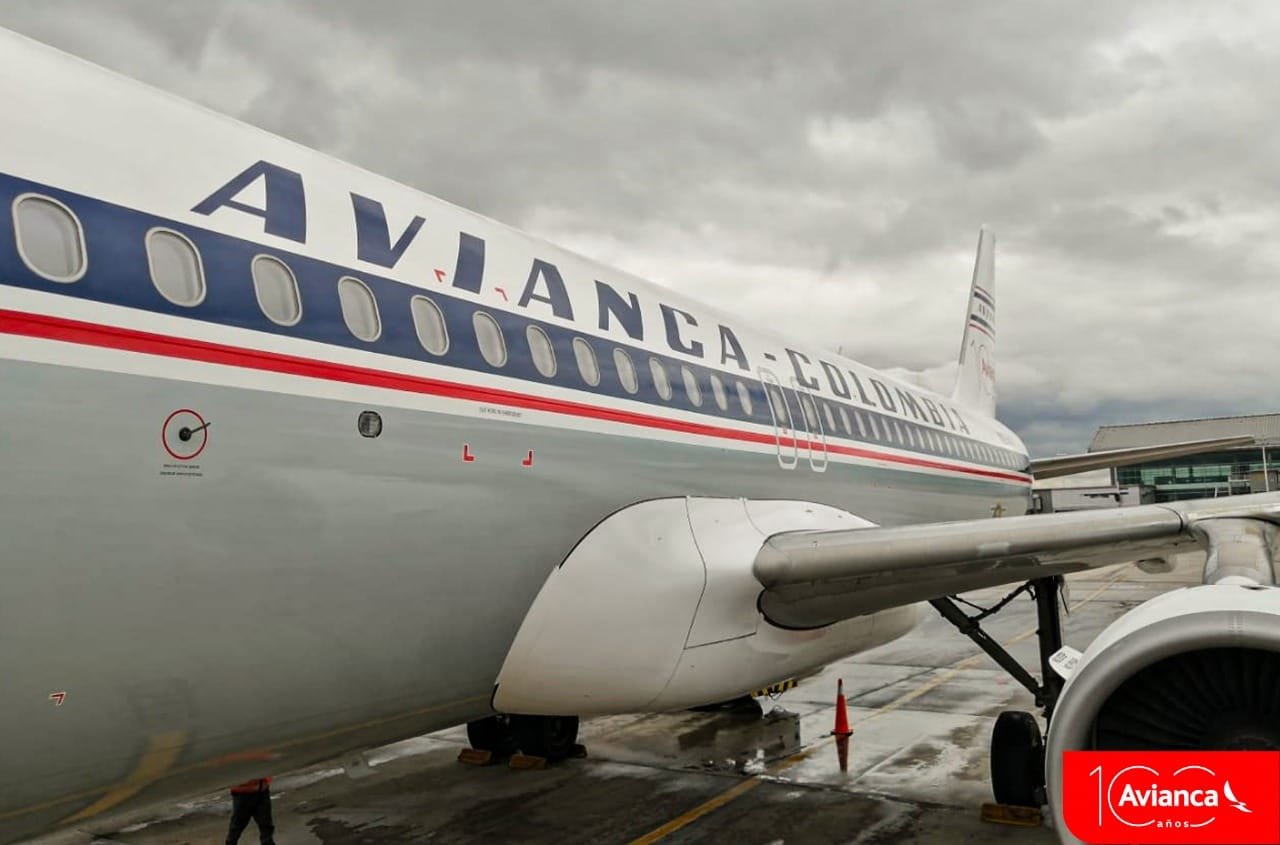 Ξ 100 Avianca Anniversaries Ξ
 The Colombian airline Avianca celebrates 100 years of history
 AVIANCA CELEBRATES 100 ANNIVERSARIES

 AW | 2019 11 12 08:44 | AIRLINES / AVIATION HISTORY
 Hawaiian Airlines conmemora el primer vuelo comercial trasa 90 aniversarios


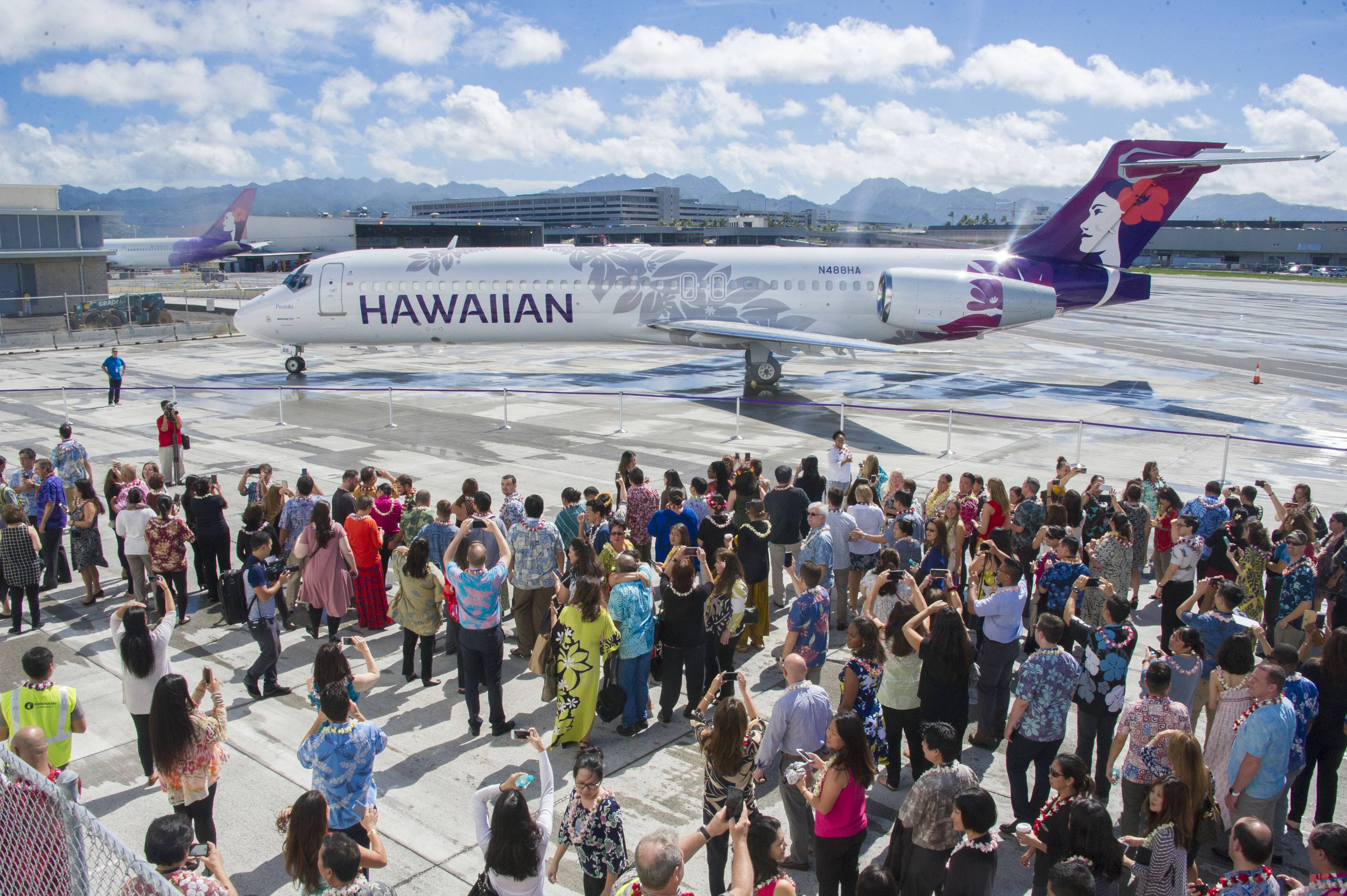

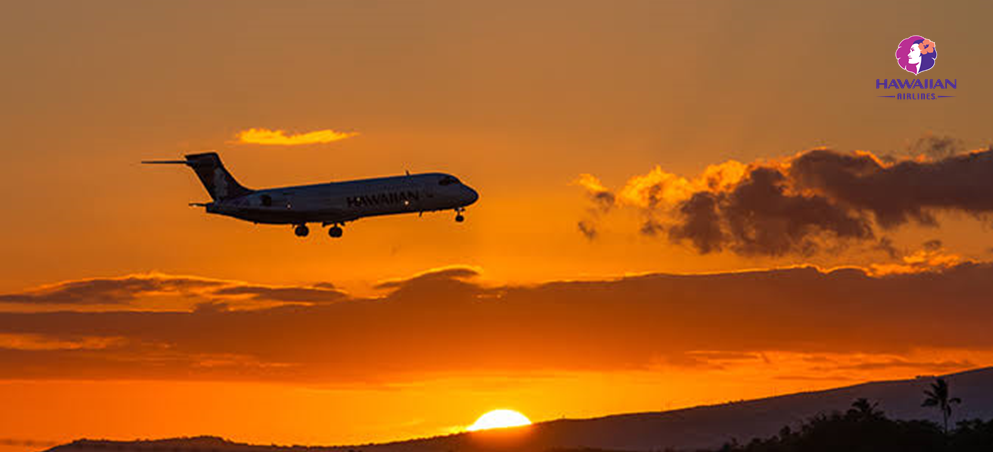 Hawaiian commemorates its 1st commercial flight
 Hawaiian Airlines commemorates the first commercial flight for 90 anniversaries
 Hawaiian Airlines has celebrated its inaugural flight on November 11, 1929, recalling its 90 anniversaries. The HA-1111 flight has kicked from Honolulu (HNL) to Kahului (OGG) on Maui and then to Hilo (ITO) to commemorate the anniversary of its first flight under the name Inter-Island Airways on November 11, 1929. The trip lasted 1 hour and 52 minutes, including a 36-minute stop in Kahului, on a Boeing 717-200 on Monday, according to Hawaiian Airlines. The same flight took Inter-Island Airways 3 hours, 15 minutes on a Sikorsky S ‑ 38 plane 90 years ago. Flight HA1111, traveled the same day, route and time as the original flight, departed from Oahu at 9:35 a.m. and arrived at Kahului Airport in Maui at 10:17 onboard a Boeing 717.
 EL PRECURSOR DE HAWAIIAN AIRLINES INTER-ISLAND AIRWAYS COMENZÓ LOS VUELOS PROGRAMADOS DE PASAJEROS CON AVIONES SIKORSKY S‑38 EL 11 NOVIEMBRE 1929
 BELLANCA CH-300
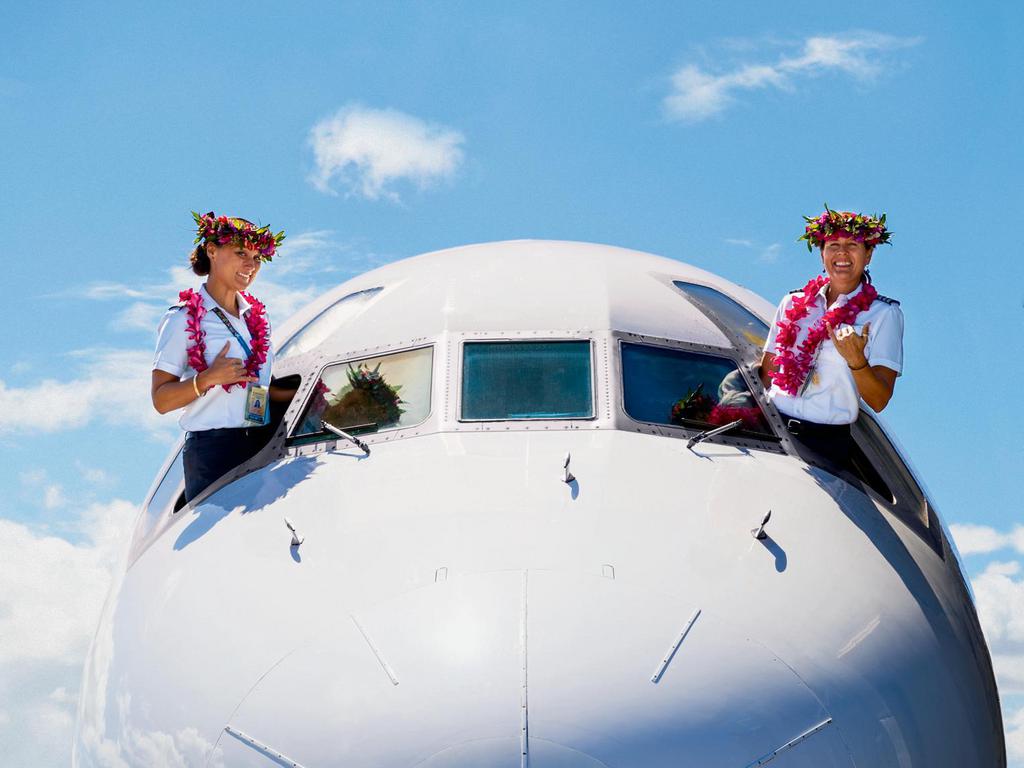 BOEING 717 OF HAWAIIAN AIRLINES

![13074_843780729047948_9133242826587541959_n[1] (2).jpg](https://airgways.com/wp-content/uploads/2019/11/13074_843780729047948_9133242826587541959_n1-2.jpg) AW | 2019 11 04 23:20 | AIRLINES HISTORY
AW | 2019 11 04 23:20 | AIRLINES HISTORY La VASP Airlines de Brasil cumpliría 86 aniversarios


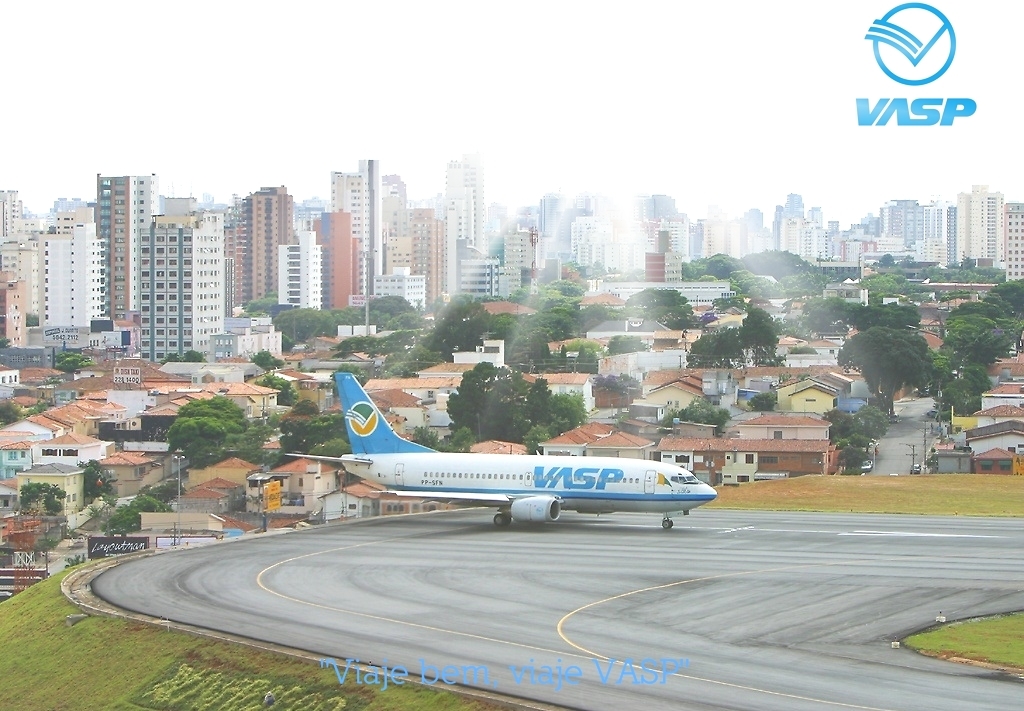 VASP would turn 86 anniversaries
 Brazil’s VASP Airlines would celebrate 86 anniversaries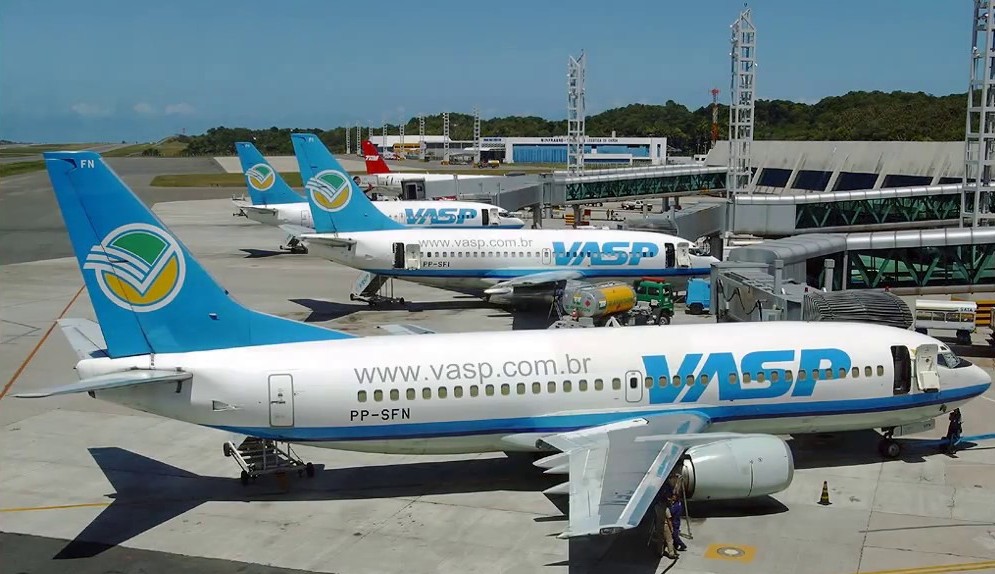

![57488_1128325404[1].jpg](https://airgways.com/wp-content/uploads/2019/11/57488_11283254041.jpg) VASP completaria 86 aniversários
VASP completaria 86 aniversários VASP Airlines do Brasil comemoraria 86 aniversários
 AW | 2019 10 29 21:57 | AVIATION HISTORY
 50º años de la Base Marambio en la Antártida Argentina
/arc-anglerfish-arc2-prod-infobae.s3.amazonaws.com/public/7QWXY3QIEBFY3EXK6NRB2S62FU.jpg)
/arc-anglerfish-arc2-prod-infobae.s3.amazonaws.com/public/KJASRJC36ZHQHC7ZLH64KH2PQ4.jpg) EL HISTÓRICO ATERRIZAJE DE UN HÉRCULES C-130 EN LA PISTA DE MARAMBIO. OCURRIÓ POR PRIMERA VEZ EL 11 DE ABRIL DEL 1970. ES CAPAZ DE TRANSPORTAR HASTA VEINTE MIL KILOS, PERO A LA BASE OPERA SOLO DIEZ MIL PORQUE POR LA EXTENSIÓN DE LA PISTA DEBE REALIZAR UN ATERRIZAJE DE ASALTO
EL HISTÓRICO ATERRIZAJE DE UN HÉRCULES C-130 EN LA PISTA DE MARAMBIO. OCURRIÓ POR PRIMERA VEZ EL 11 DE ABRIL DEL 1970. ES CAPAZ DE TRANSPORTAR HASTA VEINTE MIL KILOS, PERO A LA BASE OPERA SOLO DIEZ MIL PORQUE POR LA EXTENSIÓN DE LA PISTA DEBE REALIZAR UN ATERRIZAJE DE ASALTO EL 28 JULIO 1973, EL AVIÓN PRESIDENCIAL MATRÍCULA T-01 «PATAGONIA», UN REACTOR FOKKER F-28 FELLOWSHIP, ATERRIZÓ EN LA PISTA DE LA BASE AÉREA «VICECOMODORO MARAMBIO» DE LA ANTÁRTIDA ARGENTINA. EL VUELO SE PLANEÓ PARA ASEGURAR LA OPERACIÓN QUE LUEGO SE REALIZÓ EL DÍA 10 DE AGOSTO DEL MISMO AÑO, PARA TRASLADAR AL PRESIDENTE PROVISIONAL RAÚL LASTIRI Y MIEMBROS DE SU GABINETE
 MONUMENTO AL TRÁGICO ACCIDENTE AÉREO DONDE FALLECIÓ EL COMODORO GUSTAVO ARGENTINO MARAMBIO Y SU TRIPULACIÓN EN VILLA MUGUETA. PROVINCIA DE SANTA FE, ARGENTINA. ESTE PIONERO DE LA FUERZA AÉREA QUE HABÍA SOBREVOLADO LA ANTÁRTIDA ARGENTINA, EN 1951, EN SU HOMENAJE, LA BASE MARAMBIO LLEVA SU NOMBRE
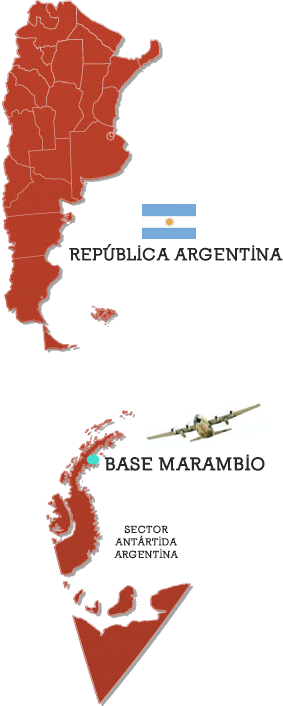 Está ubicada la región patagónica, en el extremo sur de la Argentina, y ocupa un amplio territorio insular, marítimo y antártico, que se extiende desde la Isla Grande de Tierra del Fuego al Polo Sur, incluyendo la Isla de los Estados, las Islas Malvinas, las Islas del Atlántico Sur, la Península Antártica, formando un triángulo cuyos lados son los meridianos 74°O y 25°O y su vértice el Polo Sur. En la porción americana, la provincia limita al norte con la Provincia de Santa Cruz, al oeste con Chile y al sur del Canal de Beagle, también con Chile. En la Antártida, la provincia también limita al oeste con Chile, aunque los límites no están establecidos. Con 1.002.445 km² es la jurisdicción de primer orden más extensa (incluyendo los territorios en litigio) y con 160.720 habitantes en 2010, la menos poblada.
 50th Anniversaries Base Marambio
 On October 29, 1969, the Marambio Base was founded in the Argentine Antarctic. A Fokker F-27 landed on the track for the first time in history on the track built for three months at peak and shovel by a contingent of officers and non-commissioned officers of the Armed Forces. 50 years after the birth of the Marambio Base: 21 men in tents, 30 degrees below zero, stalactites in the nose and mate prepared with snow from Antarctica. The
 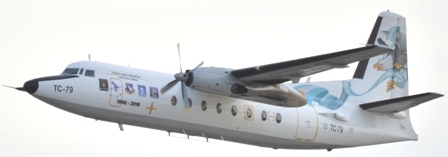 adventures and sacrifices of the Sovereignty Patrol. The memories of a historic day, where they spent three months working tirelessly, with temperatures of 30° below zero, with frost on their faces. They chopped ice, removed large rocks, replaced them with smaller, more homogeneous stones that occupied their holes, sculpted the ground, completed the leveling of a plateau with natural morphology enabled for the installation of a military camp.
 MARAMBIO BASE
 Marambio Airfield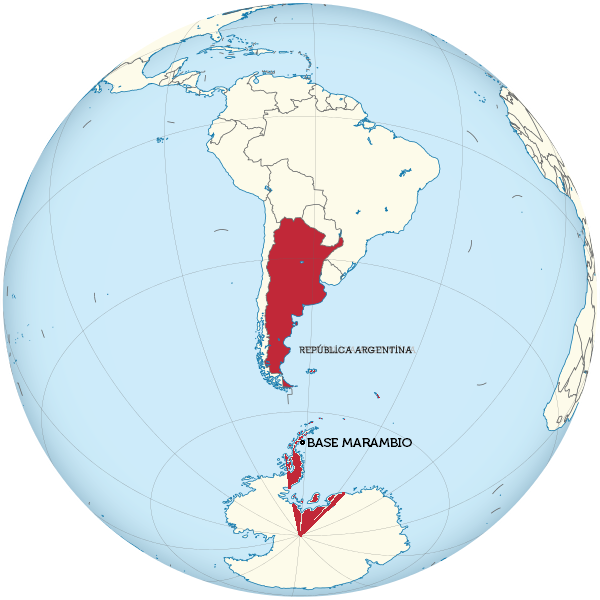

 KLM celebra sus 100 años en Buenos Aires con una campaña artística con conciencia ambiental
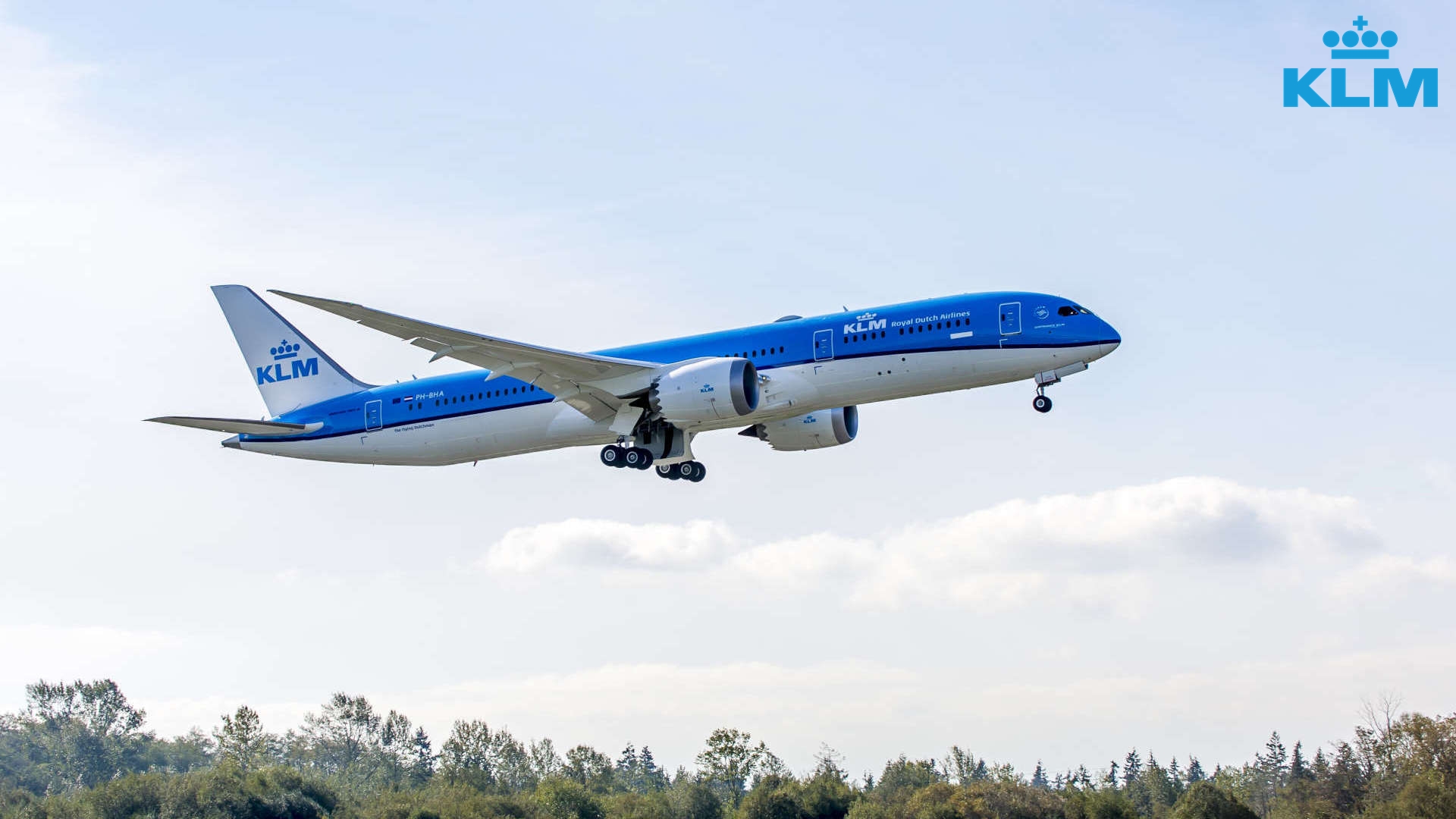 Argentina celebrates 100 years of KLM
 During the month of October, you can witness the creation of ten murals in different Buenos Aires neighborhoods, designed by renowned artists and made with photocatalytic painting. To celebrate its 100th birthday in Buenos Aires, KLM launched its campaign Painting the 100 years of KLM. The Dutch airline summoned talented Argentine artists to create 10 exclusive murals in the city of Buenos Aires, inspired by the four values of its centenary: Diversity, Sustainability, Future generations, and Celebration.
 Argentinië viert 100 jaar KLM
 KLM viert zijn 100-jarig bestaan in Buenos Aires met een artistieke campagne met milieubewustzijn
 AW | 2019 09 12 09:46 | AVIATION HISTORY
 The American Airlines and United Airlines airlines published tributes on Wednesday morning to recognize the 18th anniversary of the terrorist attacks of September 11, 2001, that killed thousands and changed the US nation and the world, as well as the way we travel.
 AW | 2019 08 25 16:40 | AIRLINES HISTORY
 Aircraft Transport and Travel celebra 100º Aniversarios junto a su sucesora British Airways
 En el año 1924, Daimler International se fusionó con otras tres aerolíneas para formar Imperial Airways, siguiendo un incentivo del Gobierno británico. Si bien Imperial Airways debía comenzar los servicios el 1 Abril 1924, el primer vuelo no se produjo hasta el 26 de Abril, un vuelo que enlazó Londres con París/Le Bourget. Imperial Airways estableció rutas de larga distancia en todo el mundo hacia Ciudad del Cabo en África y Brisbane en Australia. Estas rutas se utilizaron como parte del desarrollo del Correo Aéreo del Imperio, que vio el correo entregado en cualquier lugar del Imperio Británico por una tarifa plana por unidad de peso. De hecho, en el primer año de funcionamiento, se entregaron cien toneladas de correo a la India y África.
:max_bytes(150000):strip_icc()/1280px-British_Overseas_Airways_Corporation_-logo-1-6b6b265633a84065aeb8feca687a01c6.jpg) El 1 Abril 1940, luego de 16 años después de la fusión de Imperial Airways, la compañía se fusionó nuevamente con una aerolínea llamada British Airways para formar British Overseas Air Corporation, conservando el isologotipo de «Speedbird» utilizado por primera vez por Imperial Airways, la aerolínea fue la primera en usar aviones de reacción con la introducción del De Havilland Comet a la flota en Mayo 1952. Seis años más tarde, la aerolínea operó el primer vuelo en jet transatlántico sin escalas utilizando el Comet 4. El vuelo estaba programado en aquel entonces para durar seis horas y siete minutos.
El 1 Abril 1940, luego de 16 años después de la fusión de Imperial Airways, la compañía se fusionó nuevamente con una aerolínea llamada British Airways para formar British Overseas Air Corporation, conservando el isologotipo de «Speedbird» utilizado por primera vez por Imperial Airways, la aerolínea fue la primera en usar aviones de reacción con la introducción del De Havilland Comet a la flota en Mayo 1952. Seis años más tarde, la aerolínea operó el primer vuelo en jet transatlántico sin escalas utilizando el Comet 4. El vuelo estaba programado en aquel entonces para durar seis horas y siete minutos. Fusión con British European Airways (BEA)
 En Febrero 1999, British Airways decidió asociarse con otras aerolíneas para convertirse en miembro fundador de la alianza Oneworld junto con American Airlines, Cathay Pacific y Qantas. La medida le dio a la aerolínea aún más cobertura global con la asociación que abrió la puerta a acuerdos de código compartido y más.
 100th Anniversaries British Airways legacy
 Aircraft Transport and Travel celebrates 100th Anniversaries with its successor British Airways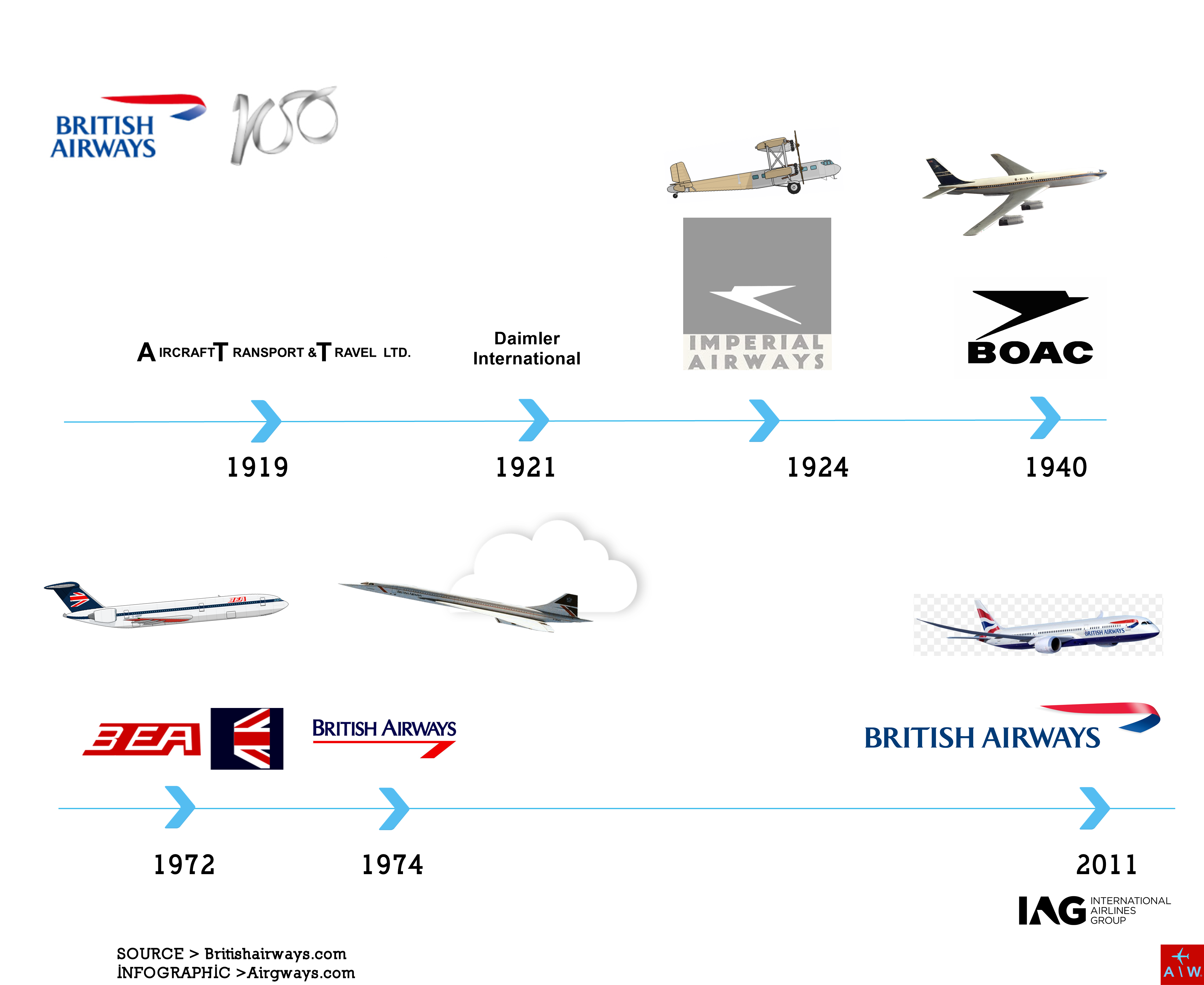
 DE HAVILLAND DH.16, AIRCRAFT TRANSPORT & TRAVEL, PROBABLY CROYDON 1920

