Wexford Capital adquiere bancarrota de Via Airlines
Wexford CapitalLLC, una firma de inversión con sede en el Estado de Florida, Estados Unidos, ha anunciado junto con socios de la firma, la aprobación del Tribunal de Quiebras de los Estados Unidos para reorganizar y adquirir Via Airlines, una aerolínea regional con sede en Maitland, Florida. La aprobación del tribunal permitirá a Via Airlines relanzar las operaciones de vuelo cuando lo apruebe el Departamento de Transporte de los Estados Unidos (DOT) y la Administración Federal de Aviación (FAA) lo vuelva a certificar. “Estamos entusiasmados de reingresar al espacio de la aerolínea regional. Aprovechando nuestras décadas de experiencia invirtiendo en la industria de las aerolíneas, estamos entusiasmados con la oportunidad de crear la próxima aerolínea regional mejor en su clase», dijo en un comunicado Arthur Amron, socio de Wexford Capital.
La aerolínea planea proporcionar servicios aéreos regionales a destinos estratégicos que han sido duramente afectados por la nueva pandemia de coronavirus. Wayne Heller, ex Director de Operaciones de Republic Airways, actuará como Director Ejecutivo de la aerolínea. «Estamos evaluando los mercados iniciales de lanzamiento y las asociaciones estratégicas, incluidos, entre otros, los mercados del sudeste, medio oeste y Alaska. Aunque la pandemia ha diezmado y desafiado a la industria de las aerolíneas hoy en día, creemos que un proveedor regional de servicios aéreos de calidad seguirá siendo muy deseado y vital para el transporte de personas y mercancías en todo Estados Unidos en el futuro previsible, y tenemos la intención de ser parte de esa solución», dijo Wayne Heller.
Historia de Via Airlines
Via Airlines fue fundada en 1997 como una aerolínea regional que brindaba servicios aéreos chárters, para luego iniciar en Diciembre de 2014 como línea aérea regular. La aerolínea regional empleó a aproximadamente 150 personas y operó una flota de ocho aviones, incluidos los aviones Embraer ERJ-145 de 50 asientos, Embraer ERJ-120 de 30 asientos y un Cessna Citation XL. La aerolínea operaba 19 rutas desde sus dos centros, el Aeropuerto Internacional Orlando Sanford y el Aeropuerto Internacional Austin-Bergstrom.
Via Airlines anunció que se declaró en bancarrota del Capítulo 11 y cesó todas las operaciones el 8 Octubre 2019, debido a la escasez de pilotos y problemas financieros. Antes de la bancarrota, Ashley Air, LLC, con sede en Atlanta, acordó adquirir la aerolínea, pero no pudo cumplir con sus compromisos financieros, como inyectar capital a la aerolínea alegada. Según la declaración de quiebra, Ashley Air tampoco pagó los salarios de los empleados y no reembolsó a los pasajeros por los vuelos cancelados.
La aerolínea se vio obligada a reducir los vuelos de algunas de sus rutas y retrasar el lanzamiento de algunas rutas debido a la falta de pilotos calificados, lo que afectó particularmente a las aerolíneas regionales. La suspensión de las operaciones de vuelo de la aerolínea desde y hacia Birmingham, Alabama, fue un buen ejemplo del problema de escasez de pilotos. Aunque la aerolínea anunció previamente que había seleccionado Birmingham como ciudad de enfoque, tuvo que suspender todos los vuelos desde y hacia Birmingham.
«Lamentablemente, al considerar los desafíos continuos de la aerolínea para reclutar, capacitar y retener un nivel adecuado de tripulaciones calificadas, la Junta Directiva de Via Airlines ha tomado la difícil decisión de suspender todos los vuelos hacia/desde el Aeropuerto Internacional Birmingham-Shuttlesworth con efecto inmediato», expresó Don Bowman, Vicepresidente de Desarrollo y Distribución de Negocios de Via Airlines en Mayo 2019.
Wexford Capital también fundó e impulsó la transformación de Republic Airways en una aerolínea regional con más de 200 jets regionales modernos y la nueva aerolínea contará con el apoyo de un equipo directivo altamente experimentado.
Perspectivas Via Airlines
Via Airlines regresa a los vuelos comerciales programados con un nuevo nombre y un nuevo equipo ejecutivo, y posiblemente sin problemas de escasez de pilotos, en medio de la nueva pandemia de Coronavirus que obligó a las compañías aéreas a despedir a los pilotos.
Wexford Capital acquires Via Airlines
Wexford Capital Acquires Bankruptcy of Via Airlines
Wexford Capital LLC, an investment firm based in the State of Florida, United States, has announced, together with partners in the firm, the approval of the United States Bankruptcy Court to reorganize and acquire Via Airlines, a regional airline based in Maitland, Florida. Court approval will allow Via Airlines to relaunch flight operations when approved by the United States Department of Transportation (DOT) and re-certified by the Federal Aviation Administration (FAA). “We are excited to re-enter the regional airline space. Building on our decades of experience investing in the airline industry, we are excited about the opportunity to create the next best-in-class regional airline», Arthur Amron, a partner at Wexford Capital, said in a statement.
The airline plans to provide regional air services to strategic destinations that have been hit hard by the new coronavirus pandemic. Wayne Heller, former COO of Republic Airways, will serve as the CEO of the airline. «We are evaluating initial launch markets and strategic partnerships, including, but not limited to, the Southeast, Midwest, and Alaska markets. Although the pandemic has decimated and challenged the airline industry today, we believe that a regional provider Quality air services will continue to be highly desired and vital for the transportation of people and goods across the United States for the foreseeable future, and we intend to be part of that solution», said Wayne Heller.
Via Airlines history
Via Airlines was founded in 1997 as a regional airline that provided charter air services, and then began in December 2014 as a regular airline. The regional airline employed approximately 150 people and operated a fleet of eight aircraft, including the 50-seat Embraer ERJ-145, 30-seat Embraer ERJ-120, and one Cessna Citation XL. The airline operated 19 routes from its two hubs, Orlando Sanford International Airport and Austin-Bergstrom International Airport.
Via Airlines announced that it filed for Chapter 11 bankruptcy and ceased all operations on October 8, 2019, due to pilot shortages and financial problems. Before bankruptcy, Atlanta-based Ashley Air, LLC agreed to acquire the airline, but was unable to meet its financial commitments, such as injecting capital into the alleged airline. According to the bankruptcy filing, Ashley Air also failed to pay employee wages and did not reimburse passengers for the canceled flights.
The airline was forced to reduce flights on some of its routes and delay the launch of some routes due to a lack of qualified pilots, which particularly affected regional airlines. The suspension of the airline’s flight operations to and from Birmingham, Alabama was a good example of the pilot shortage problem. Although the airline previously announced that it had selected Birmingham as its focus city, it had to suspend all flights to and from Birmingham.
«Unfortunately, in considering the airline’s continuing challenges inrecruiting, training and retaining an adequate level of qualified crews, the Board of Directors of Via Airlines has made the difficult decision to suspend all flights to/from Birmingham-Shuttlesworth International Airport with immediate effect», said Don Bowman, Vice President of Business Development and Distribution for Via Airlines in May 2019.
Wexford Capital also founded and fueled the transformation of Republic Airways into a regional airline with more than 200 modern regional jets, and the new airline will be supported by a highly experienced management team.
Perspectives Via Airlines
Via Airlines returns to scheduled commercial flights with a new name and new executive team, and possibly without pilot shortage issues, amid the new Coronavirus pandemic that forced airlines to fire pilots.
Ξ A I R G W A Y S Ξ PUBLISHER: Airgways.com DBk: Uscourts.gov / Wexford.com / Airgways.com AW-POST: 202007261440AR
Sector turístico brasileño inicia recuperación a través de pandemia
El sector turístico de Brasil ha comenzado a recuperarse con la flexibilización de la cuarentena, tras más de tres meses de medidas de aislamiento social y el cierre de la economía para combatir la pandemia de Coronavirus. El Gobierno ha divulgado protocolos rígidos de limpieza y una disminución de su capacidad habitual en hoteles y atracciones turísticas con el objetivo de ganarse la confianza de los turistas en plena crisis sanitaria en Brasil.
Agencias y operadoras de viaje volvieron a vender paquetes a personas dispuestas a compensar su larga cuarentena con viajes en la segunda mitad del año, aprovechando que las principales aerolíneas nacionales volvieron a aumentar sus destinos tras haber reducido su red de vuelos al mínimo esencial decretado por el Gobierno.
Un estudio de la Asociación Brasileña de las Operadoras de Turismo (BRAZTOA) ha expresado que el 60 por ciento de las empresas del sector ya venden paquetes de viajes para varias regiones del país a partir de agosto. «Con la crisis económica, el dólar alto y el veto a que los brasileños puedan viajar a Europa o Estados Unidos, lo que vemos es que muchos turistas brasileños optan por viajes nacionales en lugar de internacionales, de menos días y más económicos», afirmó Teresa Guimaraes la Vicepresidenta de la Asociación Brasileña de Agencias de Viajes (ABAV). Según Guimaraes, para ganarse la confianza de los turistas en plena pandemia en Brasil, la mayoría de hoteles y atracciones turísticas divulgaron protocolos rígidos de limpieza y una disminución de su capacidad habitual. «El sector turístico intenta iniciar ahora su retomada, con las flexibilizaciones, pero vemos que muchos brasileños todavía están inseguros. La mayoría no quiere pasarse muchas horas en un avión, por lo que optan por destinos más cercanos. Estamos animados con esta recuperación y esperamos que los nuevos hábitos de seguridad funcionen y reactiven el turismo», señaló la titular de ABAV.
Embratur & Latinoamérica
Embratur y el ex Ministro de Turismo de Argentina discuten estrategias para promover el verano en Brasil en América Latina. En una reunión celebrada por videoconferencia entre el Presidente de Embratur (Agencia Brasileña para la Promoción del Turismo Internacional), Gilson Machado Neto, y el ex Ministro de Turismo de Argentina, Gustavo Santos, el Miércoles 15/7, se discutieron estrategias para desmitificar las noticias falsas o medias verdades en los países vecinos sobre la situación en Brasil durante la pandemia de Coronavirus. Para esto, presentar el escenario real y actual de Brasil, teniendo en cuenta el retorno esperado de los turistas internacionales a Brasil para el próximo verano, fue la agenda de la reunión.
Para esto, presentar el escenario real y actual de Brasil, teniendo en cuenta el retorno esperado de los turistas internacionales a Brasil para el próximo verano, fue la agenda de la reunión. Además de Gilson Machado y Gustavo Santos, también participaron Embratur Osvaldo Matos, Directores de Marketing y Comunicación, y Carlos Brito, Gerencia Corporativa.
Acompañado por su equipo, Gustavo Santos presentó una compilación de artículos con contenido negativo sobre Brasil, recientemente publicados en prensa de países vecinos, especialmente de Argentina, pero también de Paraguay, Chile y Uruguay. Juntos, estos cuatro mercados representan aproximadamente el 50% de los turistas internacionales que recibe Brasil anualmente. «Hay artículos publicados que anuncian que el presidente Bolsonaro fue hospitalizado debido a Covid-19, lo cual no es cierto, además de otros informes extremadamente alarmistas sobre la propagación del coronavirus en Brasil, como si el escenario fuera muy negativo», explicó Gustavo Santos.
El Presidente de Embratur, Gilson Machado Neto, agradeció el trabajo expuesto por el ex ministro argentino e indicó que a pesar de que Embratur está actuando para promover el turismo interno durante la pandemia, según lo determinado por el Congreso Nacional durante el procesamiento de la Medida Provisional 907, La relación con el comercio internacional permanece en el radar. “Nos transformamos en una Agencia, lo que nos garantizará más flexibilidad para operar en el extranjero, pero, durante la pandemia y hasta seis meses después, estaremos trabajando en línea con el Ministerio de Turismo para promover nuestros destinos a los propios brasileños. Aun así, haremos todo lo posible para evitar que las noticias contaminadas por el sesgo ideológico de sus autores no sean las únicas que llaman la atención de los turistas de los países vecinos», dijo Gilson Machado Neto.
Se debe desarrollar una serie de medidas para revertir la imagen negativa transmitida a argentinos, paraguayos, chilenos y uruguayos, entre otros mercados. Roberto Santos se puso a disposición para ayudar en este proceso. «Los meses de verano son responsables del 70% de la entrada de visitantes de estos países a Brasil», dijo el ex Ministro argentino. De acuerdo con la gran importancia del verano para la entrada de turistas extranjeros al país, el presidente de Embratur enfatizó: “Por eso, a pesar de que estamos operando dentro de Brasil en este momento, estamos totalmente interesados en asegurar que nuestros vecinos no estén influenciado negativamente por estas noticias alarmistas”, dijo Gilson Machado Neto.
Retorno al turismo
El regreso del turismo en Brasil será posible gracias al aumento de los vuelos nacionales. En Julio 2020 las líneas aéreas aumentaron a 180 las rutas activas en el país, el triple que en el inicio de la pandemia, aunque representan apenas el 30 por ciento de los destinos operados previamente en el país, por lo que la demanda está aumentando.
Pese al optimismo en el sector turístico, la retomada en este segundo semestre no será suficiente para anular las pérdidas millonarias del sector. Un estudio de la Fundación Getulio Vargas (FGV) detalló que revertir el prejuicio causado por la pandemia de Coronavirus sólo será posible en 2021 o 2022 si ya hay entonces una vacuna eficaz contra el virus. El sector ha proyectado pérdidas de hasta R$ 160.000 millones de reales (US$ 30.700 millones de Dólares) hasta final de 2021 para el turismo brasileño, con la pérdida de hasta 670.000 puestos de trabajo.
Tourism Brazil advances recovery
Brazilian tourism sector begins recovery through pandemic
The Brazilian tourism sector has begun to recover with the relaxation of the quarantine, after more than three months of social isolation measures and the closure of the economy to combat the Coronavirus pandemic. The Government has released rigid cleaning protocols and a decrease in its usual capacity in hotels and tourist attractions in order to gain the trust of tourists in the midst of the health crisis in Brazil.
Travel agencies and operators returned to sell packages to people willing to compensate their long quarantine with travel in the second half of the year, taking advantage of the fact that the main national airlines increased their destinations again after having reduced their flight network to the essential minimum decreed by the Government.
A study by the Brazilian Association of Tourism Operators (Braztoa) has stated that 60 percent of companies in the sector already sell travel packages for various regions of the country as of August. «With the economic crisis, the high dollar and the veto that Brazilians can travel to Europe or the United States, what we see is that many Brazilian tourists choose national instead of international, shorter days and cheaper», he said. Teresa Guimara is the Vice President of the Brazilian Association of Travel Agencies (ABAV). According to Guimaraes, to gain the trust of tourists in the midst of the pandemic in Brazil, most hotels and tourist attractions published rigid cleaning protocols and a decrease in their usual capacity. «The tourism sector is trying to start its return now, with the easing, but we see that many Brazilians are still insecure. Most do not want to spend many hours on a plane, so they choose closer destinations. We are encouraged by this recovery and we hope that the new security habits work and reactivate tourism», said the head of ABAV.
Embratur & Latin America
Embratur and the former Minister of Tourism of Argentina discuss strategies to promote the summer in Brazil in Latin America. In a meeting held by videoconference between the President of Embratur (Brazilian Agency for the Promotion of International Tourism), Gilson Machado Neto, and the former Minister of Tourism of Argentina, Gustavo Santos, on Wednesday 15/7, strategies were discussed to demystify the false or half-truth news in neighboring countries about the situation in Brazil during the Coronavirus pandemic. For this, presenting the actual and current scenario in Brazil, taking into account the expected return of international tourists to Brazil for next summer, was the meeting’s agenda.
For this, presenting the actual and current scenario in Brazil, taking into account the expected return of international tourists to Brazil for next summer, was the meeting’s agenda. In addition to Gilson Machado and Gustavo Santos, Embratur Osvaldo Matos, Marketing and Communication Directors, and Carlos Brito, Corporate Management also participated.
Accompanied by his team, Gustavo Santos presented a compilation of articles with negative content about Brazil, recently published in the press from neighboring countries, especially Argentina, but also from Paraguay, Chile and Uruguay. Together, these four markets represent approximately 50% of the international tourists that Brazil receives annually. «There are published articles that announce that President Bolsonaro was hospitalized due to Covid-19, which is not true, in addition to other extremely alarmist reports on the spread of the coronavirus in Brazil, as if the scenario were very negative», explained Gustavo Santos.
The President of Embratur, Gilson Machado Neto, appreciated the work presented by the former Argentine minister and indicated that despite the fact that Embratur is acting to promote internal tourism during the pandemic, as determined by the National Congress during the processing of the Measure Provisional 907, The relationship with international trade remains on the radar. “We have become an Agency, which will guarantee us more flexibility to operate abroad, but, during the pandemic and up to six months later, we will be working online with the Ministry of Tourism to promote our destinations to Brazilians themselves. Even so, we will do everything possible to avoid that the news contaminated by the ideological bias of its authors are not the only ones that attract the attention of tourists from neighboring countries», said Gilson Machado Neto.
A series of measures must be developed to reverse the negative image transmitted to Argentines, Paraguayans, Chileans and Uruguayans, among other markets. Roberto Santos made himself available to help in this process. «The summer months are responsible for 70% of the entry of visitors from these countries to Brazil», said the former Argentine minister. According to the great importance of the summer for the entry of foreign tourists to the country, the president of Embratur emphasized: “Therefore, despite the fact that we are operating within Brazil at the moment, we are fully interested in ensuring that our neighbors don’t be negatively influenced by this alarmist news”, said Gilson Machado Neto.
Return to tourism
The return of tourism in Brazil will be possible thanks to the increase in domestic flights. In July 2020, the airlines increased the active routes in the country to 180, triple that of the start of the pandemic, although they represent only 30 percent of the destinations previously operated in the country, so demand is increasing.
Despite the optimism in the tourism sector, the recovery in this second half will not be enough to cancel the million-dollar losses in the sector. A study by the Getulio Vargas Foundation (FGV) detailed that reversing the prejudice caused by the Coronavirus pandemic will only be possible in 2021 or 2022 if there is already then an effective vaccine against the virus. The sector has projected losses of up to R$ 160 billion reais (US$ 30.7 billion) until the end of 2021 for Brazilian tourism, with the loss of up to 670,000 jobs.
Turismo Brasil avança em recuperação
Setor de turismo brasileiro inicia recuperação através de pandemia
O setor de turismo no Brasil começou a se recuperar com o relaxamento da quarentena, após mais de três meses de medidas de isolamento social e o fechamento da economia para combater a pandemia de Coronavírus. O governo lançou protocolos rígidos de limpeza e uma diminuição de sua capacidade habitual em hotéis e atrações turísticas, a fim de ganhar a confiança dos turistas em meio à crise da saúde no Brasil.
As agências e operadoras de viagens voltaram a vender pacotes para pessoas dispostas a compensar sua longa quarentena com viagens no segundo semestre do ano, aproveitando o fato de que as principais companhias aéreas nacionais aumentaram seus destinos novamente depois de terem reduzido sua rede de vôos ao mínimo essencial decretado pelo Governo.
Um estudo da Associação Brasileira de Operadores de Turismo (Braztoa) afirmou que 60% das empresas do setor já vendem pacotes de viagens para várias regiões do país a partir de agosto. «Com a crise econômica, o dólar alto e o veto de que os brasileiros podem viajar para a Europa ou os Estados Unidos, o que vemos é que muitos turistas brasileiros escolhem nacional em vez de internacional, dias mais curtos e mais baratos», afirmou. Teresa Guimara é vice-presidente da Associação Brasileira de Agências de Viagens (ABAV). Segundo Guimarães, para ganhar a confiança dos turistas em meio à pandemia no Brasil, a maioria dos hotéis e atrações turísticas publicou protocolos rígidos de limpeza e uma diminuição de sua capacidade habitual. «O setor de turismo está tentando iniciar seu retorno agora, com a flexibilização, mas vemos que muitos brasileiros ainda estão inseguros. A maioria não quer passar muitas horas em um avião, então escolhe destinos mais próximos. Somos encorajados por essa recuperação e esperamos que que os novos hábitos de segurança funcionam e reativam o turismo», afirmou o chefe da ABAV.
Embratur & América Latina
A Embratur e o ex-Ministro do Turismo da Argentina discutem estratégias para promover o verão no Brasil na América Latina. Em reunião realizada por videoconferência entre o Presidente da Embratur (Agência Brasileira de Promoção do Turismo Internacional), Gilson Machado Neto, e o ex-Ministro do Turismo da Argentina, Gustavo Santos, na quarta-feira 15/7, foram discutidas estratégias para desmistificar o notícias falsas ou meia verdade nos países vizinhos sobre a situação no Brasil durante a pandemia de coronavírus. Para isso, apresentar o cenário real e atual do Brasil, levando em consideração o retorno esperado de turistas internacionais ao Brasil para o próximo verão, foi a agenda do encontro.
Para isso, apresentar o cenário real e atual do Brasil, levando em consideração o retorno esperado de turistas internacionais ao Brasil para o próximo verão, foi a agenda do encontro. Além de Gilson Machado e Gustavo Santos, Embratur Osvaldo Matos, Diretor de Marketing e Comunicação, e Carlos Brito, Gerente Corporativo também participaram.
Acompanhado por sua equipe, Gustavo Santos apresentou uma compilação de artigos com conteúdo negativo sobre o Brasil, publicados recentemente na imprensa de países vizinhos, principalmente Argentina, mas também do Paraguai, Chile e Uruguai. Juntos, esses quatro mercados representam aproximadamente 50% dos turistas internacionais que o Brasil recebe anualmente. «Existem artigos publicados que anunciam que o presidente Bolsonaro foi hospitalizado devido ao Covid-19, o que não é verdade, além de outros relatos extremamente alarmistas sobre a disseminação do coronavírus no Brasil, como se o cenário fosse muito negativo», explicou Gustavo Santos.
O presidente da Embratur, Gilson Machado Neto, agradeceu o trabalho apresentado pelo ex-ministro argentino e indicou que, apesar de a Embratur estar atuando para promover o turismo interno durante a pandemia, conforme determinado pelo Congresso Nacional durante o processamento da Medida Provisória 907, A relação com o comércio internacional permanece no radar. “Nós nos tornamos uma agência, que nos garantirá mais flexibilidade para operar no exterior, mas, durante a pandemia e até seis meses depois, trabalharemos on-line com o Ministério do Turismo para promover nossos destinos aos próprios brasileiros. Mesmo assim, faremos todo o possível para evitar que as notícias contaminadas pelo viés ideológico de seus autores não sejam as únicas que atraem a atenção de turistas de países vizinhos», afirmou Gilson Machado Neto.
É necessário desenvolver uma série de medidas para reverter a imagem negativa transmitida a argentinos, paraguaios, chilenos e uruguaios, entre outros mercados. Roberto Santos se colocou à disposição para ajudar nesse processo. «Os meses de verão são responsáveis por 70% da entrada de visitantes desses países no Brasil», afirmou o ex-ministro argentino. De acordo com a grande importância do verão para a entrada de turistas estrangeiros no país, o presidente da Embratur enfatizou: “Portanto, apesar do fato de estarmos operando no Brasil neste momento, estamos totalmente interessados em garantir que nossos vizinhos não seja negativamente influenciado por essas notícias alarmistas”, afirmou Gilson Machado Neto.
Retorno ao turismo
A volta do turismo no Brasil será possível graças ao aumento de voos domésticos. Em Julho 2020, as companhias aéreas aumentaram as rotas ativas no país para 180, o triplo do início da pandemia, embora representem apenas 30% dos destinos anteriormente operados no país, por isso a demanda está aumentando.
Apesar do otimismo no setor de turismo, a recuperação neste segundo semestre não será suficiente para cancelar as perdas de um milhão de dólares no setor. Um estudo da Fundação Getulio Vargas (FGV) detalhou que a reversão do preconceito causado pela pandemia de Coronavírus só será possível em 2021 ou 2022 se já houver uma vacina eficaz contra o vírus. O setor projetou perdas de até R$ 160 bilhões de reais (US$ 30,7 bilhões) até o final de 2021 para o turismo brasileiro, com a perda de até 670.000 empregos.
Ξ A I R G W A Y S Ξ PUBLISHER: Airgways.com DBk: Turismo.gov.br / Braztoa.com.br / Abav.com.br / Embratur.com.br / Airgways.com AW-POST: 202007261240AR
AW | 2020 07 24 21:41 | AVIATION SAFETY / GOVERNMENT
Intercepción aviones combate F15 en vuelo de Mahan Air
Un Airbus A310-300, registro EP-MNF de la aerolínea iraní Mahan Air que realizaba el vuelo W5-1152 el 23/07 desde Teherán Imam Khomeini (Irán) a Beirut (Líbano), estaba en ruta en FL340 a unos 160 nm al este de Beirut en el espacio aéreo sirio cerca del triángulo Siria, Jordania e Iraq cuando la tripulación realizó una maniobra abrupta para evitar dos aviones de combate y subió al avión por lo menos 600 pies. Posteriormente, el avión regresó a FL340, solicitó asistencia médica para la llegada a Beirut y continuó a Beirut para aterrizar sin más incidentes. Varios pasajeros necesitaban asistencia médica.
Los informes sobre qué aviones de combate causaron el malestar no están claros, hay reclamos no verificados de aviones de combate israelíes o estadounidenses. La televisión estatal iraní IRIB afirma que el avión de combate era un avión israelí, la agencia árabe de noticias controlada por los estados sirios SANA, sin embargo, informó que los aviones de combate eran estadounidenses.
Los servicios médicos (Cruz Roja) en Beirut informaron que no era necesario llevar a los pasajeros a un hospital, un número fue tratado principalmente por shock.
En las primeras horas de la mañana del 24 Julio 2020 (UTC), CENTCOM, el Comando Militar Central de Estados Unidos ha informado que un F-15 estaba en una misión de rutina sobre el sur de Siria, cerca de la guarnición de Al Tanf en el sur de Siria, ubicado a unos 12 nm al este de los 16:14:43 posición del avión y fue enviado a realizar una inspección del avión para garantizar la seguridad del personal de la coalición en al Tanf. Cuando el F-15 identificó el avión como un avión de pasajeros, el F-15 mantuvo una distancia segura de aproximadamente 1000 metros. La intercepción se realizó de acuerdo con las normas internacionales, sin embargo, parece que causó que los pilotos iraníes llevaran a cabo un cambio de altitud repentino e inesperado.
Al Tanf Garrison se encuentra en N33.50 E38.62. Cuando el A310-300 estaba en FL346 a las 16:14: 43Z, el avión estaba en la posición N33.50 E38.82 a unos 12,6 nm al este de Al Tanf, aproximadamente un minuto después en su distancia más cercana a Al Tanf, el avión estaba en la posición N33. 55 E38.68 a unos 4,8 nm al noreste de Al Tanf.
Avances detalles
Las autoridades estadounidenses ahora dicen que el avión iraní se desvió de la ruta aérea establecida a través del área y no se identificó cuando se le solicitó. Las autoridades estadounidenses ahora dicen que un F-15 de la Fuerza Aérea de los Estados Unidos solo se acercó a 5,000 pies de un avión Airbus A310 perteneciente al Air Mahan de Irán durante un incidente sobre Siria el 23/07. También han declarado que el vuelo W5-1152 de Mahan Air parecía desviarse de la ruta de vuelo establecida y no respondió a las llamadas de radio para identificarse mientras volaba sobre una guarnición estratégica cerca de la ciudad de At Tanf que operan las fuerzas sirias respaldadas por Estados Unidos, lo que provocó la intercepción. en primer lugar.
Los detalles sobre cómo ocurrió exactamente el incidente del 23 Julio 2020 siguen siendo limitados. Supuestamente, la intercepción del F-15 provocó el vuelo W5-1152 de Mahan Air, que se dirigía desde la capital iraní Teherán a Beirut en el Líbano, para realizar una maniobra evasiva que provocó varias lesiones entre los pasajeros a bordo. El ejército estadounidense ha establecido una zona de desconfianza alrededor de la guarnición en At Tanf que se extiende 55 millas en todas las direcciones, lo que dice que es una zona prohibida para las fuerzas alineadas con el régimen del dictador sirio Bashar Al Assad, incluidas las respaldadas por Rusia e Irán. grupos. Aviones estadounidenses, especialmente F-15E Strike Eagles con sede en el vecino Jordan , patrullan rutinariamente el área para mantener alejados a los aviones de combate extranjeros y, según los informes, requieren todos los aviones, incluso aviones comerciales, para identificarse al pasar.
Un funcionario estadounidense ha informado que los F-15 se habían acercado a más de 5,000 pies del avión en el punto más cercano, después de acercarse por detrás en un curso paralelo, durante la intercepción. El Comando Central de los EE.UU. había emitido un comunicado ayer diciendo que los aviones de combate habían llegado a unos 3.290 pies del A310.
Ese mismo funcionario dijo que al menos uno de los F-15 había recibido una alerta tonal acerca de estar cerca de otro avión, pero que esto es «bastante estándar» y que «no había riesgo» de que los dos aviones realmente se golpearan entre sí. Típicamente, los sistemas de prevención de colisiones, como el Sistema de prevención de colisiones de tráfico (TCAS), producen alertas auditivas y visuales basadas en el tiempo y el espacio estimados que separan dos aeronaves.
Por ejemplo, dos aviones con TCAS instalados que se cierran entre sí a una velocidad de 300 nudos recibirán notificaciones particularmente serias que les indicarán que cambien el rumbo de alguna manera cuando estén a 25 segundos de golpearse, lo que se traduce en una distancia de alrededor de 2.1 millas náuticas. Sin embargo, no está claro qué capacidades para evitar colisiones tenían los aviones de combate estadounidenses disponibles en el momento de este encuentro.
Es posible que los pilotos del vuelo 1152 de Air Mahan hayan recibido una advertencia similar y hayan corregido en exceso por cualquiera de varias razones. El software de seguimiento de vuelos en línea sí muestra que el A310, que parece haber tenido su transpondedor ADS-B comercial encendido y configurado adecuadamente todo el tiempo, cayó relativamente repentinamente en altitud mientras estaba cerca de At Tanf. Otros datos disponibles anteriormente muestran un avión de Air Mahan anterior haciendo una maniobra muy similar en la misma área general de Siria el 20 Julio 2020, aunque no hubo informes de otra intercepción peligrosa en ese momento.
«La inspección visual ocurrió para garantizar la seguridad del personal de la coalición en la guarnición de At Tanf», según la declaración de CENTCOM del 23 Julio 2020. «Una vez que el piloto del F-15 identificó el avión como un avión de pasajeros de Mahan Air, el F-15 abrió con seguridad la distancia desde la aeronave. La intercepción profesional se realizó de conformidad con las normas internacionales».
Por su parte, el régimen iraní ha sido sorprendentemente reservado sobre este incidente, que supuestamente provocó que cuatro personas tuvieran que ir al hospital una vez que el vuelo W5-1152 de Air Mahan aterrizó en Beirut. La transmisión estatal de la República Islámica de Irán (IRIB) fue la primera en informar que hubo una intercepción de cualquier tipo, inicialmente identificando incorrectamente al F-15 como perteneciente a Israel. «El incidente está bajo investigación. Se tomarán las debidas medidas políticas y legales una vez que se complete la información disponible», dijo Abbas Mousavi, portavoz del Ministerio de Relaciones Exteriores iraní, según PressTV de Irán.
El embajador iraní ante las Naciones Unidas Majid Takht Ravanchi también le dijo al secretario general de la ONU, Antonio Guterres, que el régimen en Teherán consideraría a los Estados Unidos «responsables» si algo le sucedía al Air Mahan A310 cuando regresaba a Irán, informó PressTV . El software de seguimiento de vuelos en línea mostró que el avión regresó a Irán anoche a lo largo de la misma ruta sin más emoción.
Quedan por verse las consecuencias de este incidente, pero se produce en medio de un nuevo período de mayor fricción entre Estados Unidos e Irán. El gobierno de los Estados Unidos continúa aplicando una política de máxima presión contra el régimen en Teherán, principalmente a través de sanciones económicas. Sin embargo, esta campaña también puede incluir cada vez más actividades encubiertas, incluidos los ciberataques. Incendios misteriosos y otros incidentes, incluida una explosión en un edificio de producción de centrífugas en la instalación de enriquecimiento nuclear de Natanz, han sacudido a Irán este mes. Los informes han sugerido que al menos algunos de estos son en realidad actos de sabotaje por parte de Israel , posiblemente con asistencia estadounidense.
Mahan Air ha estado bajo las sanciones de EE. UU. Durante casi una década y está fuertemente vinculado con el Cuerpo de la Guardia Revolucionaria Islámica de Irán y su brazo de operaciones externas, la Fuerza Quds, que es responsable de apoyar a las fuerzas proxy en todo el mundo, incluso en Siria y Líbano. El gobierno de los Estados Unidos mató al jefe anterior de la Fuerza Quds, Qassem Soleimani, en un ataque con drones en Bagdad, Irak, en enero, que provocó un ataque de misiles balísticos iraníes sin precedentes contra las fuerzas estadounidenses en ese país y provocó un aumento particularmente preocupante en la región. tensiones, los efectos de los cuales se siguen sintiendo. Lo que sea que haya sucedido o no en los cielos de arriba, en Tanf, sin duda subraya el riesgo continuo de actividades relativamente rutinarias que conducen a escaladas mucho más graves.
Mahan Air intercepted by US fighter
Interception of F15 fighter jets in Mahan Air flight
An Airbus A310-300, registration EP-MNF of the Iranian airline Mahan Air that was flying W5-1152 on 07/23 from Tehran Imam Khomeini (Iran) to Beirut (Lebanon), was en route on FL340 at about 160 nm al eastern Beirut in Syrian airspace near the Syria, Jordan and Iraq triangle when the crew abruptly maneuvered to avoid two fighter jets and boarded the plane for at least 600 feet. Subsequently, the aircraft returned to FL340, requested medical assistance for arrival in Beirut, and continued to Beirut to land without further incident. Several passengers needed medical assistance.
Reports about which fighter jets caused the unrest are unclear, there are unverified claims of Israeli or American fighter jets. Iranian state television IRIB claims the fighter jet was an Israeli plane, the Syrian state-controlled Arab News Agency SANA, however, reported that the fighter jets were American.
The medical services (Red Cross) in Beirut reported that it was not necessary to take passengers to a hospital, one number was mainly treated for shock.
In the early hours of the morning of July 24, 2020 (UTC), CENTCOM, the United States Central Military Command, has reported that an F-15 was on a routine mission over southern Syria, near the Al Tanf garrison. in southern Syria, located about 12 nm east of the plane’s position at 16:14:43, and was sent to conduct an inspection of the plane to ensure the safety of coalition personnel in al-Tanf. When the F-15 identified the plane as a passenger jet, the F-15 maintained a safe distance of approximately 1,000 meters. The interception was performed in accordance with international standards, however, it appears that it caused the Iranian pilots to carry out a sudden and unexpected altitude change.
Al Tanf Garrison is located at N33.50 E38.62. When the A310-300 was on FL346 at 4:14:43 PM, the aircraft was in position N33.50 E38.82 about 12.6 nm east of Al Tanf, approximately one minute later at its closest distance to Al Tanf, the plane was in position N33. 55 E38.68 at about 4.8 nm northeast of Al Tanf.
Progress details
US authorities now say the Iranian plane deviated from the established air route through the area and was not identified when requested. US authorities now say a United States Air Force F-15 only approached 5,000 feet from an Airbus A310 aircraft belonging to Iran’s Air Mahan during an incident over Syria on 07/23. They have also stated that Mahan Air flight W5-1152 appeared to deviate from the established flight route and did not respond to radio calls to identify itself while flying over a strategic garrison near the city of At Tanf operated by Syrian forces backed by United States, which caused the interception. first.
Details on how exactly the July 23, 2020 incident occurred remain limited. The F-15 interception allegedly caused Mahan Air flight W5-1152, which was on its way from the Iranian capital Tehran to Beirut in Lebanon, to carry out an evasive maneuver that caused several injuries among the passengers on board. The U.S. military has established a zone of distrust around the garrison in At Tanf that stretches 55 miles in all directions, which it says is a no-go zone for forces aligned with the regime of Syrian dictator Bashar Al Assad, including backed by Russia and Iran. groups. U.S. planes, especially neighboring Jordan-based F-15E Strike Eagles, routinely patrol the area to keep foreign fighter jets away, and reportedly require all planes, including commercial jets, to identify themselves as they pass.
A US official has reported that the F-15s had approached more than 5,000 feet from the plane at the closest point, after approaching from behind on a parallel course, during the intercept. The U.S. Central Command had released a statement yesterday saying that the fighter jets had reached about 3,290 feet from the A310.
That same official said that at least one of the F-15s had received a tonal alert about being near another aircraft, but that this is «fairly standard» and that «there was no risk» that the two aircraft would actually hit each other. yes. Typically, collision avoidance systems, such as the Traffic Collision Prevention System (TCAS), produce audible and visual alerts based on the estimated time and space separating two aircraft.
For example, two planes with TCAS installed that are closing in on each other at a speed of 300 knots will receive particularly serious notifications telling them to change course in some way when they are within 25 seconds of hitting each other, resulting in a distance of around 2.1 nautical miles. However, it is unclear what collision avoidance capabilities American fighter jets had available at the time of this encounter.
The pilots of Air Mahan Flight 1152 may have received a similar warning and over-corrected for any of several reasons. Online flight tracking software does show that the A310, which appears to have had its commercial ADS-B transponder powered on and properly configured the entire time, dropped relatively suddenly in altitude while near At Tanf. Other previously available data shows a previous Air Mahan aircraft doing a very similar maneuver in the same general area of Syria on July 20, 2020, although there were no reports of another dangerous interception at the time.
«The visual inspection occurred to ensure the safety of coalition personnel in the At Tanf garrison», according to the CENTCOM statement of July 23, 2020. «Once the F-15 pilot identified the plane as a passenger plane from Mahan Air, the F-15 safely opened the distance from the aircraft. Professional interception was performed in accordance with international standards».
For its part, the Iranian regime has been surprisingly secretive about this incident, which allegedly caused four people to have to go to the hospital once Air Mahan flight W5-1152 landed in Beirut. The state broadcast of the Islamic Republic of Iran (IRIB) was the first to report that there was an interception of any kind, initially incorrectly identifying the F-15 as belonging to Israel. «The incident is under investigation. Due political and legal measures will be taken once the available information is completed», said Abbas Mousavi, spokesman for the Iranian Foreign Ministry, according to Iran’s PressTV.
Iranian Ambassador to the United Nations Majid Takht Ravanchi also told UN Secretary-General Antonio Guterres that the regime in Tehran would hold the United States «responsible» if anything happened to Air Mahan A310 when it returned to Iran, it reported. PressTV. Online flight tracking software showed that the plane returned to Iran last night along the same route without further excitement.
The consequences of this incident remain to be seen, but it comes amid a new period of increased friction between the United States and Iran. The United States government continues to apply a policy of maximum pressure against the regime in Tehran, mainly through economic sanctions. However, this campaign may also increasingly include covert activities, including cyber attacks. Mysterious fires and other incidents, including an explosion in a centrifuge production building at the Natanz nuclear enrichment facility, have rocked Iran this month. Reports have suggested that at least some of these are actually acts of sabotage by Israel, possibly with US assistance.
Mahan Air has been under US sanctions for almost a decade and is strongly linked to Iran’s Islamic Revolutionary Guard Corps and its external operations arm, the Quds Force, which is responsible for supporting proxy forces. worldwide, including in Syria and Lebanon. The United States government killed the former head of the Quds Force, Qassem Soleimani, in a drone attack in Baghdad, Iraq, in January, which triggered an unprecedented Iranian ballistic missile attack on US forces there. a particularly worrying increase in the region. tensions, the effects of which are still being felt. Whatever may or may not have happened in the skies above, at Tanf it certainly underlines the continuing risk of relatively routine activities leading to much more serious escalations.
LONG THREAD
1) Why did #Iran’s Mahan Air flight make headlines on July 23? Why did the pilot nosedive the plane in such fashion? Why did Tehran’s state media launch a propaganda frenzy? There are speculations about who or what was on board.
Avianca Argentina debe 15 meses de salario a sus trabajadores
La situación de los trabajadores de la aerolínea Avianca Argentina continúa durante quince meses sin recibir salarios de la empresa. El periódico Izquierda Diario compartió con los trabajadores de Avianca sobre la situación en la que se encuentra el conflicto y cómo se están organizando para continuar la lucha por sus trabajos.
El conflicto comienza cuando la compañía deja de pagar los salarios a tiempo y forma en febrero de 2019. La compañía ha pagado salarios en cuotas hasta abril de 2019, que recibió la mitad del salario. Durante los siguientes meses, los empleados pusieron sus hombros e incluso sus recursos para no detener la operación de la aerolínea, que termina haciendo su último vuelo comercial el 6 de junio de 2019 por decisión de los gerentes de la compañía.
La caída de Avianca Brasil, otra subsidiaria creada y administrada por Germán Efromovich, significó que los empleados también terminaron de la misma manera, ya que dependemos en gran medida de su operación en Brasil. Dentro de este marco, Avianca Argentina, liderada por Carlos Benjamín Colounga, decidió solicitar el cese de operaciones por 90 días, continúan solicitando la extensión y ANAC continúa autorizándolas. Los aviones ATR 72-600 continúan en el hangar en Aeroparque.
Al principio, hubo una serie de reuniones con el CEO de Avianca Argentina desde entonces, prácticamente no se ha avanzado nada, ni siquiera en el procesamiento de la ATP para los empleados.
Situación actual
Todos los empleados continúan en una relación de dependencia con la empresa, pues nunca se han enviaron telegramas de despido a ninguno de los 200 empleados que posee la empresa. Actualmente la compañía se encuentra concursada, iniciando el proceso casi un mes después del cese de operaciones. Este proceso judicial solo beneficia a una parte, la empresa, ya que los empleados se convierten en acreedores y no pueden los empleados reclamar los salarios adeudados de ninguna otra manera que no sea la vía judicial. Teniendo en cuenta la larga espera de más de un año, actualmente nadie ha brindado una solución a corto o mediano plazo.
Sindicatos aeronáuticos
Los sindicatos han presentado oficialmente las quejas pertinentes en su debido tiempo y forma ante el Ministerio de Trabajo. Desde la Justicia han atendido ylos reclamos pertinentes ante la Jueza María Cristina O’Reilly. Confían puedan resolver al menos parte del problema a corto plazo. Los empleados han estado denunciando y haciéndole saber la jueza sobre algunos presuntos desmanejos de gerentes se están aprovechando de las instalaciones de Avianca en Aeroparque y acerca de los fondos para ser destinados a los empleados.
Uno de los sindicatos continuó garantizando los beneficios médicos de sus miembros por medio de la obra social, otros dieron alguna ayuda financiera y de diferentes formas; aunque cabe mencionar que existen diferentes acuerdos laborales entre los empleados.
El Gobierno
Ni el Gobierno anterior ni el actual han comenzado a atender los reclamos que continúan realizando. Los empleados no han tenido ningún beneficio o ayuda por parte del Gobierno, ni siquiera pudieron acceder al cobro de los ATP o el IFE, que representan programas de ayudas asistenciales. Los Ministerios de Transporte y Trabajo no han brindado el compromiso debido para auxiliar a los trabajadores en esta situación indefensa frente a la actual pandemia mundial.
Acción trabajadores
En Mayo 2020 por iniciativa de los empleados en su conjunto, decidieron crear un grupo para difundir los problemas en los medios digitales. Afortunadamente, los resultados fueron muy buenos, hemos tenido varias notas en diferentes medios web, notas en programas de radio e incluso en televisión. «Se invierte mucho tiempo y dedicación en todo esto y en seguir denunciando y luchando por los justos reclamos de los empleados de Avianca Argentina. No es una cosa fácil, ya que somos autoconvocados y en esto no involucramos ni a los gremios ni a ninguna entidad privada para acordar y unirnos más fácilmente. Somos solo 200 empleados que lo reman día a día y necesitamos recuperar nuestra fuente de trabajo y cobrar todo lo que se nos debe. ¡No solo por necesidad, sino porque nos corresponde!», expresó Andrea, una trabajadora de la compañía.
Perspectivas Avianca Argentina
El Jueves 23/07 se realizó una caravana de los trabajadores junto con el reclamo de los empleados de Latam Airlines Argentina en el Aeropuerto Jorge Newbery en defensa de sus puestos laborales. Un grupo de trabajadores de Avianca se hicieron presentes, unificando así los reclamos y la pelea de ambas compañías.
Avianca Argentina situation
Avianca Argentina owes 15 months of salary to its workers
The situation of the workers of the Avianca Argentina airline continues for fifteen months without receiving wages from the company. The newspaper Izquierda Diario shared with Avianca workers about the situation in which the conflict is and how they are organizing to continue the fight for their jobs.
The conflict begins when the company stops paying wages on time and form in February 2019. The company has paid wages in installments until April 2019, which received half the salary. During the following months, employees put their shoulders and even their resources to not stop the operation of the airline, which ends up making its last commercial flight on June 6, 2019 by decision of the company’s managers.
The fall of Avianca Brasil, another subsidiary created and managed by Germán Efromovich, meant that employees also ended in the same way, since we are highly dependent on their operation in Brazil. Within this framework, Avianca Argentina, led by Carlos Benjamín Colounga, decided to request the cessation of operations for 90 days, they continue to request the extension and ANAC continues to authorize them. ATR 72-600 aircraft continue in the hangar at Aeroparque.
At the beginning, there were a series of meetings with the CEO of Avianca Argentina since then, practically nothing has been advanced, not even in the ATP processing for employees.
Current situation
All the employees continue in a dependency relationship with the company, since dismissal telegrams have never been sent to any of the 200 employees that the company owns. Currently the company is bankrupt, starting the process almost a month after the cessation of operations. This judicial process only benefits one party, the company, since the employees become creditors and the employees cannot claim the wages owed in any other way than the judicial way. Considering the long wait of more than a year, currently no one has provided a solution in the short or medium term.
Aeronautical unions
The unions have officially filed the relevant complaints in due time and form with the Ministry of Labor. From the Justice they have attended and the pertinent claims before Judge María Cristina O’Reilly. They trust they can solve at least part of the problem in the short term. The employees have been denouncing and letting the judge know about some alleged mismanagement of managers are taking advantage of the Avianca facilities in Aeroparque and about the funds to be allocated to the employees.
One of the unions continued to guarantee the medical benefits of its members through social work, others gave some financial aid and in different ways; although it is worth mentioning that there are different labor agreements between employees.
Government
Neither the previous nor the current government have begun to attend to the claims they continue to make. The employees have not had any benefit or help from the Government, they could not even access the collection of the ATP or the IFE, which represent assistance aid programs. The Ministries of Transport and Labor have not given the necessary commitment to help workers in this defenseless situation in the face of the current global pandemic.
Workers action
In May 2020, at the initiative of the employees as a whole, they decided to create a group to spread the problems in the digital media. Fortunately, the results were very good, we have had several notes on different web media, notes on radio shows and even on television. «A lot of time and dedication is invested in all of this and in continuing to denounce and fight for the fair claims of Avianca Argentina employees. It is not an easy thing, since we are self-convened and in this we do not involve either the unions or any entity private to agree and join more easily. We are only 200 employees who row it day by day and we need to recover our source of work and collect everything that is owed to us. Not only because of necessity, but because it corresponds to us!», said Andrea, a company worker.
Perspective Avianca Argentina
On Thursday 23/07, a caravan of workers was held together with the complaint of the employees of Latam Airlines Argentina at Jorge Newbery Airport in defense of their jobs. A group of Avianca workers were present, thus unifying the claims and the fight of both companies.
Ξ A I R G W A Y S Ξ PUBLISHER: Airgways.com DBk: Laizquierdadiario.com / Airgways.com AW-POST: 202007242020AR
AW | 2020 07 24 17:37 | GOVERNMENT / AIRLINES MARKET
Ministerio Exterior de Brasil reclama aéreas en Aeroparque
El Ministerio Relaciones Exteriores de Brasil ha solicitado por medio de una carta al Ministro de Transporte de Argentina la permanencia de las líneas aéreas brasileñas en el Aeropuerto Jorge Newbery de la Ciudad de Buenos Aires, expresando no sean discriminadas. El debate acerca de la permanencia de las aerolíneas brasileñas en el Aerpuerto Regional Jorge Newbery se suma al debate en torno a las modificaciones que traería el mercado post-pandemia y posterior a las mejoras hacia el término en el mes de Noviembre 2020.
El Ministerio de Relaciones Exteriores de Brasil, llamado comúnmente Itamaraty, ha enviado una correspondencia al Ministerio de Transporte de Argentina en virtud a la solicitud de permanencia de las líneas aéreas en Aeroparque, mostrando preocupación de riesgo de que las aerolíneas se queden fuera del aeropuerto mejor posicionado de Buenos Aires.
El Aeropuerto Jorge Newbery se encuentra a solo ocho kilómetros del centro de la capital argentina y nuevamente recibirá obras de mejoras y estará habilitada para el 1 Diciembre 2020. Junto con las mejoras existe una reestructuración de los vuelos virando hacia un aeropuerto regional. Con el temor de que las aerolíneas brasileñas no puedan obtener sus franjas horarias (slots) en el aeropuerto, el Ministerio de Relaciones Exteriores envió el reclamo al Ministro de Transporte de Argentina solicitando que no se discrimine a las líneas aéreas brasileñas.
Gobierno vs aerolíneas
El Gobierno de Argentina está artillando las perspectivas acerca del destino del Aeropuerto Jorge Newbery. La crisis desatada de Latam Airlines Argentina posee tintes políticos desde las anteriores gestiones del mismo signo político hacial el actual, de desarticular las operaciones en Aeroparque. La pandemia ha sumado la aguda crisis de la compañía, quedando disponibles un 30% aproximadamente de los slots en el aeropuerto, más el codiciado hangar de Latam Airlines Argentina. Otra lucha ha tenido que enfrentarse JetSmart Airlines Argentina, al presentar un recurso ante la Justicia por los vuelos adquiridos en derecho por la absorción de la compañía Norwegian Air Argentina (NAA). La Justicia Argentina se ha expedido a favor de JetSmart de continuar las operaciones en Aeroparque, inclusive con aeronaves de su línea Airbus A320CEO, en lugar de los Boeing 737-800 que operaba la ex-Norwegian Air Argentina. Flybondi Líneas Aéreas continúa con el proceso de solicitud de franjas horarias para Aeroparque, al igual que la solicitud de la reapertura de las operaciones en el Aeropuerto Internacional El Palomar, centro de distribución de las líneas aéreas low cost en el país.
El fuerte debate acerca del destino de Aeroparque comienza a elevar el tono de los reclamos a nivel internacional y pulsear por conquistar una porción de los slots en el aeropuerto más estratégico del país austral.
Brazil defends Aeroparque airlines
Brazilian Foreign Ministry claims air in Aeroparque
The Ministry of Foreign Affairs of Brazil has requested by means of a letter to the Minister of Transport of Argentina the permanence of the Brazilian airlines in the Jorge Newbery Airport of the City of Buenos Aires, expressing that they are not discriminated against. The debate about the permanence of Brazilian airlines at the Jorge Newbery Regional Airport adds to the debate about the changes that the post-pandemic market would bring and after the improvements towards the end in November 2020.
The Brazilian Ministry of Foreign Affairs, commonly called Itamaraty, has sent a correspondence to the Argentine Ministry of Transportation regarding the airlines’ request to remain in the Aeroparque, showing concern about the risk that the airlines would stay out of the airport. positioned of Buenos Aires.
Jorge Newbery Airport is located just eight kilometers from the center of the Argentine capital and will again receive improvement works and will be enabled by December 1, 2020. Along with the improvements, there is a restructuring of flights turning to a regional airport. Fearing that Brazilian airlines may not be able to obtain their slots at the airport, the Ministry of Foreign Affairs sent the complaint to the Argentine Minister of Transport requesting that Brazilian airlines not be discriminated against.
Government vs airlines
The Government of Argentina is gunning down prospects about the fate of Jorge Newbery Airport. The unleashed crisis of Latam Airlines Argentina has political overtones from the previous efforts of the same political sign towards the current one, of dismantling the operations in Aeroparque. The pandemic has added to the company’s acute crisis, with approximately 30% of the slots available at the airport, plus the coveted hangar of Latam Airlines Argentina. Another fight has had to face JetSmart Airlines Argentina, when filing an appeal before the Justice for the flights acquired in law by the absorption of the company Norwegian Air Argentina (NAA). The Argentine Justice has been issued in favor of JetSmart to continue operations at the Aeroparque, including with aircraft of its Airbus A320CEO line, instead of the Boeing 737-800 that ex-Norwegian Air Argentina operated. Flybondi Líneas Aéreas continues with the process of requesting time slots for Aeroparque, as well as the request for the reopening of operations at El Palomar International Airport, the distribution center for low cost airlines in the country.
The strong debate about the destination of Aeroparque begins to raise the tone of the claims at the international level and strive to conquer a portion of the slots at the most strategic airport in the southern country.
Itamaraty defende Aeroparque
Ministério das Relações Exteriores do Brasil reivindica ar no Aeroparque
O Ministério das Relações Exteriores do Brasil solicitou, por carta ao Ministro dos Transportes da Argentina, a permanência das companhias aéreas brasileiras no Aeroporto Jorge Newbery da cidade de Buenos Aires, expressando que não são discriminadas. O debate sobre a permanência das companhias aéreas brasileiras no Aeroporto Regional Jorge Newbery se soma ao debate sobre as mudanças que o mercado pós-pandemia traria e após as melhorias no final de Novembro 2020.
O Ministério das Relações Exteriores do Brasil, vulgarmente chamado Itamaraty, enviou uma correspondência ao Ministério dos Transportes da Argentina sobre o pedido das companhias aéreas para permanecer no Aeroparque, mostrando preocupação com o risco de as companhias aéreas ficarem fora do aeroporto posicionado em Buenos Aires.
O Aeroporto Jorge Newbery está localizado a apenas oito quilômetros do centro da capital argentina e receberá novamente obras de melhoria e será habilitado até 1 Dezembro 2020. Juntamente com as melhorias, há uma reestruturação de vôos para um aeroporto regional. Temendo que as companhias aéreas brasileiras não consigam obter suas faixas horárias no aeroporto, o Ministério das Relações Exteriores enviou a queixa ao Ministro dos Transportes da Argentina solicitando que as companhias aéreas brasileiras não sejam discriminadas.
Governo vs linhas aéreas
O governo da Argentina está abatendo as perspectivas sobre o destino do aeroporto Jorge Newbery. A crise desencadeada da Latam Airlines Argentina tem conotações políticas dos esforços anteriores do mesmo sinal político em relação ao atual, de desmantelar as operações no Aeroparque. A pandemia aumentou a crise aguda da empresa, deixando aproximadamente 30% dos slots disponíveis no aeroporto, além do cobiçado hangar da Latam Airlines Argentina. Outra luta teve de enfrentar a JetSmart Airlines Argentina, ao interpor recurso perante a Justiça pelos vôos adquiridos em lei pela absorção da companhia Norwegian Air Argentina (NAA). A Justiça Argentina foi emitida em favor do JetSmart para continuar as operações no Aeroparque, inclusive com aeronaves da sua linha Airbus A320CEO, em vez do Boeing 737-800 que a ex-Norwegian Air Argentina operava. A Flybondi Líneas Aéreas continua com o processo de solicitação de horários para o Aeroparque, bem como o pedido de reabertura de operações no Aeroporto Internacional El Palomar, o centro de distribuição de companhias aéreas de baixo custo no país.
O forte debate sobre o destino do Aeroparque começa a elevar o tom das reivindicações em nível internacional e se esforça para conquistar uma parte dos slots no aeroporto mais estratégico do país do sul.
Ξ A I R G W A Y S Ξ PUBLISHER: Airgways.com DBk: Itamaraty.gov.br / Oglobo.com / Airgways.com / Rafael M. Quinteros AW-POST: 202007241737AR
Unos 850 empleados acuerdan programa de retiro voluntario
Tras el rechazo de parte del Gobierno de Argentina del Proceso Preventivo de Crisis (PPC), alrededor del 50% de los trabajadores se han adherido al Programa de retiros Voluntarios ofrecido por la aerolínea Latam Airlines Argentina. Alrededor del 50% de los 1.715 empleados de la aerolínea han iniciado un acuerdo de retiro voluntario, de los cuales dentro de este porcentaje, la mayor adhesión correspondería a un 90% a tripulación de Pilotos, lo que corresponde a un total de 190 personas que se han desvinculado de la compañía. Latam Argentina no ha emitido un comunicado oficial al respecto, pero ha informado: «Al momento, un alto porcentaje de nuestras personas aceptó su retiro voluntario en el marco del plan ofrecido». Los ex-empleados recibirán una garantía de compensación equivalente a 110% de un despido convencional.
Luego de conocerse la decisión del Ministerio de Trabajo de rechazar la apertura del Procedimiento Preventivo de Crisis (PPC), la compañía aérea ha continuado declarando su postura firme de levantar la filial definitivamente. «El cese de operaciones constituye una decisión tomada y es irreversible, tal como se expresara ante las autoridades de los diferentes ámbitos y se ratificara en la Audiencia ante el Ministerio de Trabajo del pasado 8 Julio», expresó el comunicado de Latam Argentina.
Aunque la salida de Latam Airlines Argentina es más costosa, no impedirá que el Gobierno de Argentina cierre sus puertas. Actualmente posee unos 858 empleados restantes para continuar las negociaciones laborales, mientras tanto, la aerolínea ha comunicado que continuarán apelando el dictamen judicial que podría tener novedades dentro de un plazo de cinco días hábiles.
Latam, volar desde afuera
La compañía ha tomado la decisión de retirarse del mercado argentino ante la incertidumbre de la crisis sanitaria actual y las perspectivas poco claras acerca de la apertura de los vuelos en el país. Pero entre bastidores, la aerolínea ha agotado sus recursos para continuar volando por razones de acosamiento por parte del sector político al mercado de aviación. Tras los quince años de operaciones de Latam Airlines Argentina, la línea aérea ha estado peleando por un espacio de mercado alcanzando un segundo puesto en la cuota de mercado, pero muy por debajo del grupo Aerolíneas que detenta alrededor de un 65%.
Latam Airlines Group ha comunicado la decisión de volar con las otras filiales hacia Argentina, pues continúa valorizando las rutas internacionales.
50% Latam Argentina employees agree
About 850 employees agree to voluntary retirement program
After the rejection by the Government of Argentina of the Crisis Prevention Process (PPC), around 50% of the workers have adhered to the Voluntary Retirement Program offered by the airline Latam Airlines Argentina. About 50% of the 1,715 employees of the airline have started a voluntary retirement agreement, of which within this percentage, the greatest adherence would correspond to 90% to the crew of Pilots, which corresponds to a total of 190 people who have disengaged from the company. Latam Argentina has not issued an official statement in this regard, but has reported: «At the moment, a high percentage of our people accepted their voluntary retirement under the offered plan». Former employees will receive a compensation guarantee equal to 110% of a conventional dismissal.
After learning of the Ministry of Labor’s decision to reject the opening of the Crisis Preventive Procedure (PPC), the airline has continued declaring its firm position to permanently lift the subsidiary. «The cessation of operations constitutes a decision taken and is irreversible, as expressed before the authorities of the different areas and it was ratified in the Hearing before the Ministry of Labor on July 8», said the statement from Latam Argentina.
Although the departure of Latam Airlines Argentina is more expensive, it will not prevent the Government of Argentina from closing its doors. It currently has some 858 remaining employees to continue the labor negotiations, meanwhile, the airline has announced that they will continue to appeal the court ruling that could have news within five business days.
Latam, fly from outside
The company has made the decision to withdraw from the Argentine market due to the uncertainty of the current health crisis and unclear prospects about the opening of flights in the country. But behind the scenes, the airline has exhausted its resources to continue flying due to harassment by the political sector to the aviation market. After the fifteen years of operations of Latam Airlines Argentina, the airline has been fighting for a market space, reaching a second place in the market share, but well below the Airlines group that holds around 65%.
Latam Airlines Group has communicated the decision to fly with the other subsidiaries to Argentina, as it continues to value international routes.
Ξ A I R G W A Y S Ξ PUBLISHER: Airgways.com DBk: Argentina.gob.ar / Latam.com / Airgways.com AW-POST: 202007241240AR
Qatar Airways busca compensación países árabes por bloqueo espacio aéreo
Qatar Airways está buscando una compensación internacional por un monto de US$ 5 mil millones del bloque formado por Arabia Saudita, Emiratos Árabes Unidos, Egipto y Bahrein por bloquear el espacio aéreo impuesto a la compañía. El impedimento ha estado ocurriendo desde 2017, cuando los países cortaron las relaciones diplomáticas con Qatar debido a la supuesta participación del país en la financiación de grupos terroristas. La compañía reclama una indemnización por daños financieros en cuatro agencias de inversión especializadas arbitrarias. Qatar señala que las medidas se relacionan no solo con las pérdidas de la aerolínea, sino también con sus operaciones globales e inversiones realizadas en los cuatro países.
Debido a las limitaciones, la compañía comenzó a utilizar el espacio aéreo de Irán para llevar a cabo sus rutas. El desvío hizo que las rutas fueran menos rentables debido al aumento de los costos de combustible. “Después de más de tres años de esfuerzos para resolver la crisis de manera amistosa a través del diálogo, no obtuvimos resultados, por lo que tomamos la decisión de emitir avisos de arbitraje y buscar todos los remedios legales para proteger nuestros derechos y garantizar una compensación total por violación», dijo el CEO de Qatar Airways, Akbar Al Baker, en un comunicado publicado el Miércoles 22/07.
Victoria para Qatar
La semana pasada, la Corte Internacional de Justicia, bajo el Tribunal Internacional de Justicia (TIJ) de las Naciones Unidas (ONU) para disputas entre países, estuvo a favor de Qatar contra Arabia Saudita, los Emiratos Árabes Unidos, Egipto y Bahrein. Los cuatro países cuestionan que la Organización de Aviación Civil Internacional (OACI), la agencia de la ONU para la aviación, no tendría la autoridad para decidir sobre la disputa. Los jueces de TIJ, sin embargo, entendieron que la entidad es competente para arbitrar la disputa.
Qatar rechaza las acusaciones de participación en terrorismo y argumenta que el bloqueo aéreo es contrario al Convenio de Aviación Civil de 1944, el acuerdo internacional que condujo a la creación de la OACI.
Qatar air block compensation
Qatar Airways seeks Arab countries compensation for airspace blockade
Qatar Airways is seeking international compensation in the amount of US $ 5 billion from the block formed by Saudi Arabia, the United Arab Emirates, Egypt and Bahrain for blocking the airspace imposed on the company. The impediment has been occurring since 2017, when countries cut diplomatic relations with Qatar due to the country’s alleged involvement in financing terrorist groups. The company claims compensation for financial damages at four arbitrary specialized investment agencies. Qatar notes that the measures relate not only to the airline’s losses, but also to its global operations and investments made in the four countries.
Due to limitations, the company began using Iran’s airspace to carry out its routes. The diversion made the routes less profitable due to increased fuel costs. «After more than three years of efforts to resolve the crisis in a friendly way through dialogue, we did not obtain results, so we made the decision to issue arbitration notices and seek all legal remedies to protect our rights and guarantee compensation Total for violation», Qatar Airways CEO Akbar Al Baker said in a statement released on Wednesday 22/07.
Victory for Qatar
Last week, the International Court of Justice, under the United Nations (UN) International Court of Justice (ICJ) for disputes between countries, was in favor of Qatar against Saudi Arabia, the United Arab Emirates, Egypt and Bahrain. All four countries question that the International Civil Aviation Organization (ICAO), the UN aviation agency, would not have the authority to decide on the dispute. The TIJ judges, however, understood that the entity is competent to arbitrate the dispute.
Qatar rejects the allegations of involvement in terrorism and argues that the air blockade is contrary to the 1944 Civil Aviation Convention, the international agreement that led to the creation of ICAO.
تعويض كتلة قطر الجوية
الخطوط الجوية القطرية تطالب الدول العربية بتعويض حصارها الجوي
تسعى الخطوط الجوية القطرية للحصول على تعويض دولي بقيمة 5 مليارات دولار أمريكي من الكتلة التي شكلتها المملكة العربية السعودية والإمارات العربية المتحدة ومصر والبحرين لحجب المجال الجوي المفروض على الشركة. وقد تم وضع العائق منذ عام 2017 ، عندما قطعت الدول علاقاتها الدبلوماسية مع قطر بسبب تورطها المزعوم في تمويل الجماعات الإرهابية. تطالب الشركة بالتعويض عن الأضرار المالية في أربع وكالات استثمار متخصصة تعسفية. وتشير قطر إلى أن الإجراءات لا تتعلق بخسائر شركة الطيران فحسب ، بل أيضًا بعملياتها واستثماراتها العالمية في الدول الأربع.
بسبب القيود ، بدأت الشركة في استخدام المجال الجوي الإيراني لتنفيذ مساراتها. جعل التحويل المسارات أقل ربحية بسبب زيادة تكاليف الوقود. «بعد أكثر من ثلاث سنوات من الجهود المبذولة لحل الأزمة بطريقة ودية من خلال الحوار ، لم نحصل على نتائج ، لذلك اتخذنا قرارًا بإصدار إشعارات التحكيم وطلب جميع سبل الانتصاف القانونية لحماية حقوقنا وضمان التعويض وقال أكبر الباكر الرئيس التنفيذي للخطوط الجوية القطرية في بيان نشر يوم الأربعاء 22/07/2007 إن توتال «انتهكت».
النصر لقطر
في الأسبوع الماضي ، كانت محكمة العدل الدولية ، التابعة لمحكمة العدل الدولية التابعة للأمم المتحدة (ICJ) للنزاعات بين الدول ، لصالح قطر ضد المملكة العربية السعودية والإمارات العربية المتحدة ومصر والبحرين. تتشكك البلدان الأربعة في أن منظمة الطيران المدني الدولي (إيكاو) ، وكالة الطيران التابعة للأمم المتحدة ، لن تكون لديها سلطة البت في النزاع. لكن قضاة ICJ أدركوا أن الكيان مؤهل للتحكيم في النزاع.
ترفض قطر مزاعم التورط في الإرهاب وتجادل بأن الحصار الجوي يتعارض مع اتفاقية الطيران المدني لعام 1944 ، الاتفاقية الدولية التي أدت إلى إنشاء منظمة الطيران المدني الدولي.
Ξ A I R G W A Y S Ξ PUBLISHER: Airgways.com DBk: Icj.org / Qatarairways.com / Airgways.com AW-POST: 202007231200AR
Las aerolíneas exigen ayudas del Gobierno de Argentina
Las aerolíneas de la Argentina reclaman la intervención del Gobierno para asistir económicamente ante un escenario complicado frente al impacto de la crisis sanitaria mundial y la puesta en tierra de los vuelos desde mediados de Marzo 2020. Las aéreas low cost y las clásicas continúan enfrentando el peor escenario sin poder producir recursos para pilotear la situación financiera donde solicitan al Estado intervenir de algún modo para salvar alrededor de 1200 empleos directos en aerolíneas de presupuesto.
Los empleados de Flybondi Líneas Aéreas y JetSmart Airlines Argentina solicitan comenzar a volar en Septiembre 2020 para evitar la pérdida de miles de puestos de trabajo en las compañías, pidiendo la intervención del Gobierno en defensa de las fuentes laborales ante el parálisis en la actividad aerocomercial. Los trabajadores han expresado por medio de una misiva al Presidente de la Nación Alberto Fernández, reactivar la economía del sector para sostener y generar más fuentes de trabajo. El escrito lleva las firmas de los secretarios generales de la Asociación Sindical de Trabajadores de Flybondi y la Asociación Sindical de Trabajadores de JetSmart. Los gremios destacaron que aceptaron realizar adecuaciones salariales en las compañías siguiendo los lineamientos del Gobierno de Argentina. “Necesitamos comenzar a volar en Septiembre, porque estos acuerdos no pueden sostenerse en el tiempo. Al margen de que sigamos aceptando algunas condiciones excepcionales, cuanto antes se reinicien los vuelos las empresas en las que trabajamos podrán recuperarse y retomar la actividad comercial”, pidieron al Ejecutivo nacional las fuentes gremiales.
Actualmente las empresas de bajo costo generan 1.200 empleos en forma directa, e indirectamente a más de 10.000 familias, según informaron desde los sindicatos aeronáuticos.
Flybondi
Flybondi Líneas Aéreas tiene la mirada puesta en Septiembre 2020, mes en que se podrán reiniciar vuelos. Tras el impacto de la pandemia, la compañía que reducir sus costos devolviendo dos aeronaves Boeing 737-800 Next Generation en Junio y Julio de los cinco que tenía en su flota, ya que estima una menor demanda en el reinicio; dejó en suspenso la incorporación de un avión más previsto para 2020 y extendió el acuerdo con sus 570 empleados de rebaja salarial durante la pandemia hasta Septiembre inclusive. Ese acuerdo con los empleados y el sindicato de la low cost le permitió bajar los costos fijos un 40% en la masa salarial; para los directivos, la rebaja es del 50% mientras que para el resto va de 12% a 40%, en función del nivel salarial; quien menos cobra, percibe menos rebaja.
“Cuando comenzó la restricción de vuelos por la pandemia, iniciamos elmanejo estricto de nuestros costos. Estamos evaluando cuántos aviones vamos a necesitar para Septiembre y Octubre; teníamos cinco Boeing 737-800 en leasing; para optimizar costos, no tenía sentido mantener los cinco y, además, ahora se consiguen contratos más beneficiosos en este contexto”, explicó Mauricio Sana, CCO y CEO interino de Flybondi.
Estas medidas, más los aportes extra de sus accionistas Cartesian Capital Group, Yamasa, entre otros, le permite a la aerolínea una oxigenación para llegar en condiciones a Septiembre 2020, cuando espera volver a reiniciar sus operaciones.
La low cost había desarrollado el período 2019 y el verano meridional con excelentes resultados; que a pesar de la crisis económica de Argentina, esos ingresos, sumados a los ahorros en sueldos, reestructuración de flota, reducción de otros costos, más aportes adicionales de capital de los accionistas, permitirán a la aerolínea Flybondi retomar sus operaciones al atravesar una de las peores crisis en la aviación comercial mundial.
JetSmart Argentina
JetSmart Airlines Argentina continúa con la batalla presentada ante la Justicia de Argentina para determinar los lineamientos en las opperaciones post-pandemia. Frente a los reclamos por los derechos de slots en el Aeropuerto Jorge Newbery adquiridos por la absorsión de la compañía Norwegian Air Argentina y la disponibilidad de flota para operar en Aeroparque, Jetsmarts consiguió el aval judicial para utilizar la aeroestación con los mismos derechos de Aerolíneas Argentinas y Austral Líneas Aéreas. La Sala II de la Cámara Nacional de Apelaciones en lo Civil y Comercial Federal hizo lugar a la apelación elevada por JetSmart Airlines Argentina sobre el fallo de primera instancia que había rechazado un recurso de amparo de la aerolínea para concretar el acuerdo que firmó cuando se quedó con los activos de Norwegian Air Argentina (NAA). Esos activos y derechos, entre los que se encuentran los permisos de slots en Aeroparque, fueron determinados en un Acuerdo de Consolidación de la Operación de Servicios Aéreos que firmaron ambas compañías el 4 Diciembre 2019 que fue aprobado por la ANAC en la Resolución Administrativa 881/2019. En esa Resolución, la autoridad aeronáutica aprobó sin limitaciones realizar: «la comercialización de los vuelos en código compartido en forma recíproca, pudiendo JetSmart comercializar los vuelos de Norwegian Air Argentina, llevar adelante una operación conjunta y/o alternativa de los vuelos autorizados a cada una de las actoras, por lo que JetSmart podría operar los vuelos de NAA, hacer uso indistinto de las bases de operaciones y amarre de ambos operadores aéreos, reemplazar las aeronaves Boeing 737-800 basadas en Aeroparque por la flota Airbus A320 de JetSmart Airlines Argentina y efectuar una programación horaria tentativa de sus vuelos».
Aeropuertos Argentna 2000 (AA2000) había rechazado el pedido de JetSmart Airlines para comenzar a operar en Aeroparque aduciendo que la autorización requería de un estudio más profundo a partir de que el concesionario consideró que las solicitudes se enmarcaban temporalmente en “un cambio de gobierno y de políticas públicas de la Administración Pública Nacional”. La concesionaria también había pedido el cierre temporal del Aeropuerto de El Palomar, donde operan tanto Jetsmart como Flybondi, aunque el Gobierno no se le ha concedido la autorización efectiva.
Solicitud Declarativa de Certeza
A) Cese el estado de incertidumbre que la empresa demandada ocasiona al impedirles realizar las operaciones ya autorizadas por la Autoridad Aeronáutica en el Aeroparque.
B) Se declare que JetSmart Airlines Argentina y Norwegian Air Argentina pueden hacer un uso indistinto de la base de operaciones y los amarres autorizados actualmente a favor de NAA en el Aeroparque, pudiendo reemplazar la flota de NAA por la flota de JetSmart.
C) Se declare aprobada a favor de JetSmart y Norwegian Air Argentina la factibilidad horaria para la operación de ciertos itinerarios en el Aeroparque que oportunamente fueran solicitados a AA2000.
El fallo de la Cámara revoca el rechazo a la medida de la primera instancia, pero limita el alcance del amparo, ordenándole al concesionario que:
A) Se abstenga de impedir el acceso a las firmas actoras al uso indistinto de las bases de operaciones y amarres que Norwegian Air Argentina S.A.U. (NAA) posee en el Aeropuerto Jorge Newbery.
B) Deberá procurar actualizar sus registros de forma tal de reflejar en los amarres otorgados a Norwegian Air Argentina el reemplazo de la flota de aeronaves Boeing 737-800 matrículas LV-HQH, LV-IZQ y LV-ITK de NAA por la flota de aeronaves Airbus A320CEO de Jetsmart Airlines S.A., matrículas LV-IVO, LV-HEK, LV-HVT y LV-IVN.
La decisión de la Cámara sólo hace lugar al pedido de medidas cautelares presentado por JetSmart Airlines Argentina pero no resuelve la cuestión de fondo. El fallo judicial le permitirá vender pasajes con origen y destino Aeroparque a partir del 1 Septiembre y establecer una base de operaciones aún cuando la estación aérea se encuentra cerrada por obras. JetSmart deberá esperar a que la Justicia se expida sobre si la compañía podrá operar desde el Aeropuerto Jorge Newbery o deberá hacerlo desde otra terminal.
Argentine airlines claim aid
Airlines demand aid from the Government of Argentina
The airlines of Argentina demand the intervention of the Government to assist economically in the face of a complicated scenario in the face of the impact of the world health crisis and the grounding of flights since mid-March 2020. Low-cost and classic airlines continue to face the worst scenario without being able to produce resources to pilot the financial situation where they ask the State to intervene in some way to save around 1,200 direct jobs in budget airlines.
Employees of Flybondi Líneas Aéreas and JetSmart Airlines Argentina request to start flying in September 2020 to avoid the loss of thousands of jobs in the companies, requesting the intervention of the Government in defense of the labor sources before the paralysis in the commercial activity. The workers have expressed by means of a letter to the President of the Nation Alberto Fernández, to reactivate the economy of the sector to sustain and generate more sources of work. The letter bears the signatures of the general secretaries of the Flybondi Workers Union Association and the JetSmart Workers Union Association. The unions highlighted that they agreed to make salary adjustments in the companies following the guidelines of the Government of Argentina. «We need to start flying in September, because these agreements cannot be sustained over time. Apart from the fact that we continue to accept some exceptional conditions, the sooner flights are restarted, the companies in which we work will be able to recover and resume commercial activity», the national sources asked the union.
Currently low-cost companies generate 1,200 jobs directly, and indirectly to more than 10,000 families, as reported by the aeronautical unions.
Flybondi
Flybondi Líneas Aéreas has its sights set on September 2020, the month when flights can be restarted. After the impact of the pandemic, the company reduced its costs by returning two Boeing 737-800 Next Generation aircraft in June and July of the five it had in its fleet, as it estimates lower demand at the restart; It suspended the incorporation of a more scheduled aircraft for 2020 and extended the agreement with its 570 employees to reduce wages during the pandemic until September inclusive. That agreement with the employees and the low cost union allowed him to lower fixed costs by 40% in the wage bill; for managers, the reduction is 50% while for the rest it goes from 12% to 40%, depending on the salary level; Whoever receives less, receives less discount.
“When the flight restriction began due to the pandemic, we began to strictlymanage our costs. We are evaluating how many planes we will need for September and October; we had five Boeing 737-800s on lease; to optimize costs, it did not make sense to keep all five and, in addition, more beneficial contracts are now being obtained in this context”, explained Mauricio Sana, CCO and interim CEO of Flybondi.
These measures, plus the extra contributions from its shareholders, the Cartesian Capital Group, Yamasa, among others, allow the airline oxygenation to arrive in conditions until September 2020, when it expects to restart operations.
The low cost had developed the period 2019 and the southern summer with excellent results; that despite the economic crisis in Argentina, these revenues, added to savings in salaries, fleet restructuring, reduction of other costs, plus additional capital contributions from shareholders, will allow Flybondi airline to resume operations by going through one of the worst crises in world commercial aviation.
JetSmart Argentina
JetSmart Airlines Argentina continues with the battle presented before the Argentine Justice to determine the guidelines in post-pandemic operations. Faced with the claims for the rights to slots at the Jorge Newbery Airport acquired by the absorption of the company Norwegian Air Argentina and the availability of the fleet to operate in the Aeropark, Jetsmarts obtained the judicial endorsement to use the airstation with the same rights as Aerolíneas Argentinas. and Austral Líneas Aéreas. The Chamber II of the National Chamber of Federal Civil and Commercial Appeals gave rise to the appeal raised by JetSmart Airlines Argentina on the first instance ruling that had rejected an appeal for protection by the airline to finalize the agreement it signed when it stayed with the assets of Norwegian Air Argentina (NAA). Those assets and rights, among which are the slot permits at Aeroparque, were determined in a Consolidation Agreement of the Air Services Operation that both companies signed on December 4, 2019, which was approved by ANAC in Administrative Resolution 881/2019. In this Resolution, the aeronautical authority approved without limitations to carry out: «the commercialization of the code-shared flights on a reciprocal basis, with JetSmart being able to commercialize Norwegian Air Argentina’s flights, carry out a joint and/or alternative operation of the authorized flights to each one of the plaintiffs, for which JetSmart could operate the flights of NAA, make indiscriminate use of the bases of operations and mooring of both air operators, replace the Boeing 737-800 aircraft based in Aeroparque with the Airbus A320 fleet of JetSmart Airlines Argentina and make a tentative schedule of your flights».
Aeropuertos Argentina 2000 (AA2000) had rejected JetSmart Airlines’ request to start operating at Aeroparque, arguing that the authorization required a more in-depth study, since the concessionaire considered that the requests were temporarily framed in “a change of government and public policies of the National Public Administration”. The concessionaire had also asked for the temporary closure of El Palomar Airport, where both Jetsmart and Flybondi operate, although the government has not been granted effective authorization.
Declarative Request for Certainty
A) Cease the state of uncertainty that the defendant company causes by preventing them from carrying out the operations already authorized by the Aeronautical Authority at the Airport.
B) It is declared that JetSmart Airlines Argentina and Norwegian Air Argentina can make indiscriminate use of the base of operations and the moorings currently authorized in favor of NAA in the Aeropark, being able to replace the NAA fleet with the JetSmart fleet.
C) It is declared approved in favor of JetSmart and Norwegian Air Argentina the hourly feasibility for the operation of certain itineraries in the Airport that were requested to AA2000.
The ruling of the Chamber revokes the rejection of the measure of the first instance, but limits the scope of the protection, ordering the concessionaire to:
A) Refrain from preventing access to the signatories to the indiscriminate use of the bases of operations and moorings that Norwegian Air Argentina S.A.U. (NAA) owns at Jorge Newbery Airport.
B) You should try to update your records in order to reflect in the moorings granted to Norwegian Air Argentina the replacement of the fleet of Boeing 737-800 registrations LV-HQH, LV-IZQ and LV-ITK of NAA by the fleet of aircraft Airbus A320CEO of Jetsmart Airlines SA, registration LV-IVO, LV-HEK, LV-HVT and LV-IVN.
The Chamber’s decision only gives rise to the request for precautionary measures presented by JetSmart Airlines Argentina but it does not resolve the underlying issue. The court ruling will allow him to sell tickets with origin and destination Aeroparque from September 1 and establish a base of operations even when the air station is closed for works. JetSmart will have to wait for the Justice to be issued on whether the company will be able to operate from Jorge Newbery Airport or will have to do it from another terminal.
⭐
Puntuación: 1 de 5.
Ξ A I R G W A Y S Ξ PUBLISHER: Airgways.com DBk: Jetsmart.com / Flybondi.com / Infobae.com / Anac.gov.ar / Airgways.com AW-POST: 202007221522AR
Presidencia asegura clave sostenimiento de Aerolíneas Argentinas
El Presidente Alberto Fernández de la República Argentina ha asegurado que es clave sostener a Aerolíneas Argentinas al priorizar el esfuerzo de todos los habitantes. El Primer Mandatario expresó frente al Consejo de las Américas que el Estado está haciendo un enorme esfuerzo por mantener en funcionamiento a la compañía por la necesidad de que el país tenga una línea de bandera. «Aerolíneas Argentinas es la aerolínea de bandera. El Estado hace un enorme esfuerzo por mantenerla y estamos convencidos de la necesidad de sostenerla porque cuando no lo hicimos no nos fue bien», manifestó el Presidente en una presentación ante el Consejo de las Américas.
Según el Presidenta argentino, la crisis que trajo la pandemia de Coronavirus ha afectado la actividad de las aerolíneas en todo el mundo y así como otros países están rescatando a empresas aerocomerciales, la Argentina esta haciendo los propio. «Estamos trabajando mucho y haciendo una gran inversión por sostenerla porque la necesitamos», ha agregado el Ejecutivo Nacional. En esa misma línea reseñó que la Argentina es el octavo país en le mundo en dimensión territorial y que, por ese motivo, «necesitamos de las aerolíneas para seguir conectando todos los lugares de la Argentina».
Prórroga suspensiones
Aerolíneas Argentinas negociará prorrogar por sesenta días las suspensiones a su personal. El último día de Mayo 2020 planeaba suspender a parte de sus empleados para brindar algo de alivio a sus finanzas en el contexto de la crisis generada por la pandemia del nuevo Coronavirus. Luego del alerta inicial que esta medida desató en los gremios aeronáuticos, a los diez días se alcanzó un acuerdo con la empresa tras la garantía de que los trabajadores no sufrirían descuentos en el salario de bolsillo. Las suspensiones abarcarían los meses de Junio y Julio 2020. Aunque las perspectivas de adelantar la apertura de los vuelos en Agosto quedaron agotadas, continúa sosteniéndose la apertura para Septiembre 2020.
Aerolíneas Argentinas ha convocado este 22/07 nuevamente a los gremios aeronáuticos para negociar un esquema de suspensiones por otros sesenta días, cubriendo el mes de Agosto y Septiembre. Esta disposición afectaría a unas 4.000 colaboradores sobre una plantilla de 11.800 empleados. A través de una comunicación interna, la dirección de la empresa ha justificado la medida en función de la imposibilidad de retomar en lo inmediato nuestra operación regular.
Perspectivas
Los rebrotes de Coronavirus en Argentina se están monitoreando para continuar la pulseada hacia una tendencia a la baja de los contagios en el interior del país. Mientras tanto, en Buenos Aires y el Conurbano bonaerense podría generar ciertas dudas respecto a si finalmente se respetará o no el 1 Septiembre 2020 como la fecha establecida para el retorno de los vuelos regulares de pasajeros en Argentina. Mientras tanto, Aerolíneas Argentinas, Austral Líneas Aéreas, las low cost Flybondi Líneas Aéreas y JetSmart Airlines Argentina, como Andes Líneas Aéreas y Jet American Líneas Aéreas se encuentran reestructurando la programación de sus vuelos para iniciar los vuelos en sintonía con el florecimiento de la temporada septentrional.
Government, key to sustain Aerolíneas
Presidency ensures key sustainability of Aerolíneas Argentinas
President Alberto Fernández of the Argentine Republic has assured that it is key to sustain Aerolineas Argentinas by prioritizing the effort of all the inhabitants. The President expressed in front of the Council of the Americas that the State is making an enormous effort to keep the company running due to the need for the country to have a flag line. «Aerolíneas Argentinas is the flag carrier. The State makes an enormous effort to maintain it and we are convinced of the need to maintain it because when we did not do it, it did not go well», said the President in a presentation to the Council of the Americas.
According to the Argentine President, the crisis brought about by the Coronavirus pandemic has affected the activity of airlines throughout the world and, as well as other countries, are rescuing aero-commercial companies, Argentina is doing its own. «We are working hard and making a great investment to sustain it because we need it», added the National Executive. Along the same lines, he reported that Argentina is the eighth country in the world in territorial dimension and that, for this reason, «we need airlines to continue connecting all parts of Argentina».
Suspension extension
Aerolíneas Argentinas will negotiate the suspension of its staff for sixty days. On the last day of May 2020, it planned to suspend part of its employees to provide some relief to their finances in the context of the crisis caused by the pandemic of the new Coronavirus. After the initial alert that this measure unleashed in the aeronautical unions, an agreement was reached with the company ten days after the guarantee that the workers would not receive discounts on pocket wages. The suspensions would cover the months of June and July 2020. Although the prospects of bringing forward the opening of flights in August were exhausted, the opening for September 2020 continues to be sustained.
Aerolíneas Argentinas has called again this 22/07 to the aeronautical unions to negotiate a suspension scheme for another sixty days, covering the month of August and September. This provision would affect some 4,000 employees out of a staff of 11,800 employees. Through internal communication, the management of the company has justified the measure based on the impossibility of resuming our regular operation immediately.
Perspective
Coronavirus outbreaks in Argentina are being monitored to continue the pulse towards a downward trend of infections in the interior of the country. Meanwhile, in Buenos Aires and the Buenos Aires metropolitan area, it could generate certain doubts as to whether or not September 1, 2020 will finally be respected as the date set for the return of regular passenger flights in Argentina. Meanwhile, Aerolíneas Argentinas, Austral Líneas Aéreas, the low cost Flybondi Líneas Aéreas and JetSmart Airlines Argentina, such as Andes Líneas Aéreas and Jet American Líneas Aéreas are restructuring their flight schedules to start flights in tune with the blossoming of the season northern.
Ξ A I R G W A Y S Ξ PUBLISHER: Airgways.com DBk: Airgways.com / Telam.com.ar / Argentina.gob.ar / Clarin.com / Santiago Filipuzzi AW-POST: 202007221317AR
Lufthansa / Gobierno belga llegan a acuerdo por Brussels Airlines
El Gobierno de Bélgica y la aerolínea Lufthansa German Airlines han llegado a un acuerdo sobre el rescate de Brussels Airlines. Bélgica debería otorgar un préstamo estatal de € 290 millones de Euros, mientras que el grupo alemán proporcionará € 170 millones de Euros. El 21 Julio 2020, ambas partes finalmente llegaron a un acuerdo sobre el rescate de Brussels Airlines, según informes de los medios locales. El acuerdo alcanzado simbólicamente en el Día Nacional de Bélgica puso fin a cuatro meses de intensas negociaciones. El acuerdo, que aún no se ha firmado, hará que Lufthansa reciba € 290 millones de Euros del estado de Bélgica, que se devolverán antes de mediados de 2026. A cambio, la matriz alemana invertirá € 170 millones de Euros en la reestructuración y recapitalización del operador belga. El préstamo debe estar sujeto a garantías, como recordó recientemente el Ministro de Hacienda, Alexander De Croo. «No somos ingenuos, esta es una empresa extranjera con una actividad belga», dijo De Croo en una sesión parlamentaria.
El plan de reestructuración presentado por Brussels Airlines incluye una revisión de la red para reducir las rutas marginalmente rentables y no rentables, alrededor de 22. Esto permitirá una reducción de la flota a 38 aviones, de los 54 actuales. La caída de la capacidad se acompañará en consecuencia por un recorte de una cuarta parte de la fuerza laboral entre 1.000 de 4.000 empleos.
Belgium-Lufthansa agreement by Brussels
Lufthansa/Belgian Government reach agreement for Brussels
The Government of Belgium and the airline Lufthansa German Airlines have reached an agreement on the rescue of Brussels Airlines. Belgium should provide a state loan of € 290 million Euros, while the German group will provide € 170 million Euros. On July 21, 2020, both parties finally reached an agreement on the rescue of Brussels Airlines, according to local media reports. The agreement symbolically reached on Belgium’s National Day ended four months of intense negotiations. The agreement, which has not yet been signed, will cause Lufthansa to receive € 290 million euros from the state of Belgium, which will be returned before mid-2026. In exchange, the German parent company will invest € 170 million euros in the restructuring and recapitalization from the Belgian operator. The loan must be subject to guarantees, as the Minister of Finance, Alexander De Croo, recently recalled. «We are not naive, this is a foreign company with Belgian activity», De Croo said in a parliamentary session.
The restructuring plan presented by Brussels Airlines includes a network overhaul to reduce marginally profitable and unprofitable routes by around 22. This will allow a reduction of the fleet to 38 aircraft from the current 54. The fall in capacity will therefore be accompanied by a cut of a quarter of the workforce from 1,000 to 4,000 jobs.
Ξ A I R G W A Y S Ξ PUBLISHER: Airgways.com DBk: Brusselsairlines.com / Belgium.be / Lufthansa.com / Airgways.com AW-POST: 202007221131AR
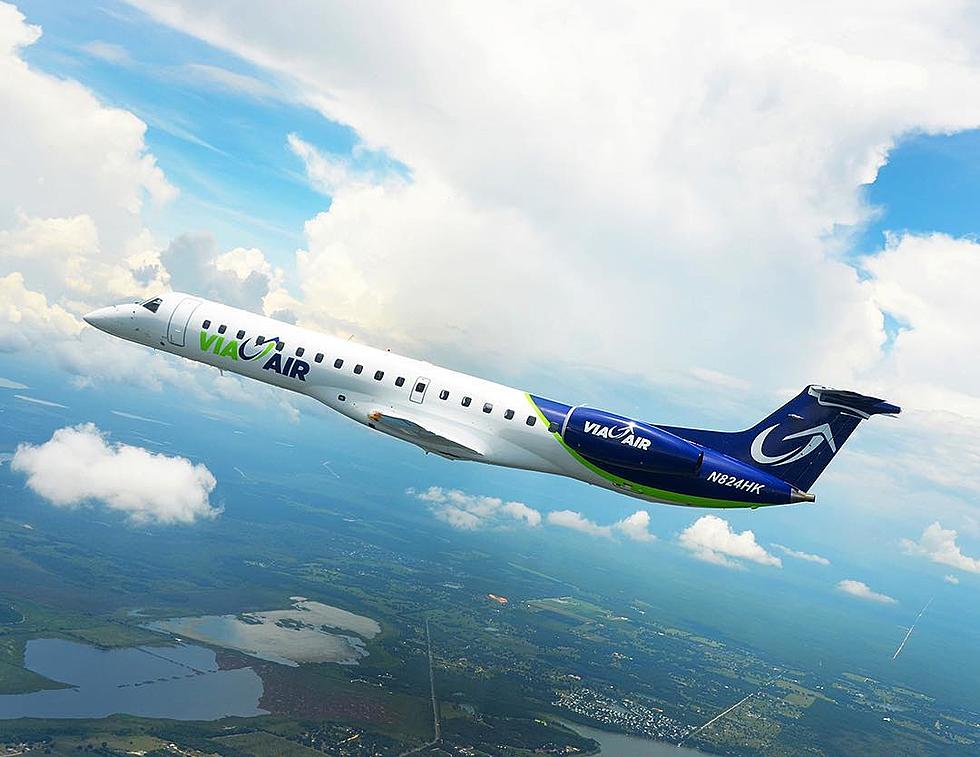


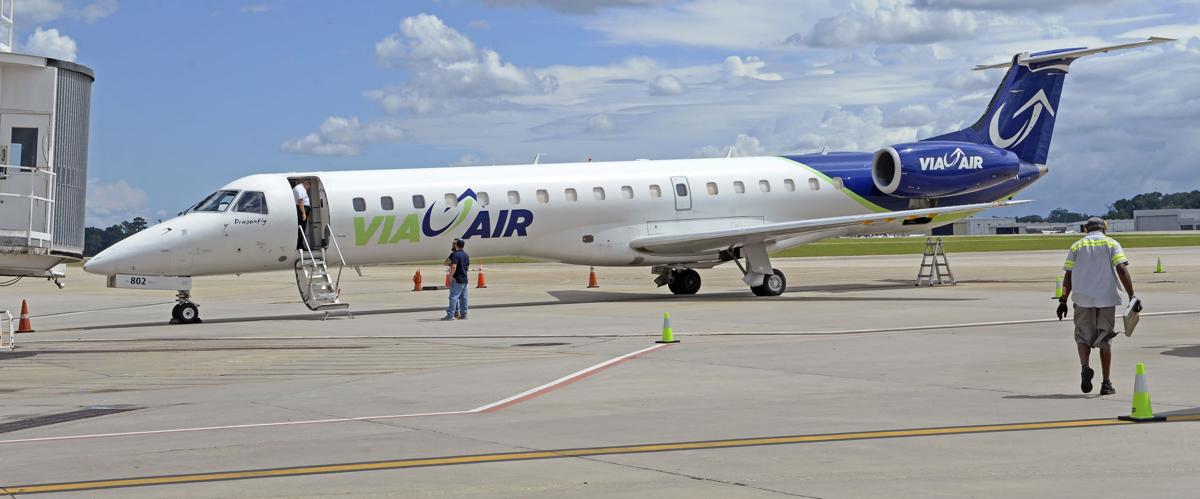








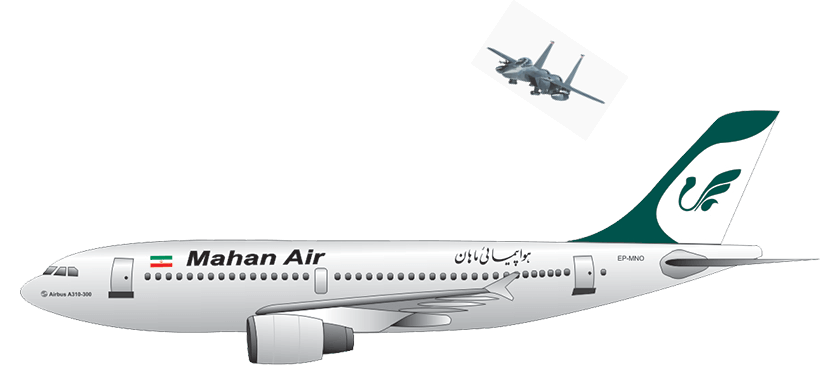


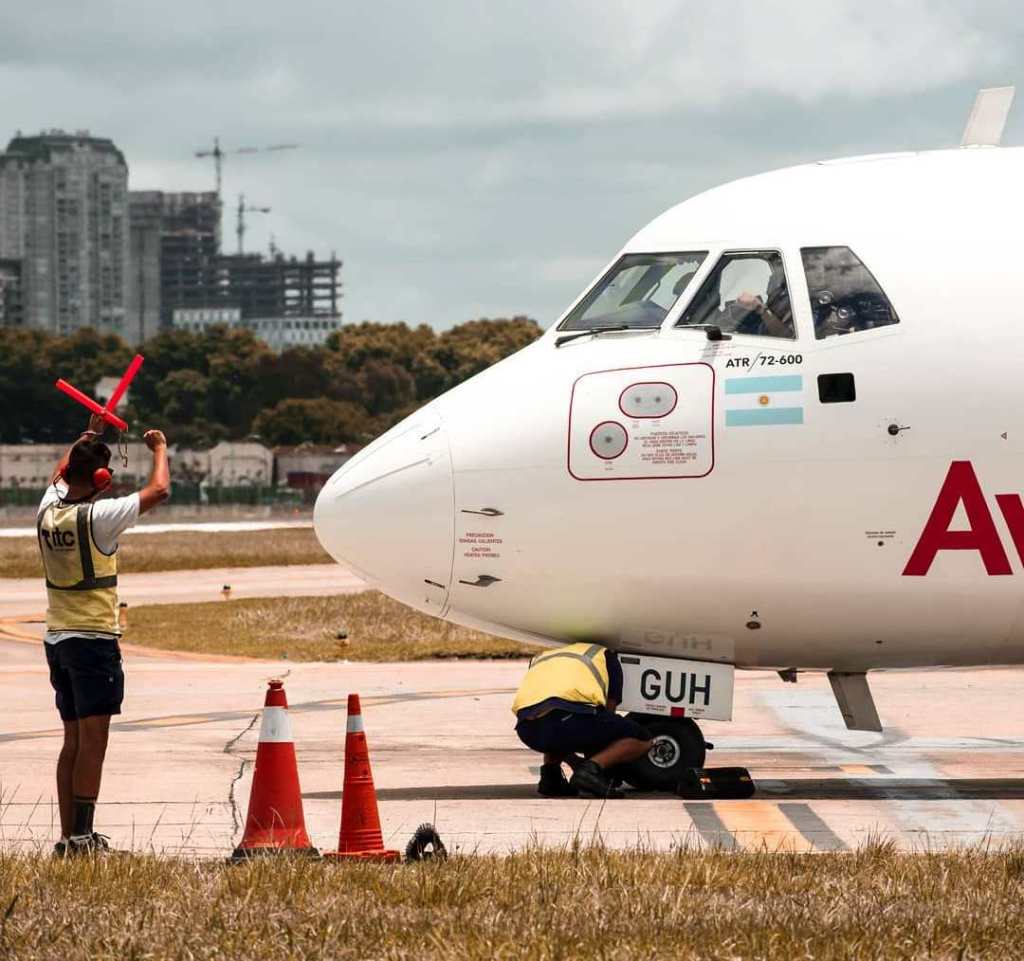

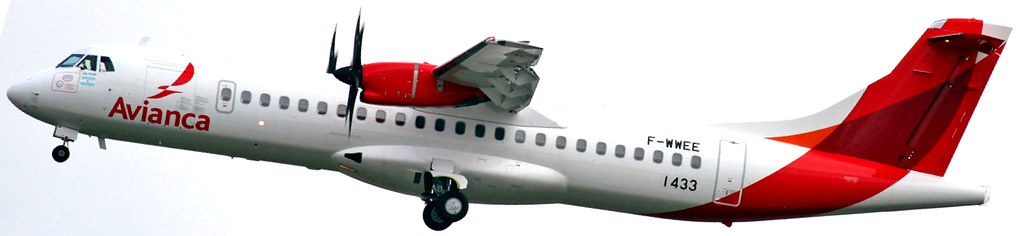
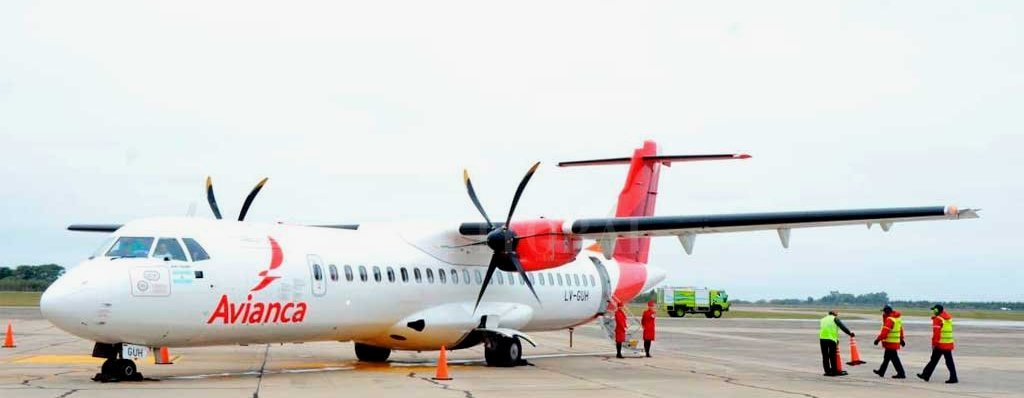

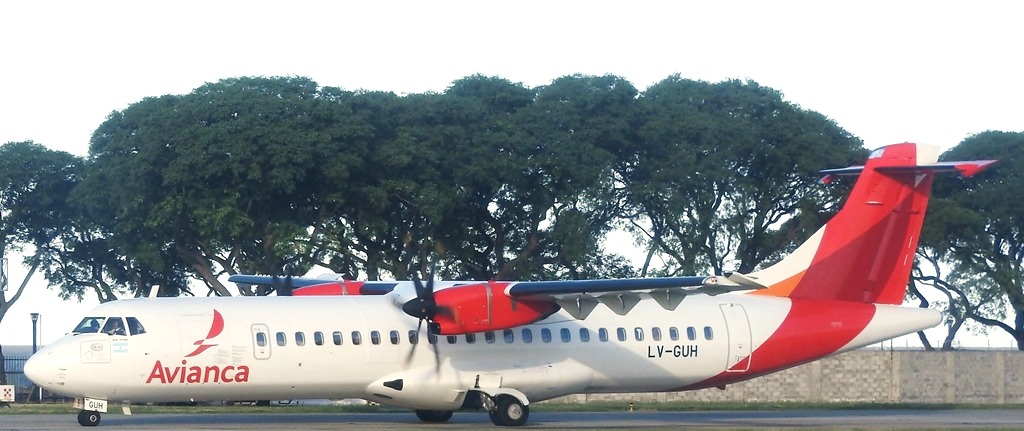
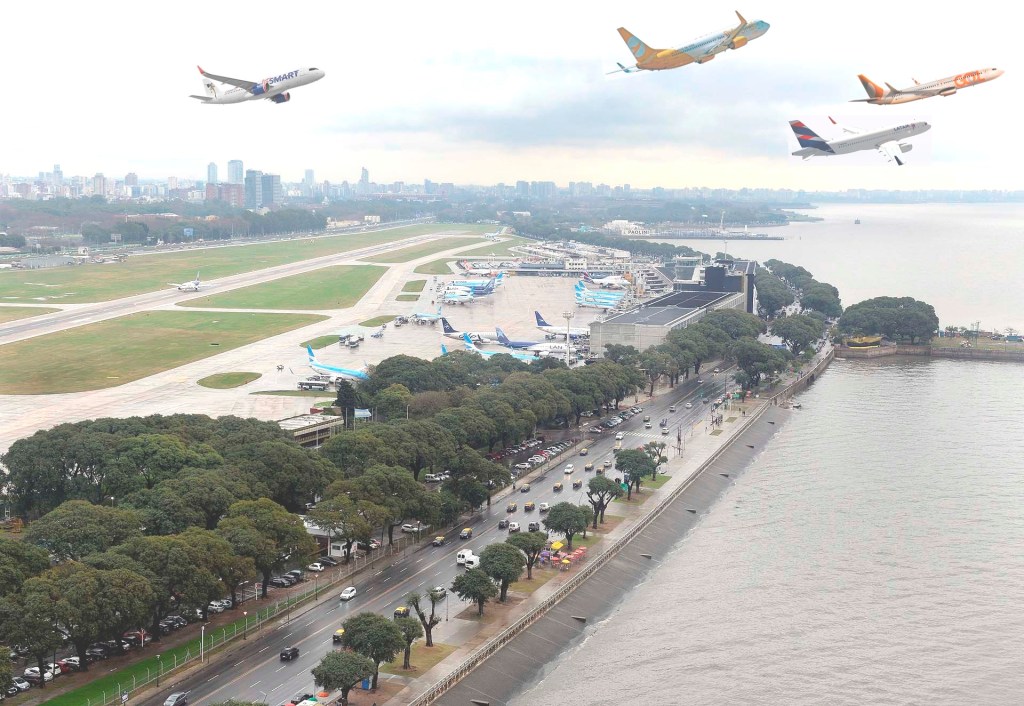
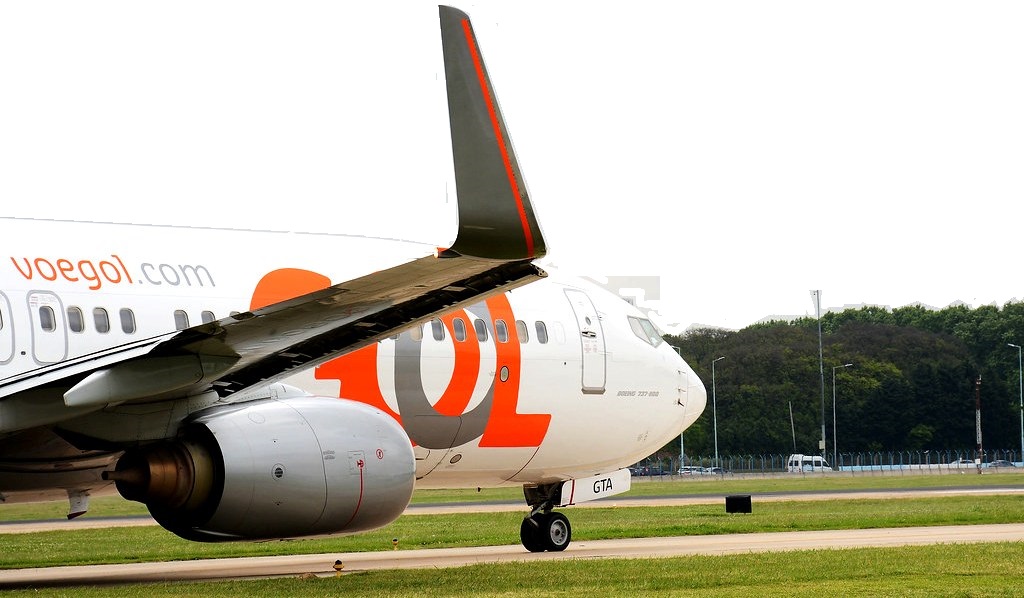
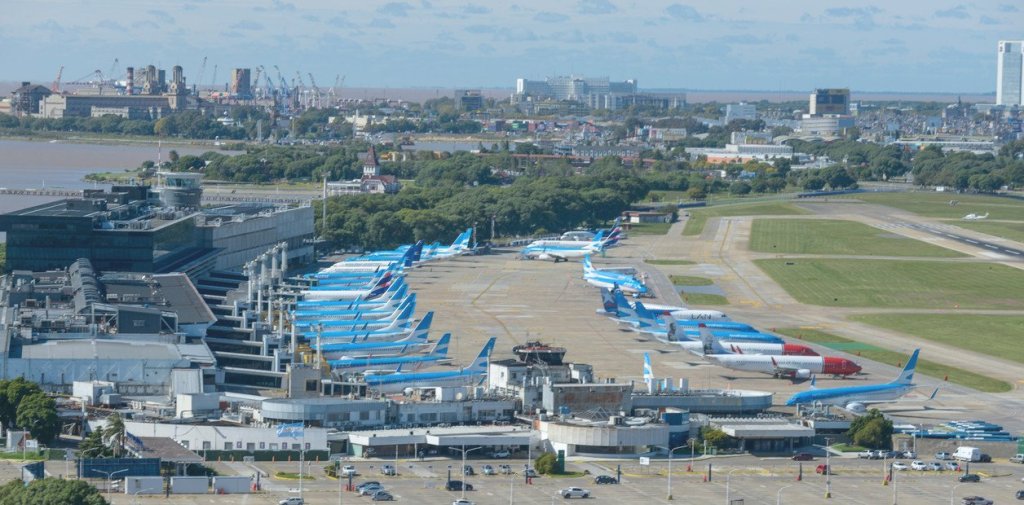
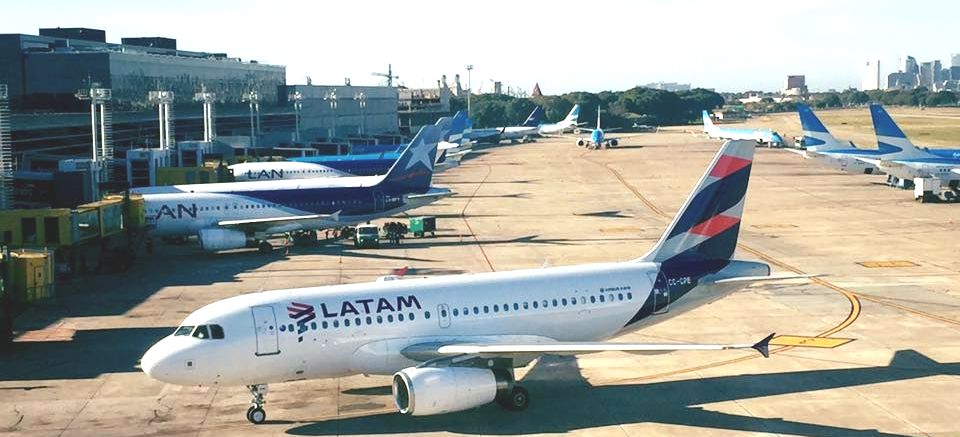

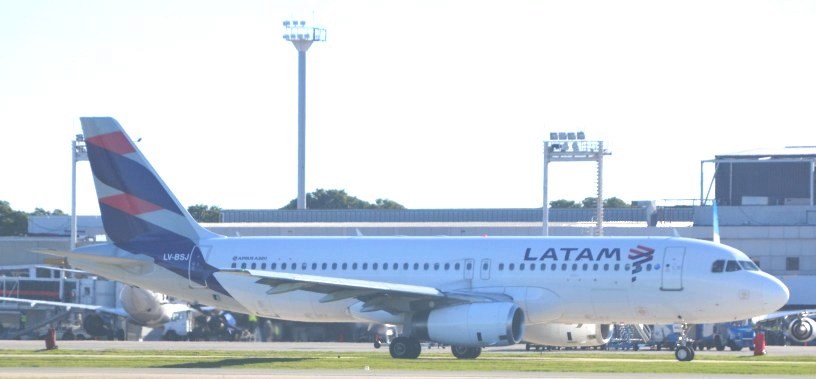

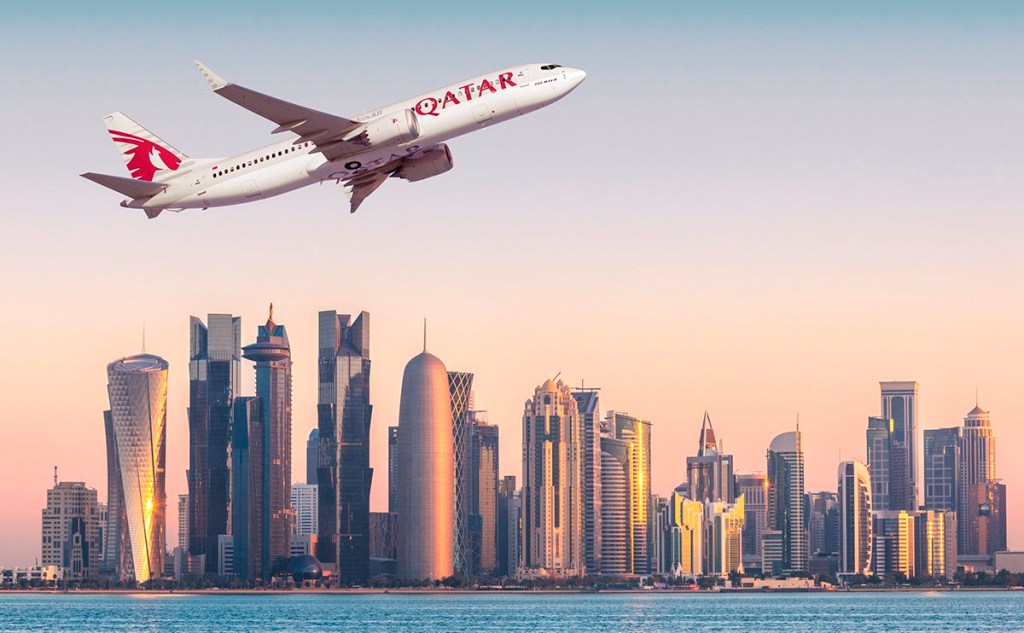

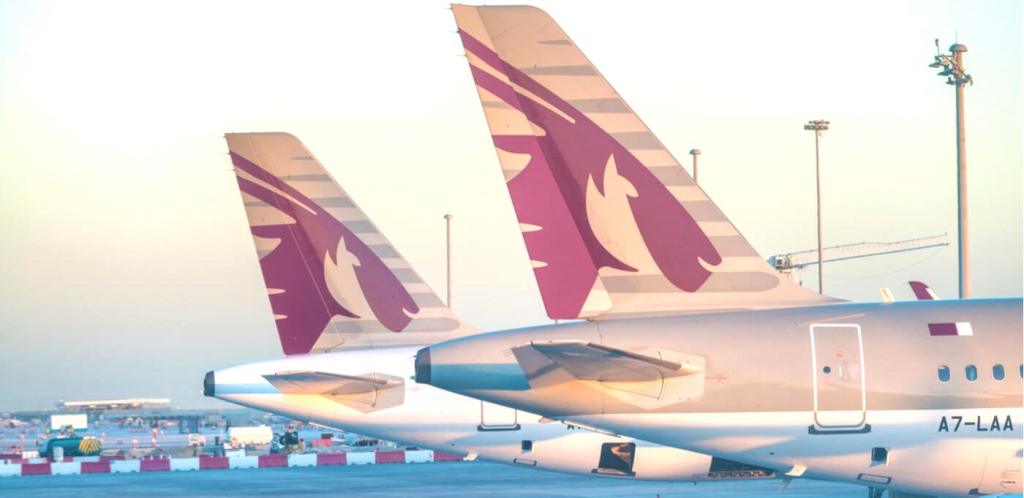
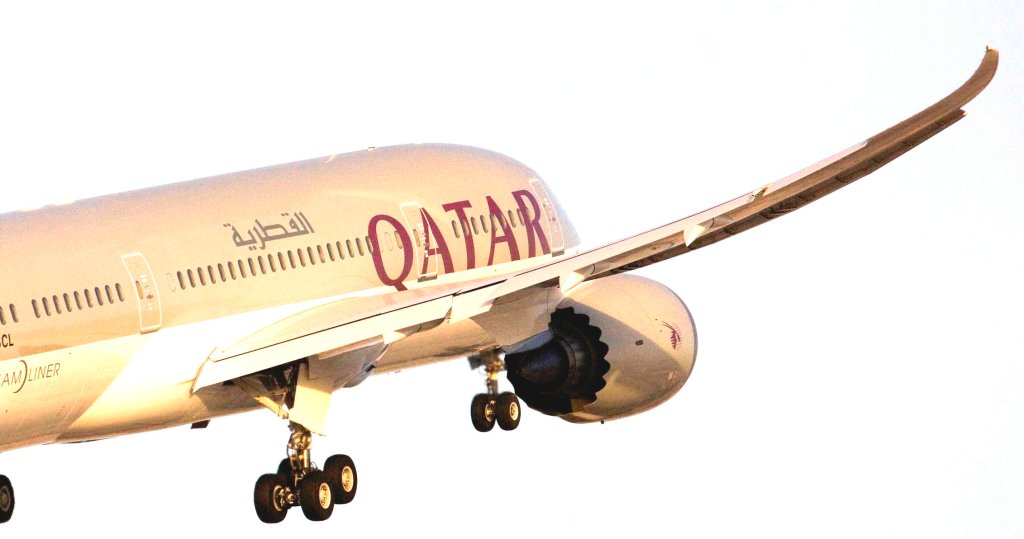


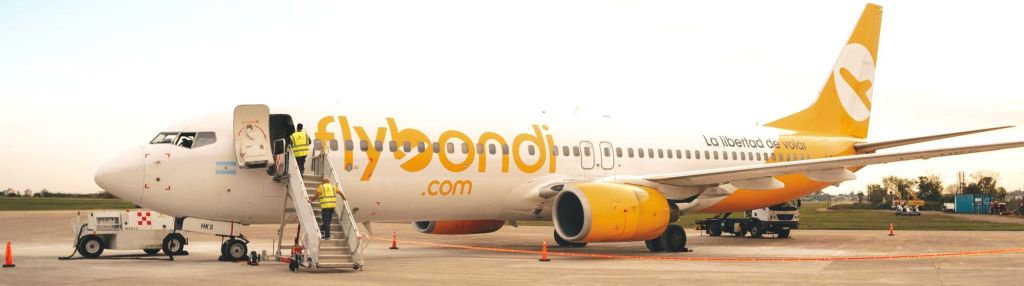





 airgways.com