Boeing perspectivas hacia el futuro

AW | 2022 01 04 12:44 | INDUSTRY

Boeing mira hacia la recuperación del mercado aerocomercial

Boeing_Isologotype

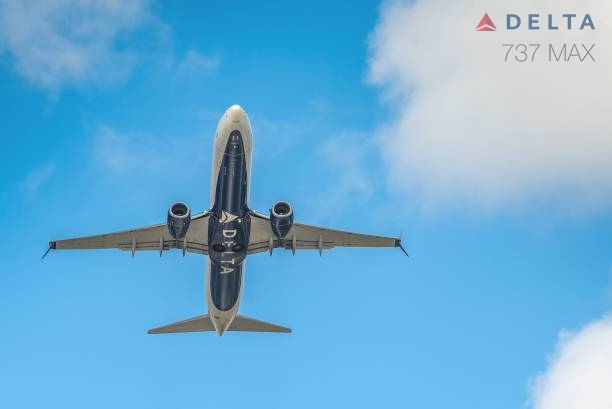
Después de casi tres años de crisis, con The Boeing Company todavía enfrentando inmensos desafíos, dos de los principales líderes de Boeing en entrevistas exclusivas expusieron su estrategia: agacharse, solucionar la letanía de problemas actuales y confiar en una renovación de la cultura de ingeniería de la compañía para restaurar la reputación manchada de Boeing. Con la esperanza de recuperación, los jefes de The Boeing Company miran hacia el futuro, desviando las preguntas sobre los accidentes del 737 MAX.

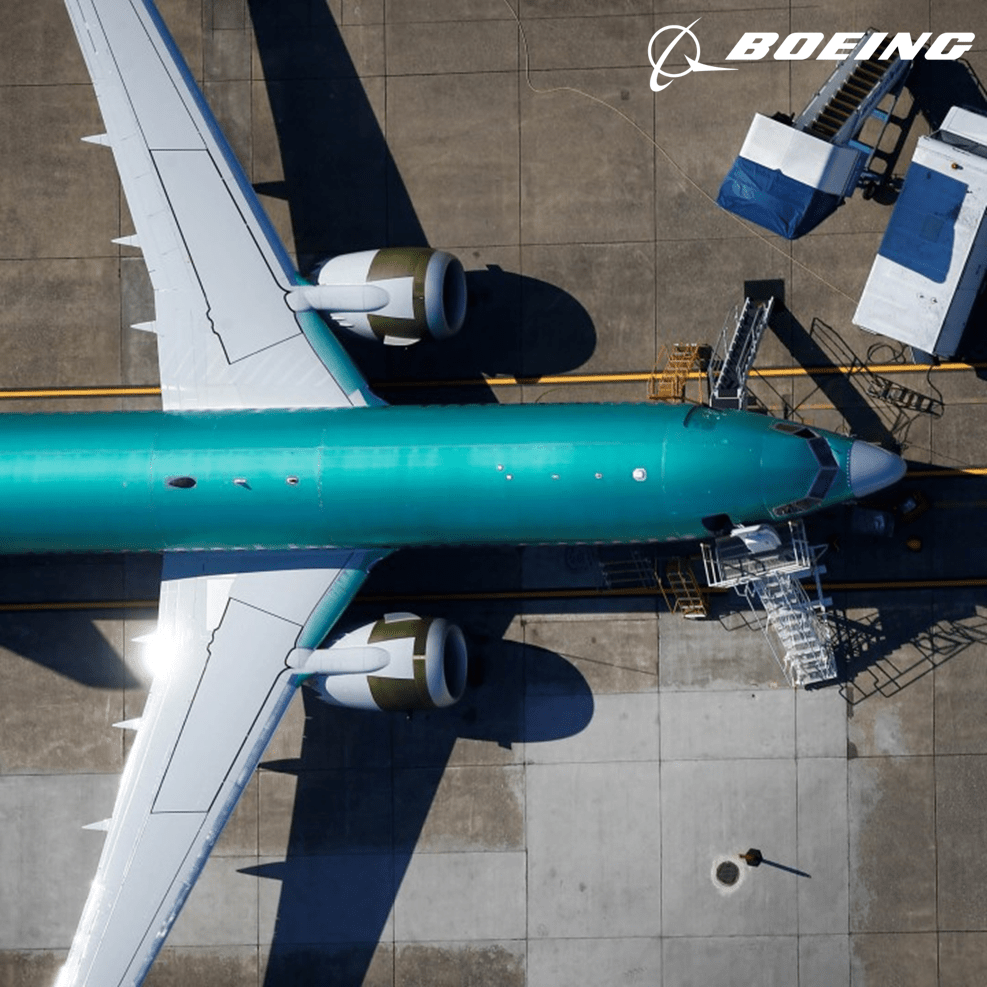
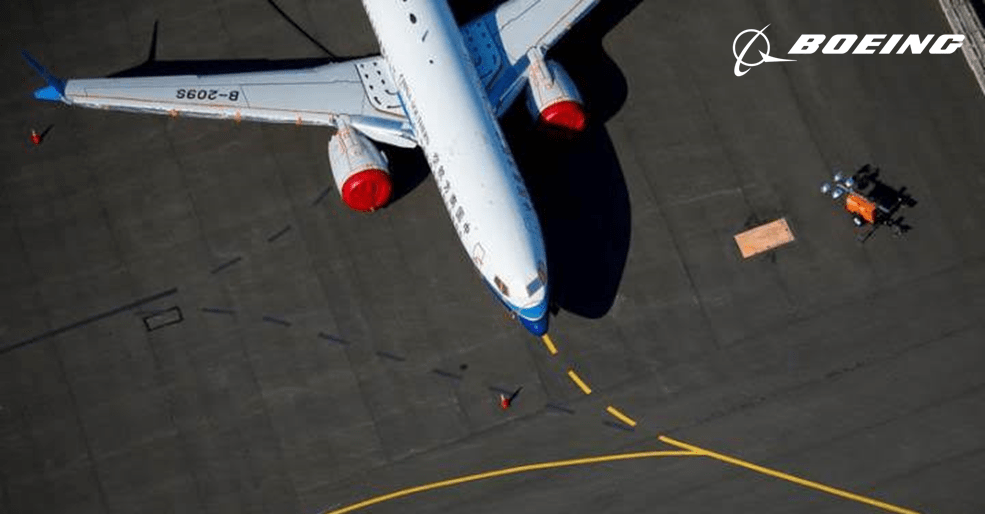
El CEO de Commercial Airplanes, Stan Deal, dijo que Boeing, a pesar de todos sus problemas actuales, está en una mejor posición que hace un año. «Vemos un camino mucho más claro» en 2022, dijo. El Ingeniero Jefe de Boeing, Greg Hyslop, dijo que la recuperación comienza con los 52.000 empleados de ingeniería de la compañía. «Vamos a liderar con excelencia en ingeniería», dijo. Ambos ejecutivos se desviaron o se negaron rotundamente a responder preguntas sobre los errores de diseño de ingeniería que llevaron a los dos accidentes fatales del 737 MAX que tanto han dañado la imagen de Boeing. Es un momento difícil para Boeing. La compañía está cargada con US$ 42 mil millones de deuda neta; los defectos de fabricación han detenido las entregas de su 787 Dreamliner; el 737 MAX está de vuelta en servicio, pero sus ventas están muy por detrás del avión de la competencia Airbus A320NEO.

En 2021, los acuerdos con el Gobierno de los Estados Unidos y las familias de las víctimas levantaron en gran medida las amenazas legales derivadas de los dos trágicos accidentes. Sin embargo, el daño a la reputación persiste. Un nuevo libro y dos importantes documentales que se emitirán en 2022 retratan un fuerte declive cultural en Boeing, mientras la pandemia sigue paralizando los viajes aéreos internacionales.

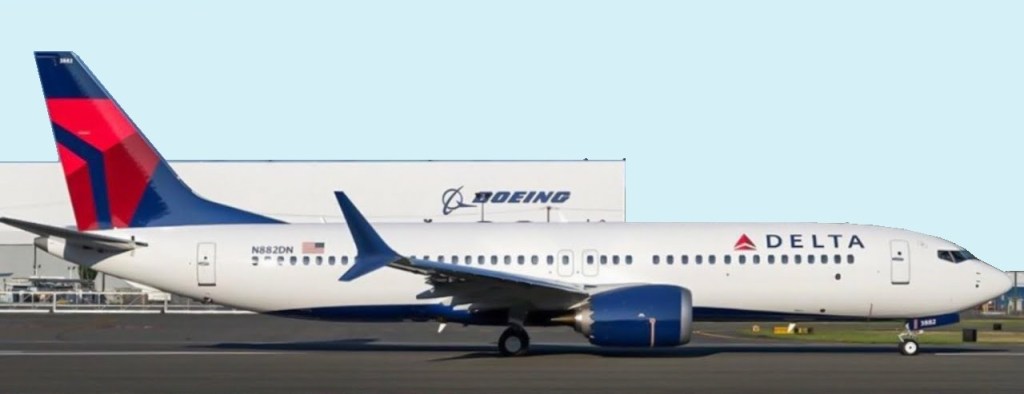
AW-Boeing 737 MAX_png (388)

Si bien Stan Deal profesó optimismo para el nuevo año, tuvo cuidado de no prometer demasiado, tal vez cauteloso de parecer dictar un calendario de recuperación que depende en gran medida de la aprobación de la Administración Federal de Aviación (FAA). Sentado dentro del centro de entrega de aviones en el Boeing Field de Seattle para su primera entrevista sustantiva desde que asumió el cargo de CEO hace más de dos años, Stan Deal desestimó la opinión entre algunos analistas de la industria de que el liderazgo de Boeing carece de la visión para sacarlo de su serie de tribulaciones. «Hay que reflexionar sobre lo que ha pasado. Aprende de ello. Ciertamente nos hemos dedicado a esa misión», dijo Stan Deal. Expresó que el regreso del Boeing 737 MAX al servicio en la mayoría de los países hizo de 2021 un año de estabilización que permitirá una mayor recuperación en 2022. Para cuando la FAA levantó la prolongada puesta a tierra del 737 MAX hace un año, Boeing había estacionado 450 aviones completos. Para octubre, la cartera de pedidos se redujo a 370 Boeing 737 MAX, y Stan Deal dijo que Boeing debería eliminar la mayor parte de la cartera de pedidos restante en 2022.

Después de deshacerse de 15.000 empleos en el Estado de Washington en 2020, y luego mantenerse aproximadamente nivelado en 2021, anticipa que Boeing contratará a varios miles de personas aquí este año. «El futuro tal como lo veo para Boeing es realmente muy brillante», dijo Stan Deal. Sin embargo, con la fuerza laboral local aún estresada por la incertidumbre sobre su futuro, Deal no ofreció ninguna garantía sobre cuándo y dónde se podría construir el próximo avión nuevo de Boeing.

Gerg Hyslop es el principal ejecutivo técnico del consejo de liderazgo de Boeing. Después de las tragedias de 737 MAX, fue elegido para restaurar la cultura de ingeniería de la compañía. Dijo que Boeing ha reorganizado su ingeniería para que los gerentes de negocios tengan menos influencia en las decisiones de seguridad y los ingenieros más autonomía. Sin embargo, se negó a abordar cómo el proceso de diseño de ingeniería no pudo señalar las fallas en el sistema de control de vuelo del MAX que llevaron a los accidentes que mataron a 346 personas en Indonesia y Etiopía. «Yo no estaba allí. No sé. No estaba en esa habitación. No voy a volver sobre el pasado. Pero diré esto: Todos llevamos eso con nosotros en gran medida».

Los expertos en aviación y los analistas financieros están preocupados por el futuro de Boeing y su posición competitiva frente a su único rival, Airbus. En una entrevista, Adam Pilarksi, Vicepresidente Senior de la Consultora de Aviación Avitas, dijo que el liderazgo superior de Boeing no ha proporcionado una visión de un camino a seguir. «Tienes que dejar que la comunidad de la aviación, tus proveedores, tus clientes, sepan a dónde vas», expresó la consultora de aviación. En contraste, los altos ejecutivos de su rival Airbus han exudado confianza y han presentado planes. En la categoría de aviones más pequeños, la vaca de efectivo de alto volumen del negocio de fabricación de aviones donde el 737 MAX de Boeing compite cara a cara con el Airbus A320NEO, el constructor europeo tiene una gran ventaja y está maniobrando para mantenerla. Mientras que Boeing espera obtener una producción de hasta 31 Boeing 737 MAX al mes a principios de 2022 y aumentar con cautela a partir de ahí, Airbus ya está construyendo 45 por mes del A320NEO de la competencia, y se está apegando a su objetivo de construir un 63 por mes sin precedentes hacia el 2023. «Sin dudas, es una batalla que Boeing ha perdido hace tiempo tras ser vacilante entre presentar un nuevo modelo o mejorar la línea 737, mientras que no ha presentado un proyecto verdadero para reemplazar al Boeing 757; y en los apuros la planificación ha sido desastrosa», expresó Airgways.

Los ejecutivos de Airbus han promocionado un futuro sostenible de los aviones impulsados por hidrógeno en la década de 2030. Si bien eso puede ser un espejismo técnico, Boeing simplemente no discutirá los planes sobre futuros diseños de aviones en medio de dudas de que tenga los medios financieros para lanzar uno en el futuro previsible. «Hablé con algunas instituciones financieras muy grandes y se mostraron muy escépticos sobre el éxito continuo de Boeing», dijo Adam Pilarski.

AW-A320neo_00122

Richard Aboulafia, Director General de la Consultora Aerodynamic Advisory, también percibe una «ausencia de liderazgo» en Boeing. Tras el colapso financiero y la ruptura de General Electric, Richard Aboulafia especula que la presión podría aumentar para monetizar los activos de defensa y espacio de Boeing dividiéndolos. Si bien tal reversión de la fusión de 1997 con McDonnell Douglas podría sonar atractiva para los empleados en la región de Puget Sound, potencialmente podría tener consecuencias muy negativas si la división de Aviones Comerciales se quedara con la mayor parte de la deuda. Richard Aboulafia también teme que los principales líderes de Boeing estén dispuestos a aceptar una grave pérdida de cuota de mercado en su fracaso en el lanzamiento de un avión para contrarrestar el Airbus A321NEO, el más grande de la familia A320NEO de aviones de fuselaje estrecho.

Con el 737 MAX de Boeing ahora reducido a una participación del 40% del mercado frente al A320NEO, Rob Stallard, analista aeroespacial de Vertical Research Partners, dijo a los inversores el mes pasado que Airbus está listo para una década de dominio en ese sector de aviones más pequeño. También el mes pasado, Ron Epstein, analista de Bank of America, escribió que «la fortaleza de ingeniería de Boeing y el gasto en I+D, ahora cerca de mínimos de 10 años, podrían representar un riesgo para la capacidad de Boeing para desarrollar» un nuevo avión.

Cultura de ingeniería renovada

Greg Hyslop insistió en que la reorganización del personal técnico de Boeing impulsada por las fallas de diseño que llevaron a los accidentes del MAX fortalecerá y elevará la ingeniería en la compañía. Todo el personal de ingeniería de Boeing ahora le reporta a través de los rangos técnicos, quitándole algo de control a los gerentes centrados en el lado comercial de la operación. Como dijo Stan Deal, este cambio se hizo «para que hubiera una línea clara de responsabilidad para la ingeniería. Y no hay riesgo de este desenfoque de negocios en relación con la excelencia técnica pura».

El desarrollo del Boeing 737 MAX por parte de Boeing fue criticado por permitir que los objetivos comerciales dejaran de lado las preocupaciones técnicas de seguridad, como la decisión que exigía solo una capacitación superficial para que los pilotos hicieran la transición del modelo 737 NG anterior al 737 MAX. Cada semana, Greg Hyslop y Stan Deal asisten a una reunión de seguridad de alto nivel con el CEO General de Boeing, Dave Calhoun, así como con los jefes de las divisiones de Defensa y Espacio y Servicios Globales y sus ingenieros jefes. Greg Hyslop dijo que ha comenzado una importante iniciativa interna que requiere que los ingenieros senior de toda la compañía escriban informes detallados de sus prácticas de diseño para garantizar que se cumplan estrictamente en el futuro. «Proporcionará un lugar donde las lecciones aprendidas se pueden incorporar rápidamente y luego se alimentará en futuros diseños», dijo Greg Hyslop.

Una lección clave tiene que ser cómo esos procesos de ingeniería pasaron por alto los defectos en el diseño del software de control de vuelo del Sistema de Aumento de Características de Maniobra en el 737 MAX, el más evidente de los cuales fue su dependencia de un solo sensor. Un mes después del segundo accidente del 737 MAX en Marzo de 2019, el ex CEO de Boeing, Dennis Muilenburg, insistió en que los ingenieros de Boeing que diseñaron el MCAS «siguieron exactamente los pasos en nuestros procesos de diseño y certificación que producen constantemente aviones seguros». Pero si Boeing ha establecido dónde exactamente el escrutinio de ingeniería de ese software falló, no está compartiendo la información. Cuando se le preguntó si algún ingeniero había sido responsabilizado por esa trágica falla, Greg Hyslop respondió «No voy a responder a esa pregunta» y el personal de relaciones públicas de Boeing intervino para cerrar esa línea de investigación. En un intercambio más abierto, Deal ofreció una justificación para no señalar a las personas con culpa: dijo que Boeing busca «crear una cultura justa, no una cultura punitiva».

Una «cultura justa», el estándar para las investigaciones de la Junta Nacional de Seguridad en el Transporte sobre accidentes aéreos, ya sean fatales o no, es un enfoque mediante el cual los investigadores intentan averiguar qué salió mal y solucionarlo para el futuro, sin culpar a ningún individuo por errores que no sean un comportamiento negligente o imprudente. La idea es alentar a los involucrados a presentarse y ser abiertos sobre lo que sucedió, en lugar de ocultar detalles de sus errores para protegerse. «Miras por qué se cometieron los errores, qué aprendizaje se puede quitar, y cómo traduces eso a tu ecosistema de diseño». Adam Pilarski de Avitas apunta a una motivación más egoísta. «No quieren admitir lo que salió mal en los accidentes del 737 MAX. Tienen mucha responsabilidad legal«, expresó el consultor.

Transformación digital

La cuestión de cuándo Boeing utilizará su renovada organización de ingeniería para diseñar un nuevo avión es crítica. La mayoría de los analistas ven lo que el analista de aviación Richard Aboulafia llama «un agujero enorme» en la línea de aviones de Boeing. El Airbus A321NEO es un gran avión de fuselaje estrecho con capacidad para más de 200 pasajeros y con el alcance para volar cómodamente rutas transatlánticas u otras rutas internacionales regionales. El Beoing 737 MAX más grande, el MAX 10, aún no está certificado y no puede igualar su rendimiento. Las ventas del A321NEO se han disparado a medida que las aerolíneas los compran para rutas que anteriormente volaban solo con aviones de fuselaje ancho más grandes y mucho más caros, como el Boeing 787 y el Airbus A330. El avión de Airbus ha creado esencialmente un segmento de aviones completamente nuevo por sí mismo, acumulando más de 4,000 pedidos a expensas de Boeing. En importantes deserciones de clientes en Diciembre 2021, tanto Qantas Airways de Australia como KLM Airlines de los Países Bajos dejaron pasar el 737 MAX y ordenaron al A320NEO/A321NEO que reemplazarán a sus flotas de línea Boeing 737 Next Generation. Para competir, la mayoría de los analistas piensan que Boeing necesita diseñar un avión completamente nuevo, un avión de fuselaje estrecho más grande que el 737 MAX y más pequeño que el 787. «La necesidad de hacer exactamente ese avión se está volviendo más clara cada día», dijo Richard Aboulafia. Boeing no está de acuerdo. Stan Deal, aunque admitió su decepción por esas pérdidas recientes, se declaró contento con el MAX 10. «No tengo prisa en este momento. Habrá un próximo avión nuevo. El cuándo, el cómo, el dónde, aún no han sido respondidos».

Tanto Richard Aboulafia como Greg Hyslop dijeron que su enfoque ahora no está en diseñar ese próximo avión nuevo, sino en perfeccionar la tecnología de modelado digital que Boeing planea usar para simular el diseño y la fabricación de futuros aviones antes de que se construyan las líneas de ensamblaje. Gerg Hyslop dijo que Boeing tiene la intención de «diseñar la fábrica al mismo nivel de rigor que diseñamos ese avión y construir los primeros 100 aviones en una simulación». Como admite Greg Deal, este no es el primer intento de Boeing de implementar el concepto, y el esfuerzo anterior no es alentador. En 2004, Boeing pregonó la misma ambición para el 787, prometiendo que no solo el avión sino todo el sistema de fabricación se crearía y probaría digitalmente antes de que fuera una realidad física. Sin embargo, el 787 no solo fue el programa de desarrollo de aviones más retrasado, problemático y financieramente desastroso en la historia de Boeing, sino que diez años después de su entrega inicial, los defectos de fabricación, pequeñas brechas en las principales uniones estructurales, han detenido todas las entregas, excepto unas pocas, durante los últimos catorce meses.

Perspectivas Boeing

AW-Boeing 737 MAX_png (44)

En una visión optimista de las perspectivas de Boeing para 2022, el Analista Financiero Seth Seifman de JP Morgan publicó su proyección de cuándo Boeing reanudará las entregas de 787 hasta el tercer trimestre, privándolo hasta entonces del efectivo que esos aviones deberían traer. En Octubre 2021, Boeing proyectó que el costo de todo el trabajo adicional para arreglar los defectos de calidad de fabricación del 787 sería de US$ 1 mil millones. Ese costo estimado seguirá creciendo mientras las entregas se detengan. Richard Aboulafia está asombrada ante la perspectiva de que la interrupción de la entrega del 787 se extienda potencialmente más allá de la primera mitad del nuevo año. «¿Qué está pasando aquí? ¿Y por qué no hay ningún tipo de explicación clara y nivelada? Es simplemente extraño», expresó Richard Aboulafia. Stan Deal se negó a decir cuándo en 2022 podrían reanudarse las entregas del 787. «No voy a apresurar a mi regulador», dijo, refiriéndose a la FAA, que está examinando de cerca las soluciones propuestas por Boeing para garantizar que cada avión cumpla con las especificaciones técnicas requeridas. La relación ahora desgastada de Boeing con la FAA está «mejorando, pero tenemos trabajo por hacer», agregó Stan Deal. Además de reanudar las entregas del 787 en algún momento de 2022, Deal anticipa aumentar la producción del 737 MAX y obtener la certificación de los modelos MAX 7 y MAX 10. También reveló que Boeing está diseñando actualmente una nueva versión de alto peso bruto del Dreamliner más grande, el 787-10, aumentando su carga útil y alcance para hacerlo más competitivo contra el Airbus A350-900.

El acuerdo también anticipa que el cambio inducido por la pandemia en las cadenas de suministro globales producirá otro año extraordinario de ventas de aviones de carga, el área de la aviación comercial donde Boeing todavía domina a Airbus. Tanto Richard Aboulafia como Greg Hyslop confirmaron que Boeing lanzará una versión de carga del gigante 777X, construido en Everett. Stan Deal dijo que la compañía contratará trabajadores en la región de Puget Sound este año por miles.

Con un mercado laboral que se volvió ajustado en la pandemia y con una dura competencia de contratación de Amazon, SpaceX y Blue Origin, Boeing actualmente tiene más de 5.000 vacantes de empleo en el estado, principalmente en calidad, fabricación e ingeniería. Para aumentar el personal nuevamente, Richard Aboulafia dijo que es mejor que Boeing cambie su libro de jugadas laborales de larga data de trabajar sin descanso para aplastar a los sindicatos y quitar los beneficios a los trabajadores. Sin embargo, aunque Boeing claramente tiene un largo camino por delante si quiere recuperarse, Aboulafia dijo que no es imposible. «Todavía tienen gente realmente buena. Lo único que se necesita es liderazgo. Todo lo demás está en su lugar. Sí, hay mucha esperanza. Requiere visión», concluye Richard Aboulafia.

Boeing outlook for the future

Boeing looks to recovery in commercial aviation market

AW-The Boeing Company_Isologotype (2)

After nearly three years of crisis, with The Boeing Company still facing immense challenges, two of Boeing’s top leaders in exclusive interviews laid out their strategy: duck down, fix today’s litany of problems, and rely on a renewal of the company’s engineering culture. the company to restore Boeing’s tainted reputation. Hoping for recovery, The Boeing Company bosses look to the future, deflecting questions about the 737 MAX crashes.

Boeing 737 MAX_Isologotype

Commercial Airplanes CEO Stan Deal said Boeing, despite all its current woes, is in a better position than it was a year ago. «We see a much clearer path» in 2022, he said. Boeing Chief Engineer Greg Hyslop said the recovery begins with the company’s 52,000 engineering employees. «We are going to lead with engineering excellence», he said. Both executives deviated or flatly refused to answer questions about the engineering design errors that led to the two fatal 737 MAX crashes that have so damaged Boeing’s image. This is a difficult time for Boeing. The company is burdened with US$ 42 billion of net debt; Manufacturing defects have stopped deliveries of your 787 Dreamliner; The 737 MAX is back in service, but its sales lag far behind competing Airbus A320NEO aircraft.

In 2021, agreements with the United States Government and the families of the victims largely lifted the legal threats stemming from the two tragic accidents. However, the reputational damage persists. A new book and two major documentaries to air in 2022 portray a sharp cultural decline at Boeing as the pandemic continues to cripple international air travel.

While Stan Deal professed optimism for the new year, he was careful not to overpromise, perhaps wary of seeming to dictate a recovery schedule that relies heavily on approval from the Federal Aviation Administration (FAA). Sitting inside the aircraft delivery center at Seattle’s Boeing Field for his first substantive interview since taking over as CEO more than two years ago, Stan Deal dismissed the view among some industry analysts that Boeing’s leadership lacks. of vision to bring him out of his series of tribulations. «You have to reflect on what happened. Learn from it. We have certainly dedicated ourselves to that mission», said Stan Deal. He said the return of the Boeing 737 MAX to service in most countries made 2021 a stabilization year that will allow for further recovery in 2022. By the time the FAA lifted the lengthy grounding of the 737 MAX a year ago, Boeing had parked 450 full planes. By October, the order book was down to 370 Boeing 737 MAXs, and Stan Deal said Boeing should phase out most of the remaining order book by 2022.

After shedding 15,000 jobs in Washington State in 2020, and then staying roughly level in 2021, he anticipates Boeing will hire several thousand people here this year. «The future as I see it for Boeing is really very bright», said Stan Deal. However, with the local workforce still stressed by uncertainty about his future, Deal offered no guarantees on when and where Boeing’s next new jet could be built.

Gerg Hyslop is the chief technical executive of Boeing’s leadership council. After the 737 MAX tragedies, he was chosen to restore the company’s engineering culture. He said Boeing has reorganized its engineering so that business managers have less influence on safety decisions and engineers have more autonomy. However, he declined to address how the engineering design process failed to pinpoint flaws in the MAX’s flight control system that led to the crashes that killed 346 people in Indonesia and Ethiopia. «I wasn’t there. I don’t know. I wasn’t in that room. I’m not going to go back over the past. But I’ll say this: We all carry that with us to a great extent».

Aviation experts and financial analysts are concerned about Boeing’s future and its competitive position against its only rival, Airbus. In an interview, Adam Pilarksi, Senior Vice President of Avitas Aviation Consulting, said Boeing’s senior leadership has not provided a vision of a way forward. «You have to let the aviation community, your suppliers, your customers, know where you are going», said the aviation consultant. In contrast, top executives at rival Airbus have exuded confidence and laid out plans. In the smaller aircraft category, the high-volume cash cow of the aircraft manufacturing business where Boeing’s 737 MAX competes head-to-head with the Airbus A320NEO, the European builder has a huge advantage and is maneuvering to maintain it. While Boeing expects to see production of up to 31 Boeing 737 MAXs per month in early 2022 and cautiously increase thereafter, Airbus is already building 45 per month of competing A320NEOs, sticking to its goal of building. an unprecedented 63 per month by 2023. «Undoubtedly, it is a battle that Boeing has long lost after being vacillating between introducing a new model or improving the 737 line, while it has not presented a real project to replace the Boeing 757; and in the rush the planning has been disastrous», expressed Airgways.

Airbus executives have touted a sustainable future for hydrogen-powered aircraft in the 2030s. While that may be a technical mirage, Boeing simply will not discuss plans for future aircraft designs amid doubts that it has the means. to launch one in the foreseeable future. «I spoke to some very large financial institutions and they were very skeptical of Boeing’s continued success», Adam Pilarski said.

AW-A320NEO_Isologotype_001

Richard Aboulafia, CEO of the Aerodynamic Advisory consultancy, also sees a «lack of leadership» at Boeing. Following the financial collapse and the breakup of General Electric, Richard Aboulafia speculates that pressure could mount to monetize Boeing’s defense and space assets by splitting them up. While such a reversal of the 1997 McDonnell Douglas merger might sound attractive to employees in the Puget Sound region, it could potentially have very negative consequences if the Commercial Aircraft division were to keep most of the debt. Richard Aboulafia also fears that Boeing’s top leaders are willing to accept a serious loss of market share in their failure to launch an aircraft to counter the Airbus A321NEO, the largest in the A320NEO family of narrow-body aircraft.

With Boeing’s 737 MAX now reduced to a 40% market share versus the A320NEO, Rob Stallard, an aerospace analyst at Vertical Research Partners, told investors last month that Airbus is poised for a decade of dominance in that sector. smaller aircraft. Also last month, Ron Epstein, an analyst at Bank of America, wrote that «Boeing’s engineering strength and R&D spending, now near 10-year lows, could pose a risk to Boeing’s ability to develop» a new plane.

Renewed engineering culture

Greg Hyslop insisted that the reorganization of Boeing’s technical staff driven by design flaws that led to the MAX crashes will strengthen and elevate engineering at the company. All of Boeing’s engineering staff now report through the technical ranks, taking some control away from managers focused on the business side of the operation. As Stan Deal said, this change was made «so that there would be a clear line of responsibility for engineering. And there is no risk of this business blurring in relation to pure technical excellence».

Boeing’s development of the Boeing 737 MAX was criticized for allowing business goals to sidestep technical safety concerns, such as the decision requiring only cursory training for pilots to transition from the pre-737 NG model to the 737. MAX. Each week, Greg Hyslop and Stan Deal attend a high-level security meeting with Boeing CEO Dave Calhoun, as well as the heads of the Defense and Space and Global Services divisions and their chief engineers. Greg Hyslop said he has started a major internal initiative that requires senior engineers from across the company to write detailed reports of their design practices to ensure they are strictly adhered to in the future. «It will provide a place where lessons learned can be quickly incorporated and then fed into future designs», said Greg Hyslop.

A key lesson has to be how those engineering processes overlooked the flaws in the flight control software design of the Maneuvering Characteristics Augmentation System in the 737 MAX, the most glaring of which was its reliance on a single sensor. A month after the second 737 MAX accident in March 2019, former Boeing CEO Dennis Muilenburg insisted that the Boeing engineers who designed MCAS «followed exactly the steps in our design and certification processes that consistently produce aircraft. insurance». But if Boeing has established where exactly the engineering scrutiny of that software failed, it is not sharing the information. When asked if any engineers had been held responsible for that tragic flaw, Greg Hyslop replied, «I’m not going to answer that question», and Boeing’s public relations staff stepped in to close down that line of investigation. In a more open exchange, Deal offered a justification for not holding people at fault: He said Boeing seeks to «create a just culture, not a punitive culture».

A «fair culture», the standard for the National Transportation Safety Board’s investigations into air crashes, whether fatal or not, is an approach by which investigators try to figure out what went wrong and fix it for the future, without blaming any individual for mistakes other than negligent or reckless behavior. The idea is to encourage those involved to come forward and be open about what happened, rather than hiding details of their mistakes to protect themselves. «You look at why the mistakes were made, what learning can be taken away, and how do you translate that into your design ecosystem». Avitas’ Adam Pilarski points to a more selfish motivation. «They don’t want to admit what went wrong» in the 737 MAX crashes. They have a lot of legal responsibility», said the consultant.

Digital transformation

AW-Boeing 787_0004

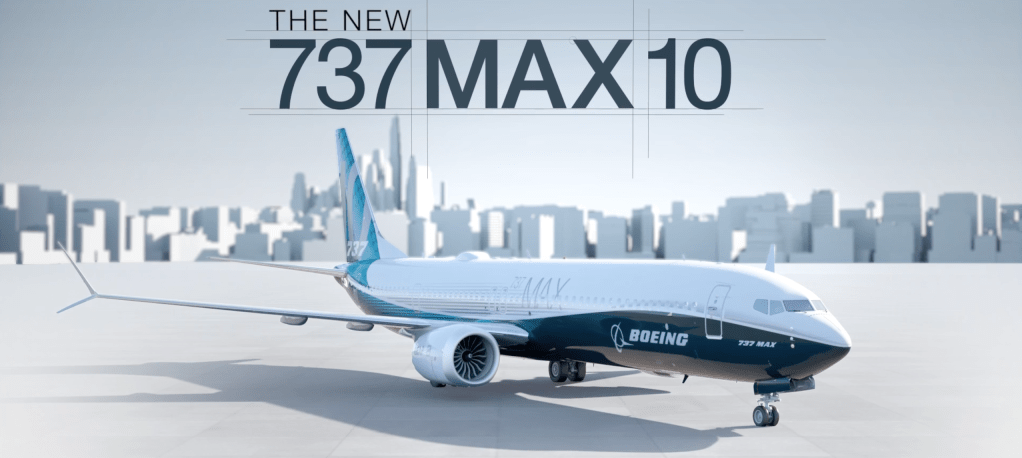
The question of when Boeing will use its revamped engineering organization to design a new aircraft is critical. Most analysts see what aviation analyst Aboulafia calls «a huge hole» in Boeing’s line of jets. The Airbus A321NEO is a large narrow-body aircraft with the capacity for more than 200 passengers and with the range to comfortably fly transatlantic routes or other regional international routes. The largest Beoing 737 MAX, the MAX 10, is not yet certified and cannot match its performance. Sales of the A321NEO have exploded as airlines purchase them for routes that previously flew only larger and much more expensive wide-body aircraft such as the Boeing 787 and Airbus A330. The Airbus jet has essentially created an entirely new aircraft segment of its own, racking up more than 4,000 orders at Boeing’s expense. In major customer defections in December 2021, both Qantas Airways of Australia and KLM Airlines of the Netherlands let the 737 MAX pass and ordered the A320NEO/A321NEO to replace their Boeing 737 Next Generation line fleets. To compete, most analysts think Boeing needs to design an entirely new aircraft, a narrow-body aircraft larger than the 737 MAX and smaller than the 787. «The need to make exactly that plane is becoming clearer every day», said Richard Aboulafia. Boeing disagrees. Stan Deal, while admitting his disappointment over recent losses, said he was happy with the MAX 10. «I’m not in a rush right now. There will be a new next plane. The when, how, where, have yet to be answered».

Both Richard Aboulafia and Greg Hyslop said their focus now is not on designing that next new aircraft, but on perfecting the digital modeling technology that Boeing plans to use to simulate the design and manufacture of future aircraft before the lines are built. assembly. Gerg Hyslop said Boeing intends to «design the factory to the same level of rigor that we designed that aircraft and build the first 100 aircraft in a simulation». As Greg Deal admits, this is not Boeing’s first attempt to implement the concept, and the previous effort is not encouraging. In 2004, Boeing trumpeted the same ambition for the 787, promising that not just the aircraft but the entire manufacturing system would be created and digitally tested before it became a physical reality. However, the 787 was not only the most delayed, troubled and financially disastrous aircraft development program in Boeing history, but ten years after its initial delivery, manufacturing defects, small gaps in major structural joints, they have stopped all but a few deliveries for the past fourteen months.

Boeing outlook

In an optimistic view of Boeing’s prospects for 2022, JP Morgan Financial Analyst Seth Seifman released his projection of when Boeing will resume 787 deliveries through the third quarter, depriving it until then of the cash those planes should bring in. In October 2021, Boeing projected that the cost of all additional work to fix the 787’s build quality defects would be US$ 1 billion. That estimated cost will continue to grow as long as deliveries stop. Richard Aboulafia is in awe at the prospect of the 787 delivery disruption potentially extending beyond the first half of the new year. «What’s going on here? And why isn’t there any kind of clear and level explanation? It’s just weird», said Richard Aboulafia. Stan Deal declined to say when deliveries of the 787 could resume in 2022. «I’m not rushing my regulator», he said, referring to the FAA, which is closely examining Boeing’s proposed solutions to ensure every aircraft is compliant. the required technical specifications. Boeing’s now-worn relationship with the FAA is «improving, but we have work to do», Stan Deal added. In addition to resuming deliveries of the 787 sometime in 2022, Deal anticipates increasing production of the 737 MAX and obtaining certification for the MAX 7 and MAX 10 models. He also revealed that Boeing is currently designing a new high-gross-weight version of the Dreamliner. larger, the 787-10, increasing its payload and range to make it more competitive against the Airbus A350-900.

The deal also anticipates that pandemic-induced change in global supply chains will produce another extraordinary year of cargo jet sales, the area of ​​commercial aviation where Boeing still dominates Airbus. Both Richard Aboulafia and Greg Hyslop confirmed that Boeing will launch a cargo version of the giant 777X, built at Everett. Stan Deal said the company will hire workers in the Puget Sound region this year by the thousands.

With a job market turned tight in the pandemic and stiff hiring competition from Amazon, SpaceX and Blue Origin, Boeing currently has more than 5,000 job openings in the state, primarily in quality, manufacturing and engineering. To increase staffing again, Richard Aboulafia said Boeing had better change its long-standing labor playbook from working tirelessly to crush unions and take benefits from workers. However, while Boeing clearly has a long way to go if it wants to recover, Aboulafia said it is not impossible. «They still have really good people. The only thing that is needed is leadership. Everything else is in place. Yes, there is a lot of hope. It requires vision», concludes Richard Aboulafia.

AW-Boeing 737 MAX_png (66)

PUBLISHER: Airgways.com
DBk: Boeing.com / Verticalresearchpartners.com / Aerodynamicadvisory.com / Avitas.com / Airgways.com
AW-POST: 202201041244AR

A\W   A I R G W A Y S ®
Airbus lidera entregas 2021

AW | 2022 01 04 11:37 | INDUSTRY

Airbus supera objetivo 610 entregas en 2021

Airbus_Isologotype_svg

Airbus Group ha superado su objetivo de entrega de 600 aviones para 2021, según personas familiarizadas con el asunto, reteniendo el título de mayor fabricante de aviones del mundo por tercer año consecutivo. El fabricante europeo entregó unos 610 aviones, dijeron las personas, que pidieron no ser identificadas antes de que se anunciaran las cifras anuales. El recuento final podría variar en unos pocos aviones, dijeron las personas.

Un portavoz de Airbus declinó hacer comentarios antes de la publicación de los totales auditados la próxima semana. La lucha anual para cumplir con su objetivo de fin de año tuvo mayores apuestas que nunca este año, ya que Airbus buscó sacudirse la crisis de Covid-19 y recuperar su cadena de suministro para tasas de producción más altas en los próximos años. Los resultados también subrayan el grado en que Airbus amplió su ventaja sobre The Boeing Company. durante la pandemia.

Hasta Noviembre 2021, el fabricante estadounidense había entregado solo 302 aviones mientras lidiaba con problemas de producción en el 787 Dreamliner. Airbus también parece probable que supere a su rival estadounidense en pedidos, con una bonanza de ventas de fin de año que barre una ventaja construida por Boeing a principios del período con el regreso de su 737 MAX después de una puesta a tierra de casi dos años.

Proveedores, problemas del A350

El impulso de Airbus para entregar aviones se había visto obstaculizado por retrasos con algunos A350 de doble pasillo completados, pero la compañía logró superar estos problemas para sacar los aviones de la puerta en los últimos días del año. Los proveedores también han tenido problemas para elevar la producción de piezas, y algunas aerolíneas se han mostrado reacias a tomar aviones. Pero Airbus tiene tanta demanda de su familia A320 de pasillo único que pudo presionar a los clientes para que mantuvieran sus compromisos o arriesgarse a perder los espacios de entrega disponibles.

Entregas de Boeing

The Boeing Company ganó por última vez la batalla de entrega en 2018. El Boeing 737 MAX fue puesto en tierra en todo el mundo a principios del año siguiente después de dos accidentes aéreos. Las ventas y entregas del avión más vendido del fabricante de aviones con sede en Chicago se congelaron durante la mayor parte de dos años, y los clientes cancelaron cientos de pedidos a medida que el Covid-19 debilitaba sus finanzas. La producción del Boeing 737 MAX ganó ritmo a lo largo de 2021, pero otros problemas de calidad continuos con su Boeing 787 Dreamliner han seguido obstaculizando las entregas. Si bien un regreso de las ventas impulsado por la demanda reprimida del 737 MAX elevó a Boeing a una ventaja de pedidos durante la mayor parte de 2021, Airbus también logró borrar esa ventaja. Según un cálculo de Bloomberg de las ventas anunciadas, Airbus superó a su rival estadounidense en unos 58 pedidos en 2021.

Airbus leads 2021 deliveries

Airbus exceeds target of 610 deliveries in 2021

AW-Airbus__Isologotype_benner

Airbus Group has surpassed its delivery target of 600 aircraft by 2021, according to people familiar with the matter, retaining the title of the world’s largest aircraft manufacturer for the third year in a row. The European manufacturer delivered about 610 planes, said the people, who asked not to be identified before the annual figures were announced. The final count could vary on a few planes, the people said.

An Airbus spokesman declined to comment before the audited totals were released next week. The annual fight to meet its year-end goal took higher stakes than ever this year, as Airbus sought to shake off the Covid-19 crisis and regain its supply chain for higher production rates in the coming years. The results also underscore the extent to which Airbus expanded its lead over The Boeing Company. during the pandemic.

As of November 2021, the American manufacturer had delivered just 302 aircraft as it grappled with production issues on the 787 Dreamliner. Airbus also looks likely to overtake its US rival in orders, with a year-end sales bonanza sweeping away a lead built by Boeing earlier in the period with the return of its 737 MAX after a nearly two-year grounding.

Suppliers, A350 problems

AW-Airbus A350_Assembly line (4)

Airbus’ drive to deliver planes had been hampered by delays with some twin-aisle A350s completed, but the company managed to overcome these problems to get the planes out of the gate in the latter days of the year. Suppliers have also struggled to boost parts production, and some airlines have been reluctant to take planes. But Airbus is in such high demand for its single-aisle A320 Family that it was able to pressure customers to keep their commitments or risk losing available delivery spaces.

Boeing deliveries

The Boeing Company last won the delivery battle in 2018. The Boeing 737 MAX was grounded around the world early the following year after two plane crashes. Sales and deliveries of the Chicago-based aircraft maker’s best-selling jet were frozen for the better part of two years, with customers canceling hundreds of orders as Covid-19 weakened their finances. Production of the Boeing 737 MAX picked up pace throughout 2021, but other ongoing quality issues with its Boeing 787 Dreamliner have continued to hamper deliveries. While a return in sales fueled by pent-up demand for the 737 MAX lifted Boeing to an ordering advantage for most of 2021, Airbus also managed to erase that advantage. According to a Bloomberg calculation of announced sales, Airbus surpassed its US rival by about 58 orders in 2021.

PUBLISHER: Airgways.com
DBk: Airbus.com / Bloomberg.com / Airgways.com
AW-POST: 202201041137AR

A\W   A I R G W A Y S ®
Nueva filial Airbus Atlantic

AW | 2022 01 03 16:33 | INDUSTRY

Nace nuevo actor global de aeroestructuras

Airbus_Group_Logo_2014.svg - copia

AW-A320NEO_004

Airbus Group ha anunciado oficialmente este 3 de Enero de 2022 el lanzamiento de su nueva filial denominada Airbus Atlantic. Airbus Atlantic será un elemento esencial en la cadena de valor del grupo y jugará un papel clave en la cadena de suministro de aeroestructuras. Reuniendo dos de sus sitios de producción de piezas clave y su negocio de asientos de propiedad total Stelia Aerospace, Airbus Atlantic se impulsa inmediatamente a la segunda compañía de aeroestructuras más grande del mundo, y es el mayor productor de asientos de piloto. La filial se estableció oficialmente el 1 de Enero de 2022, y se ha convertido instantáneamente en el número dos del mundo para aeroestructuras y el número uno para asientos de piloto. La consolidación en esta nueva filial reúne tres sedes en la Región del Loira, Francia: Airbus en Montoir—Saint-Nazaire, el sitio de Stelia Aerospace, también en Saint-Nazaire, y Nantes. Stelia Aerospace tiene puntos de apoyo en muchos otros países, llevando el alcance total de Airbus Atlantic a cinco países en tres continentes.

Cédric Gautier, el nuevo CEO de Airbus Atlantic y el ex-CEO de Stelia Aerospace, comentó sobre el lanzamiento de la filial diciendo: «En el corazón de Airbus, Airbus Atlantic tiene como objetivo hacer frente a los grandes desafíos vinculados a una industria de la aviación sostenible, pionera en nuevas tecnologías. Nuestra primera misión será garantizar la satisfacción de todos nuestros clientes y establecer nuevos estándares de excelencia en términos de calidad y eficiencia operativa. Confío plenamente en el talento, el entusiasmo y el compromiso de los equipos de Airbus Atlantic para escribir este nuevo capítulo de nuestra historia con éxito».

Airbus anunció en Abril 2021 un proyecto interno denominado «Reshape». Este proyecto busca presentar dos nuevas filiales para la familia Airbus, una en Francia y otra en Alemania. El objetivo es aunar las actividades de aeroestructuras de la firma y los trabajos que se realizan antes de la línea de montaje final para reforzar su posición. El nombre de Airbus Atlantic había sido elegido, con la contribución de los empleados en los tres sitios de Loire-Atlantique, cuando se hizo el anuncio. Sin embargo, el nombre de la filial alemana todavía permanece en el anonimato. Esta unificación se enmarca dentro del proyecto de transformación anunciado en abril de 2021, cuyo objetivo es fortalecer la cadena de valor del montaje de aeroestructuras dentro de la configuración industrial de Airbus, siendo esta actividad considerada como core business. Marca la intención de ganar competitividad, innovación y calidad en beneficio de los programas de Airbus actuales y futuros.

Mientras Airbus Atlantic vincula los sitios de producción de piezas de Airbus con Stelia Aerospace, otra firma de Airbus de propiedad total, Premium Aerotec, participará en la consolidación alemana. La factoría francesa fue más fácil procesar, especialmente porque es probable que la mudanza genere fuentes de empleos en alrededor de 500 trabajadores. Sin embargo, en Alemania, a los trabajadores les preocupa que la racionalización de las operaciones pueda resultar en la pérdida de empleos. El fabricante de aviones ha estado en desacuerdo con los sindicatos de trabajadores durante meses, culminando en una huelga de 14.000 empleados en toda Alemania a principios de diciembre. Sin embargo, el movimiento se considera fundamental para que Airbus garantice una operación fluida y rentable en el futuro. Se espera que el nombre y la formación de la filial alemana se anuncien dentro de los primeros seis meses del 2022. Airbus Atlantic emplea actualmente alrededor de 13.000 empleados y tiene un volumen de negocio estimado de unos € 3.500 millones de Euros/US$ 4.000 millones de Dólares. El movimiento para consolidarse de esta manera tiene como objetivo fortalecer la cadena de valor del ensamblaje de aeroestructuras dentro de la configuración industrial de Airbus.

New subsidiary Airbus Atlantic

La imagen tiene un atributo ALT vacío; su nombre de archivo es aa-airbus-saint-nazaire_0002.jpg

A new global aerostructures player is born

Airbus Group has officially announced this January 3, 2022 the launch of its new subsidiary called Airbus Atlantic. Airbus Atlantic will be an essential element in the group’s value chain and will play a key role in the aerostructures supply chain. By bringing together two of its key parts production sites and its wholly owned Stelia Aerospace seating business, Airbus Atlantic immediately propels itself to the second largest aerostructures company in the world, and is the largest producer of pilot seats. The subsidiary was officially established on January 1, 2022, and has instantly become number two in the world for aerostructures and number one for pilot seats. The consolidation into this new subsidiary brings together three locations in the Loire Region, France: Airbus in Montoir-Saint-Nazaire, the Stelia Aerospace site, also in Saint-Nazaire, and Nantes. Stelia Aerospace has footholds in many other countries, bringing Airbus Atlantic’s full reach to five countries on three continents.

Cédric Gautier, the new CEO of Airbus Atlantic and the former CEO of Stelia Aerospace, commented on the launch of the subsidiary saying: «At the heart of Airbus, Airbus Atlantic aims to address the great challenges linked to an industry of sustainable aviation, a pioneer in new technologies. Our first mission will be to guarantee the satisfaction of all our customers and to set new standards of excellence in terms of quality and operational efficiency. I fully trust the talent, enthusiasm and commitment of the Airbus teams Atlantic to successfully write this new chapter in our story».

Airbus announced in April 2021 an internal project called «Reshape». This project seeks to present two new subsidiaries for the Airbus family, one in France and the other in Germany. The aim is to combine the firm’s aerostructures activities and the work carried out before the final assembly line to strengthen its position. The Airbus Atlantic name had been chosen, with input from employees at the three Loire-Atlantique sites, when the announcement was made. However, the name of the German subsidiary still remains anonymous. This unification is part of the transformation project announced in April 2021, the objective of which is to strengthen the value chain for the assembly of aerostructures within Airbus’ industrial configuration, this activity being considered as core business. It marks the intention to gain competitiveness, innovation and quality for the benefit of current and future Airbus programs.

While Airbus Atlantic links Airbus parts production sites with Stelia Aerospace, another wholly owned Airbus firm, Premium Aerotec, will participate in the German consolidation. The French factory was easier to process, especially since the move is likely to create jobs for around 500 workers. However, in Germany, workers are concerned that streamlining operations could result in job losses. The aircraft maker has been at odds with workers’ unions for months, culminating in a strike by 14,000 employees across Germany in early December. However, the move is seen as critical for Airbus to ensure a smooth and profitable operation in the future. The name and formation of the German subsidiary are expected to be announced within the first six months of 2022. Airbus Atlantic currently employs around 13,000 employees and has an estimated turnover of around € 3.5 billion/US$ 4 billion. The move to consolidate in this way aims to strengthen the aerostructures assembly value chain within Airbus’ industrial setup.

PUBLISHER: Airgways.com
DBk: Airbus.com / Vincent Bauza / Airgways.com
AW-POST: 202201031633AR

A\W   A I R G W A Y S ®
Airbus liderazgo pedidos 2021

AW | 2022 01 01 23:23 | INDUSTRY

Airbus alcanza supremacía órdenes sobre Boeing
Lidera pedidos en 4Q2021

Airbus_Group_Logo_2014.svg - copia

Airbus Group ha obtenido la supremacía de los cielos al superar al constructor americano The Boeing Company en pedidos en 2021. Un incremento en las órdenes del fabricante europeo hacia fin de año 2021 ha sacado ventaja a cualquier constructor de aeronaves comerciales alcanzando la lideranza. La posición del fabricante de aviones europeo arrebata el podio a Boeing que había acumulado una ventaja de pedidos a principios de 2021, pero una avalancha de pedidos de última hora hace a Airbus el constructor con mayor número de órdenes.

AW-Air France__A3320NEO_002

Boeing acumuló una ventaja de pedidos a principios de 2021 impulsada por la demanda acumulada de su 737 MAX, ya que su unidad confiable de un solo pasillo salió de una parada de dos años. Hasta Octubre 2021, su ventaja era de 428 aviones, según las cifras comunicadas por los dos fabricantes de aviones. Sin embargo, Airbus se ha beneficiado durante los dos últimos meses del año, consiguiendo importantes victorias en el Salón Aeronáutico de Dubai en Noviembre 2021 y además arrebatando la posición de liderazgo en el pedido de aviones de fuselaje estrecho adquiriendo órdenes por parte de Qantas Airways y Air France-KLM a mediados de Diciembre 2021.

En la última semana del año 2021, el fabricante de aviones europeo consiguió cuatenta (40) pedidos en firme de la empresa de leasing Aviation Capital Group (ACG), mientras que un acuerdo tentativo alcanzado con el gigante estadounidense Air Lease Corp. en la feria de Dubai se amplió a 116 aviones de pasajeros finalizando el acuerdo, según un portavoz de Airbus. Con estos acuerdos, Airbus supera a Boeing en 58 aviones.

Airbus también puede reclamar la victoria en términos netos. Hasta noviembre, Boeing había registrado 457 pedidos netos para 2021, mientras que Airbus se quedó en 368. Sin embargo, el fabricante europeo ha conseguido en 12/2021 un total anual de 664 aviones, sin contar con las cancelaciones que no se han hecho públicas. Esta cifra se compara con los 476 pedidos de Boeing, que en diciembre firmó un acuerdo con United Parcel Services (UPS). El resultado final no se conocerá hasta que ambas compañías presenten las cifras oficiales a principios de Enero 2022. Es muy posible que Airbus revele una serie de cancelaciones y no alcance a Boeing, con sede en Chicago, en términos netos. Con Covid-19, que sigue perturbando las finanzas de las aerolíneas, ambos fabricantes han sufrido recortes que han eliminado cientos de pedidos de sus libros. No obstante, los contratos conseguidos tranquilizarán a los ejecutivos de Airbus, con sede en Toulouse (Francia), que han reforzado sus argumentos ante los proveedores para aumentar su producción.

Airbus actualmente ha consolidado un liderazgo indiscutible en la producción anual. Hasta Noviembre 2021, había entregado 518 aviones de un objetivo anual de 600 para el año. Boeing ha entregado 302 aviones, un aumento de las entregas del 737 MAX se ha visto compensado por los problemas de producción de sus grandes 787 Dreamliners.

Airbus leadership orders 2021

Airbus reaches supremacy orders over Boeing
Lead orders in 4Q2021

AW-KLM__A3320NEO

Airbus Group has obtained the supremacy of the skies by surpassing the American constructor The Boeing Company in orders in 2021. An increase in orders from the European manufacturer towards the end of the year 2021 has taken advantage of any manufacturer of commercial aircraft reaching the leadership. The European aircraft maker’s position snatches the podium from Boeing, which had built up an order lead in early 2021, but a flood of last-minute orders makes Airbus the builder with the highest number of orders.

Boeing racked up an order lead in early 2021 driven by pent-up demand for its 737 MAX as its reliable single-aisle unit came off a two-year shutdown. As of October 2021, its lead was 428 aircraft, according to figures reported by the two aircraft manufacturers. However, Airbus has benefited during the last two months of the year, achieving important victories at the Dubai Airshow in November 2021 and also taking the leadership position in the order of narrow-body aircraft by acquiring orders from Qantas Airways and Air France-KLM in mid-December 2021.

In the last week of 2021, the European aircraft manufacturer secured forty (40) firm orders from the leasing company Aviation Capital Group (ACG), while a tentative agreement reached with the American giant Air Lease Corp. at the fair Dubai was expanded to 116 airliners finalizing the deal, according to an Airbus spokesman. With these agreements, Airbus surpasses Boeing by 58 aircraft.

Airbus can also claim victory on a net basis. Until November, Boeing had registered 457 net orders for 2021, while Airbus remained at 368. However, the European manufacturer has achieved an annual total of 664 aircraft in 12/2021, not counting the cancellations that have not been made public. This figure compares with the 476 orders from Boeing, which in December signed an agreement with United Parcel Services (UPS). The final result will not be known until both companies present official figures in early January 2022. It is very possible that Airbus will reveal a series of cancellations and will not catch up with Boeing, based in Chicago, in net terms. With Covid-19 continuing to disrupt airline finances, both manufacturers have suffered cuts that have removed hundreds of orders from their books. However, the contracts won will reassure the executives of Airbus, based in Toulouse (France), which have reinforced their arguments with suppliers to increase their production.

Airbus has now established an undisputed leadership in annual production. As of November 2021, it had delivered 518 aircraft out of an annual goal of 600 for the year. Boeing has delivered 302 aircraft, an increase in deliveries of the 737 MAX has been offset by production problems for its large 787 Dreamliners.

PUBLISHER: Airgways.com
DBk: Airbus.com / Airgways.com
AW-POST: 202201012323AR

A\W   A I R G W A Y S ®
Air Senegal recibe 1er A220

AW | 2021 12 31 10:51 | AIRLINES / INDUSTRY

Air Senegal incorpora primer Airbus A220

AW-Air Senegal__Isologotype

Air Senegal ha recibido su primer avión Airbus A220-300. El nuevo avión, registrado como 6V-AOA, llegó a Dakar el Jueves 30/12 por la noche después de completar el vuelo de entrega desde Montreal/YMX a través de París/LeBourget/LBG.

Durante el Dubai Airshow en 2019, Air Senegal y Airbus anunciaron el Memorando de Entendimiento (MoU) para la compra de ocho aviones Airbus A220-300. Air Senegal tiene su sede en el Aeropuerto Internacional Blaise Diagne de Dakar y comenzó a operar en mayo de 2018 como la nueva aerolínea nacional del país.

Su flota actual consiste en aviones Airbus A319 y A321, así como dos aviones turbohélice ATR 72-600. Además, la aerolínea recibió dos Airbus A330NEO en 2019. Los aviones de fuselaje ancho se despliegan principalmente en rutas de larga distancia a Europa y los Estados Unidos.

Air Senegal receives 1st A220

Air Senegal incorporates first Airbus A220

Air Senegal has received its first Airbus A220-300 aircraft. The new aircraft, registered as 6V-AOA, arrived in Dakar on Thursday night 12/30 after completing the delivery flight from Montreal/YMX via Paris/LeBourget/LBG.

During the Dubai Airshow in 2019, Air Senegal and Airbus announced the Memorandum of Understanding (MoU) for the purchase of eight Airbus A220-300 aircraft. Air Senegal is based at Dakar’s Blaise Diagne International Airport and began operating in May 2018 as the country’s new national airline.

Its current fleet consists of Airbus A319 and A321 aircraft, as well as two ATR 72-600 turboprop aircraft. In addition, the airline received two Airbus A330NEOs in 2019. The wide-body aircraft are primarily deployed on long-haul routes to Europe and the United States.

PUBLISHER: Airgways.com
DBk: Flyairsenegal.com / Airbus.com / Airgways.com
AW-POST: 202112311051AR

A\W   A I R G W A Y S ®
ACG firma MoU A220/A320NEO

AW | 2021 12 31 09:35 | AIRLINES / INDUSTRY

Aviation Capital Group compromete A220 (20) y A320NEO (40)

AW-Aviation Capital Group ACG_Isologotype

El arrendador global de aviones de servicio completo Aviation Capital Group (ACG), propiedad total de Tokyo Century Corporation, ha firmado un Memorando de Entendimiento (MoU) para veinte A220 (20) y un contrato en firme para cuarenta aviones de la Familia A320NEO (40), de los cuales cinco son A321XLR (5).

“Estamos encantados de ampliar nuestra cartera con aviones adicionales de la Familia A220 y A320NEO. Estos aviones altamente avanzados mejorarán el objetivo estratégico de ACG de ofrecer a nuestros clientes de aerolíneas las aeronaves más modernas y de bajo consumo de combustible disponibles”, dijo Thomas Baker, Director Ejecutivo y Presidente de ACG.

“El pedido es otro respaldo gratificante de nuestros productos de pasillo único por parte de uno de los administradores de activos de aeronaves más importantes del mundo, ACG y Tokyo Century Group. También confirma enérgicamente al A220 como un avión y una inversión cada vez más deseables en el panorama de la aviación comercial. Felicitamos y agradecemos a ACG por su decisión de seleccionar las familias A220 y A320NEO”, dijo Christian Scherer, Director Comercial y Director de Airbus International.

El A220 es el único avión especialmente diseñado para el mercado de 100-150 asientos y reúne aerodinámica de última generación, materiales avanzados y motores turbofan con engranajes Pratt & Whitney de última generación PW1500G. Con una huella de ruido 50% menor y hasta un 25% menos de consumo de combustible por asiento en comparación con los aviones de la generación anterior, así como unas emisiones de NOx un 50% más bajas que los estándares de la industria, el A220 es un gran avión para rutas regionales y de larga distancia. operaciones.

La familia A320NEO es la familia de aviones comerciales más exitosa de la historia y muestra una tasa de confiabilidad operativa del 99,7%. La familia A320NEO incorpora las últimas tecnologías, incluidos motores de nueva generación y dispositivos de punta de ala Sharklet, a la vez que ofrece un confort inigualable en todas las clases, así como los asientos de 18 pulgadas de ancho de Airbus en clase económica de serie. La Familia A320NEO ofrece a los operadores una reducción de al menos un 20% en el consumo de combustible y las emisiones de CO2. La versión A321XLR proporciona una extensión de rango adicional a 4.700 nm. Esto le da al A321XLR un tiempo de vuelo de hasta 11 horas, y los pasajeros se benefician durante todo el viaje del galardonado interior Airspace de Airbus, que trae la última tecnología de cabina a la Familia A320. Con este pedido, ACG apoya la iniciativa de fondos ESG multimillonaria recientemente lanzada por Airbus Group que contribuirá a la inversión en proyectos de desarrollo de la aviación sostenible.

ACG signs MoU A220/A320NEO

Aviation Capital Group commits A220 (20) and A320NEO (40)

AW-A320NEO_Isologotype_001

AW-Airbus_Isologotype Globeblue

Full-service global lessor Aviation Capital Group (ACG), wholly owned by Tokyo Century Corporation, has signed a Memorandum of Understanding (MoU) for twenty A220s (20) and a firm contract for forty A320NEO Family aircraft ( 40), of which five are A321XLR (5).

“We are delighted to expand our portfolio with additional A220 and A320NEO Family aircraft. These highly advanced aircraft will enhance ACG’s strategic objective of offering our airline customers the most modern and fuel-efficient aircraft available”, said Thomas Baker, ACG CEO and President.

“The order is another gratifying endorsement of our single-aisle products from one of the world’s leading aircraft asset managers, ACG and Tokyo Century Group. It also strongly confirms the A220 as an increasingly desirable aircraft and investment in the commercial aviation landscape. We congratulate and thank ACG for their decision to select the A220 and A320NEO families”, said Christian Scherer, Commercial Director and Director of Airbus International.

The A220 is the only aircraft specially designed for the 100-150 seat market and brings together state-of-the-art aerodynamics, advanced materials and state-of-the-art Pratt & Whitney geared turbofan engines. With a 50% lower noise footprint and up to 25% lower fuel consumption per seat compared to previous generation aircraft, as well as 50% lower NOx emissions than industry standards, the A220 It is a great aircraft for regional and long-haul routes. operations.

The A320NEO Family is the most successful family of commercial aircraft in history and exhibits an operational reliability rate of 99.7%. The A320NEO Family incorporates the latest technologies, including next-generation engines and Sharklet wingtip devices, while offering unrivaled comfort in all classes, as well as Airbus’ wide 18-inch seats in economy class as standard. . The A320NEO Family offers operators a reduction of at least 20% in fuel consumption and CO2 emissions. The A321XLR version provides an additional range extension to 4,700 nm. This gives the A321XLR a flight time of up to 11 hours, and passengers benefit throughout the entire journey from Airbus’ award-winning Airspace interior, which brings the latest cabin technology to the A320 Family. With this request, ACG supports Airbus Group’s recently launched multi-million dollar ESG fund initiative that will contribute to investment in sustainable aviation development projects.

PUBLISHER: Airgways.com
DBk: Aviationcapitalgroup.com / Airbus.com / Airgways.com
AW-POST: 202112310935AR

A\W   A I R G W A Y S ®

Certificación rusa MC21-300

AW | 2021 12 30 10:28 | INDUSTRY

MC-21-300 recibe Certificado Tipo de Agencia rusa Rosaviatsia

Irkut_Isologotype.svg

La Agencia Federal de Transporte Aéreo de la Federación Rusia (Rosaviatsia) ha emitido un Certificado de Tipo para aviones de pasajeros MC-21-300 a Irkut Corporation, parte integrente de United Aircraft Corporation of Rostec State Corporation. El Certificado de Tipo confirma el cumplimiento del MC-21-300 con los requisitos de certificación establecidos para aeronaves civiles. Al mismo tiempo, la Agencia Federal de Transporte Aéreo ha emitido el Certificado de Organización de Diseño a Irkut Corporation en relación con la aeronave MC-21. El MС-21-300 es un avión de mediano alcance de nueva generación con 163 a 211 asientos. Está diseñado para el segmento más popular del transporte aéreo de pasajeros y representa los últimos avances en ingeniería de aviación.

«La obtención del Certificado de Tipo de la Agencia Federal de Transporte Aéreo es el evento más importante para el proyecto MC-21 y la industria de la aviación. El documento confirma que la aeronave está lista para la producción y venta en masa. La aeronave es moderna, hermosa, y literalmente de clase mundial, con una gran cantidad de innovaciones de diseño y la cabina más grande entre sus pares. Estoy seguro de que tanto las aerolíneas como los pasajeros lo apreciarán», señaló Sergey Chemezov, Director Ejecutivo de Rostec State Corporation.

Russian MC21-300 certification

MC-21-300 receives Type Certificate from Russian Rosaviatsia Agency

The Federal Air Transport Agency of the Russian Federation (Rosaviatsia) has issued a Type Certificate for passenger aircraft MC-21-300 to Irkut Corporation, an integral part of United Aircraft Corporation of Rostec State Corporation. The Type Certificate confirms the compliance of MC-21-300 with the certification requirements established for civil aircraft. At the same time, the Federal Air Transport Agency has issued the Certificate of Design Organization to Irkut Corporation in relation to the MC-21 aircraft. The MС-21-300 is a new generation medium-range aircraft with 163 to 211 seats. It is designed for the most popular segment of passenger air transport and represents the latest advancements in aviation engineering.

«Obtaining the Type Certificate from the Federal Air Transport Agency is the most important event for the MC-21 project and the aviation industry. The document confirms that the aircraft is ready for mass production and sale. The aircraft it is modern, beautiful, and literally world-class, with a host of design innovations and the largest cabin among its peers. I’m sure airlines and passengers alike will appreciate it», said Sergey Chemezov, CEO of Rostec State Corporation.

Российская сертификация МС21-300

МС-21-300 получил Сертификат типа от Росавиации.

AWOAK Corporation_Isologotype

Федеральное агентство воздушного транспорта Российской Федерации (Росавиация) выдало Сертификат типа на пассажирский самолет МС-21-300 Корпорации Иркут, входящей в состав Объединенной авиастроительной корпорации Госкорпорации Ростех. Сертификат типа подтверждает соответствие МС-21-300 сертификационным требованиям, установленным для гражданской авиации. Одновременно Росавиация выдало Корпорации «Иркут» Сертификат проектной организации на самолет МС-21. МС-21-300 – среднемагистральный самолет нового поколения вместимостью от 163 до 211 кресел. Он разработан для наиболее популярного сегмента пассажирских авиаперевозок и представляет последние достижения авиационной техники.

«Получение Сертификата типа в Росавиации – важнейшее событие для проекта МС-21 и авиационной отрасли. Документ подтверждает, что самолет готов к серийному производству и продаже. Самолет современный, красивый, и буквально мирового класса, с множеством дизайнерских новшеств и самым большим салоном среди аналогов. Я уверен, что авиакомпании и пассажиры оценят это в равной степени», сказал Сергей Чемезов, генеральный директор Госкорпорации Ростех.

PUBLISHER: Airgways.com
DBk: Ruaviation.com / Airgways.com
AW-POST: 202112301028AR

A\W   A I R G W A Y S ®
IndiGo 8º A320NEO de BOC

AW | 2021 12 29 12:27 | AIRLINES / INDUSTRY

BOC Aviation entrega último de ocho aviones Airbus A320NEO

AW-IndiGo_Isologotype

BOC Aviation Limited ha entregado el último de los ocho aviones Airbus A320NEO a IndiGo Airlines (InterGlobe Aviation Ltd.) en virtud de un acuerdo de compra y arrendamiento firmado a principios de este año. El avión estará propulsado por motores CFM Leap 1A.

El Sr. Steven Townend, Director Gerente Adjunto y Director Financiero de BOC Aviation, dijo: «La entrega de estos ocho aviones refleja la fuerte cooperación que hemos establecido con IndiGo, la aerolínea de pasajeros más grande de la India. Esperamos construir sobre nuestras relaciones con las principales aerolíneas asociadas como IndiGo, a medida que continuamos apoyando a nuestros clientes de aerolíneas en el financiamiento de sus entregas de aviones», ha expresado Steven Townend.

IndiGo 8th BOC A320NEO

BOC Aviation delivers last of eight Airbus A320NEO aircraft

BOC Aviation Limited has delivered the last of the eight Airbus A320NEO aircraft to IndiGo Airlines (InterGlobe Aviation Ltd.) under a purchase and lease agreement signed earlier this year. The aircraft will be powered by CFM Leap 1A engines.

Mr. Steven Townend, Deputy Managing Director and Chief Financial Officer of BOC Aviation, said: «The delivery of these eight aircraft reflects the strong cooperation we have established with IndiGo, India’s largest passenger airline. We look forward to building on our relationships with major airline partners like IndiGo, as we continue to support our airline customers in financing their aircraft deliveries», said Steven Townend.

इंडिगो 8वीं बीओसी A320NEO

BOC एविएशन ने आठ एयरबस A320NEO विमानों में से अंतिम की डिलीवरी की

बीओसी एविएशन लिमिटेड ने इस साल की शुरुआत में हस्ताक्षरित एक खरीद और पट्टे समझौते के तहत इंडिगो एयरलाइंस (इंटरग्लोब एविएशन लिमिटेड) को आठ एयरबस ए320 एनईओ विमानों में से अंतिम वितरित किया है। विमान को सीएफएम लीप 1ए इंजन द्वारा संचालित किया जाएगा।

बीओसी एविएशन के उप प्रबंध निदेशक और मुख्य वित्तीय अधिकारी श्री स्टीवन टाउनेंड ने कहा: «इन आठ विमानों की डिलीवरी भारत की सबसे बड़ी यात्री एयरलाइन इंडिगो के साथ हमारे द्वारा स्थापित मजबूत सहयोग को दर्शाती है। हम प्रमुख के साथ अपने संबंधों के निर्माण के लिए तत्पर हैं। इंडिगो जैसे एयरलाइन साझेदार, जैसा कि हम अपने एयरलाइन ग्राहकों को उनके विमान वितरण के वित्तपोषण में समर्थन देना जारी रखते हैं», स्टीवन टाउनेंड ने कहा।

PUBLISHER: Airgways.com
DBk: Indigo.in / Bocaviation.com / Airgways.com
AW-POST: 202112291227AR

A\W   A I R G W A Y S ®

Proyecto avión regional TVRS-44

AW | 2021 12 29 12:11 | INDUSTRY

Proyecto ruso turbohélice TVRS-44

AW-UWCA__Isologotype_En

La planta de aviación civil de los Urales, UZGA, ha presentado su propuesta de diseño regional de turbohélice TVRS-44 a los operadores potenciales durante una reunión organizada por el regulador federal de transporte aéreo ruso Rosaviatsia. El avión tendrá capacidad para alrededor de 40 pasajeros y, con tal carga, tendrá un alcance de aproximadamente 1.130 nm (2.100 km). Su velocidad de crucero rondará los 250-250kt.

UZGA, con sede en Ekaterimburgo, mostró la propuesta a los representantes de la industria de la aviación, incluidas las aerolíneas regionales, el 22 de Diciembre de 2021. Rosaviatsia dice que ha comenzado el trabajo de certificación inicial en el diseño básico de la aeronave, elaborando un marco para la aprobación. «El avión está [destinado] a resolver el problema del desarrollo del tráfico aéreo regional y local, incluidas las regiones remotas climáticamente difíciles [como] el territorio ártico», expresa en el comunicado. Afirma que el TVRS-44 se fabricará con el máximo uso de componentes de producción nacional.

Rosaviatsia dice que quiere facilitar un diálogo de apoyo mutuo entre los diseñadores de aeronaves y los futuros operadores, y familiarizarlos con las características técnicas y operativas de las aeronaves en desarrollo. Indica que es probable que el TVRS-44 se encuentre entre los proyectos de aviación regional que se promoverán en una exposición nacional de infraestructura de aviación civil el 10 de Febrero de 2022 en Moscú. Este evento permitirá a las autoridades regionales rusas, así como a las aerolíneas y compañías de arrendamiento interesadas, obtener más detalles de los programas de aeronaves nacionales en curso.

TVRS-44 regional plane project

Russian project TVRS-44 turboprop

The Urals civil aviation plant, UZGA, has presented its regional TVRS-44 turboprop design proposal to potential operators during a meeting hosted by Russia’s federal air transport regulator Rosaviatsia. The aircraft will have a capacity of around 40 passengers and, with such a load, will have a range of approximately 1,130 nm (2,100 km). Its cruising speed will be around 250-250kt.

Yekaterinburg-based UZGA showed the proposal to representatives of the aviation industry, including regional airlines, on December 22, 2021. Rosaviatsia says it has started initial certification work on the basic design of the aircraft, developing a framework for approval. «The aircraft is [destined] to solve the problem of the development of regional and local air traffic, including remote climatic difficult regions [such as] the Arctic territory», he said in the statement. It states that the TVRS-44 will be manufactured with the maximum use of domestically produced components.

Rosaviatsia says it wants to facilitate a mutually supportive dialogue between aircraft designers and future operators, and familiarize them with the technical and operational characteristics of aircraft under development. It indicates that the TVRS-44 is likely to be among the regional aviation projects to be promoted at a national civil aviation infrastructure exhibition on February 10, 2022 in Moscow. This event will allow Russian regional authorities, as well as interested airlines and leasing companies, to obtain more details of ongoing national aircraft programs.

Проект регионального самолета ТВРС-44

Турбовинтовой российский проект ТВРС-44

AW-UWCA__Isologotype

Уральский завод гражданской авиации УЗГА представил потенциальным эксплуатантам проект регионального турбовинтового ТBРС-44 во время встречи, организованной Росавиацией. Самолет будет вмещать около 40 пассажиров и с такой загрузкой будет иметь дальность полета примерно 1130 морских миль (2100 км). Его крейсерская скорость составит порядка 250-250 узлов.

Екатеринбургская УЗГА представила предложение представителям авиационной отрасли, в том числе региональным авиакомпаниям, 22 декабря 2021 года. Росавиация заявляет, что приступила к первичным сертификационным работам по базовой конструкции самолета и разрабатывает рамки для утверждения. «Самолет [предназначен] для решения проблемы развития регионального и местного воздушного сообщения, в том числе в отдаленных климатически сложных регионах [таких как] арктическая территория», говорится в заявлении. В нем говорится, что ТВРС-44 будет изготавливаться с максимальным использованием комплектующих отечественного производства.

Росавиация заявляет, что хочет способствовать взаимовыгодному диалогу между авиаконструкторами и будущими эксплуатантами, а также ознакомить их с техническими и эксплуатационными характеристиками разрабатываемых самолетов. В нем указано, что ТВРС-44, вероятно, будет одним из региональных авиационных проектов, которые будут продвигаться на национальной выставке инфраструктуры гражданской авиации 10 февраля 2022 года в Москве. Это мероприятие позволит российским региональным властям, а также заинтересованным авиакомпаниям и лизинговым компаниям получить более подробную информацию о текущих национальных авиационных программах.

PUBLISHER: Airgways.com
DBk: Uwca.ru / Ruaviation.ru / Airgways.com
AW-POST: 202112291211AR

A\W   A I R G W A Y S ®

Mitsubishi vende FAL en Matsusaka

AW | 2021 12 26 23:07 | INDUSTRY

MHI se desprende de fábrica en Matsusaka

SpaceJet_Logo_Red

Mitsubishi Heavy Industries (MHI) de Japón ha anunciado la venta de la fábrica que estaba produciendo empenajes para las aeronaves SpaceJet en la Ciudad de Matsusaka. La compañía Mitsubishi Aircraft había estado utilizando la unidad para fabricar el empenaje para el avión jet SpaceJet.
Los informes de los medios locales, citando a la matriz de Mitsubishi Aircraft, Mitsubishi Heavy Industries, dicen que ha vendido 83.000 metros cuadrados de tierra y la fábrica en la Ciudad de Matsusaka, al fabricante de desinfectantes Kenei Pharmaceutical. El precio de venta no se ha revelado. La ciudad de Matsusaka está a unos 100 km de Nagoya, donde Mitsubishi Aircraft tiene su sede. Esta fábrica fue donde Mitsubishi Aircraft fabricó el empenaje que incluye los estabilizadores horizontales y verticales, el timón y el elevador para la aeronave SpaceJet. La producción del avión solo se reanudará si la demanda se recupera.

Mitsubishi Heavy Industries suspendió el programa en Octubre de 2020 citando la mala demanda del mercado debido a la pandemia. Luego, en un correo electrónico a la FAA de los Estados Unidos, el Jefe de Certificación de Mitsubishi Aircraft, Masahiko Ikuta, reveló que el programa se suspendió por tres años a partir de Octubre de 2020. MHI ahora dice que asegurará otras bases de fabricación para producir empenajes de SpaceJet si el programa se reanuda y existiese una necesidad de producción en línea. La compañía aeronáutica japonesa ha expresado que esta es la primera vez que vende una de sus unidades de producción.

Un portavoz de MHI confirmó que la compañía ha vendido el terreno no utilizado y las instalaciones en la Ciudad de Matsusaka que se utilizaron para ensamblar empenajes de SpaceJet. «Permanecemos temporalmente en pausa con respecto a la mayoría de las actividades de desarrollo de SpaceJet, a excepción de la documentación de Certificación de Tipo, y hemos estado trabajando en la revisión de la posición del negocio. Dado que la revisión probablemente necesitaría más tiempo, estamos racionalizando para optimizar la estructura y este último movimiento fue parte de esto. Seguiremos evaluando el momento para reiniciar el programa, mientras monitoreamos el mercado», expresa el Portavoz de la compañía MHI.

Mitsubishi sells FAL in Matsusaka

AW-MHI_SpaceJet

MHI detaches from factory in Matsusaka

Mitsubishi Heavy Industries (MHI) of Japan has announced the sale of the factory that was producing empennage for SpaceJet aircraft in Matsusaka City. The Mitsubishi Aircraft company had been using the unit to manufacture the empennage for the SpaceJet jet aircraft.

Local media reports, citing Mitsubishi Aircraft’s parent Mitsubishi Heavy Industries, say it has sold 83,000 square meters of land and the factory in Matsusaka City to disinfectant maker Kenei Pharmaceutical. The sale price has not been disclosed. The city of Matsusaka is about 100 km from Nagoya, where Mitsubishi Aircraft is based. This factory was where Mitsubishi Aircraft manufactured the empennage that includes the horizontal and vertical stabilizers, the rudder and the elevator for the SpaceJet aircraft. Production of the plane will only resume if demand recovers.

Mitsubishi Heavy Industries suspended the program in October 2020 citing poor market demand due to the pandemic. Then, in an email to the United States FAA, Mitsubishi Aircraft Chief of Certification Masahiko Ikuta revealed that the program was suspended for three years starting in October 2020. MHI now says it will secure other manufacturing bases to produce SpaceJet empennages if the program is resumed and there is a need for inline production. The Japanese aeronautical company has expressed that this is the first time it has sold one of its production units.

A spokesperson for MHI confirmed that the company has sold unused land and facilities in Matsusaka City that were used to assemble SpaceJet empennages. «We are temporarily on hiatus from most of SpaceJet’s development activities, with the exception of the Type Certification documentation, and have been working on the business position review. Since the review would likely take more time, we are rationalizing to optimize the structure and this last movement was part of this. We will continue to evaluate the moment to restart the program, while we monitor the market», says the company spokesperson MHI.

三菱は松阪でFALを販売しています

MHIが松阪の工場から撤退

AW_MHI__Isologotype

日本の三菱重工業(MHI)は、松阪市でSpaceJet航空機の尾翼を製造していた工場の売却を発表しました。三菱航空機会社は、SpaceJetジェット機の尾翼を製造するためにこのユニットを使用していました。

三菱航空機の親会社である三菱重工業 を引用した地元メディアの報道によると、松阪市の83,000平方メートルの土地と工場を消毒剤メーカーの健栄製薬に売却したという。売却価格は公表されていない。松阪市は、三菱航空機の本拠地である名古屋から約100kmの距離にあります。この工場は、三菱航空機が水平尾翼と垂直尾翼、ラダー、SpaceJet航空機用のエレベーターを含む尾翼を製造した場所でした。飛行機の生産は、需要が回復した場合にのみ再開されます。

三菱重工業は、パンデミックによる市場需要の低迷を理由に、2020年10月にプログラムを中断した。その後、米国FAAへのメールで、三菱航空機認証局長の生田正彦氏は、2020年10月から3年間プログラムが中断されたことを明らかにした。MHIは現在、プログラムが再開されれば、他の製造拠点を確保してSpaceJet尾翼を生産すると述べているインライン生産が必要です。日本の航空会社は、生産ユニットの1つを販売するのはこれが初めてであると表明しました。

三菱重工業のスポークスマンは、同社が松阪市でSpaceJet尾翼の組み立てに使用された未使用の土地と施設を売却したことを確認した。 「型式証明のドキュメントを除いて、SpaceJetのほとんどの開発活動を一時的に休止しており、ビジネスポジションのレビューに取り組んでいます。レビューには時間がかかる可能性があるため、構造とこれを最適化するための合理化を行っています。最後の動きはその一部でした。市場を監視しながら、プログラムを再開する瞬間を評価し続けます」と同社のスポークスパーソンMHIは述べています。

PUBLISHER: Airgways.com
DBk: Mhi.com / Airgways.com
AW-POST: 202112262307AR

A\W   A I R G W A Y S ®