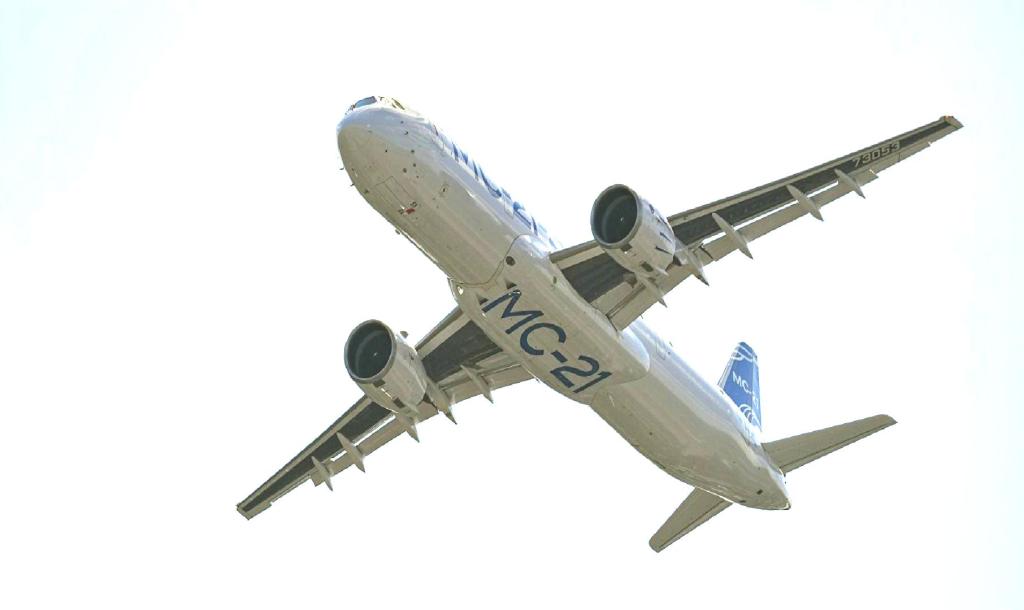
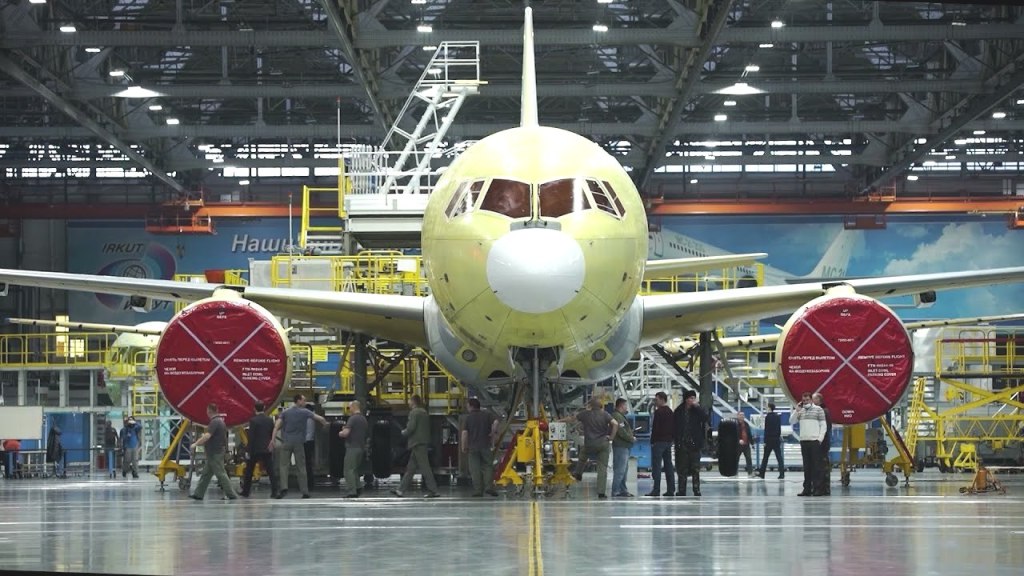
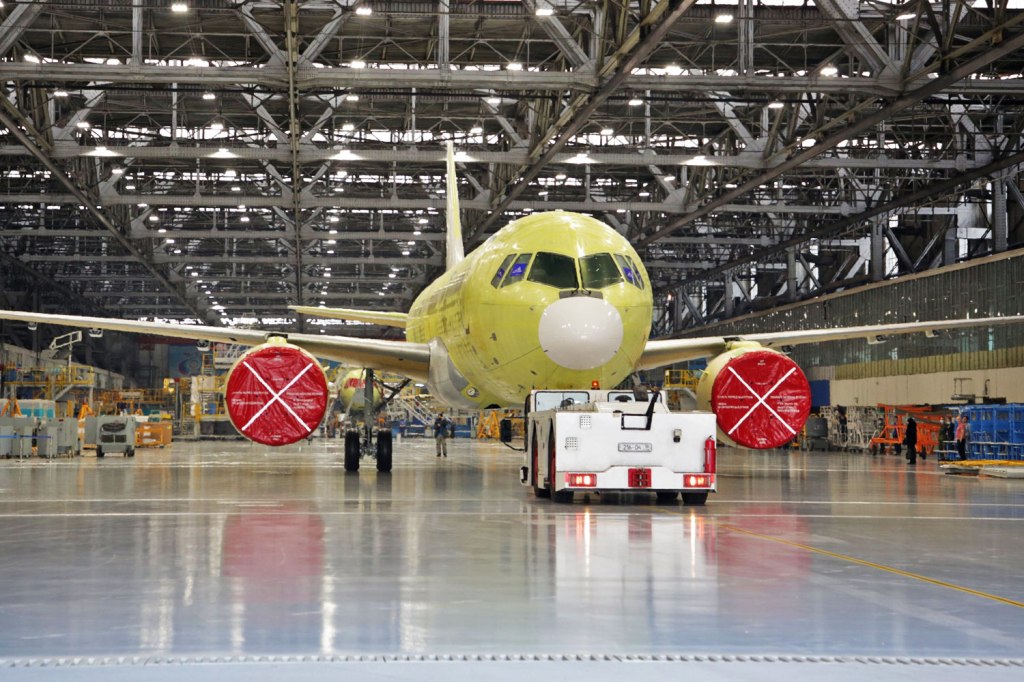
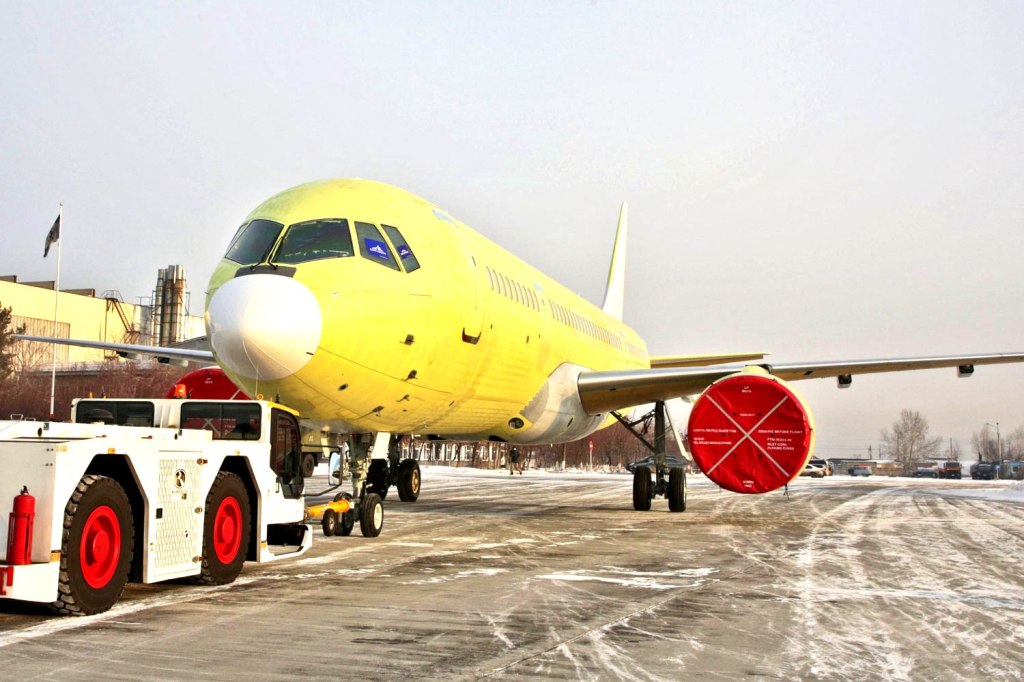
Pruebas de vuelo COMAC C919

AW | 2021 09 28 20:38 | INDUSTRY

COMAC desarrolla test en seis C919
Programa C929 continúa progresando alianza COMAC-UAC

COMAC_Isologotype

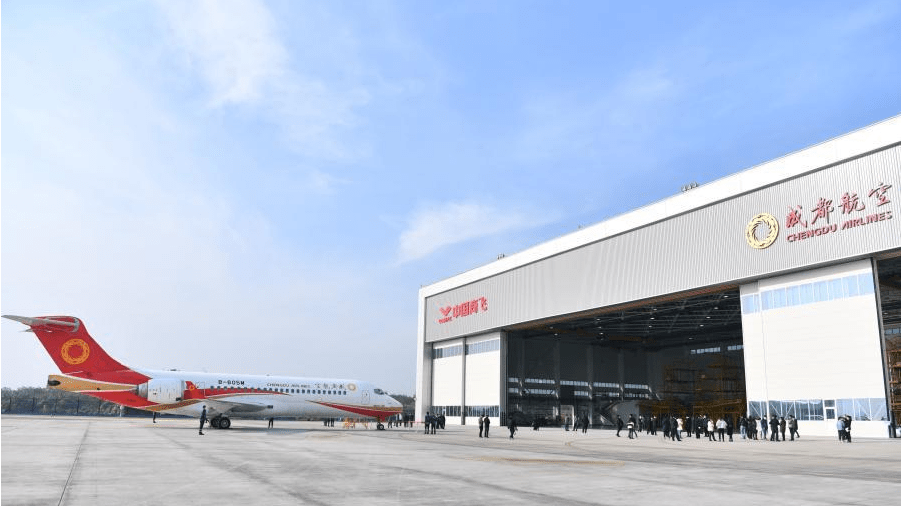
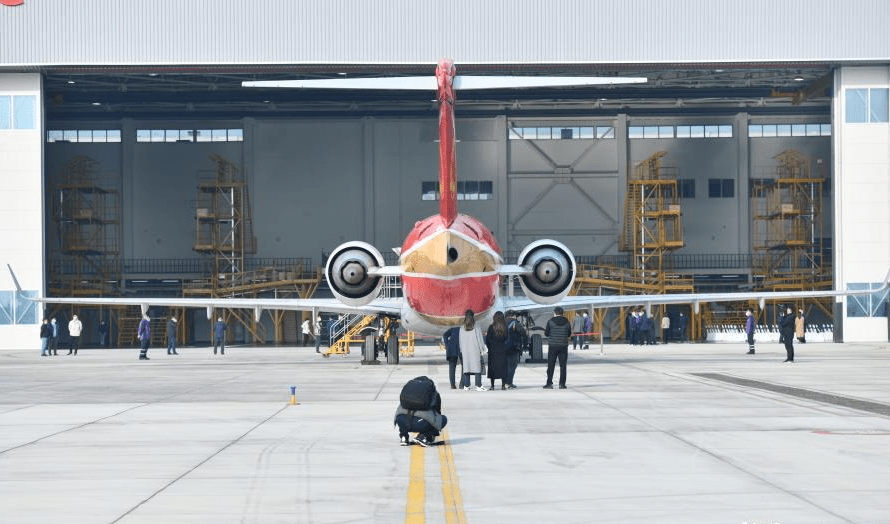
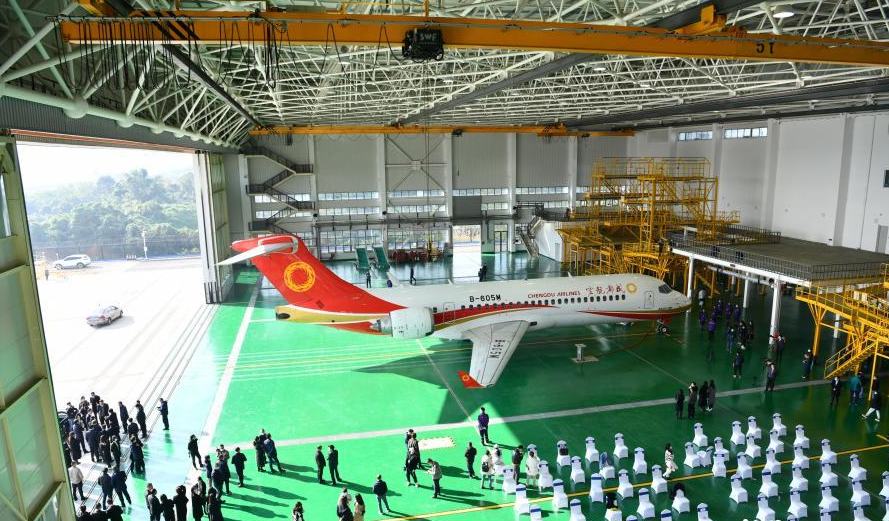
Commercial Aircraft Corp of China (COMAC) dijo el Martes 28/09 que seis C919 de desarrollo propio se encuentran realizando actualmente vuelos de prueba; mientras continúan las investigaciones del avión de pasajeros de fuselaje ancho CR929, desarrollado conjuntamente por la compañía china COMAC y su socio ruso United Aircraft Company (UAC), continúa progresando sin problemas.

AW-Chinanews.com_00811

Como el segundo mercado de aviación civil más grande del mundo, China ha logrado continuamente un crecimiento en el sector. Se ha comprometido a desarrollar dos aviones de pasajeros troncales y dos modelos de aviones regionales, el C919 de fuselaje estrecho y el CR929 de fuselaje ancho, así como el avión regional ARJ21 y el avión turbohélice de la serie MA60. El avión ARJ21 ha abierto más de 220 rutas en más de 90 ciudades y transportó a más de 3,4 millones de pasajeros, según los últimos datos del COMAC.

El C919 es el primer avión troncal de cosecha propia de China. El proyecto comenzó en 2008 y el avión realizó un exitoso vuelo inaugural en mayo de 2017. Tiene 158-174 asientos y un alcance de hasta 5.555 kilómetros. COMAC ha recibido 815 pedidos para el C919 de 28 aerolíneas nacionales y extranjeras, dijo Wu Guanghui, diputado de la Asamblea Popular Nacional y diseñador jefe de la aeronave, en Mayo de 2020. Sin embargo, según los informes, COMAC no ha podido obtener ayuda oportuna de los proveedores y se ha quedado sin algunas piezas de repuesto en medio de las estrictas reglas de exportación de Estados Unidos, informó Reuters el lunes, citando a personas familiarizadas con el
programa.

Airshow China 2021

Como parte del depósito de confianza del programa C919, COMAC exhibió su plataforma de exhibición de aviones estáticos en la bienal Airshow China 2021 celebrada en Zhuhai, Provincia de Guangdong, en el sur de China. El espectáculo, el más grande de China, comenzó este Martes 28/09 y se extenderá hasta el Domingo 03/09. La plataforma proporciona la escena real de la cabina del avión C919, lo que permite a los visitantes disfrutar del espacioso interior, el diseño y la experiencia de vuelo.

Durante el Airshow China, COMAC también mostró su avión de negocios CBJ, que es uno de una serie de productos de aviones ARJ21 dirigidos al mercado de alta gama. Con una cabina más espaciosa que los modelos rivales, el diseño de la aeronave puede acomodar de 12 a 29 pasajeros. Se puede configurar de manera flexible con áreas funcionales relativamente independientes de acuerdo con los requisitos individualizados de los clientes, dijo la compañía.

COMAC C919 test flights

COMAC develops tests on six C919s
C929 program continues to progress COMAC-UAC alliance

COMAC_C919001

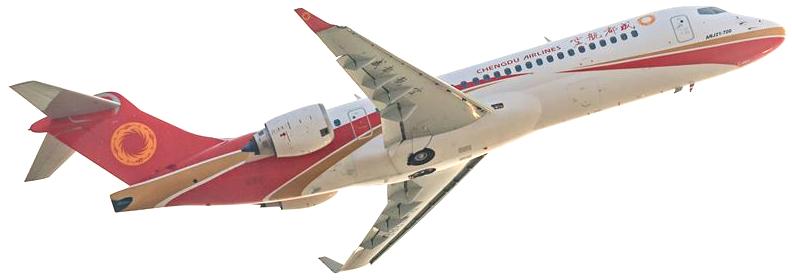
Commercial Aircraft Corp of China (COMAC) said on Tuesday 09/28 that six self-developed C919s are currently conducting test flights; While investigations continue on the CR929 wide-body airliner, jointly developed by the Chinese company COMAC and its Russian partner United Aircraft Company (UAC), it continues to progress smoothly.

As the second largest civil aviation market in the world, China has continuously achieved growth in the sector. It has committed to developing two trunk passenger aircraft and two regional aircraft models, the narrow-body C919 and wide-body CR929, as well as the ARJ21 regional aircraft and the MA60 series turboprop aircraft. The ARJ21 aircraft has opened more than 220 routes in more than 90 cities and transported more than 3.4 million passengers, according to the latest COMAC data.

The C919 is the first homegrown trunk aircraft from China. The project began in 2008 and the aircraft made a successful maiden flight in May 2017. It has 158-174 seats and a range of up to 5,555 kilometers. COMAC has received 815 orders for the C919 from 28 domestic and foreign airlines, said Wu Guanghui, a deputy of the National People’s Congress and chief designer of the aircraft, in May 2020. However, COMAC has reportedly been unable to get help. Timely from suppliers and has run out of some spare parts amid strict U.S. export rules, Reuters reported Monday, citing people familiar with the
Program.

Airshow China 2021

As part of the C919 program trust repository, COMAC exhibited its static aircraft display platform at the biennial Airshow China 2021 held in Zhuhai, South China’s Guangdong Province. The show, the largest in China, started this Tuesday 09/28 and will run until Sunday 09/03. The platform provides the actual cockpit scene of the C919 aircraft, allowing visitors to enjoy the spacious interior, layout, and flight experience.

During the China Airshow, COMAC also showcased its CBJ business jet, which is one of a series of ARJ21 aircraft products aimed at the high-end market. With a more spacious cabin than rival models, the aircraft’s layout can accommodate 12 to 29 passengers. It can be flexibly configured with relatively independent functional areas according to individualized customer requirements, the company said.

中國商飛C919試飛

中國商飛在 6 架 C919 上進行測試
C929計劃繼續推進 中國商飛聯盟

COMAC_Isologotype_Ch

中國商用飛機有限責任公司COMAC)於 09/28 週二表示,目前有 6 架自主研發的 C919 正在進行試飛;在對由中國商飛公司與其俄羅斯合作夥伴聯合飛機公司(UAC)共同開發的CR929寬體客機的調查繼續進行的同時,它繼續順利進行。

作為全球第二大民航市場,中國在該領域不斷取得增長。致力於研製兩種干線客機和兩種支線客機,窄體C919和寬體CR929,以及ARJ21支線飛機和MA60系列渦槳飛機。中國商飛最新數據顯示,ARJ21飛機已在90多個城市開通220多條航線,運送旅客超過340萬人次。

C919是第一架國產乾線飛機中國。該項目始於2008年,該飛機於2017年5月首飛成功,擁有158-174個座位,航程可達5555公里。全國人大代表、飛機總設計師吳廣輝表示,2020年5月,中國商飛已收到28家國內外航空公司的815架C919訂單。路透社週一援引知情人士的話報導稱,由於美國嚴格的出口規定,一些備件已經用完程序。

2021中國航展

作為C919項目信任庫的一部分,中國商飛在中國南方廣東省珠海舉辦的兩年一度的2021中國航展上展示了其靜態飛機展示平台。該節目是中國最大的節目,於本週二 09/28 開始,並將持續到 09/03 週日。該平台提供了C919飛機的實際駕駛艙場景,讓遊客享受寬敞的內部、佈局和飛行體驗。

中國航展期間,中國商飛還展出了CBJ公務機,這是針對高端市場的ARJ21系列飛機產品之一。客艙比競爭對手機型更寬敞,飛機的設計可容納 12 至 29 名乘客。該公司表示,可以根據個性化的客戶需求,靈活配置相對獨立的功能區。

PUBLISHER: Airgways.com
DBk: Comac.cc / Airgways.com
AW-POST: 202109282038AR

A\W   A I R G W A Y S ®

ATR tecnología hidrógeno

AW | 2021 09 27 20:57 | INDUSTRY / AVIATION TECHNOLOGY

ATR para tecnología combustible de hidrógeno

ATR_Isologotype

ATR Aircraft se encuentra estudiando la consideración del combustible de hidrógeno como parte de su impulso para mejorar el desempeño ambiental de sus aviones regionales, aunque dependerá de los accionistas del consorcio Airbus Group y Leonardo Company para investigar y desarrollar la tecnología.

«Somos muy pragmáticos. Somos una empresa con una plantilla de 1.200 personas; no tenemos 1.000 ingenieros para dedicarnos a I+D; no tenemos los grandes laboratorios ni los grandes bancos de pruebas», explicó. ATR considerará todas las tecnologías, incluida la híbrida-eléctrica, que reduce el CO2 lo emisiones e integrarlo en su plataforma, siempre y cuando resulte disponible y asequible, expresó el CEO de ATR Aircraft, Stefano Bortoli.

Bajo un proyecto denominado ZEROe, Airbus ha comenzado a desarrollar tres conceptos para un avión comercial de cero emisiones impulsado por hidrógeno que podría entrar en servicio en 2035. Uno de los diseños se centra en un doble turbohélice impulsado por combustión de hidrógeno en motores de turbina de gas modificados que podrían acomodar hasta 100 pasajeros y volar a un rango proyectado de hasta alrededor de 1.000 nm. La solución de hidrógeno debe ser evaluada, corroboró el Jefe de Ingeniería de ATR Aircraft, Daniel Cuchet, aunque advirtió que los colegas de Airbus aún no han determinado la mejor vía para el uso del hidrógeno. Además, el hidrógeno podría no funcionar para ATR. «No estamos construyendo un avión para ingenieros. Nuestros clientes quieren un avión robusto, asequible y versátil. No todos nuestros operadores estarían interesados en utilizar hidrógeno porque no es factible para ellos, por razones económicas o porque la infraestructura de hidrógeno pertinente no estará en su lugar. Muchos de nuestros aviones aterrizan en pistas sin pavimentar en islas remotas», dijo el ingeniero Daniel Cuchet.

Proceso maduración tecnológica

Hasta que la tecnología del hidrógeno esté madura, mezclar y eventualmente reemplazar el queroseno convencional a base de fósiles con Combustible de Aviación Sostenible (SAF) es una buena solución a corto plazo, afirmó Daniel Cuchet. Todos los aviones ATR han obtenido la certificación para volar con una mezcla 50/50, y la compañía tiene como objetivo obtener la certificación para el uso del 100 por ciento de SAF para 2025.

Cadena producción

Al igual que otros fabricantes de fuselajes, 2020 marcó un mal año para el fabricante de turbohélices franco-italiano. La situación está mejorando, y las entregas han comenzado a acelerarse después de un casi estancamiento en 2020. Actualmente, alrededor de veinticinco turbohélices ATR (25) entre ATR 42, ATR 72 y ATR 72F se encuentran en línea para el ensamblaje final. Eso se compara con un promedio de diez unidades pre-pandemia, según el Jefe de la línea de montaje final, Bertrand Villeneuve. ATR Aircraft tiene como objetivo entregar al menos el doble de aviones este año que en 2020, cuando entregó solo diez ejemplares a los clientes. Además, el número de pedidos debería superar el bajo nivel del año pasado de tres aviones netos. En lo que va de año, ATR ha firmado un acuerdo con la aerolínea griega Sky Express para seis nuevos ATR 72-600, pero espera anunciar más pedidos en el espectáculo aéreo de Dubai en noviembre.

Perspectiva mercado

ATR se centrará en el segmento de 30 a 50 asientos para volver a crecer. La división ATR 42/ATR 72 ahora es de 20/80 pasajeros, pero eso podría evolucionar a 40/60 siguiendo la nueva estrategia, dijo el Vicepresidente Comercial Senior Fabrice Vautier. La compañía franco-italiana estima que alrededor de 900 aviones envejecidos de 30 a 50 asientos necesitarán reemplazo en los próximos cinco a siete años. Estados Unidos, Australia, Canadá y Japón son los principales mercados objetivo. «Defenderemos vigorosamente el liderazgo que construimos en ese segmento, donde el segmento conlleva poca competencia», enfatizó Stefano Bertoli.

El pronóstico excluye a China, donde ATR ve mucho margen de crecimiento, principalmente para turbohélices de 30 asientos para servir al segmento de aviación general del país y turbohélices de 50 asientos para conectar aeropuertos regionales. Sin embargo, el acceso al mercado está resultando difícil. ATR continúa esperando que la Administración de Aviación Civil de China emita permisos para que el ATR 42 vuele en el país. El fabricante de fuselaje europeo esperaba la validación de la certificación de tipo ATR 42-600 en China en 3Q2020; ahora deposita sus esperanzas en mediados de 2022. Stefano Bertoli se abstuvo diplomáticamente de especular sobre las razones de la demora, diciendo solo que «todos los temas técnicos se resolvieron a su debido tiempo».

ATR hydrogen technology

ATR at Airbus for hydrogen fuel technology

ATR Aircraft is studying the consideration of hydrogen fuel as part of its drive to improve the environmental performance of its regional aircraft, although it will rely on shareholders from the Airbus Group and Leonardo Company consortium to research and develop the technology.

AW-ATR 72-600_001

«We are very pragmatic. We are a company with a staff of 1,200 people; we do not have 1,000 engineers to do R&D; we do not have the large laboratories or the large test benches», he explained. ATR will consider all technologies, including hybrid-electric, that reduce CO2 emissions and integrate it into its platform, as long as it is available and affordable, said ATR Aircraft CEO Stefano Bortoli.

Under a project called ZEROe, Airbus has begun developing three concepts for a hydrogen-powered zero-emission commercial aircraft that could enter service in 2035. One of the designs focuses on a hydrogen-combustion-powered twin-turboprop in turbine engines. modified gas engines that could accommodate up to 100 passengers and fly at a projected range of up to around 1,000 nm. The hydrogen solution needs to be evaluated, confirmed ATR Aircraft’s Chief of Engineering, Daniel Cuchet, although he cautioned that Airbus colleagues have not yet determined the best route to use hydrogen. Also, hydrogen might not work for ATR. «We are not building an aircraft for engineers. Our customers want a robust, affordable and versatile aircraft. Not all of our operators would be interested in using hydrogen because it is not feasible for them, for economic reasons or because the relevant hydrogen infrastructure will not be in their possession. Most of our planes land on unpaved runways on remote islands», said engineer Daniel Cuchet.

Technological maturation process

Until hydrogen technology is mature, mixing and eventually replacing conventional fossil-based kerosene with Sustainable Aviation Fuel (SAF) is a good short-term solution, Daniel Cuchet said. All ATR aircraft have been certified to fly a 50/50 mix, and the company aims to be certified for 100 percent SAF use by 2025.

Production chain

Like other airframe manufacturers, 2020 marked a bad year for the Franco-Italian turboprop maker. The situation is improving, and deliveries have started to pick up after a near stagnation in 2020. Currently, around twenty-five ATR turboprops (25) between ATR 42, ATR 72 and ATR 72F are on line for final assembly. That compares to an average of ten pre-pandemic units, according to the head of the final assembly line, Bertrand Villeneuve. ATR Aircraft aims to deliver at least twice as many aircraft this year as it did in 2020, when it delivered just ten copies to customers. In addition, the number of orders should exceed last year’s low level of three net aircraft. So far this year, ATR has signed an agreement with Greek airline Sky Express for six new ATR 72-600s, but expects to announce more orders at the Dubai air show in November.

Market outlook

ATR will focus on the 30-50 seat segment to grow again. The ATR 42/ATR 72 split is now 20/80 passengers, but that could evolve to 40/60 following the new strategy, said Senior Vice President Commercial Fabrice Vautier. The Franco-Italian company estimates that around 900 aging planes from 30 to 50 seats will need replacement in the next five to seven years. The United States, Australia, Canada and Japan are the main target markets. «We will vigorously defend the leadership we build in that segment, where the segment carries little competition», emphasized Stefano Bertoli.

The forecast excludes China, where ATR sees a lot of room for growth, mainly for 30-seat turboprops to serve the country’s general aviation segment and 50-seat turboprops to connect regional airports. However, market access is proving difficult. ATR continues to wait for the Civil Aviation Administration of China to issue permits for the ATR 42 to fly in the country. The European airframe manufacturer expected validation of the ATR 42-600 type certification in China in 3Q2020; now pinning his hopes on mid-2022. Stefano Bertoli diplomatically refrained from speculating on the reasons for the delay, saying only that «all technical issues were resolved in due time».

PUBLISHER: Airgways.com
DBk: Atraircraft.com / Airbus.com / Airgways.com
AW-POST: 202109272057AR

A\W   A I R G W A Y S ®

Delta perpectivas Boeing 737 MAX

AW | 2021 09 24 17:20 | AIRLINES / INDUSTRY

Delta observa perspectiva flota Boeing 737 MAX

AW-Boeing_737_MAX_2

Delta_Isoglotype_Intersected

Delta Air Lines ha anunciado la perspectiva de incorporación a su flota del Boeing 737 MAX, mientras busca actualizar su flota durante la próxima década. El Jueves 23/09 el Presidente Ejecutivo de la aerolínea ha expresado: «No hay noticias que informar pero estamos constantemente hablando con Boeing. Ciertamente hay un lugar para el MAX si podemos descubrir cómo traerlos», dijo el CEO Ed Bastian.

La línea 737 MAX quedó en tierra en Marzo de 2019 después de dos accidentes donde estuvo involucrado problemas de diseño industrial, tras veinte meses de análisis bajo escrutinio que involucraba el Control de Vuelo denominado MCAS. Tras varios ajustes y correcciones, la aeronave fue recertificada en Noviembre 2020 por parte de la Federal Aviation Administration (FAA).

Cliente Delta

La aerolínea Delta Air Lines ha sido un importantísimo cliente para la industria de la aviación. Actualmente posee una flota compartida con aeronaves Airbus y Boeing; pero que históricamente había sido una compañía tradicionalmente cliente de McDonnell Douglas y Boeing. Por lo tanto, cualquier pedido futuro de flota representaría un punto muy favorable para los constructores de aeronaves comerciales. Mientrasa Delta evalúa la posición de acceder a la actualización de flota natural para su línea Boeing 737 Next Geneation, el Boeing 737 MAX representaría un nuevo impulso para la economía de The Boeing Company. Una orden formal por parte de Delta Air Lines sería el primer pedido importante de Boeing para la aerolínea con sede en Atlanta (GA) en una década.

La historia de Delta con una flota compartida con aviones B737/A320 no prefiguraría si había alguna orden de compra en el horizonte. Un portavoz de Delta se negó a confirmar los comentarios de Ed Bastian y dijo que la aerolínea no tiene anuncios de flota que hacer. El CEO de Delta declaró que está en conversación con Boeing, pero aún no está comprometido con un pedido de MAX. Boeing no respondió a una solicitud de comentarios.

Delta reposiciona al Boeing 737 MAX |

El CEO de Delta revive el potencial de pedidos de Boeing 737 MAX. Delta es el mayor operador del Boeing 757-200 en todo el mundo. De hecho, Delta ha sido anteriormente uno de los defensores más fuertes de que Boeing construya un nuevo avión de tamaño mediano. Esto incluye comentarios que sugieren que hasta 200 aviones podrían estar sobre la mesa para un pedido. Además, cuando se trata de lo que es mejor para el negocio, si Boeing ofrece el producto correcto al costo correcto, Delta sin duda estaría en primer línea para realizar órdenes. En Octubre 2021 Boeing tuvo conversaciones con Delta para tomar 40 de los aviones 737 MAX. En el seminario web, Bastian dijo que Delta también estaba buscando adquirir más aviones Airbus A220 y A350.

Flota Delta

Delta Air Lines posee una flota de Boeing 737-900ER (29), A320CEO (50), A321CEO (122), mientras que ha solicitado Airbus A321NEO (155) para actualizar la flota de Airbus. Por ahora, Delta parece contenta con su cartera de pedidos. Como parte de las estrategias de la compañía, si quisiera tomar aviones Boeing 737 MAX en un futuro cercano, es posible que la aerolínea hubiera presionado para obtener un acuerdo cuando Boeing todavía tenía un blacklog acumulado de aeronaves y cuando la aerolínea habría tenido un poco más de poder para obtener buenos precios debido a una desaceleración en los pedidos.

Perspectivas Delta 737 MAX

Por ahora, Boeing está volviendo al negocio. Casi ha eliminado su cartera de aviones de cola blanca. Ha aumentado su pronóstico para la demanda de aviones en los próximos 20 años. Recientemente, Boeing y Ryanair también terminaron las negociaciones sobre un pedido de 737 MAX por una diferencia en los precios, lo que indica que Boeing tal vez siente que tiene un poco más de poder en las negociaciones. Actualmente, no parece que Delta esté seriamente ansioso por un próximo pedido de 737 MAX. Pero a lo largo del tiempo, es más probable que Delta Air Lines adquiera la línea 737 MAX en algún momento de la próxima década, pero exactamente cuándo y qué número de aeronaves adquirirá sigue siendo una especulación.

Delta outlook Boeing 737 MAX

Delta sees Boeing 737 MAX fleet outlook

Delta_Isotype_TMk

Delta Air Lines has announced the prospect of adding the Boeing 737 MAX to its fleet, as it looks to upgrade its fleet over the next decade. On Thursday 09/23 the airline’s CEO said: «There is no news to report but we are constantly talking to Boeing. There is certainly a place for the MAX if we can figure out how to bring it in», said CEO Ed Bastian.

The 737 MAX line was grounded in March 2019 after two accidents involving industrial design problems, after twenty months of scrutiny analysis involving the Flight Control called MCAS. After several adjustments and corrections, the aircraft was recertified in November 2020 by the Federal Aviation Administration (FAA).

Delta customer

Delta Air Lines airline has been a huge customer for the aviation industry. It currently has a shared fleet with Airbus and Boeing aircraft; but that historically it had been a traditional client company of McDonnell Douglas and Boeing. Therefore, any future fleet order would represent a very favorable point for commercial aircraft builders. As Delta evaluates the position of accessing the natural fleet upgrade for its Boeing 737 Next Geneation line, the Boeing 737 MAX would represent a new boost to the economy of The Boeing Company. A formal order from Delta Air Lines would be Boeing’s first major order for the Atlanta (GA) -based airline in a decade.

Delta’s history with a shared fleet of B737/A320 jets would not foreshadow if any purchase orders were on the horizon. A Delta spokesperson declined to confirm Ed Bastian’s comments, saying the airline has no fleet announcements to make. The Delta CEO stated that he is in conversation with Boeing, but is not yet committed to an order from MAX. Boeing did not respond to a request for comment.

Delta CEO Revives Boeing 737 MAX Ordering Potential. Delta is the largest operator of the Boeing 757-200 in the world. In fact, Delta has previously been one of the strongest advocates for Boeing to build a new mid-size aircraft. This includes comments suggesting that up to 200 aircraft could be on the table for an order. Also, when it comes to what’s best for the business, if Boeing offers the right product at the right cost, Delta would certainly be in the first line to place orders. In October 2021 Boeing had talks with Delta to take 40 of the 737 MAX planes. At the webinar, Bastian said that Delta was also looking to acquire more Airbus A220 and A350 aircraft.

Delta fleet

Delta Air Lines owns a fleet of Boeing 737-900ER (29), A320CEO (50), A321CEO (122), while it has requested Airbus A321NEO (155) to upgrade the Airbus fleet. For now, Delta seems happy with its order book. As part of the company’s strategies, if it wanted to take on Boeing 737 MAX jets in the near future, the airline may have lobbied for a deal when Boeing still had a backlog of aircraft and when the airline would have had a little more. of power to get good prices due to a slowdown in orders.

Perspectives Delta 737 MAX

For now, Boeing is getting back in business. It has almost eliminated its portfolio of whitetail aircraft. It has increased its forecast for aircraft demand over the next 20 years. Recently, Boeing and Ryanair also ended negotiations on a 737 MAX order for a difference in prices, indicating that Boeing perhaps feels it has a little more power in the negotiations. Currently, it does not appear that Delta is seriously looking forward to an upcoming 737 MAX order. But over time, Delta Air Lines is more likely to acquire the 737 MAX line sometime in the next decade, but exactly when and how many airplanes it will acquire remains speculation.

PUBLISHER: Airgways.com
DBk: Delta.com / Boeing.com / Airgways.com
AW-POST: 202109241720AR

A\W   A I R G W A Y S ®
CRAIC inicia producción CR929

AW | 2021 09 23 17:38 | INDUSTRY

COMAC-UAC activan línea producción CR929

3-1G01416492R08 (1)

Rusia y China han iniciado la producción del CRAIC CR929, el avión de fuselaje ancho de la empresa conjunta de Commercial Aircraft Corporation of China (COMAC) de la República Popular de China y United Aircraft Corporation (UAC) de la Federación Rusia bajo el consorcio China-Rusia Commercial Aircraft International Co.,Ltd (CRAIC). La nueva aeronave widebody anteriormente conocida como C929 permitirá ingresar al mercado de aeronaves de gran porte. La producción del C929 ha comenzado, y se espera que la producción en masa comience en 2025. El avión de fuselaje ancho, una empresa conjunta entre COMAC y UAC buscará competir con el Boeing 787 Dreamliner y el Airbus A330 en el mercado de aviones de fuselaje ancho.

El desarrollo de variantes del Programa CR929 presentará tres versiones para las aerolíneas. La versión básica CR929-600 transportará alrededor de 280 pasajeros y un alcance de hasta 12.000 km (7,500 millas); una versión estirada CR929-700 y una versión más corta CR929-500. Según CRAIC, el CR929 será hasta un 15% más económico de operar que sus rivales de fuselaje ancho Boeing y Airbus.

El consorcio CRAIC estableció en 2017 elplan para dar luz al protecto que tiene por objetivo lograr al menos una participación del 10% del mercado global para 2035. Según sus últimas proyecciones de CRAIC, el CR929 realizaría su vuelo inaugural a finales de 2023 y su primer entrega entre el 2025-2028. CRAIC planeaba comenzar la producción a fines de 2021, mientras que su objetivo se ha anticipado. Yang Zhigang, Ingeniero General de COMAC, confirmó a principios de 2021 poder alcanzar los objetivos propuestos. La producción de los primeros prototipos ha comenzado a pesar de las complicaciones entre las compañías de aviación chinas y rusas. Los desacuerdos que involucraron a los proveedores causaron retrasos significativos en el proyecto, y los funcionarios descartaron una fecha de entrada de 2024. Ravil Khakimov, Presidente de Irkut, parte de United Aircraft Corporation (UAC), dijo que 2028 o 2029 es una fecha más probable para su primere entrega a una aerolínea. El consorcio buscará la producción en línea hacia el 2025.

CRAIC se ha fijado el ambicioso objetivo de alcanzar las 1.000 ventas de CR929 entre 2023 y 2045. El proyecto buscará la madurez y confianza entre las aerolíneas nacionales y extranjeras de que su producto final está a la altura de desafiar a los constructores líderes del mercado como Airbus y Boeing.

CRAIC starts production CR929

COMAC-UAC activate production line CR929

Russia and China have started production of the CRAIC CR929, the wide-body aircraft of the joint venture of Commercial Aircraft Corporation of China (COMAC) of the People’s Republic of China and United Aircraft Corporation (UAC) of the Russian Federation, under the China-Russia consortium Commercial Aircraft International Co., Ltd (CRAIC). The new widebody aircraft formerly known as C929 will enter the market for large aircraft. Production of the C929 has started, with mass production expected to begin in 2025. The wide-body aircraft, a joint venture between COMAC and UAC, will seek to compete with the Boeing 787 Dreamliner and Airbus A330 in the market for full-body aircraft. width.

The development of variants of the CR929 Program will introduce three versions for airlines. The basic version CR929-600 will carry around 280 passengers and a range of up to 12,000 km (7,500 miles); a stretched version CR929-700 and a shorter version CR929-500. According to CRAIC, the CR929 will be up to 15% cheaper to operate than its wide-body rivals Boeing and Airbus.

The CRAIC consortium established in 2017 the plan to give birth to the protection that aims to achieve at least a 10% share of the global market by 2035. According to its latest CRAIC projections, the CR929 would make its maiden flight at the end of 2023 and its first delivery between 2025-2028. CRAIC planned to start production in late 2021, while its goal has been anticipated. Yang Zhigang, General Engineer of COMAC, confirmed in early 2021 to be able to achieve the proposed objectives. Production of the first prototypes has started despite complications between Chinese and Russian aviation companies. Disagreements involving suppliers caused significant delays to the project, and officials ruled out an entry date of 2024. Ravil Khakimov, President of Irkut, part of United Aircraft Corporation (UAC), said 2028 or 2029 is one more date. likely for your first delivery to an airline. The consortium will seek production online by 2025.

CRAIC has set an ambitious goal of reaching 1,000 sales of CR929 between 2023 and 2045. The project will seek maturity and confidence among domestic and foreign airlines that its final product is up to the challenge of leading market builders such as Airbus and Boeing.

PUBLISHER: Airgways.com
DBk: Uacrussia.ru / Comac.cc / Airgways.com
AW-POST: 202109231738AR

A\W   A I R G W A Y S ®

Boeing proyecta fuerte demanda china

AW | 2021 09 23 07:43 | INDUSTRY

Boeing pronostica 8.700 nuevos aviones para 2040

Boeing_Isologo.svg

The Boeing Company ha pronosticado que las aerolíneas chinas necesitarán 8.700 nuevos aviones, valorados en casi US$ 1,5 billones de Dólares para las próximas dos décadas con más de dos tercios apoyando el crecimiento del mercado. La cifra representa casi la mitad de la cantidad total de entregas de aviones pronosticadas para la región más amplia de Asia y el Pacífico, y respalda la importancia del mercado para el fabricante de aviones de América del Norte. Air China es uno de los muchos operadores de Boeing 737 MAX en China.

Al publicar su pronóstico como parte de su perspectiva del mercado comercial para 2021 hasta 2040, Boeing sigue siendo optimista de aumentos saludables del tráfico aéreo en el mercado chino de viajes aéreos, con un crecimiento promedio anual esperado del tráfico de pasajeros del 5,4%. Según las proyecciones de Boeing, se espera que el mercado nacional de pasajeros chino supere el tráfico intraeuropeo para 2030 y supere los viajes aéreos dentro de América del Norte para 2040. De los 8.700 aviones, alrededor del 75%, o más de 6.000 aviones, se pronostica que serán de fuselaje estrecho, con aviones de fuselaje ancho que representa el 19%. Señala que dos tercios de las entregas de aviones previstas serán para fines de crecimiento, y el tercio restante de las entregas para el reemplazo de la flota. Esto, dice Boeing, «moverá a las aerolíneas hacia modelos de aviones más sostenibles y eficientes en el consumo de combustible». Richard Wynne, Director General de Marketing de China en Boeing, expresa «la rápida recuperación del tráfico doméstico chino durante la pandemia habla de la fortaleza y la resiliencia subyacentes del mercado. Además, existen oportunidades prometedoras para ampliar significativamente las rutas internacionales de larga distancia y la capacidad de carga aérea. A más largo plazo, existe el potencial de que el crecimiento de las aerolíneas de bajo costo se base aún más en la demanda de pasillo único».

En el frente de los servicios, el fuselaje proyecta casi US$ 1.8 billones en oportunidades de mercado hasta 2040, impulsado por el fuerte crecimiento de la flota durante el período. Boeing también pronostica que China requerirá más de 400,000 nuevos miembros del personal de aviación para 2040, incluidos pilotos, técnicos y tripulantes de cabina.

La perspectiva de Boeing en China se produce cuando su 737 MAX continúa siendo monitoreado por los reguladores de aviación chinos. China es uno de los últimos en levantar la puesta a tierra del cuerpo estrecho, luego de dos accidentes fatales en 2018 y 2019. También se produce a medida que el fuselaje local COMAC Corp. se acerca a certificar su C919 de fuselaje estrecho, promocionado como un competidor potencial del 737 y la familia A320 de Airbus, para el servicio comercial.

Boeing projects strong Chinese market demand

Boeing forecasts 8,700 new planes by 2040

The Boeing Company has predicted that Chinese airlines will need 8,700 new aircraft, valued at nearly US$ 1.5 trillion for the next two decades with more than two-thirds supporting market growth. The figure represents nearly half of the total number of aircraft deliveries forecast for the broader Asia-Pacific region, and supports the importance of the market for the North American aircraft manufacturer. Air China is one of the many Boeing 737 MAX operators in China.

Publishing its forecast as part of its commercial market outlook for 2021 through 2040, Boeing remains optimistic of healthy air traffic increases in the Chinese air travel market, with expected average annual passenger traffic growth of 5.4%. According to Boeing projections, the Chinese domestic passenger market is expected to exceed intra-European traffic by 2030 and exceed air travel within North America by 2040. Of the 8,700 aircraft, about 75%, or more than 6,000 aircraft, They are forecast to be narrow-body, with wide-body aircraft accounting for 19%. It points out that two-thirds of planned aircraft deliveries will be for growth purposes, and the remaining third of deliveries for fleet replacement. This, says Boeing, «will move airlines toward more sustainable and fuel-efficient aircraft models». Richard Wynne, China Chief Marketing Officer at Boeing, says «The rapid recovery of Chinese domestic traffic during the pandemic speaks to the underlying strength and resilience of the market. In addition, there are promising opportunities to significantly expand long-haul international routes and air cargo capacity. In the longer term, there is the potential that the growth of low-cost airlines will be based even more on single-aisle demand».

On the services front, the airframe projects nearly US$ 1.8 trillion in market opportunities through 2040, driven by strong fleet growth during the period. Boeing also forecasts that China will require more than 400,000 new aviation personnel by 2040, including pilots, technicians and cabin crew.

Boeing’s outlook in China comes as its 737 MAX continues to be monitored by Chinese aviation regulators. China is one of the last to lift narrow-body grounding, following two fatal accidents in 2018 and 2019. It also comes as local airframe Comac moves closer to certifying its narrow-body C919, touted as a competitor. potential of the 737 and Airbus A320 Family, for commercial service.

PUBLISHER: Airgways.com
DBk: Boeing.com / Airgways.com
AW-POST: 202109230707AR

A\W   A I R G W A Y S ®
Airbus US entregará aviones con SAF

AW | 2021 09 22 16:16 | INDUSTRY / AVIATION TECHNOLOGY

Proceso entregas aeronaves con suministro combustible sustentable

Airbus_Isologotype_svg

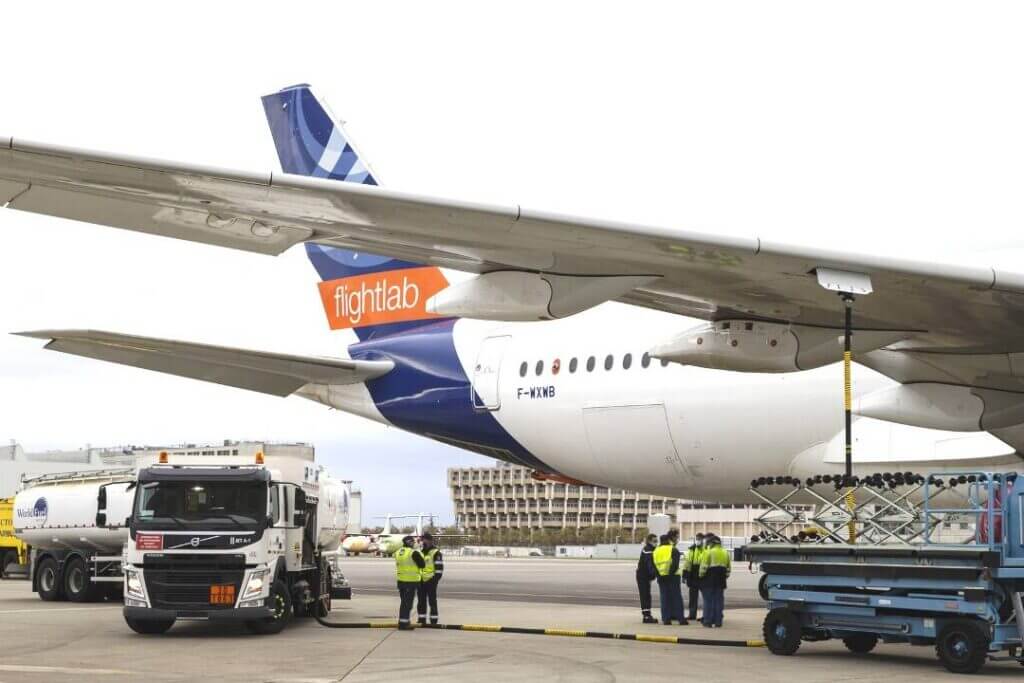
Airbus Americas comenzará a entregar todos los aviones desde su planta de fabricación en Mobile, Alabama, Estados Unidos con Combustible de Aviación Sostenible (SAF) a bordo a finales de este año 2021. La iniciativa es un paso más hacia el cumplimiento del compromiso de Airbus Group con un crecimiento neutro en carbono en el sector de la aviación. Airbus ha llegado a un acuerdo con Signature Flight Support para suministrar SAF a su instalación de su FAL en Mobile. Hacia Noviembre 2021 todos los aviones entregados a los clientes serán propulsados ​​por una mezcla de combustible para aviones convencional y SAF. Signature Flight Support está trabajando en asociación con World Energy para proporcionar el SAF de origen estadounidense a Airbus.

«La entrega de nuestros aviones producidos en dispositivos móviles con SAF es un paso importante e iterativo hacia la solución del desafío del carbono. SAF es un contribuyente positivo para mejorar la sostenibilidad en la aviación, ya que permite a una reducción del 80% de CO 2 a lo largo del ciclo de vida del combustible. Estamos comprometidos a hacer de los combustibles sostenibles una realidad cotidiana con un uso a una escala cada vez mayor, y este anuncio es una prueba más de ello», dijo Jeff Knittel, Presidente y Director Ejecutivo de Airbus Americas, Inc.

Desde su planta de fabricación de Estados Unidos en Mobile, Estado de Alabama, Airbus entrega aviones de la línea de la familia A220 y A320 a clientes de Estados Unido. Desde 2016, la compañía ha entregado más de 260 aviones Airbus desde Mobile, 54 de los cuales han sido entregados a aerolíneas solo en 2021.

Airbus US to deliver aircraft with SAF

Aircraft delivery process with sustainable fuel supply

Airbus Americas will begin delivering all aircraft from its manufacturing facility in Mobile, Alabama, United States with Sustainable Aviation Fuel (SAF) on board by the end of this year 2021. The initiative is a further step towards fulfilling Airbus’ commitment. Group with carbon neutral growth in the aviation sector. Airbus has entered into an agreement with Signature Flight Support to supply SAF to its Mobile FAL facility. By November 2021 all aircraft delivered to customers will be powered by a mixture of conventional jet fuel and SAF. Signature Flight Support is working in partnership with World Energy to provide the US-sourced SAF to Airbus.

«Delivering our aircraft produced on mobile devices with SAF is an important and iterative step towards solving the carbon challenge. SAF is a positive contributor to improving sustainability in aviation as it enables an 80% reduction in CO 2 throughout the fuel lifecycle. We are committed to making sustainable fuels an everyday reality with ever-increasing use, and this announcement is further proof of that», said Jeff Knittel, President and CEO. Executive of Airbus Americas, Inc.

From its US manufacturing facility in Mobile, Alabama, Airbus delivers A220 and A320 family aircraft to customers in the United States. Since 2016, the company has delivered more than 260 Airbus aircraft from Mobile, 54 of which have been delivered to airlines in 2021 alone.

PUBLISHER: Airgways.com
DBk: Airbus.com / Airgways.com
AW-POST: 202109221616AR

A\W   A I R G W A Y S ®

Airbus montaje prototipo ala ecológica

AW | 2021 09 22 16:07 | INDUSTRY / AVIATION TECHNOLOGY

Inicio montaje primer ala ecológica programa Wings of Tomorrow

Airbus_Isologotype_svg

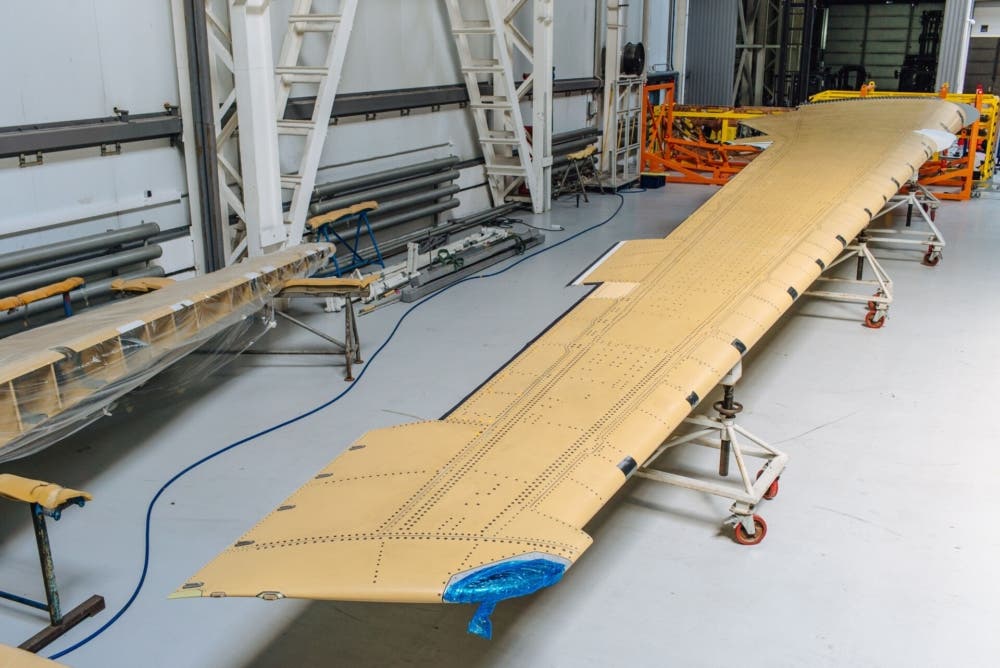
Airbus Group comienza el montaje del primer futuro prototipo de ‘ala ecológica’. El programa mejorará la comprensión de la fabricación e industrialización de alas. «Wing of Tomorrow», un importante programa de investigación y tecnología de Airbus, ha alcanzado un hito clave con el montaje de su primer prototipo de ala de tamaño completo. El programa Wing of Tomorrow no solo probará los últimos materiales compuestos y nuevas tecnologías en aerodinámica y arquitectura de alas, sino que, lo que es más importante, explorará cómo se puede mejorar la fabricación e industrialización de alas para satisfacer la demanda futura a medida que el sector emerge de la pandemia. Se fabricarán en total tres alas prototipo de tamaño completo: una se utilizará para comprender la integración de sistemas; un segundo se probará estructuralmente para compararlo con el modelado por computadora, mientras que un tercero se ensamblará para probar la ampliación de la producción y compararlo con el modelado industrial.

Sabine Klauke, directora técnica de Airbus, dijo: “Wing of Tomorrow, una parte crucial de la cartera de I+T de Airbus, nos ayudará a evaluar la viabilidad industrial de la producción futura de alas. La tecnología de ala de alto rendimiento es una de varias soluciones, junto con los combustibles de aviación sostenibles y el hidrógeno, que podemos implementar para contribuir a la ambición de descarbonización de la aviación. Wing of Tomorrow es también un ejemplo de cómo la colaboración de la industria a gran escala será fundamental para lograr la agenda de nuestro sector para un futuro más sostenible».

Wing of Tomorrow, financiado en parte por el Instituto de Tecnología Aeroespacial del Reino Unido, es un programa de Airbus totalmente transnacional en el que participan socios y equipos globales en los sitios europeos de Airbus, incluida Bremen en Alemania, donde tiene su sede el equipo ‘Wing Moveables’. Los demostradores de tres alas reunirán más de 100 nuevas tecnologías para explorar nuevas técnicas de fabricación y ensamblaje con el objetivo de hacer que la aviación sea más sostenible. El submontaje de la cubierta del ala compleja se llevó a cabo en las instalaciones de Airbus en Filton, Inglaterra, y se fabricó en el National Composite Centre de Bristol. La cubierta del ala y un componente importante de GKN Aerospace, el Fixed Trailing Edge, se entregaron al Centro de Investigación de Fabricación Avanzada, Gales, en la planta de producción de alas de Airbus en Broughton, Flintshire, para que comenzara el ensamblaje.

Airbus assembling ecological wing prototype

Start assembly first ecological Wings of Tomorrow program

Airbus Group begins assembly of the first future ‘green wing’ prototype. The program will enhance understanding of wing manufacturing and industrialization. «Wing of Tomorrow», a major Airbus research and technology program, has reached a key milestone with the assembly of its first full-size wing prototype. The Wing of Tomorrow program will not only test the latest composites and new technologies in aerodynamics and wing architecture, but more importantly, explore how wing manufacturing and industrialization can be improved to meet future demand as the sector emerges from the pandemic. A total of three full-size prototype wings will be built: one will be used to understand systems integration; a second will be structurally tested to compare with computer modeling, while a third will be assembled to test production scaling and compare to industrial modeling.

Sabine Klauke, Airbus Chief Technical Officer, said: “Wing of Tomorrow, a crucial part of Airbus’ R&T portfolio, will help us assess the industrial feasibility of future wing production. High-performance wing technology is one of several solutions, along with sustainable aviation fuels and hydrogen, that we can implement to contribute to the decarbonization of aviation ambition. Wing of Tomorrow is also an example of how large-scale industry collaboration will be critical to achieving our industry’s agenda for a more sustainable future».

Wing of Tomorrow, funded in part by the UK Institute of Aerospace Technology, is a fully transnational Airbus program involving global partners and teams at Airbus’ European sites, including Bremen in Germany, where the team is based. ‘Wing Moveables’. The three-wing demonstrators will bring together more than 100 new technologies to explore new manufacturing and assembly techniques with the goal of making aviation more sustainable. The subassembly of the complex wing cover was carried out at the Airbus facility in Filton, England, and manufactured at the National Composite Center in Bristol. The wing cover and a major GKN Aerospace component, the Fixed Trailing Edge, were delivered to the Advanced Manufacturing Research Center, Wales, at Airbus’ wing production facility in Broughton, Flintshire, for assembly to begin.

PUBLISHER: Airgways.com
DBk: Airbus.com / Airgways.com
AW-POST: 202109221607AR

A\W   A I R G W A Y S ®

Airbus lanza demostrador de alas

AW | 2021 09 22 15:57 | INDUSTRY / AVIATION TECHNOLOGY

Desarrolla alto rendimiento para fortalecer descarbonización

Airbus_Isologotype_svg

Airbus Group ha lanzado un proyecto de demostración de alas de rendimiento adicional centrado en acelerar y validar tecnologías que mejorarán y optimizarán la aerodinámica y el rendimiento de las alas para cualquier avión futuro. Este demostrador escalado integrará y volará tecnologías de ala de vanguardia en una plataforma de jet de negocios Cessna Citation VII en condiciones de vuelo representativas. Las aplicaciones del ala de rendimiento adicional serían compatibles con cualquier solución de propulsión y configuración de aeronave y reducirían las emisiones de CO₂ , contribuyendo en gran medida a la hoja de ruta de descarbonización de Airbus.

“El demostrador de alas de rendimiento extra de Airbus es otro ejemplo de las nuevas soluciones tecnológicas de Airbus para descarbonizar el sector de la aviación. Airbus investiga continuamente soluciones paralelas y complementarias como la infraestructura, las operaciones de vuelo y la estructura de la aeronave. Con este demostrador, lograremos avances significativos en la tecnología de control activo a través de la investigación y las pruebas aplicadas de diversas tecnologías inspiradas en la biomimetismo”, afirma Sabine Klauke, Directora Técnica de Airbus.

De manera similar a cómo vuela un águila, adaptando la forma, la envergadura y la superficie de sus alas y plumas, este demostrador permite una mayor eficiencia de vuelo. Se investigarán varios ladrillos tecnológicos para permitir el control activo del ala, que incluyen: sensores de ráfaga, spoilers o placas emergentes que se desvían rápidamente perpendicularmente al flujo de aire, bordes de salida multifuncionales que cambian dinámicamente la superficie del ala en vuelo y una bisagra semiaeroelástica. El demostrador está alojado en Airbus UpNext, una subsidiaria de propiedad total de Airbus creada para dar a las tecnologías futuras un desarrollo rápido mediante la construcción de demostradores a velocidad y escala, con el fin de evaluar, madurar y validar posibles nuevos productos y servicios que abarcan avances tecnológicos radicales.

Airbus launches wing demonstrator

Develops high performance to strengthen decarbonization

Airbus Group has launched an additional performance wing demonstration project focused on accelerating and validating technologies that will improve and optimize aerodynamics and wing performance for any future aircraft. This scaled demonstrator will integrate and fly cutting edge wing technologies on a Cessna Citation VII business jet platform under representative flight conditions. Additional performance wing applications would be compatible with any aircraft configuration and propulsion solution and reduce CO₂ emissions, contributing greatly to Airbus’ decarbonization roadmap.

“The Airbus Extra Performance Wing Demonstrator is another example of Airbus’ new technology solutions to decarbonize the aviation industry. Airbus continually investigates parallel and complementary solutions such as infrastructure, flight operations and aircraft structure. With this demonstrator, we will achieve significant advances in active control technology through research and applied testing of various biomimicry-inspired technologies”, says Sabine Klauke, Airbus Technical Director.

Similar to how an eagle flies, by adapting the shape, wingspan, and surface area of ​​its wings and feathers, this demonstrator enables greater flight efficiency. Various technology building blocks will be investigated to enable active wing control, including: burst sensors, spoilers, or pop-up plates that rapidly deflect perpendicular to the airflow, multi-functional trailing edges that dynamically change the wing surface in flight, and a hinge. semiaeroelastic. The demonstrator is hosted by Airbus UpNext, a wholly-owned subsidiary of Airbus created to give future technologies rapid development by building demonstrators at speed and scale, in order to evaluate, mature and validate potential new products and services that they encompass radical technological advances.

PUBLISHER: Airgways.com
DBk: Airbus.com / Airgways.com
AW-POST: 202109221557AR

A\W   A I R G W A Y S ®

Actualización flota Latam Group

AW | 2021 09 22 15:44 | INDUSTRY / AVIATION TECHNOLOGY

Latam Airlines actualizará +200 aviones familia A320

Airbus_Isologotype_svg

Latam Airlines ha anunciado que actualizará su flota de más de 200 aviones de la familia Airbus A320 con la función de optimización del perfil de descenso de Airbus para ahorrar combustible. Latam Airlines actualizará su flota de aeronaves de la familia A320 con la función Descent Profile Optimization (DPO) de Airbus, una mejora de ahorro de combustible en la base de datos de rendimiento del Sistema de Gestión de Vuelo (FMS) a bordo de la aeronave. Esta actualización se llevará a cabo en más de 200 aeronaves de su flota de la familia A320, convirtiéndose en la mayor flota de Airbus equipada con esta poderosa solución de ahorro de combustible.

La función DPO permite que la aeronave descienda desde la altitud de crucero utilizando solo el empuje del motor en ralentí, lo que reduce el consumo de combustible y genera reducciones proporcionales de CO 2 (dióxido de carbono) y NOx (emisiones de óxido de nitrógeno). Para mejorar aún más la reducción de combustible, el DPO maximiza el tiempo dedicado a un nivel de crucero eficiente, al no comenzar el descenso demasiado temprano, y posteriormente minimiza la cantidad de tiempo dedicado a una etapa de ‘nivelación’ ineficiente en la parte inferior del descenso, cuando el Los motores de la aeronave generan empuje para mantener un vuelo nivelado en aire denso antes de la aproximación final al aterrizaje. La optimización de la trayectoria de vuelo de la aeronave es uno de los factores clave para mejorar aún más la eficiencia en cooperación con Air Traffic Control. Optimizando las trayectorias de descenso de su aeronave y reduciendo el flujo de combustible a los motores procedente del menor empuje inactivo durante la fase de descenso gracias a la función DPO, Latam Airlines generará más de 100 toneladas de ahorro de combustible al año por aeronave. en toda su red, incluidos aeropuertos restringidos como Lima, Santiago y São Paulo. Esto reducirá las emisiones de dióxido de carbono en más de 300 toneladas por año por aeronave, lo que representa una contribución significativa a operaciones de vuelo más sostenibles con 60.000 toneladas de CO2 cada año para toda la flota de la familia A320 de Latam Airlines.

DPO es una de las varias soluciones de optimización de operaciones de vuelo que ofrece Airbus y su filial de servicios de operaciones de vuelo Navblue. Junto con una gestión mejorada del tráfico aéreo, estas soluciones de ahorro de combustible permiten a los operadores comenzar la descarbonización de la aviación ahora. Todos los kits de equipos necesarios para la instalación del software de rendimiento de DPO en la flota de la familia A320 de Latam Airlines comenzarán a entregarse desde finales de 2021 hasta principios de 2022.

Latam Group fleet update

Latam Airlines will upgrade +200 A320 family aircraft

Latam Airlines_Isologotype

Latam Airlines has announced that it will upgrade its fleet of more than 200 Airbus A320 family aircraft with Airbus’ descent profile optimization feature to save fuel. Latam Airlines will update its fleet of A320 family aircraft with Airbus’ Descent Profile Optimization (DPO) feature, a fuel economy enhancement in the Flight Management System (FMS) performance database on board the aircraft. . This upgrade will be carried out on more than 200 aircraft in its A320 family fleet, making it the largest Airbus fleet equipped with this powerful fuel-saving solution.

AW-SAF Fuel

The DPO function allows the aircraft to descend from cruising altitude using only engine thrust at idle, reducing fuel consumption and generating proportional reductions in CO2 (carbon dioxide) and NOx (nitrogen oxide emissions). To further improve fuel reduction, the DPO maximizes the time spent at an efficient level of cruising, by not starting the descent too early, and subsequently minimizes the amount of time spent at an inefficient ‘leveling’ stage at the bottom. of descent, when the aircraft engines generate thrust to maintain level flight in dense air prior to final approach to landing. Optimizing the flight path of the aircraft is one of the key factors to further improve efficiency in cooperation with Air Traffic Control. By optimizing your aircraft’s descent paths and reducing the flow of fuel to the engines from less idle thrust during the descent phase thanks to the DPO function, Latam Airlines will generate more than 100 tons of fuel savings per year per aircraft. throughout its network, including restricted airports such as Lima, Santiago and São Paulo. This will reduce carbon dioxide emissions by more than 300 tons per year per aircraft, making a significant contribution to more sustainable flight operations with 60,000 tons of CO2 each year for the entire fleet of Latam Airlines A320 family.

DPO is one of several flight operations optimization solutions offered by Airbus and its flight operations services subsidiary Navblue. Along with improved air traffic management, these fuel-saving solutions allow operators to begin decarbonizing aviation now. All equipment kits required for the installation of DPO performance software in the Latam Airlines A320 Family fleet will begin delivery from late 2021 to early 2022.

PUBLISHER: Airgways.com
DBk: Airbus.com / Airgways.com
AW-POST: 202109221544AR

A\W   A I R G W A Y S ®

Incremento entregas aeronaves

AW | 2021 09 21 21:10 | INDUSTRY

Industria recibe fuerte aumento de entregas comerciales

El impacto de la pandemia de Coronavirus causó una ruptura sin precedentes en la historia del mercado aeroespacial. Pero tras la lenta salida de la crisis sanitaria, el fuerto impulso de las órdenes parecen eclipsar a la industria aeronáutica.

En Junio 2021 ha sido un mes que se ha visto reflejado en el incremento de las entregas de aeronaves comerciales en todo el mundo. Analizando las nuevas entregas de aviones realizadas por gigantes aeroespaciales como Airbus, Boeing, ATR, COMAC, Embraer, Irkut y Bombardier, se puede concluir que este 06/2021 vio el mayor número de entregas de aviones de 139 unidades, con 135 entregas a valores interanuales (06/2020) antes del brote de la pandemia. El pasado mes de Julio 2021, el número de aviones entregados fue de 54, lo que supone un 157% menos que el de Julio de 2021. El transporte de aviones se desplomó en Abril y Mayo 2021, ascendiendo a 71 y 73 unidades respectivamente este año. Sin embargo, la producción fue bastante mayor en Marzo, donde se entregaron 111 aviones en total en todo el mundo.

The Boeing Company tuvo un incremento significativo en Junio 2021, que se atribuye a la entrega a gran escala de los aviones de la línea Boeing 737 MAX estacionados tras las inspecciones de los organismos fiscalizadores. Boeing entregó 46 aviones, lo que supone un 44% más que en Junio de 2019 32 entregas de aviones. En Junio de 2020, solo se pudieron transportar aviones Boeing a aerolíneas que son un 557% menos que en Junio de 2021. De los 46 aviones transportados por Boeing, Aeroméxico recibió siete (7), Turkish Airlines adquirió cinco (5), Boeing Defense, Space & Security (4), Flair Airlines (4)obtuvieron cuatro (4) y FedEx Express (3) y TUI Airways (3). Las aerolíneas que recibieron pedidos en Junio de 2021 incluyen FlyDubai (2), GOL Linhas Aereas (2), Neos Air (2), Qatar Airways (2), Ryanair (2) y TUI fly/Países Bajos (2), Aerologic (1), Alaska Airlines (1), Blue Air (1), Southwest Airlines (1), TUI fly/Alemania (1), Turkmenistan Airlines (1) y United Airlines (1).

Airbus Group entregó 77 aviones en Junio 2021. Las entregas de aviones del consorcio europeo, fueron un total de 77 aviones en Junio 2021, que superaron a Junio 2020 en un 13%, ya que el número de entregas de aviones fue de solo 33 unidades. Sin embargo, se realizaron 78 entregas de aeronaves antes de la pandemia en Junio 2019.

ATR Aircraft entregó dos aviones en Junio 2021, mientras que Bombardier Inc. y De Havilland Canada no pudieron realizar ninguna entrega. Las entregas de COMAC Corporation fueron dos aeronaves en Junio 2021. Embraer entregó seis aviones en Junio 2021, superando la entrega de unidades en Junio 2020, que fue de solo cinco aviones. Las entregas de Irkut Corporation fueron nulas en Junio durante los tres últimos años seguidos.

Las entregas de aviones desempeñan un papel vital en las perspectivas financieras de la fabricación de la industria aeronáutica mundial. El aumento vertiginoso de las entregas de aviones en todo el mundo en Junio 2021 permite visualizar una señal positiva de que la industria de la aviación se está recuperando.

Increase in aircraft deliveries

Industry receives strong increase in commercial deliveries

The impact of the Coronavirus pandemic caused an unprecedented break in the history of the aerospace market. But after the slow exit from the health crisis, the strong impulse of the orders seems to overshadow the airline industry.

June 2021 has been a month that has been reflected in the increase in deliveries of commercial aircraft around the world. Analyzing the new deliveries of aircraft made by aerospace giants such as Airbus, Boeing, ATR, COMAC, Embraer, Irkut and Bombardier, it can be concluded that this 06/2021 saw the highest number of aircraft deliveries of 139 units, with 135 deliveries at values y-o-y (06/2020) before the outbreak of the pandemic. Last July 2021, the number of aircraft delivered was 54, which is 157% less than that of July 2021. Aircraft transport collapsed in April and May 2021, amounting to 71 and 73 units respectively this anus. However, production was significantly higher in March, where 111 aircraft in total were delivered worldwide.

The Boeing Company had a significant increase in June 2021, which is attributed to the large-scale delivery of Boeing 737 MAX aircraft parked after inspections by regulatory agencies. Boeing delivered 46 aircraft, which is 44% more than in June 2019 32 aircraft deliveries. In June 2020, only Boeing aircraft could be transported to airlines that are 557% less than in June 2021. Of the 46 aircraft transported by Boeing, Aeroméxico received seven (7), Turkish Airlines acquired five (5), Boeing Defense , Space & Security (4), Flair Airlines (4) got four (4) and FedEx Express (3) and TUI Airways (3). Airlines that received orders in June 2021 include FlyDubai (2), GOL Linhas Aereas (2), Neos Air (2), Qatar Airways (2), Ryanair (2) and TUI fly / Netherlands (2), Aerologic ( 1), Alaska Airlines (1), Blue Air (1), Southwest Airlines (1), TUI fly/ Germany (1), Turkmenistan Airlines (1) and United Airlines (1).

Airbus Group delivered 77 aircraft in June 2021. The aircraft deliveries of the European consortium were a total of 77 aircraft in June 2021, which exceeded June 2020 by 13%, since the number of aircraft deliveries was only 33 units. However, 78 aircraft deliveries were made prior to the pandemic in June 2019.

ATR Aircraft delivered two aircraft in June 2021, while Bombardier Inc. and De Havilland Canada were unable to make any deliveries. COMAC Corporation deliveries were two aircraft in June 2021. Embraer delivered six aircraft in June 2021, surpassing the delivery of units in June 2020, which was only five aircraft. Irkut Corporation deliveries were nil in June for the last three years in a row.

Aircraft deliveries play a vital role in the financial prospects of the global aviation industry manufacturing. The skyrocketing increase in aircraft deliveries around the world in June 2021 provides a positive sign that the aviation industry is on the mend.

PUBLISHER: Airgways.com
DBk: Airgways.com / Boeing.com / Airbus.com / Comac.cc / Embraer.com / Atraircraft.com / Dehavilland.com
AW-POST: 202109212110AR

A\W   A I R G W A Y S ®