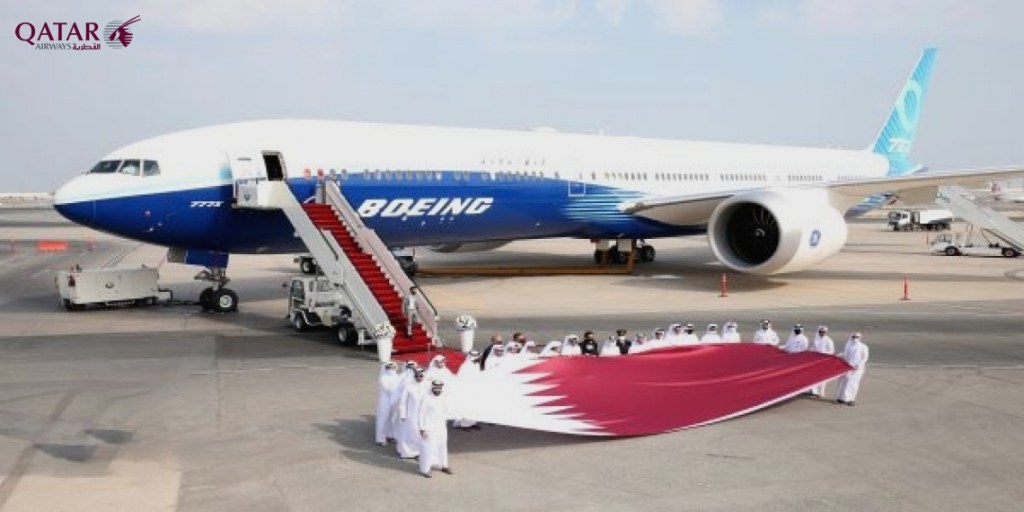
Qatar Airways ha tomado entrega de su primer Boeing 777-9 este Lunes 22/11 como cliente de lanzamiento global para la última generación de aviones Boeing 777 después de dar la bienvenida a la más moderna aeronave en el Aeropuerto Internacional Doha/DIA. El avión es actualmente el bimotor más grande y eficiente del mundo, reduciendo un 20 por ciento menos de consumo de combustible y emisiones que los aviones de la generación anterior. Las tecnologías clave que permiten esta eficiencia son su nueva ala compuesta de fibra de carbono, nuevos motores y góndolas de flujo laminar natural.
El Director Ejecutivo del Grupo Qatar Airways, Akbar Al Baker, dijo: «Fue en 2013 que Qatar Airways Group anunció inicialmente su inversión planificada en el avión de última generación de Boeing. Después de visitar la fábrica de Boeing en Everett, Washington, en Septiembre de 2018, tuvimos la oportunidad de ver el 777-9 de cerca en persona, pero hoy marca la primera oportunidad para que la aerolínea y nuestros estimados invitados VIP sean testigos de nuestro importante compromiso con este increíble avión aquí en Qatar cuando llega por primera vez. Estamos tremendamente orgullosos de ser un cliente de lanzamiento global para este producto líder en la industria, y de poder mostrar nuestro compromiso de continuar apoyando nuestra próspera red global con una flota que incluye los aviones bimotores más jóvenes, tecnológicamente avanzados y eficientes del mundo».
El Presidente y CEO de Boeing Commercial Airplanes, Stan Deal, dijo: «Nos sentimos honrados por el compromiso duradero de Qatar Airways con el 777-9 y con la asociación e innovación que representa. Con su mejora sin precedentes en la eficiencia del combustible y las emisiones y los nuevos niveles de confort, esperamos ver que el 777-9 deleite a los pasajeros de Qatar Airway durante muchos años».
Qatar receives 1st Boeing 777-9
Qatar Airways receives first Boeing B777-9
Qatar Airways has taken delivery of its first Boeing 777-9 this Monday 11/22 as a global launch customer for the latest generation of Boeing 777 aircraft after welcoming the most modern aircraft at Doha International Airport/DIA. The aircraft is currently the largest and most efficient twin-engine in the world, reducing 20 percent less fuel consumption and emissions than previous generation aircraft. The key technologies that enable this efficiency are its new carbon fiber composite wing, new engines and natural laminar flow nacelles.
Qatar Airways Group Chief Executive Officer Akbar Al Baker said: «It was in 2013 that Qatar Airways Group initially announced its planned investment in Boeing’s next-generation aircraft. After visiting the Boeing factory in Everett, Washington, in September From 2018, we had the opportunity to see the 777-9 up close in person, but today marks the first opportunity for the airline and our esteemed VIP guests to witness our significant commitment to this incredible aircraft here in Qatar when it first arrives. We are tremendously proud to be a global launch customer for this industry leading product, and to be able to show our commitment to continue to support our thriving global network with a fleet that includes the youngest, most technologically advanced and efficient twin-engine aircraft in the world».
Boeing Commercial Airplanes President and CEO Stan Deal said: «We are honored by Qatar Airways’ enduring commitment to the 777-9 and the partnership and innovation it represents. With its unprecedented improvement in fuel efficiency and emissions and new levels of comfort, we look forward to seeing the 777-9 delight Qatar Airway passengers for years to come».
AW | 2021 11 21 21:48 | AVIATION SAFETY / INDUSTRY
Estructuras compuestas contaminadas línea 787 Dreamliner
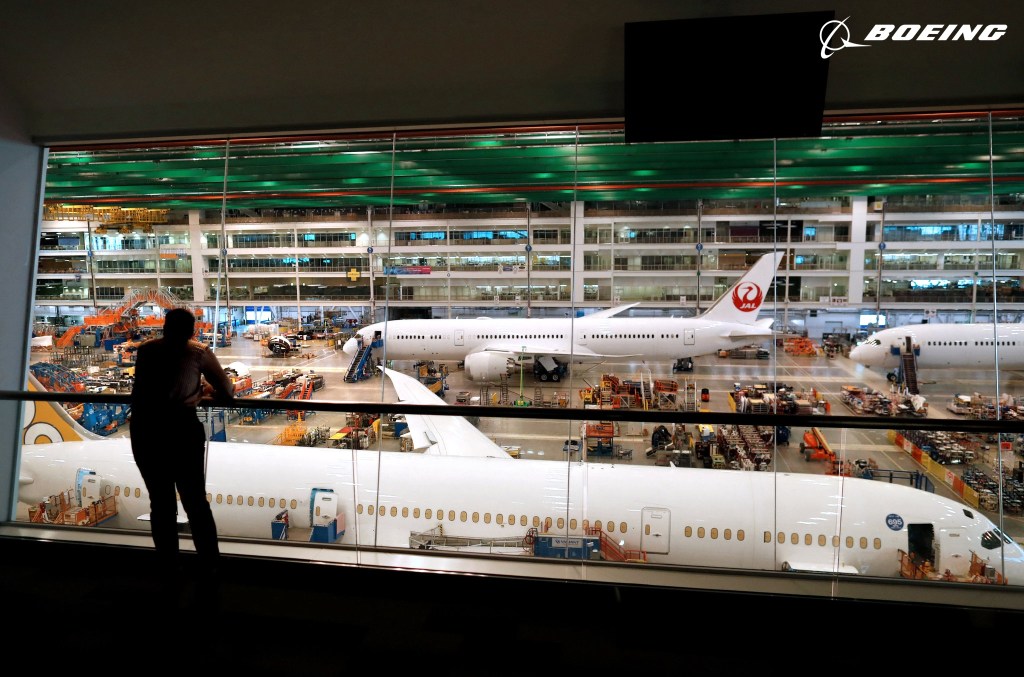
The Boeing Company le ha reportado a la Federal Aviation Administration (FAA) que algunas de las estructuras compuestas de sus aviones Boeing 787 han sido contaminadas con teflón y podrían no ser tan fuertes como se pretendía que fueran. La información está contenida en un memorando interno de la FAA y es el último de una larga lista de defectos de fabricación que están siendo investigados y revisados por la agencia. Aparentemente no hay un riesgo de seguridad inmediato para la flota en servicio, pero el problema compuesto posiblemente retrasará la reanudación de la producción de la aeronave. «Estamos viendo los aviones no entregados de punta a punta, y hemos encontrado áreas donde la fabricación no se ajusta a las especificaciones de ingeniería. Ninguno de estos problemas es un problema inmediato de seguridad de vuelo», dijo un portavoz de Boeing.
La contaminación ocurre durante el proceso de unión para el compuesto en muchos de los componentes grandes de la aeronave. Las bolsas de plástico se utilizan para crear un vacío que mantiene el material compuesto en posición en un molde. La pieza se forma bajo calor y presión en un autoclave gigante. Las bolsas y el material utilizado para permitir la liberación de las bolsas contenían teflón y dejaba un residuo en el compuesto. Ese residuo puede debilitar la unión cuando las piezas se unen entre sí con adhesivos. Inicialmente, las pruebas de Boeing mostraron que los bonos estaban dentro de las especificaciones, pero recientemente la compañía ha encontrado bonos que son más débiles de lo diseñado. La contaminación por teflón se ha encontrado en piezas fabricadas por al menos dos de los contratistas que fabrican grandes piezas de la aeronave como alas, fuselaje y cola.
El memorando contiene más información sobre el ajuste inadecuado de los espacios entre las partes causados por ondas en el material compuesto. El memorando dice que se han encontrado más huecos en las puertas de pasajeros y carga en el fuselaje de popa. Una vez más, no hay un problema de seguridad inmediato, pero las brechas podrían reducir la vida útil de los fuselajes porque pueden llevar a que los sujetadores que sostienen la piel se tiren. Esa condición podría afectar hasta a 1.000 aviones. Según los informes, el memorando también dice que los sujetadores de titanio defectuosos identificados anteriormente pueden estar en hasta 450 aviones y que existe un posible problema de seguridad allí si dos de los sujetadores sin especificaciones están uno al lado del otro. La amenaza más grave es con los accesorios que conectan la viga del piso con el marco del fuselaje donde se unen las alas. Dos aeronaves Boeing 787 perteneciente a All Nippon Airways almacenados en el desierto de California tenían ese defecto específico y Boeing los ha arreglado.
Boeing 787 composite contamination
787 Dreamliner line contaminated composite structures
The Boeing Company has reported to the Federal Aviation Administration (FAA) that some of the composite structures on its Boeing 787 aircraft have been contaminated with Teflon and may not be as strong as they were intended to be. The information is contained in an internal FAA memorandum and is the latest in a long list of manufacturing defects that are being investigated and reviewed by the agency. There is apparently no immediate safety risk to the in-service fleet, but the compound issue will possibly delay the resumption of production of the aircraft. «We are looking at undelivered aircraft from end to end, and we have found areas where manufacturing does not meet engineering specifications. None of these problems is an immediate flight safety issue», a Boeing spokesman said.
Contamination occurs during the bonding process for the compound on many of the large aircraft components. Plastic bags are used to create a vacuum that holds the composite material in position in a mold. The part is formed under heat and pressure in a giant autoclave. The bags and the material used to allow the bags to be released contained Teflon and left a residue on the compound. That residue can weaken the bond when parts are bonded together with adhesives. Initially, Boeing’s tests showed that the bonds were within specification, but recently the company has found bonds that are weaker than designed. Teflon contamination has been found in parts manufactured by at least two of the contractors that make large aircraft parts such as wings, fuselage and tail.
The memo contains more information on improper fit of the gaps between the parts caused by waves in the composite material. The memo says more gaps have been found in the passenger and cargo doors in the aft fuselage. Again, there is no immediate safety concern, but the gaps could reduce the life of the airframes because they can lead to the fasteners that support the skin being pulled. That condition could affect up to 1,000 aircraft. The memo also reportedly says that the defective titanium fasteners identified above may be on up to 450 aircraft and that there is a potential safety issue there if two of the unspecified fasteners are next to each other. The most serious threat is with the fixtures that connect the floor beam to the fuselage frame where the wings are attached. Two Boeing 787 aircraft belonging to All Nippon Airways stored in the California desert had that specific defect and Boeing has fixed them.
CMA CGM Group se convirtió en la segunda compañía en comprometerse con el nuevo carguero Airbus A350-900F. Airbus ha asegurado otro compromiso para su futuro carguero A350F, esta vez un Memorando de Entendimiento (MoU) de la compañía naviera y logística CMA CGM Group que cubre la compra de cuatro de los nuevos aviones de carga Air. El pedido, aún sujeto a conclusión en las próximas semanas, aumentará el tamaño de la flota de Airbus de CMA CGM a nueve unidades, incluidos cinco A330-200G (5). CMA CGM Air Cargo, la división de carga aérea recientemente lanzada del grupo, operará la nueva aeronave.
El acuerdo con CMA CGM sigue de cerca el anuncio de un pedido de lanzamiento muy esperado de Air Lease Corporation para siete A350F durante el Dubai Airshow como parte de un acuerdo gigante que incluía A220-300 (25), A321NEO (55), A321XLR (20) y A330-990NEO (4). Como cliente de lanzamiento del carguero A350, Udvar-Hazy señaló que siete aviones era un buen lugar para comenzar y que esperaba agregar más. El avión ofrece un alcance de casi 5.000 nm con una carga útil completa de 109 toneladas y, lo que es más importante, representa el único avión que puede cumplir con las cifras objetivo de ruido y emisiones programadas para entrar en vigor en 2027.
ALC ha entrado en conversaciones con cinco clientes potenciales para el A350F, que se entregarán a partir de 2026. Para entonces, Airbus cree que los operadores de muchos de los cargueros de tipo avión de pasajeros convertidos actualmente, como el Boeing 747 y el MD-11, habrán comenzado el proceso de retirarlos del servicio. Las eficiencias que los nuevos aviones pueden aportar al sector de la carga en comparación con los tipos heredados son mucho más pronunciadas en las rutas de larga distancia, y Airbus prevé una flota mundial de larga distancia de aproximadamente 900 aviones, de los cuales la proporción de aviones de nueva construcción aumentará en comparación con las cifras actuales. En total, Airbus aterrizó pedidos en firme para 269 aviones y compromisos para otros 139 en Dubai.
Airbus signs second A350F agreement
CMA CGM Group order for Airbus A350 cargo
CMA CGM Group became the second company to commit to the new Airbus A350-900F freighter. Airbus has secured another commitment for its future A350F freighter, this time a Memorandum of Understanding (MoU) from shipping and logistics company CMA CGM Group covering the purchase of four of the new Air cargo planes. The order, still subject to completion in the coming weeks, will increase CMA CGM’s Airbus fleet size to nine units, including five A330-200Gs (5). CMA CGM Air Cargo, the group’s recently launched air cargo division, will operate the new aircraft.
The deal with CMA CGM closely follows the announcement of a highly anticipated launch order from Air Lease Corporation for seven A350Fs during the Dubai Airshow as part of a giant deal that included A220-300 (25), A321NEO (55), A321XLR (20) and A330-990NEO (4). As a launch customer for the A350 freighter, Udvar-Hazy noted that seven aircraft was a good place to start and that he hoped to add more. The aircraft offers a range of almost 5,000 nm with a full payload of 109 tonnes and, more importantly, represents the only aircraft that can meet the target noise and emissions figures scheduled to go into effect in 2027.
ALC has entered into discussions with five potential customers for the A350F, which will be delivered from 2026. By then, Airbus believes that the operators of many of the currently converted airliner-type freighters, such as the Boeing 747 and MD- 11, they will have started the process of removing them from service. The efficiencies that new aircraft can bring to the freight sector compared to legacy types are much more pronounced on long-haul routes, and Airbus anticipates a global long-haul fleet of approximately 900 aircraft, of which the proportion of Newly built aircraft will increase compared to current figures. In all, Airbus landed firm orders for 269 aircraft and commitments for another 139 in Dubai.
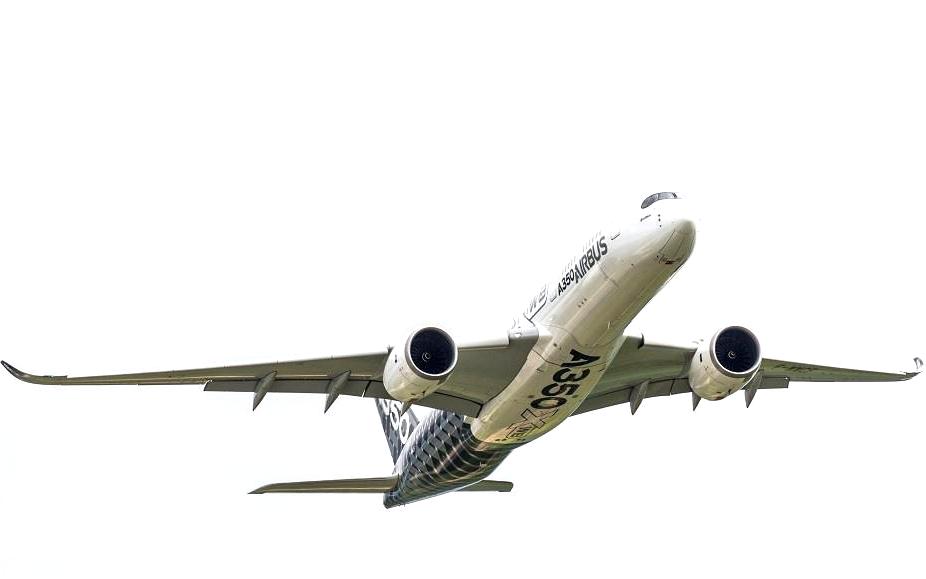
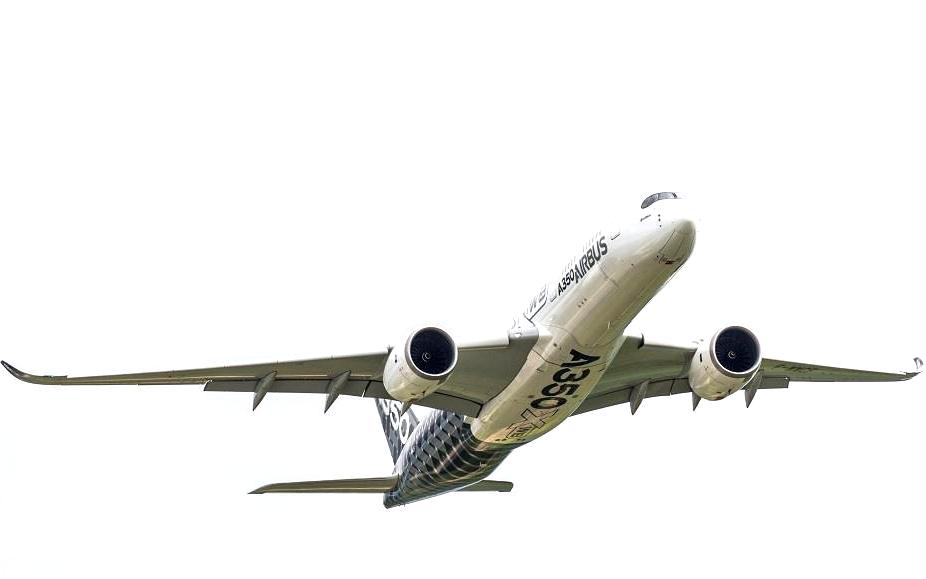
Airbus Group continúa avanzando con el programa de aeronaves cargueras de última generación basadas en su nuevo A350F. El fabricante de aviones con sede en Toulouse ha comunicado que el A350F tendrá una capacidad estructural máxima de 109 toneladas a 4.700 millas náuticas, o 92 toneladas de capacidad volumétrica. A principios de este año 2021, Airbus lanzó una versión de carga muy esperada de su nuevo avión de fuselaje ancho, el A350. Desafiando el dominio de Boeing en el mercado de carga, el avión ofrecerá un volumen de carga un 10% mayor en comparación con el 777F. Si bien no se ha anunciado oficialmente ningún cliente, Airbus apunta a la entrada en servicio del A350F para 2025.
Especificaciones A350F
El carguero A350F será una competencia bienvenida en el mercado de carga aérea de fuselaje ancho. El Jefe de Marketing de Carga de Airbus, Crawford Hamilton ha delineado las especificaciones técnicas del avión: «Hemos tenido especial cuidado de hacer que la puerta sea más grande y el piso más resistente para facilitar la planificación y ejecución de la carga. El A350F será la máquina preferida del agente de carga», dijo Crawford Hamilton. Según los informes, el A350F, una versión reforzada basada en el fuselaje del A350-1000, superará al 777F en carga útil en un 4,5%, 109 frente a 103,7 toneladas. Esto se debe en gran medida a su fuselaje más largo, que proporciona un volumen de carga un 10% mayor. Mientras tanto, también será más ligero que el 777F en 20 toneladas y propulsado por motores Rolls-Royce Trent XWB 97k, que Airbus dice que proporcionará una mejor economía que la competencia.
Perspectivas A350F
El negocio del transporte aéreo está en auge. Una reciente crisis de escasez de contenedores ha hecho que los tiempos de envío se dupliquen. Combinado con el aumento continuo del comercio electrónico, se espera que el mercado mundial de carga aérea alcance los US$ 376.8 mil millones para 2027. Eso es un aumento de más de US$ 100 mil millones desde justo antes del cambio de década. Airbus, al parecer, ha lanzado su carguero A350F justo a tiempo.
La dinámica del mercado ha dado origen al programa carguero A350F generada por la demanda de mercado estimulada por la competencia permitiendo lanzar un desafío a la hegemonía de Boeing en el ámbito de los aviones cargueros. La OACI ha dejado en claro que los Boeing 767 y Boeing 777 más antiguos no cumplirán con los próximos estándares de emisiones y, por lo tanto, no se pueden producir más allá de 2027. También se espera que Boeing lance una versión de carga de su nuevo buque insignia de fuselaje ancho, el 777X, pero aún no ha anunciado ningún cronograma oficial. Si bien se ha especulado que Boeing podría responder al lanzamiento del A350F con un anuncio en el Dubai Air Show la próxima semana, por el momento, parece muy incierto que este sea el caso.
Airbus A350F 109t
Airbus deepens A350F freighter target
Airbus Group continues to advance the next generation cargo aircraft program based on its new A350F. The Toulouse-based aircraft manufacturer has announced that the A350F will have a maximum structural capacity of 109 tonnes at 4,700 nautical miles, or 92 tonnes of volumetric capacity. Earlier this year 2021, Airbus launched a highly anticipated cargo version of its new wide-body aircraft, the A350. Challenging Boeing’s dominance in the cargo market, the aircraft will offer 10% greater cargo volume compared to the 777F. While no customer has been officially announced, Airbus is aiming for the A350F to enter service by 2025.
Specifications A350F
The A350F freighter will be a welcome competitor in the wide-body air cargo market. Airbus Head of Cargo Marketing Crawford Hamilton has outlined the aircraft’s technical specifications: «We have taken special care to make the door larger and the floor stronger to facilitate cargo planning and execution. The A350F will be the freight forwarder’s machine of choice», said Crawford Hamilton. The A350F, a beefed-up version based on the A350-1000 fuselage, will reportedly outperform the 777F in payload by 4.5%, 109 versus 103.7 tonnes. This is largely due to its longer fuselage, which provides 10% more cargo volume. Meanwhile, it will also be lighter than the 777F by 20 tonnes and powered by Rolls-Royce Trent XWB 97k engines, which Airbus says will provide better economy than the competition.
Outlook A350F
The air transport business is booming. A recent container shortage crisis has seen shipping times double. Combined with the continued rise in e-commerce, the global air cargo market is expected to reach US$ 376.8 billion by 2027. That’s an increase of more than $ 100 billion from just before the turn of the decade. Airbus, it seems, has launched its A350F freighter just in time.
Market dynamics have given rise to the A350F freighter program, generated by market demand stimulated by competition, allowing it to challenge Boeing’s hegemony in the field of freighter aircraft. ICAO has made it clear that older Boeing 767s and Boeing 777s will not meet upcoming emissions standards and therefore cannot be produced beyond 2027. Boeing is also expected to launch a cargo version of its new widebody flagship, the 777X, but no official schedule has been announced yet. While it has been speculated that Boeing could respond to the launch of the A350F with an announcement at the Dubai Air Show next week, at the moment, it seems highly uncertain that this will be the case.
Boeing prepara dominio en mercado de India con pedido 737 MAX Aproximación de orden para Akasa Air
The Boeing Company podría ganar un acuerdo crucial tan pronto como este fin de semana para unos 70 a 80 aviones de cuarta generación de la línea Boeing 737 MAX de la aerolínea de nueva creación en la India, Akasa Air, una startup con sede en Mumbai respaldada por el inversionista multimillonario Rakesh Jhunjhunwala, fue reportada anteriormente que estaba se encontraba en conversaciones con el constructor americano sobre un eventual pedido de aeroanves narrowbodies. Un acuerdo podría anunciarse durante el Dubai Airshow del 14 al 18 de Noviembre de 2021 en los Emiratos Árabes Unidos.
Un acuerdo de ese tamaño para tomar la variante más popular de la familia 737 MAX, que la mayoría de los reguladores ahora han aprobado su recertificación, se encuentra en condiciones de volar nuevamente después de dos accidentes aéreos. La India es un importante mercado aerocomercial que pujan el dominio Airbus-Boeing. India era uno de los mercados de aviación de más rápido crecimiento del mundo en tiempos pre-pandemia, pero promete reanudar su potencial. Cualquier transacción permitiría a Boeing establecerse firmemente en un mercado dominado por aviones europeos Airbus. El líder del mercado IndiGo es el cliente más grande del mundo para los aviones más vendidos A320 family del fabricante de europeo con pedidos de más de 700 aviones. La aerolínea de bajo costo SpiceJet es actualmente el único cliente indio bajo el modelo americano 737 MAX, después de que Jet Airways India Ltd. colapsara debido a problemas de deuda en 2019.
Akasa Air, startup india
Akasa Air, operado por la matriz SNV Aviation, planea ofrecer vuelos a través de la India a partir del verano boreal de 2022 después de recibir la aprobación inicial del Ministerio de Aviación Civil del país en Octubre 2021. La aerolínea también está respaldada por Aditya Ghosh, ex-Jefe de IndiGo, y Vinay Dube, un veterano de Delta Air Lines que también ayudó a dirigir Jet Airways.
Akasa Air ha mantenido conversaciones con Airbus Group, pero los aviones Boeing podrían entregarse antes, con el primer lote de diez unidades en la primera mitad del próximo año 2022 y el resto dentro de tres años. Akasa Air todavía está trabajando en los detalles más finos de su lanzamiento, incluida su identidad de marca. Akasa se encuentra entre un puñado de nuevas aerolíneas que surgen en todo el mundo, permitiendo aprovechar una caída en las tarifas de arrendamiento de aviones después de que la pandemia golpeó los viajes aéreos y cientos de aviones se estacionaron en desiertos y aeropuertos.
Boeing prepares order for Akasa Air
Boeing prepares dominance in Indian market with 737 MAX order Order approximation for Akasa Air
The Boeing Company could win a crucial deal as early as this weekend for some 70 to 80 fourth-generation jets from the Boeing 737 MAX line of Indian start-up airline Akasa Air, a Mumbai-based startup backed by billionaire investor Rakesh Jhunjhunwala, it was previously reported that he was in talks with the American builder about an eventual order for narrowbodies airplanes. A deal could be announced during the Dubai Airshow on November 14-18, 2021 in the United Arab Emirates.
A deal of that size to take on the most popular variant of the 737 MAX family, which most regulators have now approved for recertification, is in a position to fly again after two plane crashes. India is a major commercial aviation market that is being dominated by Airbus-Boeing. India was one of the world’s fastest growing aviation markets in pre-pandemic times, but it promises to resume its potential. Any transaction would allow Boeing to establish itself firmly in a market dominated by European Airbus aircraft. Market leader IndiGo is the world’s largest customer for the European manufacturer’s best-selling A320 family aircraft with orders for more than 700 aircraft. Low-cost carrier SpiceJet is currently the only Indian customer under the American 737 MAX model, after Jet Airways India Ltd. collapsed due to debt problems in 2019.
Akasa Air, Indian startup
Akasa Air, operated by parent SNV Aviation, plans to offer flights across India starting in the summer of 2022 after receiving initial approval from the country’s Ministry of Civil Aviation in October 2021. The airline is also backed by Aditya Ghosh , former Head of IndiGo, and Vinay Dube, a Delta Air Lines veteran who also helped run Jet Airways.
Akasa Air has held talks with Airbus Group, but Boeing jets could be delivered earlier, with the first batch of ten units in the first half of next year 2022 and the rest within three years. Akasa Air is still working on the finer details of its launch, including its brand identity. Akasa is among a handful of new airlines emerging around the world, making it possible to take advantage of a drop in aircraft leasing rates after the pandemic hit air travel and hundreds of planes were parked in deserts and airports.
बोइंग ने अकासा एयर के लिए ऑर्डर तैयार किया
बोइंग 737 मैक्स ऑर्डर के साथ भारतीय बाजार में दबदबा बनाने की तैयारी अकासा एयर के लिए ऑर्डर सन्निकटन
बोइंग कंपनी इस सप्ताहांत की शुरुआत में भारत में स्टार्ट-अप एयरलाइन की बोइंग 737 मैक्स लाइन से लगभग 70 से 80 चौथी पीढ़ी के जेट विमानों के लिए एक महत्वपूर्ण सौदा जीत सकती है। अरबपति निवेशक राकेश झुनझुनवाला द्वारा समर्थित मुंबई स्थित स्टार्टअप अकासा एयर को पहले अमेरिकी बिल्डर के साथ नैरोबॉडी हवाई जहाज के अंतिम ऑर्डर के बारे में बातचीत करने की सूचना मिली थी। संयुक्त अरब अमीरात में 14-18 नवंबर, 2021 को दुबई एयरशो के दौरान एक सौदे की घोषणा की जा सकती है।
737 मैक्स परिवार के सबसे लोकप्रिय संस्करण को लेने के लिए उस आकार का एक सौदा, जिसे अब अधिकांश नियामकों ने पुनर्प्रमाणन के लिए मंजूरी दे दी है, दो विमान दुर्घटनाओं के बाद फिर से उड़ान भरने की स्थिति में है। भारत एक प्रमुख वाणिज्यिक विमानन बाजार है जिस पर एयरबस-बोइंग का दबदबा है। भारत पूर्व-महामारी के समय में दुनिया के सबसे तेजी से बढ़ते विमानन बाजारों में से एक था, लेकिन यह अपनी क्षमता को फिर से शुरू करने का वादा करता है। कोई भी लेन-देन बोइंग को यूरोपीय एयरबस विमानों के प्रभुत्व वाले बाजार में मजबूती से स्थापित करने की अनुमति देगा। मार्केट लीडर इंडिगो, 700 से अधिक विमानों के ऑर्डर के साथ यूरोपीय निर्माता के सबसे अधिक बिकने वाले A320 परिवार के विमानों के लिए दुनिया का सबसे बड़ा ग्राहक है। जेट एयरवेज इंडिया लिमिटेड के 2019 में कर्ज की समस्या के कारण ढह जाने के बाद, कम लागत वाली वाहक स्पाइसजेट वर्तमान में अमेरिकी 737 मैक्स मॉडल के तहत एकमात्र भारतीय ग्राहक है।
अकासा एयर, भारतीय स्टार्टअप
माता-पिता एसएनवी एविएशन द्वारा संचालित अकासा एयर, अक्टूबर 2021 में देश के नागरिक उड्डयन मंत्रालय से प्रारंभिक अनुमोदन प्राप्त करने के बाद 2022 की गर्मियों में भारत भर में उड़ानों की पेशकश करने की योजना बना रही है। एयरलाइन को इंडिगो के पूर्व प्रमुख आदित्य घोष का भी समर्थन प्राप्त है। और विनय दुबे, डेल्टा एयर लाइन्स के एक अनुभवी, जिन्होंने जेट एयरवेज को चलाने में भी मदद की।
अकासा एयर ने एयरबस समूह के साथ बातचीत की है, लेकिन बोइंग जेट विमानों की डिलीवरी पहले की जा सकती है, अगले साल 2022 की पहली छमाही में दस इकाइयों के पहले बैच के साथ और बाकी तीन साल के भीतर। अकासा एयर अभी भी अपने लॉन्च के बारीक विवरण पर काम कर रही है, जिसमें इसकी ब्रांड पहचान भी शामिल है। अकासा दुनिया भर में उभरने वाली कुछ नई एयरलाइनों में से एक है, जिससे हवाई यात्रा की महामारी प्रभावित होने और सैकड़ों विमानों को रेगिस्तान और हवाई अड्डों में पार्क किए जाने के बाद विमान पट्टे की दरों में गिरावट का लाभ उठाना संभव हो गया है।
Embraer optimista demanda aeronaves comerciales Medio Oriente
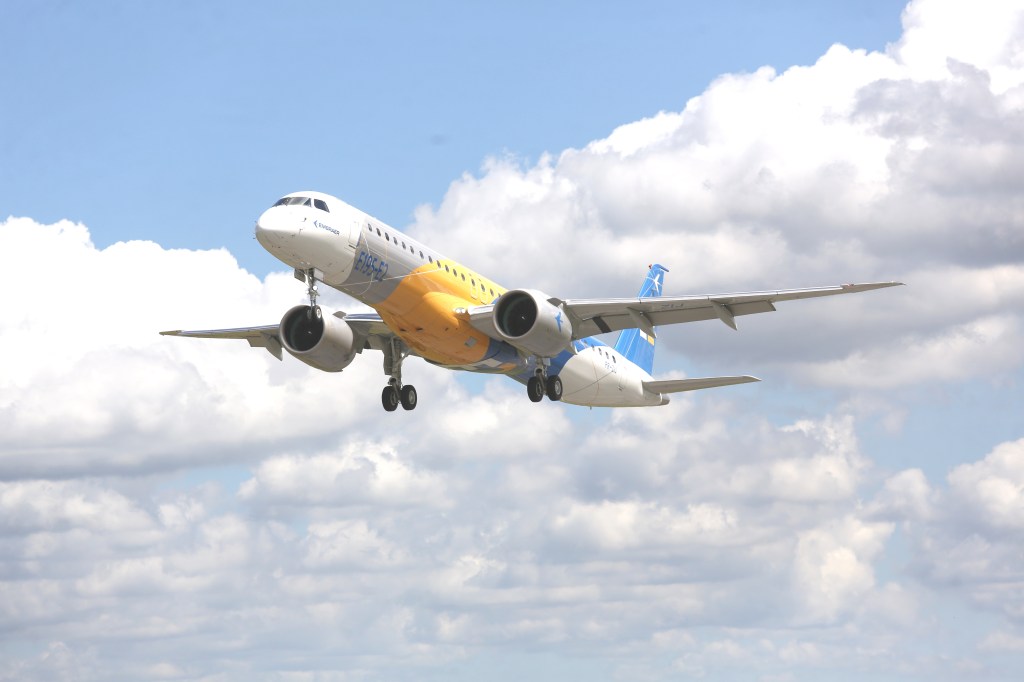
Embraer mantiene la creencia de que la actiual crisis sanitaria ha creado nuevas oportunidades para expandir la flota de E-Jets a medida que las aerolíneas revisan sus redes y se adaptan a los cambios en el comportamiento de viaje se aplica de manera aguda al Medio Oriente, ya que la pandemia interrumpe los vuelos tradicionales de larga distancia. a corrientes de tráfico de larga distancia y da lugar a más viajes interregionales, según el Jefe de la unidad de aviones comerciales de Embraer para Oriente Medio y África, Hussein Dabbas. El nuevo entorno también ha despertado un gran interés en el concepto actualizado del fabricante brasileño para un turbohélice de 70 a 90 asientos de próxima generación. “El apetito por las compras [pequeñas y estrechas] está regresando por completo. Las aerolíneas deben reestructurarse para volver a obtener ganancias. La industria de la aviación pre-Covid y post-Covid es muy diferente. El mayor peligro en tiempos de turbulencia no es la turbulencia; es actuar con la lógica de ayer”, dijoHussein Dabbas, citando del Consejo del Consultor de Gestión Peter F. Drucker.
Si bien el tráfico de larga distancia caracterizó en gran medida el transporte aéreo de Oriente Medio antes de la pandemia, los mercados entre países dentro del Consejo de Cooperación del Golfo: Bahrein, Kuwait, Omán, Qatar, Arabia Saudita y los Emiratos Árabes Unidos, han crecido, al igual que, a un en menor medida, el nivel de viajes nacionales. El Medio Oriente cuenta solo con un número limitado de países, como Arabia Saudita y Egipto, con un gran mercado de viajes aéreos domésticos.
Cada vez más aerolíneas reconocen la necesidad de «dimensionar la flota» y un cambio a aeronaves de menor capacidad y más versátiles para satisfacer la demanda más débil, conectar ciudades secundarias o alimentar los mega hubs de la región desde ciudades más pequeñas, señaló Hussein Dabbas. Incluso algunas aerolíneas de bajo costo han comenzado a reconocer los beneficios de operar una flota dual de aviones regionales y de fuselaje estrecho para acceder a ciertos mercados, dijo. “Están en contacto con nosotros. Se están dando cuenta de que en muchas rutas el jet regional de Embraer tiene el tamaño adecuado. Los datos independientes apuntan a la necesidad de aviones más pequeños más rentables para satisfacer mejor la demanda. Hasta el 53 por ciento de los vuelos domésticos e interregionales en el Medio Oriente salen con menos de 120 pasajeros a bordo, el 82 por ciento sale con menos de 150 pasajeros y el 57 por ciento de las rutas nacionales e interregionales tienen menos de un vuelo diario. Las aeronaves con hasta 150 asientos serán fundamentales para la rapidez con la que se recupere la industria”, expresó Hussein Dabbas.
Embraer se mantiene optimista sobre las oportunidades de crecimiento de la región. La última perspectiva del mercado de Oriente Medio/África de Embraer, publicada en Octubre de 2020, esperaba que la flota en servicio en su segmento aumentara de 760 aviones en 2019 a 870 para 2029. Su nueva perspectiva de mercado para 2021, programada para su lanzamiento en el Dubai Airshow 2021, predice que el crecimiento de las entregas en la región aumentará en más del 10 por ciento durante los próximos diez años. Actualmente, 230 aviones Embraer operan en Oriente Medio y África, la mayoría de ellos vuelan en África.
Turbohélices E3-Jets
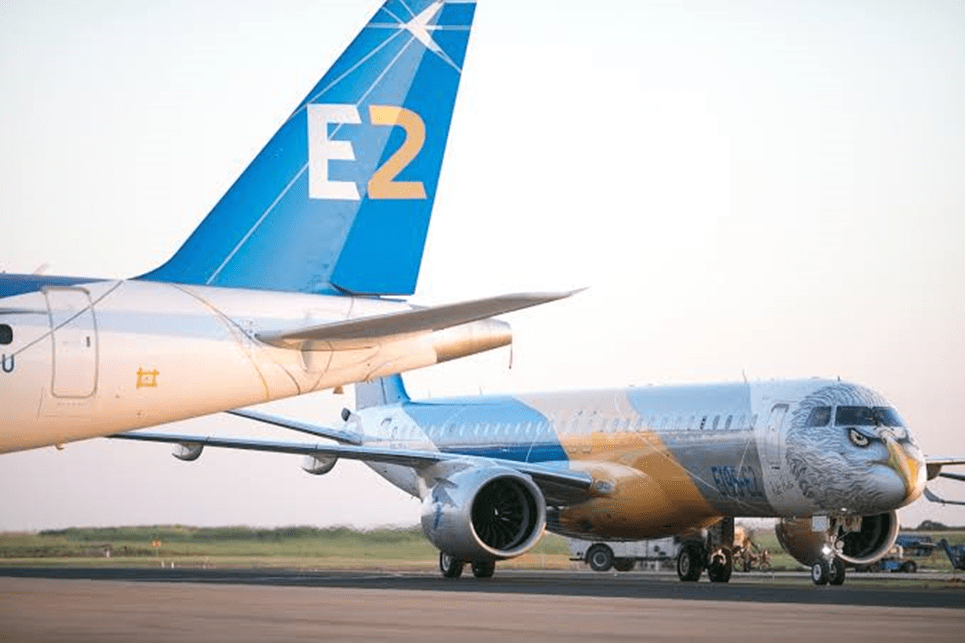
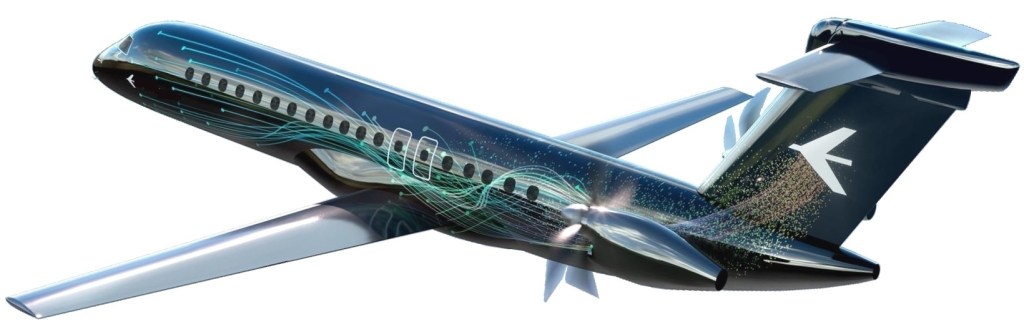
Hussein Dabbas expresó su confianza en que el próximo turbohélice de próxima generación Embraer E3-Jets atraerá a varios clientes en el Medio Oriente y África porque, dijo, el diseño de usar el fuselaje del jet E2 con los motores montados en la parte trasera eliminaría la percepción negativa de larga data de la región de un avión turbohélice típico. Los aviones comerciales turbohélice nunca ganaron tracción en el Medio Oriente, principalmente debido a la visión de los viajeros de las hélices de palas como tecnología antigua y las cabinas de los aviones como demasiado pequeñas, incómodas y ruidosas. “Lo que Embraer está tratando de hacer es abordar estos problemas de frente. Nuestro turbohélice de 70 a 90 asientos de próxima generación ofrecerá una experiencia similar a la de un jet. Tendrá la misma sección transversal que la familia E-Jets y, por lo tanto, ofrecerá el mismo espacio que las cabinas E2, sin asientos intermedios y grandes compartimentos superiores”, explicó Hussein Dabbas.
Los motores montados en el fuselaje trasero proporcionarán una cabina mucho más silenciosa con menos vibración que los turbohélices tradicionales con motores montados en las alas, señaló, y agregó que este diseño hace posible el uso de puentes aéreos en los aeropuertos. El aspecto medioambiental establecido del turbohélice, que consume menos combustible que un turborreactor o turbofán permanece, “pero con una interpretación moderna y un motor moderno. El nuevo turbohélice funcionará extremadamente bien en rutas regionales delgadas, particularmente en África, donde hay muchos aeropuertos con pistas cortas o sin pavimentar», manifiesta Hussein Dabbas.
El constructor brasileño ha estado explorando el concepto de un gran turbohélice de próxima generación durante más de dos años y en agosto reveló que había cambiado la arquitectura inicial de un avión de ala baja y motores montados en alas por un diseño con dos motores montados en popa, en una configuración similar a la de su jet regional ERJ-145 de 50 asientos. El nuevo turbohélice de pasajeros marca el desarrollo del primer avión turbohélice occidental nuevo en décadas y el primer turbohélice nuevo de Embraer desde el EMB-120 Brasilia. El diseño de turbohélice de hoja limpia representa parte de los nuevos objetivos de sostenibilidad de la compañía, que incluyen el objetivo de hacer que sus aviones sean 100 por ciento compatibles con el Combustible de Aviación Sostenible (SAF) para 2030. Aunque es demasiado grande para la propulsión eléctrica o híbrida-eléctrica, el turbohélice posiblemente podría incorporar propulsión de hidrógeno líquido.
EVA
Fuera del negocio de aviación comercial típico de Embraer, Dabbas ve «un mercado enorme» para el vehículo eléctrico de despegue y aterrizaje vertical (eVTOL) que está desarrollando la subsidiaria Eve Urban Air Mobility Solutions con sede en Ft Lauderdale, Florida. También conocido en el mercado como EVA (Aeronave Vertical Eléctrica), el eVTOL planeado acomodaría a cuatro pasajeros, más equipaje, volaría a un rango de 60 millas (96 km) y consumiría energía de ocho hélices eléctricas. La plataforma de movilidad urbana de cero emisiones y bajo nivel de ruido ha reunido compromisos que incluyen 735 ejemplares, incluido un pedido del grupo arrendador Bristow y de la brasileña Avantto, cada uno de hasta 100 Eve eVTOLS. Embraer espera que las entregas comiencen en 2026. «Hay mucho interés por el EVA en el Medio Oriente», dijo Hussein Dabbas, citando el interés en países ricos en petróleo como los Emiratos Árabes Unidos, Qatar y Arabia Saudita. También ve mucho interés en África, donde el tráfico en las principales áreas urbanas siempre es horrible. EVA aún no ha anunciado un acuerdo en el Medio Oriente, pero firmó un memorando de entendimiento en agosto con la subsidiaria Fahari Aviation de Kenya Airways destinado a desarrollar planes para una red africana de operaciones de aviones no tripulados y, finalmente, el servicio de pasajeros de aviones eVTOL. “Estamos hablando con otras aerolíneas”, dijo Hussein Dabbas.
Embraer post-pandemic optimism
Upbeat Embraer Demands Middle East Commercial Aircraft
Embraer maintains the belief that the current health crisis has created new opportunities to expand the E-Jets fleet as airlines revise their networks and adapt to changes in travel behavior that are acutely applied to the Middle East, as the pandemic disrupts traditional long-haul flights. to long-haul traffic flows and leads to more interregional travel, according to Hussein Dabbas, Head of Embraer’s commercial aircraft unit for the Middle East and Africa. The new environment has also sparked great interest in the Brazilian manufacturer’s updated concept for a next-generation 70-90 seat turboprop. “The appetite for [small and narrow] purchases is fully returning. Airlines must restructure to make a profit again. The pre-Covid and post-Covid aviation industry is very different. The greatest danger in times of turbulence is not turbulence; it’s acting on yesterday’s logic», said Hussein Dabbas, quoting from the Board of Management Consultant Peter F. Drucker.
While long-haul traffic largely characterized Middle Eastern air travel before the pandemic, the markets between countries within the Gulf Cooperation Council – Bahrain, Kuwait, Oman, Qatar, Saudi Arabia, and the United Arab Emirates, have grown, as has, to a lesser extent, the level of domestic travel. The Middle East has only a limited number of countries, such as Saudi Arabia and Egypt, with a large domestic air travel market.
More and more airlines are recognizing the need to «size the fleet» and shift to smaller capacity and more versatile aircraft to meet weaker demand, connect secondary cities or power the region’s mega hubs from smaller cities, Dabbas said. Even some low-cost airlines have begun to recognize the benefits of operating a dual fleet of narrow-body and regional jets to access certain markets, he said. “They are in contact with us. They are realizing that on many routes the Embraer regional jet is just the right size. Independent data points to the need for smaller, more profitable jets to better meet demand. Up to 53 percent of domestic and interregional flights in the Middle East depart with fewer than 120 passengers on board, 82 percent depart with fewer than 150 passengers, and 57 percent of domestic and interregional routes have less than one flight. daily. Aircraft with up to 150 seats will be critical to how quickly the industry recovers”, said Hussein Dabbas.
Embraer remains optimistic about growth opportunities in the region. Embraer’s latest Middle East/Africa market outlook, released in October 2020, expected the fleet in service in its segment to increase from 760 aircraft in 2019 to 870 by 2029. Its new market outlook for 2021, scheduled for its launch at the Dubai Airshow 2021, predicts that delivery growth in the region will increase by more than 10 percent over the next ten years. Currently, 230 Embraer aircraft operate in the Middle East and Africa, most of them fly in Africa.
E3-Jets turboprops
Hussein Dabbas expressed confidence that the next Embraer E3-Jets next-generation turboprop will appeal to various customers in the Middle East and Africa because, he said, the design of using the E2 jet fuselage with the rear-mounted engines would eliminate the Long-standing negative perception of the region of a typical turboprop aircraft. Turboprop commercial airliners never gained traction in the Middle East, mainly due to travelers’ view of blade propellers as old technology and aircraft cabins as too small, uncomfortable, and noisy. “What Embraer is trying to do is tackle these issues head-on. Our next-generation 70-90 seat turboprop will deliver a jet-like experience. It will have the same cross section as the E-Jets family and therefore offer the same space as the E2 cabs, without intermediate seats and large overhead compartments”, Hussein Dabbas explained.
The rear fuselage-mounted engines will provide a much quieter cabin with less vibration than traditional wing-mounted turboprops, he noted, adding that this design makes it possible to use airlifts at airports. The established environmental aspect of the turboprop, which consumes less fuel than a turbojet or turbofan remains, “but with a modern interpretation and a modern engine. The new turboprop will perform extremely well on thin regional routes, particularly in Africa, where there are many airports with short or unpaved runways», says Hussein Dabbas.
The Brazilian builder has been exploring the concept of a large next-generation turboprop for more than two years and revealed in August that it had swapped the initial architecture of a low-wing, wing-mounted engine aircraft for a twin-engine aft-mounted design. , in a configuration similar to that of its ERJ-145 50-seat regional jet. The new passenger turboprop marks the development of the first new Western turboprop aircraft in decades and Embraer’s first new turboprop since the EMB-120 Brasilia. The clean blade turboprop design represents part of the company’s new sustainability goals, which include a goal of making its aircraft 100 percent Sustainable Aviation Fuel (SAF) compliant by 2030. Although it is too big for electric or hybrid-electric propulsion, the turboprop could possibly incorporate liquid hydrogen propulsion.
EVA
Outside of Embraer’s typical commercial aviation business, Dabbas sees «a huge market» for the electric vertical take-off and landing (eVTOL) vehicle being developed by the Ft Lauderdale, Florida-based subsidiary Eve Urban Air Mobility Solutions. Also known in the market as EVA (Electric Vertical Aircraft), the planned eVTOL would accommodate four passengers, plus luggage, fly at a range of 60 miles (96 km) and draw power from eight electric propellers. The zero-emission, low-noise urban mobility platform has met commitments that include 735 copies, including an order from the Bristow leasing group and Brazil’s Avantto, each for up to 100 Eve eVTOLS. Embraer expects deliveries to start in 2026. «There is a lot of interest in EVA in the Middle East», Hussein Dabbas said, citing interest in oil-rich countries like the United Arab Emirates, Qatar and Saudi Arabia. He also sees a lot of interest in Africa, where traffic in major urban areas is always horrible. EVA has yet to announce a Middle East deal, but signed a memorandum of understanding in August with Kenya Airways subsidiary Fahari Aviation aimed at developing plans for an African network of drone operations and eventually passenger service. eVTOL aircraft. «We are talking to other airlines», Hussein Dabbas said.
Otimismo pós-pandemia da Embraer
Embraer otimista exige aeronaves comerciais para o Oriente Médio
A Embraer mantém a convicção de que a atual crise de saúde criou novas oportunidades para expandir a frota de E-Jets à medida que as companhias aéreas revisam suas redes e se adaptam às mudanças no comportamento de viagens que são fortemente aplicadas ao Oriente Médio, à medida que a pandemia atrapalha os voos tradicionais de longa distância . para fluxos de tráfego de longa distância e leva a mais viagens inter-regionais, de acordo com Hussein Dabbas, chefe da unidade de aeronaves comerciais da Embraer para o Oriente Médio e África. O novo ambiente também despertou grande interesse no conceito atualizado do fabricante brasileiro para um turboélice de próxima geração para 70-90 lugares. “O apetite por compras [pequenas e estreitas] está voltando totalmente. As companhias aéreas precisam se reestruturar para ter lucro novamente. A indústria de aviação pré-Covid e pós-Covid é muito diferente. O maior perigo em tempos de turbulência não é a turbulência; está agindo com a lógica de onte”, disse Hussein Dabbas, citando o Consultor do Conselho de Administração Peter F. Drucker.
Embora o tráfego de longa distância tenha caracterizado amplamente as viagens aéreas do Oriente Médio antes da pandemia, os mercados entre os países do Conselho de Cooperação do Golfo: Bahrein, Kuwait, Omã, Catar, Arábia Saudita e Emirados Árabes Unidos cresceram, assim como, para um em menor medida, o nível de viagens domésticas. O Oriente Médio tem apenas um número limitado de países, como Arábia Saudita e Egito, com um grande mercado doméstico de viagens aéreas.
Mais e mais companhias aéreas estão reconhecendo a necessidade de «dimensionar a frota» e mudar para aeronaves de capacidade menor e mais versáteis para atender à demanda mais fraca, conectar cidades secundárias ou fornecer energia aos mega hubs da região a partir de cidades menores, disse Dabbas. Até mesmo algumas companhias aéreas de baixo custo começaram a reconhecer os benefícios de operar uma frota dupla de jatos narrow-body e regionais para acessar certos mercados, disse ele. “Eles estão em contato conosco. Eles estão percebendo que em muitas rotas o jato regional da Embraer tem o tamanho certo. Dados independentes apontam para a necessidade de jatos menores e mais lucrativos para melhor atender à demanda. Até 53% dos voos domésticos e inter-regionais no Oriente Médio partem com menos de 120 passageiros a bordo, 82% partem com menos de 150 passageiros e 57% das rotas domésticas e inter-regionais têm menos de um voo diário. Aeronaves com até 150 assentos serão fundamentais para a rapidez com que a indústria se recupera”, disse Hussein Dabbas.
A Embraer continua otimista com as oportunidades de crescimento na região. As últimas previsões de mercado da Embraer para o Oriente Médio/África, divulgadas em outubro de 2020, previam que a frota em serviço em seu segmento aumentasse de 760 aeronaves em 2019 para 870 até 2029. Suas novas perspectivas de mercado para 2021, com lançamento previsto para o Dubai Airshow 2021 , prevê que o crescimento da entrega na região aumentará em mais de 10 por cento nos próximos dez anos. Atualmente, 230 aeronaves da Embraer operam no Oriente Médio e na África, a maioria voa na África.
Turboélices E3-Jets
Hussein Dabbas expressou confiança de que a próxima geração do turboélice Embraer E3-Jets atrairá vários clientes no Oriente Médio e na África porque, disse ele, o projeto de usar a fuselagem do jato E2 com os motores montados na parte traseira eliminaria o longo permanente percepção negativa da região de uma aeronave turboélice típica. Os aviões comerciais turboélice nunca ganharam força no Oriente Médio, principalmente devido à visão dos viajantes sobre as hélices de pás como tecnologia antiga e as cabines de aeronaves como muito pequenas, desconfortáveis e barulhentas. “O que a Embraer está tentando fazer é enfrentar essas questões de frente. Nosso turboélice de 70-90 assentos de próxima geração proporcionará uma experiência de jato. Terá a mesma seção transversal da família de E-Jets e, portanto, oferecerá o mesmo espaço que as cabines E2, sem assentos intermediários e grandes compartimentos superiores”, explicou Hussein Dabbas.
Os motores montados na fuselagem traseira proporcionarão uma cabine muito mais silenciosa e com menos vibração do que os turboélices tradicionais com motores montados nas asas, observou ele, acrescentando que este projeto possibilita o uso de elevadores aéreos em aeroportos. O aspecto ambiental estabelecido do turboélice, que consome menos combustível do que um turbojato ou turbofan permanece, “mas com uma interpretação moderna e um motor moderno. O novo turboélice terá um desempenho extremamente bom em rotas regionais estreitas, especialmente na África, onde há muitos aeroportos com pistas curtas ou não pavimentadas», disse Hussein Dabbas.
A construtora brasileira vem explorando o conceito de um grande turboélice de próxima geração há mais de dois anos e revelou em agosto que trocou a arquitetura inicial de uma aeronave com motor de asa baixa por um bimotor montado na popa design., em configuração semelhante à do jato regional ERJ-145 para 50 passageiros. O novo turboélice de passageiros marca o desenvolvimento da primeira aeronave turboélice Western em décadas e o primeiro turboélice da Embraer desde o EMB-120 Brasília. O projeto do turboélice de lâmina limpa representa parte das novas metas de sustentabilidade da empresa, que incluem uma meta de tornar sua aeronave 100% compatível com o combustível de aviação sustentável (SAF) até 2030. Embora seja muito grande para propulsão elétrica ou híbrida-elétrica, o turboélice poderia incorporar propulsão de hidrogênio líquido.
EVA
Fora do negócio de aviação comercial típico da Embraer, Dabbas vê «um enorme mercado» para o veículo elétrico de decolagem e pouso vertical (eVTOL) que está sendo desenvolvido pela subsidiária Eve Urban Air Mobility Solutions de Ft Lauderdale, Flórida. Também conhecido no mercado como EVA (Electric Vertical Aircraft), o eVTOL planejado acomodaria quatro passageiros – mais bagagem – voariam a uma distância de 60 milhas (96 km) e extrairia energia de oito hélices elétricas. A plataforma de mobilidade urbana de baixo ruído e emissão zero cumpriu compromissos que incluem 735 cópias, incluindo um pedido do grupo de leasing Bristow e da Avantto do Brasil, cada um para até 100 eVTOLS Eve. A Embraer espera que as entregas comecem em 2026. «Há muito interesse no EVA no Oriente Médio», disse Hussein Dabbas, citando o interesse em países ricos em petróleo como Emirados Árabes Unidos, Catar e Arábia Saudita. Ele também vê muito interesse na África, onde o tráfego nas principais áreas urbanas é sempre horrível. A EVA ainda não anunciou um acordo para o Oriente Médio, mas assinou um memorando de entendimento em agosto com a subsidiária Fahari Aviation da Kenya Airways, com o objetivo de desenvolver planos para uma rede africana de operações de drones e, eventualmente, de serviço de passageiros. Aeronaves eVTOL. «Estamos conversando com outras companhias aéreas», disse Hussein Dabbas.
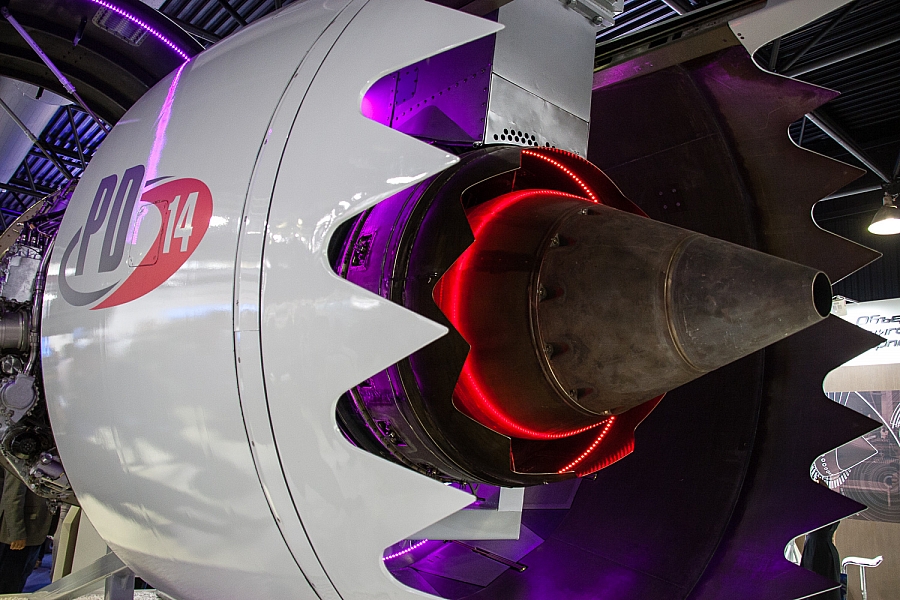
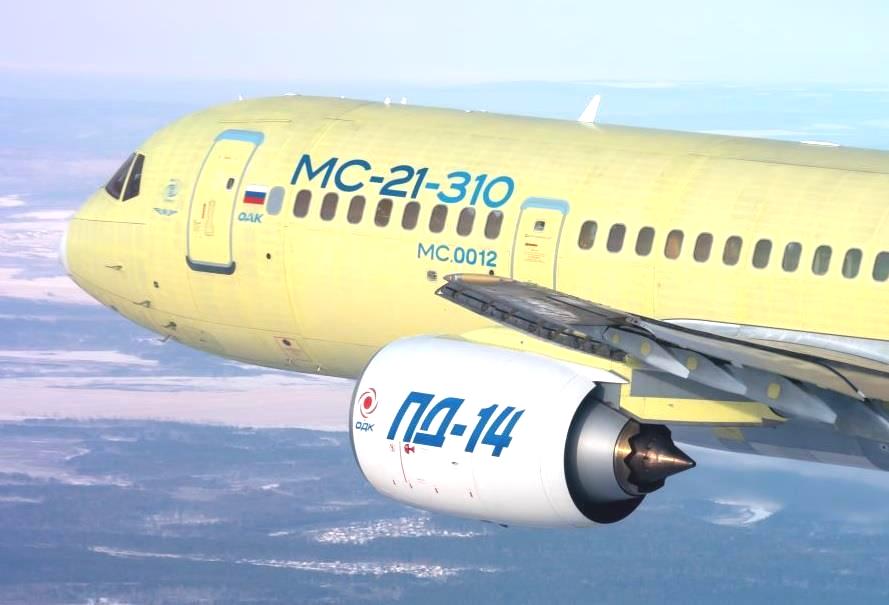
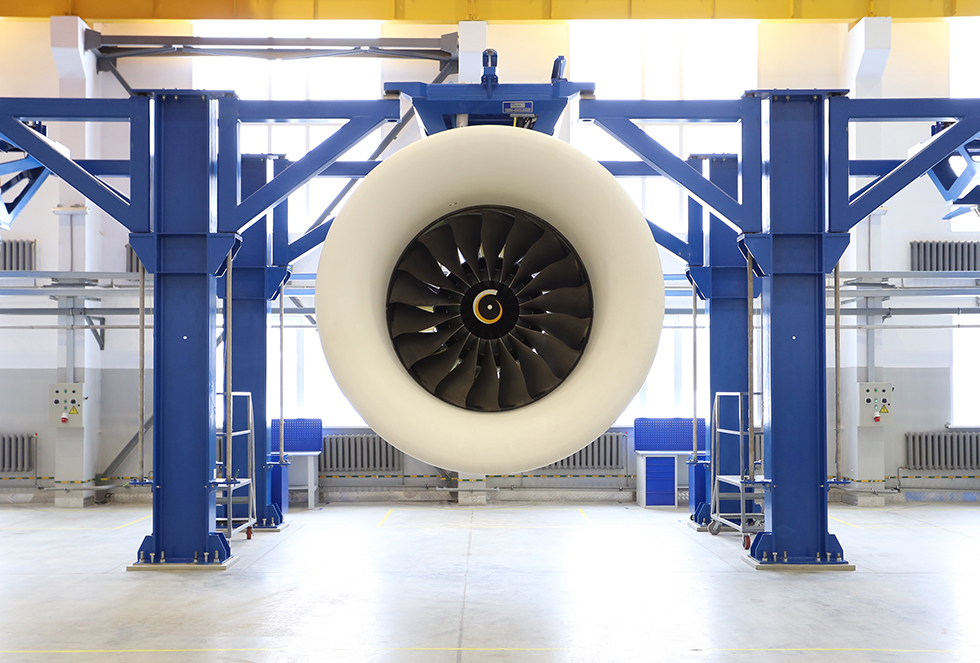
United Engine Corporation de Rostec Corporation ha probado el generador de gas del motor de avión PD-14 para el avión de pasajeros MC-21 más nuevo de la Federación Rusia con cenizas del Volcán Shiveluch de Kamchatka. La prueba mostró que el vuelo de la aeronave a través de la nube de cenizas volcánicas no tiene consecuencias indeseables para la central eléctrica creada por UEC-Aviadvigatel. El rendimiento de la planta de energía no se ha visto comprometido incluso en este entorno agresivo.
Las pruebas se organizaron en el banco de pruebas del Instituto Central de Motores de Aviación como parte de la validación del certificado tipo PD-14 para la Agencia de Seguridad Aérea de la Unión Europea (EASA). El generador de gas, que se denomina «corazón» de un motor de avión, consta de un compresor de alta presión, una cámara de combustión y una turbina de alta presión. «Por primera vez en la historia de la construcción de motores en Rusia, Rostec State Corporation hizo probar un generador de gas de motor de avión en condiciones de ceniza volcánica. El motor PD-14 más nuevo para aviones de media distancia pasó con éxito la prueba con cenizas de Kamchatka volcán Shiveluch: el empuje de la planta de energía, que había estado en este ambiente agresivo durante una hora, prácticamente no disminuyó. Después del desmontaje, los especialistas de la Oficina de Diseño de Perm no encontraron consecuencias indeseables para el producto, y eso confirma la seguridad de la operación al volar a través de una tormenta de polvo o una nube de ceniza», dijo Anatoliy Serdyukov, Director Industrial del Grupo de Aviación de Rostec State Corporation.
Rostec PD-14 engine test
Rostec tests PD-14 with volcanic ash
United Engine Corporation of Rostec Corporation has tested the PD-14 aircraft engine gas generator for the newest MC-21 airliner in the Russian Federation with ash from the Shiveluch Volcano of Kamchatka. The test showed that the flight of the aircraft through the volcanic ash cloud has no undesirable consequences for the power plant created by UEC-Aviadvigatel. Power plant performance has not been compromised even in this aggressive environment.
The tests were organized on the test bench of the Central Institute of Aviation Engines as part of the validation of the PD-14 type certificate for the European Union Aviation Safety Agency (EASA). The gas generator, which is called the «heart» of an aircraft engine, consists of a high-pressure compressor, a combustion chamber, and a high-pressure turbine. «For the first time in the history of Russian engine building, Rostec State Corporation had an aircraft engine gas generator tested in volcanic ash conditions. The newest PD-14 engine for medium-haul aircraft successfully passed the test with ash from the Kamchatka Shiveluch volcano: the thrust of the power plant, which had been in this aggressive environment for an hour, practically did not decrease. After dismantling, specialists from the Perm Design Office found no undesirable consequences for the product, and that confirms the safety of the operation when flying through a dust storm or ash cloud», said Anatoliy Serdyukov, Industrial Director, Aviation Group, Rostec State Corporation.
Ростех испытания двигателя ПД-14
Ростех испытал ПД-14 с вулканическим пеплом
Объединенная моторная корпорацияРостех корпорация провела испытания газогенератора авиадвигателя ПД-14 для новейшего в Российской Федерации авиалайнера МС-21 с пеплом вулкана Шивелуч на Камчатке. Испытания показали, что полет самолета через облако вулканического пепла не имеет нежелательных последствий для силовой установки, созданной «ОДК-Авиадвигатель». Производительность электростанции не пострадала даже в этой агрессивной среде.
Испытания были организованы на испытательном стенде Центрального института авиационных двигателей в рамках валидации сертификата типа ПД-14 Агентства авиационной безопасности Европейского Союза (EASA). Газогенератор, который называют «сердцем» авиационного двигателя, состоит из компрессора высокого давления, камеры сгорания и турбины высокого давления. «Впервые в истории отечественного двигателестроения Госкорпорация Ростех провела испытания авиационного газогенератора в условиях вулканического пепла. Новейший двигатель ПД-14 для среднемагистральных самолетов успешно прошел испытания с пеплом камчатского вулкана Шивелуч. тяга силовой установки, находившейся в этой агрессивной среде в течение часа, практически не уменьшилась. После демонтажа специалисты Пермского конструкторского бюро не обнаружили нежелательных последствий для изделия, что подтверждает безопасность эксплуатации при пролетая сквозь пыльную бурю или облако пепла», сказал Анатолий Сердюков, промышленный директор авиационной группы Госкорпорации Ростех.
AW | 2021 11 10 10:05 | INDUSTRY / AVIATION TECHNOLOGY
Fello’fly ahorro combustible y reducción emisiones CO2
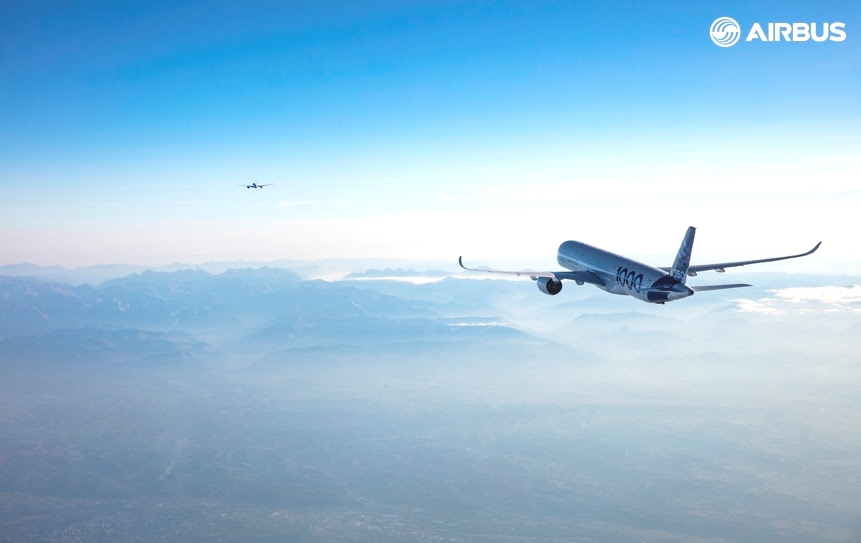
Airbus Group ha realizado la primera demostración de vuelo en formación de larga distancia en el espacio aéreo transatlántico regulado por Tráfico Aéreo General (GAT) con dos aviones A350 que vuelan a tres kilómetros de distancia de Toulouse, Francia, a Montreal, Canadá. La aeronave fue recibida en el Aeropuerto Internacional de Montreal/Trudeau. Se ahorraron más de 6 toneladas de emisiones de CO2 en el viaje, lo que confirma el potencial de más de un 5% de ahorro de combustible en vuelos de larga distancia. El vuelo de prueba de «demostración final» tuvo lugar el 9 de Noviembre de 2021 con dos aviones de prueba A350 MSN1 y MSN59, el primero como avión líder y el segundo como seguidor. Esto fue posible gracias a los sistemas de control de vuelo desarrollados por Airbus que posicionan el avión seguidor de forma segura en la corriente ascendente del avión líder, lo que le permite reducir el empuje del motor y reducir el consumo de combustible. Se puede observar un principio similar con las aves migratorias grandes, como los gansos, que vuelan juntas en una formación distinta en forma de V.
Sabine Klauke, Directora Técnica de Airbus, declaró: “Este vuelo de demostración es un ejemplo concreto de nuestro compromiso de hacer realidad nuestra hoja de ruta de descarbonización. También habla de cómo la colaboración en toda la industria será clave para que esto suceda. Hemos recibido un fuerte nivel de apoyo para este proyecto de nuestras aerolíneas y socios de tráfico aéreo, además de los reguladores. La oportunidad de implementar esto para aviones de pasajeros a mediados de esta década es muy prometedora. ¡Imagínese el potencial que tendría Fello’fly en toda la industria!».
Los pilotos de las aerolíneas asociadas de Airbus, SAS Scandinavian Airlines y Frenchbee, presenciaron el vuelo transatlántico a bordo como observadores. El vuelo fue posible gracias a Airbus y sus socios de gestión del tráfico aéreo y proveedores de servicios de navegación (DSNA, NATS, NAV CANADA, Eurocontrol e IAA), con el apoyo de la DGAC, quienes juntos demostraron que la tecnología de vuelo de recuperación de energía de estela aprovechada en un fello’fly se puede lograr sin comprometer la seguridad. La demostración también muestra cómo las operaciones fello’fly podrían impulsar significativamente el desempeño ambiental de los aviones comerciales y contribuir a los objetivos de descarbonización de la industria de la aviación en el plazo inmediato.
El siguiente paso es conseguir el apoyo de las autoridades para que este nuevo concepto operativo pueda certificarse y, en última instancia, permitir a las aerolíneas reducir su consumo de combustible y sus emisiones de CO2.
El vuelo fello’fly pionero de Airbus fue recibido a su llegada a Montreal por el Presidente del Consejo y el Secretario General de la Agencia de Aviación de las Naciones Unidas, la OACI. El Presidente del Consejo, Salvatore Sciacchitano, dijo que la demostración representaba «un ejemplo inspirador del nivel de compromiso actual para reducir las emisiones de la aviación», mientras que el secretario general de la OACI, Juan Carlos Salazar, comentó cómo reflejaba «la increíble diversidad de innovaciones en el transporte aéreo que ahora se están realizando para cumplir con las objetivos del sector y garantizar que los vuelos sean cada vez más sostenibles».
Lanzado en 2019, fello’fly es un proyecto de demostración de vuelo alojado dentro de Airbus UpNext utilizando biomimetismo (el diseño y producción de materiales, estructuras y sistemas inspirados en la naturaleza). Airbus UpNext es una subsidiaria de propiedad total de Airbus y parte del ecosistema de innovación de Airbus, creada para dar a las tecnologías futuras un desarrollo rápido mediante la construcción de demostradores a velocidad y escala, con el fin de evaluar, madurar y validar posibles nuevos productos y servicios que abarcan avances tecnológicos radicales.
Airbus decarbonization progress
Fello’fly fuel savings and reduced CO2 emissions
Airbus Group has carried out the first long-haul formation flight demonstration in transatlantic airspace regulated by General Air Traffic (GAT) with two A350 aircraft flying three kilometers from Toulouse, France, to Montreal, Canada. The aircraft was received at the Montreal/Trudeau International Airport. More than 6 tons of CO2 emissions were saved on the trip, confirming the potential for more than 5% fuel savings on long-haul flights. The «final demonstration» test flight took place on November 9, 2021 with two A350 test aircraft MSN1 and MSN59, the former as the lead aircraft and the latter as the follower. This was made possible by Airbus-developed flight control systems that safely position the follower aircraft in the updraft of the lead aircraft, allowing it to reduce engine thrust and reduce fuel consumption. A similar principle can be observed with large migratory birds, such as geese, flying together in a distinct V-shaped formation.
Sabine Klauke, Airbus Technical Director, stated: “This demonstration flight is a concrete example of our commitment to make our decarbonisation roadmap a reality. She also talks about how collaboration across the industry will be key to making this happen. We have received a strong level of support for this project from our airlines and air traffic partners, in addition to regulators. The opportunity to implement this for passenger aircraft in the middle of this decade is very promising. Imagine the potential Fello’fly would have across the industry!«.
Pilots from Airbus’ partner airlines SAS Scandinavian Airlines and Frenchbee witnessed the transatlantic flight on board as observers. The flight was made possible by Airbus and its air traffic management partners and navigation service providers (DSNA, NATS, NAV CANADA, Eurocontrol and IAA), with the support of the DGAC, who together demonstrated that the flight technology of Recovery of wake energy harnessed in a fello’fly can be achieved without compromising safety. The demonstration also shows how fello’fly operations could significantly boost the environmental performance of commercial aircraft and contribute to the decarbonization goals of the aviation industry in the immediate term.
The next step is to enlist the support of the authorities so that this new operating concept can be certified and, ultimately, allow airlines to reduce their fuel consumption and CO2 emissions.
Airbus’ pioneering fello’fly flight was greeted upon arrival in Montreal by the President of the Council and the Secretary General of the United Nations Aviation Agency, ICAO. Council President Salvatore Sciacchitano said the demonstration represented «an inspiring example of the current level of commitment to reducing aviation emissions», while ICAO Secretary General Juan Carlos Salazar commented on how it reflected «the incredible diversity of innovations in air transport that are now being made to meet the objectives of the sector and ensure that flights are increasingly sustainable».
Launched in 2019, fello’fly is a flight demonstration project hosted within Airbus UpNext using biomimicry (the design and production of materials, structures and systems inspired by nature). Airbus UpNext is a wholly owned subsidiary of Airbus and part of the Airbus innovation ecosystem, created to give future technologies rapid development by building demonstrators at speed and scale, in order to evaluate, mature and validate potential new products and services encompassing radical technological advancements.
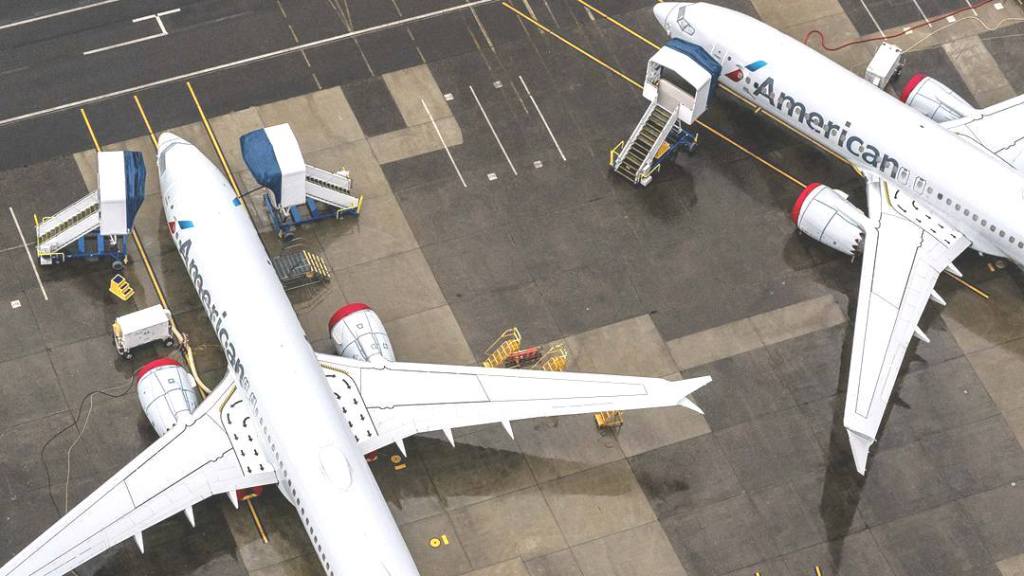
The Boeing Company ha comunicado este Martes 09/11 que ha entregado veintisiete (27) aviones a clientes el mes pasado de Octubre 2021, pero las entregas de sus Boeing 787 Dreamliner permanecen suspendidas, justo cuando las aerolíneas se están preparando para un renacimiento en los viajes internacionales.
Estados Unidos levantó el Lunes 08/11 una prohibición de viajar por la pandemia a visitantes de treinta y tres (33) países y los ejecutivos de las aerolíneas han dicho que las reservas para viajes internacionales han aumentado. Las entregas de aviones de fuselaje ancho, que a menudo se utilizan para vuelos internacionales, se han suspendido durante gran parte del año pasado después de que Boeing revelara una serie de fallas de fabricación y se tomara un tiempo adicional para inspeccionar sus aviones.
American Airlines y United Airlines se encuentran entre los transportistas con pedidos pendientes del Dreamliner. Ambas aerolíneas tienen como objetivo expandir los vuelos internacionales el próximo año, ansiosas por compensar el terreno perdido de dos años de débil demanda de viajes al extranjero debido a la pandemia y una serie de restricciones de viaje. El Director de Ingresos de American Airlines, Vasu Raja, dijo que las entregas del Dreamliner marcarán el ritmo de su expansión internacional. «Es un impacto bastante significativo en la rapidez con la que podemos reconstruir a nivel internacional», dijo Vasu Raja.
Entre las 27 entregas de Boeing el mes pasado se encontraban Boeing 737 MAX (18), Boeing 747F (1), Boeing 767F (1) y Boeing 777F (2). Los aviones de carga y la capacidad de carga aérea han tenido una gran demanda durante la pandemia en medio de problemas en la cadena de suministro y una pérdida de capacidad de barriga de otros aviones de pasajeros. El fabricante registró pedidos netos de siete aviones, incluidos Boeing 737 MAX (8) y Boeing 777F (2). También registró tres cancelaciones, incluyendo Boeing 787-10 (2) para Air Lease.
Boeing O&D 10/2021
Boeing delivers 27 aircraft in October 2021
The Boeing Company announced this Tuesday 09/11 that it has delivered twenty-seven (27) aircraft to customers last October 2021, but deliveries of its Boeing 787 Dreamliner remain suspended, just as airlines are preparing for a rebirth in the United States. international travel.
The United States lifted a pandemic travel ban on Monday 08/11 for visitors from thirty-three (33) countries, and airline executives have said international travel bookings have increased. Deliveries of wide-body jets, which are often used for international flights, have been suspended for much of the past year after Boeing revealed a series of manufacturing flaws and took extra time to inspect its jets.
American Airlines and United Airlines are among the carriers with backorders for the Dreamliner. Both airlines are aiming to expand international flights next year, eager to make up for lost ground from two years of weak overseas travel demand due to the pandemic and a series of travel restrictions. American Airlines Chief Revenue Officer Vasu Raja said the Dreamliner deliveries will set the pace for its international expansion. «It is quite a significant impact on how quickly we can rebuild internationally», said Vasu Raja.
Among the 27 deliveries from Boeing last month were Boeing 737 MAX (18), Boeing 747F (1), Boeing 767F (1) and Boeing 777F (2). Cargo jets and air cargo capacity have been in high demand during the pandemic amid supply chain problems and a loss of belly capacity from other airliners. The manufacturer recorded net orders for seven aircraft, including Boeing 737 MAX (8) and Boeing 777F (2). It also recorded three cancellations, including Boeing 787-10 (2) for Air Lease.
Embraer lanza cuatro nuevos diseños aviones sostenibles
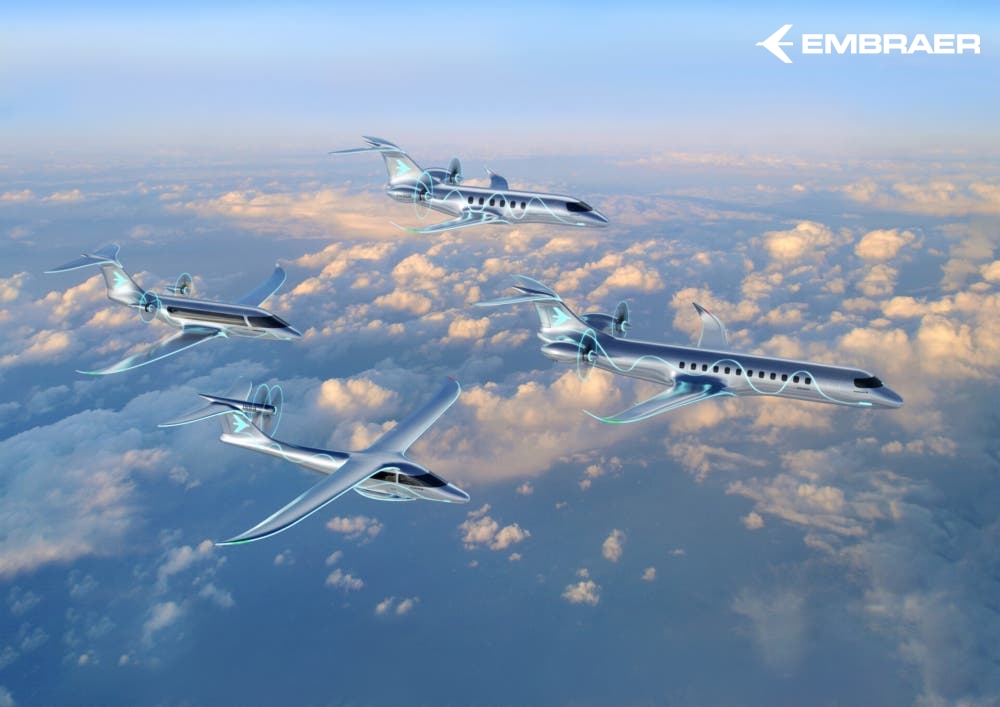
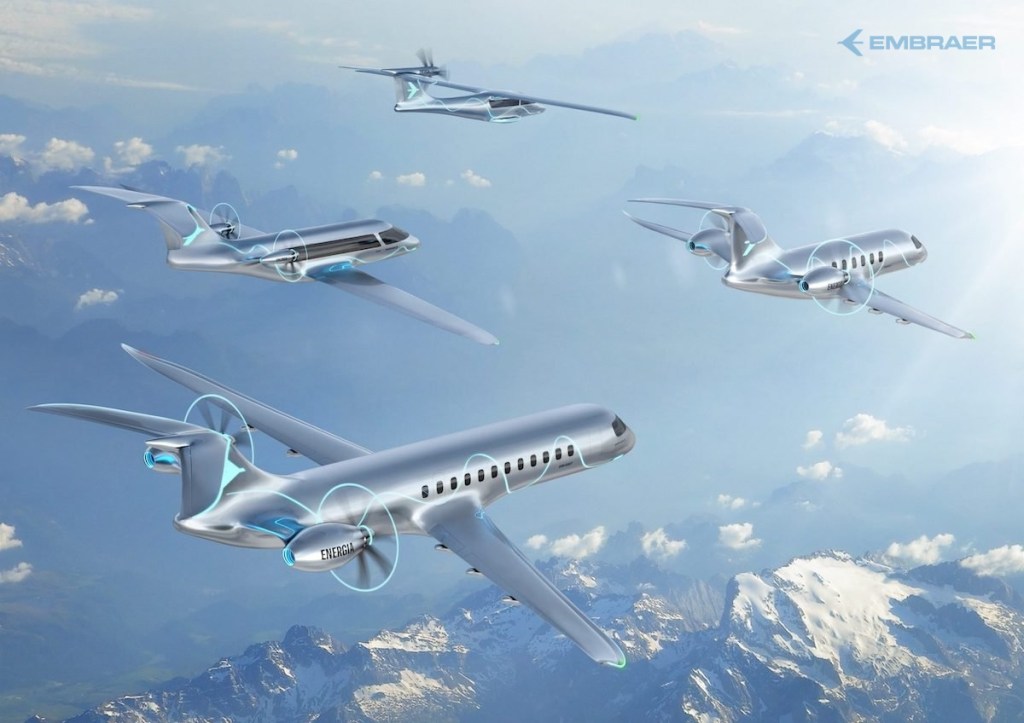
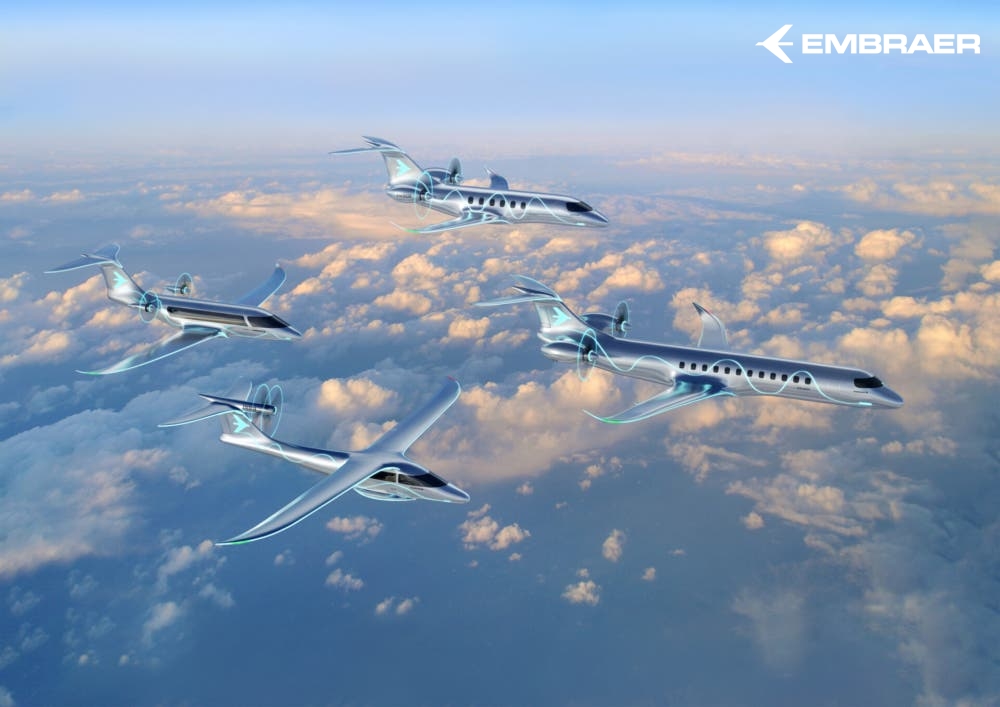
El Lunes 08/11, el fabricante brasileño de aviones Embraer S.A. ha anunciado formalmente el lanzamiento de un nuevo concepto de aeronaves sostenibles. Aunque los colosos del aire Airbus y Boeing a menudo reciben la mayor parte de la prensa, el especialista en aviones regionales Embraer también está demostrando una pujanza en la aviación comercial. El Lunes 08/11, el Vicepresidente Senior de Ingeniería, Desarrollo Tecnológico y Estrategia Corporativa del fabricante brasileña, Luis Carlos Affonso, ha dado a conocer en la sede de la compañía en São José dos Campos, en el Estado de São Paulo (SP), presentando a la audiencia cuatro nuevos conceptos de aviones que Embraer desarrollará en las próximas décadas.
La nueva gama de aviones se proyecta materializarlos a diez años a partir de 2030. Los diseños de los aviones regionales estarán impulsados por cuatro tecnologías de propulsión diferentes: híbrida-eléctrica, eléctrica, pila de combustible de hidrógeno y turbina de gas de combustible dual. Los nuevos conceptos de arquitectura de propulsión sostenible y los nuevos tipos de fuselajes han estado en proceso durante algún tiempo en los planos arquitectónicos de la compañía brasileña.
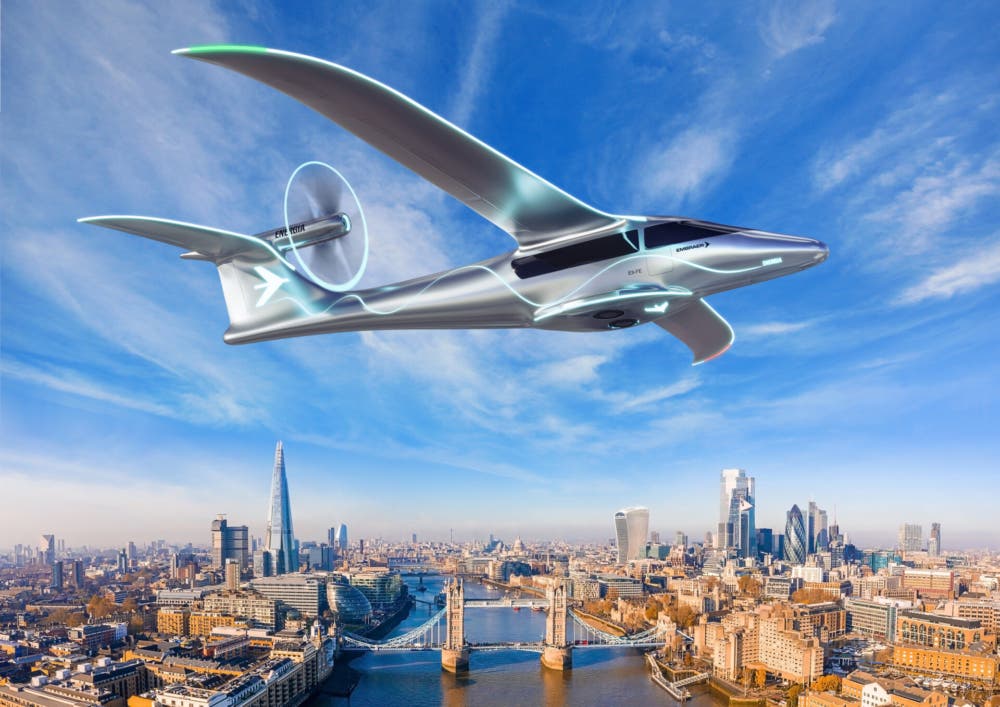
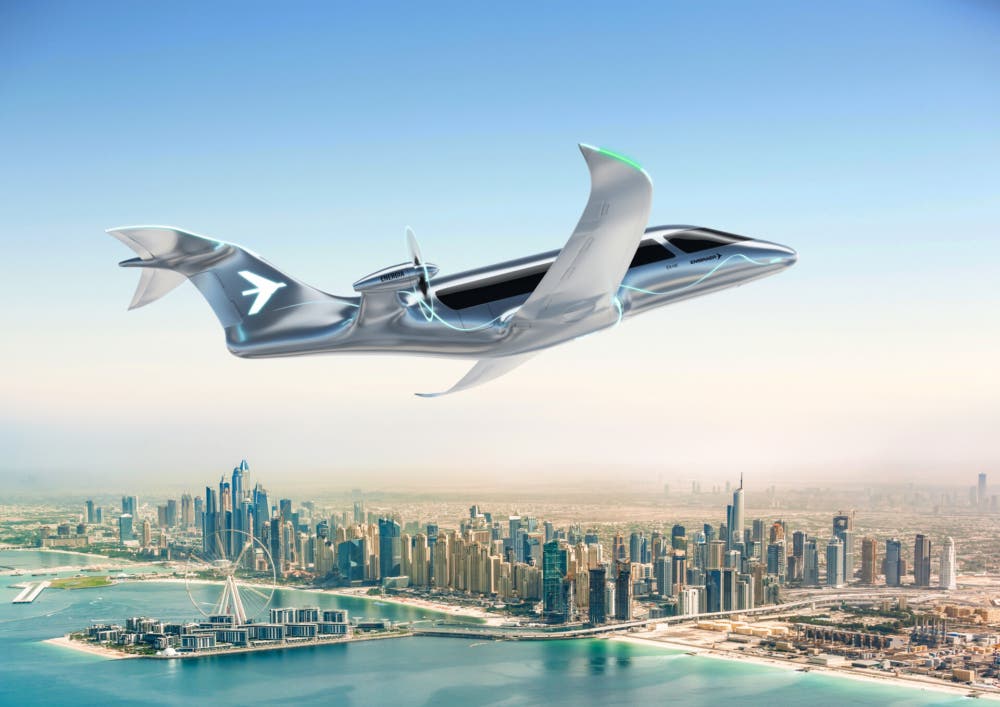
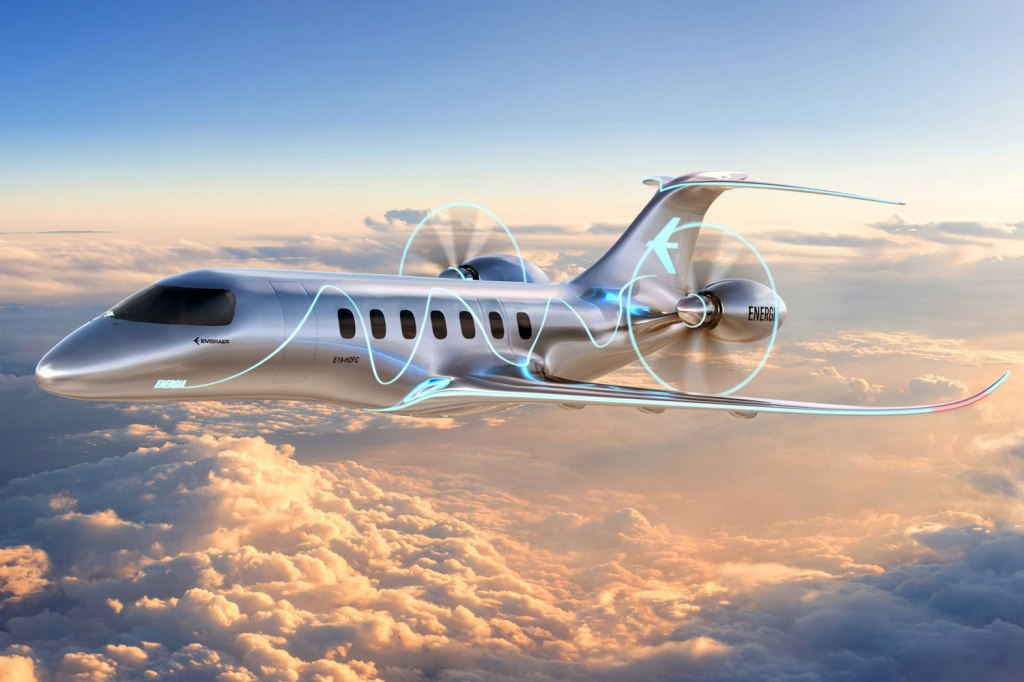
El primer avión de nuevo concepto es el concepto híbrido-eléctrico de nueve plazas de Embraer, el E9-HE. El avión de nueve plazas se basará en un motor de pistón y dos motores eléctricos. Los motores eléctricos funcionarán durante el despegue y la escalada. Sin embargo, una vez que el avión alcance su altitud de crucero, se apagarán, dejando que el motor de pistón funcione con un 50% más de eficiencia en comparación con las turbinas a reacción actuales. Los motores y las hélices de todos los nuevos conceptos de Embraer se colocan en la parte posterior del fuselaje. Para el Energy Hybrid, esto implica una reducción de ruido de hasta el 60%. Energy Hybrid emitirá hasta un 90% menos de emisiones de CO2 cuando se alimenta únicamente de combustibles de aviación sostenibles. Tendrá un alcance de 500 NM, y Embraer espera que entre en servicio para 2030. Mientras tanto, se planea la entrada de servicio del Energy Electric E9-FE para 2035. Con tantos asientos como el Hybrid, el avión tendrá un alcance de 200 NM y será alimentado por baterías y un motor eléctrico. Las baterías serán intercambiables y ubicadas en la nariz de la aeronave para permitir tiempos de respuesta rápidos, esenciales para la economía del operador. El avión logrará hasta un 80% de reducción en el ruido externo. También operará con cero emisiones de carbono. El E19-H2FC. Este avión de 19 plazas funcionará con propulsión eléctrica de hidrógeno. Comenzará en 200 NM de rango, pero, como ha dicho el Sr. Affonso, esto se puede ampliar de acuerdo con los deseos de los clientes. Se espera que la tecnología esté lista para 2035, junto con Energy Electric, y también logrará operaciones de cero emisiones. También producirá un 70% menos de ruido en comparación con los aviones actuales.
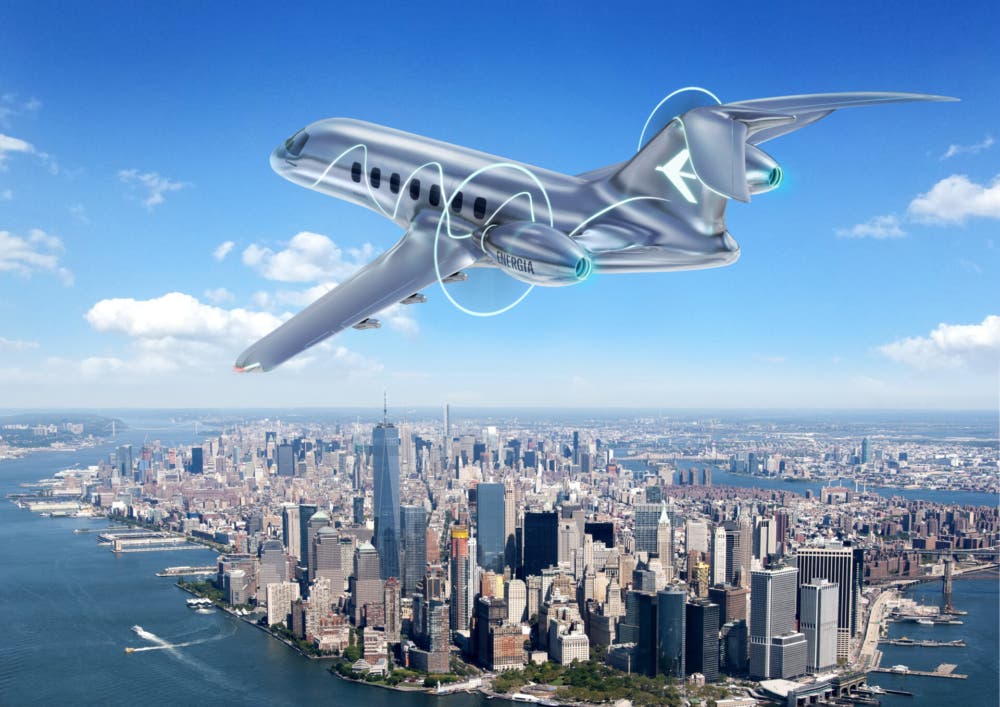
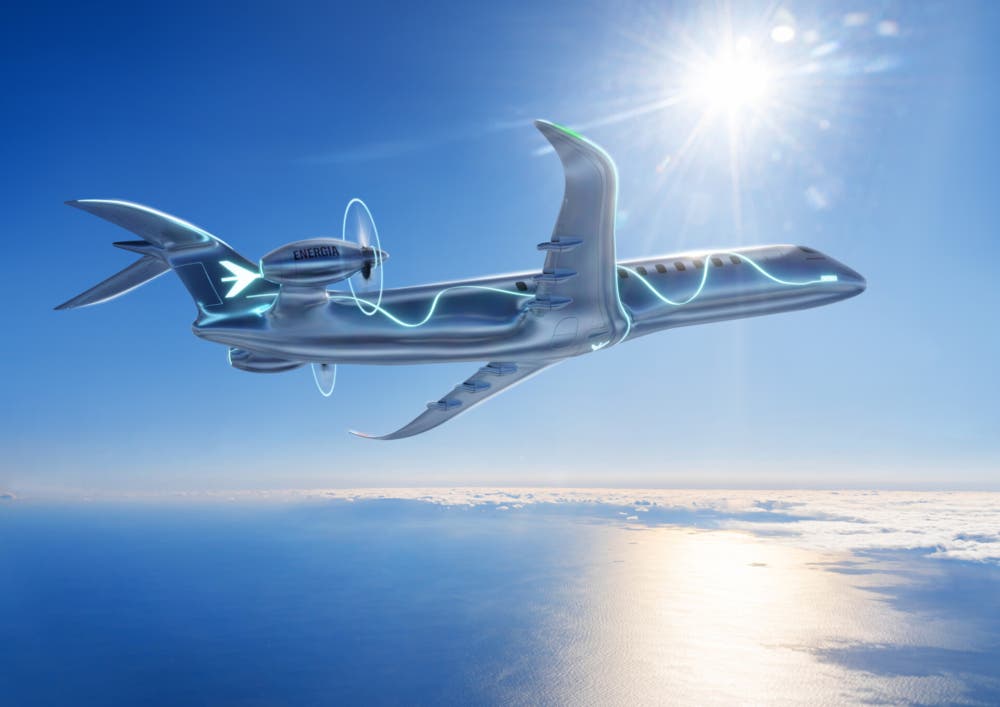
Embraer espera tener un avión de 35 a 50 asientos propulsado por hidrógeno, 100% SAF, o una combinación de SAF y combustible para aviones convencional. Dependiendo de las proporciones de este último, E50-H2GT también podría lograr una reducción del 100% en las emisiones de CO2. Este avión tendrá un alcance de 350 a 500 NM y reducirá el ruido externo en un 60%. A diferencia de sus hermanos de la familia Energia, no tendrá un motor eléctrico ni una batería. En su lugar, utilizará propulsión de turbina de gas de combustible dual. Puede utilizar 100% de hidrógeno en viajes más cortos, mientras que SAF o combustibles convencionales para aviones alimentarán rutas más largas. Embraer espera poner en servicio el mayor de los conceptos que dio a conocer el lunes para 2040.
Embraer tiene la intención de tener todos sus aviones certificados para la compatibilidad SAF para 2030. En agosto, el fabricante presentó su Demostrador Eléctrico, un monomotor EMB-203 Ipanema, 100% eléctrico. Además, el fabricante de aviones ha programado un vuelo de demostración de pila de combustible de hidrógeno para 2025, y su eVTOL totalmente eléctrico y de cero emisiones entrará en servicio en 2026.
Embraer launches sustainable aircraft
Embraer launches four new sustainable aircraft designs
On Monday 08/11, the Brazilian aircraft manufacturer Embraer S.A. has formally announced the launch of a new sustainable aircraft concept. While the air giants Airbus and Boeing often get the bulk of the press, regional jet specialist Embraer is also proving strong in commercial aviation. On Monday 08/11, the Senior Vice President of Engineering, Technological Development and Corporate Strategy of the Brazilian manufacturer, Luis Carlos Affonso, announced at the company’s headquarters in São José dos Campos, in the State of São Paulo (SP) , introducing the audience to four new aircraft concepts that Embraer will develop in the coming decades.
The new range of aircraft is projected to be realized ten years from 2030. Regional aircraft designs will be powered by four different propulsion technologies: hybrid-electric, electric, hydrogen fuel cell and dual fuel gas turbine. New concepts of sustainable propulsion architecture and new types of airframes have been in the works for some time in the architectural plans of the Brazilian company.
The first new concept aircraft is Embraer’s nine-seater hybrid-electric concept, the E9-HE. The nine-seater aircraft will be based on a piston engine and two electric motors. The electric motors will run during take-off and climb. However, once the aircraft reaches its cruising altitude, they will shut down, leaving the piston engine to run 50% more efficiently compared to current jet turbines. The engines and propellers of all new Embraer concepts are positioned at the rear of the fuselage. For the Energia Hybrid, this means a noise reduction of up to 60%. Energia Hybrid will emit up to 90% less CO2 emissions when powered solely by sustainable aviation fuels. It will have a range of 500 NM, and Embraer expects it to enter service by 2030. Meanwhile, the service entry of the Energy Electric E9-FE is planned for 2035. With as many seats as the Hybrid, the aircraft will have a range of 200 NM and it will be powered by batteries and an electric motor. The batteries will be interchangeable and located in the nose of the aircraft to allow fast response times, essential for the economy of the operator. The aircraft will achieve up to 80% reduction in external noise. It will also operate with zero carbon emissions. The E19-H2FC. This 19-seater plane will run on electric hydrogen propulsion. It will start at 200 NM of range, but, as Mr. Affonso has said, this can be extended according to the wishes of the clients. The technology is expected to be ready by 2035, alongside Energia Electric, and will also achieve zero-emission operations. It will also produce 70% less noise compared to current aircraft.
Embraer hopes to have a 35- to 50-seat aircraft powered by hydrogen, 100% SAF, or a combination of SAF and conventional jet fuel. Depending on the proportions of the latter, E50-H2GT could also achieve a 100% reduction in CO2 emissions. This aircraft will have a range of 350 to 500 NM and will reduce external noise by 60%. Unlike its brothers in the Energia family, it will not have an electric motor or battery. Instead, it will use dual fuel gas turbine propulsion. It can use 100% hydrogen on shorter trips, while SAF or conventional jet fuels will power longer routes. Embraer hopes to put the largest of the concepts it unveiled Monday into service by 2040.
Embraer intends to have all of its aircraft certified for SAF compatibility by 2030. In August, the manufacturer introduced its Electric Demonstrator, a 100% electric single-engine EMB-203 Ipanema. In addition, the aircraft manufacturer has scheduled a hydrogen fuel cell demonstration flight for 2025, and its zero-emission, all-electric eVTOL will enter service in 2026.


































 airgways.com