Pedidos aeronaves superan cancelaciones por 8vo. mes consecutivo
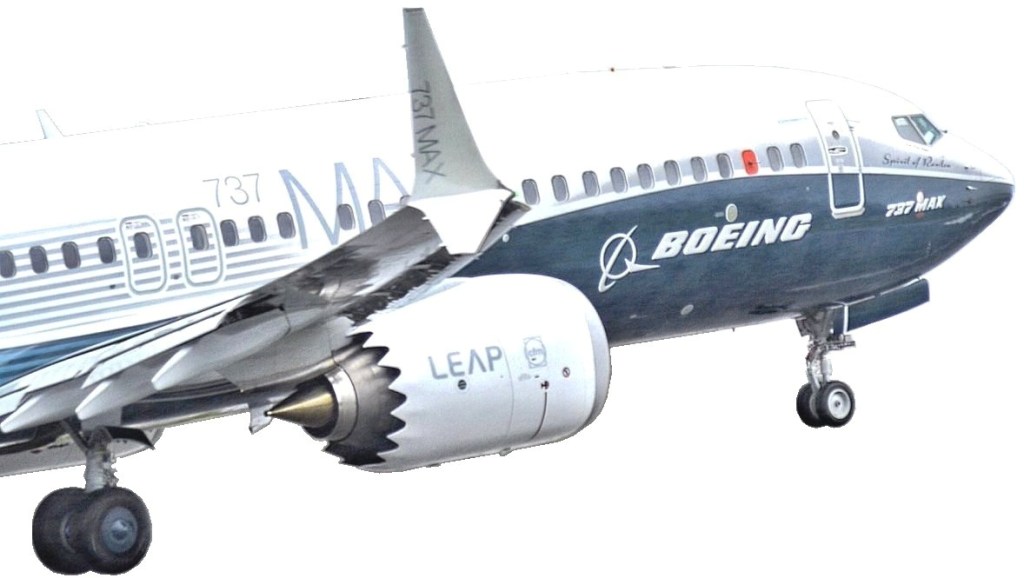
The Boeing Company continúa mostrando signos de madurez frente a la depresión de las órdenes producto de la crisis de los viajes en el mundo entero. Las ventas impulsaron los pedidos netos de aviones comerciales en lo que va del año 2021 a 349 unidades, marcando una mejora en el síntoma de debilidades después de dos años de dificultades en la cartera de órdenes. En el mes de Septiembre la compañía americana entregó 35 aviones a los clientes en el mundo entero, entre estos veintiséis Boeing 737 MAX (26), entre los que se incluyen dieciséis Boeing 737 MAX (16) y seis cargueros Boeing 777F (6), así como cancelaciones de cinco (5) aviones comerciales.
Boeing reportó el Martes 12/09 en su informe preliminar del 3Q2021 ventas netas de aviones por octavo mes consecutivo, pero las entregas de sus aviones de línea Dreamliner permanecen suspendidas mientras se someten a controles de calidad. Los pedidos netos para el año 2021 hasta Septiembre cierran en 349 unidades solicitadas.
The Boeing Company continues to show signs of maturity in the face of order slump from the global travel crisis. Sales pushed net commercial aircraft orders so far in 2021 to 349 units, marking an improvement in the weakness symptom after two years of order book difficulties. In September, the American company delivered 35 aircraft to customers around the world, among these twenty-six Boeing 737 MAX (26), including sixteen Boeing 737 MAX (16) and six Boeing 777F freighters (6), as well as cancellations of five (5) commercial aircraft.
Boeing reported on Tuesday 12/09 in its preliminary report for 3Q2021 net sales of aircraft for the eighth consecutive month, but deliveries of its Dreamliner airliners remain suspended while they undergo quality controls. Net orders for the year 2021 until September close at 349 units requested.
Noruega Flyr tomará diez aviones Boeing 737-8 MAX de Air Lease
La start-up noruega Flyr ha firmado una carta de intención para arrendar seis nuevos aviones Boeing 737-8 MAX (6) del arrendador estadounidense Air Lease el próximo año 2022. La primer aeronave se entregará a principios del próximo año y el objetivo de la aerolínea es tener los seis aviones en servicio durante la primera mitad de 2022. Flyr también ha tomado opciones en cuatro aviones adicionales más para su entrega en 2023. «La decisión de elegir la última generación de nuevos aviones Boeing está en línea con el objetivo de las autoridades de un desarrollo más sostenible en la aviación», dice el Presidente Ejecutivo de Flyr, Tonje Wikstrom Frislid. El nuevo avión de la línea 737 MAX tiene un 14% menos de emisiones de carbono que sus modelos anteriores, lo que tendrá un impacto positivo tanto en los costos de combustible como en el medio ambiente.
Flyr iniciaba sus operaciones de vuelos nacionales en Junio 2021 utilizando un Boeing 737-800 (1), mientras que el lanzamiento de vuelos internacional se establecía en Agosto 2021enlazando los destinos Alicante, Málaga (España) y Niza (Francia). Actualmente, la flota de aviones es de cuatro Boeing 737-800 Netx Generation (4).
La aerolínea noruega dice que este la incorporación de modernas aeronaves de última generación es un na etapa importante en la dirección de un negocio más sostenible, virando hacia el deseo de los clientes hacia una industria de la aviación más ecológica como un factor positivo en la decisión. «Nuestro modelo de negocio se basa en el modelo nórdico de trabajo permanente y directo basado en las decisiones y la implicación de nuestros empleados», expresó el CEO Tonje Wikstrom Frislid.
Flyr to lease 10 Boeing 737-8 MAX
Norway Flyr to take on 10 Air Lease Boeing 737-8 MAX aircraft
The Norwegian start-up Flyr has signed a letter of intent to lease six new Boeing 737-8 MAX (6) aircraft from the American lessor Air Lease next year 2022. The first aircraft will be delivered early next year and the objective of the The airline is planning to have all six aircraft in service during the first half of 2022. Flyr has also made options on four additional aircraft for delivery in 2023. «The decision to choose the latest generation of new Boeing aircraft is in line with the goal of authorities for a more sustainable development in aviation», says Flyr CEO Tonje Wikstrom Frislid. The new aircraft in the 737 MAX line has 14% lower carbon emissions than its previous models, which will have a positive impact on both fuel costs and the environment.
Flyr began its domestic flight operations in June 2021 using a Boeing 737-800 (1), while the launch of international flights was established in August 2021 linking the destinations Alicante, Málaga (Spain) and Nice (France). Currently, the aircraft fleet is four Boeing 737-800 Netx Generation (4).
The Norwegian airline says that this incorporation of modern, state-of-the-art aircraft is an important step in the direction of a more sustainable business, shifting towards customers’ desire for a greener aviation industry as a positive factor in the decision. «Our business model is based on the Nordic model of permanent and direct work based on the decisions and involvement of our employees», said CEO Tonje Wikstrom Frislid.
Flyr leier ut 10 Boeing 737-8 MAX
Norway Flyr tar på seg 10 Air Lease Boeing 737-8 MAX-fly
Den norske oppstarten Flyr har signert en intensjonsavtale om å leie seks nye Boeing 737-8 MAX (6) fly fra den amerikanske utleier Air Lease neste år 2022. Det første flyet vil bli levert tidlig neste år og målet med The flyselskapet planlegger å ha alle de seks flyene i drift i løpet av første halvdel av 2022. Flyr har også gjort opsjoner på fire ekstra fly for levering i 2023. «Beslutningen om å velge den siste generasjonen nye Boeing-fly er i tråd med målet om myndigheter for en mer bærekraftig utvikling innen luftfart», sier Flyr-sjef Tonje Wikstrom Frislid. Det nye flyet i 737 MAX-linjen har 14% lavere karbonutslipp enn sine tidligere modeller, noe som vil ha en positiv innvirkning på både drivstoffkostnadene og miljøet.
Flyr begynte sin innenlandsflyvirksomhet i Juni 2021 med en Boeing 737-800 (1), mens lanseringen av internasjonale flyvninger ble etablert i August 2021 som forbinder destinasjonene Alicante, Málaga (Spania) og Nice (Frankrike). For øyeblikket er flyflåten fire Boeing 737-800 Netx Generation (4).
Det norske flyselskapet sier at denne innlemmelsen av moderne, toppmoderne fly er et viktig skritt i retning av en mer bærekraftig virksomhet, og går mot kundenes ønske om en grønnere luftfartsindustri som en positiv faktor i beslutningen. «Vår forretningsmodell er basert på den nordiske modellen for permanent og direkte arbeid basert på beslutninger og involvering av våre ansatte», sa administrerende direktør Tonje Wikstrom Frislid.
Constructor europeo informa movimiento del 09/2021
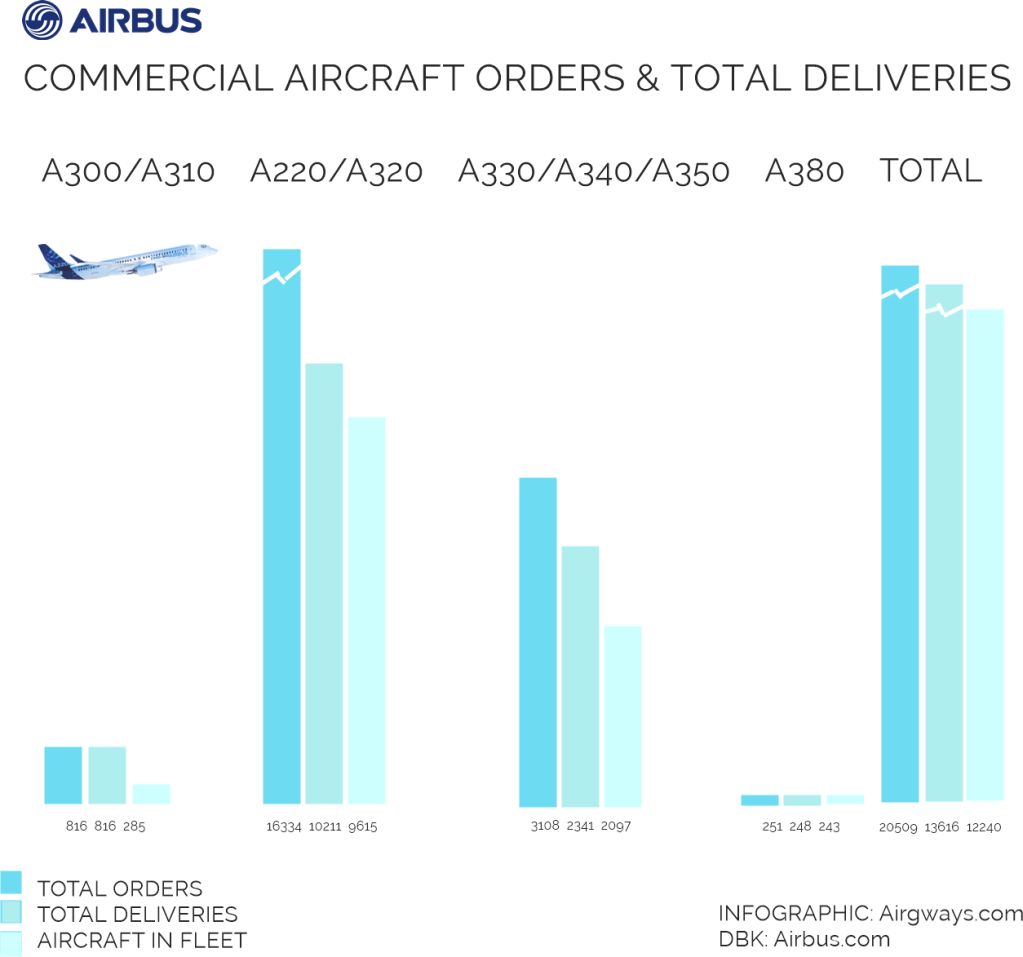
Las últimas cifras de aviones comerciales de la industria europea continúan mostrando signos de recuperación paulatinos. Airbus Group ha informado que las entregas para el mes de Septiembre 2021 alcanzan las cuarenta (40) unidades a veinticinco (25) clientes a través del mundo, mientras que los pedidos formulados para el 09/2021 solamente es de una aeronave.
A pesar de la crisis de los vuelos en el mundo, en lo que represente a los nueve meses transcurridos del año 2021, el constructor europeo a alcanzado la cifra de entregas de 424 unidades de aviones comerciales a setenta y cuatro (74) clientes en el mundo.
Airbus O&D September 2021
European constructor informs movement of 09/2021
The latest commercial aircraft figures from the European industry continue to show signs of gradual recovery. Airbus Group has reported that deliveries for the month of September 2021 reach forty (40) units to twenty-five (25) customers throughout the world, while the orders made for 09/2021 are only for one aircraft.
Despite the crisis of flights in the world, in what represents the nine months elapsed of the year 2021, the European manufacturer has reached the number of deliveries of 424 units of commercial aircraft to seventy-four (74) customers in the world.
AW | 2021 10 11 14:20 | INDUSTRY / AIRLINES MARKET
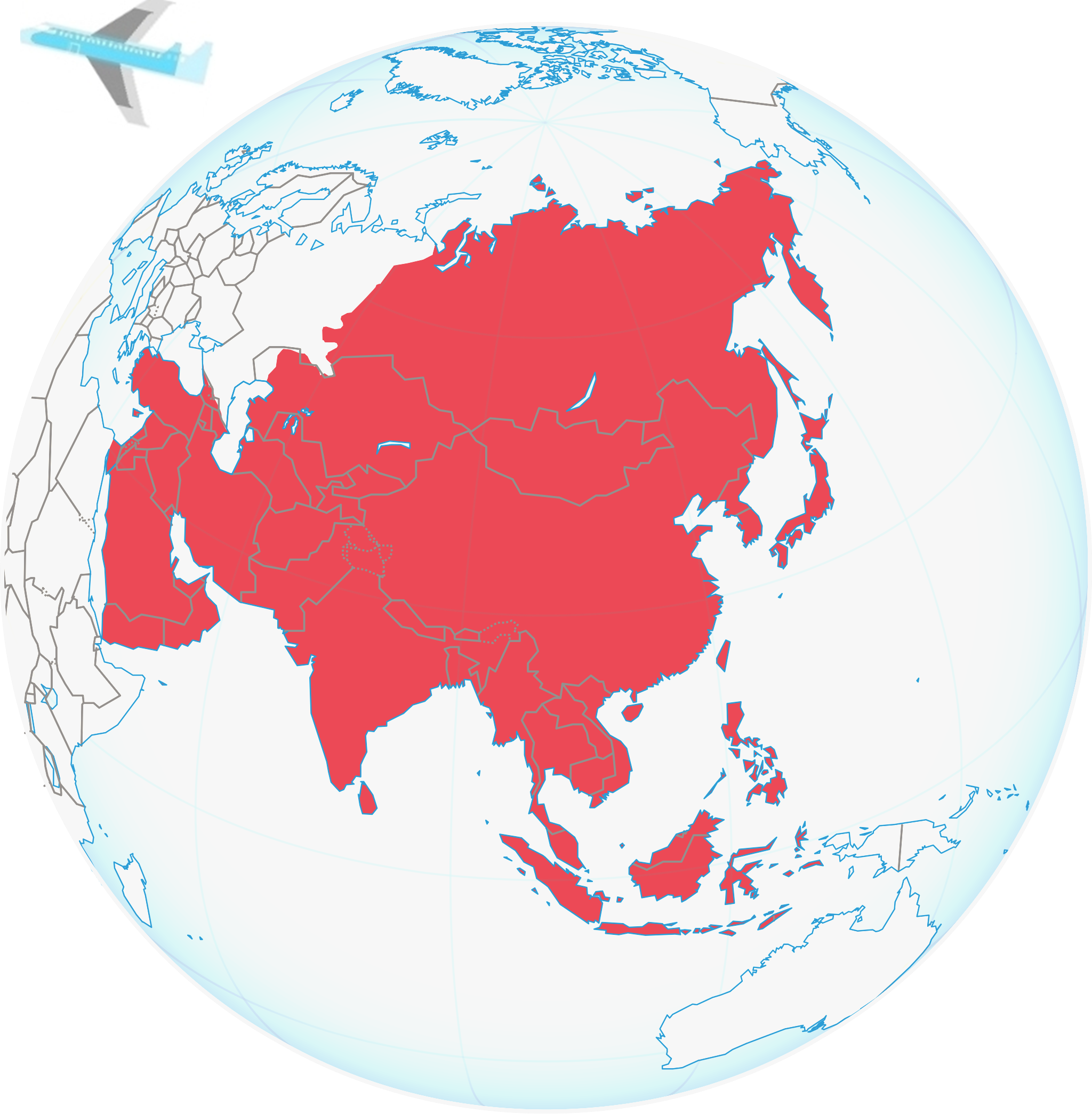
Luchando por reestructurar acuerdos de Asia-Pacífico
El consorcio europeo de la industria aeroespacial Airbus Group SE ha dado nota de la advertencia a las aerolíneas de la región en riesgo de quedarse atrás de Europa y Estados Unidos, mientras persisten signos de interrogación sobre el momento de las compras y las fechas de entrega de aeronaves que los transportistas regionales luchan con las restricciones de viaje en curso.
Airbus ha dado la voz de alarma sobre el estancamiento de los viajes aéreos asiáticos que continúa obstaculizando a las aerolíneas golpeadas por la pandemia, y el fabricante de aviones europeo dijo que está luchando por reestructurar los acuerdos para una gran cantidad de aviones ordenados por las aerolíneas de la región. El principal vendedor del gigante de los aviones advirtió en una entrevista que los retrasos en curso en la reapertura de los viajes internacionales podrían dejar a Asia al final de la cola para nuevos aviones a medida que Europa y Estados Unidos avanzan en la reactivación del crecimiento económico y la actividad. La rezagada recuperación de los viajes aéreos en Asia ha sido una fuente de preocupación y frustración, dijo el Director Comercial de Airbus, Christian Scherer. «Es una preocupación, porque tenemos contratos de aviones que están cambiando como consecuencia de que las aerolíneas están en el limbo», dijo Christian Scherer al margen de una cumbre mundial de aviación en Boston la semana pasada.
Si bien Airbus no nombró a ninguna aerolínea específicamente, varias aerolíneas en el sudeste asiático están actualmente navegando por reestructuraciones debido a la pandemia de Covid-19, incluidas AirAsia Group, con sede en Malasia, y Philippines Airlines. «Llamémoslo no resuelto, o signos de interrogación sobre el momento de nuestros acuerdos de compra y entregas; la proporción en Asia es significativamente más alta que en cualquier otro lugar», dijo el Director Comercial de Airbus. AirAsia, el mayor cliente de Airbus en la región, acordó un acuerdo con el fabricante el mes pasado para reestructurar un pedido masivo de alrededor de 400 aviones de pasillo único, informó en ese momento, que se logrará a través de una combinación de recortes de precios y entregas reprogramadas. El Miércoles 06/10, AirAsia dijo que había llegado a un acuerdo para convertir trece aviones de pasillo único A320NEO no entregados, en el avión A321NEO más grande, dejando 362 unidades del tipo de fuselaje estrecho más grande que se entregarán hasta 2035.
El Jefe de Ventas de Airbus dijo que mientras las aerolíneas no pudieran volar y las fronteras permanecieran selladas, las aerolíneas asiáticas debilitadas no estaban en condiciones de revivir los pedidos de aviones multimillonarios. Las aerolíneas asiáticas podrían enfrentar problemas si permanecían indecisas, dijo Christian Scherer, ya que los espacios de entrega para nuevos aviones serían ocupados por otras aerolíneas en áreas que estaban reabriendo para viajes internacionales. Airbus dijo que hasta ahora había evitado un aumento en las cancelaciones de pedidos de aviones en comparación con años anteriores, a pesar de las presiones financieras sobre las aerolíneas. Se hizo eco de la ansiedad de las aerolíneas asiáticas que temen quedarse atrás de la comunidad mundial de aviación comercial.
Las aerolíneas en la región de Asia y el Pacífico están operando con las restricciones de viaje más estrictas del mundo, según la Asociación Internacional de Transporte Aéreo (IATA), medidas que no se espera que mejoren hasta más adelante en 2022. El desempeño de las aerolíneas de Asia está marcado por una historia de dos mitades, con los viajes internacionales manteniéndose en el fondo. Los viajes nacionales, sin embargo, siguen siendo sólidos en China continental, que ha impuesto estrictos controles fronterizos al resto del mundo, negando la entrada a los visitantes. Los viajes aéreos dentro del país ahora prácticamente han vuelto a los niveles anteriores a Covid. En general, IATA dijo la semana pasada que las aerolíneas a nivel mundial sufrirían pérdidas combinadas de US$ 201.000 millones de dólares entre 2020 y 2022 debido a la pandemia, pero el peor de los daños estaba detrás de la industria.
En la evaluación económica actualizada del grupo de presión de la aviación mundial, dijo que se esperaba que las aerolíneas en la región de Asia y el Pacífico perdieran US$ 11.200 millones de Dólares este año y US$ 2.400 millones de Dólares en 2022, una mejora marcada de los más de US$ 45.000 millones de Dólares en pérdidas acumuladas en 2020, la mayor cantidad para cualquier región del mundo. Christian Scherer lamentó las políticas de cero Covid, que operan en varias formas en Asia-Pacífico, que habían atrofiado los viajes internacionales. «Lo que hemos visto en todo el mundo es una correlación muy fuerte entre las vacunas, la reapertura de las restricciones de viaje de las fronteras y un repunte manejable de la actividad económica y la movilidad, sin efectos sanitarios dramáticos, por lo que parece ser factible de otras maneras que no sean solo una política cero Covid», dijo del Director Comercial. Singapur, mientras tanto, está avanzando con la reapertura, buscando expandir los esquemas de carriles de viaje vacunados con varios países de Europa y Estados Unidos. Christian Scherer se mostró optimista de que tal medida era una señal de que las fronteras en Asia podrían comenzar a reabrirse y la región podría recuperarse tarde o temprano. Si bien Singapur ha visto un número creciente de casos de Covid-19 junto con su cambio a una estrategia de vivir con el virus, pocos han resultado en hospitalizaciones o muertes. Australia también está reabriendo partes del país antes de lo previsto, mientras que Nueva Zelanda dijo recientemente que se alejaría de su estrategia cero Covid al reabrir los viajes internacionales a los completamente vacunados.
Asian industry shrinkage
Fighting to restructure Asia-Pacific agreements
The European aerospace agency Airbus Group SE has taken note of the warning to airlines in the region at risk of falling behind Europe and the United States, while question marks persist about the timing of purchases and delivery dates of aircraft. regional carriers struggle with ongoing travel restrictions.
Airbus has sounded the alarm over the stagnation of Asian air travel that continues to hamper airlines hit by the pandemic, with the European aircraft maker saying it is struggling to restructure deals for a large number of planes ordered by airlines. region of. The aircraft giant’s top seller warned in an interview that ongoing delays in reopening international travel could leave Asia at the bottom of the queue for new jets as Europe and the United States move forward in reviving economic growth. and activity. The lagging recovery in air travel in Asia has been a source of concern and frustration, said Airbus Chief Commercial Officer Christian Scherer. «It’s a concern because we have aircraft contracts that are changing as a result of airlines being in limbo», Christian Scherer said on the sidelines of a world aviation summit in Boston last week.
While Airbus did not name any airline specifically, several airlines in Southeast Asia are currently navigating restructurings due to the Covid-19 pandemic, including Malaysia-based AirAsia Group and Philippines Airlines. «Let’s call it unresolved, or question marks about the timing of our purchase and delivery agreements; the proportion in Asia is significantly higher than anywhere else», said Airbus’s Chief Commercial Officer. AirAsia, Airbus’ largest customer in the region, agreed to a deal with the manufacturer last month to restructure a massive order for around 400 single-aisle jets, it reported at the time, to be achieved through a combination of cuts of prices and rescheduled deliveries. On Wednesday 10/06, AirAsia said it had reached an agreement to convert thirteen undelivered A320NEO single-aisle aircraft into the largest A321NEO aircraft, leaving 362 units of the largest narrow-body type to be delivered until 2035.
The Airbus Head of Sales said that as long as airlines could not fly and borders remained sealed, weakened Asian airlines were not in a position to revive orders for multi-million dollar jets. Asian airlines could face problems if they remained undecided, Christian Scherer said, as delivery slots for new jets would be filled by other airlines in areas that were reopening for international travel. Airbus said it had so far avoided an increase in aircraft order cancellations compared to previous years, despite financial pressures on airlines. He echoed the anxiety of Asian airlines who fear falling behind the global commercial aviation community.
Airlines in the Asia-Pacific region are operating under the world’s toughest travel restrictions, according to the International Air Transport Association (IATA), measures that are not expected to improve until later in 2022. Performance of airlines Asian airlines is marked by a story of two halves, with international travel lingering in the background. Domestic travel, however, remains strong in mainland China, which has imposed strict border controls on the rest of the world, denying entry to visitors. Air travel within the country has now practically returned to pre-Covid levels. Overall, IATA said last week that airlines globally would suffer a combined US$ 201 billion in losses between 2020 and 2022 due to the pandemic, but the worst of the damage was behind the industry.
In the global aviation lobby group’s updated economic assessment, it said airlines in the Asia-Pacific region were expected to lose US$ 11.2 billion this year and US$ 2.4 billion in 2022, an improvement. marked of more than US$ 45,000 million in accumulated losses in 2020, the most for any region in the world. Christian Scherer lamented the zero Covid policies, operating in various forms in Asia-Pacific, which had stunted international travel. «What we’ve seen around the world is a very strong correlation between vaccines, reopening of border travel restrictions, and a manageable rebound in economic activity and mobility, with no dramatic health effects, so it appears to be feasible in other ways than just a zero Covid policy», said the Commercial Director. Singapore, meanwhile, is moving forward with the reopening, seeking to expand vaccinated travel lane schemes with various countries in Europe and the United States. Christian Scherer was optimistic that such a move was a sign that borders in Asia could begin to reopen and the region could recover sooner or later. While Singapore has seen a growing number of Covid-19 cases alongside its switch to a strategy of living with the virus, few have resulted in hospitalizations or deaths. Australia is also reopening parts of the country ahead of schedule, while New Zealand recently said it would move away from its zero Covid strategy by reopening international travel to the fully vaccinated.
Sede Boeing en Chicago a la sombra de una ciudad fantasma Boeing reduce costos a medida que cambian prioridades
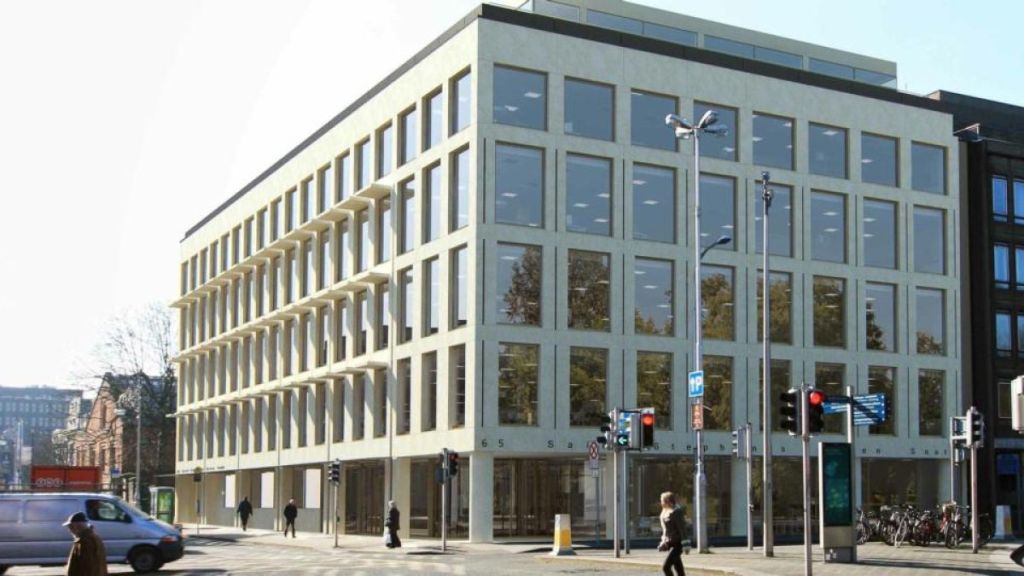
La sede de The Boeing Company, localizada en 100th Riverside de la Ciudad de Chicago es un rascacielos de 36 pisos y con un valor de US$200 millones de Dólares, se encuentra en la encrucijada de una campaña de reducción de costos que ha visto a la compañía deshacerse de bienes raíces durante estos últimos tiempos. La compañía aeroespacial podría afrontar junto al área de Chicago el temido Síndrome Detroit, el ocaso de toda la gran ciudad de Detroit en 2013 en pleno corazón del imperio estadounidense. Un antiguo símbolo de su poderío industrial, del sueño americano.
Hace veinte años, pocos días antes de que los ataques del 9/11 a los Estados Unidos paralizaron la industria aeroespacial, Boeing trasladó su sede de su histórico centro de fabricación de Seattle a un elegante rascacielos en el centro de Chicago. La medida fue fundamental para el plan de Boeing de forjar una nueva identidad como un gigante global diversificado, distanciando a los altos ejecutivos de las operaciones diarias dentro de unidades de negocios remotas y acercándose a Wall Street y a los principales clientes.
Dos décadas después, en medio de una nueva crisis que sacude a la industria, el centro corporativo de Boeing está en un estado de incertidumbre. Una nueva cosecha de altos ejecutivos con sede principalmente en las costas están gestionando los problemas de certificación industrial y de seguridad en sus principales divisiones y las consecuencias persistentes de las crisis del 737 MAX y el coronavirus. Al mismo tiempo, los incentivos fiscales amontonados en Boeing por Chicago e Illinois se agotaron a fin de año.
La sede Chicago fue una vez el símbolo de un nuevo Boeing, la visión de un epicentro corporativo, ahora continúa un retroceso que intenta recuperar el dominio de la ingeniería y reparar las relaciones con los clientes y los reguladores federales. La sede, un rascacielos frente al río de 36 pisos y US$ 200 millones de Dólares, se encuentra en la encrucijada de una campaña de reducción de costos que ha visto a Boeing deshacerse de bienes raíces, incluida su sede de aviones comerciales en Seattle, Washington. Varias personas cercanas a la compañía dicen que los recortes de costos y una cultura corporativa más práctica han planteado preguntas sobre el futuro a largo plazo de Boeing en la ciudad y, a su vez, la amplia dirección que Boeing tiene la intención de tomar mientras intenta recuperar su paso. Boeing, sin embargo, insiste en que las operaciones significativas todavía tienen lugar allí y rechaza cualquier sugerencia de que el gigante pueda abandonar su base en el Medio Oeste. «Chicago es estratégicamente importante para las operaciones estadounidenses y globales de Boeing. Al igual que con otras compañías, nos hemos adaptado a formas híbridas de trabajar en medio de la pandemia mundial para interactuar con nuestra gente, nuestros clientes y otras partes interesadas», dijo un portavoz.
Boeing y sus empleados han invertido casi US$ 50 millones de Dólares en apoyo a las comunidades de Chicago en los últimos años, dijo Boeing. A pesar del nuevo enfoque, otros advierten que salir de la ciudad se arriesgaría a una tormenta de fuego local y sigue estando lejos de las prioridades inmediatas de Boeing en medio de una serie de problemas industriales y regulatorios. The Boeing Company intentará remontar su historia para no caer en la espiral del Síndrome de Detroit, el conglomerado que fue a la quiebra hundiéndose como el Titanic del capitalismo estadounidense.
Boeing Faces Detroit Syndrome
Boeing headquarters in Chicago in the shadow of a ghost town Boeing cuts costs as priorities change
The headquarters of The Boeing Company, located at 100th Riverside of the City of Chicago is a 36-story skyscraper and with a value of US$ 200 million, is at the crossroads of a cost reduction campaign that has seen the company ditching real estate in recent times. The aerospace company could face together with the Chicago area the dreaded Detroit Syndrome, the decline of the entire great city of Detroit in 2013 in the heart of the American empire. An ancient symbol of your industrial might, of the American dream.
Twenty years ago, just days before the 9/11 attacks on the United States crippled the aerospace industry, Boeing moved its headquarters from its historic Seattle manufacturing center to a sleek skyscraper in downtown Chicago. The move was central to Boeing’s plan to forge a new identity as a diversified global giant, distancing top executives from day-to-day operations within remote business units and reaching out to Wall Street and major clients.
Two decades later, in the midst of a new crisis that shakes the industry, Boeing’s corporate center is in a state of uncertainty. A new crop of senior executives based primarily on the shores are managing safety and industrial certification issues at their major divisions and the lingering fallout from the 737 MAX and coronavirus crises. At the same time, the tax incentives piled high at Boeing by Chicago and Illinois were exhausted by the end of the year.
The Chicago headquarters was once the symbol of a new Boeing, the vision of a corporate epicenter, now a pushback continues trying to regain engineering dominance and repair relationships with customers and federal regulators. The headquarters, a 36-story, US$ 200 million riverfront skyscraper, is at the crossroads of a cost-cutting campaign that has seen Boeing shed real estate, including its commercial aircraft headquarters in Seattle, Washington. Several people close to the company say cost cuts and a more practical corporate culture have raised questions about Boeing’s long-term future in the city and, in turn, the broad direction Boeing intends to take as it tries. catch your step. Boeing, however, insists that significant operations still take place there and rejects any suggestion that the giant may abandon its base in the Midwest. «Chicago is strategically important to Boeing’s US and global operations. As with other companies, we have adapted to hybrid ways of working amid the global pandemic to interact with our people, our customers and other stakeholders», he said a spokesman.
Boeing and its employees have invested nearly US$ 50 million in support of Chicago communities in recent years, Boeing said. Despite the new approach, others warn that leaving the city would risk a local firestorm and remains far from Boeing’s immediate priorities amid a host of industrial and regulatory woes. The Boeing Company will try to trace its history so as not to fall into the spiral of the Detroit Syndrome, a conglomerate that went bankrupt, sinking like the Titanic of American capitalism.
Air Belgium, la aerolínea de destino internacional de servicio completo con sede en Mont-Saint-Guibert en Bélgica, ha recibido el primero de dos Airbus A330-900. El avión está configurado con 286 asientos en un diseño de tres clases treinta cómodos asientos reclinables en Clase Ejecutiva (30), veintiuno en Clase Premium (21) y doscientos treinta y cinco en Clase Económica (235). El avión está equipado con la cabina Airbus Airspace. Todos los asientos están equipados con el sistema de entretenimiento a bordo de última generación, wifi a bordo e iluminación ambiental. Gracias a las últimas tecnologías del A330NEO, Air Belgium se beneficiará de soluciones aeronáuticas rentables y ecoeficientes, al tiempo que proporcionará a los pasajeros los mejores estándares de confort en las cabinas más silenciosas de su clase. Además, el menor ruido y las emisiones en comparación con los aviones de la generación anterior hacen del A330NEO un vecino del aeropuerto más amigable.
Air Belgium desplegará el avión en rutas que conectan Bruselas con destinos de larga distancia. La aerolínea belga actualmente opera una flota de fuselaje ancho totalmente Airbus que comprende A330-200F y A340-300; los A340 serán reemplazados gradualmente por los A330NEO.
La familia A330NEO es el A330 de nueva generación; se basa en la economía, la versatilidad y la confiabilidad comprobadas de la familia A330, al tiempo que reduce el consumo de combustible y las emisiones de CO2 en aproximadamente un 25 por ciento por asiento en comparación con los aviones de la competencia de la generación anterior, y ofrece una capacidad de alcance inigualable. El A330NEO está propulsado por los motores Trent 7000 de última generación de Rolls-Royce y cuenta con una nueva ala con mayor envergadura y aletas compuestas para una mejor aerodinámica que supera al combustible. Con una cartera de pedidos de más de 1.800 aviones de 126 clientes a finales de Septiembre de 2021, el A330 sigue siendo el avión familiar de fuselaje ancho más popular de todos los tiempos.
Air Belgium receives first A330NEO
Belgian airline acquires first A330-900NEO
Air Belgium, the full-service international destination airline based in Mont-Saint-Guibert in Belgium, has received the first of two Airbus A330-900s. The aircraft is configured with 286 seats in a three-class layout, thirty comfortable reclining seats in Business Class (30), twenty-one in Premium Class (21) and two hundred and thirty-one in Economy Class (235). The aircraft is equipped with the Airbus Airspace cabin. All seats are equipped with the latest generation in-flight entertainment system, on-board Wi-Fi and ambient lighting. Thanks to the latest A330NEO technologies, Air Belgium will benefit from cost-effective and eco-efficient aeronautical solutions, while providing passengers with the best standards of comfort in the quietest cabins in their class. Additionally, lower noise and emissions compared to previous generation aircraft make the A330NEO a friendlier airport neighbor.
Air Belgium will deploy the aircraft on routes connecting Brussels to long-haul destinations. The Belgian airline currently operates a fully Airbus wide-body fleet comprising A330-200F and A340-300; the A340s will be gradually replaced by the A330NEOs.
The A330NEO Family is the new generation A330; builds on the proven economy, versatility and reliability of the A330 Family, while reducing fuel consumption and CO2 emissions by approximately 25 percent per seat compared to previous generation competitive aircraft, and offers unrivaled reach capabilities. The A330neo is powered by Rolls-Royce’s next-generation Trent 7000 engines and features a new, longer wing span and composite fins for better aerodynamics that outperform fuel. With an order book of more than 1,800 aircraft from 126 customers at the end of September 2021, the A330 remains the most popular wide-body family aircraft of all time.
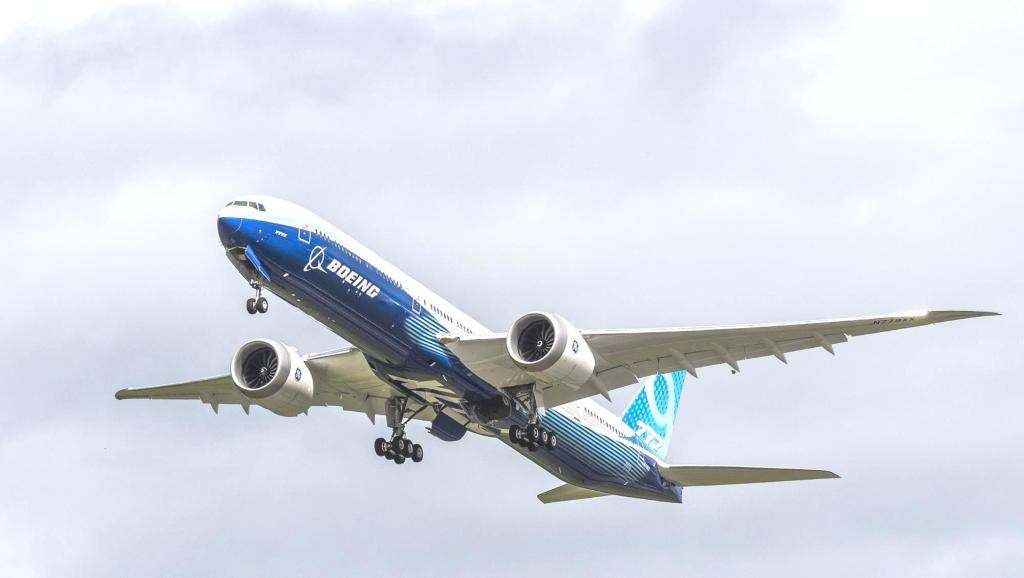
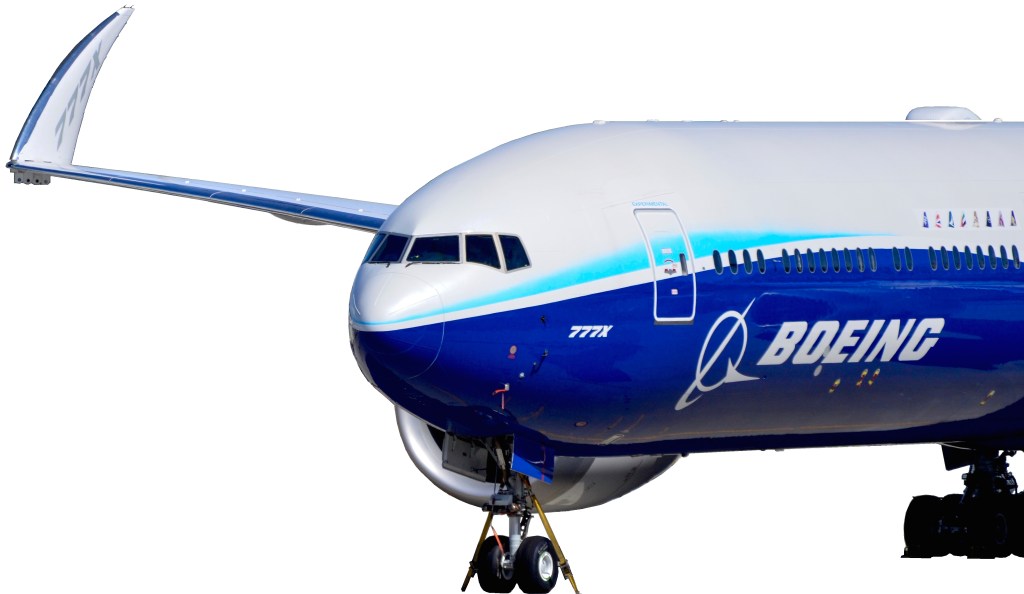
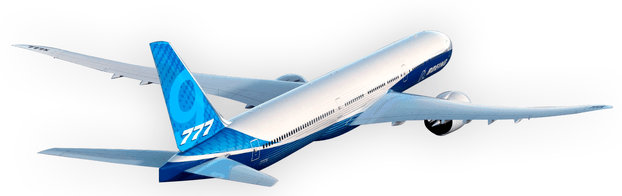
The Boeing Company ha anunciado que lanzará la versión de carga de la nueva variante del Programa actualizado 777X, la nueva generación de su bimotor widebody, el cual podría realizar la presentación en público oficial del lanzamiento en el Air Show de Dubái que inicia el 14 de Noviembre de 2021. Qatar Airways ha estado presionando tanto a Boeing como a Airbus para el lanzamiento de nuevos cargueros de sus modelos más recientes, que son más eficientes y emiten menor contaminación. Boeing ha estado y en conversaciones con la aerolínea quatarí siendo uno de los operadores más grandes del mundo en cuanto a flota Boeing 777F (carguera).
La carrera de Boeing por un nuevo modelo se esgrime en la nueva presión ejercida por la competencia frente al constructor europeo Airbus Group, sino más importante aún, el fabricante americano todavía posee una ventana de tiempo para construir un nuevo modelo carguero porque a partir del 2027 no podrá seguir fabricando las versiones de carga del 767 y la actual generación del 777 porque no cumplirán con la nueva normatividad de emisiones referente al medio ambiente. La compañía americana Boeing ha estado en conversaciones con diferentes clientes potenciales: Qatar Airways, Lufthansa Cargo, DHL, FedEx y Singapore Airlines.
Airbus Group ha estado haciendo lo propio con el lanzamiento del A350F ha estado persiguiendo oportunidades de mercado para adelantarse a la demanda post-pandemia referente a la carga aérea.
Boeing 777XF
La nueva versión de carga del Boeing 777XF se desarrollaría sobre la versión Boeing 777-8 que es más corta que la Serie 9 y ligeramente mayor al 777-200LR que dio vida al 777F. La versión 8 no se ha desarrollado aún por la falta de interés de las aerolíneas ya que se trata de una versión de ultra largo alcance costoso de operar en rutas menos largas, por lo que se han decantado por la versión 9. Ni siquiera Qantas Airways para su Proyecto Sunrise optó por la versión 777-8. Mientras tanto, Boeing tendría disponible el proyecto para desarrollar la versión de carga en esa variante. El Programa 777X ha tenido su nacimiento justo al arribo de la pandemia que impactó de manera directa en el mercado de fuselaje ancho.
Programa 777X
El CEO de la aerolínea de Dubai Emirates Airline, Tim Clark, presionó el Martes 05/10 al fabricante de aviones Boeing por los retrasos en su próximo avión Boeing 777X, advirtiendo que la incertidumbre causaría una interrupción significativa para una de las aerolíneas más grandes del mundo. La compañía ha dicho anteriormente que planea comenzar a entregar la nueva versión más grande del avión de fuselaje ancho 777 para fines de 2023, tres años después de lo planeado originalmente, en parte debido a un proceso de certificación más largo después de accidentes fatales de aviones 737 MAX.
Boeing, buscando supremacía
Actualmente Boeing tiene el 90% del mercado de aviones de carga, pero la presión de Airbus está creciendo, tanto con el nuevo A350F como con las conversiones de A330F. Airbus no ha firmado todavía ningún contrato por la variante de carga A350F. Mientras tanto, Boeing tiene pedidos por 53 aviones, principalmente del 767-300ERF más algunos tanqueros derivados de este para la Fuerza Aérea de Estados Unidos. El Boeing 747 termina su producción este año con los últimos cargueros y el Boeing 777F ha mantenido trabajando la línea de producción mientras se logra la certificación de la variante más moderna 777X.
Boeing prepares 777X Freighter
Boeing prepares to launch cargo version of 777X
The Boeing Company has announced that it will launch the cargo version of the new variant of the Upgraded 777X Program, the new generation of its twin-engine widebody, which could make the official public launch of the launch at the Dubai Air Show beginning on 14 February. November 2021. Qatar Airways has been pushing both Boeing and Airbus to launch new freighters of their latest models, which are more efficient and emit less pollution. Boeing has been in talks with the Quatari airline, being one of the largest operators in the world in terms of the Boeing 777F (cargo) fleet.
Boeing’s race for a new model is wielded in the new pressure exerted by the competition against the European constructor Airbus Group, but more importantly, the American manufacturer still has a window of time to build a new freighter model because as of 2027 It will not be able to continue to build the cargo versions of the 767 and current generation 777 because they will not comply with the new environmental emissions regulations. The American company Boeing has been in talks with different potential customers: Qatar Airways, Lufthansa Cargo, DHL, FedEx and Singapore Airlines.
Airbus Group has been following suit with the launch of the A350F and has been pursuing market opportunities to anticipate post-pandemic demand for air cargo.
Boeing 777XF
The new cargo version of the Boeing 777XF would build on the Boeing 777-8 version which is shorter than the 9 Series and slightly larger than the 777-200LR that brought the 777F to life. Version 8 has not yet been developed due to the lack of interest from the airlines as it is an ultra-long-range version that is expensive to operate on shorter routes, so they have opted for the version 9. Not even Qantas Airways for its Project Sunrise opted for the 777-8 version. Meanwhile, Boeing would have the project available to develop the cargo version in that variant. The 777X Program had its birth just after the pandemic that had a direct impact on the wide body market.
777X program
The CEO of Dubai airline Emirates Airline, Tim Clark, on Tuesday 10/05 lobbied aircraft manufacturer Boeing for delays in its next Boeing 777X aircraft, warning that the uncertainty would cause a significant disruption for one of the largest airlines in the world. world. The company has previously said that it plans to begin delivering the new, larger version of the 777 wide-body aircraft by the end of 2023, three years later than originally planned, in part due to a longer certification process following fatal aircraft crashes. 737 MAX.
Boeing, seeking supremacy
Boeing currently has 90% of the freighter market, but pressure from Airbus is growing, both with the new A350F and the A330F conversions. Airbus has not yet signed any contracts for the A350F cargo variant. Meanwhile, Boeing has orders for 53 aircraft, mainly the 767-300ERF plus some tankers derived from it for the United States Air Force. The Boeing 747 ends production this year with the latest freighters, and the Boeing 777F has kept the production line running while the latest 777X variant is certified.
Arrendadora leasing incrementa actividad en 3Q2021
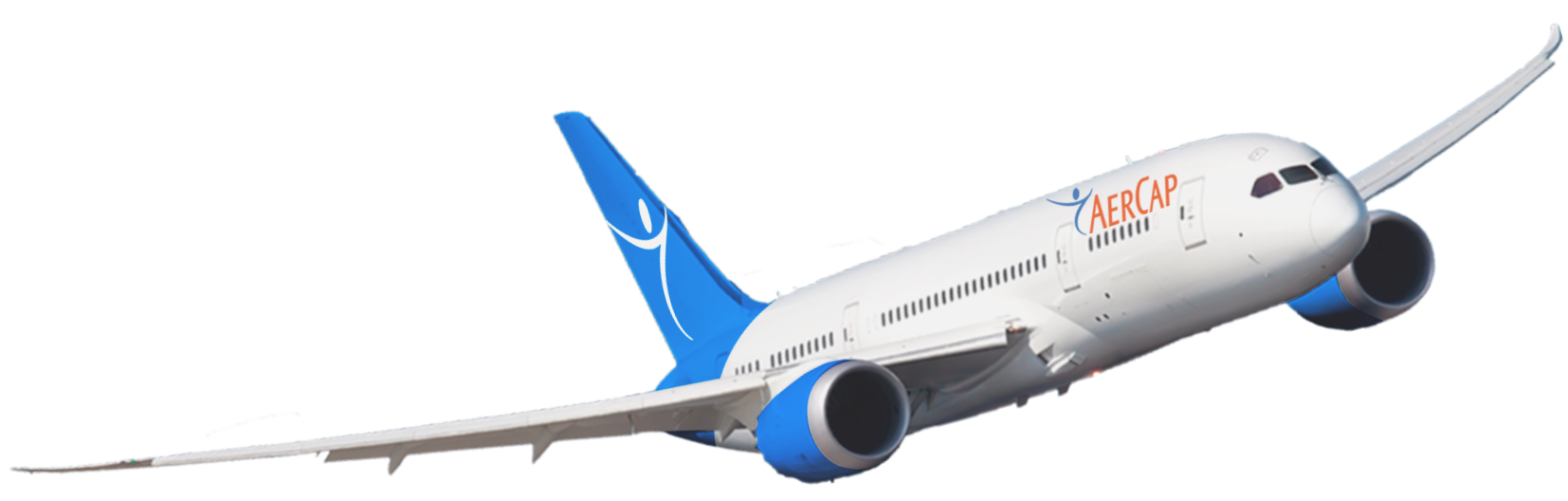
La compañía AerCap Holdings N.V. ha anunciado sus principales transacciones comerciales durante el tercer trimestre (3Q2021), colocando arriendos, compras y ventas por sesenta (60) aviones en el tercer trimestre de 2021 los cuales se discriminan de la siguiente forma: Contratos de arrendamiento firmados para 42 aeronaves, incluidas cinco aeronaves de fuselaje ancho y 37 aeronaves de fuselaje estrecho. Compras de siete aviones, incluidos cinco aviones de la familia Airbus A320NEO y 2 aviones Boeing 737 MAX. Ha realizado transacciones de venta para once aviones, incluidos tres Airbus A340 (3), tres Boeing 737NG (3), tres Boeing 737 Classics (3) y dos Boeing 767-300ER (2) de la cartera propiedad de AerCap. Las transacciones de financiamiento firmadas tienen un valor aproximados de US$ 1.1 mil millones de Dólares.
AerCap es el líder mundial en arrendamiento de aeronaves con uno de los libros de pedidos más atractivos de la industria. AerCap atiende a aproximadamente 200 clientes en aproximadamente 80 países con soluciones integrales para flotas. AerCap cotiza en la Bolsa de Nueva York y tiene su sede en Dublín, República de Irlanda, con oficinas distribuidas en todo el mundo en Shannon (Irlanda), Los Ángeles, Seattle (EEUU), Singapur, Amsterdam (Países Bajos), Shanghái (China), Abu Dhabi (EAU) y Toulouse (Francia).
AerCap placement 60 aircraft
Arrendadora leasing increases activity in 3Q2021
AerCap Holdings N.V. has announced its main commercial transactions during the third quarter (3Q2021), placing leases, purchases and sales for sixty (60) aircraft in the third quarter of 2021 which are broken down as follows: Lease contracts signed for 42 aircraft, including five wide-body aircraft and 37 narrow-body aircraft. Purchases of seven aircraft, including five Airbus A320NEO family aircraft and two Boeing 737 MAX aircraft. It has conducted sales transactions for eleven aircraft, including three Airbus A340s (3), three Boeing 737NGs (3), three Boeing 737 Classics (3) and two Boeing 767-300ERs (2) from the AerCap-owned portfolio. The financing transactions signed have an approximate value of US$ 1.1 billion dollars.
AerCap is the world leader in aircraft leasing with one of the most attractive order books in the industry. AerCap serves approximately 200 customers in approximately 80 countries with comprehensive fleet solutions. AerCap is listed on the New York Stock Exchange and is headquartered in Dublin, Republic of Ireland, with offices worldwide in Shannon (Ireland), Los Angeles, Seattle (USA), Singapore, Amsterdam (Netherlands), Shanghai (China), Abu Dhabi (UAE) and Toulouse (France).
Banco Brasil otorga financiamiento para 24 Embraer E175
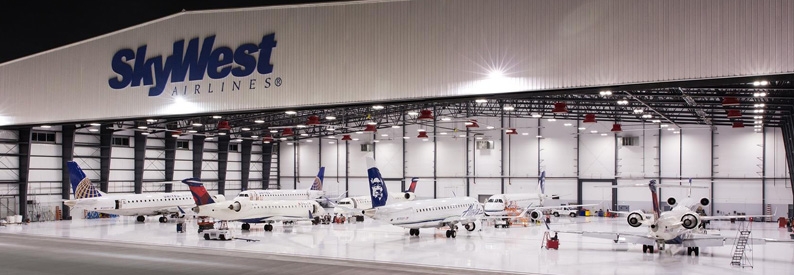
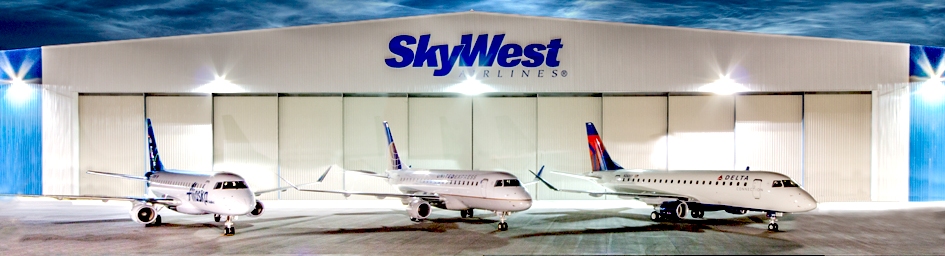
El Banco Nacional de Desarrollo Económico y Social (BNDES) de la República de Brasil ha aprobado el financiamiento para exportar veinticuatro aviones comerciales Embraer E175 (24) a SkyWest Airlines, la compañía de aviación regional más grande del mundo, con sede en el Estado de Utah (UT), Estados Unidos. El acuerdo fortalece la industria de Brasil en un momento en que todavía está sintiendo los efectos de la pandemia de COVID-19 e impulsa la presencia de productos brasileños de alta tecnología en el mercado de aviación más grande y competitivo del mundo. Las entregas comenzaron en agosto y continuarán hasta Abril de 2022.
El financiamiento de más de US$ 500 millones/R$ +2,6 mil millones de Reales, está en línea con las operaciones realizadas por las agencias de crédito a la exportación en países con industrias aeronáuticas de vanguardia. El sector aeronáutico es considerado estratégico por las naciones debido a aspectos como la tecnología avanzada, la innovación continua y los trabajadores altamente calificados. Las agencias de crédito a la exportación operan para complementar el mercado de crédito privado, haciéndolo con mayor intensidad en tiempos de crisis, lo que queda claro en la historia entre el BNDES y Embraer.
Bruno Aranha, Director de Crédito Productivo y Socioambiental del BNDES, destaca la importancia de la institución en el financiamiento de las exportaciones: «El BNDES tiene una presencia establecida y significativa en el sistema exportador de Brasil, con un desempeño anticíclico que ha mantenido a los exportadores brasileños durante más de veinticinco años. Este acuerdo es otro paso importante para el BNDES, apoyando a Embraer en la reanudación del crecimiento de las ventas en el contexto del mayor desafío jamás enfrentado en la historia del sector aeronáutico, asegurando así el mantenimiento de empleos calificados en el país», dice Bruno Aranha.
Embraer E175
El Embraer E175, que transporta hasta 88 pasajeros, fue uno de los modelos menos afectados por los efectos del COVID-19. Actualmente, hay más de 600 E175 en operación en todo el mundo, lo que lo convierte en el líder en su segmento. A pesar de los efectos de la pandemia, el mercado estadounidense se ha recuperado. En Mayo de 2020, el número de vuelos en operación fue solo el 24% de lo que era en Mayo de 2019. Sin embargo, esa tasa aumentó al 80% en mayo de 2021. Con la recuperación económica en el horizonte, BNDES y Embraer intensificaron sus operaciones.
«Como el mayor propietario/operador del avión Embraer E175, SkyWest ha estado muy satisfecho con el apoyo de BNDES como nuestro principal socio financiero para este importante avión. BNDES ha personificado la asociación a través de años de crecimiento en una variedad de entornos económicos», dijo Robert Simmons, Director Financiero de SkyWest Airlines.
«El apoyo del BNDES es esencial a medida que el mercado del transporte aéreo se recupera en los Estados Unidos, el principal mercado para nuestro avión Embraer 175. La aviación regional ha desempeñado un papel extremadamente importante en la recuperación de vuelos comerciales en todo el mundo y esto ha beneficiado a los jets Embraer, que son los más eficientes de la industria. Somos el mayor exportador de bienes de alto valor en Brasil y hemos sido capaces de implementar y ofrecer soluciones de financiamiento inteligentes y flexibles para nuestros clientes, en línea con la estrategia de crecimiento que proyectamos para los próximos años», dice Antonio Carlos García, Vicepresidente Ejecutivo de Relaciones Financieras e Inversores de Embraer.
El financiamiento se proporcionará a través del BNDES Exim Post-envío, transferido en R$/Reales brasileños en Brasil al exportador Embraer. En este tipo de operaciones, el importador asume el compromiso de pagar el BNDES en Dólares, trayendo esta moneda extranjera a Brasil. El seguro de crédito que cubre riesgos comerciales, políticos y extraordinarios está incluido en la transacción.
Actualmente, SkyWest es el grupo de transporte aéreo de capacidad regional más grande del mundo. En 2019, fue responsable de abordar a unos 45 millones de pasajeros en 2.300 vuelos diarios a destinos en Estados Unidos, Canadá y México. La compañía trabaja en asociación con las principales aerolíneas estadounidenses: American Airlines, Delta Air Lines, United Airlines y Alaska Airlines.
BNDES will finance E-Jets to SkyWest
Banco Brasil grants financing for 24 Embraer E175
The National Bank for Economic and Social Development (BNDES) of the Republic of Brazil has approved financing to export twenty-four Embraer E175 commercial aircraft (24) to SkyWest Airlines, the world’s largest regional aviation company, based in the State of Utah (UT), United States. The agreement strengthens Brazil’s industry at a time when it is still feeling the effects of the COVID-19 pandemic and boosts the presence of high-tech Brazilian products in the world’s largest and most competitive aviation market. Deliveries began in August and will continue through April 2022.
The financing of more than US$ 500 million/R$ +2.6 billion Reais is in line with the operations carried out by export credit agencies in countries with cutting-edge aeronautical industries. The aeronautical sector is considered strategic by nations due to aspects such as advanced technology, continuous innovation and highly qualified workers. Export credit agencies operate to complement the private credit market, doing so with greater intensity in times of crisis, which is clear from the history between BNDES and Embraer.
Bruno Aranha, Director of Productive and Socio-environmental Credit at BNDES, highlights the importance of the institution in financing exports: «The BNDES has an established and significant presence in the Brazilian export system, with a counter-cyclical performance that has maintained the Brazilian exporters for more than 25 years. This agreement is another important step for BNDES, supporting Embraer in resuming sales growth in the context of the greatest challenge ever faced in the history of the aeronautical sector, thus ensuring job retention qualified in the country», says Bruno Aranha.
Embraer E175
The Embraer E175, which carries up to 88 passengers, was one of the models least affected by the effects of COVID-19. Currently, there are more than 600 E175s in operation worldwide, making it the leader in its segment. Despite the effects of the pandemic, the US market has recovered. In May 2020, the number of flights in operation was only 24% of what it was in May 2019. However, that rate increased to 80% in May 2021. With economic recovery on the horizon, BNDES and Embraer they stepped up their operations.
«As the largest owner/operator of the Embraer E175 aircraft, SkyWest has been very pleased with the support of BNDES as our primary financial partner for this important aircraft. BNDES has embodied the partnership through years of growth in a variety of economic environments», said Robert Simmons, Chief Financial Officer for SkyWest Airlines.
«BNDES support is essential as the air transport market recovers in the United States, the main market for our Embraer 175 aircraft. Regional aviation has played an extremely important role in the recovery of commercial flights around the world. and this has benefited Embraer jets, which are the most efficient in the industry. We are the largest exporter of high-value goods in Brazil and we have been able to implement and offer smart and flexible financing solutions for our clients, in line with the growth strategy that we project for the coming years», says Antonio Carlos García, Executive Vice President of Financial and Investor Relations at Embraer.
Financing will be provided through BNDES Exim Post-shipment, transferred in R$/Brazilian Reales in Brazil to the exporter Embraer. In this type of operation, the importer assumes the commitment to pay the BNDES in dollars, bringing this foreign currency to Brazil. Credit insurance covering commercial, political and extraordinary risks is included in the transaction.
Today SkyWest is the world’s largest regional capacity air transport group. In 2019, it was responsible for handling some 45 million passengers on 2,300 daily flights to destinations in the United States, Canada and Mexico. The company works in partnership with major US airlines: American Airlines, Delta Air Lines, United Airlines, and Alaska Airlines.
Boeing publicará resultados financieros 3Q2021 el 27/10
The Boeing Company ha comunicado que informará sus resultados financieros para el tercer trimestre de 2021 (3Q2021) el Miércoles 27 de Octubre de 2021. El Presidente y Director Ejecutivo, David Calhoun, y el Vicepresidente Ejecutivo y Director Financiero, Brian West, hablarán sobre los resultados y las perspectivas de la empresa durante una conferencia telefónica ese día a las 10:30 am ET.
El evento de la reunión de los resultados financieros se transmitirá por Internet en el siguiente link > http://services.choruscall.com/links/ba211027.html. También se puede acceder al evento marcando 1-877-336-4436 dentro de los Estados Unidos, como así además marcando 234-720-6984 fuera de los EE.UU. El código de acceso para ambos es 3750106. Las personas deben consultar el sitio webcast antes de la sesión para asegurarse de que sus computadoras puedan acceder a la transmisión de audio y la presentación de diapositivas. Las instrucciones para obtener el software descargable gratuito requerido se publicarán en el sitio. El comunicado de prensa y los materiales de presentación de Boeing se publicarán en la sección de inversores de www.boeing.com antes del evento.
Boeing to publish 3Q2021 results
Boeing to publish 3Q2021 financial results on 10/27
The Boeing Company has announced that it will report its financial results for the third quarter of 2021 (3Q2021) on Wednesday, October 27, 2021. President and CEO David Calhoun and Executive Vice President and Chief Financial Officer Brian West will discuss the results and company outlook during a conference call that day at 10:30 am ET.
The financial results meeting event will be webcast at the following link> http://services.choruscall.com/links/ba211027.html. The event can also be accessed by dialing 1-877-336-4436 within the United States, as well as by dialing 234-720-6984 outside the US The access code for both is 3750106. Individuals should consult the webcast before the session to ensure their computers can access the audio stream and slide show. Instructions for obtaining the required free downloadable software will be posted on the site. Boeing’s press release and presentation materials will be posted on the investor section of www.boeing.com prior to the event.































 airgways.com