AW | 2021 03 16 18:44 | INDUSTRY / AVIATION SAFETY
Boeing prueba ventanas 787 para asegurarse cumplir requisitos
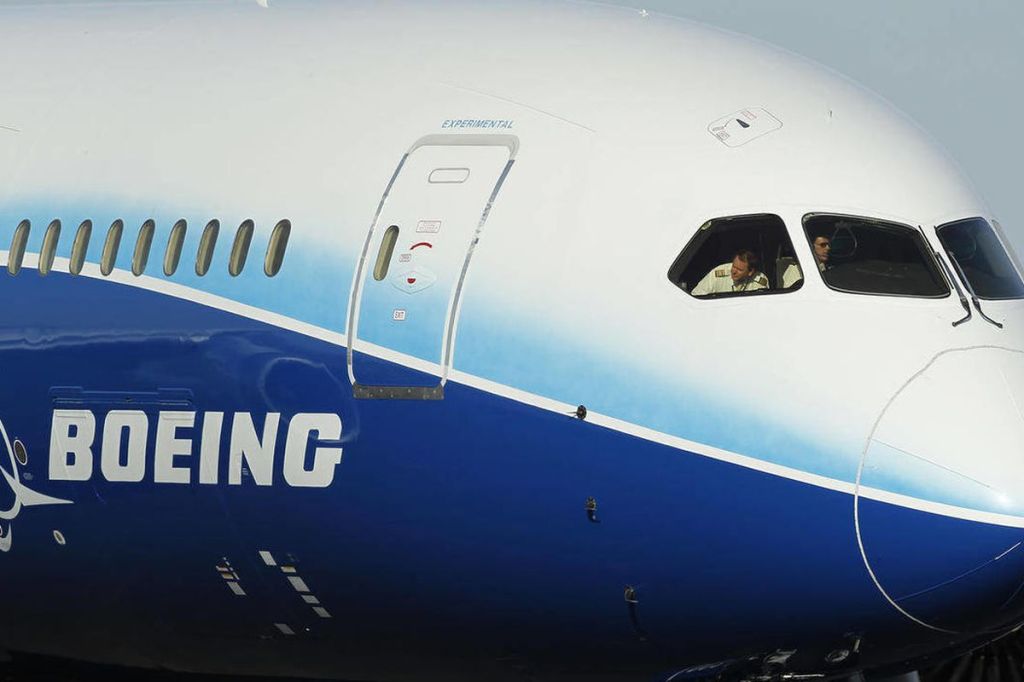
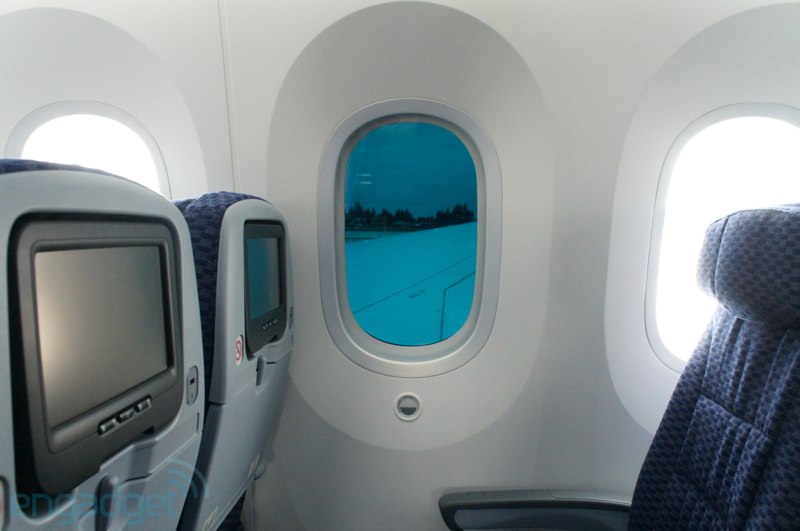
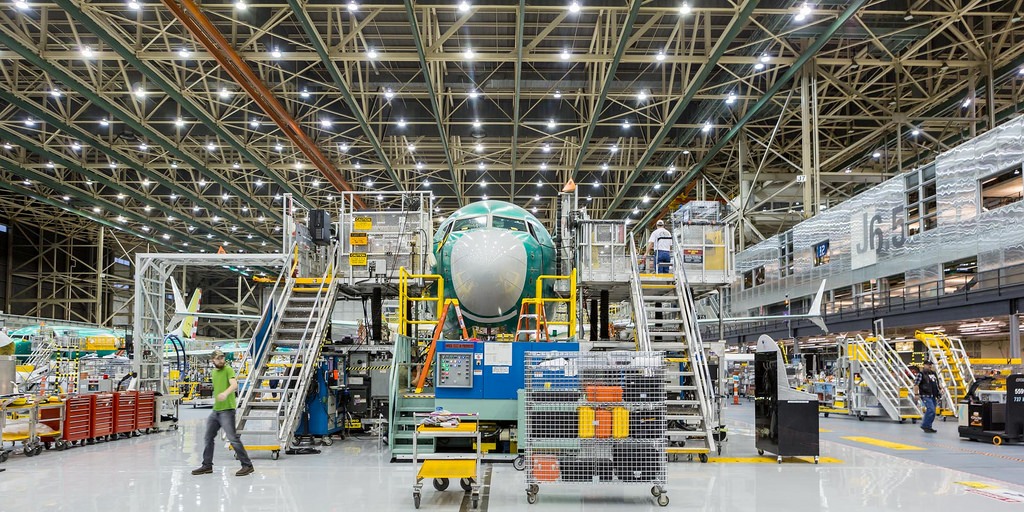
The Boeing Company ha anunciado examinando las ventanas de la cubierta de vuelo de algunos de sus Boeing 787 Dreamliner mientras el fabricante de aviones amplía su búsqueda de posibles fallas de fabricación que han retrasado las entregas del muy esperado jetliner. La compañía ha estado probando las ventanas de la cabina en un lote limitado de aviones después de enterarse en Diciembre 2020 de que un proveedor modificó su proceso de producción. La Administración Federal de Aviación (FAA) lanzó una investigación sobre fallas de fabricación en el 787 Dreamliner en Septiembre 2020.
Boeing quiere asegurarse de que las ventanas sigan cumpliendo con sus requisitos después del cambio, pero no se espera que las pruebas afecten a las entregas de Marzo 2021. La aparición de otro posible fallo se produce cuando Boeing se centra en reiniciar 787 entregas de Dreamliner para finales de este mes de Marzo 2021 en línea con lo que los ejecutivos prometieron durante una conferencia telefónica posterior a las ganancias de Enero con analistas del sector. También se produce mientras Boeing continúa luchando con las secuelas de dos accidentes aéreos que involucraron a sus aviones 737 MAX. En Noviembre 2020 la FAA aprobó el Boeing 737 MAX para volar de nuevo.
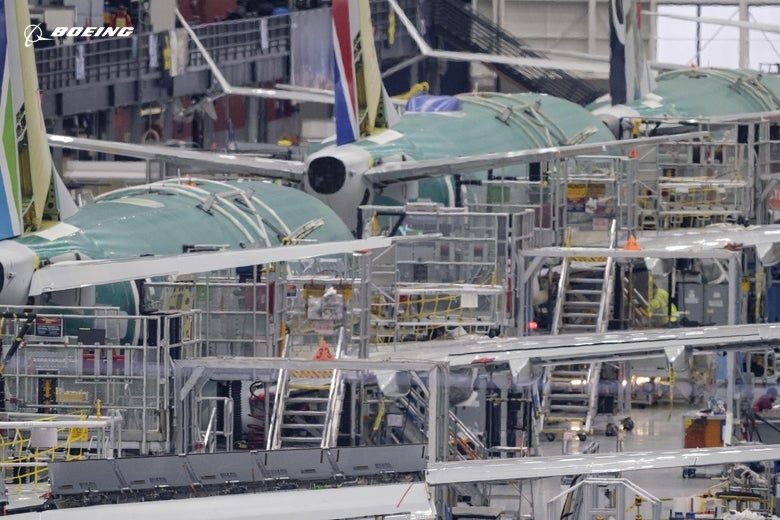
Boeing no ha entregado ningún Dreamliners desde Octubre de 2020, después de descubrir pequeñas marcas en el revestimiento interior donde los barriles de fuselaje de fibra de carbono se fusionan para formar el marco del modelo. Las interrupciones han obligado a Boeing a almacenar más de 80 Dreamliners alrededor de sus fábricas y en el desierto de California, creando una nueva preocupación justo cuando la crisis que rodea al 737 MAX desaparece.
Boeing tests 787 Dreamliner windows
Boeing tests Dreamliner windows to make sure it meets requirements
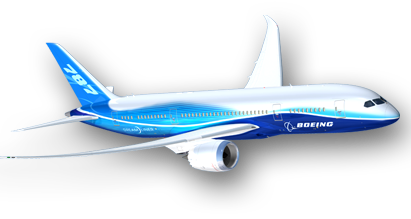
The Boeing Company has announced examining the flight deck windows of some of its Boeing 787 Dreamliner as the aircraft manufacturer broadens its search for potential manufacturing flaws that have delayed deliveries of the highly anticipated jetliner. The company has been testing cabin windows on a limited batch of aircraft after learning in December 2020 that a supplier modified its production process. The Federal Aviation Administration (FAA) launched an investigation into manufacturing failures in the 787 Dreamliner in September 2020.
Boeing wants to make sure the windows continue to meet its requirements after the change, but the testing is not expected to affect March 2021 deliveries. Another potential glitch comes as Boeing focuses on restarting 787 Dreamliner deliveries for end of March 2021 in line with what executives promised during a post-earnings conference call in January with industry analysts. It also comes as Boeing continues to grapple with the aftermath of two plane crashes involving its 737 MAX jets. In November 2020 the FAA approved the Boeing 737 MAX to fly again.
Boeing has not delivered any Dreamliners since October 2020, after discovering small marks on the inner skin where the carbon fiber fuselage barrels fuse to form the frame of the model. The outages have forced Boeing to stock more than 80 Dreamliners around its factories and in the California desert, creating a new concern just as the crisis surrounding the 737 MAX wears off.
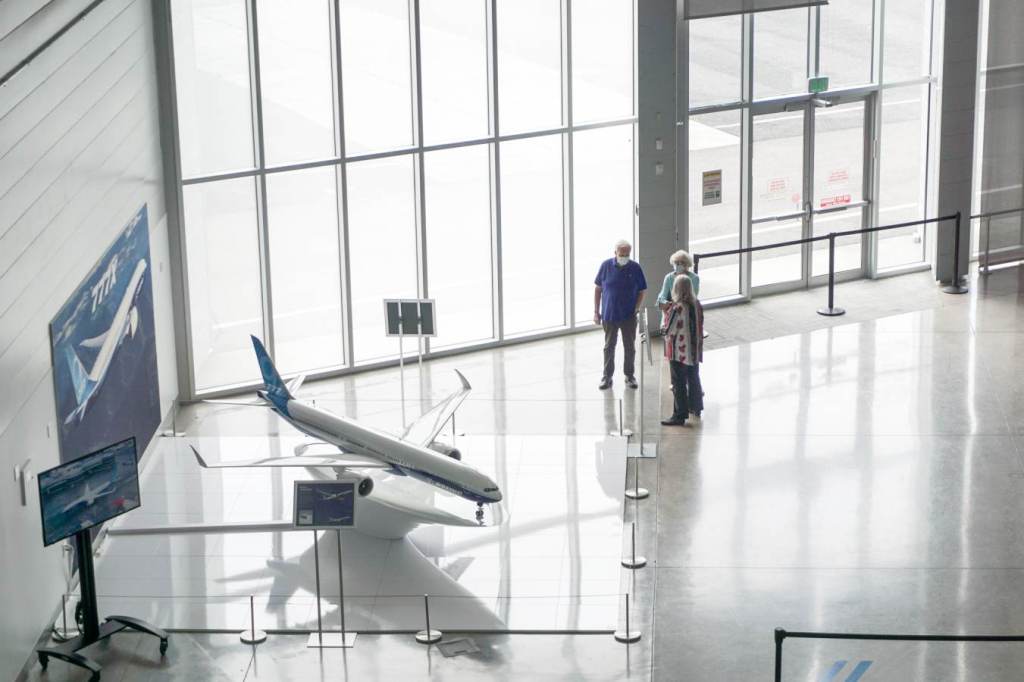
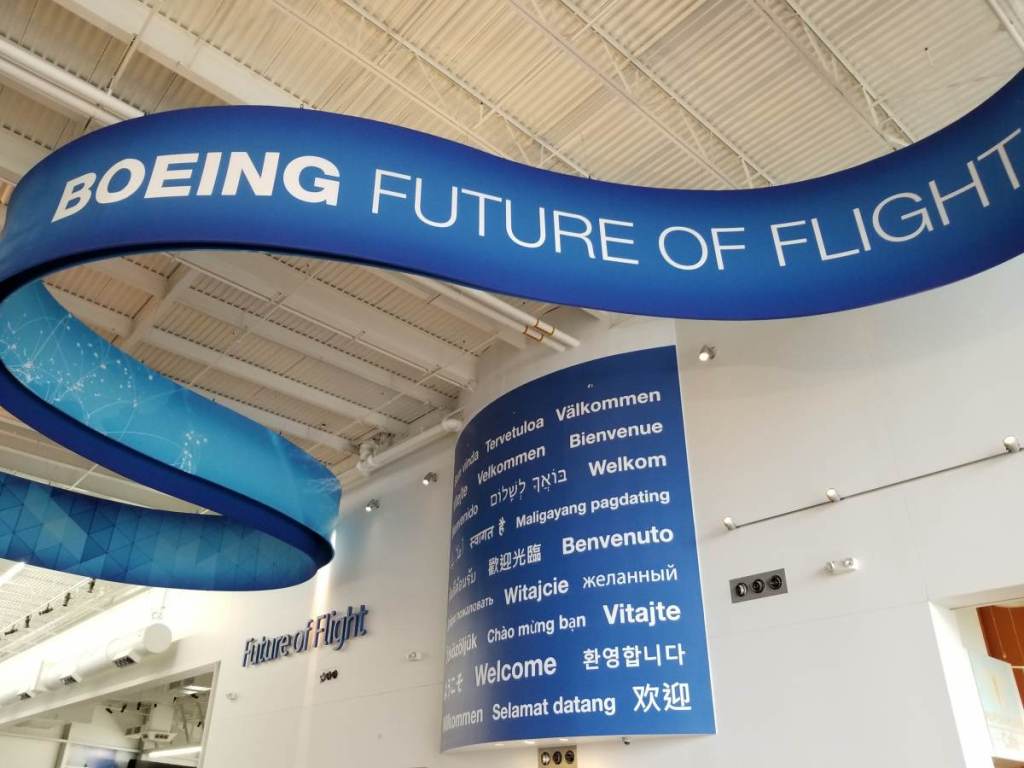
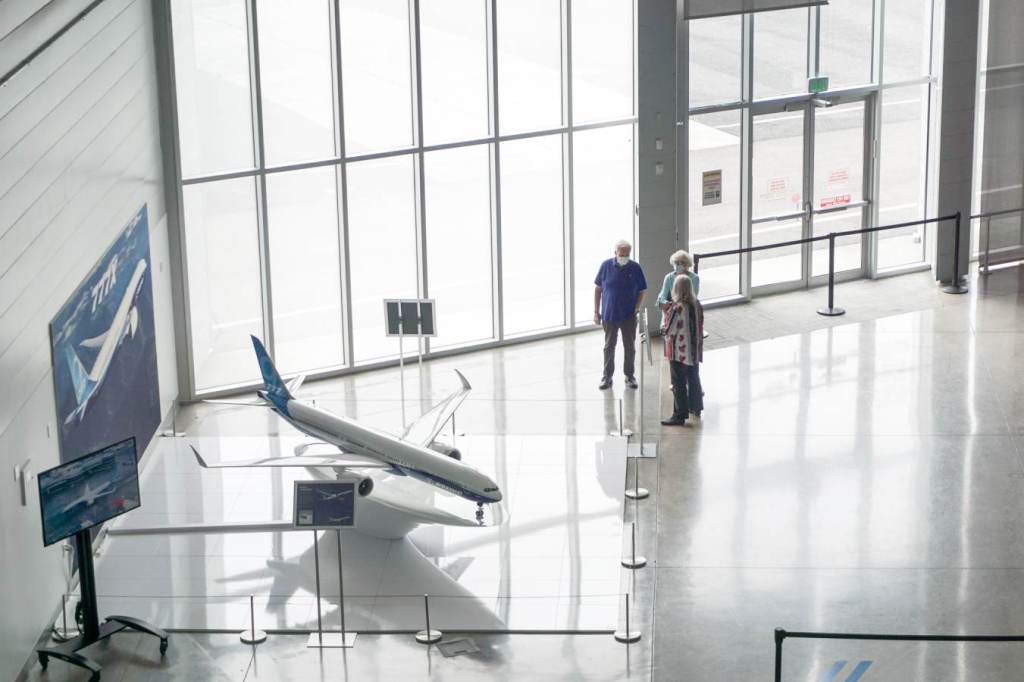
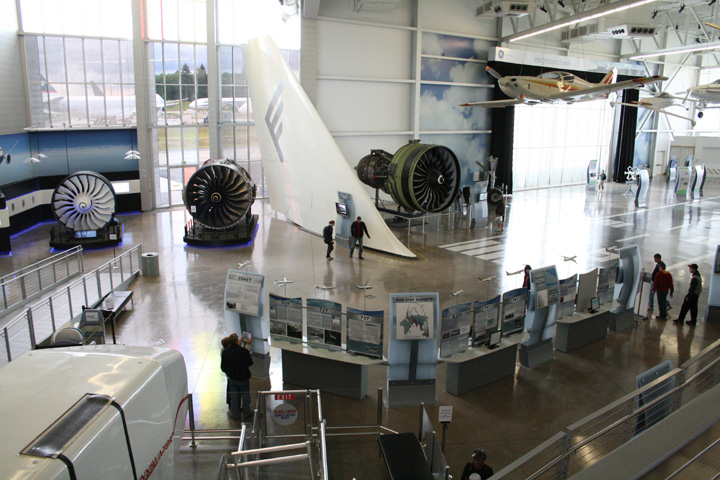
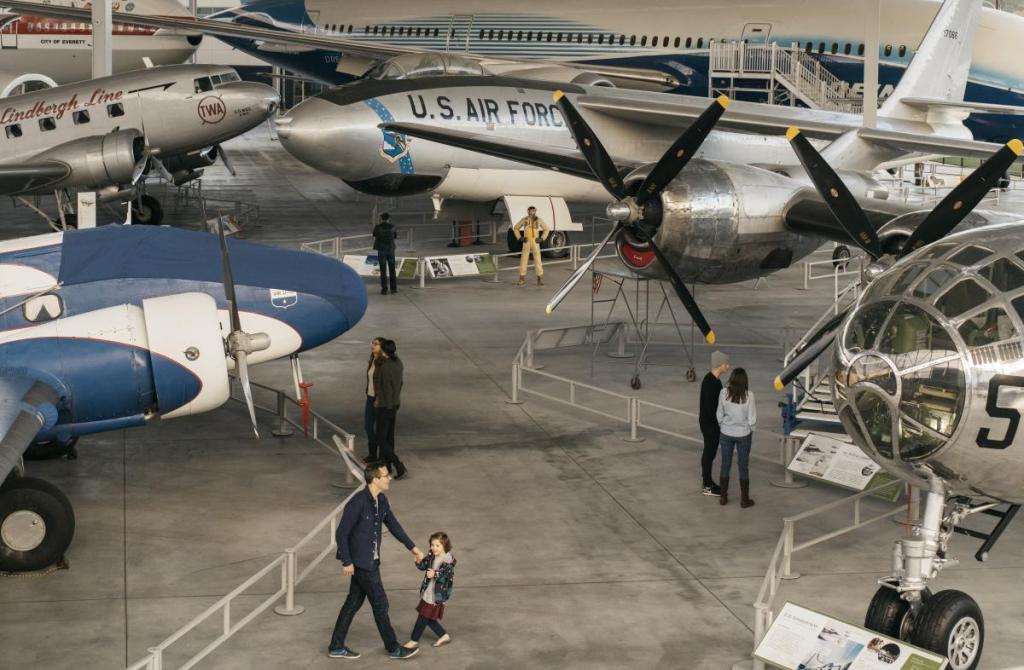
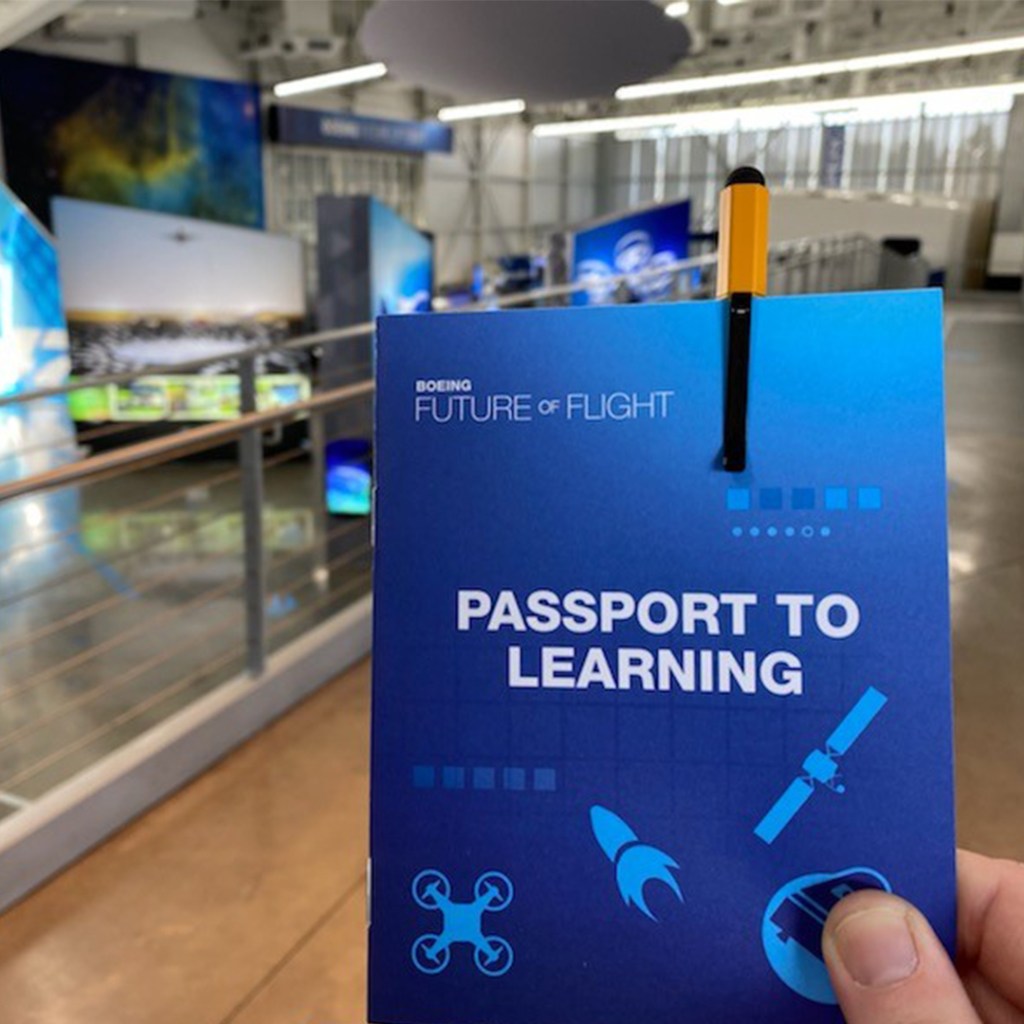
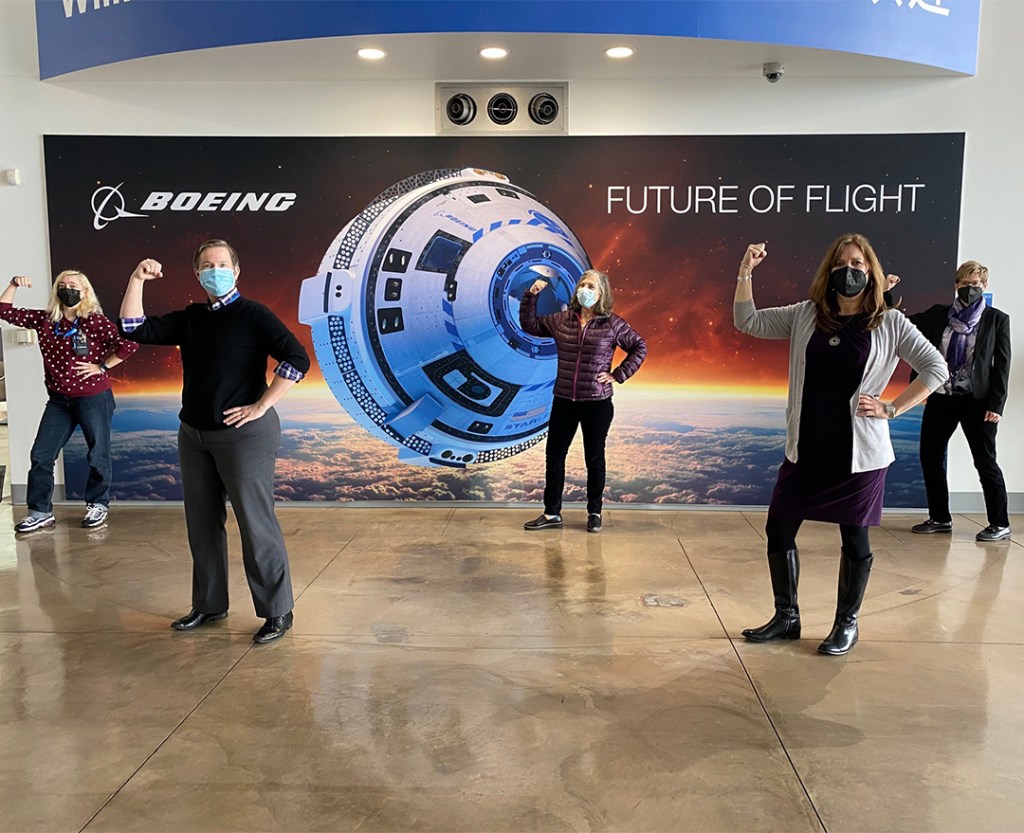
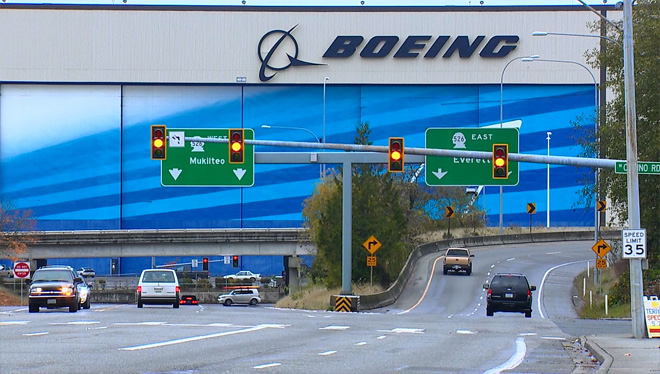
El Future of Flight de The Boeing Company en Paine Field se reabre por segunda vez luego que las restricciones estatales por causa del Coronavirus han cerrado el centro de aviación dos veces en el último año 2020. La compañía ha anunciado la reapertura de las instalaciones del centro nuevamente. Boeing Future of Flight y el edificio de eventos que tiene vistas a Paine Field han sido reabiertos para el público. El centro de aviación cerró hace un año debido al COVID-19. Siete meses después, en Octubre 2020, reabrió de forma limitada, pero ha sido por un corto período. Las renovadas restricciones estatales a las reuniones en interiores cerraron las instalaciones por segunda vez en Noviembre 2020.
La buena noticia es que Boeing Future of Flight, en 8415 Paine Field Boulevard en Mukilteo, ha reabierto para ser visitado en el horario de 09:30 a.m. a 05:00 p.m., de Jueves a Lunes. Para concurrir al museo se requieren medidas sanitarias como el uso de máscaras para cualquier persona mayor de 2 años. La capacidad de los visitantes está limitada al 25% de lo normal. Los horarios de entrada pueden variar debido a esos límites. Los visitantes pueden comprar en Boeing Store los boletos. Sin embargo, el Paper Plane Coffee, también será accesible sin billete, via online, pero se cierra temporalmente mientras se somete a una renovación.
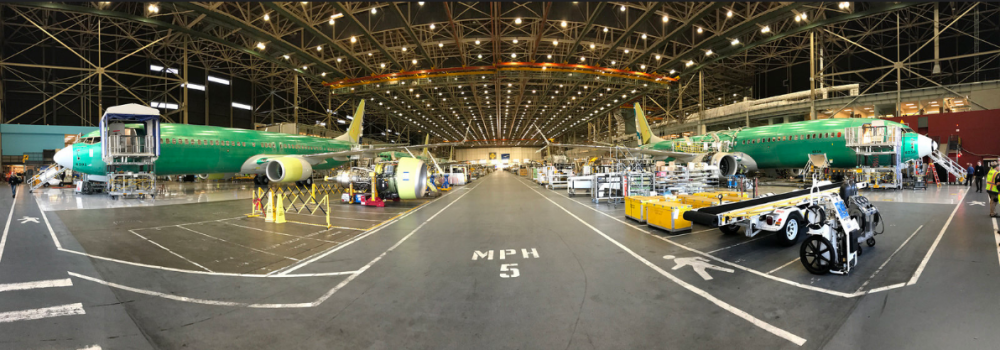
El Boeing Factory Tour, que fue cerrado temporalmente en Marzo de 2020, se encuentra abierto al público. Antes de la pandemia, la popular gira atrajo a unos 300.000 visitantes cada año. En Febrero de 2020, dio la bienvenida a su 6 millones de visitantes. Los precios de las entradas van desde US$ 6 para niños de 6 a 15 años, hasta US$ 12 para adultos.
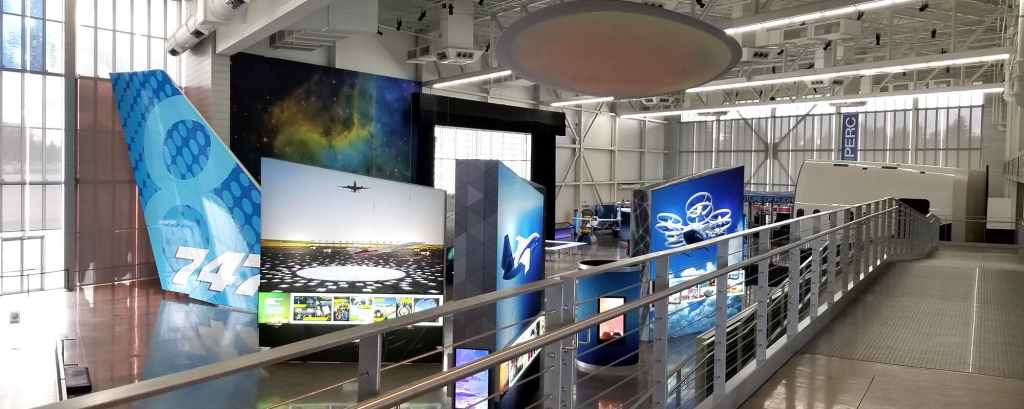
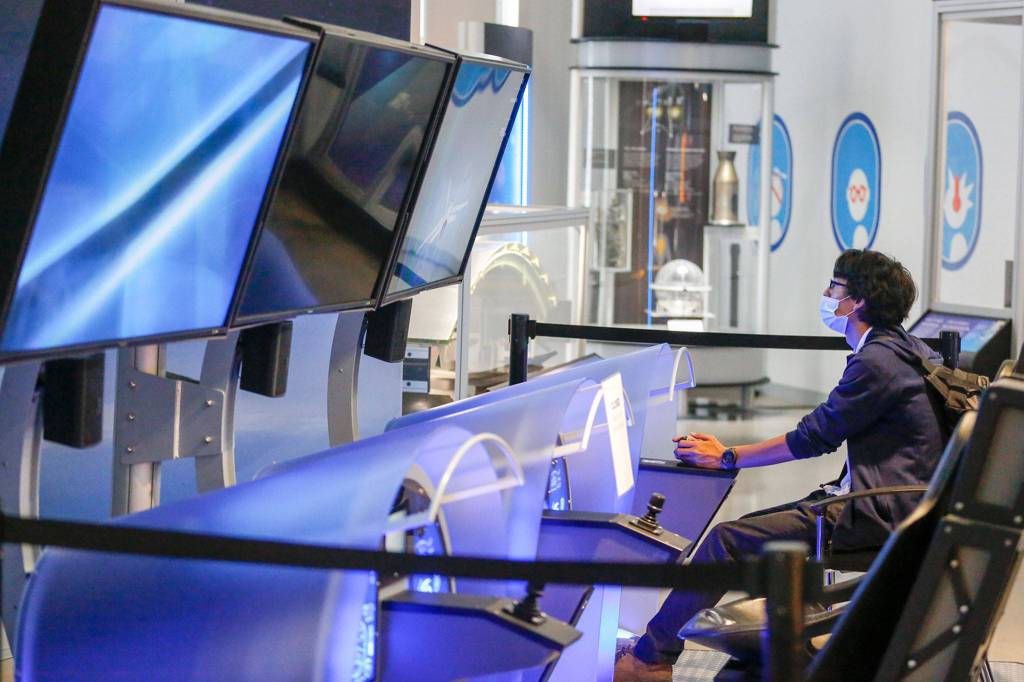
Una entrada da a los visitantes acceso a la galería de exposiciones y sky deck al aire libre, con vistas panorámicas de Paine Field, la planta de ensamblaje en Everett y las cascadas del norte. Una gran parte de la galería está dedicada a aviones autónomos, diseños que pueden transportar de uno a cuatro pasajeros. Las nuevas exposiciones incluyen un espacio de práctica de pilotaje de drones y una pantalla circular gigante suspendida del techo que representa un vuelo simulado de la Tierra a Marte.
Algunas actividades para adultos y niños, como el vuelo bajo drones y la codificación robótica, se han reanudado. Boeing asumió el control del Future of Flight en 2018 después de negociar un contrato de arrendamiento a largo plazo con el condado de Snohomish, que posee el edificio. El centro abrió sus puertas en 2005. Anteriormente fue operado por una organización sin fines de lucro, el Institute of Flight.
Boeing reopens Future of Flight
Future of Flight reopens in Paine Field (WA)
Boeing’s Future of Flight at Paine Field reopens for the second time after state restrictions due to the Coronavirus have closed the aviation center twice in the last year 2020. The company has announced the reopening of the center facilities again. Boeing Future of Flight and the event building overlooking Paine Field have been reopened to the public. The aviation center closed a year ago due to COVID-19. Seven months later, in October 2020, it reopened on a limited basis, but it has been for a short period. Renewed state restrictions on indoor gatherings closed the facility for the second time in November 2020.
The good news is that Boeing Future of Flight, at 8415 Paine Field Boulevard in Mukilteo, has reopened for viewing at 9:30 a.m. at 05:00 p.m., from Thursday to Monday. To go to the museum, sanitary measures are required, such as the use of masks for anyone over 2 years of age. Visitor capacity is limited to 25% of normal. Entry times may vary due to these limits. Visitors can purchase tickets at the Boeing Store. However, the Paper Plane Coffee will also be accessible without a ticket, via online, but it is temporarily closed while it undergoes a renewal.
The Boeing Factory Tour, which was temporarily closed in March 2020, is open to the public. Before the pandemic, the popular tour drew some 300,000 visitors each year. In February 2020, it welcomed its 6 million visitors. Ticket prices range from US$ 6 for children ages 6 to 15, to US$ 12 for adults.
One ticket gives visitors access to the outdoor sky deck and exhibit gallery, with panoramic views of Paine Field, the Everett Assembly Plant and the North Falls. A large part of the gallery is dedicated to autonomous aircraft, designs that can carry one to four passengers. The new exhibits include a drone piloting practice space and a giant circular screen suspended from the ceiling depicting a simulated flight from Earth to Mars.
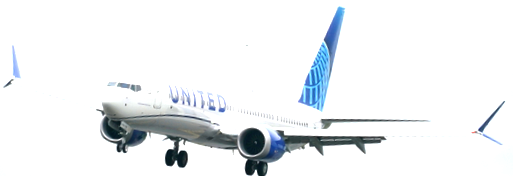
Some activities for adults and children, such as flying under drones and robotic coding, have been resumed. Boeing took over the Future of Flight in 2018 after negotiating a long-term lease with Snohomish County, which owns the building. The center opened in 2005. It was previously operated by a non-profit organization, the Institute of Flight.
Pedidos 737 MAX comienzan a fluir a medida confianza de mercado
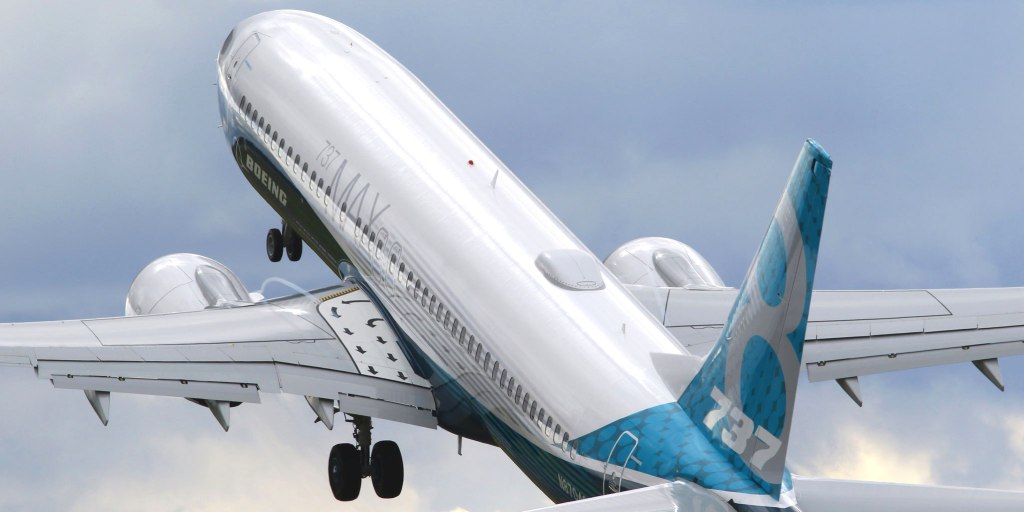
La línea Boeing 737 MAX está recuperando discretamente el impulso de su cartera de pedidos en virtud de la confianza del mercado post-pandemia de la propia confianza del producto de la compañía americana, gracias a una combinación de clientes de larga data y nuevos usuarios. El 737 MAX finalmente comienza a levantar vuelo después del nuevo flujo de pedidos luego de la recertificación emitida por la Federal Aviation Administration (FAA) en Noviembre 2020.
El gigante de la fabricación de aviones de Estados Unidos ha reservado relativamente pocos pedidos firmes para el 737 MAX en 2019 y 2020 y un retroceso en las cancelaciones después de sufrir la incursión entierra del modelo por problemas en la seguridad operativa de la línea de cuarta generación del Boeing 737. Esto hizo que su atraso de órdenes se redujera drásticamente.
Doble golpe al 737 MAX
La incursión en tierra del Boeing 737 MAX hace dos años en Marzo de 2019, disuadió a las aerolíneas de realizar nuevos pedidos para el tipo de avión, provocando que el atraso de órdenes cayera de 4.708 unidades a finales de 2018 a 4.398 a finales de 2019. La actividad de pedidos podría haberse recuperado en 2020, debido a la alta demanda de aviones de carrocería estrecha y largos plazos de entrega en Airbus. Pero entonces, la pandemia de coronavirus golpeó ferozmente, diezmando la demanda de viajes aéreos. En lugar de estar desesperadas por alinear las entregas de nuevos aviones, las aerolíneas de repente tenían más aviones de los que podían usar. Como resultado, Boeing reservó sólo 112 pedidos firmes para el 737 MAX en 2020. Mientras tanto, sufrió una serie de cancelaciones de pedidos. A finales de 2020, el atraso de Boeing en 737 había caído a 3.282 unidades, un 30% menos que dos años antes. Mientras transcurre el año 2021 se perfila como un año más halagador para el 737 MAX, con la actividad de nuevos pedidos empezando a reanudarse. Aún así, el programa de aeronaves tiene un largo camino por recorrer para retornar a los índices estables pre-pandemia.
Retorna impulso
El Boeing 737 MAX ha registrado otro mes de pedidos netos negativos en Enero 2021, causando que el atraso se redujera de nuevo. Sin embargo, ha habido algunos signos de vida desde entonces. En Febrero 2021, United Airlines añadió otras 25 unidades a su reserva de pedidos 737 MAX. Boeing también registró pedidos de 14 aviones 737 MAX de uno o más clientes no identificados. Incluso después de tener en cuenta las cancelaciones de pedidos, Boeing cerró el mes con 12 pedidos netos para la familia 737.
Esta semana, Boeing anunció que 777 Partners, una firma de inversión afiliada a varias aerolíneas de bajo costo, habían pedido 24 Boeing 737-8 MAX, con derechos de compra por 60 unidades adicionales. Este acuerdo es significativo porque 777 Partners es un nuevo cliente, mientras que Boeing había estado confiando en gran medida en sus principales clientes para poner en marcha la actividad de pedidos 737 MAX.
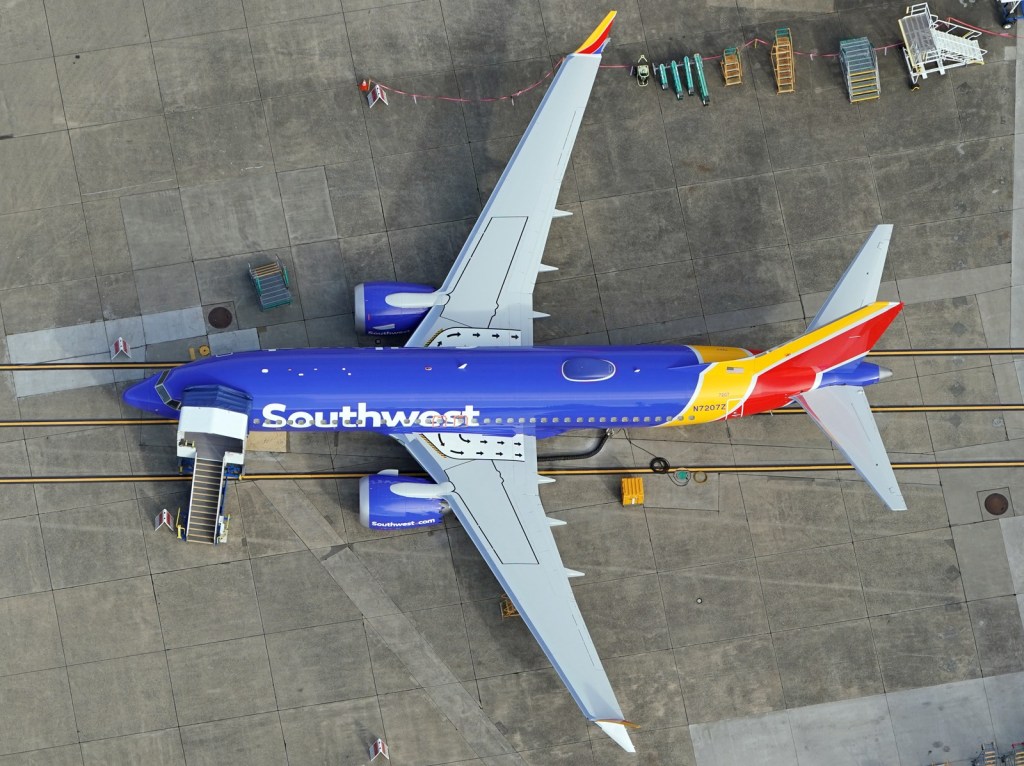
Además, Southwest Airlines está cerca de realizar un pedido para el Boeing 737-7 MAX. En 3Q2020 la Gerencia de Southwest dijo que probablemente haría un pedido en 2021 para reemplazar a sus 737-700 más antiguos a partir de alrededor de 2025. Mientras que la aerolínea de baja tarifa estaba considerando el avión regional Airbus A220 además de la línea MAX. Los ejecutivos de Southwest han sido claros sobre su preferencia por mantener un solo tipo de flota durante el mayor tiempo posible. Por lo tanto, esta orden potencial no sería una sorpresa. La compañía Boeing ha visto este futuro pedido como importante e imprescindible por lo que será alentador ver a la compañía sellar el acuerdo próximo. Aunque Southwest probablemente realizará menos de 100 pedidos firmes para el 737-7 MAX este año, su eventual requisito para esa flota podría ser de alrededor de 300 aviones.
Perspectiva 737 MAX
Boeing debe seguir ganando nuevos clientes y asegurando pedidos adicionales de aerolíneas más allá de las órdenes para United Airlines, Ryanair y la promesa de Southwest. La firma de un compromiso de 2019 para 200 aviones 737 MAX por parte de International Airlines Group, matriz de British Airways, Iberia y varias otras aerolíneas europeas, sería un gran comienzo. Sin embargo, no está claro si IAG tiene la intención de seguir adelante con confirmar el pedido.
La reactivación de los pedidos en los últimos meses es una gran noticia para la compañía americana. Aún así, entre las cancelaciones de pedidos probables y las entregas 737 MAX previstas, Boeing necesitaría bastantes pedidos adicionales más allá de lo que ya está en curso para mantener estable su cartera en 2021. La perspectiva de Boeing finalmente está haciendo progresos hacia la restauración del programa de aviones 737 MAX hacia una buena salud, pero le queda mucho trabajo por terminar el trabajo.
Reactivating orders for Boeing 737 MAX
737 MAX line orders begin to flow as market confidence
The Boeing 737 MAX line is quietly picking up the momentum of its order book by virtue of the post-pandemic market’s confidence in the American company’s own product confidence, thanks to a combination of long-standing customers and new users. The 737 MAX finally begins to take flight after the new flow of orders following recertification issued by the Federal Aviation Administration (FAA) in November 2020.
The US aircraft manufacturing giant has booked relatively few firm orders for the 737 MAX in 2019 and 2020 and a setback in cancellations after suffering the model’s burial foray due to operational safety issues on the fourth-generation line of the aircraft. Boeing 737. This caused its backlog of orders to be drastically reduced.
Double hit to the 737 MAX
The Boeing 737 MAX ground incursion two years ago in March 2019 deterred airlines from placing new orders for the aircraft type, causing backlogs to drop from 4,708 units at the end of 2018 to 4,398 at the end of 2019. Order activity could have recovered in 2020, due to high demand for narrow body aircraft and long delivery times at Airbus. But then, the coronavirus pandemic struck fiercely, decimating the demand for air travel. Rather than being desperate to line up new aircraft deliveries, airlines suddenly had more aircraft than they could use. As a result, Boeing booked only 112 firm orders for the 737 MAX in 2020. Meanwhile, it suffered a series of order cancellations. By the end of 2020, Boeing’s 737 backlog had fallen to 3,282 units, 30% less than two years earlier. As 2021 progresses, it is shaping up to be another year for the 737 MAX, with new order activity beginning to resume. Still, the aircraft program has a long way to go to return to stable pre-pandemic rates.
Impulse returns
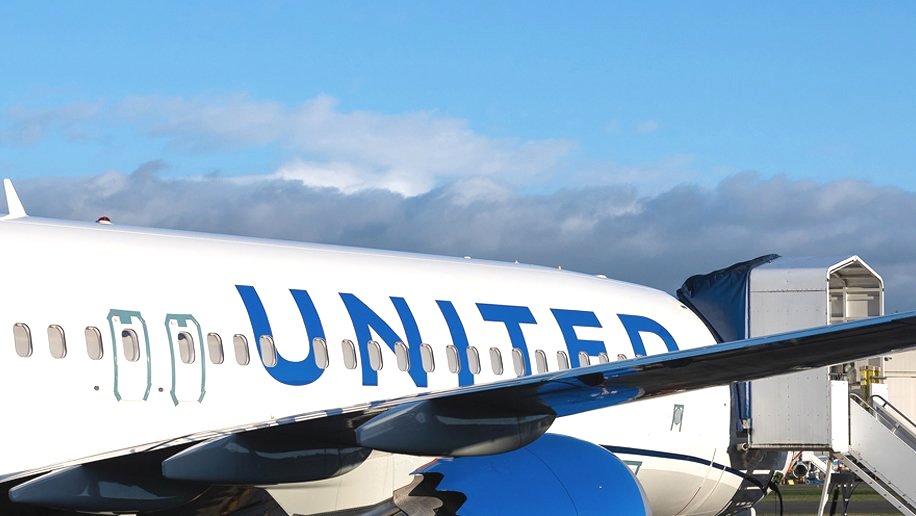
The Boeing 737 MAX has recorded another month of negative net orders in January 2021, causing the backlog to shrink again. However, there have been some signs of life since then. In February 2021, United Airlines added another 25 units to its 737 MAX order pool. Boeing also recorded orders for 14 737 MAX aircraft from one or more unidentified customers. Even after accounting for order cancellations, Boeing closed the month with 12 net orders for the 737 family.
This week, Boeing announced that 777 Partners, an investment firm affiliated with several low-cost airlines, had ordered 24 Boeing 737-8 MAXs, with purchase rights for an additional 60 units. This deal is significant because 777 Partners is a new customer, while Boeing had been relying heavily on its major customers to get the 737 MAX ordering activity underway.
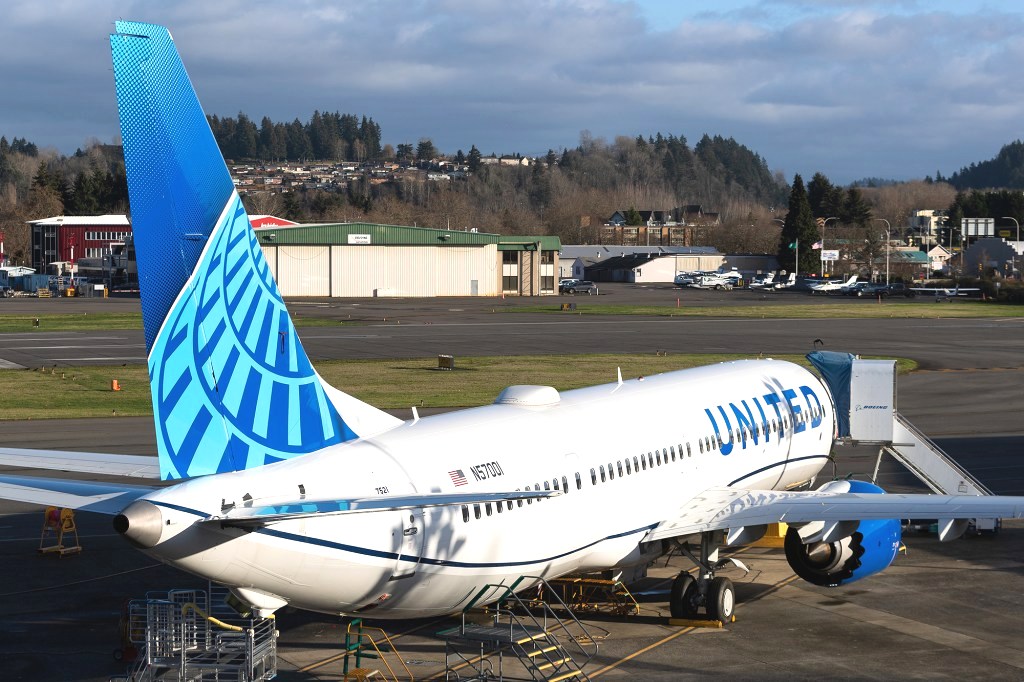
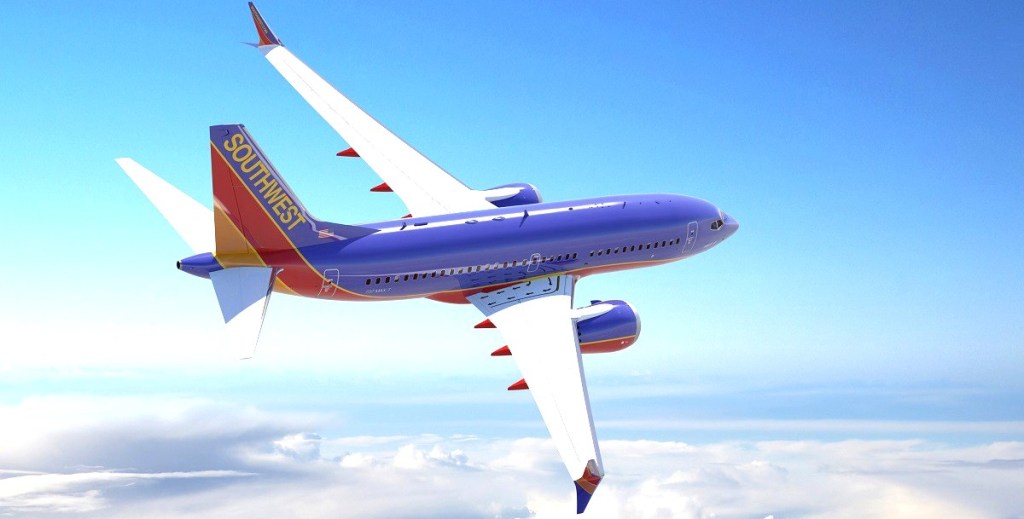
Additionally, Southwest Airlines is close to placing an order for the Boeing 737-7 MAX. In 3Q2020, Southwest’s management said it would likely place an order in 2021 to replace its older 737-700s starting around 2025. While the low-fare carrier was considering the Airbus A220 regional jet in addition to the MAX line. Southwest executives have been clear about their preference for maintaining only one type of fleet for as long as possible. Therefore, this potential order would not be a surprise. The Boeing company has seen this future order as important and essential, so it will be encouraging to see the company seal the next deal. Although Southwest will likely place fewer than 100 firm orders for the 737-7 MAX this year, its eventual requirement for that fleet could be around 300 aircraft.
Perspectives 737 MAX
Boeing must continue to win new customers and secure additional airline orders beyond orders for United Airlines, Ryanair and the Southwest promise. The signing of a 2019 commitment for 200 737 MAX aircraft by International Airlines Group, parent of British Airways, Iberia and several other European airlines, would be a great start. However, it is unclear if IAG intends to go ahead with confirming the order.
The reactivation of orders in recent months is great news for the American company. Still, between likely order cancellations and anticipated 737 MAX deliveries, Boeing would need quite a few additional orders beyond what is already underway to keep its portfolio stable in 2021. Boeing’s outlook is finally making progress toward restoring the 737 MAX aircraft program to good health, but it has a lot of work to do.
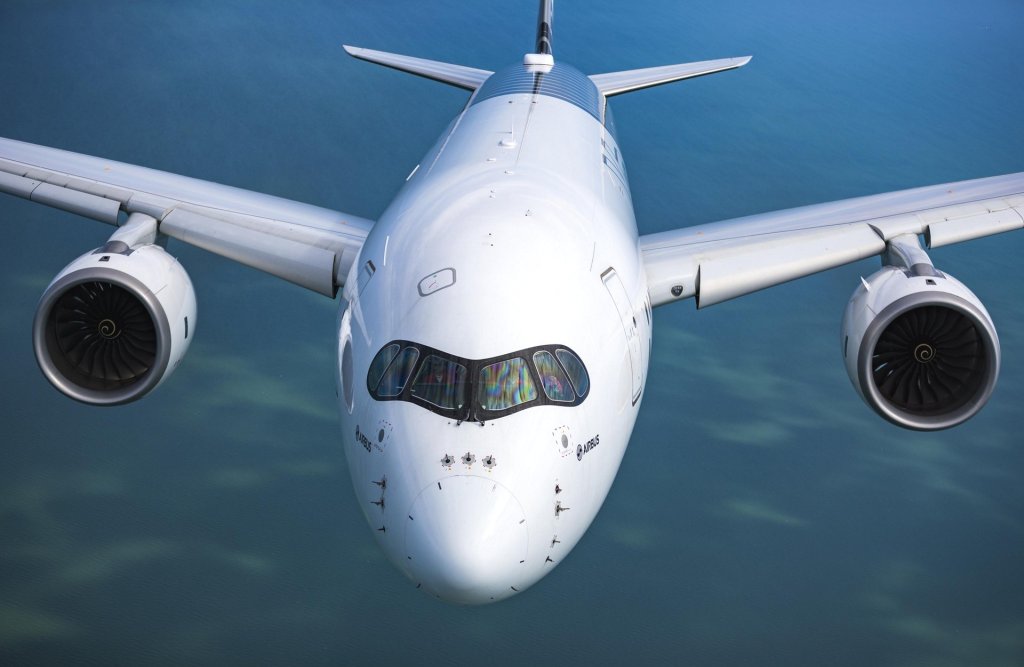
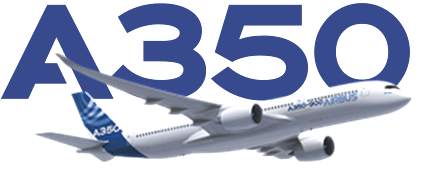
Airbus Group está buscando el apoyo de las aerolíneas para una posible versión carguera de su avión de pasajeros A350, apuntando a un bastión clave en franco crecimiento de su rival estadounidense The Boeing Company mientras el comercio electrónico eleva la demanda de mercancías transportadas. El avión sería el primer spin-off de cargueros de la última generación fabricado en fibra de carbono y ayudaría a estabilizar la producción de aviones de cuerpo ancho que se han visto gravemente afectados por la crisis de la pandemia. Pero un lanzamiento depende de la identificación de suficientes compradores dispuestos a adquirir este tipo de aeronaves en la demanda de carga voluble en medio de la peor recesión de la industria de la aviación, que ha pisoteado las finanzas de las aerolíneas.
La demanda de carga aérea, que era débil antes de la crisis del Coronavirus, actualmente ha aumentado la demanda a medida que los compradores con destino a casa recurren al comercio electrónico, pero los analistas advierten que es volátil y propenso a caídas prolongadas. Normalmente aproximadamente la mitad de la carga aérea del mundo se transporta en los vientres de los aviones de pasajeros, pero un golpe para viajar desde la pandemia ha dejado al mundo más dependiente de cargueros dedicados y conversiones de aviones de pasajeros.
Aunque ha saltado más allá de Boeing como el mayor productor mundial de aviones de pasajeros, Airbus ha tenido un éxito limitado en penetrar en la fortaleza carguero de su archirrival. «Siempre estamos examinando la evolución de los productos, pero no hacemos comentarios sobre programas específicos», dijo un Portavoz de Airbus. Anteriormente ha retirado una versión de carguero de su Superjumbo A380 hace casi 15 años y no ha tenido cargueros en su cartera de pedidos desde Diciembre 2020, cuando la compañía turca MNG Airlines canceló tres cargueros A330. Boeing ha entregado 202 unidades del carguero 777F, en comparación con 38 de la versión de carga A330F. Dominando los carriles comerciales está el carguero 747F con más de 260 entregados.
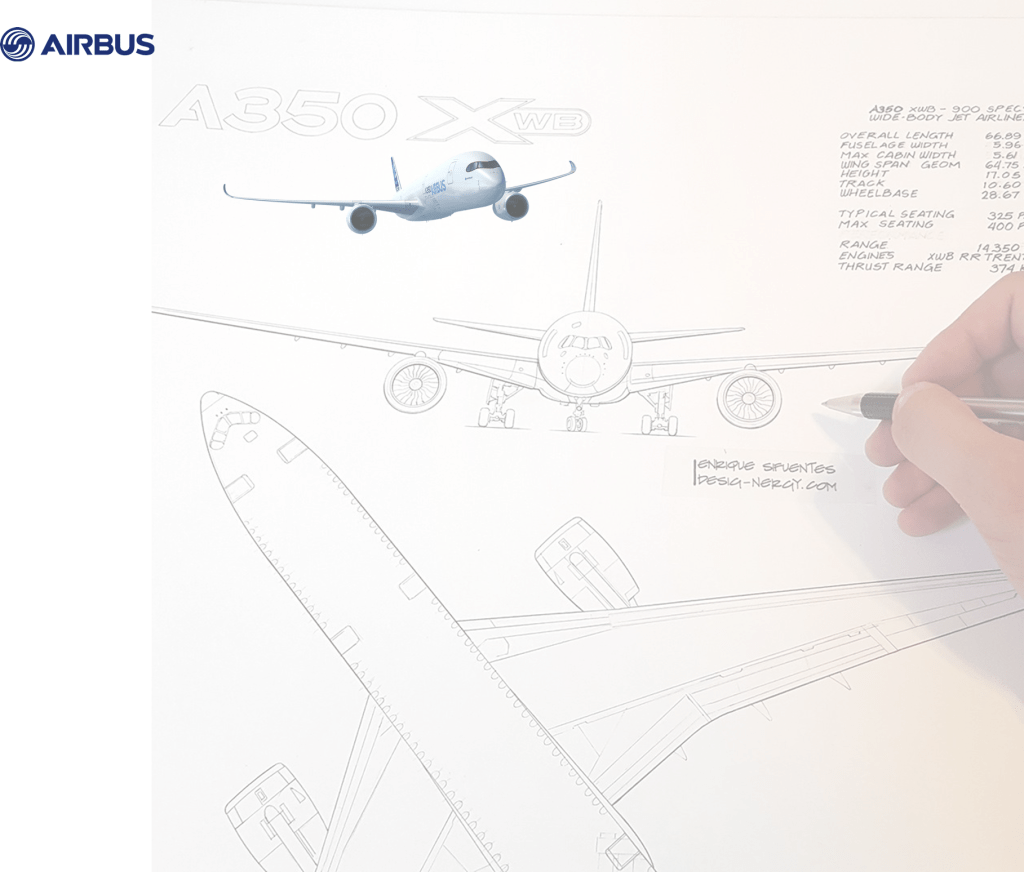
No es la primera vez que se discute un posible nuevo avión carguero. El último diseño en el tablero de dibujo de la sede de Airbus en Toulouse en Francia implica un avión ligeramente más largo que el avión Airbus A350-900 más vendido. Su desarrollo plantea desafíos técnicos, ya que implicaría colocar una puerta de carga en el fuselaje de material compuesto elegida por Airbus para competir con el Boeing 787 compuesto de material ligero. Los expertos dicen que cortar compuesto es más difícil que el aluminio tradicional, aunque Airbus podría cosechar beneficios de la decisión, vista como costosa en este momento de construir el A350 a partir de paneles compuestos en lugar de secciones de barril utilizadas en el 787.
Fuentes del sector estiman que Airbus necesitaría compromisos para que unos cincuenta aviones siguieran adelante con un lanzamiento, y el Director Ejecutivo Guillaume Faury se centra en llevar a cabo una reestructuración importante mientras dirige los recursos hacia el avión best seller de pasajeros A321XLR.
Un nuevo desarrollo costaría entre US$ 2.000 y 3.000 millones de Dólares. Tentadoramente, el floreciente mercado de carga ofrece un respiro de una caída en la demanda de aviones grandes que ha obligado a Airbus y Boeing a reducir la producción, con la producción del A350 reduciendo a la mitad a cinco al mes. Más de un tercio de los aviones de carrocería ancha vendidos por Boeing en el último año han sido cargueros. Pero la misma crisis que paralizó los viajes de pasajeros también ha creado un exceso de aviones de pasajeros no utilizados que se pueden convertir más barato en cargueros que en comprar nuevos. Eso significa que el caso de negocio para el desarrollo de un nuevo avión debe ser hermético. «Dada la tasa de producción del A350 se ha reducido y el mercado de carga es el único punto brillante en el mercado de cuerpos anchos, habría que decir que la probabilidad de un A350F ha aumentado en comparación con hace un año», dijo Richard Evans, Consultor Senior de Ascend by Cirium, con sede en el Reino Unido.
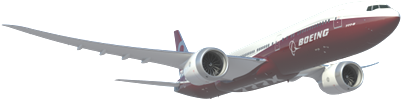
Aunque no es inminente, un lanzamiento podría empujar a Boeing a reaccionar con una versión carguero de su 777X más grande, aunque la compañía americana también debe lidiar con retrasos en su certificación.
Airbus powered A350 freighter
Airbus power cargo in A350 variant
Airbus Group is seeking airline support for a possible freighter version of its A350 airliner, targeting a key growing stronghold of its US rival The Boeing Company as e-commerce raises demand for transported goods. The aircraft would be the first next-generation freighter spin-off made of carbon fiber and would help stabilize the production of wide-body aircraft that have been severely affected by the pandemic crisis. But a launch depends on identifying enough buyers willing to buy these types of aircraft in fickle cargo demand amid the aviation industry’s worst recession, which has trampled on airline finances.
Demand for air cargo, which was weak before the Coronavirus crisis, has currently increased demand as homebound shoppers turn to e-commerce, but analysts warn that it is volatile and prone to prolonged declines. Normally about half of the world’s air cargo is carried in the bellies of passenger planes, but a blow to travel since the pandemic has left the world more dependent on dedicated freighters and passenger jet conversions.
Although it has leapt beyond Boeing as the world’s largest producer of passenger jets, Airbus has had limited success in penetrating the freighter stronghold of its archrival. «We are always reviewing product developments, but we do not comment on specific programs», said an Airbus spokesperson. It has previously recalled a freighter version of its A380 superjumbo nearly 15 years ago and has had no freighters in its order book since December 2020, when Turkish company MNG Airlines canceled three A330 freighters. Boeing has delivered 202 units of the 777F freighter, compared to 38 of the cargo version A330F. Dominating the commercial lanes is the 747F freighter with more than 260 delivered.
It is not the first time that a possible new cargo plane has been discussed. The latest design on the drawing board at Airbus headquarters in Toulouse in France involves a slightly longer aircraft than the best-selling airbus A350-900 aircraft. Its development poses technical challenges, as it would involve placing a composite cargo door in the fuselage chosen by Airbus to compete with the lightweight composite Boeing 787. Experts say cutting composite is more difficult than traditional aluminum, although Airbus could reap benefits from the decision, seen as costly at this time, to build the A350 from composite panels rather than barrel sections used in the 787.
Industry sources estimate that Airbus would need commitments for some 50 aircraft to go ahead with a launch, and CEO Guillaume Faury is focused on carrying out a major restructuring while directing resources toward the best-selling A321XLR passenger aircraft.
A new development would cost between US$ 2,000 and 3,000 million Dollars. Tantalizingly, the burgeoning cargo market offers respite from a slump in demand for large jets that has forced Airbus and Boeing to cut production, with A350 production cutting in half to five a month. More than a third of the widebody jets sold by Boeing in the last year have been freighters. But the same crisis that crippled passenger travel has also created a glut of unused airliners that can be converted cheaper into freighters than bought new. That means that the business case for the development of a new aircraft must be airtight. «Given the A350 production rate has dropped and the cargo market is the only bright spot in the widebody market, it would have to be said that the likelihood of an A350F has increased compared to a year ago», said Richard Evans. , Senior Consultant for Ascend by Cirium, based in the UK.
Although not imminent, a launch could push Boeing to react with a freighter version of its larger 777X, although the American company must also deal with delays in its certification.
Boeing nuevo nombramiento Jefe del programa 737 MAX
The Boeing Company ha nombrado a Ed Clark en Jefe del Programa Boeing 737 MAX. El ingeniero Ed Clark se convierte en el quinto ejecutivo en ocupar el cargo desde 2018. Sus funciones incluirán la gestión del campus de Renton (WA), donde Boeing ha fabricado la línea 737 durante más de cincuenta años.
Ed Clark anteriormente se desempeñó como Mecánico Jefe e Ingeniero Jefe de la familia de aviones de pasillo único. Ha trabajado en la compañía Trans World Airlines (TWA) y posteriormente ha ocupado puestos de liderazgo en Southwest Airlines el mayor operador de 737, antes de unirse a Boeing en 2006. El nuevo Líder reemplaza a Walter Odisho, un ex-Ejecutivo de Toyota que se unió a Boeing en 2013 como Vicepresidente a cargo de la fabricación, la seguridad y la calidad; Walter Odisho se retira después de hacerse cargo del Programa 737 hace un año.
Boeing new 737 MAX Program Chief
Boeing reappointed Chief of 737 MAX program
The Boeing Company has named Ed Clark Head of the Boeing 737 MAX Program. Engineer Ed Clark becomes the fifth executive to serve since 2018. His duties will include managing the Renton (WA) campus, where Boeing has manufactured the 737 line for more than fifty years.
Ed Clark previously served as Chief Mechanic and Chief Engineer for the single aisle family of aircraft. He has worked at Trans World Airlines (TWA) and subsequently held leadership positions at Southwest Airlines, the largest 737 operator, before joining Boeing in 2006. The new Leader replaces Walter Odisho, a former Toyota Executive who joined Boeing in 2013 as Vice President in Charge of Manufacturing, Safety and Quality; Walter Odisho is retiring after taking over the 737 Program a year ago.
The Boeing Company dijo el Viernes 12/03 que la firma de inversión privada 777 Partners ha acordado comprar 24 aviones Boeing 737 MAX con opciones por otras 60 unidades. La compañía 777 Partners, con sede en Miami (FL), es una firma de inversión privada con sede en Miami que invierte en una serie de verticales atractivos de alto crecimiento con un fuerte enfoque en los servicios financieros. Actualmente, posee una participación en la aerolínea canadiense de bajo costo Flair Airlines.
La compañía finiaciera estadounidense de inversión ha expresado que «los aviones 737-8 son una fantástica adición a nuestra cartera de aviación y permitirán a nuestros socios aprovechar el rendimiento económico superior de los aviones para ofrecer tarifas bajas para sus pasajeros mientras reducen su huella de carbono», dijo Joshua Wander, fundador de 777 Partners.
Se espera que el acuerdo aumente la posición de Boeing y proporcione el apoyo tan necesario para una recuperación financiera después de que dos accidentes aéreos de la línea Boeing 737 MAX que desencadenaron una prohibición de seguridad de veinte meses para restablecer la recertificación. Las aerolíneas estadounidenses que tuvieron que estacionar y retirar aviones durante la crisis de la pandemia están empezando a posicionar su negocio para una recuperación a medida que la distribución de vacunas gana ritmo.
Las aerolíneas de bajo costo (LCC) o ultra low cost (ULCC), son vistas como las ganadoras de la crisis de los viajes, ya que ofrecen una experiencia sin lujos a precios bajos y cobran fuertemente por extras como bolsos. Las ULCC son omnipresentes en el fragmentado mercado europeo, pero aún no se han posicionado fuertemente en el inmenso mercado en los Estados Unidos.
Perspectivas 737 MAX
Un buen síntoma está comenzando a establecerse después del giro hacia la confianza de mercado con el anuncio en Diciembre 2020 de parte de Alaska Airlines acordando comprar 23 aviones Boeing 737-9 MAX, mientras que la aerolínea de bajo presupuesto irlandesa Ryanair ha anunciado la compra por 75 unidades de las aeronaves de cuarta generación de la línea 737. Tras los anuncios de posible interés por parte de Southwest Airlines de adquirir un número importante de aeronaves superando los tres dígitos, colocaría a la línea Boeing 737 MAX nuevamente en franca recuperación, luego de un período de más de un año y medio bajo escrutinio por parte de las agencias de seguridad en aviación en el mundo. El próximo objetivo de primordial interés para Boeing estará focalizado en que la Civil Aviation Administration of China (CAAC) apruebe al Boeing 737 MAX, pues el mercado chino representa una importante plaza para el constructor americano.
777Partners orders 24 Boeing 737 MAX
Boeing secures 24 new 737 MAX orders
The Boeing Company said on Friday 03/12 that private investment firm 777 Partners has agreed to purchase 24 Boeing 737 MAX aircraft with options for another 60 units. The Miami (FL) -based company 777 Partners is a Miami-based private investment firm that invests in a number of attractive high-growth verticals with a strong focus on financial services. It currently owns a stake in Canadian low-cost carrier Flair Airlines.
The US financial investment company has stated that «the 737-8 aircraft are a fantastic addition to our aviation portfolio and will allow our partners to take advantage of the superior economic performance of the aircraft to offer low fares for their passengers while reducing their carbon footprint», said Joshua Wander, founder of 777 Partners.
The deal is expected to increase Boeing’s position and provide much-needed support for a financial recovery after two Boeing 737 MAX airline crashes that triggered a twenty-month safety ban to reinstate recertification. US airlines that had to park and retire planes during the pandemic crisis are beginning to position their business for a recovery as vaccine distribution picks up pace.
Low-cost (LCC) or ultra-low-cost (ULCC) airlines are seen as the winners of the travel crisis, offering a no-frills experience at low prices and charging heavily for extras like handbags. ULCCs are ubiquitous in the fragmented European market, but have not yet strongly positioned themselves in the huge market in the United States.
737 MAX perspectives
A good sign is beginning to set in after the shift towards market confidence with the announcement in December 2020 by Alaska Airlines agreeing to purchase 23 Boeing 737-9 MAX aircraft, while Irish budget carrier Ryanair has announced the purchase for 75 units of the fourth generation aircraft of the 737 line. Following the announcements of possible interest on the part of Southwest Airlines to acquire a significant number of aircraft exceeding three digits, it would place the Boeing 737 MAX line once again in clear recovery, after a period of more than a year and a half under scrutiny by aviation security agencies around the world. The next objective of primary interest to Boeing will be focused on the Civil Aviation Administration of China (CAAC) approving the Boeing 737 MAX, as the Chinese market represents an important place for the American manufacturer.
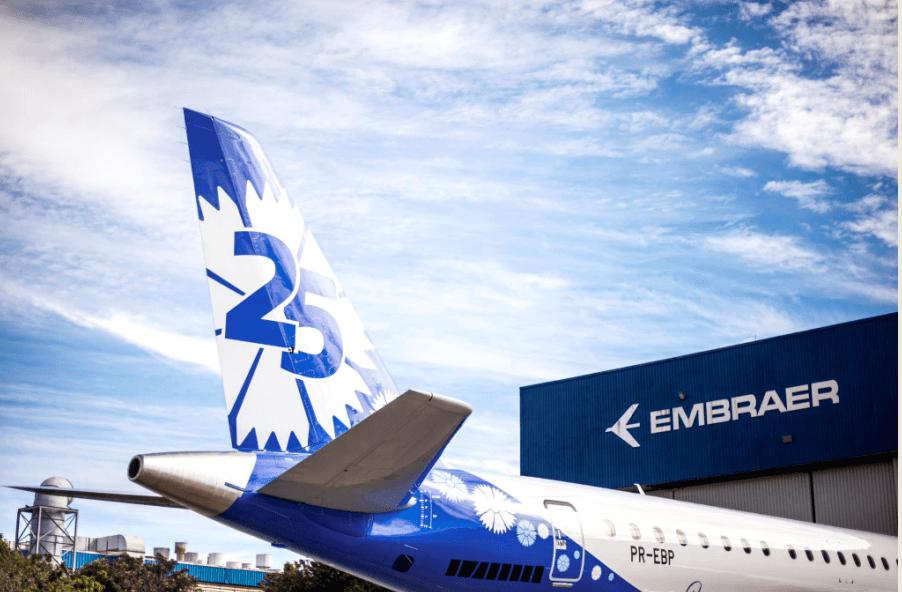
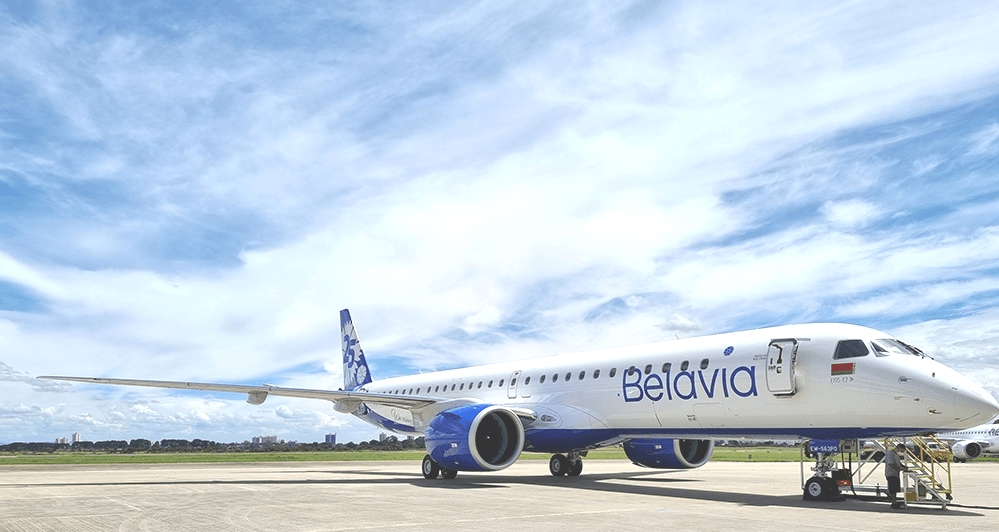
Belavia la aerolínea principal de la República de Bielorrusia, ha tomado la entrega de su segundo avión Embraer E195-E2. Belavia se estableció el 5 de Marzo de 1996, como parte de sus 25º aniversarios ha tomado entrega de su segundo E195-E2 con registro bielorruso EW-553PO. El avión es un contrato de arrendamiento del principal arrendador internacional AerCap, que permitirá desarrollar actualizar la flota de la aerolíneas y ofrecer mejores servicios a la red de destinos.
A medida que Belavia continúa modernizando su flota, la nueva aeronave E195-E2 realizará viajes de corta distancia en Europa permitiendo un significativo ahorro de costos operativos. «El E195-E2 está pintado en la librea azul y blanca actualizada de Belavia que cuenta con una flor de maíz en la cola. La flor nacional es un símbolo de pureza y amabilidad con sus pétalos azules que significan movimiento hacia adelante. El centro de la flor de maíz representa la propia nación de Bielorrusia, un lugar al que siempre quieres volver», ha expresado la aerolínea Belavia a través de comunicado de prensa.
La segunda aeronave Embraer E195-E2 adquirida por parte de Belavia ha sido decorada con una librea especial para conmemorar sus 25 aniversarios de la aerolínea. La configuración de las aeronaves E2-Jet presentan una capacidad de 125 asientos: Clase Ejecutiva (9) y Clase Turista (116), lo que representa 18 asientos adicionales que los E195-E1 de primera generación de la aerolínea. Los E2-Jets complementarán la flota actual de la aerolínea de E195-E1 (7) y E175-E1 (5). Belavia establecía la incorporación de la línea E-Jets de Embraer en 2012 como parte de un plan de modernización de flotas. El tercer y último E195-E2 que la línea aérea bielorrusa espera incorporar hacia el próximo mes de Abril 2021.
Belavia celebrates 25 anniversaries
Belavia takes delivery of second Embraer E195-E2
Belavia, the main airline of the Republic of Belarus, has taken delivery of its second Embraer E195-E2 aircraft. Belavia was established on March 5, 1996, as part of its 25th anniversary it has taken delivery of its second E195-E2 with Belarusian registration EW-553PO. The aircraft is a lease from the main international lessor AerCap, which will allow the development of updating the airline’s fleet and offering better services to the destination network.
As Belavia continues to modernize its fleet, the new E195-E2 aircraft will make short-haul trips in Europe allowing significant savings in operating costs. «The E195-E2 is painted in Belavia’s updated blue and white livery that features a cornflower on the tail. The national flower is a symbol of purity and kindness with its blue petals signifying forward movement. The center of the corn flower represents the nation of Belarus itself, a place you always want to return», said Belavia airline through a press release.
The second Embraer E195-E2 aircraft acquired by Belavia has been decorated with a special livery to commemorate its 25th airline anniversary. The E2-Jet aircraft configuration has a capacity of 125 seats: Business Class (9) and Economy Class (116), which represents 18 additional seats than the airline’s first generation E195-E1s. The E2-Jets will complement the airline’s current fleet of E195-E1 (7) and E175-E1 (5). Belavia established the incorporation of Embraer’s E-Jets line in 2012 as part of a fleet modernization plan. The third and last E195-E2 that the Belarusian airline hopes to incorporate around April 2021.
Белавія адзначае 25-годдзе
Белавія прымае другі Embraer E195-E2
Белавія, галоўная авіякампанія Рэспублікі Беларусь, прыняла на ўзбраенне другі самалёт Embraer E195-E2. Белавія была створана 5 сакавіка 1996 года, у рамках свайго 25-годдзя яна паставіла другі E195-E2 з беларускай рэгістрацыяй EW-553PO. Самалёт з’яўляецца арэндай у асноўнага міжнароднага арэндадаўца AerCap, што дазволіць развіваць абнаўленне парку авіякампаніі і прапаноўваць лепшыя паслугі для сеткі прызначэння.
Паколькі Белавія працягвае мадэрнізаваць свой флот, новы самалёт E195-E2 будзе ажыццяўляць кароткатэрміновыя паездкі па Еўропе, што дазволіць значна зэканоміць эксплуатацыйныя выдаткі. «E195-E2 афарбаваны ў абноўленую сіне-белую ліўрэю Белавія з кветкай кукурузы на хвасце. Нацыянальная кветка з’яўляецца сімвалам чысціні і дабрыні, яе блакітныя пялёсткі азначаюць рух наперад. Цэнтр кветкі кукурузы ўяўляе нацыю самой Беларусі, месца, куды заўсёды хочацца вярнуцца», гаворыцца ў паведамленні авіякампаніі Белавія.
Другі самалёт Embraer E195-E2, набыты Белавія, быў упрыгожаны спецыяльнай ліўрэяй у гонар 25-годдзя авіякампаніі. Канфігурацыя самалёта E2-Jet змяшчае 125 месцаў: бізнес-клас (9) і эканамічны клас (116), што ўяўляе сабой 18 дадатковых месцаў, чым першае пакаленне авіякампаніі E195-E1. E2-Jets дапоўняць цяперашні парк авіякампаніі E195-E1 (7) і E175-E1 (5). Белавія ўстанавіла ўключэнне лініі Embraer E-Jets у 2012 годзе ў рамках плана мадэрнізацыі флоту. Трэці і апошні E195-E2, які беларуская авіякампанія спадзяецца ўключыць прыблізна ў красавіку 2021 года.
Compañía americana atraviesa su crisis con nuevas expectativas
The Boeing Company ha entrado en una fase en la que todos sus principales programas de aviones han golpeado un restablecimiento y las presiones están ahí para permanecer durante bastante tiempo. Al mismo tiempo, también se observa la afluencia de pedidos que que encuentra recuperando su posición lentamente.
Aunque las expectativas de pedidos son bajas al inicio del 2021, observar los flujos de pedidos y entregas sigue siendo interesante, ya que nos da una idea de cuándo regresa la confianza en el mercado y cómo Boeing está gestionando realmente sus desafíos de entrega en los programas Boeing 737 MAX y Boeing 787. La actividad de pedidos mostró un fuerte aumento mes a mes, ya que los pedidos aumentaron de cuatro unidades a 82 unidades que consisten en 39 aviones de pasillo único y 43 aviones de fuselaje ancho. Lo interesante es que cada programa, incluido el programa Boeing 747, ha recibido pedidos concretos.
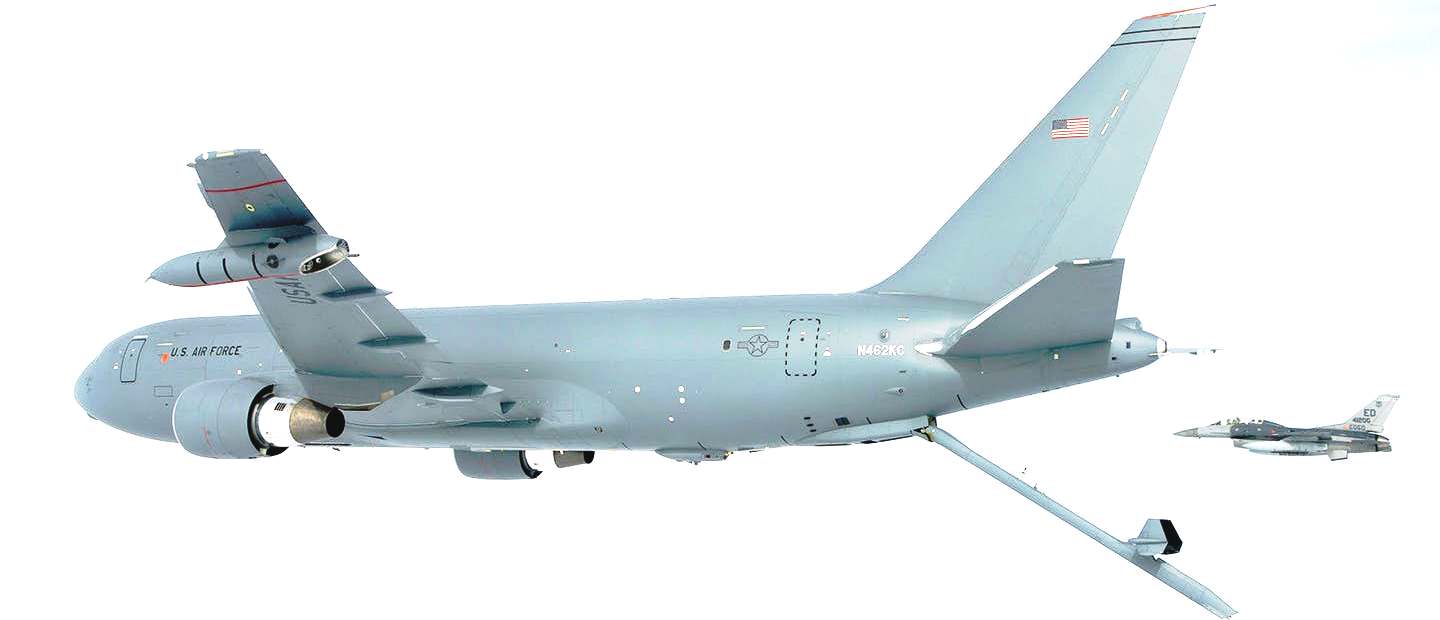
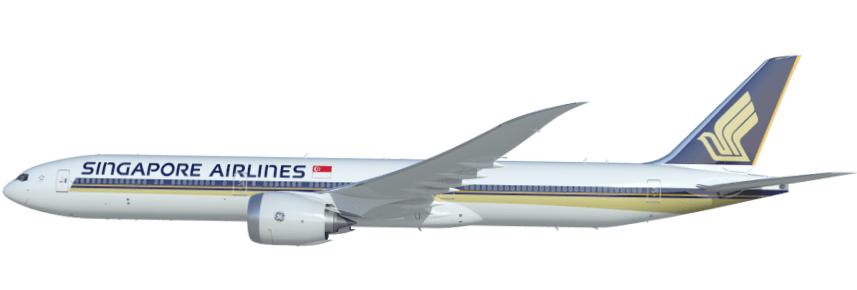
Boeing recibió los siguientes pedidos en Febrero de 2021: United Airlines ordenó Boeing 737 MAX (25), Boeing 737 MAX (14) de un cliente no especificado, Boeing 787-10 (4) de un cliente no especificado, Singapore Airlines Boeing 777-9 (11), Boeing 747-8 (1) de un cliente no especificado, KC-46A (27) programa de avión cisterna basado en el Boeing 767. Durante el mismo mes, hubo un par de cambios en el libro de pedidos: Singapore Airlines canceló pedidos de Boeing 787-10 (19). WestJet canceló pedidos de Boeing 737 MAX (15). Jackson Square Aviation canceló pedidos Boeing 737 MAX (8). Copa Airlines canceló pedidos de Boeing 737 MAX (7). Un cliente de Business Jet/VIP canceló un pedido de Boeing 737 MAX (1). BOC Aviation Limited canceló un pedido de Boeing 737 MAX (1).
Para Boeing fue un mes bastante interesante. La compañía reservó pedidos para todos sus programas, incluyendo el Boeing 747-8. Este pedido es casi seguro que es para un Boeing 747-8 que anteriormente no fue recogido por el cliente previsto. También fue interesante la continua entrada de pedidos para el Boeing 737 MAX y un pedido para el Boeing 777X. Los 82 pedidos brutos marcan una mejora significativa con respecto a los cuatro pedidos reservados el mes pasado, los 18 pedidos reservados el año pasado en febrero y los cinco pedidos reservados en Febrero de 2019. Por lo tanto, fue un mes significativamente mejor en comparación con el mismo mes de años anteriores. Los pedidos netos del mes llegaron a 31 unidades en comparación con 28 unidades en 2020 y cinco pedidos netos en Febrero 2019. Por lo tanto, las órdenes netas parecían fuertes, pero también debemos señalar que esto fue impulsado principalmente por los 27 pedidos del avión cisterna. Por lo tanto, esto no debe ser visto como un mes de pedido fuerte para los aviones comerciales porque el recuento de pedidos netos de aeronaves comerciales era de cuatro unidades.
Lo apreciativo del mes de 02/2021 fue que United Airlines ordenó más aviones Boeing 737 MAX, probablemente como una forma de compensación, observando el retorno de la confianza de la aerolíneas con la línea Boeing 737 MAX. El pedido de Singapore Airlines para el Boeing 777X se discutió previamente, pero fue algo decepcionante ver que se cancelaron más pedidos de los anunciados inicialmente por la aerolínea, ya que Singapore Airlines canceló 19 pedidos para el Boeing 787-10 en lugar de los 14 anunciados previamente mientras ordenaba 11 aviones Boeing 777X. De un año a la fecha, los pedidos netos cambiaron de 48 en 2019 a 28 unidades en 2020 a 29 pedidos netos este año 2021. Por lo tanto, hay una frágil recuperación en los pedidos netos.
Si bien en 02/2021 el número de cancelaciones fue relativamente pequeño, hubo un gran repunte en la actividad de cancelación, ya que el recuento aumentó a 57 cancelaciones en Febrero 2021, frente a las seis de Enero 2021. Cuando las cancelaciones de Boeing 737 MAX fueron relativamente bajas el mes pasado, las bajas cifras de cancelación no eran una indicación de que las cancelaciones no aumentarían en el futuro, ya que las cancelaciones también juegan un papel en el esquema de compensación, recalibrando la flota y los planes de producción y hay muchos pedidos para los cuales existe un acuerdo de compra, pero para los cuales Boeing no espera que la entrega ocurra como se estipula en el acuerdo de compra. Durante el mes, los ajustes ASC-606, que a menudo son un preludio de la cancelación, disminuyeron en 16 unidades, eso fue conducido por Boeing 737 (5) y Boeing 777X (11). Es probable que con el pedido de Singapore Airlines, Boeing invirtiera algunos pedidos de aviones del recuento y algo similar para el Boeing 737 MAX. Para el MAX, la mejora en el recuento de ajuste ASC-606 probablemente fue impulsada por 15 pedidos de aviones de WestJet que se agregaron el año pasado siendo cancelados causando una mejora de +15 en el recuento, compensado por la adición de 10 unidades al recuento de ajuste ASC 606. Por lo tanto, lo que estamos viendo es un poco de todo, a saber, los ajustes ASC 606 se convierten en cancelaciones, se añaden nuevos ajustes y Boeing invierte alguna evaluación previa en el atraso. Interesante señalar aquí es que algunos de estos ajustes ASC-606 se han atribuido a Diciembre 2020, ya que Boeing tenía una mirada más cercana a los pedidos de Boeing 777X y algunos pedidos de Boeing 787. Hubo 54 adiciones para el Boeing 737 MAX al conteo de ajuste ASC-606, 118 para el Boeing 777X, 3 reducciones para el Boeing 747 y una para el Boeing 787. Cuando todas las mutaciones de ASC-606 para el año se convierten en rescisión de contratos, el recuento de pedidos netos de Boeing se sitúa en 34 unidades, marcando una mejora con respecto a las 11 del mes de 02/2021. Lo que aún se mantiene es que evaluando todo el atraso, quedan 937 aviones para los cuales los pedidos podrían ser cancelados. Muchos de ellos serán cancelados con el tiempo, pero algunos de estos también serán revertidos a medida que el crédito al cliente mejore. En general, como medida de un trabajo pendiente saludable, los ajustes ASC-606 deben ir a cero.
Boeing entregó 22 aviones en Febrero 2021, cuatro unidades menos en comparación con el mes de Enero 2021, pero subió 5 unidades en comparación con el año pasado: Boeing 737 (19), incluido un Boeing P-8. Poseidón, que es un avión militar basado en el Boeing 737 NG y Boeing 737 MAX (18), Boeing 767 (2), Boeing 767-300F (1) a United Parcel Service (UPS) y KC-46A Tanker (1). Boeing 777-300ER (1) a Aeroflot Russian Airlines. Boeing no entregó aviones Dreamliners o Boeing 747.
El perfil de entrega muestra ligeras mejoras en comparación con hace un año. En esta etapa, me inclino a decir que veremos mejorar el número de entregas a medida que el Boeing 737 MAX sea autorizado para el servicio en un número creciente de países, pero obviamente cómo evoluciona la demanda de viajes aéreos desde aquí también juega un papel importante. De cualquier manera, se espera que en términos de entregas Boeing lo haga mucho mejor este año, lo que debería ayudarles a reducir pasivos.
En el programa Boeing 787, todavía no hubo entregas y eso significa que Boeing se está perdiendo el efectivo de entrega debido a la evaluación de calidad en curso. En general, las entregas secuencialmente todavía no eran lo que estamos buscando. Una posible explicación podría ser que febrero es un mes corto, pero también podría apuntar a una capacidad limitada para absorber nuevos aviones en este momento, pero es demasiado pronto para decir algo al respecto con datos de apoyo sólidos.
Durante el mes, Boeing reservó 82 pedidos, mientras entregaba 22 aviones. Eso significa que la relación libro-factura fue de 3,7 en términos de unidades y de 6,0 en términos de valor. Normalmente, cualquier relación libro-factura por encima de 1 se considera saludable. Sin embargo, debemos señalar que la actual relación libro-factura no es extremadamente significativa debido a la práctica de la industria utilizando la entrada bruta de pedidos para calcular la relación, y el choque de la demanda y la dependencia del producto para el volumen es tan grande que, en un choque de la demanda o crisis, el volumen de entrega tiene un impacto, mientras que los pedidos podrían ser colocados durante un período de tiempo extremadamente largo.
Perspectivas Boeing
Boeing tuvo un buen mes de Febrero 2021 reservando pedidos netos por primera vez en mucho tiempo con entrada de pedidos en todos los programas. El Boeing 787 fue el único programa para el que las cancelaciones superaron los pedidos, pero eso no fue una sorpresa, aunque el alcance de las cancelaciones de Singapore Airlines fue ligeramente superior al previsto, aunque también hubo pedidos compensadores para el Boeing 787-10 que trajeron de vuelta las cancelaciones en línea con lo que se esperaba que posiblemente también se colocara por la aerolínea.
En el Programa 737 MAX se está observando pedidos continuos, pero también cancelaciones continuas que es parte de la reestructuración de la reserva de pedidos y discusiones continuas con los clientes para evaluar de qué manera se dará una compensación. Las cancelaciones no se consideran algo bueno, pero en este momento creo que ofrecen una manera muy agradable de hacer compromisos de compensación y equilibrio en tiempos inciertos. Lo que aún debe tenerse en cuenta es que el KC-46A representó casi el 90% de la entrada neta de pedidos durante el mes, por lo que no hay fuertes signos de confianza en el mercado que respalde los altos pedidos netos positivos.
Por el lado de la entrega, se ha observado una ligera contracción en las entregas del 737 MAX y el número total de entregas que podría deberse a que febrero es un mes corto y espero ver el ritmo de las entregas aumentar a medida que el MAX gana aprobación en más y más países y esperaría que deberíamos ver un repunte más fuerte en las entregas pronto, pero mucho va a depender realmente de lo fuerte que será la demanda durante el verano boreal. Actualmente el Boeing 737 MAX es un buen avión para tomar la entrega de porque es un avión nuevo que las aerolíneas pueden tomar la entrega de mientras que el pago cerca de nada para él en la entrega y espero que proporcionará alguna base para reducir los inventarios de Boeing en el futuro, mientras que también se compromete a las entregas para apoyar los niveles de producción más altos.
Con estas perspectivas hacia el futuro, la compañía americana parece retomar el horizonte con más compromiso, reajustando los problemas internos de la industria y al mismo tiempo atravesando la tormenta de la pandemia que ha repensado la manera de trabajar en la filosofía de Boeing, una lección amarga pero con tintes positivos hacia el futuro próximo.
Boeing piloting changes
American company goes through its crisis with new expectations
The Boeing Company has entered a phase where all of its major aircraft programs have hit a reset and the pressures are there to stay for quite some time. At the same time, the influx of orders is also observed, which is slowly recovering its position.
Although order expectations are low at the start of 2021, looking at order and delivery flows is still interesting, as it gives us an idea of when market confidence returns and how Boeing is actually managing its delivery challenges on schedules. Boeing 737 MAX and Boeing 787. Order activity showed a strong month-over-month increase, as orders increased from four units to 82 units consisting of 39 single-aisle aircraft and 43 wide-body aircraft. The interesting thing is that each program, including the Boeing 747 program, has received specific orders.
Boeing received the following orders in February 2021: United Airlines ordered Boeing 737 MAX (25), Boeing 737 MAX (14) from unspecified customer, Boeing 787-10 (4) from unspecified customer, Singapore Airlines Boeing 777-9 (11), Boeing 747-8 (1) from an unspecified customer, KC-46A (27) tanker program based on the Boeing 767. During the same month, there were a couple of changes to the order book: Singapore Airlines canceled orders for Boeing 787-10 (19). WestJet canceled orders for Boeing 737 MAXs (15). Jackson Square Aviation canceled Boeing 737 MAX (8) orders. Copa Airlines canceled orders for Boeing 737 MAXs (7). A Business Jet/VIP customer canceled an order for a Boeing 737 MAX (1). BOC Aviation Limited canceled an order for Boeing 737 MAX (1).
It was an interesting month for Boeing. The company booked orders for all of its programs, including the Boeing 747-8. This order is almost certainly for a Boeing 747-8 that was previously not picked up by the intended customer. Also interesting was the continued order intake for the Boeing 737 MAX and an order for the Boeing 777X. The 82 gross orders mark a significant improvement over the four orders booked last month, the 18 orders booked last year in February, and the five orders booked in February 2019. Thus, it was a significantly better month compared to the same month in previous years. Net orders for the month came in at 31 units compared to 28 units in 2020 and five net orders in February 2019. Therefore, net orders looked strong, but we should also note that this was mainly driven by 27 orders for the tanker. Therefore, this should not be viewed as a strong order month for commercial aircraft because the net order count for commercial aircraft was four units.
The appreciation of the month of 02/2021 was that United Airlines ordered more Boeing 737 MAX aircraft, probably as a form of compensation, observing the return of the confidence of the airlines with the Boeing 737 MAX line. Singapore Airlines’ order for the Boeing 777X was previously discussed, but it was somewhat disappointing to see more orders canceled than initially announced by the airline, as Singapore Airlines canceled 19 orders for the Boeing 787-10 instead of the 14 announced. previously while ordering 11 Boeing 777X aircraft. From one year to date, net orders changed from 48 in 2019 to 28 units in 2020 to 29 net orders this year 2021. Therefore, there is a fragile recovery in net orders.
While on 02/2021 the number of cancellations was relatively small, there was a big spike in cancellation activity, as the count increased to 57 cancellations in February 2021, up from January 6, 2021. When Boeing 737 cancellations MAX were relatively low last month, the low cancellation figures were not an indication that cancellations would not increase in the future, as cancellations also play a role in the compensation scheme, recalibrating the fleet and production plans and there are many orders for which there is a purchase agreement, but for which Boeing does not expect delivery to occur as stipulated in the purchase agreement. During the month, ASC-606 adjustments, which are often a prelude to cancellation, decreased by 16 units, that was led by Boeing 737 (5) and Boeing 777X (11). It is likely that with the Singapore Airlines order, Boeing reversed some aircraft orders from the count and something similar for the Boeing 737 MAX. For the MAX, the ASC-606 trim count improvement was likely driven by 15 WestJet aircraft orders added last year being canceled causing a +15 count improvement, offset by the addition of 10 units to the ASC 606 trim count. So what we’re looking at is a bit of everything, namely ASC 606 trims are converted to cancellations, new trims are added, and Boeing reverses some prior assessment on the backlog. Interesting to note here is that some of these ASC-606 adjustments have been attributed to December 2020, as Boeing had a closer look at the Boeing 777X orders and some Boeing 787 orders. There were 54 additions for the Boeing 737 MAX to the count. adjustment schedule ASC-606, 118 for the Boeing 777X, 3 reductions for the Boeing 747, and one for the Boeing 787. When all ASC-606 mutations for the year become contract terminations, Boeing’s net order count It stands at 34 units, marking an improvement over the 11 of 02/2021. What still remains is that evaluating all the backlog, there are 937 aircraft for which orders could be canceled. Many of them will be canceled over time, but some of these will also be reversed as customer credit improves. In general, as a measure of healthy backlog, the ASC-606 settings should go to zero.
Boeing delivered 22 aircraft in February 2021, four units less compared to January 2021, but it was up 5 units compared to last year: Boeing 737s (19), including a Boeing P-8. Poseidon, which is a military aircraft based on the Boeing 737 NG and Boeing 737 MAX (18), Boeing 767 (2), Boeing 767-300F (1) a United Parcel Service (UPS) and KC-46A Tanker (1). Boeing 777-300ER (1) to Aeroflot Russian Airlines. Boeing did not deliver Dreamliners or Boeing 747s.
The delivery profile shows slight improvements compared to a year ago. At this stage, I am inclined to say that we will see the number of deliveries improve as the Boeing 737 MAX is cleared for service in an increasing number of countries, but obviously how the demand for air travel evolves from here also plays an important role. Either way, in terms of deliveries Boeing is expected to do much better this year, which should help them reduce liabilities.
On the Boeing 787 program, there were no deliveries yet and that means Boeing is missing delivery cash due to ongoing quality assessment. In general, the sequential deliveries were still not what we were looking for. One possible explanation could be that February is a short month, but it could also point to a limited capacity to absorb new jets at the moment, but it is too early to say anything about it with solid supporting data.
During the month, Boeing booked 82 orders, while delivering 22 planes. That means that the book-invoice ratio was 3.7 in terms of units and 6.0 in terms of value. Normally, any book-invoice ratio above 1 is considered healthy. However, it should be noted that the current book-invoice relationship is not extremely significant due to industry practice using gross order intake to calculate the relationship, and the demand shock and product dependency for volume is so large that, in a demand shock or crisis, delivery volume has an impact, while orders could be placed over an extremely long period of time.
Boeing perespectives
Boeing had a good month of February 2021 booking net orders for the first time in a long time with order entry across all programs. The Boeing 787 was the only program for which cancellations exceeded orders, but that was not a surprise, although the scope of cancellations from Singapore Airlines was slightly higher than anticipated, although there were compensating orders for the Boeing 787-10 as well. They brought back cancellations in line with what was expected to possibly be placed by the airline as well.
In the 737 MAX Program, continuous orders are being observed, but also continuous cancellations that is part of the restructuring of the order reserve and continuous discussions with clients to evaluate how compensation will be given. Cancellations are not considered a good thing, but right now I think they offer a very nice way to make compensation and balancing commitments in uncertain times. What still needs to be noted is that the KC-46A accounted for almost 90% of the net order inflow for the month, so there are no strong signs of market confidence to support the high positive net orders.
On the delivery side, there has been a slight contraction in 737 MAX deliveries and the total number of deliveries which could be due to February being a short month and I expect to see the pace of deliveries increase as the MAX gains. approval in more and more countries and I would hope that we should see a stronger pickup in deliveries soon, but a lot is really going to depend on how strong demand will be during the summer. Currently the Boeing 737 MAX is a good aircraft to take delivery of because it is a new aircraft that airlines can take delivery of while paying close to nothing for it on delivery and I hope it will provide some basis to reduce inventories of Boeing in the future, while also committing to deliveries to support higher production levels.
With these prospects for the future, the American company seems to return to the horizon with more commitment, readjusting the internal problems of the industry and at the same time going through the storm of the pandemic that has rethought the way of working in the Boeing philosophy, a bitter lesson but with positive overtones towards the near future.
Acuerdo de pedido de Southwest hacia Boeing 737-7 MAX
The Boeing Company está cerca de un acuerdo para vender docenas de sus aviones Boeing 737-7 MAX a la aerolínea Southwest Airlines en potencialmente el pedido 737 MAX más grande de la compañía desde que se levantó la prohibición de seguridad del avión, dijeron el Miércoles 10/03 personas familiarizadas con el asunto. De confirmarse el acuerdo representaría una deserción parcial hacia el otro candidato europeo Airbus A220, mientras que proporcionaría a Boeing un apoyo muy necesario después una sequía de la cartera de pedidos que se ha reducido sensiblemente de los casi dos años de puesta en tierra de la familia 737 MAX.
La nueva orden emitida por Southwest Airlines incluiría docenas de pedidos en firme y opciones adicionales. La aerolínea estadounidense con sede en Dallas/Love Field (TX) dijo que no hace comentarios sobre las decisiones de la flota y no tiene nada que anunciar. Boeing declinó hacer comentarios. El acuerdo propuesto, que una de las fuentes dijo que podría implicar potencialmente 130 pedidos en firme más aproximadamente 170 opciones, sigue a la especulación de un enfrentamiento entre el miembro más pequeño de la familia Boeing 737-7 MAX y el Airbus A220-300 un potencial competidor que busca introducirse en el mercado de las aerolíneas low cost estadounidenses. Otra persona advirtió que el número de órdenes firmes puede caer por debajo de los tres dígitos, lo que todavía sería significativo para el 737 MAX dados sus problemas de alto perfil.
Una orden para 130 de los aviones valdría US$ 13.000 millones de Dólares a precios de lista, aunque estos aviones suelen venderse por menos de la mitad de su valor oficial de unos US$ 100 millones de Dólares con descuentos típicos del mercado, según fuentes de la industria aeronáutica. Los términos exactos de cualquier acuerdo y el momento de un posible anuncio no estaban definidos.
El posible acuerdo con Southwest Airlines se mueve después de que Alaska Airlines acordara en Diciembre 2020 comprar 23 aviones Boeing 737-9 MAX y una orden de la aerolínea de bajo presupuesto irlandesa Ryanair por 75 unidades.
El Director Ejecutivo de Southwest Airlines, Gary Kelly, dijo en Noviembre 2020 que la compañía quería tomar una decisión pronto sobre la renovación de sus aviones Boeing 737-700 con una confIguración de 143 asientos y estaba debatiendo entre el Boeing 737-7 MAX o el Airbus A220, lo que podría significaría un cambio de filosofía de su flota por primera vez en su historia. El CEO de la aerolínea de presupuesto texana dijo que Southwest permaneció en negociaciones con Boeing y reiteró las ventajas de tener un solo tipo de flota, al tiempo que reconoció que el A220 es un gran avión. Cualquier acuerdo no está destinado a aumentar el tamaño total de la flota de Southwest, sino más bien una actualización de flota debido a que ha aparcado decenas de aviones mientras capeaba la crisis de viajes mientras busca una renovación de sus unidades.
Southwest approaches order 737 MAX
Southwest order agreement for Boeing 737-7 MAX
The Boeing Company is close to a deal to sell dozens of its Boeing 737-7 MAX jets to Southwest Airlines in potentially the company’s largest 737 MAX order since the plane’s safety ban was lifted, they said Wednesday 10/03 people familiar with the matter. If confirmed, the deal would represent a partial defection to the other European candidate Airbus A220, while providing Boeing with much-needed support following a drought in the order book that has shrunk significantly from the family’s nearly two years of grounding 737 MAX.
The new order issued by Southwest Airlines would include dozens of firm orders and additional options. The Dallas/Love Field-based (TX) US airline said it does not comment on the fleet decisions and has nothing to announce. Boeing declined to comment. The proposed deal, which one of the sources said could potentially involve 130 firm orders plus roughly 170 options, follows speculation of a showdown between the smaller member of the Boeing 737-7 MAX family and the Airbus A220-300 an Potential competitor seeking to enter the US low cost airline market. Another person warned that the number of firm orders may fall below triple digits, which would still be significant for the 737 MAX given its high-profile issues.
An order for 130 of the planes would be worth US$ 13 billion at list prices, although these planes usually sell for less than half of their official value of about US$ 100 million with typical market discounts, according to sources of the aeronautical industry. The exact terms of any agreement and the timing of a possible announcement were not defined.
The possible deal with Southwest Airlines moves after Alaska Airlines agreed in December 2020 to buy 23 Boeing 737-9 MAX planes and an order from Irish low-budget airline Ryanair for 75 units.
Southwest Airlines Chief Executive Officer Gary Kelly said in November 2020 that the company wanted to make a decision soon on the refurbishment of its 143-seat Boeing 737-700 aircraft and was debating between the Boeing 737-7 MAX or the Airbus A220, which could mean a change in the philosophy of its fleet for the first time in its history. The CEO of the Texas budget airline said Southwest remained in negotiations with Boeing and reiterated the advantages of having only one type of fleet, while acknowledging that the A220 is a great aircraft. Any deal is not intended to increase the overall size of Southwest’s fleet, but rather a fleet upgrade as it has parked dozens of planes as it weathered the travel crisis while seeking a refurbishment of its units.
Órdenes mensuales superan cancelaciones primera vez desde 2019
The Boeing Company ha anunciado ventas por 82 aviones en Febrero 2021 y ha registrado 51 cancelaciones, marcando la primera vez desde Noviembre de 2019 que las ventas mensuales superaron a los pedidos desechados. El mercado de la industria de la aviación comercial continúa afrontando dificultades debido a los impactos de la pandemia en las ventas de nuevos aviones, ya que las aerolíneas tratan en gran medida de conservar liquidez para continuar reestructurando y adaptando su economía a los nuevos desafíos post-pandemia. Algunos transportistas, sin embargo, están empezando a prepararse para una recuperación de la demanda de viajes mediante la compra de nuevos aviones, lo que permite observar en el mediano plazo un crecimiento sostenido en ciertos sectores como los viajes vacacionales a destinos turísticos.
Las ventas de Boeing en Febrero 2021 incluyeron 25 aviones Boeing 737 MAX a United Airlines y 27 aviones cisterna KC-46. El fabricante de aviones con sede en Chicago registró 51 cancelaciones, incluyendo 32 aviones 737 MAX. Singapore Airlines reemplazó un pedido de 19 787-10 Dreamliners por uno para 11 aviones 777X, la variante del Programa 777 que continúa bajo las pruebas hacia su certificación en sus dos variantes ofrecidas 777-8/777-9. La compañía espera que el Programa 777X, aeronave de doble pasillo y largo alcance entre en servicio comercial a finales de 2023 con el primer modelo Boeing 777-9.
Las entregas de Boeing en Febrero 2021 corresponden a 22 aviones, incluyendo 737 MAX (18). La Administración Federal de Aviación en Noviembre 2020 recertificó los aviones para volar de nuevo después de un aterrizaje de veinte meses que siguió a dos accidentes aéreos. La mayoría de los demás reguladores de la aviación han seguido su posición, lo que permite a Boeing reanudar las entregas de los más de 3.000 aviones MAX que ha tenido en su cartera de pedidos pendientes. Actualmente, el atraso total de entregas de la compañía Boeing asciende a 4.041 aviones hacia finales de Febrero 2021 frente a los 4.016 de finales de Enero 2021.
Boeing orders exceed cancellations
Monthly orders exceed cancellations for the first time since 2019
The Boeing Company announced sales of 82 aircraft in February 2021 and recorded 51 cancellations, marking the first time since November 2019 that monthly sales exceeded scrapped orders. The commercial aviation industry market continues to face difficulties due to the impacts of the pandemic on the sales of new aircraft, as airlines largely try to conserve liquidity in order to continue restructuring and adapting their economy to the new post-flight challenges. pandemic. Some carriers, however, are beginning to prepare for a recovery in travel demand by purchasing new aircraft, which allows us to observe sustained growth in the medium term in certain sectors such as vacation travel to tourist destinations.
Boeing sales in February 2021 included 25 Boeing 737 MAX aircraft to United Airlines and 27 KC-46 tankers. The Chicago-based jet maker recorded 51 cancellations, including 32 737 MAX jets. Singapore Airlines replaced an order for 19 787-10 Dreamliners with one for 11 777X aircraft, the variant of the 777 Program that continues to be tested toward certification in its two offered 777-8/777-9 variants. The company expects the 777X Program, a long-range twin-aisle aircraft, to enter commercial service by the end of 2023 with the first Boeing 777-9 model.
Boeing deliveries in February 2021 correspond to 22 aircraft, including 737 MAXs (18). The Federal Aviation Administration in November 2020 recertified the planes to fly again after a twenty-month landing that followed two plane crashes. Most of the other aviation regulators have followed suit, allowing Boeing to resume deliveries of the more than 3,000 MAX aircraft it has had in its backlog. Currently, the total delivery delay of the Boeing company amounts to 4,041 aircraft by the end of February 2021 compared to 4,016 at the end of January 2021.